Commercial Vegetable Processors
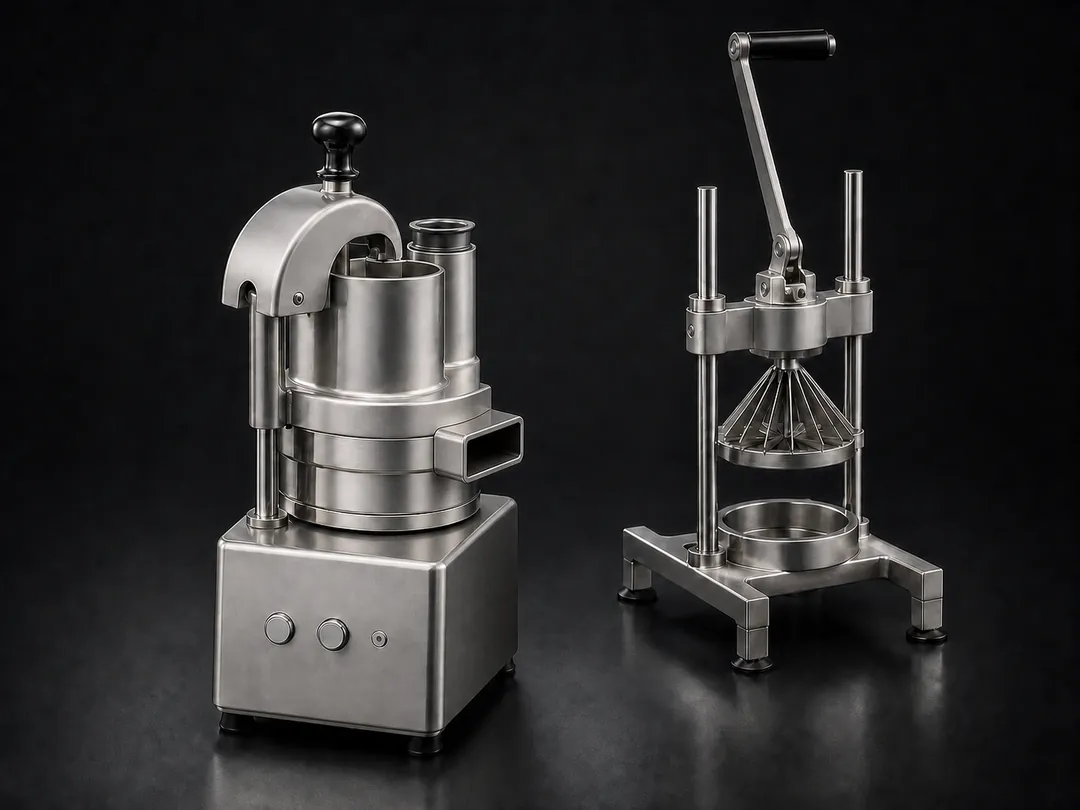
A commercial vegetable cutter reduces repetitive knife preparation when a kitchen needs consistent slices, dice, grated product or julienne cuts. The correct machine is defined by the cuts used on the menu, the volume prepared in a shift and the time available for changing and cleaning cutting tools.
Begin with a written cut list. Match each slice thickness or shape to a compatible disc, blade or grid, then check whether the feed opening accepts the vegetables with reasonable trimming. A high hourly output is only useful if staff can feed safely, collect product without overflow and change tools without disrupting the next preparation task.
Key factors to consider before purchasing. Our team can help you find the right fit — call or get a quote anytime.
Match equipment capacity to your daily output. Consider available floor space and door clearances.
Confirm levelling, wall clearance and the access needed for cleaning and service. We can help with kitchen planning.
Submit your kitchen requirements — our equipment specialists will send you a tailored shortlist of commercial vegetable cutters that fits your budget, venue type and compliance needs.
Standards & Compliance
Confirm the motor duty and operating cycle against the expected preparation run rather than assuming every cutter is intended for continuous loading. The feed pusher, guards and interlocks must be used as designed, with a stable location for the receiving container.
Sharp parts need protected handling during changeover and washing. Plan separate storage for clean discs and grids, identify them clearly and leave enough bench or trolley space to dismantle the food-contact path without mixing clean and used components.
FAQ
No. Vegetable cutters specialise in bulk cutting only.
Most include starter discs; specialised discs are bought separately.
Some discs grate hard cheese — check model compatibility.
Soft tomatoes may collapse; best handled with suitable attachments or hand prep.
List the required slice thickness, dice size, grate or julienne shape for each menu item, then match those outcomes to tools approved for the exact cutter. Confirm whether a cut needs one disc or a disc-and-grid combination and check that staff can store and identify every sharp part safely.
Why KW
KW can start with the kitchen’s cut list and hourly preparation load, then narrow the choice by feed opening, tool changes and the clean-down time between foods. Call 1300 001 366 to discuss a vegetable-cutting workflow for an Australian production kitchen.
Deep Dive
Technical depth from KW's commercial kitchen specialists.
Specify the required shape and thickness for each vegetable, then confirm the exact compatible tool combination. Dicing may need a slicing component and grid working together, while grating and julienne preparation use different cutting profiles.
Stop and isolate the cutter before opening guarded areas. Remove tools in the documented order, keep sharp edges away from the operator’s grip and move used components directly to the cleaning area. Fit only clean, correctly seated parts before the next food enters.
Compare the feed opening with whole and pre-trimmed vegetables, and decide how staff will stage product without overloading the hopper. Place a suitable receiving container where it can be changed before overflow, without requiring the operator to reach beneath moving parts.
Group compatible foods where the menu and hygiene plan allow, then schedule a complete changeover when allergens, colour transfer or residues require separation. The production plan should include dismantling, washing, inspection and refitting time rather than counting cutting time alone.
Compare the wider vegetable processing category, review related food preparation equipment and coordinate receiving and storage through the broader kitchen project range.
It can be when the model’s motor duty, feed method and collection arrangement support the planned run. Compare the hourly preparation load with the documented operating cycle, including pauses for emptying containers, changing cuts and cleaning; do not assume continuous duty from a high output claim alone.
Plan the preparation order so compatible foods run together where appropriate, then isolate and dismantle the cutter when residues, allergens or colour transfer require a full changeover. Wash and sanitise food-contact parts, inspect hidden surfaces and fit clean tools before starting the next food.
Stop and isolate the machine, open guarded areas only as instructed and remove the pusher, feed components and cutting tools in the documented order. Handle sharp edges carefully, wash and sanitise food-contact parts, inspect the chamber, dry components and refit them correctly before use.
65 results
330 × 580 × 300mm
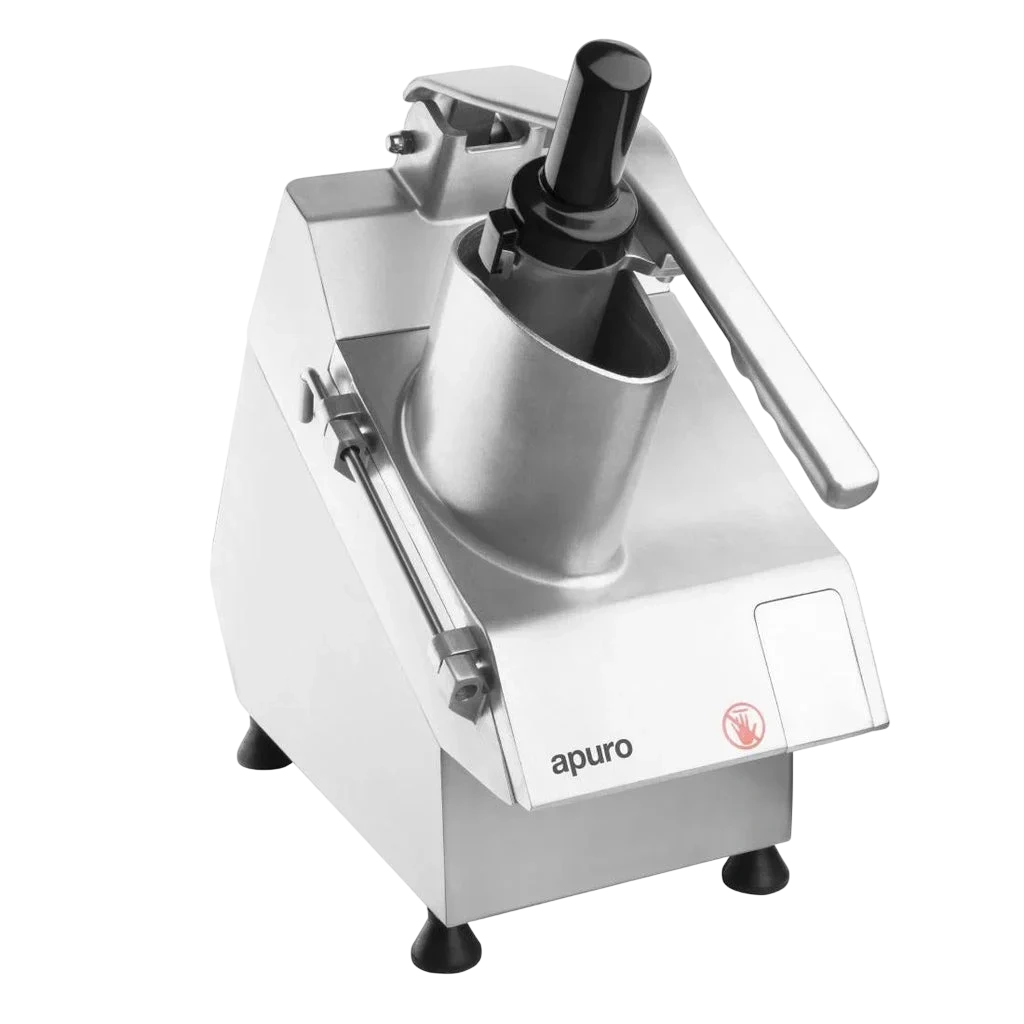
220 × 500 × 540mm
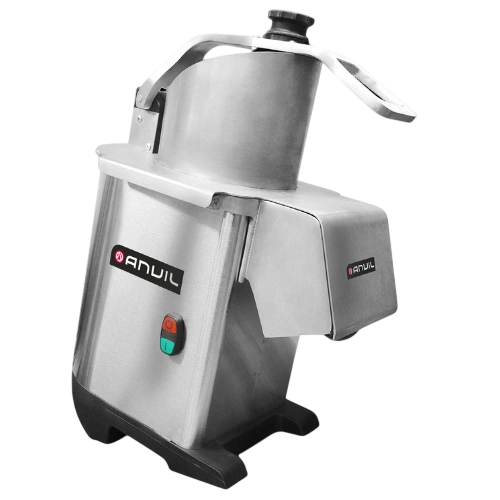
520 × 290 × 520mm
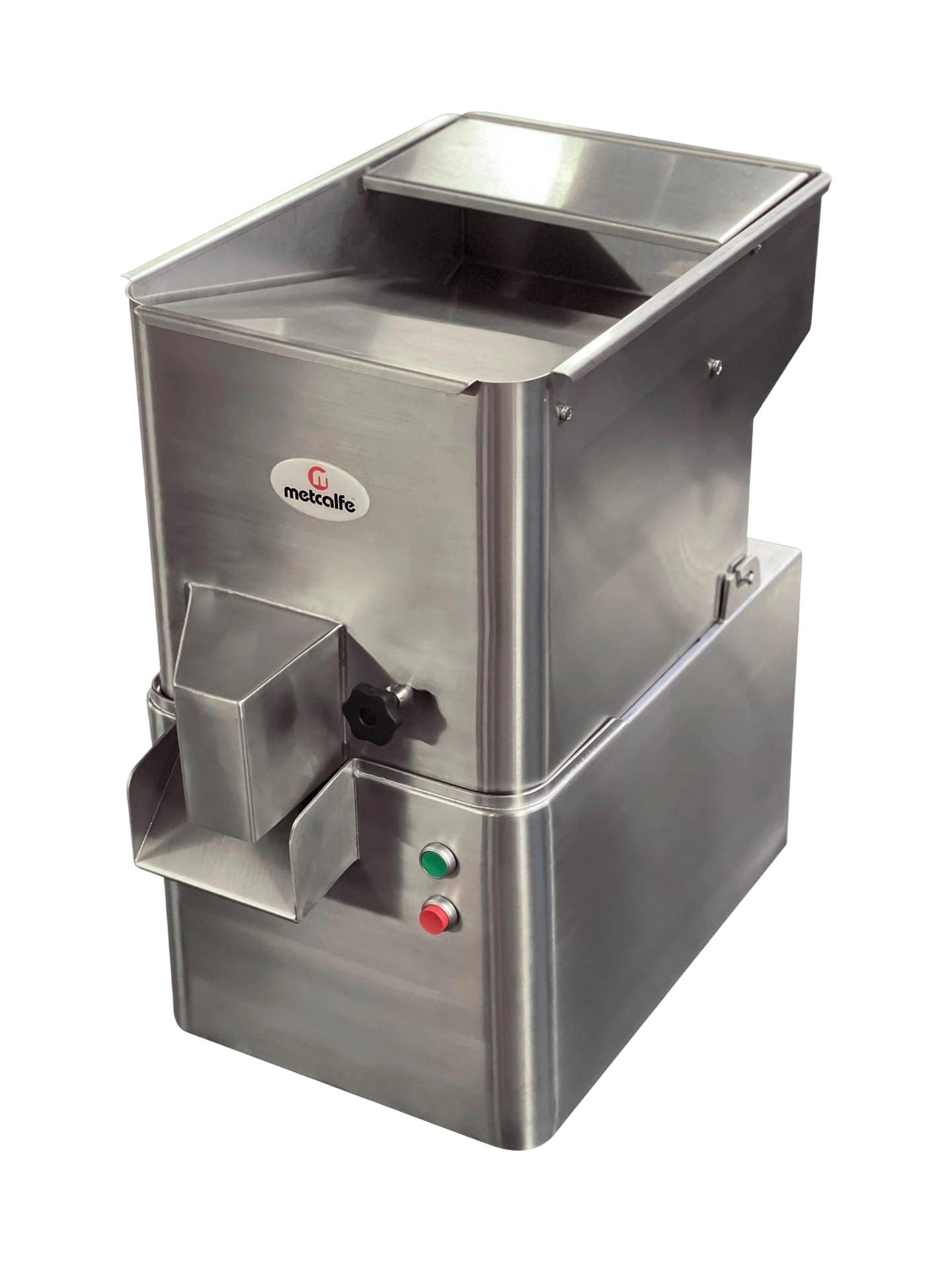
665 × 700 × 700mm
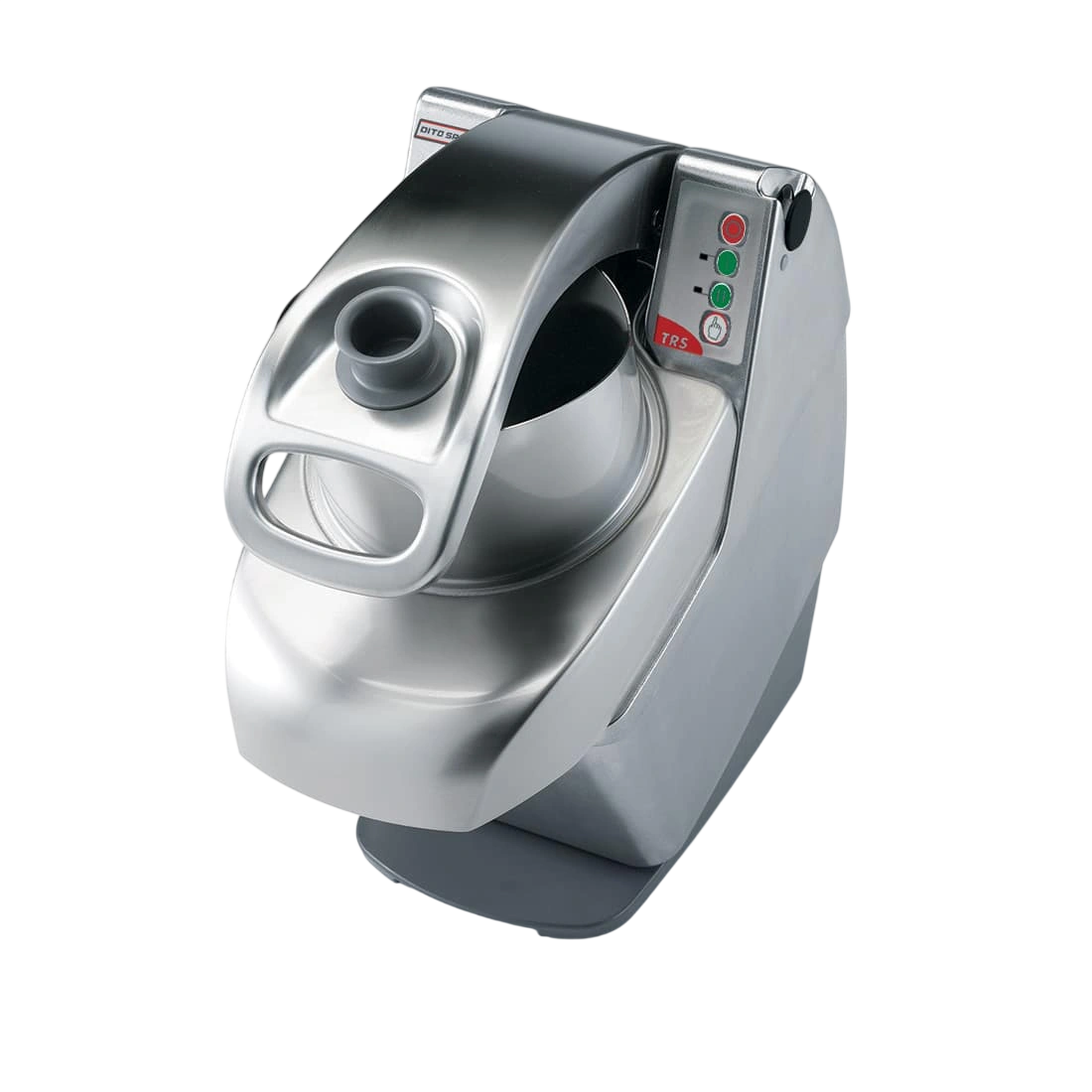
216 × 347 × 412mm
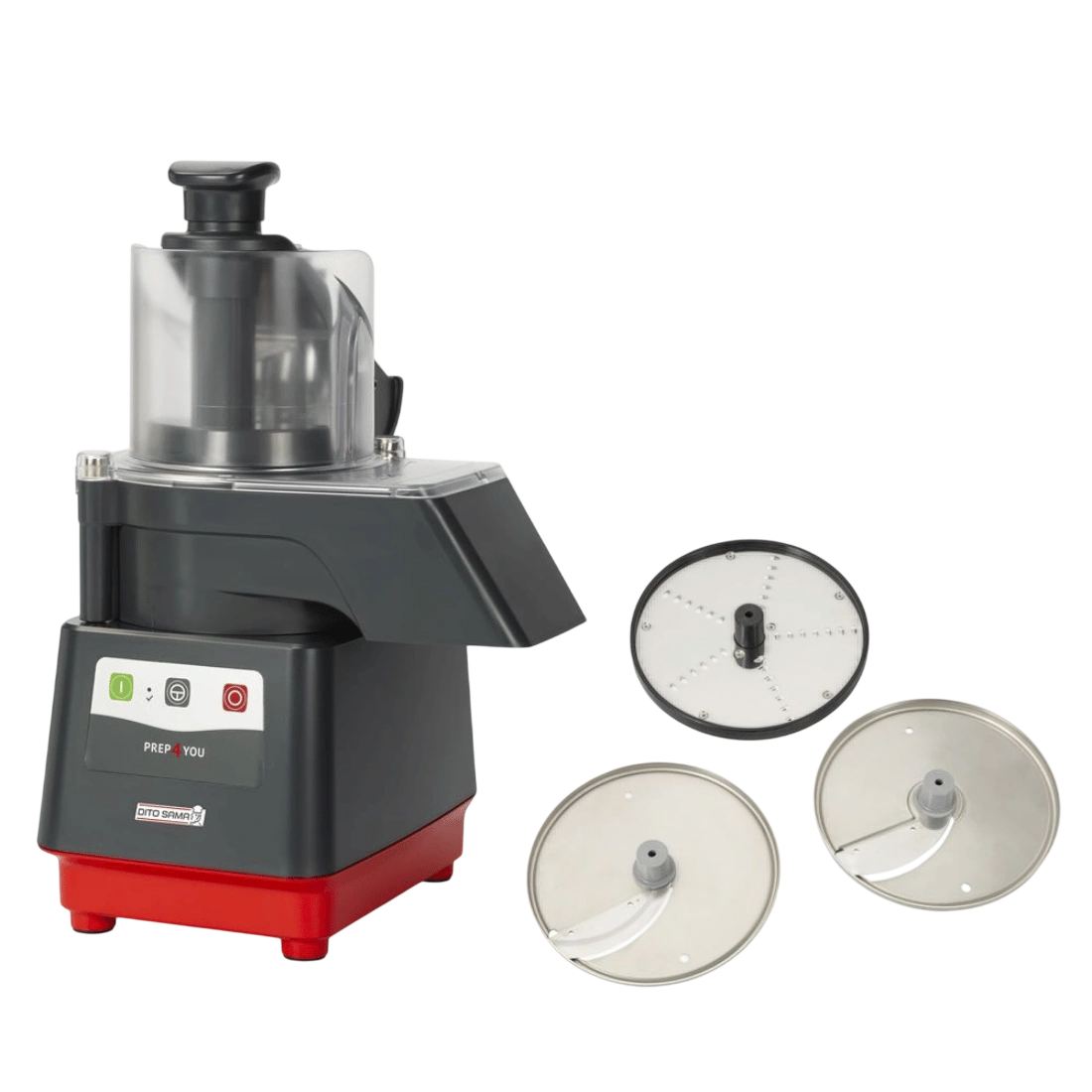
348 × 315 × 527mm
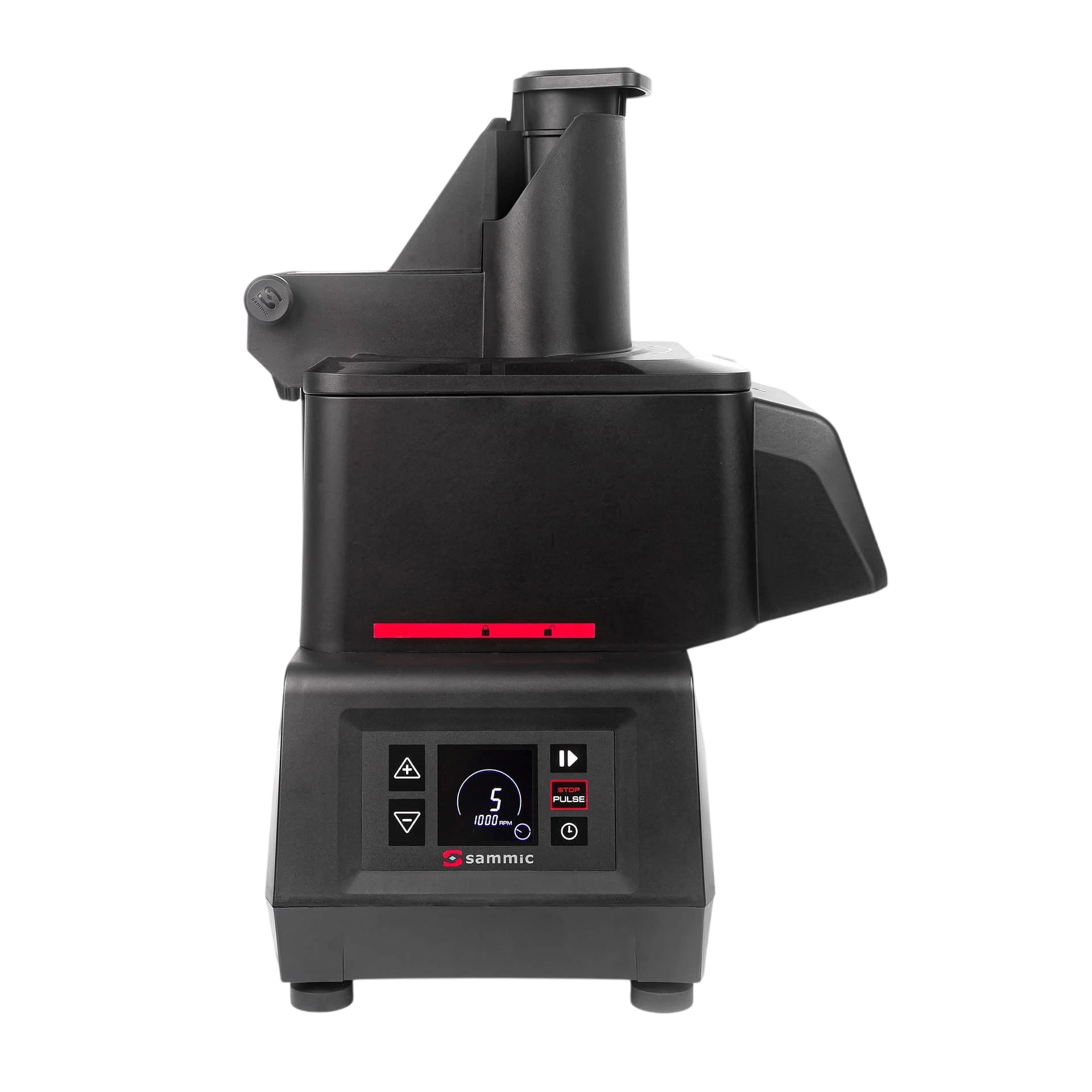
309 × 385 × 533mm
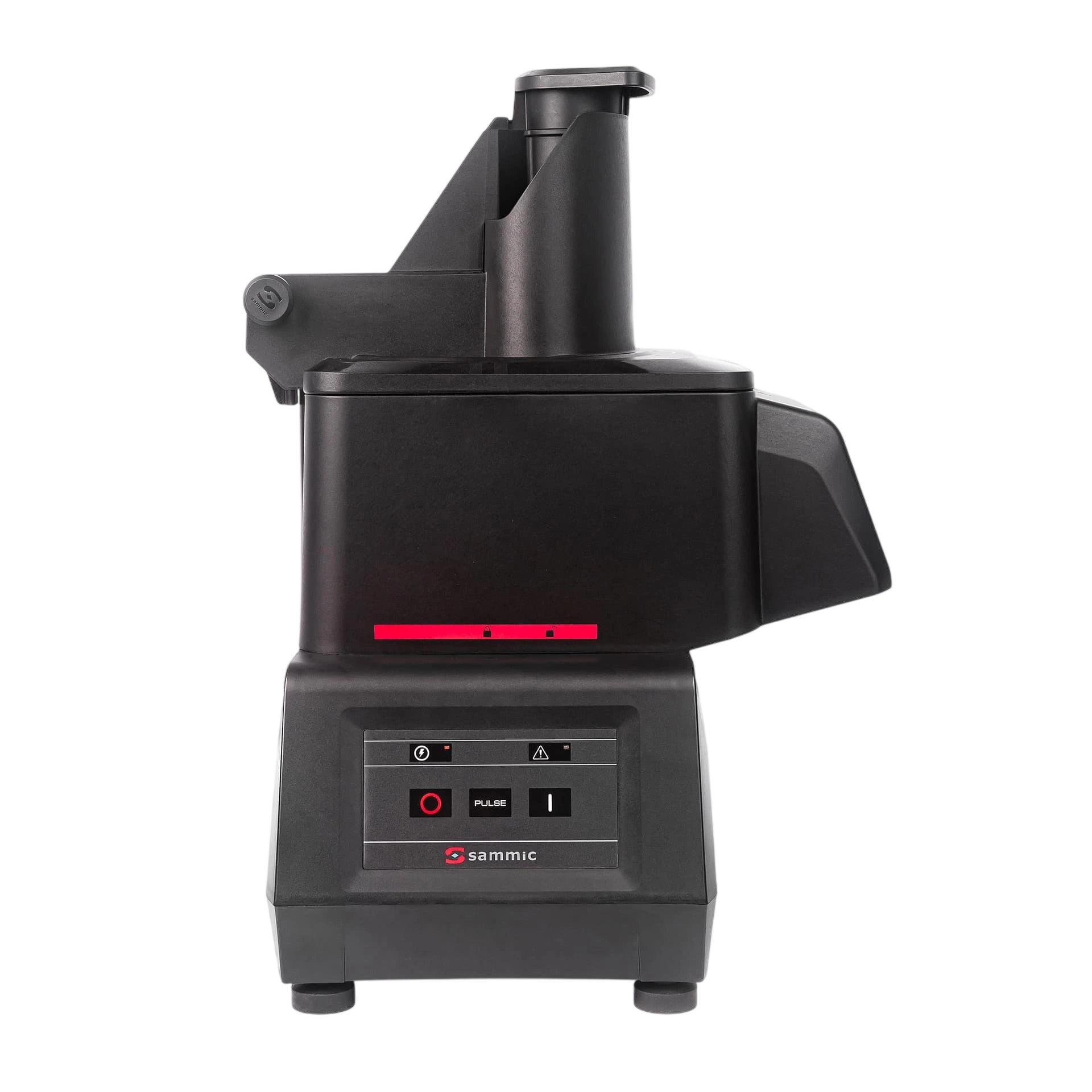
378 × 309 × 533mm
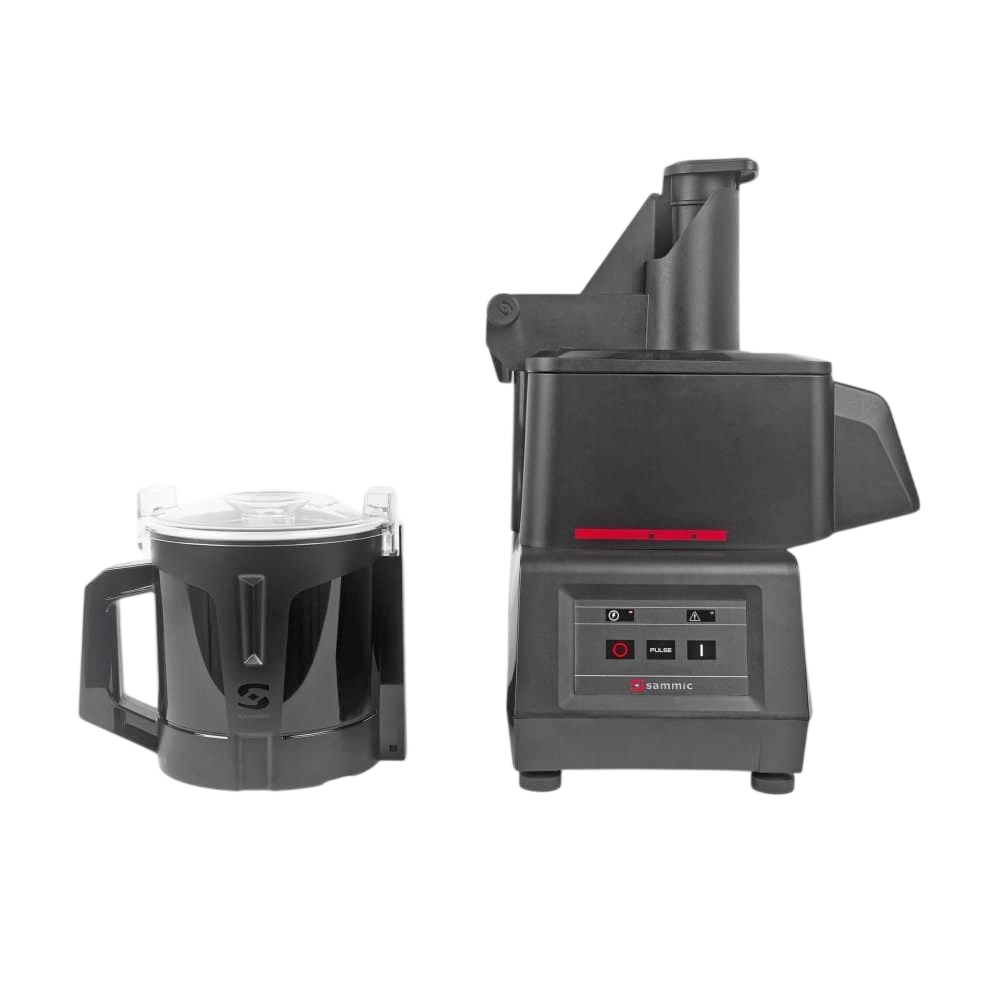
378 × 309 × 533mm
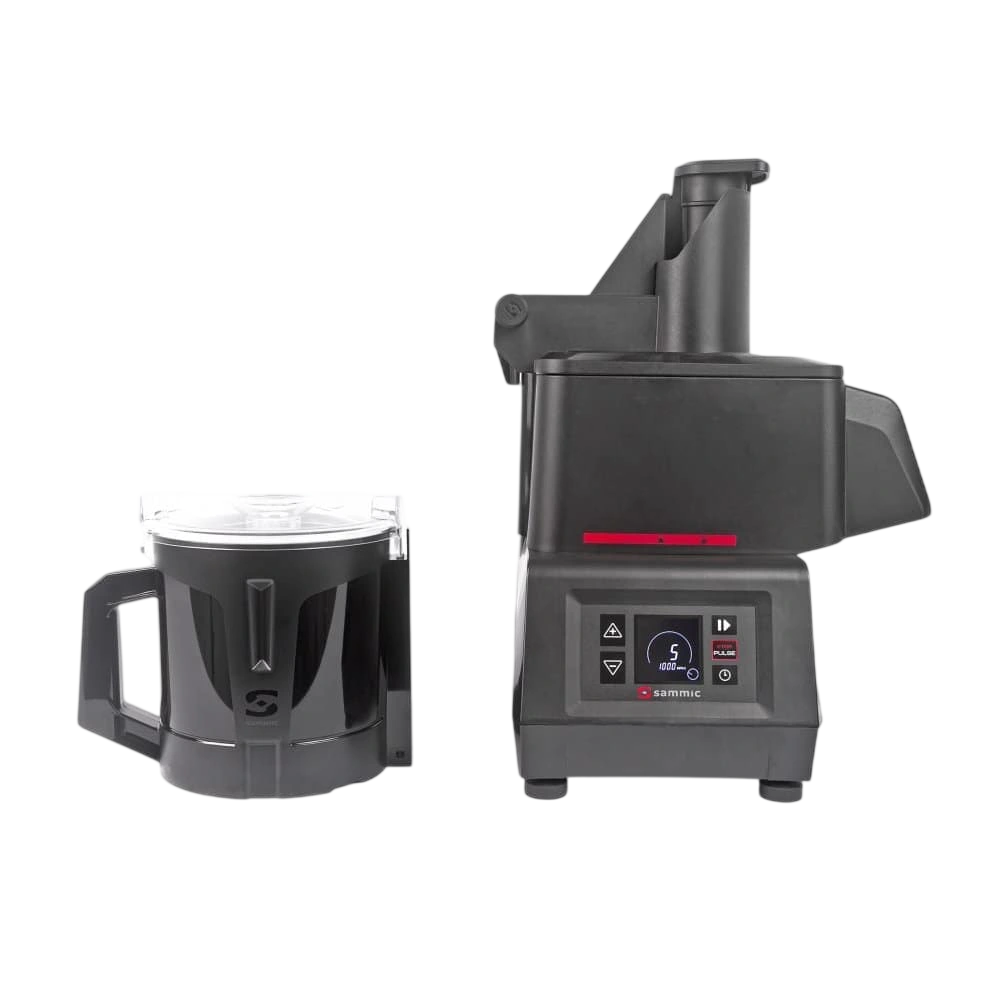
378 × 309 × 533mm
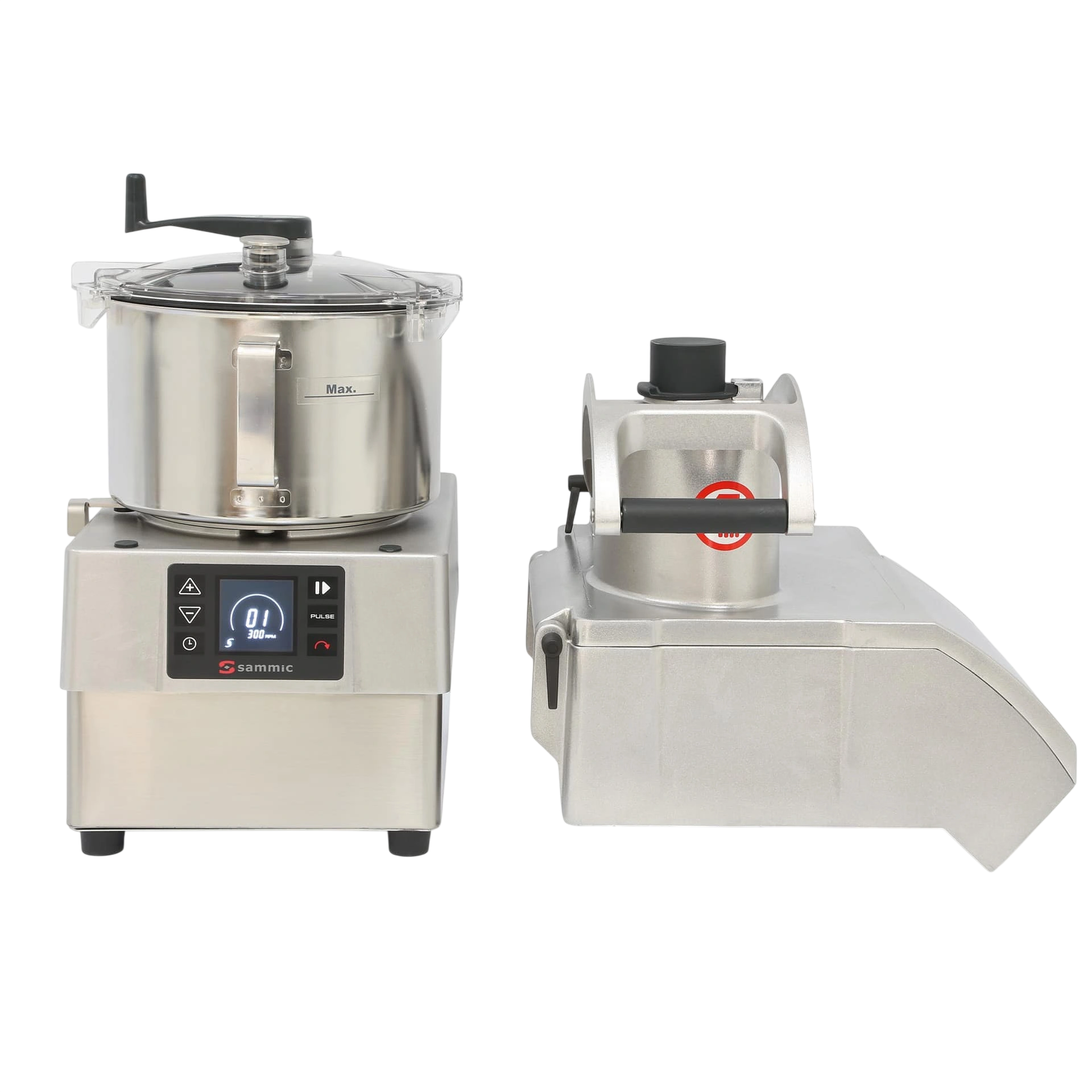
391 × 409 × 552mm
391 × 409 × 552mm
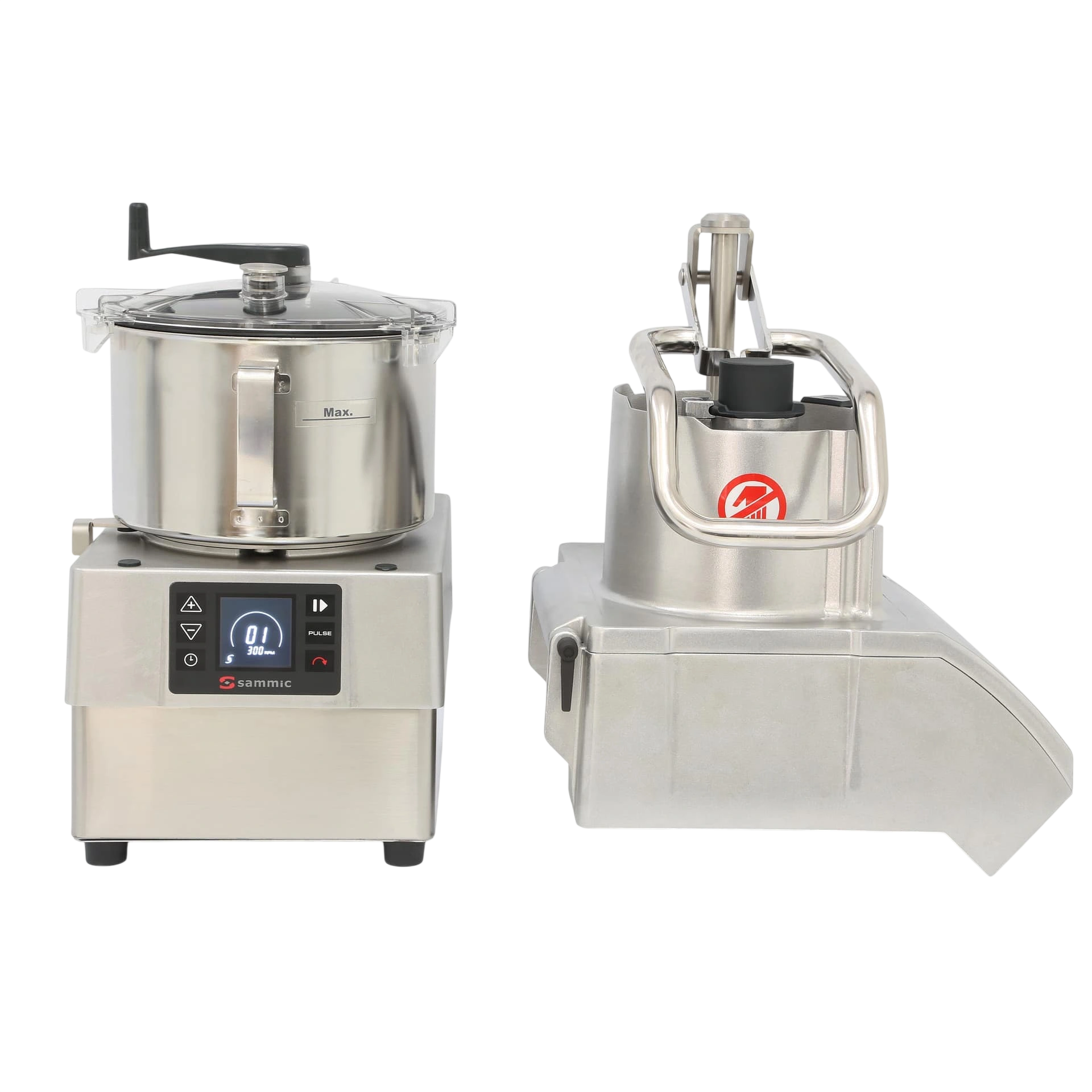
391 × 409 × 652mm
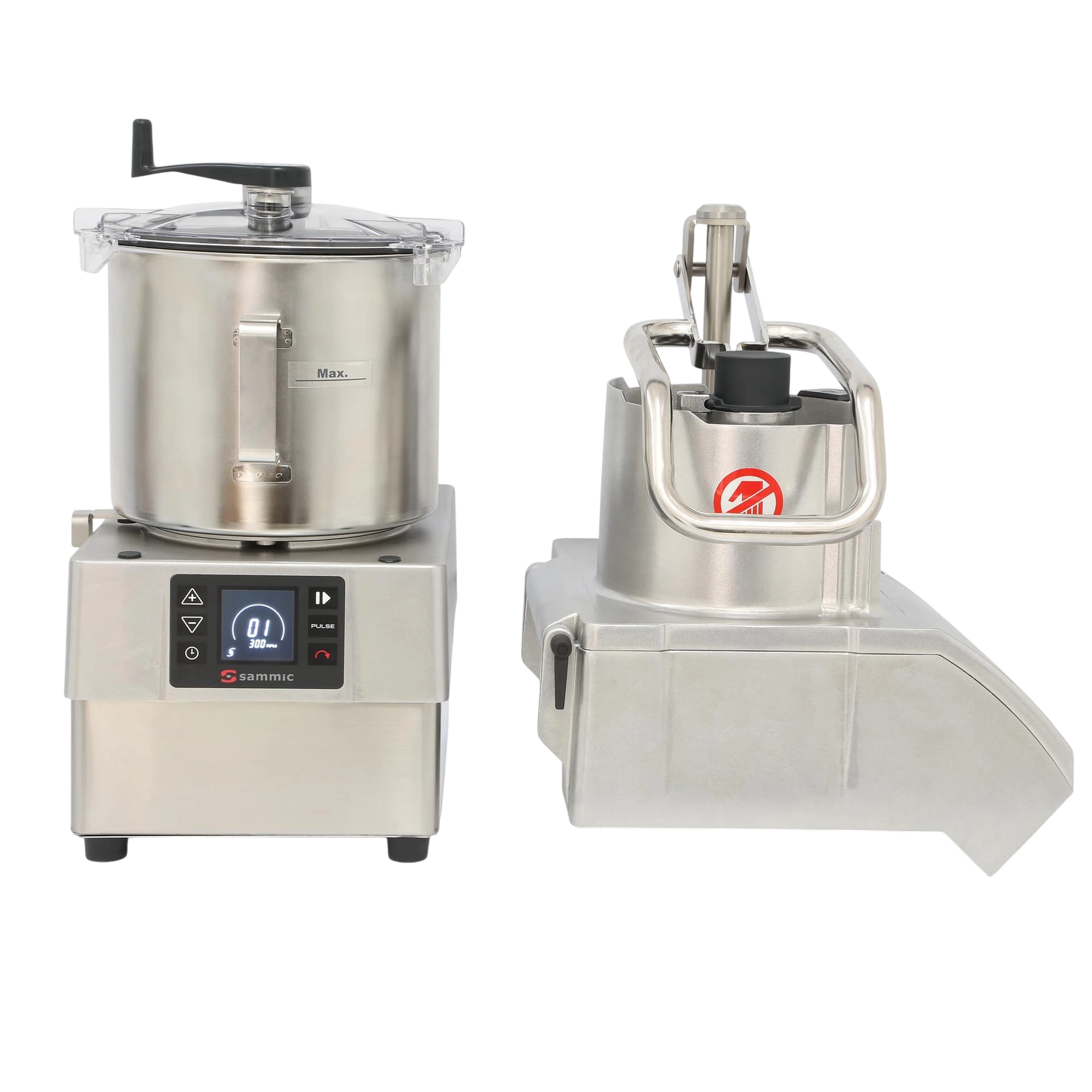
391 × 409 × 652mm
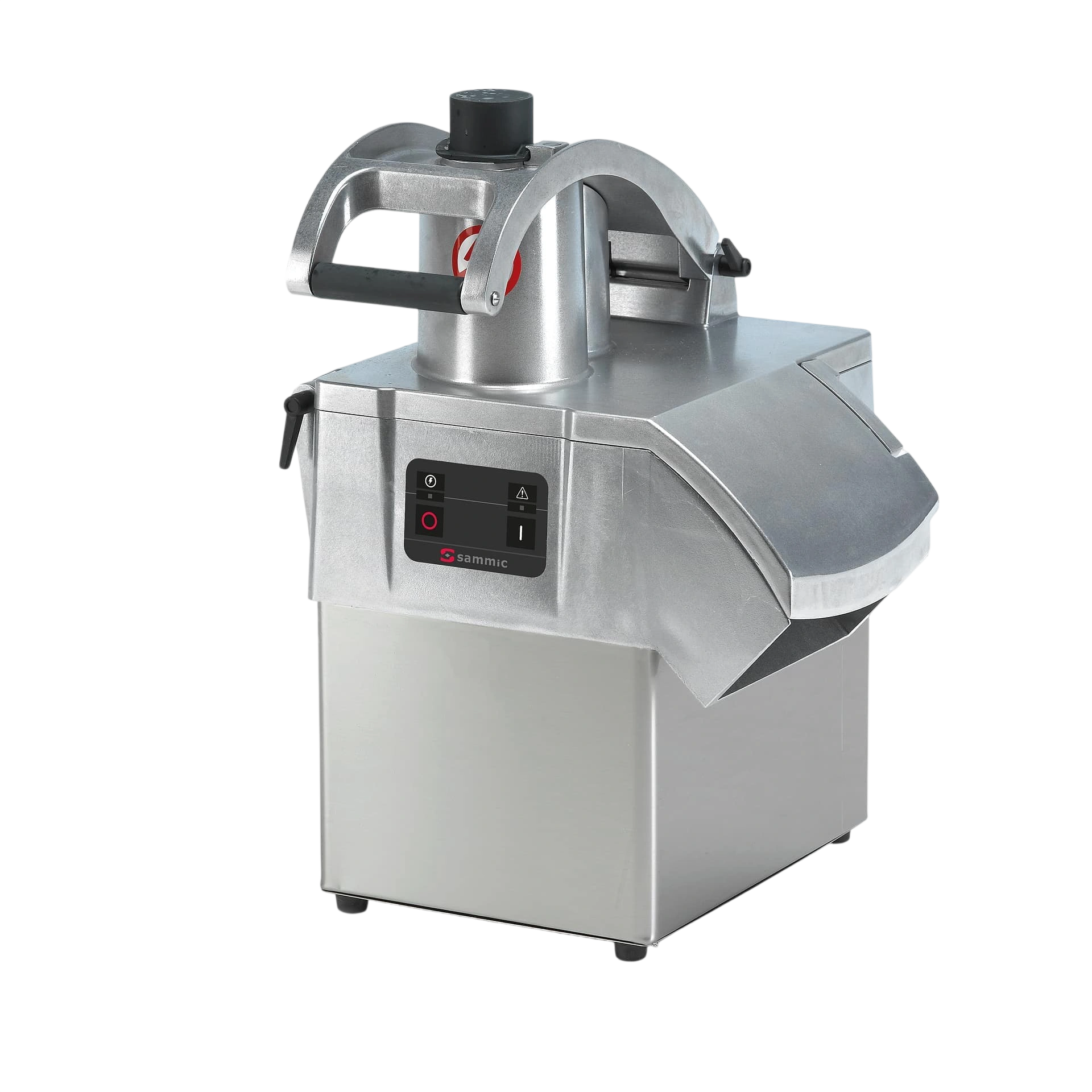
389 × 405 × 544mm
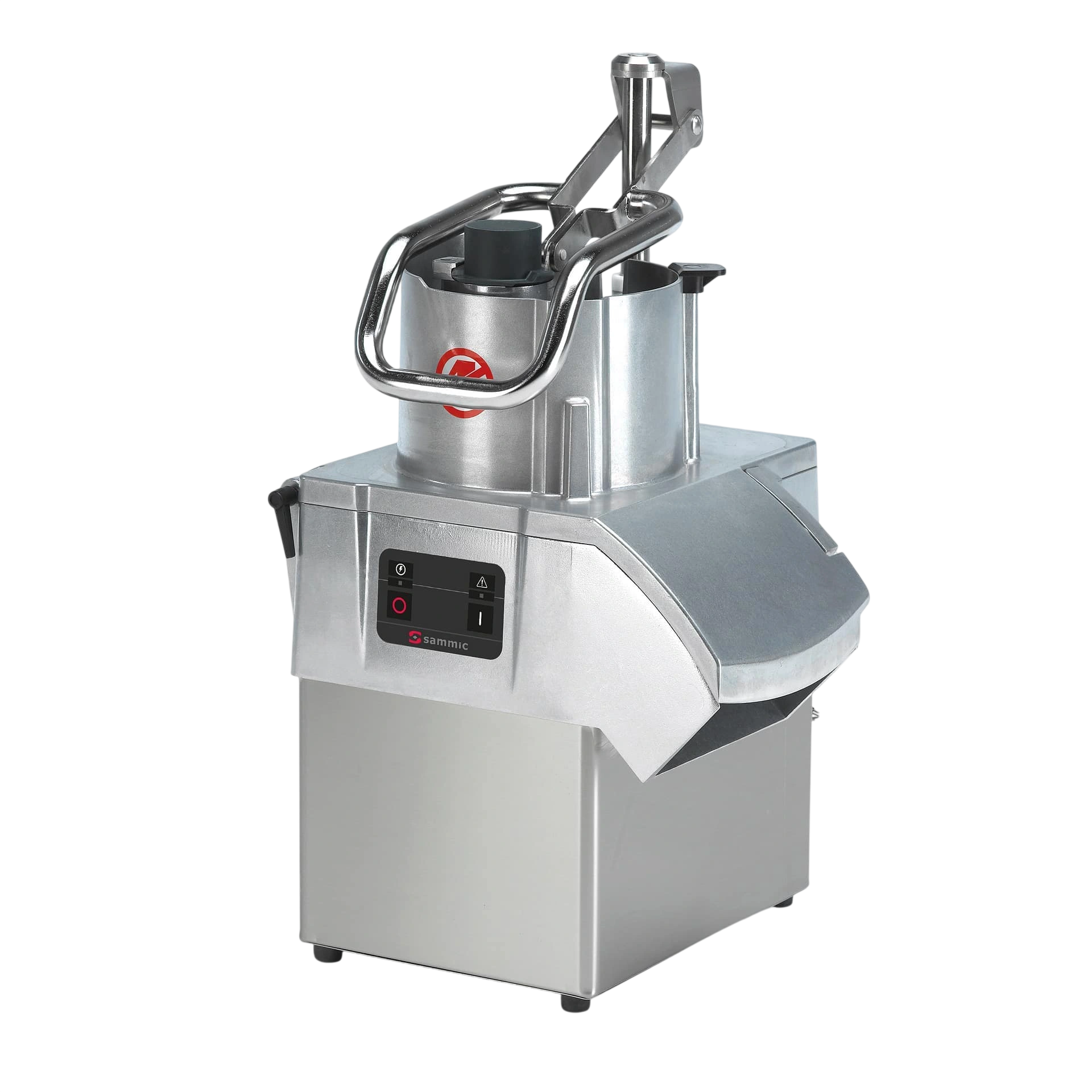
391 × 396 × 652mm
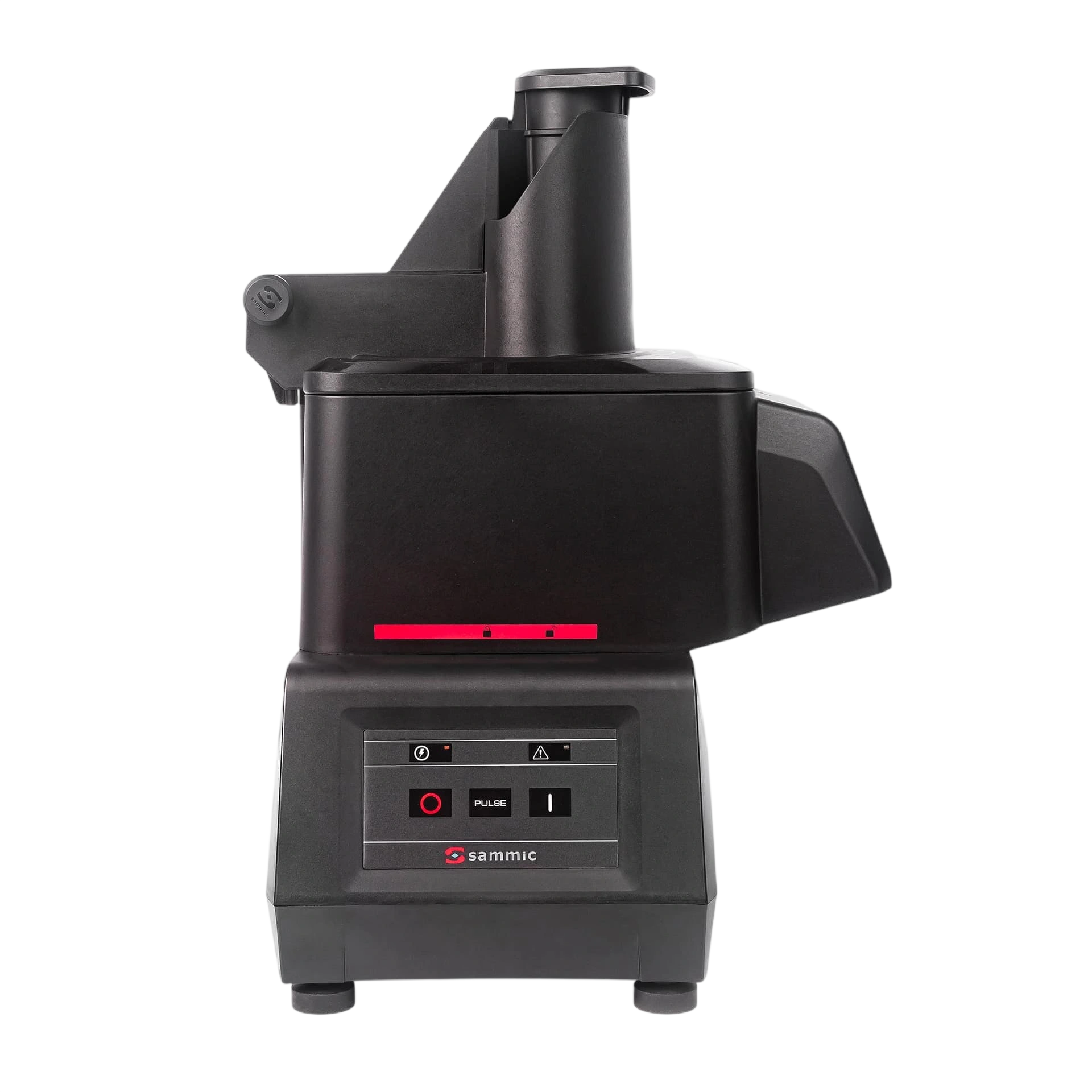
378 × 309 × 533mm
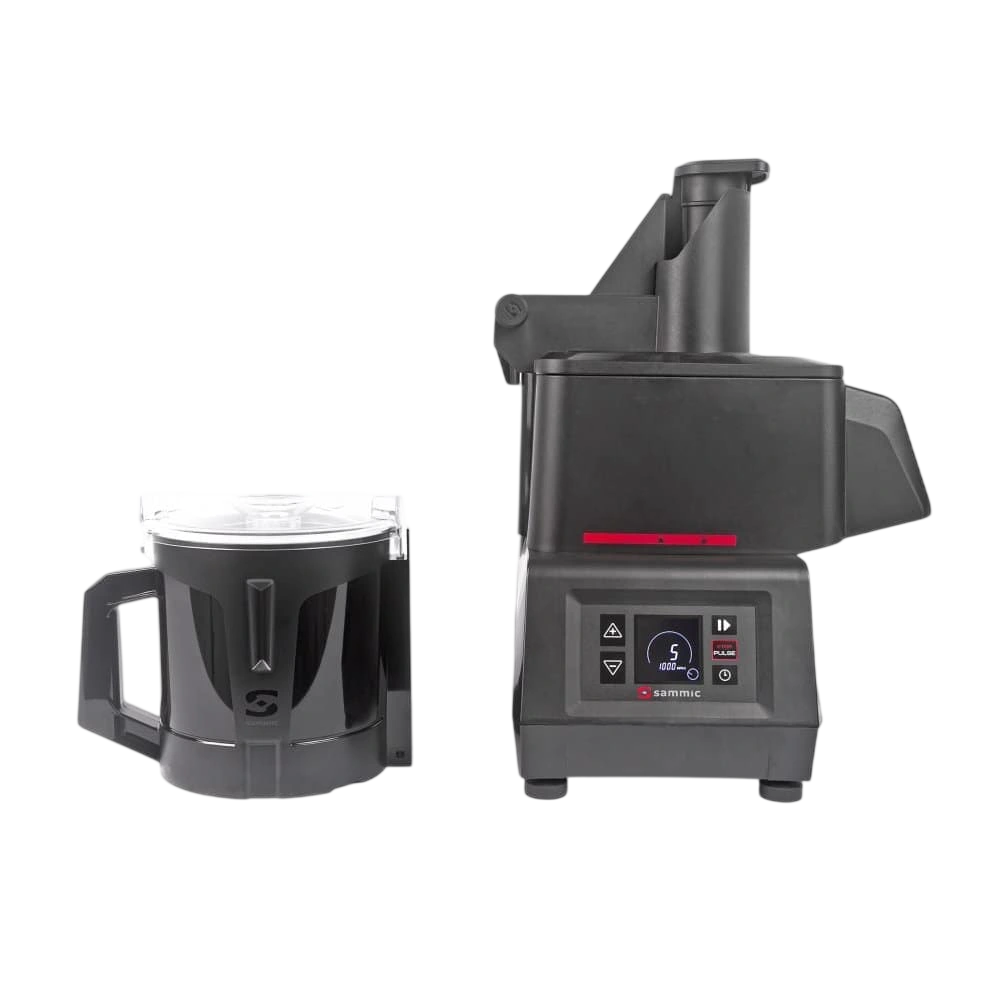
378 × 309 × 533mm
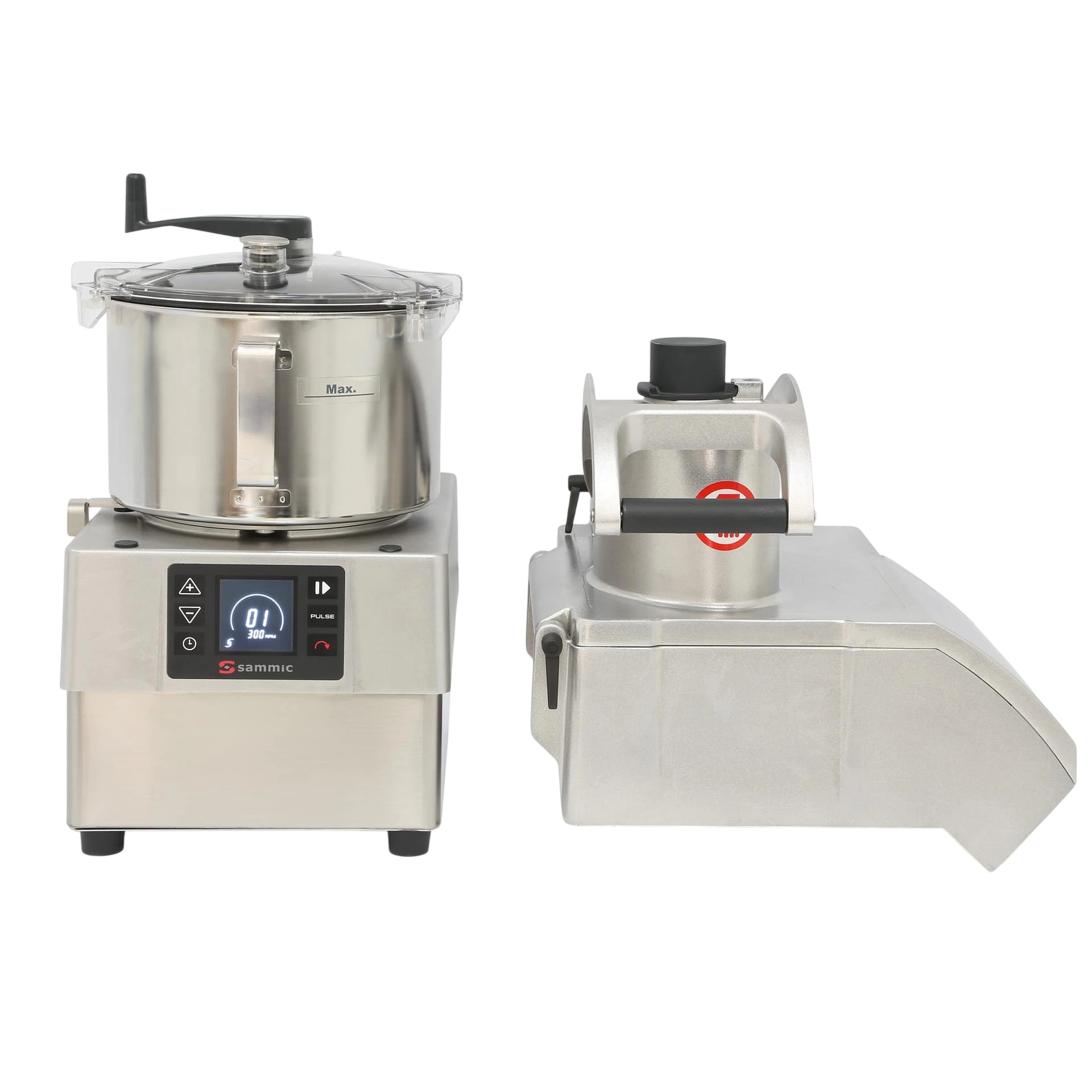
391 × 409 × 552mm
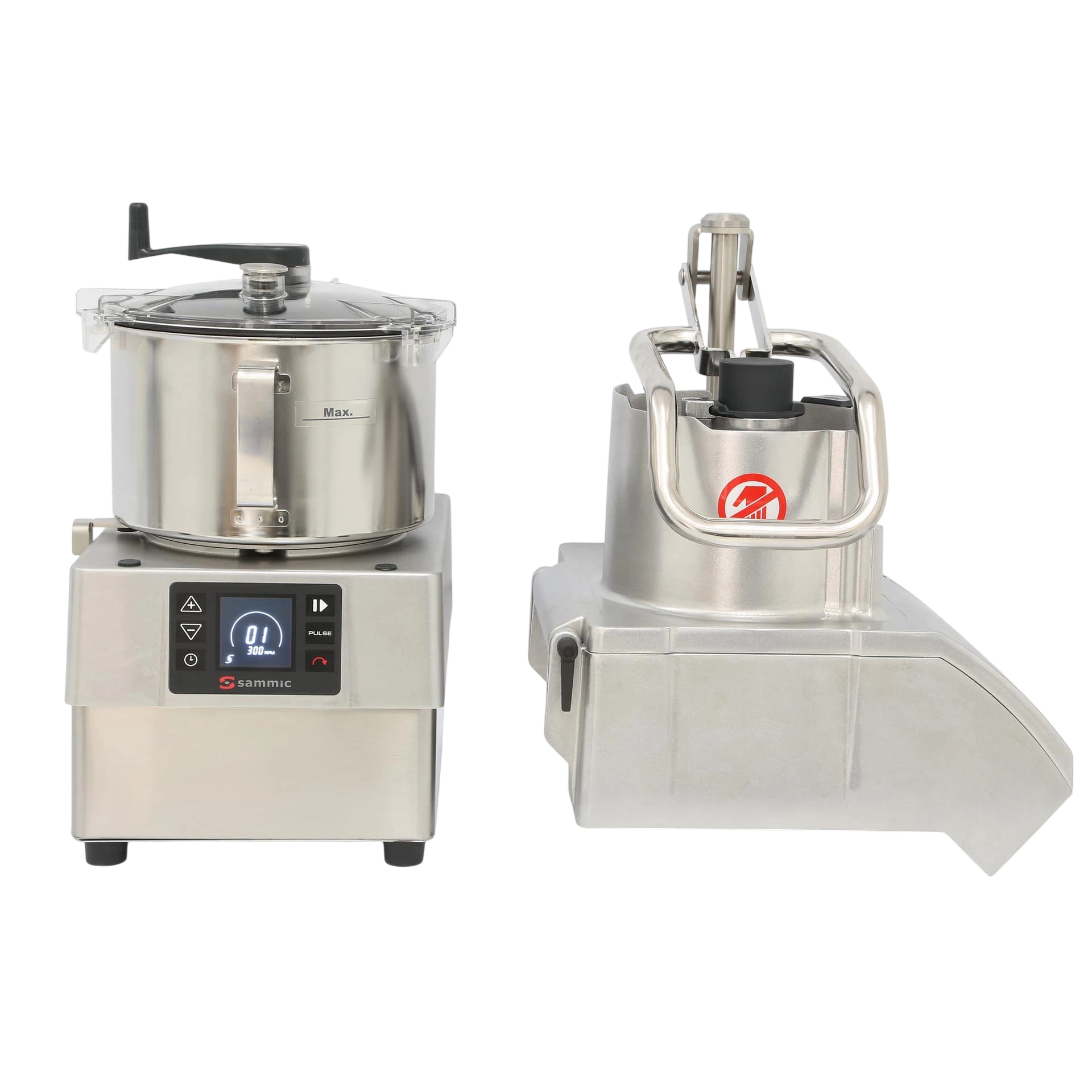
391 × 409 × 652mm
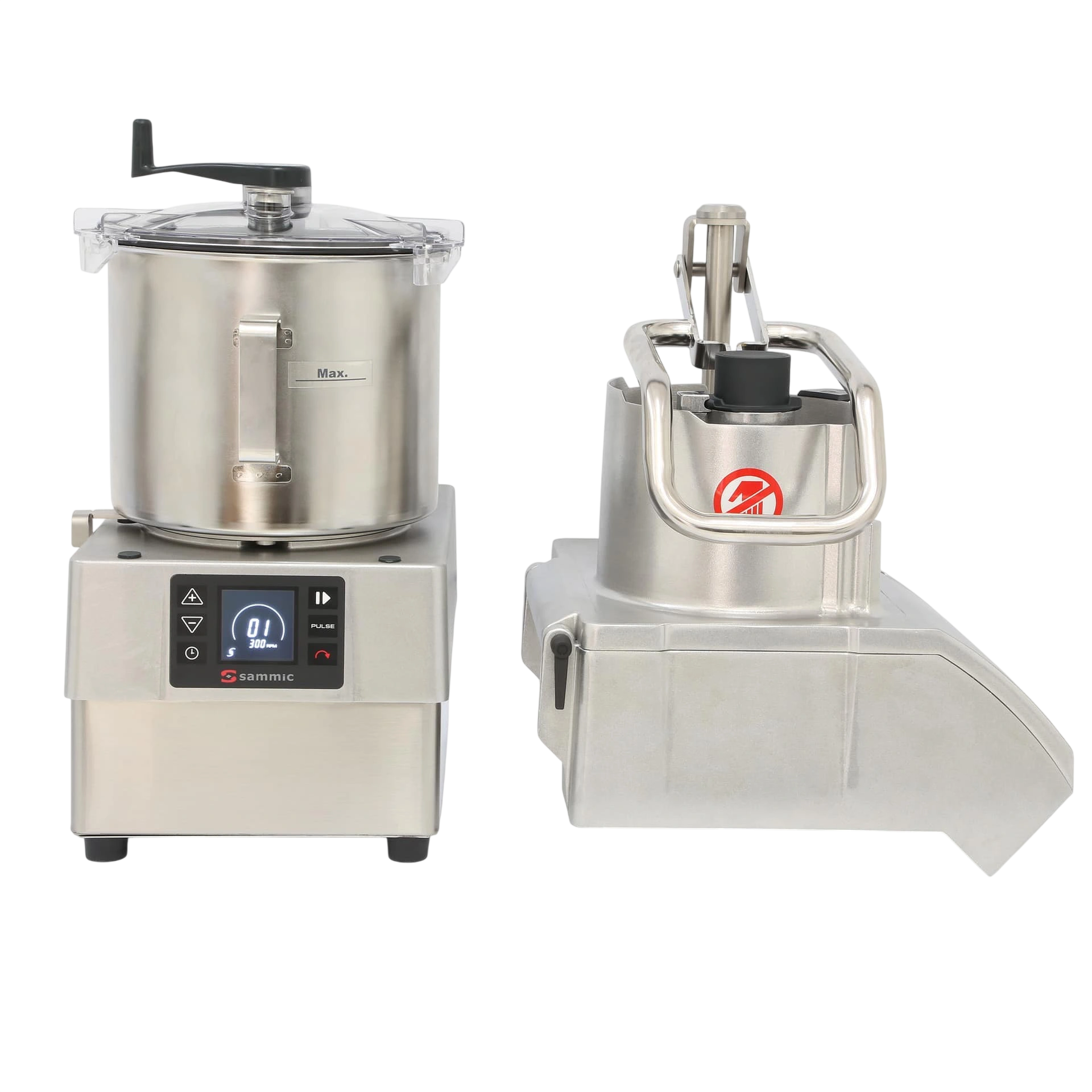
391 × 409 × 652mm
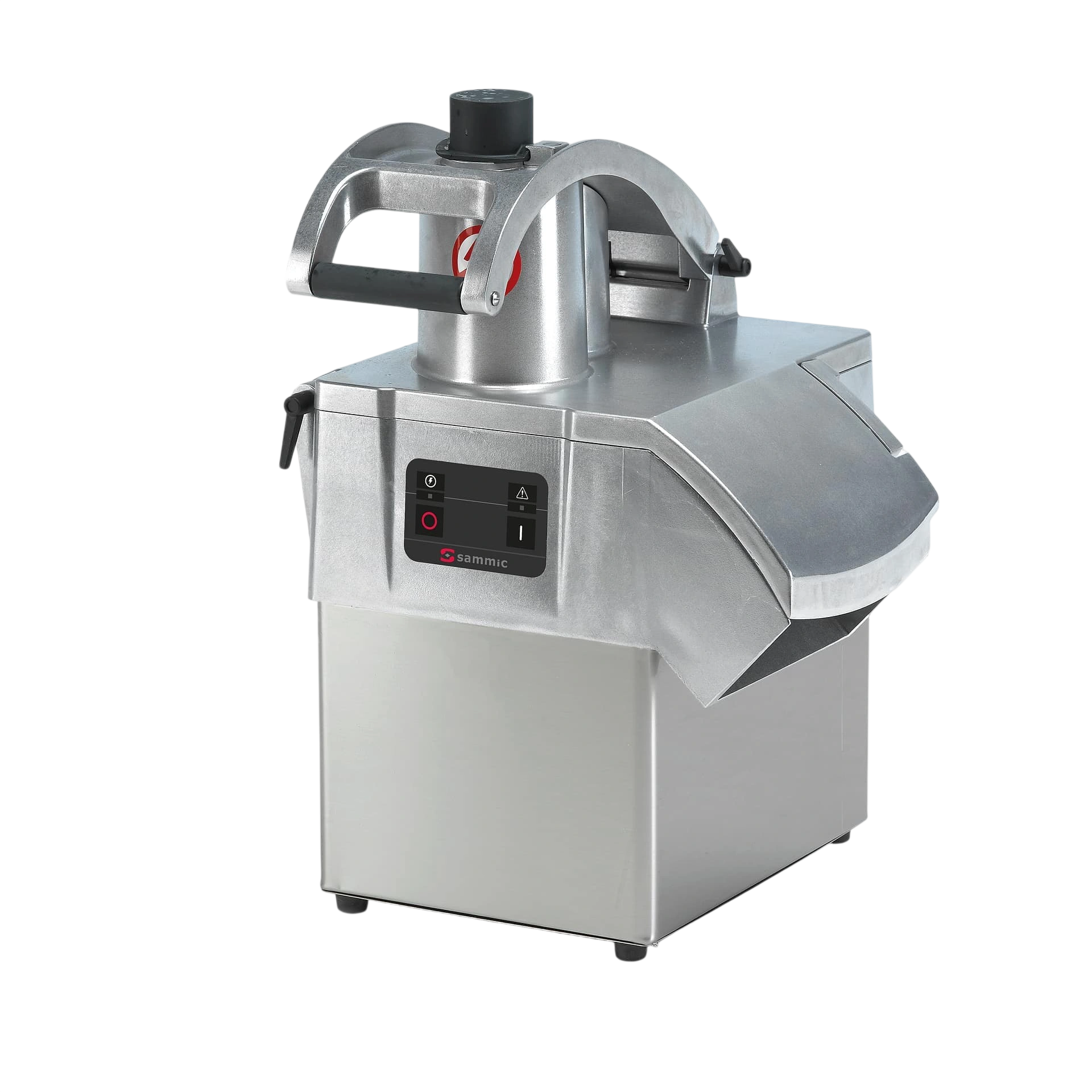
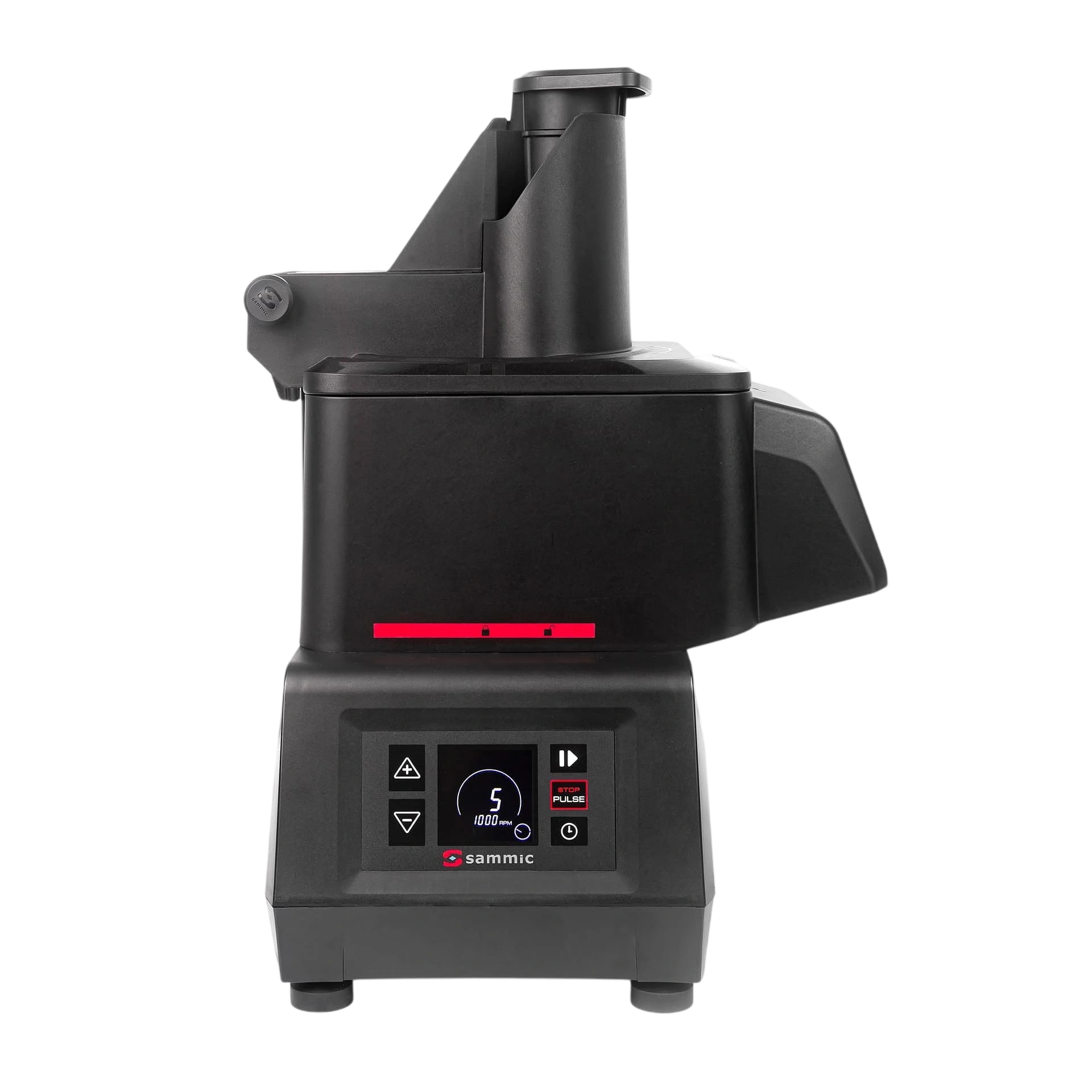
309 × 385 × 533mm
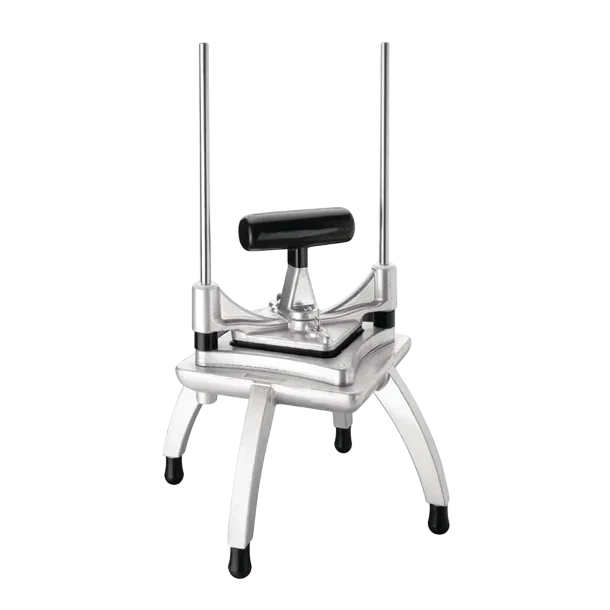
253 × 253 × 470mm
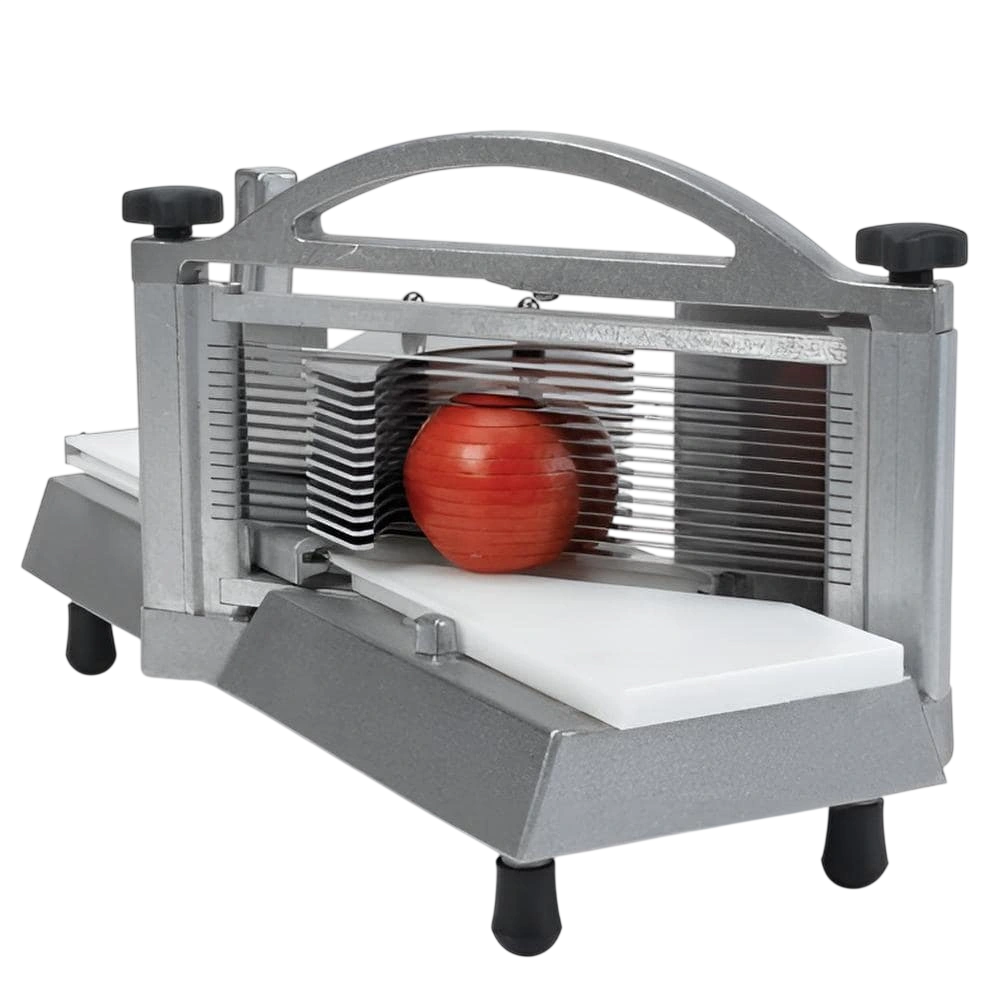
190 × 467 × 238mm
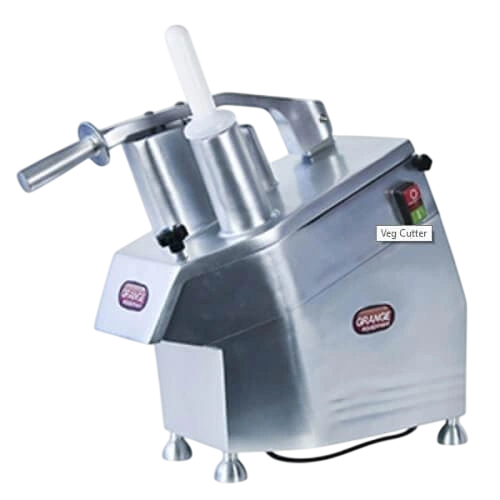
560 × 300 × 570mm
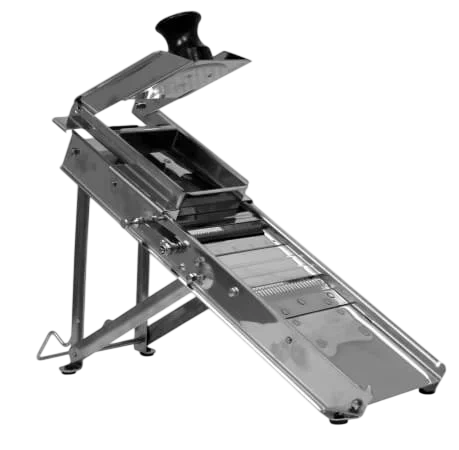
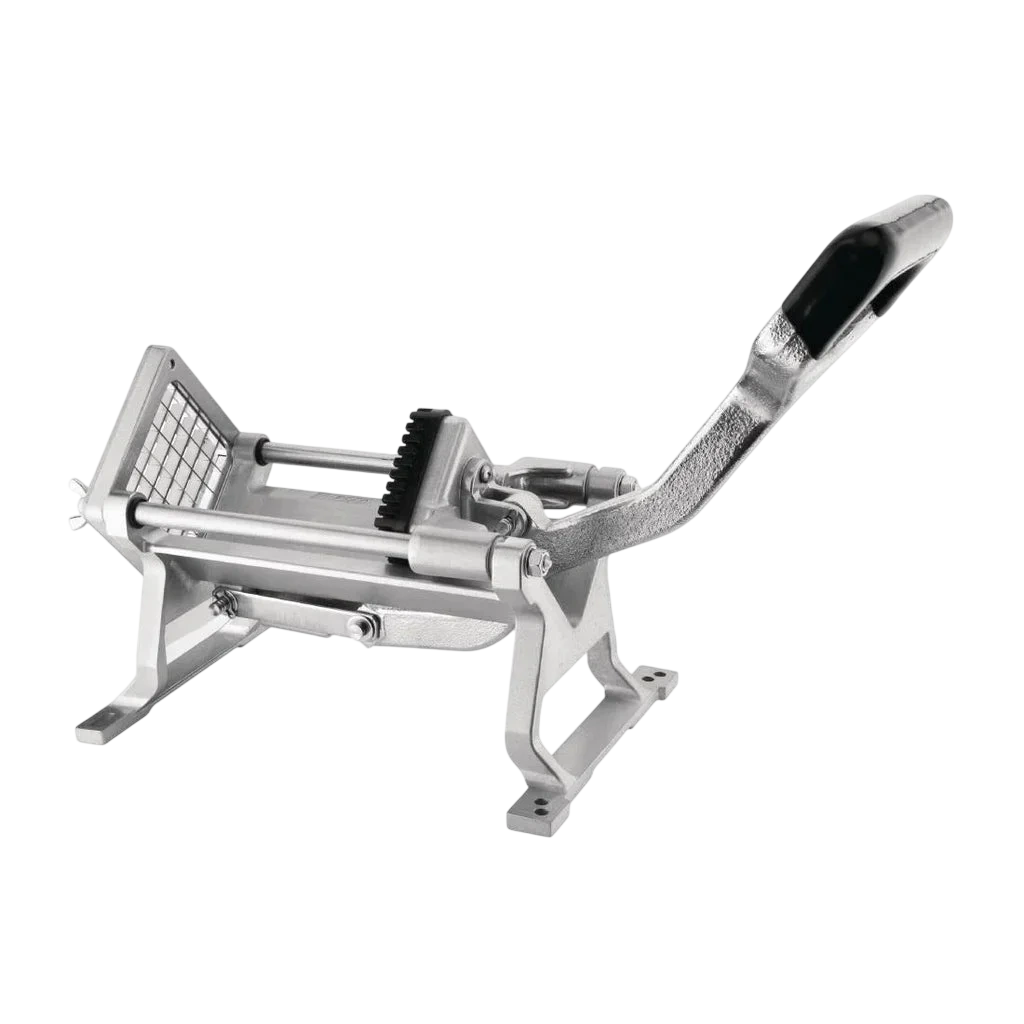
204 × 436 × 290mm
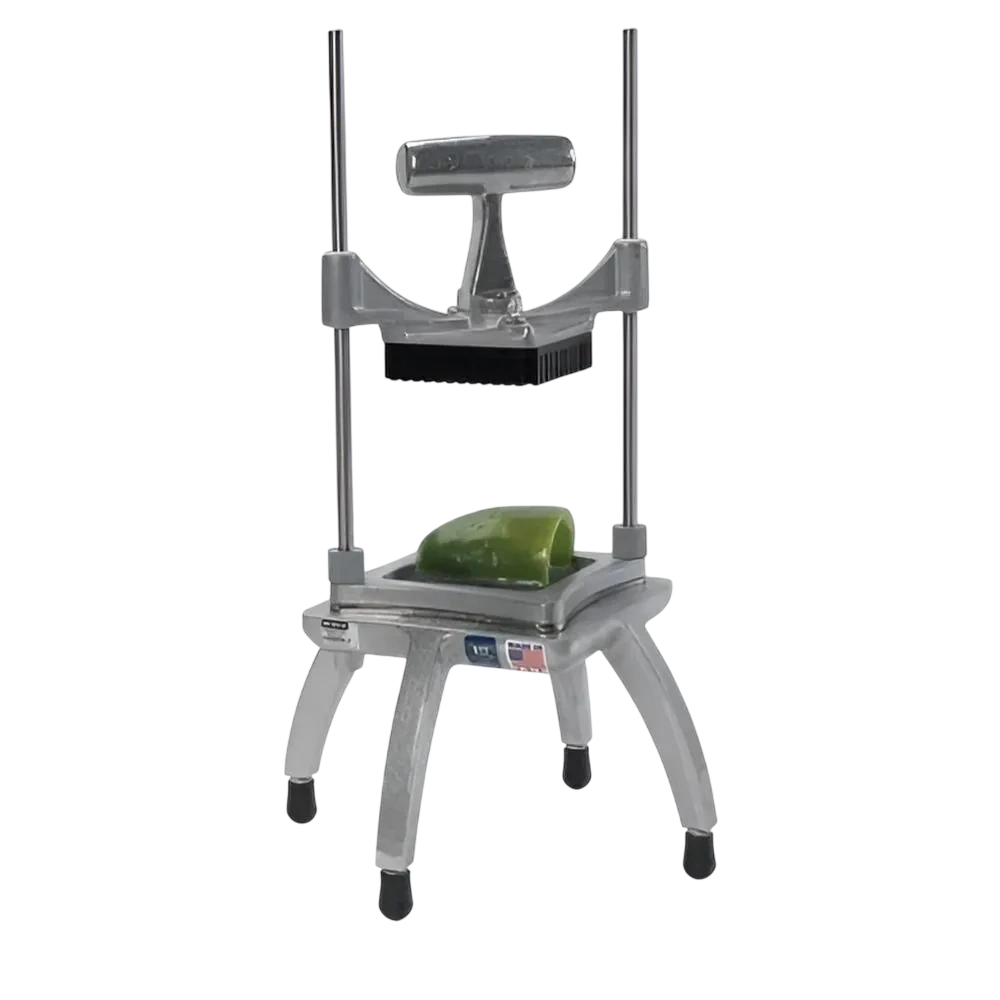
250 × 250 × 512mm
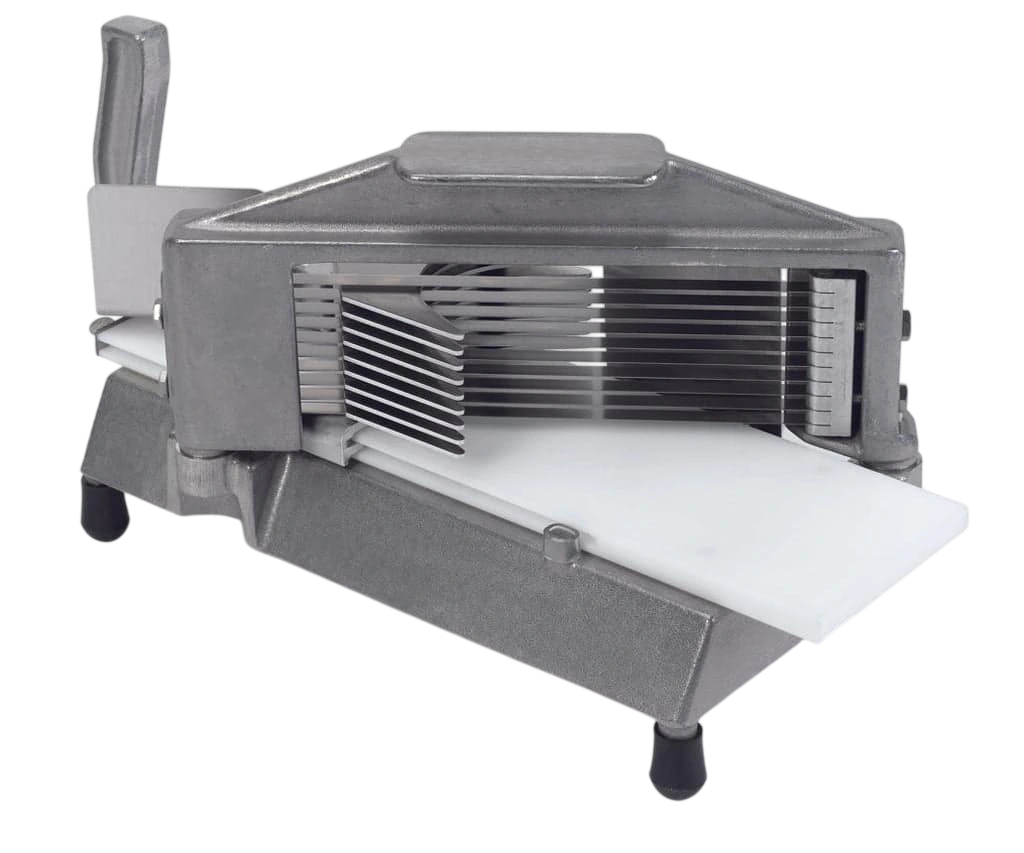
360 × 160 × 170mm
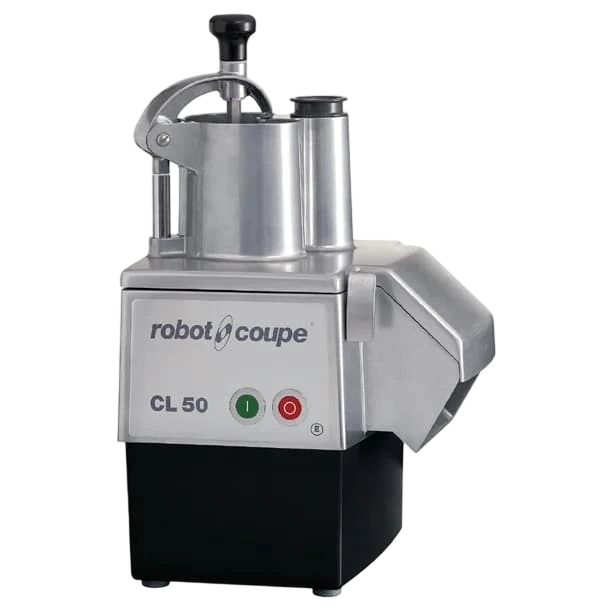
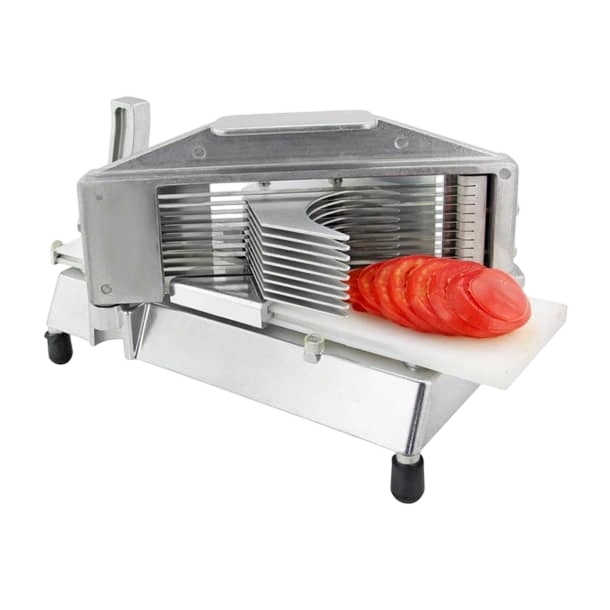
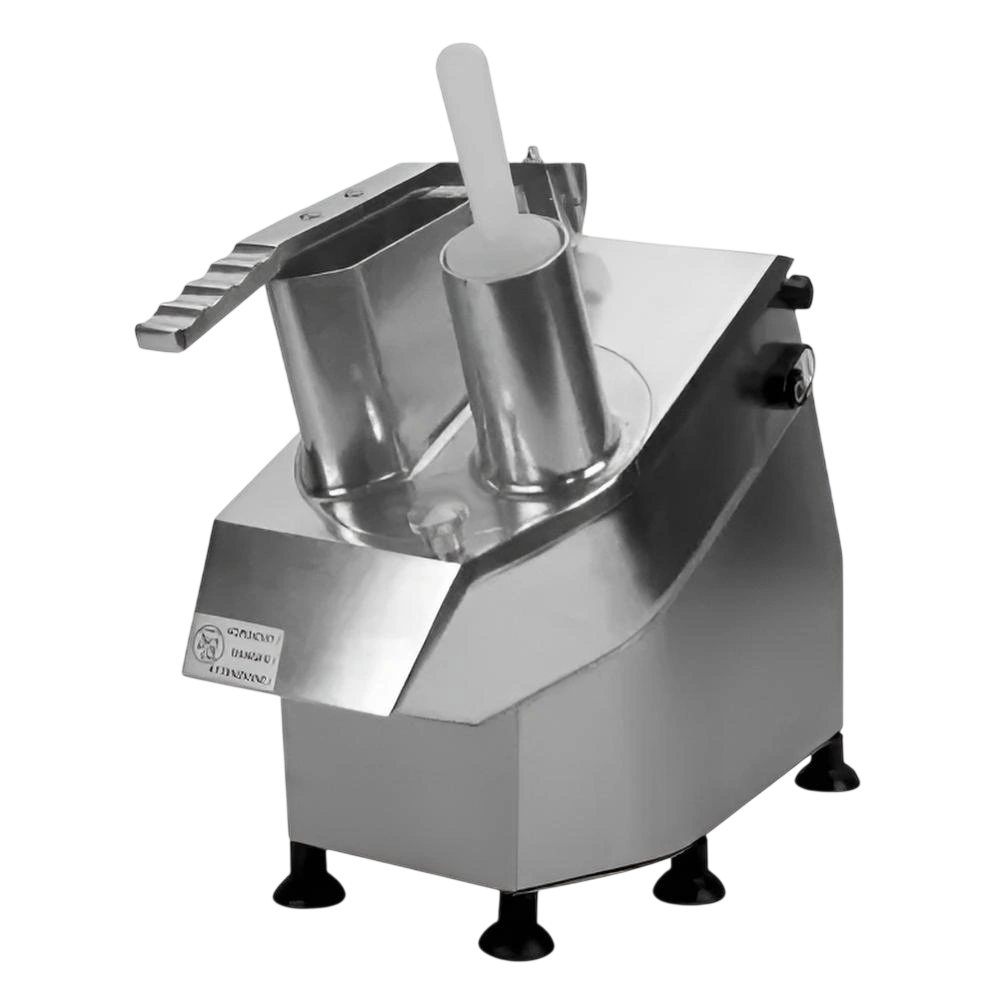
240 × 570 × 470mm
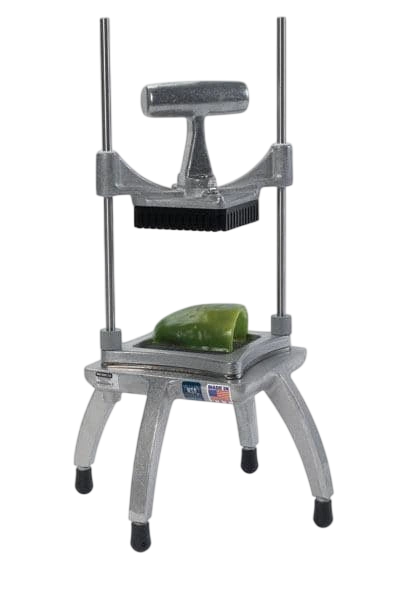
250 × 250 × 512mm
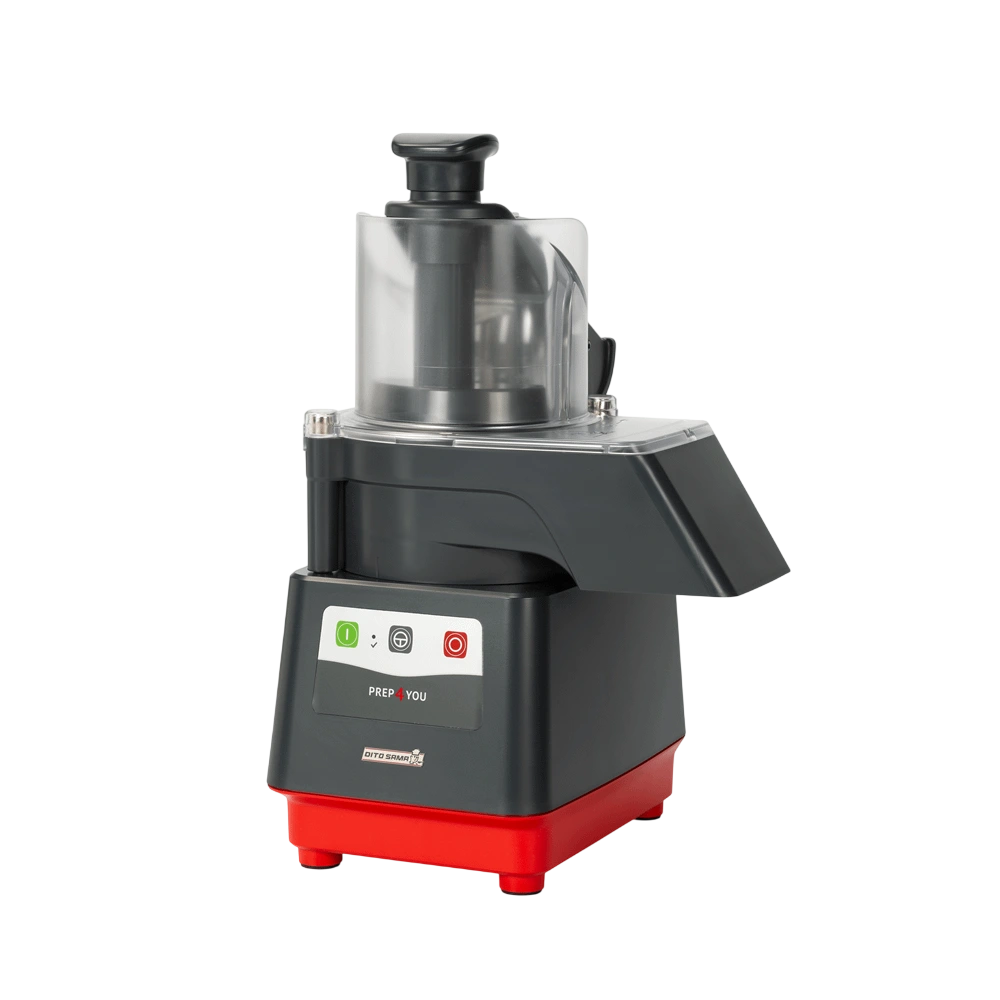
348 × 315 × 527mm
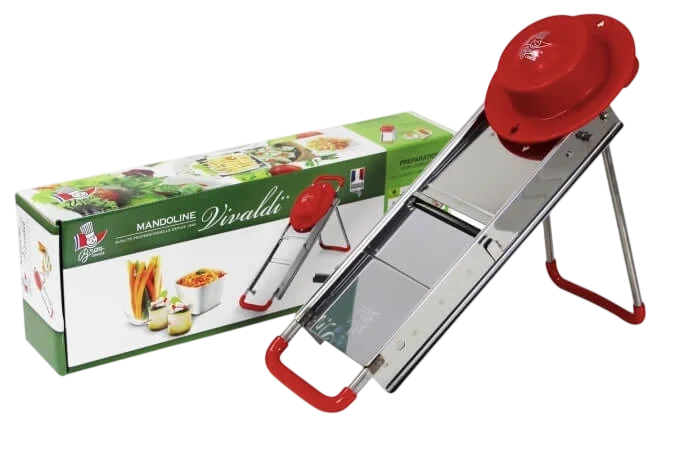
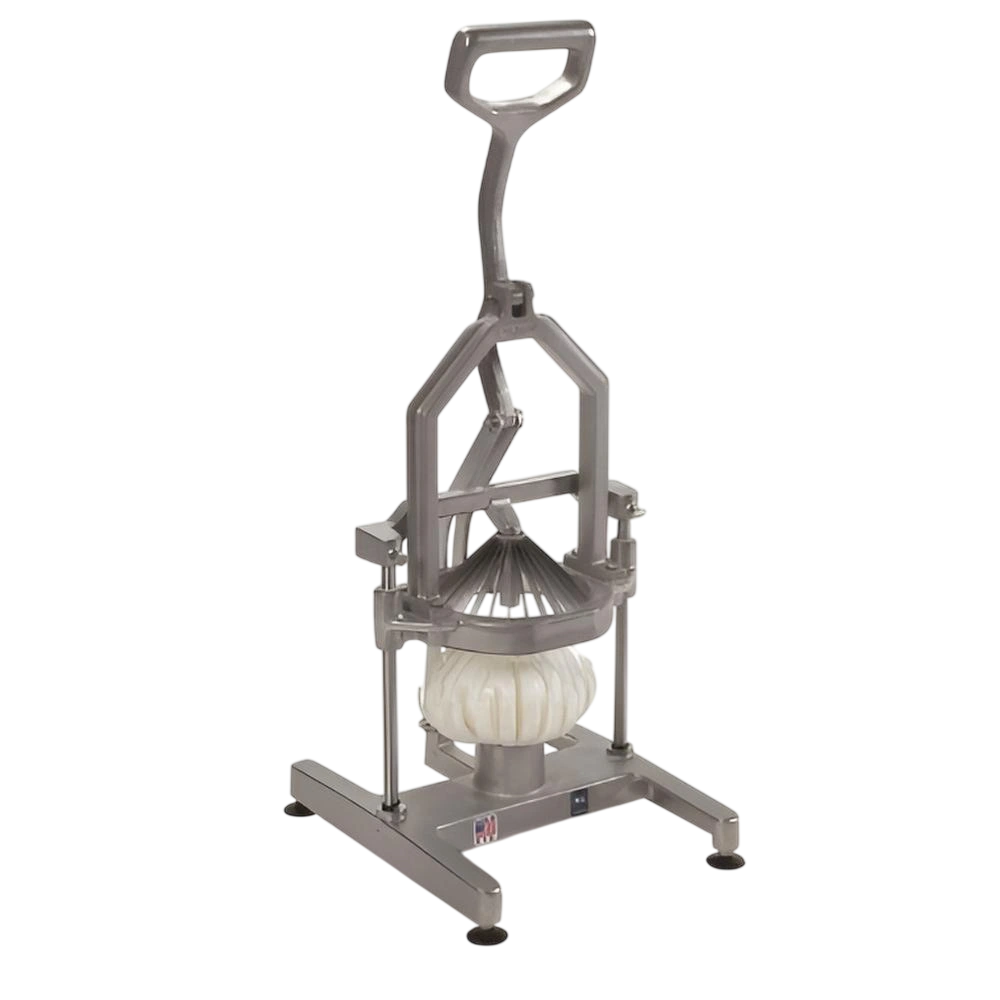
350 × 290 × 450mm
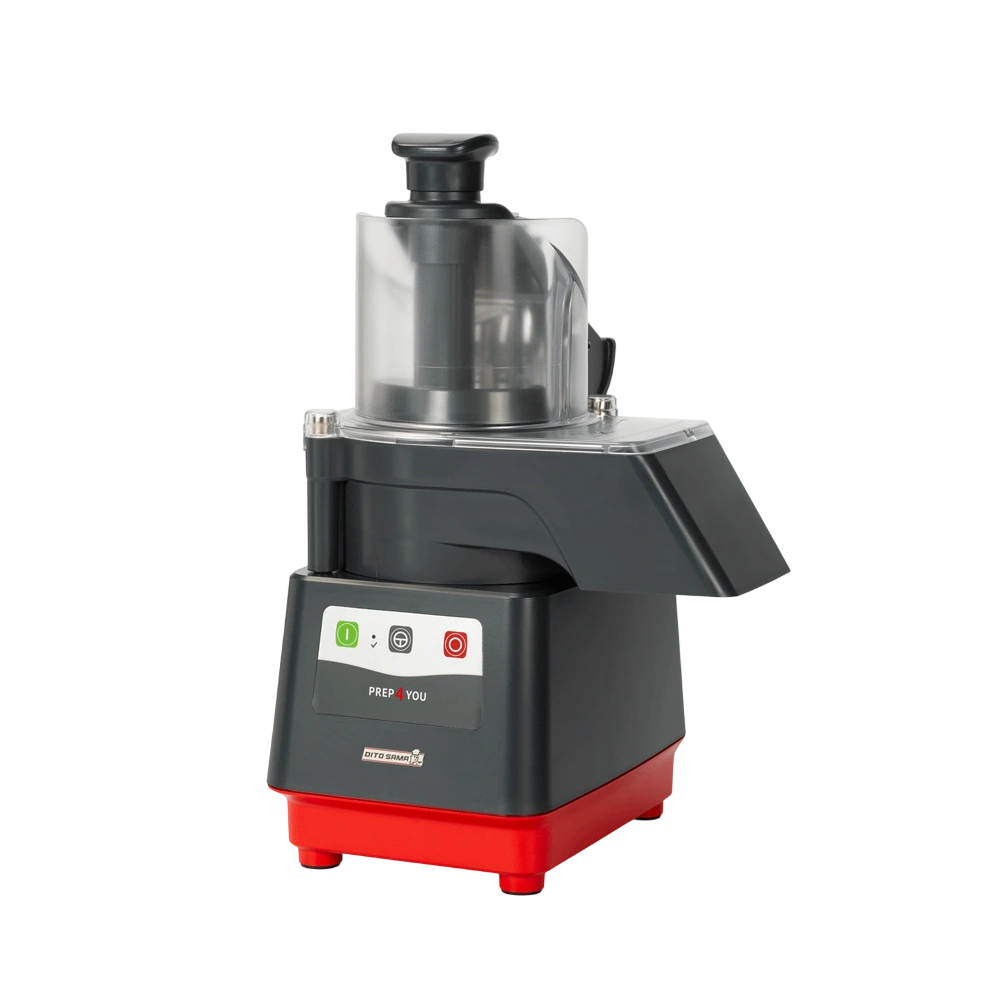
348 × 315 × 527mm
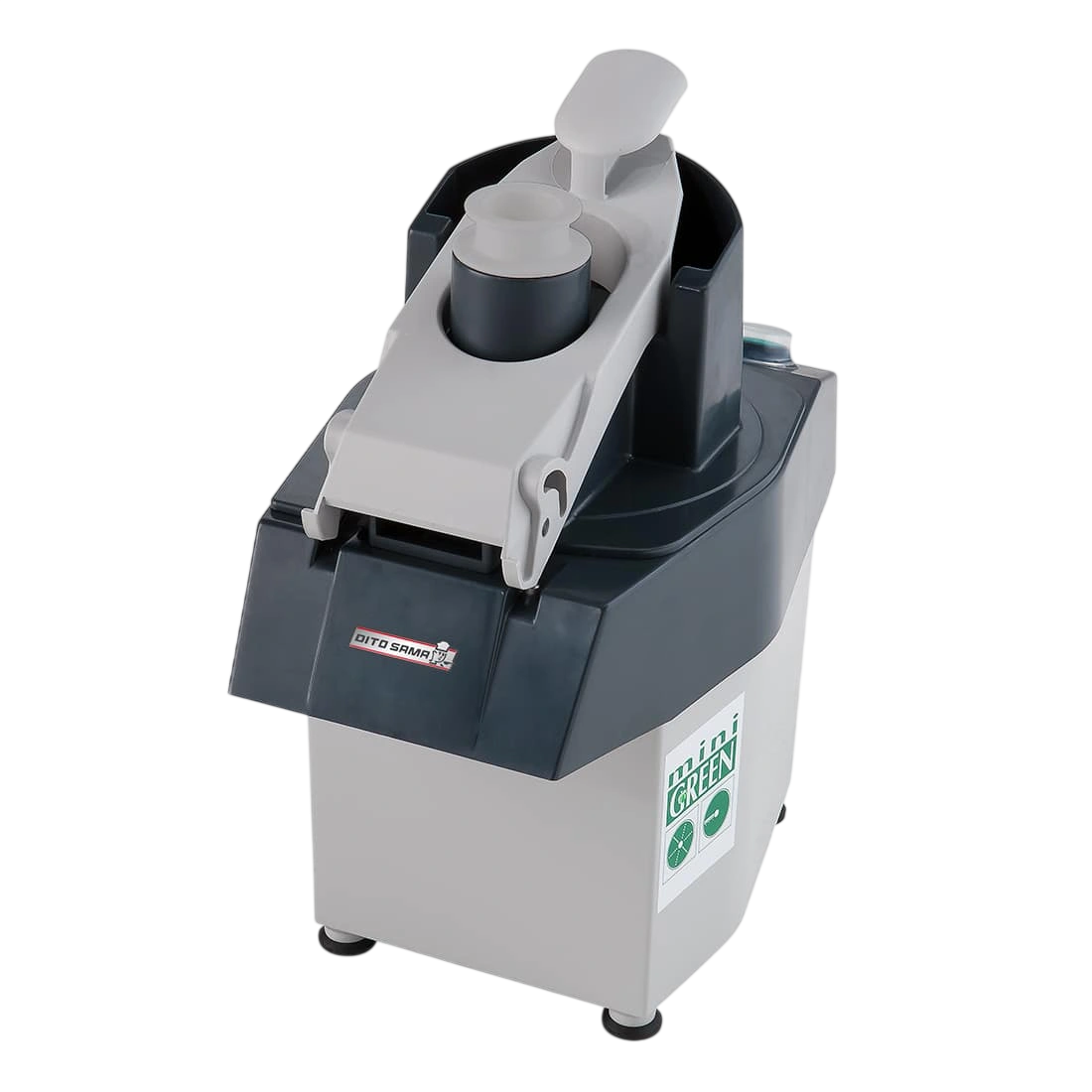
216 × 347 × 412mm
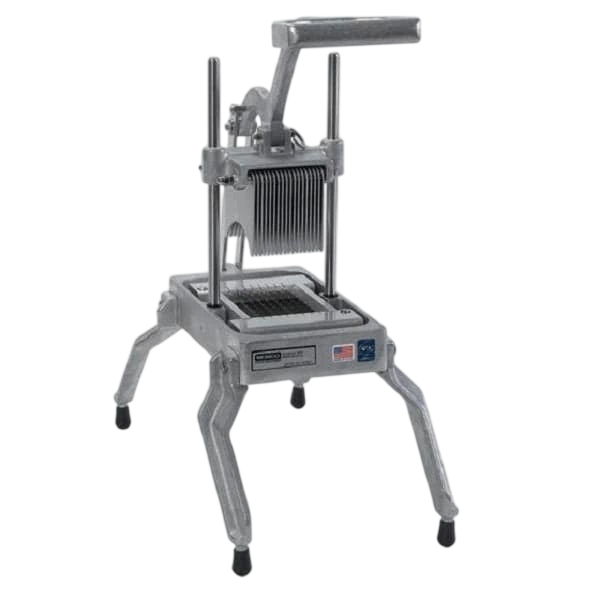
250 × 475 × 750mm
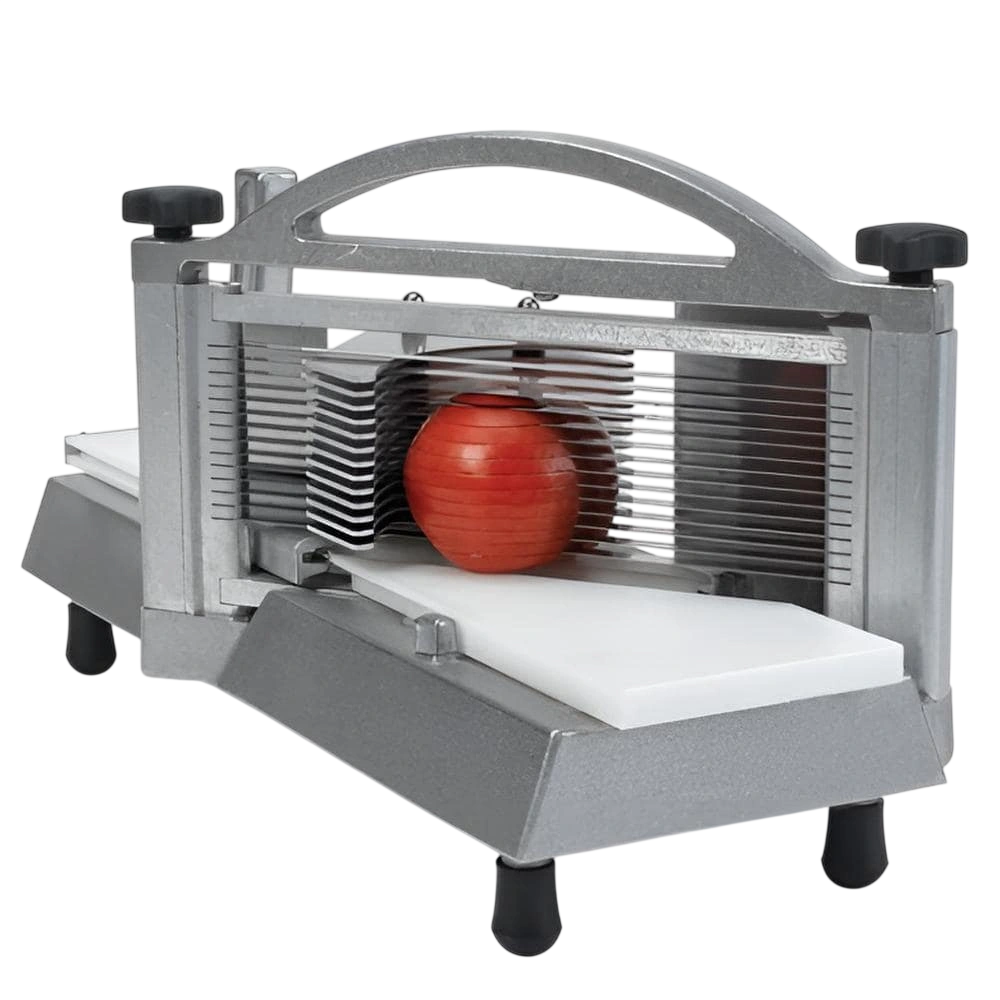
190 × 467 × 238mm
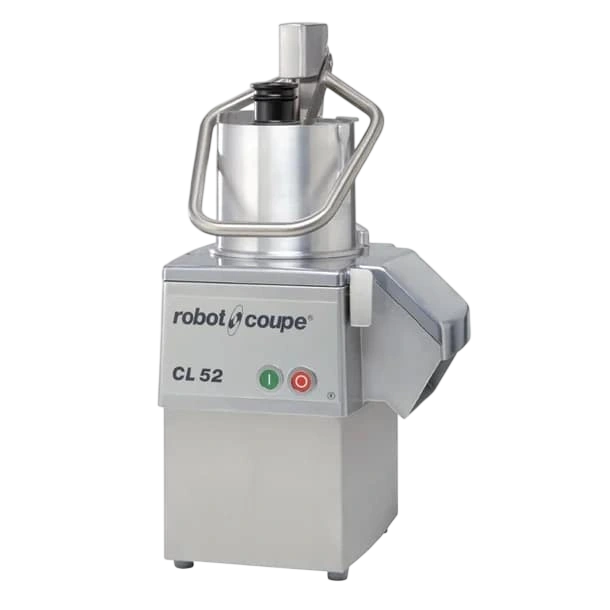
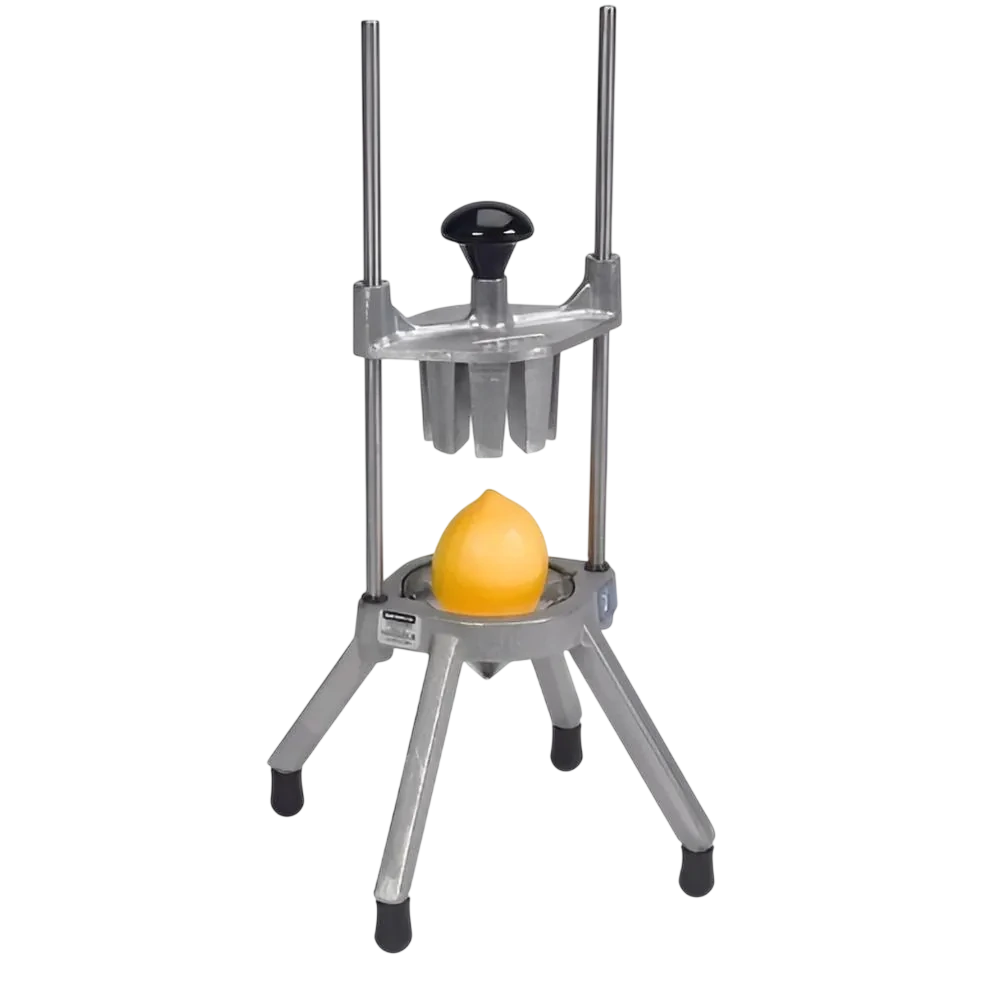
200 × 200 × 480mm
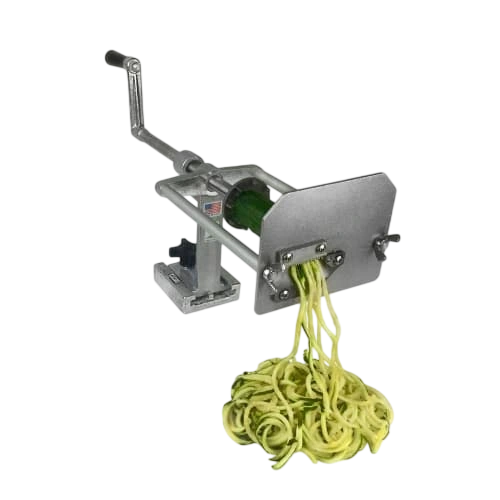
140 × 560 × 230mm
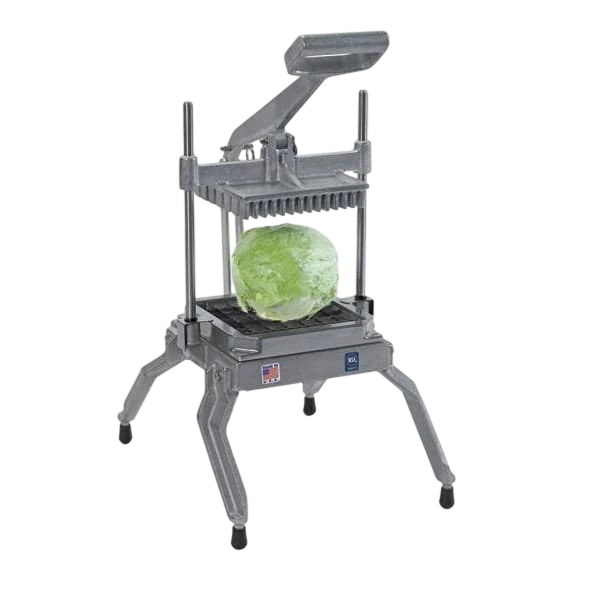
325 × 450 × 500mm
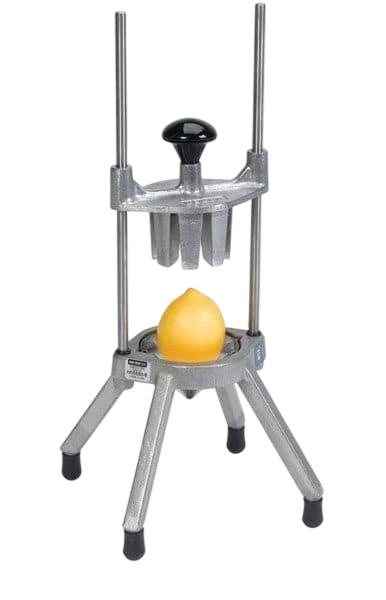
200 × 200 × 480mm