
Kitchen Knock
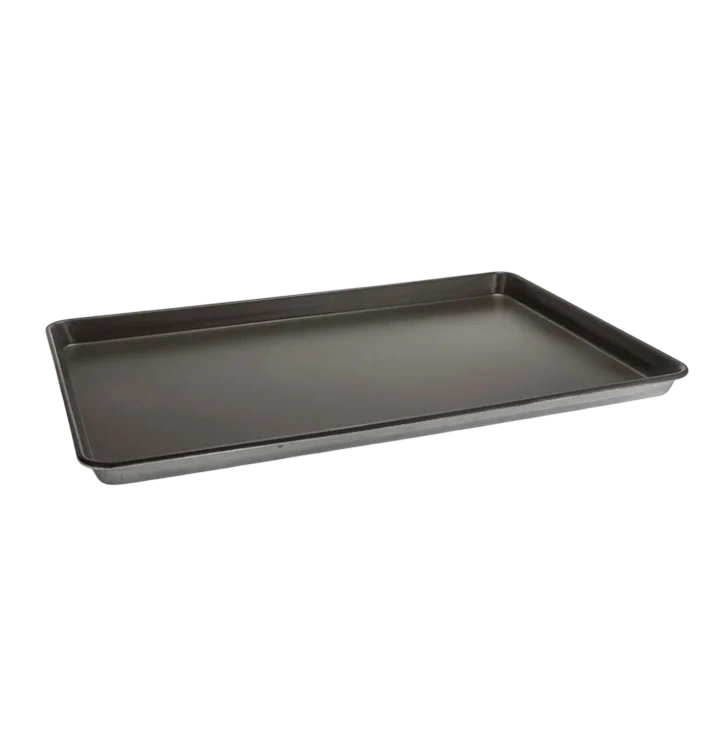
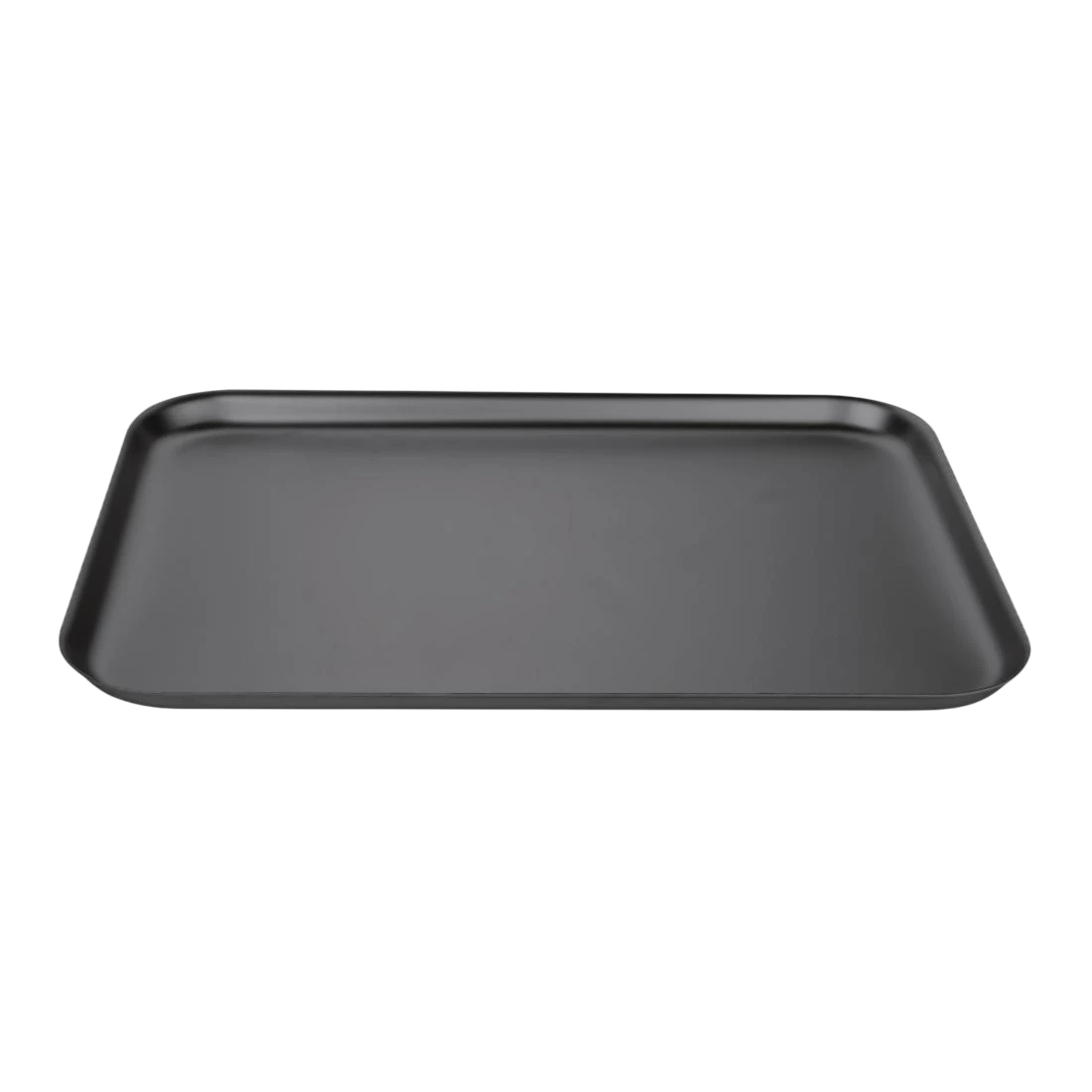
Kitchen Knock 415782 Three-Sided Baking Tray 600×400×20mm
600 × 400 × 20mm
$25.44$35.00
In Stock
Bakery Equipment
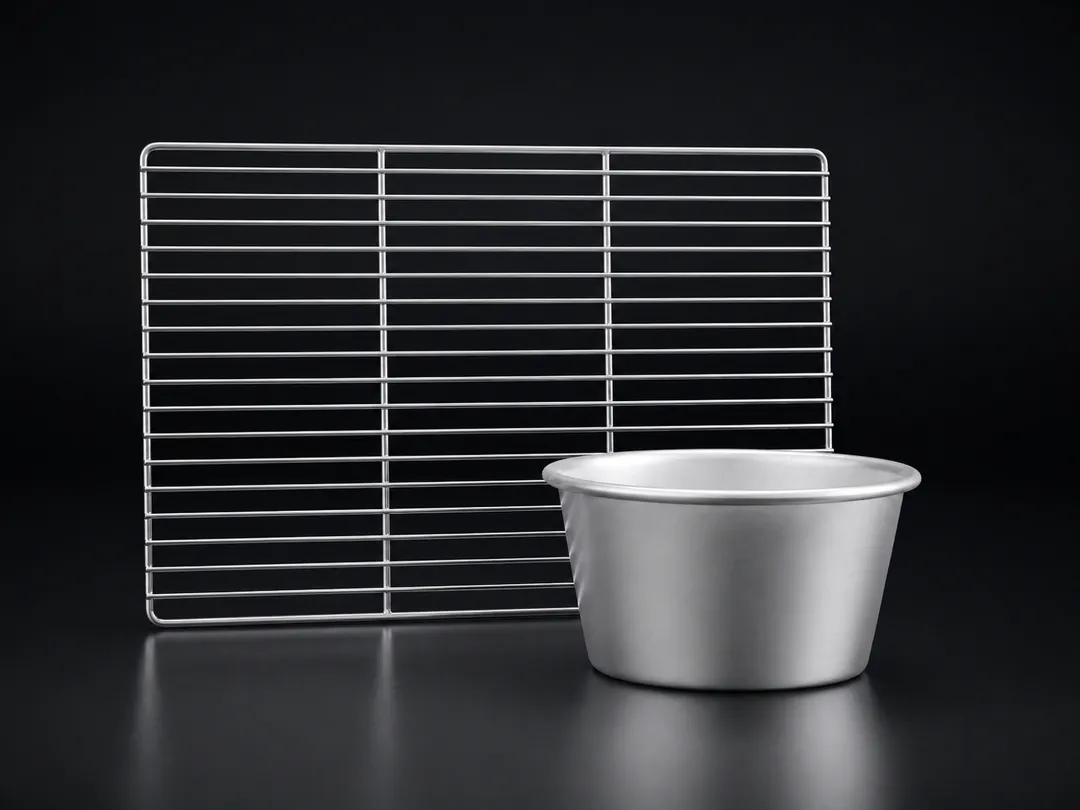
Commercial bakery tools and small baking equipment are the items a bakery uses constantly and replaces regularly — trays, tins, scrapers, cutters, brushes, cooling racks and the rest of the baking equipment that is not a machine. They are bought differently from machines: by set, by fit with what is already in use, and by how they survive a wash cycle.
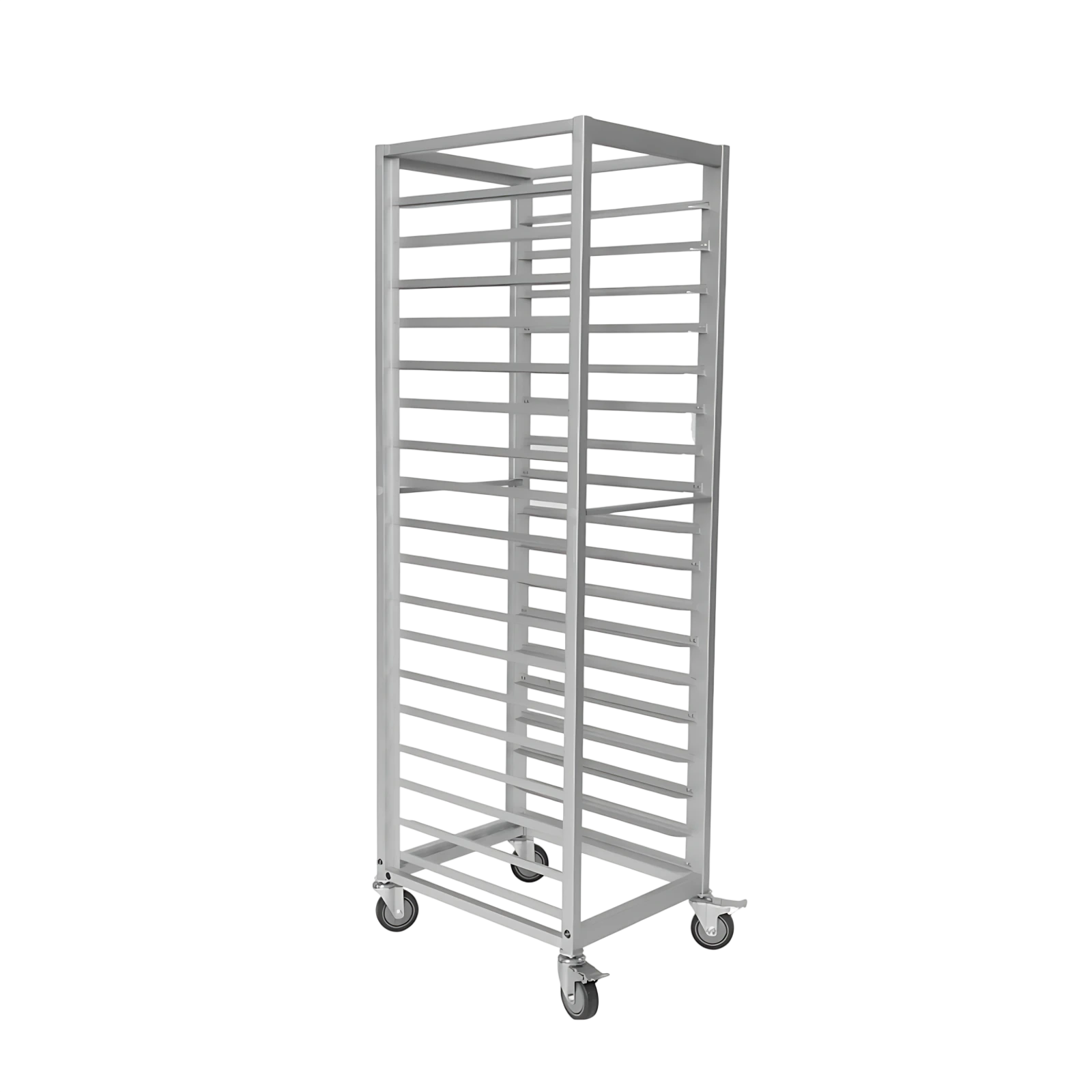
Fit with existing equipment decides most of it. Trays and tins have to match the oven, the racks and the trolleys already installed, and a tray that fits the oven but not the rack creates a handling problem every bake. Measure what the bakery already runs before ordering.
Replacement rhythm is the second consideration. Small bakery equipment supplies wear out and get damaged, so the practical question is whether the same item will be available in six months. A part-replaced set that no longer stacks or fits the rack causes more disruption than the original wear.
Where a venue buys wholesale bakery equipment for a new fitout, it is worth listing the process step by step and buying against it, since ranges of tools bought as a set often cover steps a particular bakery does not perform while missing ones it does.
Key factors to consider before purchasing. Our team can help you find the right fit — call or get a quote anytime.
Match equipment capacity to your daily output. Consider available floor space and door clearances.
Confirm levelling, wall clearance and the access needed for cleaning and service. We can help with kitchen planning.
Submit your kitchen requirements — our equipment specialists will send you a tailored shortlist of commercial bakery tools that fits your budget, venue type and compliance needs.
Standards & Compliance
Before ordering bakery equipment supplies, confirm the oven, rack and trolley dimensions already installed, the wash process, and which items are consumed rather than kept. Measure trays and tins against the rack rather than against the oven alone.
Look at how items behave after repeated washing at temperature — coatings, handles and joints are what degrade first — and confirm the same specification will be available when part of a set is replaced. Buy against the actual process rather than as a pre-assembled range.
FAQ
Yes. Commercial tools are built for daily use, frequent washing and higher thermal and mechanical stress than domestic equipment.
Focus on scrapers, spatulas, whisks, piping equipment and basic measuring tools—these are used all day, every day.
Reusable bags reduce waste and cost over time; disposable bags are faster and more hygienic in high-volume or sensitive applications.
Measure the oven, the racks and the trolleys already installed and buy to fit all three. A tray that suits the oven but not the rack creates a handling problem at every bake.
Why KW
KW can help match trays, tins and small baking equipment to the oven, racks and trolleys a bakery already runs, and to the steps it actually performs. For practical advice on bakery tools and supplies, call KW on 1300 001 366.
Deep Dive
Technical depth from KW's commercial kitchen specialists.
Dough scrapers help divide, portion and shape dough without tearing gluten strands. Commercial dough scrapers are usually made from durable plastic or stainless steel and often have ergonomic grips to reduce hand fatigue. Bench scrapers are also used to clean surfaces efficiently between batches, keeping the bench clear of sticky residue.
Heat-resistant spatulas and mixing paddles are essential for working with batters, creams, custards and fillings. In commercial settings, look for:
Whisks are critical for meringues, whipped cream and aerated batters. Commercial whisks must balance strength with flexibility:
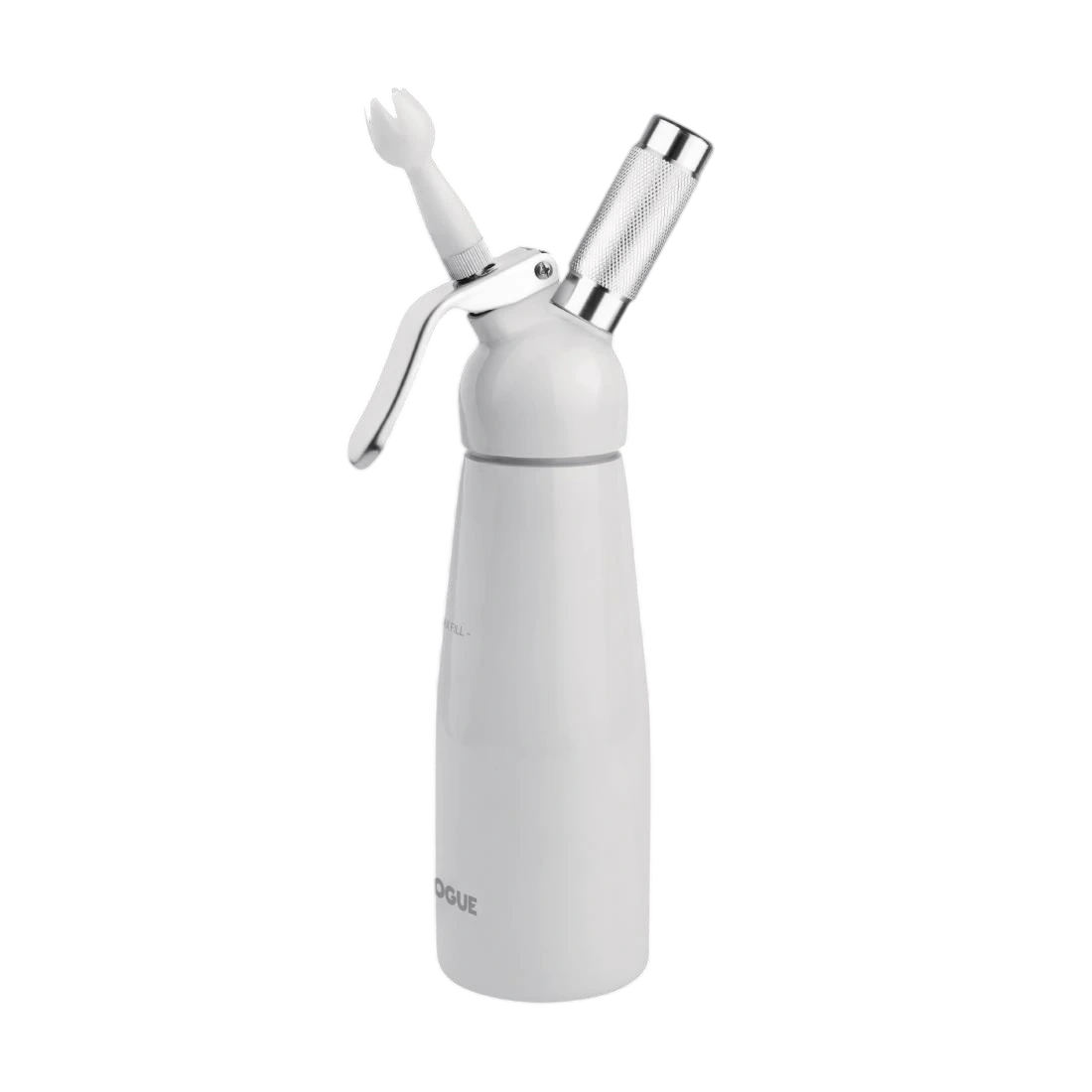
Piping bags and nozzles are central to patisserie work—used for decorating cakes, filling pastries and portioning mixtures accurately. Reusable piping bags should be robust, easy to wash and compatible with multiple nozzle types, while disposable options offer speed and hygiene for high-volume production.
Pastry brushes are used for egg-wash application, glaze distribution and dusting. Sieves and shakers help apply icing sugar, cocoa and flour evenly, supporting professional presentation. These finishing tools contribute heavily to the visual appeal of your baked goods.
Accurate measuring cups, jugs, timers and thermometers support consistency across batches. In a commercial bakery, **repeatability** is a core quality indicator, so precision tools are not optional—they are part of your quality control system.
List the process step by step and buy against it. Pre-assembled ranges tend to cover steps a bakery does not perform while missing ones it does, which is most costly during a fitout.
Because these items wear and get damaged routinely. If the same specification is unavailable later, a part-replaced set stops stacking or fitting the rack, which disrupts more than the original wear.
Coatings, handles and joints, under repeated washing at temperature. Judge tools on their condition after a season rather than on delivery, since that is when the real cost appears.
Commercial bakery tools must withstand regular contact with hot surfaces, cold storage and frequent washing. High-heat silicone, stainless steel and commercial-grade plastics are common choices. Wooden tools may still be used in some bakeries but require additional care and may not be suitable for all HACCP-guided environments.
One-piece or sealed-handle designs minimise gaps where food can accumulate. In a busy bakery, it is easy for residue to lodge in joints and seams—choosing well-designed tools simplifies daily cleaning and helps you meet food-safety expectations alongside your bakery fridges and freezers.
Repetitive tasks, such as scraping benches, whisking and piping, quickly add up during a shift. Ergonomic handles, appropriate tool lengths and balanced weight reduce strain, improve productivity and lower the risk of fatigue-related mistakes.
During dough preparation, tools like bench scrapers, dough dividers and light-use knives help portion and handle dough from your spiral, planetary or fork mixers. Good tools prevent tearing and reduce the need for excessive flour, maintaining dough hydration and bench cleanliness.
Spatulas, proofing baskets and baking trays all rely on suitable tools for transferring and arranging dough. The right tools reduce wasted movement and help staff maintain speed during busy periods.
Oven peels and tongs assist with loading and unloading products without disturbing proofed dough. Cooling racks are paired with brushes and glazing tools to finish products cleanly and consistently.
For patisserie and cake work, piping bags, tips, scrapers and offset spatulas are where your brand’s visual identity really shows. These tools help you apply icing, fillings and toppings in a precise, repeatable way.
Good tools need good machinery. See how these accessories fit into a complete production workflow in our Tier 0 Bakery Fitout Guide or check our Commercial Mixer Range.
Specs validated by KW Commercial Kitchen.Trays and tins must suit the oven, the racks and the trolleys already installed. A tray that fits the oven but not the rack creates a handling problem at every bake, and the mismatch is discovered after delivery rather than before.
Pre-assembled ranges cover steps a particular bakery may not perform and miss ones it does. List the process step by step and buy against it, particularly during a fitout where there is no existing kit to reveal the gaps.
Small equipment wears and gets damaged, so the practical question is whether the same item will be available in six months. A part-replaced set that no longer stacks or fits the rack disrupts more than the original wear did.
Coatings, handles and joints are what degrade first under repeated washing at temperature. Judge tools on how they look after a season rather than on delivery, since that is when the replacement cost is actually incurred.
125 results
600 × 400 × 20mm
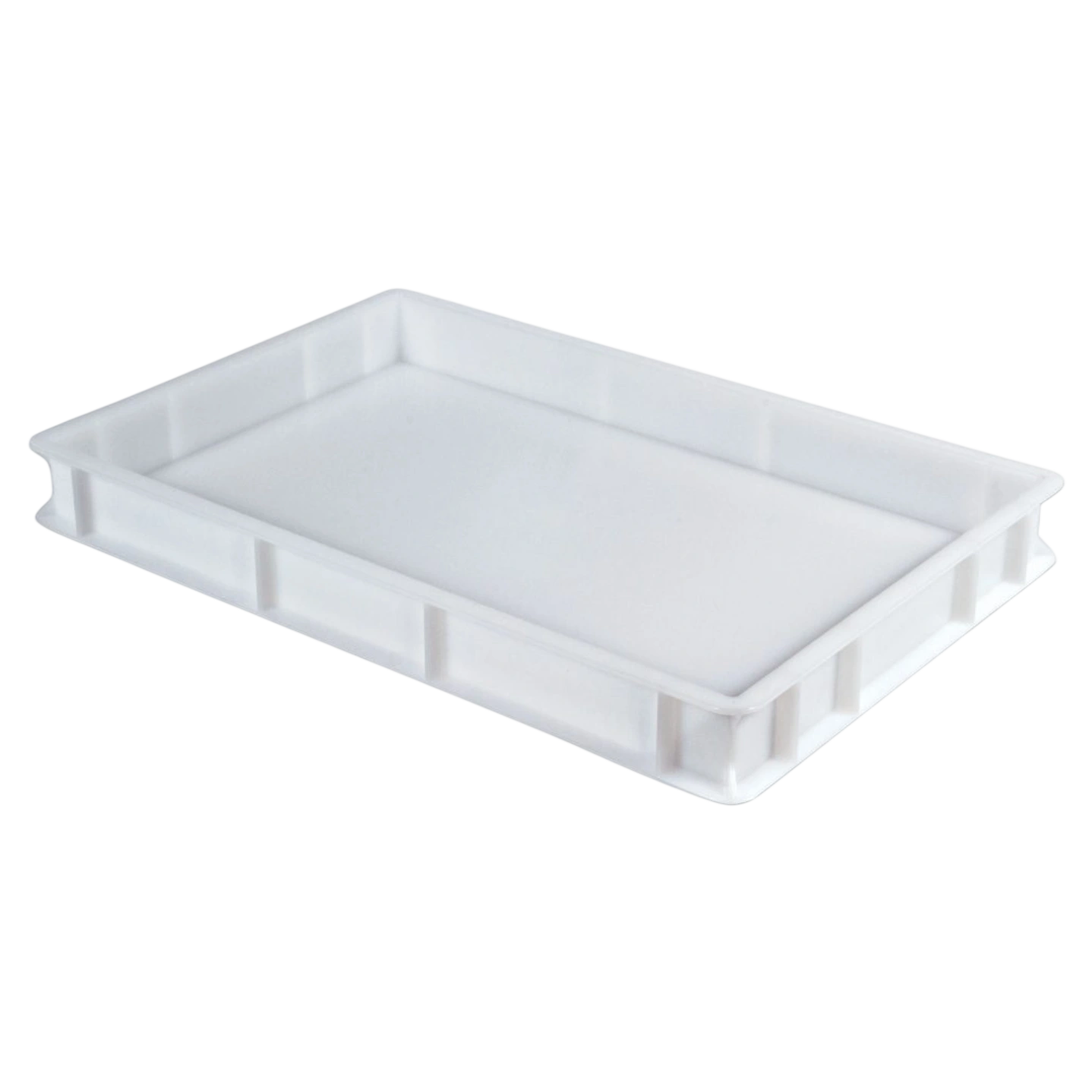
600 × 400 × 100mm
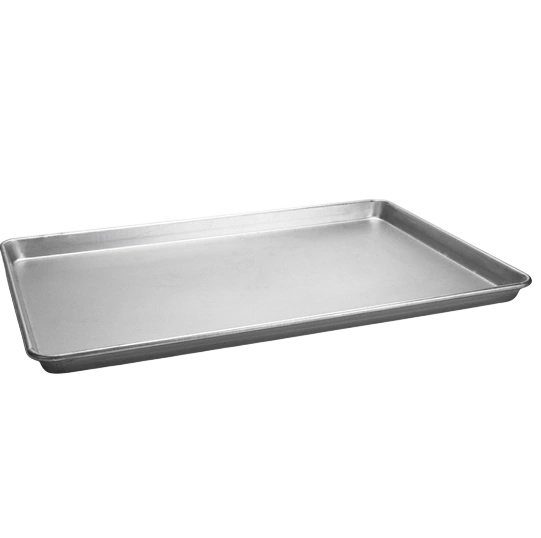
600 × 400 × 30mm
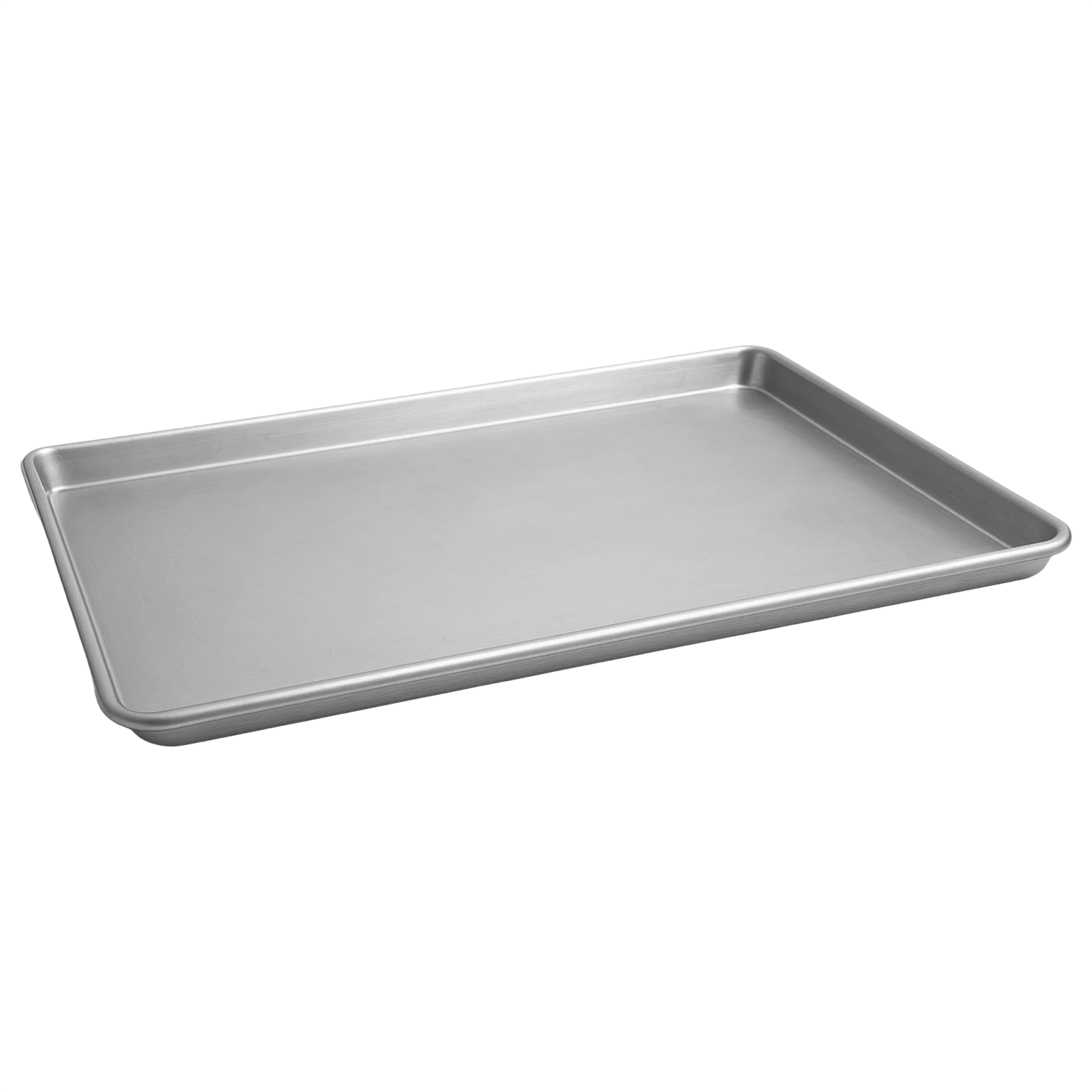

600 × 400 × 10mm

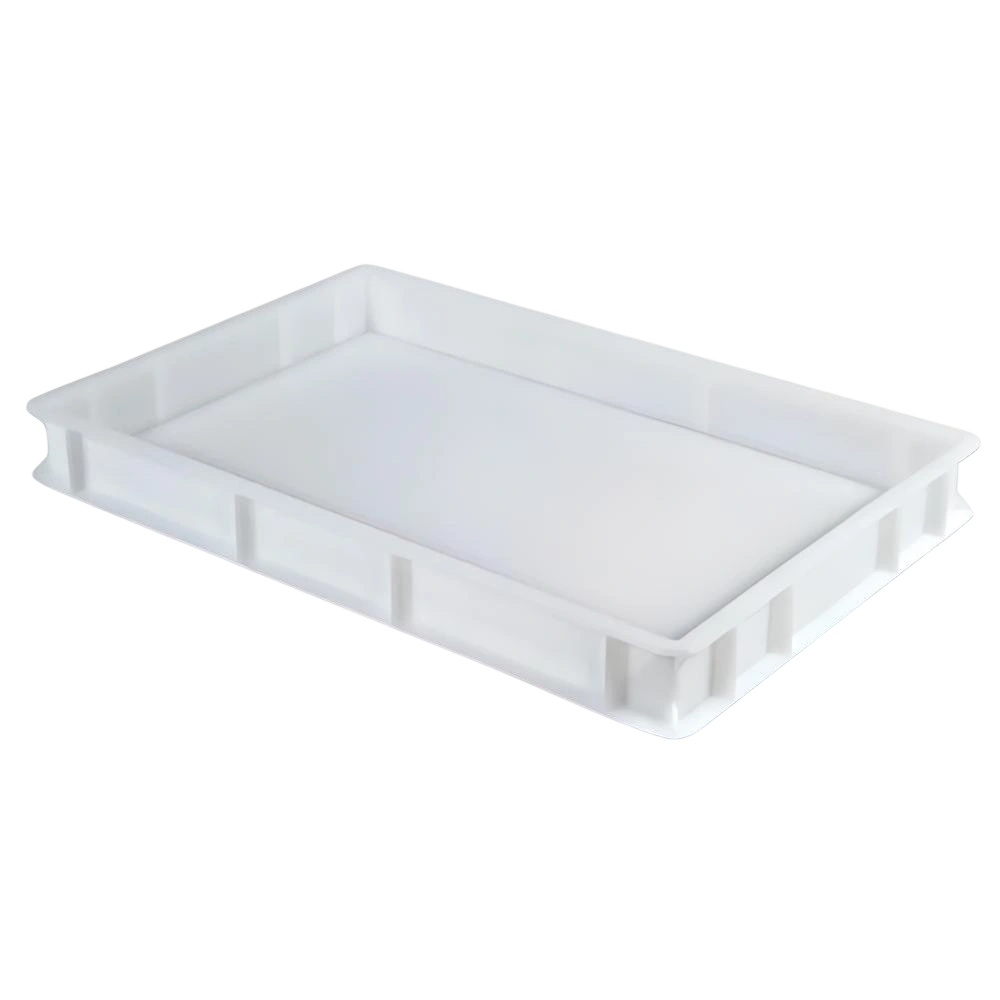
600 × 400 × 70mm
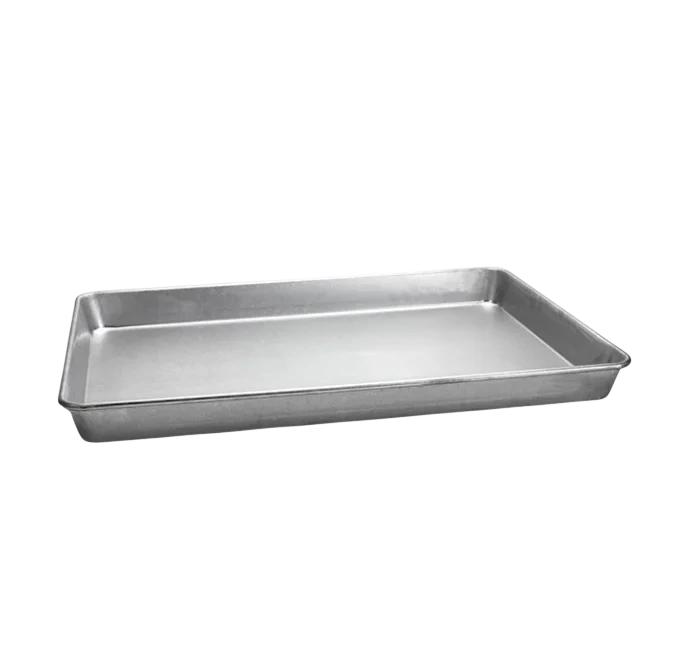
600 × 400 × 50mm
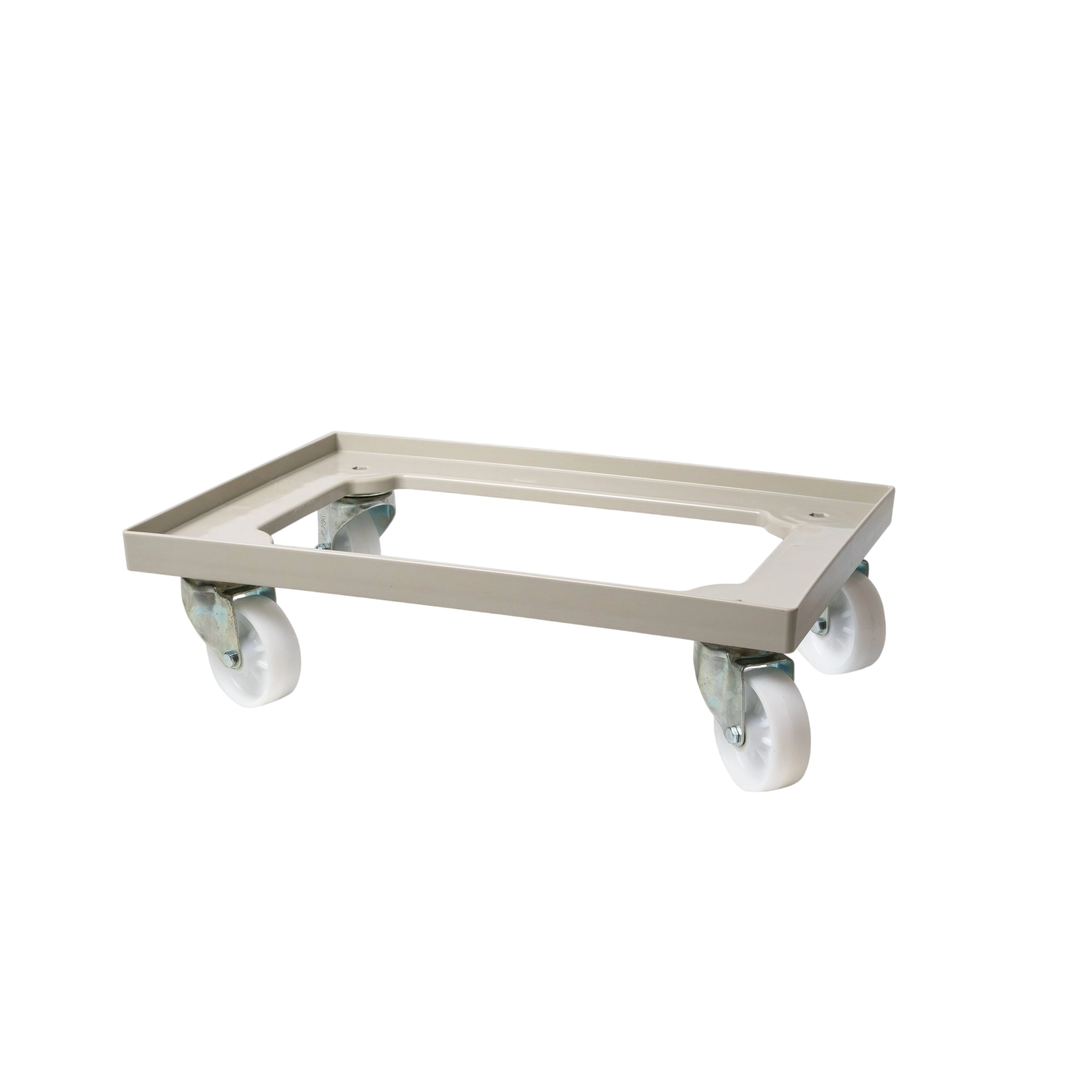
615 × 415 × 170mm
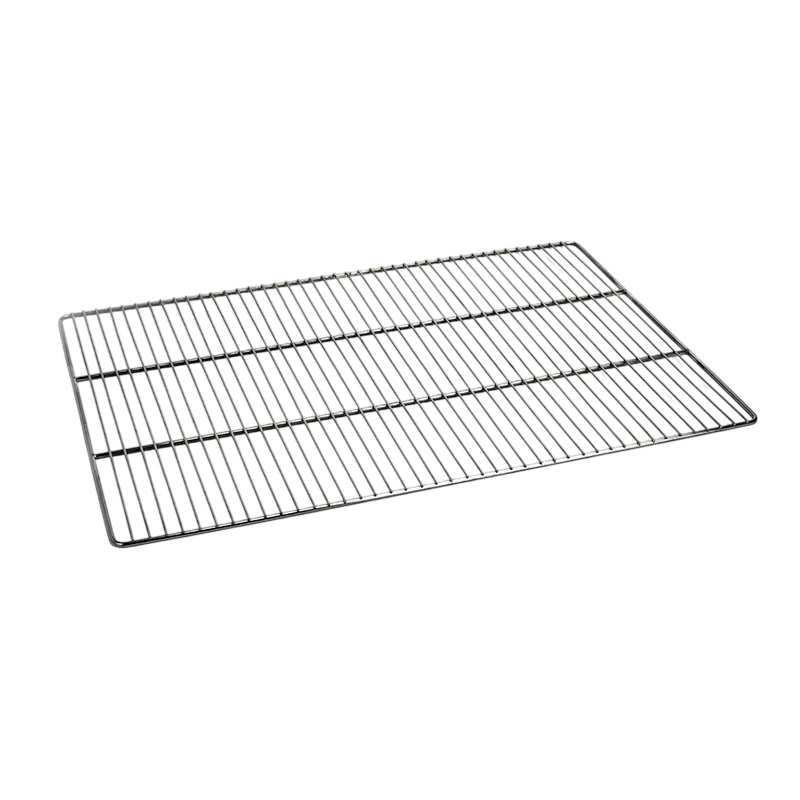
600 × 400 × 10mm

600 × 400 × 10mm
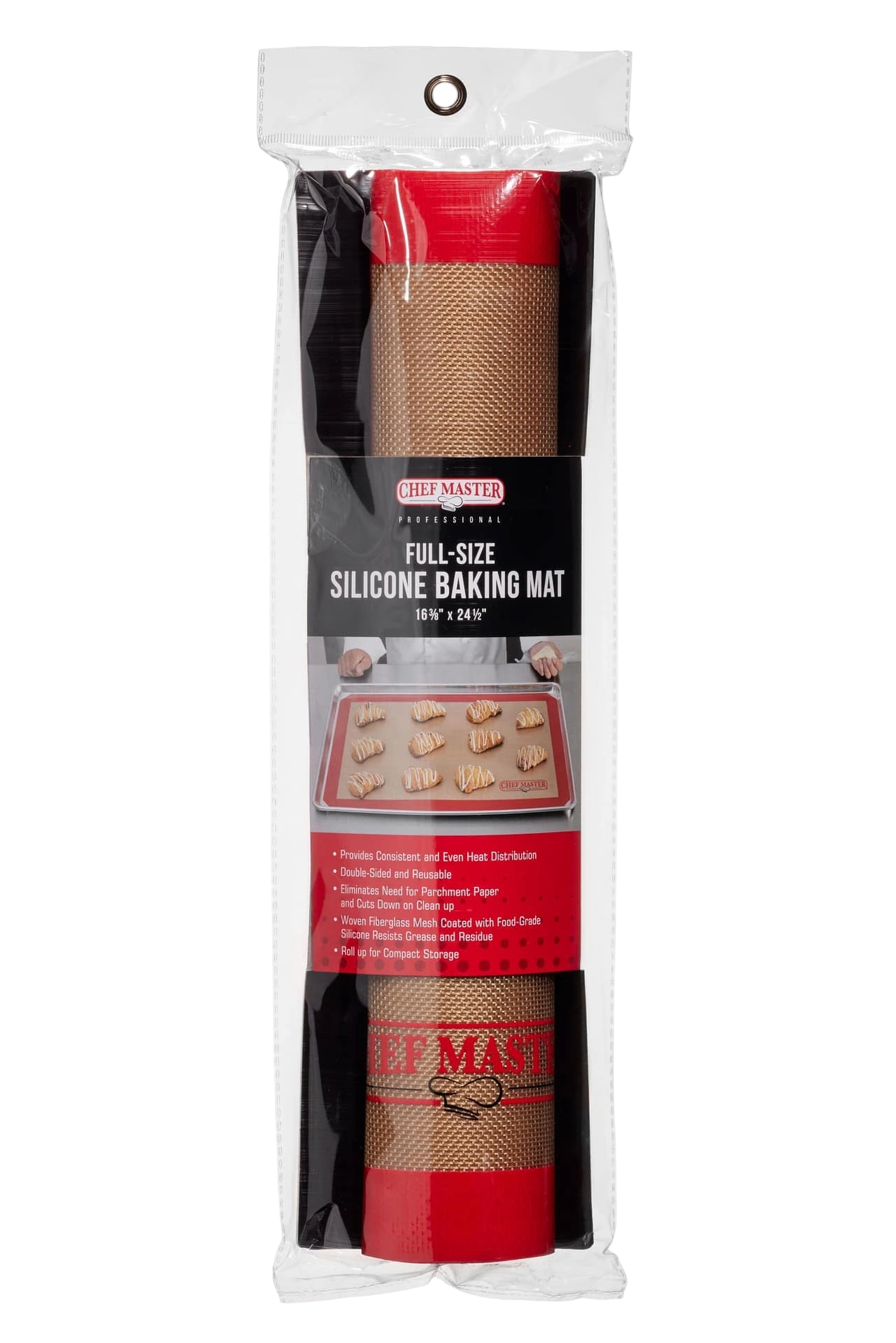
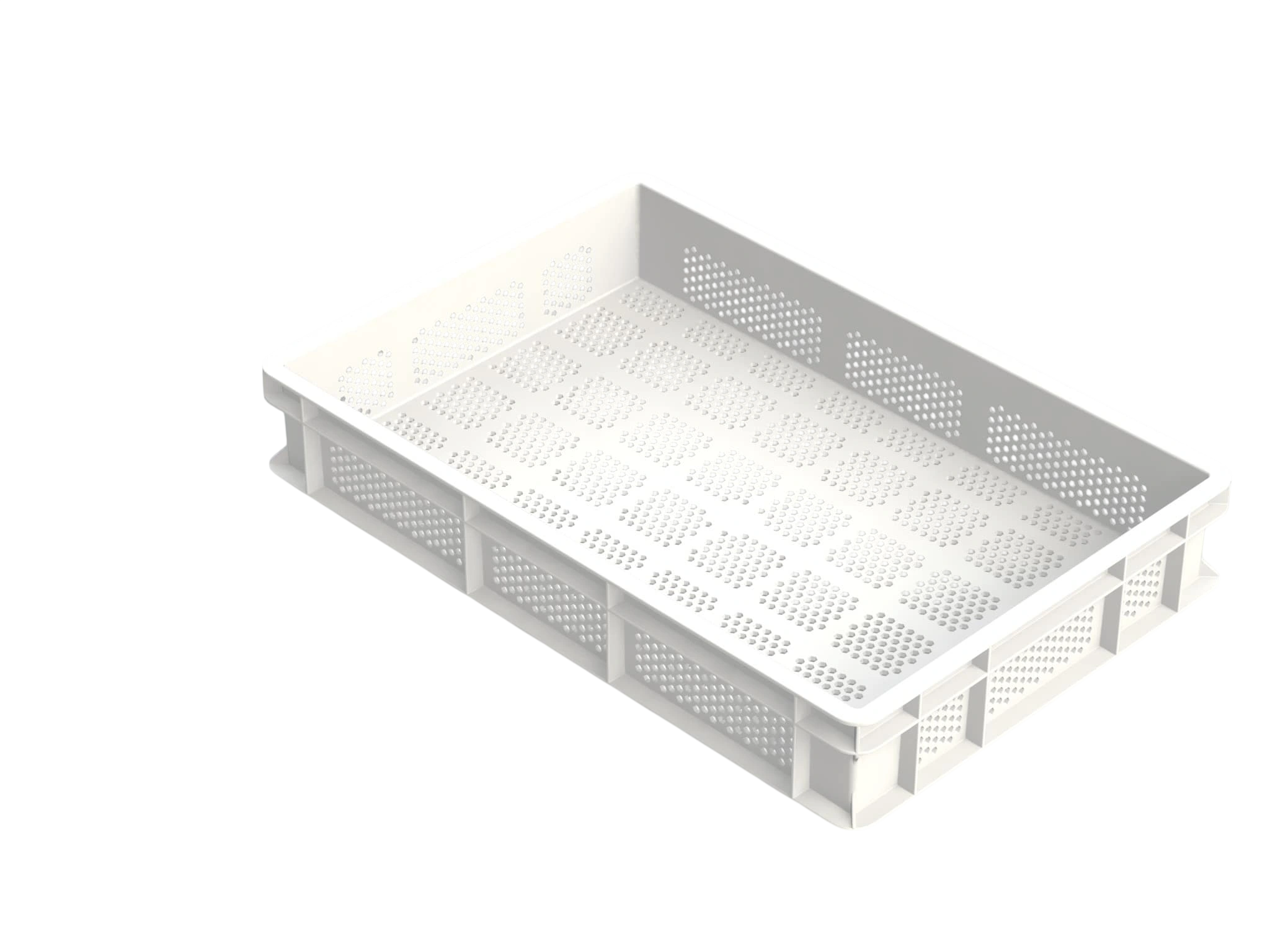
600 × 400 × 100mm

600 × 400 × 30mm


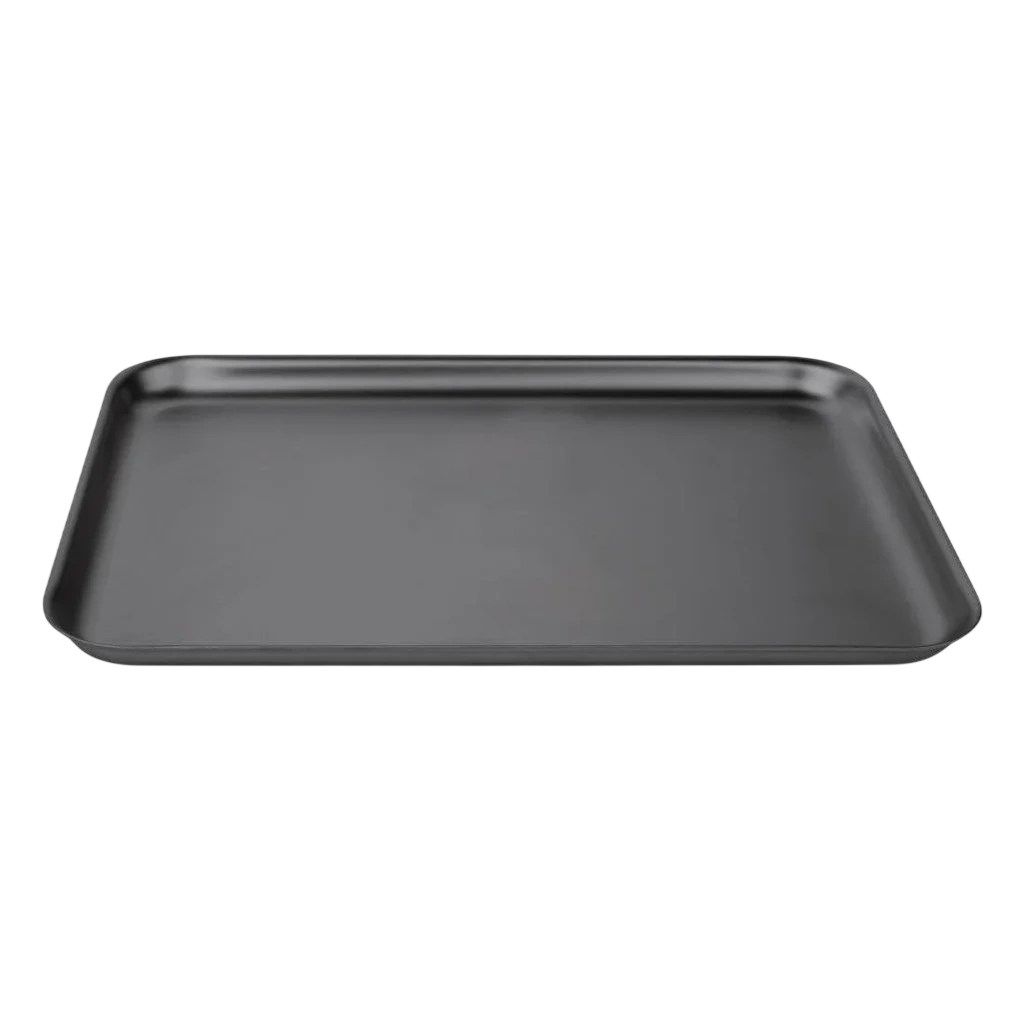
370 × 265 × 20mm

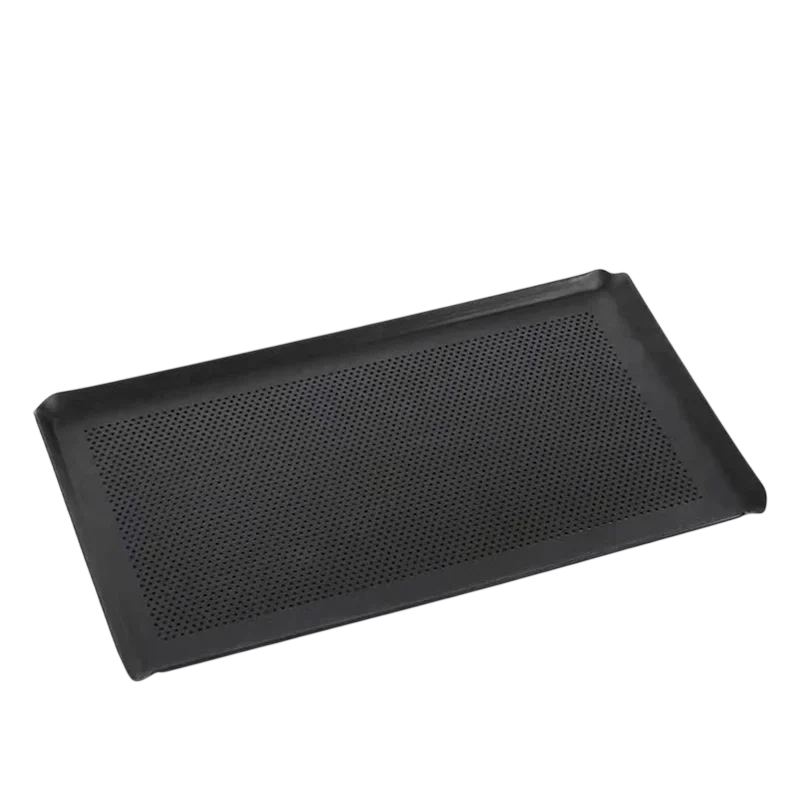
530 × 325 × 20mm
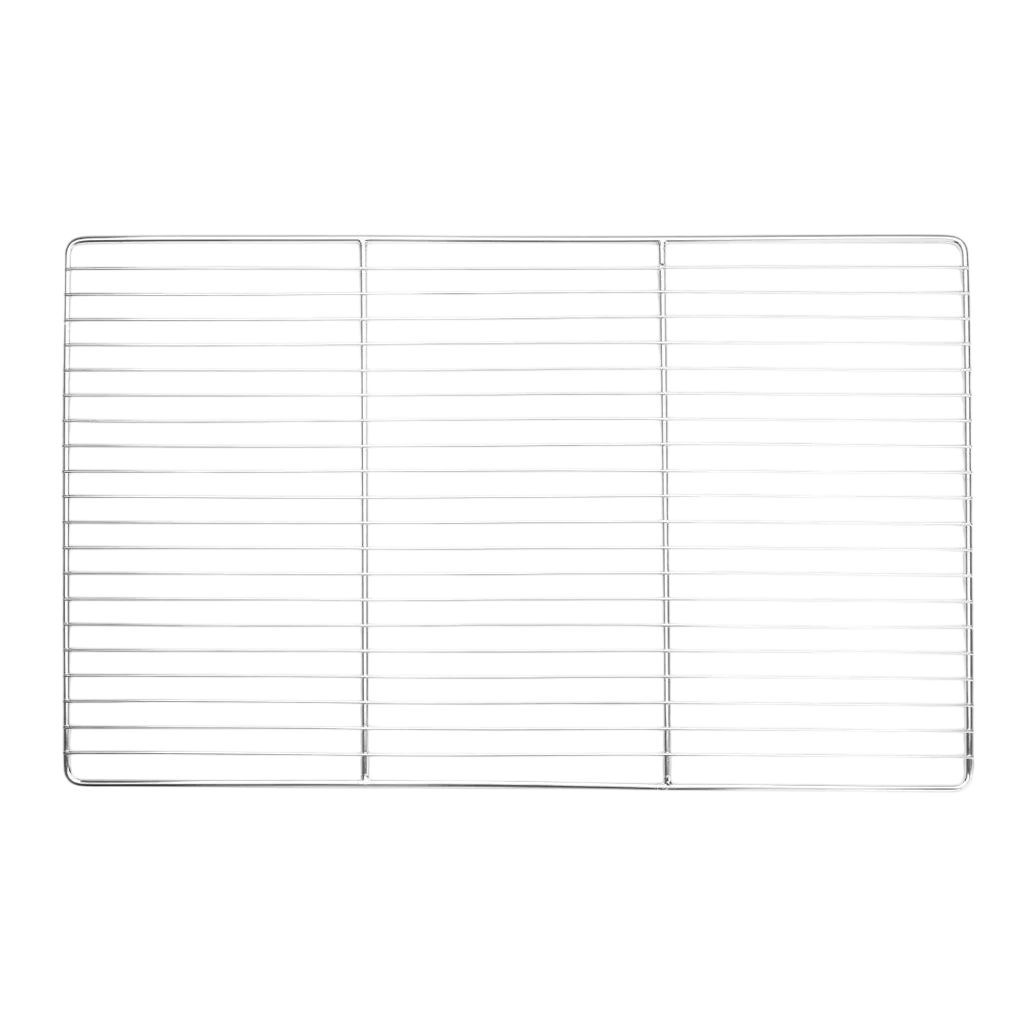
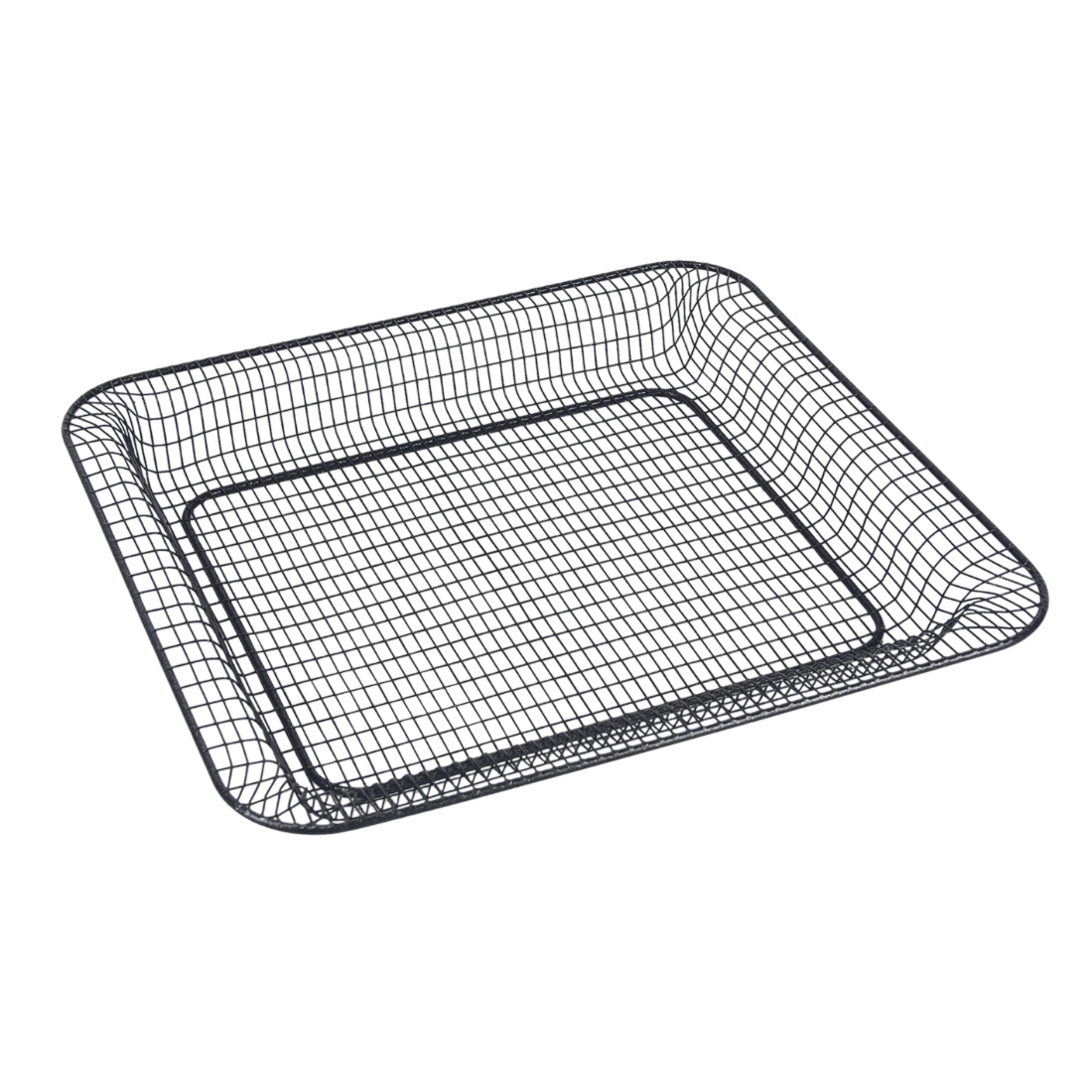
530 × 325 × 100mm
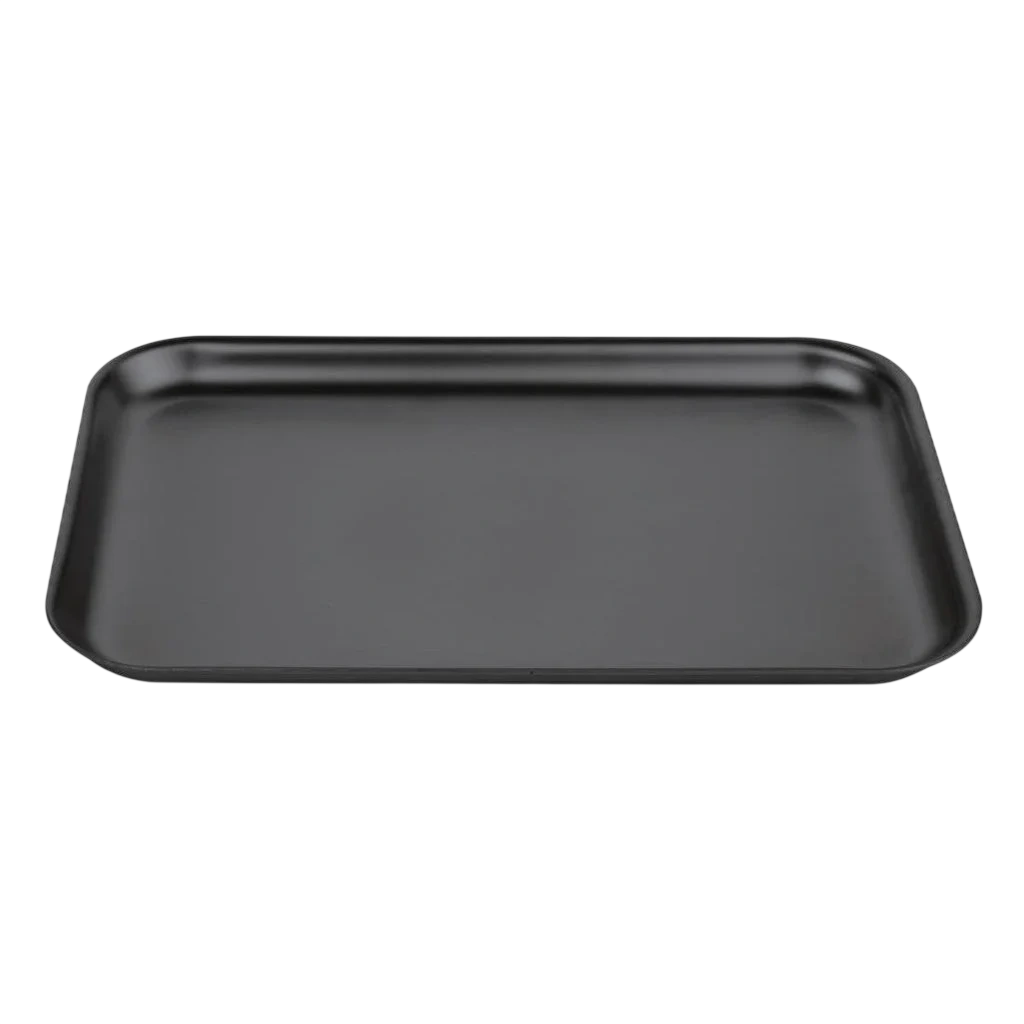
320 × 215 × 20mm

200 × 200 × 65mm
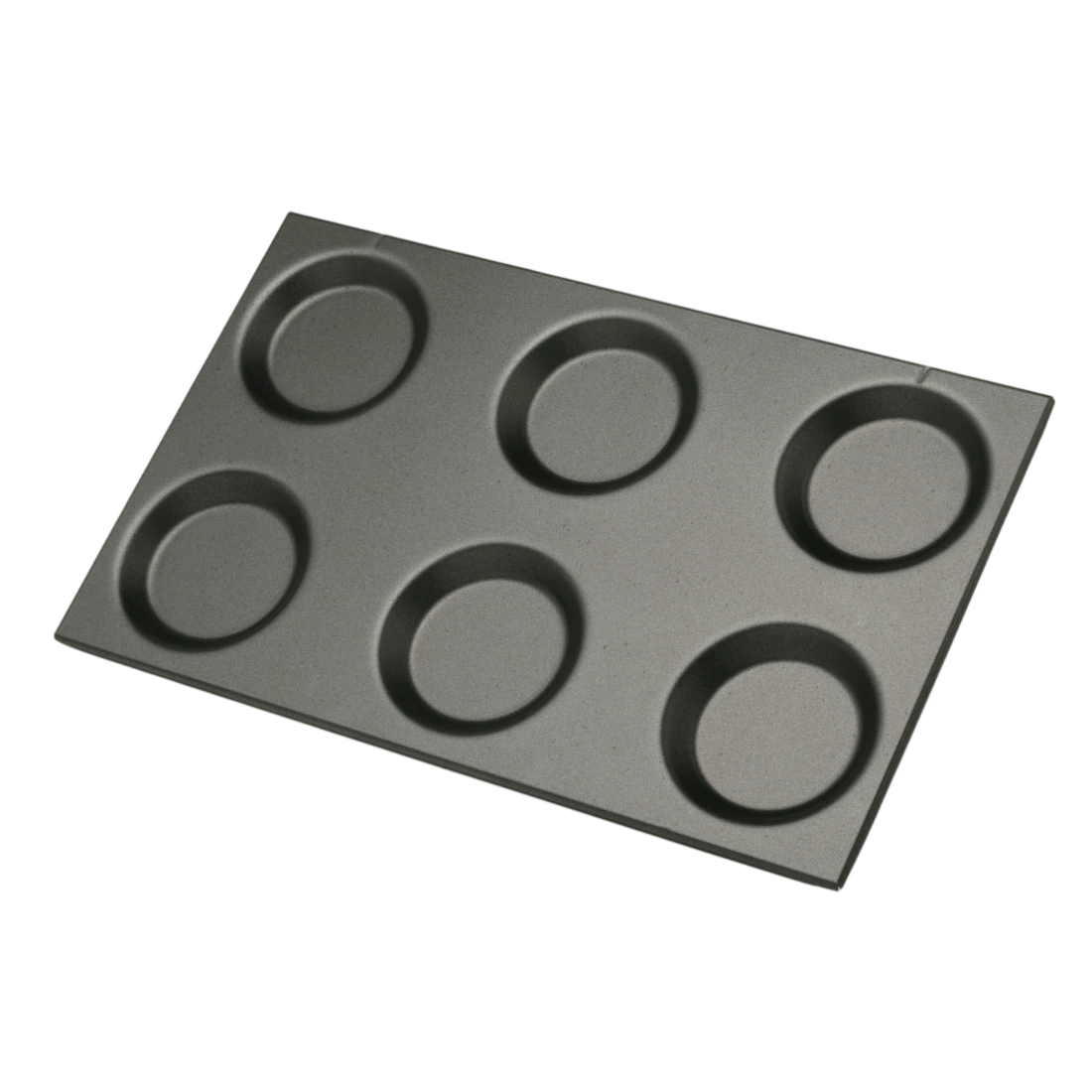

610 × 455 × 100mm






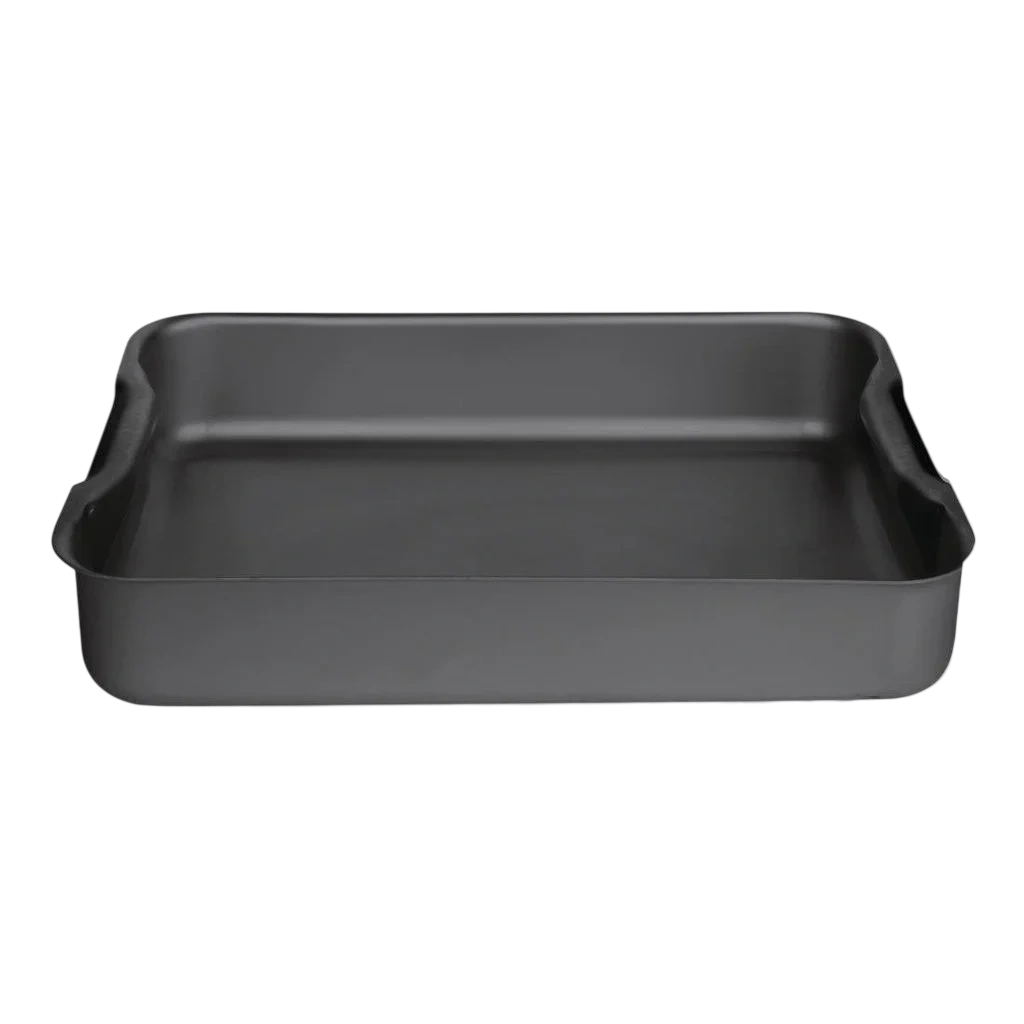
370 × 265 × 70mm

300 × 300 × 300mm
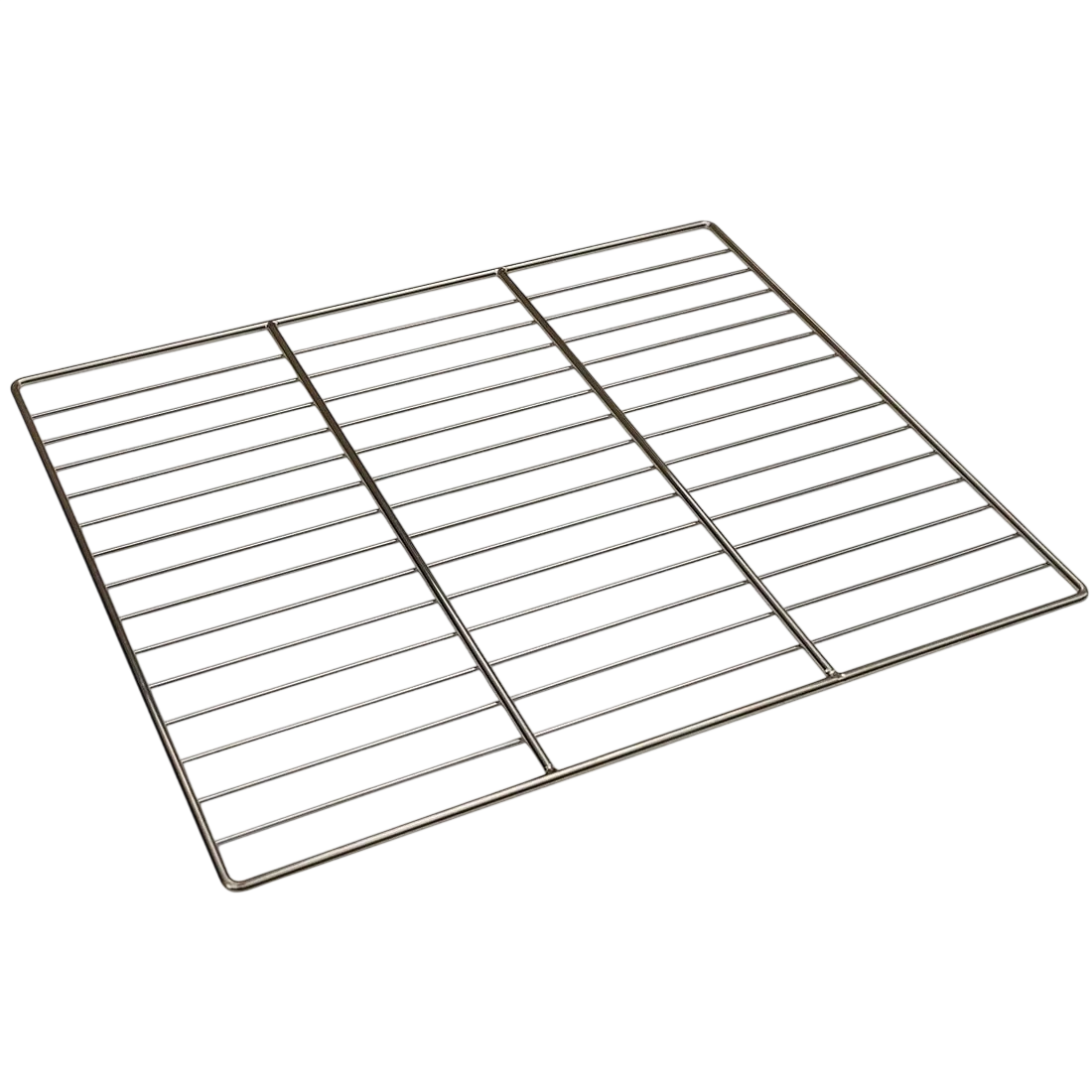
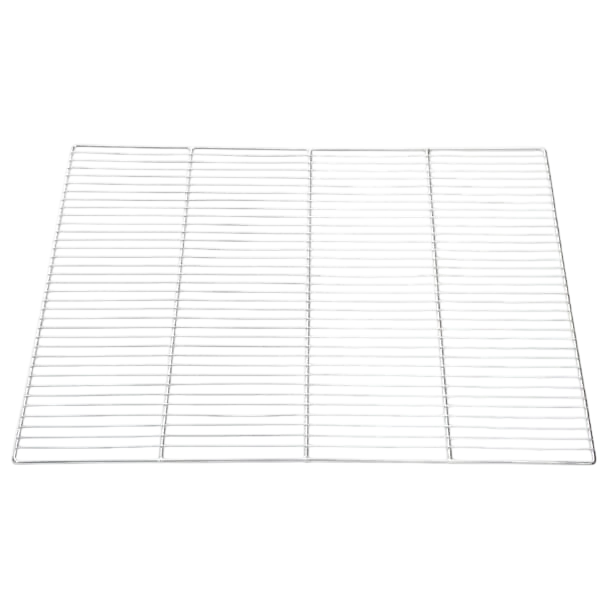
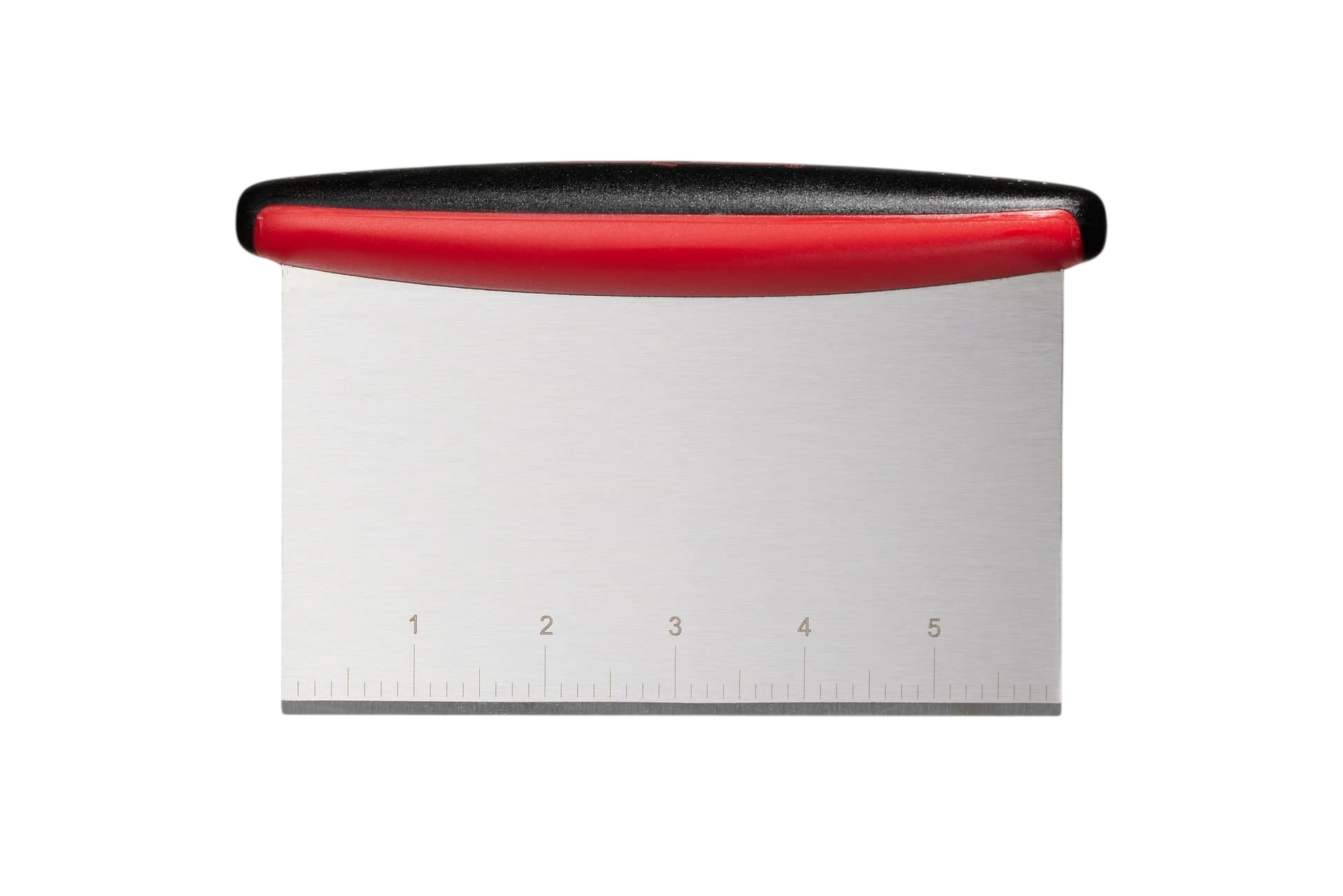
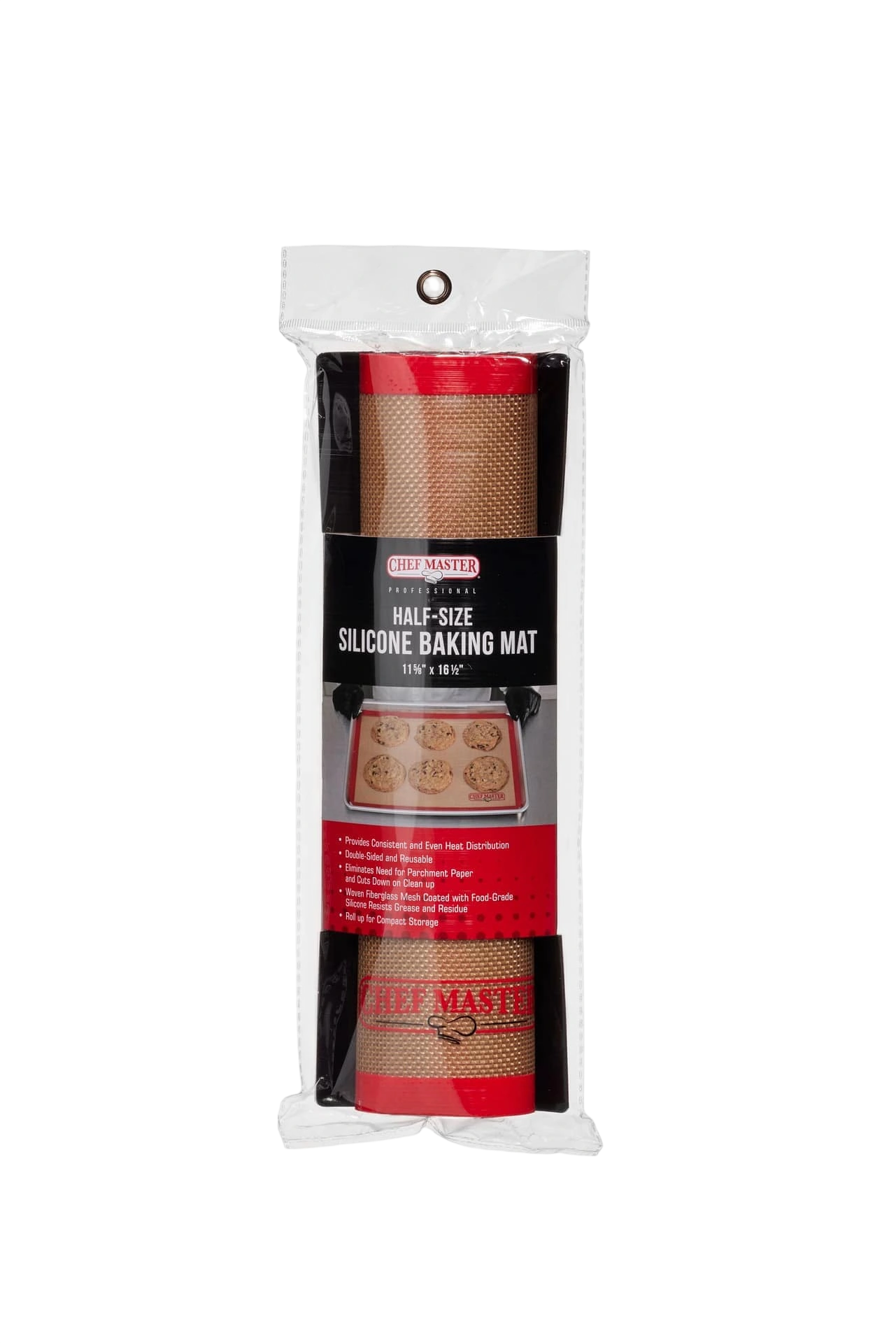
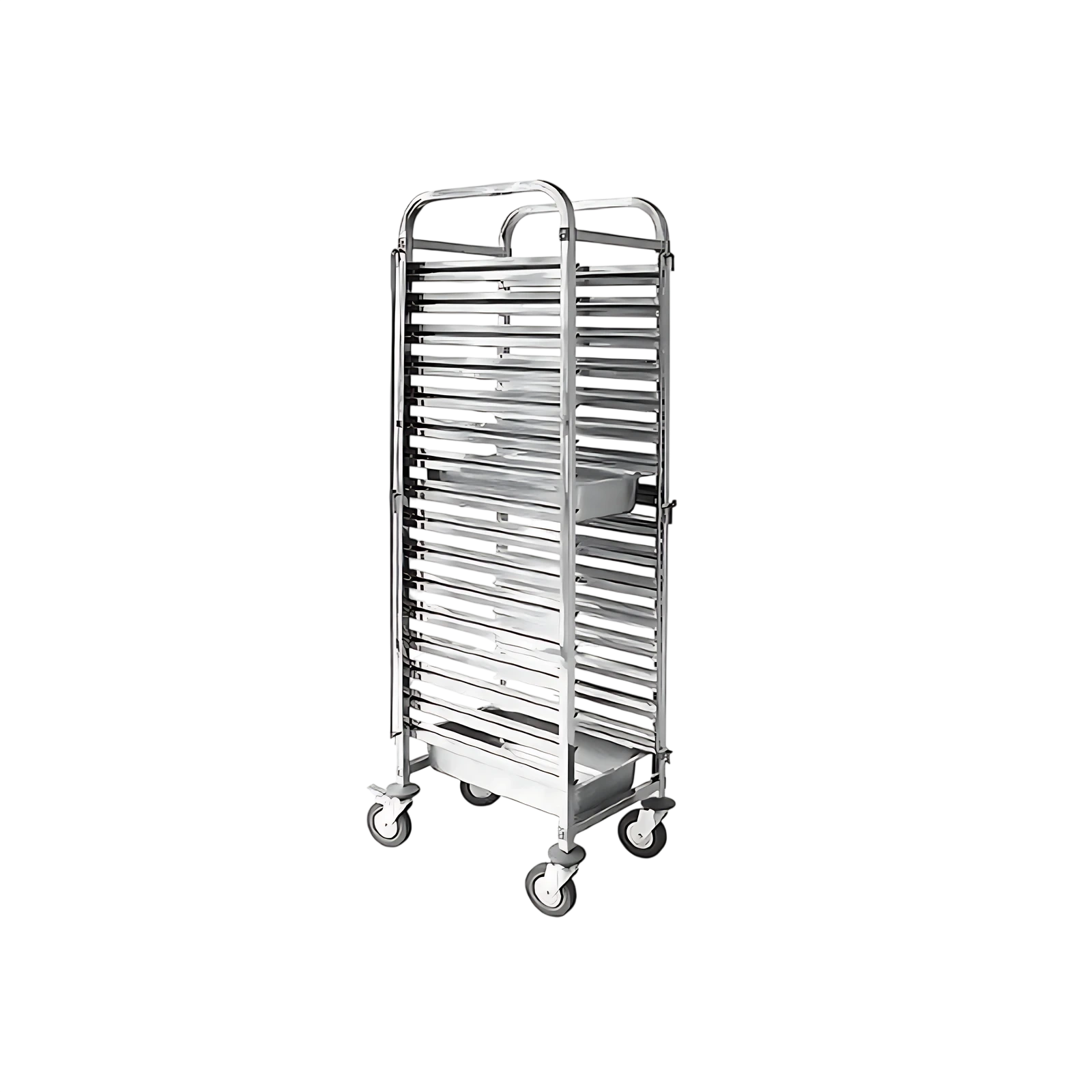
470 × 620 × 850mm
421 × 307 × 21mm