
Kitchen Knock
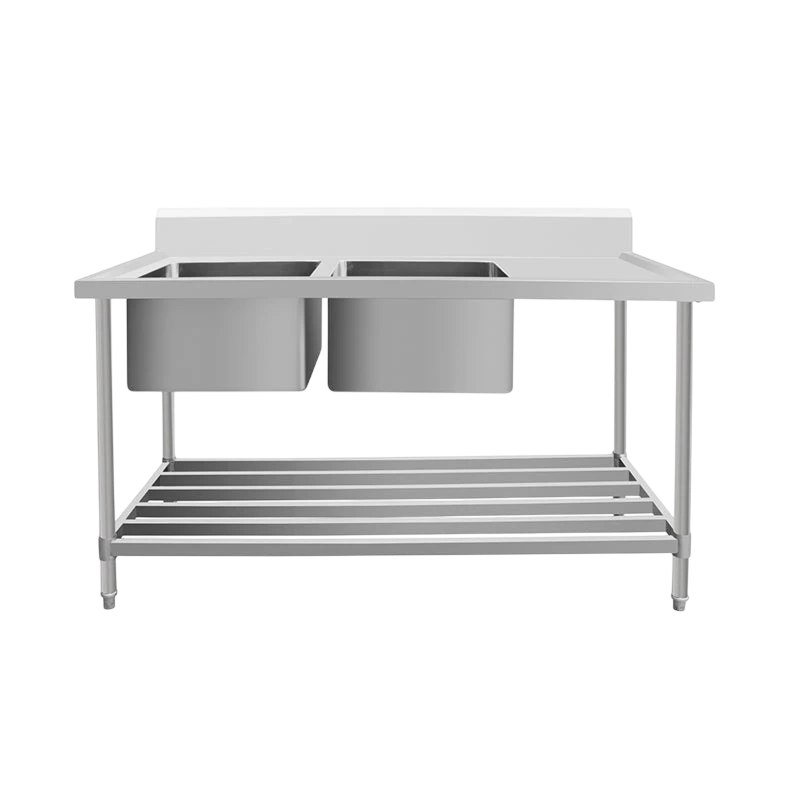
Kitchen Knock 622326 Double-Sink Bench – Left Sinks, 600mm, ASD-2460L
2400 × 600 × 900mm
$1,530.00
In Stock
Stainless Steel Sinks
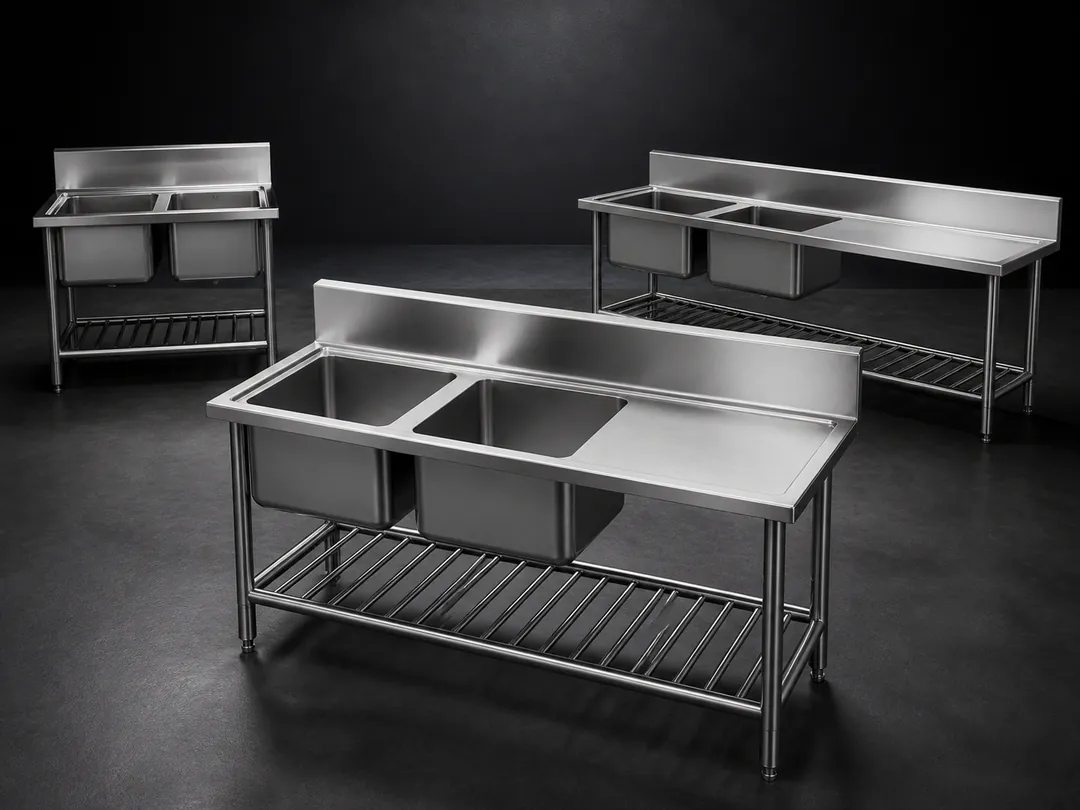
Double sink benches combine two bowls and a stainless work surface in one fixture. Choose this range when two bowls are required in the same run; if the second bowl would displace surface you need for landing or sorting, compare a single sink bench instead.
The current range includes 600mm and 700mm-deep models, several overall lengths, left, right and centre bowl groups, and both undershelf and leg-brace formats. These are catalogue-level patterns, not promises about every model. Check the exact bowl dimensions, top and frame materials, layout, splashback, wastes, supplied parts and assembly details on the individual product page before ordering.
Key factors to consider before purchasing. Our team can help you find the right fit — call or get a quote anytime.
Define what each bowl must hold, then compare bowl dimensions and the work surface left beside them. Two equal-looking benches can allocate their total length very differently.
Choose bowl position from the fixed services, adjoining equipment and the side that needs clear landing space. Confirm the exact SKU because nearby variants may reverse the layout.
Compare the space and access required below the bowls. Verify frame materials, shelf or brace format, feet, splashback, wastes, tapware and flat-pack status model by model.
Submit your kitchen requirements — our equipment specialists will send you a tailored shortlist of double sink benches that fits your budget, venue type and compliance needs.
Standards & Compliance
Measure the complete run, access path and service positions before comparing models. Allow for the space taken by both bowls and confirm that the remaining work surface suits the intended landing, draining or sorting task. Do not infer a stainless grade from the category name: the current catalogue contains model-specific material descriptions, including some 304 and some 430 components.
FAQ
Choose a double sink bench when two bowls are required in the same fixture and the remaining surface still supports the intended work. Choose a single sink bench when one bowl is sufficient or the run needs more landing or preparation surface.
No. Some models use equal bowls and others use unequal bowls. Confirm both sets of bowl dimensions on the exact product record rather than inferring them from the overall bench size.
Map the fixed tap and waste positions, adjoining equipment and the side that needs clear landing space. Match all of those points to the exact SKU because nearby model variants may reverse the bowl group.
No. Current product records contain different model-specific material descriptions, and the top, bowls, legs and undershelf may use different materials. Check each component on the exact model page; an unstated grade remains unverified.
Why KW
KW keeps double-bowl intent separate from single sink benches, machine-interface sink benches, cleaning sinks, hand basins and sink cabinets. Send the available footprint, bowl task, preferred orientation, service locations, delivery postcode and access constraints for a shortlist grounded in current model specifications.
Deep Dive
Technical depth from KW's commercial kitchen specialists.
| KW range | Use it to compare | Key boundary |
|---|---|---|
| Double Sink Benches | Two bowls within one sink-bench run. | Compare both bowls, their position and the surface left around them. |
| Single Sink Benches | One bowl with model-specific work surface. | Use when one bowl is sufficient or preserving surface length matters more. |
| Dishwasher Inlet / Outlet Sinks | Benches selected for a stated commercial dishwasher interface. | Confirm machine side, rack path, joining details and dimensions rather than treating any double sink as an inlet or outlet bench. |
| Cleaning Sinks | Models listed for cleaning or utility-sink tasks. | Keep the intended task and required bowl format distinct from a general double-bowl bench. |
| Hand Basins | Dedicated hand-basin products. | Do not treat a double sink bench as a substitute without site-specific approval. |
| Sink Cabinets | Sink units with an enclosed cabinet base. | Choose when the cabinet format itself is required and verify internal service clearances. |
No. Splashback, undershelf and leg-brace configurations vary. Confirm the exact model's listed structure, dimensions and included parts rather than relying on the category image.
Inclusions vary by model. Check the exact product page and current supplier documentation for tapware, wastes, plugs and fittings, then coordinate any missing components with the installer.
Do not assume so. Use the Dishwasher Inlet / Outlet Sinks range for products listed for that interface, then confirm machine side, dimensions, rack path, joins and services for both the sink bench and dishwasher.
Confirm both bowl dimensions, overall width, depth and height, bowl position, remaining work surface, splashback, frame or shelf format, materials, supplied parts, access path and tap and waste locations. Have the relevant trades verify installation and site-specific requirements.
At the catalogue audit for this update, 143 active products were returned across Kitchen Knock, Modular Systems, Mixrite, Simply Stainless and Vogue. Common listed lengths were 1200, 1500, 1800, 2100 and 2400mm, with additional sizes present; most current records listed a 600mm or 700mm depth. The range also includes left, right and centre bowl groups plus undershelf and leg-brace descriptions. Stock, products and specifications can change, so use these patterns to narrow the range and confirm the selected SKU's current page before purchase.
The category name does not establish one stainless grade or construction for every component. Some current product records state a 304 stainless top, some state 430 stainless for the sink or top, and others state only stainless steel or leave the grade unstated. Check the top, bowls, legs, undershelf or brace separately. Where the exact grade, thickness or fabrication is not published for a model, treat it as unverified rather than extending a sibling model's specification.
These examples illustrate current configurations. Every fact below belongs only to the named SKU and should be rechecked on its product page before ordering.
| Model | Layout | Current verified selection facts |
|---|---|---|
| Modular Systems 1500-7-DSBR | Right-hand unequal bowls with undershelf | 1500 × 700 × 900mm work height; 400 × 400 × 250mm and 400 × 500 × 250mm bowls; 1.2mm 304 stainless top; galvanised legs and undershelf; supplied flat packed. |
| Kitchen Knock 631582 / ASD-1570L | Left bowl group with leg brace | 1500 × 700 × 900mm catalogue dimensions; supplier selector confirms left sink and 700mm depth; current product evidence states a 1.2mm SUS304 top and SUS201 leg brace. Exact bowl dimensions are not published for this SKU. |
| Mixrite SS2612C | Compact double sink bench | 1200 × 600 × 900mm; current exact-model record states stainless steel and a fabricated sink bowl without publishing the stainless grade. |
| Vogue HC907 | Right-hand drainer | 1800 × 600 × 900mm; two 610 × 400 × 250mm bowls; current stored specification states a 430 stainless sink and top, 410 stainless legs and galvanised undershelf. |
An undershelf and a leg brace solve different storage and access needs, and neither should be assumed from the category image. Confirm clearance around bowl bases and wastes, shelf height, frame material, feet and levelling provision. Check the exact splashback height and wall clearance as well as whether tapware, wastes, plugs, brackets or other fittings are included.
Record tap and waste positions, pipe access, wall conditions, splashback clearance, floor level, adjoining equipment and cleaning access. Give the selected model's current dimensions and instructions to the relevant licensed trades and the person responsible for site approval. Compliance depends on the product, installation, use and local requirements; this category page does not certify that every model or layout is compliant.
For additional landing or preparation surface, compare stainless steel benches. If the site requires a fabricated bowl within another bench design, review sink insert bowls with the fabricator and installer. Start with the broader commercial stainless steel sinks range when the correct sink format is still undecided.
143 results
2400 × 600 × 900mm
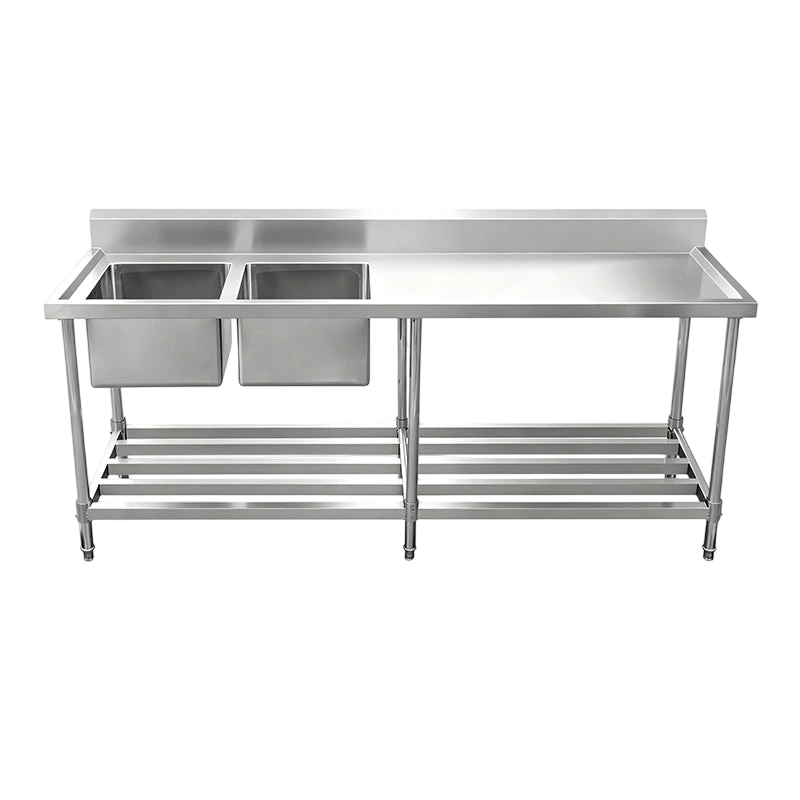
1800 × 700 × 900mm
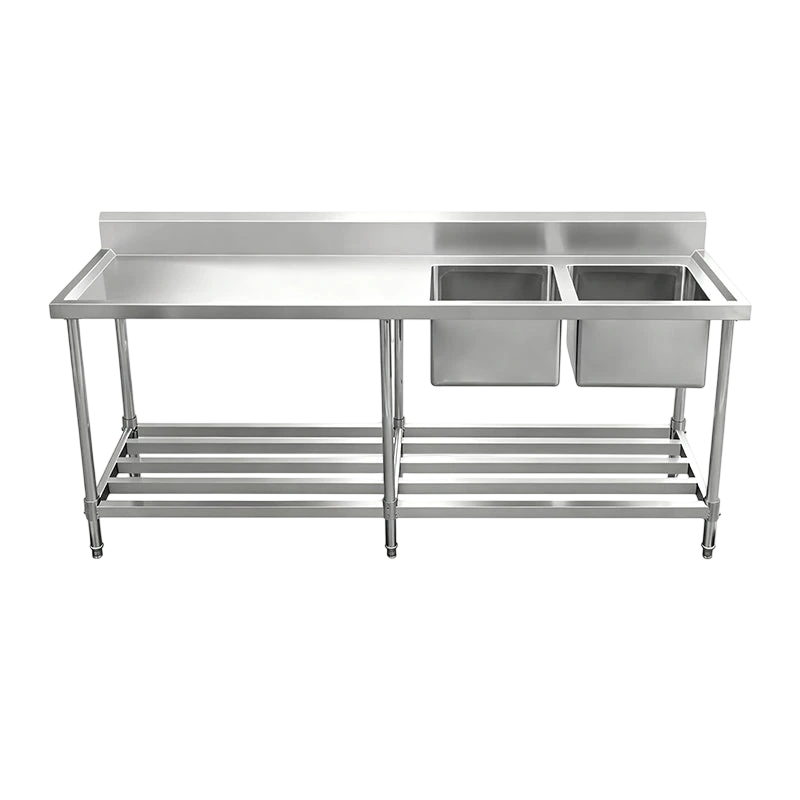
1800 × 600 × 900mm
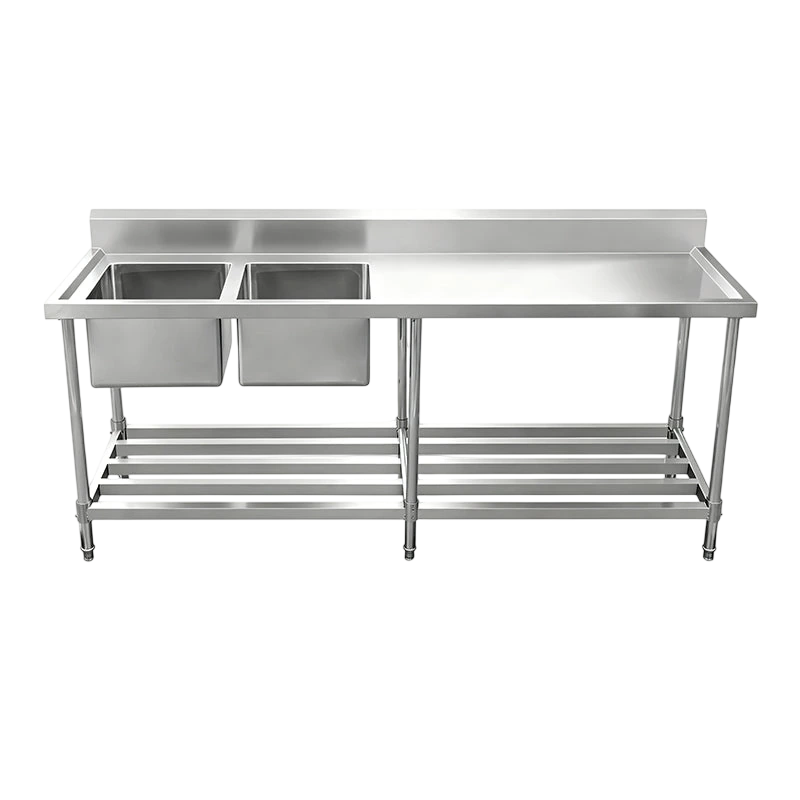
1500 × 600 × 900mm
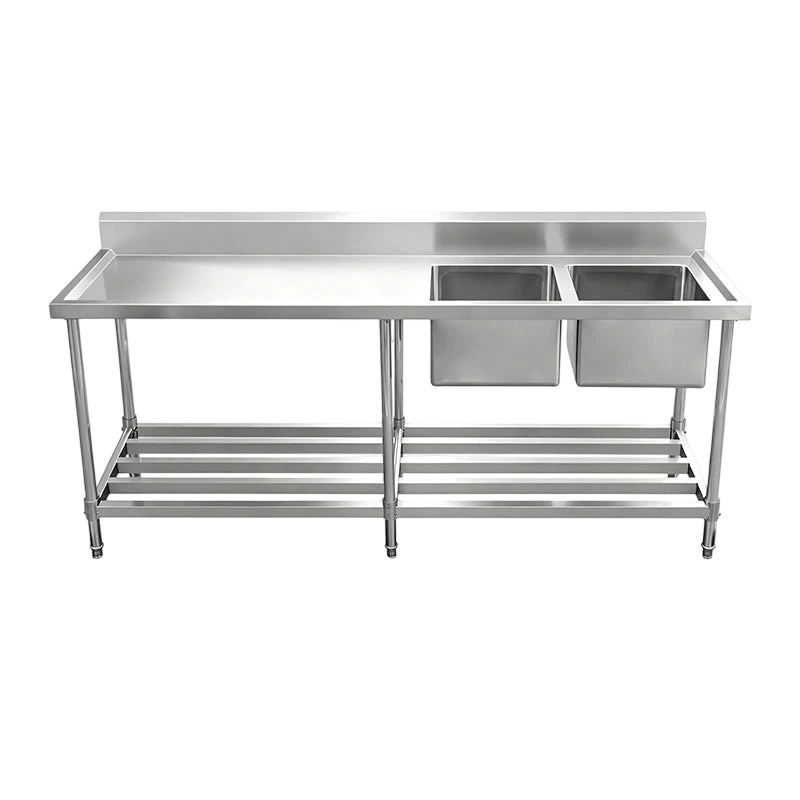
2100 × 700 × 900mm
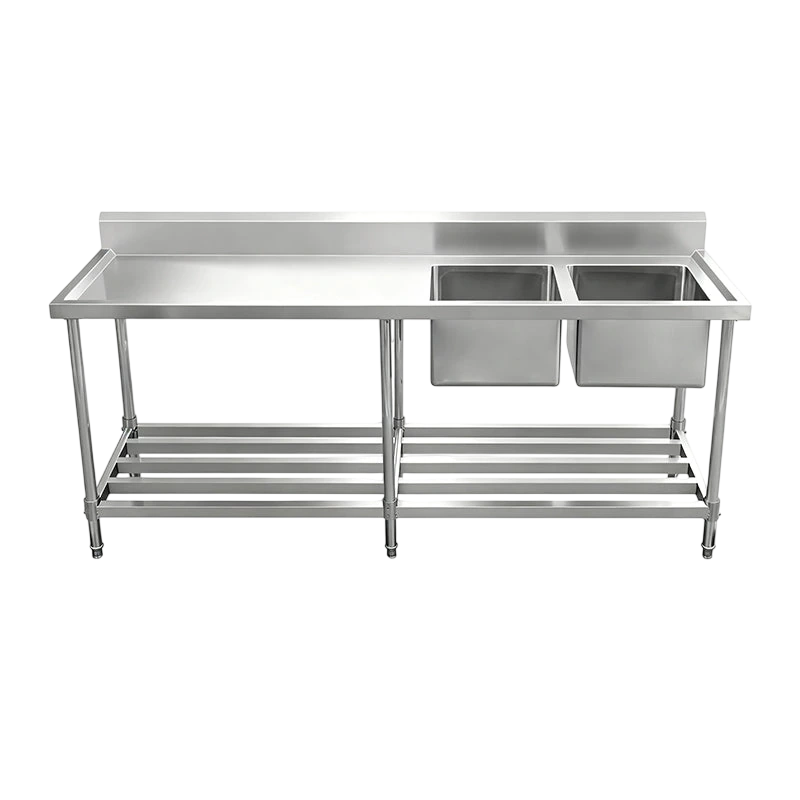
2400 × 700 × 900mm
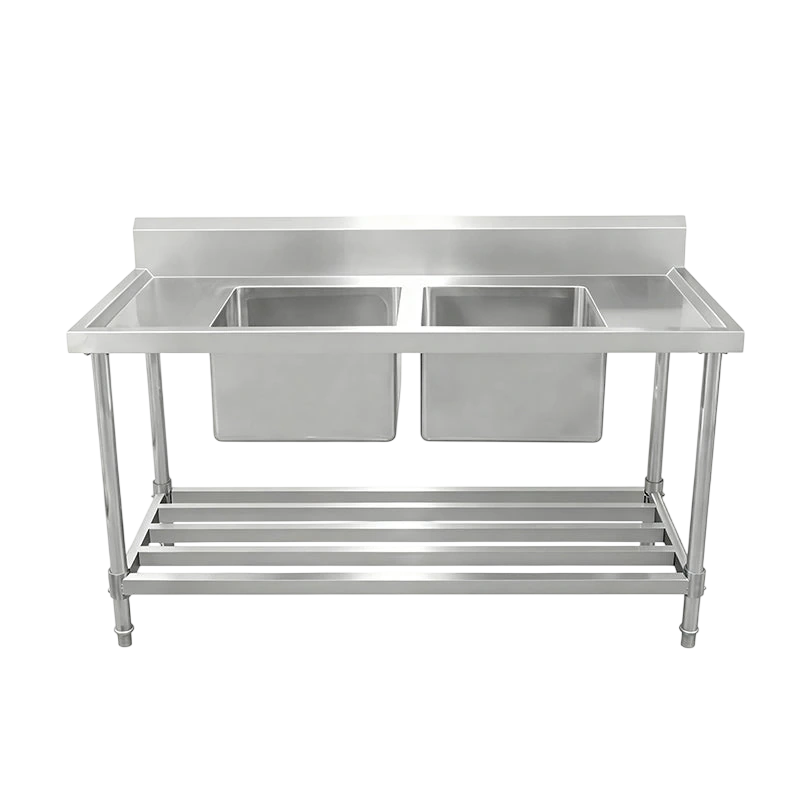
2100 × 600 × 900mm
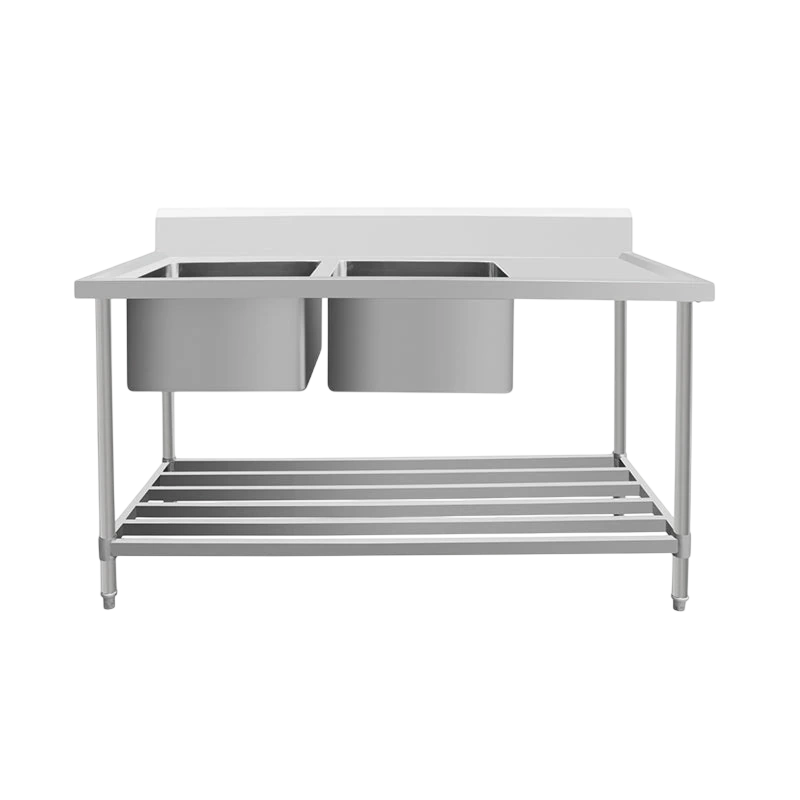
2100 × 700 × 900mm
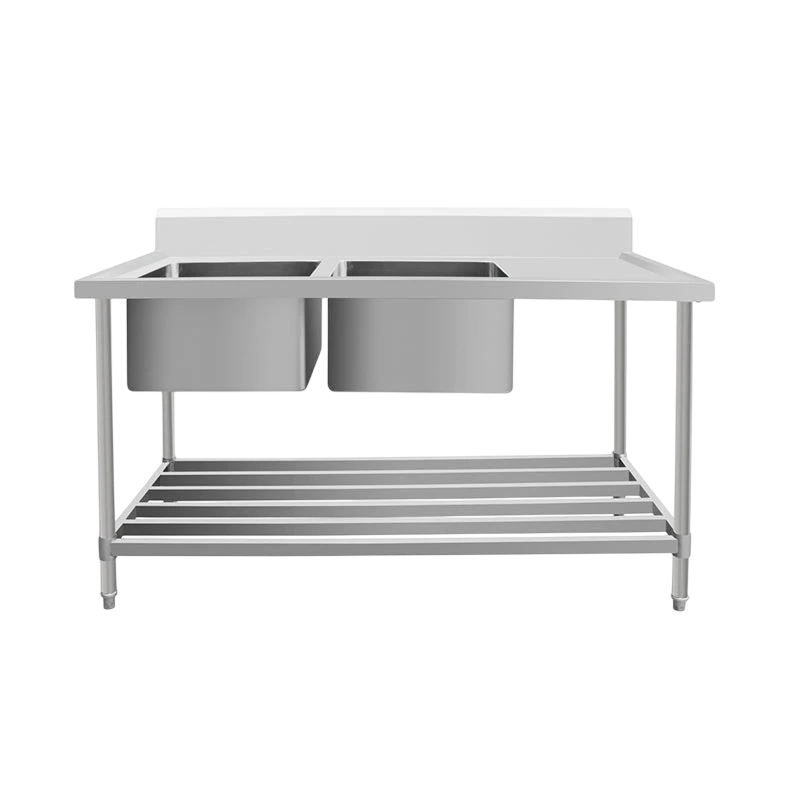
2400 × 700 × 900mm
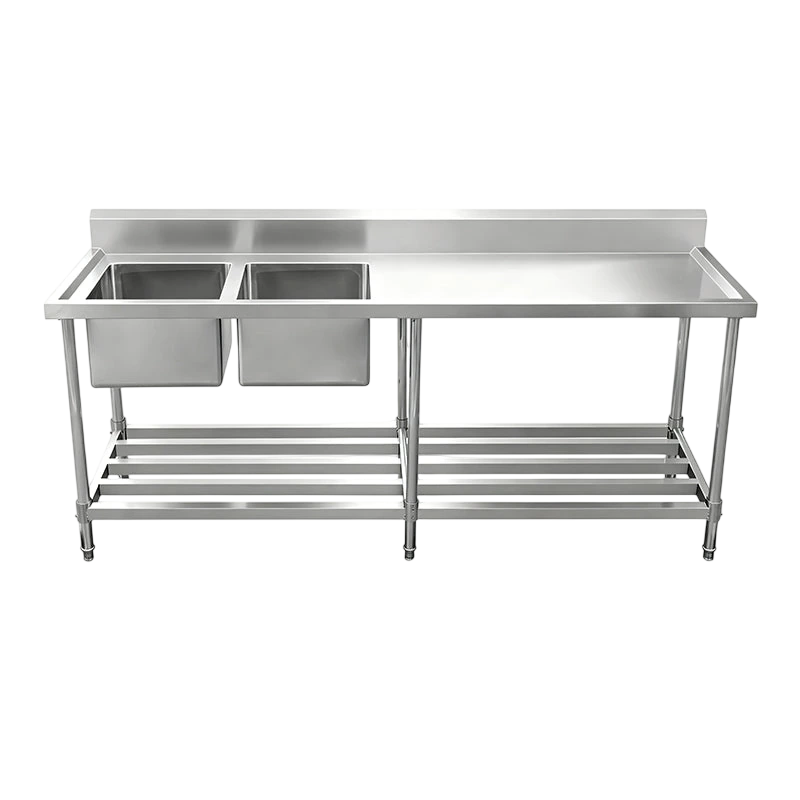
1800 × 600 × 900mm
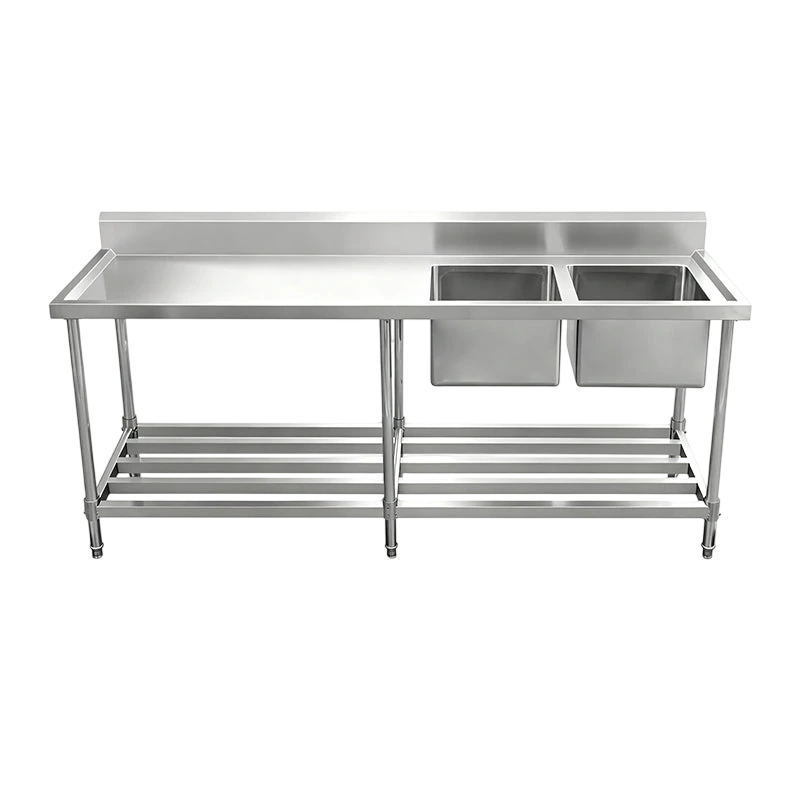
1800 × 700 × 900mm
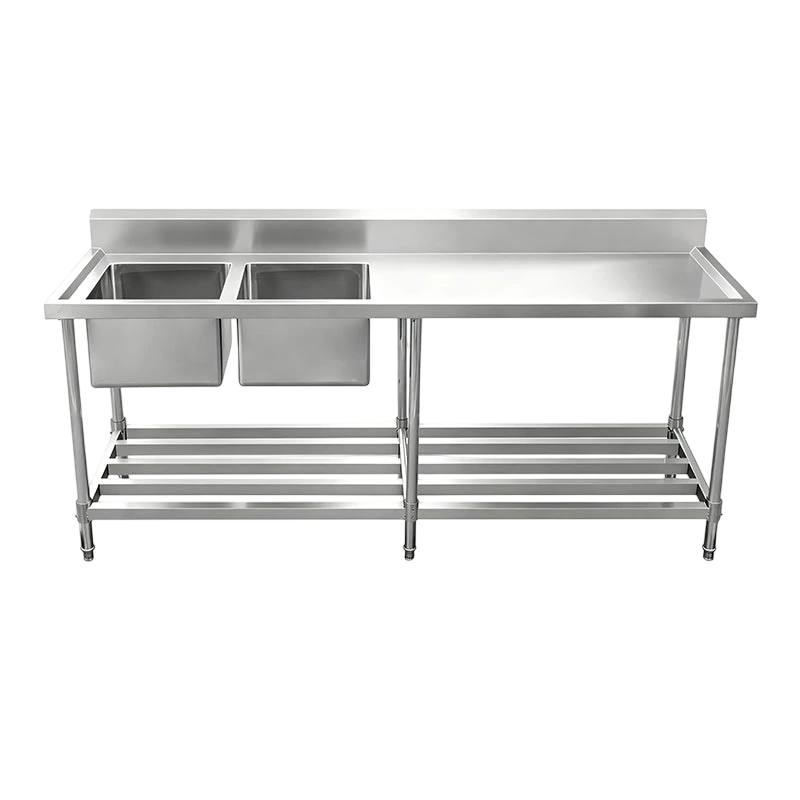
1500 × 700 × 900mm
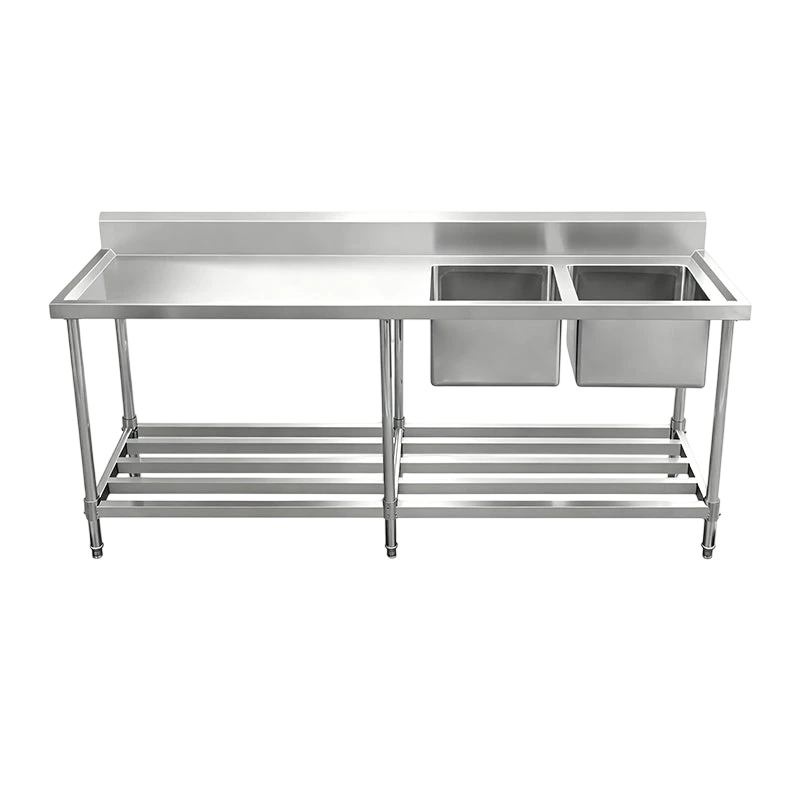
1500 × 700 × 900mm
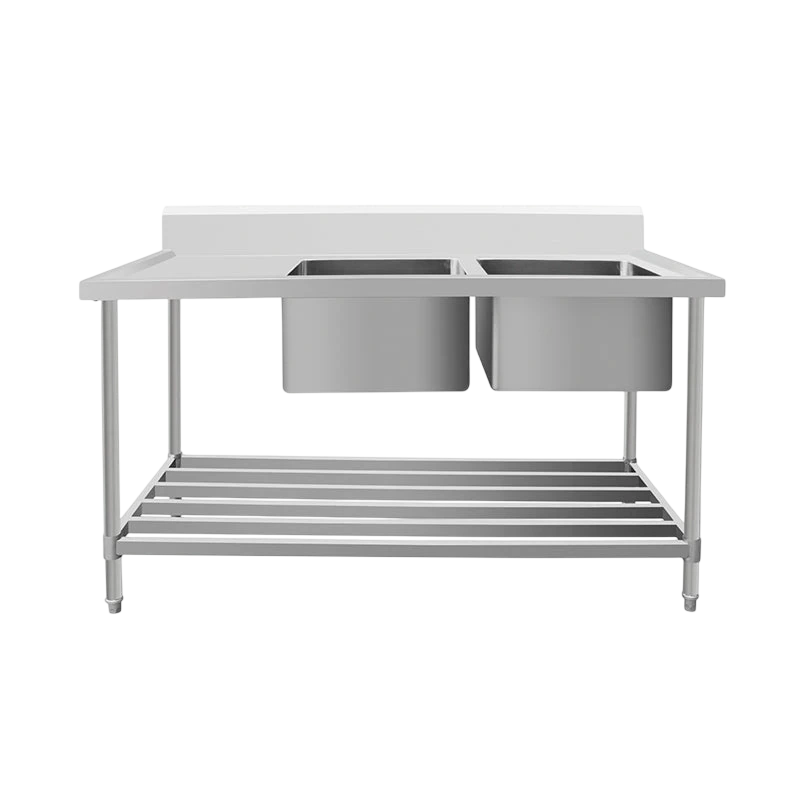
2400 × 700 × 900mm
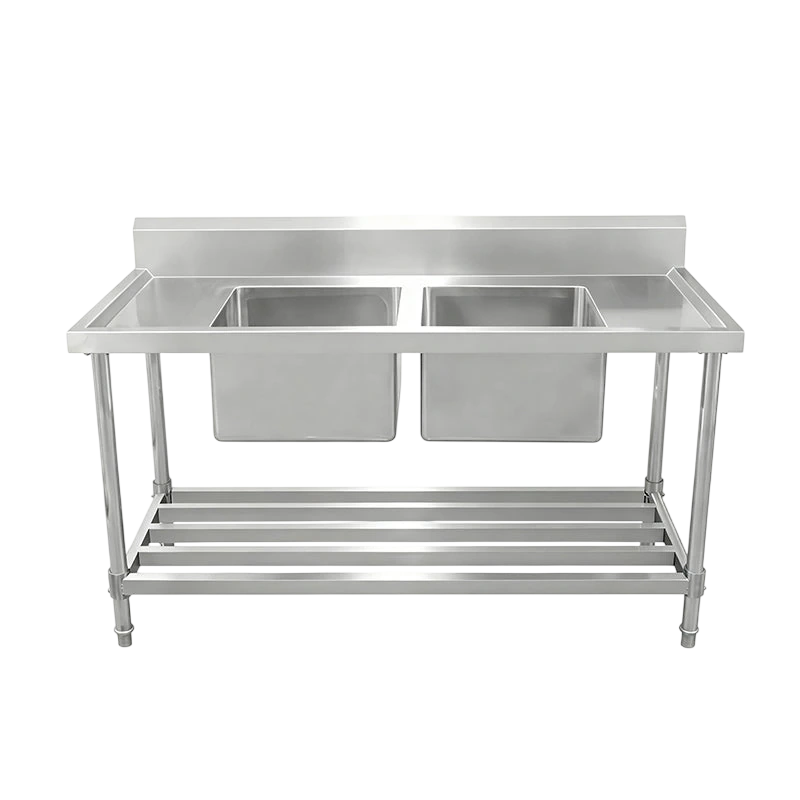
1200 × 600 × 900mm
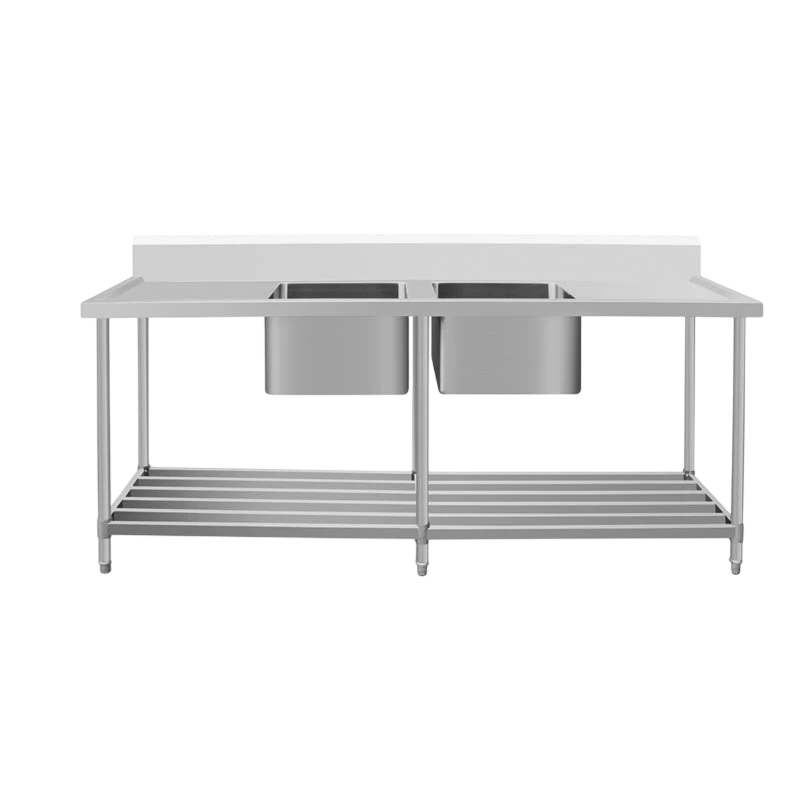
1800 × 700 × 900mm
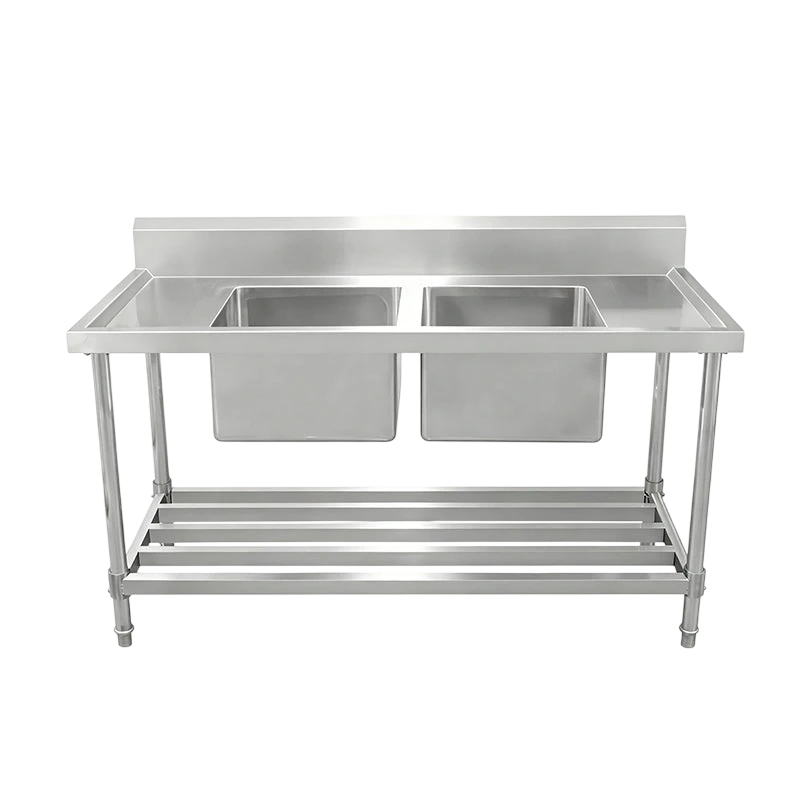
1200 × 700 × 900mm
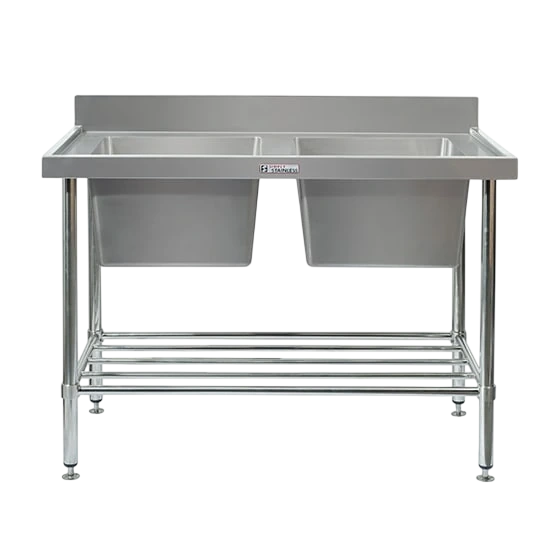
1200 × 600 × 900mm
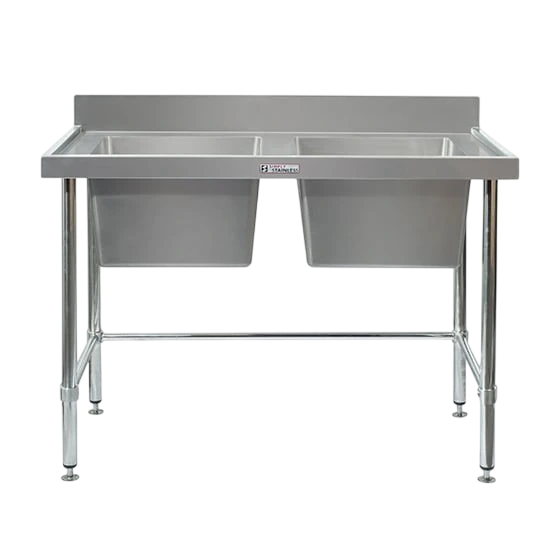
1200 × 600 × 900mm
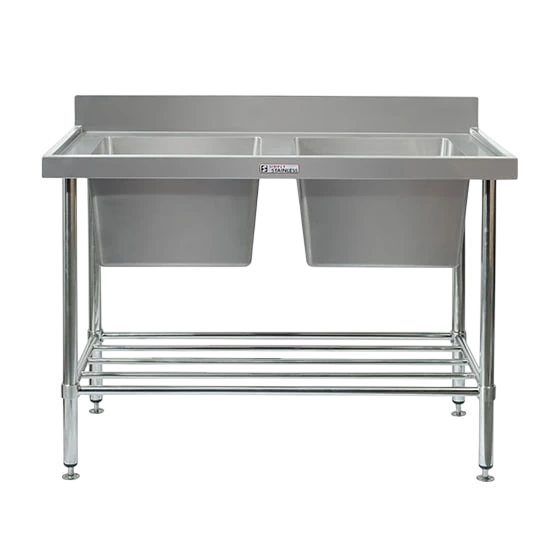
1500 × 600 × 900mm
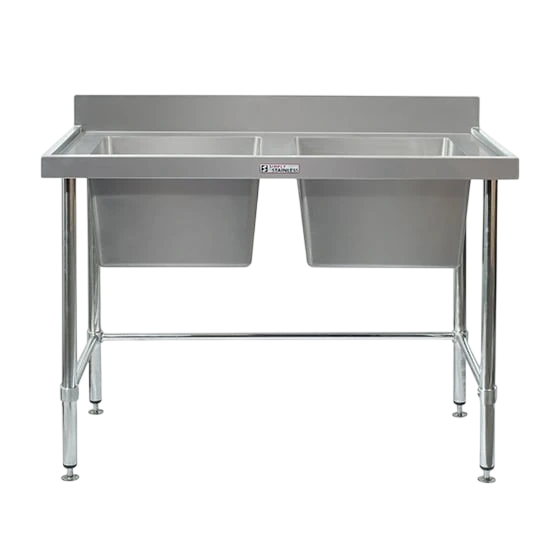
1500 × 600 × 900mm
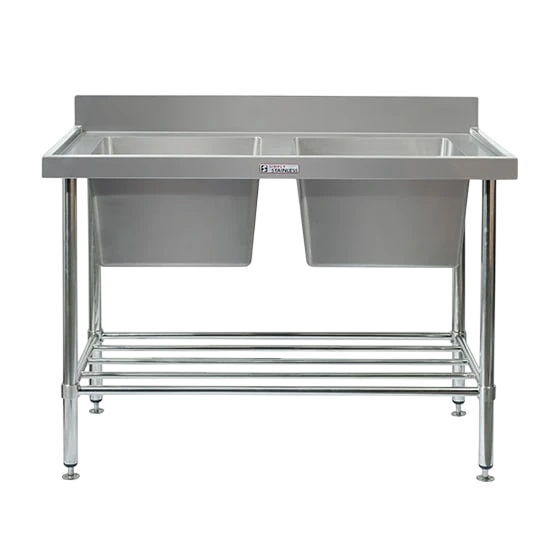
1800 × 600 × 900mm
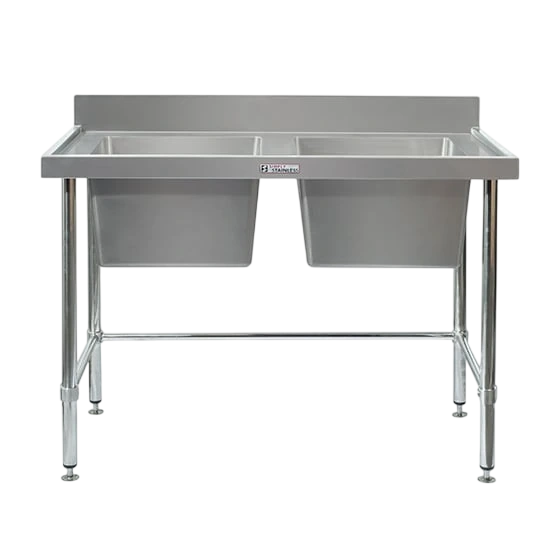
1800 × 600 × 900mm
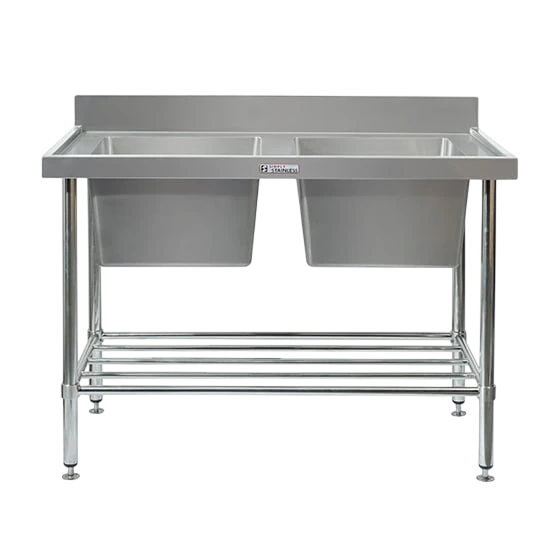
2100 × 600 × 900mm
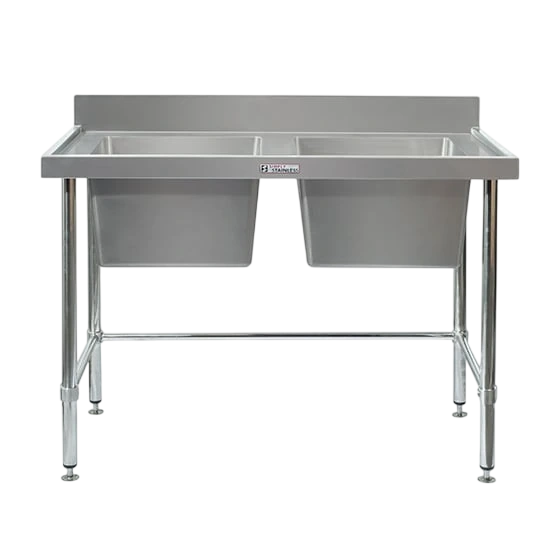
2100 × 600 × 900mm
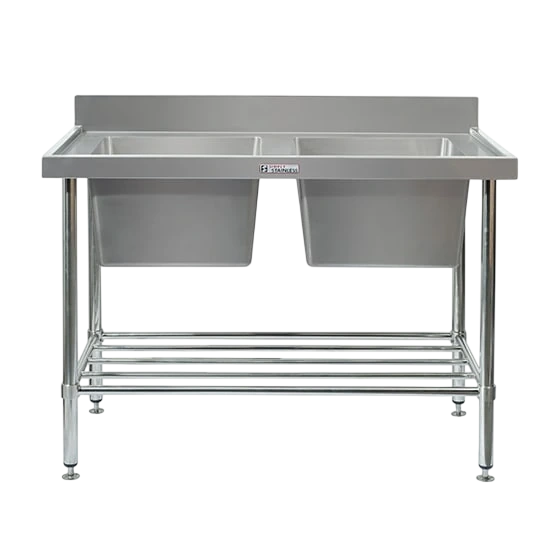
2400 × 600 × 900mm
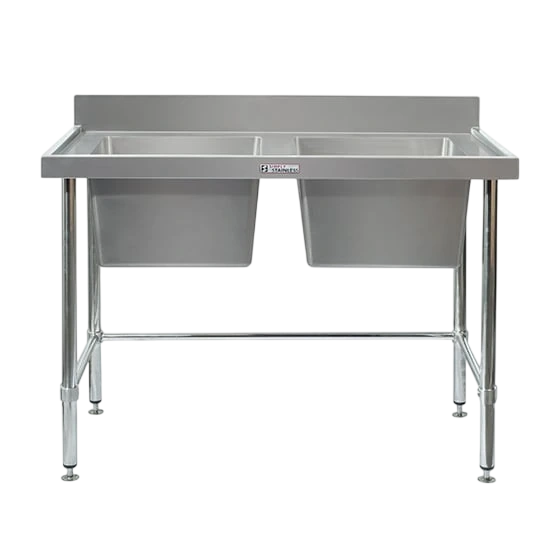
2400 × 600 × 900mm
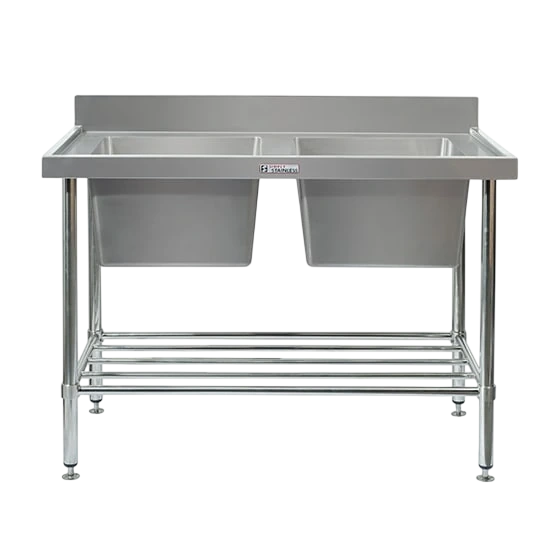
1200 × 700 × 900mm
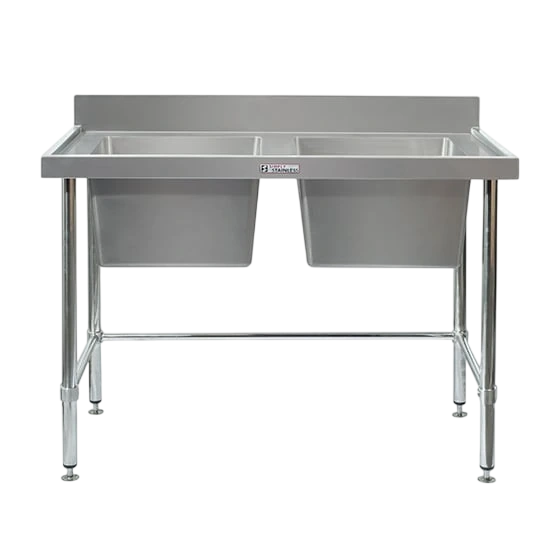
1200 × 700 × 900mm
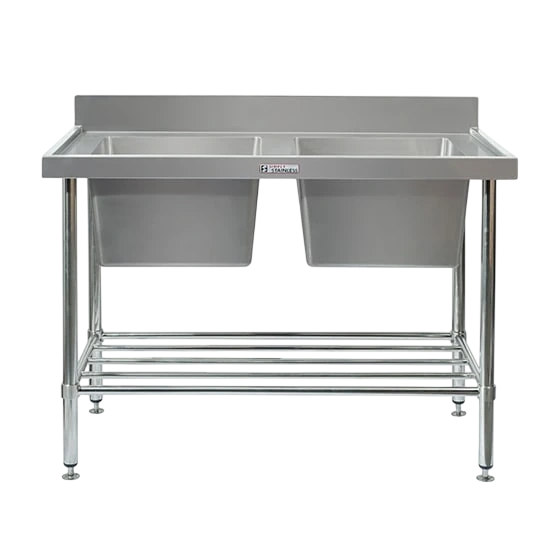
1500 × 700 × 900mm
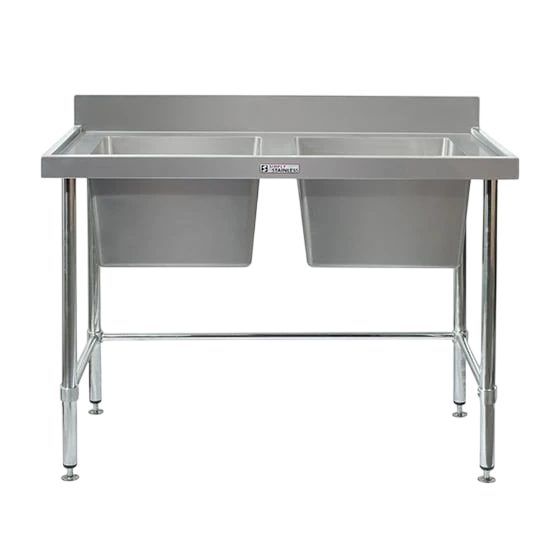
1500 × 700 × 900mm
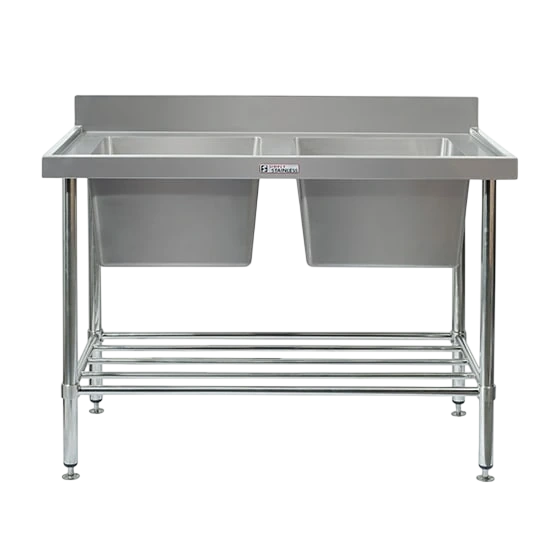
1800 × 700 × 900mm
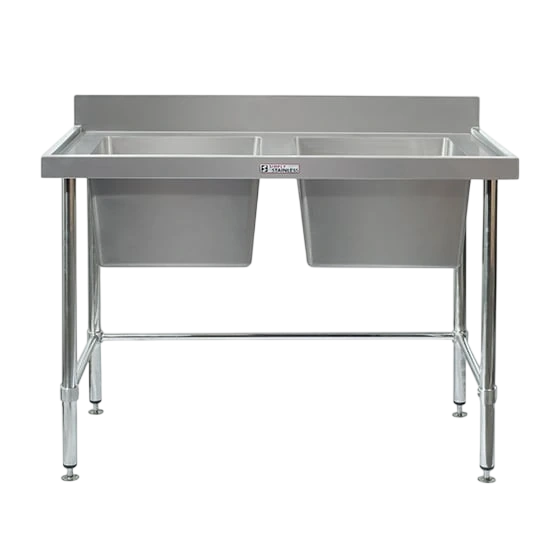
1800 × 700 × 900mm
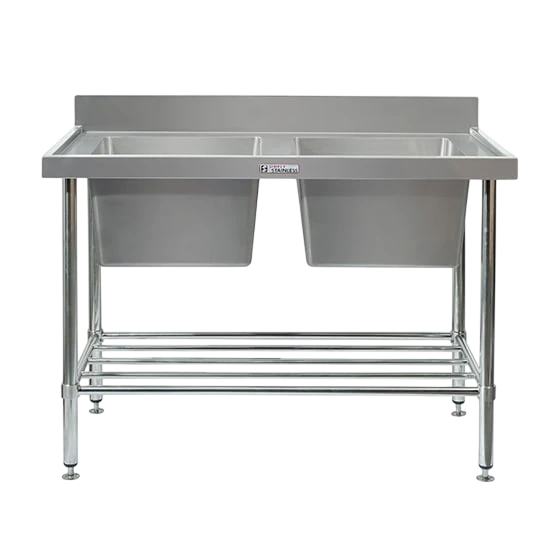
2100 × 700 × 900mm
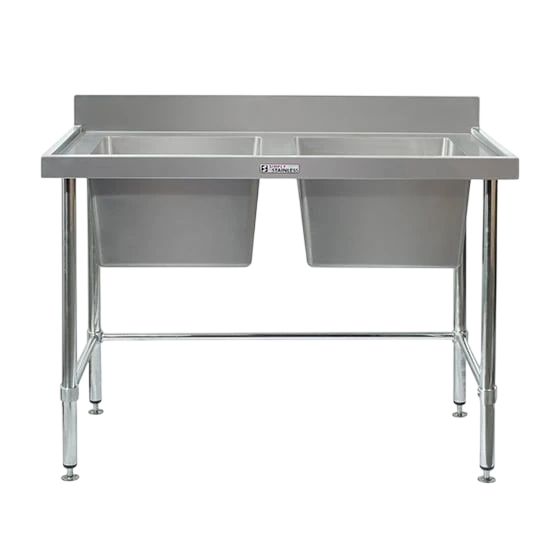
2100 × 700 × 900mm
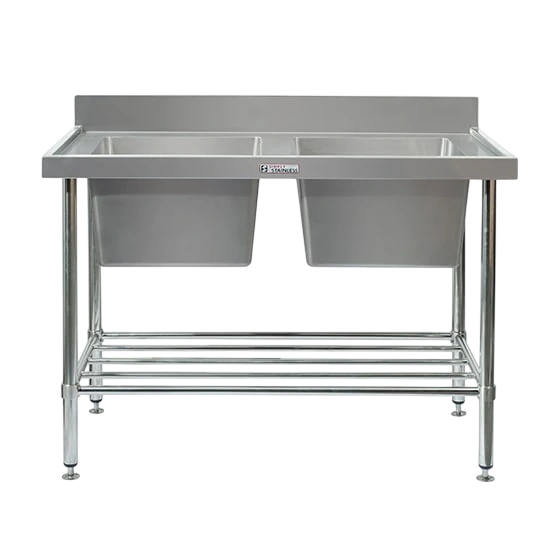
2400 × 700 × 900mm
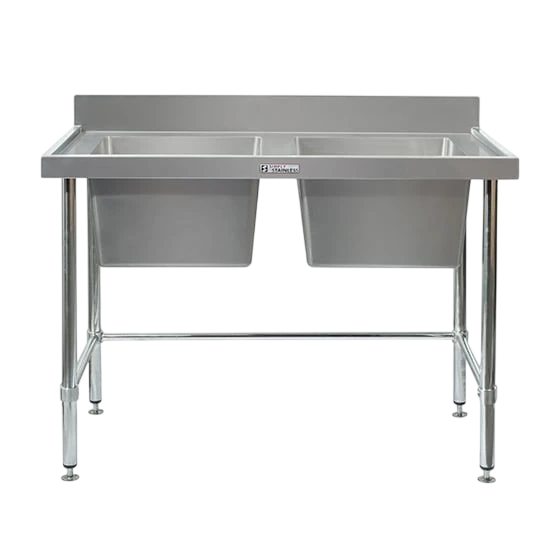
2400 × 700 × 900mm
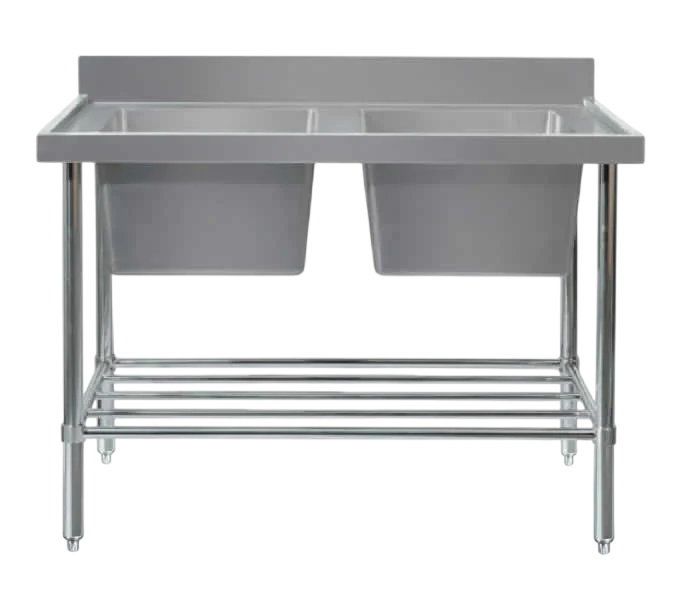
1500 × 600 × 900mm
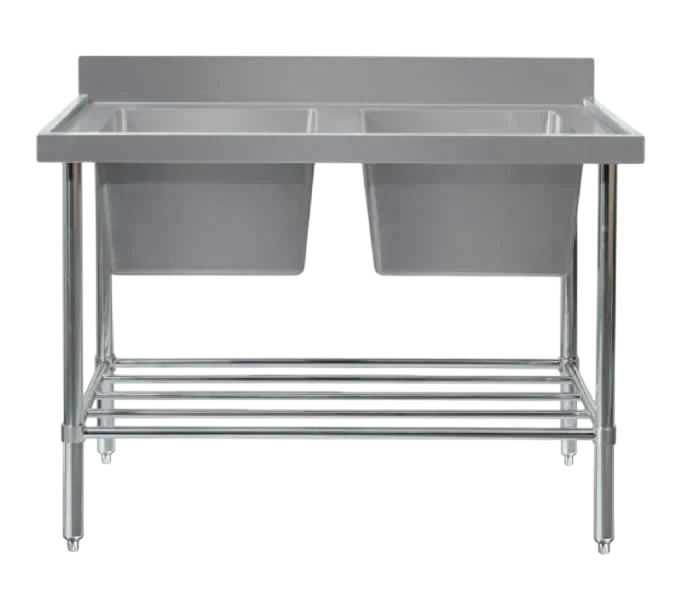
1800 × 600 × 900mm
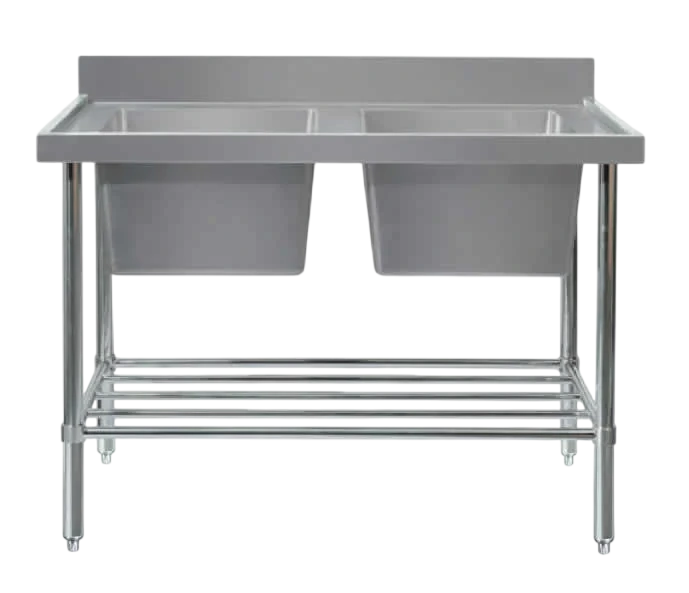
2100 × 600 × 900mm
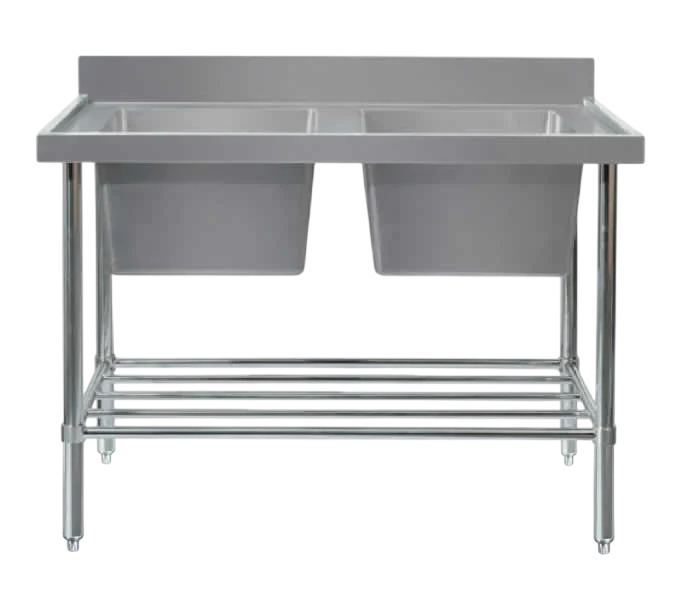
2400 × 600 × 900mm
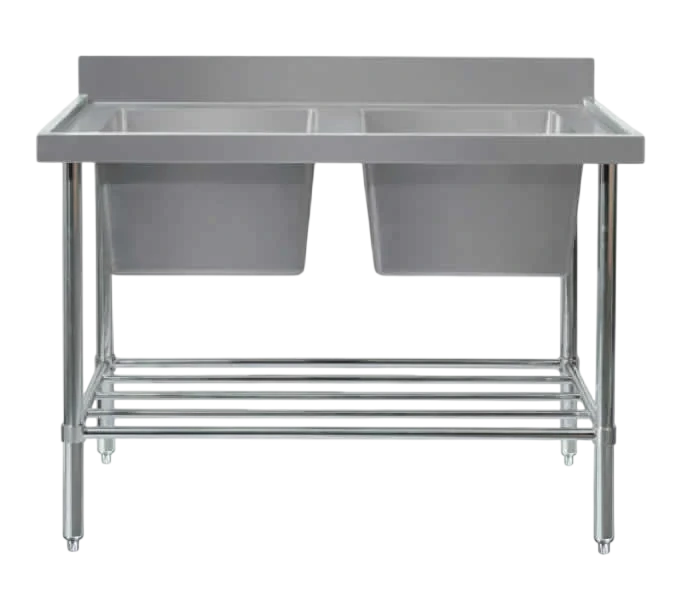
2400 × 700 × 900mm
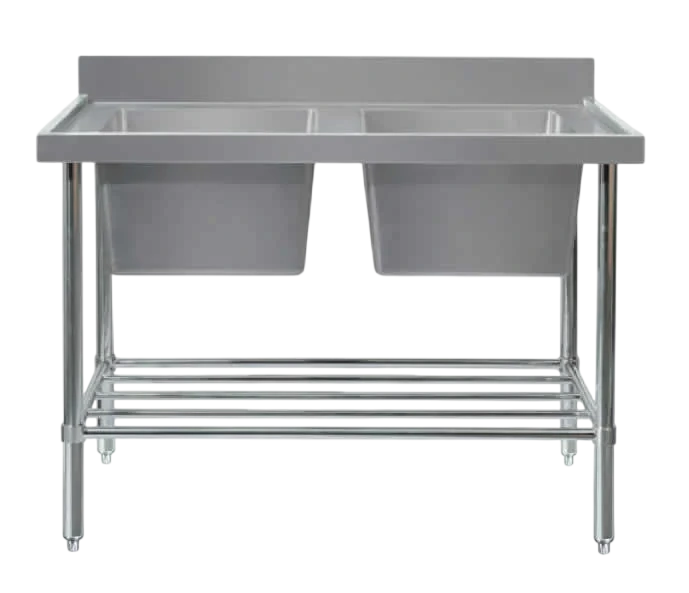
1800 × 600 × 900mm
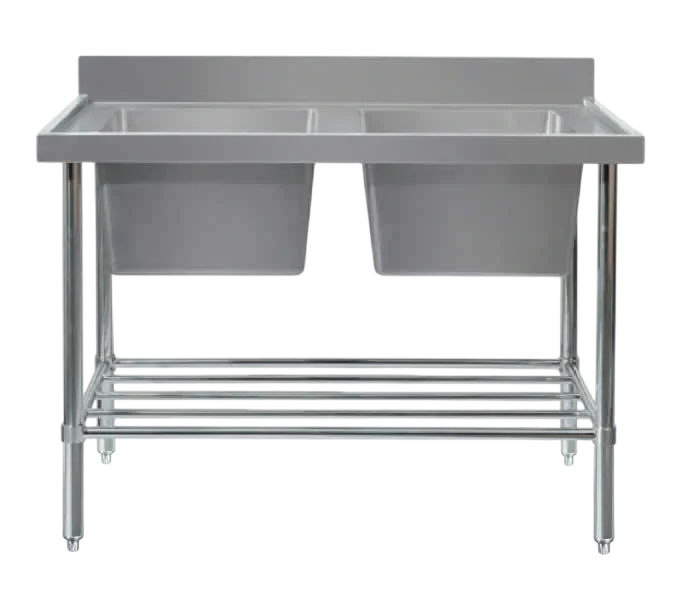
2100 × 600 × 900mm
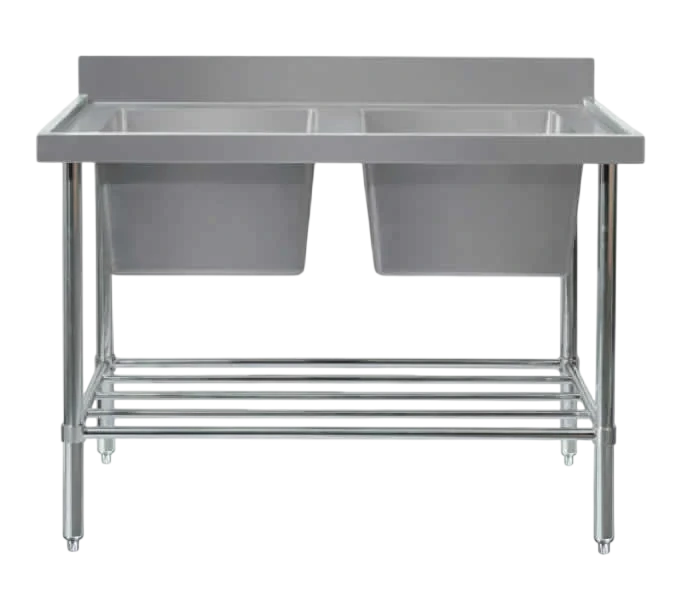
2400 × 600 × 900mm
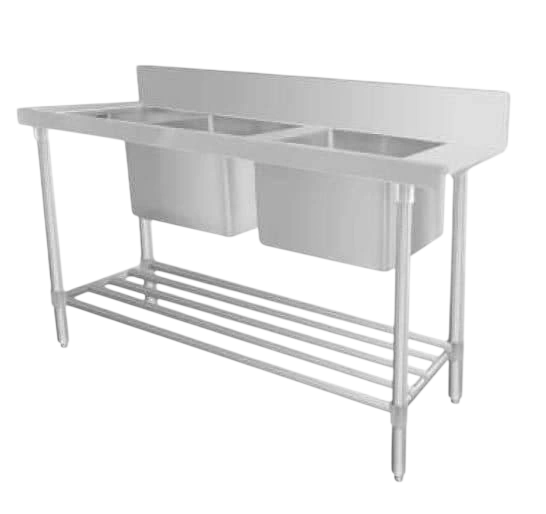
1650 × 700 × 900mm
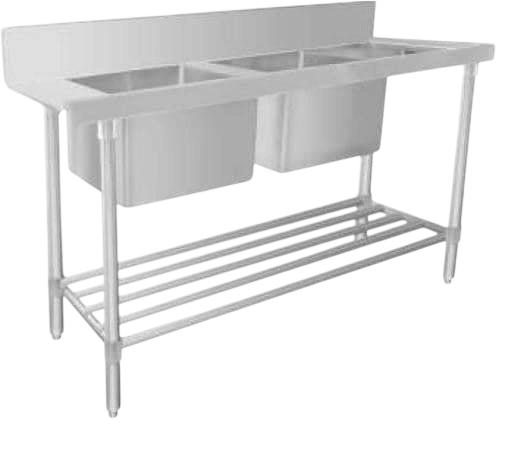
1650 × 700 × 900mm