
Modular Systems
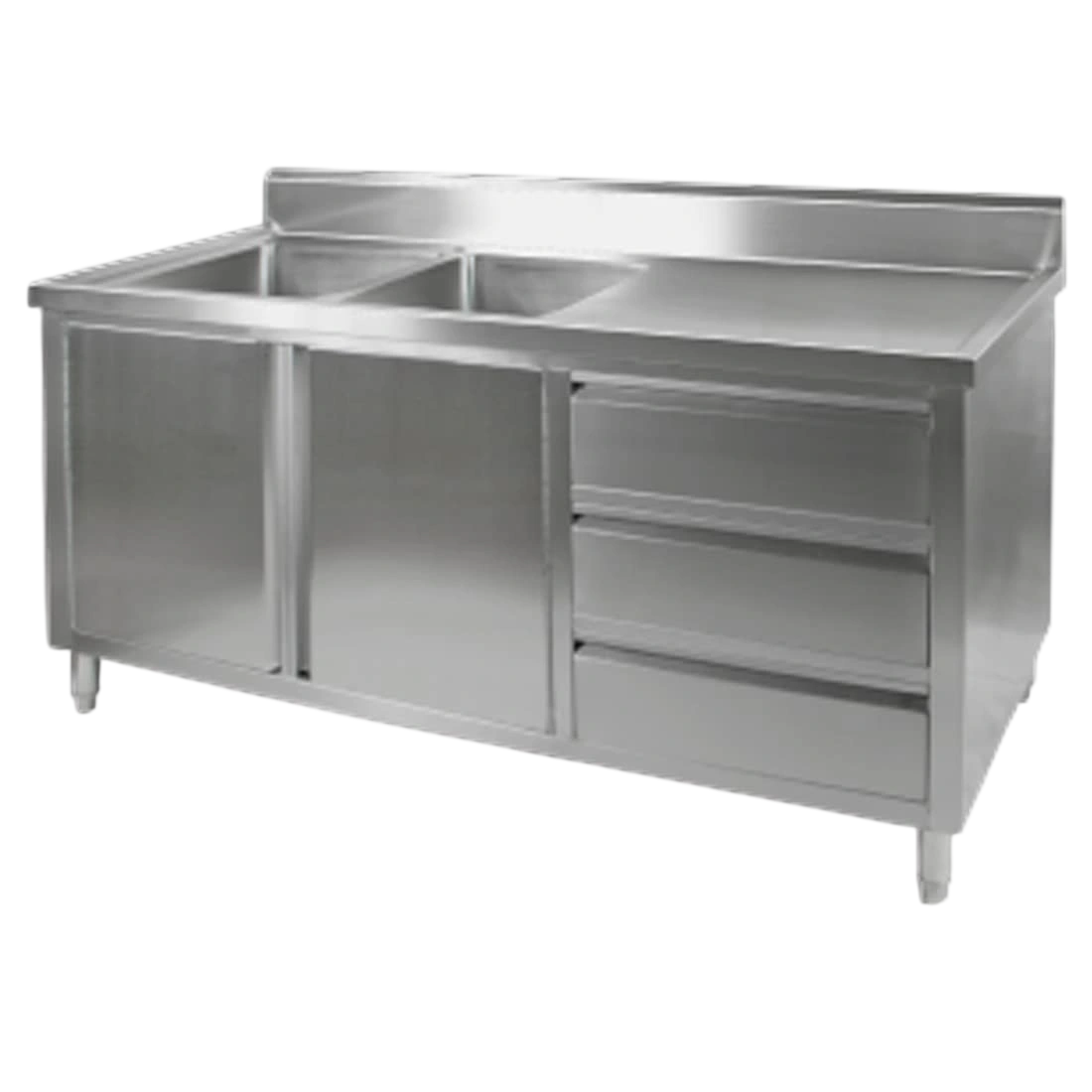
Modular Systems DSC-1800L-H TIDY CABINET WITH DOUBLE LEFT SINKS
1800 × 700 × 1050mm
$2,261.00$2,660.00
In Stock
Stainless Steel Sinks
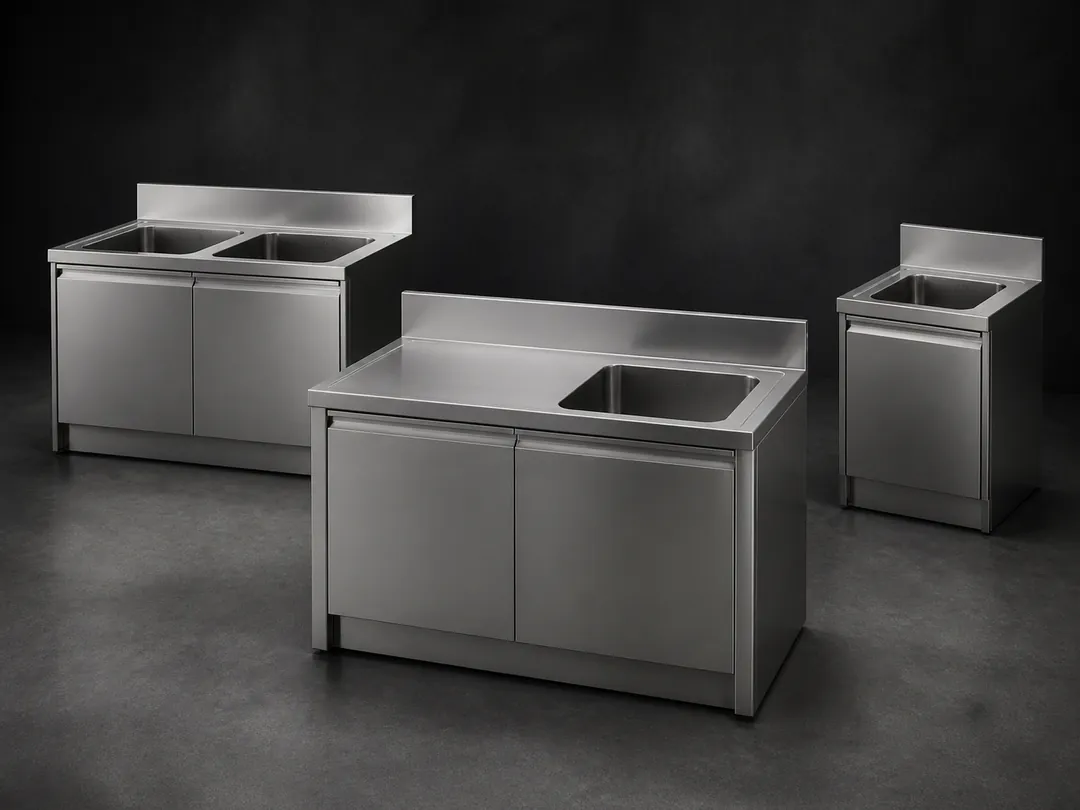
A stainless steel sink cabinet combines an integrated wash bowl with enclosed space below, making it useful where a wet task needs a tidier frontage than an open sink bench. The cabinet does not remove plumbing requirements: pipework, traps and isolation points still need accessible routes that do not prevent doors from closing or make leaks difficult to see.
Start with the wash-up sequence. Bowl position, drainer direction and landing space should move items from dirty to washed without staff crossing paths, while the splashback and surrounding surfaces should contain water where the unit meets a wall.
Key factors to consider before purchasing. Our team can help you find the right fit — call or get a quote anytime.
Match capacity to your daily output. Consider the bench or floor space available and the access route for delivery.
Confirm levelling, wall clearance and the access needed for cleaning and service. We can help with kitchen planning.
Submit your kitchen requirements — our equipment specialists will send you a tailored shortlist of stainless steel sink cabinets that fits your budget, venue type and compliance needs.
Standards & Compliance
Measure the cabinet footprint, bowl and drainer against the available wall run, adjacent appliances and door swing. Confirm inlet, waste and floor conditions with the relevant trades before penetrations or pipe locations are fixed.
Inspect the interior during routine cleaning rather than treating it as sealed dry storage. Moisture, leaking fittings and residue around service entries should be dealt with promptly, and cleaning products must be suitable for the stainless finish.
FAQ
No. Units in this category are supplied fully pre-assembled. You only need a licensed plumber to connect water and waste services. The welded construction provides far greater stability than flat-pack alternatives.
Yes – many venues use the enclosed cabinet specifically to keep chemicals, cloths and tools away from open benches. Always label containers clearly and follow your food safety plan so staff can easily distinguish cleaning chemicals from food items.
304 stainless steel performs well in outdoor and high-moisture environments when installed correctly and cleaned regularly. In coastal or highly exposed sites, additional care – such as rinsing off salt spray and avoiding harsh chlorides – will help maximise lifespan.
Open-leg benches are easier to see and clean underneath, while sink cabinets provide enclosed storage, a tidier appearance and fewer pest harbourage points. For bars and visible kitchens, cabinets are often preferred; for large back-of-house dish areas, a mix of both may be ideal.
Why KW
A sink-cabinet enquiry gives KW a clear workflow to resolve: what is washed, where items drain and how a plumber will reach the services inside the enclosure. That sequence also helps establish bowl placement, splash control and the best relationship to nearby benches; phone 1300 001 366.
Deep Dive
Technical depth from KW's commercial kitchen specialists.
A stainless steel sink cabinet is more than a sink with doors. It is an all-in-one wet station that hides plumbing, secures storage and makes it easier to keep the area compliant with FSANZ and council expectations. For venues where customers can see the bar or kitchen, cabinets also create a much neater, more professional appearance than open legs and exposed pipes.
KW Commercial Kitchen supplies pre-assembled sink cabinets built from 304 stainless steel, designed for long-term use in Australian hospitality, healthcare and commercial sites. They are particularly useful in smaller spaces where every millimetre of footprint has to deliver both washing capacity and storage.
All sink cabinets in this category arrive fully built – no flat-pack assembly on-site:
Sink cabinets live in the harshest part of the kitchen: constant moisture, cleaning chemicals and food acids. That is why this range is specified in 304 grade stainless steel:
Choosing the right bowl configuration depends on how the cabinet is used:
In both cases, having the cabinet fully enclosed keeps the underside tidy and makes it clear which space is dedicated to wet work and cleaning supplies.
Enclosed bases are not just about looks – they support hygiene and safety:
Behind the clean exterior, sink cabinets still need to be practical for plumbers and cleaners:
Different stainless lines offer different strengths. Use this quick guide to understand the options in this category:
| Brand | Positioning | Best For |
|---|---|---|
| Kitchen Knock | Heavy-duty 304 stainless sink cabinets with strong value | Busy cafés, restaurants and venues needing robust enclosed wet stations |
| Modular Systems | Modular cabinet and bench systems designed to integrate across a full stainless fit-out | New builds, franchises and projects matching sink cabinets with benches and shelving |
| Simply Stainless | Premium stainless systems widely used in high-spec commercial projects | Hotels, healthcare, mining camps and operations with strict hygiene and durability requirements |
KW Commercial Kitchen works across hundreds of real projects each year, so our sink cabinet recommendations are based on actual wet-area performance – not just catalogue descriptions.
Stainless steel sink cabinets are perfect where you need a compact, self-contained station – such as a bar area, prep room, outdoor kitchen or staff tea room. The enclosed base keeps cleaning supplies out of sight and prevents pests from hiding underneath.
For a more open, high-capacity wash area, you can combine sink cabinets with:
Widths and bowl configurations vary by model. Start by measuring the space available, the width of neighbouring benches or equipment, and whether you need a single or double bowl. Our team can help match cabinet size to your dishwasher, bar layout or prep zone.
Choose one when washing or rinsing needs an integrated bowl and an enclosed base suits the room layout. It is less suitable when staff need unrestricted access beneath the bowl, when services cannot be routed through the enclosure, or when the task is dry preparation only.
Trace the movement from incoming items through washing to the clean landing area, then place the drainer on the exit side of that sequence. Check staff approach, nearby equipment and doorways so wet items do not travel back across the dirty side.
Traps, valves and connections may need inspection, adjustment or repair after installation. They should be reachable through the cabinet opening without removing fixed panels or stored goods, and small leaks must remain visible before they damage surrounding finishes.
Empty it regularly, wipe residue with a stainless-compatible method and dry standing water. Keep goods away from pipework, inspect joints for drips and address the source of recurring moisture instead of closing the doors on a damp interior.
Choose left- or right-hand drainage from the real approach and exit sides rather than from a drawing alone. Allow a clear landing zone for wet items, keep the clean side away from incoming soil and check that adjacent doors or equipment do not obstruct the operator.
Place pipes so traps, joints and isolation points can be inspected and reached through the cabinet opening. Shelving or stored supplies must not conceal leaks, load the pipework or block a plumber's access for maintenance.
Where the unit sits against a wall, a suitable splashback and sealed junction can help stop wash water and debris entering the gap. Include the wall finish and adjacent equipment in the cleaning plan, especially around taps and rear corners.
Remove loose items, wipe internal panels and dry pooled moisture after isolating or protecting sensitive services as required. Leave ventilation paths clear, investigate recurring dampness and avoid keeping products in the cabinet if a leak or hygiene issue is unresolved.
Compare other bowl and drainer layouts in the commercial sink range, use a separate enclosed workbench where no integrated wash bowl is required, and plan the broader room through the stainless steel category.
23 results
1800 × 700 × 1050mm
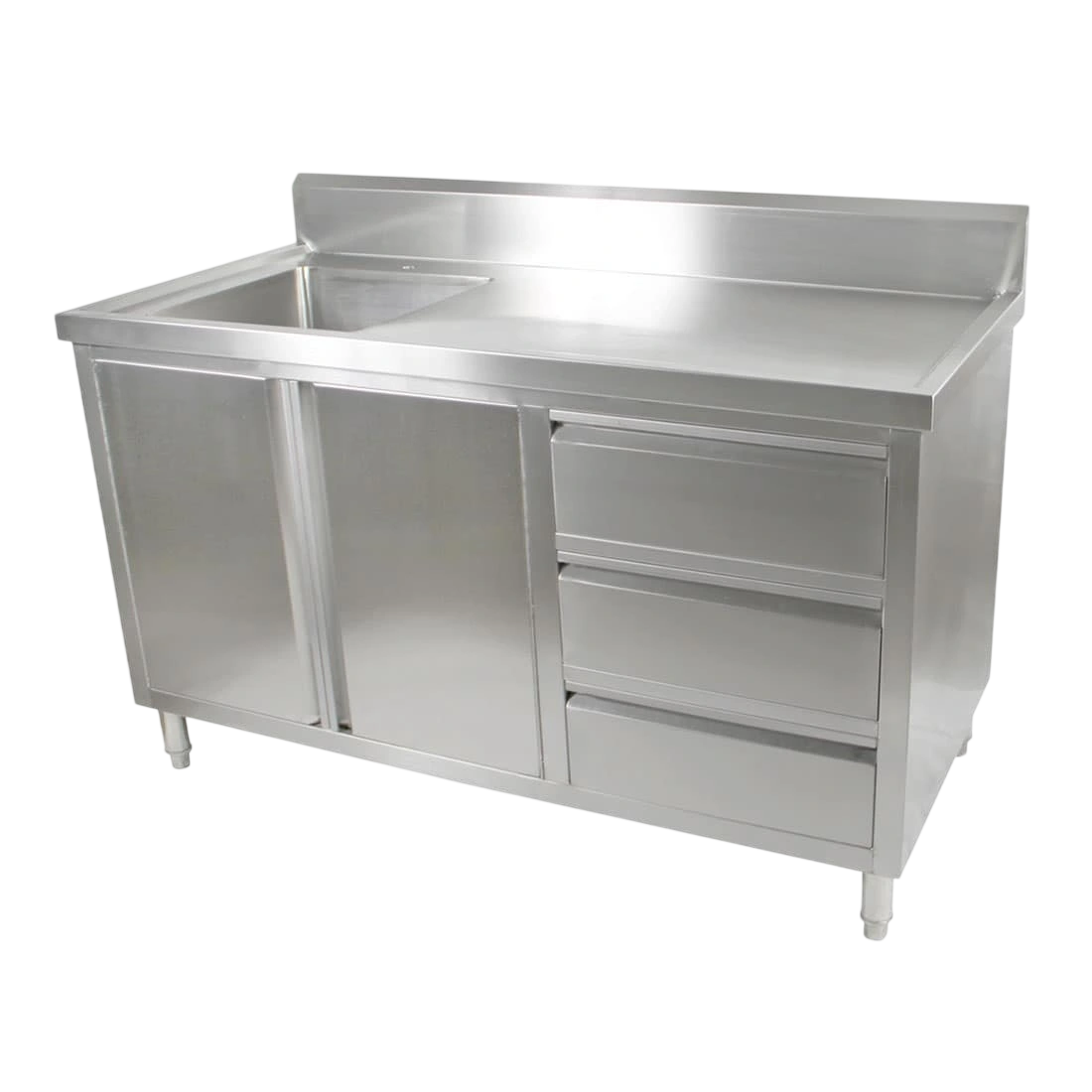
1500 × 600 × 1050mm
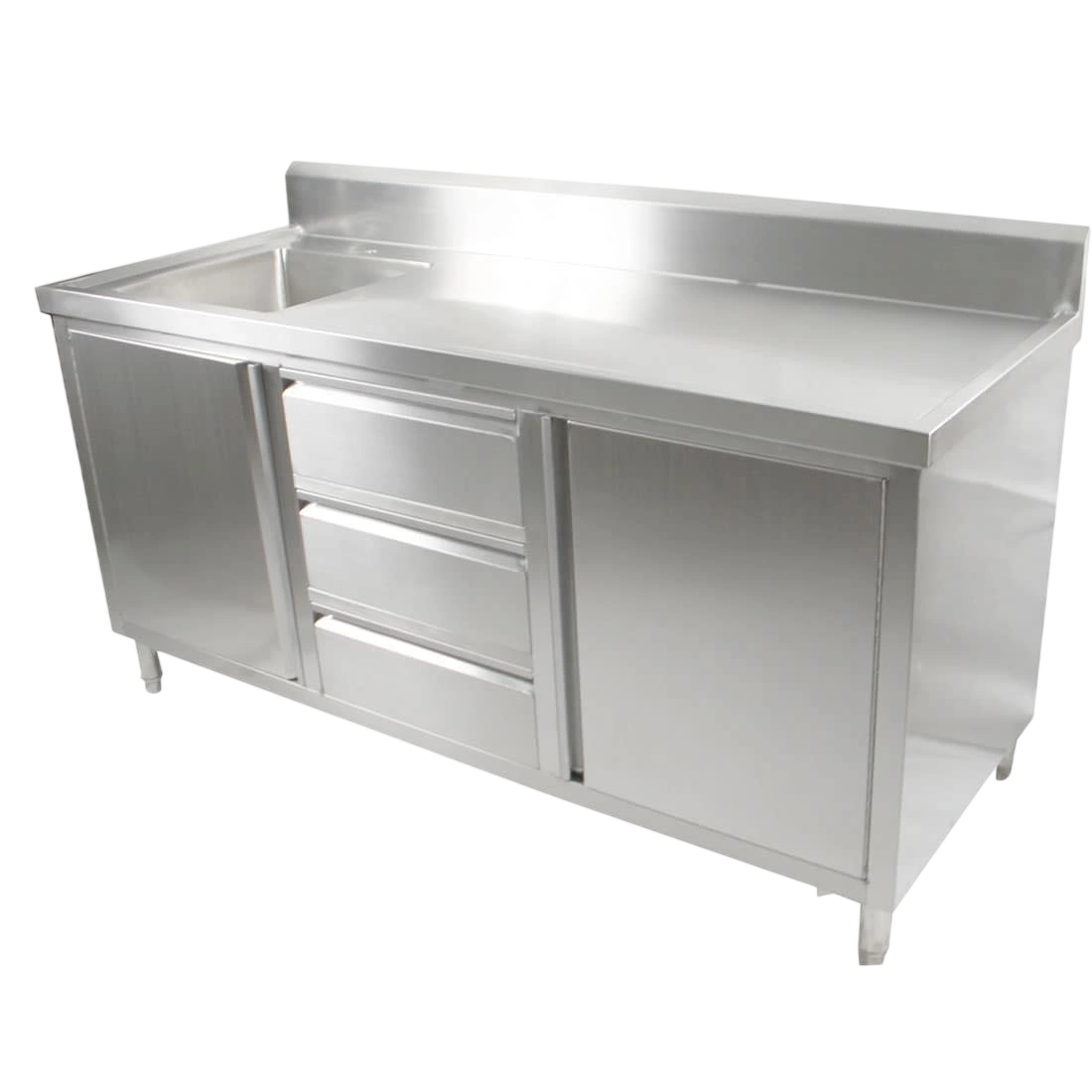
2100 × 600 × 1050mm
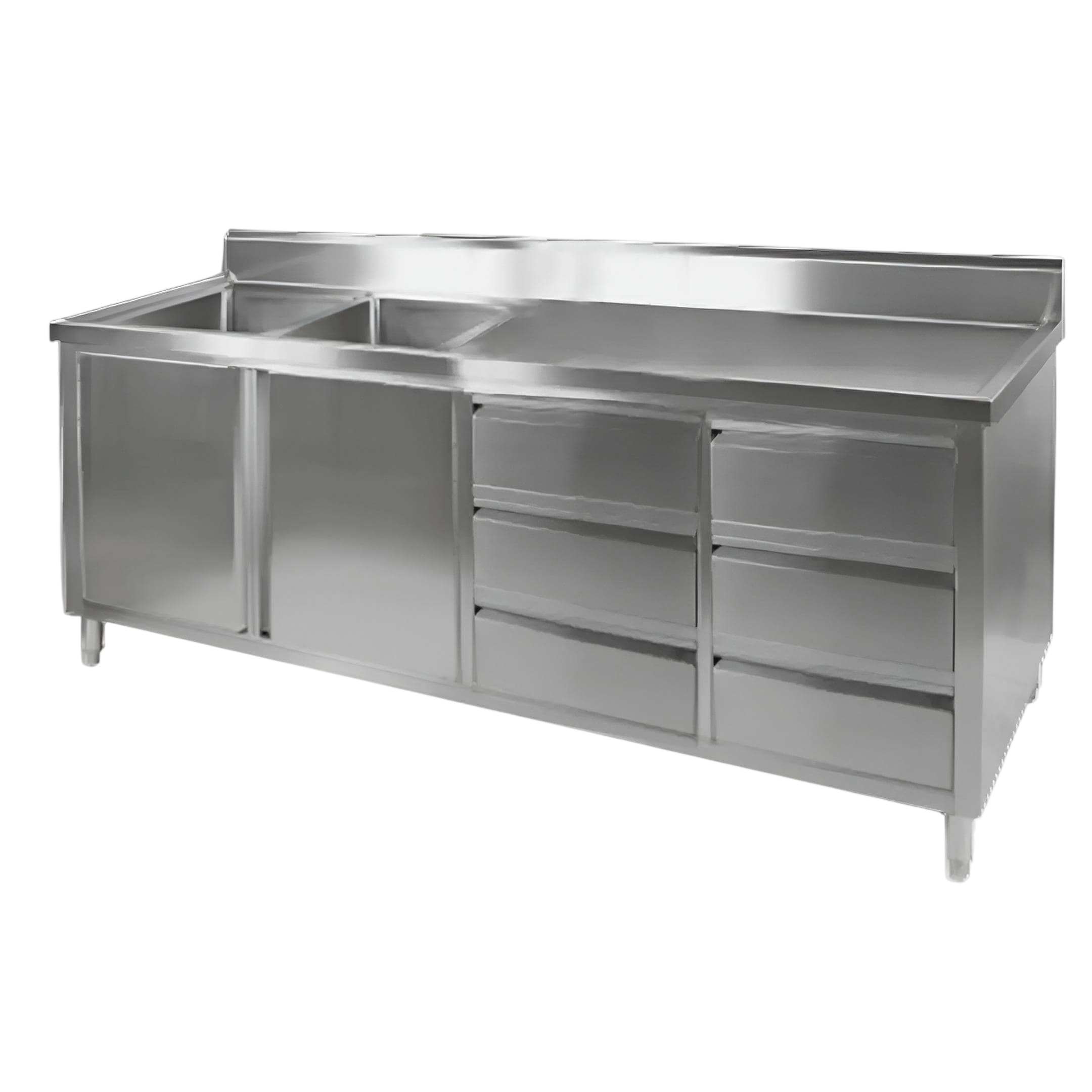
2100 × 700 × 1050mm
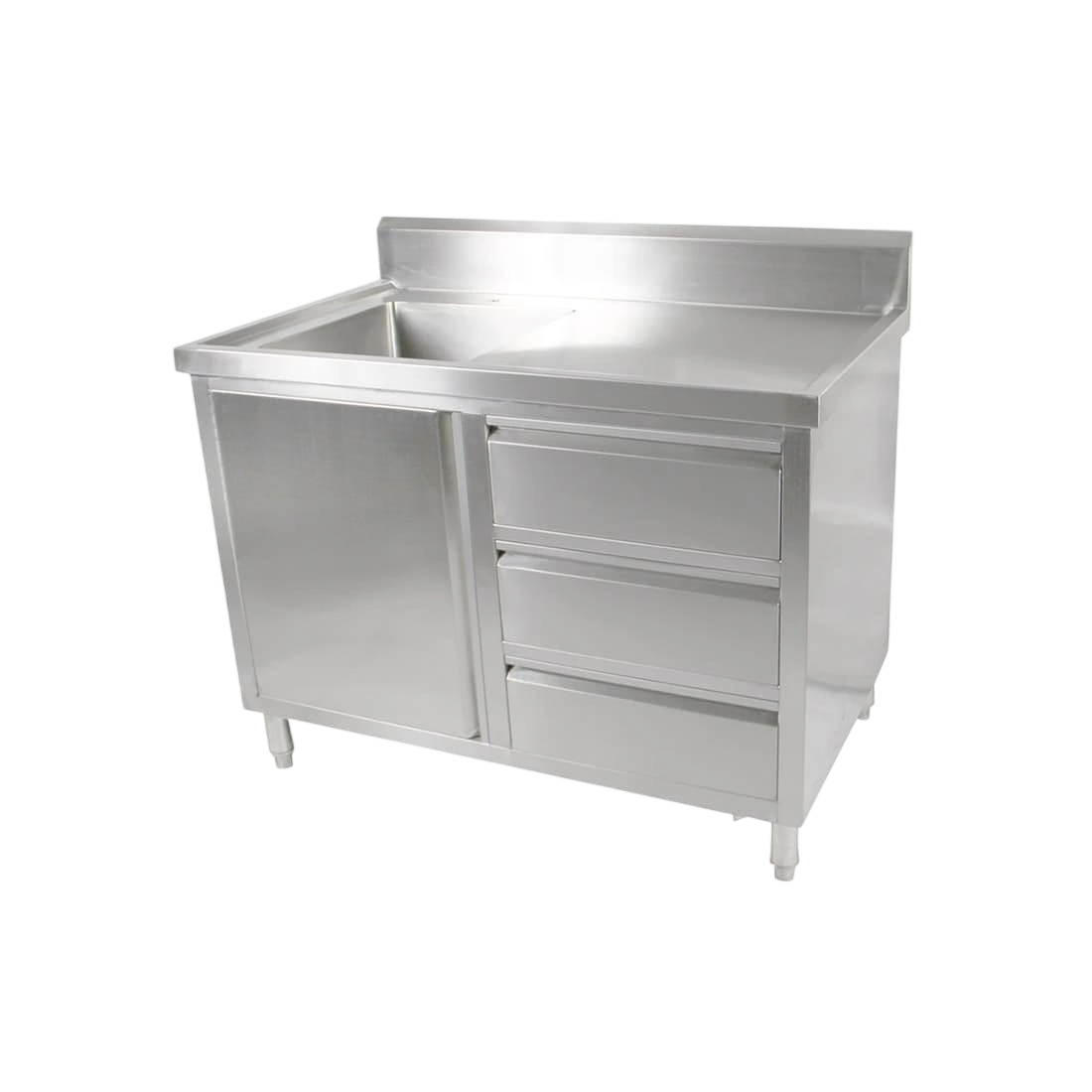
1200 × 600 × 1050mm
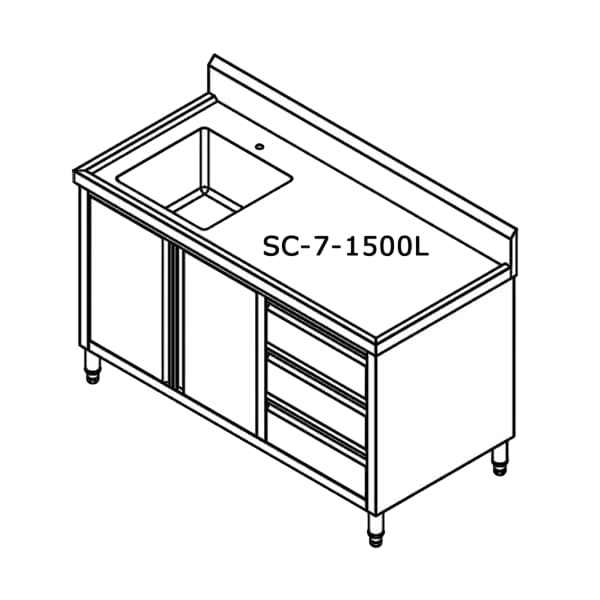
1500 × 700 × 1050mm
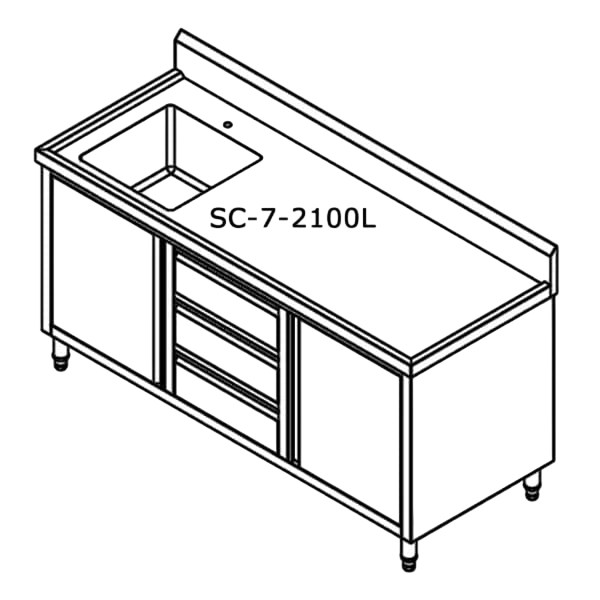
2100 × 700 × 1050mm
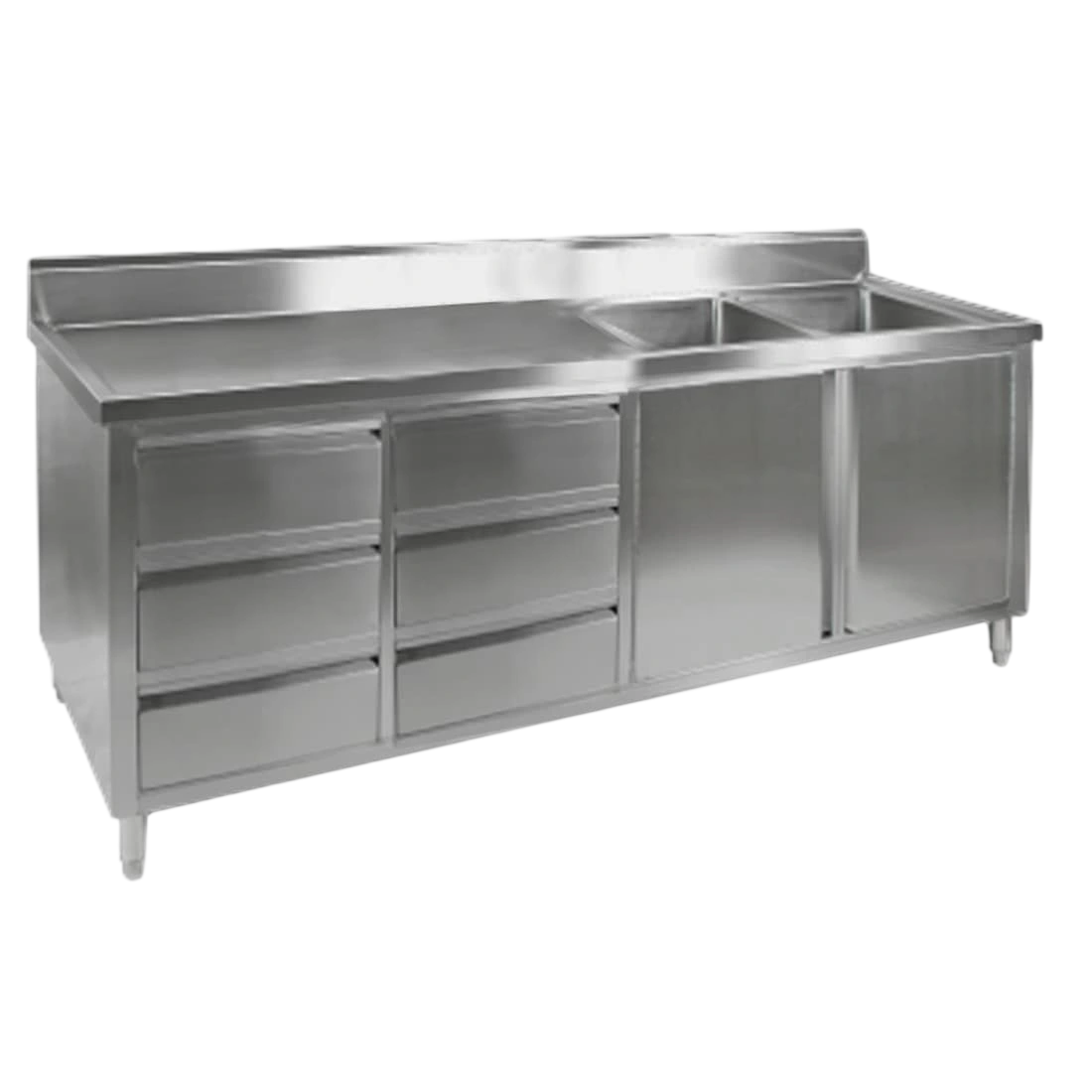
2100 × 700 × 1050mm
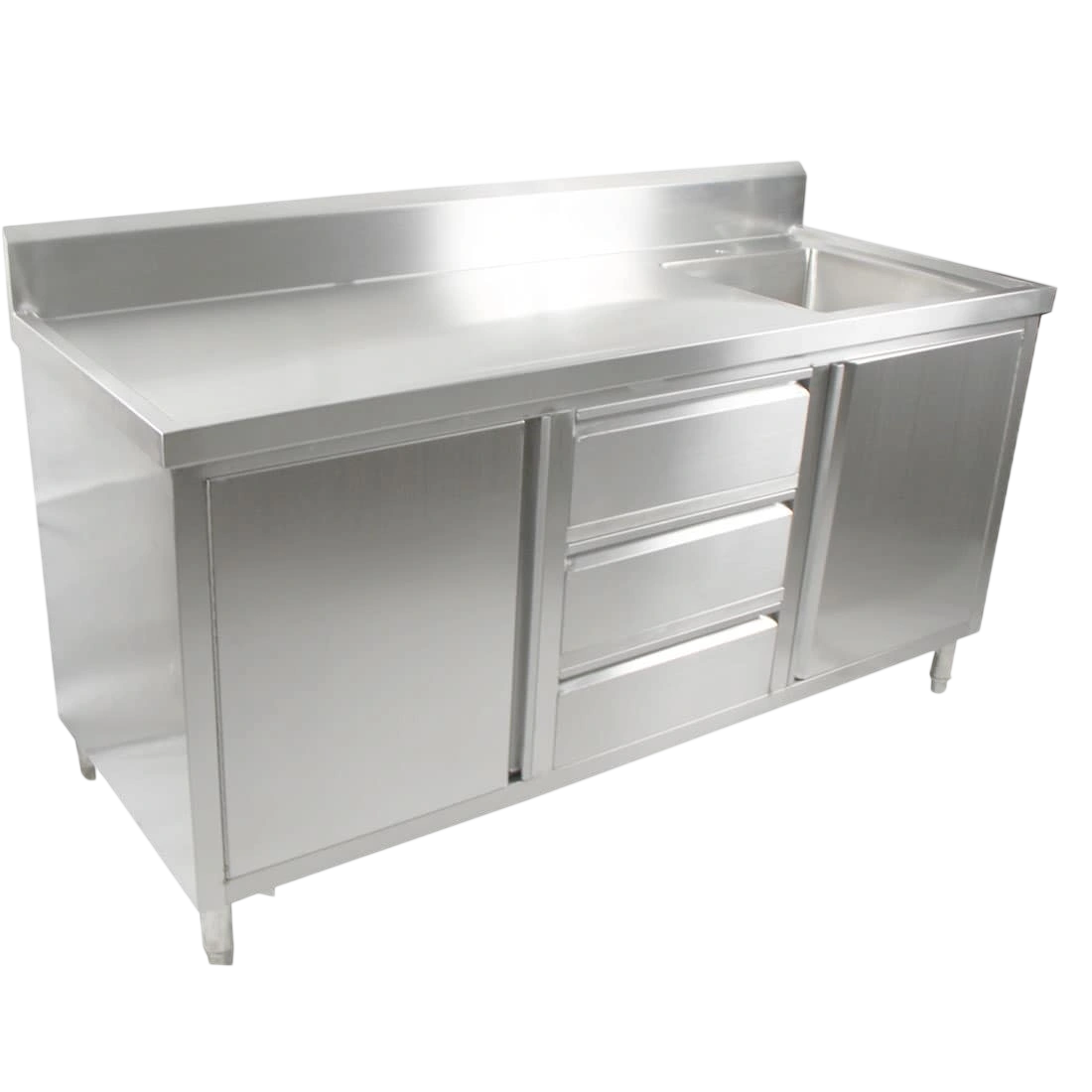
2100 × 600 × 1050mm
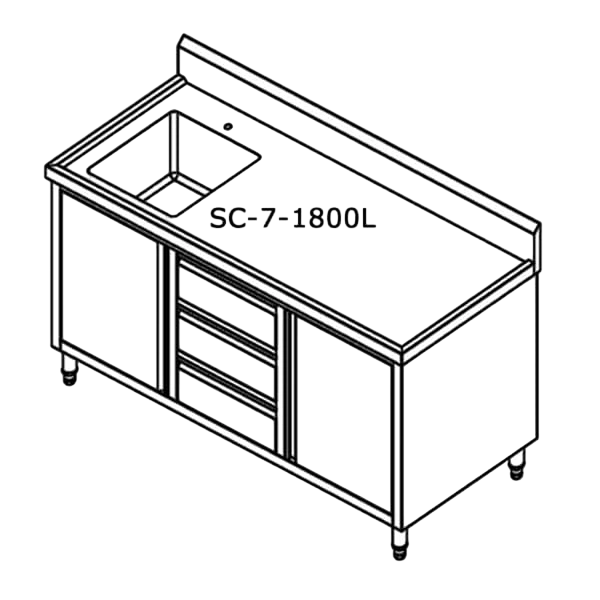
1800 × 700 × 1050mm
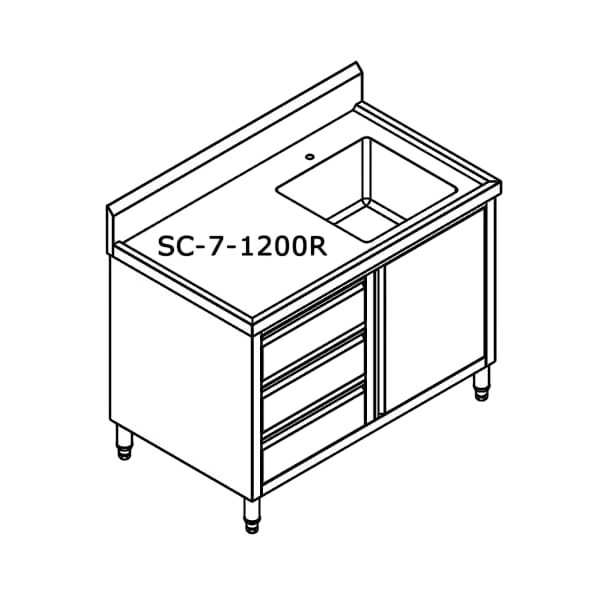
1200 × 700 × 1050mm
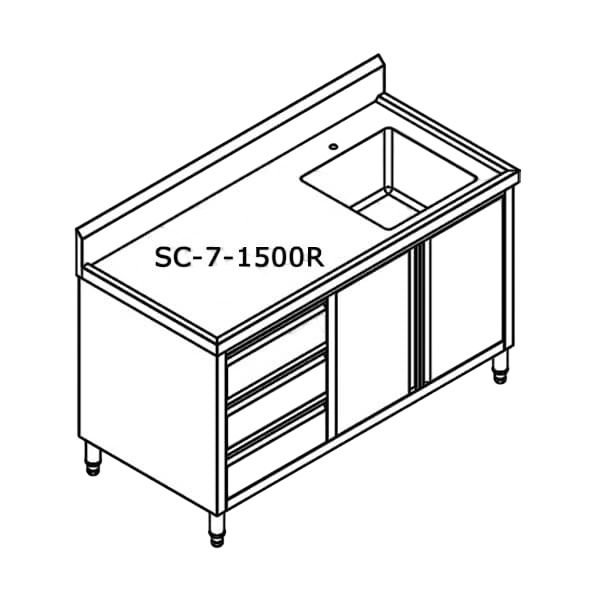
1500 × 700 × 1050mm
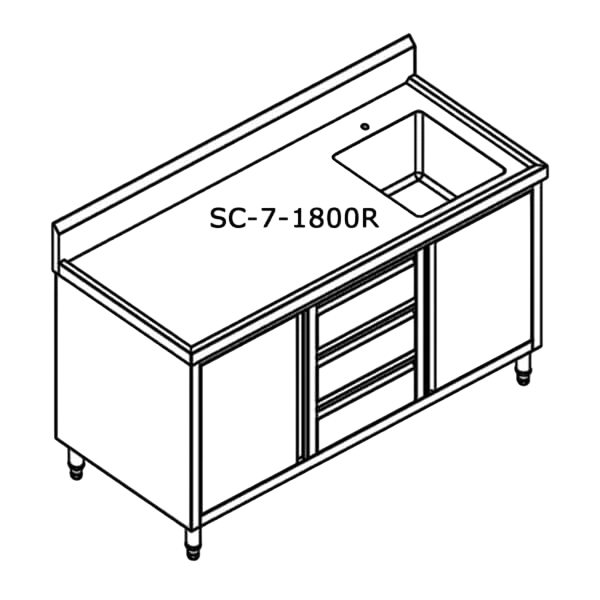
1800 × 700 × 1050mm
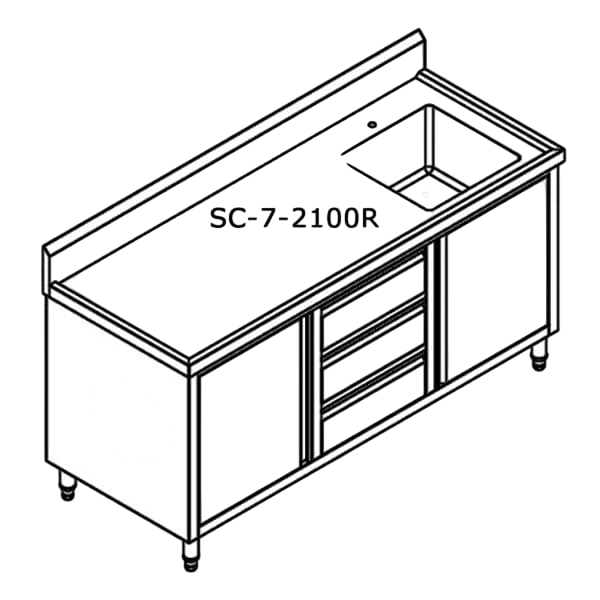
2100 × 700 × 1050mm
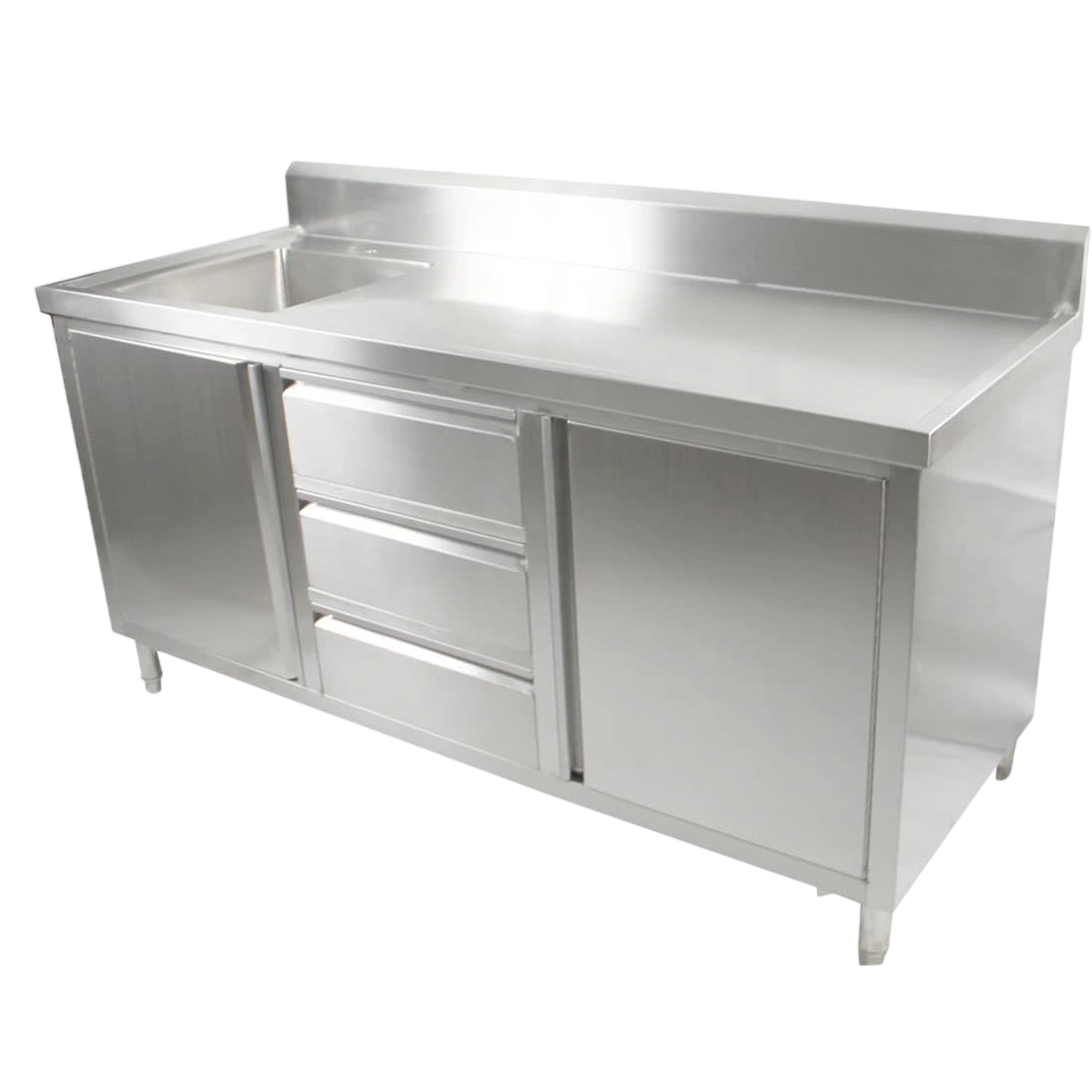
1800 × 600 × 1050mm
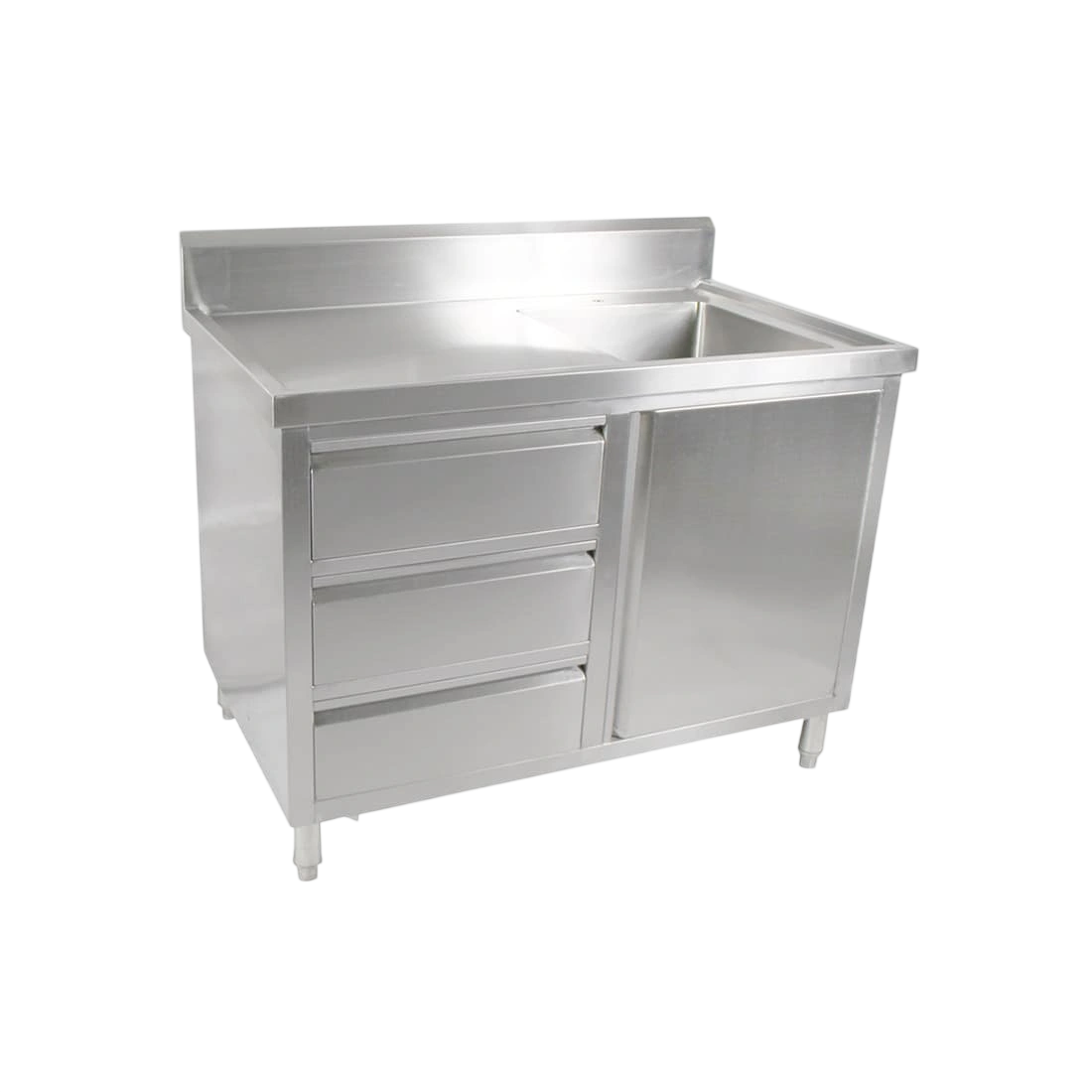
1200 × 600 × 1050mm
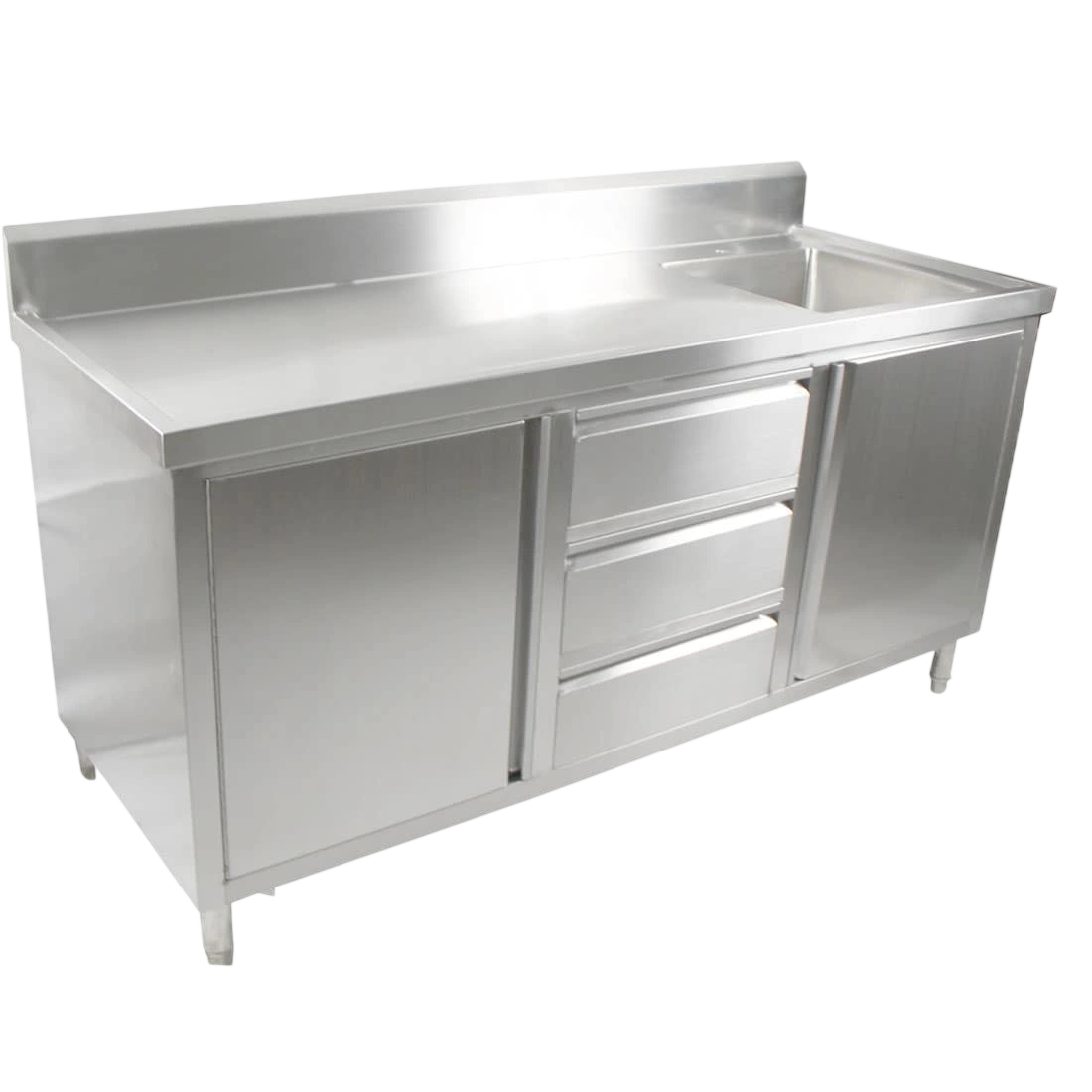
1800 × 600 × 1050mm
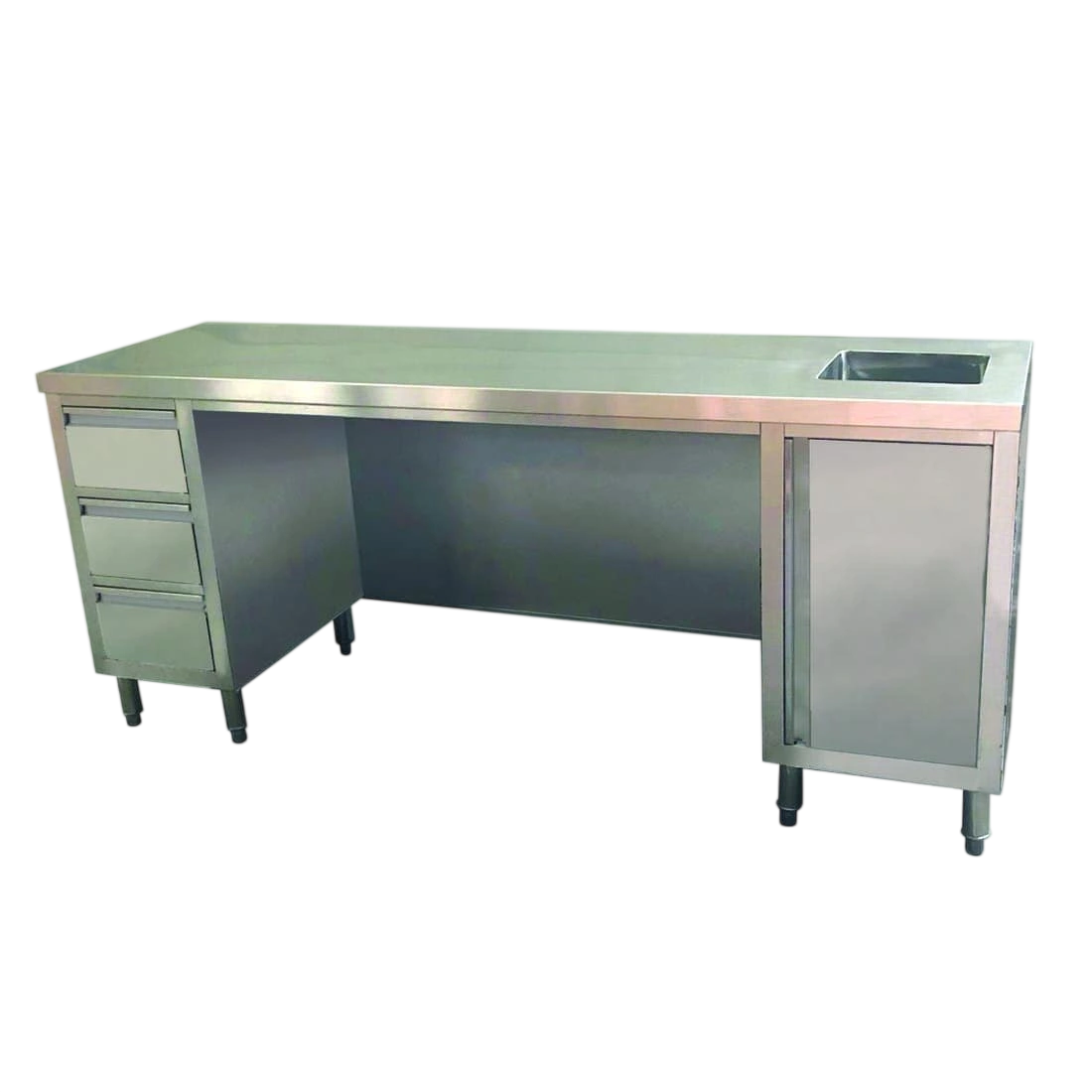
2100 × 610 × 900mm
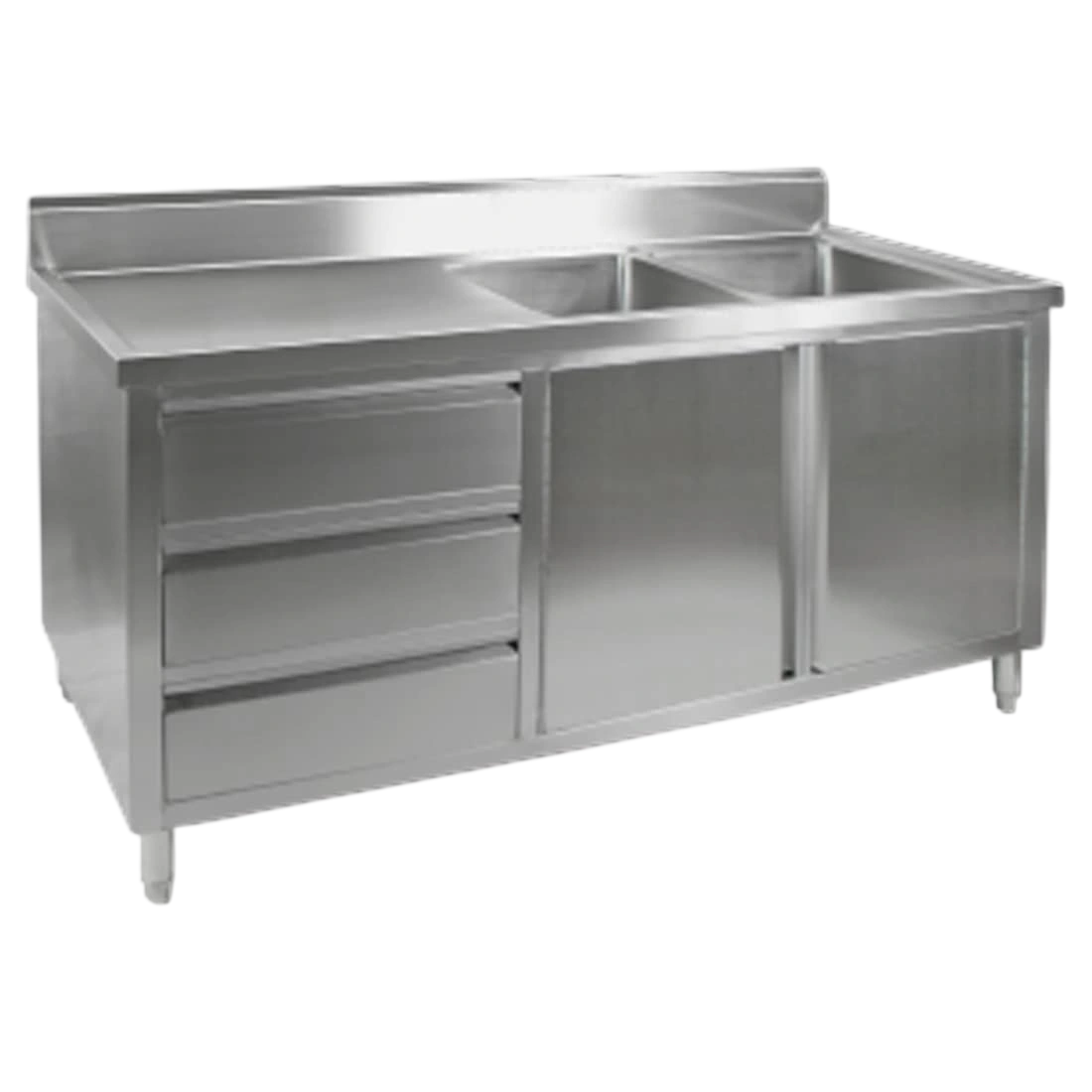
1800 × 700 × 1050mm
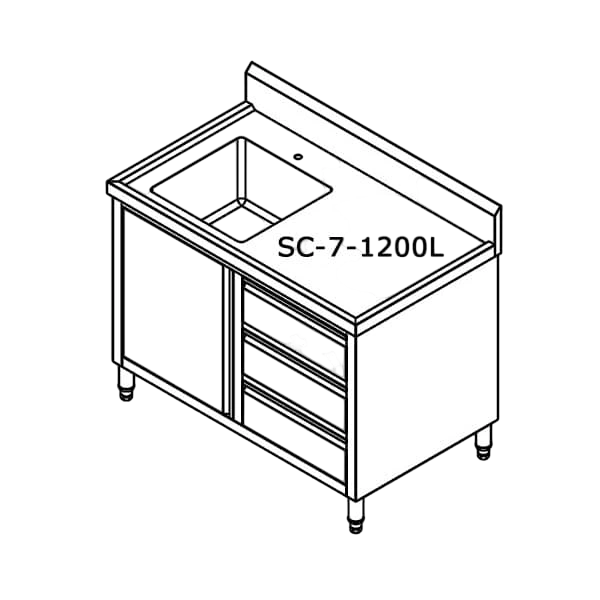
1200 × 700 × 1050mm
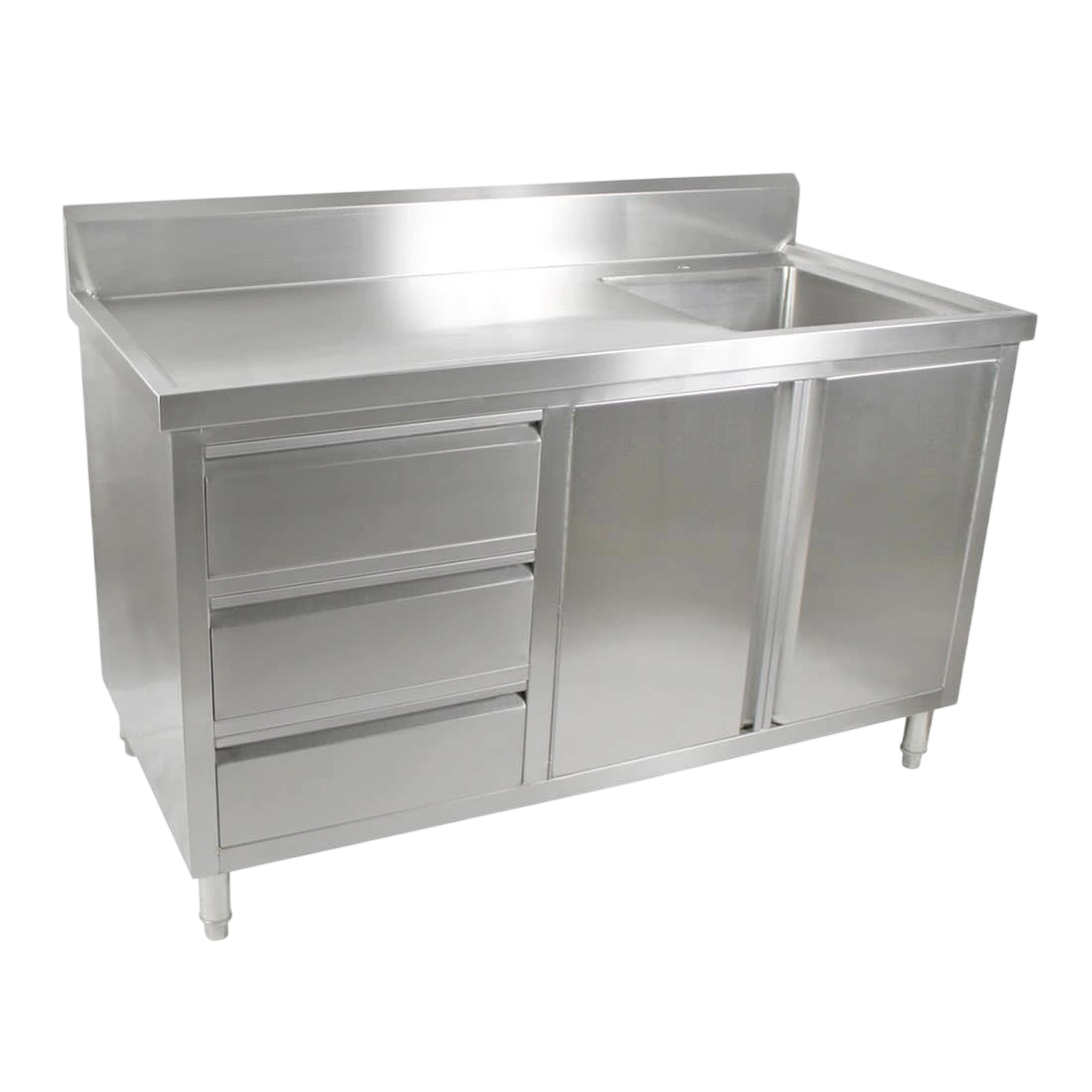
1500 × 600 × 1050mm
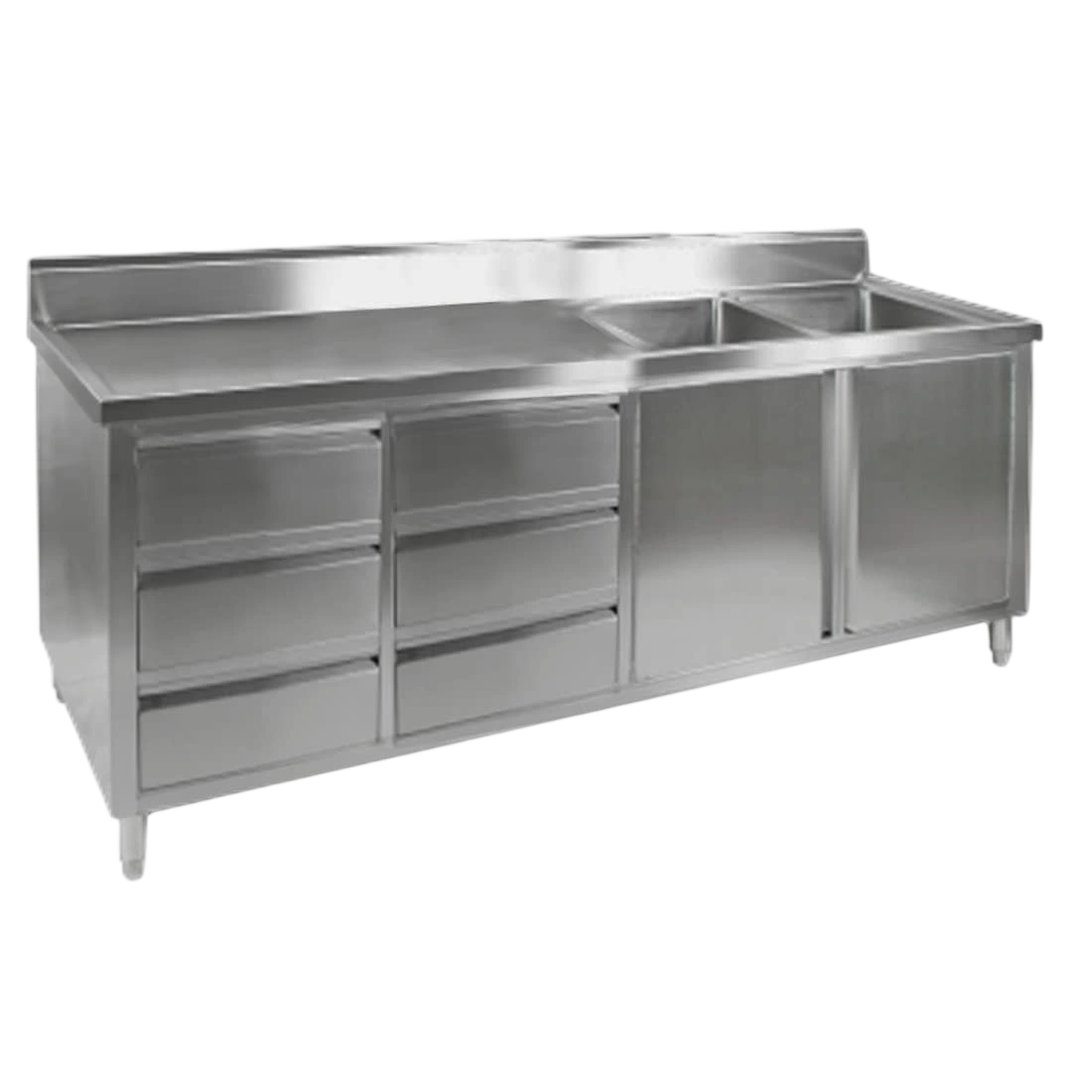
2400 × 700 × 1050mm
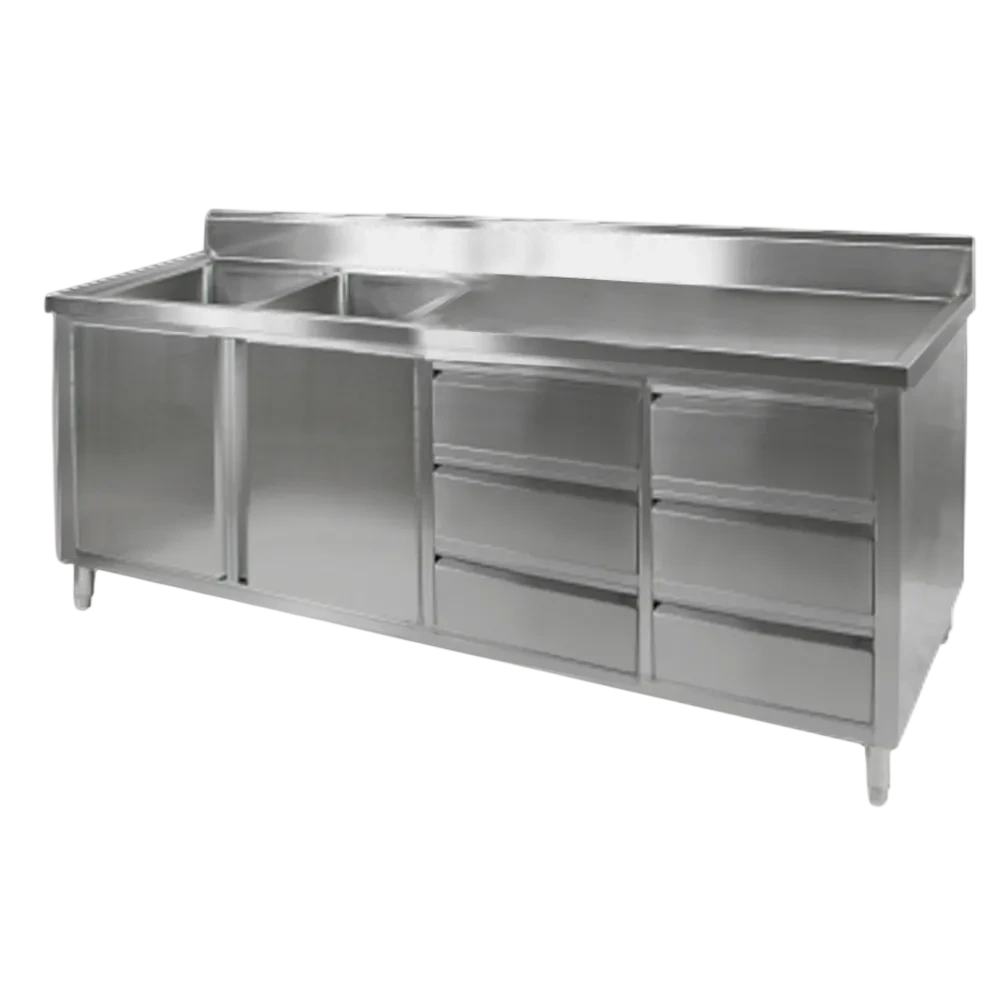
2400 × 700 × 1050mm