Modular Systems
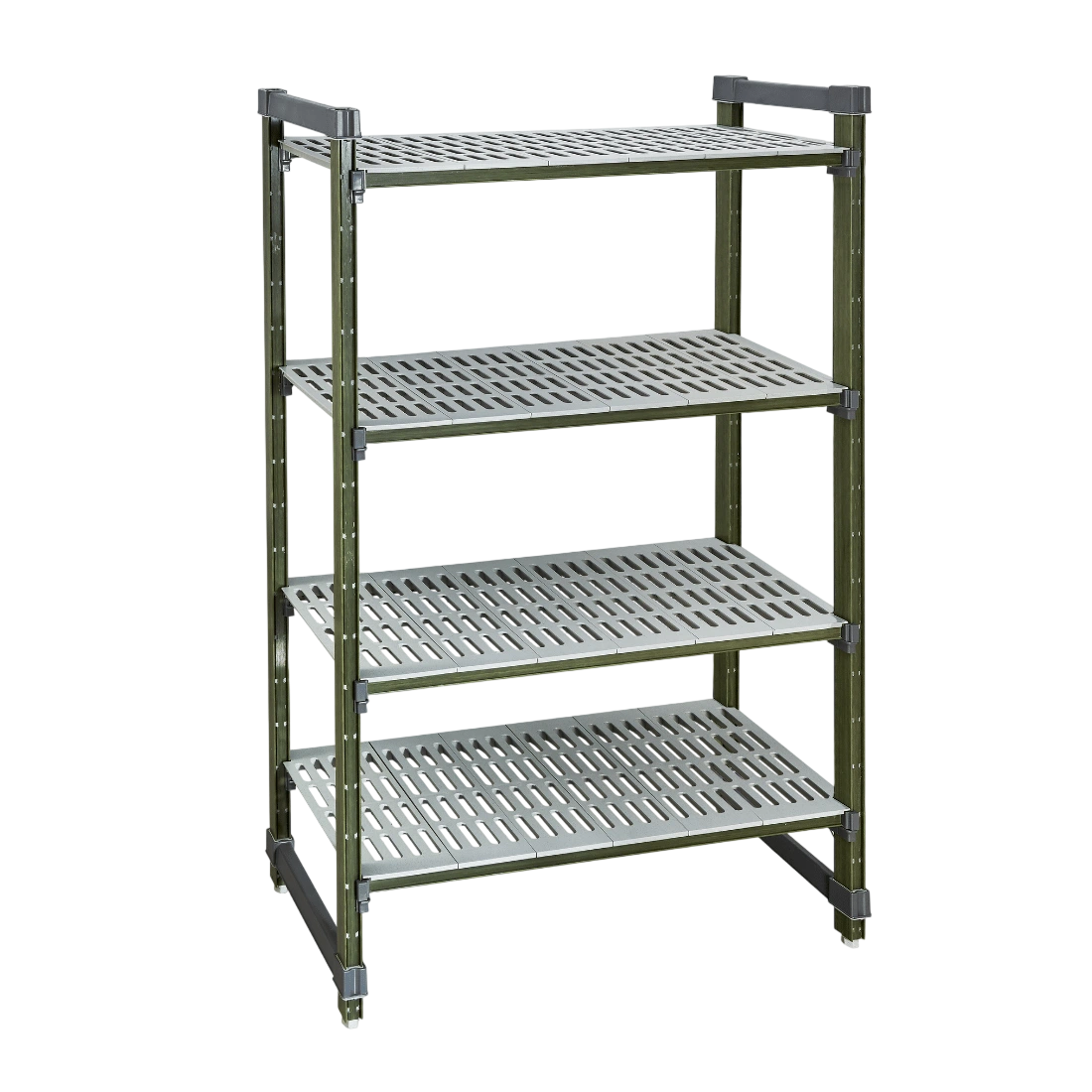
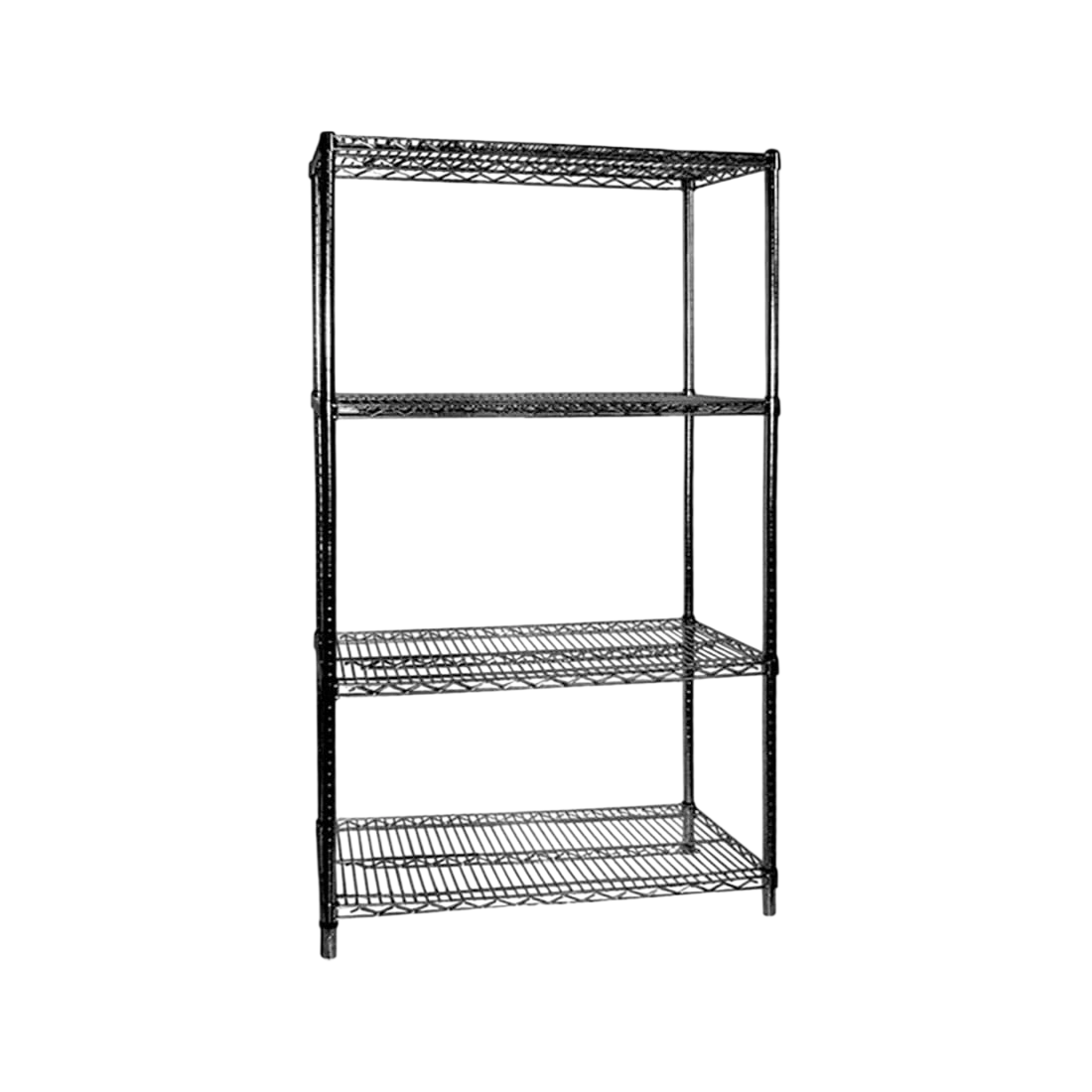
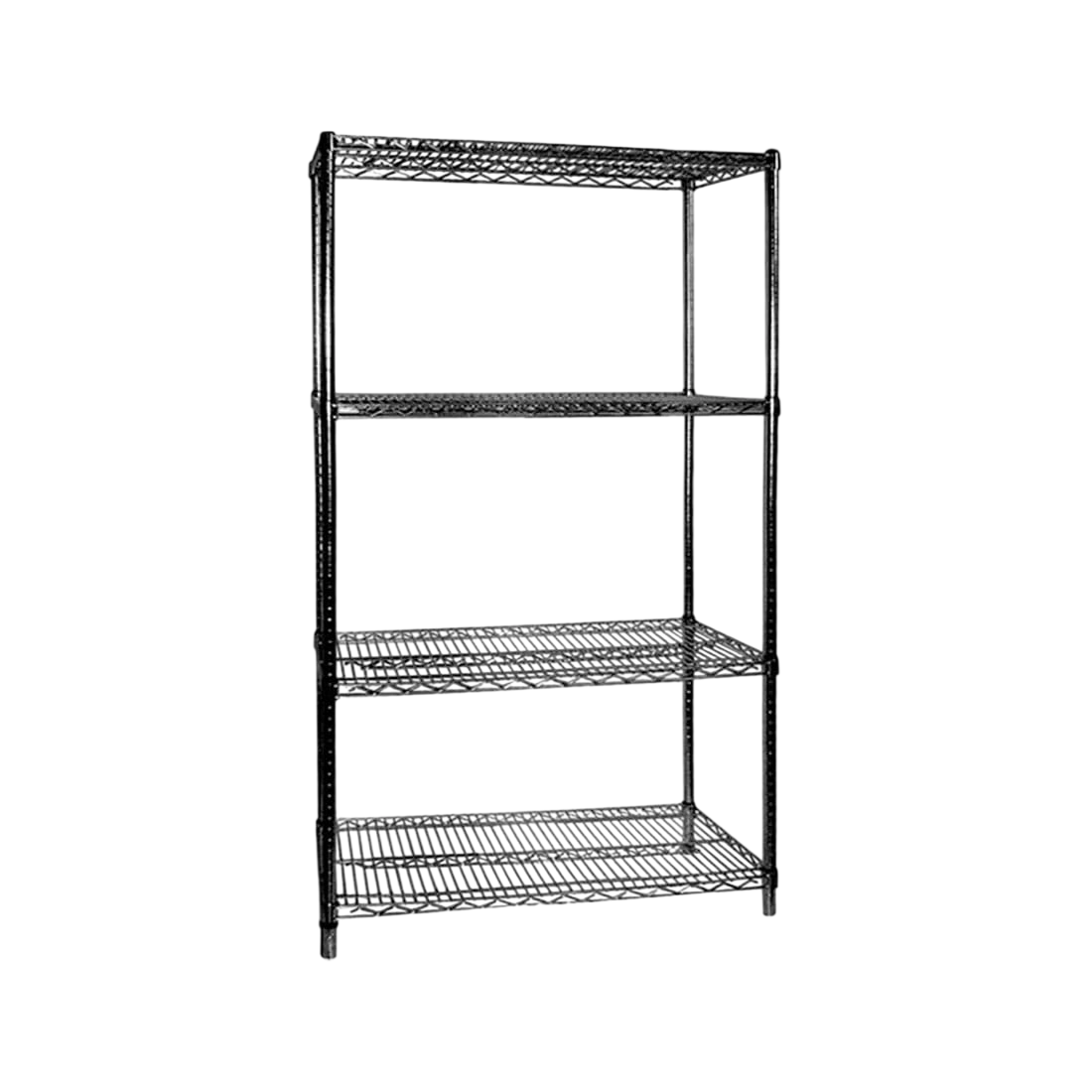
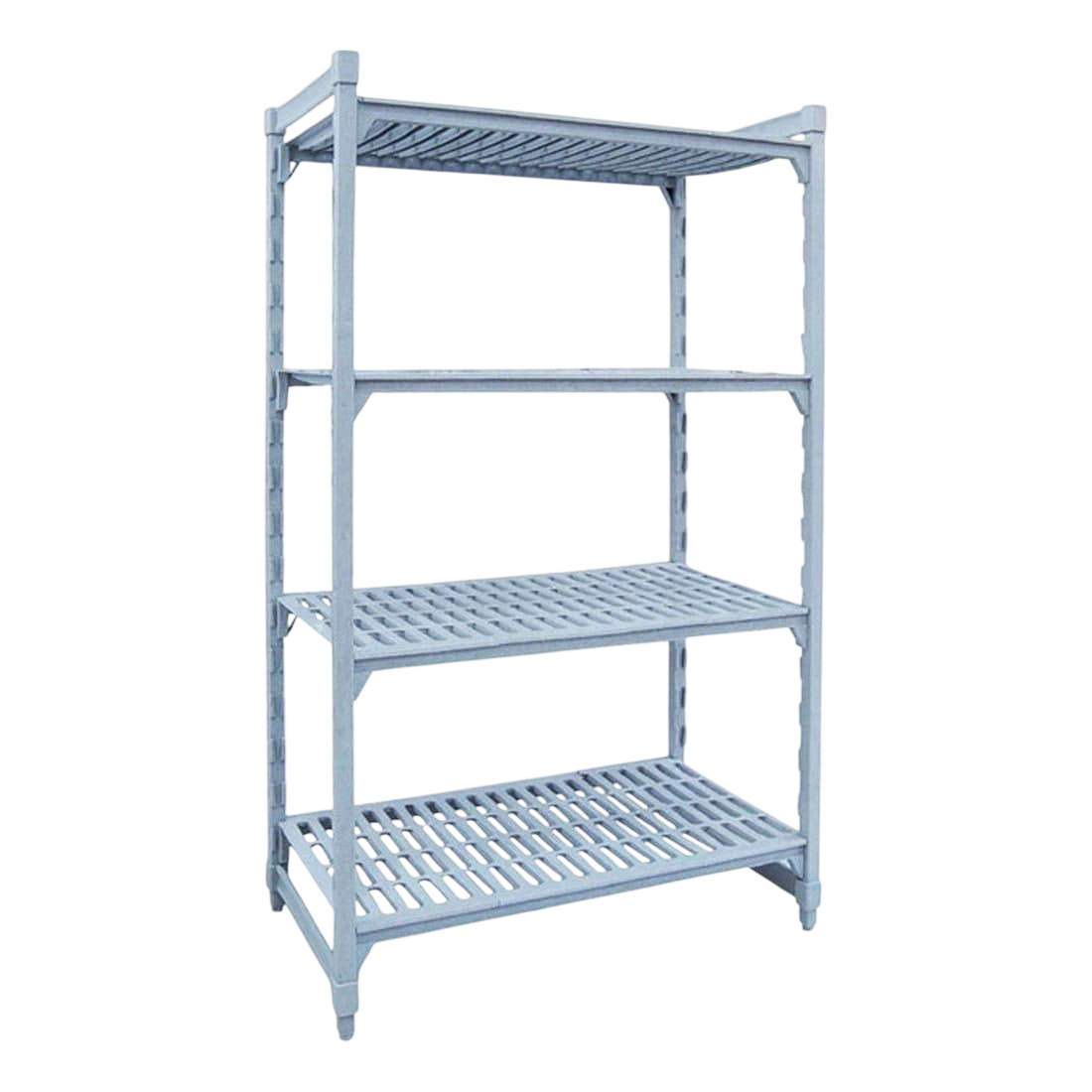
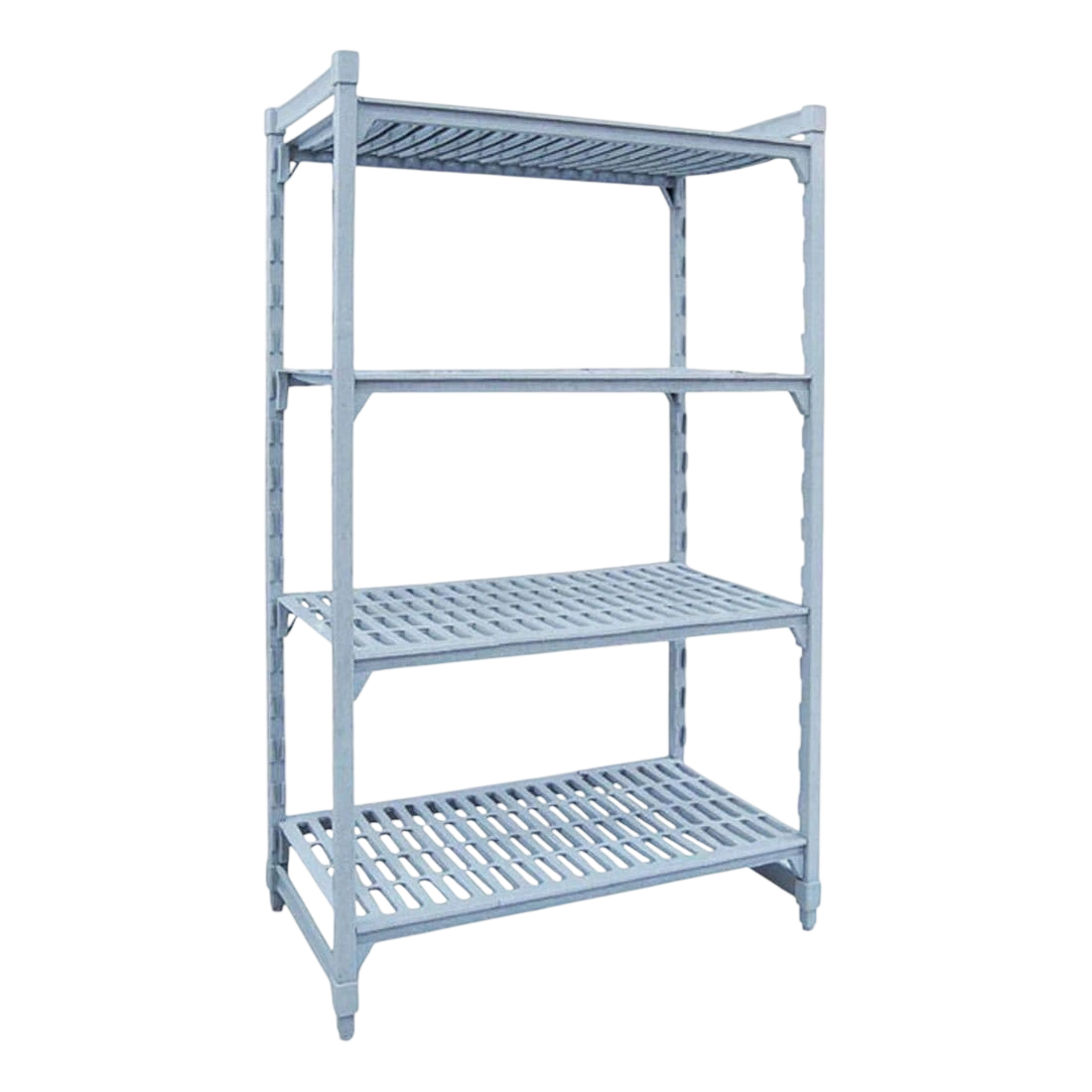
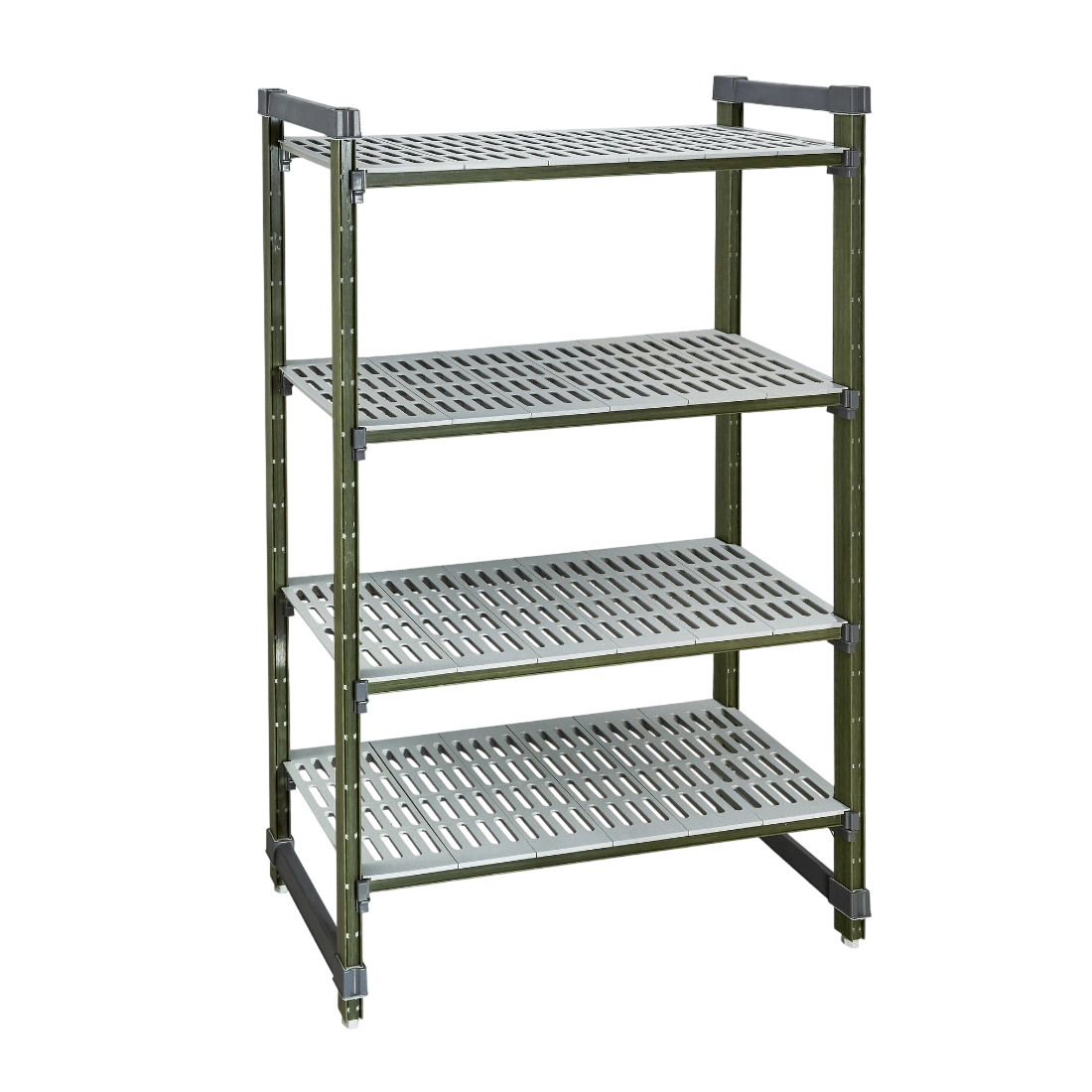
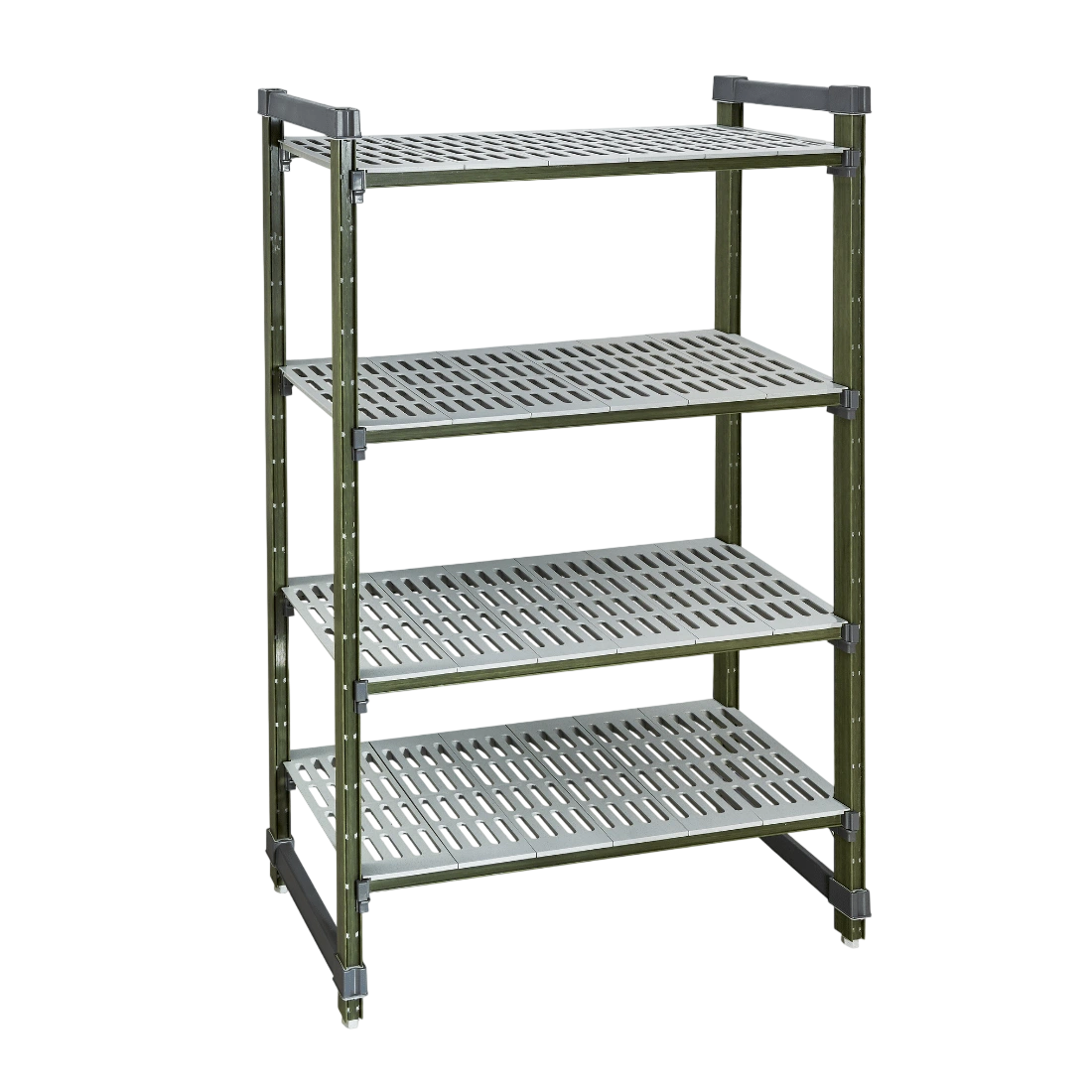
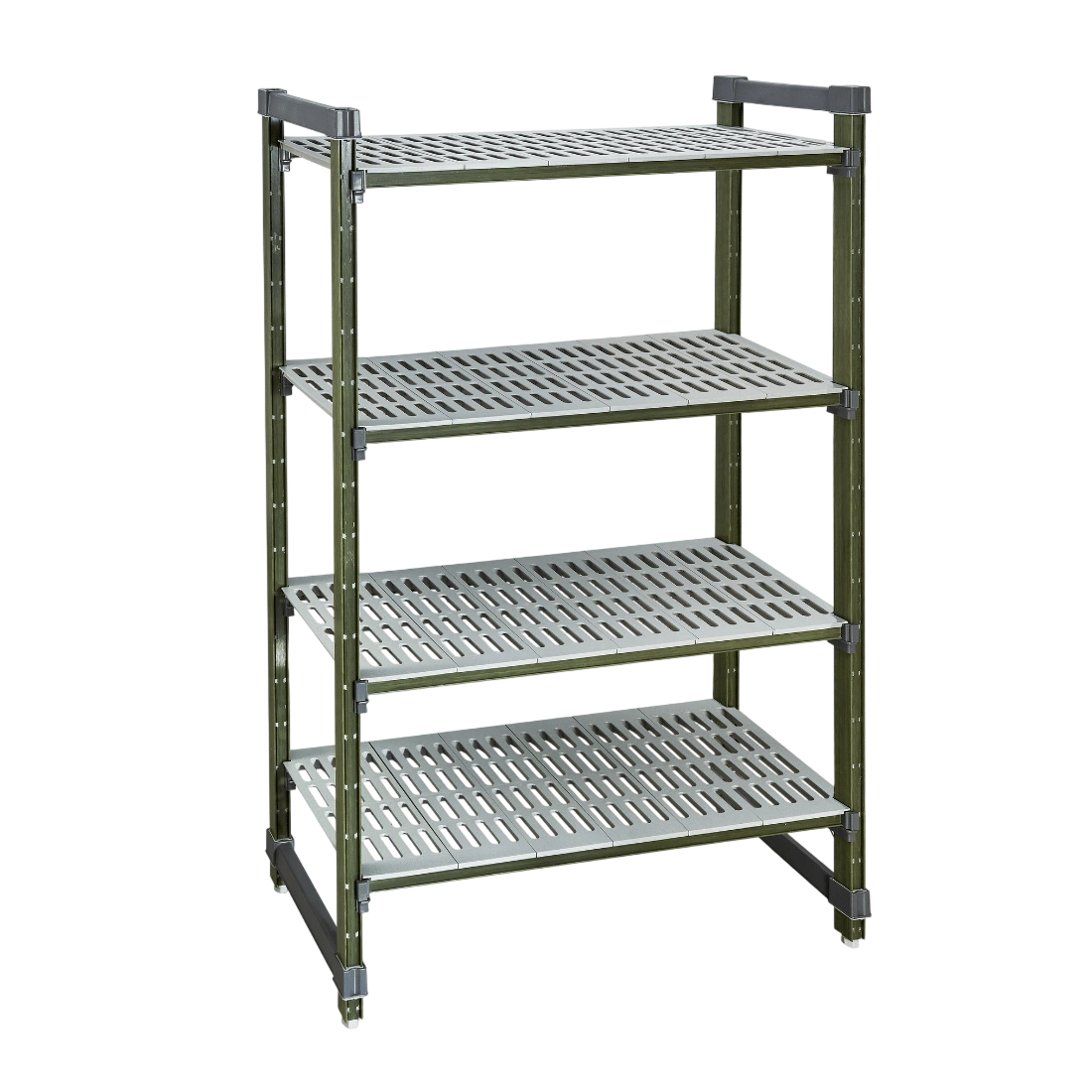
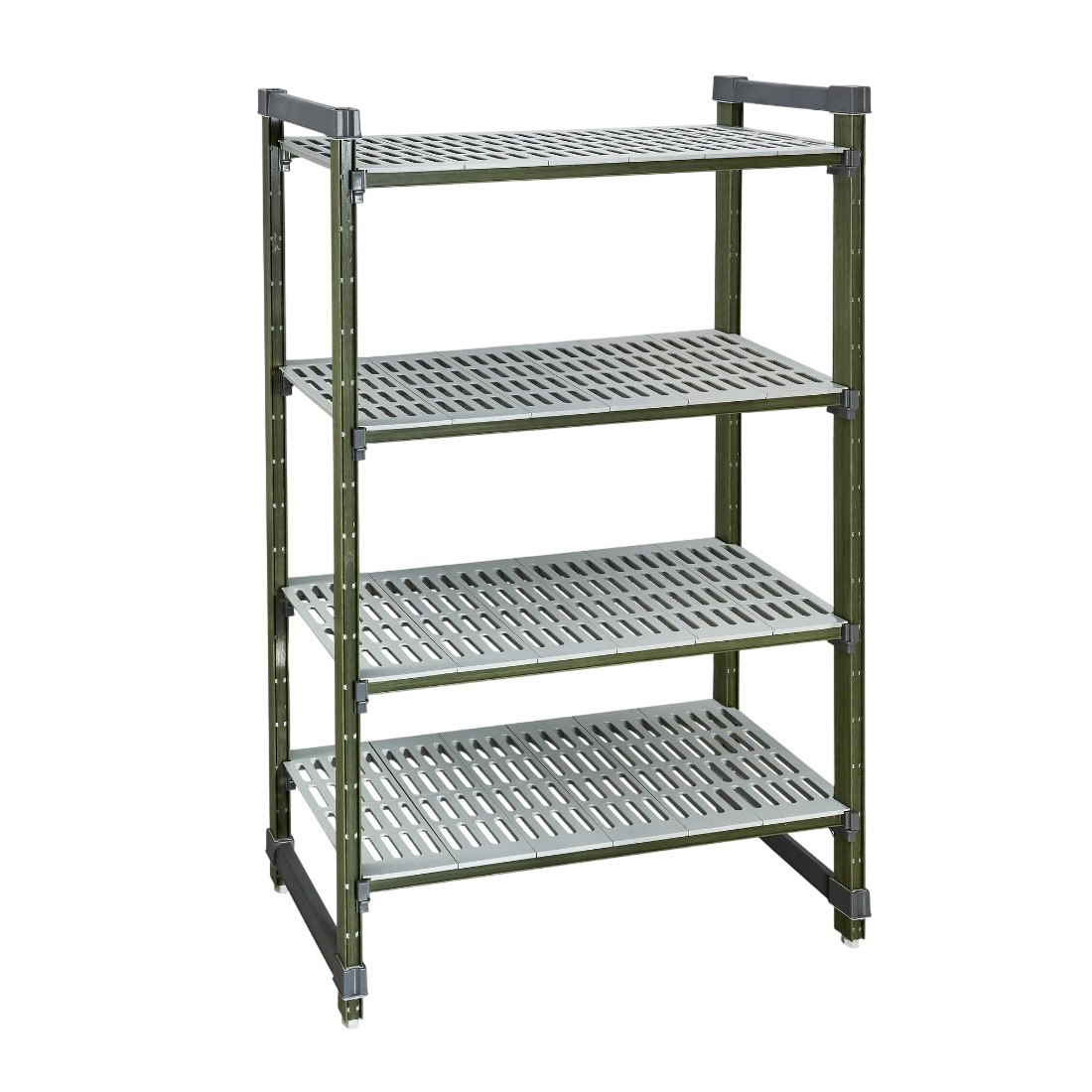
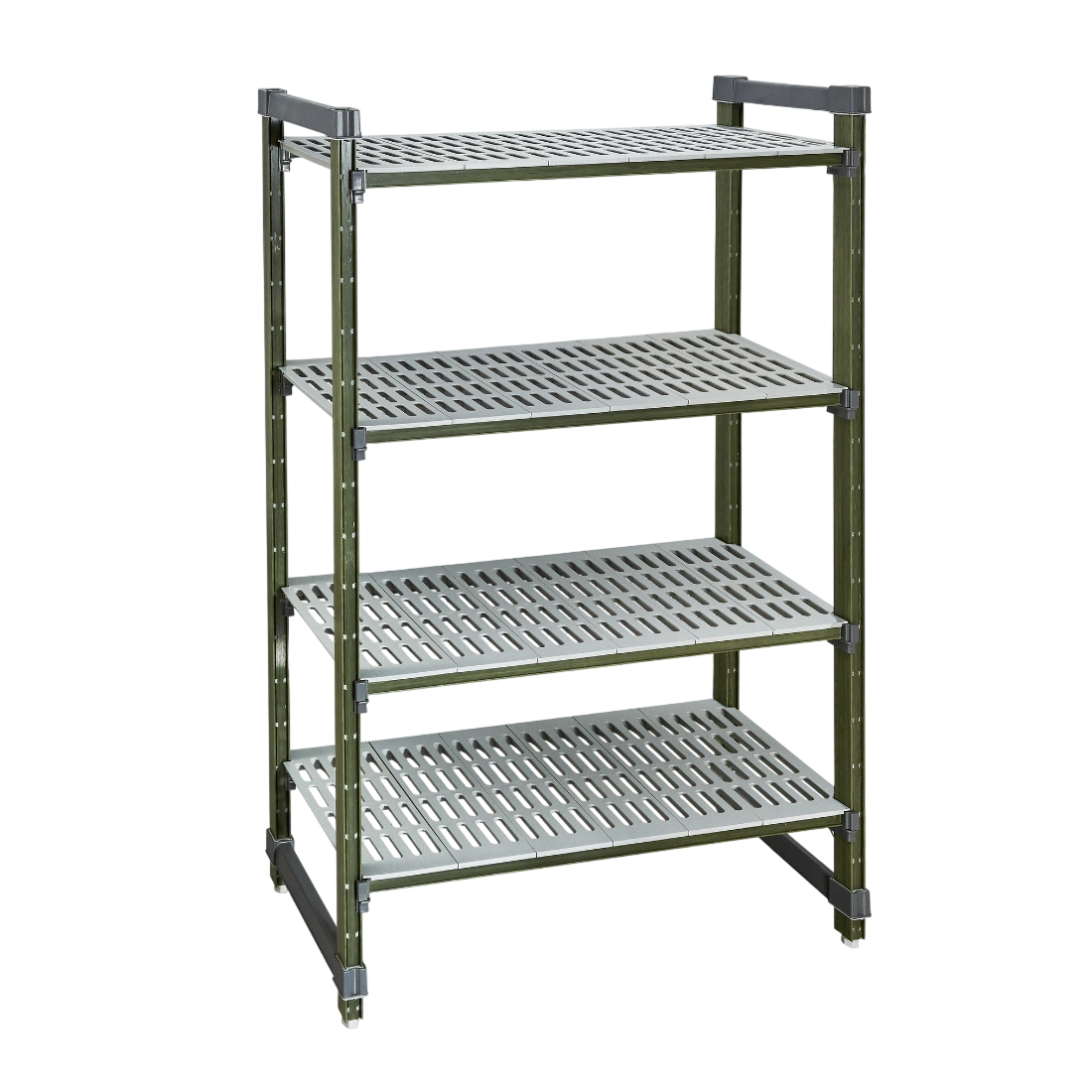
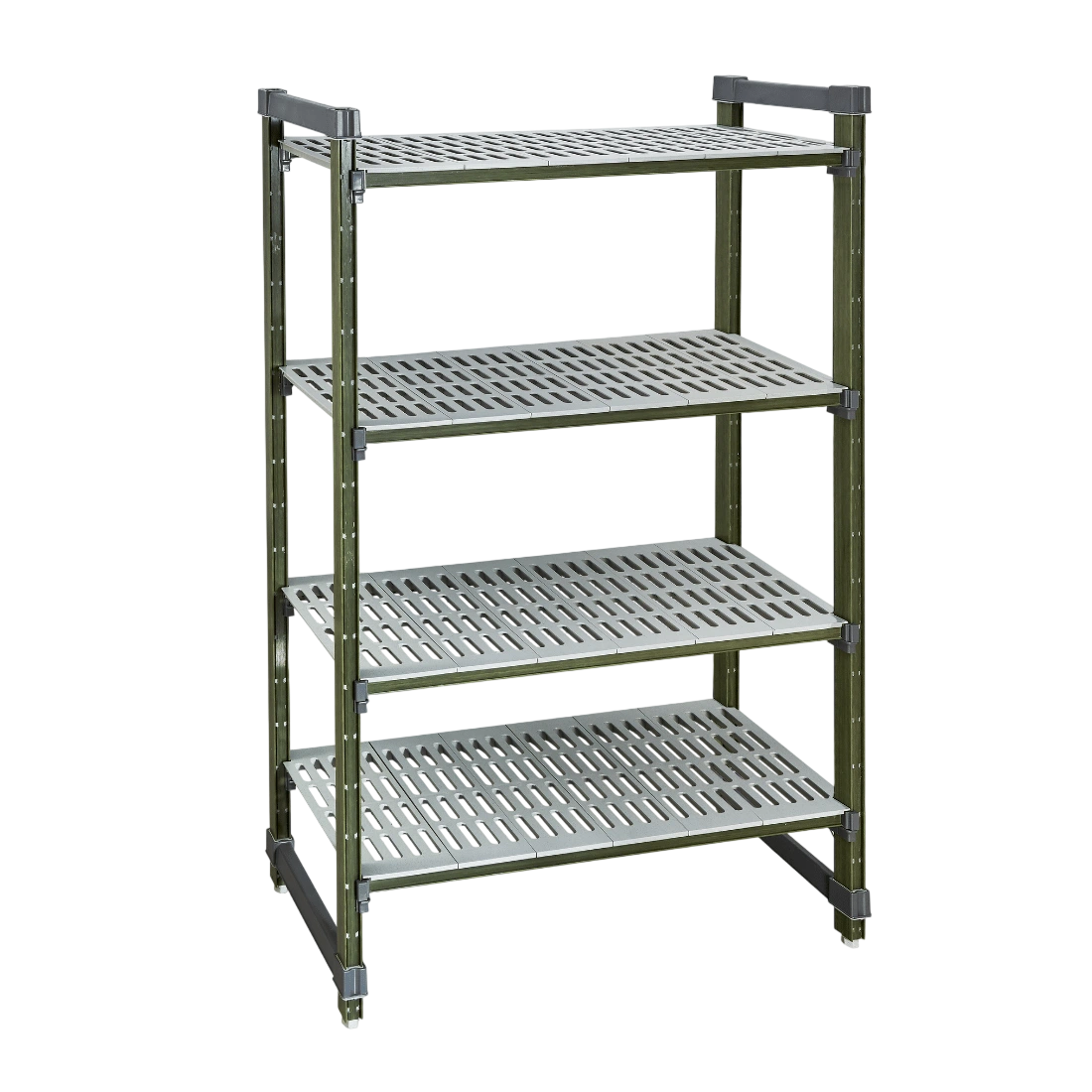
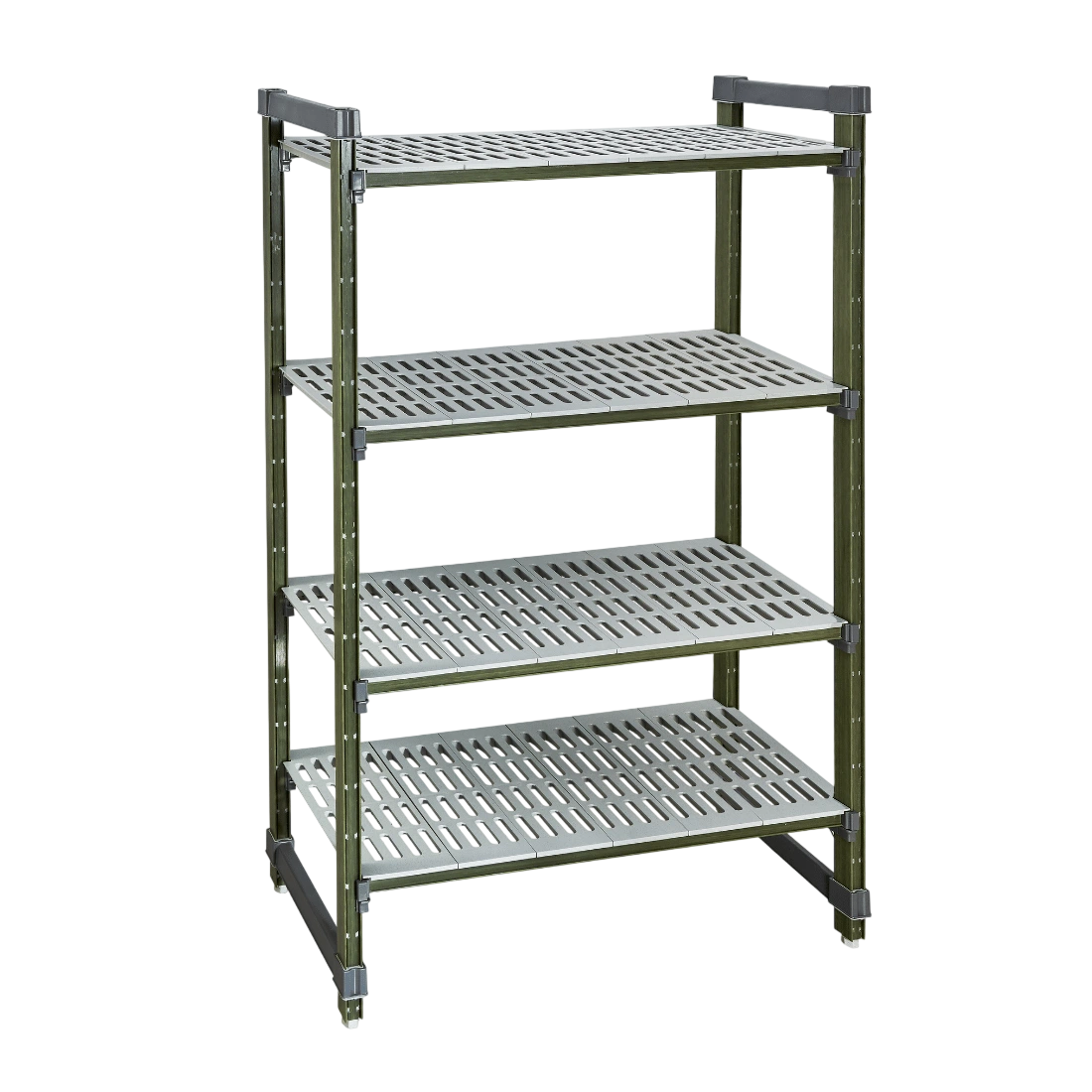
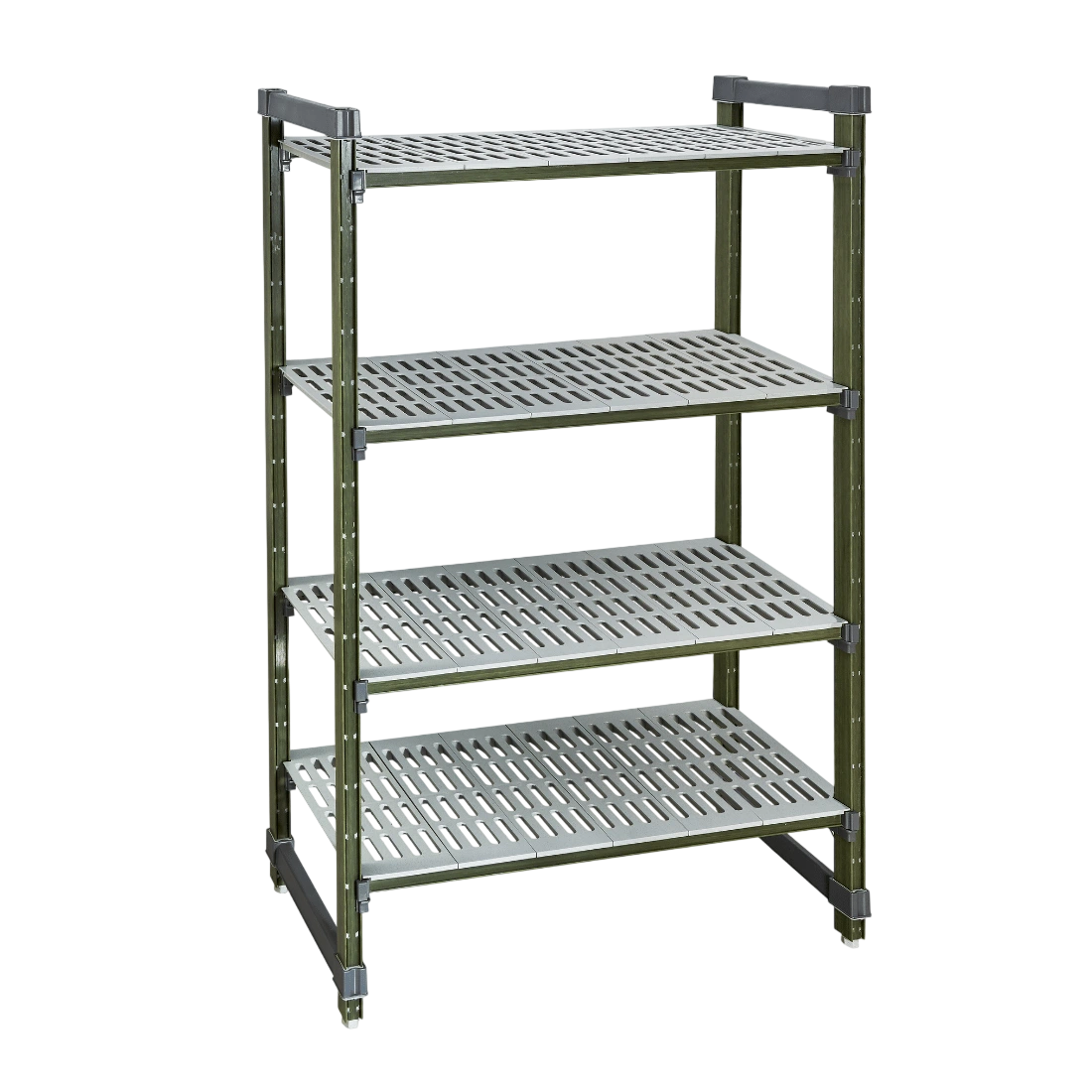
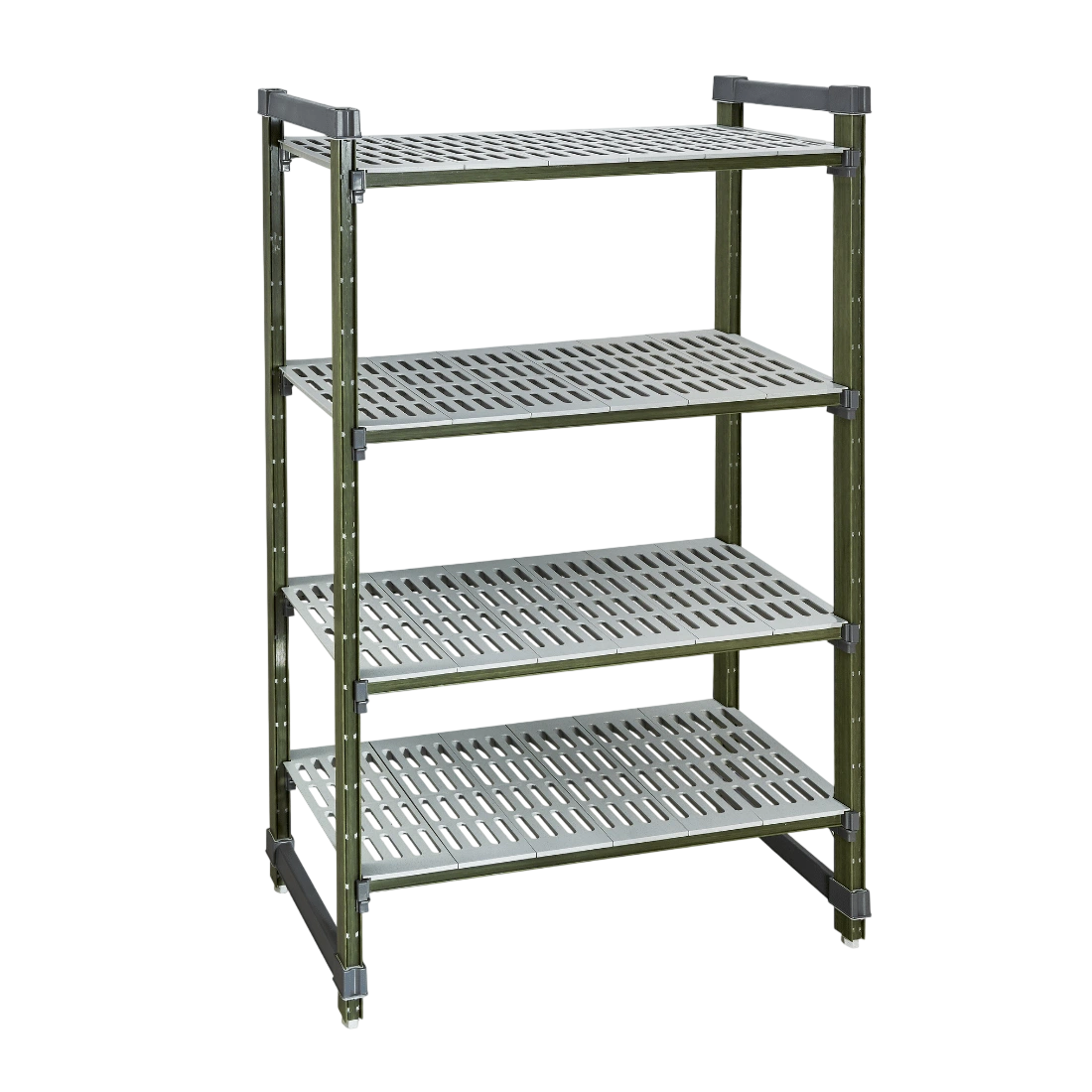
Modular Systems Modular System Poly Coolroom Shelving Starter Kit – PCU18/72
1825 × 455 × 1800mm
$697.00$820.00
In Stock
Commercial Kitchen Shelving
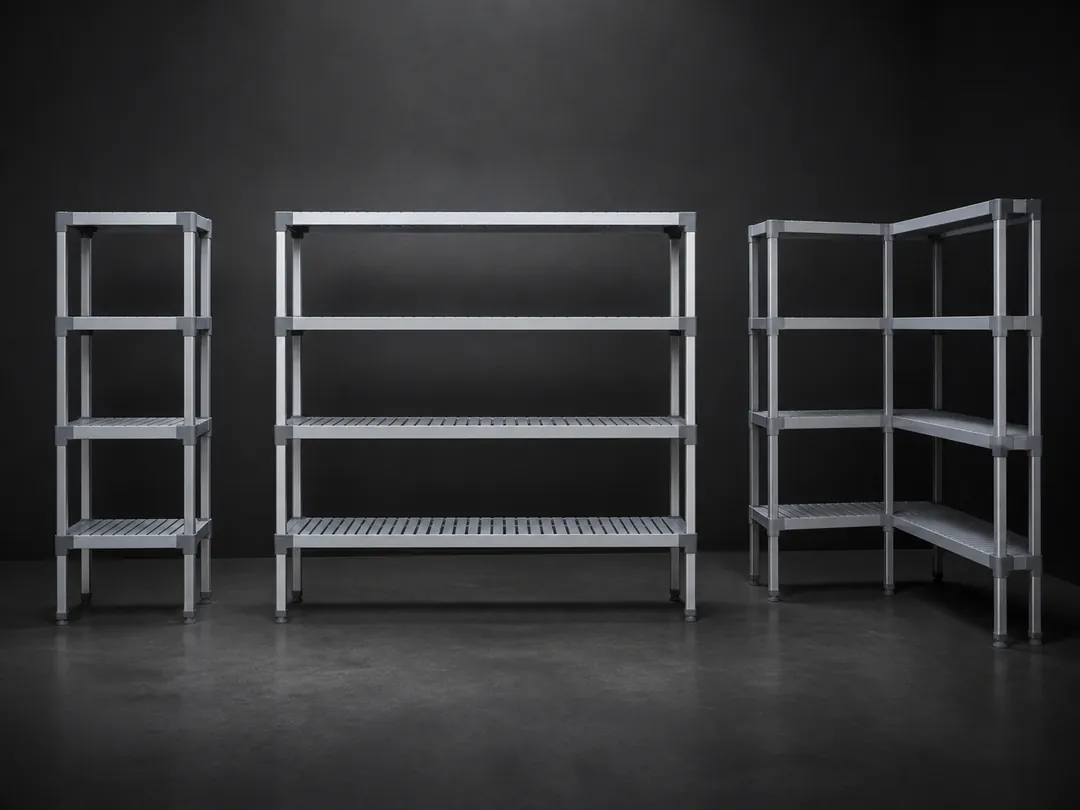
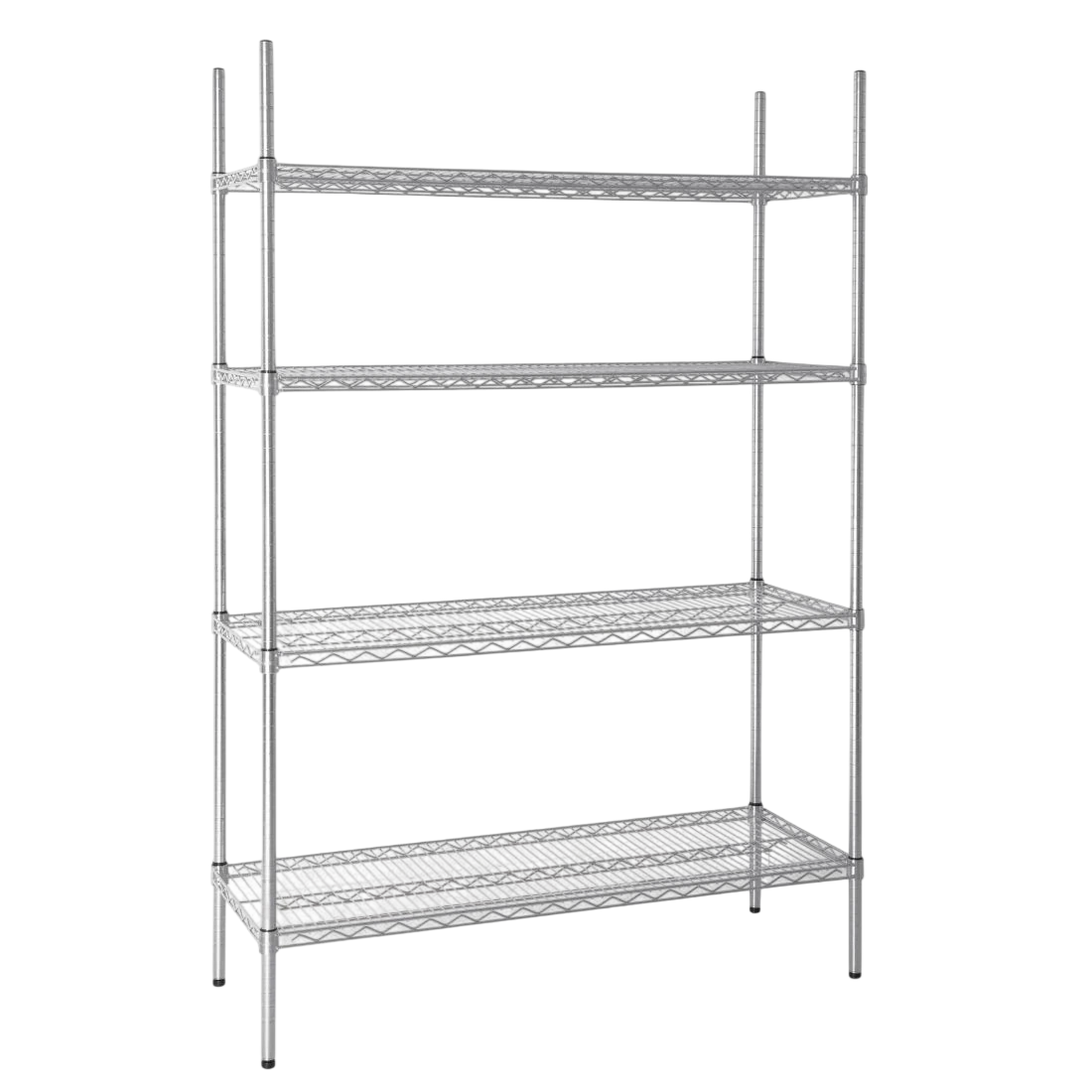
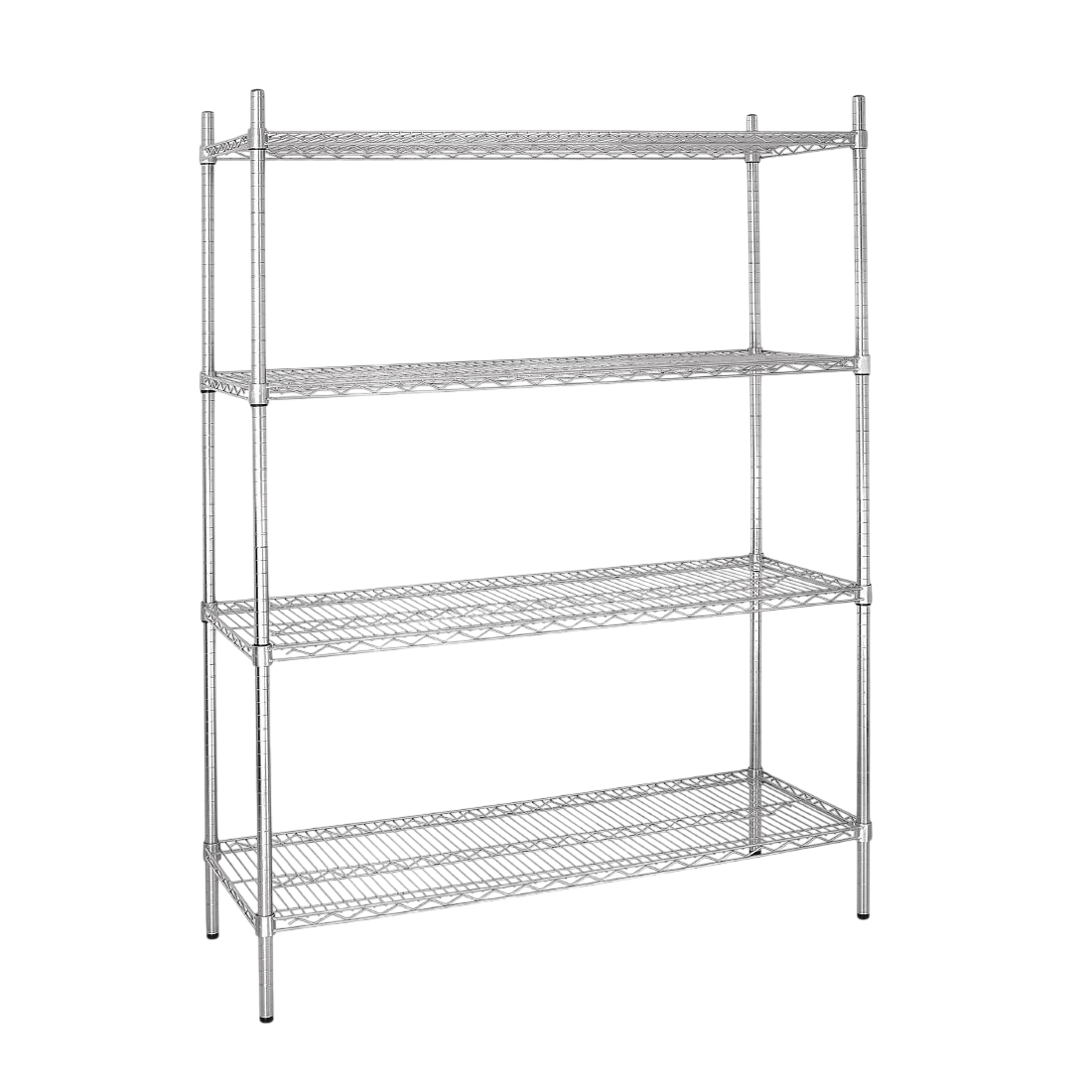
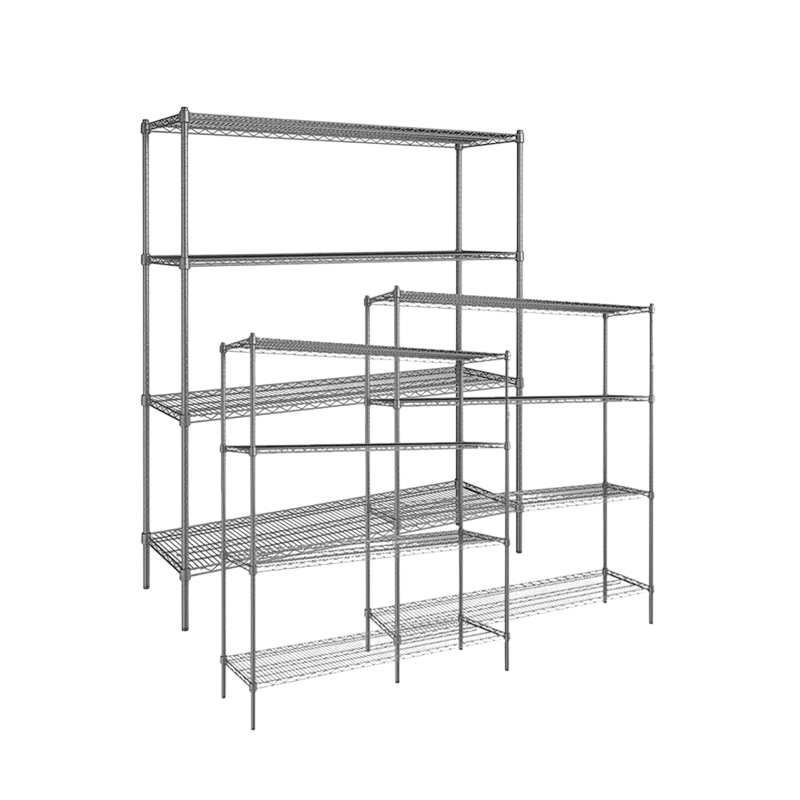
Cool room shelving organises chilled stock while preserving access for cold air, inspection and cleaning. Materials and finishes should tolerate the damp, low-temperature environment and the venue’s cleaning method without creating corroded or absorbent food-storage surfaces.
Adjustable levels allow cartons, tubs and produce containers to be separated by height. Shelf spacing should come from real packages plus hand clearance, while the lowest tier remains high enough for floor cleaning and stock inspection.
Key factors to consider before purchasing. Our team can help you find the right fit — call or get a quote anytime.
Match equipment capacity to your daily output. Consider available floor space and door clearances.
Confirm levelling, wall clearance and the access needed for cleaning and service. We can help with kitchen planning.
Submit your kitchen requirements — our equipment specialists will send you a tailored shortlist of cool room shelving that fits your budget, venue type and compliance needs.
Standards & Compliance
Map high-turnover products near the access route and reserve deeper or higher positions for items staff can handle safely. Record shelf loading limits for the selected system and distribute stock without unstable stacks or blocked aisles.
Wall runs, corners and mobile formats solve different access problems. Corner layouts need reachable inner areas, while mobile units require a level route and a parking position that does not obstruct circulation.
FAQ
Polymer-coated wire or aluminium racks are the most common due to their corrosion resistance and airflow design.
Yes. Stainless steel is ideal for heavy loads and long-term durability, especially in premium kitchens.
Most commercial racks allow height adjustments to accommodate different box sizes and food containers.
Not recommended unless engineered for refrigeration—solid surfaces can restrict airflow and cause temperature inconsistencies.
Choose materials and coatings documented for damp, chilled conditions and compatible with the venue’s cleaning chemicals. Inspect joints and surfaces for corrosion or damage, and avoid absorbent finishes that cannot be cleaned effectively.
Why KW
Product rotation shapes KW’s shelving discussion, from the path of new stock to the positions used for earliest dates and frequent picks. Tier spacing, floor clearance and corner access can then be planned without interrupting airflow around stored food; call 1300 001 366.
Deep Dive
Technical depth from KW's commercial kitchen specialists.
Explore our range of cool room shelving designed for heavy-duty commercial kitchens and professional cold-storage environments. Built for hygiene, efficiency and long-term reliability.
Keep stock away from air outlets, return paths and room surfaces as required by the site plan. Avoid solid walls of cartons that create sheltered pockets or make condition checks difficult.
Measure the tallest routine containers and add lifting clearance, then position the bottom shelf for floor tools and visual inspection. Review the layout when package formats or product mix change.
Wall bays provide clear central access, corner units can use otherwise awkward space, and mobile racks may support flexible cleaning or stock movement inside the room. If stock must travel between cold storage, prep and service, use a purpose-built stainless steel trolley rather than treating a shelving bay as transport equipment. Select the format only after checking reach, stability and aisle width.
Place new deliveries so earlier-dated stock remains accessible, label locations and avoid stacking that hides dates. Keep heavy containers within a controlled lifting zone and respect the documented load for every tier.
Measure the tallest routine cartons and containers, add room for hands and labels, and set adjustable tiers around those needs. Preserve floor-cleaning clearance and revise levels when the product mix changes.
Stored food depends on air circulating through the room rather than being trapped behind dense stacks. Keep designated air paths and outlets clear, leave the required gaps and investigate warm pockets instead of packing more tightly.
Leave floor and corner access for cleaning, label shelf positions and load new deliveries behind or below earlier-dated stock as the venue’s system requires. Schedule checks for spills, damaged packs, hidden dates and corrosion.
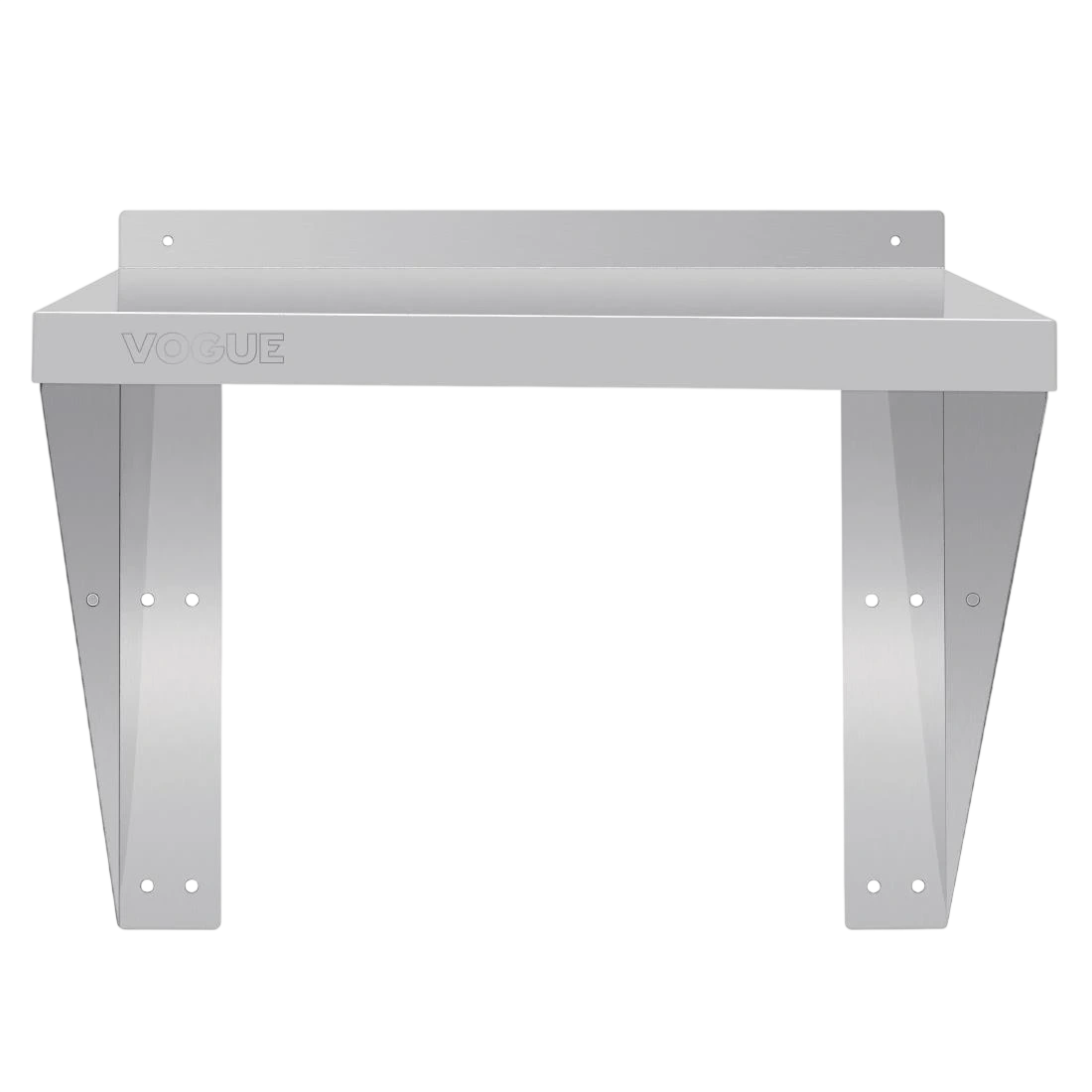
Coordinate finishes through the stainless steel range, compare other commercial shelving formats, and use a wall shelf where a fixed open-kitchen position is the actual task.
489 results
1825 × 455 × 1800mm

760 × 457 × 1880mm
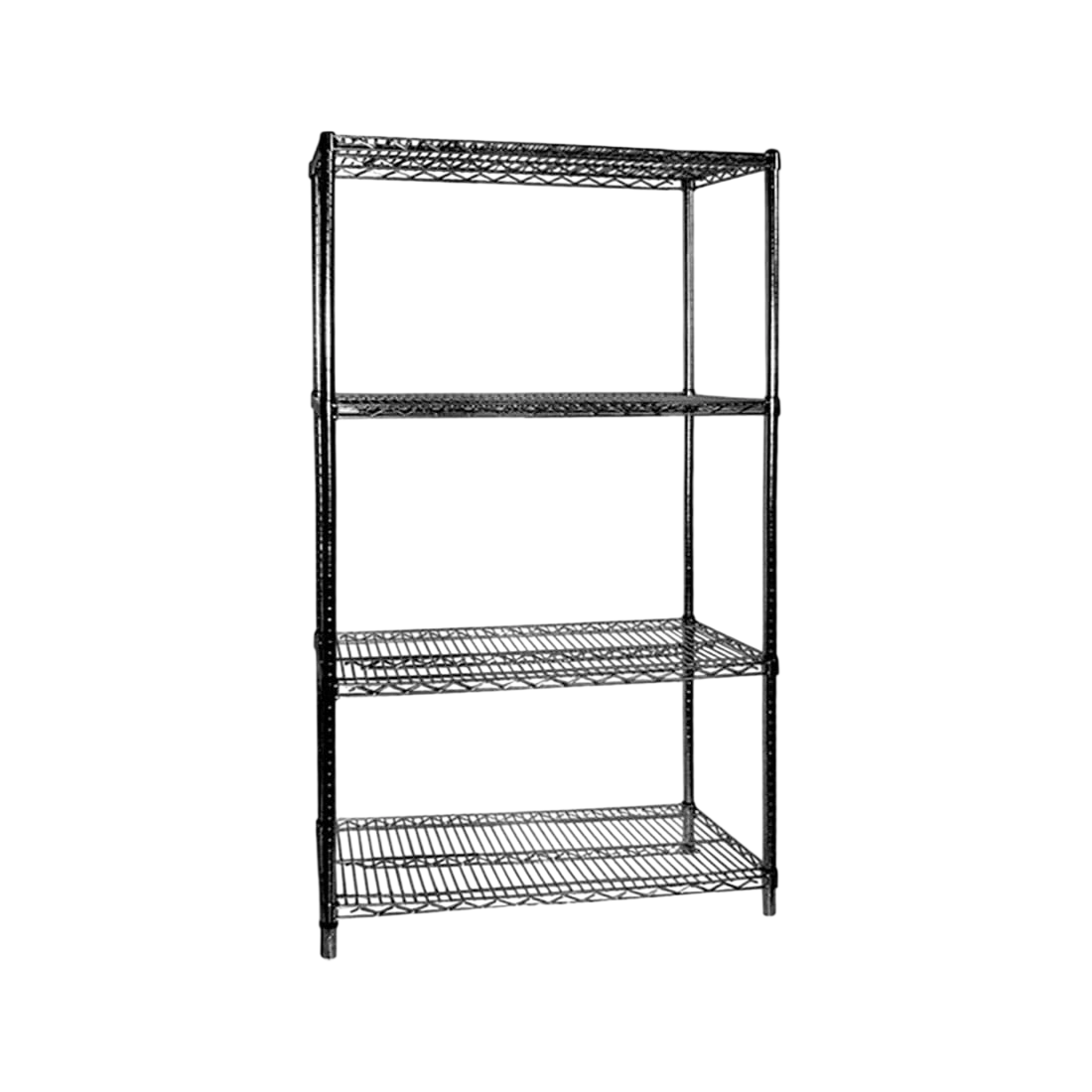
1830 × 610 × 1880mm
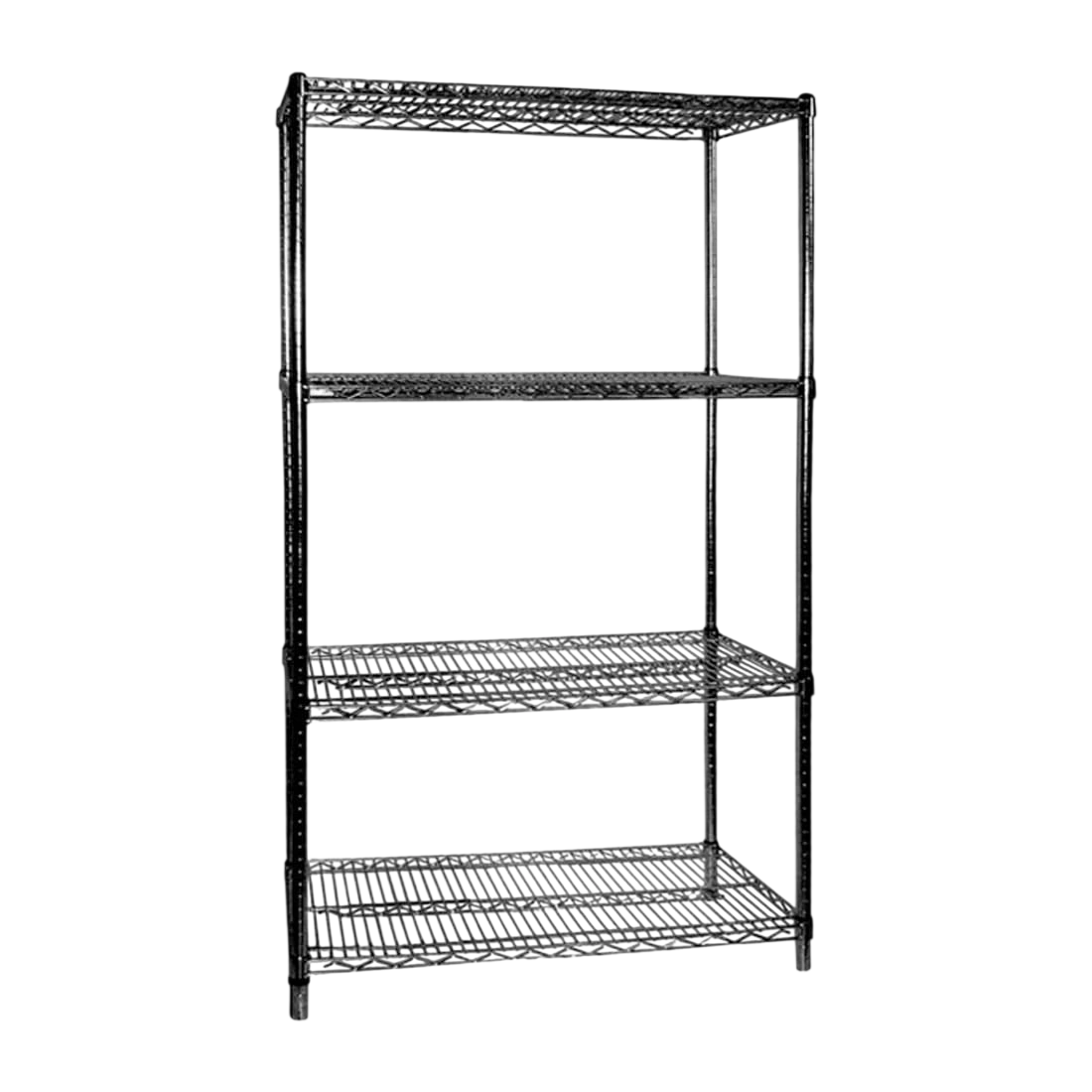
610 × 610 × 1880mm
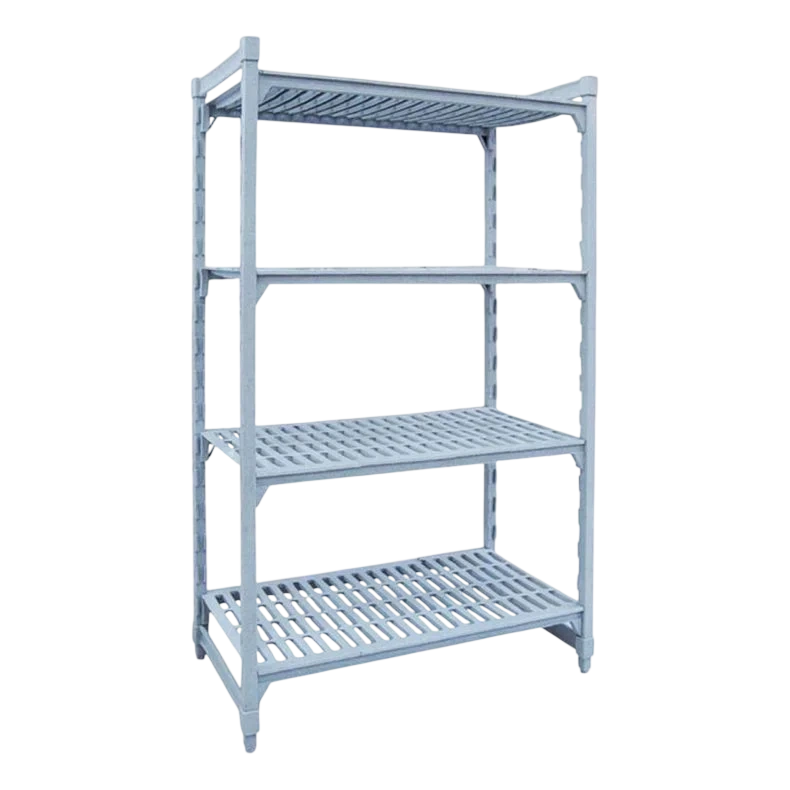
1825 × 455 × 1800mm
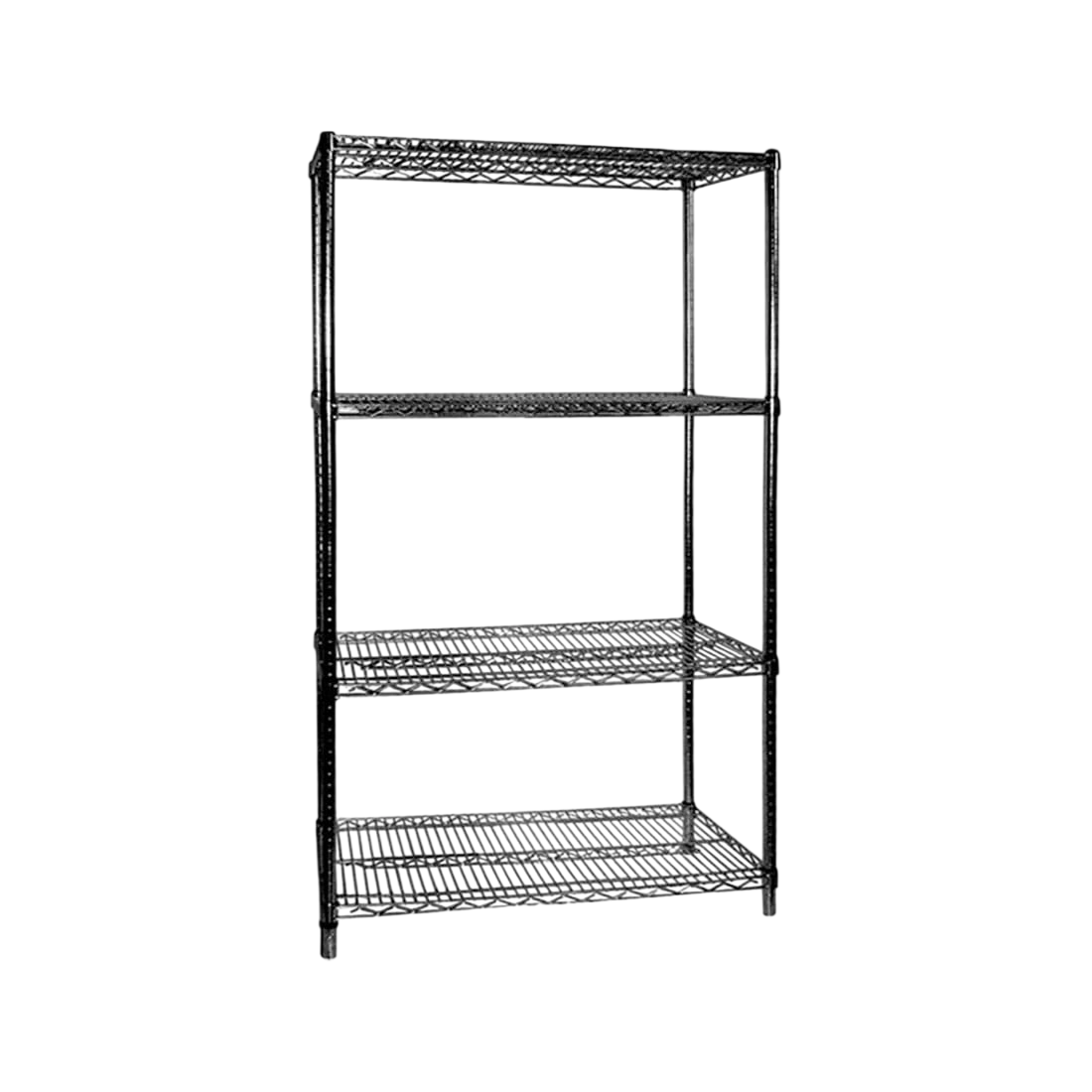
760 × 610 × 1880mm
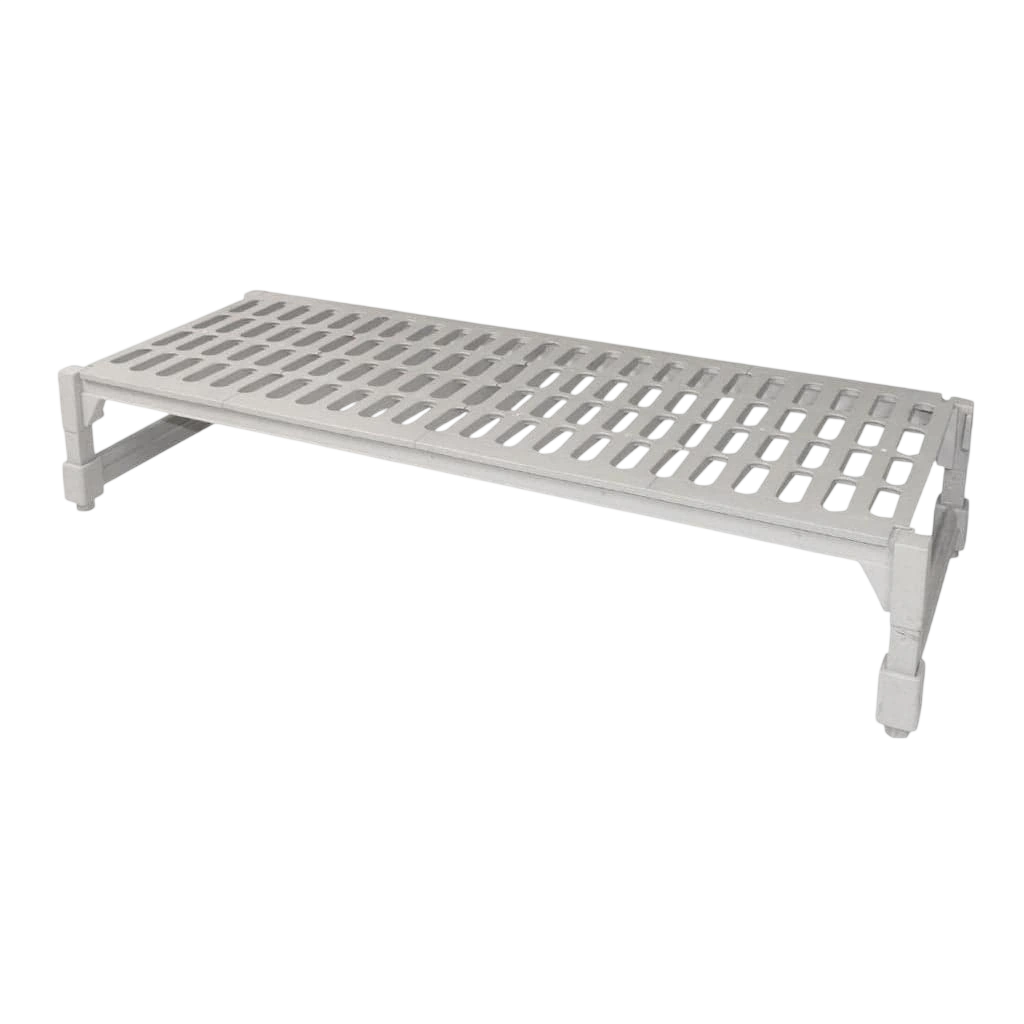
910 × 530 × 228mm
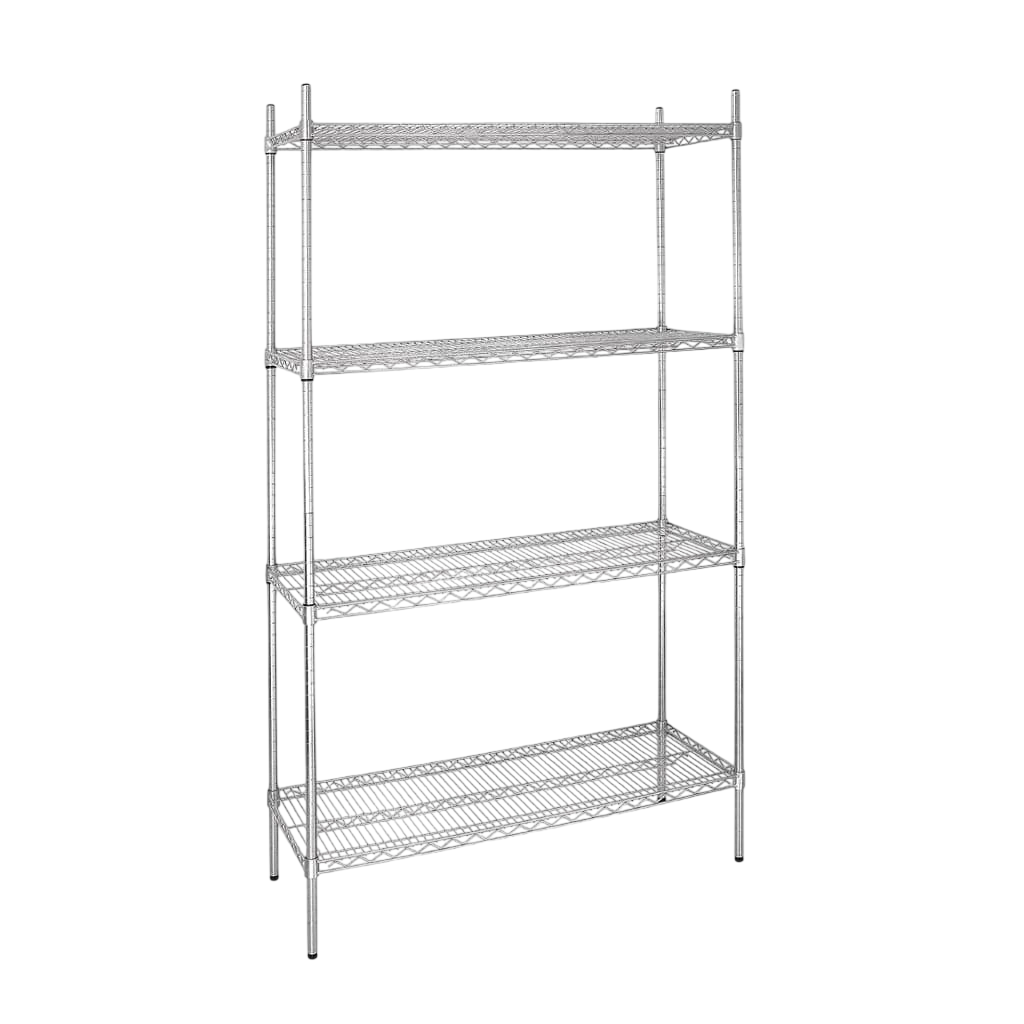
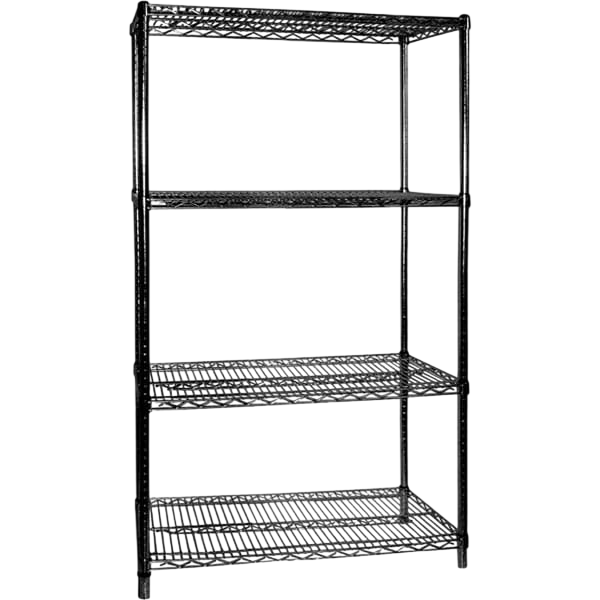
610 × 457 × 1880mm
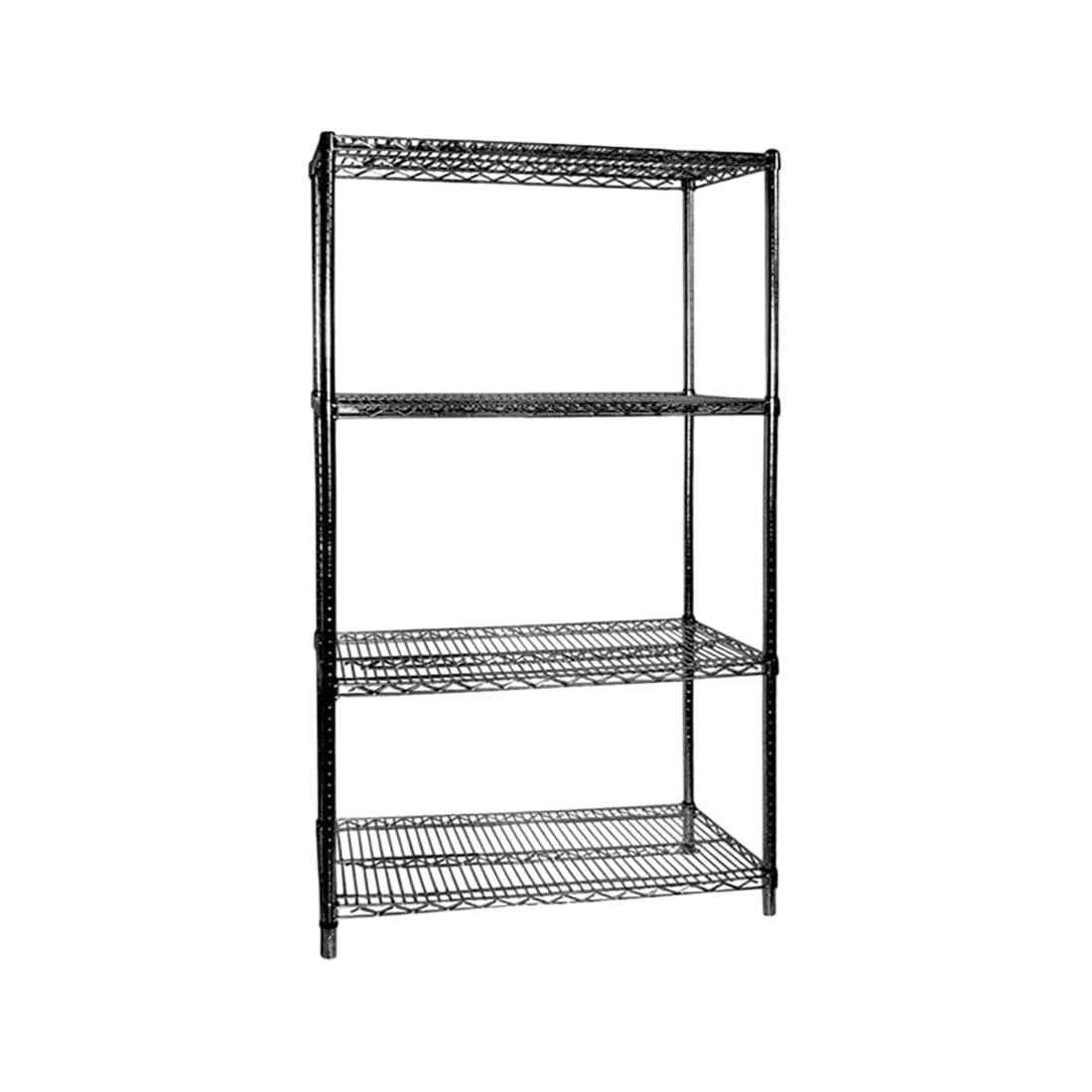
915 × 457 × 1880mm
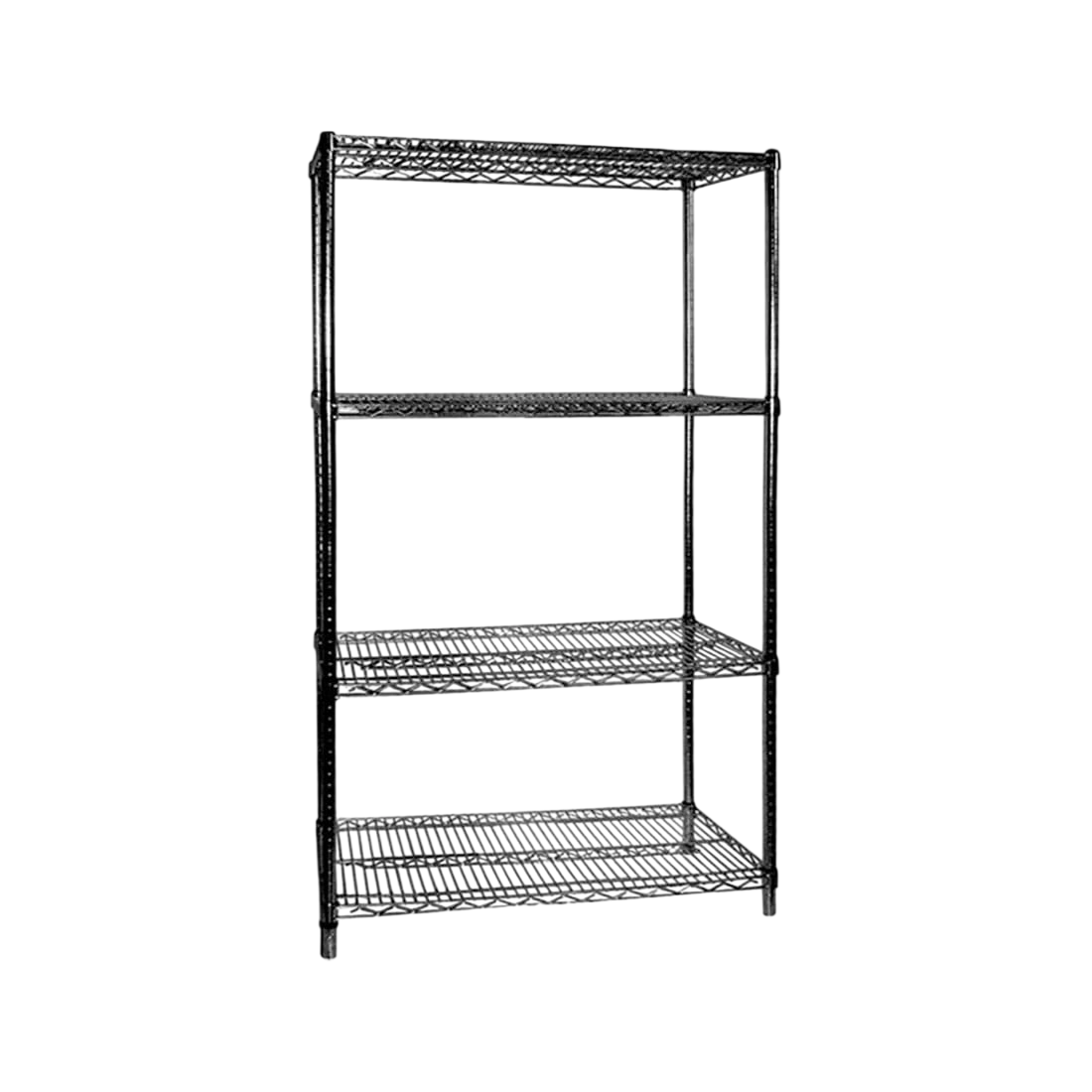
1067 × 457 × 1880mm
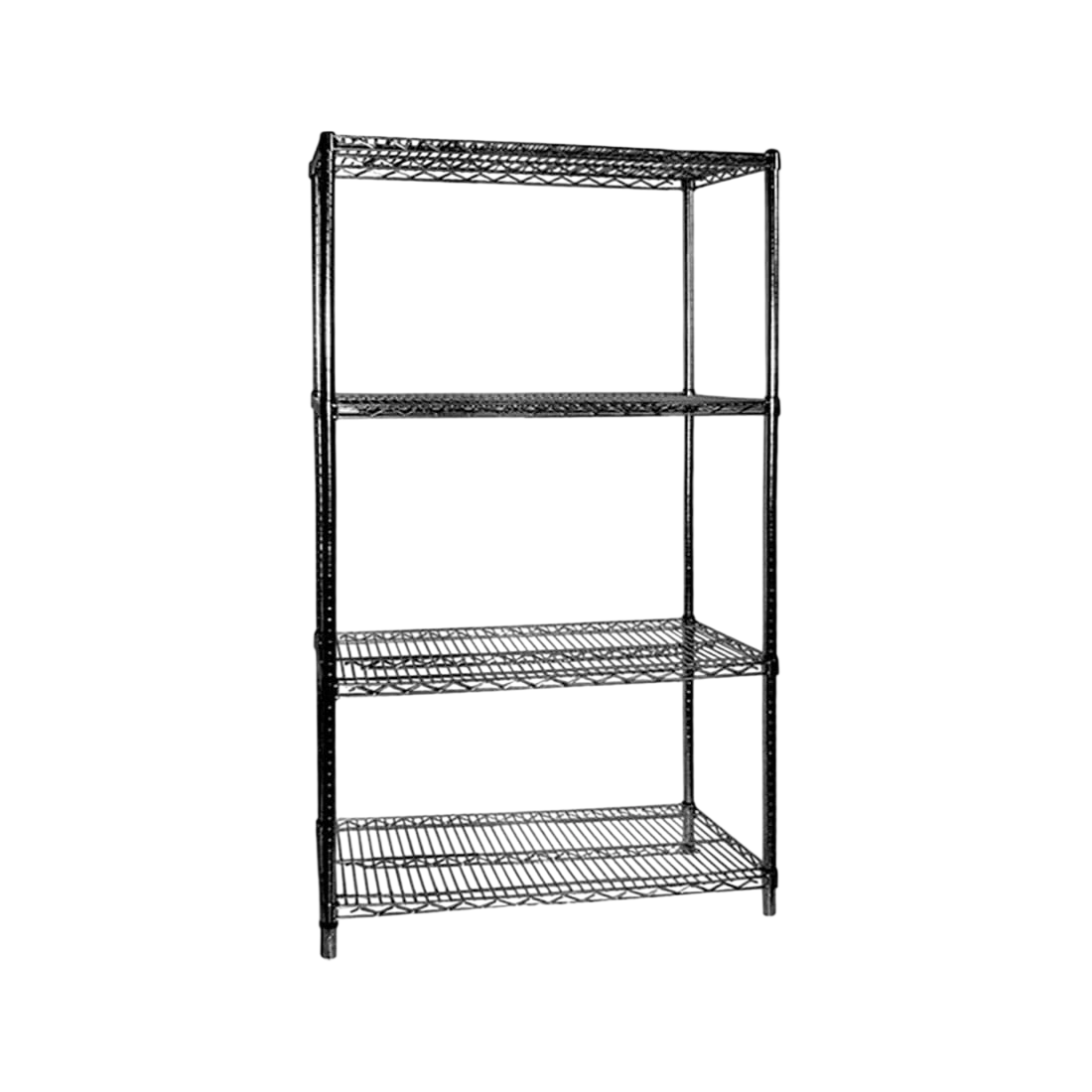
1372 × 457 × 1880mm
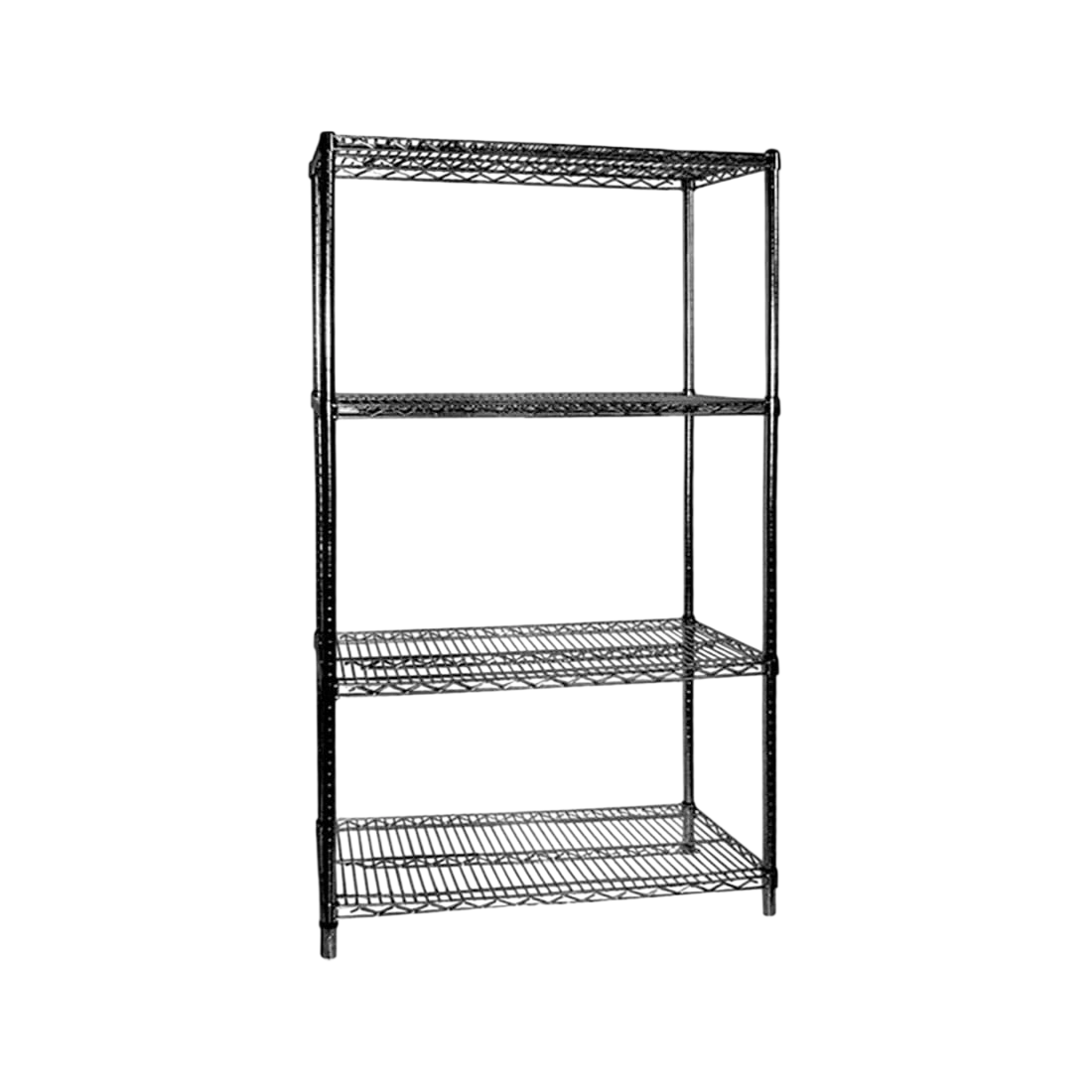
1525 × 457 × 1880mm
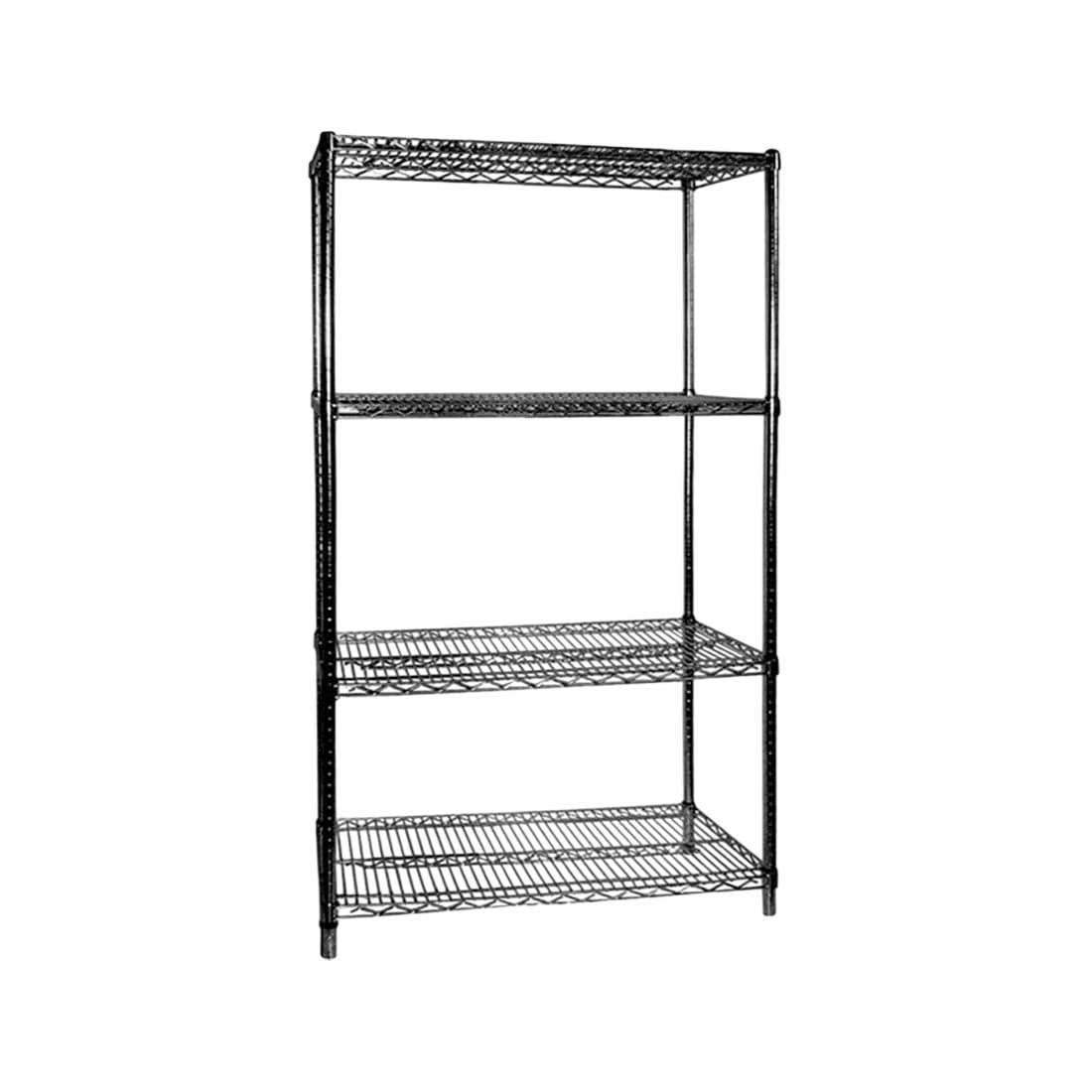
1830 × 457 × 1880mm
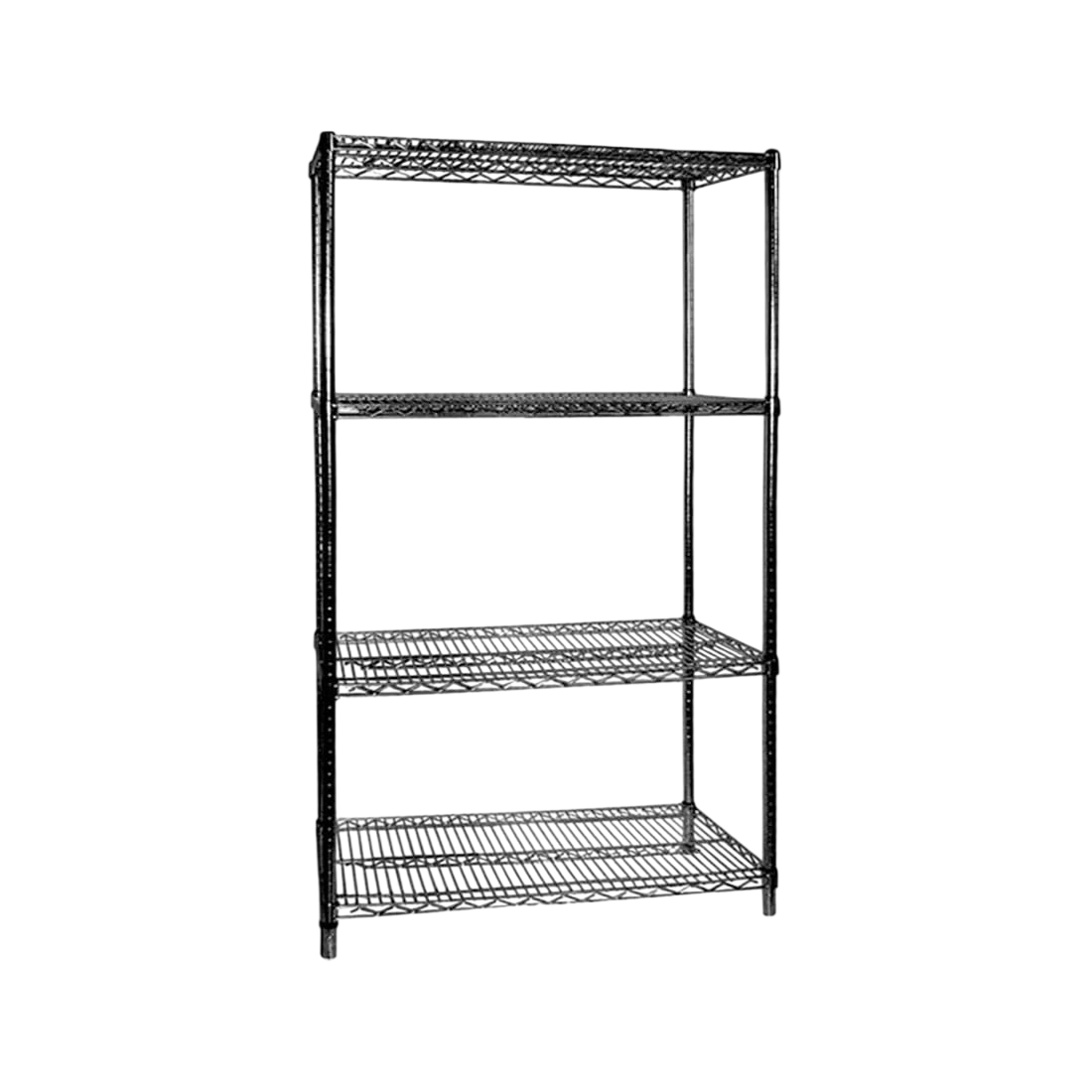
915 × 610 × 1880mm
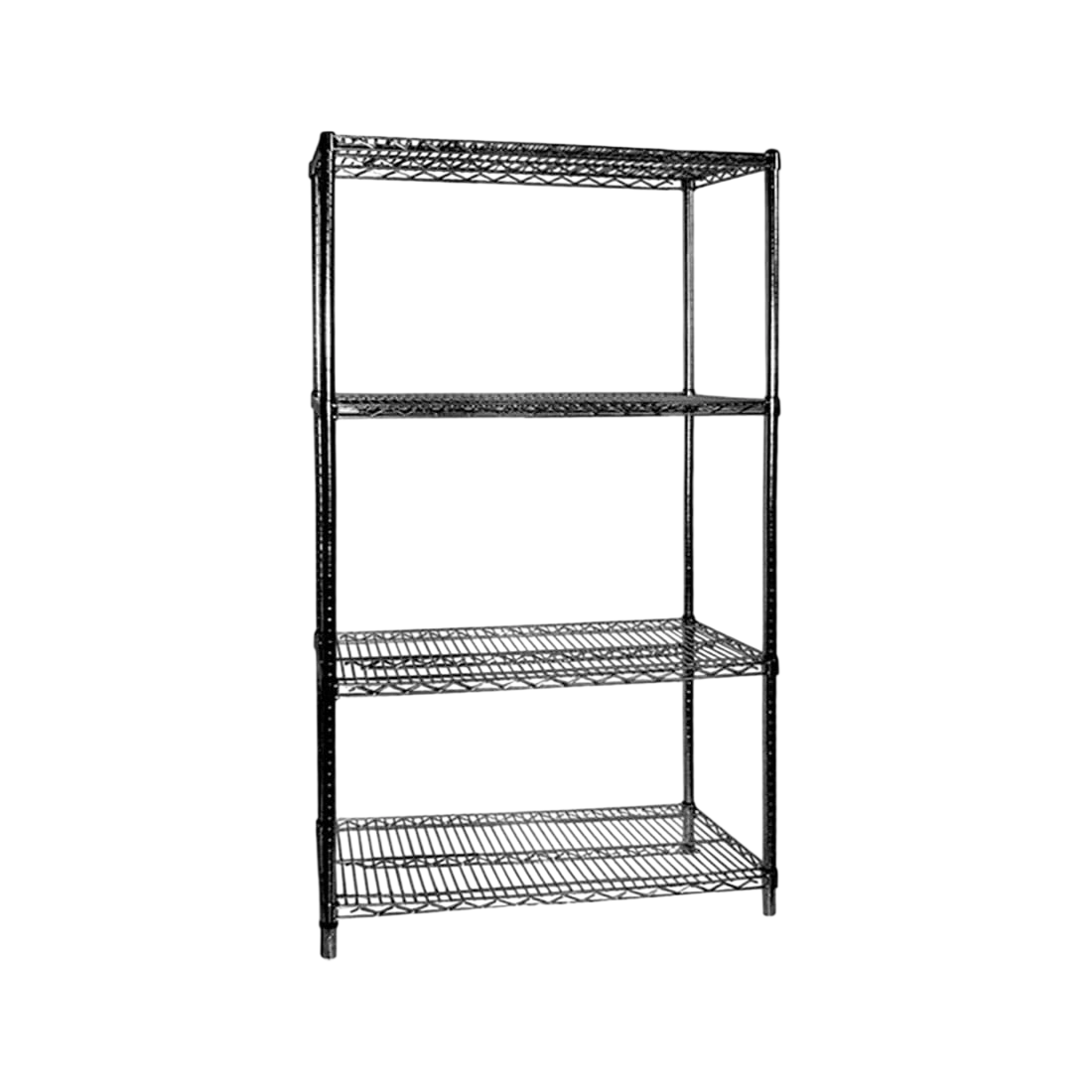
1067 × 610 × 1880mm
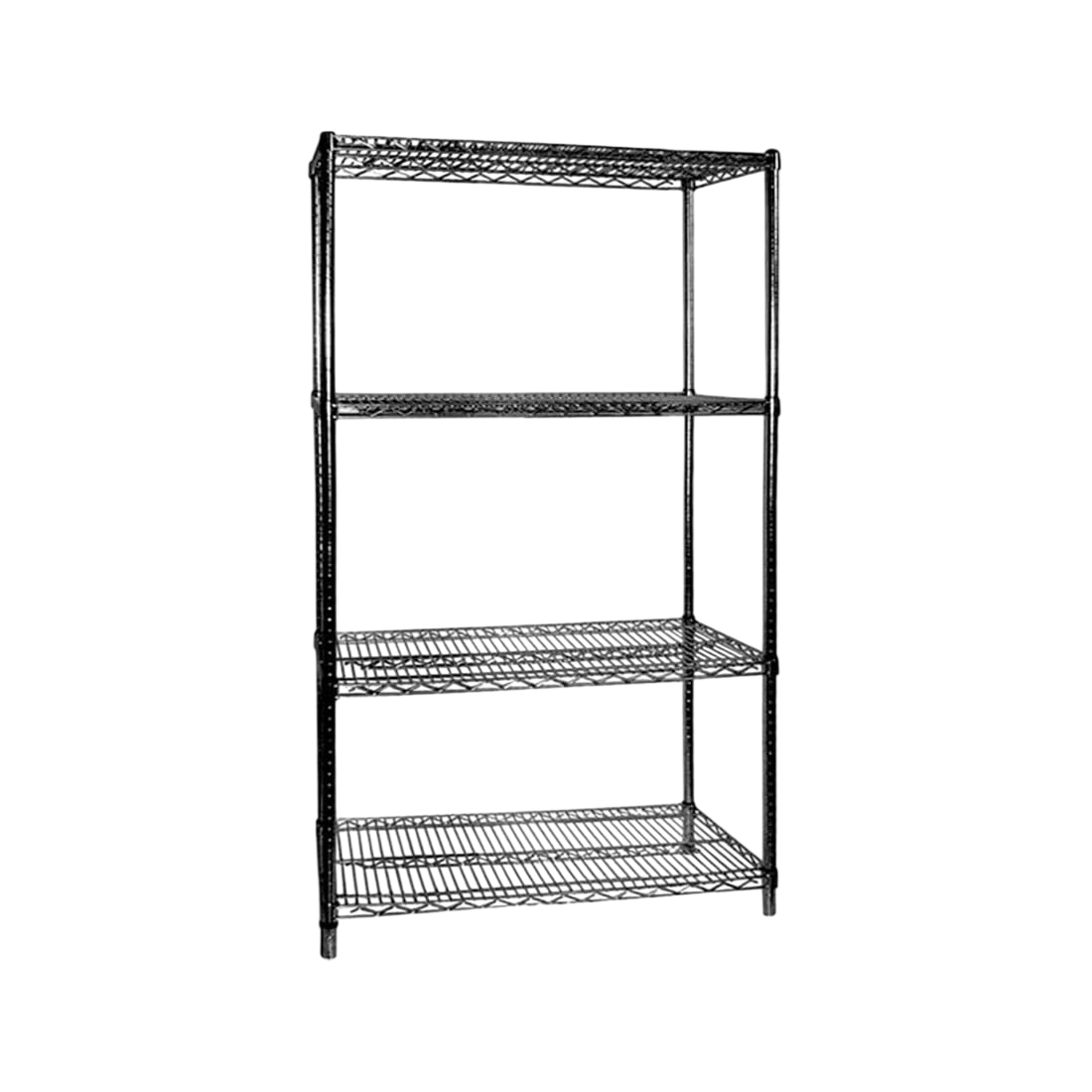
1220 × 610 × 1880mm
1372 × 610 × 1880mm
1525 × 610 × 1880mm
910 × 455 × 1800mm
1220 × 455 × 1800mm
760 × 455 × 1800mm
1060 × 455 × 1800mm
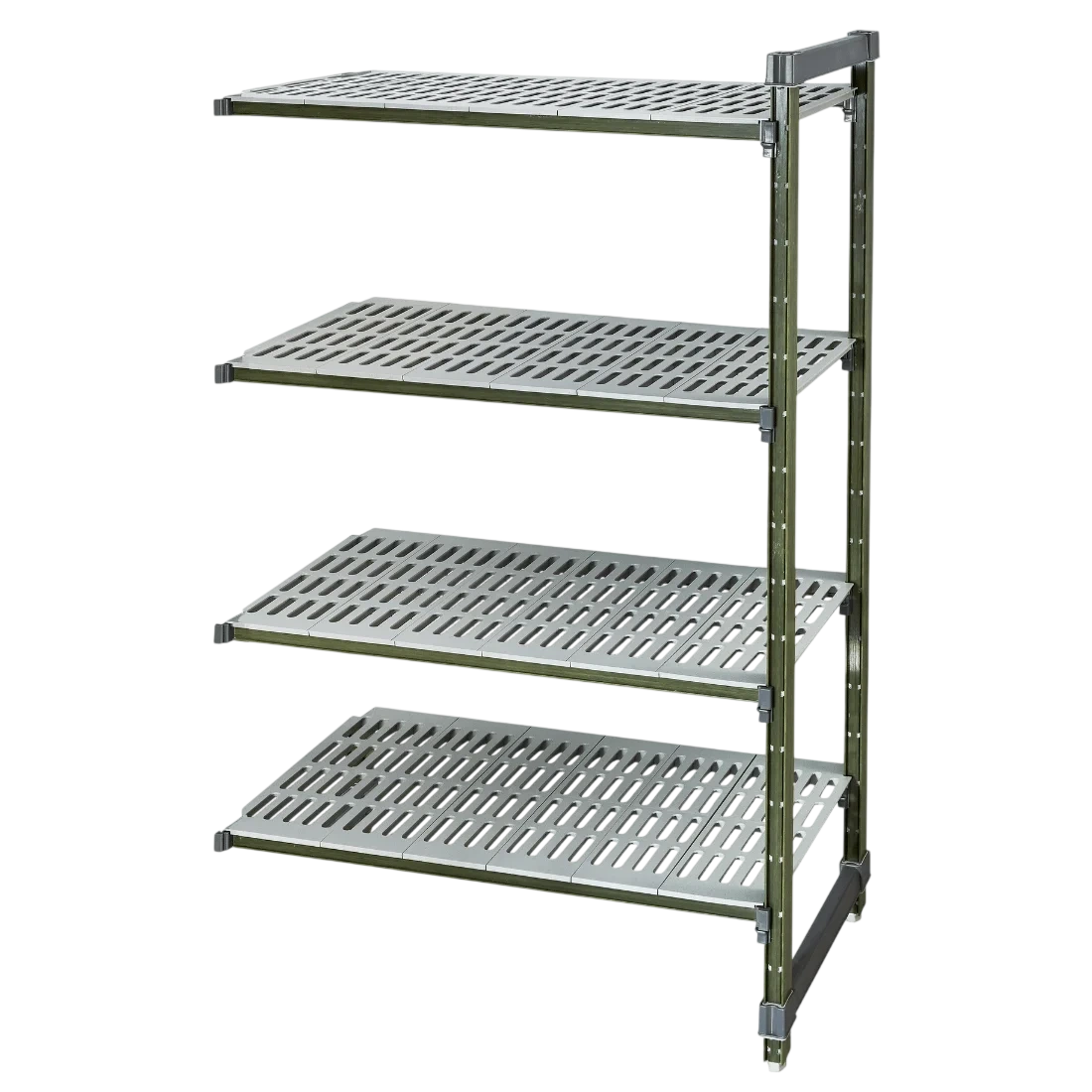
1220 × 455 × 1800mm
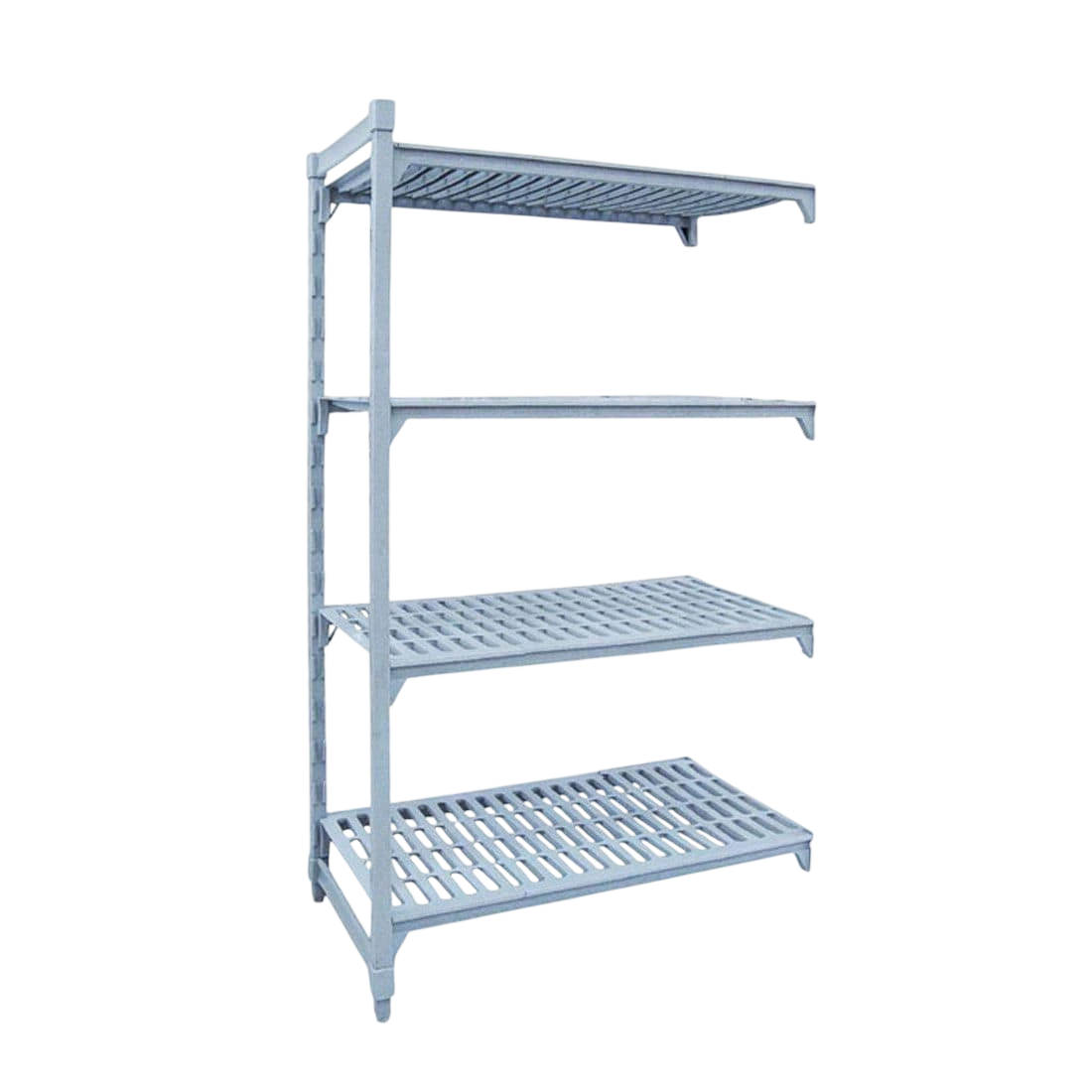
910 × 455 × 1800mm
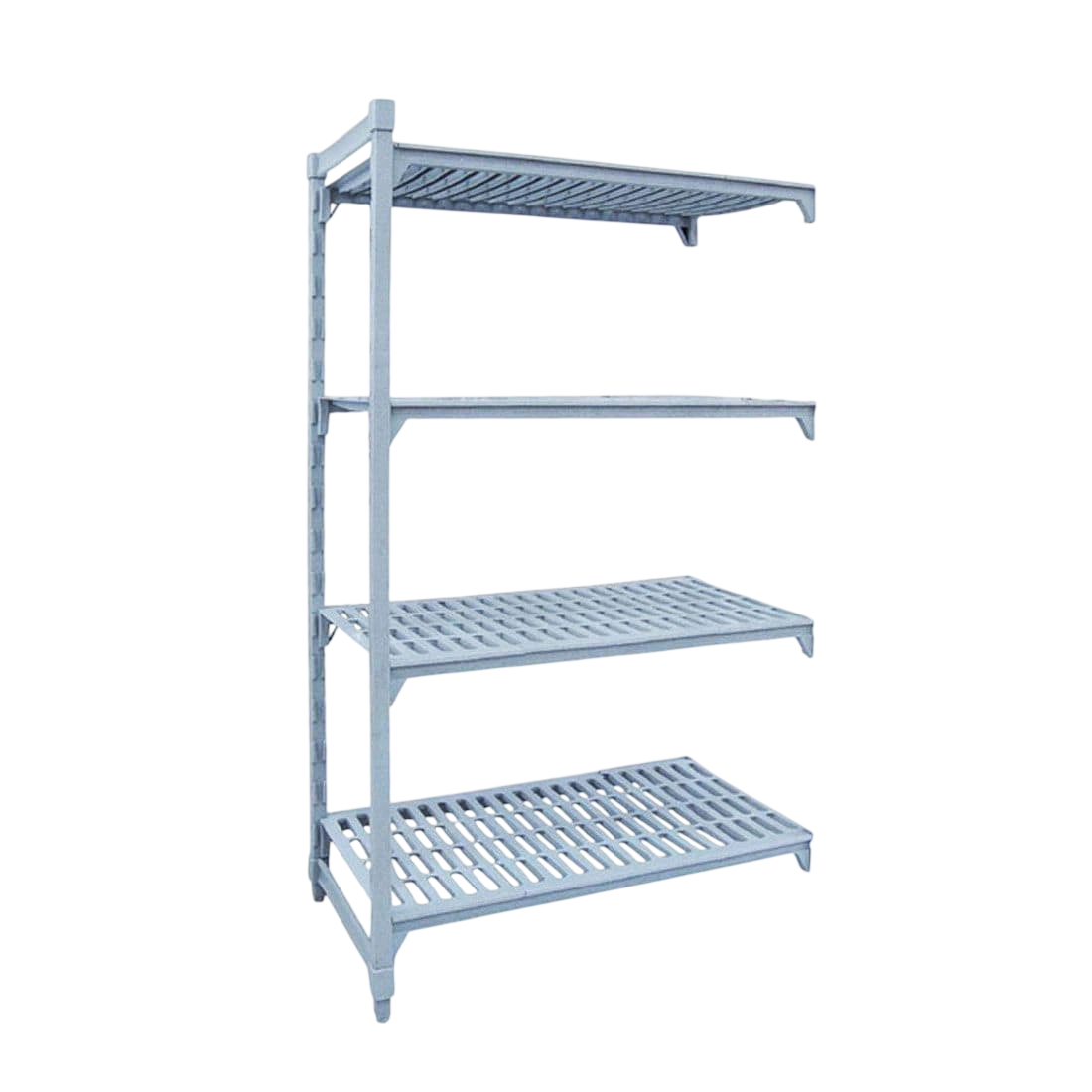
1825 × 455 × 1800mm
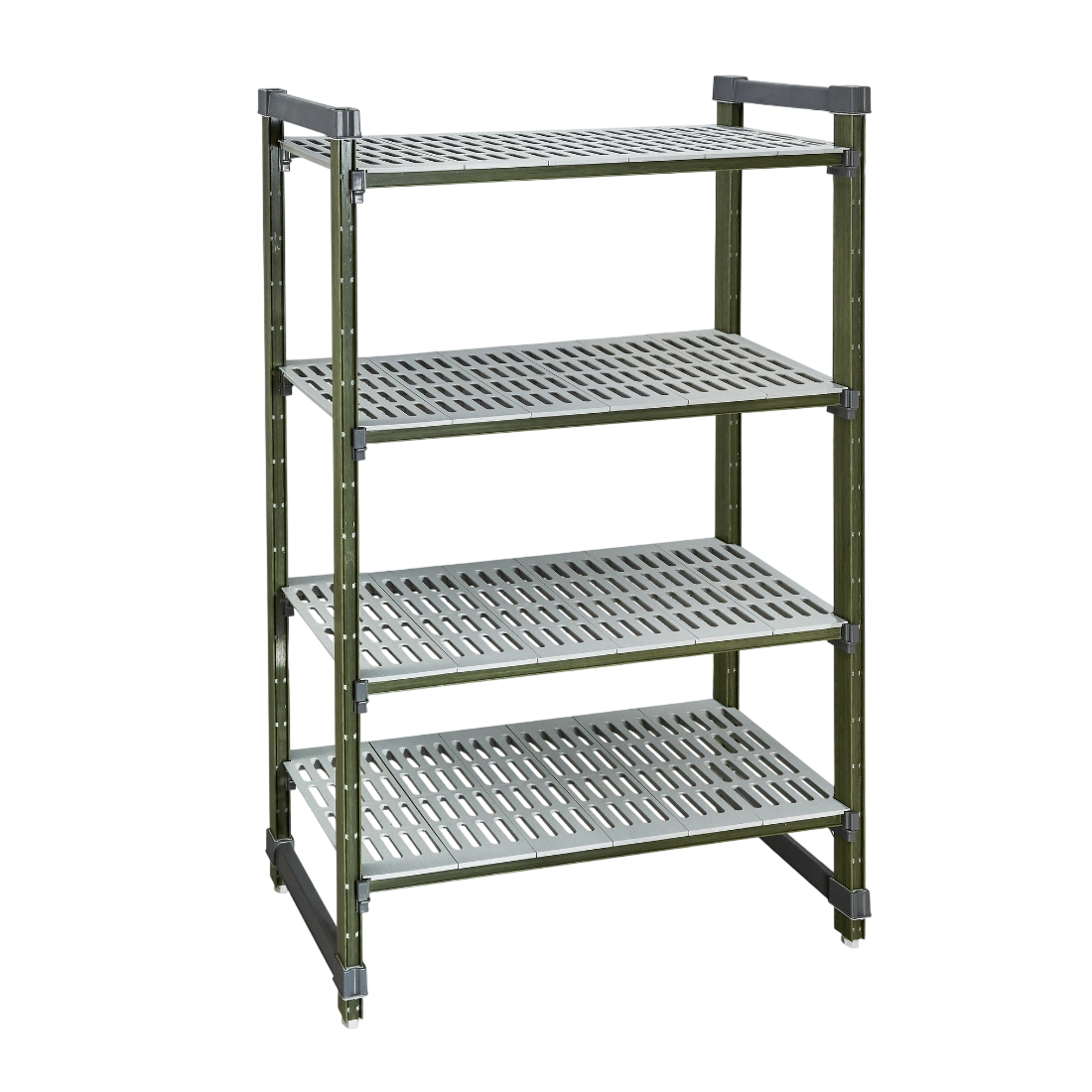
910 × 455 × 1800mm
1370 × 455 × 1800mm
1525 × 455 × 1800mm
760 × 610 × 1800mm
910 × 610 × 1800mm
1060 × 610 × 1800mm
1220 × 610 × 1800mm
1370 × 610 × 1800mm
1525 × 610 × 1800mm
1825 × 610 × 1800mm
610 × 610 × 1828mm
560 × 560 × 490mm
1200 × 300 × 225mm
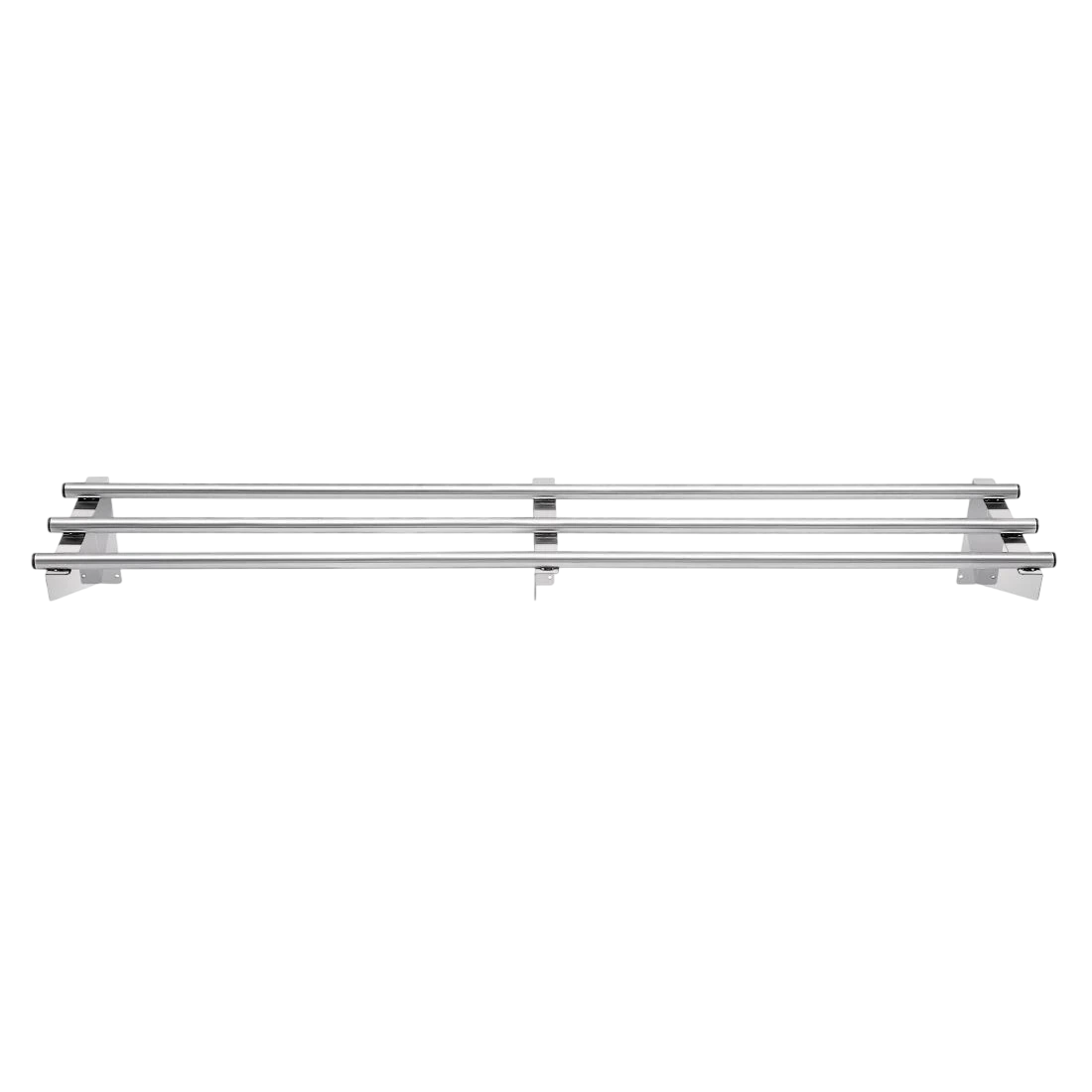
1500 × 300 × 225mm
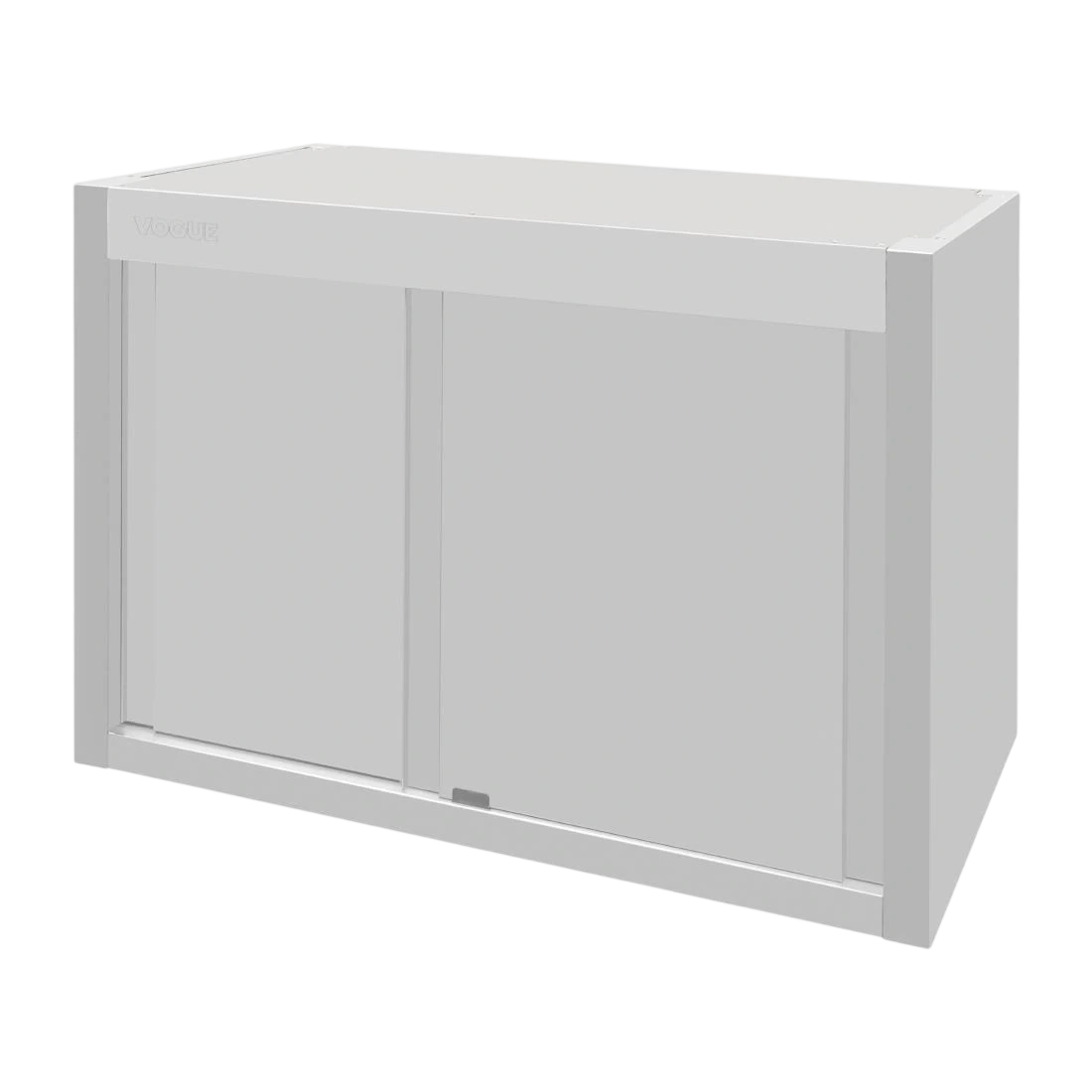
900 × 400 × 650mm
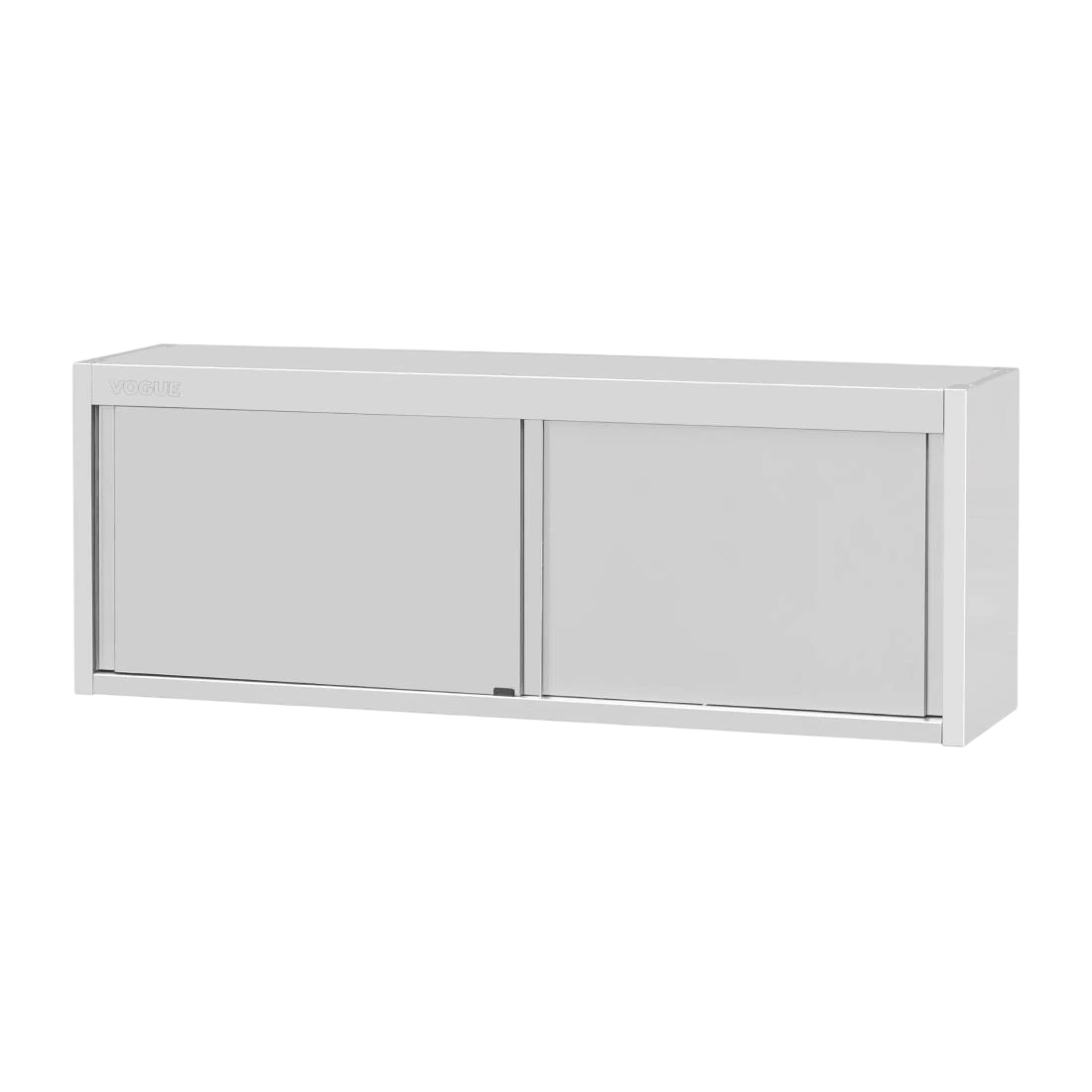
1800 × 400 × 650mm
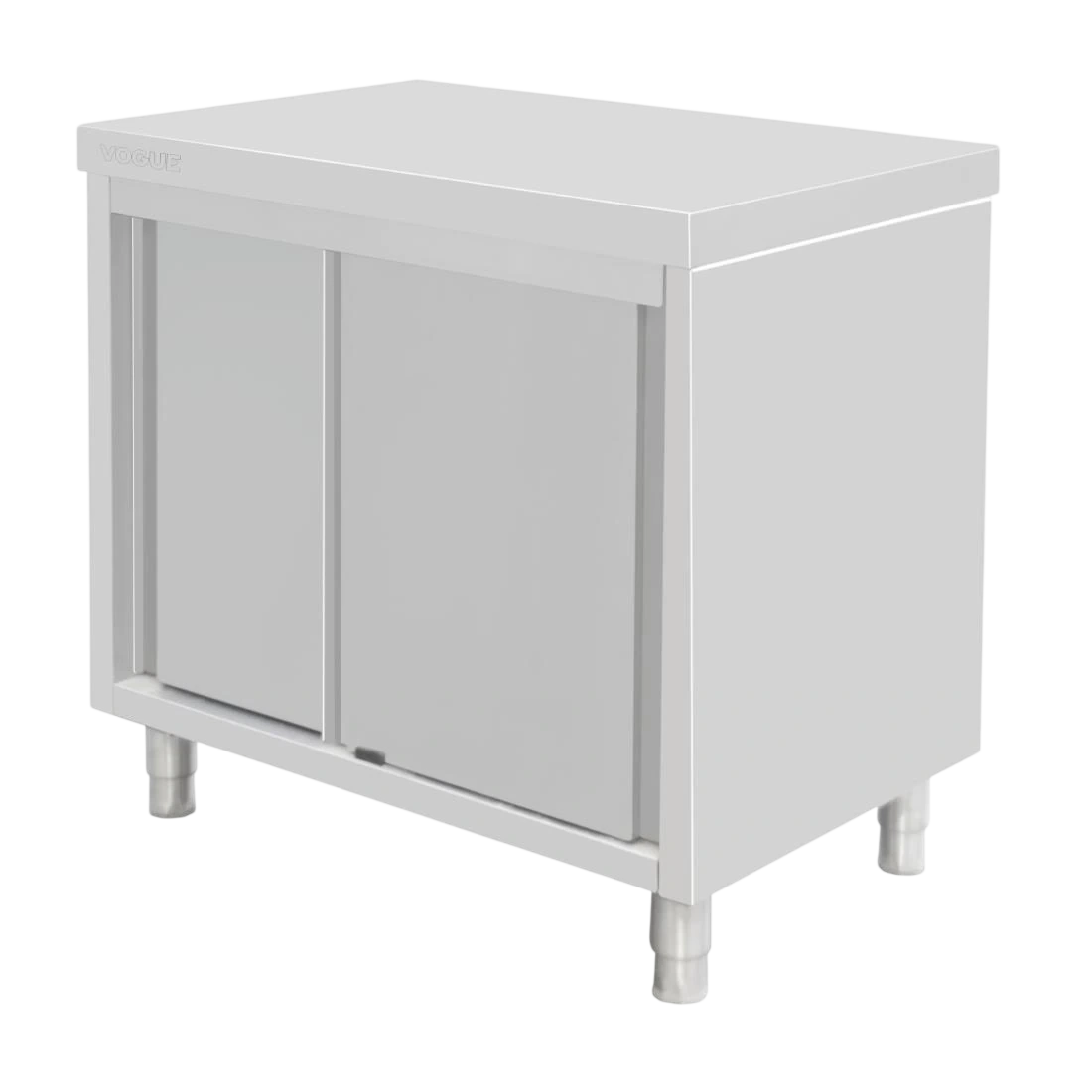
900 × 600 × 900mm