CookRite
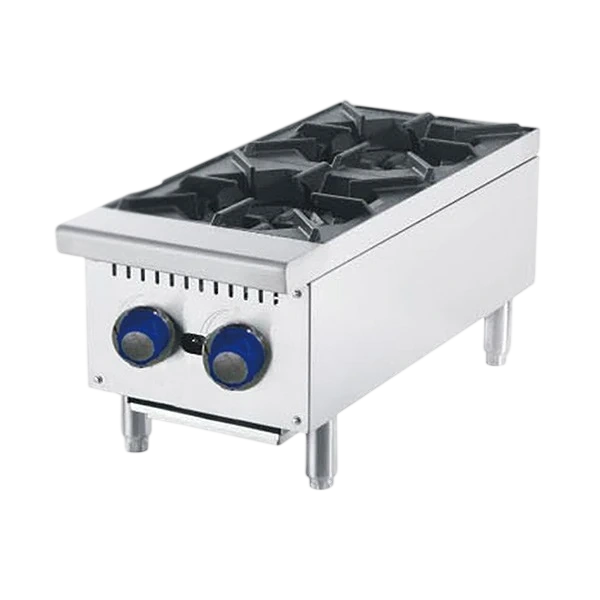
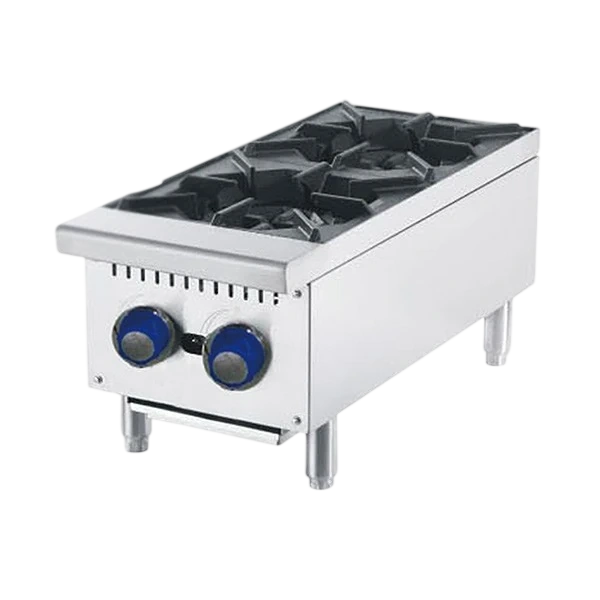
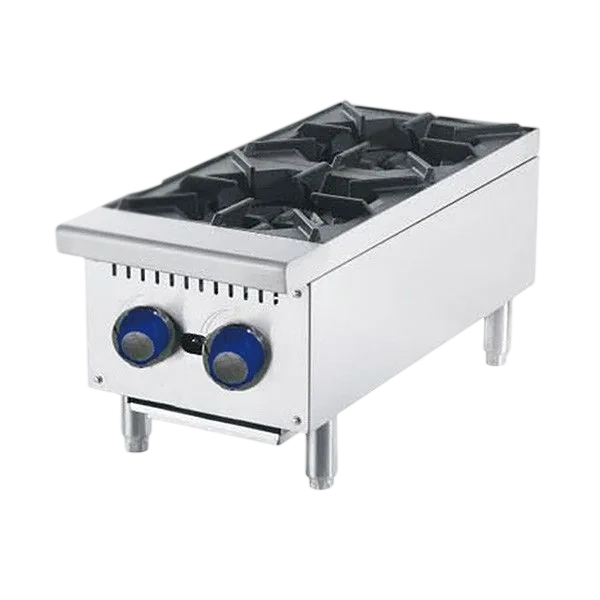
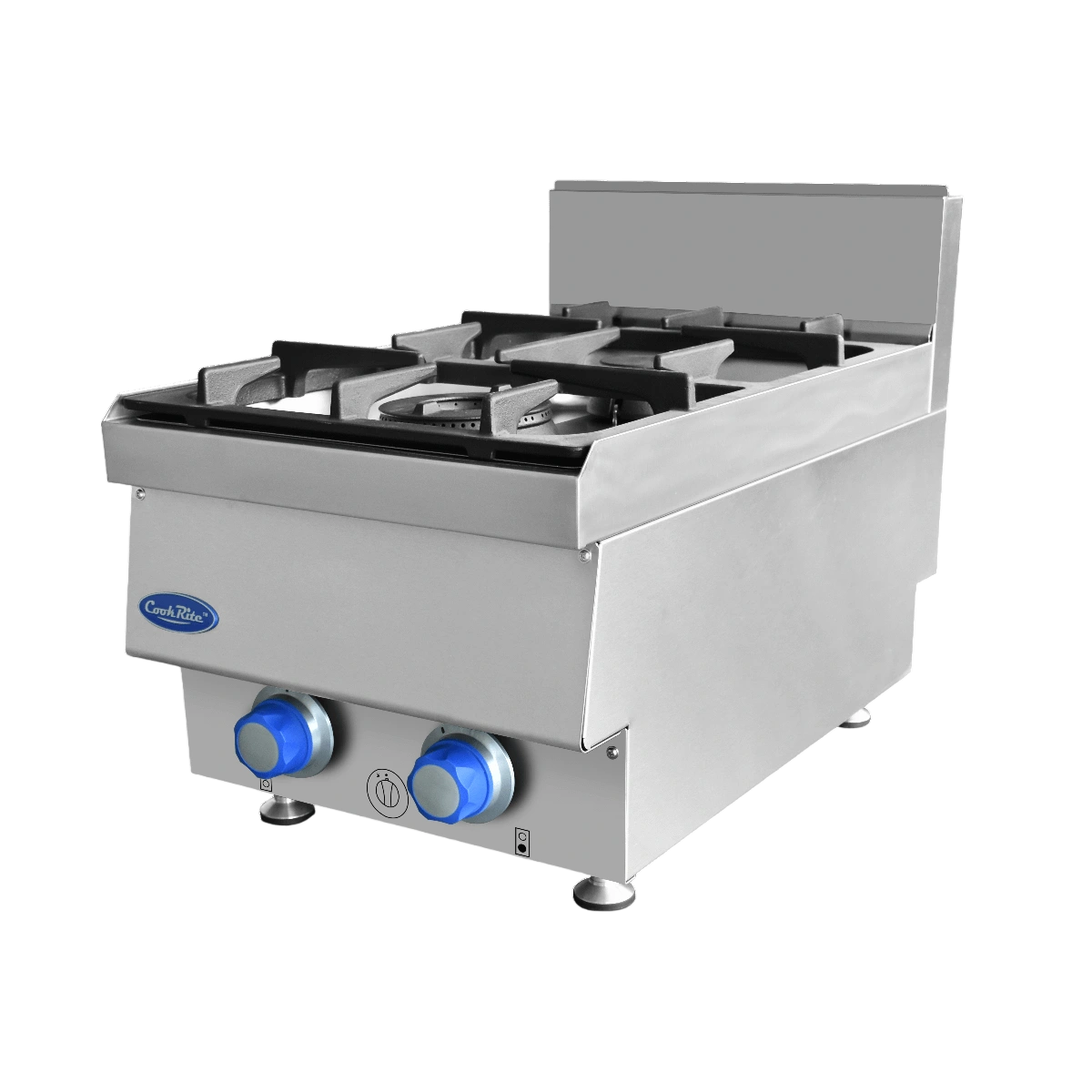
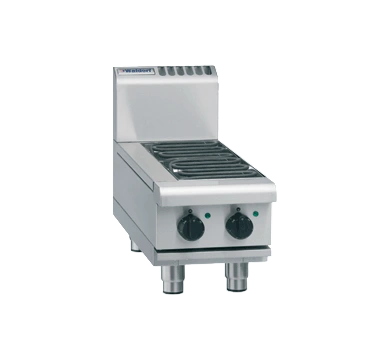
CookRite ATHP-12-2 2-Burner Gas Cooktop – NG / LPG
308 × 700 × 332mm
$1,292.20$1,846.00
In Stock
Commercial Cooktops
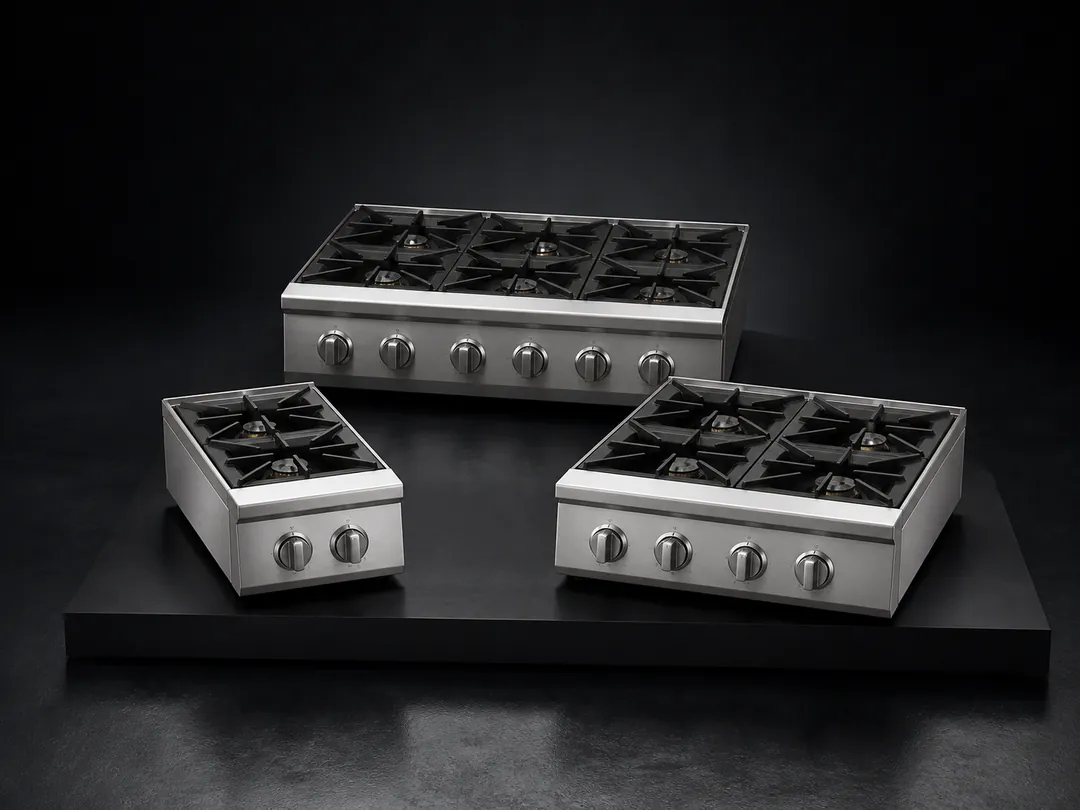
A counter-top burner adds heat where a full range cannot go. It suits a prep bench that occasionally needs a pan, a station added for a seasonal menu, or a kitchen where the line is full and one more burner is needed rather than one more range.
Burner output is the specification to compare, and it matters more here than on a full range. A single commercial gas burner is often bought to handle one demanding task — a wok, a stockpot, a sauce held at heat — and the output has to suit that task specifically rather than a general expectation.
Stability under load is the practical concern. A benchtop unit carrying a full pan is easier to knock than a floor-standing range, so consider the footprint, the weight of the unit itself and whether the pan supports hold a large base securely.
Gas and electric versions both exist. A commercial stovetop unit running on gas needs a connection at the bench and ventilation appropriate to the output; an electric one needs the circuit confirmed. Neither is a plug-in decision at commercial output levels.
Key factors to consider before purchasing. Our team can help you find the right fit — call or get a quote anytime.
Match equipment capacity to your daily output. Consider available floor space and door clearances.
Confirm levelling, wall clearance and the access needed for cleaning and service. We can help with kitchen planning.
Submit your kitchen requirements — our equipment specialists will send you a tailored shortlist of counter top burners that fits your budget, venue type and compliance needs.
Standards & Compliance
Before choosing a counter-top burner, confirm the specific task it must do, the largest pan it will carry, and the gas or electrical supply available at that bench position. Check the bench depth against the unit including any rear clearance.
Look at how the burner and pan supports come off for cleaning, how the unit is stabilised on a bench, and whether the controls sit where they will be reached across a hot pan. Confirm the ventilation over that position handles the added output.
FAQ
Yes—use a 600mm stand to maintain a safe 900mm cooking height.
Yes—gas and greasy electric cooking require a compliant canopy under AS 1668.
Yes—most models can be ordered in LPG or converted by a licensed gas fitter.
When one more burner is needed rather than one more range — a prep bench that occasionally needs a pan, a seasonal station, or a line that is full. It buys heat in one position without the footprint of a range.
From the specific task. Wok work, stockpots and held sauces have different requirements, and a unit sized to a general idea of power usually disappoints at the single job it was bought for.
Why KW
KW can help match burner output and format to the specific task a bench position needs, and confirm the supply and ventilation at that point. For practical advice on commercial burners and cooktops, call KW on 1300 001 366.
Deep Dive
Technical depth from KW's commercial kitchen specialists.
A counter-top burner is usually bought for a specific job — a wok, a stockpot, a sauce held at heat. Match the output to that task rather than to a general idea of power, since a unit sized generically often disappoints at the one thing it was bought for.
A benchtop unit carrying a loaded pan is easier to knock than a floor-standing range. Check the footprint, the unit's own weight and whether the pan supports hold a large base securely before choosing on output alone.
At commercial output a gas unit needs a connection at the bench and ventilation matched to it; an electric one needs the circuit confirmed. Neither is a plug-in decision, and both are cheaper to arrange before the unit arrives than afterwards.
Check where the controls sit relative to a hot pan, since a control reached across the burner is a daily hazard. Confirm how burners and pan supports come off, because a benchtop unit is cleaned around other work rather than during a shutdown.
Not at commercial output. A gas unit needs a bench connection and matching ventilation; an electric one needs its circuit confirmed. Arrange both before the unit arrives rather than after.
Check the footprint, the unit's own weight and the pan supports against the largest pan intended. A loaded pan on a light unit is easier to knock than the same pan on a floor-standing range.
206 results
308 × 700 × 332mm
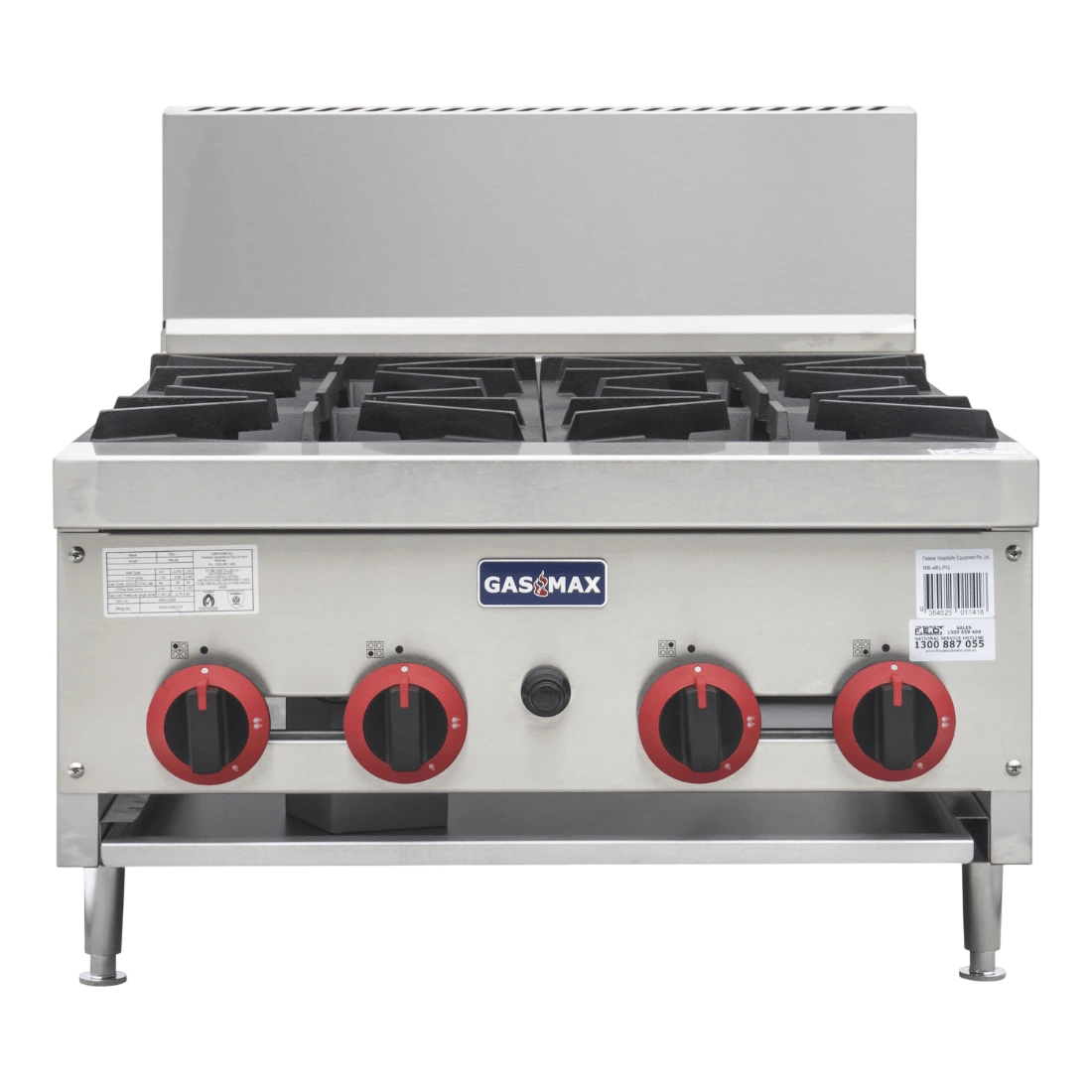
602 × 824 × 574mm
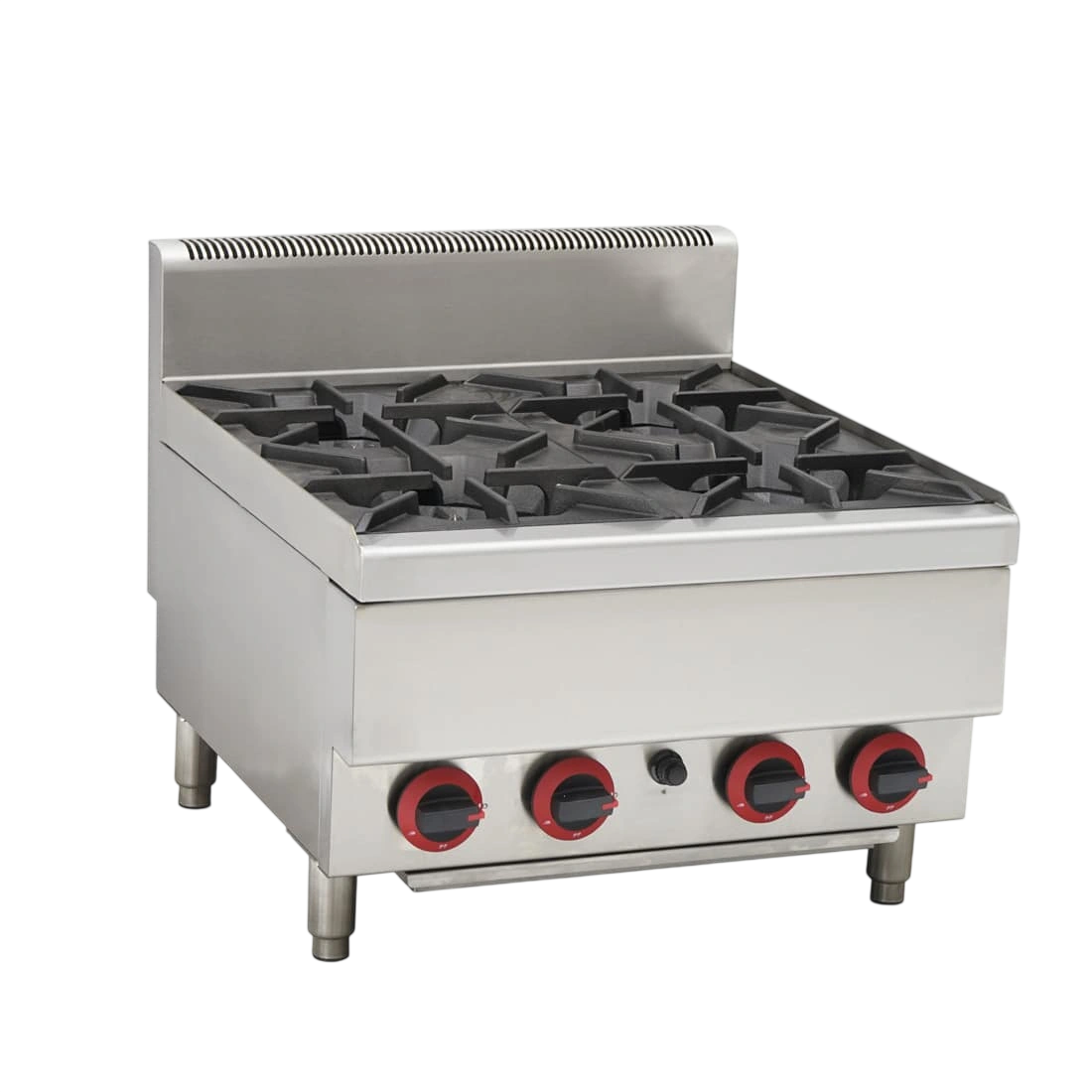
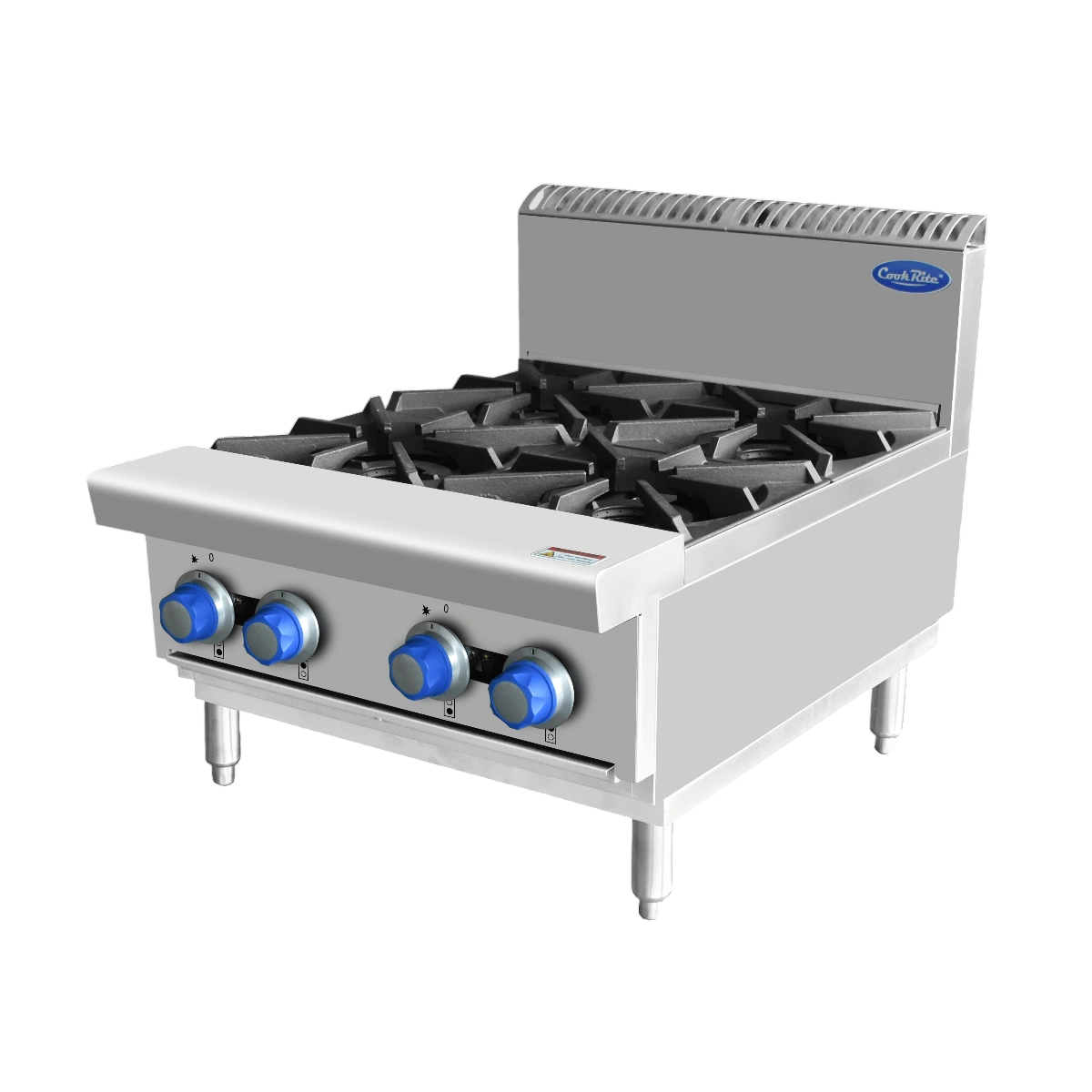
600 × 800 × 562mm
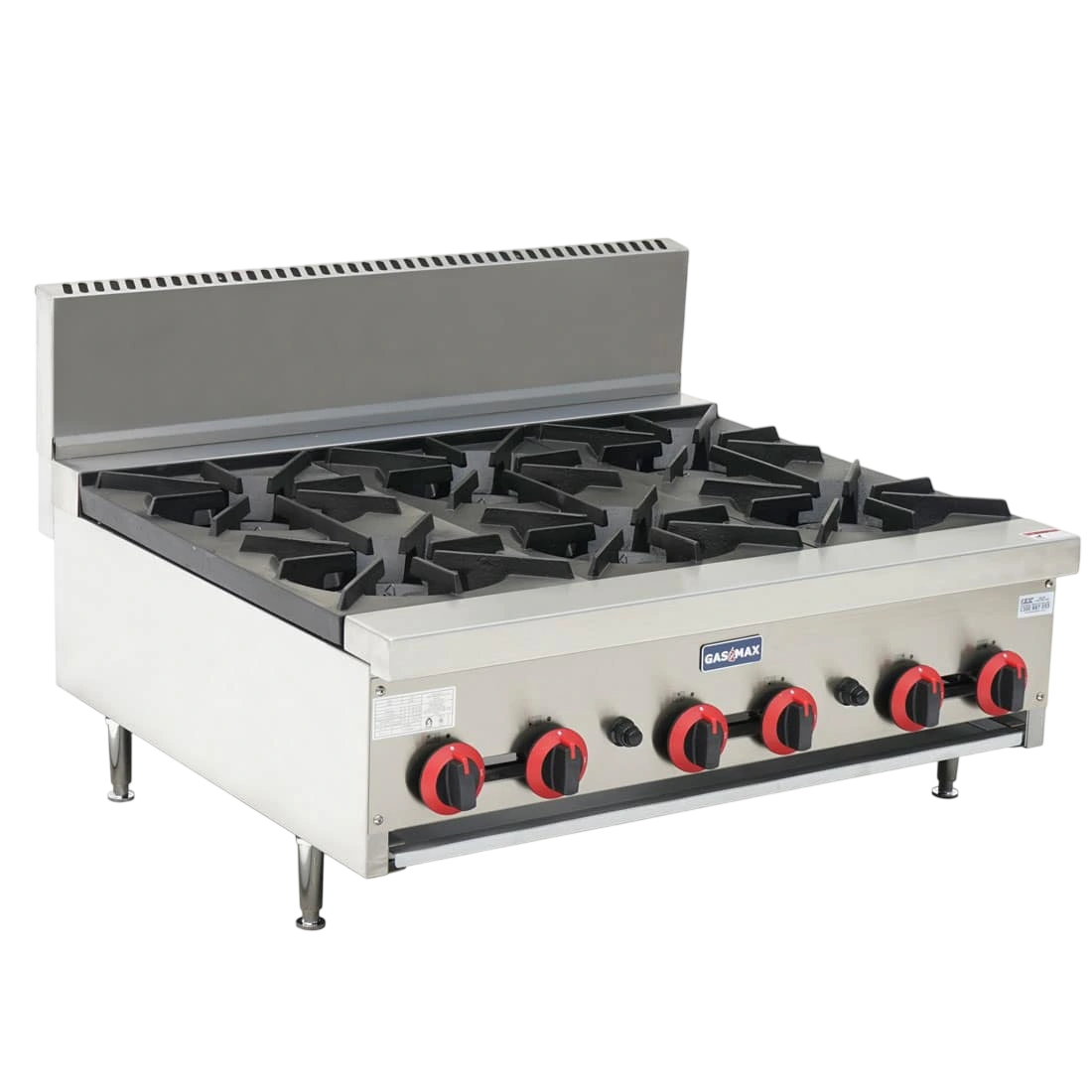
902 × 824 × 575mm
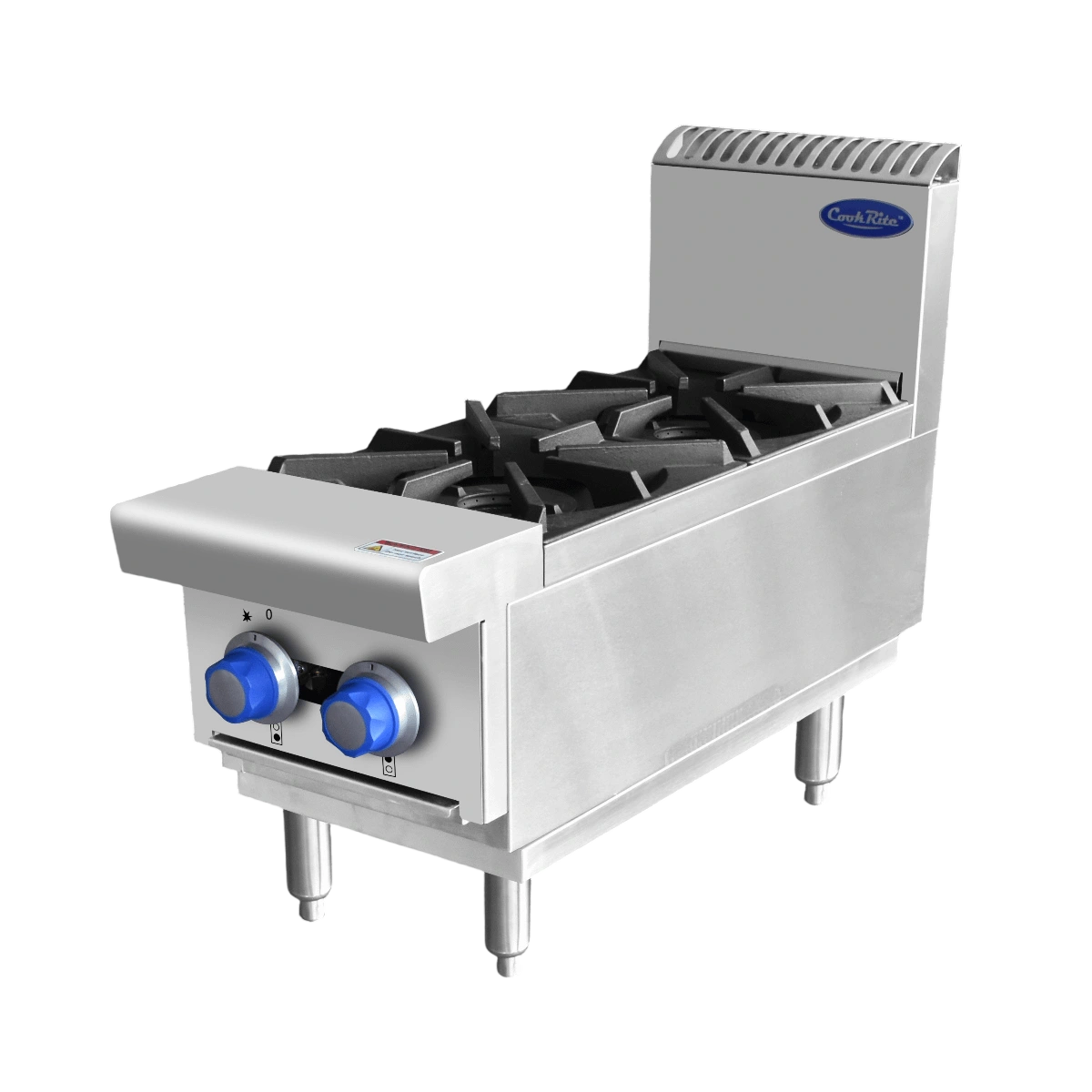
300 × 800 × 562mm
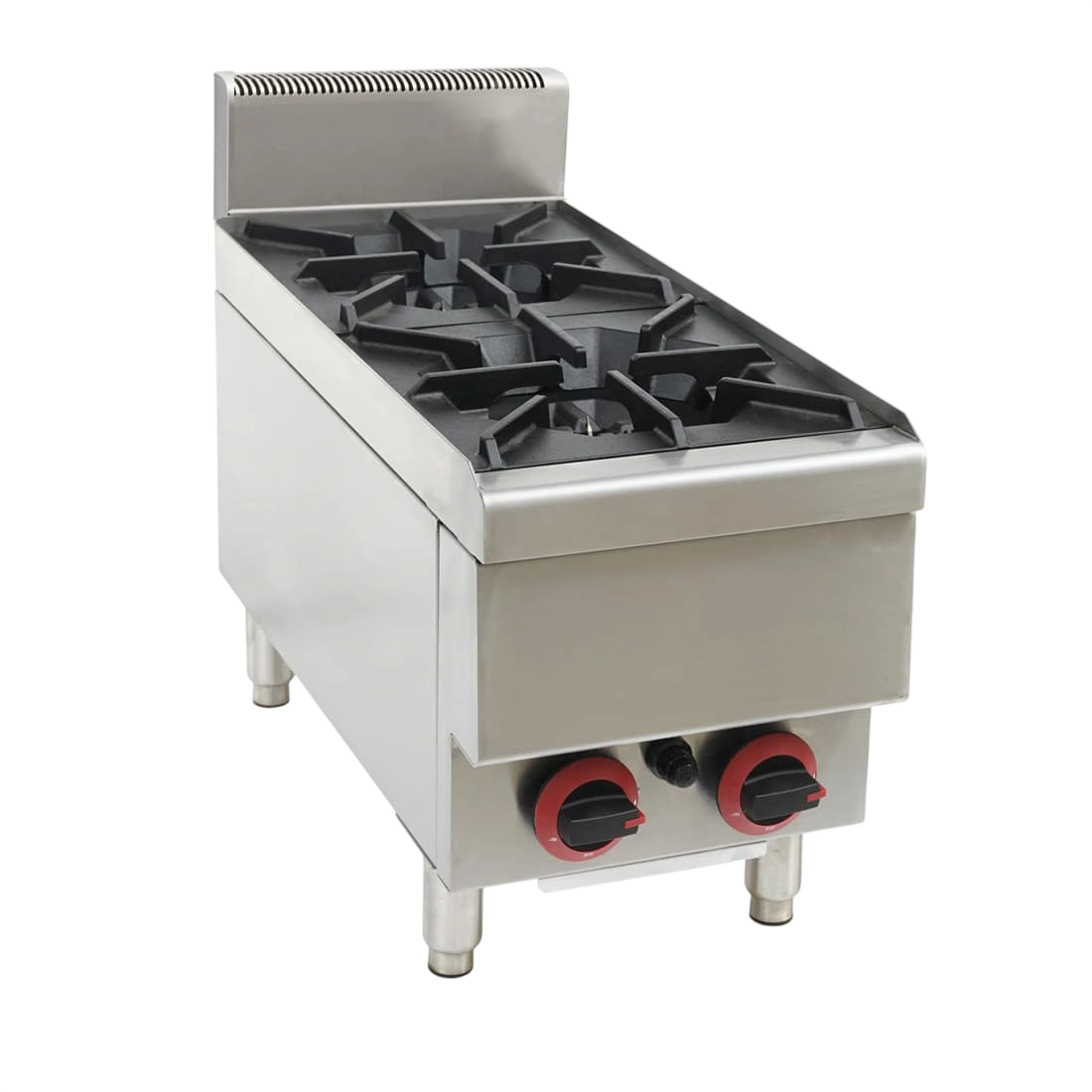
305 × 652 × 538mm
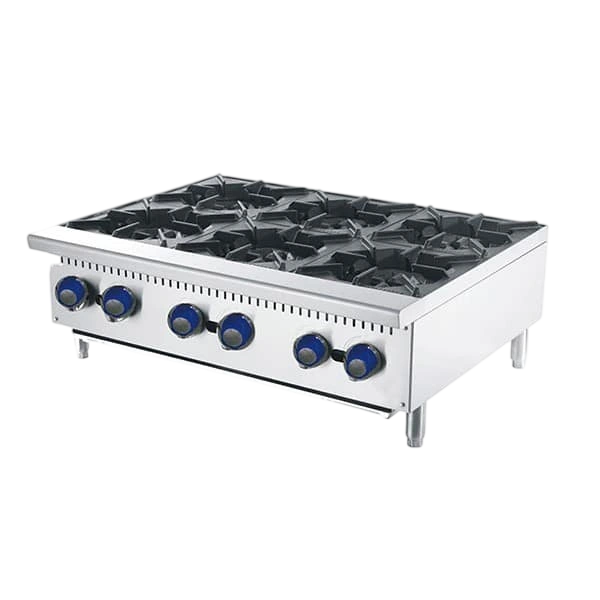
910 × 700 × 332mm
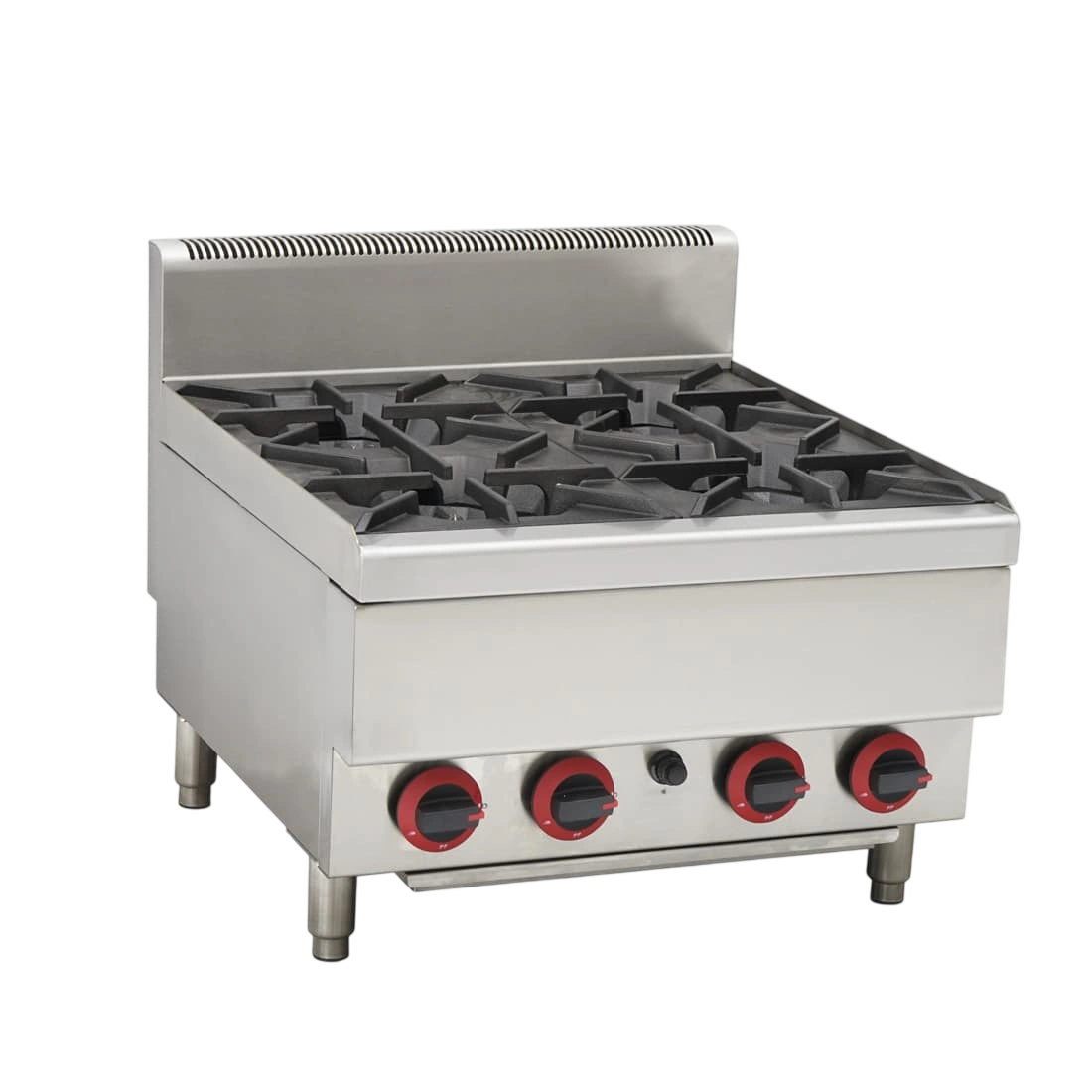
605 × 652 × 538mm
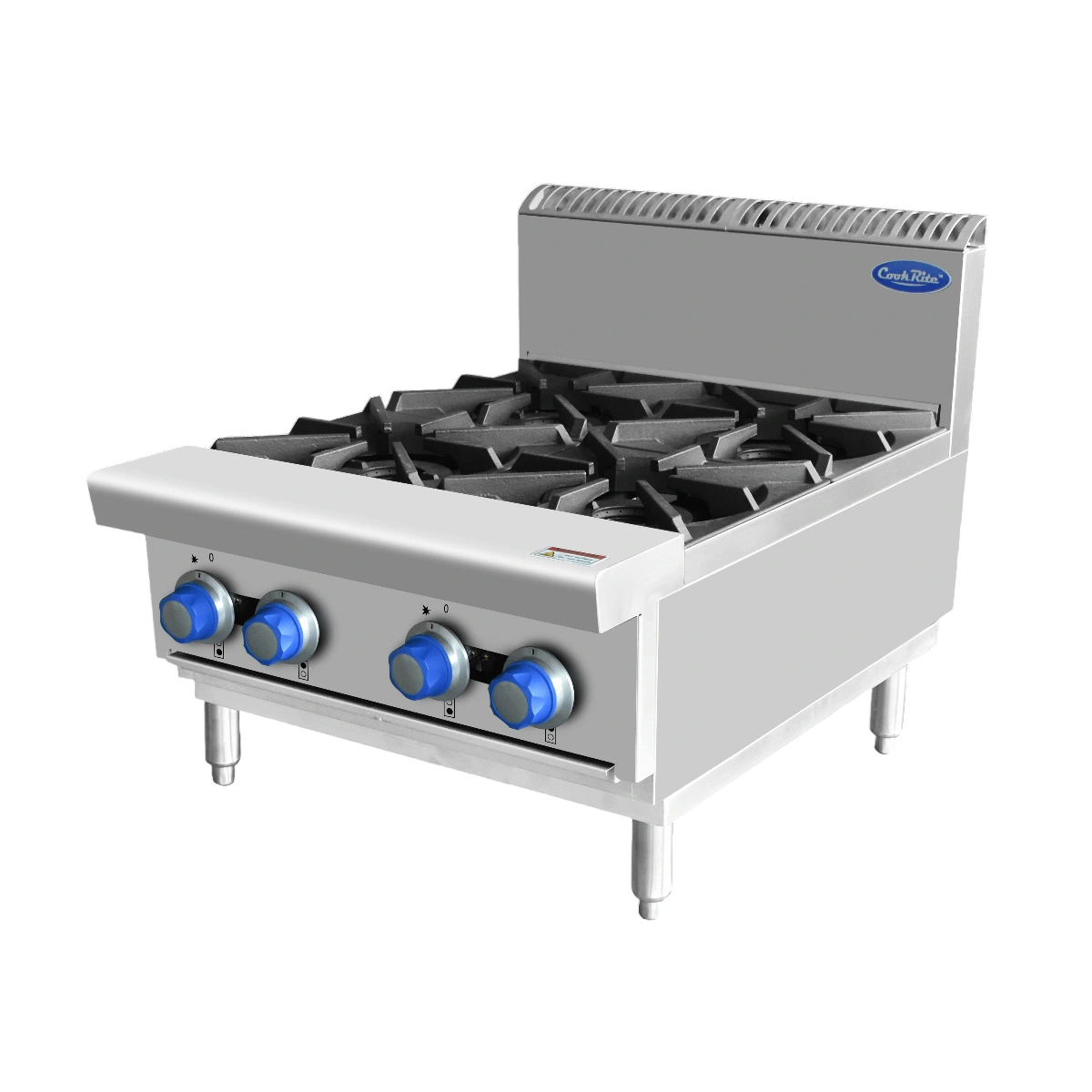
600 × 800 × 562mm
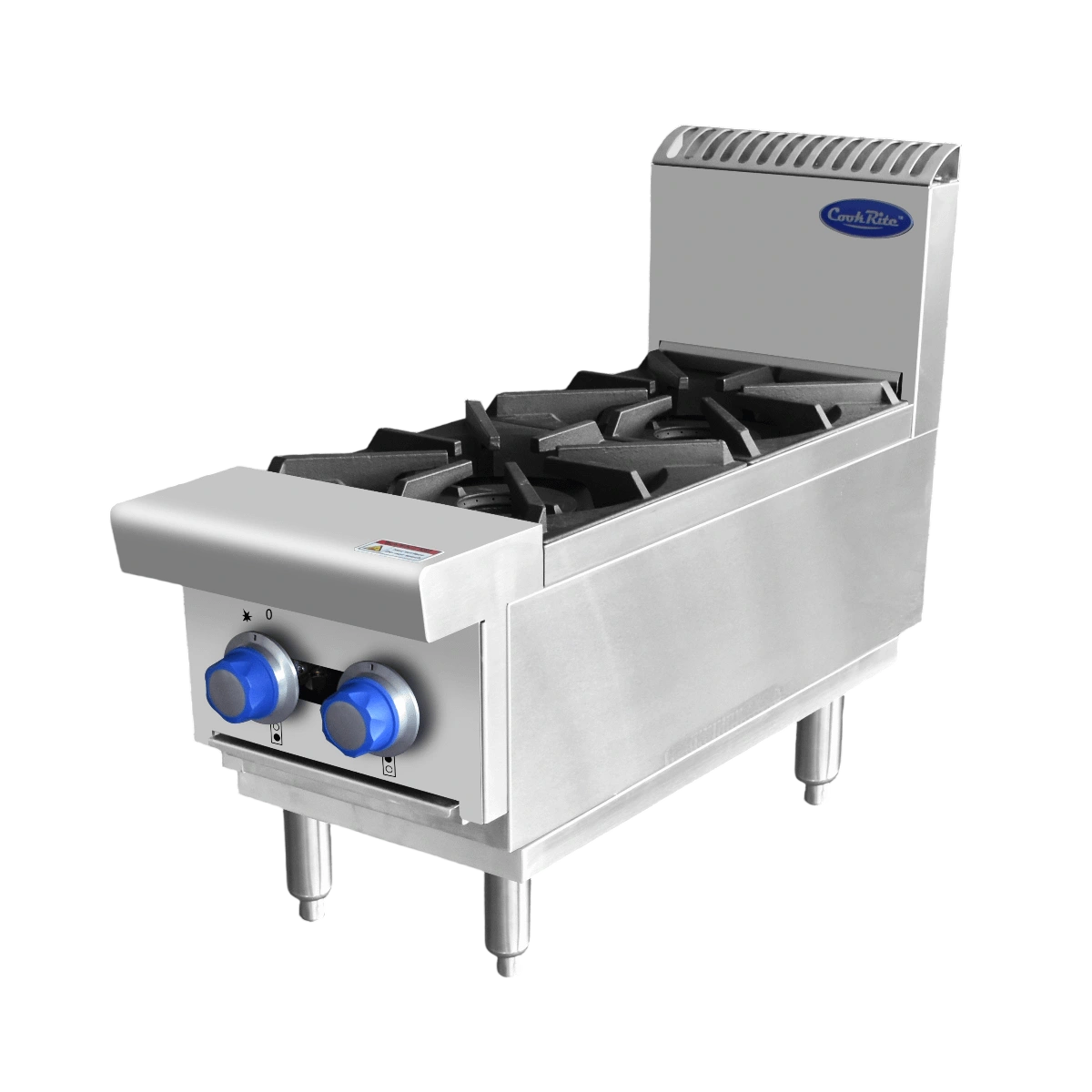
300 × 800 × 562mm
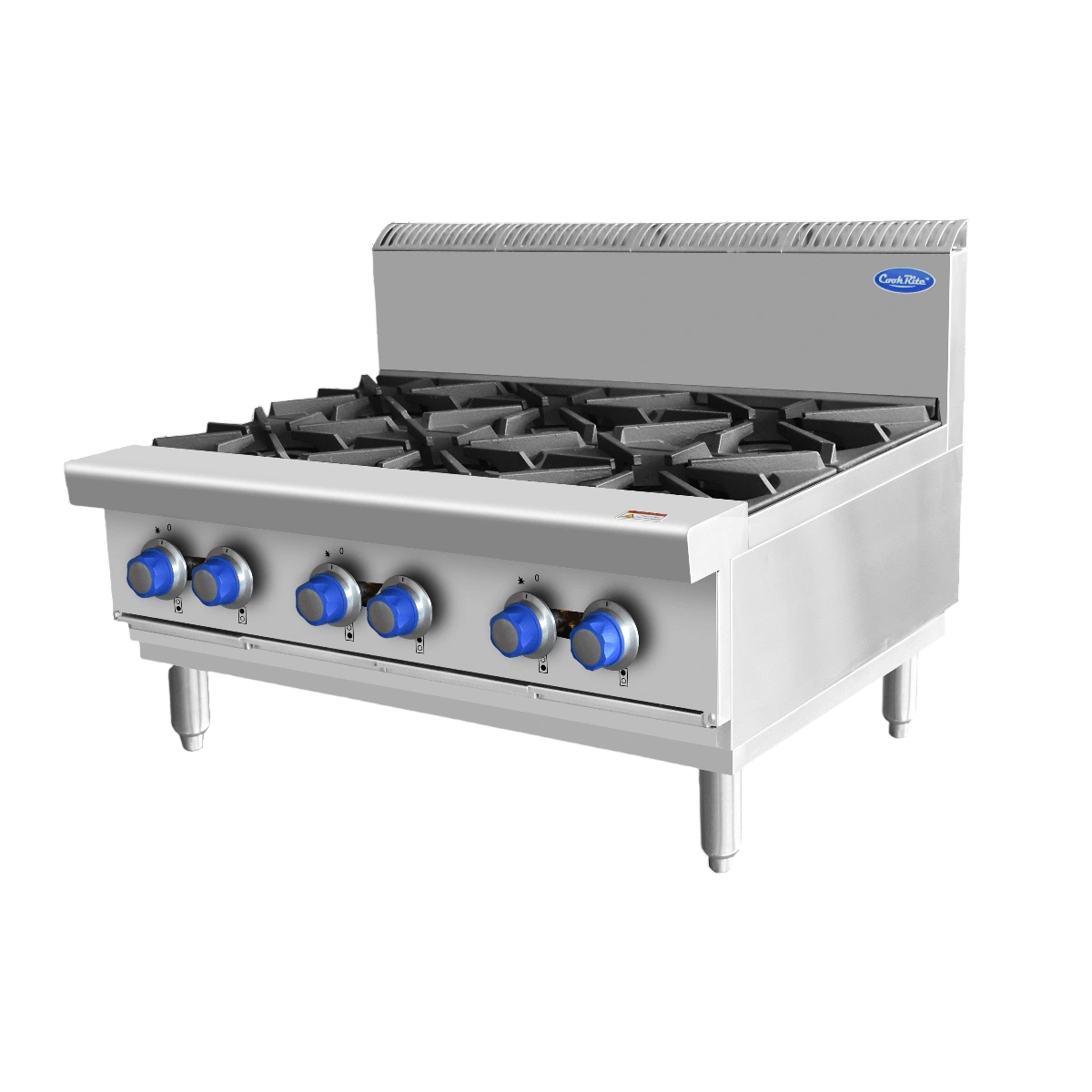
900 × 800 × 562mm
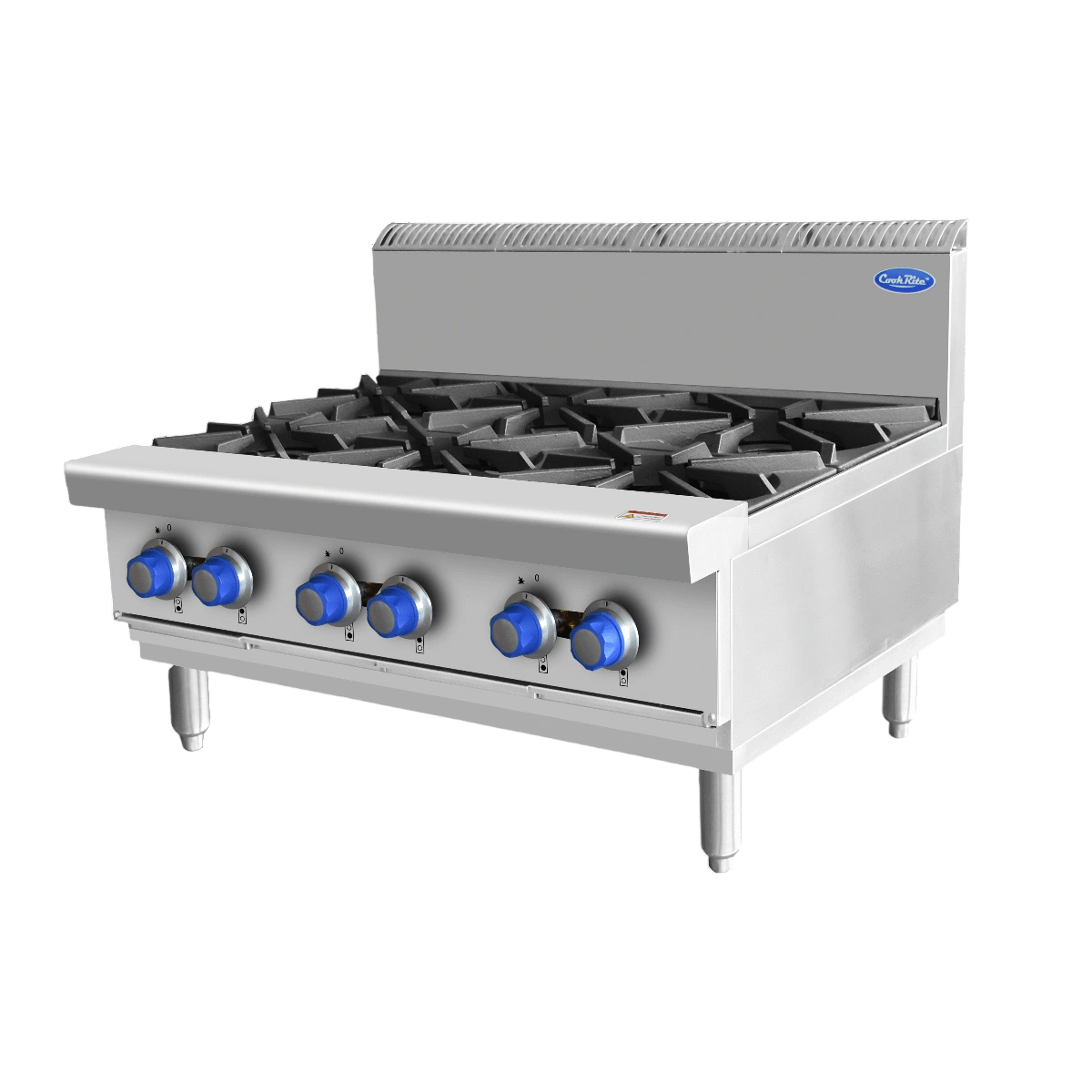
900 × 800 × 562mm
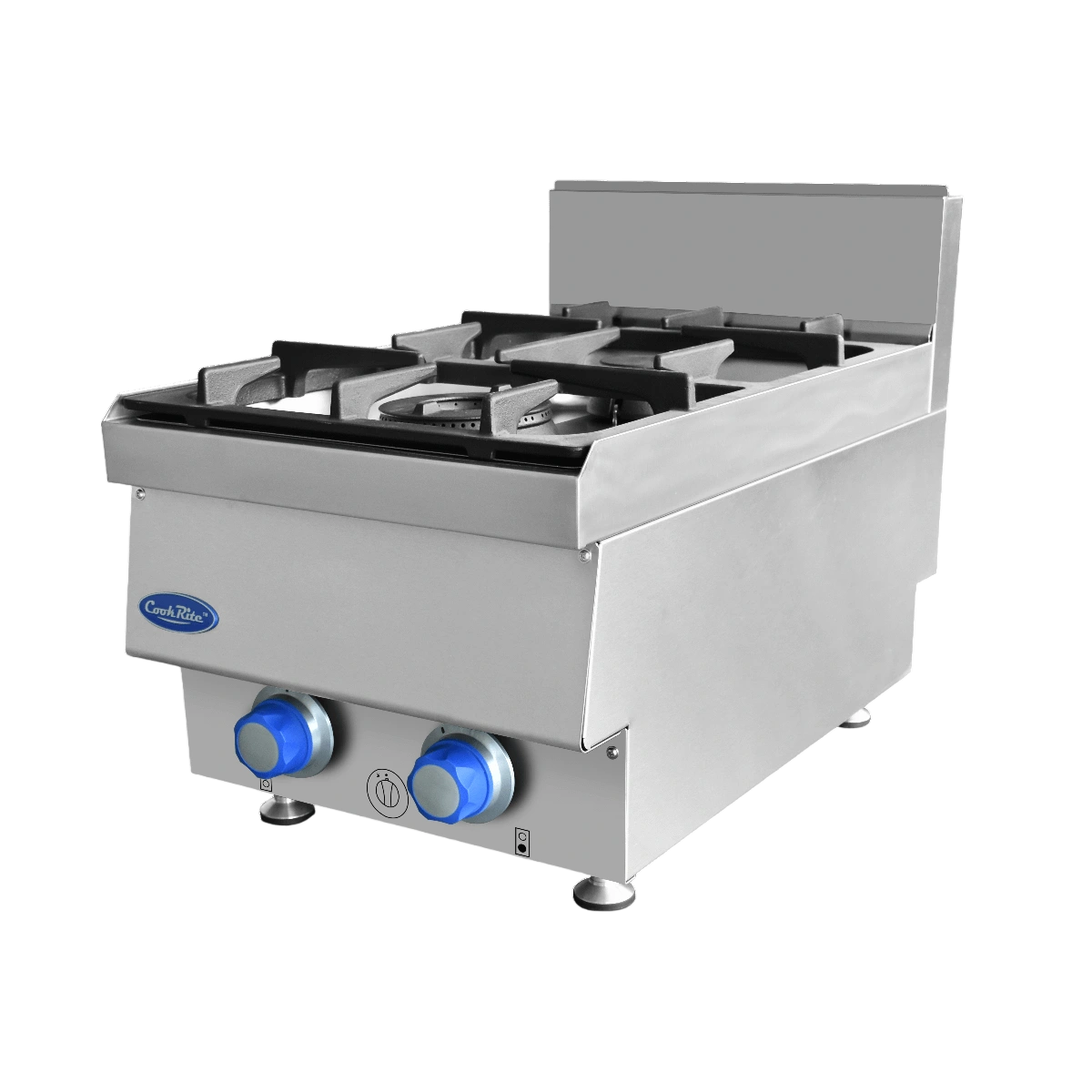
400 × 650 × 485mm
400 × 650 × 485mm
600 × 800 × 475mm
600 × 800 × 485mm
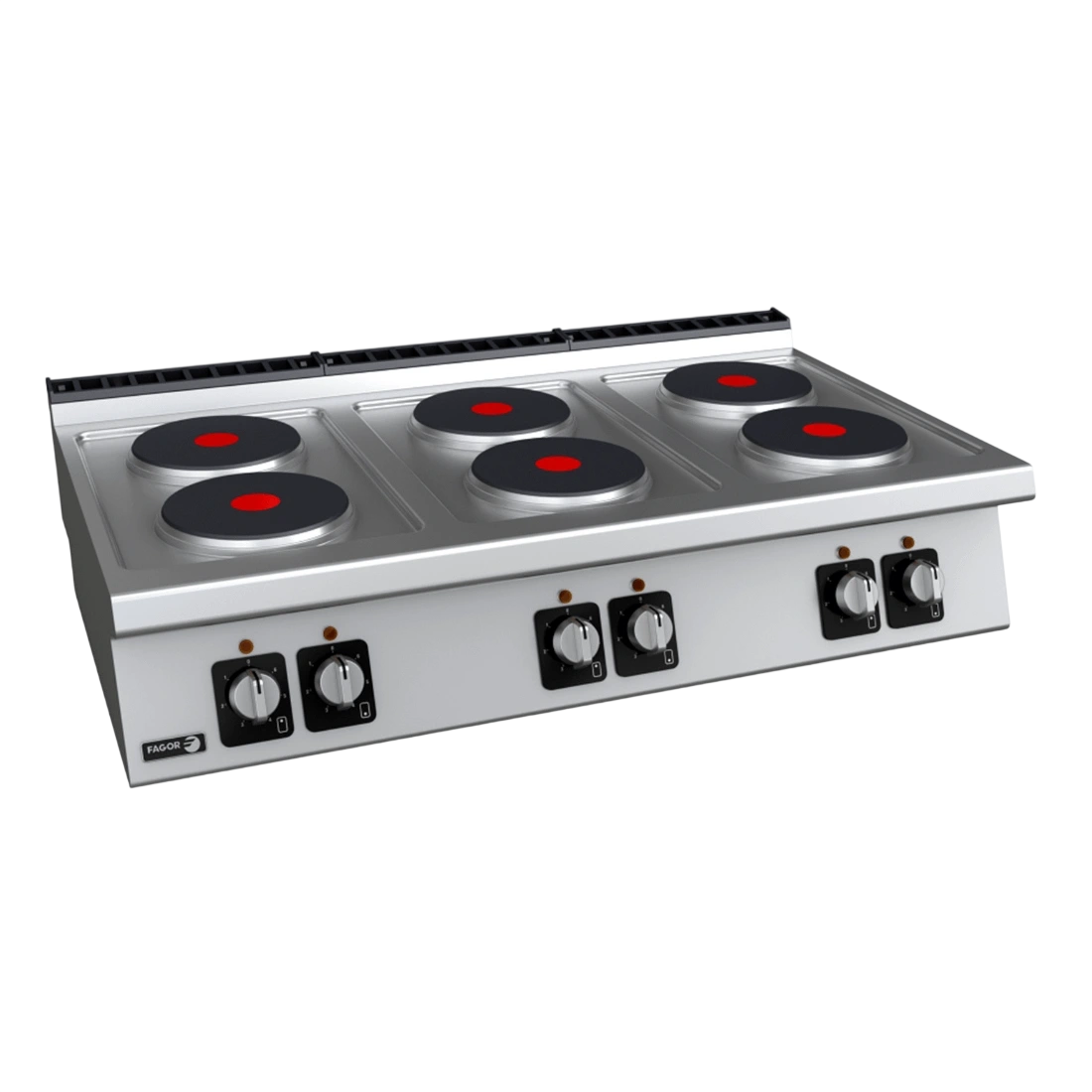
1200 × 730 × 290mm
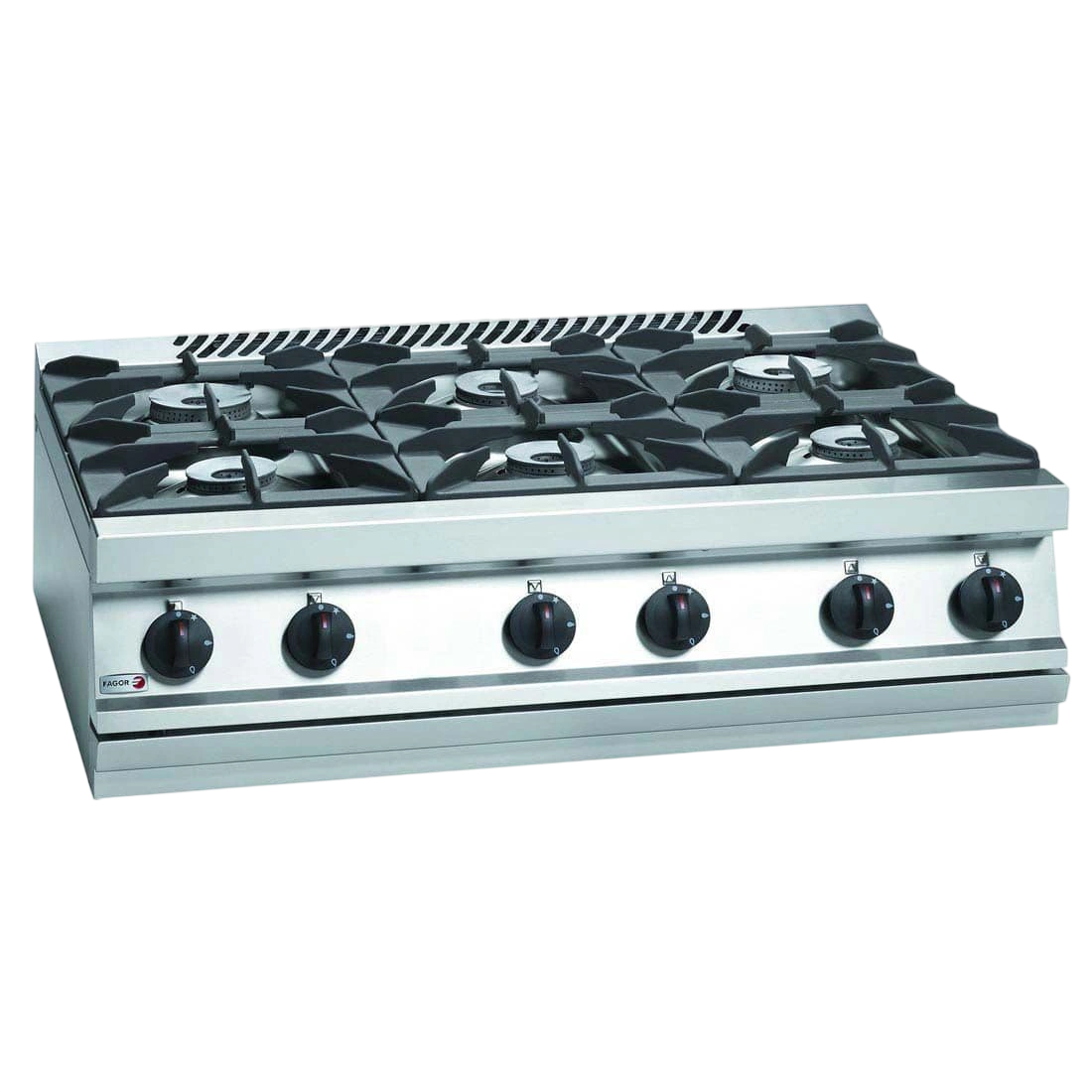
1050 × 775 × 290mm
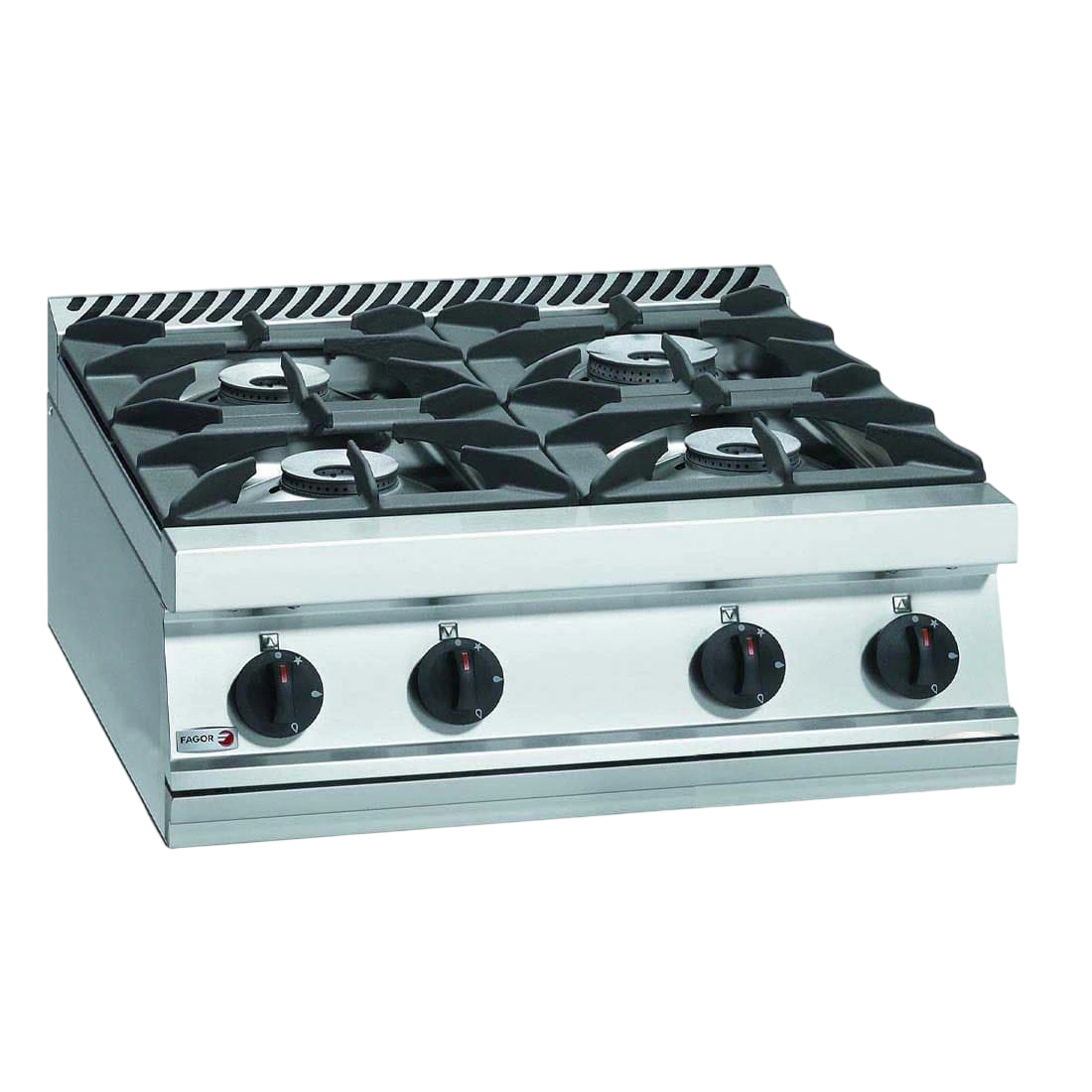
700 × 775 × 290mm
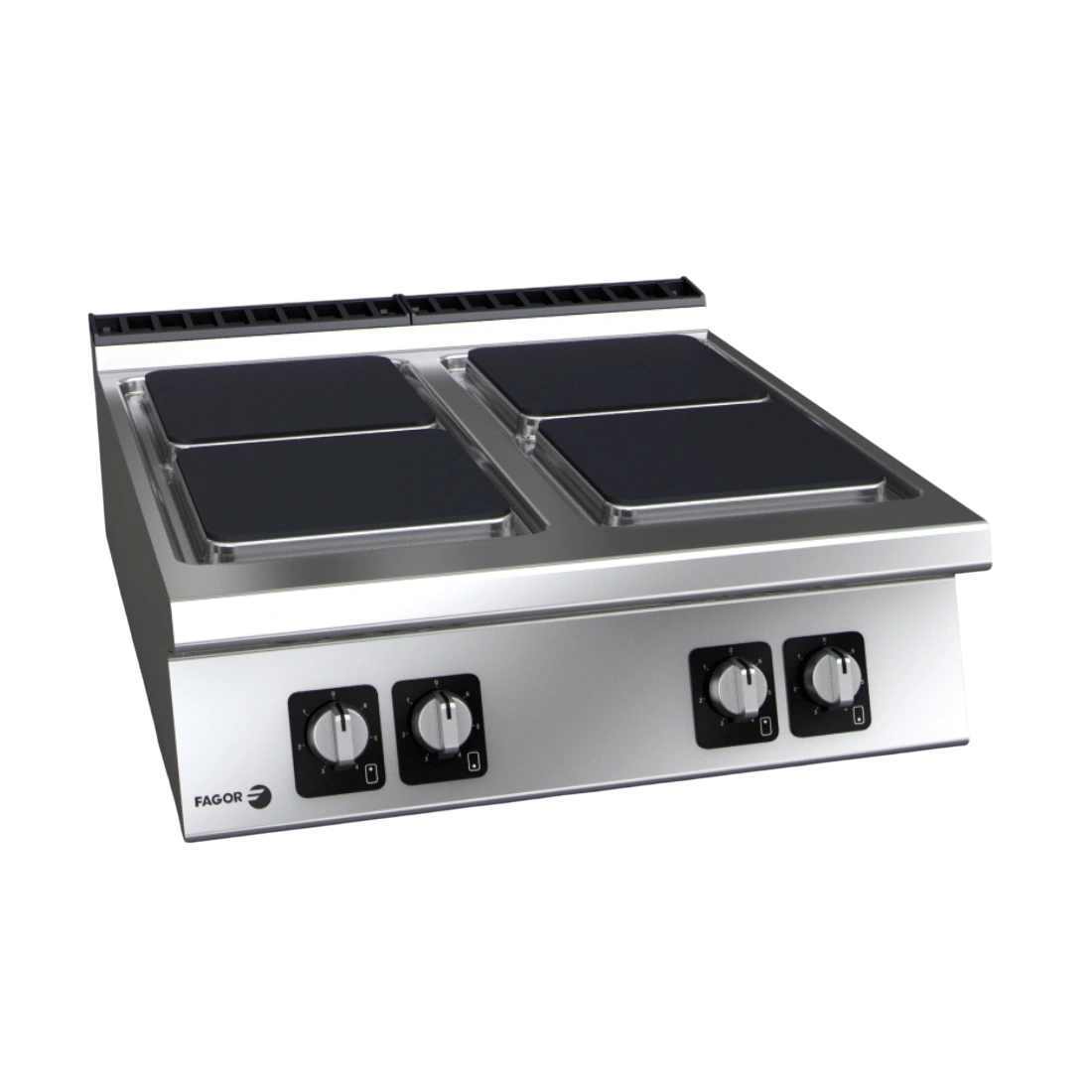
800 × 930 × 290mm
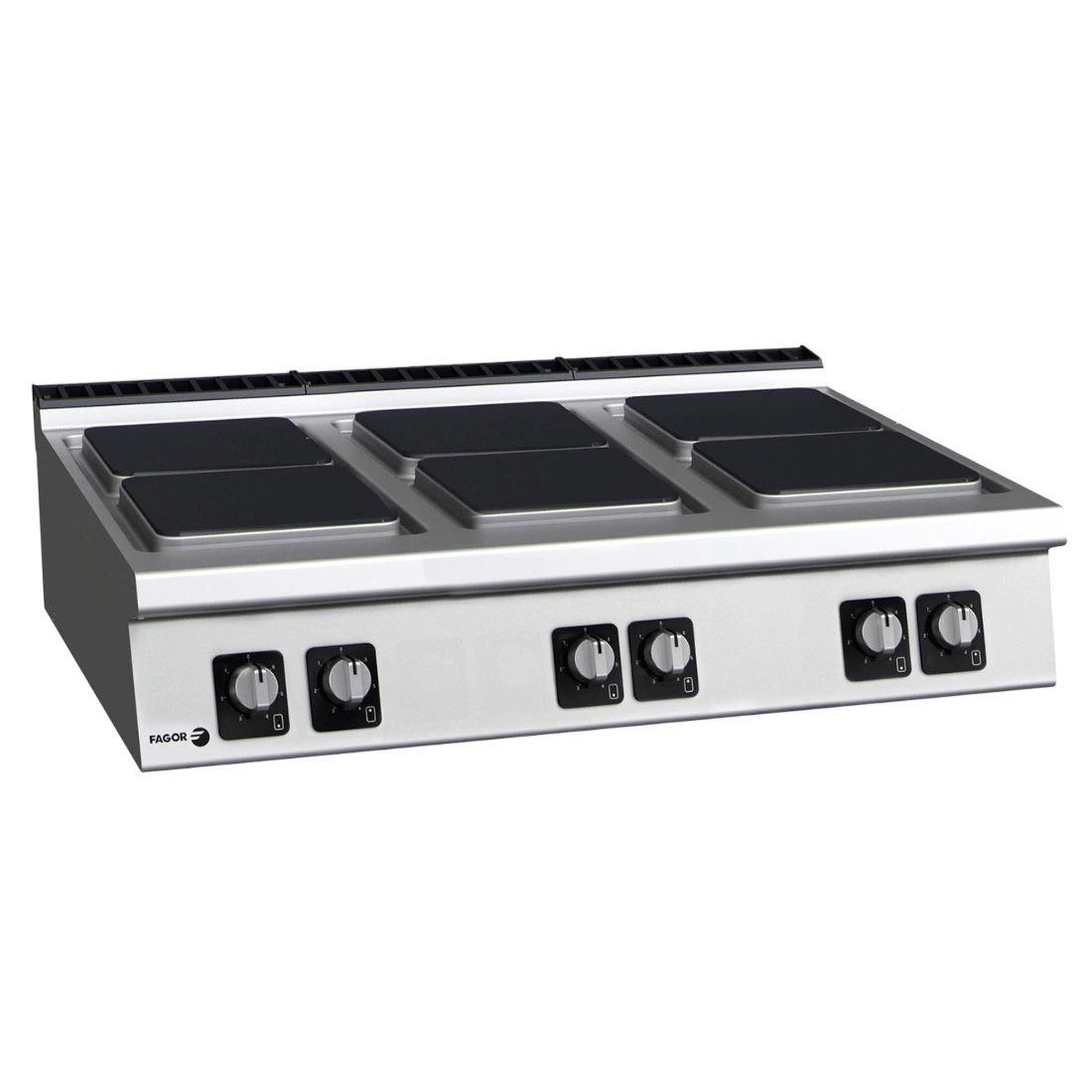
1200 × 930 × 290mm
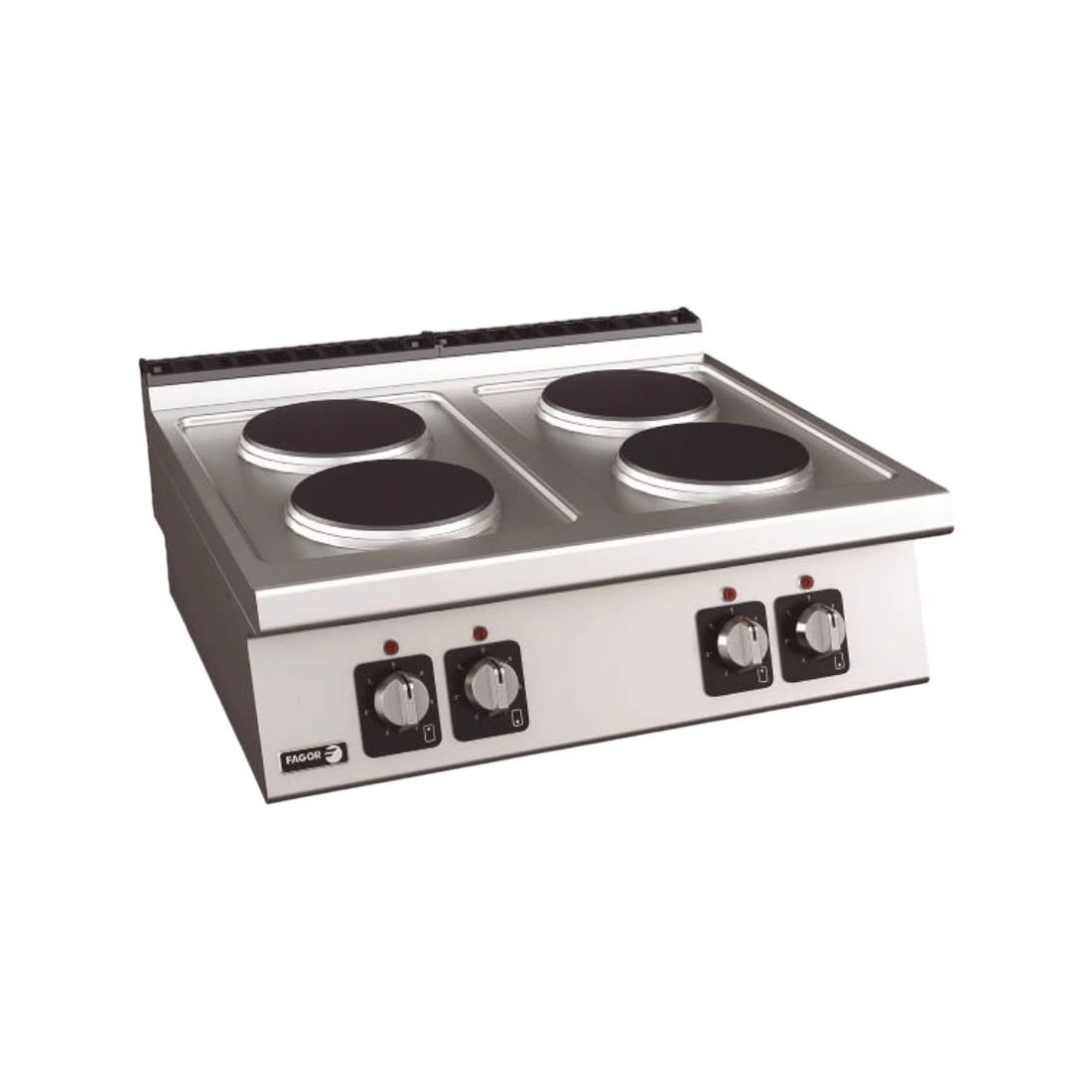
800 × 730 × 290mm
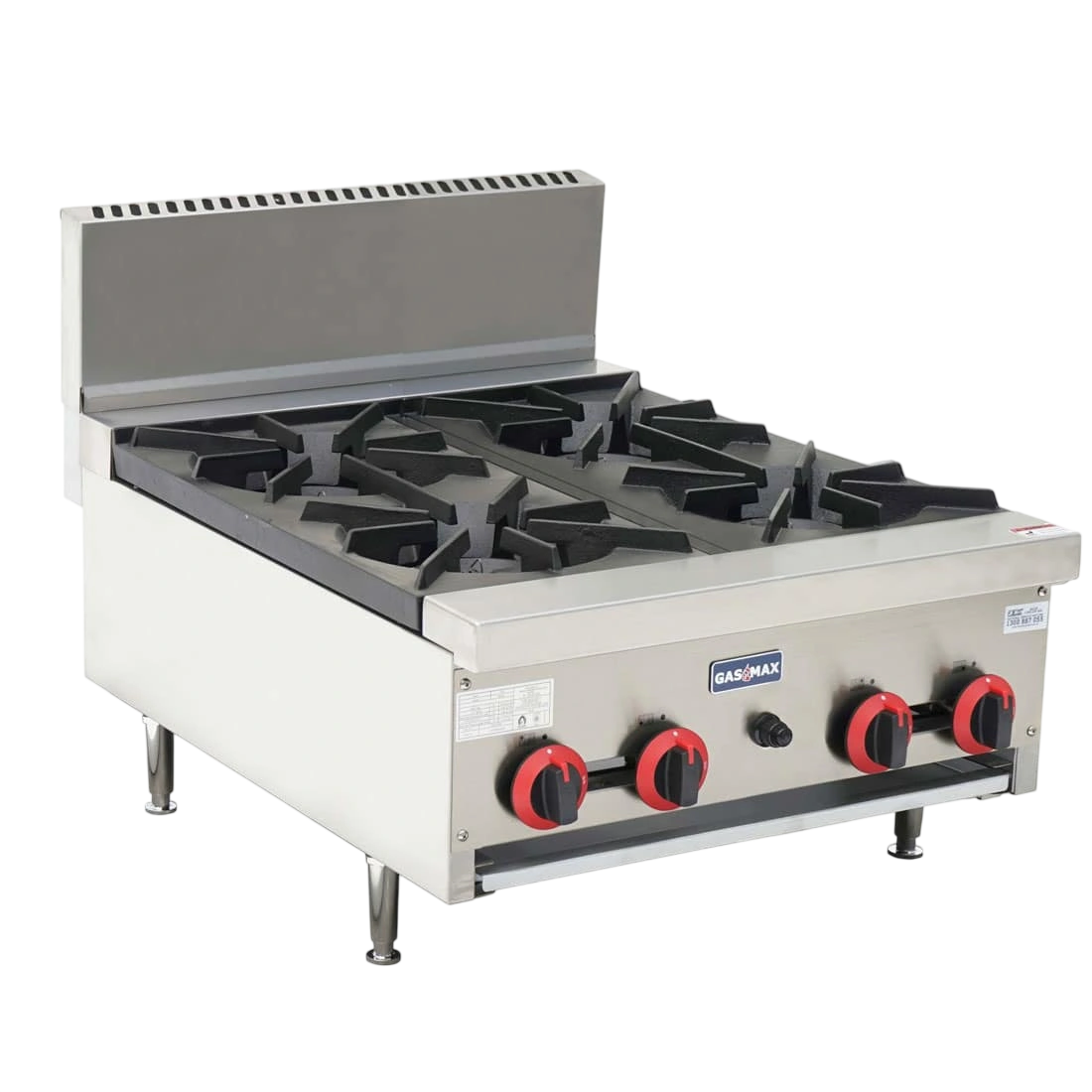
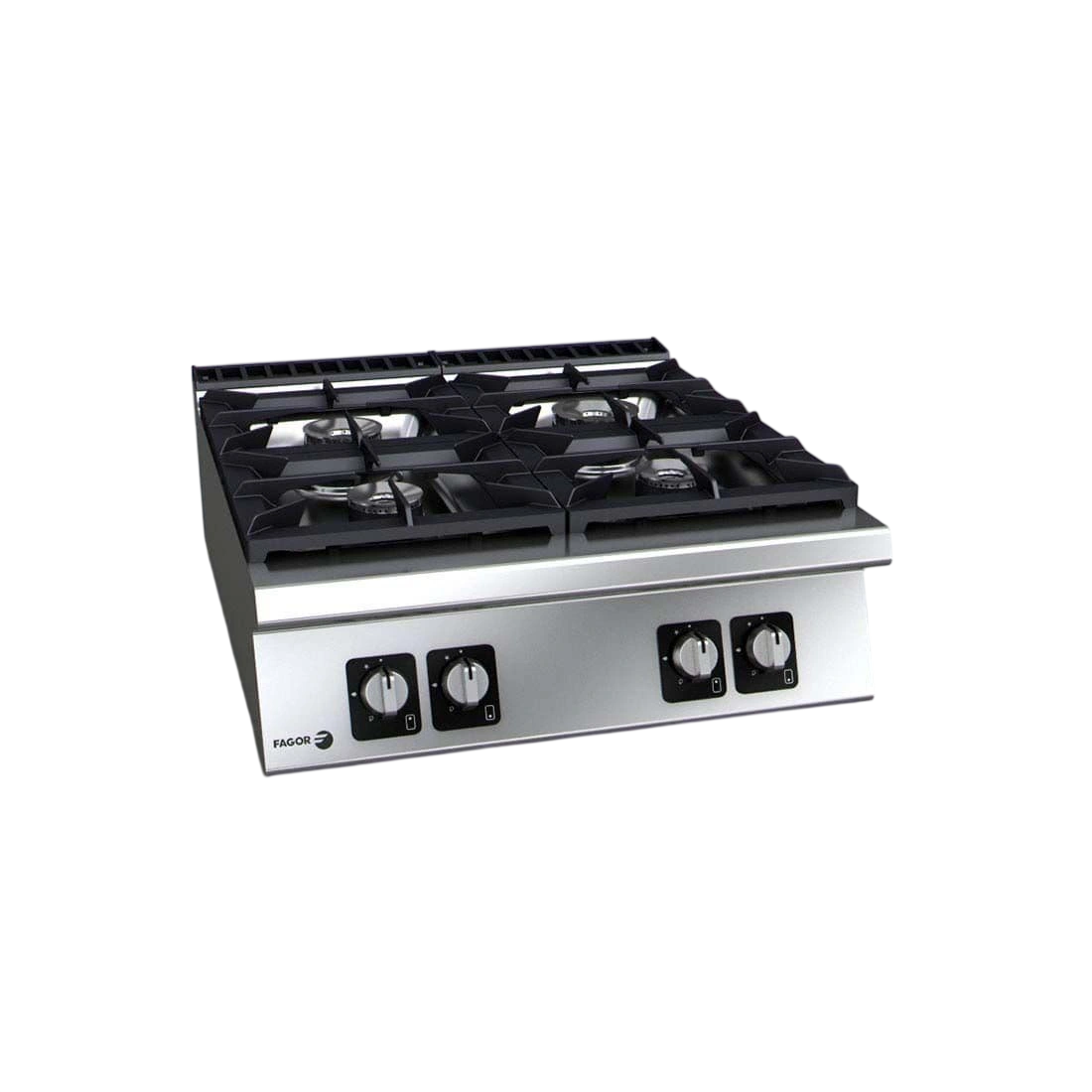
800 × 930 × 290mm
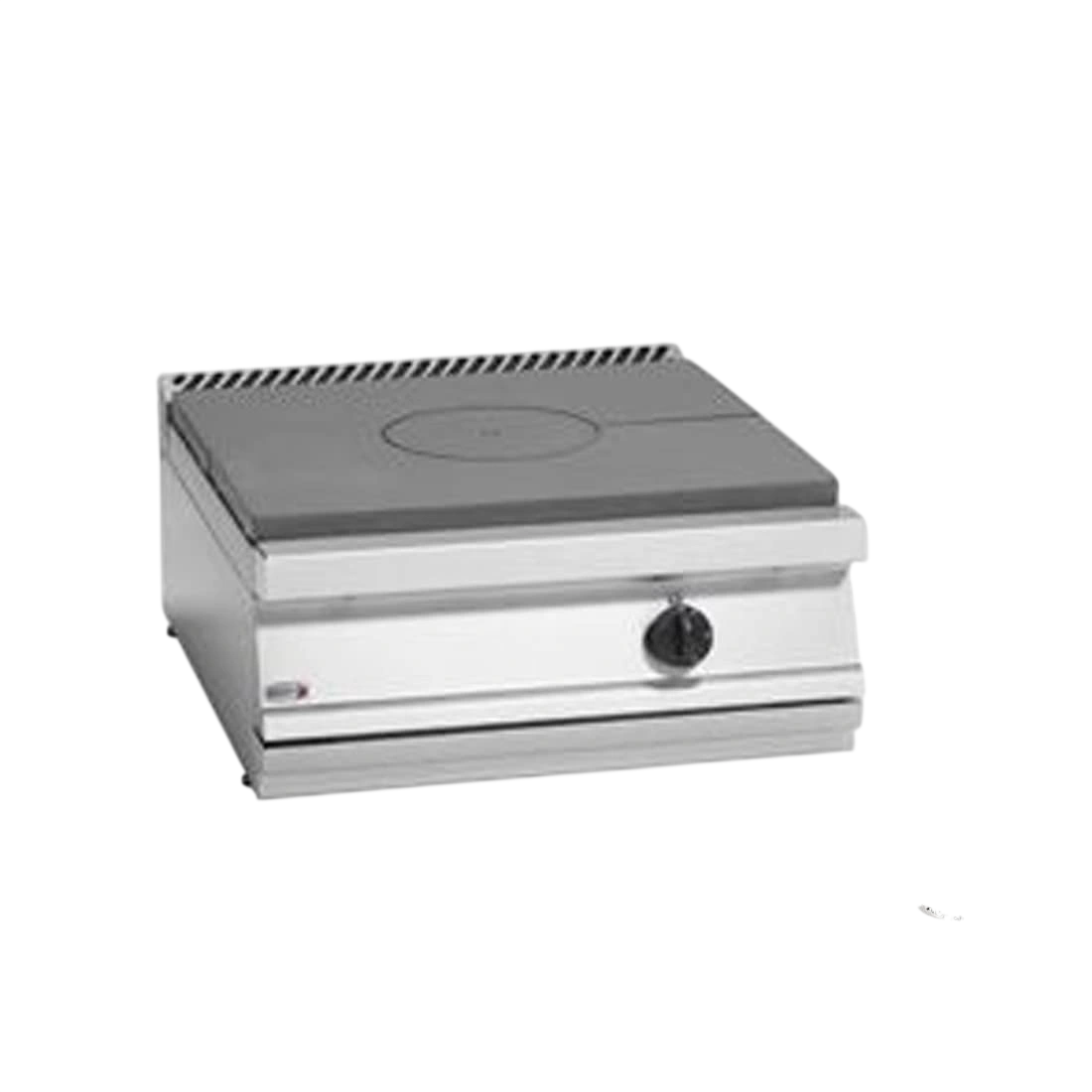
700 × 775 × 290mm
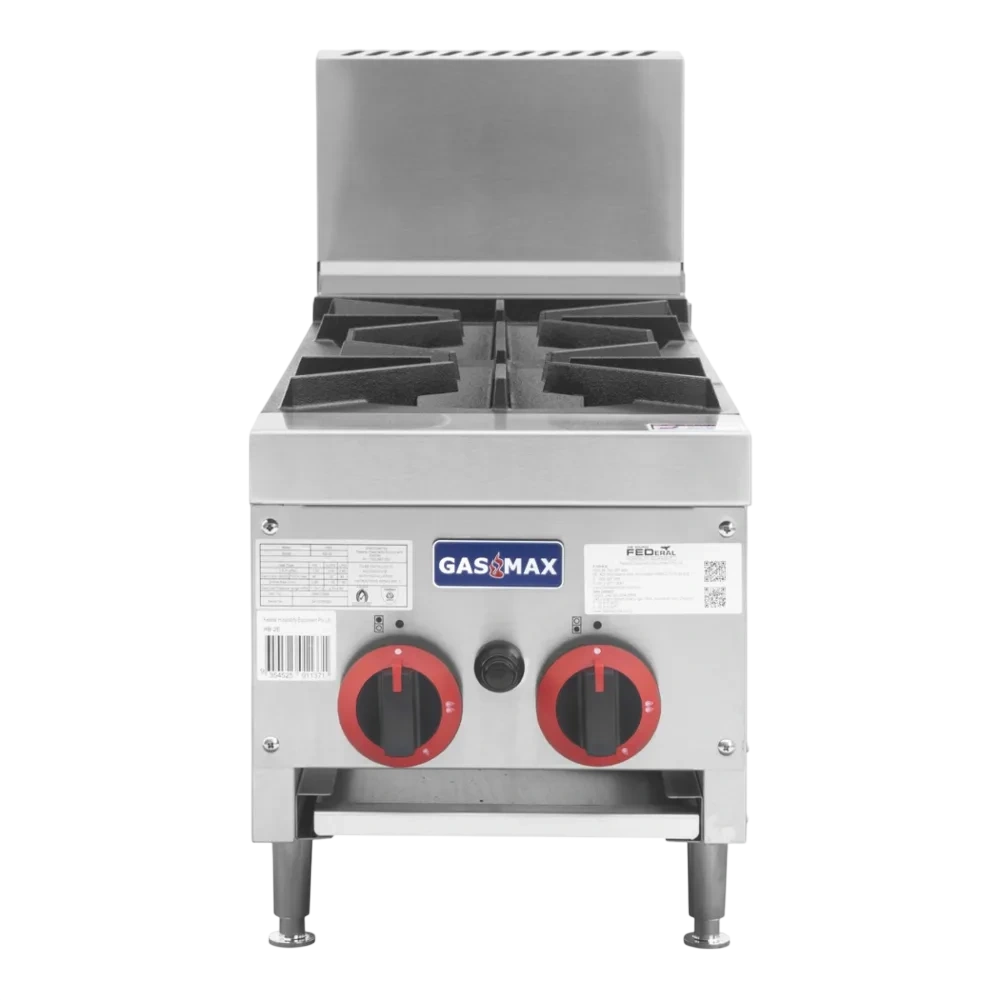
302 × 824 × 575mm
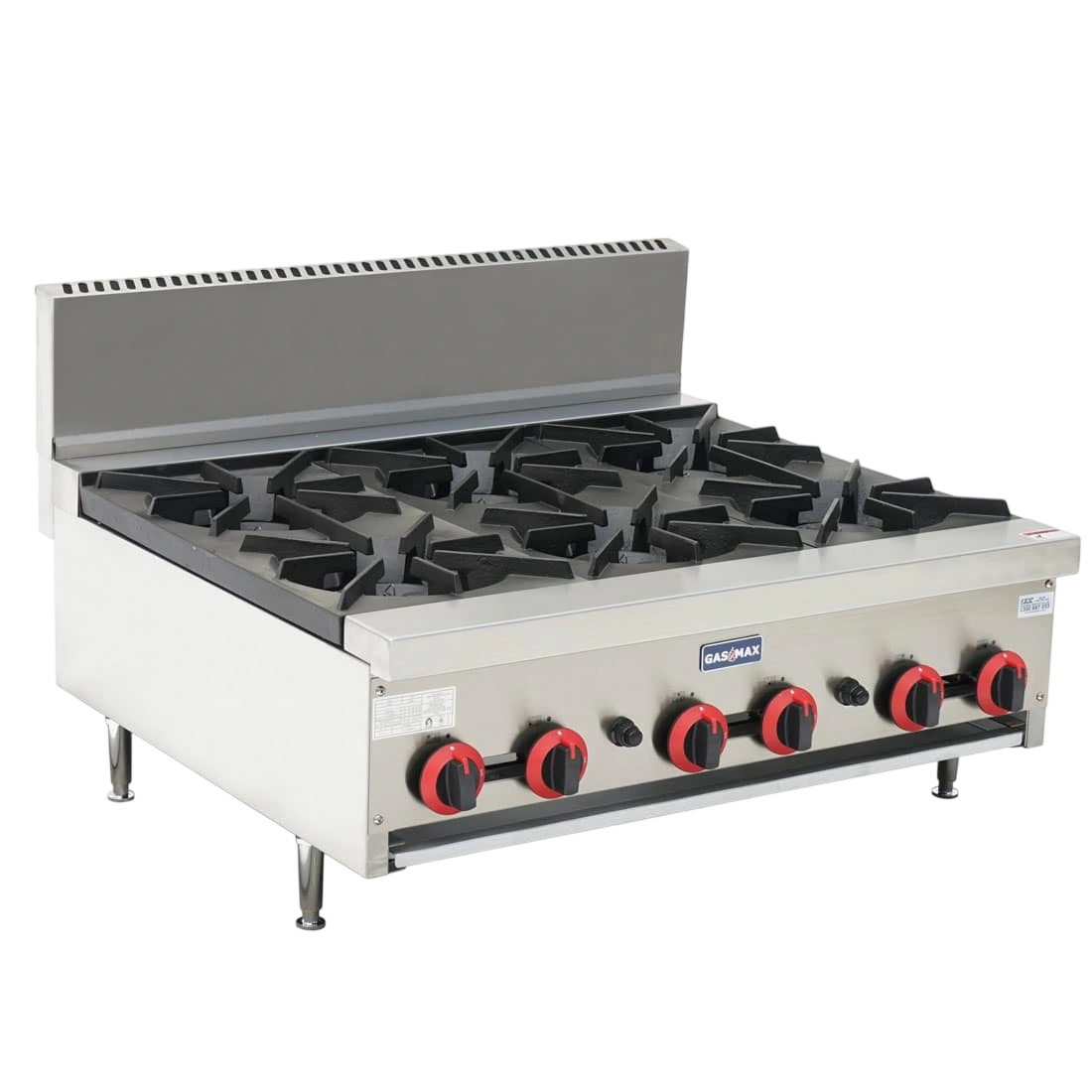
902 × 824 × 575mm
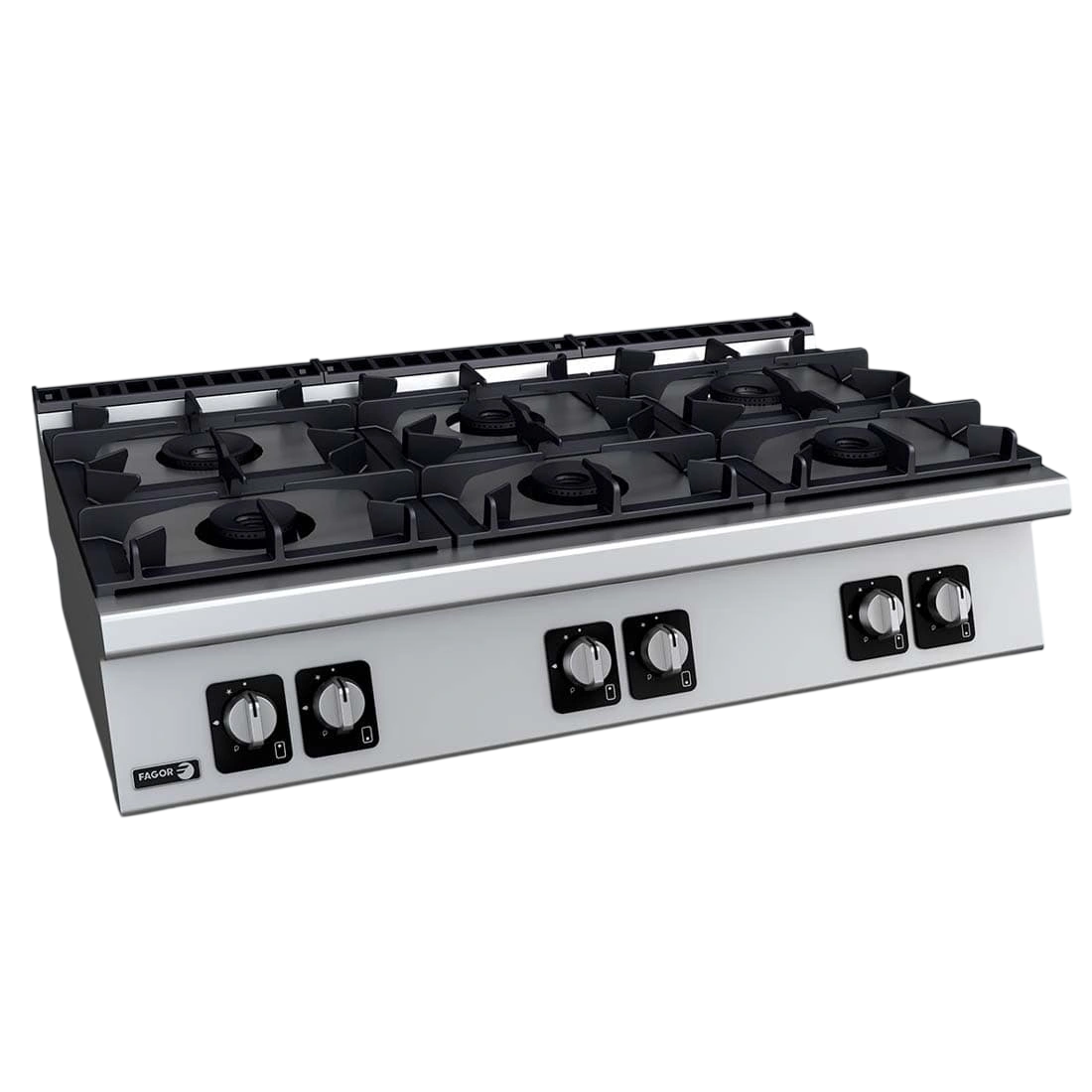
1200 × 730 × 290mm
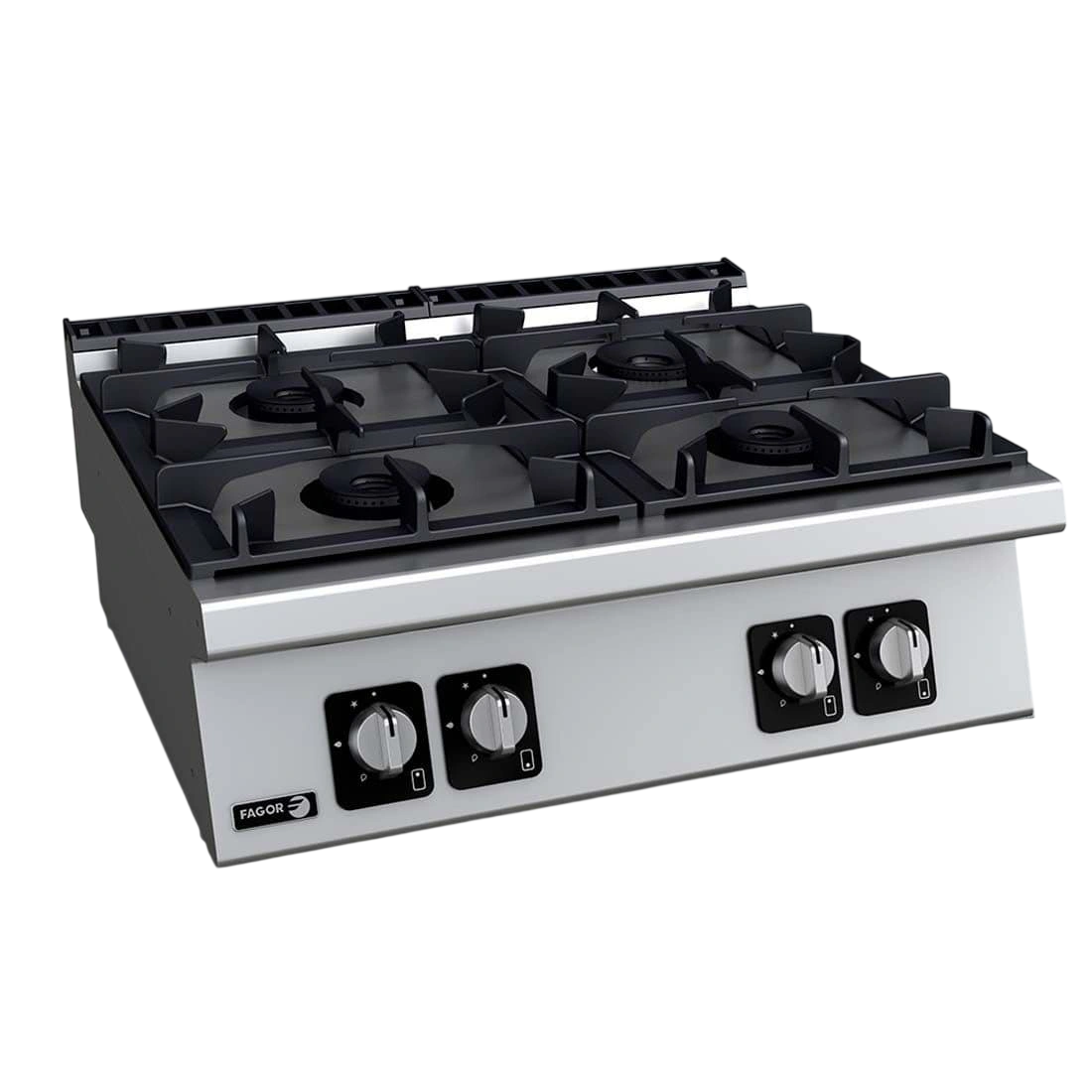
800 × 730 × 290mm
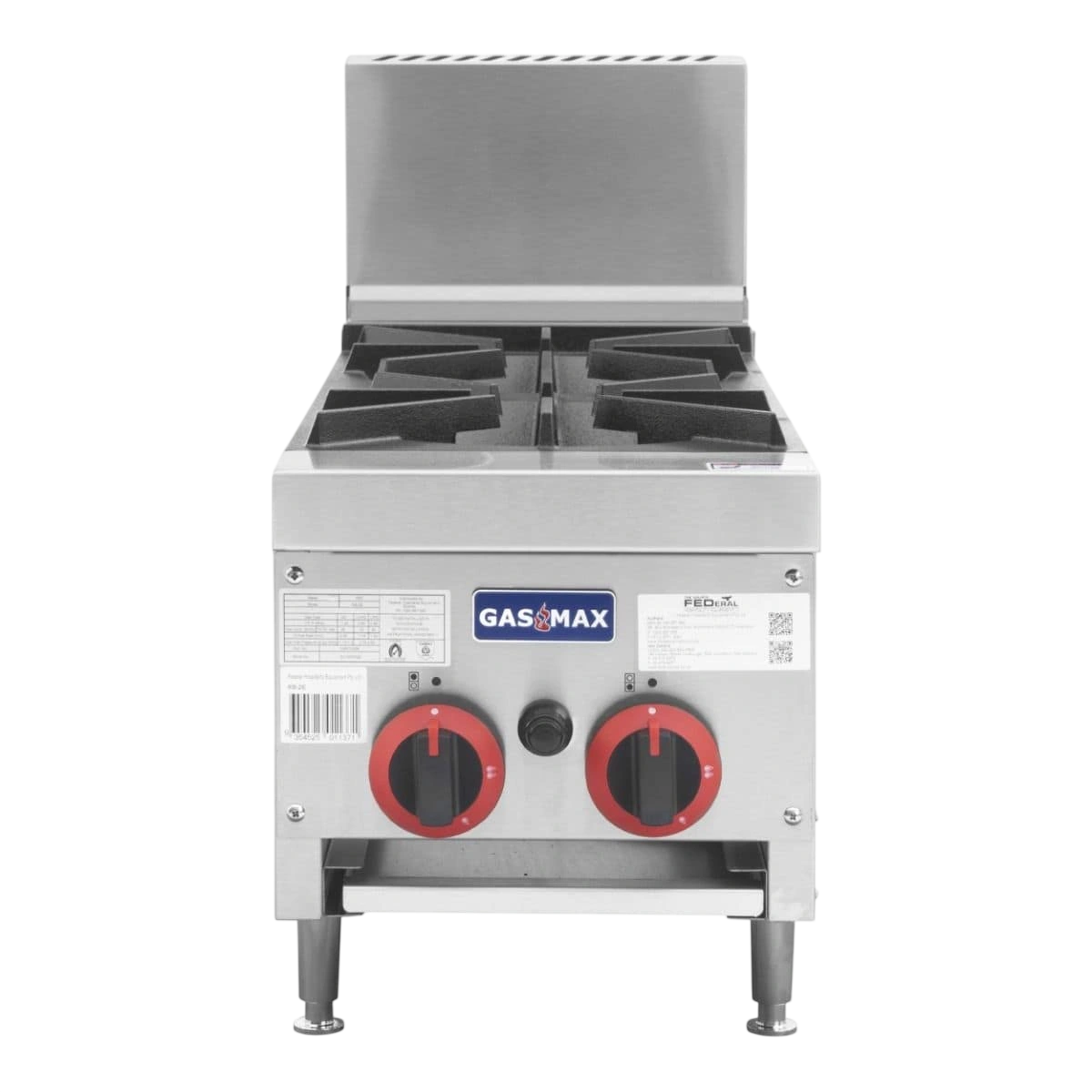
300 × 805 × 530mm
305 × 800 × 485mm
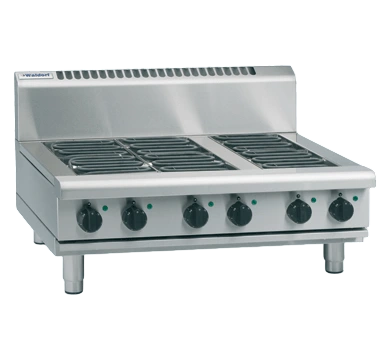
900 × 805 × 530mm
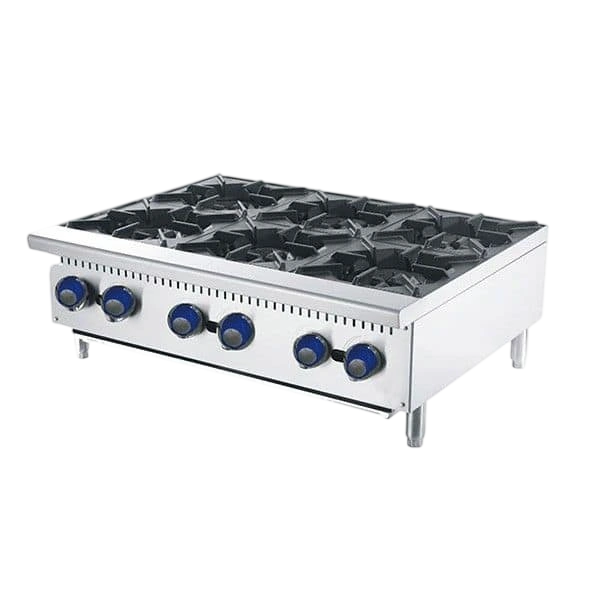
910 × 700 × 332mm
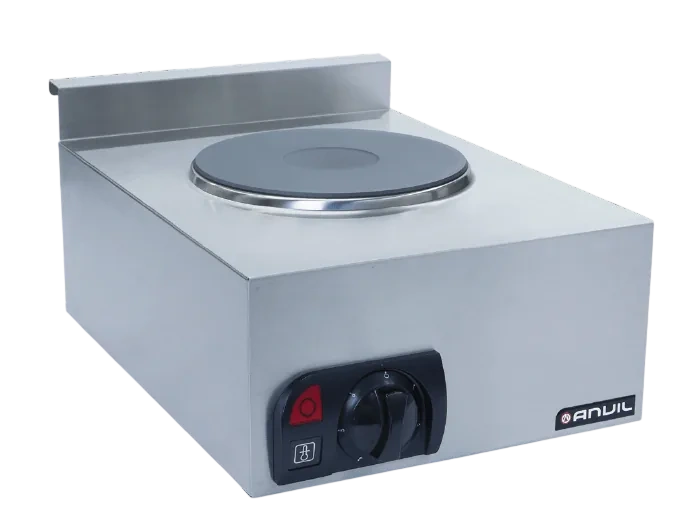
333 × 508 × 225mm
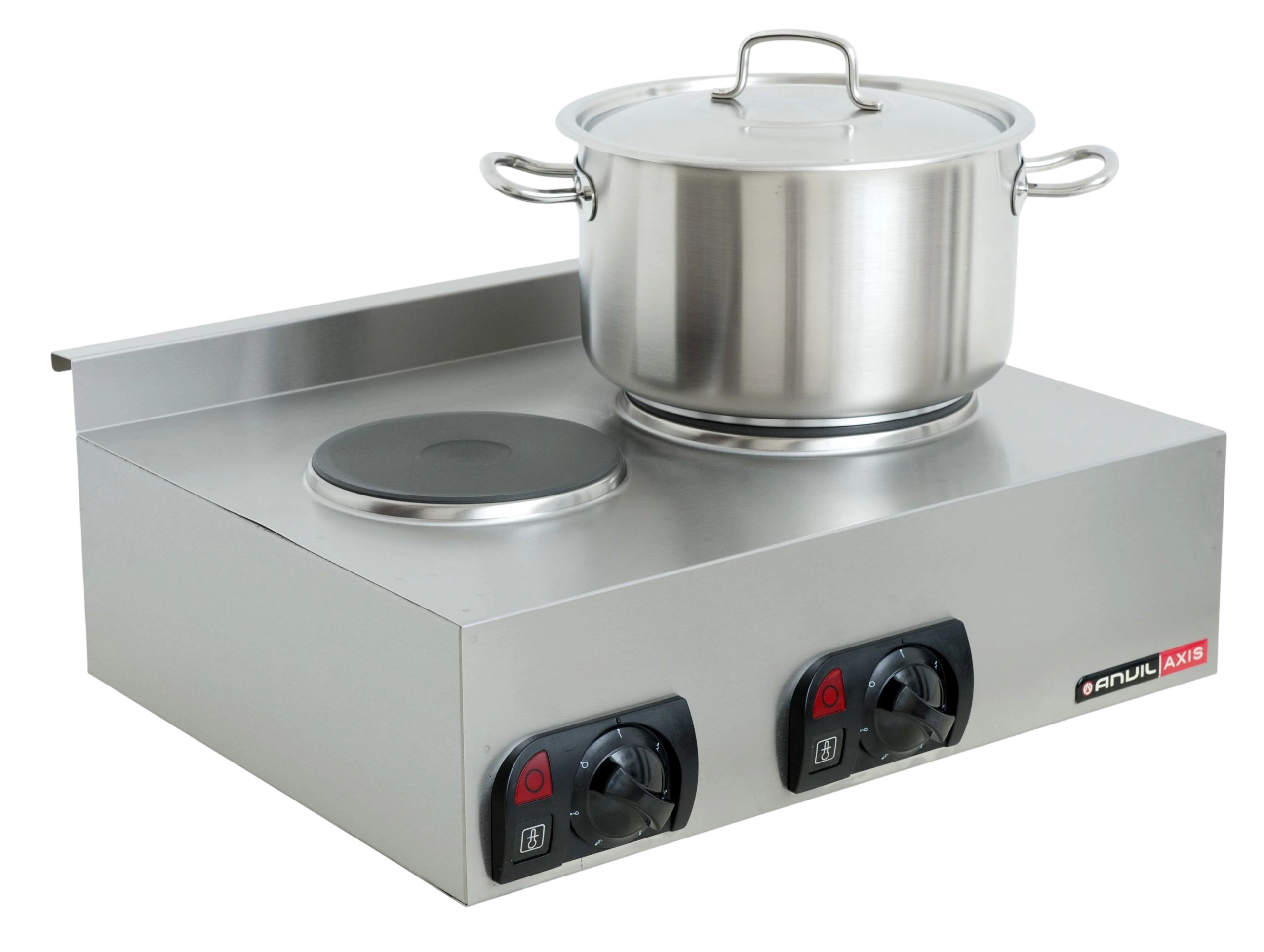
580 × 508 × 225mm
300 × 805 × 372mm