
Woodson
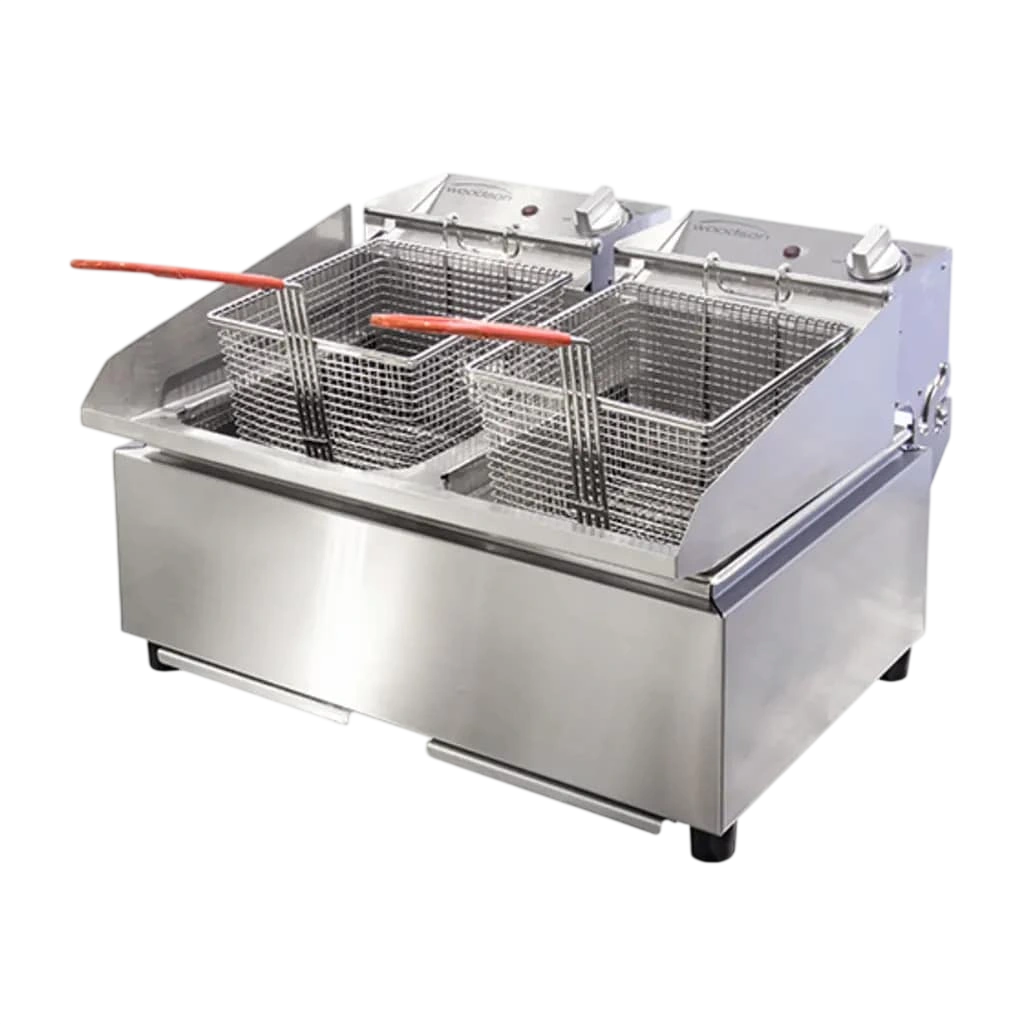
Woodson W.FRT50 Twin Pan Countertop Fryer | 2x5L Double Fryer
550 × 483 × 335mm
$1,139.70$1,310.00
In Stock
Commercial Fryers
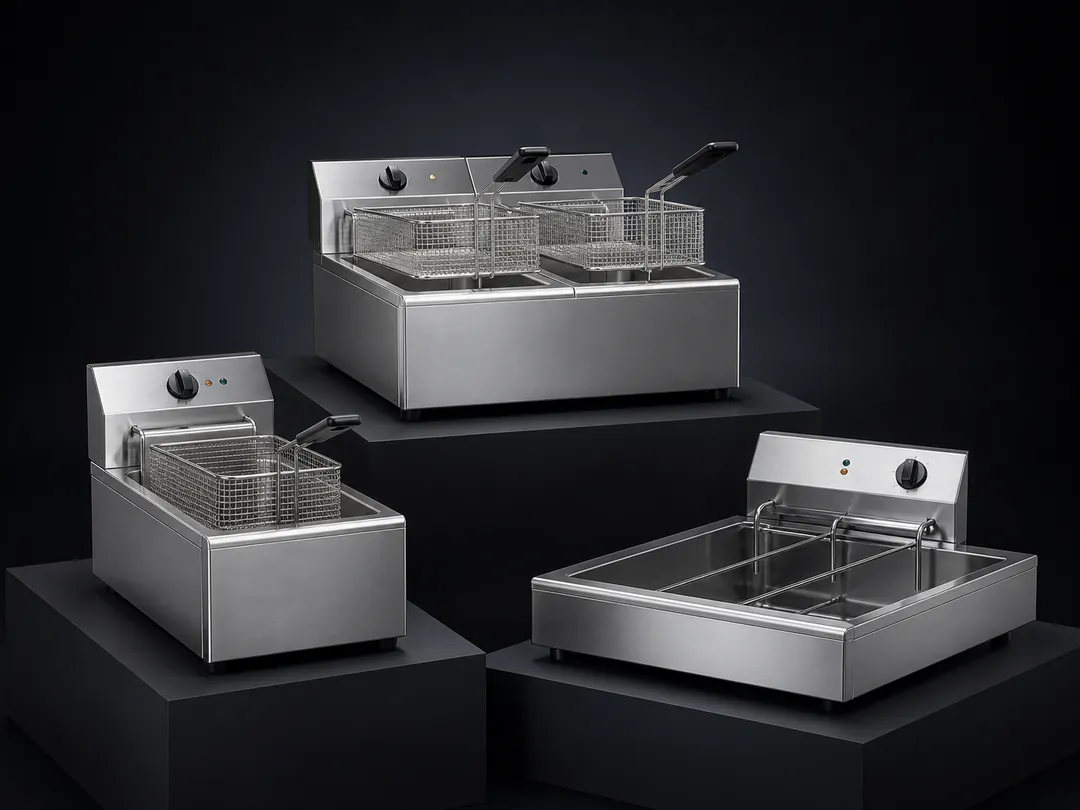
A commercial benchtop fryer suits controlled small-batch frying where a suitable counter can support the appliance, hot-oil workflow and required services. It can serve a café, kiosk, takeaway counter or secondary fry position, provided the menu does not demand the oil volume and sustained output of a larger floor station.
One tank keeps a compact, focused workflow. Two independent tanks can separate products or service streams, but they also add basket movements, oil handling and service demand within the same bench area, so the choice should follow the peak order pattern rather than nominal flexibility.
Key factors to consider before purchasing. Our team can help you find the right fit — call or get a quote anytime.
Match capacity to your daily output. Consider the bench or floor space available and the access route for delivery.
Check the power supply at the installed position — phase, amperage and circuit capacity — before ordering.
Confirm electrical compliance, levelling and the clearance needed for cleaning and service access. We can help with kitchen planning.
Submit your kitchen requirements — our equipment specialists will send you a tailored shortlist of benchtop fryers that fits your budget, venue type and compliance needs.
Standards & Compliance
Confirm that the bench is level, heat-suitable and rated for the complete operating load, with space for safe basket lifting and draining. Hot oil should not sit beside sinks, customer reach, draughts or an exposed traffic route.
Have the exact gas or electrical connection, isolation, clearance and ventilation needs checked before placement. Plan filtering, cool-down and oil transfer so staff do not carry an open hot vessel across a busy preparation area.
FAQ
Yes—high-wattage elements recover heat fast, even when frozen items are added.
Most venues choose 2 × 8L or 2 × 11L dual tanks for high demand.
Yes—electric benchtop fryers are compact and ideal for mobile setups.
Most kitchens replace oil every 2–3 days depending on volume and menu.
It is suitable when small, controlled basket loads fit the menu and a compliant bench position can support the appliance, ventilation and hot-oil routine. Choose a larger format if peak demand would require persistent overloading or unsafe back-to-back handling.
Why KW
Small-batch output is the decision point KW uses to test whether a benchtop fryer belongs in the operation at all. From there, tank separation, basket landing space and the safe route for cooled oil can be matched to the available counter and services; call 1300 001 366.
Deep Dive
Technical depth from KW's commercial kitchen specialists.
List products, oil compatibility and simultaneous peak orders. A single tank may suit one focused stream, whereas two tanks can support separation only when each side has enough useful capacity and staff can control both without crossing baskets.
Provide stable placement, unobstructed controls and a draining or landing point that does not project into an aisle. Separate the fryer from water, loose packaging and customer access, and keep the route to the oil-handling area free of trip hazards.
Estimate the baskets needed during the busiest interval and the recovery between loads. If staff must overload baskets or pause orders repeatedly, a compact station may not be the appropriate primary fryer even when it physically fits the counter.
Follow the documented shutdown temperature and sequence before filtering. Use compatible equipment and a covered heat-safe container, control crumbs around the cool tank and allocate storage that keeps recovered oil away from water and foot traffic.
Review other formats in the fryer range, compare surrounding cooking categories and coordinate the full station through commercial kitchen equipment.
Use one tank for a focused product stream with compatible oil needs. Consider two when products need separation or independent queues, after confirming that both tanks, baskets and draining positions can be managed safely within the available counter space and services.
Set a routine based on food load, oil condition and the supplier's care instructions rather than a fixed universal interval. Allow the oil to cool as directed, filter with compatible equipment, transfer it in a covered heat-safe container and replace it when the venue's condition checks require.
Verify the bench material, level, load rating, clearances and operator landing space for the exact unit. A qualified electrician or gas professional should confirm the service and isolation, while the ventilation professional checks extraction coverage and make-up air before installation.
41 results
550 × 483 × 335mm
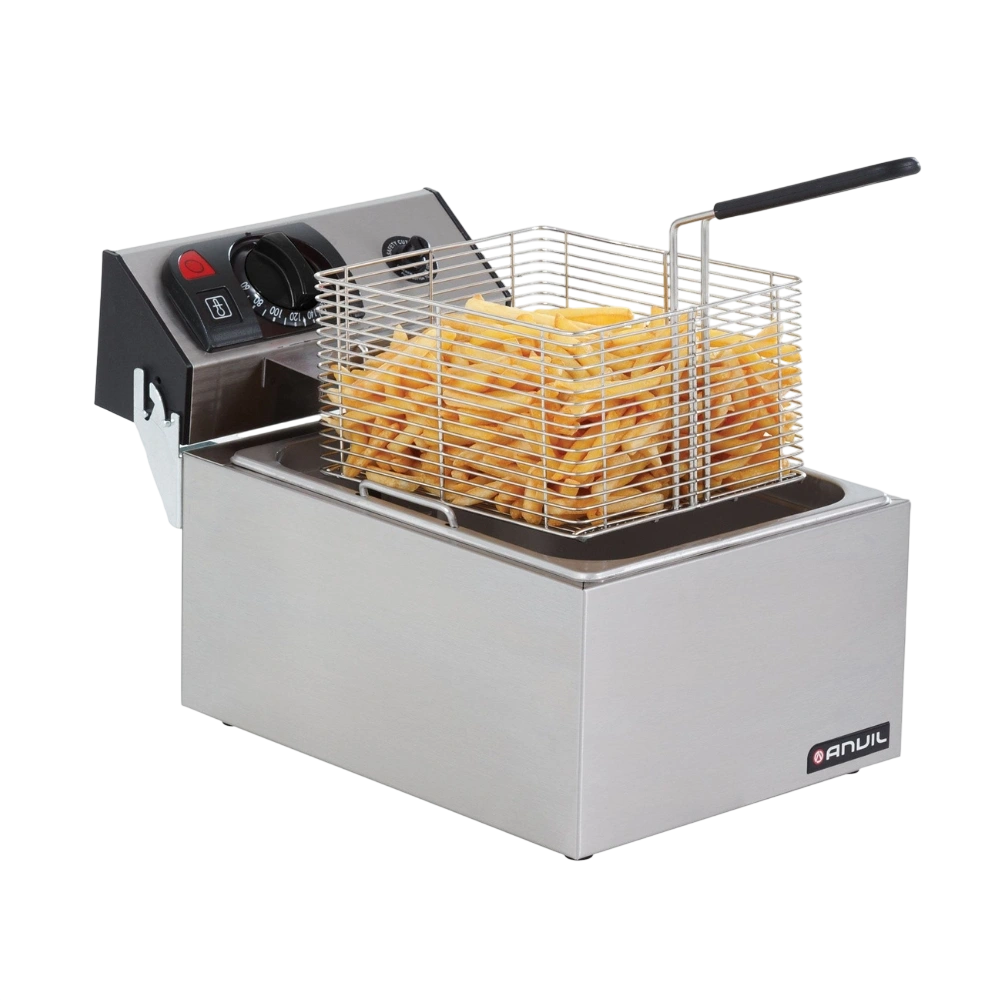
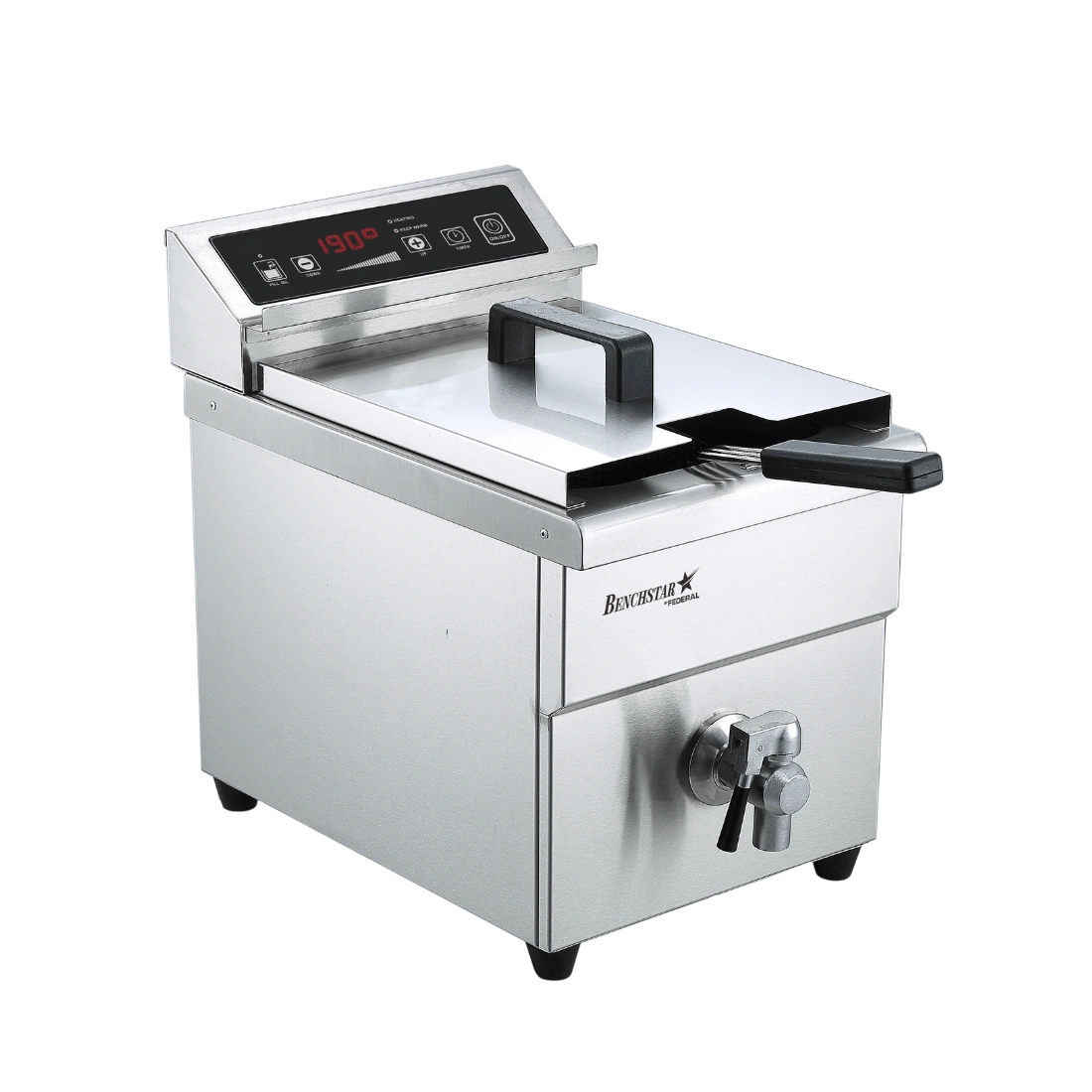
288 × 478 × 410mm
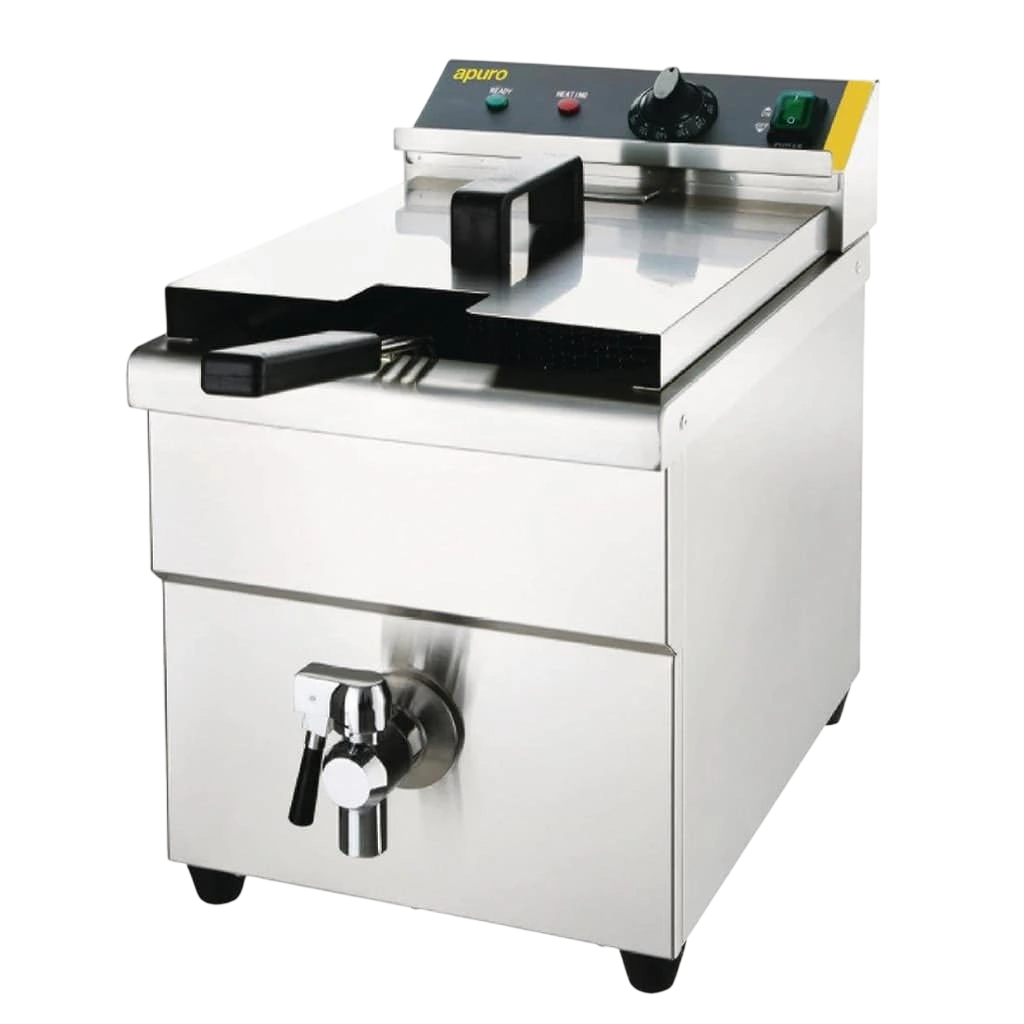
290 × 440 × 415mm
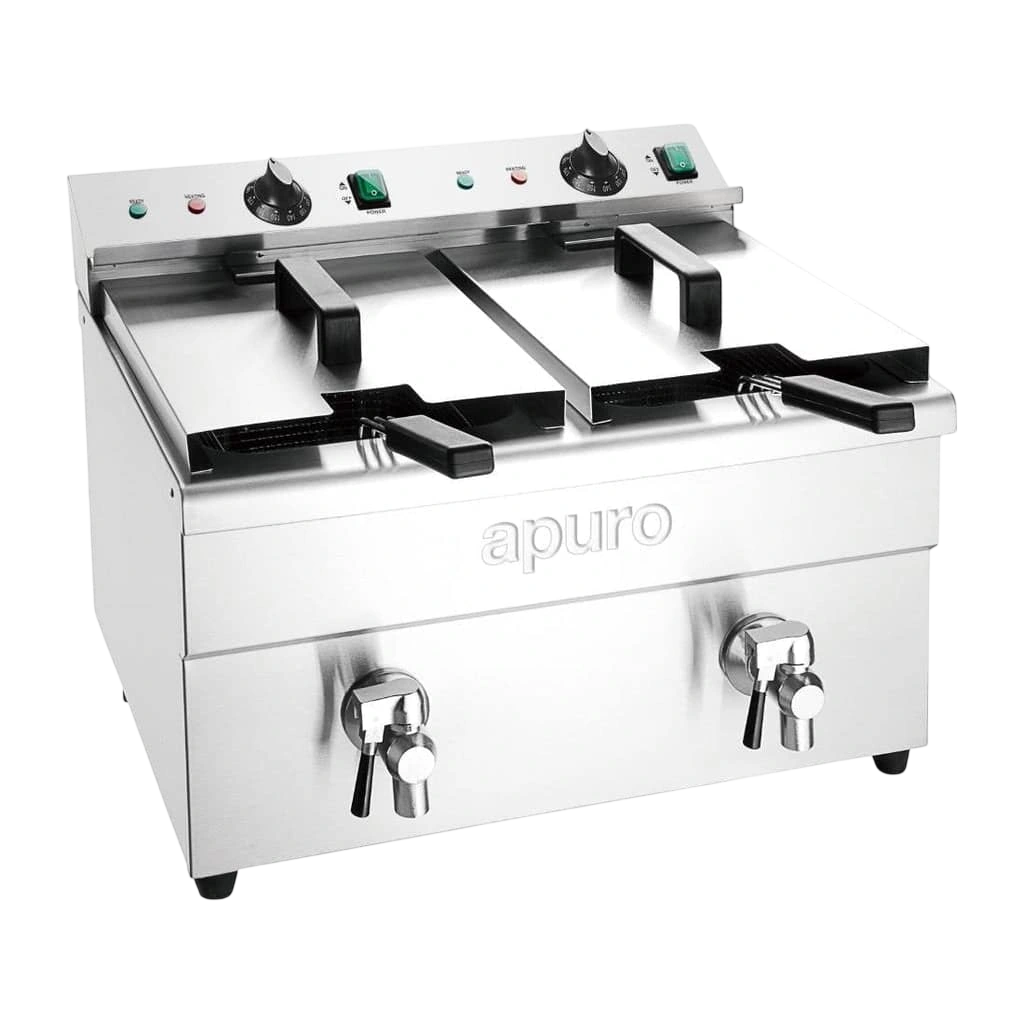
576 × 478 × 410mm
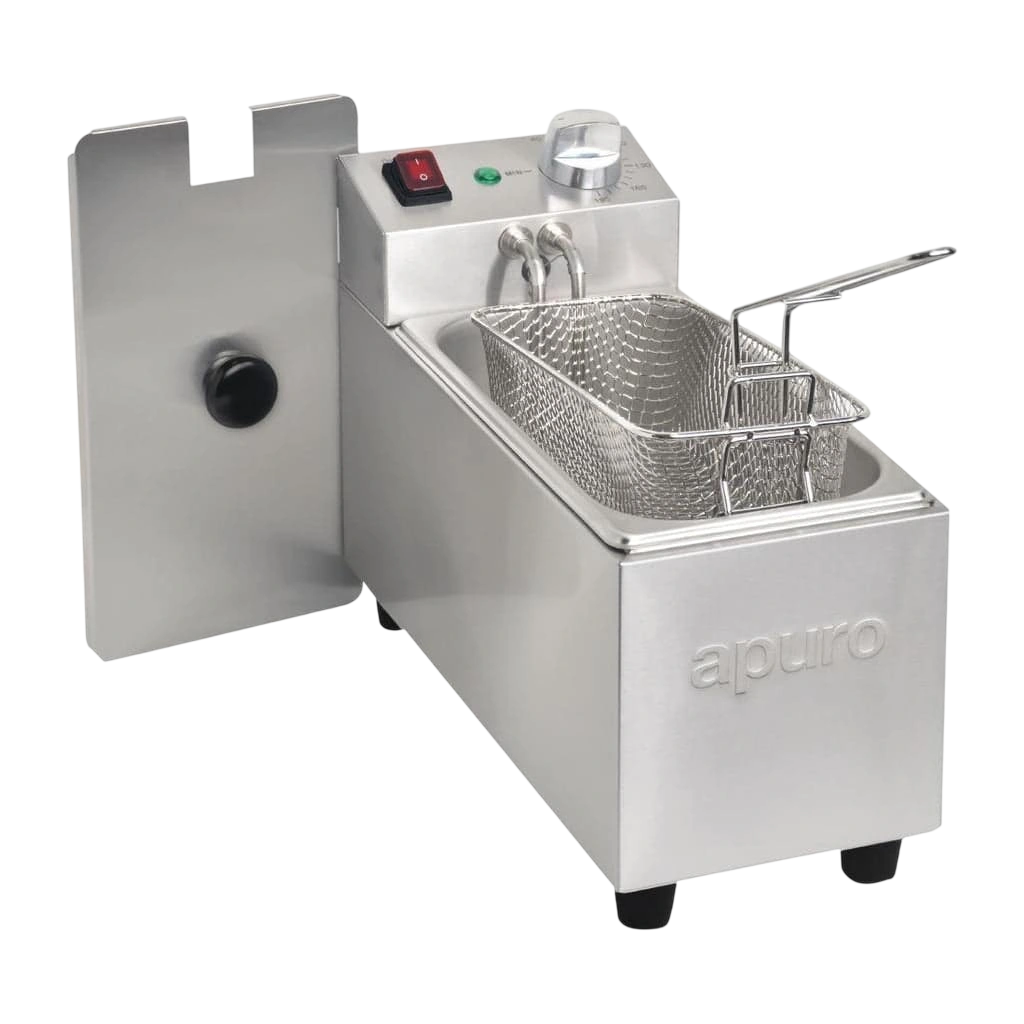
180 × 410 × 295mm
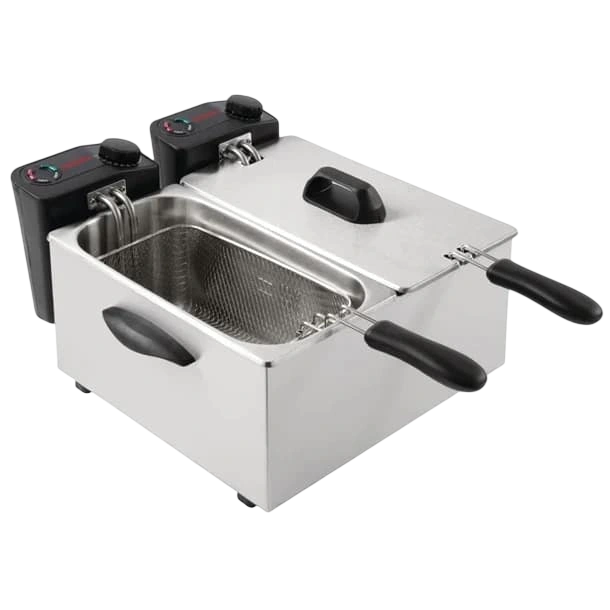
416 × 400 × 210mm
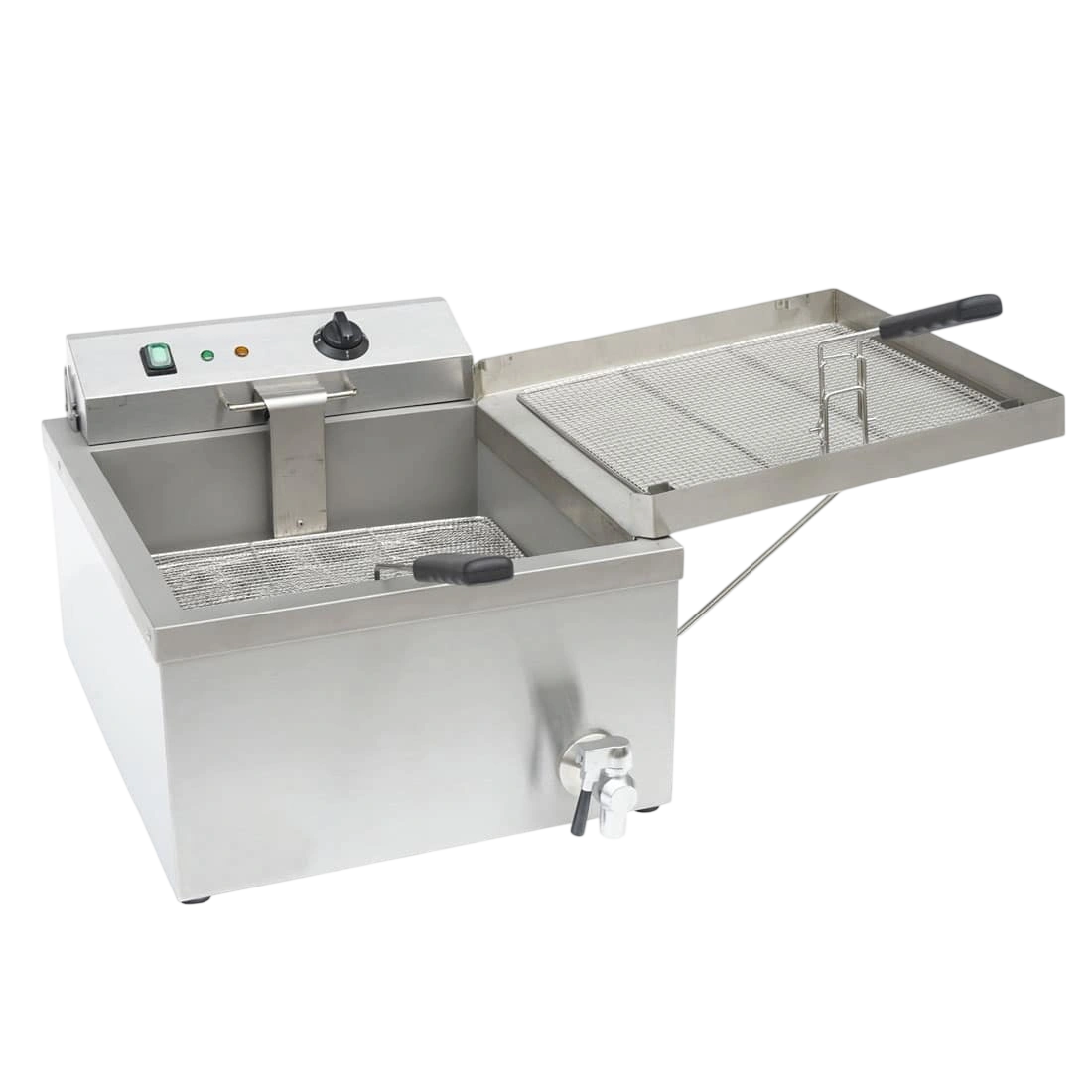
460 × 620 × 355mm
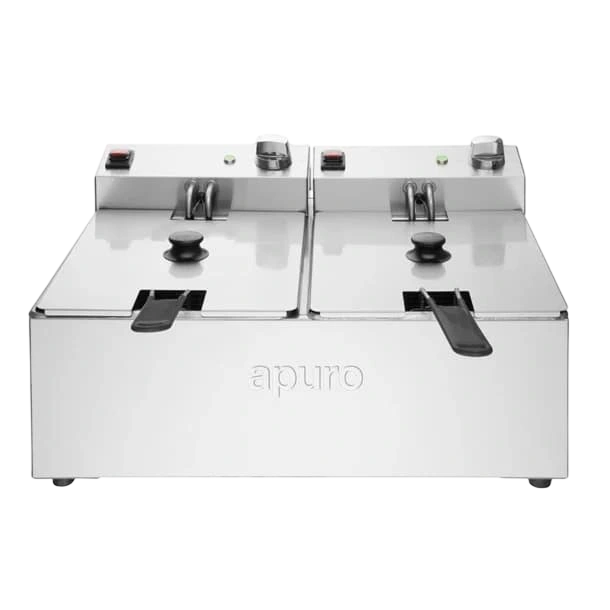
545 × 410 × 280mm
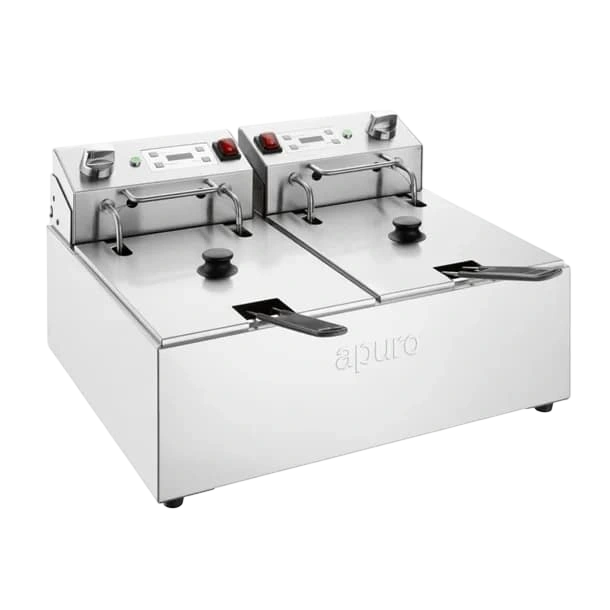
350 × 560 × 450mm
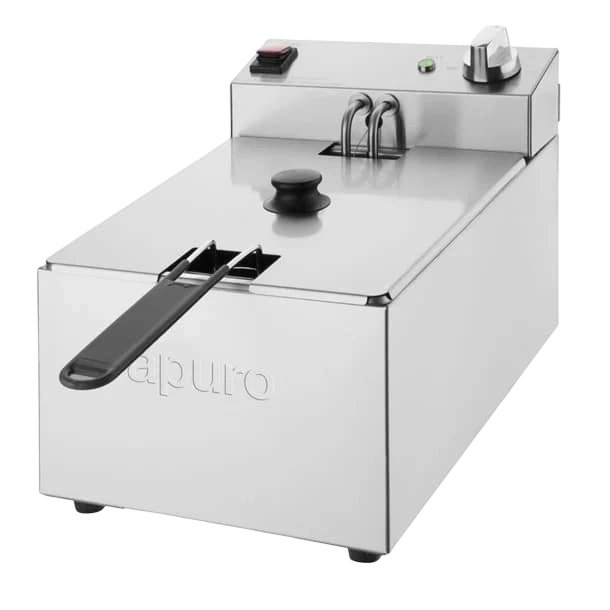
270 × 410 × 280mm
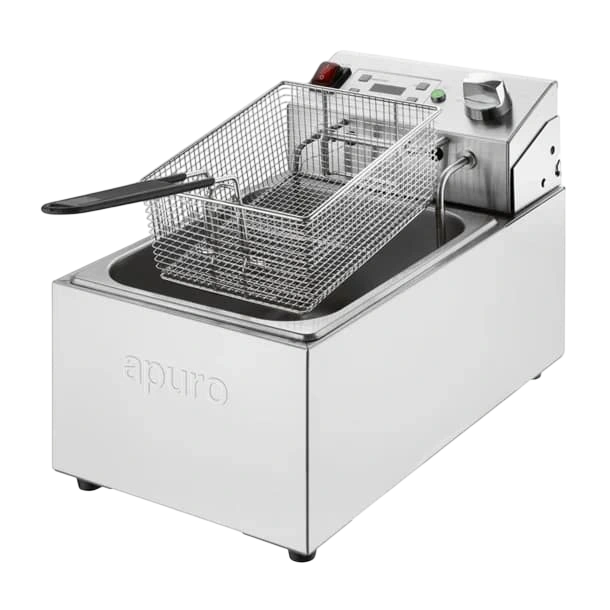
270 × 410 × 280mm
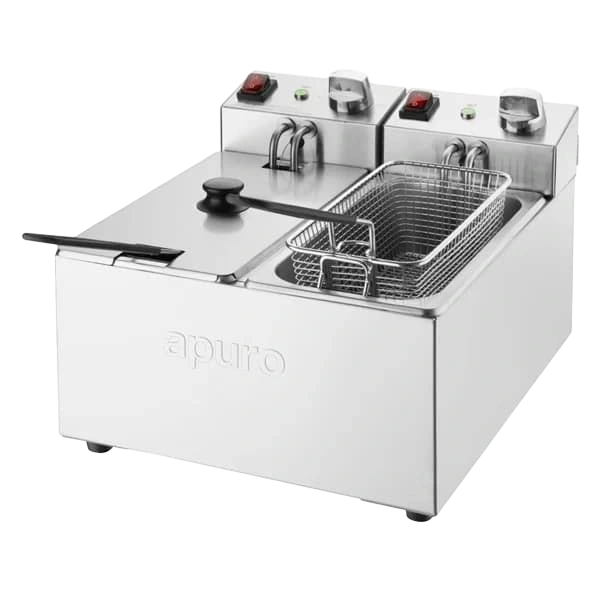
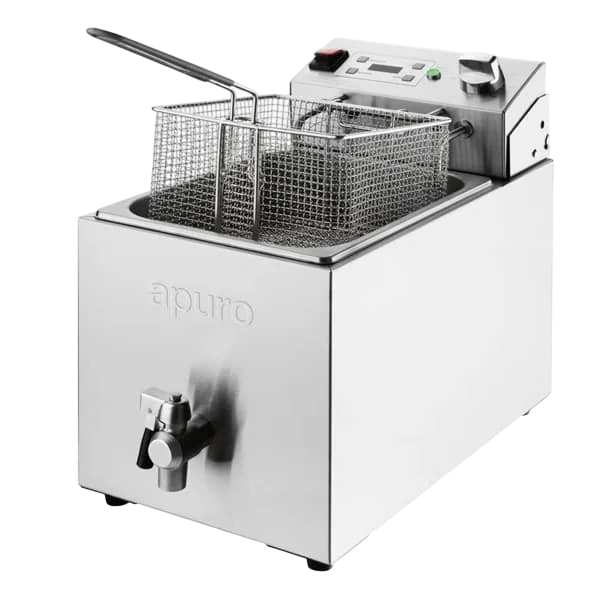
280 × 505 × 410mm
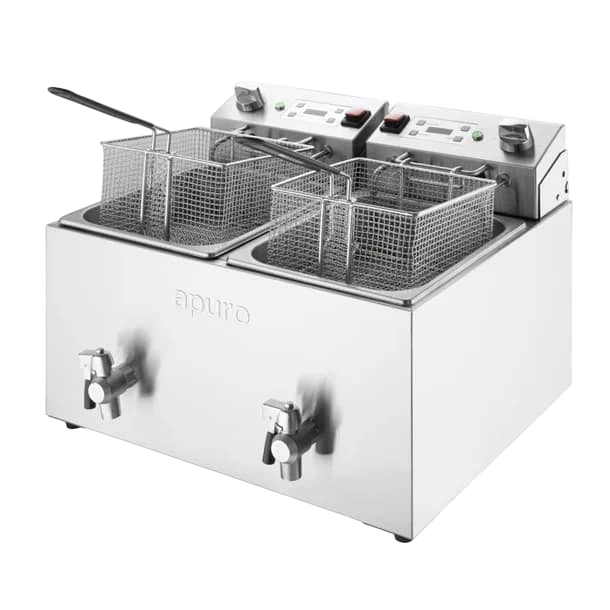
560 × 505 × 410mm
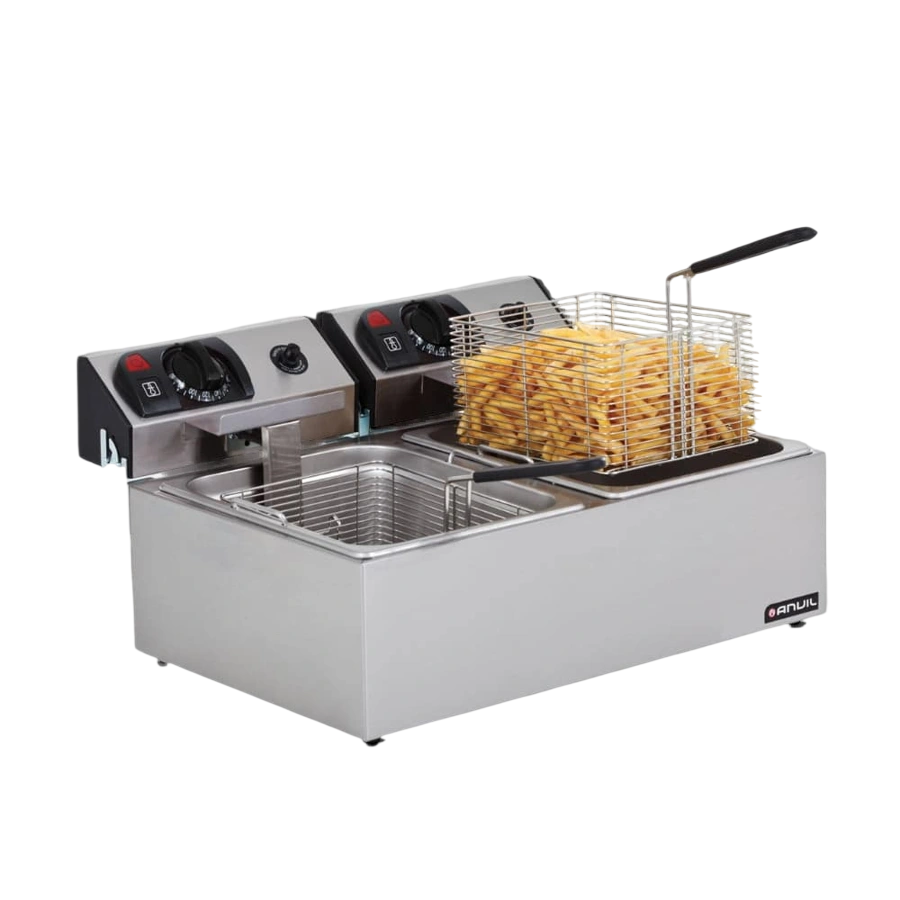
577 × 470 × 288mm
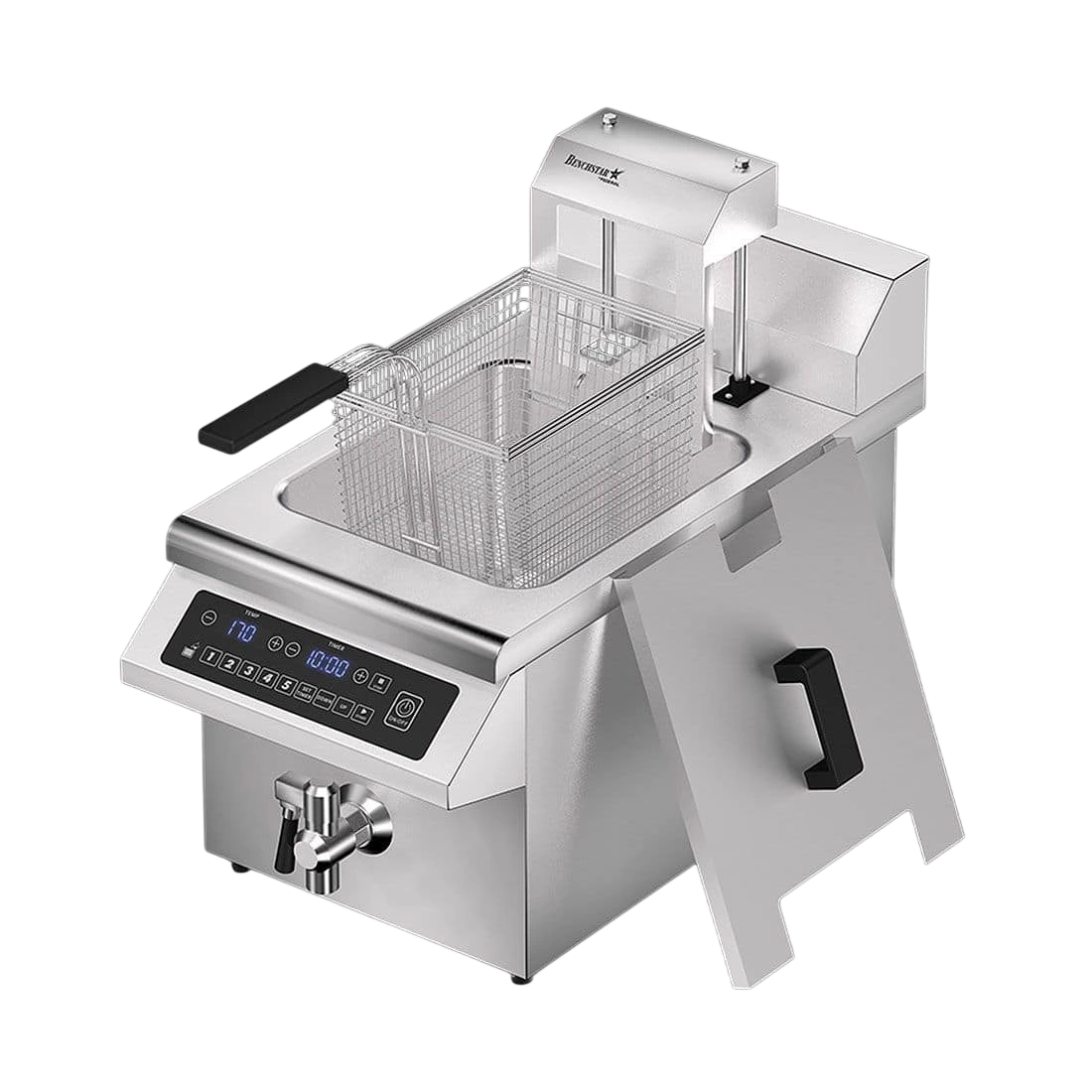
320 × 600 × 400mm
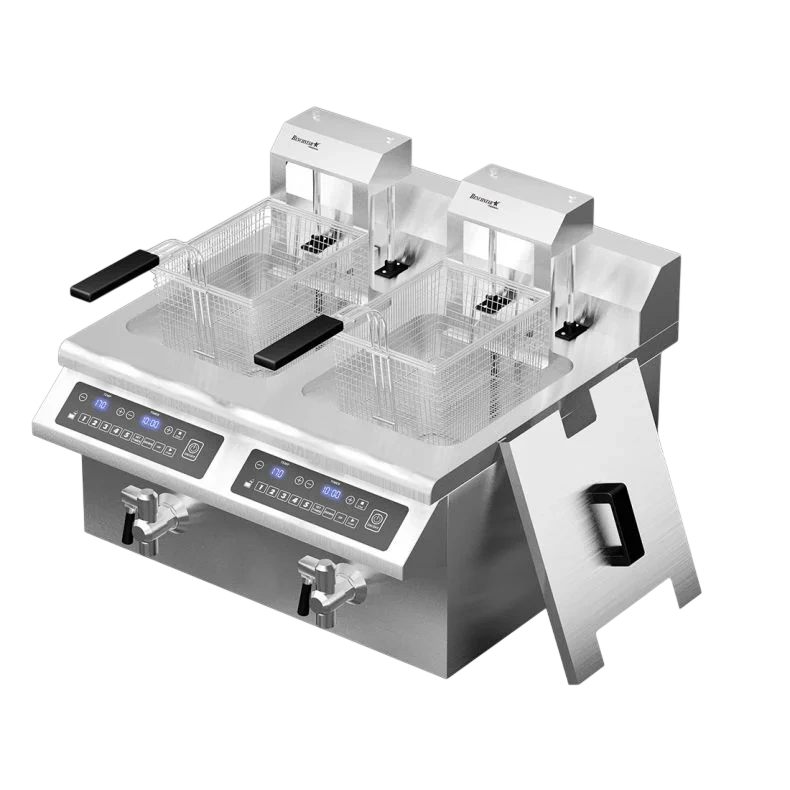
625 × 600 × 400mm
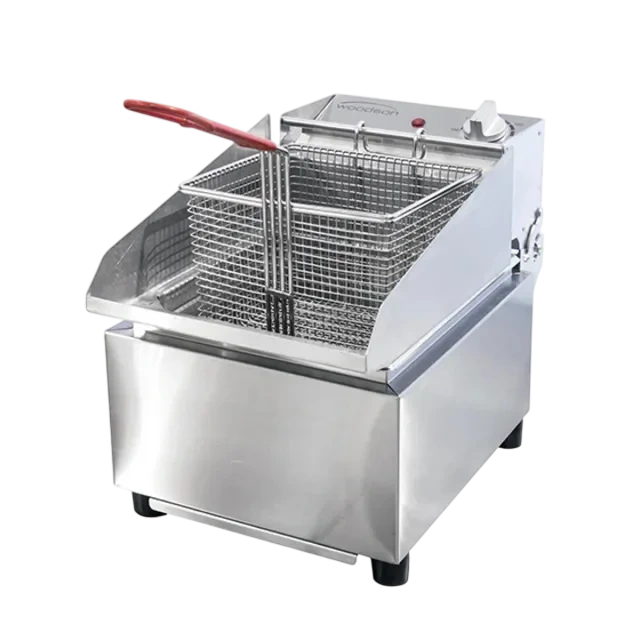
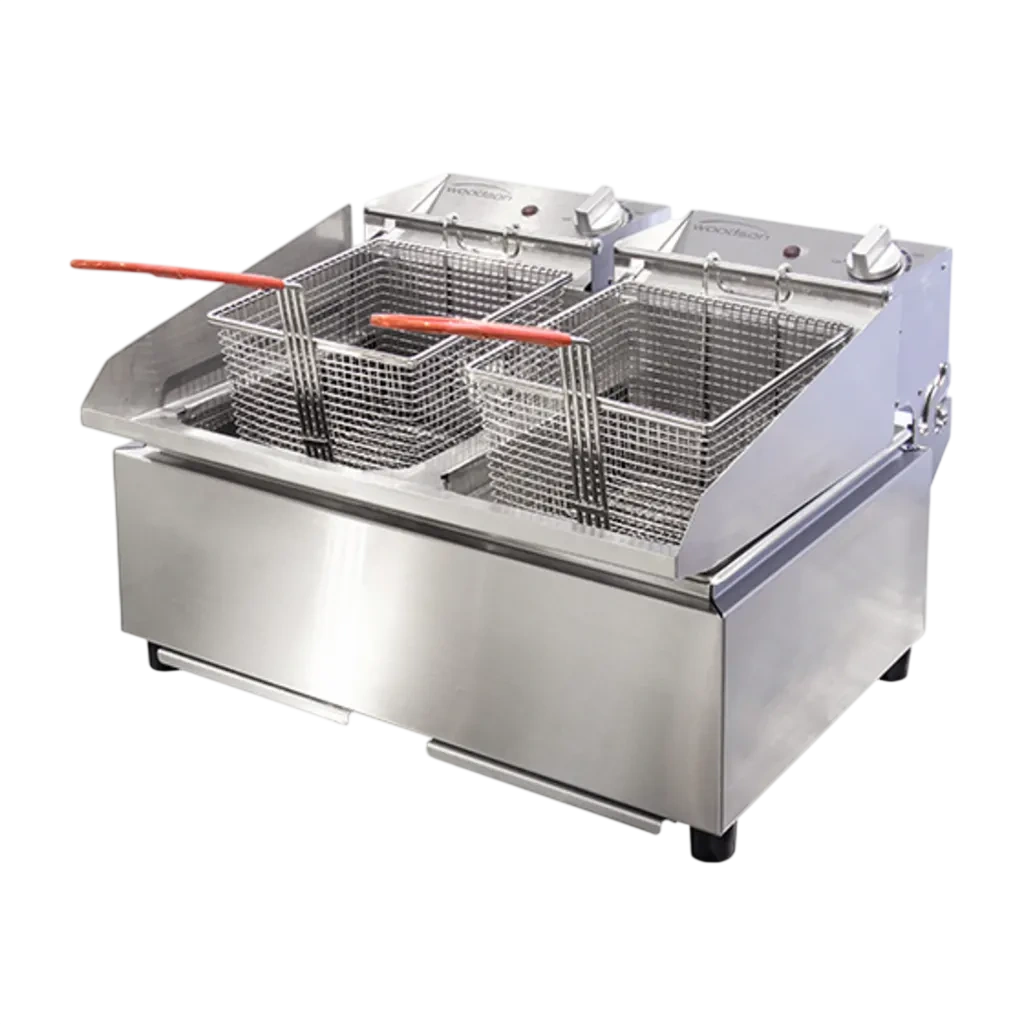
550 × 483 × 384mm
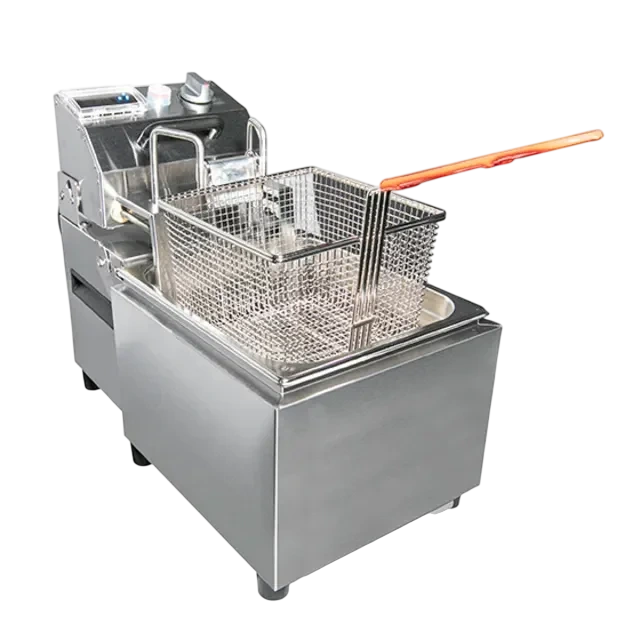
285 × 530 × 431mm
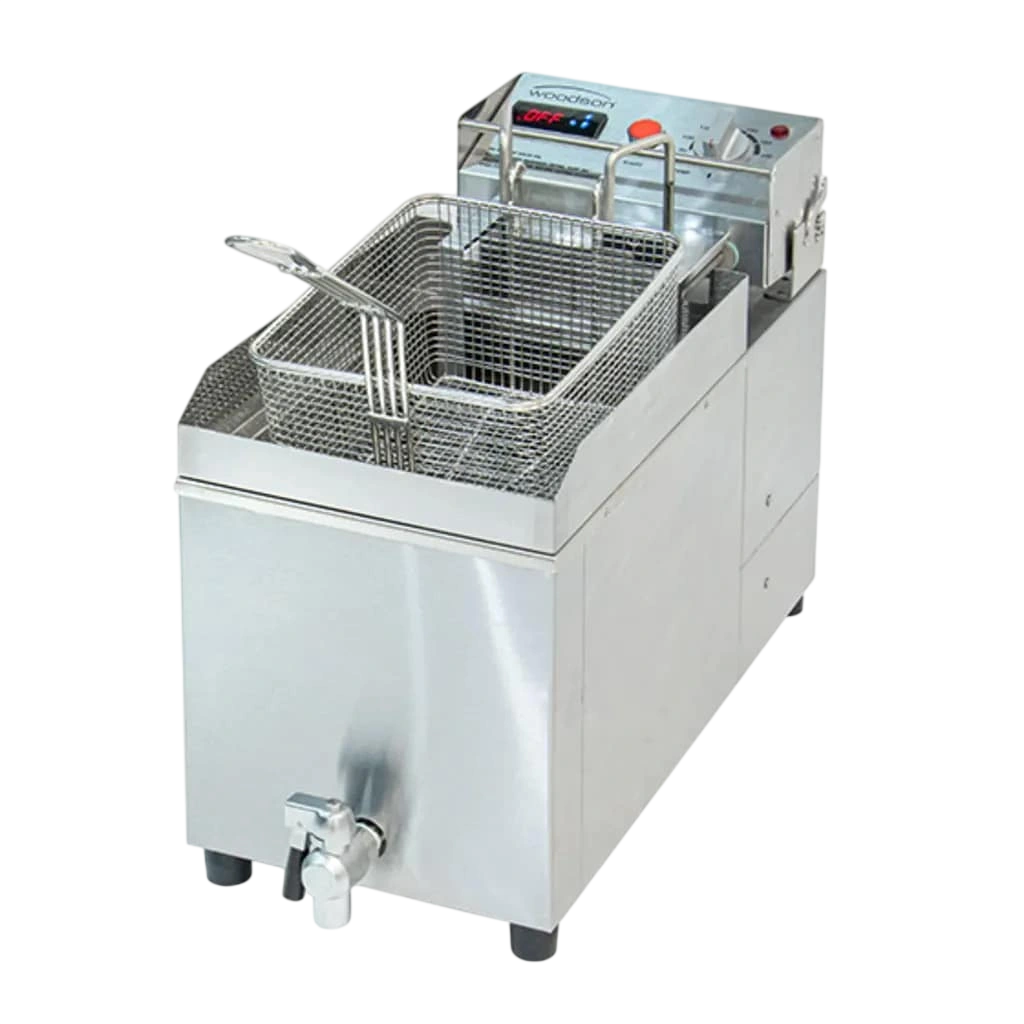
272 × 666 × 486mm
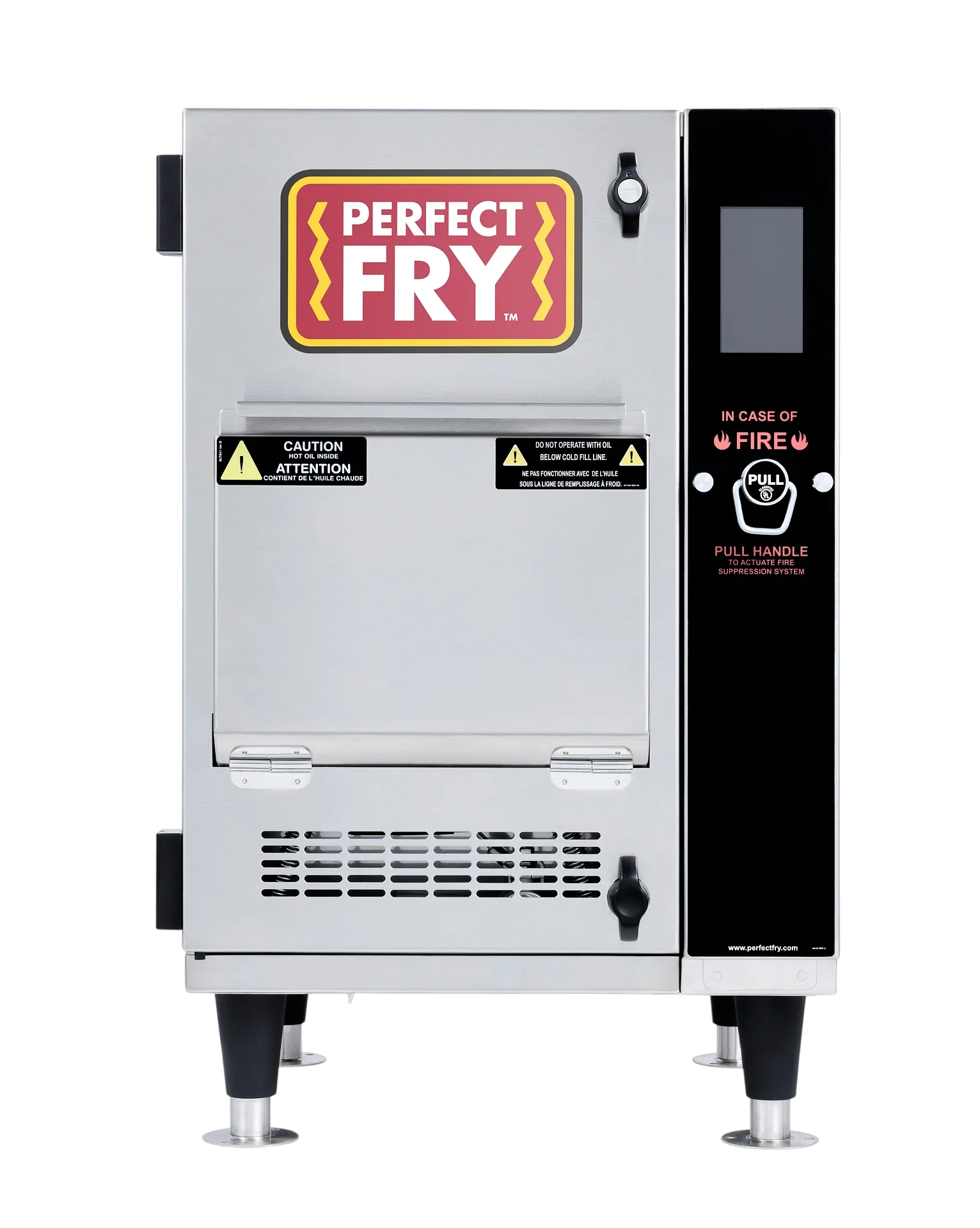
434 × 480 × 587mm
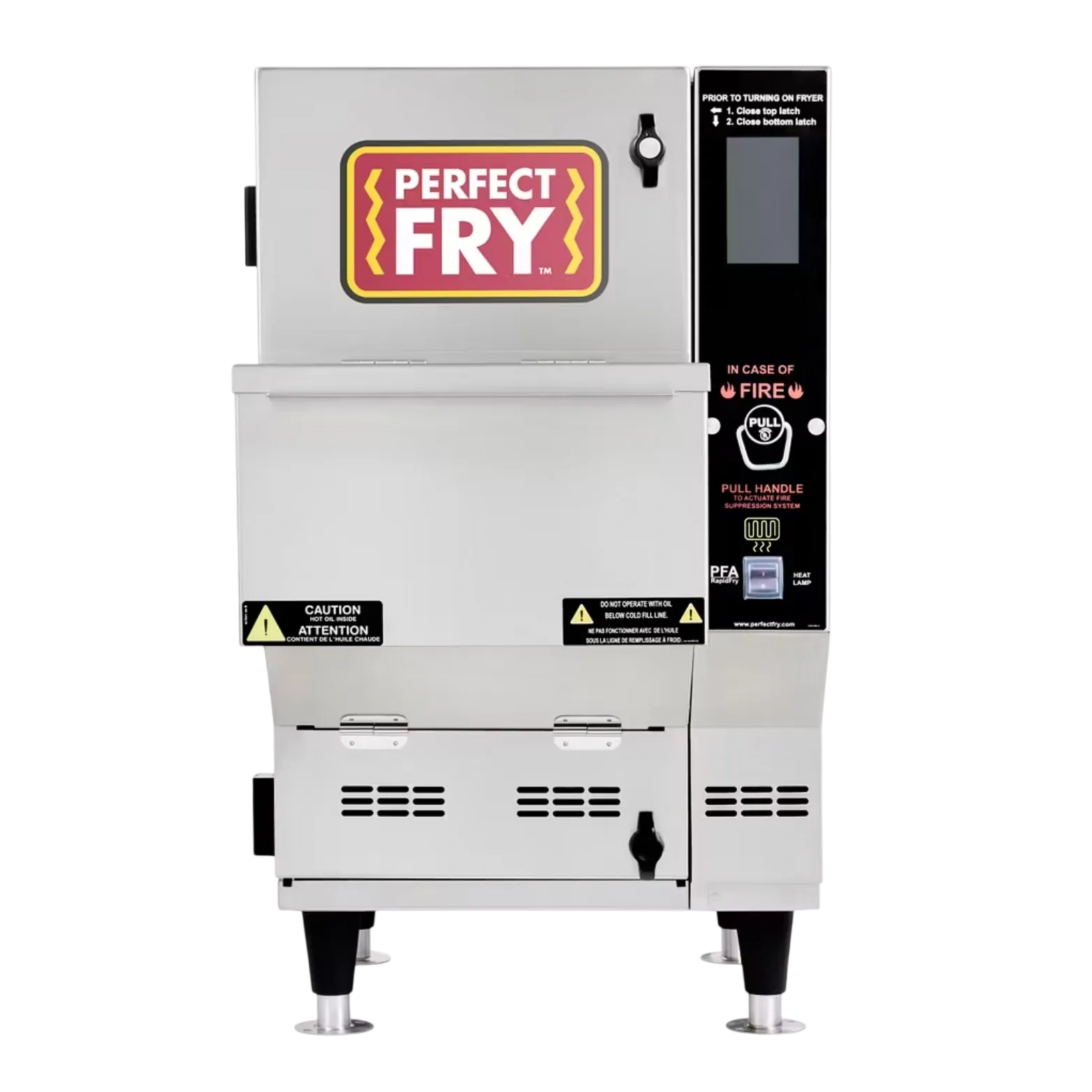
762 × 434 × 677mm
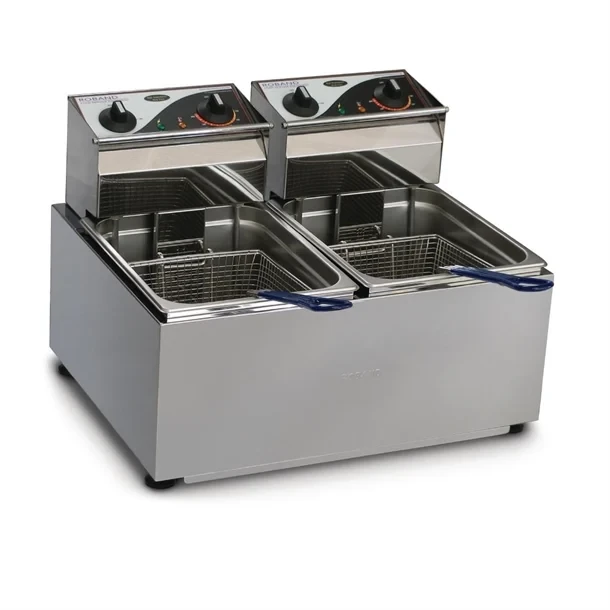
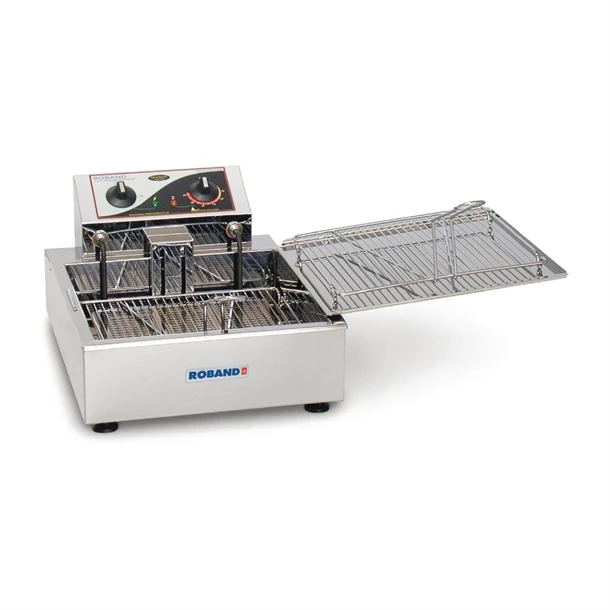
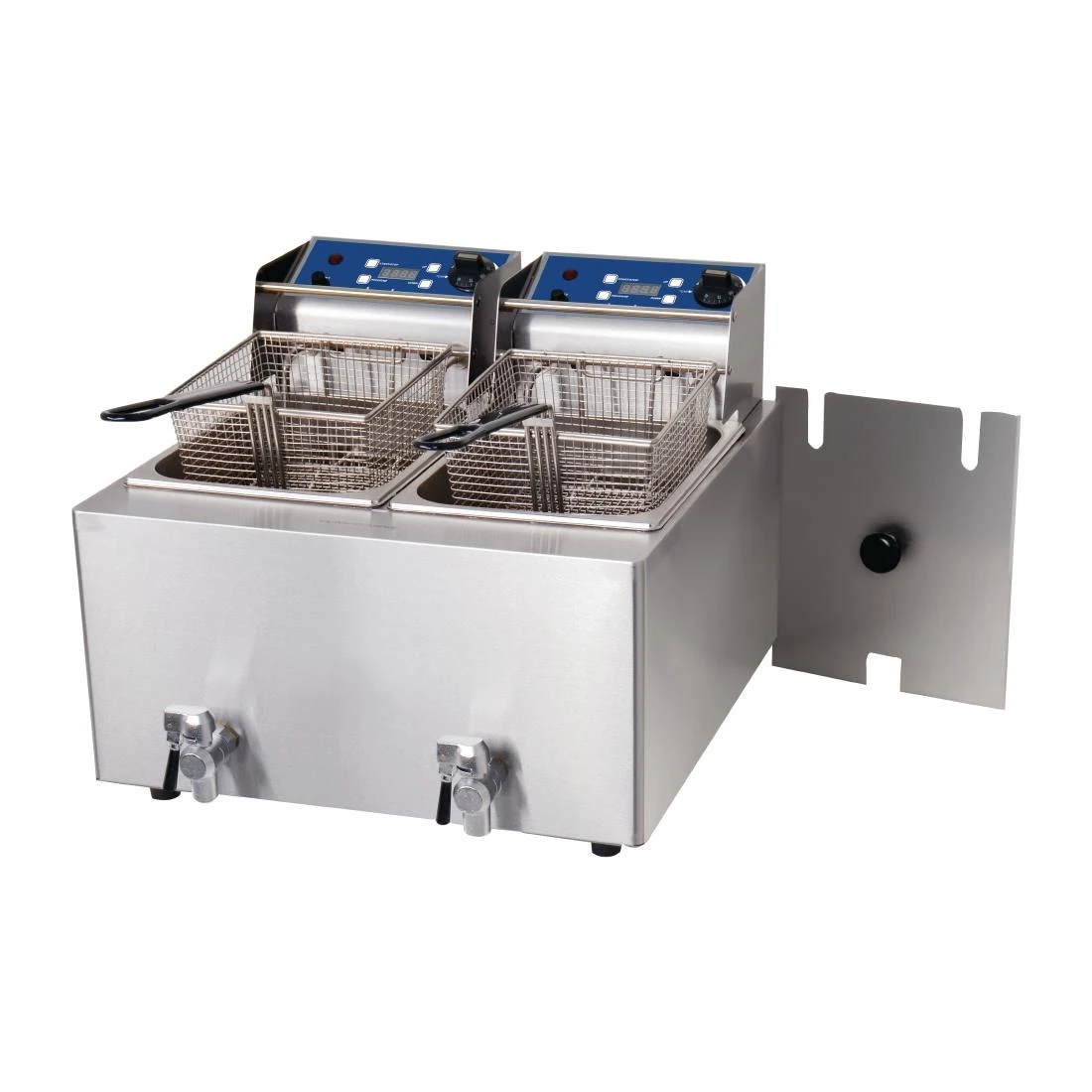
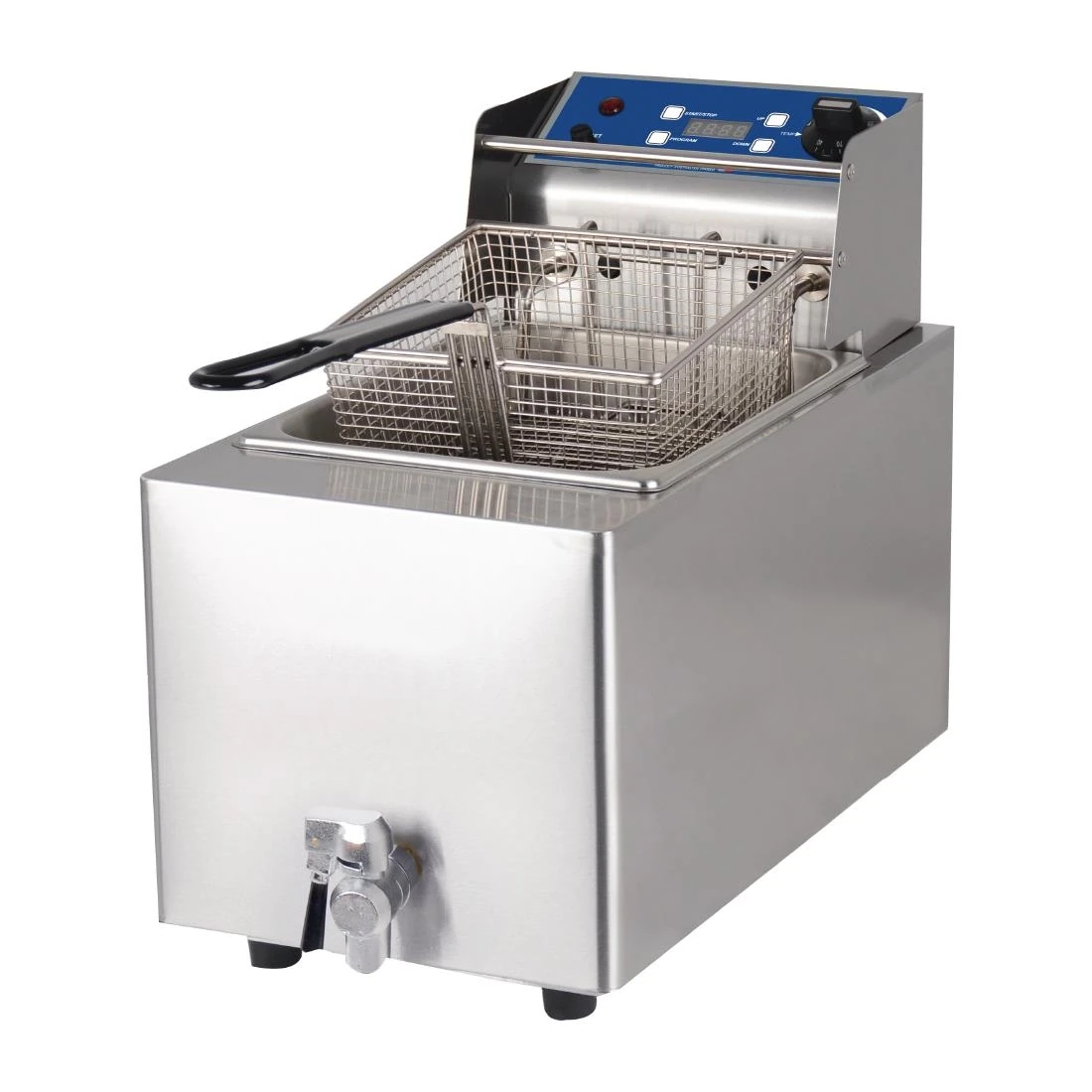
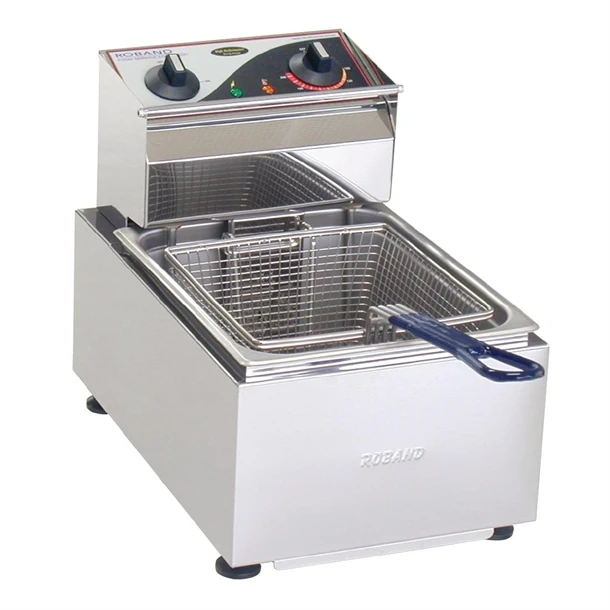
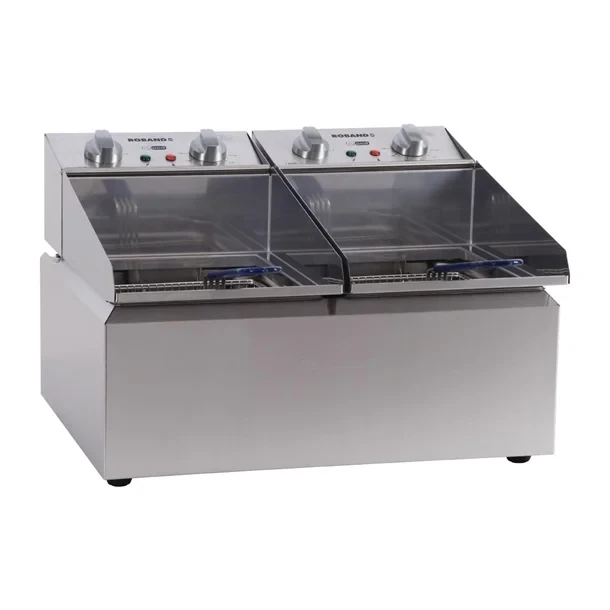
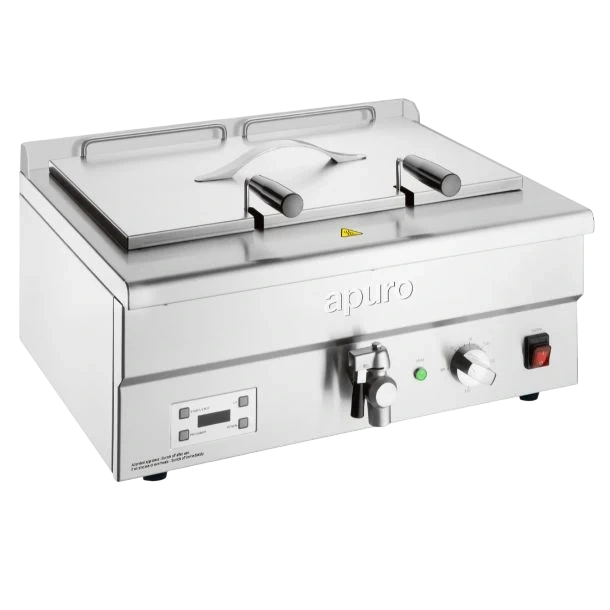
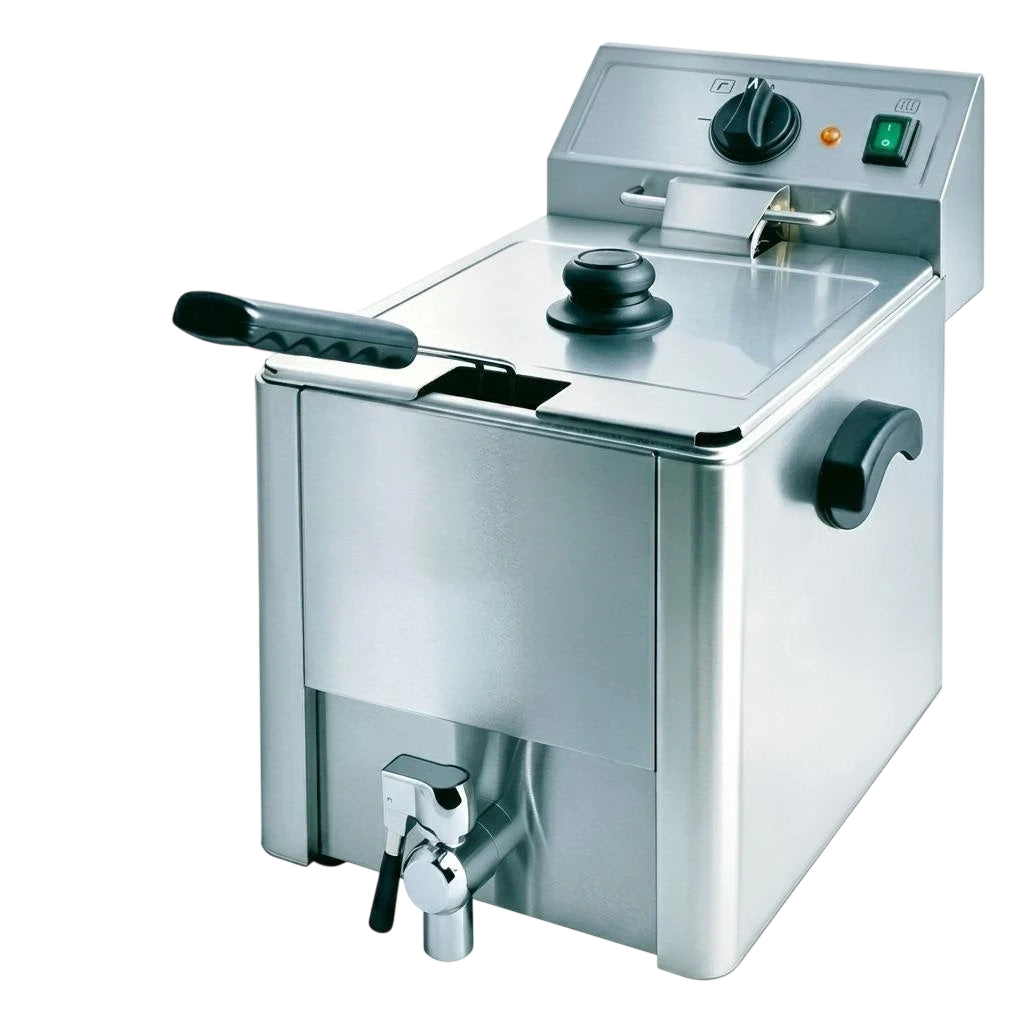
632 × 313 × 387mm
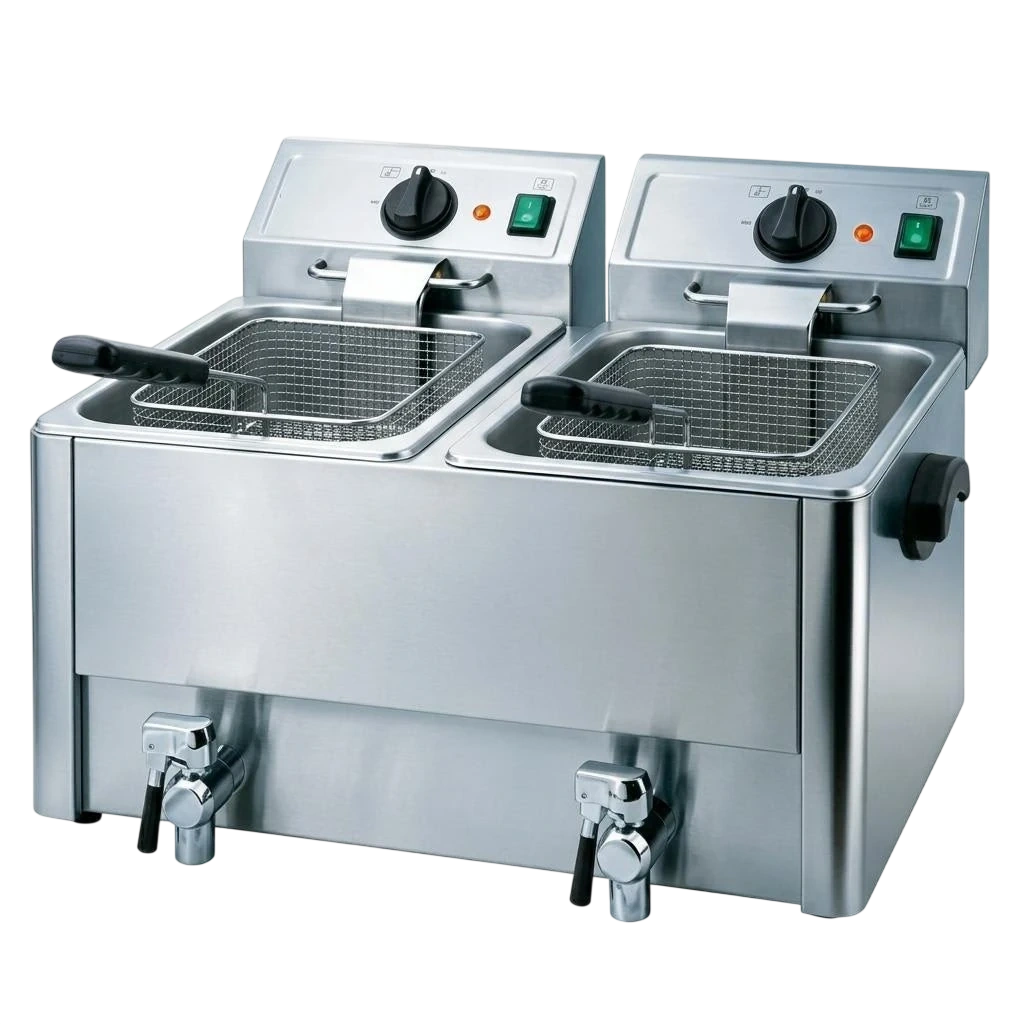
632 × 598 × 387mm
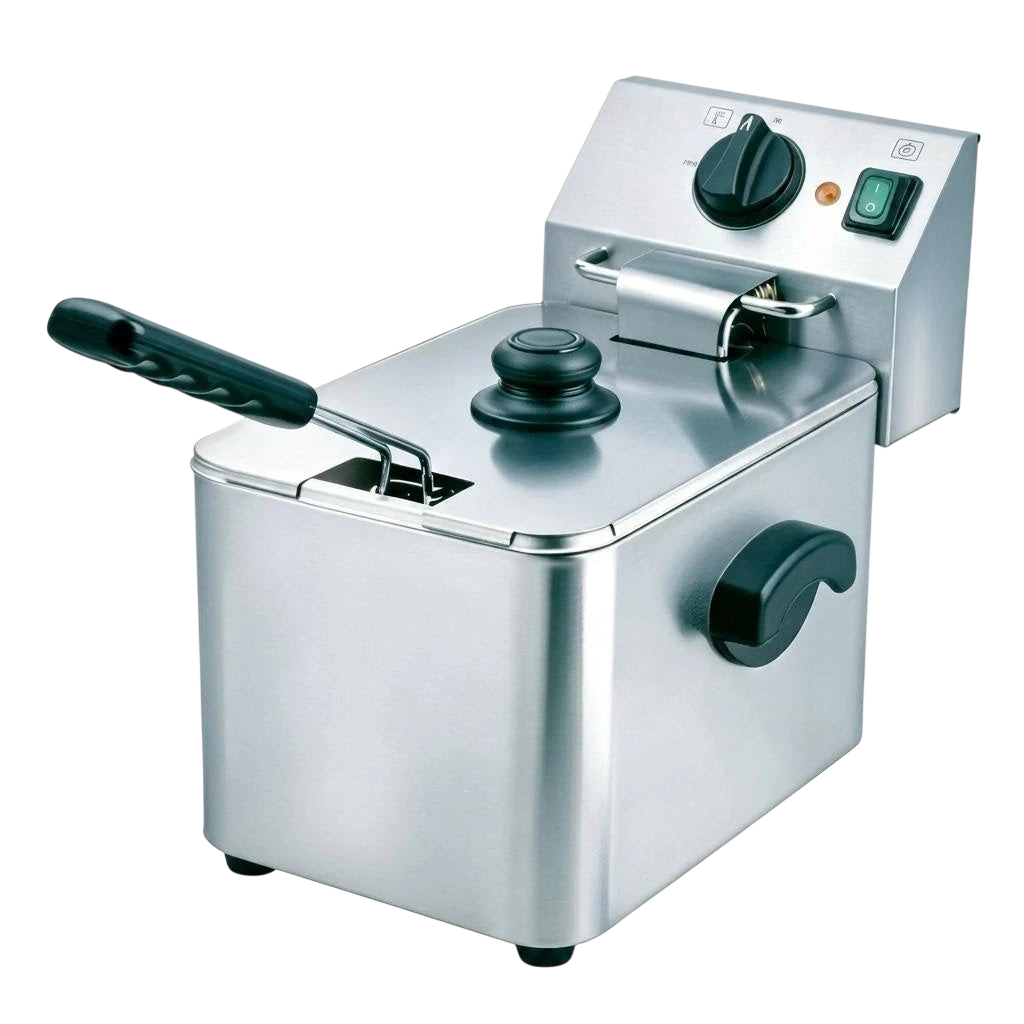
580 × 264 × 313mm
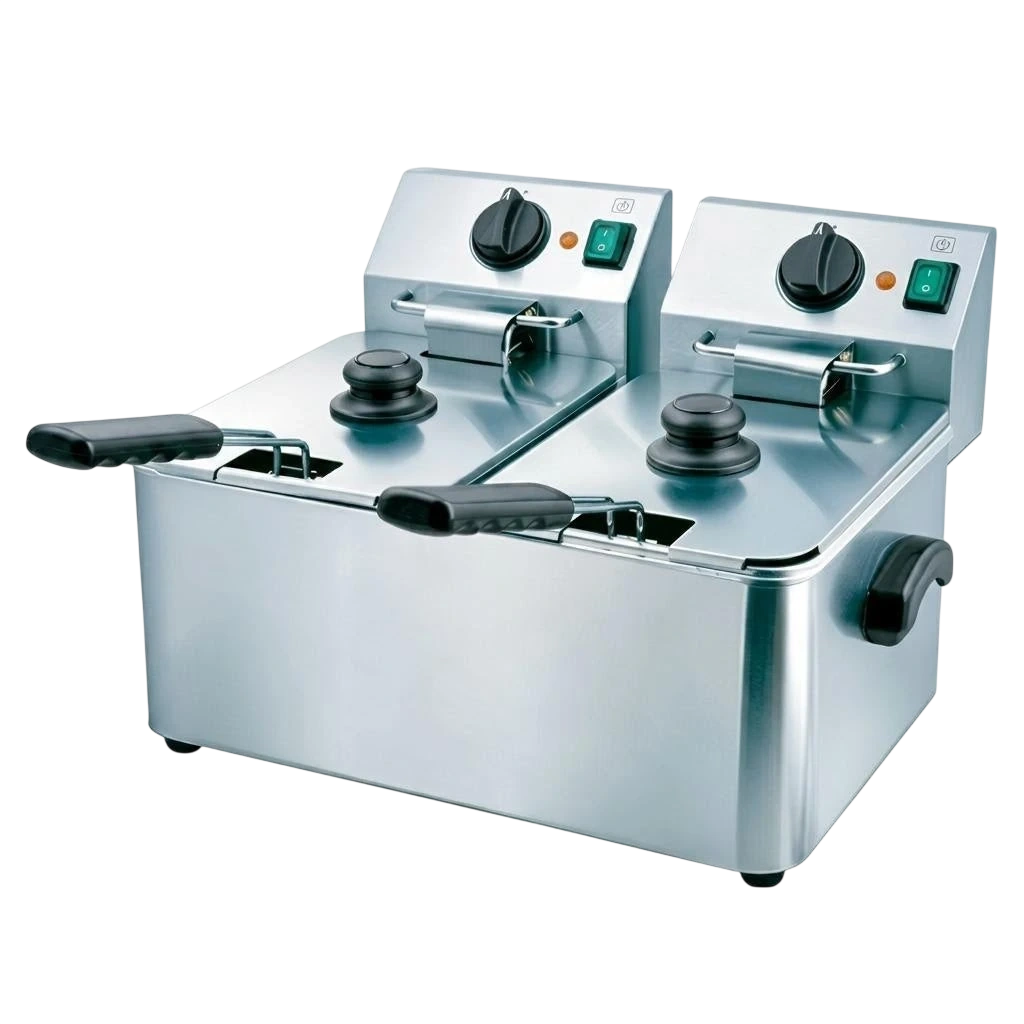
580 × 494 × 313mm
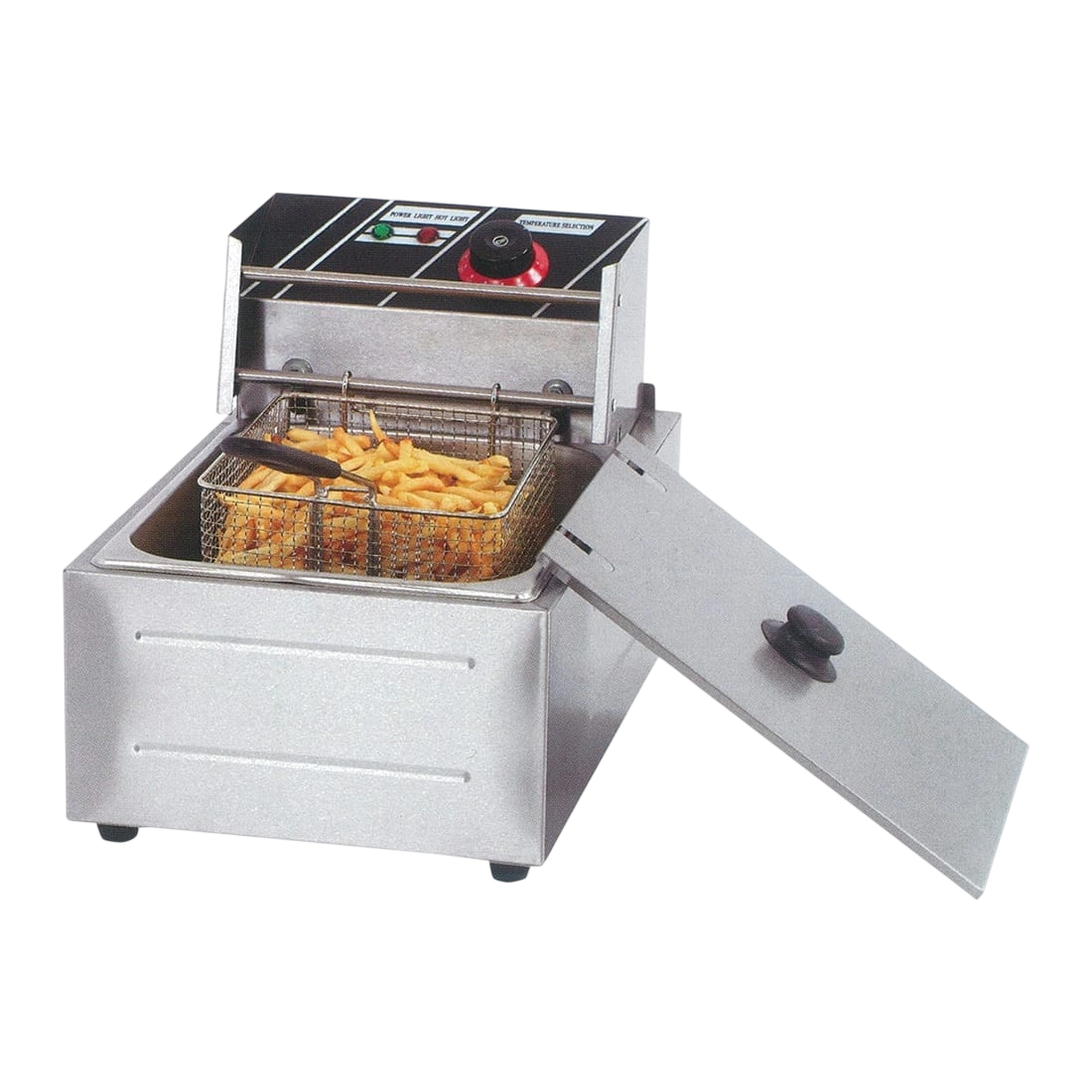
285 × 440 × 305mm
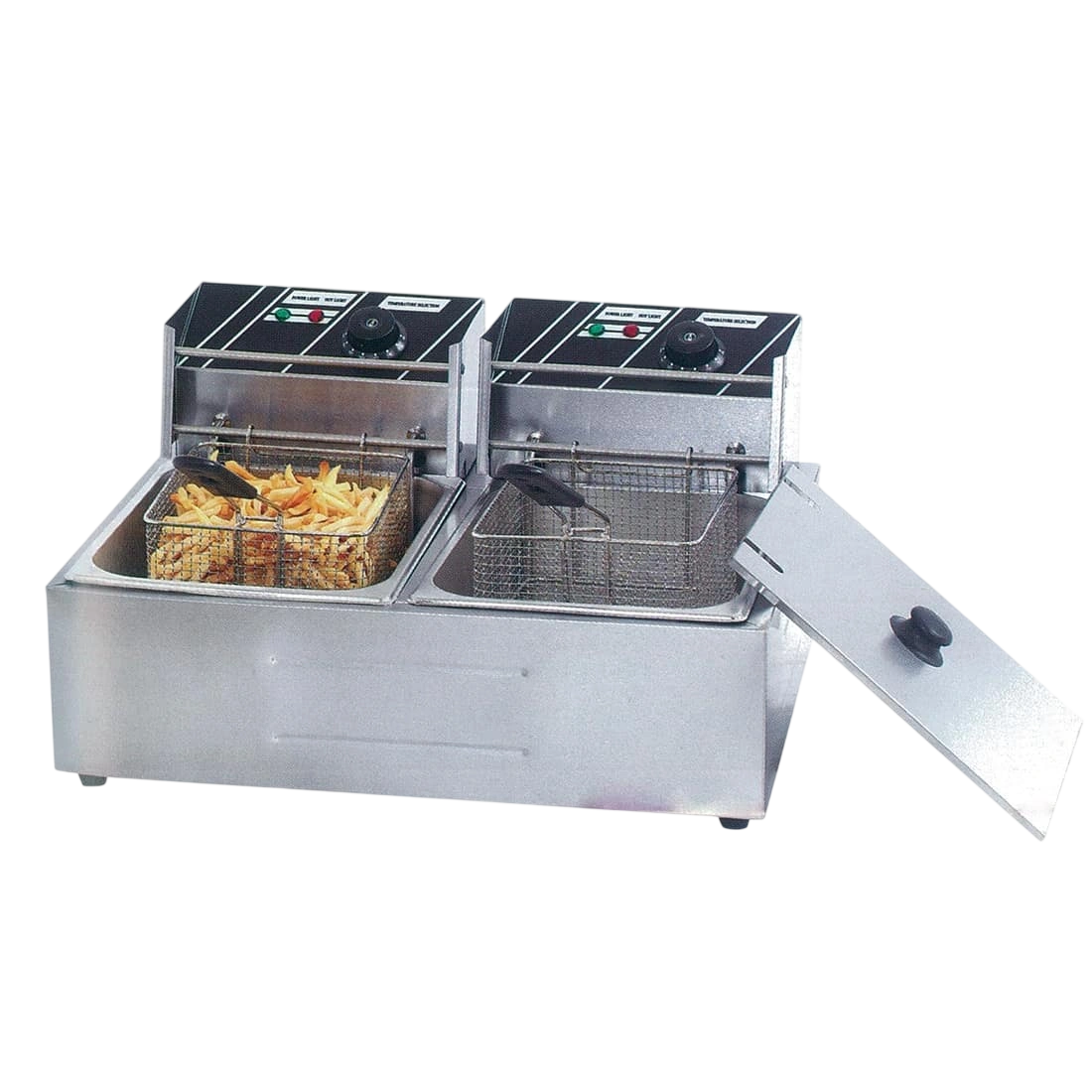
565 × 470 × 320mm
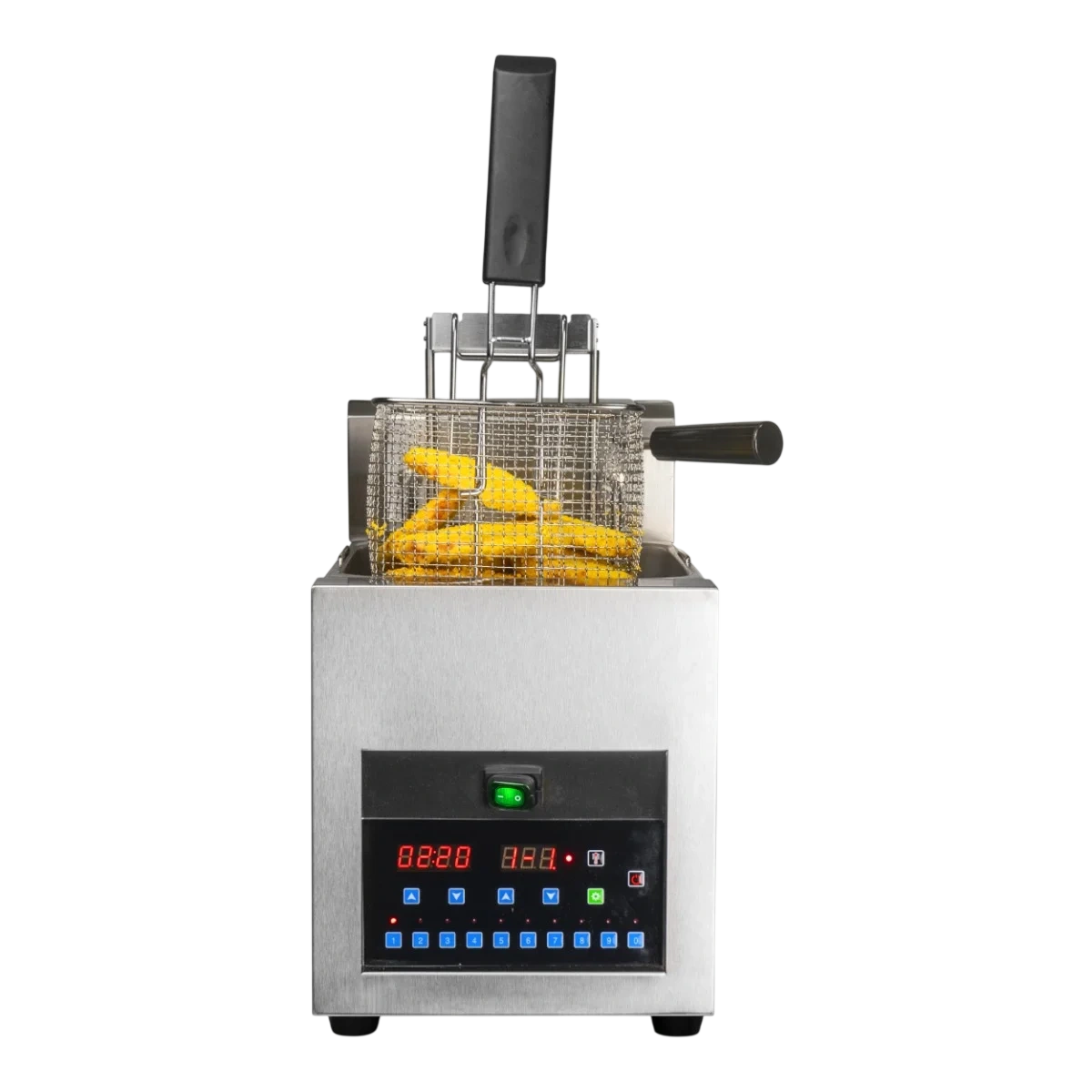
343 × 570 × 642mm
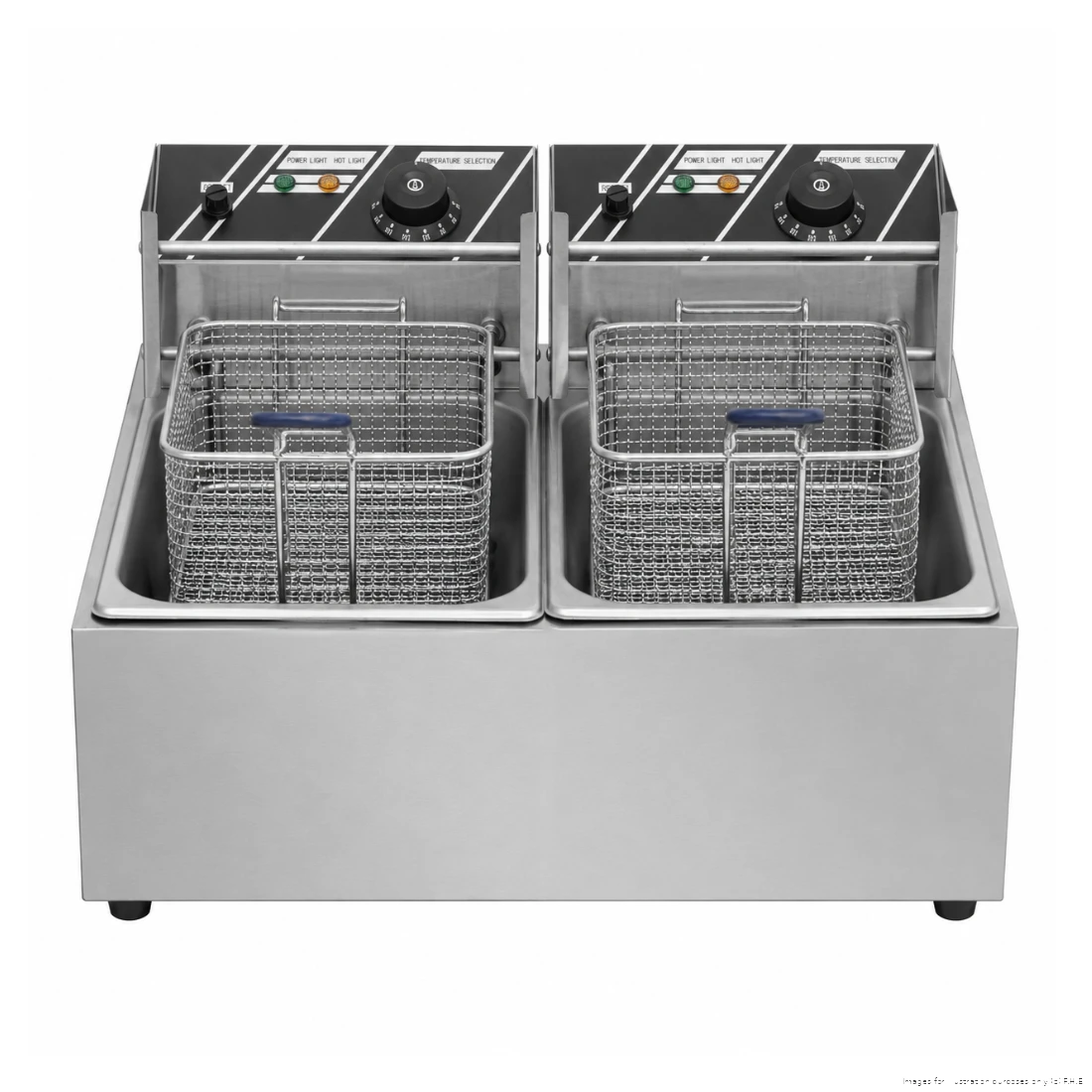
578 × 438 × 304mm
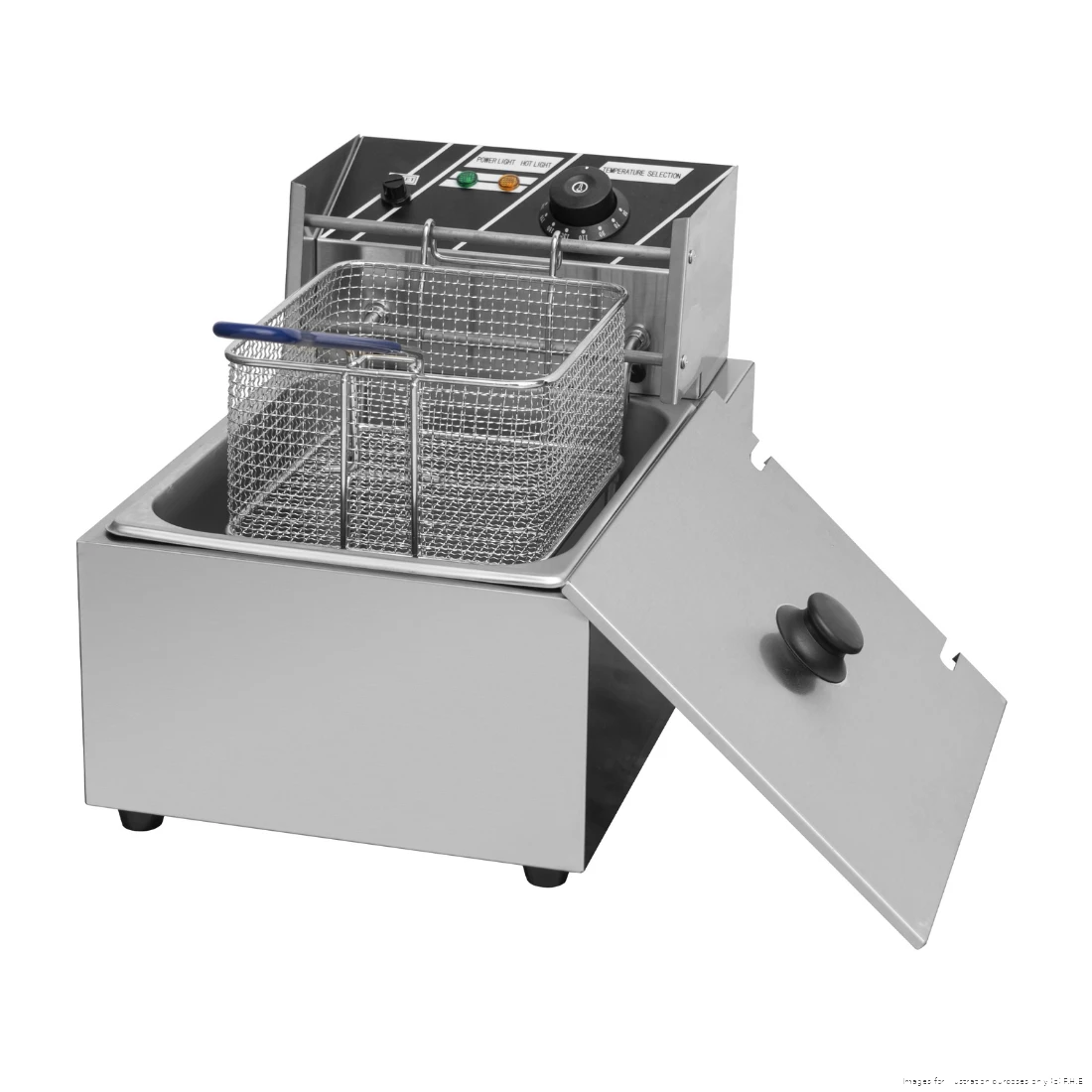
284 × 457 × 304mm
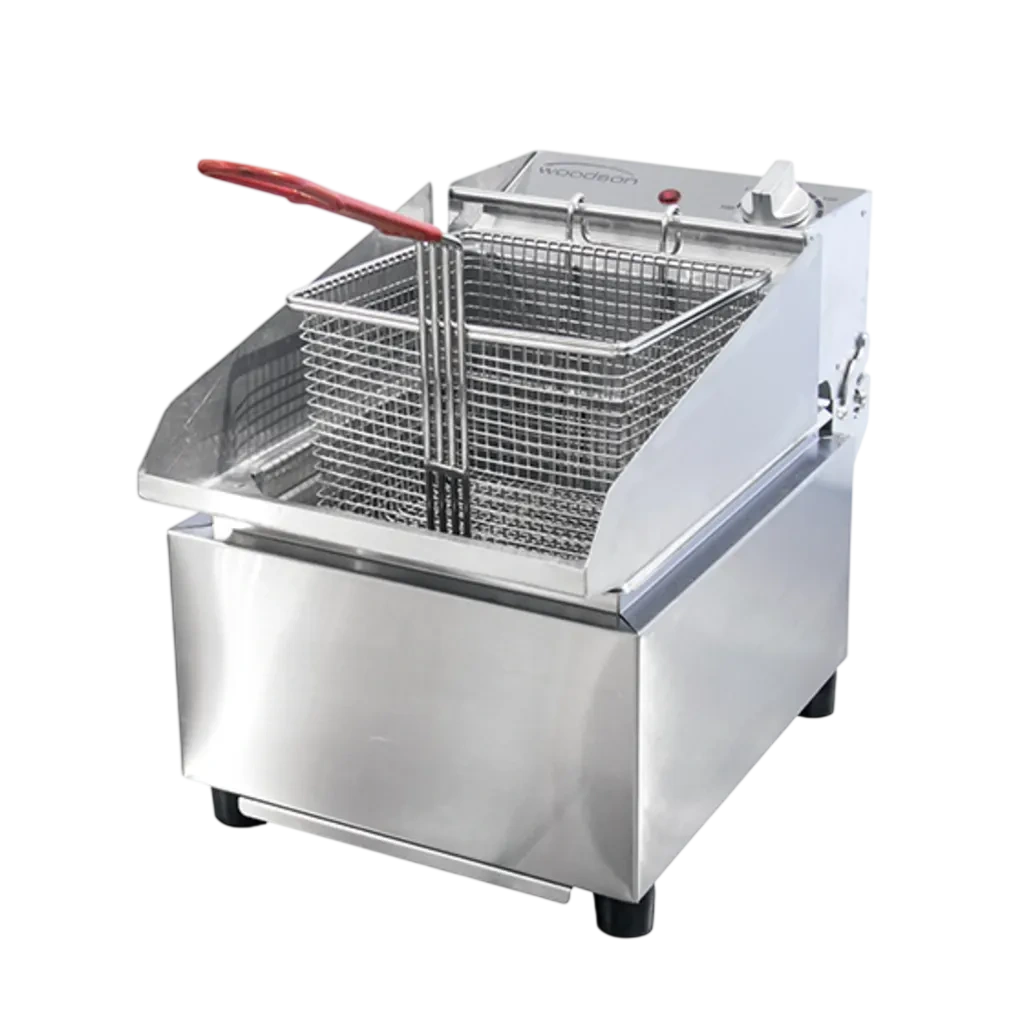
285 × 483 × 335mm