Simcohood
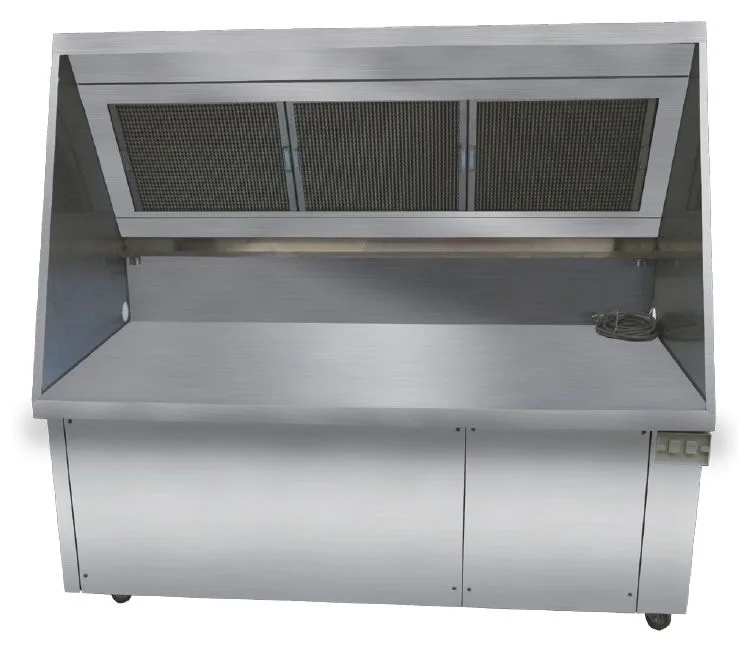
Simcohood DH1800-750D Ductless Exhaust Hood System
1800 × 750 × 1400mm
$18,067.50$20,075.00
In Stock
Canopies and Hoods
A kitchen exhaust system — the exhaust hoods above the stove line and everything behind them — is more than the hood that is visible. An exhaust hood captures the plume, an extractor fan moves it, ducting carries it out, and replacement air comes back in to make up what left. A system that fails usually fails on one of the parts nobody looked at rather than on the hood itself.
Extraction rate is set by what is cooked on the stoves beneath the hood and by the capture area, not by the size of the kitchen. Underspecified extraction leaves heat and vapour in the room; overspecified extraction pulls conditioned air out of the building faster than it can be replaced, which shows up as doors that are hard to open and burners that behave oddly.
Make-up air is the part most often missing. Every cubic metre extracted has to come back into the kitchen somewhere, and if that is not planned it arrives through gaps, corridors and dining rooms, dragging noise and smells with it.
Ducting route and length affect performance as much as fan selection. Long runs and multiple bends cost pressure, so the fan and the route need to be considered together rather than in sequence.
Key factors to consider before purchasing. Our team can help you find the right fit — call or get a quote anytime.
Match equipment capacity to your daily output. Consider available floor space and door clearances.
Confirm levelling, wall clearance and the access needed for cleaning and service. We can help with kitchen planning.
Submit your kitchen requirements — our equipment specialists will send you a tailored shortlist of range hood station that fits your budget, venue type and compliance needs.
Standards & Compliance
Before planning kitchen exhaust ventilation systems, confirm the appliance line, the ceiling and roof structure, the duct route available and where replacement air will enter. Check the extraction rate against the capture area rather than against room volume.
Look at how the fan is accessed for service, how noise is managed at the discharge point and in the kitchen, and how the system is cleaned along the whole duct rather than only at the filters. Ductwork that cannot be cleaned along its length becomes the problem the system was installed to prevent.
FAQ
No. Range hood stations are designed for light- to medium-duty cooking only.
Most enclosed tenancies accept certified ductless systems, but requirements vary by landlord.
Generally no—most ventless systems are restricted to electric benchtop appliances.
Carbon filters: 2–6 months. Grease filters: weekly or as needed.
No. Capture, extraction, ducting and make-up air work as one system. A hood chosen in isolation usually underperforms, and the fault normally lies in one of the parts that is not visible.
Why KW
KW can help think through a kitchen exhaust system as a whole — hood, extractor fan, ducting and make-up air — rather than as a hood chosen in isolation. For practical advice on kitchen exhaust systems, call KW on 1300 001 366.
Deep Dive
Technical depth from KW's commercial kitchen specialists.
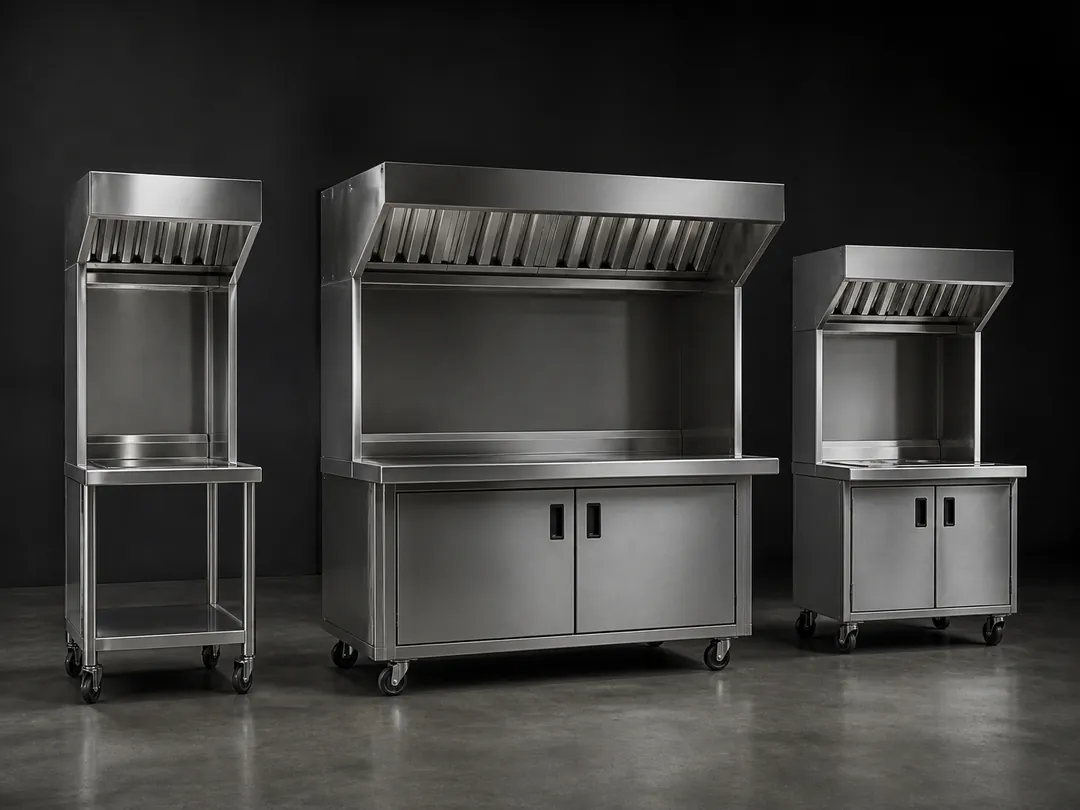
Browse our range hood stations designed for venues requiring ductless extraction and built-in stainless steel cabinetry. Perfect for cafés, food court stalls and compact commercial kitchens.
Capture, extraction, ducting and replacement air are one system. A hood specified without the rest usually underperforms, and the fault is rarely in the part that is visible. Plan all four together.
Everything extracted has to be replaced. Where that is not planned, air arrives through doors, corridors and dining rooms, bringing noise and cooking smells with it, and doors become hard to open. It is the most commonly missed part of the design.
Long duct runs and multiple bends cost pressure, so the route and the extractor fan have to be chosen together. A fan sized against a theoretical run underperforms once the real route with its bends is installed.
Filters are cleaned weekly, but grease travels along the duct. Confirm there is access to clean the full run rather than just the hood, because ductwork that cannot be cleaned becomes exactly the hazard the system was installed to prevent.
From what is cooked beneath the hood and the capture area, not from room size. Too little leaves heat and vapour in the kitchen; too much pulls conditioned air out faster than it can be replaced.
It is the air replacing what the system extracts. It is always needed. Where it is not planned it arrives through doors, corridors and dining areas, carrying noise and smells and making doors hard to open.
Yes. Long runs and bends cost pressure, so the extractor fan and the route must be selected together. A fan sized against an idealised run will underperform on the route actually installed.
10 results
1800 × 750 × 1400mm
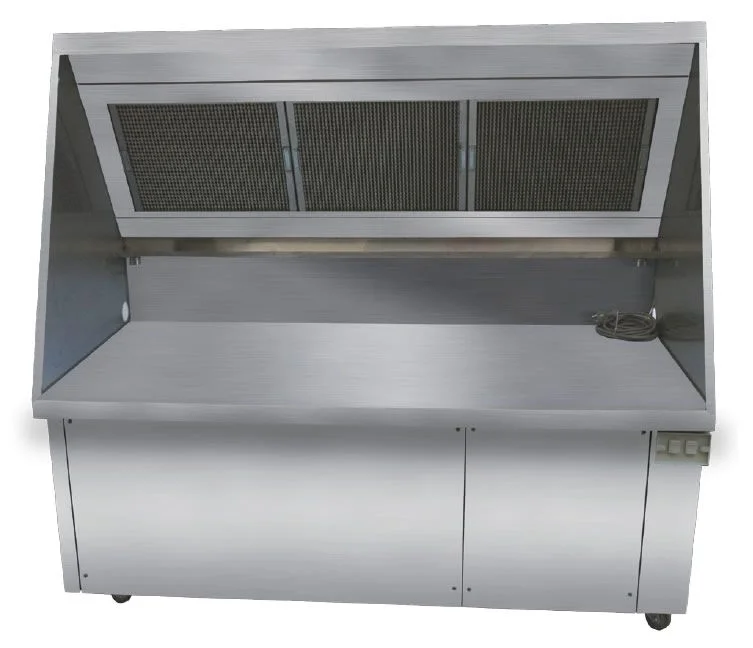
1500 × 850 × 1400mm
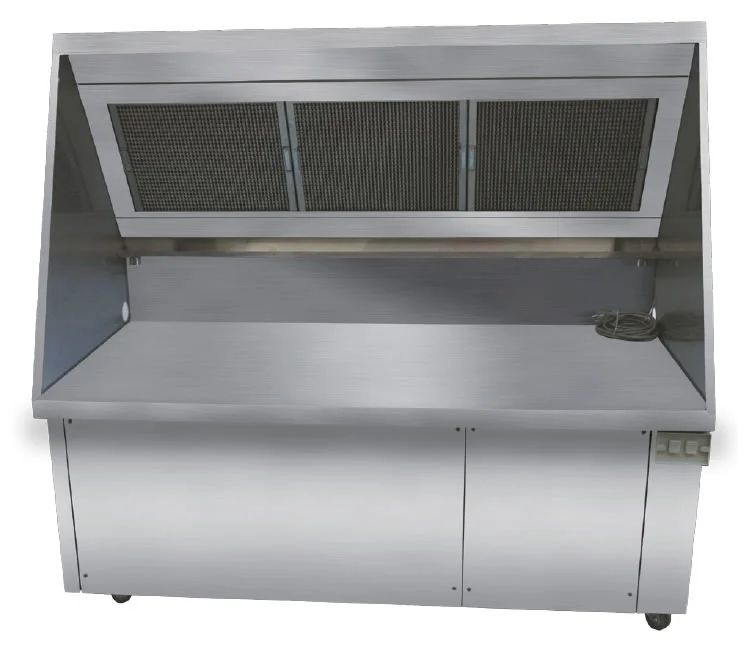
1800 × 850 × 1400mm
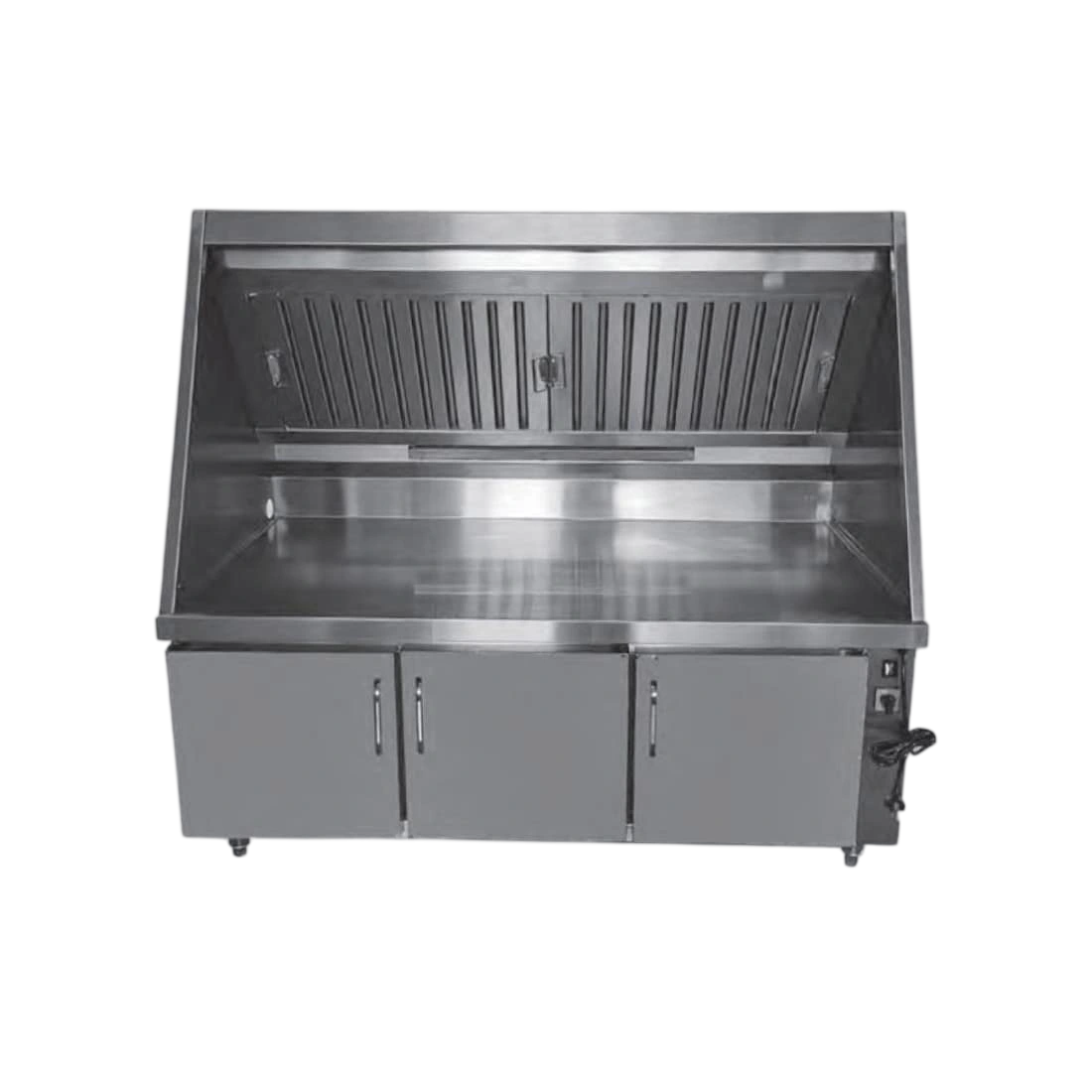
1800 × 850 × 1400mm
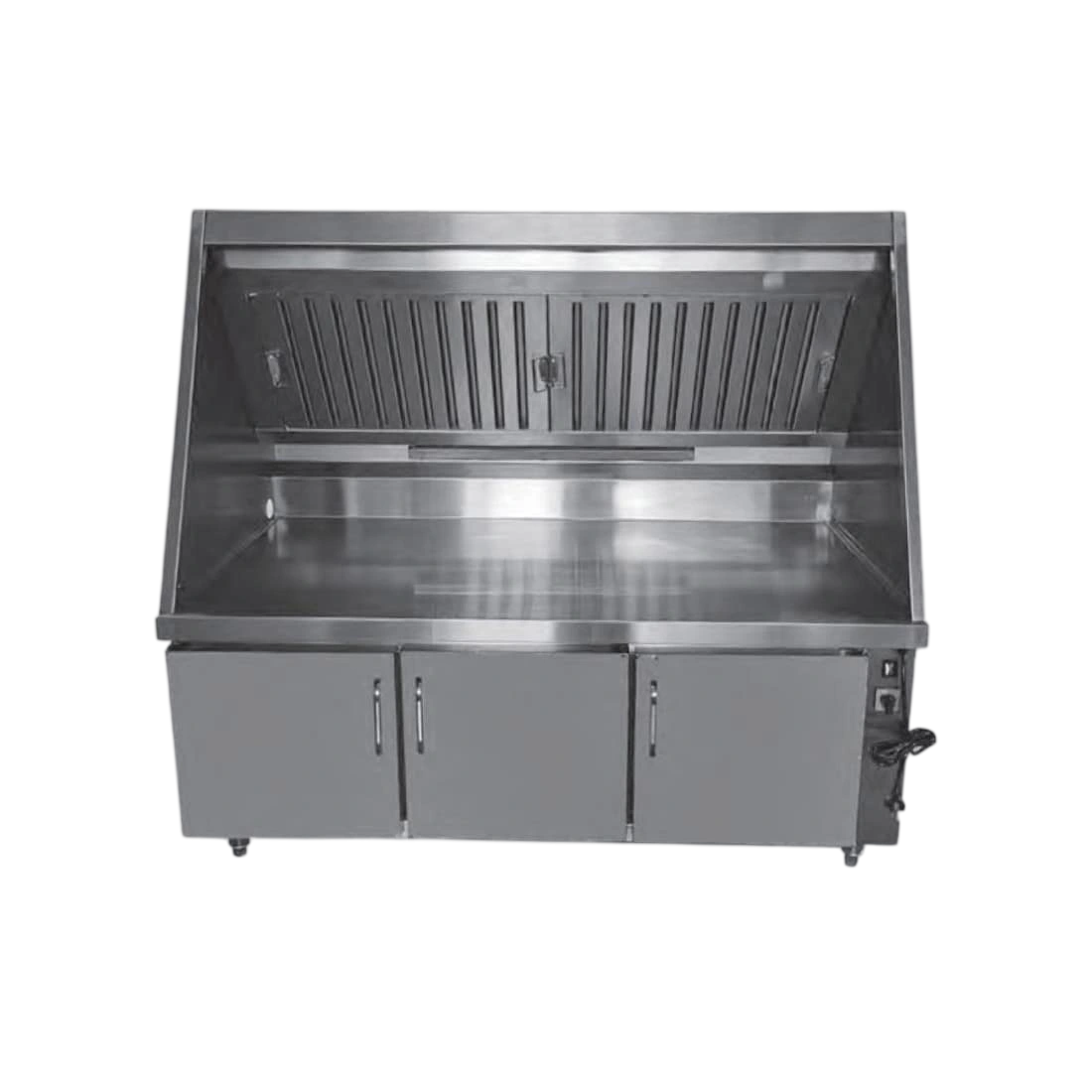
1500 × 850 × 1400mm
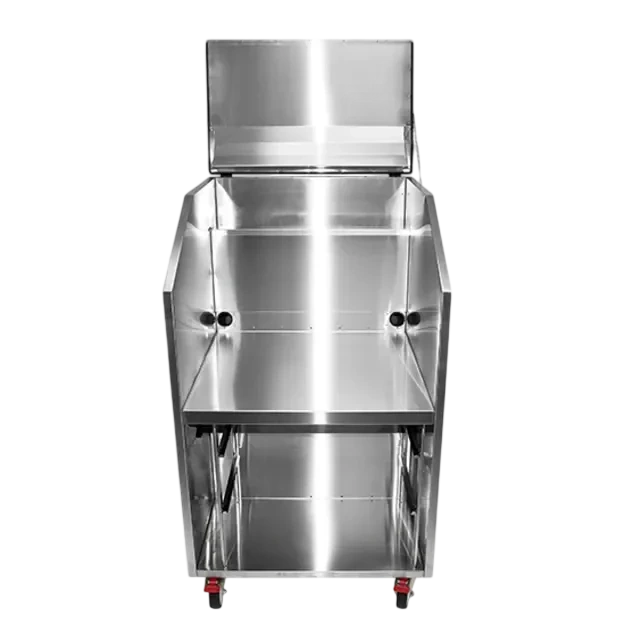
850 × 800 × 1200mm
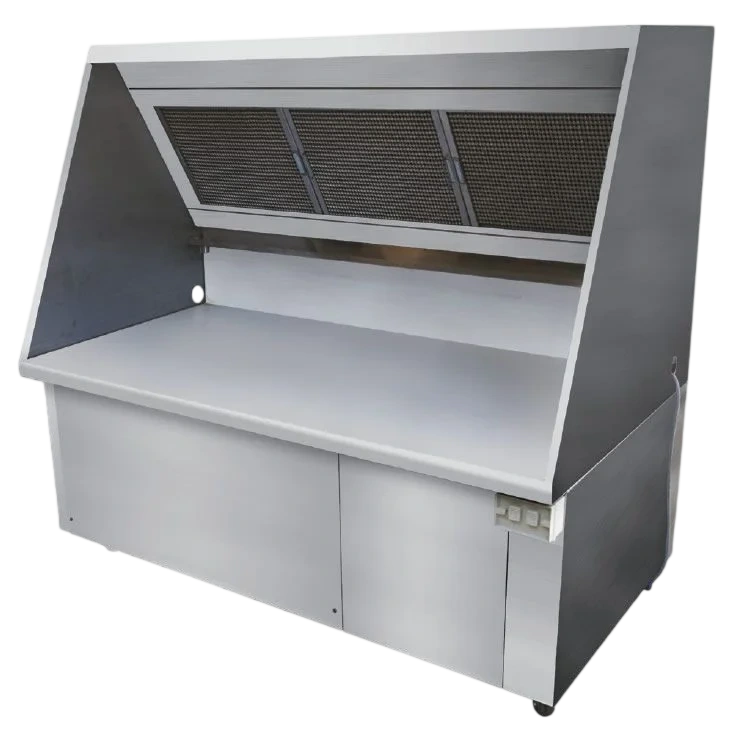
1500 × 750 × 1400mm
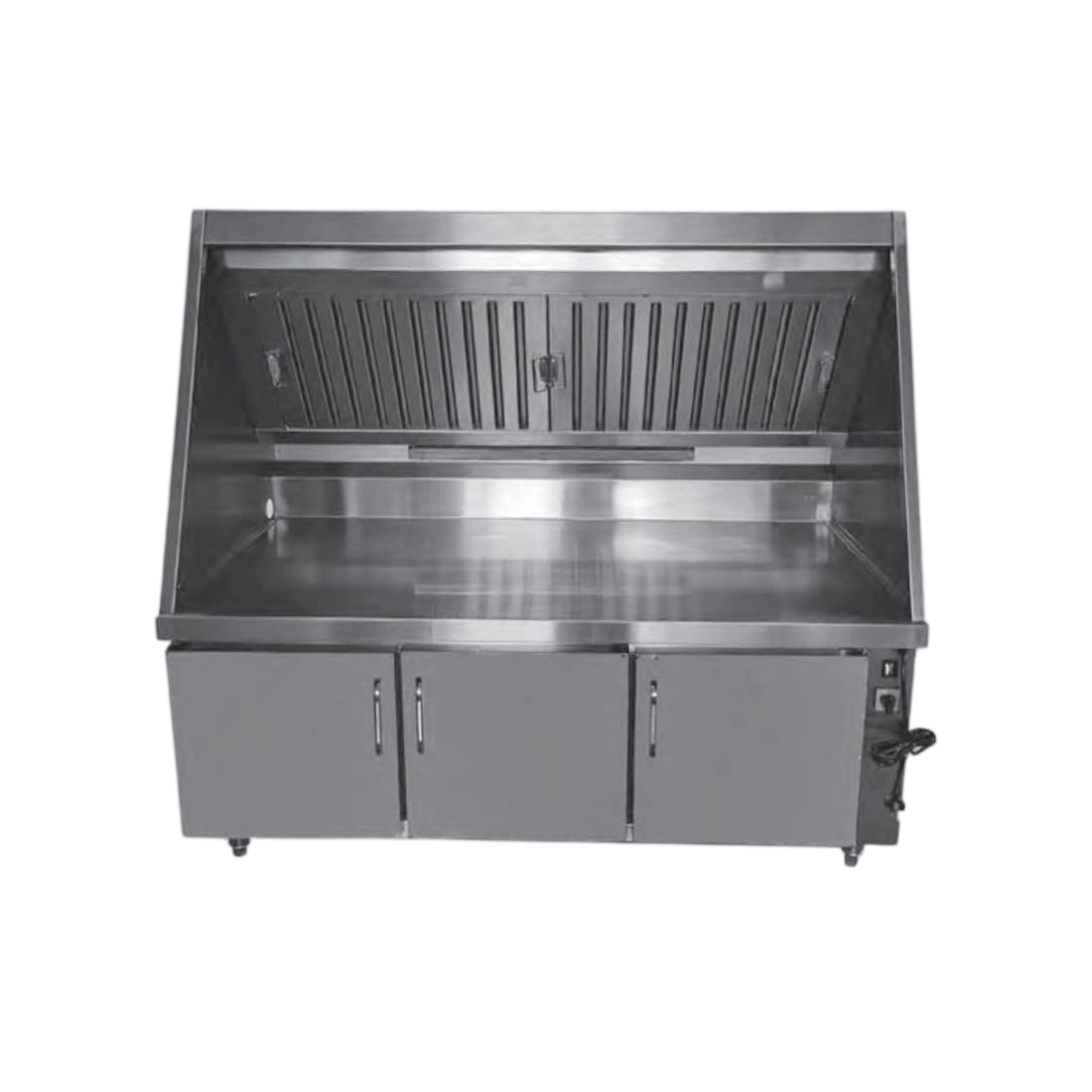
1800 × 750 × 1400mm
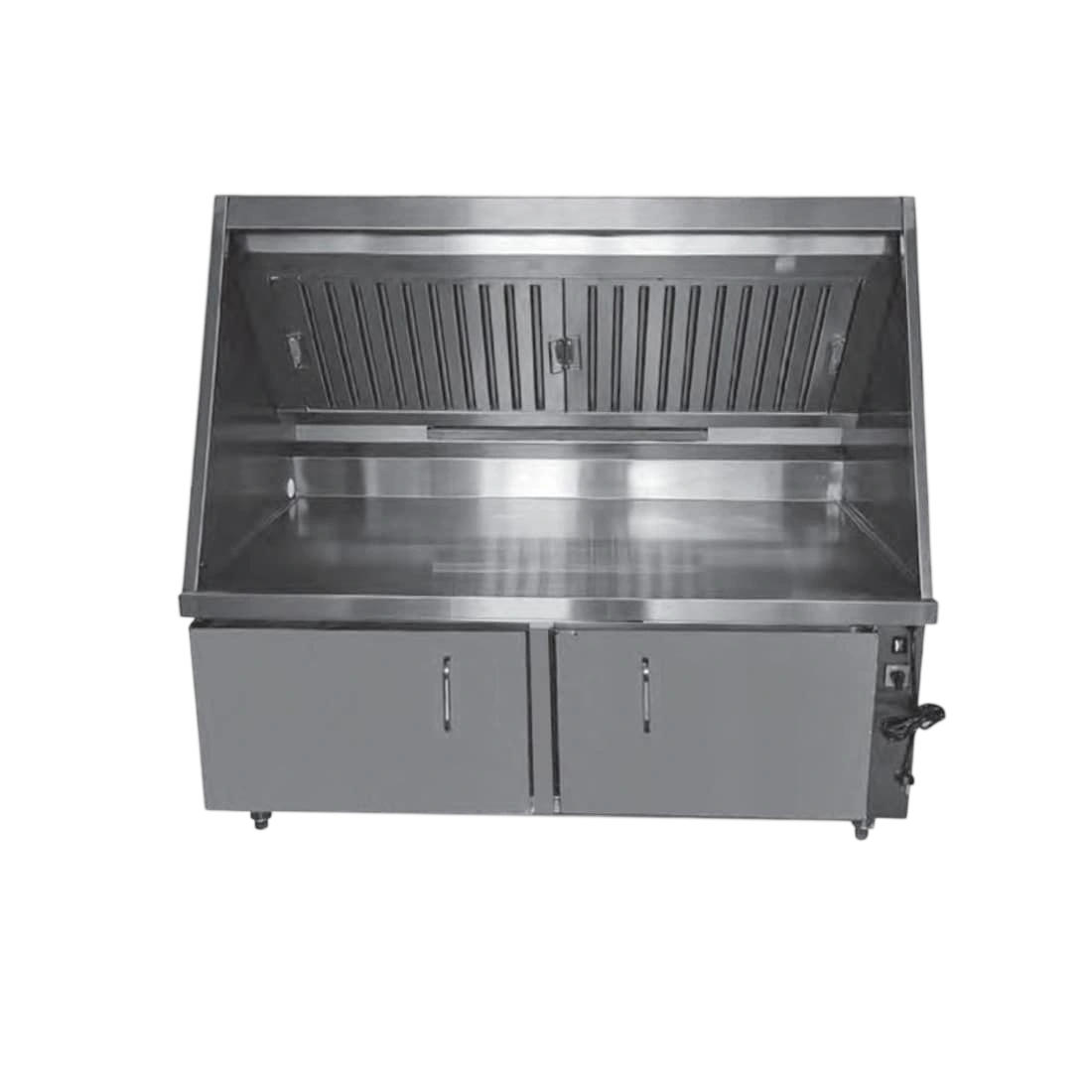
1200 × 750 × 1400mm
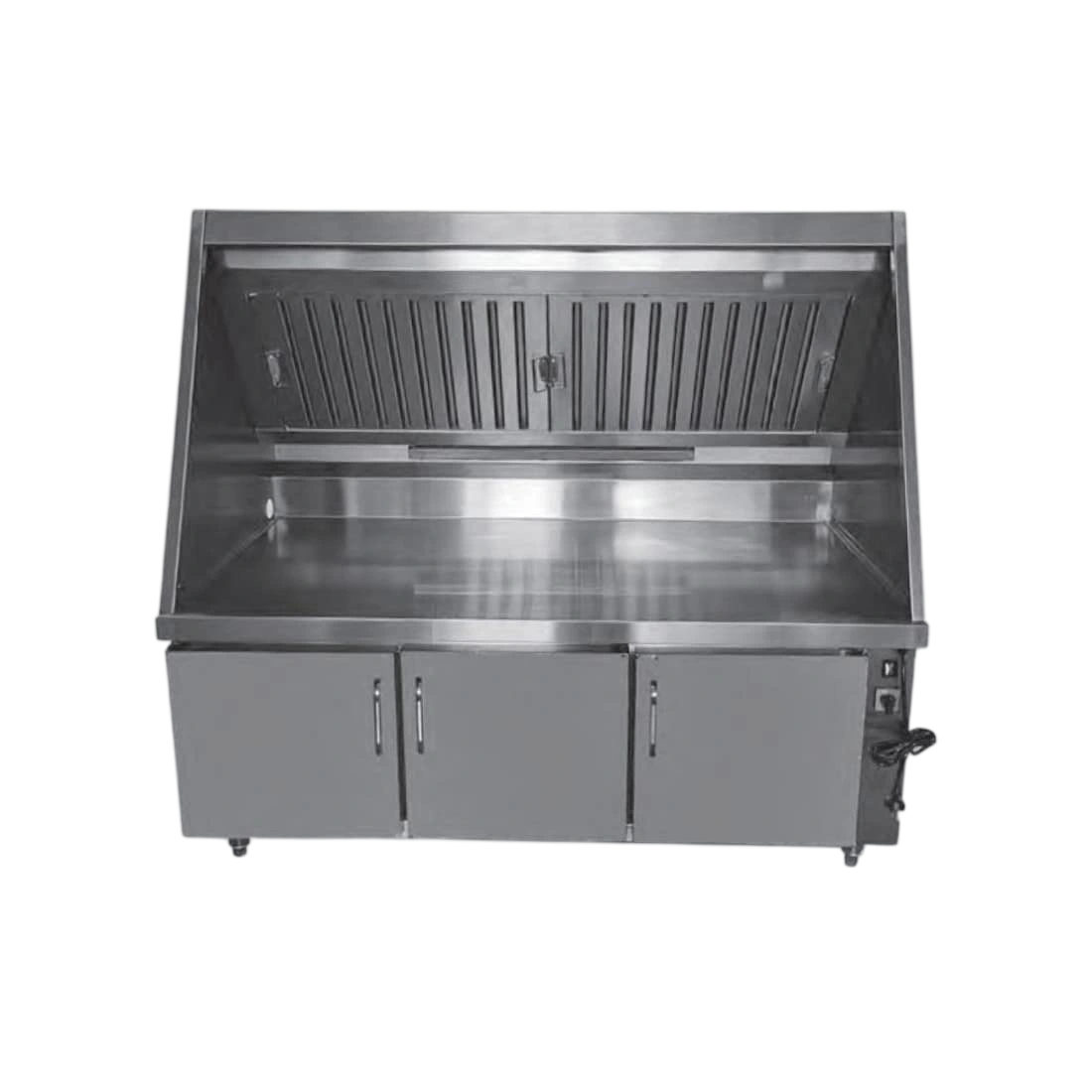
1500 × 750 × 1400mm