Atosa
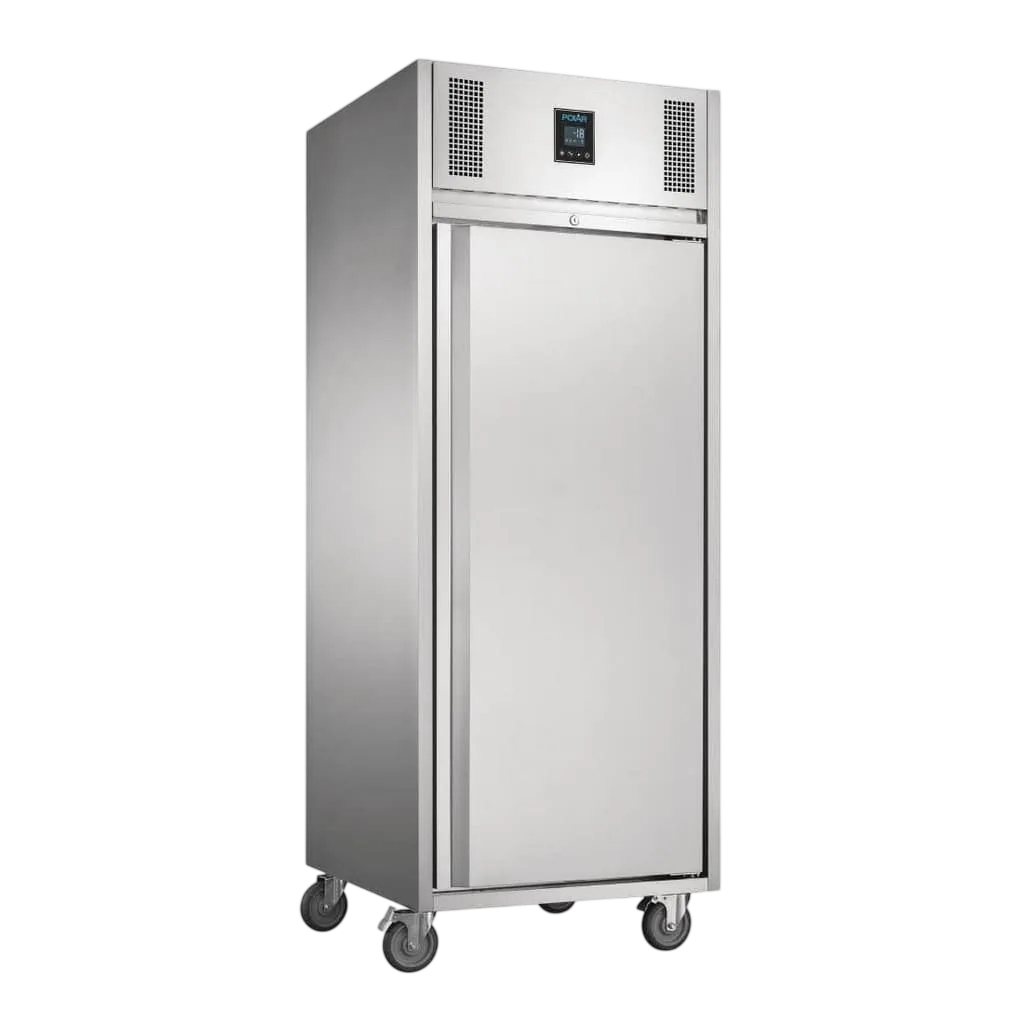
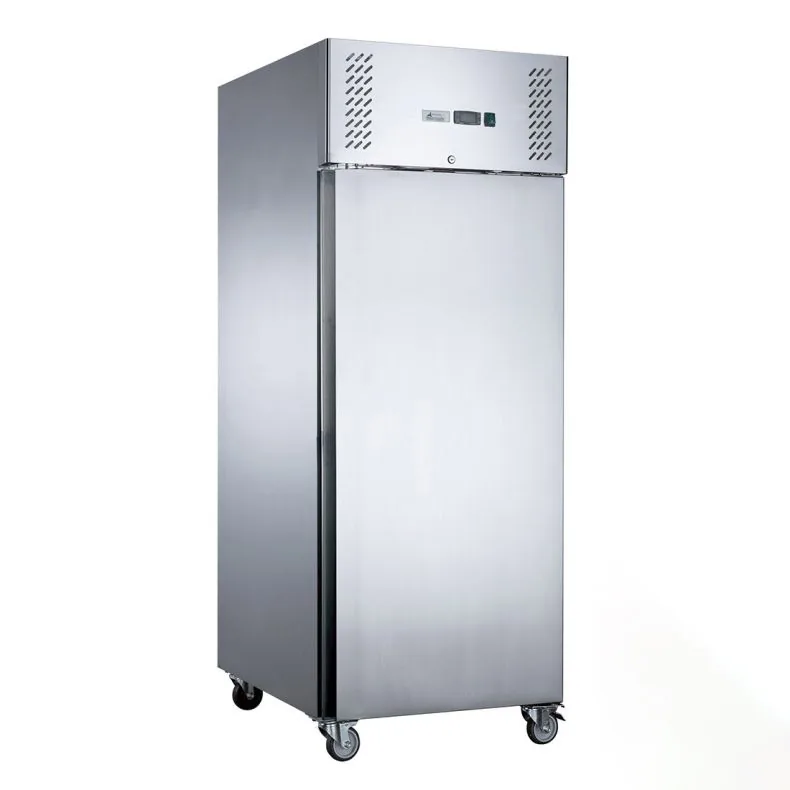
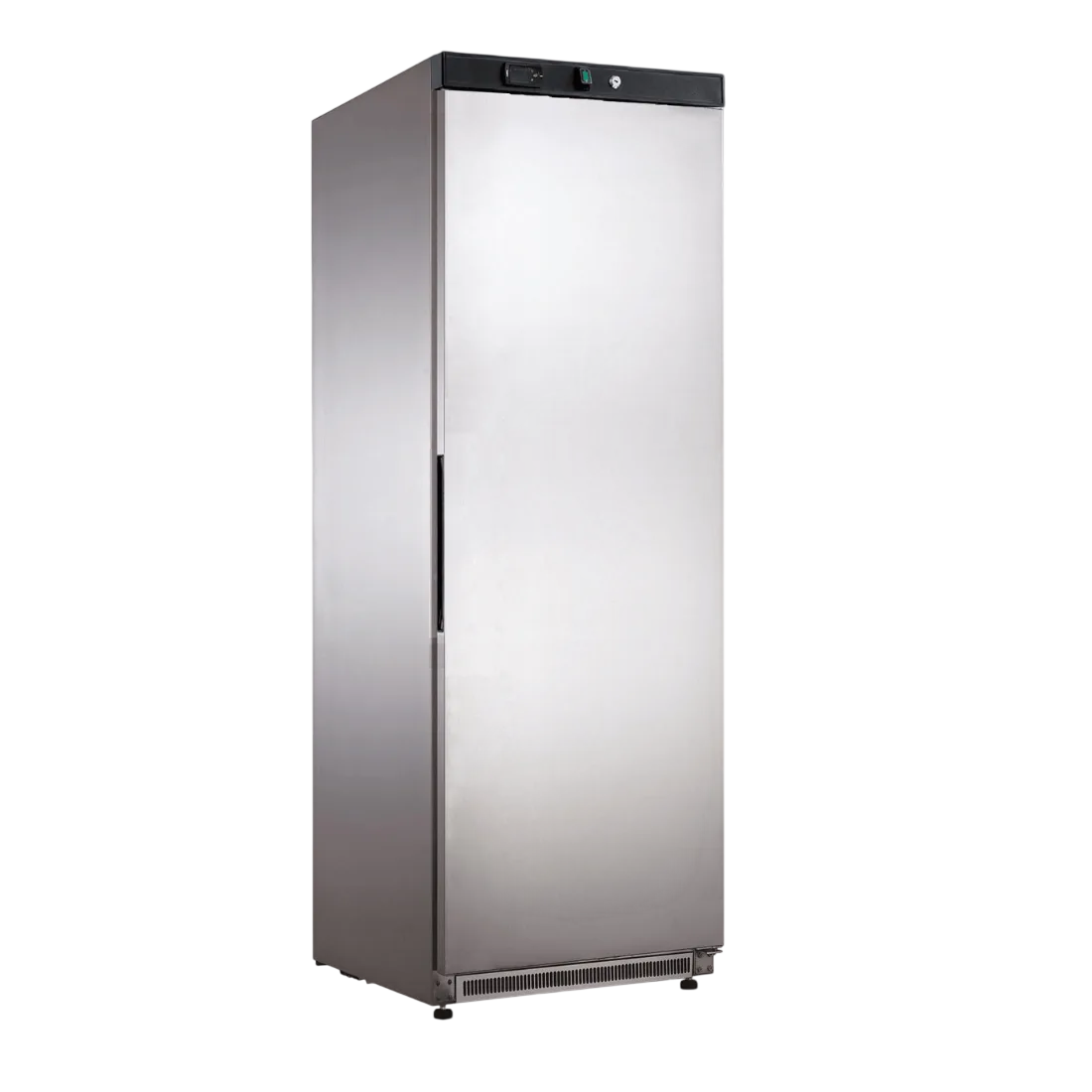
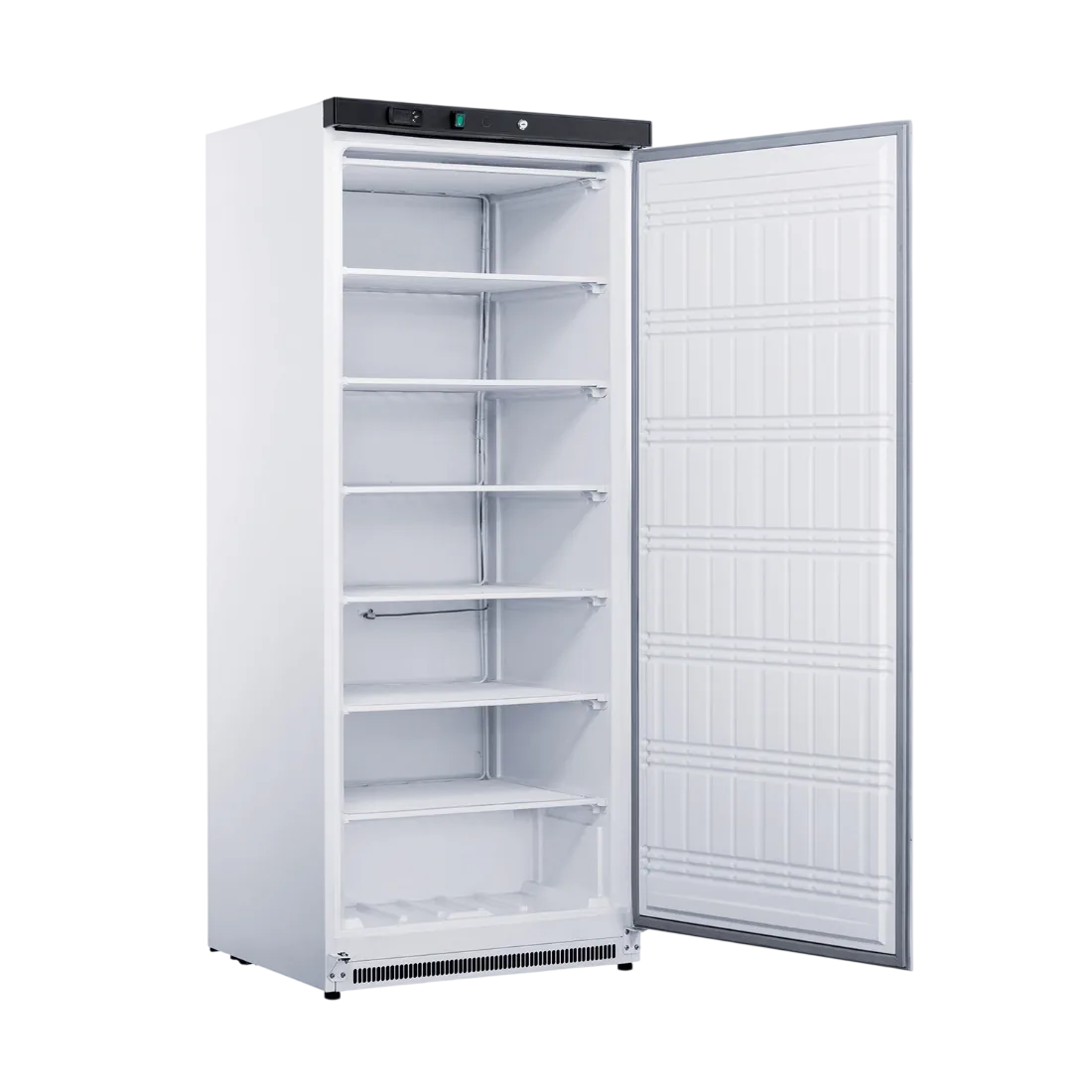
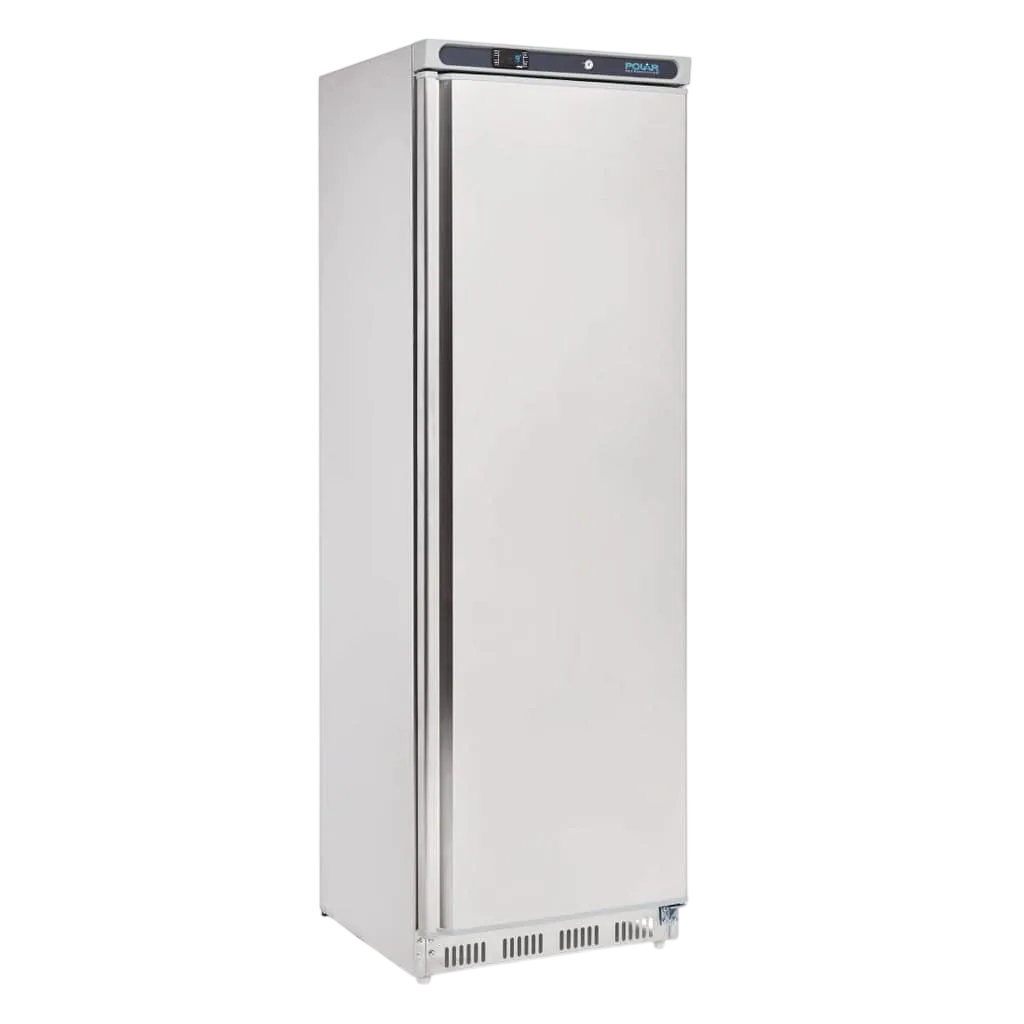
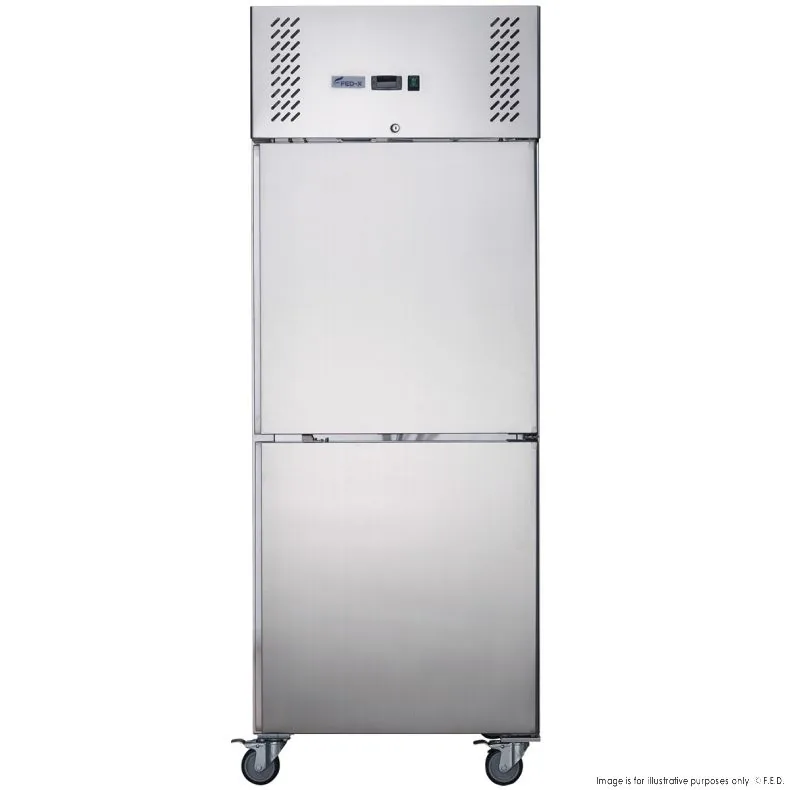
Atosa MBF8001 Upright Freezer – Elite Series, 1 Door 730mm
730 × 845 × 2105mm
$2,952.30$4,542.00
In Stock
Commercial Freezers
Commercial upright freezers are built for kitchens and food businesses that need frozen stock visible, organised and close to the prep line. They suit venues that rotate boxed ingredients, portioned packs, frozen bakery items, seafood, meat, desserts or backup service stock, but still need staff to find items quickly without digging through a chest freezer.
Choose an upright freezer when shelf access, labelled storage and fast picking matter more than deep bulk holding. For customer-facing frozen merchandising, compare display freezers instead; for high-volume back-of-house bulk storage, a chest freezer or walk-in solution may be a better fit. Before buying, check door swing, aisle clearance, shelf loading, airflow space, defrost needs, cleaning access and whether the model suits the conditions of your site.
Key factors to consider before purchasing. Our team can help you find the right fit — call or get a quote anytime.
Match equipment capacity to your daily output. Consider available floor space, door clearances, and whether you need underbench or upright models.
Forced air cooling recovers temperature faster — ideal for busy kitchens. Static cooling suits low-traffic display. Check power supply (single vs three phase).
Ensure adequate ventilation clearance. Check local council requirements for gas connections and electrical compliance. We can help with kitchen planning.
Submit your kitchen requirements — our equipment specialists will send you a tailored shortlist of upright freezers that fits your budget, venue type and compliance needs.
Call our refrigeration team on 1300 001 366 for guidance on selecting the ideal upright freezer for your storage volume, workflow and kitchen environment.
Standards & Compliance
For upright freezers, the buying decision is about workflow and site fit, not only litre capacity:
FAQ
Commercial kitchens run freezers at -18°C to -22°C for food-safety compliance.
“Vapor lock” occurs when warm air cools rapidly. Pressure relief valves reduce this suction.
Poor airflow, gasket damage or defrost malfunction can lead to internal frosting.
Frost-free systems reduce manual defrosting but circulate warmer air during cycles.
Yes. Adequate ventilation is essential, especially in hot or enclosed kitchen environments.
Why KW
KW helps buyers compare upright freezers by workflow, not only by cabinet size. We look at how frozen stock is handled in the venue, how often staff open the doors, whether shelf visibility matters, and whether the freezer needs to sit near prep, storage, catering or supermarket back-of-house areas. If an upright freezer is not the right fit, the buying path should point clearly toward chest, underbench, workbench or display freezer alternatives.
Deep Dive
Technical depth from KW's commercial kitchen specialists.
Upright freezers suit restaurants, cafes, catering kitchens, bakeries, supermarkets and takeaway venues that need frozen stock organised on shelves. They are useful for portioned ingredients, labelled boxes, GN-pan-adjacent prep systems, desserts, frozen bakery items and backup service stock where staff need fast access during a shift. They are usually a back-of-house storage choice, not a merchandising display choice.
Choose an upright freezer when vertical shelf access and stock visibility matter. Choose a chest freezer when deep bulk storage is more important than quick picking. Choose an underbench or workbench freezer when frozen stock needs to sit directly under a prep surface. Choose a display freezer when customers need to see and select the product.
Compare usable shelf space, door count, shelf adjustment, aisle clearance and door swing before comparing price. A larger cabinet can still be the wrong choice if it blocks service flow, cannot open fully, or encourages overloading that restricts airflow.
Upright freezers need clear airflow paths, sensible shelf loading, clean seals and suitable installation space. Avoid placing cabinets hard against hot equipment or in sites where the model is not suited to the operating conditions. Check the product specifications for verified temperature range, climate class, electrical requirements, defrost type and ventilation clearance before ordering.
Upright freezers offer vertical organisation, easier access, faster restocking and better workflow efficiency.
Choose an upright freezer when staff need fast shelf access, labelled stock and better visibility during prep or service. Choose a chest freezer when deep bulk storage is the priority and staff do not need to pick individual items as often.
Most upright freezers in this category are intended for back-of-house storage. If customers need to see and select frozen products, compare display freezers instead.
Check door swing, aisle clearance, ventilation space, electrical requirements, shelf loading, cleaning access, defrost type and the verified temperature or climate specifications for the model you are considering.
They can be suitable when the chosen model matches the site conditions and staff loading habits. In hot or high-use kitchens, confirm the model's verified specifications and allow enough clearance for airflow.
Plan for shelf cleaning, gasket checks, spill control, stock rotation and defrost management where relevant. A freezer that is easy to clean and load correctly is more likely to hold stock consistently and support faster kitchen workflows.
Upright freezers usually pair with commercial upright fridges for chilled ingredients, commercial chest freezers for backup frozen stock, and workbench fridges for prep. If frozen product is customer-facing, compare display freezers instead of buying a solid-door upright.