
7 Essential Considerations When Selecting a Passthrough Dishwasher for Your Australian Commercial Kitchen
Why Investing in a Commercial Passthrough Dishwasher Makes Sense for Australian Restaurants
Introduction
We’ve all been there: sitting at a busy café or restaurant, wondering when our food will arrive, noticing piles of dishes stacked behind the counter. In Australia’s fast-paced dining scene, customers notice everything—from spotless cutlery to the time it takes for their meals to appear. For restaurant owners, this means every detail counts. Slow dishwashing processes don’t just frustrate your customers; they can impact your entire service, your reputation, and your profitability.
That’s why many Australian hospitality businesses are turning to commercial-grade passthrough dishwashers. Designed for busy kitchens, these machines can help keep racks moving through a separate wash-up workflow. At KW Commercial Kitchen, we’ve helped businesses understand why choosing a dishwasher that suits their service, utilities and layout matters.
Still, many operators ask themselves: is a commercial dishwasher really worth the higher price tag compared to domestic models? The answer depends on how much ware you wash, how quickly you need clean racks back, and whether your site can support the machine’s electrical, water and drainage requirements.
Commercial vs Domestic: Why the Investment Matters
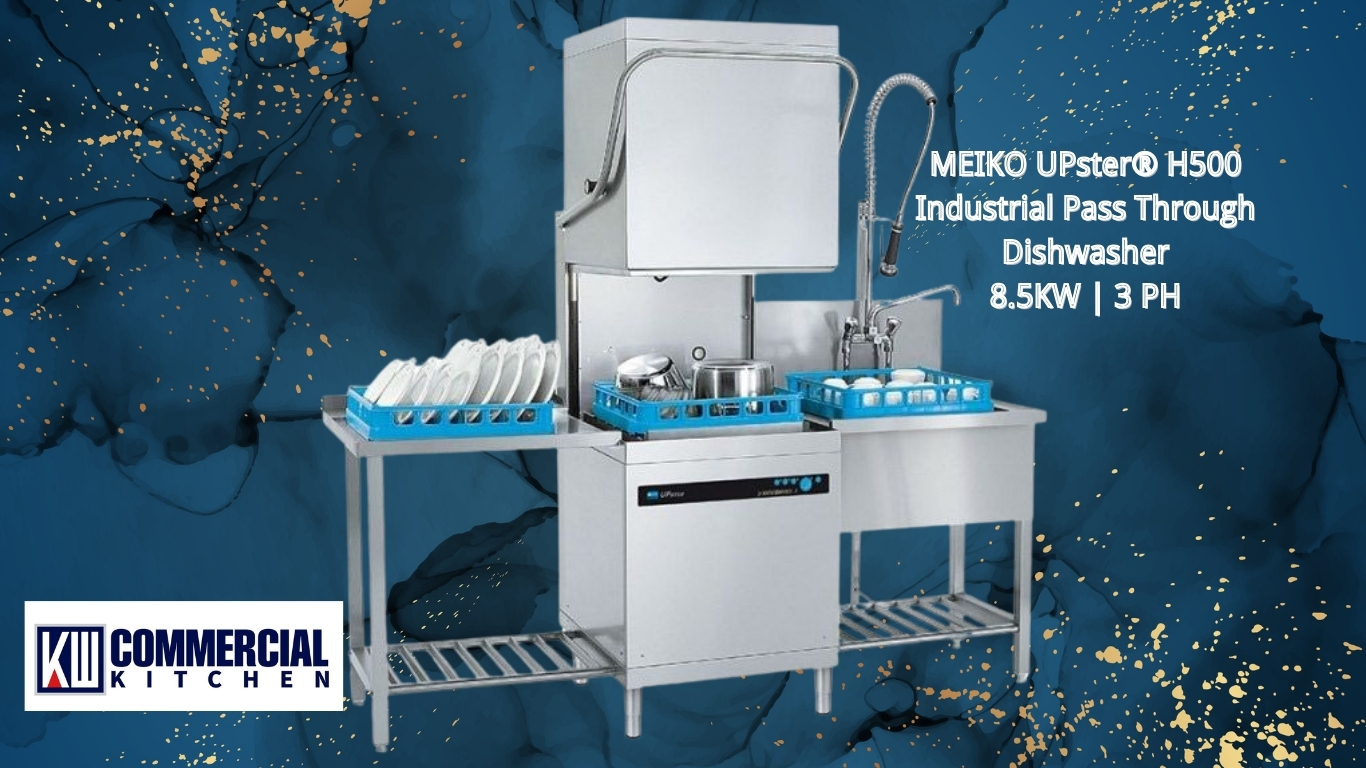
When you’re comparing dishwashers for your business, a lower upfront cost is only one part of the decision. Consider the demands of your service, the ware you wash, and whether the machine and installation suit your premises. Commercial passthrough models are designed for a separate wash-up area where staff can load and unload racks at working height.
| Feature | Domestic/Imported Dishwasher | Commercial Passthrough Dishwasher |
|---|---|---|
| Cycle Speed | Cycle time varies by model and programme | Check the model’s cycle and rack output against peak demand |
| Sanitisation Temperatures | Confirm the sanitising method and operating instructions for the specific model | Check the rinse temperature and the hygiene requirements that apply to your operation |
| Durability & Construction | Suitability depends on the model and workload | Compare construction and service requirements for the intended workload |
| Compliance & Certification (Watermark) | Confirm the required plumbing compliance for the selected unit | Check applicable plumbing, electrical and installation requirements for the model and site |
Before choosing a machine, identify the hygiene requirements for your operation and confirm that the selected model and installation can meet them. A dishwasher’s advertised cycle time or temperature alone does not establish compliance; operating practices and the applicable requirements also matter.
Understanding the needs of your kitchen is the first step. Next, compare the machine’s output, rack size, utilities and installation requirements with your daily operations.
Assessing Your Real Kitchen Demands
Every commercial kitchen in Australia has its own rhythm. Whether you’re operating a cosy café in Melbourne’s laneways, a bustling takeaway in Sydney’s CBD, or a large dining venue along Brisbane’s vibrant South Bank, your dishwasher should match your operational demands.
Daily Covers and Peak Service Hours
Begin by evaluating your average daily customer volume and peak-time dishwashing loads:
- Small cafés: Work out how many cups, plates and cutlery items need washing during the busiest service, not just across the whole day.
- Busy takeaway or fast-food venues: Consider the volume of greasy utensils, trays and reusable serviceware, as well as the space available for scraping and pre-rinsing.
- Large restaurants or hotel kitchens: Include cookware and gastronorm trays in your assessment, and check that racks and machine opening suit the largest items you plan to wash.
Dish Types and Menu Considerations
Different dish types affect the rack space and wash-up routine you need:
- Standard tableware: Plates, cups, glasses and cutlery need suitable racks and careful loading.
- Heavy-duty cookware: Pots, pans, baking trays and greasy utensils may need a suitable rack arrangement and a machine designed for those items.
Kitchen Layout and Workflow Efficiency
Evaluate your kitchen’s layout carefully:
- Plan the dishwashing workflow from scraping and pre-rinsing through to clean dish storage.
- Allow space for staff to load and unload racks without blocking other work areas.
- Check the machine dimensions and the clearance needed for the hood to open, along with access for servicing.
Electrical Infrastructure: Ensuring Safe Operation
Electrical compatibility and safety are paramount:
- Check the model’s phase, voltage and power requirements against the electrical supply available at your premises.
- Some commercial passthrough models require three-phase power; requirements vary by model.
- Have a qualified electrician assess whether your site can safely supply the selected machine before installation.
Once you have assessed daily demand, ware, space and the available utilities, you can compare models against the requirements that matter to your business.
Understanding Technical Essentials Clearly
Selecting a passthrough dishwasher involves more than matching its output to your service. Check its technical specifications and confirm that they work with the services and layout at your site.
Electrical Requirements: Single-phase vs Three-phase
Commercial dishwashers are available with different electrical configurations. Check each model’s specification sheet for phase, voltage and power, and have a qualified electrician assess your supply and installation needs.
- Single-phase: Check the model’s stated electrical requirements and whether your premises can support them.
- Three-phase: Some passthrough machines use three-phase supply. Confirm the site connection and installation requirements before selecting a unit.
Do not assume that a building’s existing supply suits a particular dishwasher. Confirm the machine’s requirements with a qualified electrician before purchase and installation.
Water Pressure and Hardness: Managing Quality and Maintenance
Water conditions can affect dishwasher performance and maintenance:
- Water pressure: Check the machine’s specified inlet requirements and ask a plumber to assess whether your supply is suitable.
- Water hardness: Mineral deposits can build up in equipment. Ask a water-treatment professional whether a softener or other treatment suits your local water and machine.
Cycle Speeds and Energy Efficiency: Cost-saving Impacts
Compare the manufacturer’s stated cycle time and rack output with the volume you need to wash during peak service. Energy use depends on the model, installation, settings and workload, so use the machine’s specifications and your expected operating pattern when comparing costs. Heat recovery or heat condensing features may affect steam and energy use; check the specific model’s details and suitability for your site.
Technical specifications are only one part of the decision. Make sure the machine and its installation meet the hygiene, plumbing, electrical and ventilation requirements that apply to your premises.
Complying with Australian Hygiene and Safety Standards
Commercial kitchens need to follow the food safety and installation requirements that apply to their operation and premises. Check the required sanitising method and temperature for your setup, and confirm that the selected dishwasher can support the process described in its operating instructions. For example, the Hobart ECOMAX PLUS H615 has a stated wash range of 55–65°C and a minimum rinse temperature of 82°C.
Do not rely on a machine’s cycle label alone to establish hygiene compliance. The correct operating procedure, maintenance and any applicable local requirements all contribute to a suitable wash-up process.
Consistent cleaning practices help protect customers and support a reliable service routine. Train staff to load racks correctly, use suitable chemicals and follow the machine’s operating and cleaning instructions.
Ventilation and Hood Requirements: Council Compliance
Ventilation needs depend on the machine, kitchen design and local requirements. Before installation, ask your council or a suitably qualified kitchen designer what ventilation or extraction applies to your site. A model with heat recovery or heat condensing may reduce steam released into the room, but do not assume that it removes the need for a hood or other approval.
Confirm ventilation, plumbing and electrical requirements as part of the installation plan so the dishwasher fits the room and the way your team works.

Hood Types, Heat, and Ventilation: A Practical Overview
Ventilation planning is part of choosing and installing a commercial passthrough dishwasher. The right arrangement depends on the equipment, room and requirements that apply to your premises. Discuss the layout with a qualified kitchen designer or your local council before deciding whether an extraction canopy or another arrangement is suitable.
Traditional Exhaust Canopies vs Heat Recovery Systems
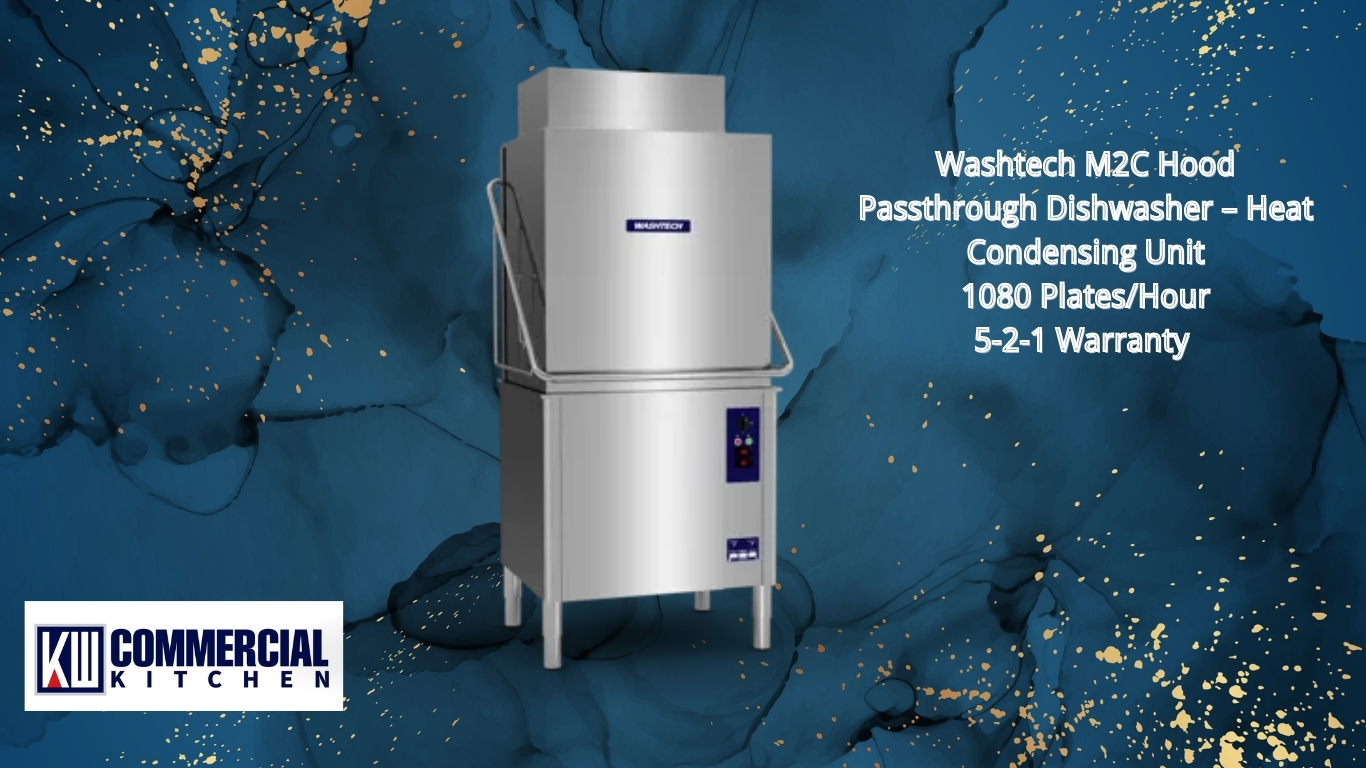
An exhaust canopy and a machine with heat recovery or heat condensing address steam in different ways. The Washtech M1C is described as a heat-condensing passthrough dishwasher. Compare the feature, machine dimensions and site requirements with your ventilation plan; the feature alone does not establish whether an external hood is required.
Local Council Requirements and Approvals
Installation requirements can depend on the premises and local authority. Check with your council and the tradespeople responsible for the installation before finalising the layout. Include ventilation, electrical supply, plumbing, drainage and service access in the plan.
When comparing brands, focus on the features that match your priorities: the Washtech M1C has a heat-condensing feature, the Meiko M-iClean HXL is listed as an AirConcept hood dishwasher, and the Hobart Ecomax Plus H615 is a pass-through model. Compare each machine’s requirements and dimensions with your site before choosing.
Brand Comparison: Washtech, Meiko, Hobart, Fagor & Others
Choosing a commercial dishwasher brand depends on your workload, site requirements and the features you value. Compare the specifications of individual models rather than assuming that every model from a brand has the same configuration.
Washtech: Local Support and Energy Efficiency
Washtech offers a range of commercial dishwasher models. The Washtech M1C is described as a heat-condensing passthrough dishwasher. Check its electrical and installation requirements alongside the available space and ventilation arrangements at your premises.
Meiko: German Innovation and Ergonomics
Meiko offers models for commercial wash-up areas. The Meiko M-iClean HXL is an AirConcept hood dishwasher, with a stainless steel body, three-phase 400V supply and 20.1 kW power rating. Its dimensions are 1180 mm long, 750 mm wide and 1570 mm high. Check the site clearance and electrical supply before considering it for your kitchen.
Hobart: Robustness and Reliability
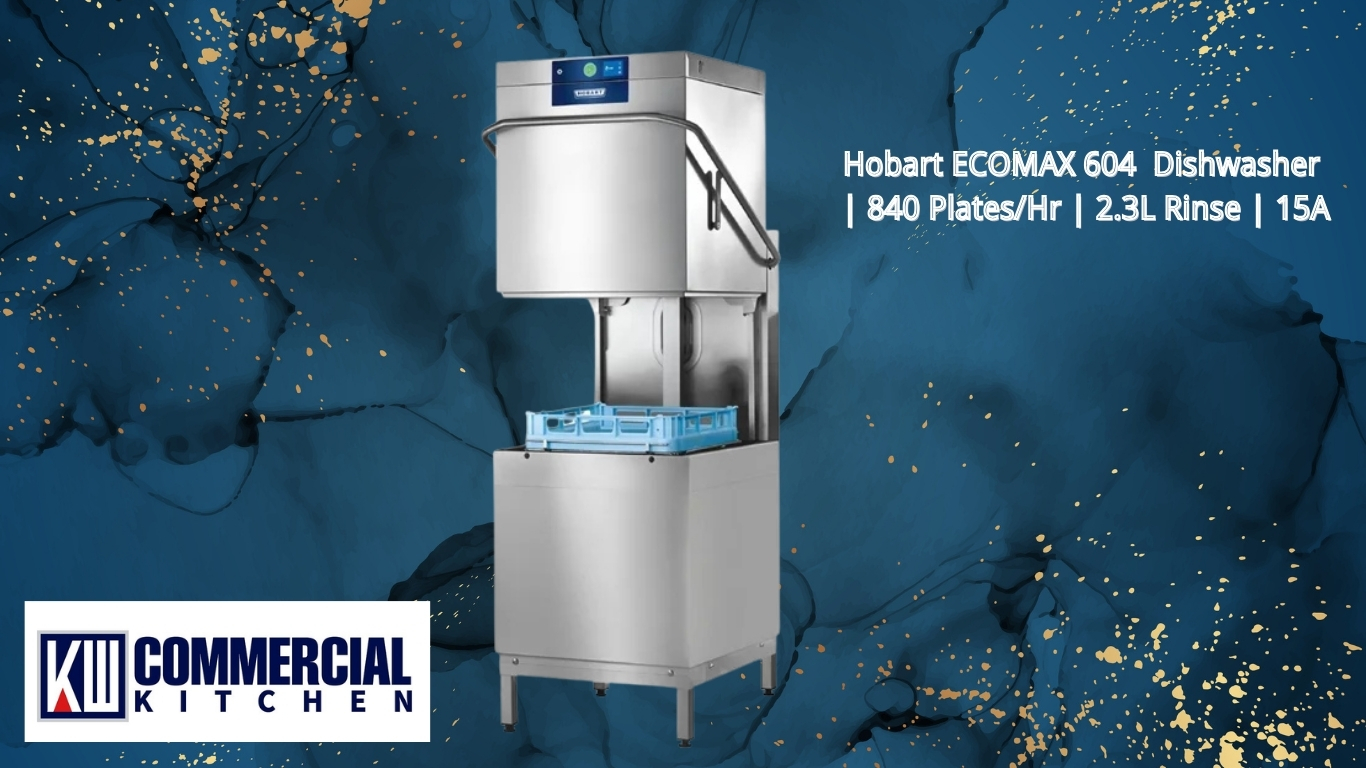
Hobart offers commercial passthrough models. The Hobart Ecomax Plus H615 has a three-phase 415V supply and 7.1 kW power rating. Its dimensions are 635 mm long, 742 mm wide and 1470 mm high. The stated wash temperature range is 55–65°C, with a minimum rinse temperature of 82°C. Check the available electrical supply, operating process and space before selecting it.
Fagor, Asber, Axwood: Budget-friendly Reliability
When considering Fagor, Asber, Axwood or other brands, compare the warranty terms, machine specifications and service arrangements for the exact model. Match the rack capacity, wash requirements and utilities to your kitchen rather than relying on brand alone.
Specialised High-End Solutions: Eliminating Manual Polishing
Some commercial wash-up systems include water-treatment features intended to reduce spotting on glassware and cutlery. Check what the specific system is designed to do and whether it suits your water quality, ware and operating routine.
After narrowing down the model, plan its installation carefully. Electrical supply, plumbing, drainage, ventilation and access all affect whether it will work well in your kitchen.
Realistic Installation Advice for Australian Restaurants
Understanding Essential Installation Requirements
Proper installation helps a commercial passthrough dishwasher operate as intended. Key considerations include:
- Electrical: Check the selected machine’s phase, voltage and power requirements with a qualified electrician before installation.
- Water Supply & Pressure: Confirm the machine’s water inlet requirements with a plumber, and ask whether water treatment is appropriate for your supply.
- Drainage: Professional plumbing setup is important for suitable drainage. Plan the connection and access with a qualified plumber.
Importance of Professional Installation in Australia
Use suitably qualified tradespeople to assess and install the machine in line with the requirements that apply to your premises. Confirm the installation, commissioning and maintenance requirements for the selected model, including any effect on its warranty.
Protecting Your Investment Long-Term
Use chemicals suitable for the machine and follow its operating and cleaning instructions. Regular cleaning and appropriate water treatment can help maintain performance and reduce avoidable wear.
Once correctly installed, daily use and routine care will help your commercial dishwasher support the pace of service.
Maximising Efficiency Through Effective Daily Practices
Daily Usage Tips for Optimal Results
Good daily practices help a dishwasher deliver consistent results. Consider these practical steps:
- Proper Loading: Avoid overcrowding racks; space dishes, utensils and pans so water can reach their surfaces.
- Pre-Rinsing: Remove food scraps before loading to help keep filters clear and support cleaning.
- Use Suitable Chemicals: Follow the machine’s instructions for detergent and rinse aid, including the recommended products and dosing.
Case Study: Consequences of Poor Dishwasher Practices
In a busy café, recurring leaks, inconsistent cleaning and equipment downtime can disrupt service. Overloaded racks, food debris and unsuitable chemicals may contribute to blocked filters, impaired spray arms or damaged seals.
Training staff on loading, scraping and chemical use can help prevent avoidable problems. Make these steps part of the daily routine and follow the cleaning schedule for the machine.
Daily practices matter, and regular maintenance also helps protect your equipment over time.
Essential Maintenance Tips to Extend Dishwasher Life
Practical Maintenance Recommendations
Regular maintenance supports reliable performance. Consider these practical tips:
- Water Quality Management: Ask a water-treatment professional whether your local water conditions call for softening or another treatment.
- Routine Descaling: Follow the machine’s maintenance instructions for descaling and use suitable products.
- Periodic Inspections: Arrange servicing in line with the manufacturer’s guidance and your workload, and address leaks or signs of wear promptly.
Case Study: Real-Life Benefits of Proactive Maintenance
A restaurant that includes water quality checks and regular servicing in its maintenance plan can address wear and scale before they disrupt busy shifts. Keep a record of cleaning, service and any issues so they can be followed up.
Even with regular care, occasional problems can arise. Recognising common symptoms helps you decide when to follow the operating instructions and when to call a technician.
Troubleshooting Common Dishwasher Problems
Frequent Dishwasher Issues and Quick Solutions
Even well-maintained commercial dishwashers can occasionally experience issues. Follow the machine’s operating instructions and address common problems promptly:
- Leaks and Water Pooling: Check for blocked filters or visible damage to seals, and contact a technician if the leak persists.
- Inadequate Water Temperature: Follow the manufacturer’s instructions. If the machine does not reach its stated operating temperatures, contact a technician.
- Cycle Failures or Poor Cleaning Results: Check loading, filters and spray arms as directed in the operating instructions; confirm that chemicals and dosing are suitable.
When to Seek Professional Help
Contact a qualified technician for persistent problems such as electrical faults, heating failures or repeated cycle interruptions. This helps keep repairs and operation in the hands of a suitably skilled professional.
Operational Ease for Staff
A passthrough dishwasher lets staff move racks through the wash-up area without repeatedly lifting them in and out of an underbench machine. Consider the machine height, hood operation and room around the unit when assessing staff workflow and ergonomics.
Once you understand how the machine fits your operation, estimate its running and installation costs against the work it will handle.
Calculating the True ROI of Your Dishwasher Investment
Understanding the Real Costs and Savings
Assessing the value of a commercial dishwasher involves more than its purchase cost. Consider installation, electricity, water, chemicals, maintenance and the staff time required for washing up. Your actual costs depend on the machine, workload, local utility rates and existing workflow.
- Initial Purchase Cost: Include the equipment and installation costs relevant to your site.
- Operational Costs: Estimate electricity, water, detergent, rinse aid and routine maintenance using your expected workload.
- Labour Savings: Estimate how much staff time the machine could free up, and what other work those staff can complete.
Practical ROI Example: A Melbourne Café
To estimate payback for your own café, compare the total equipment and installation cost with the change in labour and utility costs you expect. Use your actual operating hours, wage costs and utility bills; results will vary between kitchens.
Annual Savings Calculation:
- Estimate labour savings from the staff time genuinely reduced or reassigned.
- Estimate any change in energy and water costs using the selected model’s specifications and your expected workload.
- Total annual savings: Add the estimated labour and utility savings.
- ROI (payback period): Divide the equipment and installation cost by the estimated annual savings.
With a realistic estimate of operating costs and workload, you can compare models and installation plans against your business needs.
Why Partner with KW Commercial Kitchen?
Choosing a commercial dishwasher involves matching a machine to your service, site and installation needs. KW Commercial Kitchen lists a range of brands and models, so compare the features and specifications of the units that suit your operation.
Before selecting equipment, consider the space, utilities, drainage and ventilation at your premises, along with the service and maintenance arrangements you need.
Once you have shortlisted a model, discuss its specifications and installation requirements with the relevant qualified tradespeople so the machine fits your kitchen and workflow.
Conclusion: Investing Wisely for Operational Success
Selecting a commercial passthrough dishwasher is a practical decision about workflow, capacity, utilities and installation. Assess your busiest service, the items you need to wash, and the space available for the machine and its hood. Then check the model’s electrical, water, drainage and ventilation requirements with qualified tradespeople. Compare operating costs using your own workload and utility details, and follow the manufacturer’s cleaning and maintenance instructions. A well-matched machine and a suitable installation can help your wash-up area support smooth daily service.
Frequently Asked Questions (FAQ)
1. How much energy can I realistically save with a commercial dishwasher in Australia?
Energy use varies by model, settings, installation and workload. Compare the selected machine’s stated power and operating information with how you expect to use it, and estimate running costs using your own utility rates.
2. Can I install a commercial dishwasher on single-phase power?
It depends on the model. Check its stated phase, voltage and power requirements, then ask a qualified electrician whether your premises can support the connection.
3. Do dishwashers with heat recovery systems eliminate the need for ventilation hoods?
Do not assume so. Ventilation requirements depend on the machine and premises; check with your local council or a suitably qualified kitchen designer before installation.
4. Do I need special water treatment if my area has hard water?
Water treatment needs depend on your local water and the dishwasher. Ask a water-treatment professional whether softening or another treatment is suitable, and follow the machine’s maintenance instructions.
5. How often should a commercial dishwasher be professionally serviced?
Follow the manufacturer’s service guidance and consider your workload and water conditions when planning maintenance. Arrange a service if you notice leaks, poor cleaning or other persistent issues.
6. What dishwasher types are best suited for smaller cafés and bars?
An underbench model may suit a compact wash-up area, while a passthrough model can suit a busier workflow with space for separate loading and unloading. Compare capacity, dimensions and utilities with your site.
7. Are imported dishwashers without Watermark certification permitted in Australia?
Check the plumbing compliance requirements that apply to the selected machine and installation. Ask a qualified plumber or the relevant authority before purchasing or installing a unit.