
Bakery Equipment
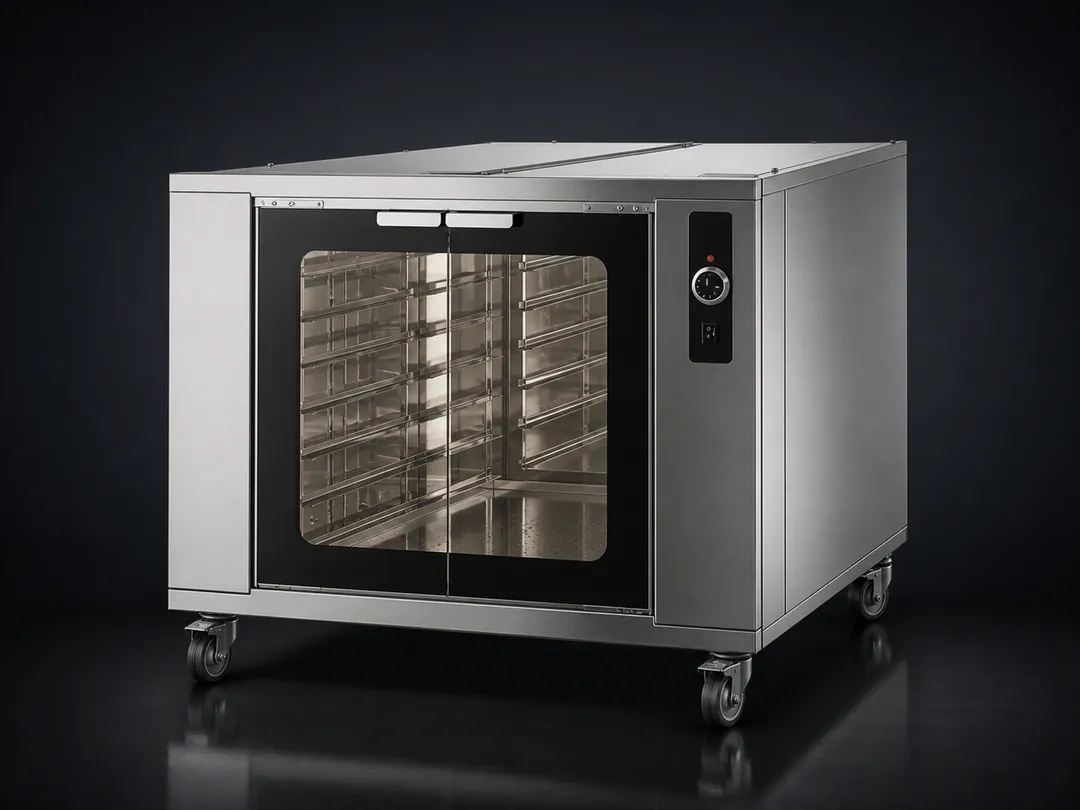
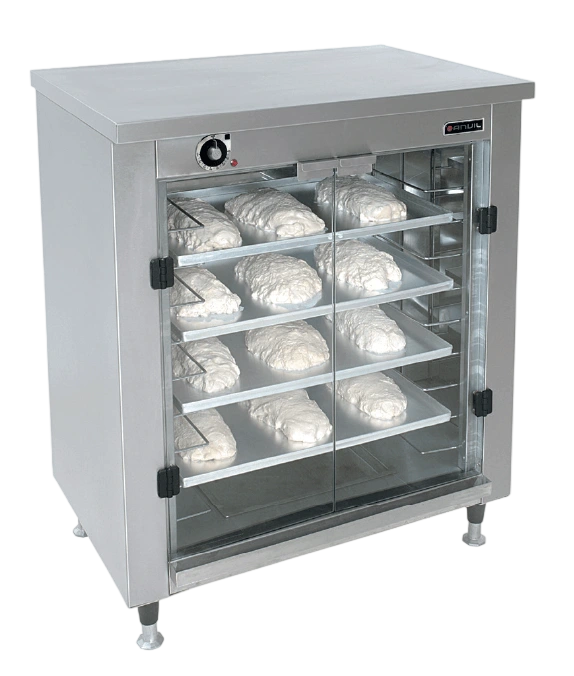
A bakery prover holds dough at the steady warmth and humidity yeast needs, so every tray rises evenly before it reaches the oven. This range spans compact half-size provers, full-size prover and holding cabinets, and retarder provers that chill dough overnight and bring it on for morning service. Match tray capacity to your oven cycle, then check door style and footprint against the bakery line.
Key factors to consider before purchasing. Our team can help you find the right fit — call or get a quote anytime.
Match equipment capacity to your daily output. Consider available floor space and door clearances.
Confirm levelling, wall clearance and the access needed for cleaning and service. We can help with kitchen planning.
Submit your kitchen requirements — our equipment specialists will send you a tailored shortlist of prover that fits your budget, venue type and compliance needs.
Standards & Compliance
Map mixing, dividing, proofing and oven availability before choosing the cabinet format. The prover should accept the venue’s real tray or rack system without awkward transfers or overloaded staging areas.
Water trays, humidity systems and drains require model-specific care. Provide cleaning access, manage condensate and never treat a prover as general heated holding or assume it performs the scheduling functions of a retarder prover.
FAQ
Most dough proofs at 25°C–35°C depending on recipe and yeast behaviour.
Some use moisture trays; others use integrated humidity systems depending on model.
Yes—controlled humidity prevents pastry from drying or cracking.
Not with regular maintenance. Warm, humid environments must be wiped down daily.
No. Retarders chill dough; provers warm and humidify it. Some units combine both.
Why KW
Oven release times frame KW’s prover discussion: each dough batch needs a practical place in the proofing queue without creating a bottleneck at loading or baking. Tray movement, door use and moisture management can then be reviewed with the bakery team; call 1300 001 366.
Deep Dive
Technical depth from KW's commercial kitchen specialists.
Work backwards from planned bake times and include dividing, loading, proof checks and unloading. Stagger batches where one large release would exceed rack space or oven capacity.
Use humidity controls and water components only as directed for the recipe and machine. Watch for drying dough, excessive condensation or pooled water, and correct the process rather than leaving moisture unmanaged.
Confirm tray dimensions, runner spacing, rack clearances and the path between bench, prover and oven. Staff should be able to load and remove batches without tilting trays or holding the door open unnecessarily. Where batches move on racks, compare commercial bakery tray trolleys against the exact tray format and doorway route.
Isolate the unit as instructed, remove approved fittings and clean food-contact and condensate areas. Empty and refresh managed water components where specified, dry accessible surfaces and leave drains clear.
Plan wash-up with commercial dishwashing equipment, coordinate mixers and ovens through bakery equipment, and review the wider kitchen equipment range.
It gives each shaped batch a planned proofing stage before its oven slot. Work backwards from bake times, allow for loading and inspection, and stagger batches when the prover or oven cannot accept them all together.
Suitable humidity helps limit surface drying while dough rises. Too little can form a skin, while excessive moisture can create condensation, so follow the recipe and equipment guidance and monitor the dough and chamber.
List the trays or racks already used, measure their clearances and trace their route from dividing to oven loading. Choose a format that accepts the normal batch without transfers and leaves staff safe access at the door.
Follow the shutdown instructions, remove permitted fittings and clean residue and condensate from accessible surfaces. Empty, refresh or descale water components as specified, clear the drain and dry the chamber before the next production period.
| Format | Typical use |
|---|---|
| Half-size / benchtop prover | Smaller batches in cafés and patisseries proving alongside a benchtop oven |
| Full-size prover & holding cabinet | Tray-oven workflows that prove and hold full racks through service |
| Retarder prover | Overnight retard then a controlled prove, ready for morning bake-off |
17 results
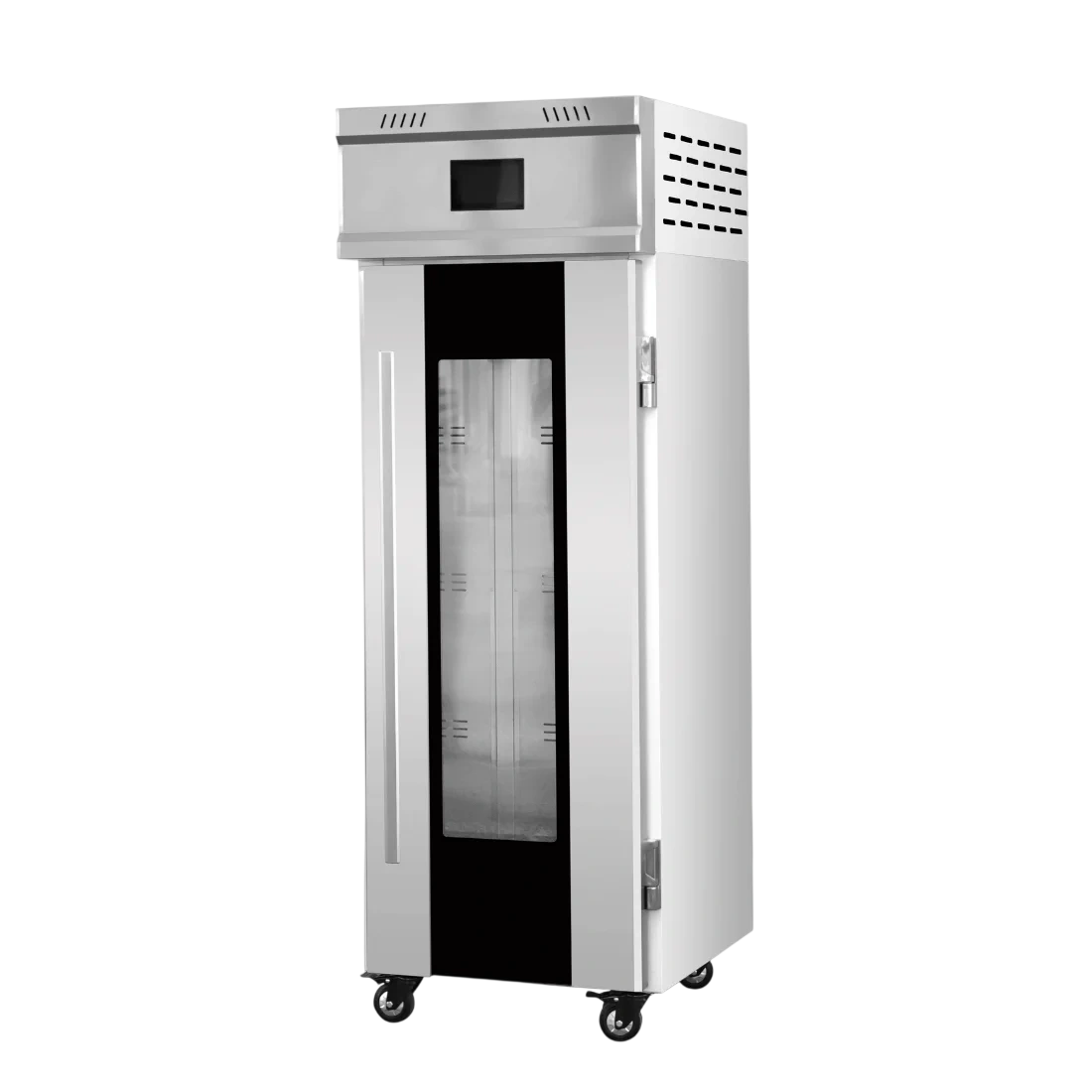
755 × 920 × 2200mm
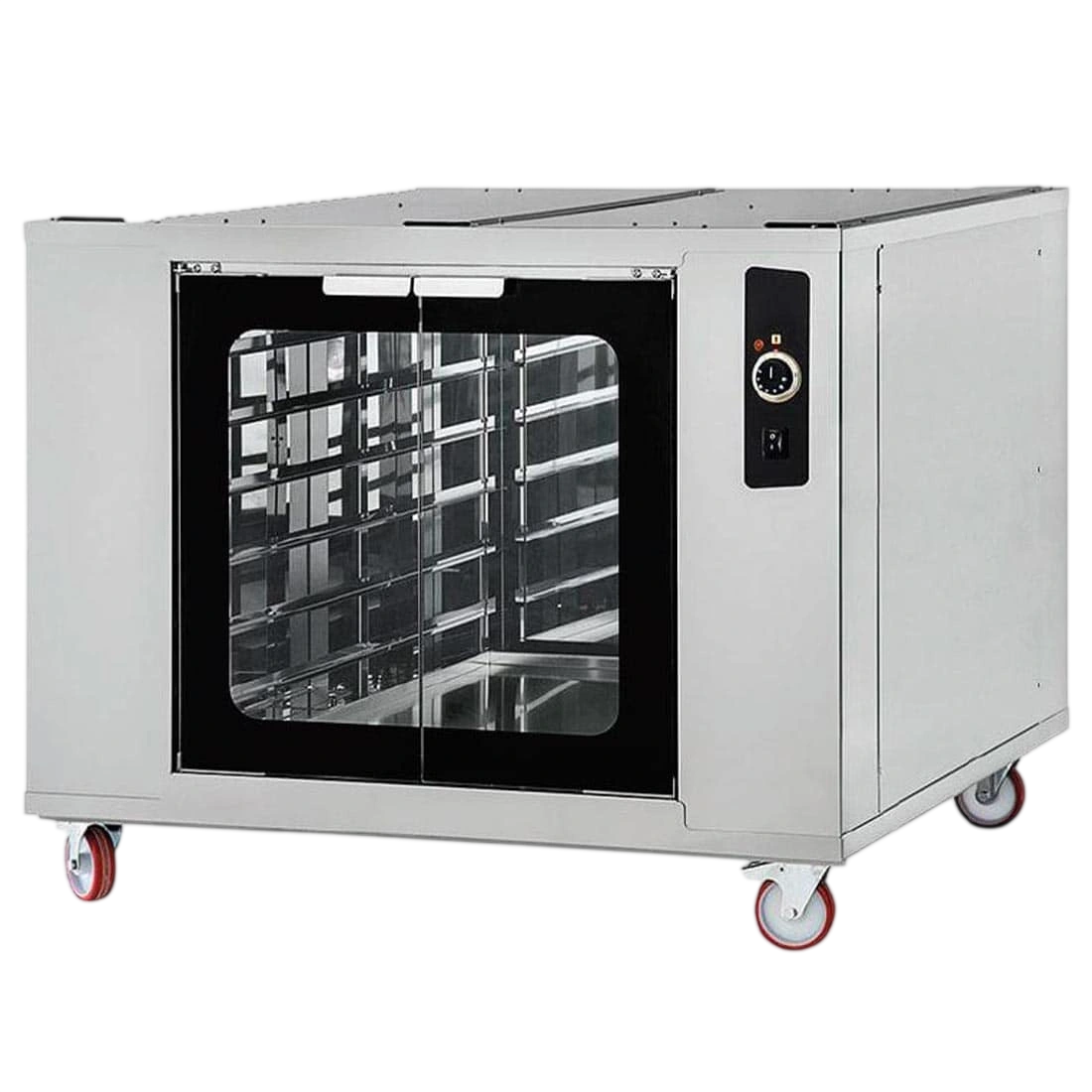
1100 × 964 × 900mm
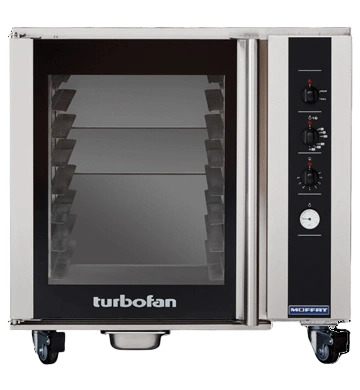
910 × 880 × 914mm
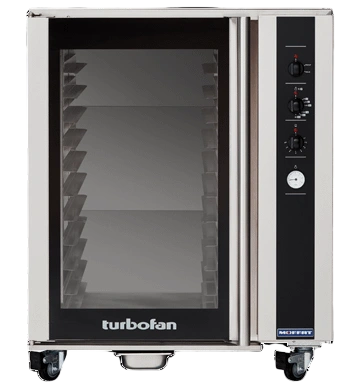
910 × 810 × 1129mm
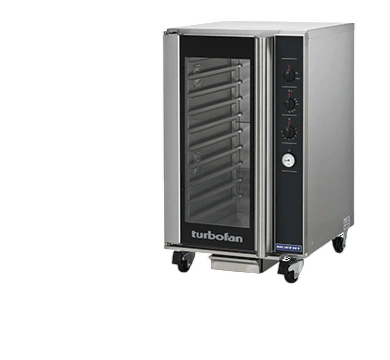
610 × 680 × 1015mm
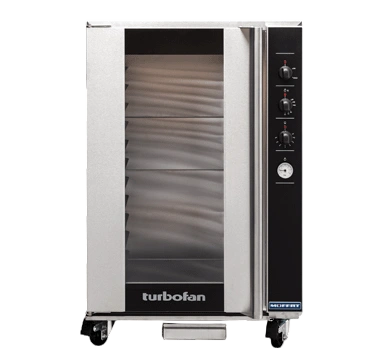
735 × 810 × 1129mm
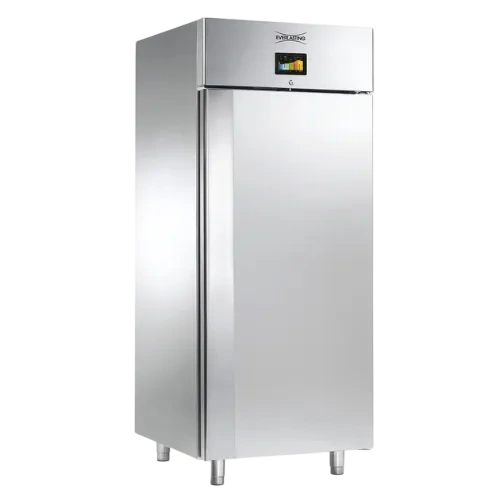
790 × 743 × 2050mm
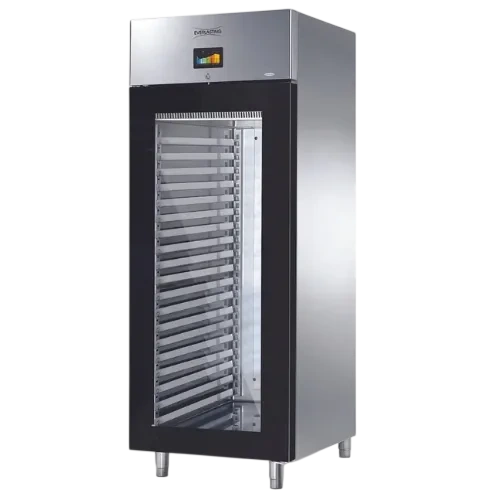
790 × 1043 × 2050mm
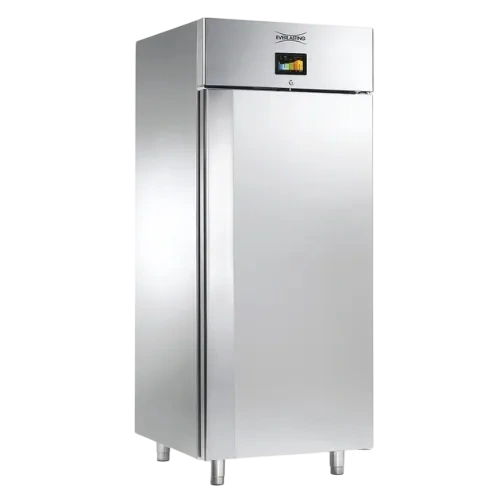
790 × 1043 × 2050mm
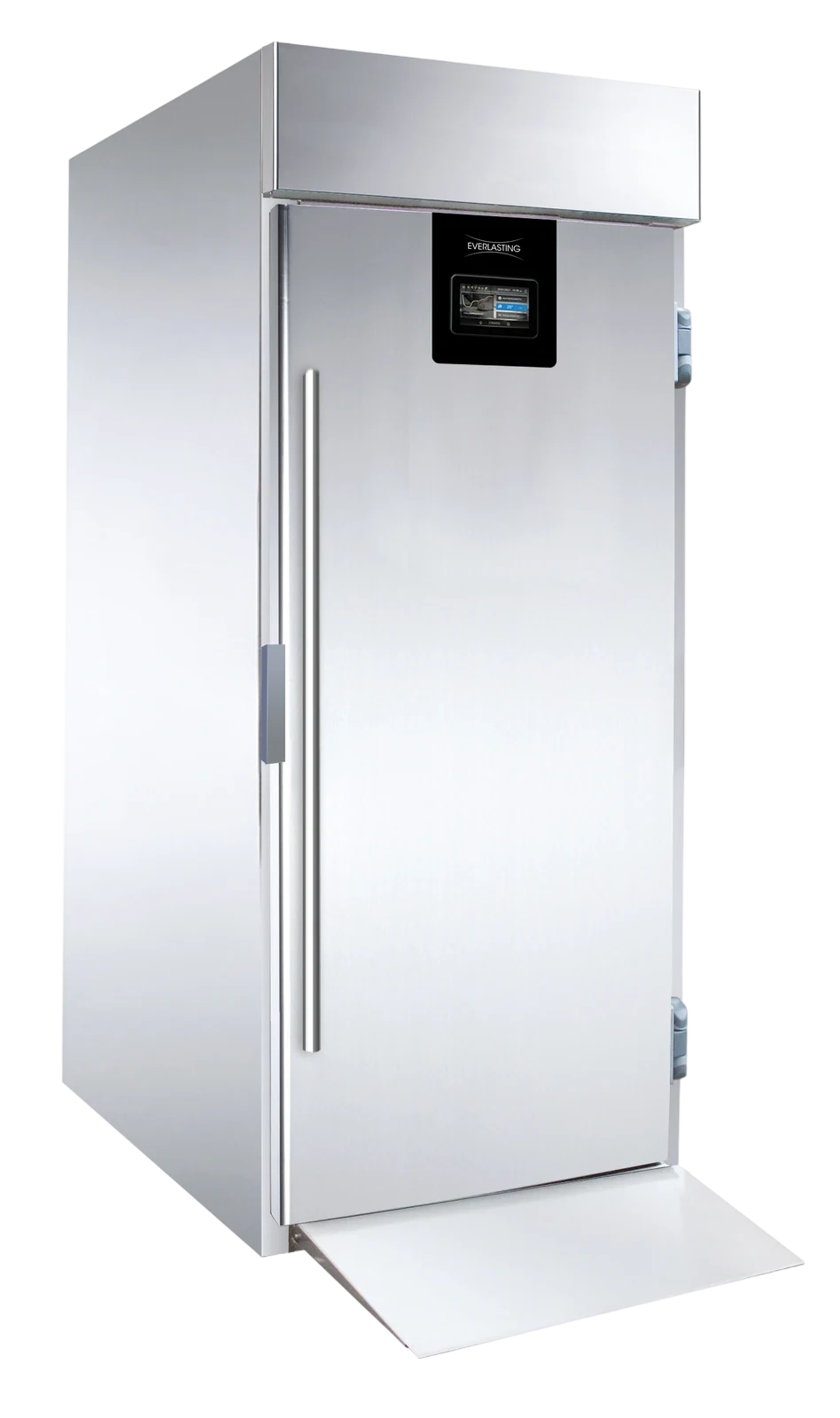
950 × 1323 × 2400mm
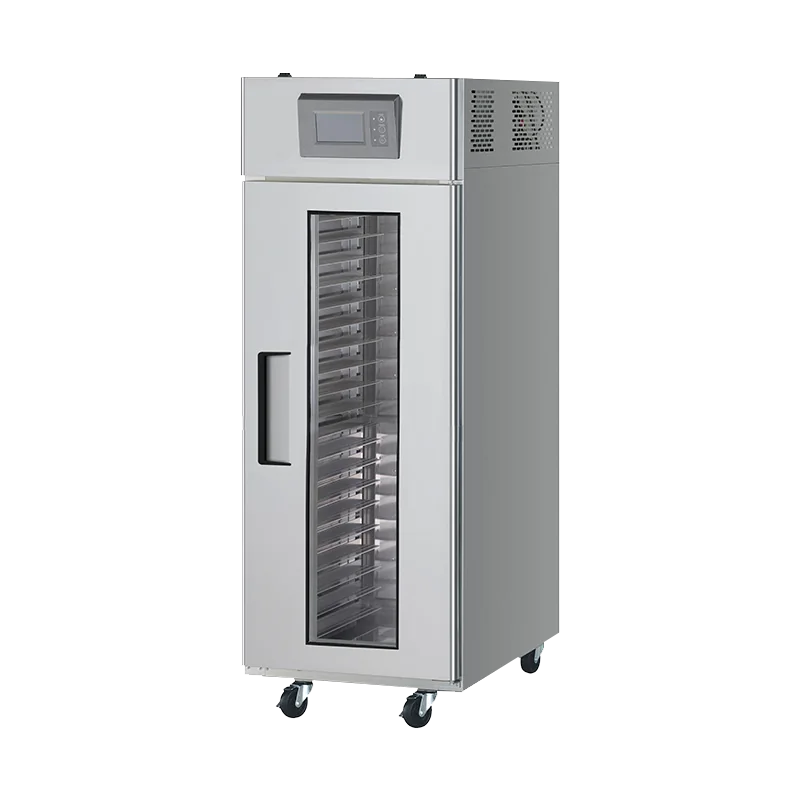
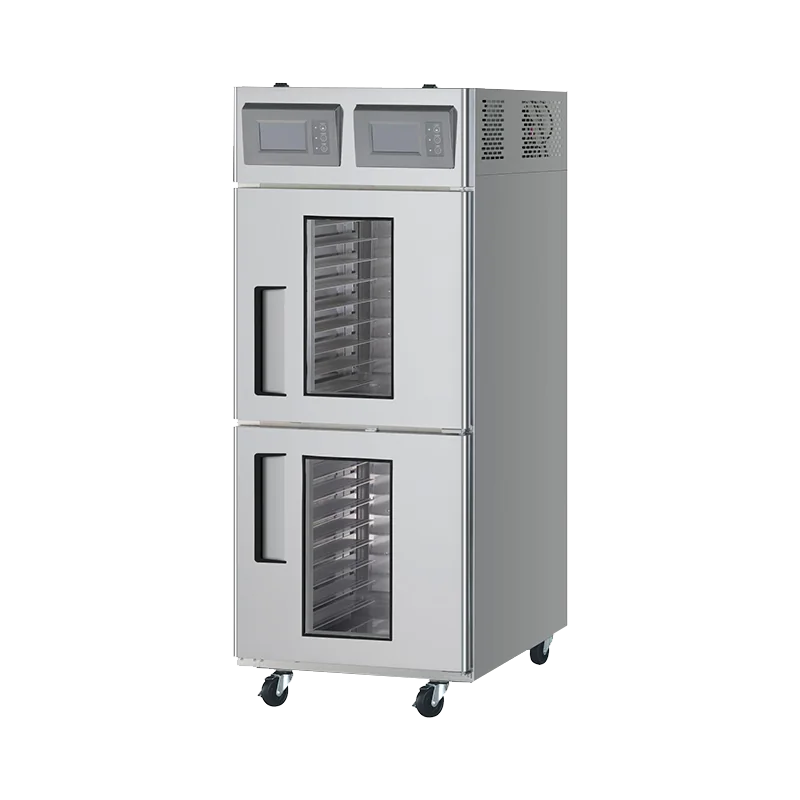
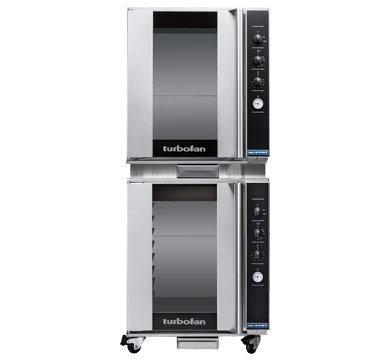
735 × 810 × 1792mm
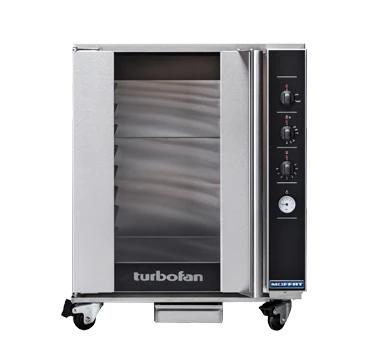
810 × 735 × 914mm
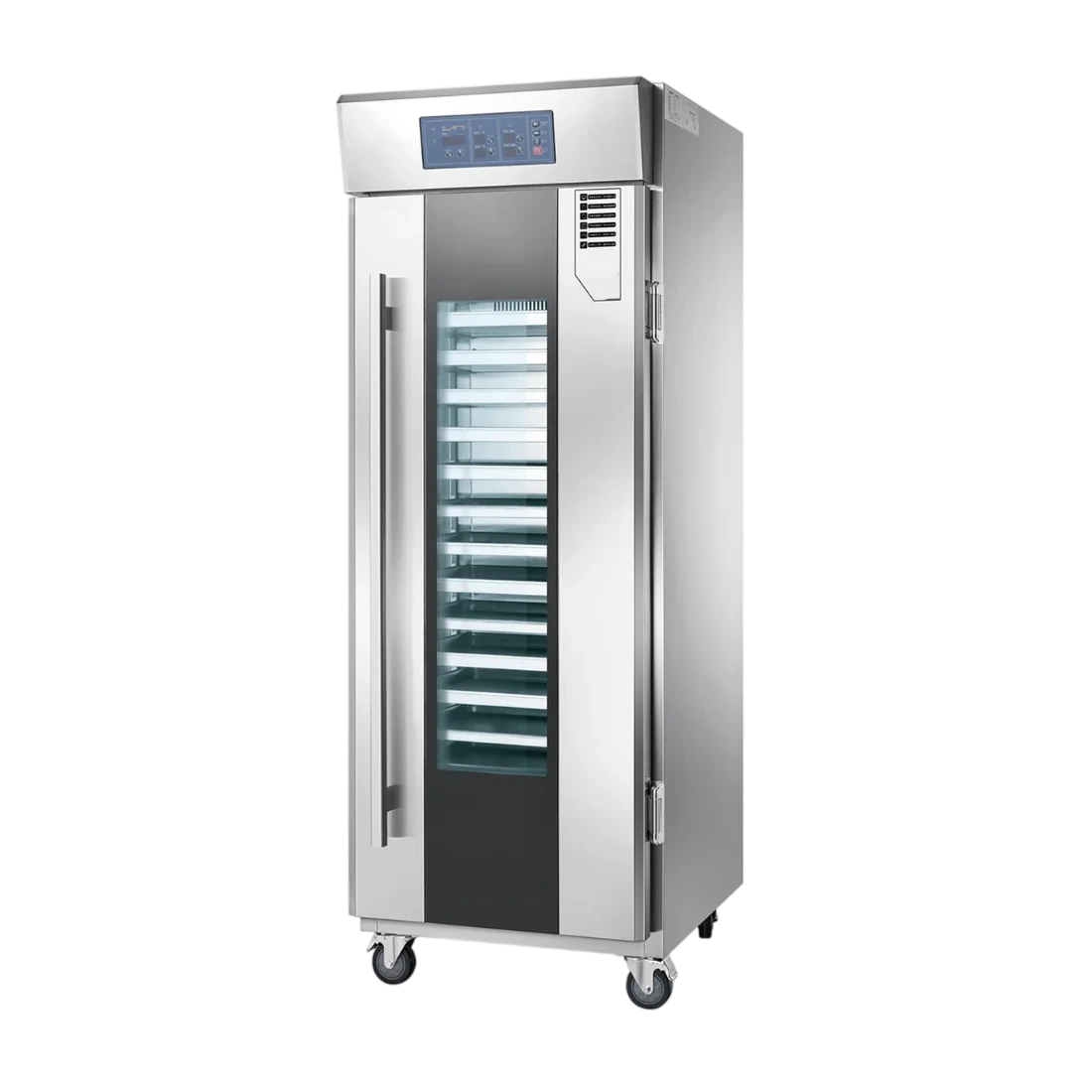
685 × 705 × 1790mm
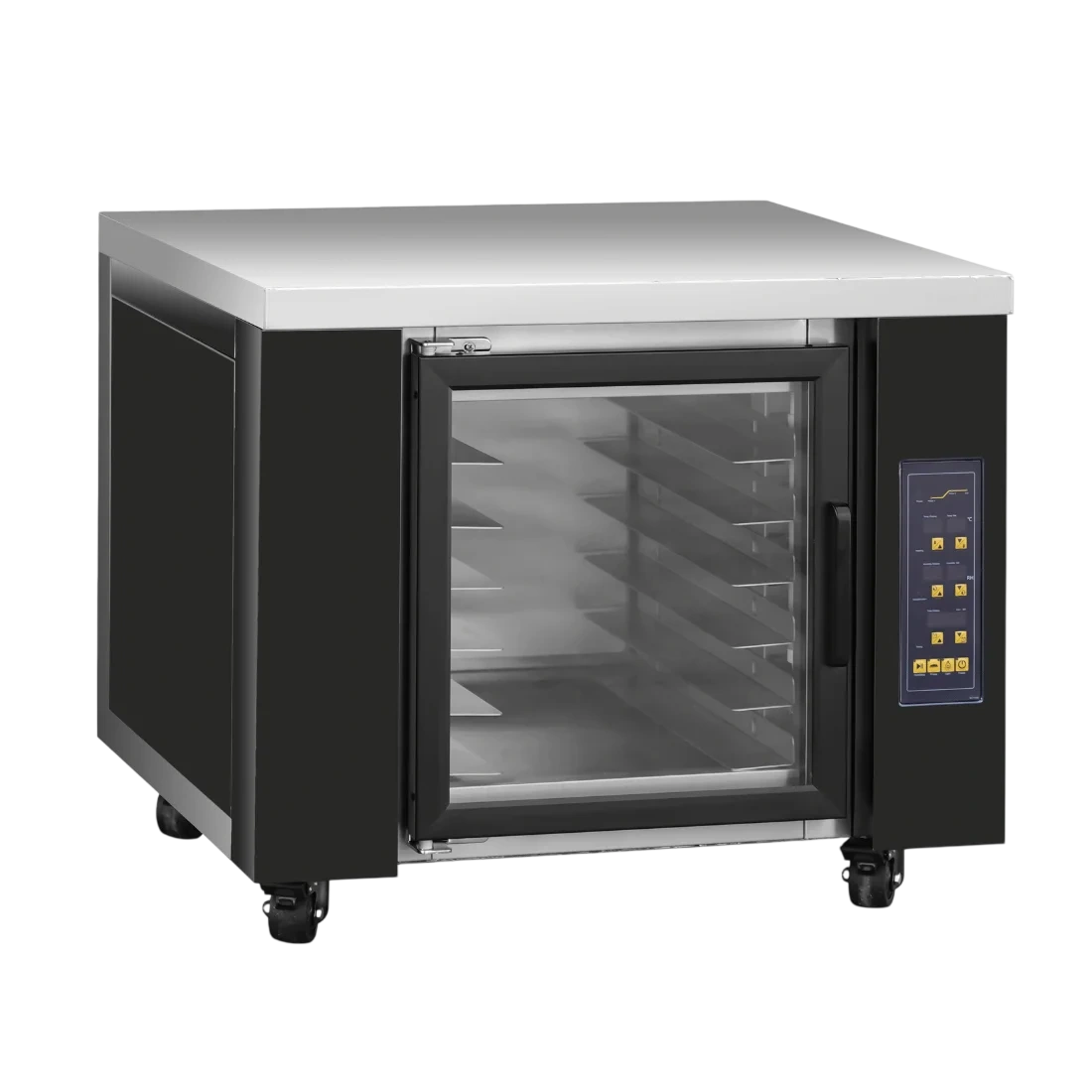
920 × 860 × 800mm