
Bonvue
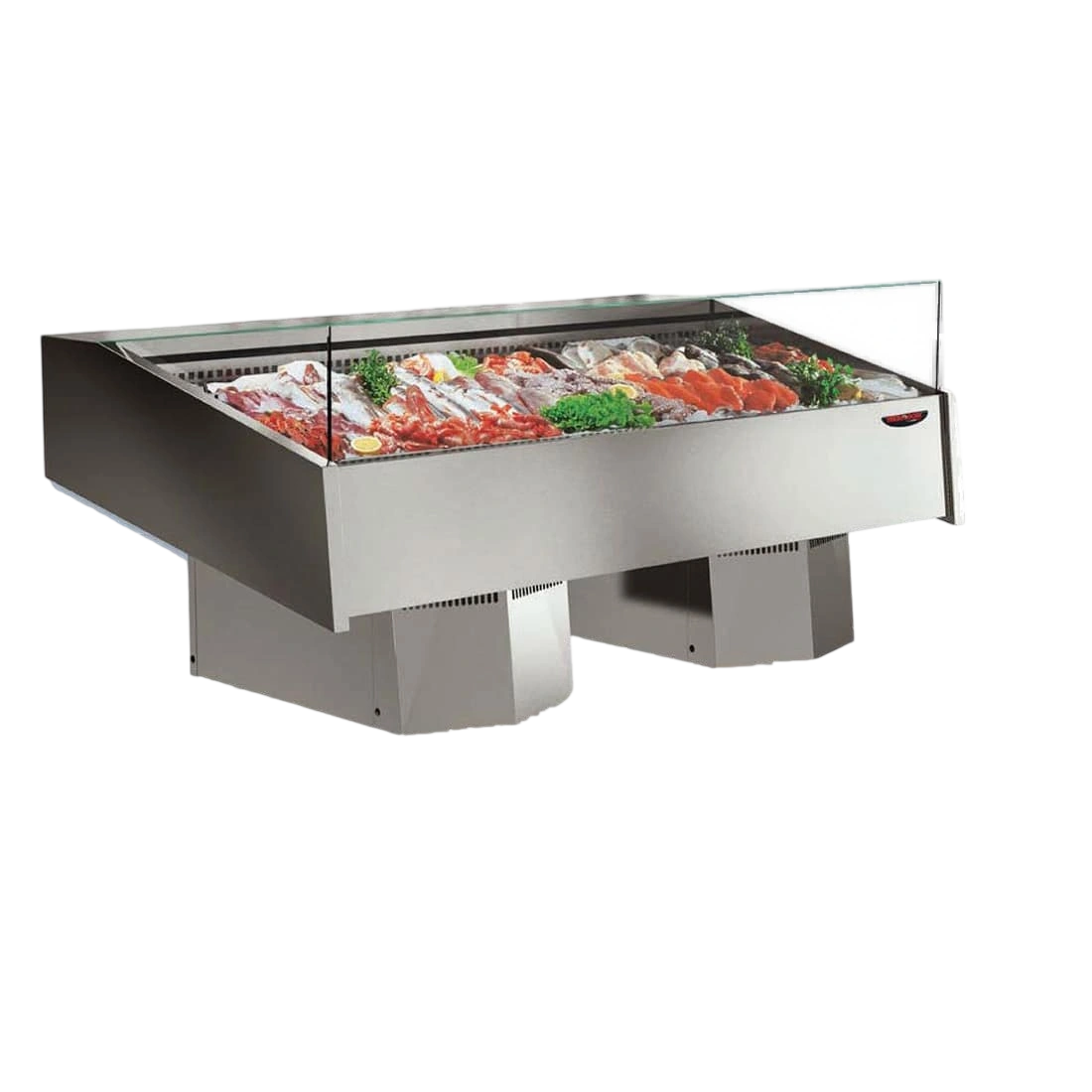
Bonvue Multiplexable Serve-over Refrigerated Fish Open Display - FSG2000
2020 × 1100 × 1190mm
$9,911.00$11,660.00
In Stock
Cold Display Cabinets
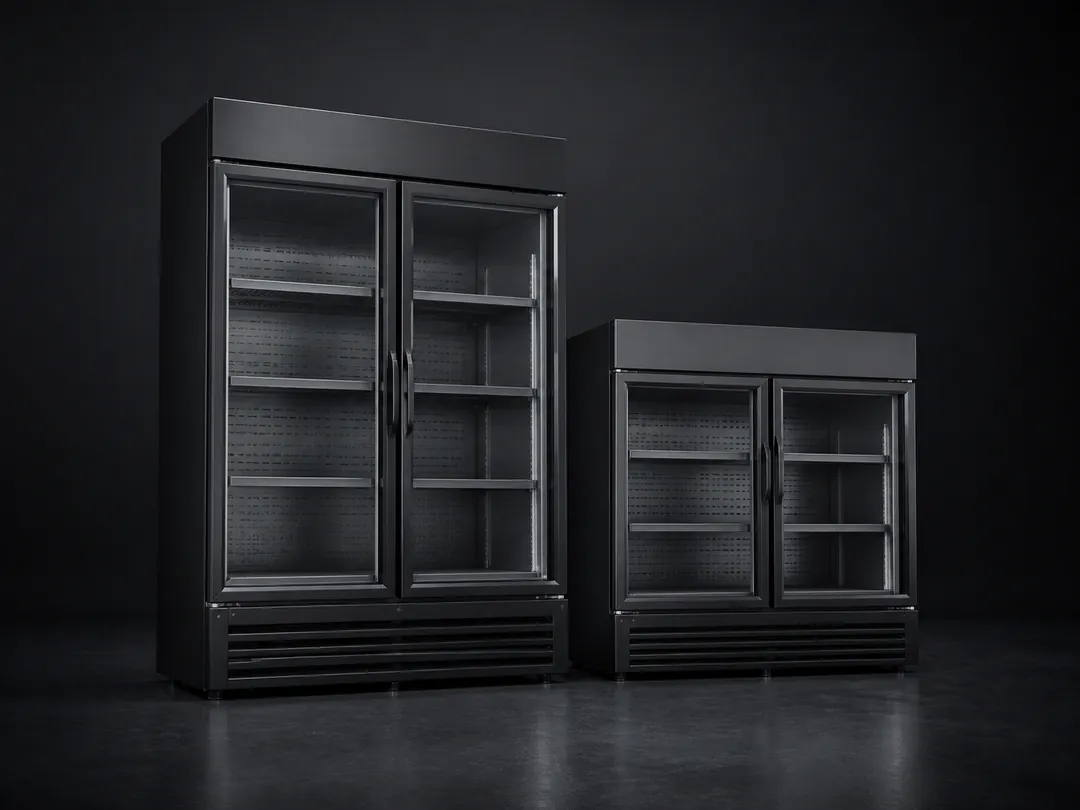
Retail display fridges are for chilled products that need to be visible, easy to browse and simple to restock during trade. They suit cafes, bakeries, convenience stores, supermarkets, takeaway shops, delis and food retailers selling drinks, sandwiches, cakes, prepared meals, salads, dairy, desserts or impulse chilled items.
The right display fridge depends on what the customer needs to see, how staff restock the cabinet, how quickly products turn over, and where the unit will sit. Use retail display refrigeration for merchandising and service flow; use solid-door commercial refrigeration for back-of-house storage where visibility is less important. Before ordering, check the verified product specifications for temperature performance, installation clearances, power requirements and site suitability.
A retail display fridge may be an upright cabinet, a semi-vertical multideck or a remote display line. Start with the stock, customer access and replenishment route. The category includes different door and night-blind configurations; it should not be treated as one closed-door design or one energy specification.
The current Tecnodom Stromboli listings distinguish TDST90-CA-125B, TDST90-CA-187B and TDST90-CA-375B as remote displays with a night blind. TDST90-CA-187BD and TDST90-CA-375BD are listed as remote displays with doors. Keep the full suffix on your enquiry so the quoted configuration matches the intended shop layout.
For a self-service fridge, check the actual opening, usable shelf space and customer reach. For a remote display, confirm which refrigeration equipment, services, controls and installation work are included in the quoted package. A cabinet listing alone does not establish a complete installed system.
Tecnodom TDST90-CA-125B measures 1314 × 900 × 2115 mm; TDST90-CA-187B is 1939 × 900 × 2115 mm; and TDST90-CA-375B is 3814 × 900 × 2115 mm. The door-equipped TDST90-CA-187BD measures 1975 × 900 × 2115 mm and TDST90-CA-375BD measures 3850 × 900 × 2115 mm. All figures are listed external W × D × H.
The 187BD and 375BD examples are each 36 mm wider than their respective 187B and 375B examples, while listed depth and height are the same. Do not derive installation dimensions by rounding the model number or copying a neighbouring suffix. Confirm door movement, installation clearances, services and the delivery route separately.
Bromic SVM1000HD-NR (3335639-NR) lists 332L gross volume at 1022 × 775 × 1586 mm. It has two hinged glass doors with a listed 417 mm door swing, plus three adjustable shelves and a base display tier. Atosa YLM580B lists 580L and two doors at 1200 × 610 × 1910 mm.
The Atosa example is taller and wider but shallower. Assess shelf loading and product packs separately from the litre figure, and check whether each capacity is gross or usable before comparing them. For the Bromic model, account for the stated door swing in the customer aisle as well as the cabinet depth; do not assume hinged doors are automatically the choice for a narrow aisle.
Use the wider Cold Display Cabinets guide to compare display jobs. Browse Open Display Fridges for the broader open and grab-and-go selection, or Glass Door Fridges for additional visible-stock cabinets. Ranges can overlap; confirm the actual access configuration.
For an energy-efficient display fridge, start with a comparable specification. Australian Energy Rating guidance for refrigerated cabinets says star ratings should be compared between cabinets of the same type, size and operating temperature. Check the exact registered model and its documented energy consumption alongside the display layout you need.
Include purchase, installation, maintenance and running costs in the comparison. For remote displays, ask what equipment the supplied consumption figure covers. Do not convert a rated input into a measured daily consumption figure or assume that adding doors delivers a fixed percentage saving or a fixed payback period.
Before ordering, confirm the intended stock, permitted loading and holding conditions, room limits, shelf configuration and cleaning access for the exact model. A retail category label does not prove raw-food suitability, an eco-mode, overnight storage approval or a particular anti-condensation feature.
Key factors to consider before purchasing. Our team can help you find the right fit — call or get a quote anytime.
TDST90-CA-125B, 187B and 375B are listed with a night blind; 187BD and 375BD are listed with doors. Confirm the full model, supplied equipment and installation scope.
TDST90-CA-187B is 1939 mm wide; 187BD is 1975 mm. Both list 900 mm depth and 2115 mm height. The 375B/375BD pair also differs by 36 mm in width.
Bromic SVM1000HD-NR is 1022 × 775 × 1586 mm, with a listed 417 mm door swing. Atosa YLM580B is 1200 × 610 × 1910 mm. Dimensions are external W × D × H.
Submit your kitchen requirements — our equipment specialists will send you a tailored shortlist of retail display fridges that fits your budget, venue type and compliance needs.
Our team can provide recommendations on airflow design, glazing options and sizing for Australian retail and hospitality venues.
Standards & Compliance
Retail display refrigeration needs both merchandising control and food-safety discipline:
FAQ
Compare the exact models and equivalent operating conditions. Energy Rating guidance recommends comparing star ratings for cabinets of the same type, size and operating temperature. The presence of doors alone does not support one percentage saving across the range. Check documented consumption and the complete installation costs.
Confirm the exact model’s documented food applications, temperature conditions and packaging requirements before selecting it for raw meat. Neither inclusion in this category nor packaging alone establishes suitability. Do not apply one raw-meat permission or prohibition to every retail display.
Check the exact configuration. Tecnodom TDST90-CA-125B, 187B and 375B are listed with a night blind, while 187BD and 375BD are listed with doors. Follow the selected model’s instructions for any fitted blind; do not assume every retail fridge needs or includes one.
Check the selected model’s controller specification and operating instructions. A digital controller or a retail-display label does not establish an eco-mode. Confirm any available setting and its permitted use for the intended stock.
Why KW
KW helps buyers match retail display fridges to the way products are sold, not just cabinet size. A cafe cake display, a convenience-store drinks cabinet, a deli display and a supermarket multideck all solve different merchandising problems. The best choice depends on visibility, access, shelf layout, lighting, turnover, cleaning and the conditions around the cabinet.
Deep Dive
Technical depth from KW's commercial kitchen specialists.
Check the selected cabinet’s glass construction and any documented condensation-control feature. Compare these with the room temperature and humidity limits. Do not assume triple glazing or heated frames are fitted to every retail display.
Identify the specified loading lines, air paths and shelf positions for the exact model. Confirm any limits on nearby HVAC outlets, sunlight or customer-side air movement in the installation instructions.
Confirm whether the quoted cabinet is a self-contained or remote configuration and which equipment and services are included. Cabinet type alone does not establish compressor pressure, component life or running cost.
Plan door movement and staff access using the actual cabinet dimensions and opening specification. Follow loading and replenishment instructions; do not infer temperature recovery time from the presence of glass doors.
Ask for the model-specific installation and heat-rejection information needed for the site design. Keep remote-system and self-contained equipment requirements separate. Do not assume a universal reduction in store heat load or air-conditioning demand.
Choose a retail display fridge when customers need to see the product and staff need a cabinet that supports merchandising. Choose a solid-door upright fridge when chilled stock is mainly held back-of-house. Choose a glass door fridge when visibility matters but the main job is packaged drinks or general chilled stock rather than a dedicated deli, cake or open retail display.
Check the exact glazing, any fitted heating or condensation-control feature, and the stated room limits. Triple glazing or heater strips are not a universal specification for this category. Assess placement, humidity and cleaning against the model instructions.
Yes: compare opening movement, usable access and the customer aisle for the actual model. Bromic SVM1000HD-NR lists a 417 mm door swing. Do not assume hinged doors always suit narrow aisles or that every sliding-door cabinet has the same opening or sealing performance.
A retail display fridge is built to present chilled products to customers. A commercial storage fridge is usually chosen for back-of-house holding where visibility and merchandising are less important.
They are commonly used in cafes, bakeries, convenience stores, takeaway shops, supermarkets, delis and food retailers that sell chilled drinks, cakes, prepared meals, sandwiches or grab-and-go products.
Choose based on product type, customer access, staff service model, cabinet placement, restocking workflow and verified site suitability. Open displays, glass-door cabinets and counter displays each solve different merchandising problems.
They are primarily merchandising cabinets. For back-of-house storage, compare solid-door or glass-door commercial fridges and check the verified product specifications for the stock you need to hold.
Do not assume the cabinet listing establishes the full installation package. Tecnodom Stromboli models on this page are explicitly listed as remote displays. Confirm the supplied refrigeration equipment, controls, services, installation work and commissioning scope on the quote.
Use the exact specification. Tecnodom TDST90-CA-187B lists 1939 mm external width, while TDST90-CA-187BD lists 1975 mm. The suffix changes the listed configuration and width; check the complete W × D × H and required clearances.
Cafes and bakeries often need cake or countertop displays. Convenience stores and takeaway shops may need upright display, multideck or glass-door formats for drinks and grab-and-go meals. Delis and supermarkets may need cabinet layouts that separate product types, protect presentation and make restocking efficient.
Good display refrigeration should make products easy to see without making the cabinet hard to clean or restock. Compare shelf depth, shelf adjustment, lighting, door style, access direction and product turnover before choosing a format.
Retail display fridges are affected by placement, airflow, heat sources, sunlight, door openings and loading habits. Check the verified product specifications for temperature performance, installation clearance, power needs and site suitability. Do not rely on display refrigeration to solve food-safety issues caused by poor loading, blocked airflow or unsuitable placement.
Plan for daily cleaning, spill access, shelf rotation, rear or front loading, staff reach and customer traffic. A cabinet that looks good but slows restocking can create service pressure during busy trade.
Retail display fridges work with the surrounding sales area. Pair them with cake display fridges for bakery presentation, deli display fridges for served food displays, glass door fridges for beverages, and hot display cabinets when the same counter sells hot food. Keep back-of-house storage in solid-door fridges so retail cabinets stay focused on presentation.
42 results
2020 × 1100 × 1190mm
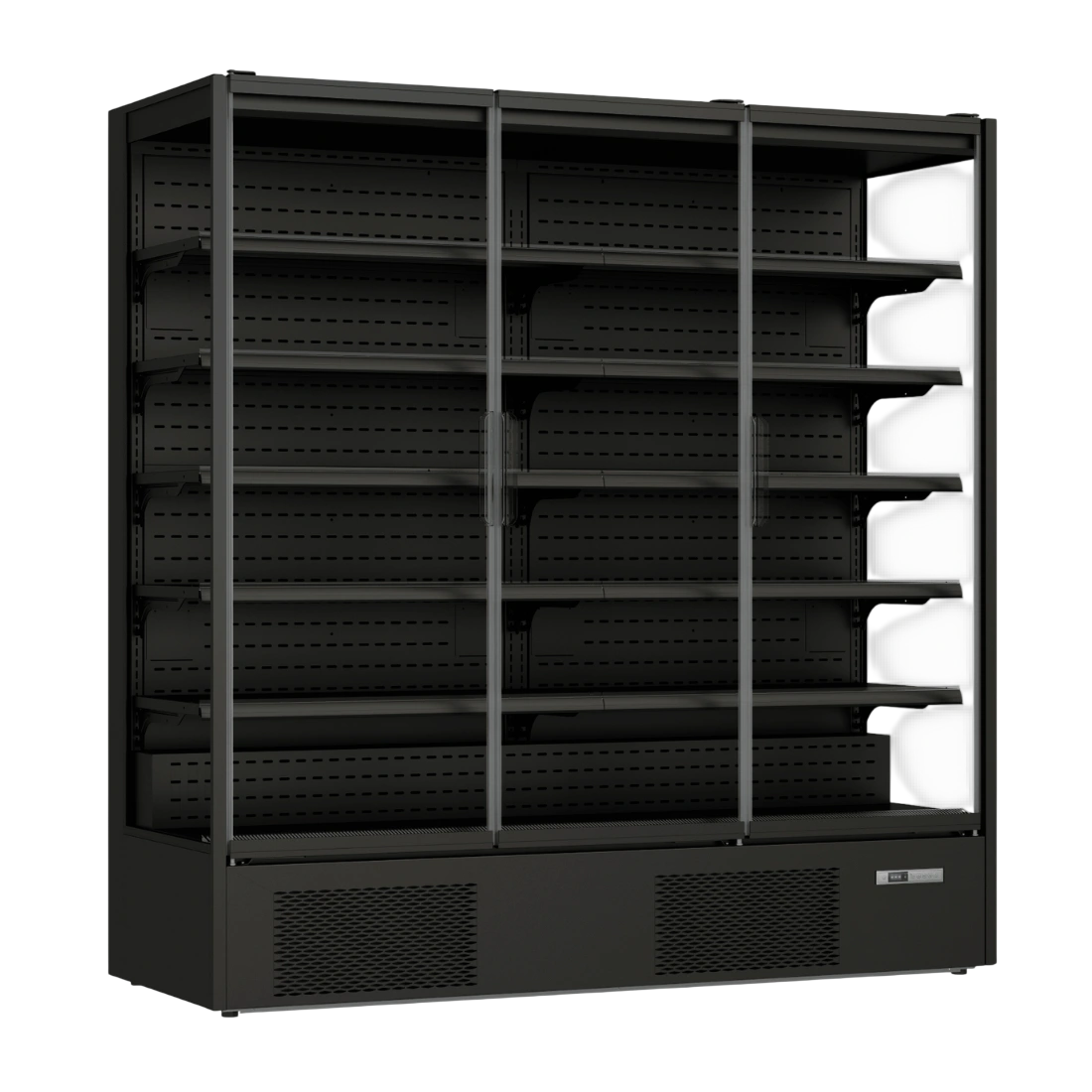
1935 × 740 × 2060mm
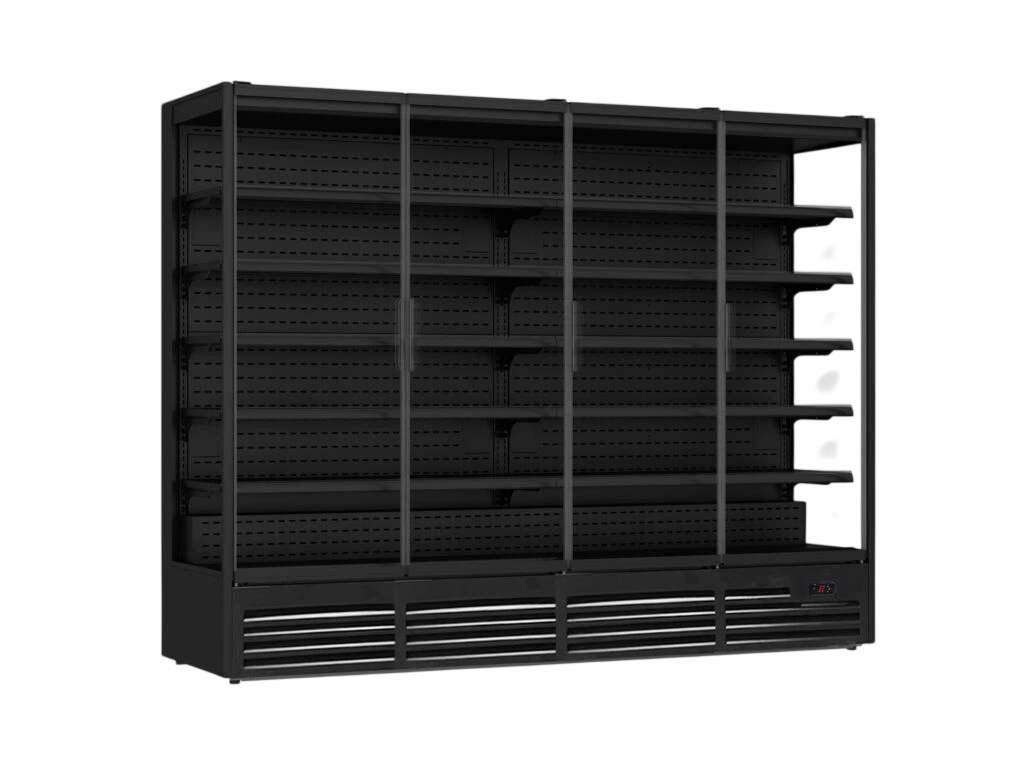
2560 × 740 × 2060mm
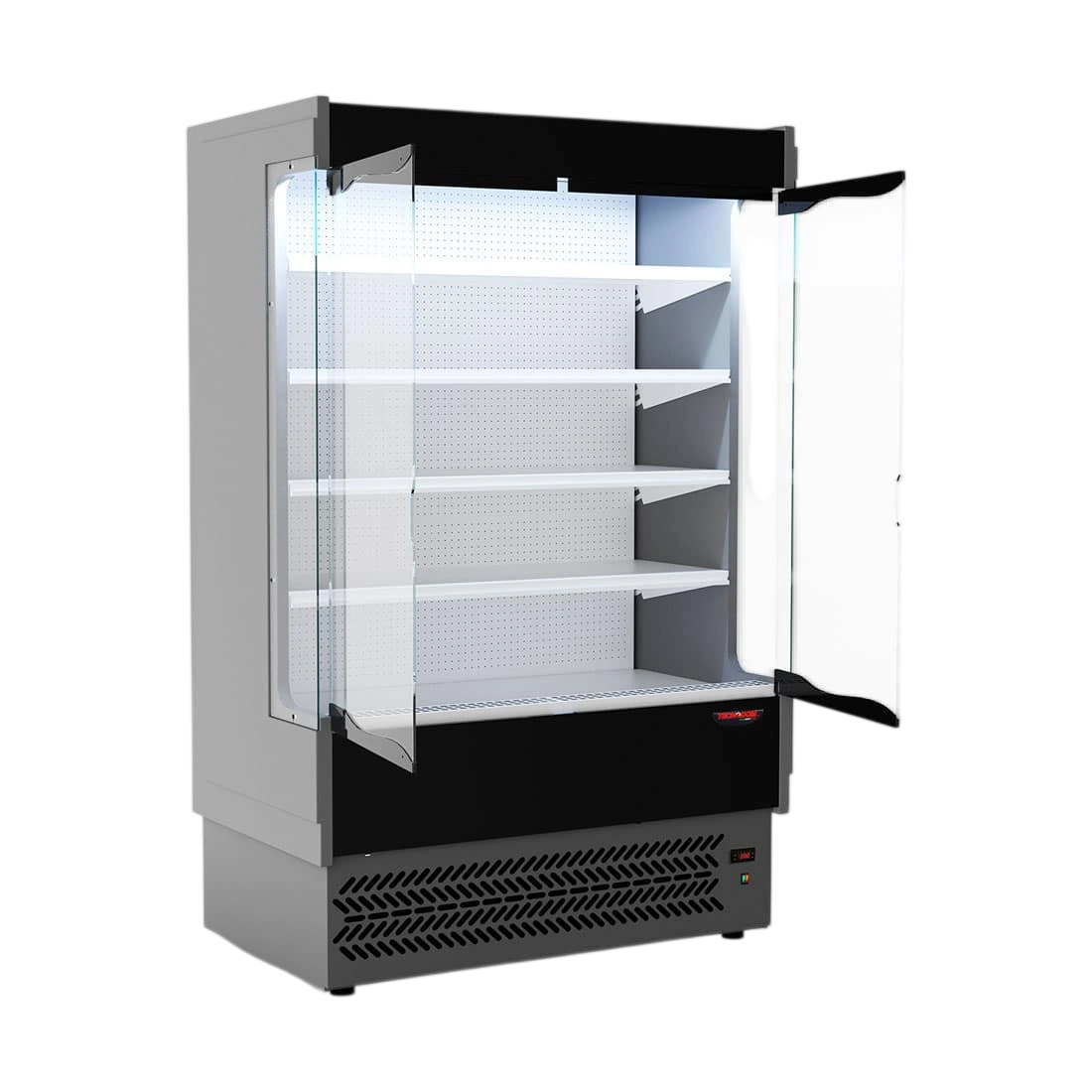
1330 × 765 × 2130mm
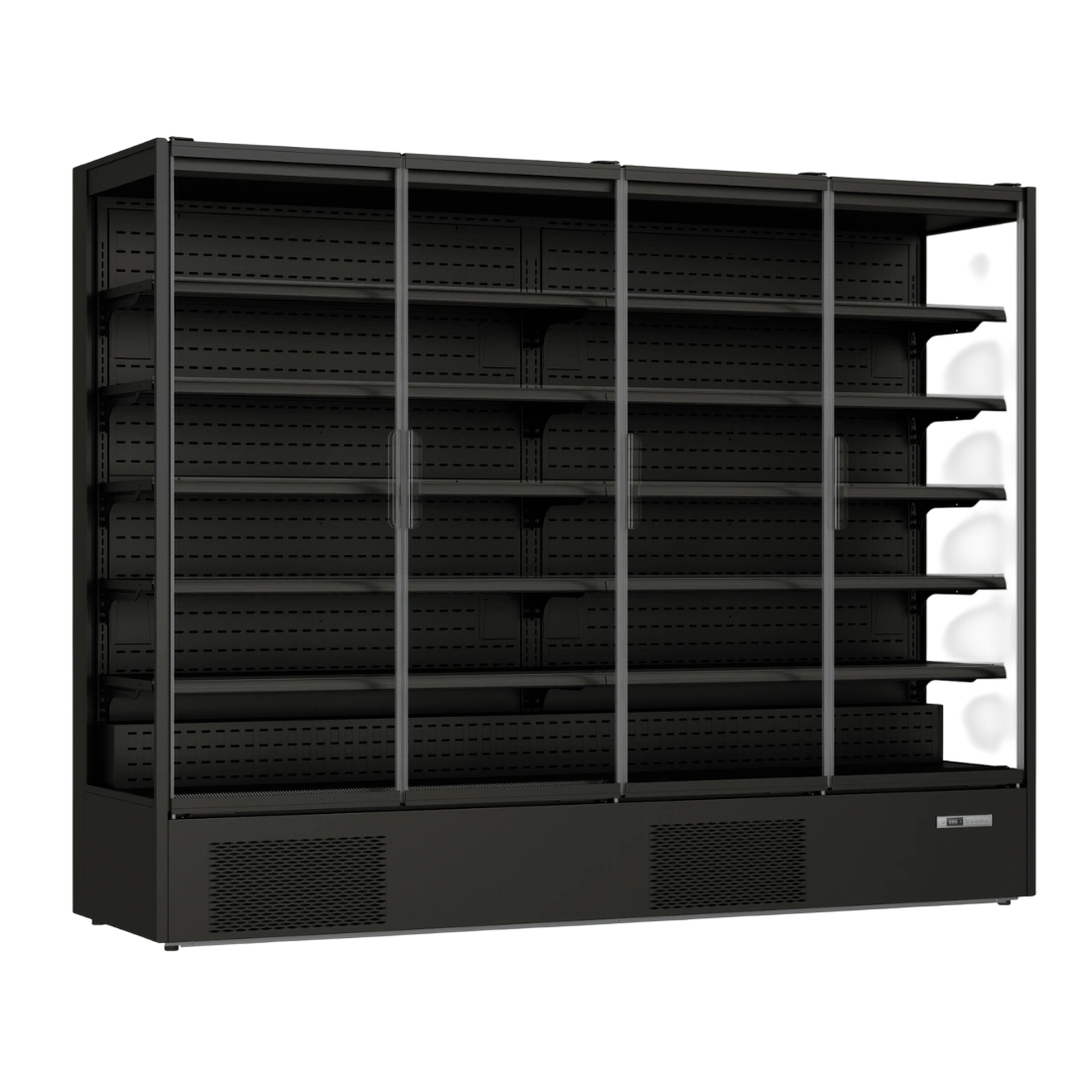
2560 × 740 × 2060mm
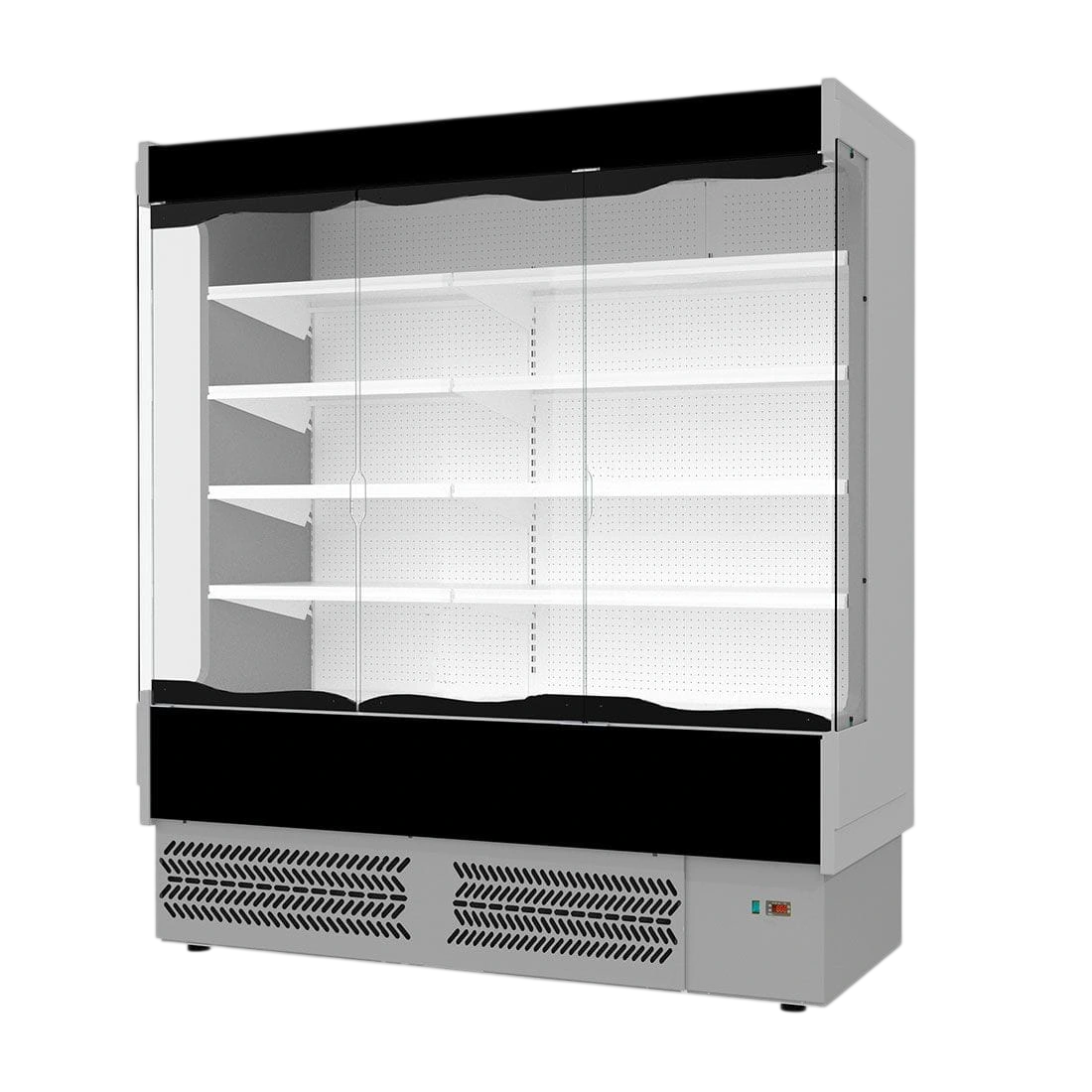
1955 × 765 × 2130mm
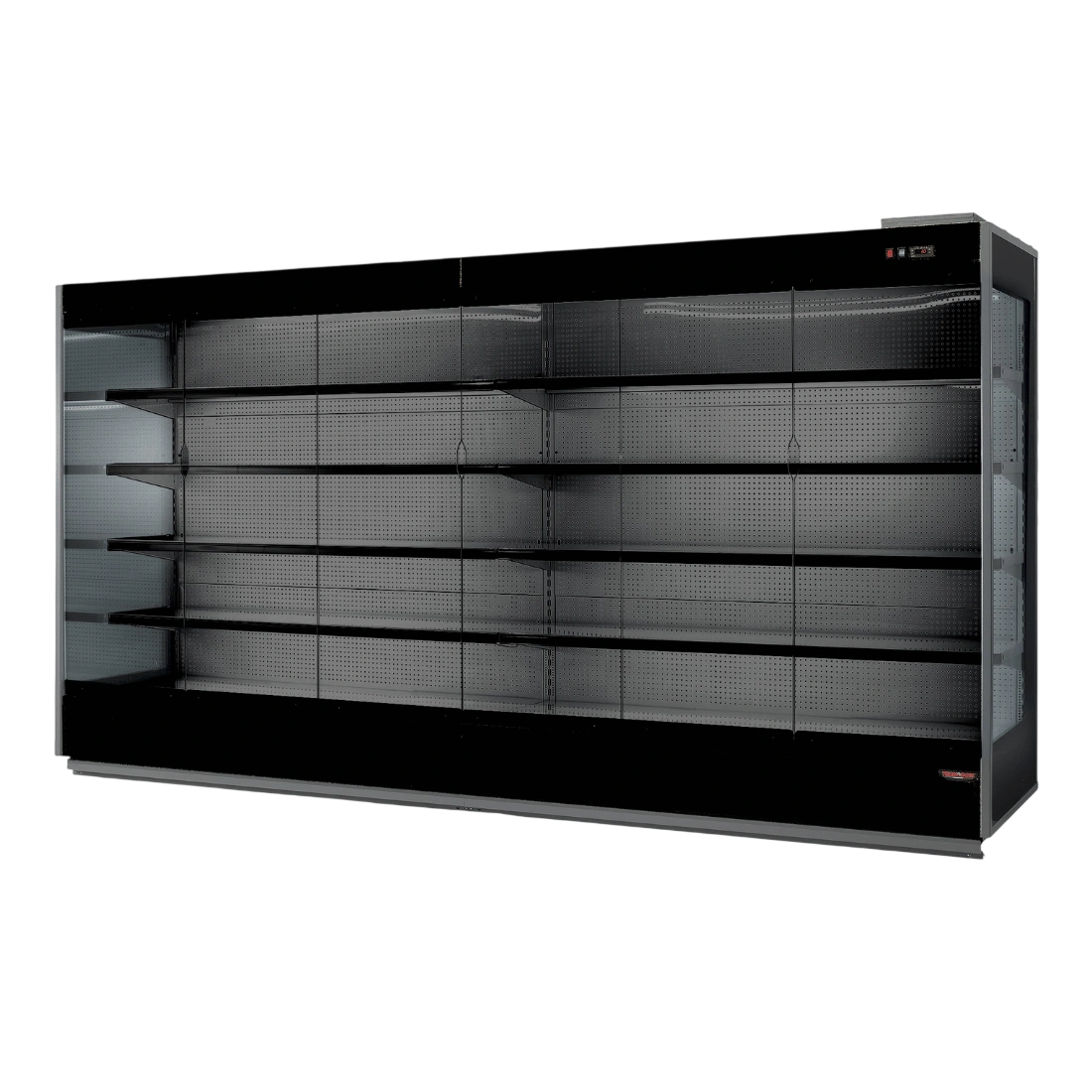
2564 × 900 × 2115mm
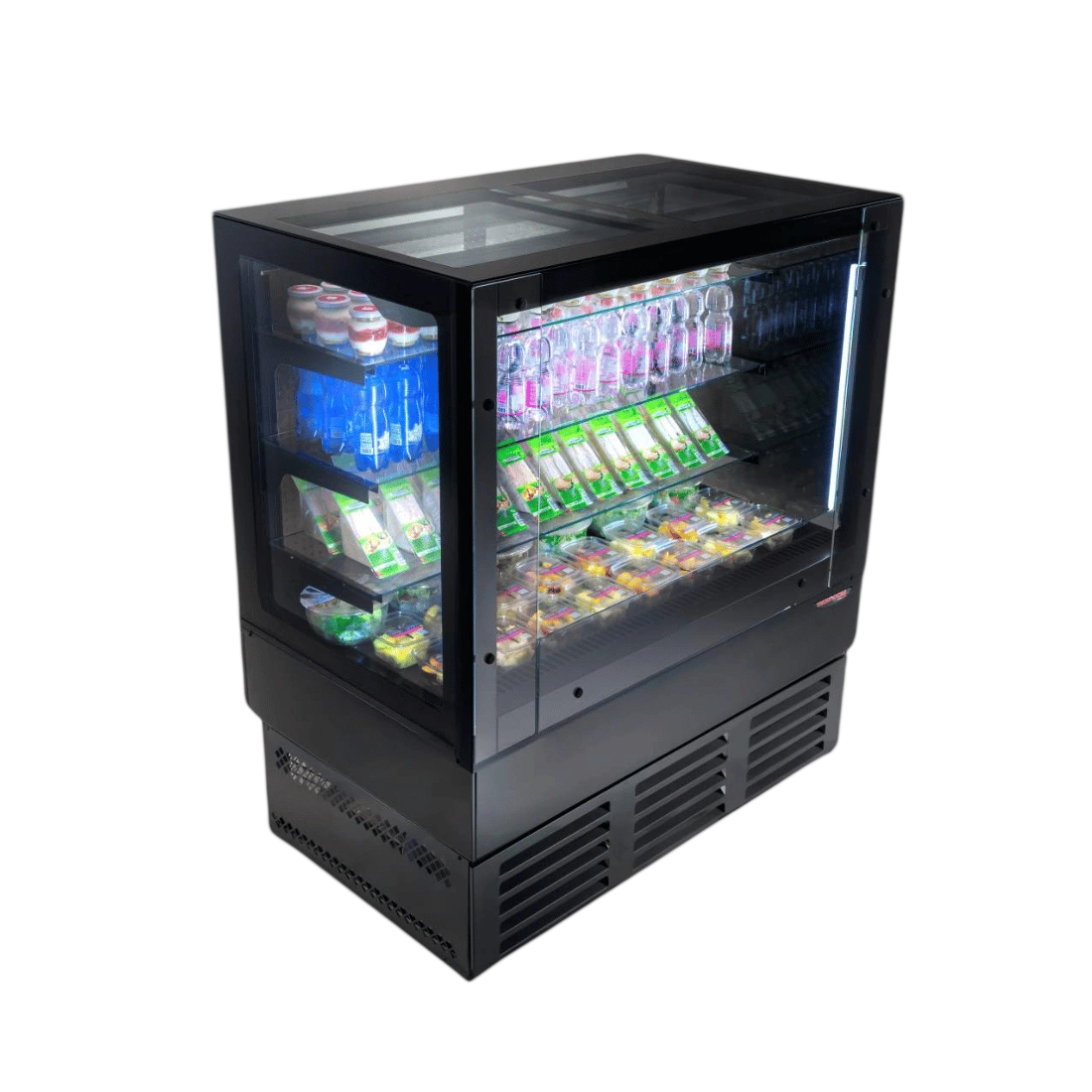
1224 × 754 × 1389mm
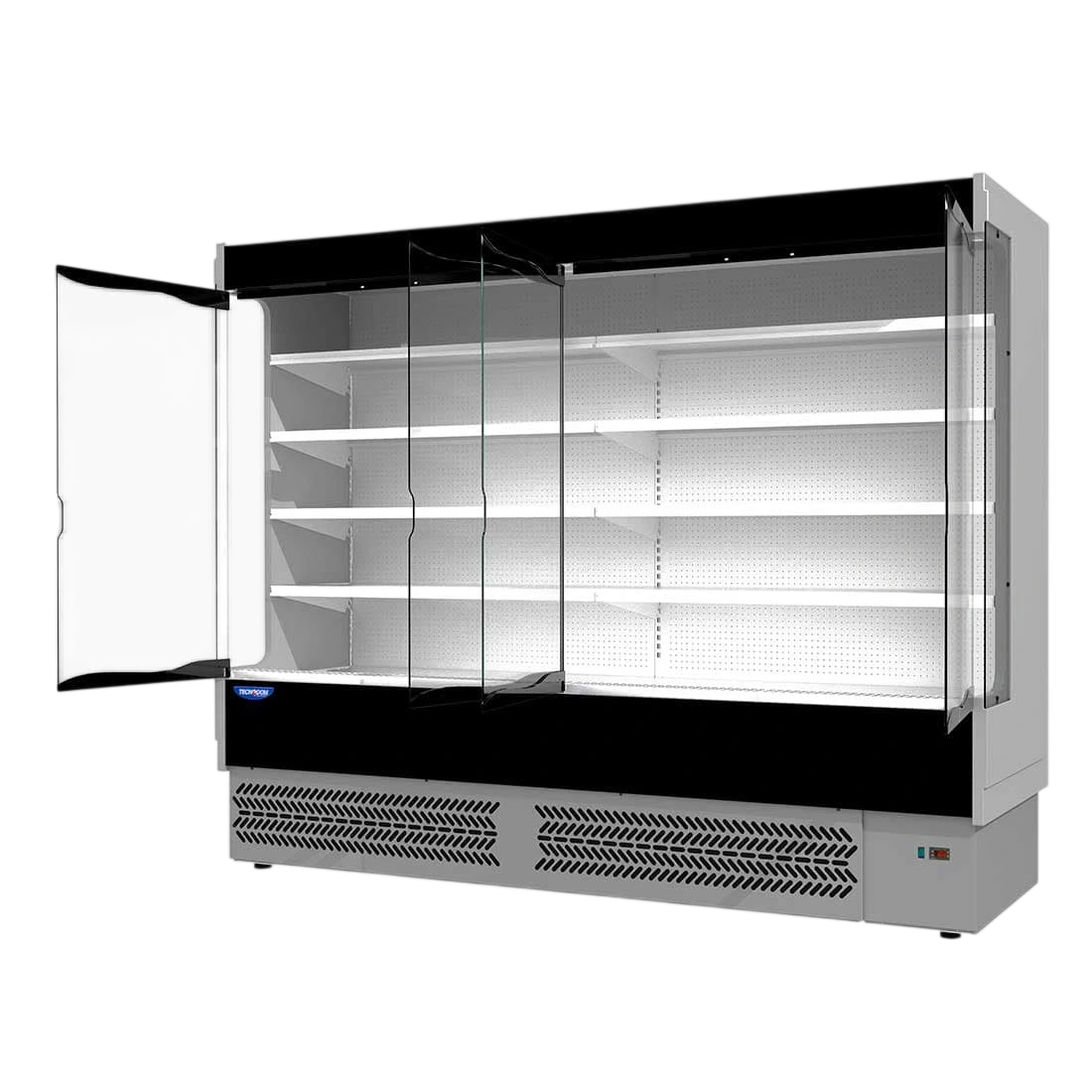
2580 × 765 × 2130mm
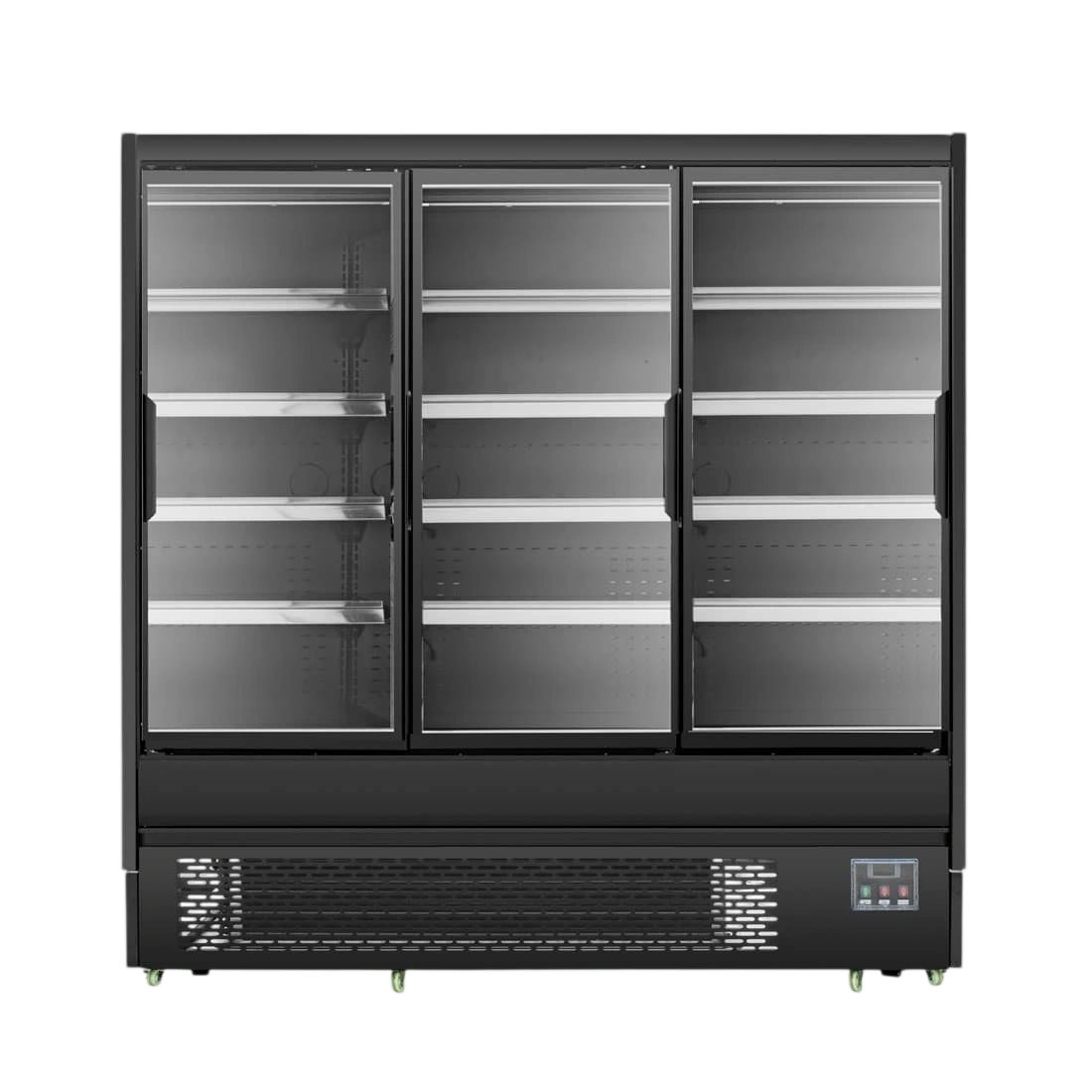
1935 × 787 × 2030mm
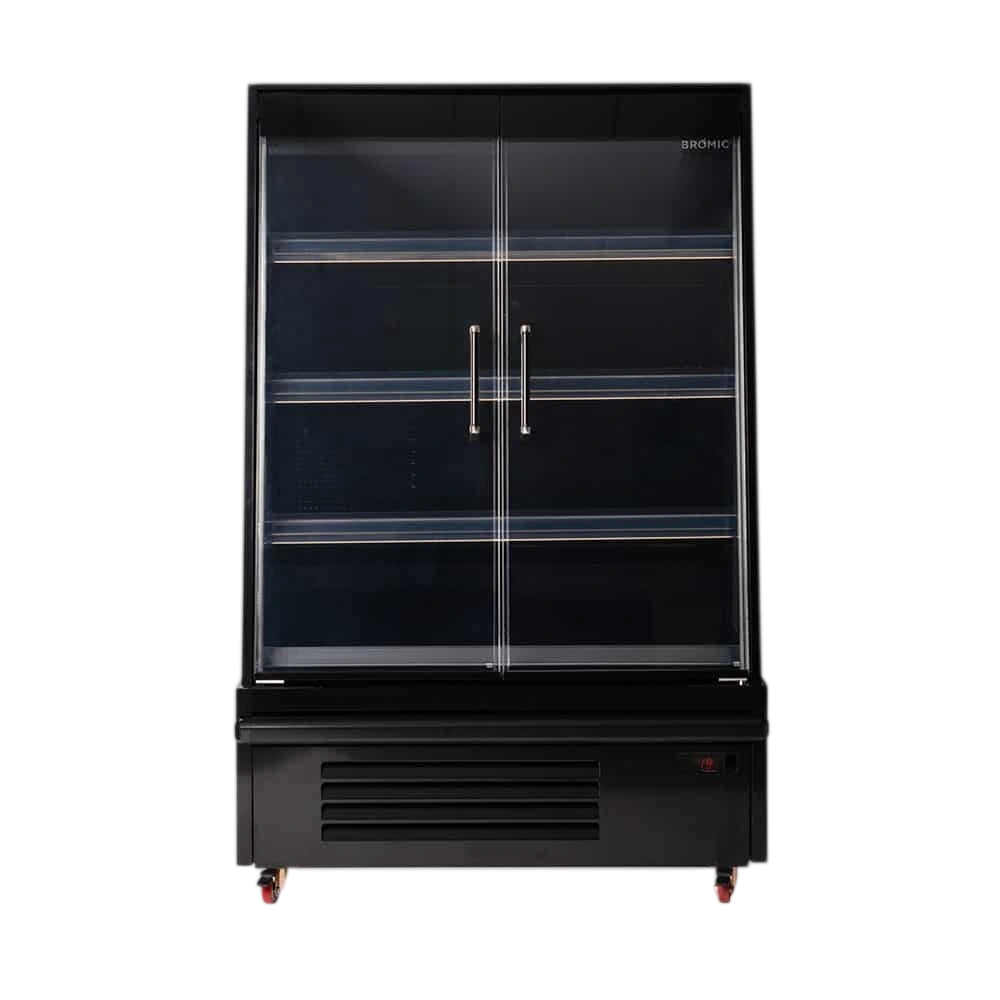
1022 × 825 × 1500mm
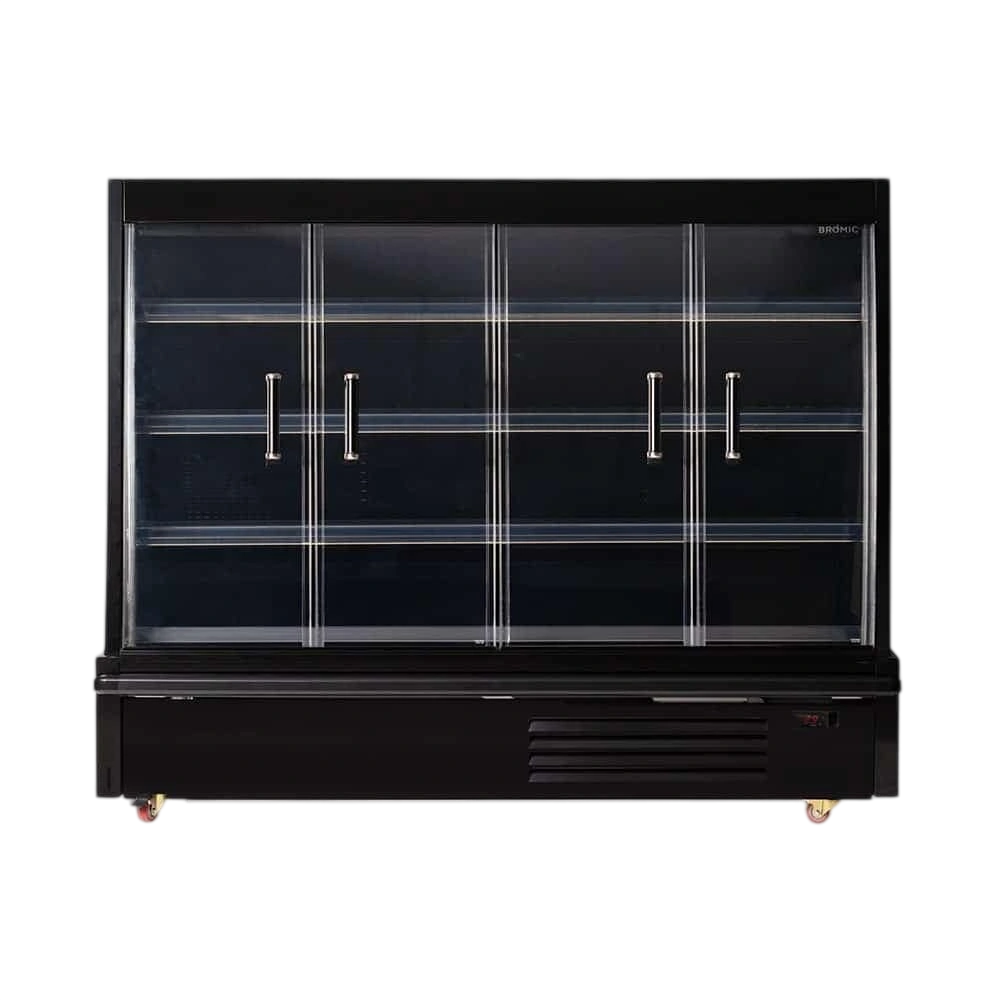
1959 × 825 × 1500mm
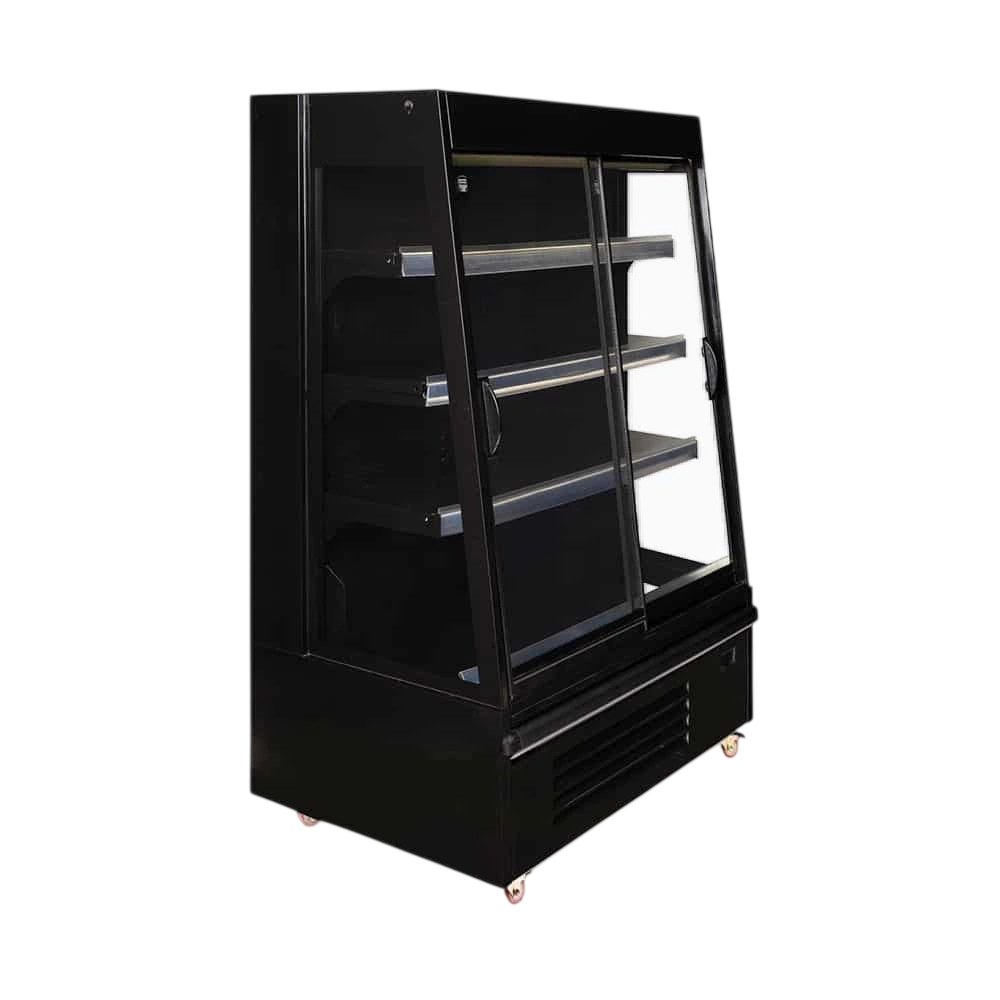
1022 × 825 × 1500mm
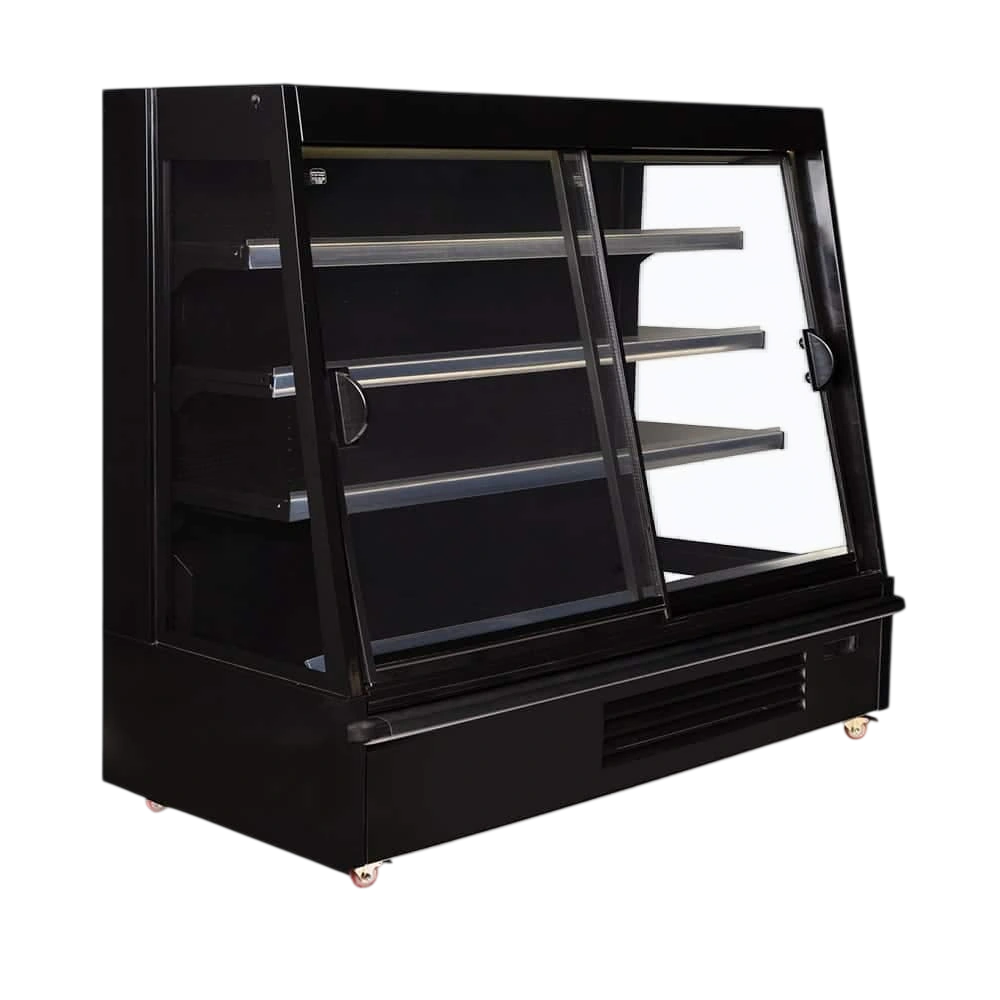
1334 × 825 × 1500mm
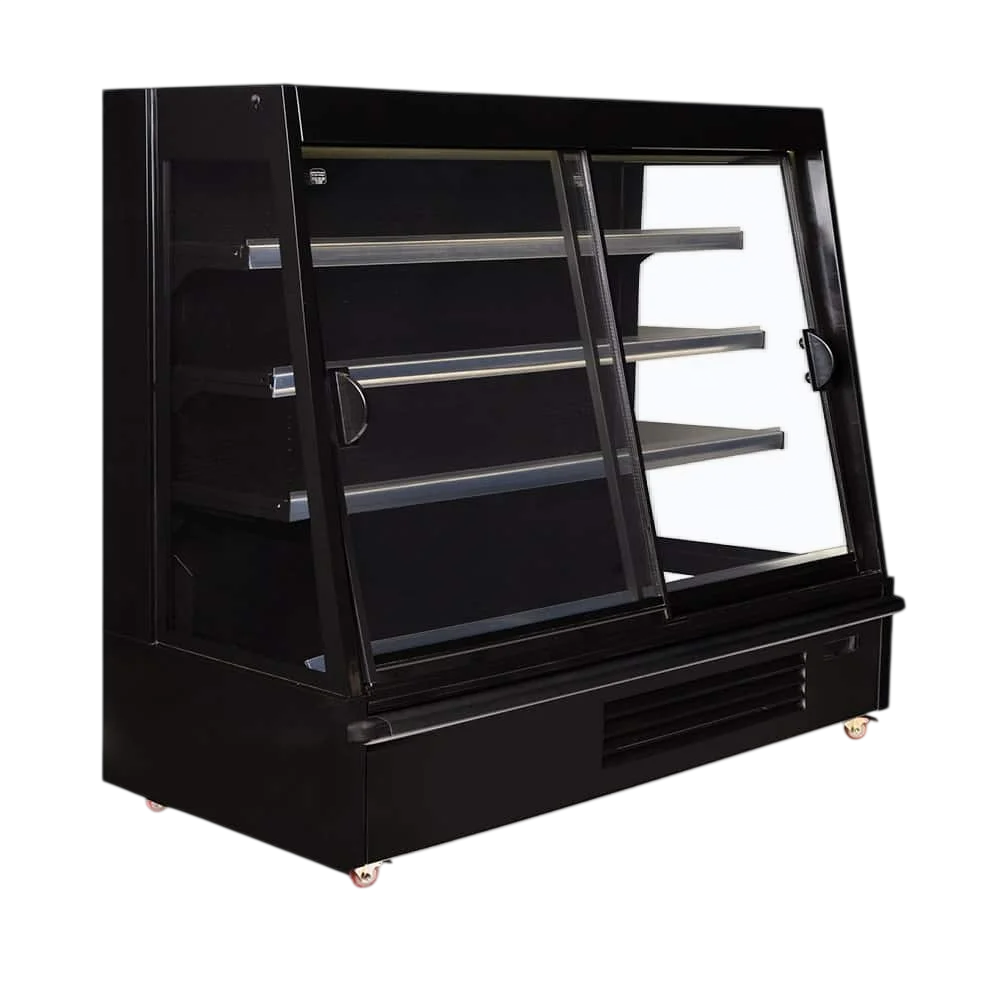
1959 × 825 × 1500mm
2584 × 825 × 1500mm
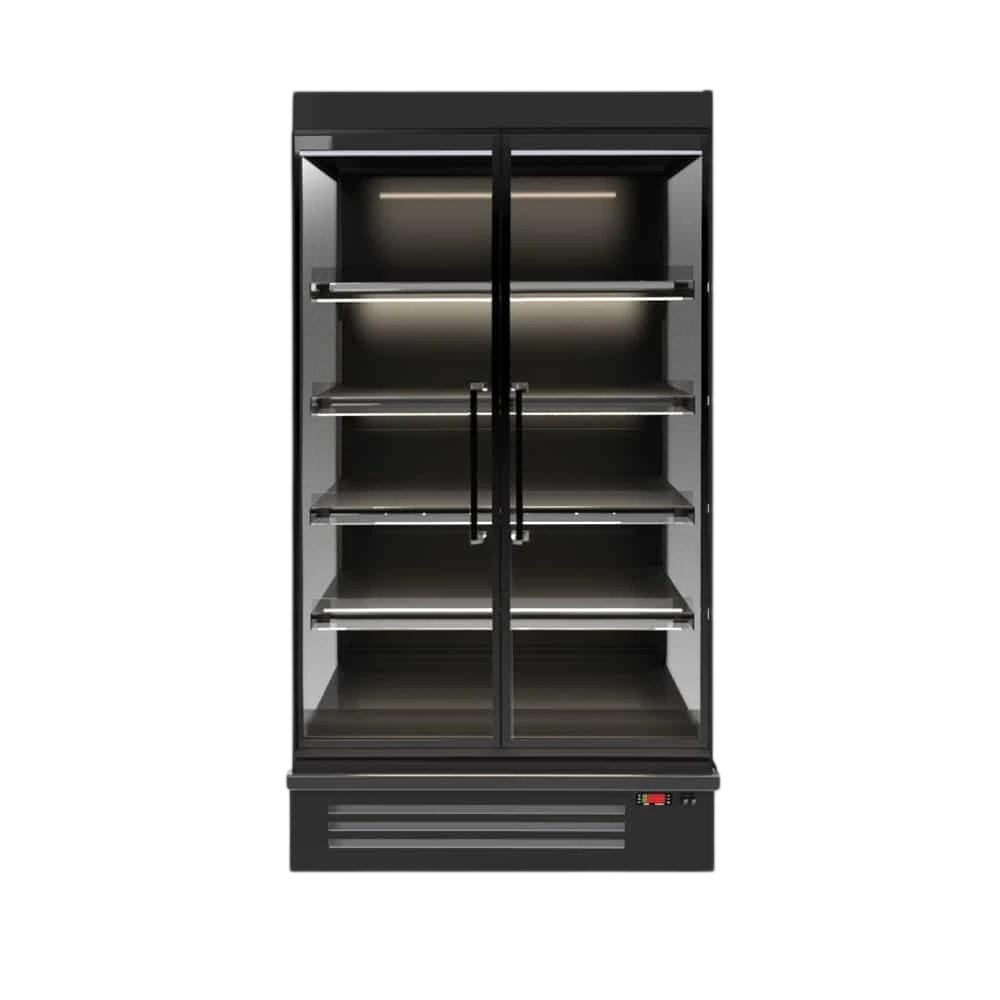
1018 × 915 × 2090mm
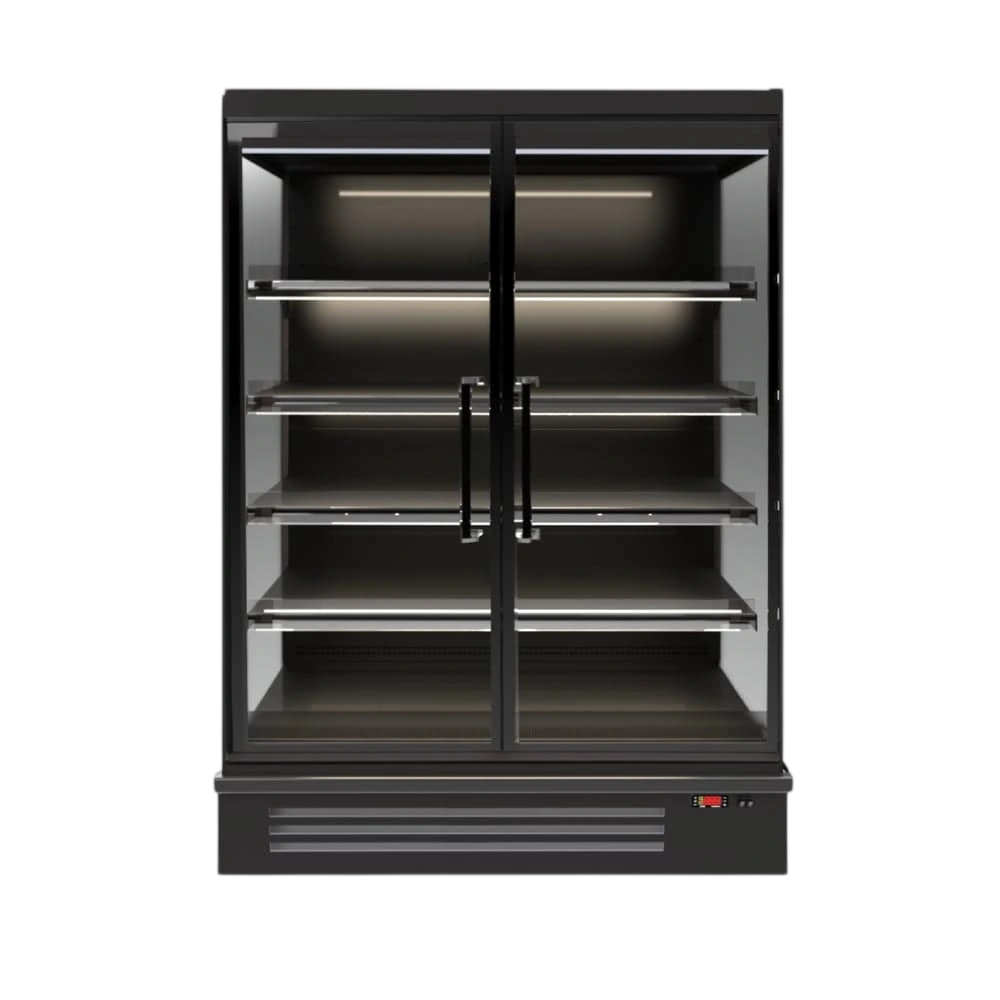
1330 × 915 × 2090mm
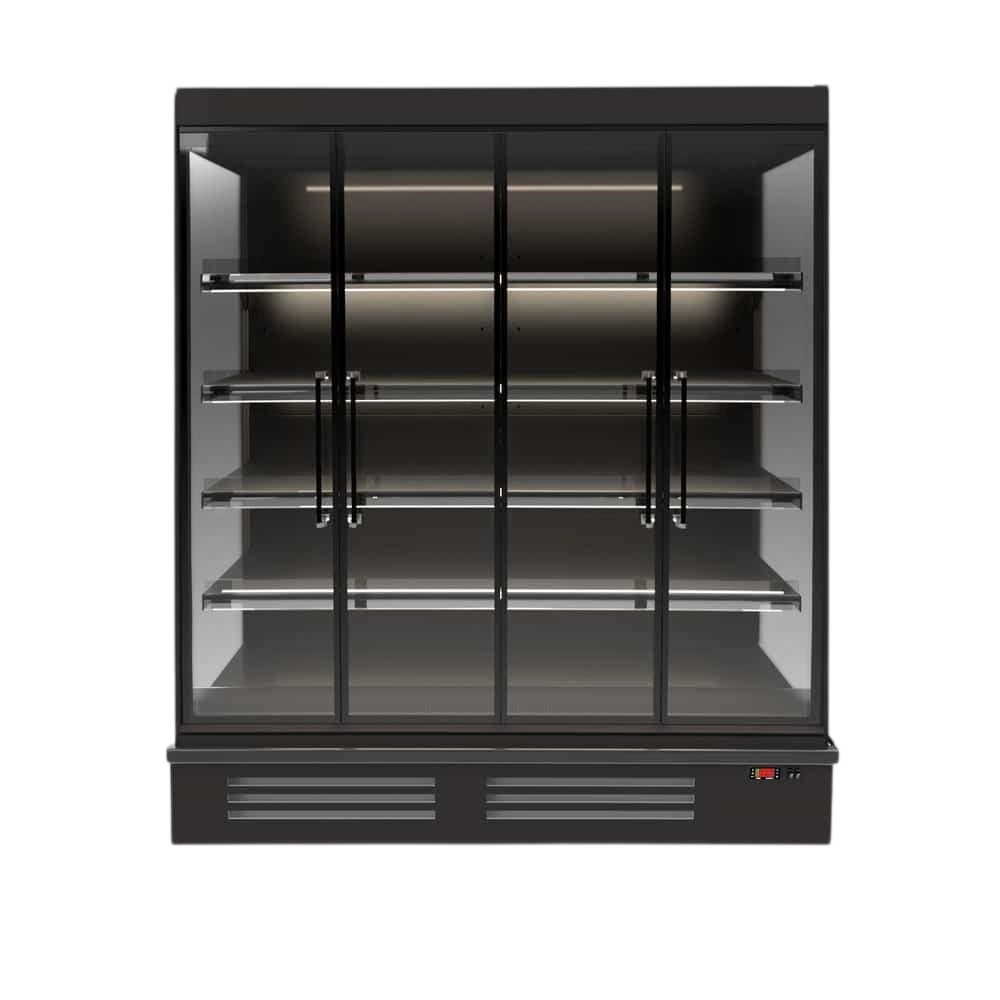
1955 × 915 × 2090mm
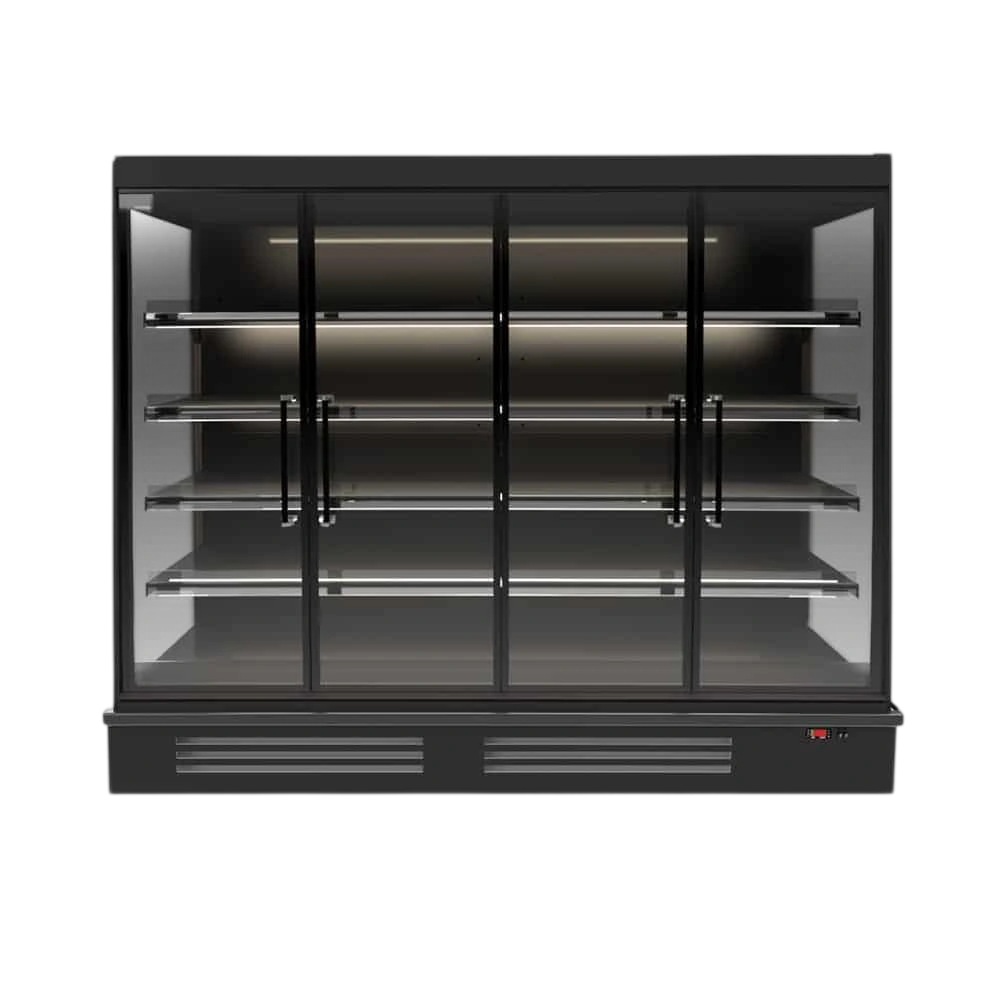
2580 × 915 × 2090mm
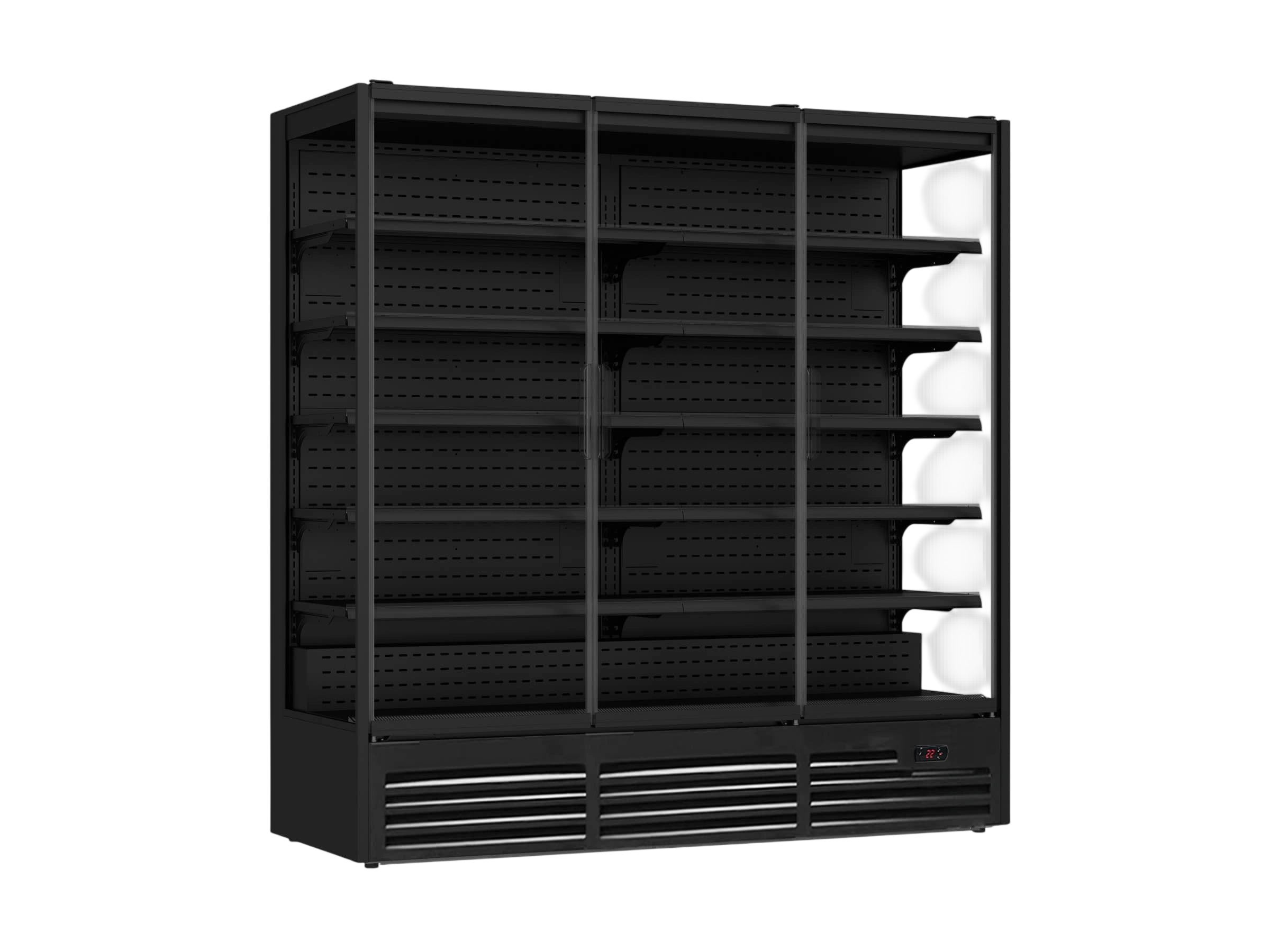
1935 × 740 × 2060mm
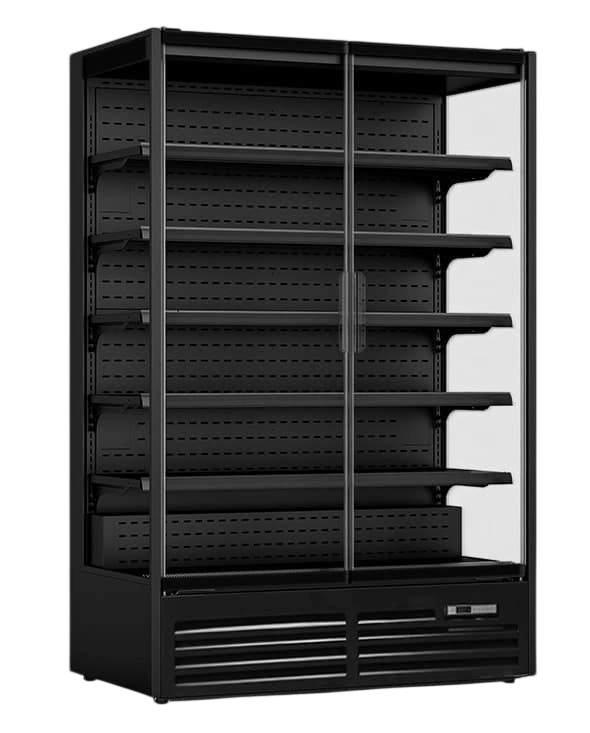
1310 × 740 × 2060mm
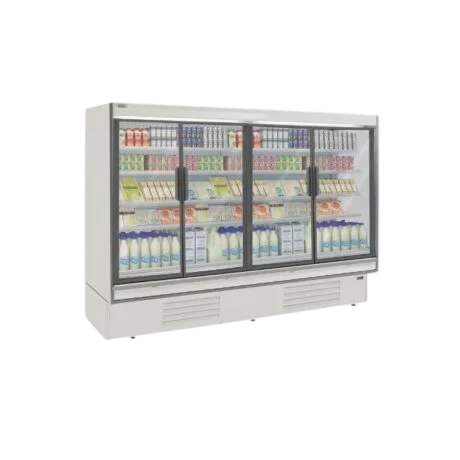
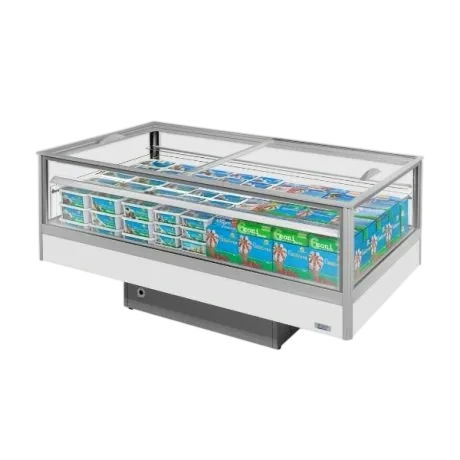
1500 × 1500 × 1300mm
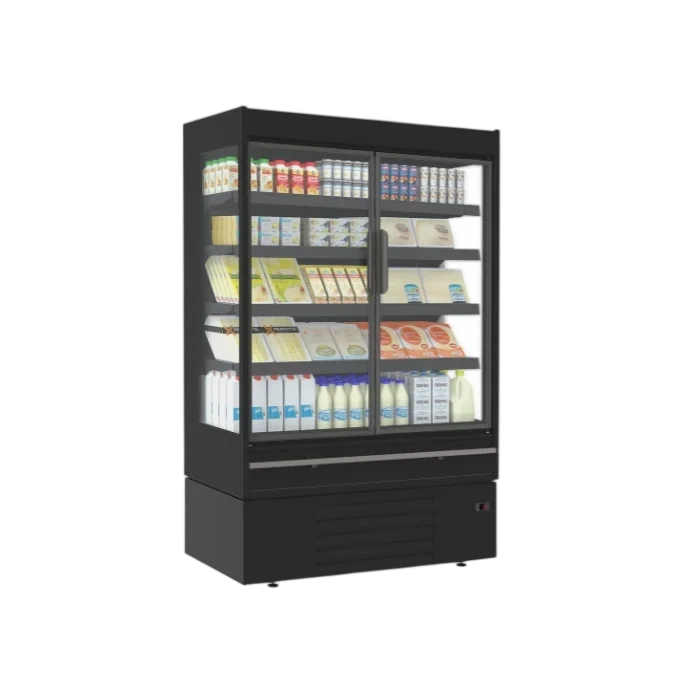
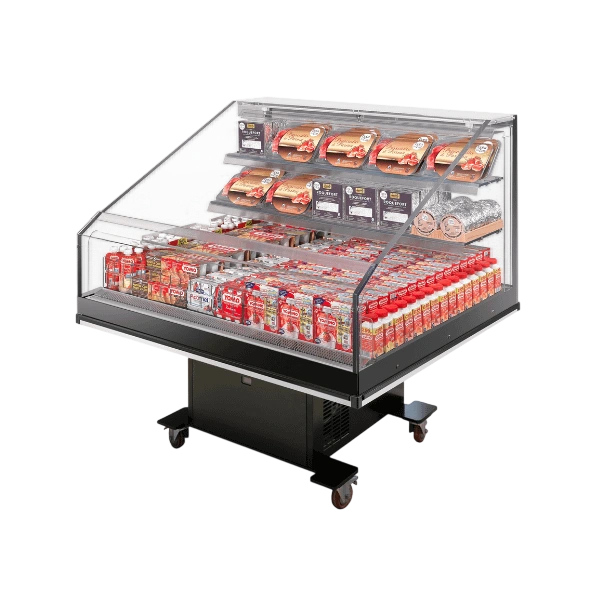
1250 × 1250 × 1300mm
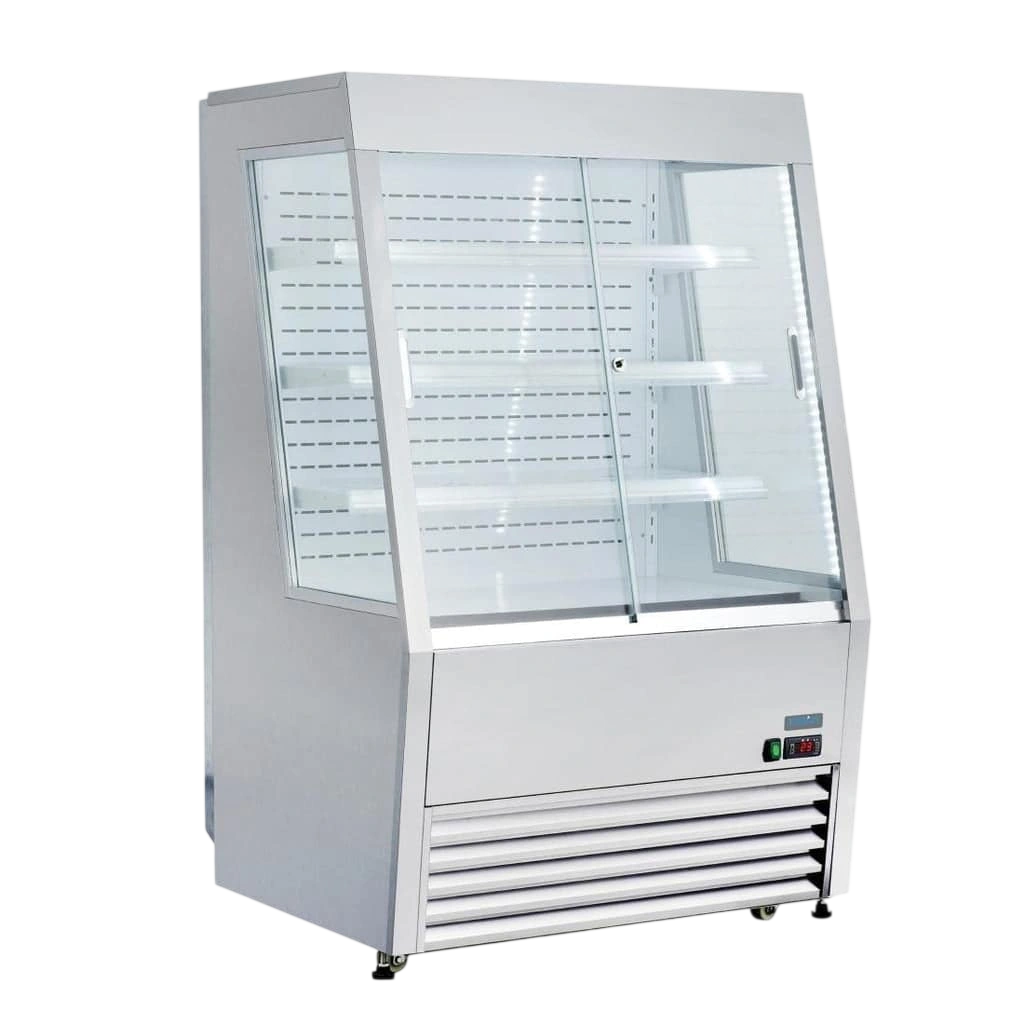
1459 × 918 × 792mm
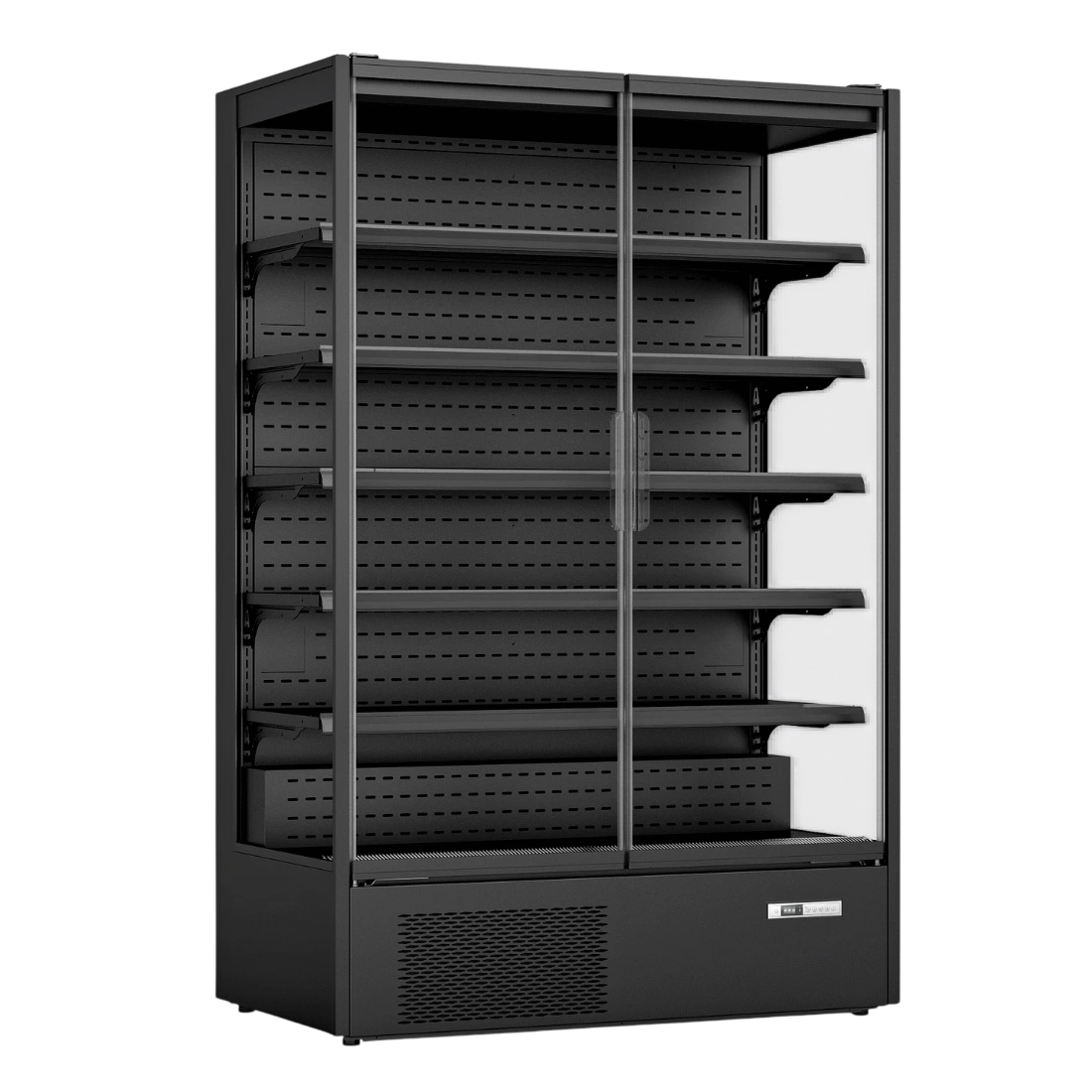
1310 × 740 × 2010mm
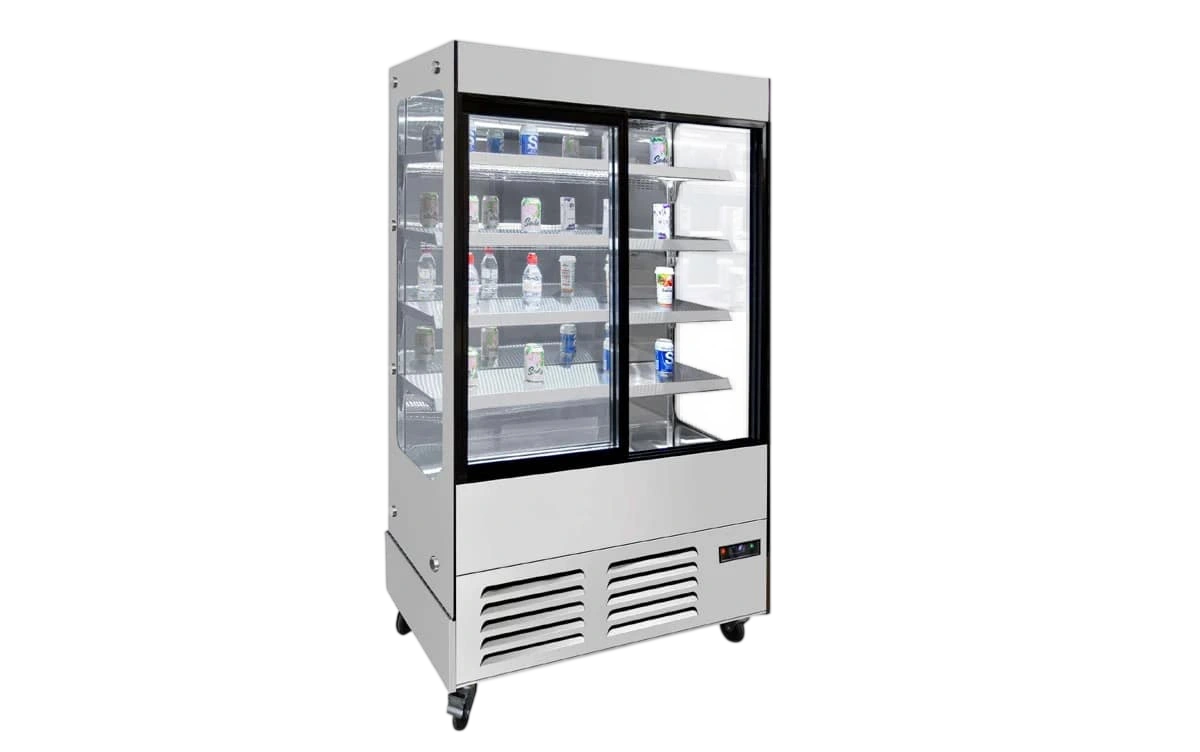
1000 × 610 × 1910mm
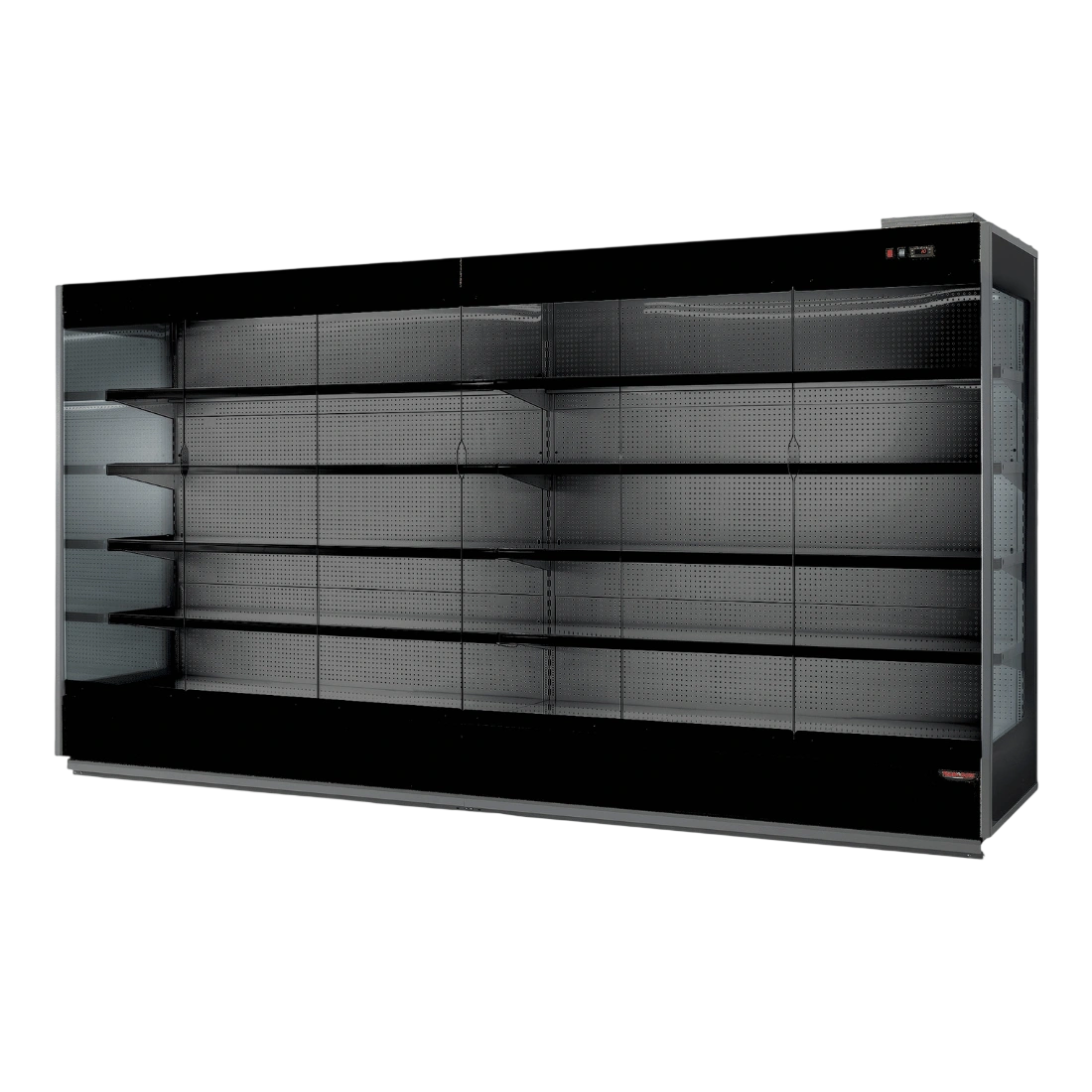
2600 × 900 × 2115mm
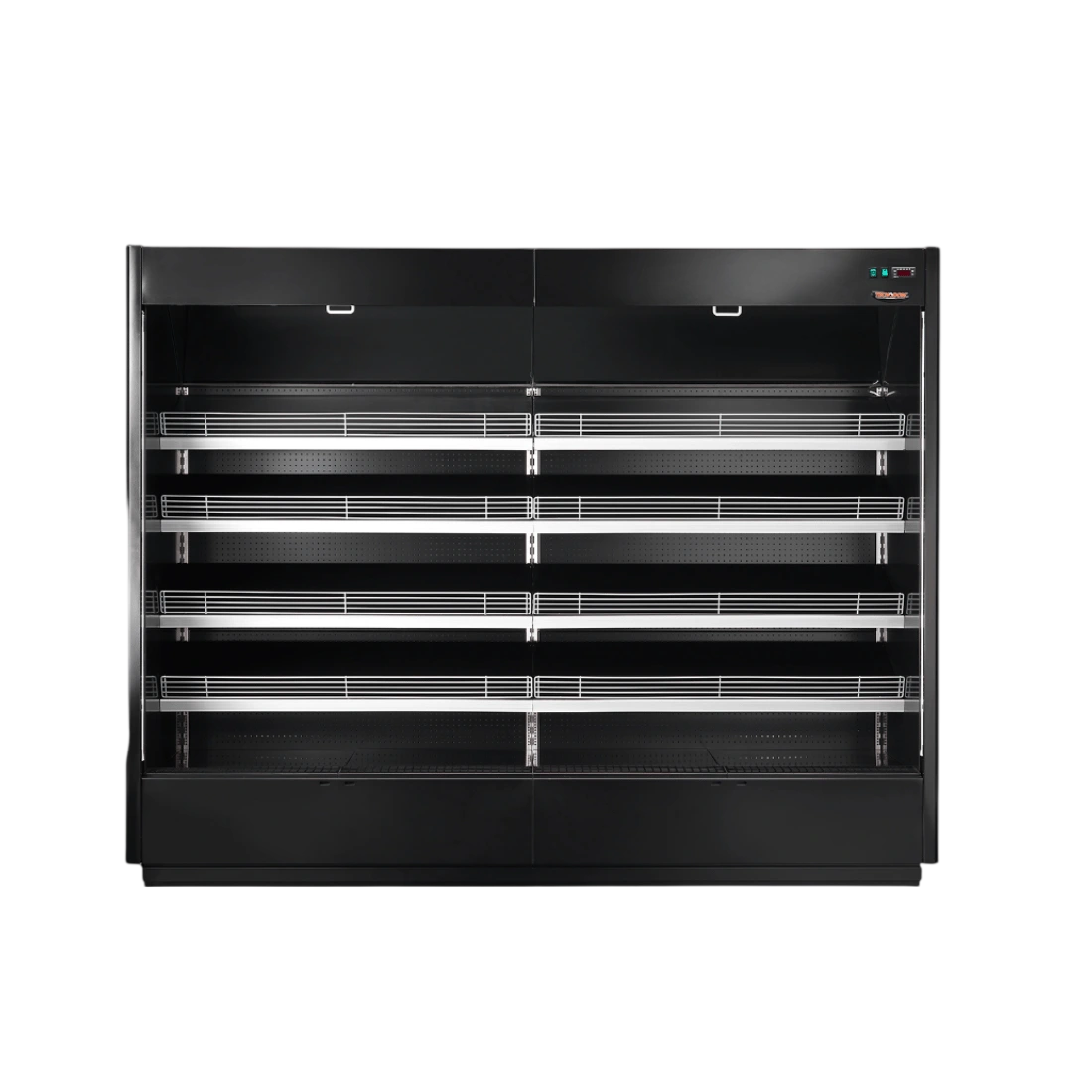
1314 × 900 × 2115mm
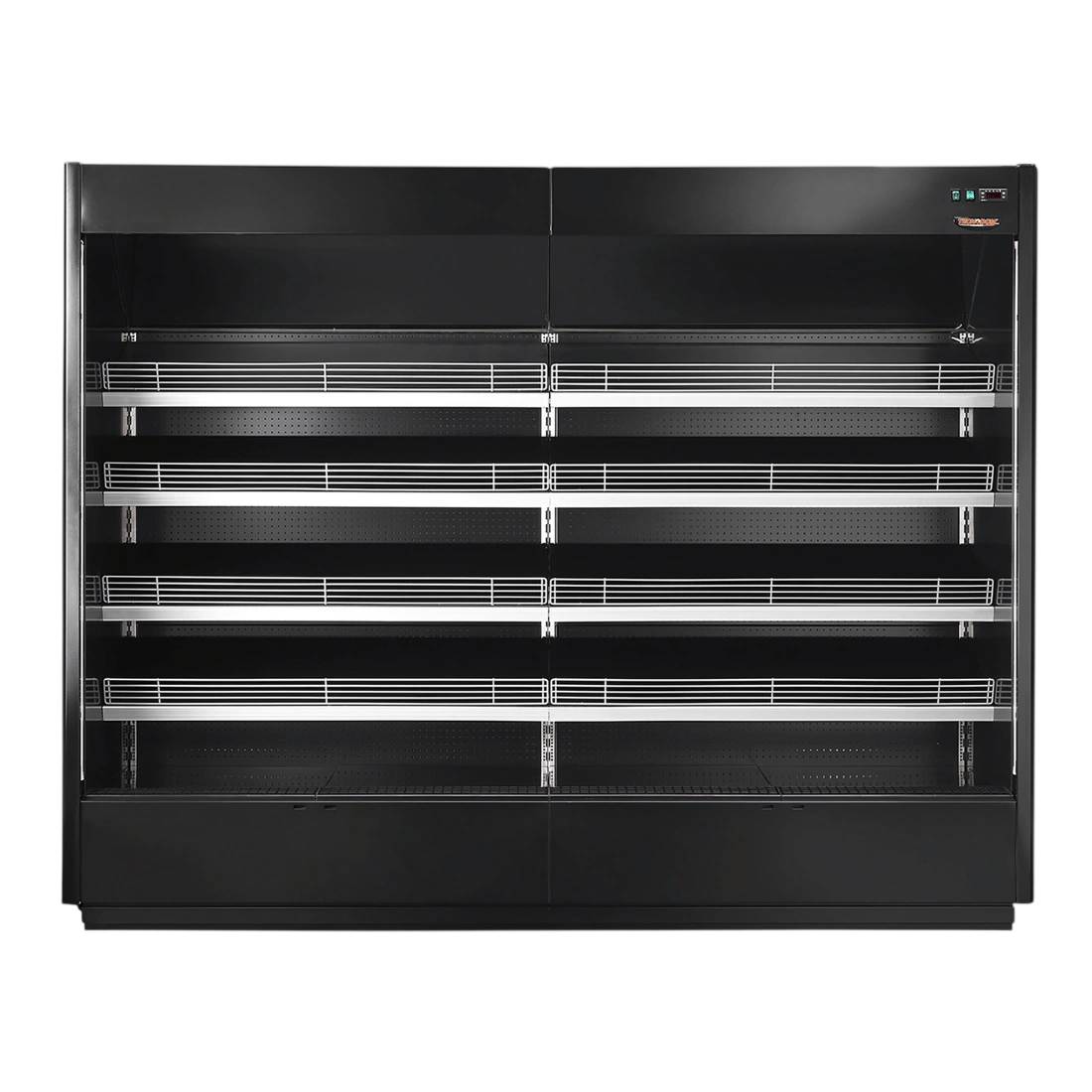
1939 × 900 × 2115mm
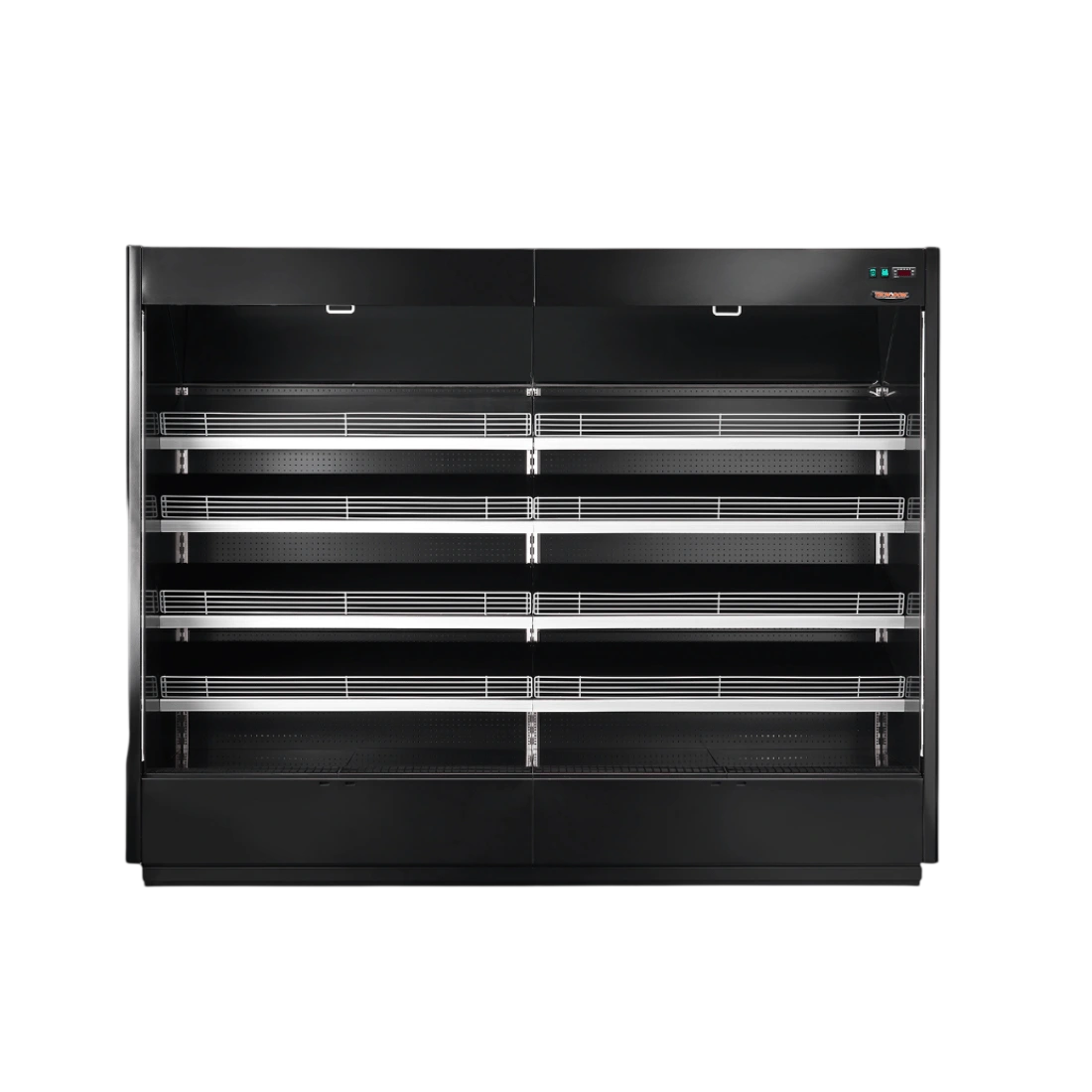
3814 × 900 × 2115mm
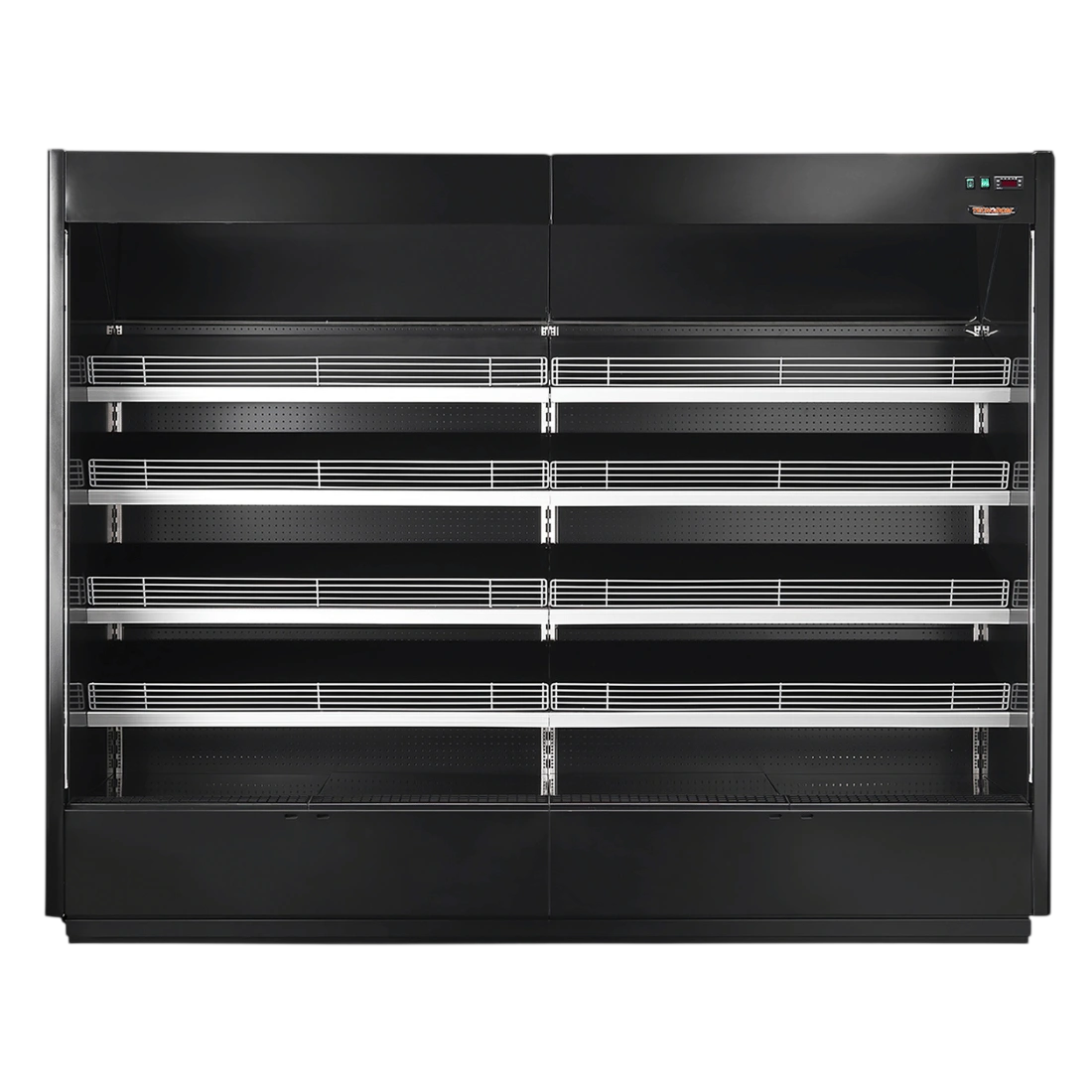
1975 × 900 × 2115mm
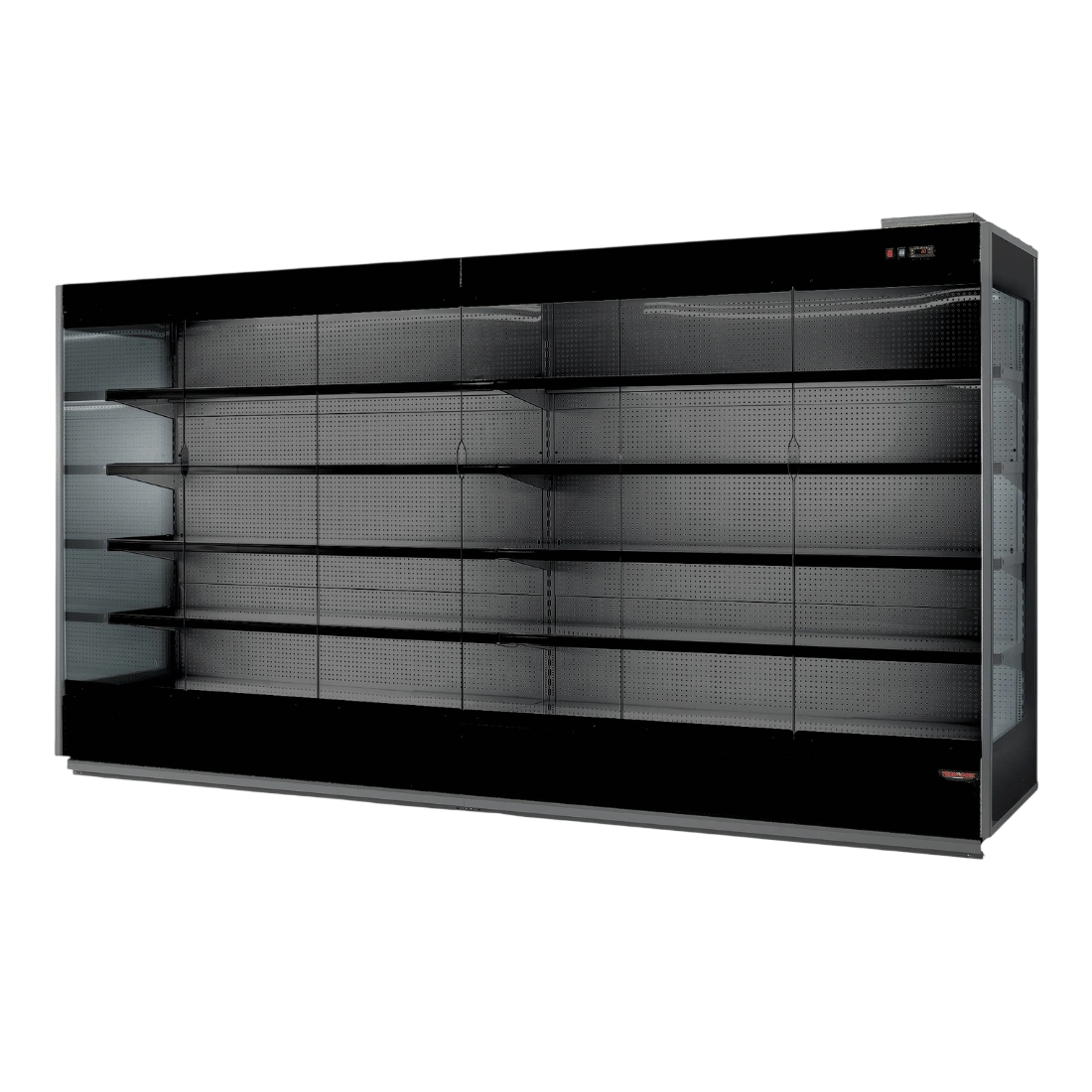
3850 × 900 × 2115mm
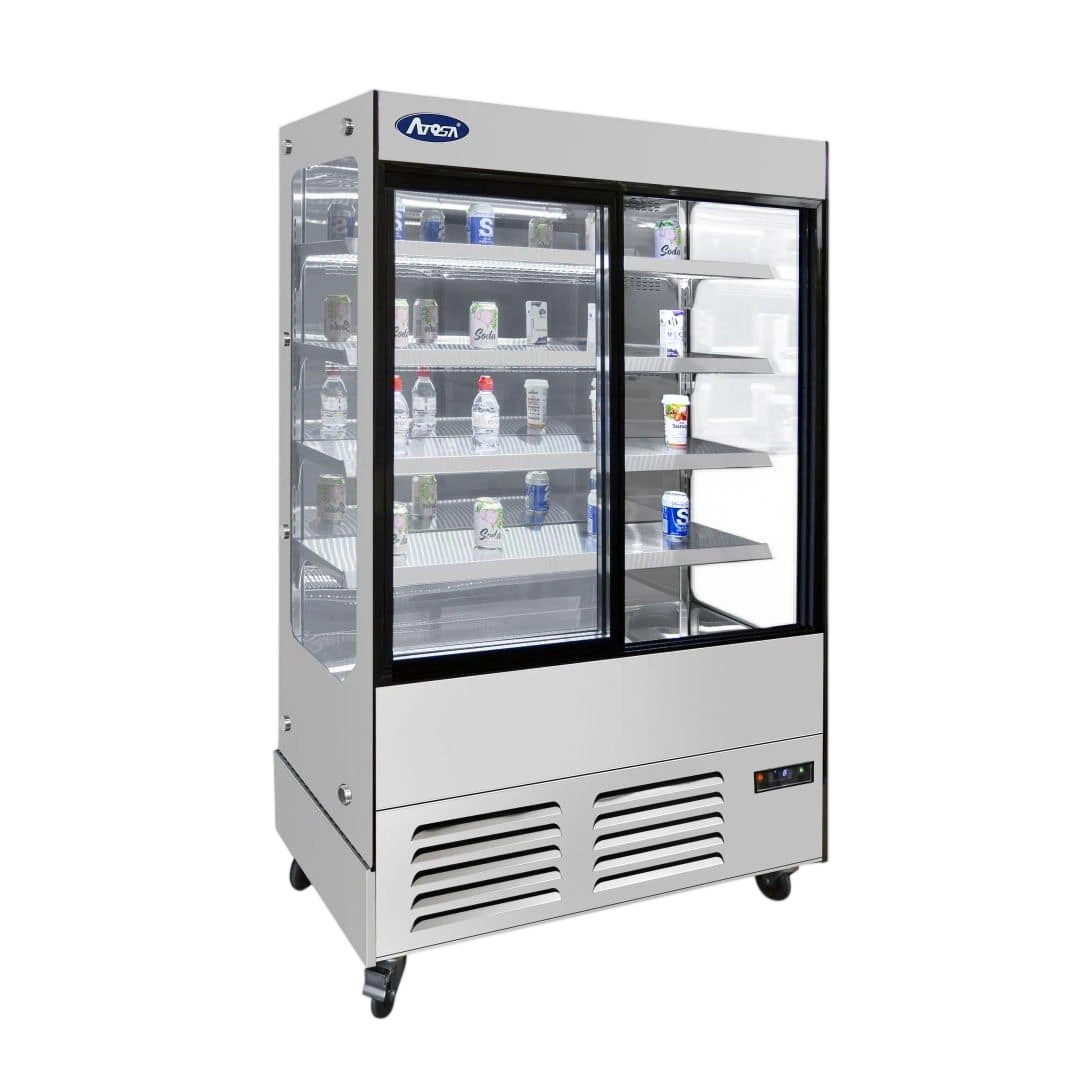
1200 × 610 × 1910mm
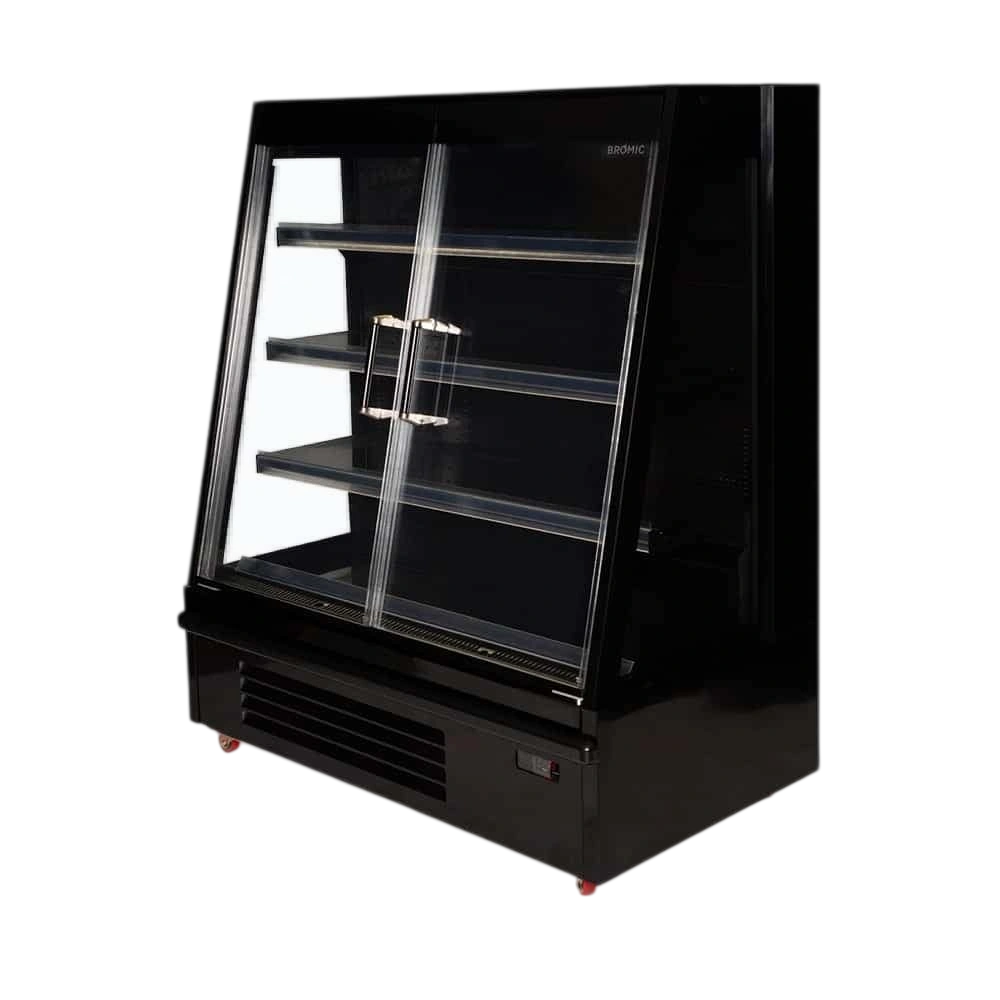
1334 × 825 × 1500mm
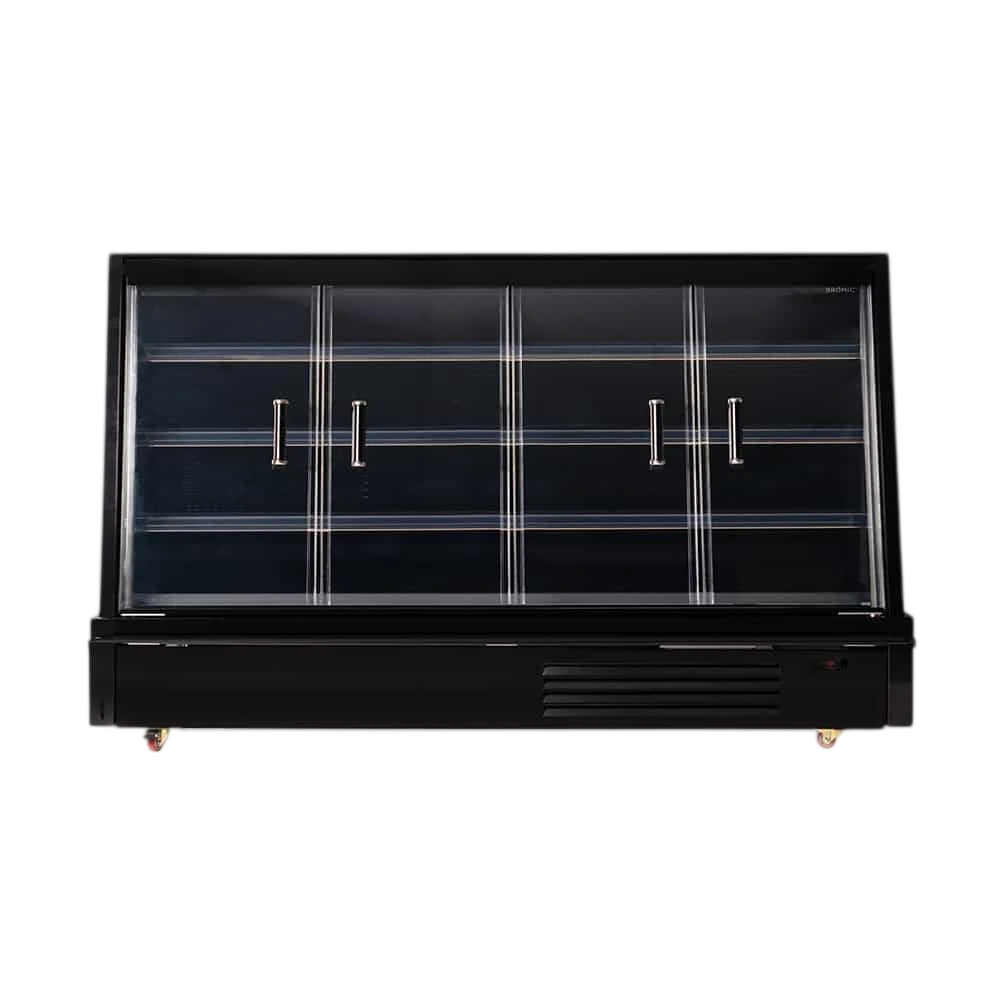
2584 × 825 × 1500mm
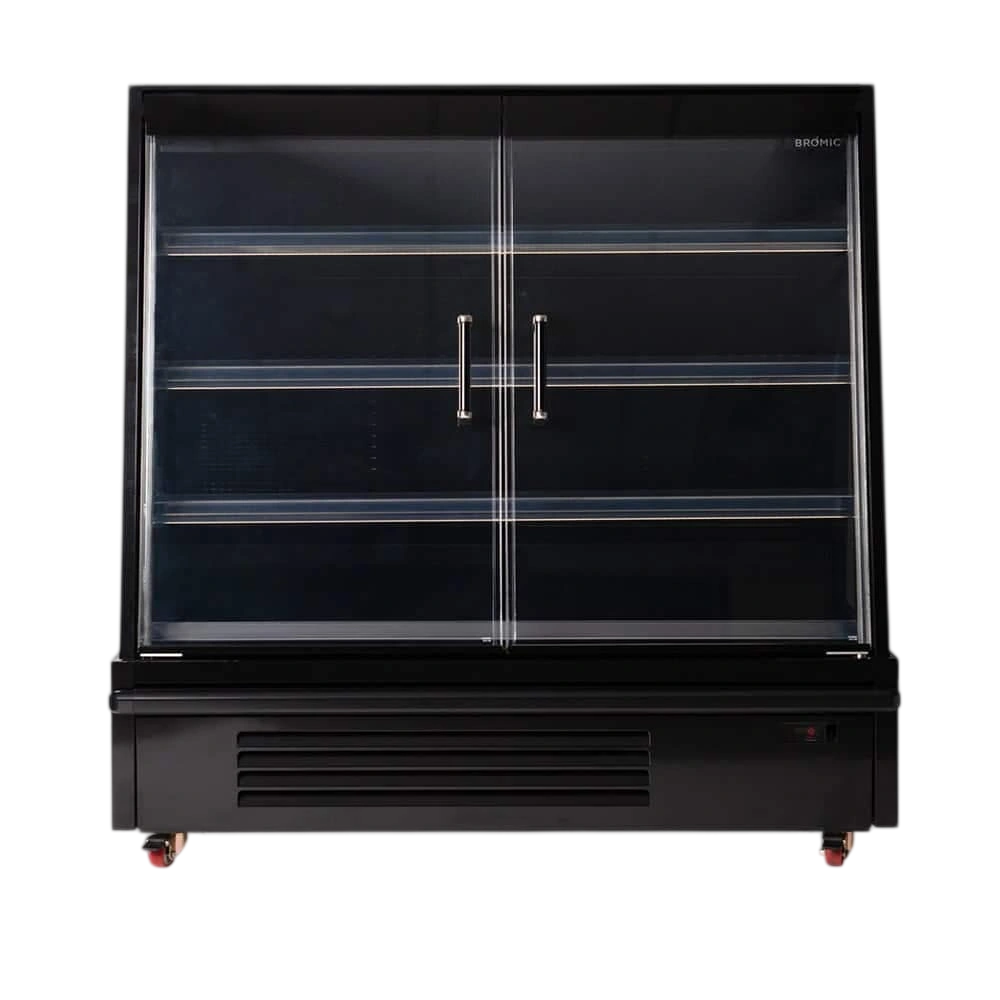
1580 × 825 × 1500mm
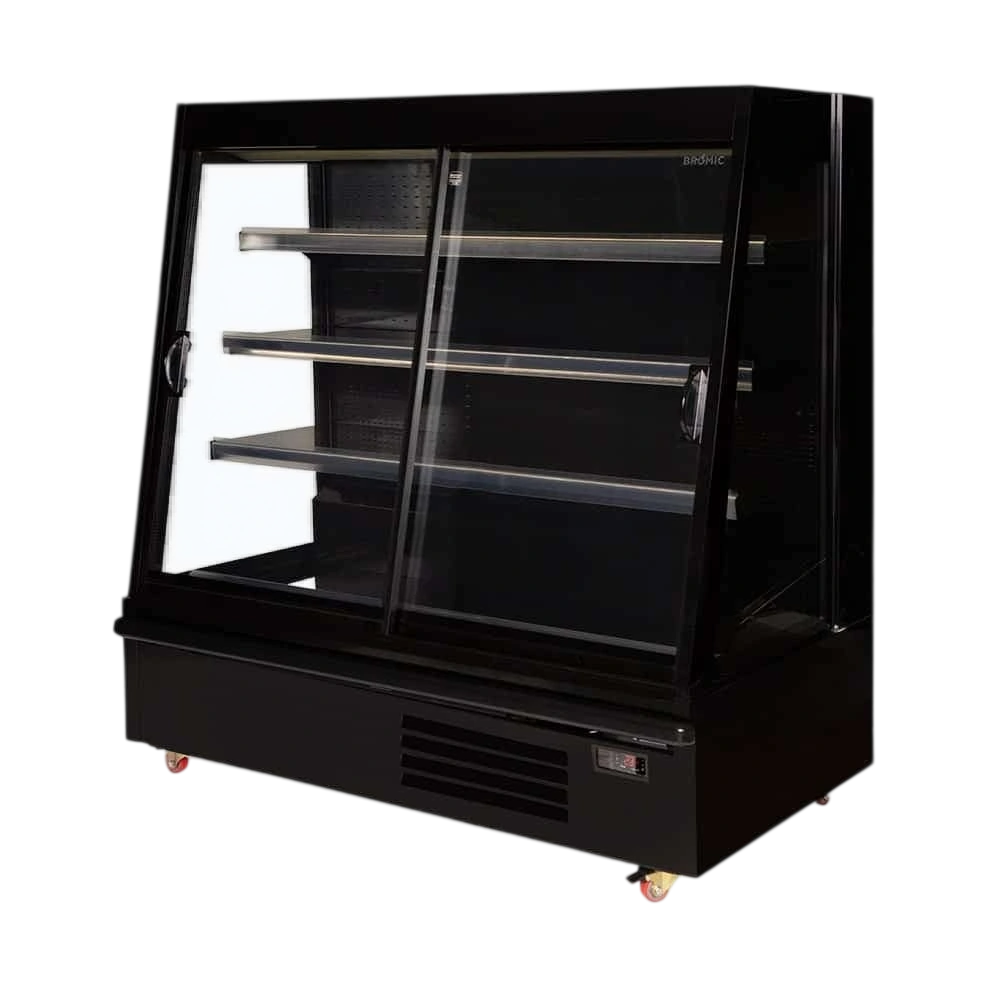
1580 × 825 × 1500mm
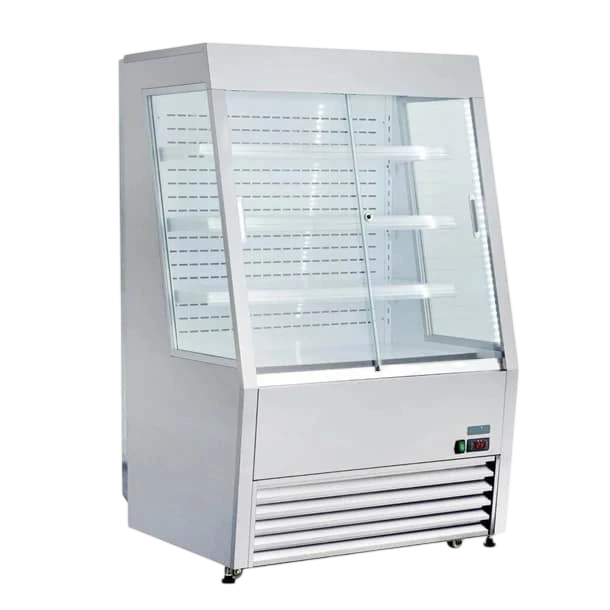
918 × 792 × 1450mm