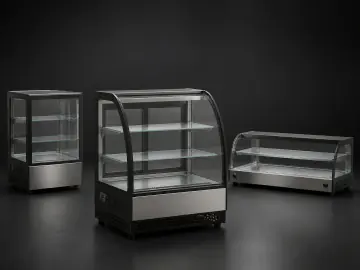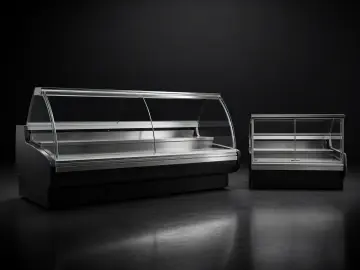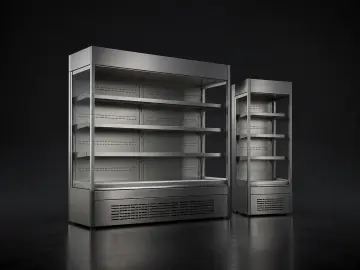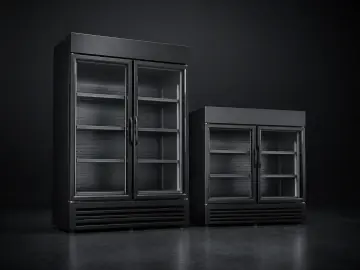
Cake Display Fridges
143 products
Display Showcase
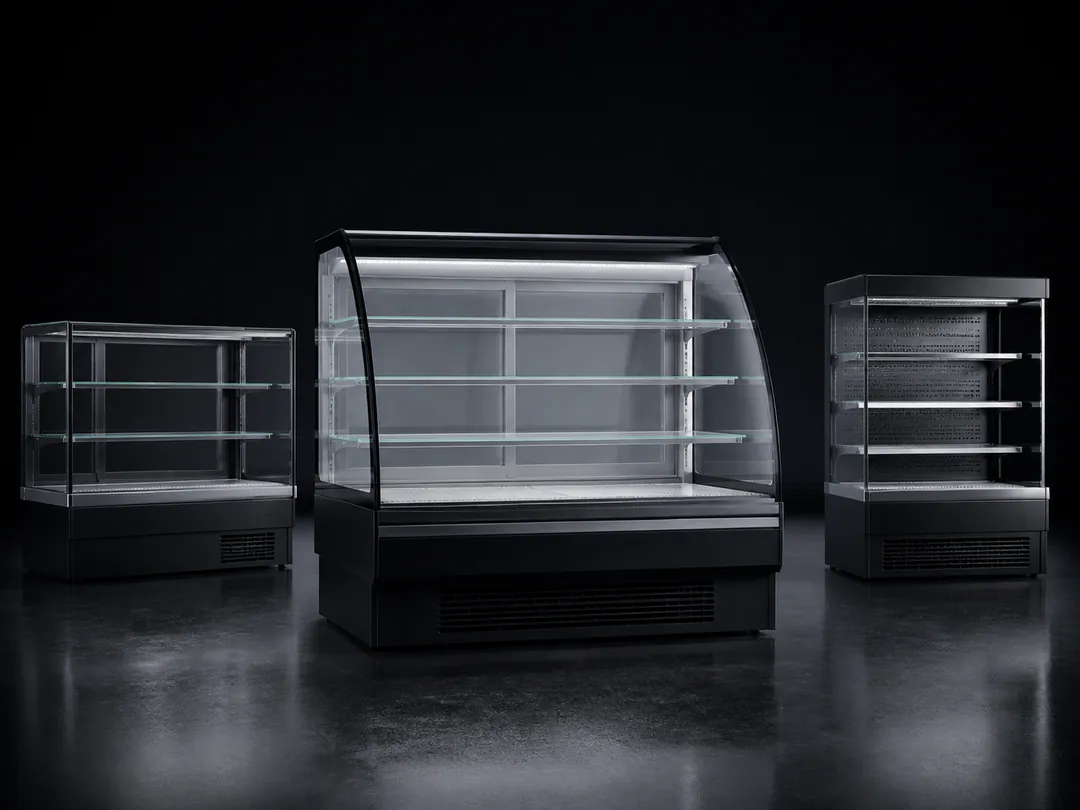
Cold display cabinets are the customer-facing merchandising branch of KW's commercial refrigeration range, presenting chilled food where customers or staff need to see the range clearly.
Use this category when display matters as much as storage. Choose cake display fridges for cakes and desserts, deli display for staff-served food, open display for fast self-service, or retail display for packaged chilled stock. If presentation is not part of the job, return to commercial fridges for storage-led options.
For a café display fridge or commercial cold food display, compare how food is presented and who reaches it. This parent range brings together cake showcases, deli counters, countertop cabinets, retail displays and open grab-and-go models. The branches can overlap: countertop describes a position, while cake, deli and retail describe a display job.
Tecnodom TDMR-0915B is listed as a 1520mm-wide deli display with storage and castors. Thermaster DC-900C is a grab-and-go cold cabinet with a listed gross volume of 253L and external dimensions of 900 × 600 × 1520 mm. These are different arrangements; check the serving side, restocking opening and usable display layout before comparing litre figures.
Use Deli Display Fridges to explore deli-format counters, Open Display Fridges for open and grab-and-go layouts, and Retail Display Fridges for further customer-facing chilled displays. Confirm the exact model’s intended food and packaging requirements.
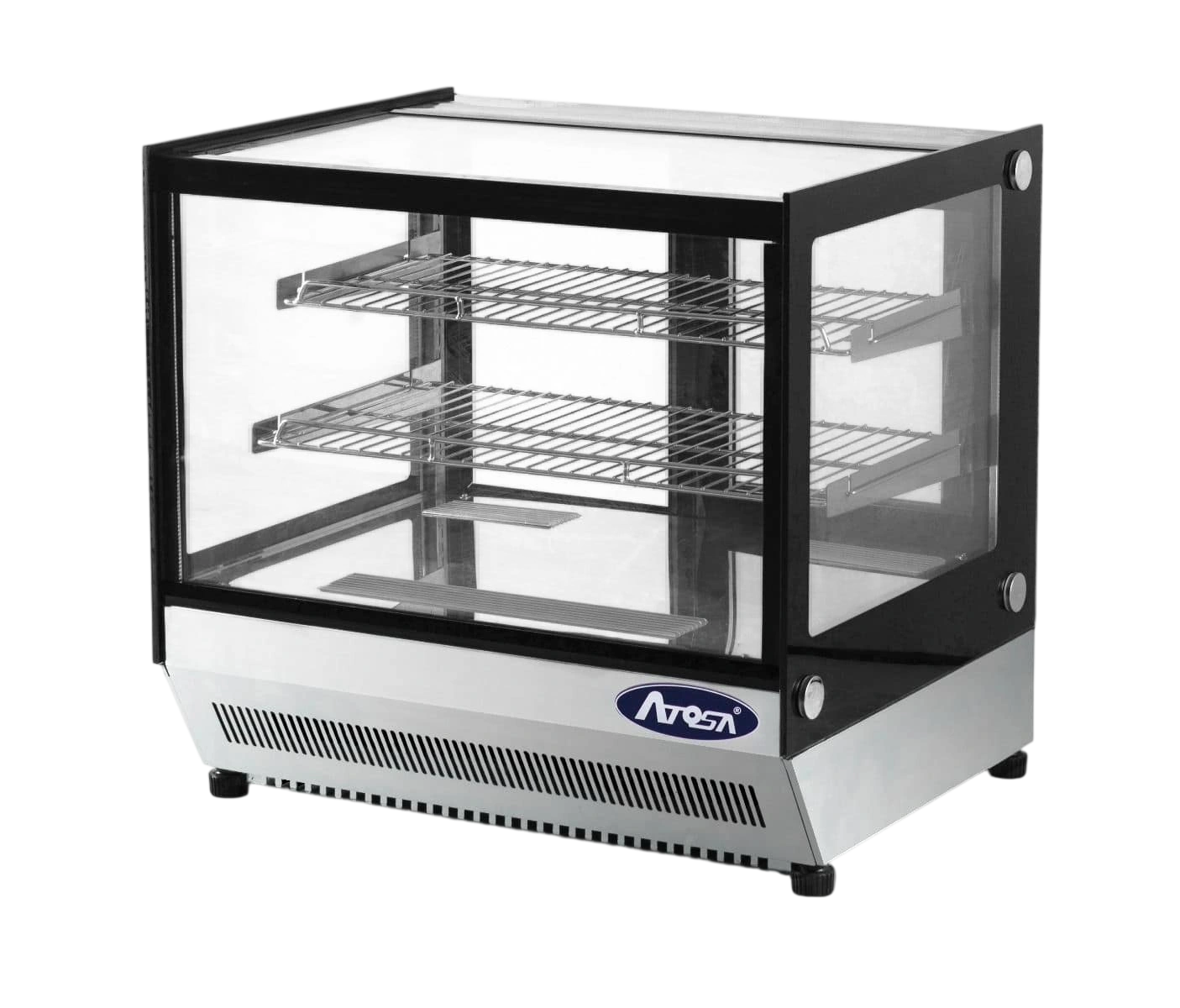
Four Atosa square-glass cake showcases provide a like-for-like size comparison: WDG096HF lists 318L at 900 × 660 × 1350 mm; WDG126HF lists 438L at 1200 × 660 × 1350 mm; WDG156HF lists 558L at 1500 × 660 × 1350 mm; and WDG186HF lists 678L at 1800 × 660 × 1350 mm.
In these four models, depth and height are the same while width and listed capacity increase. They do not establish a capacity-per-metre rule for other cabinets. Compare usable shelves with actual cake boards, trays or packs, and check access and ventilation clearances separately from the external W × D × H figures.
The Cake Display Fridges branch gives a more focused cake-showcase comparison. Litres do not establish how many cakes fit or how many customers a cabinet can serve.
Polar CX578-A is a 68L countertop display measuring 428 × 386 × 885 mm, with three adjustable shelves. Atosa WSY100L curved glass and WSF120L square glass both list 120L and measure 700 × 560 × 670 mm. The Polar example is taller but narrower and shallower than either Atosa example.
The Atosa pair also shows that curved and square glass can share the same footprint. Glass shape alone does not establish glare, energy use, condensation control or cooling performance. Compare those features from the selected model’s documentation. Explore Counter Top Cold Display for bench-position and installation comparisons.
Thermaster DC-900C lists a cabinet range of +3 to +8°C. Polar CX578-A lists 0 to 12°C and a maximum ambient of 32°C. The Atosa countertop pair and four WDG showcases above list a rated ambient of 43°C. Cabinet temperature and ambient rating describe different conditions; these figures are specific to the named models.
Confirm the product’s required holding conditions, the cabinet’s permitted loading and duration, and the site’s heat and airflow before choosing. Do not assume all cold displays are approved for overnight storage or for cooling warm food. Keep frozen-display requirements on the separate Display Freezers path, and use Commercial Fridges when back-of-house storage is the main job.
Key factors to consider before purchasing. Our team can help you find the right fit — call or get a quote anytime.
Atosa WDG096HF, WDG126HF, WDG156HF and WDG186HF list 318L, 438L, 558L and 678L respectively. Widths are 900, 1200, 1500 and 1800 mm; all four are 660 mm deep and 1350 mm high.
Polar CX578-A is 428 × 386 × 885 mm. Atosa WSY100L and WSF120L are both 700 × 560 × 670 mm. Compare counter width, depth and sightline separately.
Tecnodom TDMR-0915B is listed as a deli display with storage and castors. Thermaster DC-900C is a 253L gross-volume grab-and-go cold cabinet. Check serving and replenishment access for the exact model.
Submit your kitchen requirements — our equipment specialists will send you a tailored shortlist of cold display cabinets that fits your budget, venue type and compliance needs.
Standards & Compliance
Start with the display job:
FAQ
Check the exact cabinet’s permitted use, holding duration and loading instructions. The category name alone does not establish an overnight or long-term storage approval or prohibition. Match the model’s documented use to the food’s required conditions and plan separate storage where needed.
Do not infer cooling, glare or energy performance from glass shape alone. Atosa WSY100L curved glass and WSF120L square glass both list 120L and measure 700 × 560 × 670 mm. Compare exact glazing and operating specifications as well as the view and access.
Match the exact cabinet’s documented application to the cakes, fillings and packaging. A static or fan-assisted label alone does not prove humidity control, exposed-food suitability or temperature recovery. Check usable shelves, loading instructions and any stated humidity specification.
Use the selected model’s installation instructions to assess room temperature, humidity, nearby heat, sunlight and airflow. Check support, ventilation, door movement and cleaning access. Follow model-specific clearances rather than applying one distance to the whole range.
Why KW
KW separates cold display from general refrigeration. A display cabinet is chosen for presentation, access and replenishment flow, while a storage fridge is chosen mainly for back-of-house holding.
Deep Dive
Technical depth from KW's commercial kitchen specialists.
Measure the expected room conditions and compare them with the exact model’s ambient and humidity limits. Front-of-house location alone does not establish a required ambient class; consider nearby heat, sunlight and air movement against the installation instructions.
Compare the customer view, external dimensions, loading access and specified glazing. Glass shape alone does not establish heat gain, glare, running cost or condensation performance.
Use the documented shelf positions and loading limits, keep specified air paths clear and follow temperature-monitoring instructions. Do not assume a universal warmest or coldest shelf across cabinet designs.
Identify the actual cooling system and permitted application on the selected model. A system label alone does not establish humidity control, recovery speed or suitability for unwrapped cakes, meats or packaged food.
Check the model’s listed glass construction and lighting features. Compare visibility with the actual products from customer eye level. Do not assume Low-E glazing or a particular lighting specification across the range.
Confirm whether the exact cabinet has heated glass, heated frames or another stated condensation-control feature, and check its operating limits. An open display’s air-management system should not be treated as a glass anti-fog feature.
Confirm any stated humidity control, permitted food applications and packaging requirements from the exact model documentation. Do not promise moisture retention or prevention of drying from static or fan-assisted labels alone.
Use the selected model’s labelled refrigerant and electrical information. Refrigerant type and rated input alone do not establish daily consumption or running cost. Compare documented consumption under comparable test conditions when available.
It is a refrigerated display category for showing chilled food to customers or staff while supporting regular restocking.
Cold display cabinets are the wider hub. Retail display fridges are the child path for packaged customer-facing chilled stock.
Plan backup storage, restocking paths, serving tools, labels and cleaning access.
Use litres alongside the cabinet format, usable shelves or deck, access and your actual packs or cake boards. For example, Thermaster DC-900C lists gross volume of 253L; that does not make its usable display arrangement directly equivalent to a 318L Atosa WDG096HF cake showcase. Compare models within a family first, then check the actual loading layout.
No. Polar CX578-A lists a 0 to 12°C cabinet range and a maximum ambient of 32°C. The Atosa examples on this page list a rated ambient of 43°C. Check each model’s operating range and room limits separately, then match them to the intended food and location.
Cold display sits between preparation, replenishment and sale. Plan where backup chilled stock waits, who replenishes the cabinet and whether that route crosses the customer queue. Check the loading opening and required working space before fixing the counter layout.
Common mistakes include choosing a display cabinet as if it were only a storage fridge, ignoring restocking access, or mixing staff-served and self-serve needs. These choices usually lead to prep fridges, labels, serving tools, cleaning supplies and backup refrigerated storage.
344 results
428 × 386 × 1000mm
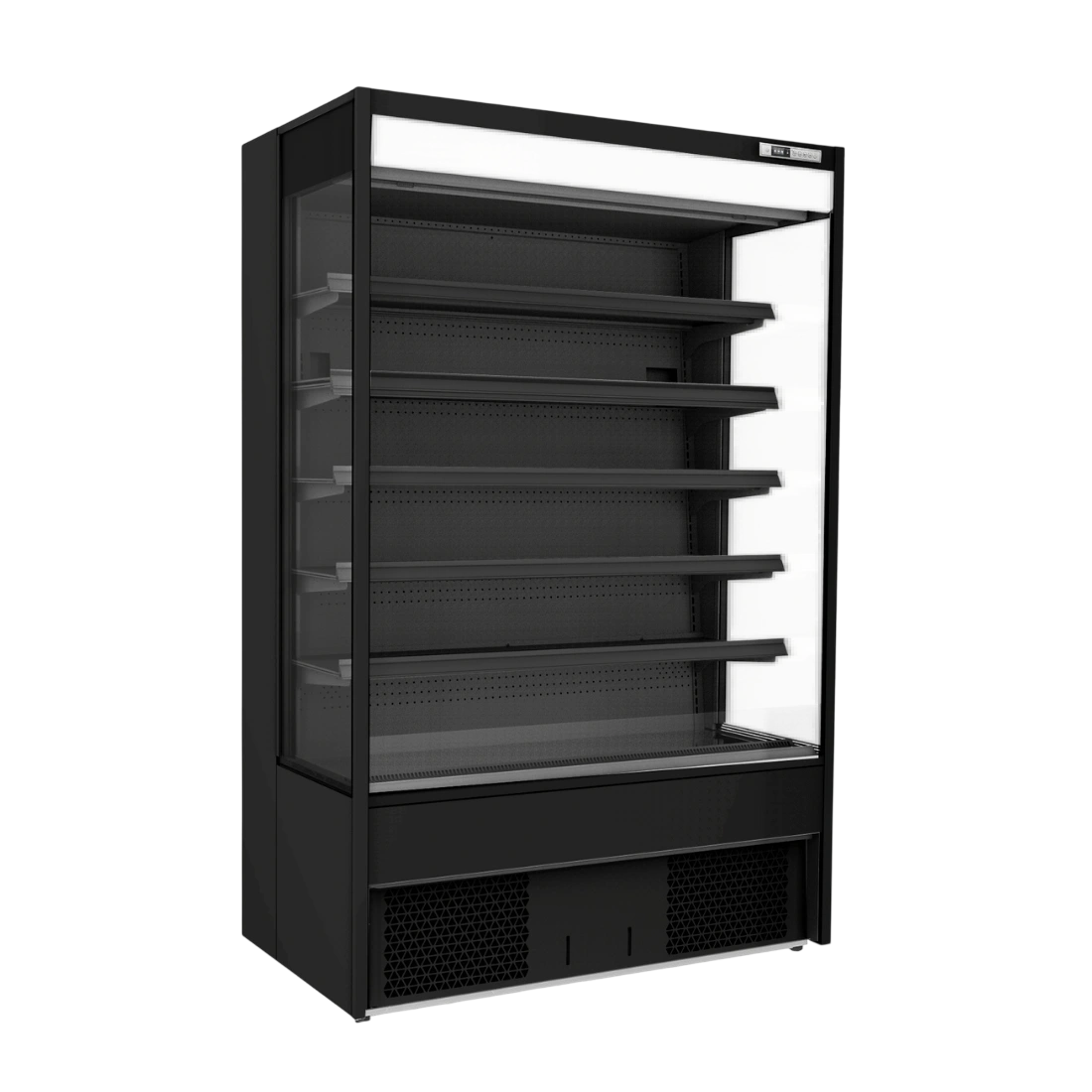
1280 × 770 × 2067mm
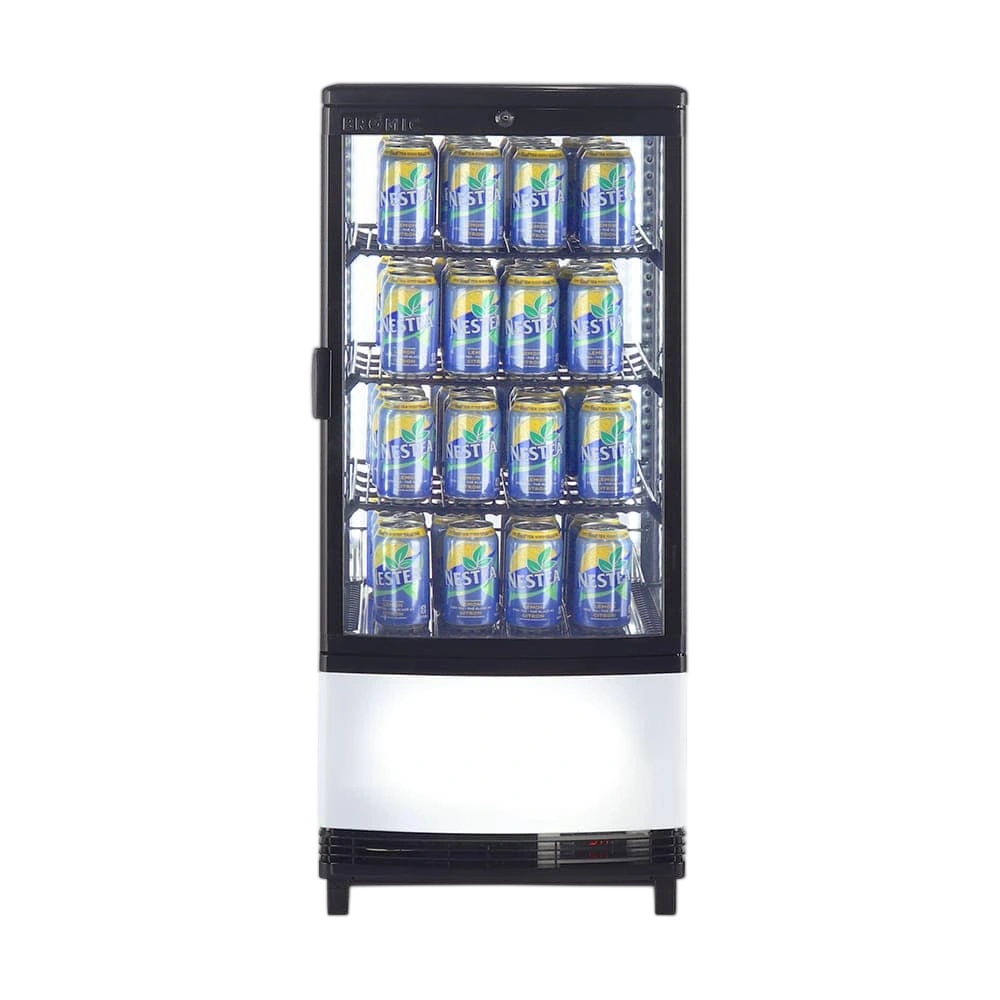
425 × 404 × 1080mm
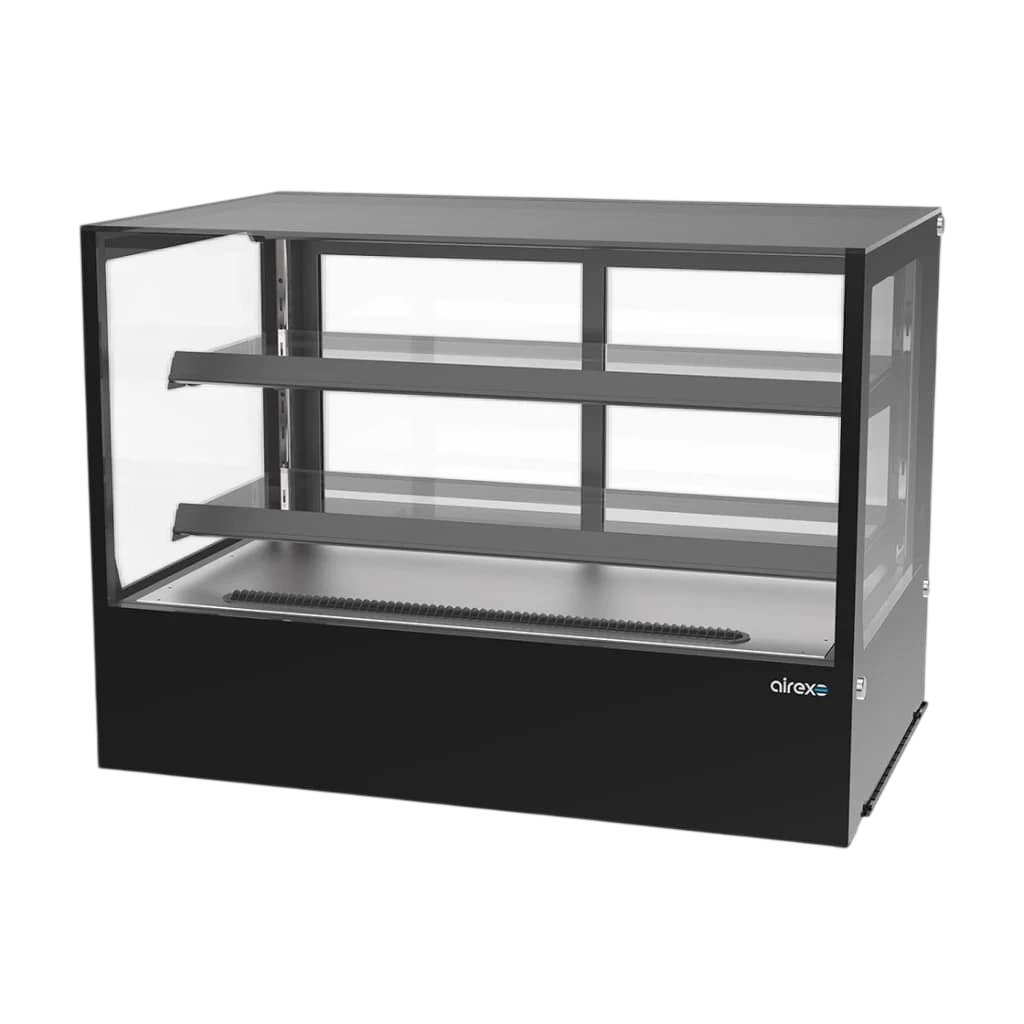
885 × 565 × 676mm
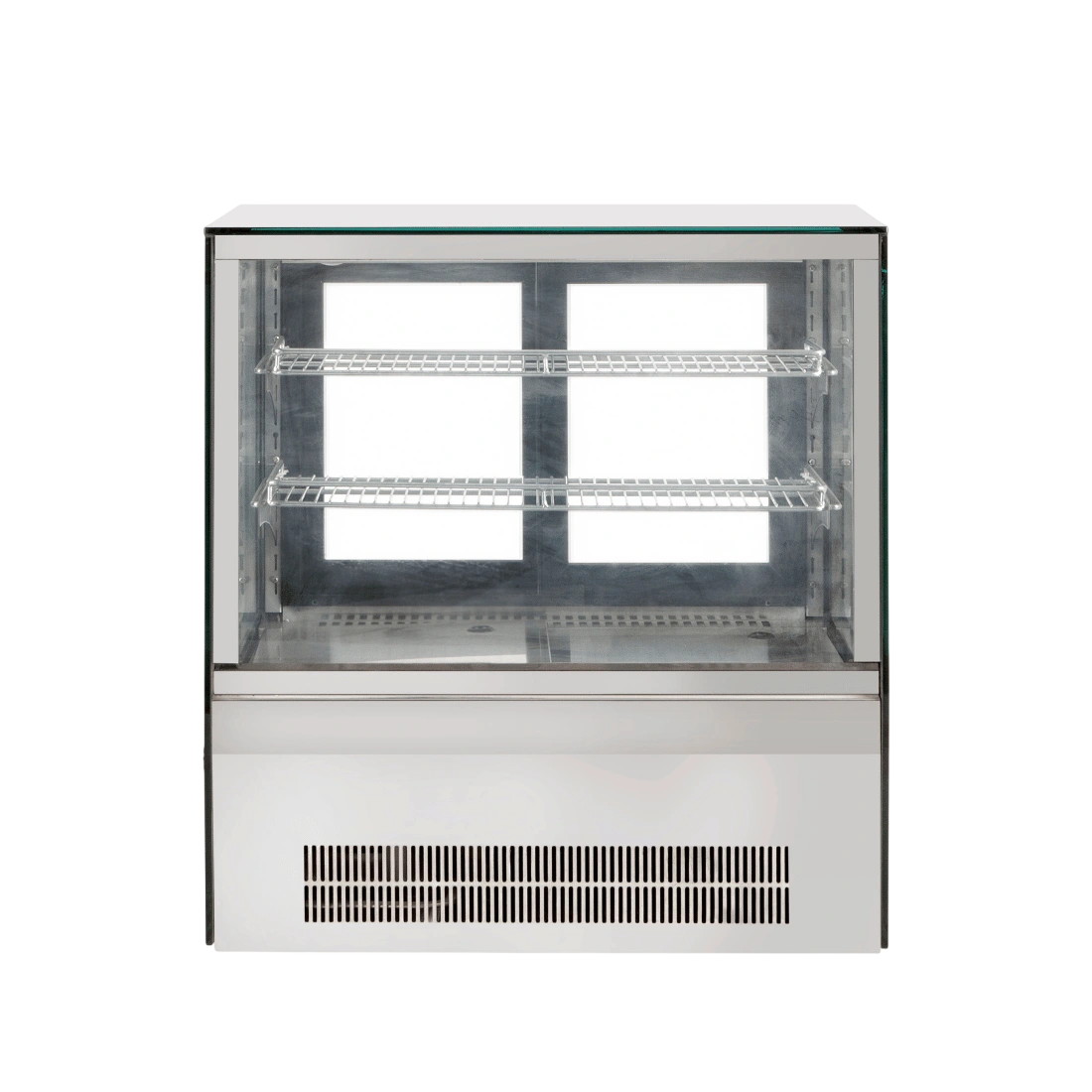
660 × 530 × 730mm
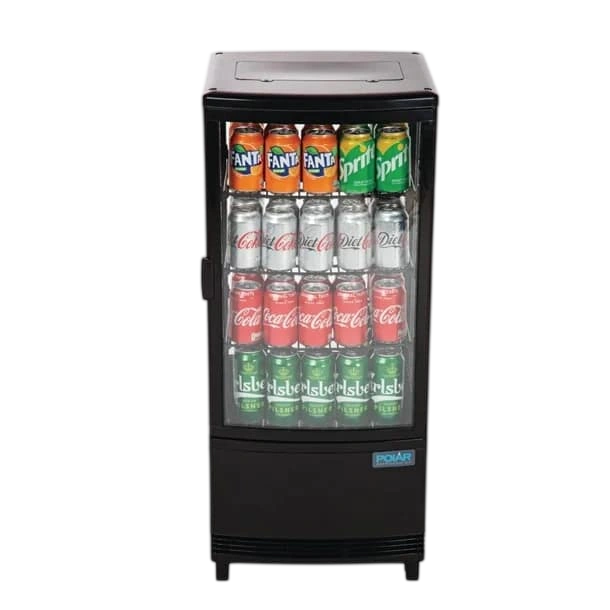
429 × 425 × 980mm
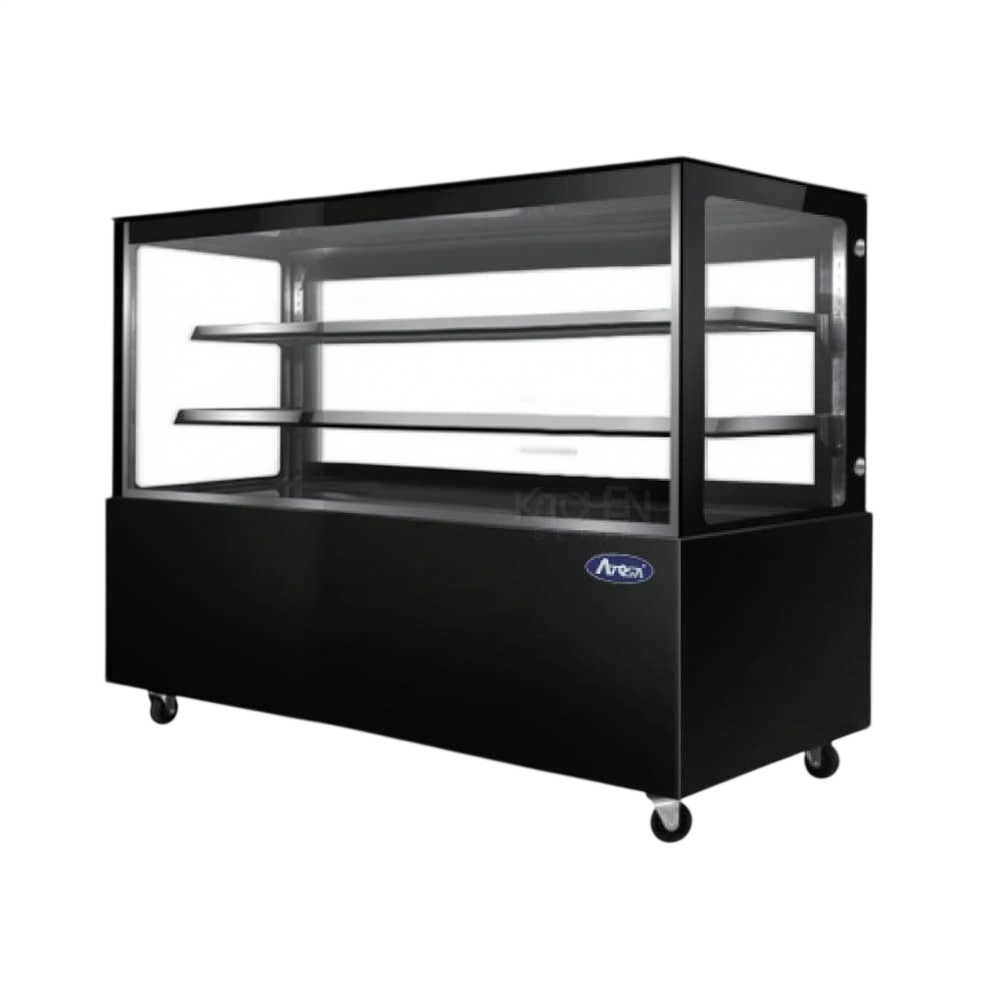
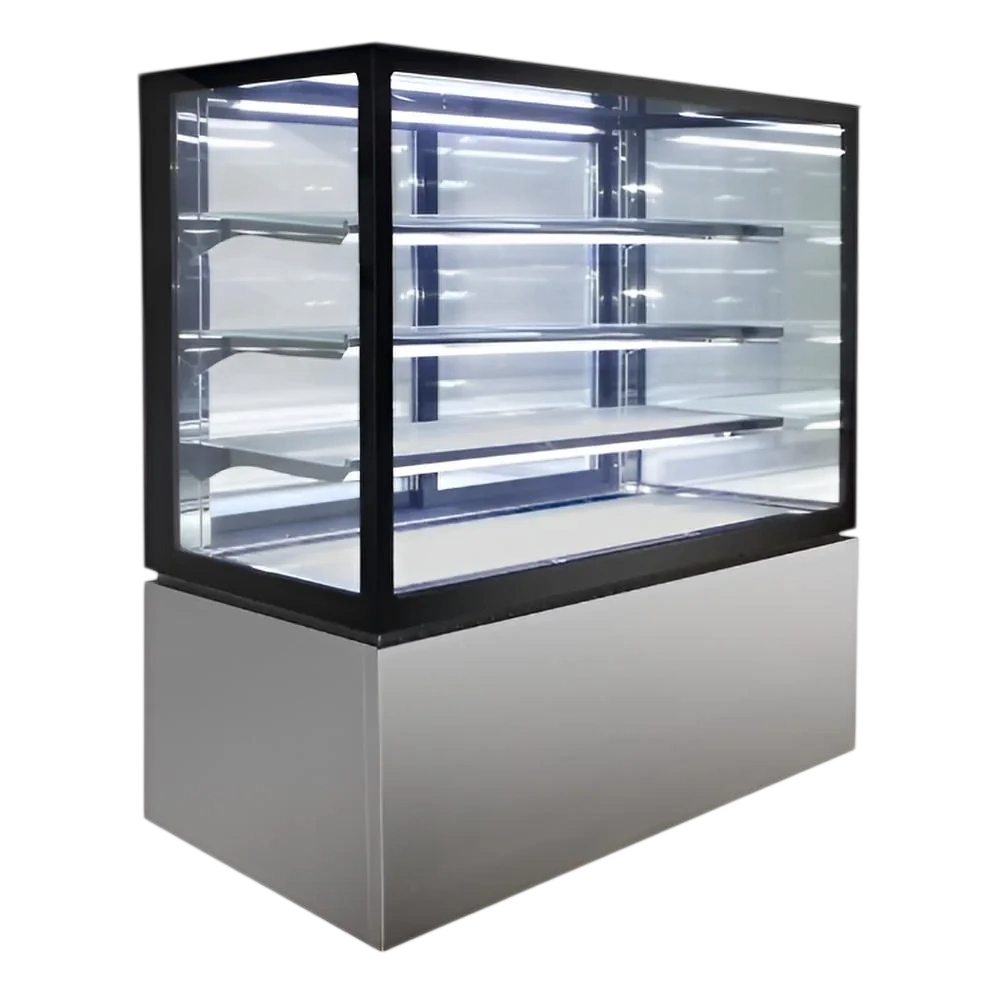
900 × 680 × 1350mm
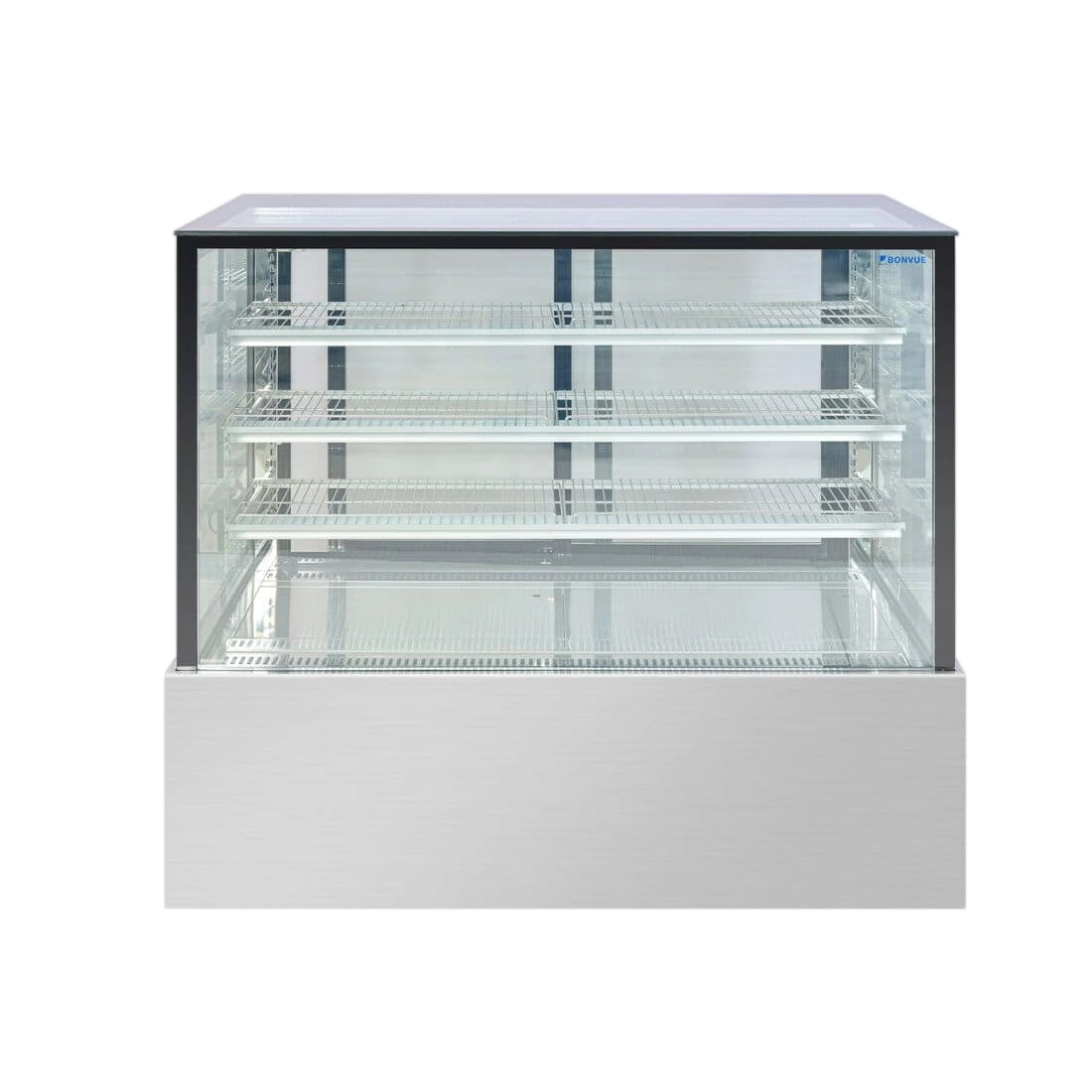
1500 × 740 × 1350mm
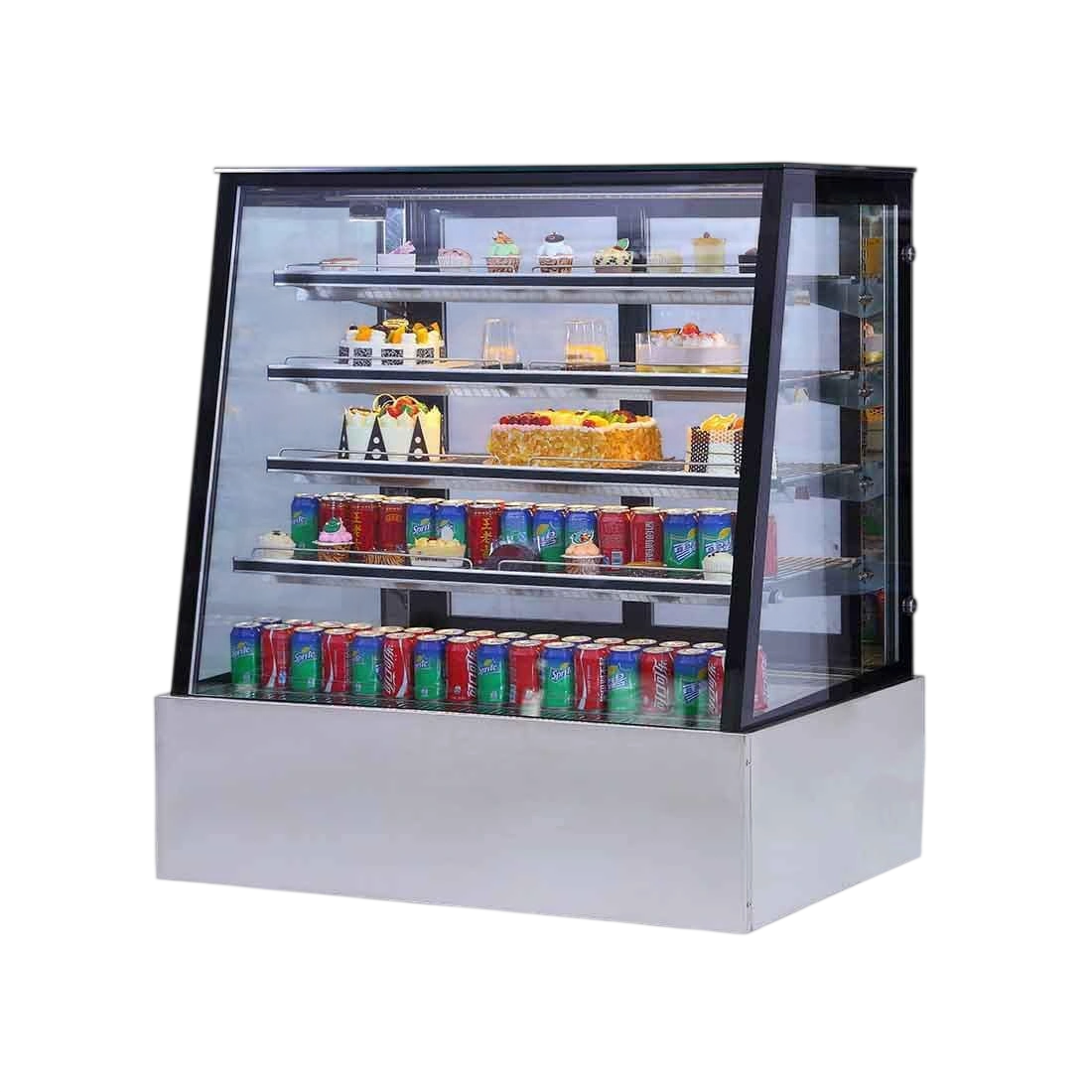
1500 × 800 × 1350mm
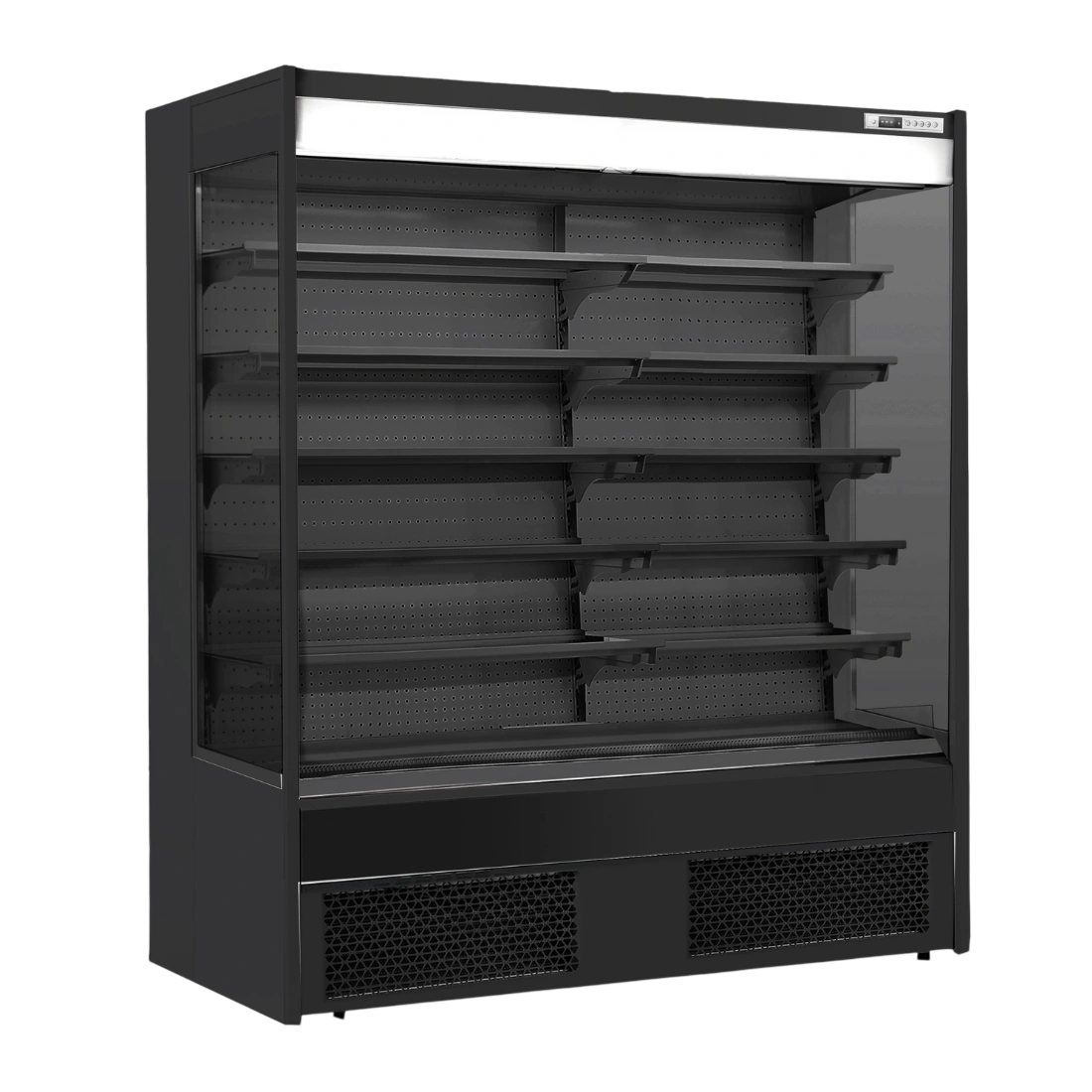
1830 × 740 × 2000mm
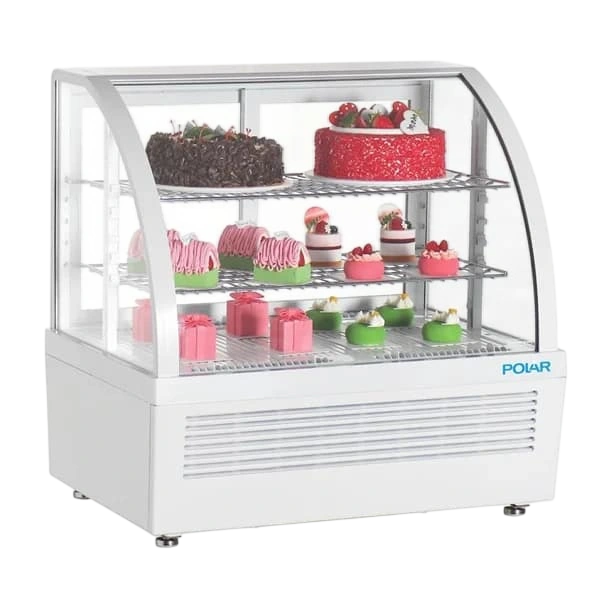
705 × 472 × 687mm
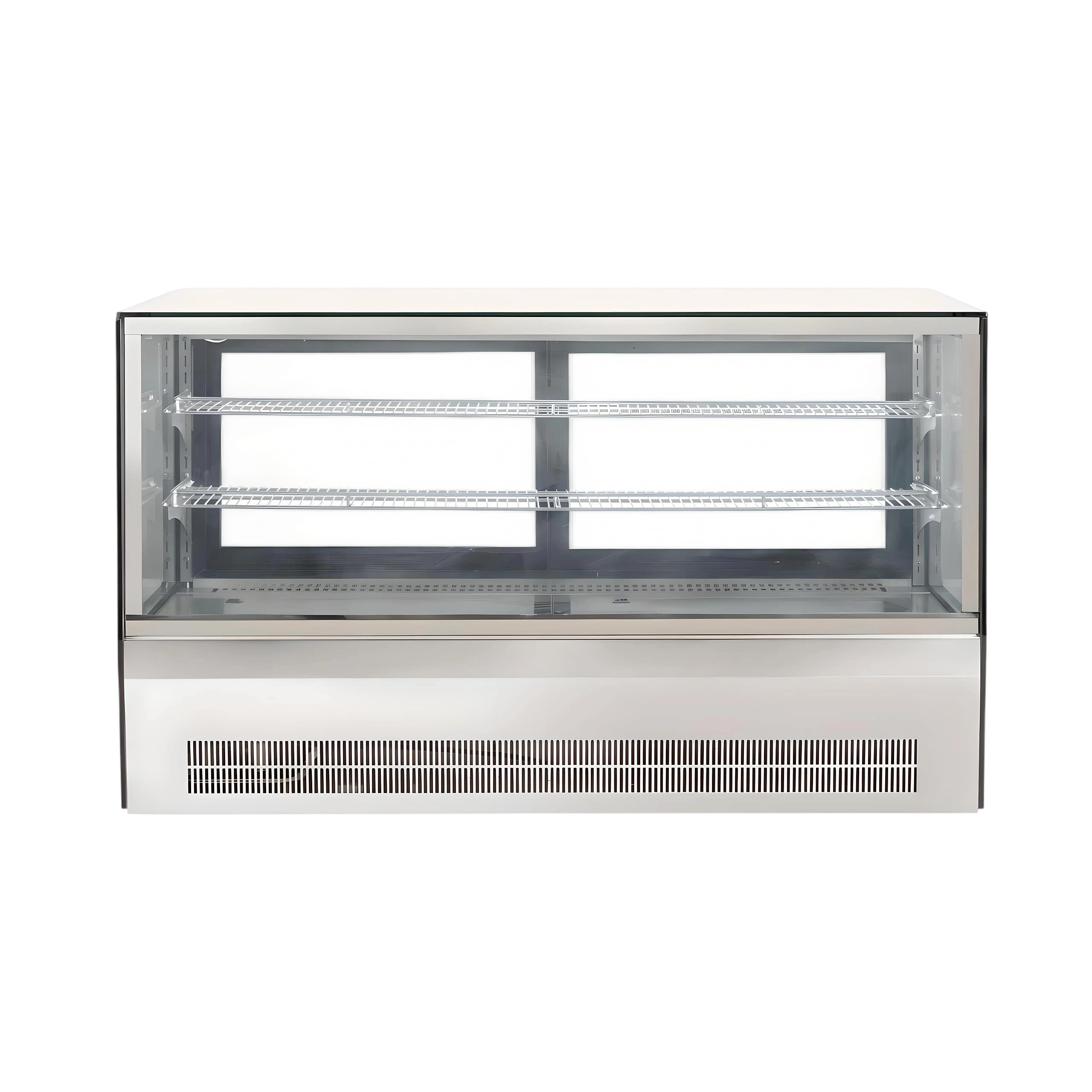
1200 × 530 × 730mm
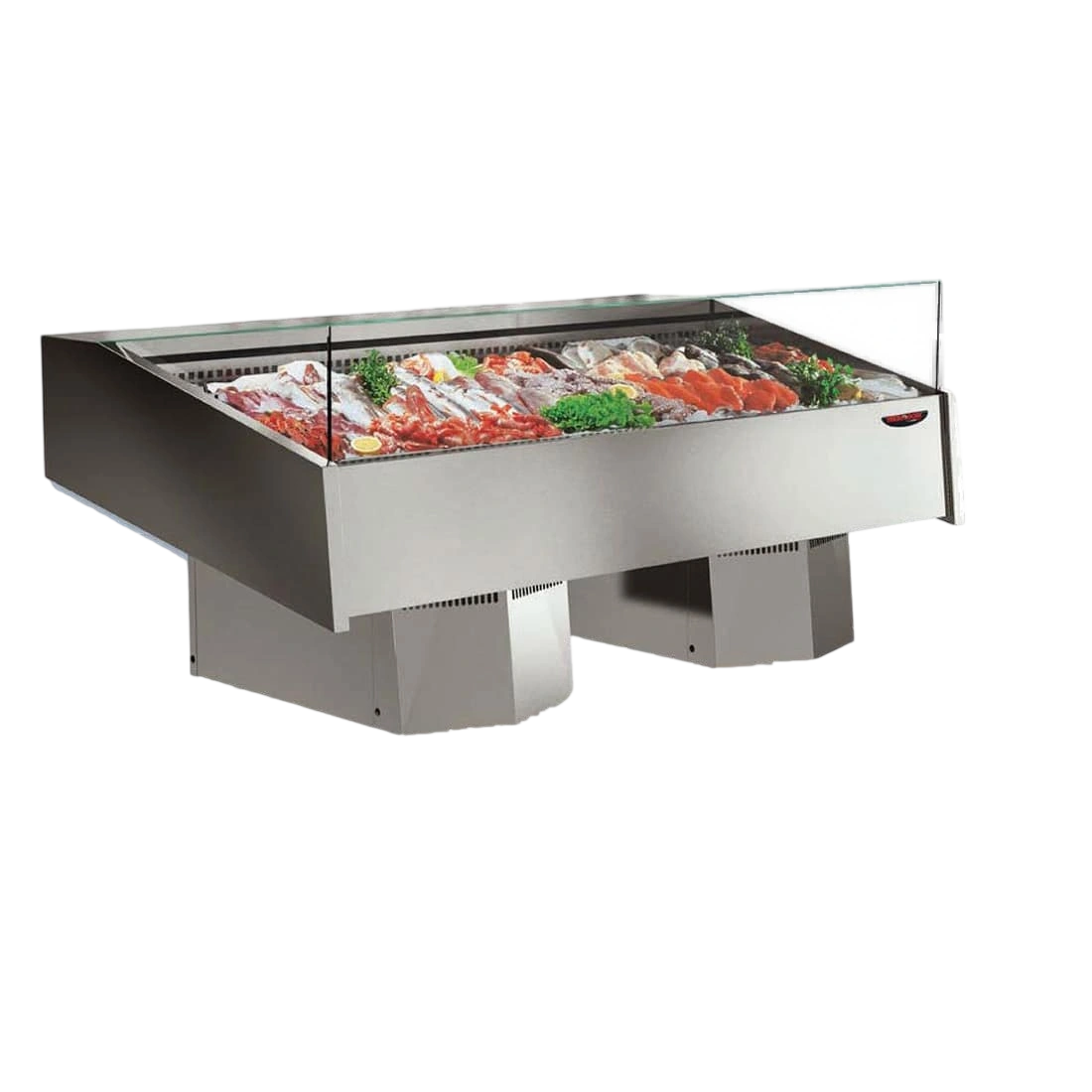
2020 × 1100 × 1190mm
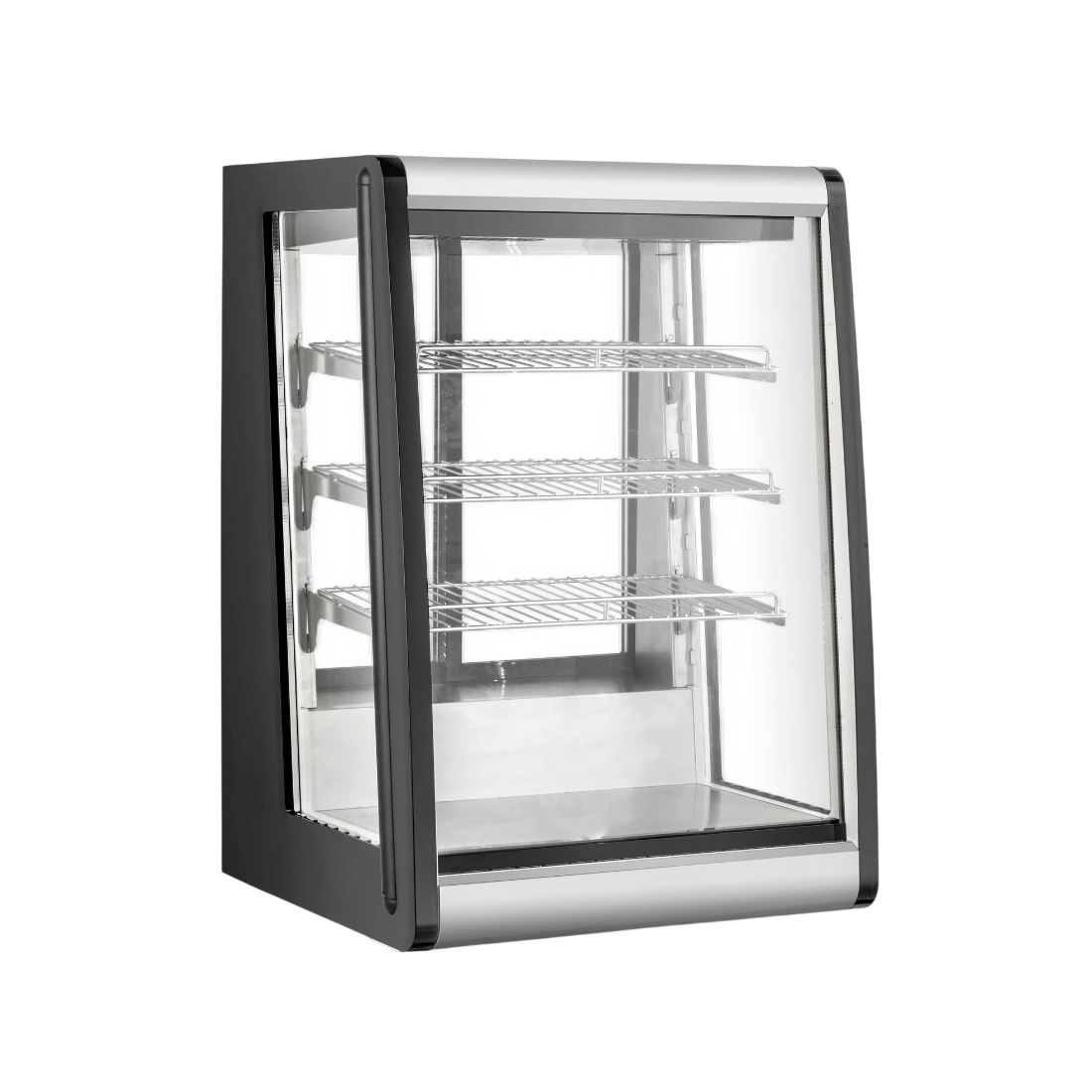
615 × 560 × 874mm
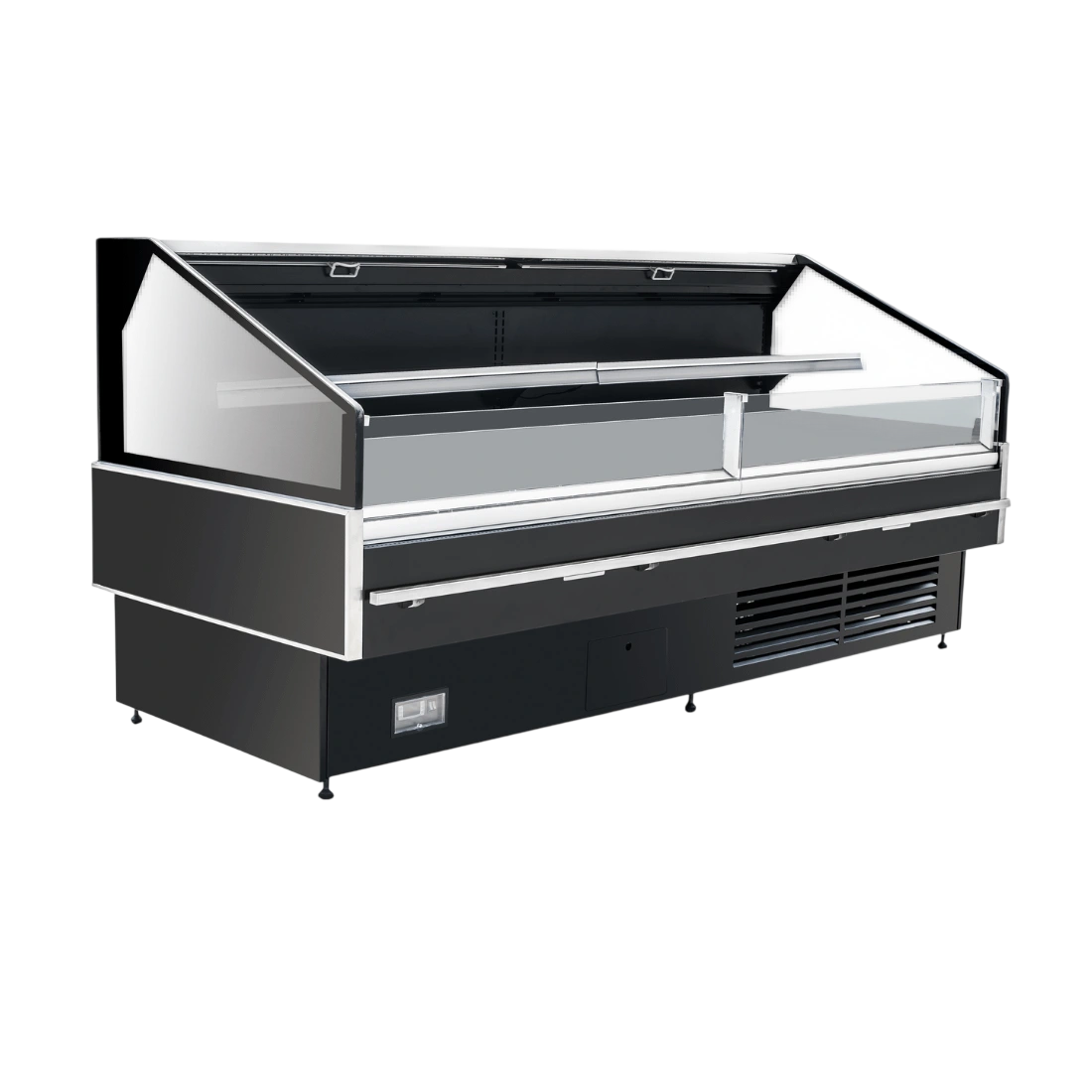
1875 × 1115 × 1200mm
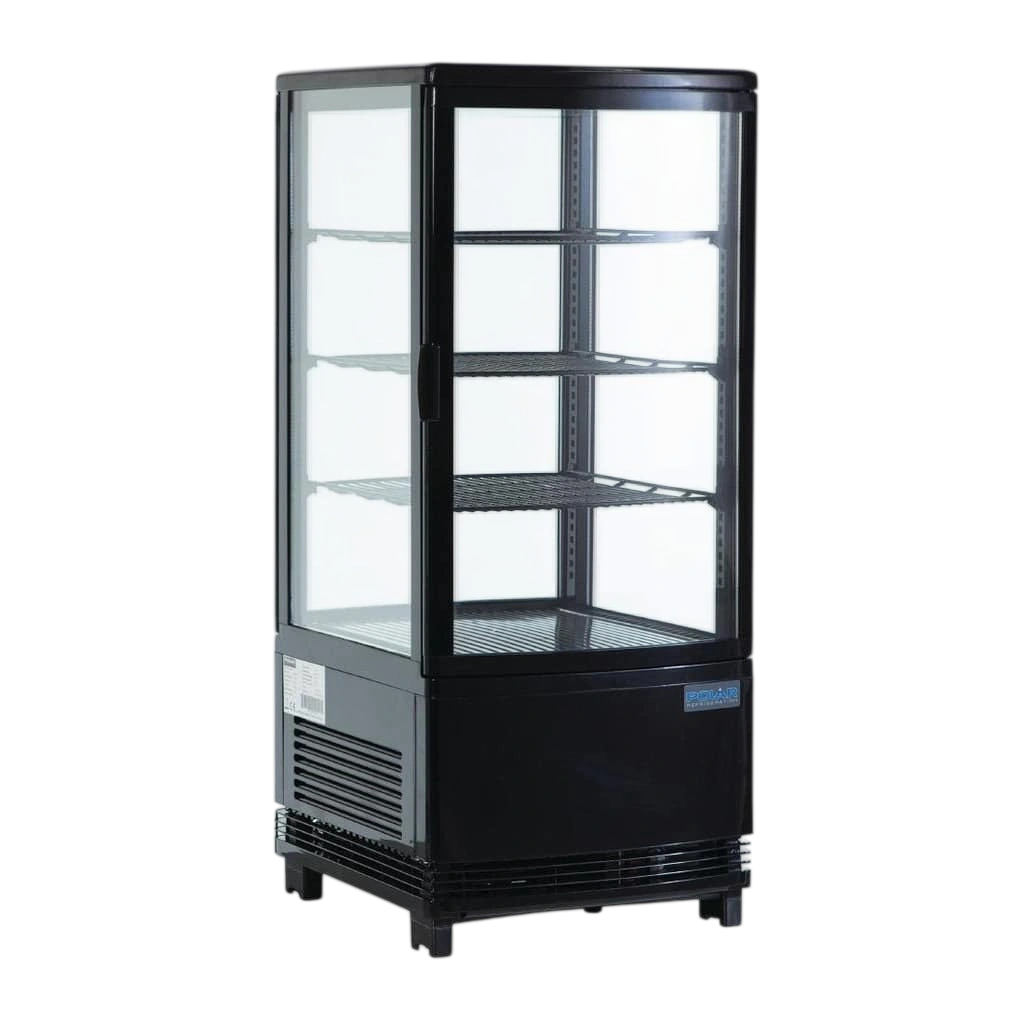
1130 × 386 × 885mm
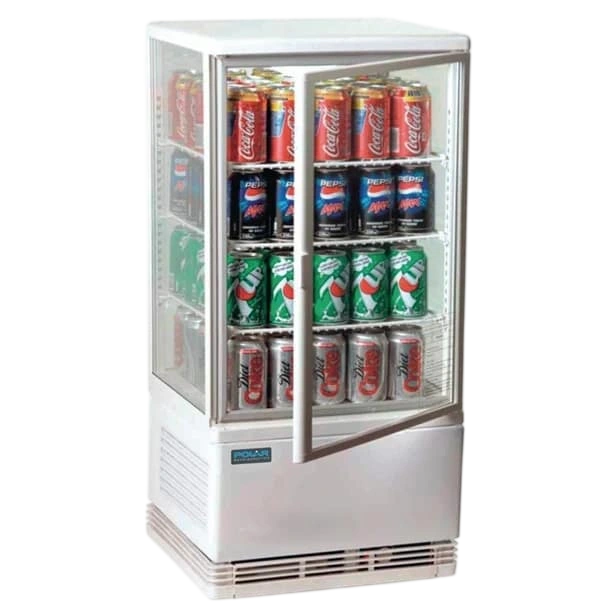
428 × 386 × 885mm
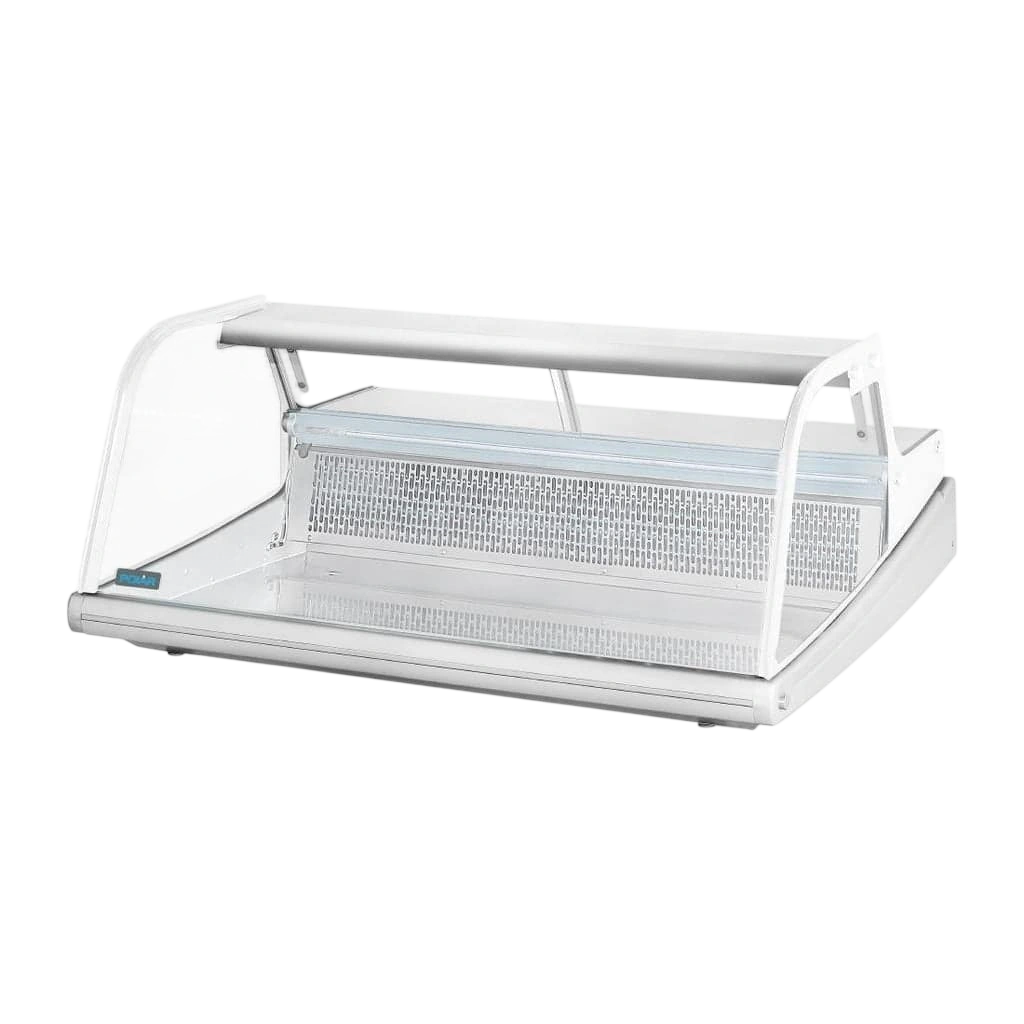
1245 × 890 × 530mm
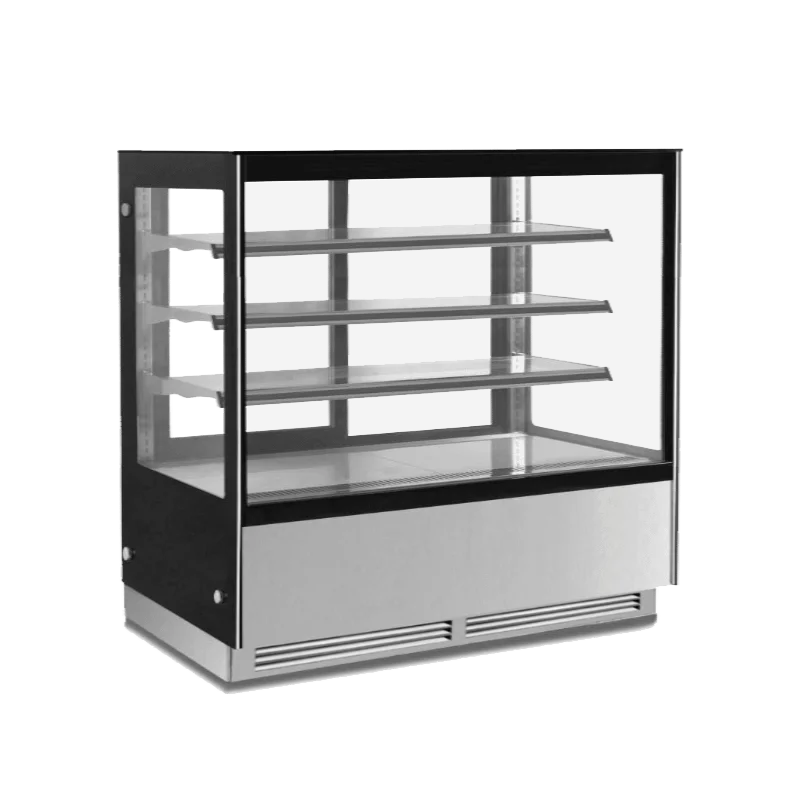
1500 × 700 × 1300mm
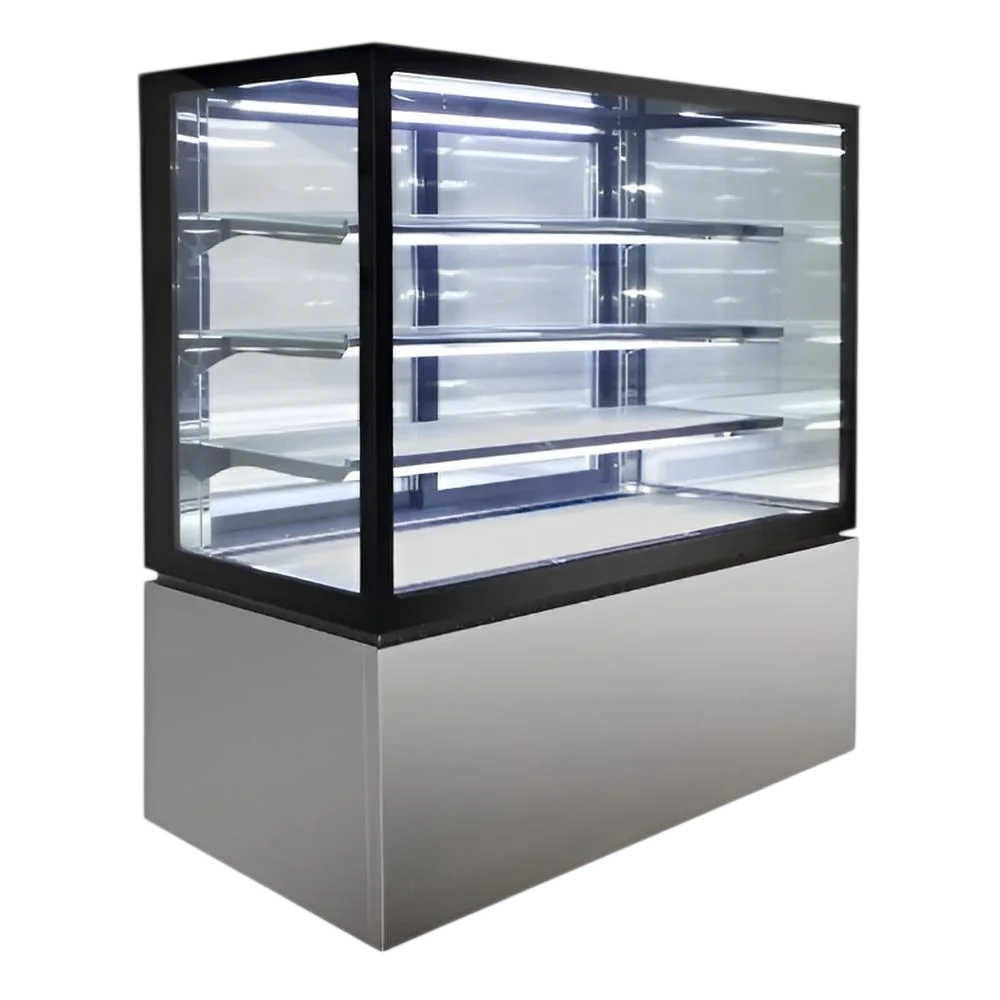
1200 × 680 × 1350mm
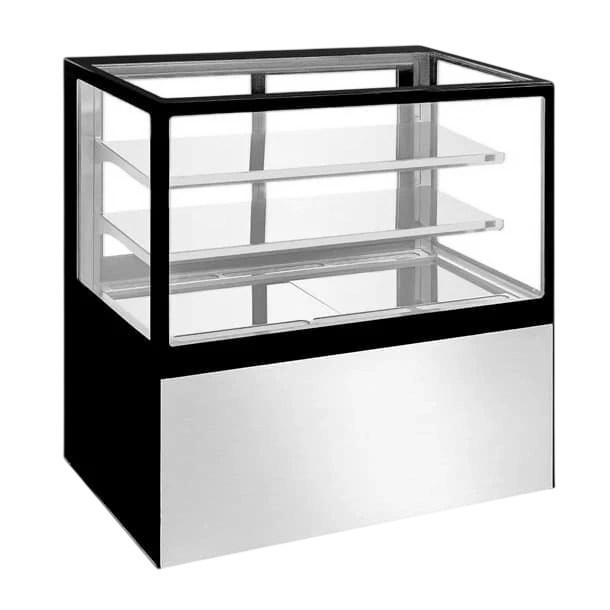
1200 × 680 × 1200mm
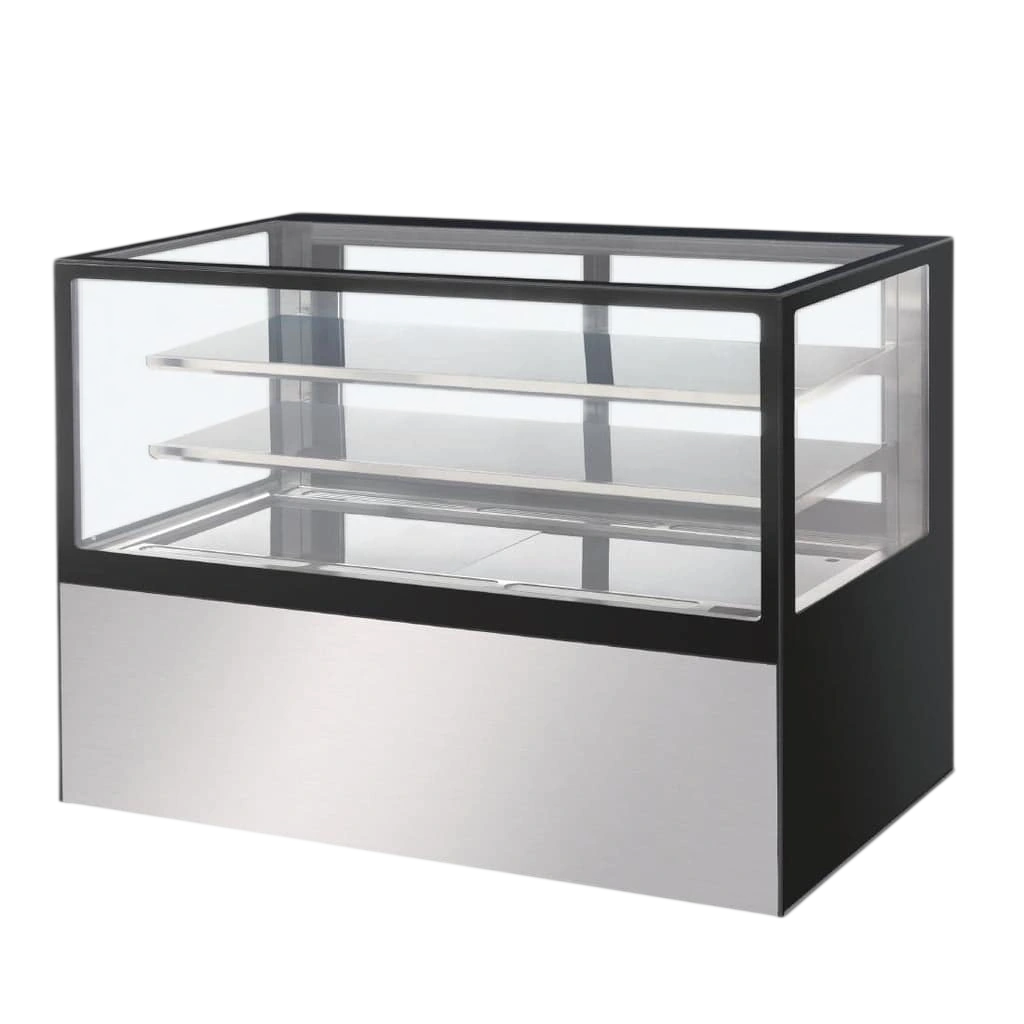
1800 × 680 × 1200mm
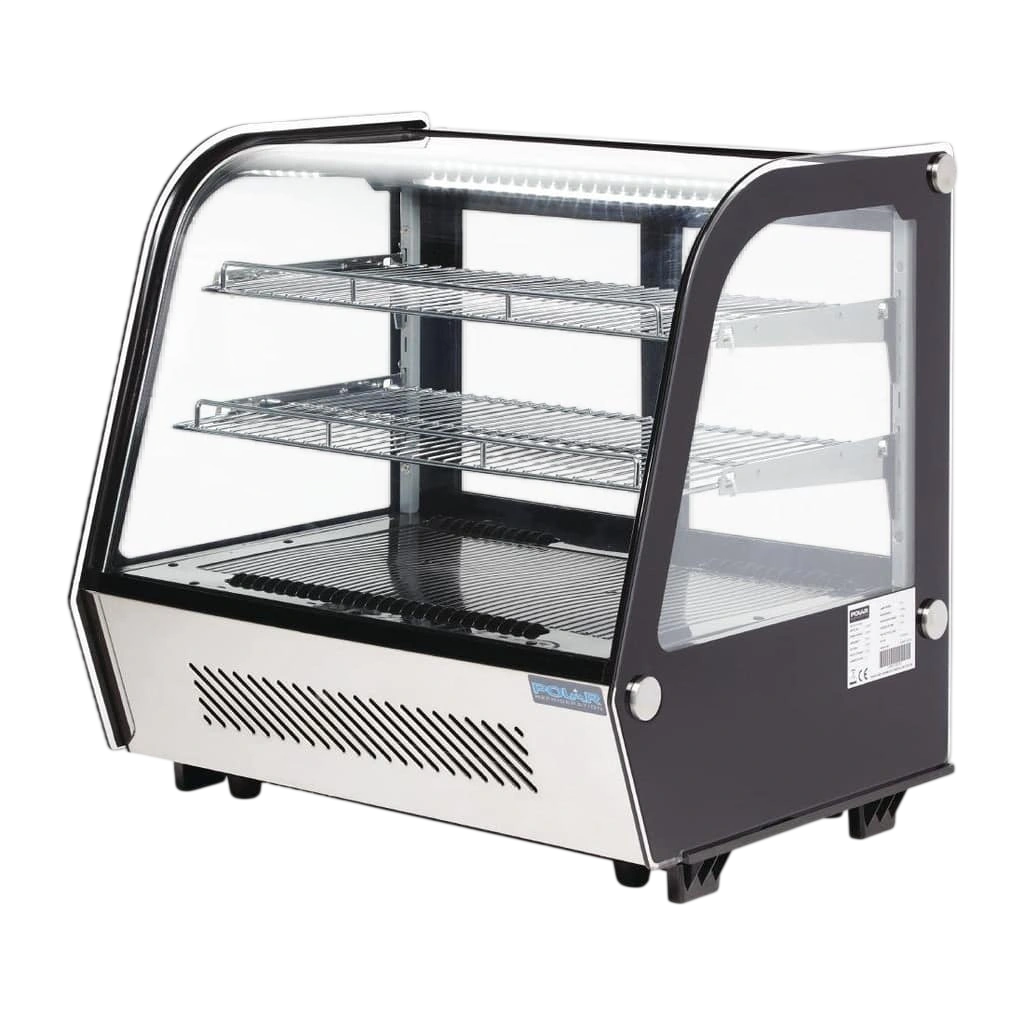
696 × 568 × 686mm
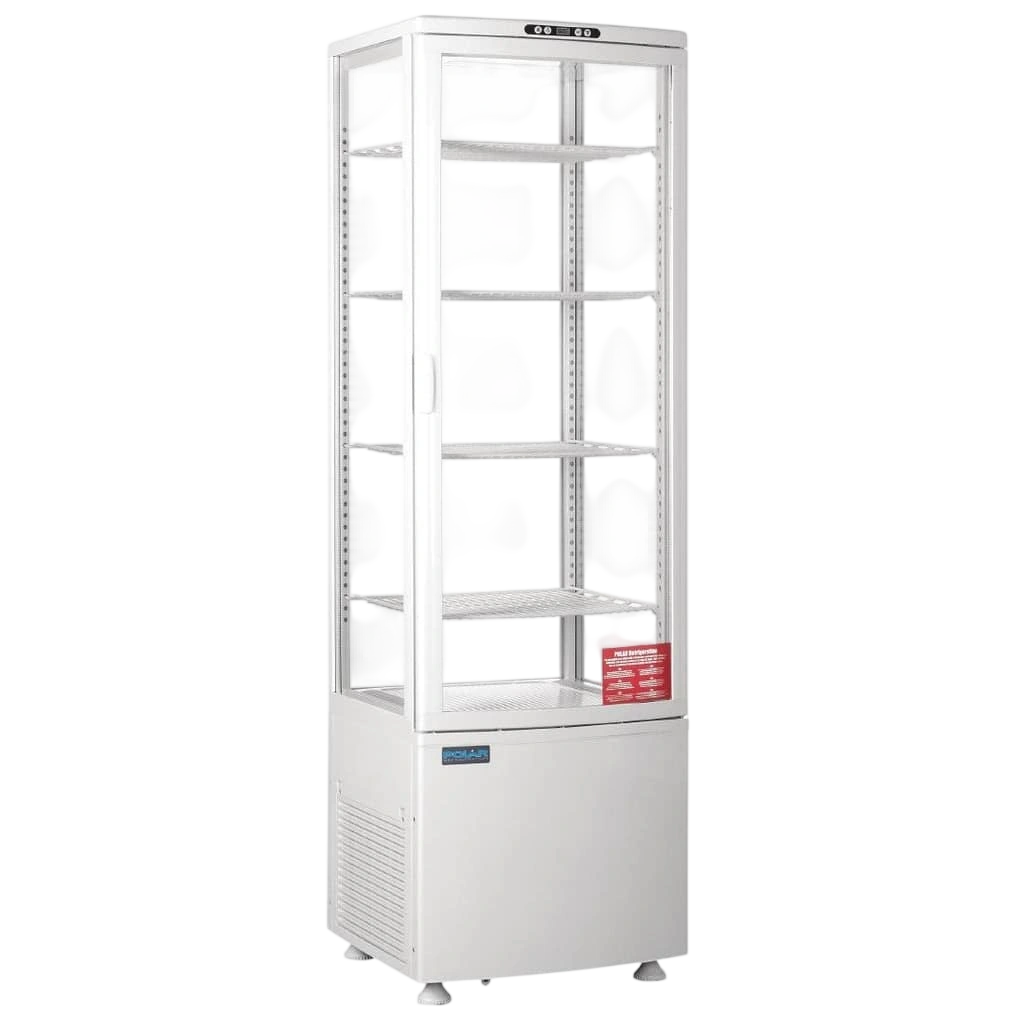
437 × 435 × 1268mm
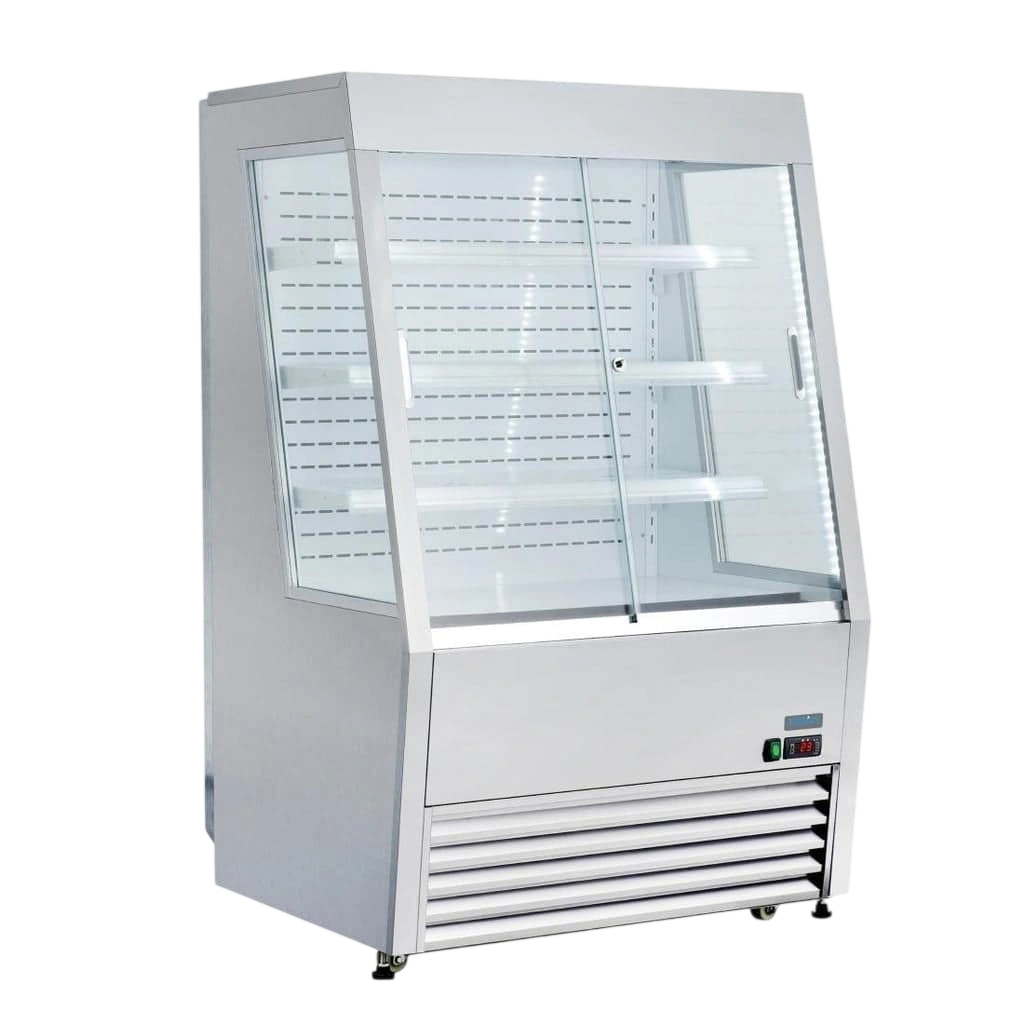
1459 × 918 × 792mm
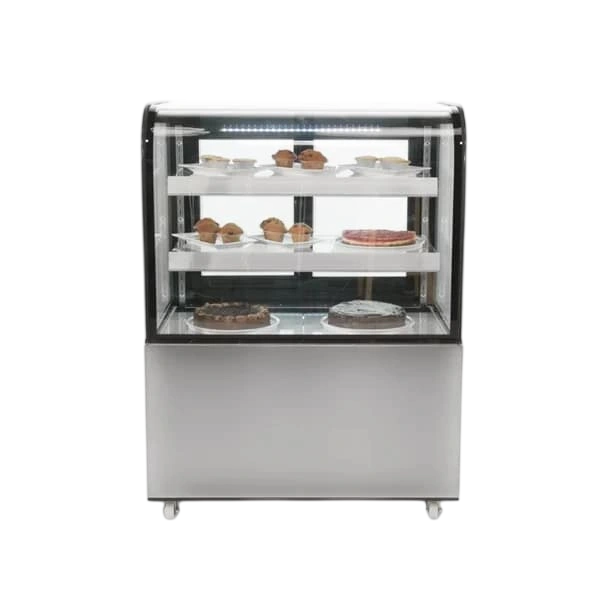
915 × 675 × 1220mm
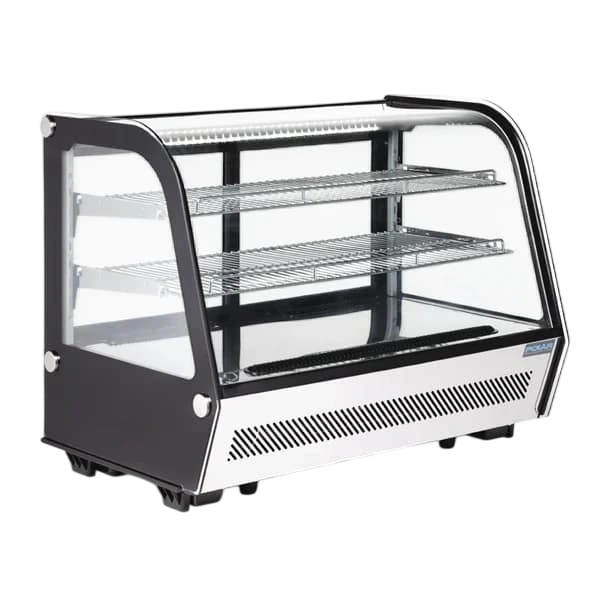
874 × 686 × 568mm
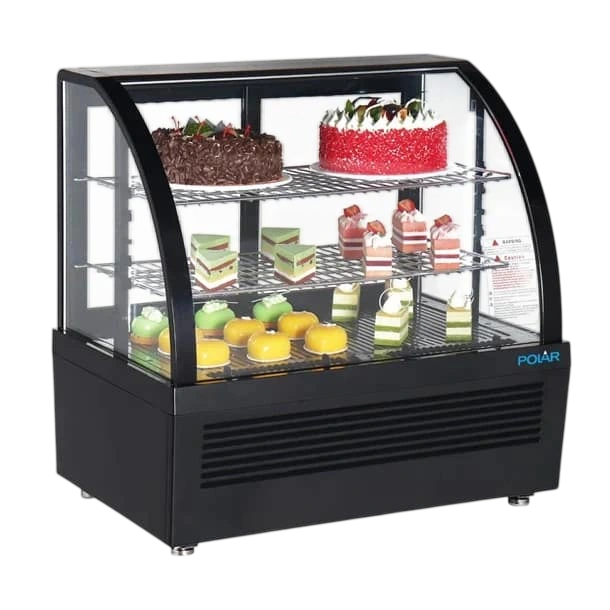
705 × 472 × 687mm
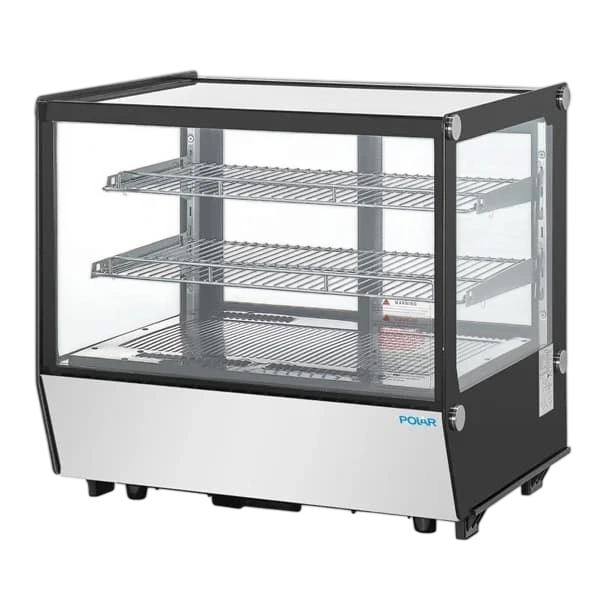
702 × 568 × 686mm
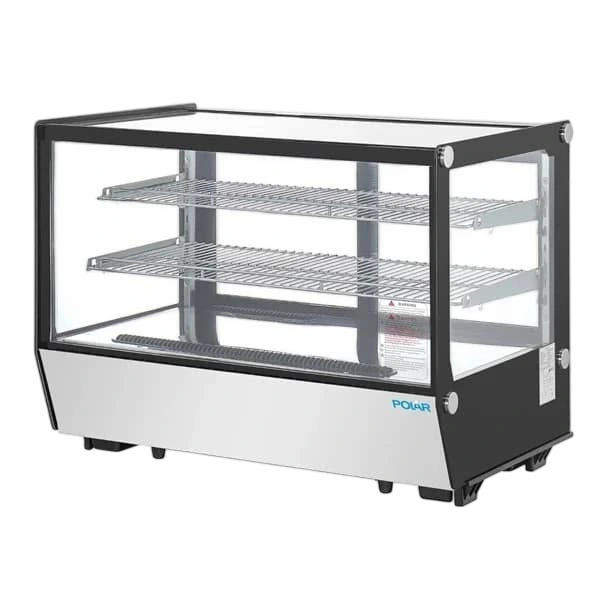
880 × 568 × 686mm
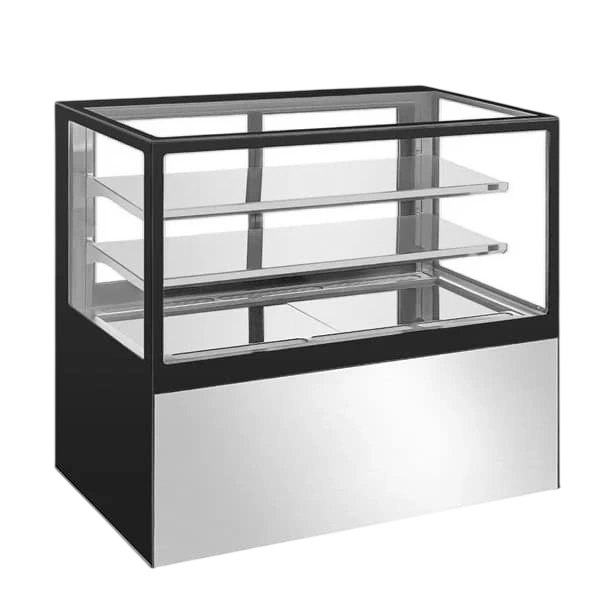
1500 × 680 × 1200mm
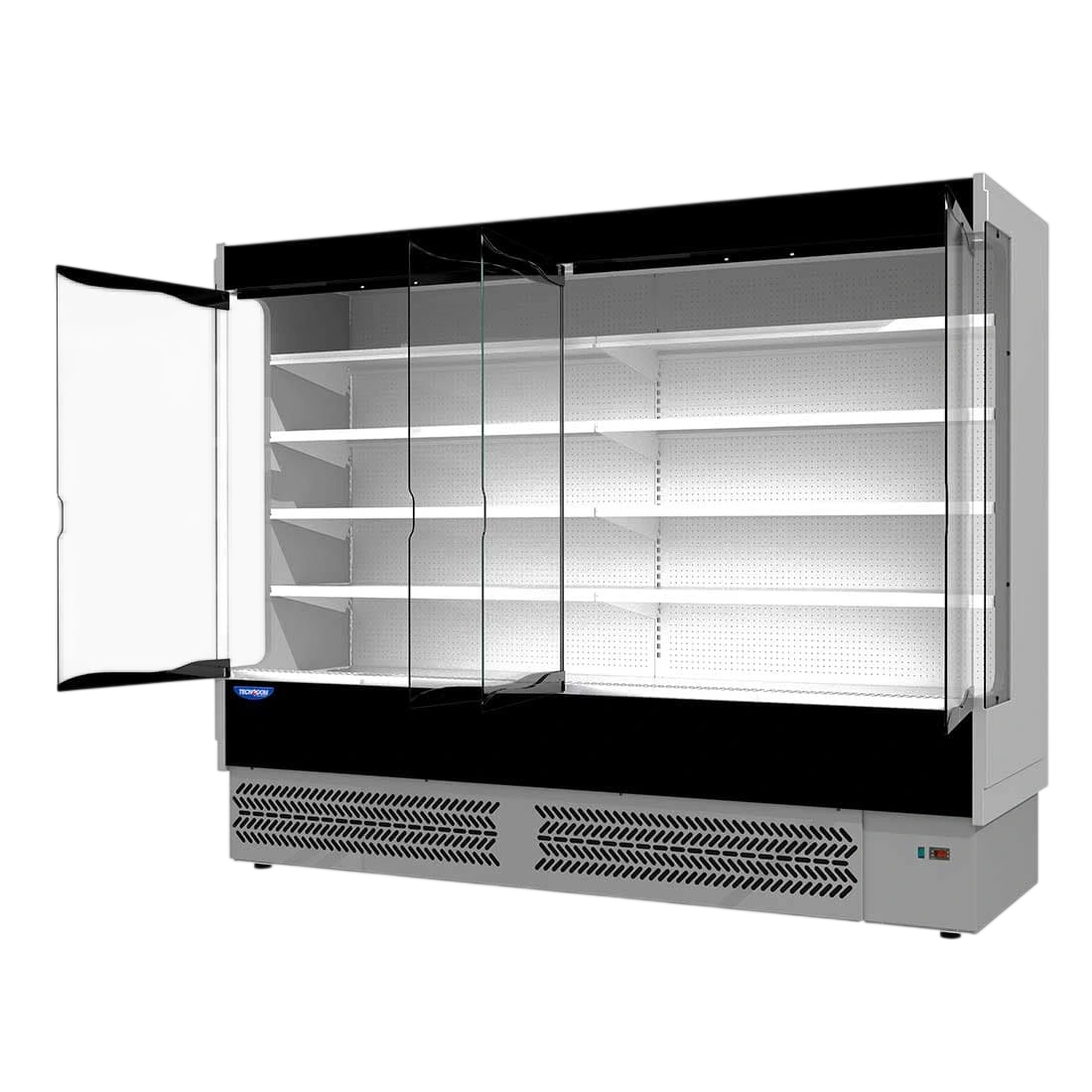
2580 × 765 × 2130mm
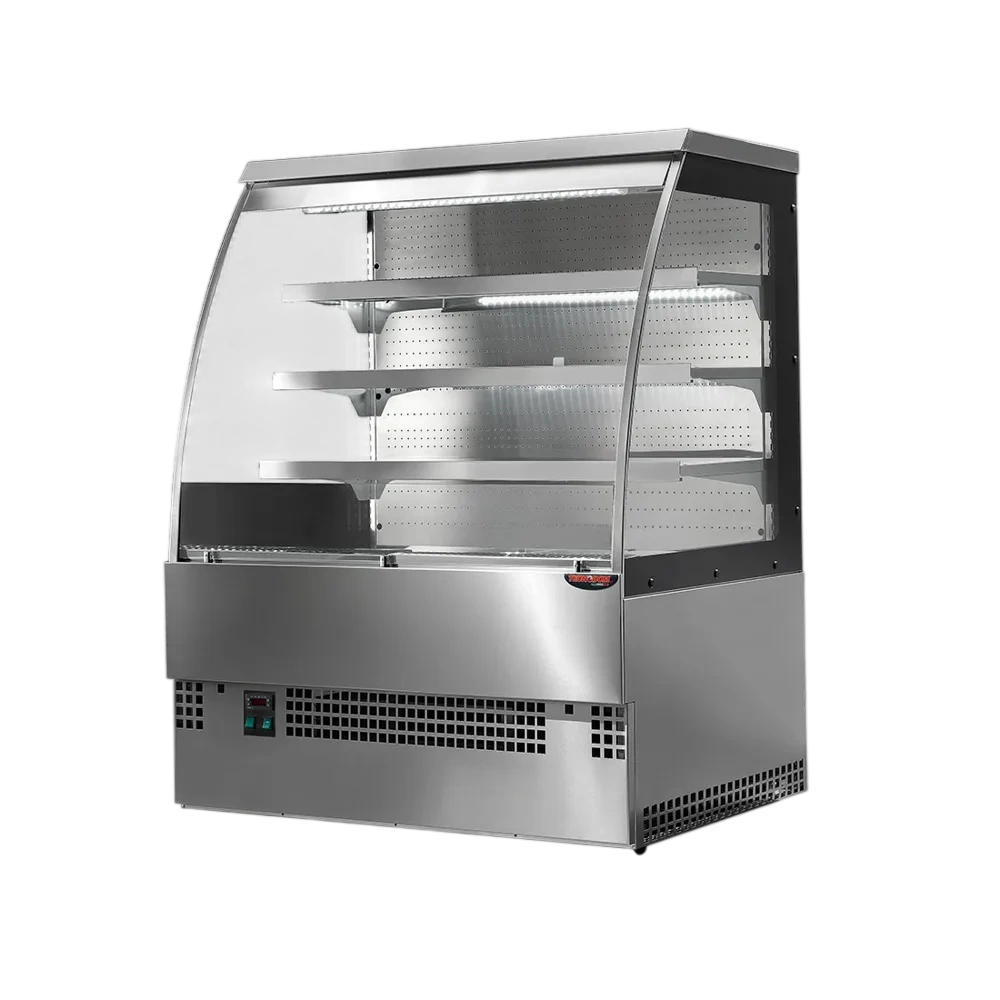
1205 × 800 × 1520mm
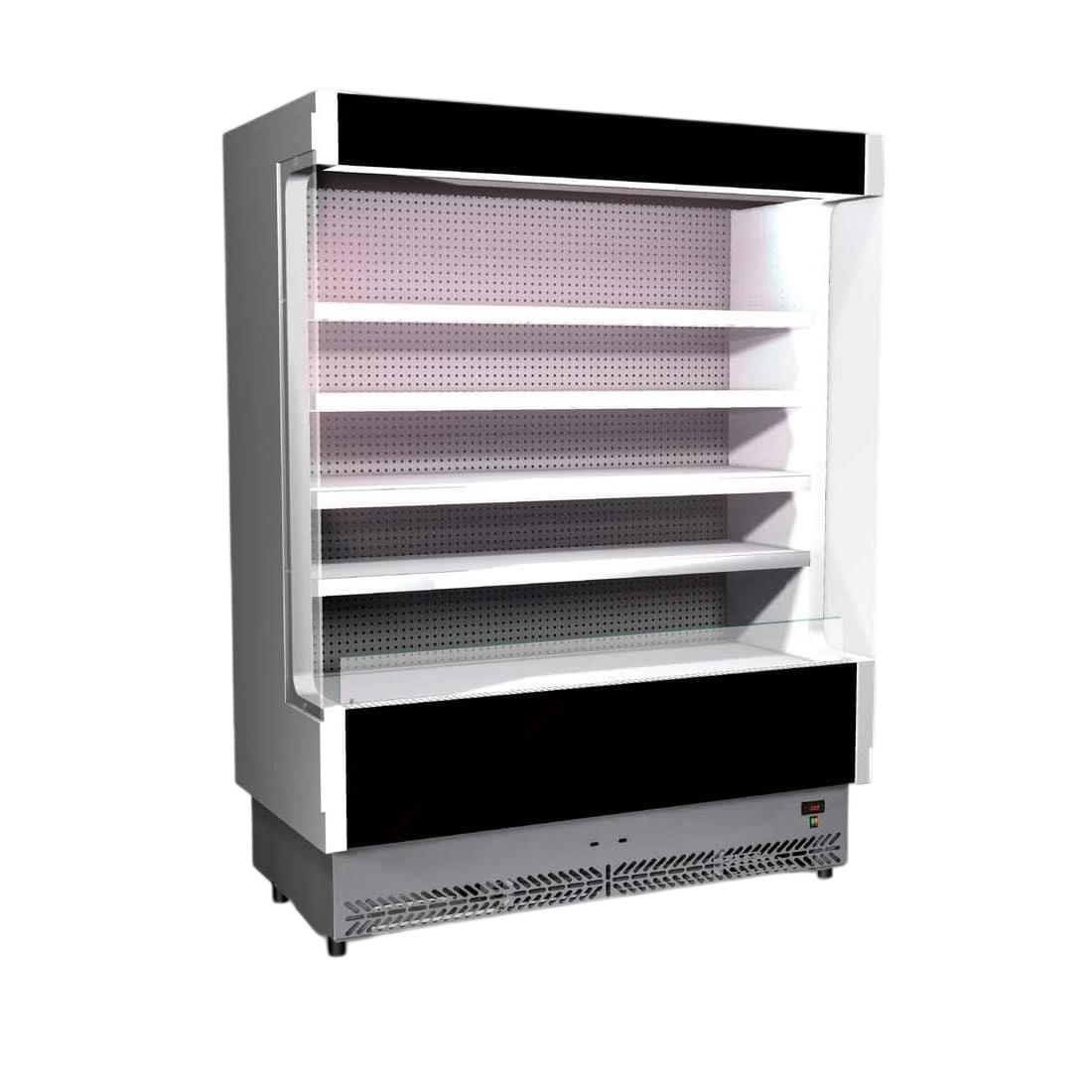
1955 × 764 × 2135mm
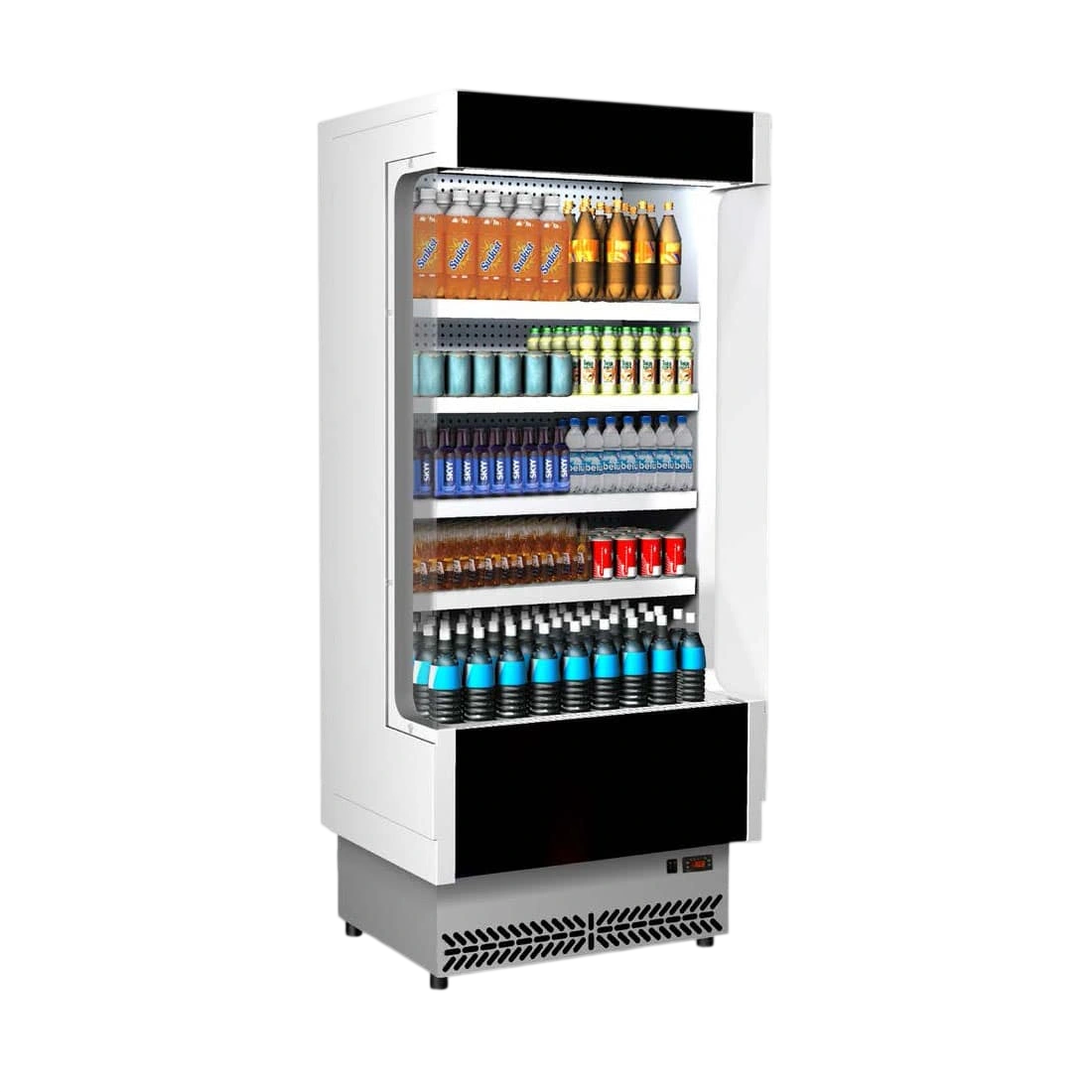
1080 × 602 × 2080mm
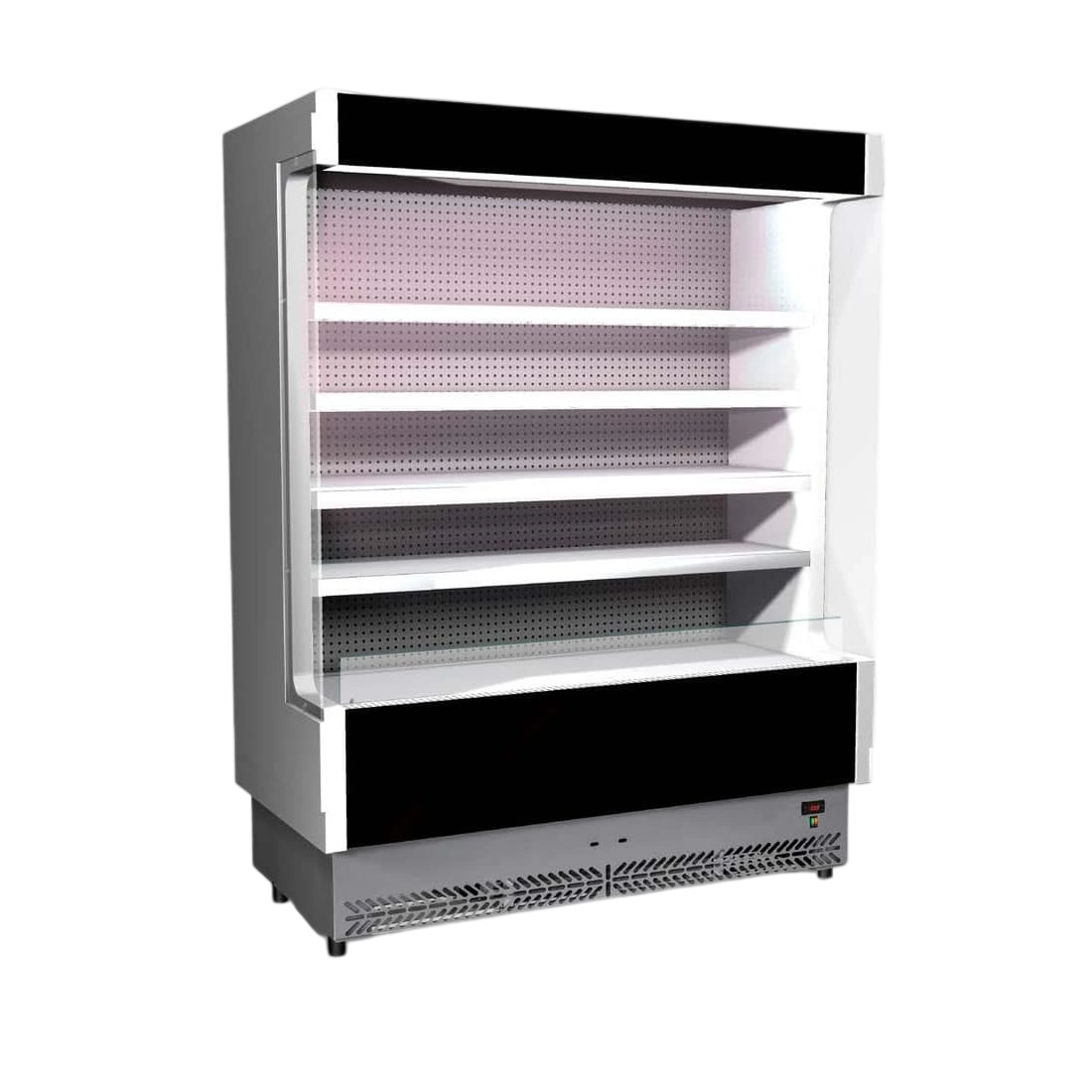
1955 × 602 × 2080mm
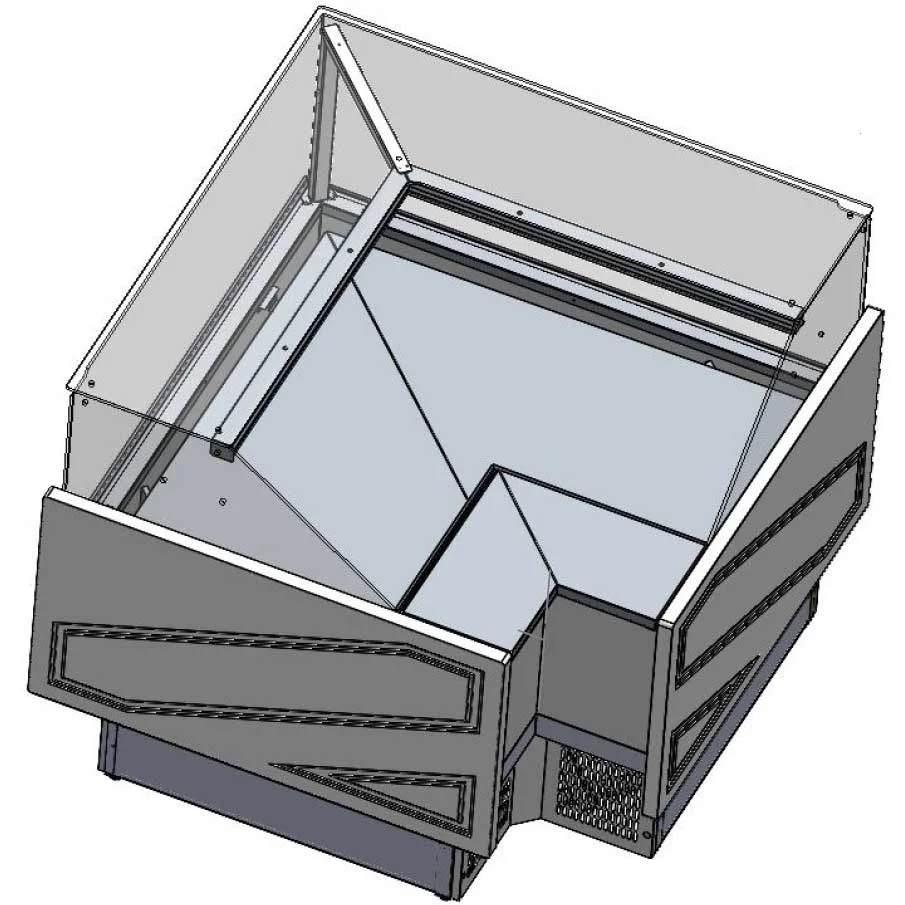
1468 × 1468 × 1230mm
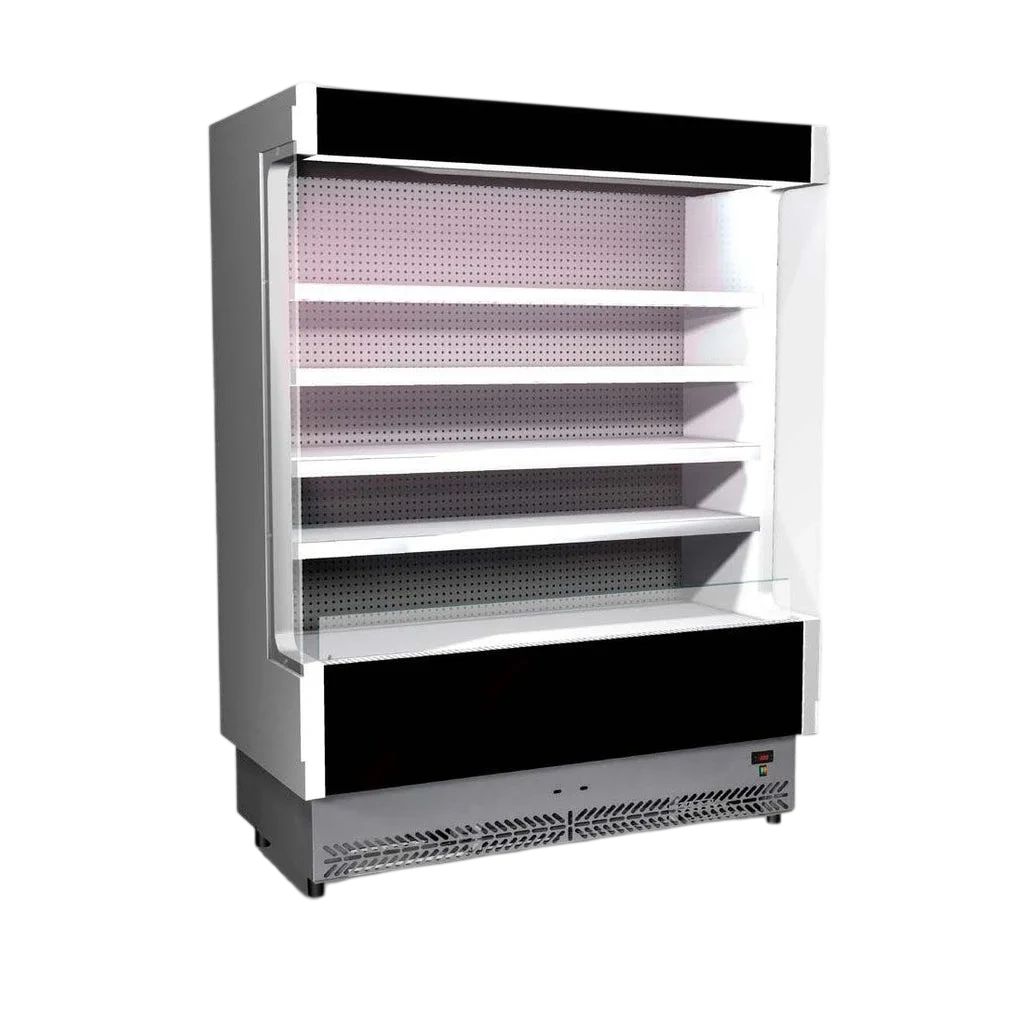
1580 × 764 × 2135mm
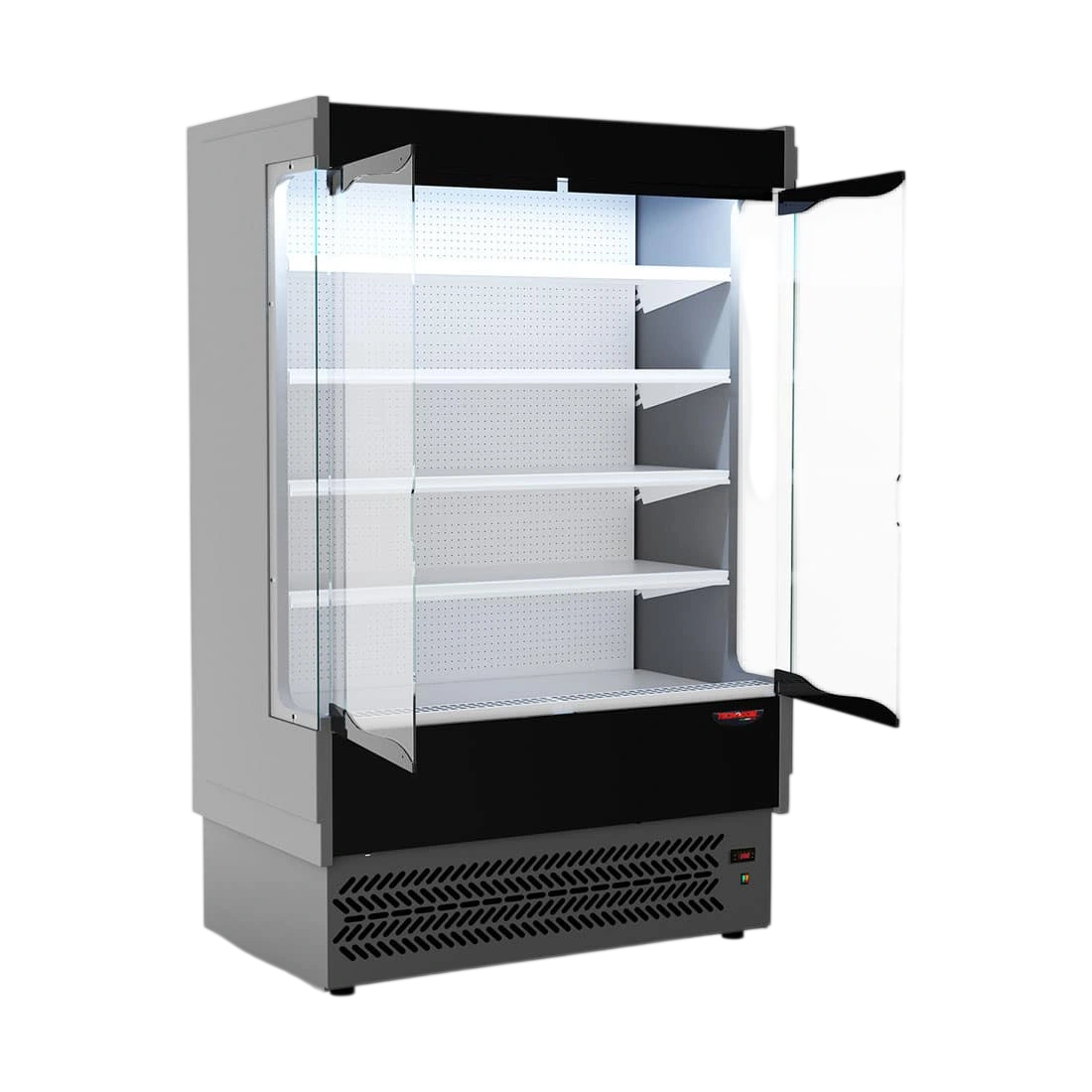
1330 × 765 × 2130mm
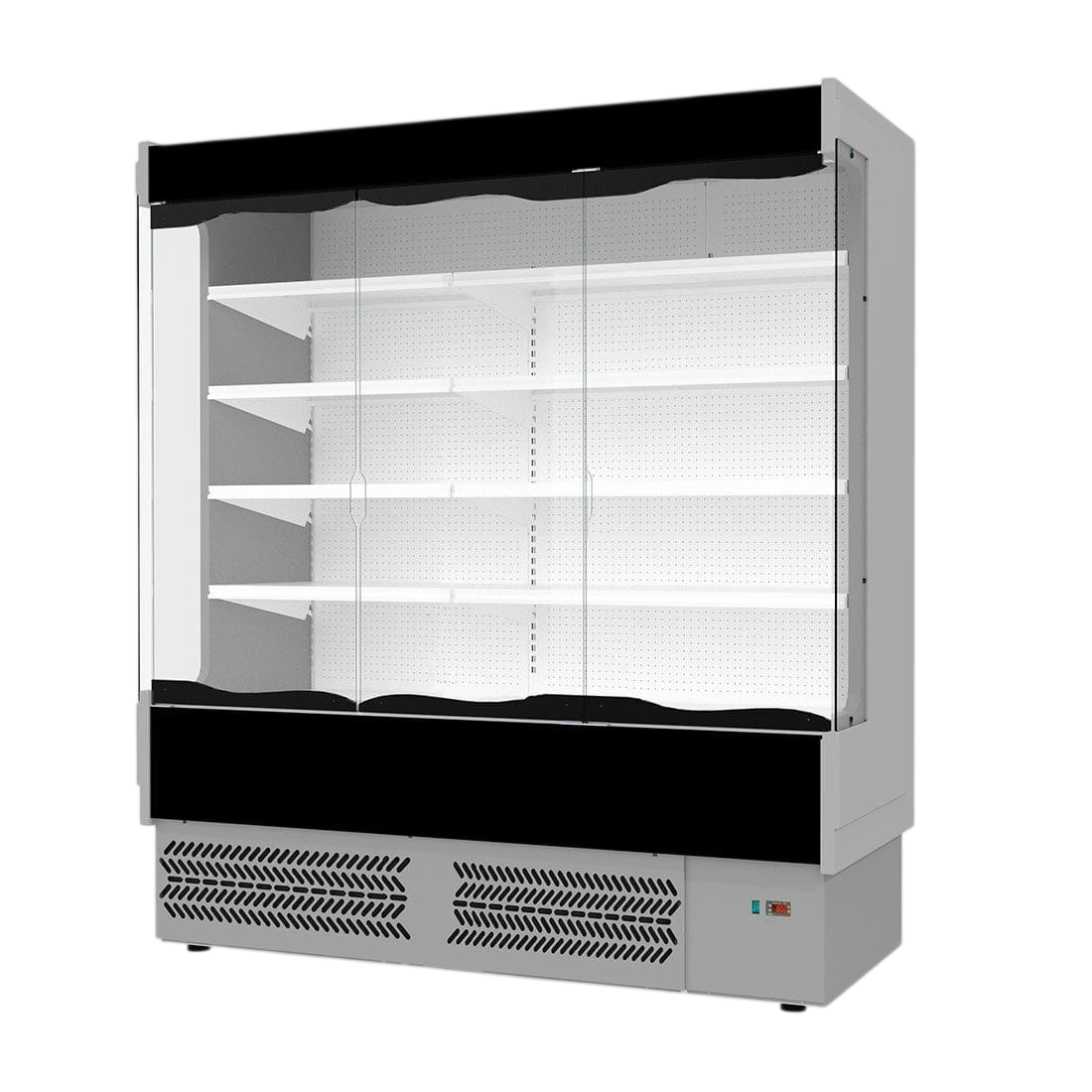
1955 × 765 × 2130mm
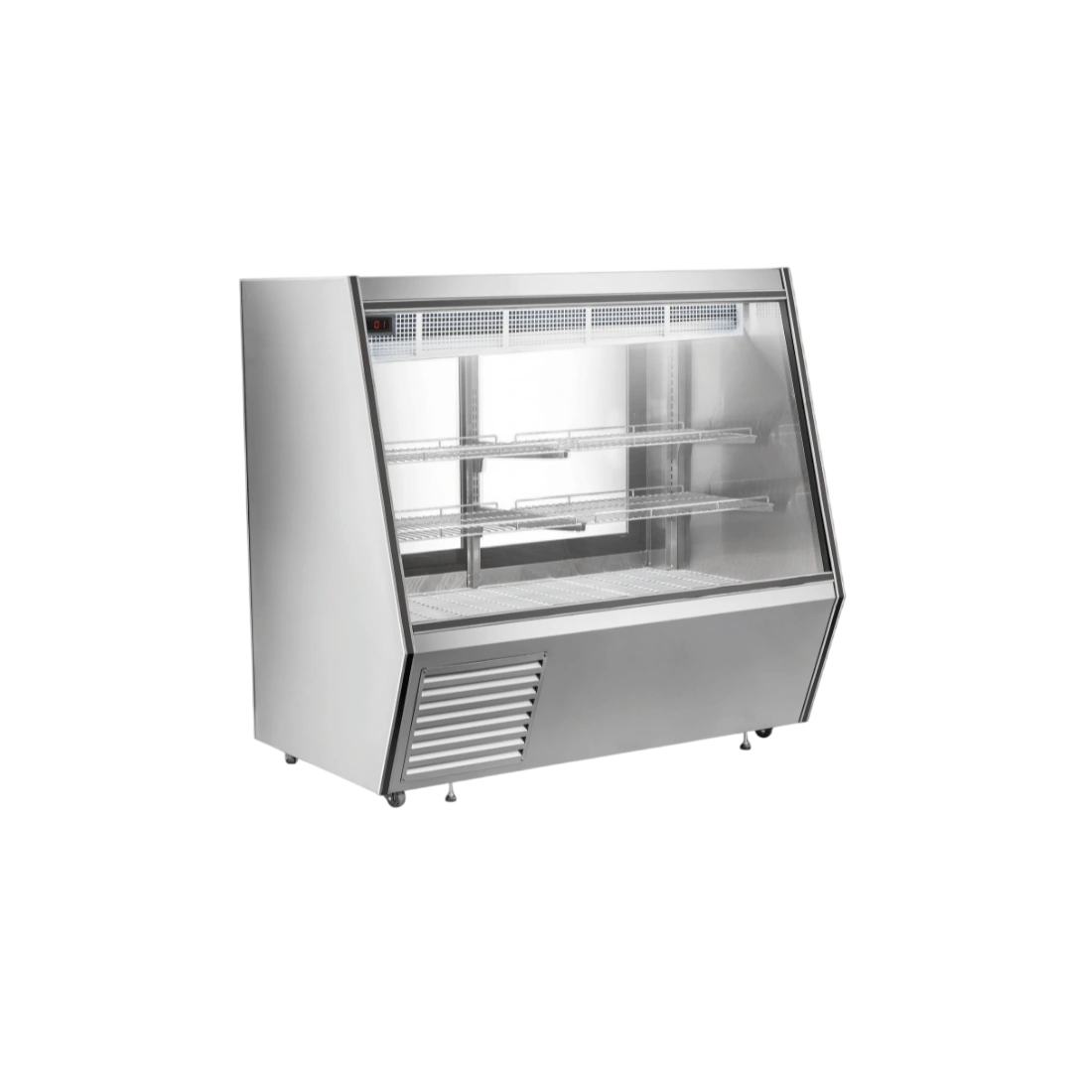
1523 × 855 × 1406mm
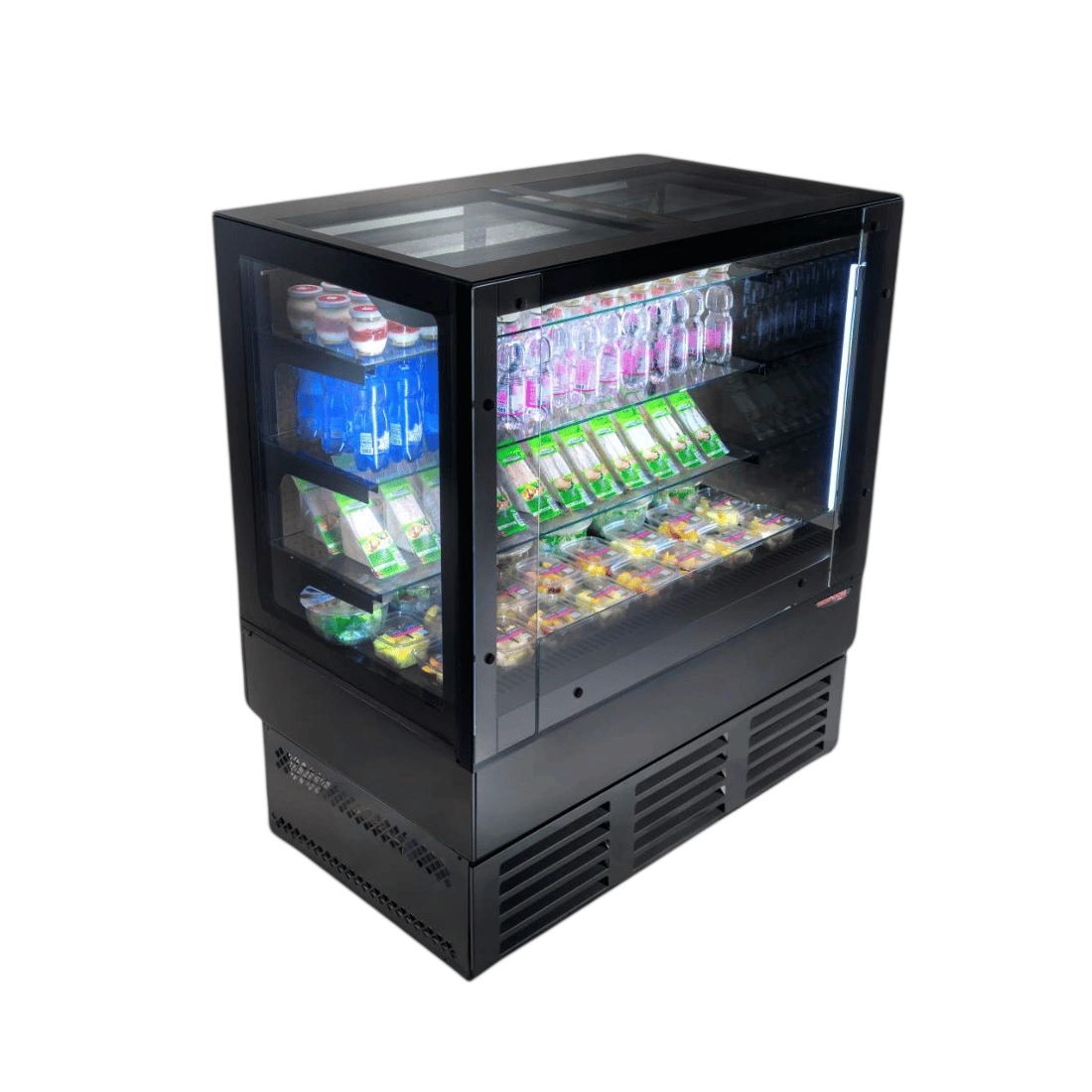
1224 × 754 × 1389mm
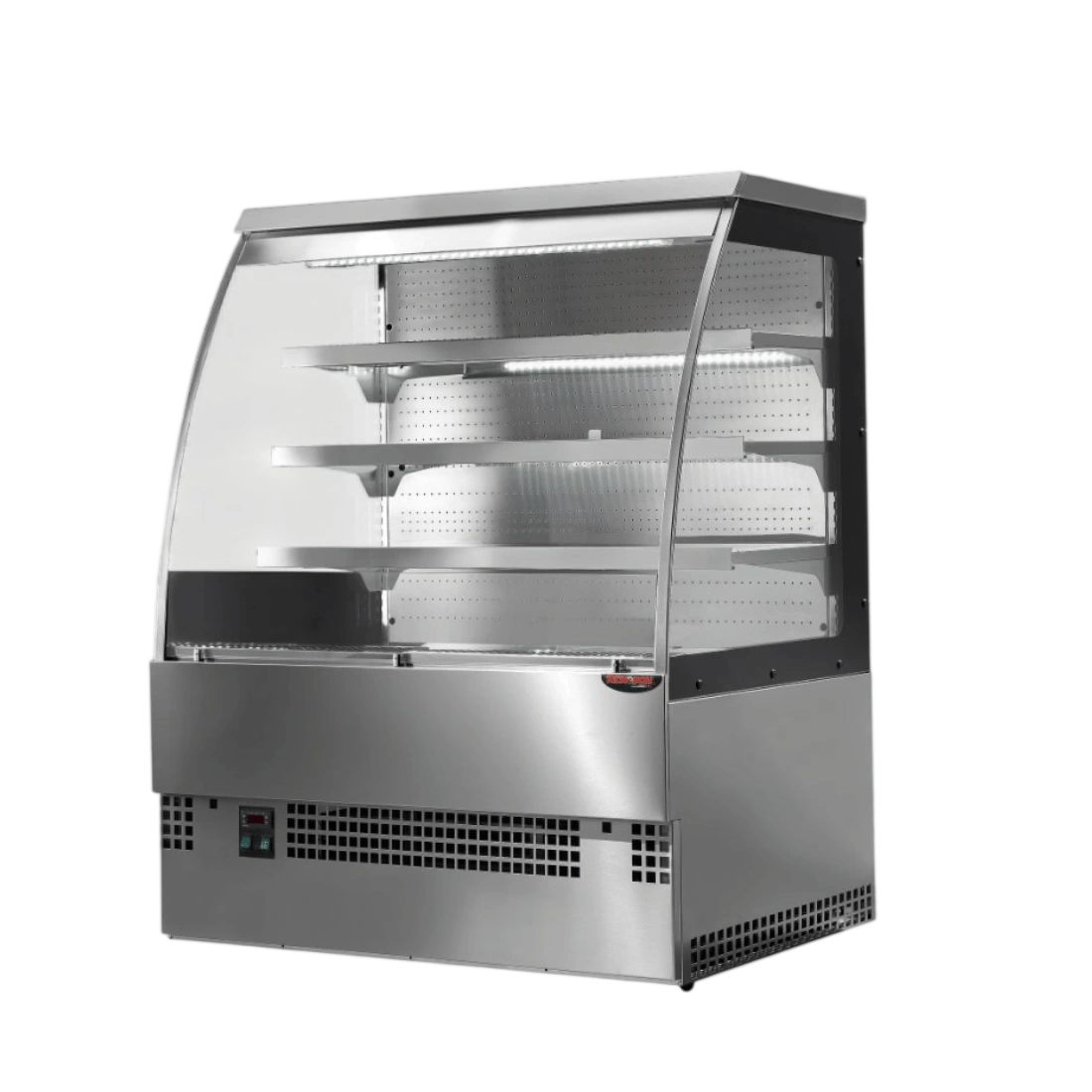
1505 × 800 × 1520mm
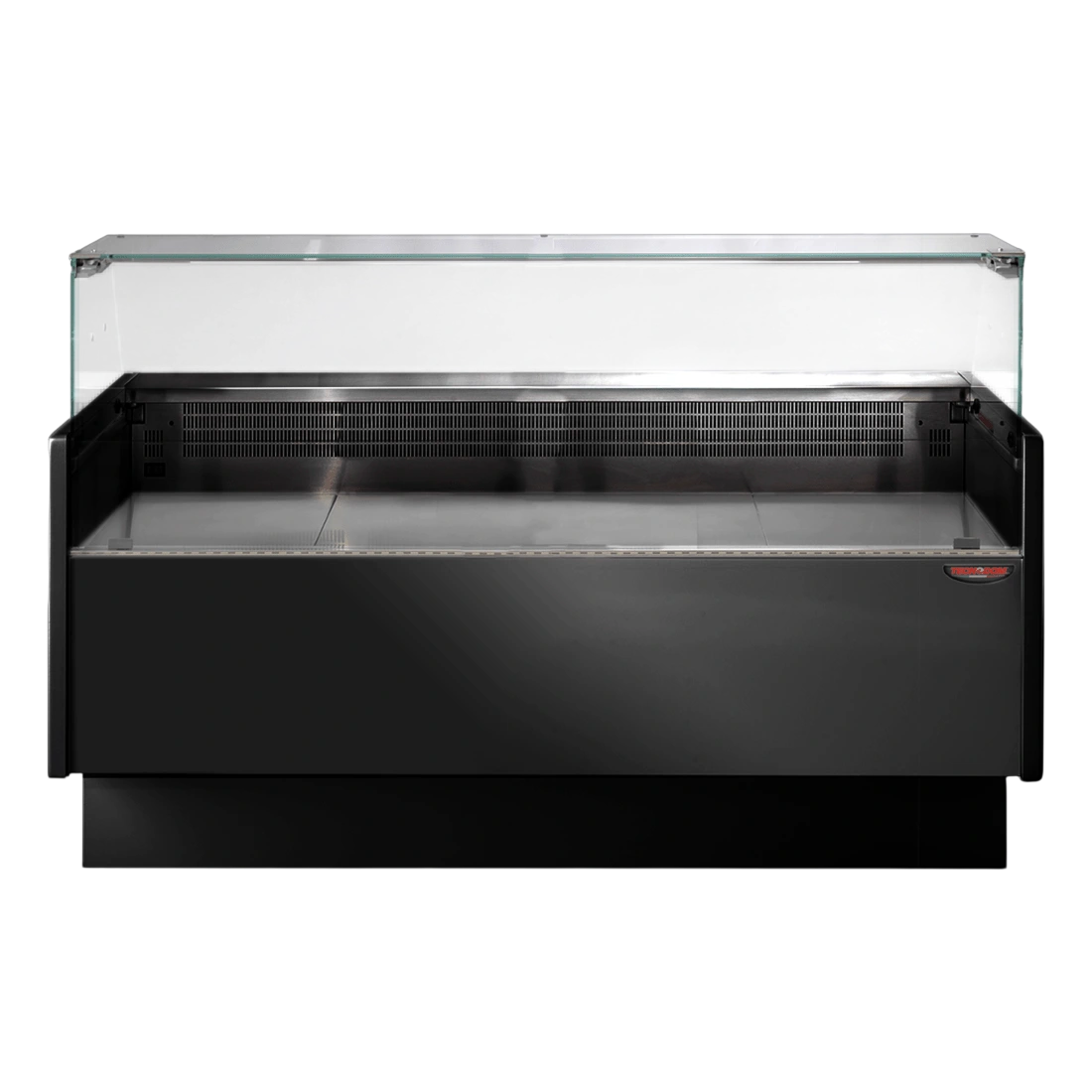
1520 × 1175 × 1200mm
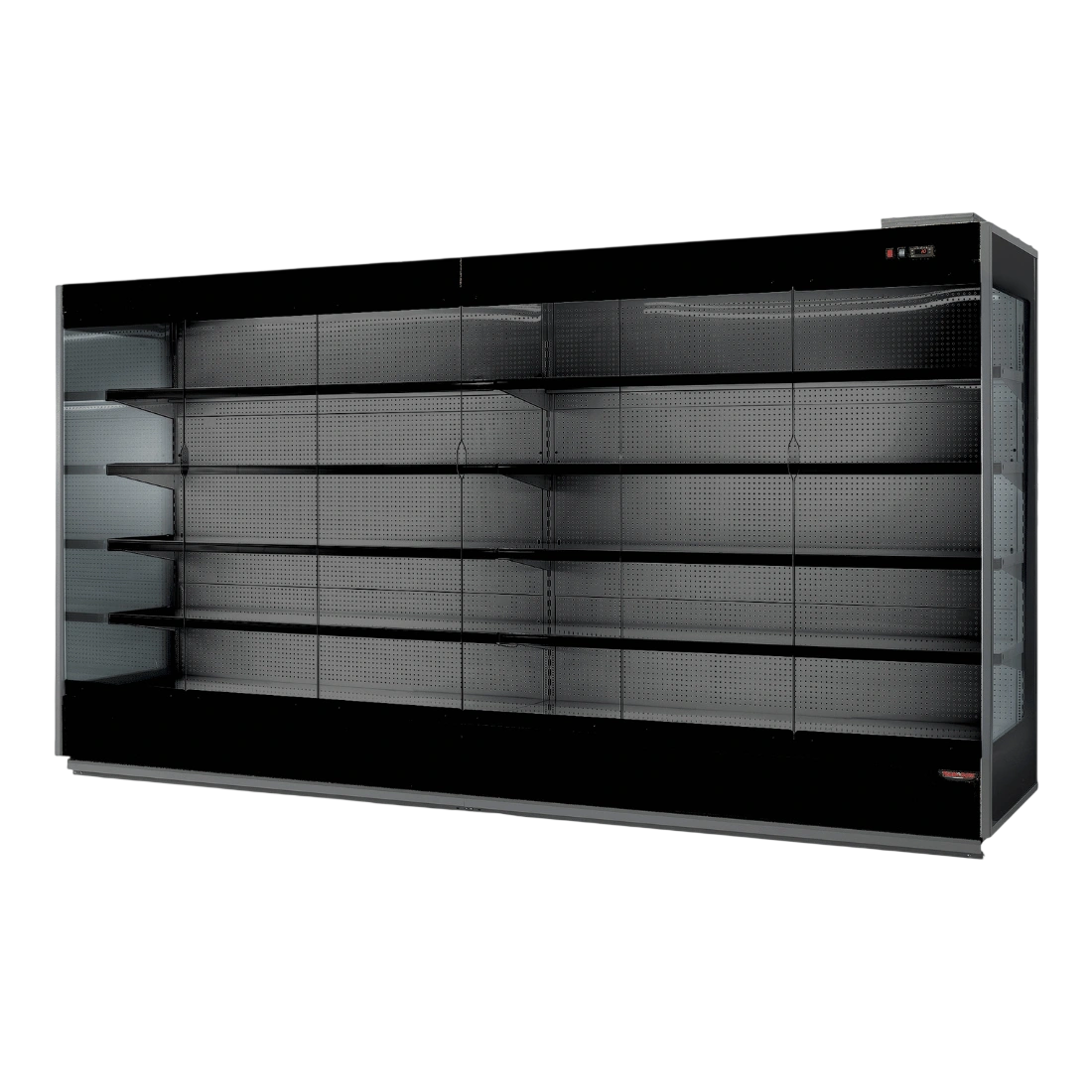
2564 × 900 × 2115mm
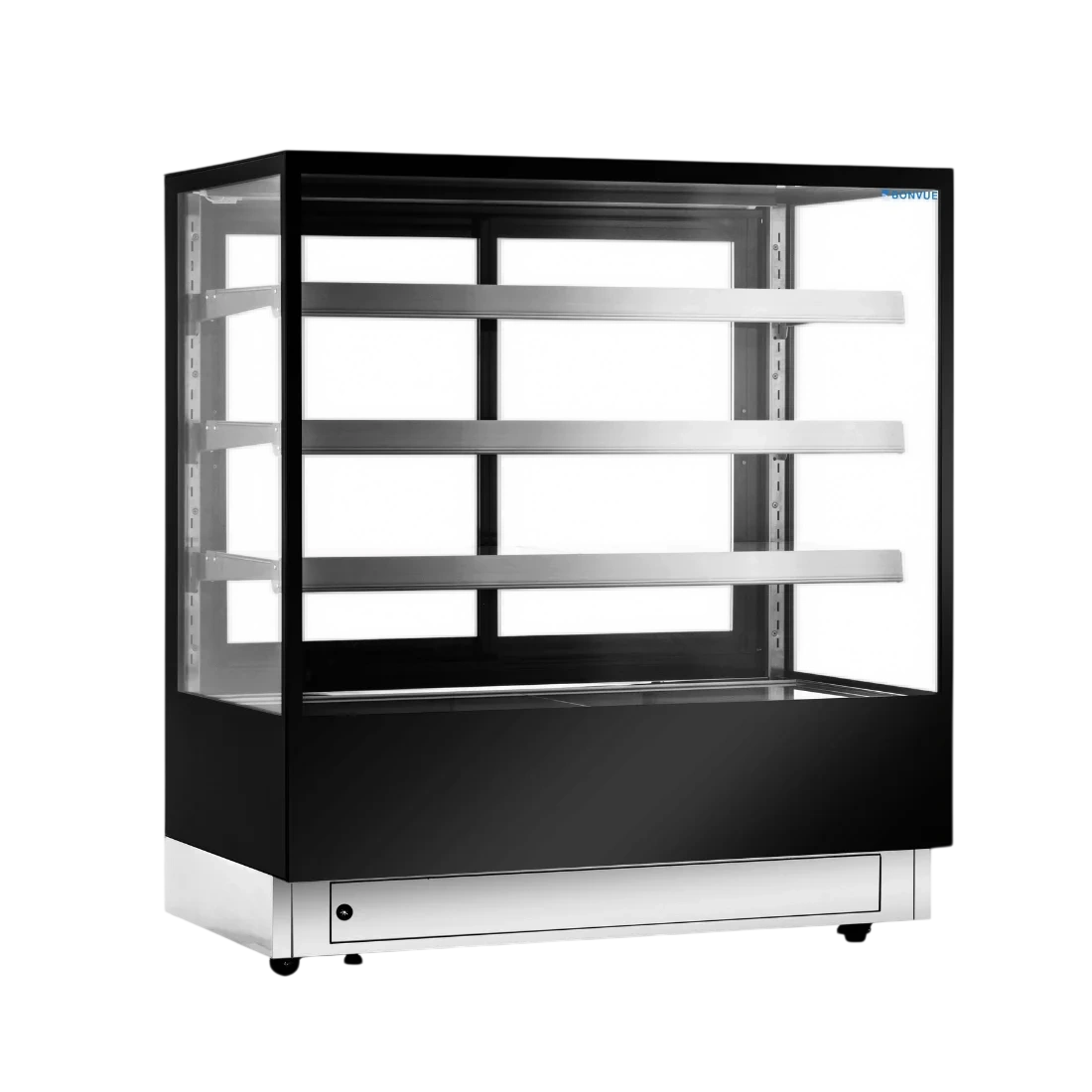
1200 × 705 × 1350mm