Commercial Cold Drink Dispenser
29 products
Commercial Beverage Equipment
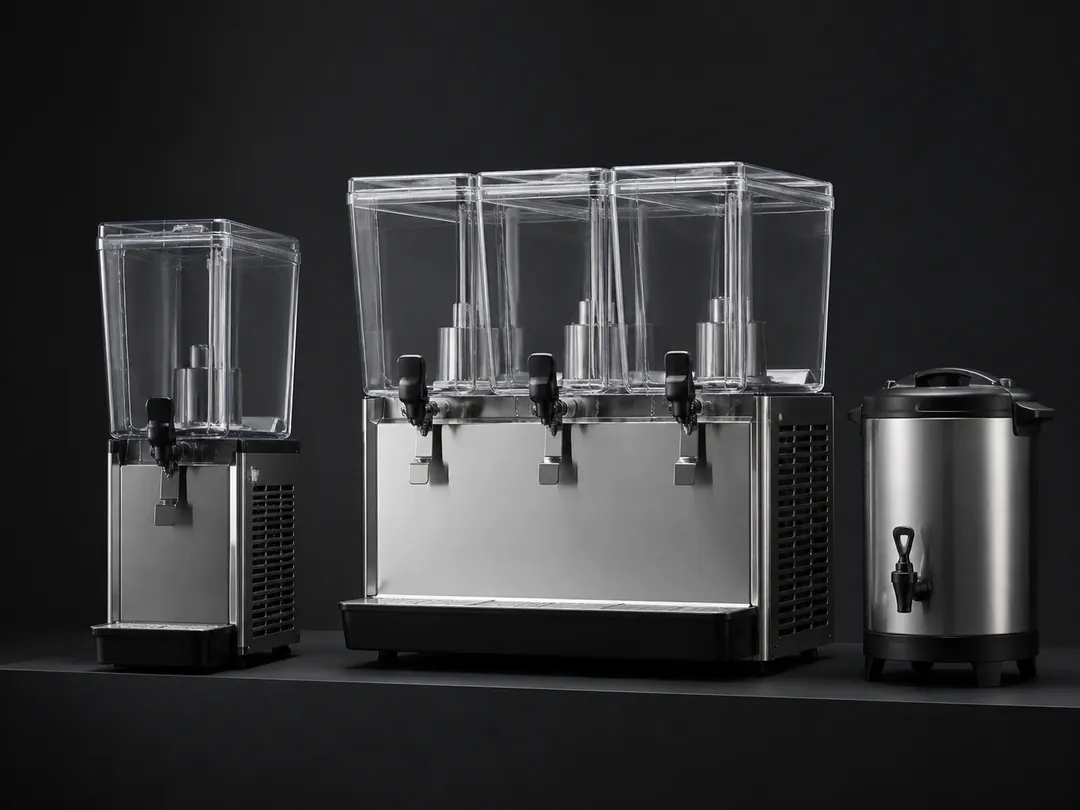
A drink dispenser presents and serves a beverage that has already been made. That is what separates it from a machine that produces one: dispensers are judged on how they hold, chill and dispense, not on preparation. Decide first whether the product is milk, juice, a cold soft drink or a mixed beverage, because each imposes different holding and cleaning demands.
A milk dispenser is the strictest case. Milk needs consistent chilled holding and a cleaning routine that is followed every day without exception, so the practical questions are how the lines and contact parts are cleaned and how quickly that can be done in a working service.
Self-serve or staff-serve changes the specification. On a restaurant or buffet counter where guests dispense for themselves, tap height, drip management and the visibility of the remaining level matter. Behind a bar where staff dispense, throughput and the reach to the tap matter more.
Capacity should be sized to a service rather than a day. Commercial drinks machines holding more than a session keeps product at temperature longer than it should be, and a smaller bowl refilled more often usually presents better.
Key factors to consider before purchasing. Our team can help you find the right fit — call or get a quote anytime.
Match equipment capacity to your daily output. Consider available floor space and door clearances.
Confirm levelling, wall clearance and the access needed for cleaning and service. We can help with kitchen planning.
Submit your kitchen requirements — our equipment specialists will send you a tailored shortlist of commercial drink dispensers that fits your budget, venue type and compliance needs.
Standards & Compliance
Before comparing dispensers, confirm the product, whether guests or staff dispense, and the volume in one service period. Check the counter height and the clearance needed above for refilling with the lid open.
Look at how the lines, taps and contact parts are dismantled and cleaned, and how long that takes. For chilled products, check how quickly the unit recovers after a refill, since warm product entering a bowl affects everything already in it.
FAQ
Paddle systems suit dairy/pulp drinks; spray systems suit clear beverages. Maintain correct refrigeration.
Most machines require 10–30 minutes depending on ambient temperature and mix temperature.
No—units require rear/side ventilation clearance to avoid overheating.
A heat-hold cycle in soft-serve machines that kills bacteria and reduces daily manual cleaning.
Usually not well. Milk needs consistent chilled holding and a daily cleaning routine that other products do not. Where both are offered, separate units are easier to keep in acceptable condition than one switched between duties.
Why KW
KW can help match a commercial drink dispenser to the beverage, the service pattern and the cleaning routine a venue can realistically sustain. For practical advice on dispensers, call KW on 1300 001 366.
Deep Dive
Technical depth from KW's commercial kitchen specialists.
A commercial drink dispenser delivers cold, hot or frozen beverages quickly and safely in customer-facing service areas. These units belong in the W6 Front-of-House Zone or W5 pass station—never inside W4 hot-kitchen environments where ambient heat affects performance.
This category covers non-carbonated beverage systems only. It does not include soda fountains, post-mix systems or beer towers.
Cold drink dispensers
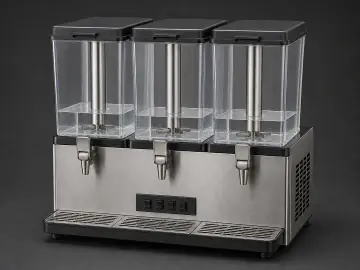
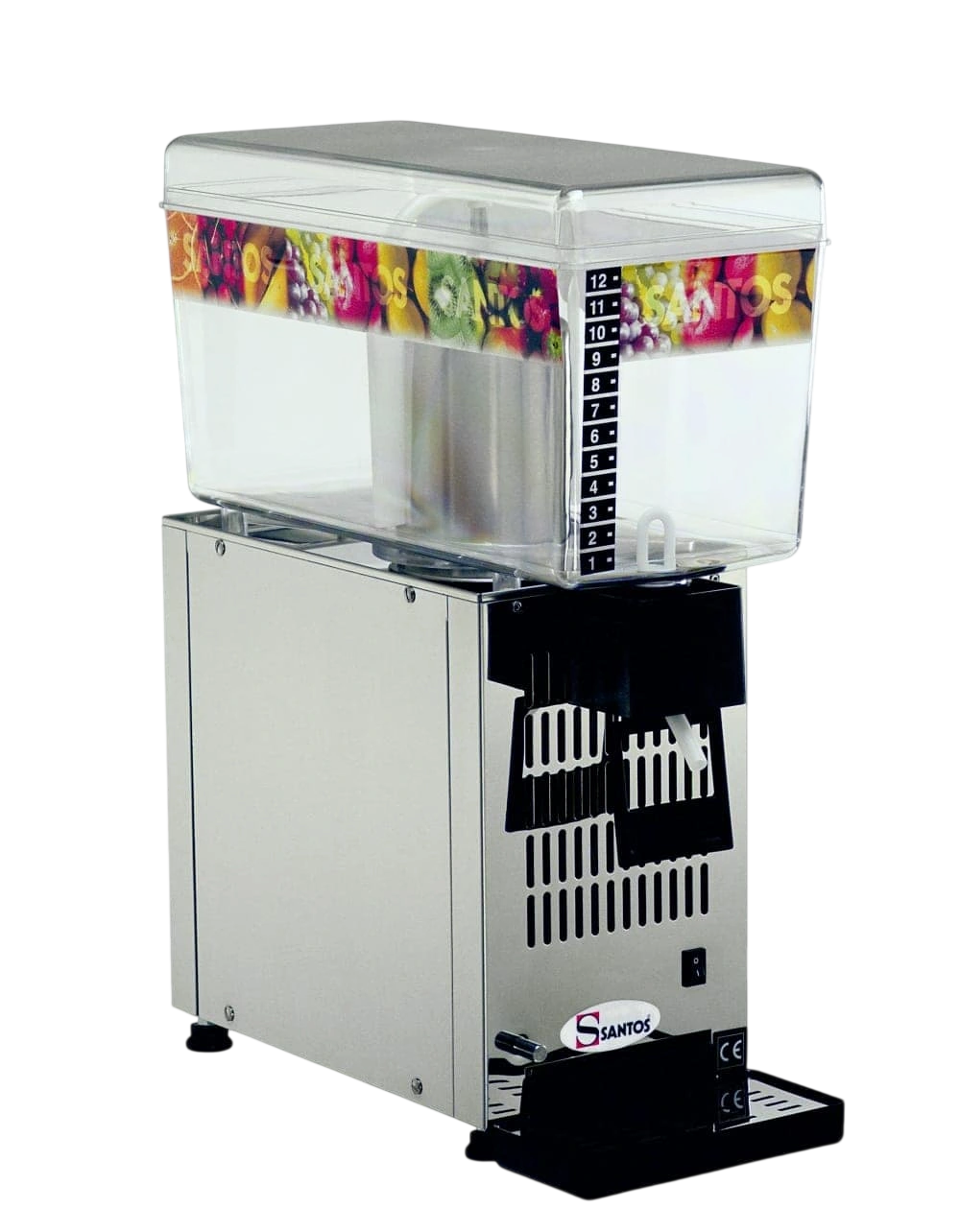
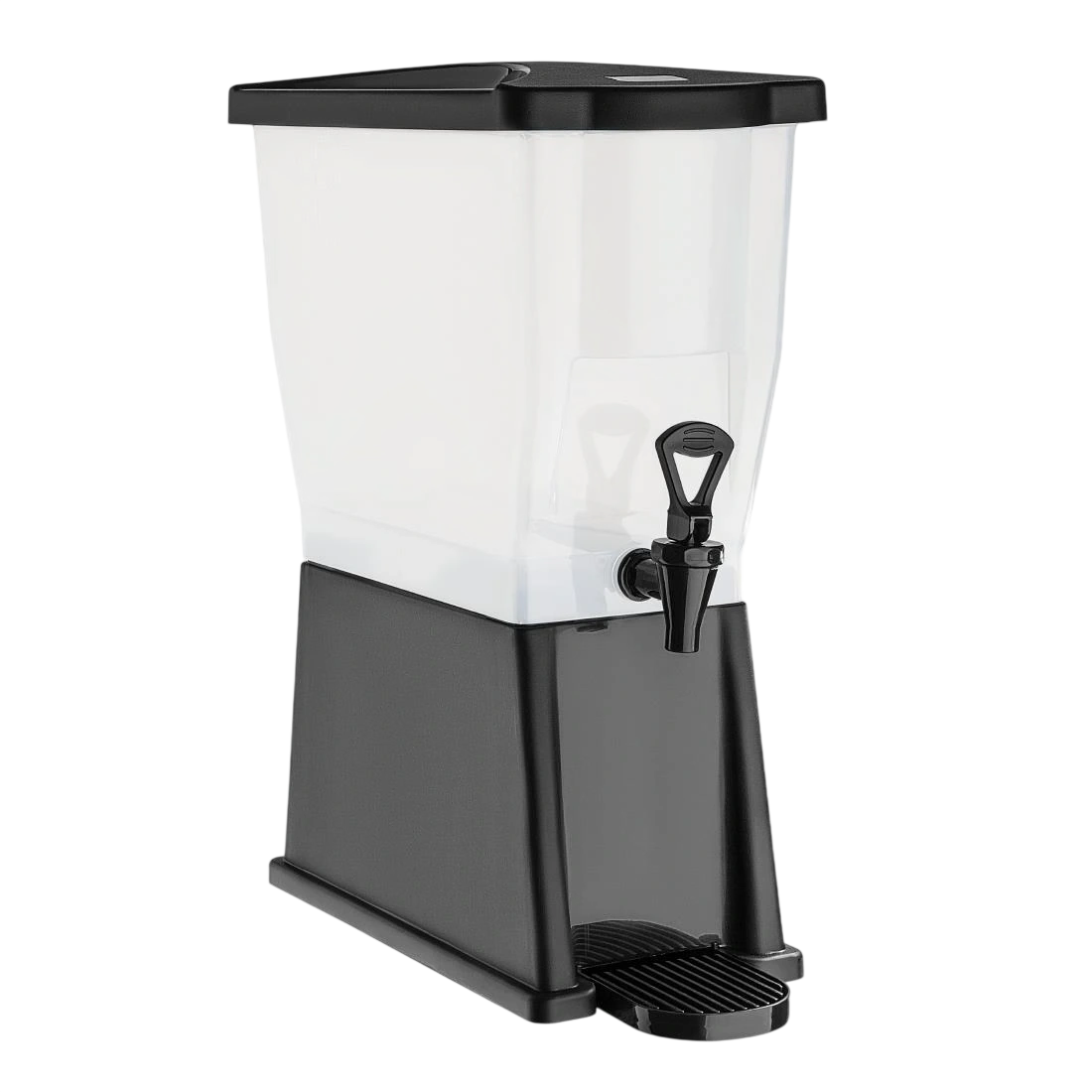
Refrigerated bowls for juice, iced tea, lemonade, flavoured drinks and dairy/pulp beverages (paddle systems).
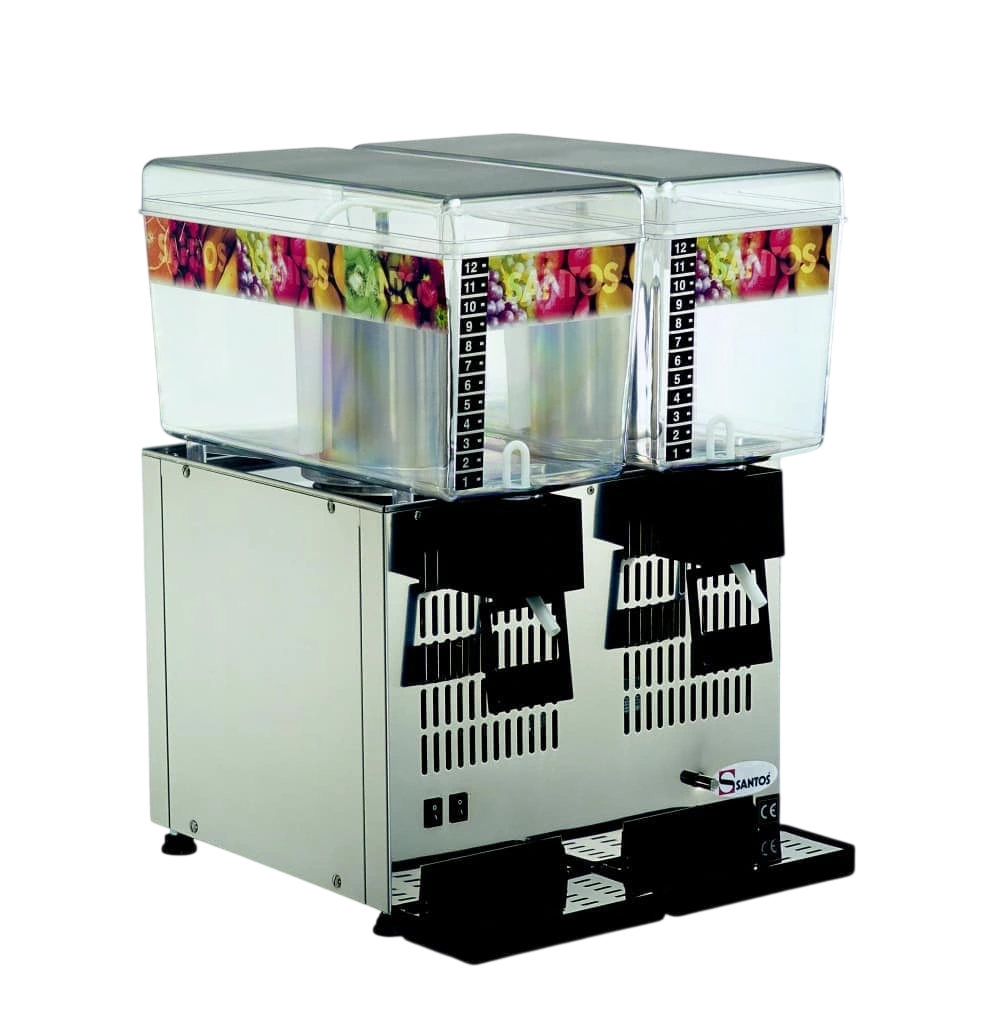
Available in single, twin or triple configurations.
Hot beverage dispensers
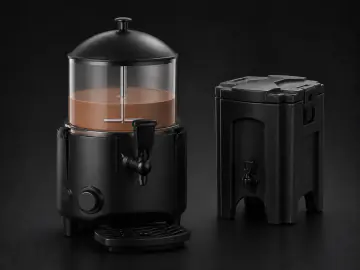
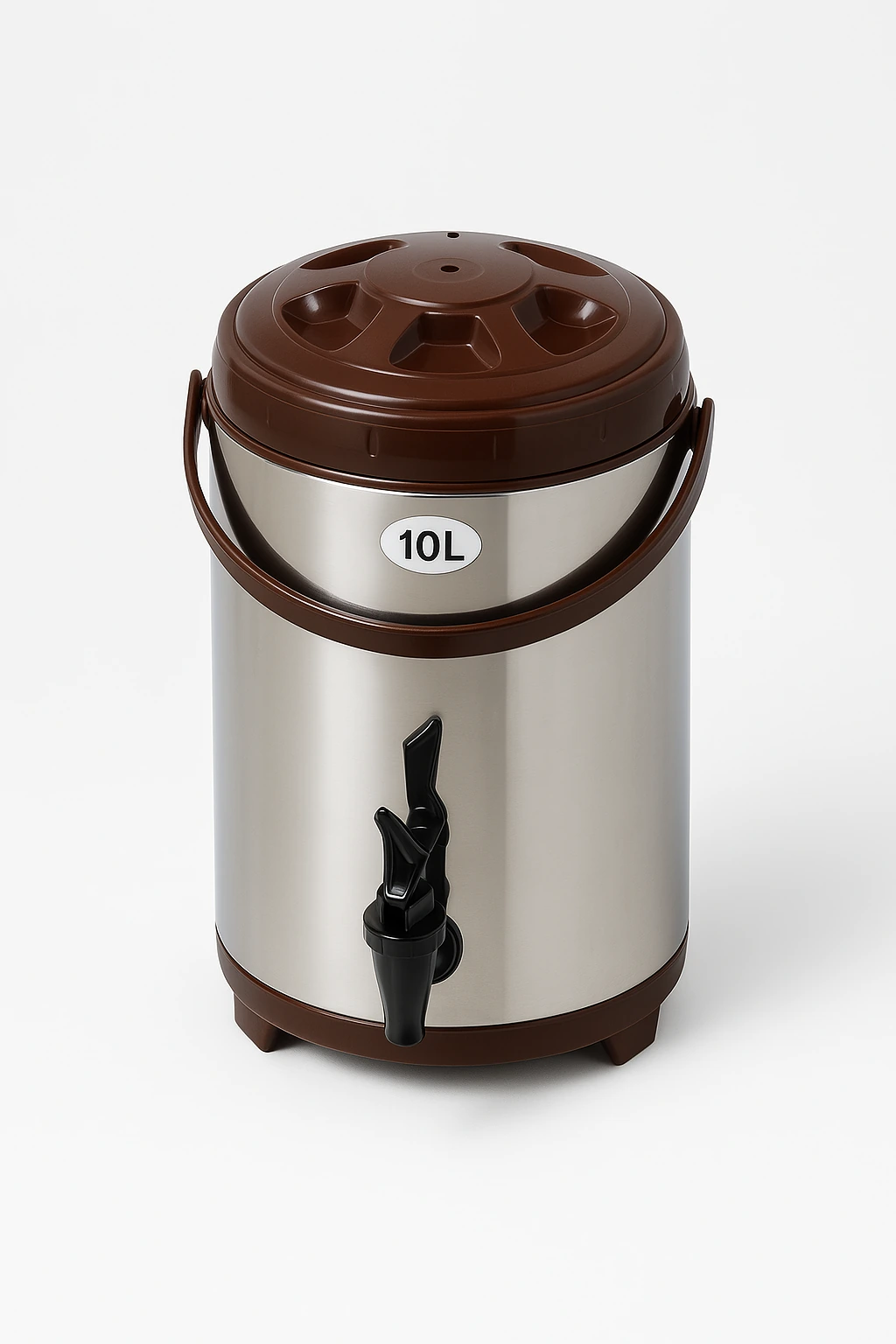
Heated urns or insulated tanks for hot chocolate, mulled drinks, soups, chai and milk-based beverages.
Heating styles include dry heat, bain-marie and steam-coil systems.
Slush & soft-serve machines
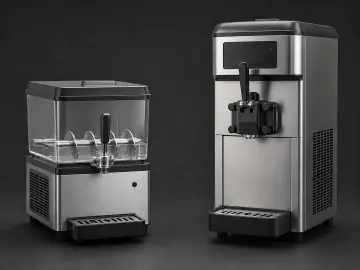
Frozen beverage systems for slush, granita, frappes and soft-serve mixes.
Require freeze-down time (10–30 minutes) and gradual refilling.
Paddle agitation: gentle stirring for dairy, pulp, soy and thicker beverages.
Spray circulation: fountain-style movement for juices, teas and clear drinks.
Avoid: fresh milk left overnight, thick purées or fibrous blends that clog taps.
Suitable for W6 FOH or W5 service areas.
Daily cleaning is essential for FOH beverage equipment:
Cafés: cold drink dispenser.
Dessert venues: slush machine.
Hotels: large multi-bowl cold dispenser.
Winter kiosks: hot chocolate dispenser.
| Brand | Strengths | Best For |
|---|---|---|
| Polar | Reliable cold drink refrigeration | Cafés & hotels |
| Benchstar | Budget hot beverage systems | Entry-level venues |
| Frostiq | High-impact slush display | Dessert bars & QSR |
| Brullen | Premium soft-serve systems | Frozen beverage venues |
| Kitchen Knock | Value everyday dispensers | Schools & cafés |
Tap height, drip management and whether guests can see how much is left. On a restaurant or buffet counter the unit runs unattended, so the details that stop spills and refill prompts matter more than capacity.
Size it to one service period rather than a day. A larger bowl holds product at temperature longer than it should be, and a smaller vessel refilled more often usually presents better.
Daily for milk, and regularly for juice and other beverages. Because the routine is frequent, how quickly the lines and contact parts come apart is a practical selection criterion rather than a detail.
Milk, juice and cold soft drinks impose different holding temperatures and cleaning routines. A dispenser suited to one is often unsuitable for another, so settle the product before comparing capacity or appearance.
On a self-serve counter, tap height, drip management and a visible remaining level decide how well the unit works unattended. Behind a bar, throughput and the reach to the tap matter more. The two lead to different choices even for the same beverage.
For milk especially, cleaning is daily and non-negotiable, so the machine that gets cleaned properly is the one that is quick to dismantle. Compare how lines, taps and contact parts come apart and how long the routine takes before comparing anything else.
A bowl larger than one service holds product at temperature longer than it should be. A smaller vessel refilled more often generally presents better and reduces waste. Check recovery time after a refill, since warm product entering a chilled bowl affects what is already there.
Use a chilled dispenser when the drink remains pourable and is served cold. For frozen slush, granita or similar drinks, compare commercial slush machines by bowl count, planned flavour volume, ventilation clearance and clean-down access.
60 results
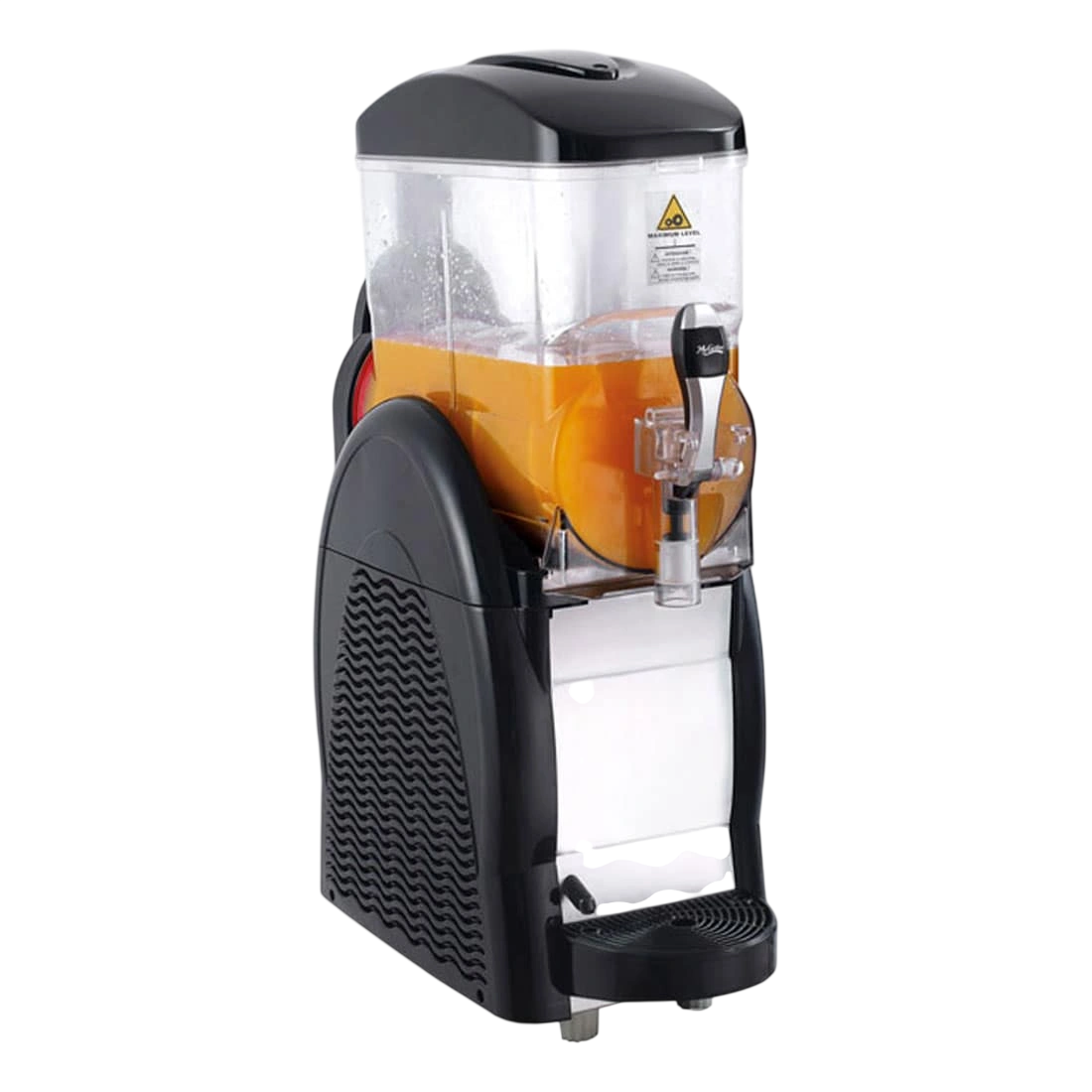
270 × 520 × 810mm
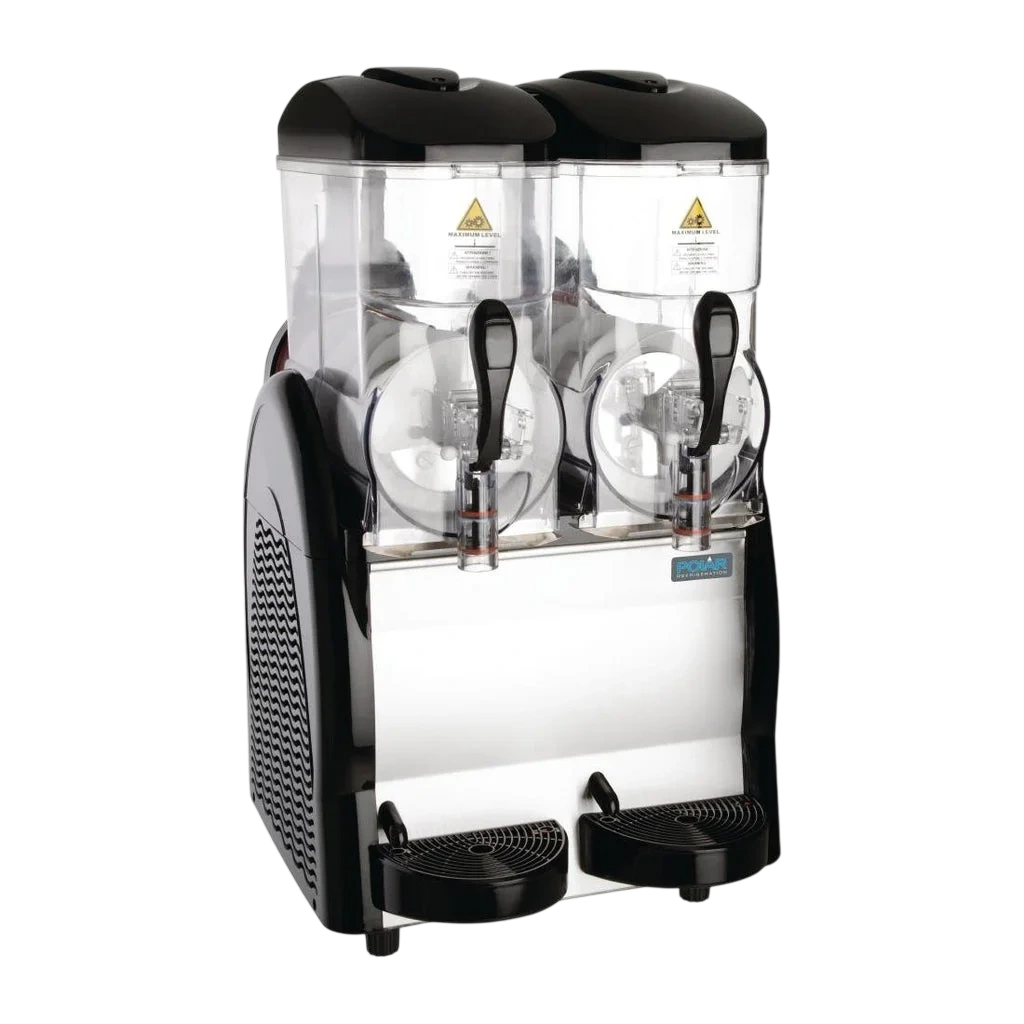
470 × 515 × 810mm
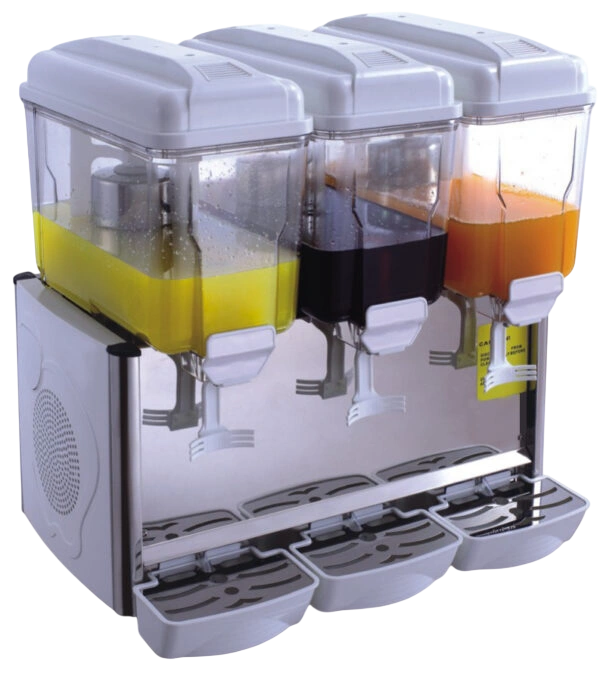
630 × 430 × 640mm
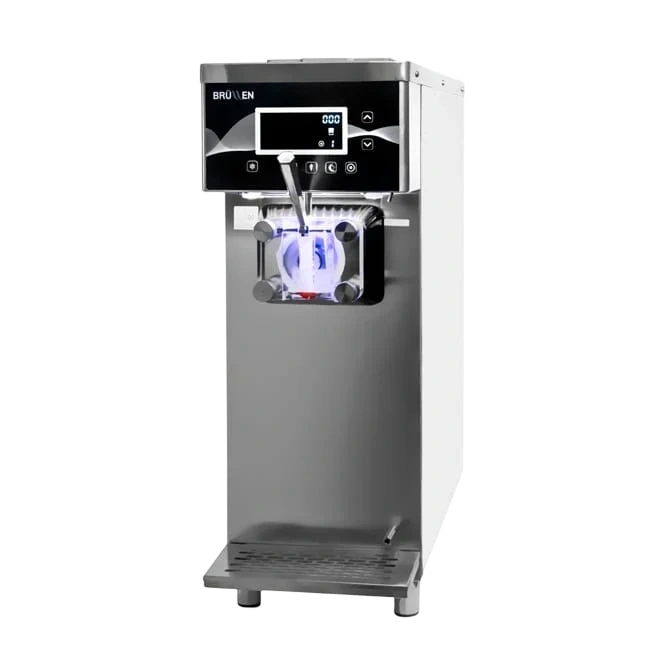
320 × 649 × 885mm
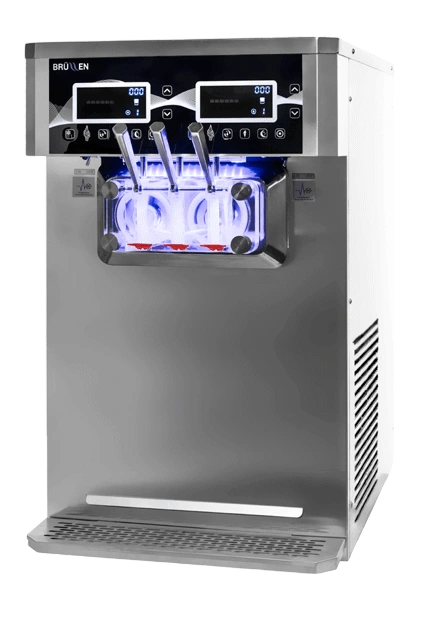
555 × 750 × 960mm
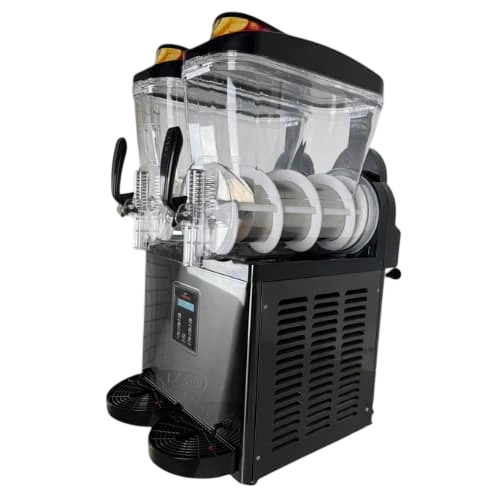
410 × 540 × 825mm
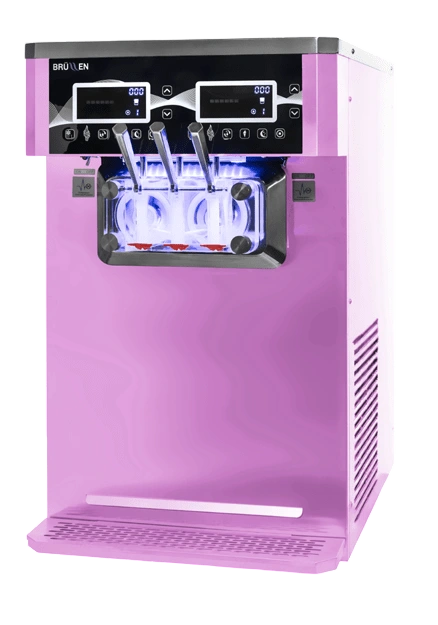
555 × 750 × 960mm
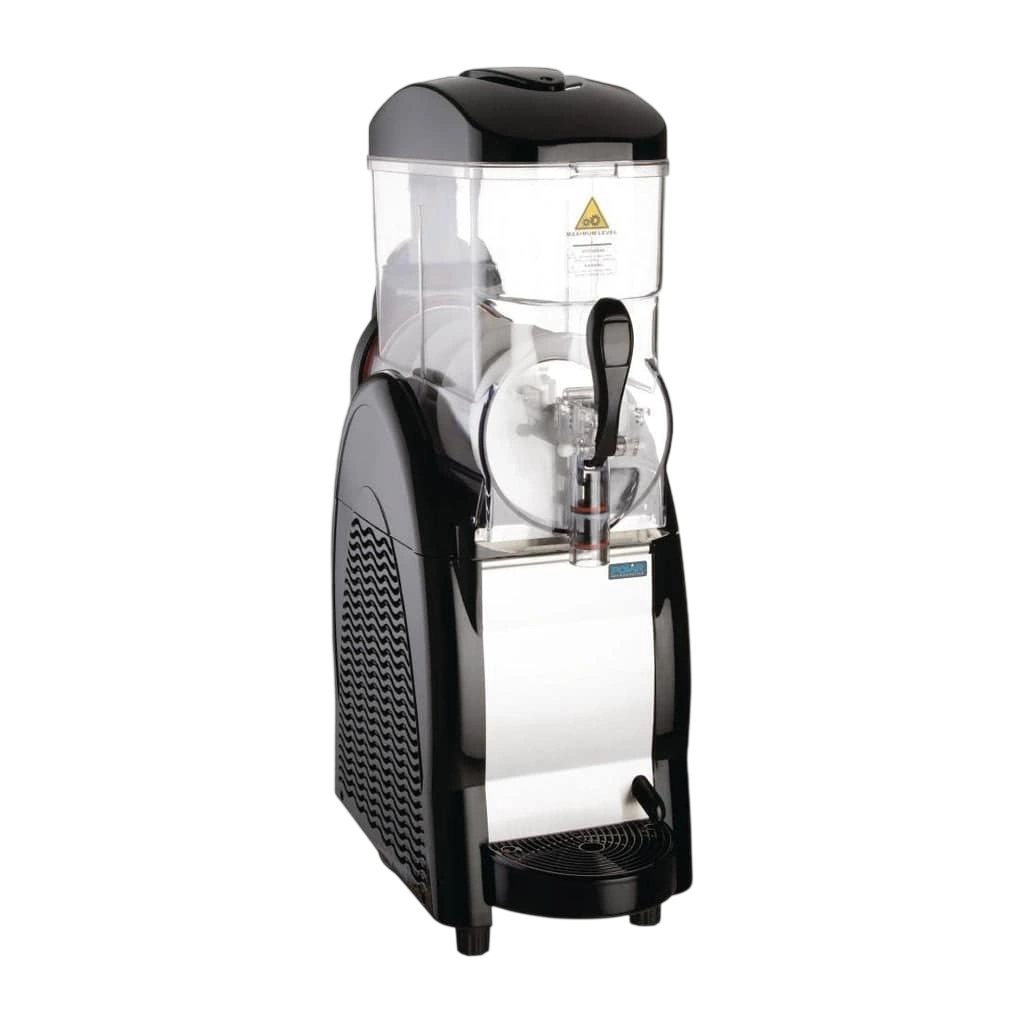
270 × 515 × 810mm
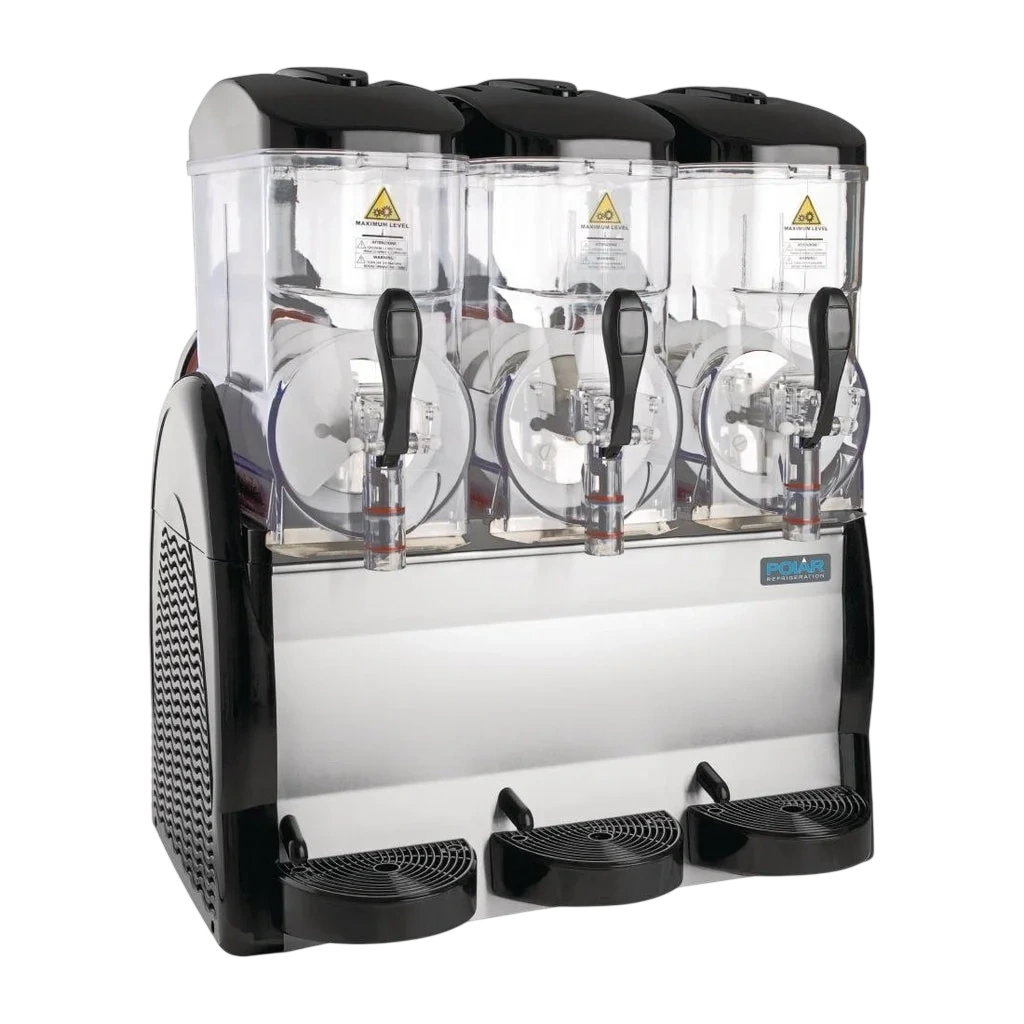
670 × 515 × 810mm
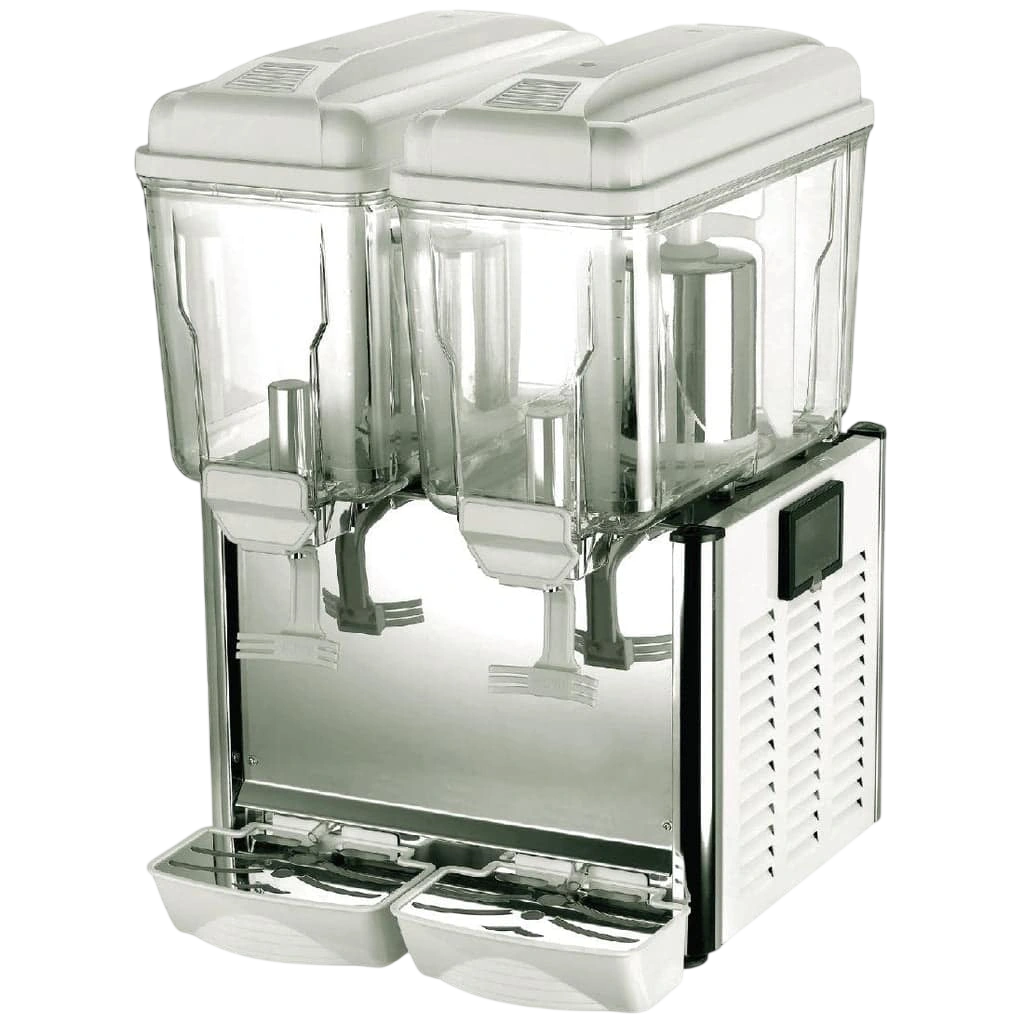
430 × 430 × 635mm
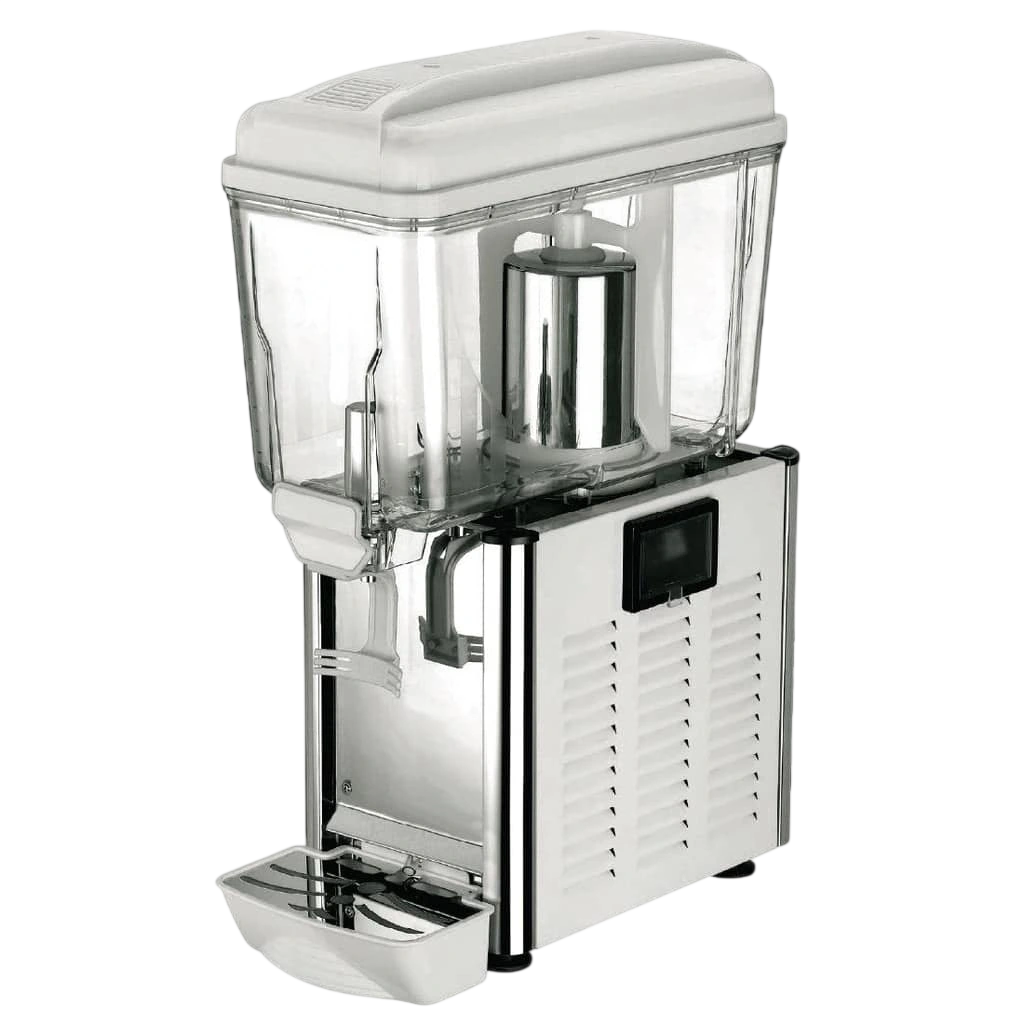
220 × 450 × 635mm
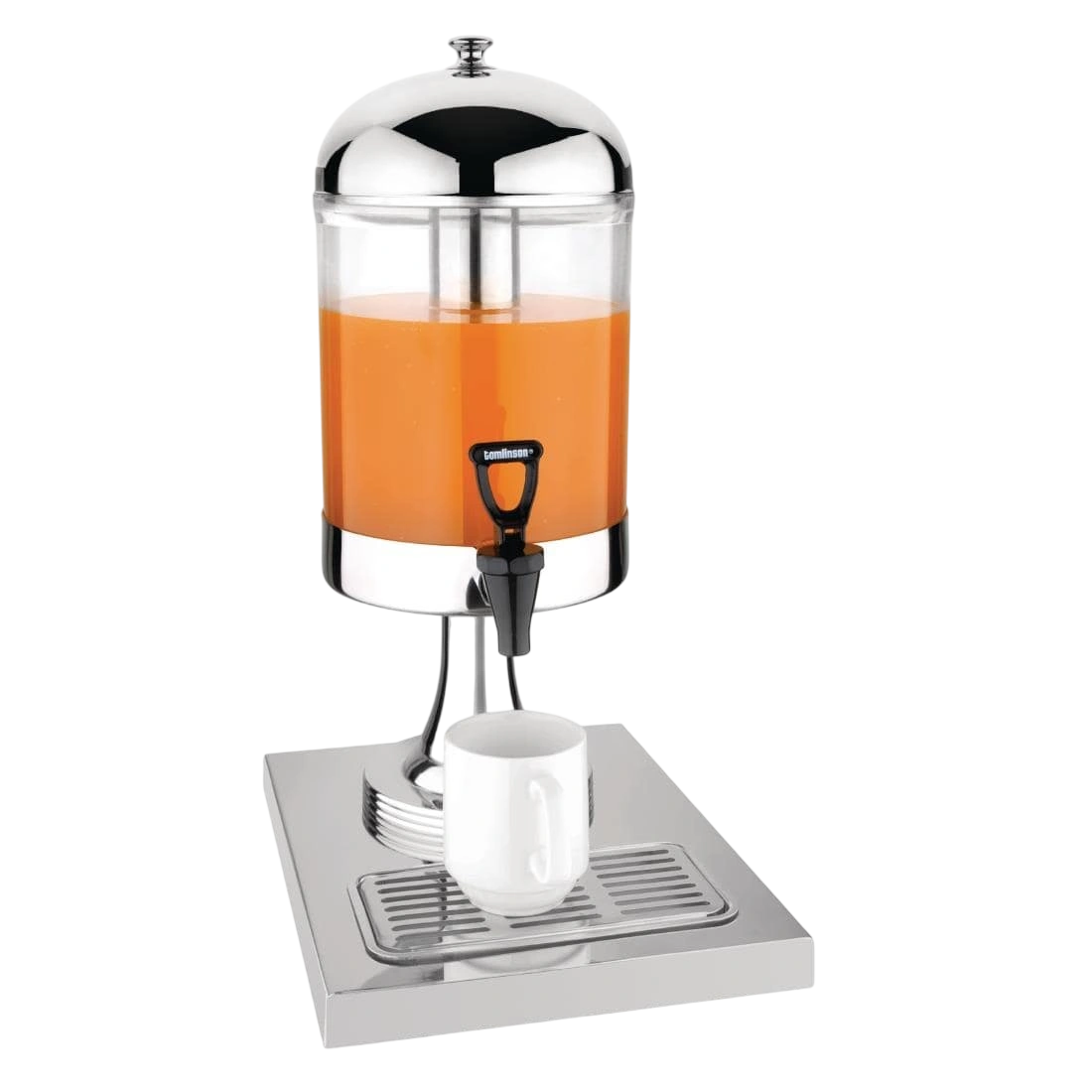
265 × 355 × 570mm
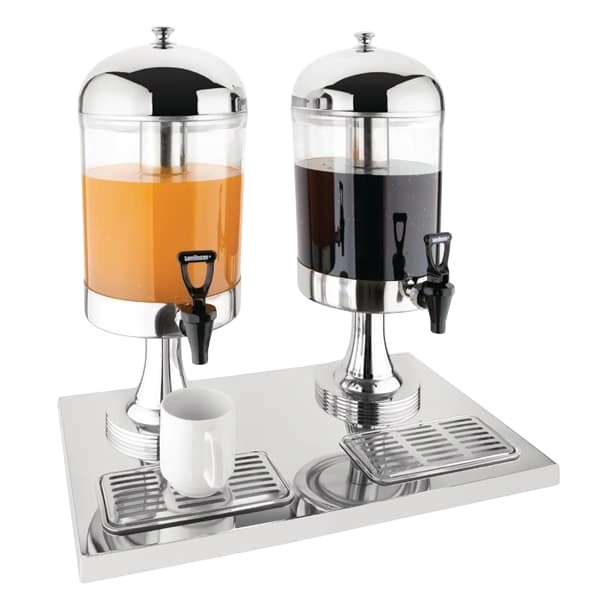
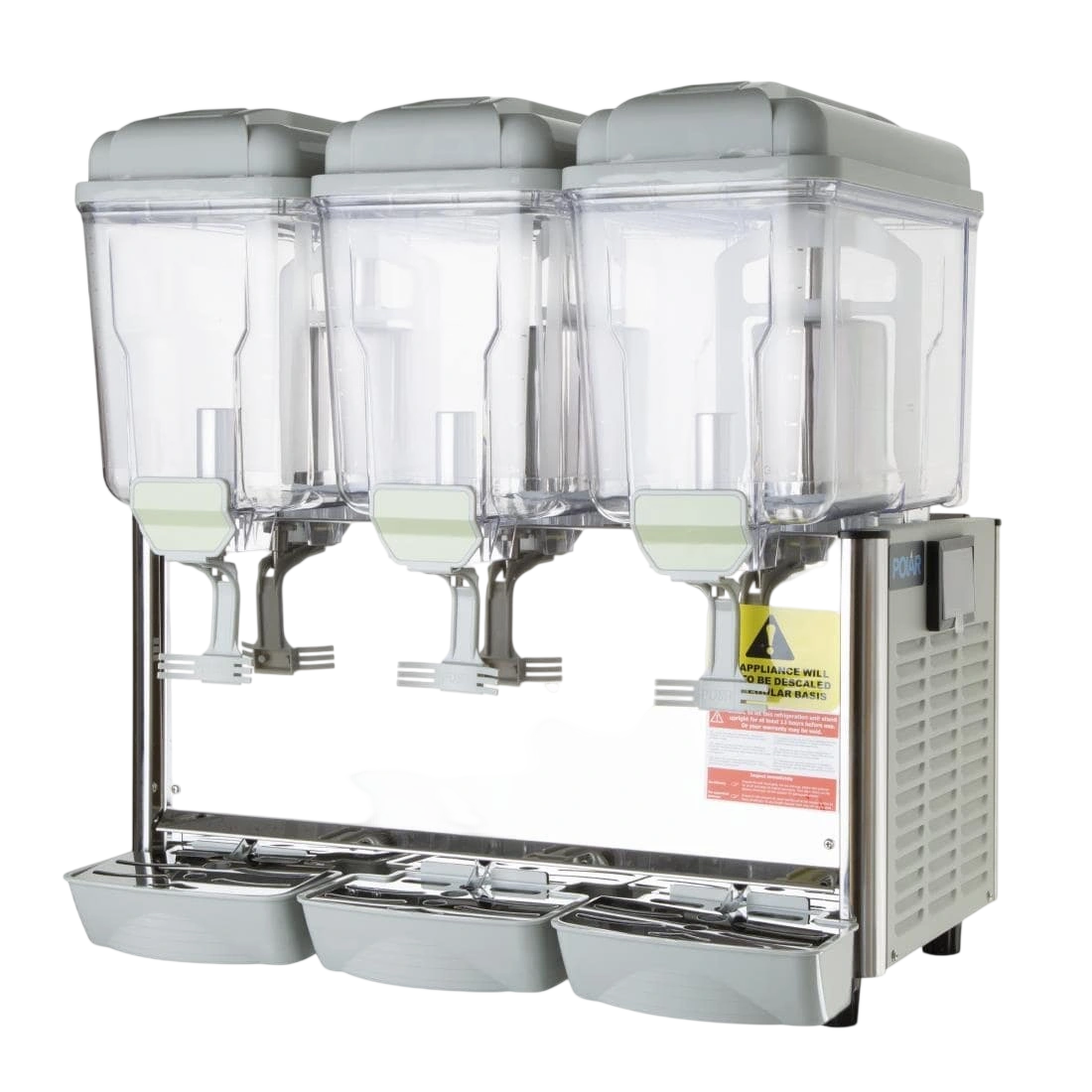
430 × 630 × 640mm
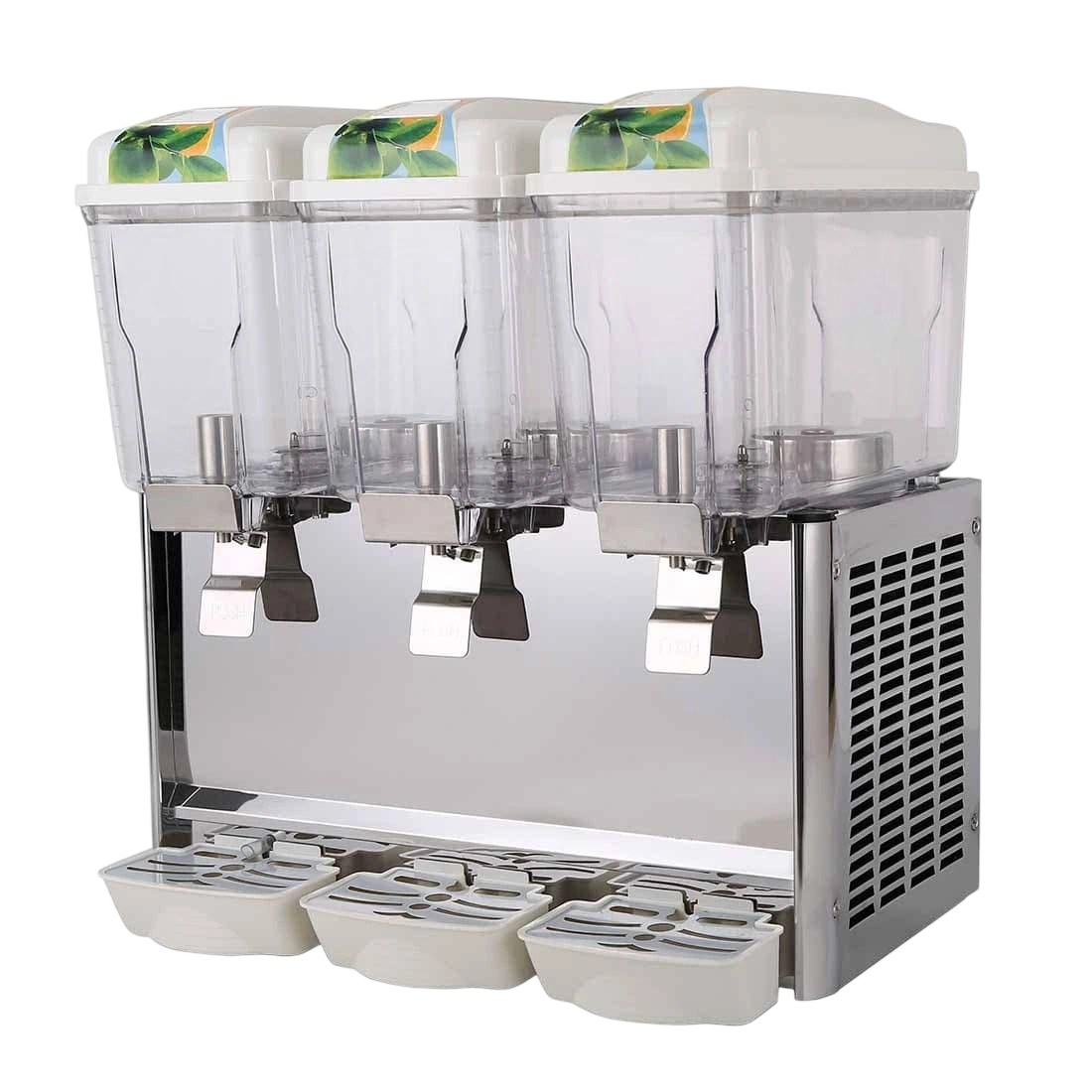
600 × 410 × 660mm
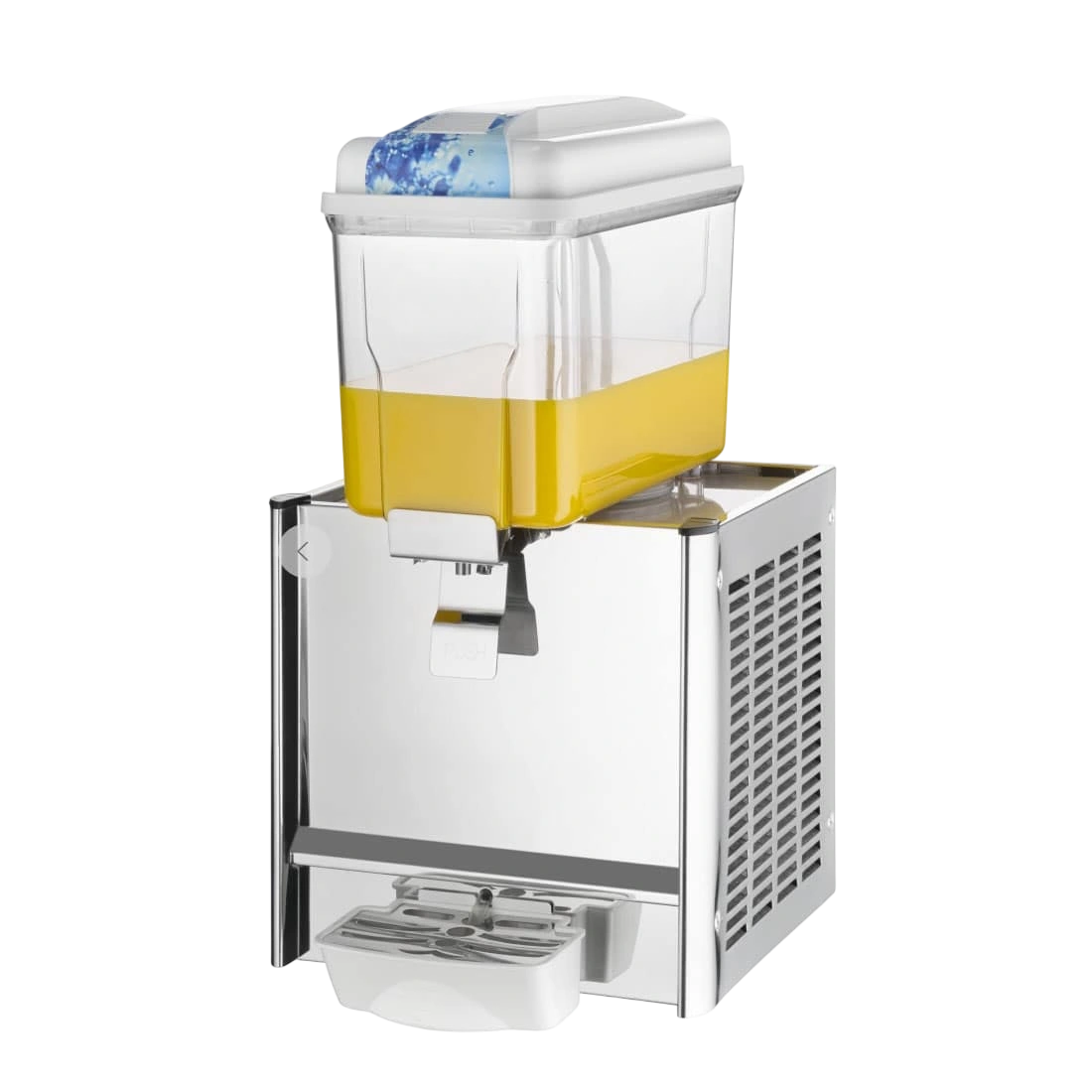
410 × 350 × 660mm
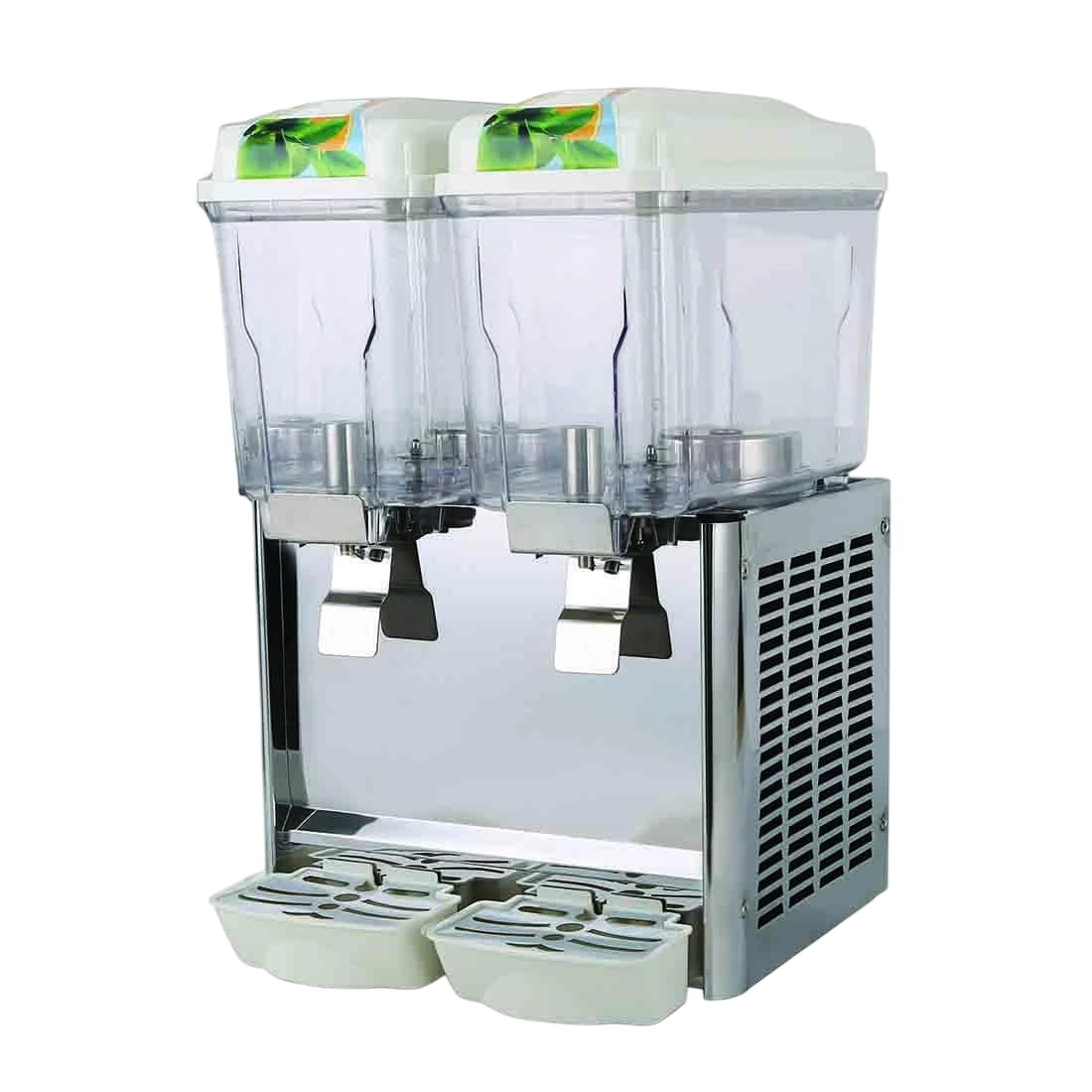
410 × 410 × 660mm
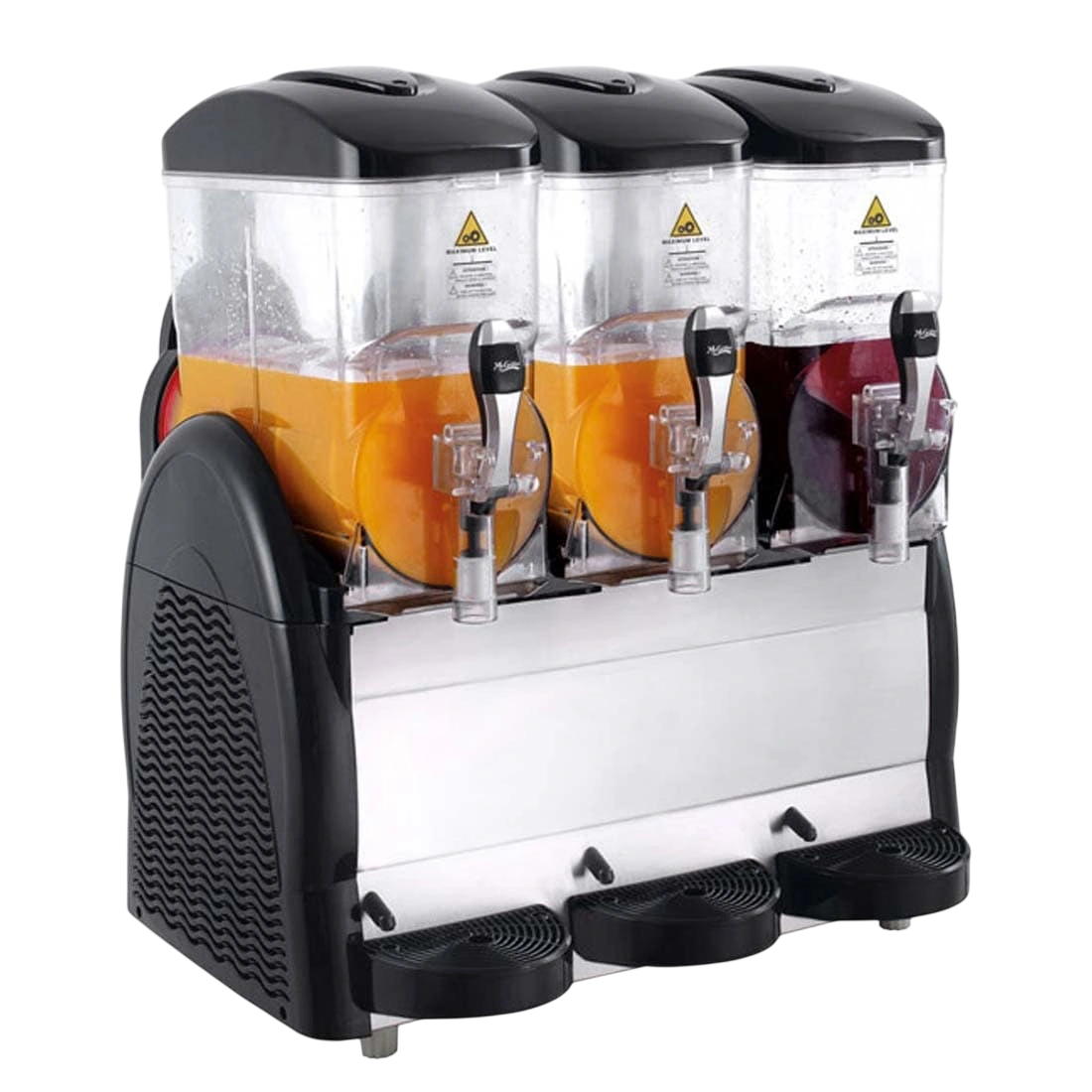
670 × 520 × 810mm
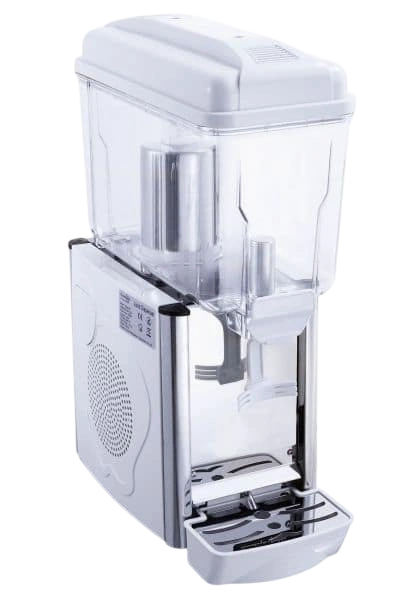
230 × 430 × 640mm
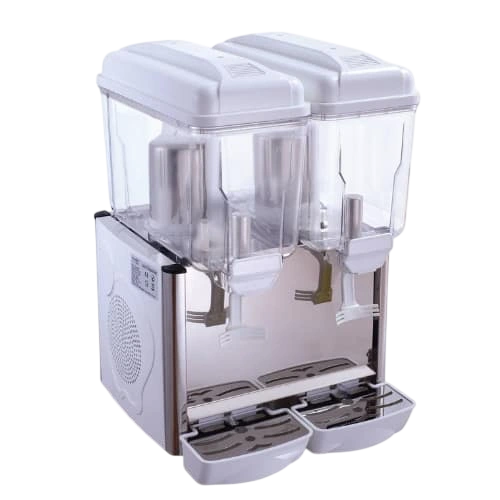
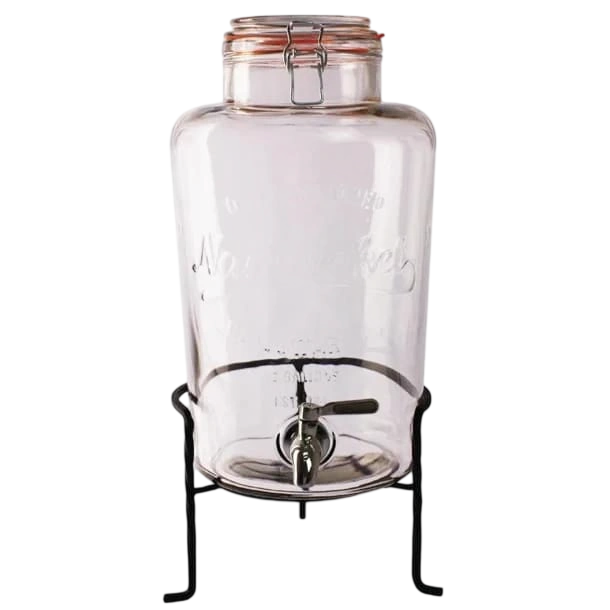
200 × 210 × 460mm
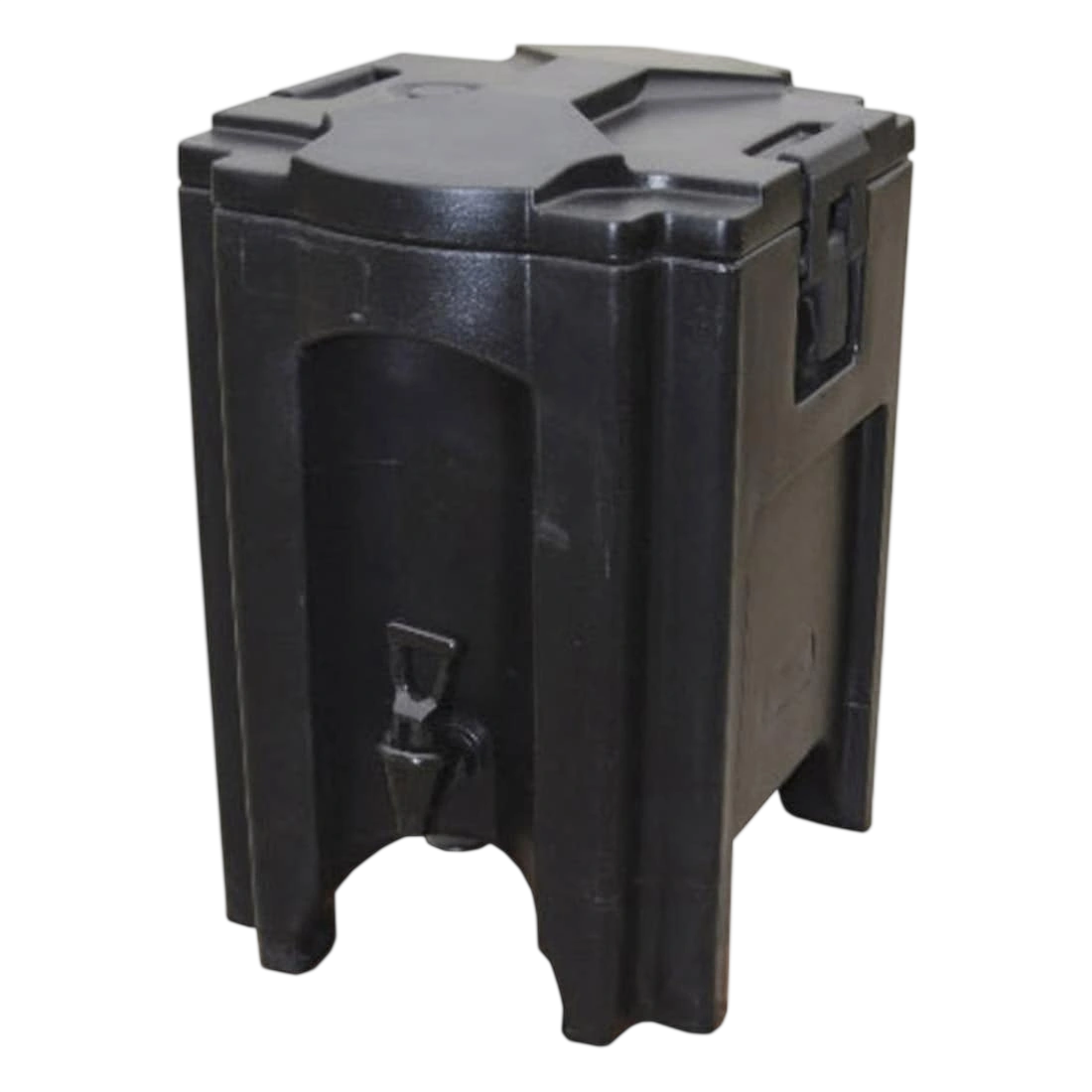
400 × 280 × 480mm
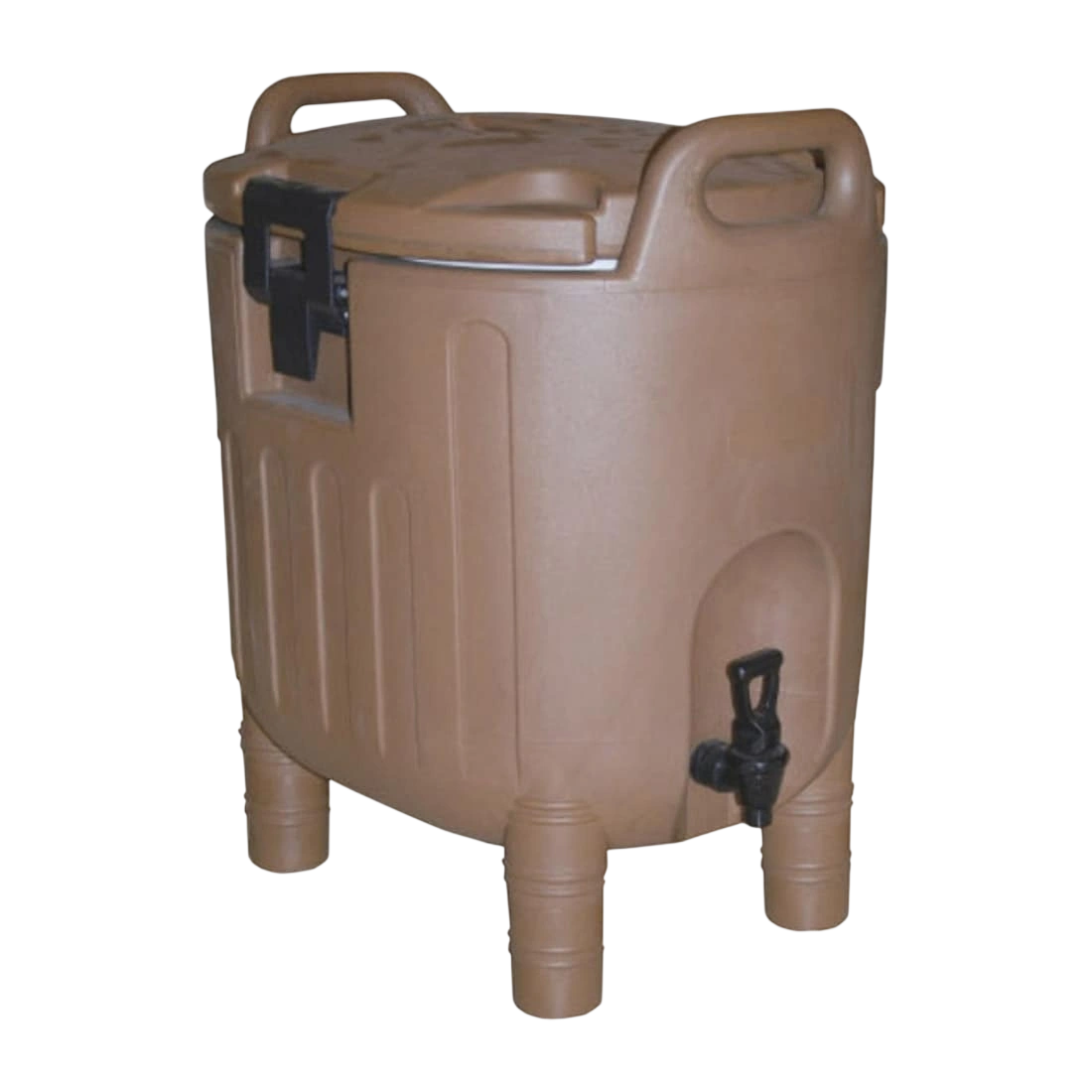
500 × 400 × 580mm
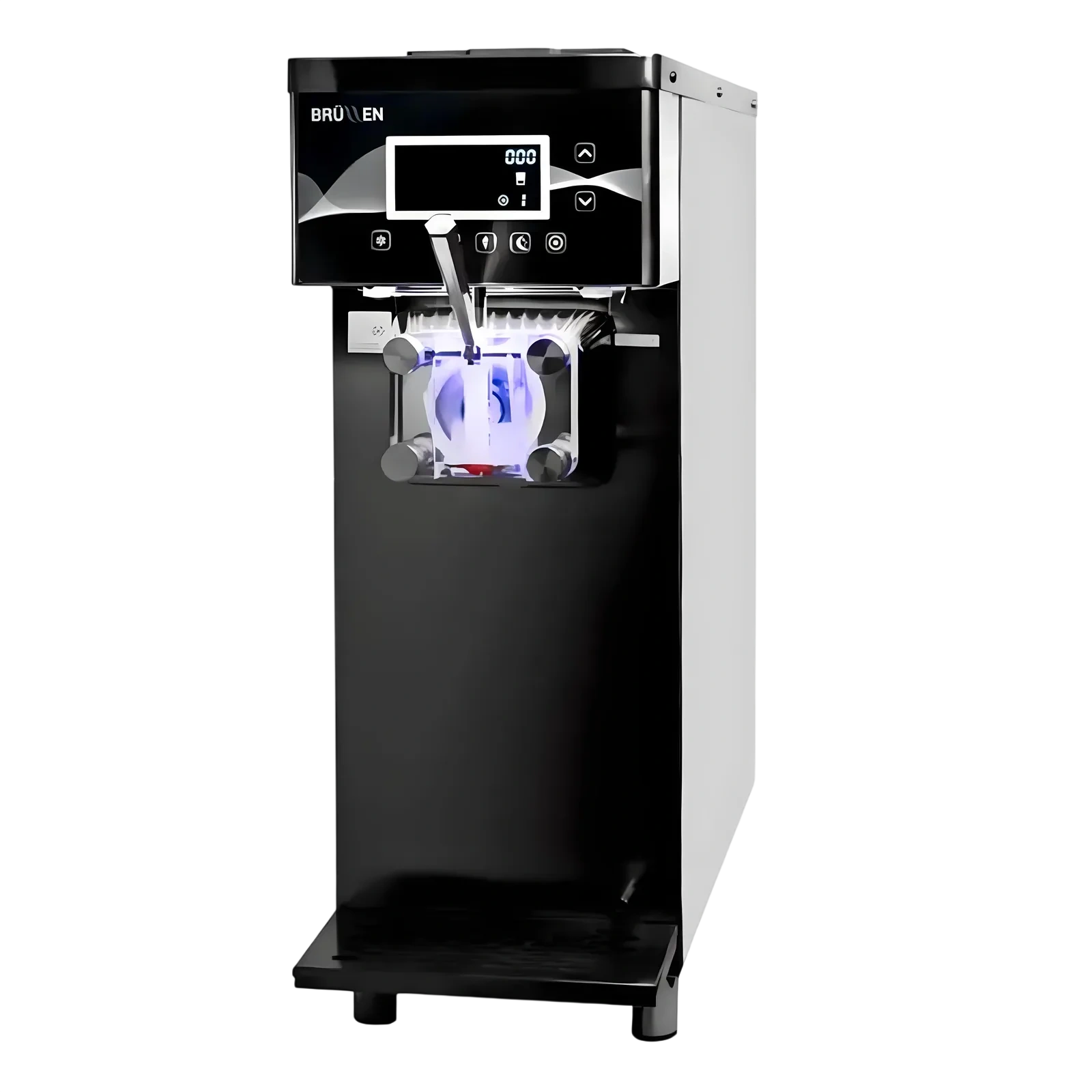
320 × 649 × 885mm
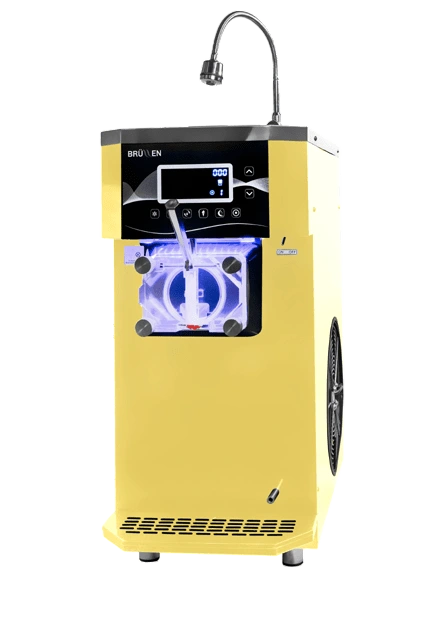
393 × 618 × 850mm
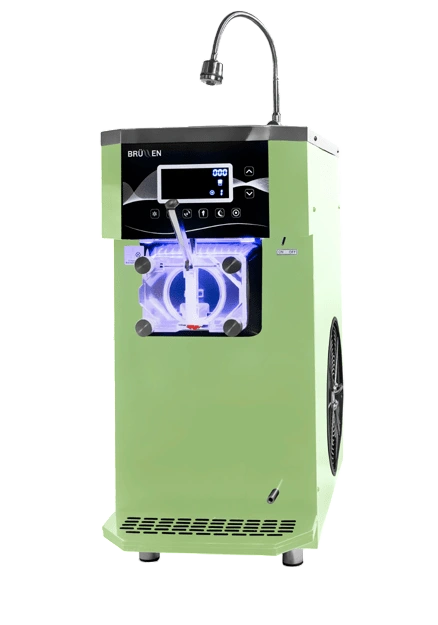
393 × 618 × 850mm
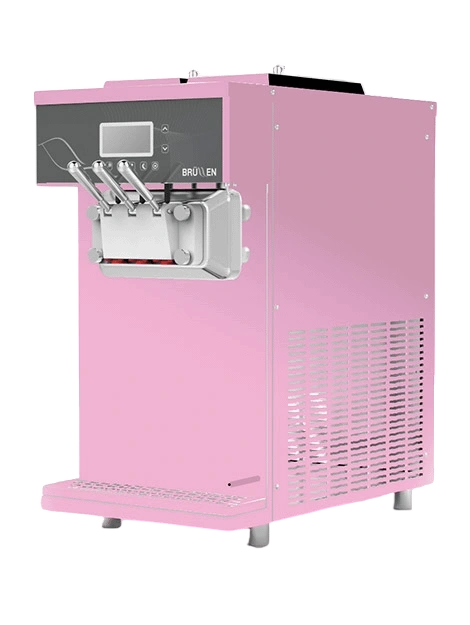
510 × 700 × 955mm
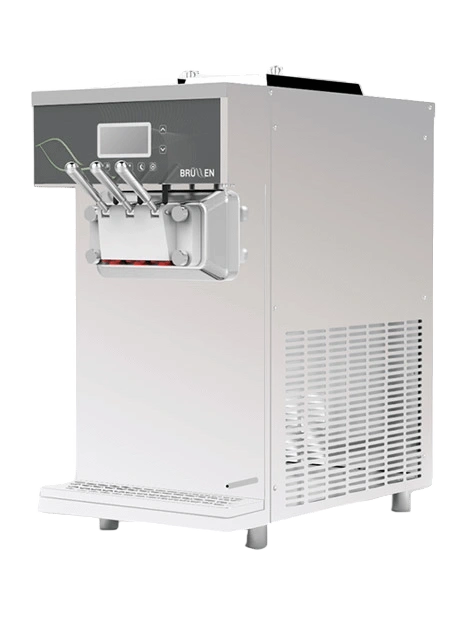
510 × 700 × 955mm
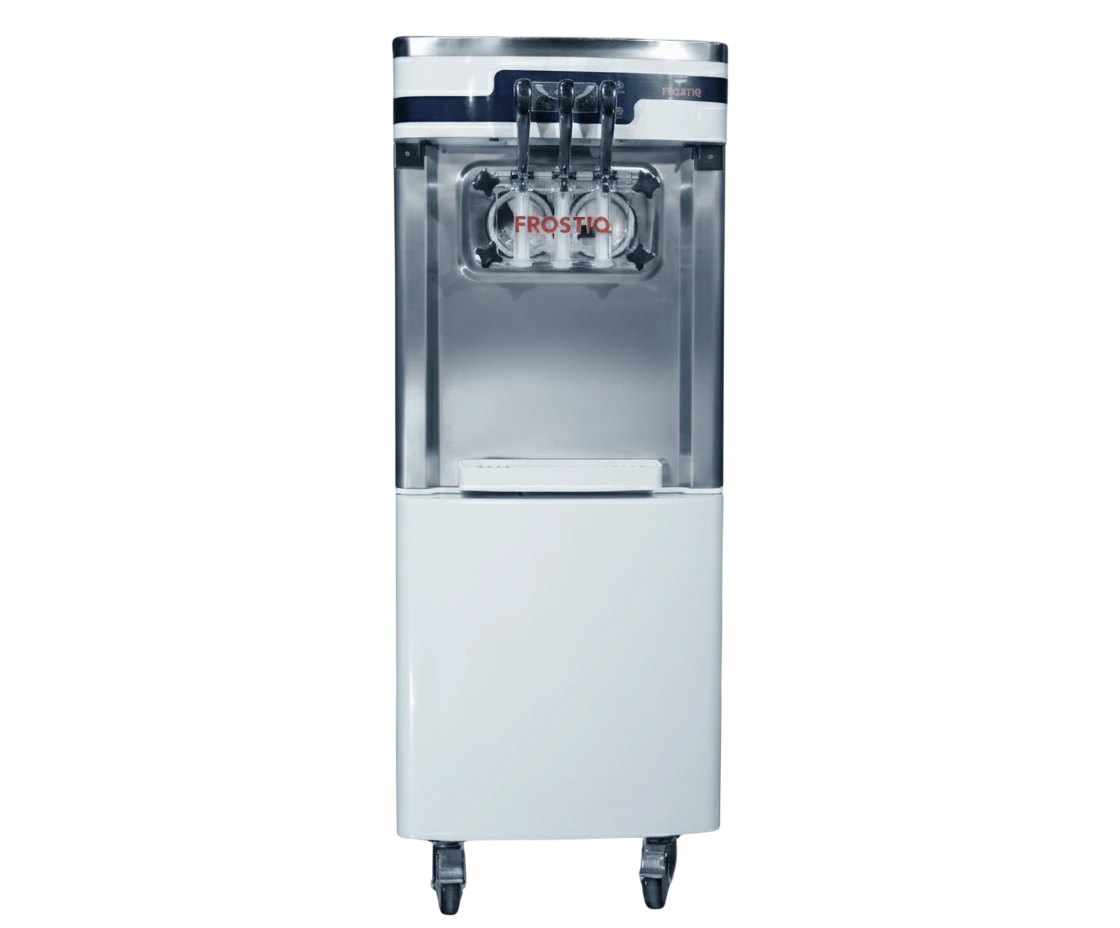
540 × 840 × 1490mm
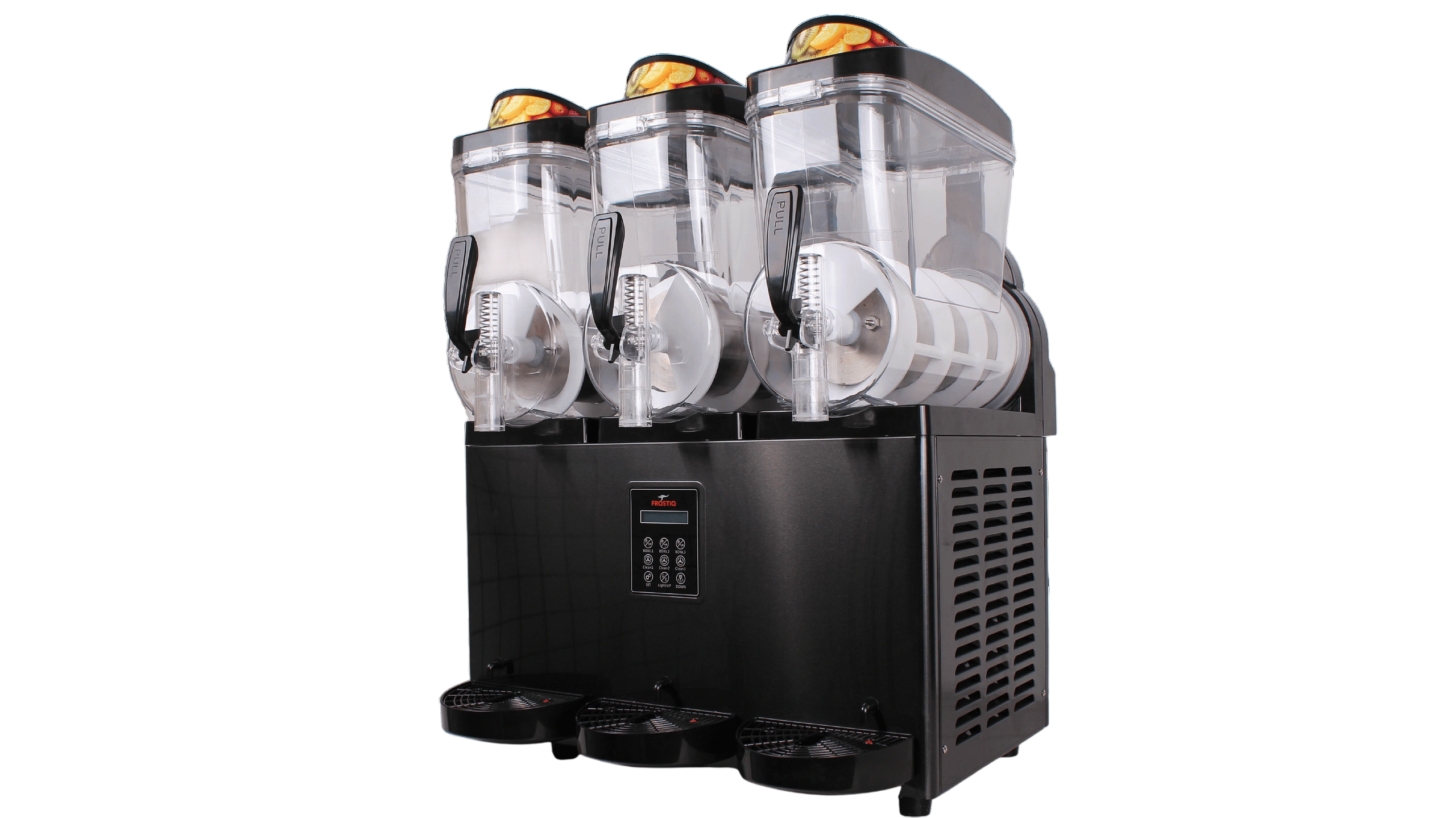
630 × 540 × 825mm
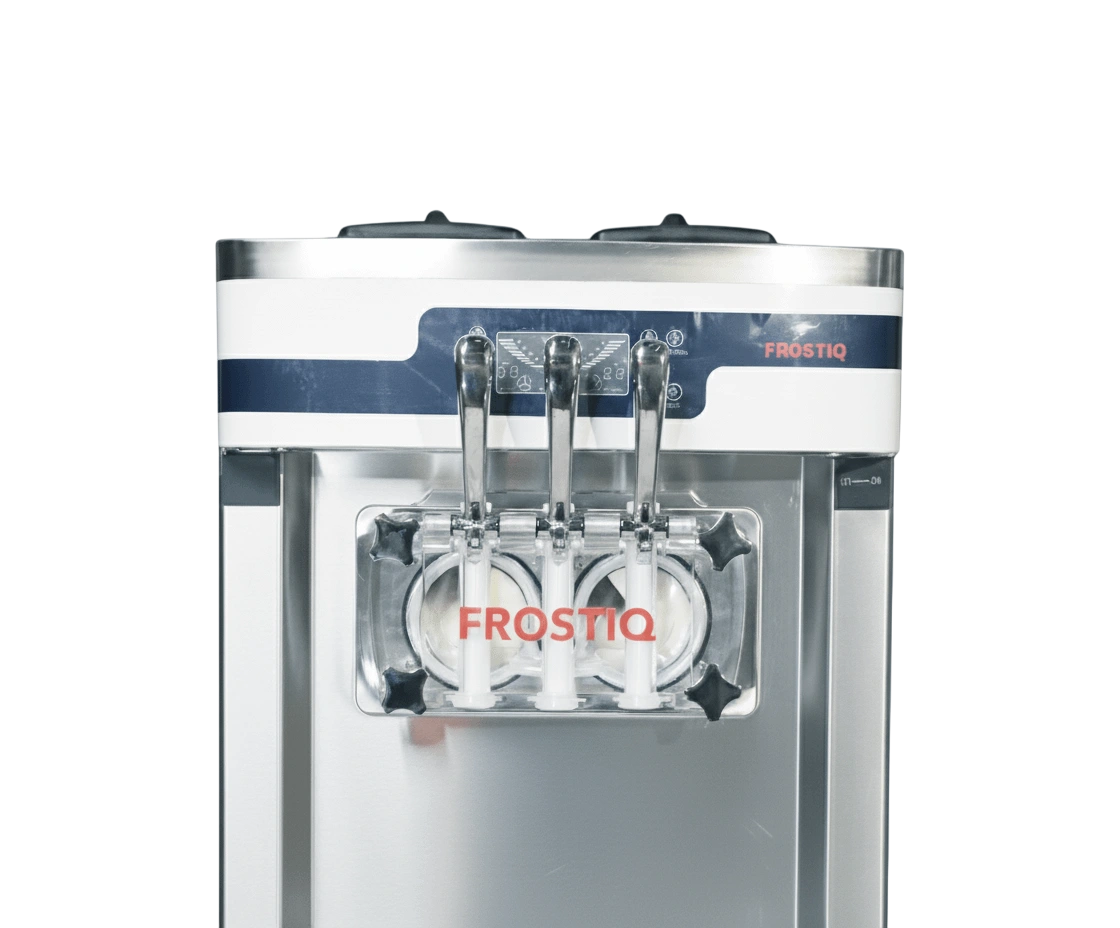
540 × 825 × 830mm
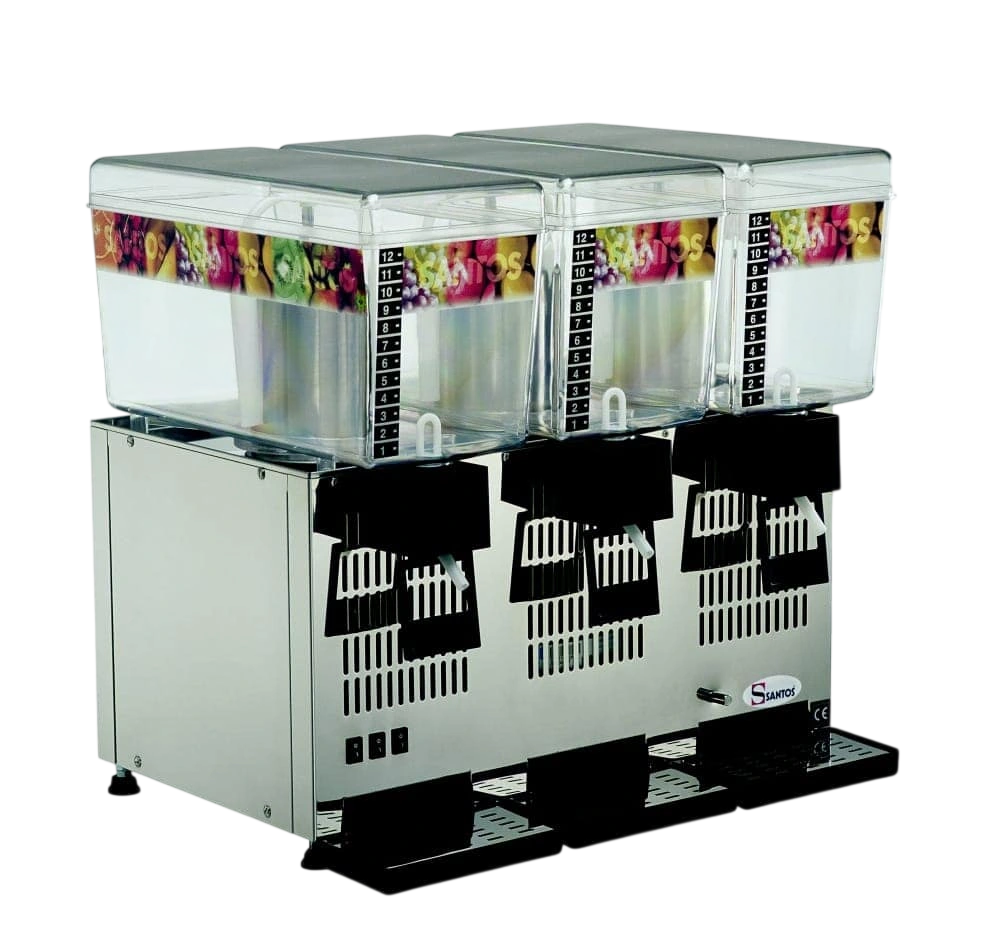
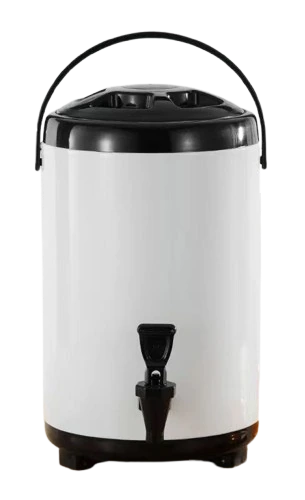
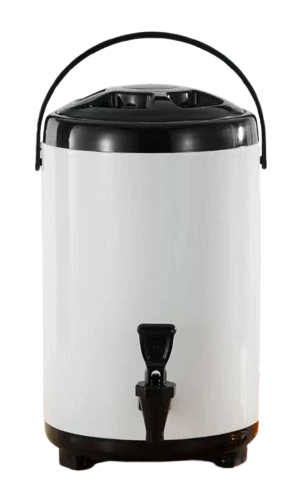
10 × 240 × 420mm
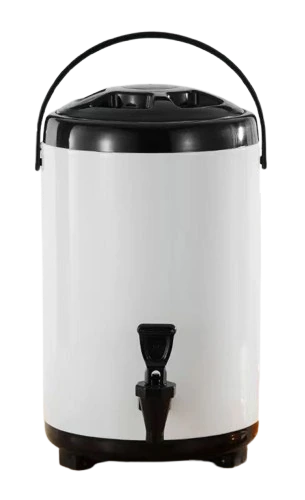
12 × 240 × 470mm
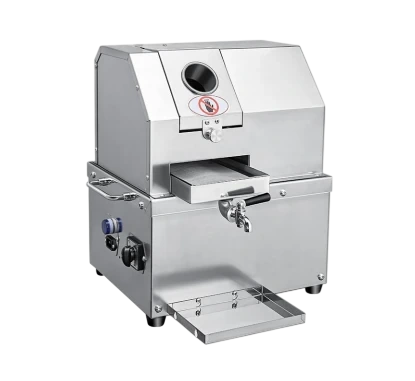
320 × 390 × 560mm
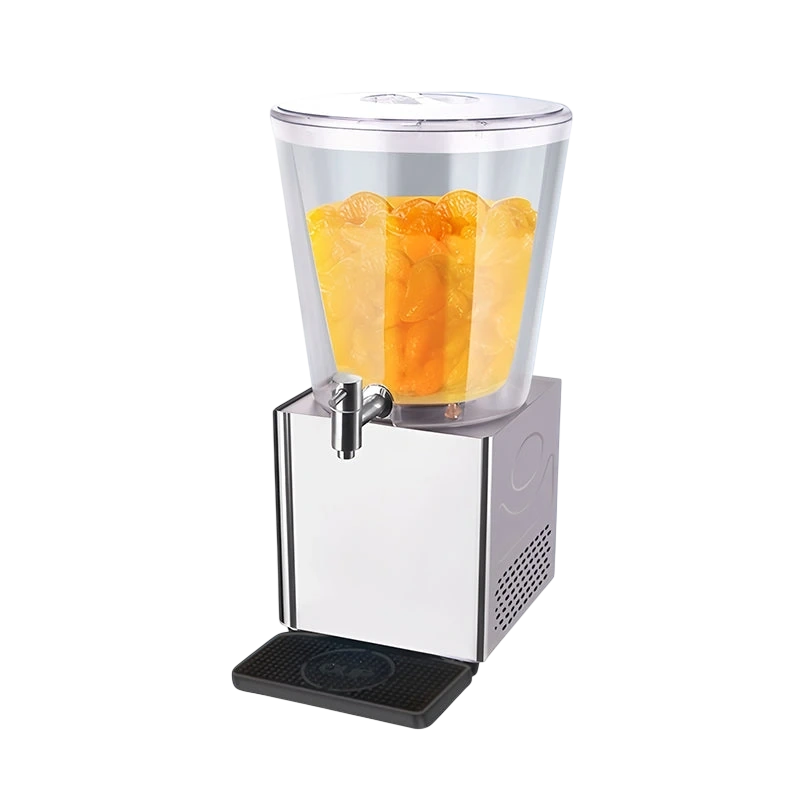
220 × 350 × 540mm
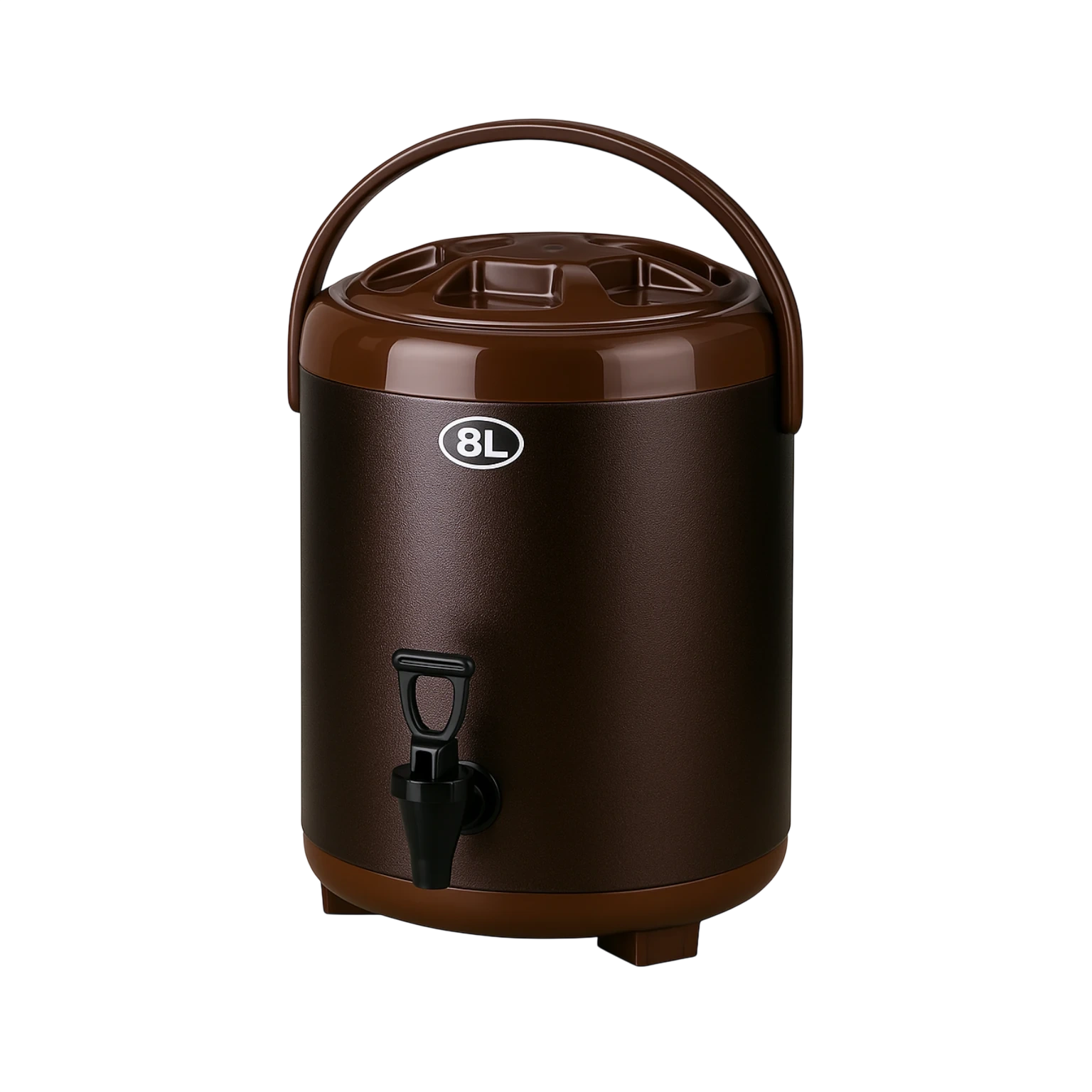
240 × 240 × 370mm
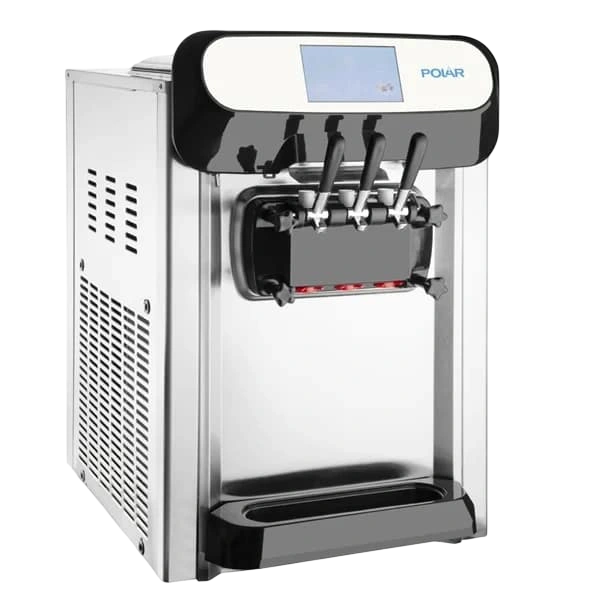
542 × 782 × 868mm
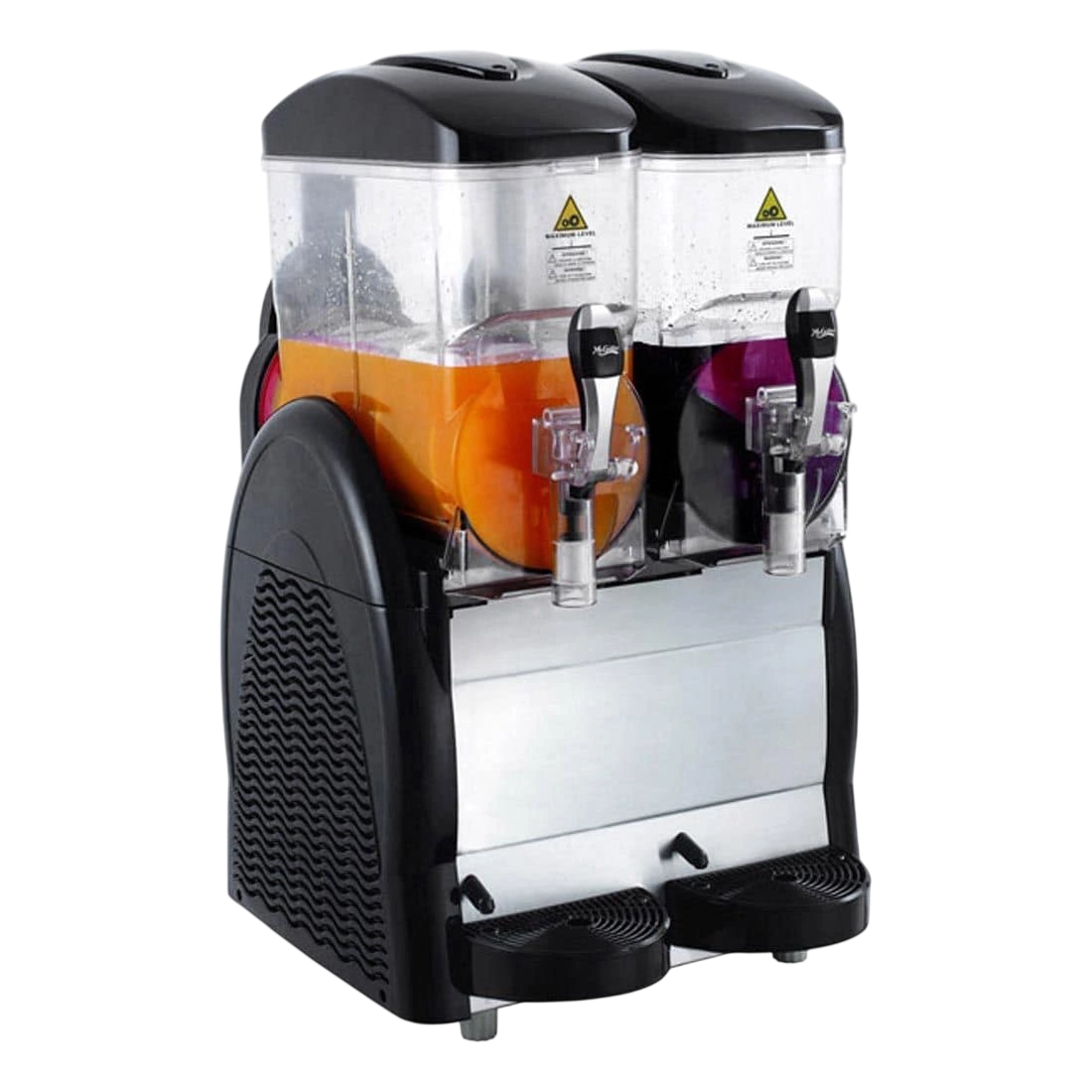
470 × 520 × 810mm
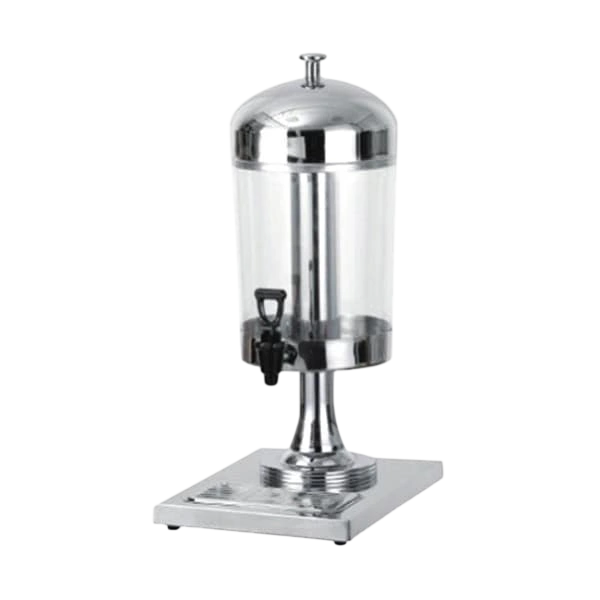
350 × 260 × 580mm
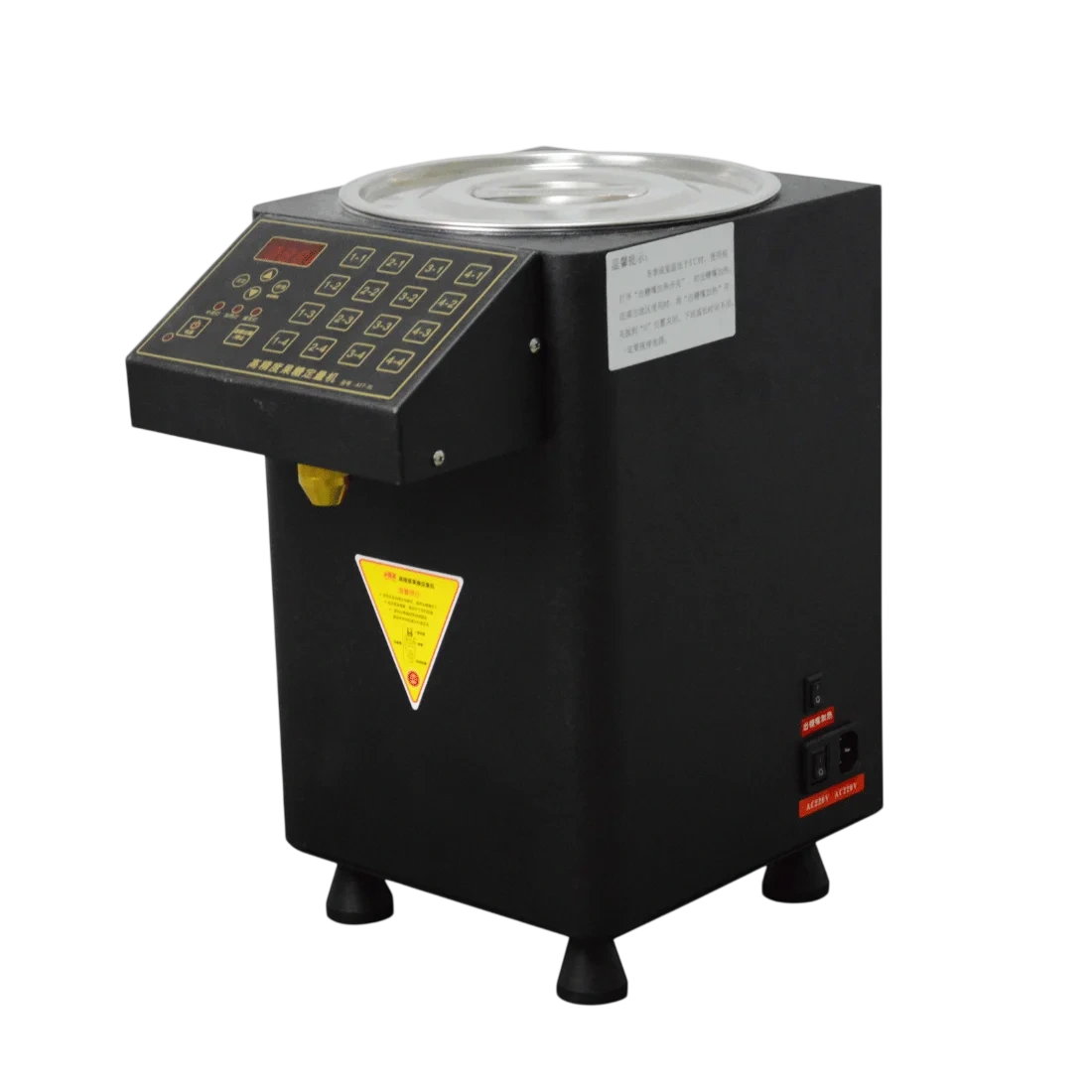
252 × 252 × 420mm
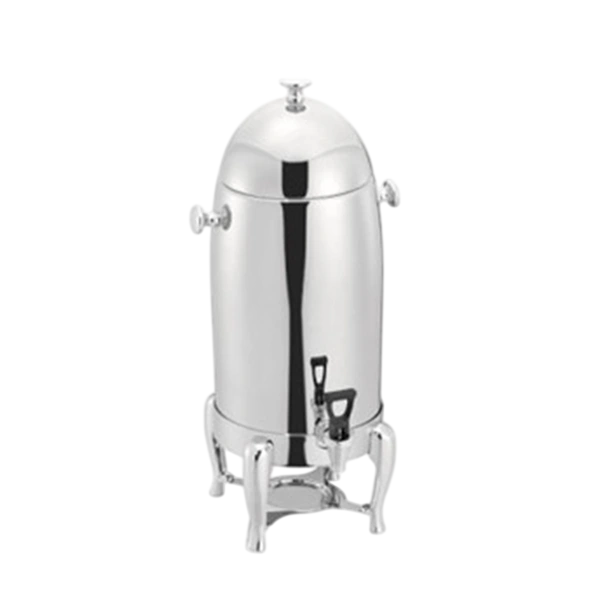
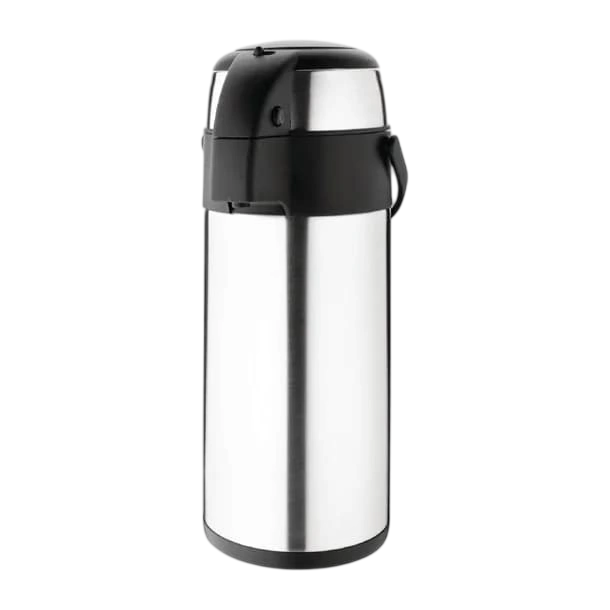
172 × 172 × 445mm