
Mecnosud
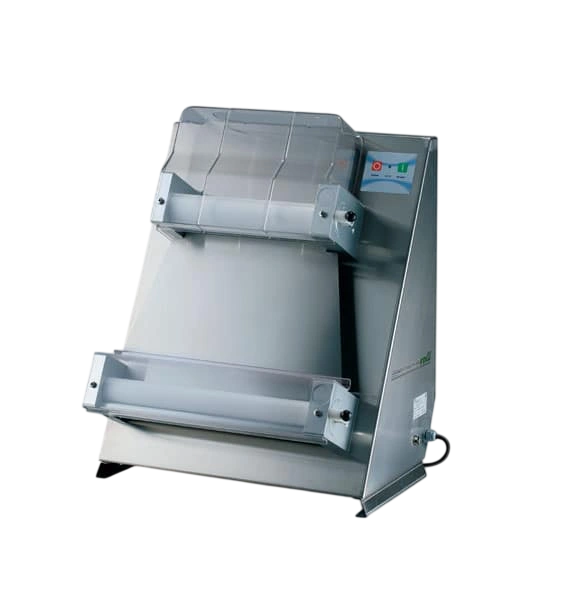
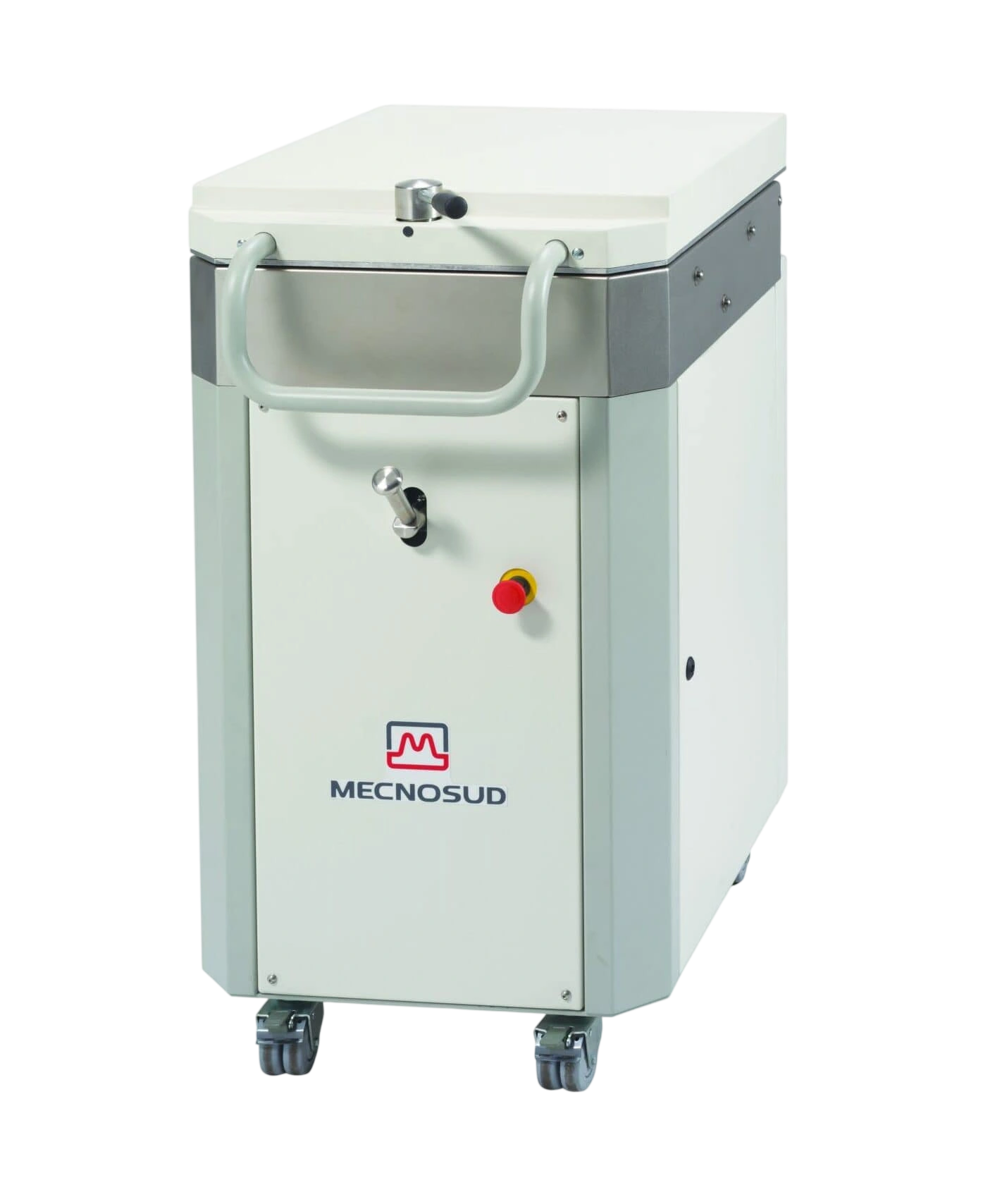
Mecnosud DRM1040 Dough Roller – 40cm Parallel, 100–700g Portions, Foot Pedal
520 × 450 × 750mm
$2,244.00$2,640.00
In Stock
Bakery Equipment
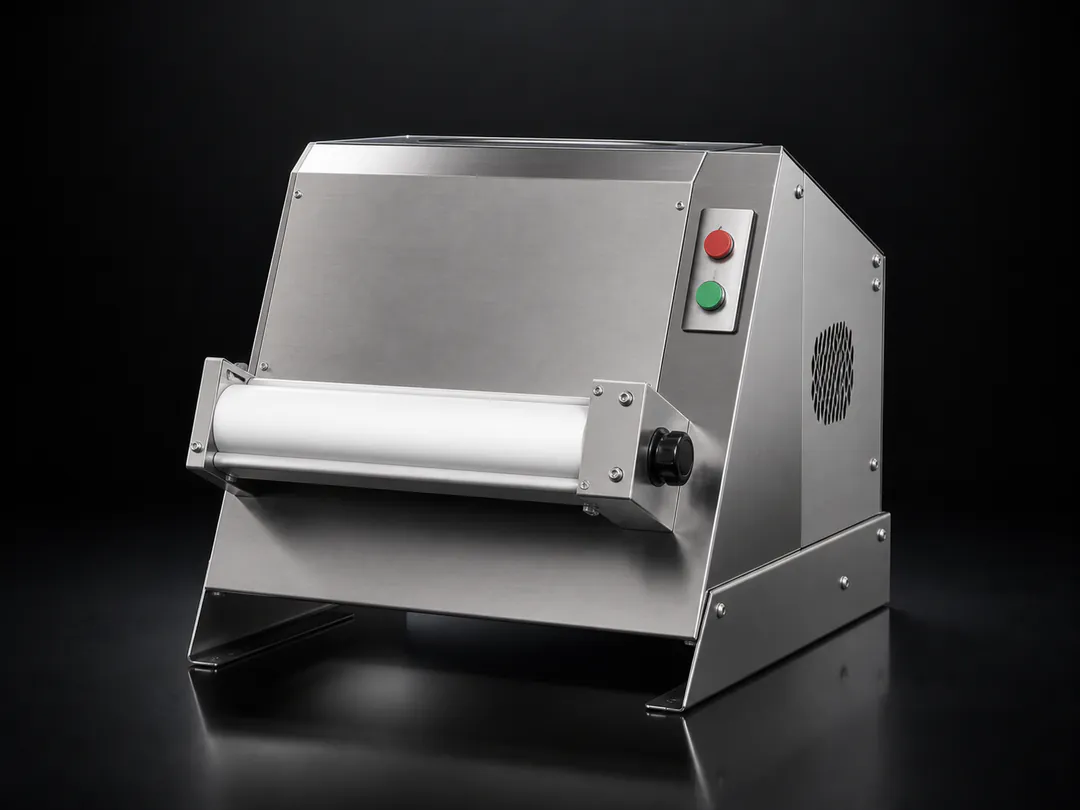
A dough roller works on portions rather than on a sheet. Pieces are fed in and come out rolled or rounded to a consistent shape, which is what makes it a throughput machine: the figure that matters is pieces per hour at the size actually being made, not the machine's maximum rating.
Piece size range is the first constraint. A machine set up for bread rolls handles a different weight range from one making pizza bases, and running near either end of a range gives less consistent results than working in the middle of it.
A dough rounder machine and a roller are often discussed together but do different things: rounding forms a ball with an even surface tension, while rolling flattens or extends a piece. Kitchens making both usually need both, and specifying one expecting it to do the other is a common disappointment.
Consider where the machine sits in the flow. A pastry roller that produces faster than the next step can accept simply creates a queue of dough drying on a bench, so match its output to the proving or shaping step that follows. Upstream, size the commercial spiral mixer by finished dough load and the batches this forming step can absorb.
Key factors to consider before purchasing. Our team can help you find the right fit — call or get a quote anytime.
Match equipment capacity to your daily output. Consider available floor space and door clearances.
Confirm levelling, wall clearance and the access needed for cleaning and service. We can help with kitchen planning.
Submit your kitchen requirements — our equipment specialists will send you a tailored shortlist of dough rollers & dough shaping machines that fits your budget, venue type and compliance needs.
Standards & Compliance
Before comparing dough roller machines, confirm the piece weight range, the pieces needed per hour at that weight, and what the next step in the process can absorb. Check the range you will work in sits comfortably inside the machine's limits rather than at an edge.
Look at how the rollers and any hopper are cleaned between doughs, whether flour dust is contained, and how the machine is guarded. Confirm which parts are replaceable, since rollers and belts wear with abrasive doughs and decide the working life.
FAQ
Use a divider for portioning, a rounder for consistent dough balls, and a roller or press for flattening. Heated presses reduce shrink-back and optimise speed in high-volume pizza kitchens.
No. Dough above 70% hydration cannot form surface tension and will not round properly.
No. Rollers flatten dough quickly but degas the structure and reduce cornicione lift. They are ideal for speed, not artisan-style bases.
A rounder forms a ball with even surface tension; a roller flattens or extends a piece. They are different operations, and a bakery doing both usually needs both rather than one machine attempting each.
Why KW
KW can help match a commercial dough roller to piece weight, throughput and the step that follows it, and identify when a rounder is the machine actually needed. For practical advice, call KW on 1300 001 366.
Deep Dive
Technical depth from KW's commercial kitchen specialists.
Rolling compresses dough and reduces internal gas, resulting in a flatter texture. This is suitable for fast-service pizza and flatbread production but reduces the artisan lift achieved through hand-stretching.
Volumetric dividers offer extremely consistent portion sizes but require dough to stay within a narrow temperature and weight window to maintain accuracy.
Proper rounding creates a sealed seam on the underside of the dough ball, ensuring stability during proofing and preventing bursting during baking.
Pressing redistributes moisture across the dough surface and slightly relaxes gluten, which helps maintain a uniform base diameter even during high-speed service.
Shaping machines require regular cleaning to prevent dough residue from building around rollers, dividing chambers, press plates and rounder cones. Commercial units typically include:
HACCP reviews concentrate on scraper mountings, cone grooves and divider chambers, where dough residue often accumulates.
Select the shaping machine that matches your dough style, hydration level and production volume. Then explore other bakery essentials to complete your commercial dough preparation line.
At the piece weight you actually make. Rated output is quoted at a convenient size, so recalculate pieces per hour at your own weight before comparing machines.
Sometimes, but results are less consistent at the edges of a weight range. If both sit near opposite ends of one machine's range, consistency suffers on both rather than on neither.
Roller and belt wear, particularly with abrasive doughs. Confirm which parts are replaceable at selection, because that decides whether wear means a part or a machine.
Rated output is quoted at a convenient piece size. Work out pieces per hour at the weight the bakery really produces, and treat that as the comparison figure rather than the headline rating.
Rounding forms a ball with even surface tension; rolling flattens or extends a piece. A dough rounder machine will not sheet and a roller will not round. Kitchens doing both generally need both rather than a compromise.
A machine that produces faster than proving or shaping can accept creates a queue of dough drying on a bench. Size the roller to the step that follows it rather than to the fastest part of the line.
Rollers and belts wear with abrasive doughs, so confirm which parts are replaceable before choosing. Check how the machine is cleaned between doughs and how flour dust is contained, since both happen daily.
18 results
520 × 450 × 750mm
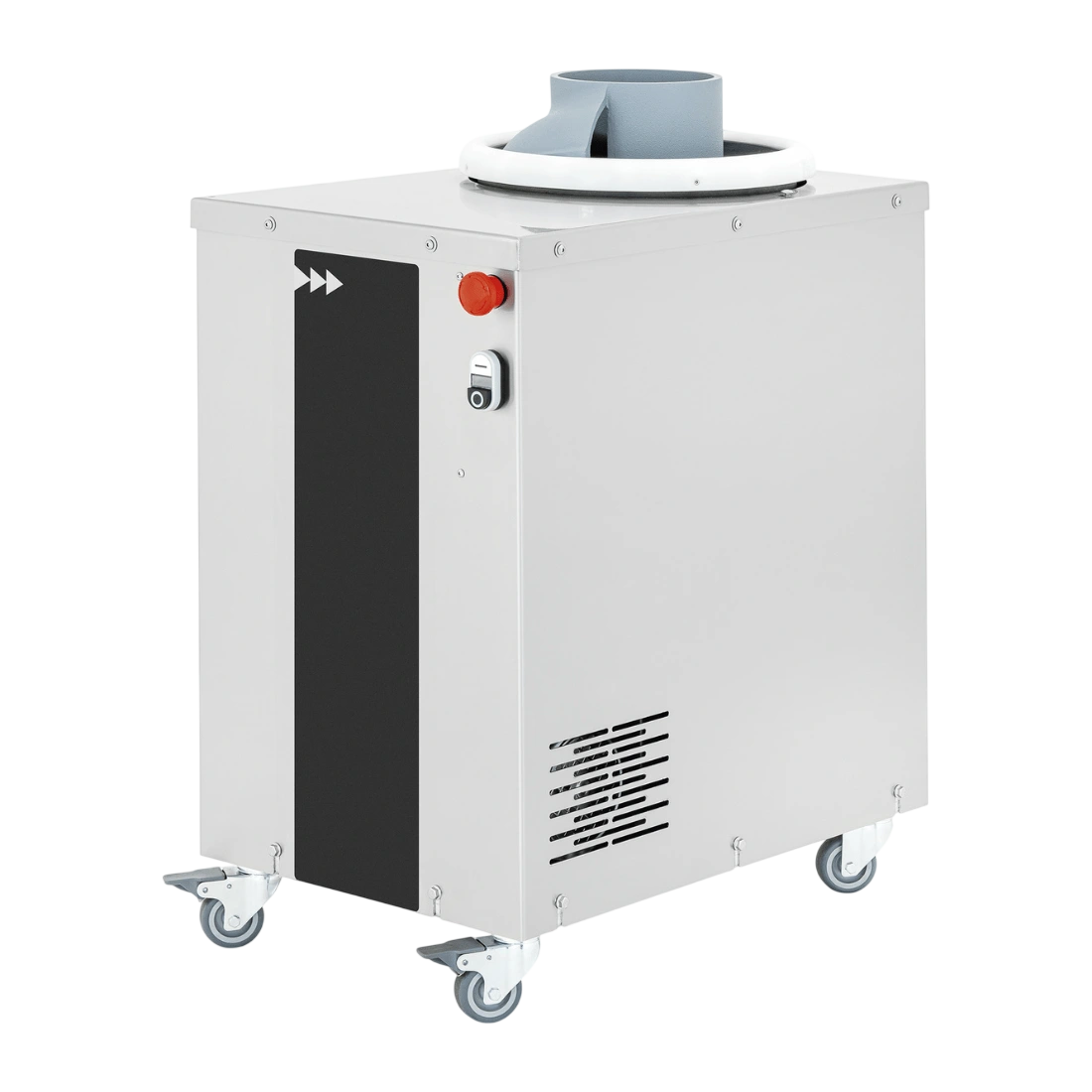
510 × 510 × 750mm
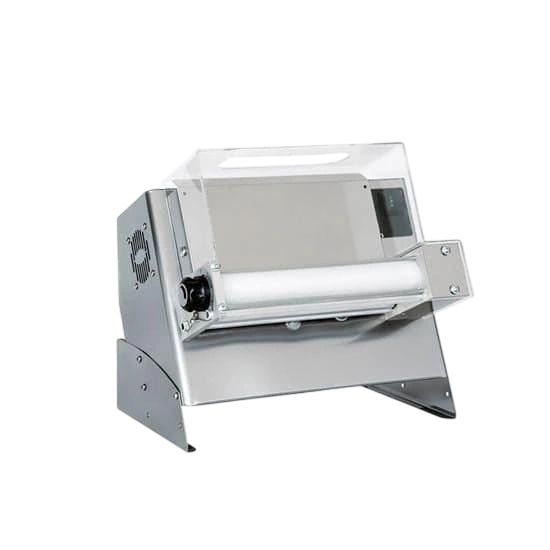
480 × 355 × 430mm
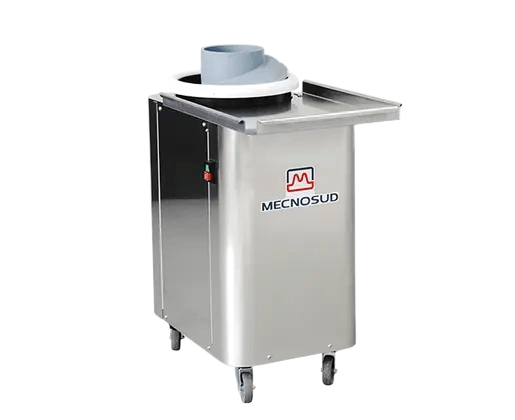
436 × 738 × 838mm
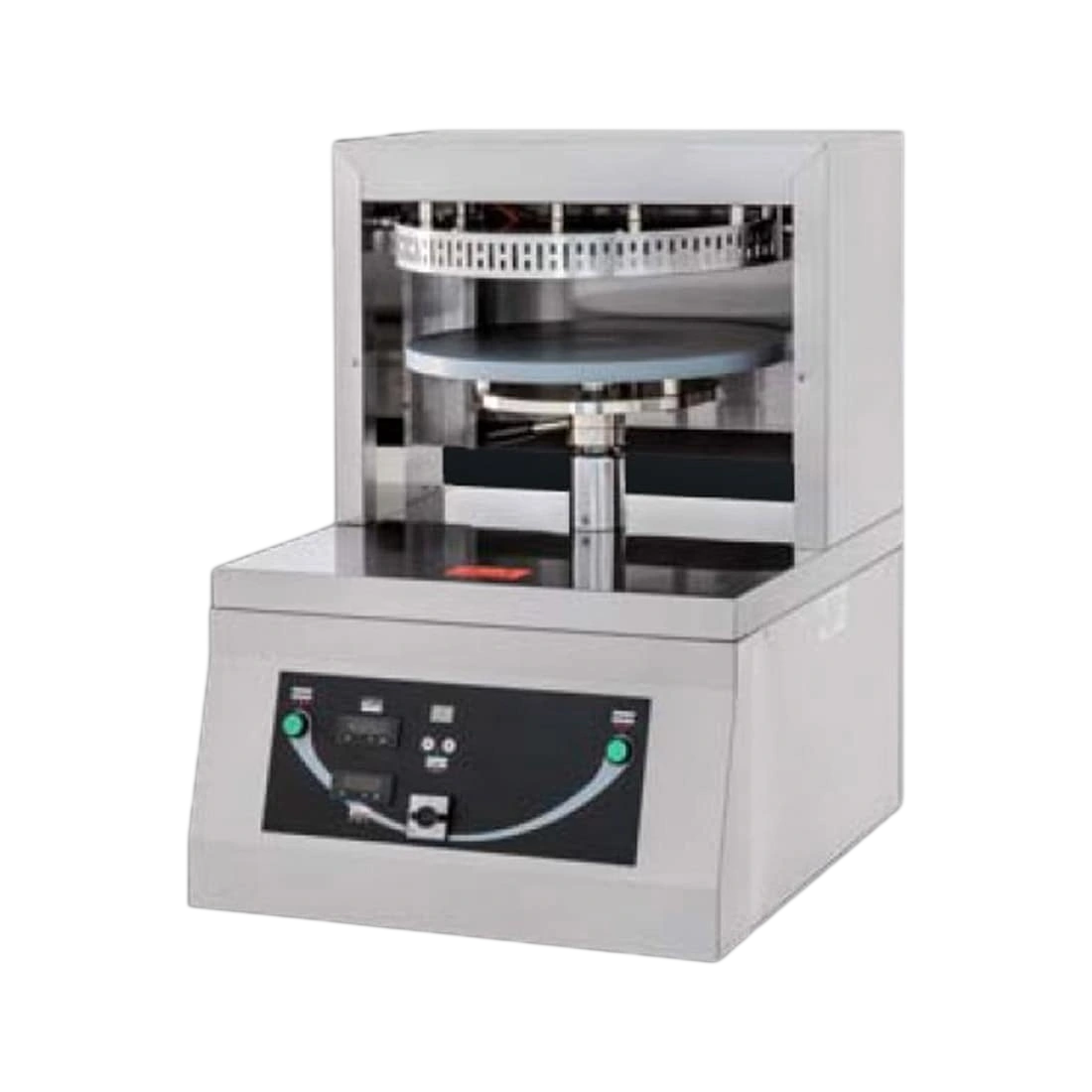
470 × 590 × 830mm
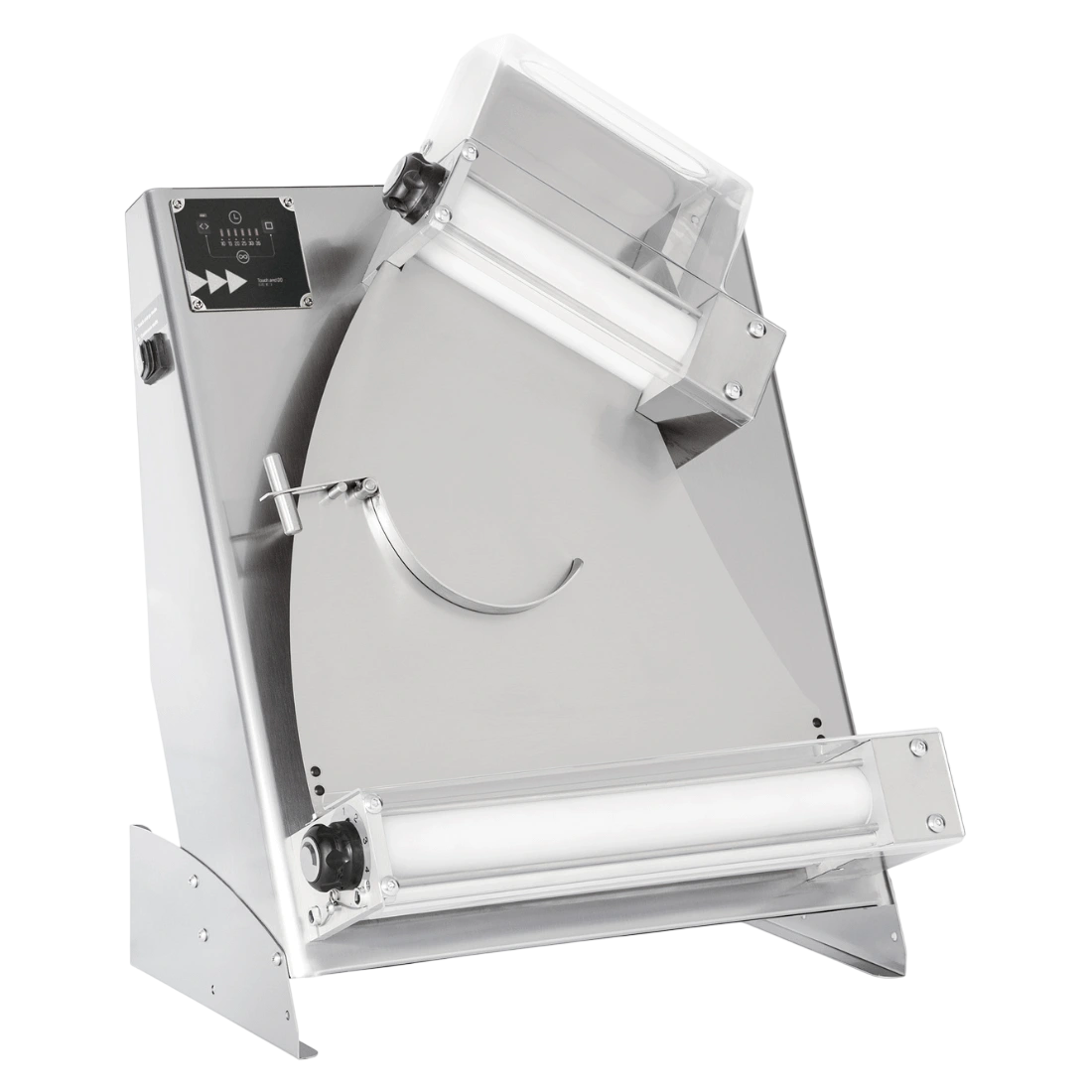
585 × 435 × 790mm
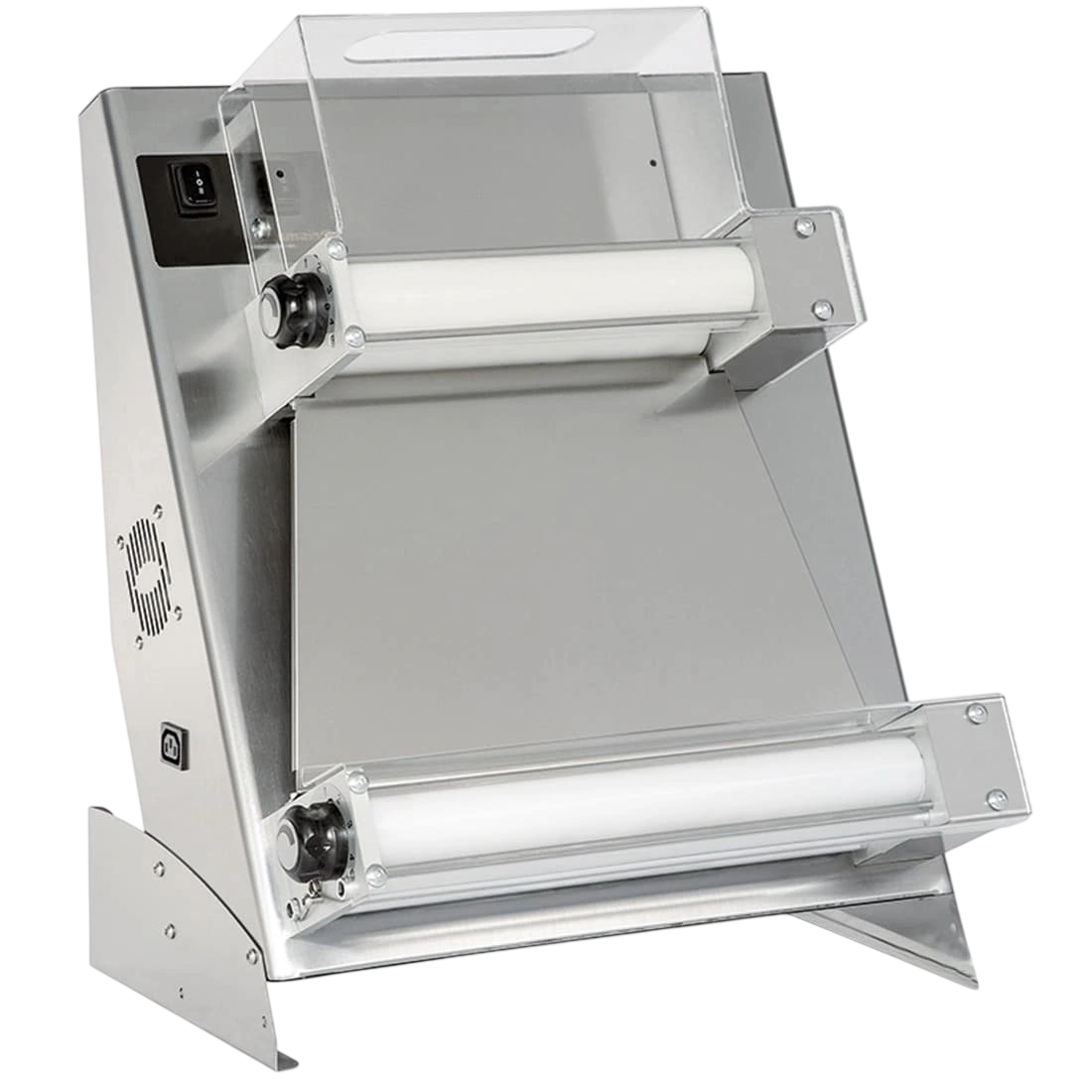
540 × 410 × 680mm
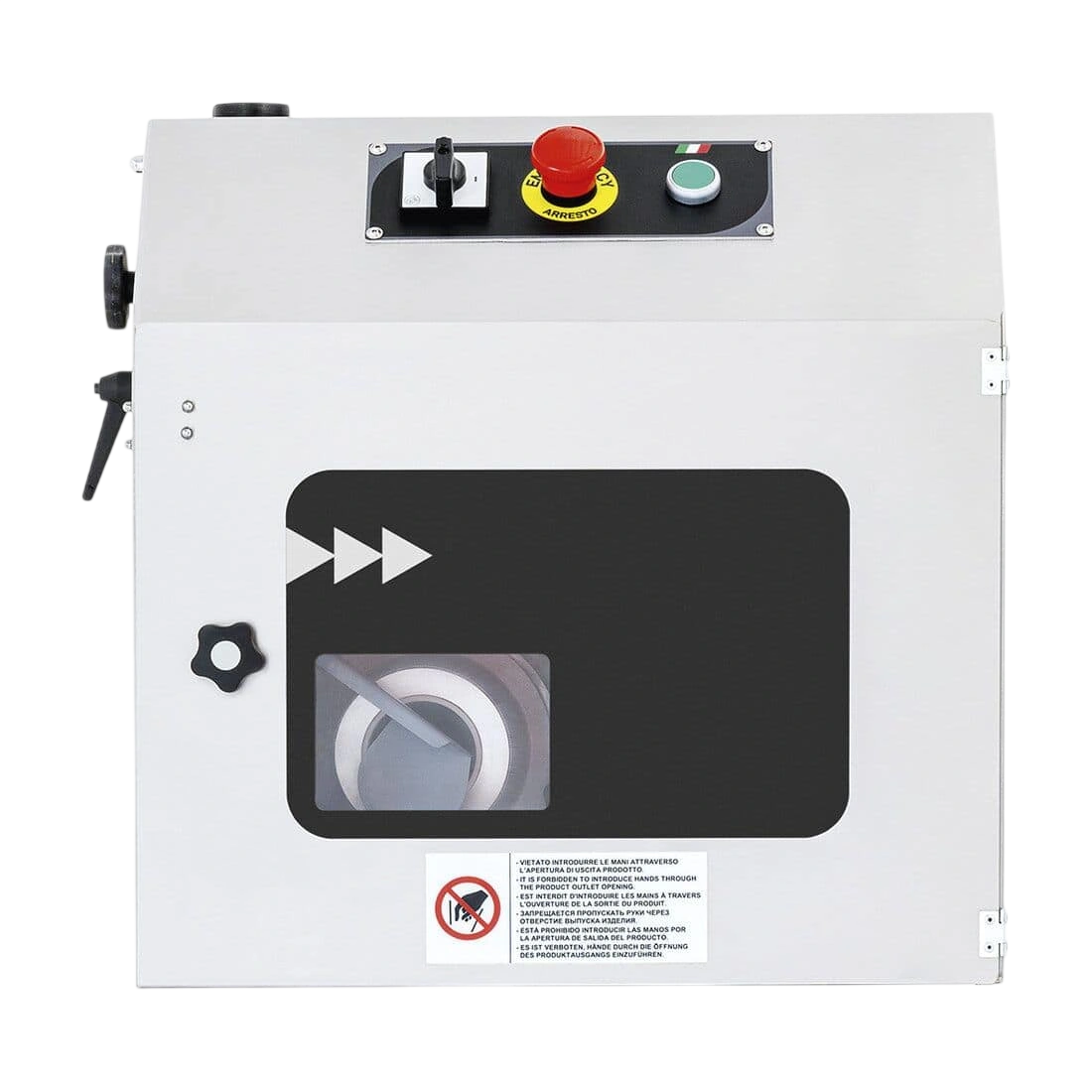
510 × 530 × 830mm
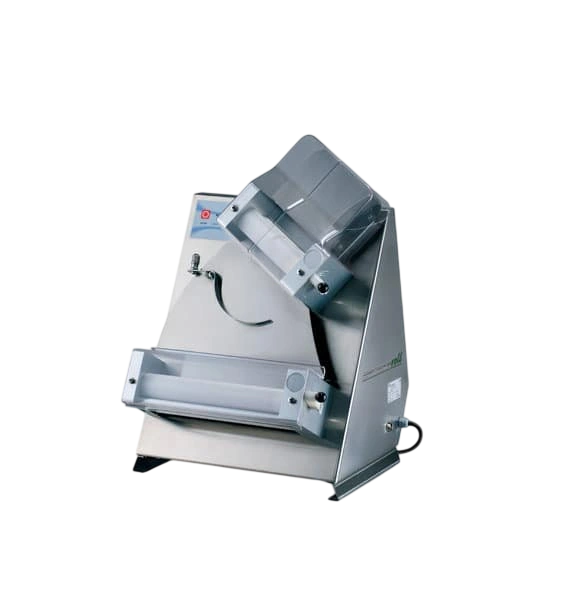
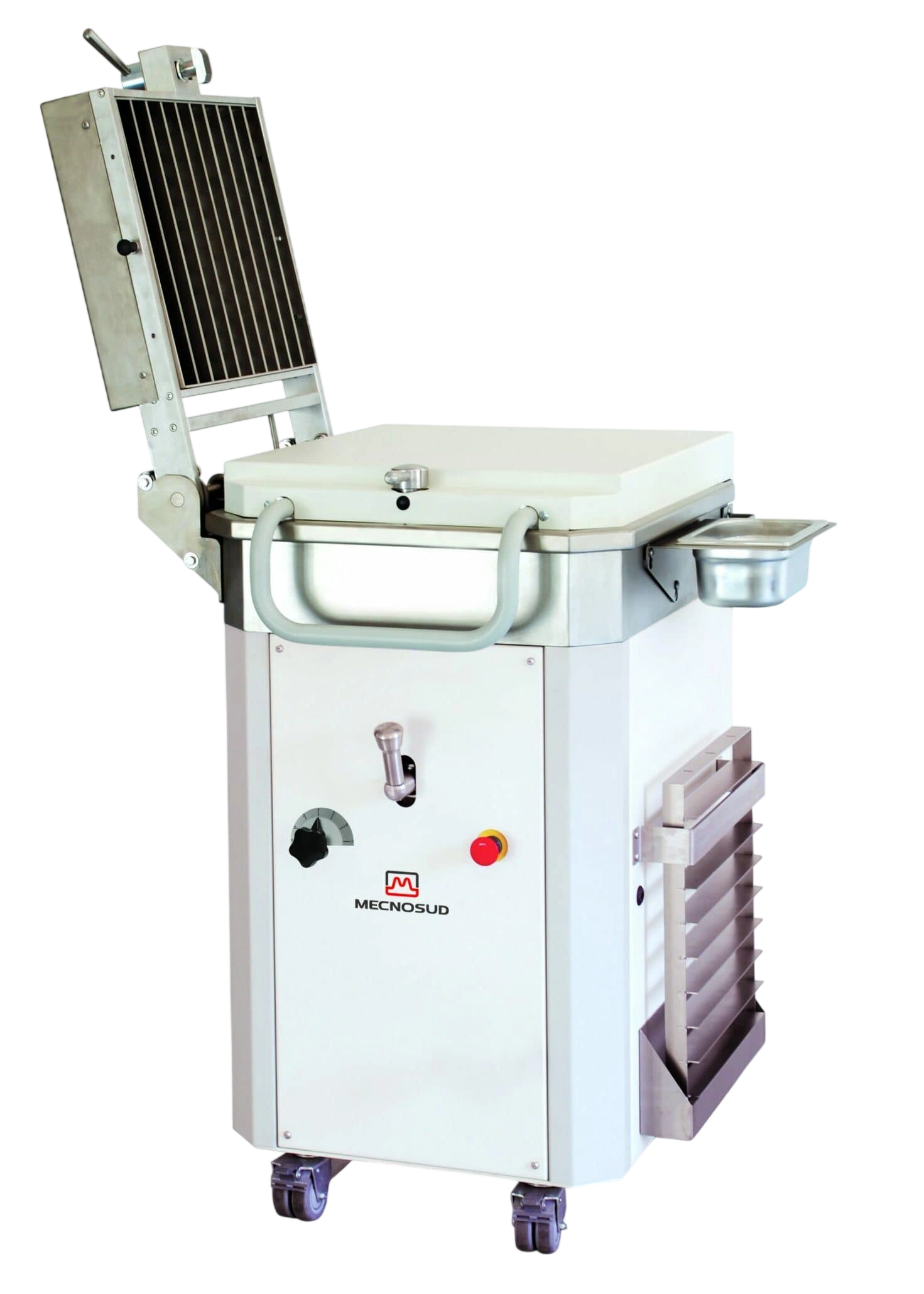
585 × 800 × 1732mm
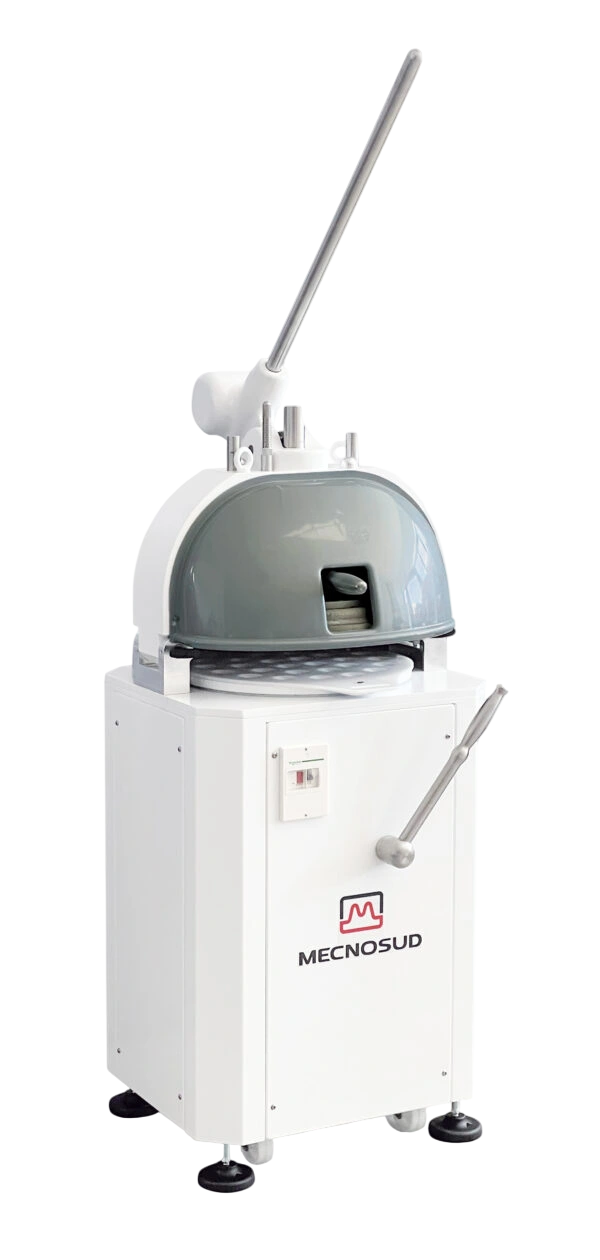
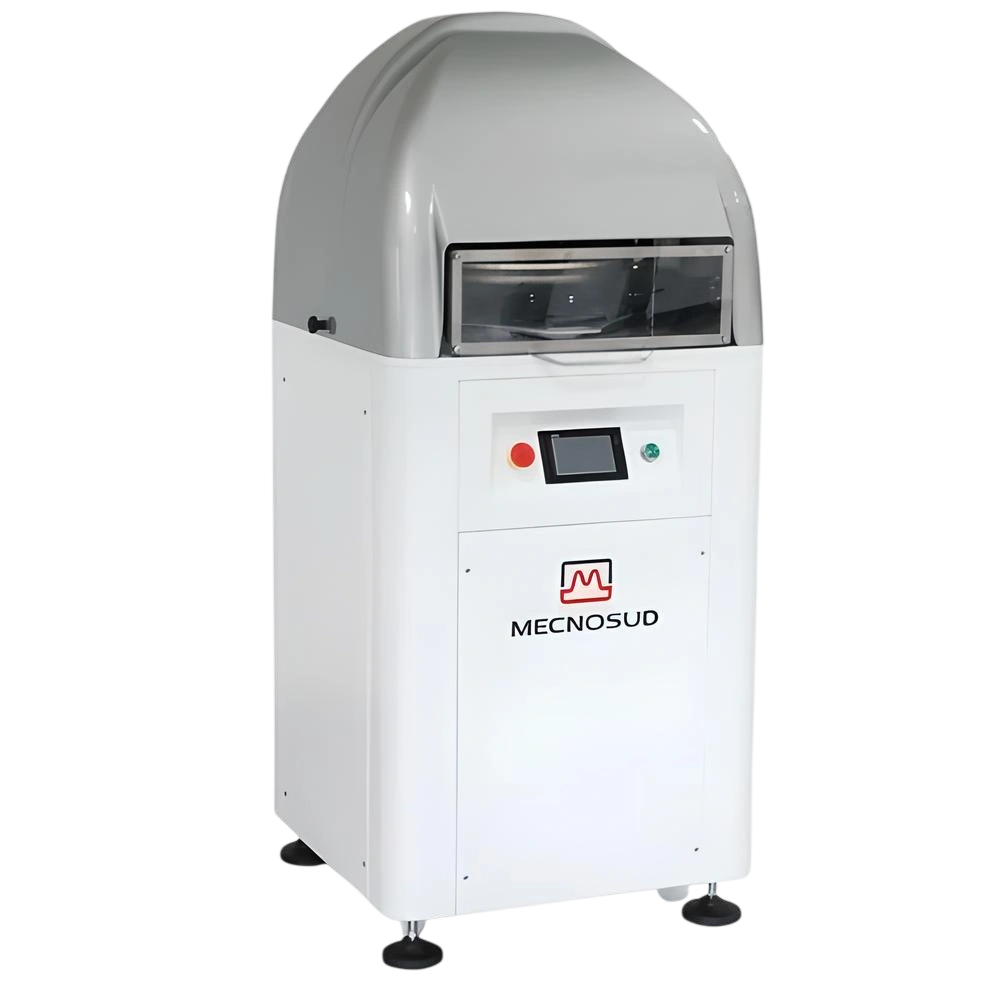
653 × 653 × 1465mm
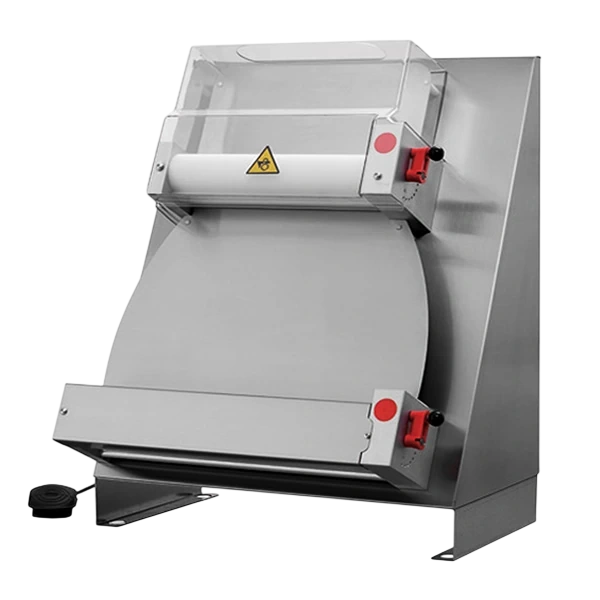
590 × 530 × 790mm
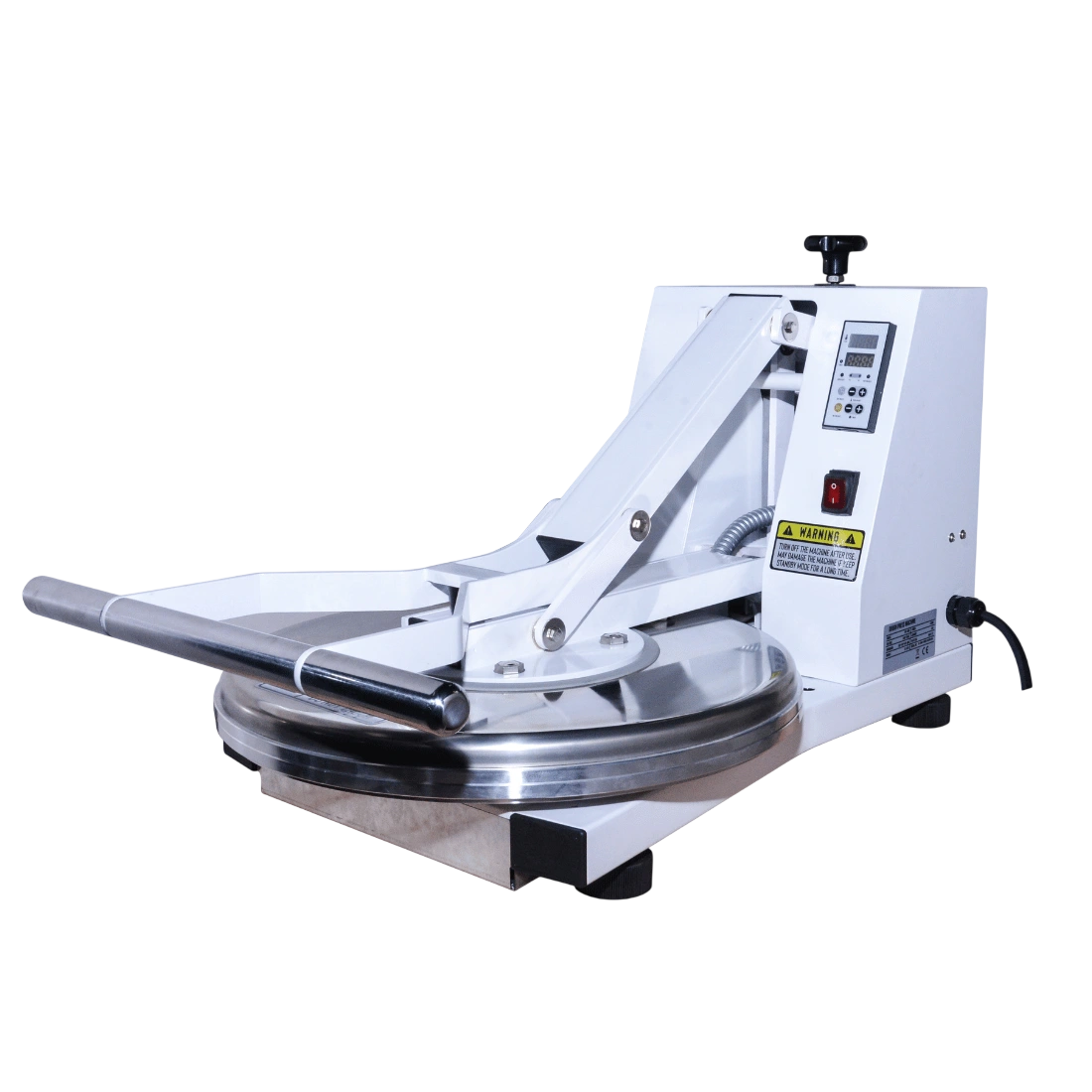
470 × 470 × 765mm
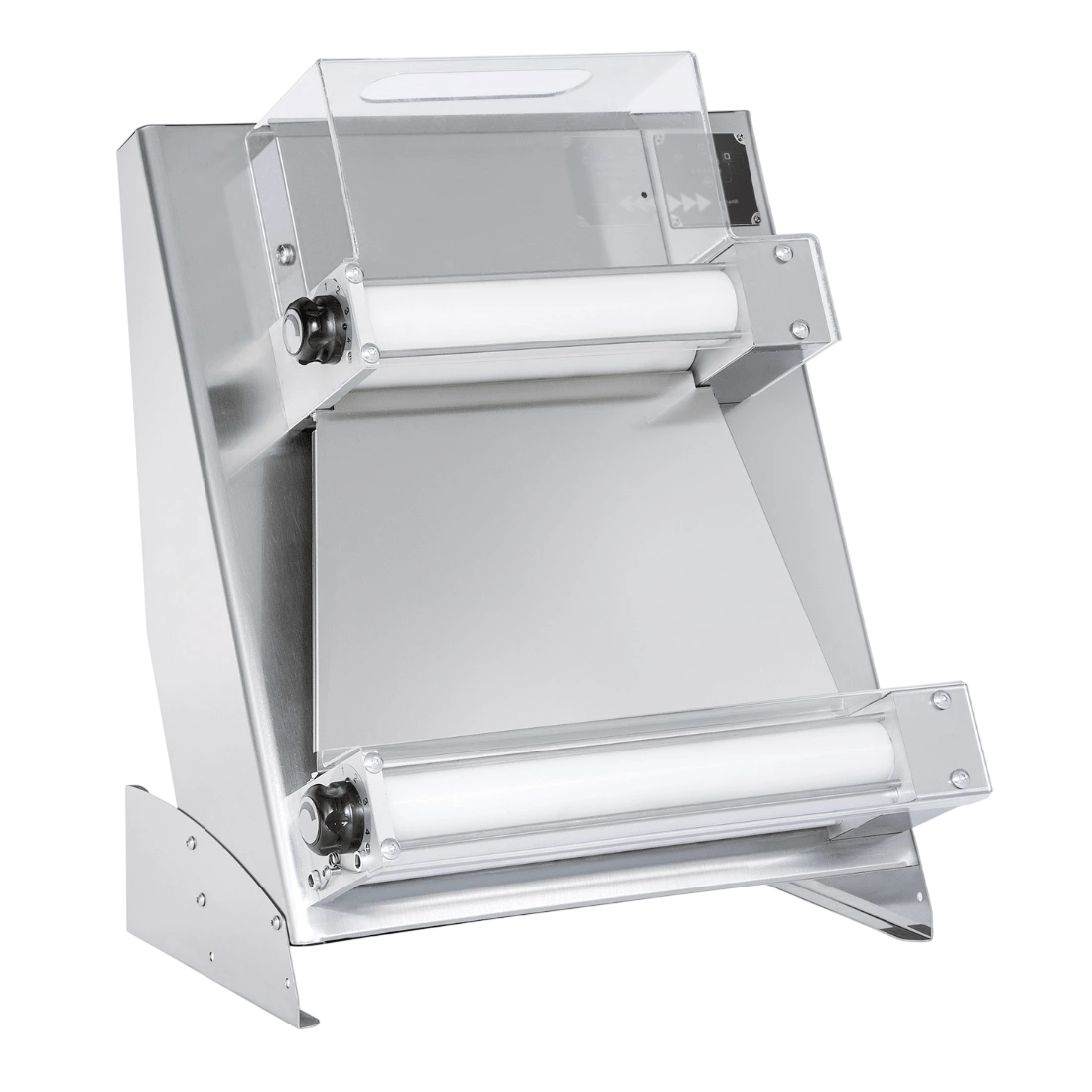
635 × 435 × 680mm