
Mecnosud
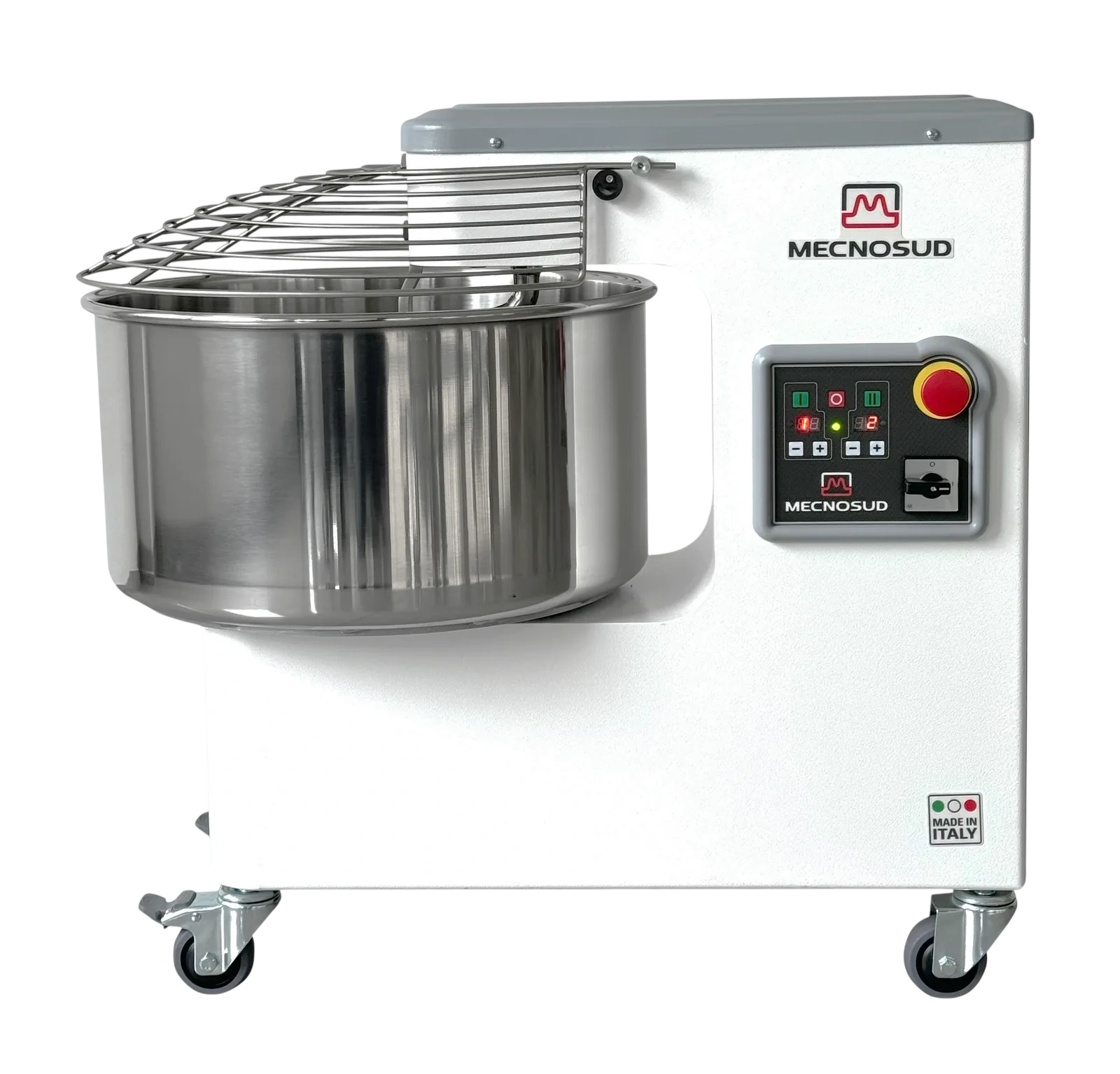
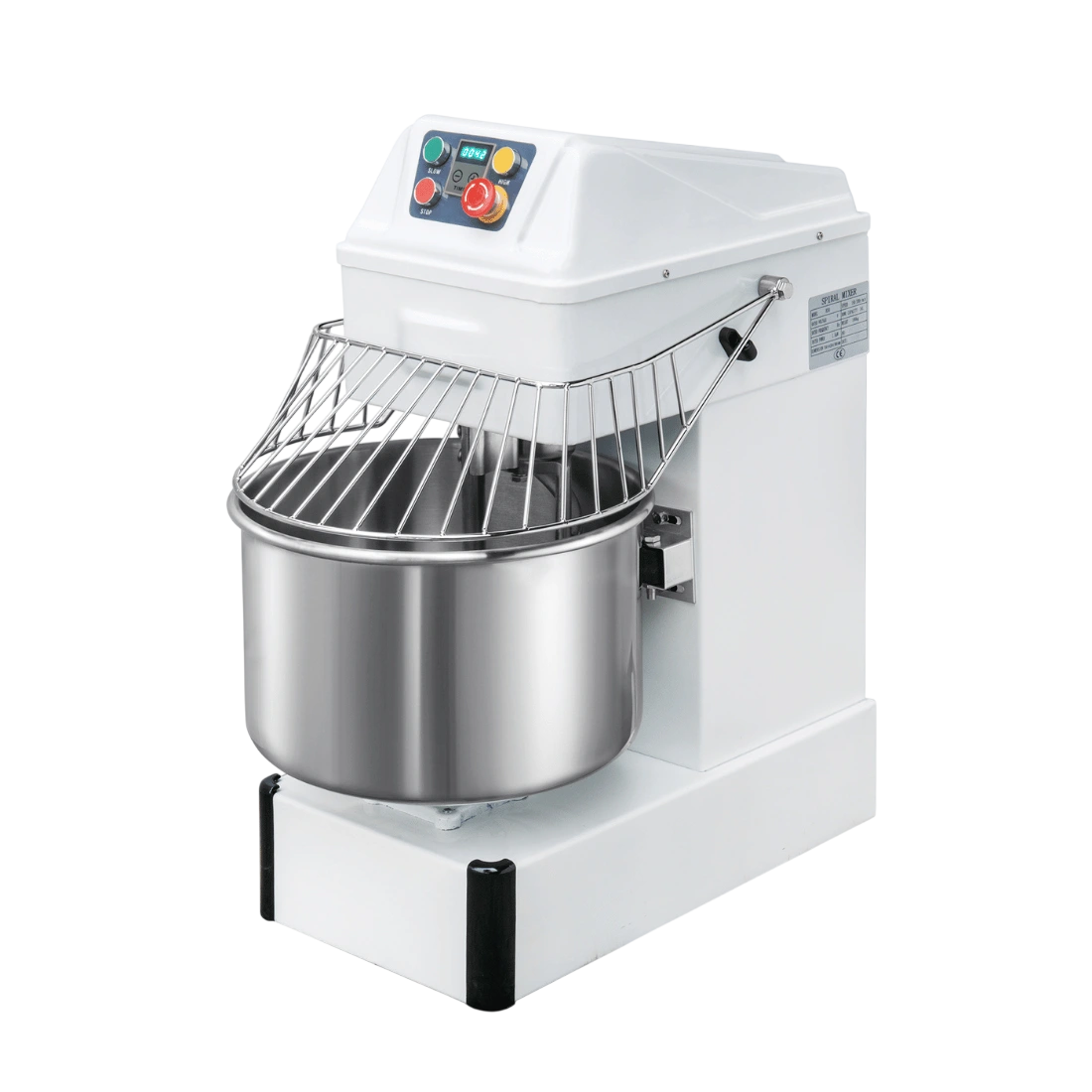
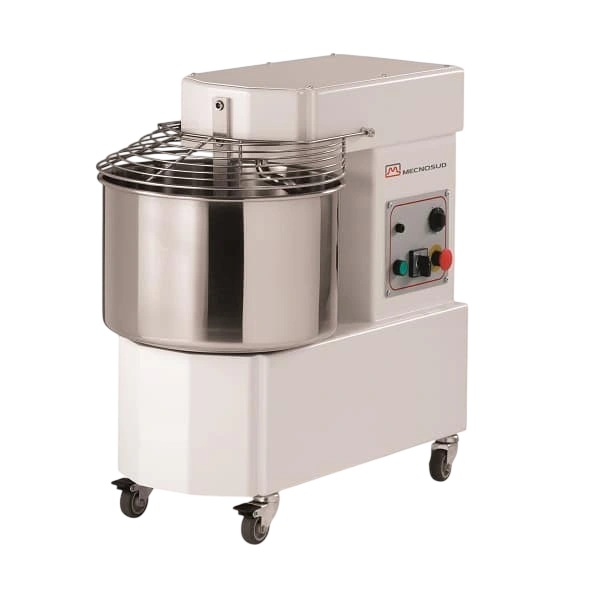
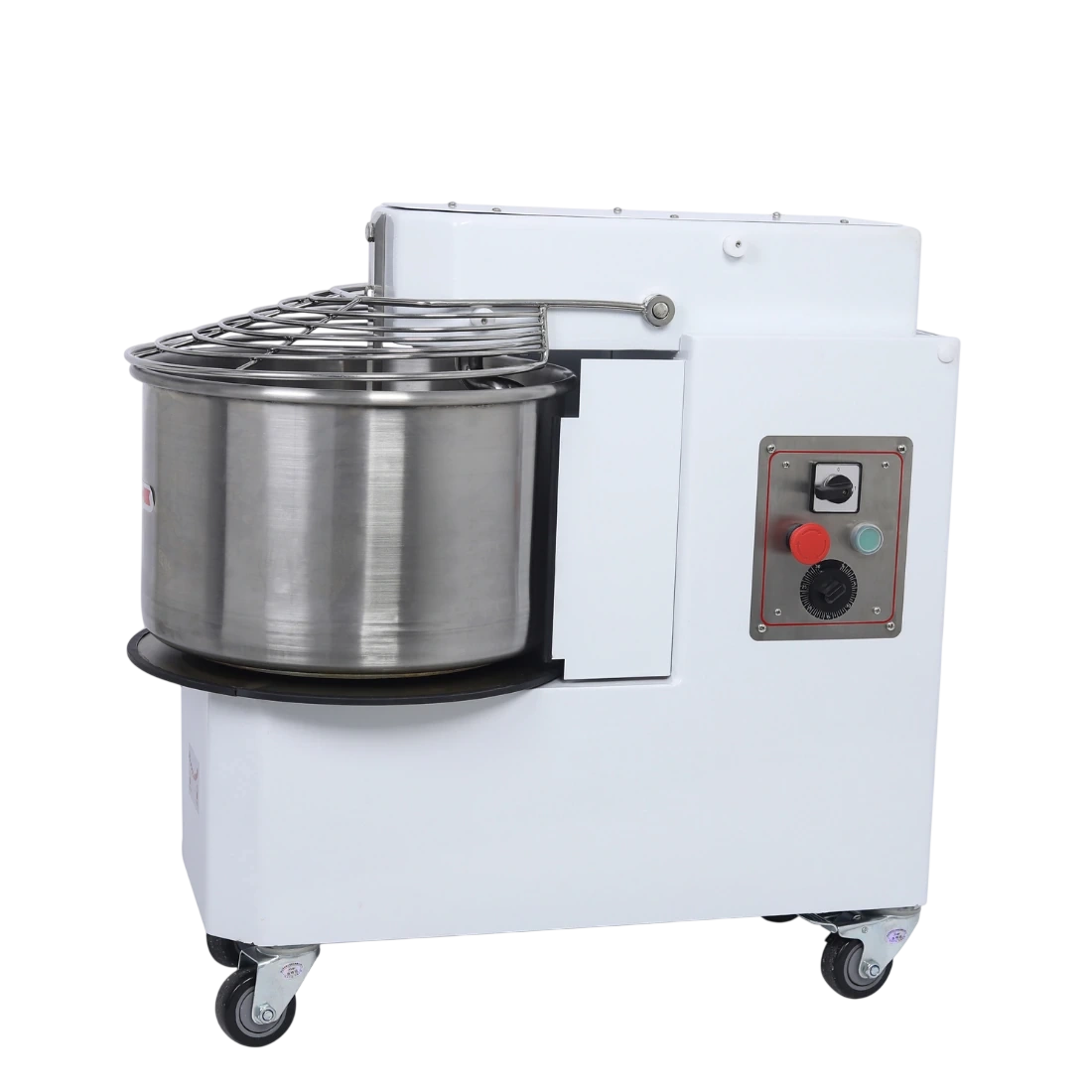
Mecnosud SMM3344 Fixed Head/Bowl 2 Speed Single Phase Spiral Mixer
860 × 530 × 790mm
$5,100.00$6,000.00
In Stock
Commercial Baker Mixers
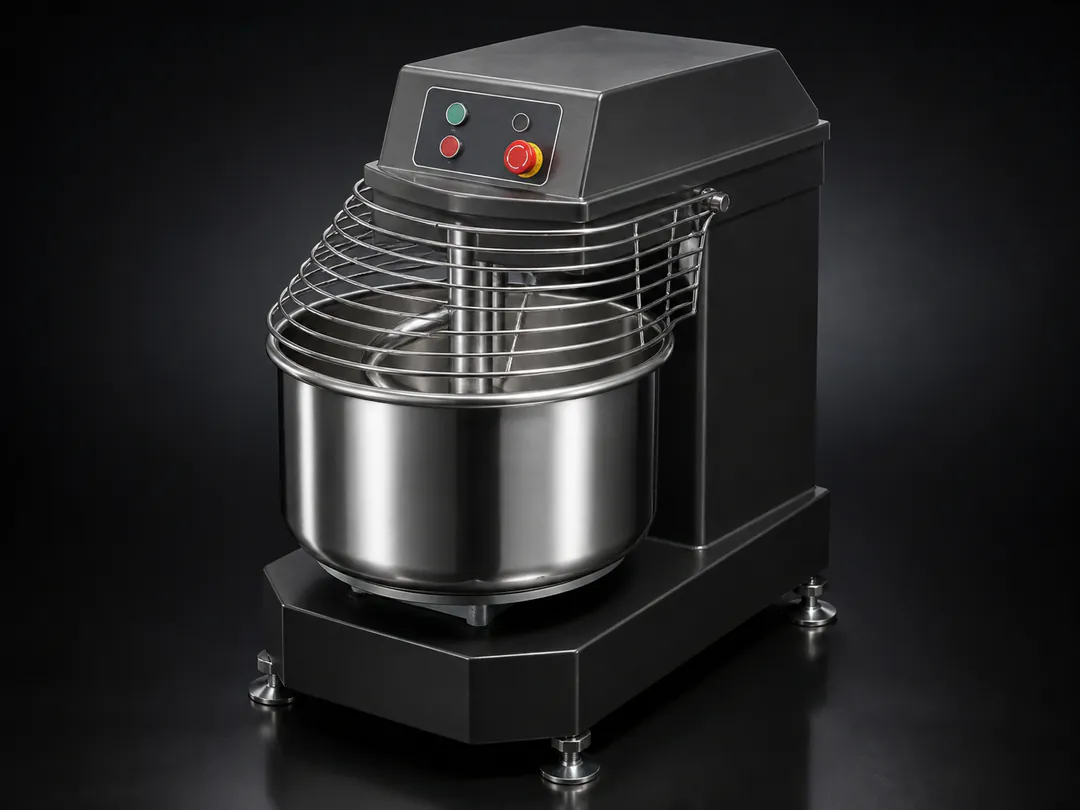
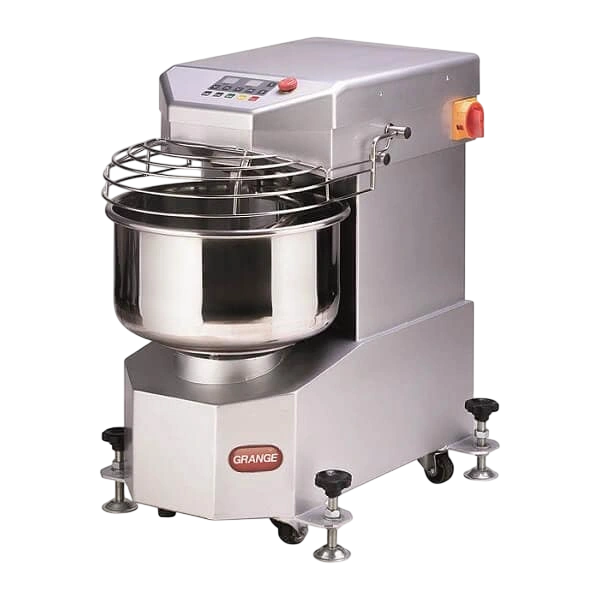
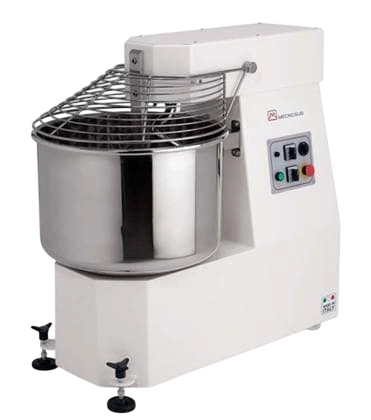
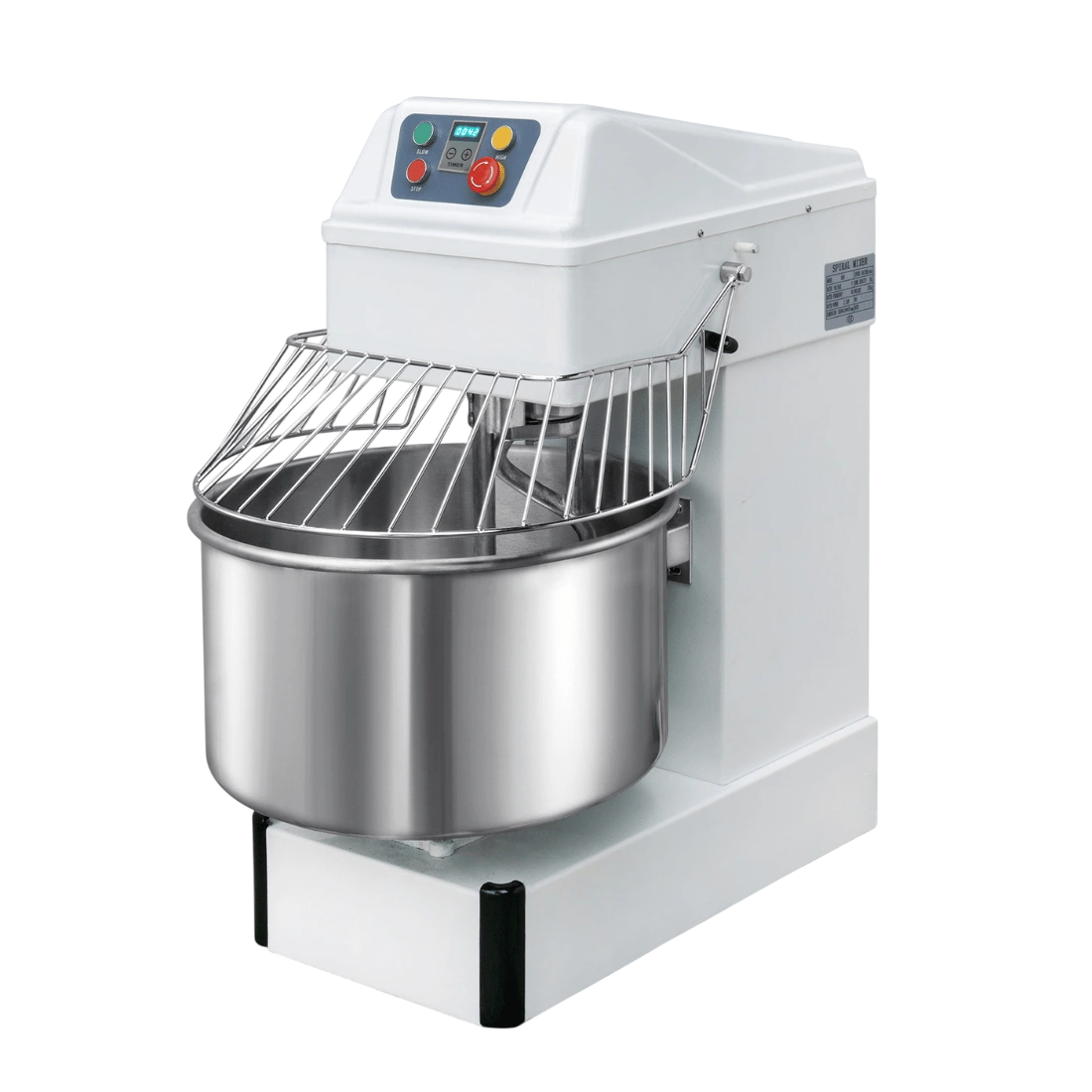
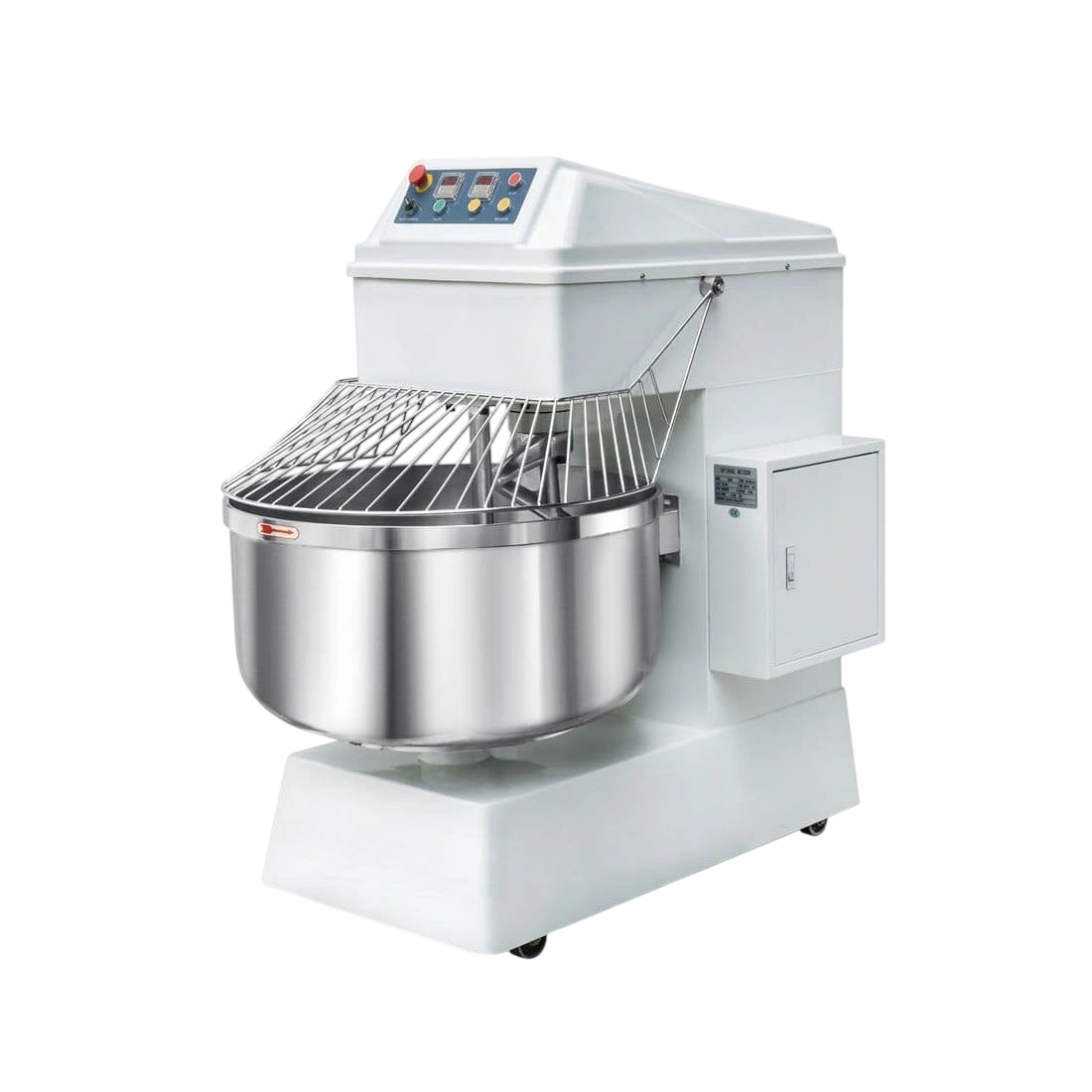
A commercial spiral mixer is designed around dough development: the spiral tool works the dough while the bowl presents the batch through the mixing path. Capacity should be based on finished dough load and recipe behaviour, not bowl volume alone, because flour, water and inclusions create different loads as they combine.
Map the batches required for a production shift, including mixing, resting, dividing and bowl clean-down. A larger mixer can reduce the number of cycles, but it may also create dough that cannot be handled, fermented or baked in time by the next stage.
Key factors to consider before purchasing. Our team can help you find the right fit — call or get a quote anytime.
Match equipment capacity to your daily output. Consider available floor space and door clearances.
Confirm levelling, wall clearance and the access needed for cleaning and service. We can help with kitchen planning.
Submit your kitchen requirements — our equipment specialists will send you a tailored shortlist of spiral mixers that fits your budget, venue type and compliance needs.
Standards & Compliance
Give the supplier representative recipe details and both the usual and smallest dough batches. Confirm the permitted flour and finished-dough limits for the exact model rather than converting one figure into the other by assumption.
Single-speed, two-speed and programmable controls offer different ways to manage incorporation and development. Staff still need a repeatable loading order, a clear stop point and safe access for removing dough and cleaning the bowl.
FAQ
Yes. Their torque and dual-motion design make them ideal for stiff, low-hydration dough and high-protein flour.
Incorrect wiring reverses bowl rotation, preventing gluten alignment and damaging dough structure.
Yes—cleaning is faster, hygiene inspection is easier and batch changeovers are significantly more efficient.
Calculate the finished dough weight from the full recipe and record the flour input separately. Confirm that the exact model accepts both the largest planned load and the smallest routine batch, then check that downstream dividing, proving and baking can handle each release.
Why KW
The production schedule leads KW's spiral-mixer discussion, beginning with dough needed per batch and the capacity of dividing, proving and baking stages downstream. Bowl size, available control formats and clean-down time can then be assessed against that rhythm; call 1300 001 366.
Deep Dive
Technical depth from KW's commercial kitchen specialists.
The synchronised cadence between the bowl and spiral hook distributes mechanical energy evenly throughout the dough, preventing shear-force spikes that can damage gluten networks. This produces stronger dough with improved gas retention and better crumb structure.
Spiral mixers deliver excellent results with cold water or refrigerated flour—common strategies in pizza and sourdough bakeries. Cold mixing controls fermentation speed, stabilises dough structure and supports long fermentation schedules.
A spiral mixer must rotate the bowl in the correct direction for gluten alignment to occur. If wired incorrectly, the bowl will spin in reverse, causing:
This is one of the most common installation errors in commercial kitchens.
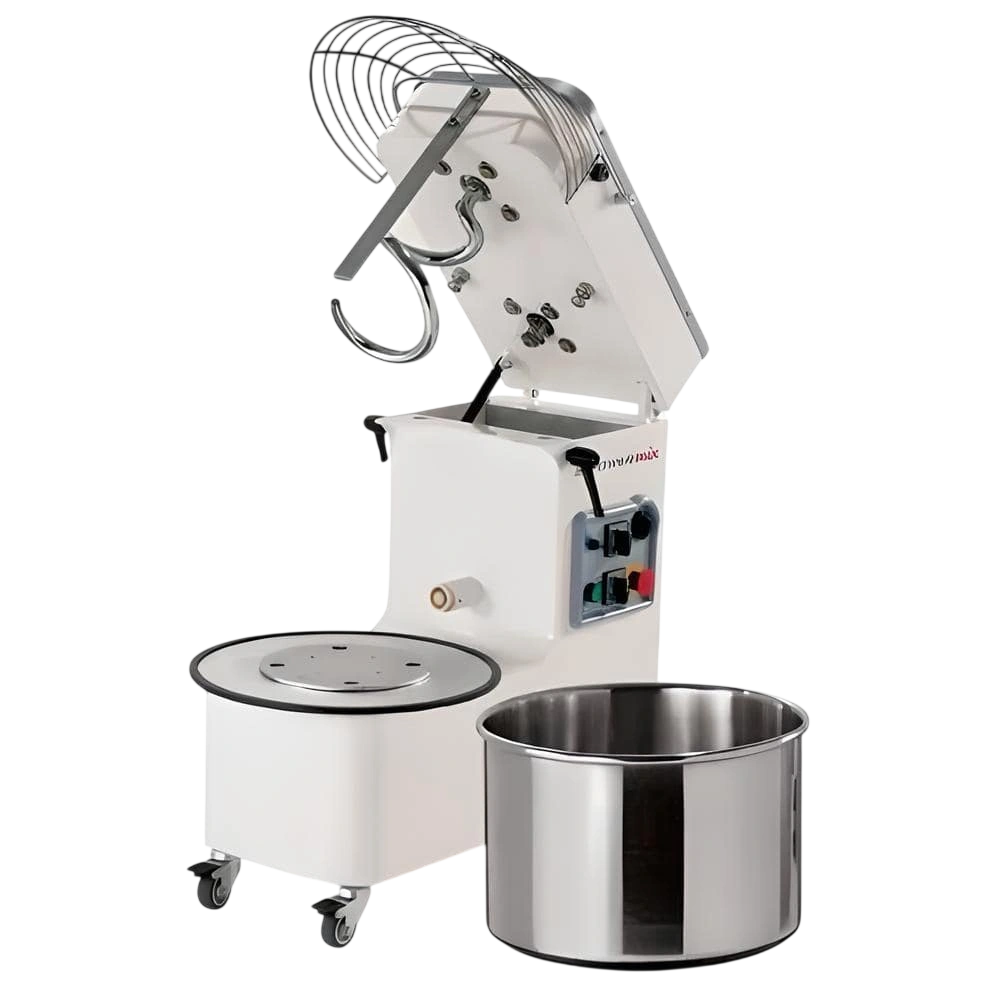
Spiral mixers require attention to bowl lips, hook shafts and frame edges where dough residue collects. Removable bowls simplify deep cleaning and help kitchens pass hygiene audits more reliably.
If bread or pizza dough is your main production → choose a spiral mixer.
If pastry, creams or fillings dominate → choose a planetary mixer.
If laminated or artisan doughs are your specialty → choose a fork mixer.
Building a full production line? See how our Spiral Mixers fit into a complete high-volume workflow in our Tier 0 Bakery Fitout Guide
Specs validated by KW Commercial Kitchen.Its spiral tool and bowl action repeatedly bring the dough through a defined mixing path, supporting incorporation and gluten development. Suitability still depends on the recipe, load range and desired dough condition, so operators should use a repeatable cycle and assess the result.
Where the model provides two speeds, one setting can support controlled ingredient incorporation and the other can support further dough development. The change point and total mixing must follow the recipe and observed dough condition rather than a universal time.
Stop and isolate the machine, remove dough with an approved scraper and follow its specified cleaning method for the bowl, spiral and guard area. Clear trapped residue, avoid directing water into controls or drives, and leave food-contact surfaces dry before reloading.
Document each recipe's flour, water and additions, then calculate the actual dough placed under load. Compare both figures with the model guidance and confirm that small batches will still engage the mixing action effectively.
Work backwards from dividing, proving and oven availability to set practical batch release times. Include ingredient loading, development checks, dough removal and cleaning so the mixer does not create a queue the rest of the bakery cannot absorb.
Use a documented recipe sequence and observe incorporation before moving to further development where the controls allow it. Dough temperature and condition should guide the end point; extra mixing is not automatically beneficial once the required structure has formed.
Isolate the mixer before reaching into the bowl or approaching the spiral. Remove dough with approved tools, clean the food-contact areas by the documented method and dry the bowl before the next recipe, paying attention to residue below guards and around the tool.
Compare other mixing formats in the baker mixer range, coordinate proving and baking through commercial bakery equipment, and plan approved wash-up with suitable kitchen tapware.
34 results
860 × 530 × 790mm
495 × 722 × 961mm
495 × 684 × 961mm
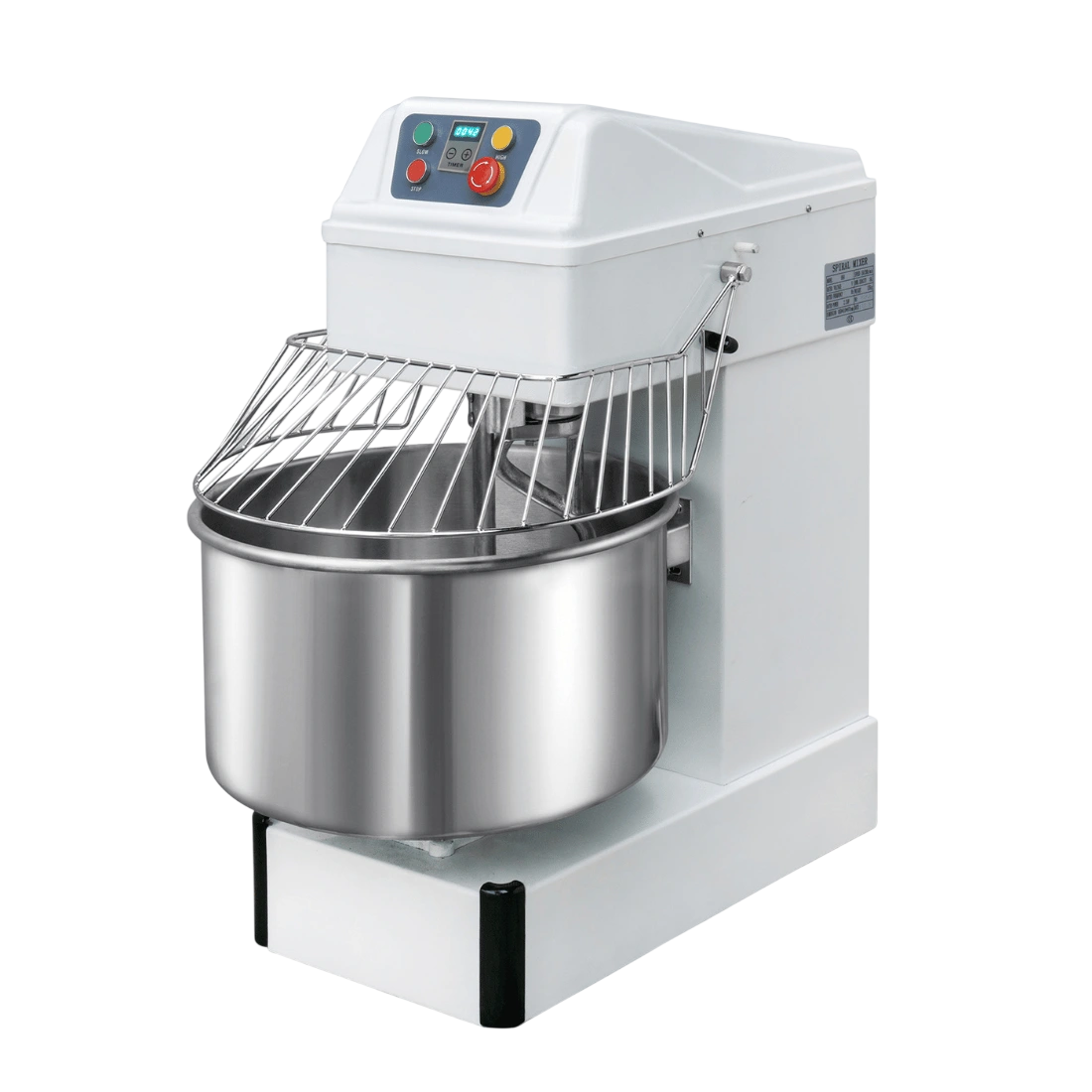
495 × 722 × 961mm
520 × 883 × 1021mm
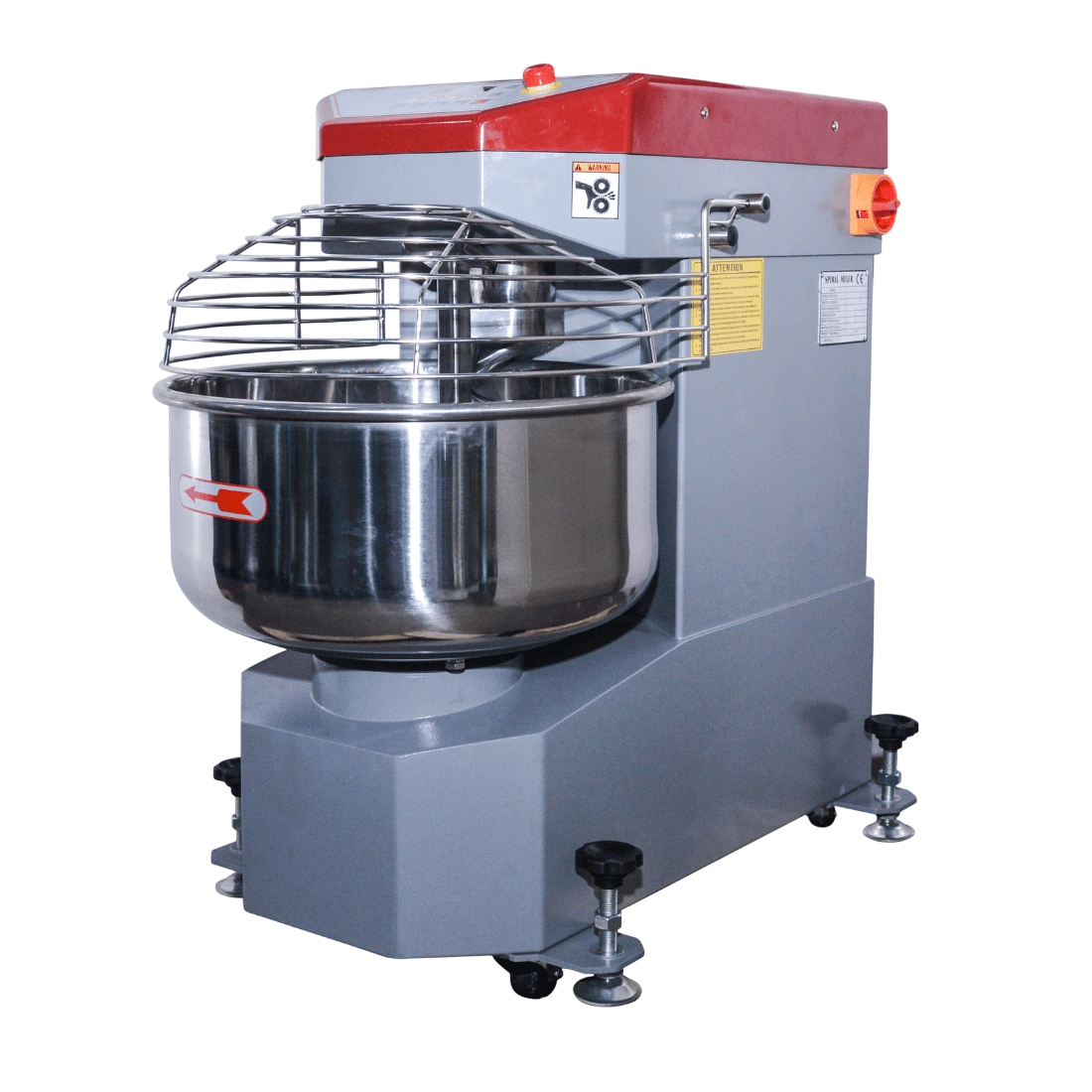
520 × 850 × 860mm
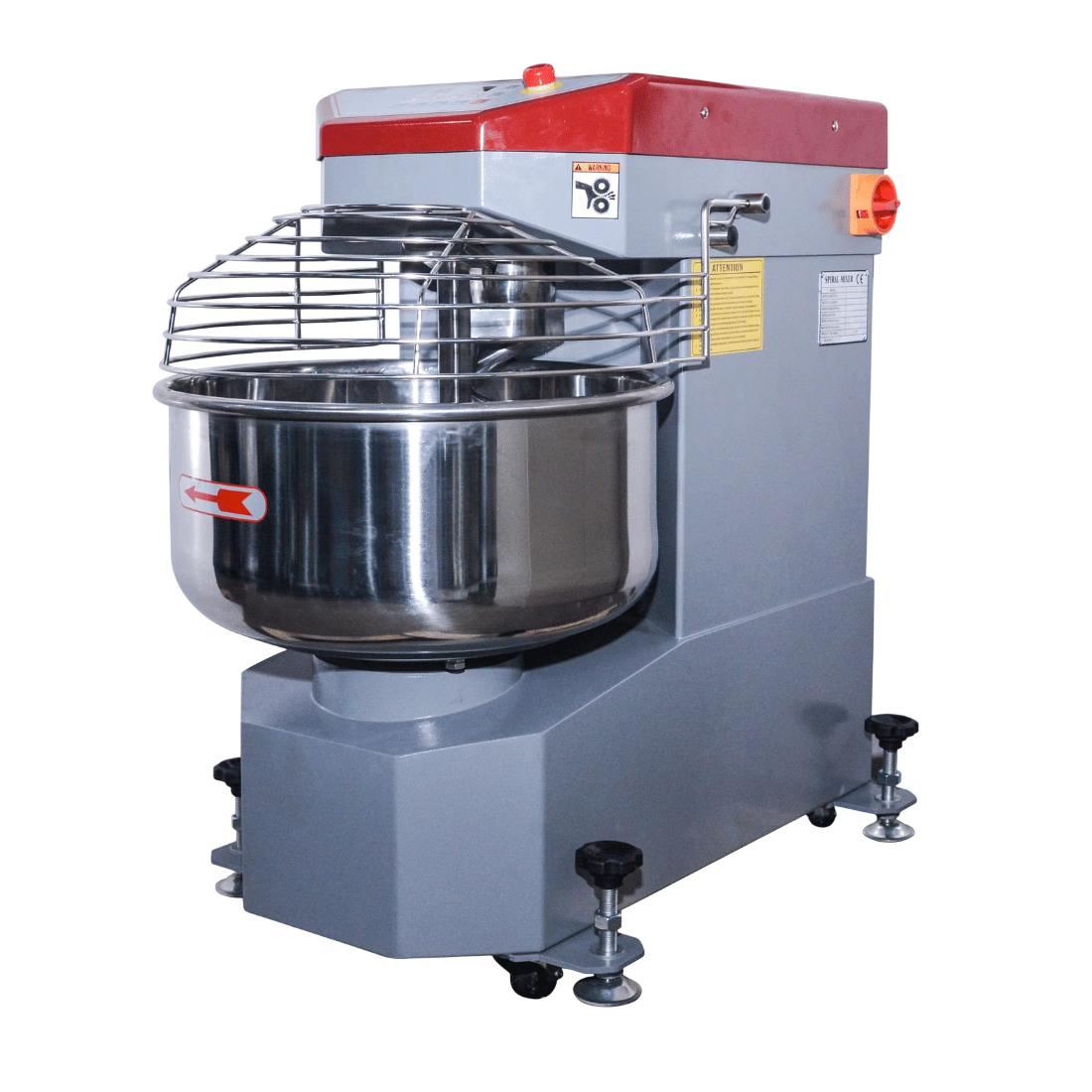
550 × 730 × 770mm
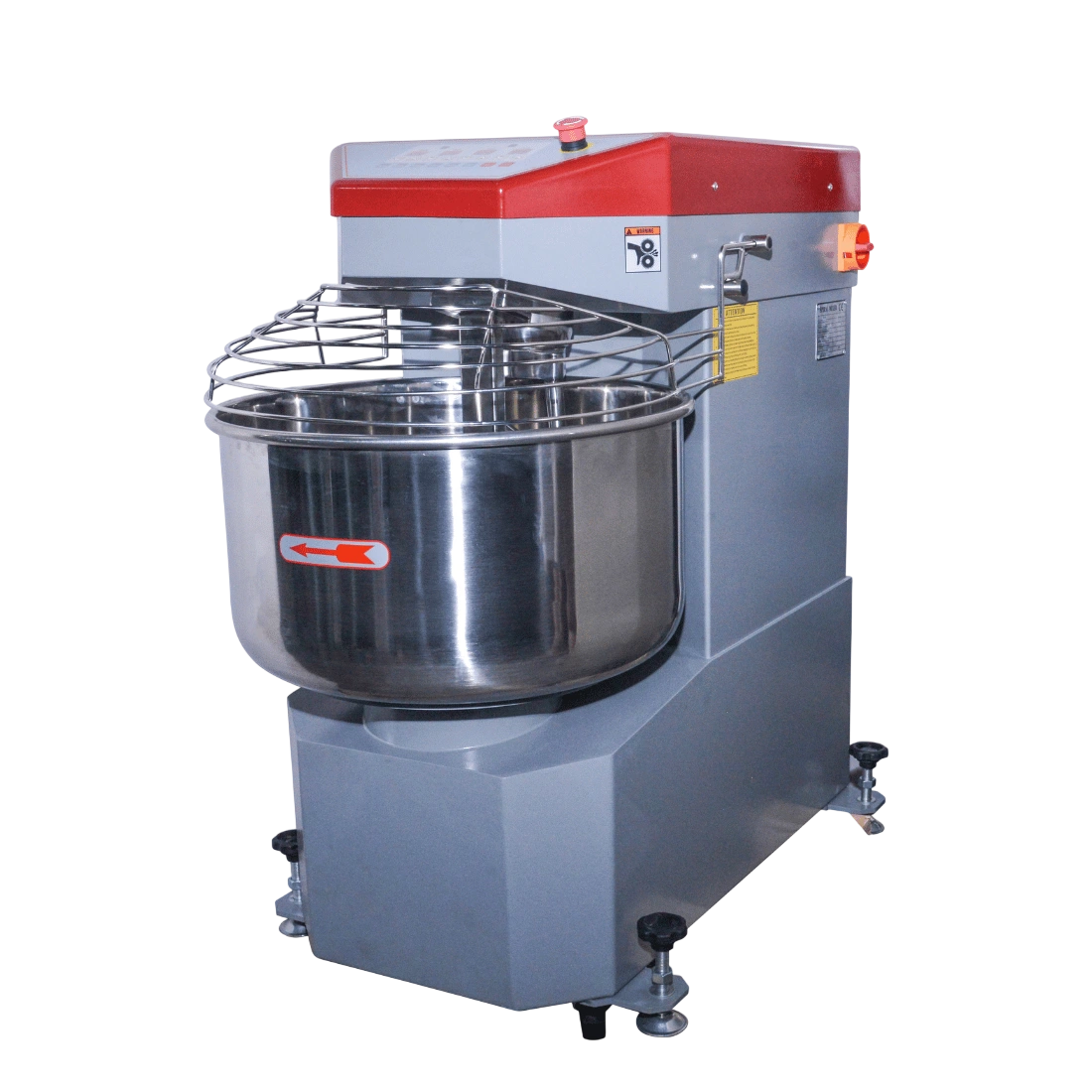
520 × 850 × 920mm
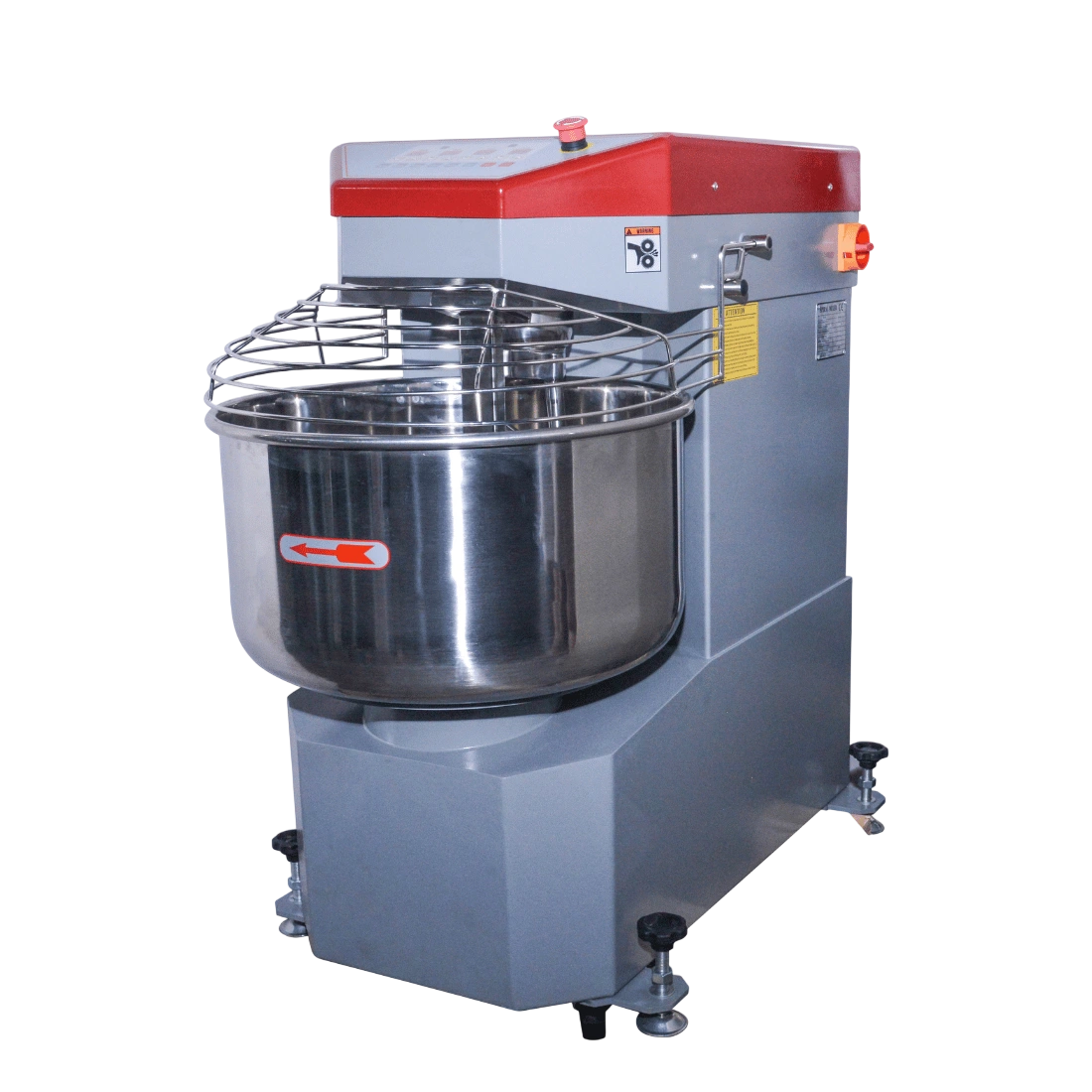
1020 × 1020 × 1060mm
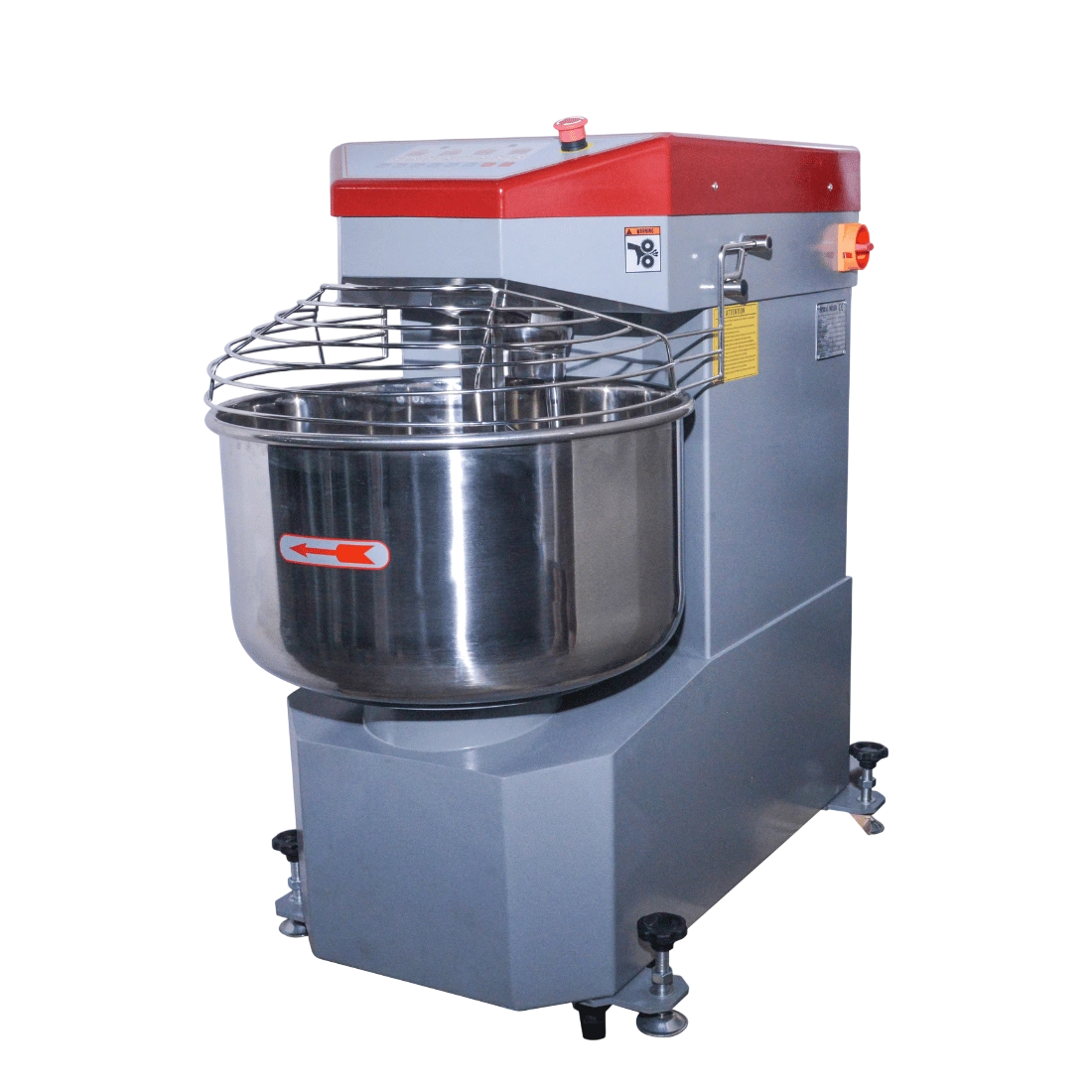
1020 × 1020 × 1060mm
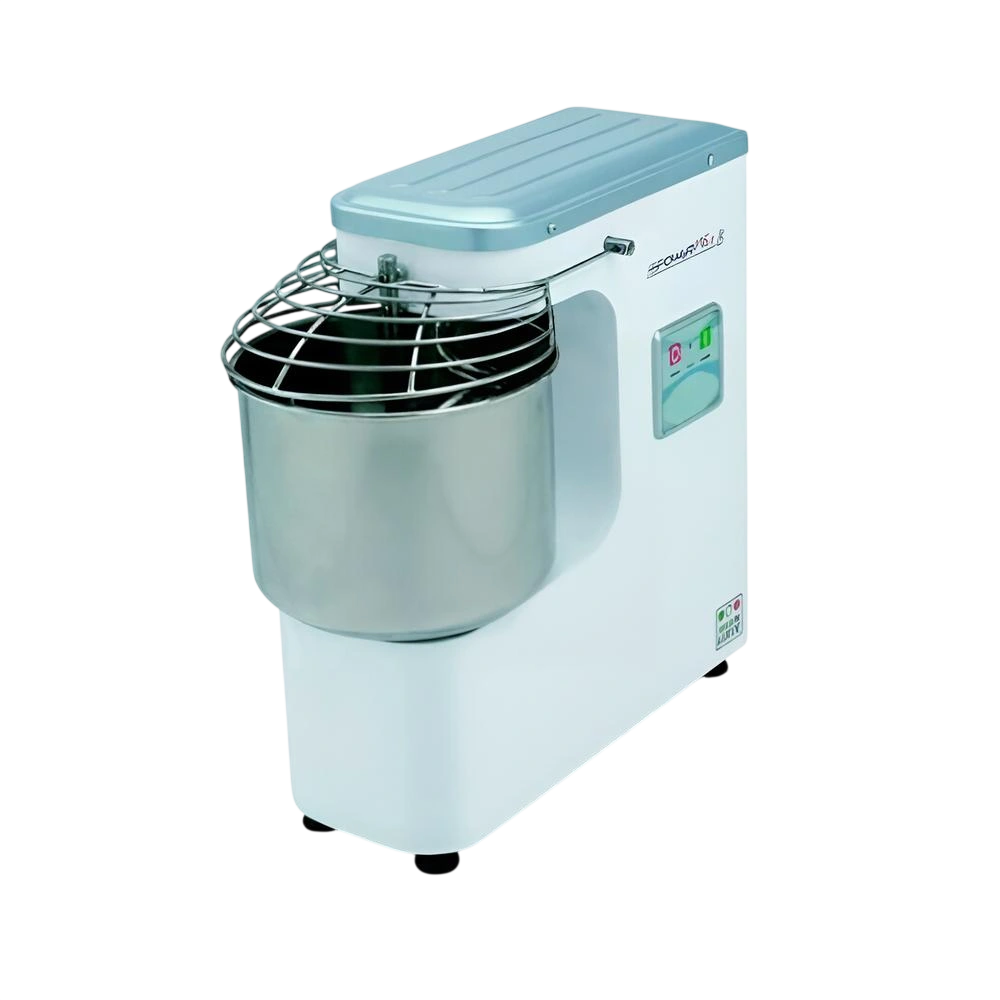
540 × 260 × 527mm
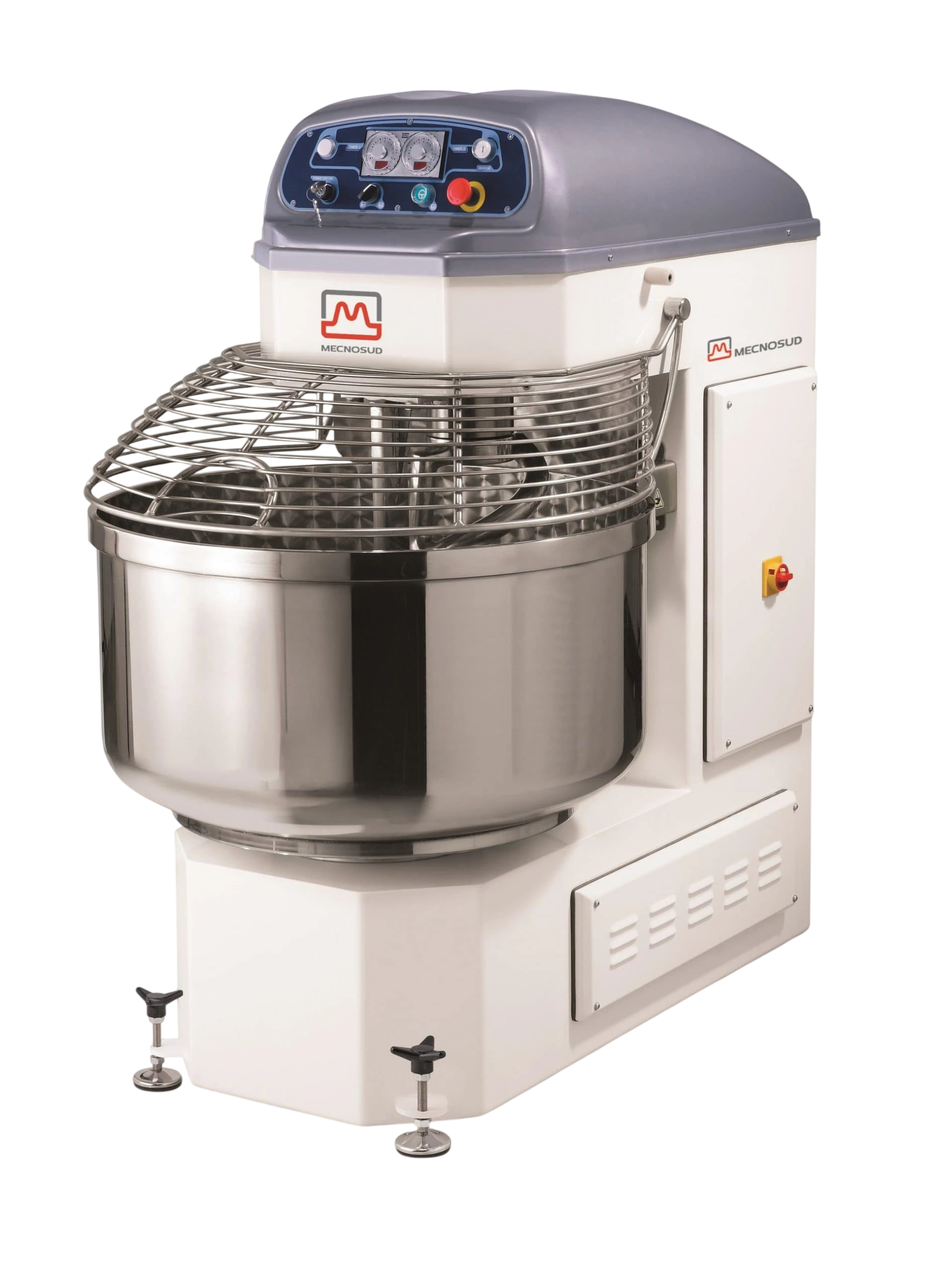
630 × 1180 × 1312mm
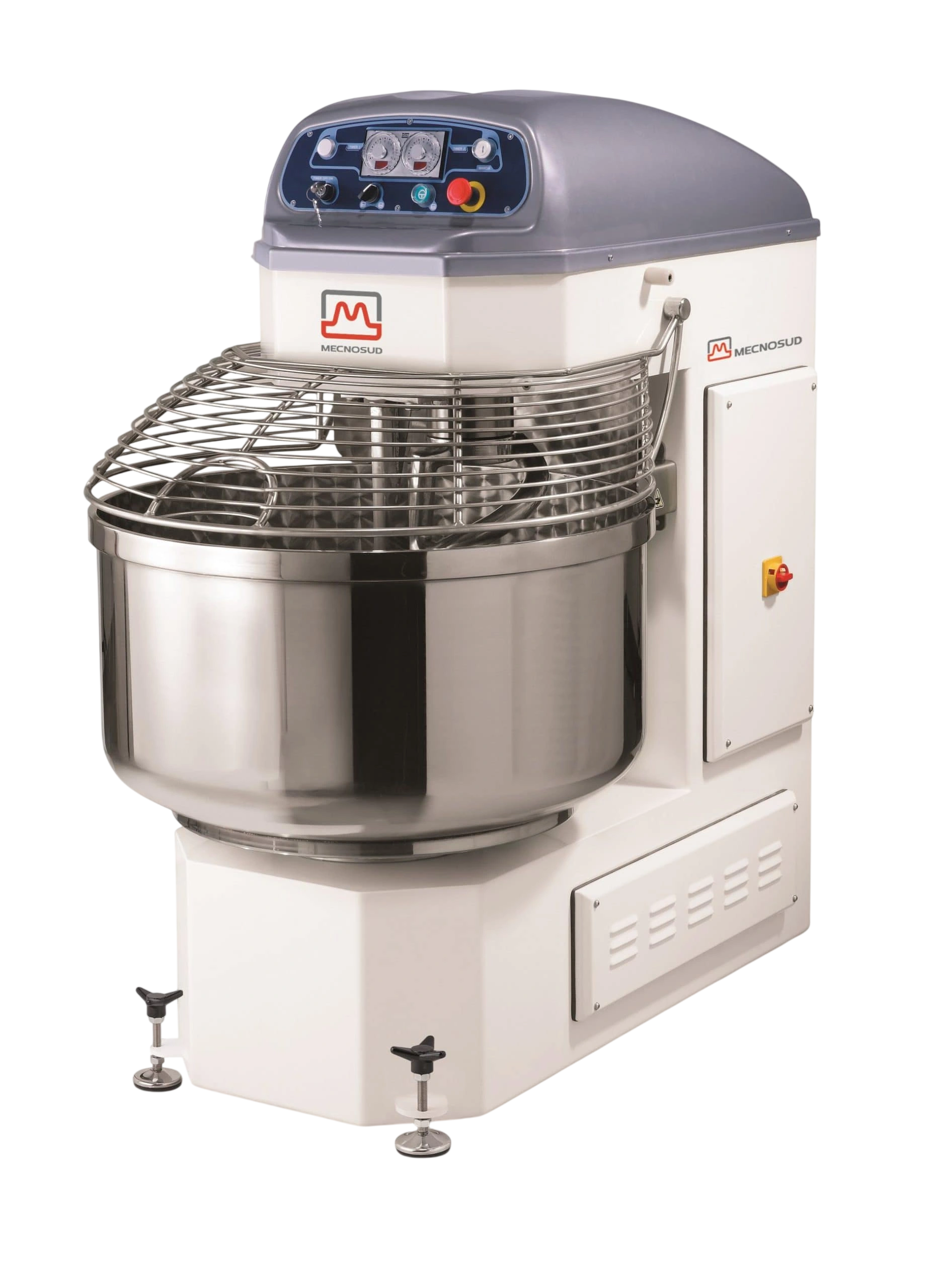
730 × 1305 × 1460mm
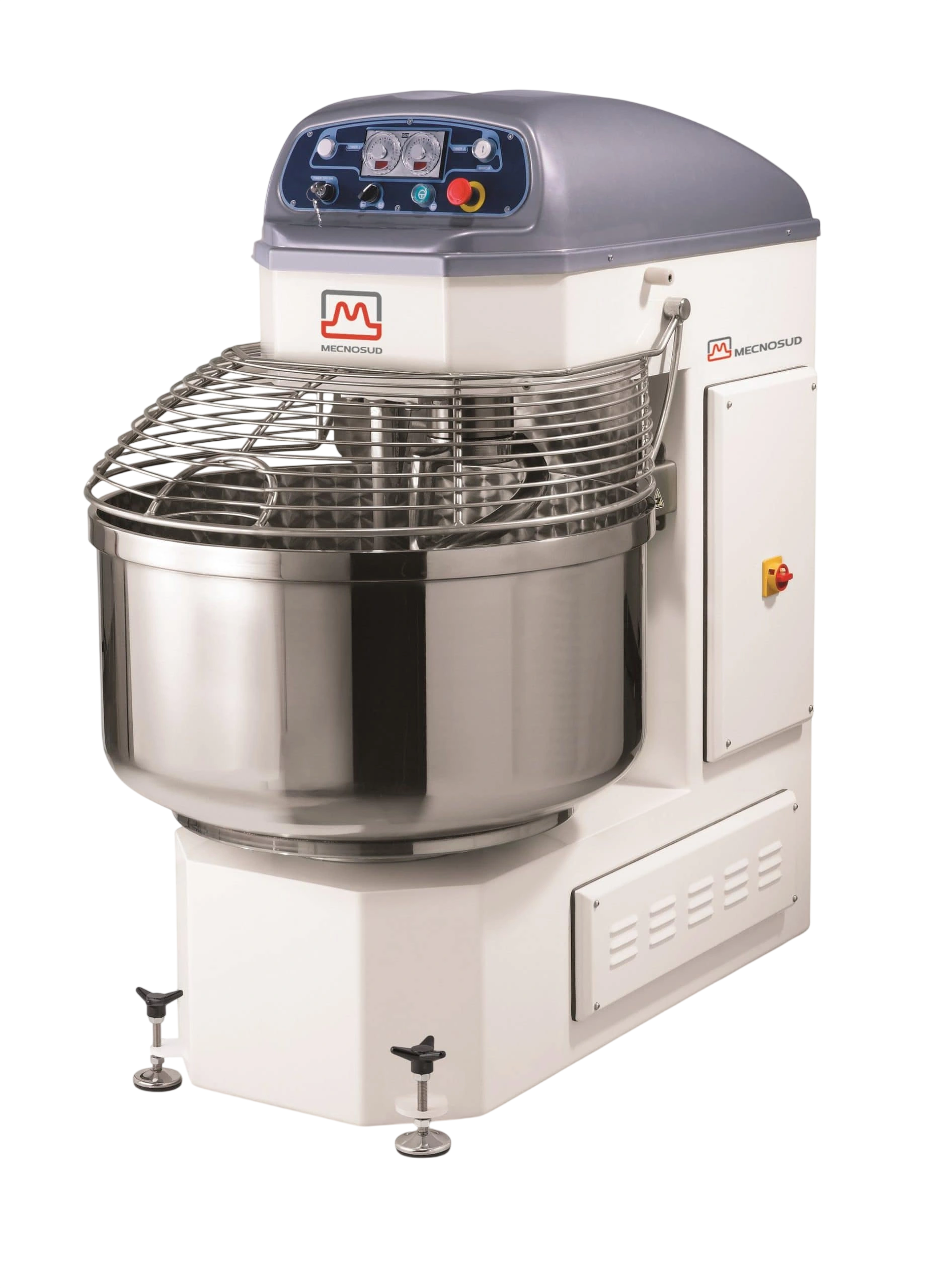
830 × 1355 × 1460mm
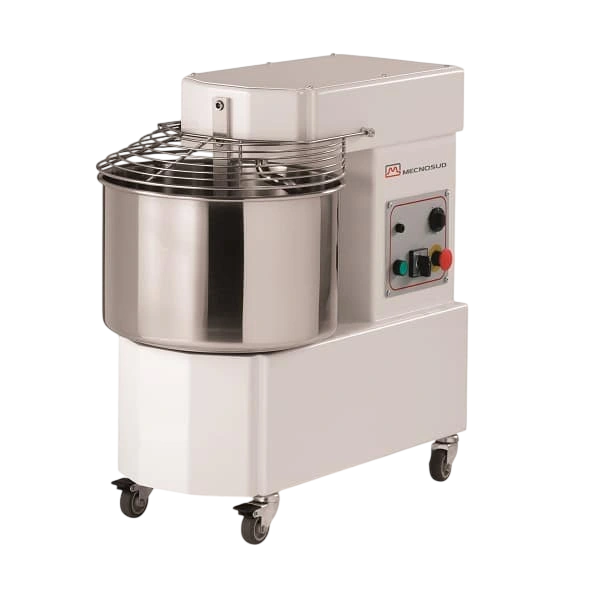
860 × 530 × 790mm
762 × 430 × 770mm
860 × 550 × 790mm
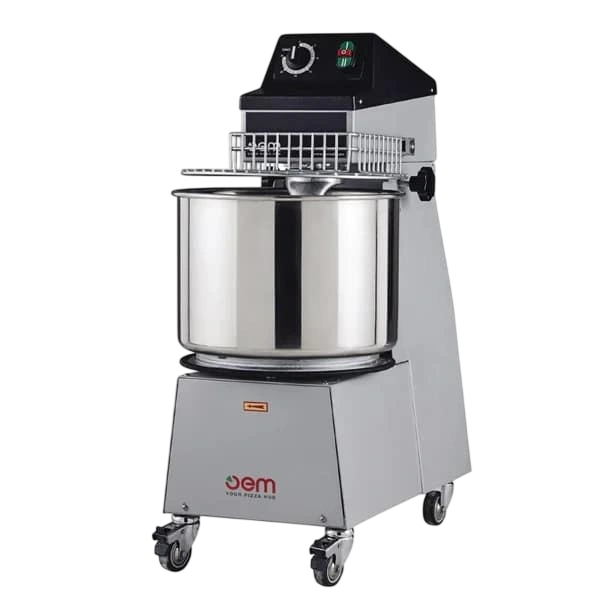
427 × 740 × 734mm
427 × 740 × 734mm
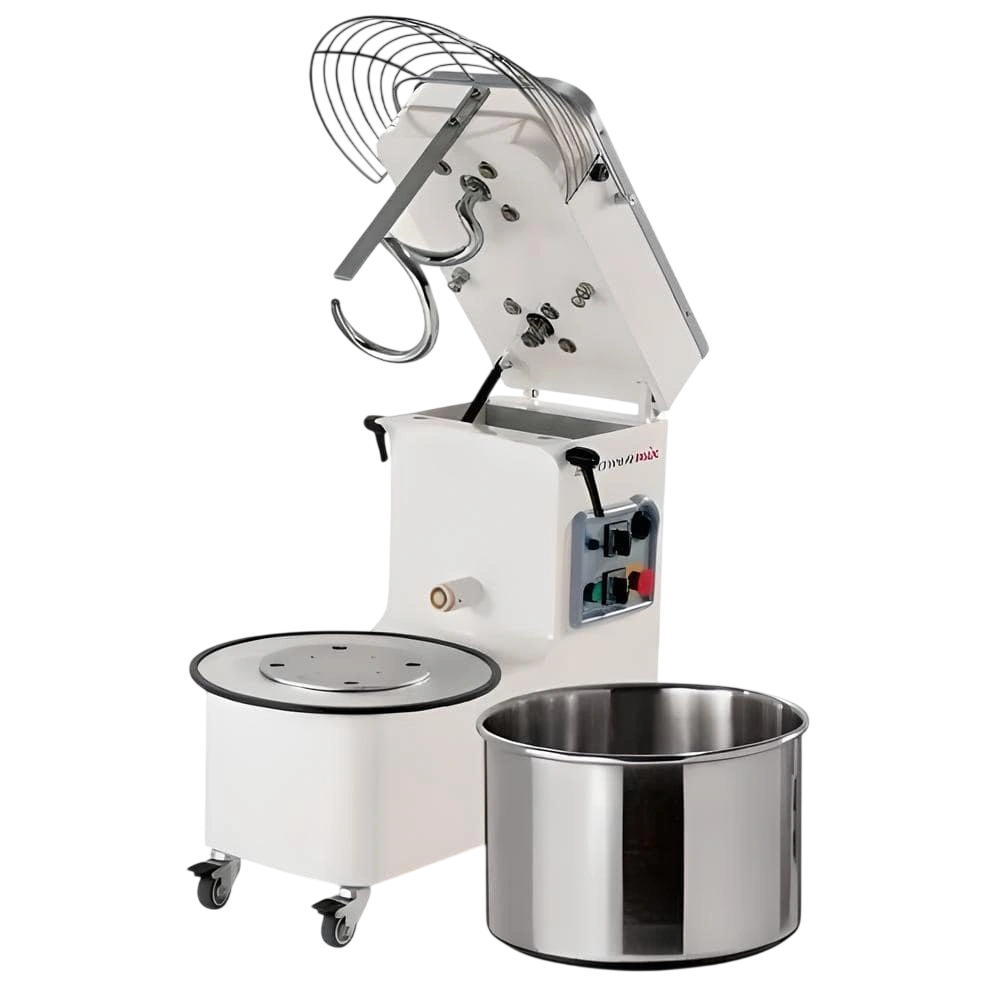
770 × 430 × 790mm
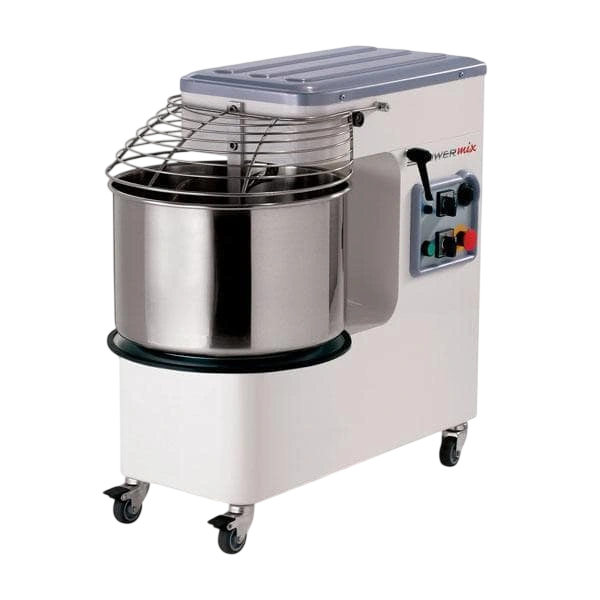
700 × 390 × 702mm
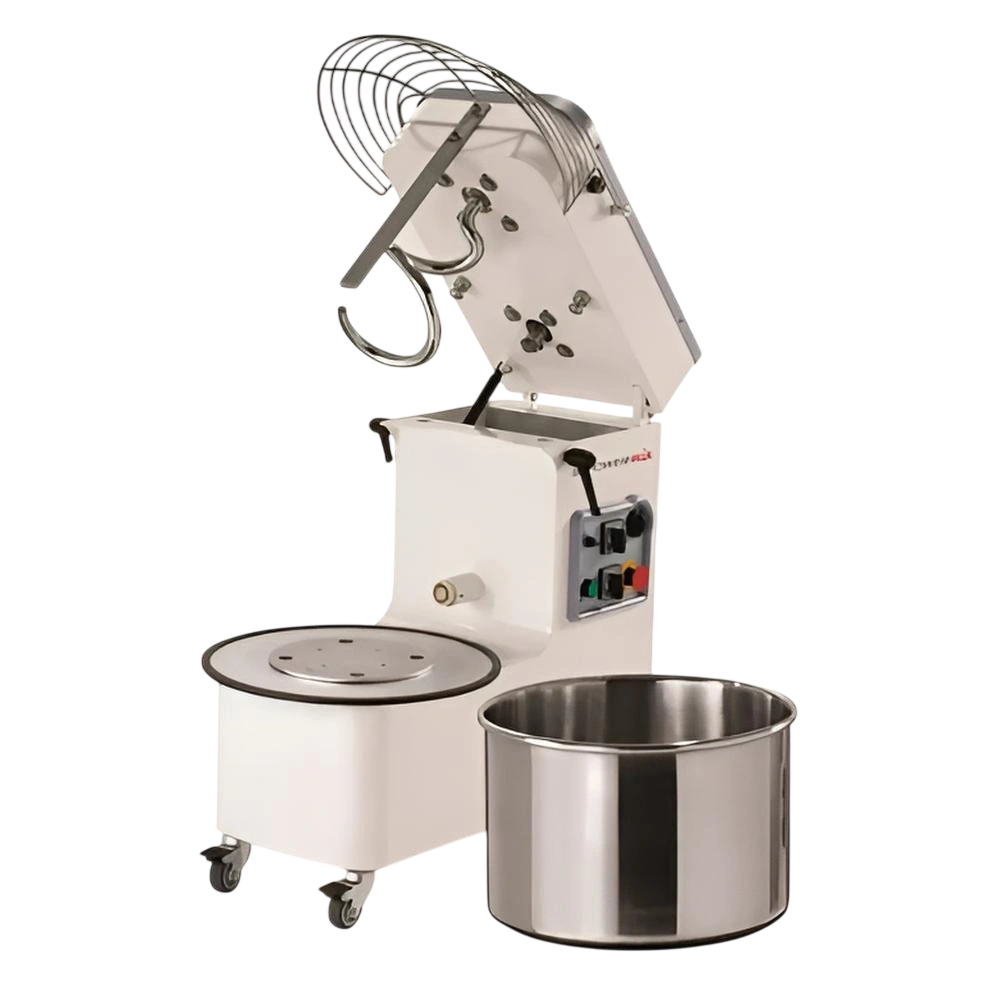
860 × 530 × 790mm
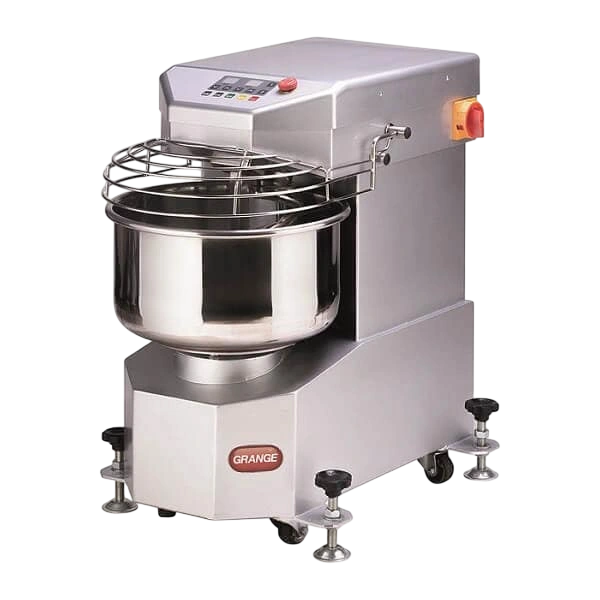
855 × 510 × 870mm
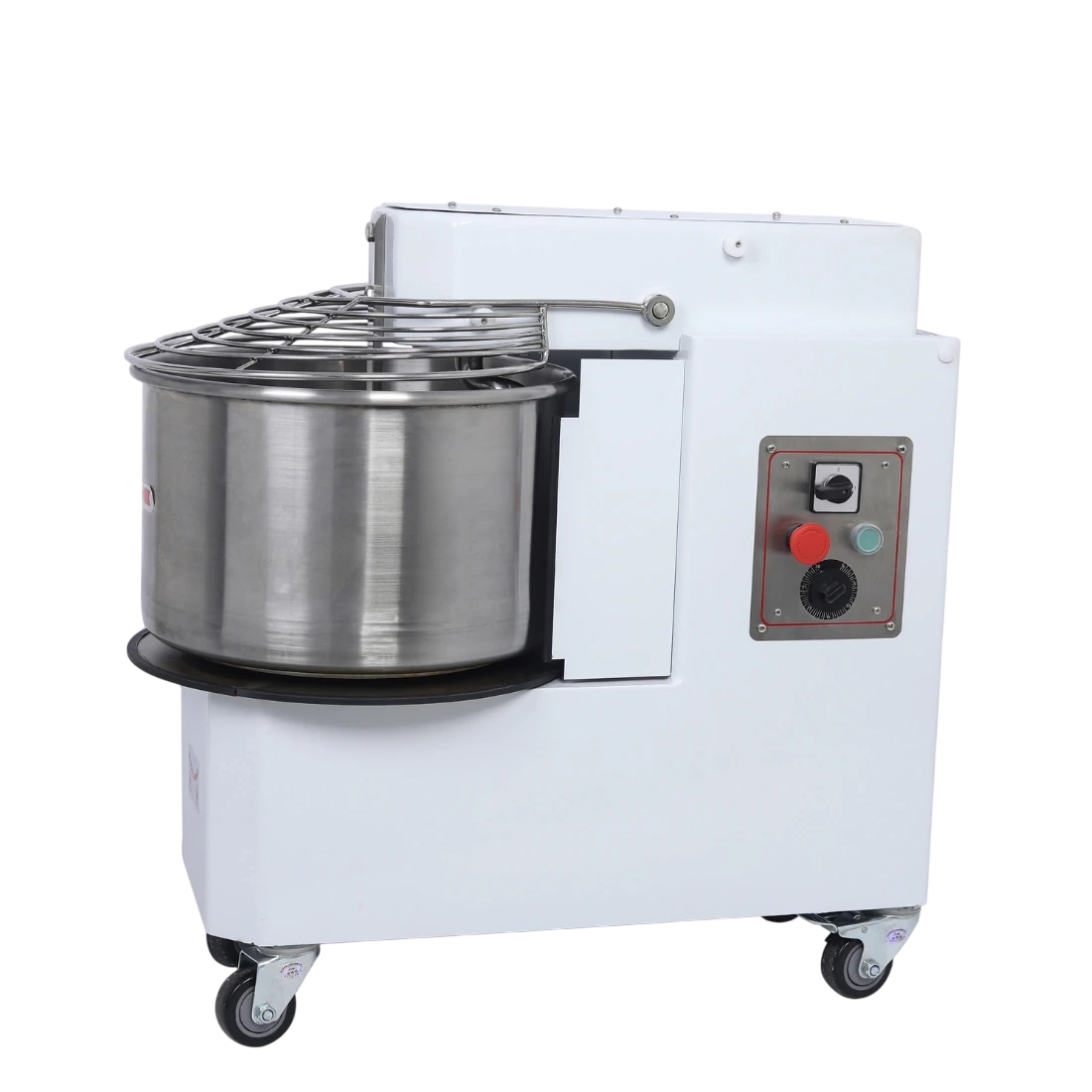
677 × 353 × 637mm
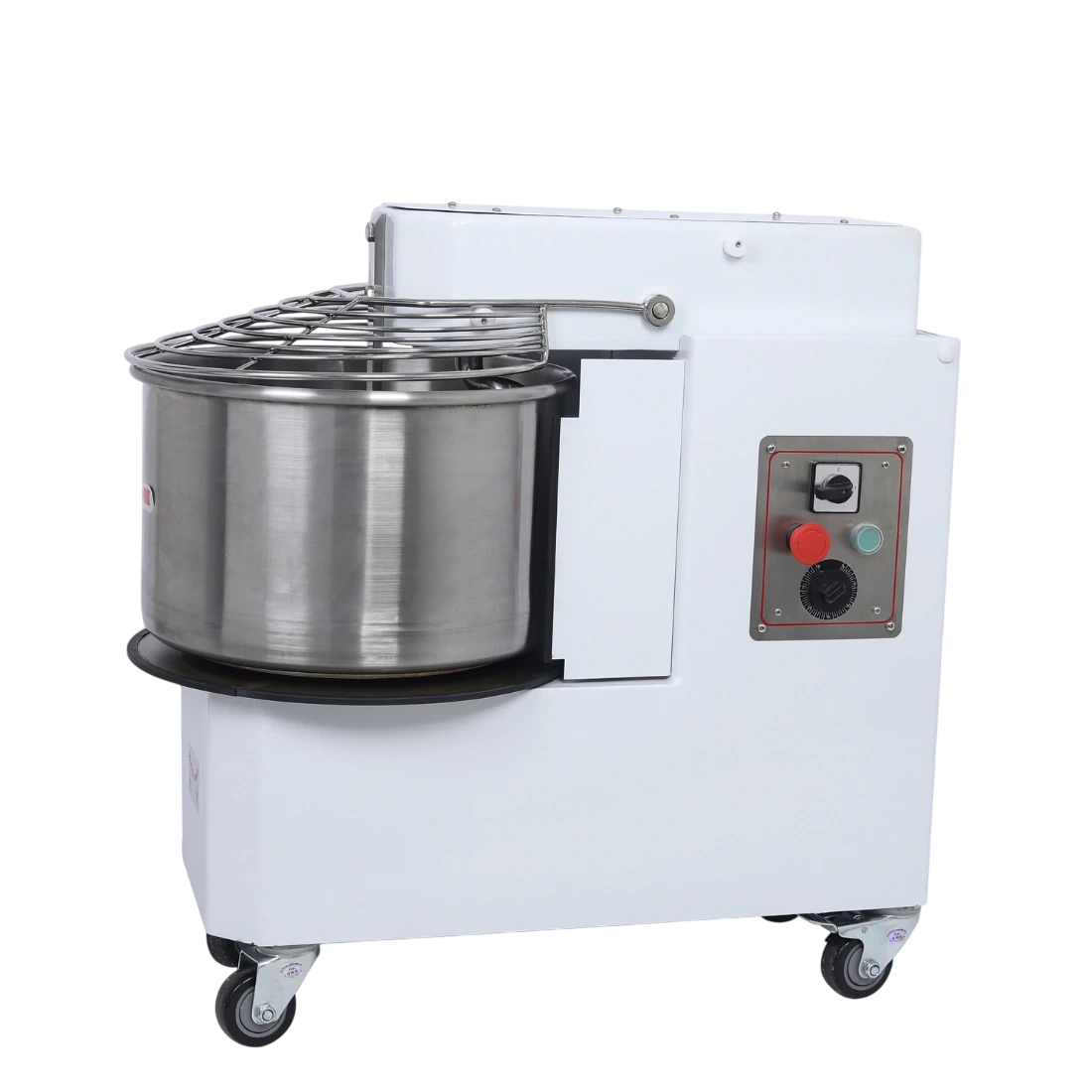
798 × 433 × 726mm
820 × 485 × 726mm
520 × 882 × 1021mm
835 × 1313 × 1514mm
750 × 1080 × 1380mm
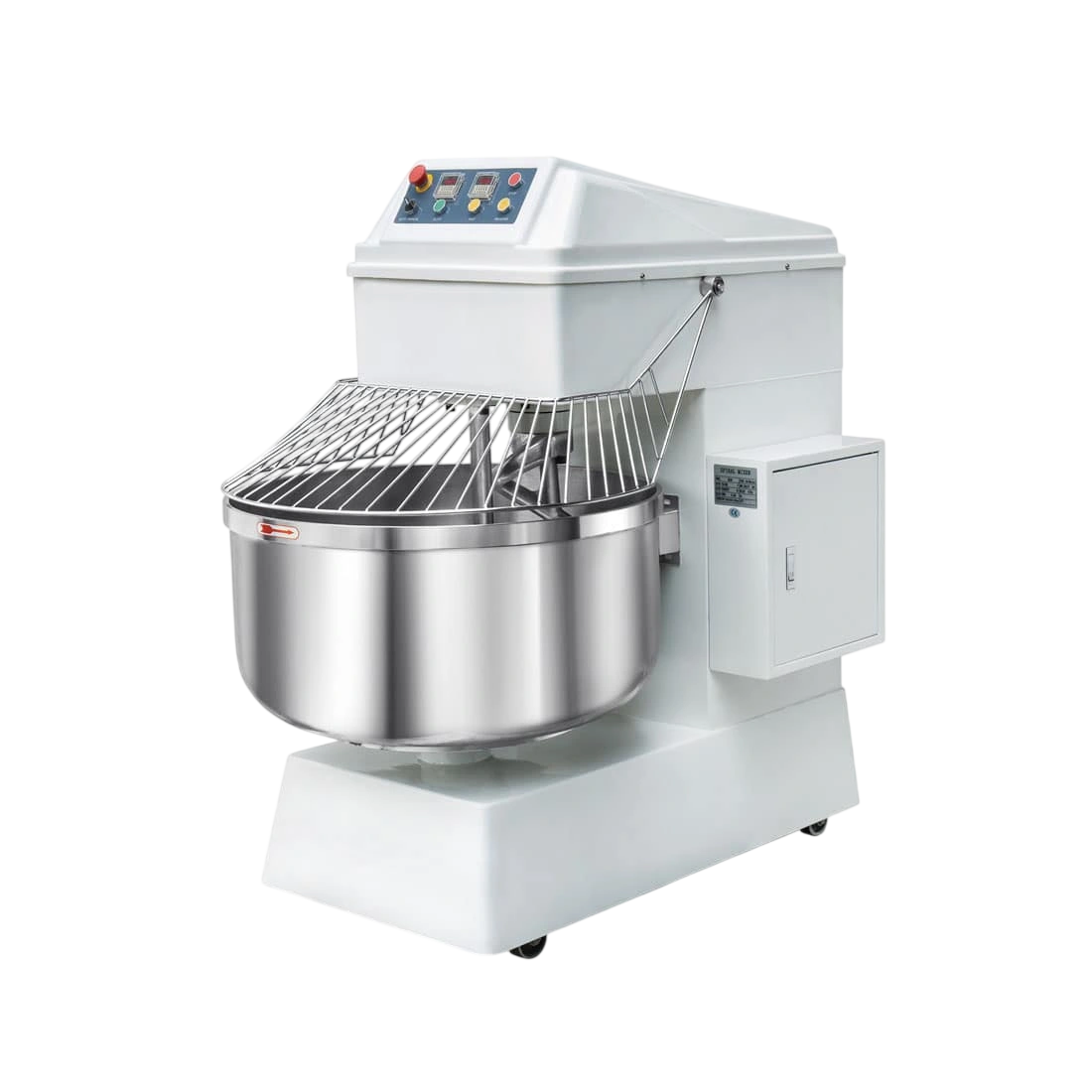
762 × 1164 × 1380mm
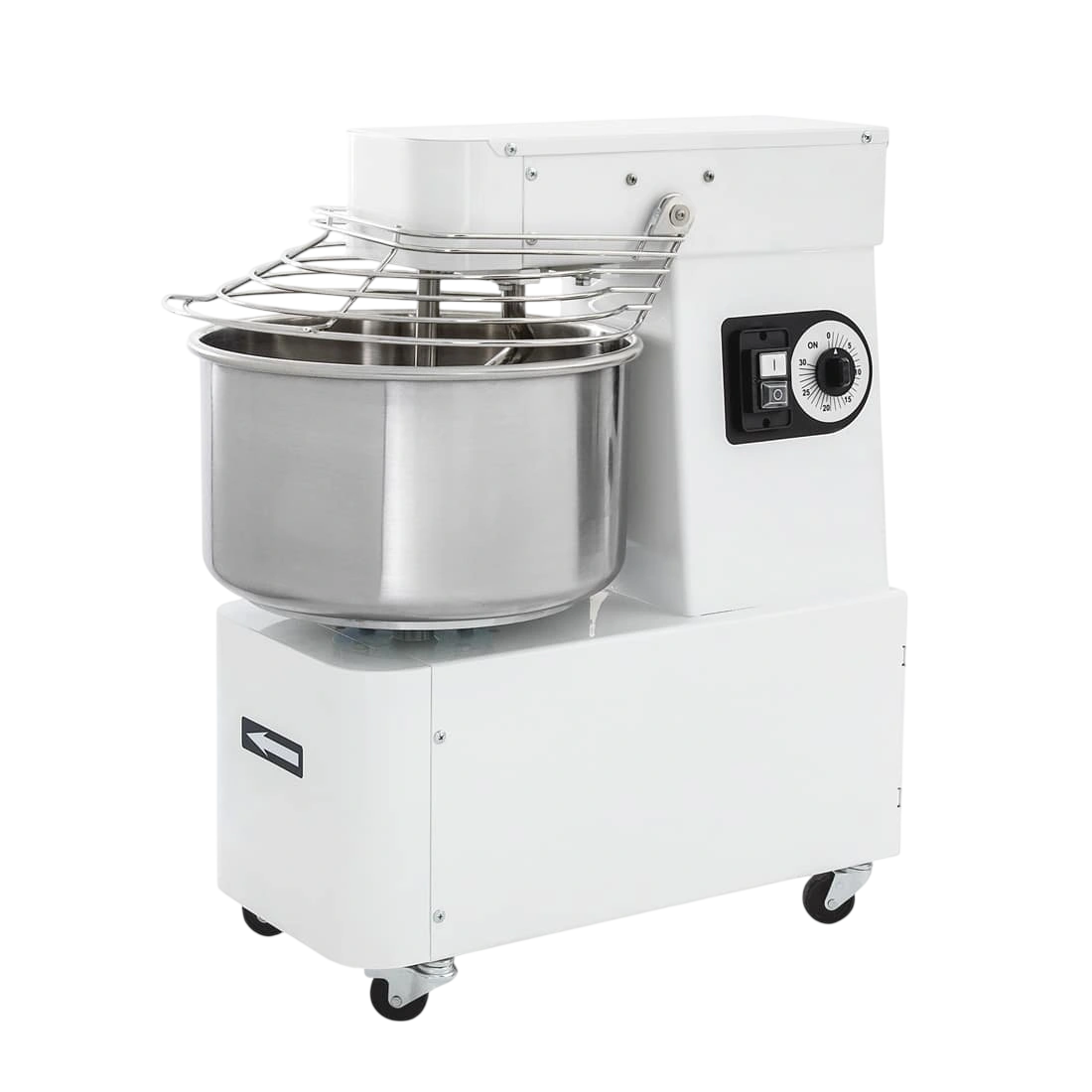
480 × 805 × 825mm
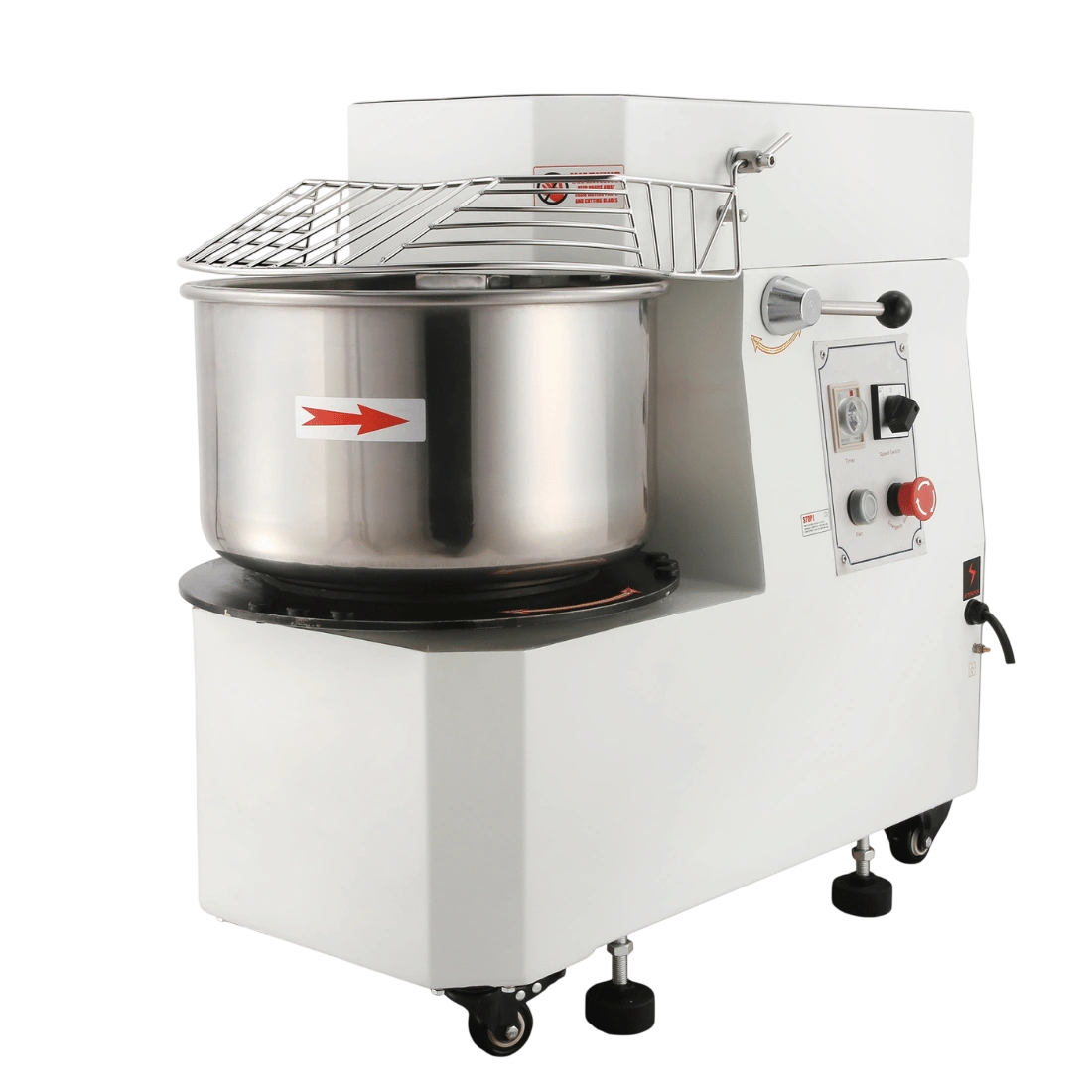
750 × 400 × 730mm