
Kitchen Knock
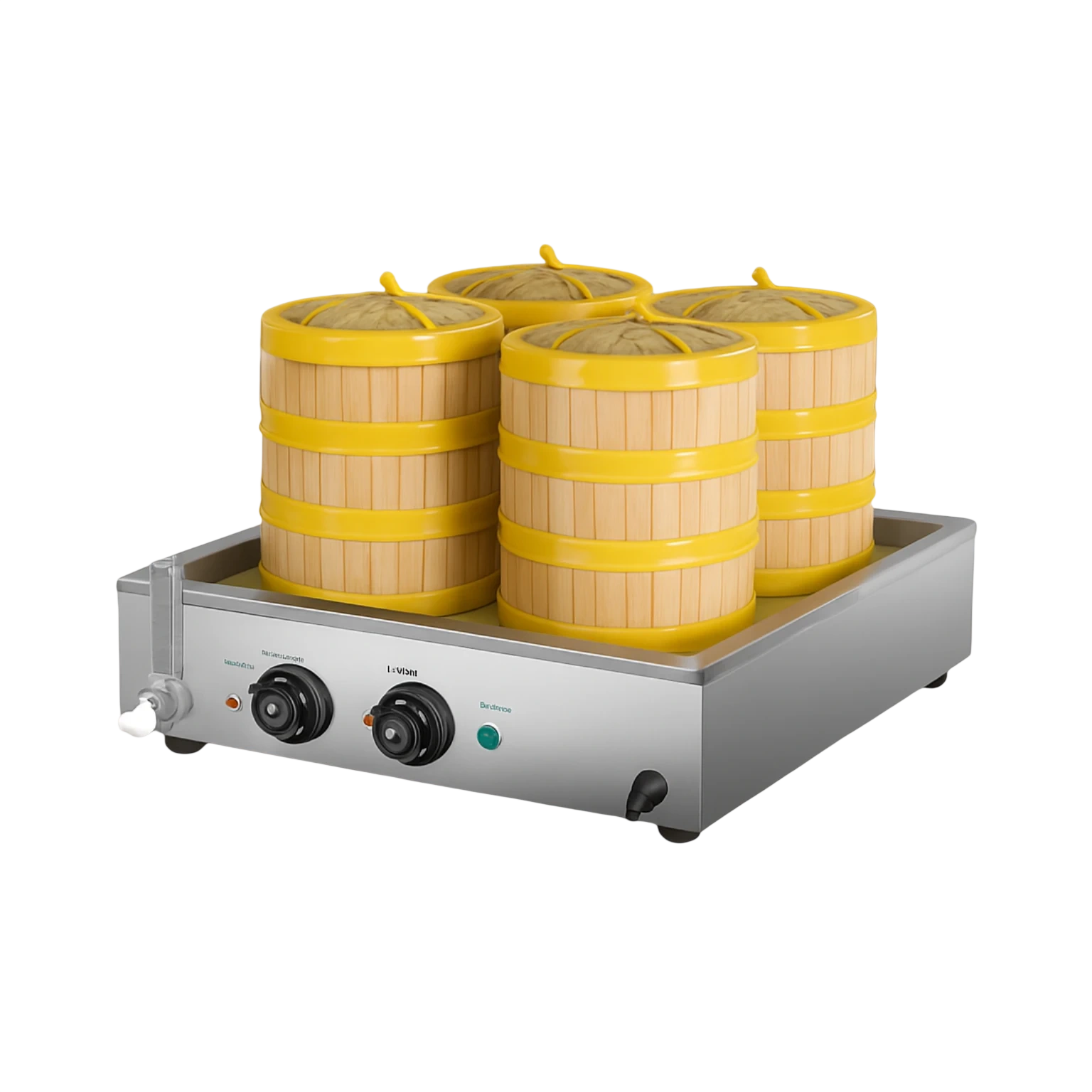
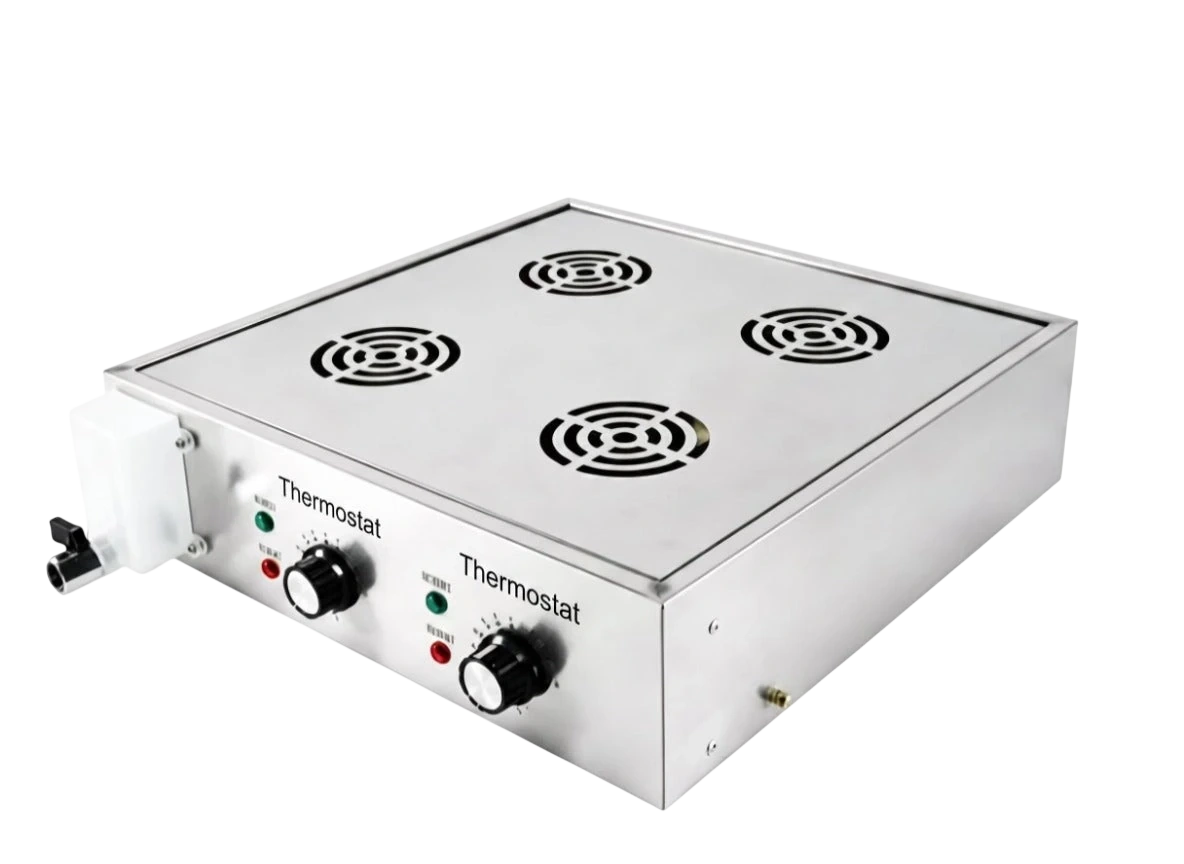
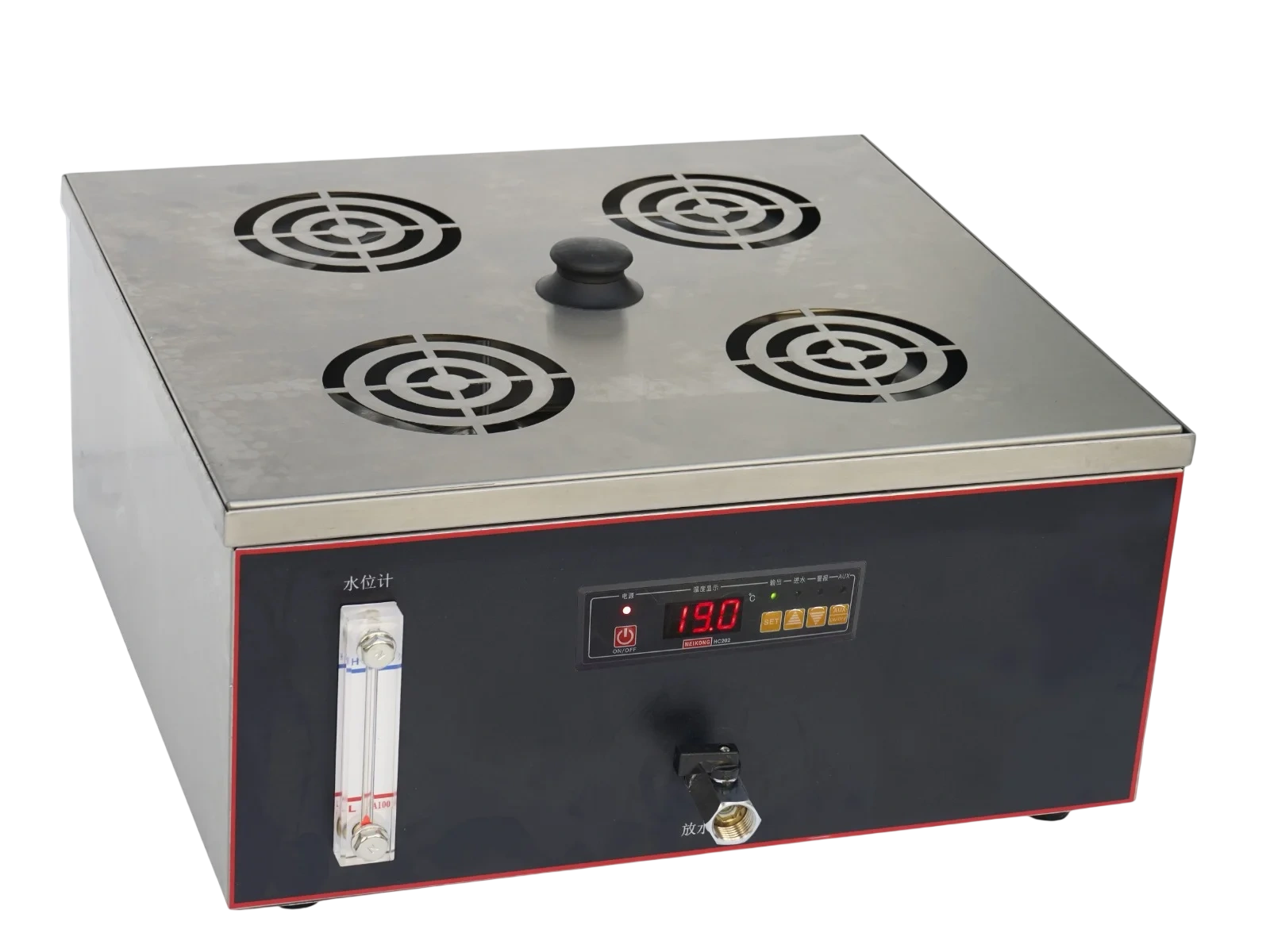
Kitchen Knock 392848 4-Head Benchtop Electric Steamer — 3kW
475 × 495 × 140mm
$336.00$420.00
In Stock
Pasta & Noodle Cooker / Steamer
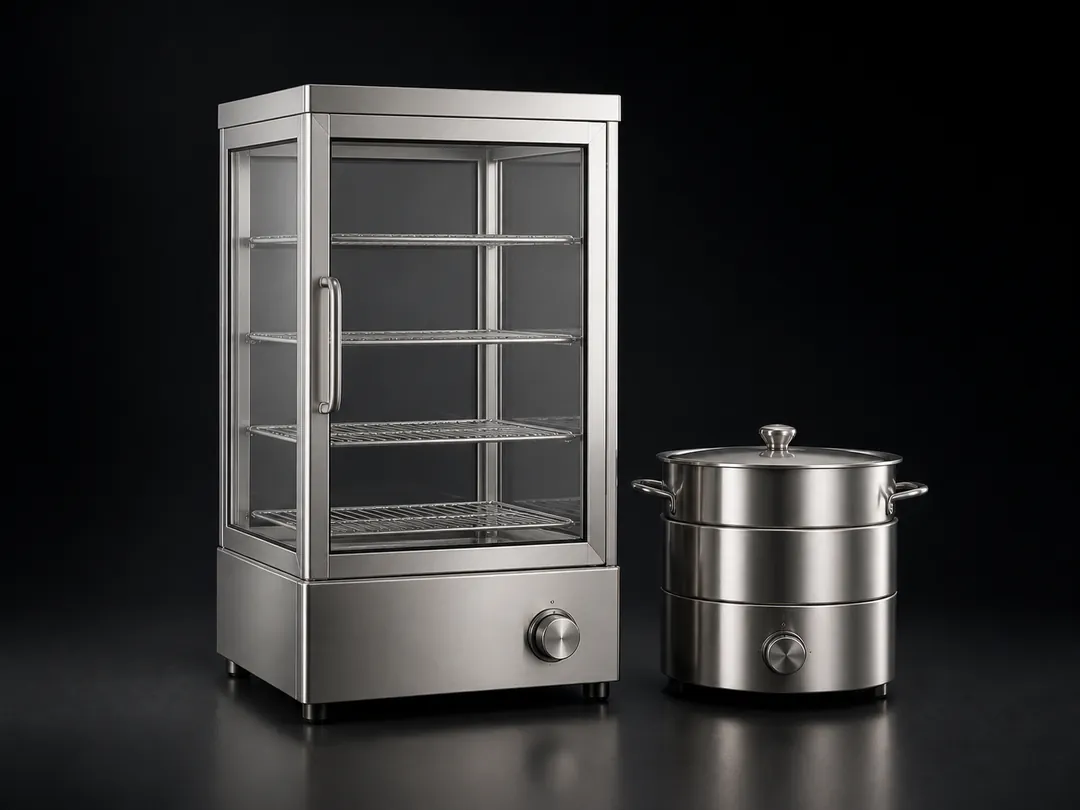
A commercial vegetable steamer can bring repeatable batch cooking to vegetables, dumplings, seafood and other foods that benefit from moist heat. The useful format depends on the menu, the pan system and how quickly the kitchen must recover between loads. A compact countertop unit may suit smaller batches, while floor-standing or multi-compartment equipment can support separate cooking cycles in a production kitchen.
Capacity should be judged by the food loaded at one time, not by cabinet size alone. List the pans or baskets required during the busiest period, allow for different cooking times and check whether staff can load and unload each level safely. A larger chamber adds little value if the pass cannot receive finished batches or if the next load is delayed by handling.
Key factors to consider before purchasing. Our team can help you find the right fit — call or get a quote anytime.
Match equipment capacity to your daily output. Consider available floor space and door clearances.
Confirm levelling, wall clearance and the access needed for cleaning and service. We can help with kitchen planning.
Submit your kitchen requirements — our equipment specialists will send you a tailored shortlist of steamer that fits your budget, venue type and compliance needs.
Standards & Compliance
Confirm whether the selected steamer requires an electrical or gas connection, a direct water supply, drainage or a particular water-treatment arrangement. Requirements vary by design, so the model documentation and licensed trades should guide the site plan rather than an assumed service layout.
Steam released when doors open can affect the cookline and staff comfort. Check canopy coverage where required, keep discharge away from walkways and provide a stable landing point for hot pans. Routine access to drains, probes and water-contact parts should remain clear.
FAQ
Vegetables, dumplings, seafood and pan-based foods that benefit from moist heat are common candidates. Check each recipe’s cooking time, pan type and handling method first; foods that need dry browning or a crisp surface generally belong on different equipment.
Count the pans needed during the busiest production period and group them by cooking time. Choose a chamber or compartment arrangement that can accept those loads with room for steam circulation, then confirm that staff can unload and land each finished batch without delaying the next cycle.
Many steamers require drainage, a water connection or both, but the exact arrangement depends on the appliance. Check the selected model’s service instructions and local water conditions; use the specified filtration or treatment where scale or water quality would otherwise affect operation.
Follow the nominated water-treatment plan, empty and clean accessible water areas at the required interval and inspect probes and drains for deposits. Complete descaling with the approved procedure before build-up becomes heavy, rather than using an improvised chemical or scraping method.
Why KW
When comparing steamers, KW can work through the energy format, steam recovery, menu batches and drainage conditions as one operating decision. Call 1300 001 366 to discuss how the appliance would fit an Australian production or service kitchen.
Deep Dive
Technical depth from KW's commercial kitchen specialists.
Match the number of compartments to batches that genuinely need to cook at the same time. Check pan compatibility, loading height and the recovery expected between cycles. If foods have very different cooking times or aromas, separate compartments may give staff more control than one large shared chamber.
Use the water treatment specified for local conditions and the selected appliance. Inspect probes, drains and visible water-contact surfaces during the cleaning routine, and descale only by the documented method. A planned schedule is safer than waiting for scale to affect steam production or drainage.
Arrange loading, timer checks and pan removal so hot vessels do not cross a general walkway. The receiving bench or trolley should be ready before a cycle ends, with enough space to separate pans that will be served immediately from those moving to another process.
Review where vapour escapes when a door or lid opens, then confirm ventilation, water and waste connections for that position. Drain lines must follow the specified route and fall, and staff should be able to reach cleaning points without moving neighbouring hot equipment.
Compare adjacent catering preparation equipment, review the broader pasta, noodle and steam-cooking category and coordinate the unit with other cookline equipment.
25 results
475 × 495 × 140mm
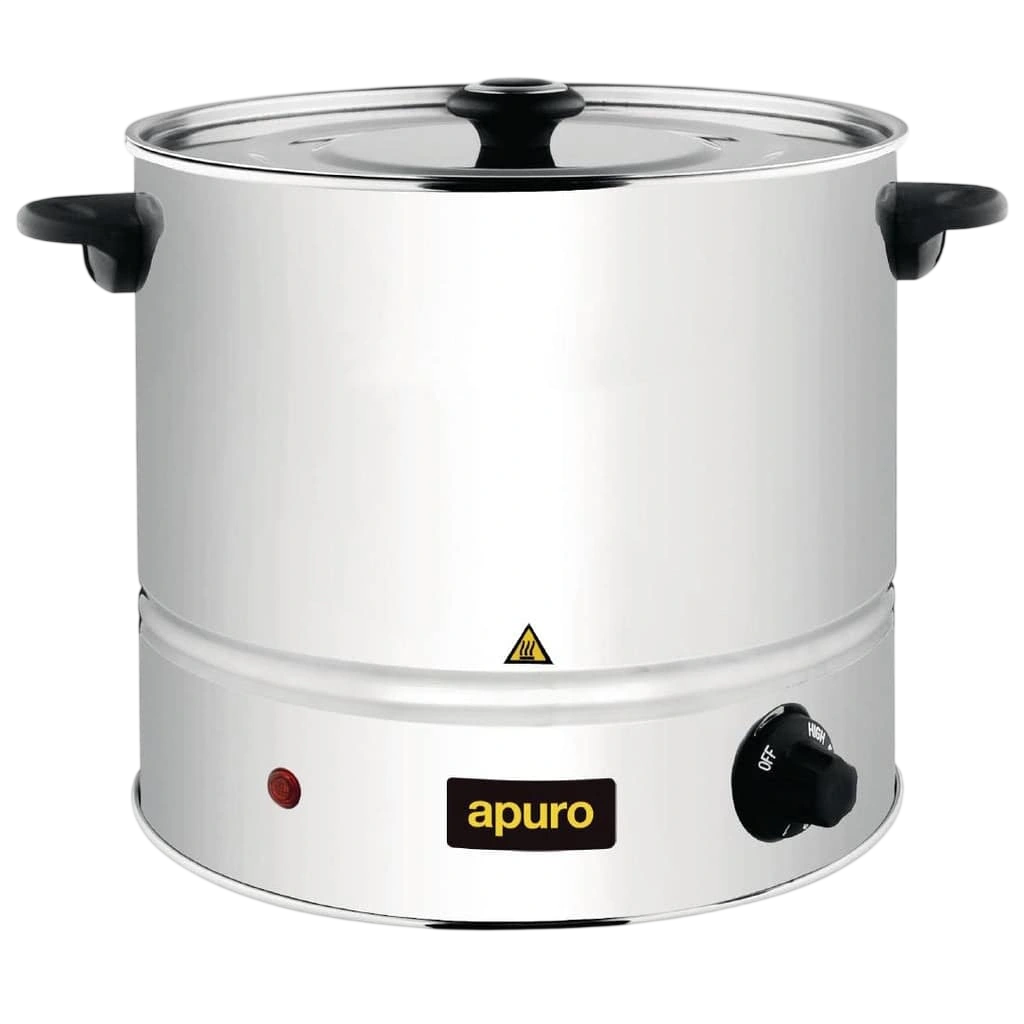
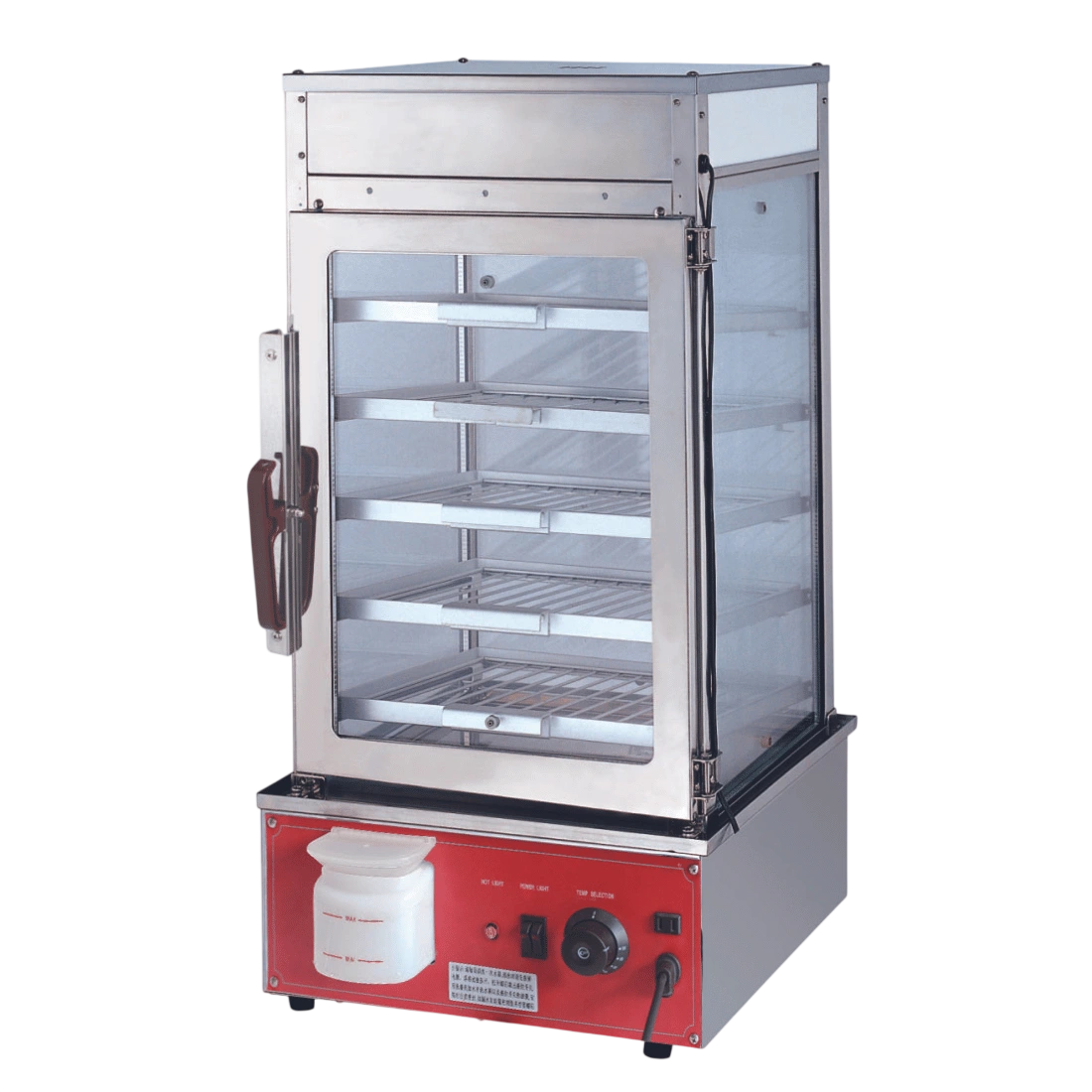
380 × 400 × 745mm
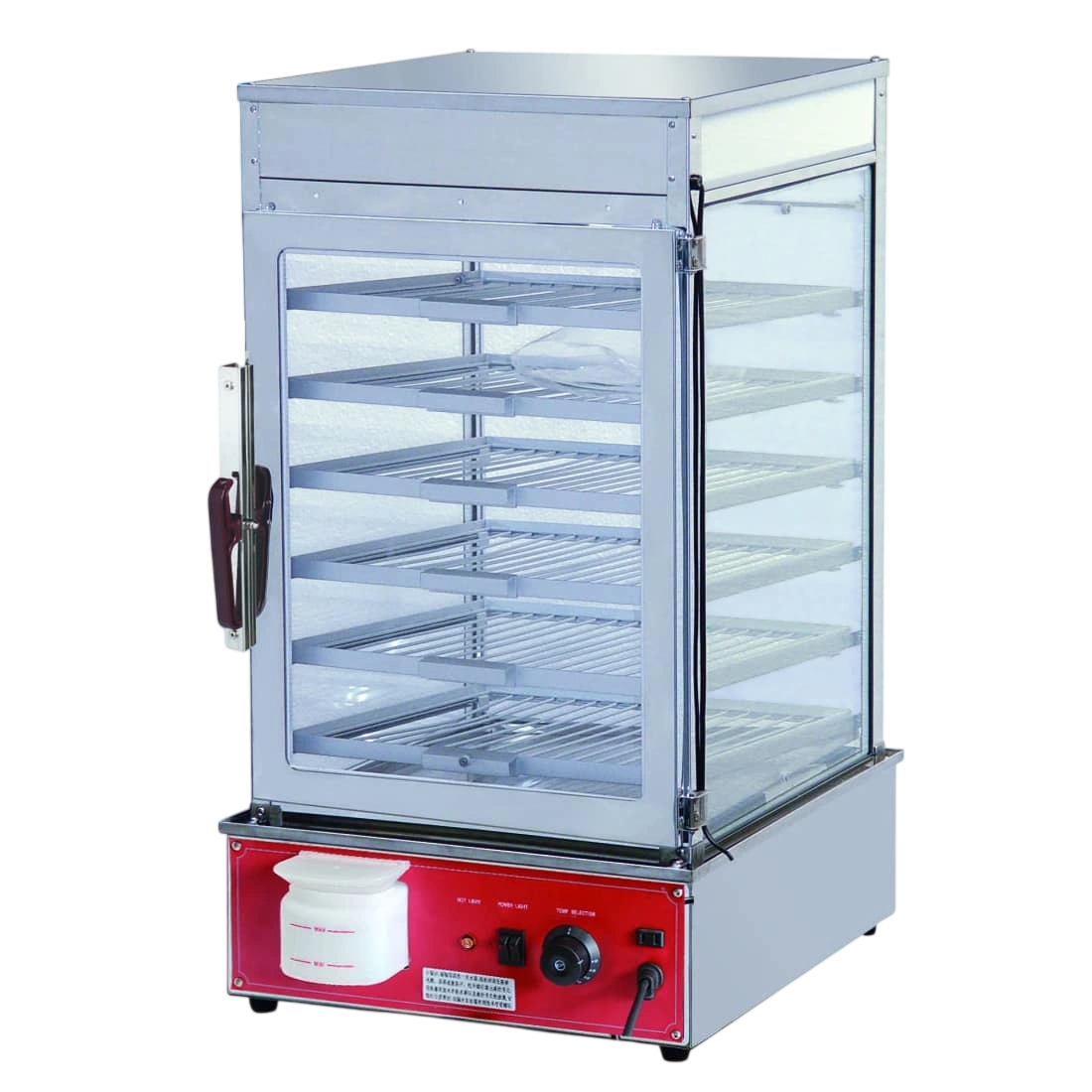
457 × 518 × 825mm
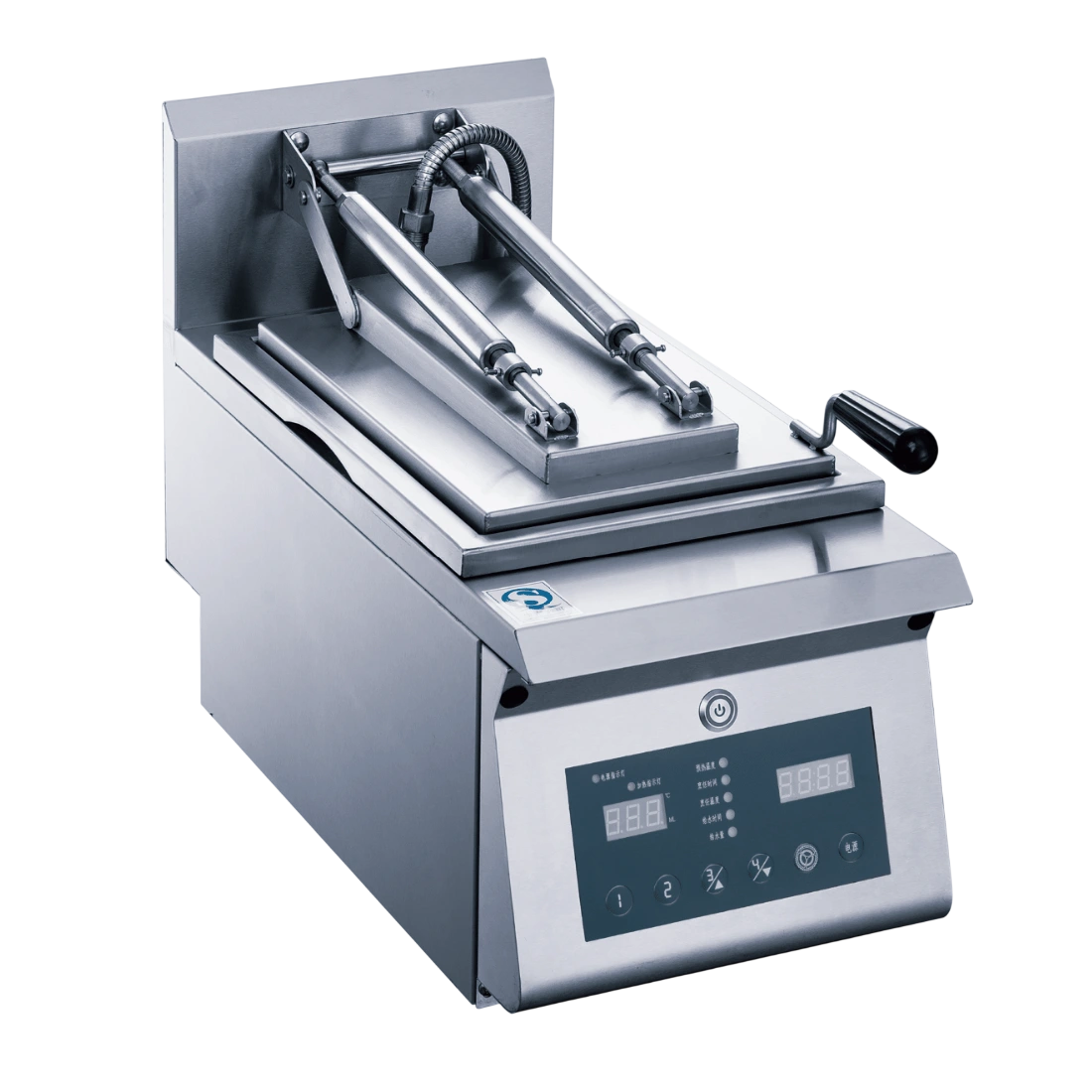
285 × 625 × 439mm
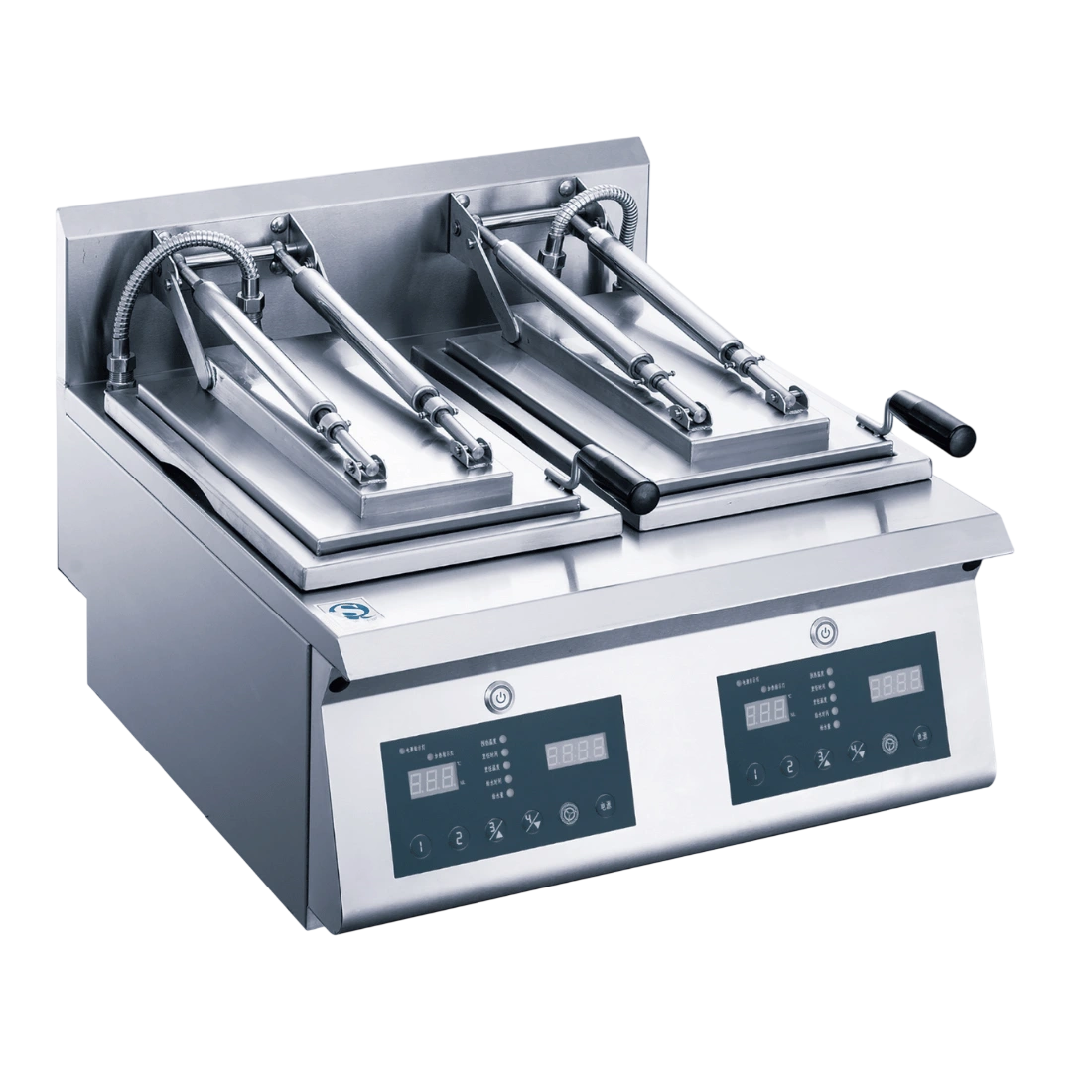
570 × 625 × 439mm
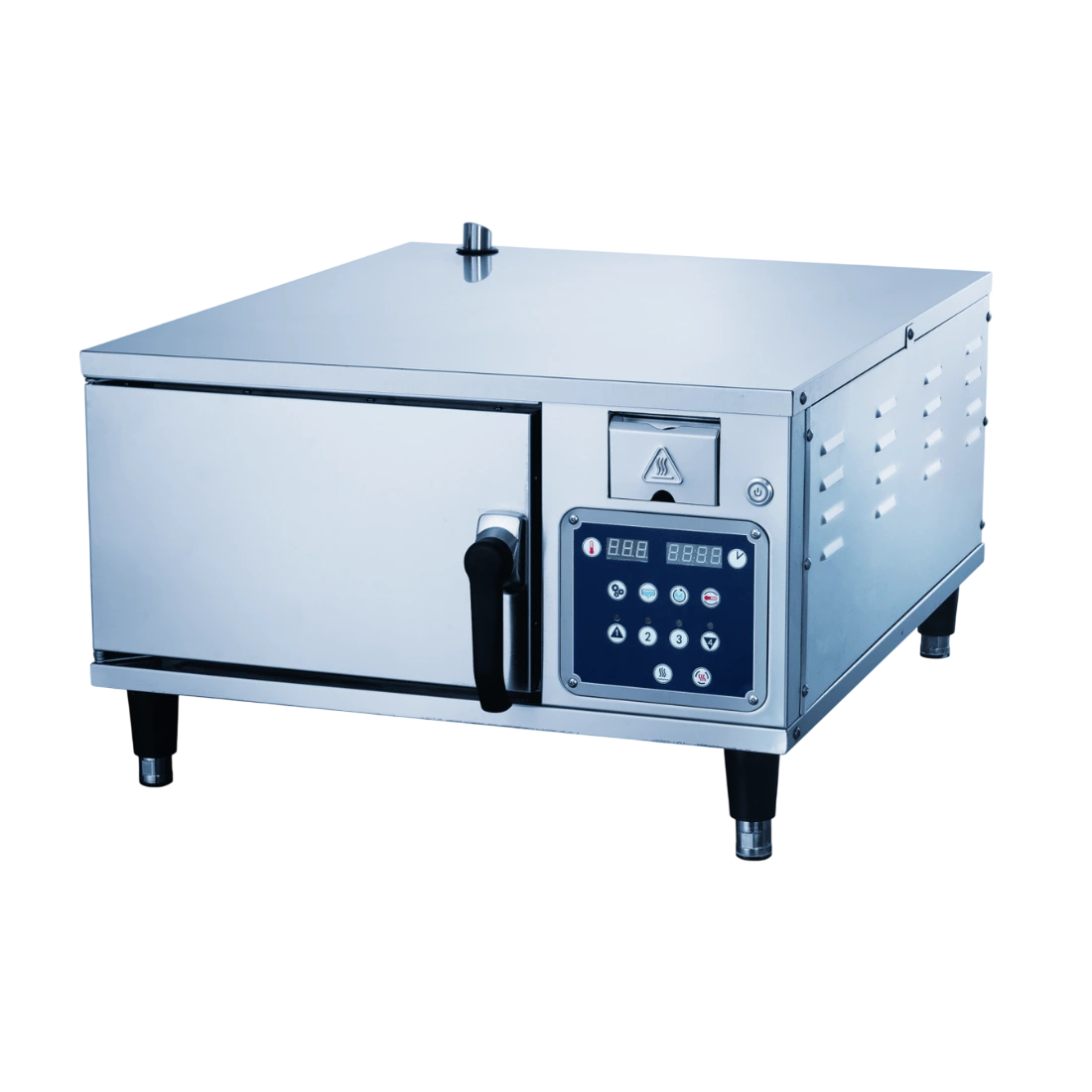
672 × 650 × 420mm
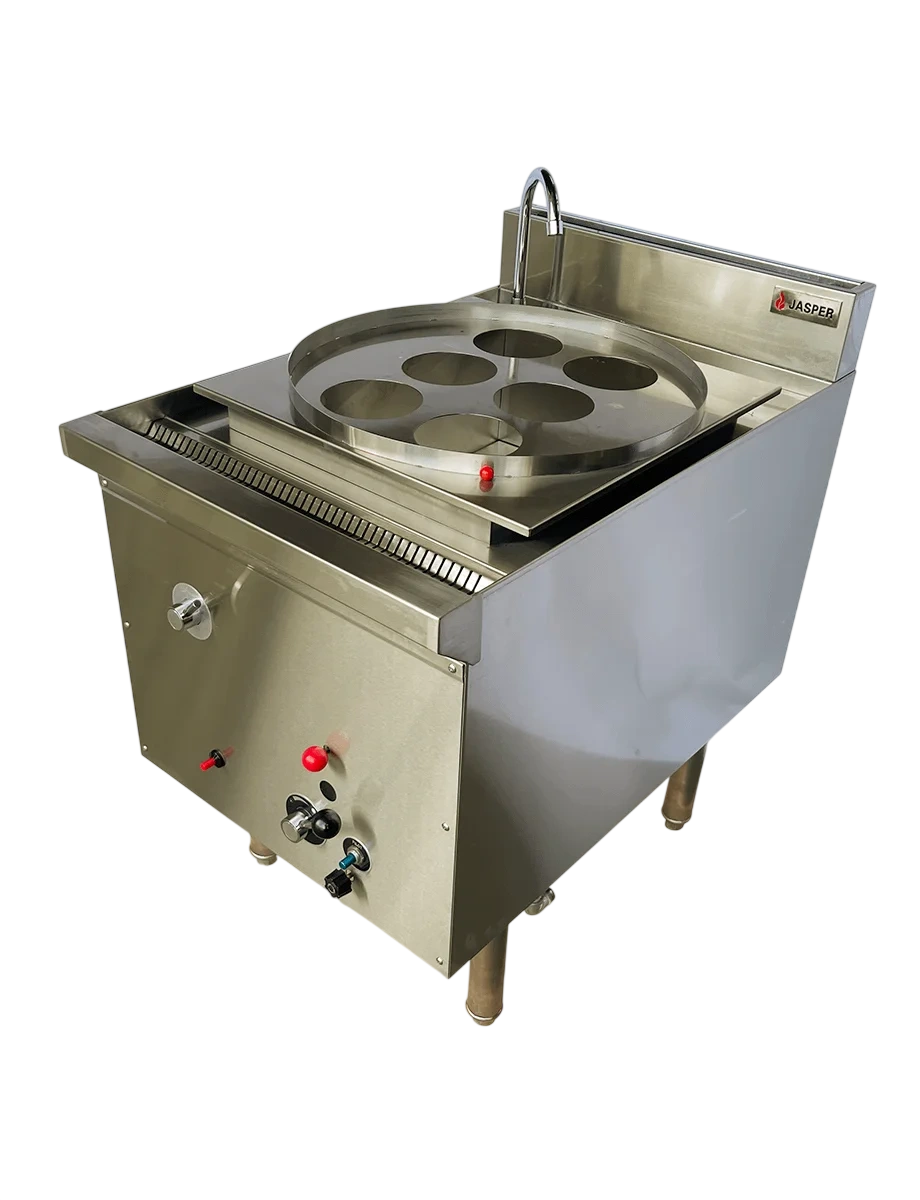
600 × 900 × 960mm
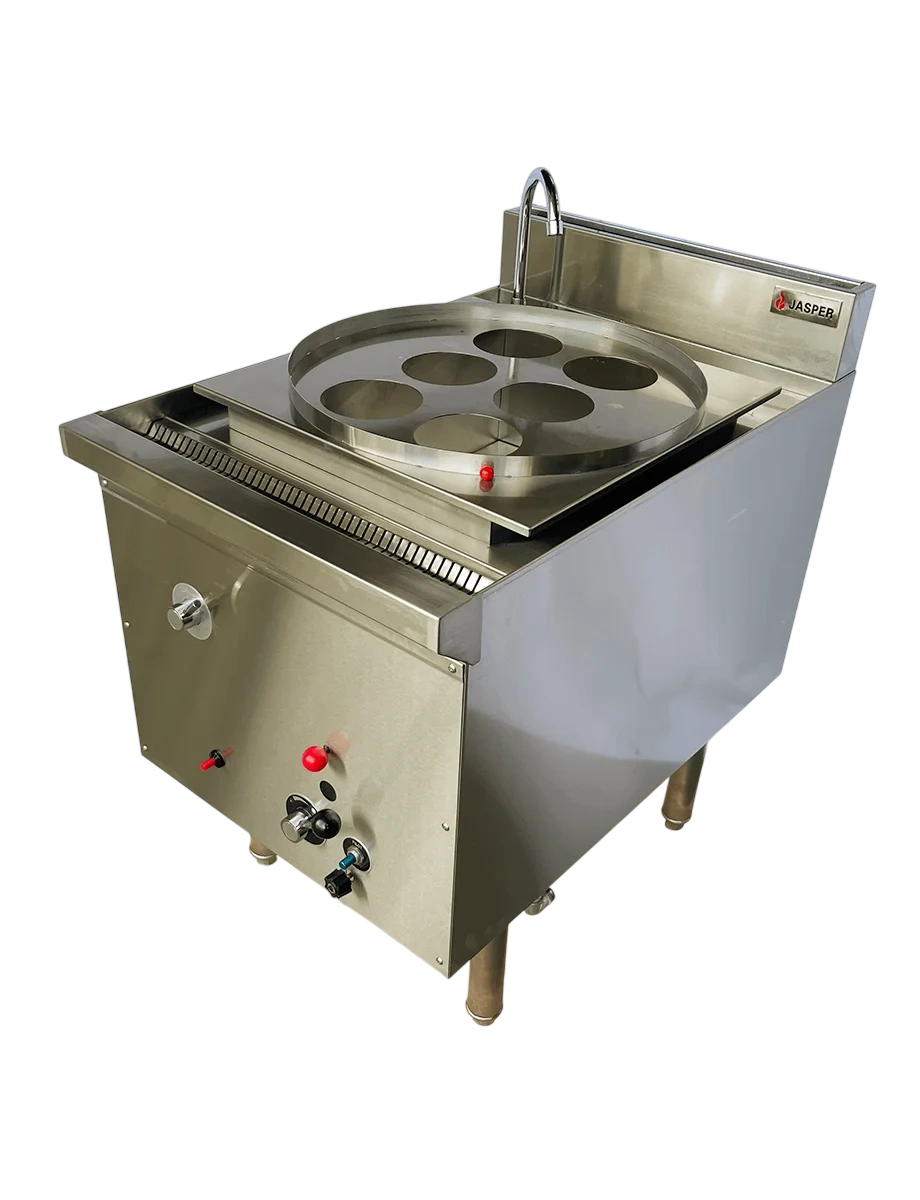
600 × 900 × 960mm
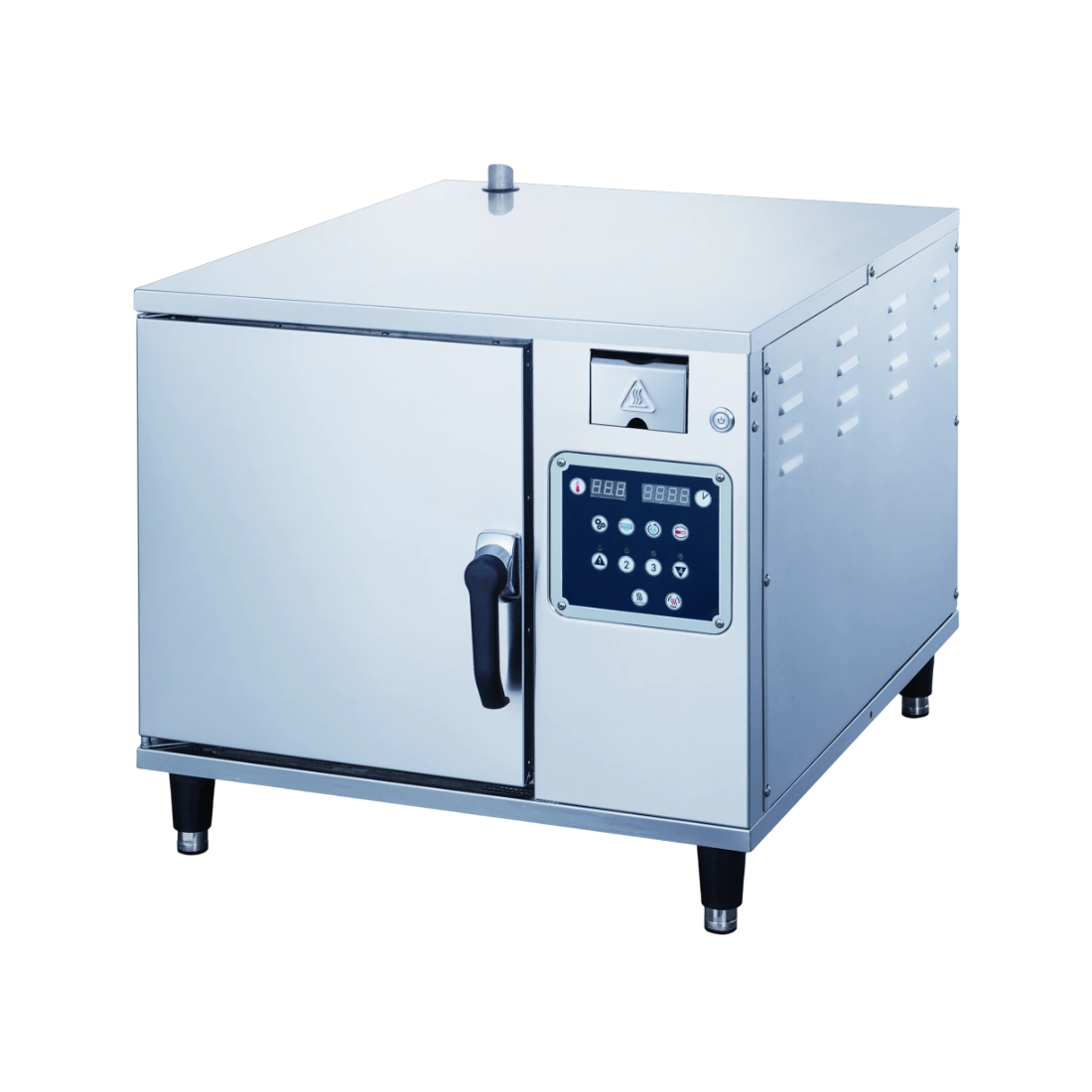
672 × 650 × 620mm
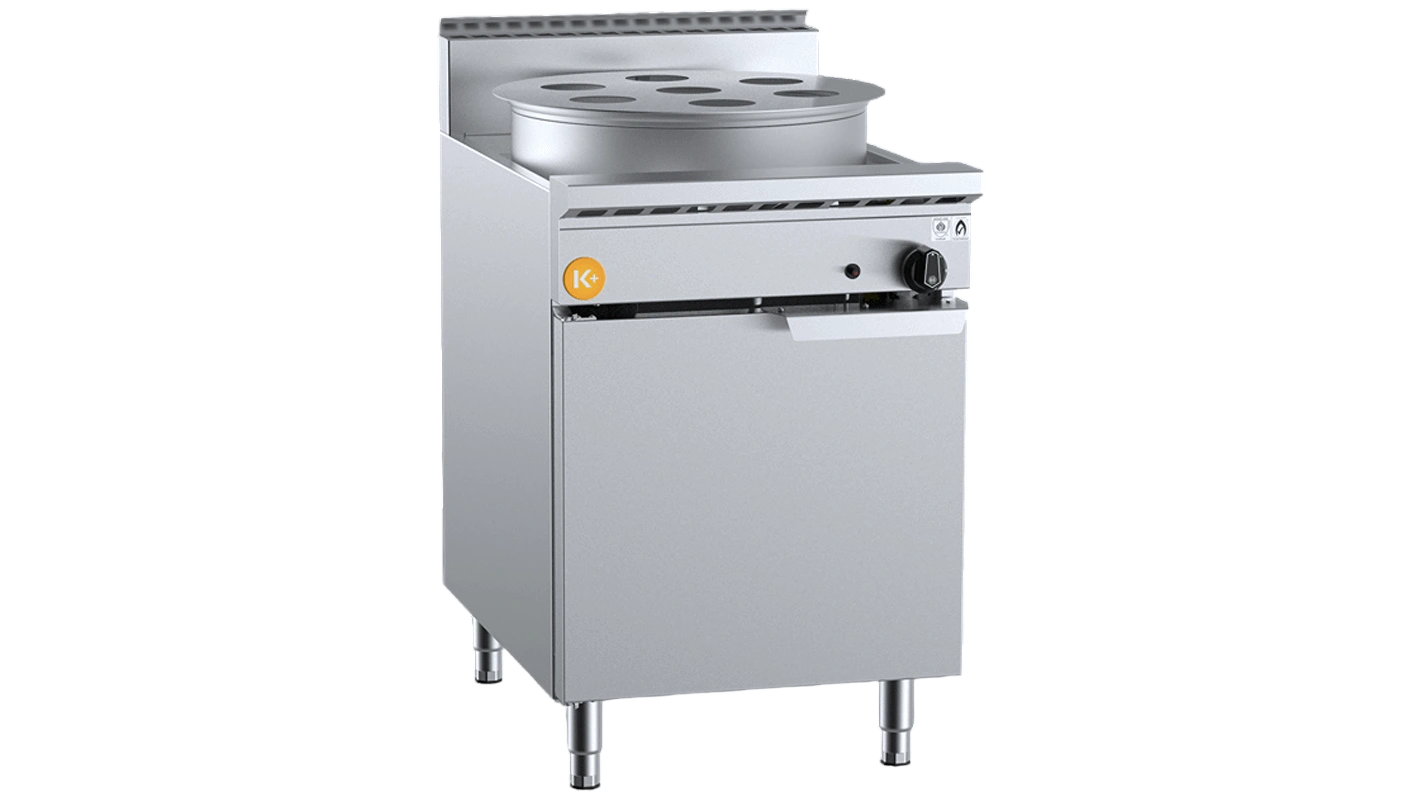
600 × 840 × 1030mm
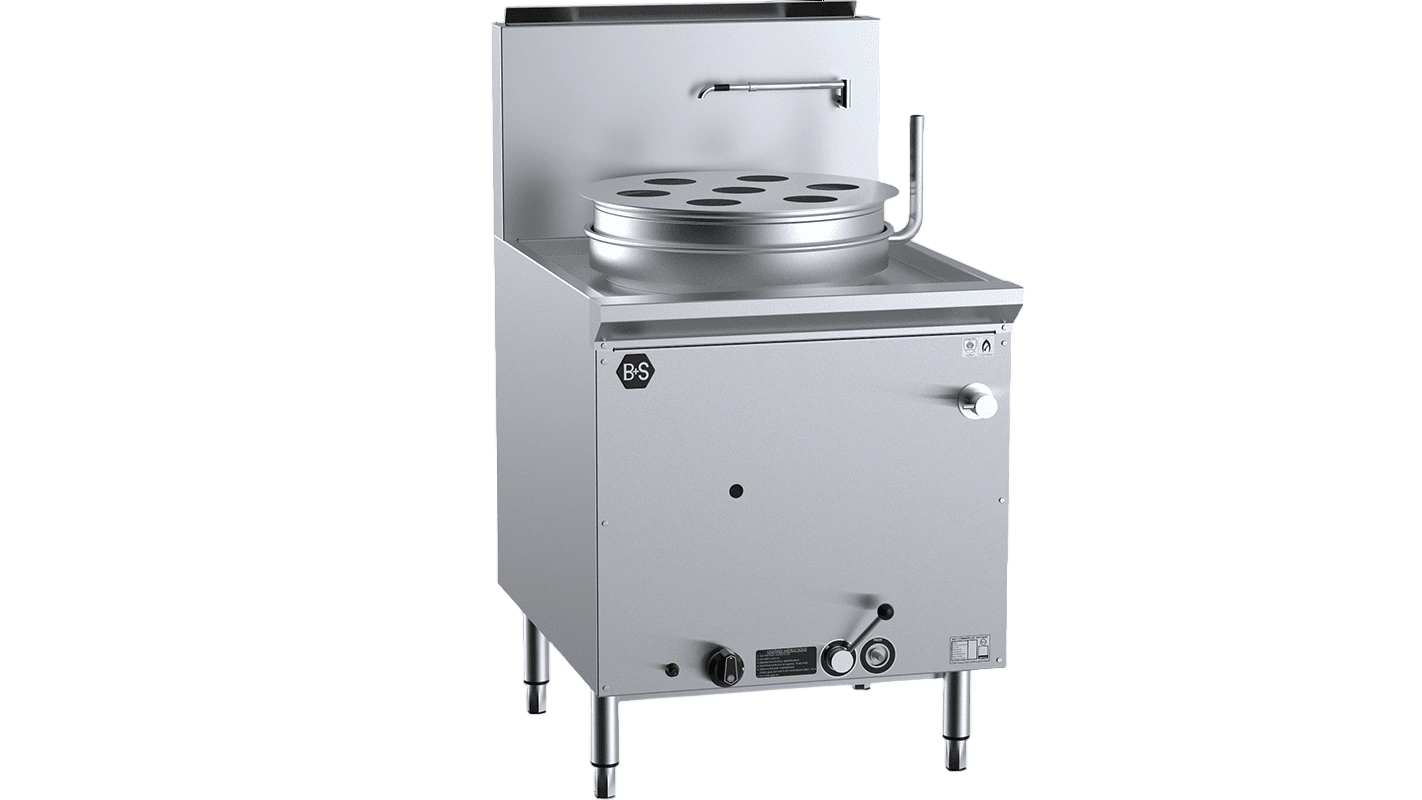
750 × 900 × 1300mm
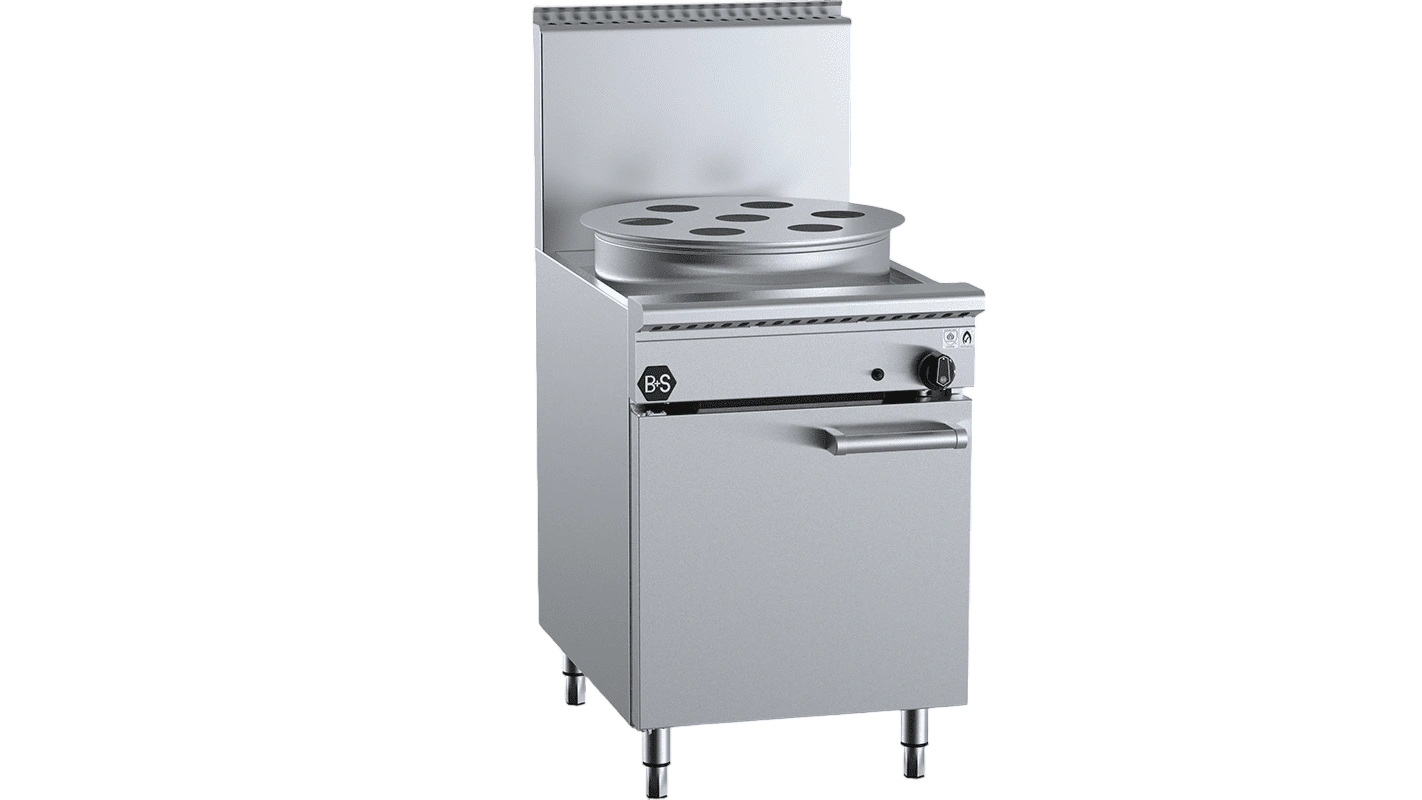
600 × 840 × 1300mm
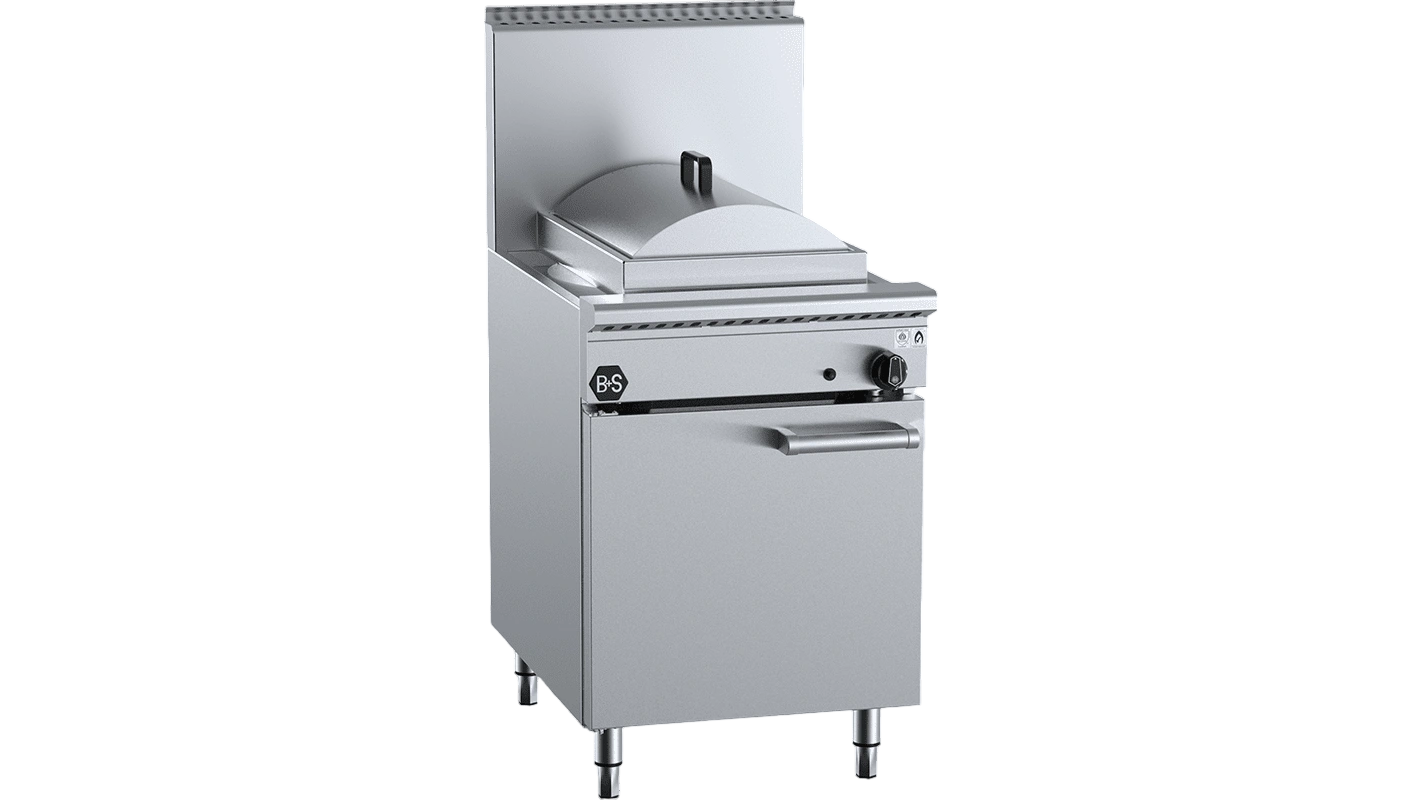
600 × 840 × 1300mm
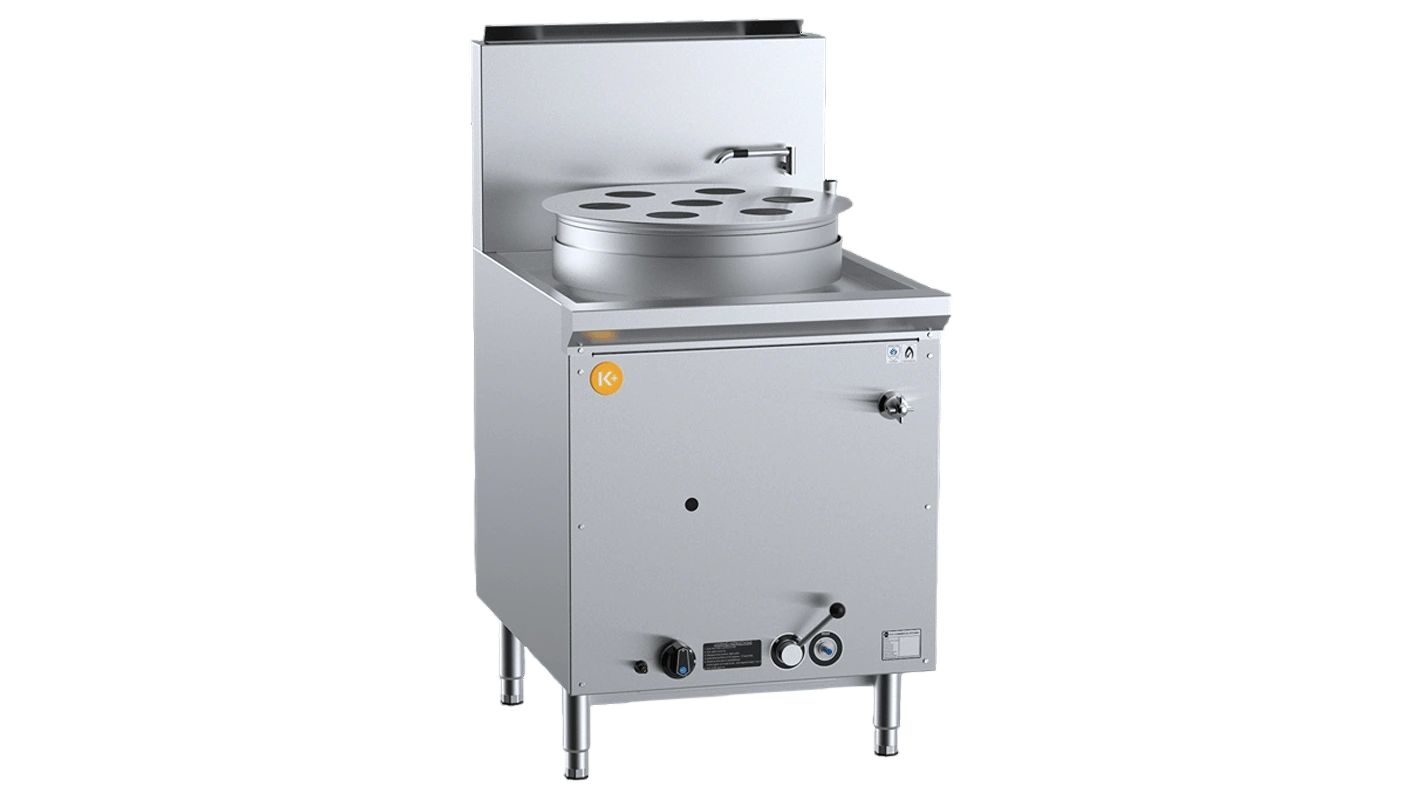
700 × 840 × 1300mm
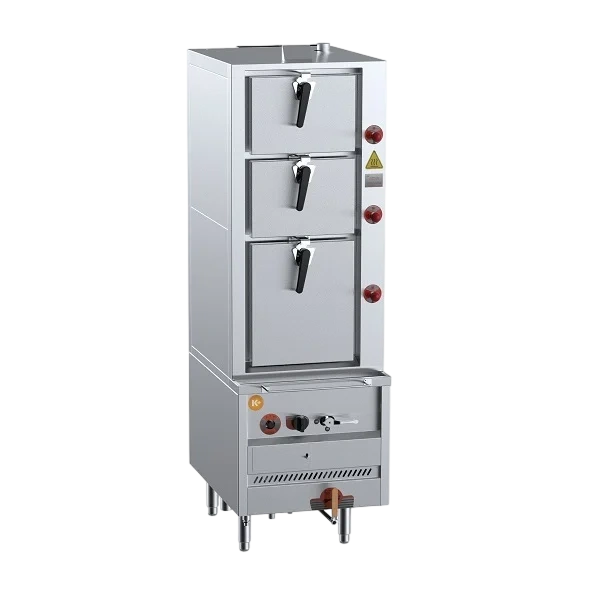
600 × 940 × 1950mm
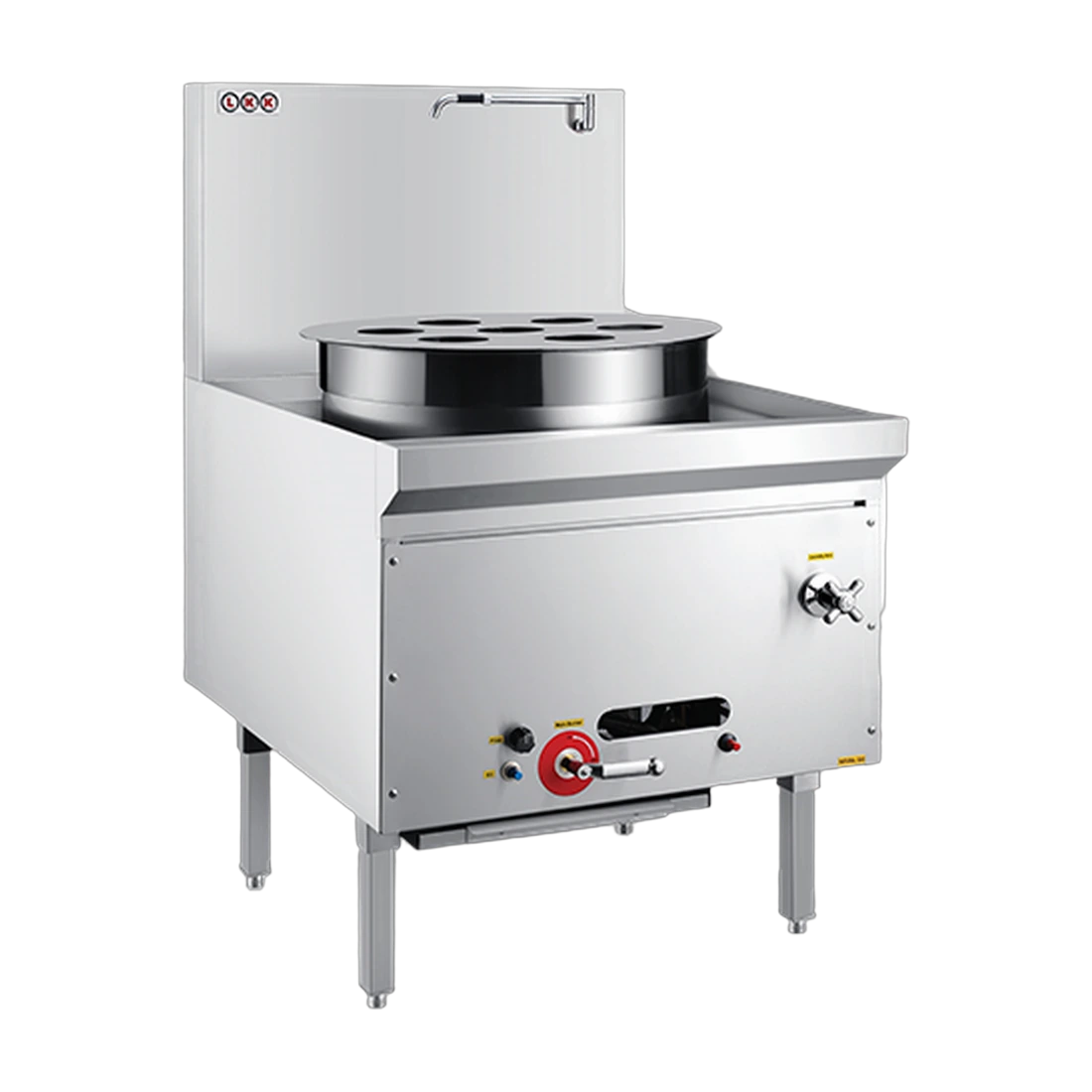
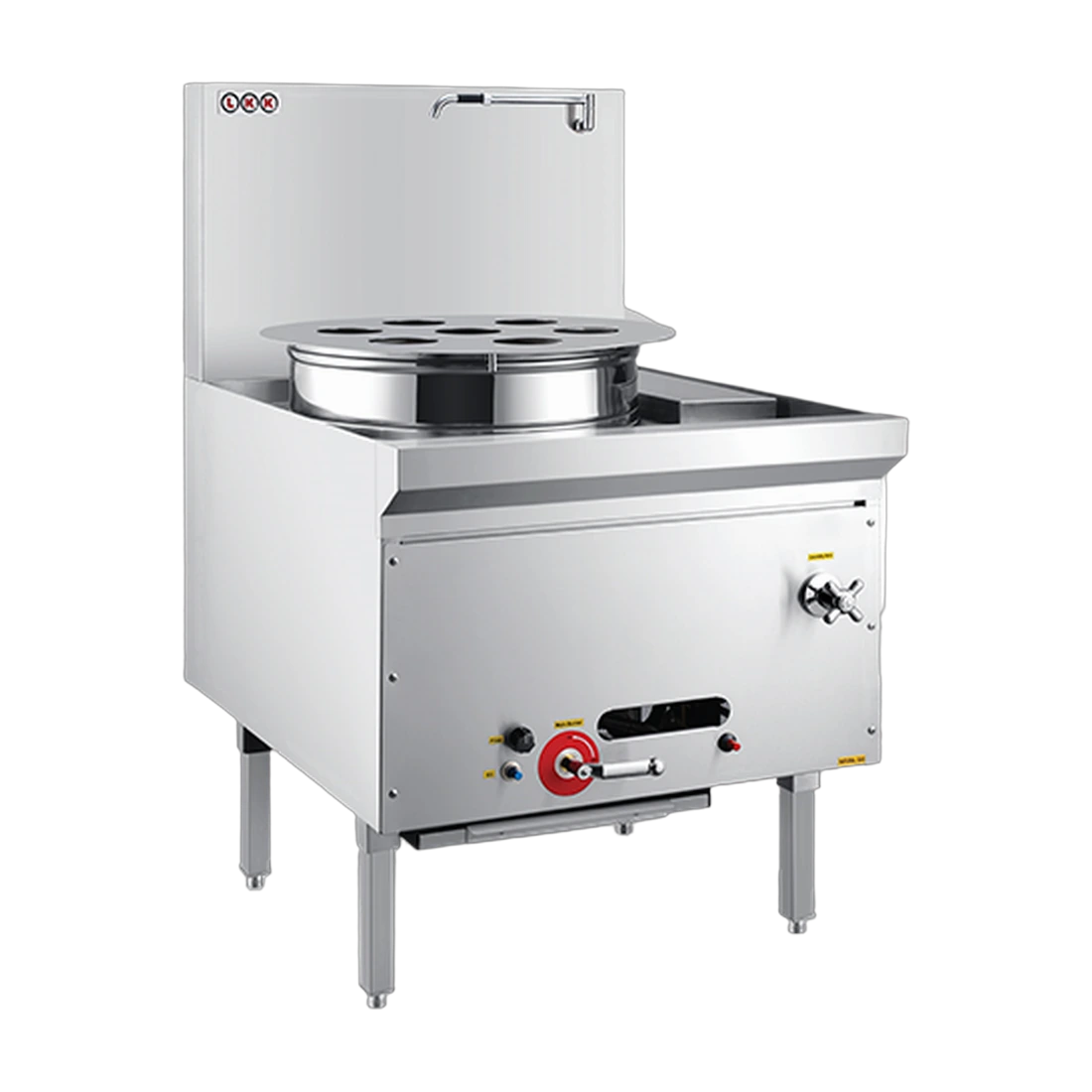
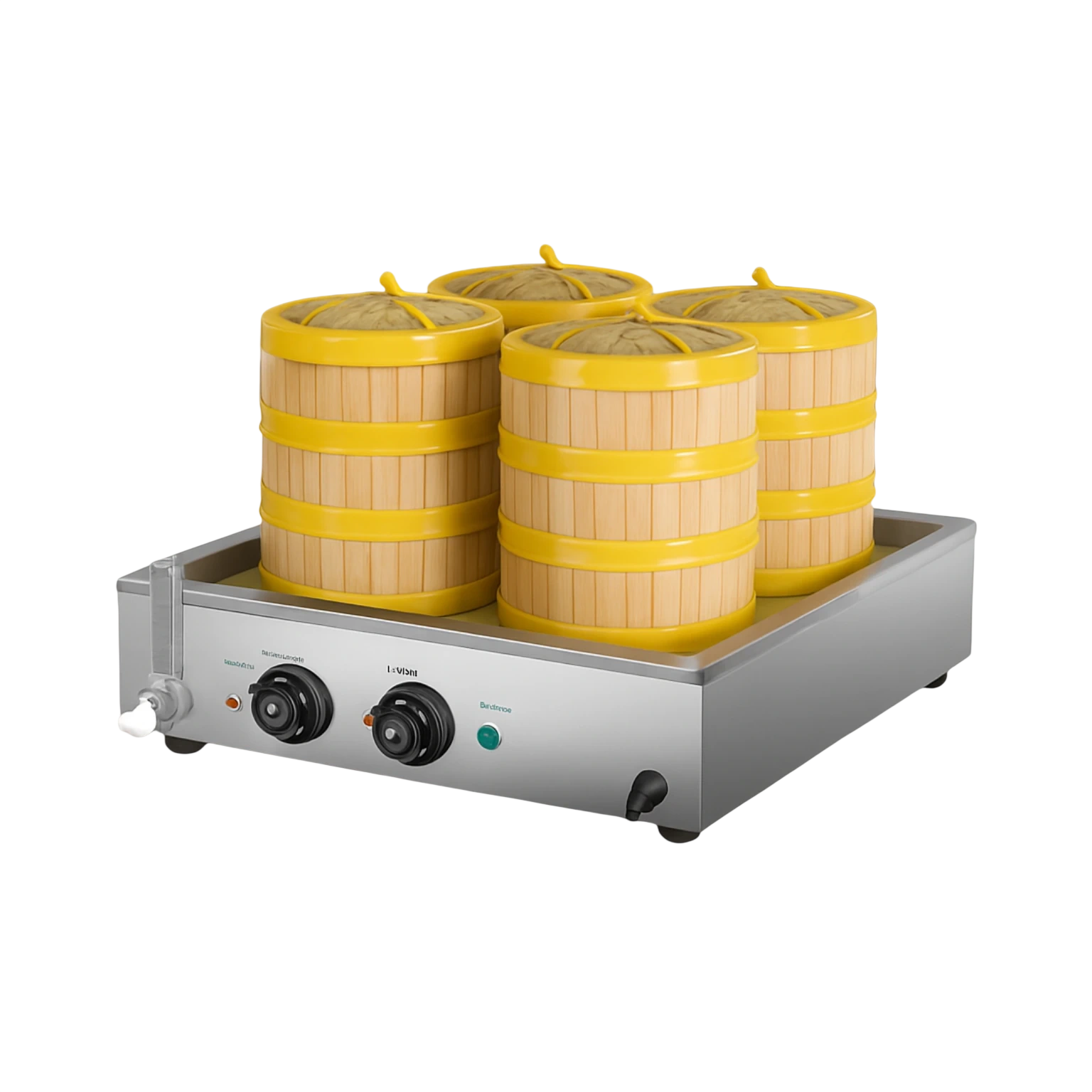
472 × 541 × 145mm
480 × 260 × 130mm
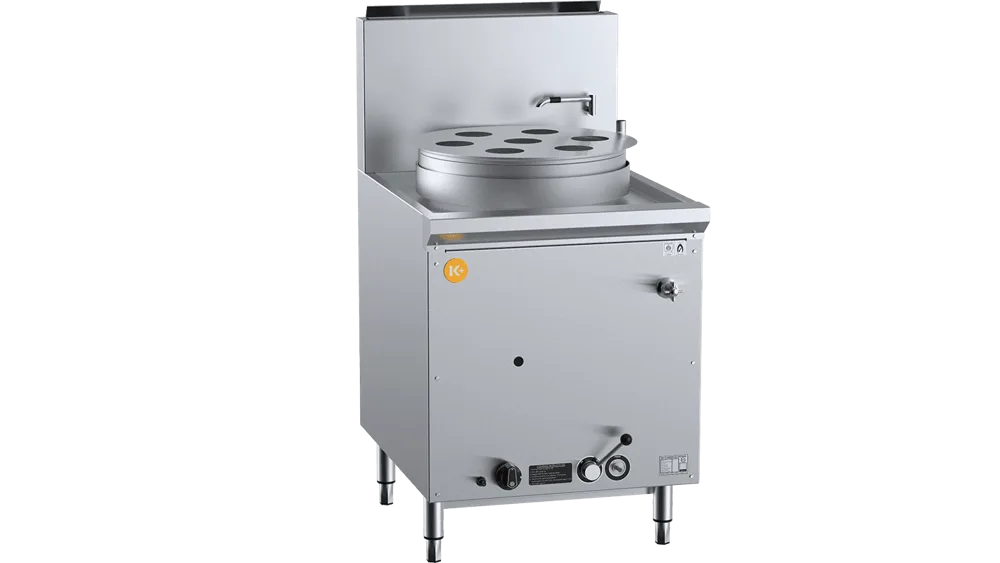
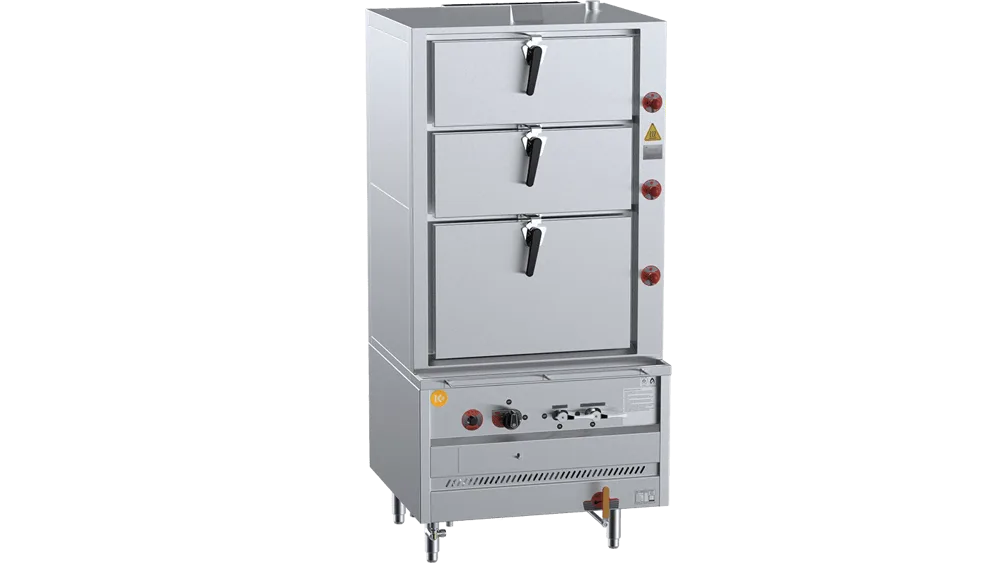
474 × 504 × 250mm
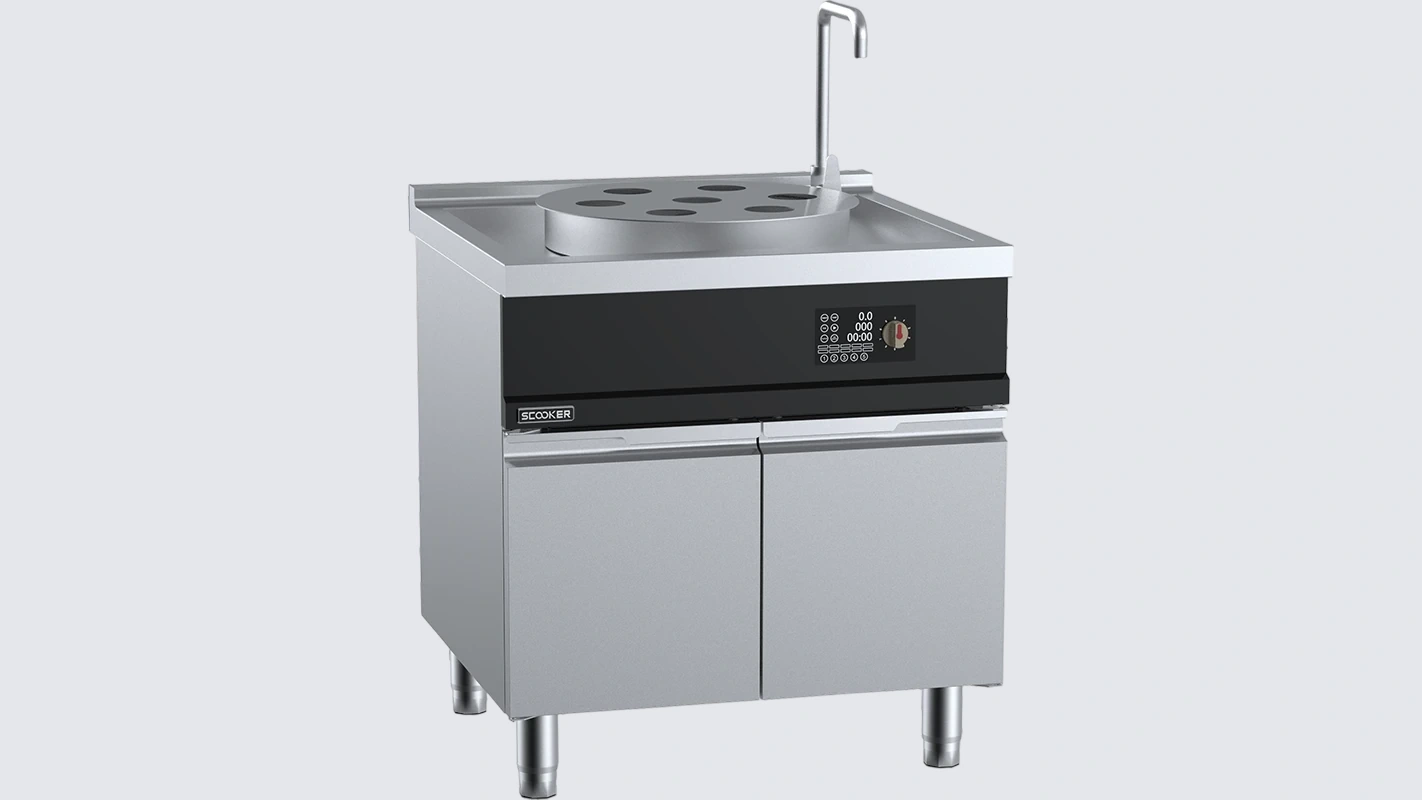
800 × 750 × 880mm