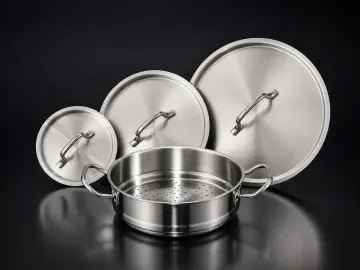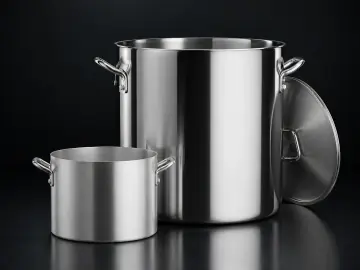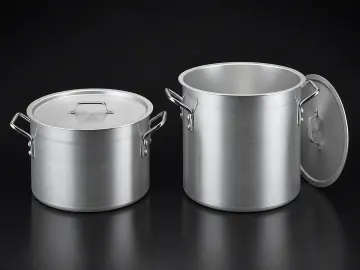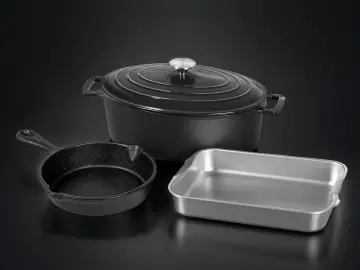
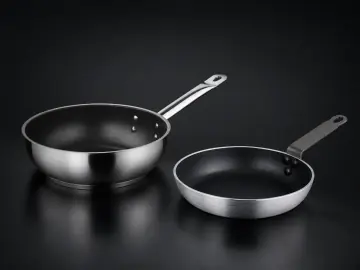
Commercial Frypans
106 products
Commercial Kitchenware
Browse
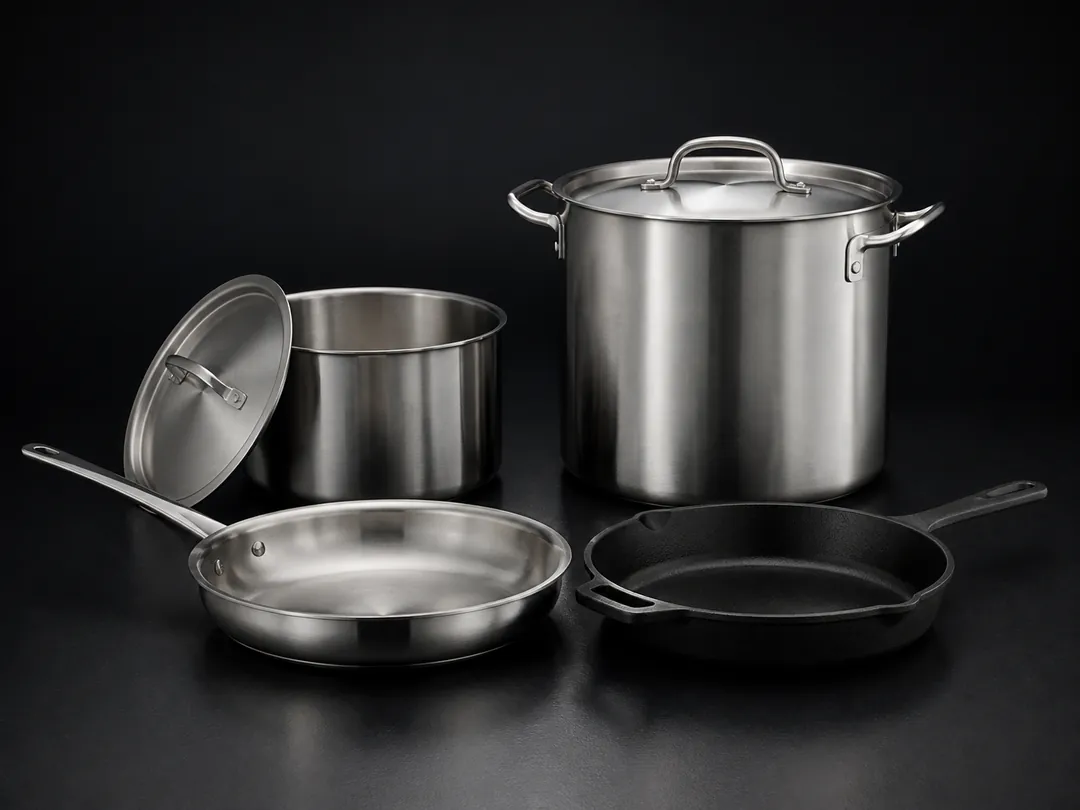
Commercial pots and pans are the cookware hub for choosing vessels used on the line, in prep, and during batch production.
Use this category when the menu needs cookware but the best vessel type is not yet clear. Choose the child category by cooking method, volume, shape and handling.
Key factors to consider before purchasing. Our team can help you find the right fit — call or get a quote anytime.
Match equipment capacity to your daily output. Consider available floor space and door clearances.
Confirm levelling, wall clearance and the access needed for cleaning and service. We can help with kitchen planning.
Submit your kitchen requirements — our equipment specialists will send you a tailored shortlist of commercial pots and pans that fits your budget, venue type and compliance needs.
Standards & Compliance
Cookware choice follows the food and station:
FAQ
High-output flames + thin bases = thermal shock. Commercial cookware uses reinforced bases to prevent doming.
Yes, if you choose induction-ready or multi-ply cookware with magnetic bases.
No — it is a cosmetic effect from heat minerals. It does not affect performance or hygiene.
Most commercial stainless steel and aluminium cookware is dishwasher safe, but handwash non-stick items.
Match pot capacity to batch volume: 10–20L for cafés, 20–40L for restaurants, 40–60L+ for production kitchens.
Why KW
KW keeps cookware selection tied to the cooking job. A frypan, wok, saucepot, stockpot, pressure cooker and lid are not interchangeable; each changes heat contact, batch size, handling and station layout.
Deep Dive
Technical depth from KW's commercial kitchen specialists.
The material of your cookware determines heat behaviour, cleaning effort and lifespan. For professional kitchens, the most reliable options include:
Smooth, polished interiors and clean welds help reduce harbourage points and improve hygiene compliance during council inspections.
Australian commercial gas burners can run between 20–30 MJ/h. Cookware bases must match that power:
The best pot is not the heaviest — it is the one engineered for your heat source and workflow.
Each cooking environment demands different cookware characteristics:
It helps choose the correct cookware type before selecting individual items.
Choose by cooking method: fry, toss, simmer, boil, pressure cook, steam or cover.
Plan utensils, storage, potwashing, shelving and the cooking station around the cookware.
Thinking in stations simplifies the decision-making process:
Low-grade cookware warps, burns food and fails under repeated washing. Over 12–24 months, replacing domestic-grade cookware often costs more than investing upfront in commercial-grade options. Reliable cookware:
Effective commercial cookware planning goes beyond the pot. Consider:
Cookware links storage, cooktops, ovens, sinks and plating. Operator detail: check where a full pot will be lifted, drained and washed before choosing the vessel size; handling can be the limiting factor.
Common mistakes include buying by diameter alone, forgetting lids, or choosing cookware before confirming the station it will sit on. Pots and pans usually lead to utensils, potwash planning, shelving, stainless steel trolleys and cleaning tools.
291 results
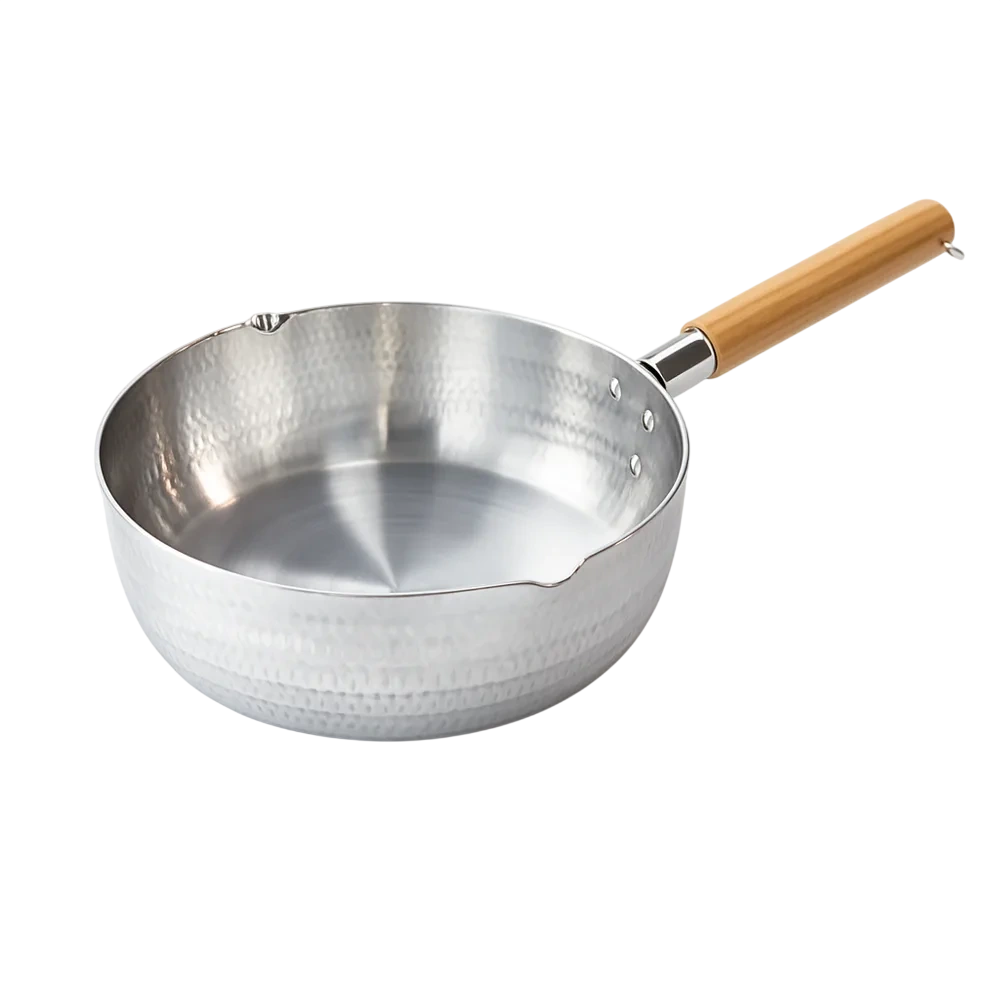
220 × 220 × 85mm
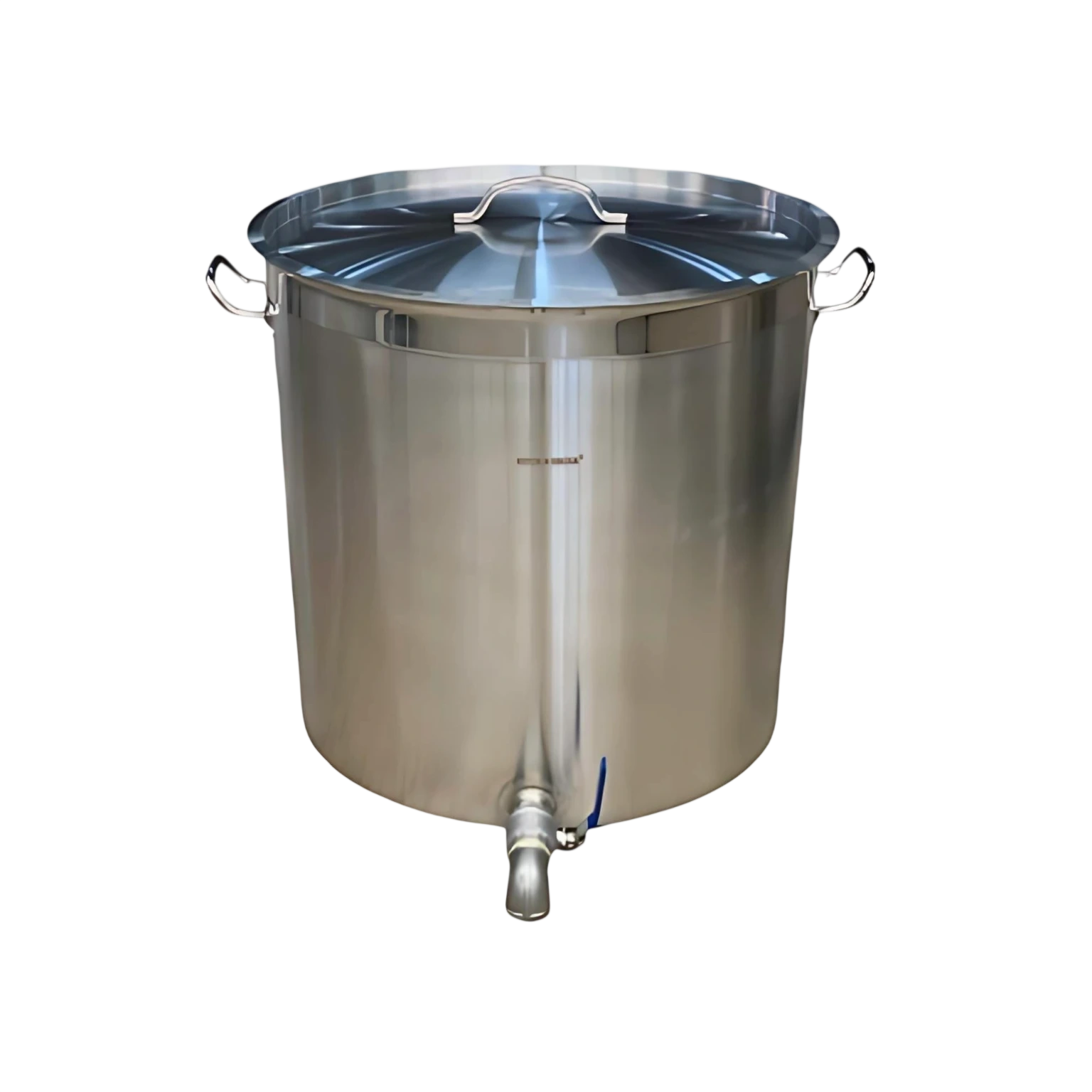
500 × 500 × 500mm
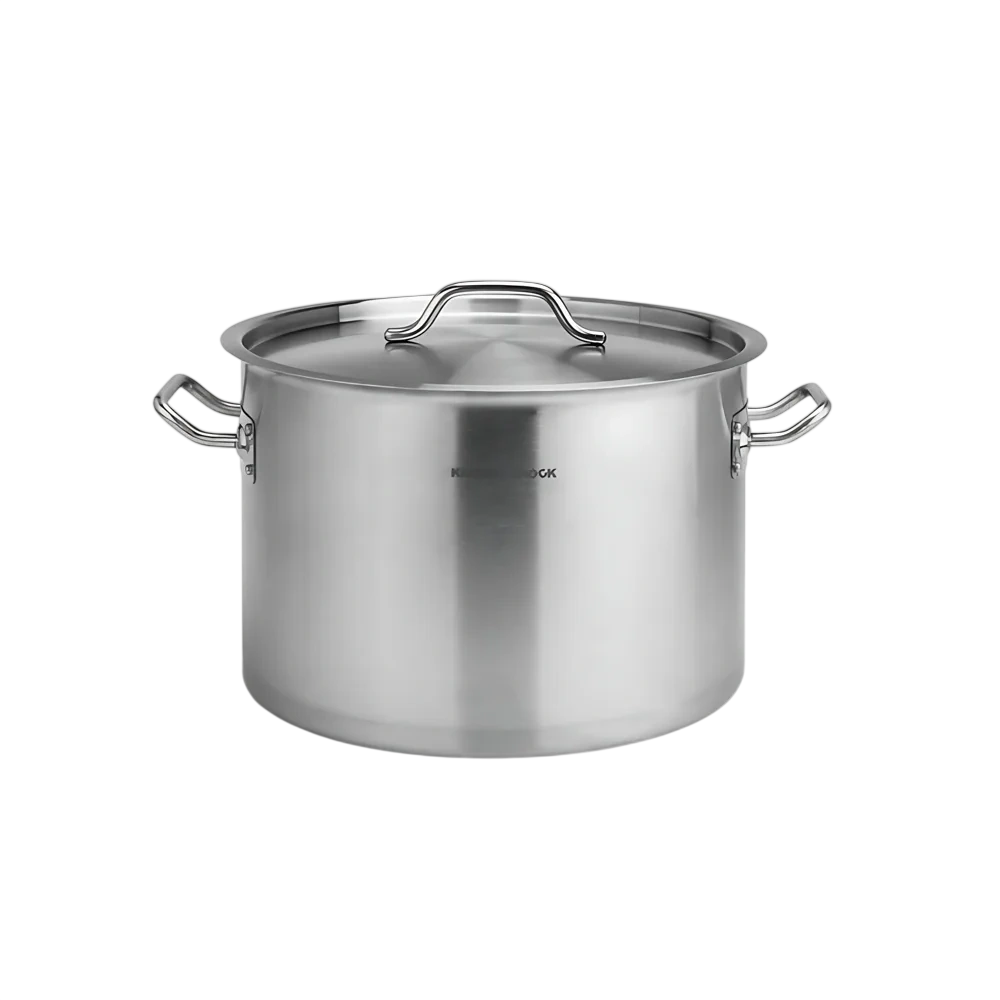
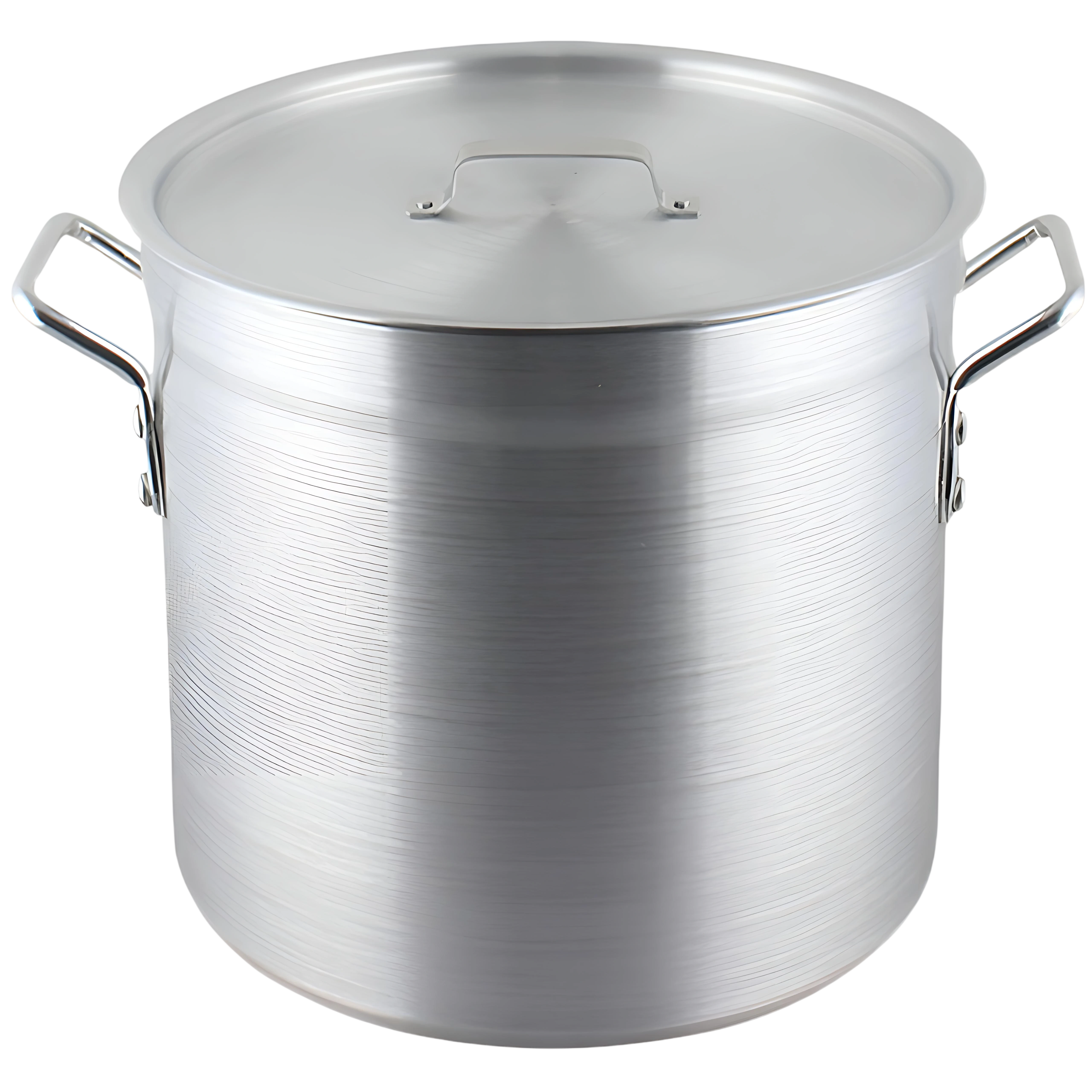
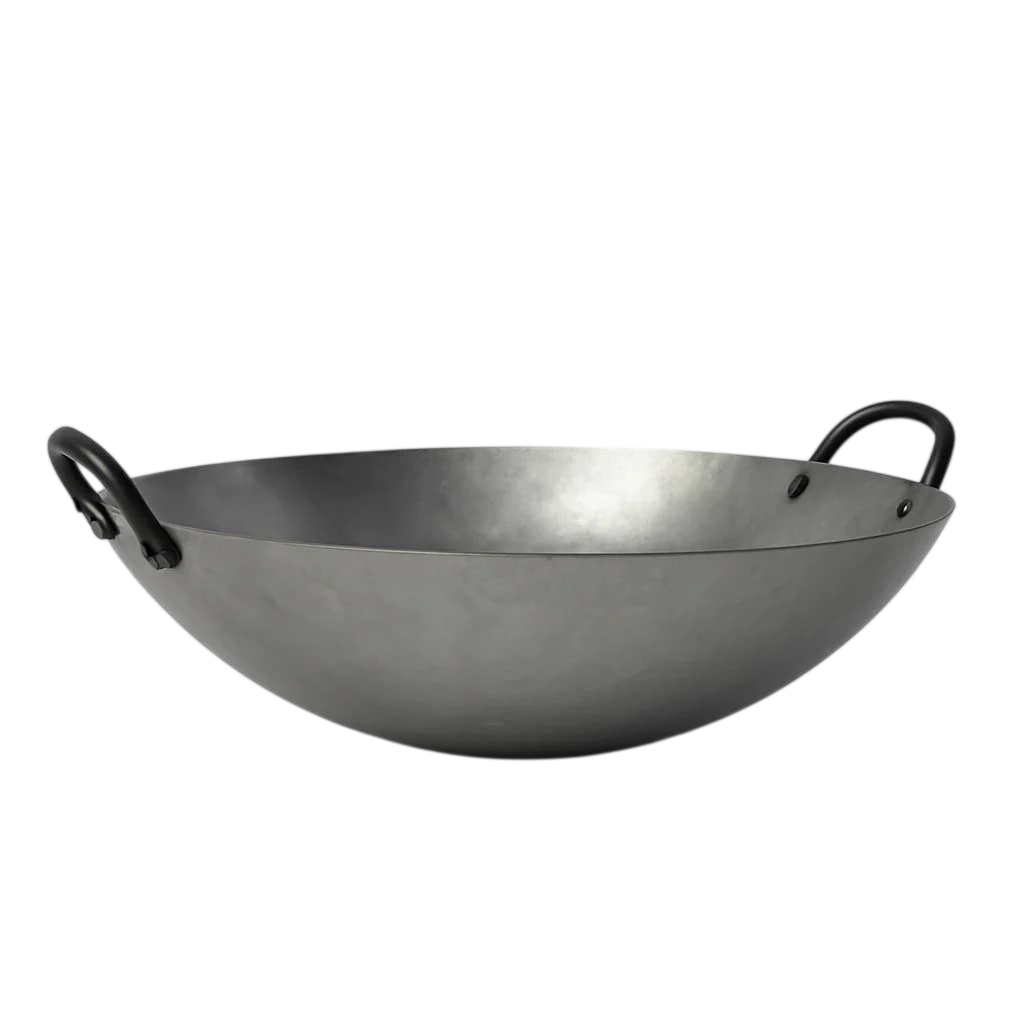
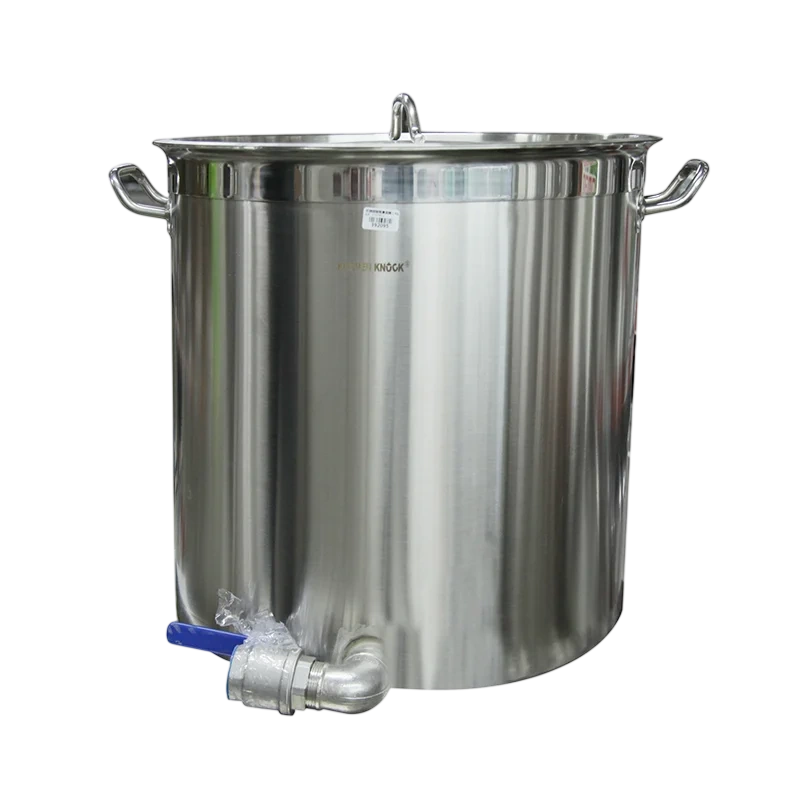
600 × 600 × 600mm
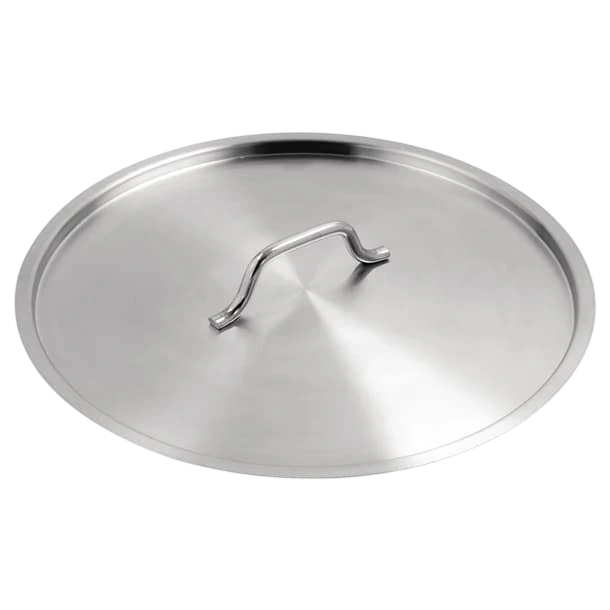
400 × 400 × 20mm
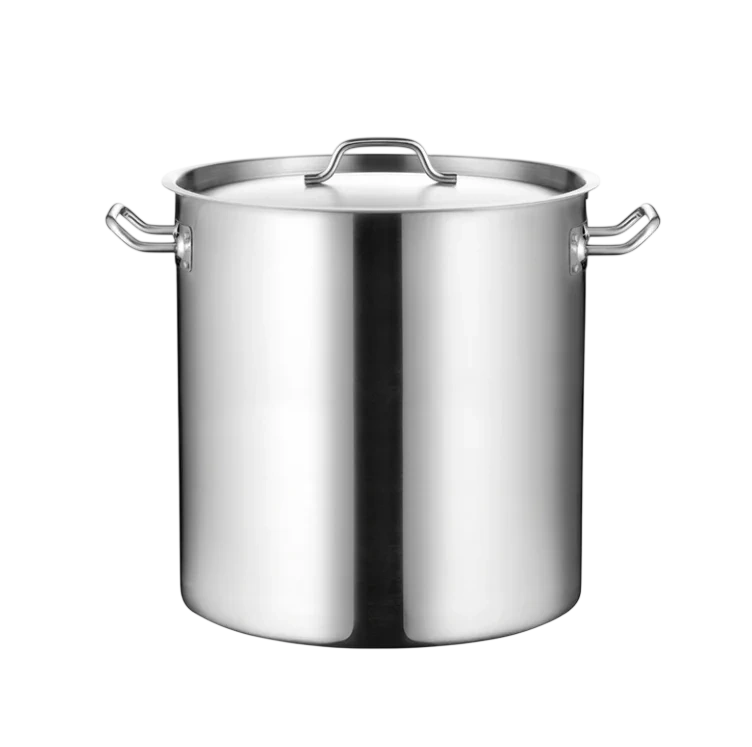
400 × 400 × 400mm
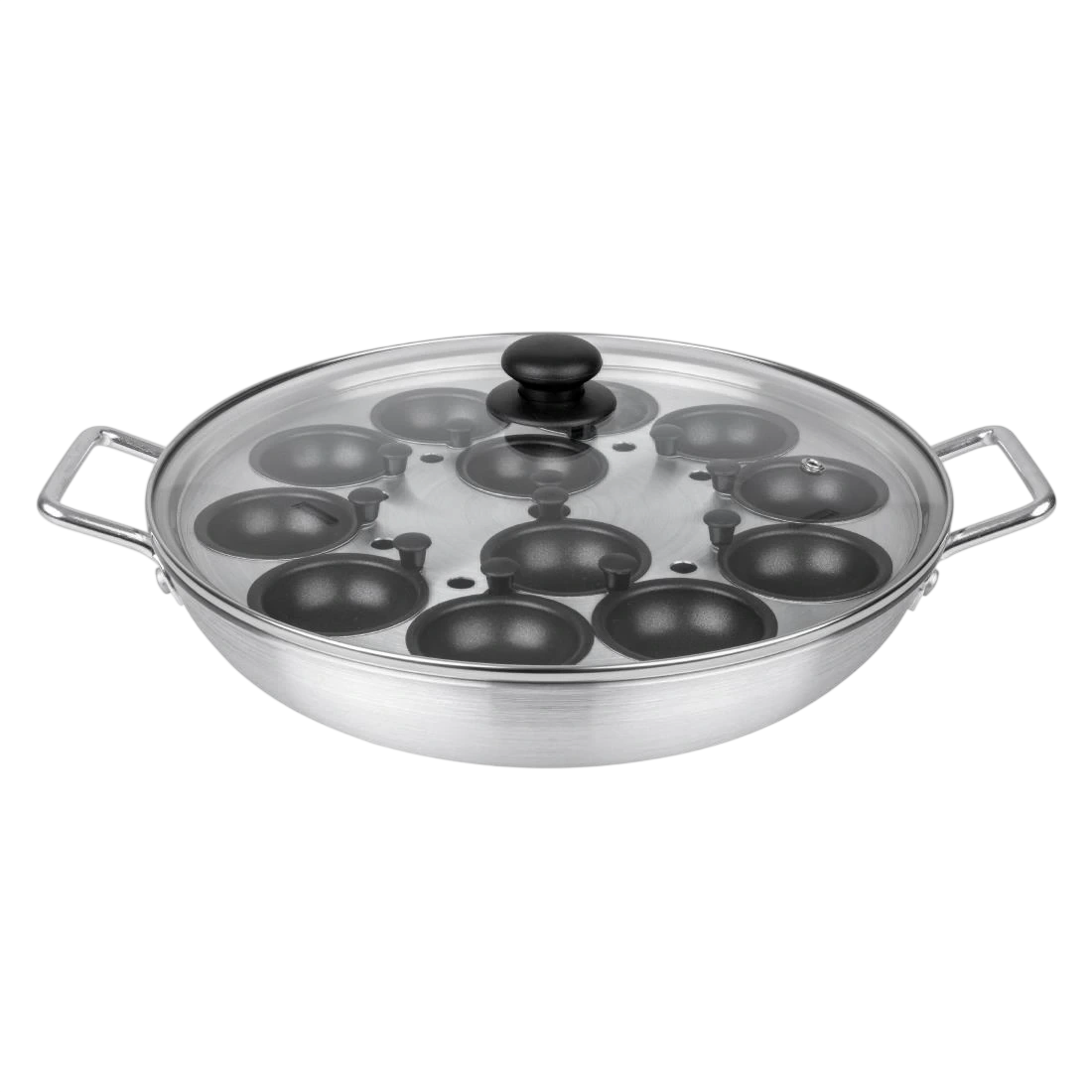
130 × 368 × 350mm
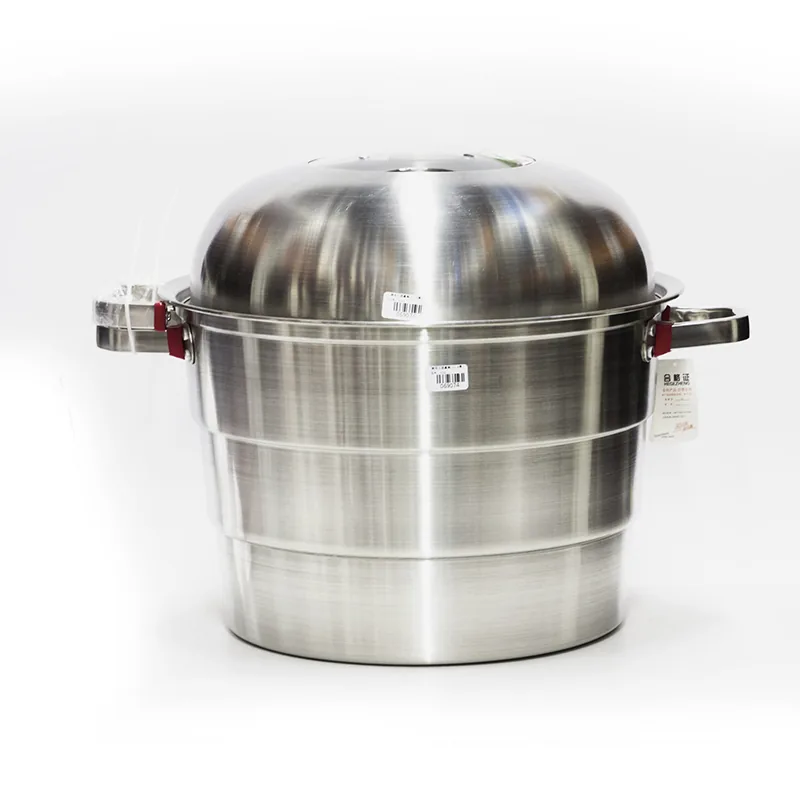
500 × 500 × 420mm
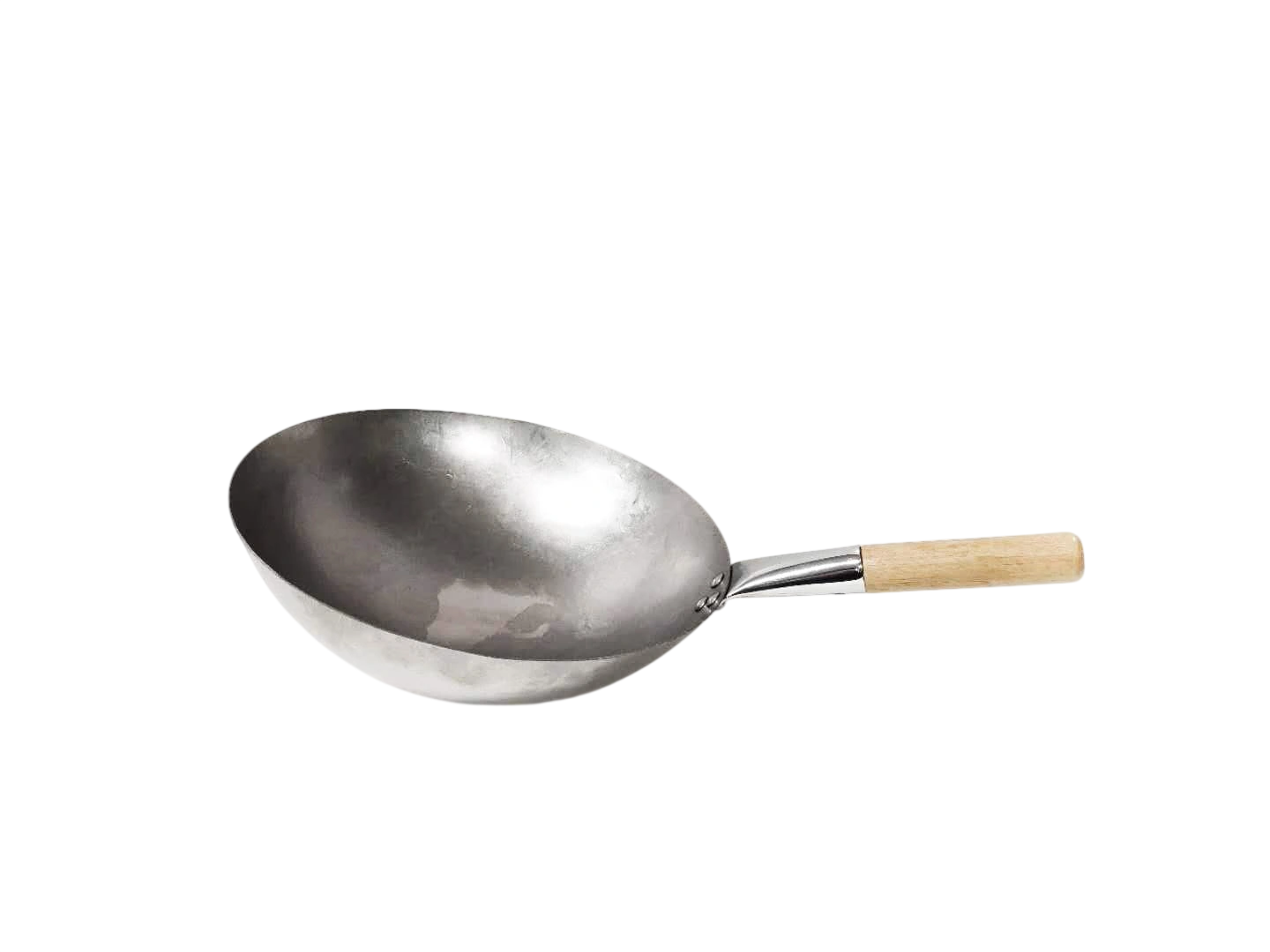
430 × 430 × 130mm
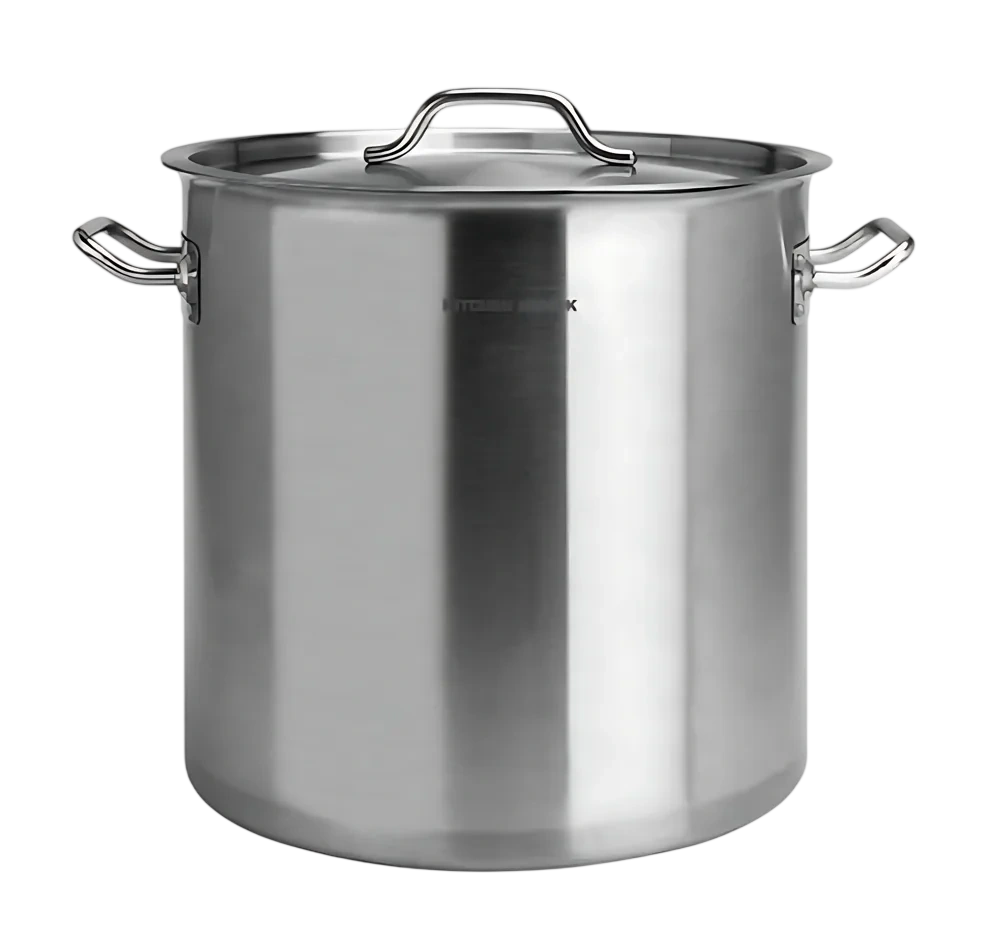
600 × 600 × 600mm
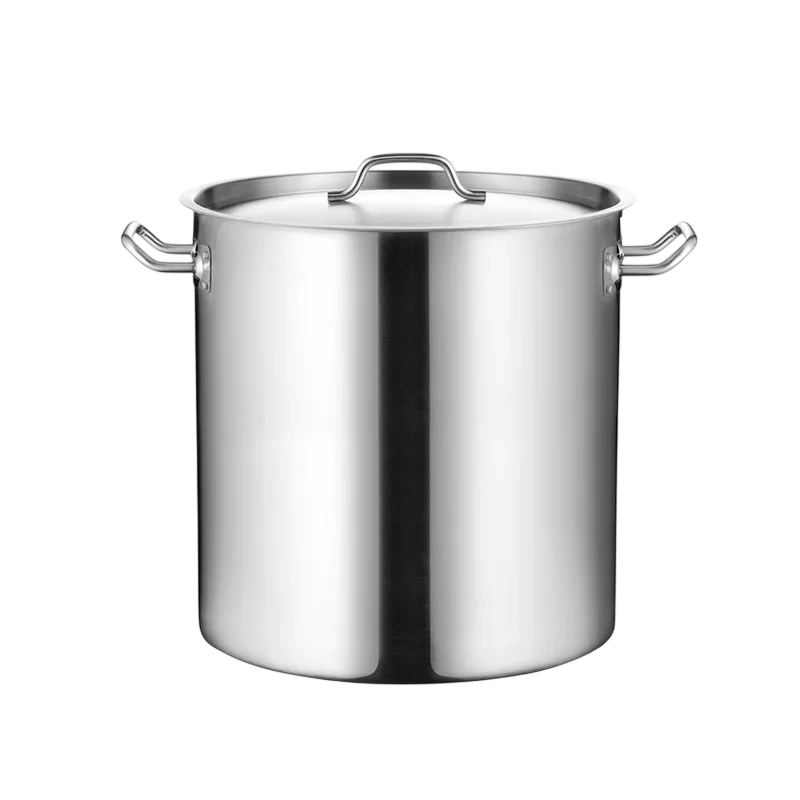
550 × 550 × 550mm
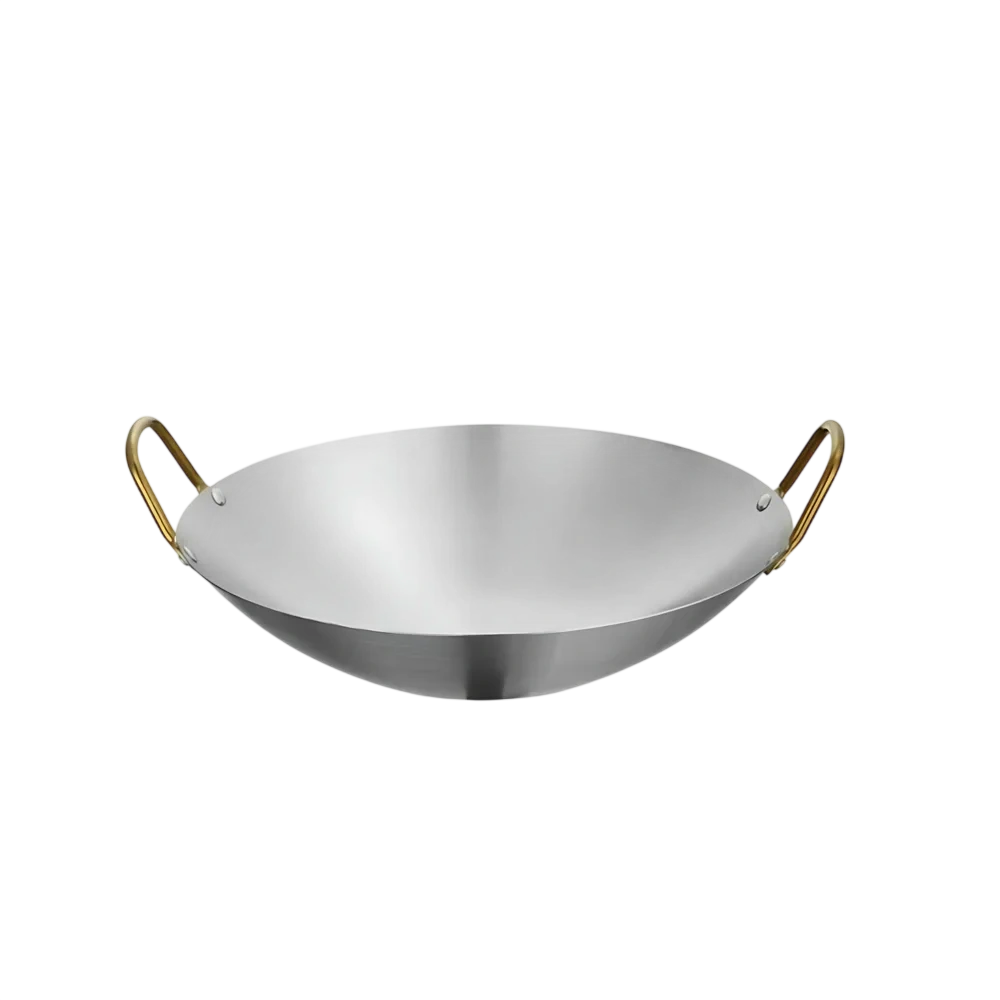
228 × 228 × 60mm
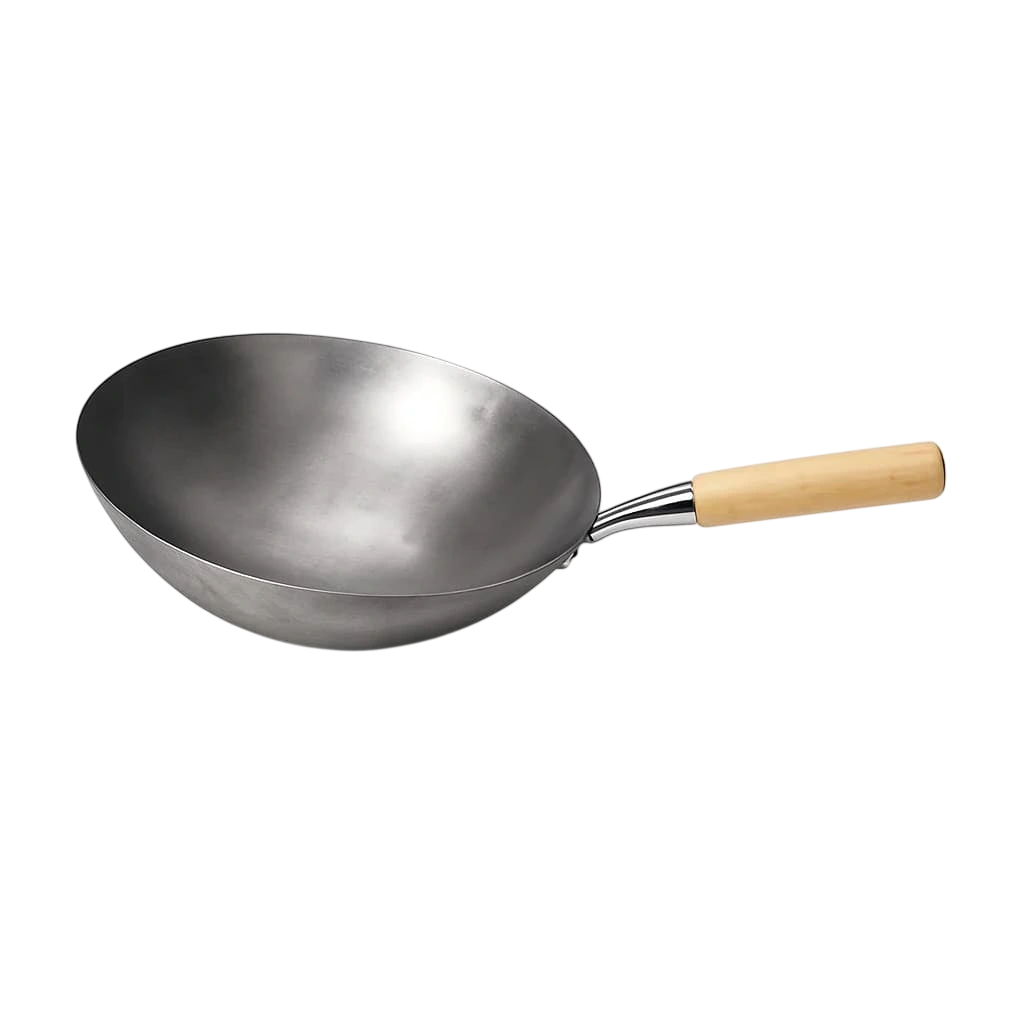
400 × 400 × 120mm
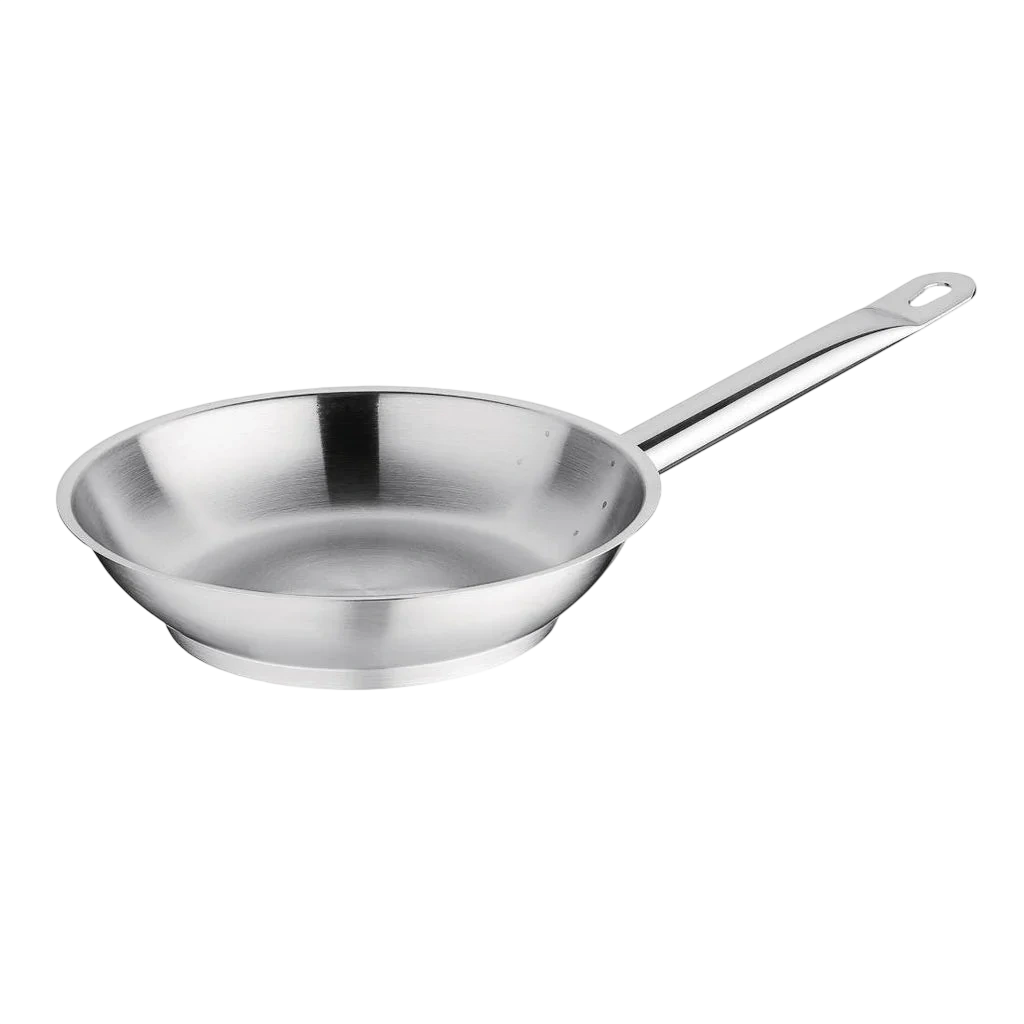
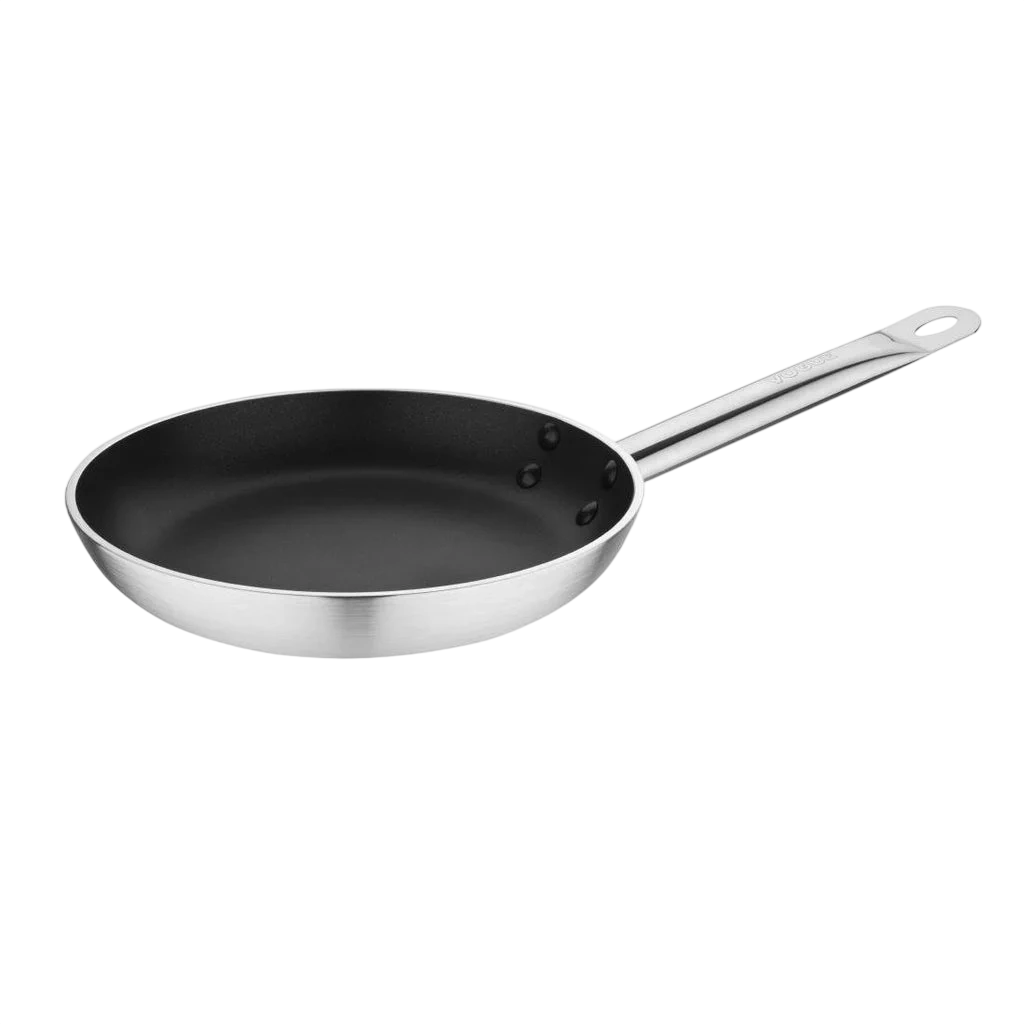
360 × 360 × 240mm
360 × 360 × 240mm
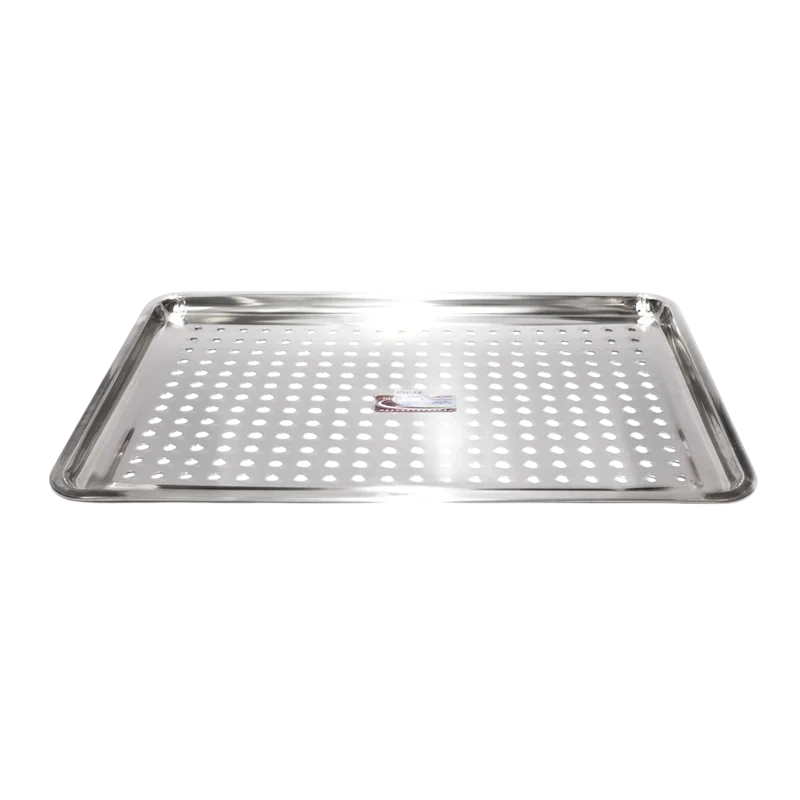
600 × 400 × 20mm
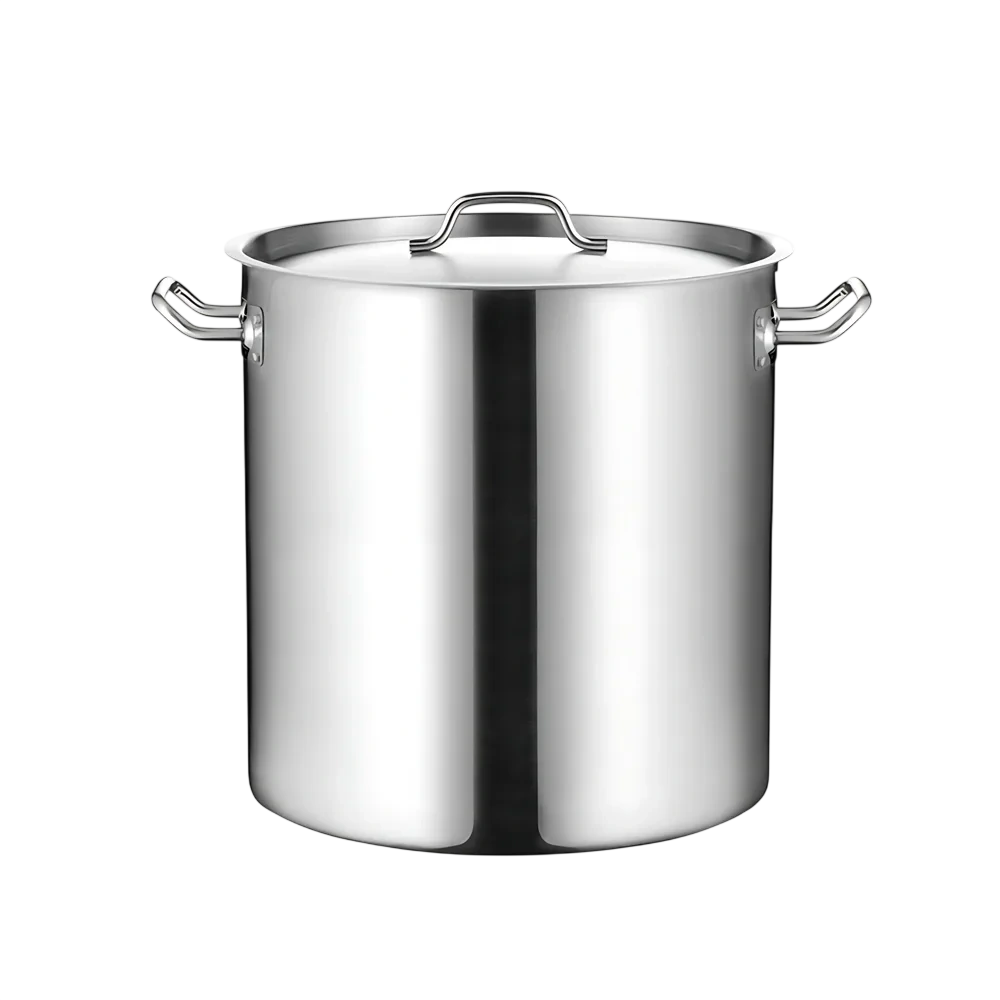
360 × 360 × 360mm
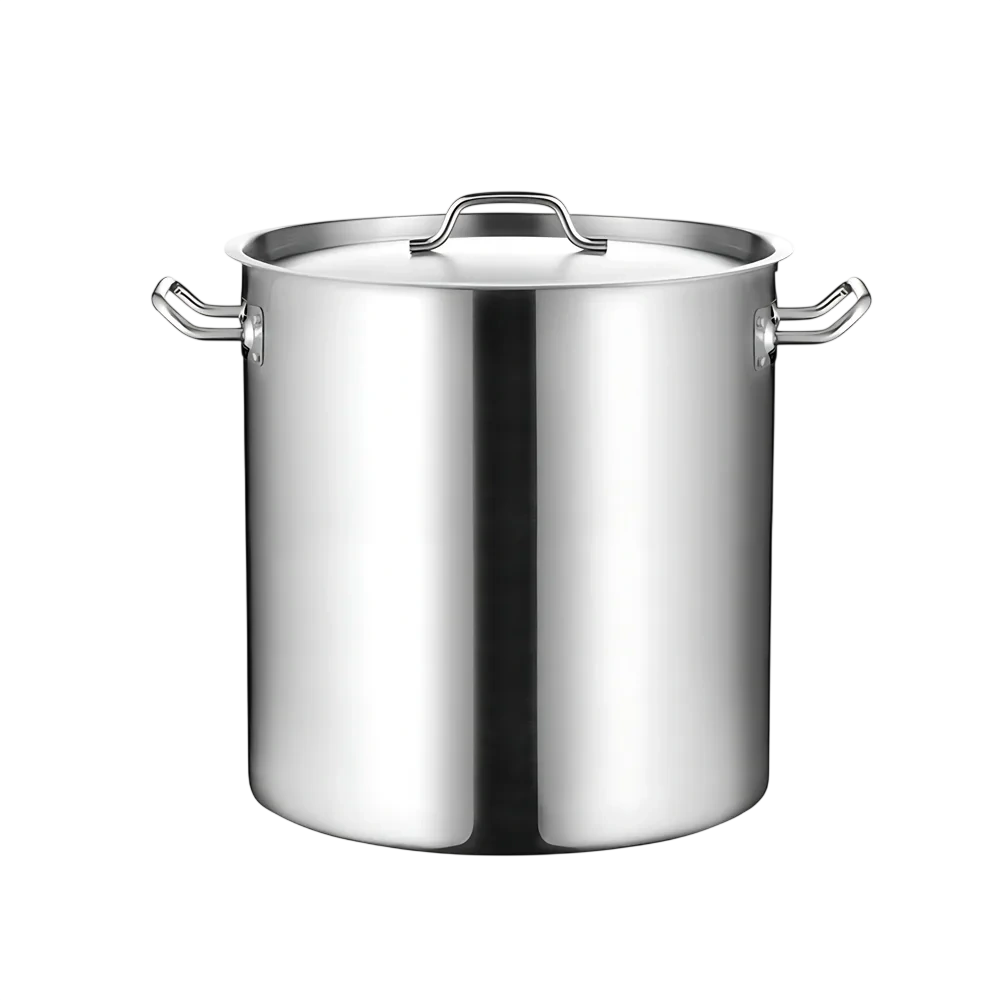
200 × 200 × 200mm
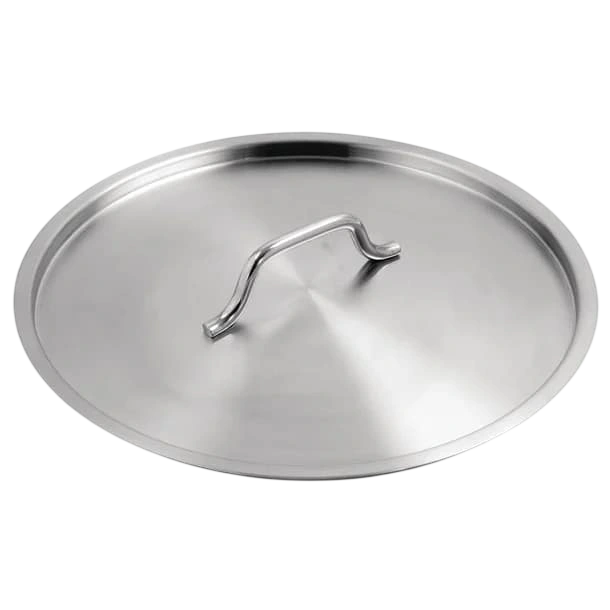
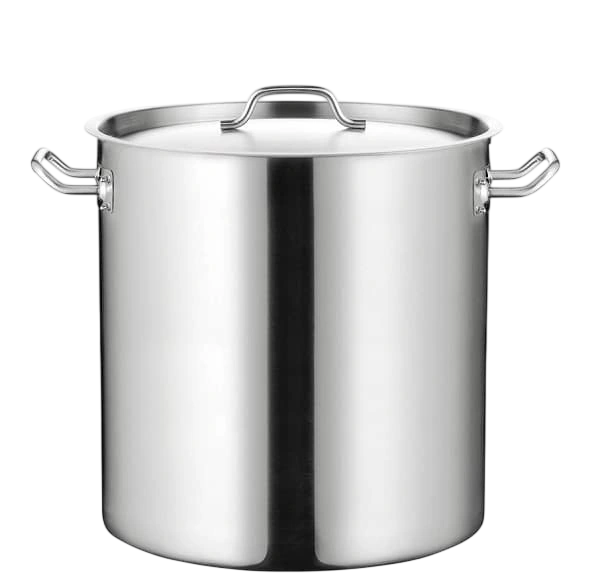
250 × 250 × 250mm
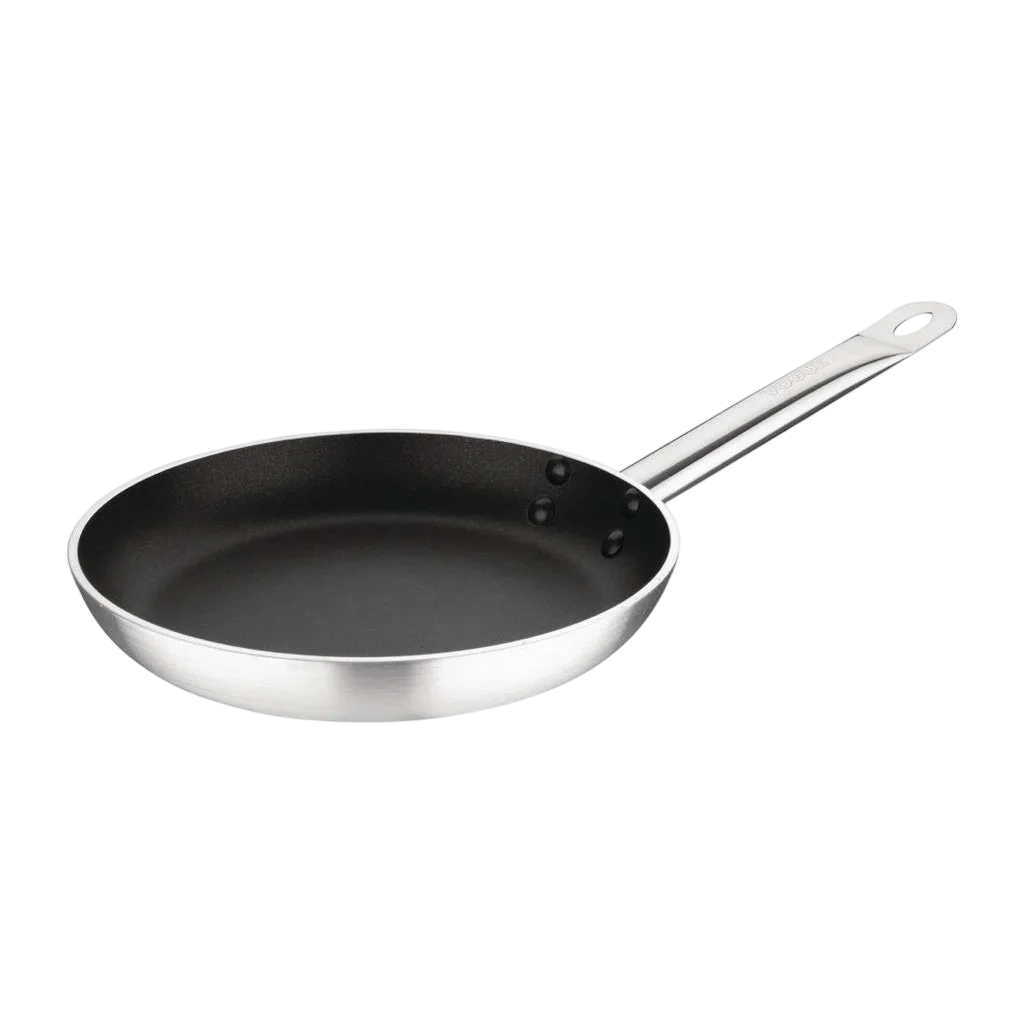
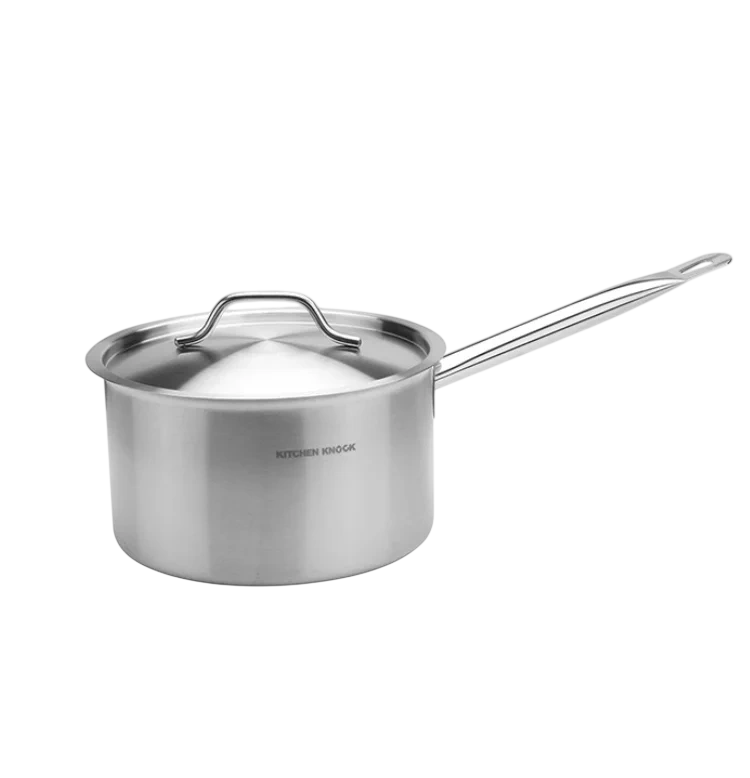
220 × 220 × 130mm
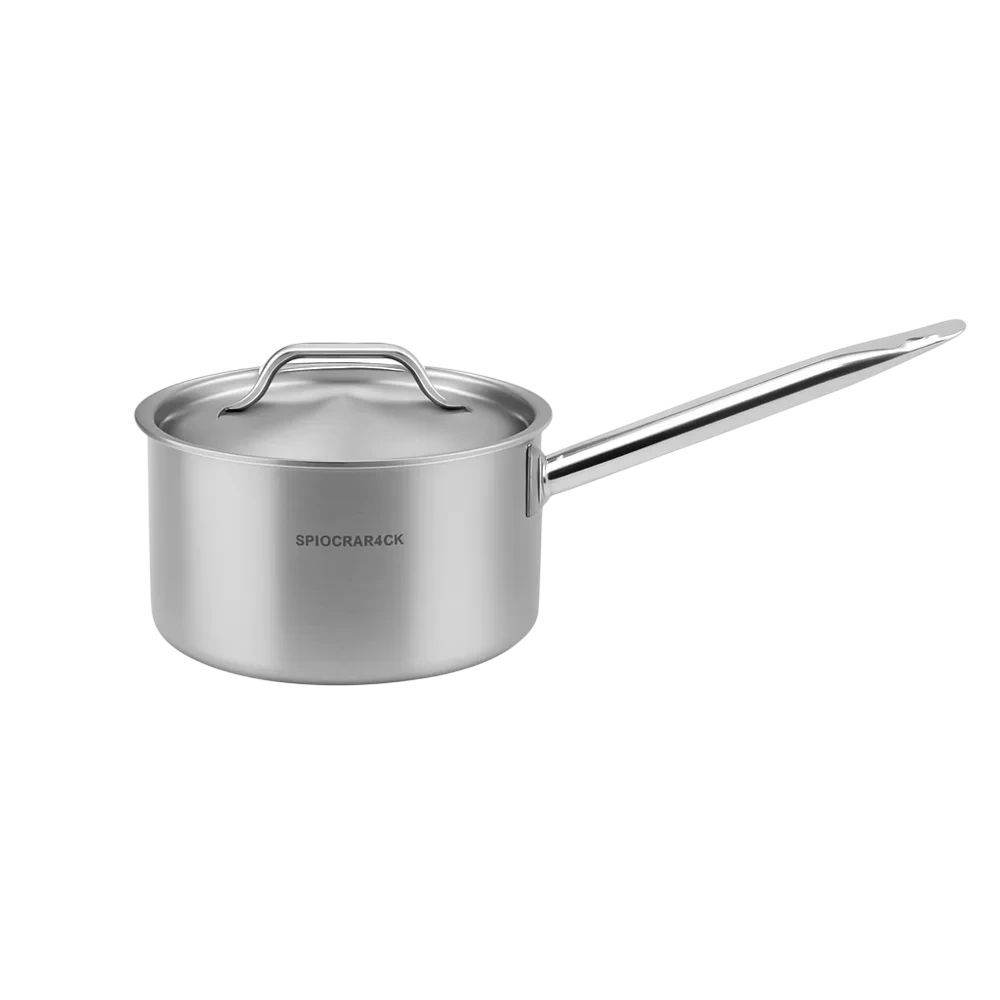
200 × 200 × 120mm
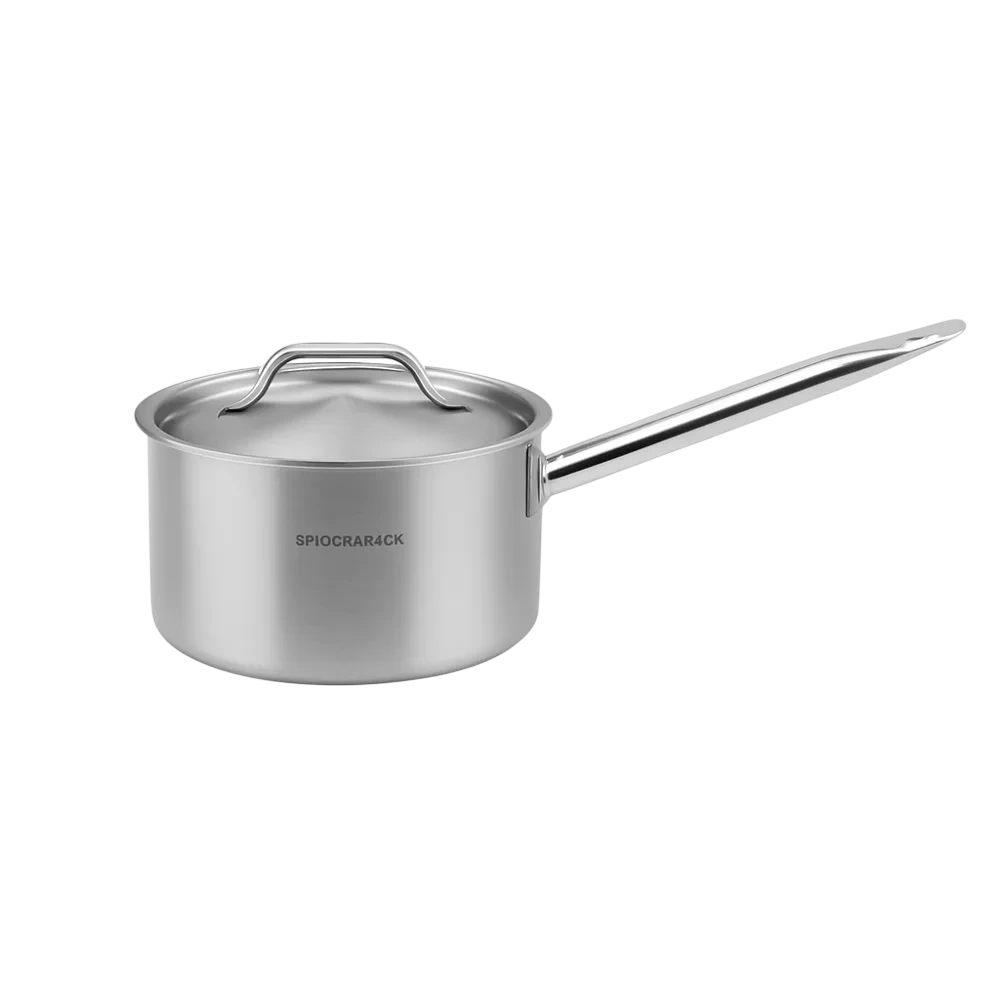
180 × 180 × 110mm
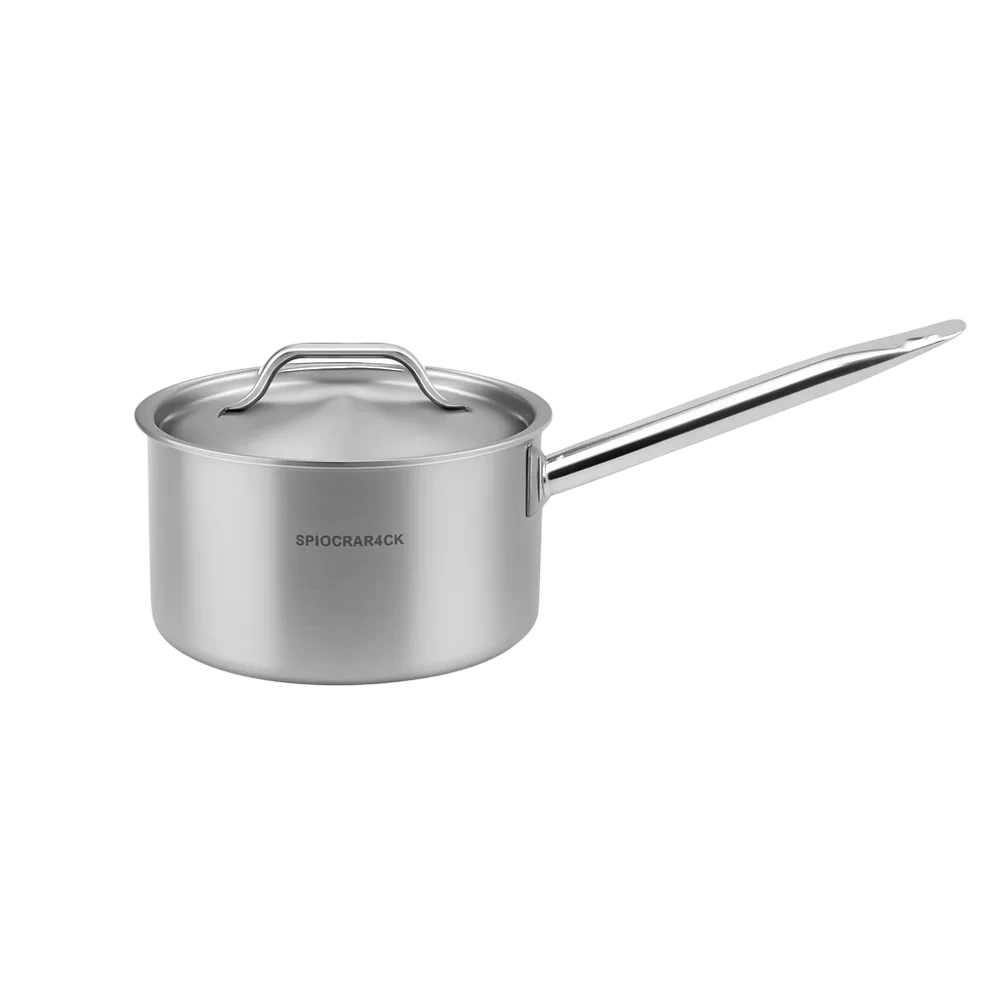
160 × 160 × 95mm
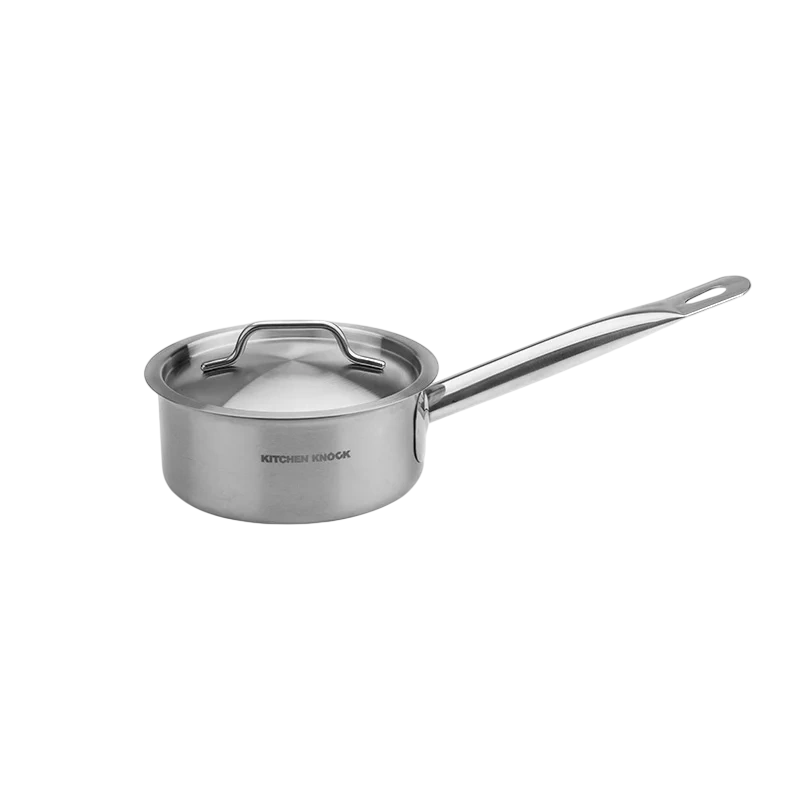
160 × 160 × 70mm
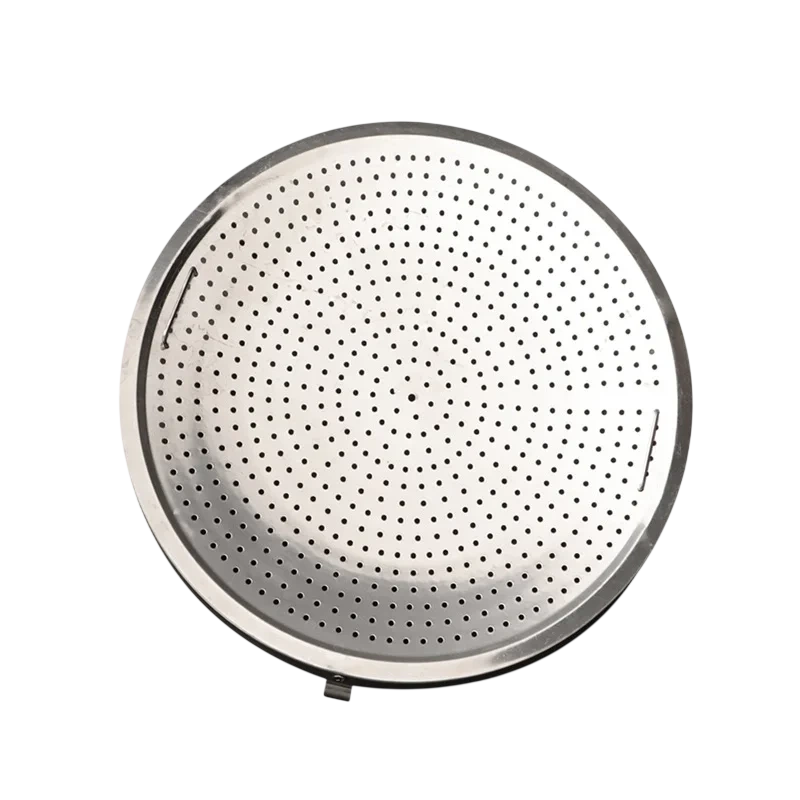
600 × 600 × 100mm
450 × 450 × 450mm
700 × 700 × 700mm
260 × 260 × 150mm
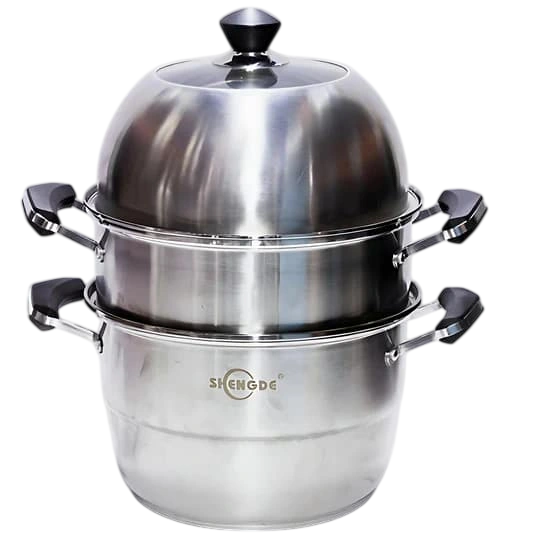
320 × 320 × 310mm
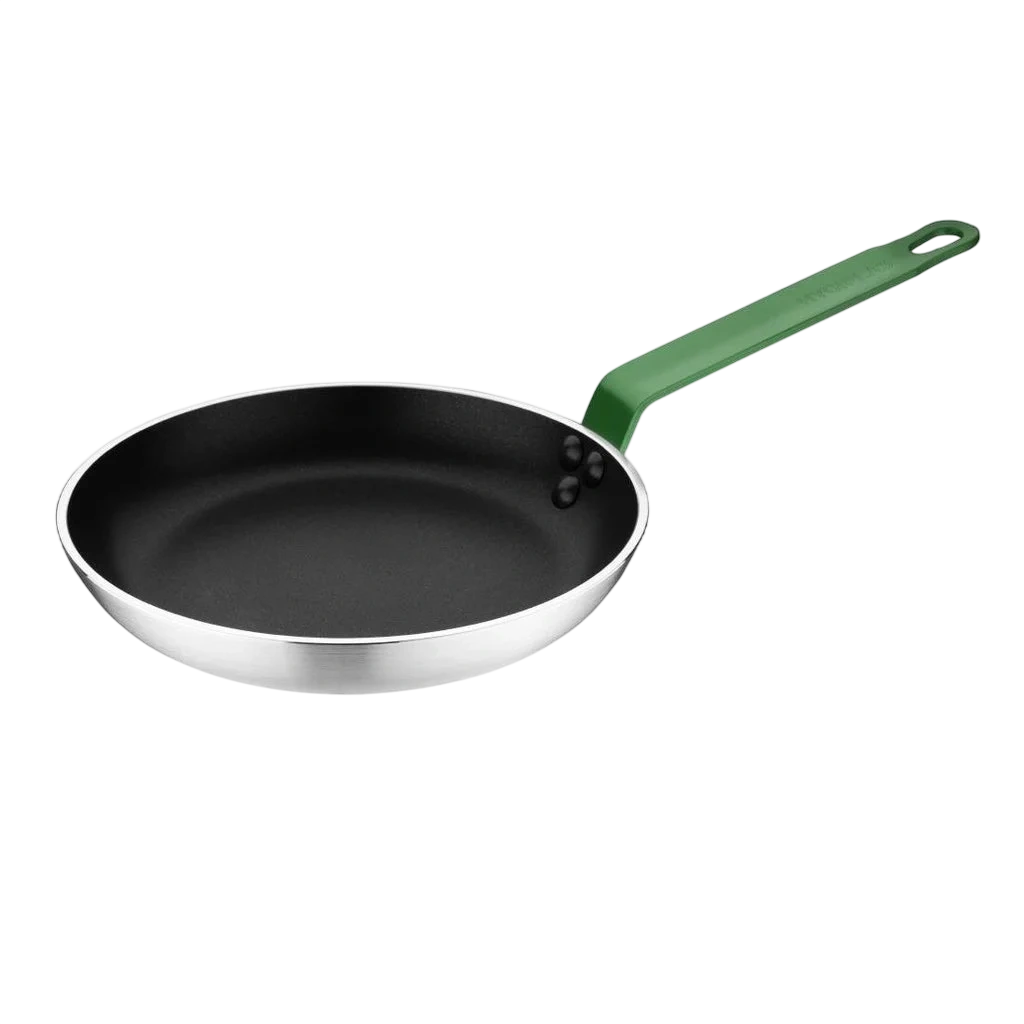
200 × 200 × 35mm