Modular Systems
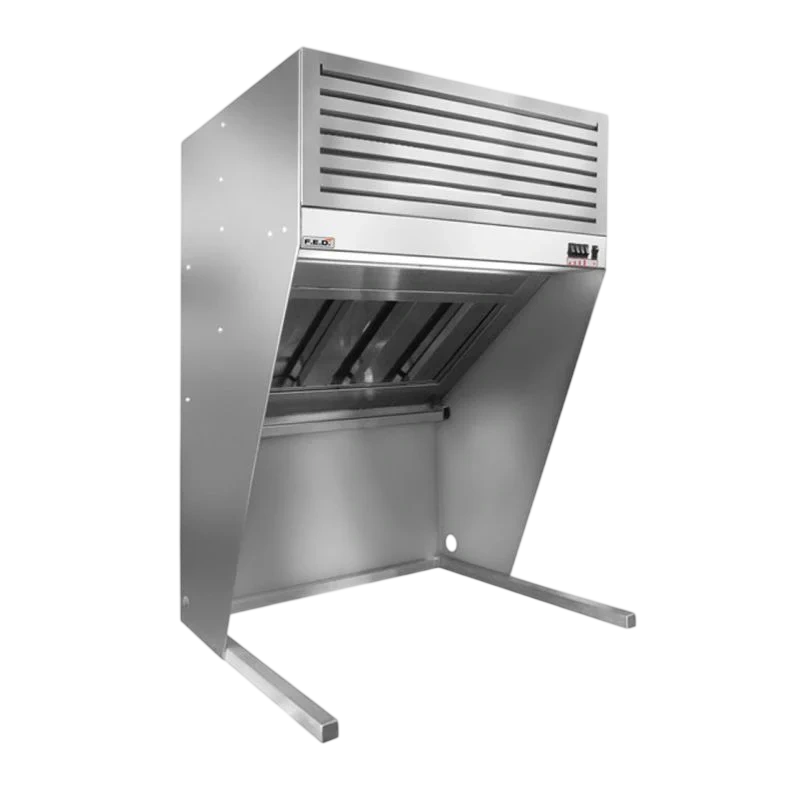
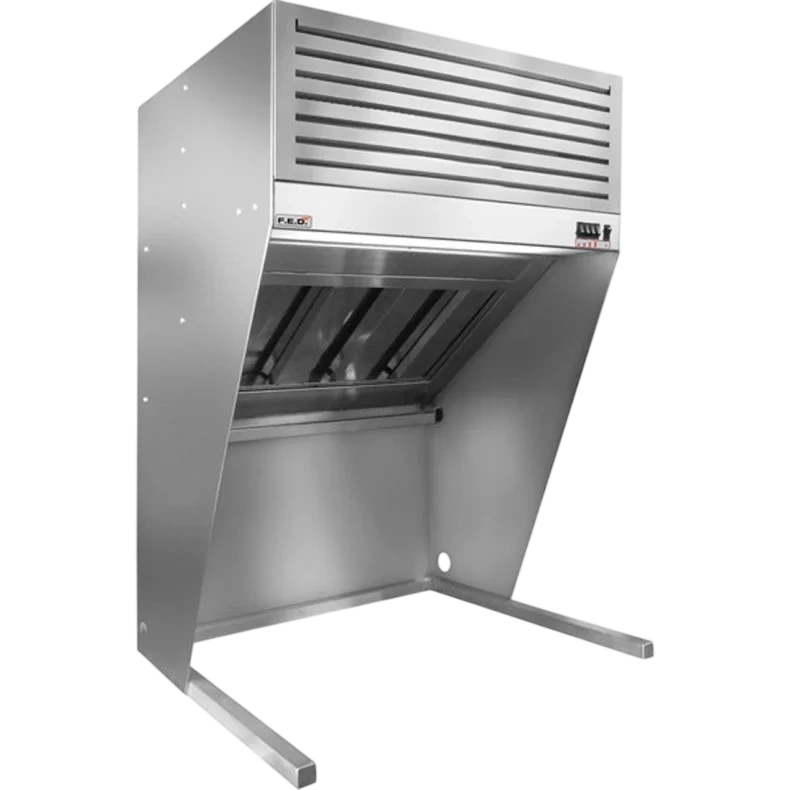
Modular Systems HOOD750A Bench Top Filtered Hood - 750mm
750 × 700 × 1150mm
$2,941.00$3,460.00
In Stock
Canopies and Hoods
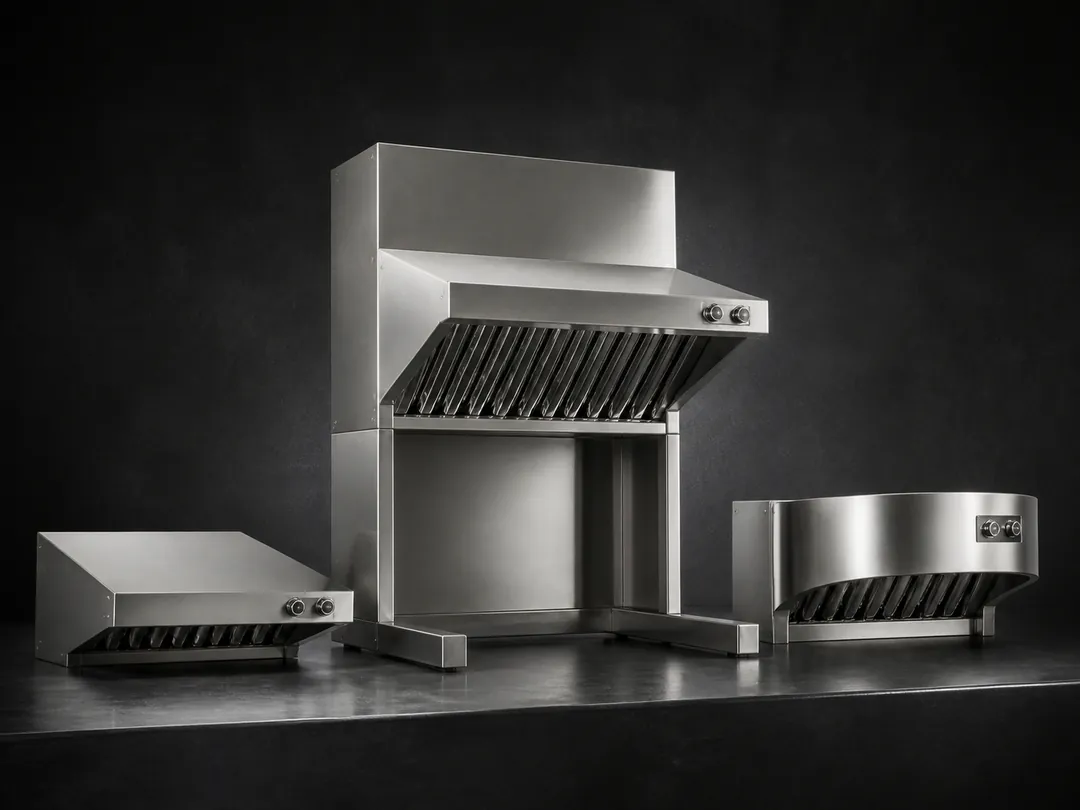
A ventless or ductless range hood filters and recirculates air instead of discharging it outside. That makes it the option for sites where ducting to the outside is impossible — a tenancy that cannot penetrate the building fabric, a heritage frontage, a food court bay, or a temporary kitchen. Where ducting is possible, a ducted system generally performs better.
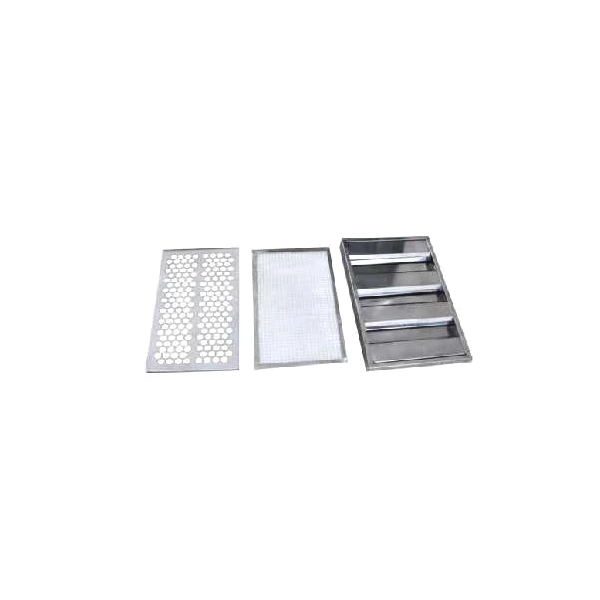
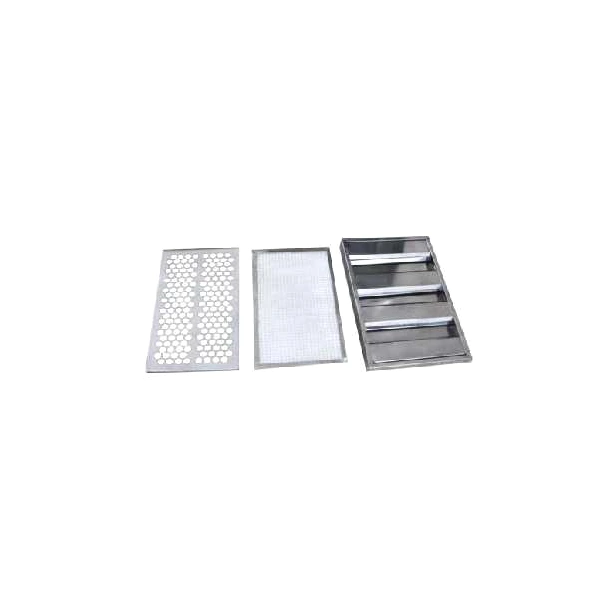
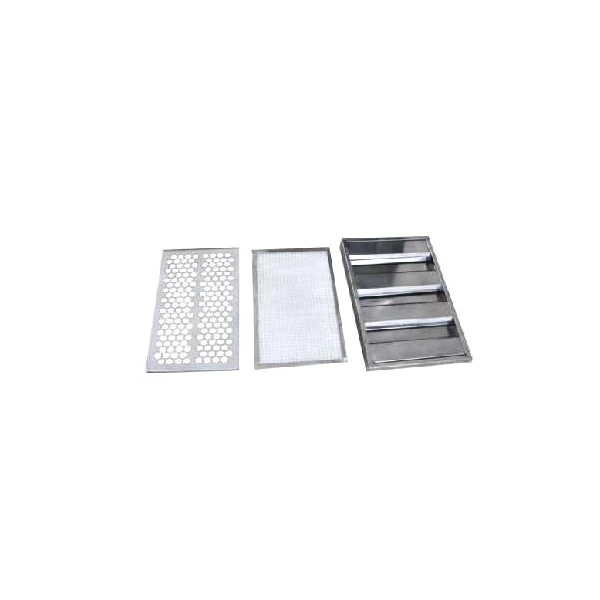
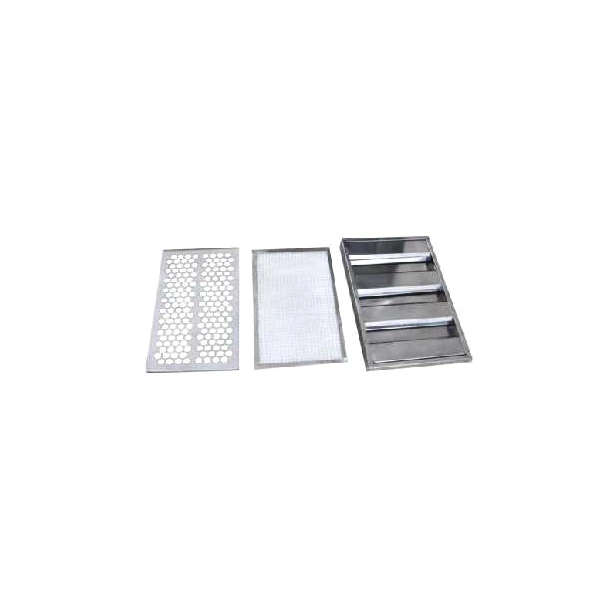
Filtration does the work that ducting would otherwise do. Grease is removed mechanically and odour is treated separately, so the filter stack is the machine rather than an accessory. Filter replacement schedule and cost are the running commitment, and they are the figures to compare before capacity.
Heat is the limitation buyers meet first. A ducted system removes heat from the kitchen with the air; a recirculating commercial extractor fan returns the air to the room, so the heat stays. That constrains what can be cooked beneath it and how comfortable the space remains through a service.
Check with the building and any approving authority before committing, because a ventless installation is a condition of the site rather than a preference, and the appliances permitted beneath one are often restricted.
Key factors to consider before purchasing. Our team can help you find the right fit — call or get a quote anytime.
Match equipment capacity to your daily output. Consider available floor space and door clearances.
Confirm levelling, wall clearance and the access needed for cleaning and service. We can help with kitchen planning.
Submit your kitchen requirements — our equipment specialists will send you a tailored shortlist of counter top hood that fits your budget, venue type and compliance needs.
Standards & Compliance
Before choosing a ventless hood, confirm that ducting is genuinely impossible rather than merely inconvenient, what appliances will run beneath it, and what the site's approvals allow. Check the filter replacement schedule and cost over a year, not per filter.
Look at how filters are accessed and changed, whether the unit signals when a filter is spent, and how much heat is returned to the room. A commercial extraction fan that recirculates will make a small kitchen noticeably warmer, and that has to be planned for rather than discovered.
FAQ
Yes—multi-stage filtration captures smoke, grease and odours before recirculating the air.
Most centres allow certified ventless systems, but always check individual tenancy requirements.
Typically every 2–6 months depending on cooking load and appliance type.
Yes for low-volume electric benchtop fryers. No for high-grease frying such as woks or heavy deep-frying.
When ducting to the outside is genuinely impossible — a tenancy that cannot penetrate the fabric, a heritage frontage, a food court bay or a temporary kitchen. Where ducting is possible, a ducted system usually performs better.
Why KW
KW can help judge whether a ventless hood suits a site that cannot be ducted, and set expectations on filtration cost and returned heat before anything is ordered. For practical advice on ductless extraction, call KW on 1300 001 366.
Deep Dive
Technical depth from KW's commercial kitchen specialists.
Explore our range of ductless commercial hoods designed for safe, compliant indoor cooking without ventilation ducting. Perfect for cafés, kiosks, bars and indoor foodservice operations.
Ventless suits tenancies that cannot penetrate the building fabric, heritage frontages, food court bays and temporary kitchens. Where ducting is possible, a ducted system generally performs better and costs less to run.
Grease is removed mechanically and odour treated separately, so the filter stack does the work ducting would. Compare filter replacement schedule and annual cost before comparing capacity, because that is the ongoing commitment.
A ducted system takes heat out with the air. A recirculating hood returns the air, so the heat remains in the kitchen. That limits what can be cooked beneath it and makes a small space noticeably warmer through a service, which needs planning rather than discovering.
Check with the building and any approving authority before committing. Ventless installations are commonly subject to conditions, and the appliances allowed beneath one are often restricted compared with a ducted canopy.
Mainly filters. Compare the replacement schedule and the annual filter cost rather than the price of a single filter, because that is the ongoing commitment a recirculating system carries.
No. It returns the air to the room, so the heat stays in the kitchen. That constrains what can be cooked beneath it and makes a small space warmer through a service.
Commonly yes. Check with the building and the approving authority first, since conditions often apply and the appliances permitted beneath a recirculating hood are usually more restricted than under a ducted canopy.
14 results
750 × 700 × 1150mm
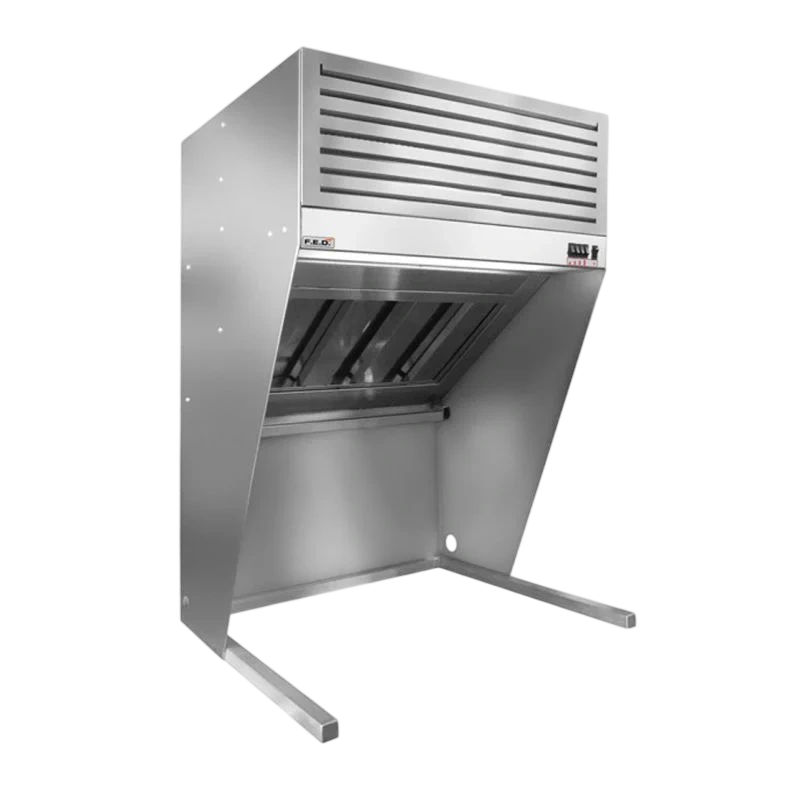
1200 × 700 × 1150mm
1500 × 700 × 1150mm
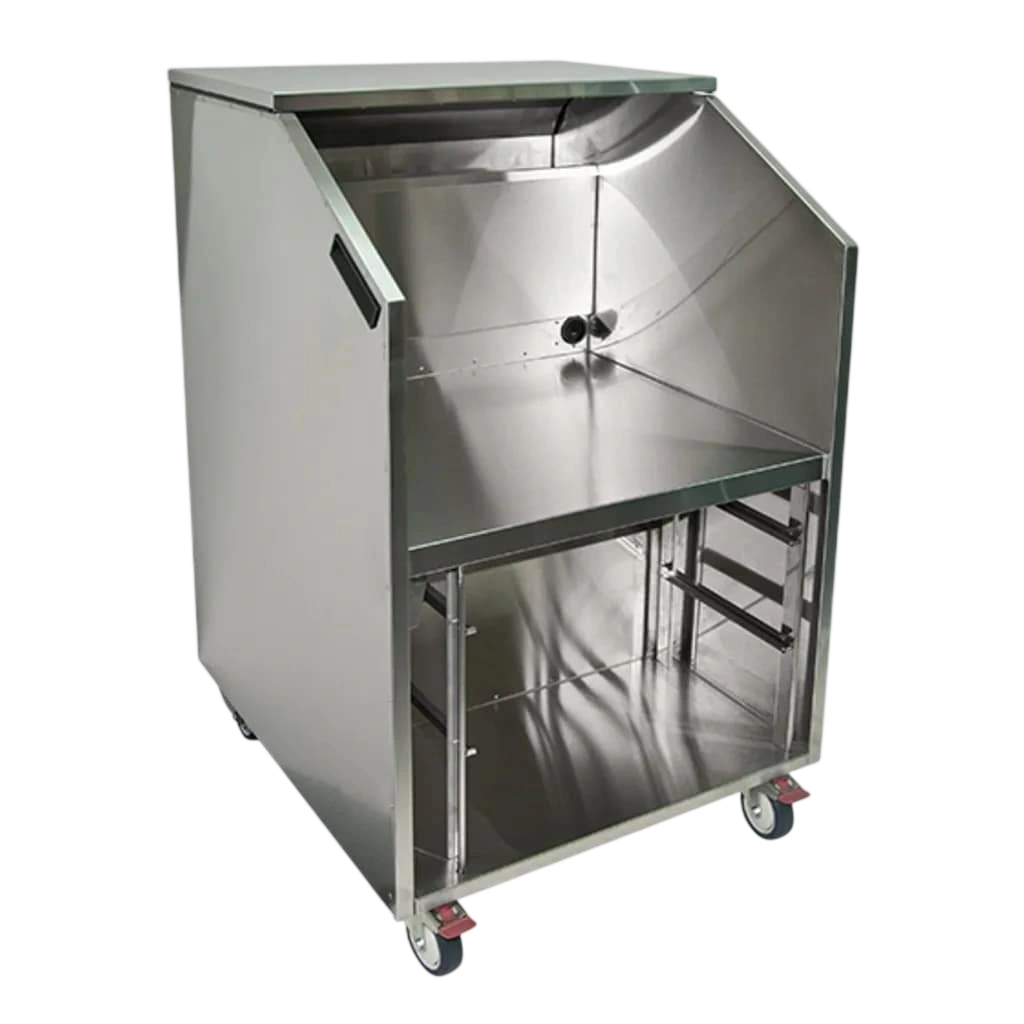
700 × 775 × 1200mm
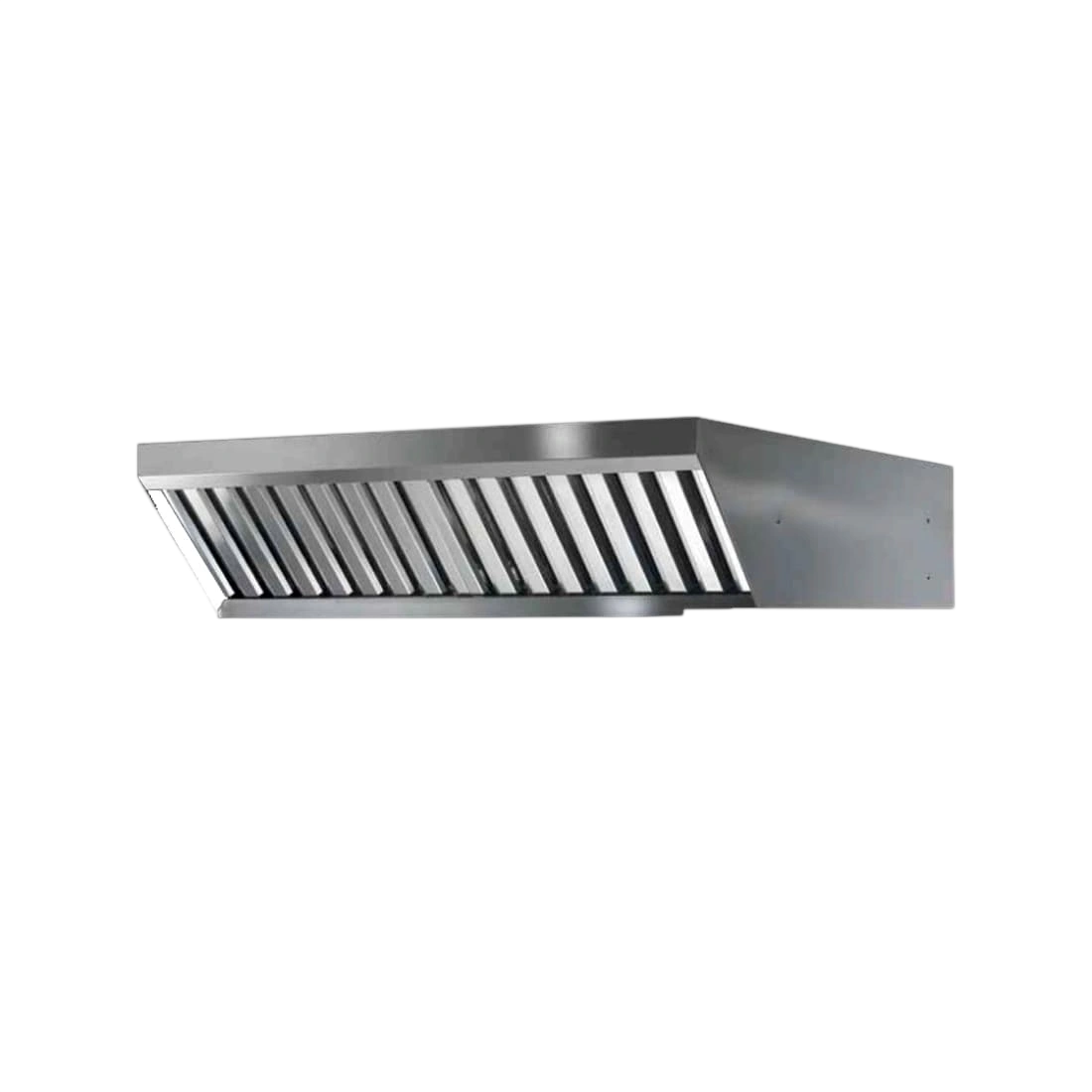
920 × 1005 × 300mm
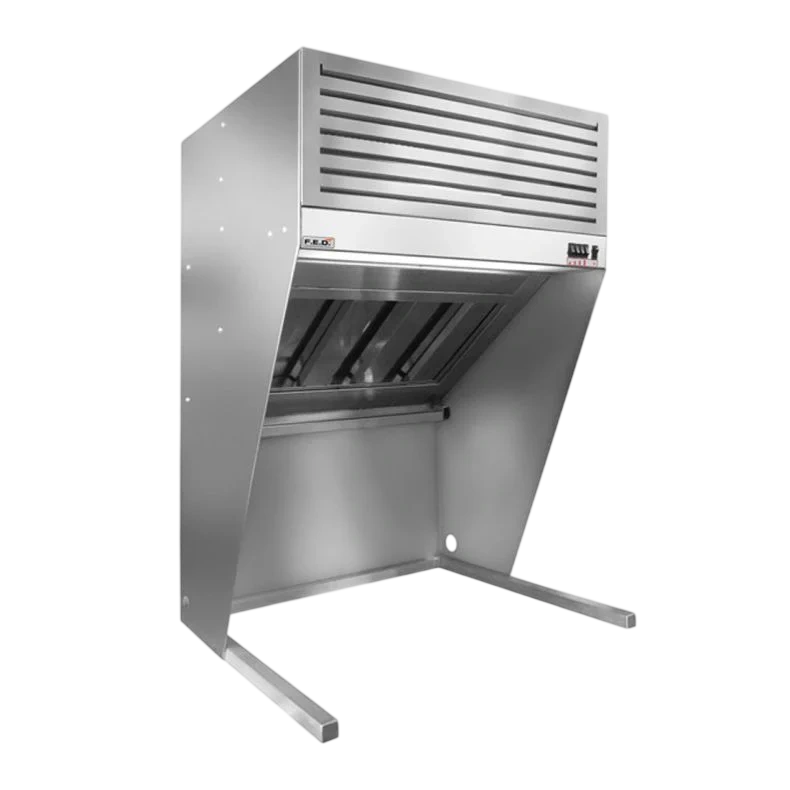
1000 × 700 × 1150mm
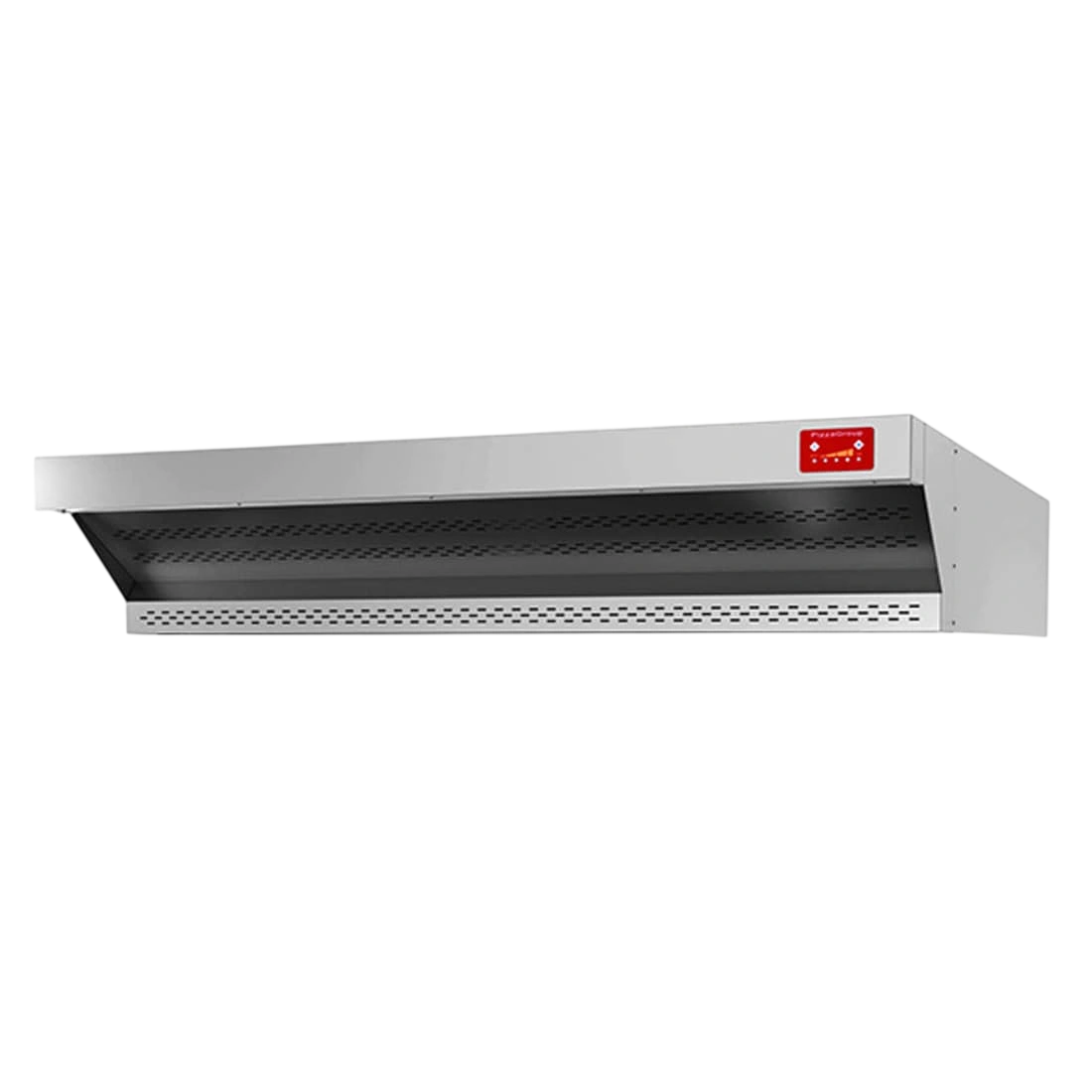
1400 × 1570 × 300mm
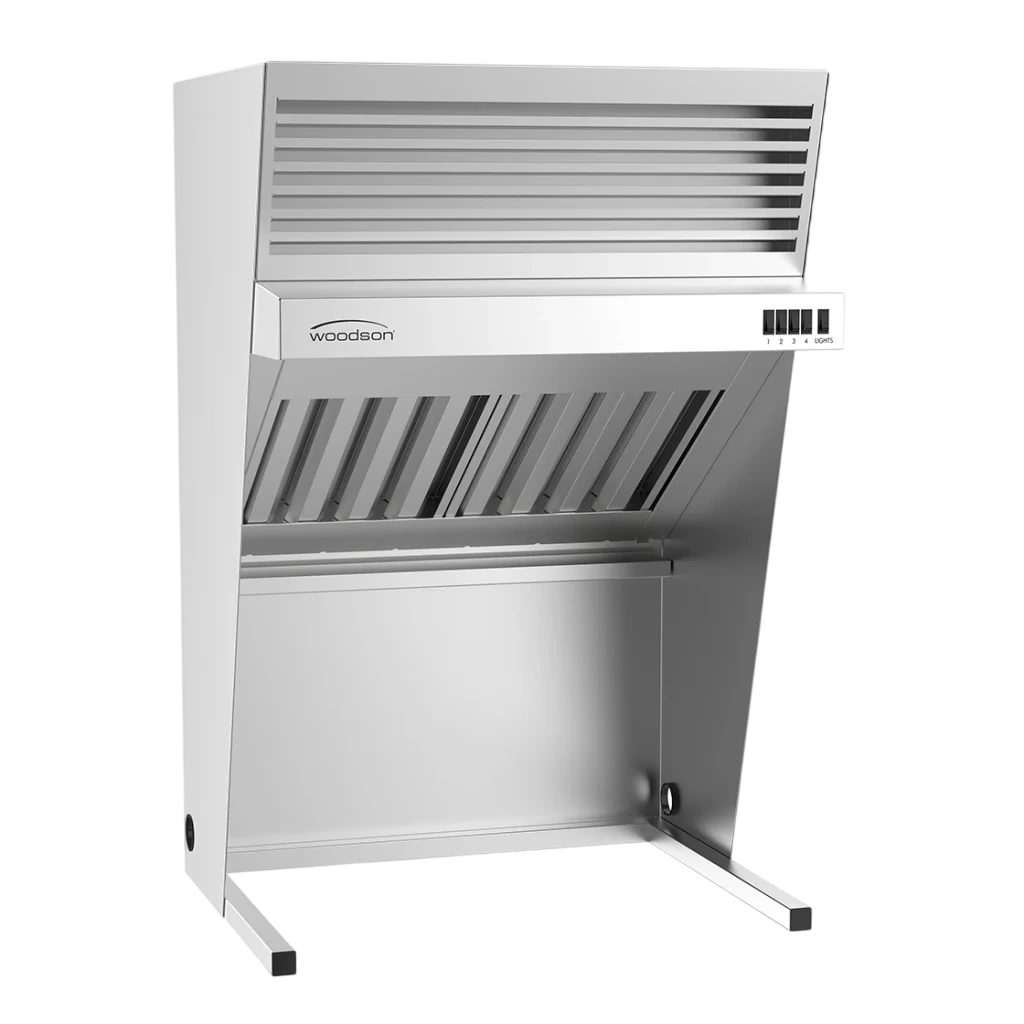
1000 × 660 × 1150mm
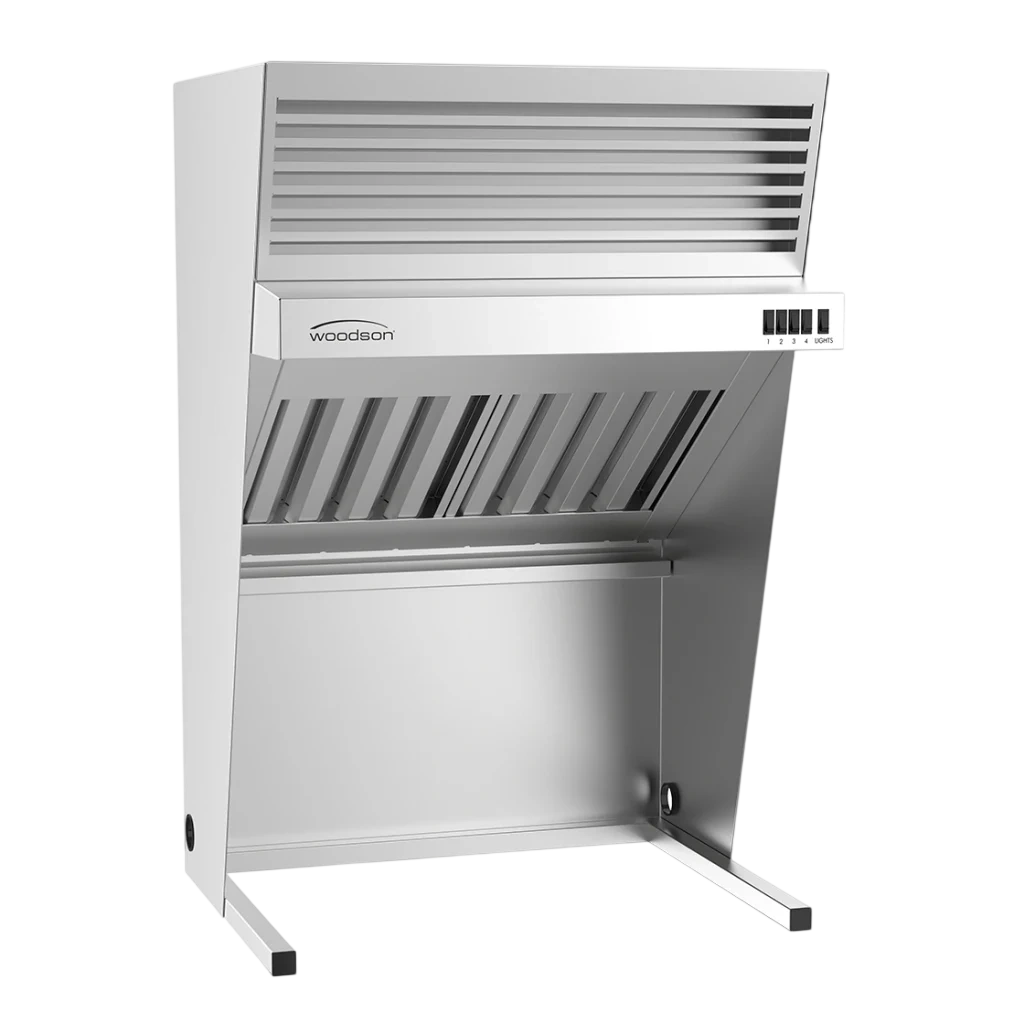
750 × 660 × 1150mm
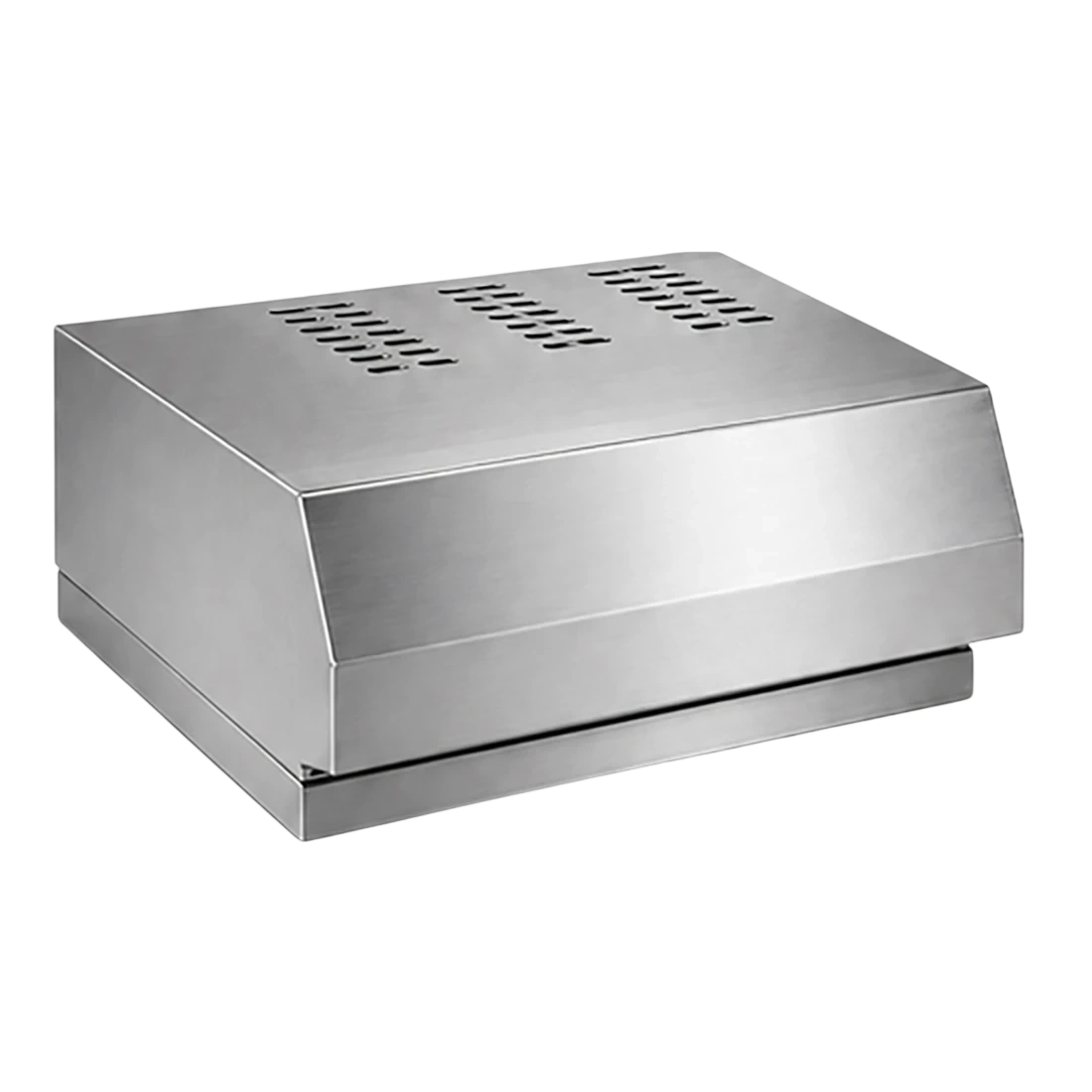
856 × 521 × 218mm