Fork Mixers
4 products
Bakery Equipment
Browse
71 results
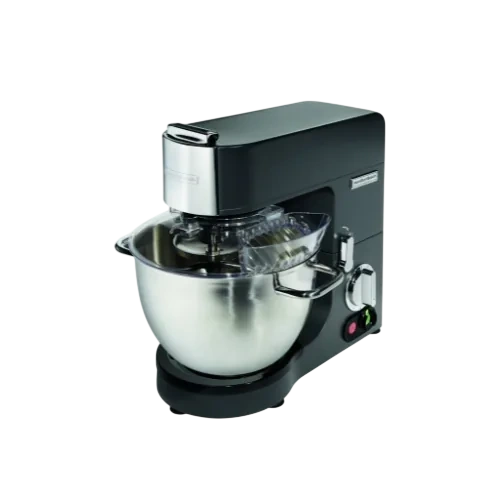
350 × 430 × 400mm
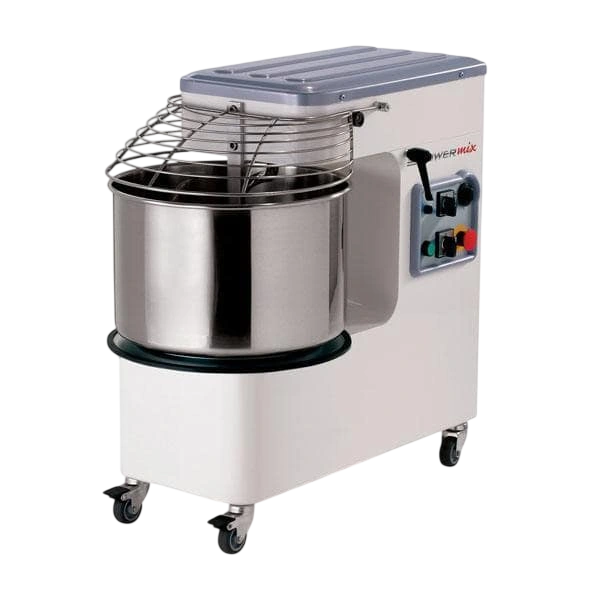
700 × 390 × 702mm
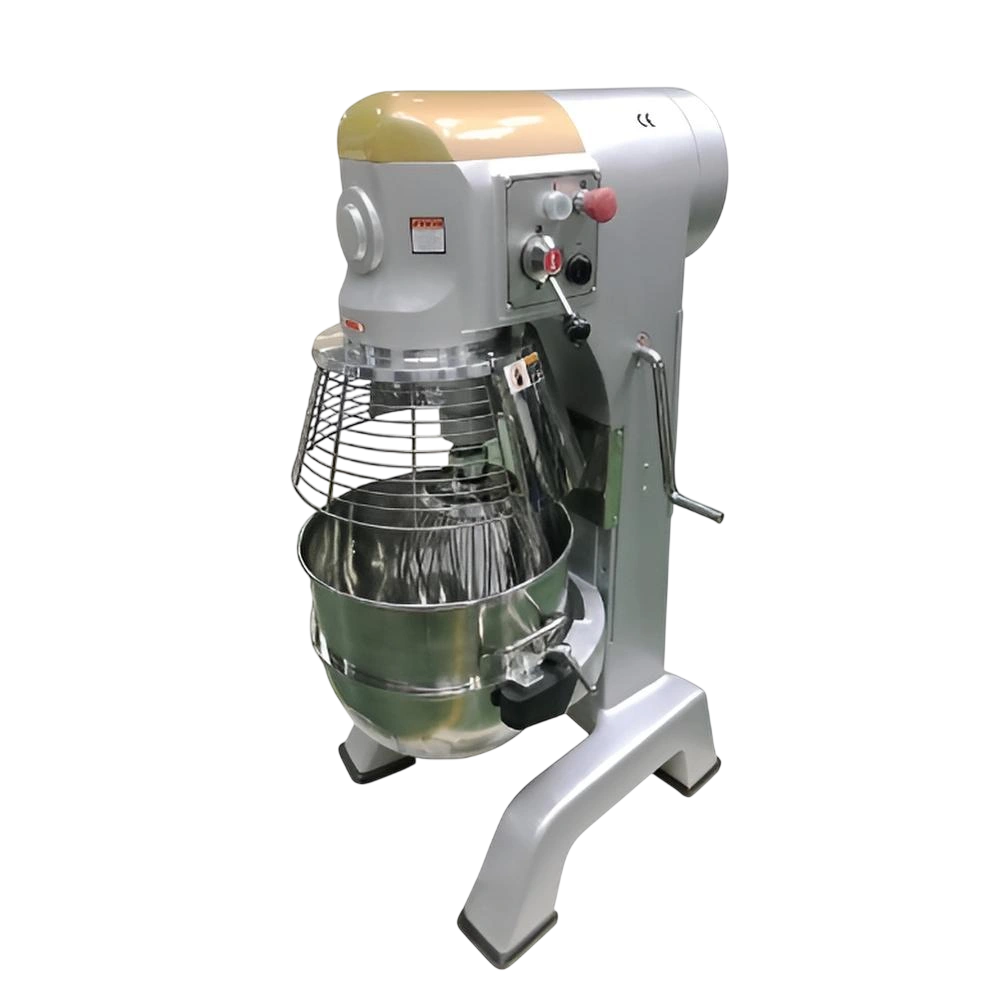
610 × 660 × 1215mm
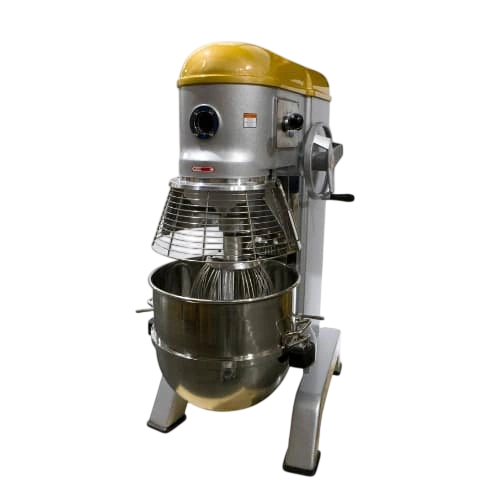
1039 × 708 × 1430mm
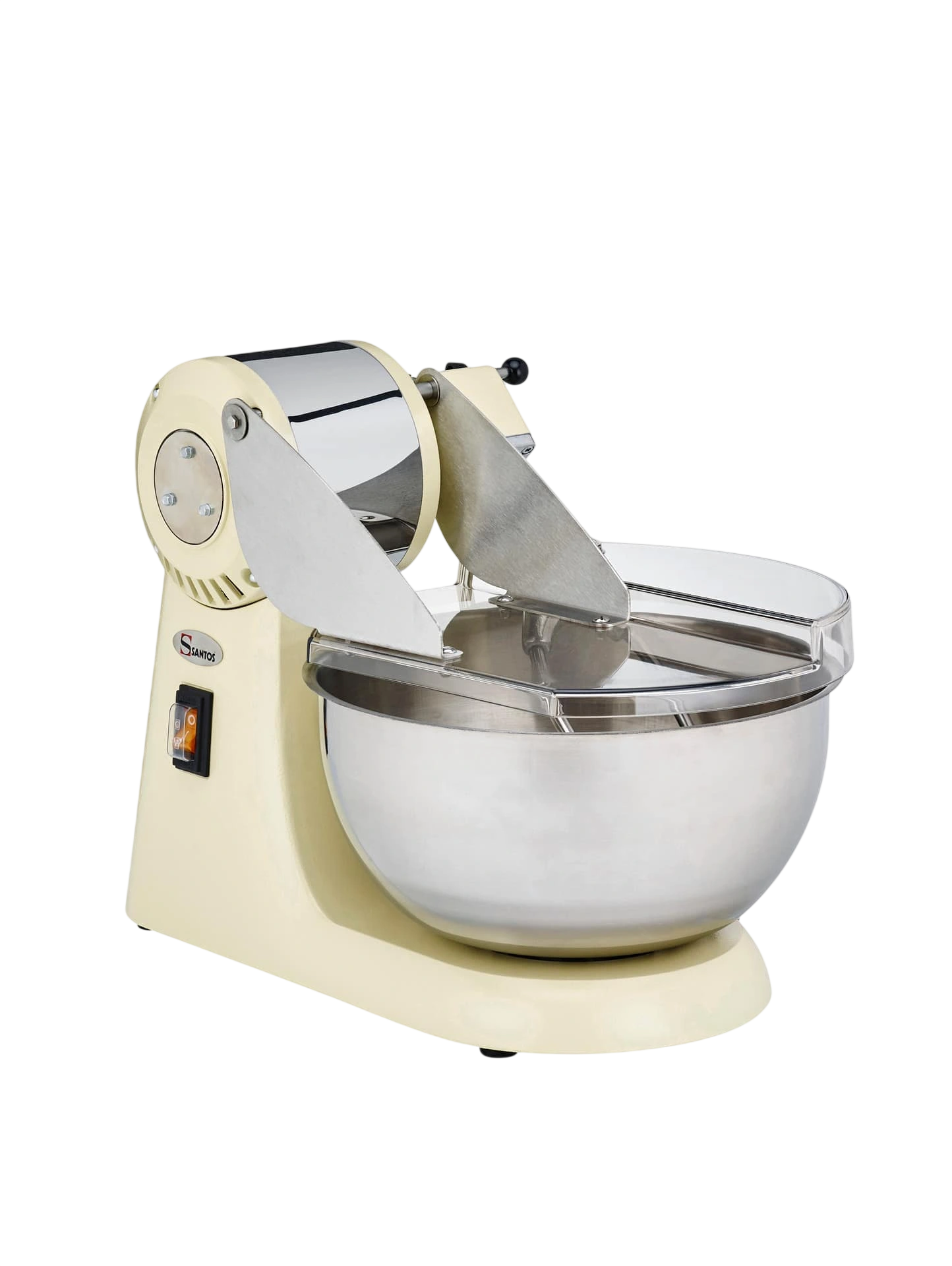
500 × 350 × 420mm
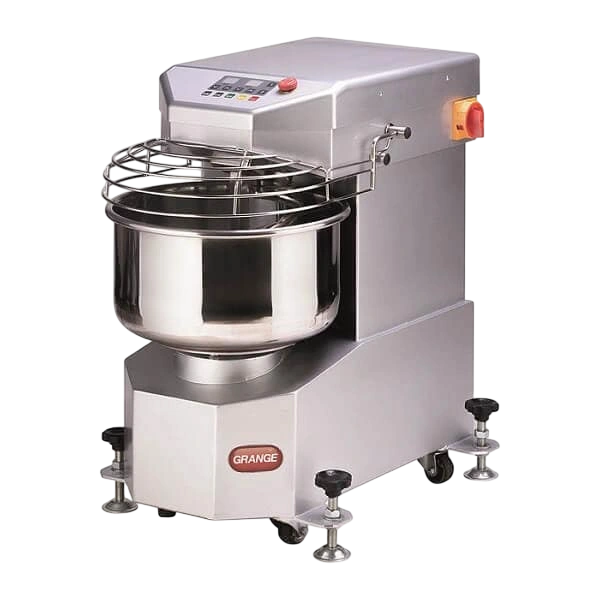
855 × 510 × 870mm
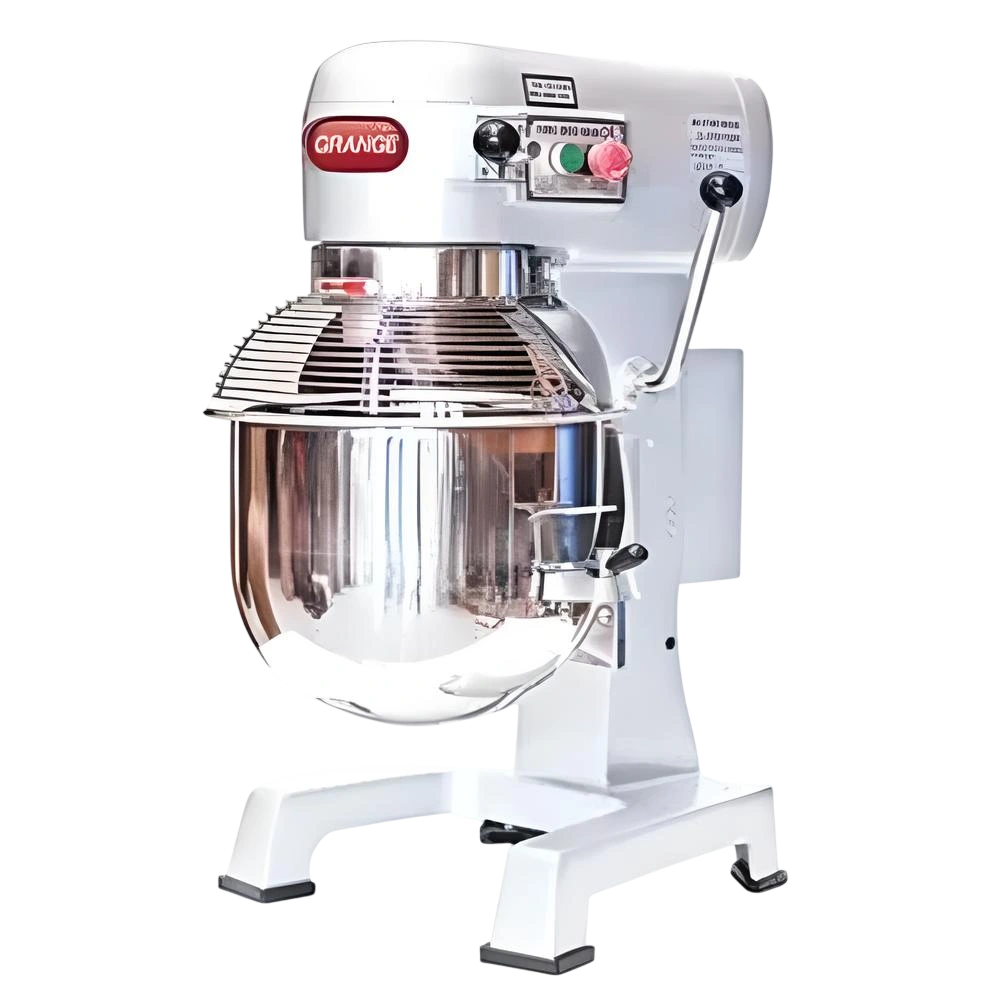
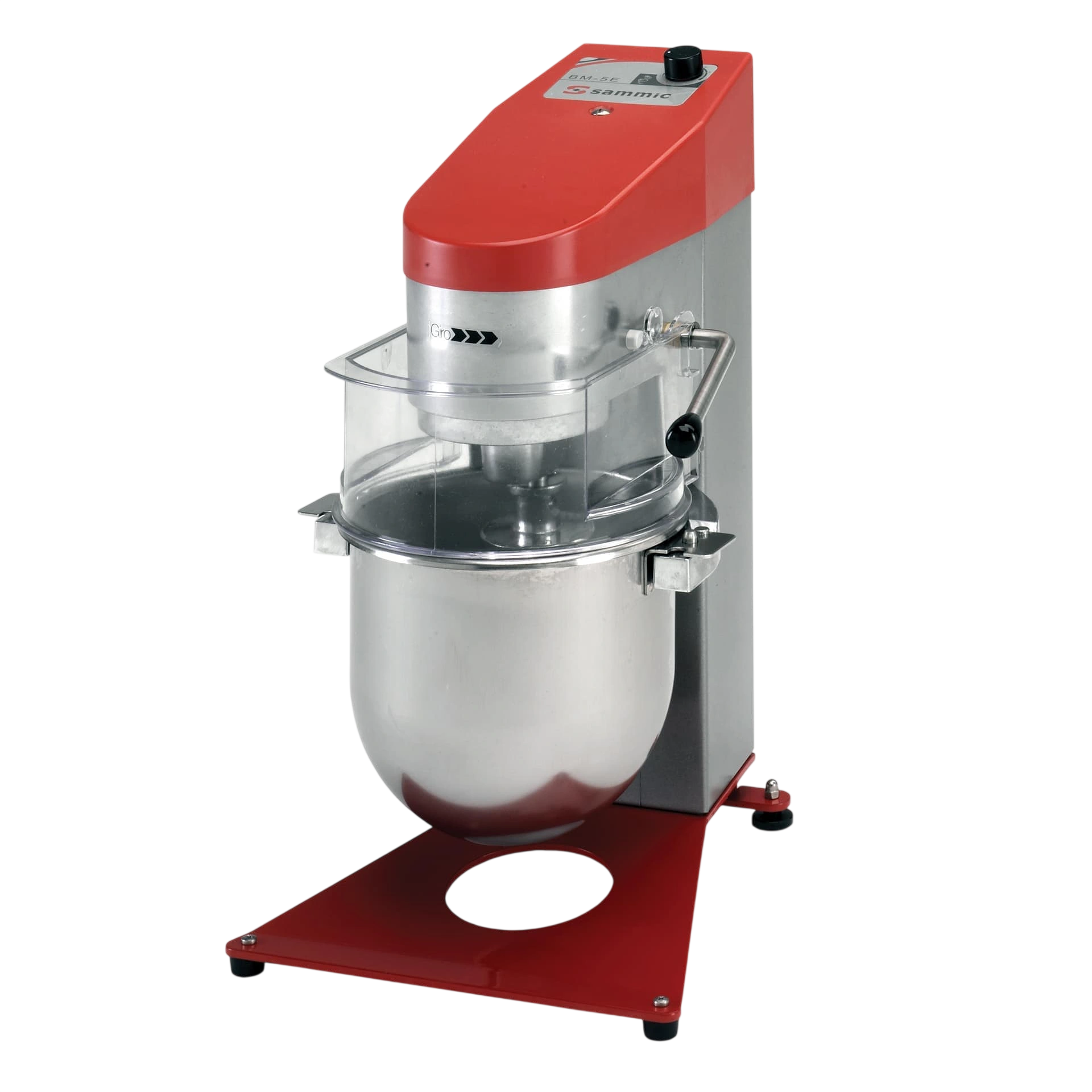
382 × 360 × 537mm
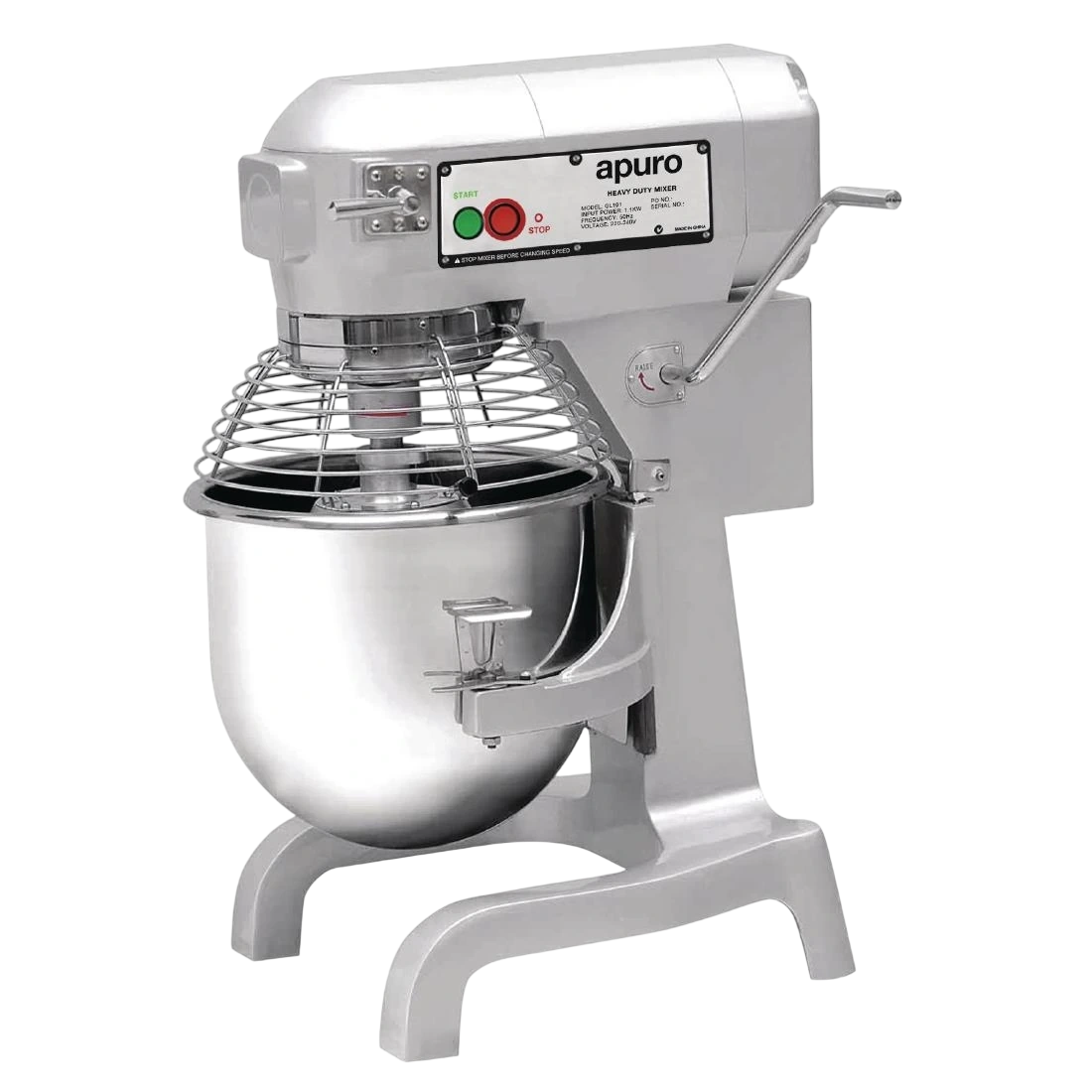
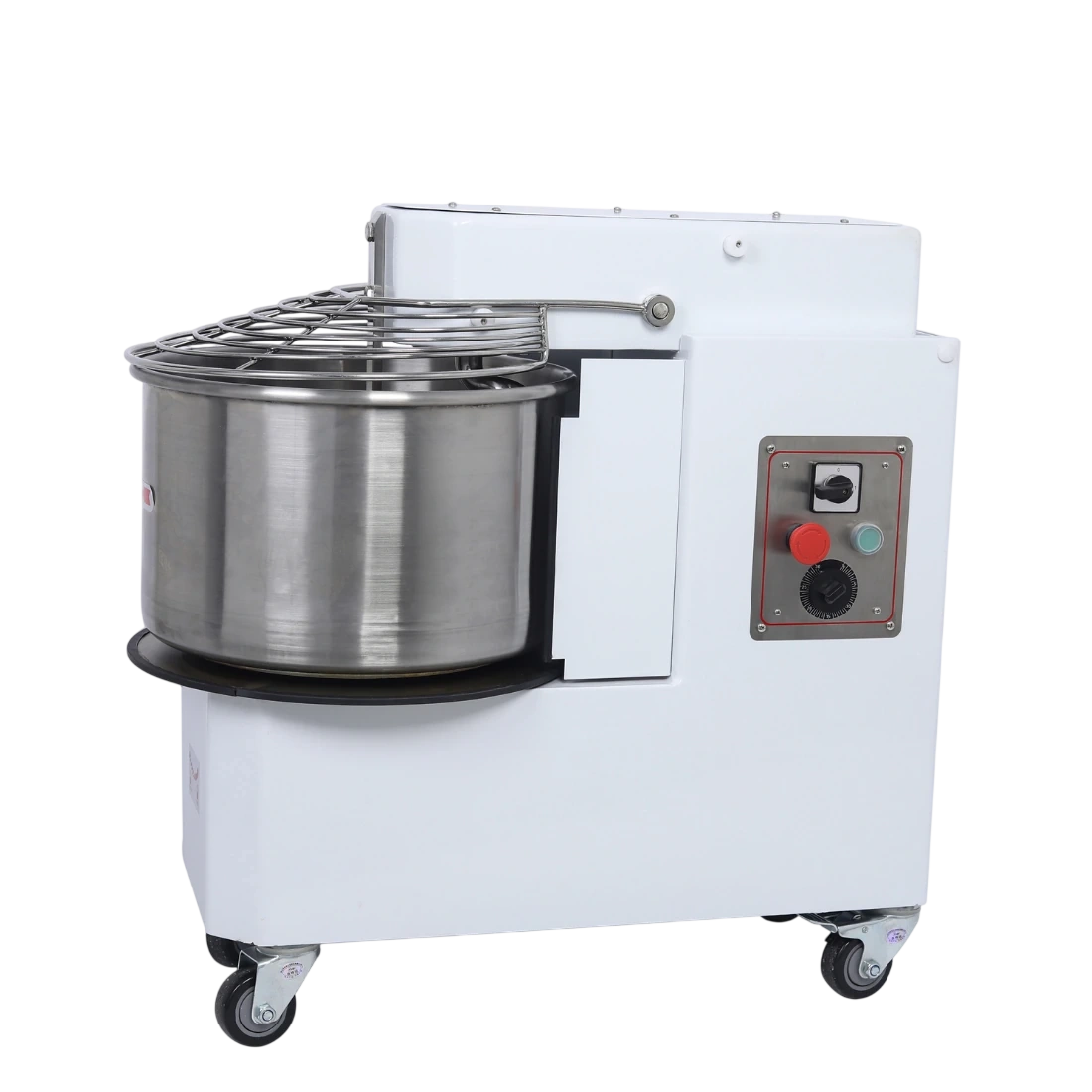
677 × 353 × 637mm
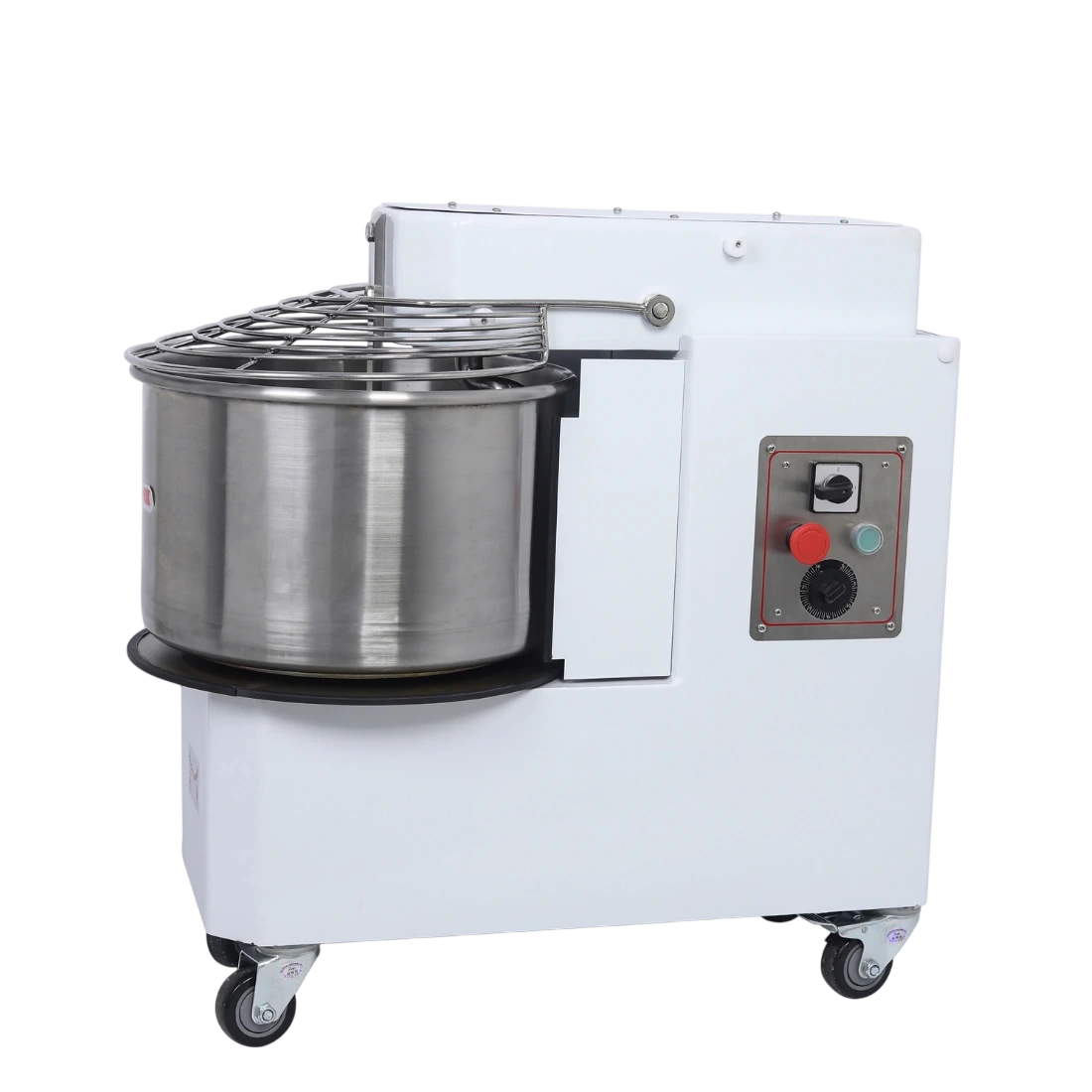
798 × 433 × 726mm
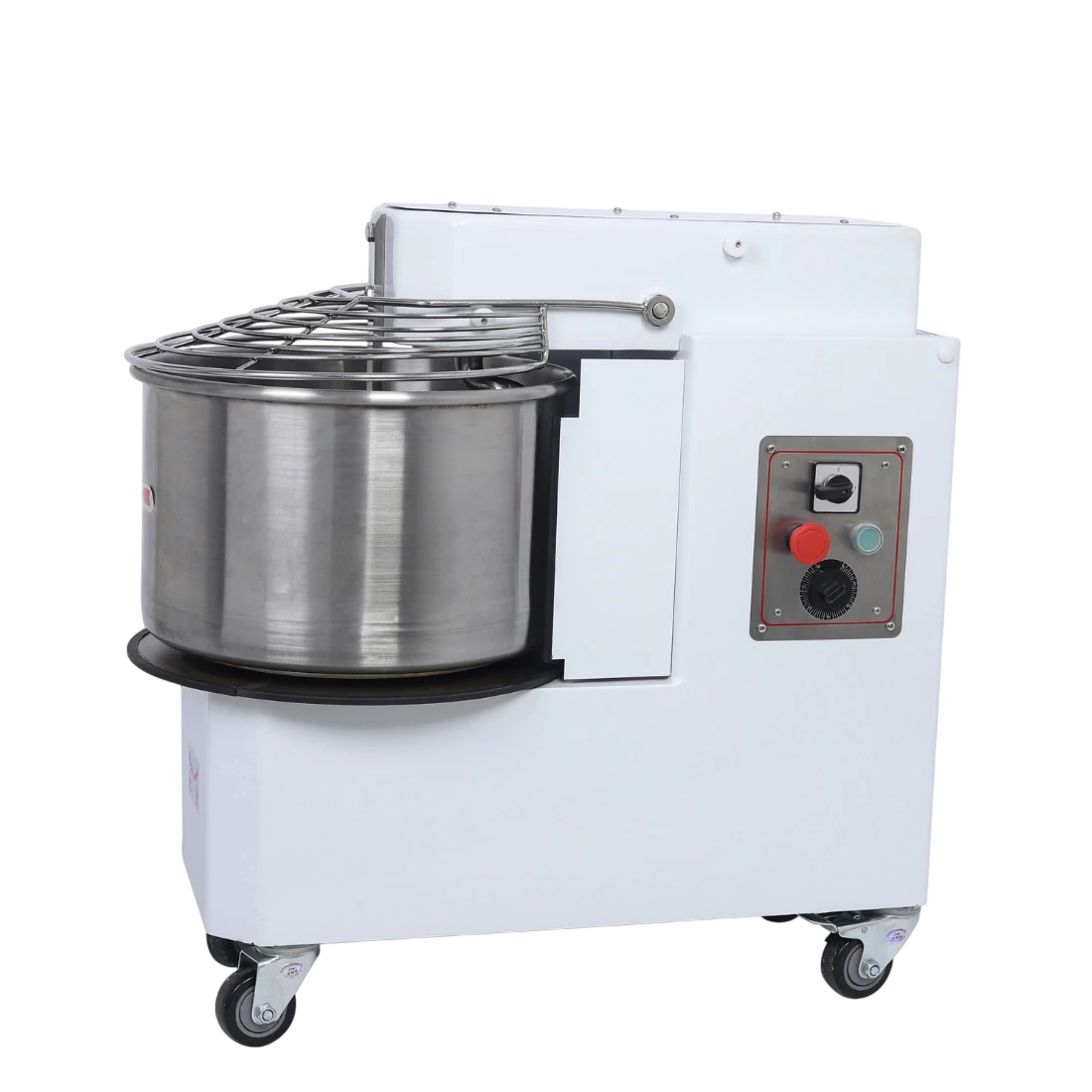
820 × 485 × 726mm
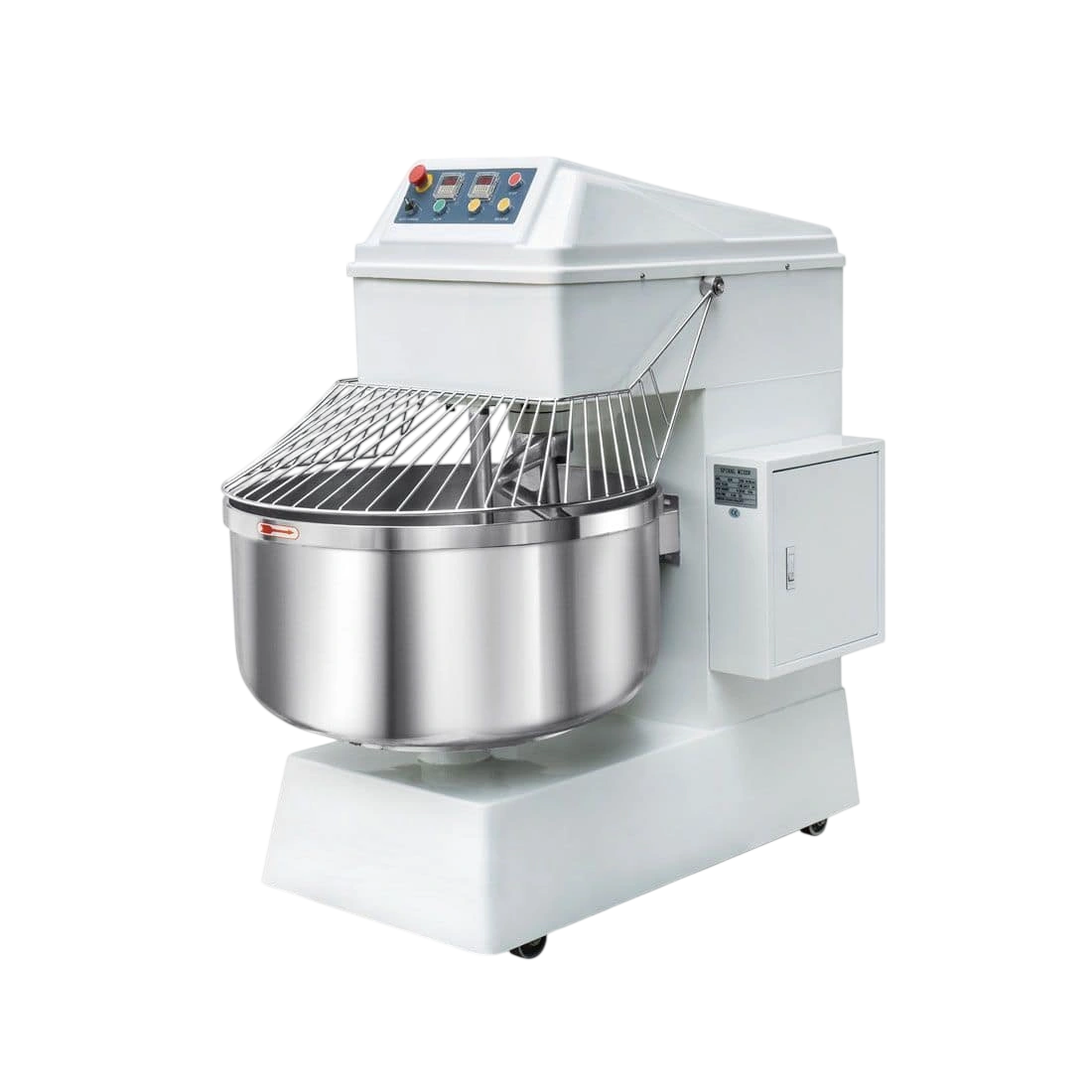
835 × 1313 × 1514mm
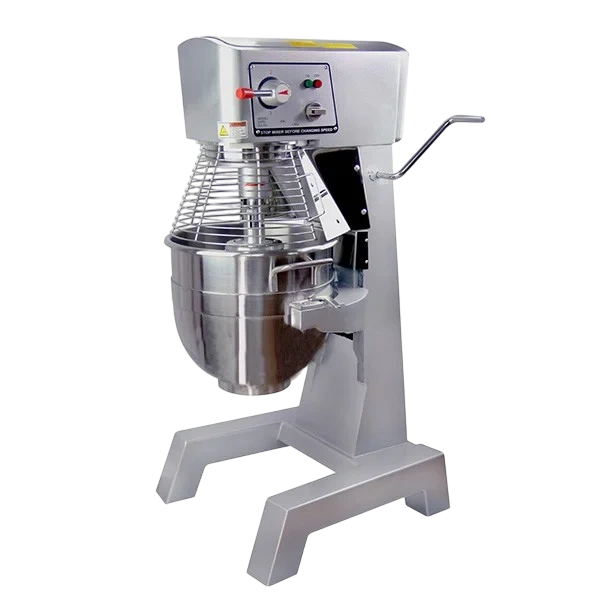
710 × 670 × 1270mm
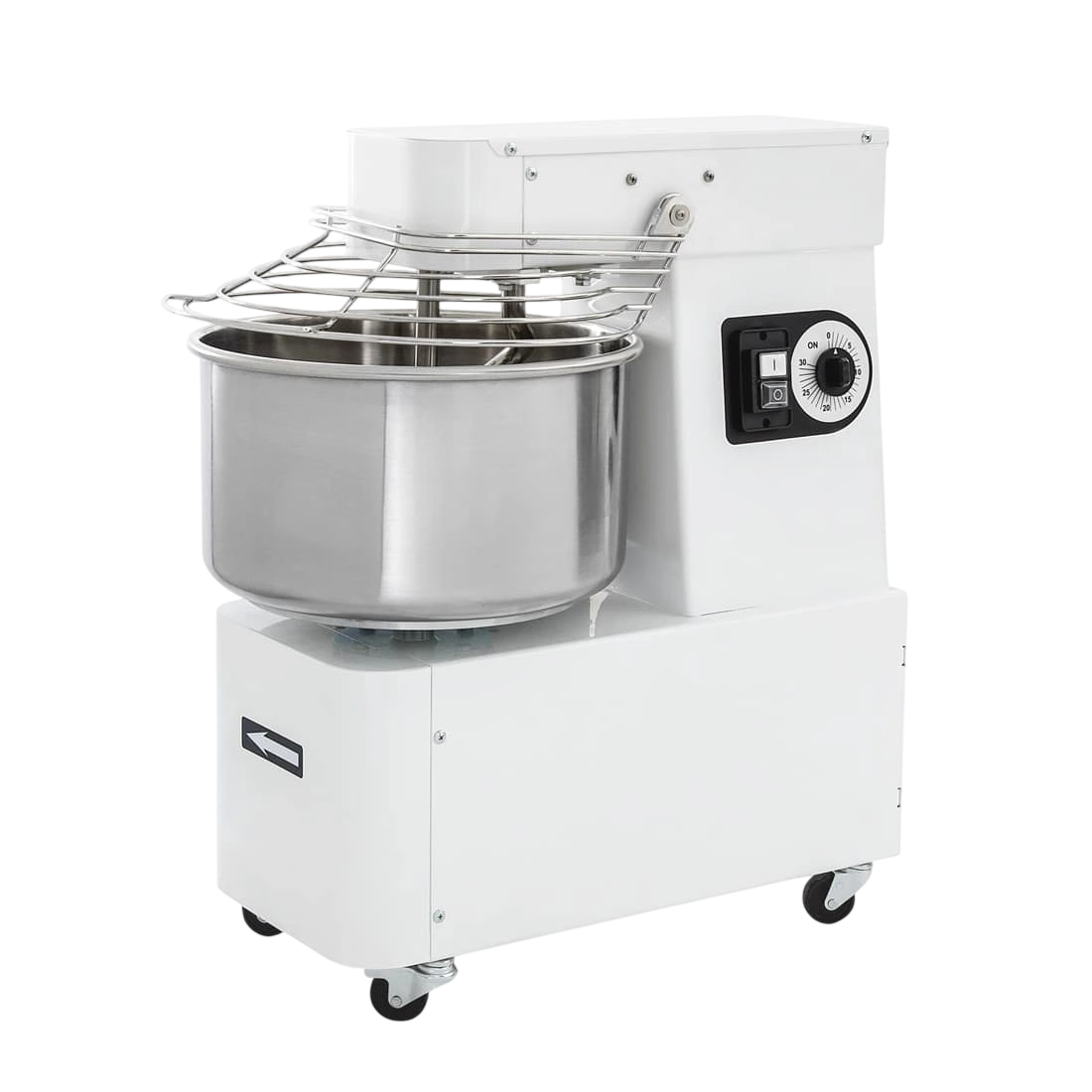
480 × 805 × 825mm
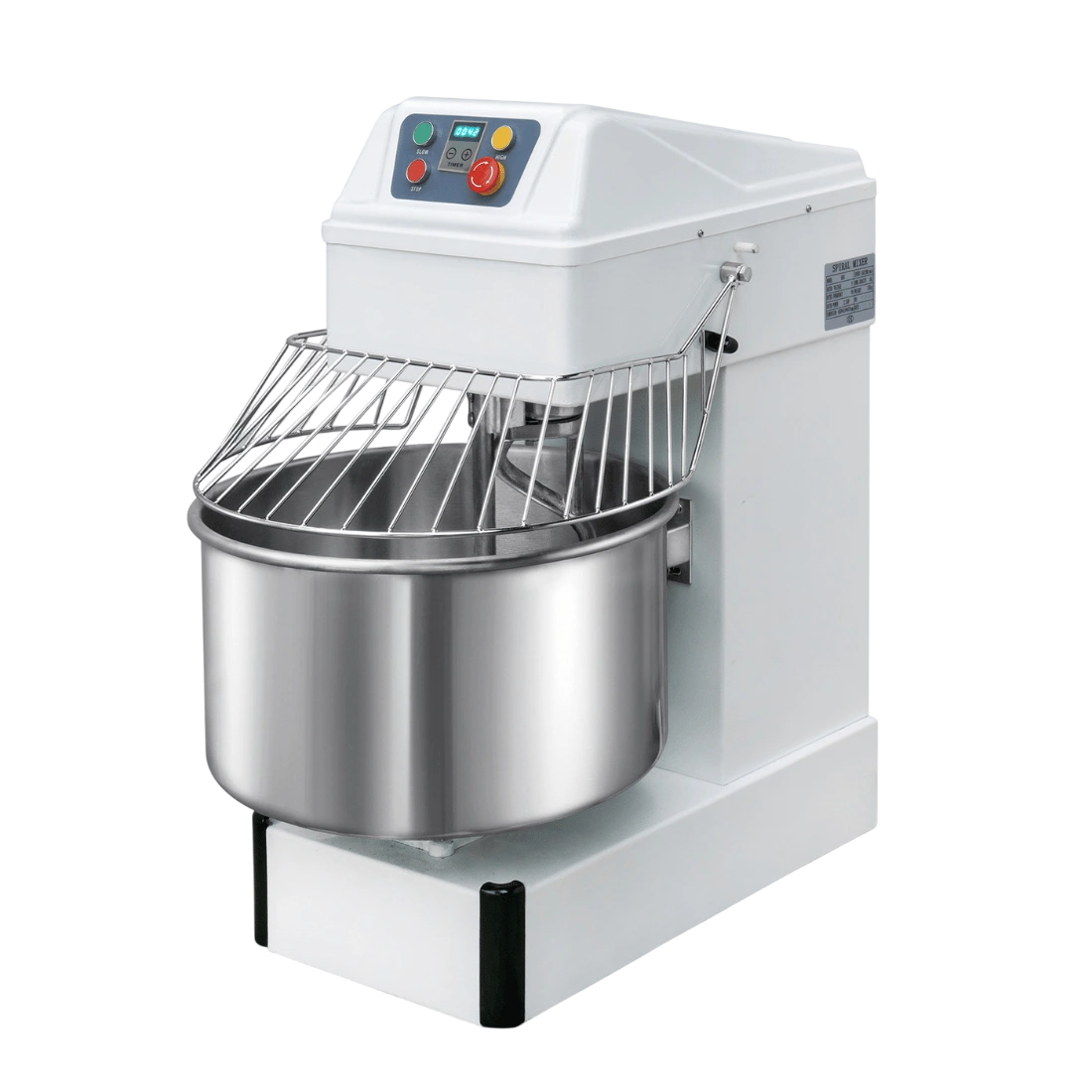
520 × 882 × 1021mm
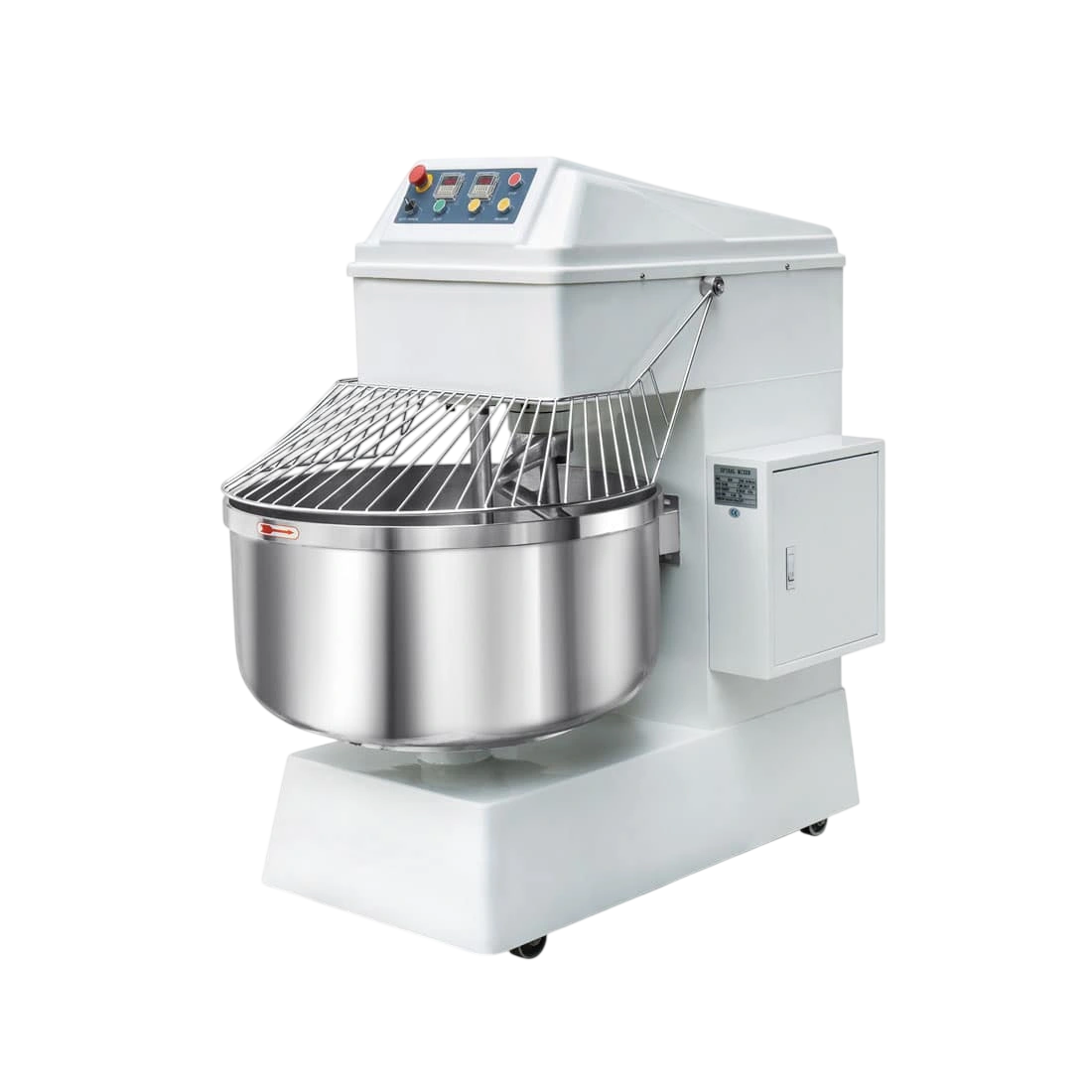
750 × 1080 × 1380mm
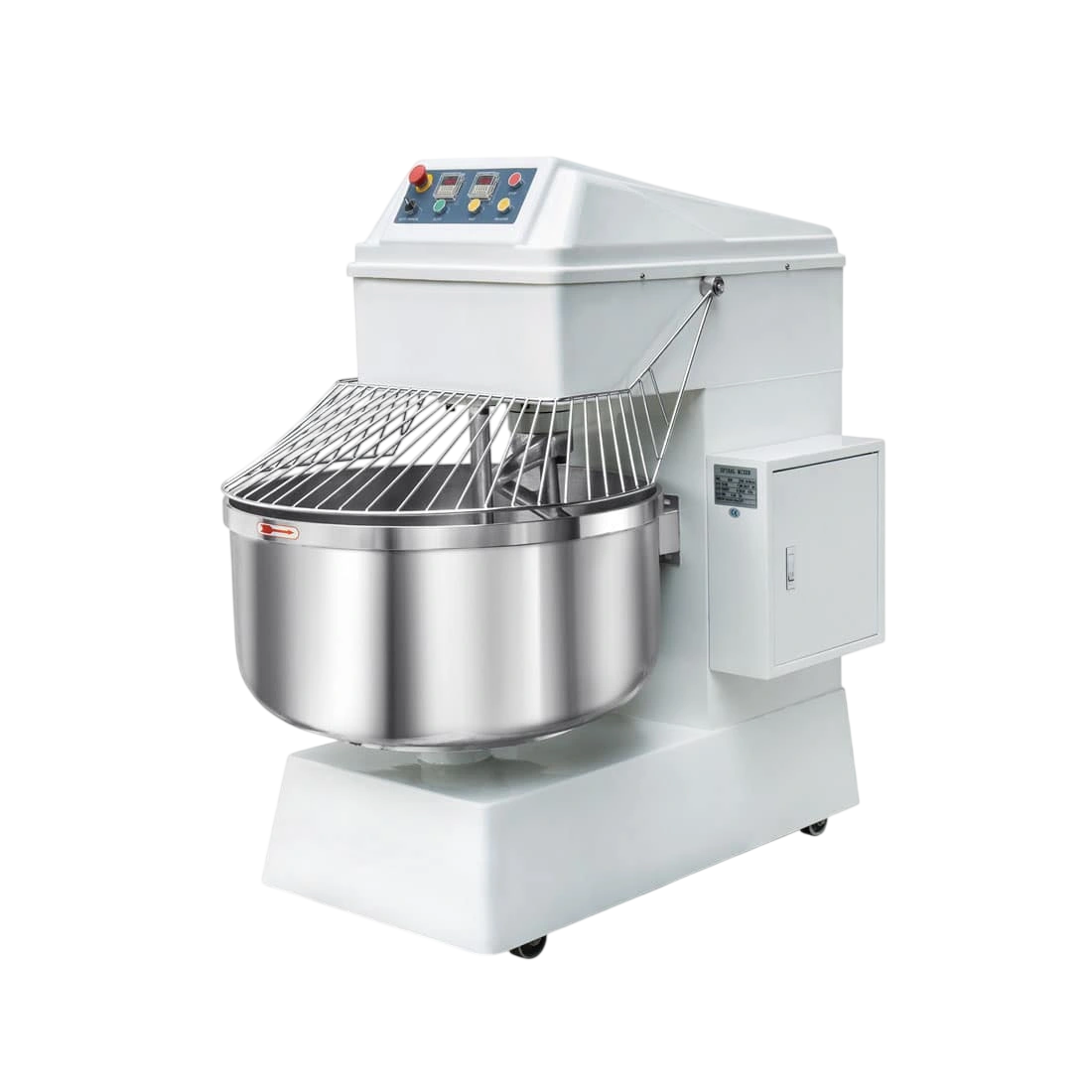
762 × 1164 × 1380mm
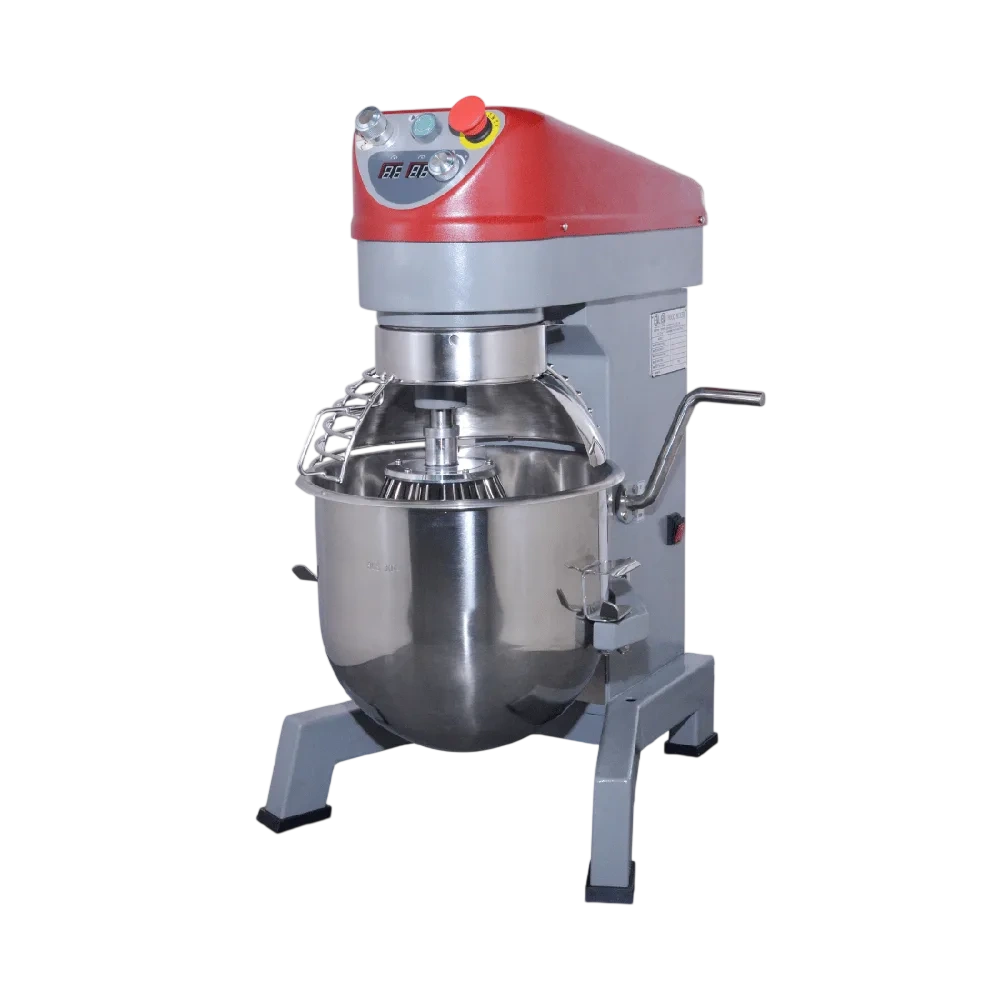
484 × 518 × 690mm
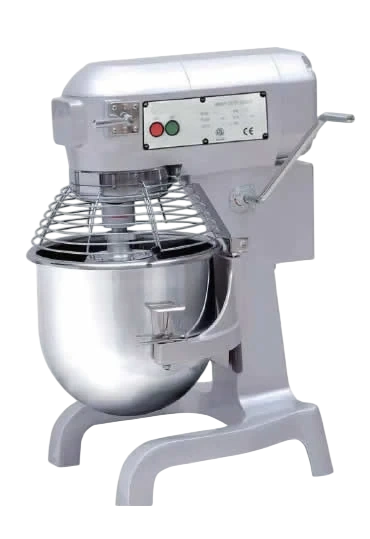
630 × 590 × 890mm
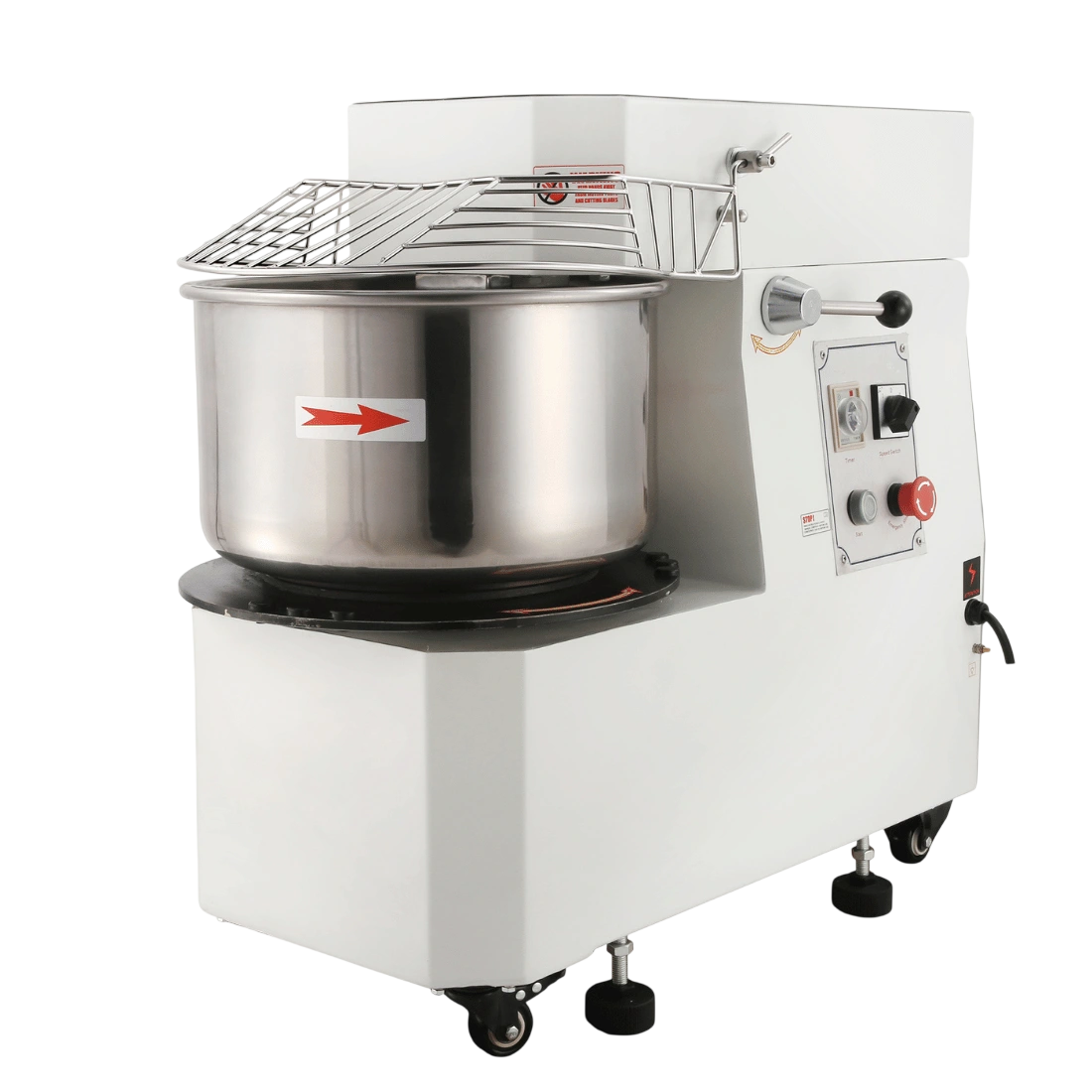
750 × 400 × 730mm
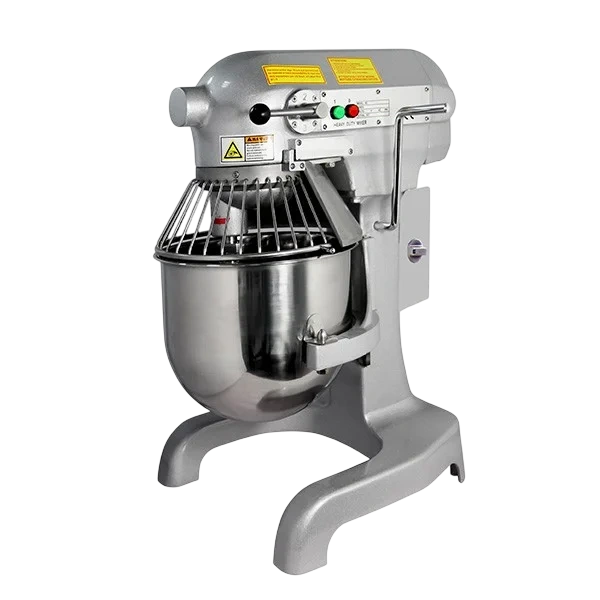
500 × 480 × 710mm
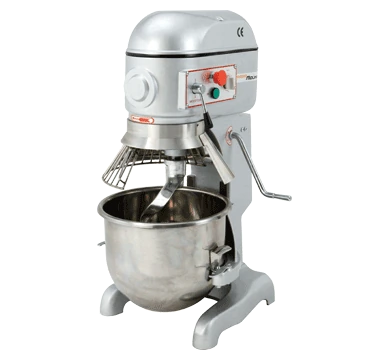
380 × 498 × 880mm
A commercial mixer for bakery work is sized by the dough it must handle, not by bowl volume. Bread dough loads a motor and gearbox far harder than cake batter of the same volume, so a mixer rated on capacity alone can be undersized for the work a bakery actually does.
Bowl capacity should be read as a usable range rather than a maximum. Mixers work poorly at the bottom of their range, because a small batch does not reach the beater properly, and they labour at the top. Batches that vary widely usually need either two machines or a bowl and beater set that adapts.
Attachments extend what one machine covers — dough hook, beater and whisk handle different work — but the drive underneath sets the limit. Check whether the machine is rated for continuous dough work if that is what it will spend its day doing.
Where a mixer runs through a production morning rather than intermittently, duty rating and cooling matter more than headline power, because the failure mode is heat over hours rather than stalling on one batch.
Key factors to consider before purchasing. Our team can help you find the right fit — call or get a quote anytime.
Match capacity to your daily output. Consider the bench or floor space available and the access route for delivery.
Check the power supply at the installed position — phase, amperage and circuit capacity — before ordering.
Confirm electrical compliance, levelling and the clearance needed for cleaning and service access. We can help with kitchen planning.
Submit your kitchen requirements — our equipment specialists will send you a tailored shortlist of commercial baker mixers that fits your budget, venue type and compliance needs.
Standards & Compliance
Before comparing bakery mixers, confirm the doughs and batters made, the smallest and largest batch, and how many consecutive batches run in a session. Check the machine's rating for continuous dough work rather than its peak figure.
Look at how the bowl is lifted and locked, how attachments change, and whether a bowl guard interferes with adding ingredients mid-mix. Confirm which parts are serviceable, since gearbox and drive wear decide the working life of a mixer used daily.
FAQ
Bread dough → Spiral mixer
Pastry & patisserie → Planetary mixer
Artisan or high-fat dough → Fork / double-arm mixer
Dough volume depends on hydration, density and expansion. Mixers perform best at 50–80% bowl utilisation.
Friction from kneading increases temperature. Planetary mixers generate more heat under load; spiral mixers the least.
Yes. Two-speed spiral mixers create a controlled development phase for predictable gluten formation.
From the heaviest dough made regularly, not from bowl volume. Bread dough loads the motor and gearbox far harder than batter of the same volume, so capacity alone will mislead.
Only within a usable range. Mixers perform poorly at the bottom because a small batch does not reach the beater, and labour at the top. Widely varying batches usually need two machines or an adaptable bowl set.
It describes sustained rather than peak work. A mixer running consecutive batches through a production morning fails on accumulated heat rather than on a single batch, so the continuous rating predicts real life better than headline power.
Gearbox and drive components under daily dough work. Confirm what is serviceable and whether parts are available before choosing, since that decides whether wear means a repair or a replacement.
Why KW
KW can help size a commercial bakery mixer to the doughs actually made and the batch range in use, and weigh duty rating against headline capacity. For practical advice, call KW on 1300 001 366.
Deep Dive
Technical depth from KW's commercial kitchen specialists.
Bakery mixers perform high-load repetitive tasks that create cyclic stress. Weak frames or bowl-lift systems lead to vibration, torsion and alignment drift over time. Harmonic vibration—when the dough’s force aligns with motor rhythm—is especially damaging to structure longevity.
Gear-drive: Delivers stable torque and durability; requires lubrication and heat management.
Belt-drive: Quieter but may slip under stiff dough loads, reducing kneading efficiency.
Dough behaviour depends on bowl shape. Diameter, taper angle and wall thickness influence folding path, gluten alignment and hydration uniformity. Two mixers with identical motors may produce different results simply due to bowl geometry differences.
High-torque mixing increases current draw. Commercial kitchens must ensure circuits handle peak amp loads. AC motors excel in smooth torque delivery; DC motors provide superior variable-speed control.
Baker mixer brands differ in engineering focus: some prioritise high torque stability, others excel in planetary multi-tool versatility, while premium models optimise thermal control and bowl geometry for artisanal dough. This parent page remains brand-neutral to protect the ranking of child categories.
Explore our commercial bakery range to build a more consistent, efficient and productive commercial kitchen workflow.
Specs validated by KW Commercial Kitchen.Bread dough works a motor and gearbox far harder than batter of the same volume. Size from the heaviest dough regularly made rather than from bowl capacity, or the machine will be undersized for the work despite matching on paper.
Mixers perform poorly at the bottom of their range because a small batch does not reach the beater, and labour at the top. Where batch sizes vary widely, that usually means two machines or an adaptable bowl and beater set rather than one compromise.
A mixer running consecutive batches fails on heat over hours rather than by stalling on one. Check the continuous duty rating and how the machine is cooled, because that is what decides whether it lasts a morning of production.
Check how the bowl lifts and locks, how attachments change, and whether the guard obstructs adding ingredients mid-mix. These are handled dozens of times a session, so awkwardness compounds far more than it does on equipment used occasionally.