
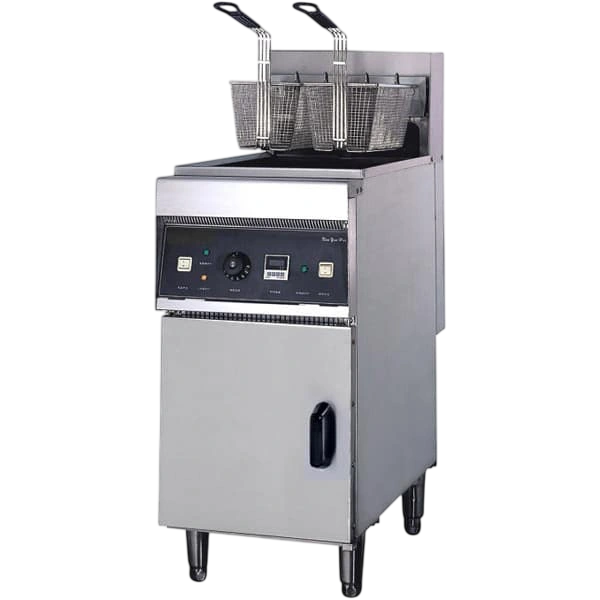
Brenner
Brenner EF-28LE 28L Oil Capacity Electric Fryer – Capacity: 28 Litres
400 × 880 × 1111mm
$2,804.15$3,299.00
In Stock
Commercial Fryers
81 results
400 × 880 × 1111mm
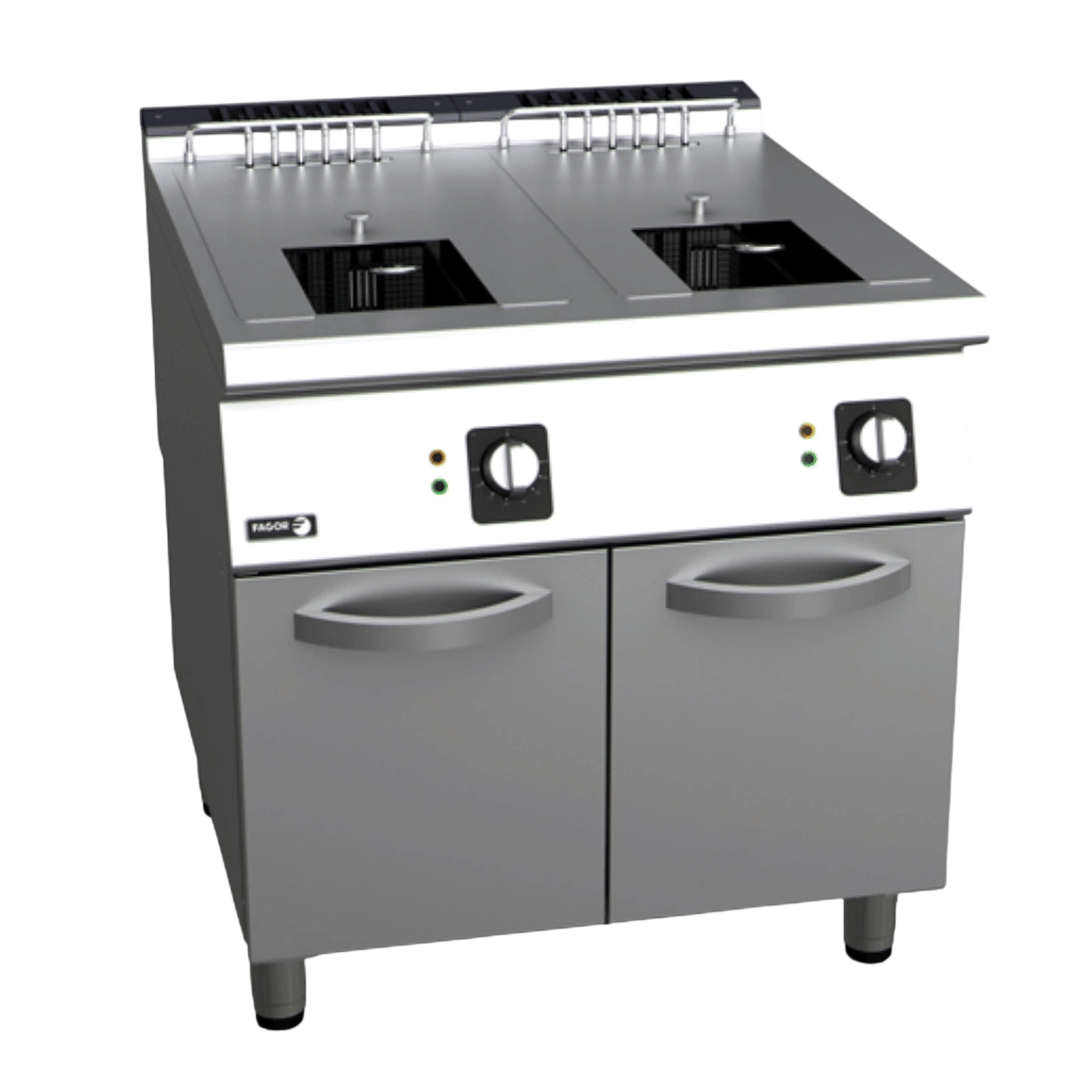
800 × 930 × 850mm
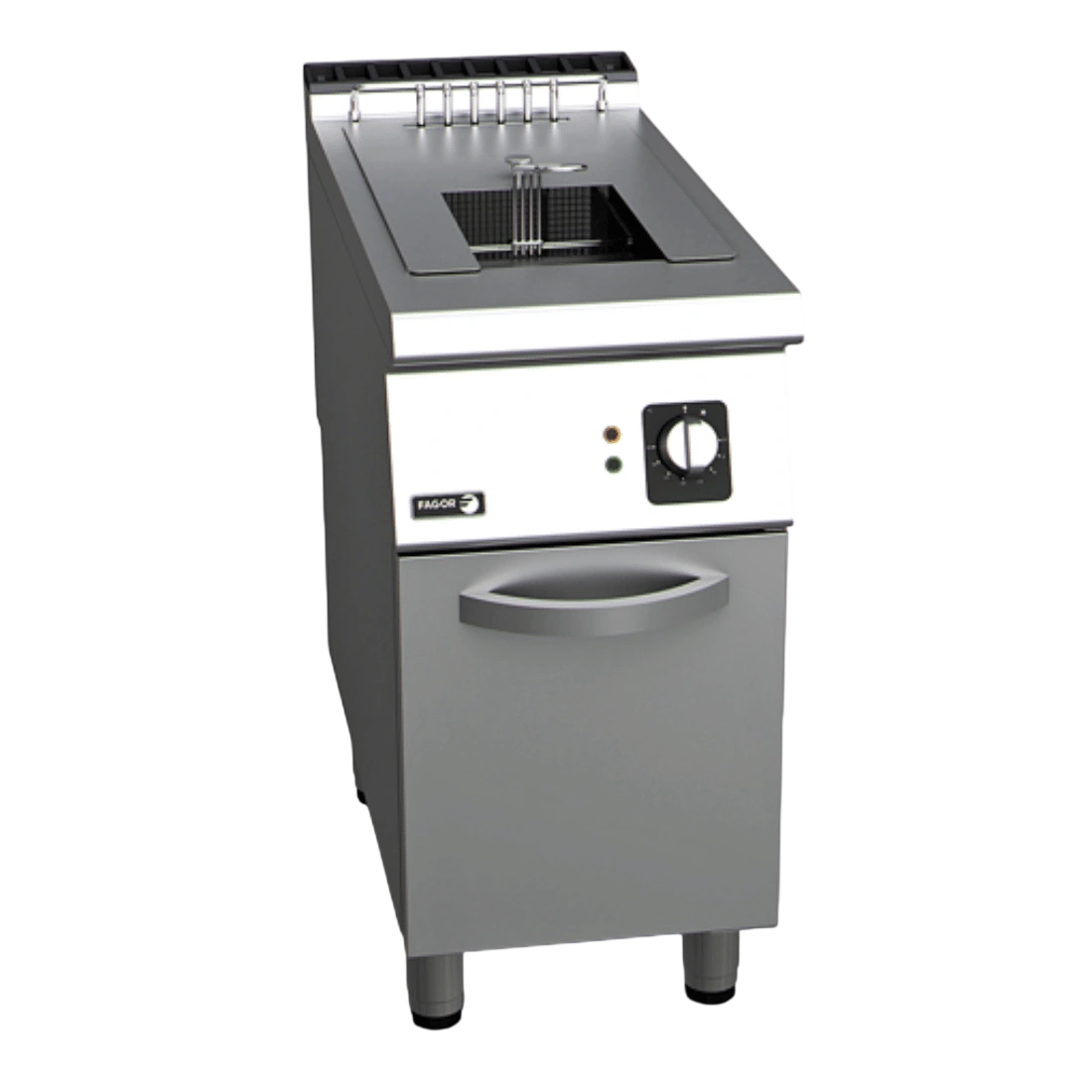
400 × 930 × 850mm
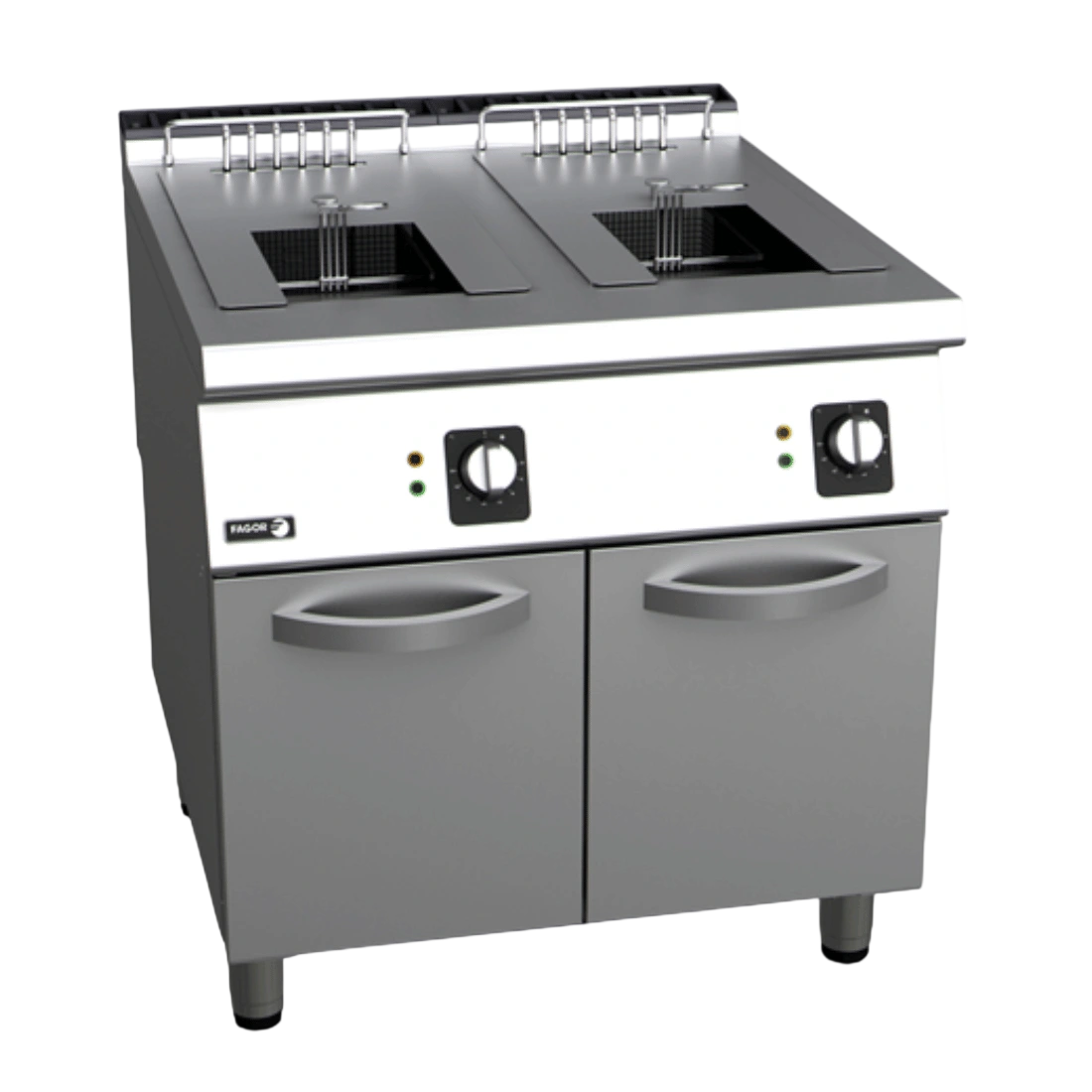
800 × 930 × 850mm
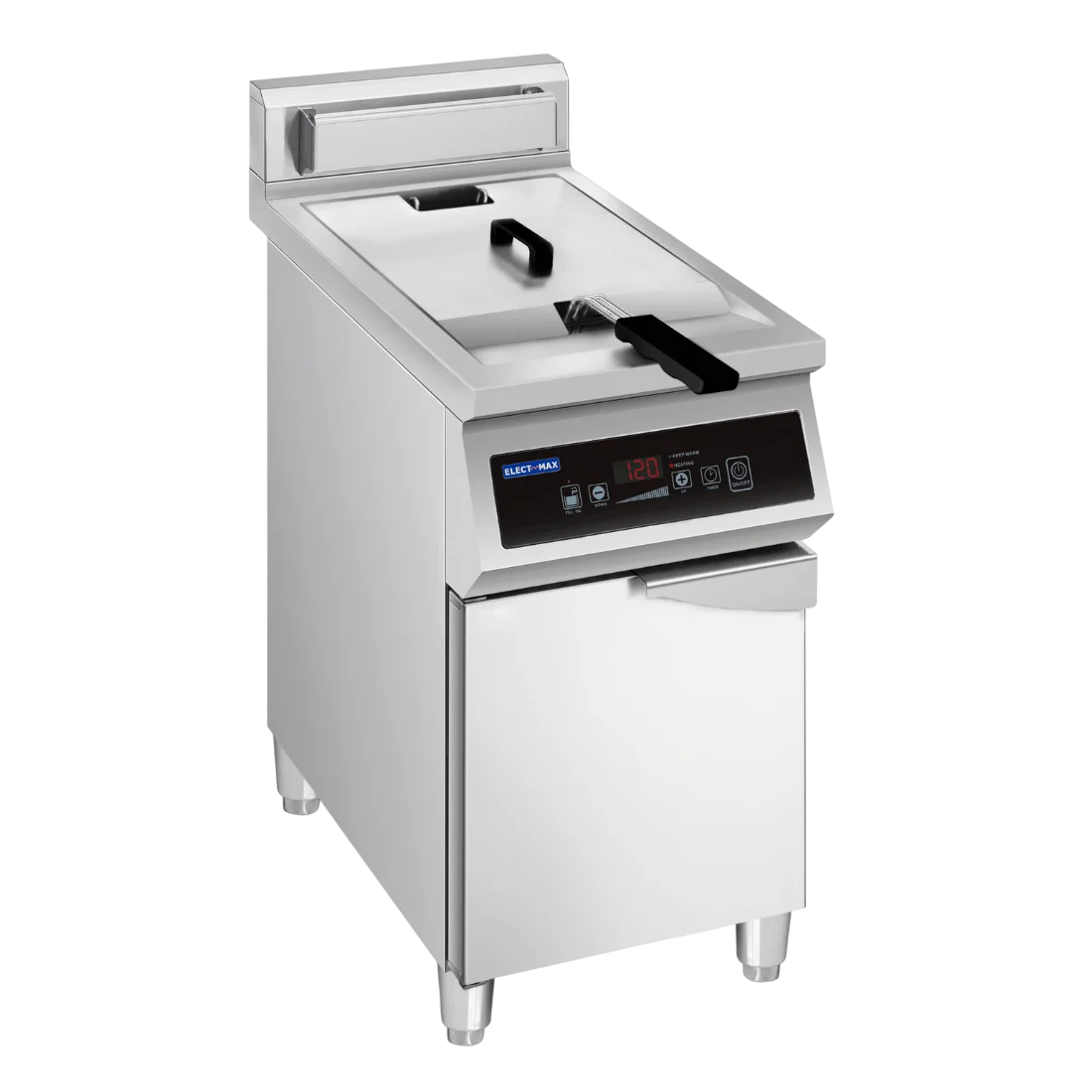
400 × 900 × 1003mm
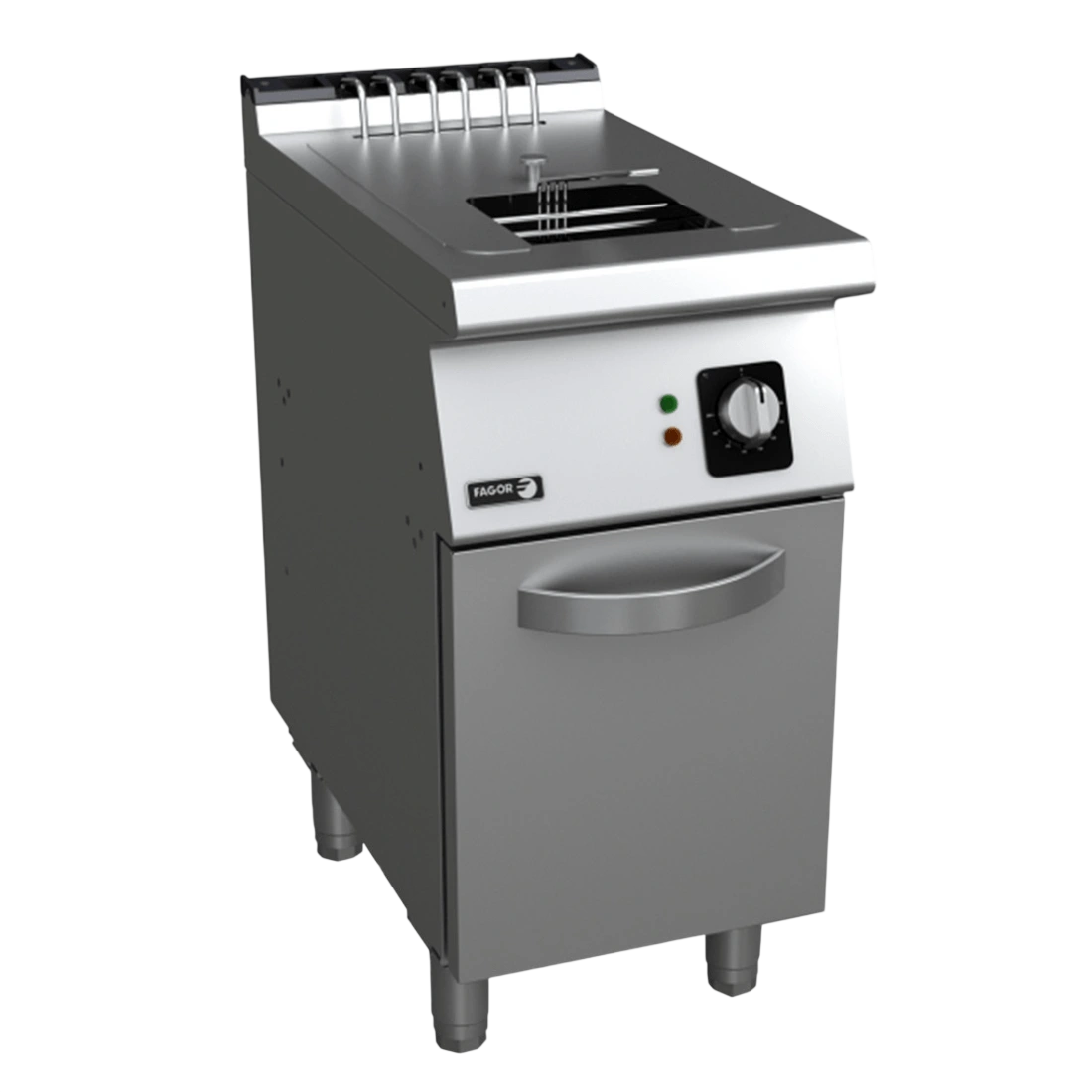
400 × 730 × 850mm
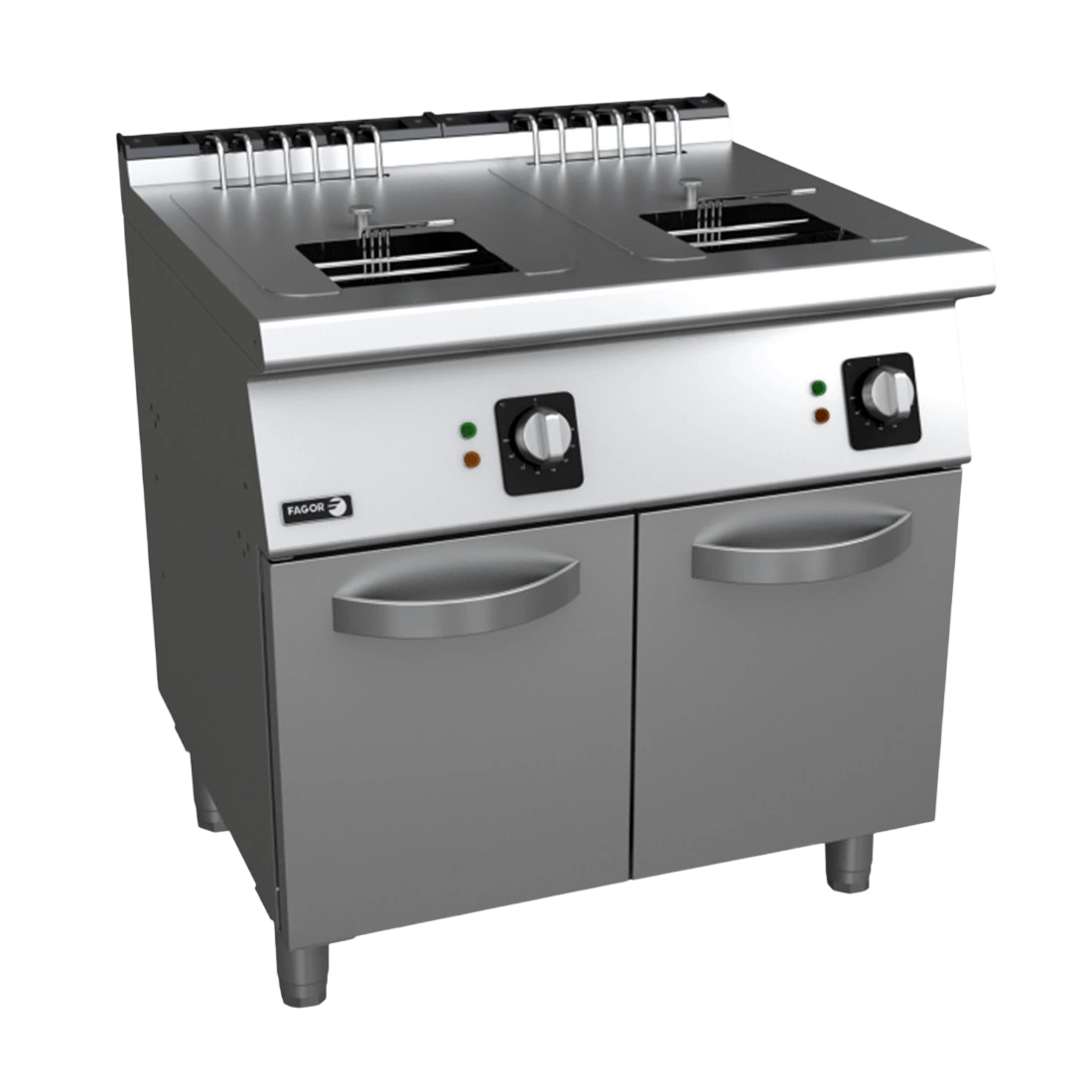
800 × 730 × 850mm
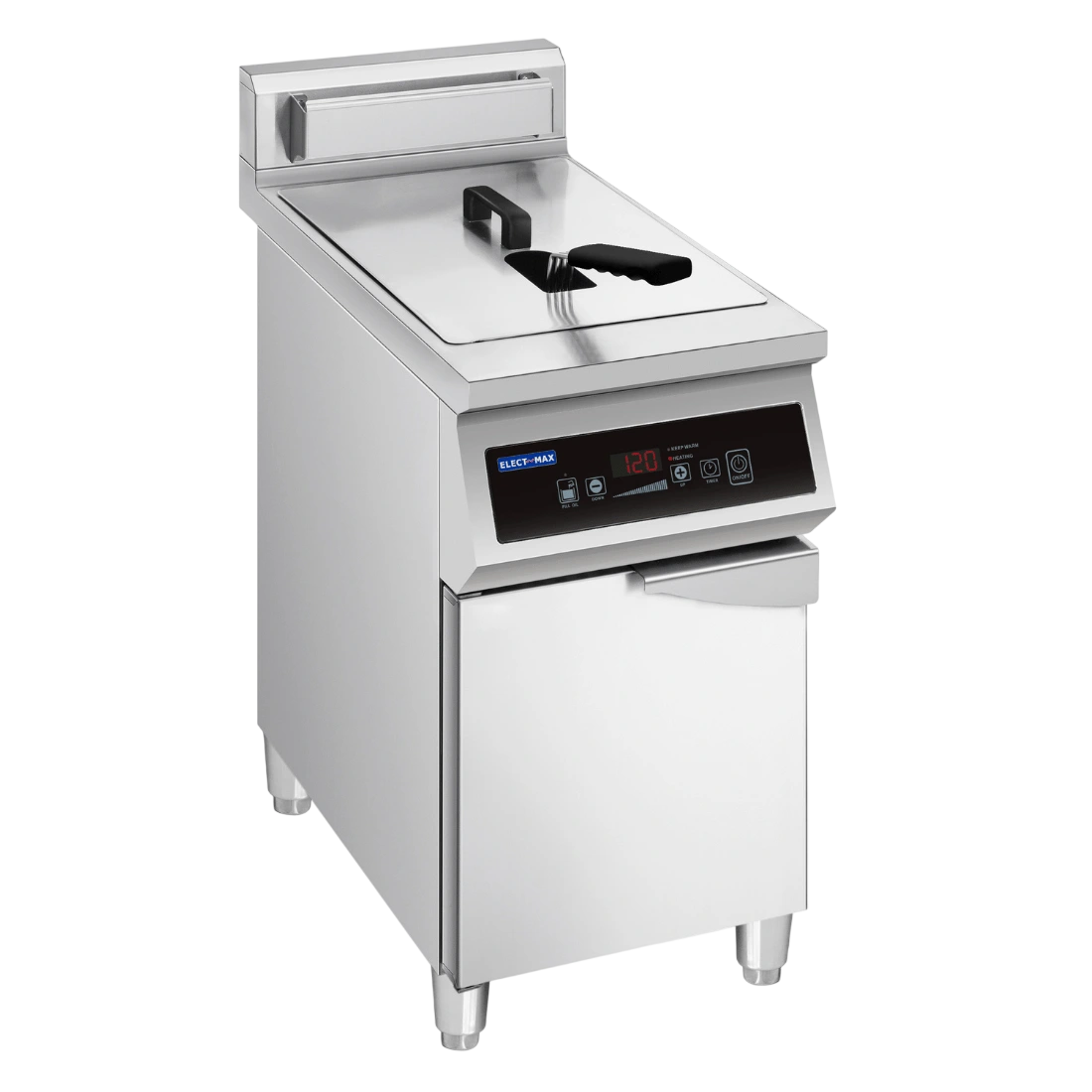
400 × 700 × 980mm
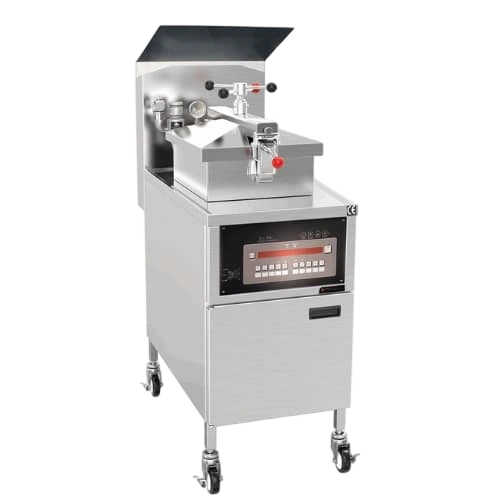
545 × 1000 × 1218mm
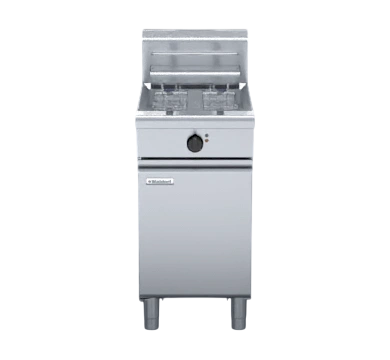
450 × 805 × 1130mm
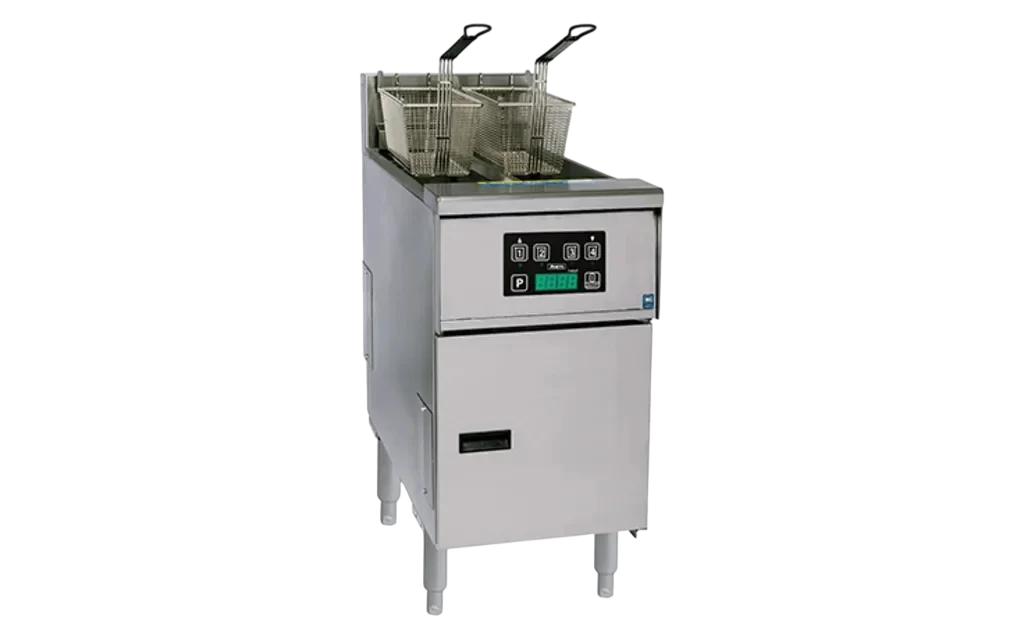
397 × 876 × 1010mm
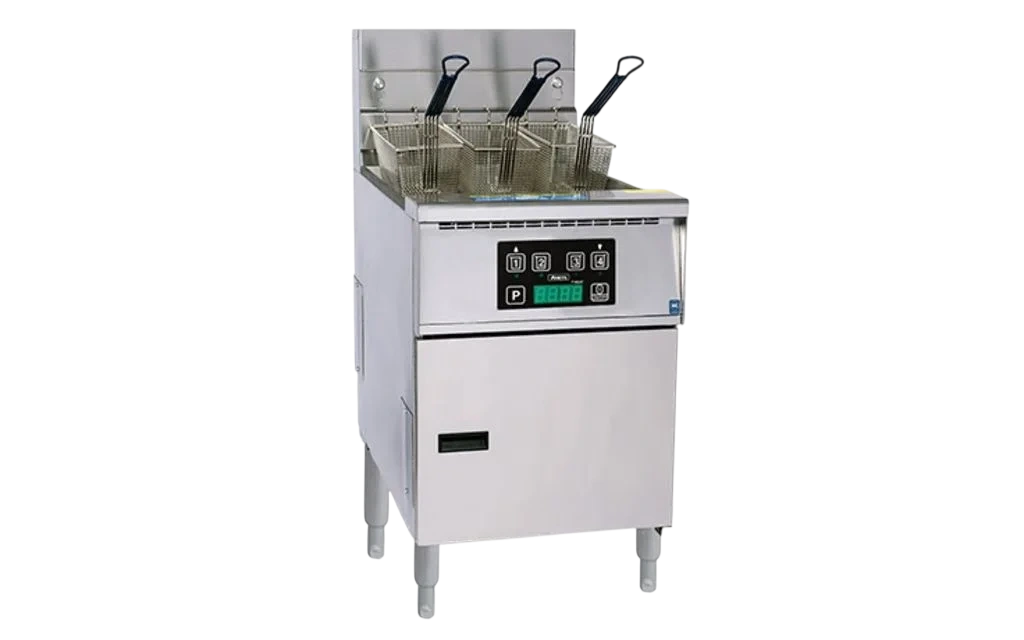
498 × 876 × 1010mm
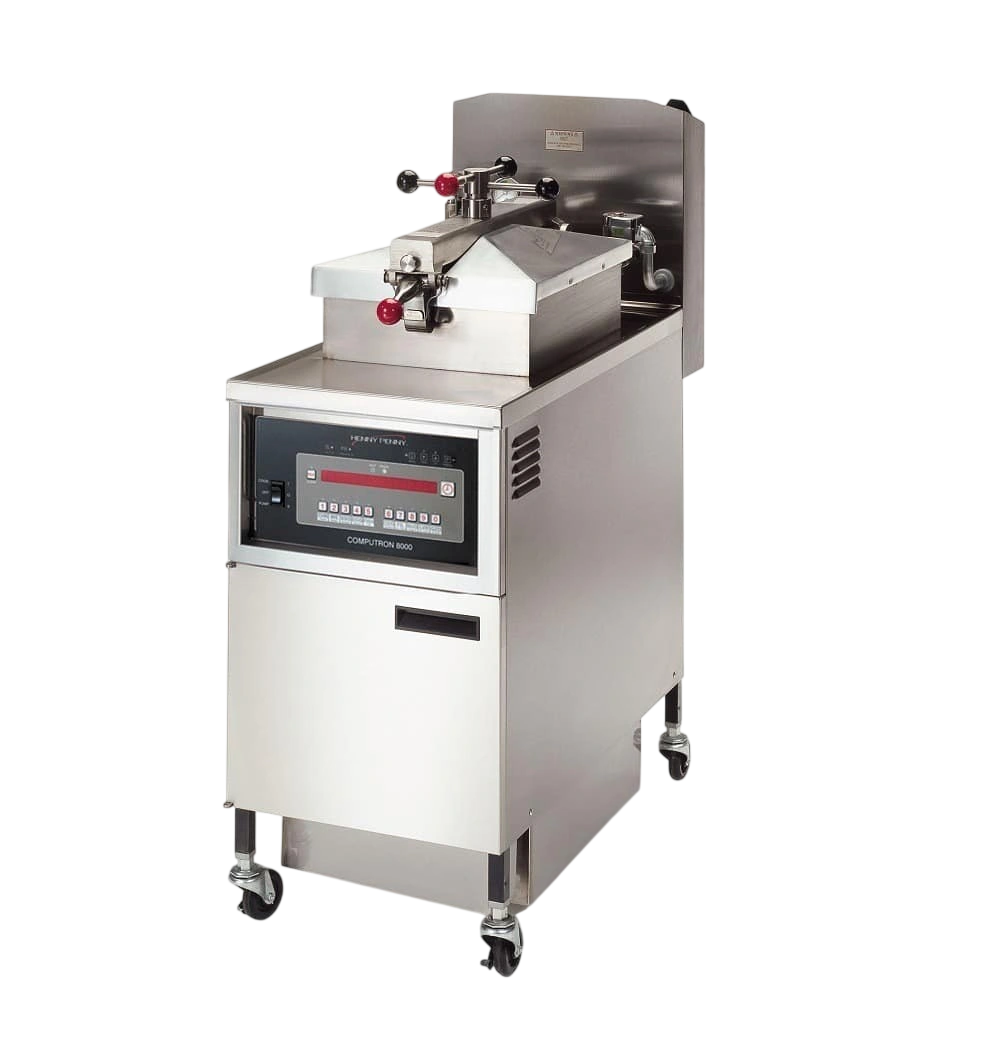
500 × 980 × 1600mm
450 × 812 × 1085mm
450 × 812 × 1085mm
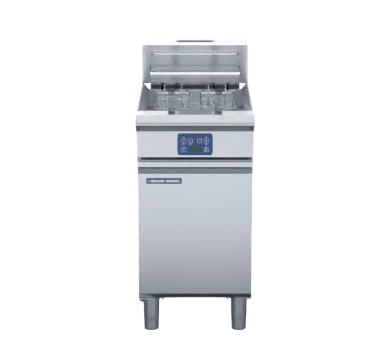
450 × 812 × 1085mm
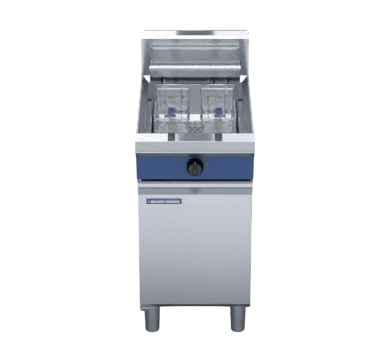
450 × 812 × 1085mm
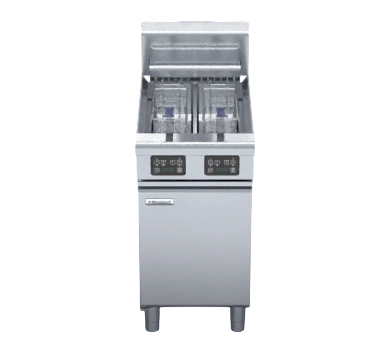
450 × 805 × 1130mm
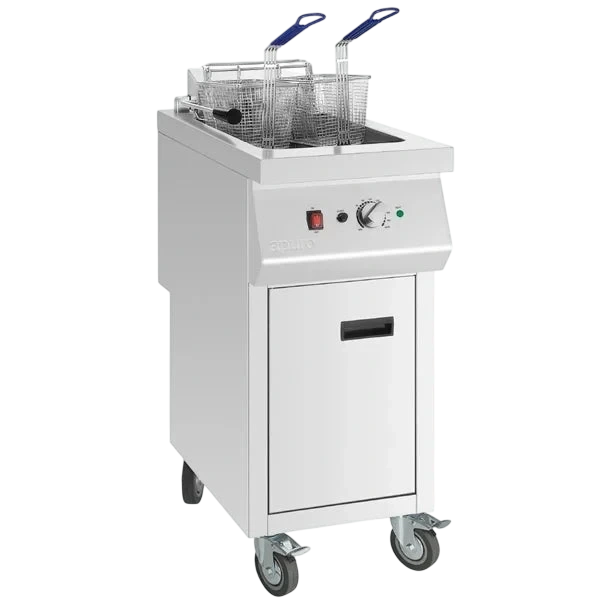
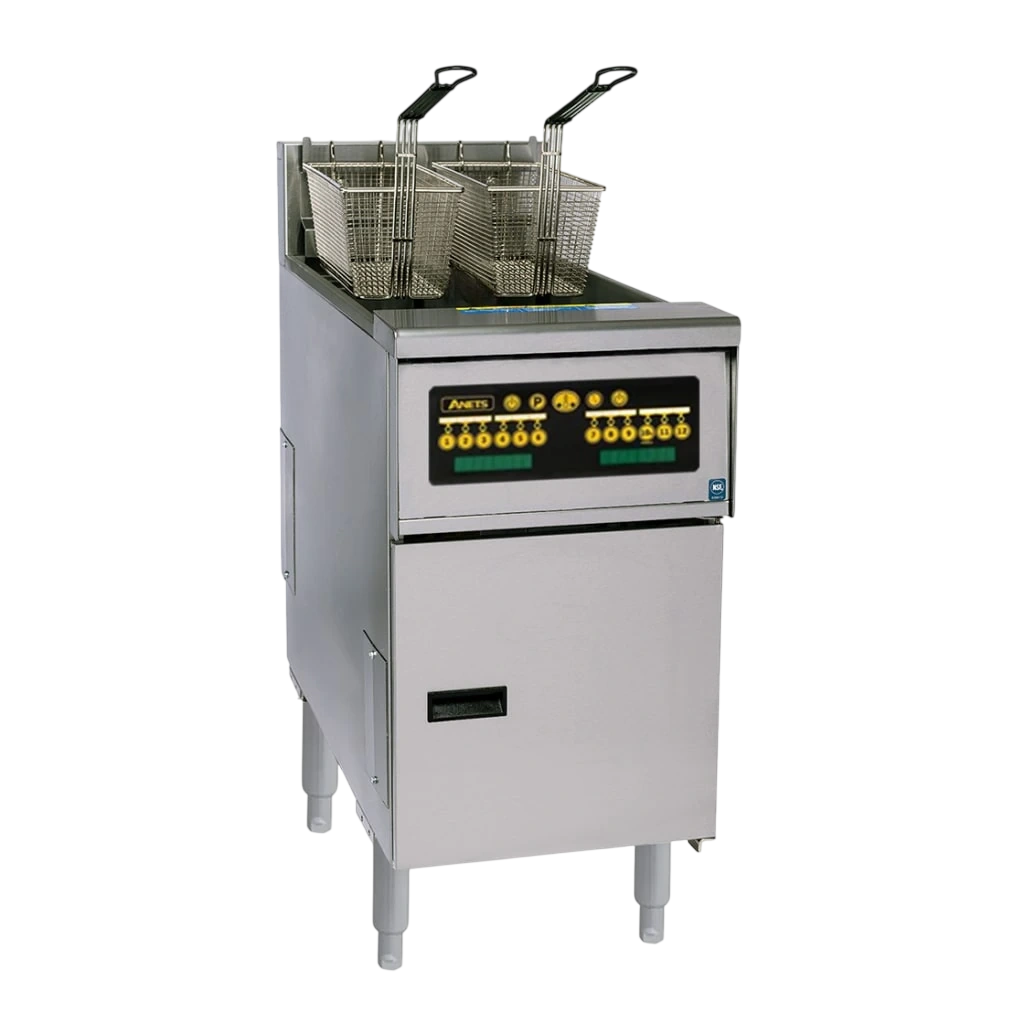
397 × 876 × 1010mm
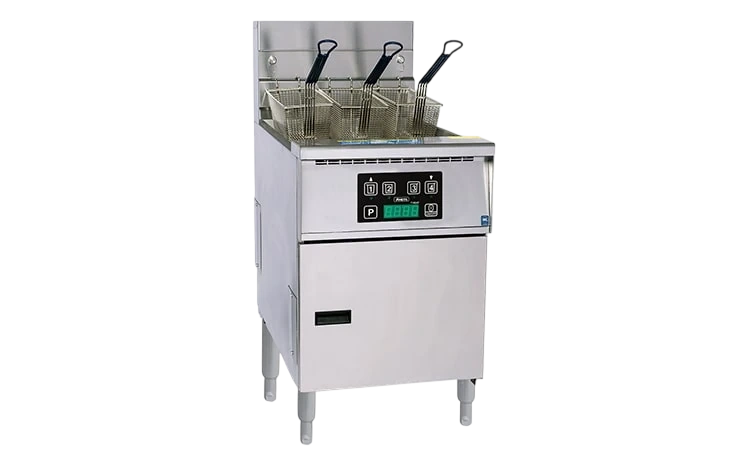
498 × 876 × 1010mm
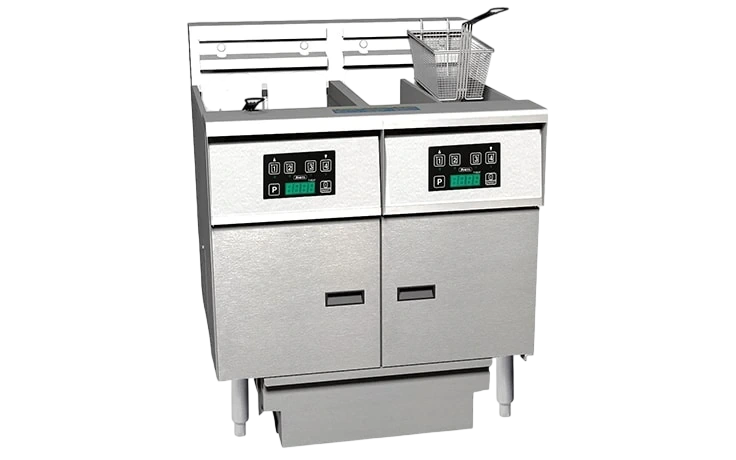
794 × 876 × 1172mm
1191 × 876 × 1172mm
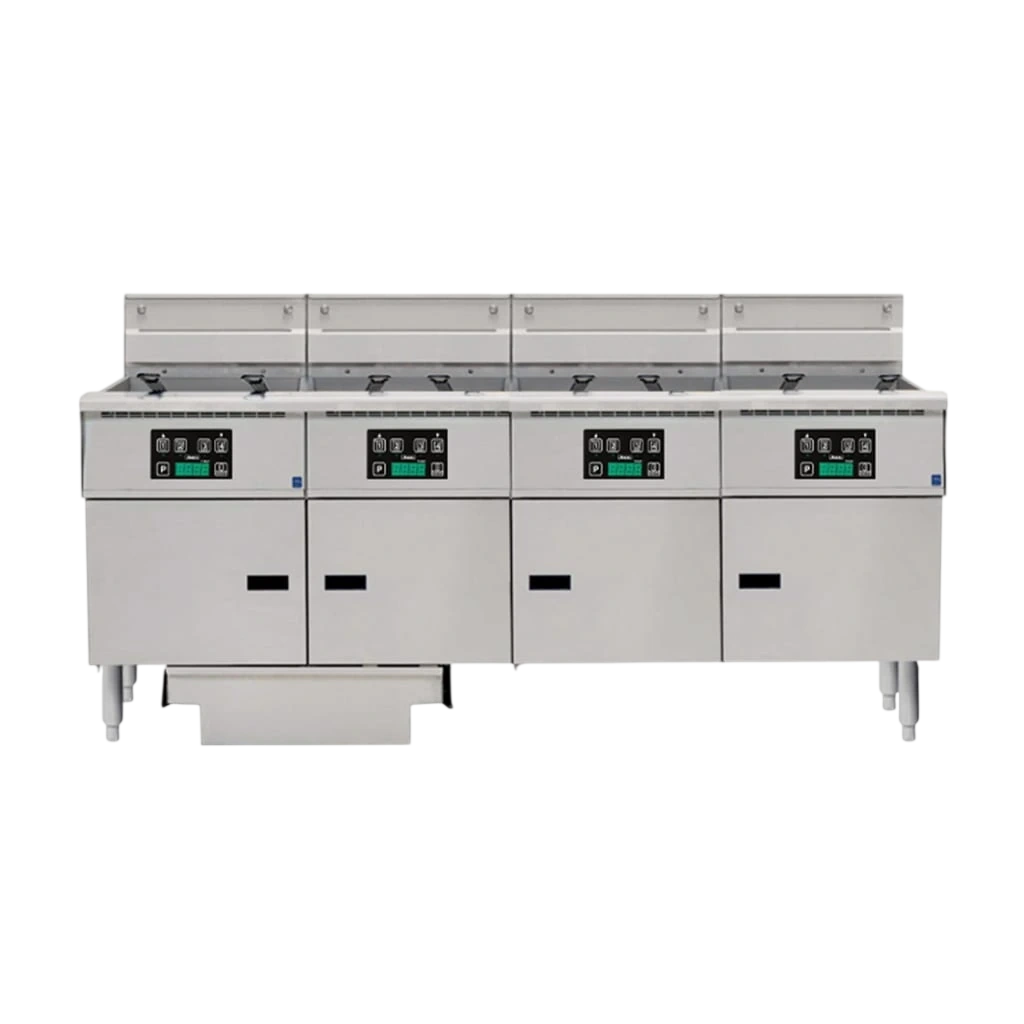
1588 × 876 × 1010mm
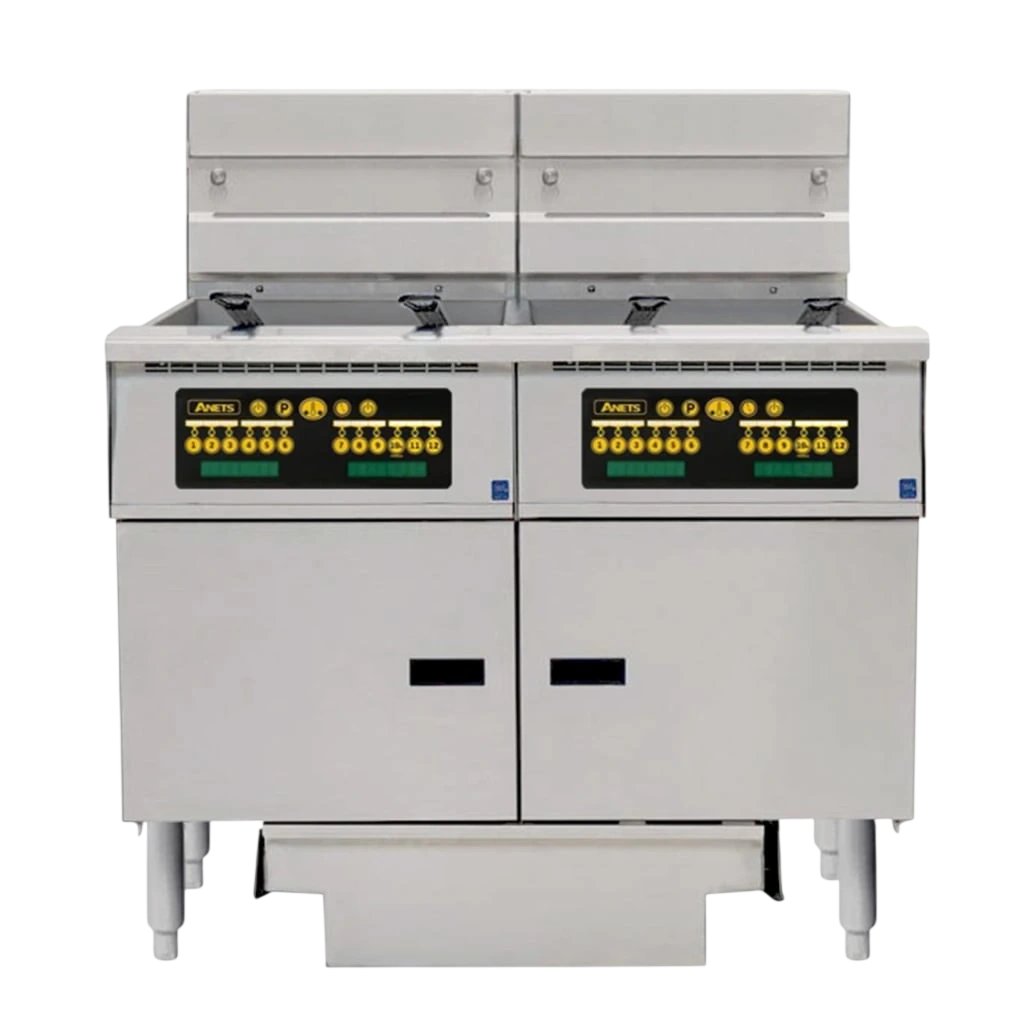
794 × 876 × 1172mm
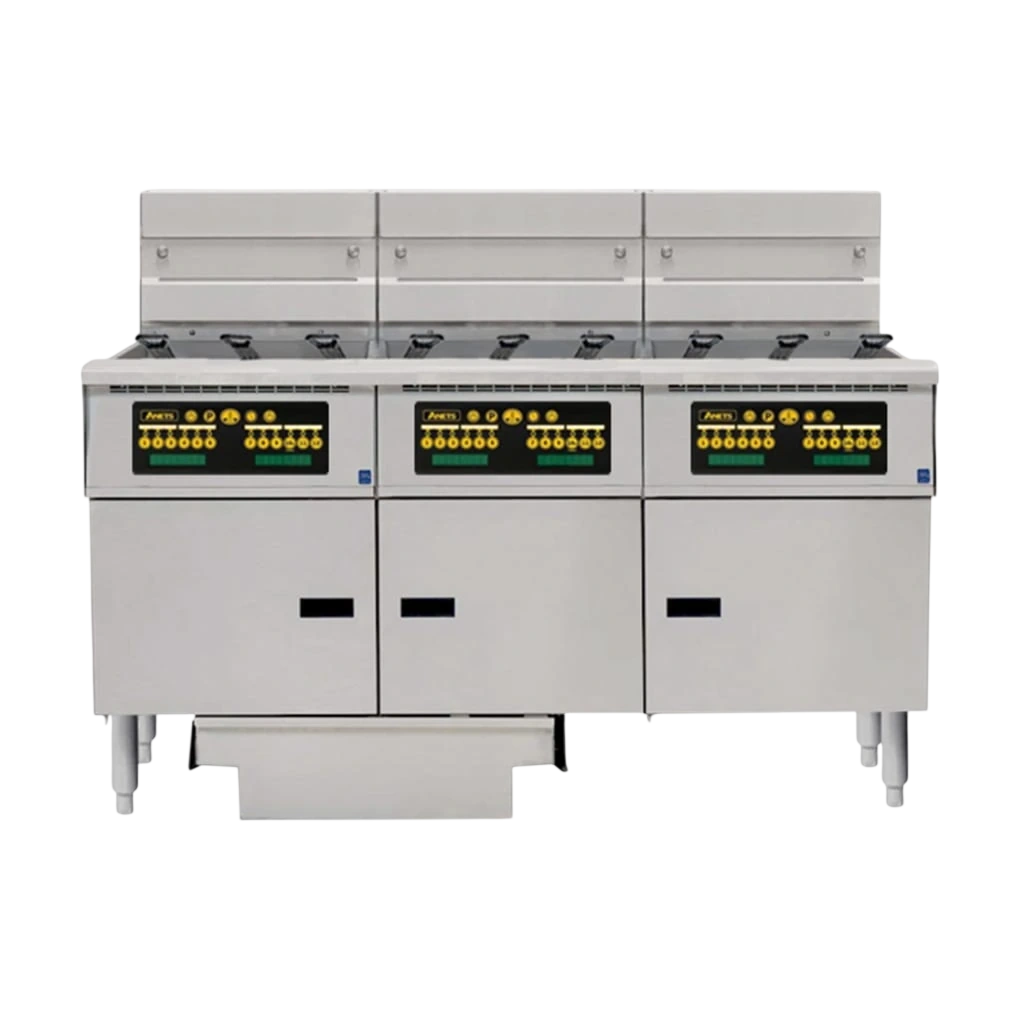
1191 × 876 × 1172mm
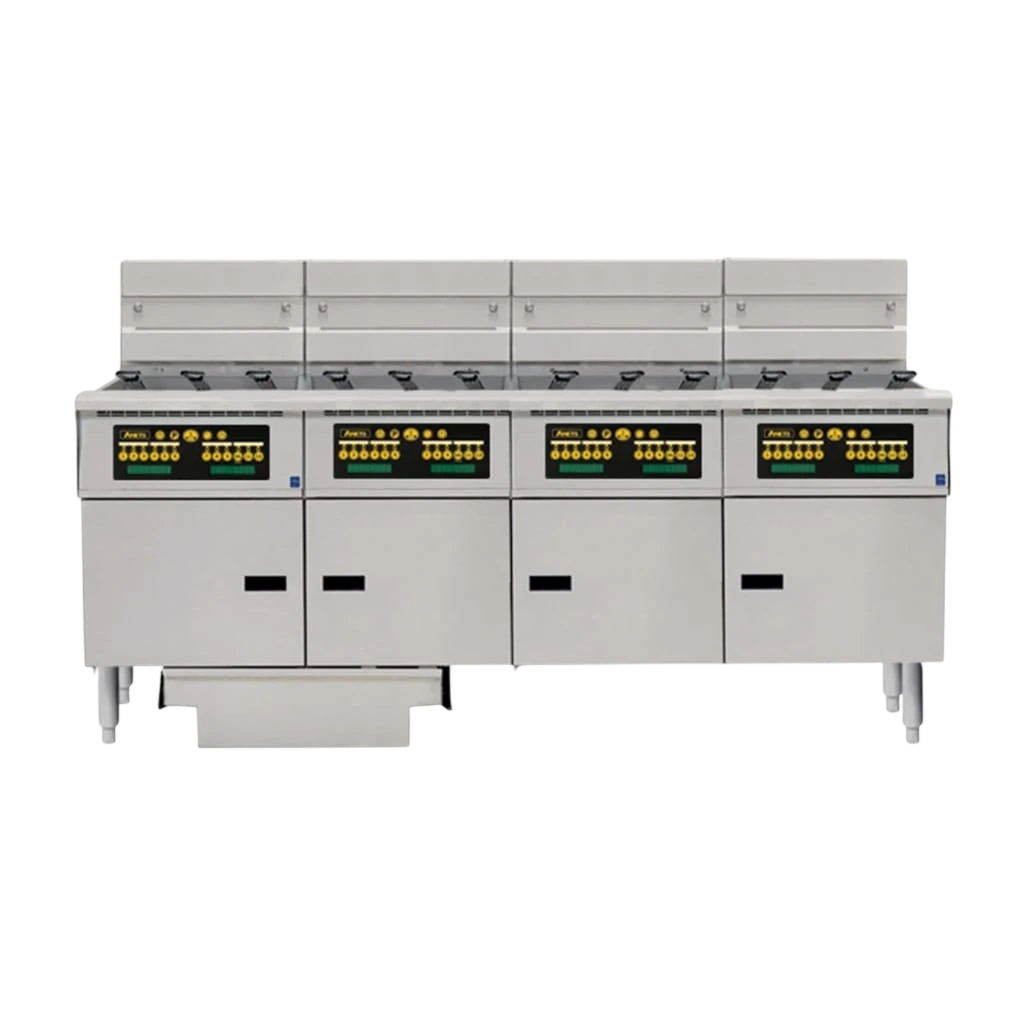
1588 × 876 × 1172mm
996 × 876 × 1172mm
1494 × 876 × 1172mm
1992 × 876 × 1010mm
996 × 876 × 1172mm
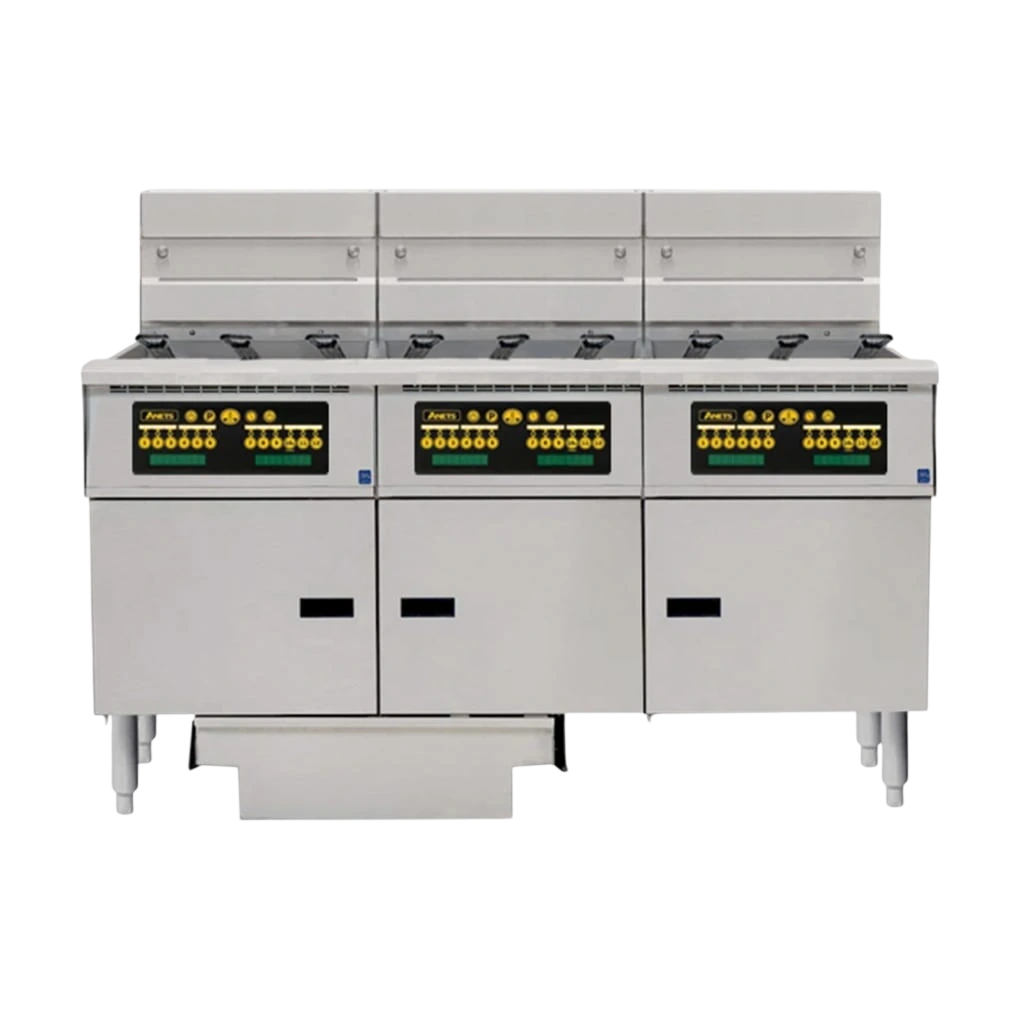
1494 × 876 × 1010mm
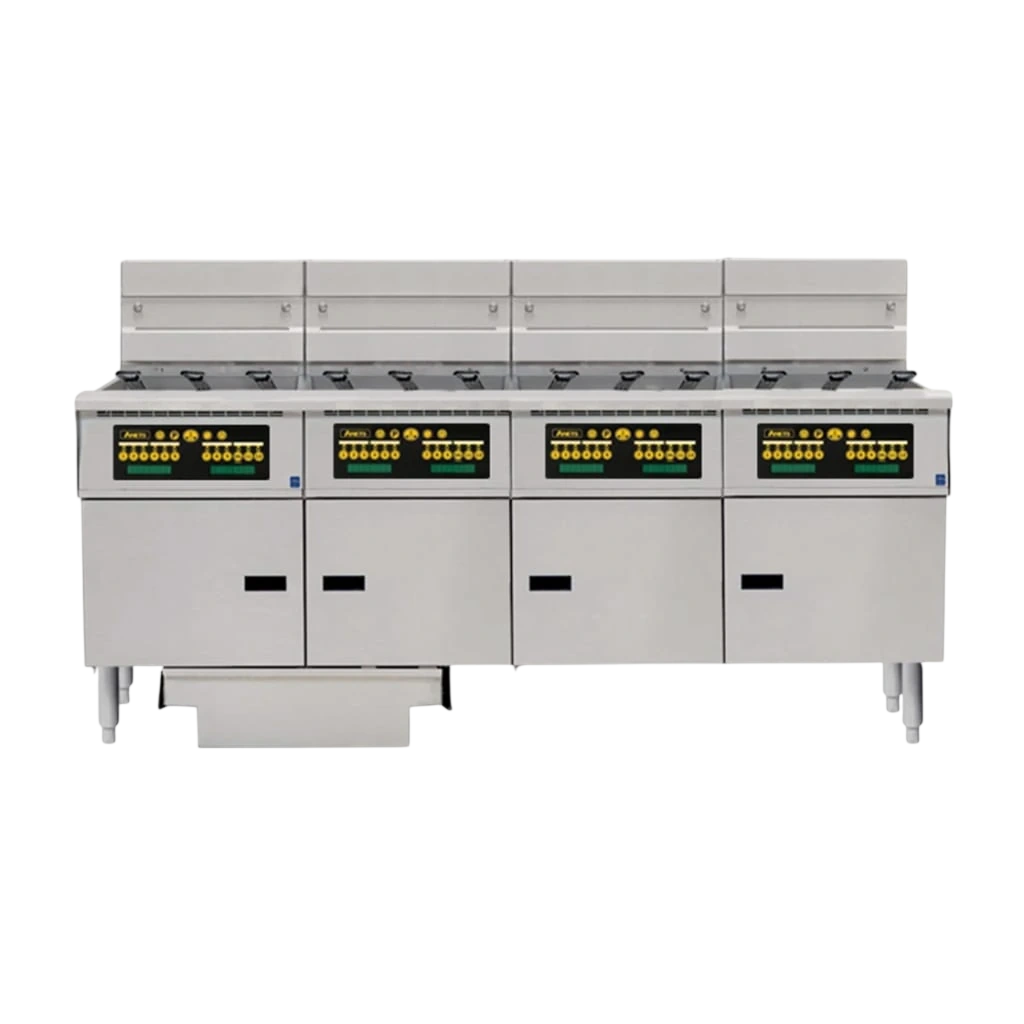
1992 × 876 × 1010mm
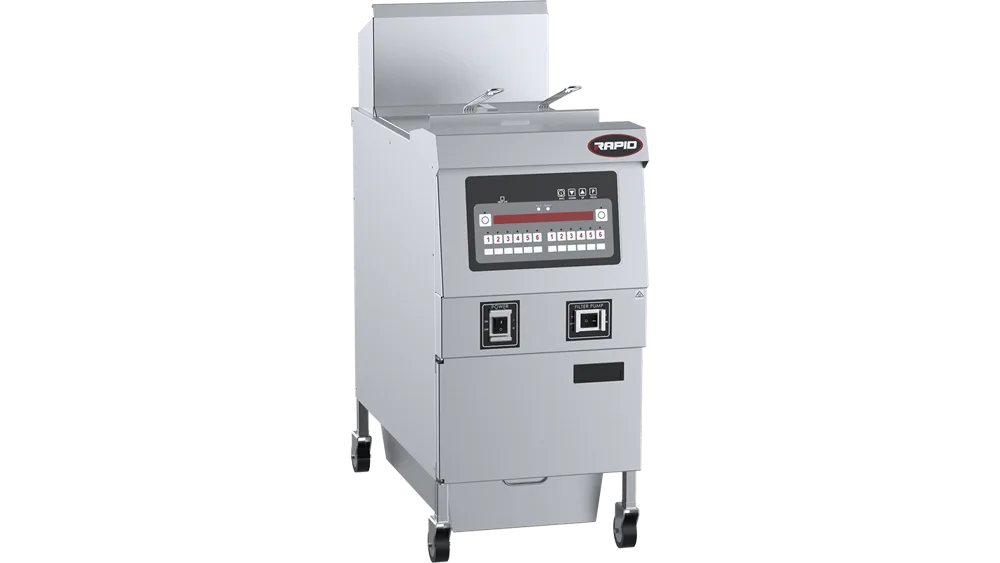
450 × 900 × 1140mm
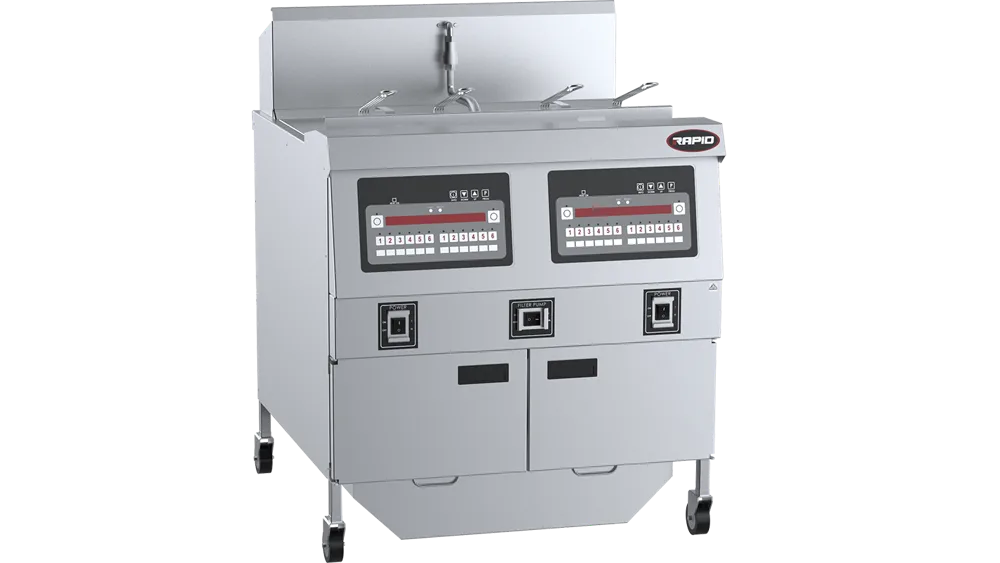
860 × 900 × 1140mm
1270 × 900 × 1140mm
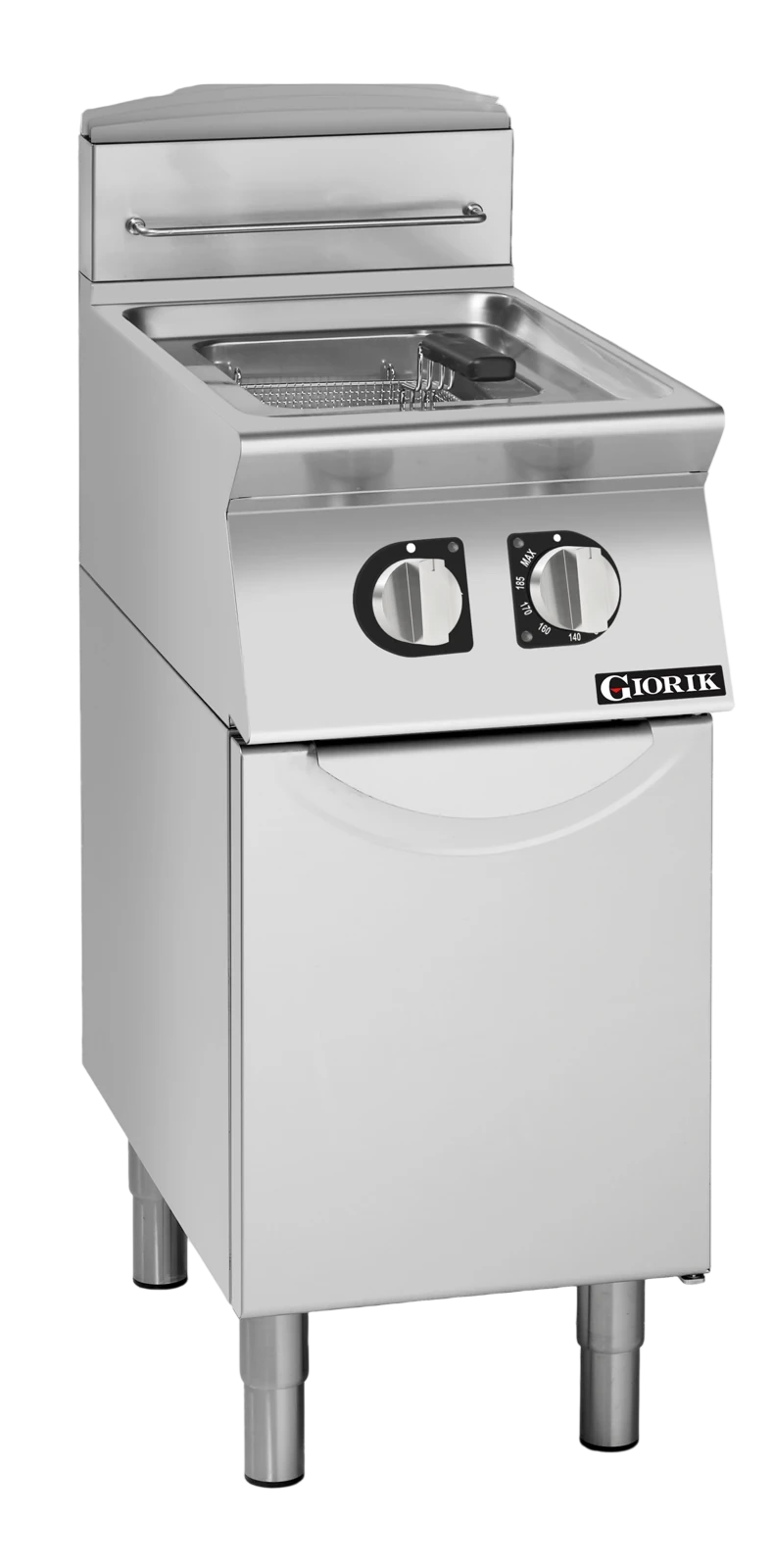
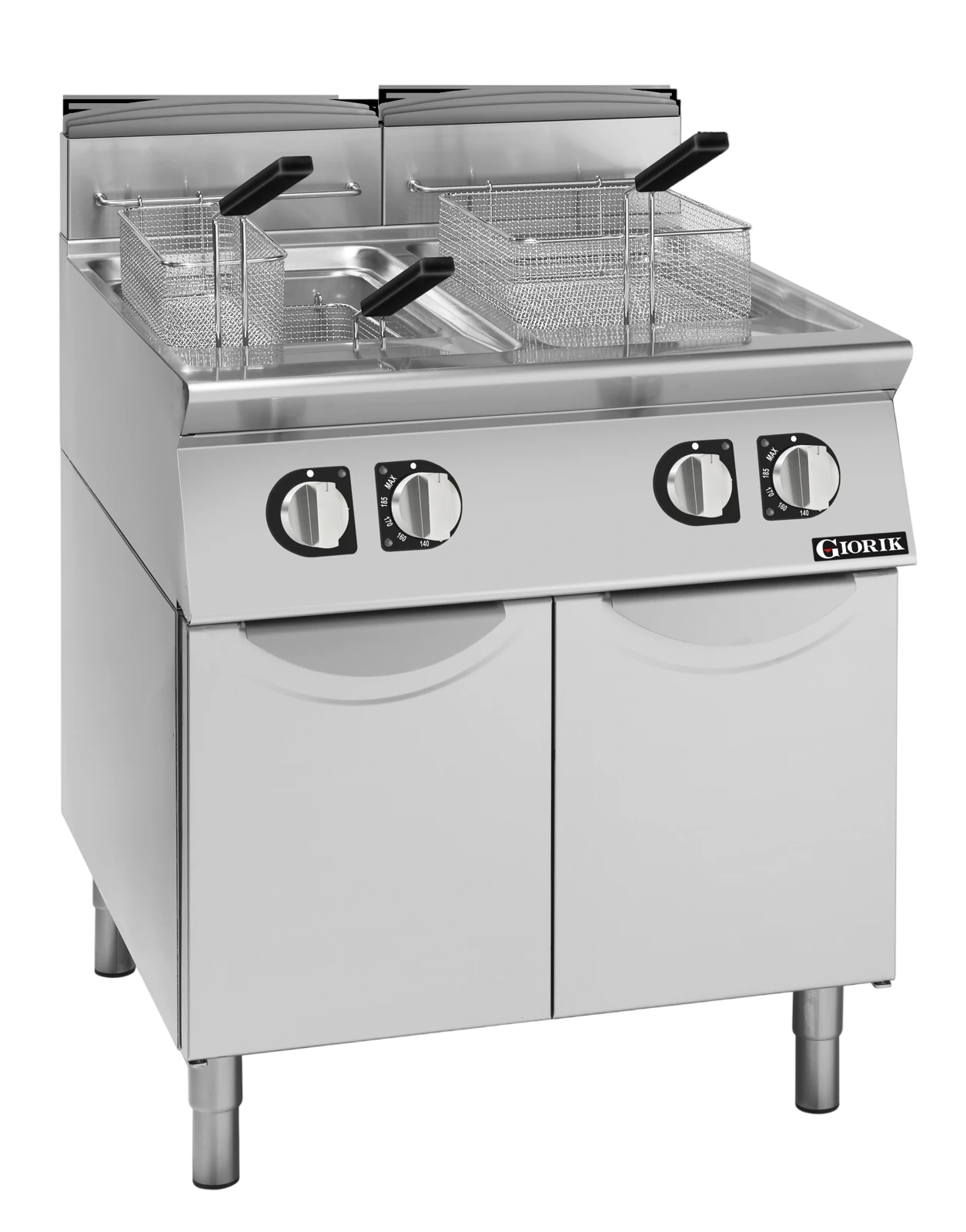
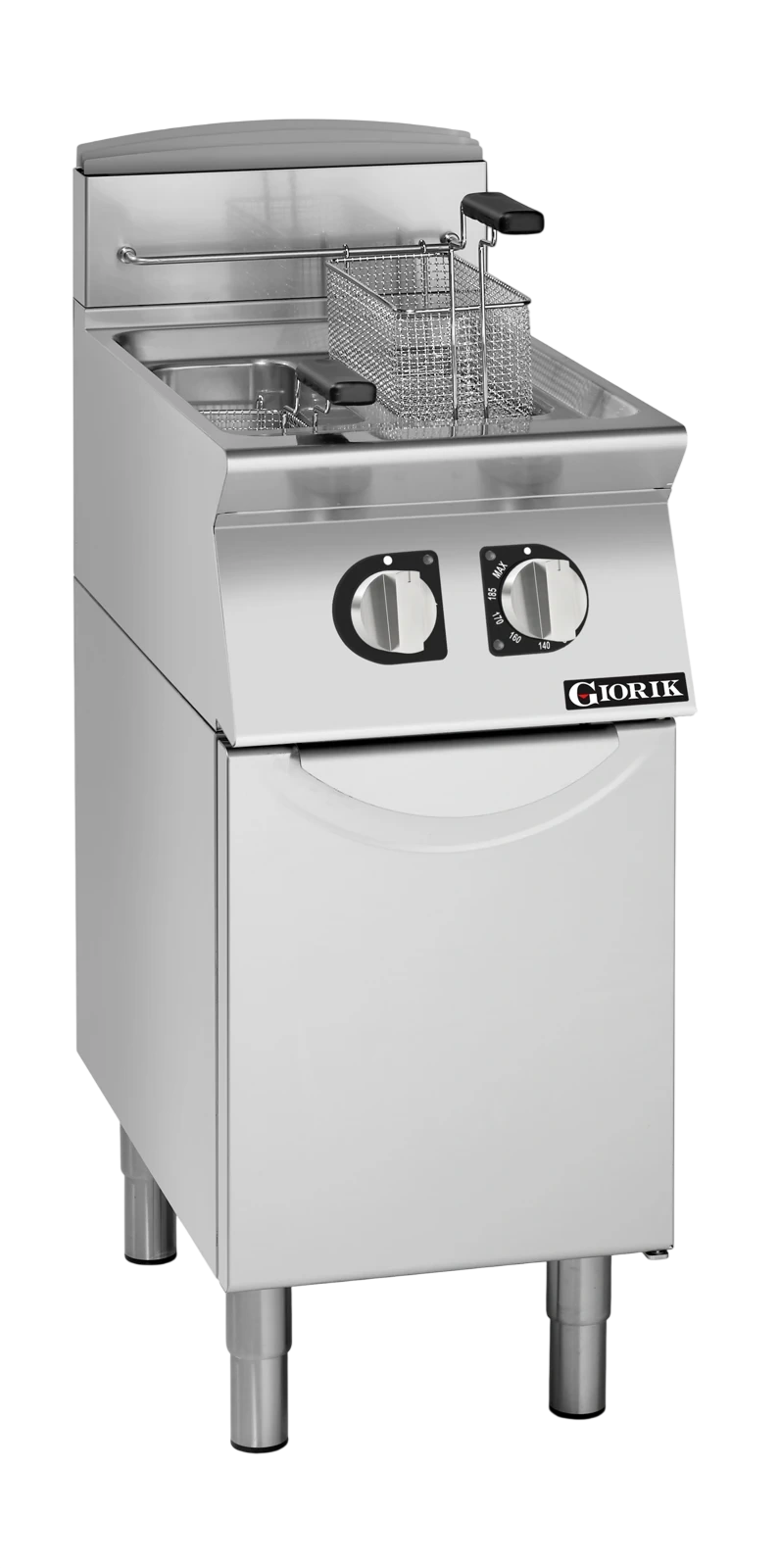
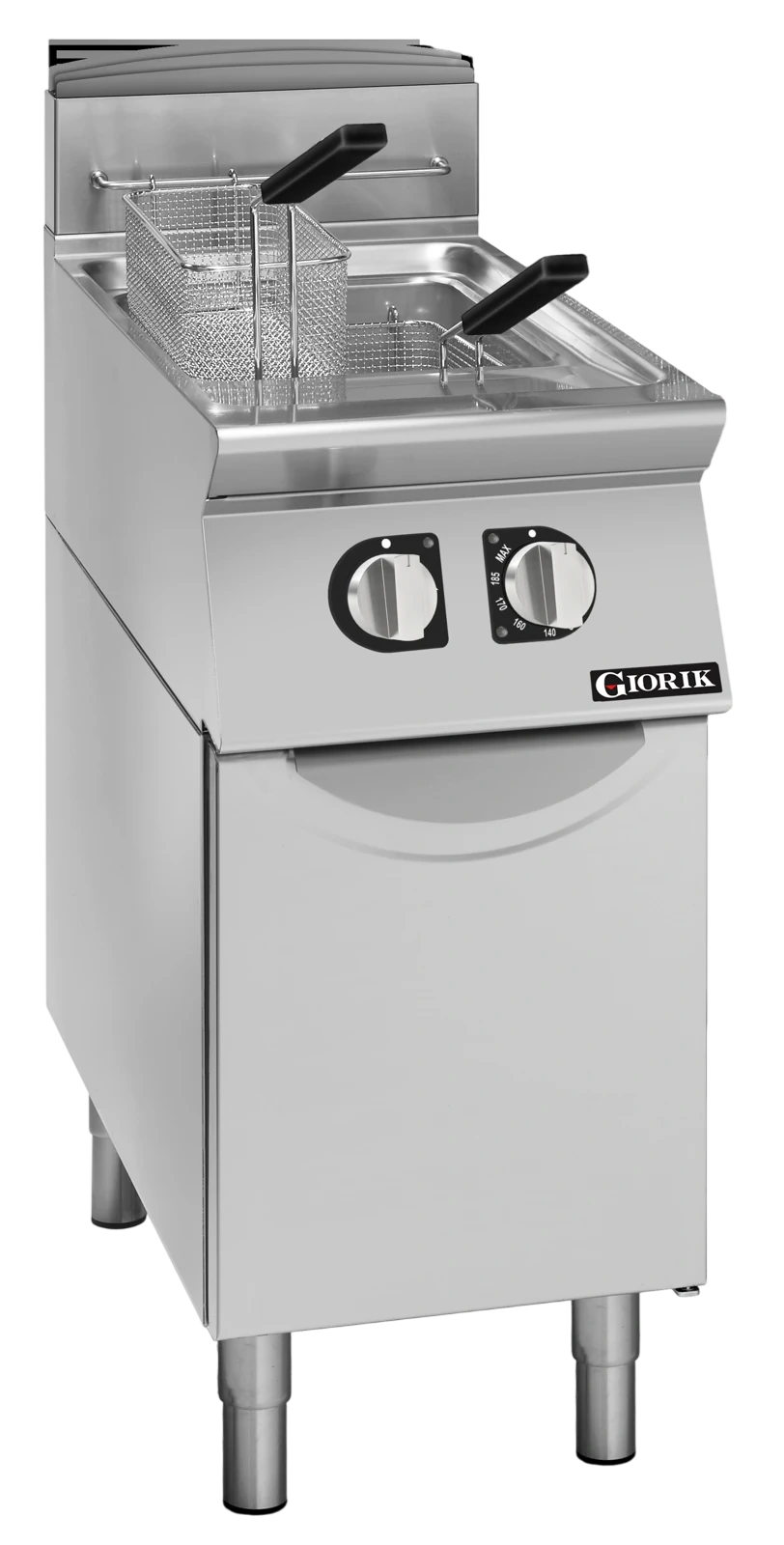
450 × 805 × 1130mm
600 × 812 × 1085mm
600 × 812 × 1085mm
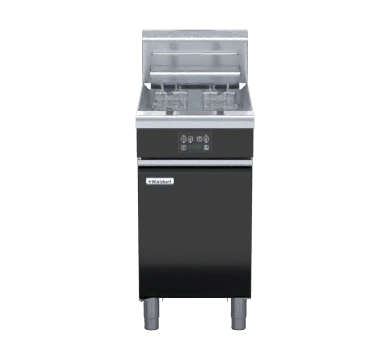
450 × 805 × 1130mm
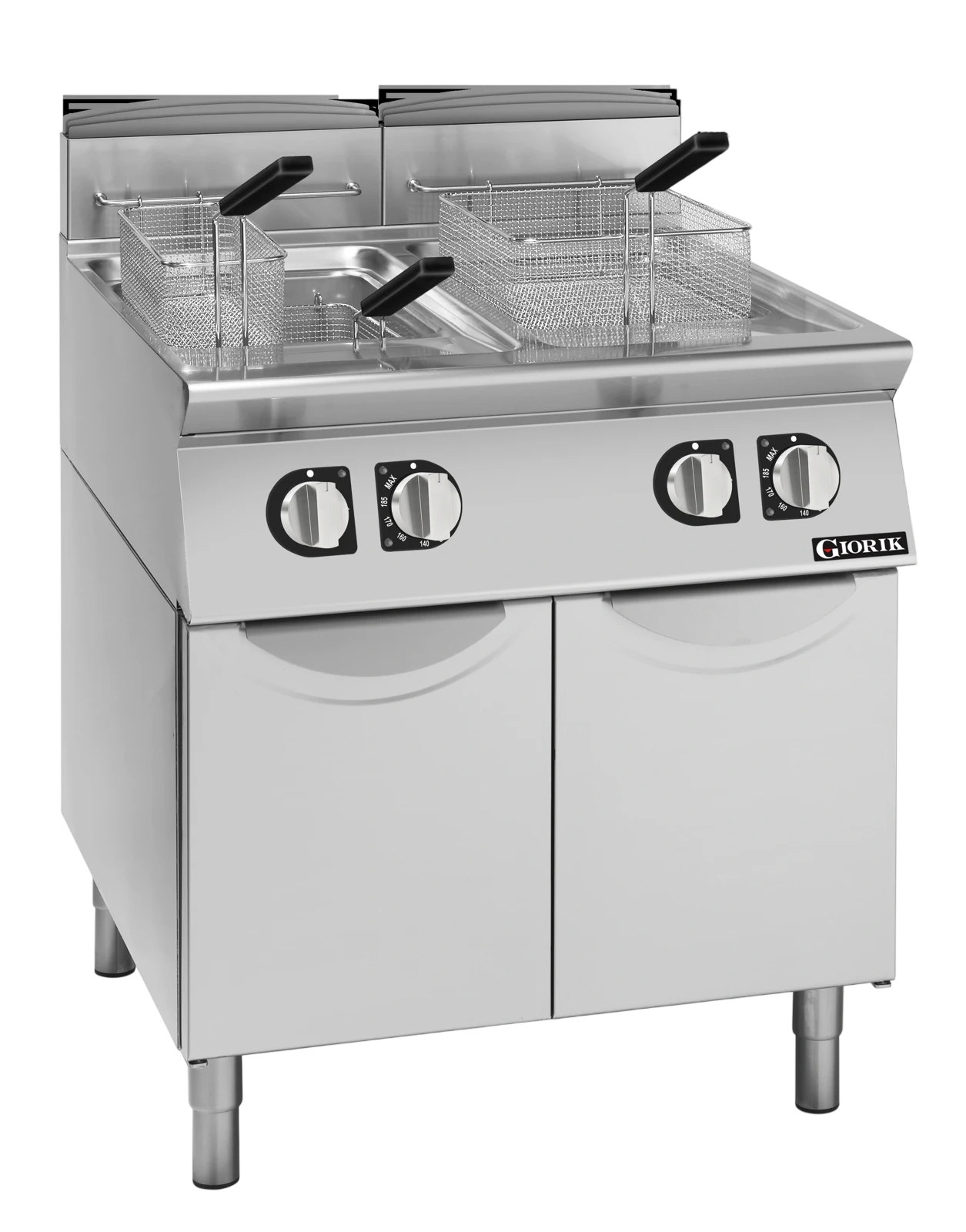
A commercial electric fryer in a freestanding format gives the fry station its own floor position, oil vessel and basket working height. It becomes appropriate when service demand, oil volume or repeated basket handling no longer fits a smaller benchtop arrangement.
Single-pan layouts keep one oil environment for a focused menu. Twin-pan configurations can separate products, temperatures or service queues, but only if the kitchen has enough electrical capacity, extraction coverage and staff space to manage both sides without crossing baskets.
Key factors to consider before purchasing. Our team can help you find the right fit — call or get a quote anytime.
Match capacity to your daily output. Consider the bench or floor space available and the access route for delivery.
Check the power supply at the installed position — phase, amperage and circuit capacity — before ordering.
Confirm electrical compliance, levelling and the clearance needed for cleaning and service access. We can help with kitchen planning.
Submit your kitchen requirements — our equipment specialists will send you a tailored shortlist of freestanding electric fryers that fits your budget, venue type and compliance needs.
Standards & Compliance
Estimate peak basket loads and the recovery needed after cold food enters the oil. Oversized loads can extend cook times and reduce consistency, so basket organisation and the interval between drops should form part of the selection brief.
Have qualified trades confirm electrical supply, isolation, ventilation and clearances for the exact fryer. Plan a heat-safe oil filtering and disposal route that remains clear after nearby equipment and mobile bins are in position.
FAQ
Yes—high-wattage elements recover heat fast for continuous frying.
Yes—oil vapour requires an AS 1668 compliant hood.
They are efficient thanks to stable heat and reduced wasted energy.
Use 2 baskets for medium output and 3 baskets for high-volume frying.
Choose a freestanding unit when sustained basket demand, oil capacity or floor-level filtration needs exceed what the available bench and compact station can support. Confirm that the floor position, electrical supply and extraction can accommodate it before treating greater size as an advantage.
Use a single pan for a focused menu with compatible oil and temperature needs. Select twin pans when products require separation or simultaneous service streams, but only if staff can manage both sides and the site supports their electrical and ventilation requirements.
Give the exact model information to a licensed electrician and ventilation professional. They should verify supply, circuit protection, isolation, connection position, canopy coverage and clearances before installation; do not infer requirements from another fryer.
Stop cooking, follow the documented cool-down sequence and filter oil only with compatible equipment into a heat-safe covered container. Once safe, remove crumbs, clean the vessel and baskets, inspect the drain or filter path and keep transferred oil away from traffic.
Why KW
KW can examine whether a floor fryer is justified by peak basket demand, then compare single- and twin-pan workflow with the site’s electrical and extraction plan. Oil filtration and safe close-down access can be reviewed before the station layout is fixed; phone 1300 001 366.
Deep Dive
Technical depth from KW's commercial kitchen specialists.
Use one pan where the menu shares a compatible oil and temperature routine. Consider two pans when products need separation or two service streams must run at once, provided staff can monitor both and the site supports the combined operating demand.
Follow the specified shutdown and cooling sequence before filtering or transferring oil. Use compatible filtering equipment and a covered heat-safe container, keep the route free of customers and floor obstructions, and clean crumbs from the cool vessel as directed.
Assign baskets by product or order stream and avoid loads that prevent oil circulation. Provide a draining position above the correct pan and a separate landing point for cooked food so raw loading does not cross finished portions.
Measure the fryer body, door or filter access and the operator zone in front. Confirm the electrical connection and isolator position with a licensed electrician, and have ventilation coverage assessed for the installed heat and vapour load.
Review other fryer formats, compare the surrounding cooking appliance range and coordinate utilities through the broader kitchen fitout categories.