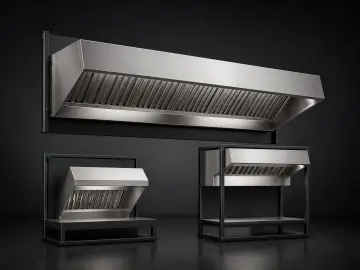
Canopies and Hoods
88 products
Commercial Kitchen
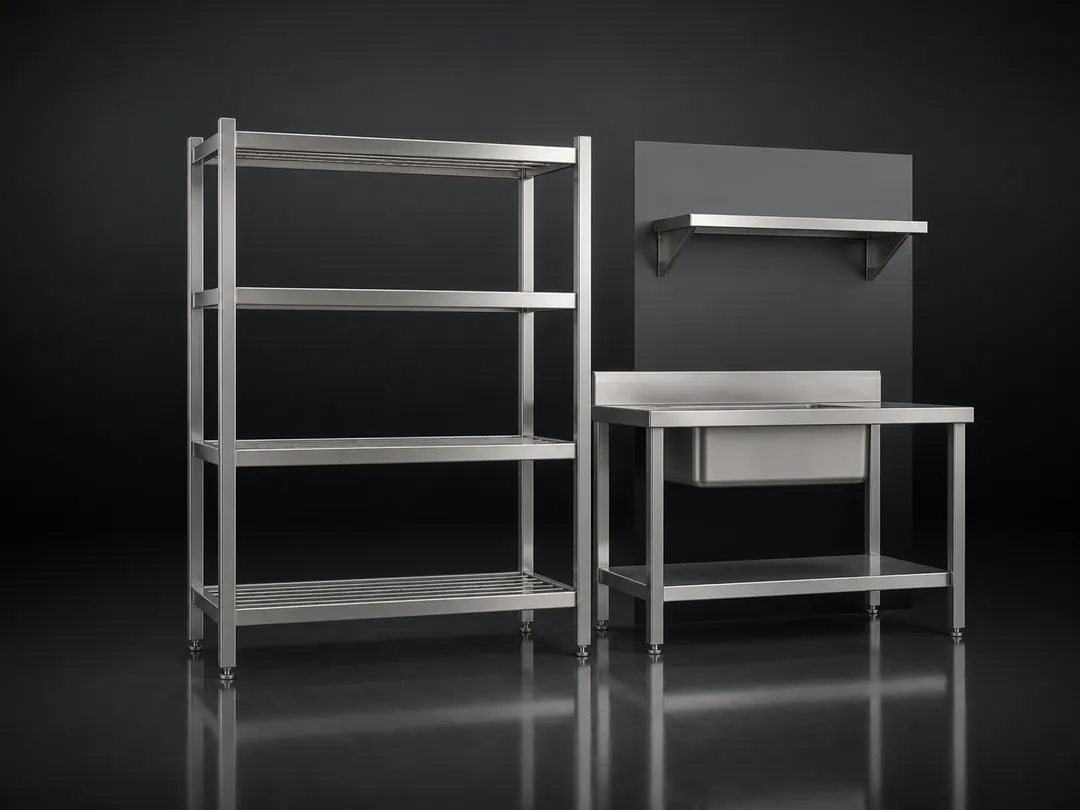
Stainless steel is the foundation of a professional commercial kitchen fitout. It creates the hard-working surfaces, wet areas, storage runs, landing benches and equipment support zones that staff use every service. Restaurants, cafes, bakeries, butchers, hotels, schools, supermarkets, takeaway shops and food prep sites all rely on stainless steel because it is durable, cleanable and suitable for high-use foodservice environments when specified correctly.
The right stainless steel purchase starts with workflow. A prep bench, hand basin, sink bench, wall shelf, trolley, work cabinet or canopy support zone should be chosen for where it sits, what touches it, how staff clean around it and what equipment it supports. KW can help narrow the stainless category before ordering, especially when the decision affects wet areas, dishwashing flow, food prep, storage, wall fixing, exhaust zones or heavy equipment placement.
Key factors to consider before purchasing. Our team can help you find the right fit — call or get a quote anytime.
Match equipment capacity to your daily output. Consider available floor space and door clearances.
Confirm levelling, wall clearance and the access needed for cleaning and service. We can help with kitchen planning.
Submit your kitchen requirements — our equipment specialists will send you a tailored shortlist of stainless steel that fits your budget, venue type and compliance needs.
Standards & Compliance
Commercial food premises need surfaces and fittings that support safe food handling, cleaning and maintenance. Stainless steel is commonly used because it can provide smooth, durable and cleanable work areas when the right product is chosen for the zone. The important check is not just whether an item is stainless steel; it is whether the grade, finish, design, joints, splashback, bowl layout and installation suit the food task and cleaning routine.
Wet areas, hand washing, dishwashing and cooking zones may be subject to local council, food authority, plumbing, drainage, ventilation, fire, landlord and insurer requirements. Use this page to choose the category path, then confirm exact model details and installation requirements with the relevant trades and authorities before ordering. Stainless steel supports hygiene and durability, but it does not replace a complete food safety or fitout compliance process.
FAQ
304 grade stainless steel is ideal for most kitchen applications, especially in wet or high-use areas.
Yes. Most benches range from 600–1800mm wide, matching common prep and service configurations.
Many products can be customised depending on the manufacturer, including length, height and shelf options.
Yes, when installed with appropriate fixings into masonry or reinforced studs and within rated load capacity.
Most commercial kitchens need a mix of stainless steel benches, sinks, shelves, hand wash points, equipment stands, work cabinets and dishwashing landing areas. The exact list depends on the menu, venue size, workflow, wet areas, appliances and cleaning process.
Why KW
Stainless steel decisions affect workflow, hygiene, cleaning and long-term fitout usability. For help choosing benches, sinks, shelves, cabinets, equipment stands or canopy support categories, call 1300 001 366.
Deep Dive
Technical depth from KW's commercial kitchen specialists.
Stainless steel is the backbone of commercial foodservice environments because it meets strict hygiene standards, withstands constant cleaning, and provides the structural strength required for daily kitchen operations. This parent category brings together all major stainless steel infrastructure used in restaurants, cafés, bakeries, aged-care kitchens, catering facilities and institutional foodservice.
From benches and sinks to shelving, storage cabinets and equipment stands, stainless steel forms the “hard surface” framework that supports workflow, prep tasks, handwashing, dishwashing and food safety. Every subcategory below is designed to meet Australian Standards, withstand high-volume usage and improve overall kitchen efficiency.
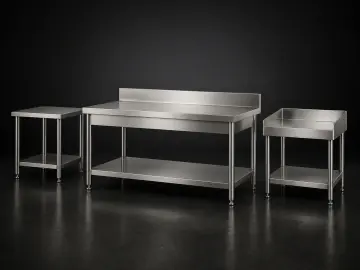
Workbenches are essential prep surfaces and storage bases. Options include flat benches, benches with undershelves, splashback benches and fully welded models for heavy-duty use. Standard sizes commonly range from 600–1800mm to suit single or multi-station prep zones.
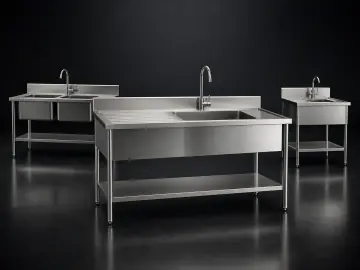
Sink benches combine a stainless steel basin with a work surface and optional undershelves. Available in single, double and left/right configurations, these units support washing, rinsing, thawing and food handling while ensuring proper drainage and hygiene.
Enclosed stainless steel cabinets offer secure, dust-free storage for pans, equipment and ingredients. They are ideal for kitchens that want to maintain a clean, professional appearance or protect items from contamination. Options include door cabinets, drawer cabinets and mobile units.
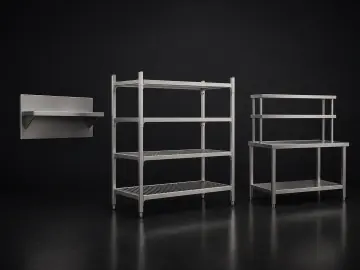
Wall-mounted shelving and freestanding racks help maximise vertical space. Stainless steel shelving is commonly used above prep benches, in dishwashing areas or dry stores to keep frequently used items accessible and organised.
Overshelves mount directly above workbenches to create extra vertical storage for containers, seasoning, small tools or assembly items. Available in single or double-tier designs, typically from 600–1800mm wide.
These units are mounted to walls to increase storage without occupying floor space. Wall shelves provide fast access to frequently used items, while wall cabinets protect equipment and crockery behind enclosed doors.
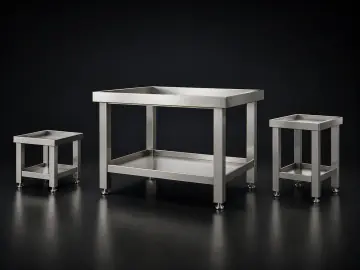
Purpose-built stands that support mixers, slicers, ovens and other benchtop appliances. Designed to handle heavy loads, reduce vibration and improve ergonomic working height, these stands free valuable prep space.
Browse equipment
No. Stainless steel can support hygienic design, but compliance depends on the full fitout, installation, plumbing, drainage, ventilation, food handling and cleaning process. Confirm local requirements before ordering or installing equipment.
Stainless steel benches provide open work surfaces and may include undershelves. Work cabinets combine a stainless worktop with enclosed storage below, which can help where tools, containers or smallwares need to be kept protected and close to the work zone.
Choose wall shelves when tools, ingredients or containers need to stay above the bench and within reach. Choose overshelves when the storage should sit directly over a workbench or prep table. Check wall fixing, reach height and cleaning access first.
Many dishwashing workflows need scraping, rinsing, dirty landing and clean landing space around the machine. Stainless steel sink benches or dishwasher inlet/outlet benches may be useful, but the right layout depends on the dishwasher type and site services.
Sometimes, but the bench or stand must suit the equipment footprint, weight, heat, ventilation and cleaning access. Check exact appliance and stainless steel product specifications before using a bench or stand as equipment support.
Check the workflow zone, wall position, wet or dry use, bench depth, splashback, bowl layout, storage, load, access, cleaning, plumbing, drainage, ventilation and adjacent equipment. For complex fitouts, speak with KW before ordering.
The industry standard for food handling environments. Offers excellent corrosion resistance and durability for both wet and dry zones.
More economical and suitable for dry work areas, storage spaces or light-duty use. Not recommended for constant exposure to water or acidic foods.
Start by separating the kitchen into zones: dry prep, wet prep, wash-up, cold storage, hot line, plating, packing, cleaning, receiving and service. Each zone needs different stainless steel support. Wet prep may need a single sink bench, splash control and easy cleaning. A dish-rack line instead needs coordinated dishwasher inlet and outlet sink benches. Cold storage needs shelving selected for chilled, damp conditions, while hot lines need safe equipment support planned with ventilation and cleaning in mind.
Stainless steel works best when benches, sinks, shelves and appliances are planned together. A bench without enough landing space can slow staff. A sink in the wrong place can break the wash flow. Cool room shelving must preserve airflow and stock access, while a stainless steel trolley handles movement between zones. Treat stainless steel as kitchen infrastructure, not as a loose accessory purchase.
| Fitout need | Useful category | Use when | First buying check |
|---|---|---|---|
| Prep and landing surfaces | Stainless steel benches | Staff need work surfaces for prep, plating, packing, landing or equipment support. | Bench depth, splashback need, undershelf, aisle width, load and adjacent equipment. |
| Wet areas and hand washing | Commercial stainless steel sinks | The area needs hand washing, utensil washing, food prep rinsing, cleaning, dishwasher support or wet workflow. | Bowl count, landing space, splashback, tap position, drainage, plumbing and cleaning access. |
| Vertical storage | Commercial kitchen shelving | Ingredients, pans, utensils, containers or prep items need organised storage without taking over benches. | Wall fixing, cool room use, reach height, cleaning, load and whether wall shelves or overshelves fit better. |
| Equipment support | Stainless steel equipment stands | Appliances need a stable, cleanable support surface at the right working height. | Equipment footprint, weight, heat, ventilation clearance, access and cleaning under the unit. |
| Enclosed storage and work tops | Work cabinets | The fitout needs a work surface with enclosed storage below. | Door clearance, storage contents, cleaning access, wall fit and whether drawers or shelves are needed. |
| Cooking ventilation support zones | Canopies and rangehoods | The cooking area needs a stainless category path for hood, canopy or exhaust-adjacent planning. | Cooking equipment, heat, grease load, site design, licensed trades and local regulatory requirements. |
| Business type | Stainless steel priority | Common fitout risk | Useful adjacent category |
|---|---|---|---|
| Restaurant | Prep benches, sink benches, dish landing space, shelving, equipment stands and hot-line support. | Planning the cookline before confirming wash-up, landing benches and prep flow. | Commercial kitchen equipment |
| Cafe | Compact benches, hand wash points, wall shelves, underbench landing and service counter support. | Crowding coffee, food prep, washing and refrigeration into one counter run. | Catering equipment |
| Bakery | Long prep benches, cooling and staging space, shelving, ingredient storage and equipment support. | Underestimating tray, flour, mixing, cooling and packing space. | Commercial kitchenware |
| Butcher or food prep site | Wet-area sinks, prep benches, splashbacks, washable storage and strong workflow separation. | Choosing general benches where hygiene, water and cleaning intensity are the main issue. | Commercial refrigeration |
| School, hotel or institution | Durable benches, dishwashing inlet/outlet areas, hand basins, shelving and cleaning sinks. | Not planning for peak service, multiple staff, heavy cleaning and repeated daily use. | Commercial dishwashers |
| Supermarket or retail food site | Prep benches, back-of-house sinks, shelving, storage and display-support workflow. | Separating display decisions from back-of-house prep, wash and storage needs. | Commercial refrigeration |
2,221 results
600 × 600 × 900mm
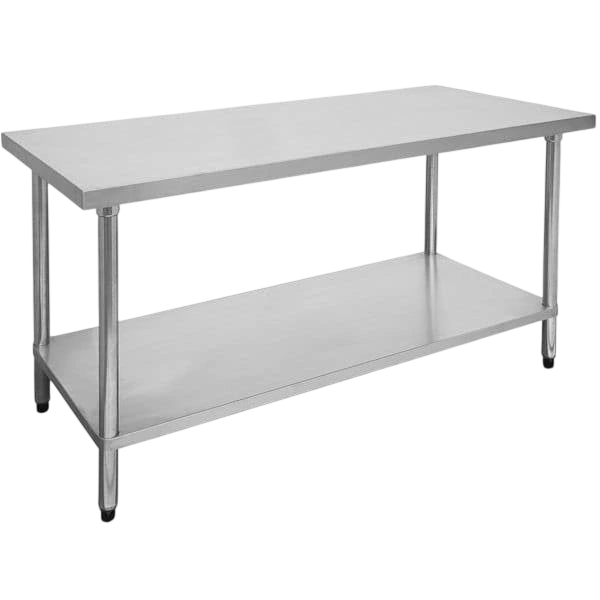
1500 × 600 × 900mm
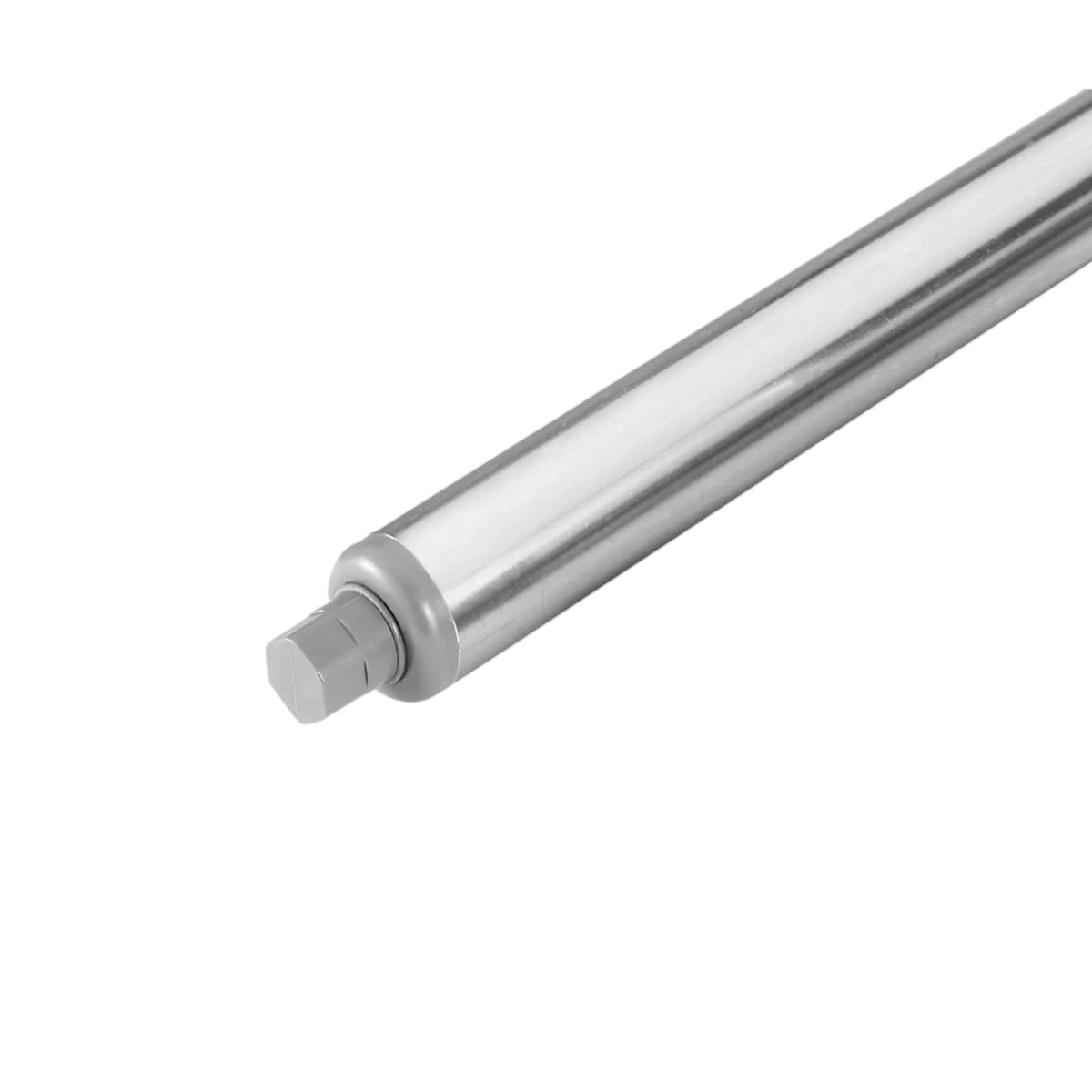
41 × 41 × 885mm
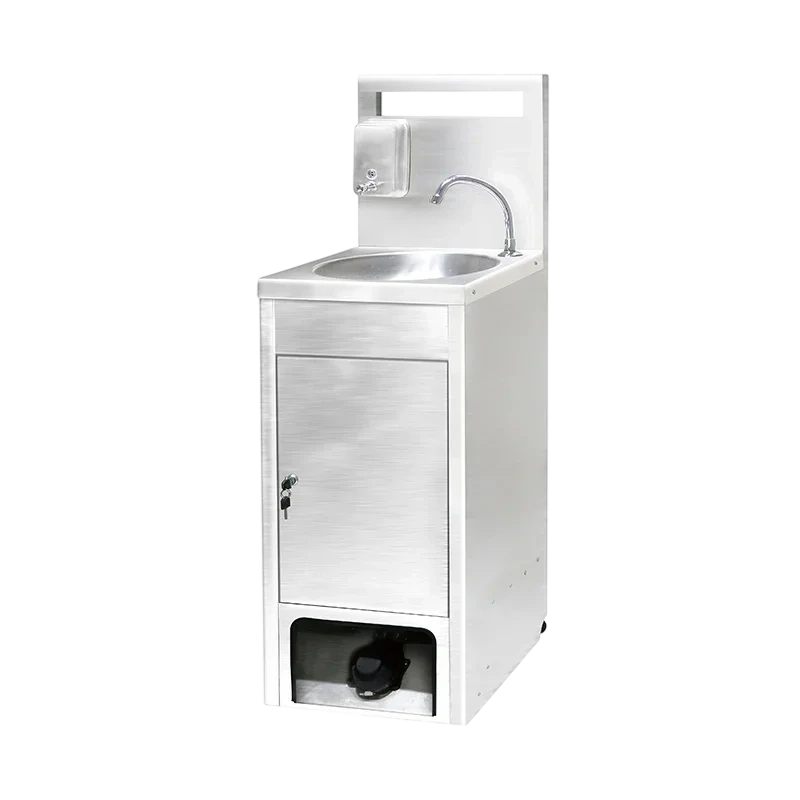
400 × 435 × 1300mm
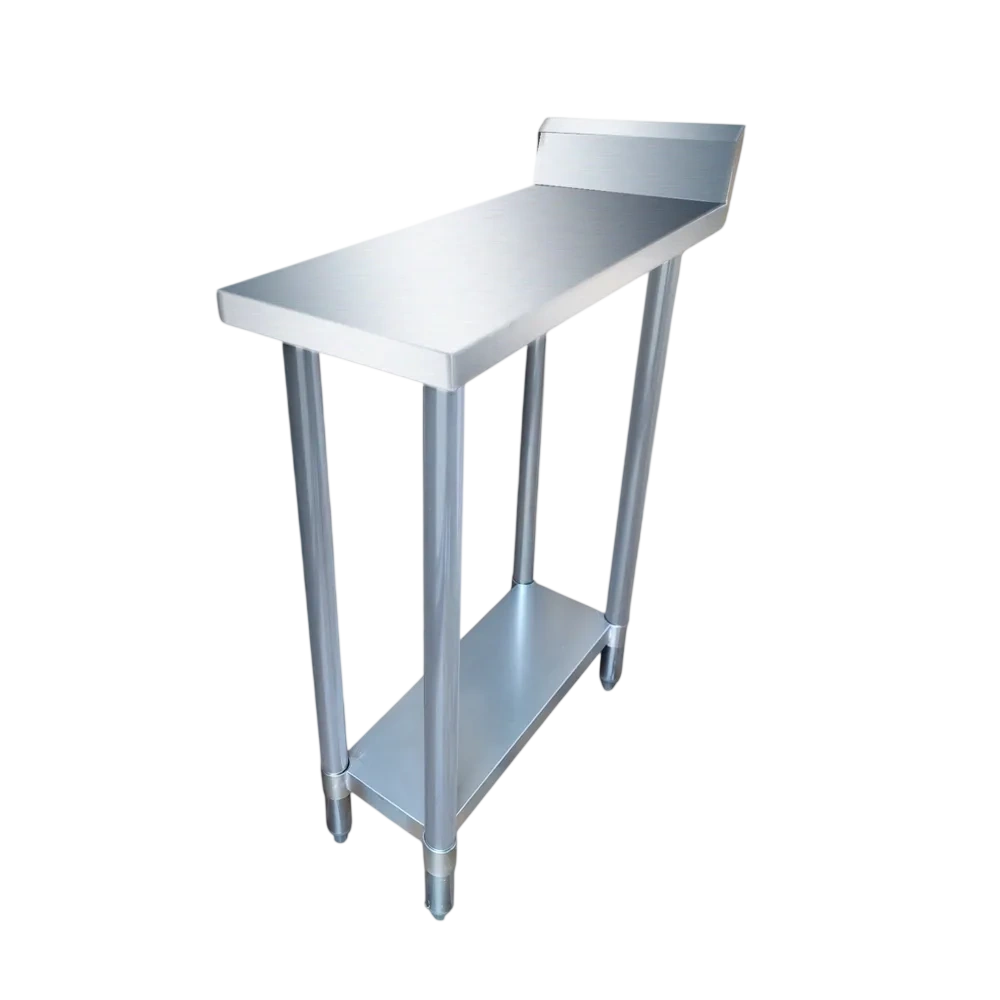
300 × 700 × 900mm
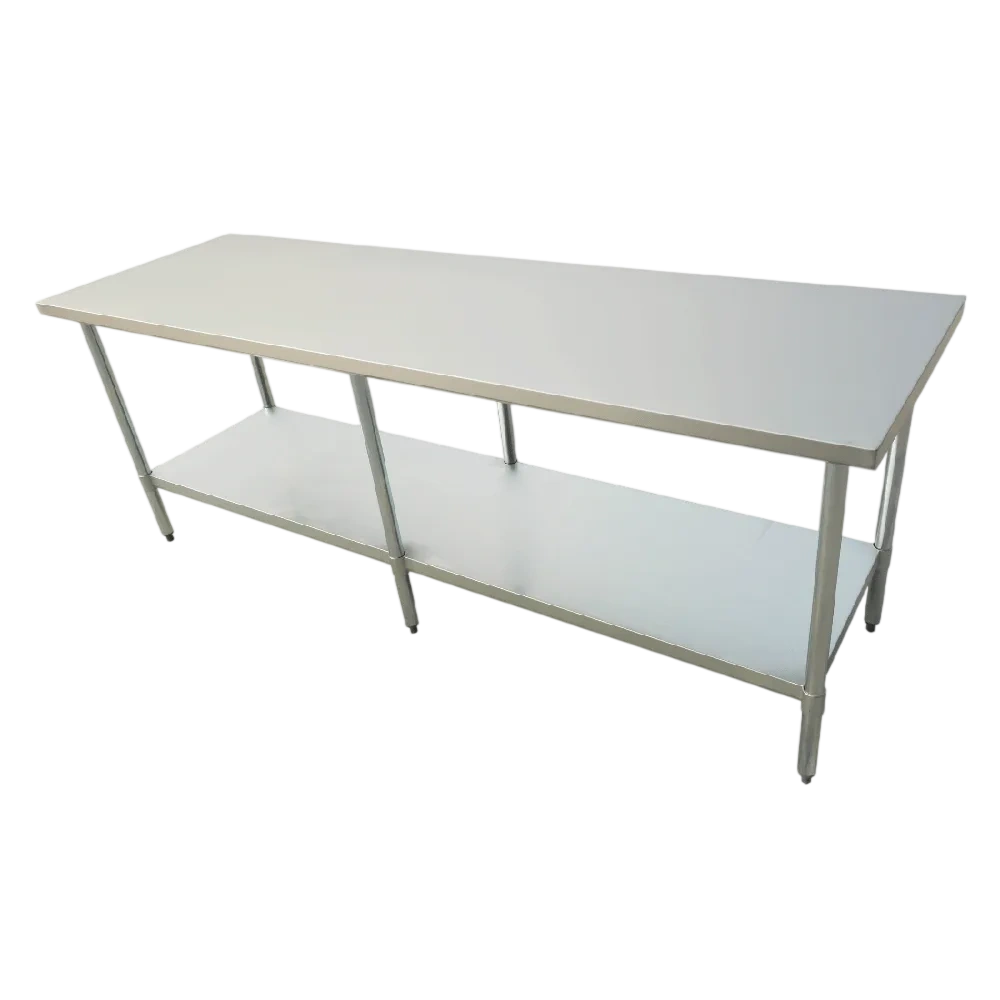
2400 × 600 × 900mm
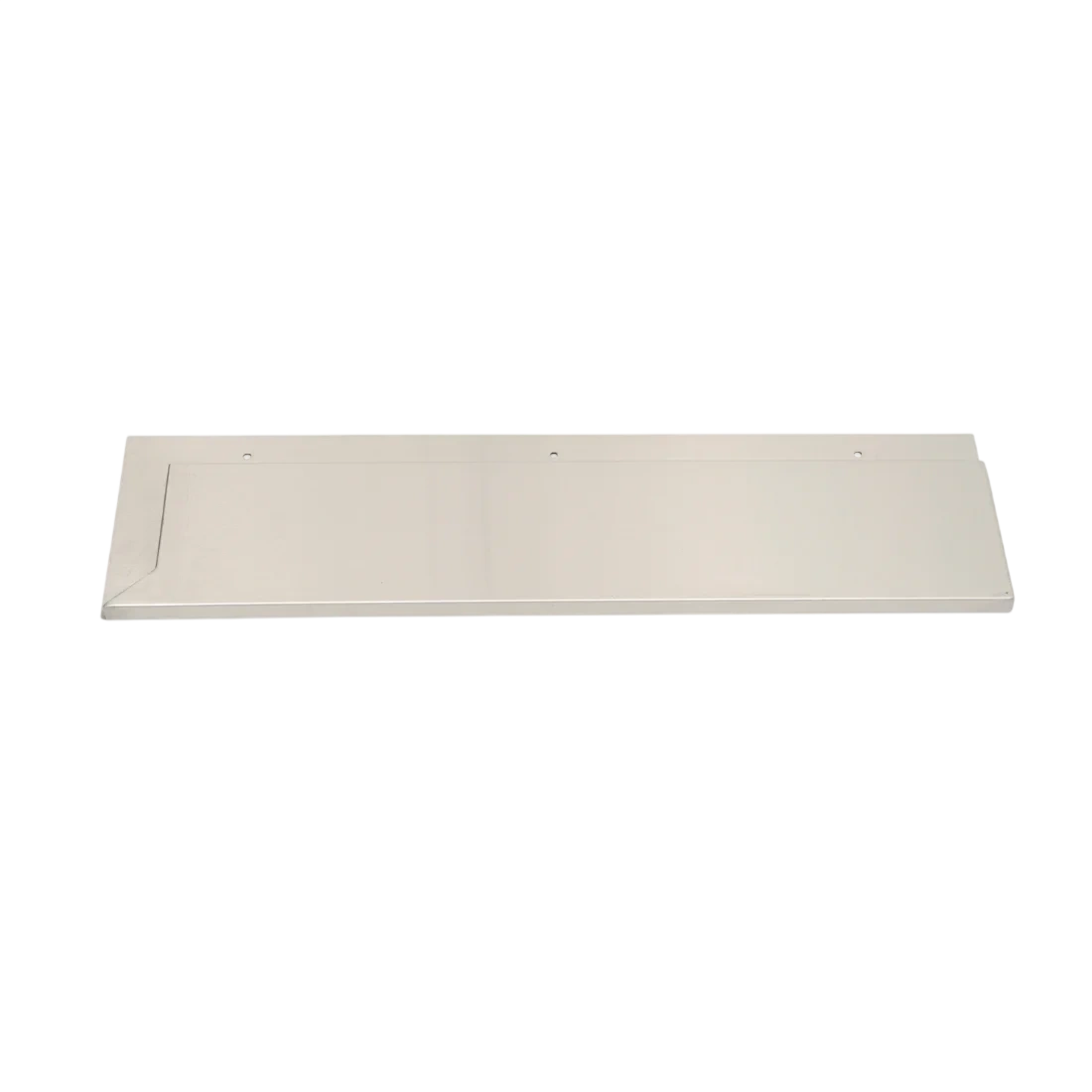
696 × 37 × 199mm
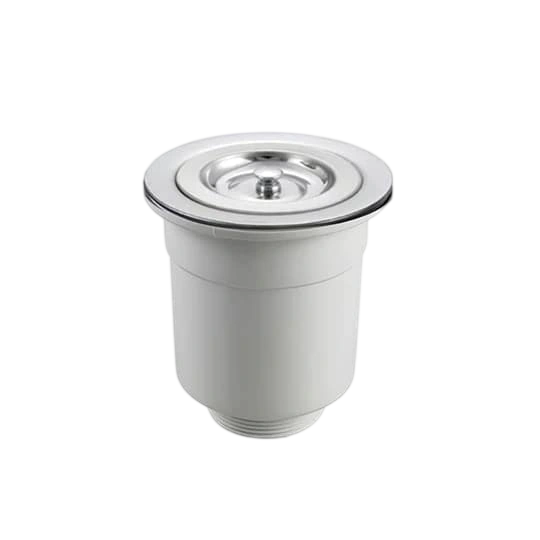
160 × 50 × 160mm
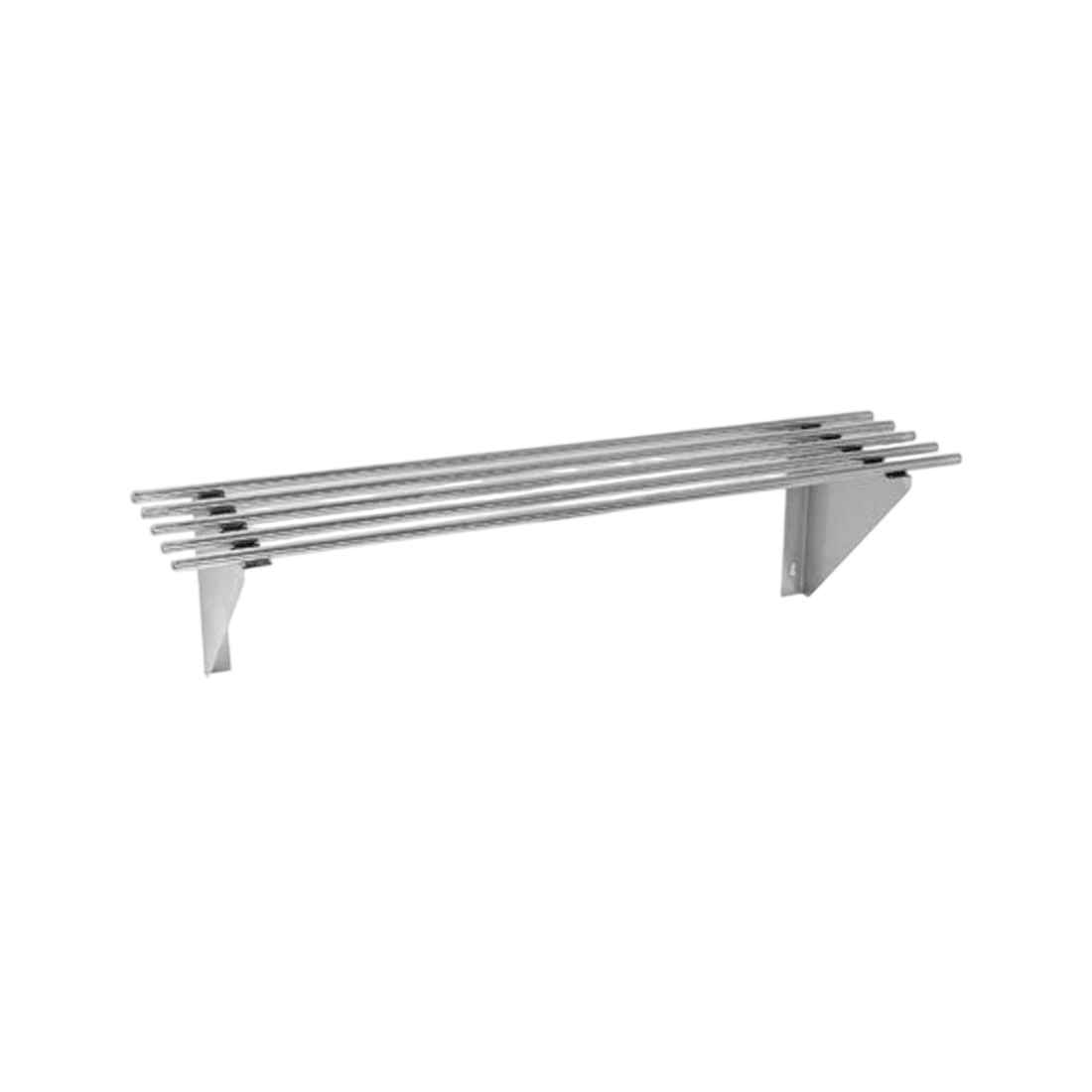
1200 × 300 × 300mm
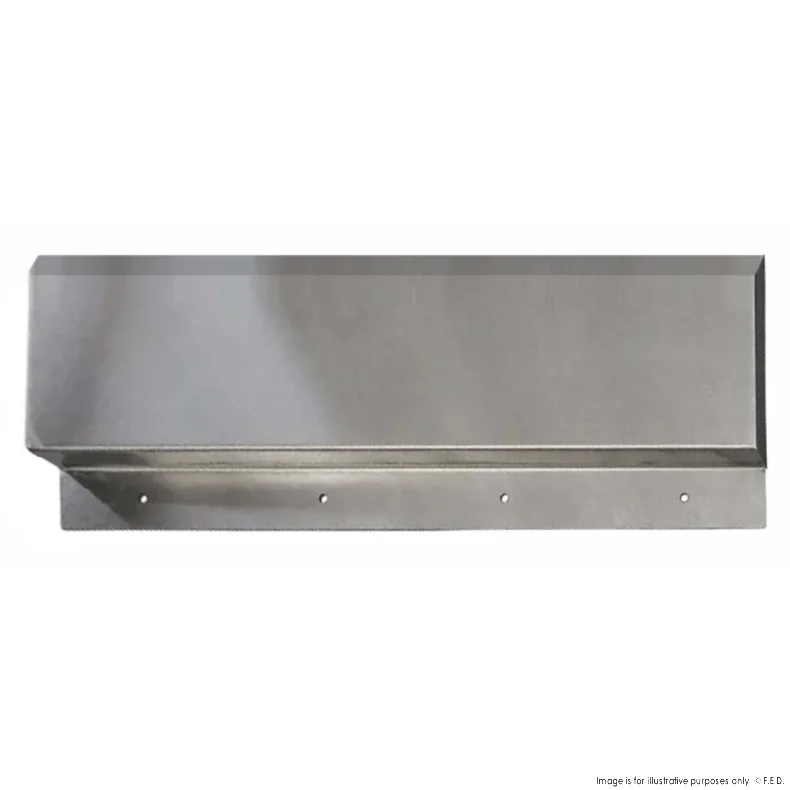
700 × 30 × 150mm
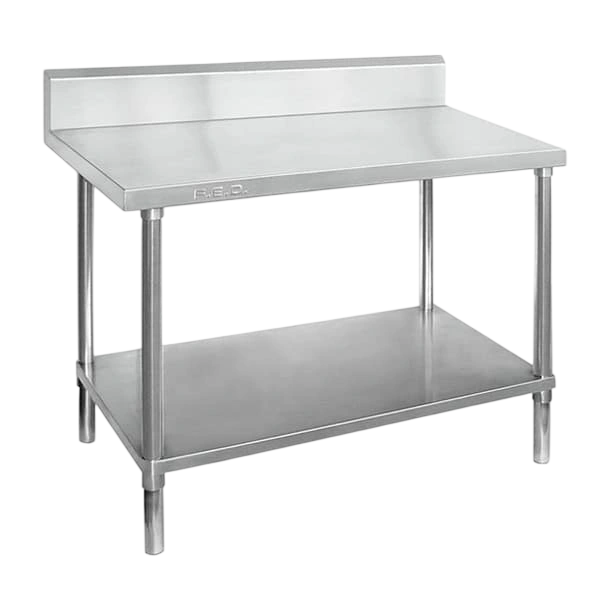
1500 × 700 × 900mm
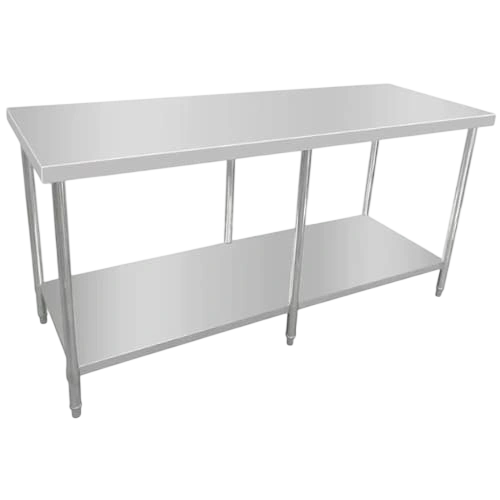
2400 × 800 × 900mm
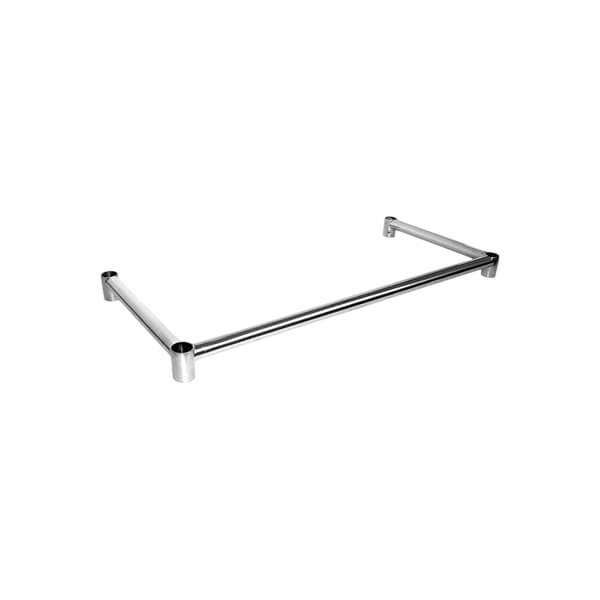
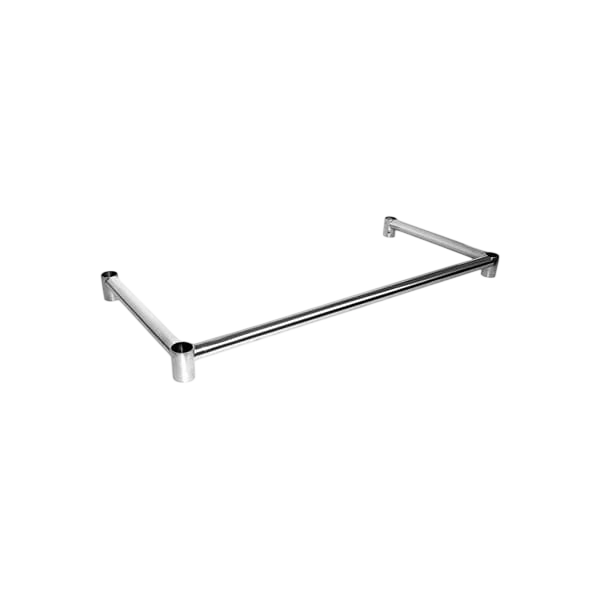
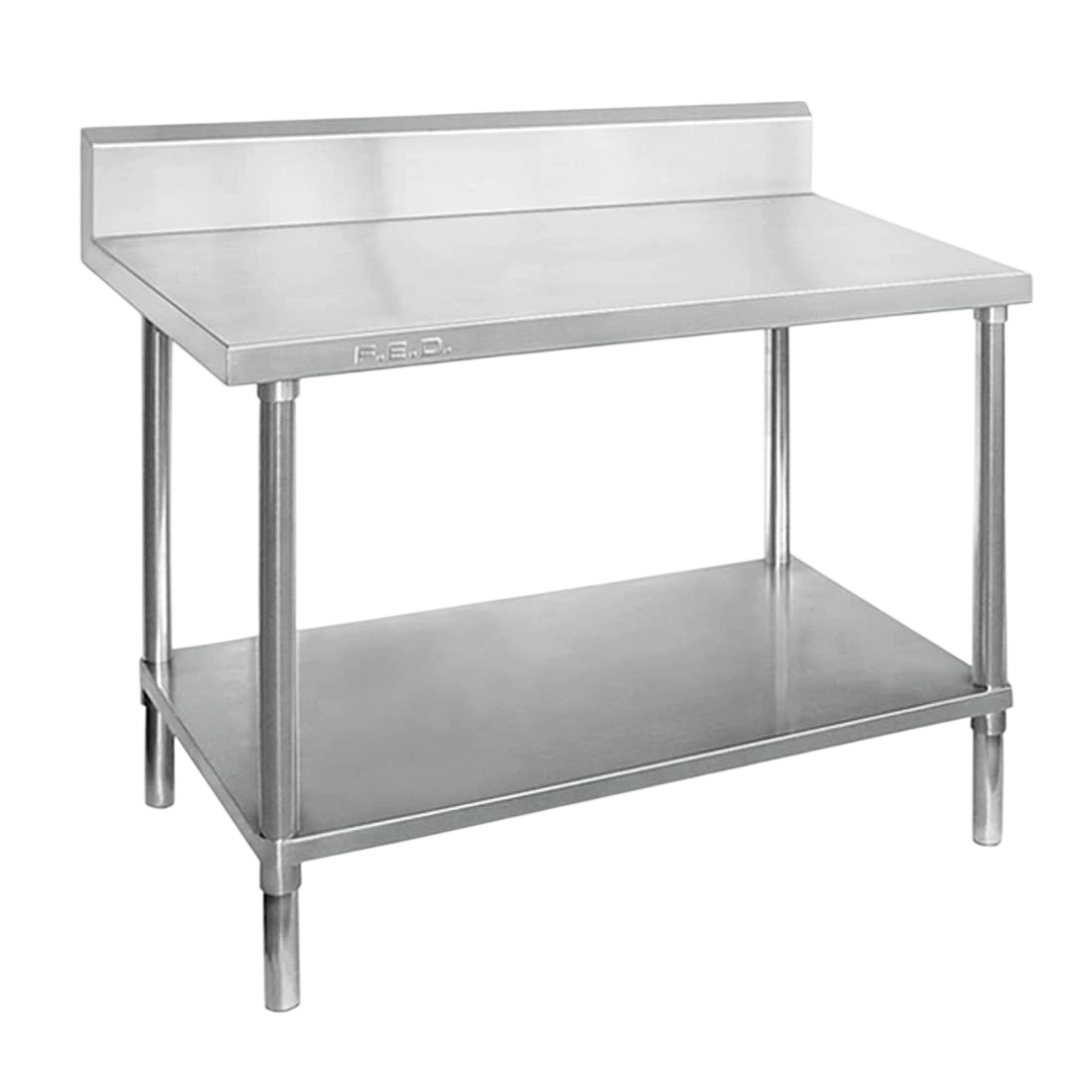
1200 × 700 × 900mm
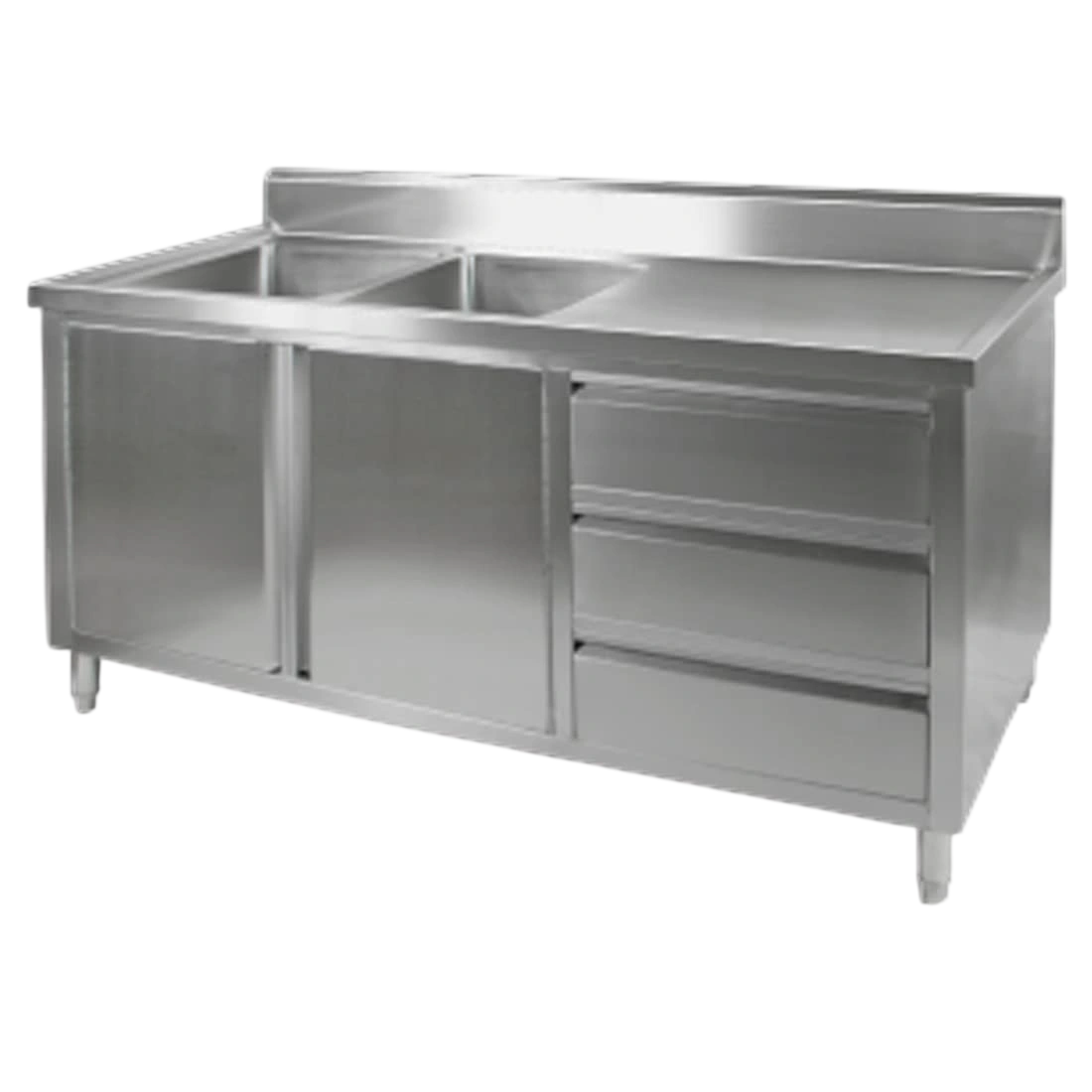
1800 × 700 × 1050mm
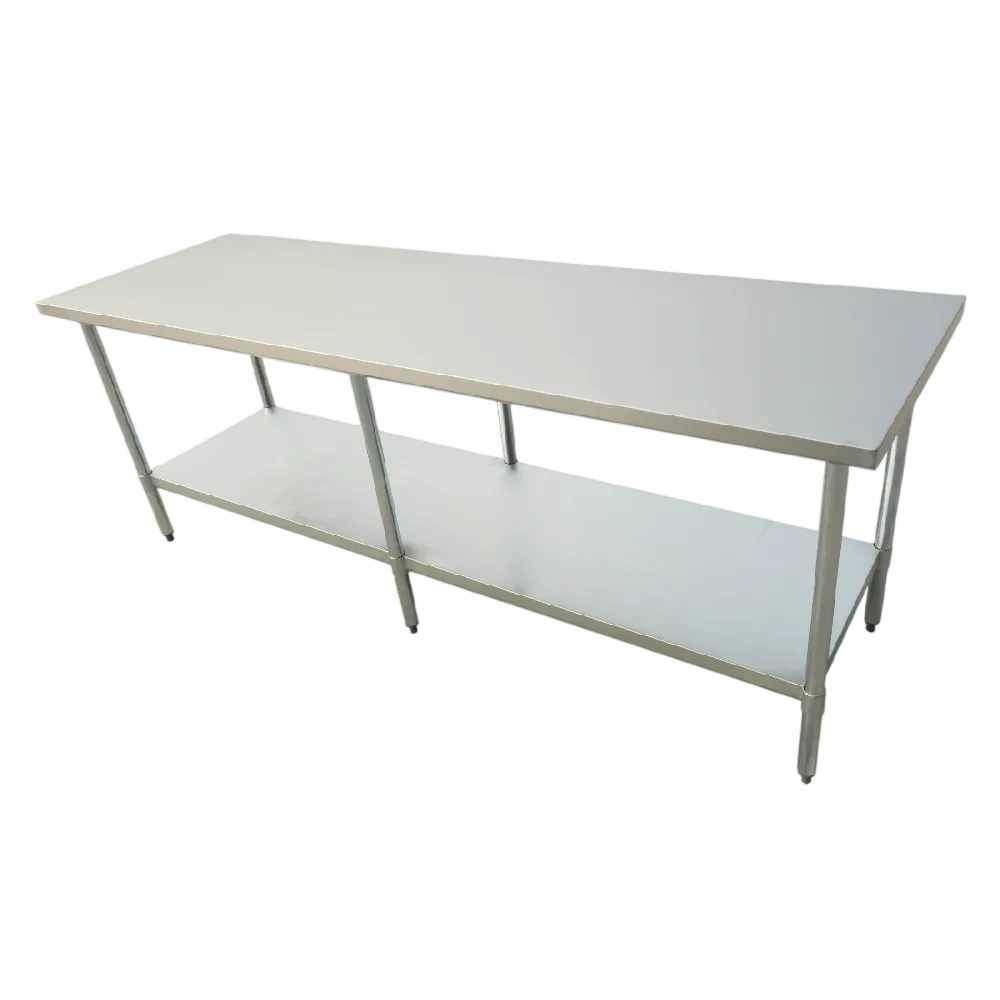
2400 × 700 × 900mm
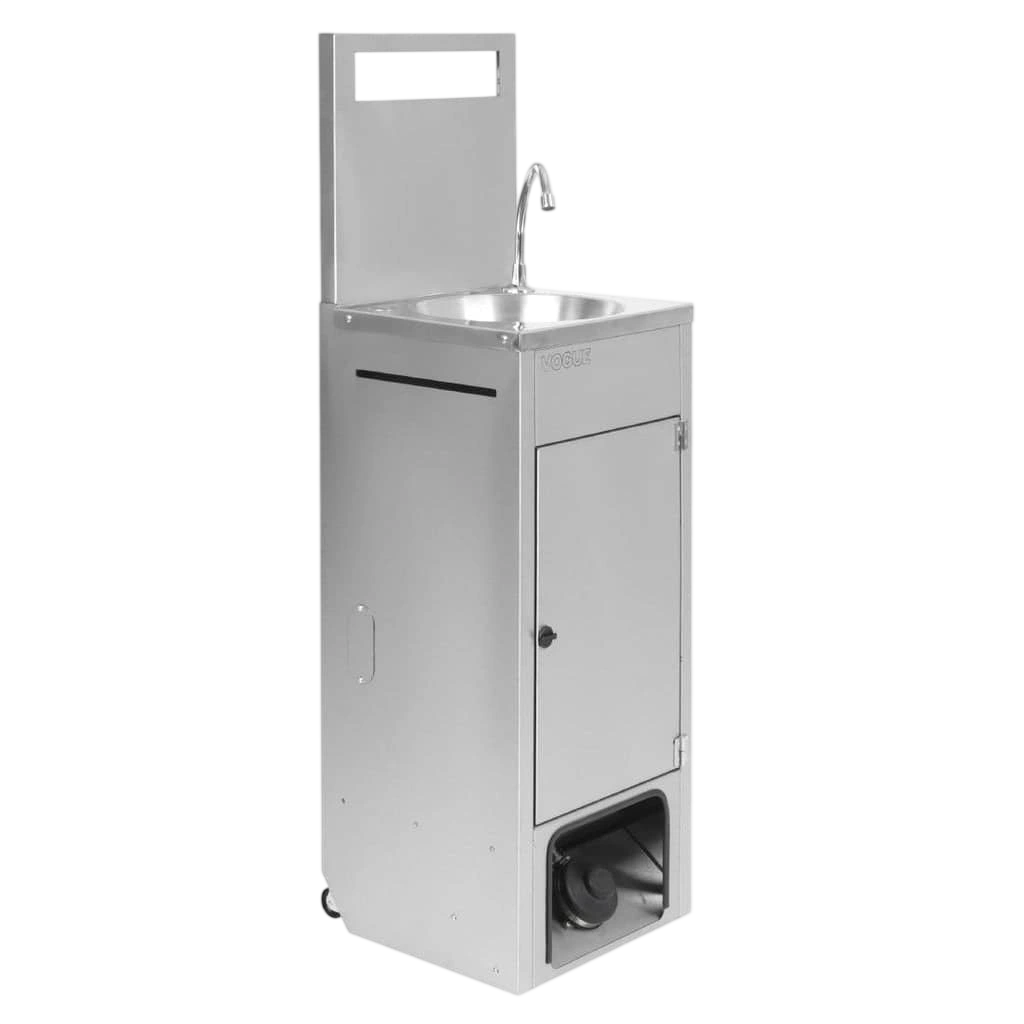
384 × 360 × 1222mm
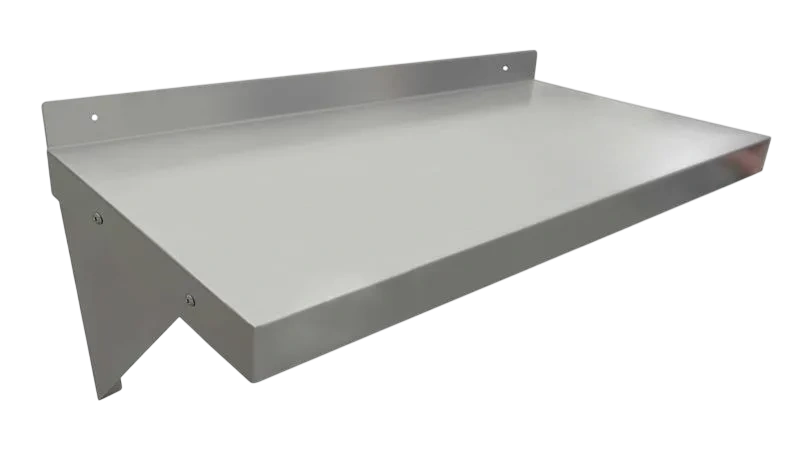
1200 × 300 × 300mm
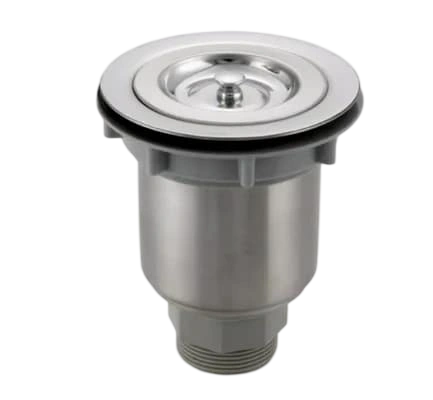
150 × 60 × 150mm
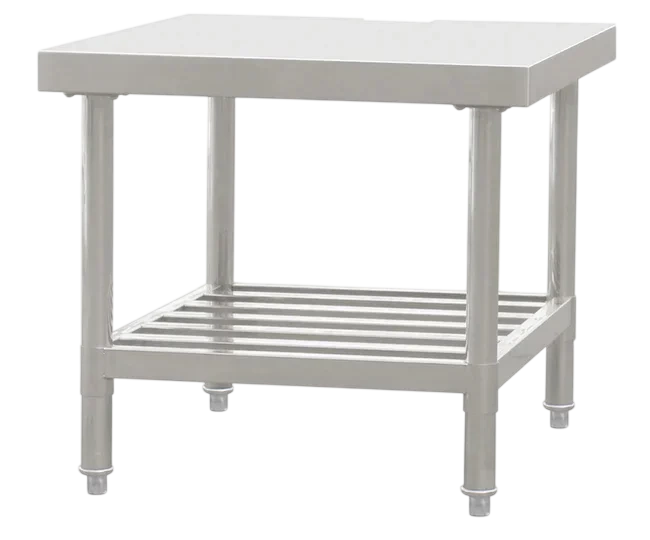
600 × 700 × 550mm
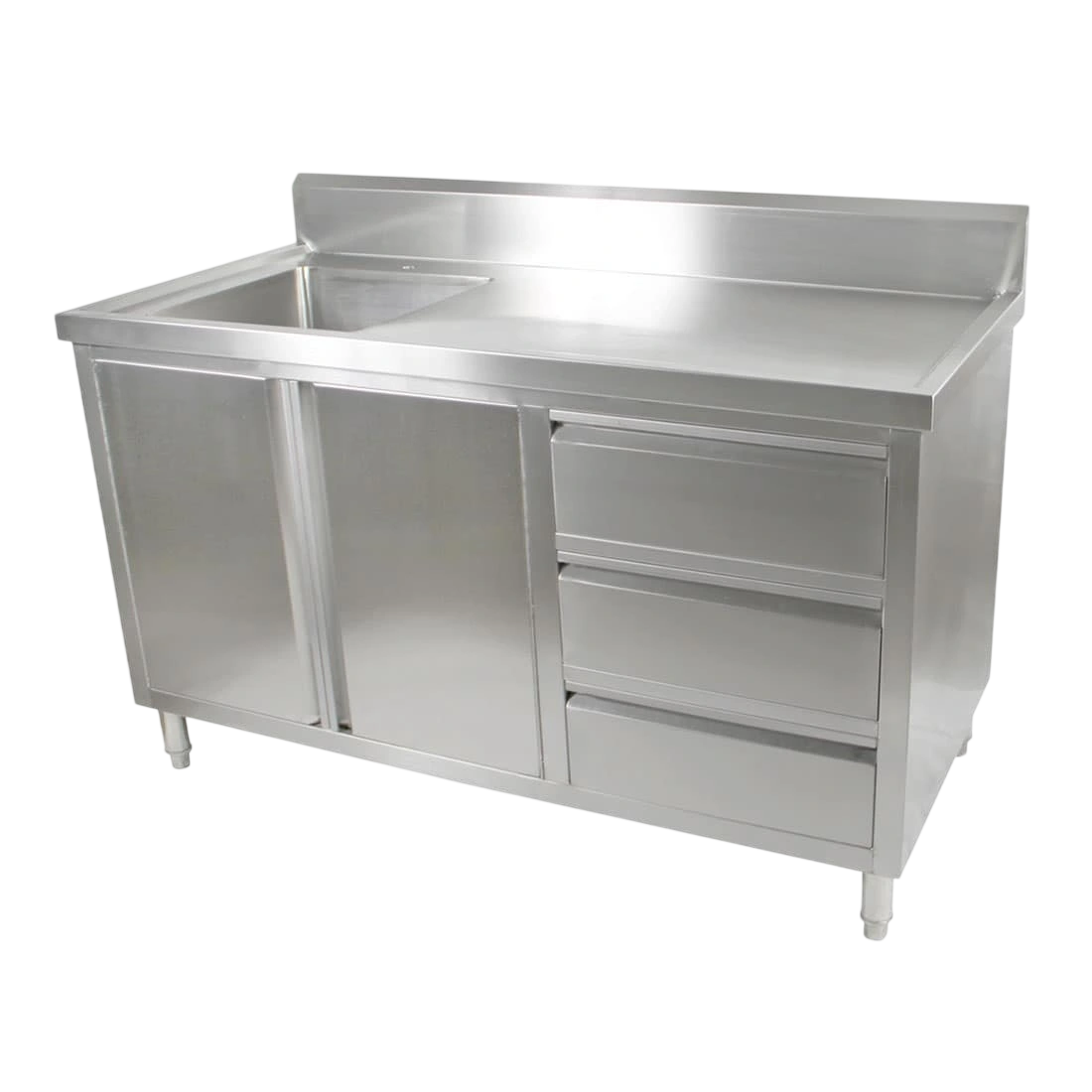
1500 × 600 × 1050mm
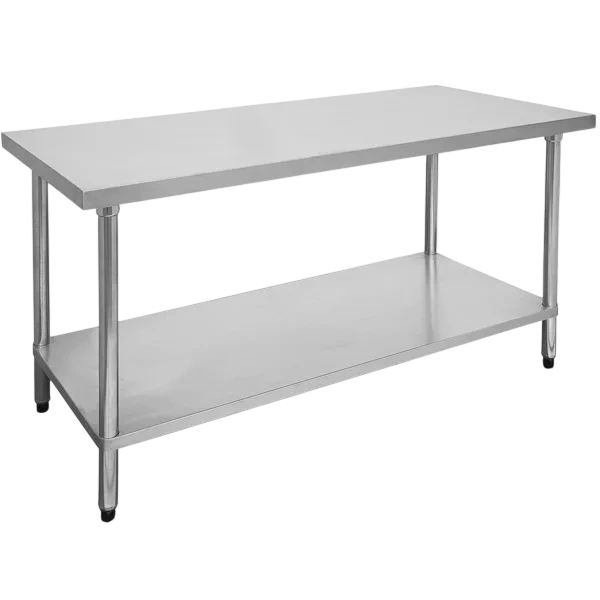
900 × 600 × 900mm
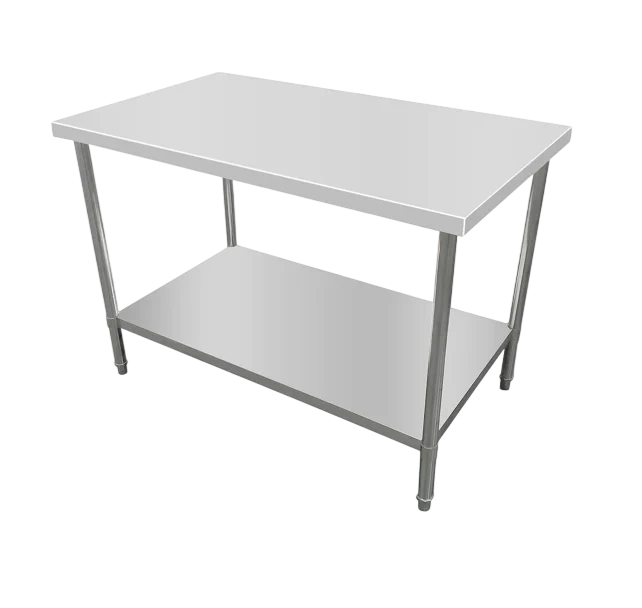
1500 × 800 × 900mm
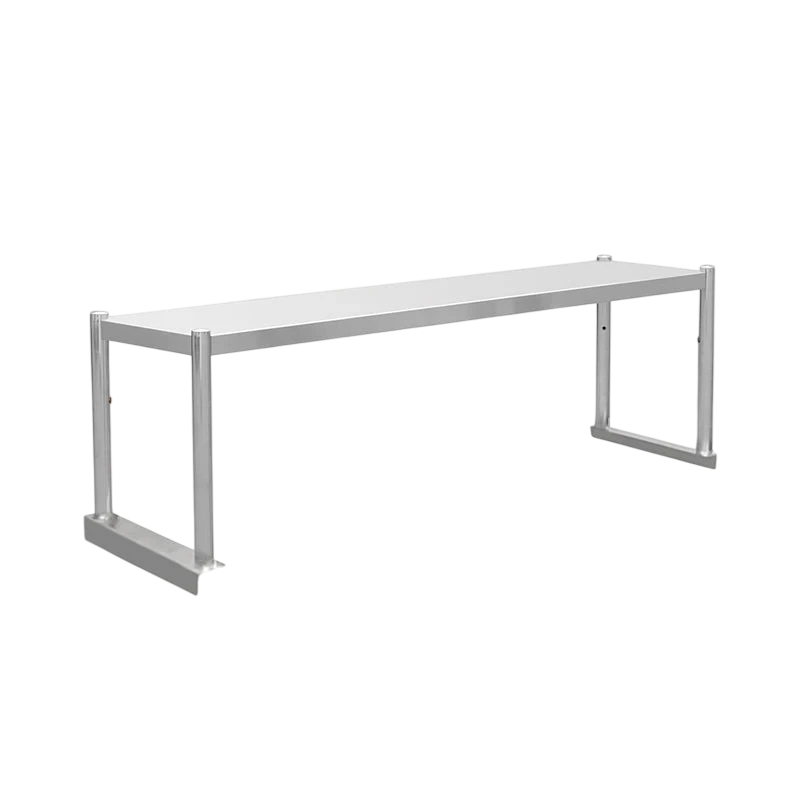
900 × 350 × 450mm
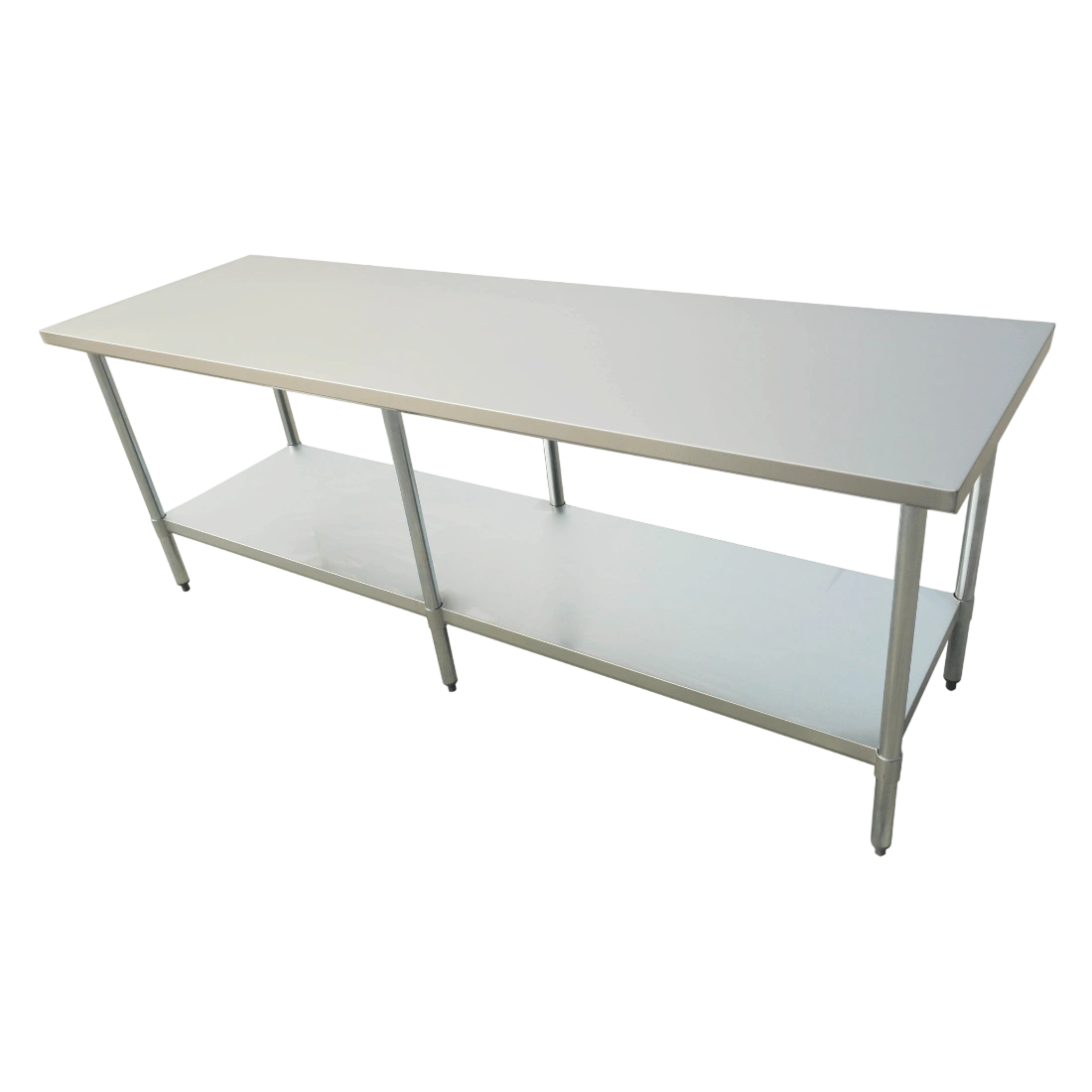
2100 × 600 × 900mm
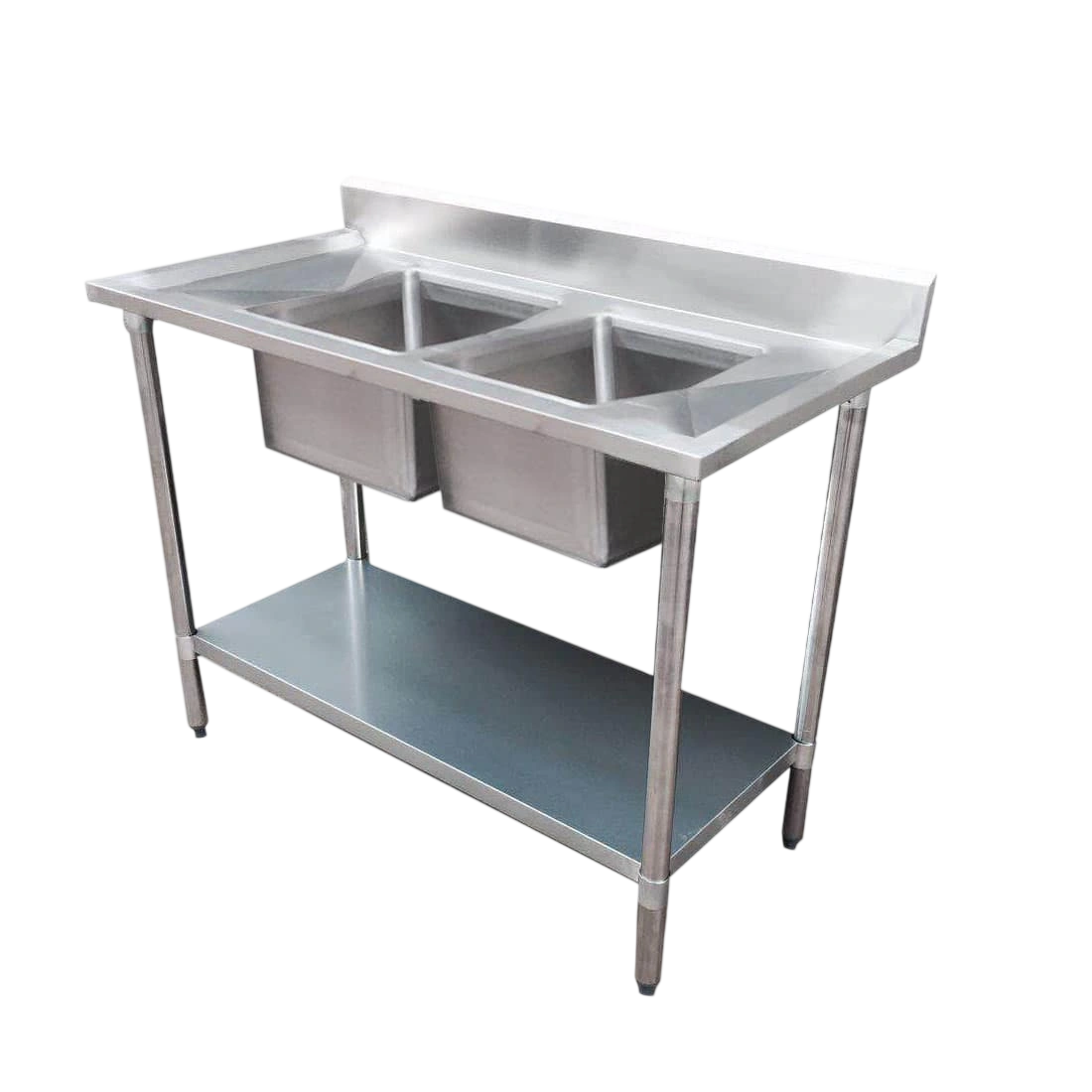
2400 × 700 × 900mm
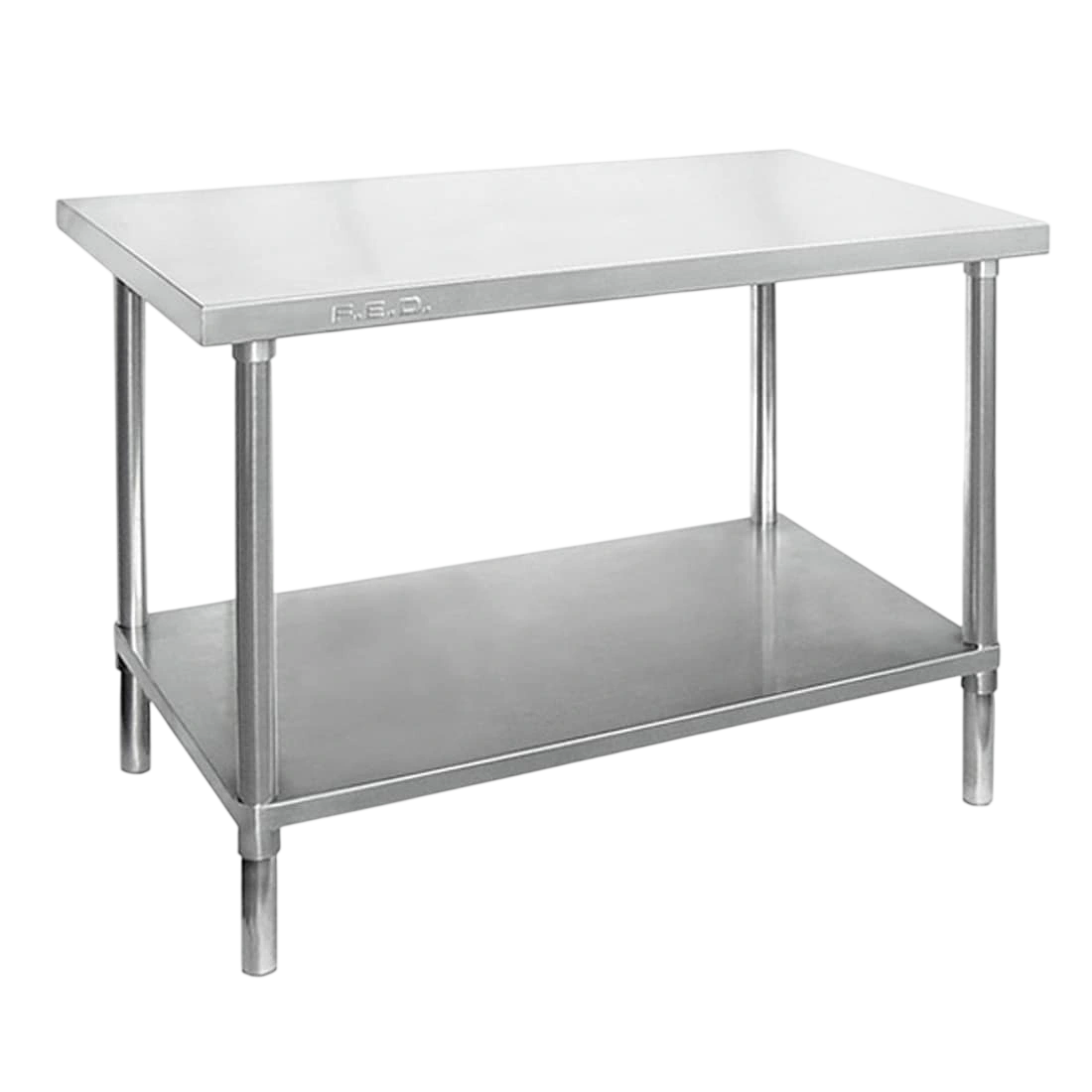
2400 × 700 × 900mm
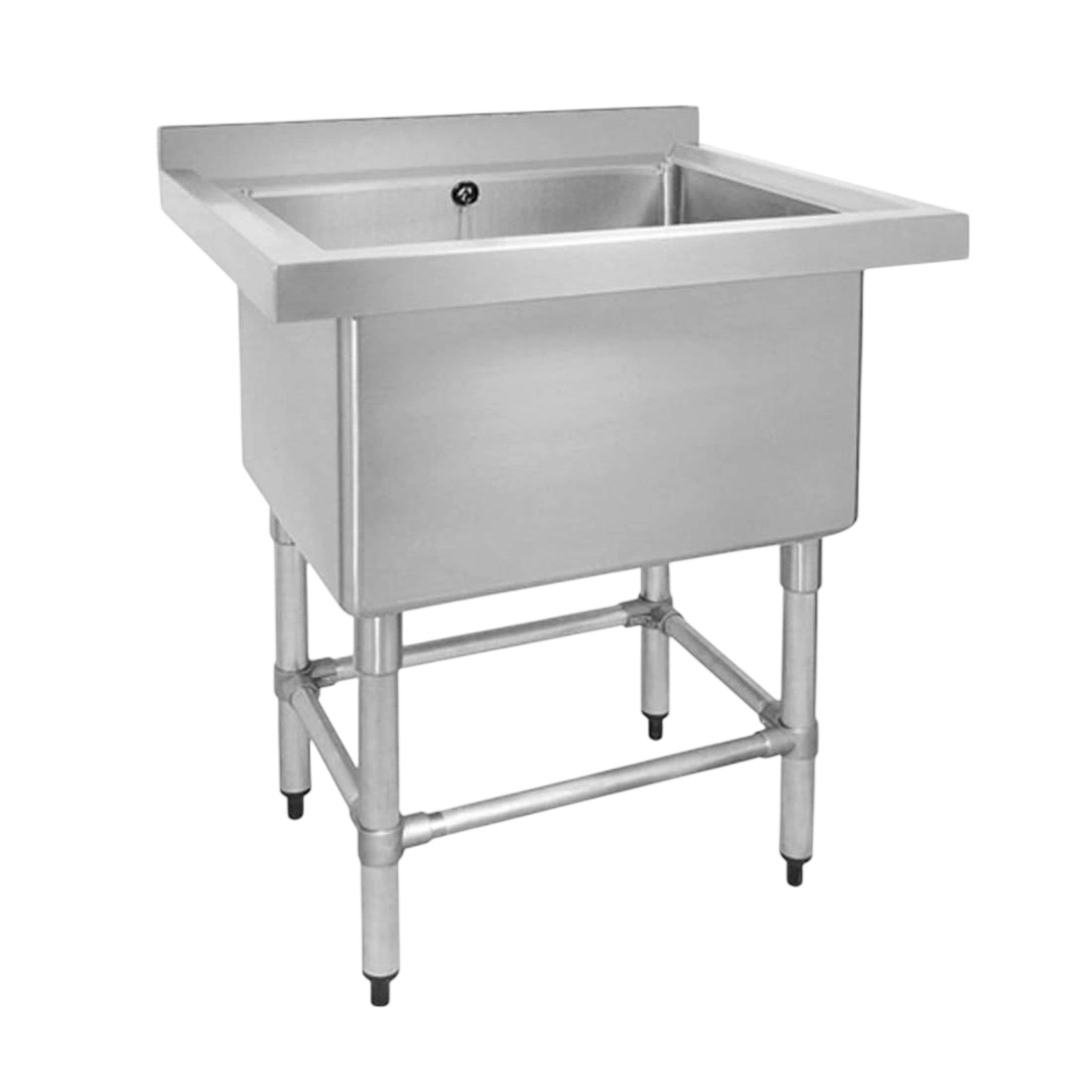
770 × 600 × 900mm
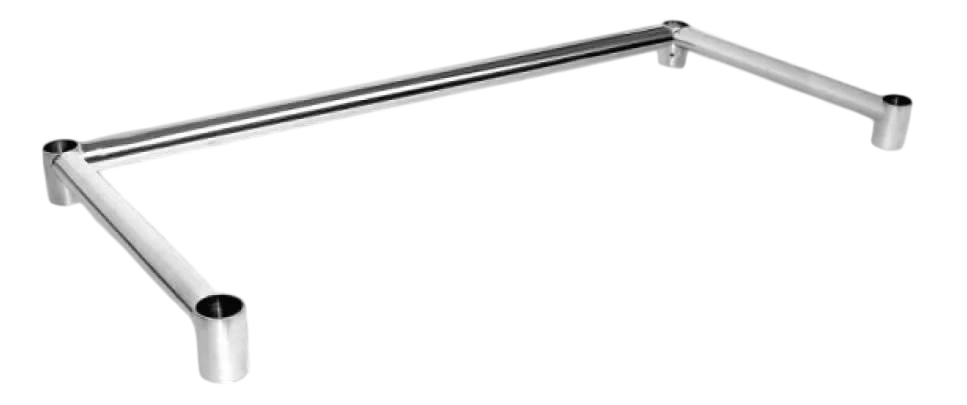
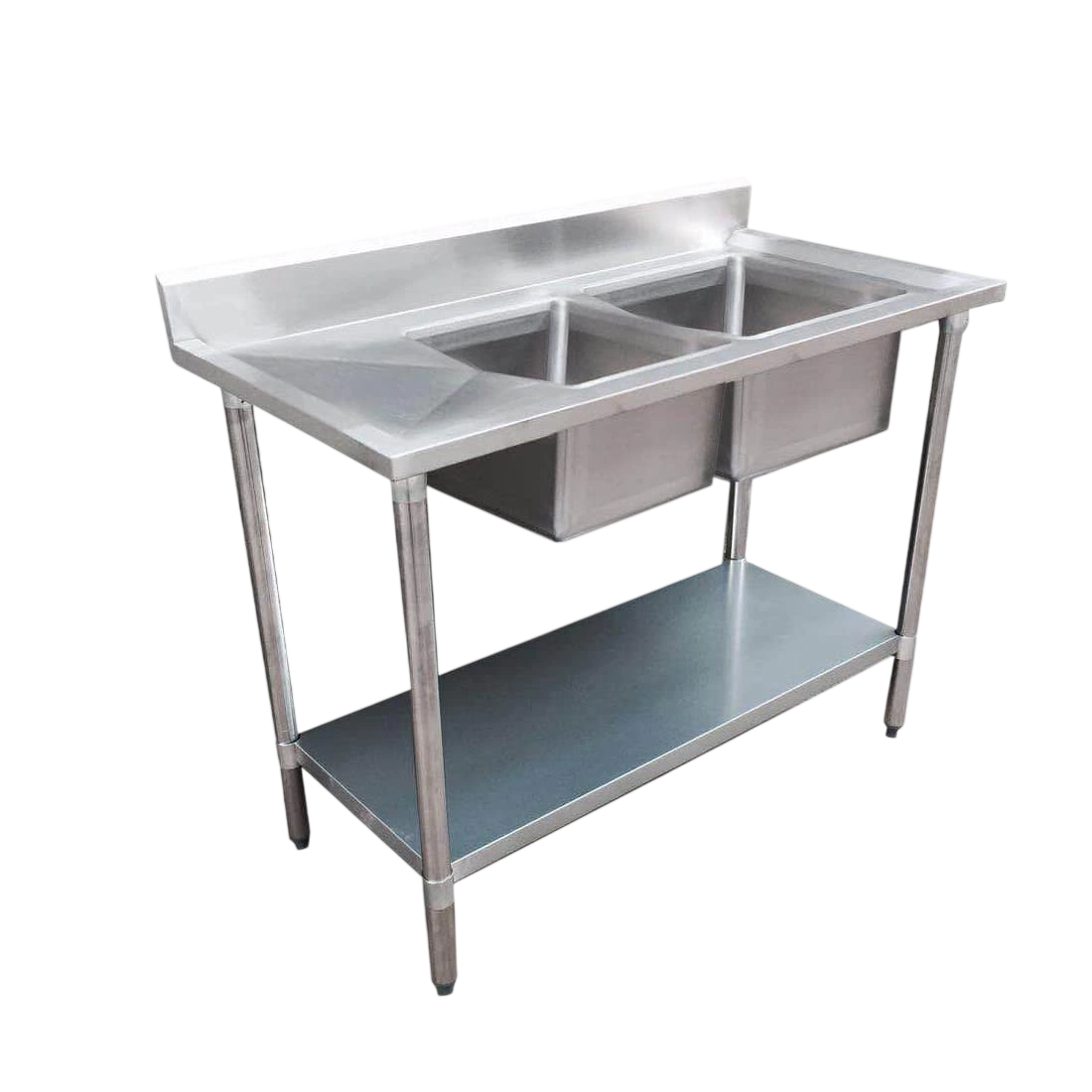
1500 × 700 × 900mm
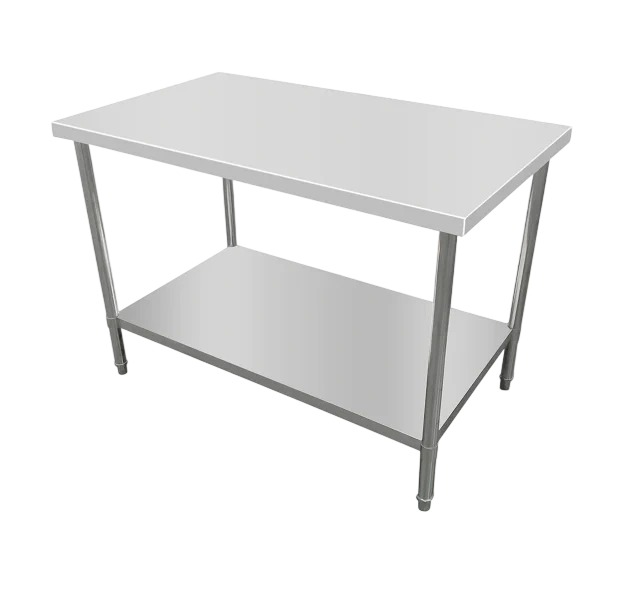
900 × 800 × 900mm
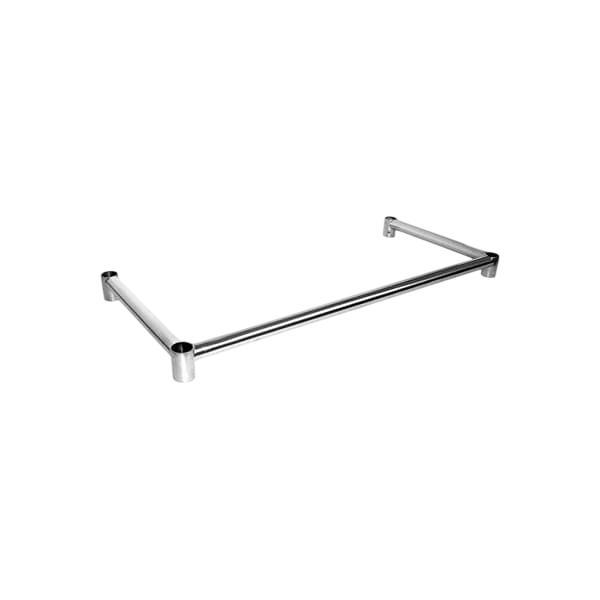
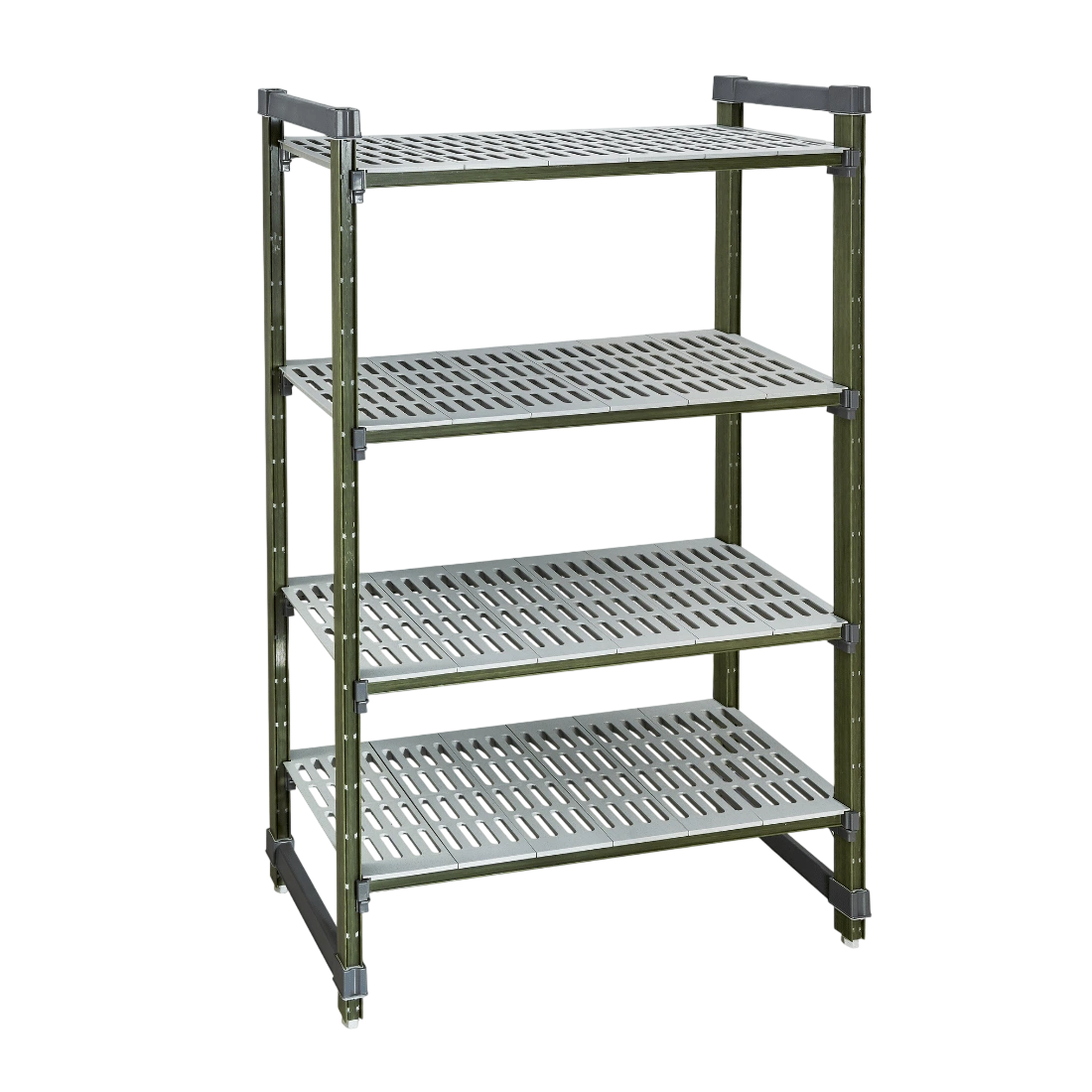
1825 × 455 × 1800mm
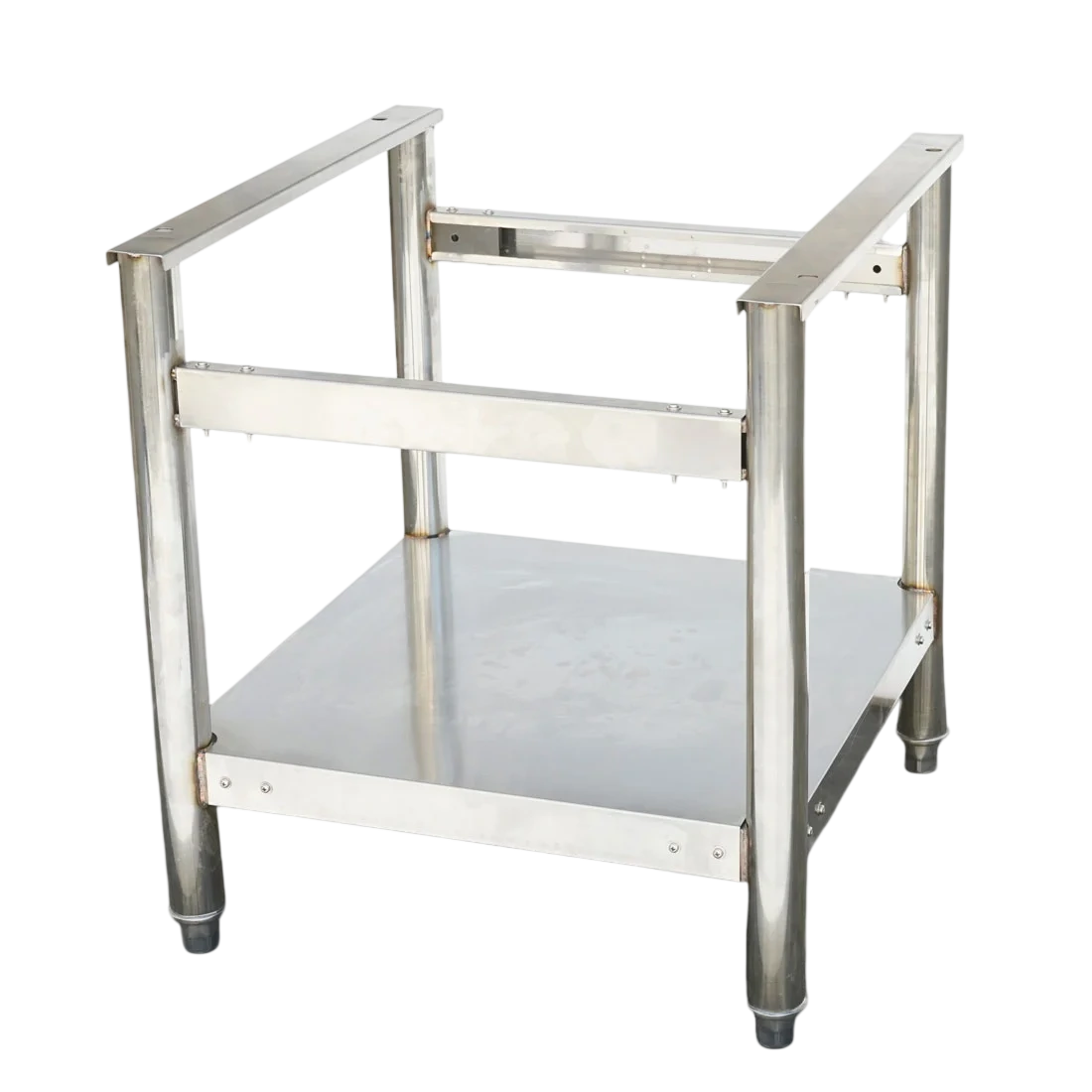
607 × 650 × 689mm

760 × 457 × 1880mm
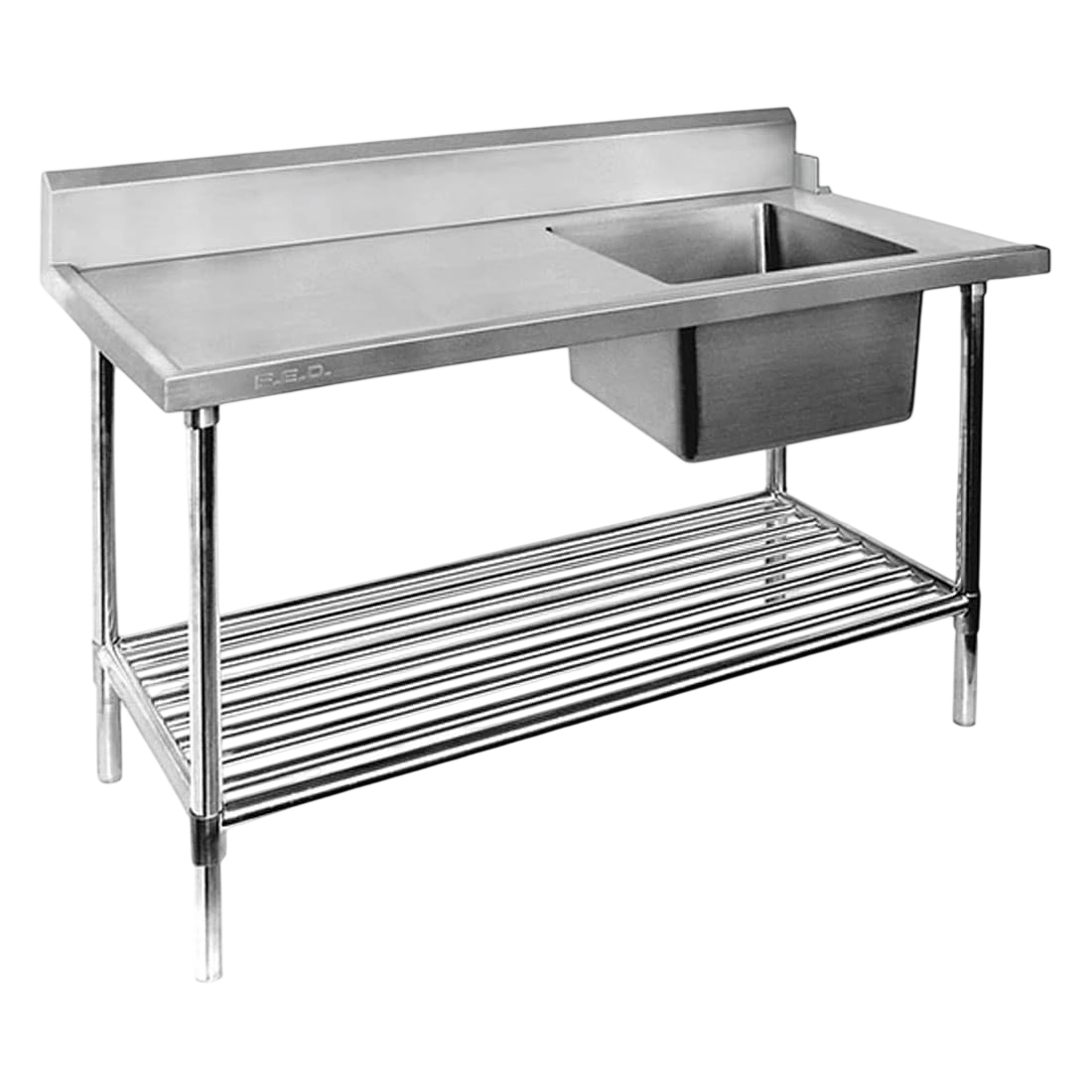
1500 × 700 × 900mm
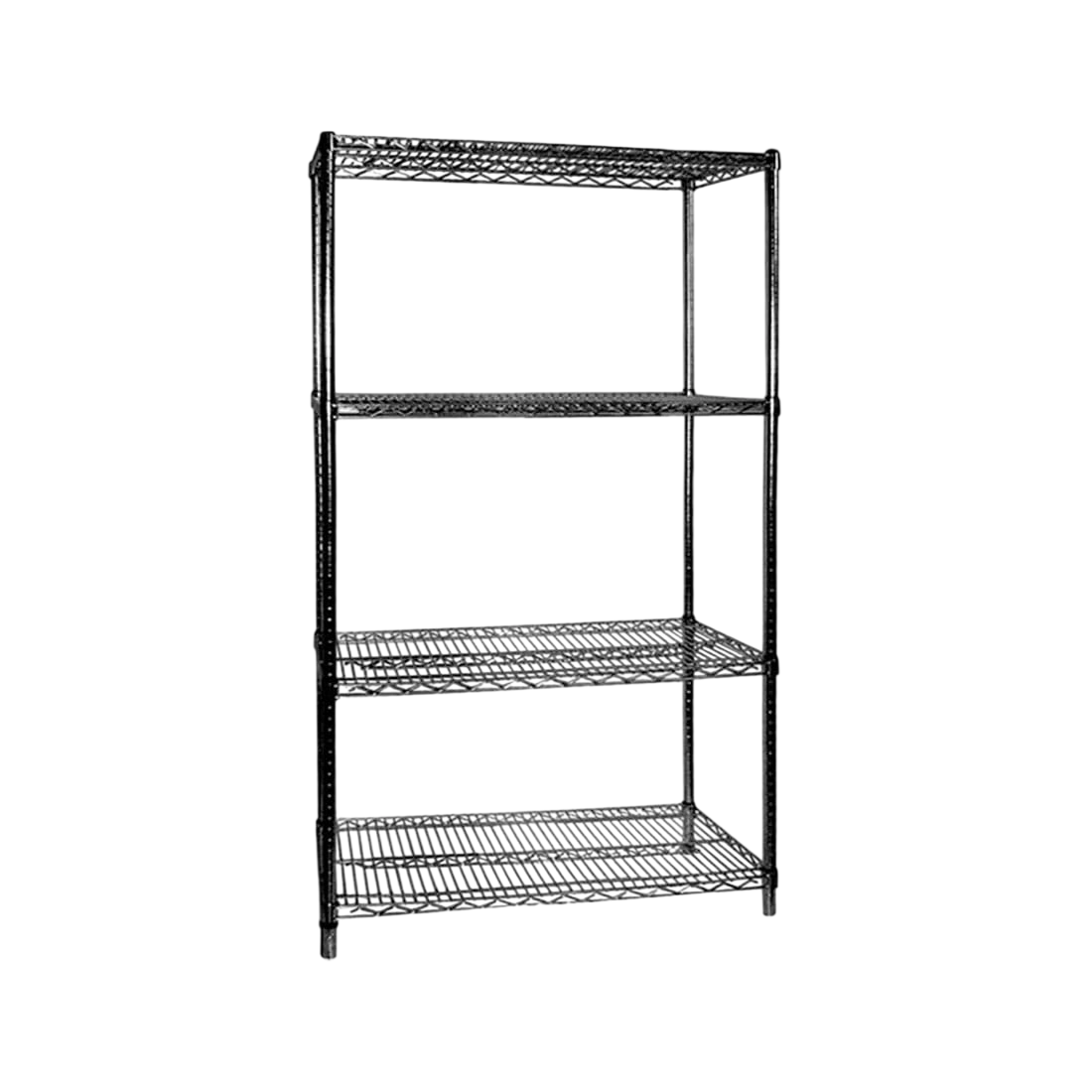
1830 × 610 × 1880mm
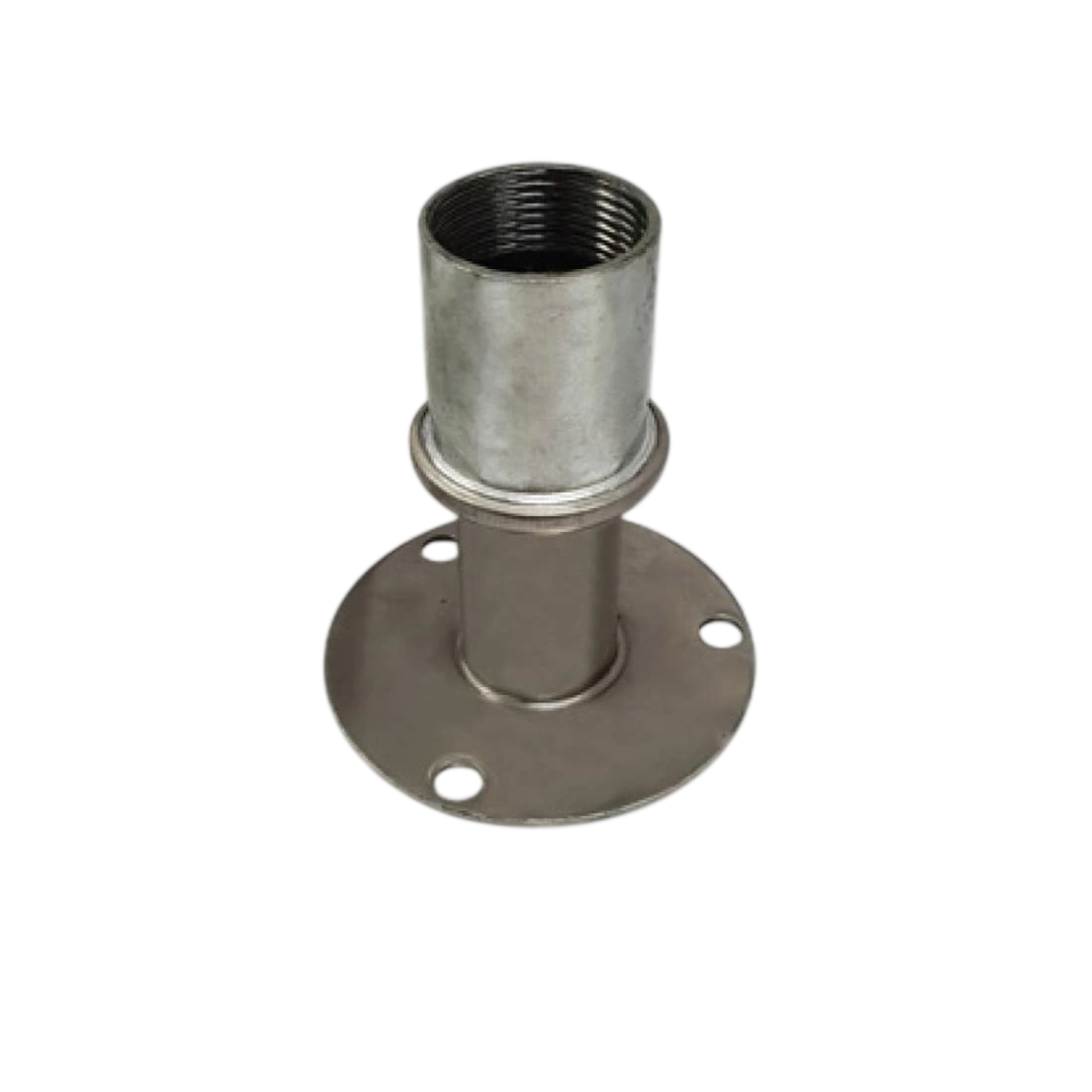
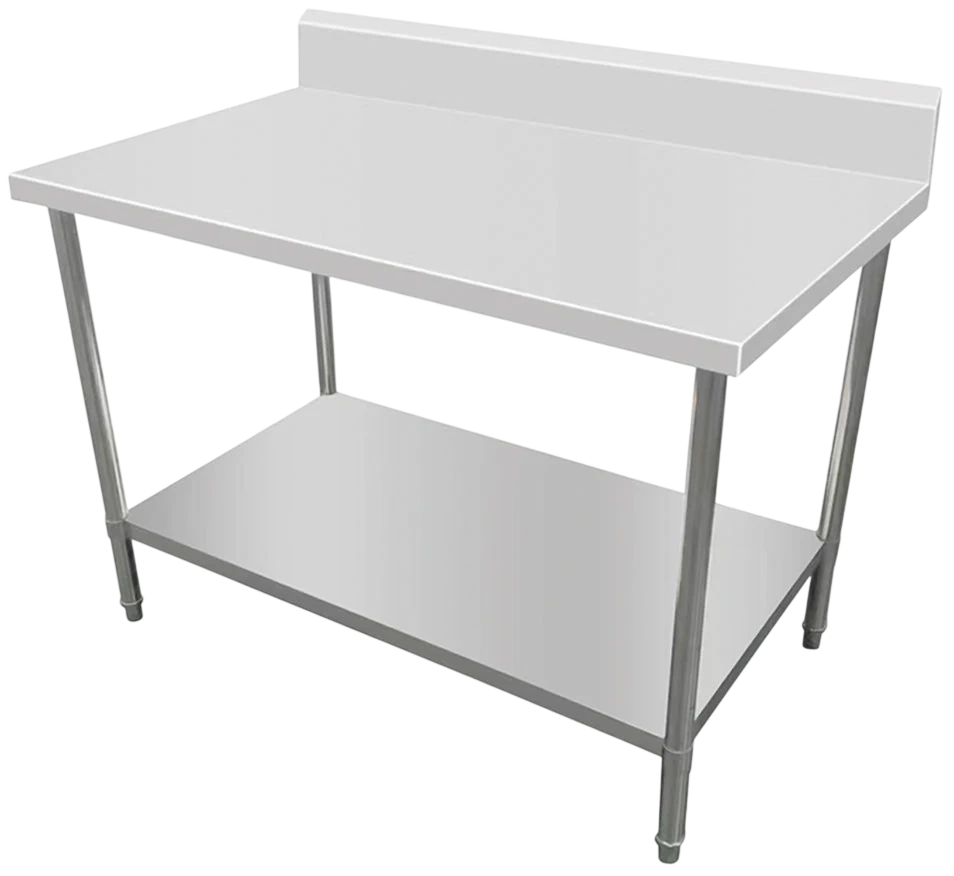
1800 × 700 × 900mm
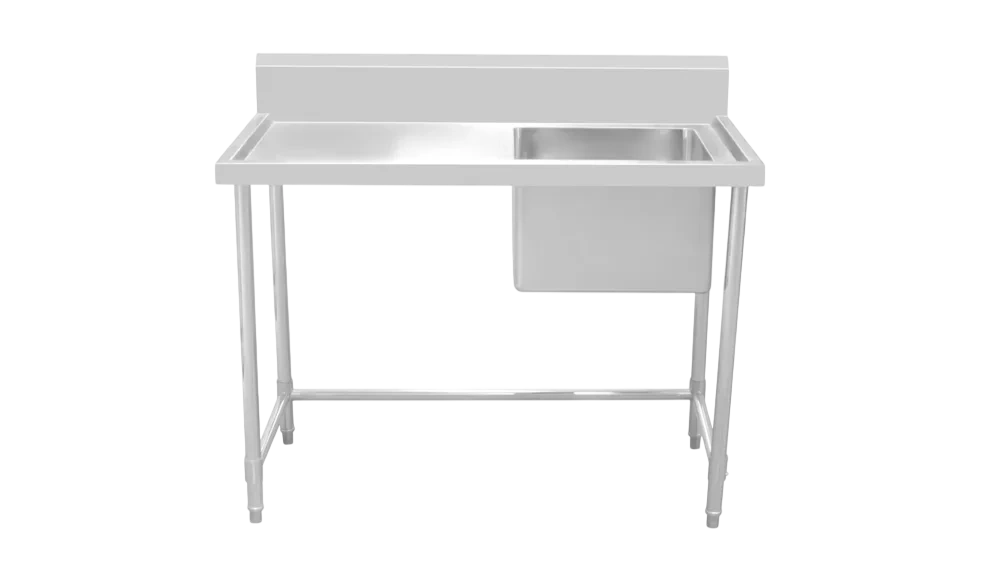
2100 × 600 × 900mm
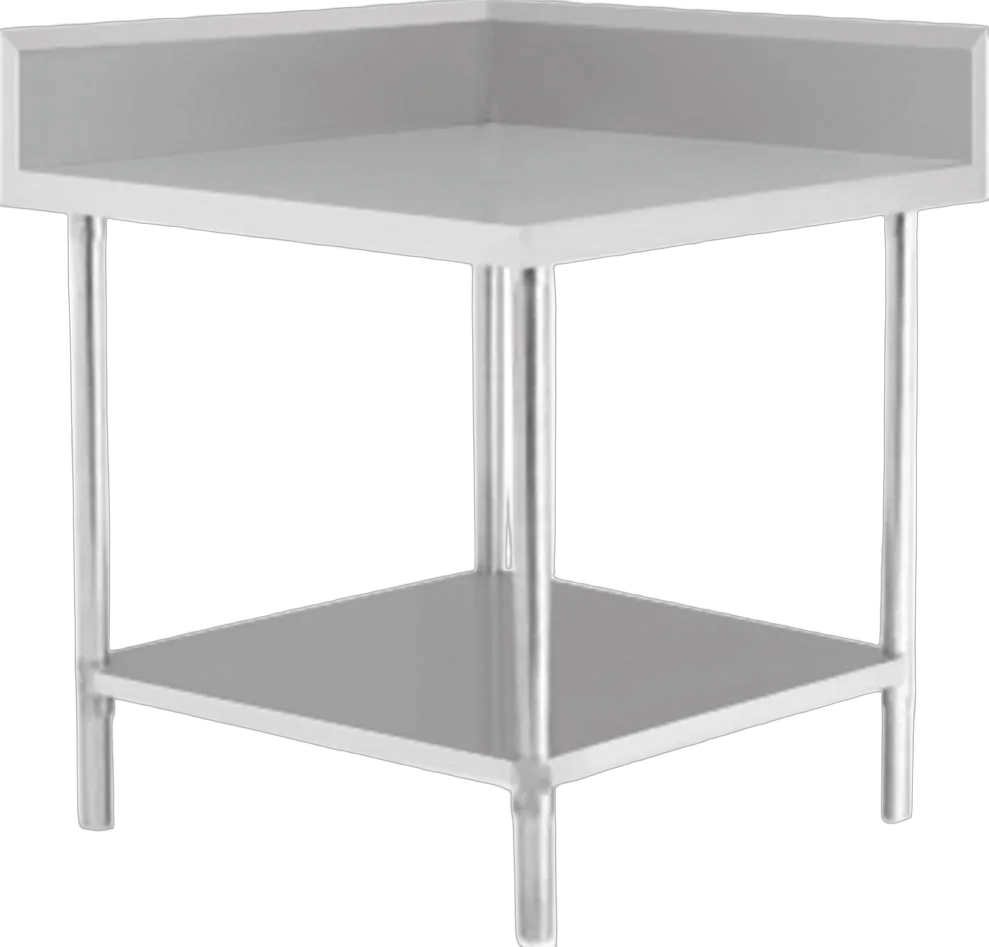
700 × 700 × 900mm
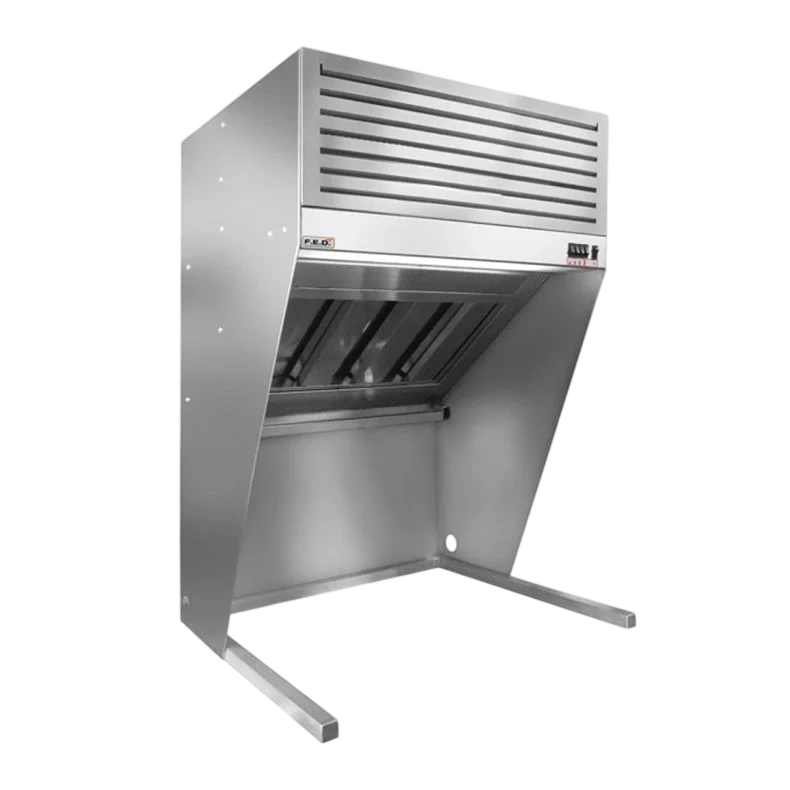
750 × 700 × 1150mm
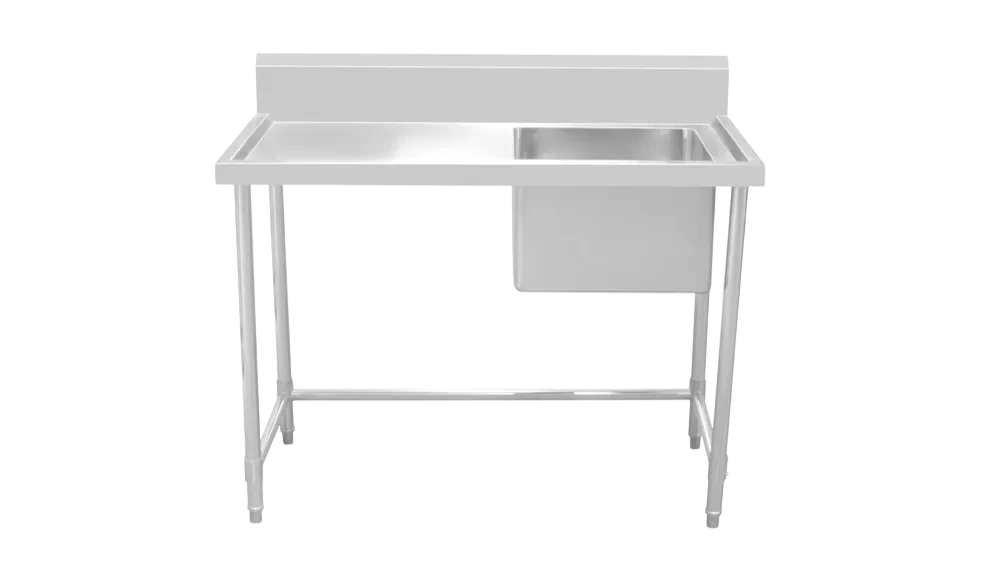
1500 × 600 × 900mm
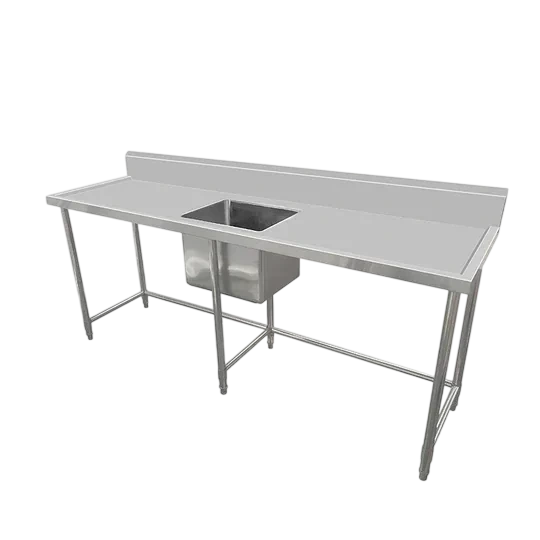
2400 × 700 × 900mm
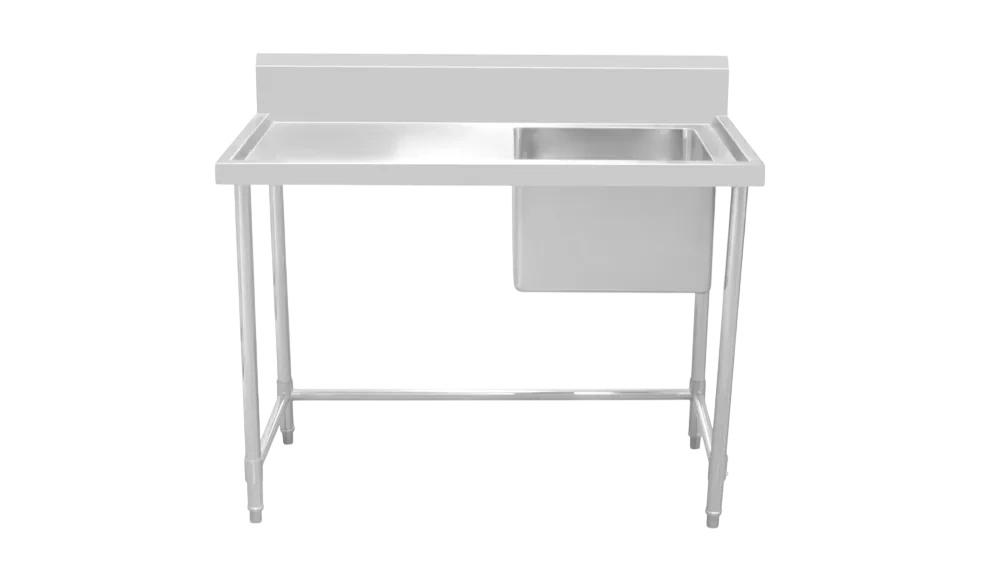
1200 × 700 × 900mm
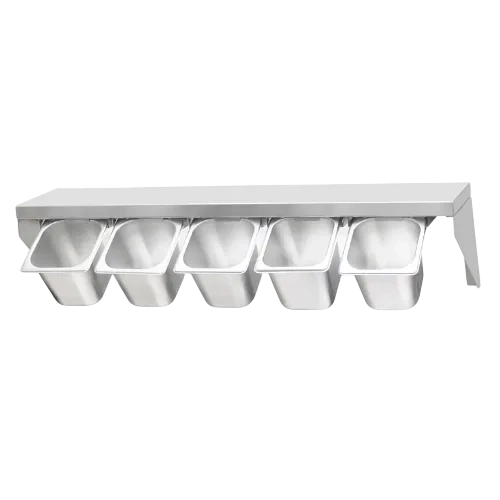
1200 × 300 × 200mm