
Benchtop Fryers
41 products
Commercial Cooking Equipment
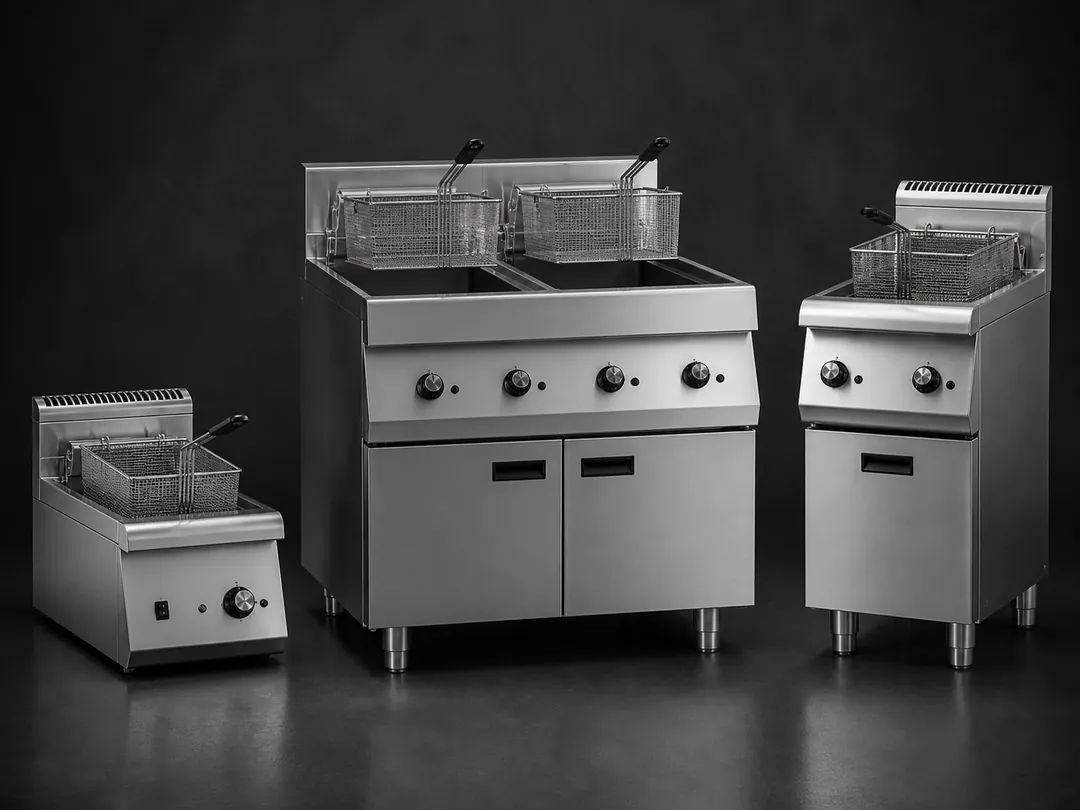
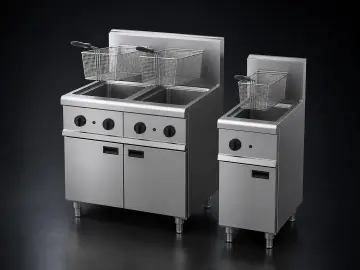
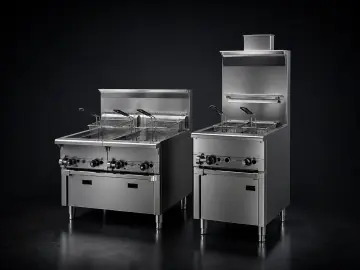
Commercial fryers is the parent range for four distinct buying paths: gas floor fryers, freestanding electric fryers, benchtop fryers and fryer accessories. Use this page for a broad commercial fryer or deep fryer comparison, then move to the child range that matches the required format.
Choose from the menu and peak batch first. Compare the exact model's usable oil capacity, tank and basket arrangement, rated input, stated production output where supplied, filtration or drain features, overall dimensions and site services. A larger tank or higher input figure alone does not prove faster recovery for every food load.
Key factors to consider before purchasing. Our team can help you find the right fit — call or get a quote anytime.
Compare the required food load with usable oil capacity, single or split tanks, basket count and any manufacturer-stated production output. Keep unlike test methods separate.
Match gas type and rated MJ/h, or voltage, amperage, phase and kW, to the site. Then compare thermostat, timer, lift or programmable controls that the exact model actually includes.
Check built-in or separate filtration, drain arrangement, tank access, overall dimensions, basket and door movement, landing space, cleaning access and required clearances.
Submit your kitchen requirements — our equipment specialists will send you a tailored shortlist of commercial fryers that fits your budget, venue type and compliance needs.
Standards & Compliance
Use the specification sheet and installation instructions for the exact fryer. For gas equipment, confirm gas type, rated input and connection details. For electric equipment, confirm voltage, amperage, phase, kW and connection type. For every model, check ventilation, clearances, access, oil handling, cleaning and fire-safety requirements with the relevant documents and qualified trades.
FAQ
This parent range rolls up gas floor fryers, freestanding electric fryers, benchtop fryers and fryer accessories. Enter a child range when you want to compare one format without unrelated parts or equipment.
Record the food types, portion size, food state, portions per batch and batches per peak hour. Compare that requirement with the exact model's usable oil capacity, basket arrangement and manufacturer-stated production or recovery data where supplied.
No. Rated input matters, but recovery also depends on fryer design, oil volume, food load, starting conditions and controls. Use comparable manufacturer test data when available rather than predicting portions per hour from the input rating alone.
Twin basket describes the baskets and may still use one oil tank. Twin tank or split pot describes separate oil wells, but control and filtration arrangements vary. Confirm the tank diagram and controls on the exact model.
Why KW
KW keeps broad commercial fryer intent on this parent route and separates gas, freestanding electric, benchtop and accessory decisions into their own ranges. Send the food type, portions per batch, peak batches per hour, preferred format, available services, installation dimensions, delivery postcode and access path for a model-specific comparison.
Deep Dive
Technical depth from KW's commercial kitchen specialists.
| KW range | What belongs there | Compare within the range |
|---|---|---|
| Gas Deep Fryers | Floor-standing gas fryer models. | Specified gas type, rated input, tank arrangement, oil capacity, baskets, output and footprint. |
| Freestanding Electric Fryers | Floor-standing electric and induction fryer models. | Voltage, amperage, phase, kW, tanks, controls, filtration and dimensions. |
| Benchtop Fryers | Compact countertop electric and induction fryer models. | Plug or connection type, total input, tank and basket layout, bench footprint and duty cycle. |
| Fryer Accessories | Baskets, lids, filter media, cleaning tools, splash guards and oil-filtration equipment. | Exact fryer compatibility, dimensions, pack quantity and intended function. |
No. Compare the site's available services, exact model input, required output, controls, ventilation, installation work, oil management, cleaning and purchase price. A general fuel-type claim cannot establish the best whole-of-life choice for every venue.
Follow the fryer, filtration-system and oil supplier instructions, then adjust for food type, sediment, production load and observed oil condition. The correct routine can vary by fryer and operating day, so this parent category does not prescribe one fixed interval.
Confirm overall dimensions, clearances, ventilation, service and cleaning access, gas type and connection for gas models, or voltage, amperage, phase, kW and connection type for electric models. Have the site checked against the exact model documents.
The parent grid includes the Fryer Accessories child category. Use that child route for parts and consumables, and match each item to the exact fryer model, dimensions or stated compatibility before ordering.
A single tank concentrates capacity in one oil system. A split tank creates two separately controlled cooking wells when the exact model is designed that way. A bank of fryers provides additional independent capacity and may let one unit remain available during cleaning or service. Confirm whether controls, filtration and drains are shared or independent; the words twin basket, twin tank and split pot do not mean the same thing.
Rated MJ/h or kW is a service and energy-input fact. Recovery also depends on fryer design, oil volume, starting temperature, food mass, food temperature, moisture, control behaviour and test method. Compare published recovery or production figures only when the manufacturer states them on a comparable basis. Otherwise use the rating to size site services, not as a promise of cooking speed.
Check whether filtration is built in, supplied separately or requires accessories. Confirm the drain position, oil container or filter-machine compatibility, tank access and the cleaning steps in the model manual. Set the filtration and oil-discard routine from the menu, production load, oil condition and supplier guidance; one fixed interval does not fit every fryer or operating day.
Measure the appliance, basket and door movement, landing space, operator aisle, cleaning access and service access. Coordinate the exact installation requirements with the site services and ventilation plan. Relevant adjacent ranges include canopies and rangehoods, stainless steel benches and the broader commercial cooking equipment range.
271 results
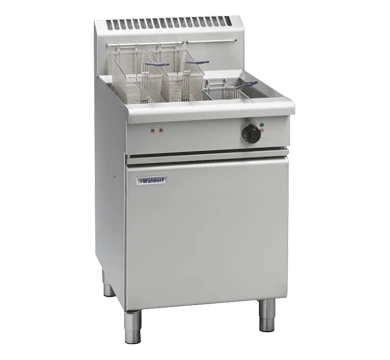
600 × 805 × 1130mm
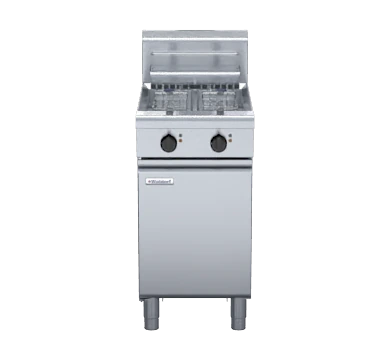
450 × 805 × 1130mm
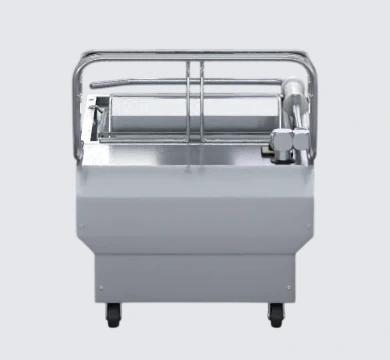
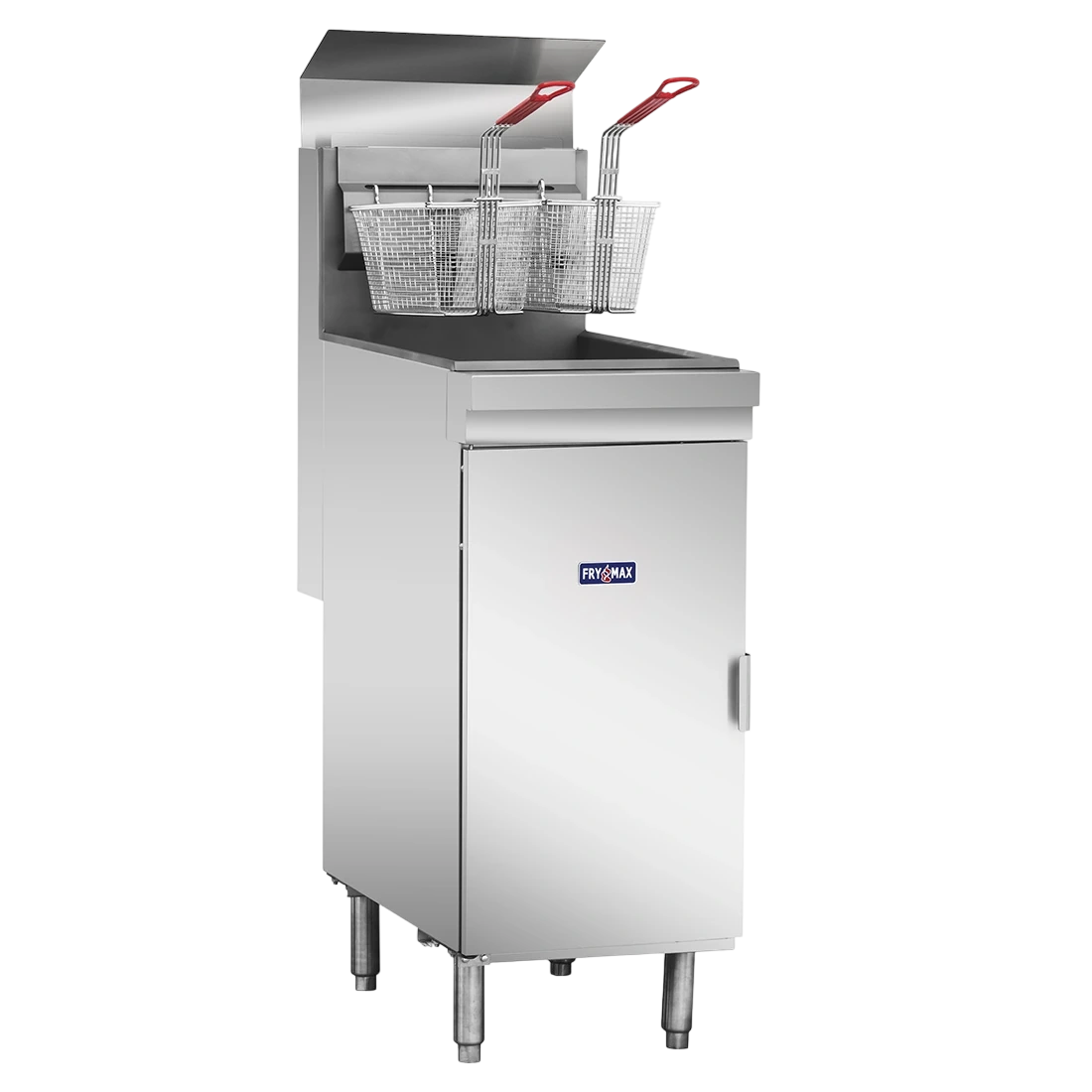
600 × 812 × 1085mm
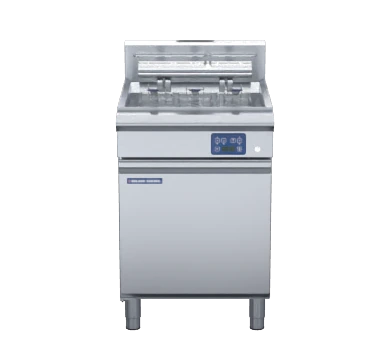
600 × 812 × 1085mm
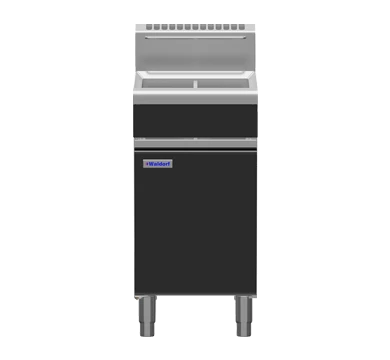
450 × 805 × 1085mm
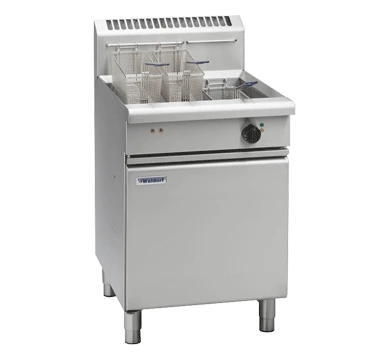
600 × 805 × 1085mm
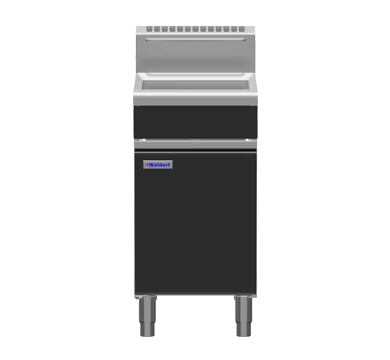
450 × 805 × 1085mm
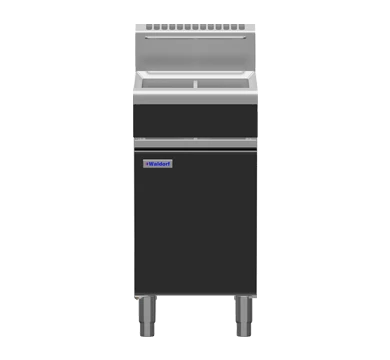
450 × 805 × 1130mm
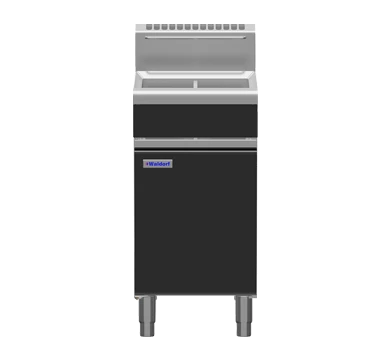
450 × 805 × 1130mm
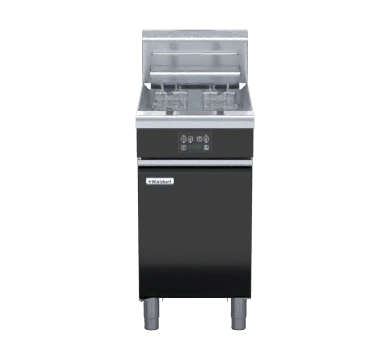
450 × 805 × 1130mm
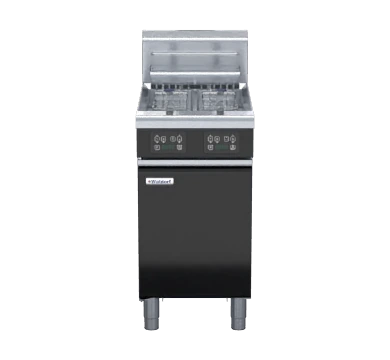
450 × 805 × 1130mm
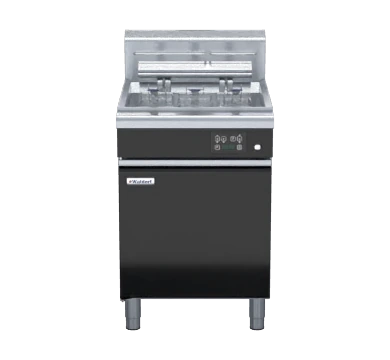
600 × 805 × 1130mm
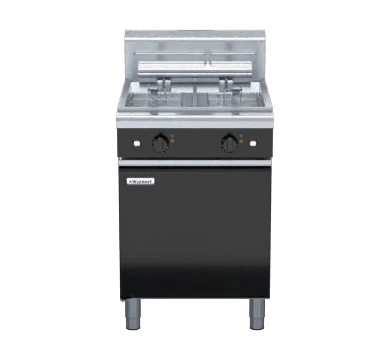
600 × 805 × 1130mm
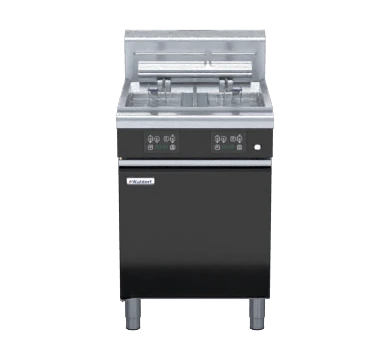
600 × 805 × 1130mm
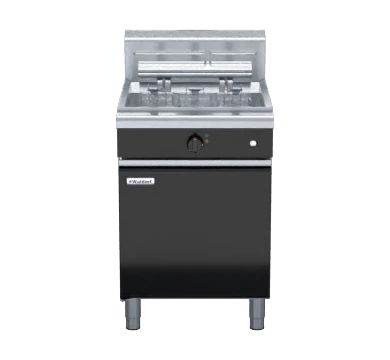
600 × 805 × 1130mm
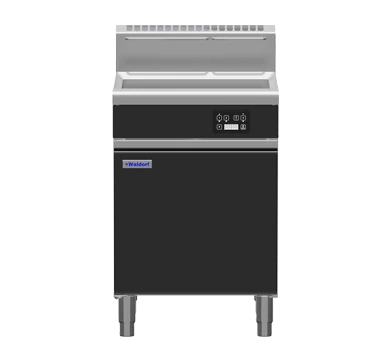
600 × 805 × 1130mm
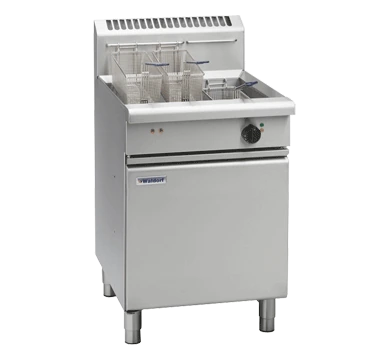
600 × 805 × 1130mm
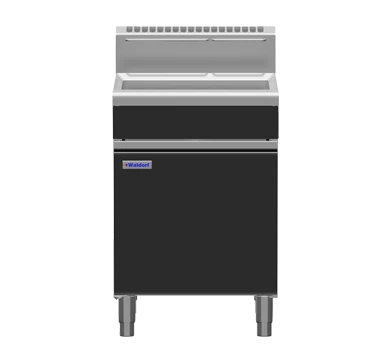
600 × 805 × 1130mm
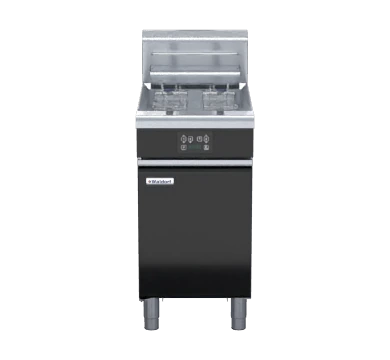
450 × 805 × 1130mm
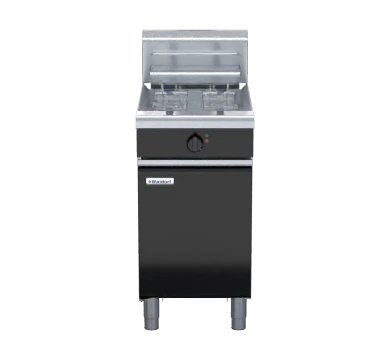
450 × 805 × 1130mm
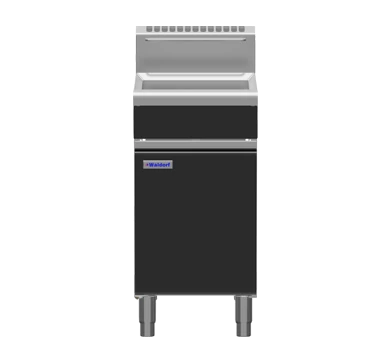
450 × 805 × 1130mm
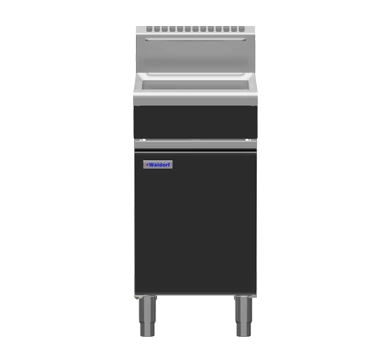
450 × 805 × 1130mm
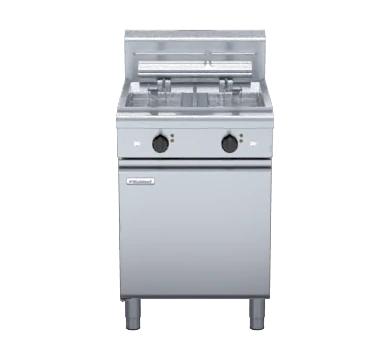
600 × 805 × 1130mm
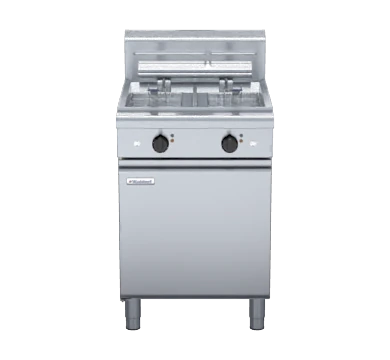
600 × 805 × 1130mm
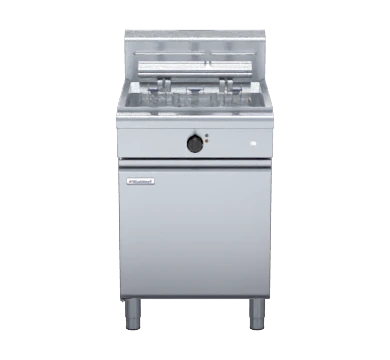
600 × 805 × 1130mm
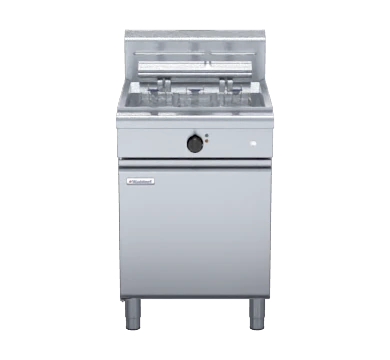
600 × 805 × 1130mm
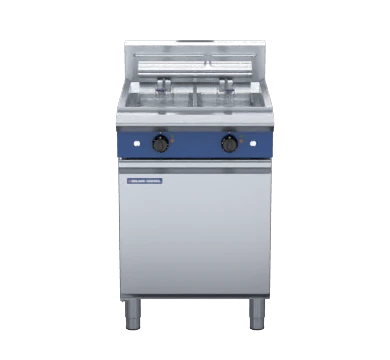
600 × 812 × 1085mm
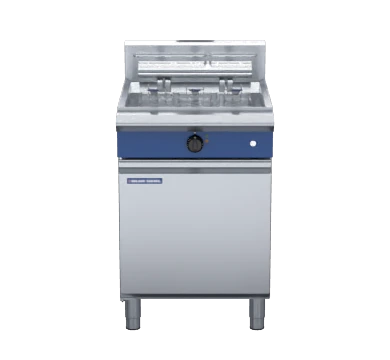
600 × 812 × 1085mm
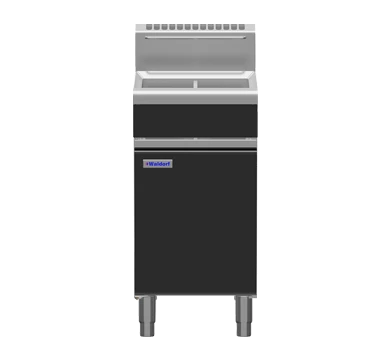
450 × 805 × 1085mm
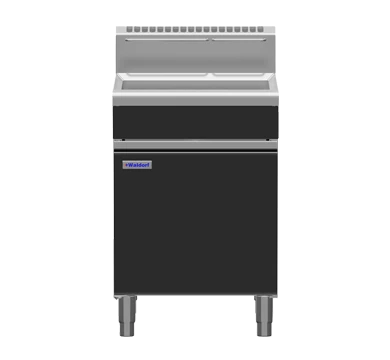
600 × 805 × 1085mm
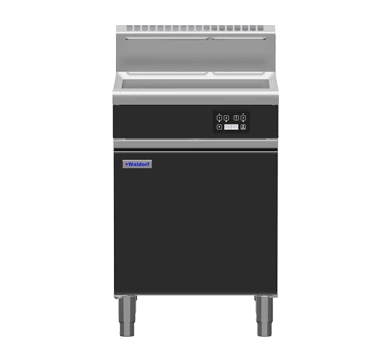
600 × 805 × 1085mm
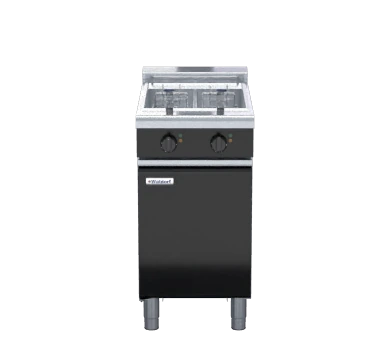
450 × 805 × 1085mm
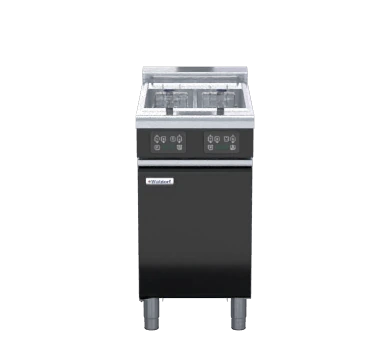
450 × 805 × 1085mm
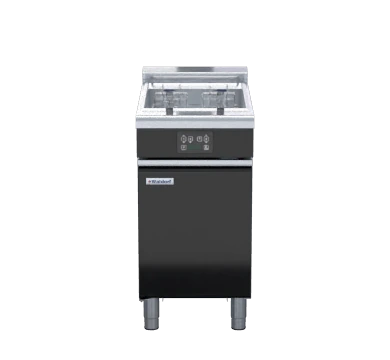
450 × 805 × 1085mm
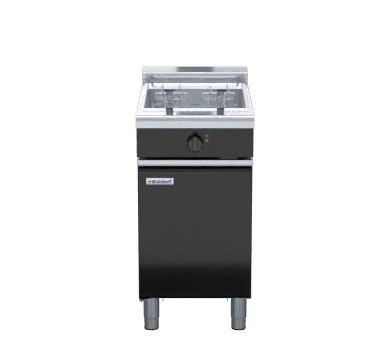
450 × 805 × 1085mm
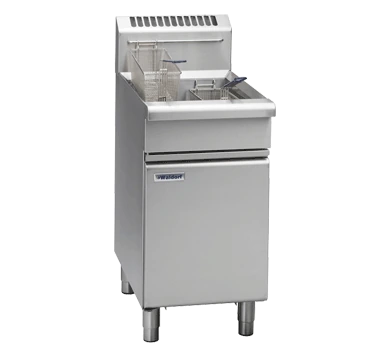
450 × 805 × 1085mm
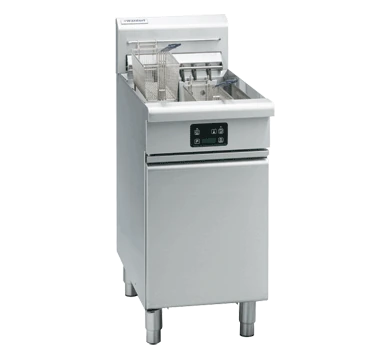
450 × 805 × 1085mm
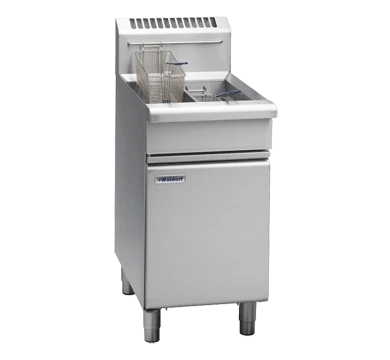
450 × 805 × 1085mm
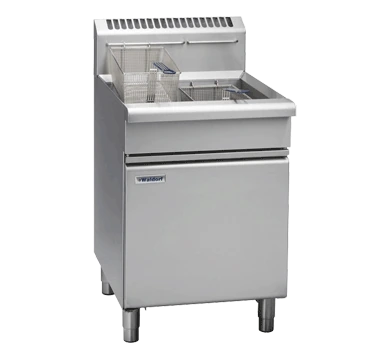
600 × 805 × 1085mm
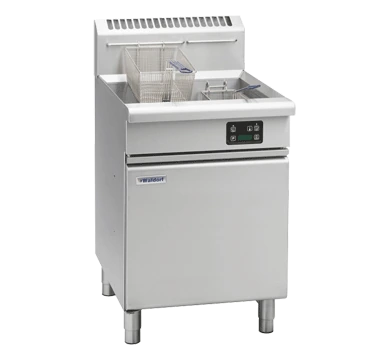
600 × 805 × 1085mm
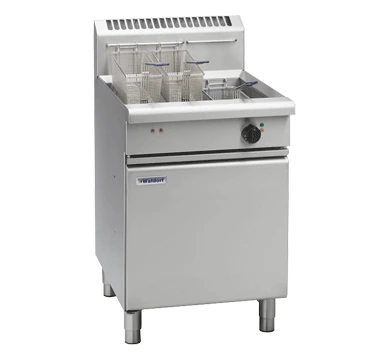
600 × 805 × 1085mm
450 × 805 × 1085mm
450 × 805 × 1085mm