Tormek
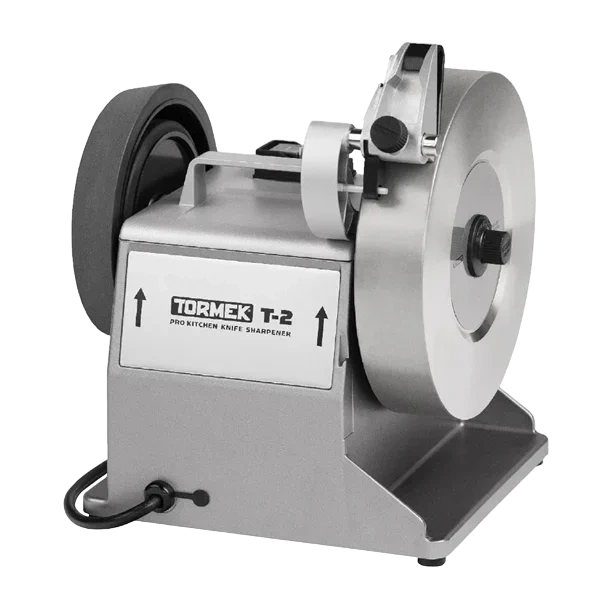
Tormek CZ859 T-2 Professional Knife Sharpener | 120W Electric Sharpener
240 × 240 × 285mm
$1,144.00$1,300.00
In Stock
Commercial Kitchenware
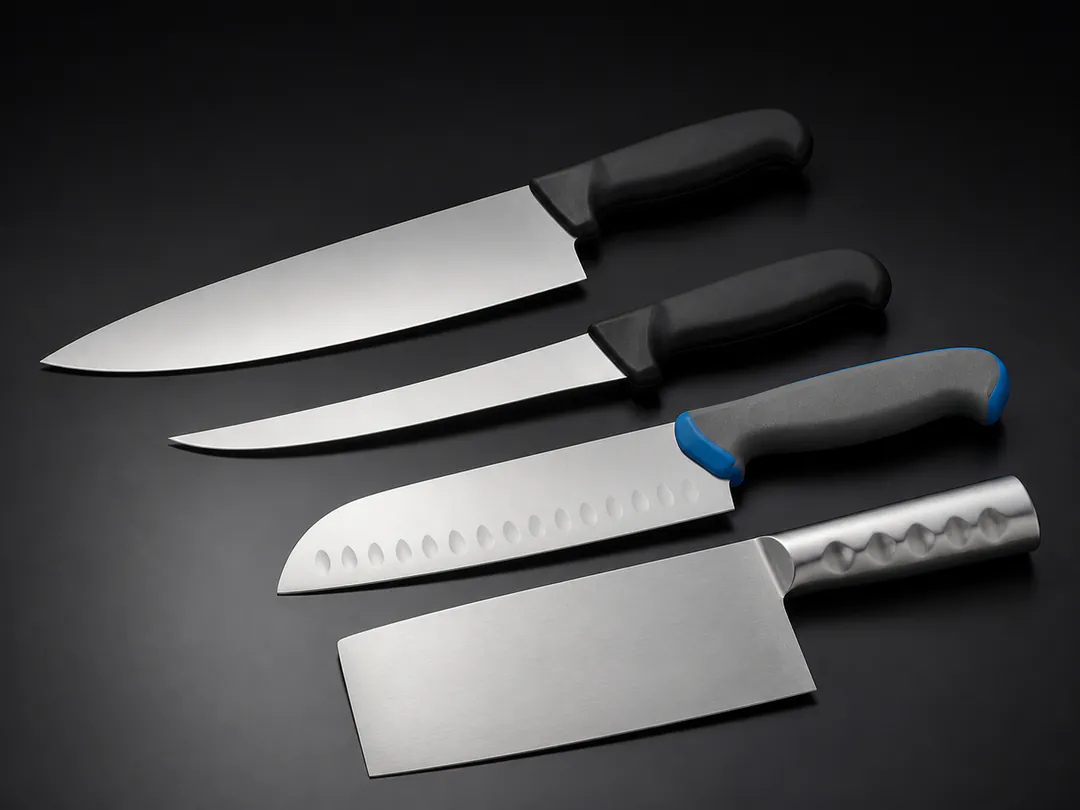
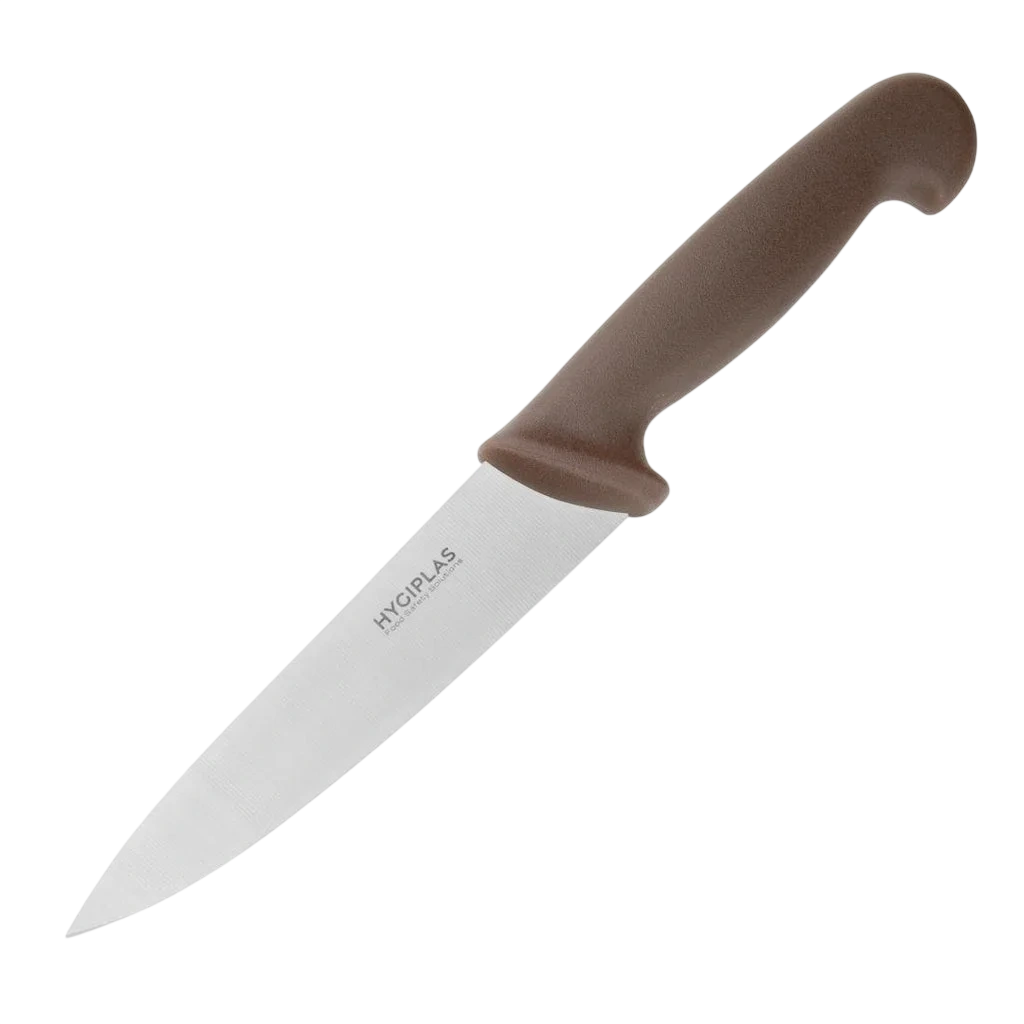
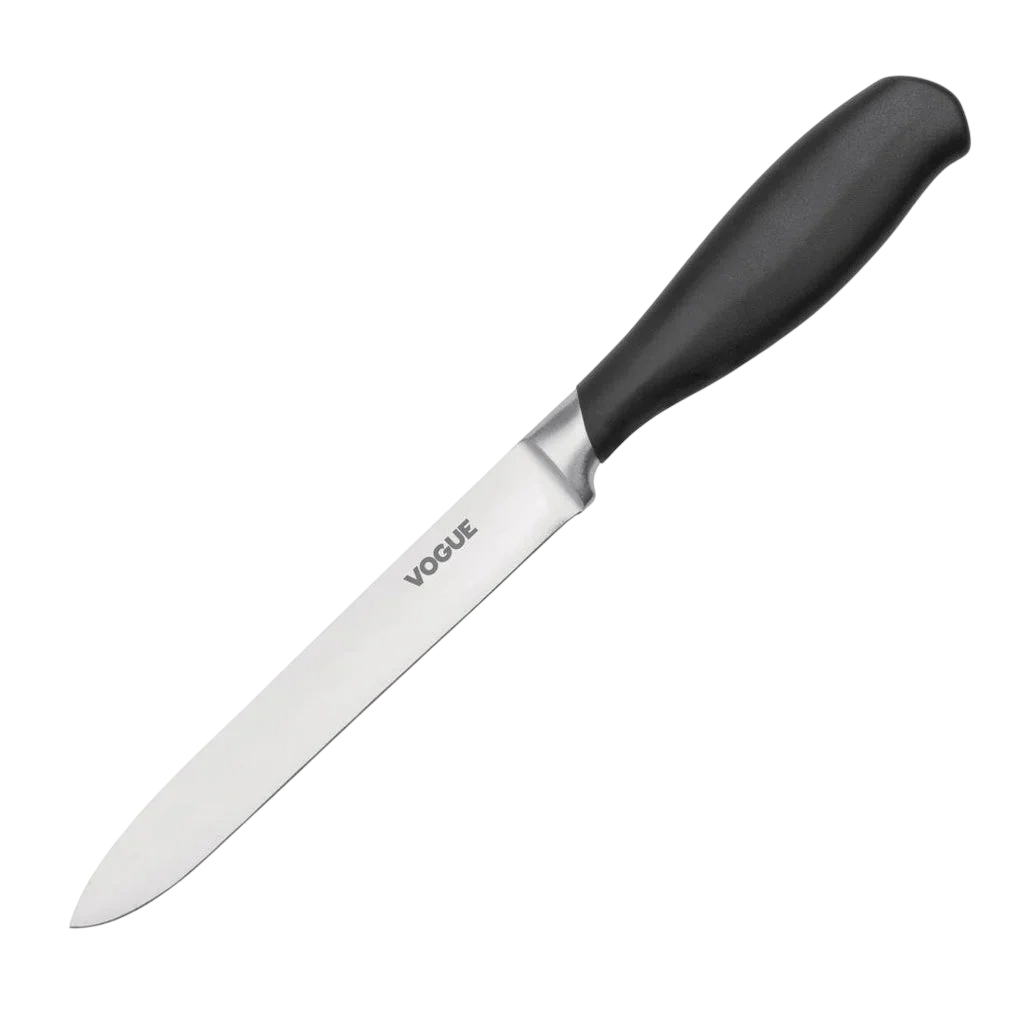
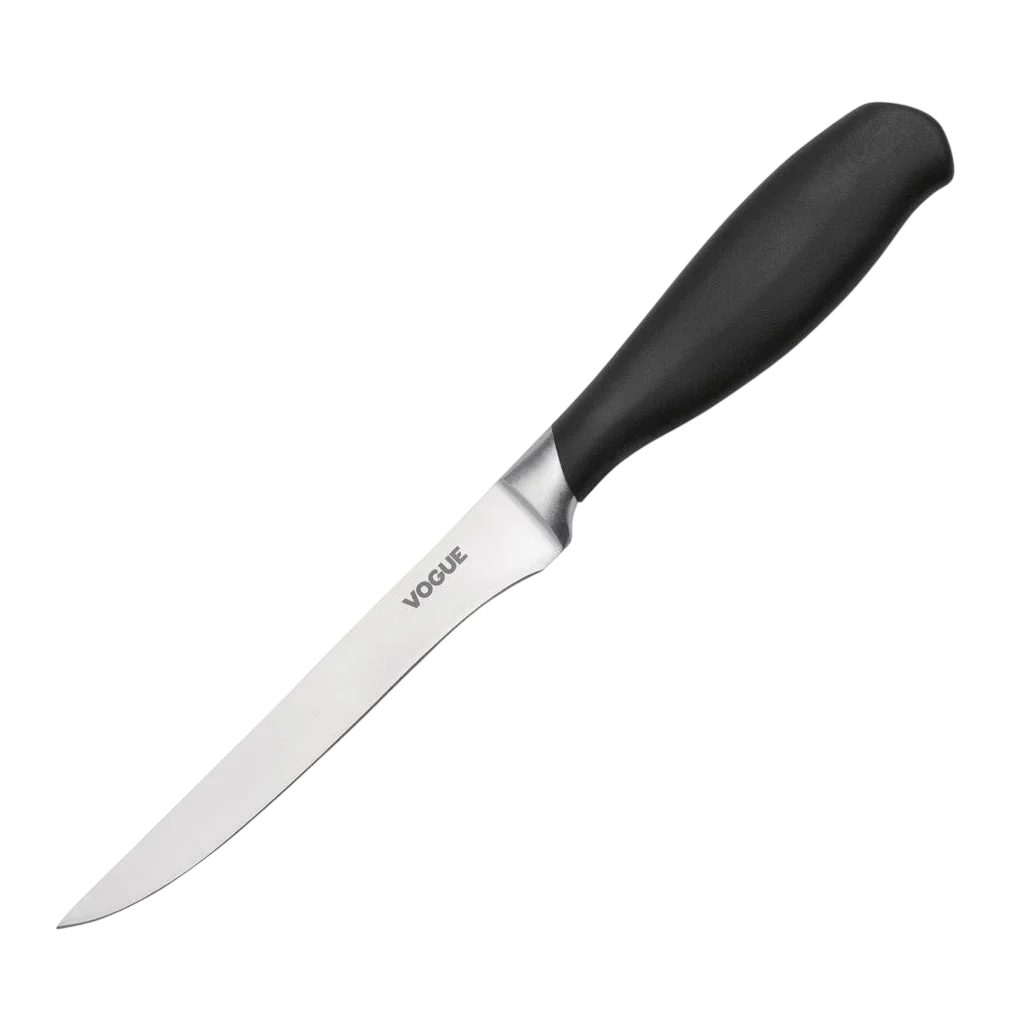
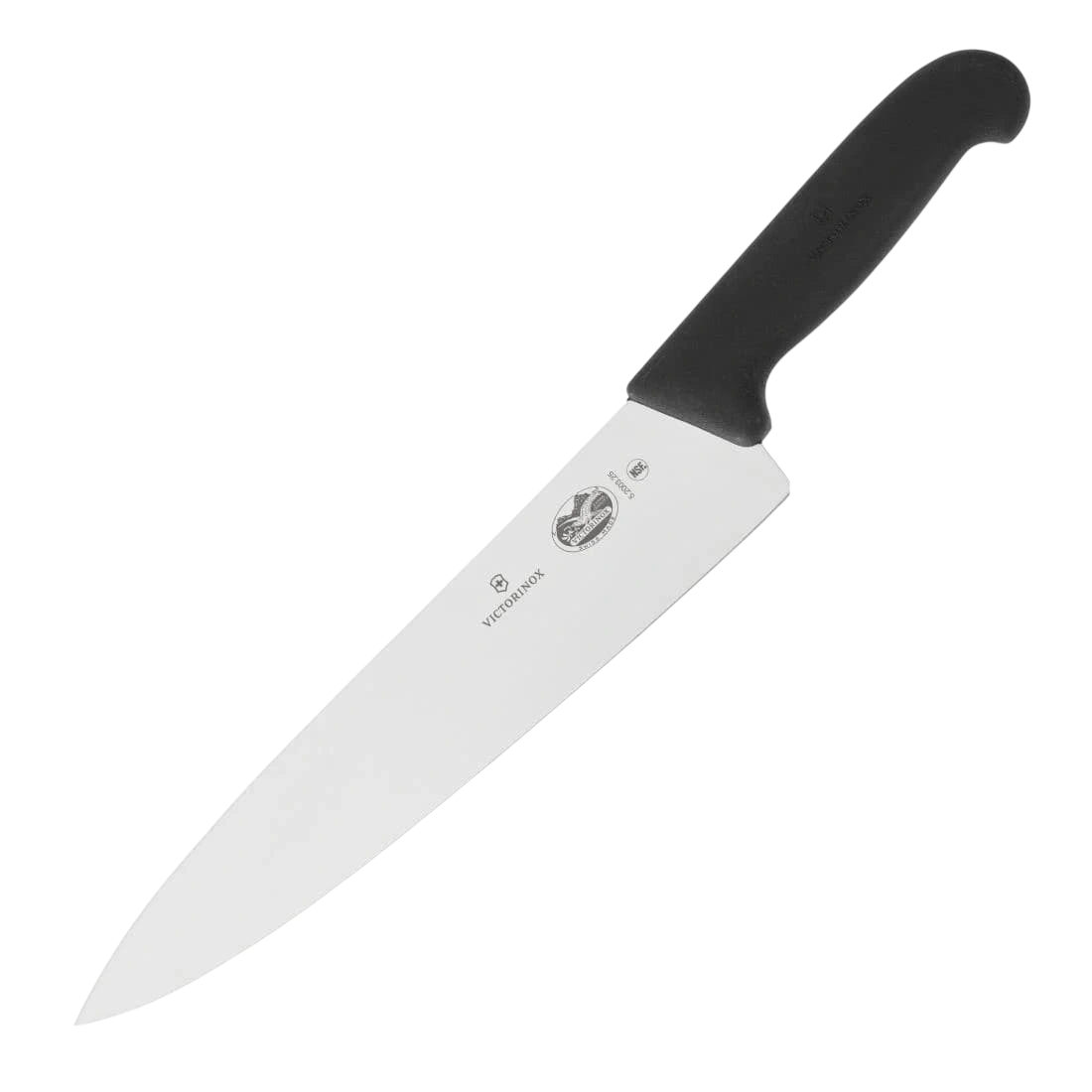
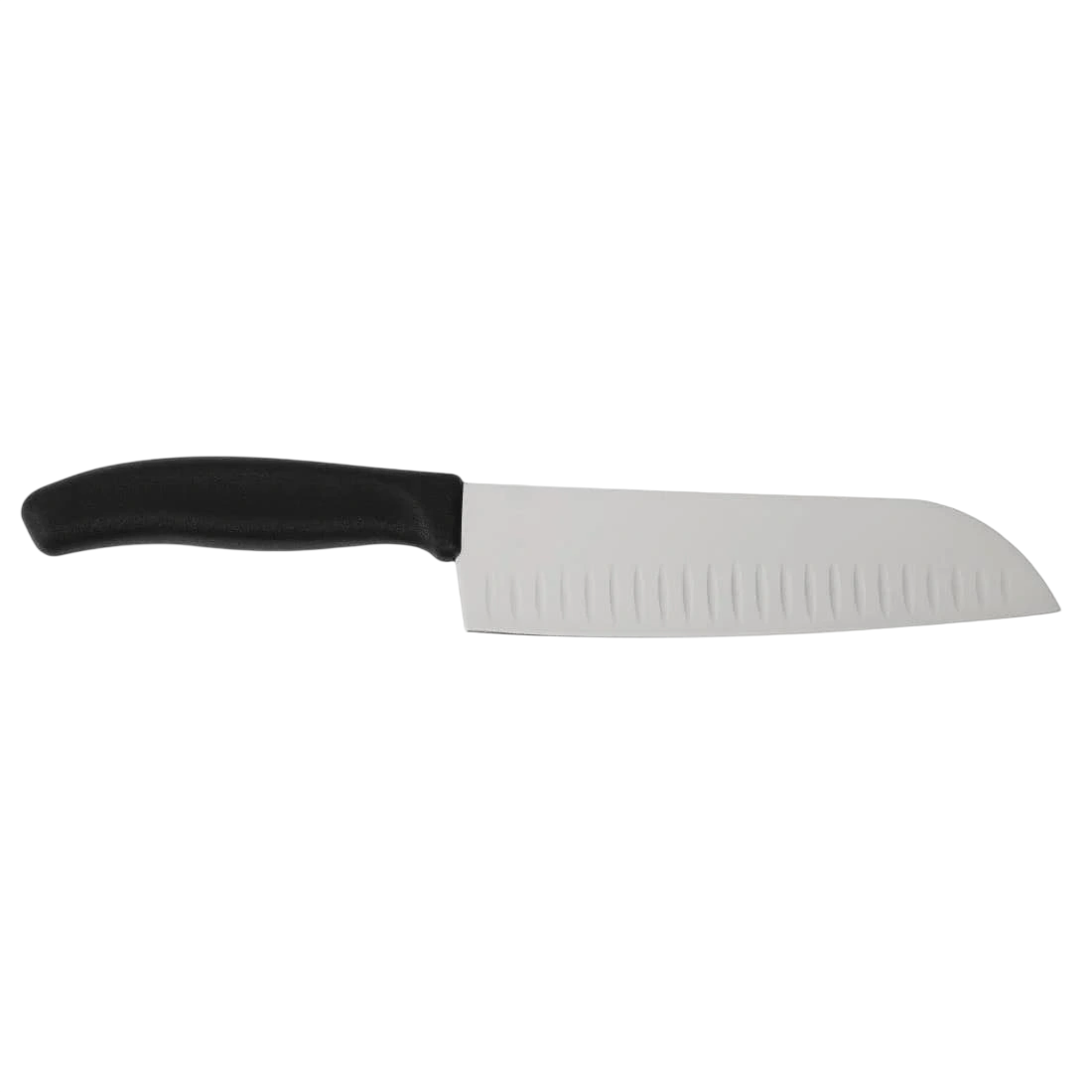
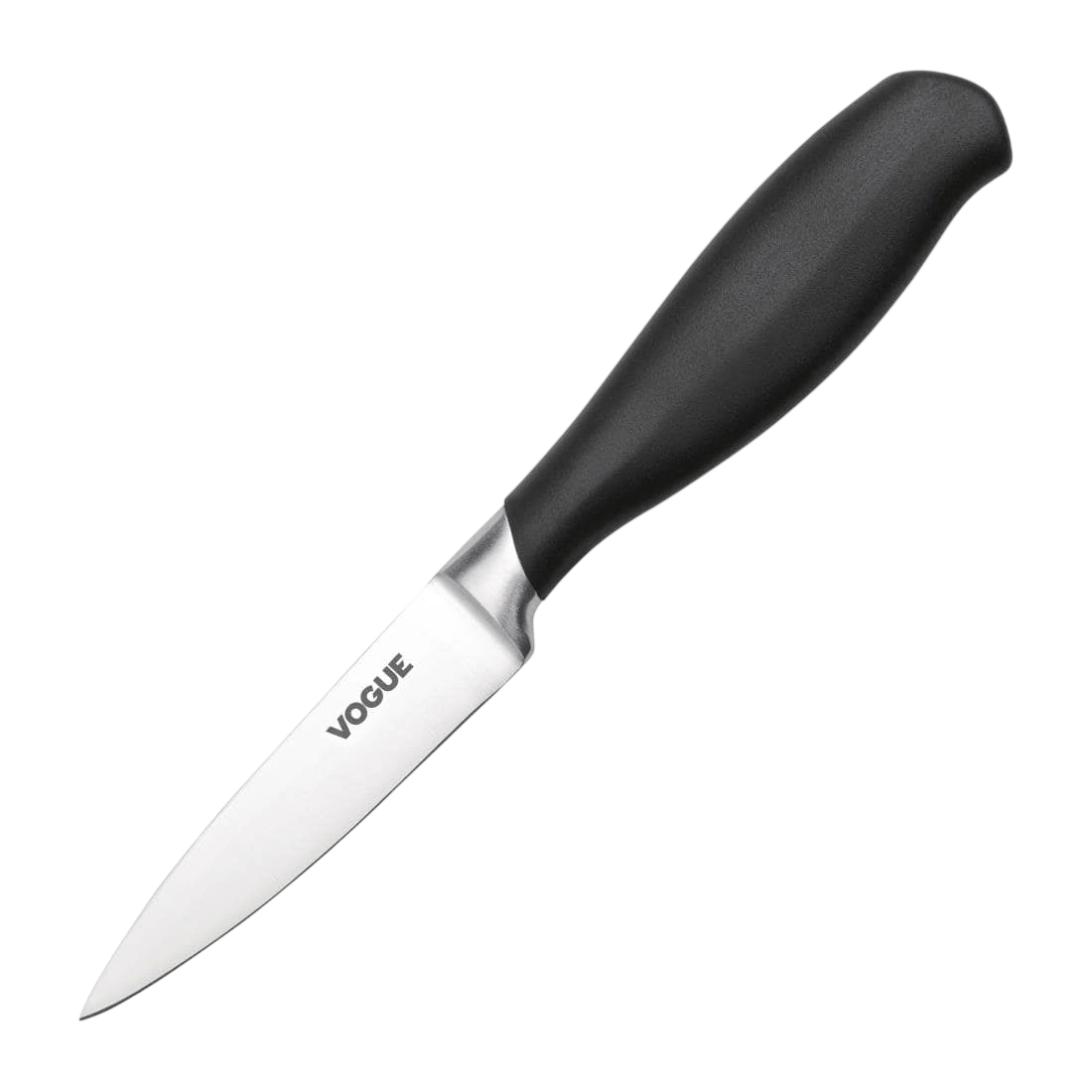
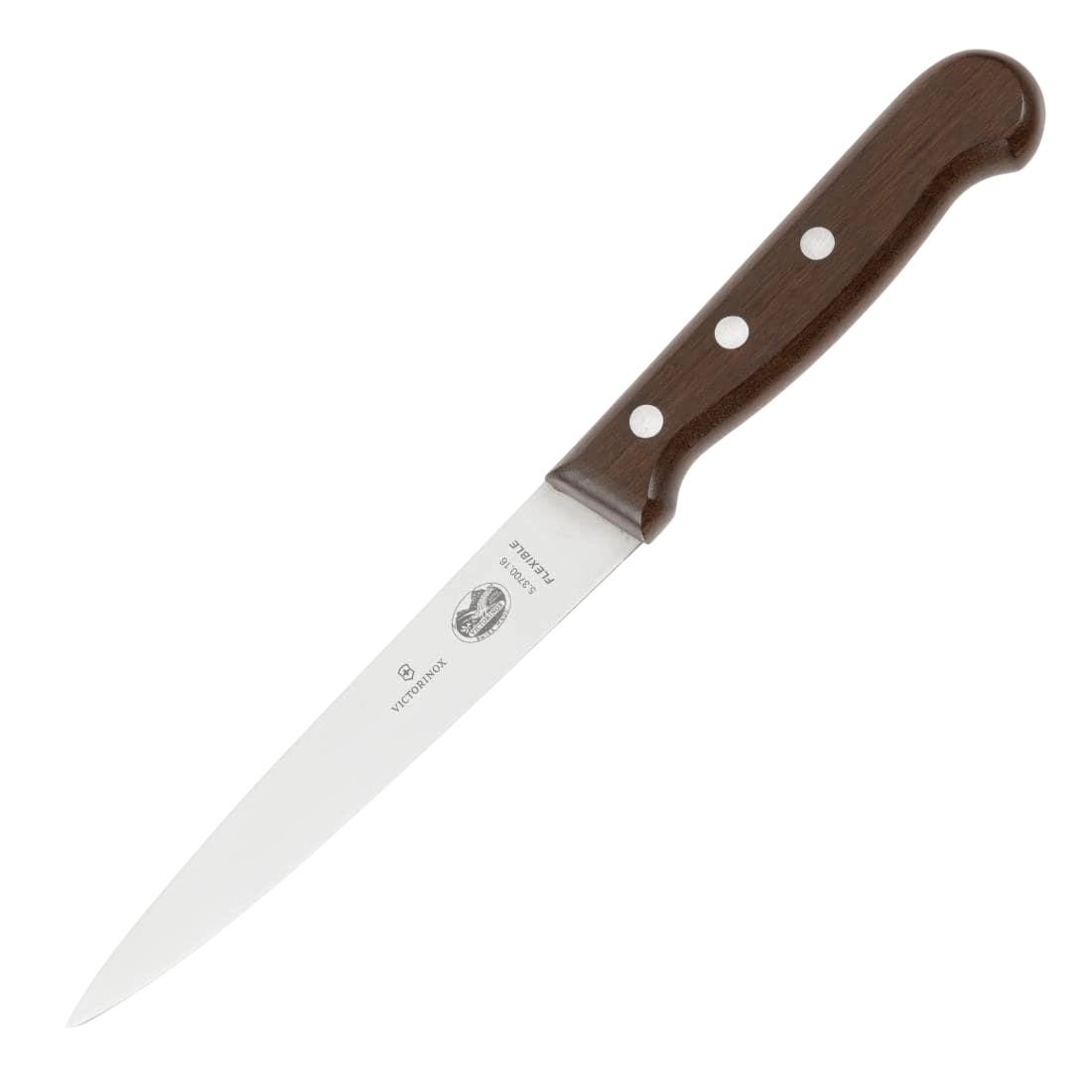
Professional kitchen knives are bought for the hand that uses them and the work that hand does all day. Weight, balance and handle shape decide whether a knife is comfortable after four hours, and that comfort matters more in a commercial kitchen than any specification comparison.
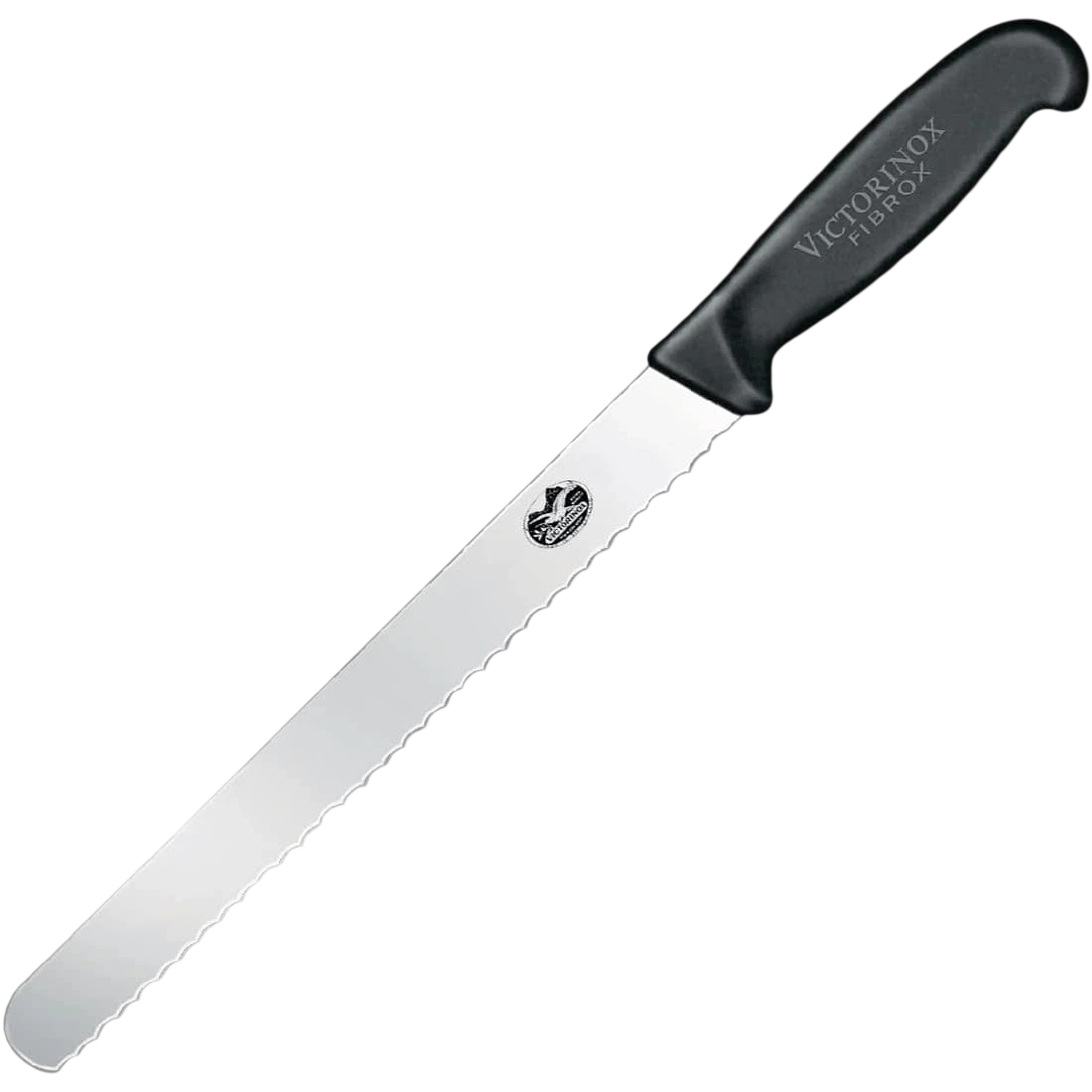
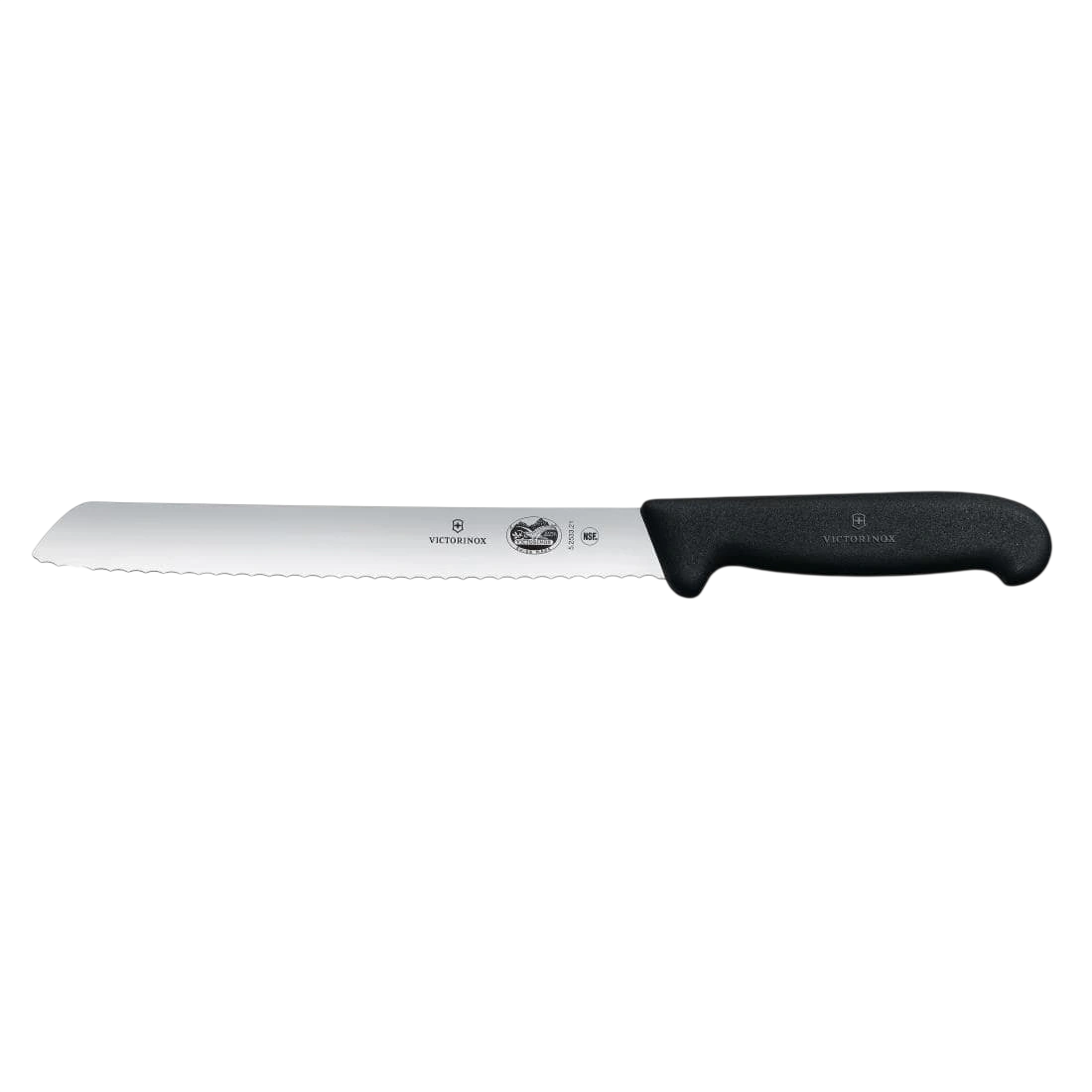
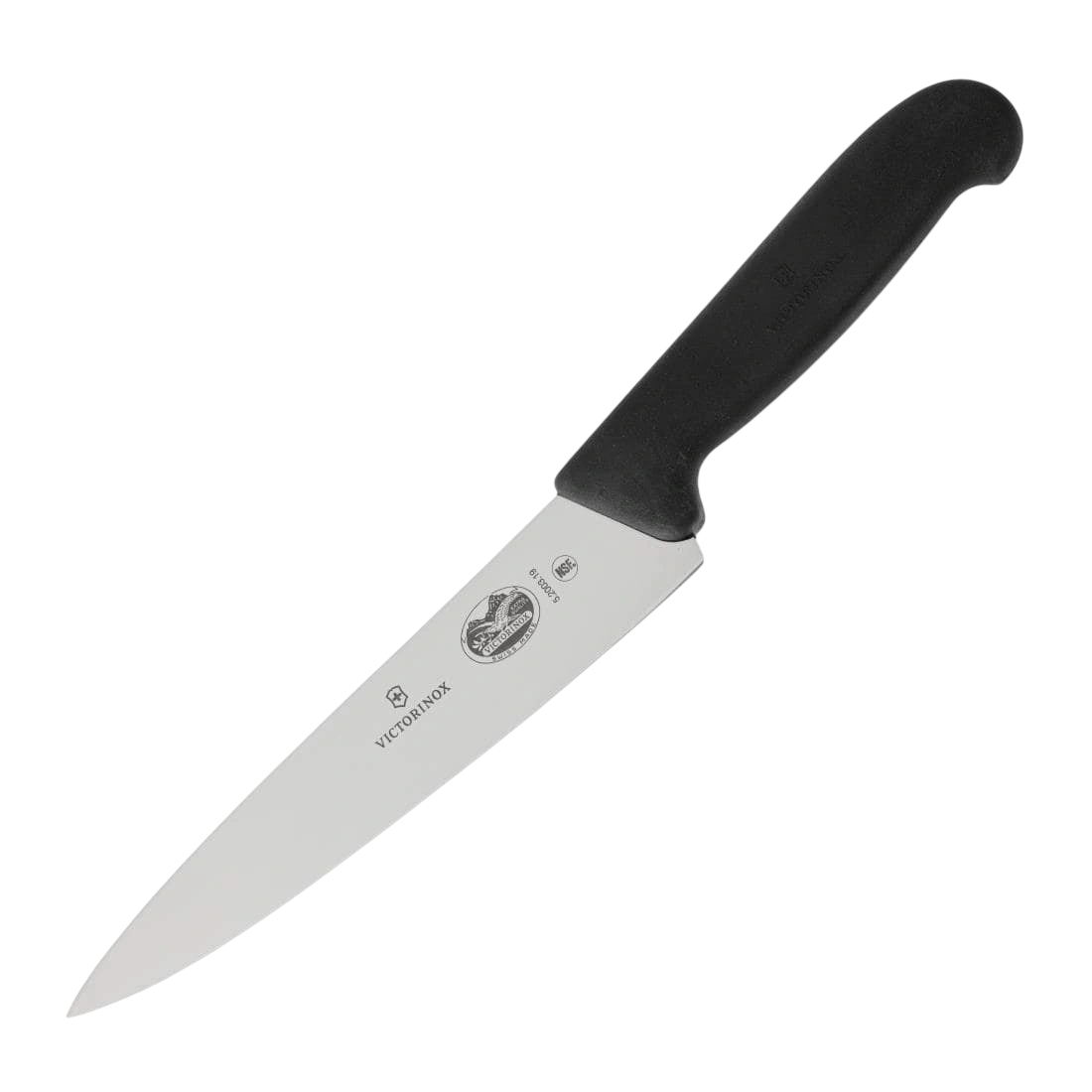
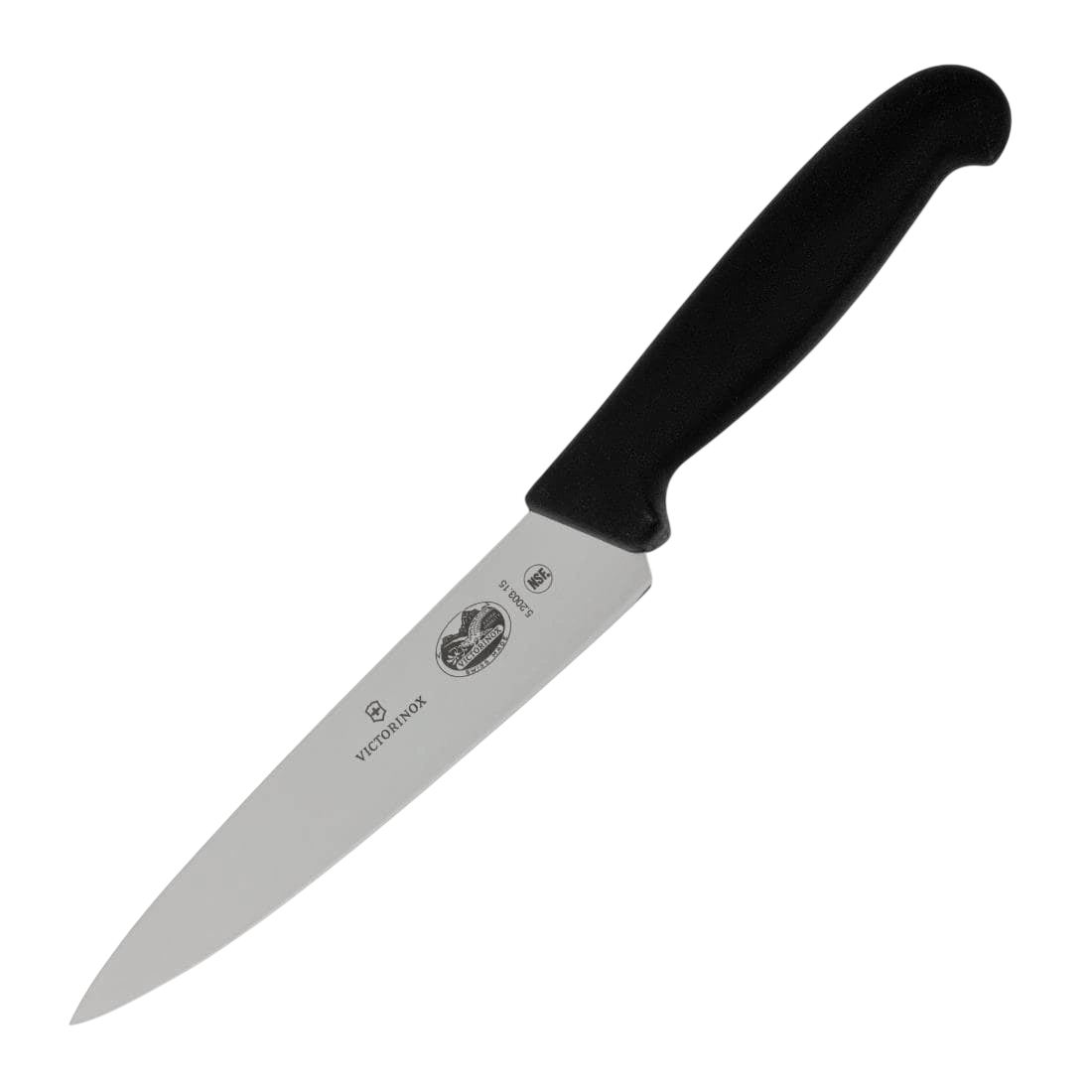
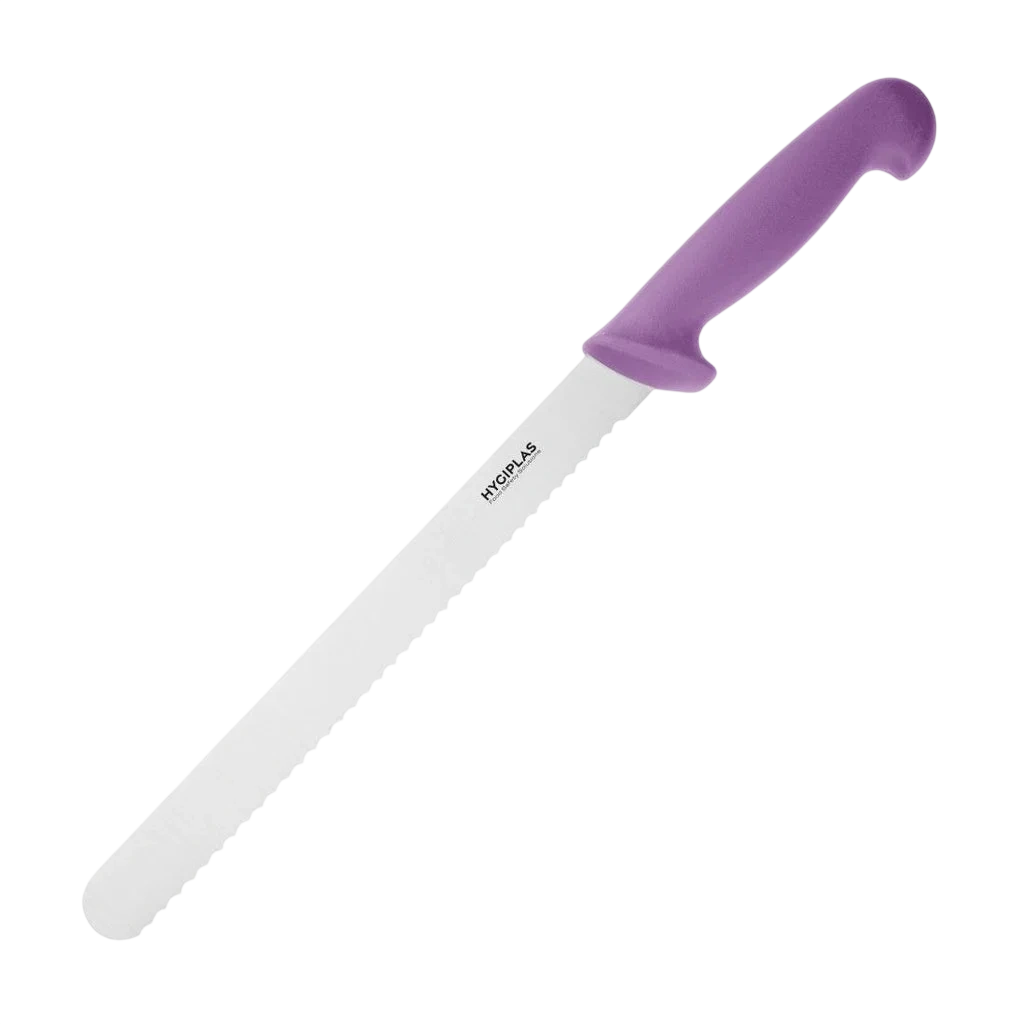
The knives that earn their place are few. A chef's knife, a paring knife and something for bread cover most work, and adding specialised blades before those three are right tends to produce a block of knives that nobody reaches for.
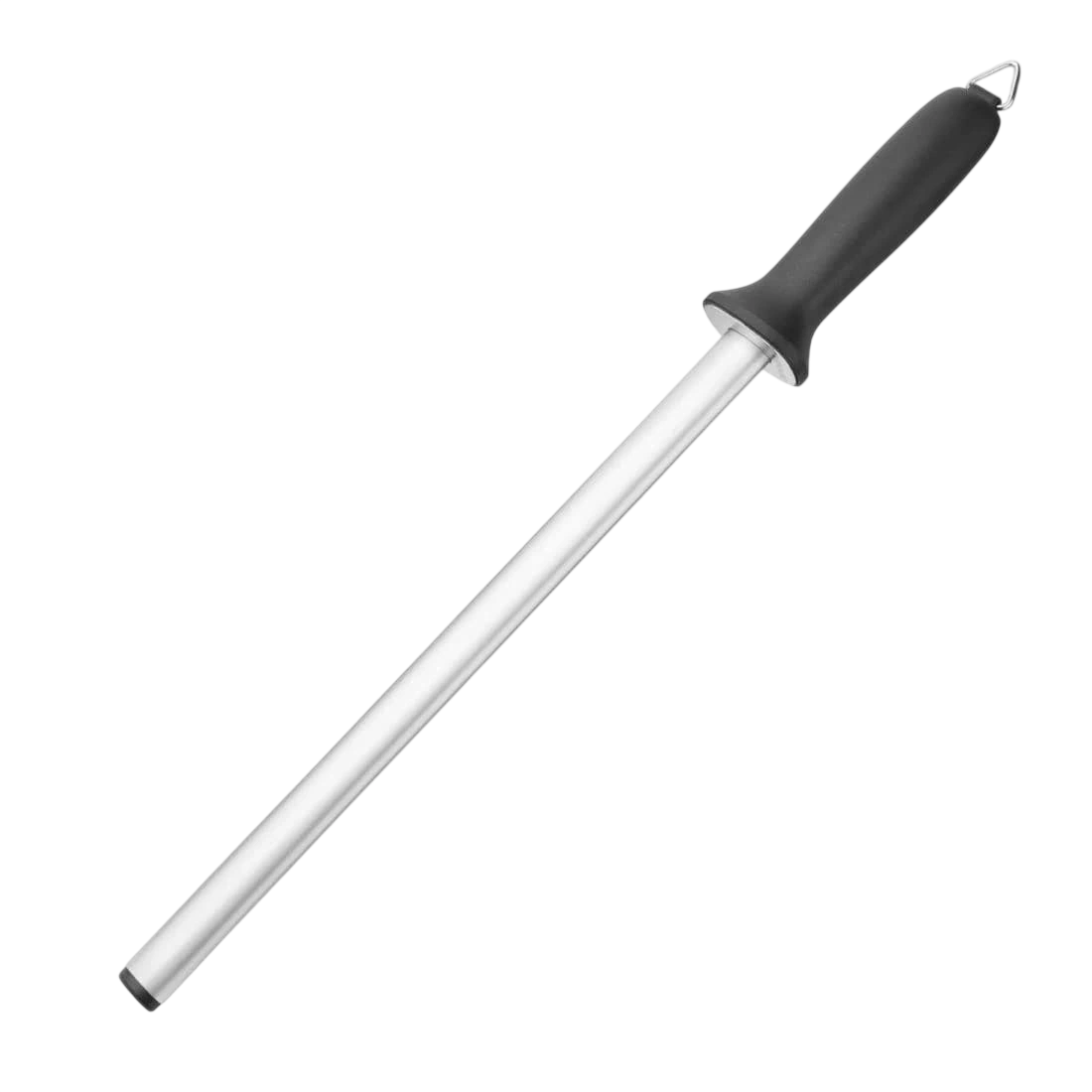
Edge retention and ease of sharpening trade against each other. A harder blade holds an edge longer but is more work to bring back and more prone to chipping; a softer one dulls faster but is quickly restored on a steel. Which suits a kitchen depends on whether knives are sharpened routinely or only when they stop working.
Handle and hygiene go together in commercial use. A handle that can be cleaned properly and does not absorb anything is worth more over a year than a handle chosen for how it looks new.
Key factors to consider before purchasing. Our team can help you find the right fit — call or get a quote anytime.
Match equipment capacity to your daily output. Consider available floor space and door clearances.
Confirm levelling, wall clearance and the access needed for cleaning and service. We can help with kitchen planning.
Submit your kitchen requirements — our equipment specialists will send you a tailored shortlist of chef knives that fits your budget, venue type and compliance needs.
Standards & Compliance
Before choosing professional chef knives, confirm who will use them and for how long each shift, whether sharpening happens routinely and by whom, and how knives are stored between uses. Check the weight and balance in hand rather than from a specification.
Look at how the handle meets the blade, since that joint is where moisture and residue collect, and whether the knife can be cleaned without trapping anything. Confirm what sharpening the edge requires and whether the kitchen can actually do it.
FAQ
A chef's knife, a paring knife and a bread knife cover most work. Get those three right for the people using them before adding specialised blades, which otherwise sit unused.
Not universally. Harder steel holds an edge longer but is more work to restore and chips more easily. If knives are only sharpened when they stop working, a softer blade that comes back quickly on a steel serves better.
More than it appears. Comfort after four hours decides whether a knife is used, and the handle-to-blade joint decides how well it cleans. Both matter more in commercial use than in a domestic kitchen.
In a way that protects the edge and allows the knife to dry — edges dulled by contact with other tools in a drawer are the most common avoidable damage, and moisture trapped at the handle joint is the second.
Why KW
KW can help match blade type, weight and edge characteristics to the work a kitchen does and to how it maintains its knives. For practical advice on professional kitchen knives, call KW on 1300 001 366.
Deep Dive
Technical depth from KW's commercial kitchen specialists.
Weight, balance and handle shape decide whether a knife is still comfortable after four hours. A knife that reads well on paper and tires the hand gets left in the block, which makes its specification irrelevant.
A chef's knife, a paring knife and a bread knife cover most commercial work. Adding specialised blades before those three are right usually produces a set where most pieces are never picked up.
Harder blades hold an edge longer but take more work to restore and chip more readily. Softer blades dull sooner but come back quickly on a steel. Choose according to whether the kitchen sharpens routinely or only when a knife stops working.
The joint where handle meets blade is where moisture and residue collect. A handle that cleans properly and absorbs nothing is worth more across a year of commercial use than one chosen for appearance, which is a distinction that only shows after several months.
Chef knives remain the flexible choice for small or changing preparation runs. When the same slice, dice, shred or julienne cut repeats at volume, compare commercial vegetable cutters by the required cut list, compatible discs and safe changeover process.
95 results
240 × 240 × 285mm
245 × 485 × 57mm
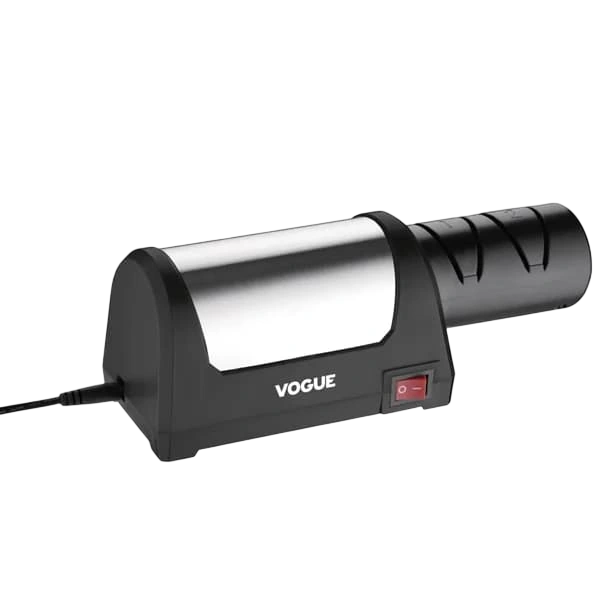
79 × 81 × 220mm
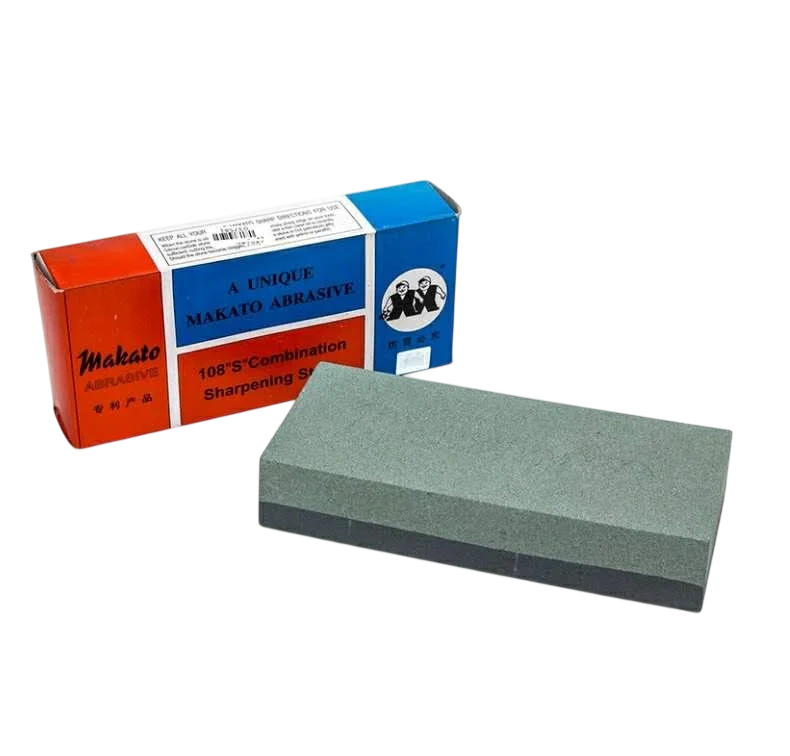
204 × 89 × 37mm
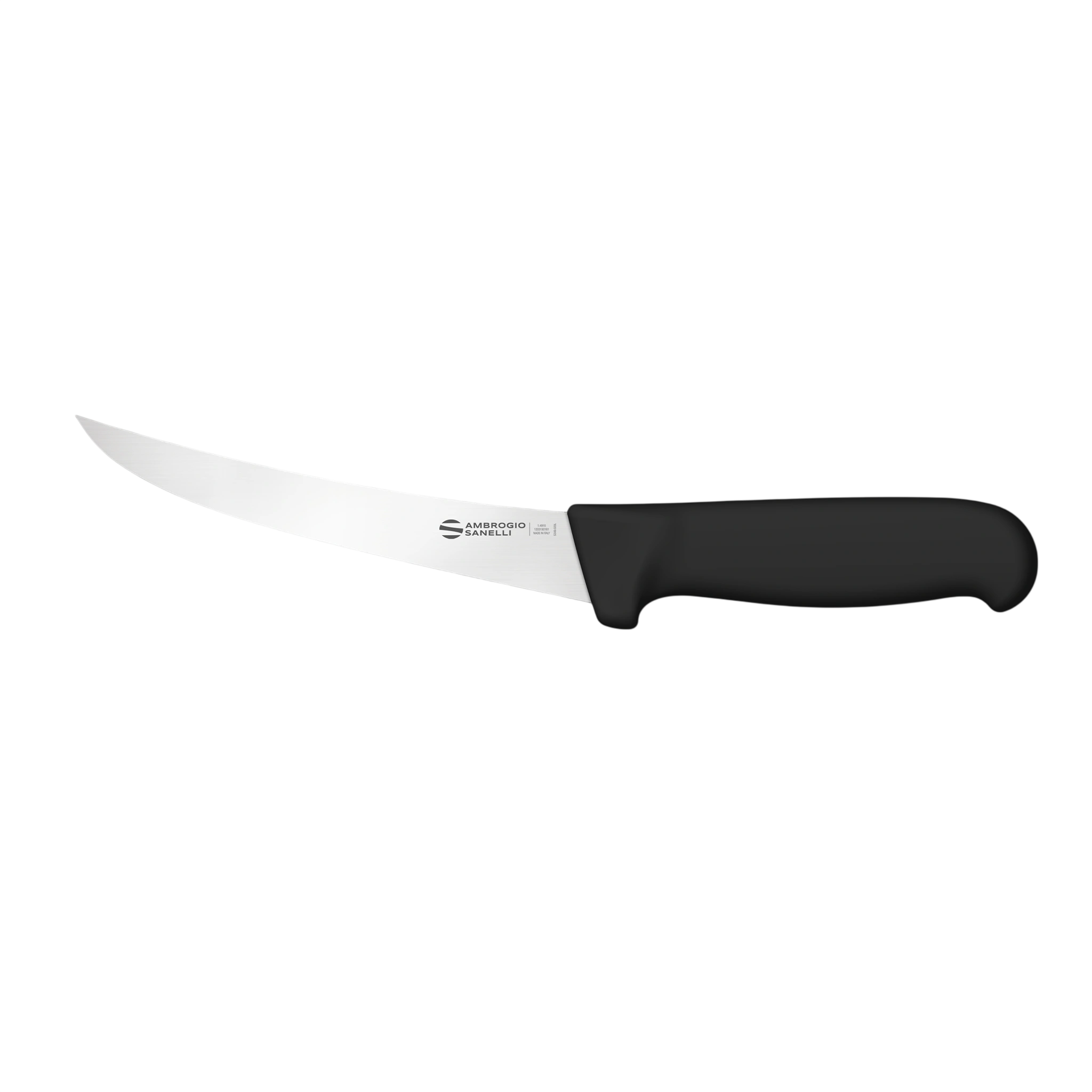
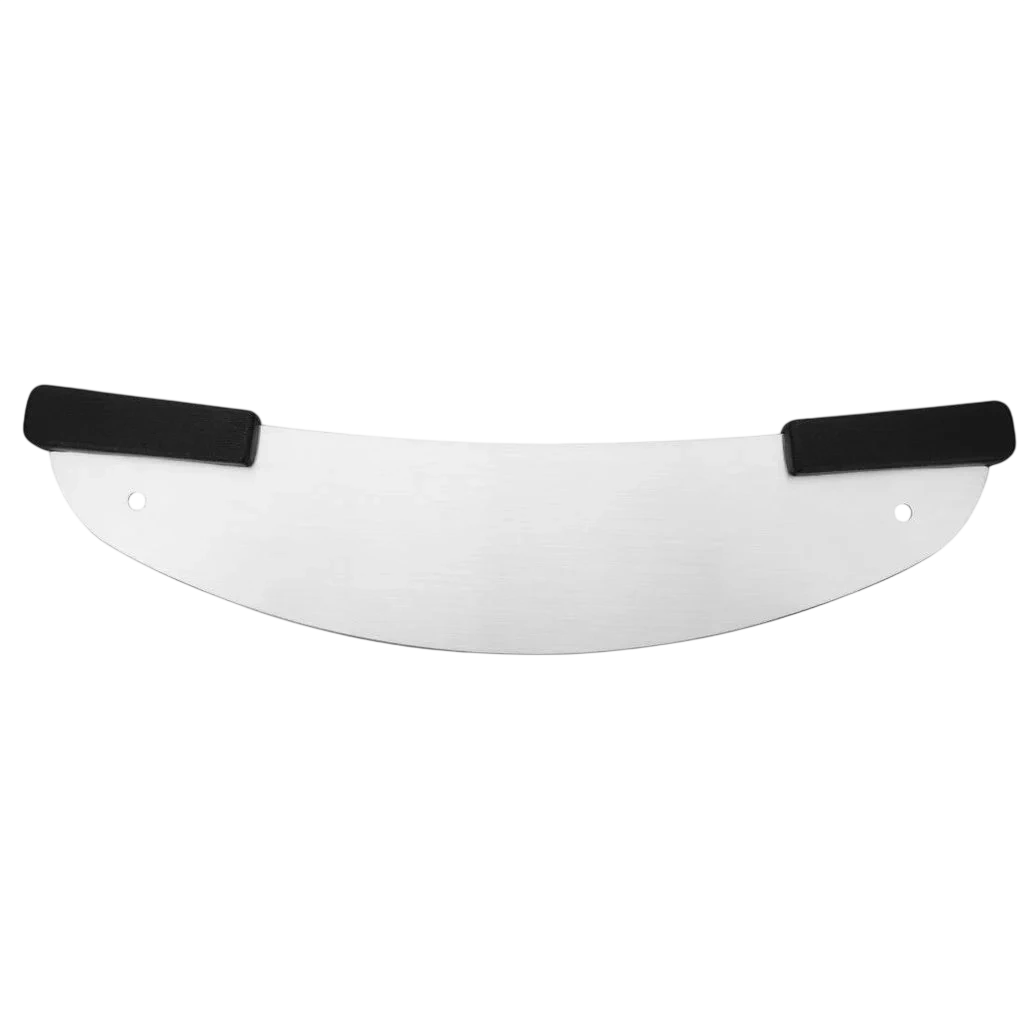
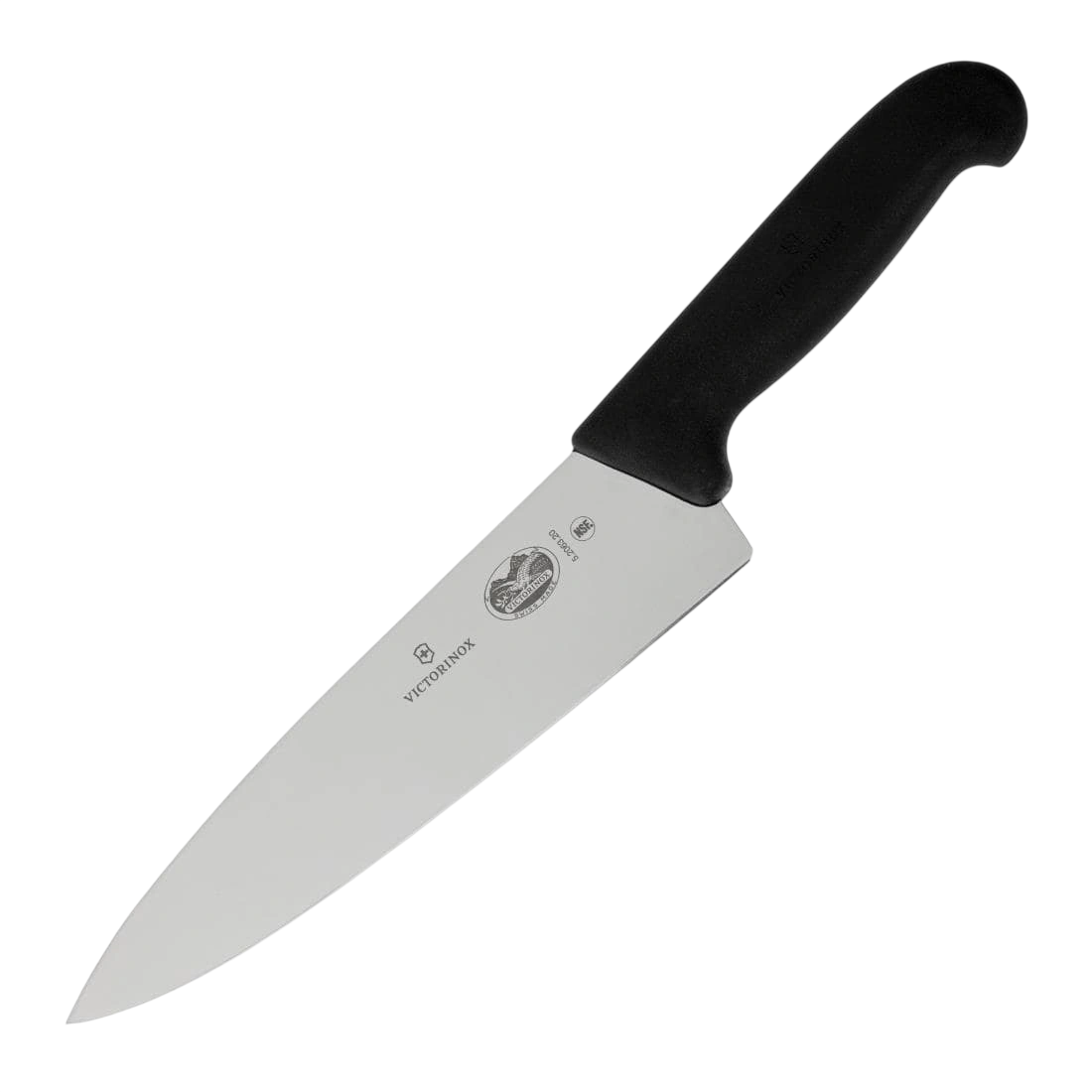
340 × 40 × 20mm
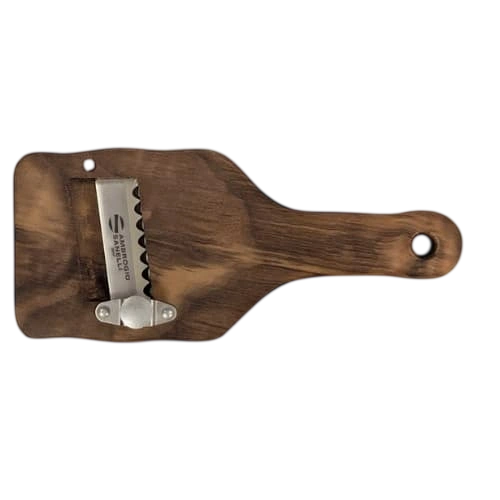
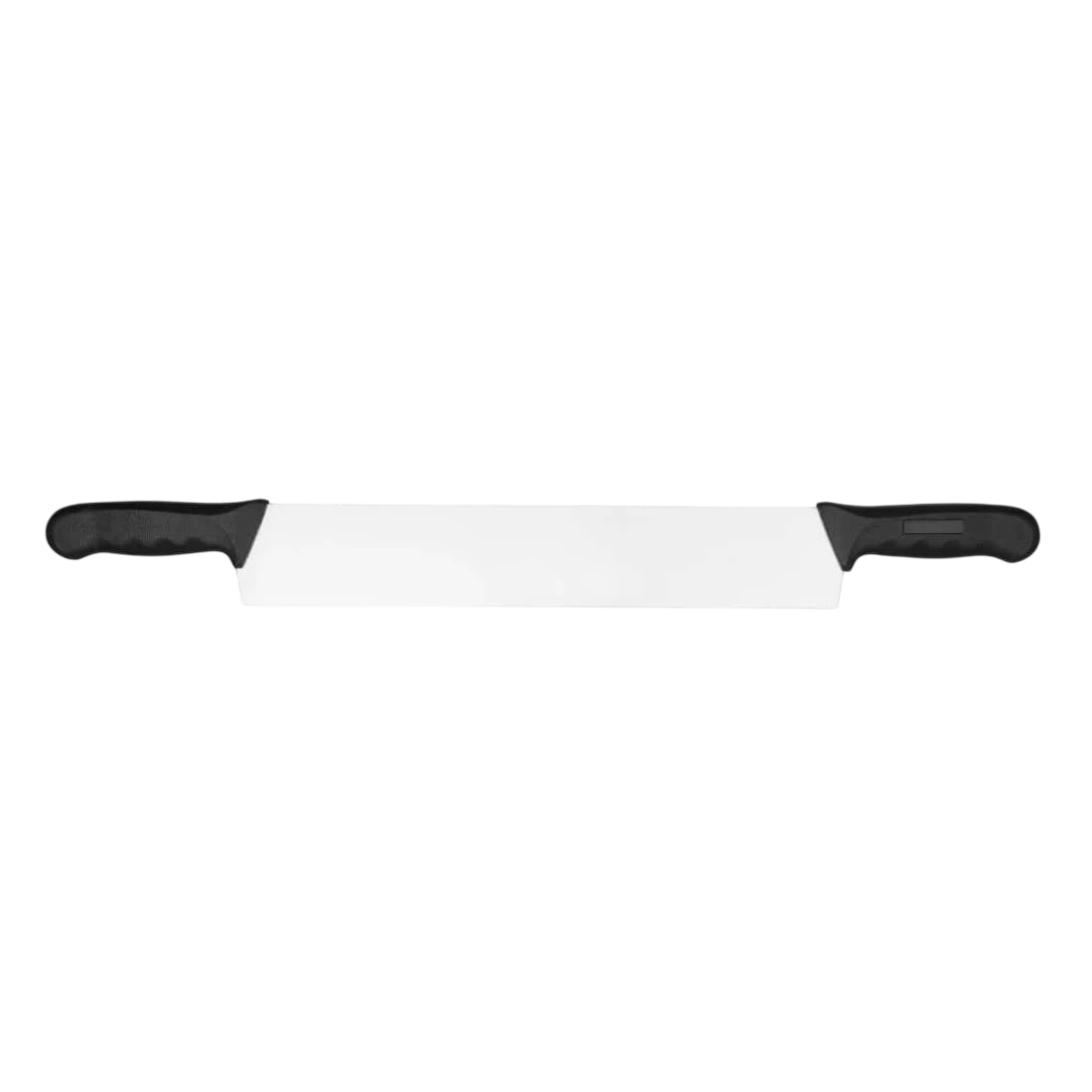
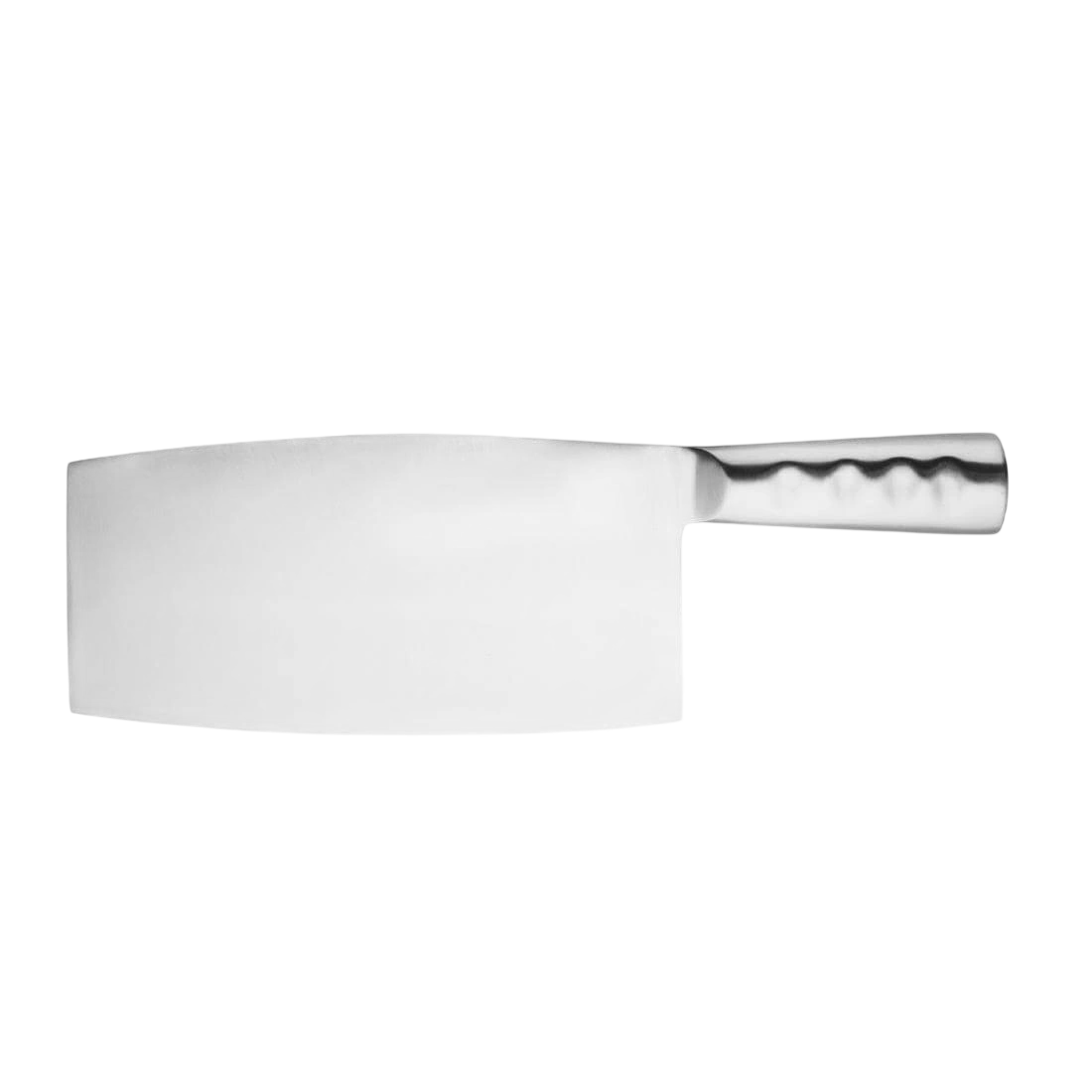
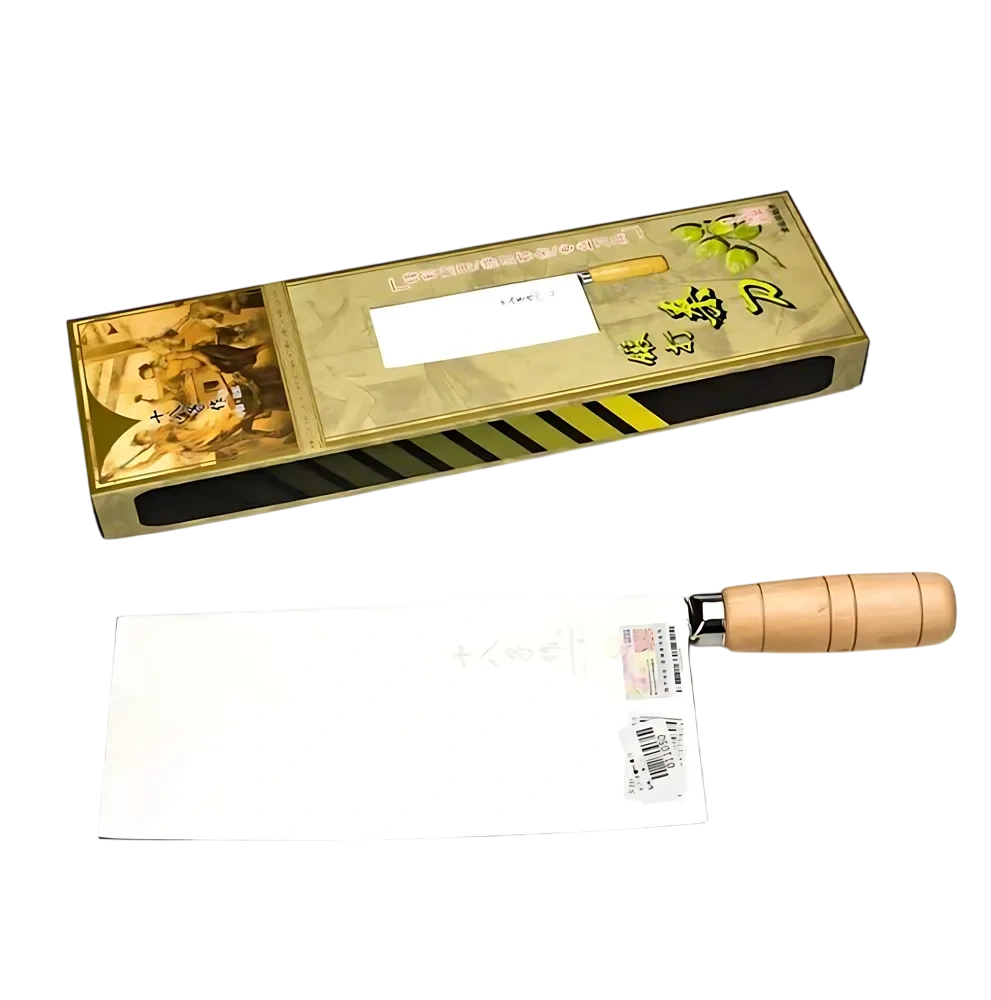
97 × 335 × 219mm
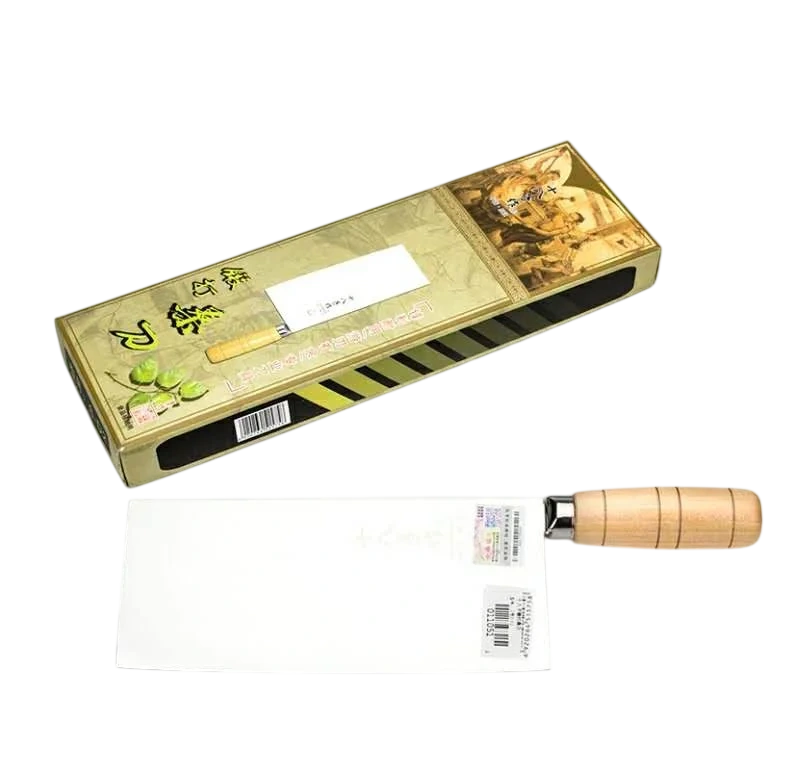
206 × 90 × 105mm
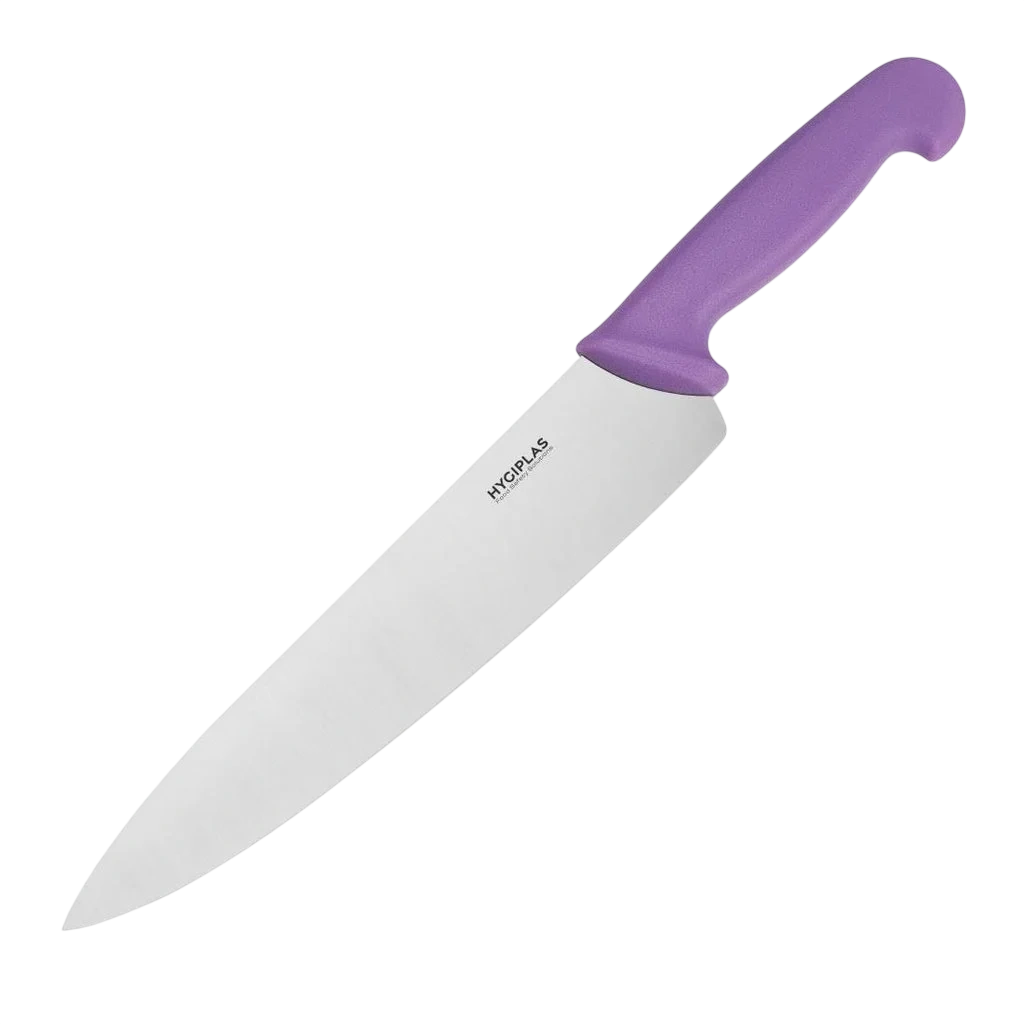
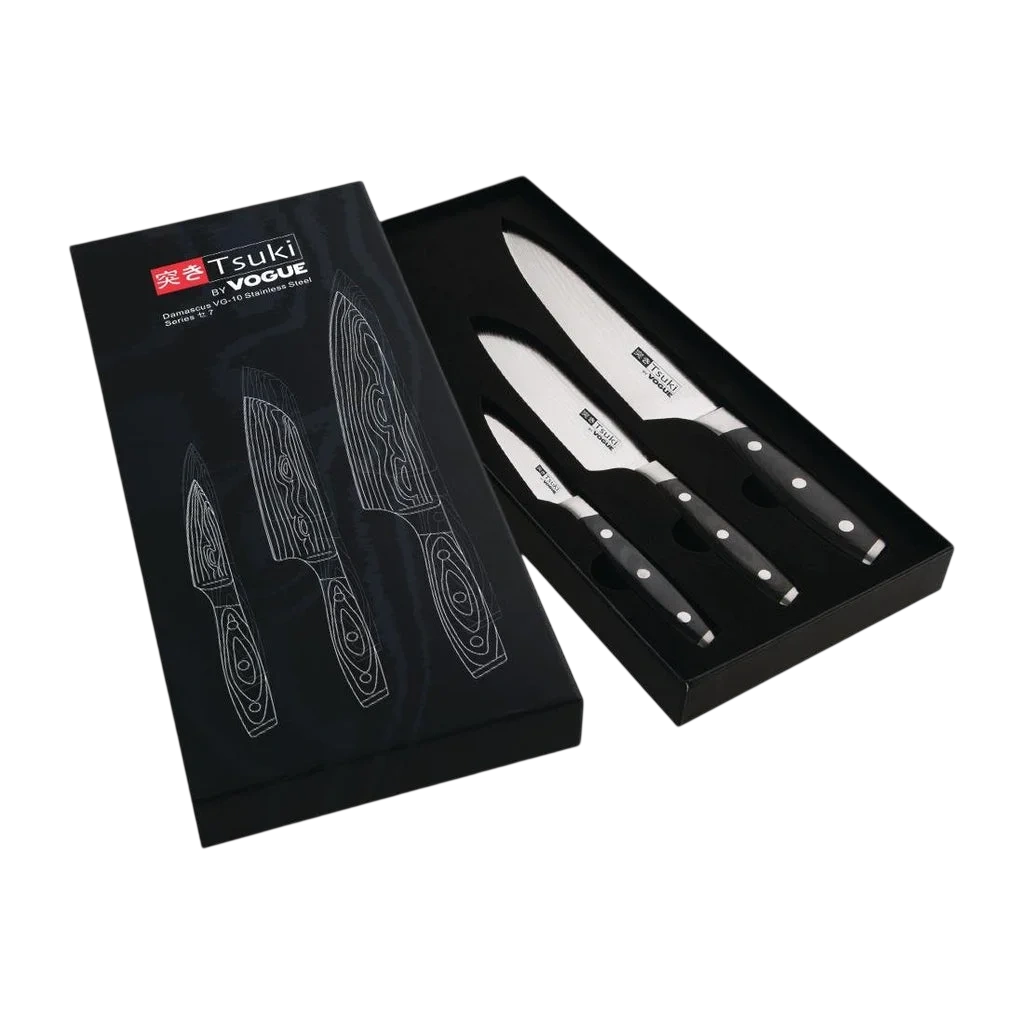
388 × 40 × 24mm