
Modular Systems
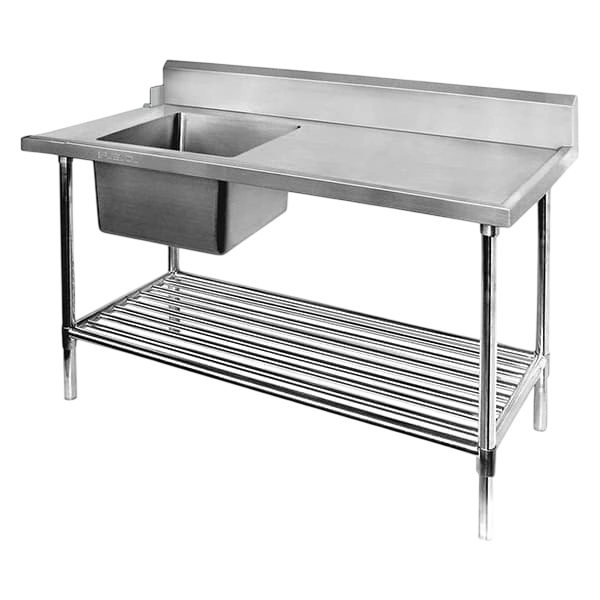
Modular Systems SSBD7-1500L/A Left Inlet Single Sink Dishwasher Bench
1500 × 700 × 900mm
$1,020.00$1,200.00
In Stock
Stainless Steel Sinks
56 results
1500 × 700 × 900mm
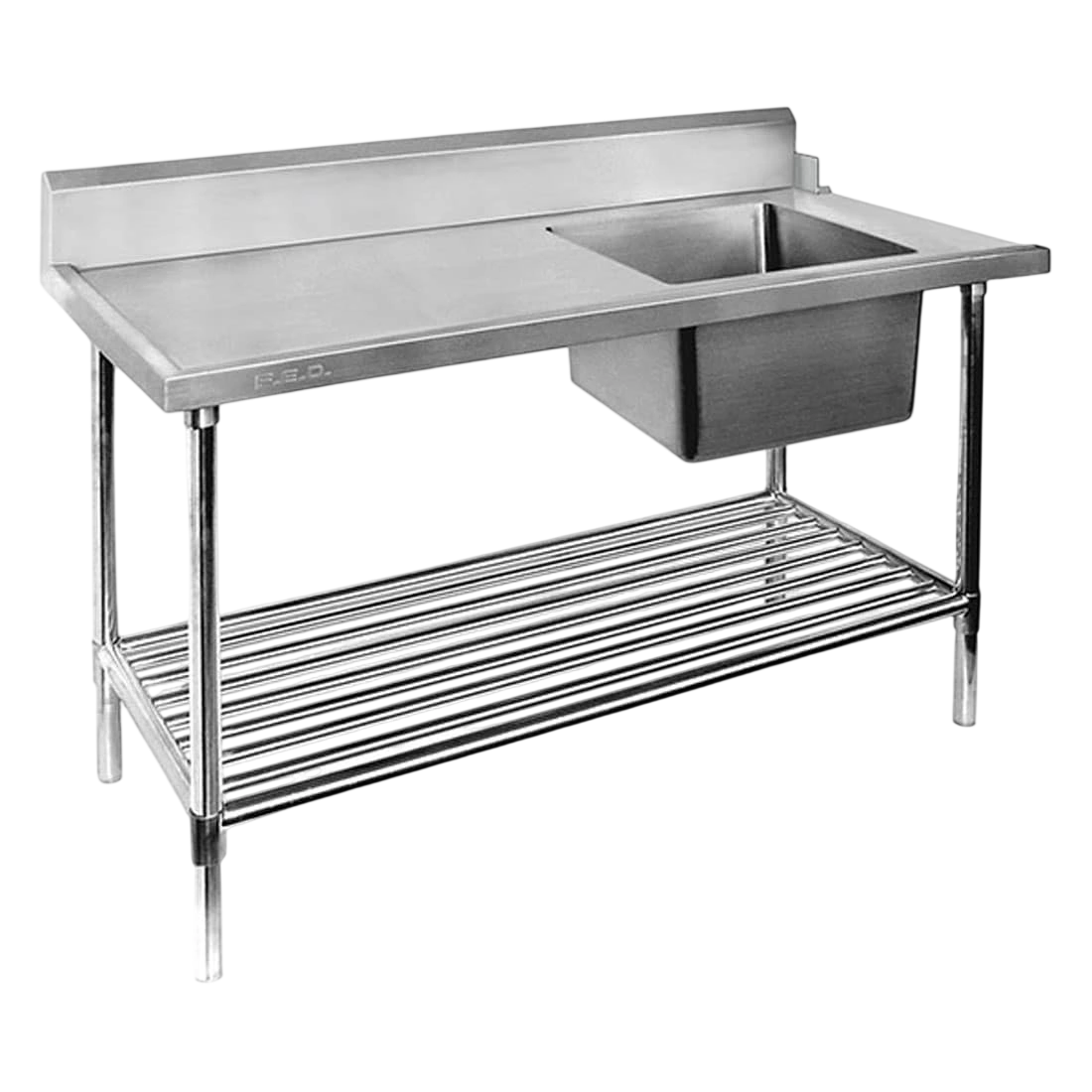
1500 × 700 × 900mm
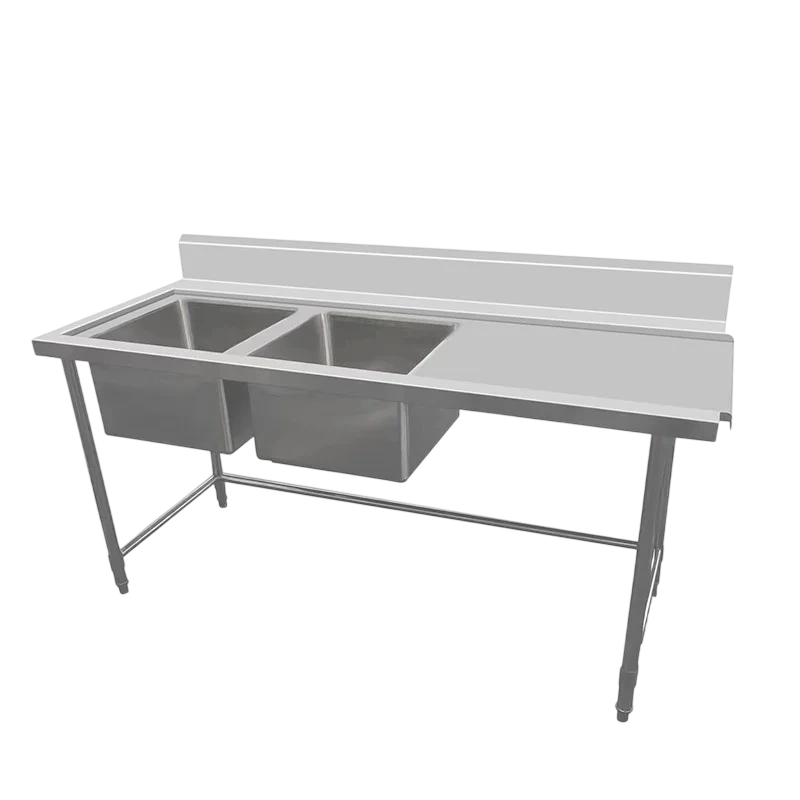
1800 × 700 × 900mm
1500 × 700 × 900mm
1500 × 700 × 900mm
1500 × 700 × 900mm
2100 × 700 × 900mm
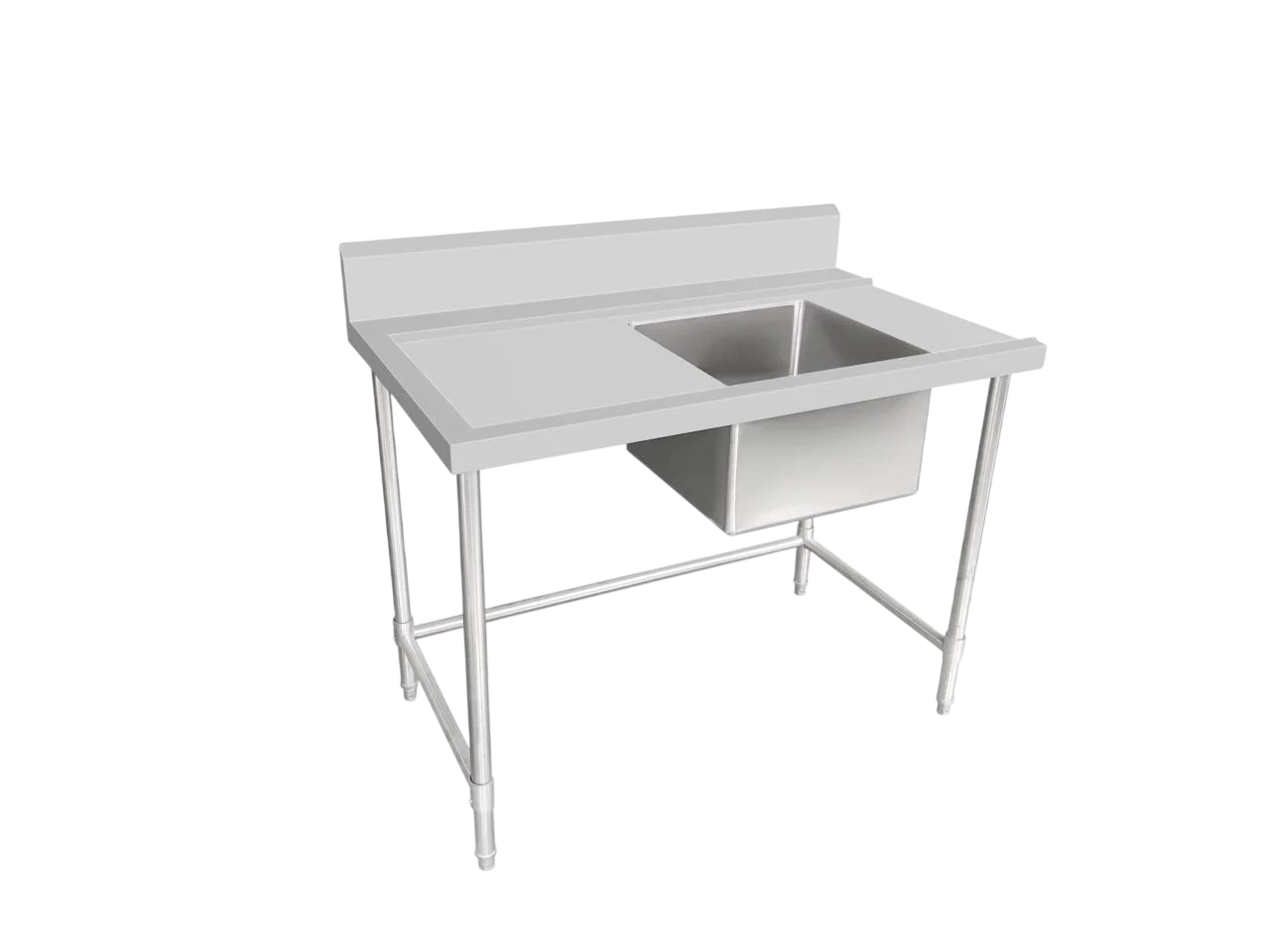
1800 × 700 × 900mm
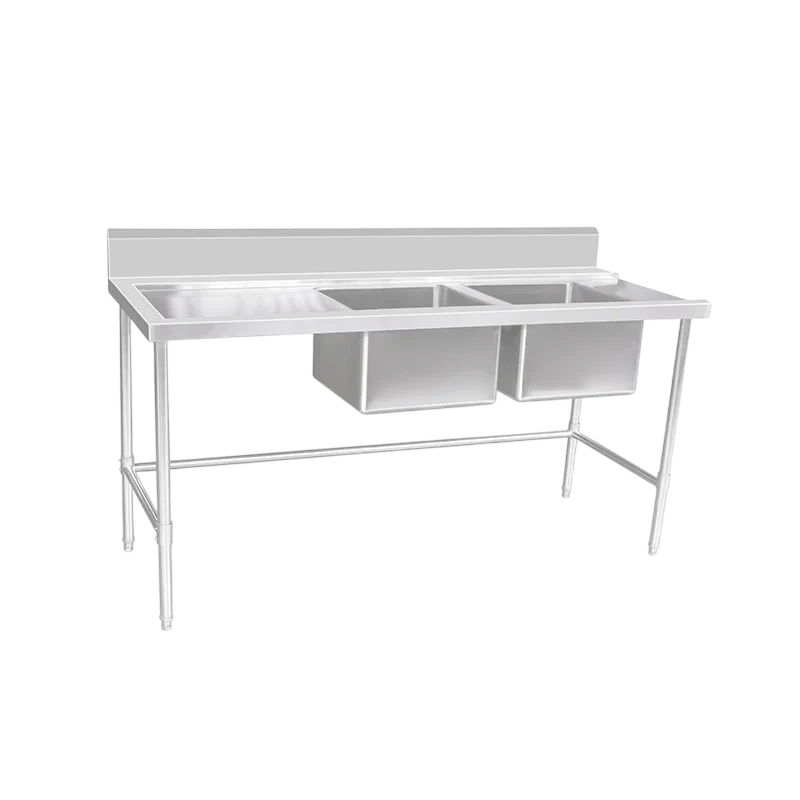
1800 × 700 × 900mm
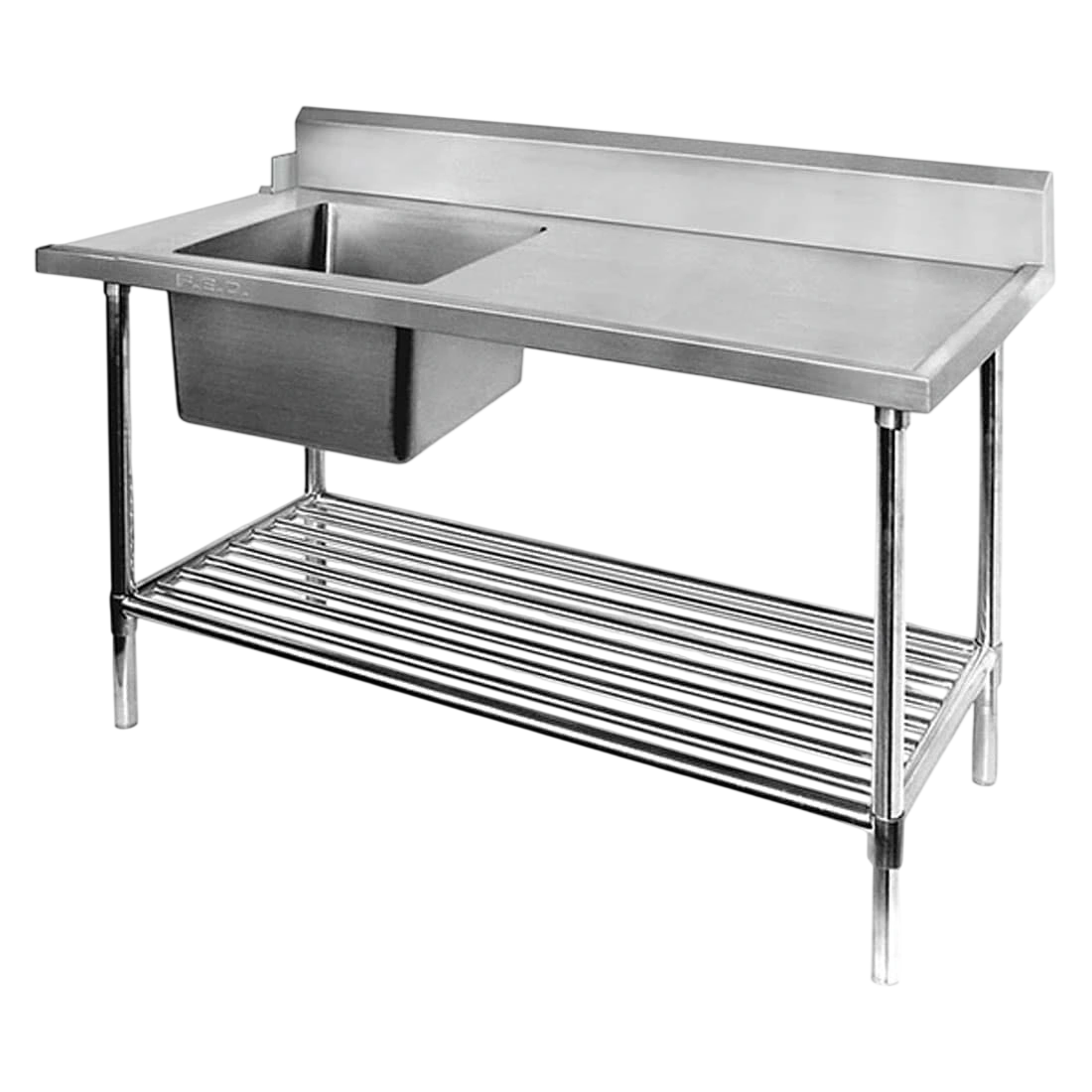
1200 × 700 × 900mm
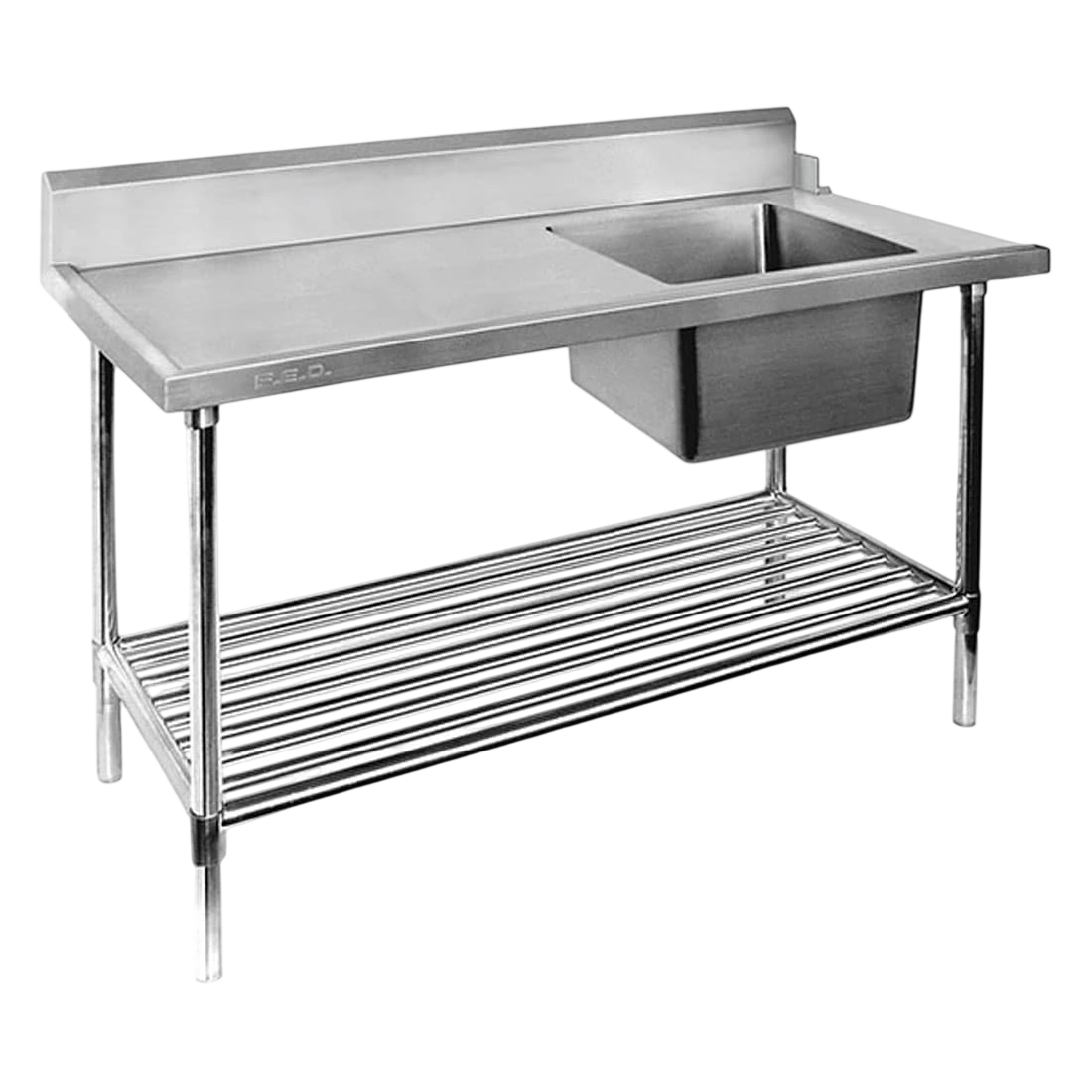
1200 × 700 × 900mm
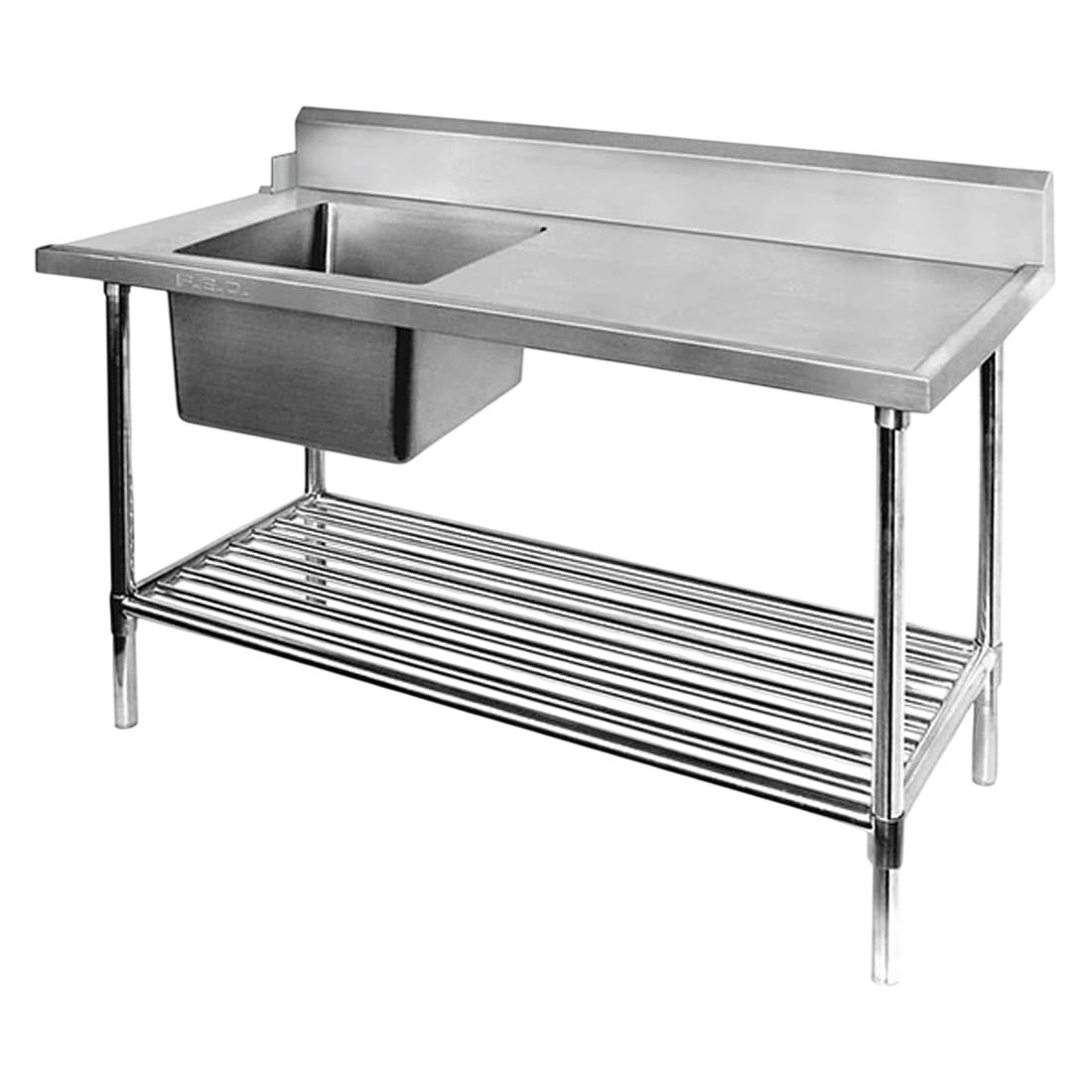
1800 × 700 × 900mm
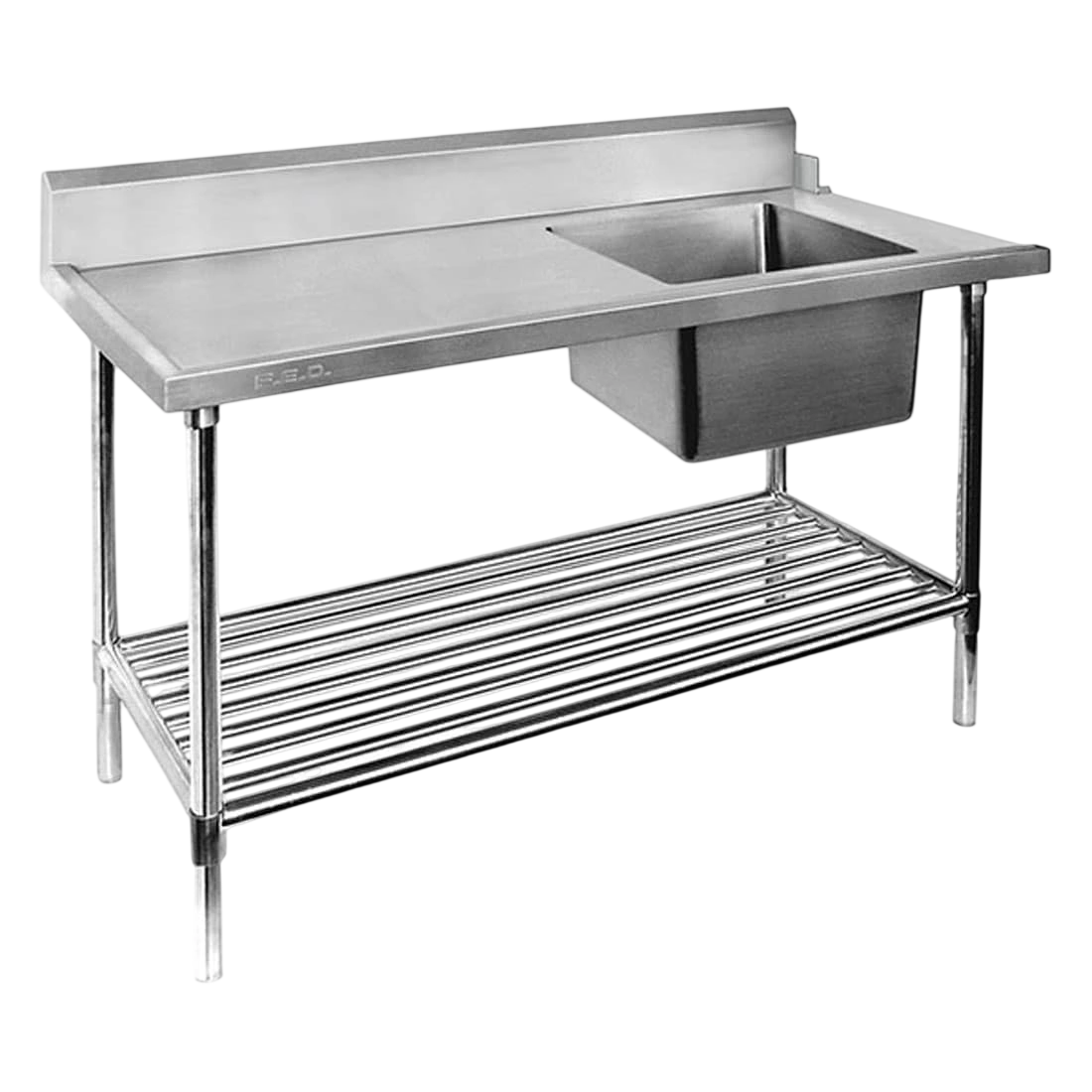
1800 × 700 × 900mm
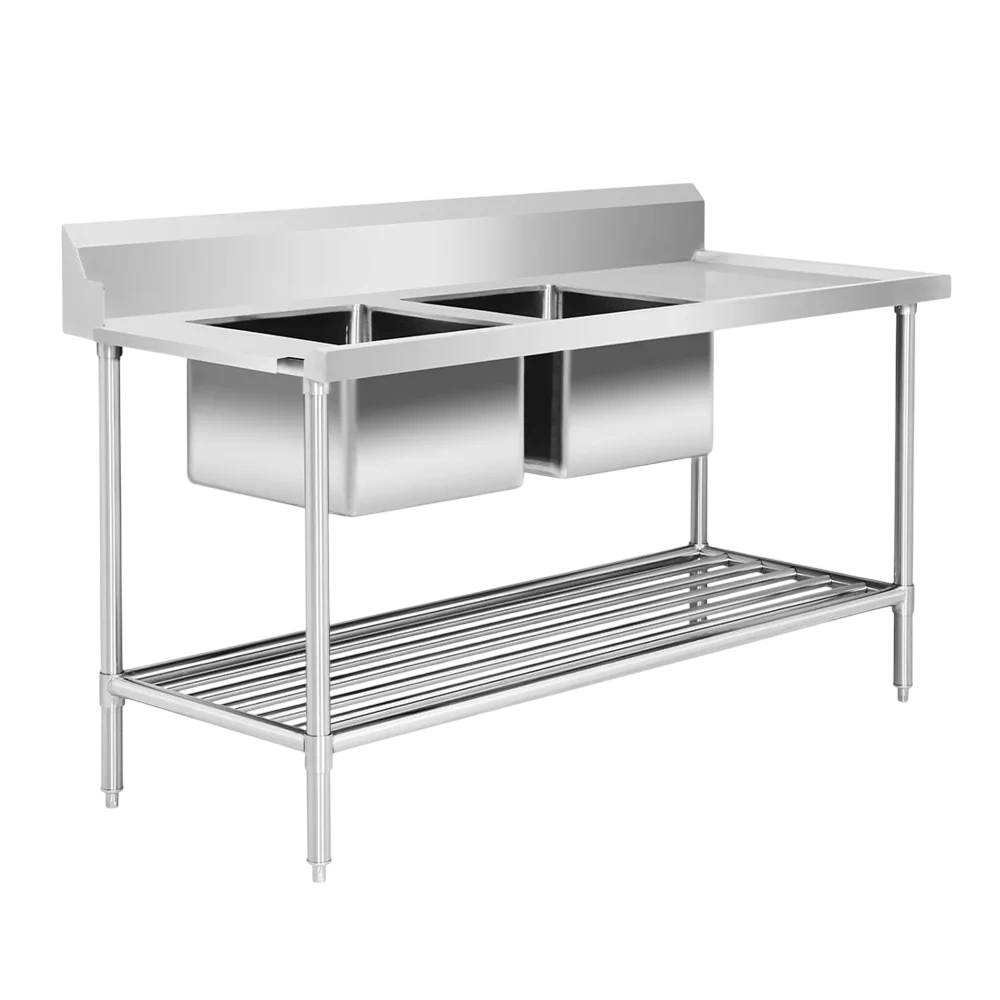
1800 × 700 × 900mm
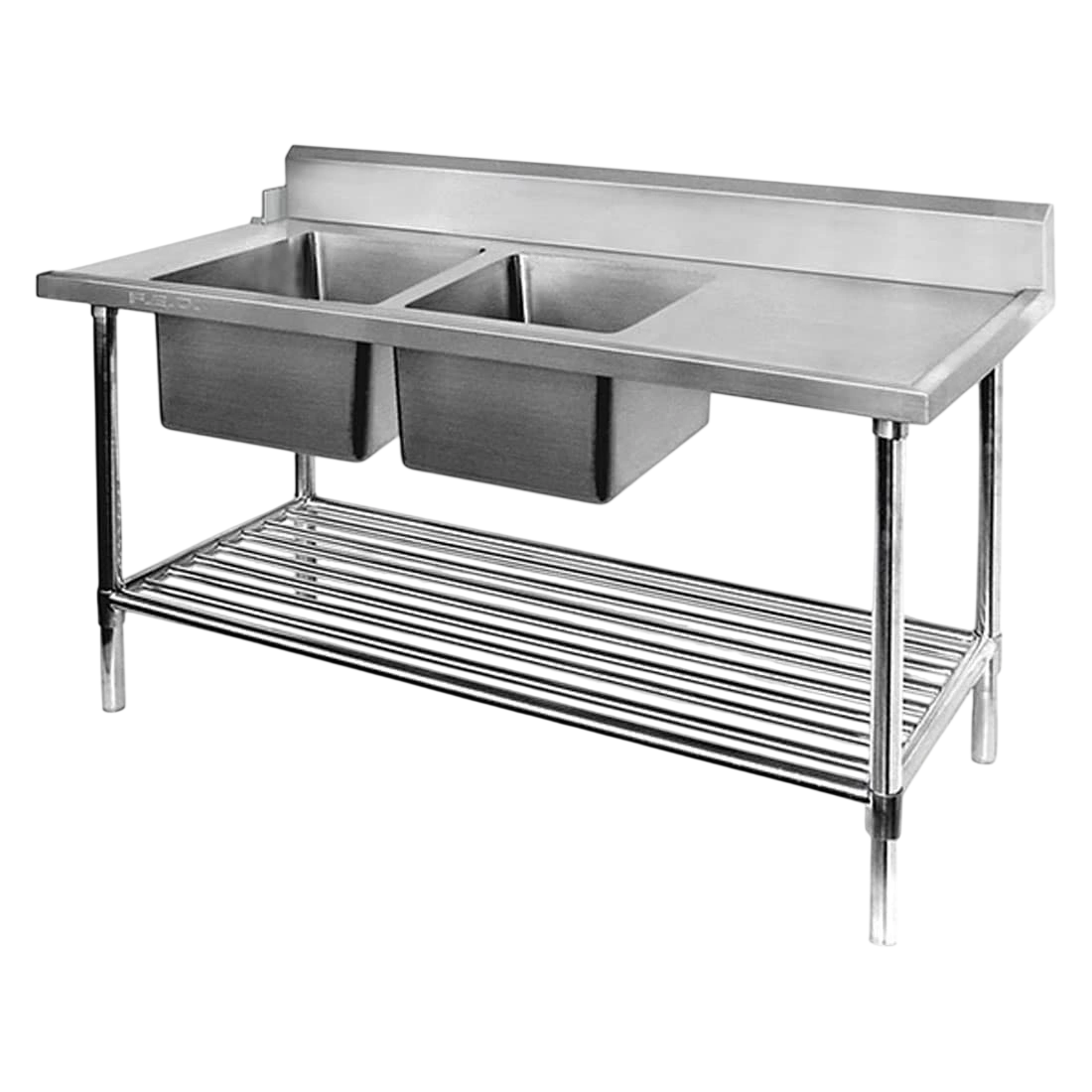
2400 × 700 × 900mm
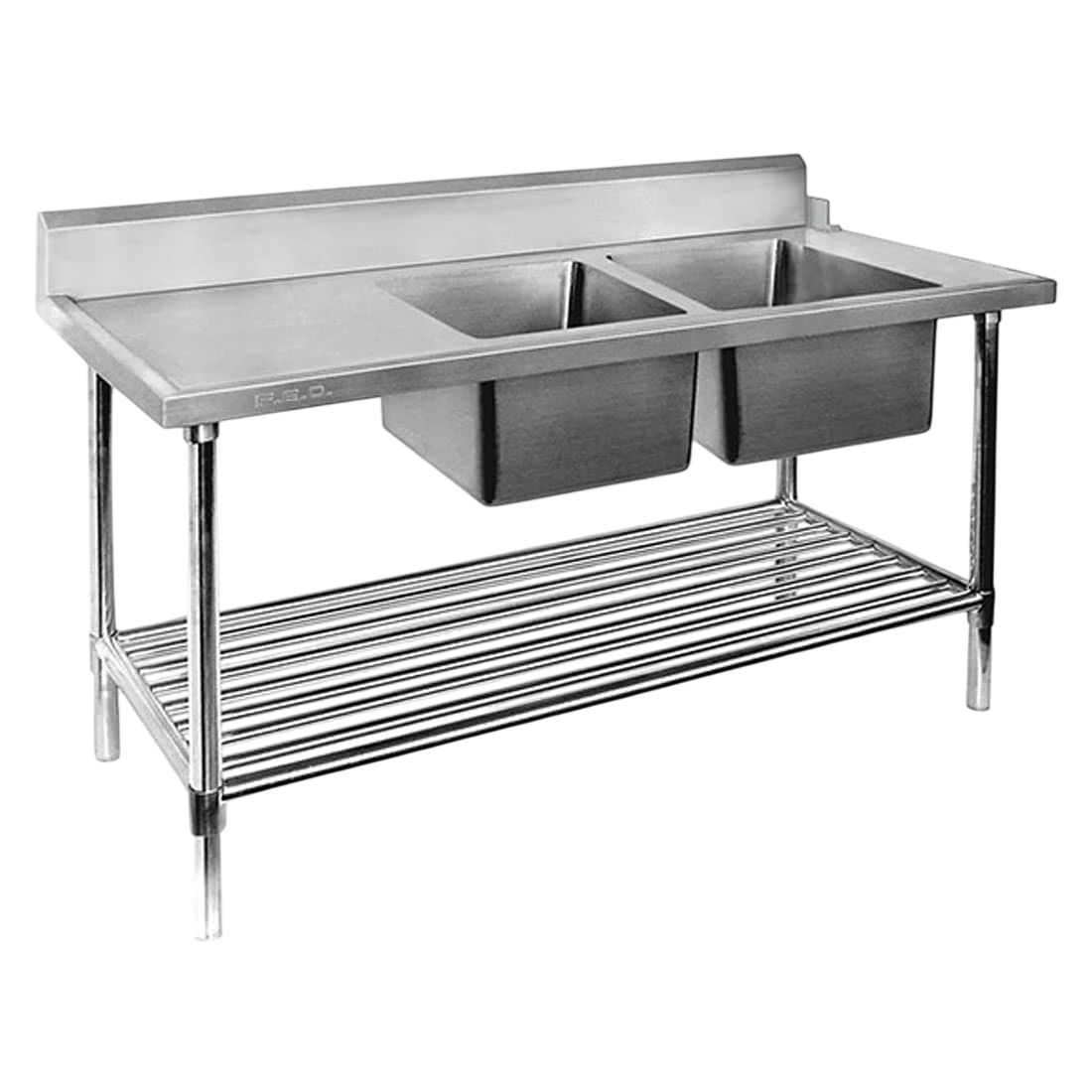
1800 × 700 × 900mm
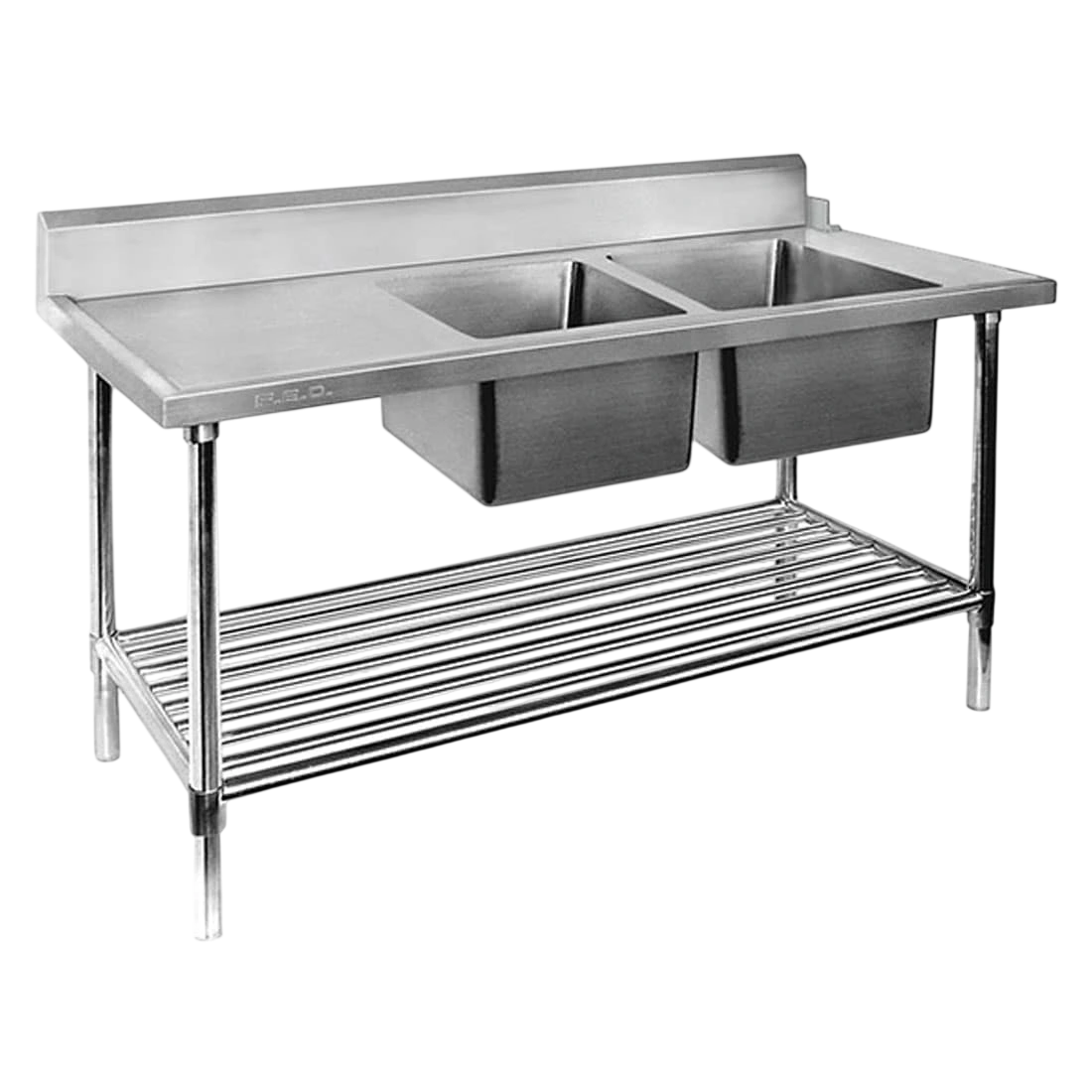
2400 × 700 × 900mm
1500 × 700 × 900mm
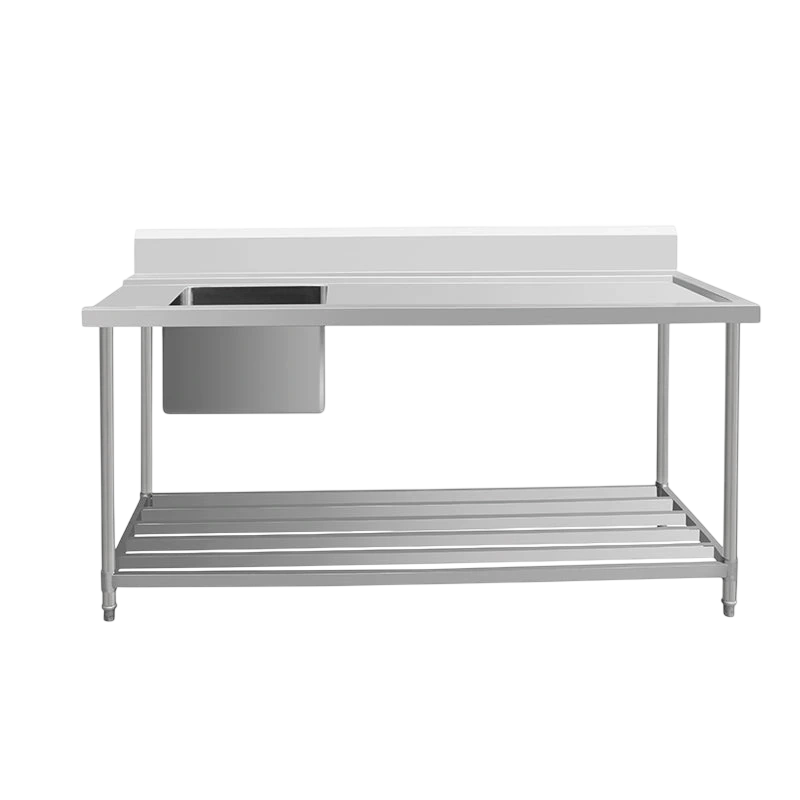
1200 × 700 × 900mm
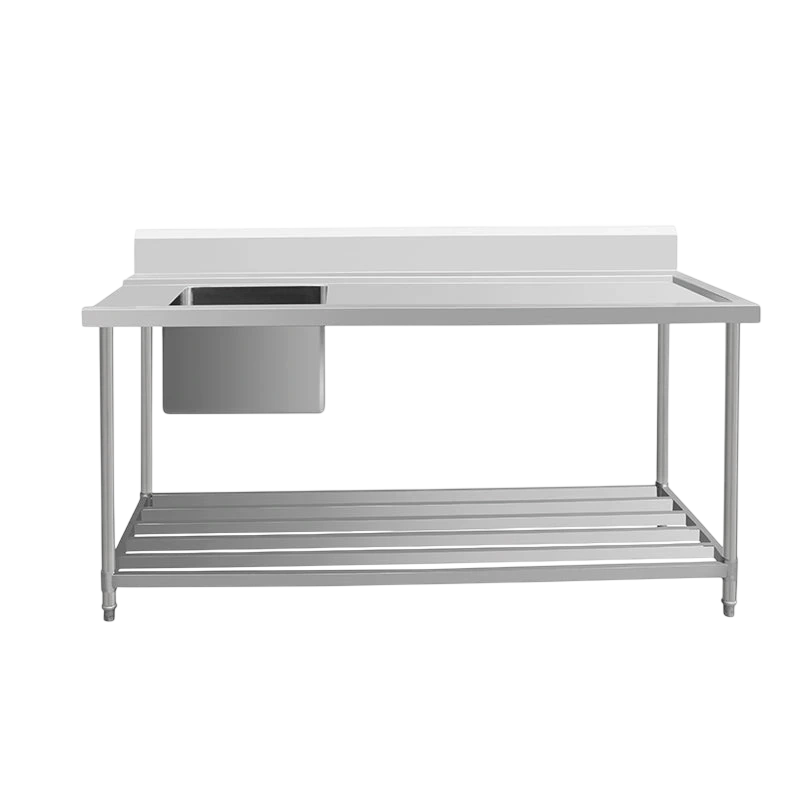
1200 × 750 × 900mm
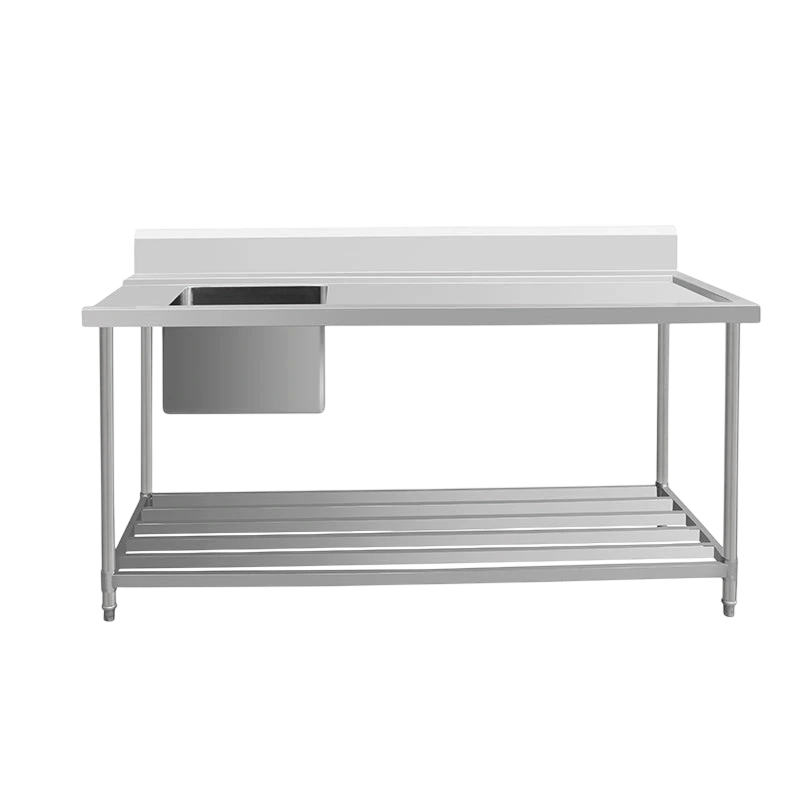
1500 × 700 × 900mm
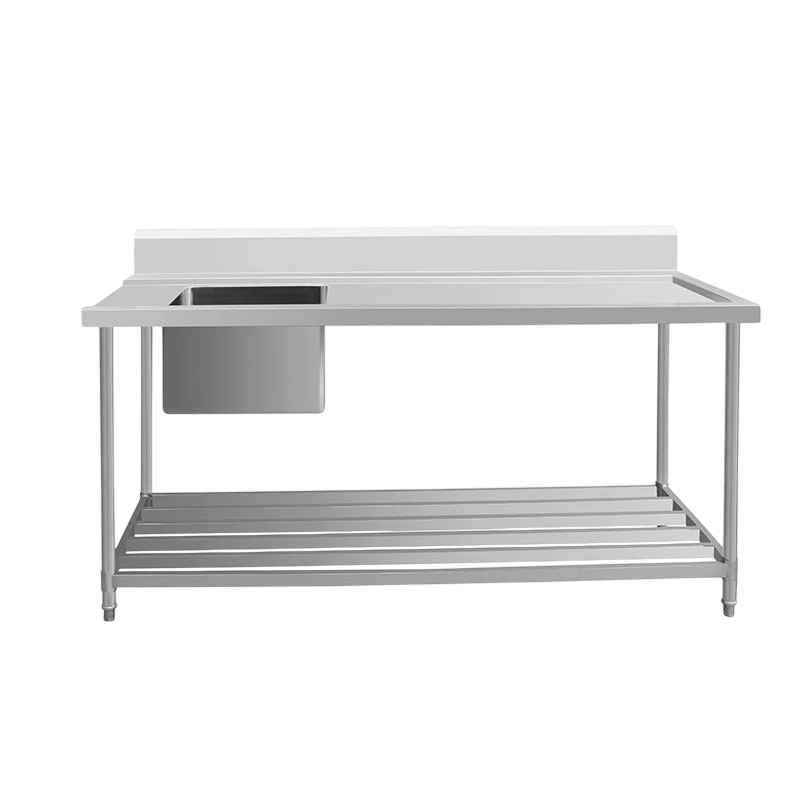
1500 × 750 × 900mm
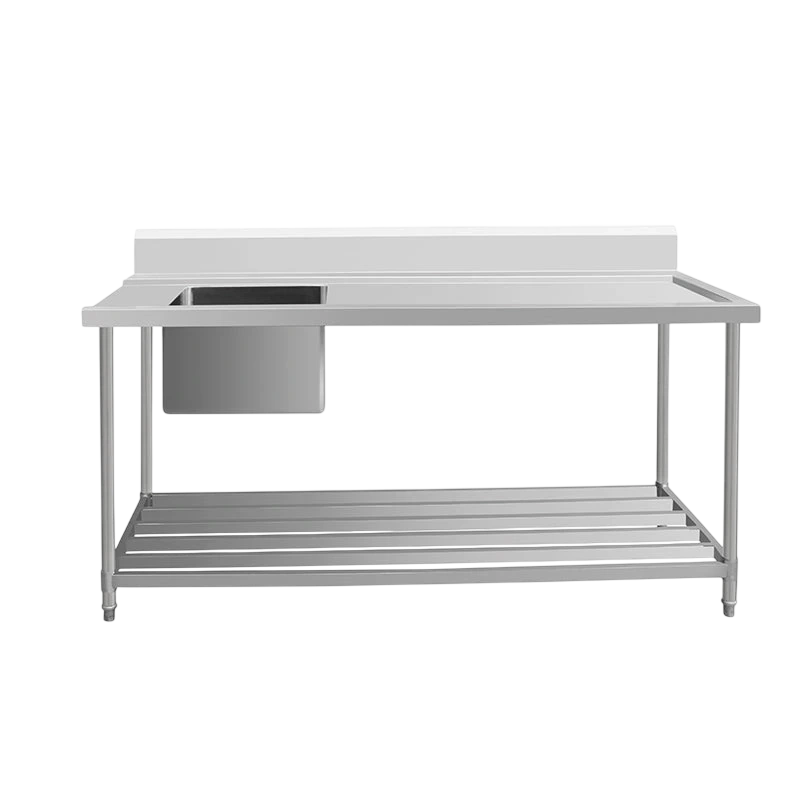
1800 × 700 × 900mm
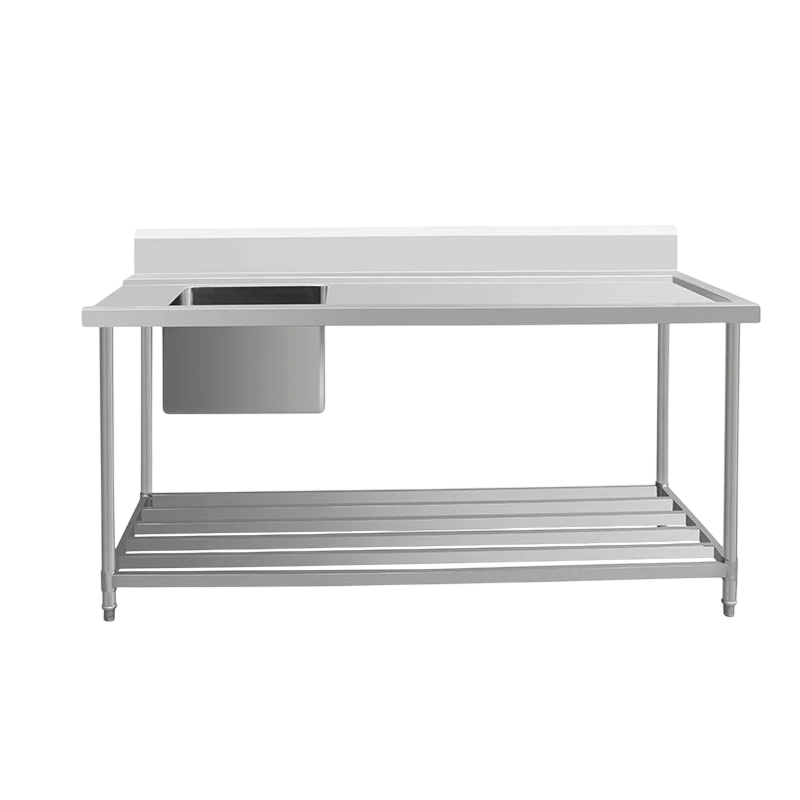
1200 × 700 × 900mm
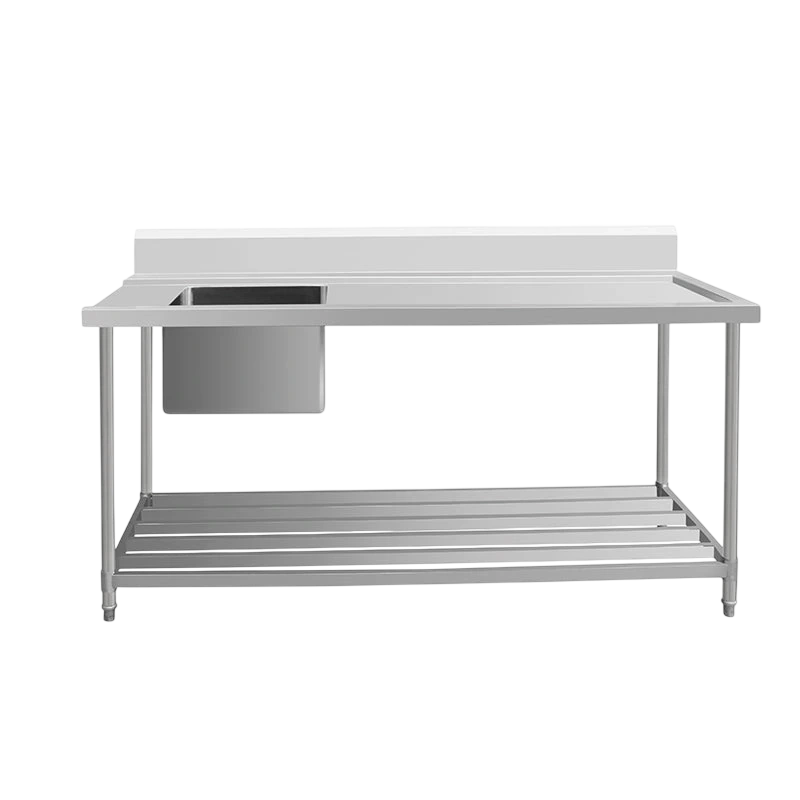
1200 × 750 × 900mm
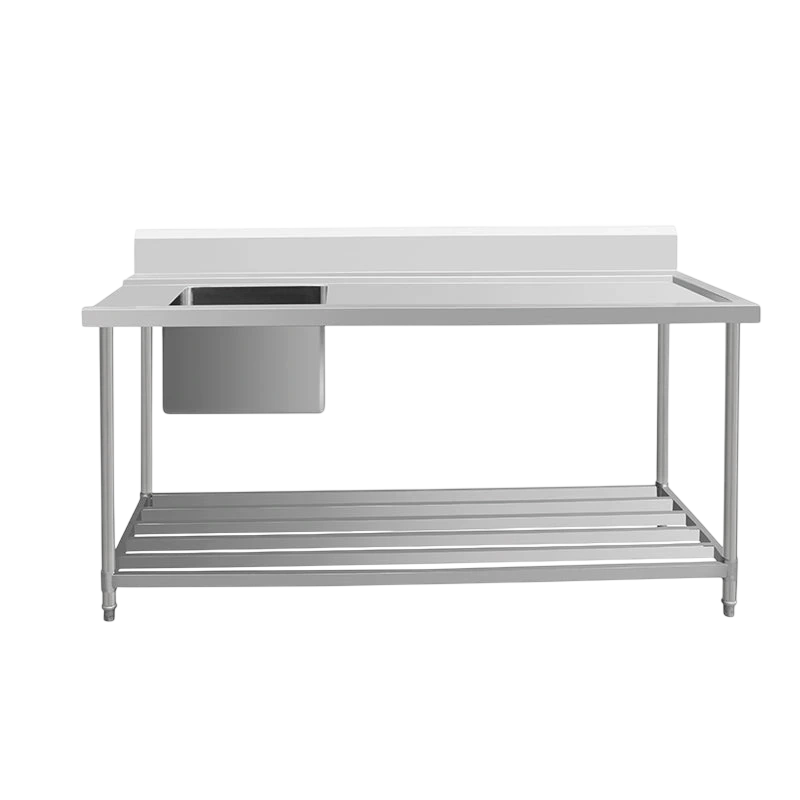
1500 × 700 × 900mm
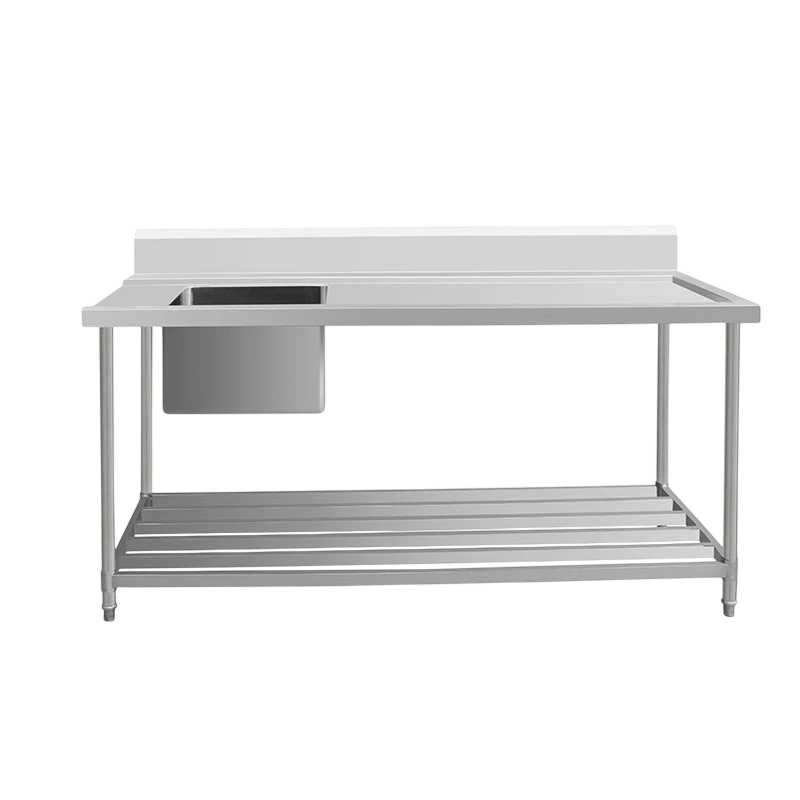
1500 × 750 × 900mm
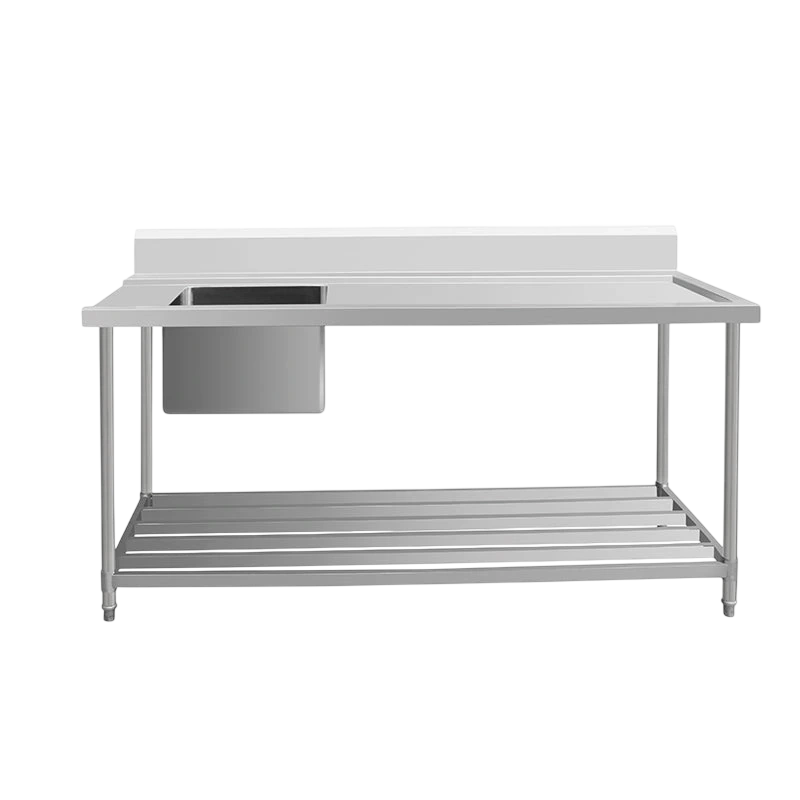
1800 × 700 × 900mm
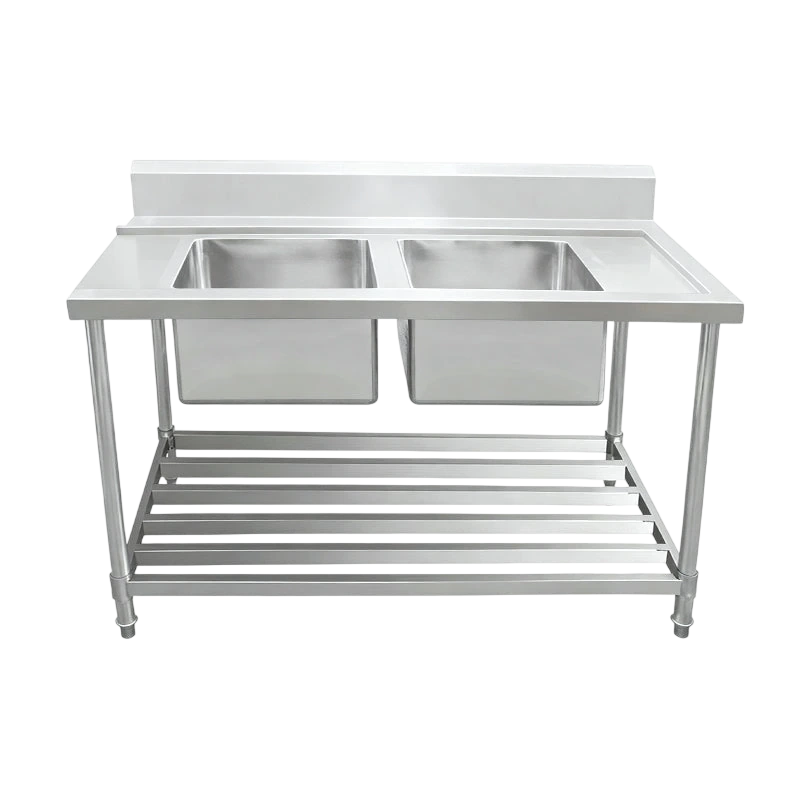
1500 × 700 × 900mm
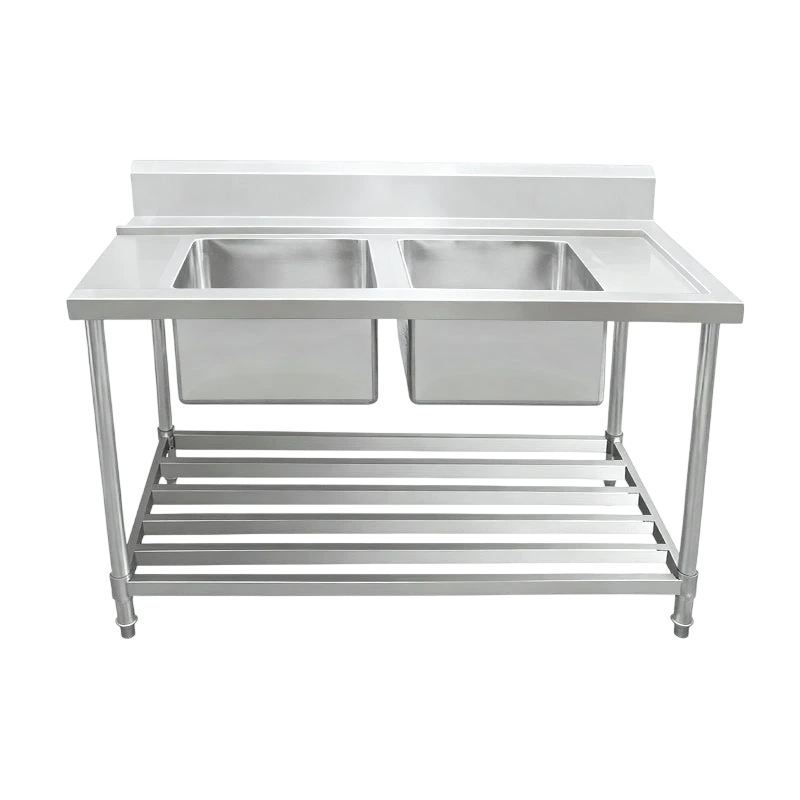
1500 × 750 × 900mm
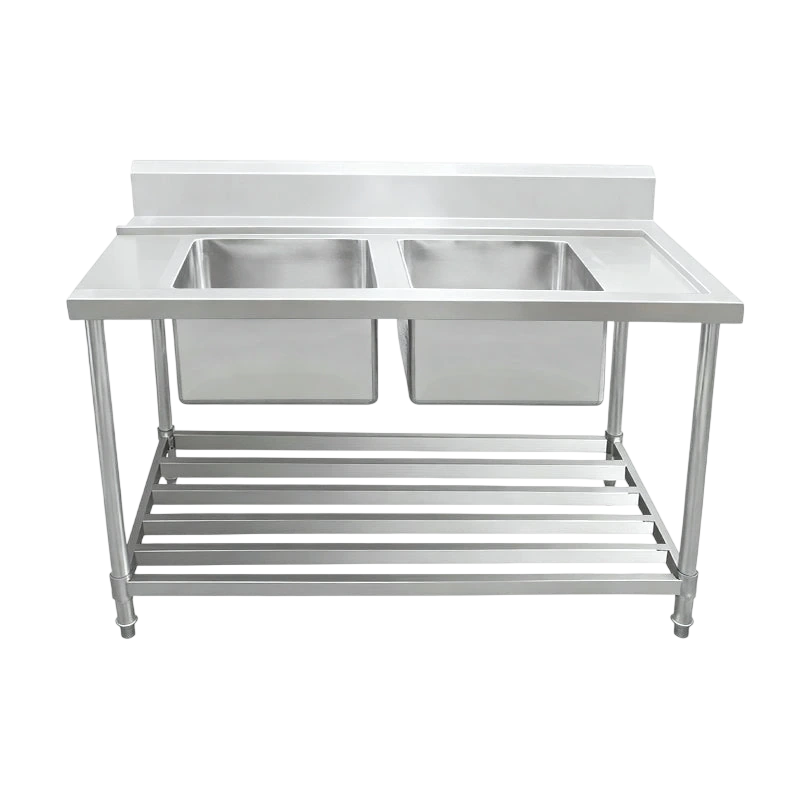
1800 × 700 × 900mm
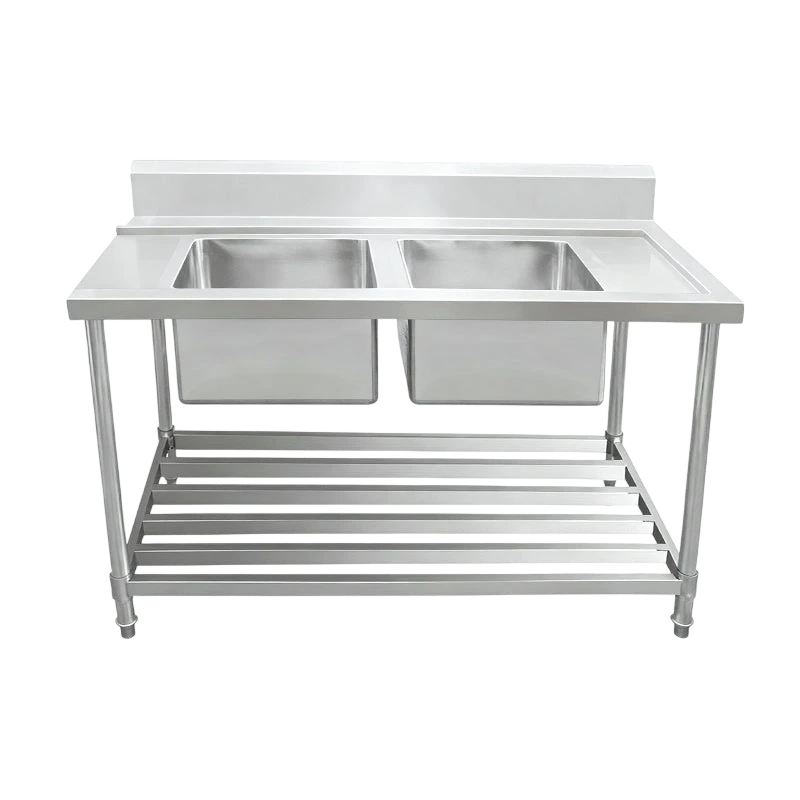
1800 × 750 × 900mm
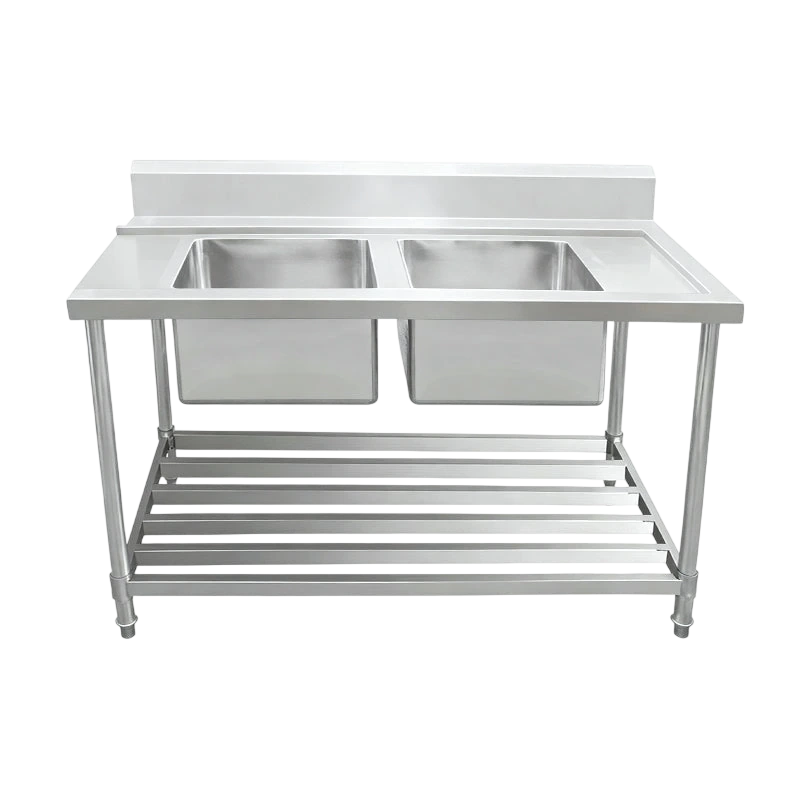
2100 × 700 × 900mm
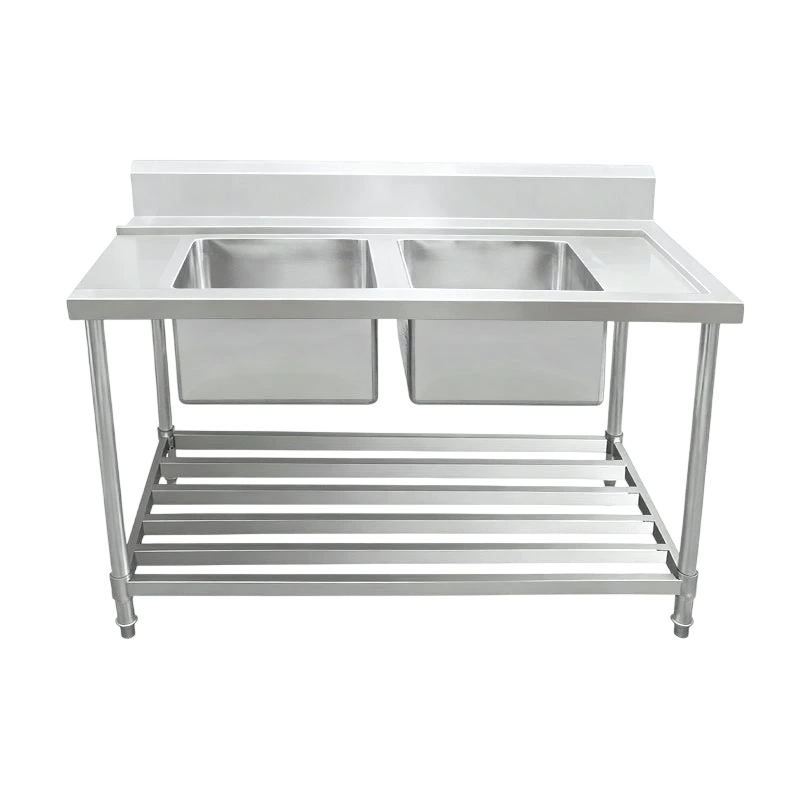
1500 × 700 × 900mm
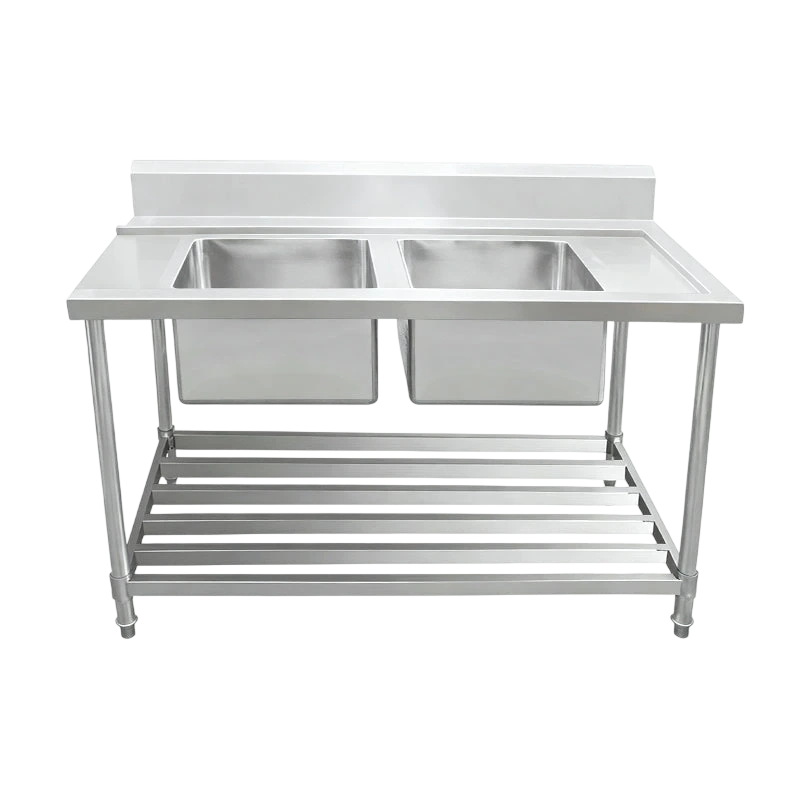
1500 × 750 × 900mm
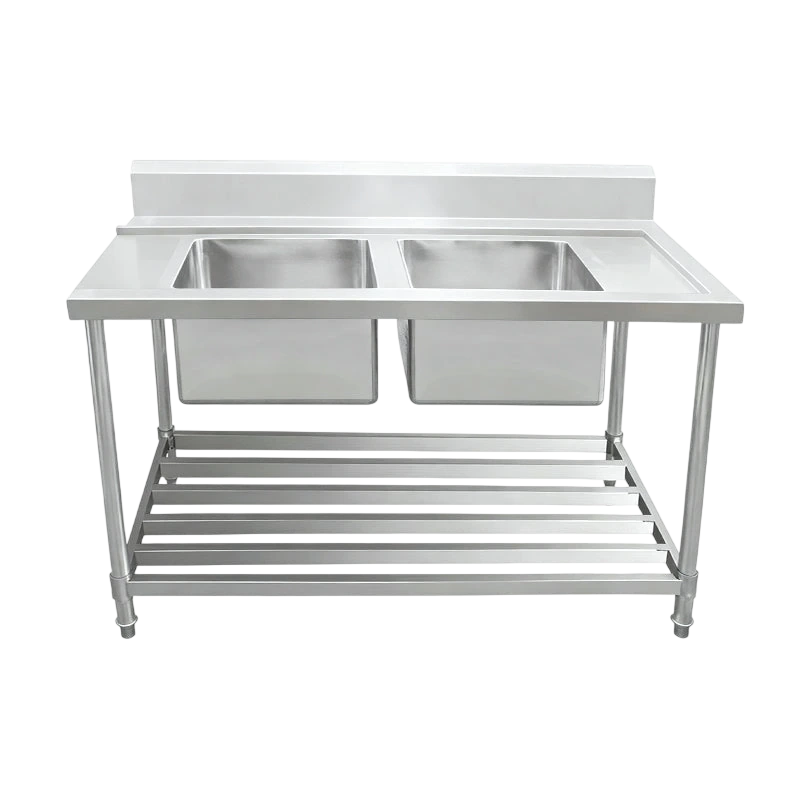
1800 × 700 × 900mm
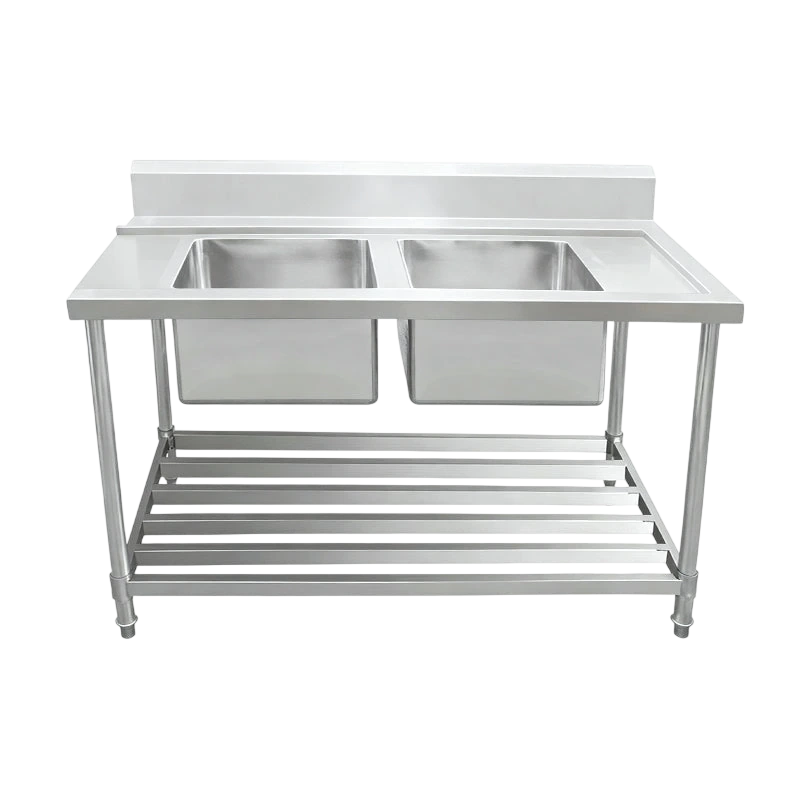
1800 × 750 × 900mm
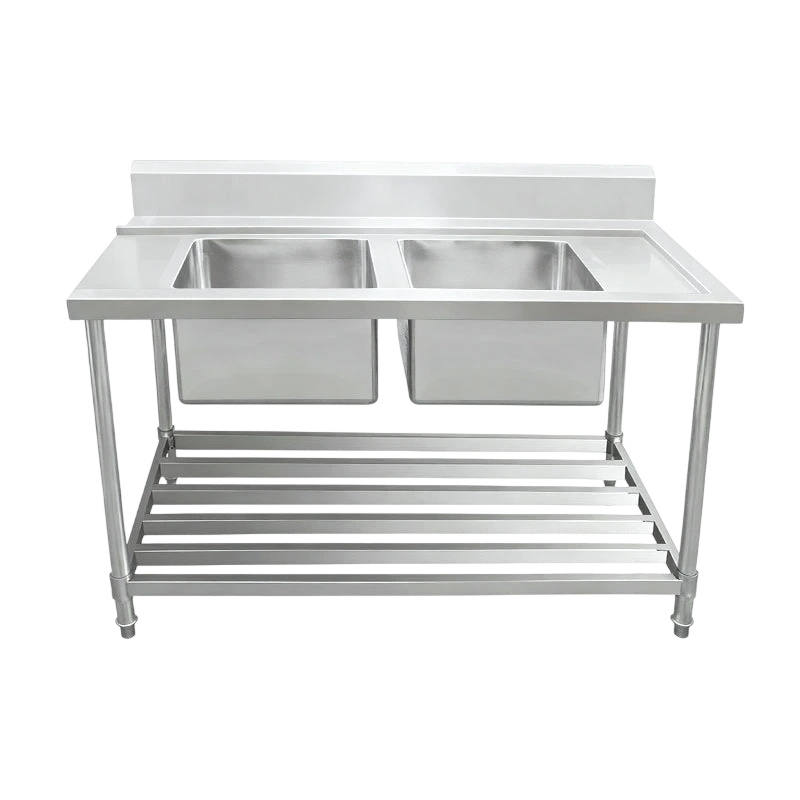
2100 × 700 × 900mm
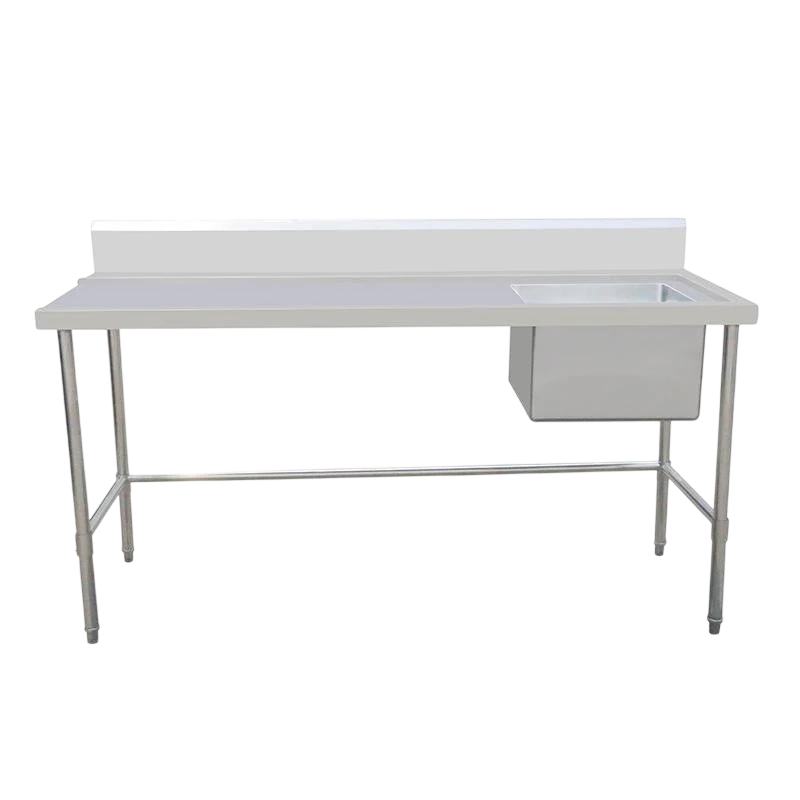
1200 × 700 × 900mm
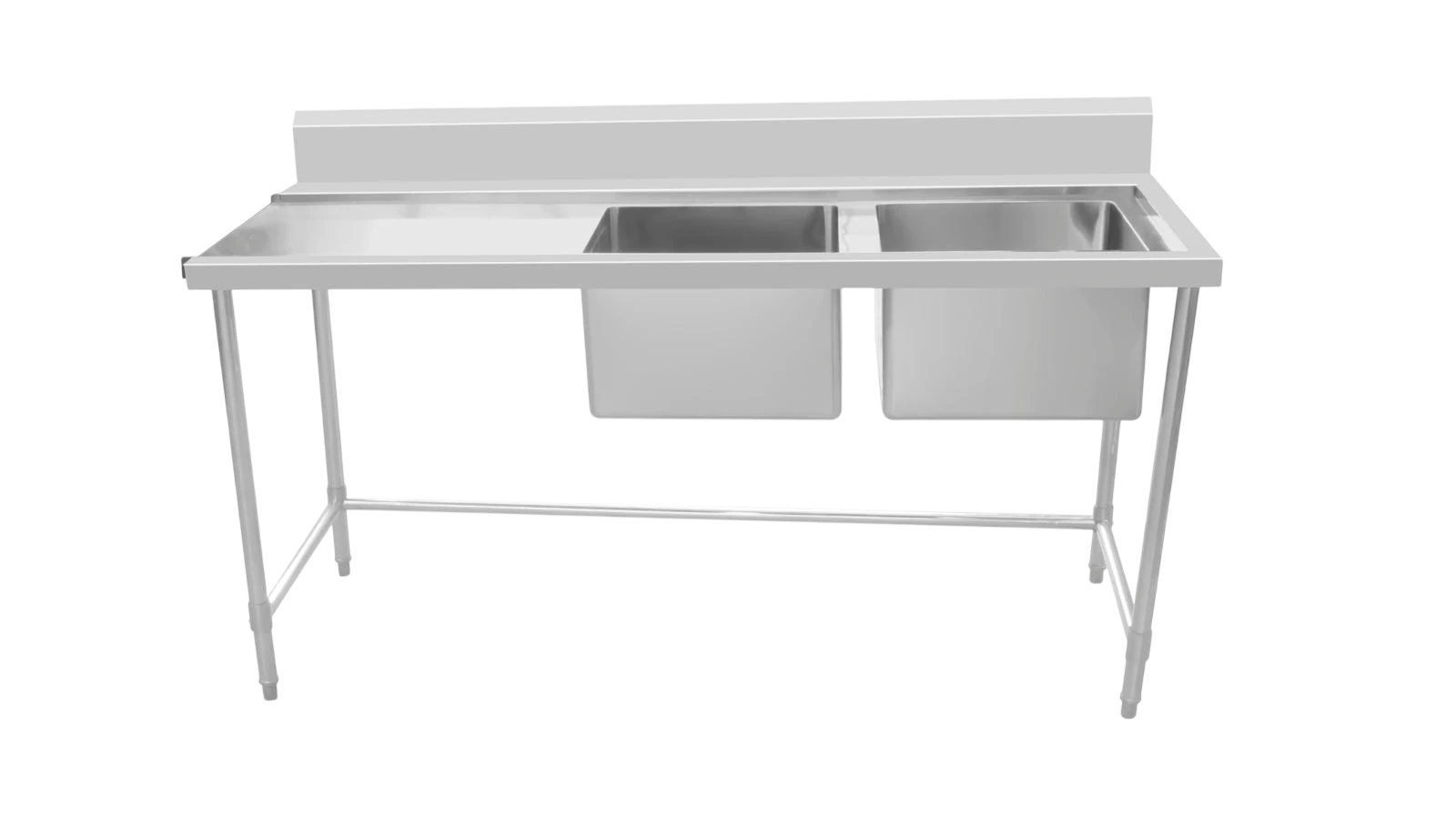
1500 × 700 × 900mm
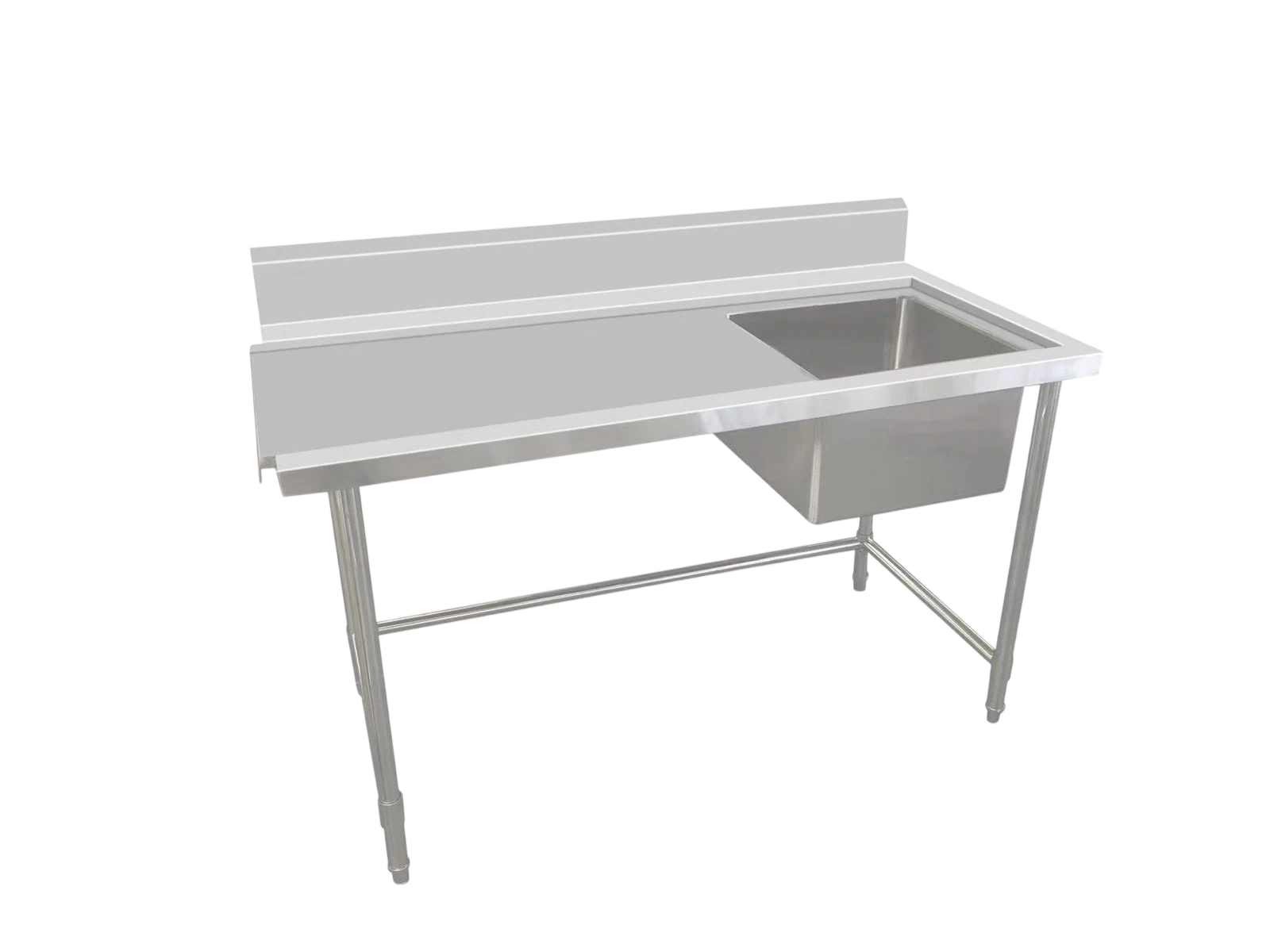
1200 × 750 × 900mm
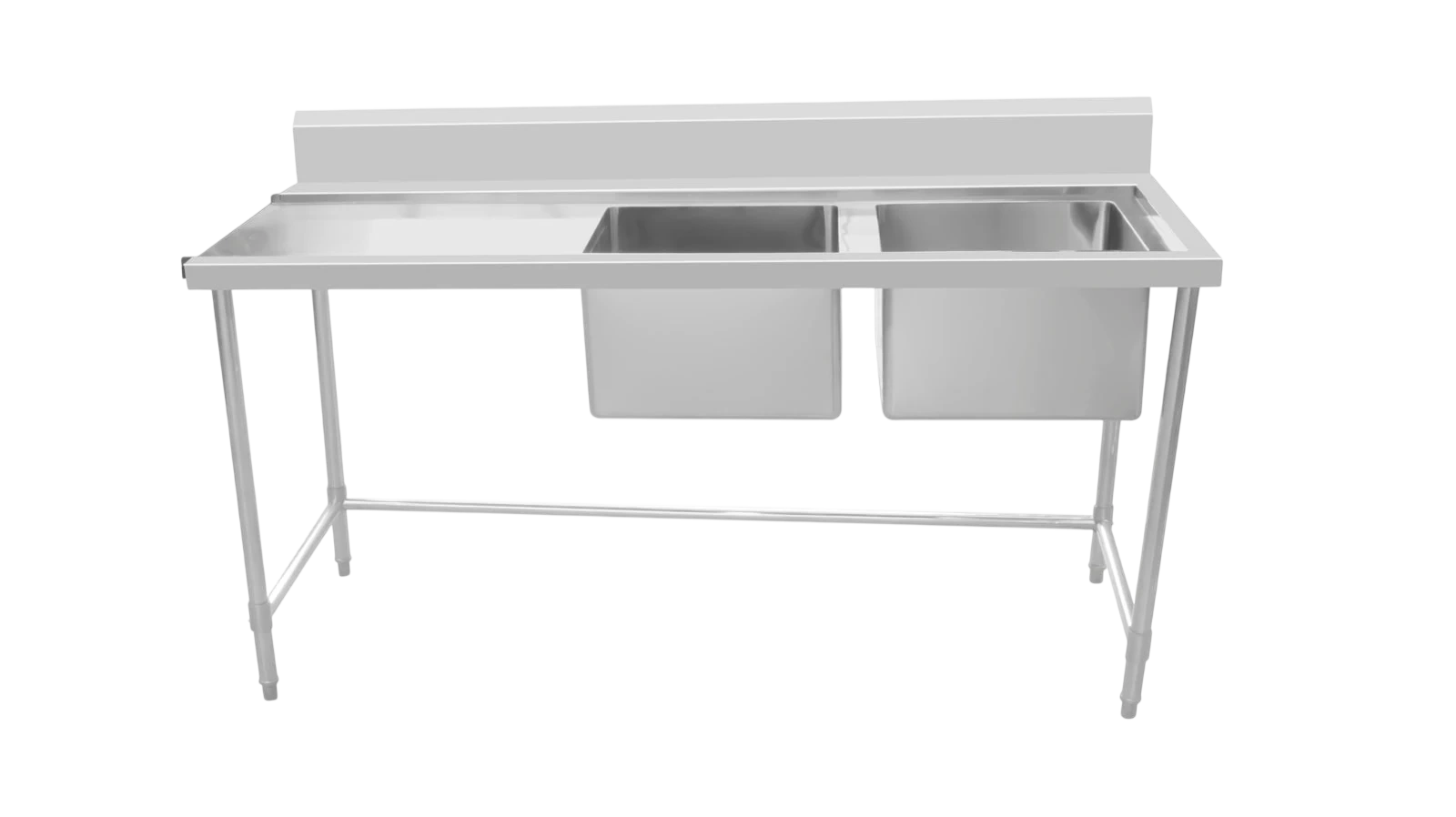
1500 × 750 × 900mm
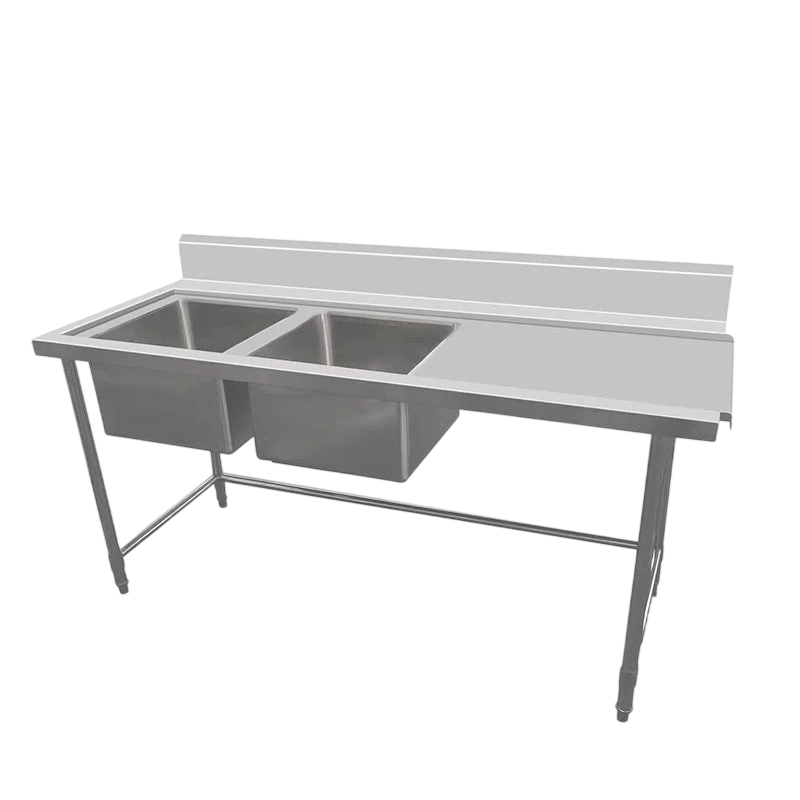
1500 × 750 × 900mm
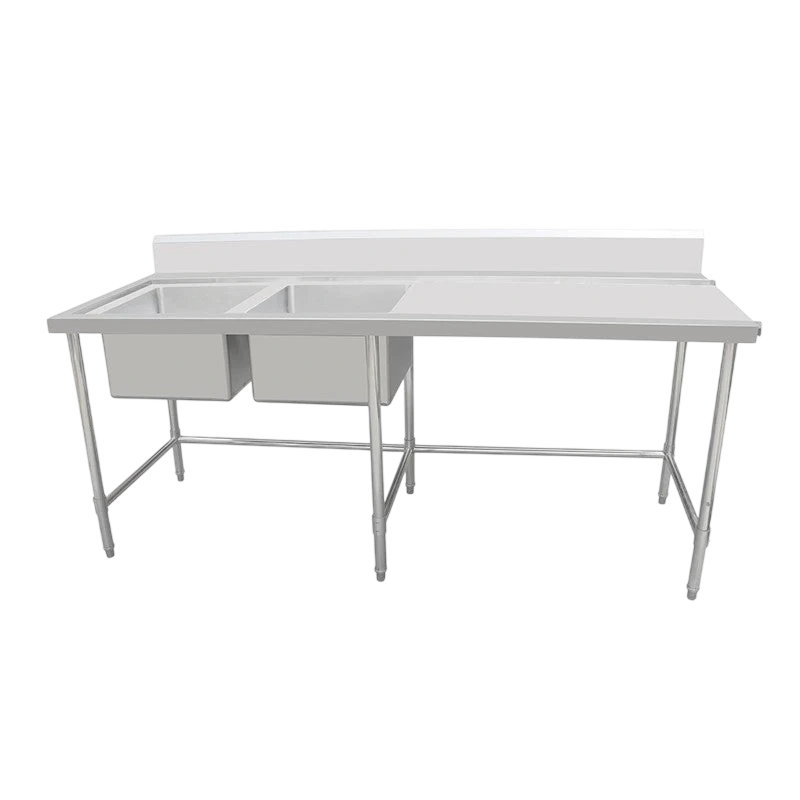
2100 × 700 × 900mm
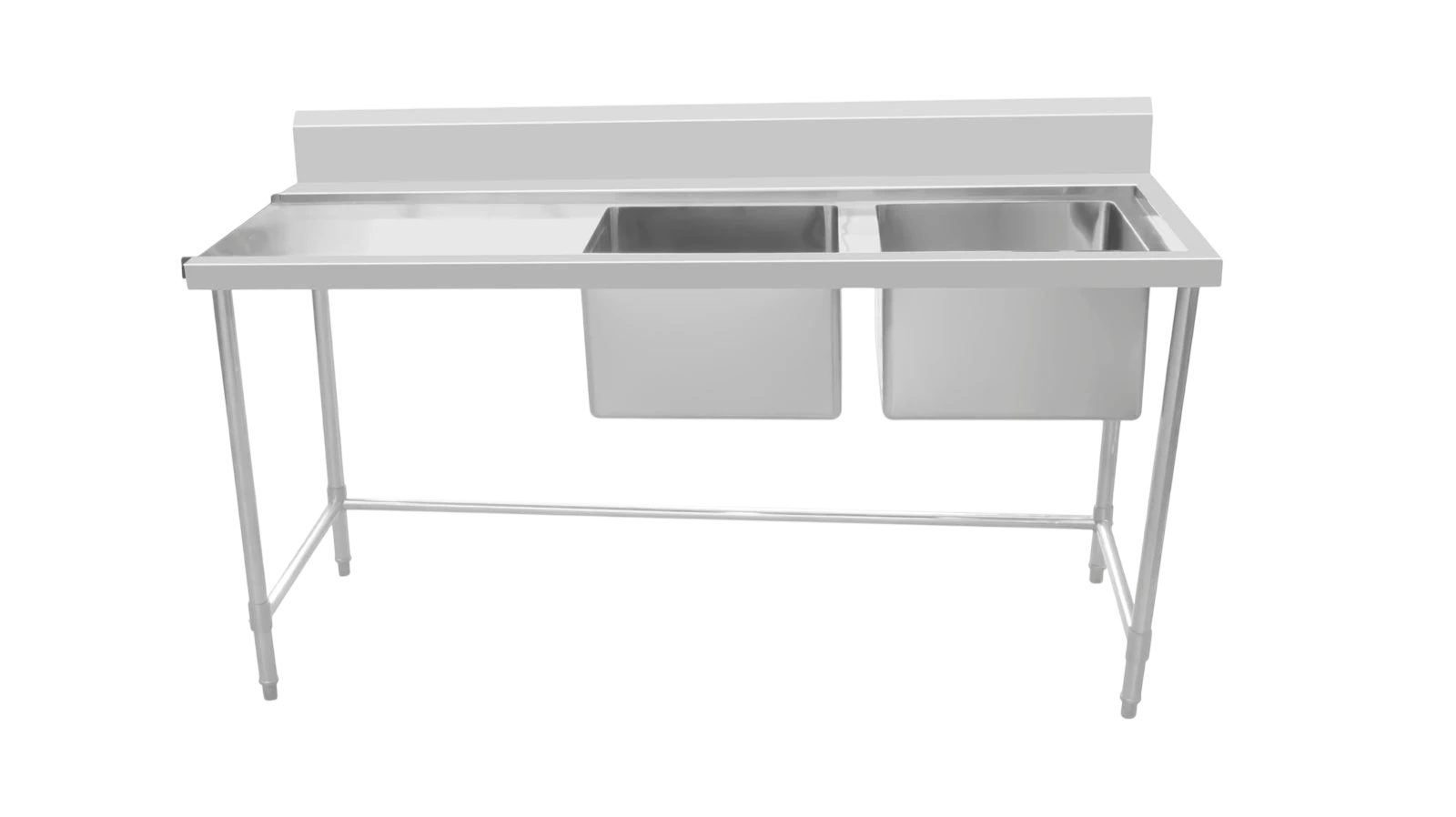
1800 × 750 × 900mm
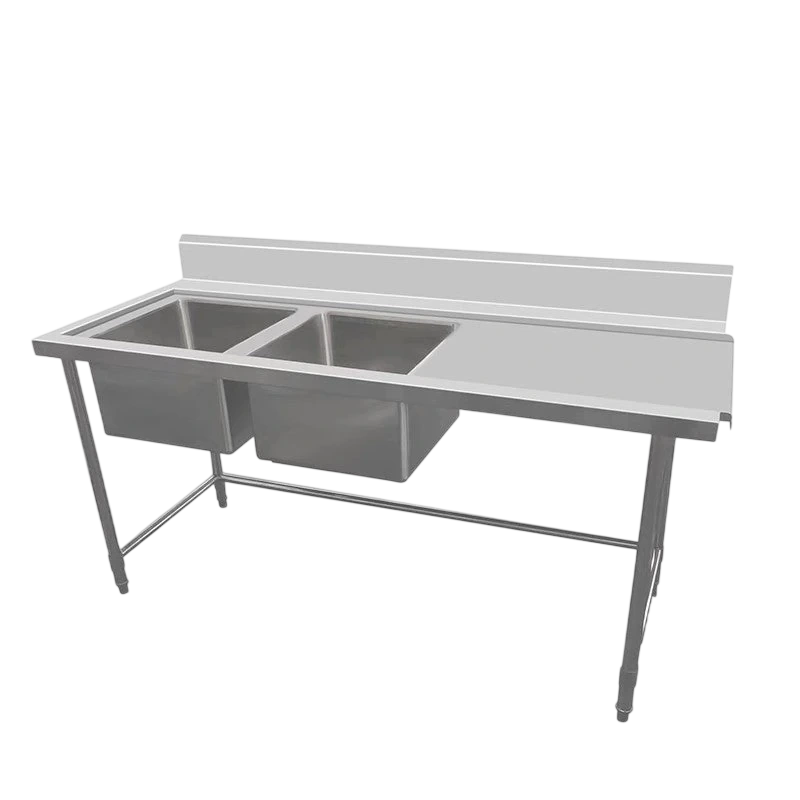
1800 × 750 × 900mm
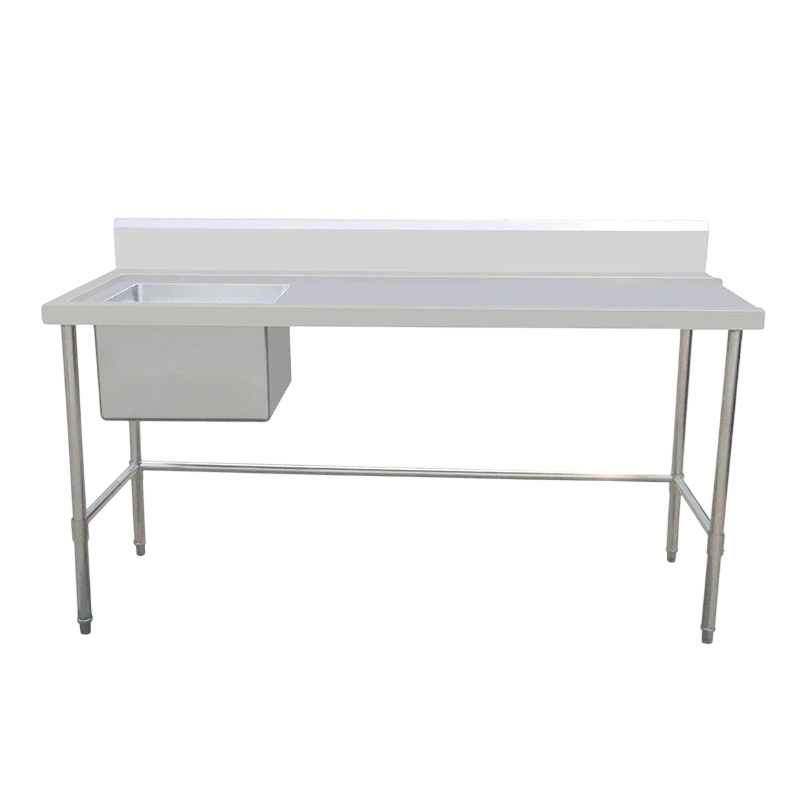
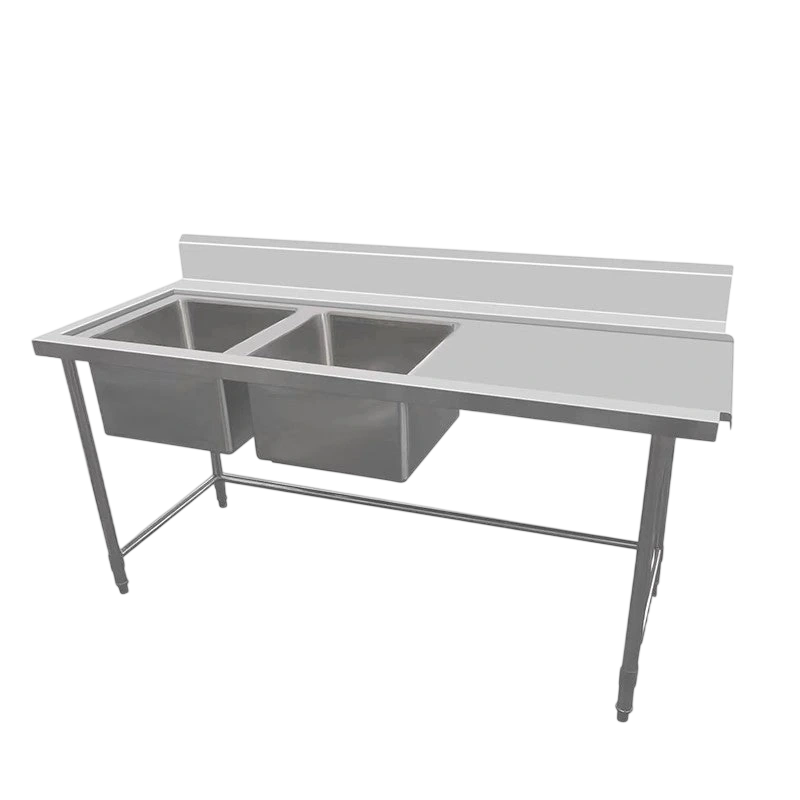
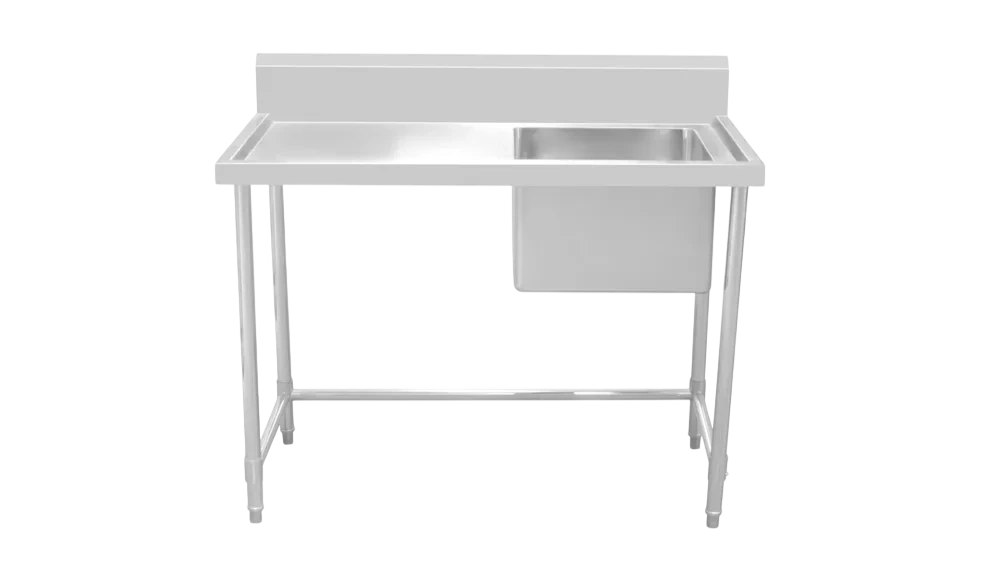
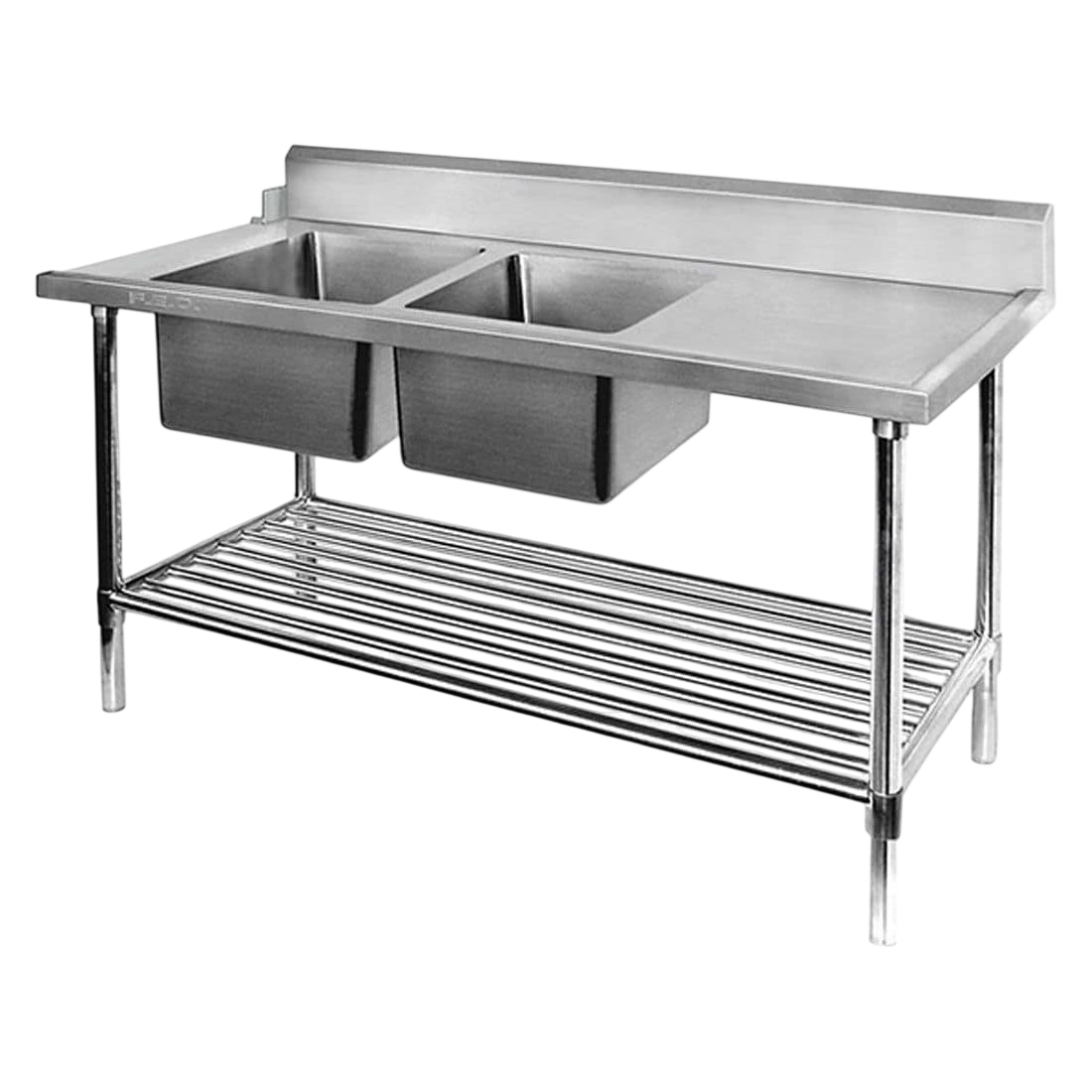
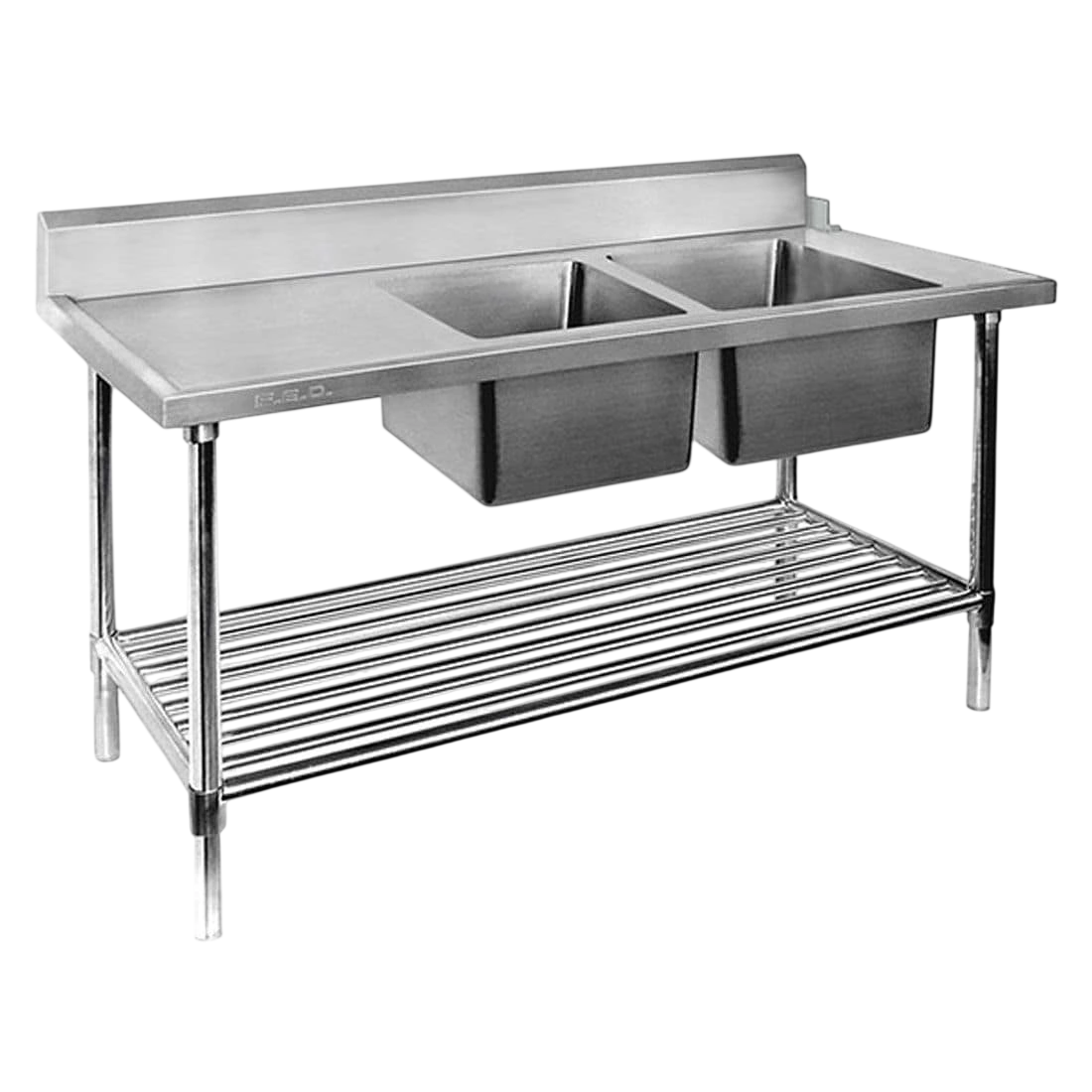
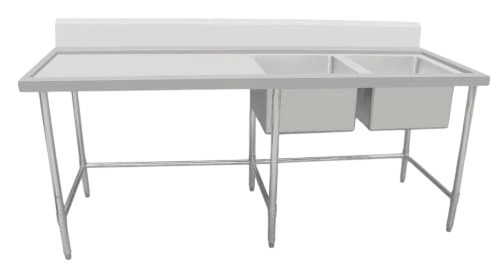
A commercial dishwasher sink is part of a rack-handling line rather than a general storage cabinet. The inlet side receives dirty racks, supports sorting and pre-rinsing, and presents them to the dishwasher; the outlet side provides a separate landing area for clean racks before unloading.
Choose left-to-right or right-to-left movement from the room entry, waste route, dishwasher orientation and clean-storage destination. The arrangement should prevent dirty items and spray from crossing the clean exit path.
Key factors to consider before purchasing. Our team can help you find the right fit — call or get a quote anytime.
Match equipment capacity to your daily output. Consider available floor space and door clearances.
Confirm levelling, wall clearance and the access needed for cleaning and service. We can help with kitchen planning.
Submit your kitchen requirements — our equipment specialists will send you a tailored shortlist of dishwasher inlet / outlet sinks that fits your budget, venue type and compliance needs.
Standards & Compliance
Measure the actual dishwasher opening, rack, bench height, bowl and available wall run together. Confirm how the bench connects or aligns with the selected machine instead of assuming nominal rack compatibility establishes a complete fit.
Drainage, tapware position, splash control and service access must be checked on site. An underbench dishwasher may use a different loading arrangement from a pass-through machine, so inlet and outlet requirements must follow the chosen system.
FAQ
In most commercial kitchens, yes. An inlet bench gives you somewhere to scrape and pre-rinse dirty dishes before they go into the machine. An outlet bench provides a clean, dedicated surface for draining and stacking dishes as they come out. Using both sides creates a one-way flow that keeps dirty and clean items separated.
A standard bench can give you extra surface area, but it won’t provide the same bowl capacity, drainage or height-matched connection to the dishwasher. Purpose-built inlet/outlet benches are designed specifically for dish lines, so they are safer, easier to clean and usually faster to work on.
Yes. Inlet/outlet benches are part of the dish line, not a replacement for a heavy-duty pot sink or a dedicated handwash basin. For compliance and workflow, you should still allow:
Stand where staff will load the machine and imagine racks moving from dirty to clean. The inlet bench should sit on the “dirty” side where racks enter, and the outlet bench on the “clean” side where racks exit. Then select left-hand or right-hand models to match this direction and any walls or corners in your room.
Trace dirty ware from arrival through scraping and pre-rinse to the machine, then continue from the clean exit to unloading and storage. Choose left-to-right or right-to-left so those paths do not cross and the dishwasher door or hood operates freely.
It lets a full rack sit securely before entry and after exit without blocking an aisle or forcing staff to hold it. Size each landing position from the actual rack and allow hand clearance and controlled draining.
Put it on the dirty inlet side before the rack enters the dishwasher. The operator should reach the bowl, spray and waste point without turning across the clean outlet or directing splash towards washed ware.
Measure the dishwasher, racks, entry and exit heights, bowl, wall run and door or hood travel. Have drainage, water, tapware, splash protection and service access verified for the exact layout before bench fabrication or connection.
Why KW
Rack direction anchors KW’s wash-up-line review, beginning at dirty landing and ending where clean ware leaves the station. Pre-rinse reach, dishwasher entry and the clear exit bench can be assessed as one movement before services are fixed; call 1300 001 366.
Deep Dive
Technical depth from KW's commercial kitchen specialists.
Mark where dirty racks arrive, where food waste is removed, how pre-rinse occurs and where clean racks leave. Reverse the line only when the room and machine orientation support the full sequence.
Allow each side to hold the operating rack safely without projecting into an aisle. Include hand clearance, spray containment and the space required to push or lift the rack into the exact dishwasher.
Place the rinse bowl and tapware on the dirty side so soil is removed before the rack reaches the machine. Keep spray away from clean landing space and provide a waste and drainage route that can be accessed for cleaning.
An underbench unit may be loaded from a nearby bench without a hood-style pass-through route. A pass-through system normally depends on coordinated entry and exit benches; confirm the exact machine, rack movement and connection detail before fabrication.
Use this category when racks move through a commercial dishwasher with separate dirty-entry and clean-exit positions. If one operator instead needs a bowl plus working surface for a self-contained wash or prep task, compare a single sink bench rather than forcing that station into a dishwasher-line layout.
Compare other sink formats, plan the surrounding room through the stainless steel range, and use a dedicated cleaning sink for tasks outside the dish-rack line.