
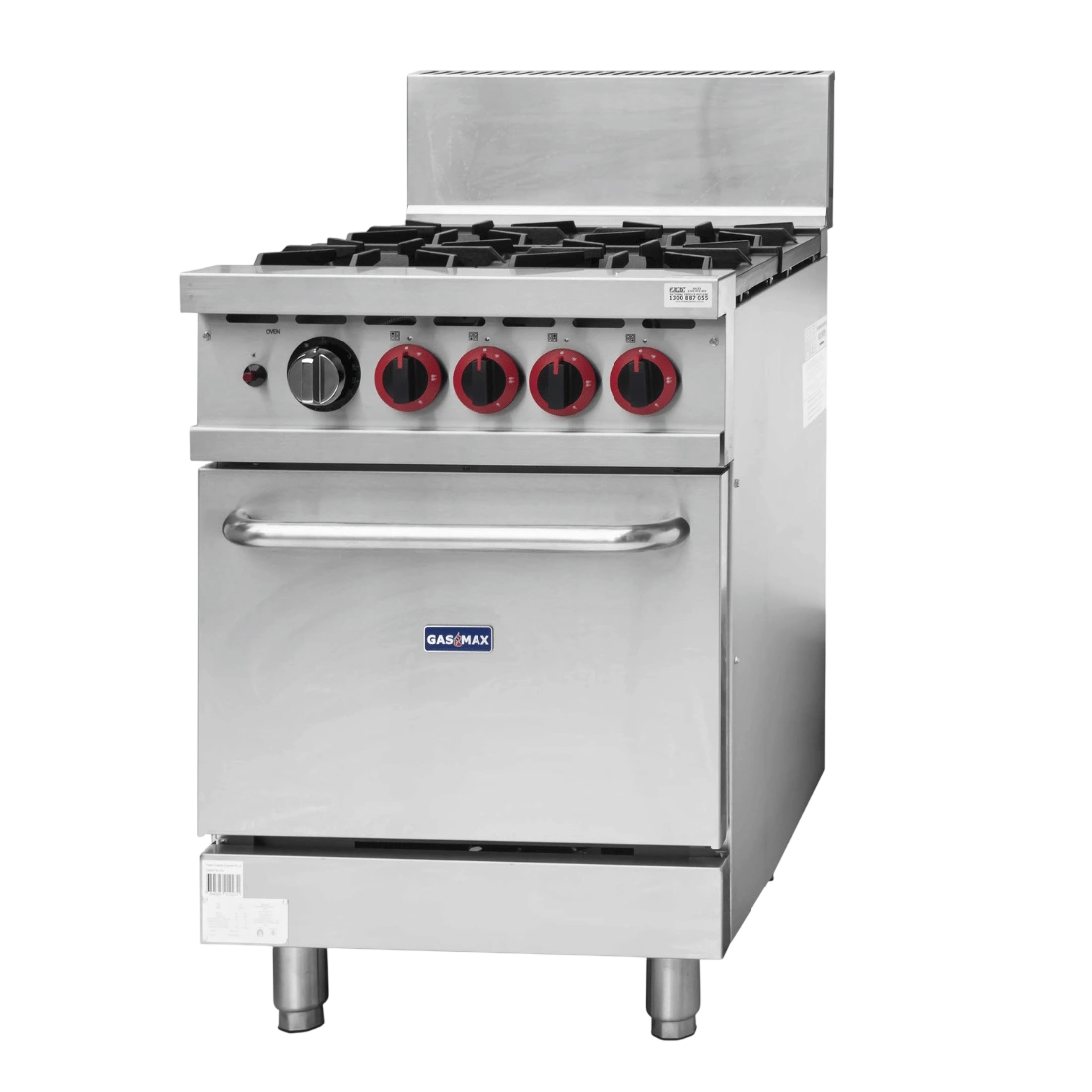
Commercial Cooktops
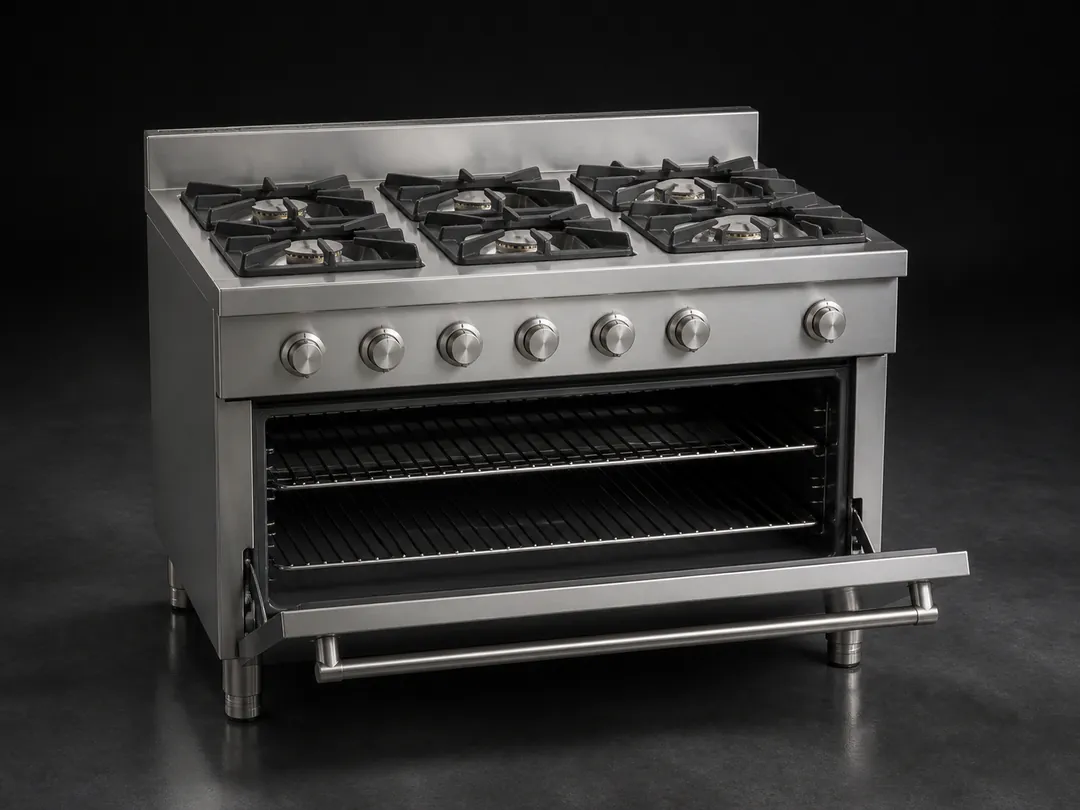
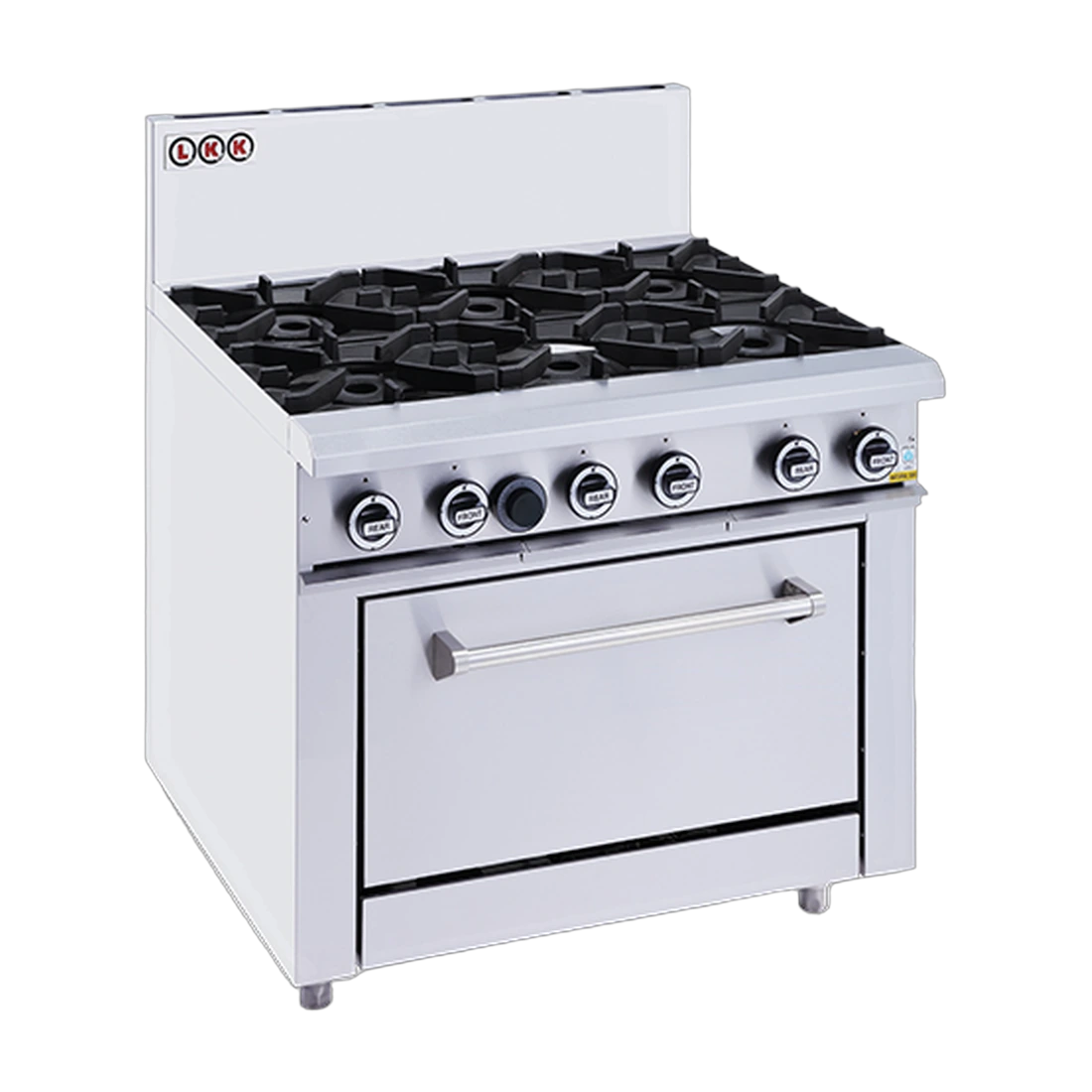
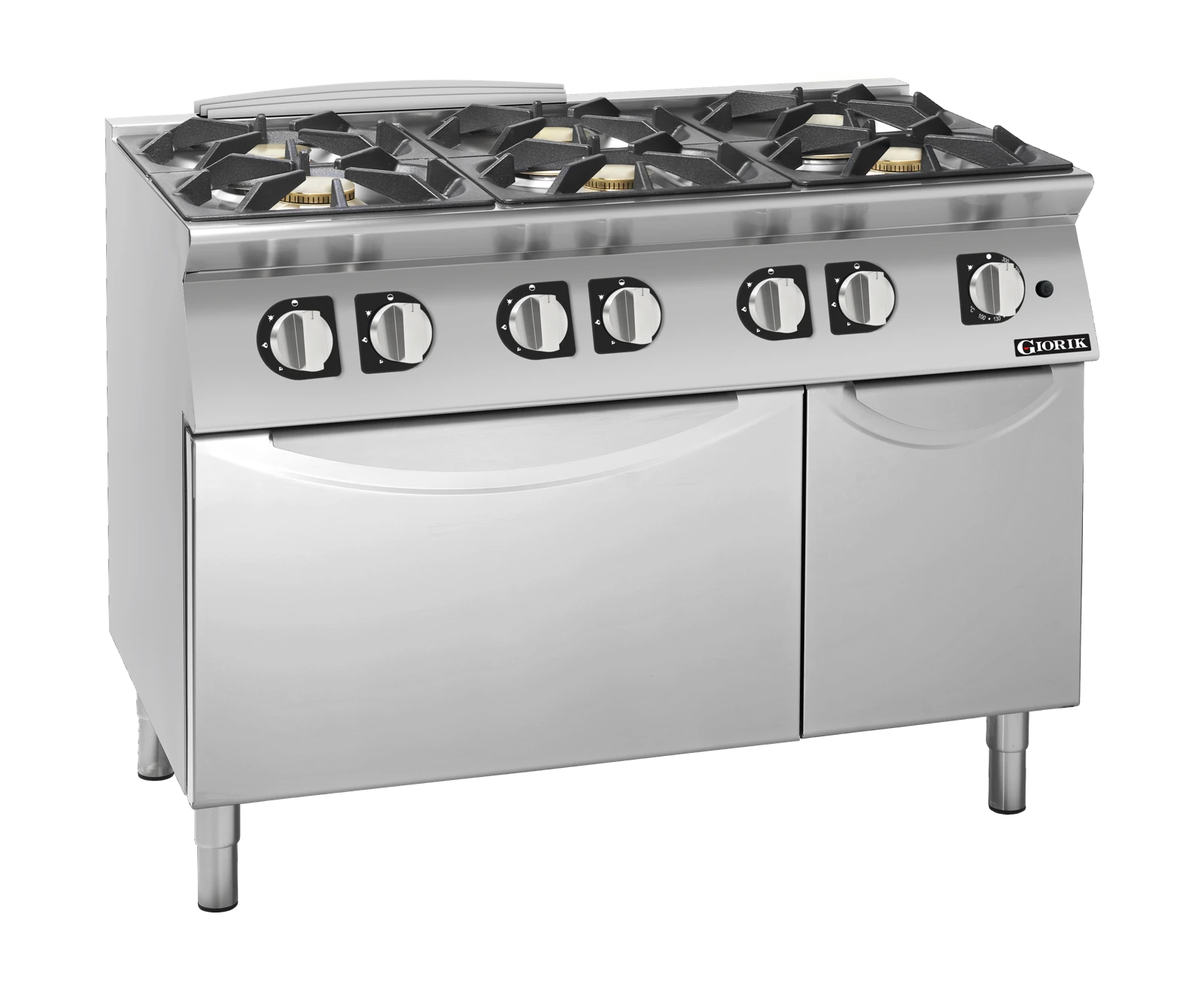
A commercial range puts a cooktop and an oven in one footprint, which is why it remains the centre of most kitchen lines. The decision is what each half has to do: the burners above are chosen by the pans they must carry at once, and the oven beneath by what is actually baked, roasted or held in it during service.
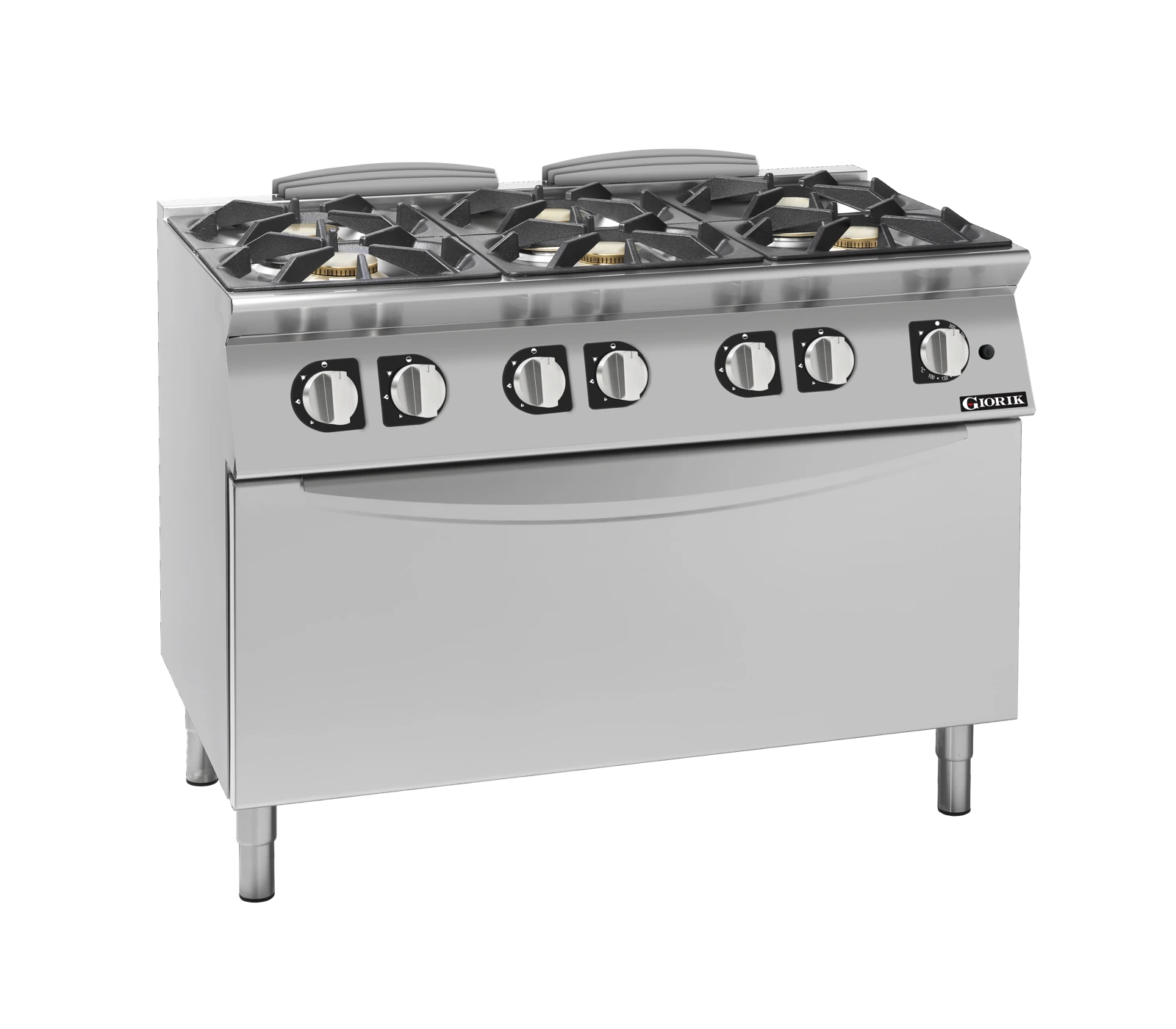
Burner count on the stovetop is set by simultaneous pans, not by the menu. Count the pans on the stove at the busiest moment and add the space between them that a chef needs to work; a six-burner commercial gas stove that cannot take six pans side by side is a four-burner in practice.
Gas or electric follows the site rather than the preference. A gas range needs a connection sized for the total input and ventilation to match; a commercial electric range needs the supply and phase confirmed. Where a kitchen is being fitted out, this is settled with the services rather than with the equipment list.
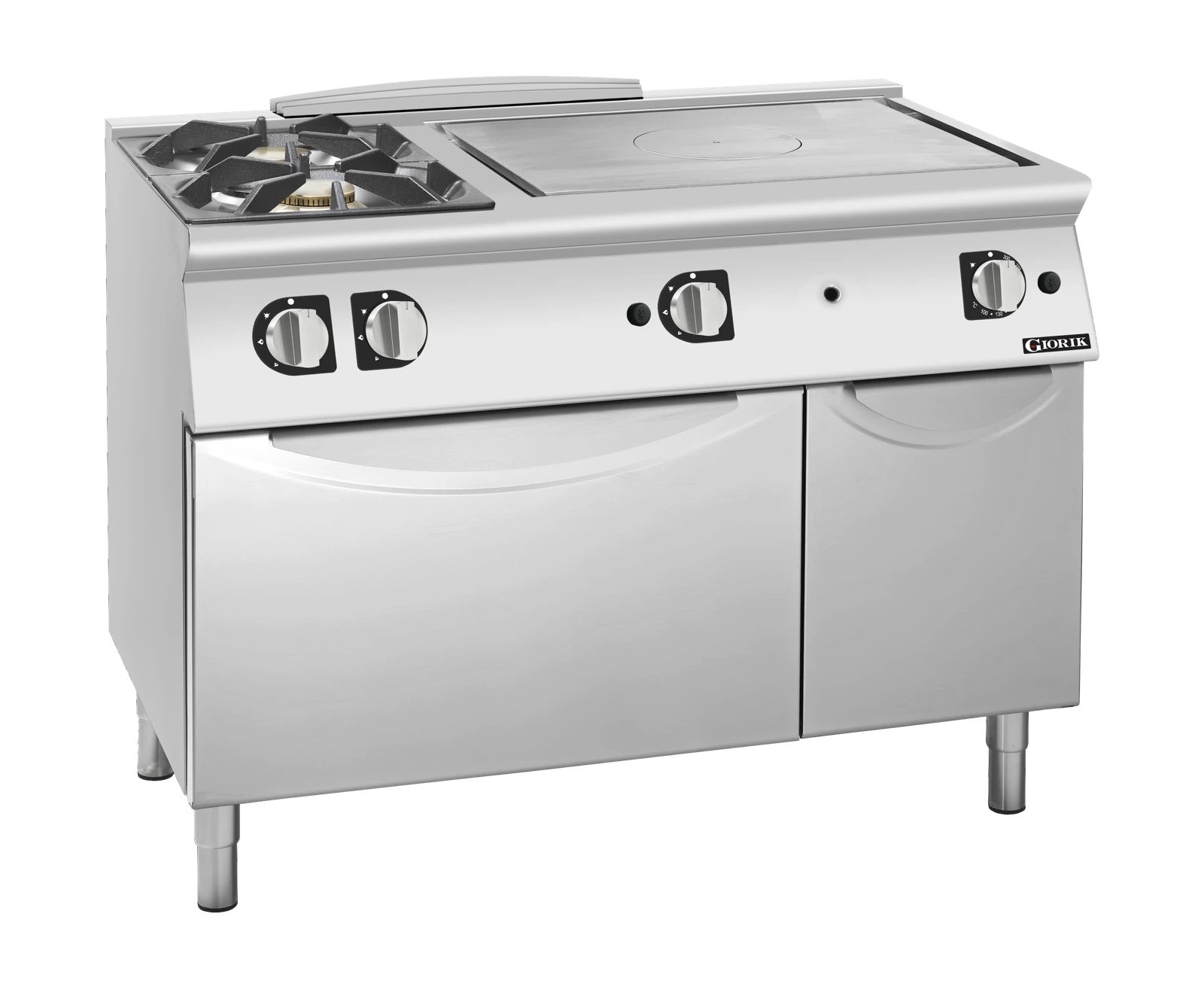
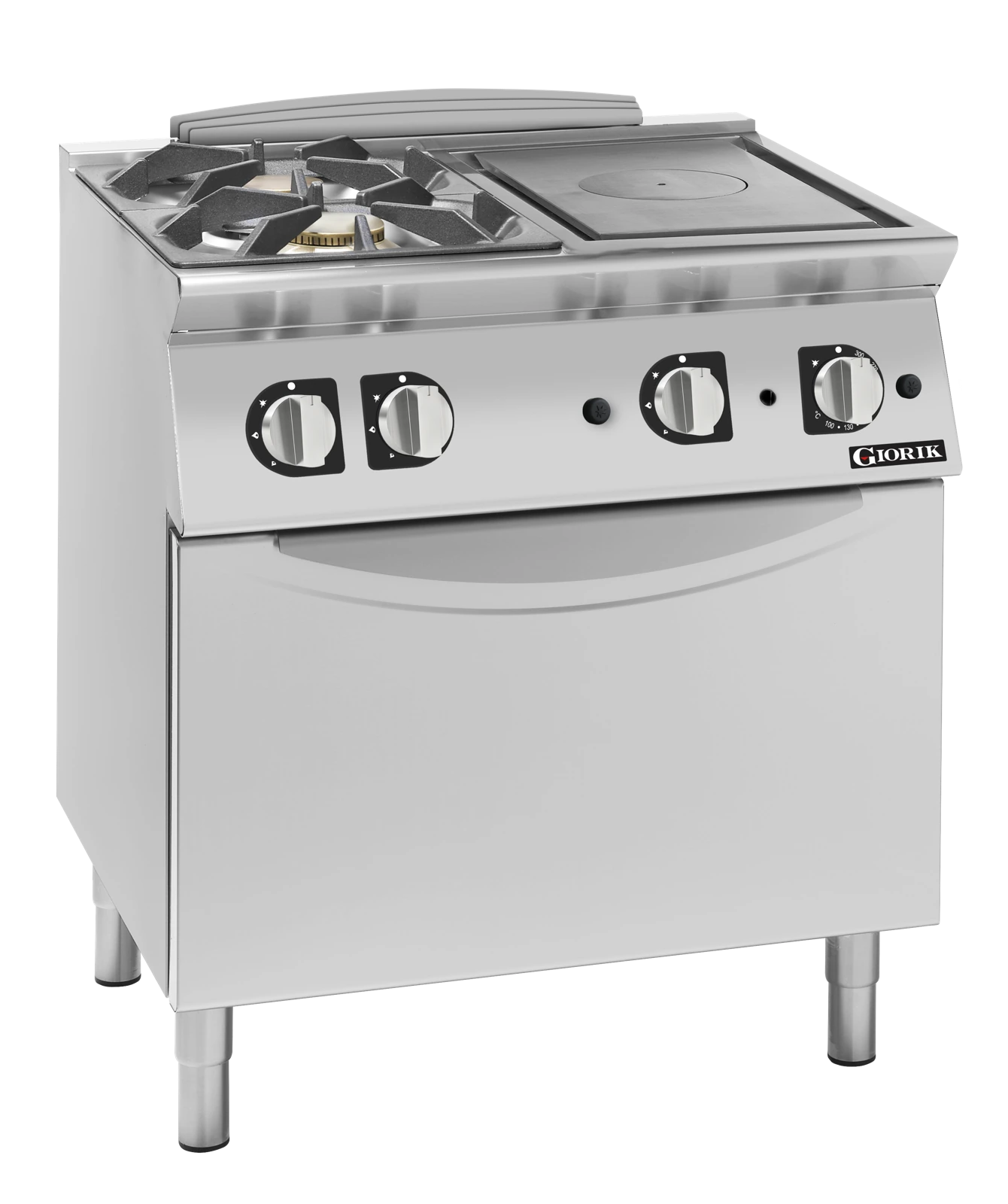
The oven beneath is often specified last and regretted first. A gas cooktop with double oven suits a kitchen that bakes or holds through service; a single oven beneath a cooking range suits one that mainly uses the top. Where equipment is on lease rather than purchase, confirm what the lease covers before sizing, since service terms often decide which configuration is practical.
Key factors to consider before purchasing. Our team can help you find the right fit — call or get a quote anytime.
Match equipment capacity to your daily output. Consider available floor space and door clearances.
Confirm levelling, wall clearance and the access needed for cleaning and service. We can help with kitchen planning.
Submit your kitchen requirements — our equipment specialists will send you a tailored shortlist of cooktops with ovens that fits your budget, venue type and compliance needs.
Standards & Compliance
Before comparing commercial ranges, confirm the pans on the top at the busiest moment, what the oven is actually used for, and the gas connection or electrical phase available. Check the total input against the ventilation already installed rather than against the canopy size alone.
Look at how burners are removed for cleaning, how the oven door is supported when open in a tight aisle, and whether the top can be lifted for access underneath. A cooking range is the hardest-worked item on most lines, so cleaning access and part availability decide its working life more than the specification does.
FAQ
Yes—most 900mm ranges fit GN 2/1 or multiple GN 1/1 trays.
Yes—AS 1668 requires full-width extraction with a 150mm overhang.
Blue Seal suits most restaurants; Waldorf is the heavy-duty option for large-volume sites.
Count the pans that must be on the stove at the same moment, then allow working space between them. A range that cannot physically take that many pans side by side behaves as a smaller one regardless of its burner count.
Let the site decide. A gas range needs a connection sized for total input and matching ventilation; a commercial electric range needs the supply and phase confirmed. In a fitout this is settled with the services, not with the equipment list.
Why KW
KW can help size a commercial cooking range from simultaneous pans and actual oven use, then check the gas or electrical requirement against the site before anything is ordered. For practical advice on commercial stoves and ranges, call KW on 1300 001 366.
Deep Dive
Technical depth from KW's commercial kitchen specialists.
Count the pans on the stove at the busiest moment and allow the working space between them. A commercial gas stove rated for six burners that cannot take six pans side by side behaves as a smaller range, and the shortfall shows up every service.
Decide what the oven beneath actually does. A kitchen that bakes or holds through service is better served by a double oven configuration; one that mainly works the top can take a single. Specifying the top first and accepting whatever oven comes with it is the common regret.
A gas range needs a connection sized for total input and ventilation to match it. A commercial electric range needs supply and phase confirmed. Settle this with the services during a fitout rather than with the equipment list, because it is expensive to change afterwards.
A cooking range is the hardest-worked item on most lines. Check how burners come off, whether the top lifts for access underneath, and how the oven door behaves in a tight aisle. Part availability over years matters more than any specification difference on the day.
Only if the oven does real work. Kitchens that bake or hold through service benefit from a gas cooktop with double oven; kitchens that mainly work the top do not, and the extra capacity costs footprint and heat.
It can. Confirm what a commercial kitchen gas oven lease covers for service and replacement before sizing, since the terms often decide which configuration is practical to run over the period.
420 results
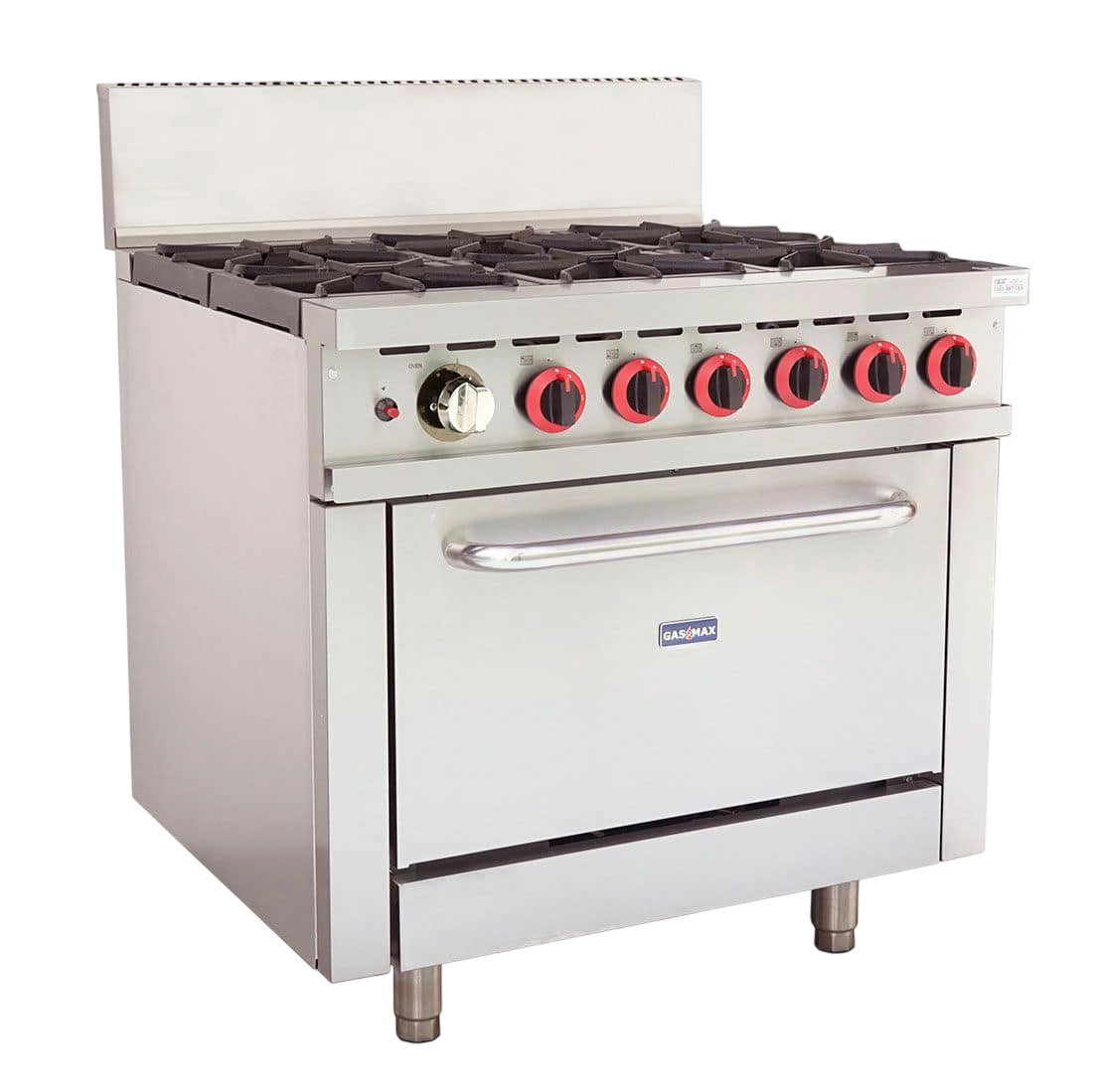
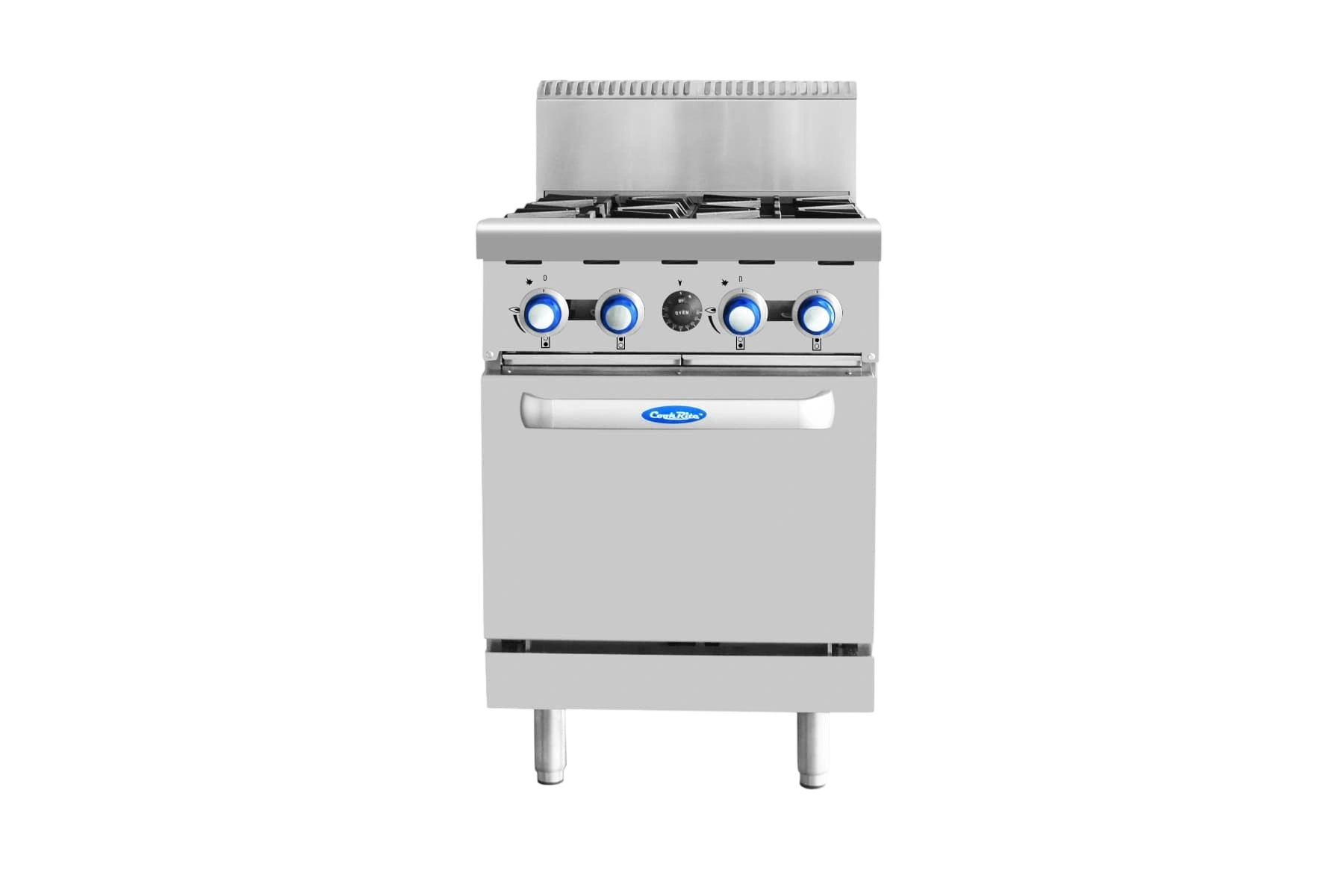
600 × 800 × 1115mm
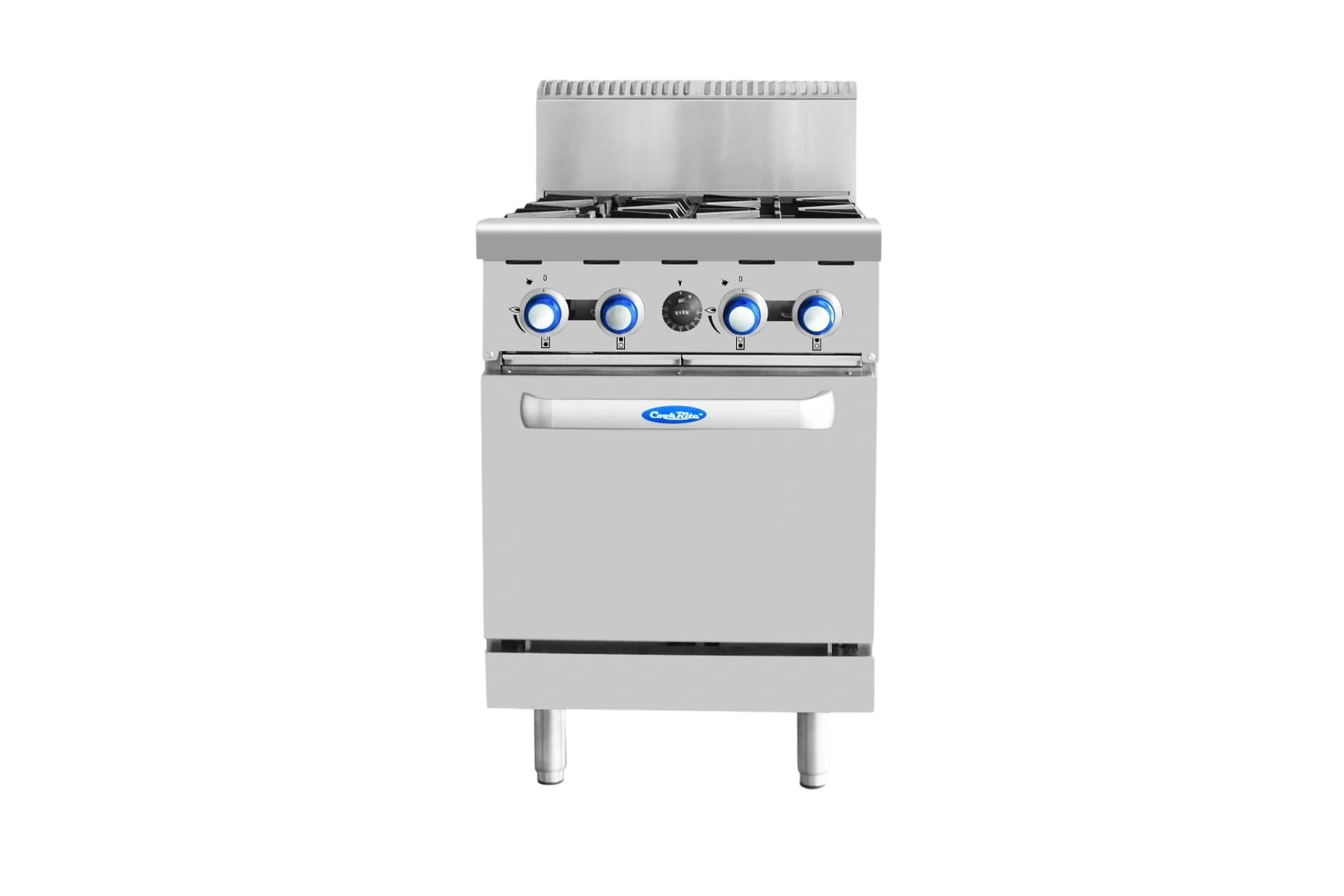
600 × 800 × 1115mm
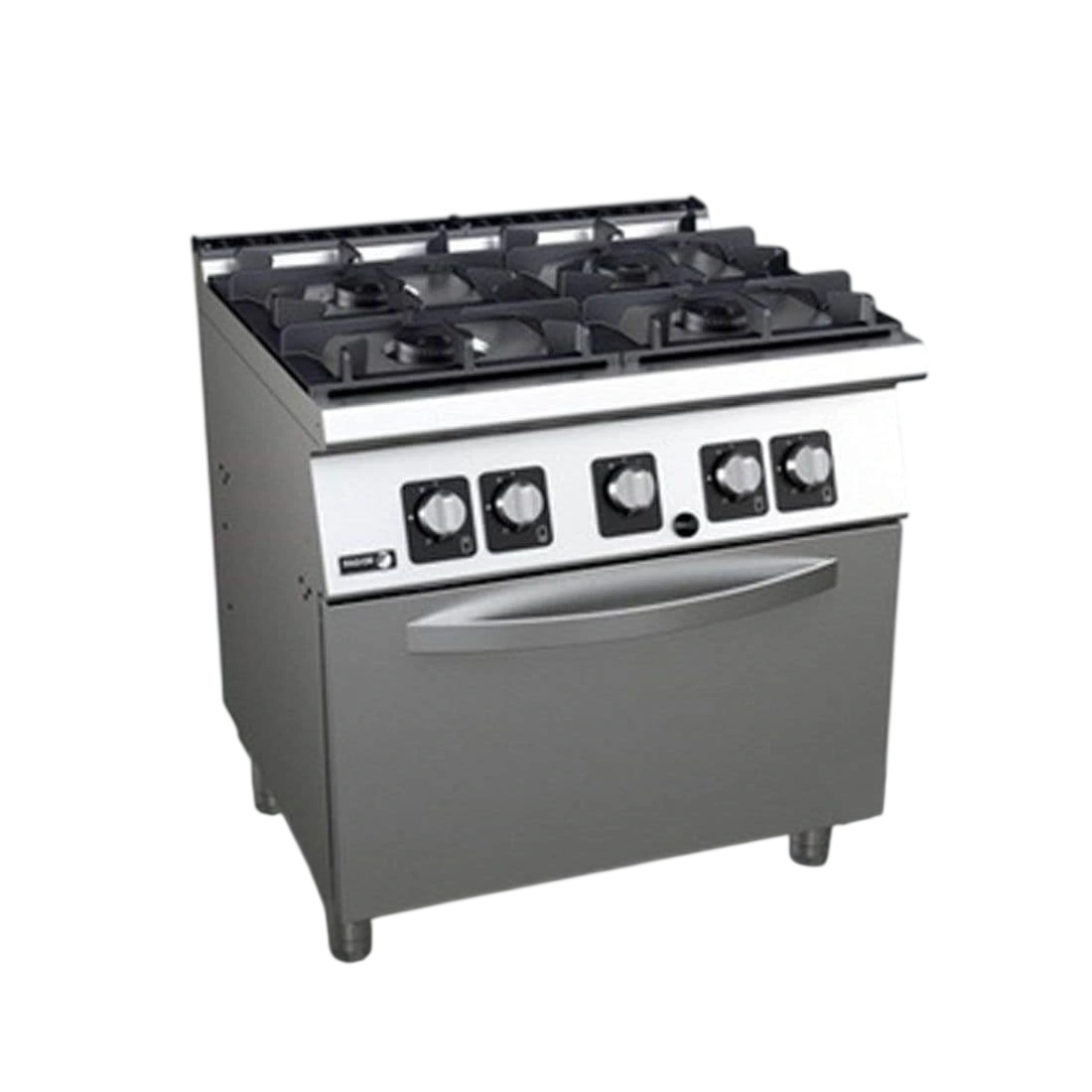
800 × 730 × 850mm
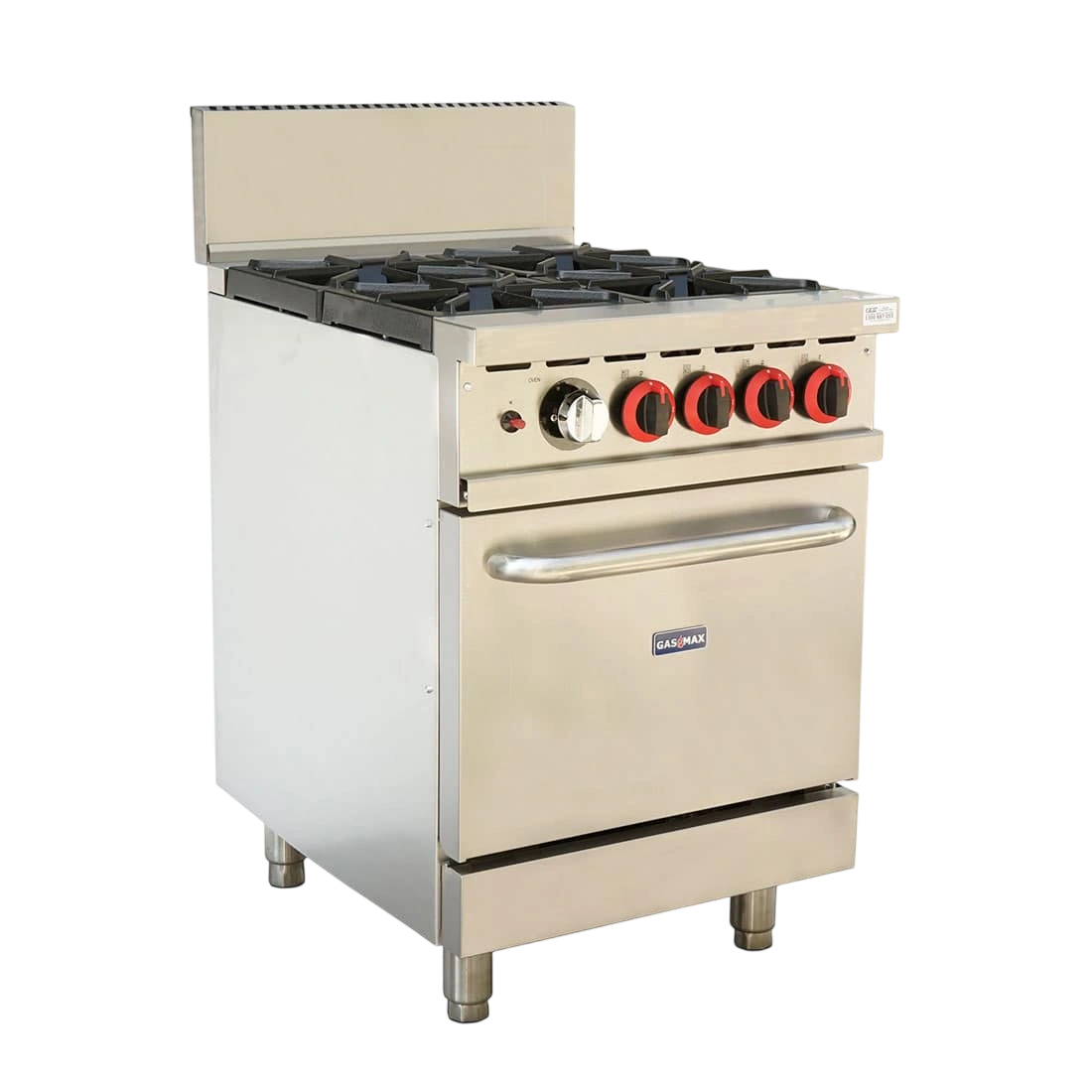
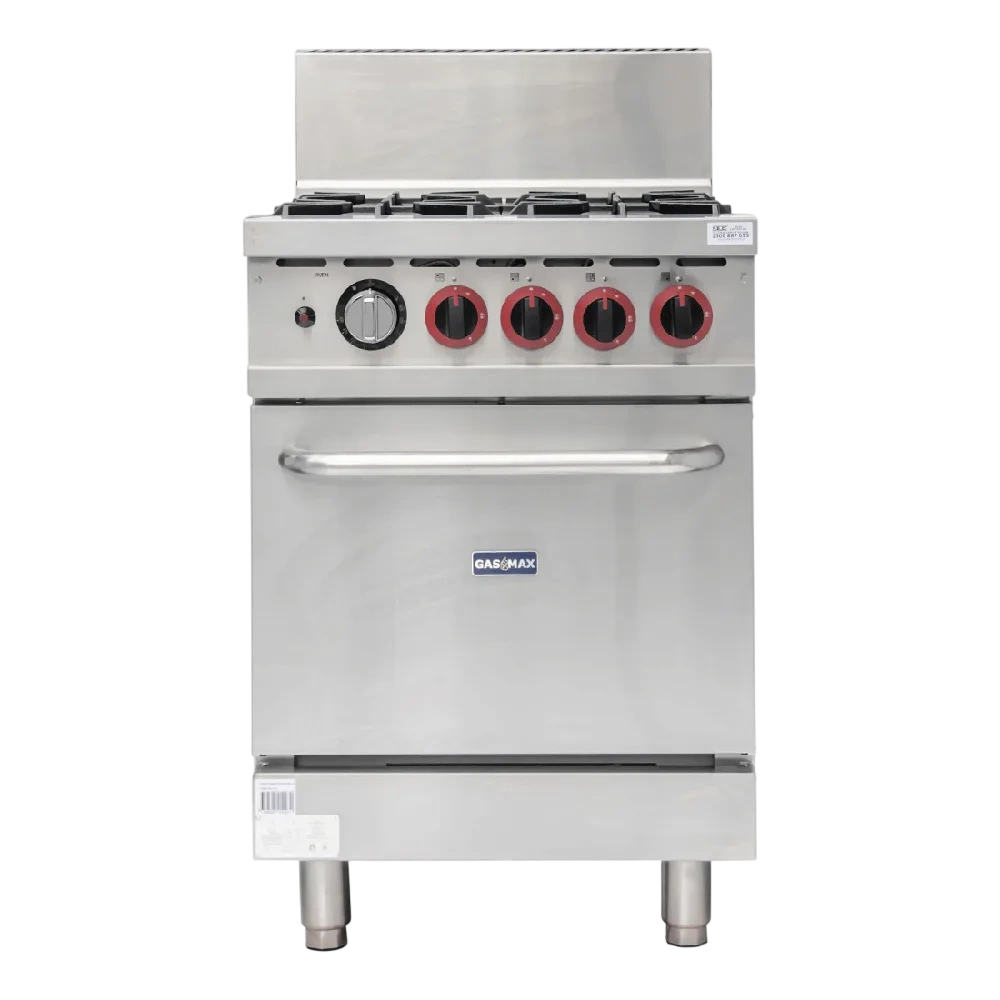
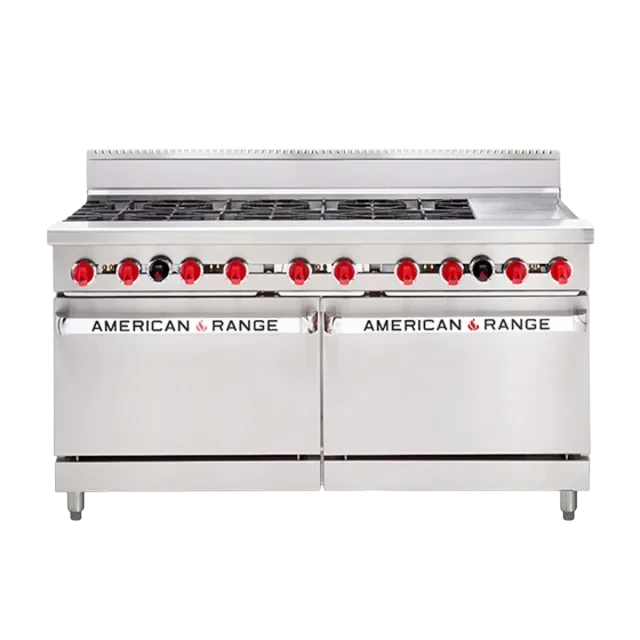
1524 × 828 × 1137mm
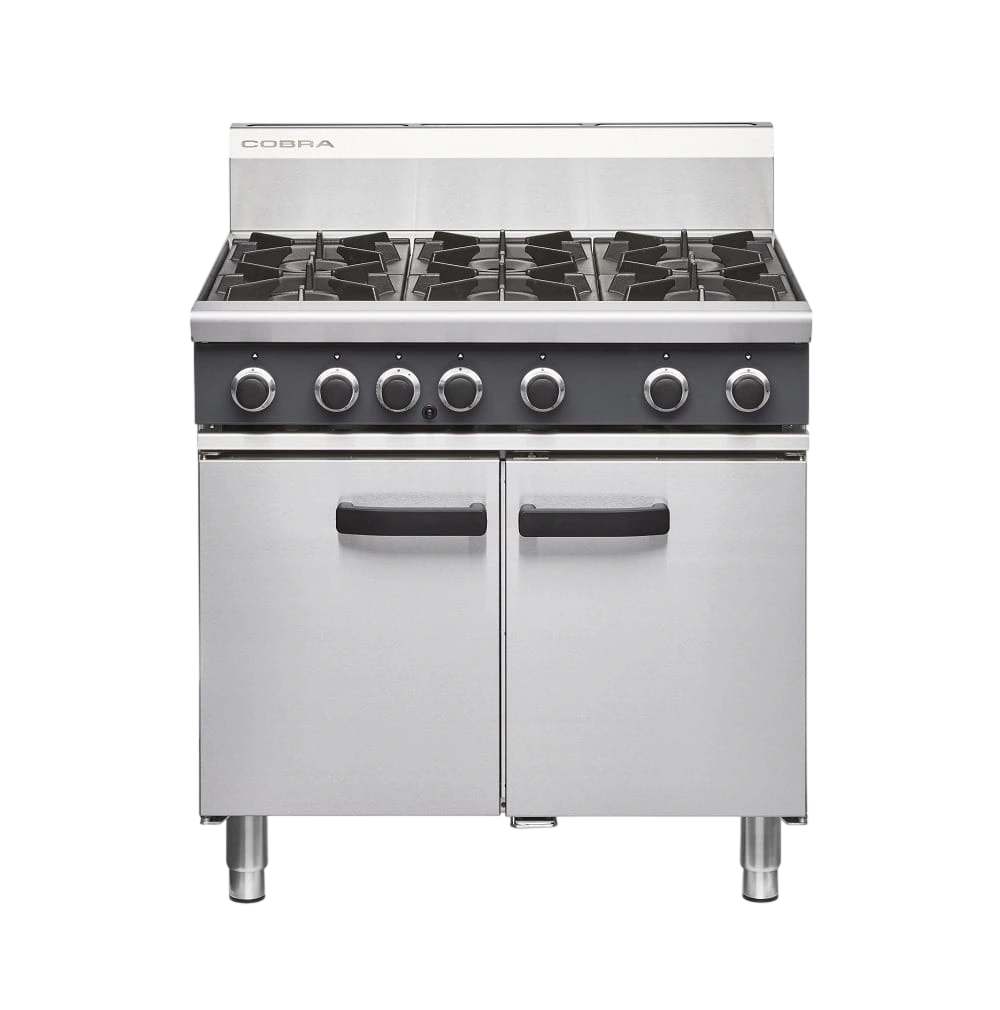
900 × 800 × 1085mm
900 × 805 × 1130mm
900 × 805 × 1130mm
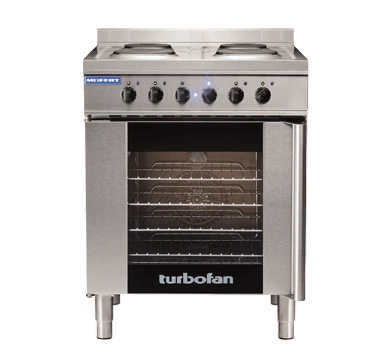
675 × 626 × 890mm
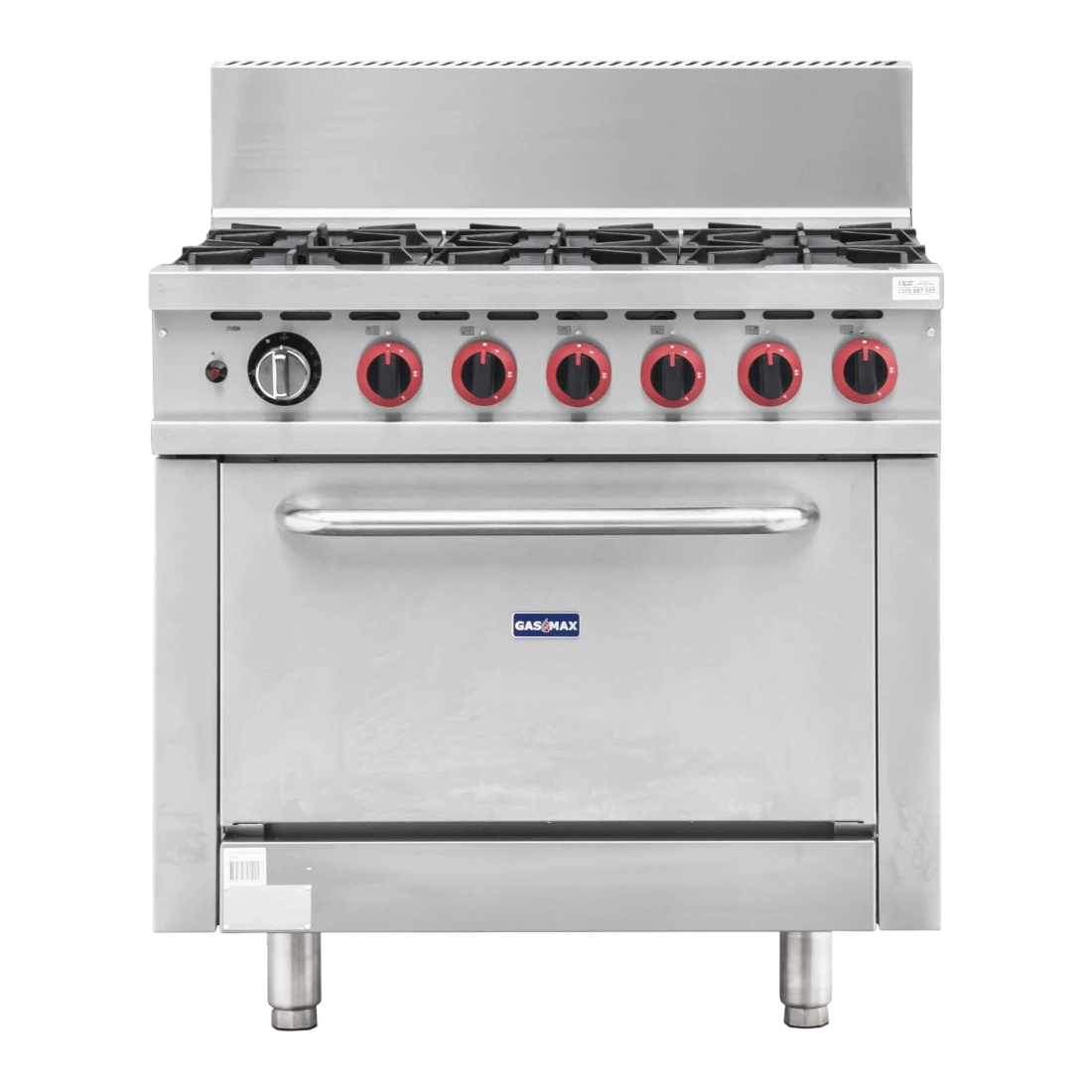
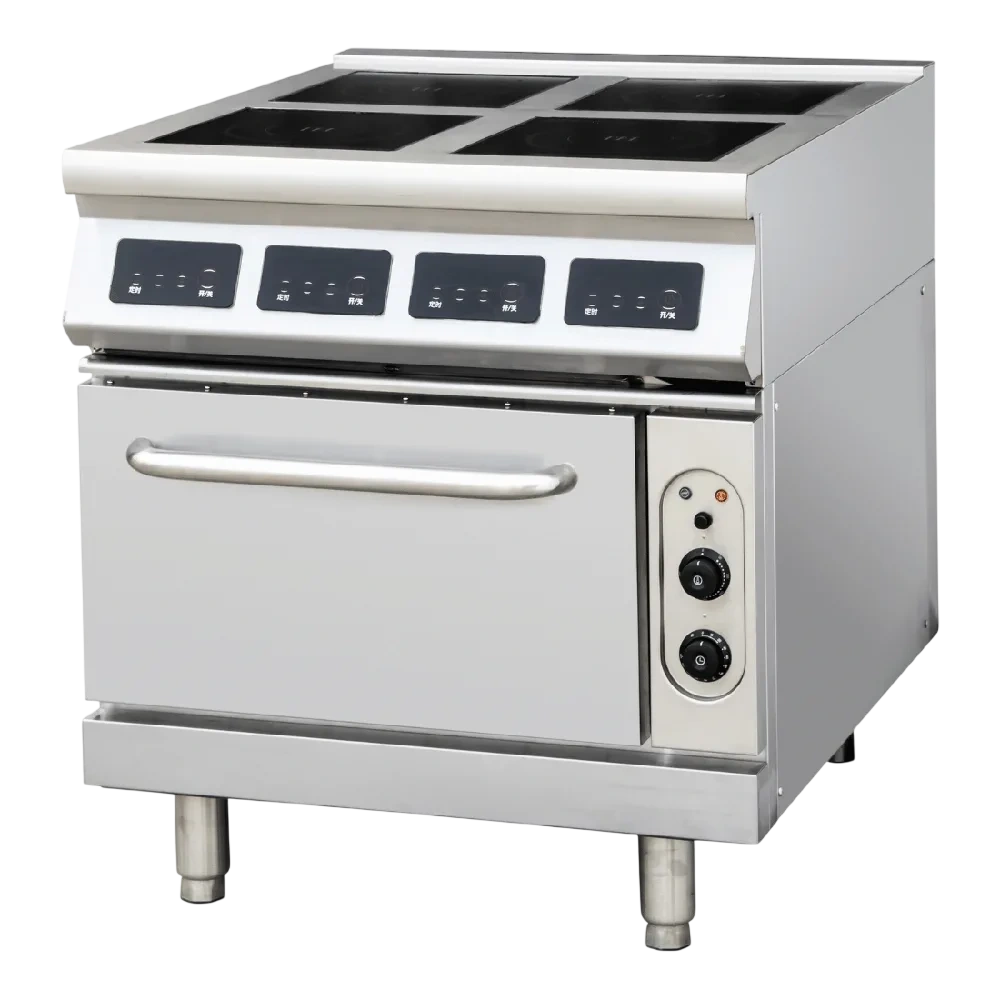
800 × 900 × 891mm
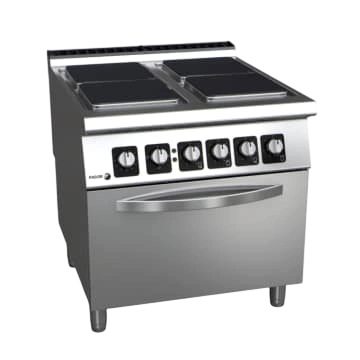
800 × 930 × 850mm
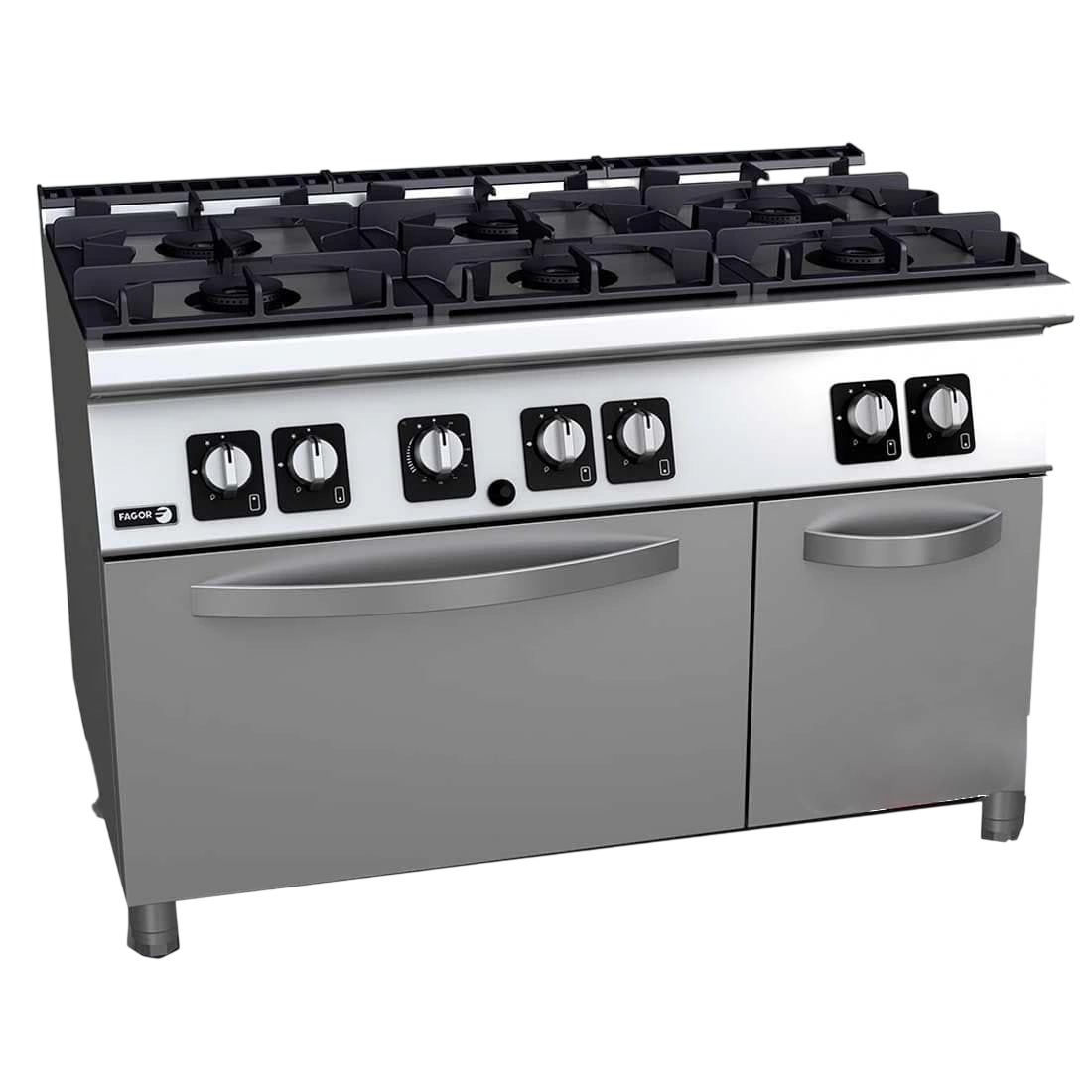
1200 × 730 × 850mm
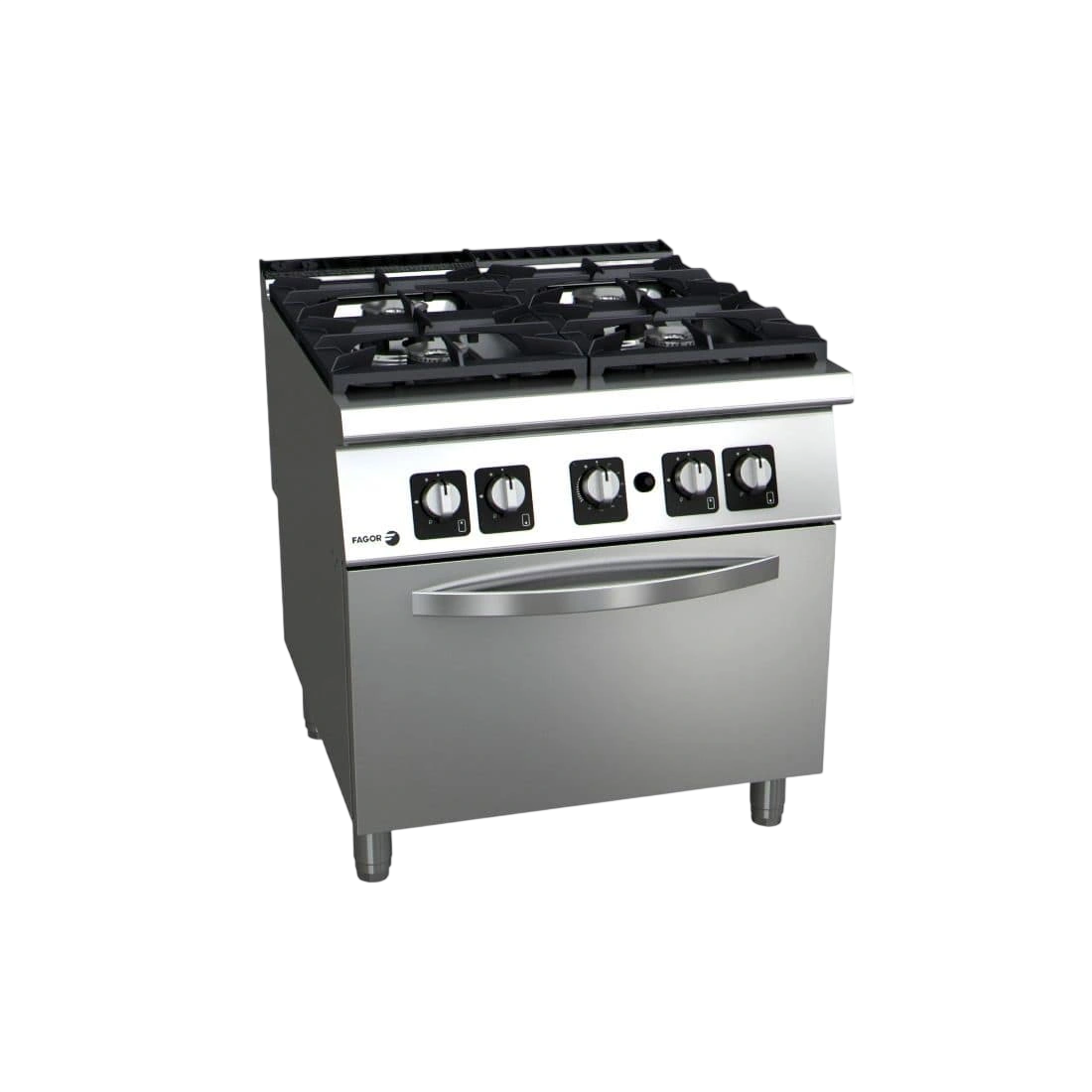
800 × 930 × 850mm
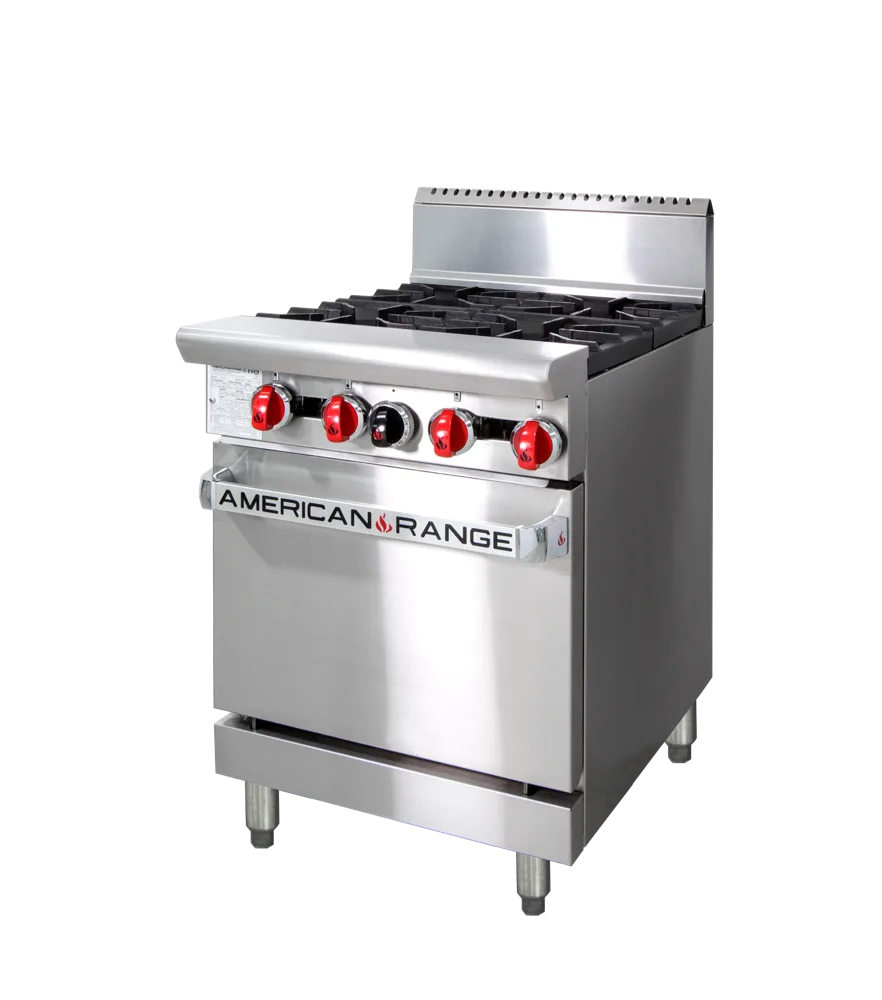
609 × 828 × 1137mm
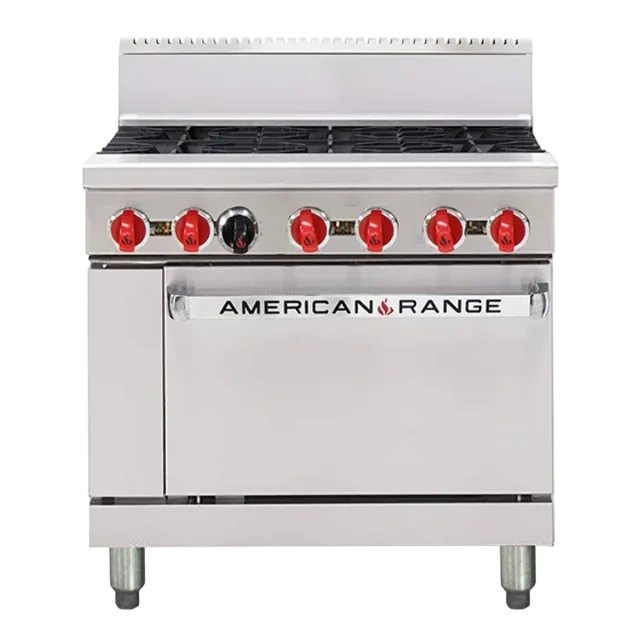
914 × 828 × 1137mm
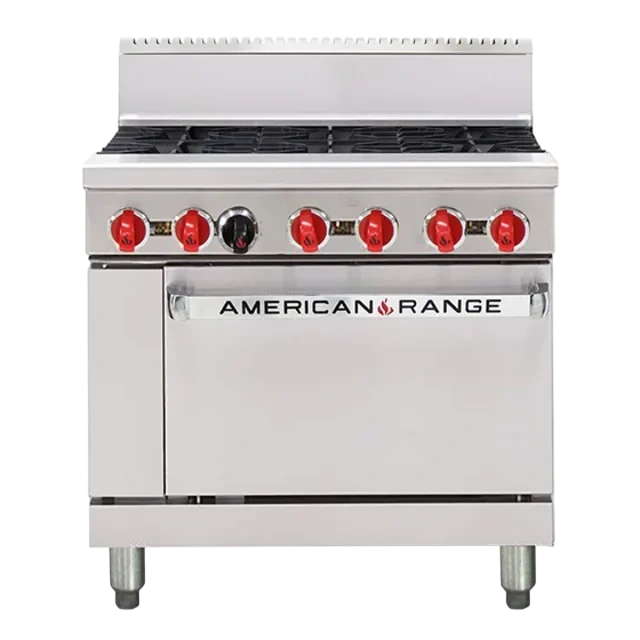
914 × 828 × 1137mm
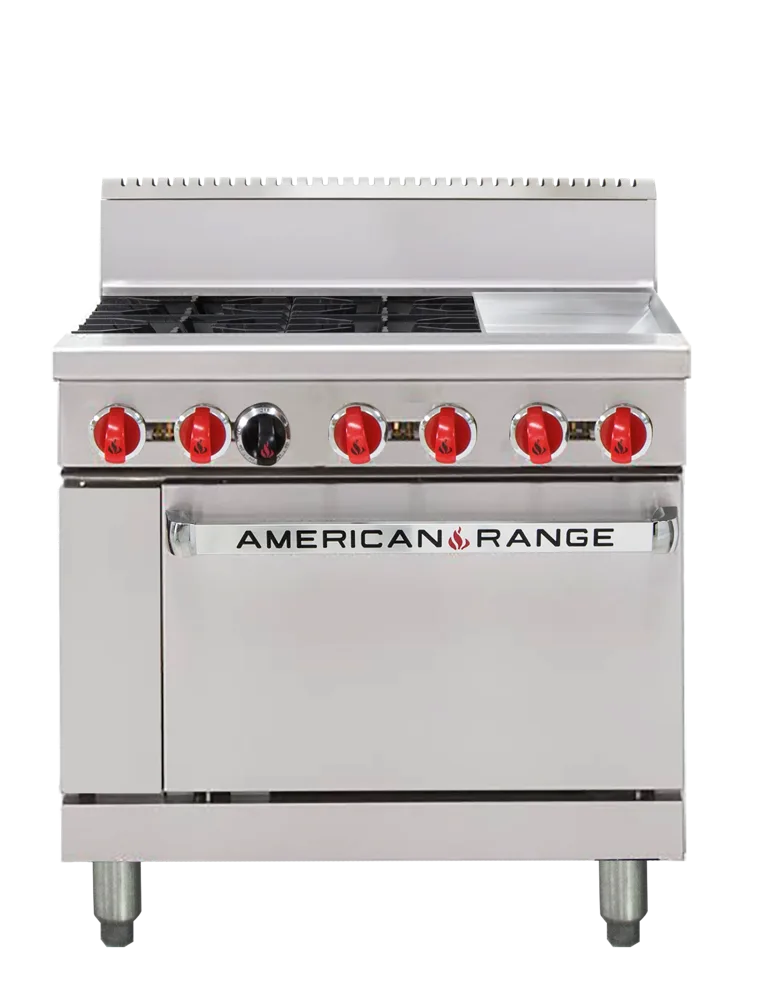
914 × 828 × 1137mm
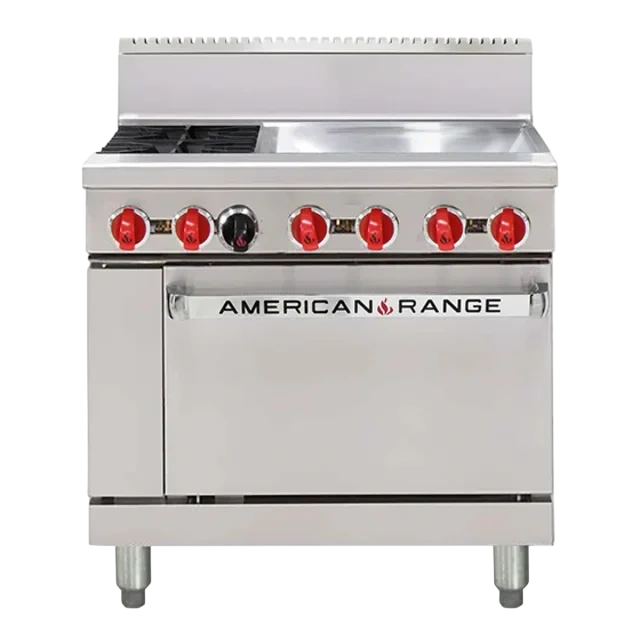
914 × 828 × 1137mm
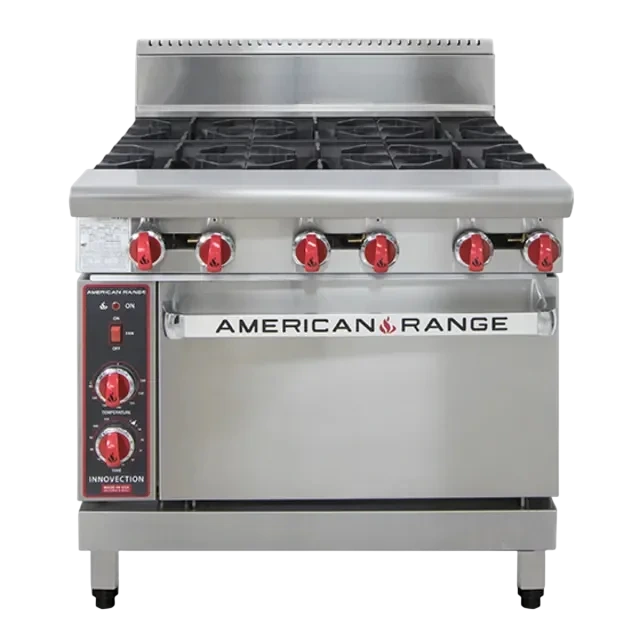
914 × 828 × 1137mm
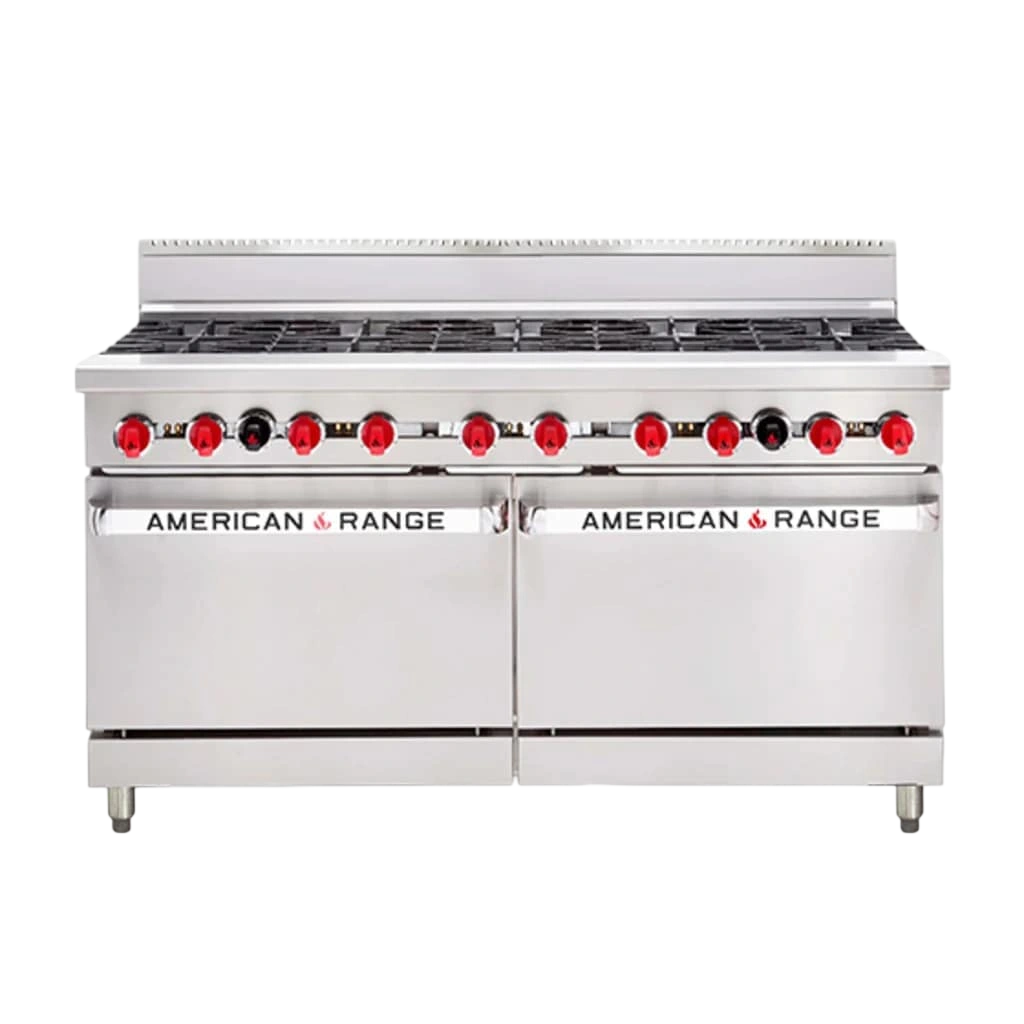
1524 × 828 × 1137mm
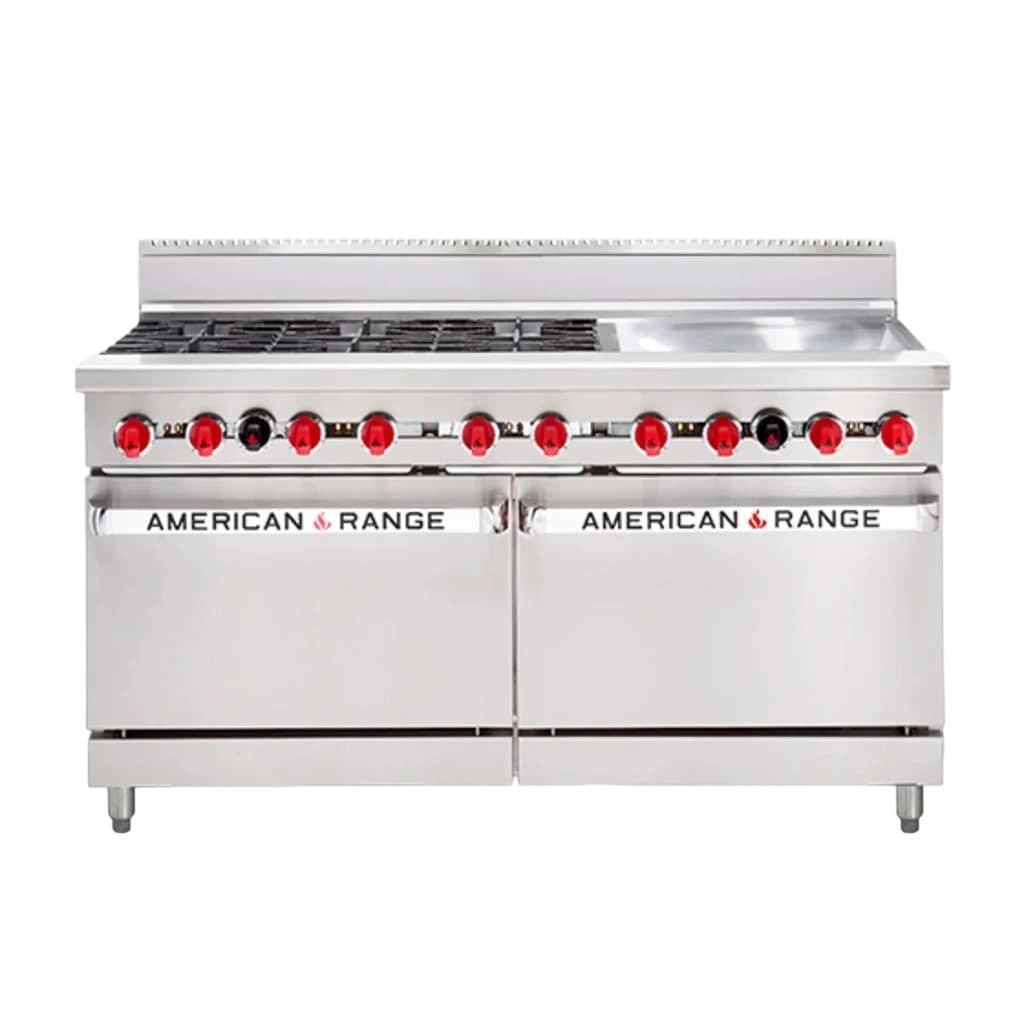
1524 × 828 × 1137mm
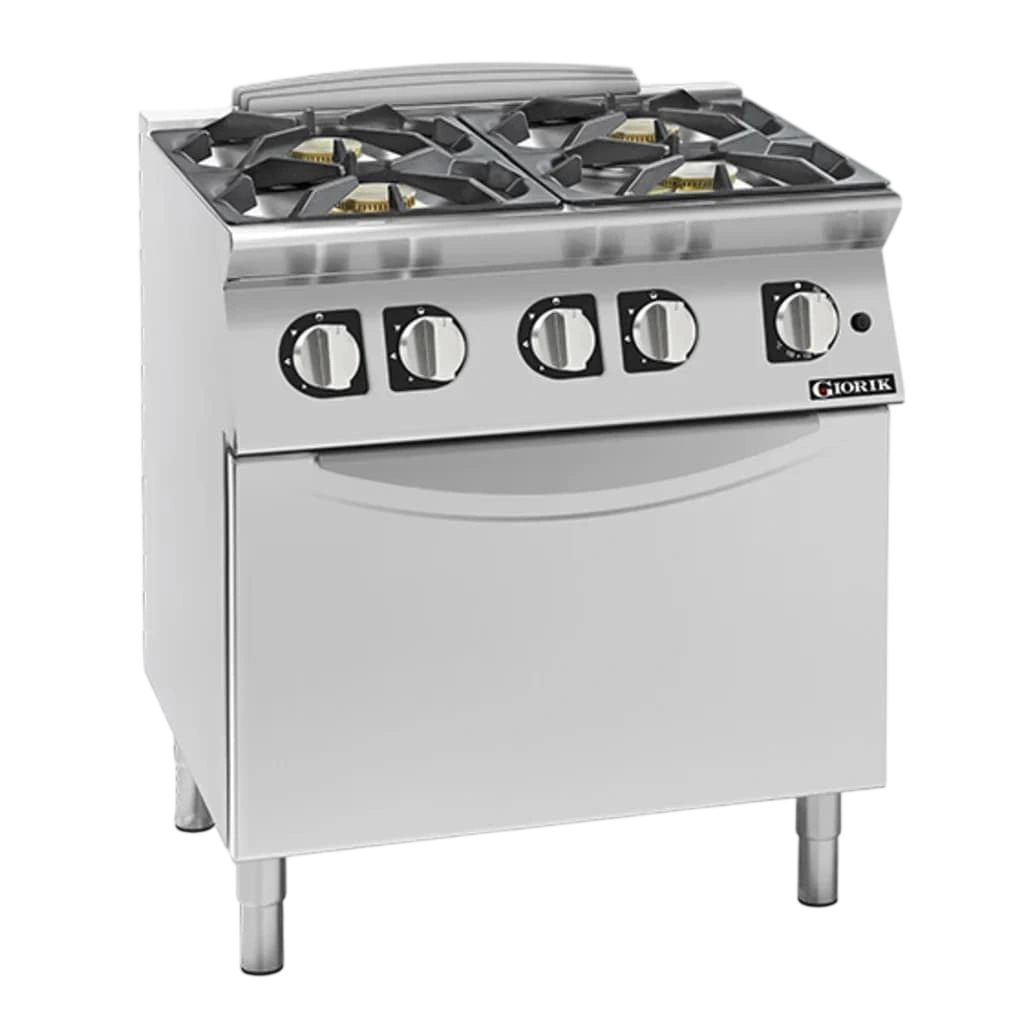
800 × 720 × 930mm
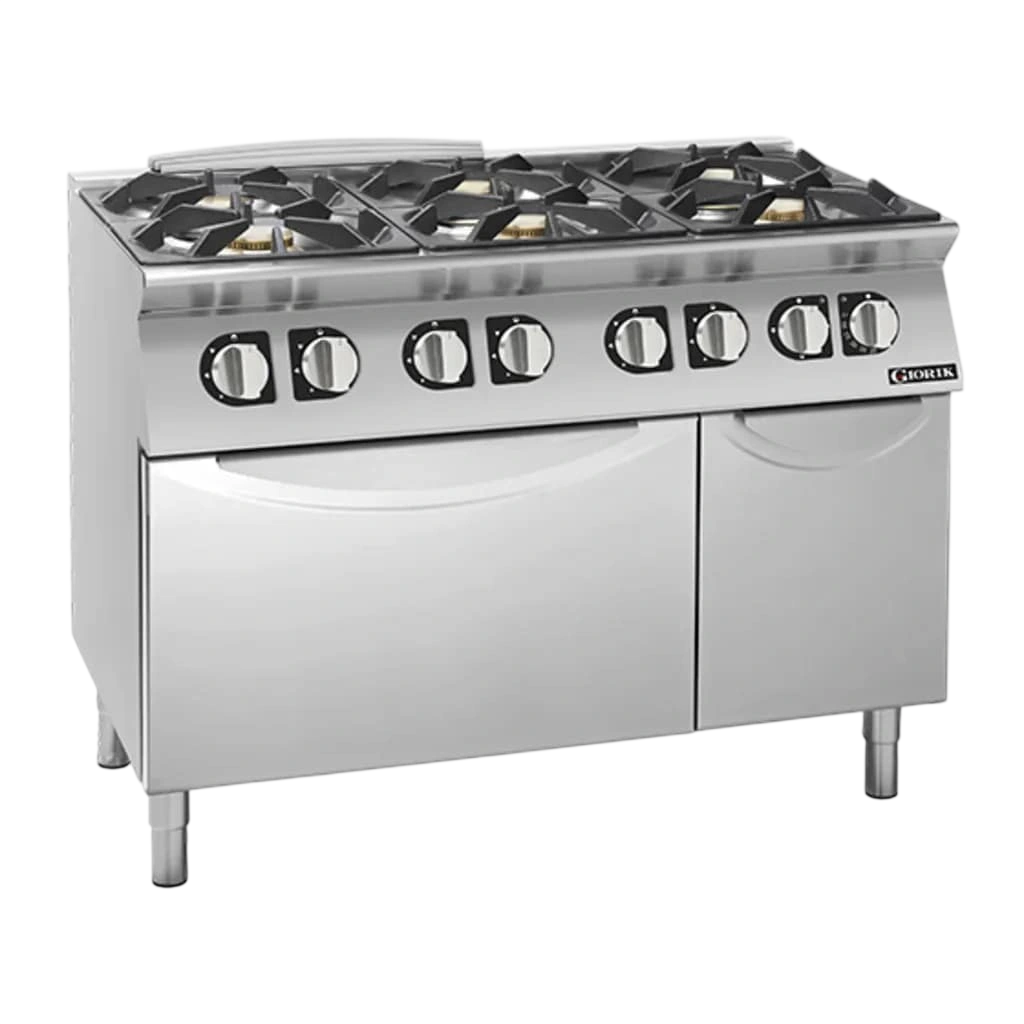
1200 × 720 × 930mm
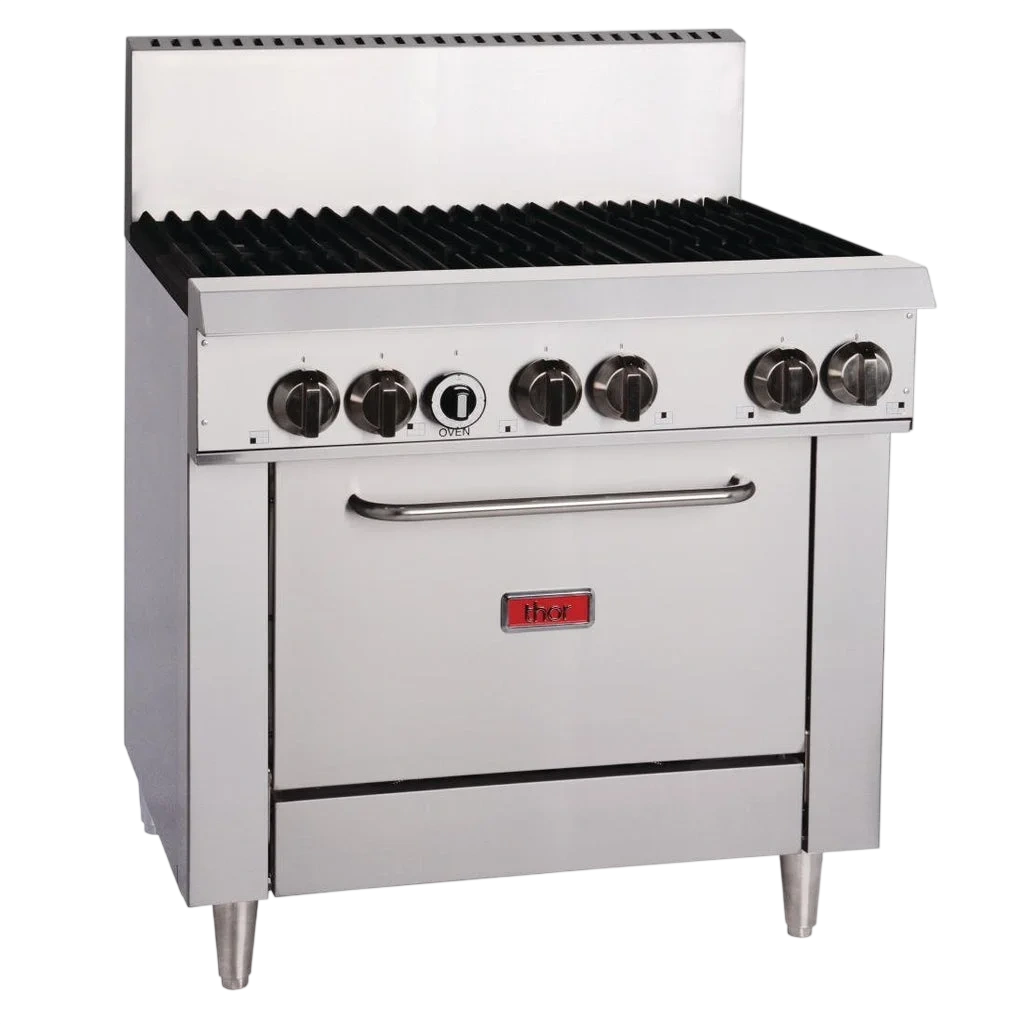
915 × 610 × 1175mm
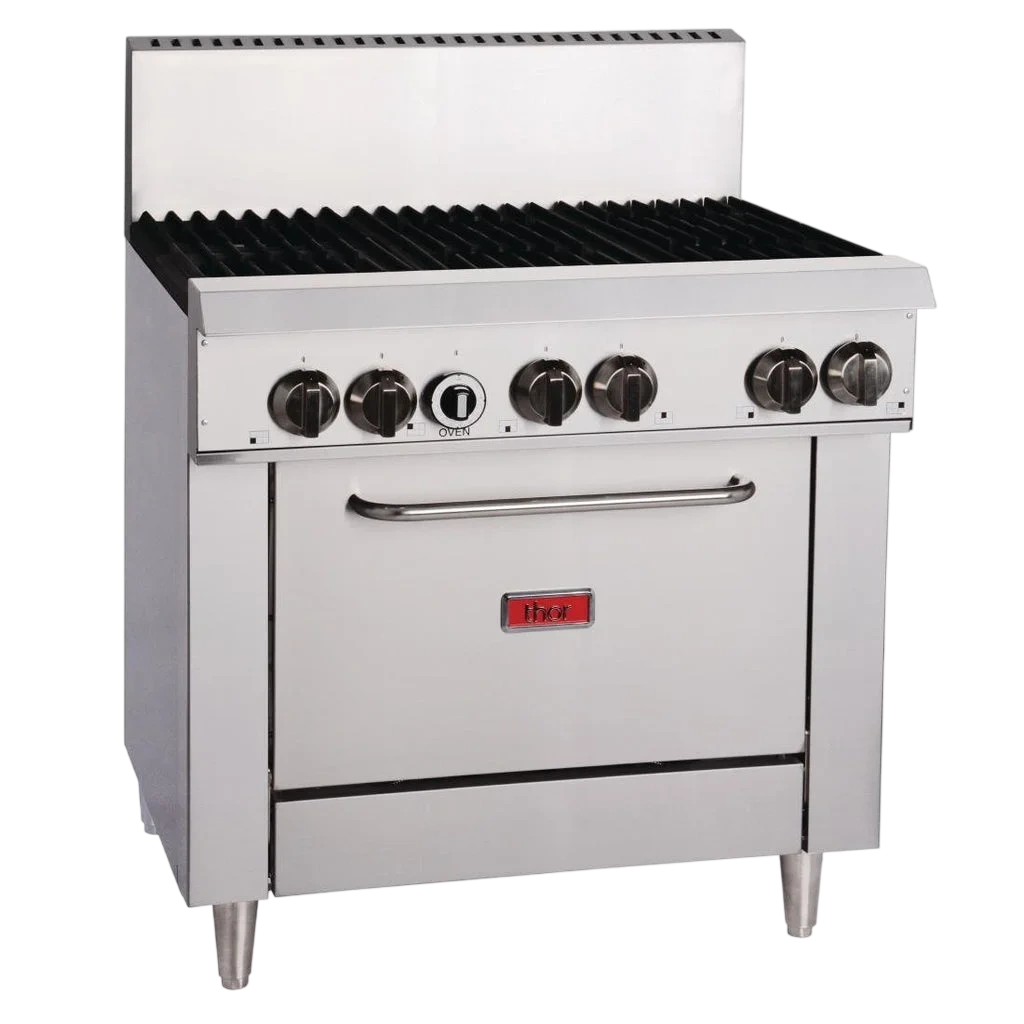
915 × 845 × 1175mm
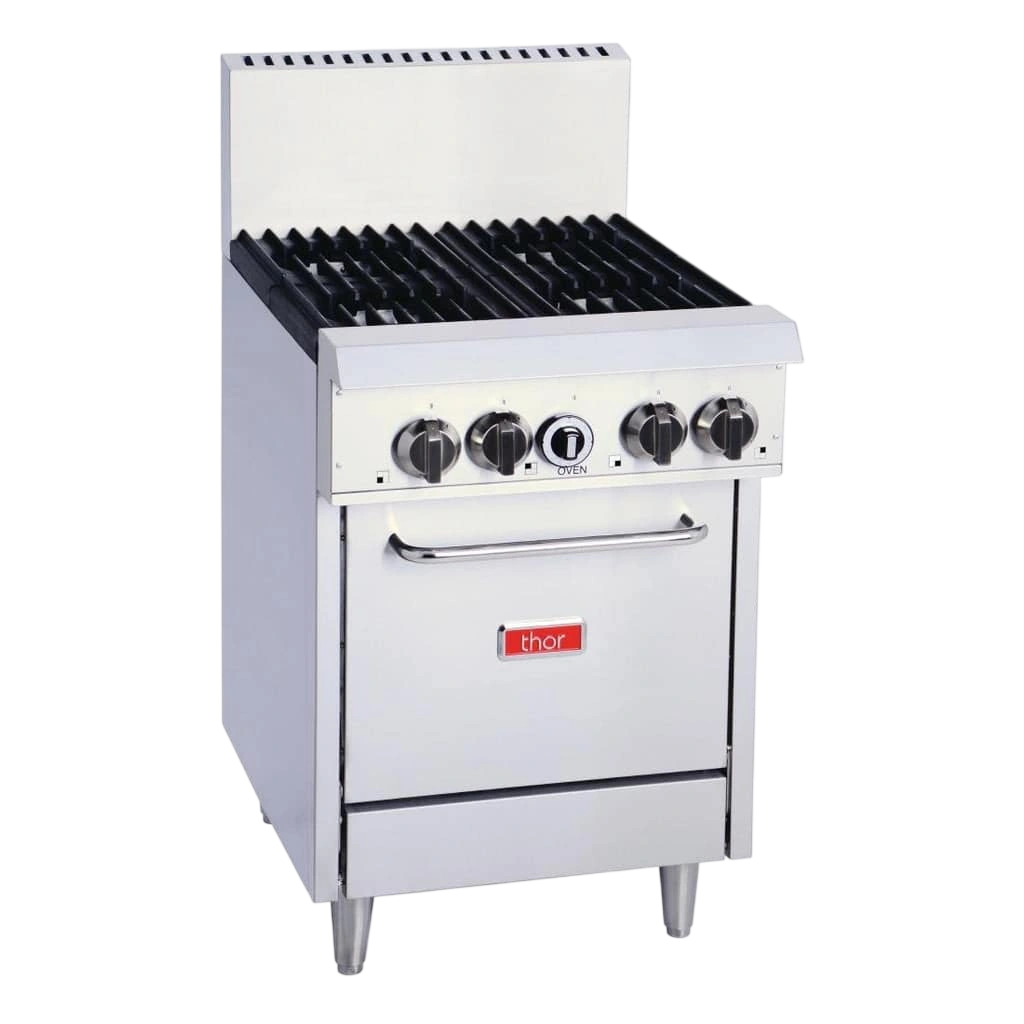
610 × 845 × 1175mm
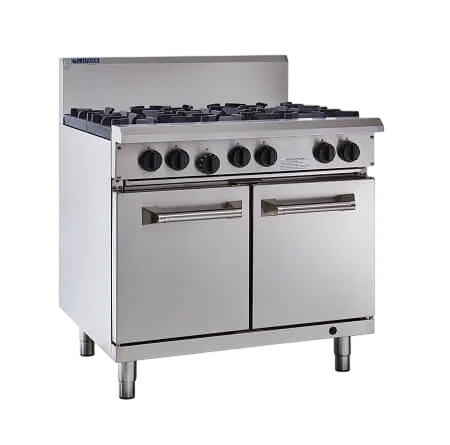
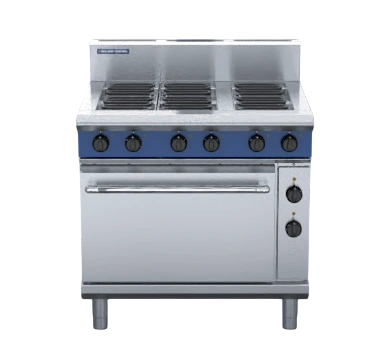
900 × 812 × 1085mm
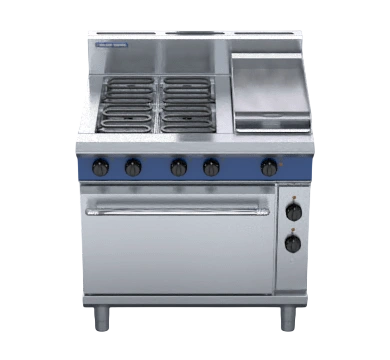
900 × 812 × 1085mm
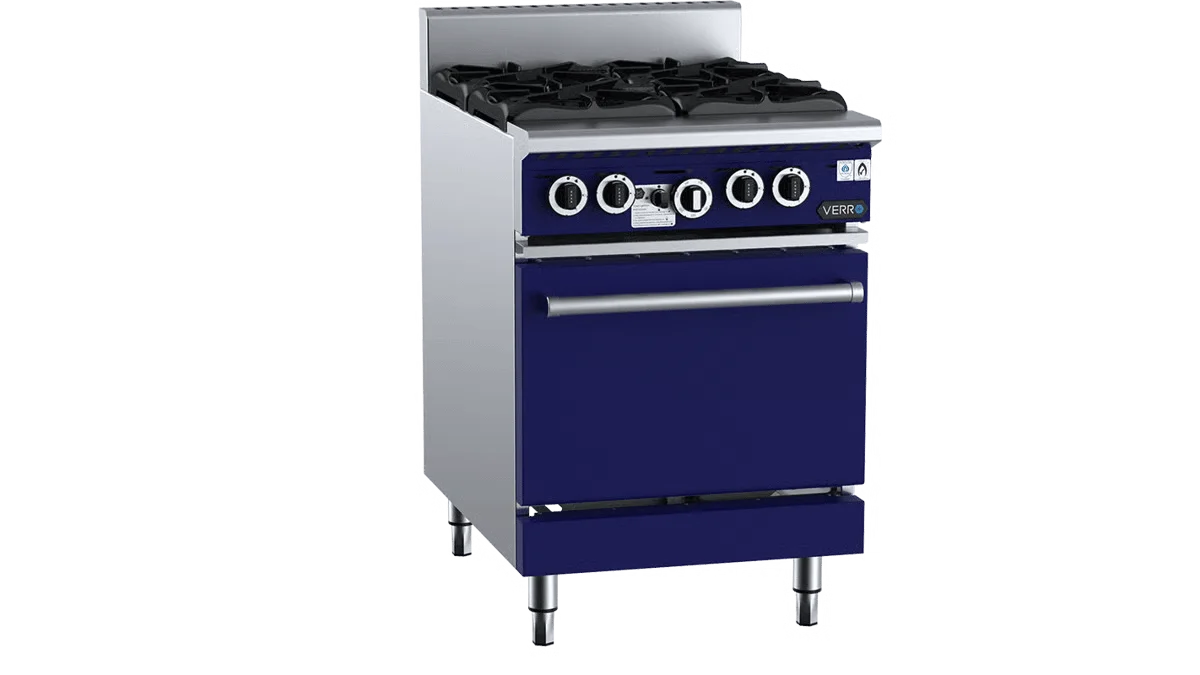
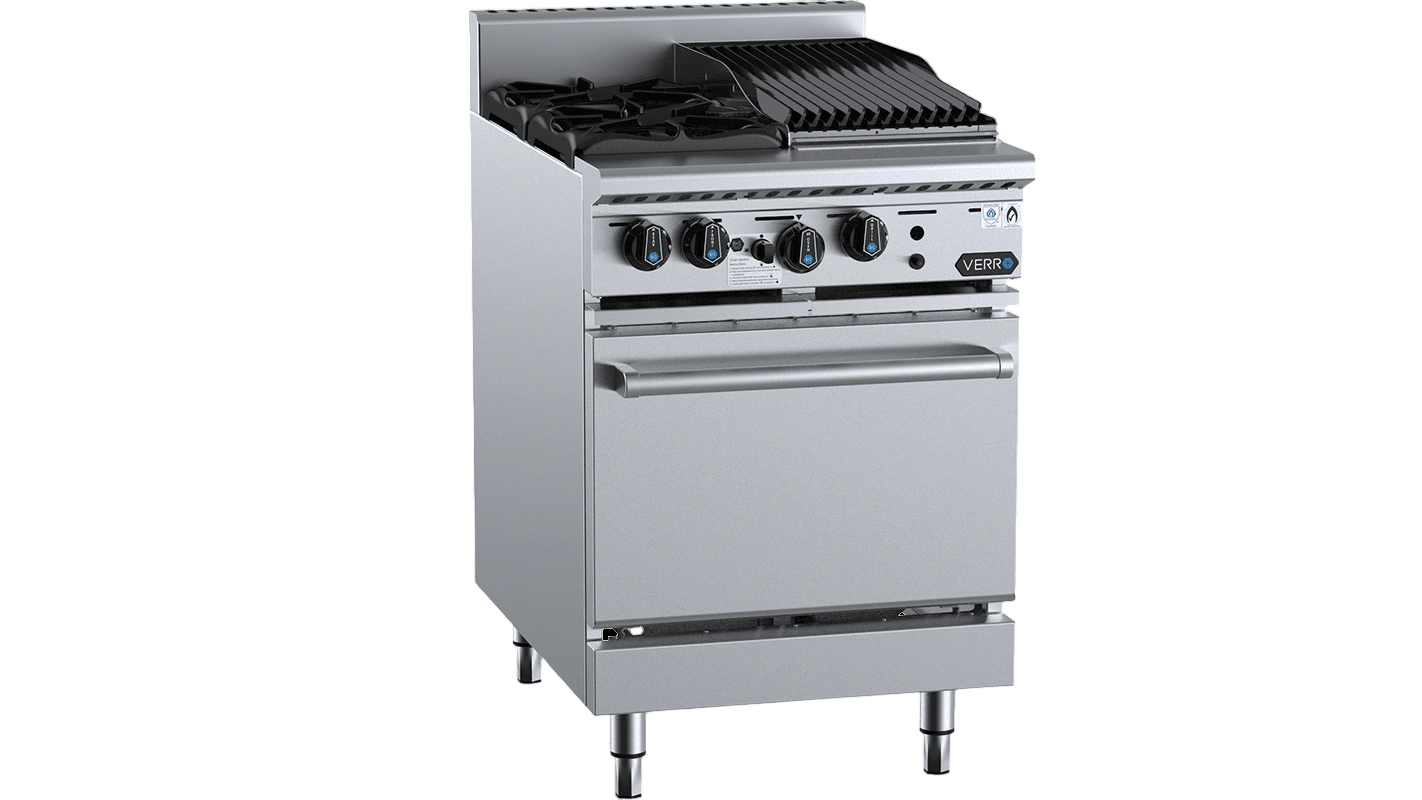
600 × 840 × 1030mm
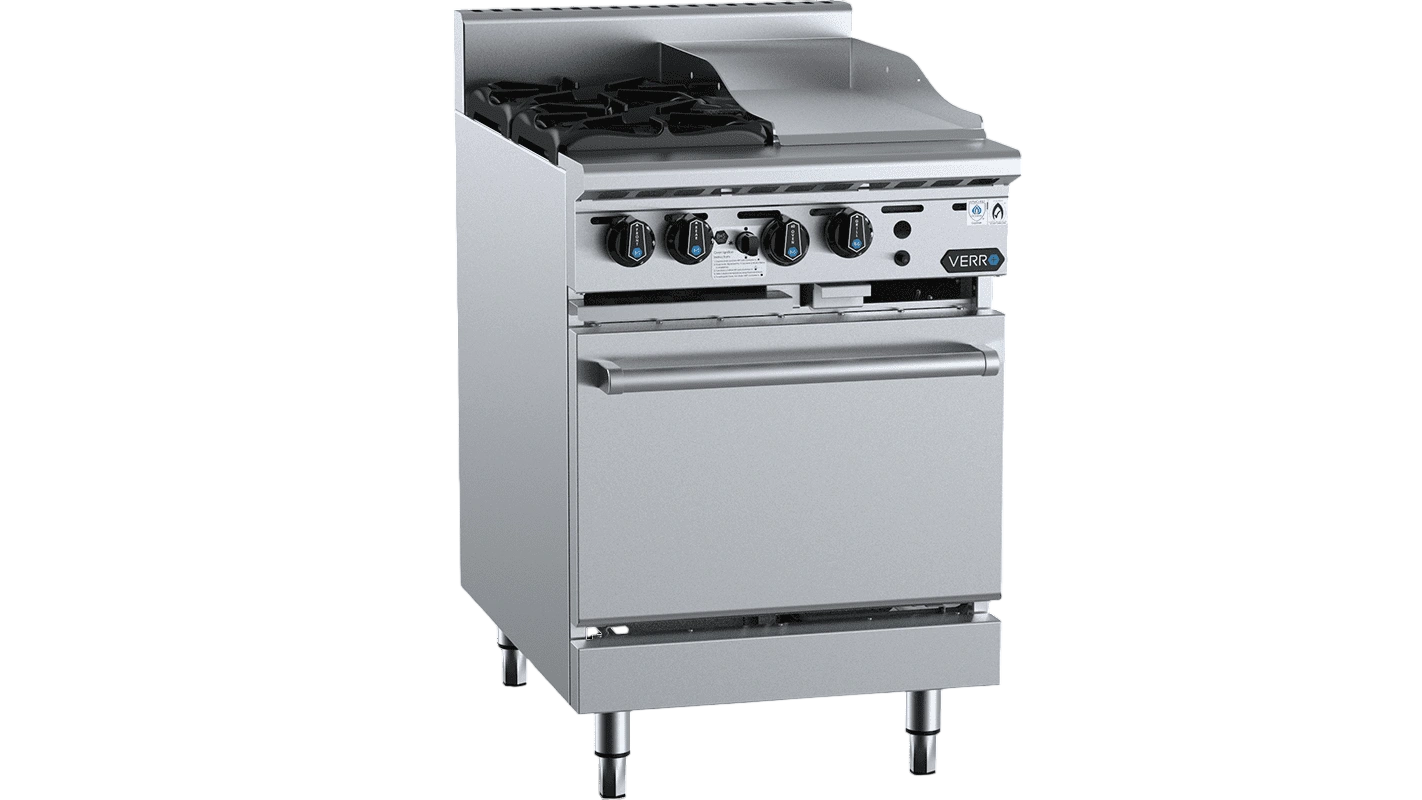
600 × 840 × 1030mm
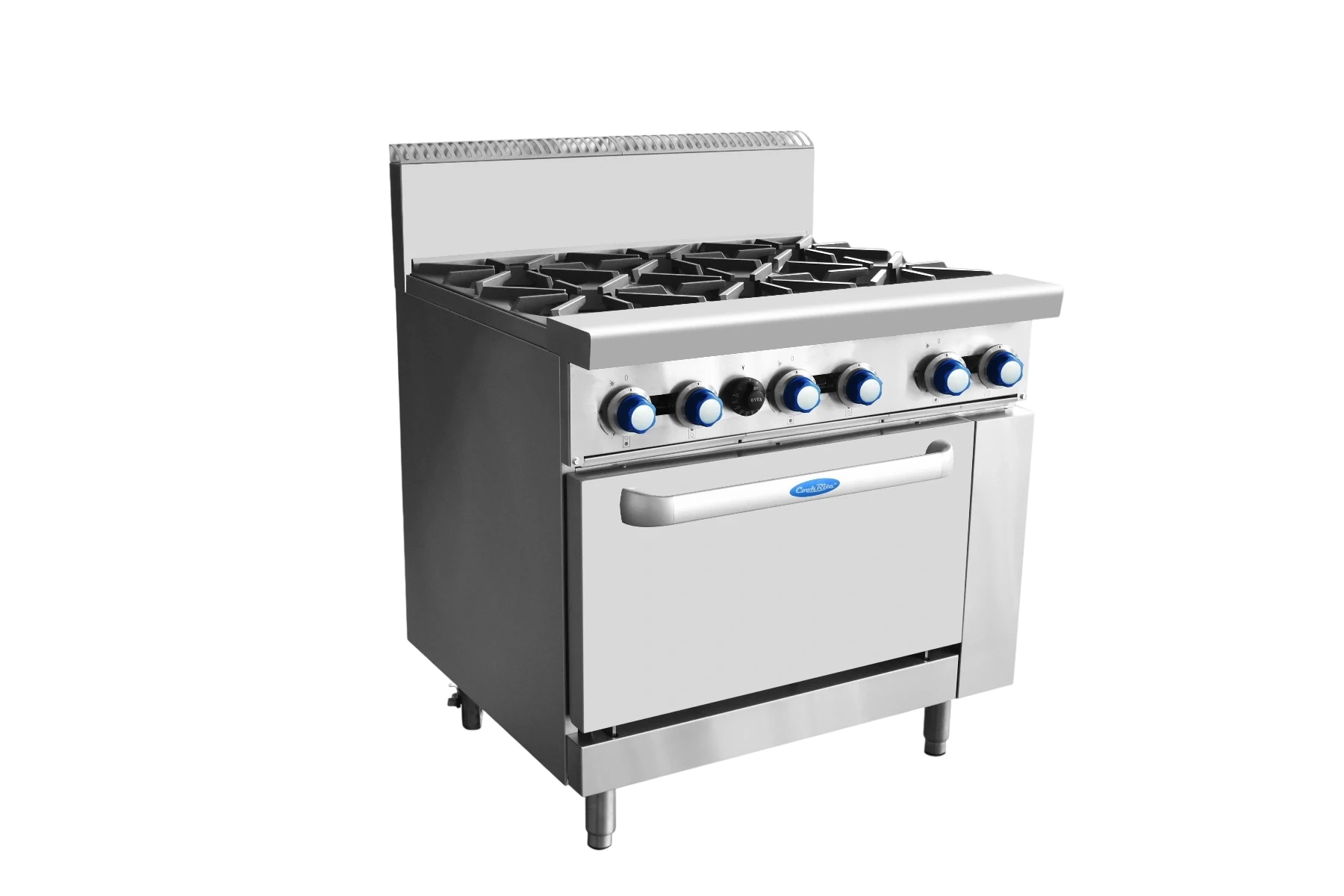
900 × 800 × 1115mm
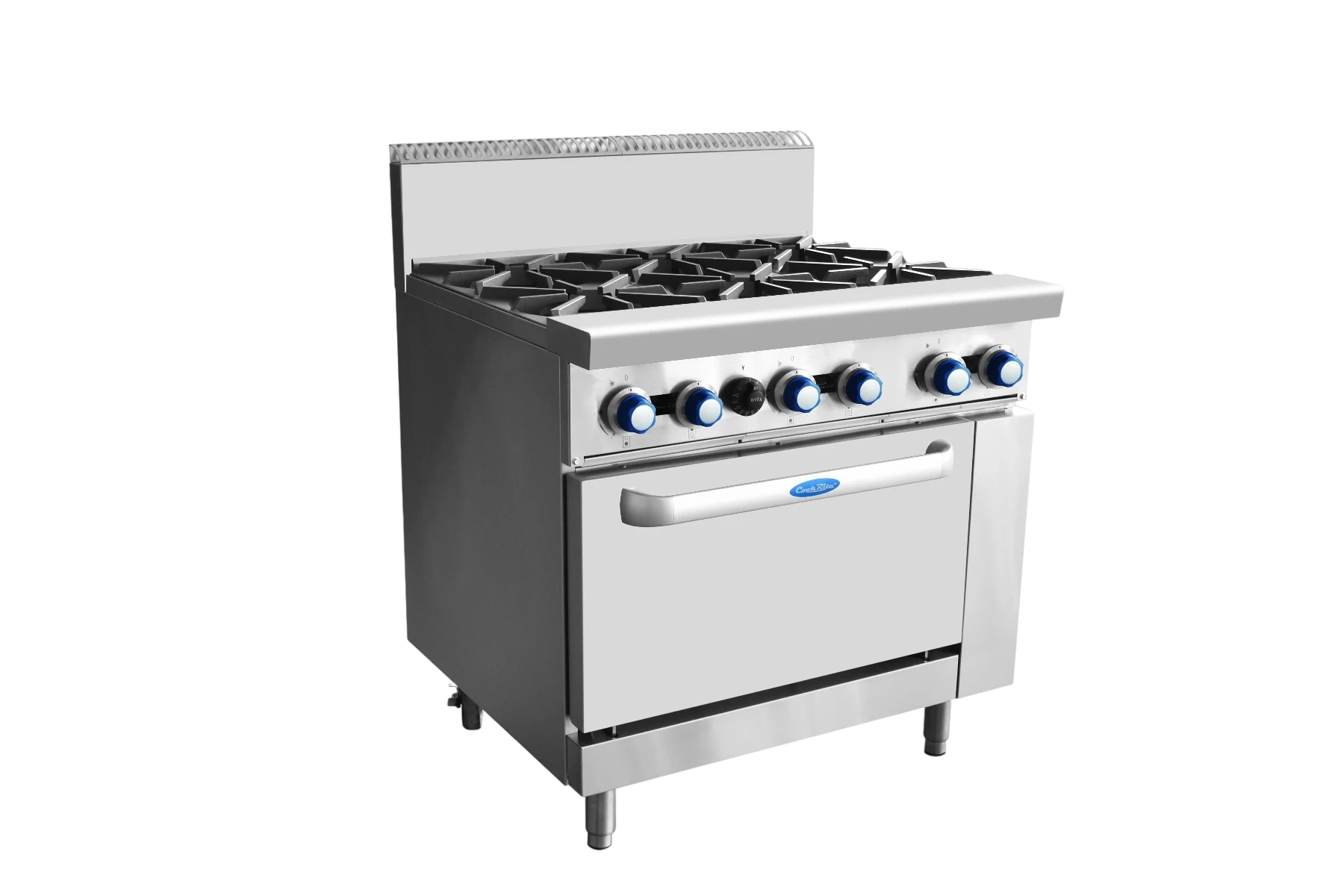
900 × 800 × 1115mm
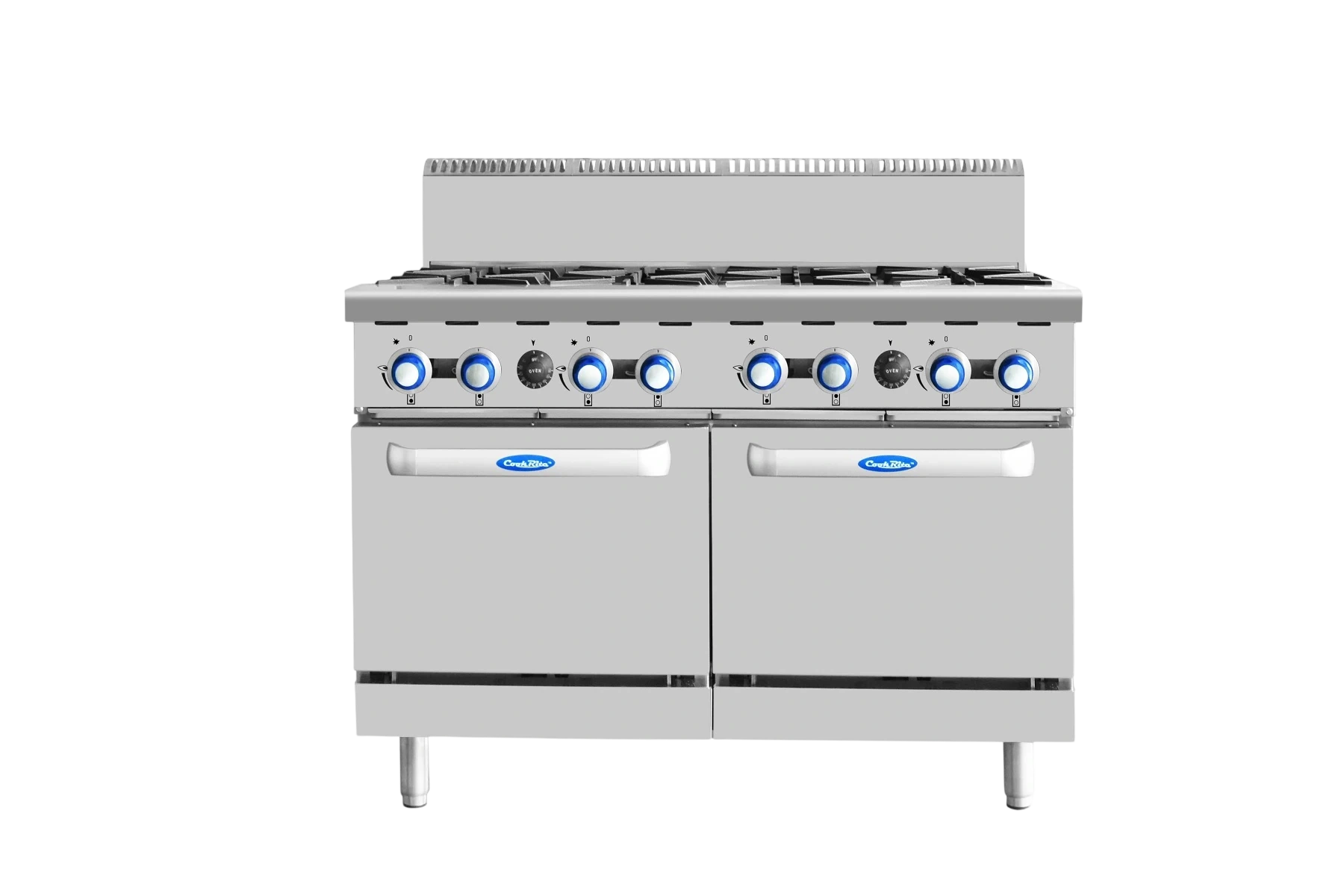
1200 × 800 × 1115mm
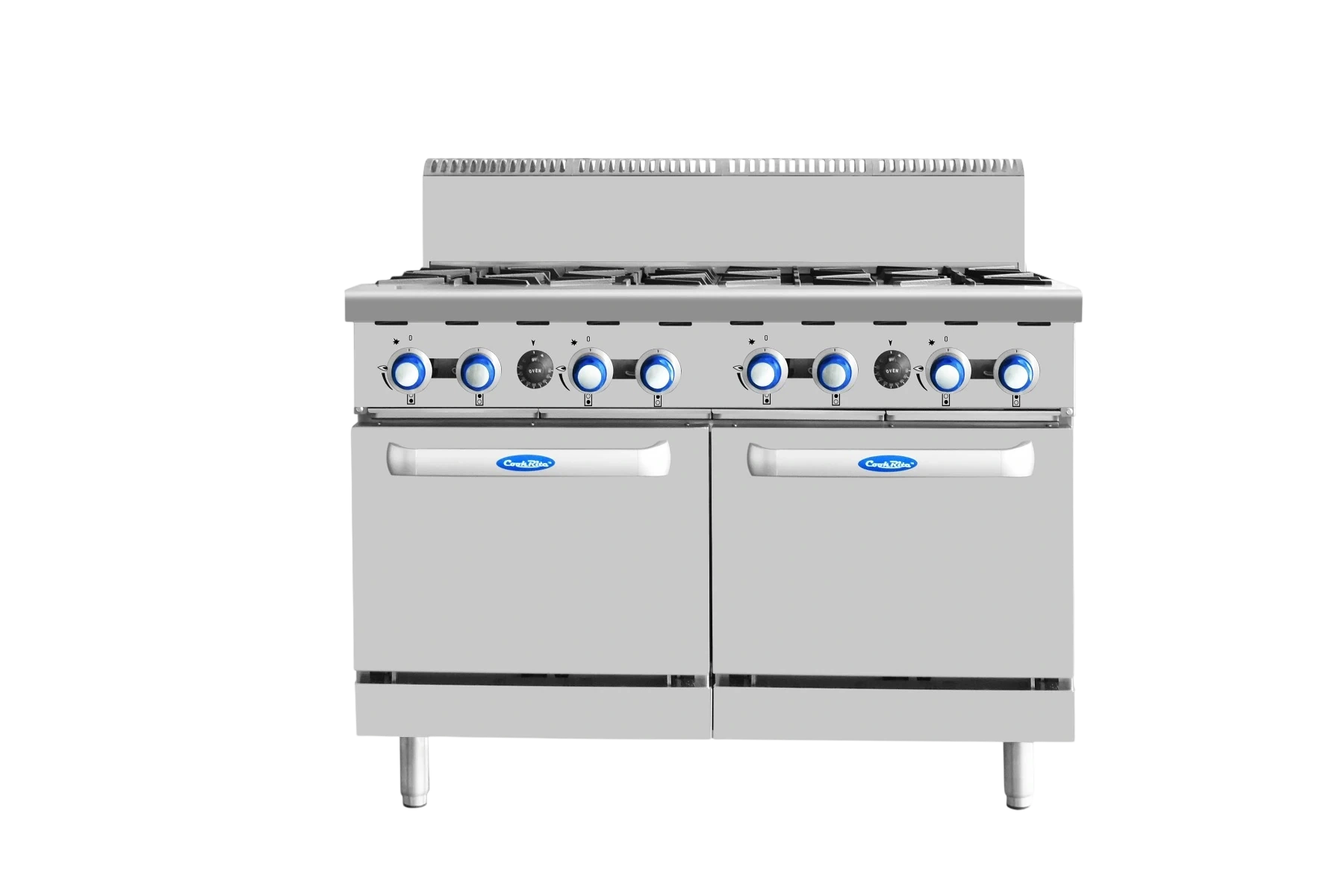
1200 × 800 × 1115mm
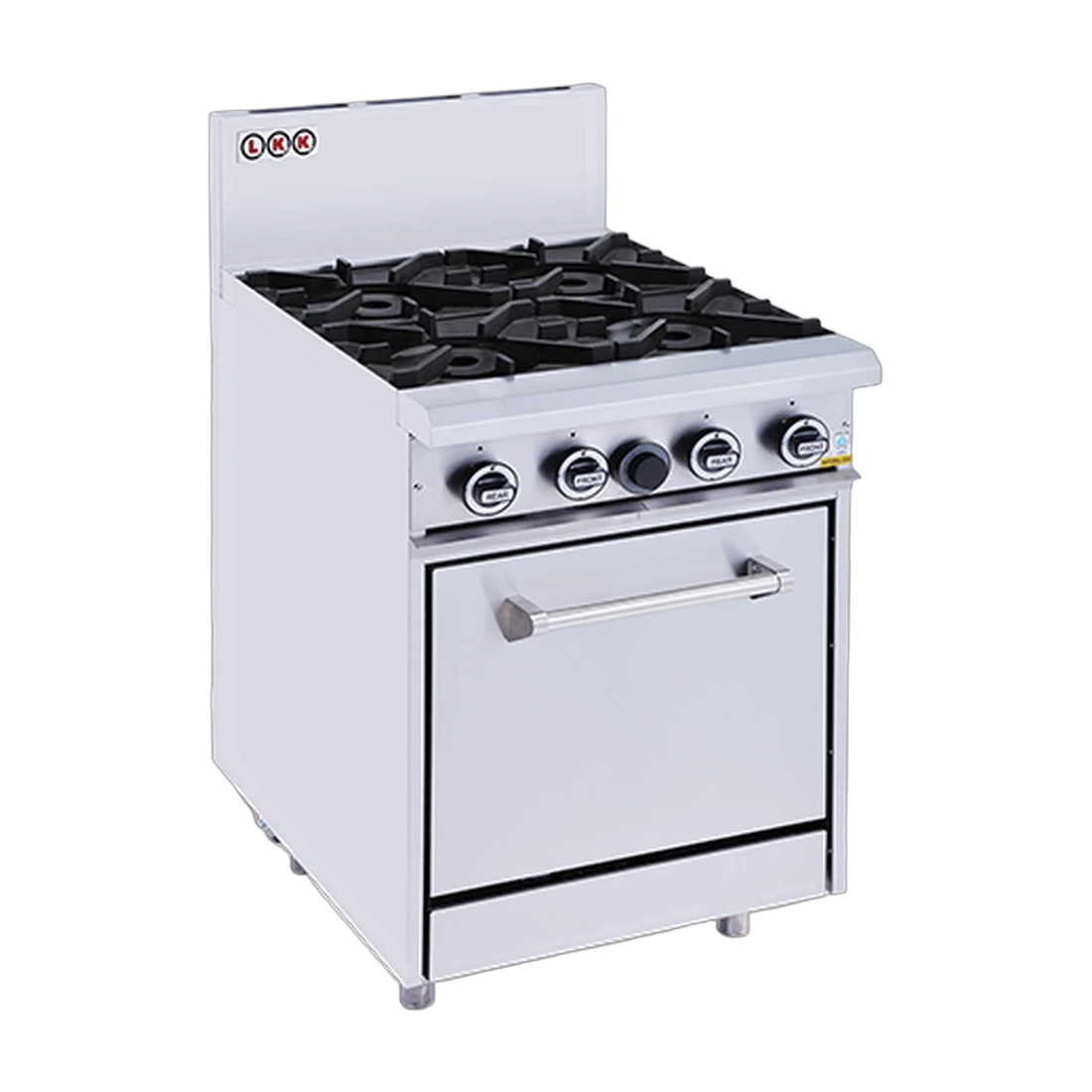
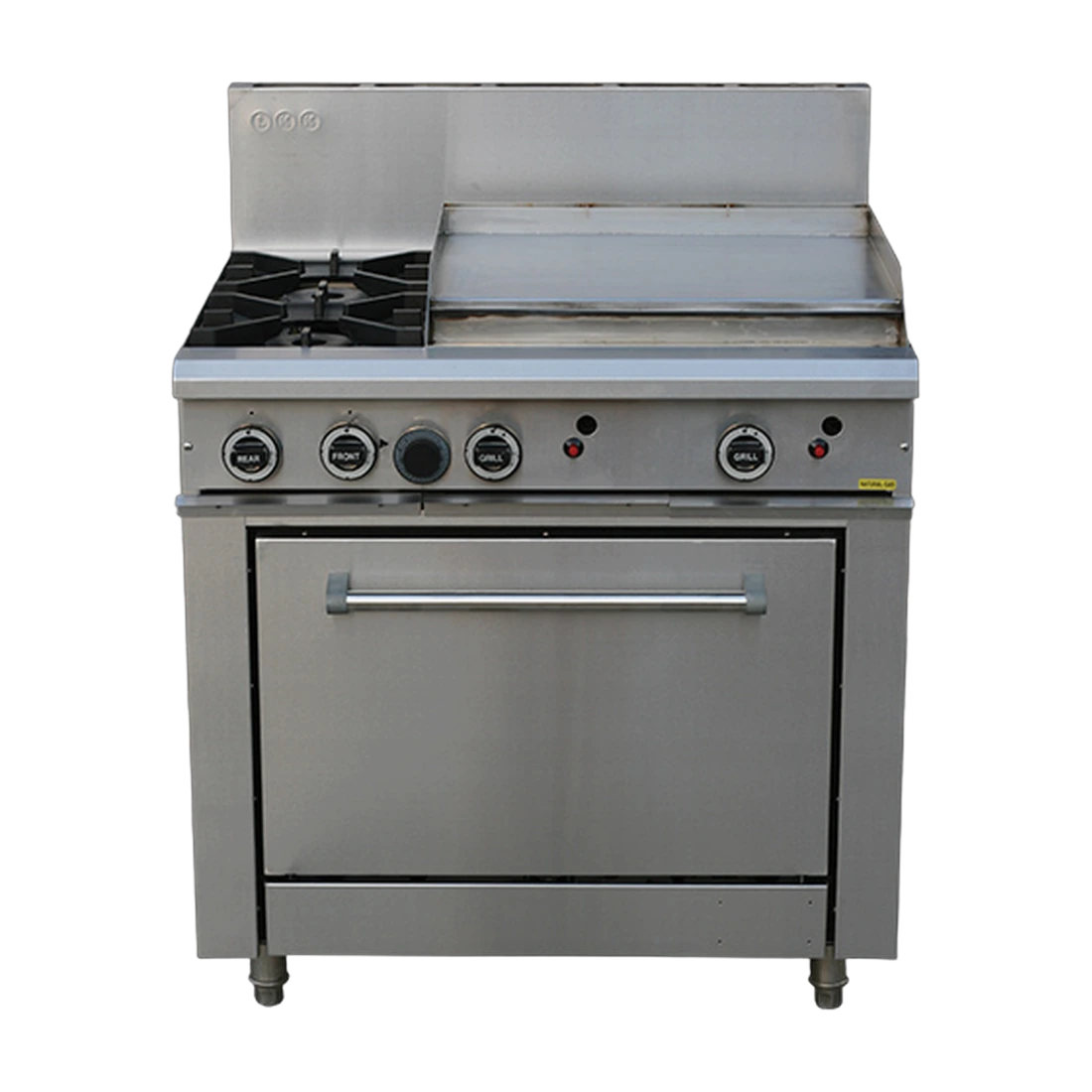
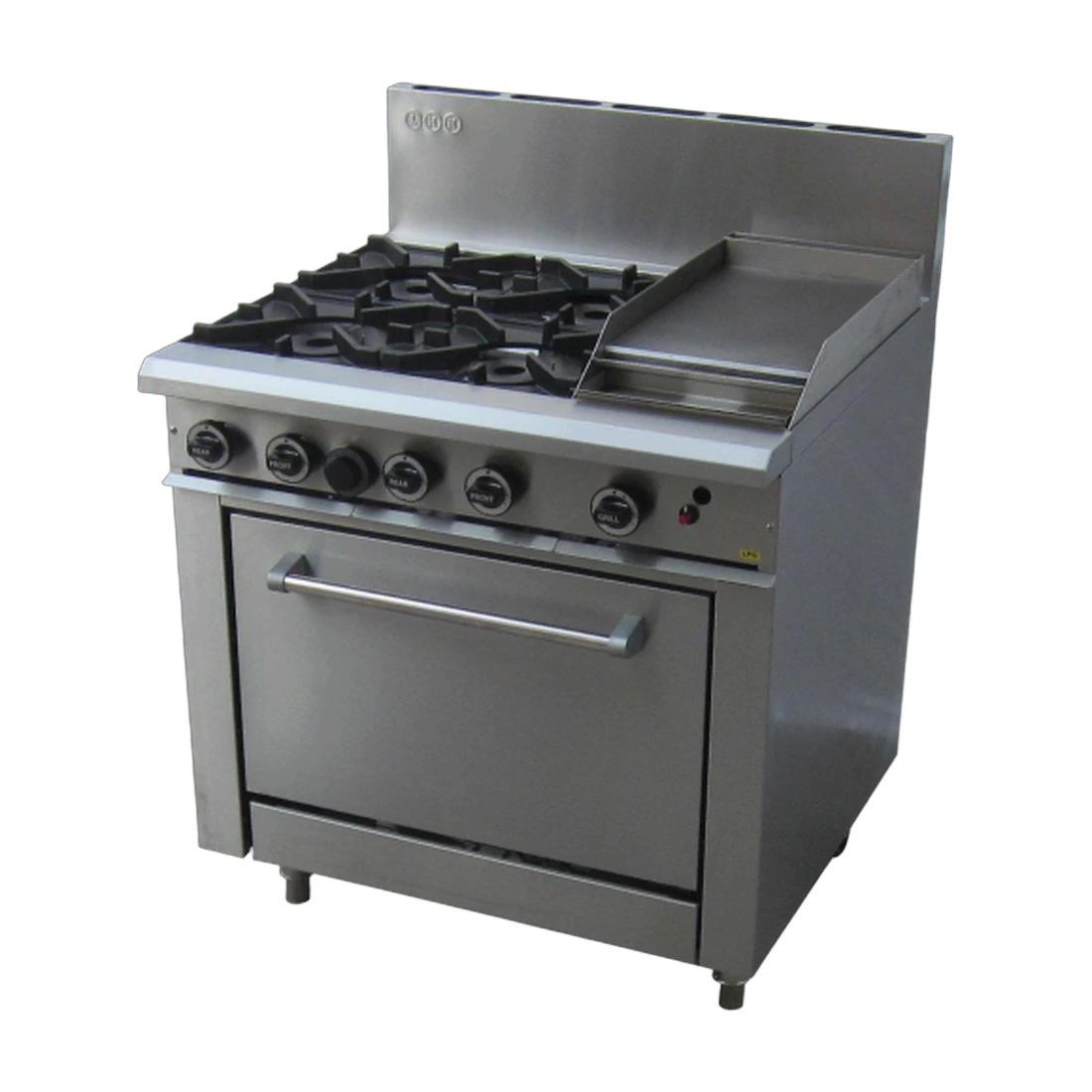
1200 × 920 × 930mm
1200 × 920 × 930mm