Musso
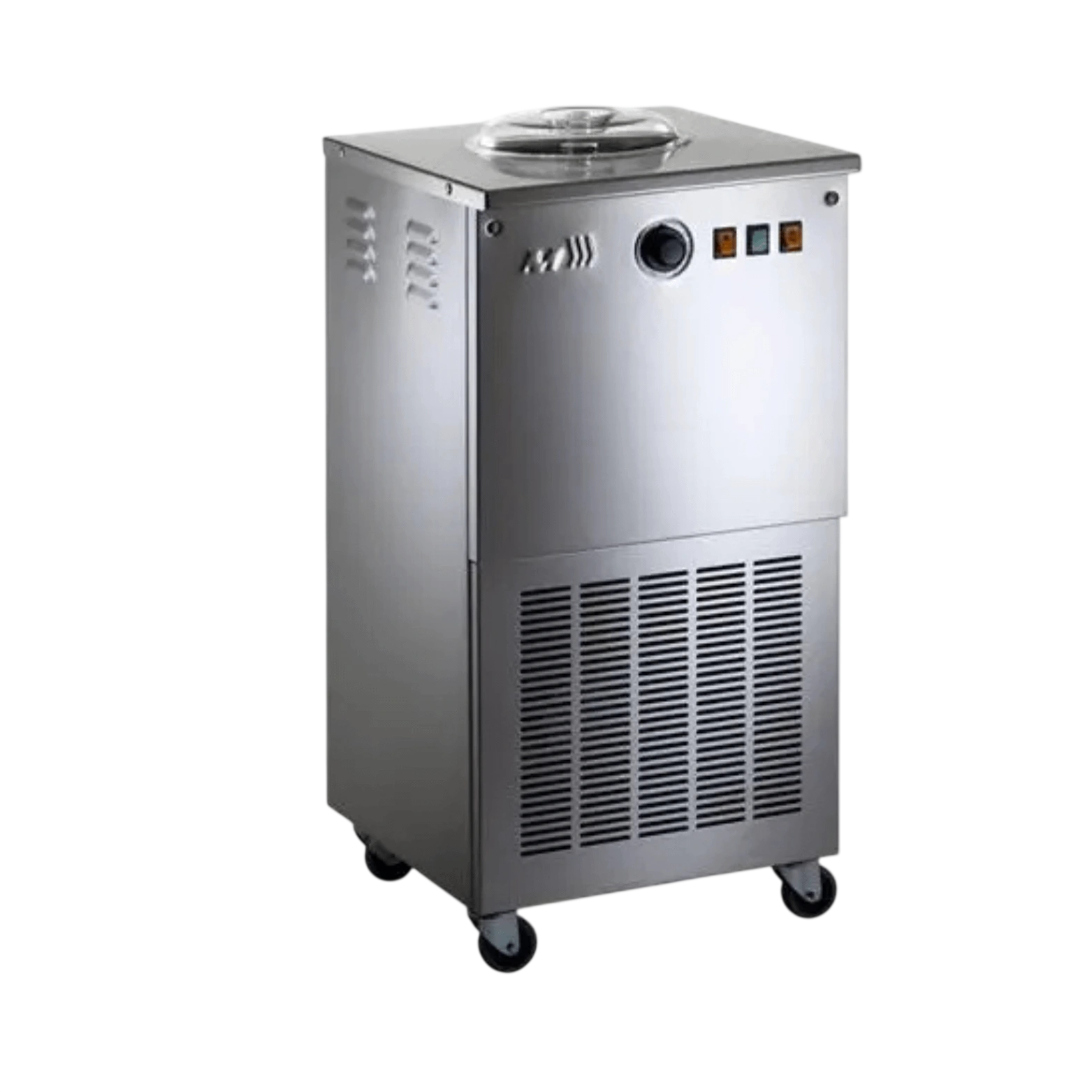
Musso IMM0004 L4 Consul Ice Cream Machine – 3.5L Bowl | 12kg/hr Output
440 × 600 × 850mm
$6,800.00$8,000.00
In Stock
Commercial Beverage Equipment
A gelato or ice cream machine produces frozen product; it does not present it. Production capacity, batch cycle time and where the machine can stand are the specification, and the finished product is then moved to a separate display cabinet for service. Venues comparing production machines and display cabinets together often size one from the other incorrectly.
Batch cycle is the number that matters. A machine producing a given volume per batch is only useful if the cycle fits between service periods, so work from batches per day at the venue's rhythm rather than from a headline hourly figure measured under ideal conditions.
Batch machines and continuous machines suit different operations. A batch freezer produces one flavour at a time and suits varied small production; continuous equipment suits repeated volume of fewer flavours. Where gelato is made for catering rather than a fixed counter, portability and cleaning between flavours weigh more heavily.
Cleaning between flavours is the constraint on how many flavours a venue can realistically run. Count that routine into the production plan, because it happens between every batch rather than at the end of the day.
Key factors to consider before purchasing. Our team can help you find the right fit — call or get a quote anytime.
Match equipment capacity to your daily output. Consider available floor space, door clearances, and whether you need underbench or upright models.
Forced air cooling recovers temperature faster — ideal for busy kitchens. Static cooling suits low-traffic display. Check power supply (single vs three phase).
Ensure adequate ventilation clearance. Check local council requirements for gas connections and electrical compliance. We can help with kitchen planning.
Submit your kitchen requirements — our equipment specialists will send you a tailored shortlist of gelato maker that fits your budget, venue type and compliance needs.
Standards & Compliance
Before comparing gelato equipment, confirm the flavours produced in a week, the batch volume needed, and where production happens relative to service. Check the electrical supply and any water or ventilation requirement for the machine class chosen.
Look at how the cylinder and beater are cleaned between flavours and how long that takes, since it caps the number of flavours a venue can run. Confirm which parts are serviceable on site, because a production machine out of action stops the counter regardless of how full the display is.
FAQ
Yes—most can produce both gelato and traditional ice cream with different overrun settings.
Most machines freeze a batch in 8–15 minutes depending on mix and capacity.
Water-cooled units perform better in warm environments but air-cooled models are easier to install.
Yes—add after freezing to maintain texture and consistency.
Chamber components must be cleaned daily, but tool-free disassembly makes it straightforward.
Why KW
KW can help size gelato production to batches per day and flavour count, then consider cleaning between flavours and the supply the machine needs. For practical advice on commercial gelato and ice cream machines, call KW on 1300 001 366.
Deep Dive
Technical depth from KW's commercial kitchen specialists.
Commercial gelato makers freeze and churn gelato mix to produce dense, creamy ice cream with low overrun and smooth texture. Unlike domestic ice cream machines, commercial units offer stronger compressors, high-torque dashers, precise temperature control and fast batch cycles ideal for continuous production.
Gelato makers combine freezing and churning to incorporate minimal air while preventing ice crystals from forming. Core components include:
Choose capacity based on batch workflow and daily production:
Gelato makers can be air-cooled or water-cooled:
Because gelato mix contains dairy and sugar, strict hygiene is essential:
Commercial gelato makers are used in gelaterias, cafés, dessert bars, hotels, restaurants, bakeries, catering kitchens and food manufacturers seeking consistent, smooth, high-quality frozen desserts.
No. A production machine freezes and aerates the mix; finished product moves to a separate display cabinet for service. They are sized on different numbers and should be specified separately.
By batches that fit between service periods, not by an hourly output figure. Work from the venue's rhythm — when production can happen and how long the window is — then compare batch volume and cycle time.
A batch machine makes one flavour at a time and suits varied small production. Continuous equipment suits repeated volume across fewer flavours. Flavour variety usually decides this before output does.
Fewer than the output suggests, because the cylinder and beater must be cleaned between flavours and that happens between every batch. Count the cleaning routine into the production plan before deciding a flavour list.
Yes—most can produce both gelato and traditional ice cream with different overrun settings.
Most machines freeze a batch in 8–15 minutes depending on mix and capacity.
Water-cooled units perform better in warm environments but air-cooled models are easier to install.
Yes—add after freezing to maintain texture and consistency.
Chamber components must be cleaned daily, but tool-free disassembly makes it straightforward.
We help gelaterias, cafés and dessert venues choose the right commercial gelato machines for production workflow, cooling efficiency and texture control. For personalised support, call 1300 001 366 or contact us through our contact page.
Brand Identity: Engineered for smooth, dense gelato production and reliable batch performance.
Signature Strength: Efficient freezing cycles, precise temperature control, durable dashers and consistent overrun.
A gelato maker freezes and aerates the mix; a display cabinet holds finished product at serving condition. They are sized on different numbers — batches per day against pans presented at the counter — and specifying one from the other leads to a mismatch in both directions.
Work from how many batches fit between service periods rather than from an hourly output figure. A machine that produces well in a continuous test may not complete a cycle in the window a venue actually has between opening and peak trade.
A batch machine makes one flavour at a time and suits varied small production. Continuous equipment suits repeated volume across fewer flavours. Where gelato is produced as catering equipment for events rather than for a fixed counter, portability and cleaning between flavours weigh more heavily than raw output.
The cylinder and beater must be cleaned between flavours, and that routine sits between every batch rather than at the end of the day. Count it into the production plan, because it — rather than output — usually decides how many flavours a venue can run.
28 results
440 × 600 × 850mm
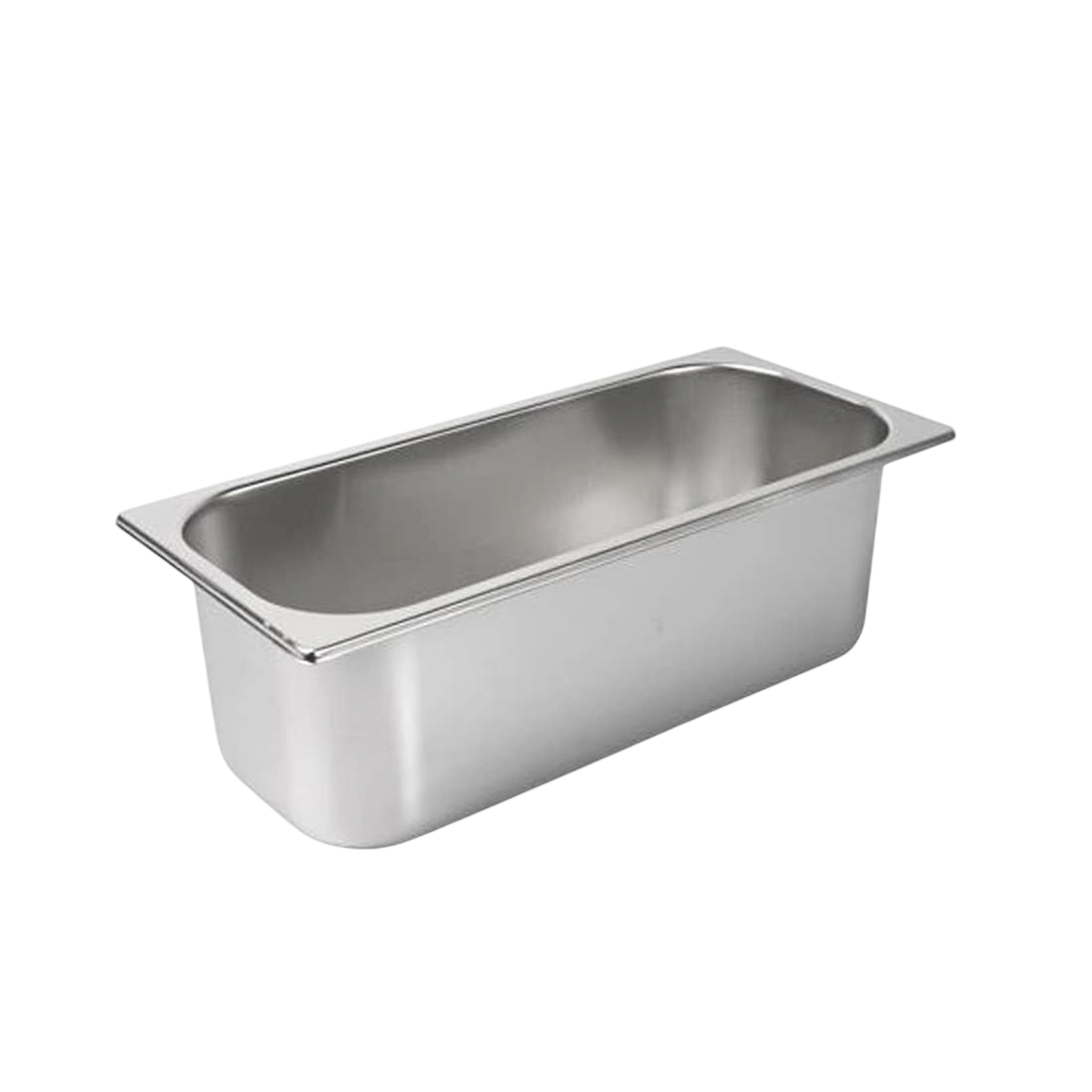
360 × 165 × 120mm
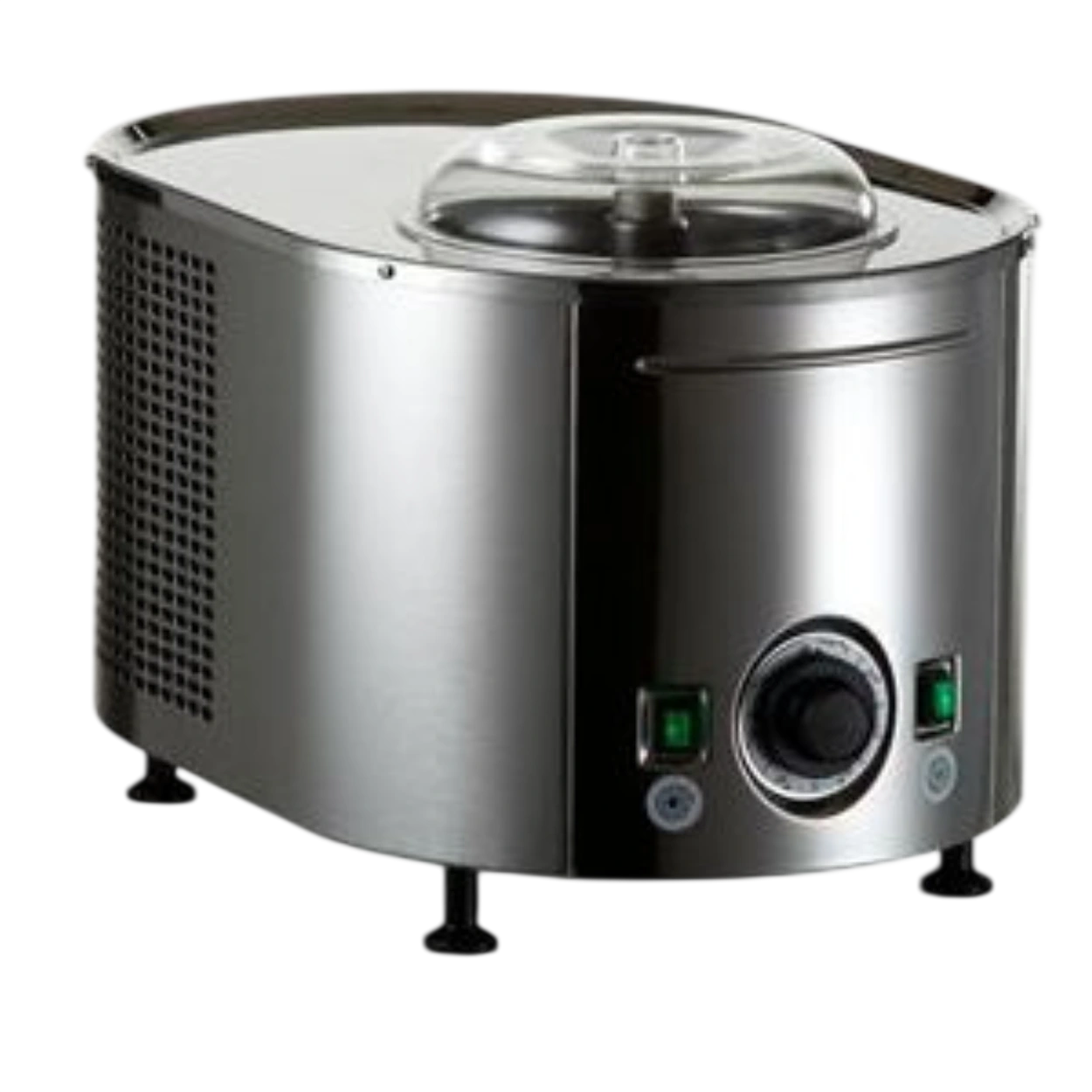
270 × 450 × 300mm
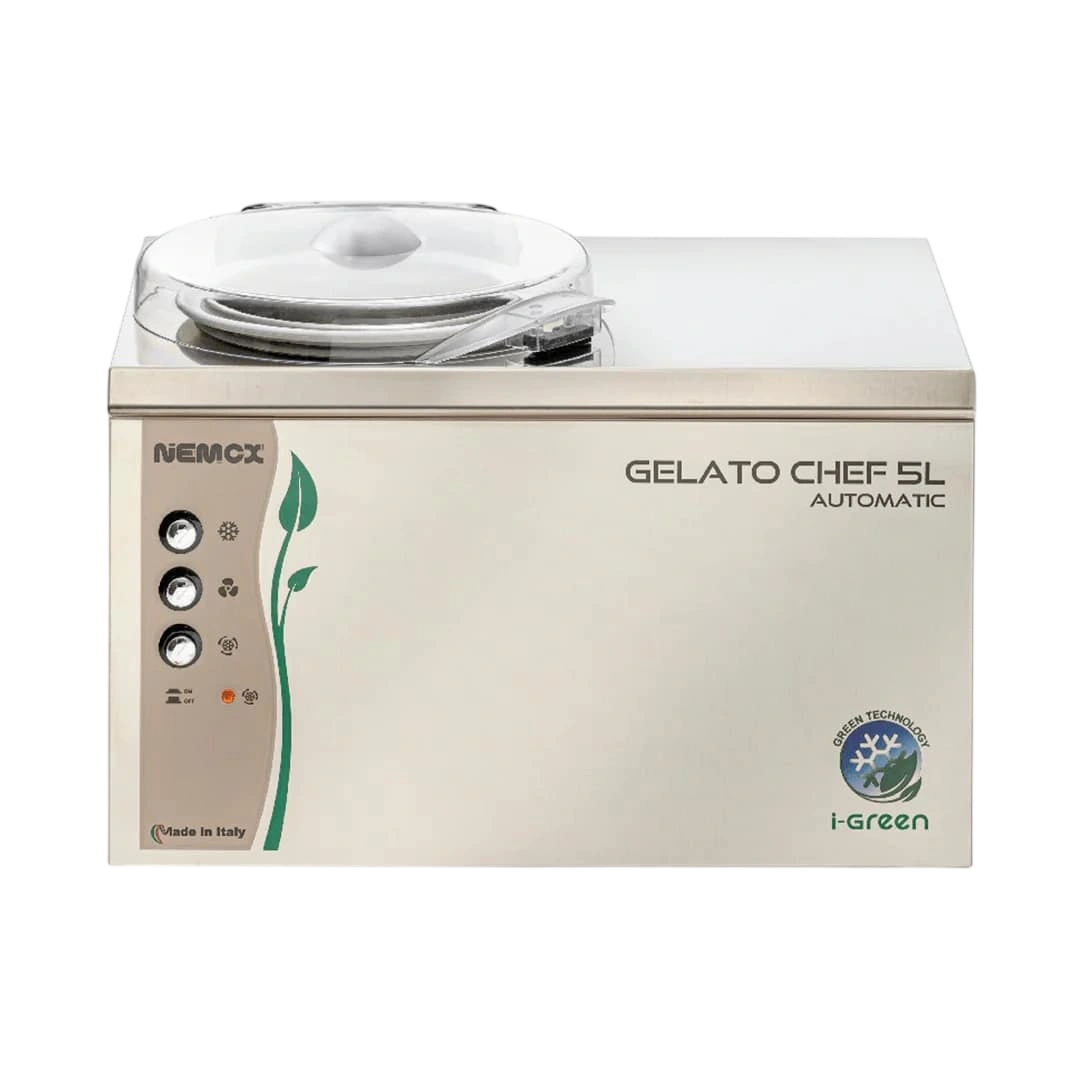
450 × 320 × 315mm
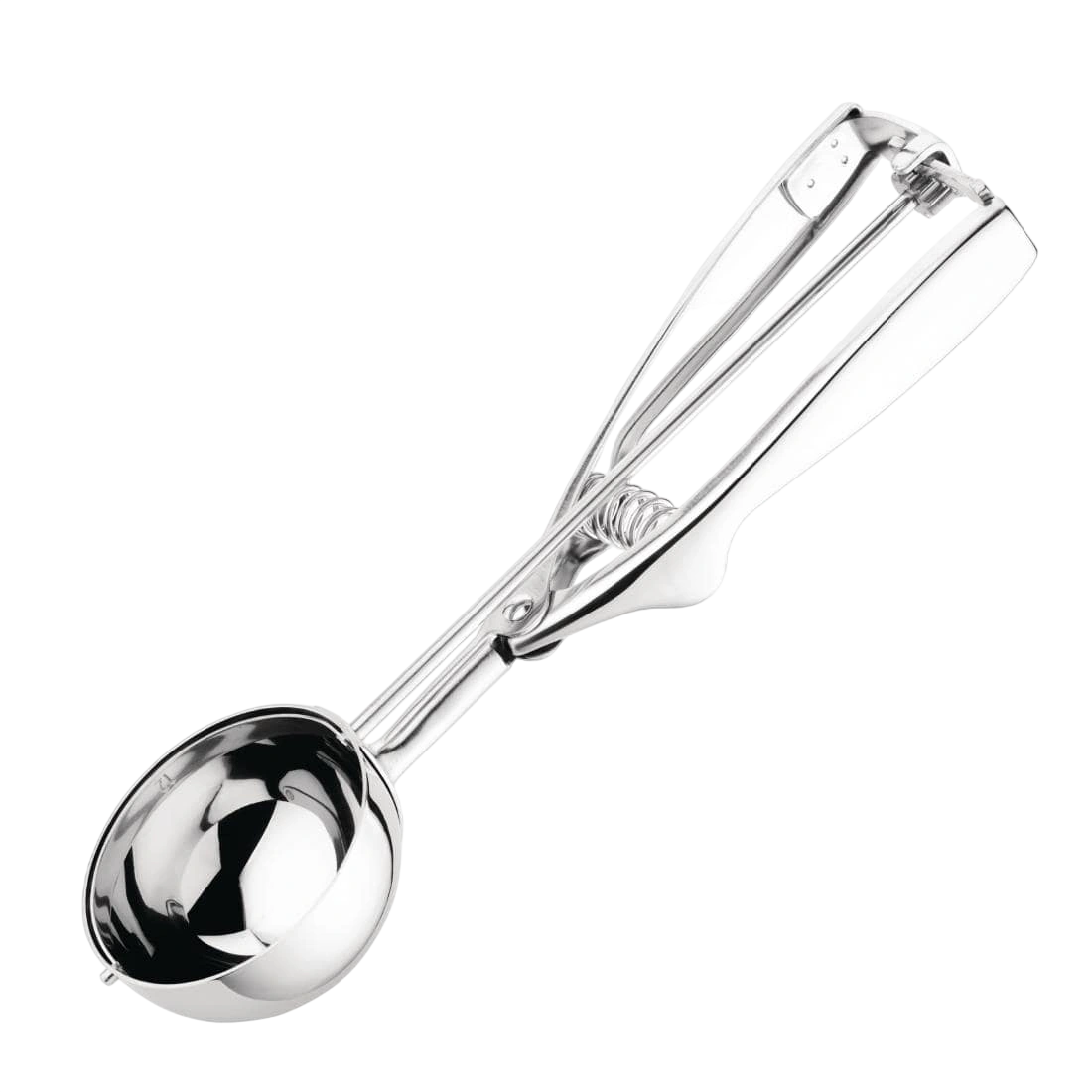
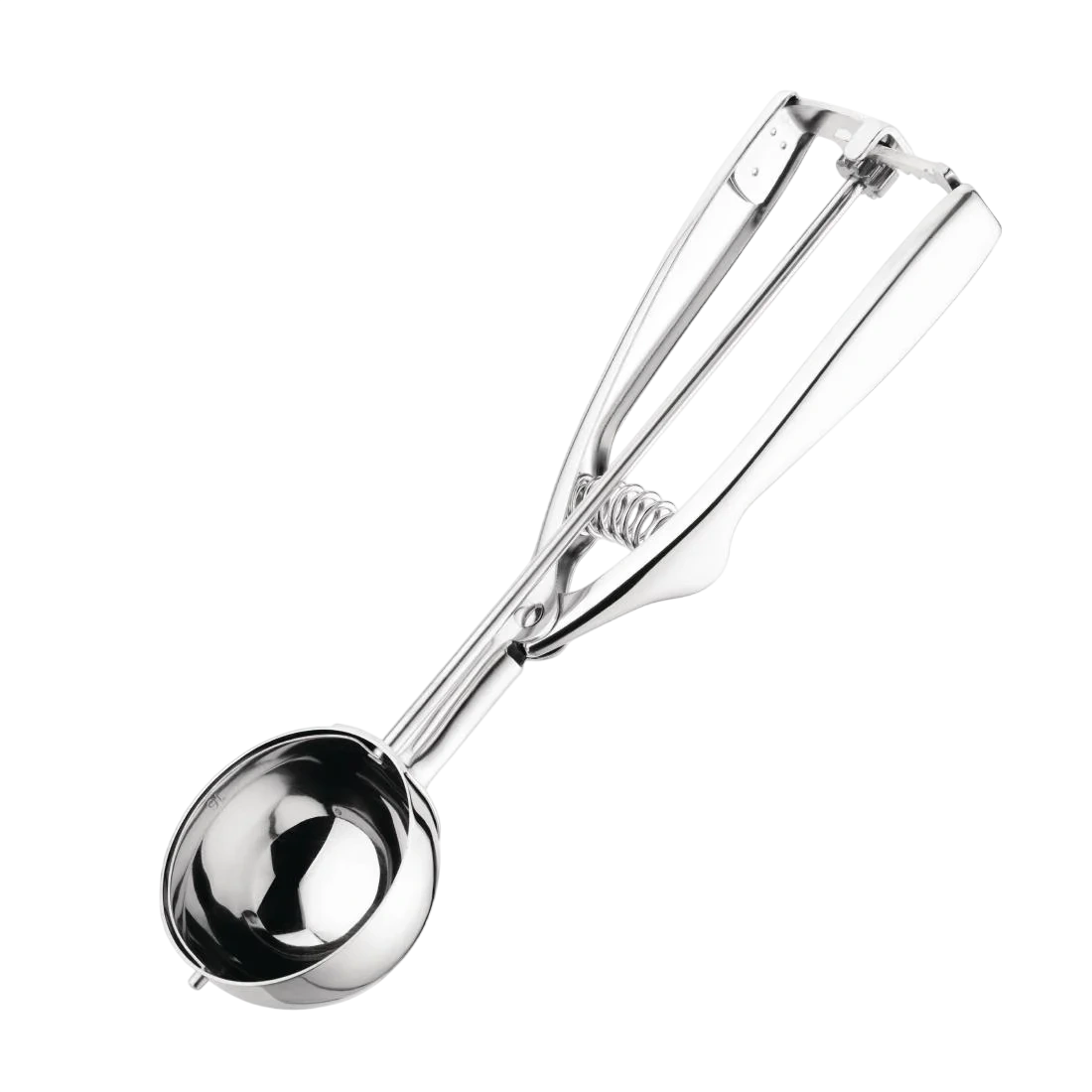

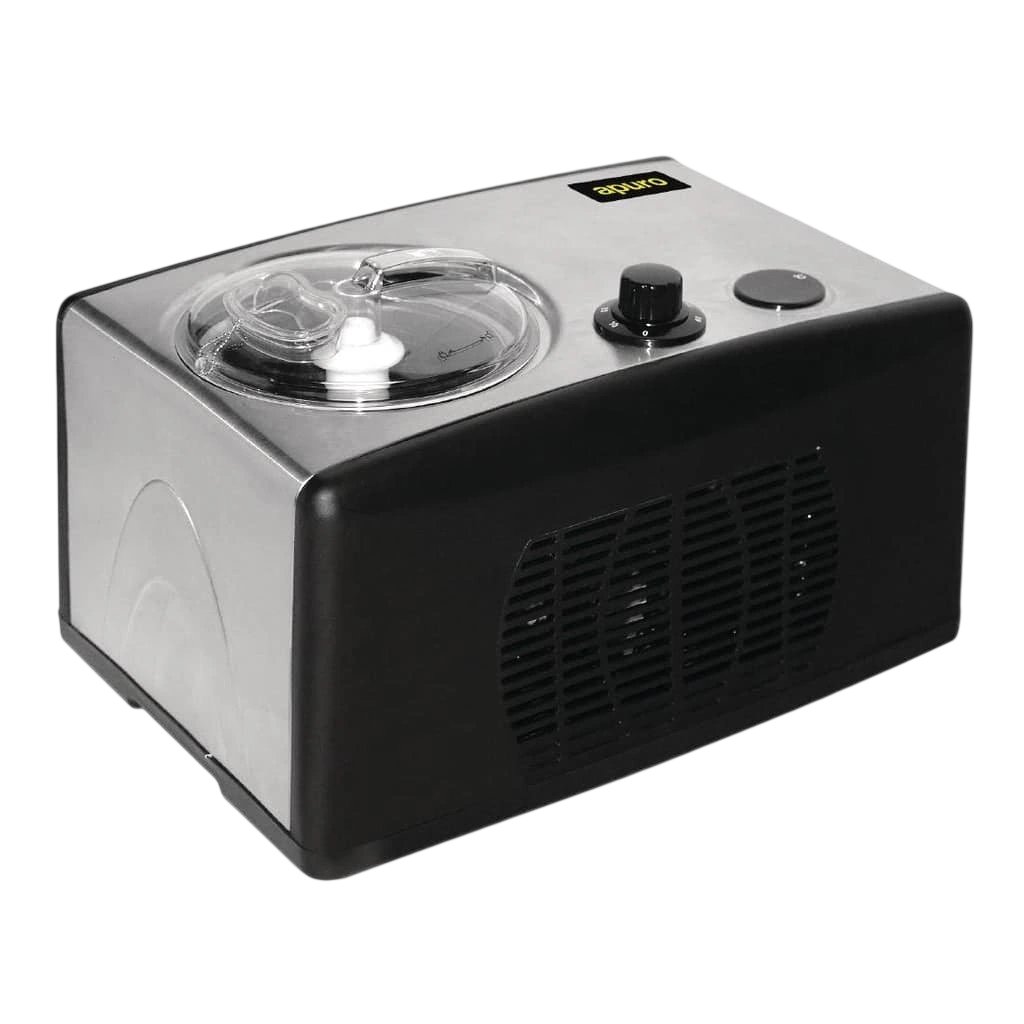
402 × 281 × 245mm
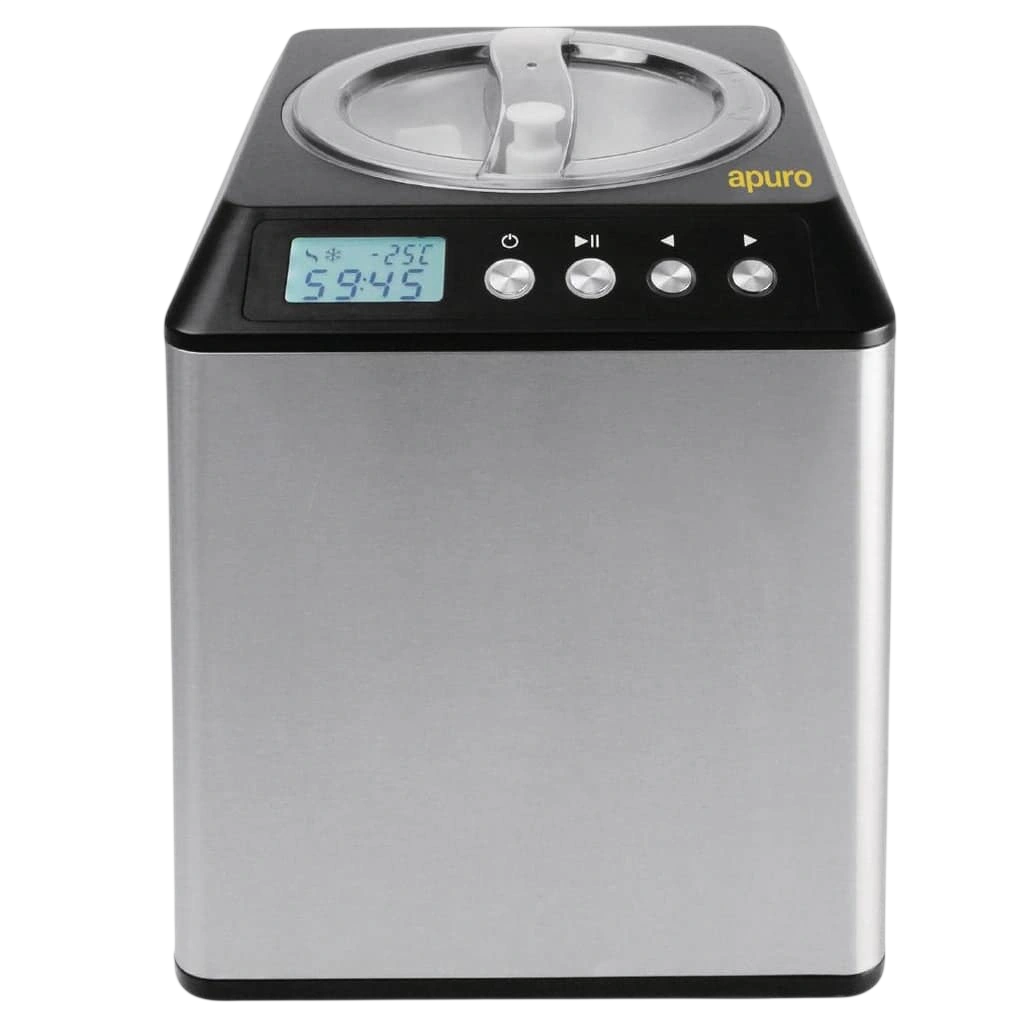
272 × 315 × 362mm
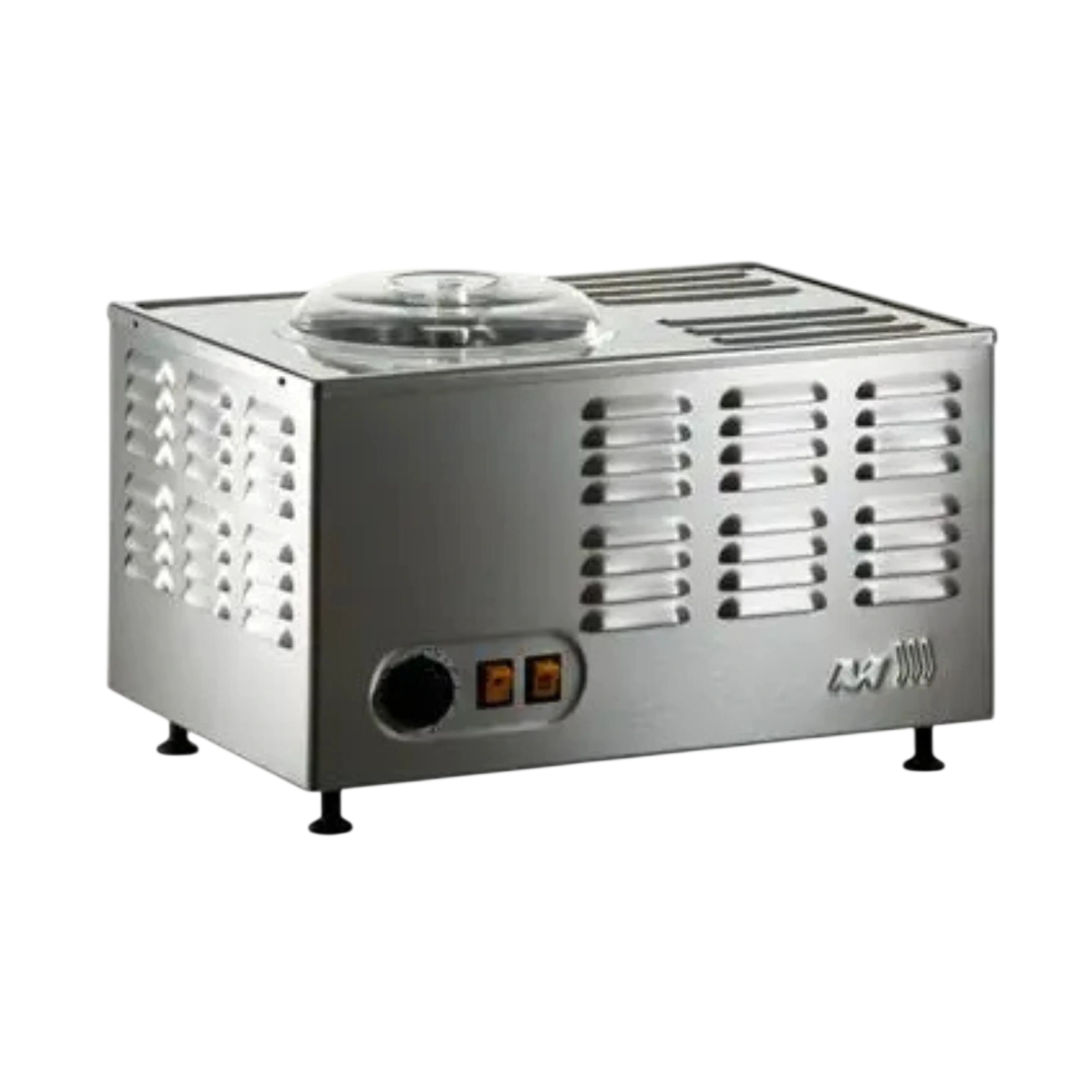
510 × 350 × 310mm
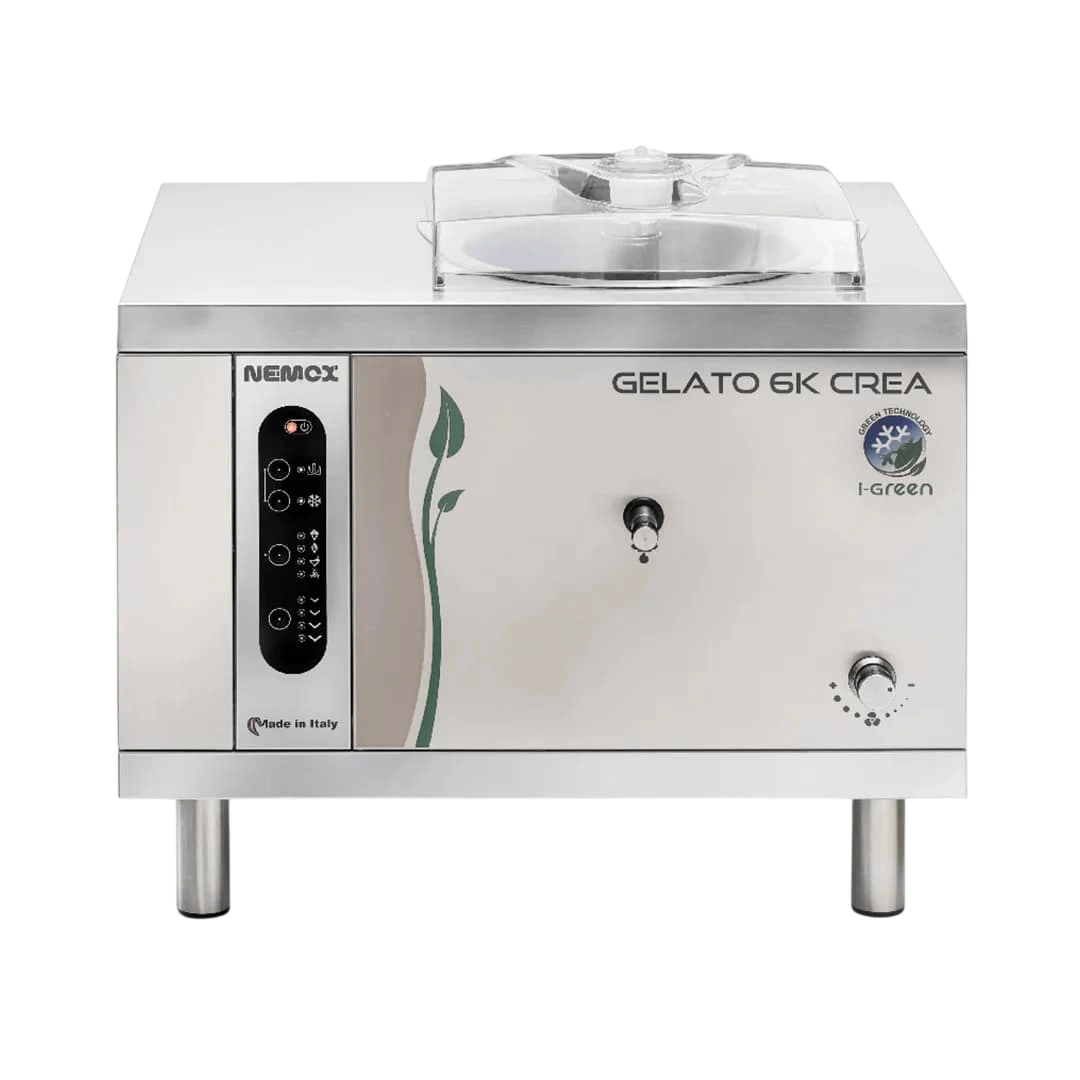
580 × 530 × 450mm
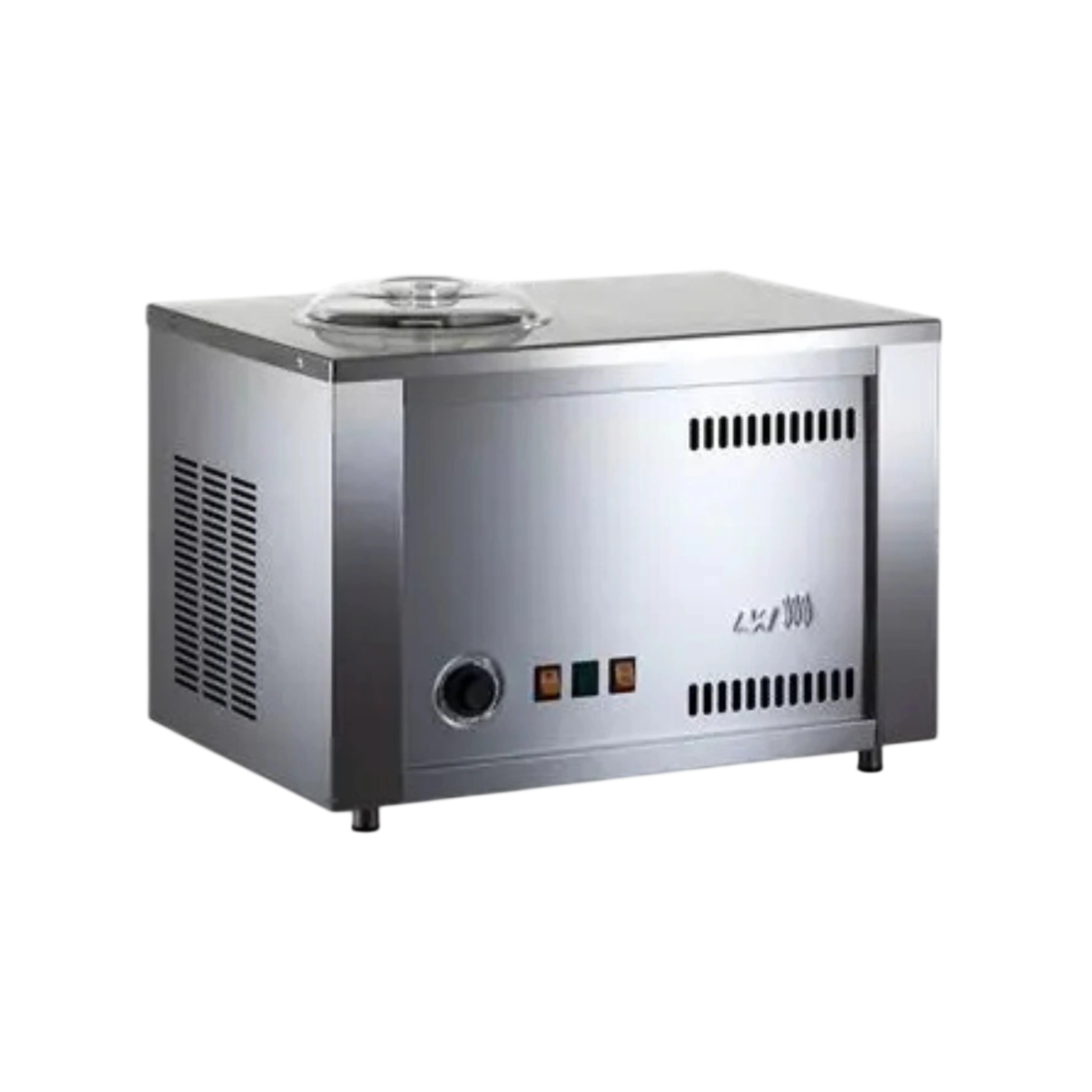
620 × 420 × 430mm
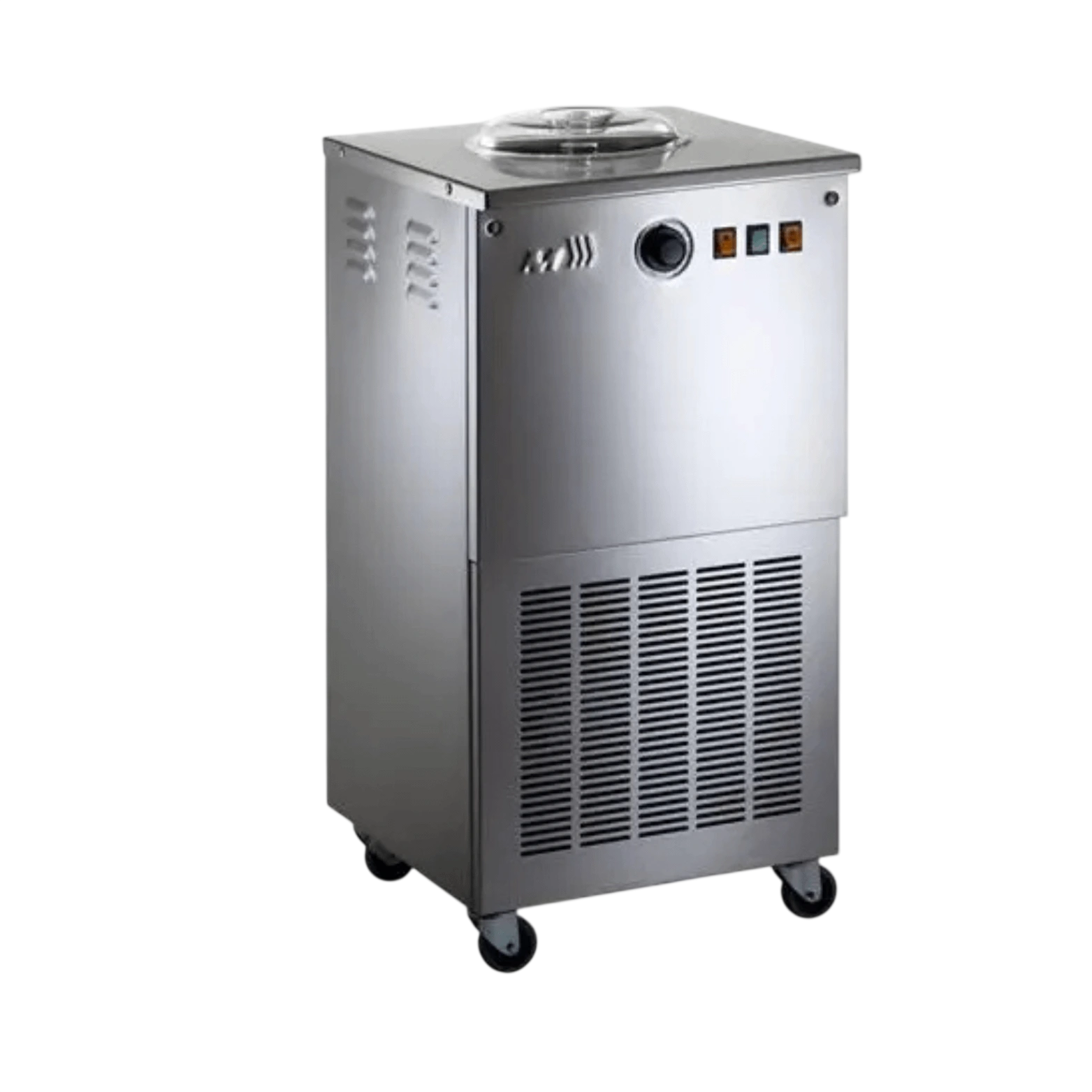
420 × 450 × 850mm
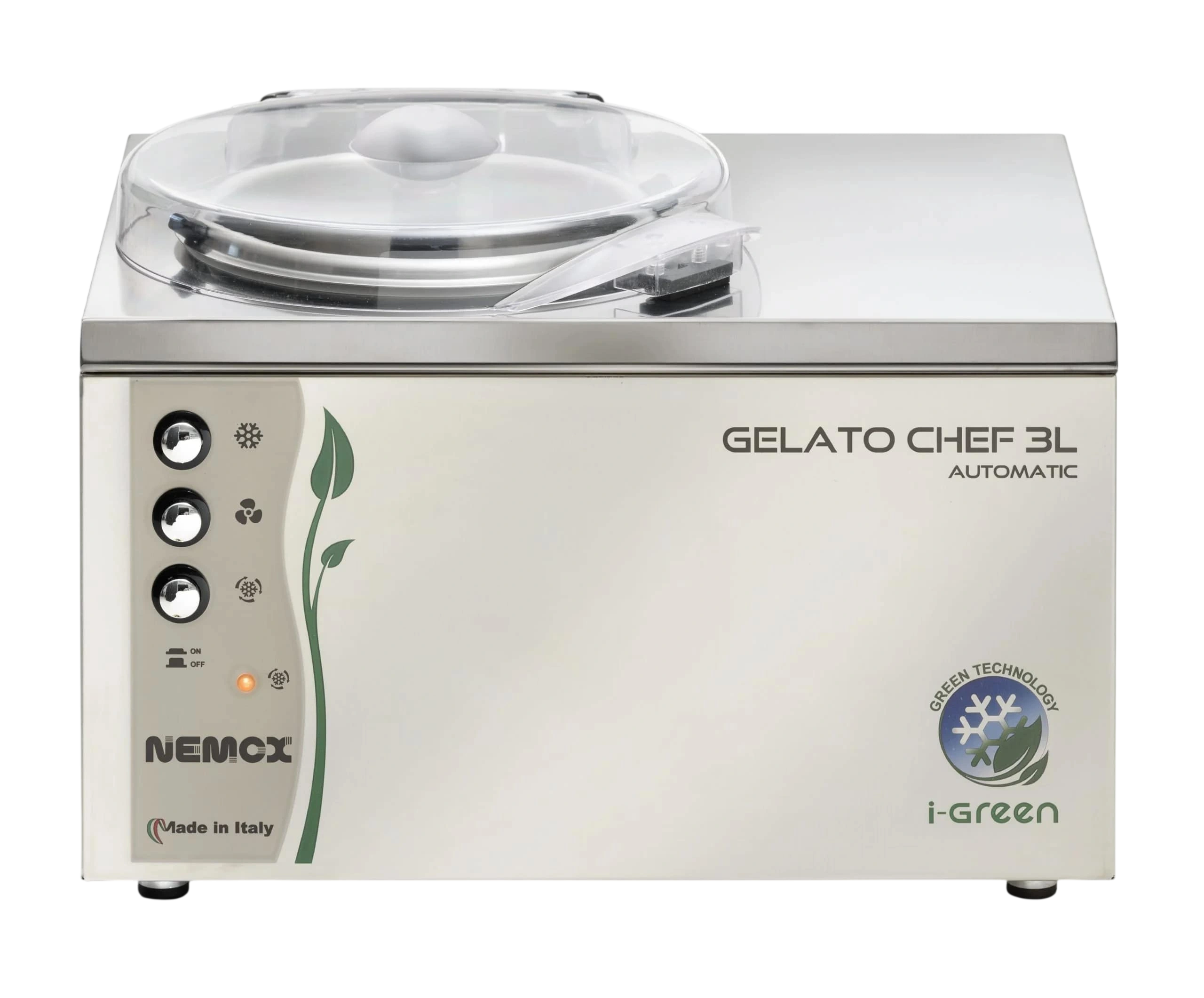
400 × 320 × 315mm
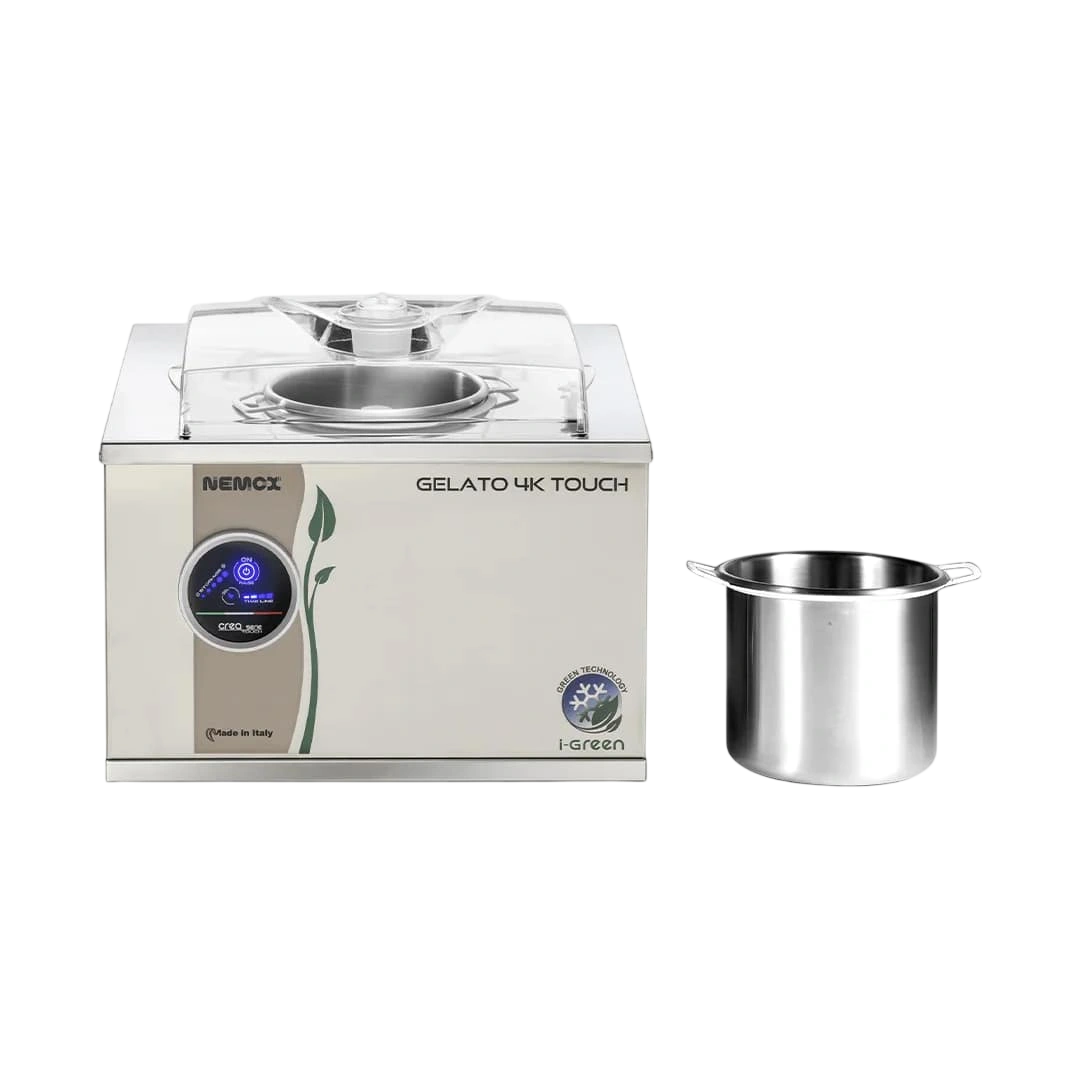
415 × 415 × 300mm
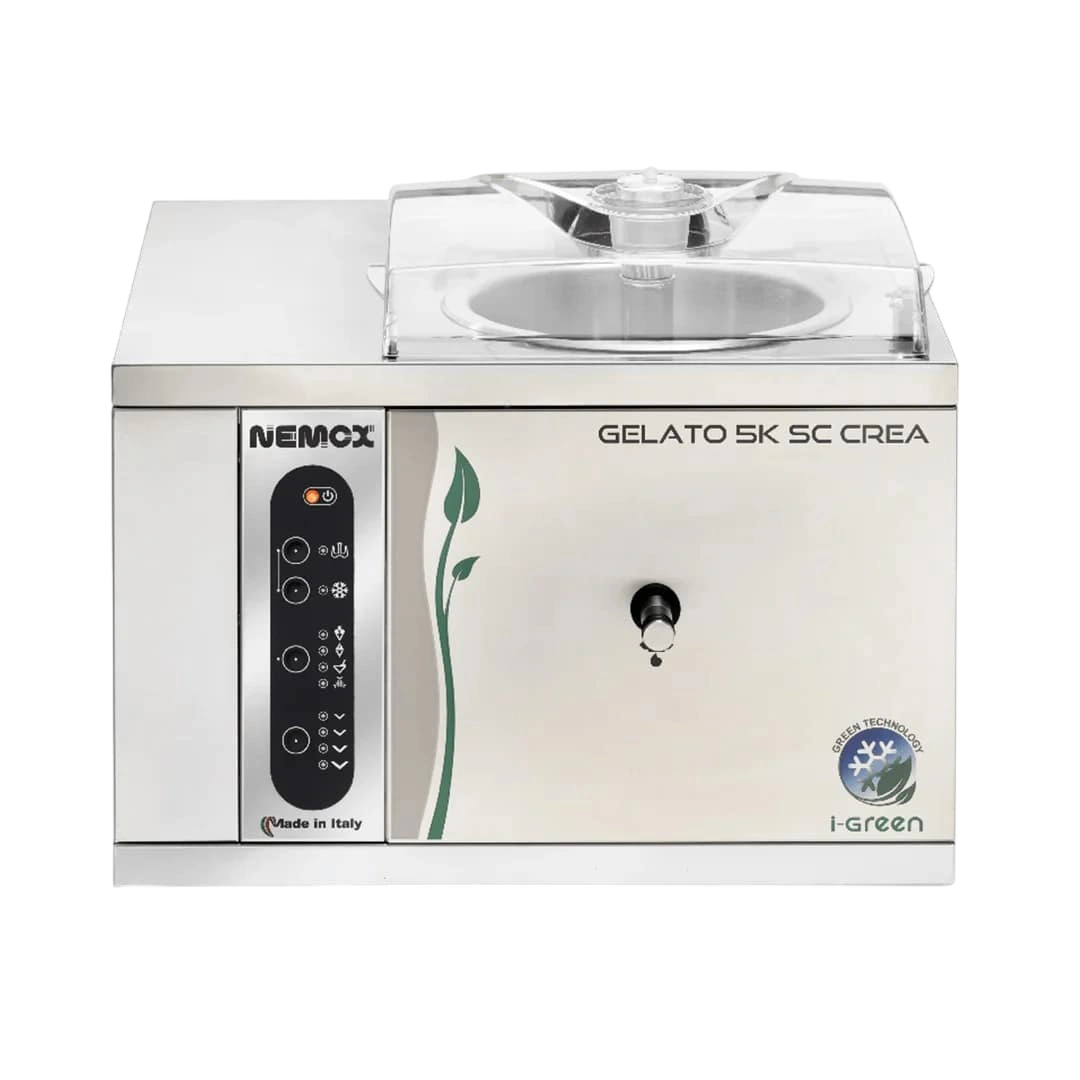
465 × 480 × 395mm
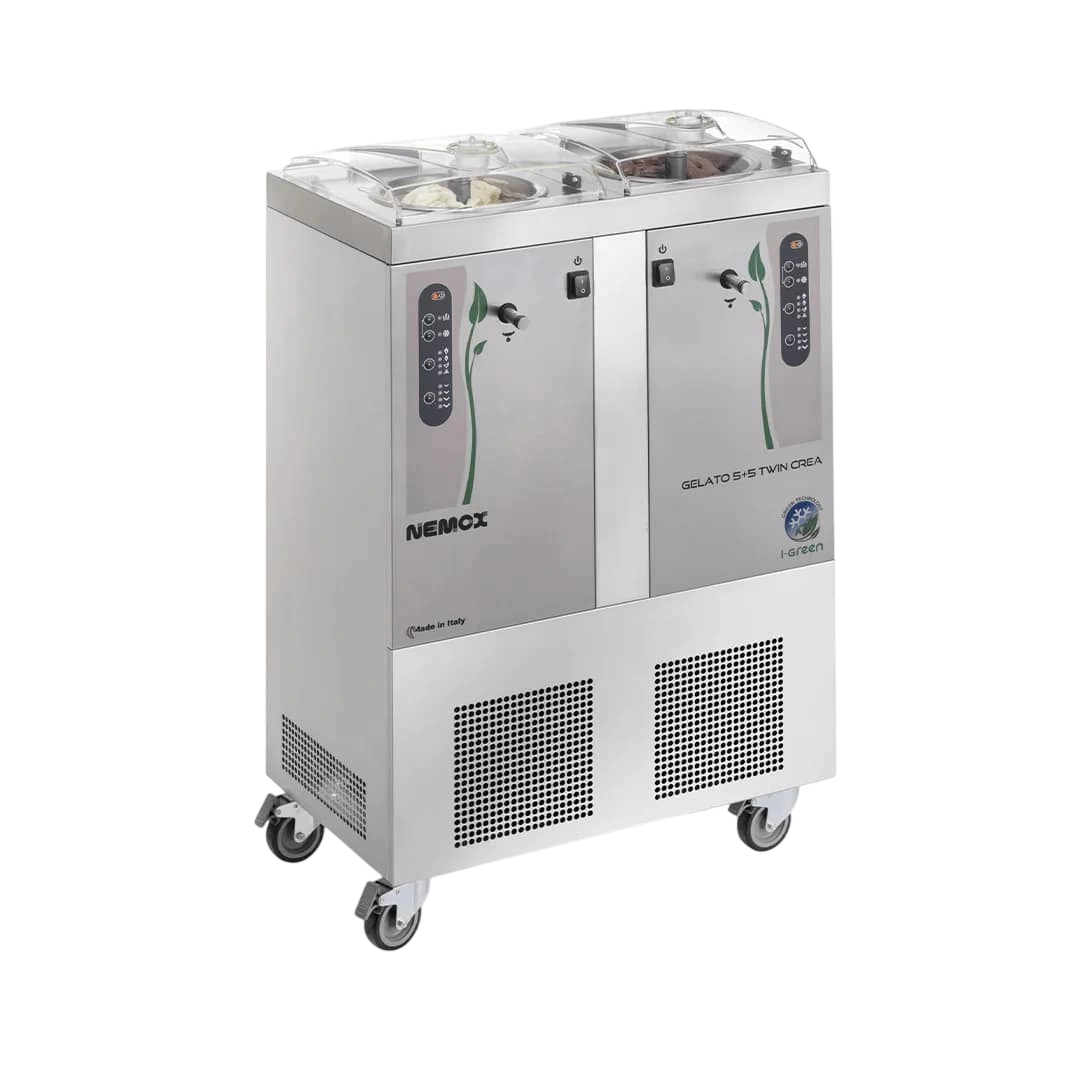
660 × 435 × 1050mm
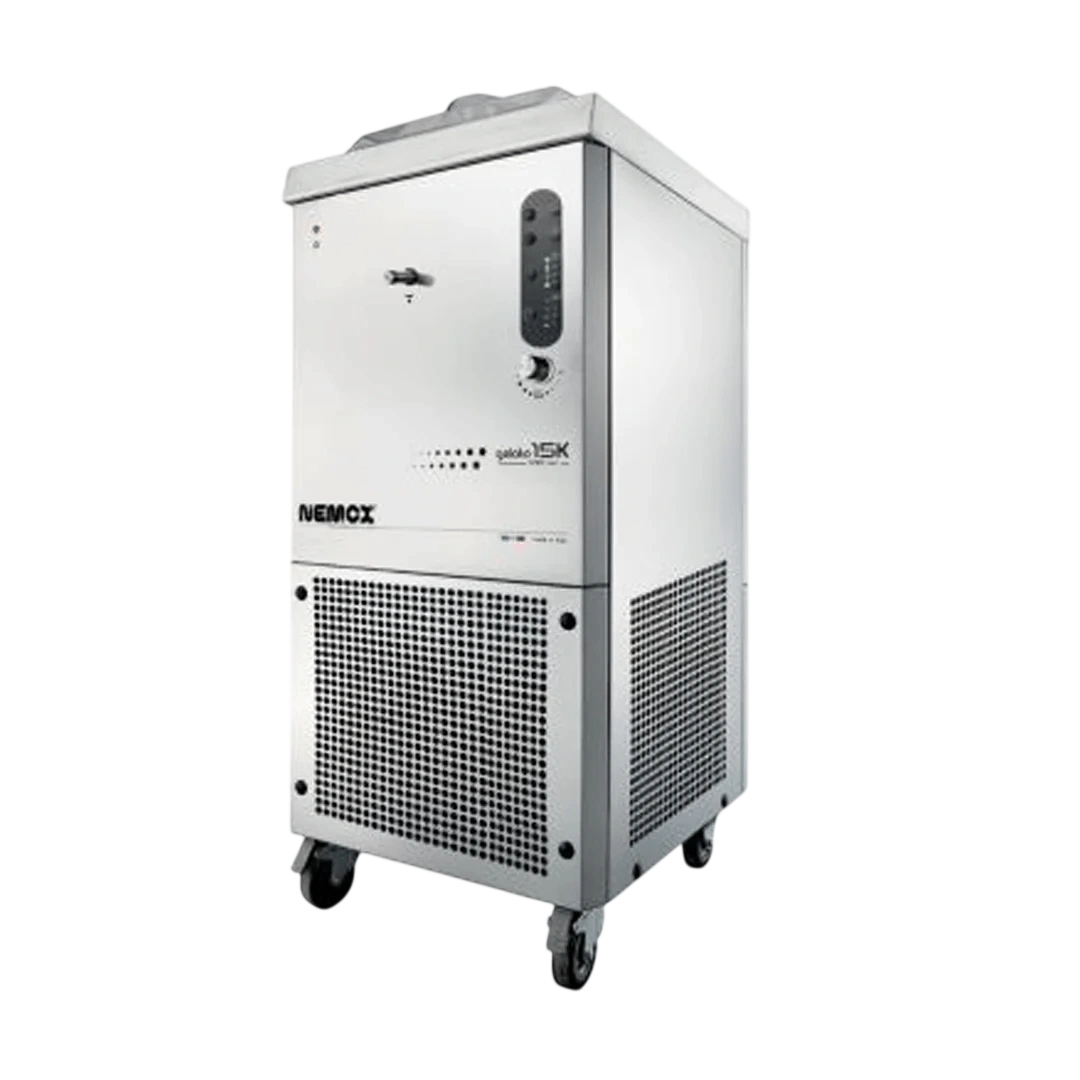
450 × 590 × 1050mm
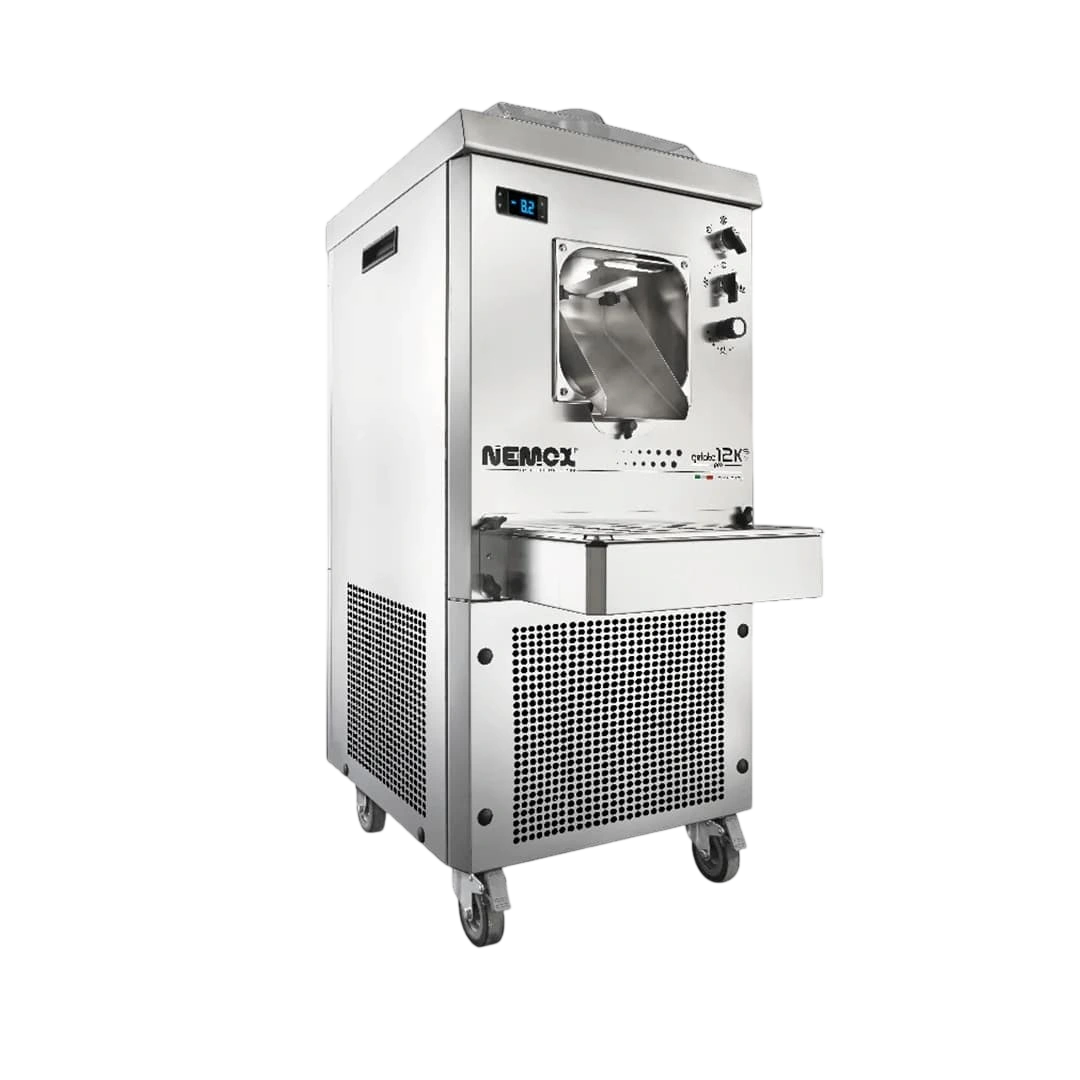
450 × 730 × 1050mm
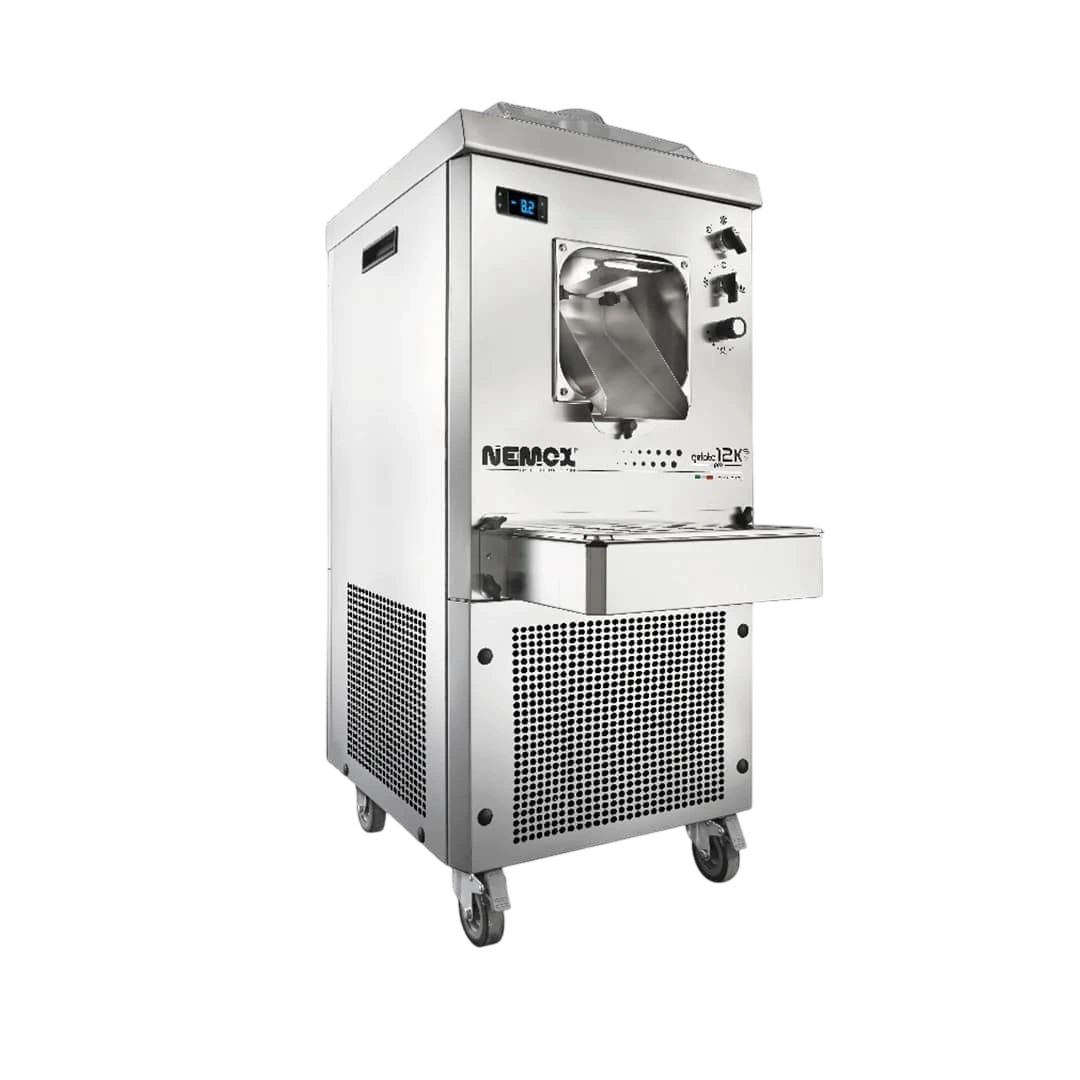
730 × 600 × 1050mm
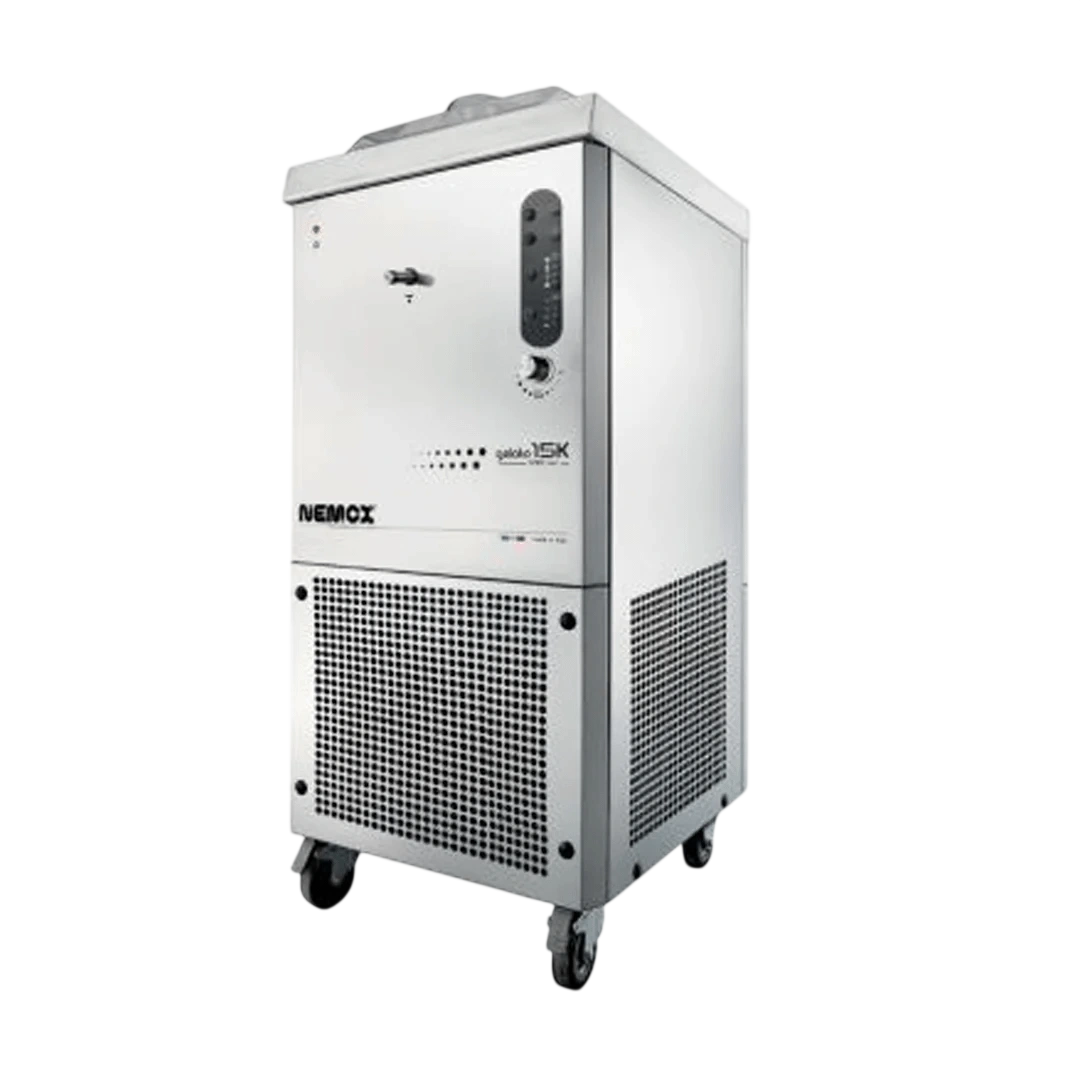
590 × 600 × 1050mm
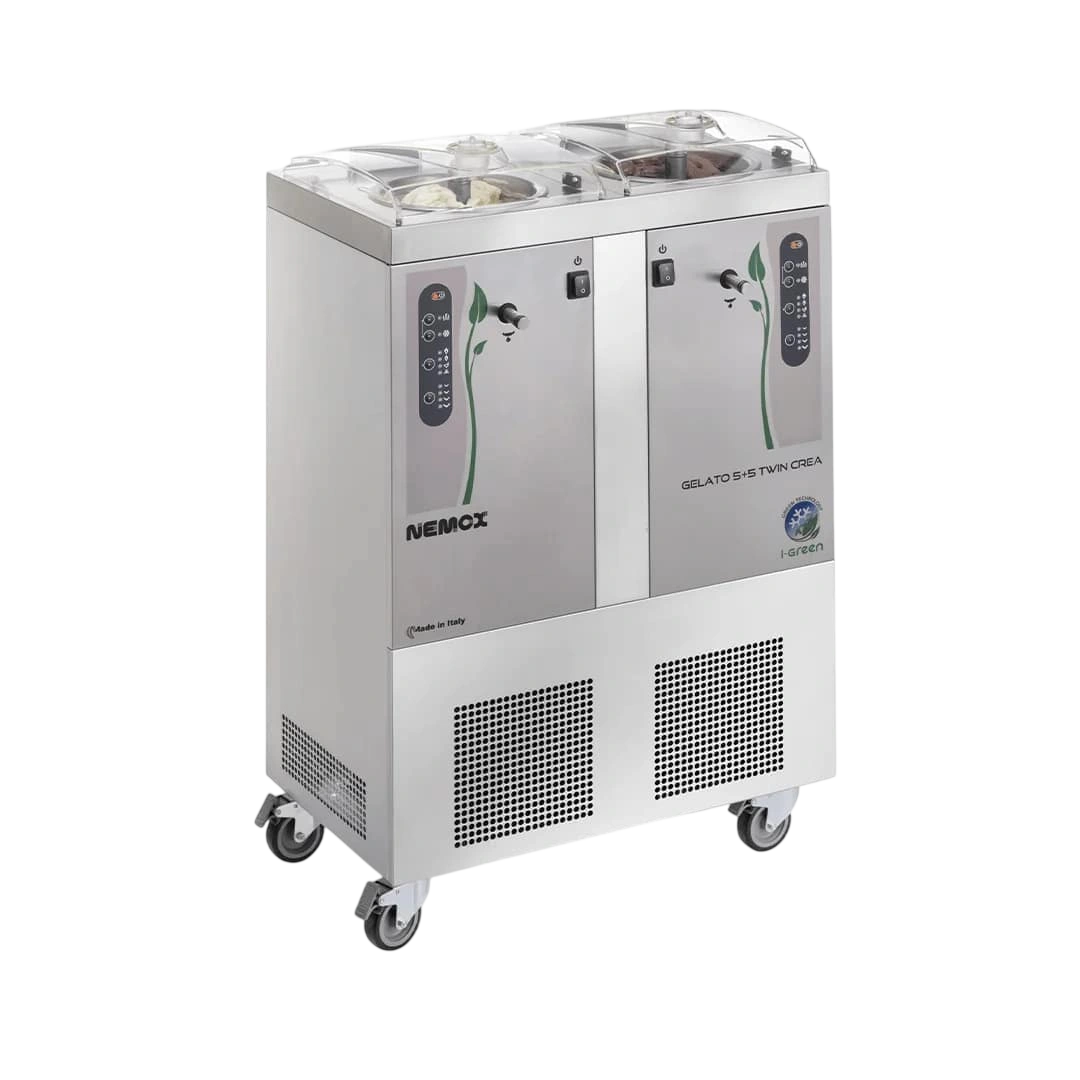
435 × 800 × 1050mm
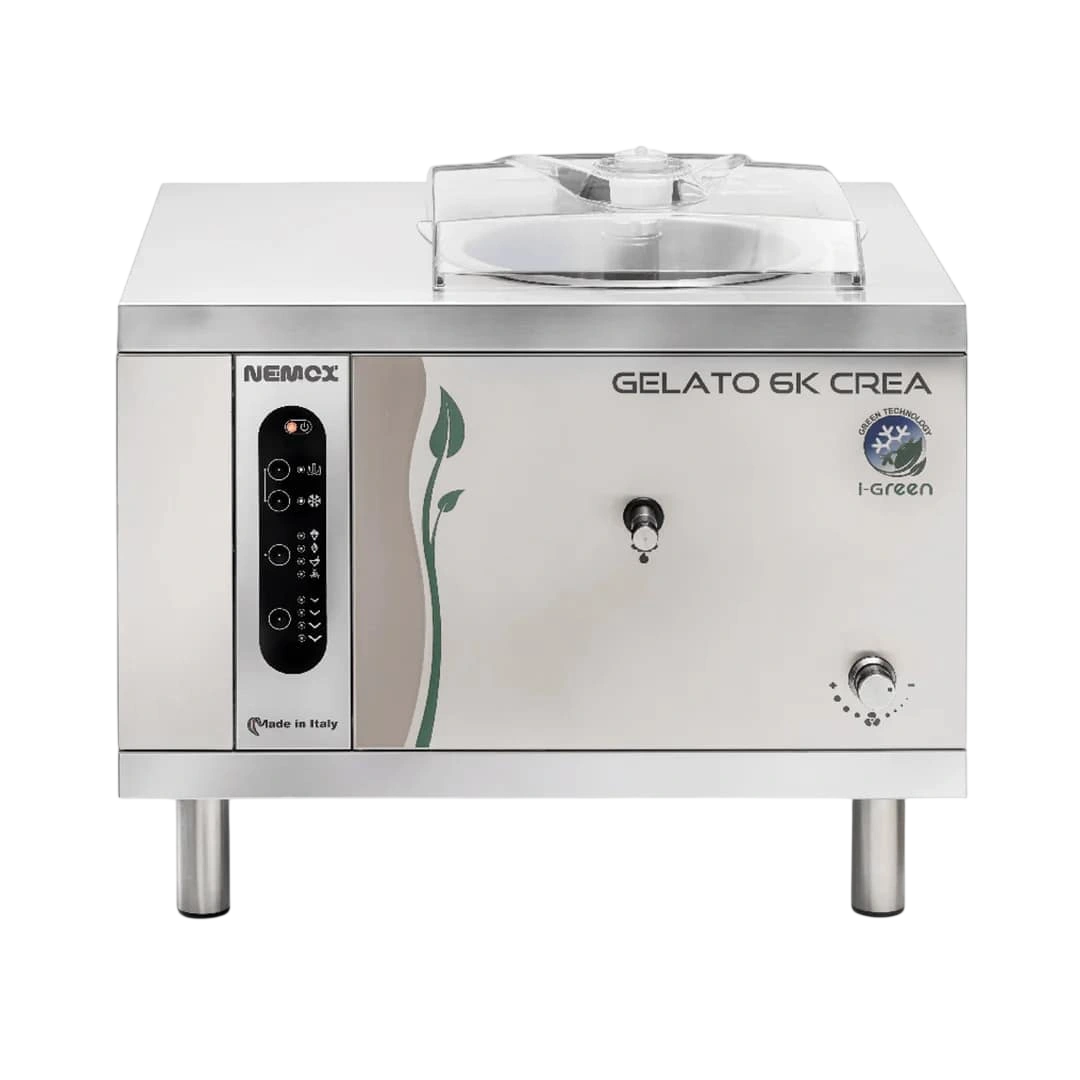
530 × 690 × 450mm
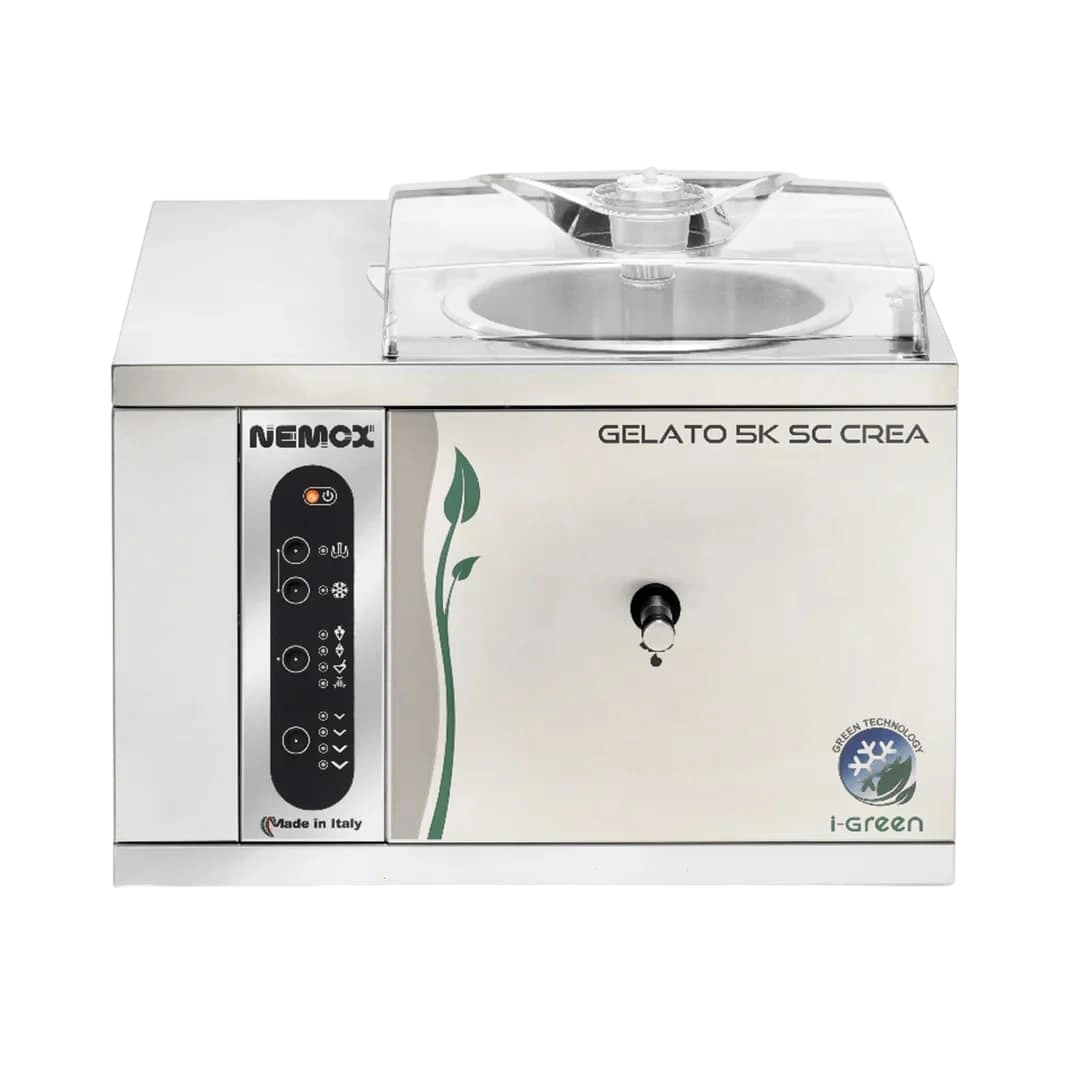
480 × 600 × 395mm
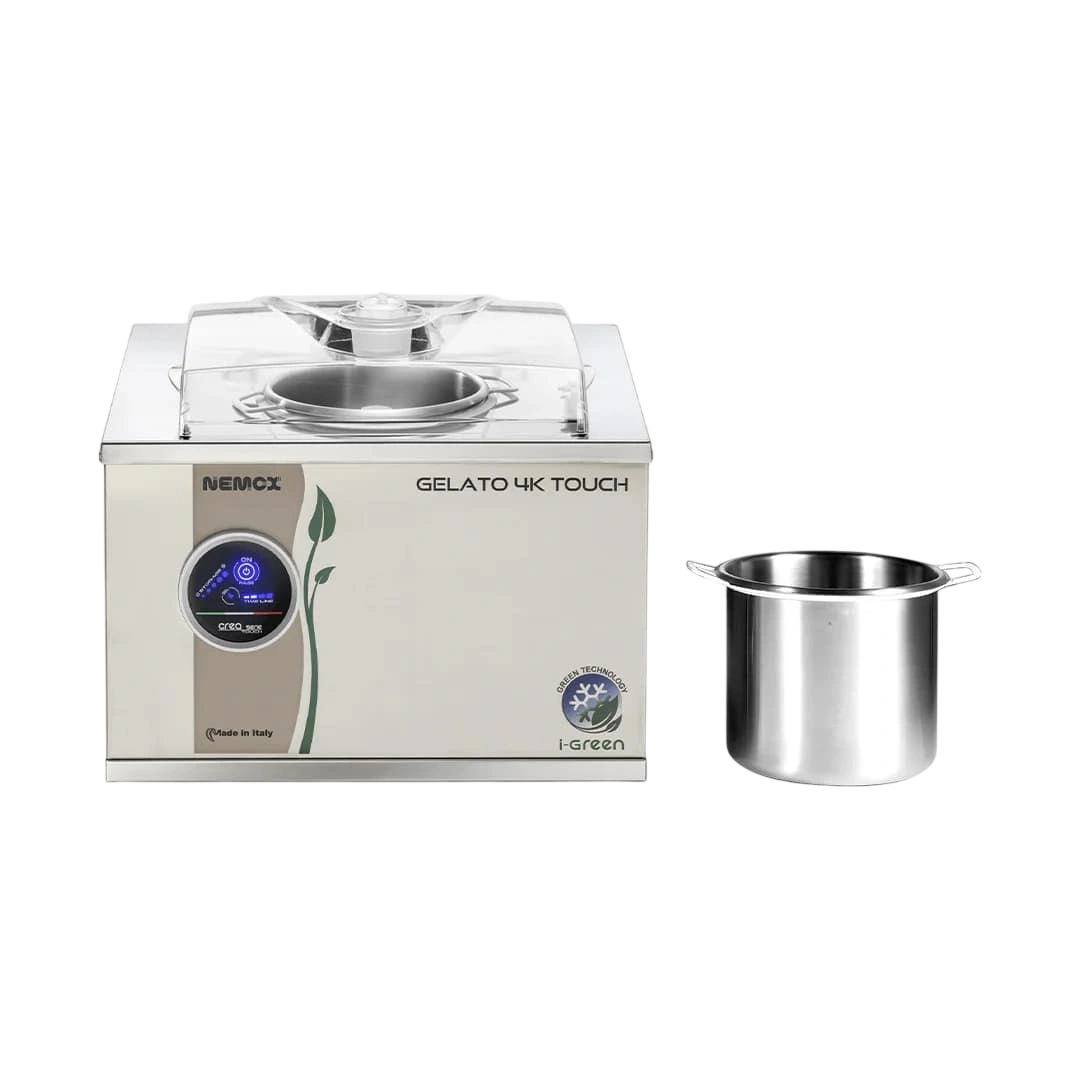
430 × 555 × 310mm
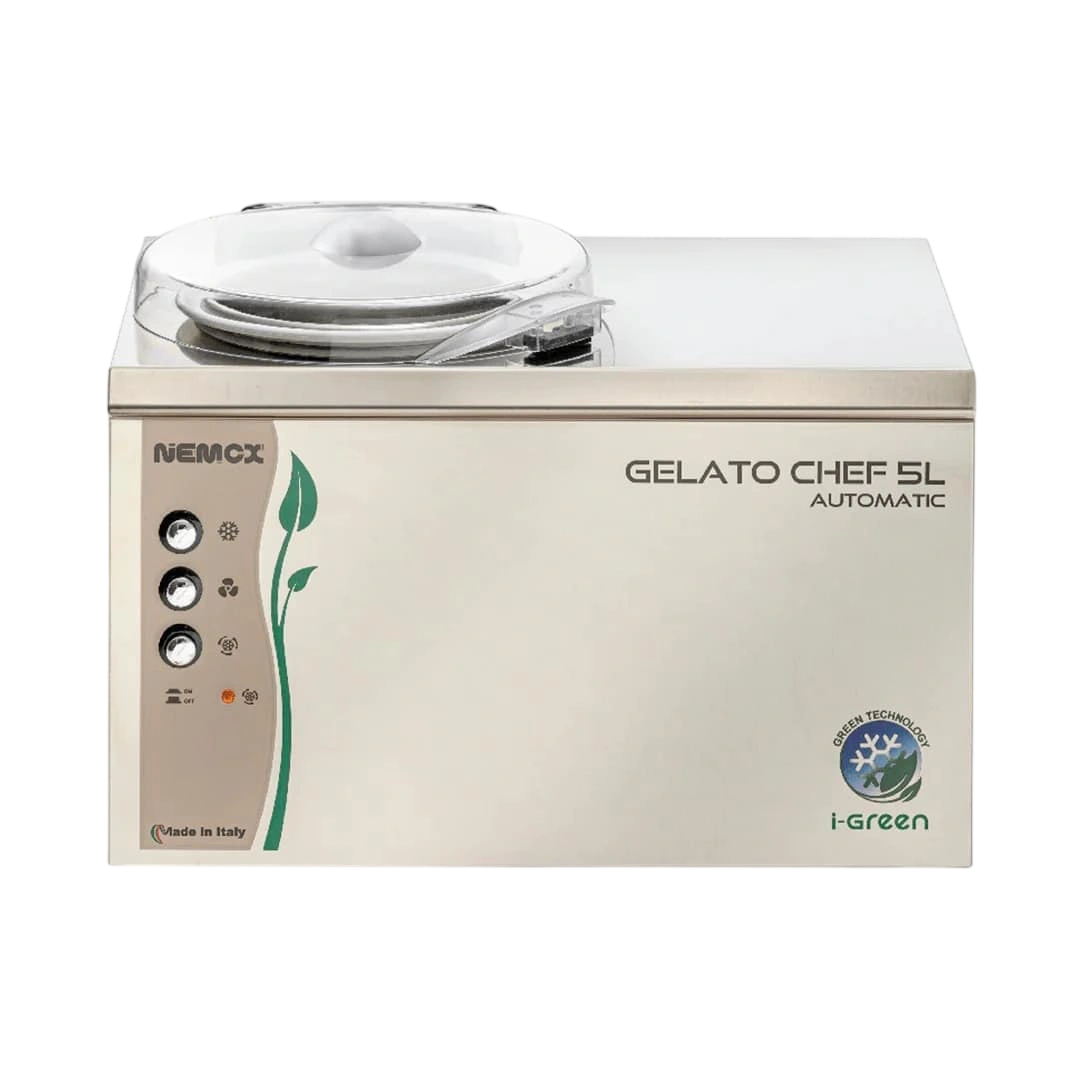
345 × 580 × 330mm
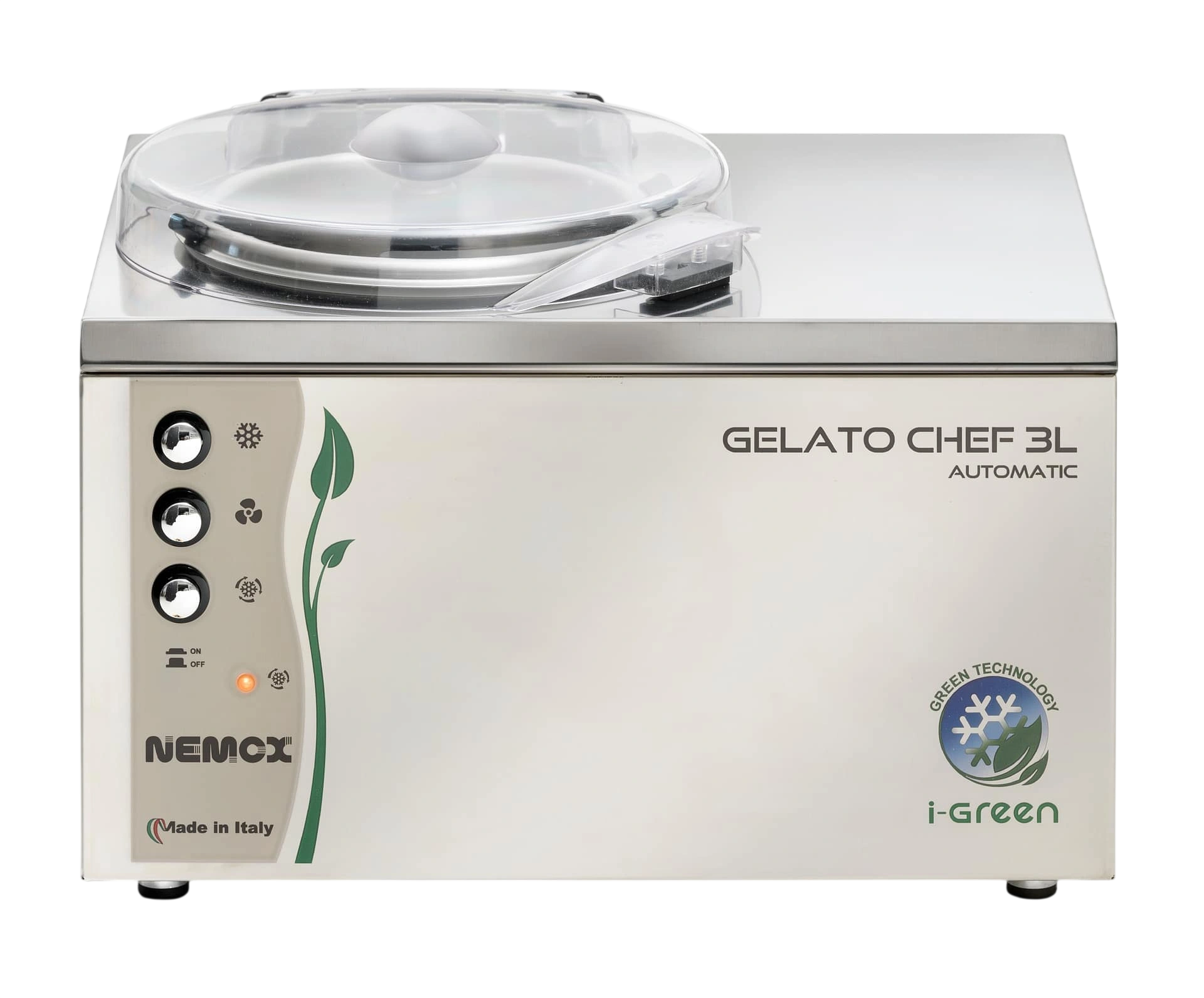
345 × 530 × 310mm