Jasper
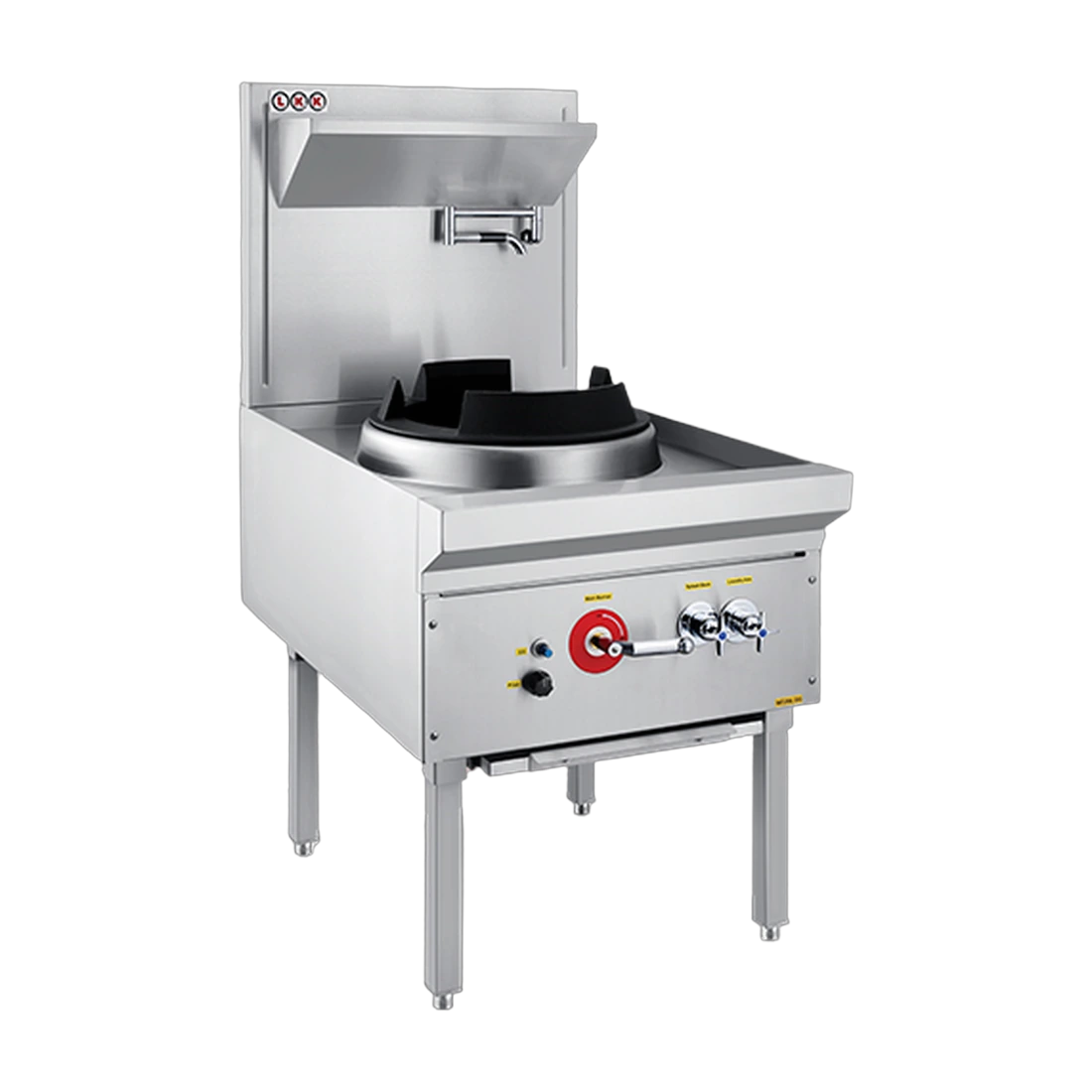
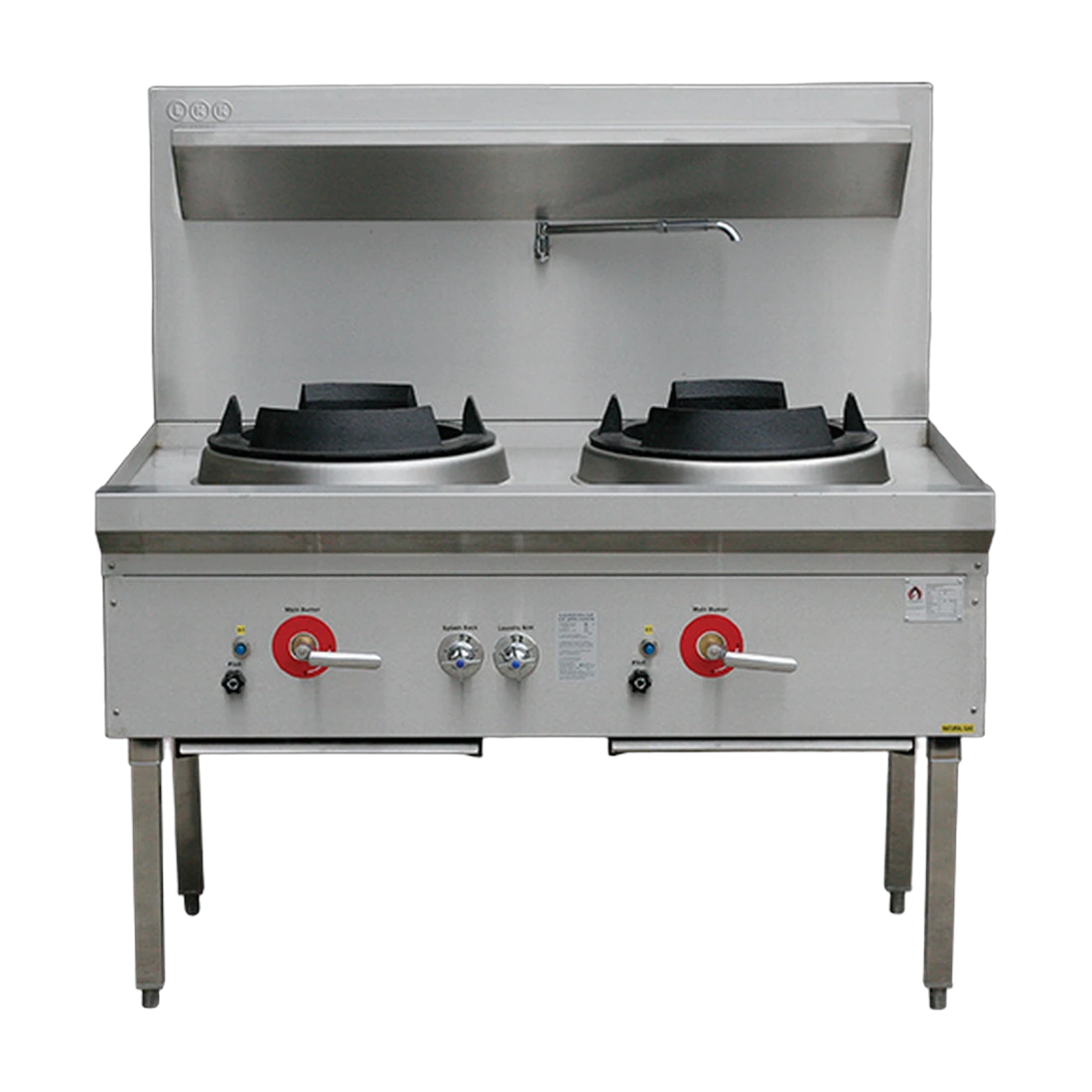
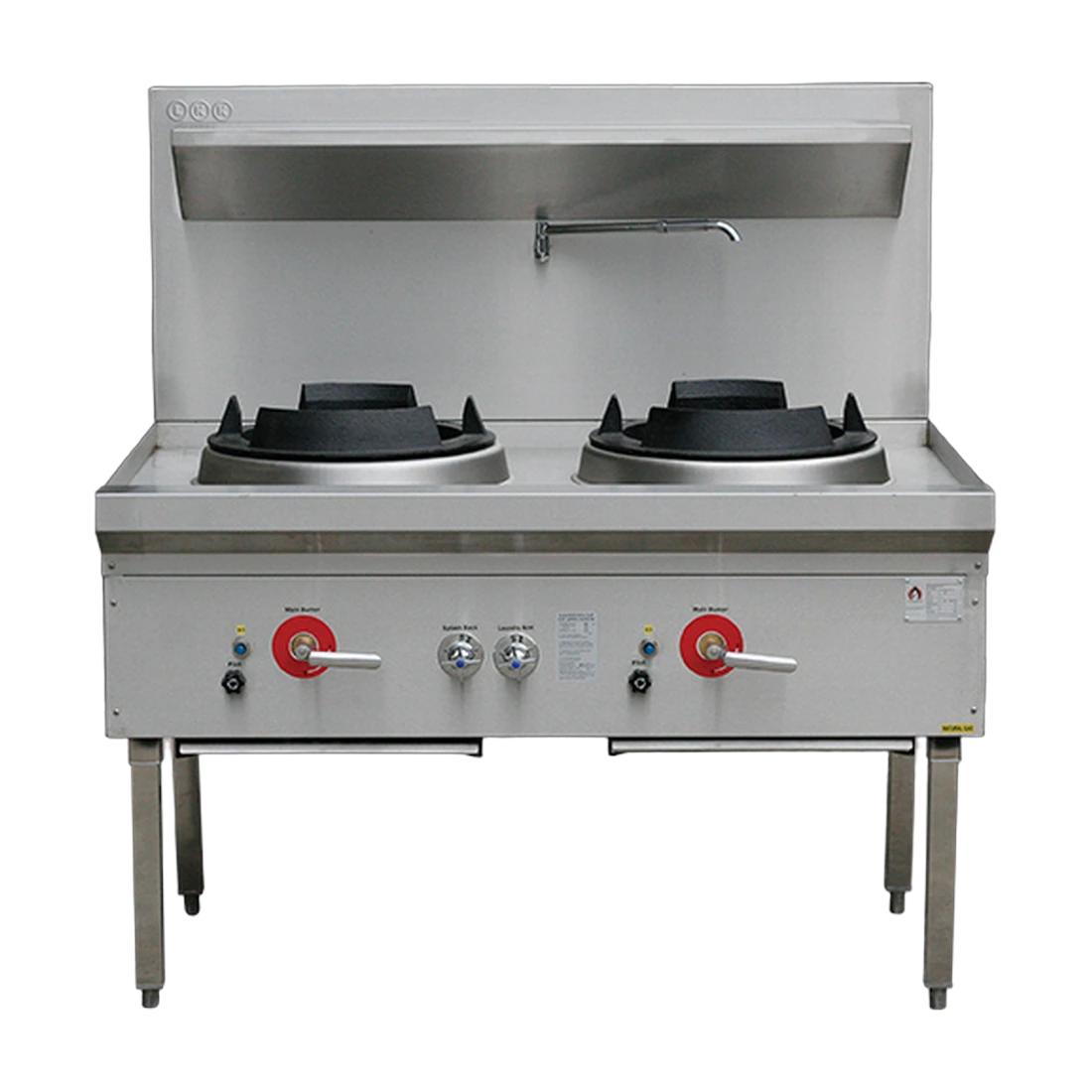
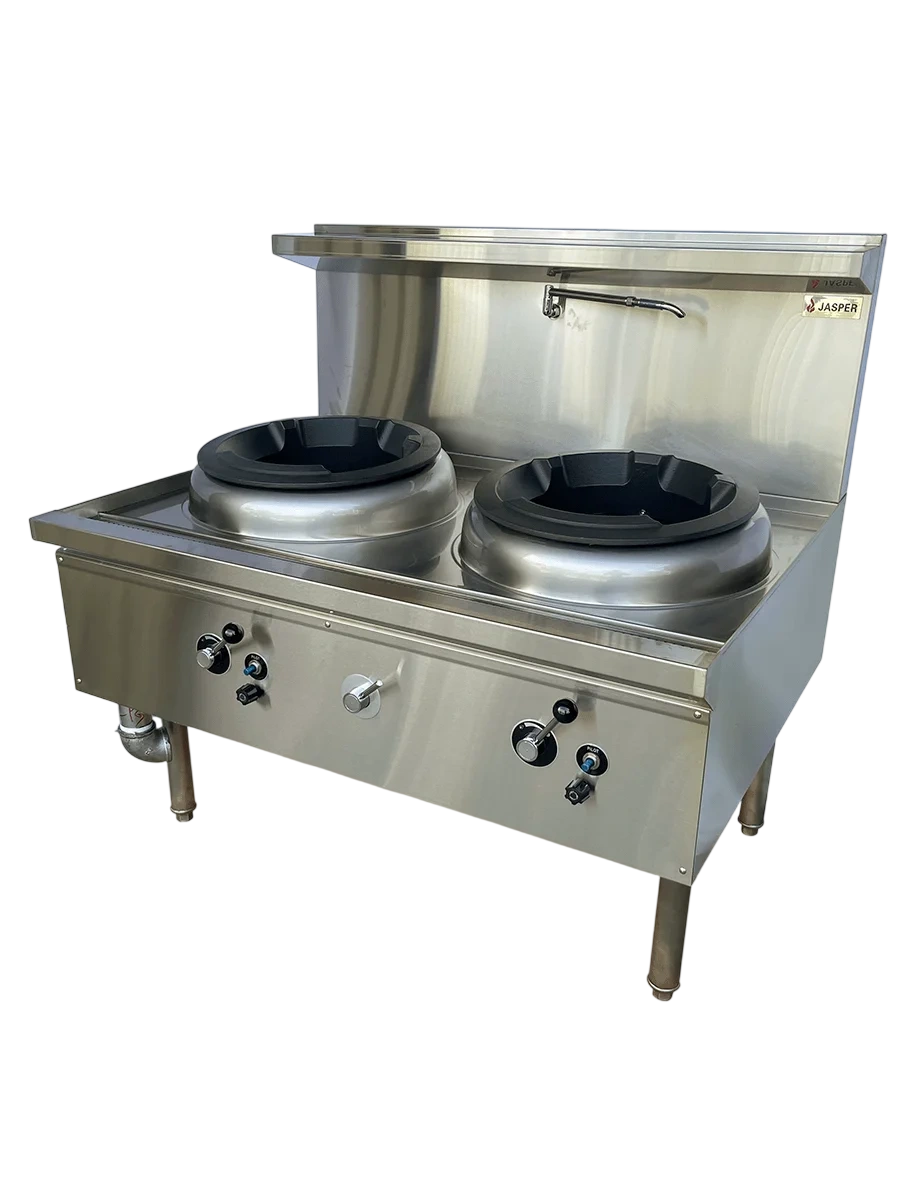
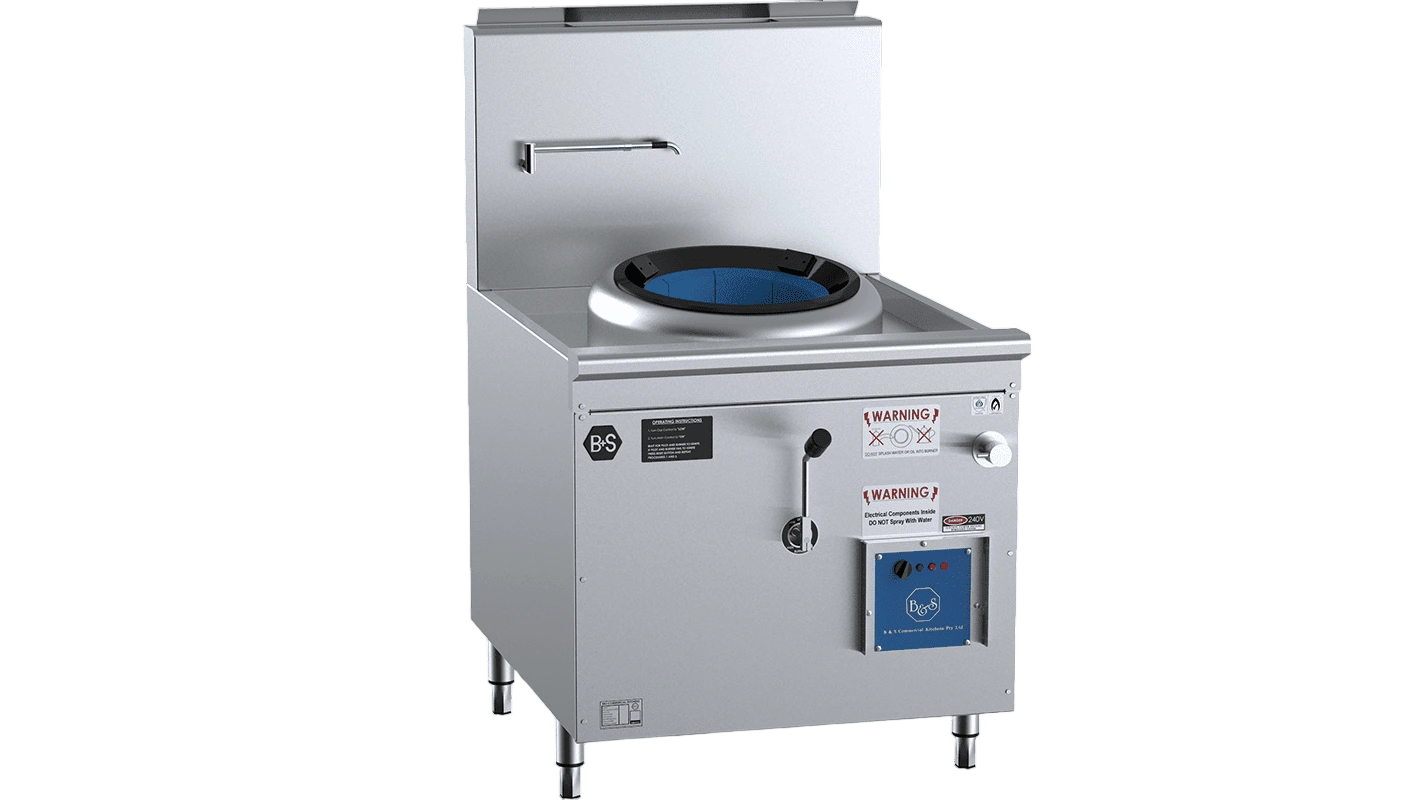
JASPER JA-2DB Double Wok Range – Duckbill Burner LPG/NG | Ideal for Asian Restaurants
1200 × 900 × 1180mm
$4,082.00$6,280.00
In Stock
Commercial Cooking Equipment
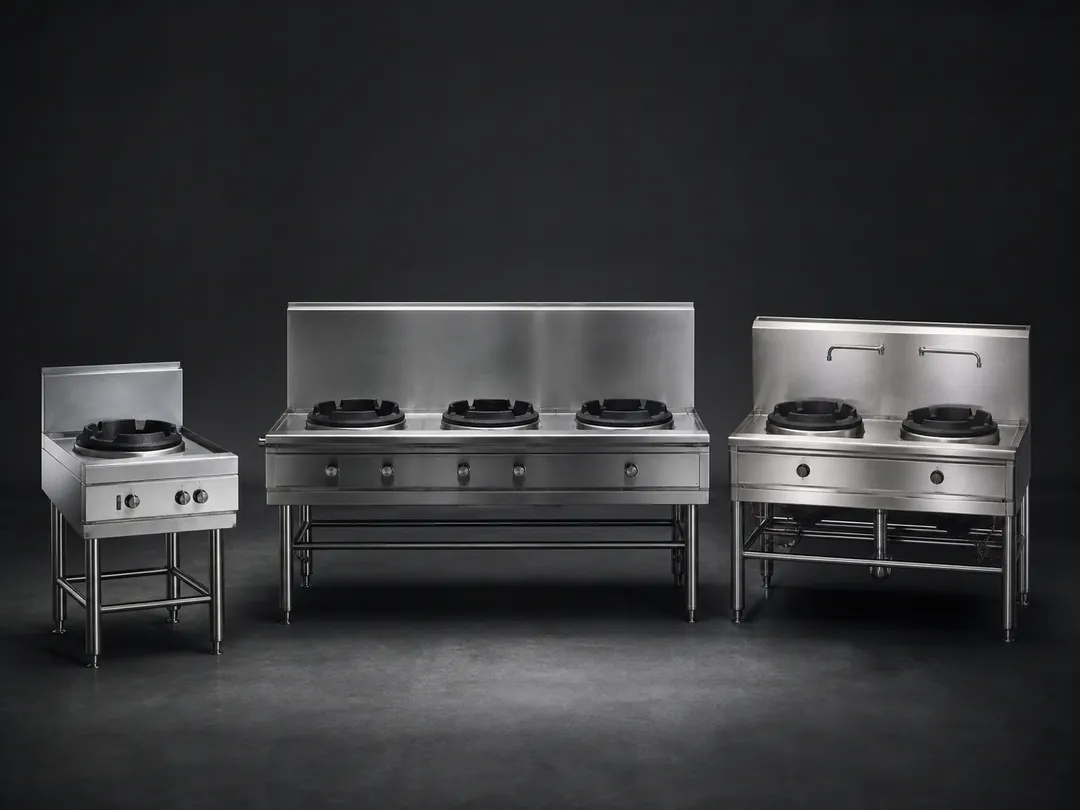
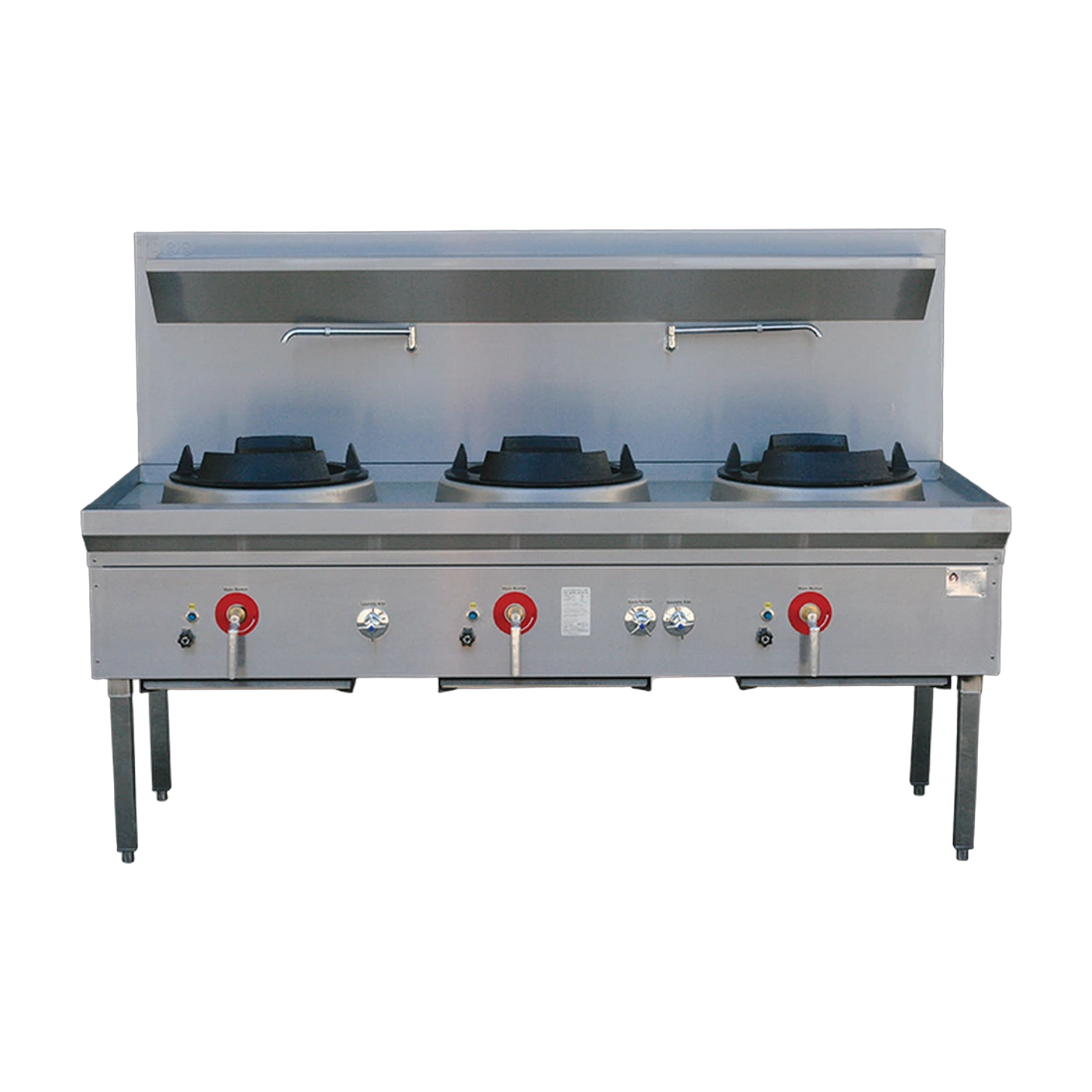
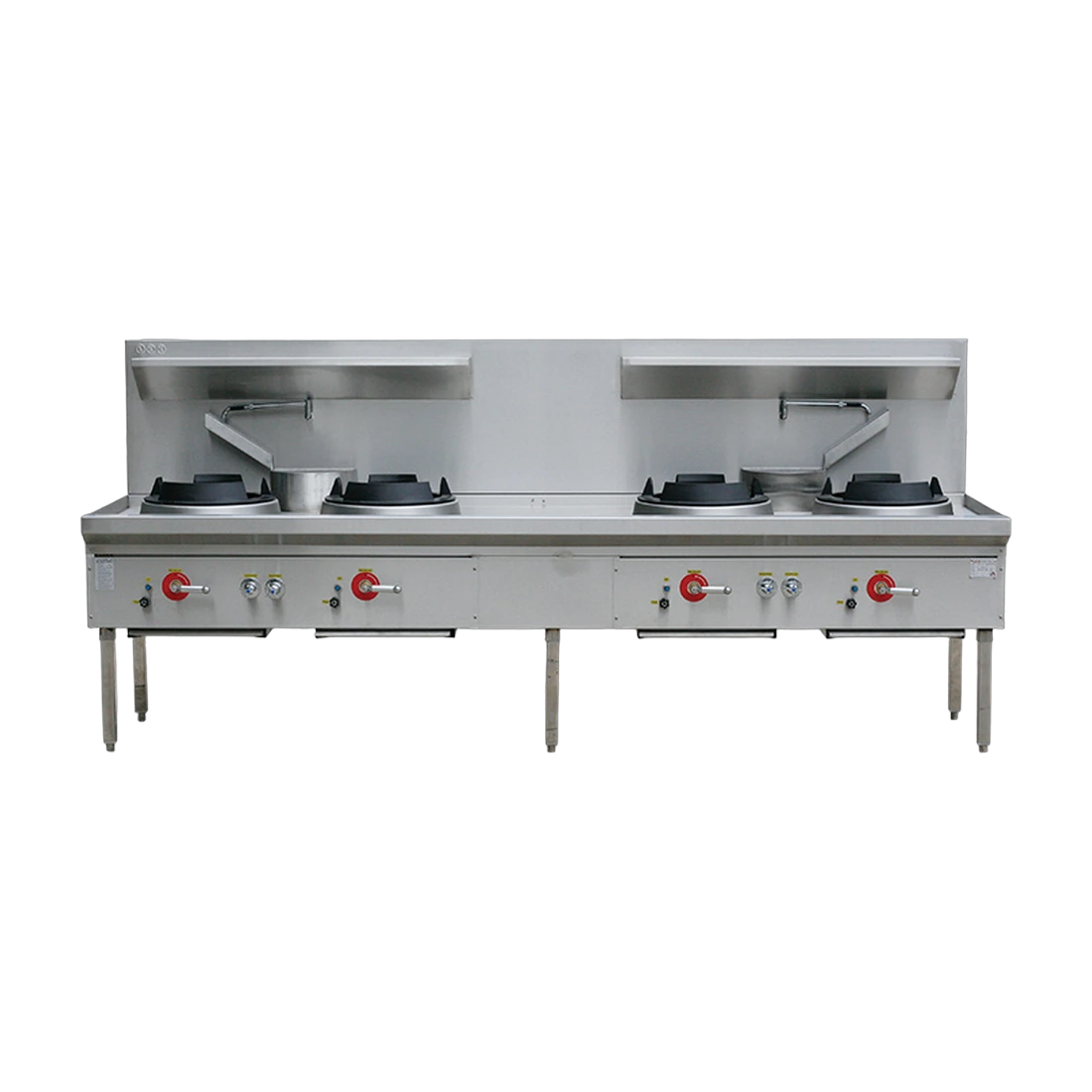
A commercial wok burner delivers the fast, concentrated heat that stir-fry service depends on. This range covers single, double and triple wok ranges in chimney and turbo burner styles, configured for natural gas or LPG, plus induction woks for sites that cannot run gas. Work out how many woks run at once during peak, then match burner format and fuel to the kitchen's gas supply and extraction.
Key factors to consider before purchasing. Our team can help you find the right fit — call or get a quote anytime.
Match capacity to your daily output. Consider the bench or floor space available and the access route for delivery.
Check the power supply at the installed position — phase, amperage and circuit capacity — before ordering.
This range includes both gas and electric models, so installation requirements depend on the model you choose — gas type and connection for gas models, circuit capacity for electric. Allow the ventilation clearance the manufacturer specifies. We can help with kitchen planning.
Submit your kitchen requirements — our equipment specialists will send you a tailored shortlist of chinese wok burners that fits your budget, venue type and compliance needs.
Standards & Compliance
Gas configuration, burner controls and any water-deck or cooling arrangement must be checked at the product and site level. Do not assume that every wok station needs or includes a water-cooled deck, splashback or rinse flow; confirm what the selected design provides and how it is intended to operate.
High heat and combustion products require a coordinated canopy, exhaust and make-up-air assessment. A licensed gas professional should verify the nominated NG or ULPG supply and installation requirements, while the kitchen plan must retain access to controls, cleaning points and emergency shut-off arrangements.
FAQ
Chimney burners are designed for stir-fry and high Wok Hei; duckbill burners are designed for stockpots and long-simmer soups.
Yes, but flame shape and thrust are different to natural gas. For extreme Wok Hei, many chefs prefer natural gas or blower woks.
They are ideal for high-volume Cantonese or Sichuan kitchens and fast takeaway operations. Smaller venues may be well served by chimney burners.
In many cases yes. One chimney + one duckbill on the same unit is a common professional setup and can often be configured before delivery.
Why KW
KW can help translate wok service into a practical cookline brief covering burner count, gas configuration, chef movement and ventilation coordination. For an Australian wok station review that includes the surrounding landing and preparation zones, call 1300 001 366.
Deep Dive
Technical depth from KW's commercial kitchen specialists.
Count the dishes that genuinely cook at the same time and identify whether one chef or several chefs will control the station. Leave a usable gap between wok rings, keep valves reachable and provide nearby ingredient and plate positions before adding another burner to the plan.
After shutdown and cooling, remove loose food from rings, deck channels and splash areas. Clean removable components by the specified method and check burner ports for obstruction without enlarging or damaging them. Where a water deck is fitted, clear its flow and waste points as directed.
Have the canopy and exhaust assessed for the heat and combustion load of the proposed station, with make-up air planned so it does not disrupt burner operation or the chef. Clearances and gas work should be confirmed by the relevant qualified trades.
Set mise en place within a controlled reach and reserve heat-safe landing space for a wok leaving each ring. Raw loading and finished plating should not compete for the same surface, and handles must not project into the route used by another cook.
Review other burner-based cookline formats, coordinate the station with wider commercial cooking categories and plan adjacent kitchen equipment around the chef’s working zone.
Count how many dishes must be cooked simultaneously at the busiest service point and how many chefs can work the station safely. Choose only the burner count that still leaves usable wok spacing, reachable controls, ingredient access and a separate landing place for every active ring.
A wok station produces substantial heat and combustion products, so its canopy, exhaust and make-up air must be assessed for the selected equipment and site. Have qualified professionals confirm the required arrangement rather than relying on the ventilation used by a different appliance.
Confirm the gas type nominated for the exact appliance, then have a licensed gas professional check supply compatibility, connection, isolation and commissioning requirements. Do not convert or connect the burner on the assumption that NG and ULPG configurations are interchangeable.
Shut down the station and let components cool before removing food from rings, deck channels and splash areas. Clean removable parts as instructed, inspect burner ports without damaging them and, if a water deck is fitted, clear its flow and waste points before the next service.
| Format | Typical use |
|---|---|
| Single wok range | One-wok cooking or adding wok capacity beside existing equipment |
| Double & triple wok range | Dedicated Asian cooking lines running several woks through peak service |
| Induction wok | Venues without a gas supply, or where a cooler flame-free station is preferred |
80 results
1200 × 900 × 1180mm
1200 × 900 × 1180mm
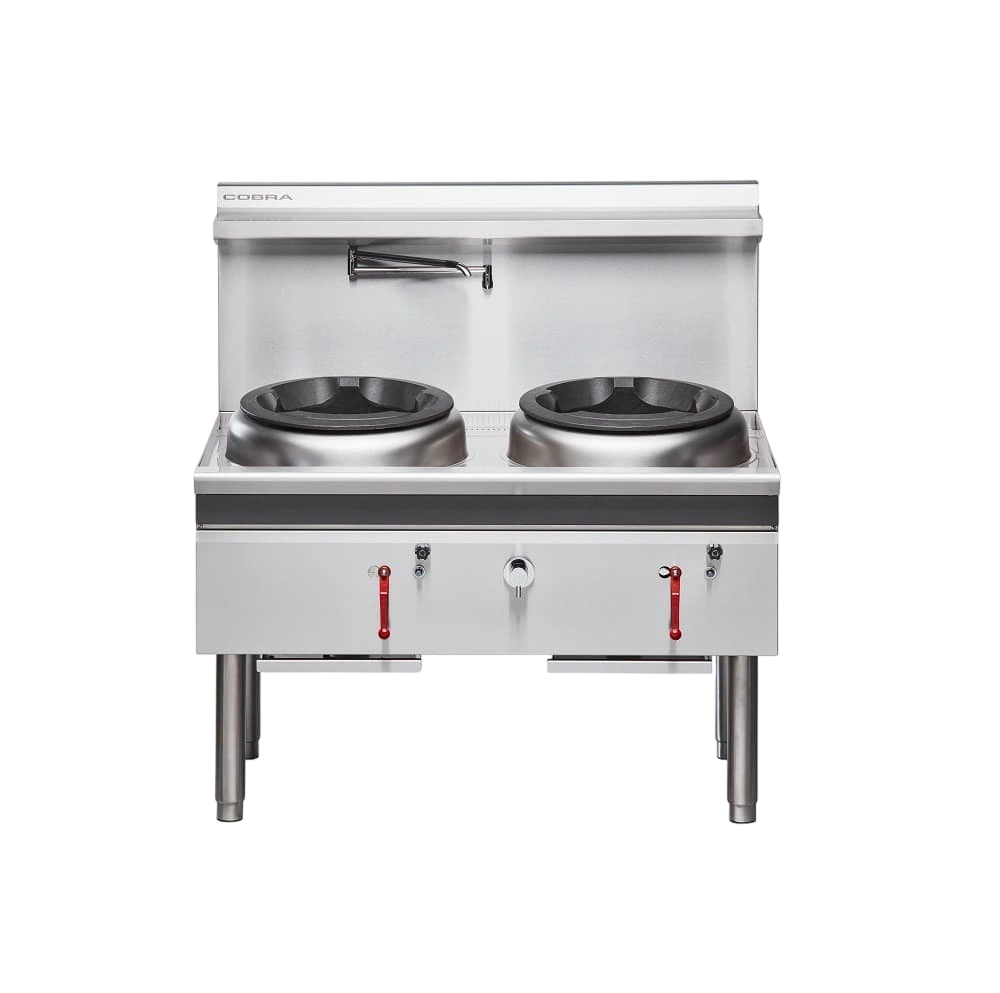
1200 × 800 × 1280mm
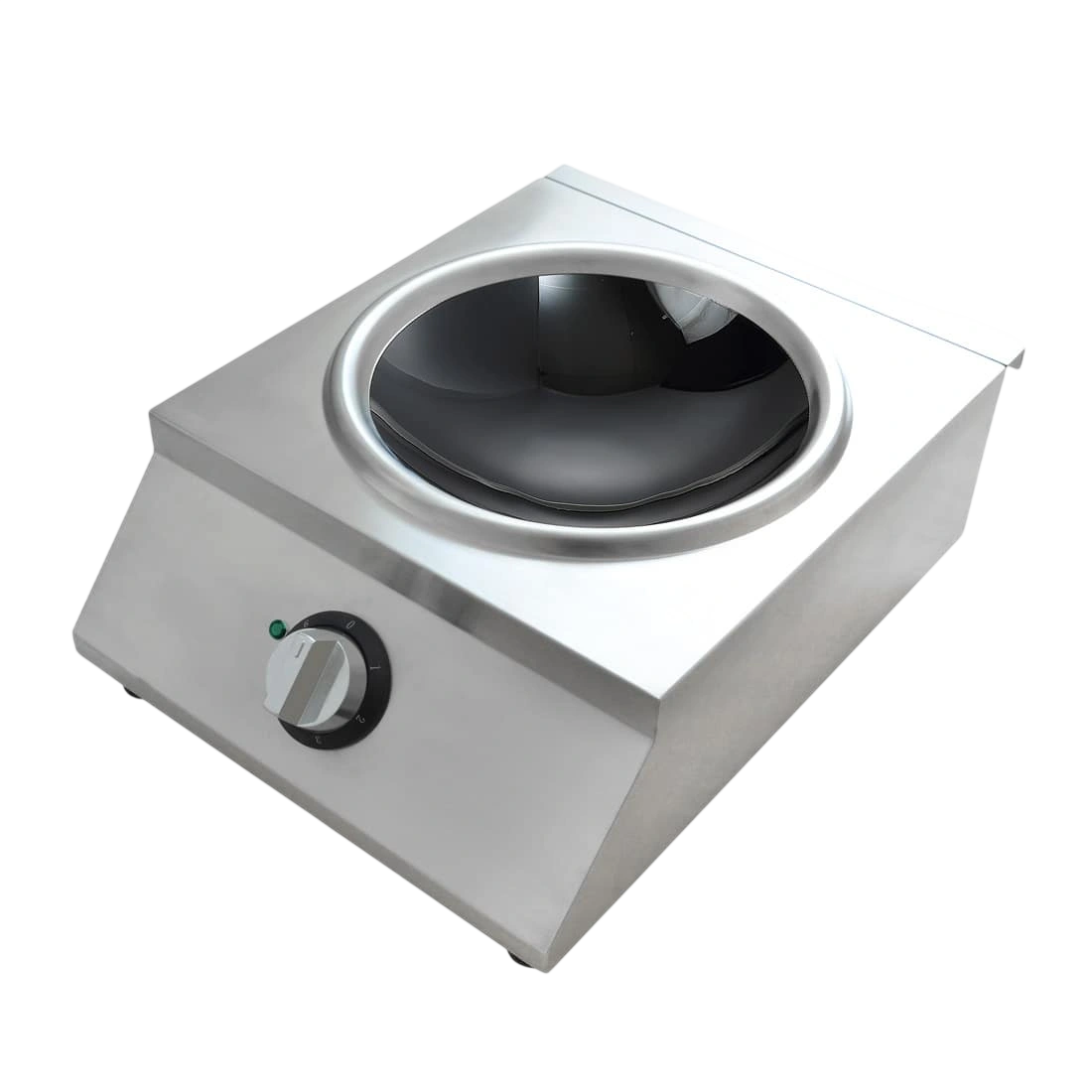
398 × 515 × 185mm
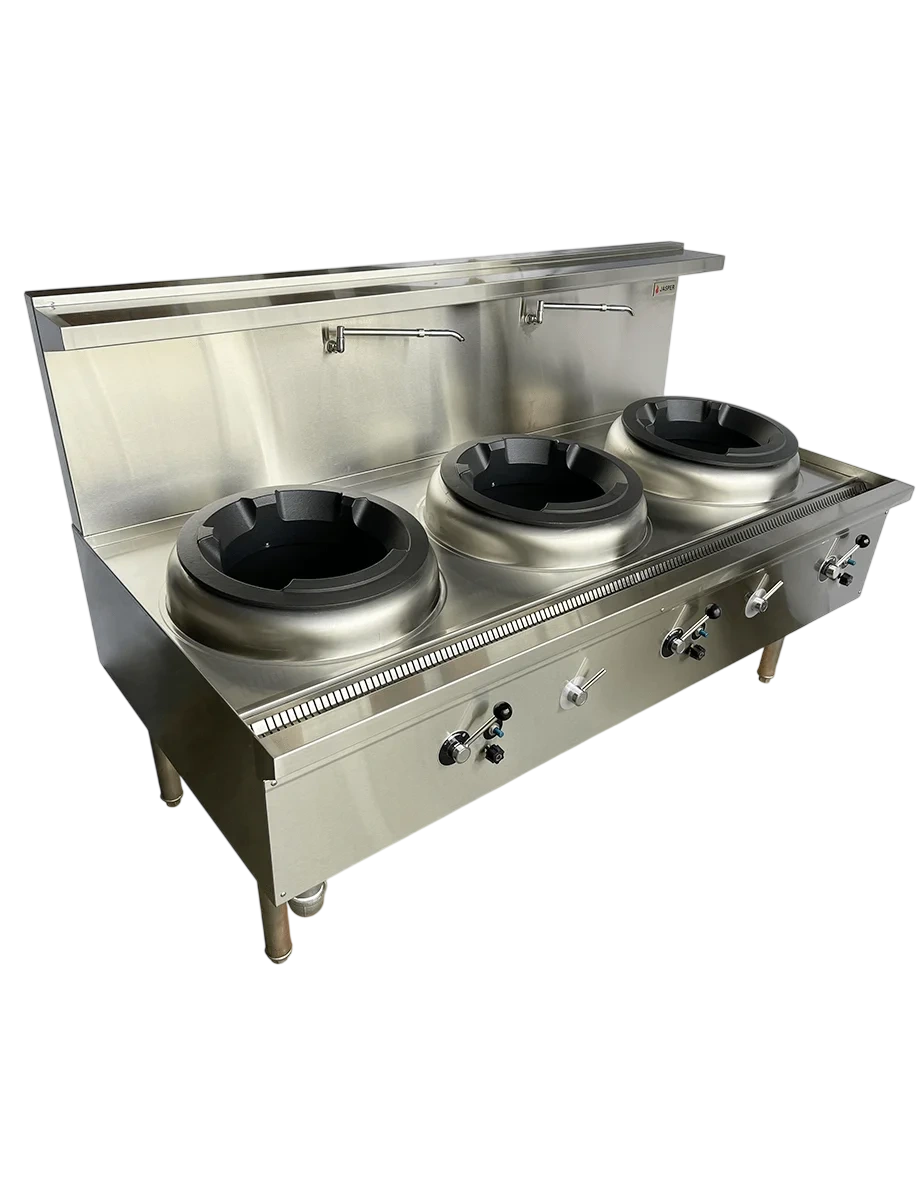
1800 × 900 × 1180mm
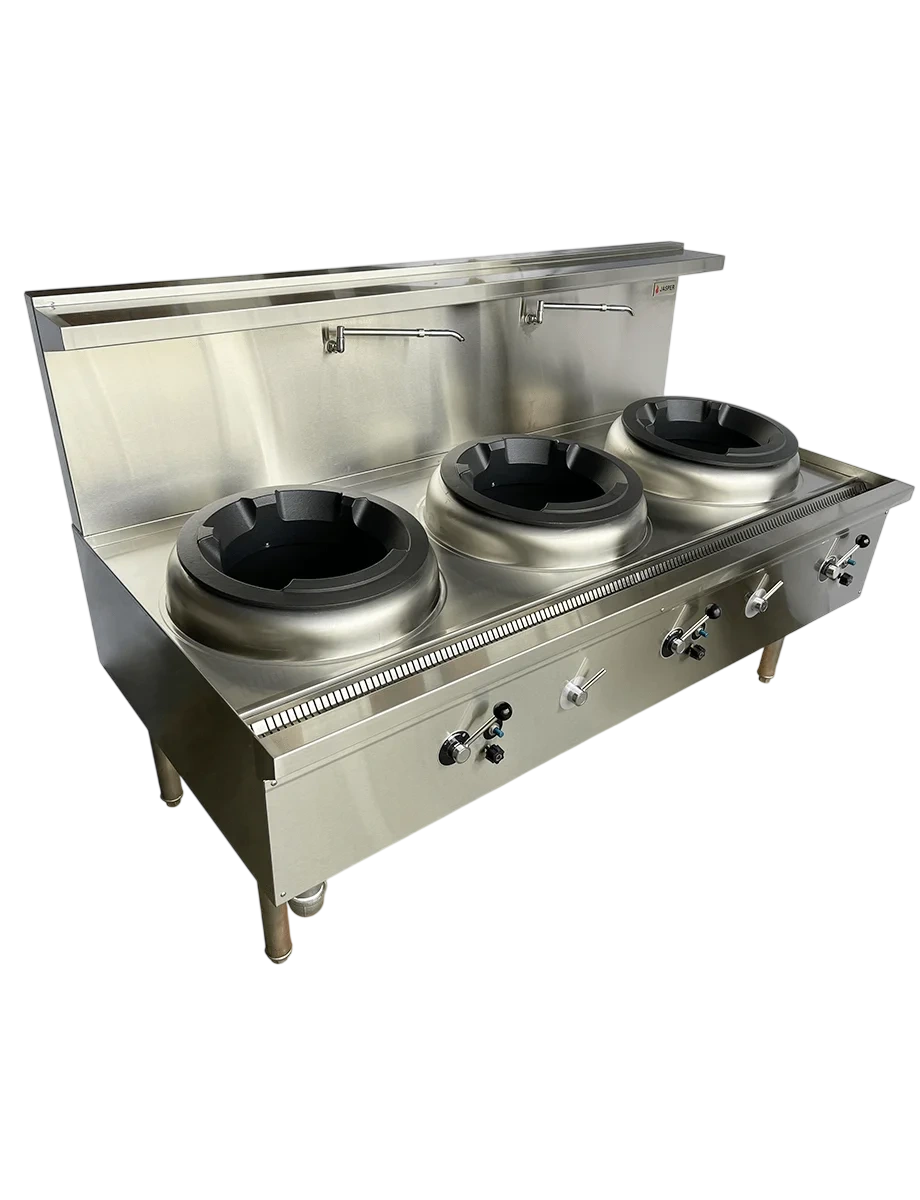
1800 × 900 × 1180mm
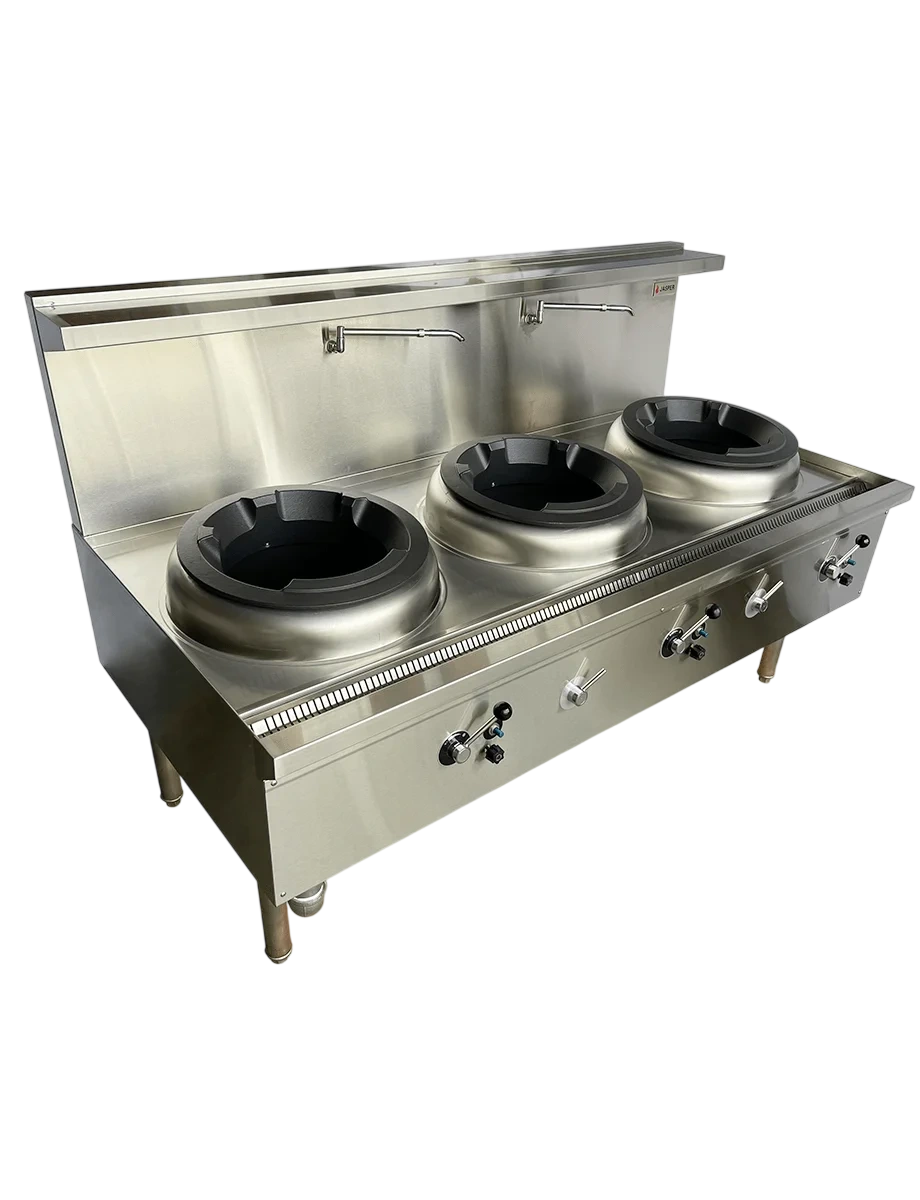
1800 × 900 × 1180mm
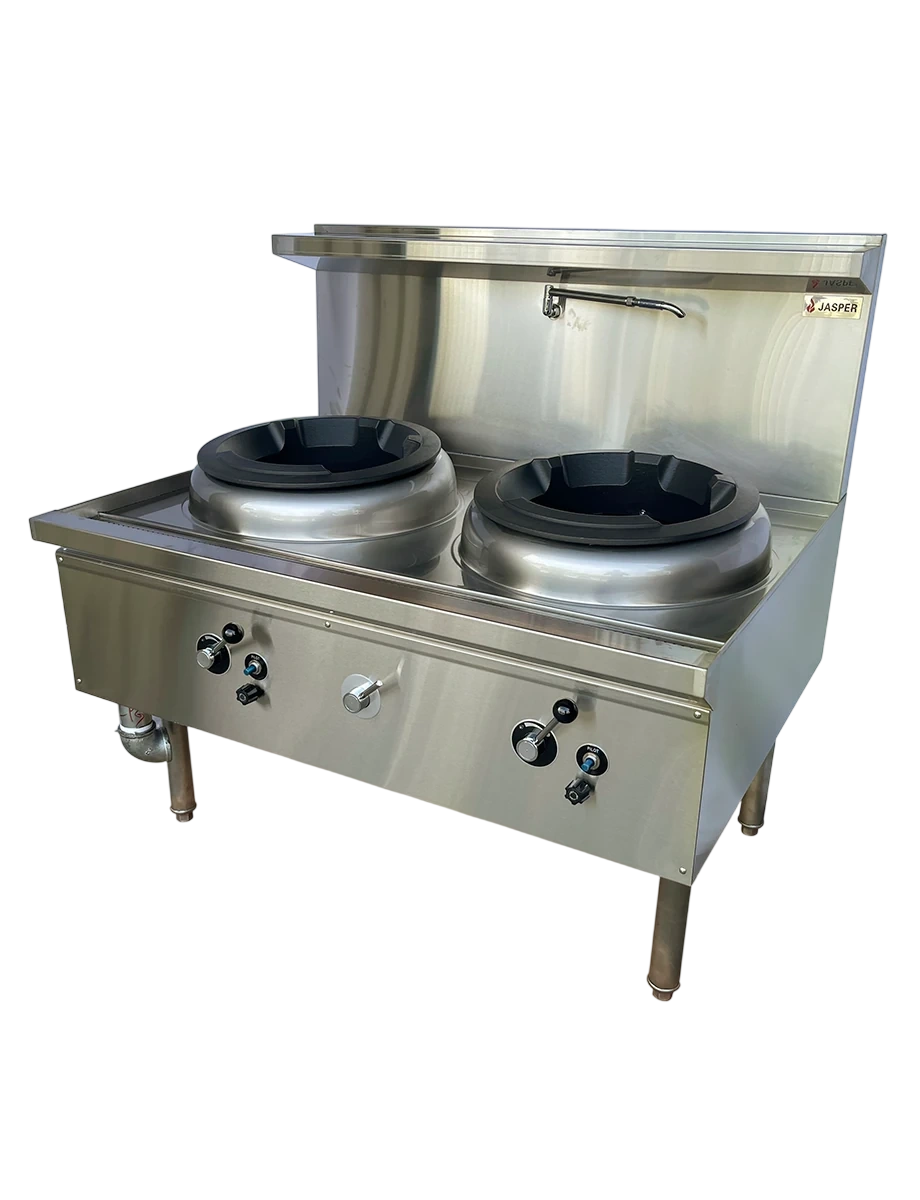
1200 × 900 × 1180mm
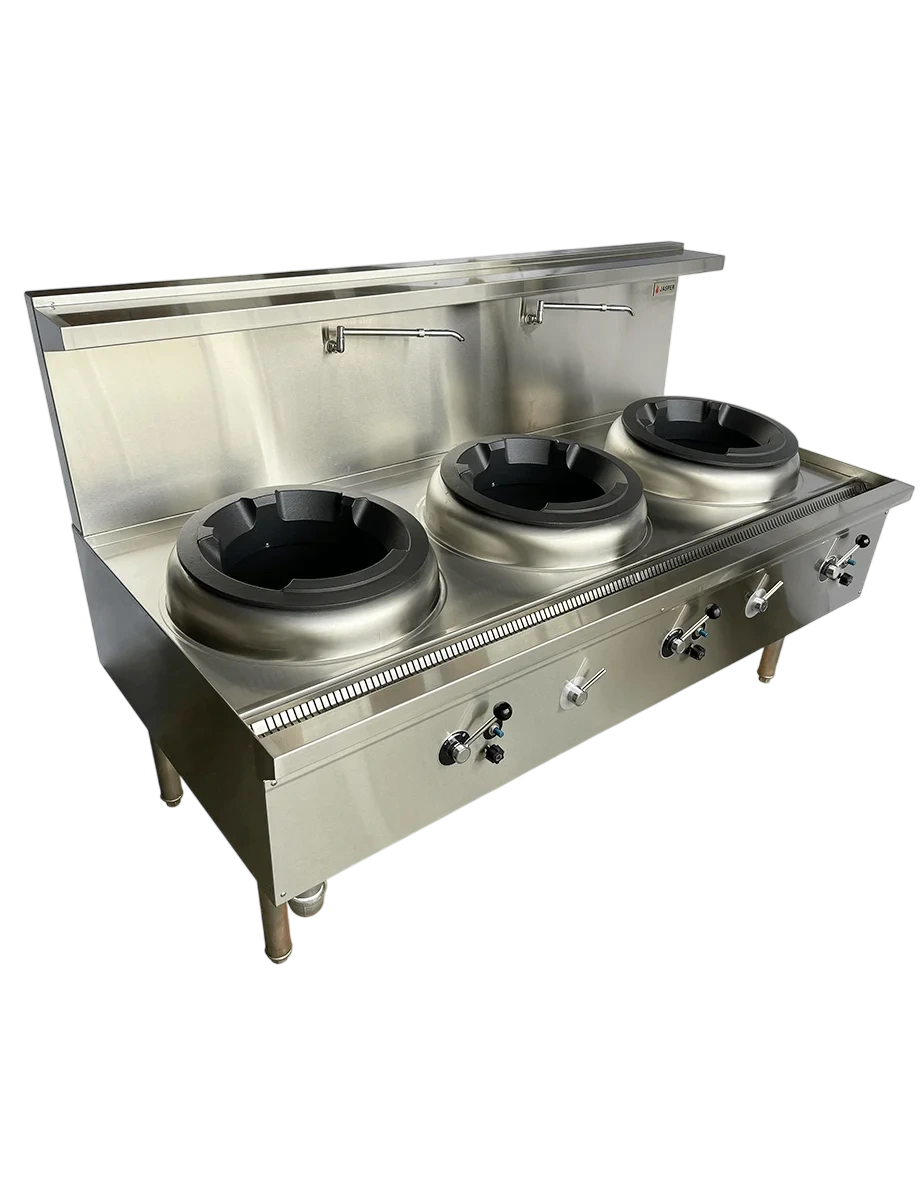
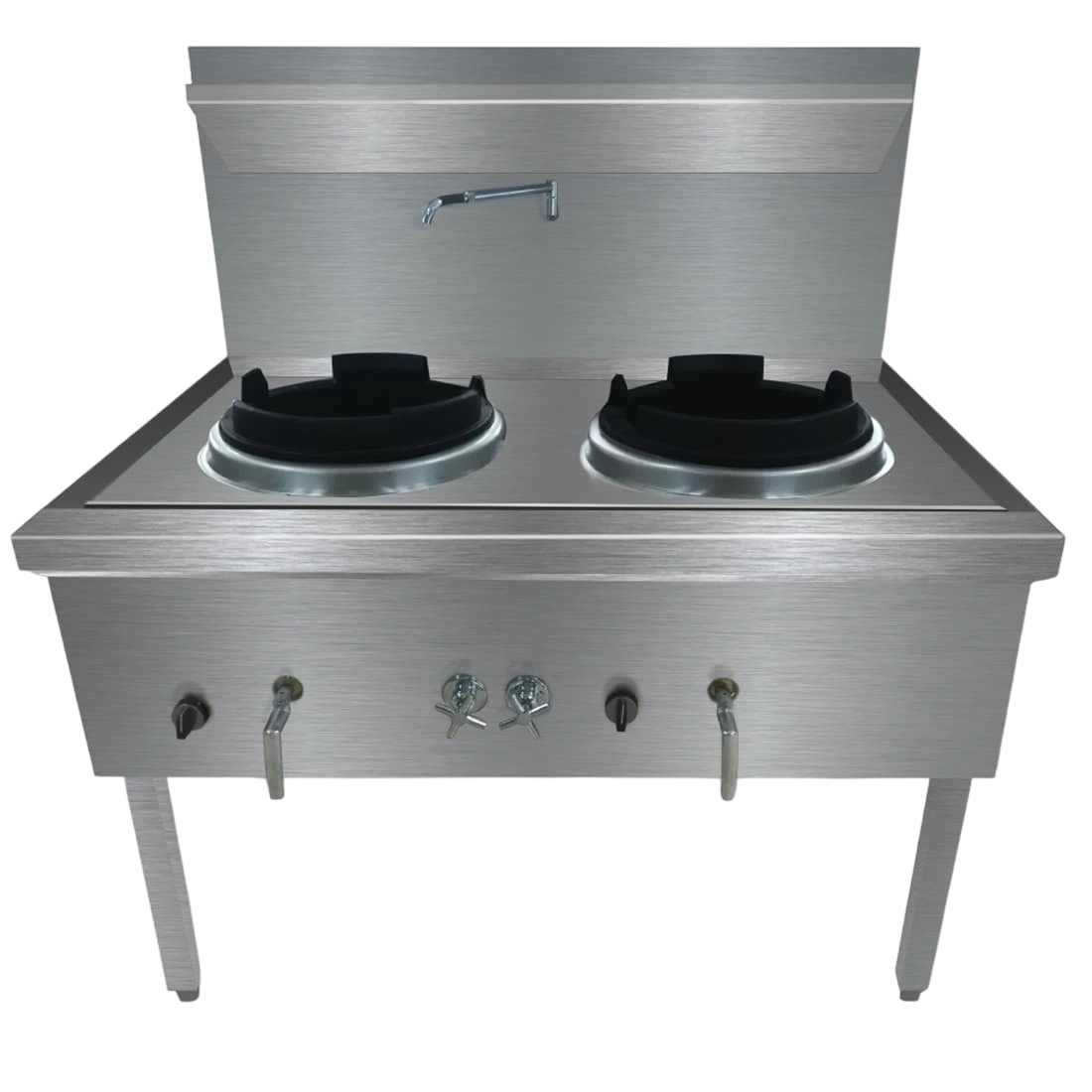
1200 × 890 × 1260mm
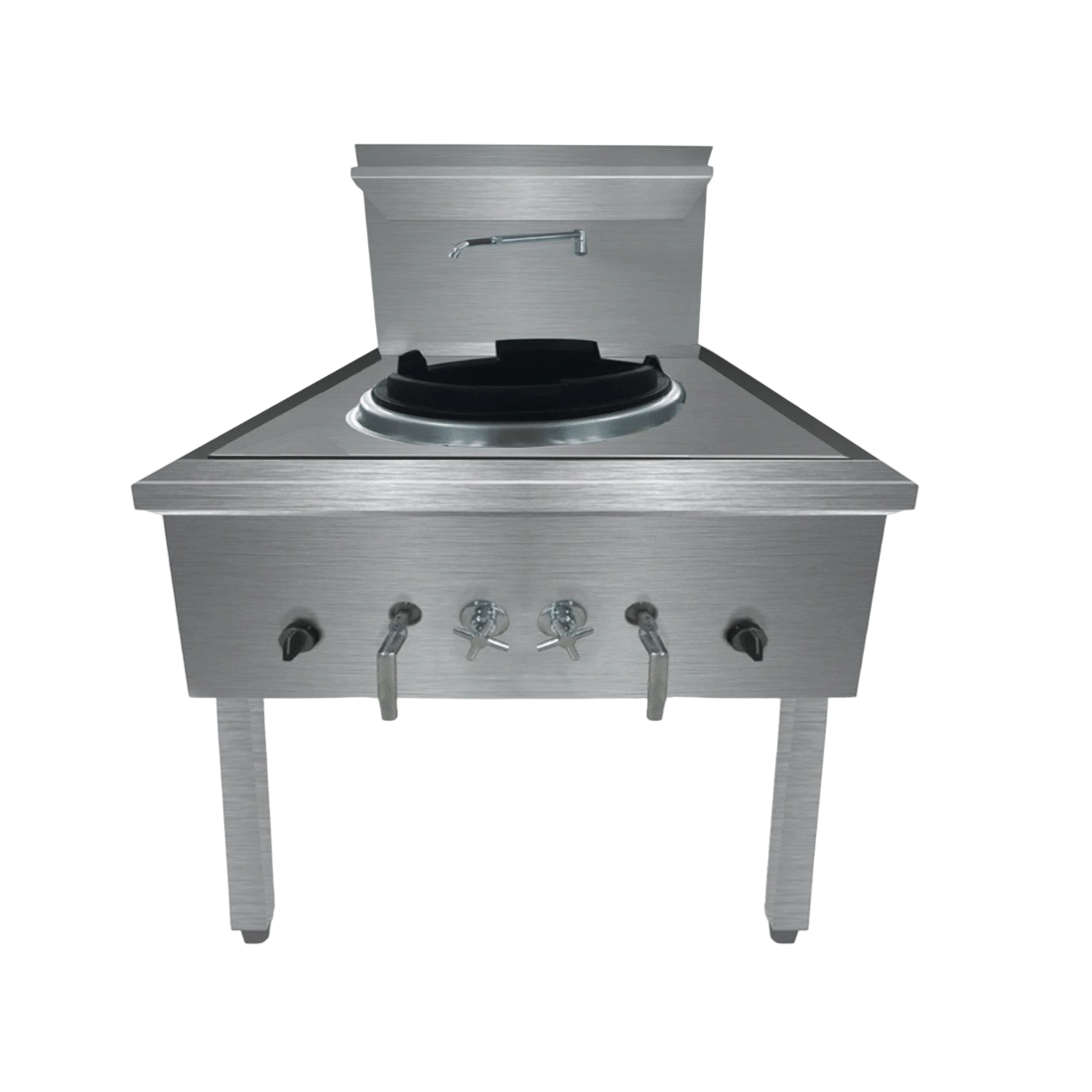
600 × 850 × 1300mm
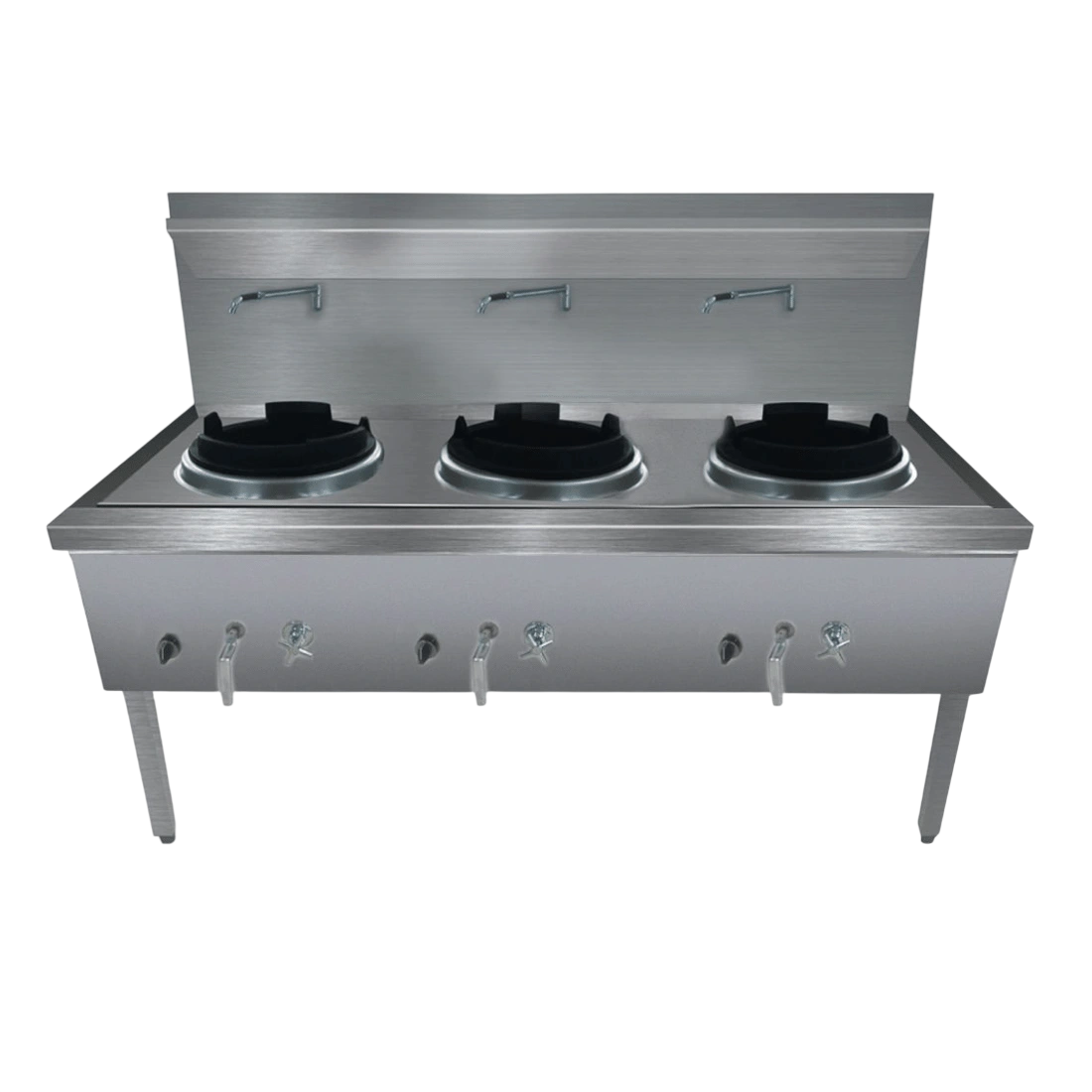
1800 × 850 × 1300mm
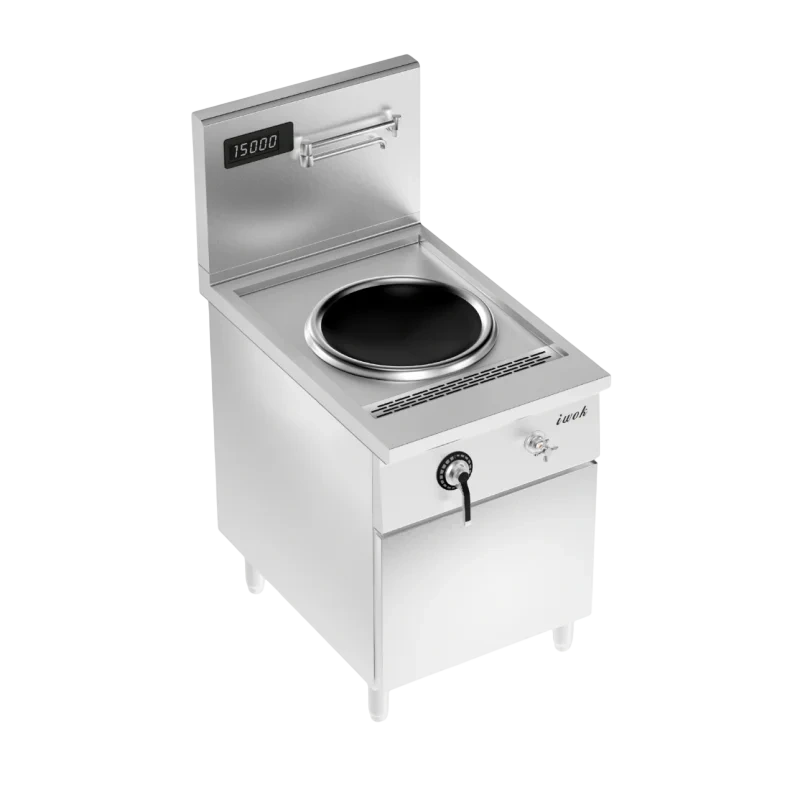
600 × 850 × 1300mm
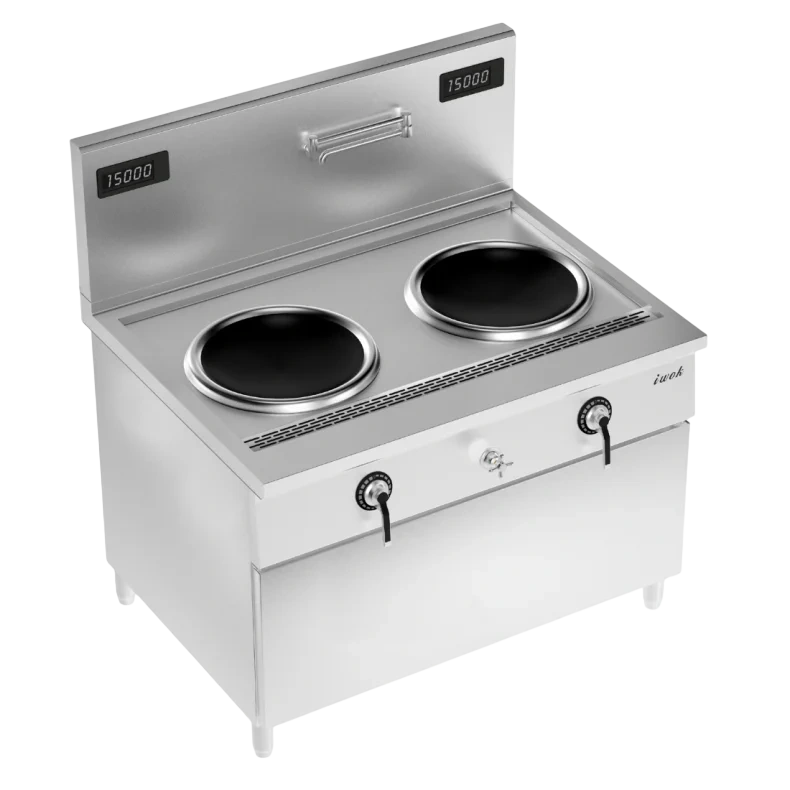
1200 × 850 × 1300mm
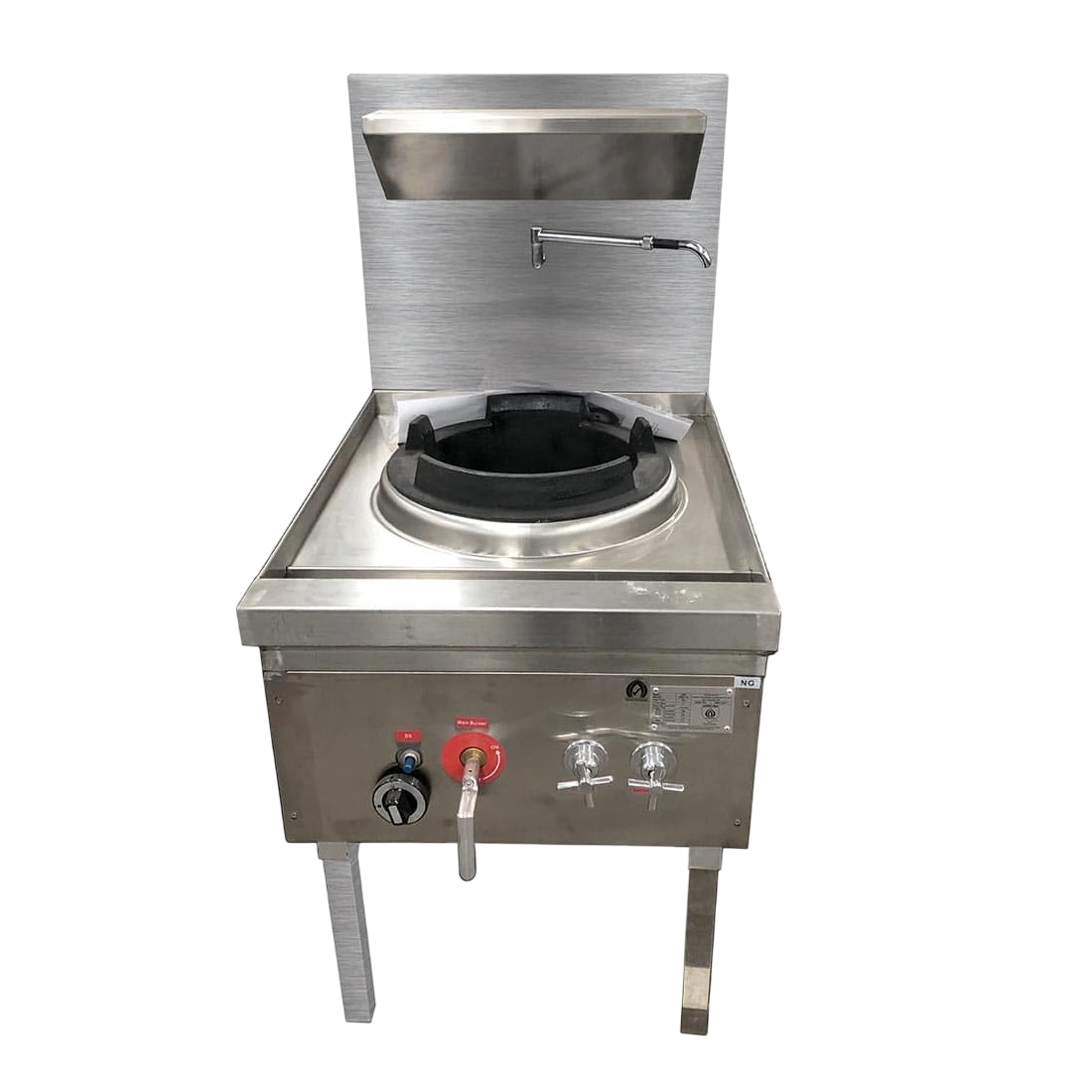
600 × 890 × 1260mm
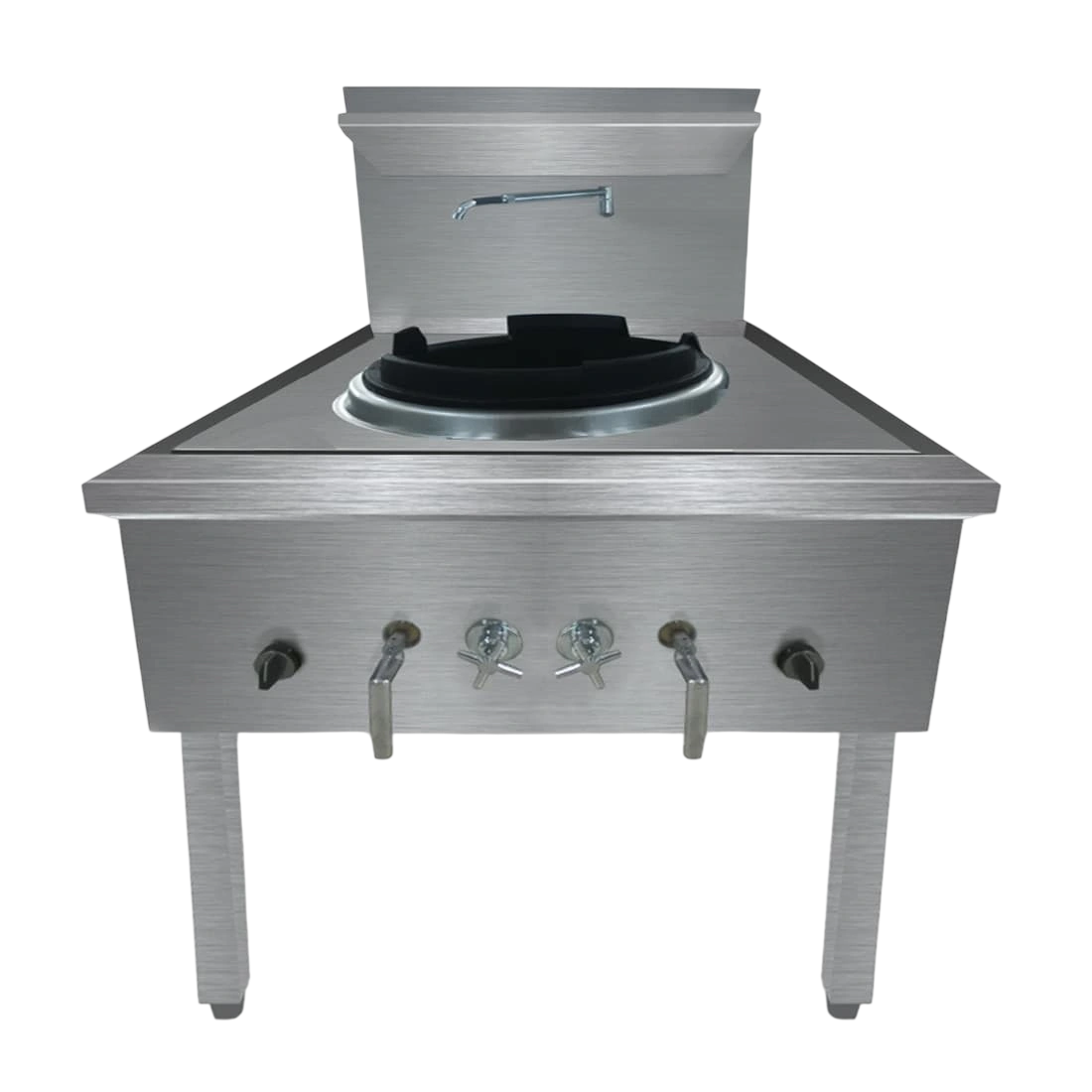
600 × 890 × 1260mm
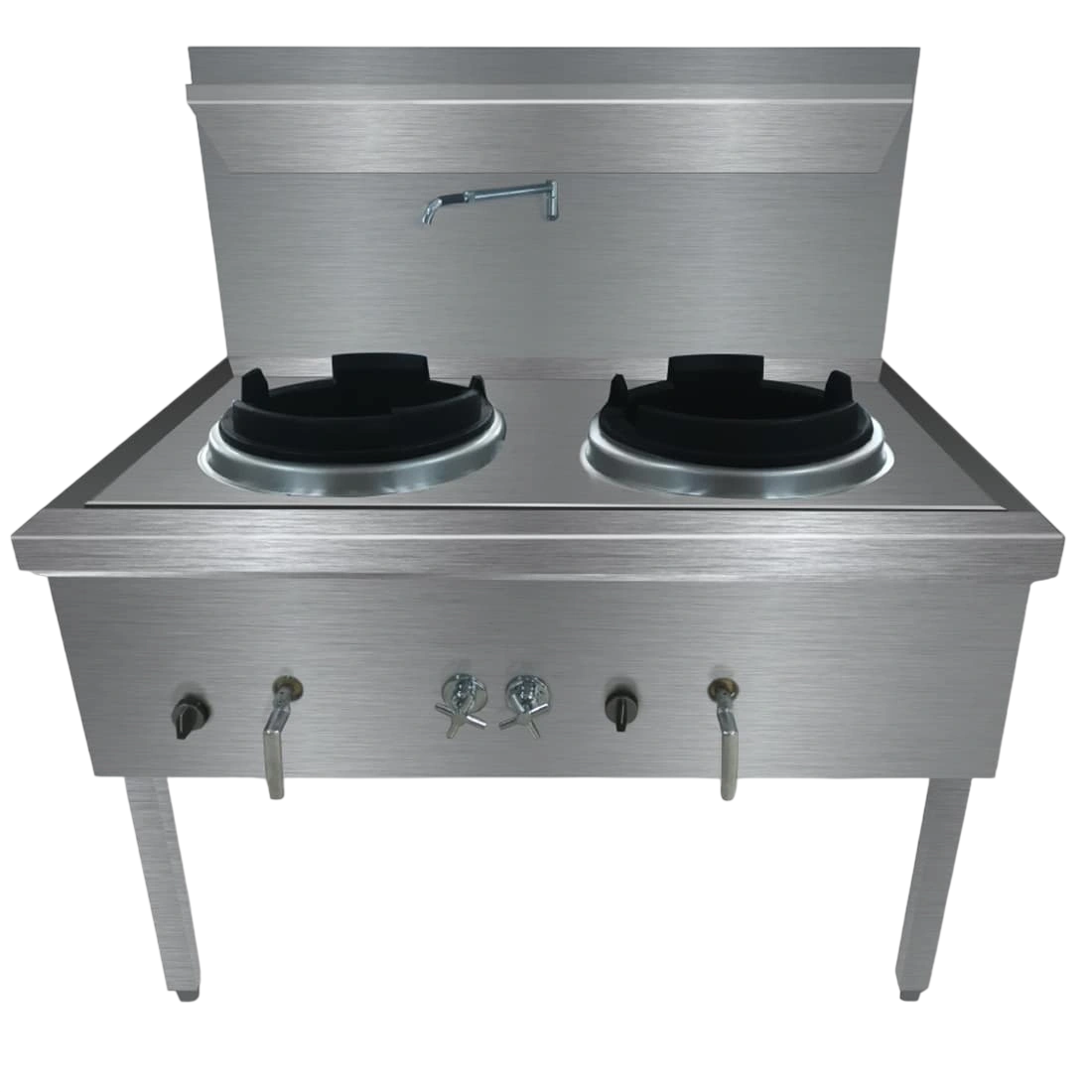
1200 × 890 × 1260mm
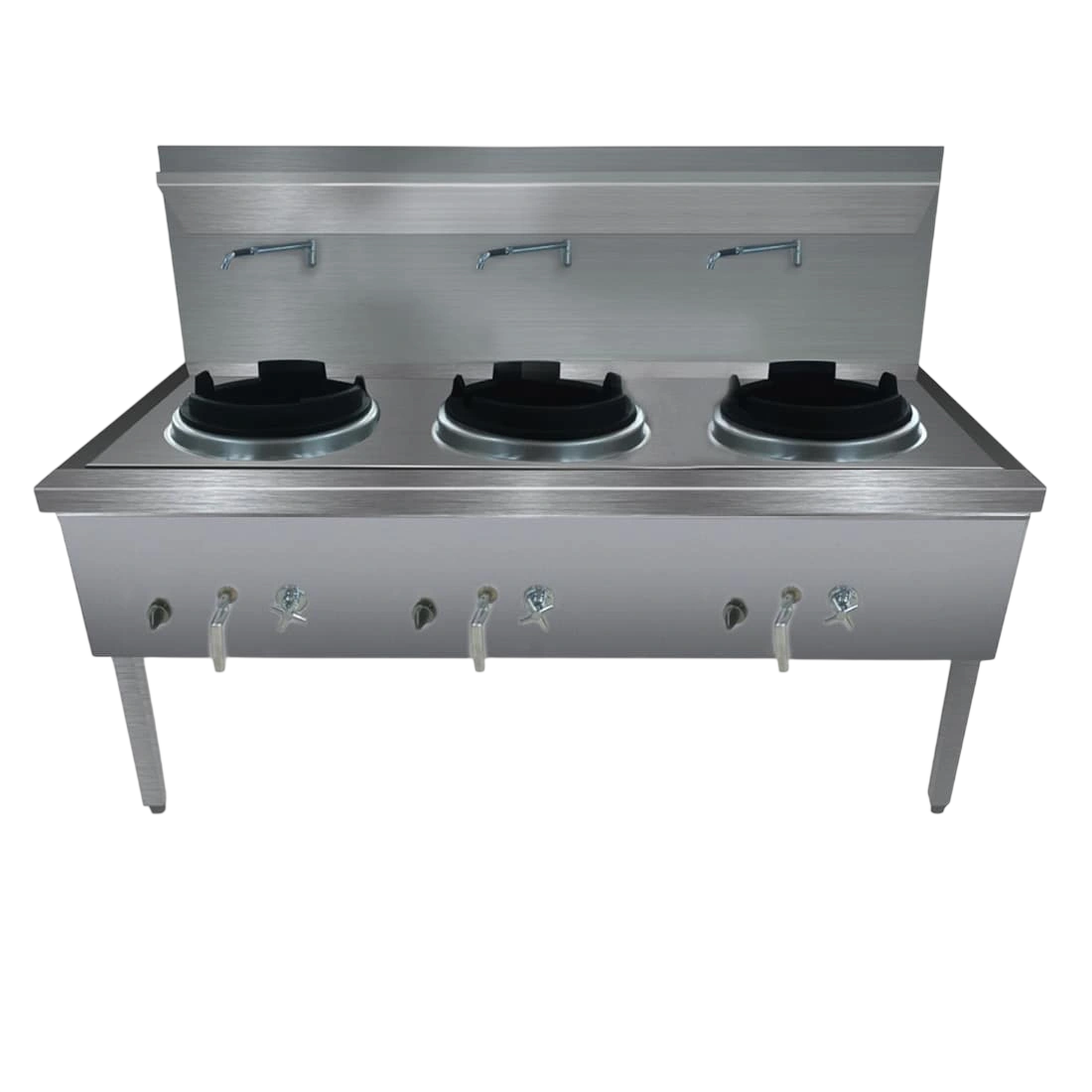
1800 × 890 × 1260mm
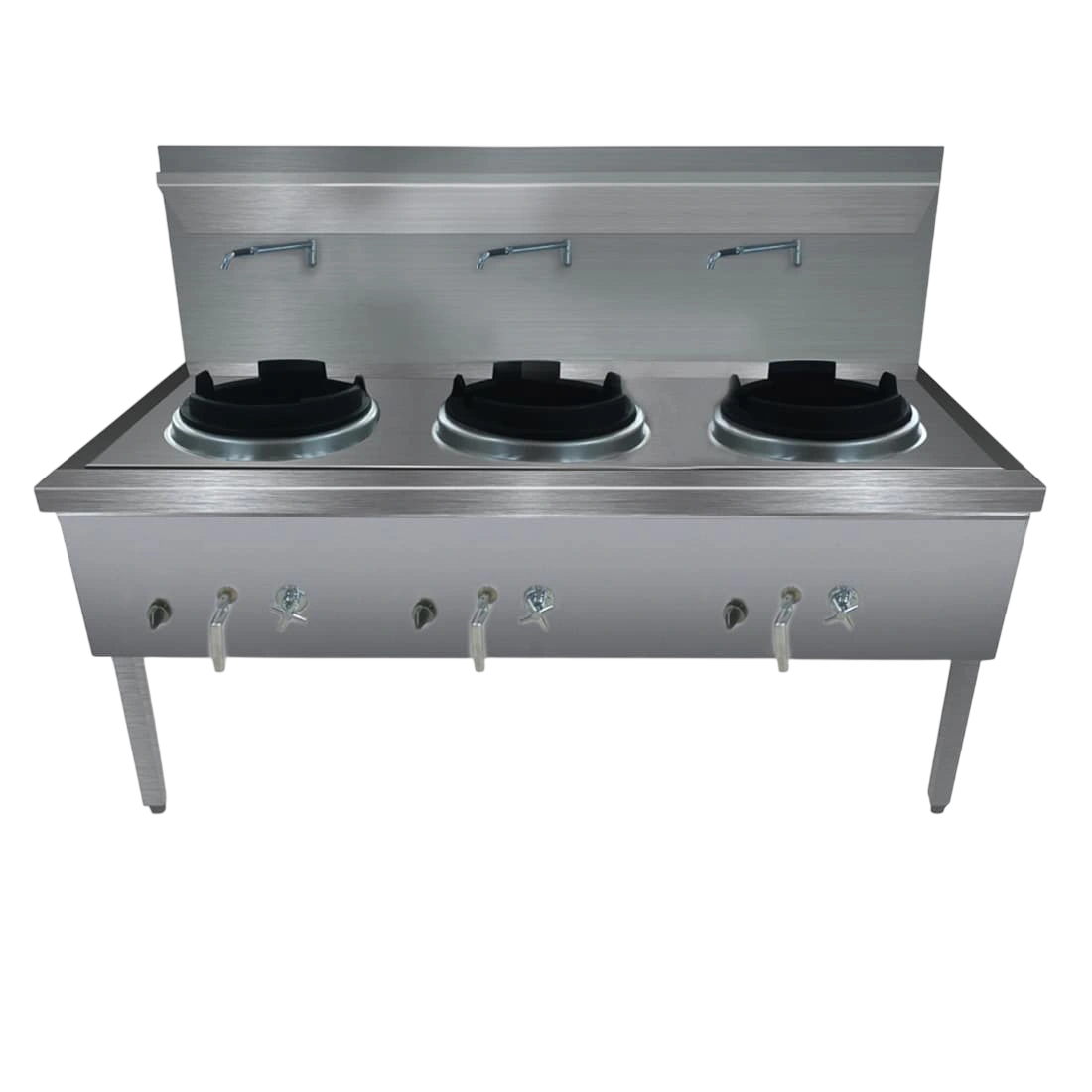
1800 × 890 × 1260mm
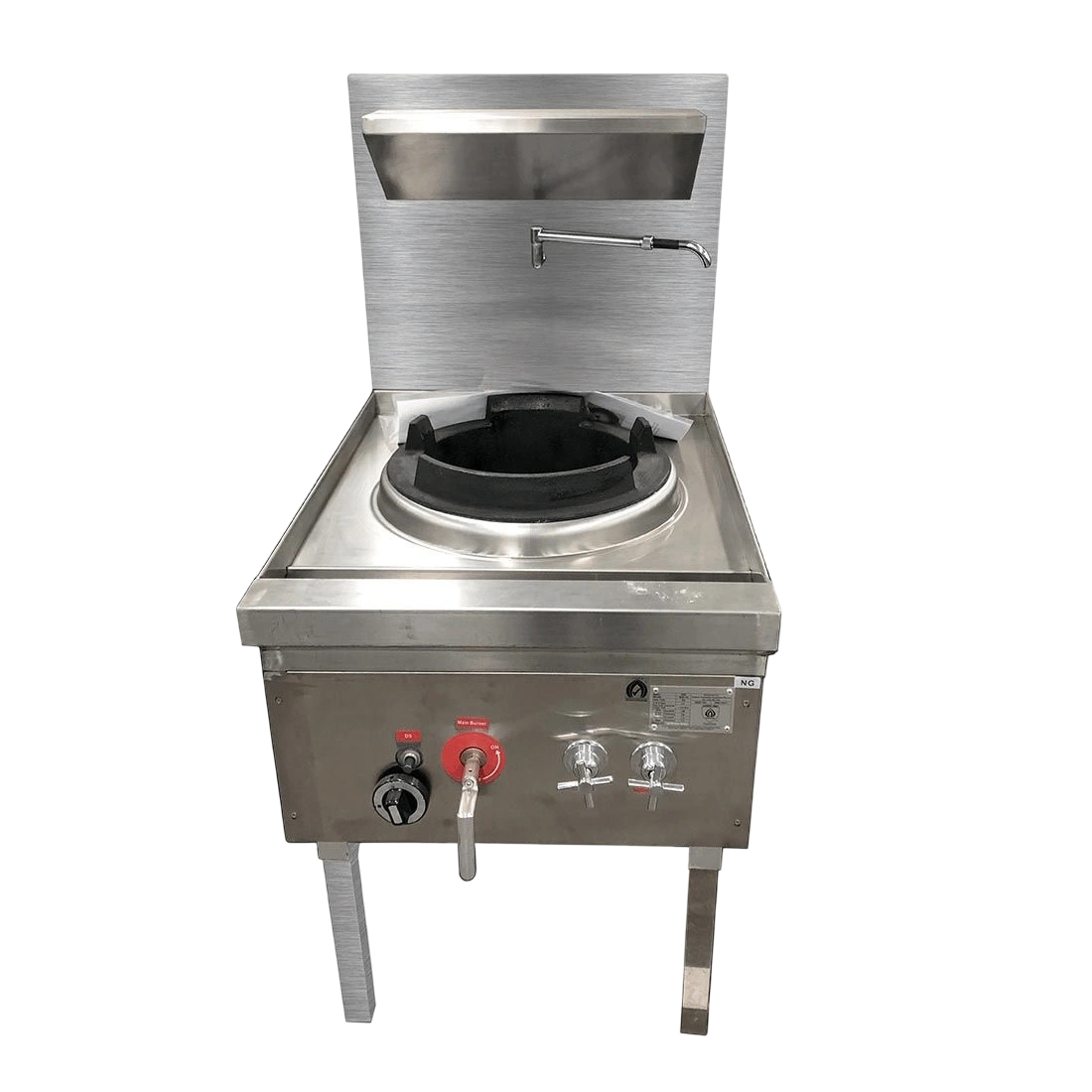
600 × 850 × 1300mm
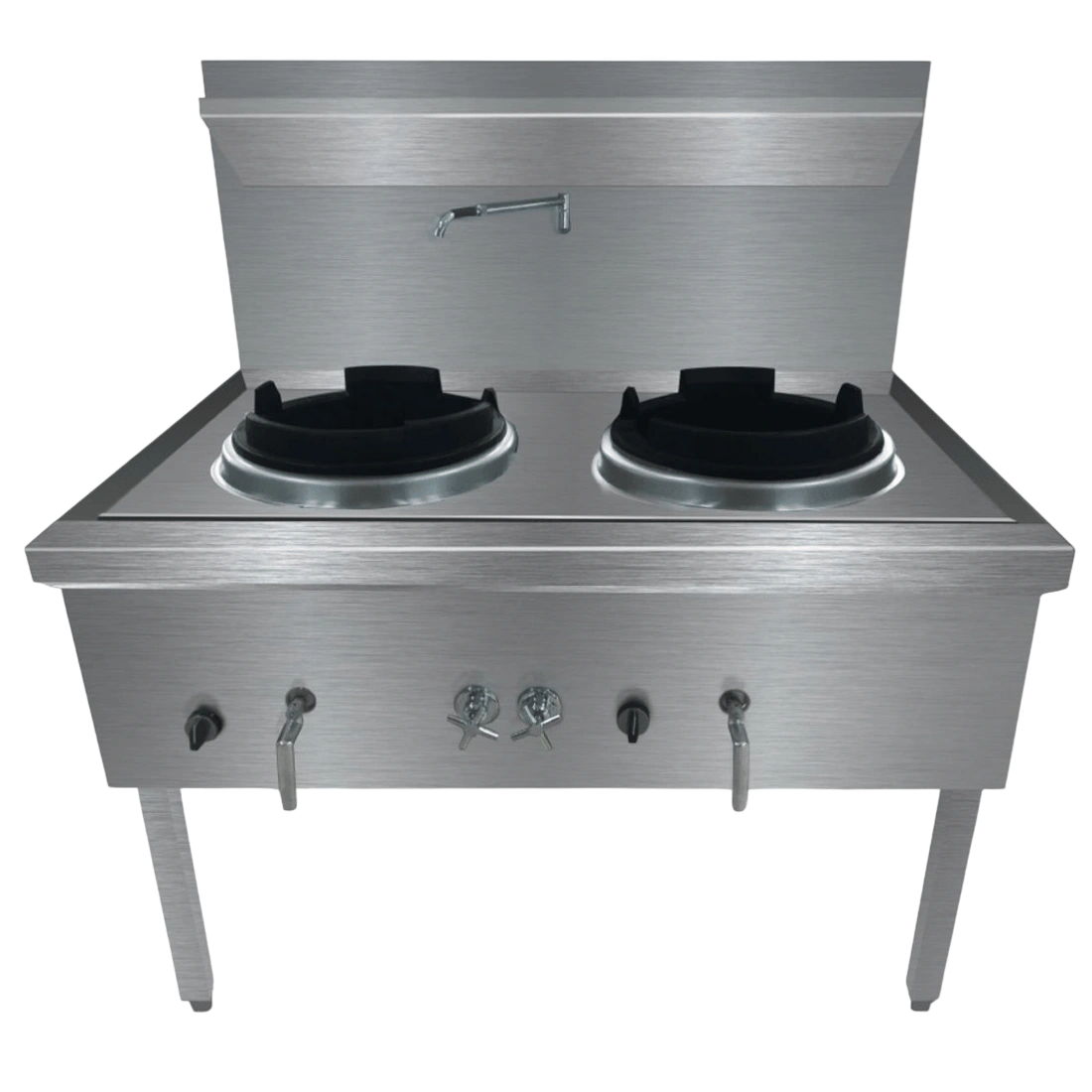
1200 × 850 × 1300mm
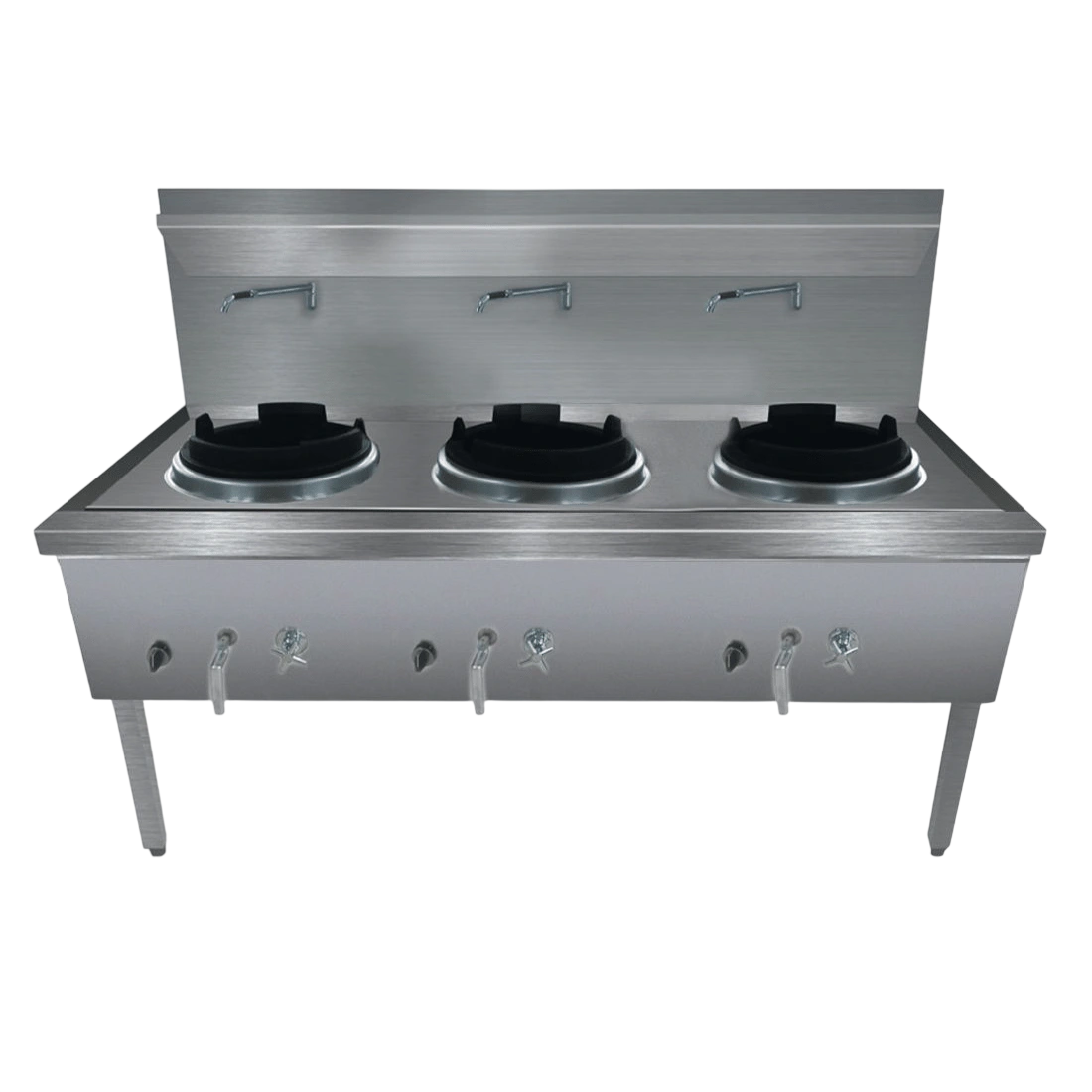
1800 × 850 × 1300mm
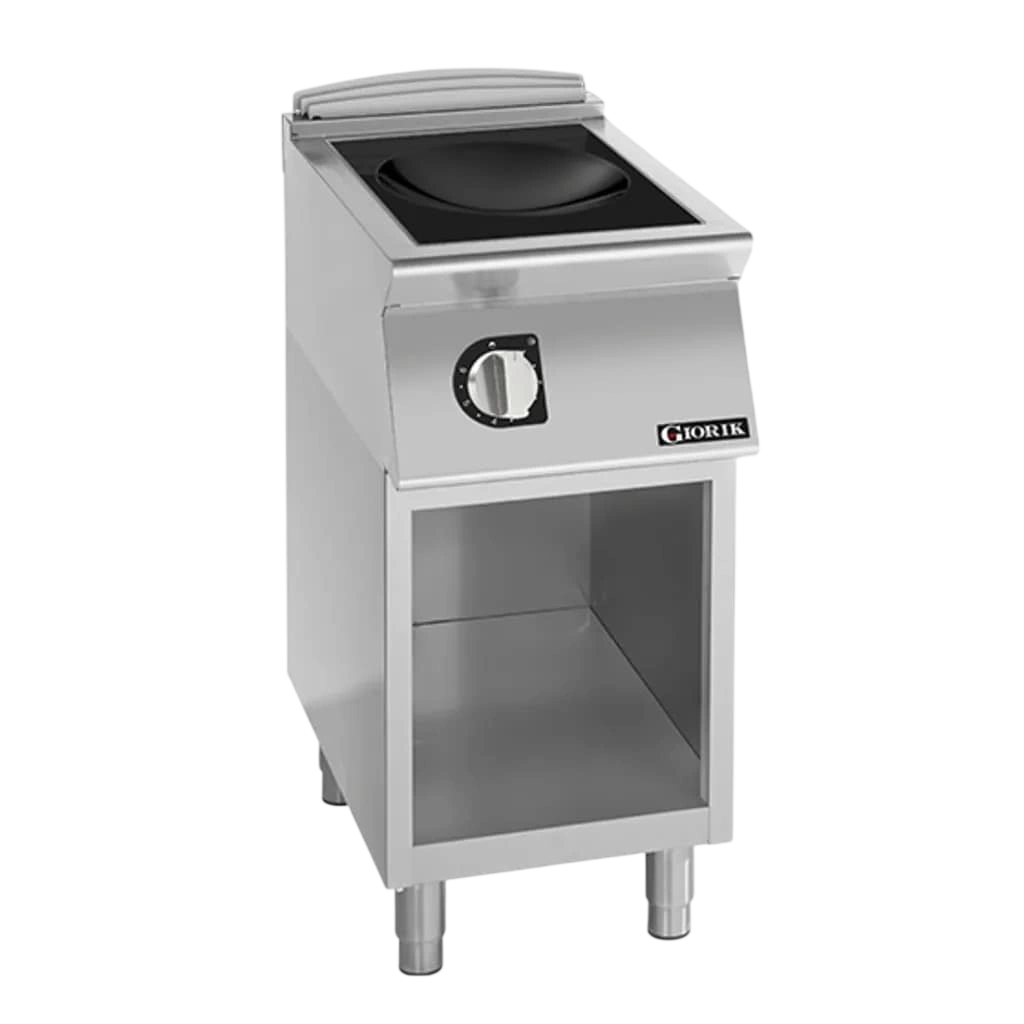
400 × 720 × 930mm
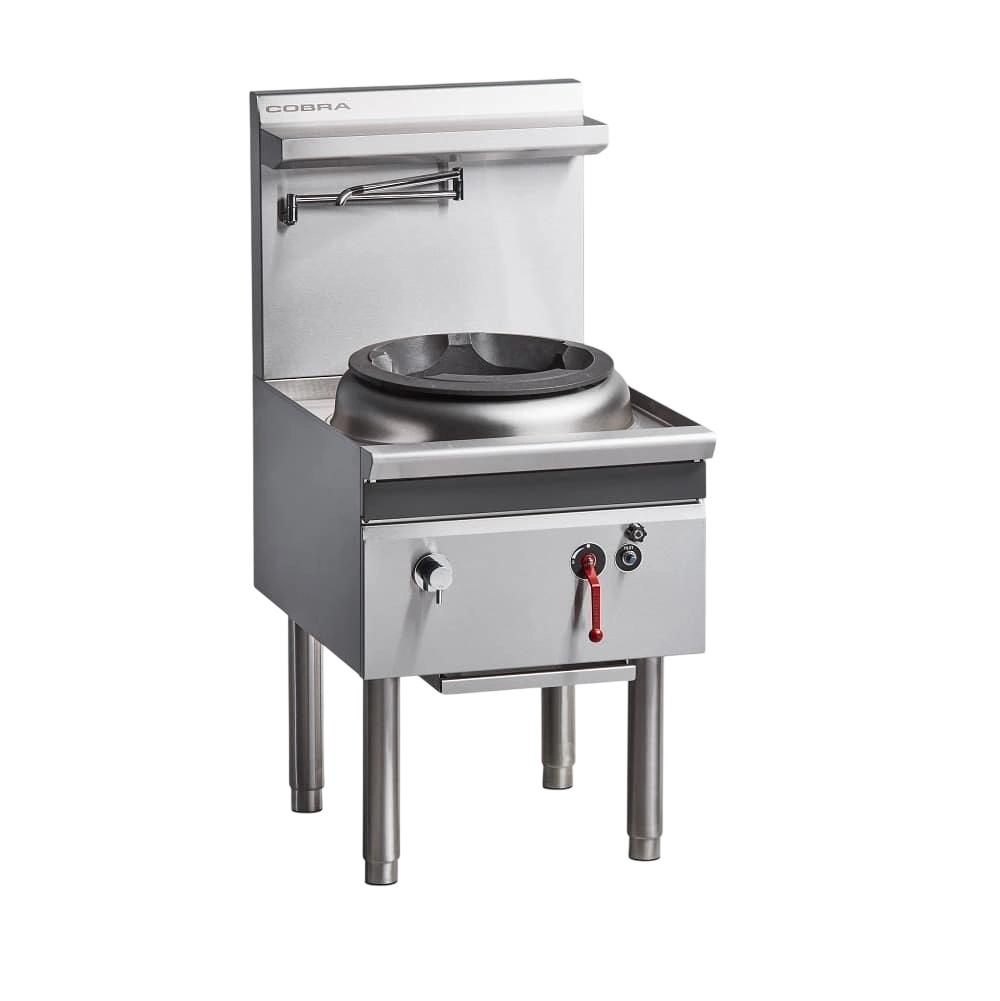
600 × 800 × 1280mm
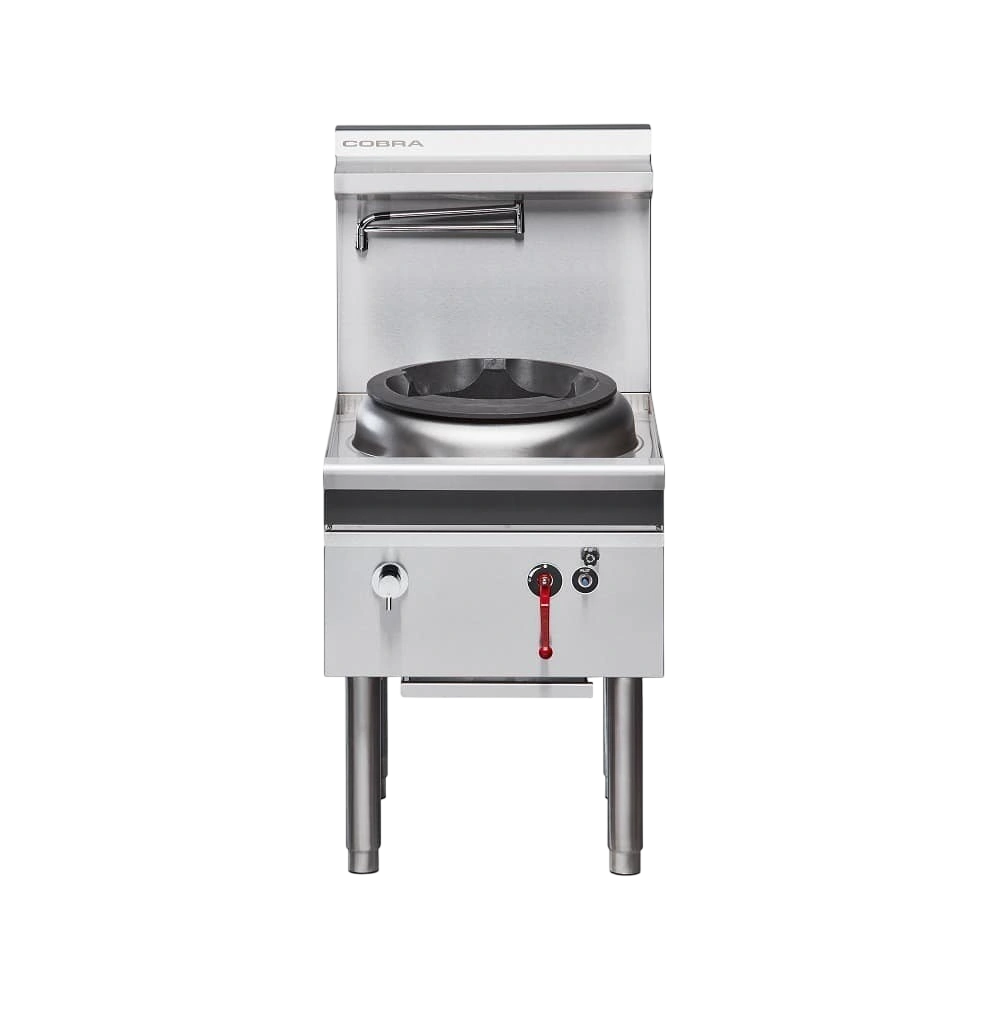
600 × 800 × 1280mm
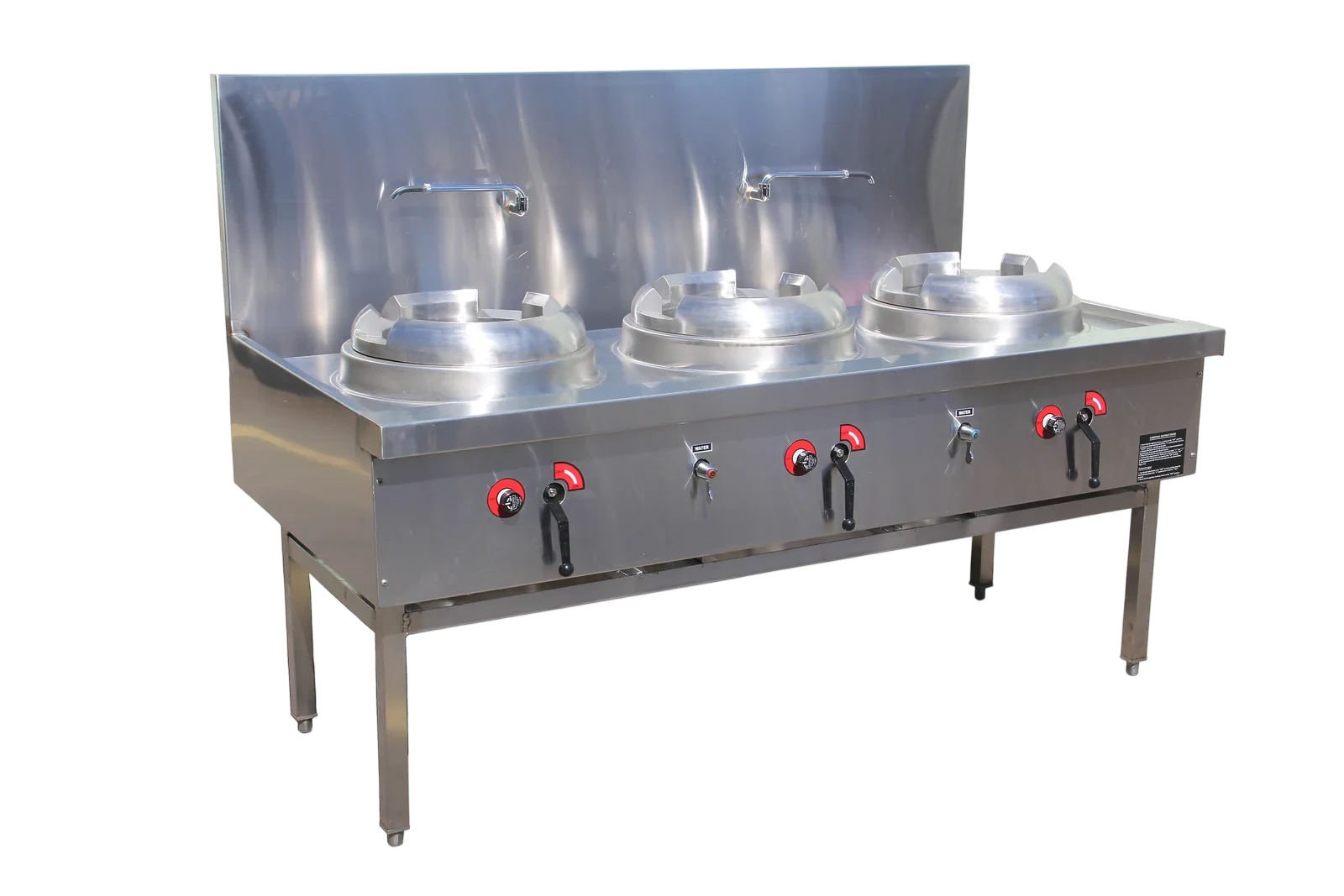
180 × 870 × 1180mm
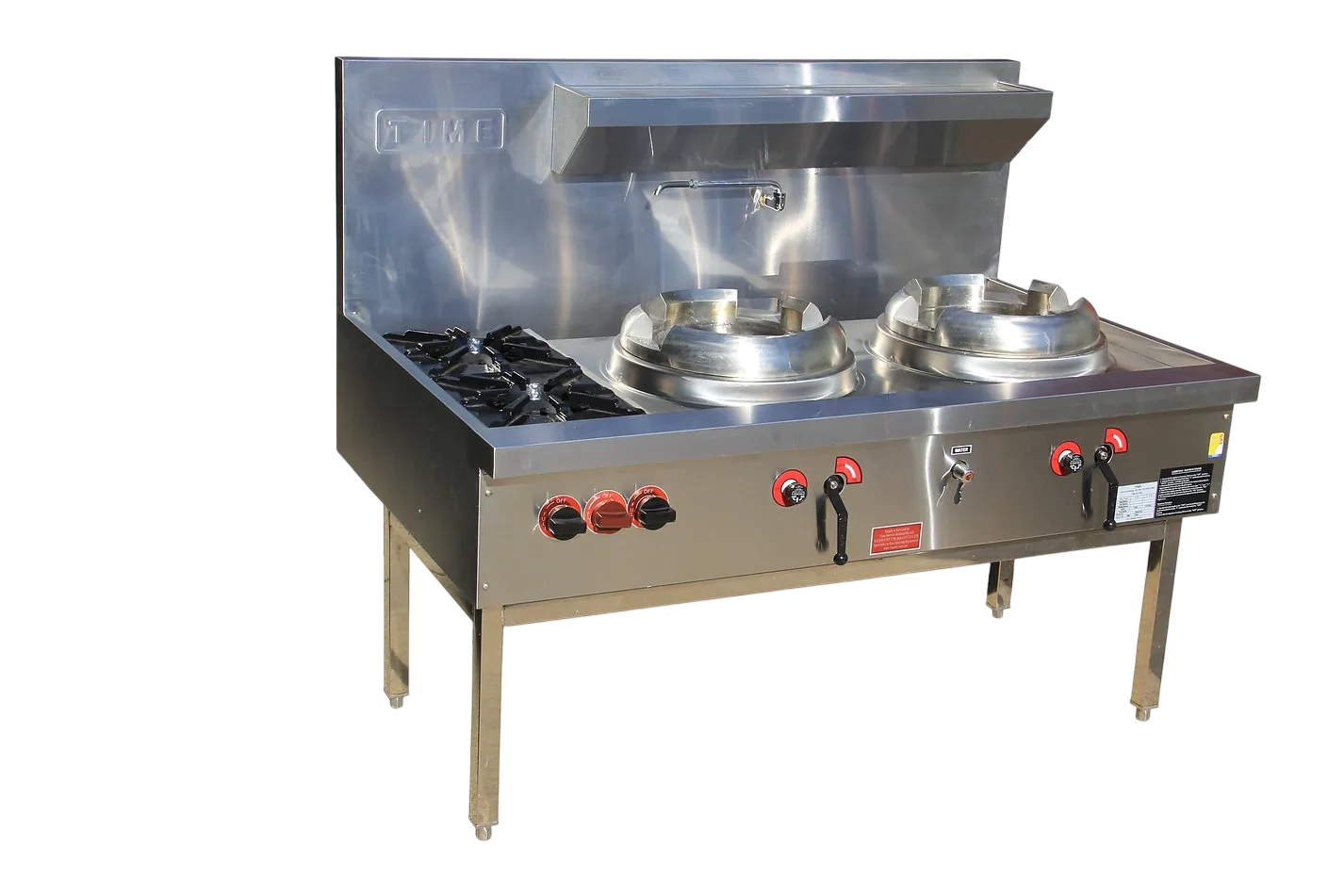
1450 × 870 × 1180mm
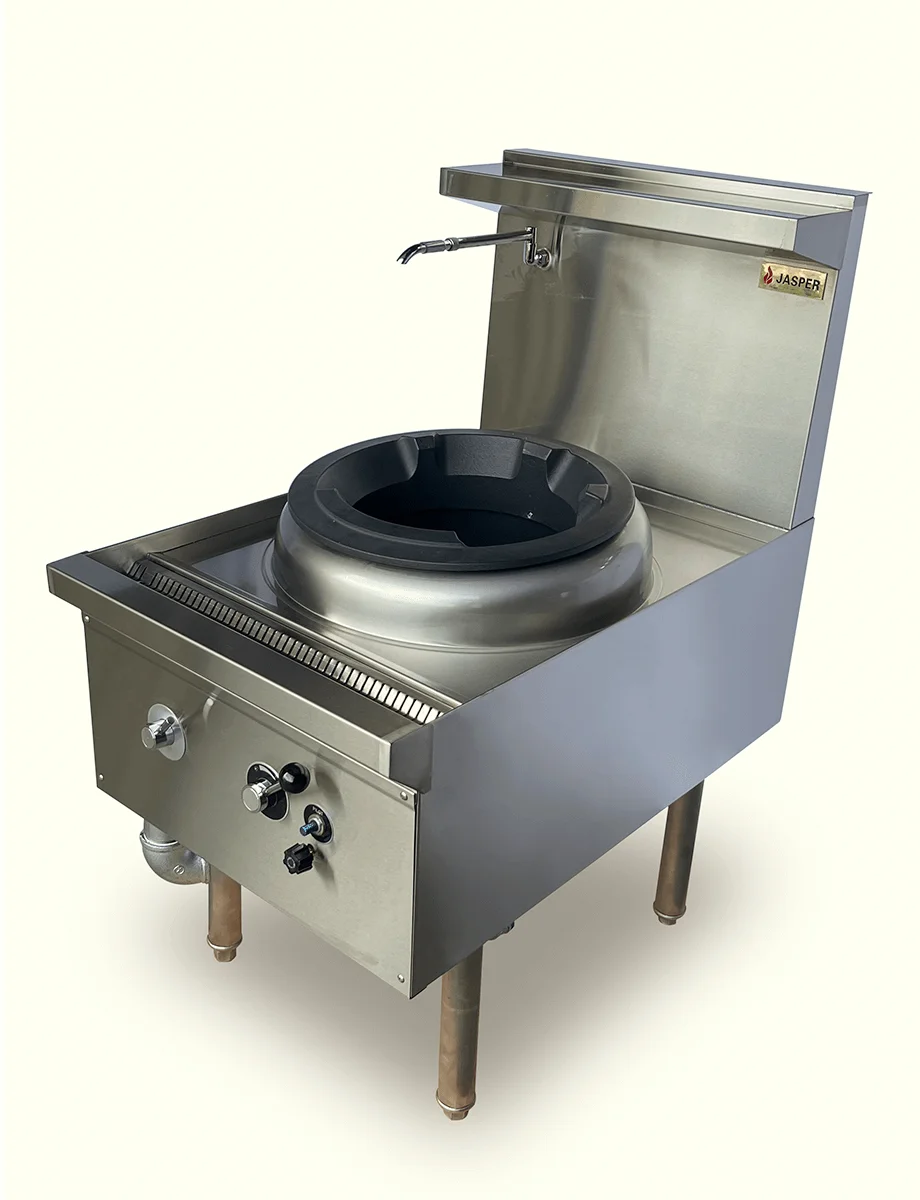
600 × 900 × 1180mm
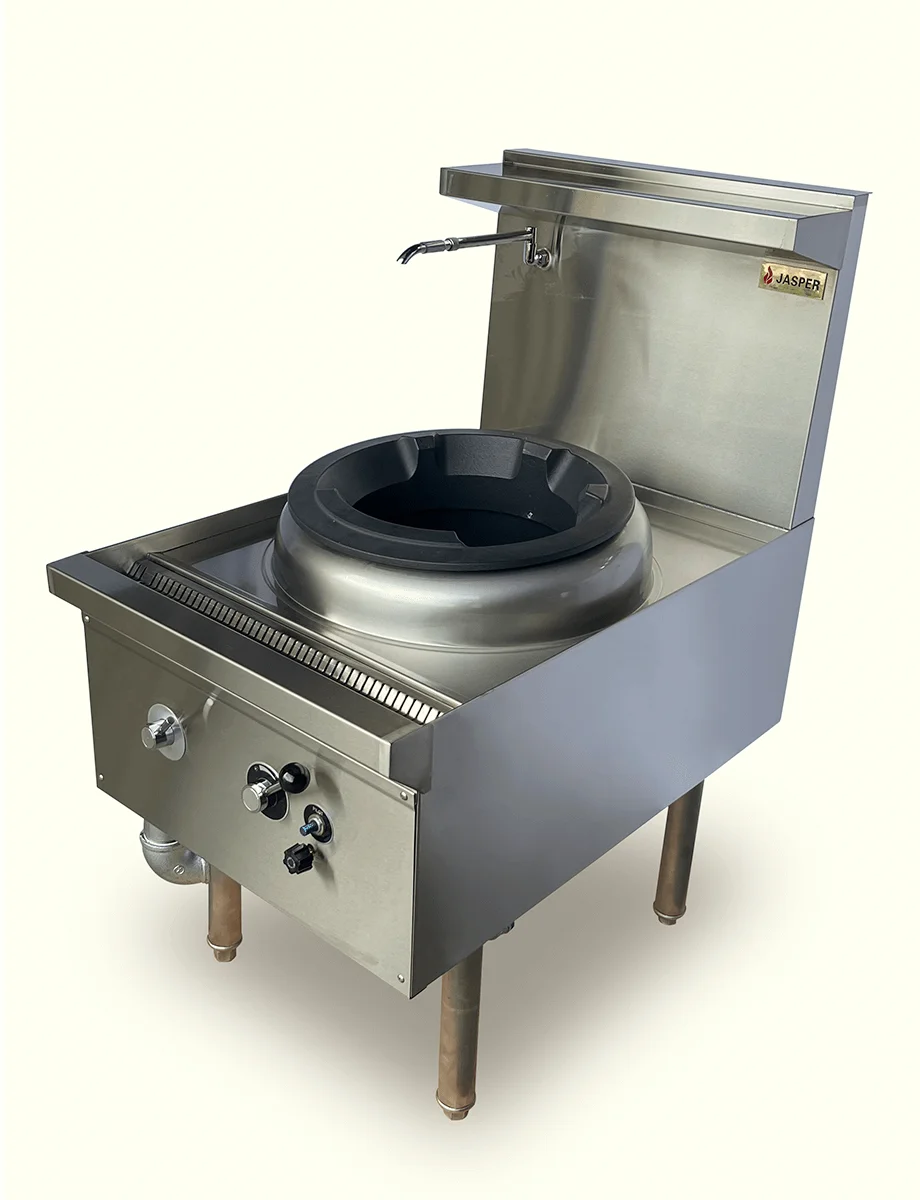
600 × 900 × 1180mm
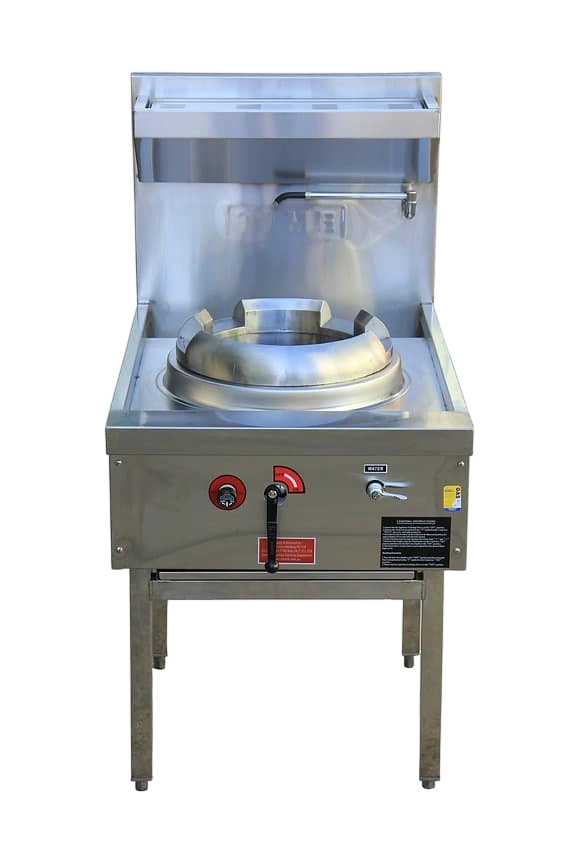
600 × 870 × 1180mm
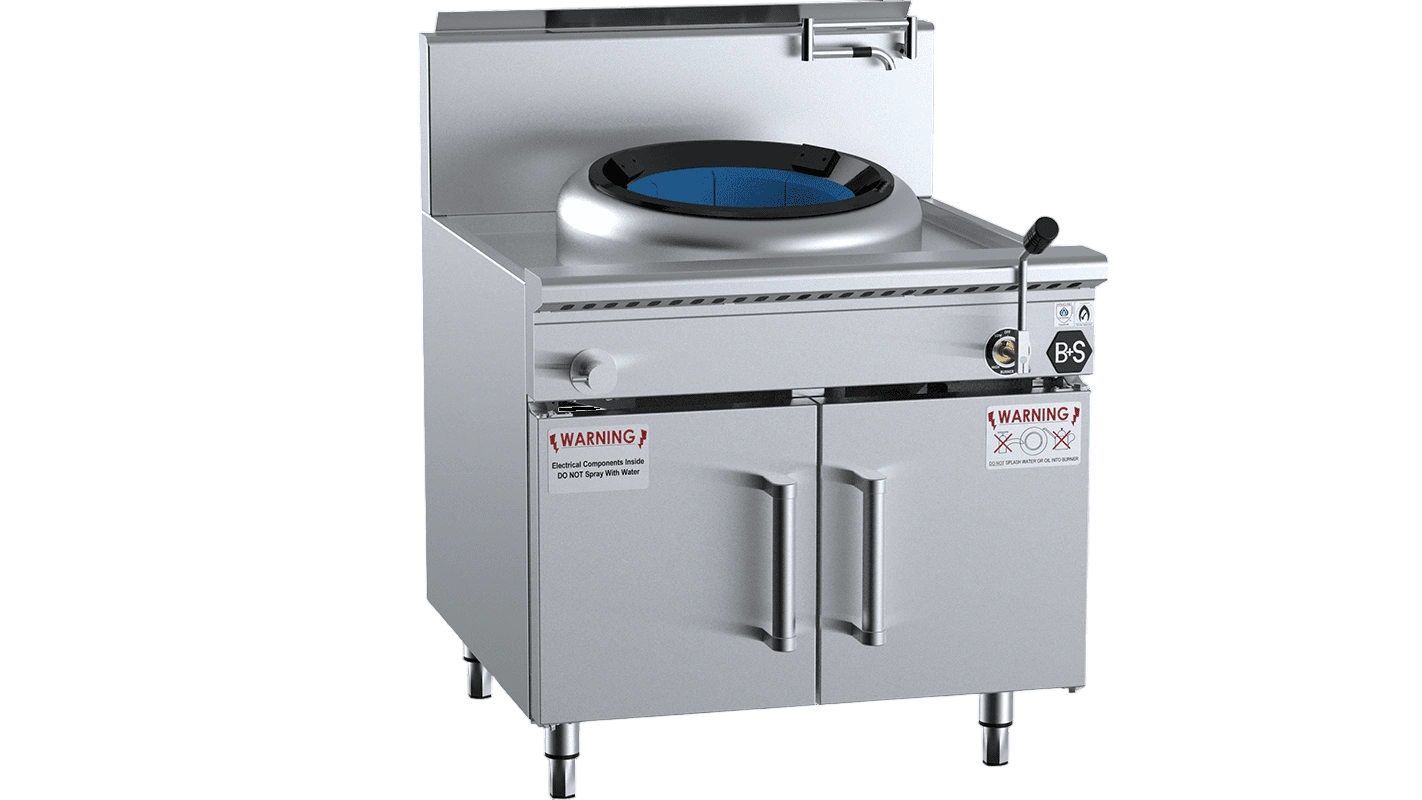
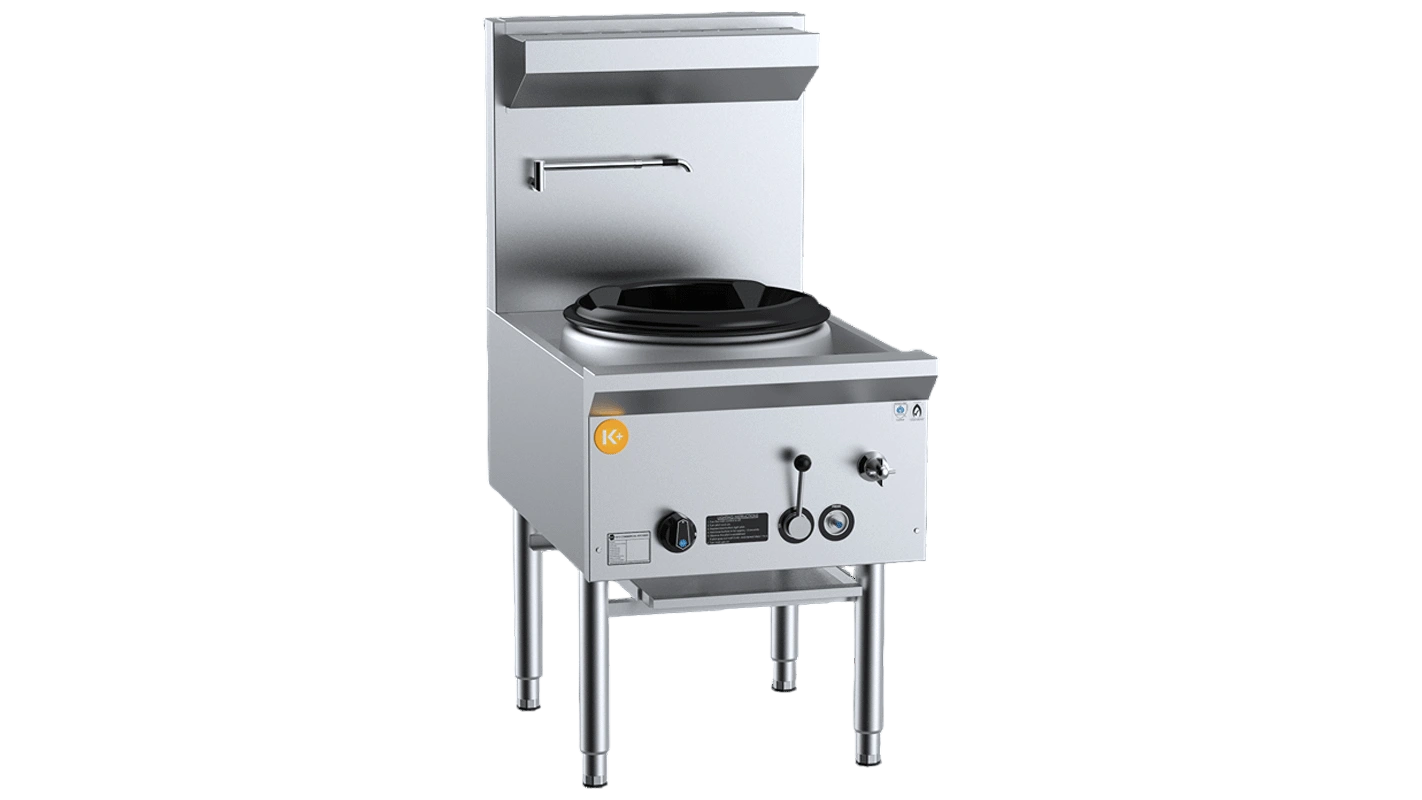
600 × 840 × 1300mm
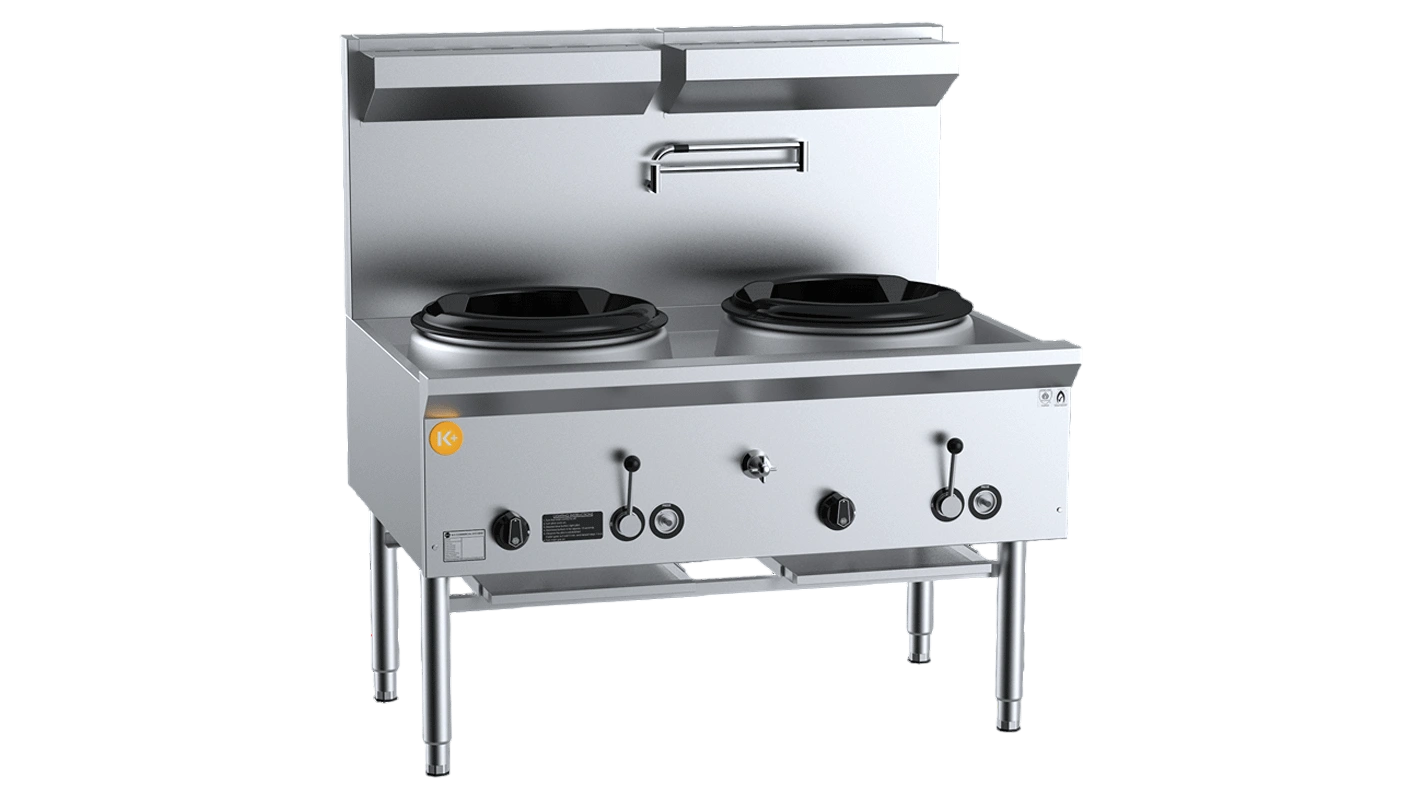
1200 × 840 × 1300mm
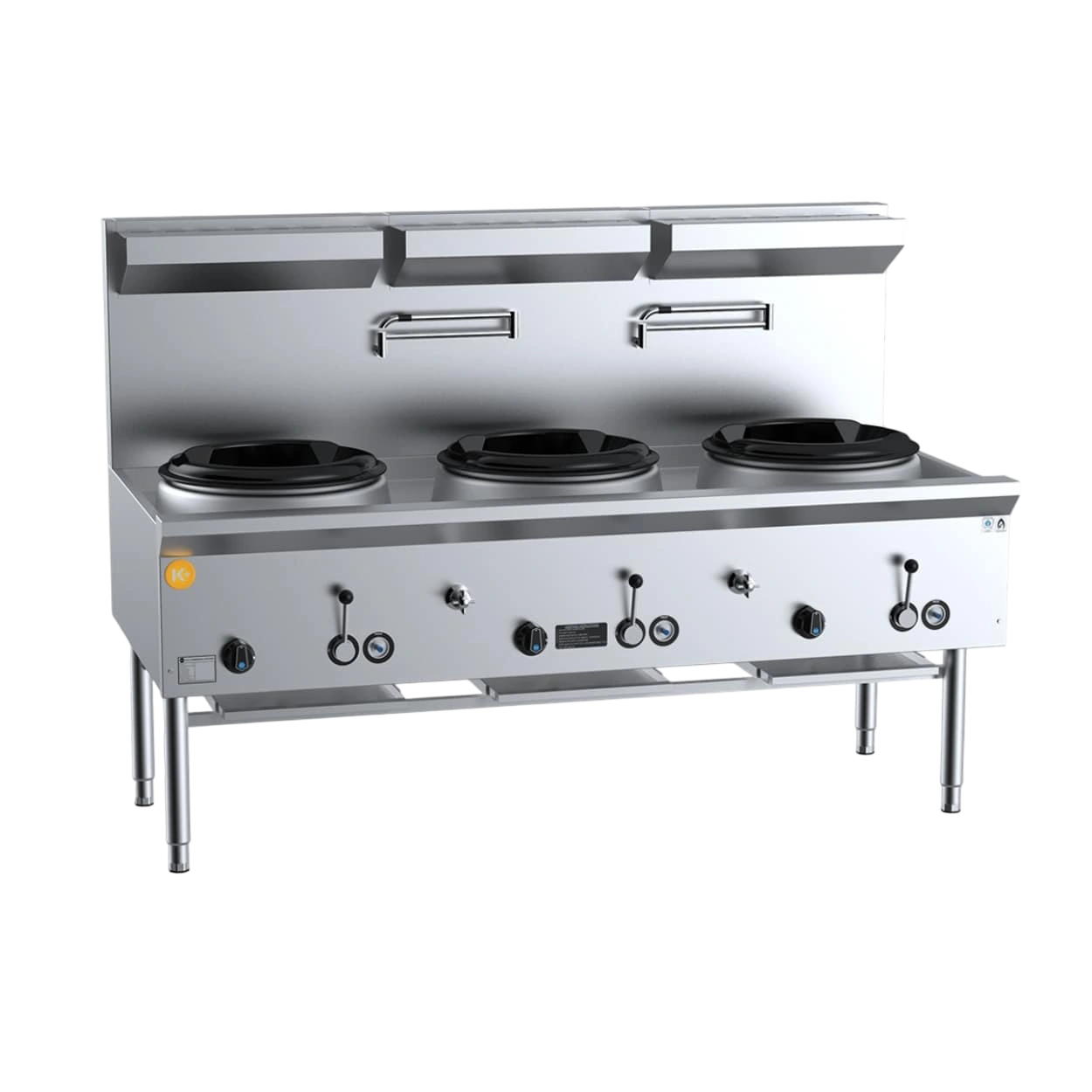
1800 × 840 × 1300mm
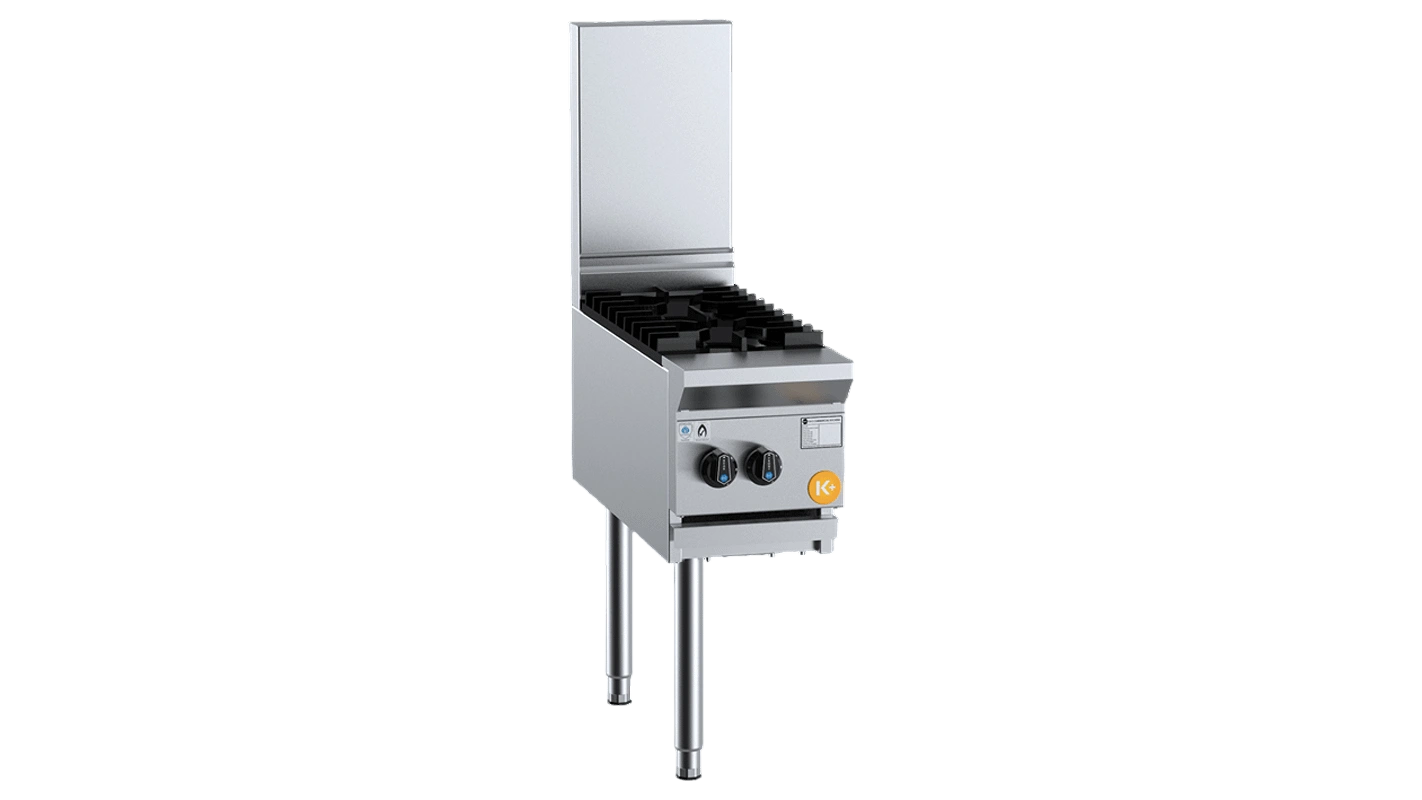
300 × 840 × 1300mm
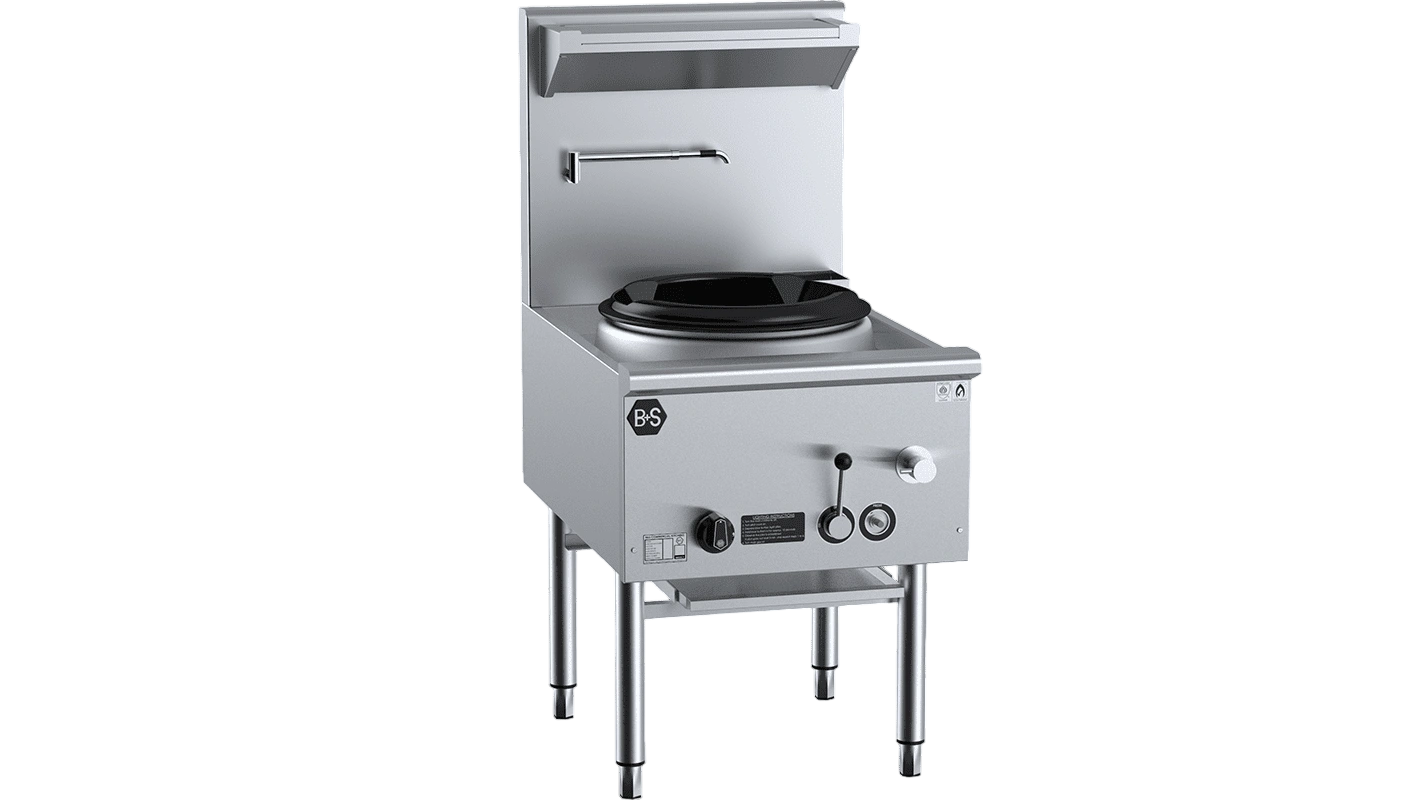
600 × 840 × 1300mm
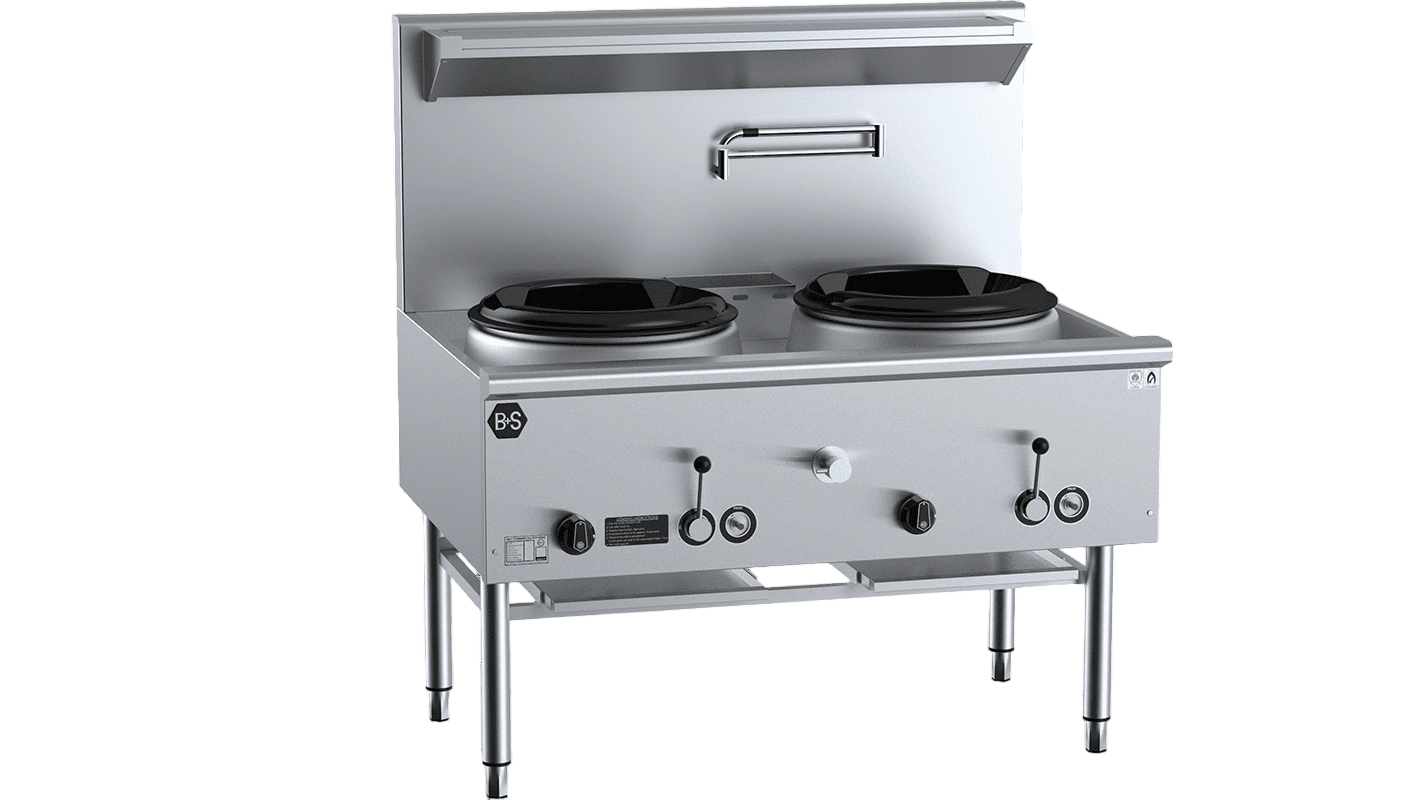
1200 × 840 × 1300mm
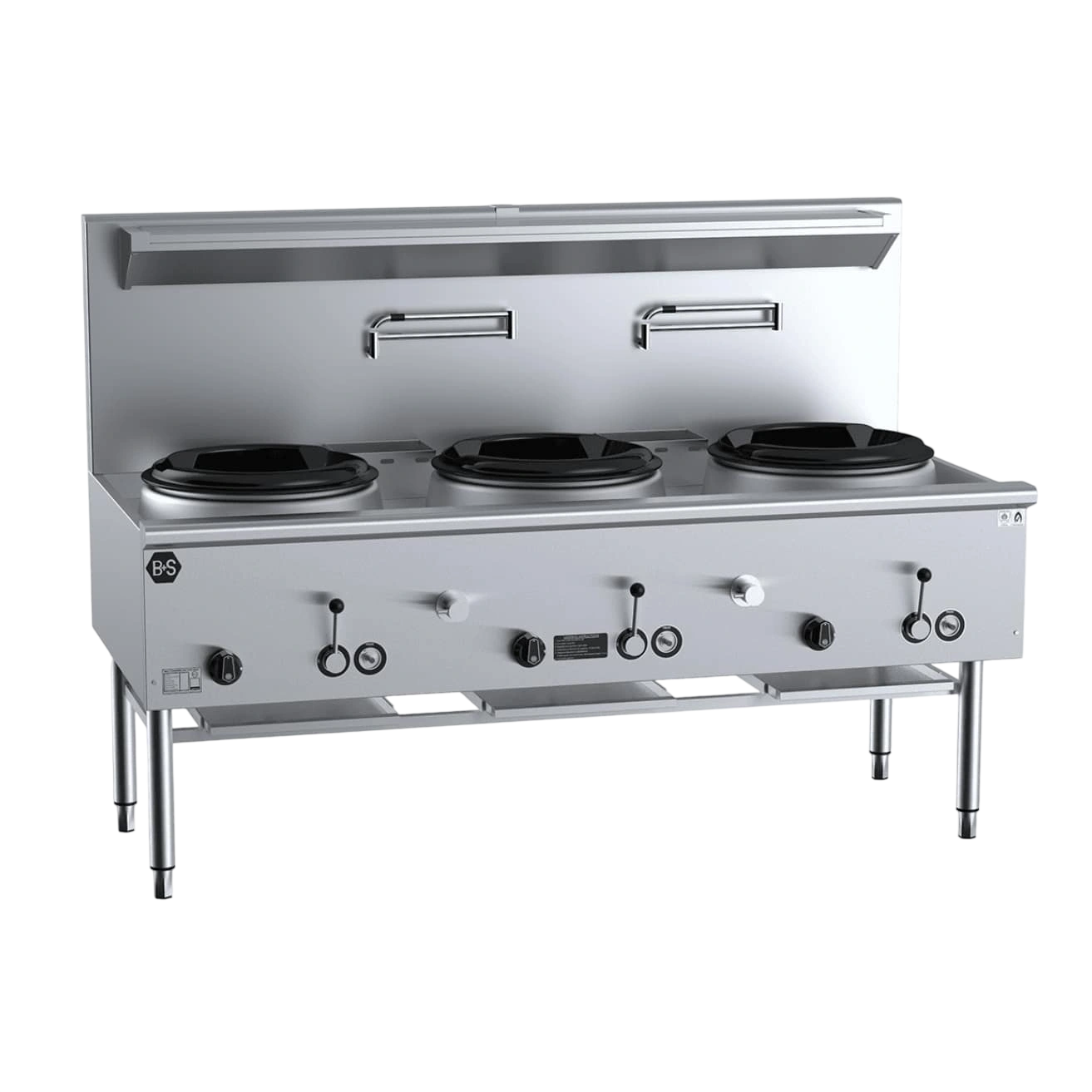
1800 × 840 × 1300mm
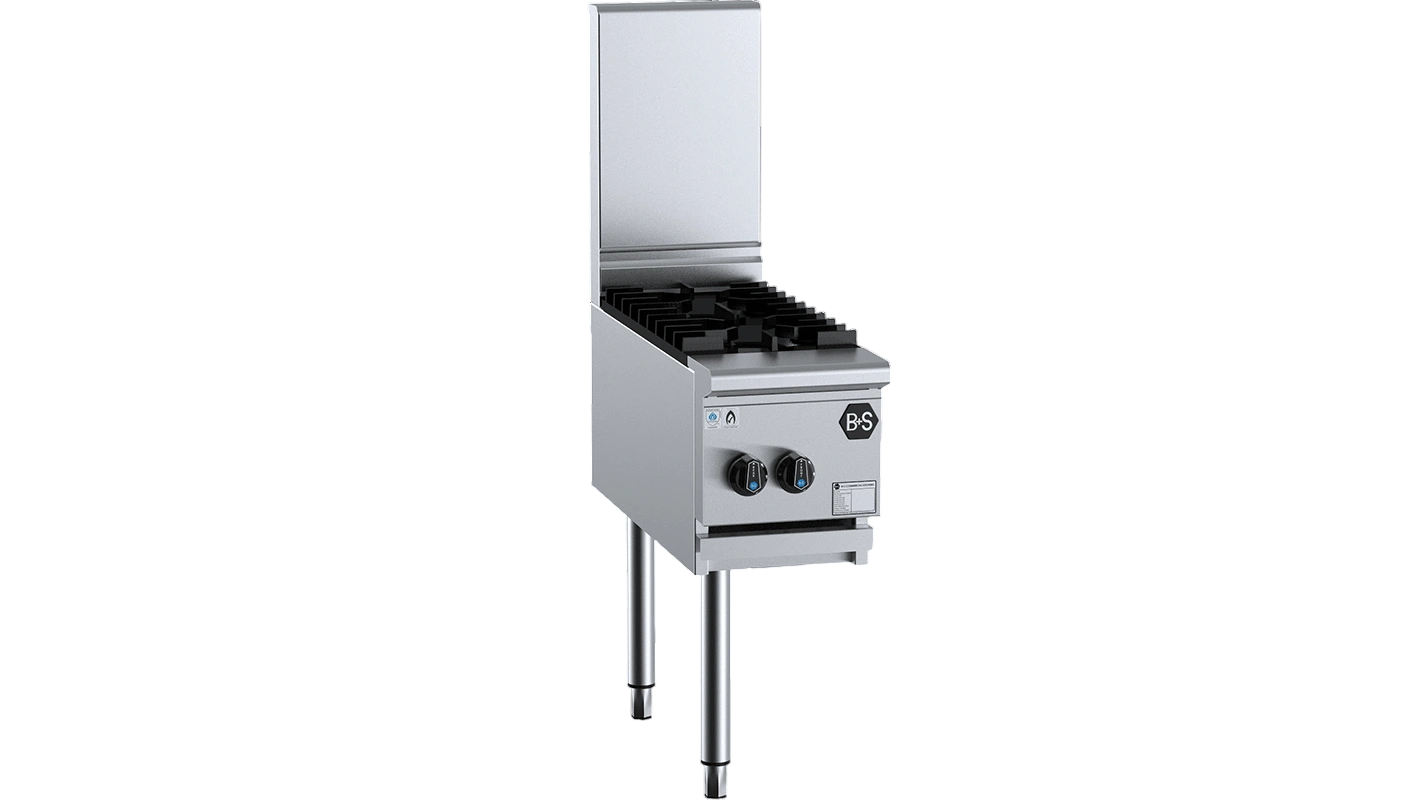
300 × 840 × 1300mm
800 × 950 × 1300mm