
Polar
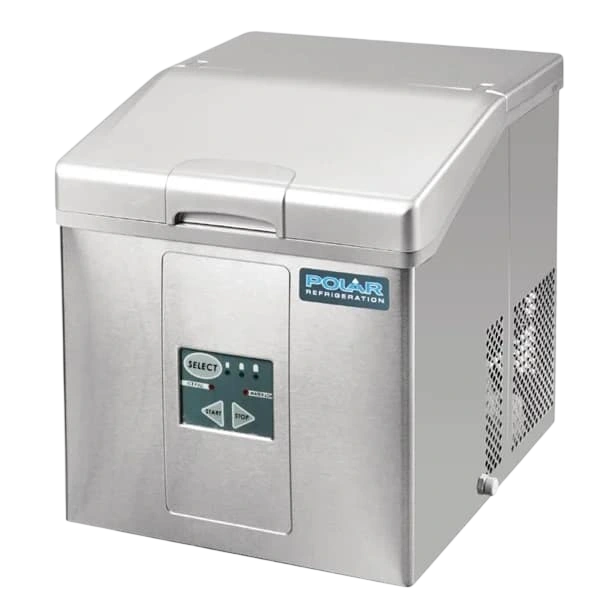
Polar CH479-A C-Series Countertop Ice Machine – 15kg Output
365 × 420 × 415mm
$612.80$769.90
In Stock
Commercial Ice Maker
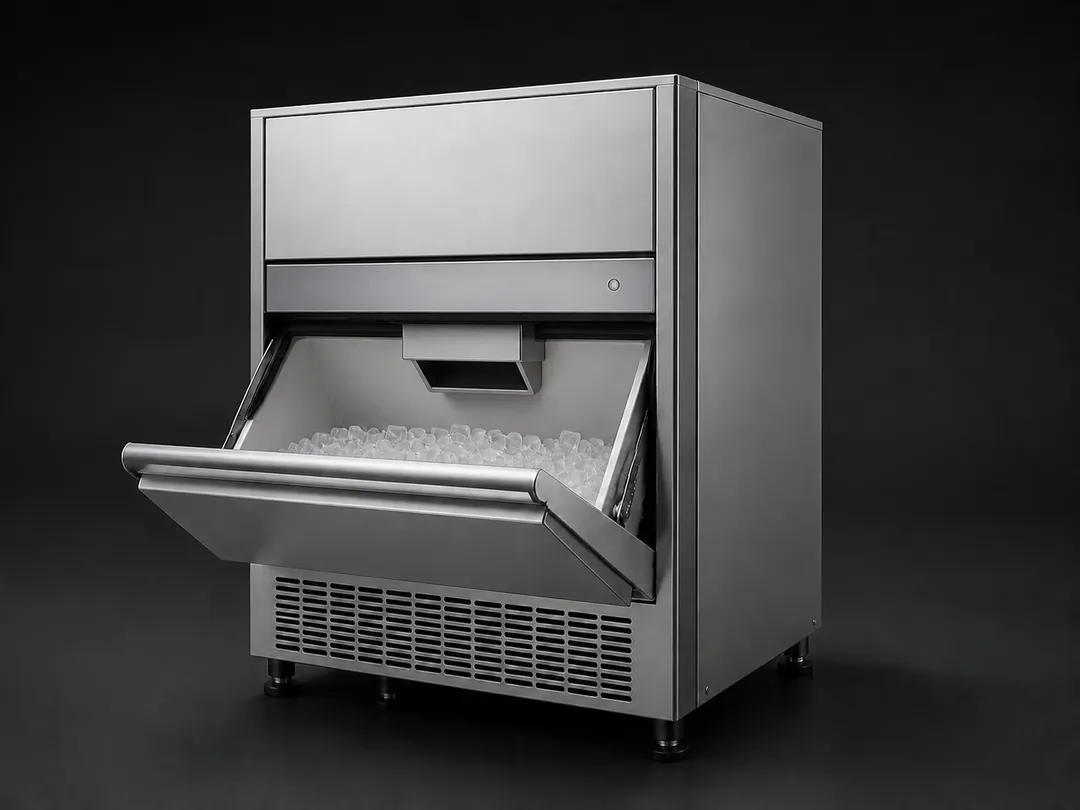
A self contained ice maker combines ice production and a storage bin in one cabinet. It can suit bars, cafes and service points that need a compact ice supply, but the integrated bin means production rate, storage pattern and access must be considered together.
Estimate demand from the busiest service window and the way ice is used, not from an average day alone. The required ice form may be influenced by drink presentation, dispensing and how quickly ice is consumed. Leave enough room for the bin door to open without obstructing staff or nearby undercounter equipment.
For a complete drinks station, check whether ice access must sit beside the commercial coffee machine without blocking staff movement or cleaning access.
Key factors to consider before purchasing. Our team can help you find the right fit — call or get a quote anytime.
Match equipment capacity to your daily output. Consider available floor space and door clearances.
Confirm levelling, wall clearance and the access needed for cleaning and service. We can help with kitchen planning.
Submit your kitchen requirements — our equipment specialists will send you a tailored shortlist of self contained ice makers that fits your budget, venue type and compliance needs.
Standards & Compliance
Confirm potable water, drainage fall, power, ventilation and filter access at the proposed position. Incoming-water conditions and the heat released by the machine can affect performance, so the site must meet the selected model’s requirements.
Plan where the clean scoop will be stored and how the bin will be emptied for sanitation. Ice should not be handled by hand or used as general cold storage, and cleaning access should remain available when the surrounding bar is fully fitted out.
FAQ
Yes, many models are designed for underbench installation. However, air-cooled machines require **sufficient ventilation** space (15cm+) on the sides or top to prevent compressor burnout.
Highly recommended. Filters improve ice clarity and taste while drastically reducing scale buildup, which is the leading cause of machine failure.
Air-cooled is standard and more efficient. Water-cooled is used when the installation space is too hot or enclosed to pull in cool air.
A self-contained model makes ice and stores it in an integrated bin within the same cabinet. A modular head produces ice into a separate bin or dispenser, so it is usually planned as a two-part system and can support a different production and storage arrangement.
Why KW
KW can help relate daily ice demand and ice format to water quality, storage, recovery rate and the service location chosen for the ice maker. For help matching ice demand, water conditions and installation location, call KW on 1300 001 366.
Deep Dive
Technical depth from KW's commercial kitchen specialists.
Review demand by service period and allow for the time needed to rebuild the stored supply after a peak. A larger bin does not correct a production shortfall, while a high production rate may still be unsuitable if the venue cannot use or manage the stored ice hygienically.
Empty and isolate the machine as directed before cleaning. Wash and sanitise the bin, scoop holder and removable water-contact parts using the specified method, then rinse or reassemble them as required. Descaling and filter maintenance should follow the manufacturer’s schedule.
Compare the way each ice form sits in the glass, cools the drink and works with the venue’s dispensing or blending routine. Confirm that the machine makes the intended form and that staff can handle it with a dedicated clean scoop.
Locate the machine where the water connection and drain can be installed correctly, the floor or cabinet remains level and warm discharge air can escape. Filters and service panels must be reachable without dismantling the finished bar.
Compare other commercial ice-making formats, review nearby commercial beverage equipment and coordinate the station with the broader commercial kitchen equipment plan.
Choose the form by checking how it presents in the venue’s glasses, how quickly it is consumed and whether it suits dispensing, shaking or blending. Test it against the actual drinks menu; an attractive form is not suitable if it disrupts portioning or the equipment used at the bar.
Check potable water supply, the required drainage fall, electrical power, ventilation clearance and access to water filters. The machine must sit level, and installers should confirm that the drain and warm-air discharge will continue to work after surrounding cabinetry is completed.
Empty the bin and isolate the machine according to its instructions, then wash and sanitise the bin, scoop holder and removable water-contact parts. Rinse and reassemble them as specified, keep the scoop outside the ice, and complete descaling and filter maintenance at the documented intervals.
108 results
365 × 420 × 415mm
334 × 457 × 552mm
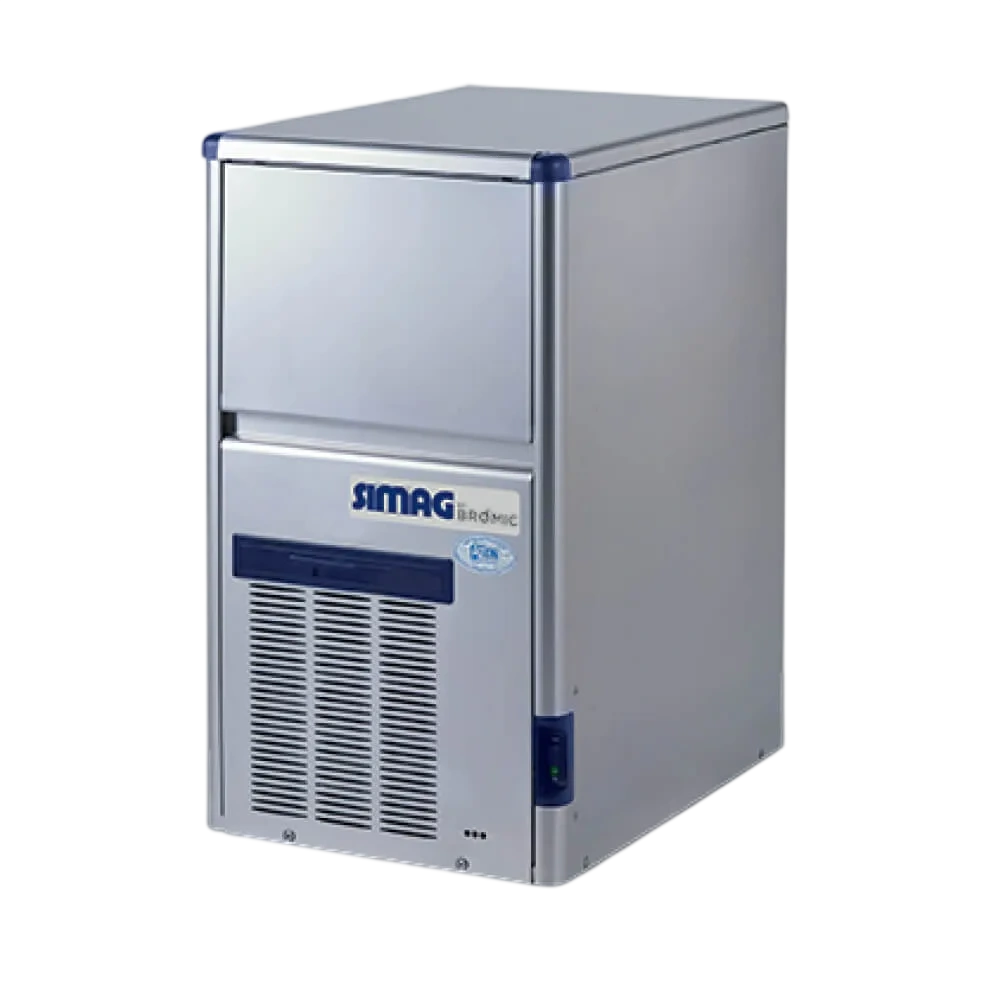
334 × 457 × 599mm
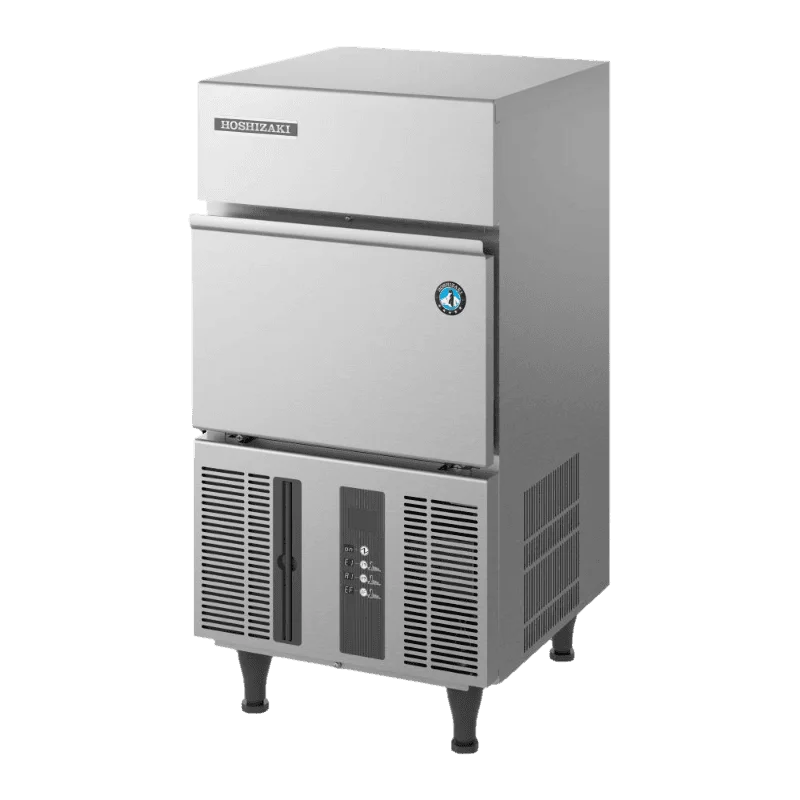
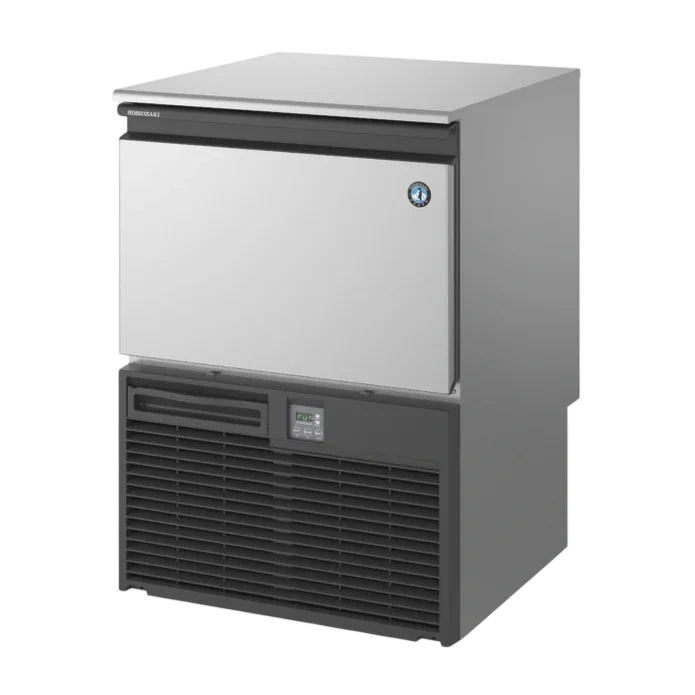
605 × 610 × 988mm
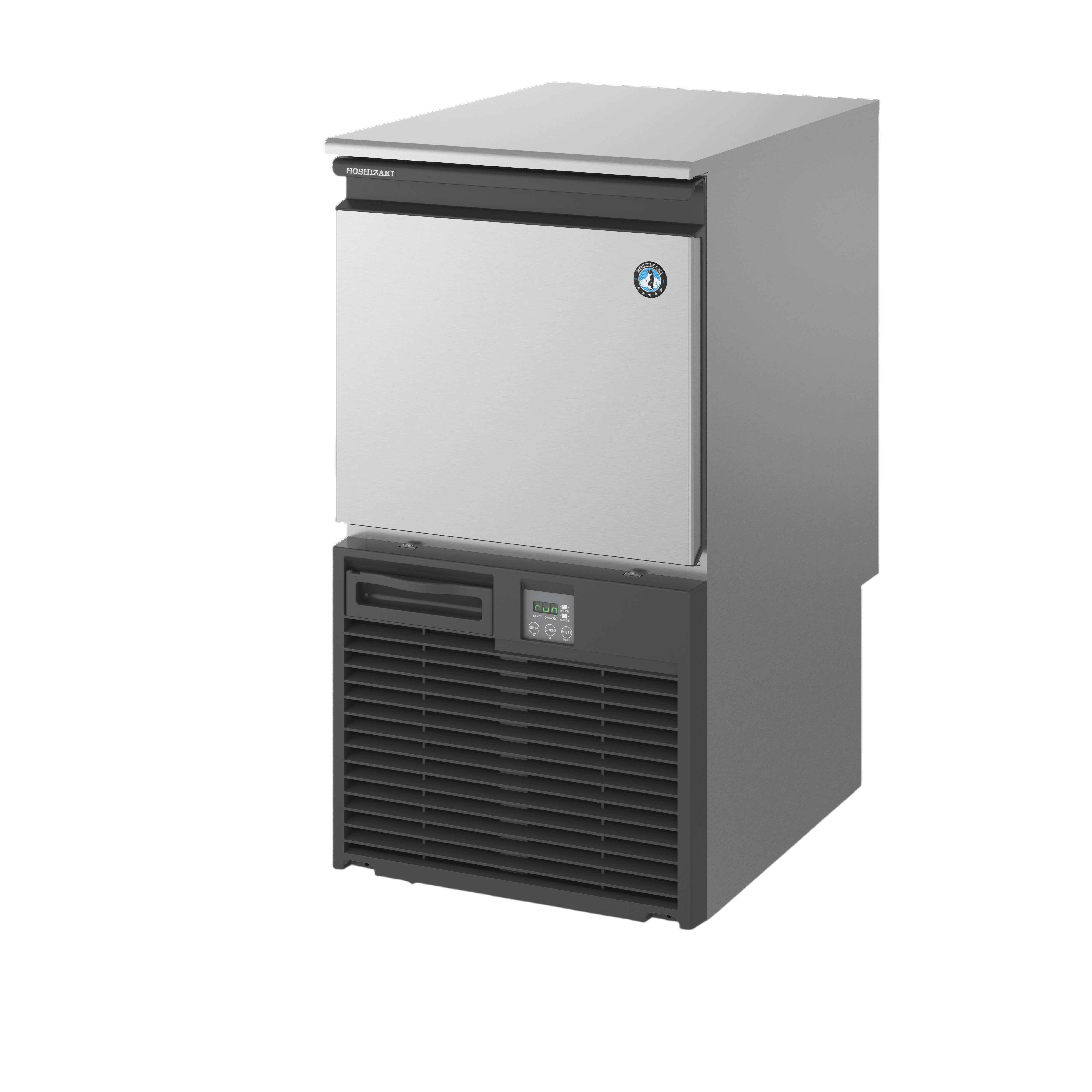
452 × 610 × 988mm
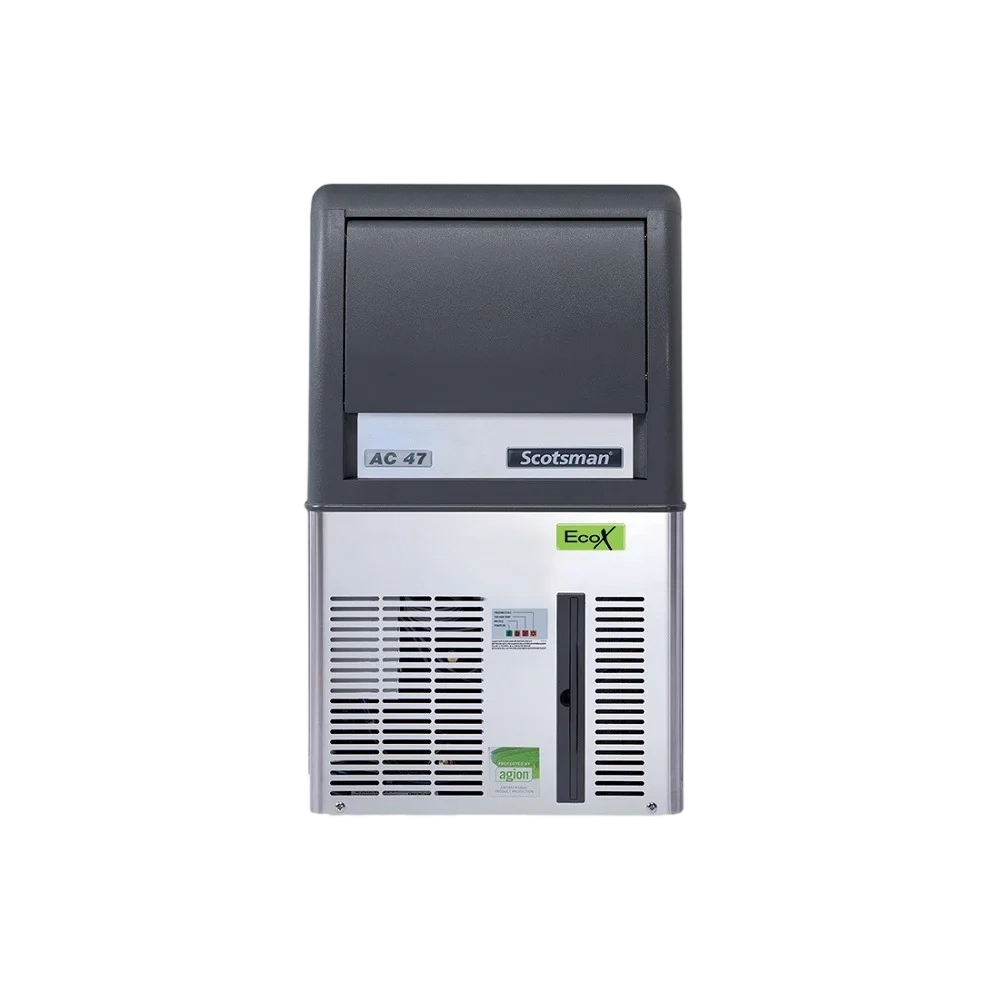
386 × 600 × 645mm
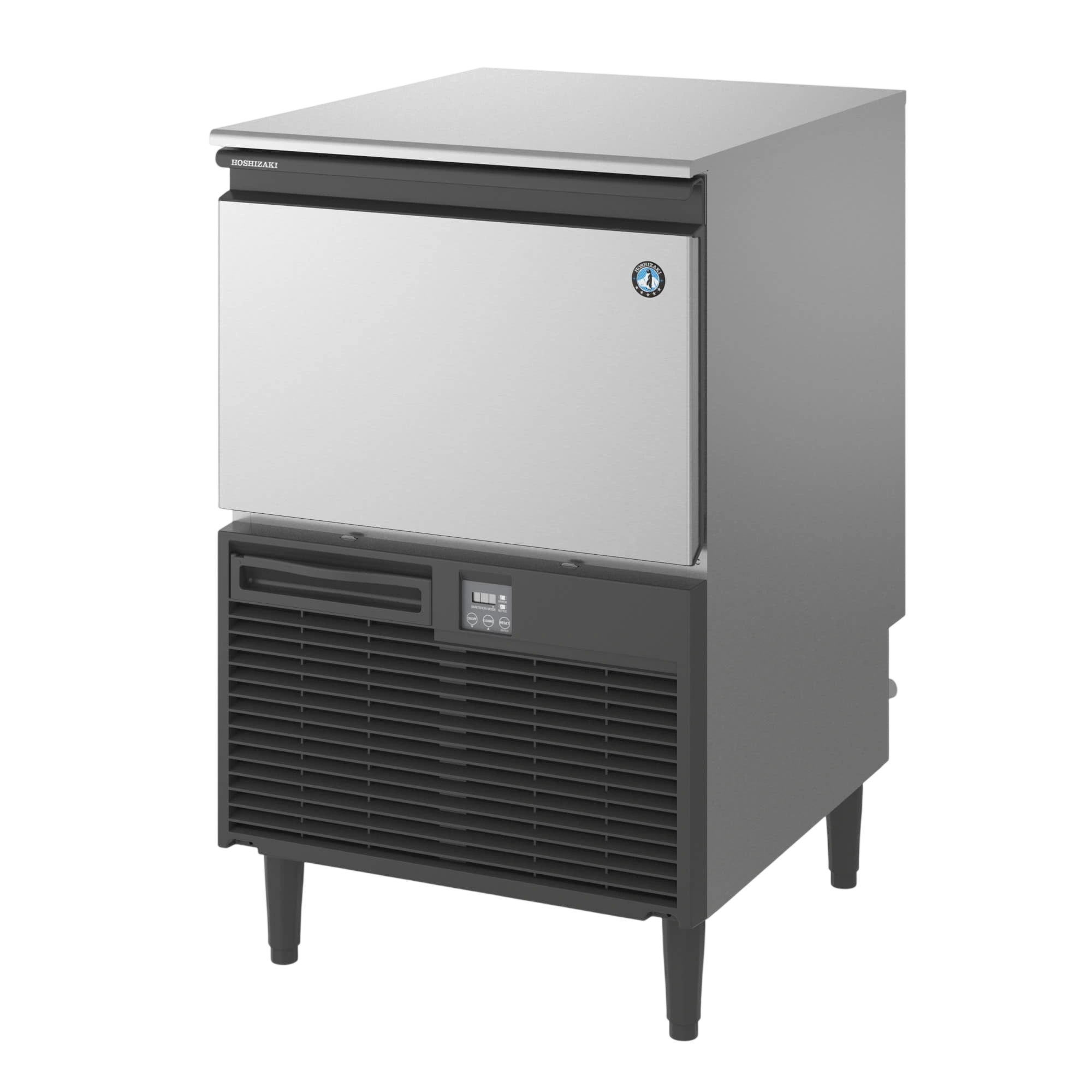
605 × 712 × 988mm
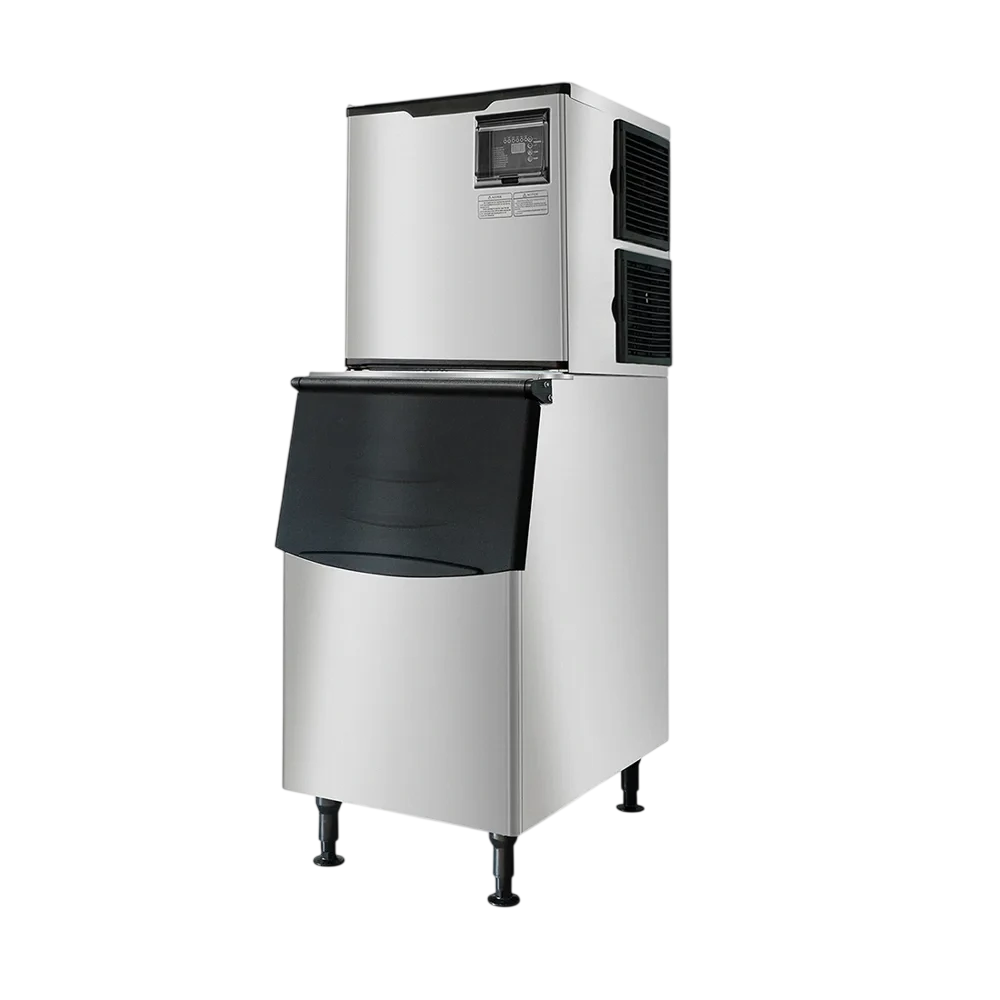
605 × 832 × 1715mm
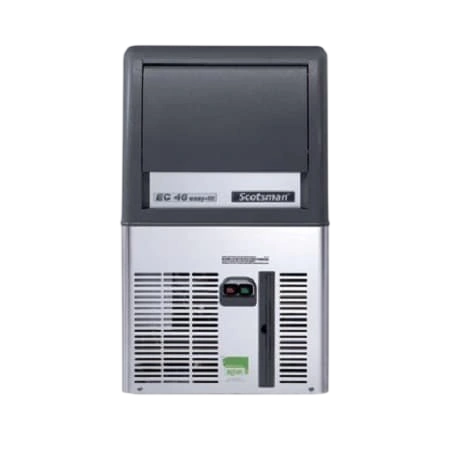
386 × 600 × 645mm
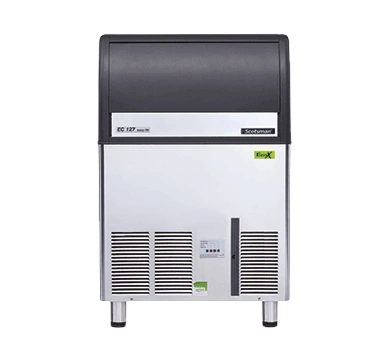
680 × 600 × 1009mm
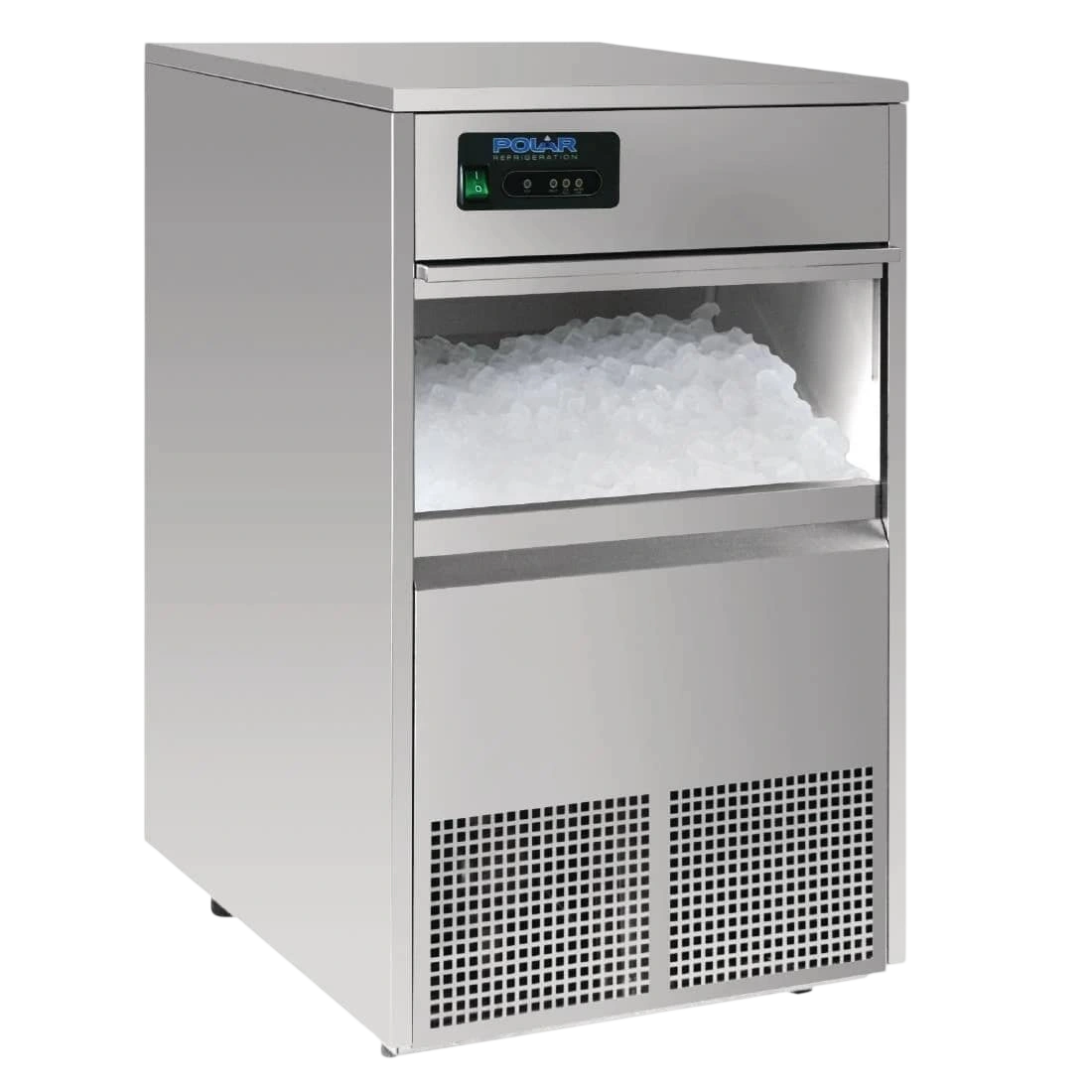
498 × 604 × 831mm
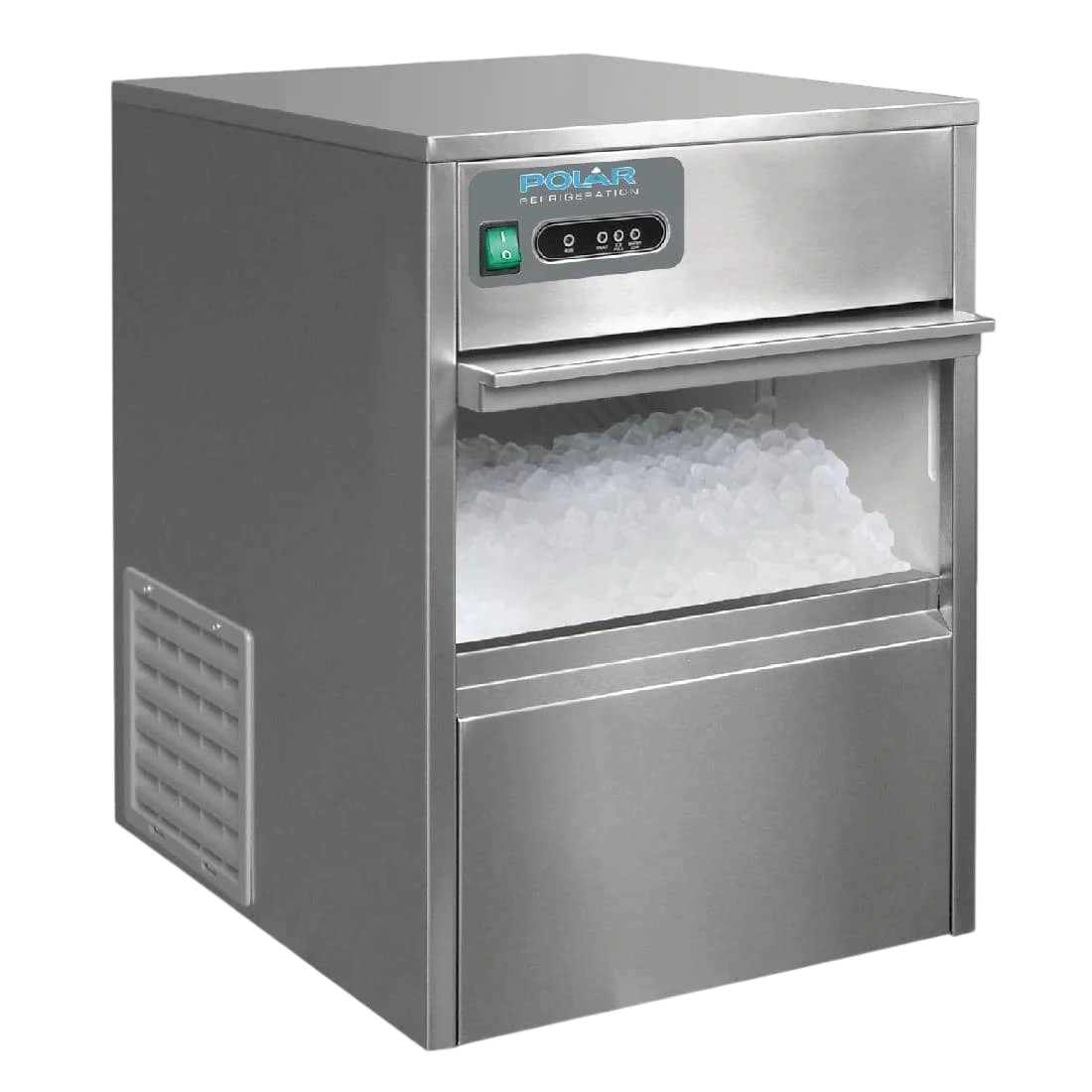
380 × 477 × 590mm
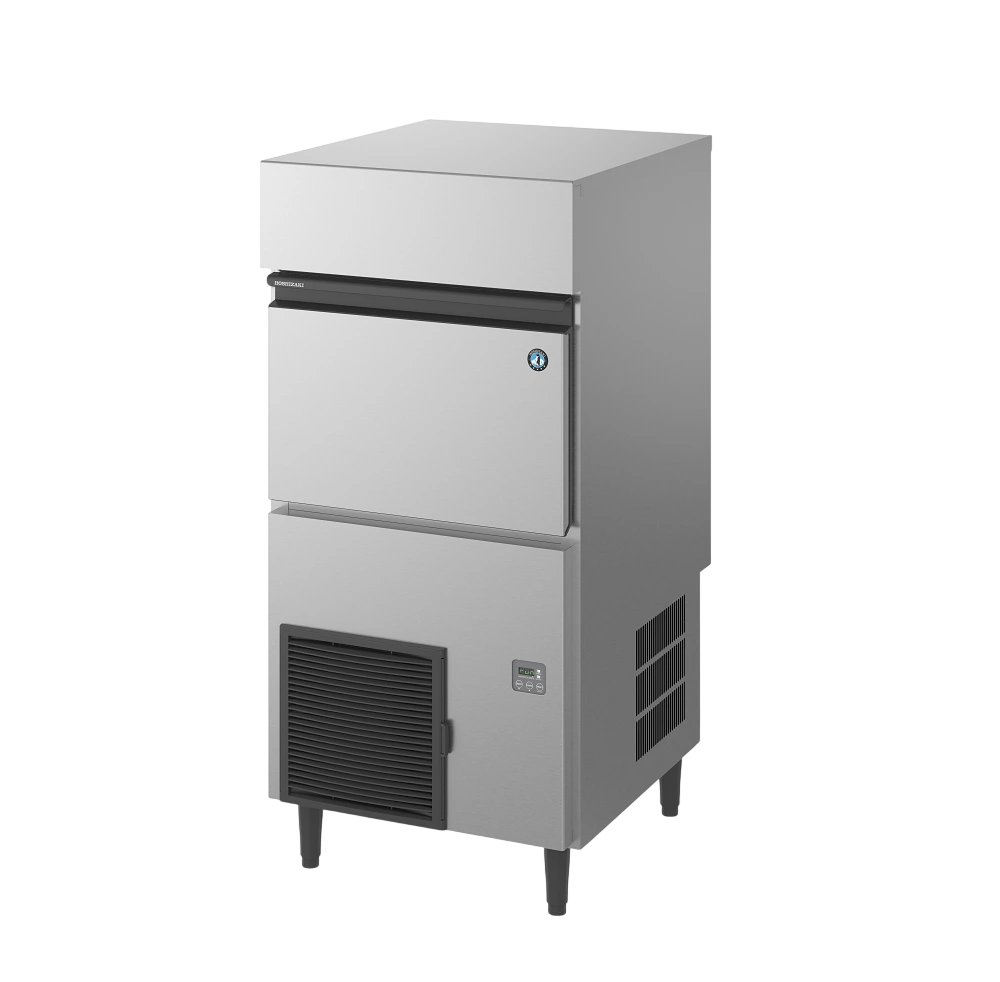
630 × 719 × 1333mm
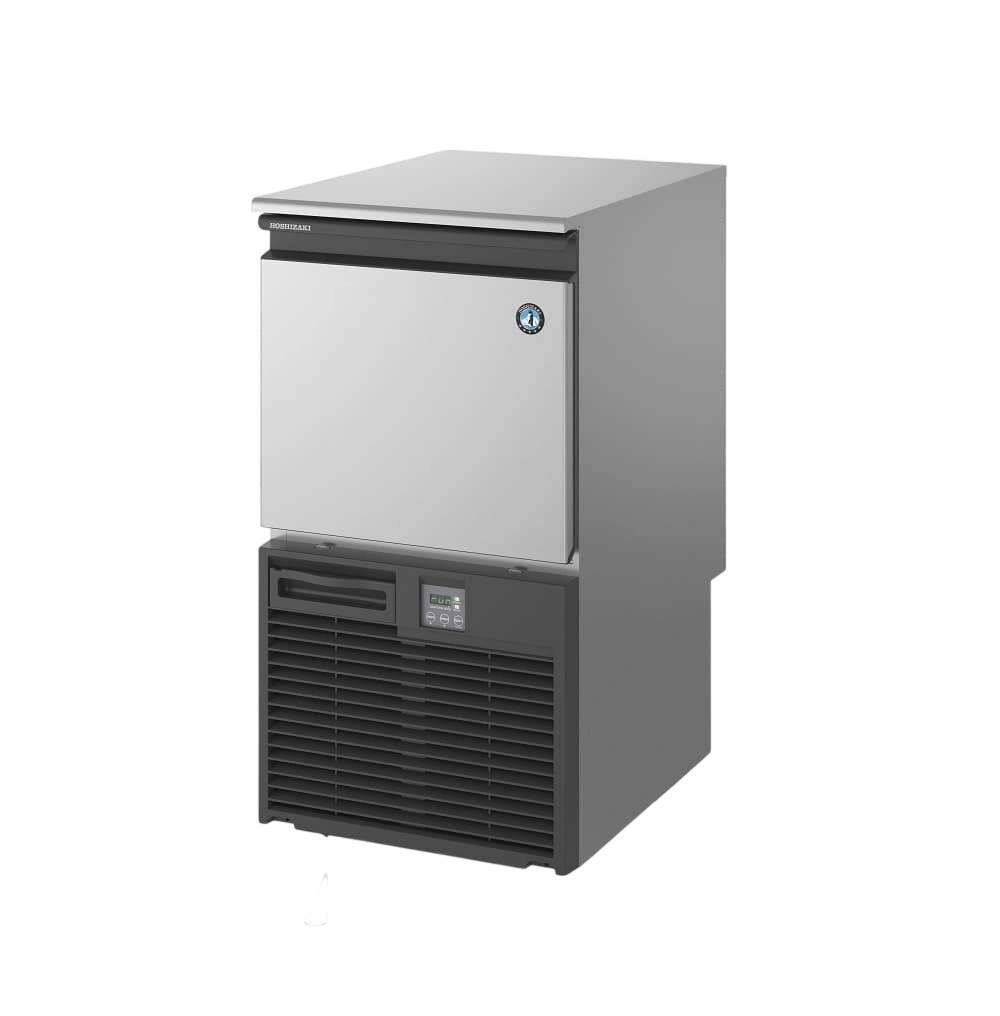
452 × 610 × 988mm
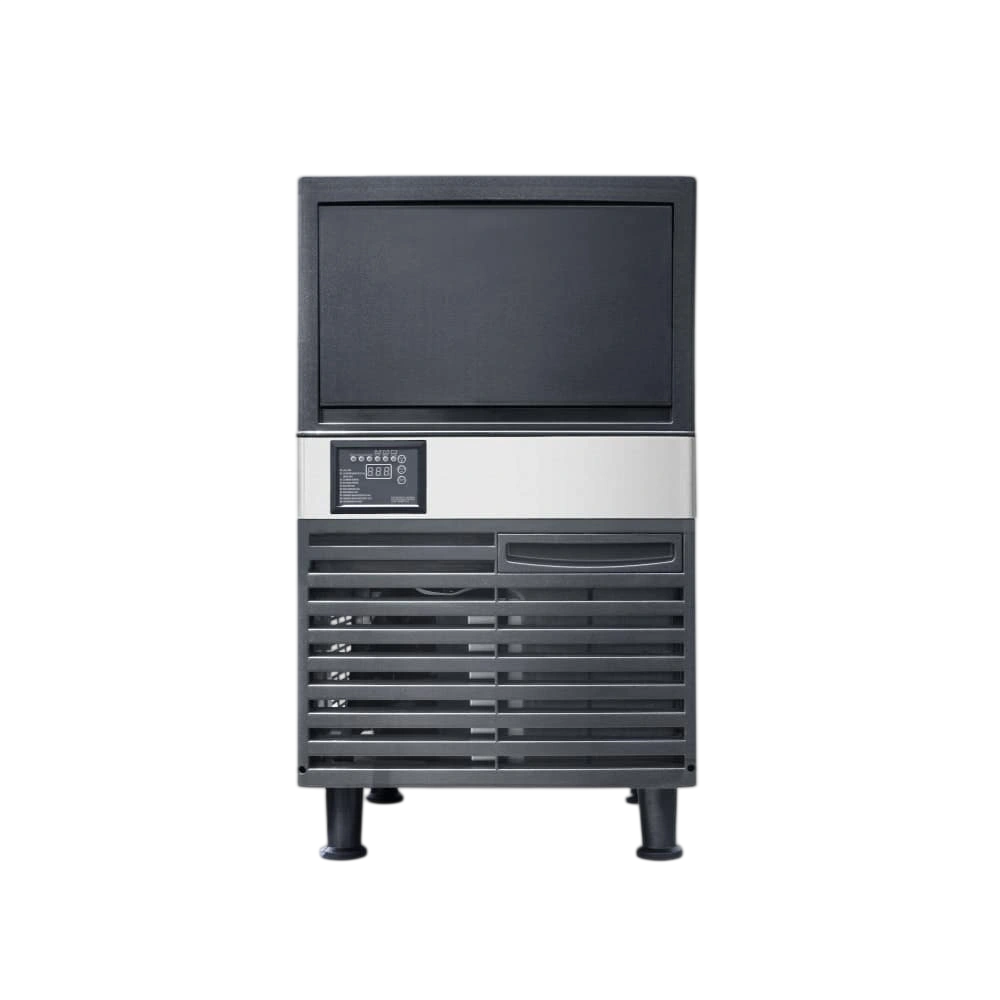
500 × 590 × 850mm
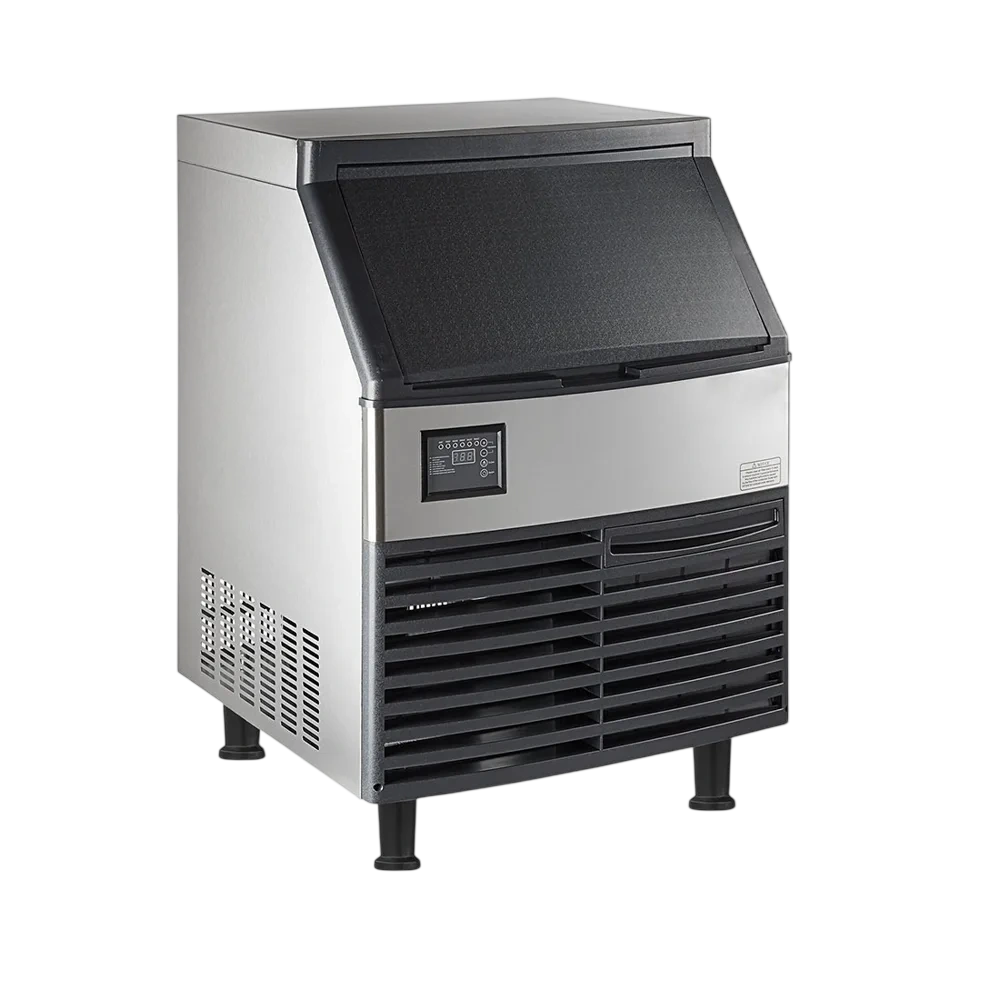
660 × 707 × 919mm
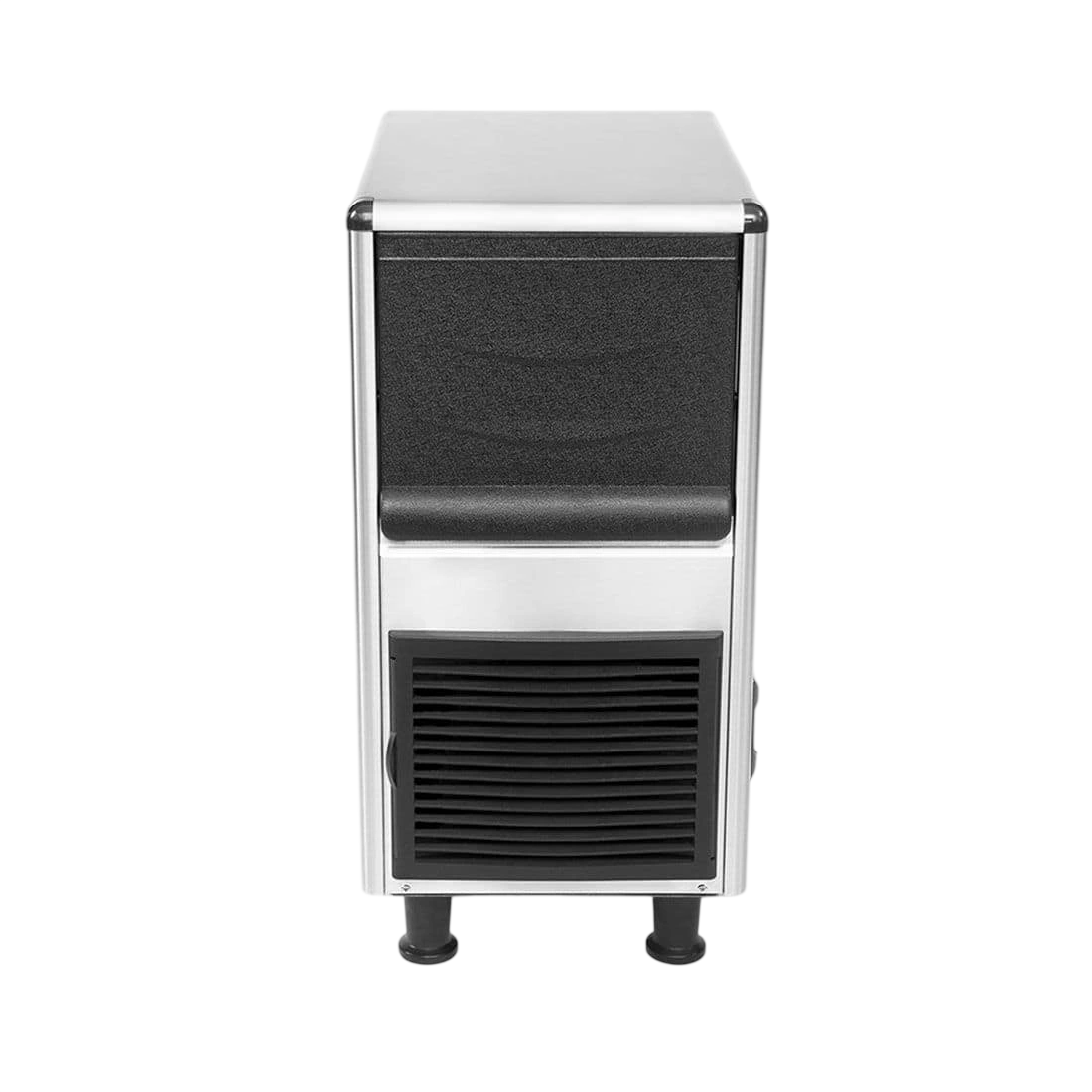
375 × 575 × 762mm
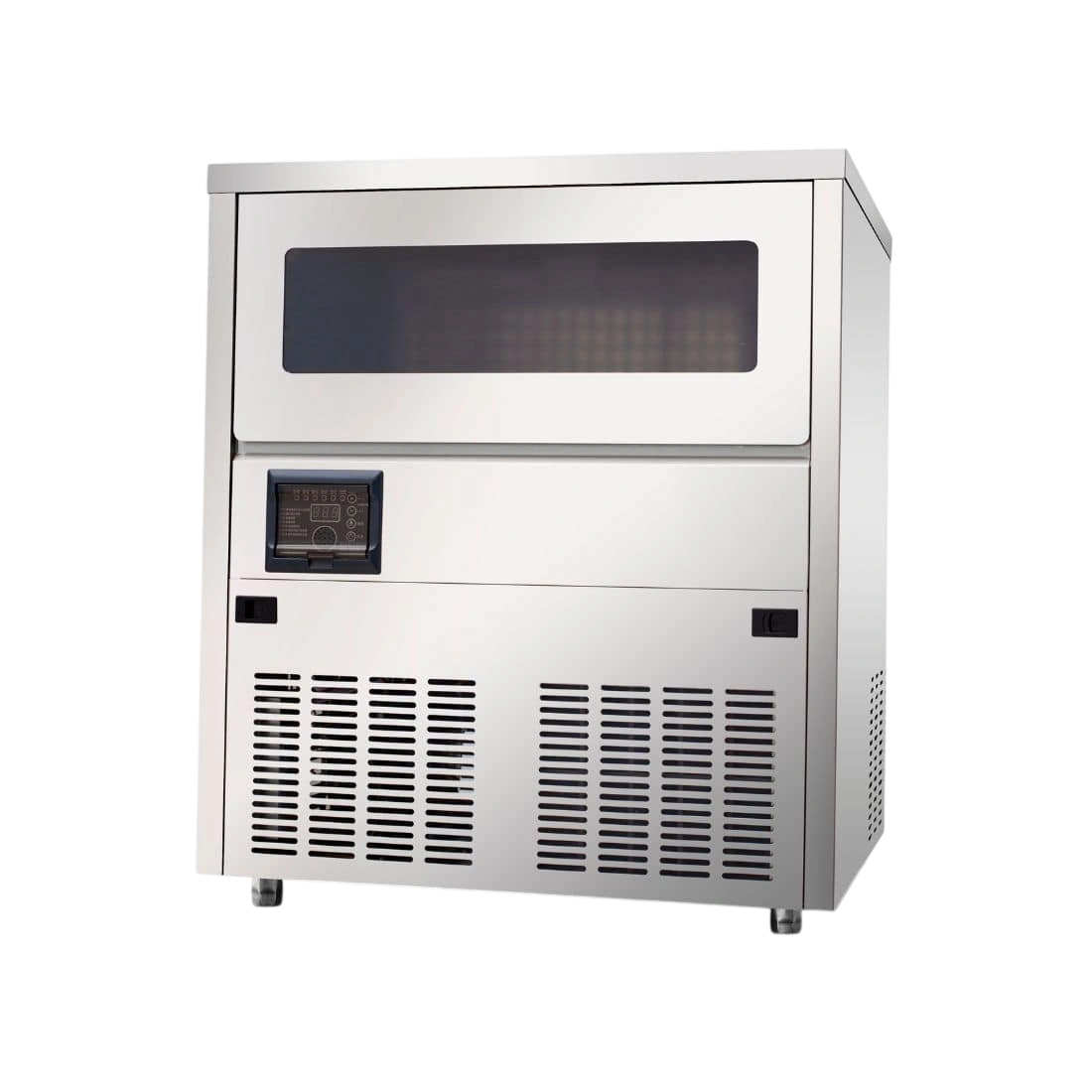
666 × 650 × 780mm
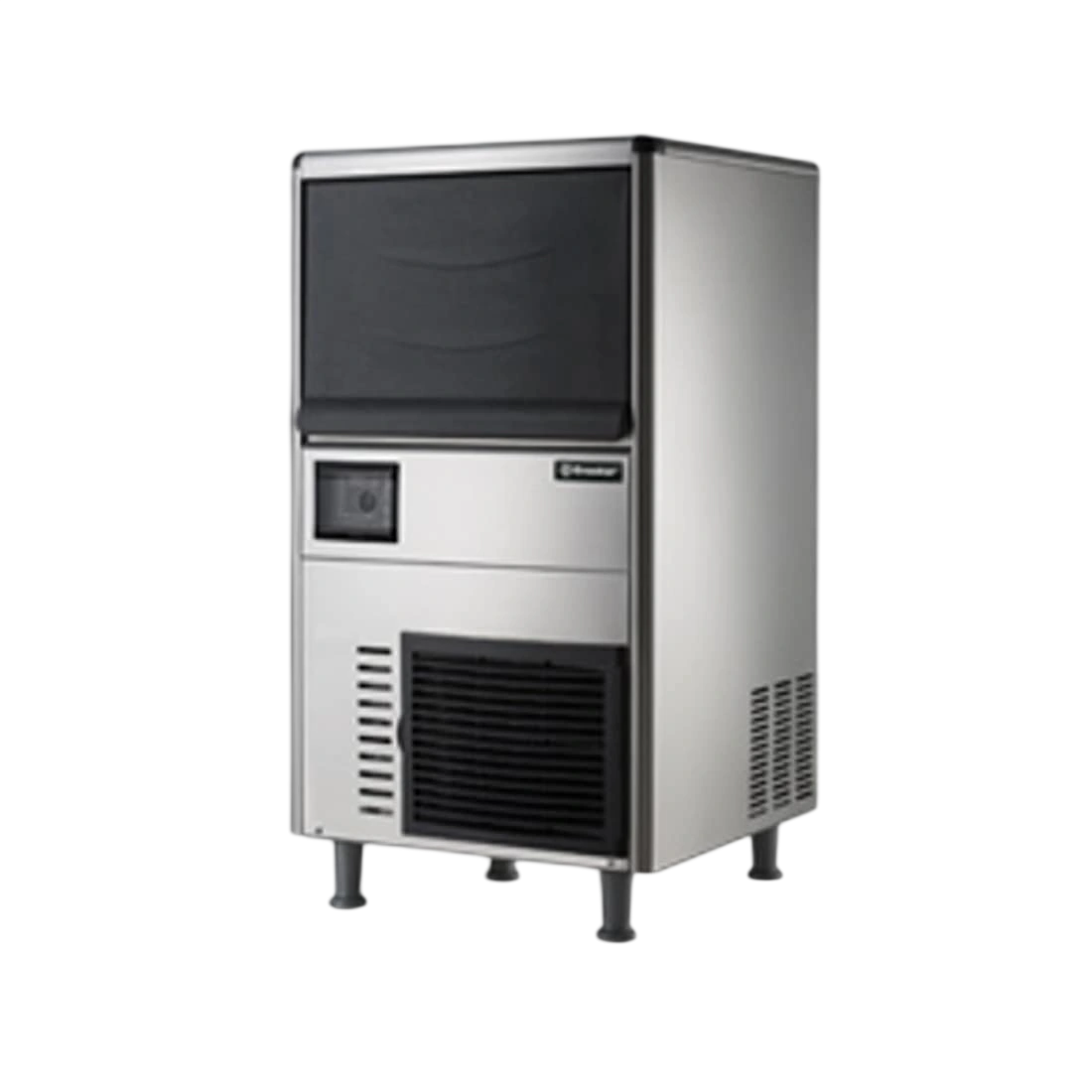
460 × 430 × 800mm
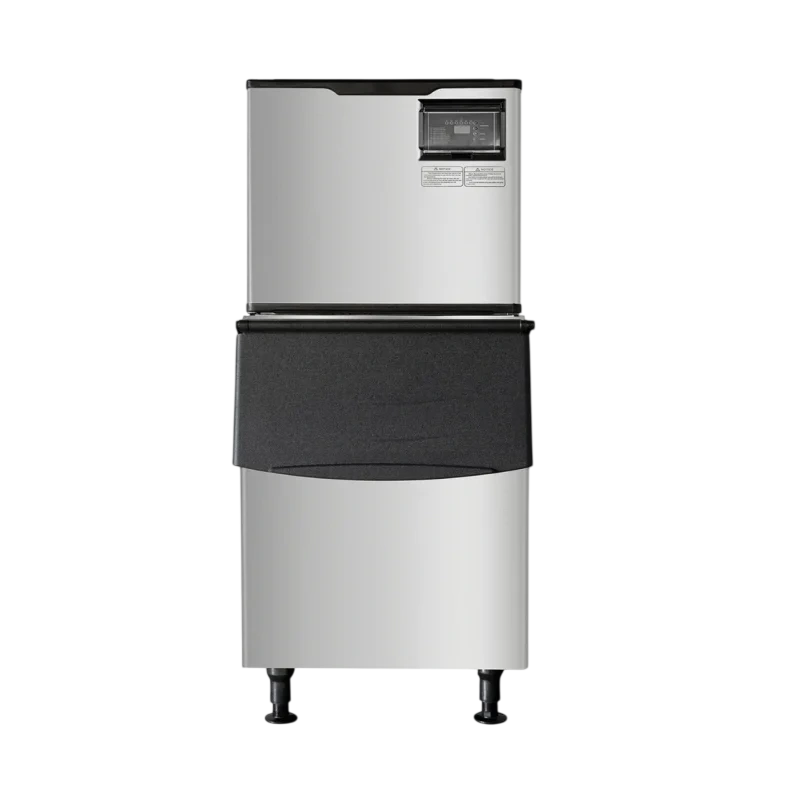
803 × 832 × 1715mm
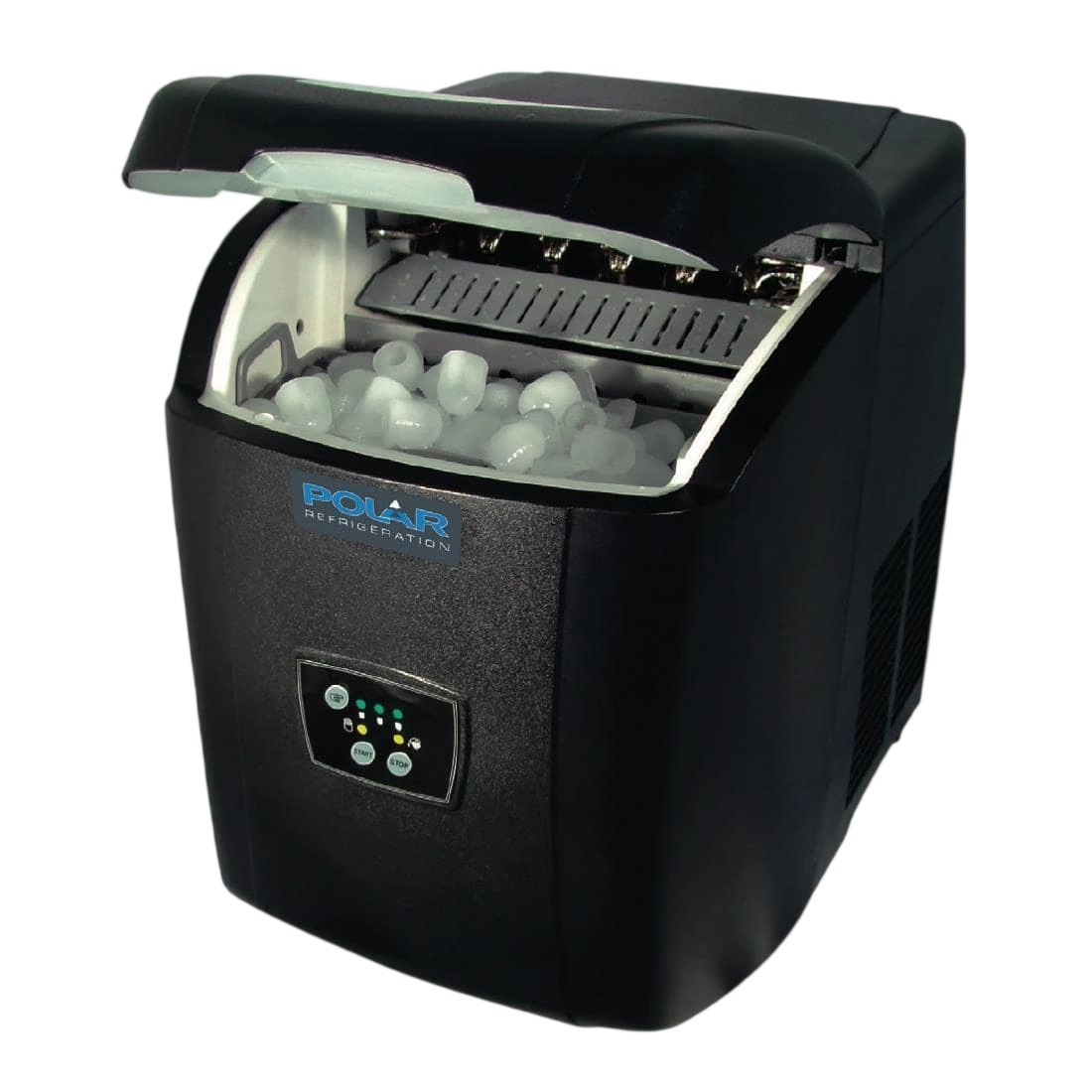
305 × 380 × 380mm
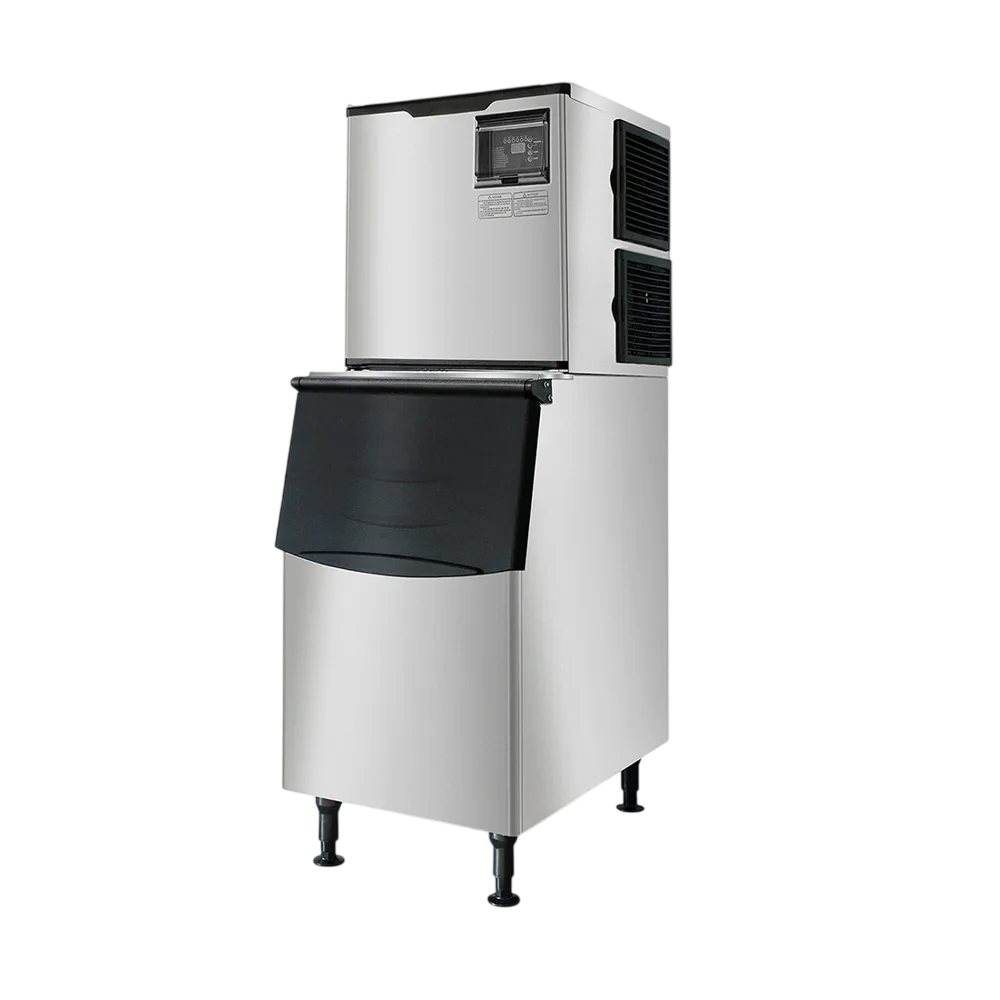
803 × 832 × 1715mm
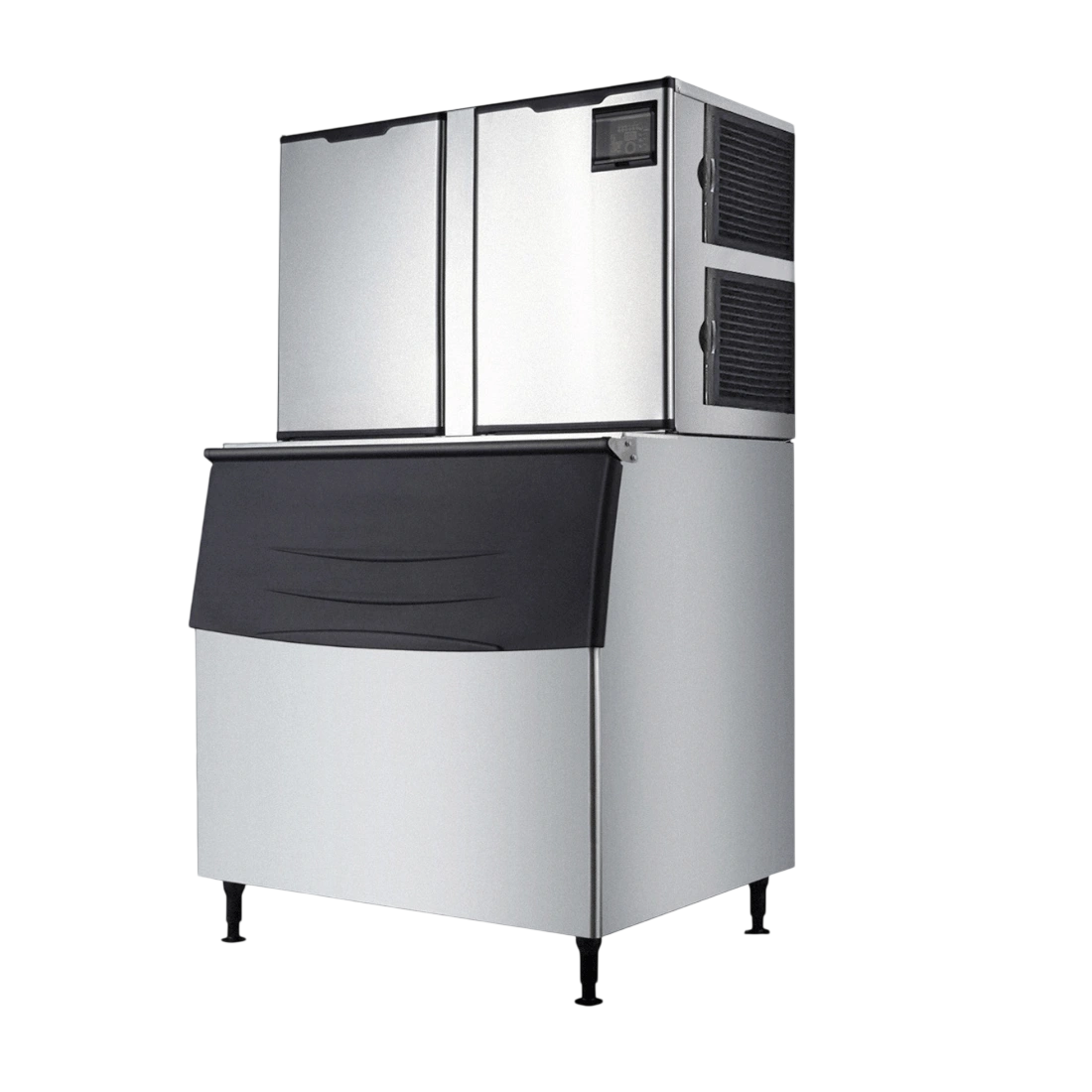
1227 × 965 × 1927mm
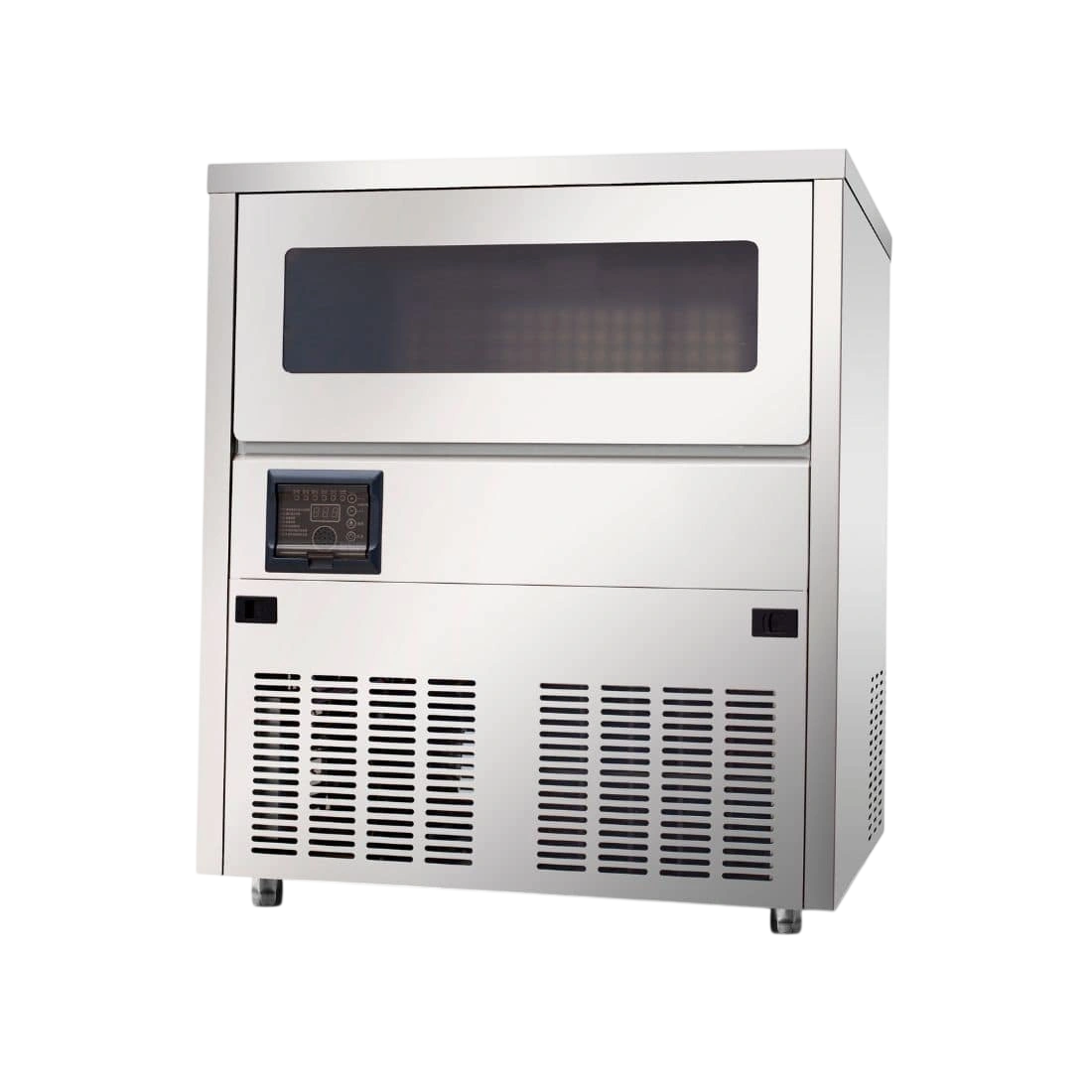
660 × 650 × 780mm
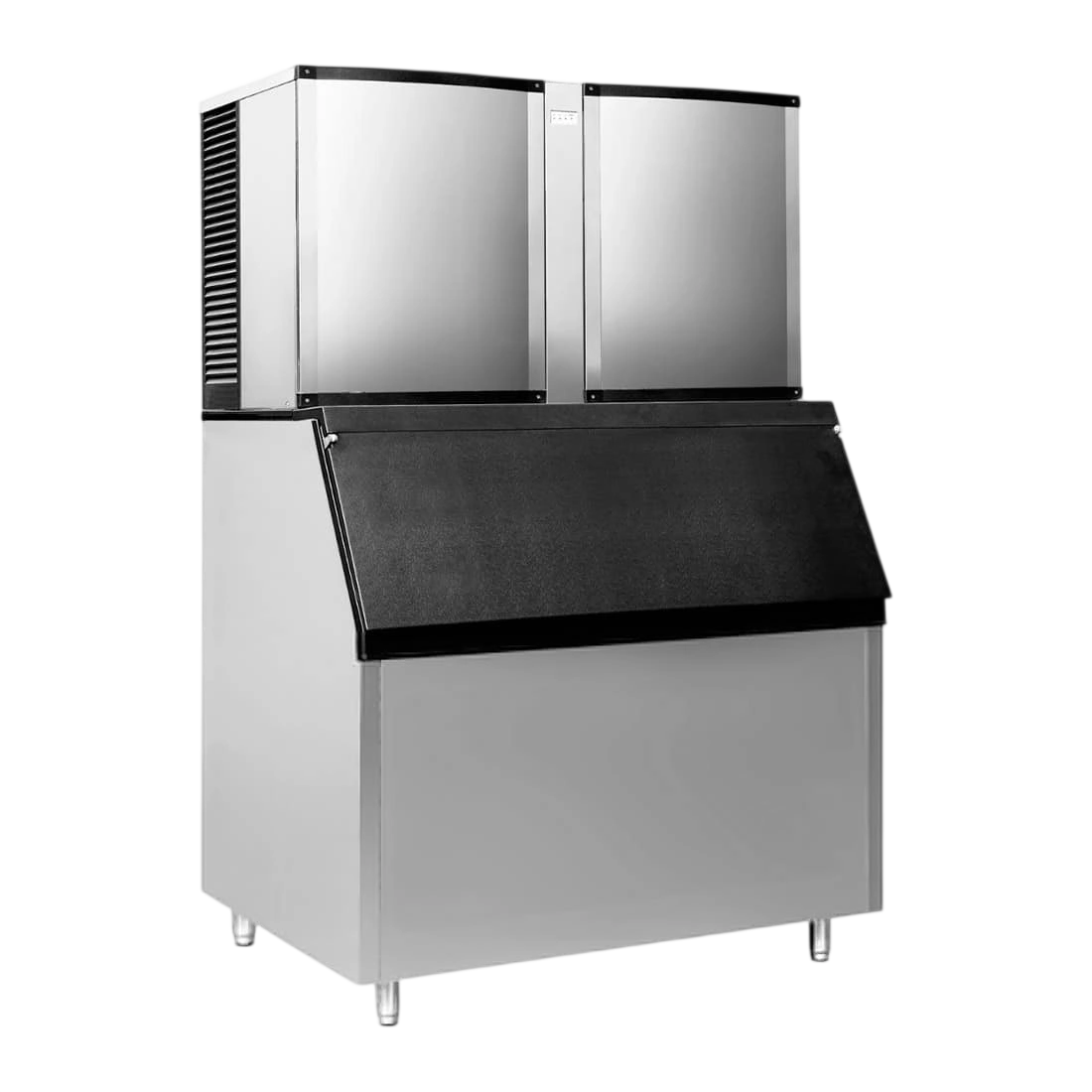
1262 × 965 × 2057mm
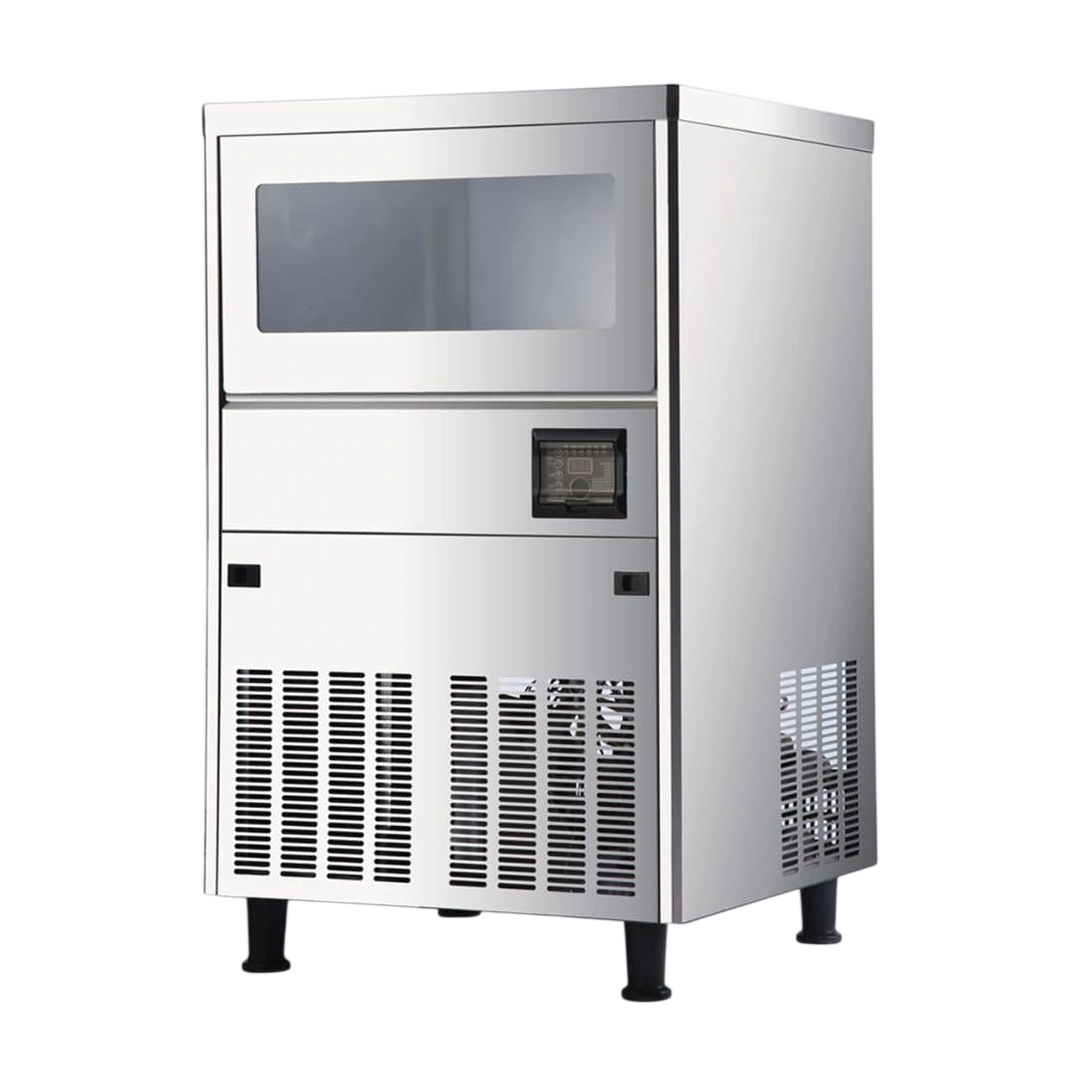
650 × 651 × 1063mm
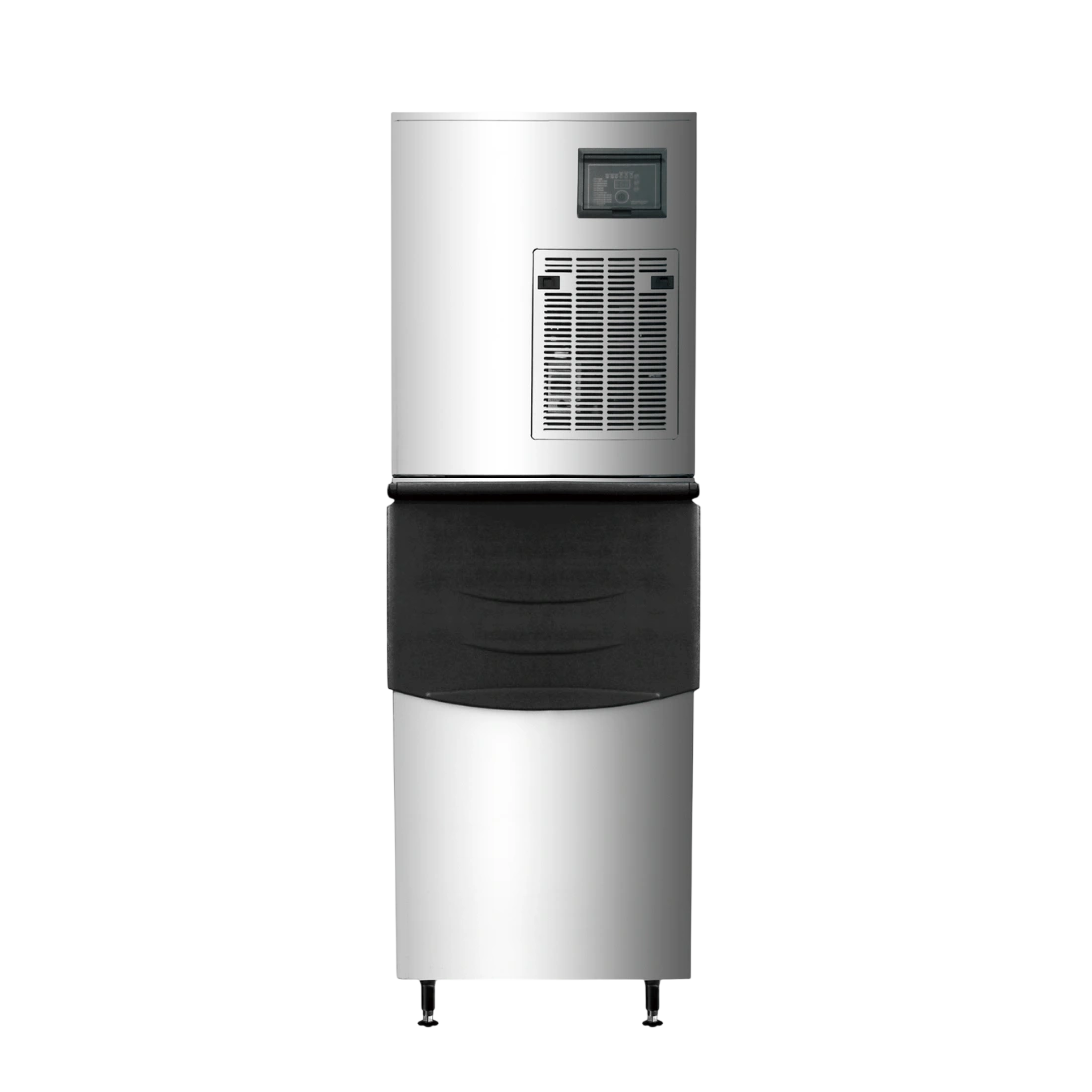
593 × 830 × 1897mm
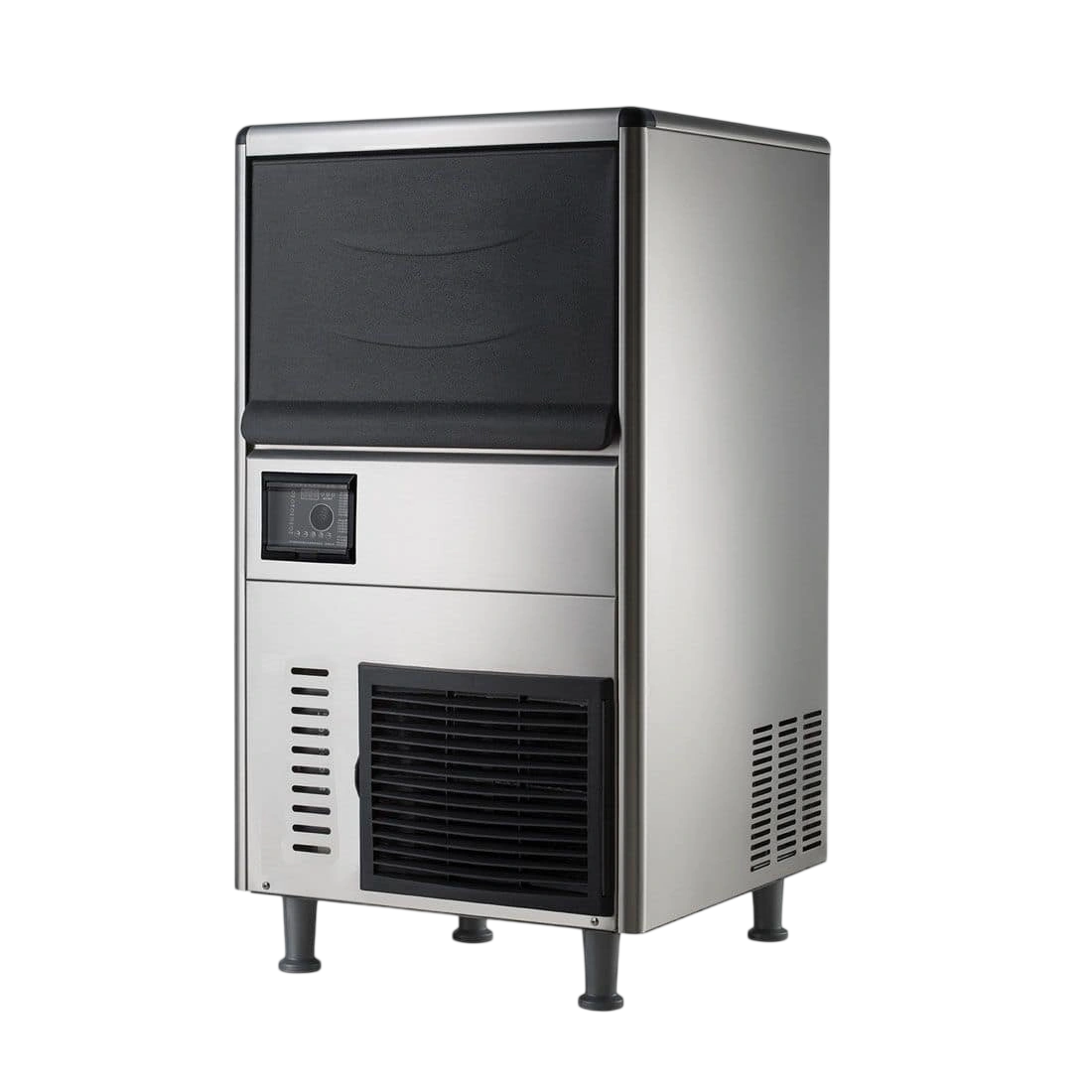
520 × 560 × 955mm
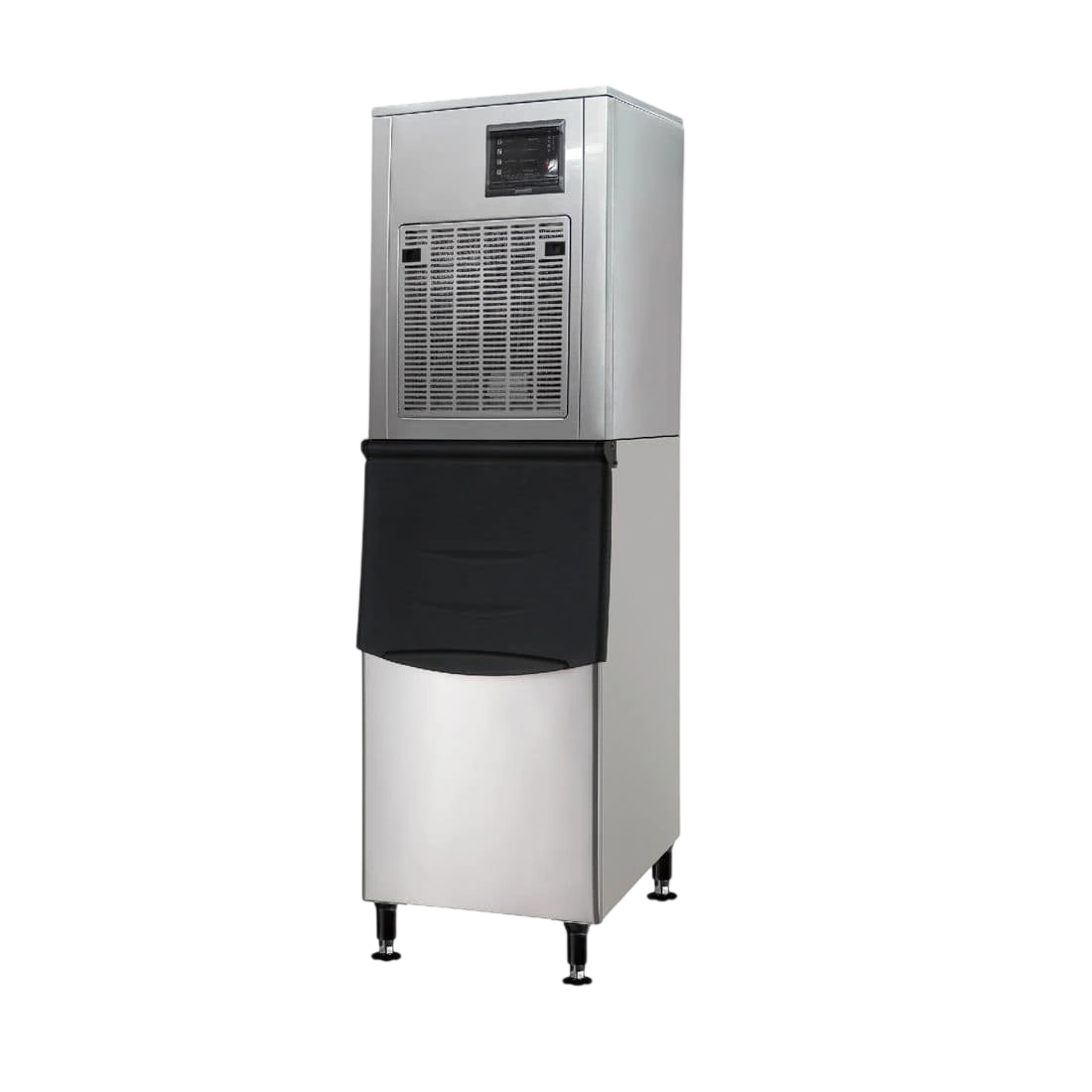
583 × 830 × 1760mm
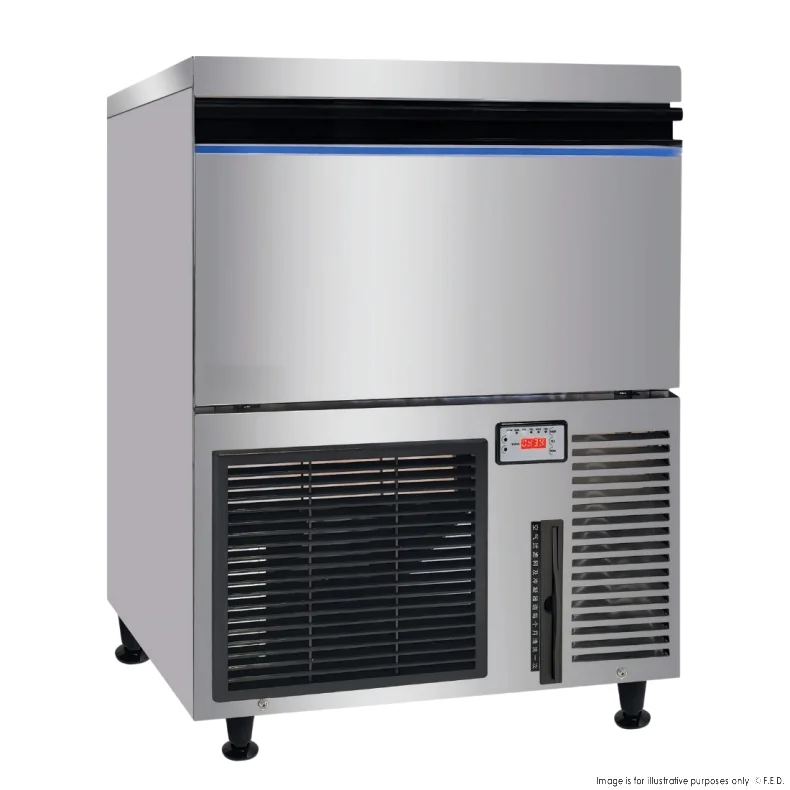
660 × 670 × 865mm
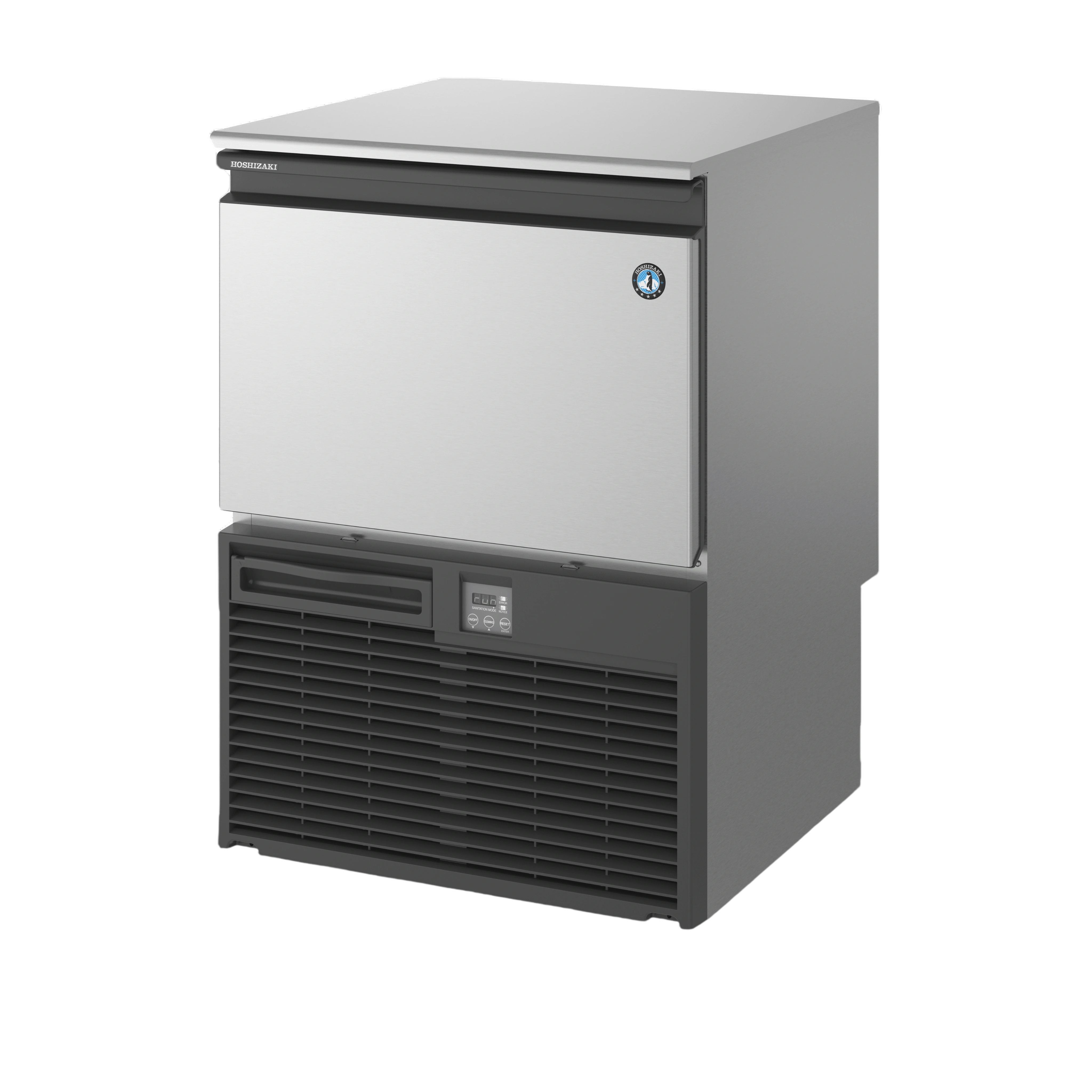
605 × 610 × 988mm
605 × 712 × 988mm
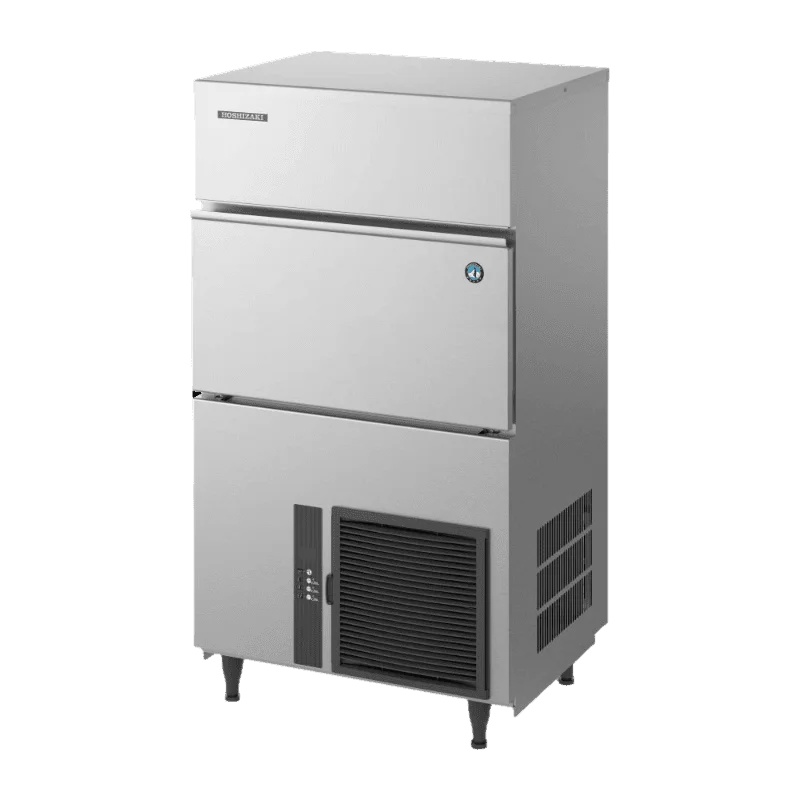
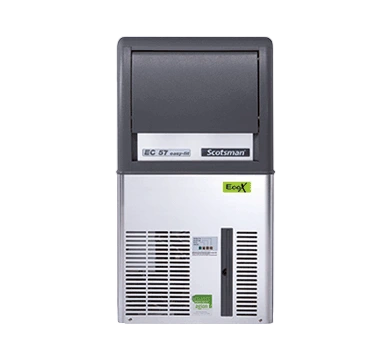
386 × 600 × 695mm
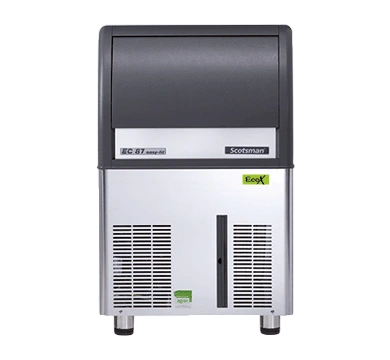
531 × 600 × 825mm
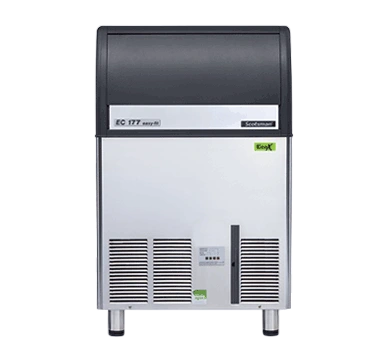
680 × 600 × 1079mm
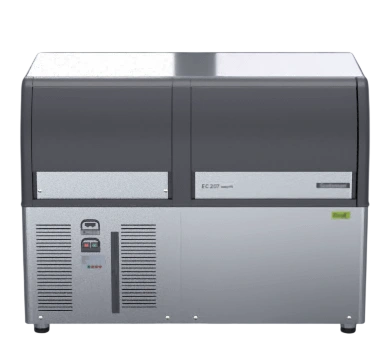
1250 × 622 × 809mm
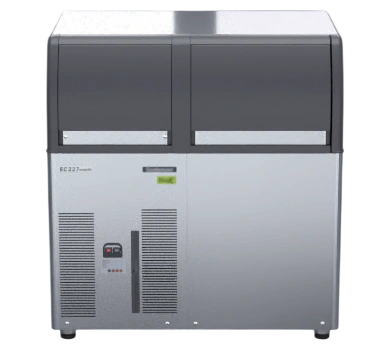
1078 × 719 × 1082mm
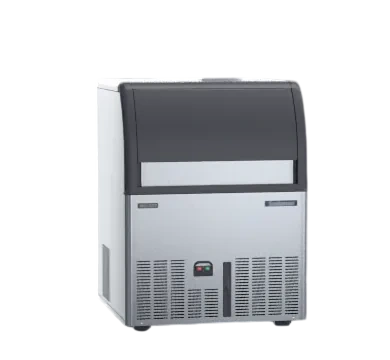
650 × 690 × 870mm
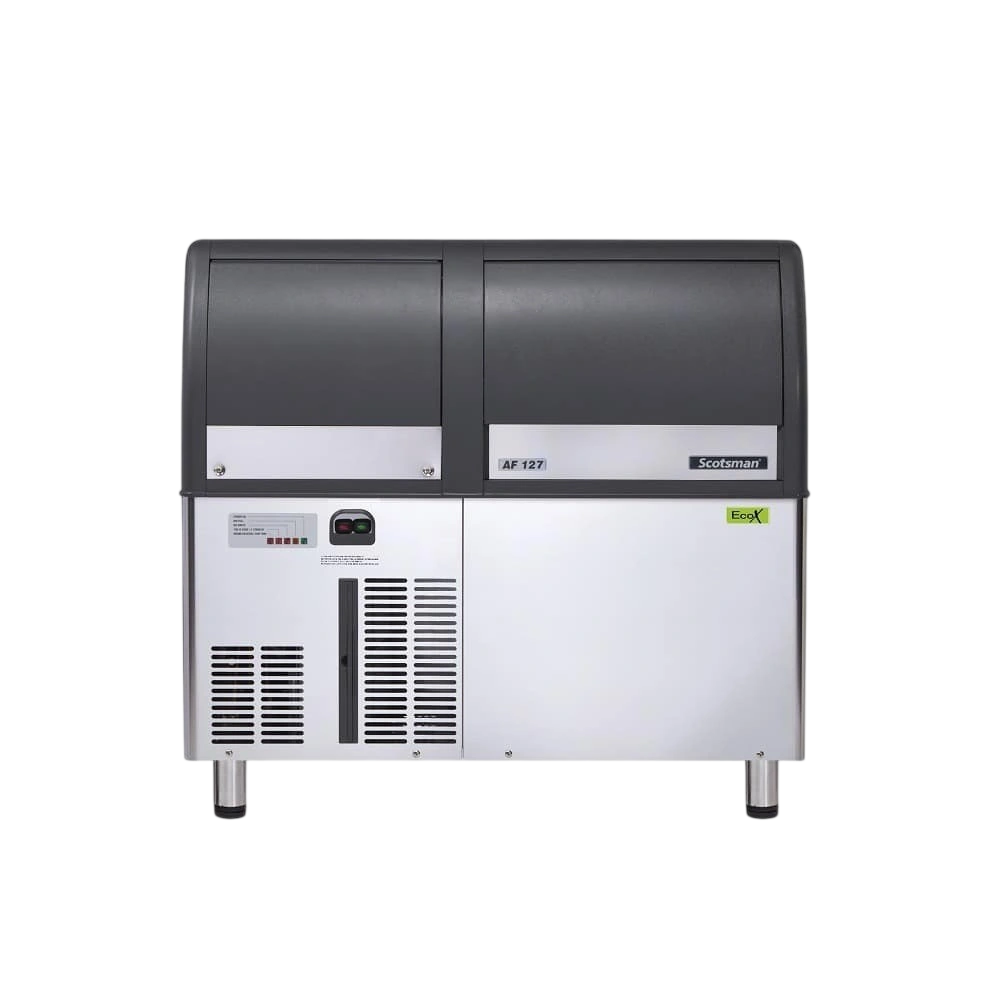
950 × 605 × 872mm
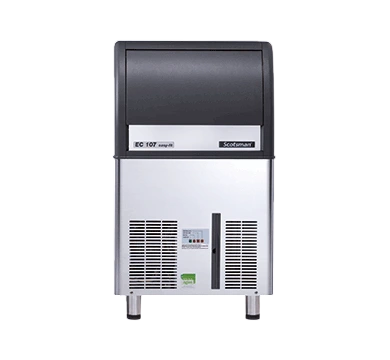
531 × 600 × 930mm
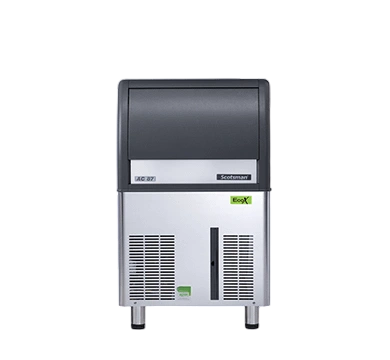
531 × 600 × 875mm
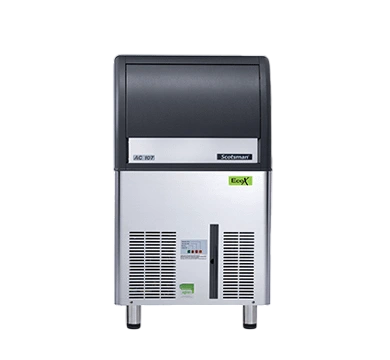
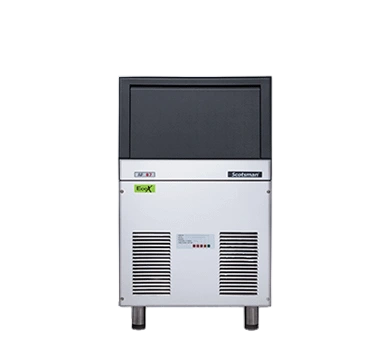
535 × 620 × 890mm
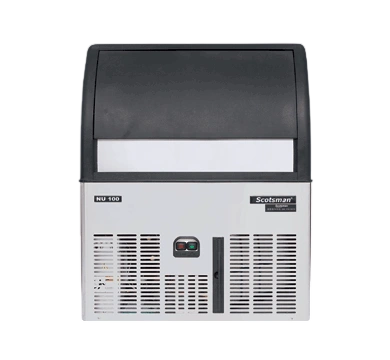
600 × 610 × 770mm
535 × 620 × 890mm