Combi Ovens
301 products
Bakery Equipment
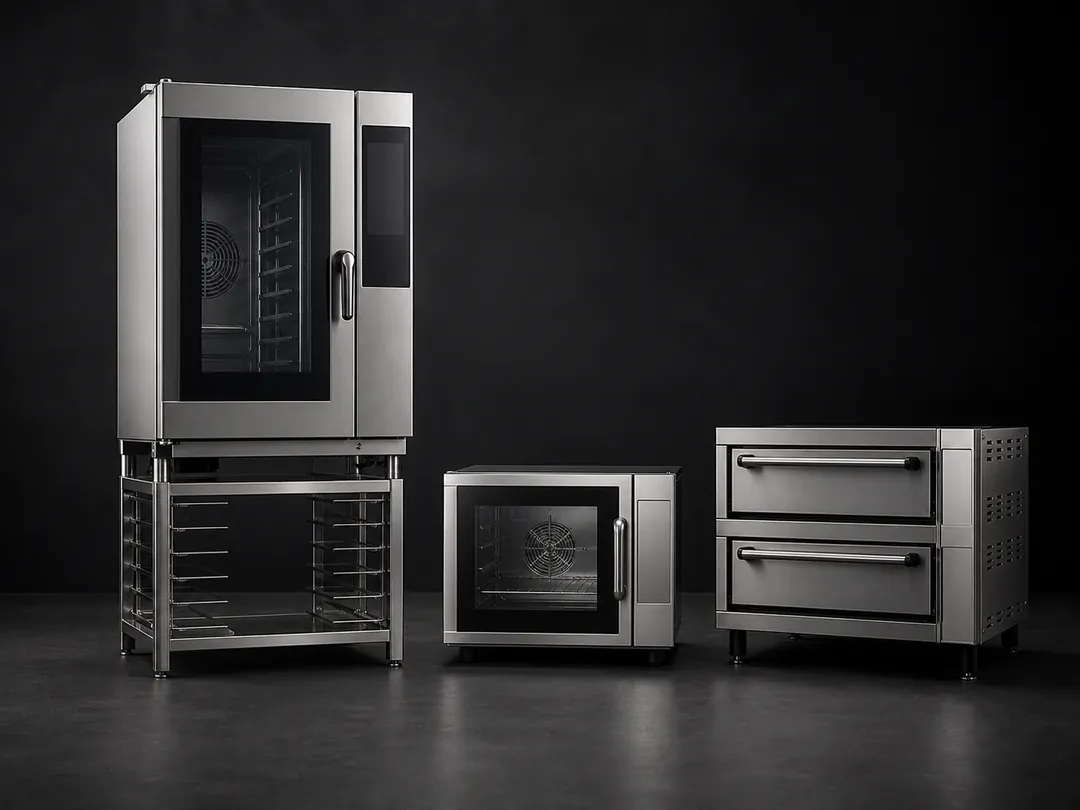
Commercial convection, combi, deck, pizza, conveyor, speed and rotisserie ovens cover baking, cooking and finishing for cafés, bakeries, restaurants and food-service production kitchens. Choose the cooking and loading format around your menu, then compare tray fit, service timing and the exact model’s site requirements.
Start with what enters the oven and how it leaves: trays in a batch, pans in a combi, pizza on a baking surface, food moving along a belt or birds loaded into baskets. Choose the cooking format first, then compare model-level loading and site requirements.
| Cooking task | Start with this format |
|---|---|
| Fan-assisted baking and roasting | Convection ovens: dry, fan-assisted baking or roasting is the core task. |
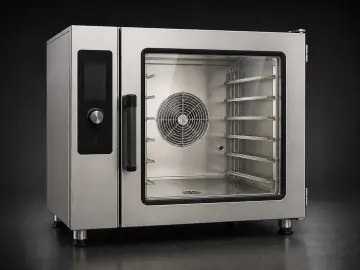
| Steam and dry-heat programmes | Combi ovens. Compare steam, convection and combination cooking when those methods belong in the same station. |
| Baking on a deck | Deck bakery ovens. Compare the chamber, baking sole and tray arrangement for the dough and batch plan. |
| Pizza and flatbread | Commercial pizza ovens. Compare the cooking surface, top and bottom heat controls, loading and removal. |
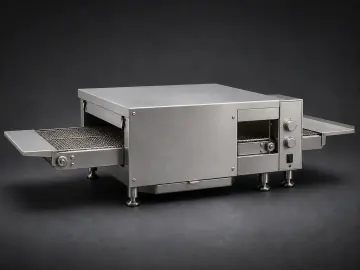
| A belt-fed cooking line | Conveyor ovens. Plan the product entry, belt path and clear collection area at the discharge end. |
| Recipe-led finishing | Speed ovens. Compare the cooking methods, portion fit and programme controls for the intended order. |
| Birds in display cooking | Rotisseries. Match the basket arrangement, loading access and handling of cooked food to the serving station. |
Key factors to consider before purchasing. Our team can help you find the right fit — call or get a quote anytime.
Match equipment capacity to your daily output. Consider available floor space and door clearances.
Confirm levelling, wall clearance and the access needed for cleaning and service. We can help with kitchen planning.
Submit your kitchen requirements — our equipment specialists will send you a tailored shortlist of commercial ovens that fits your budget, venue type and compliance needs.
Standards & Compliance
Start with what the oven must do in the workflow:
FAQ
Choose by the menu and loading pattern: convection for fan-assisted tray baking, combi for steam and dry-heat programmes, deck or pizza ovens for the baking surface, conveyor for belt-fed cooking, speed ovens for recipe-led finishing and rotisseries for basket-loaded birds. Then compare models within the relevant branch.
Not always. The Anvil CGA0008 is listed as single phase, while the Baker Max ME2-1 specifies three phase plus neutral. Have an electrician assess the exact oven and the other equipment using the site’s supply before selecting the connection.
Ventilation depends on the exact oven, its installation conditions, the menu and the proposed position. Give those details to the mechanical contractor or certifier before the fit-out is finalised. Include heat, steam and the cooking discharge from adjacent appliances in the assessment.
Why KW
Use KW’s oven families to compare the cooking task before choosing a model. Bring the tray or pan, overlapping batches and the loading-to-service route into the same brief so the oven and its supporting station can be planned together.
Deep Dive
Technical depth from KW's commercial kitchen specialists.
These examples show the different decisions within the range. Compare loading format and the intended cooking task before narrowing the electrical or installation specification.
| Model | What to compare |
|---|---|
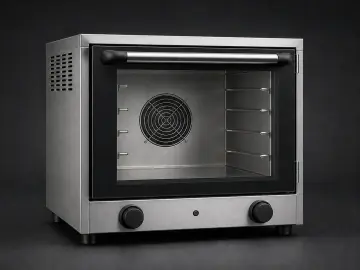
| Turbofan E23D3 | Convection example: 3 × 460 × 330 mm half-size sheet pans, with GN 2/3 loading also listed. Digital time and temperature controls suit a defined tray-baking programme. |
| Atosa EPC-0511E1 | Combi example: 5 × GN 1/1 trays. Compare the intended pan load and cooking programme with the steam-capable station you are planning. |
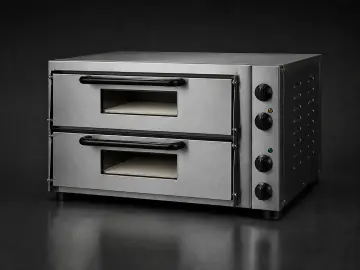
| Baker Max ME2-1 | Bakery deck example: one deck with two 600 × 400 mm tray positions. Trays are purchased separately; the stone sole and steam equipment are options for the selected setup. |
| Apuro CJ373-A | Pizza example: a firestone base with independent top and bottom heating controls. Compare the actual pizza and loading method with the cooking surface. |
| Anvil POK0004 | Conveyor example: a reversible belt with digital belt-speed and temperature controls. Choose the belt direction around preparation and the clear receiving area. |
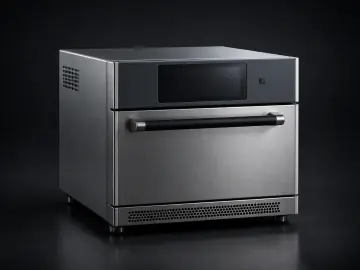
| ExtremePro NP-ProBTD | Speed-oven example: microwave, vertical hot-air impingement and convection, with stored programmes and manual control. Match the portion and cookware to the intended recipe. |
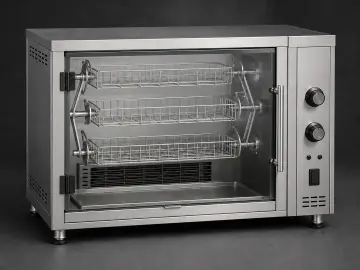
| Anvil CGA0008 | Rotisserie example: chrome-plated baskets, front and rear glass, and a removable drip tray. Plan loading, cooked-food removal and cleaning around that arrangement. |
Start with the cooking jobs that must happen at the same time. A mixed menu may fit a shared oven when its programmes and loading sequence meet the service plan; overlapping or incompatible batches may call for a separate chamber or specialist format. Compare that schedule before adding capacity.
Give KW your menu, batch sequence and site layout so the oven can be considered alongside prep, cooktops, fryers and the pass. Include the tray landing area, staff movement and available services in that brief. Take the final connections and ventilation arrangement to the appropriate site professionals.
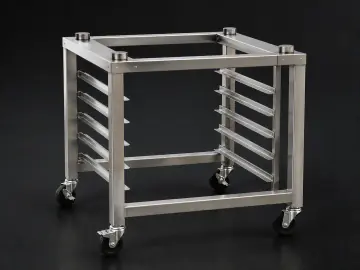
Include model-compatible pans or trays, a suitable support or stand, loading tools, heat protection and cleaning equipment. Plan where cooked food goes next, whether to the pass, holding or cooling. Use the exact oven and accessory instructions to agree the complete setup.
Map the complete loading journey: prepare or proof, load, cook, unload and hand over to cooling or service. For a deck setup, reserve a landing place for the trays unloaded together; for a conveyor line, keep collection clear while loading continues. At a combi station, coordinate door access and pan removal with the next cooking programme.
Place the oven decision alongside the work before and after it. If roasting, baking and rapid finishing overlap at service, assign each job to an available chamber and operator. Include the tray return, loading tools and cleaning access in that plan, so the same oven time or landing space is not allocated to competing tasks.
Browse oven accessories alongside the selected appliance, matching each accessory to the model and loading format. Follow the oven instructions for cleaning and technical maintenance, and keep food-temperature monitoring and cooking procedures with the venue’s responsible food-safety team.
786 results
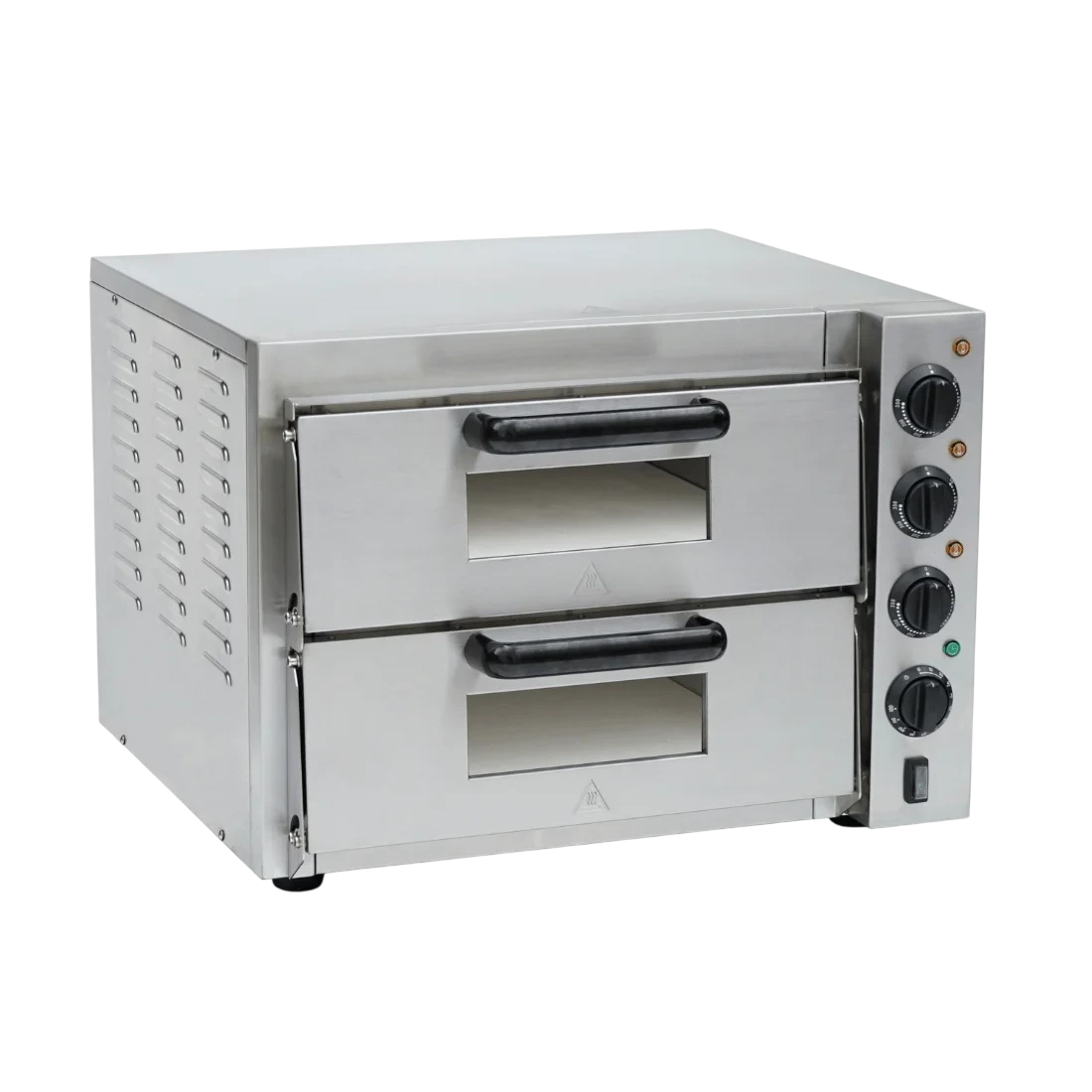
580 × 561 × 435mm
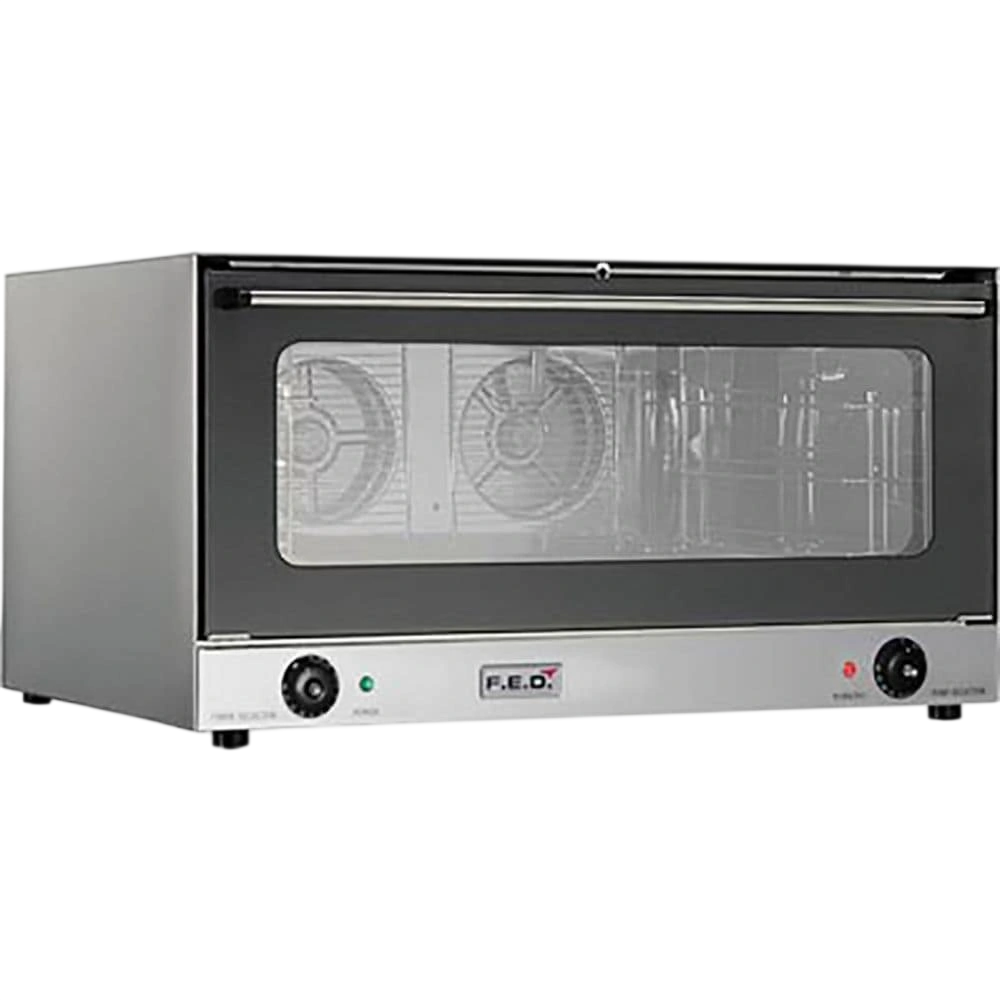
834 × 765 × 500mm
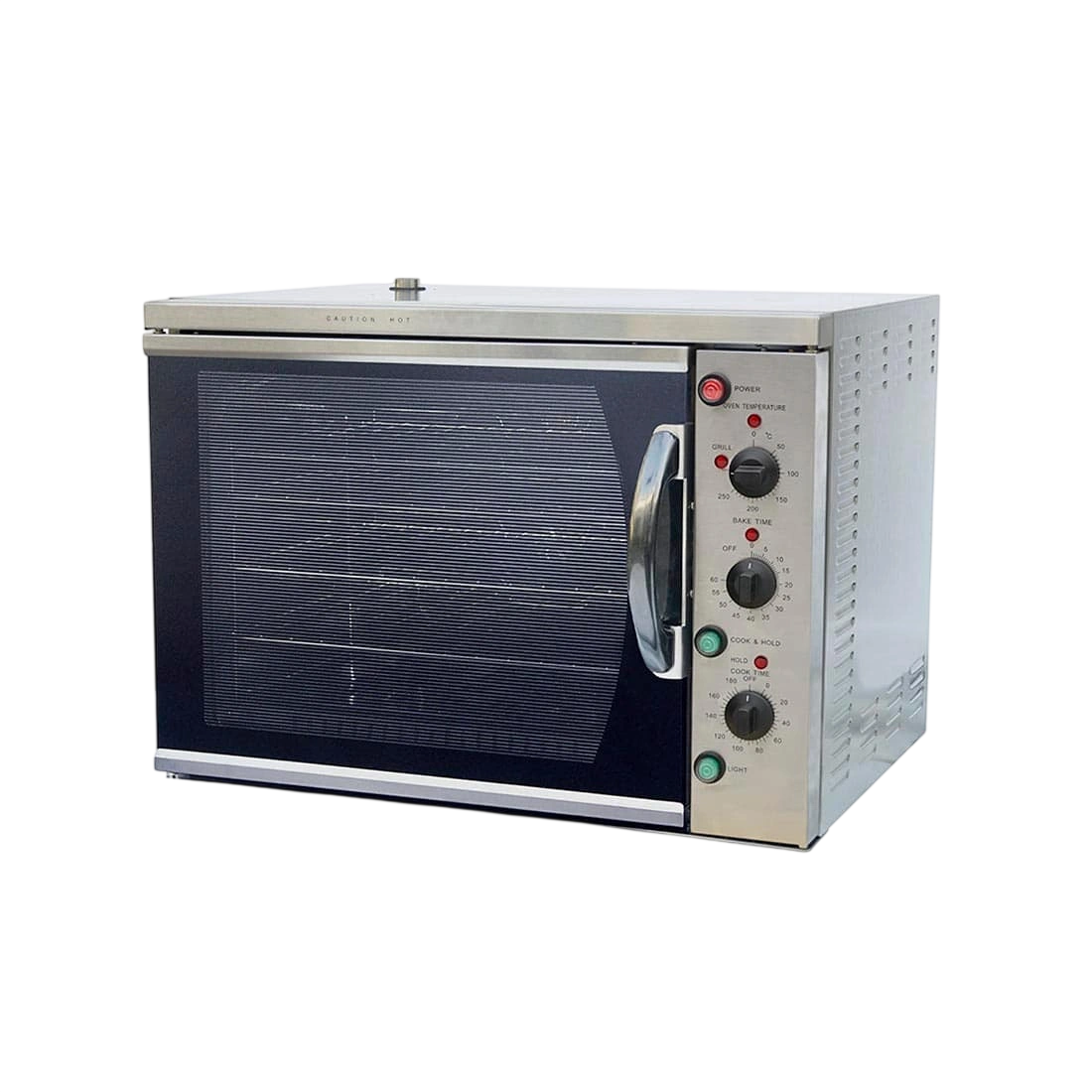
798 × 650 × 596mm
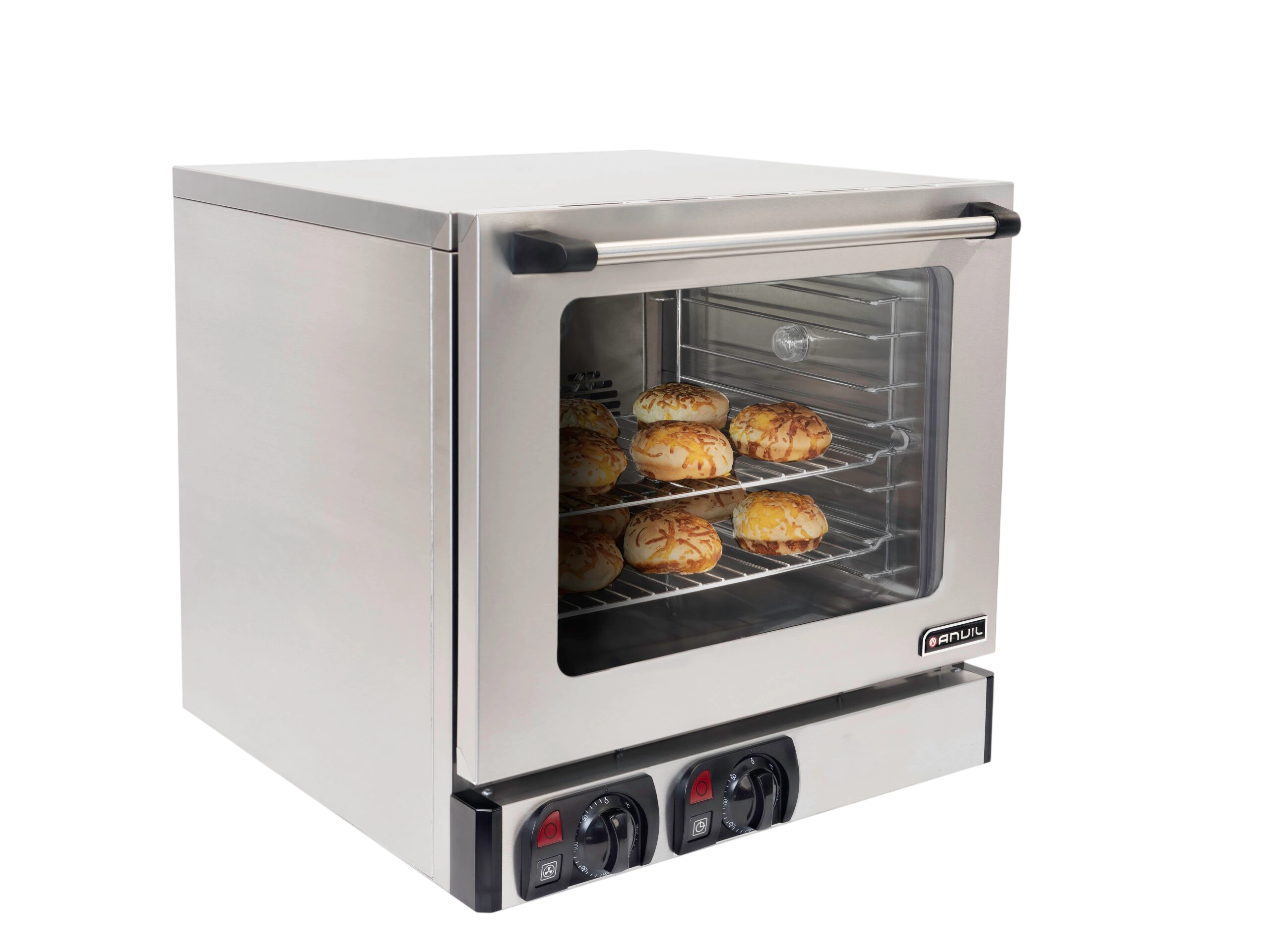
602 × 652 × 596mm
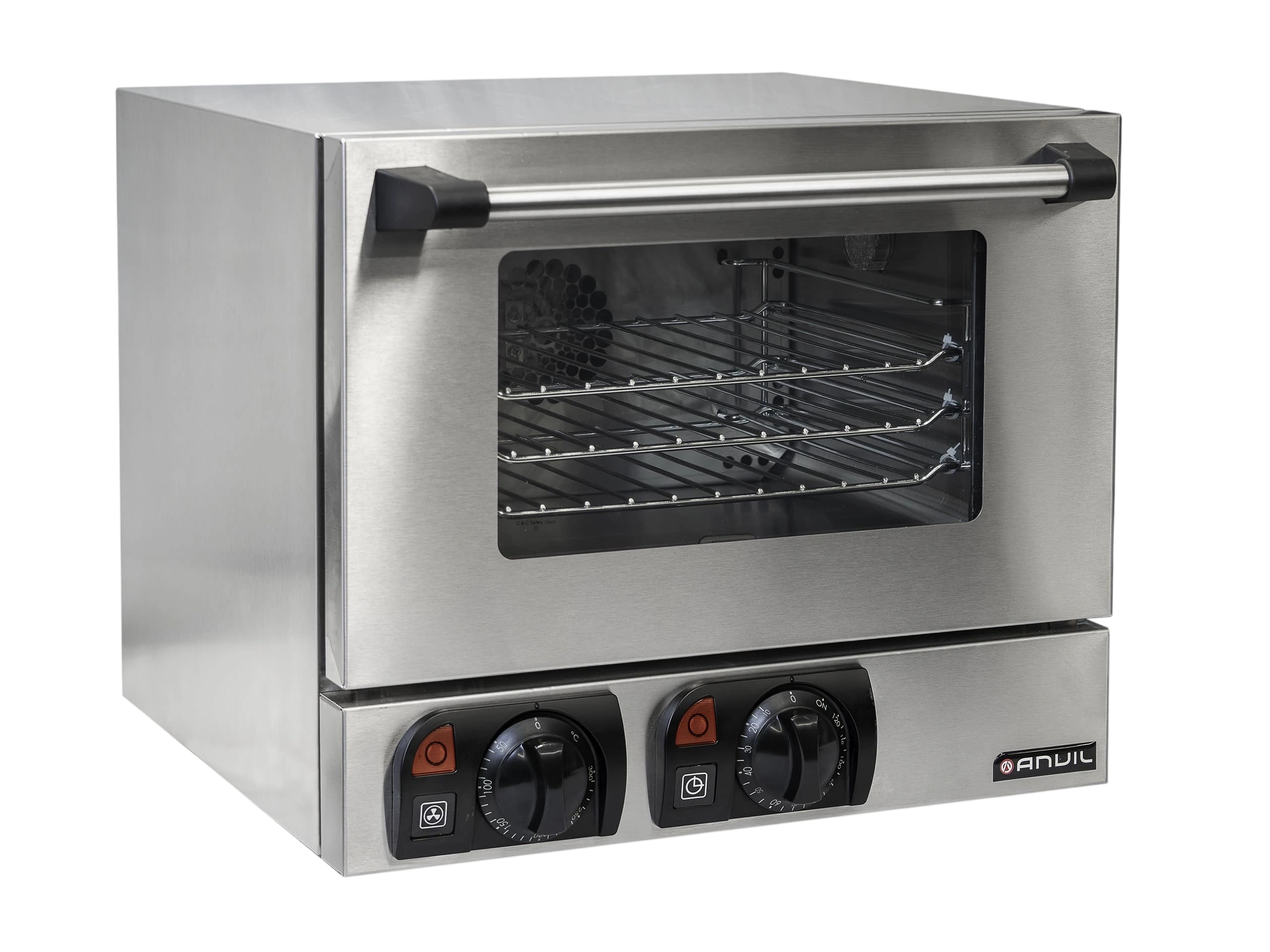
477 × 524 × 428mm
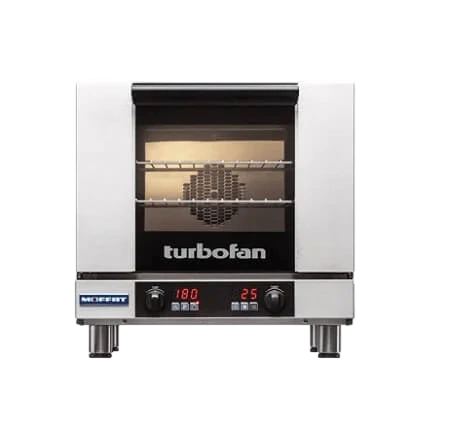
610 × 608 × 552mm
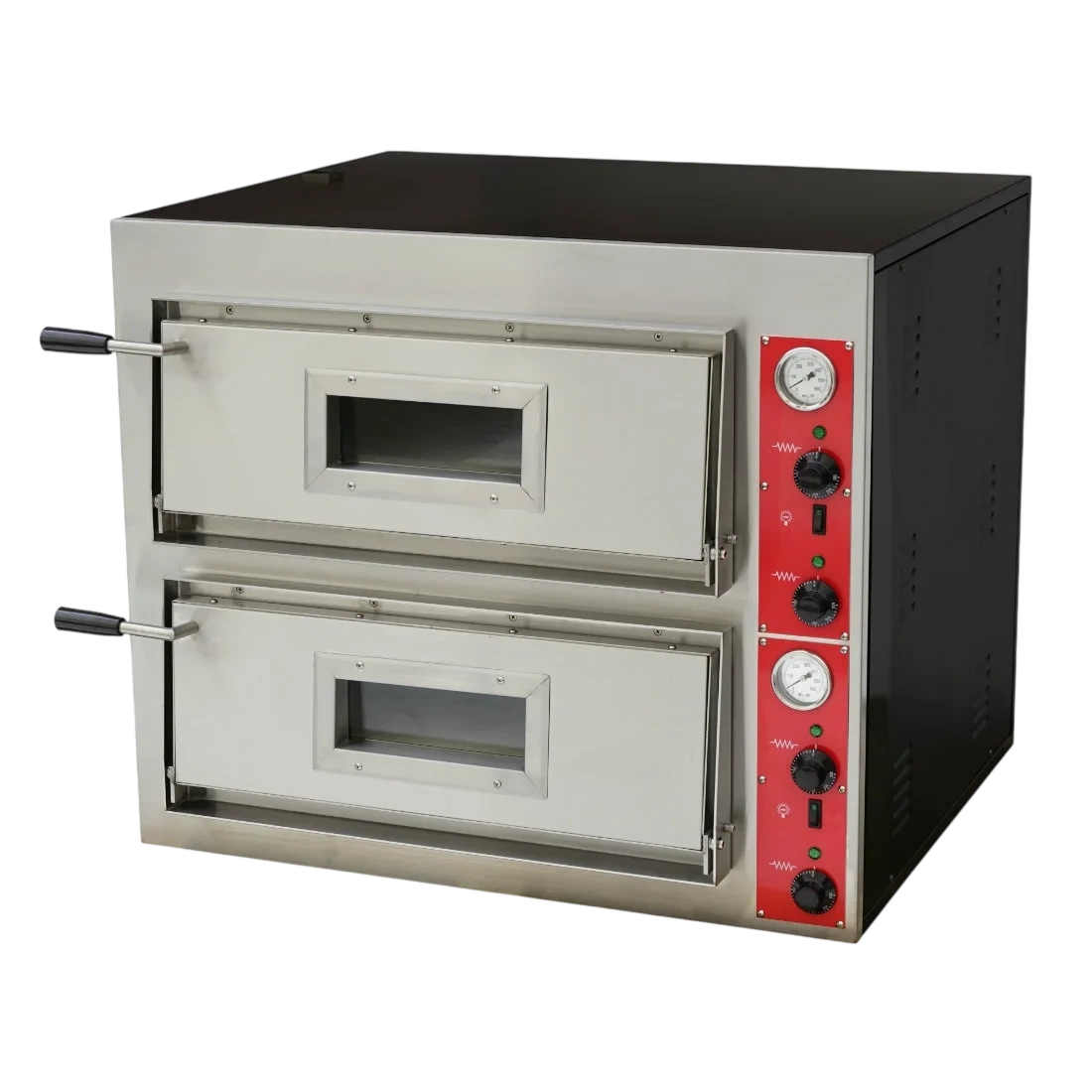
910 × 820 × 750mm
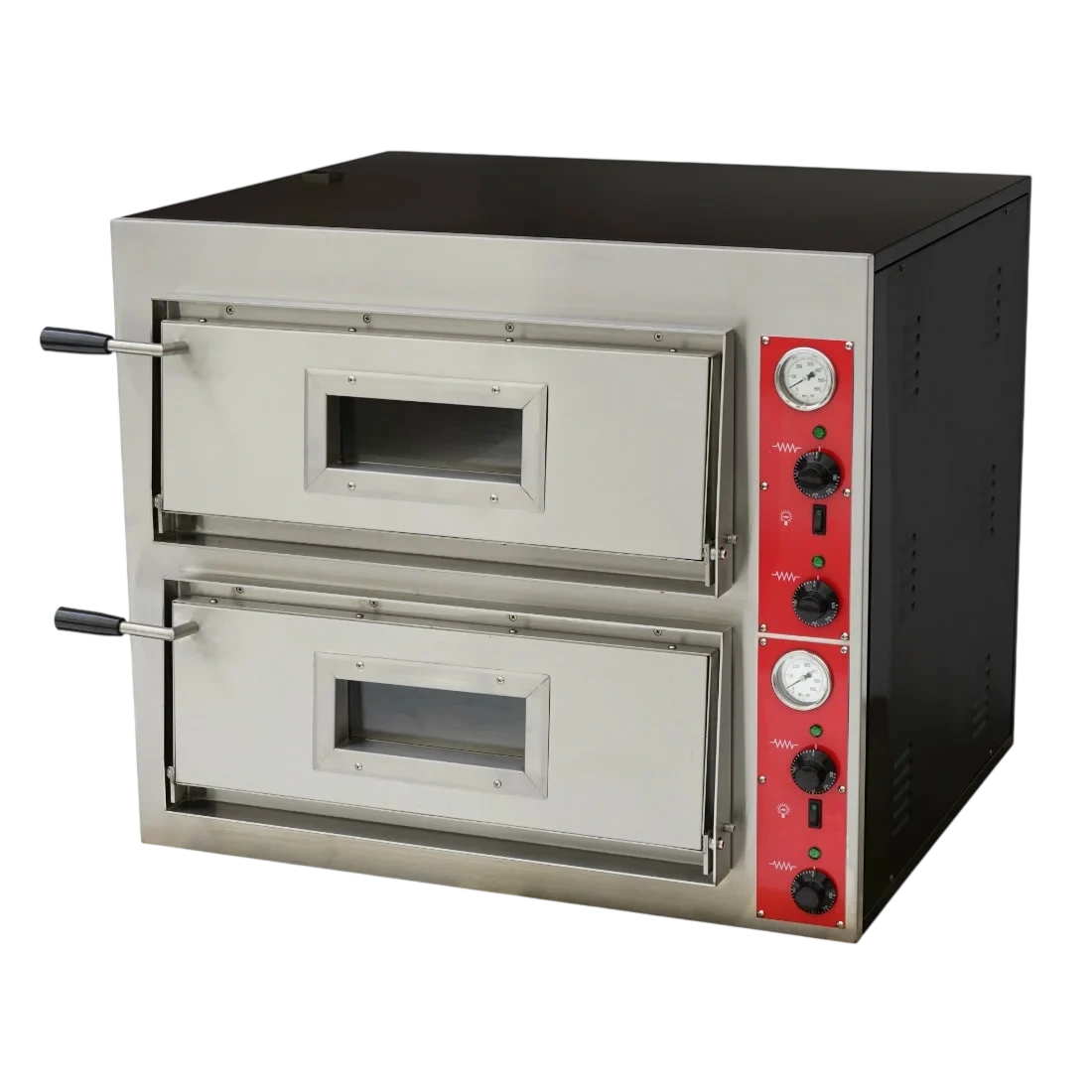
1190 × 710 × 750mm
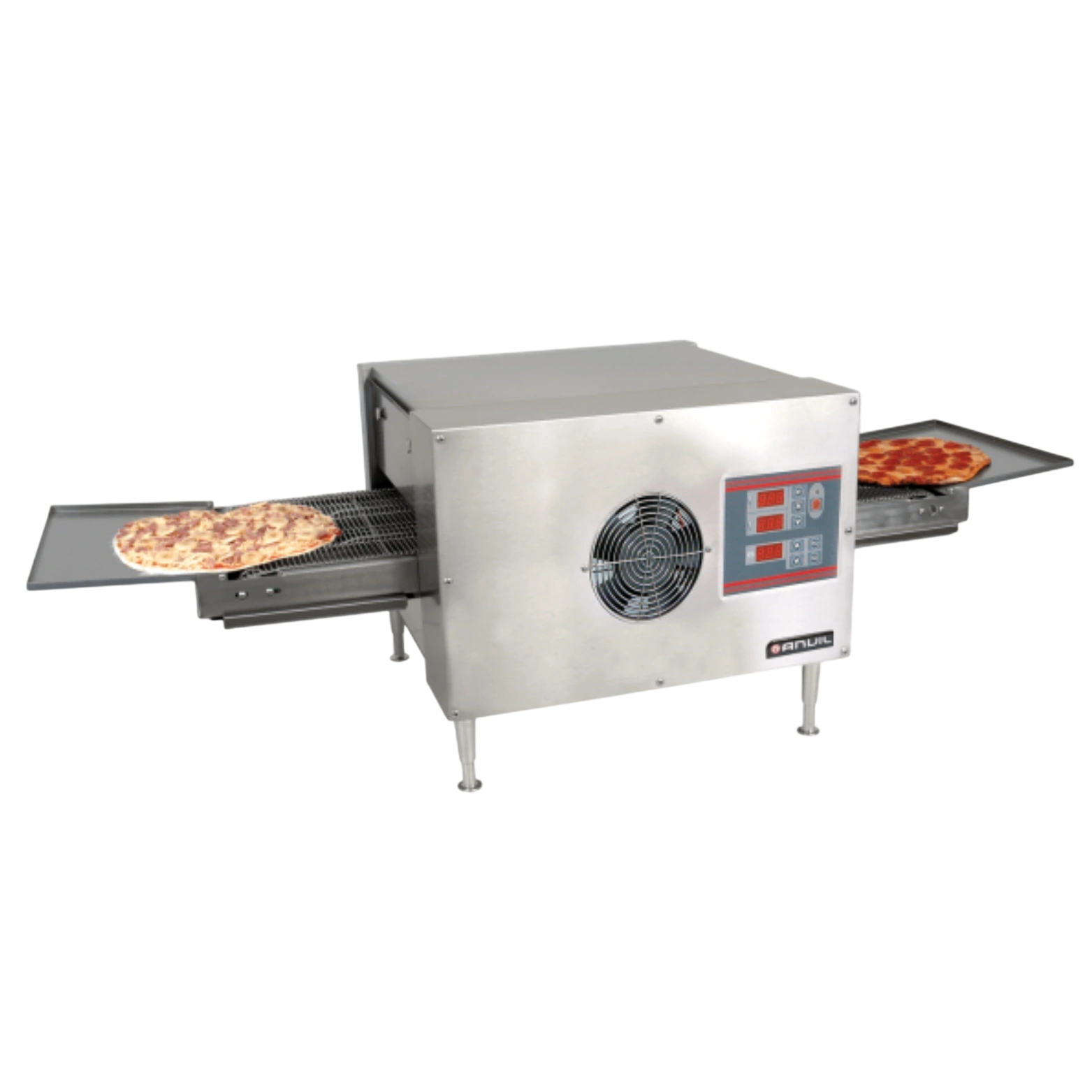
1499 × 575 × 436mm
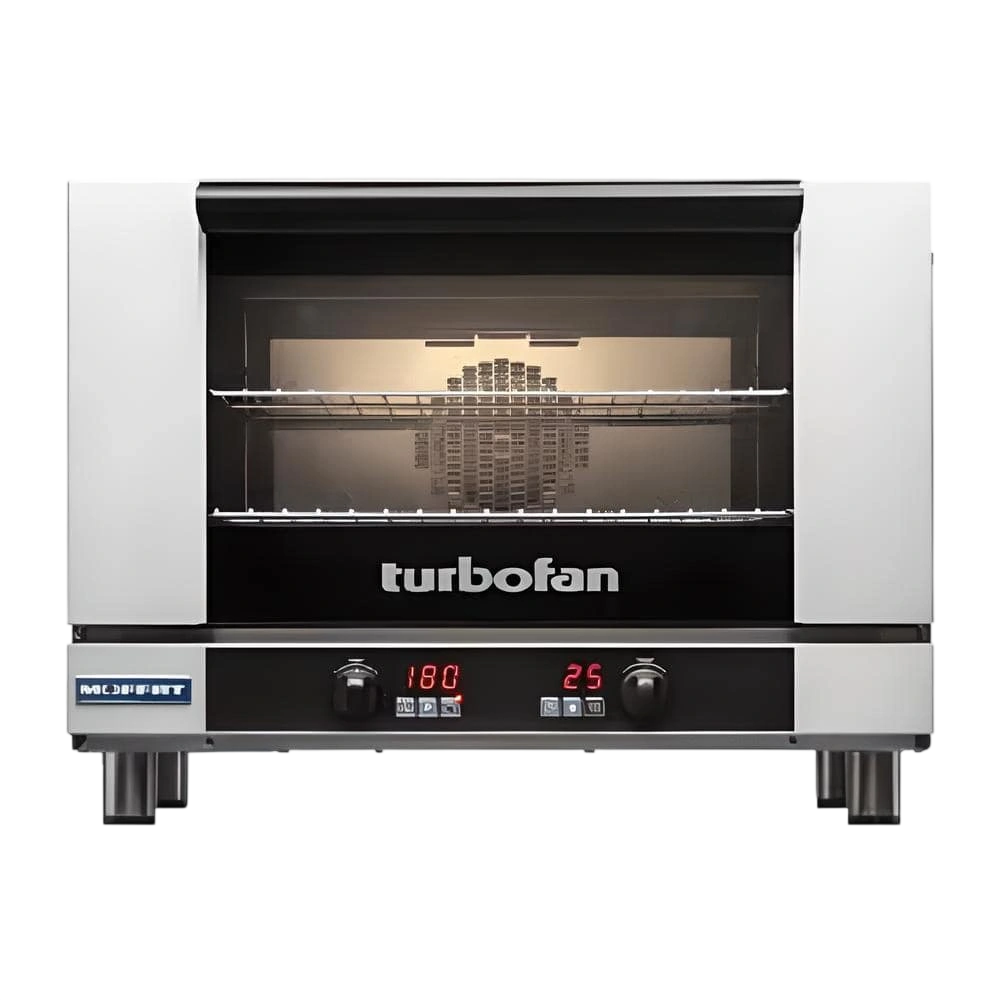
810 × 762 × 607mm
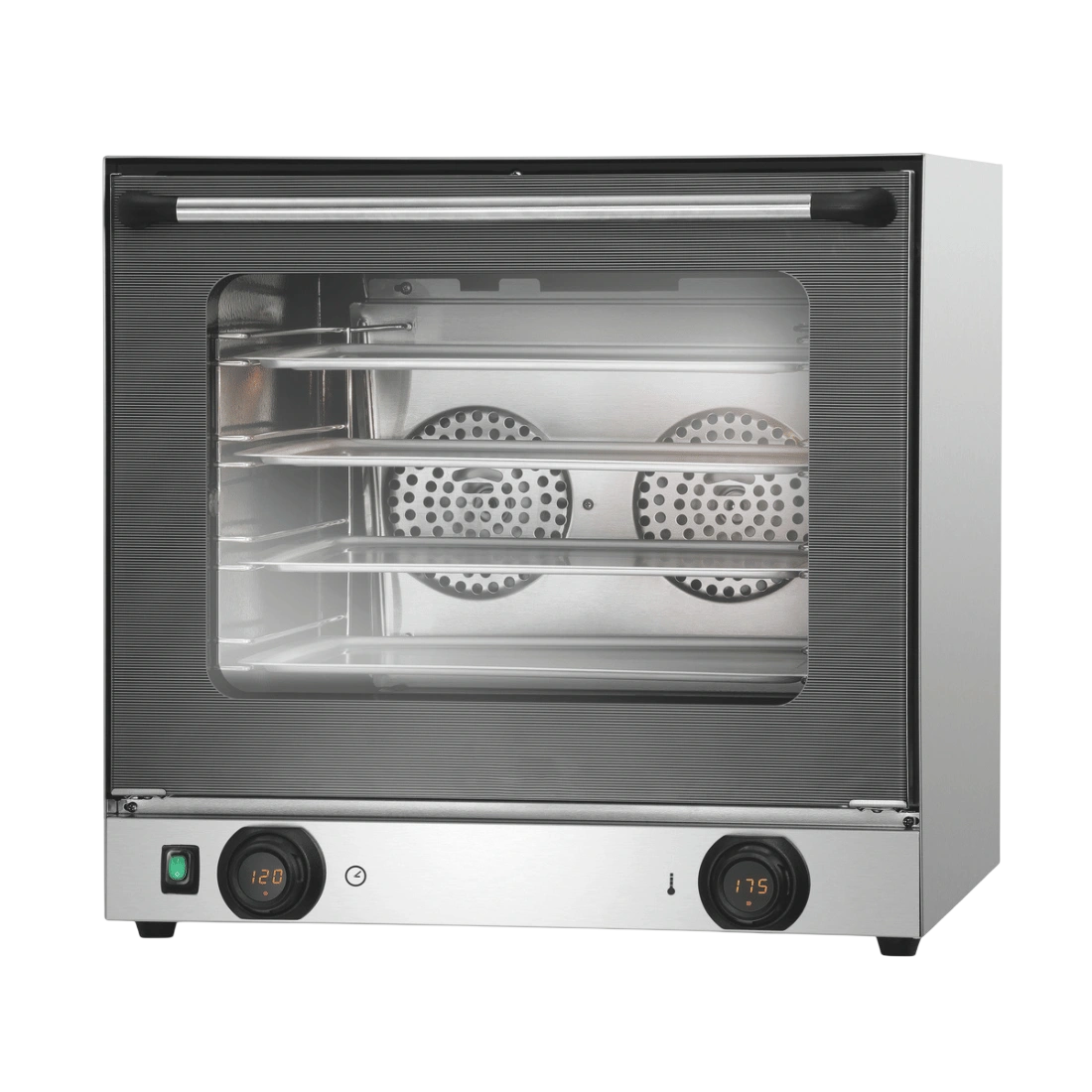
595 × 530 × 570mm
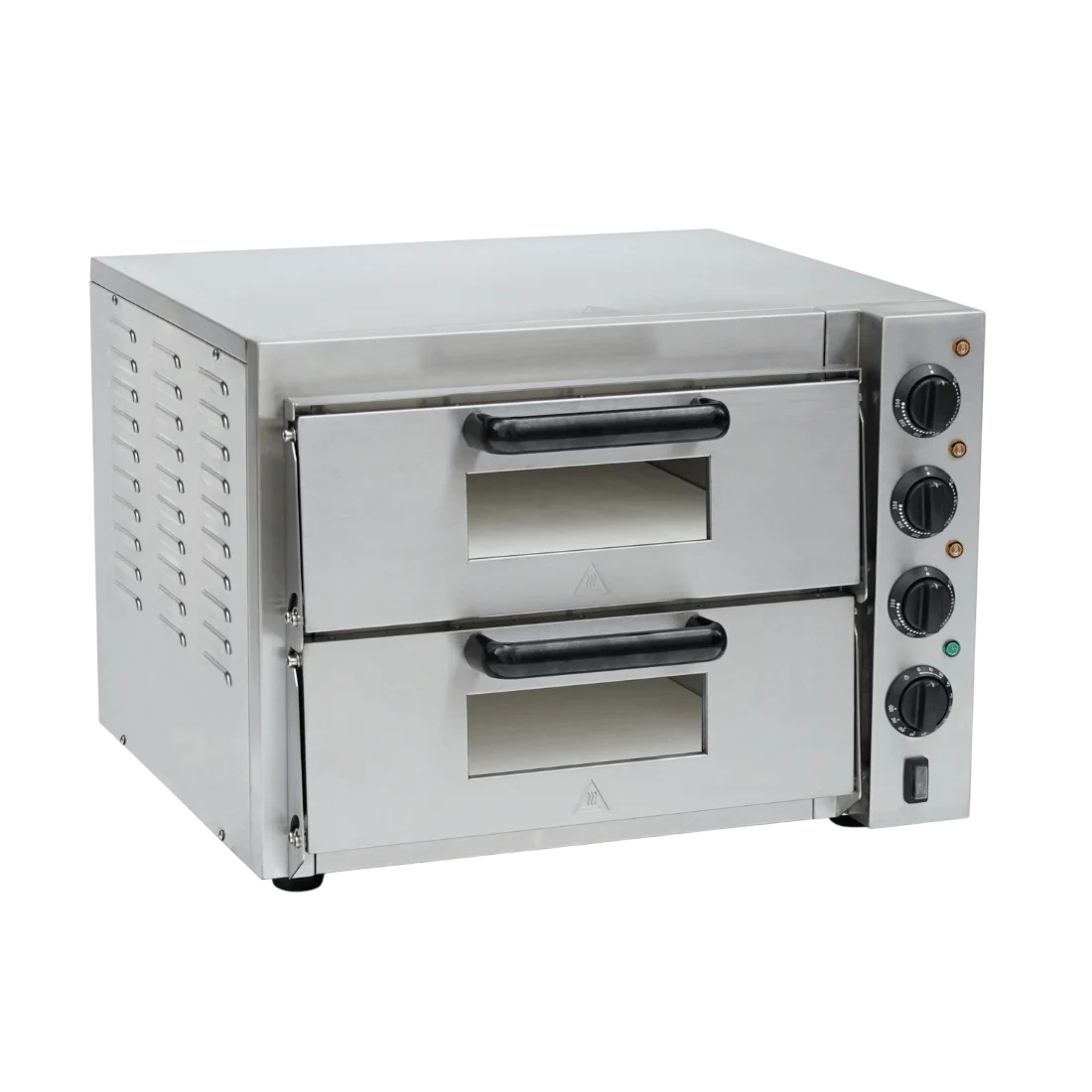
580 × 561 × 435mm
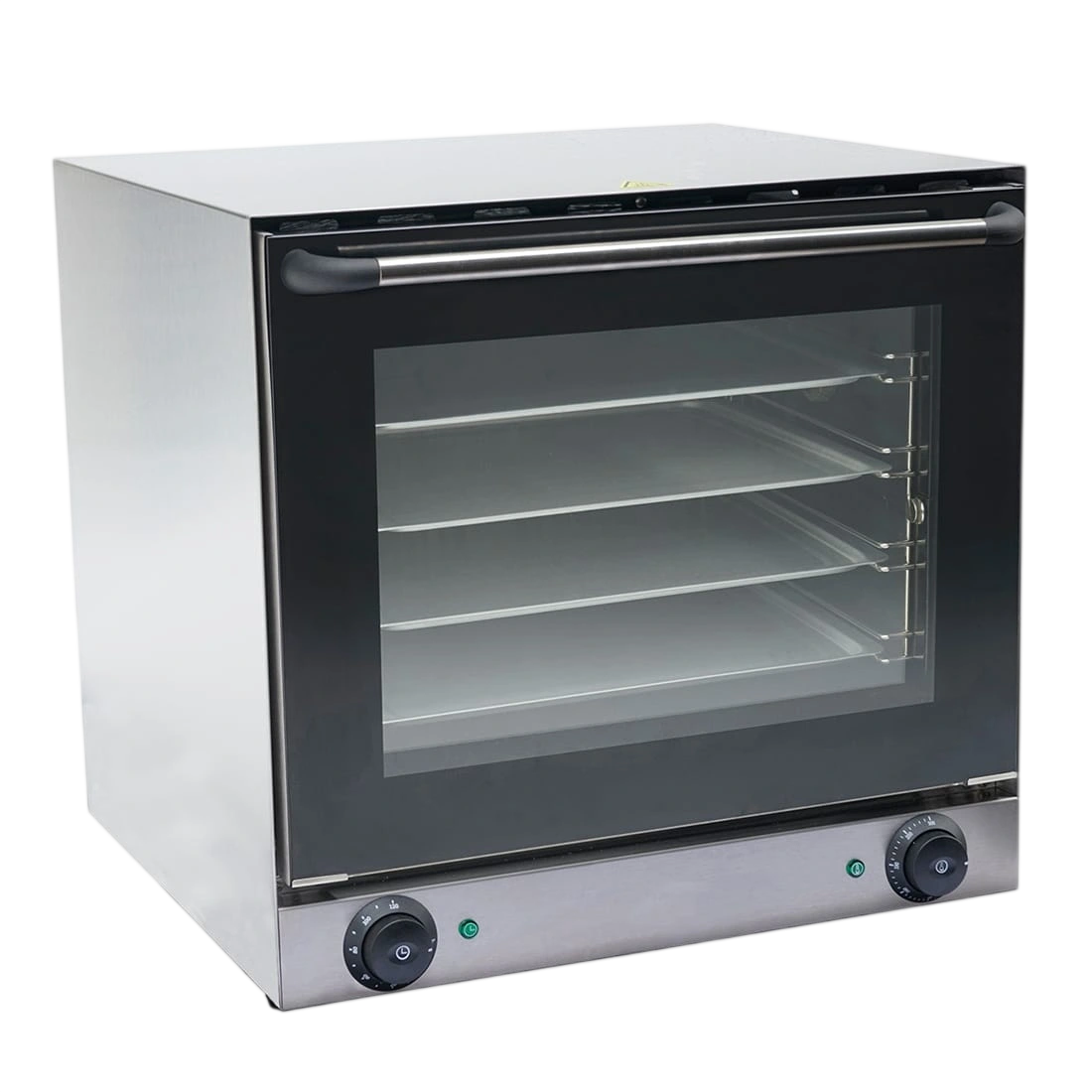
595 × 530 × 570mm
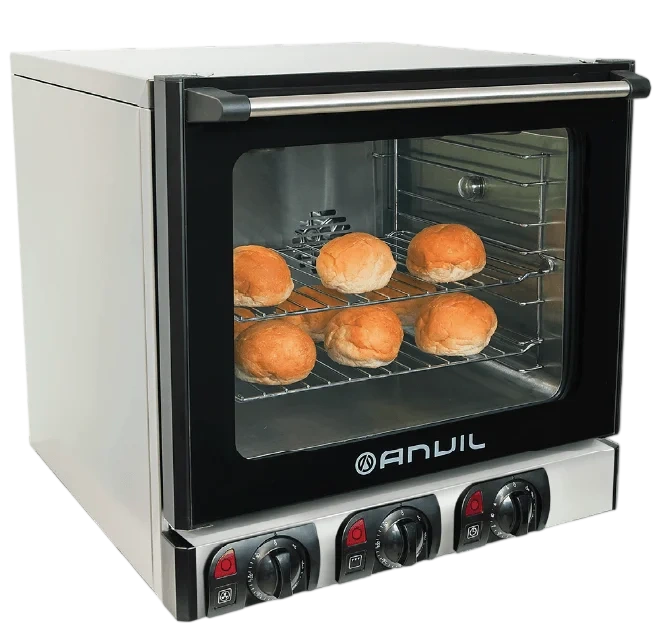
602 × 652 × 596mm
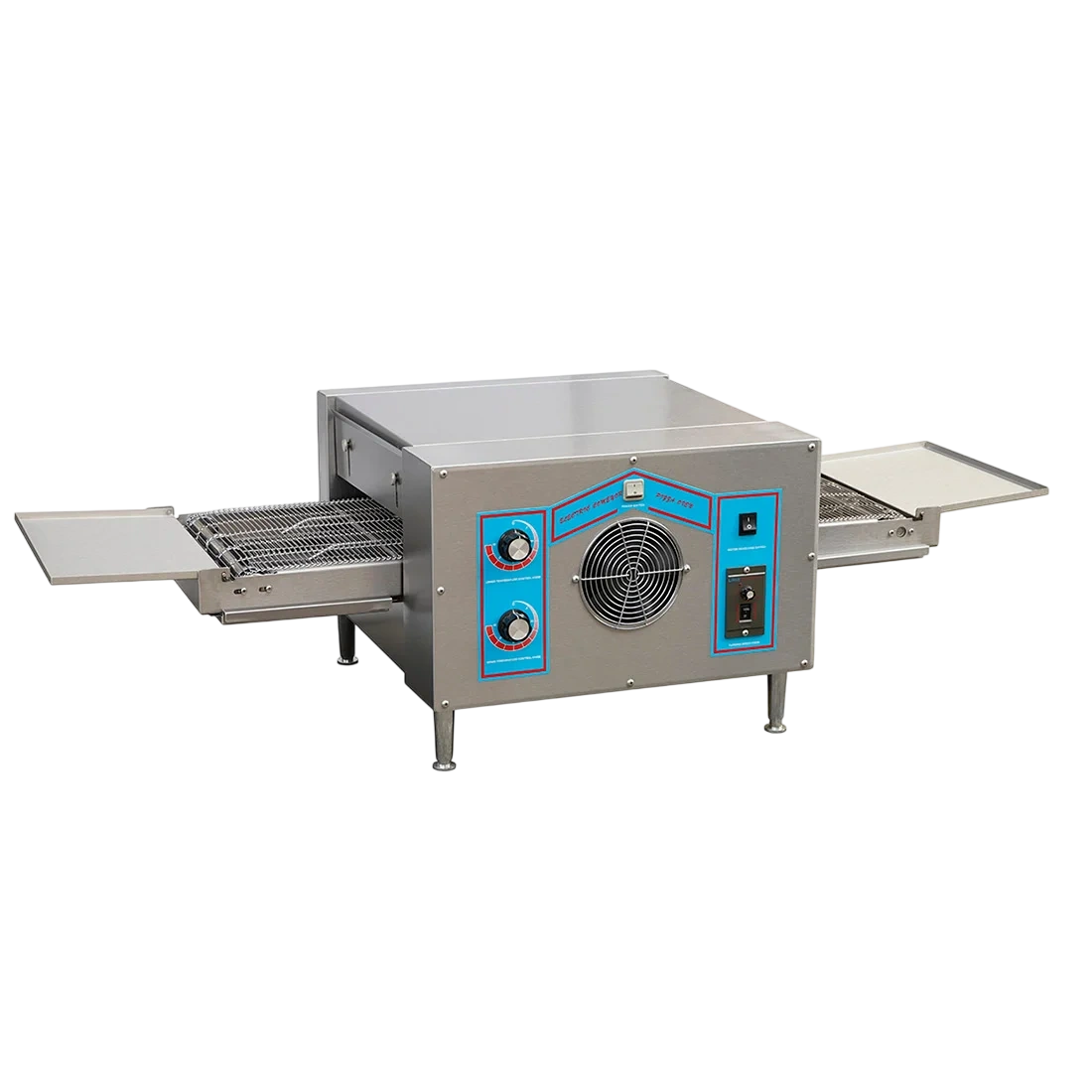
1500 × 580 × 430mm
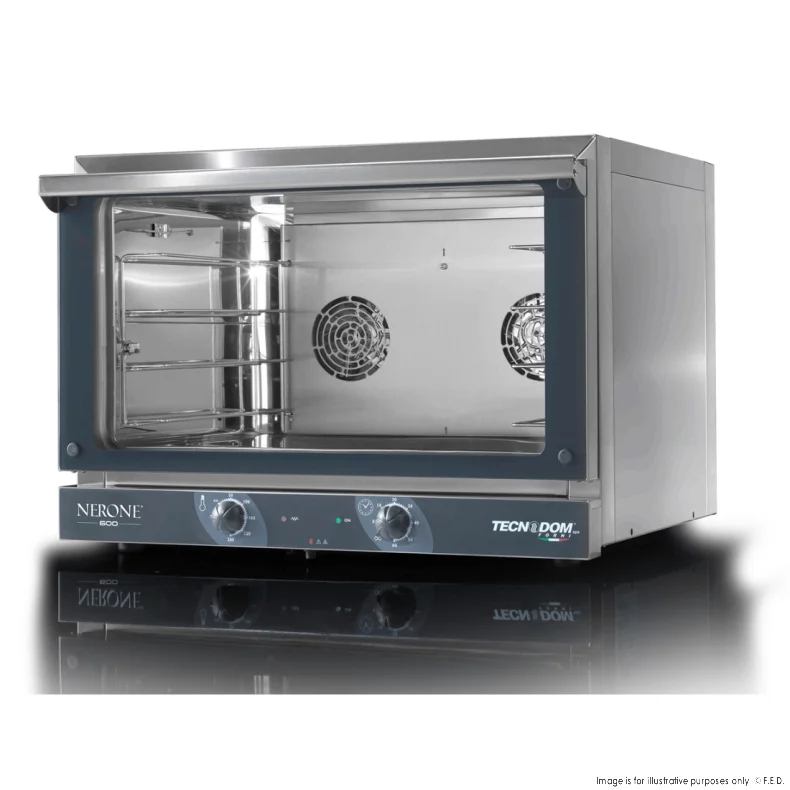
775 × 720 × 560mm
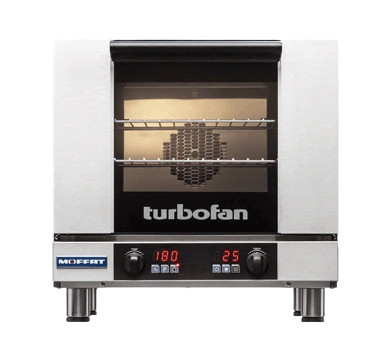
610 × 642 × 607mm
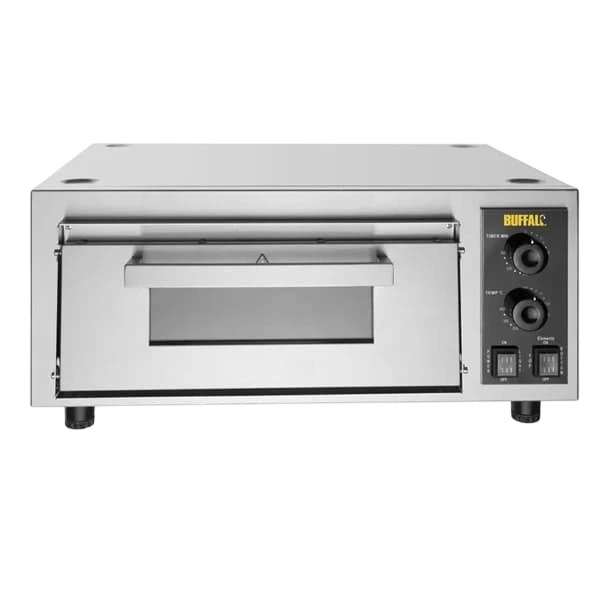
630 × 510 × 280mm
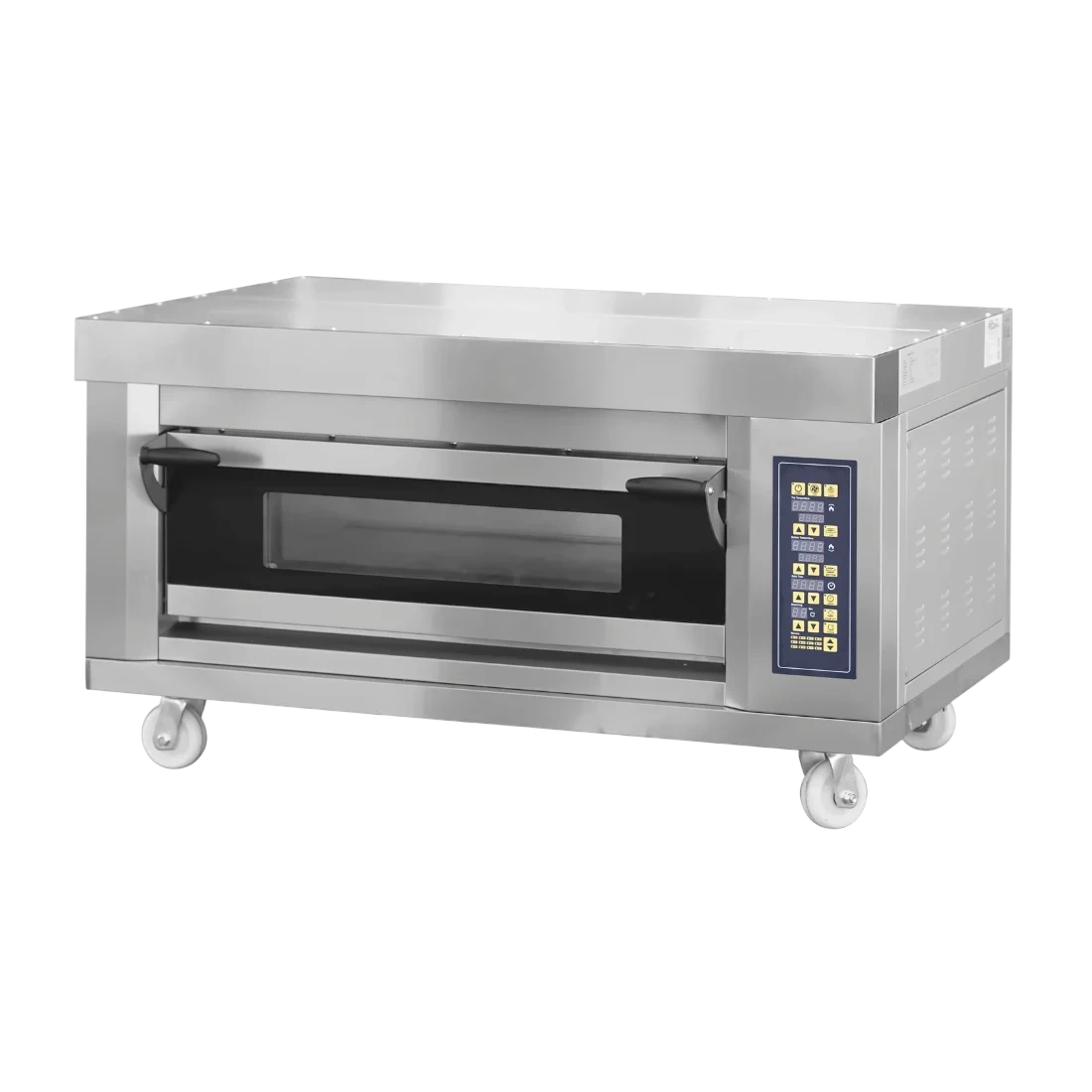
1300 × 908 × 770mm
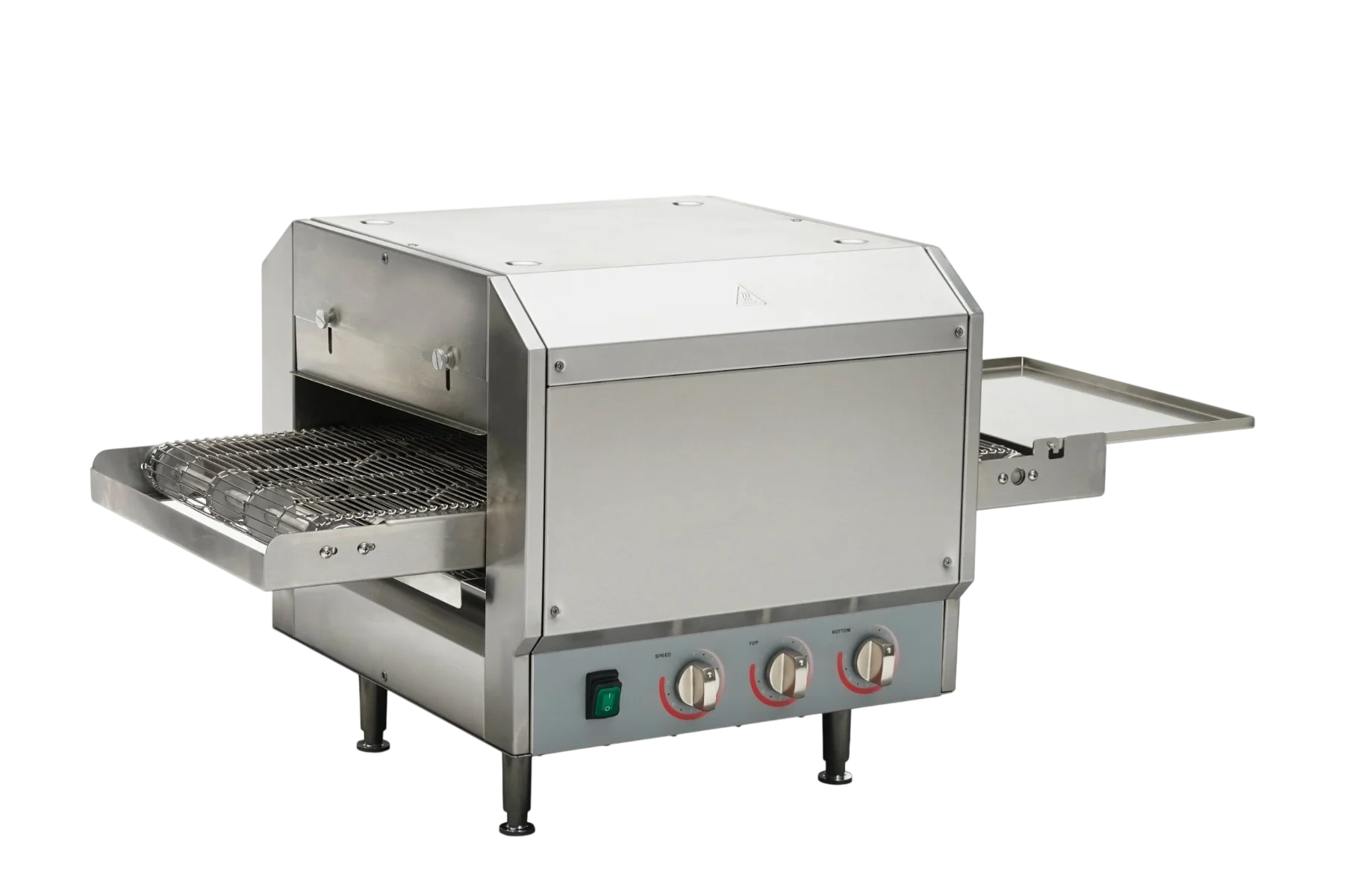
522 × 450 × 495mm
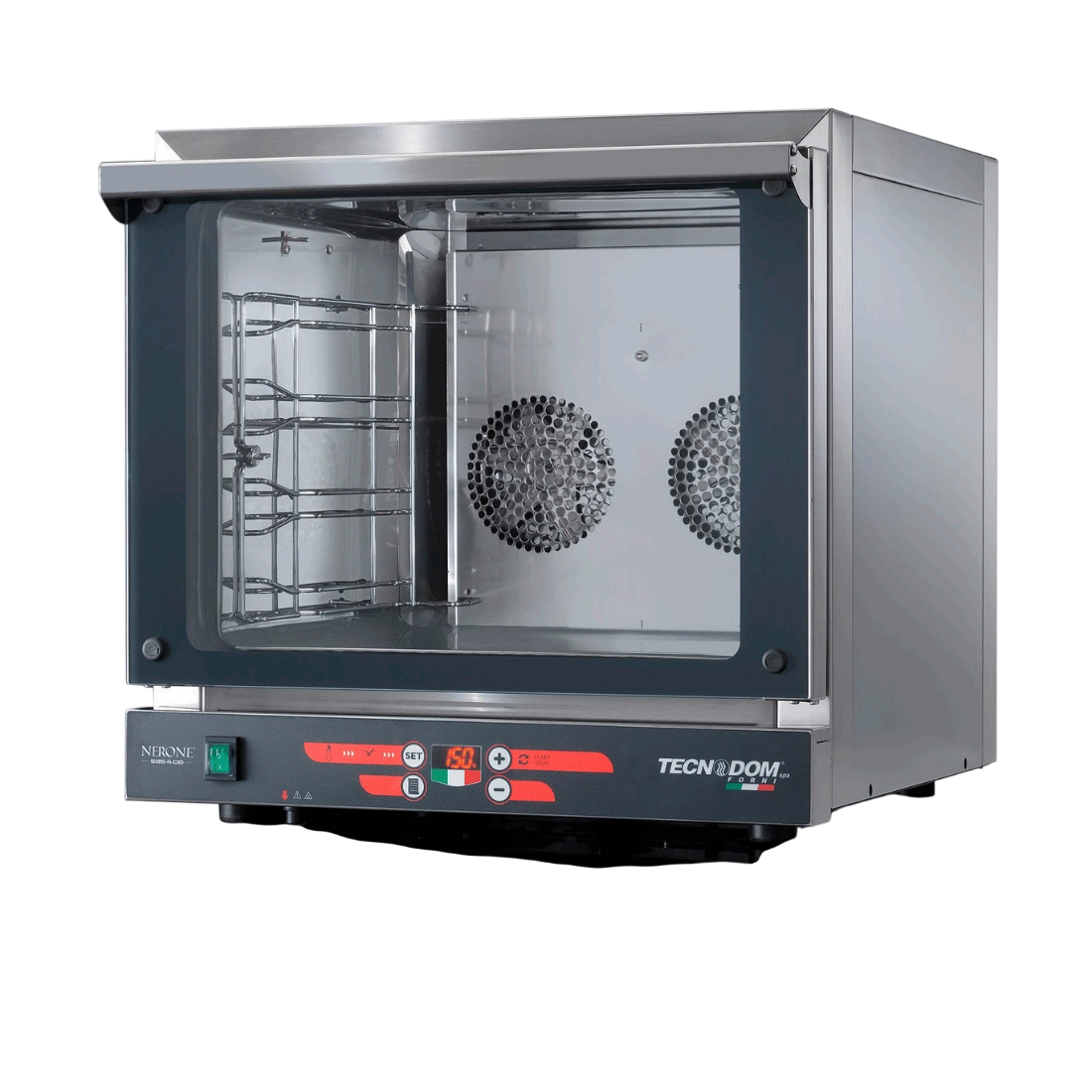
589 × 680 × 580mm
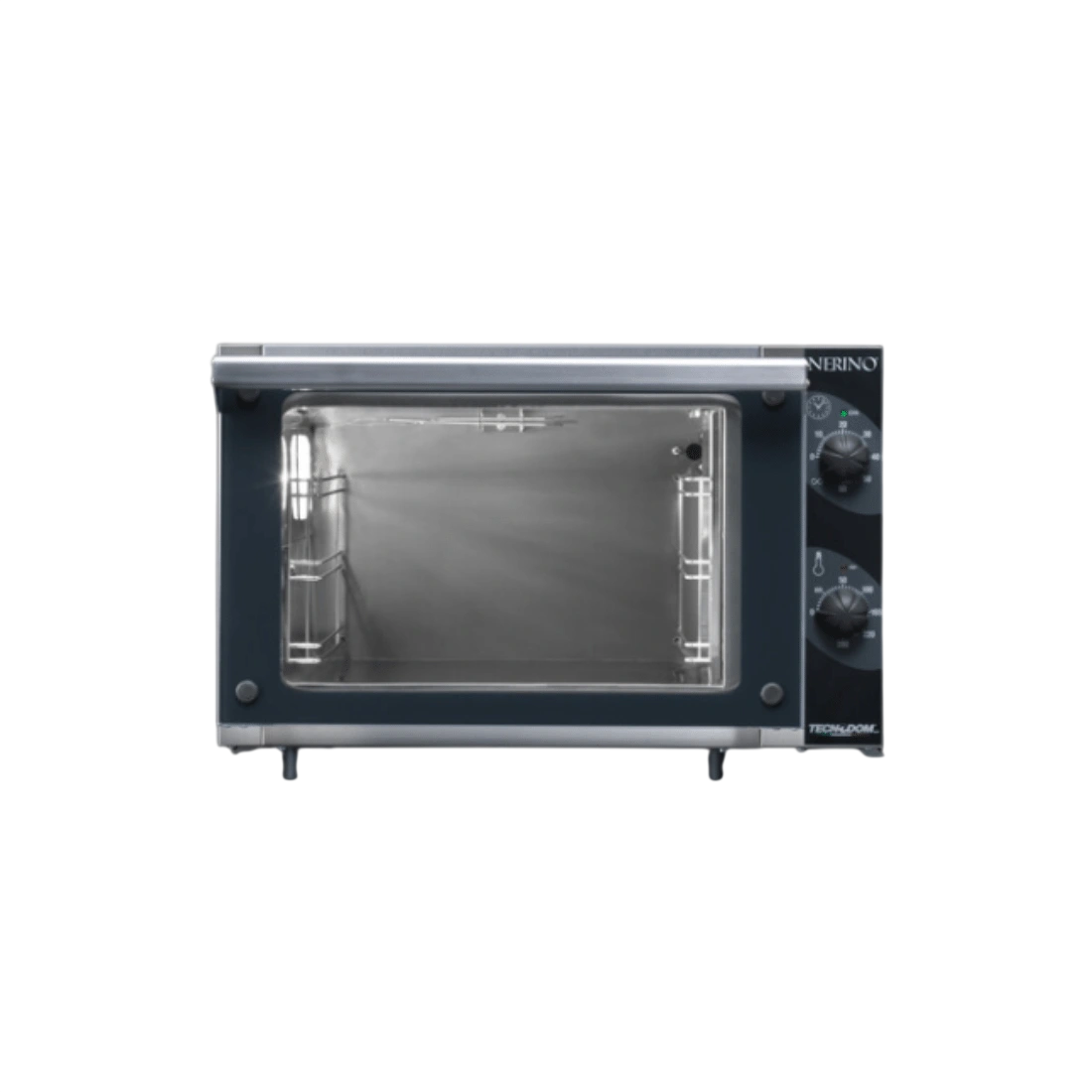
600 × 520 × 390mm
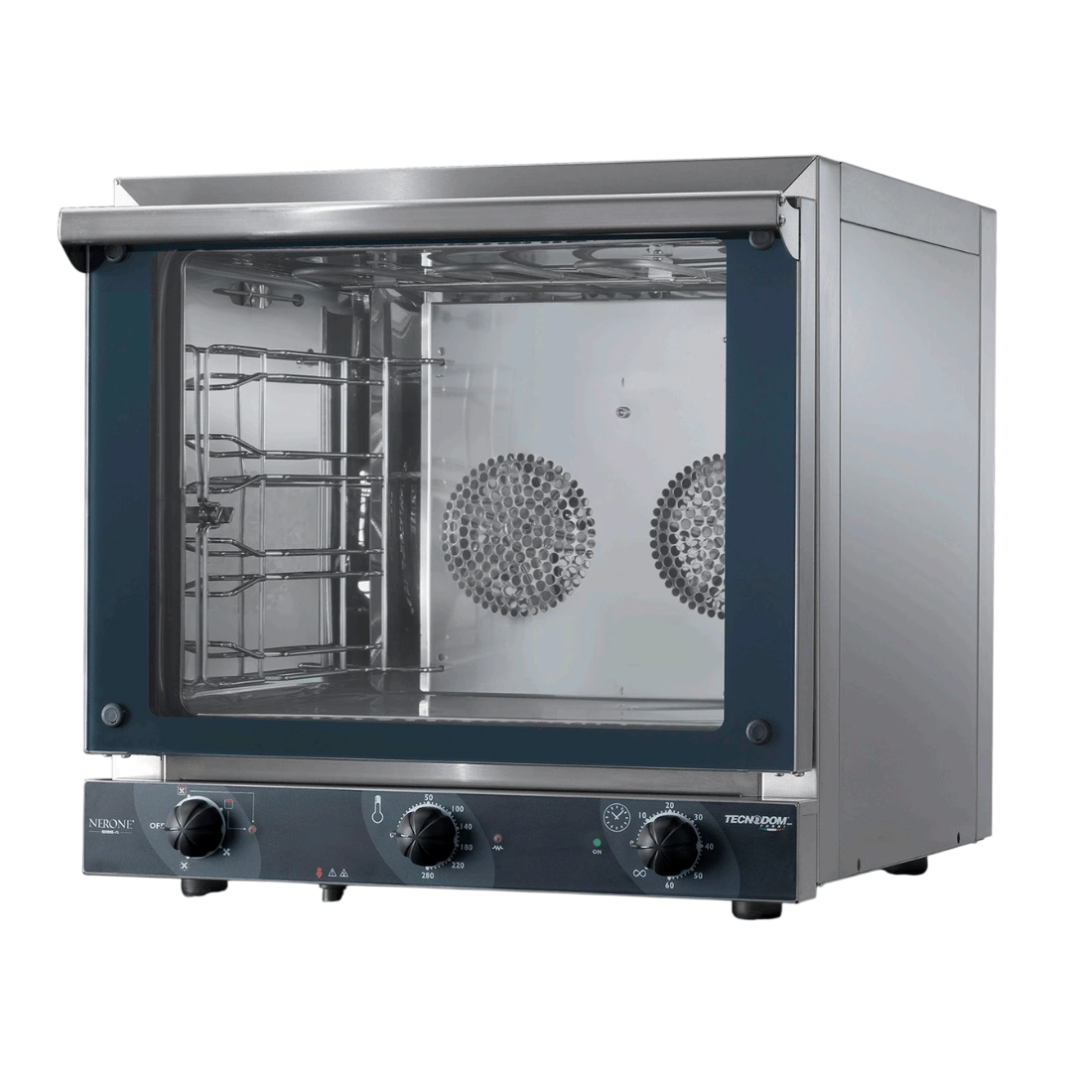
589 × 660 × 580mm
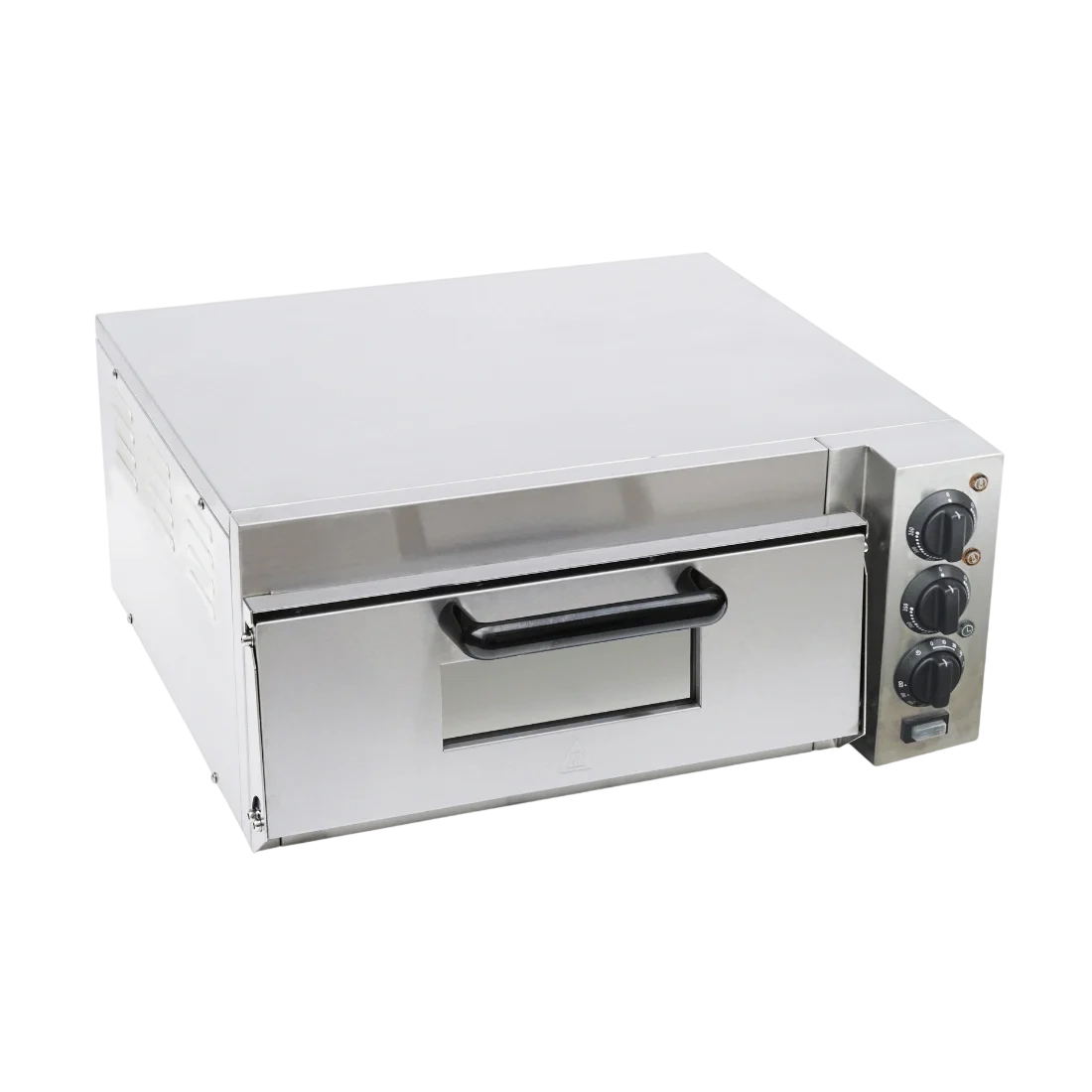
580 × 561 × 275mm
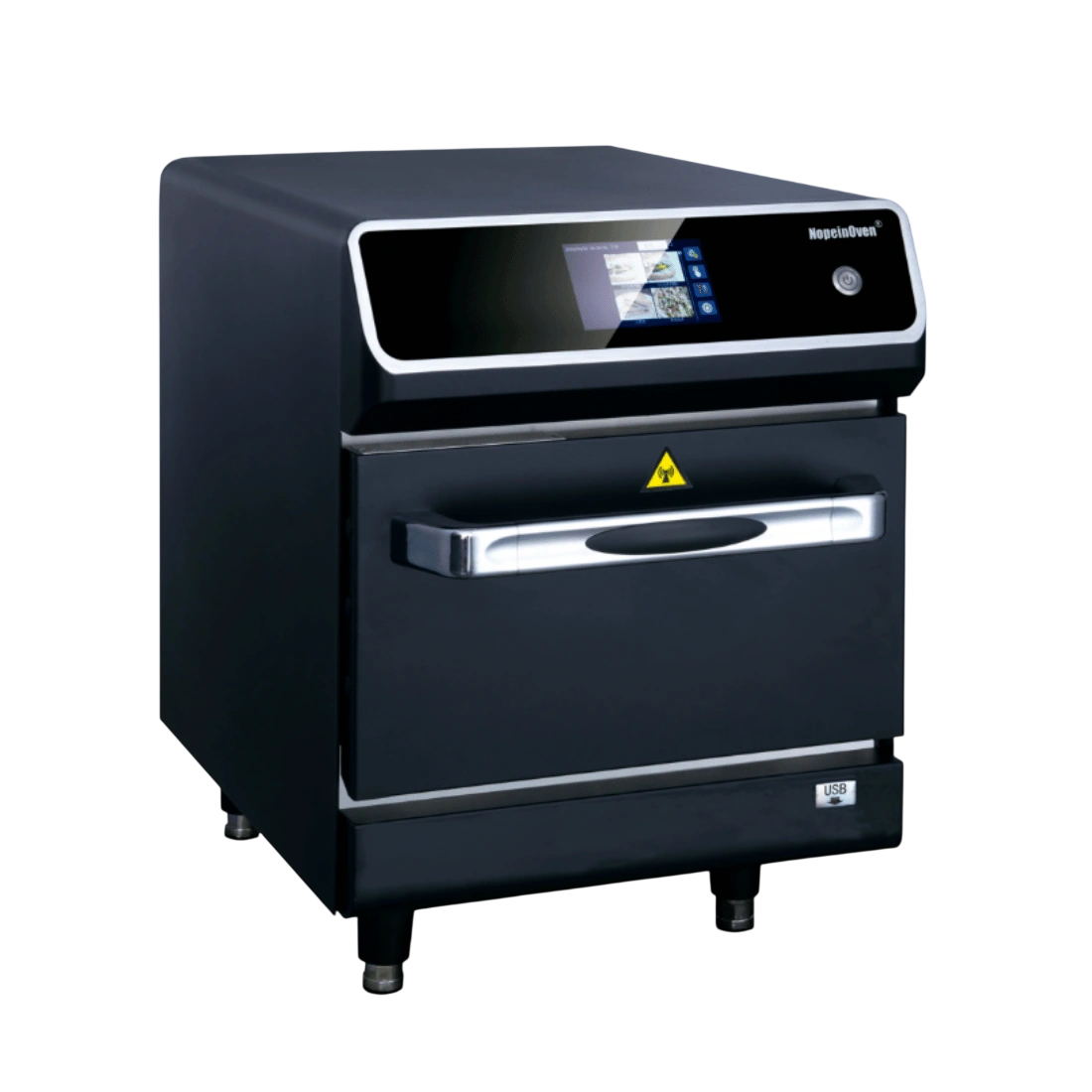
460 × 675 × 660mm
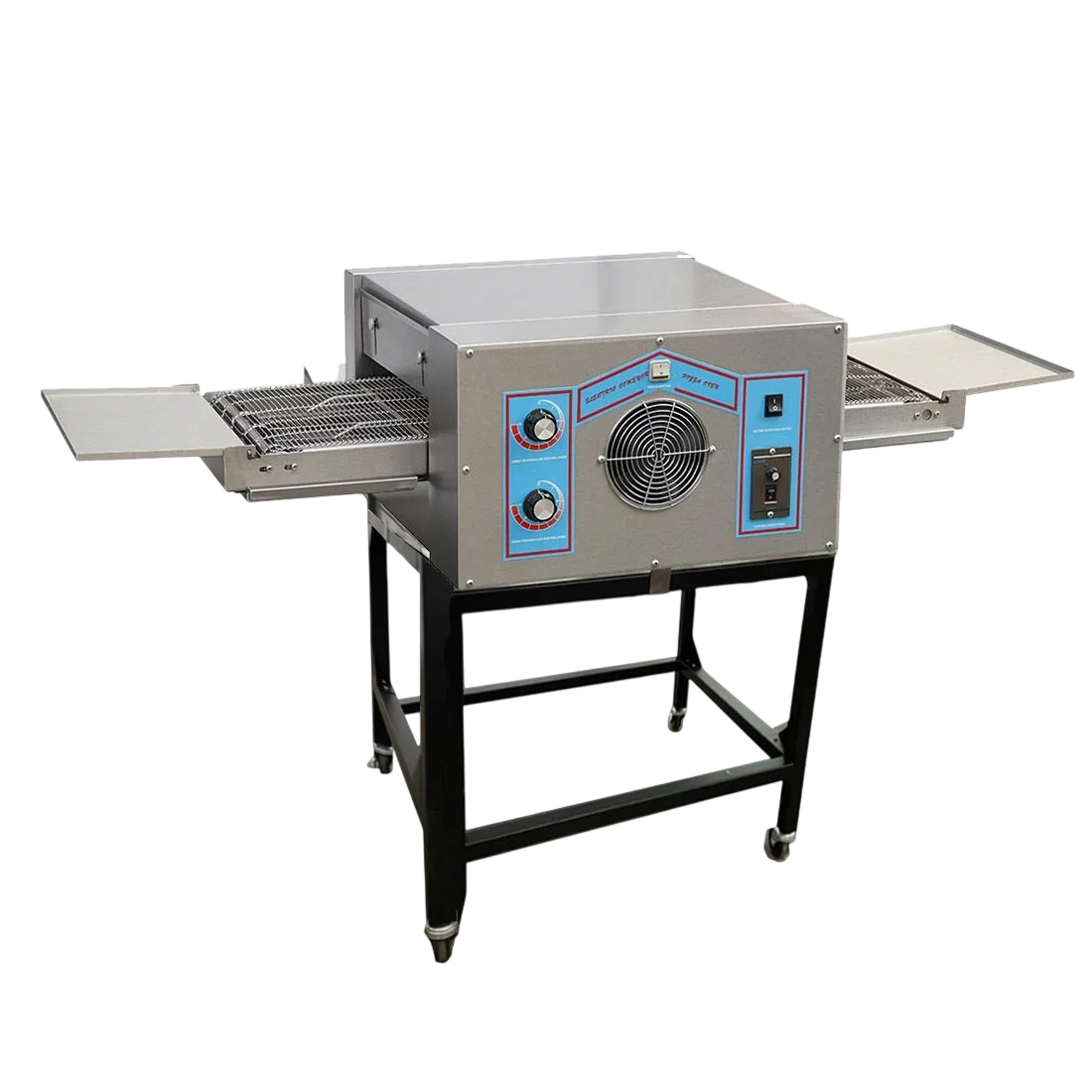
1564 × 748 × 332mm
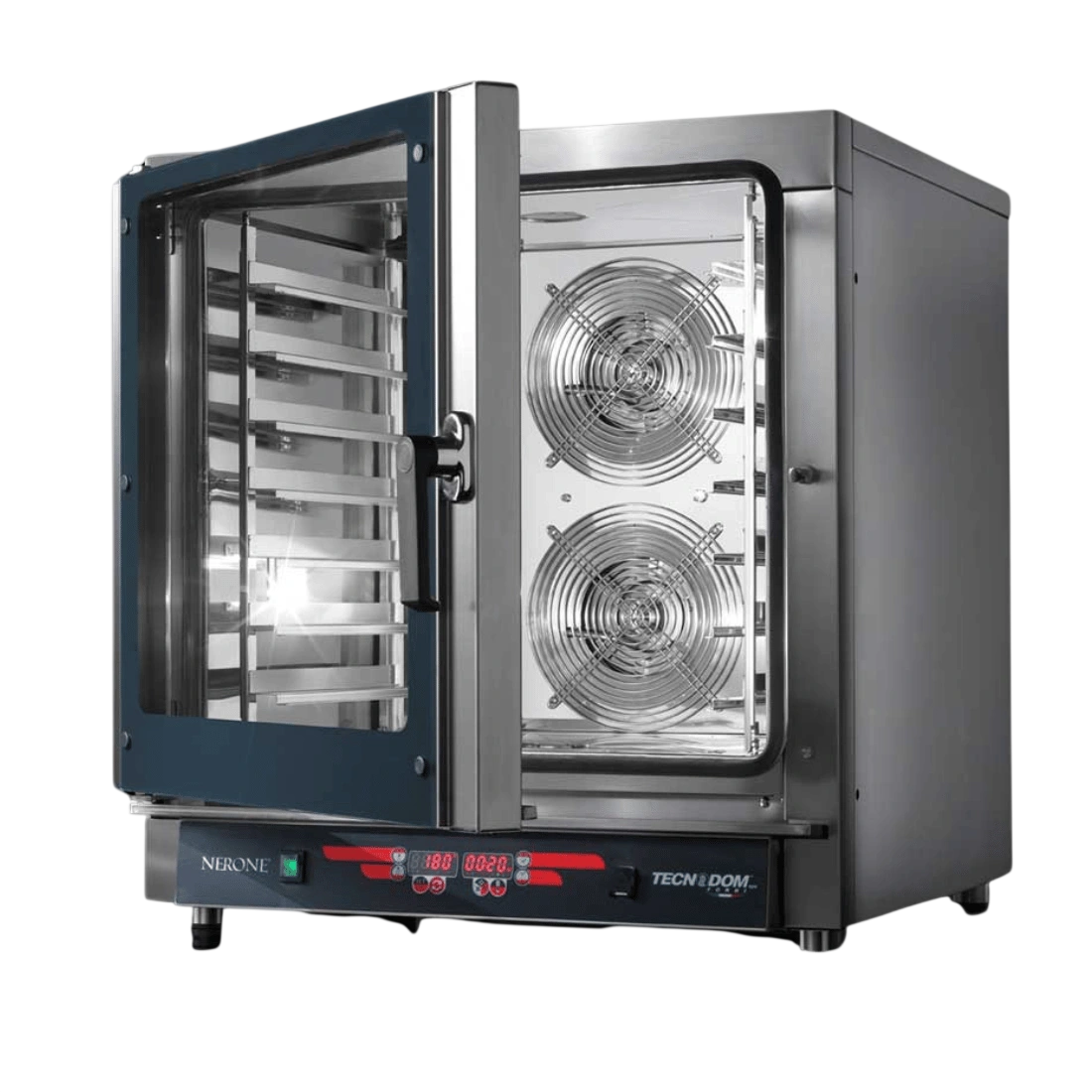
840 × 870 × 930mm
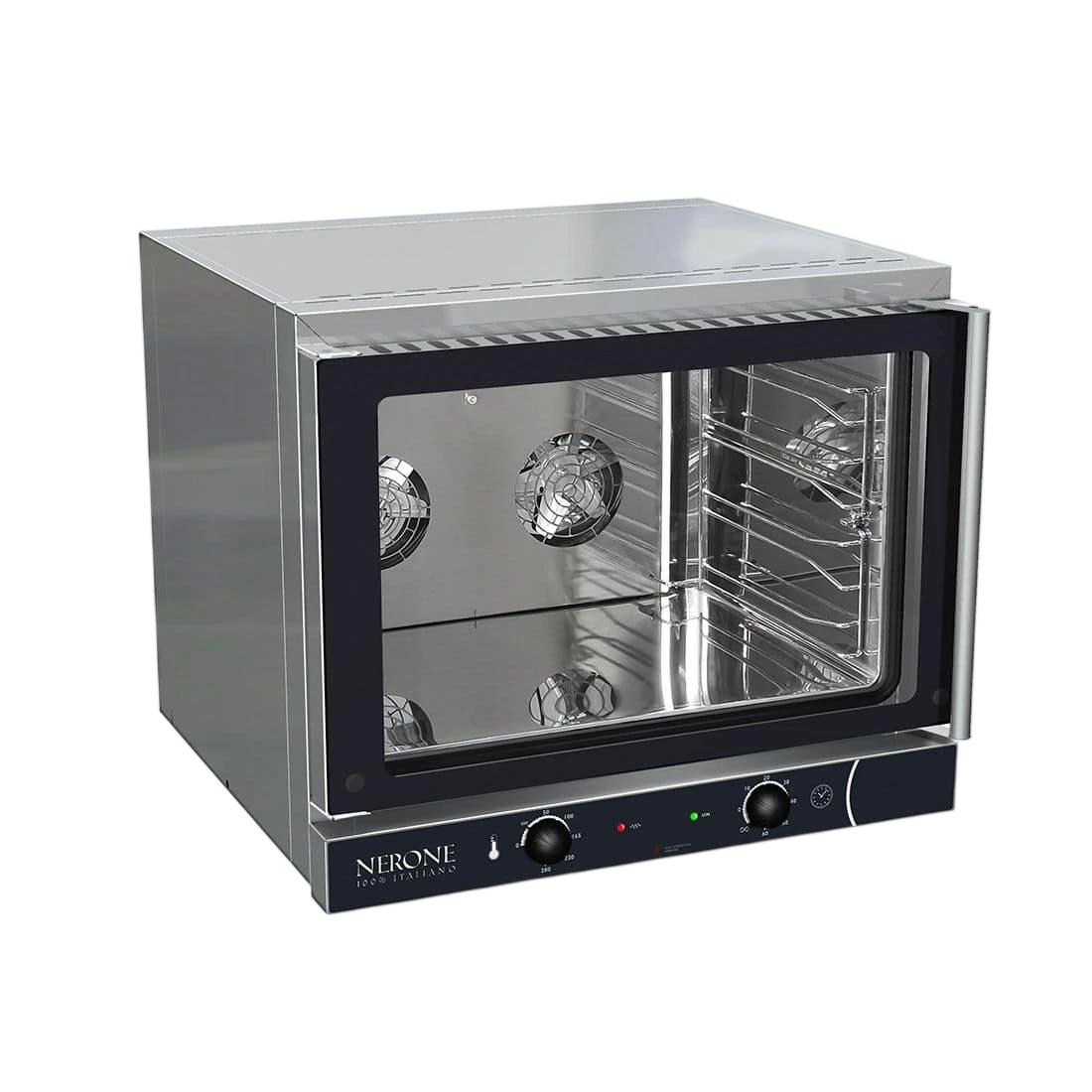
686 × 660 × 580mm
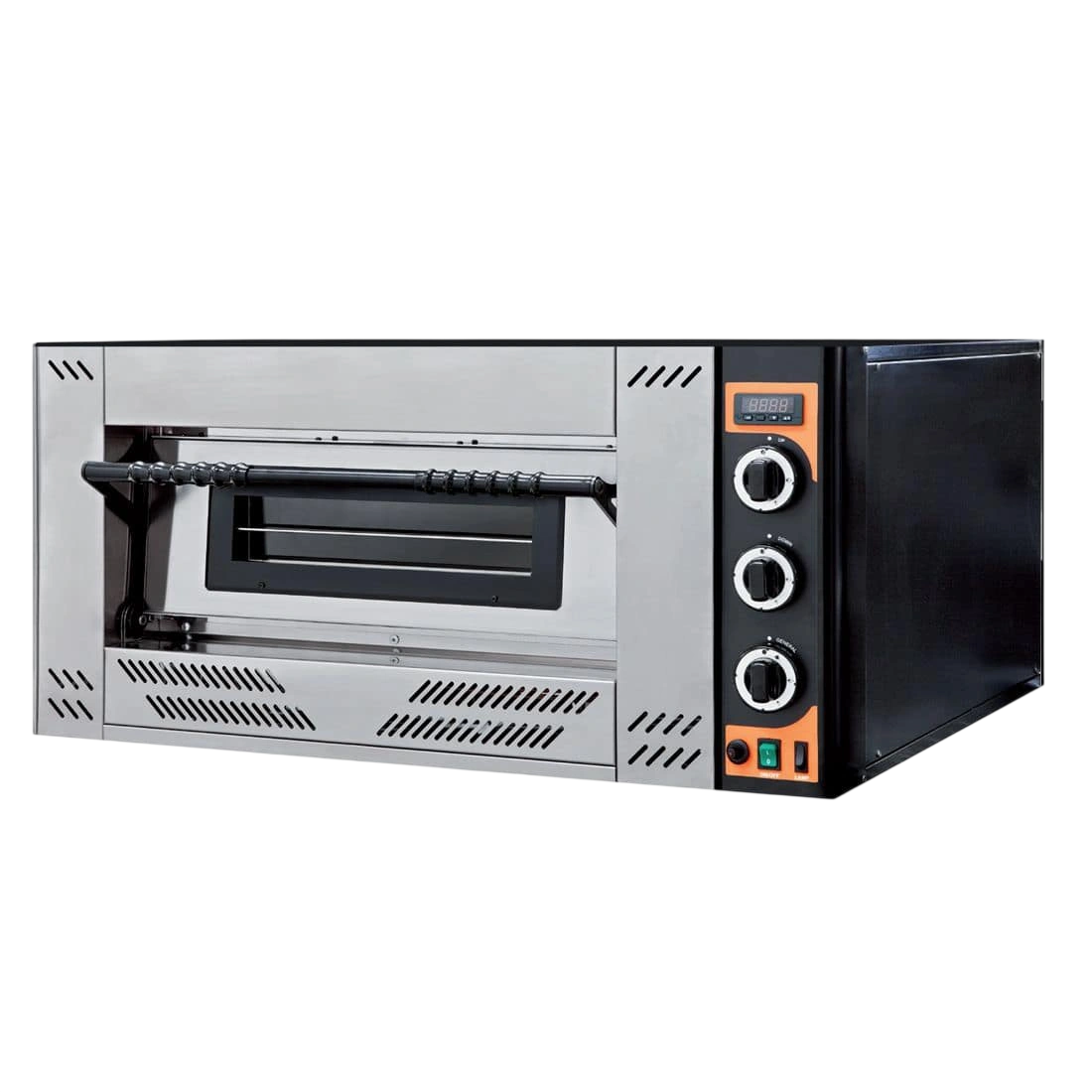
1305 × 1362 × 560mm
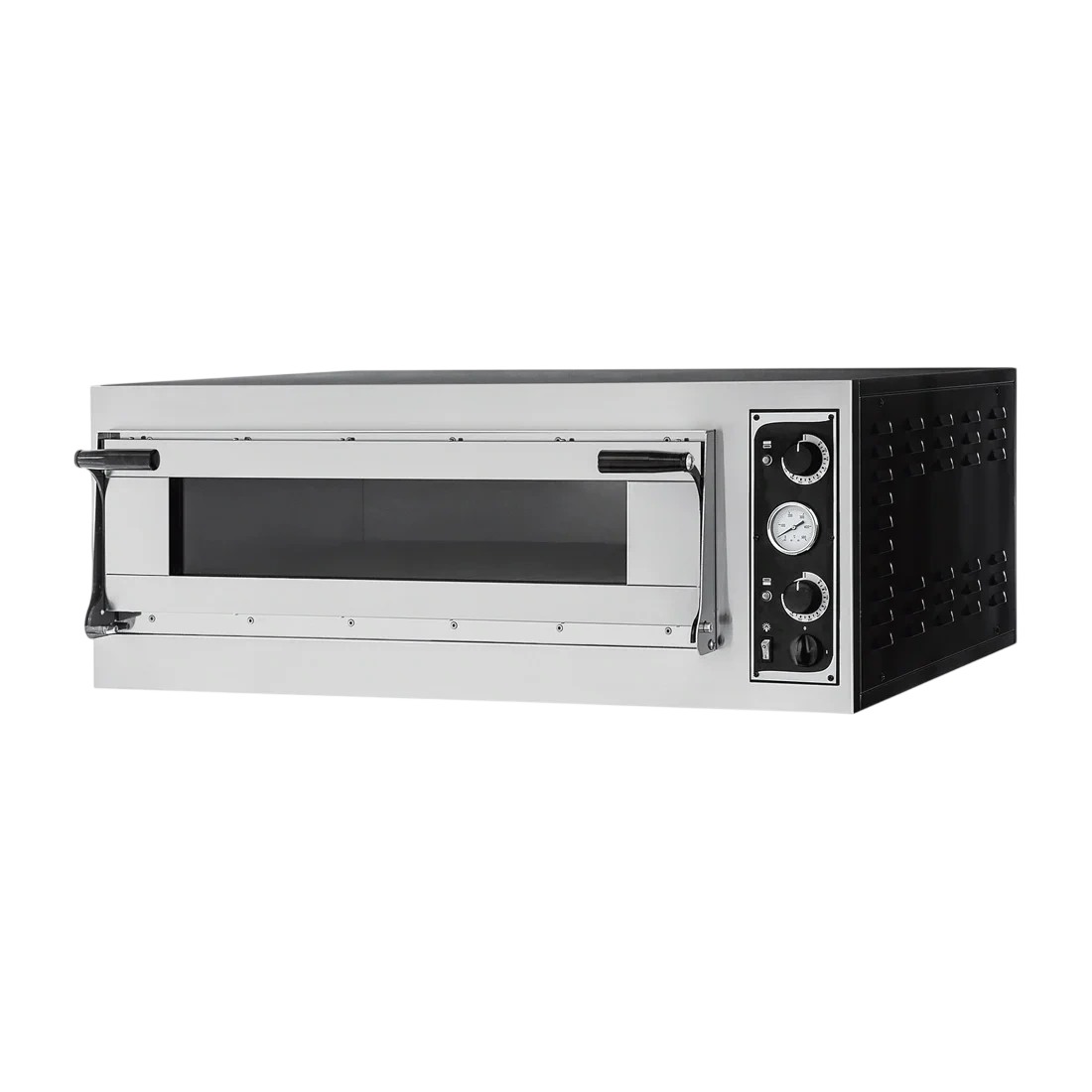
1100 × 1080 × 413mm
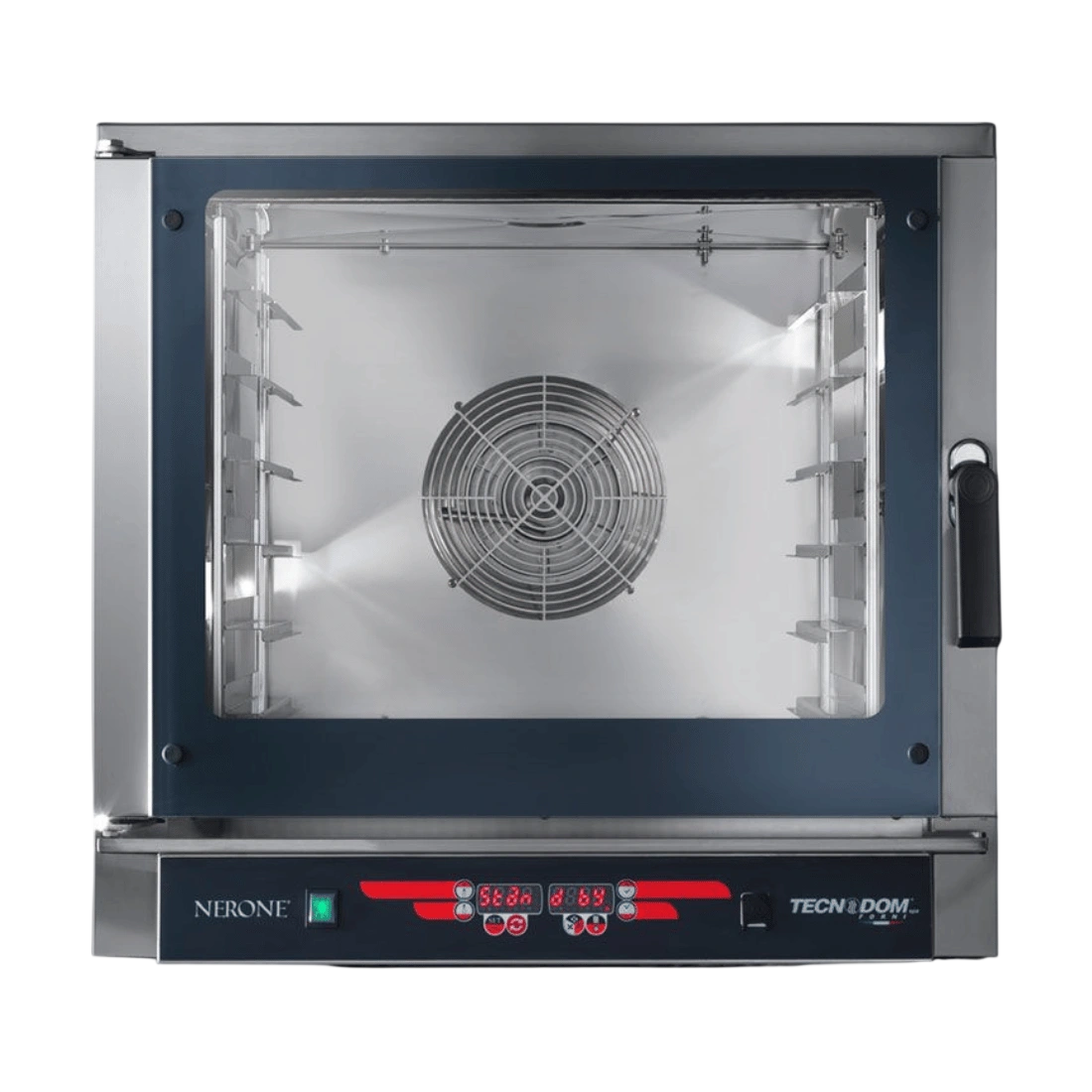
840 × 870 × 830mm
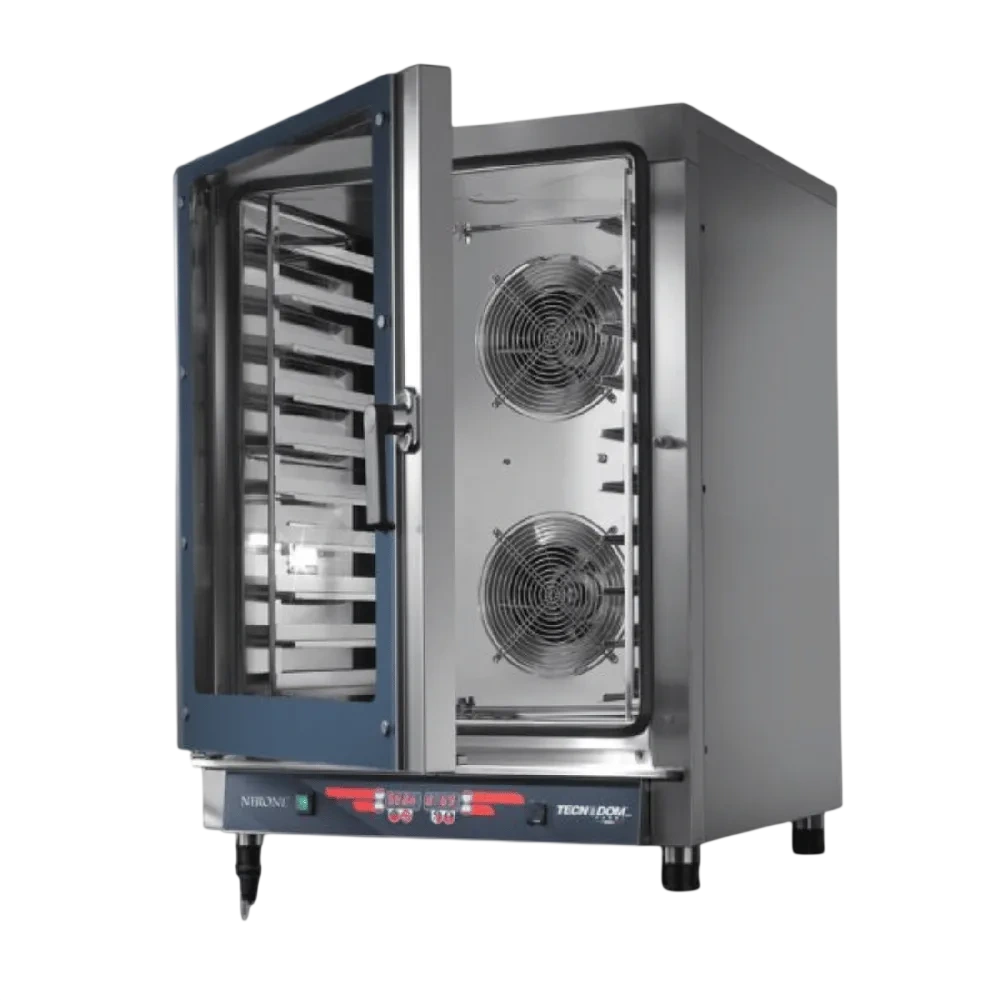
840 × 910 × 1150mm
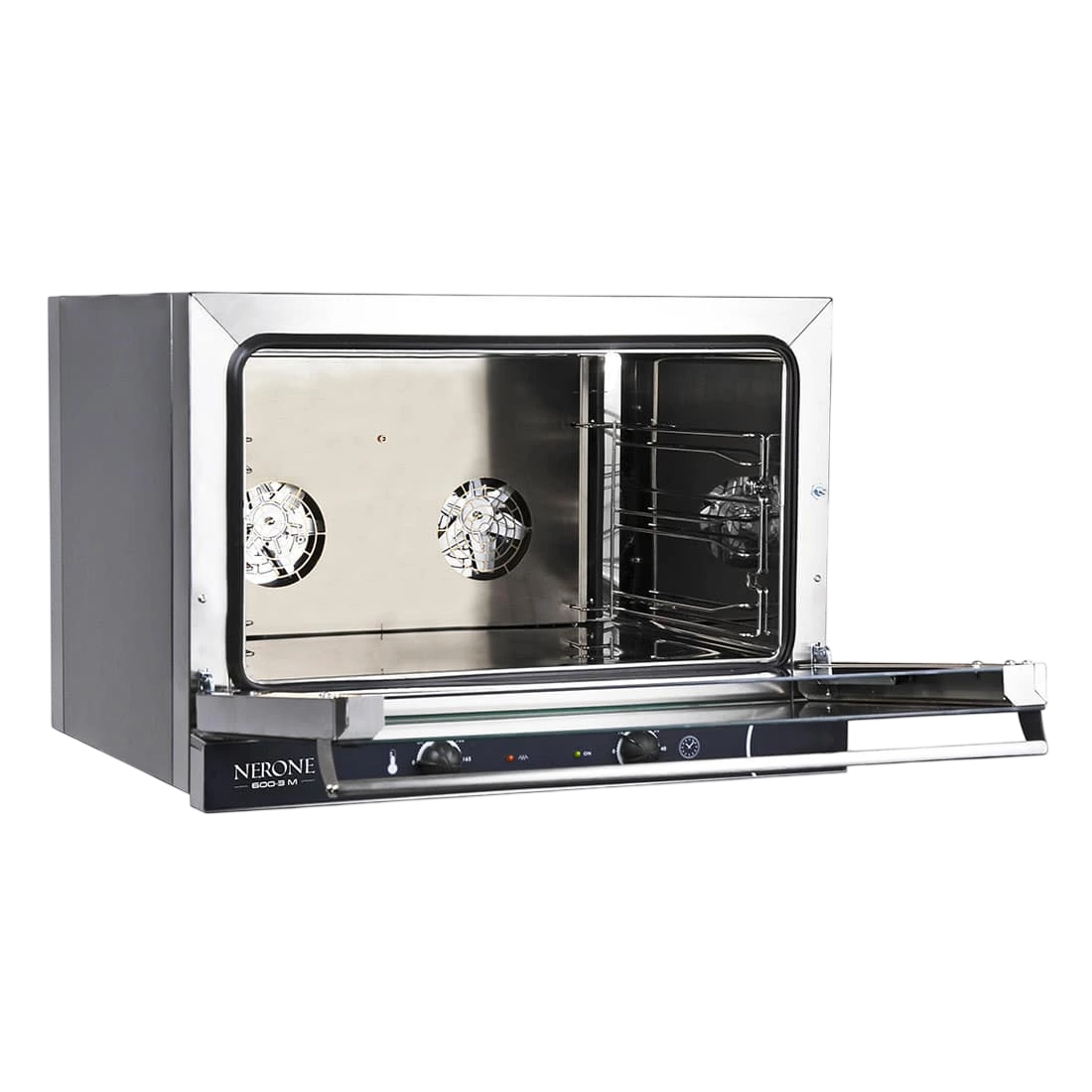
775 × 700 × 560mm
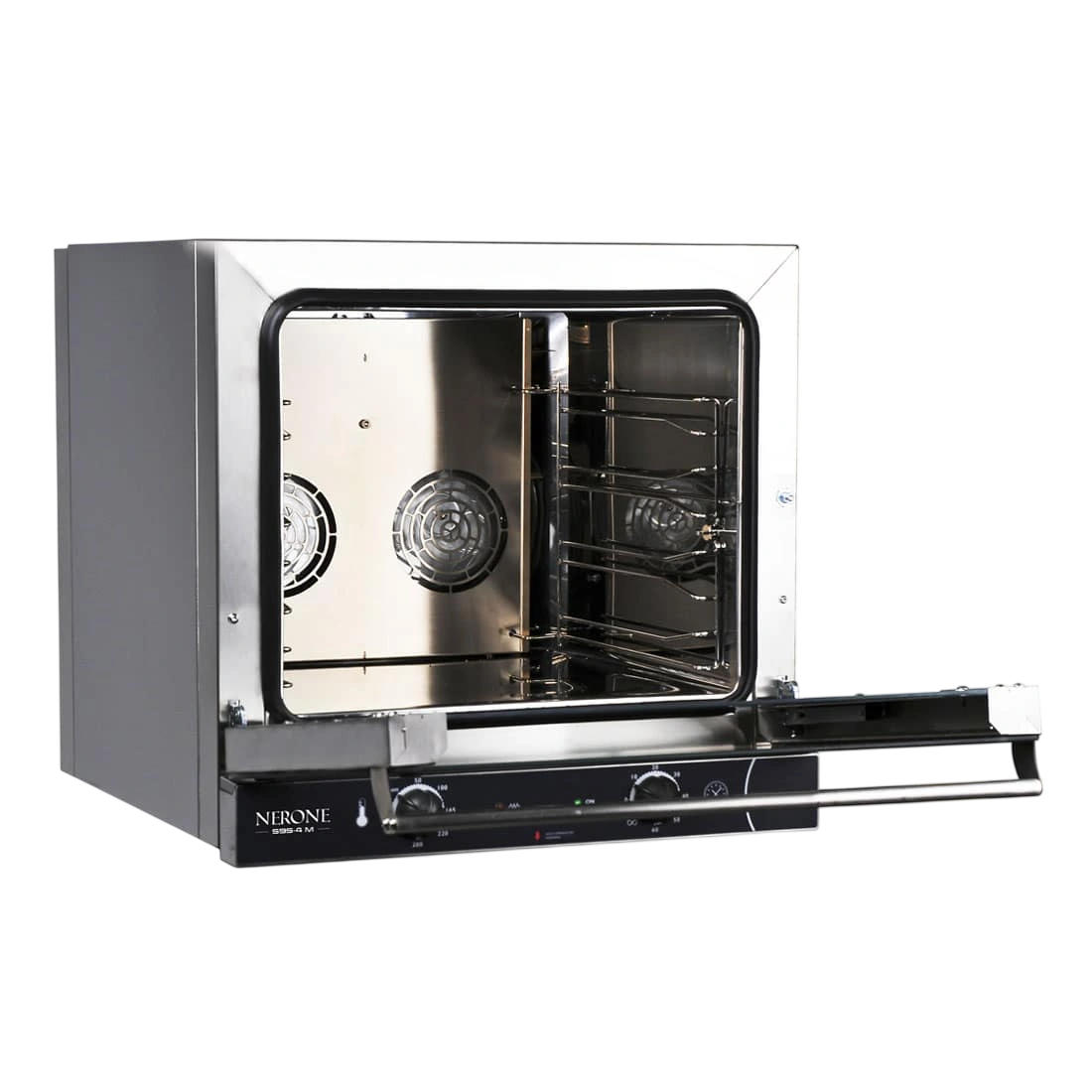
589 × 660 × 580mm
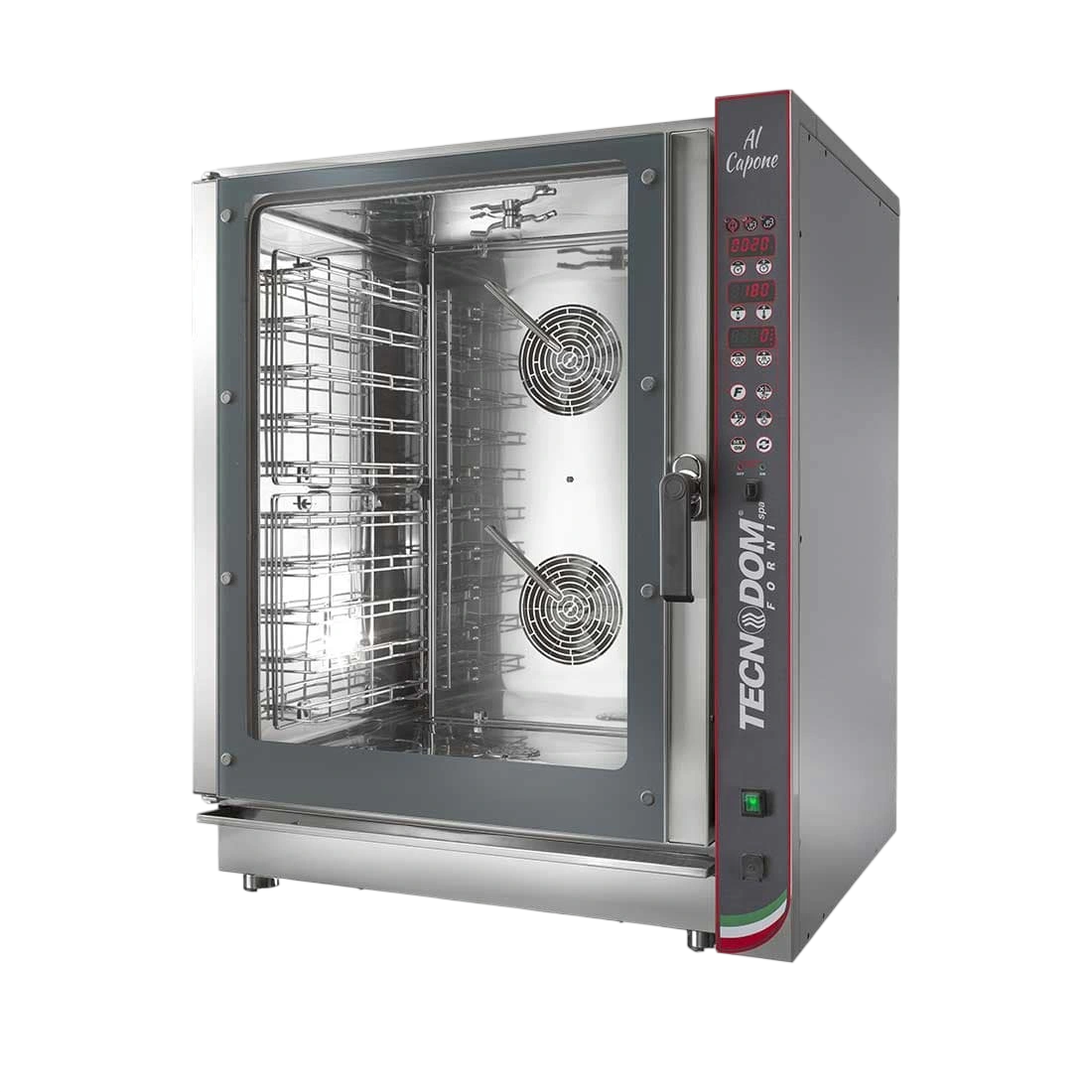
920 × 840 × 1170mm
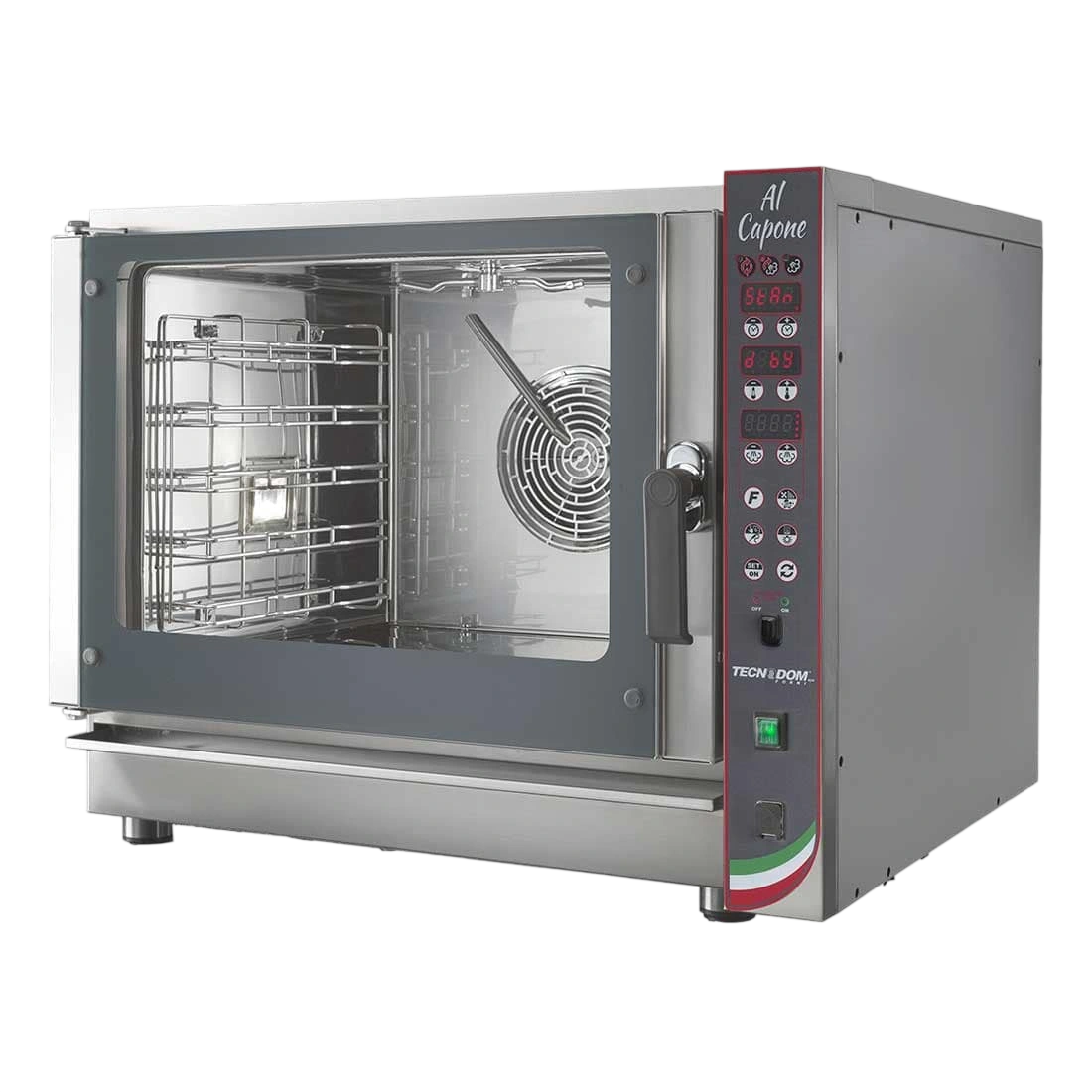
920 × 840 × 770mm
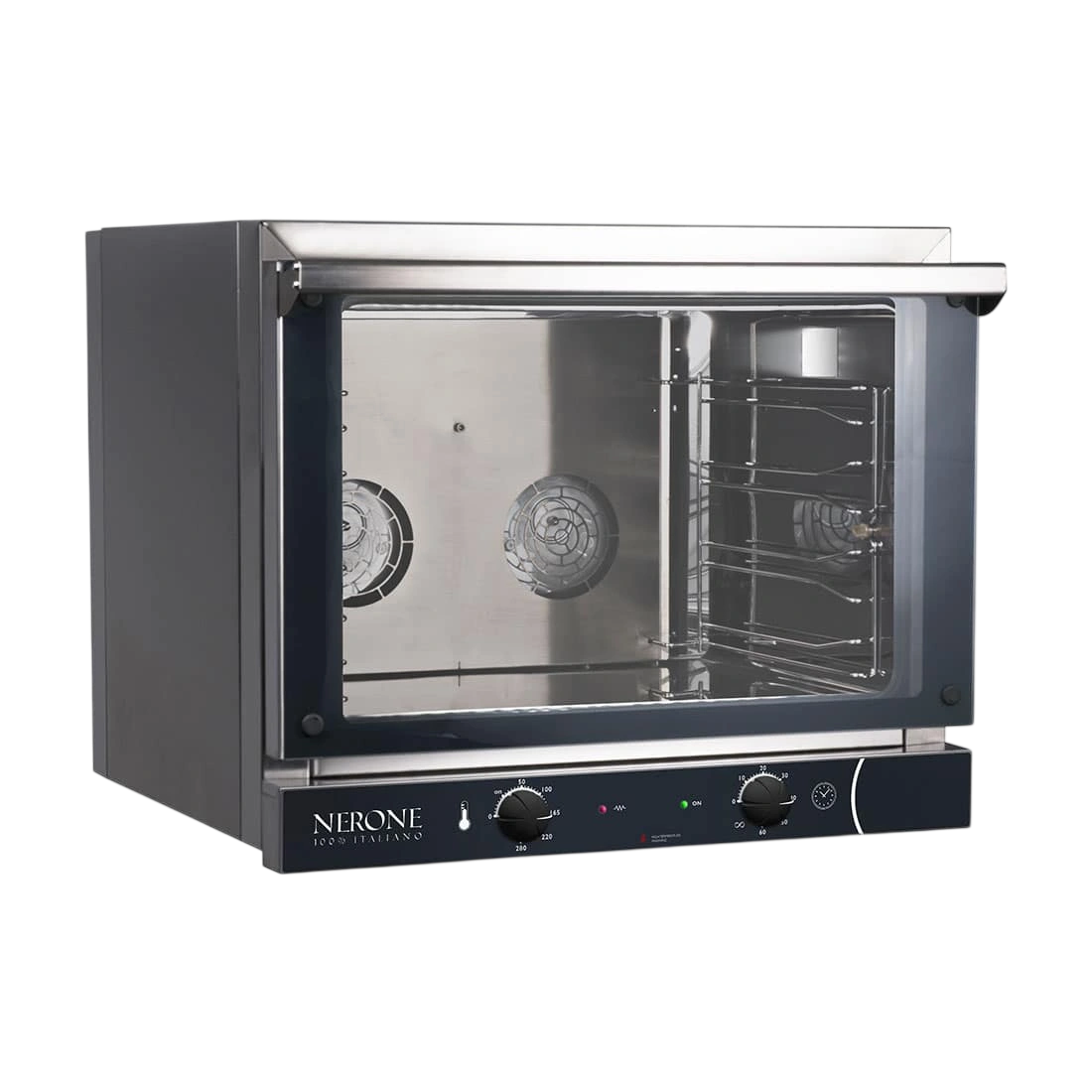
686 × 660 × 580mm
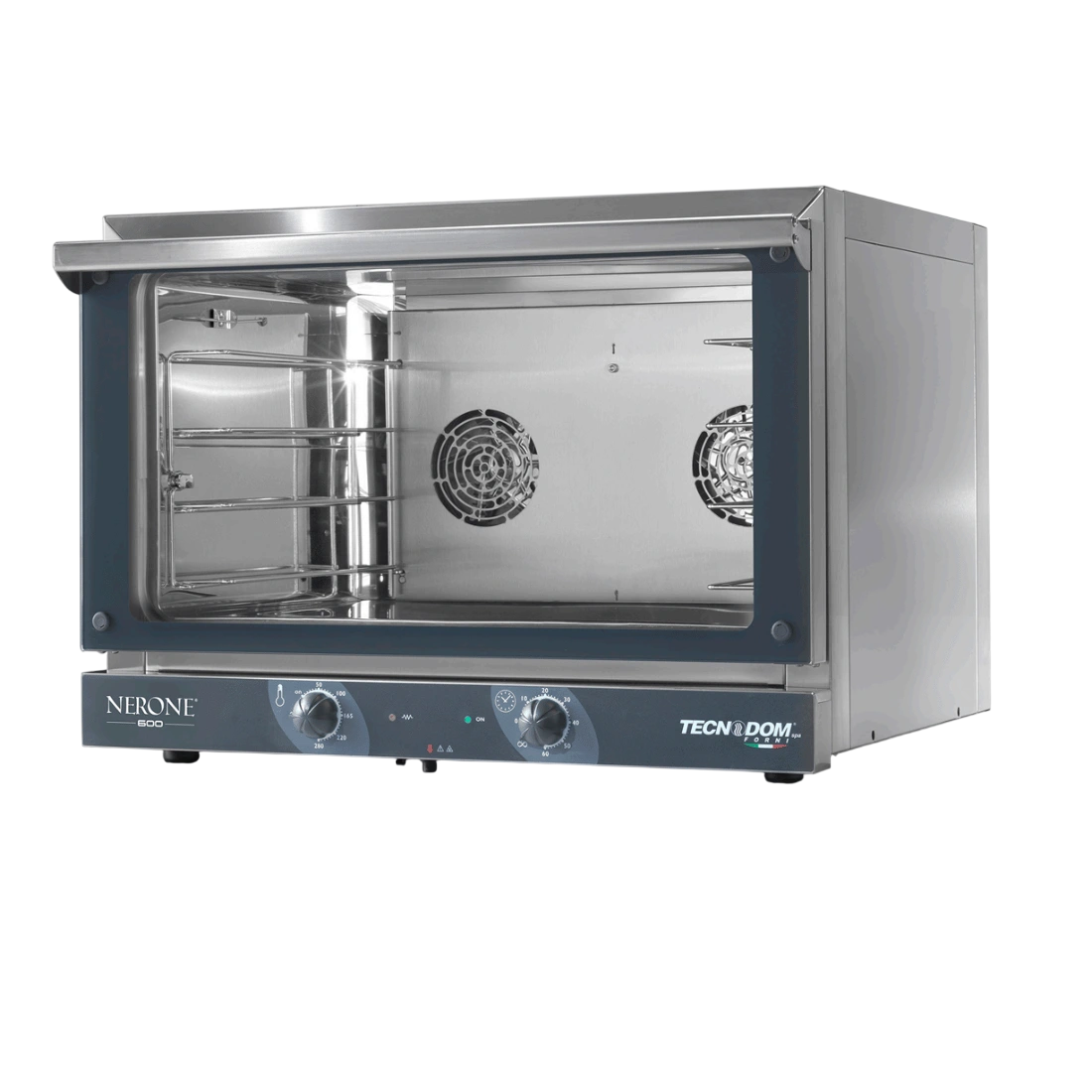
775 × 720 × 560mm
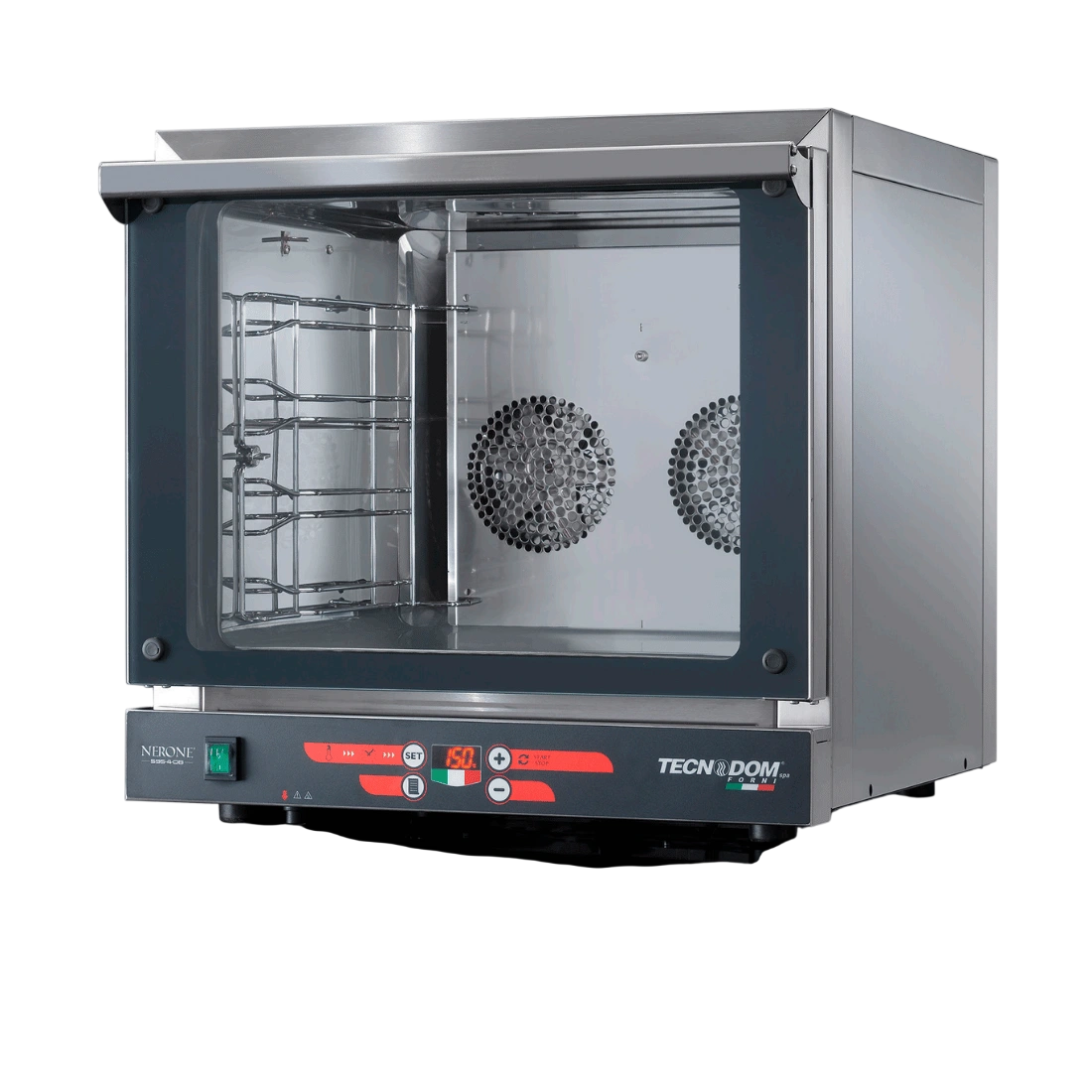
589 × 680 × 580mm
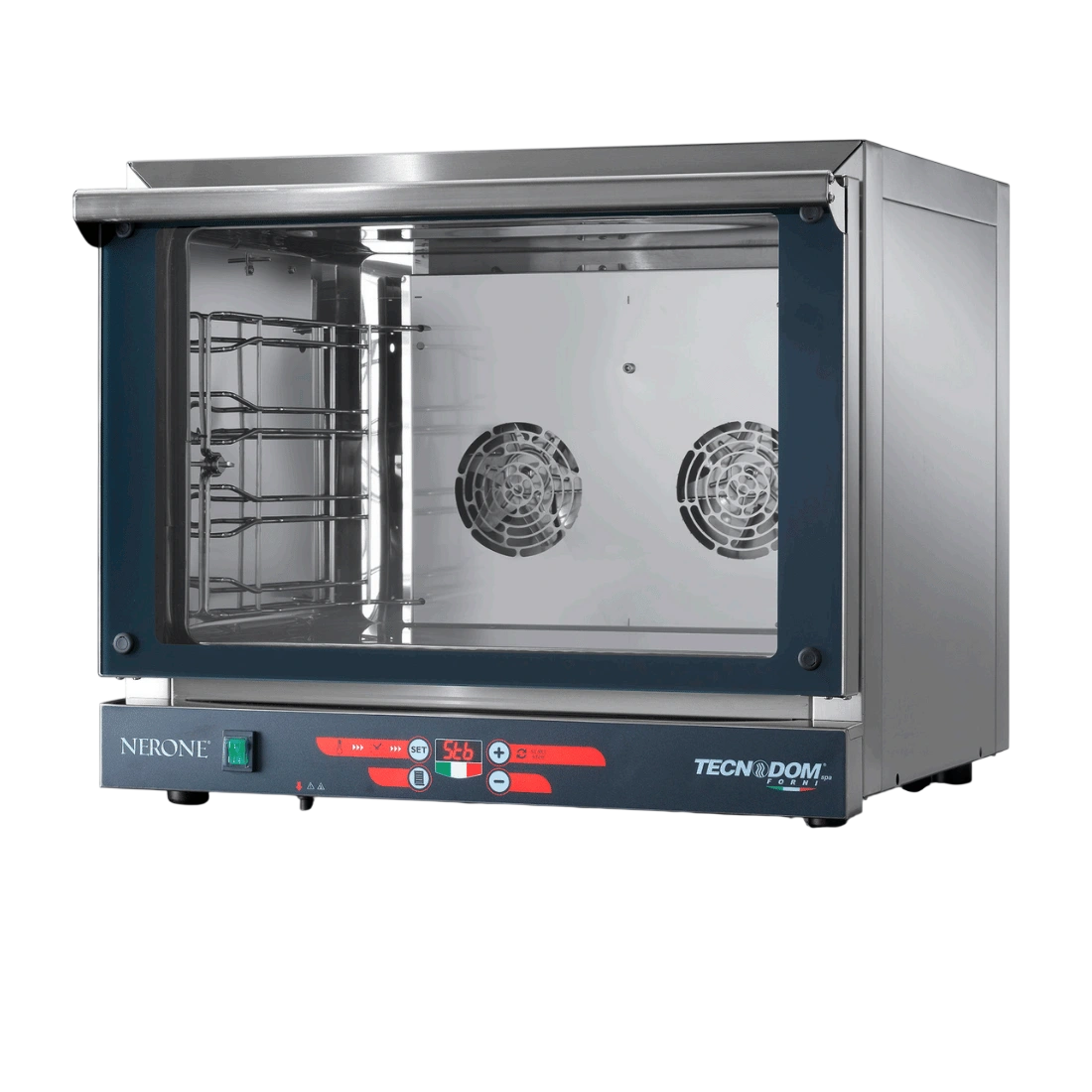
686 × 663 × 580mm
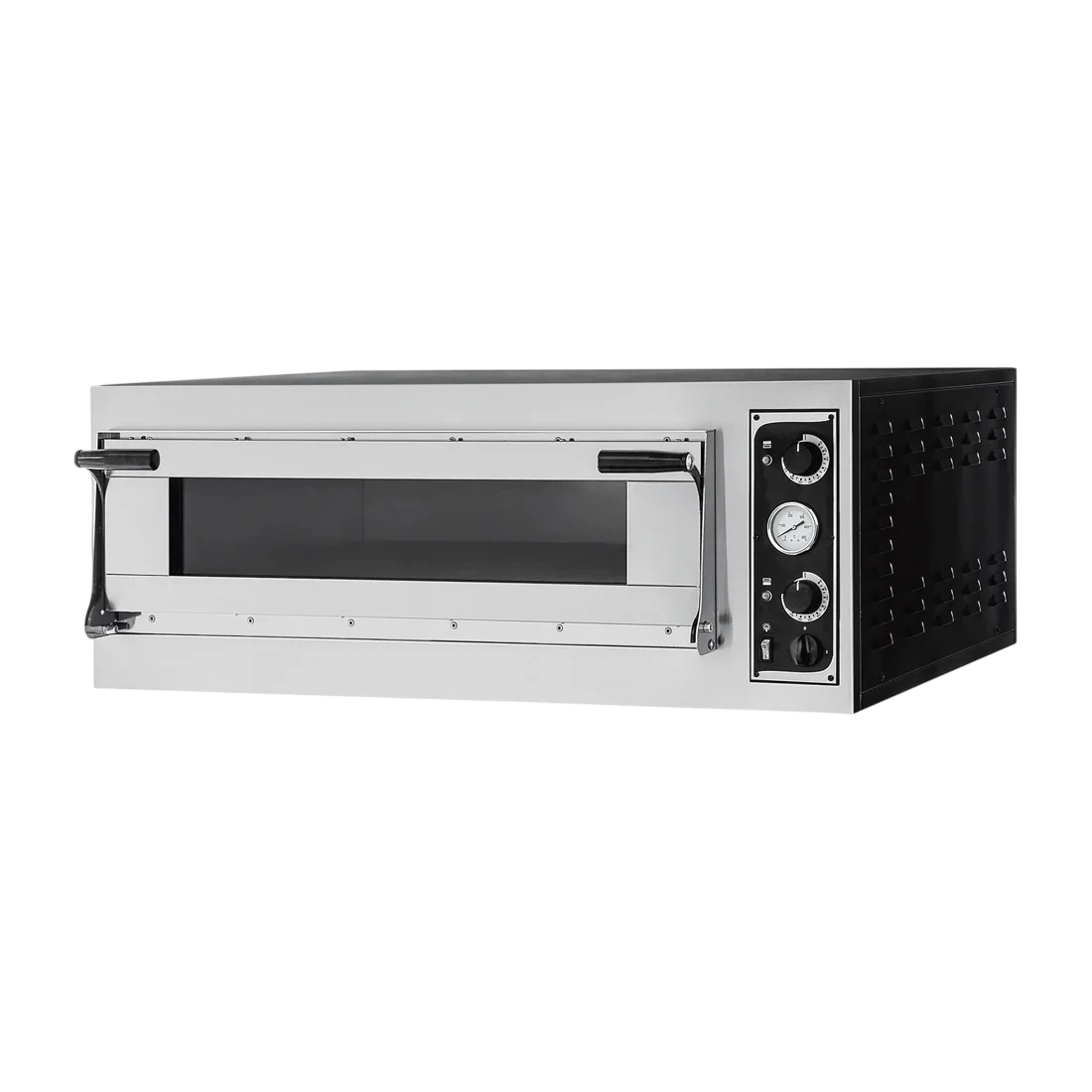
1100 × 1320 × 413mm
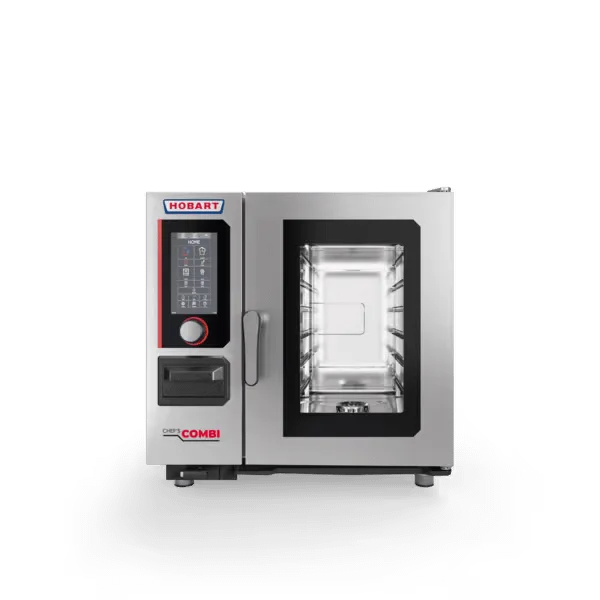
852 × 893 × 898mm
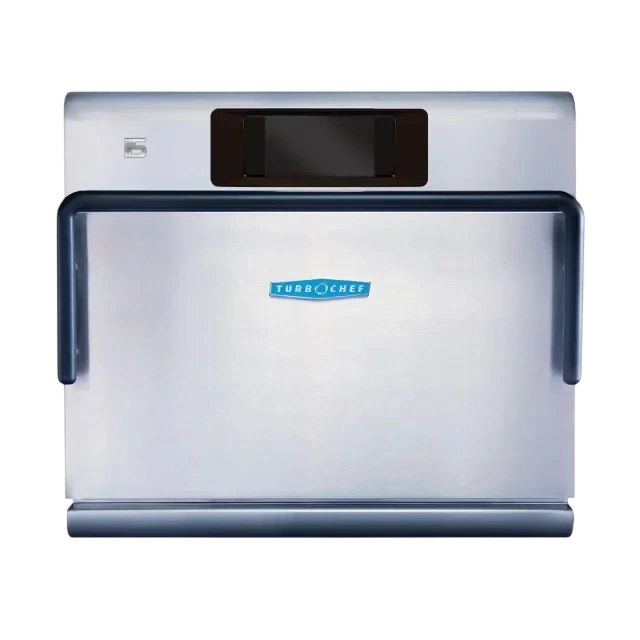
714 × 790 × 618mm
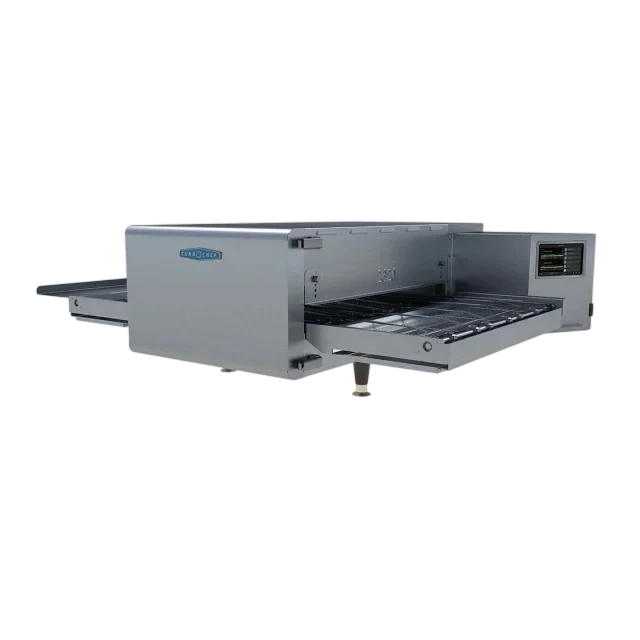
1526 × 1059 × 432mm
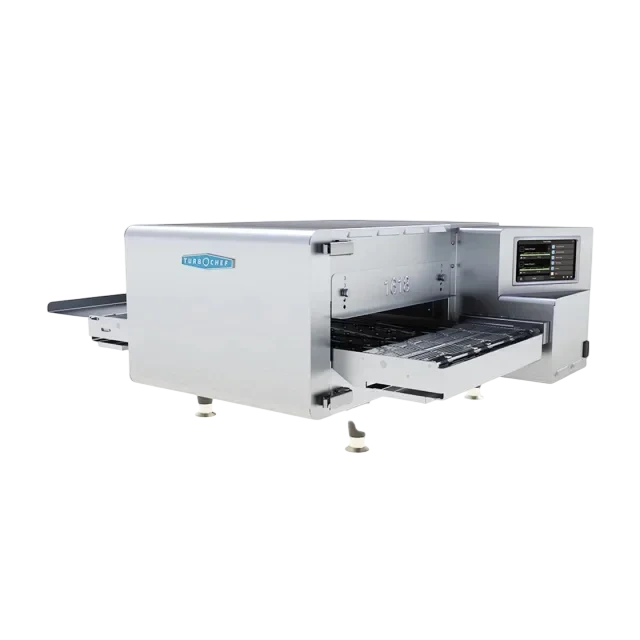
1222 × 805 × 432mm
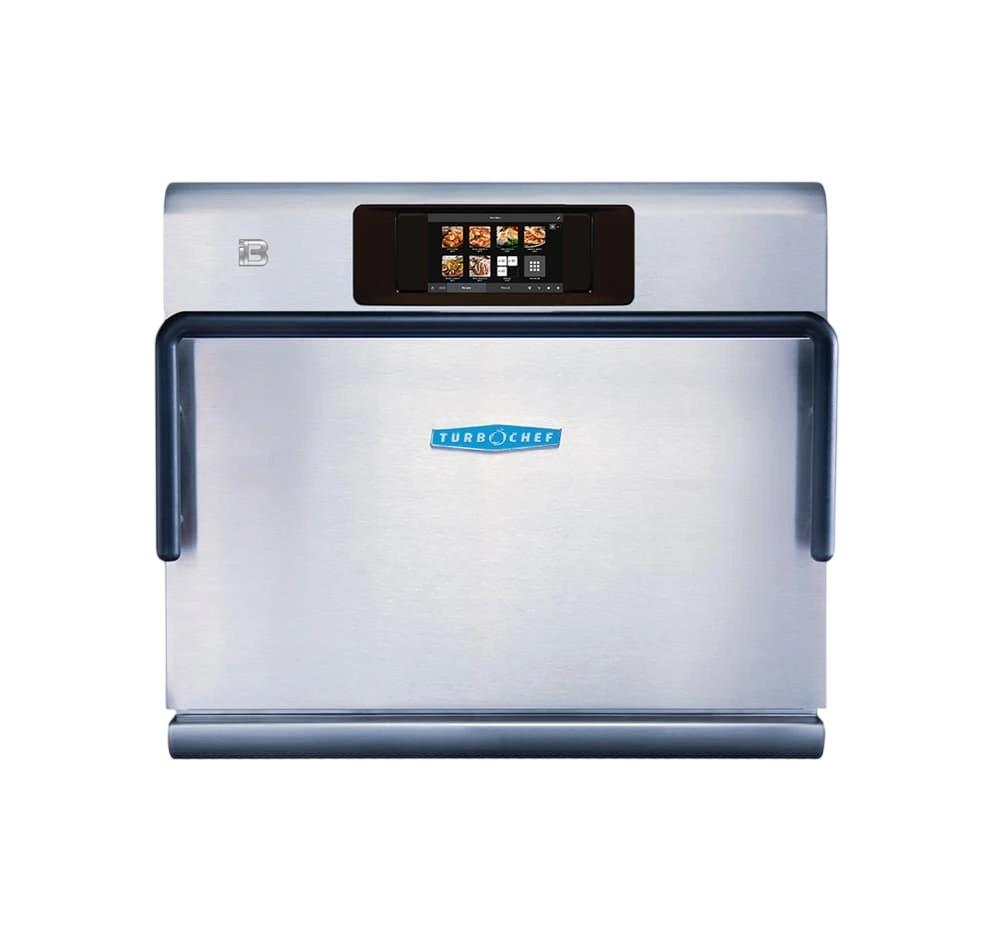
622 × 794 × 540mm
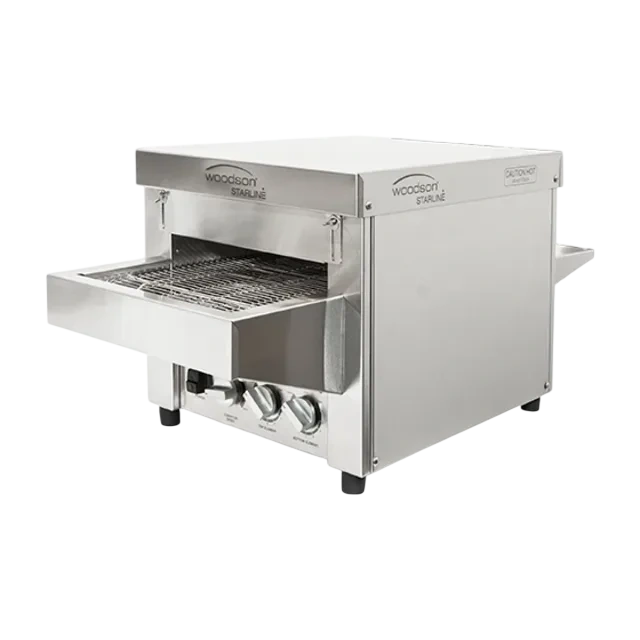
1000 × 445 × 465mm
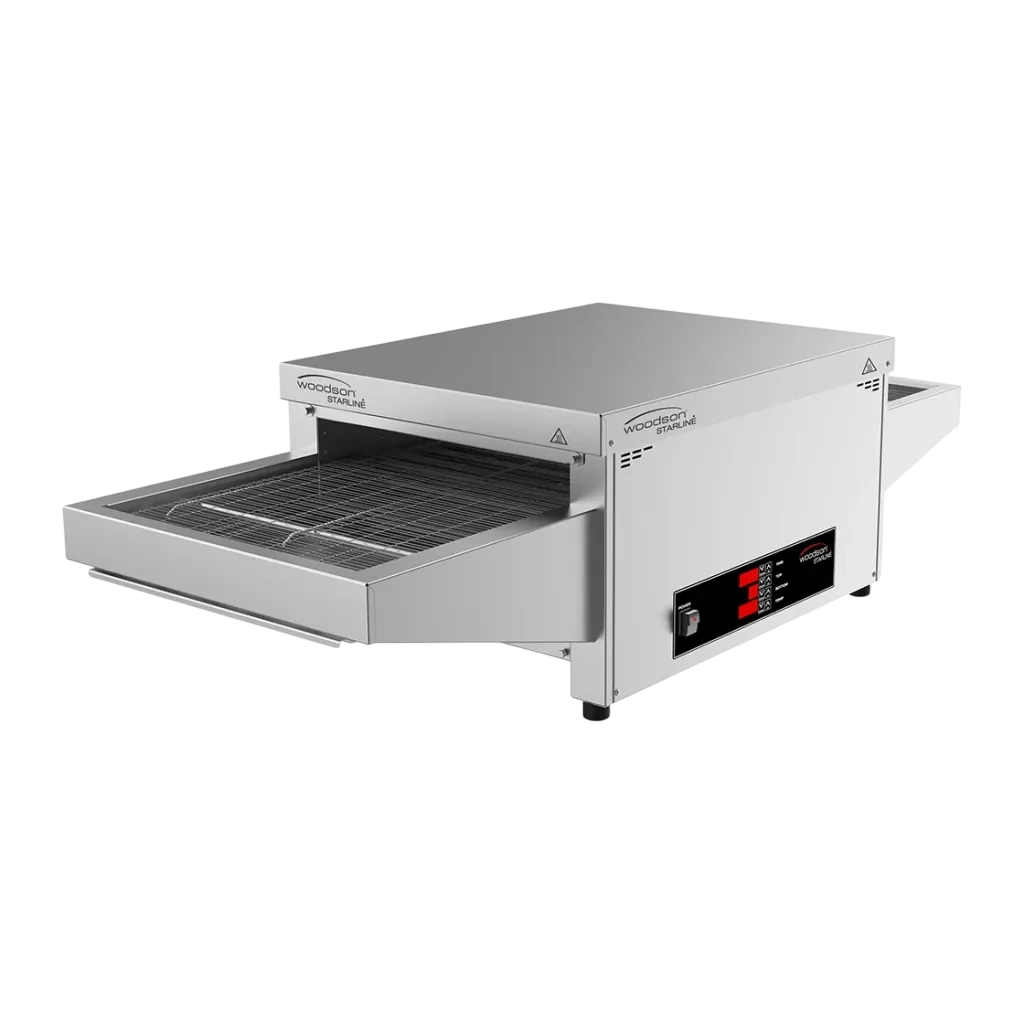
1500 × 610 × 434mm