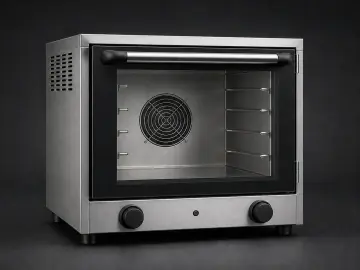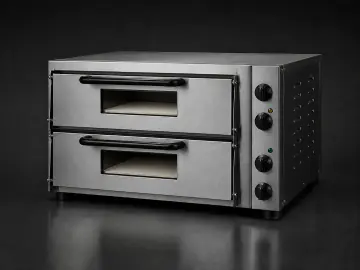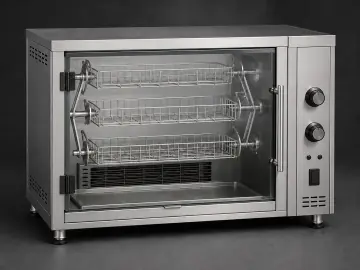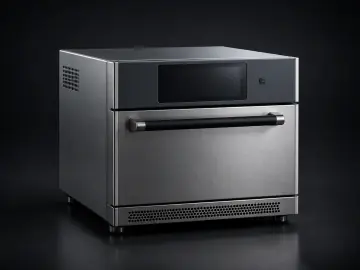
Combi Ovens
207 products
Bakery Equipment
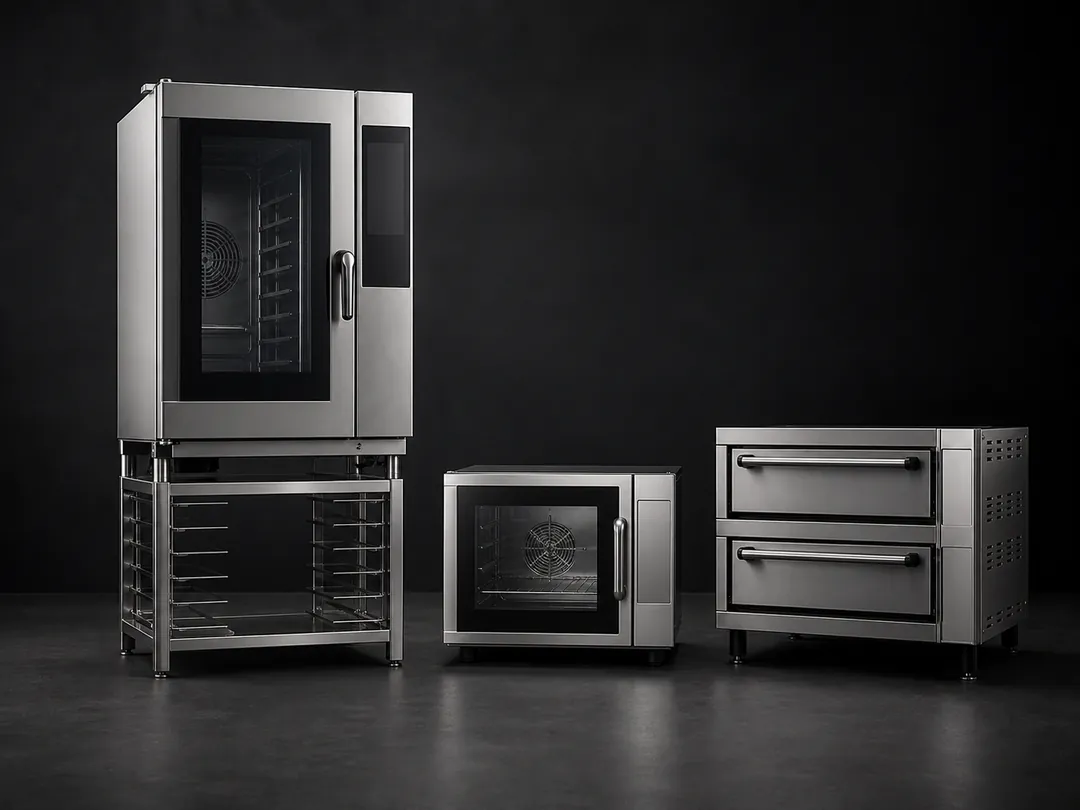
Commercial ovens are the bakery and production hub for choosing between oven formats before comparing individual models.
Use this category when heat, timing and product style are the main decision, but the right oven type is not yet settled. The child category should follow the menu: steam-assisted cooking, dry convection, pizza, continuous conveyor flow, speed service or rotisserie presentation.
Key factors to consider before purchasing. Our team can help you find the right fit — call or get a quote anytime.
Match equipment capacity to your daily output. Consider available floor space and door clearances.
Confirm levelling, wall clearance and the access needed for cleaning and service. We can help with kitchen planning.
Submit your kitchen requirements — our equipment specialists will send you a tailored shortlist of commercial ovens that fits your budget, venue type and compliance needs.
Standards & Compliance
Start with what the oven must do in the workflow:
FAQ
Not always. Many compact ovens run on single-phase outlets, but larger or stacked units often require dedicated 3-phase circuits. Ask your electrician to confirm switchboard capacity, especially if you also operate fryers, dishwashers and other heavy loads on the same line.
High-fat roasting, pizza and heavy baking commonly require a mechanical canopy, while some compact rapid-cook platforms have specific venting allowances in their manuals. Always confirm ventilation requirements with your certifier or mechanical contractor before installation.
A versatile combi or high-performance convection oven can cover a large portion of most menus, but busy sites often work best with more than one oven type – for example a combi for roasts and vegetables, plus a dedicated pizza or conveyor oven for bases and a high-speed unit for snacks.
Why KW
KW keeps oven selection at the format level first. A combi oven, convection oven, pizza oven, conveyor oven, speed oven and rotisserie solve different workflow problems, so the page routes by cooking pattern rather than repeating child-page descriptions.
Deep Dive
Technical depth from KW's commercial kitchen specialists.
Choosing the right commercial oven shapes how efficiently your kitchen operates. Instead of comparing brands first, start with your menu type, service volume, utilities and overall W-Zone layout. Once these are clear, selecting an oven family becomes much simpler.
KW Commercial Kitchen works with cafés, bakeries and restaurants across Australia to build oven lines that survive real peak demand. We look at your menu, trays, power or gas supply, and hot-line flow before recommending any model.
Our signature strength is whole-line thinking – coordinating ovens, cooktops, fryers and refrigeration into one compliant, high-efficiency W4 cookline rather than treating each unit in isolation.
View all commercial bakery equipment at KW Commercial Kitchen
The oven family you choose has more impact than any single feature. As a quick guide:
If you are unsure where to start, list your top 10 menu items and estimate how many portions you must send in a 15–30 minute peak window. This usually points clearly to one or two oven families.
Capacity is more than “how many trays fit inside the chamber”. Consider:
An oven that your site cannot power or ventilate will cost time and money. Always confirm utilities before you purchase:
In the KW W-Zone System, all commercial oven families sit in W4 — Cookline Zone(热厨区). This keeps heat and steam in a controlled zone and supports a smooth flow from goods-in to service and dishwashing.
Keeping ovens clearly within W4 concentrates extraction, gas and power services in one corridor and reduces heat spill into W3 prep or W7 dishwashing. It also makes it easier to extend your cookline later with additional pizza, conveyor or combi units.
Under FSANZ Standards 3.2.2 and 3.2.2A, your oven line plays a central role in managing food safety risks:
Many modern ovens offer core temperature probes and programmable recipes, making it easier for rotating staff to repeat safe settings every day.
The price tag is only one part of an oven’s cost. Over its life, energy consumption, cleaning time and service support can have a bigger impact:
Once these three steps are clear, comparing individual oven models becomes faster, more objective and easier to document for your fit-out.
Yes. We can help map your entire W4 cookline, including ovens, cooktops, fryers, grills and refrigeration, so workflow, utilities and FSANZ obligations align from day one. This is especially valuable when you are building a new site or upgrading several pieces of equipment at once.
It helps choose the correct oven format before comparing models.
Choose by cooking pattern: steam-assisted, dry convection, pizza, continuous conveyor flow, speed finishing or rotisserie presentation.
Plan trays, racks, benches, pans, cleaning tools, nearby holding and any site services the selected model requires.
Ovens sit between prep, proofing or holding and the pass or display. Operator detail: check where trays wait before and after the oven; a busy oven station often fails because landing space is missing, not because the oven category was wrong.
Common mistakes include choosing one oven to cover every menu task, ignoring the production stage before the oven, or forgetting the cooling and holding step after cooking. Ovens usually lead to tray racks, benches, mitts, timers, cleaning supplies, canopies and suitable pans.
591 results
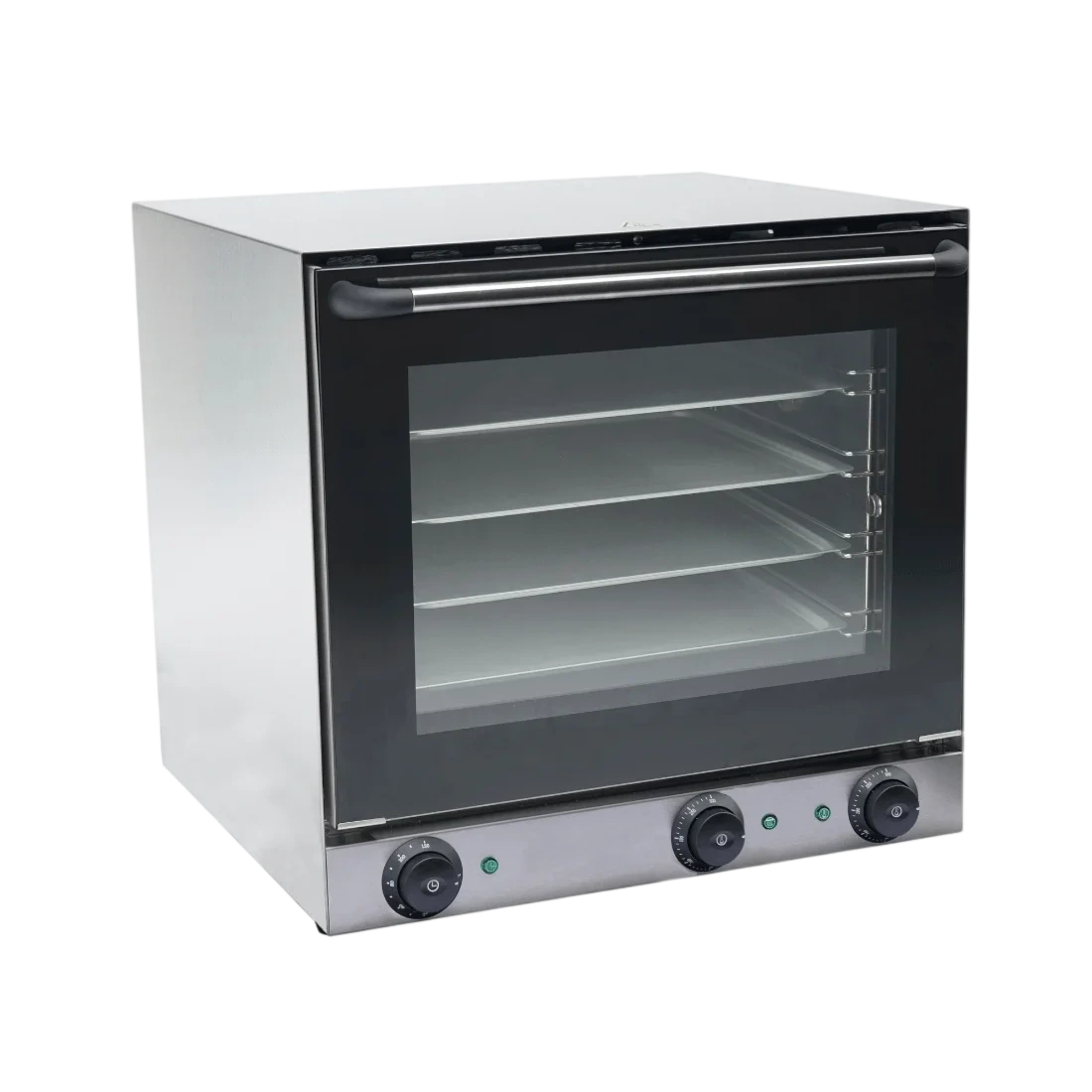
595 × 530 × 570mm
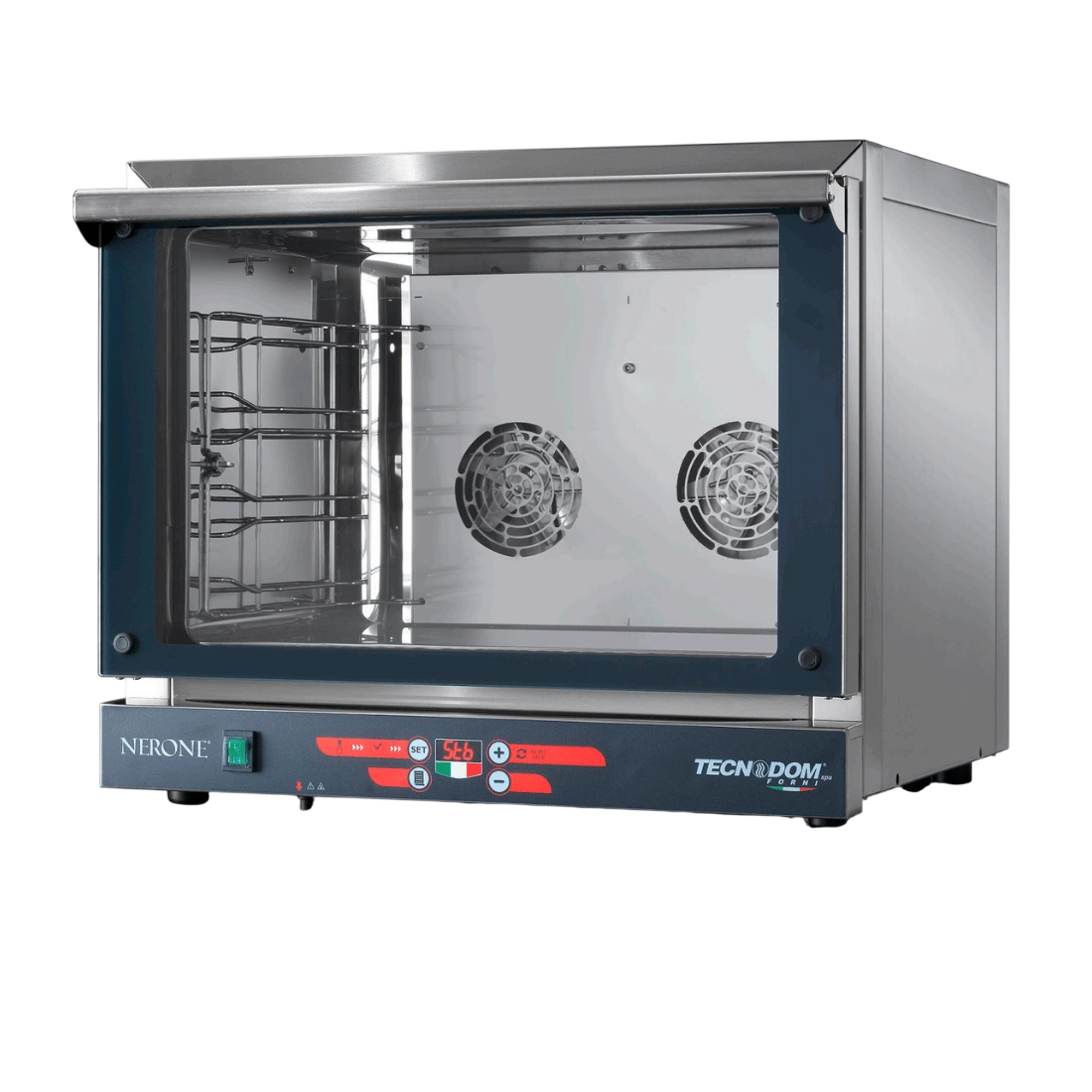
686 × 663 × 580mm
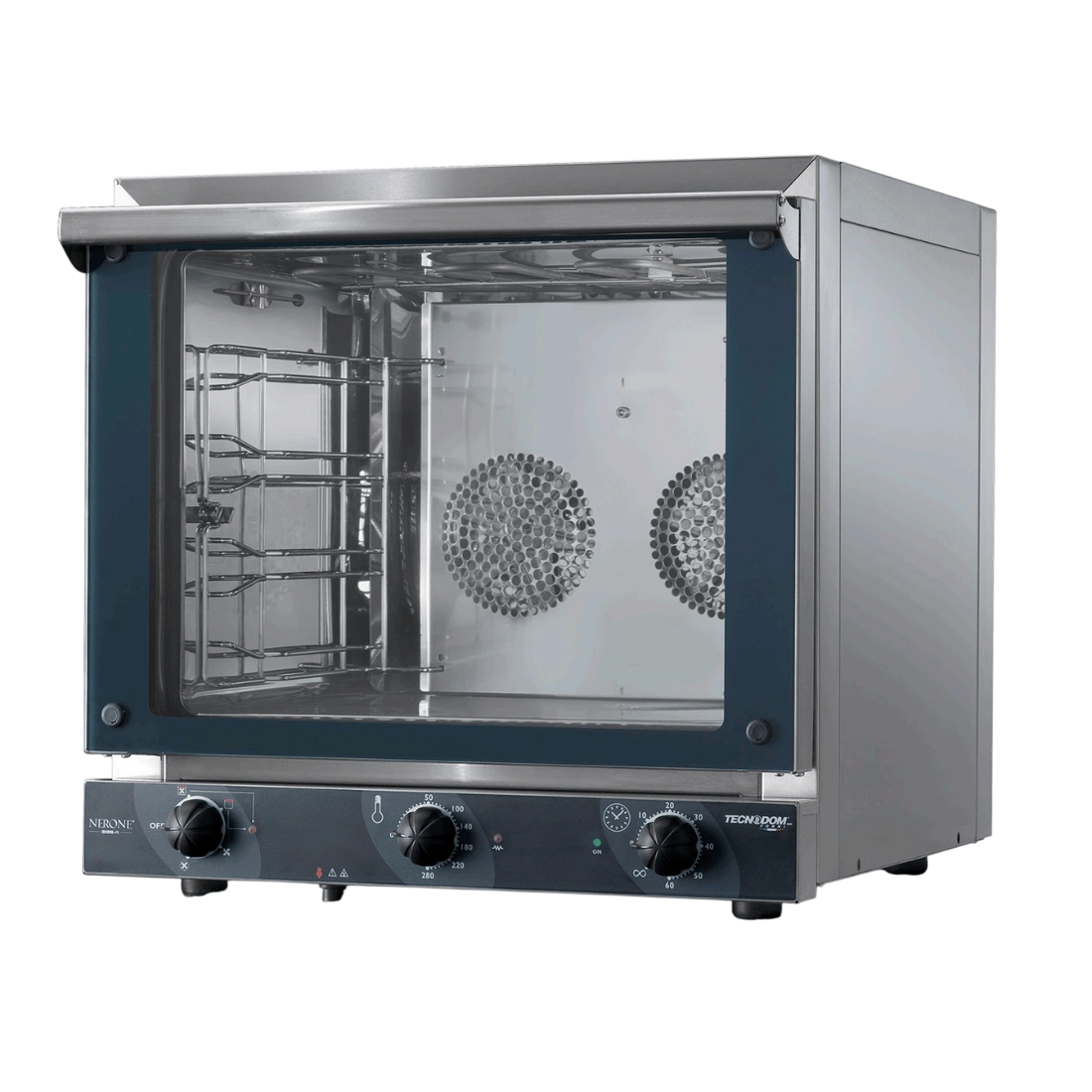
589 × 660 × 580mm
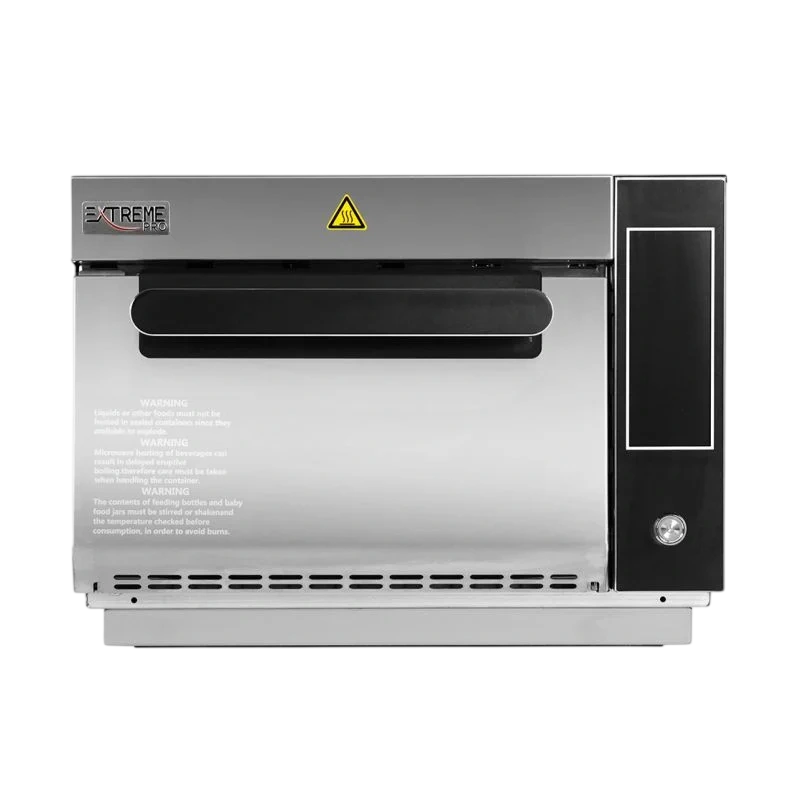
490 × 538 × 361mm
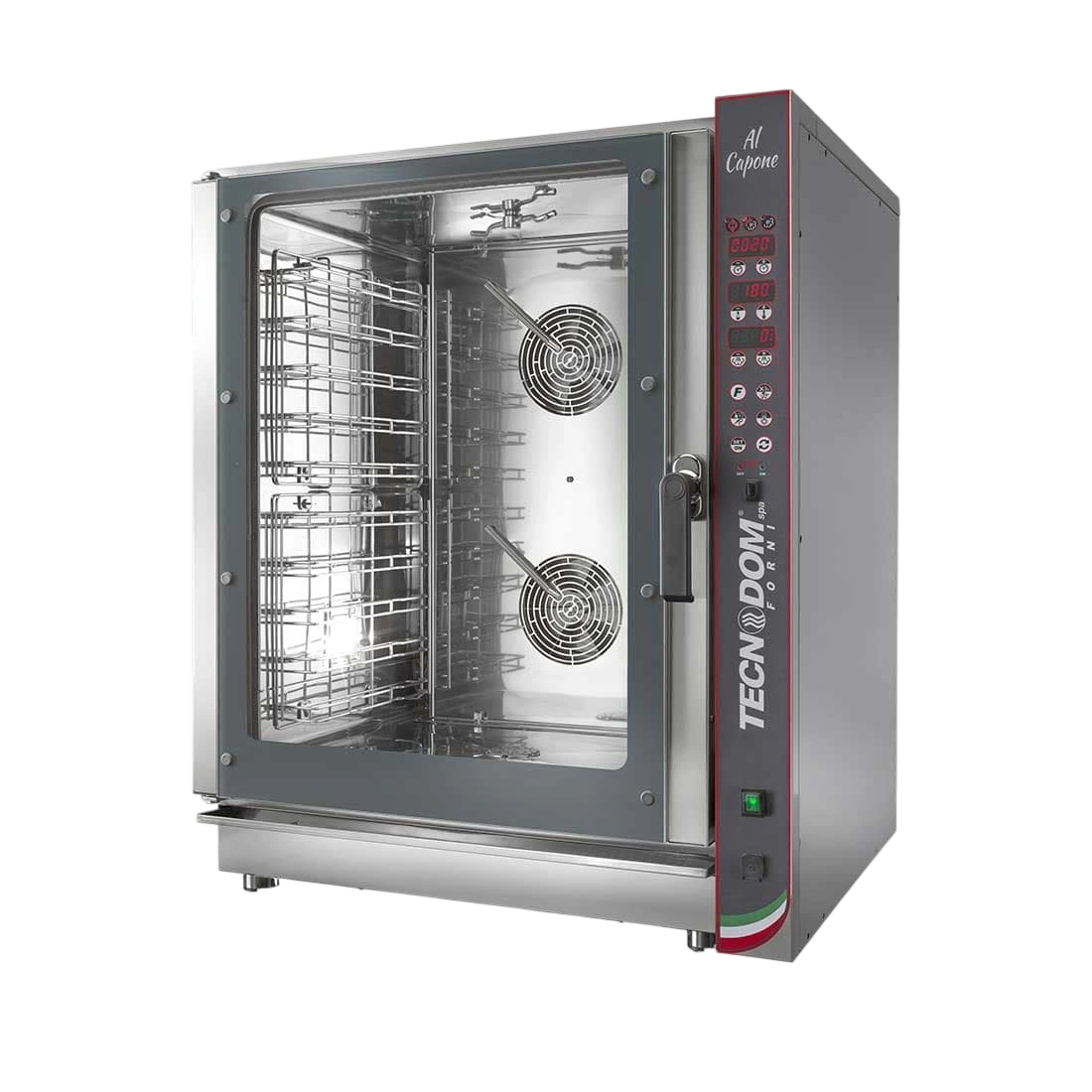
920 × 840 × 1170mm
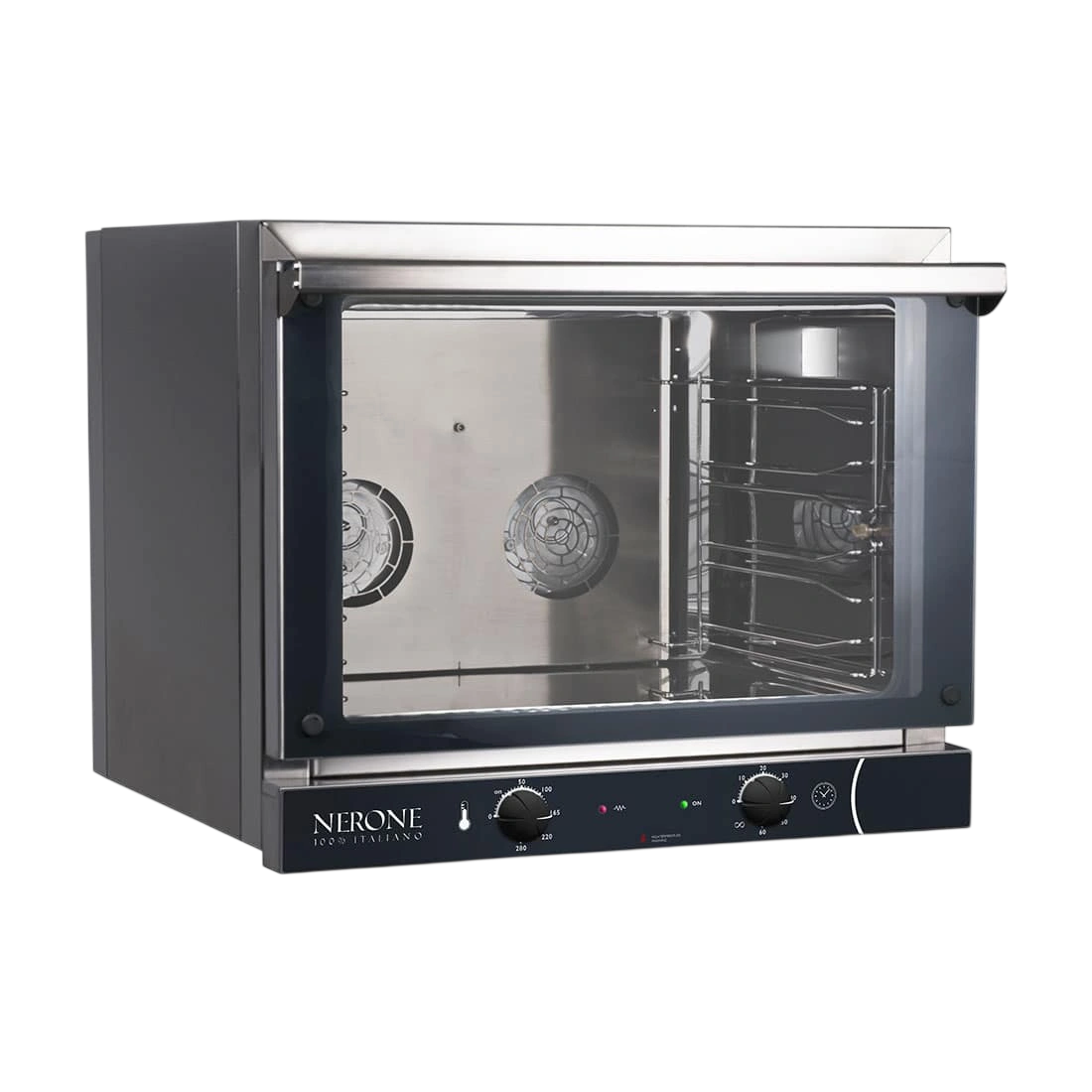
686 × 660 × 580mm
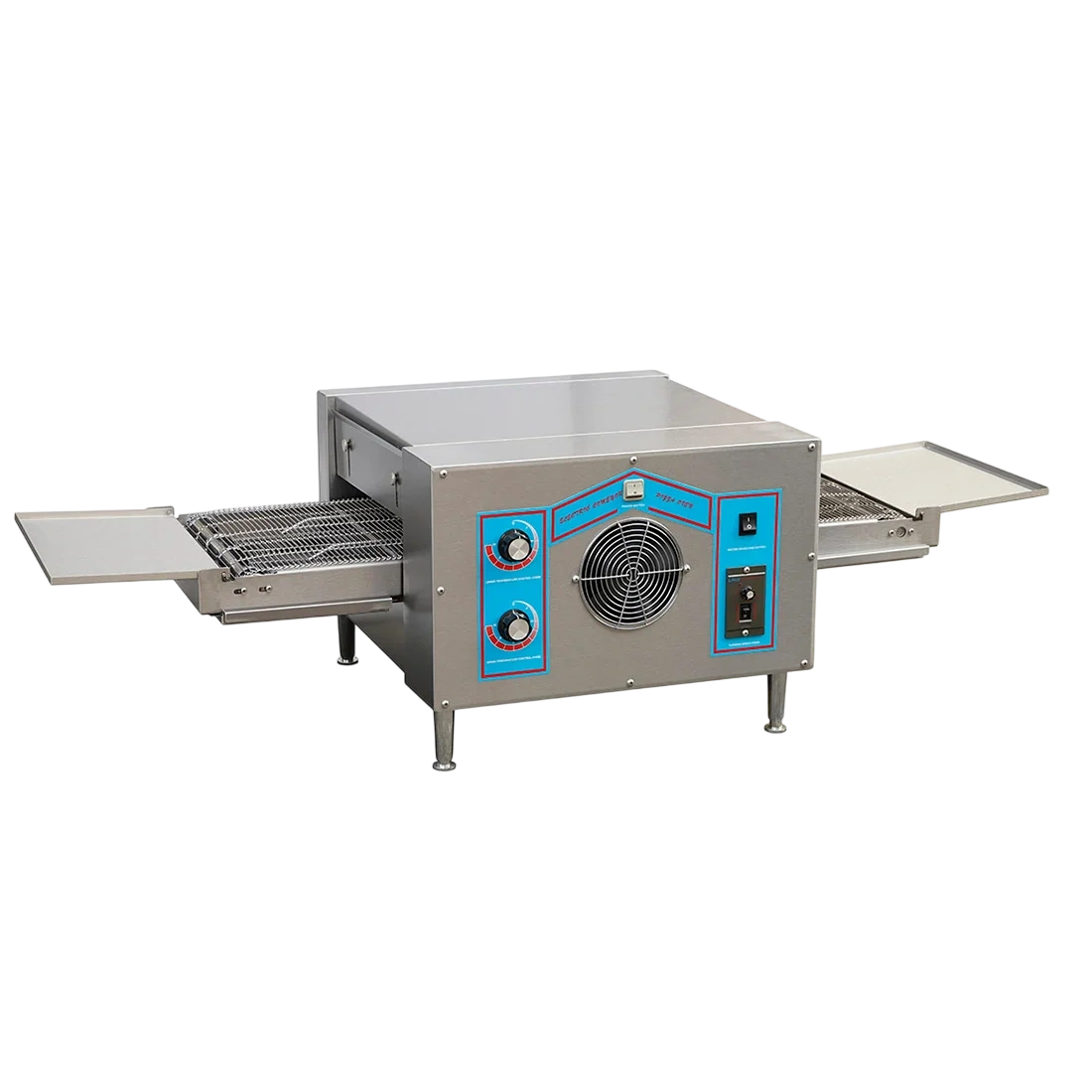
1500 × 580 × 430mm
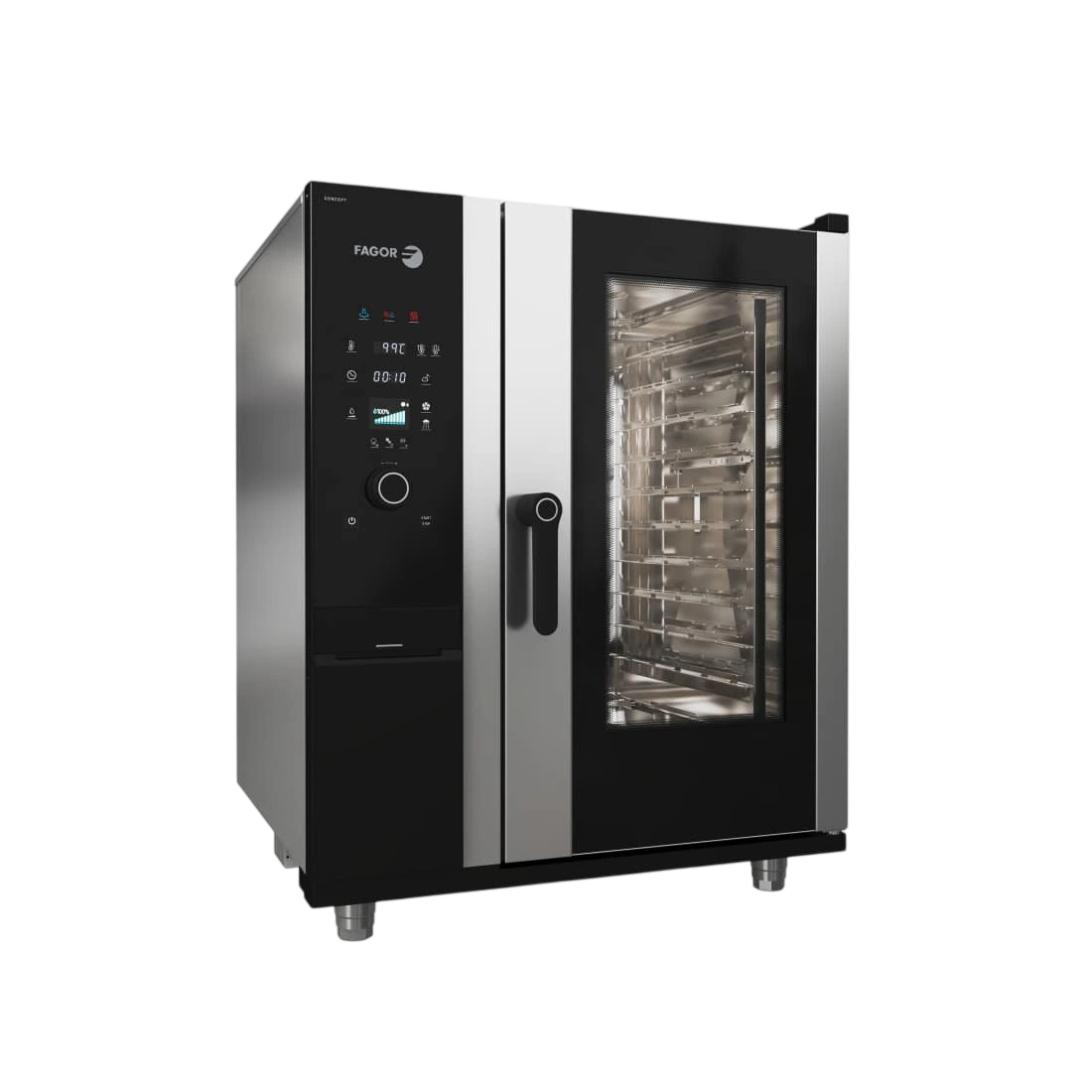
898 × 817 × 1117mm
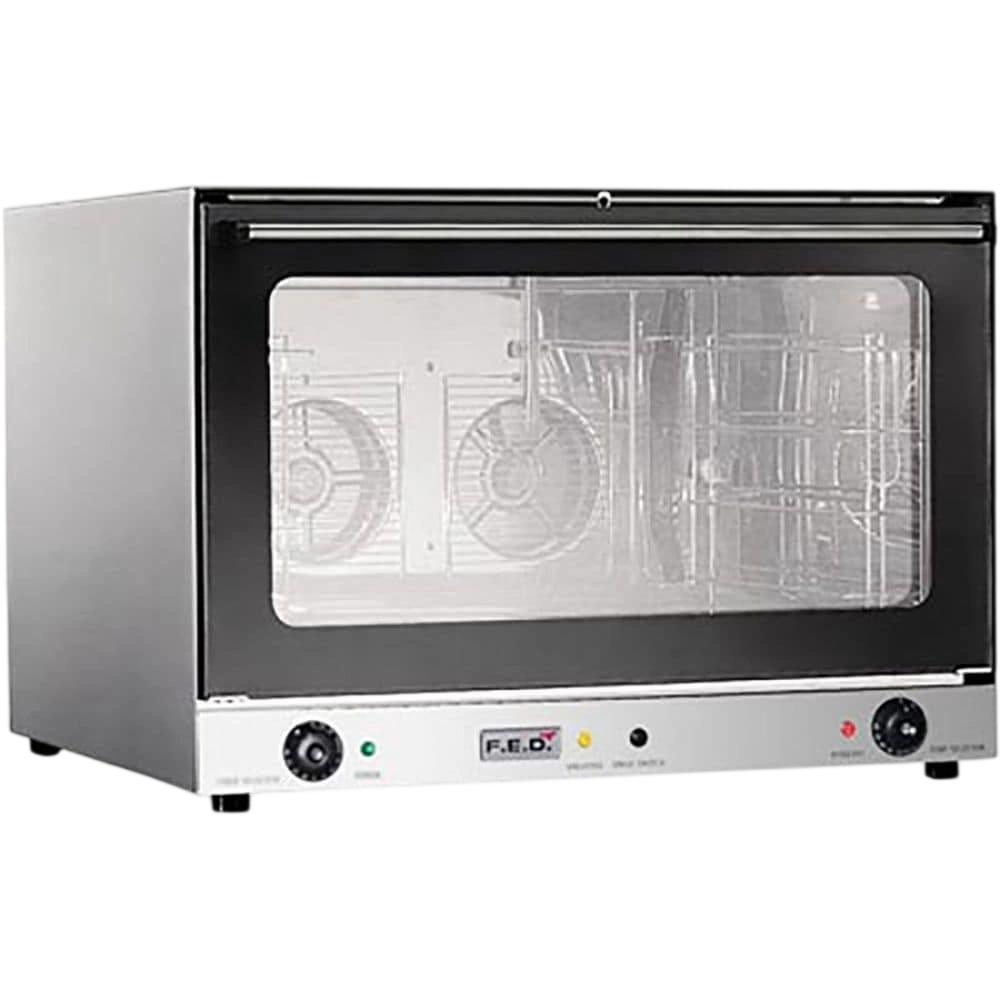
834 × 765 × 572mm
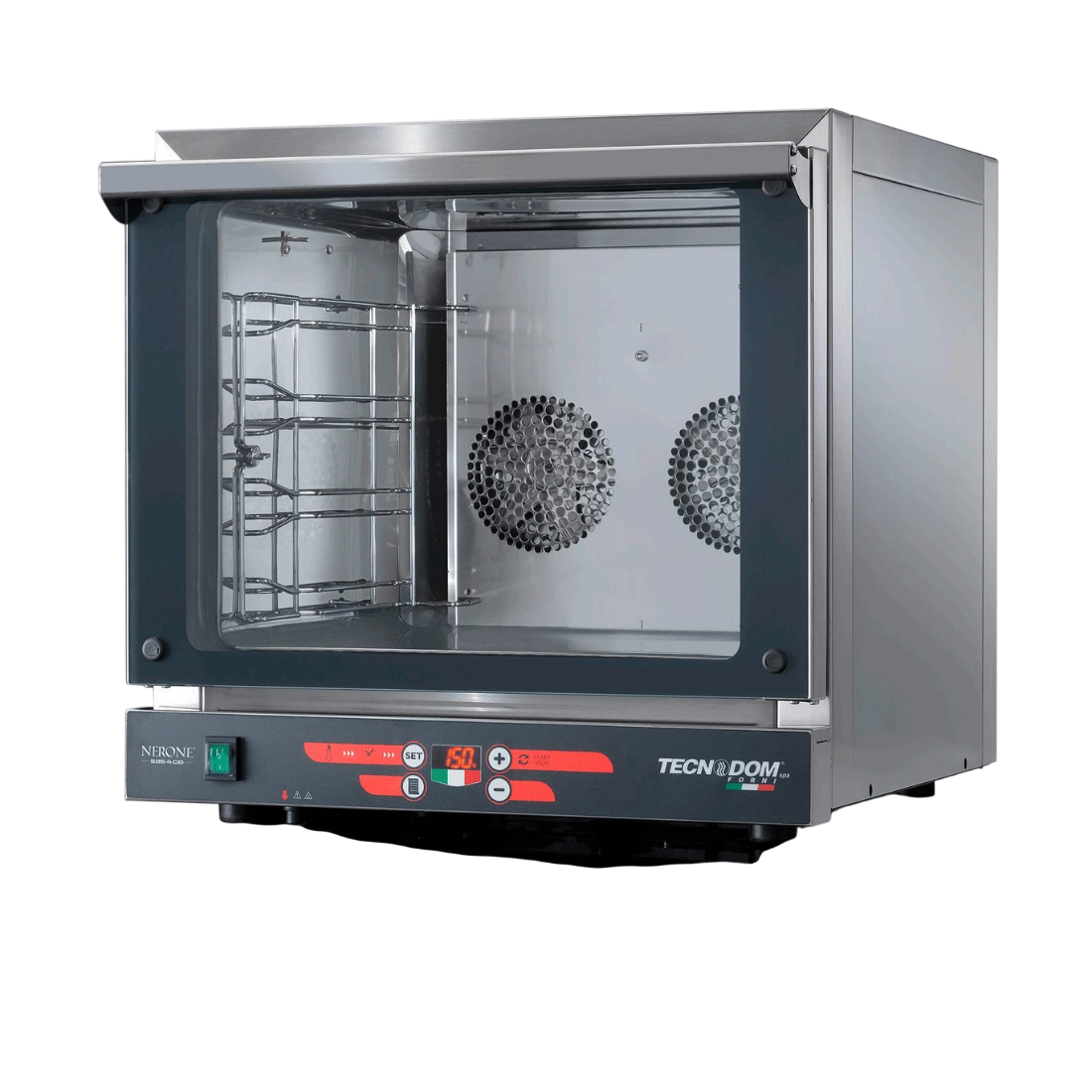
589 × 680 × 580mm
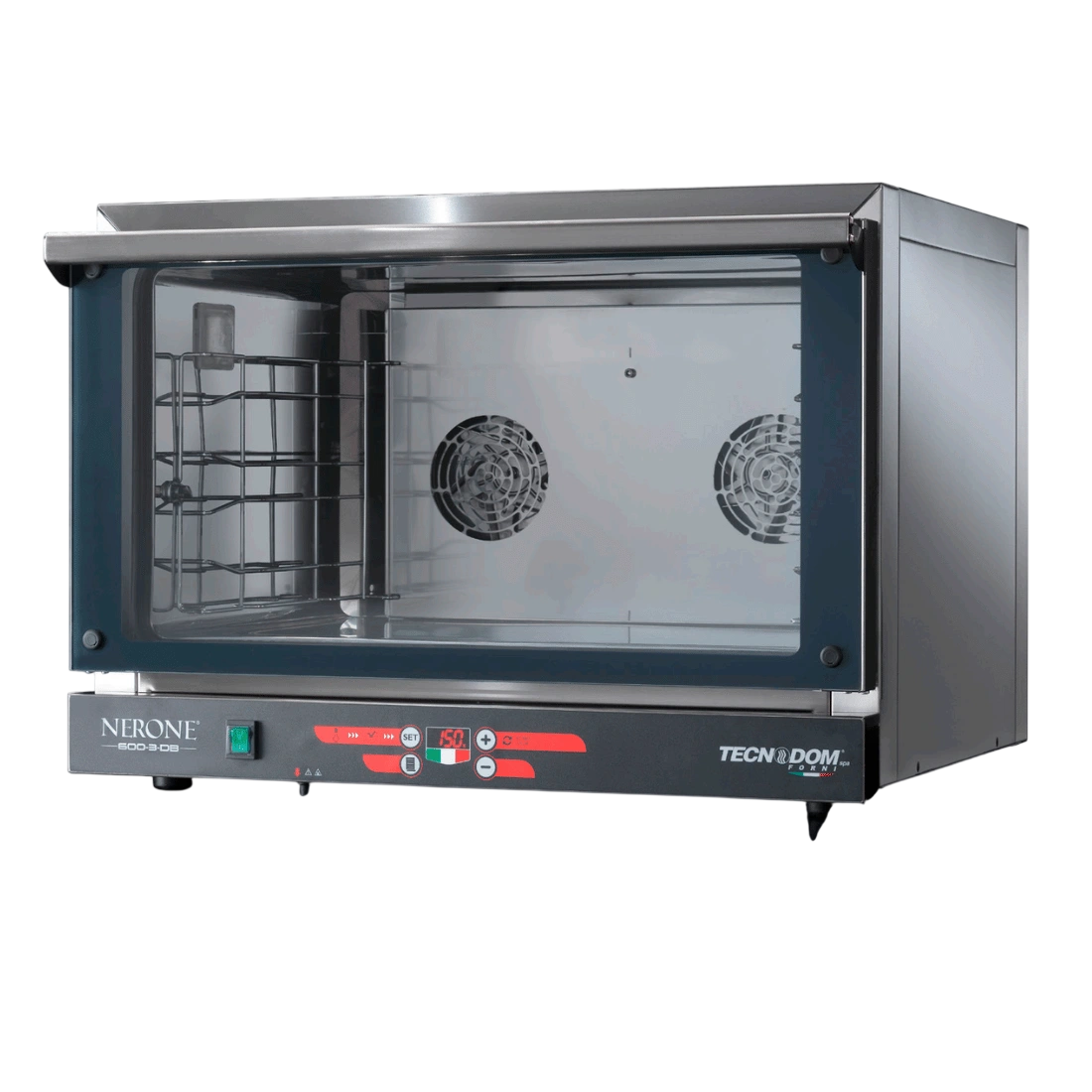
775 × 720 × 560mm
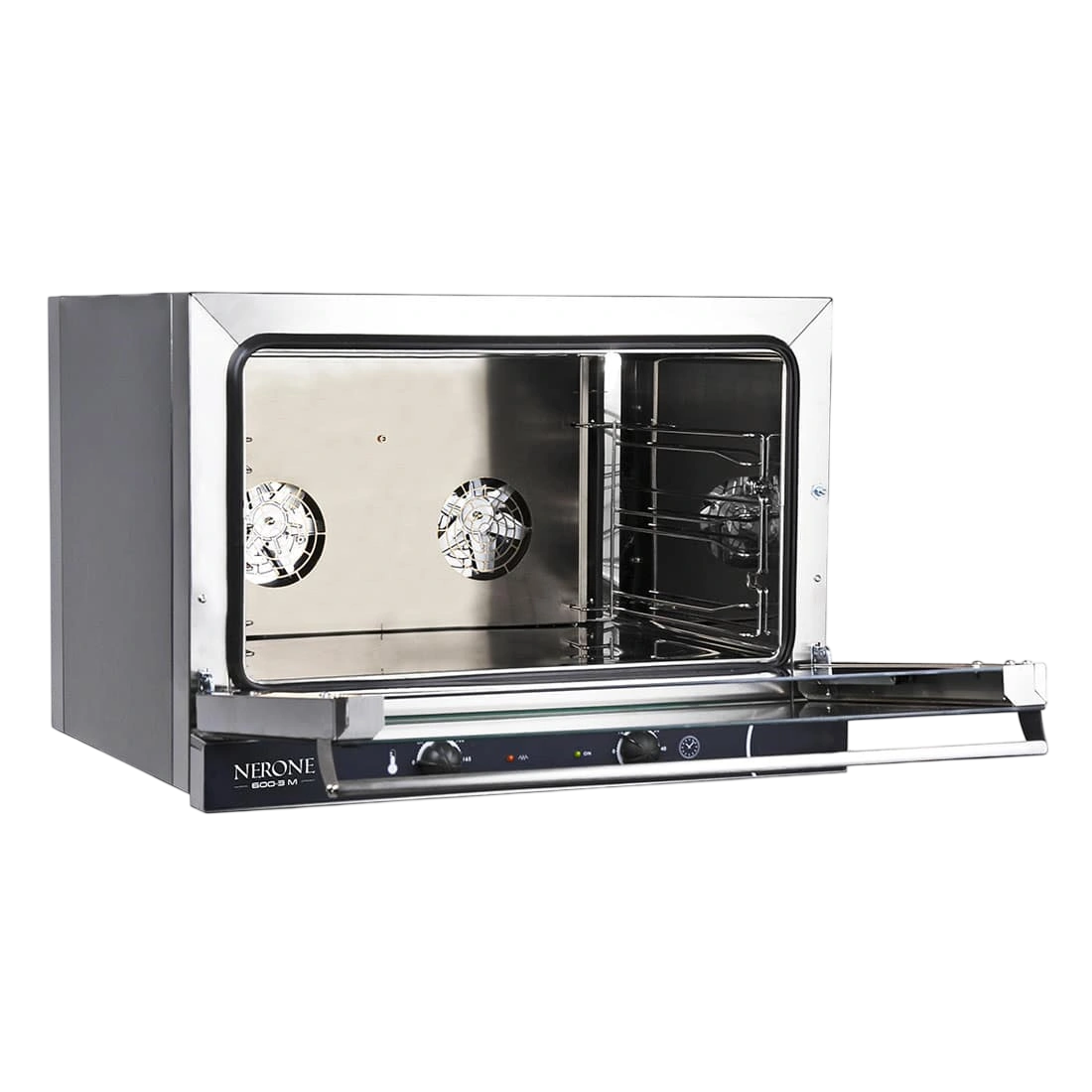
775 × 700 × 560mm
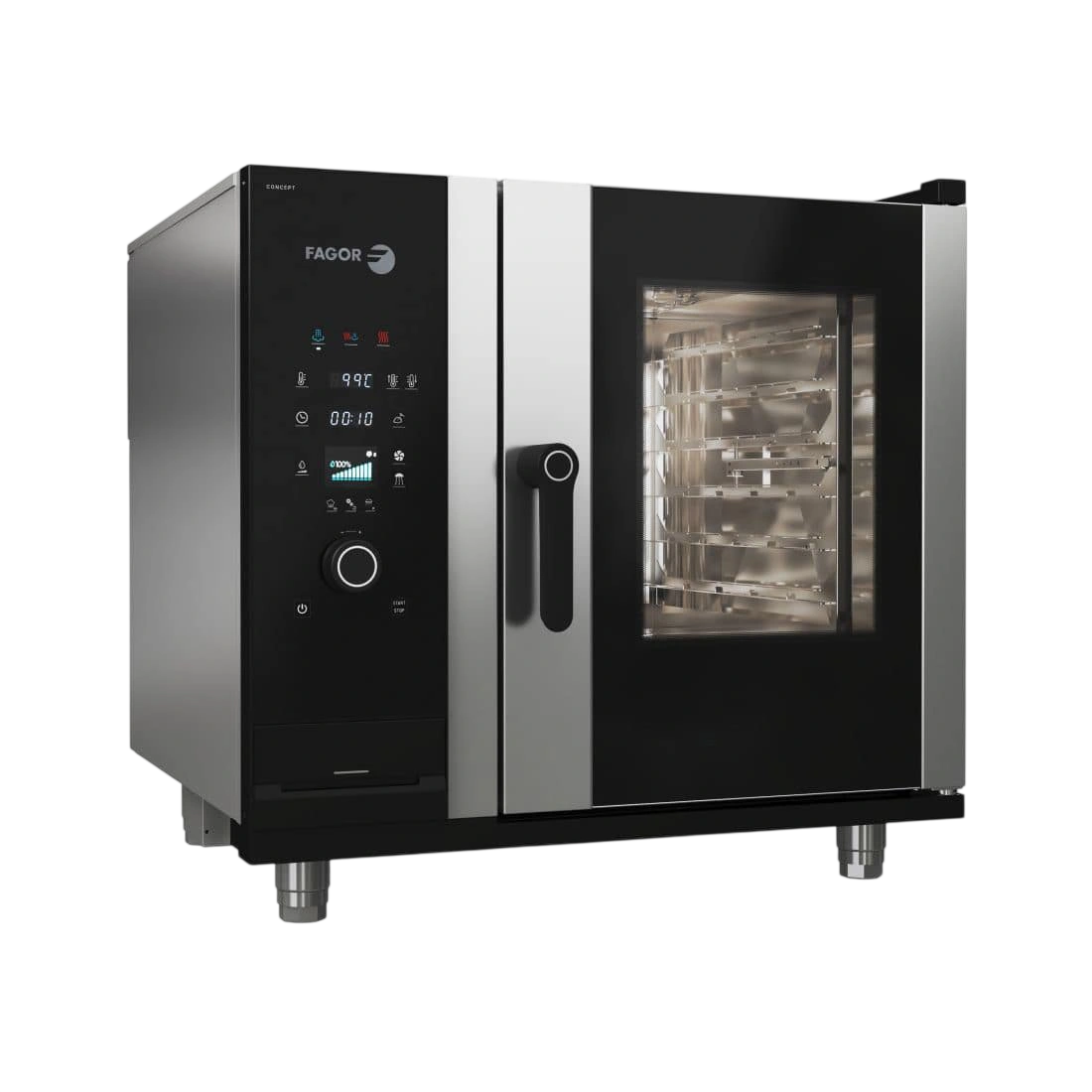
898 × 817 × 846mm
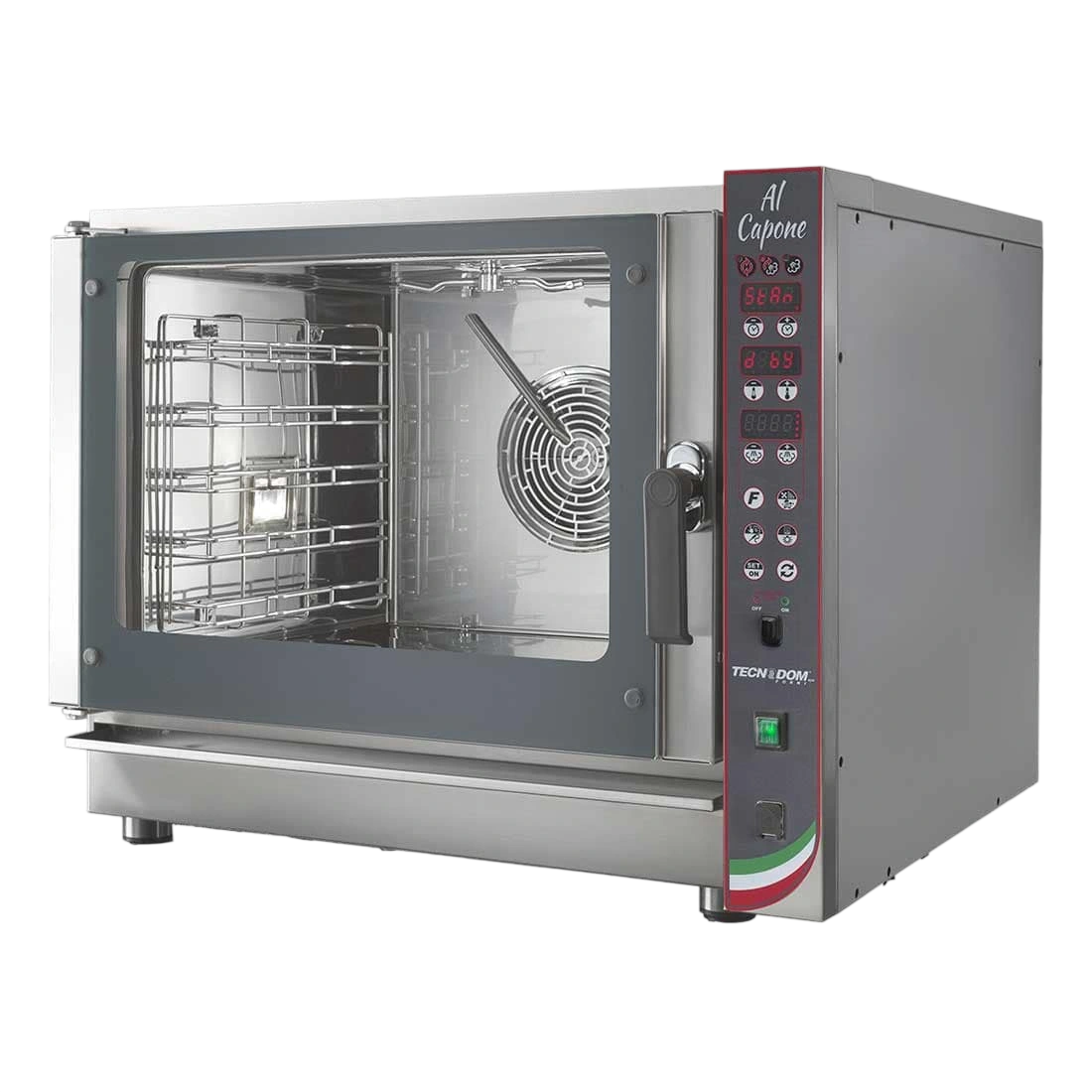
920 × 840 × 770mm
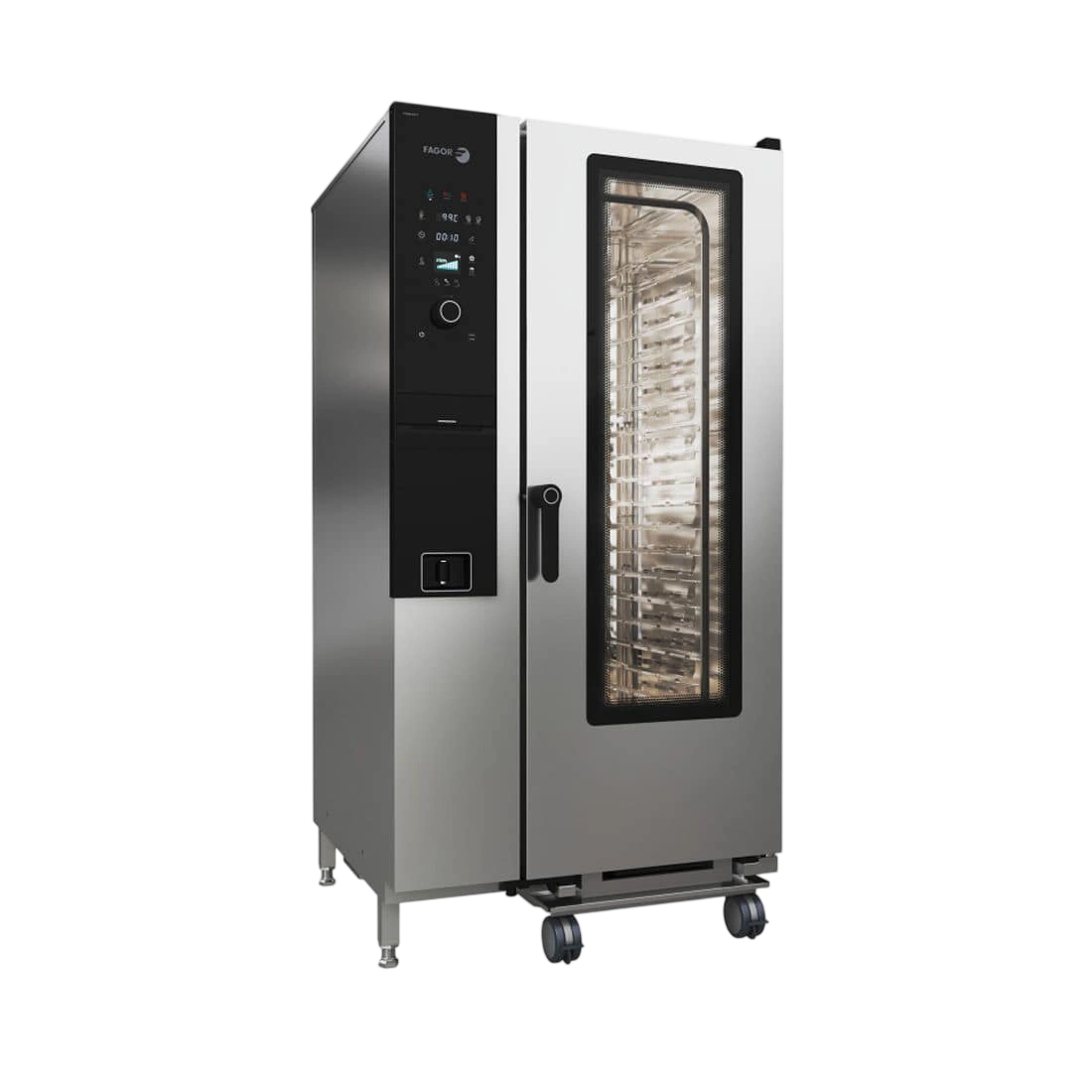
898 × 817 × 1841mm
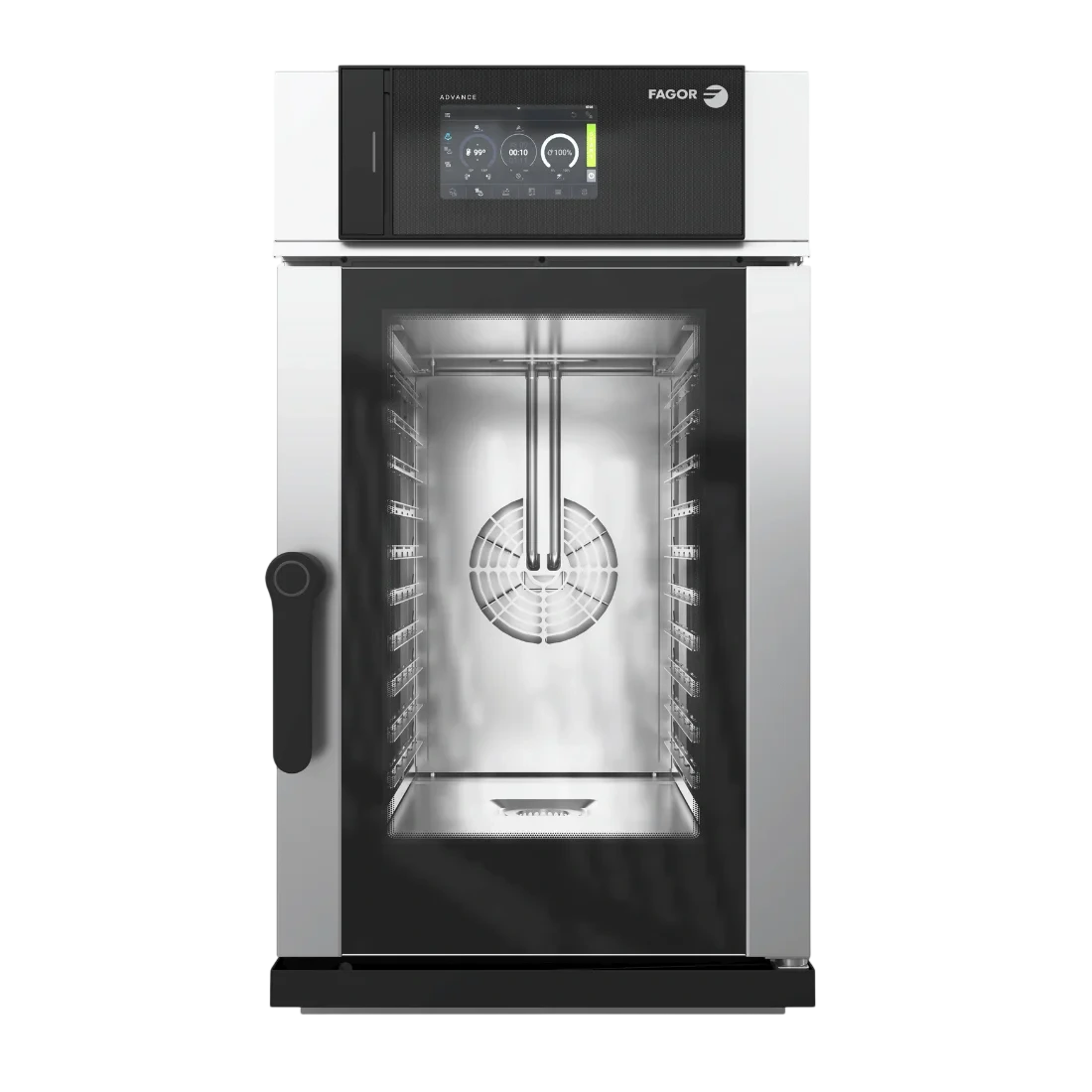
530 × 874 × 940mm
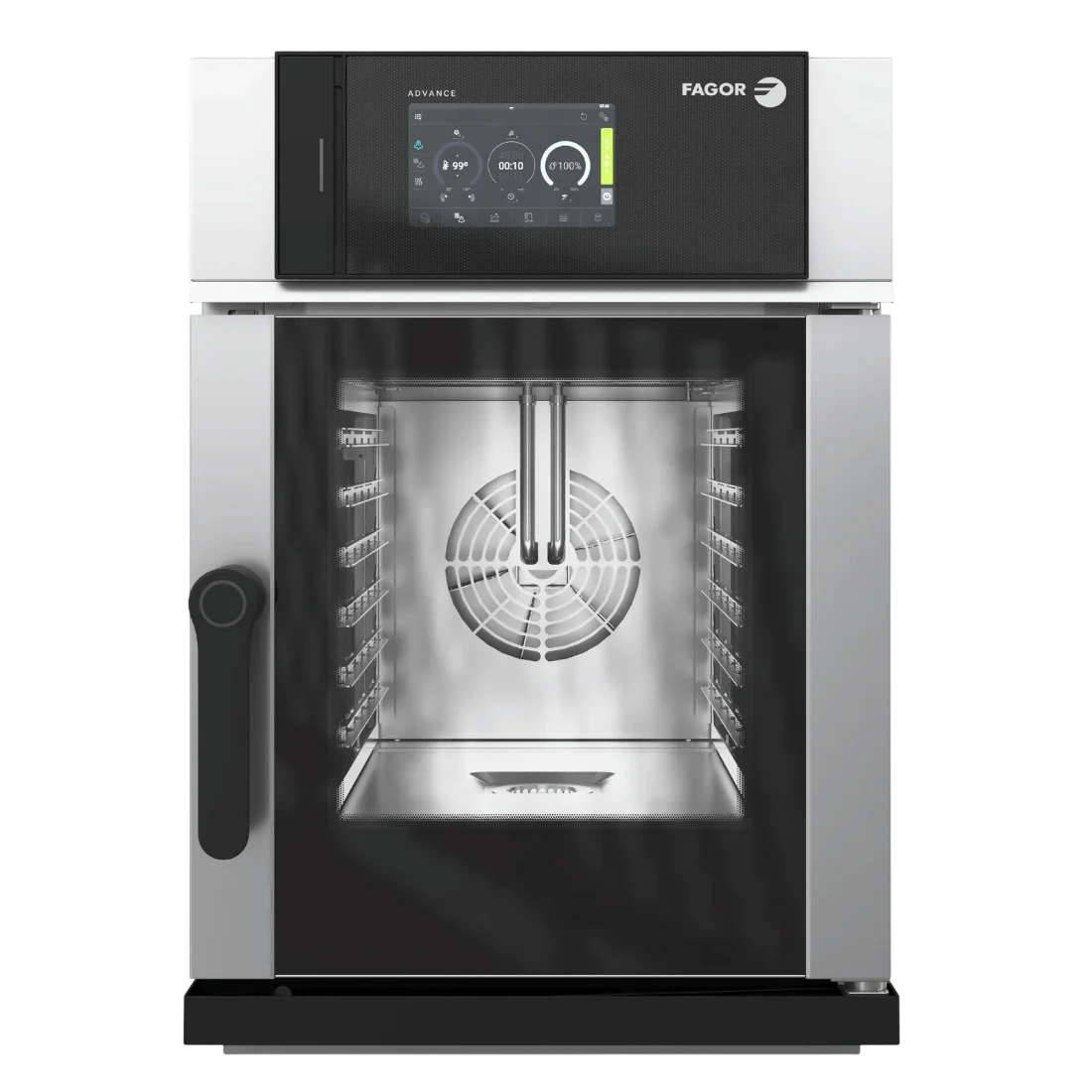
530 × 874 × 760mm
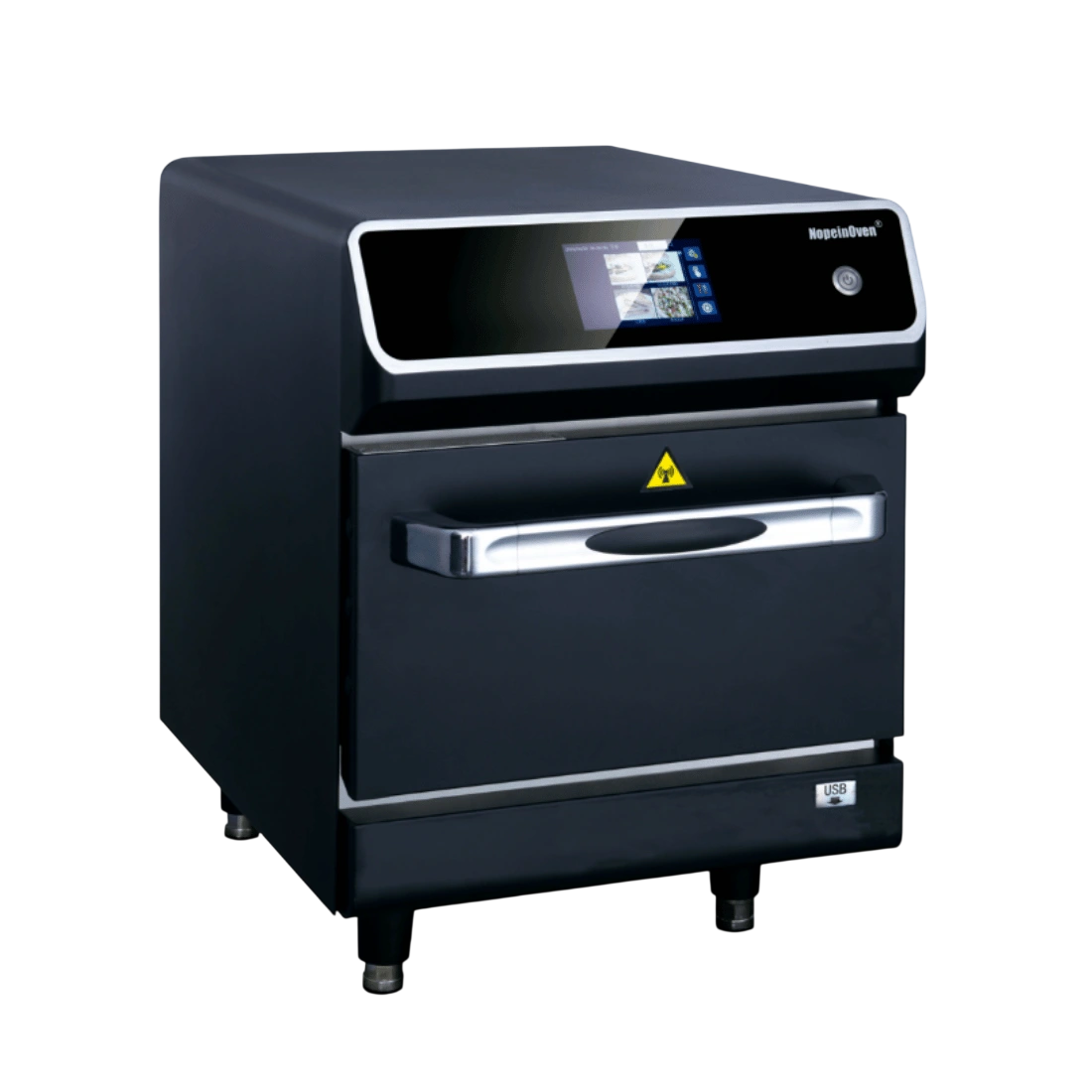
460 × 675 × 660mm
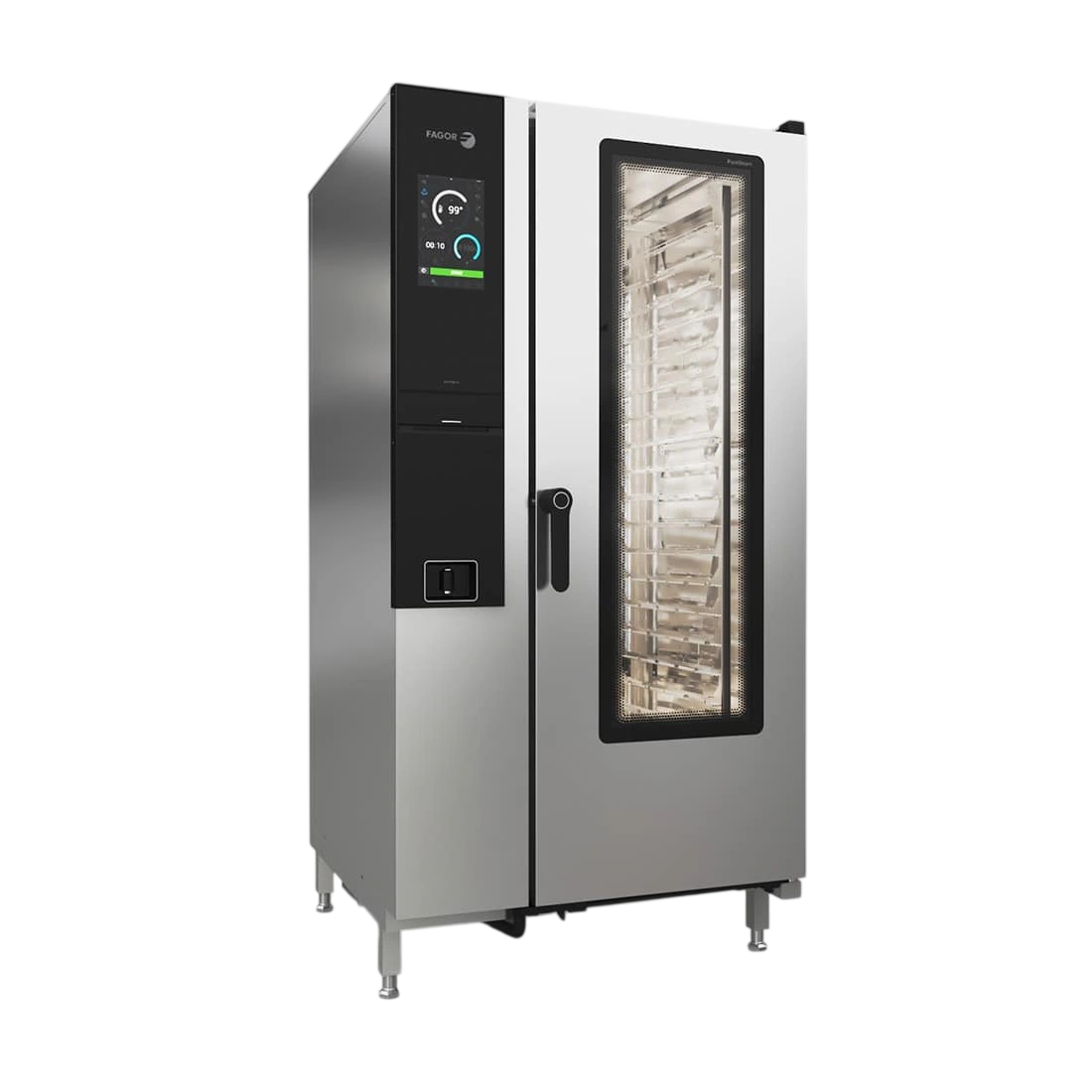
930 × 964 × 1841mm
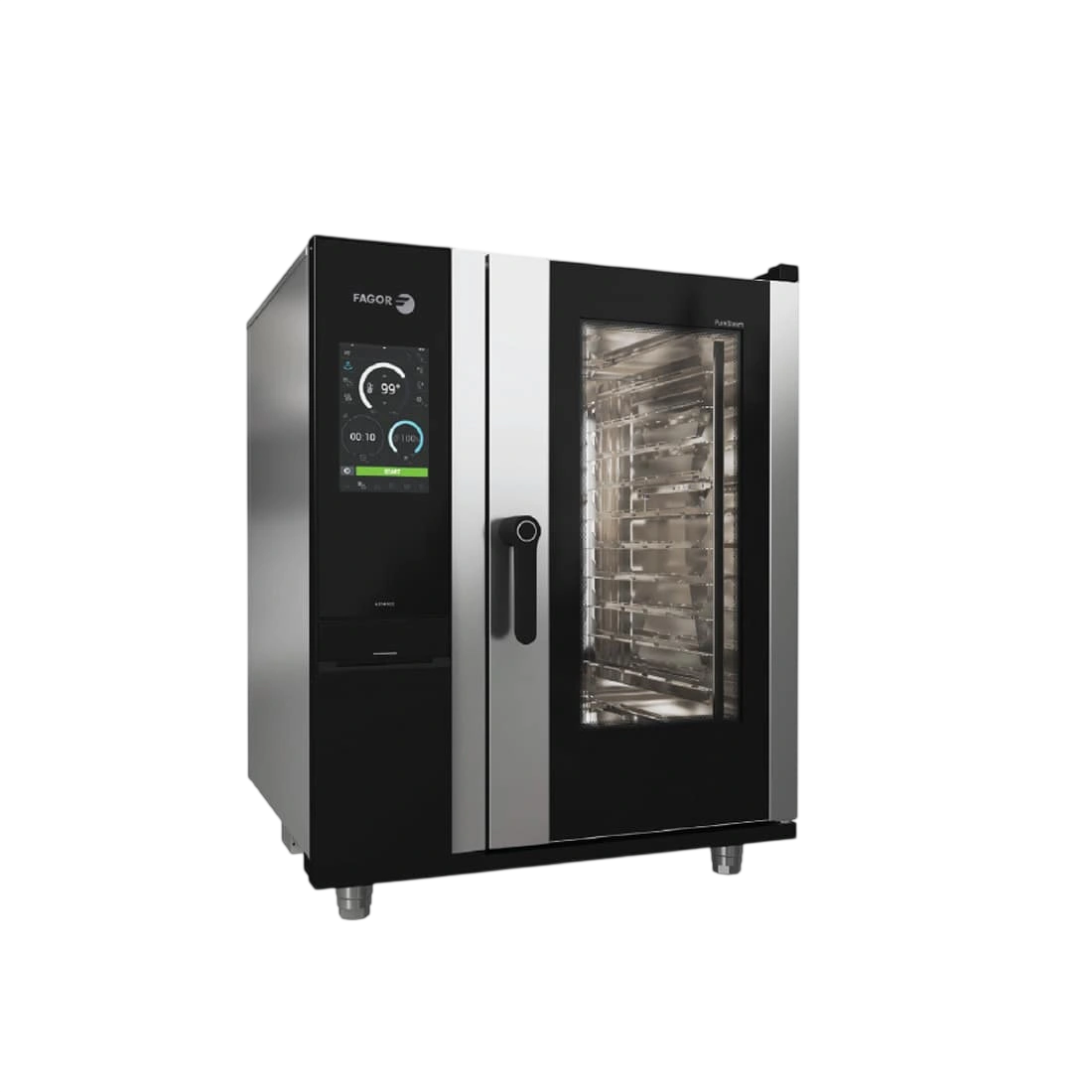
898 × 817 × 1117mm
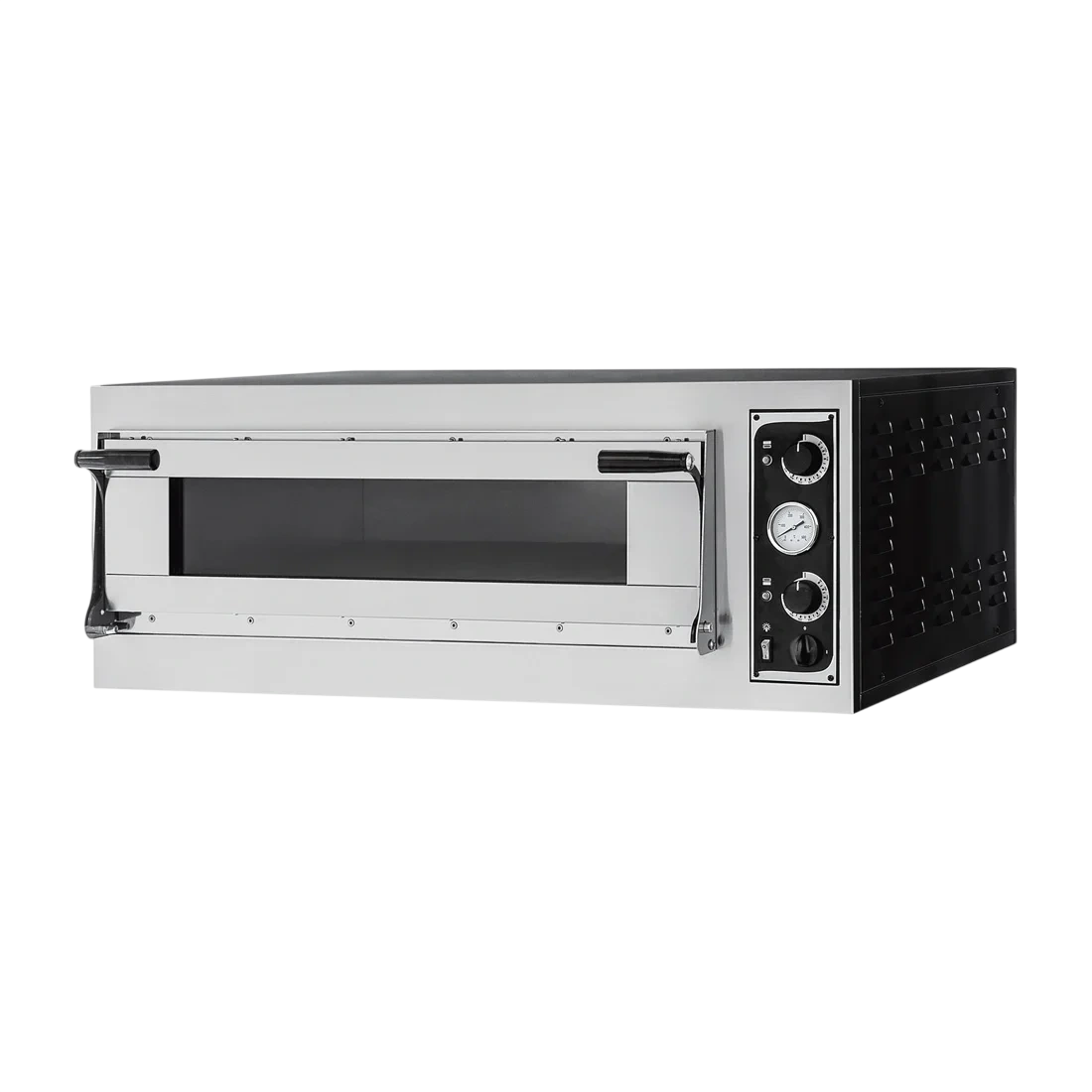
1100 × 1080 × 413mm
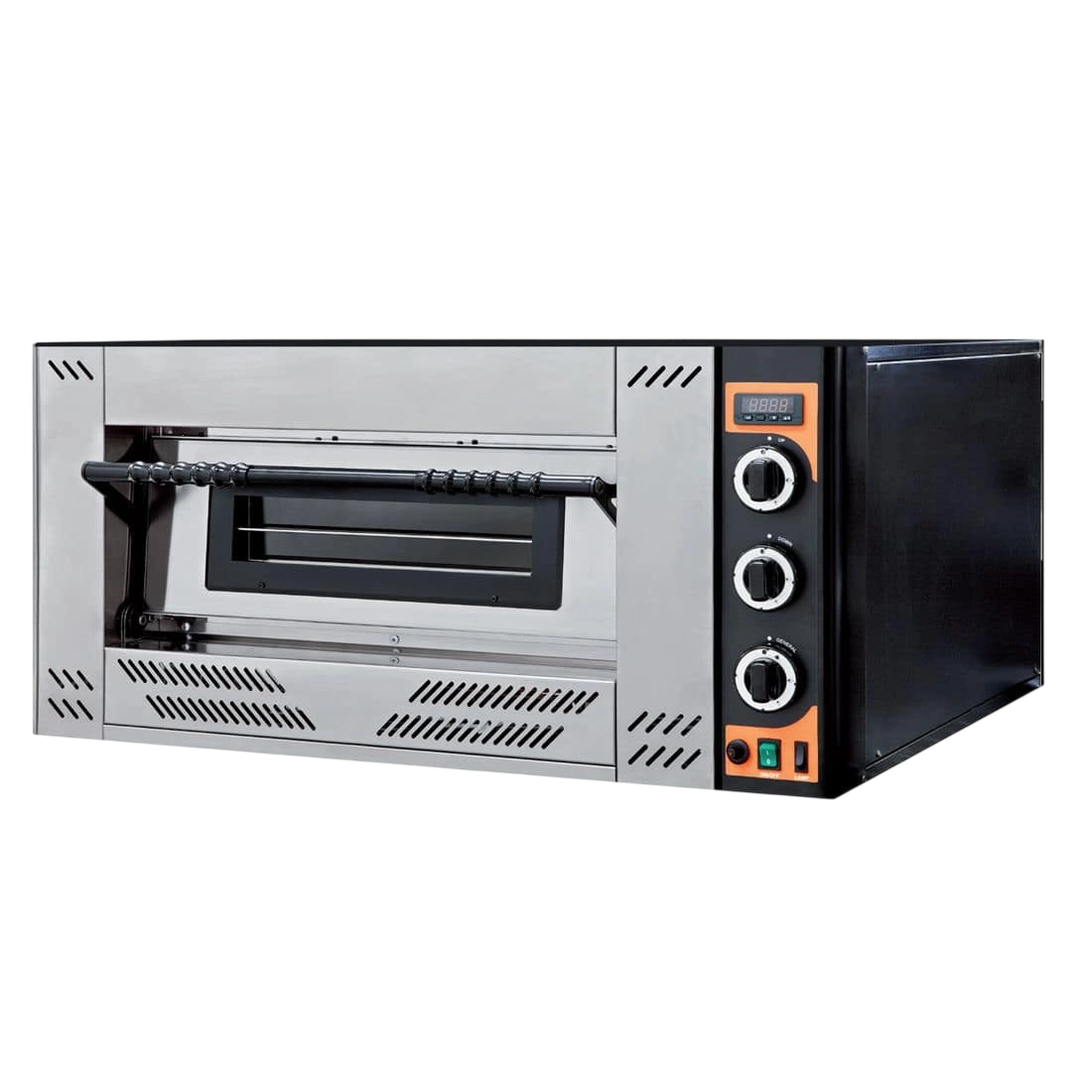
1305 × 1362 × 560mm
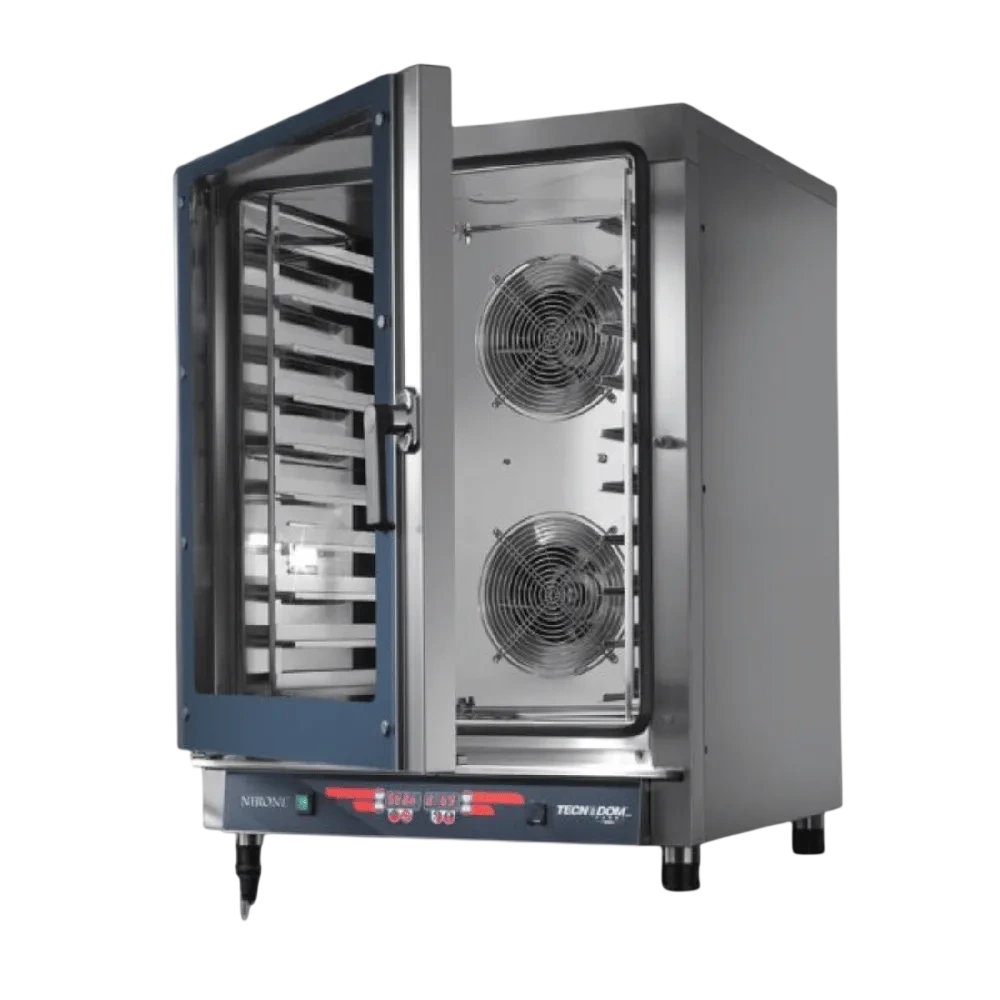
840 × 910 × 1150mm
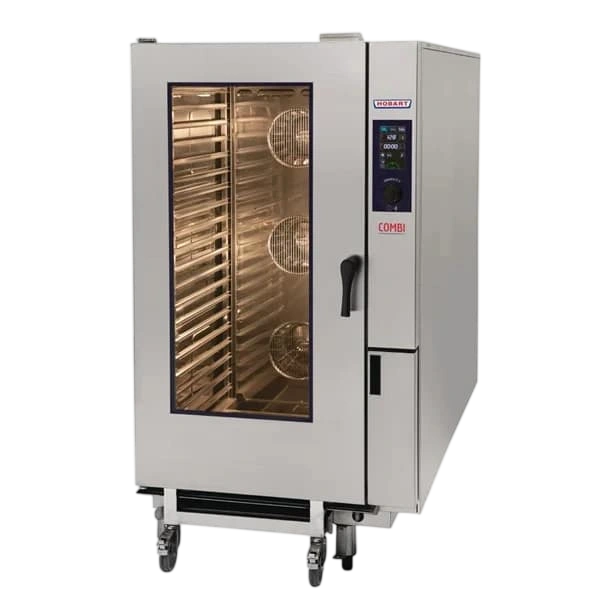
990 × 1187 × 1947mm
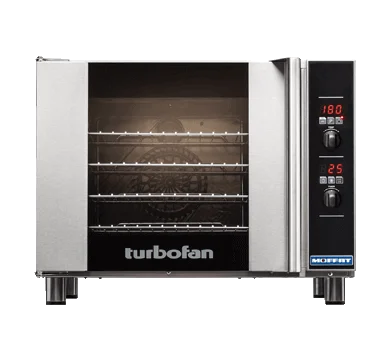
810 × 616 × 625mm
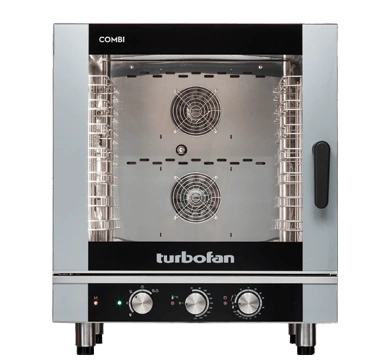
777 × 835 × 942mm
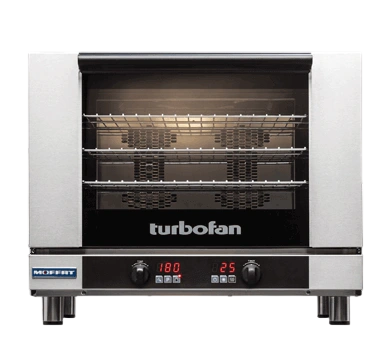
810 × 762 × 662mm
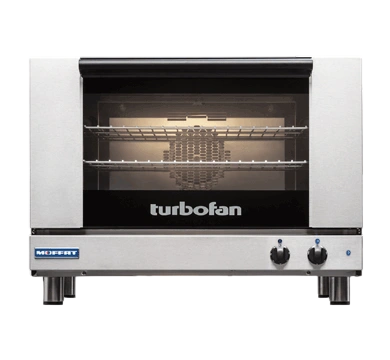
810 × 762 × 607mm
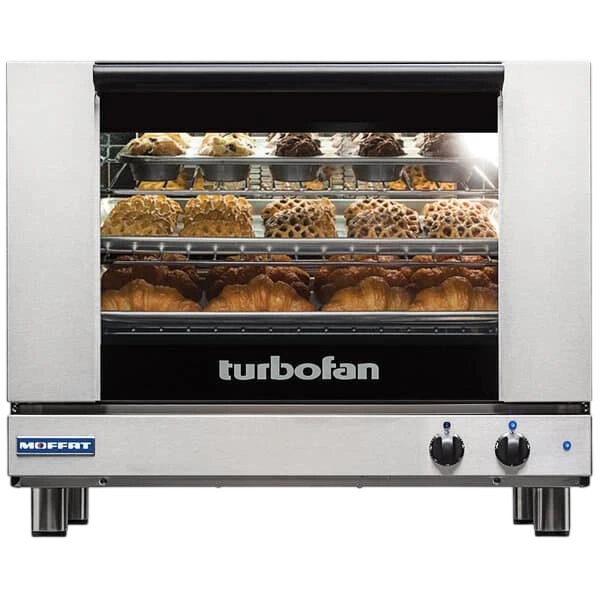
810 × 762 × 662mm
945 × 762 × 512mm
945 × 762 × 512mm
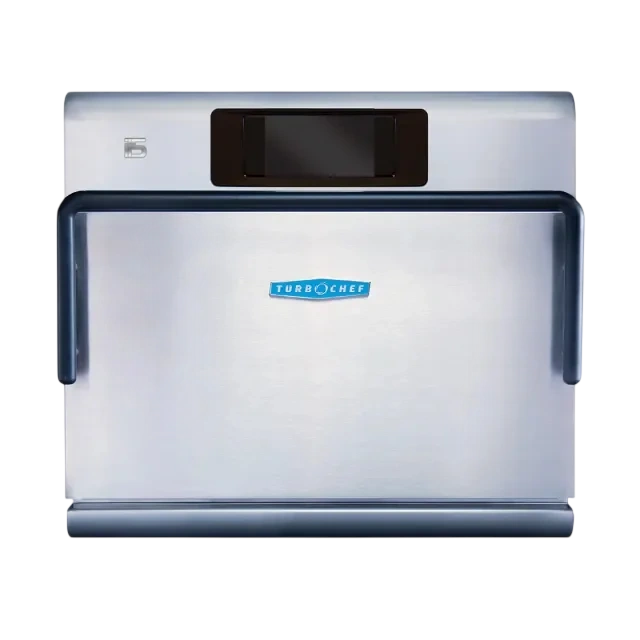
714 × 790 × 618mm
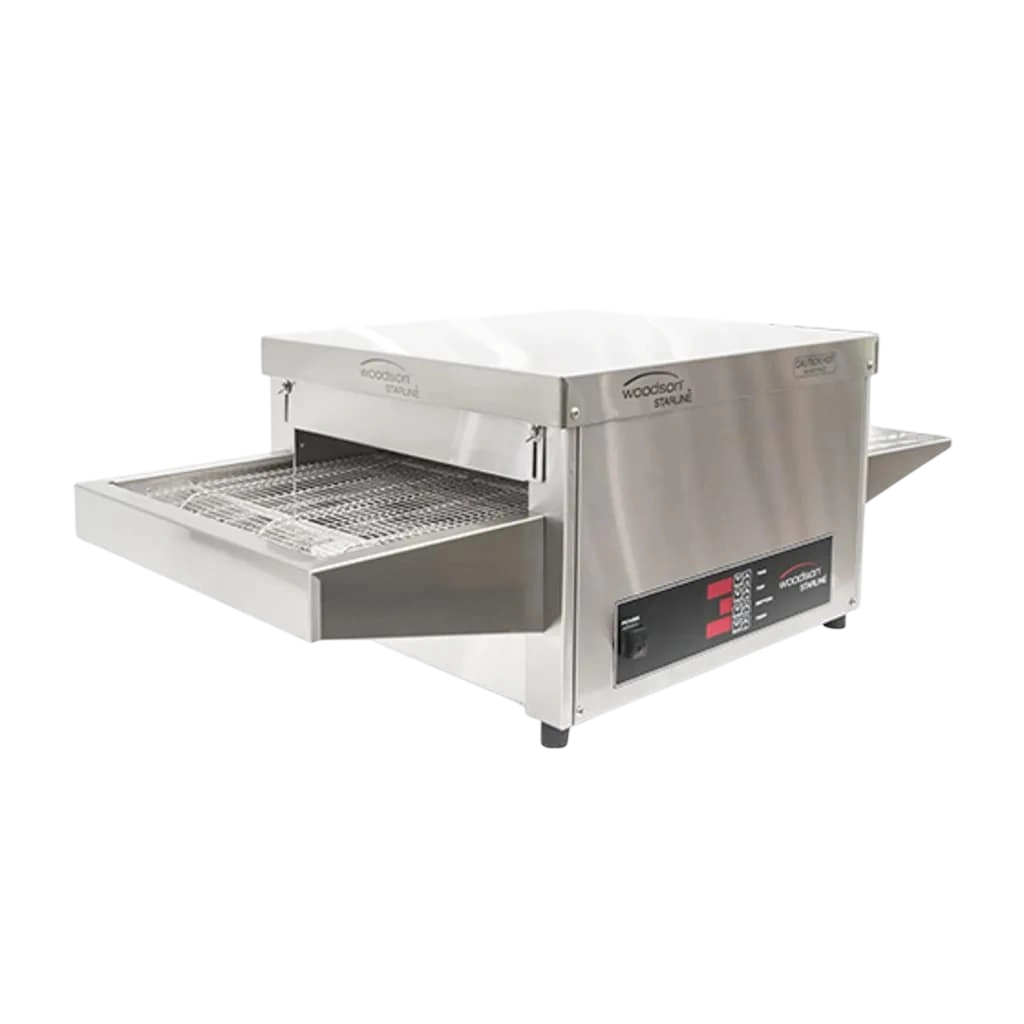
1200 × 505 × 465mm
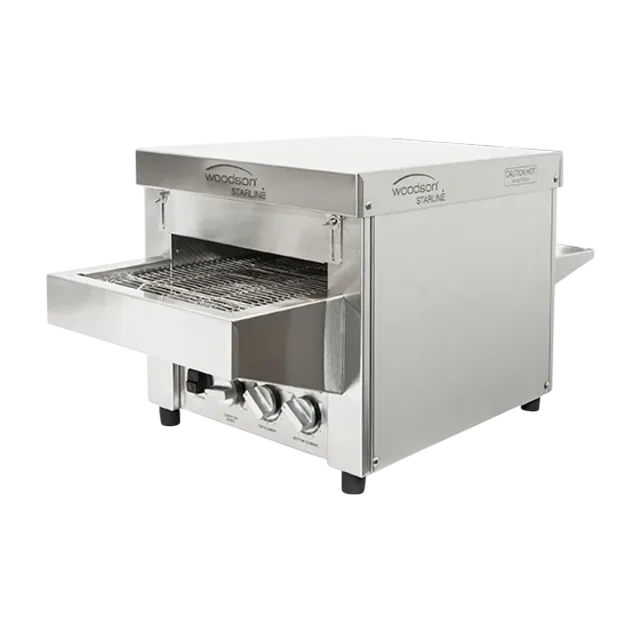
1000 × 445 × 465mm
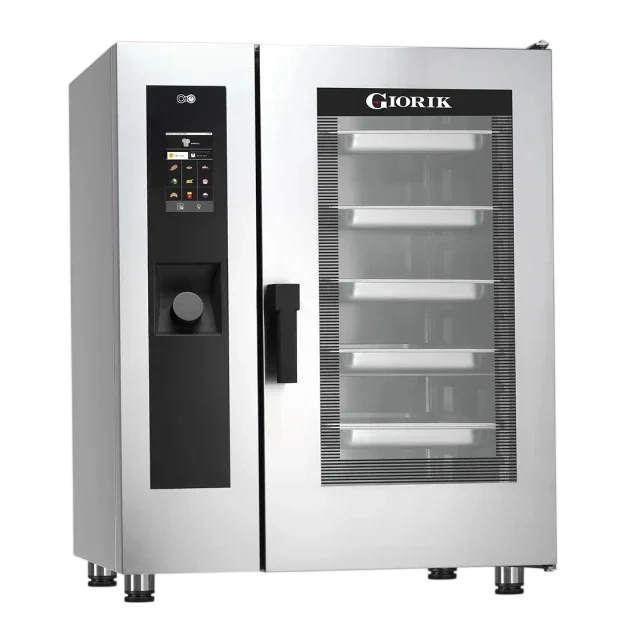
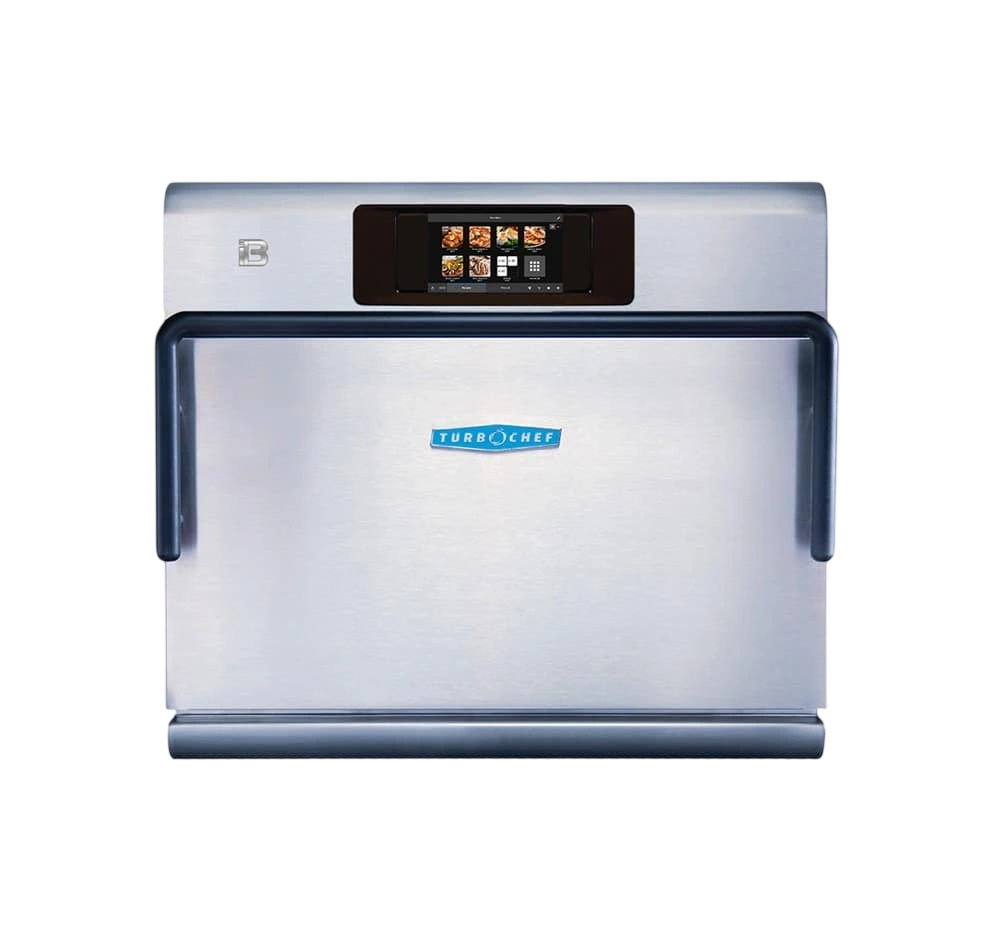
622 × 794 × 540mm
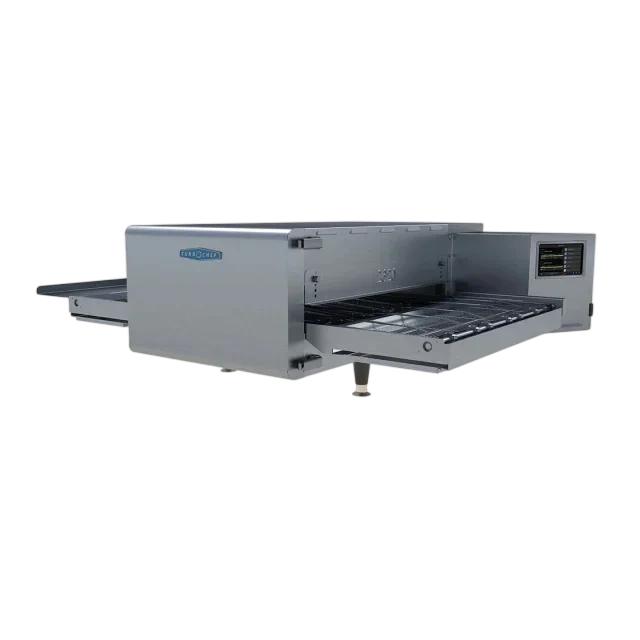
1526 × 1059 × 432mm
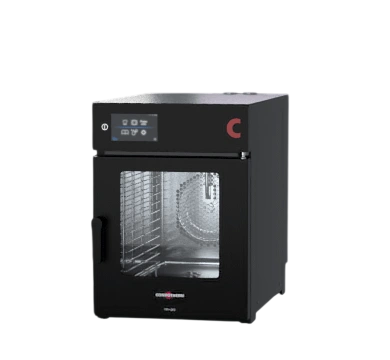
498 × 793 × 694mm
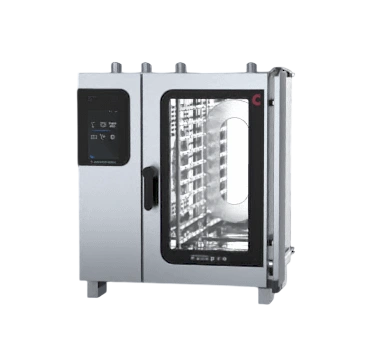
966 × 792 × 1058mm
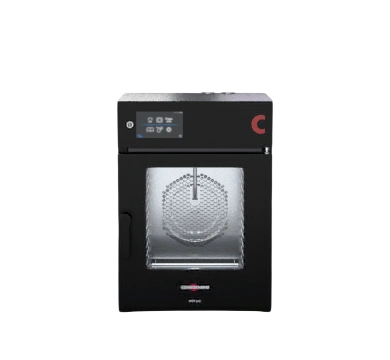
498 × 615 × 694mm
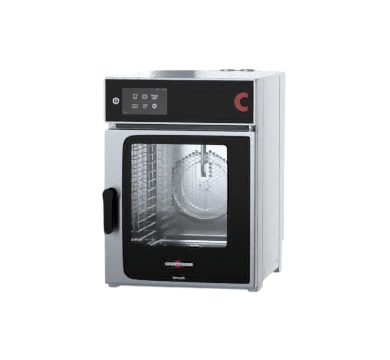
498 × 615 × 694mm
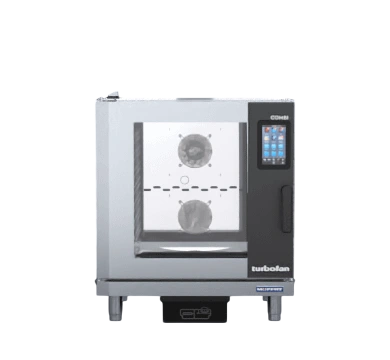
777 × 744 × 887mm
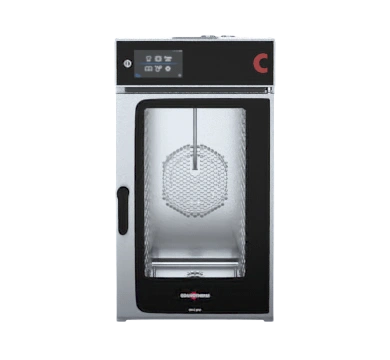
498 × 793 × 894mm
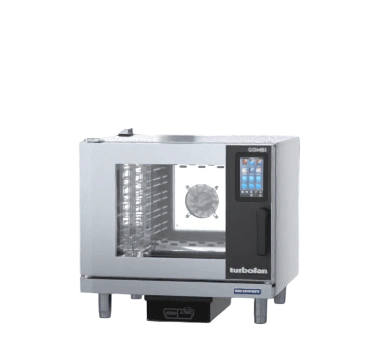
777 × 744 × 723mm
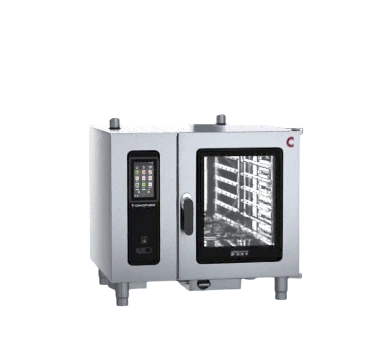
875 × 797 × 794mm
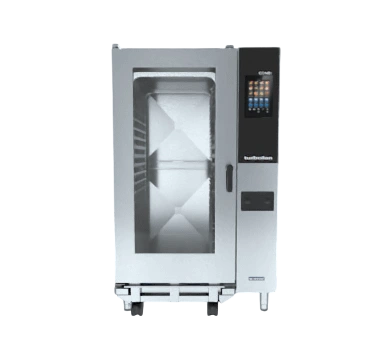
1102 × 932 × 1812mm
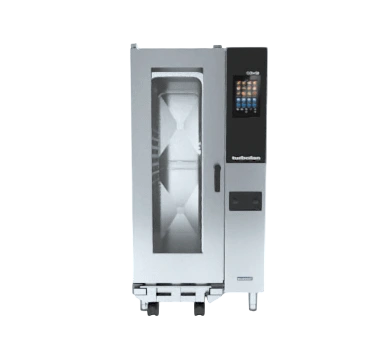
892 × 862 × 1812mm
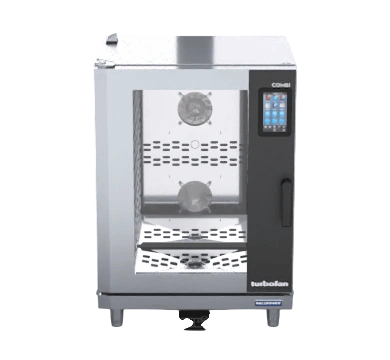
777 × 744 × 1097mm