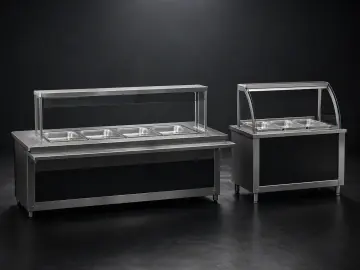
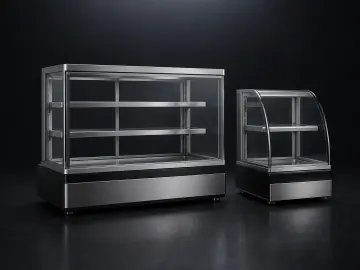
Heated Food Display Cabinets
65 products
Display Showcase
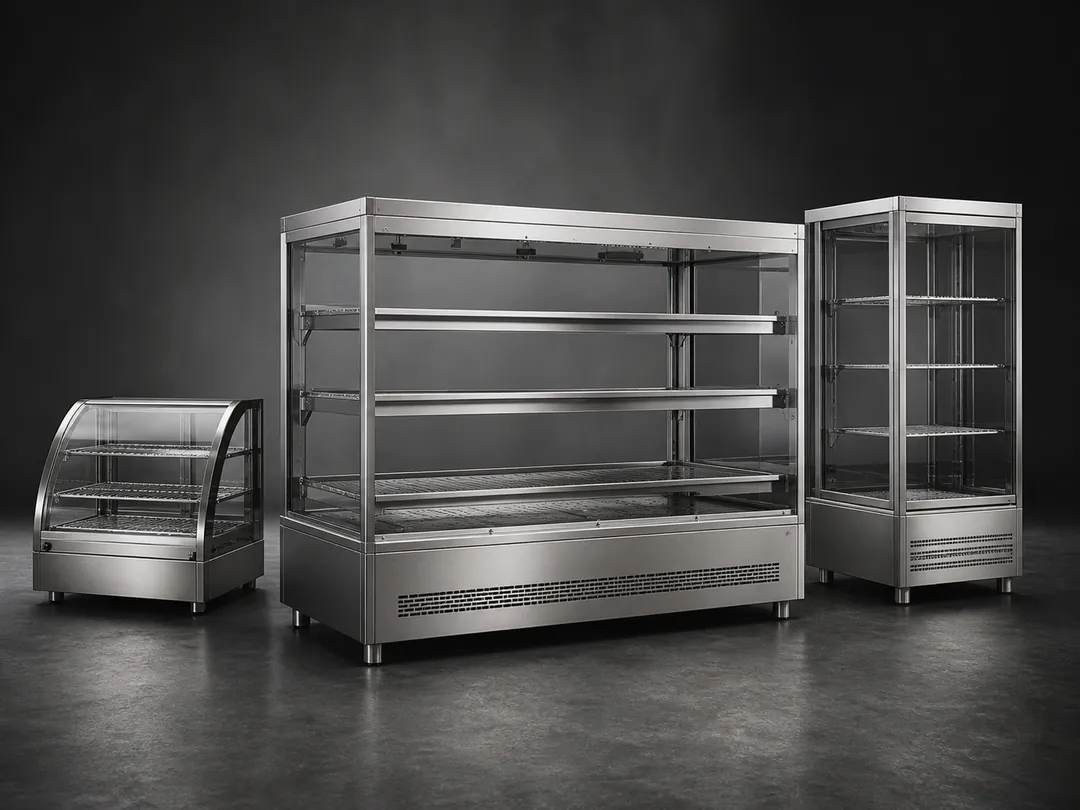
Commercial hot display cabinets in this parent range currently cover 171 listings from 13 brands: 65 routed through Heated Food Display Cabinets, 31 through Hot Bars and 75 through Hot Bar Accessories. That split matters—the page combines display equipment, hot-bar formats and matching components, so not every listing is a powered cabinet.
Start with the service job, then enter the relevant child range. Use Heated Food Display Cabinets for dedicated heated-display formats, Hot Bars for the current hot-bar range and Hot Bar Accessories for compatible pans, lids, shelves and other listed components. Compare every shortlisted SKU for dimensions, access direction, electrical supply, temperature controls, pan or shelf fit and included items.
This page is the broad comparison route. Dedicated heated-display cabinets, hot bars and hot-bar accessories have separate child pages because their purchase questions differ. Enter the equipment path that matches the job instead of comparing a shelf, pan or lid with a powered display unit.
Decide who loads, serves and replenishes the display, and from which side. Compare doors, openings, guards, shelves, pan positions and sightlines on the exact SKU. Rear-service, self-service, enclosed and open formats are model attributes—not promises across the whole range.
Record the food containers, pan sizes, shelf spacing and batch flow needed during service. Where a listing uses gastronorm or other pan terminology, verify supported sizes, depths, quantity and whether pans or lids are included. For cabinet formats, confirm usable shelf arrangement rather than relying on external width alone.
The 96 listings outside the accessory child path span compact and large formats in stored structured dimensions. Measure the full site and delivery route, then verify the selected model’s width, depth, height, electrical load, plug or connection, operating clearances and bench or floor support. Do not infer services from another model in the same category.
FSANZ temperature-control guidance states that potentially hazardous food generally needs to be kept at 5°C or colder or 60°C or hotter unless another safe arrangement is demonstrated. It also advises heating food to 60°C or hotter before transfer to hot-holding equipment. Set, monitor and verify the actual food temperature under the venue’s food-safety program; do not assume a display unit is suitable for cooking or reheating.
KW accepts commercial hot display equipment enquiries from Sydney, Melbourne, Brisbane, Adelaide, Perth, Canberra, Hobart, Darwin and regional Australia. Availability, freight and delivery method are confirmed for the exact SKU, quantity, postcode and access route.
Key factors to consider before purchasing. Our team can help you find the right fit — call or get a quote anytime.
Separate dedicated heated displays, hot-bar equipment and accessories before comparing models.
Match shelves or pans, usable positions, loading side, customer access and included components to service flow.
Verify exact dimensions, power, clearances, temperature controls, cleaning access and delivery path for the SKU.
Submit your kitchen requirements — our equipment specialists will send you a tailored shortlist of hot display cabinets that fits your budget, venue type and compliance needs.
Send KW the service brief, display or pan layout, site dimensions, power, exact SKU or compatibility need, quantity, postcode and access details for a current-model shortlist.
Standards & Compliance
Define whether the job is enclosed merchandising, a hot-bar service line or an accessory replacement. Then verify the exact model’s external dimensions, usable display or pan layout, staff- or customer-side access, temperature-control evidence, electrical supply, ventilation and service clearances, cleaning access and inclusions. A category label alone does not prove a heating method, humidity system, plumbing requirement or food suitability.
FAQ
The current parent category contains 171 listings from 13 brands: 65 routed through Heated Food Display Cabinets, 31 through Hot Bars and 75 through Hot Bar Accessories. The total therefore includes equipment and components, not 171 complete powered cabinets.
Use Heated Food Display Cabinets for dedicated heated-display formats, Hot Bars for the current hot-bar equipment range and Hot Bar Accessories for compatible listed components.
No. Seventy-five current listings are routed through Hot Bar Accessories, and the catalogue also contains a small number of title-to-taxonomy anomalies. Confirm the exact product title, specifications and inclusion list.
Why KW
Send the intended menu and service style, required display or pan layout, available W × D × H, counter or floor position, customer and staff access direction, electrical supply, exact accessory compatibility where relevant, quantity, postcode and complete delivery path. KW can then compare current models without treating this mixed parent range as one specification.
Deep Dive
Technical depth from KW's commercial kitchen specialists.
| Current child path | Listings | Use it to compare |
|---|---|---|
| Heated Food Display Cabinets | 65 | Dedicated heated-display formats and their exact cabinet, access, shelf, control and site requirements. |
| Hot Bars | 31 | The current hot-bar range, including exact pan or well layout, service direction, dimensions and services. |
| Hot Bar Accessories | 75 | Compatible pans, lids, shelves, tray races, guards and other currently listed components. |
| Route | That page is responsible when… |
|---|---|
| Hot Display Cabinets | The buyer needs the broad commercial hot-display parent route and must choose between its equipment and accessory paths. |
| Commercial Food Warmers | The purchase is broader warming or holding equipment, including dedicated warmer types, rather than this display family. |
| Commercial Bain Maries | The defining product is general bain-marie equipment, not a hot-display parent comparison. |
| Chafing Dishes | The buyer needs the current covered chafing-vessel range. |
| Buffet Display | The defining job is buffet presentation and service across that category’s current assortment. |
| Cold Display Cabinets | The required display is refrigerated or chilled rather than hot. |
No universal heating or humidity method applies across this parent range. Verify the exact SKU’s current specification sheet or manual, including any water-pan, water-supply or drainage requirement.
FSANZ temperature-control guidance states that potentially hazardous food generally needs to be kept at 60°C or hotter during hot holding unless the business can demonstrate another safe arrangement. Measure the food itself and follow the venue’s food-safety program and the selected model’s instructions.
Do not assume so. FSANZ advises heating food to 60°C or hotter before transferring it to hot-holding equipment. Use purpose-specified cooking or reheating equipment unless the exact manufacturer documentation establishes that capability.
Not universally. Confirm compatible size, depth and quantity and whether each pan, lid, shelf, tray race, guard or fitting is included, optional or sold separately for the exact model.
Compare the available footprint, bench load or floor position, usable layout, operator and customer access, sightlines, electrical supply, operating clearances and complete delivery path. Product format must be verified on the exact SKU.
Provide the menu and service style, display or pan layout, available W × D × H, access direction, electrical supply, exact SKU or accessory compatibility if known, quantity, postcode and delivery constraints.
KW accepts commercial hot display enquiries for Sydney and regional NSW, Melbourne and Victoria, Brisbane and Queensland, Adelaide and South Australia, Perth and Western Australia, Canberra and the ACT, Hobart and Tasmania, Darwin and the Northern Territory. Send the exact model or service brief, quantity, suburb or town, postcode and access constraints for an individual availability and freight check.
Return to Display Showcase or compare Heated Food Display Cabinets, Hot Bars, Hot Bar Accessories, Commercial Food Warmers, Commercial Bain Maries, Chafing Dishes, Buffet Display and Cold Display Cabinets when those product families define the job.
171 results
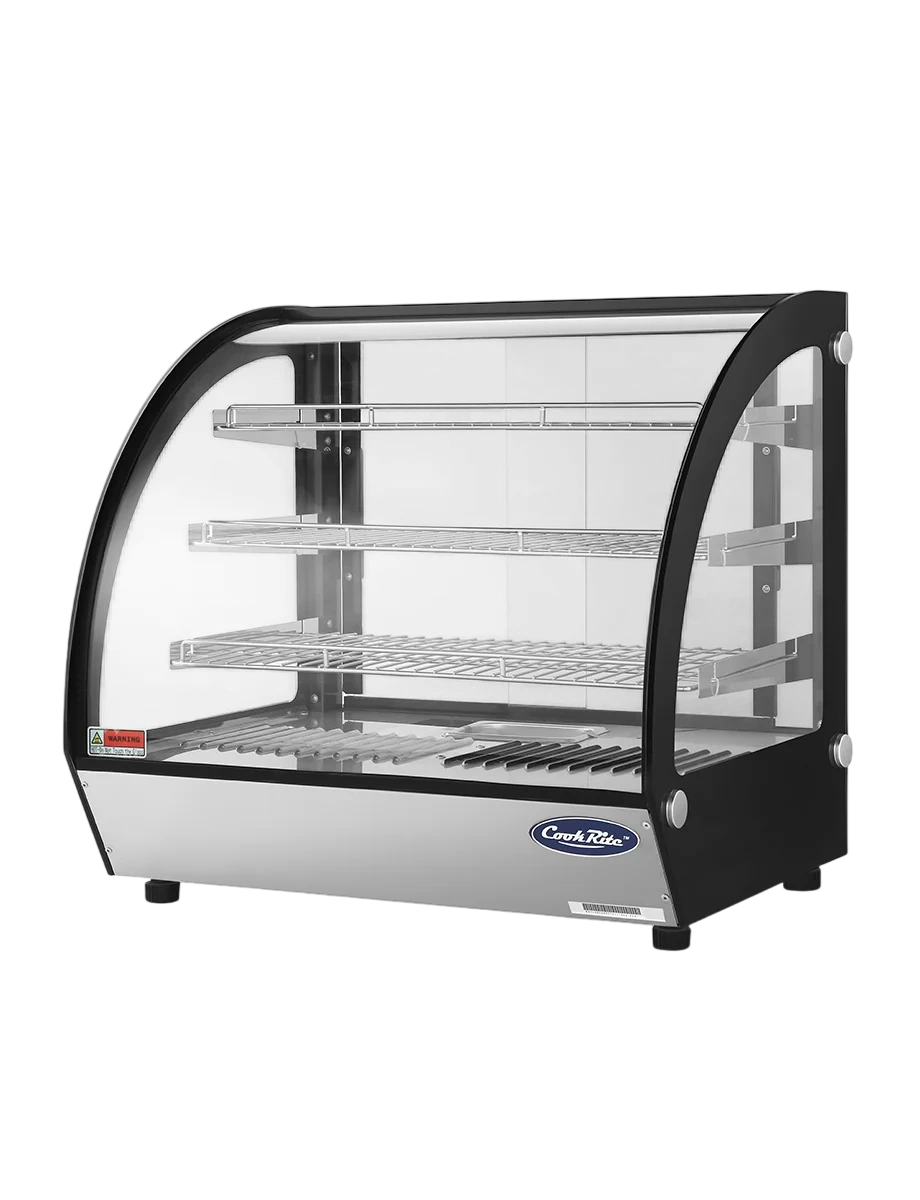
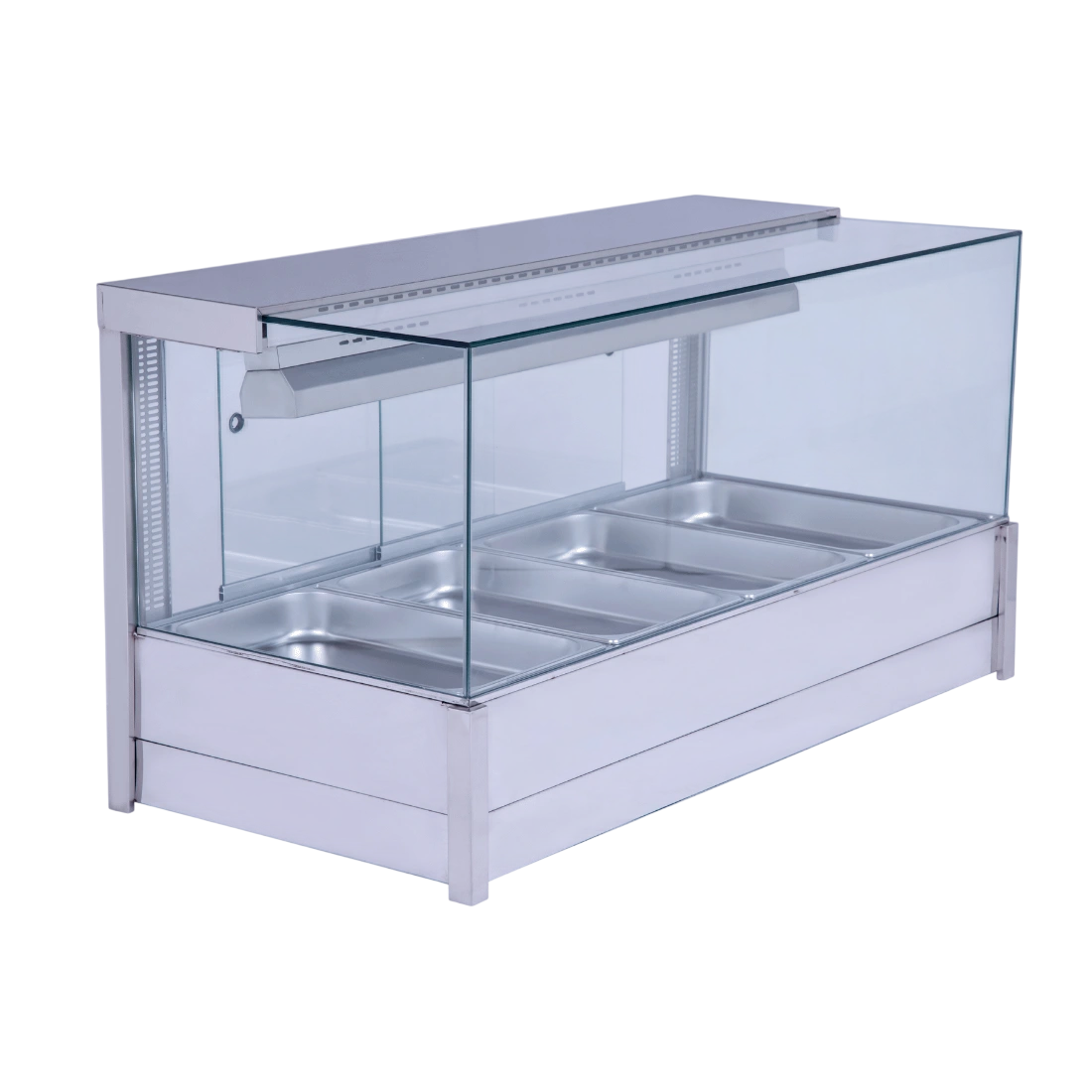
1388 × 624 × 720mm
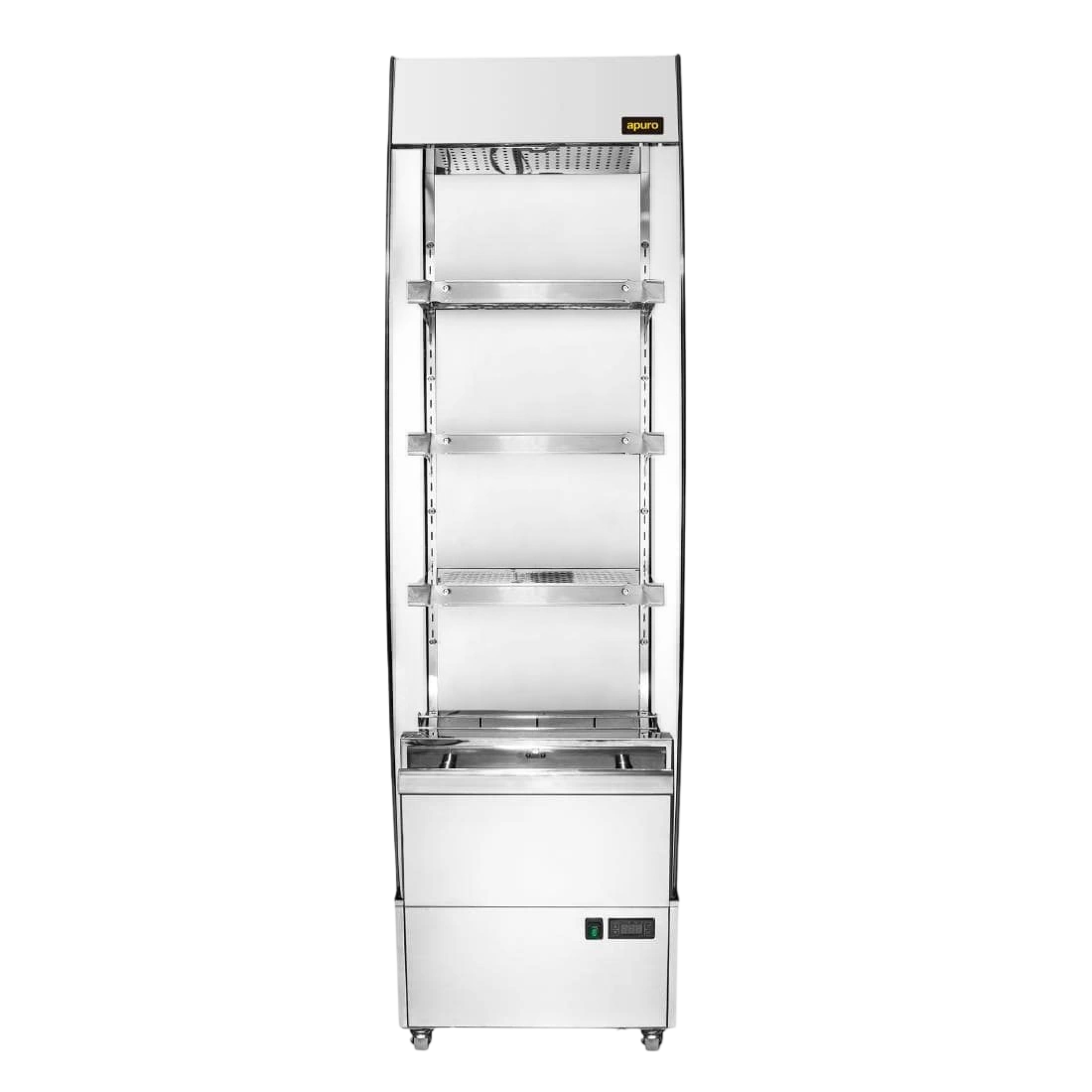
494 × 600 × 1742mm
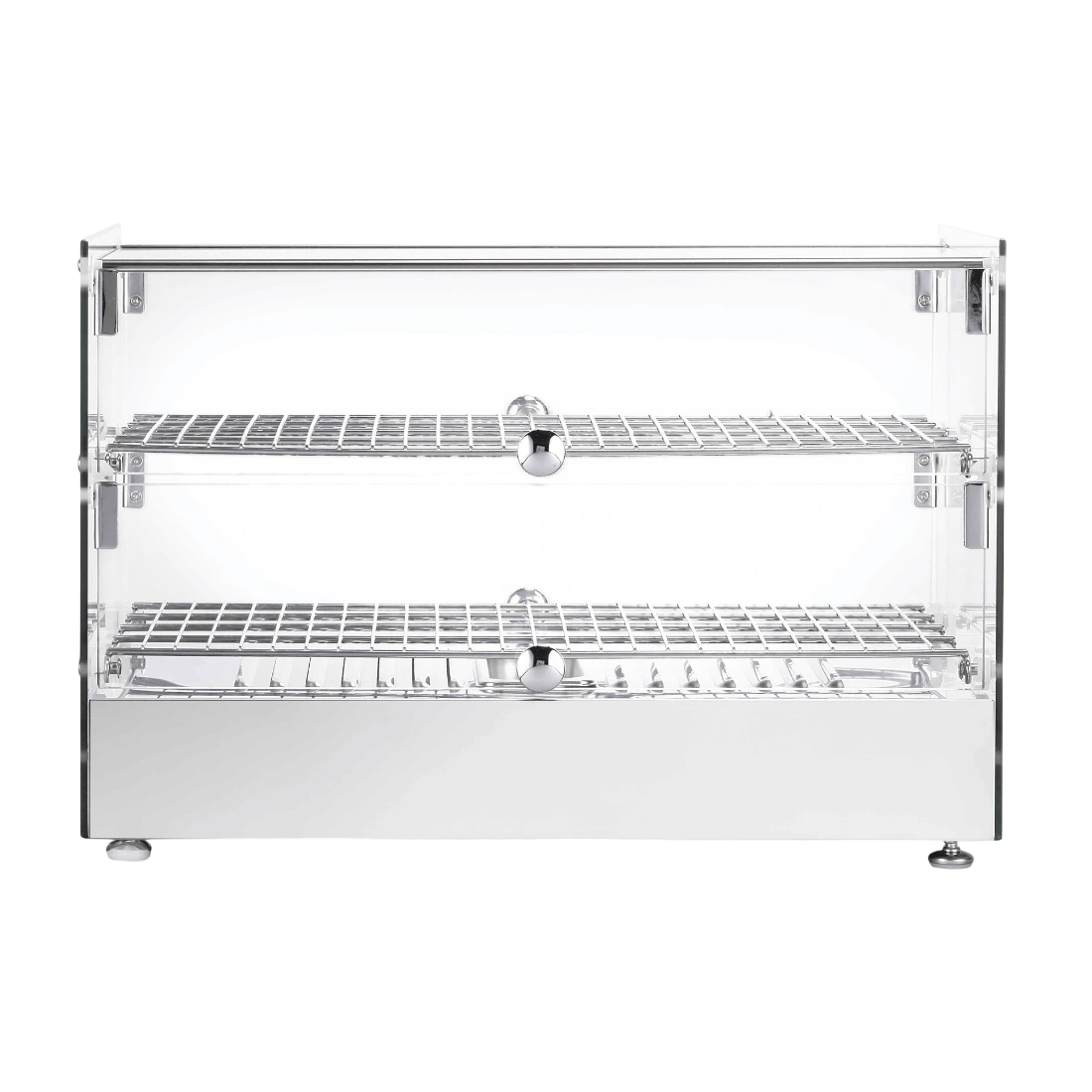
555 × 361 × 379mm
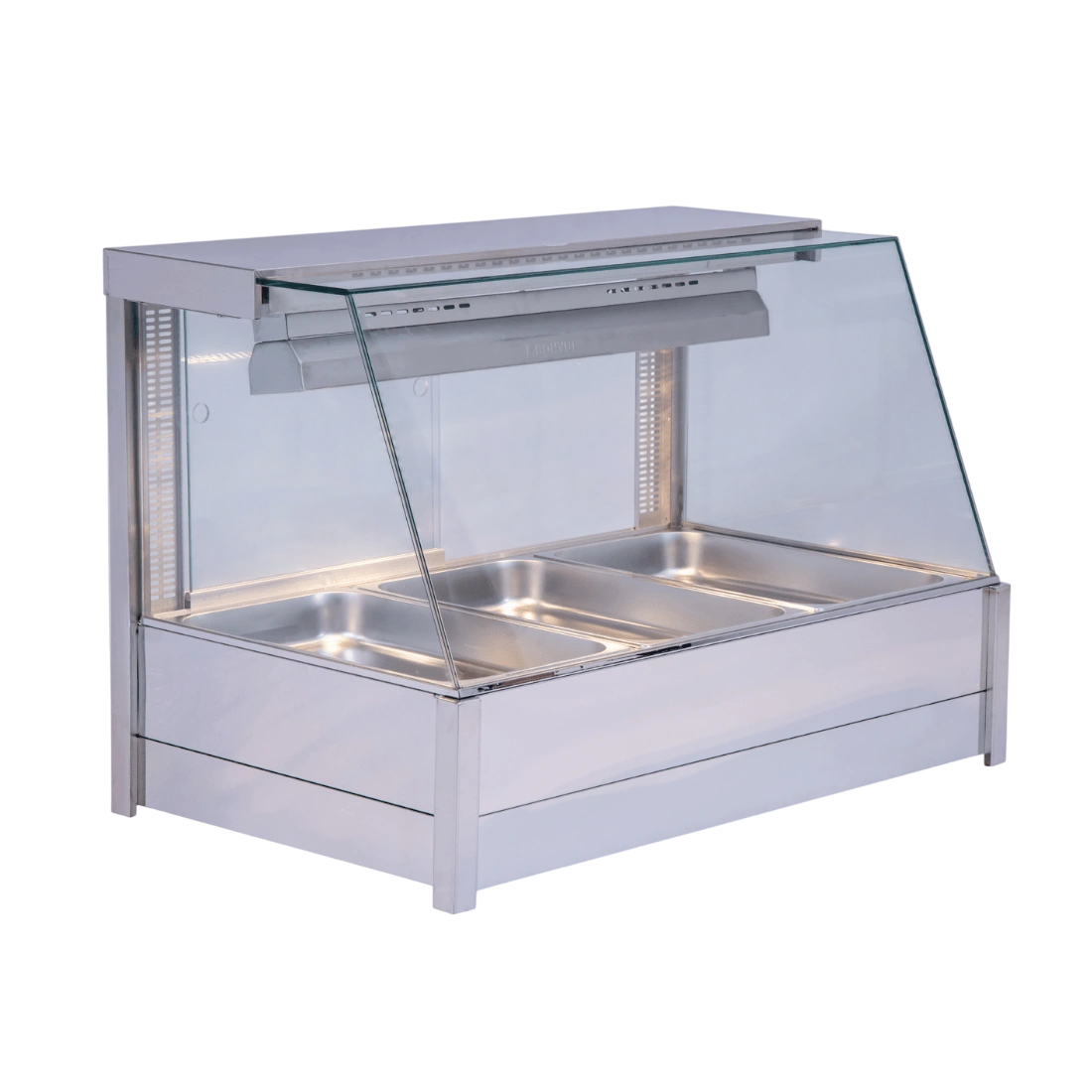
1055 × 624 × 720mm
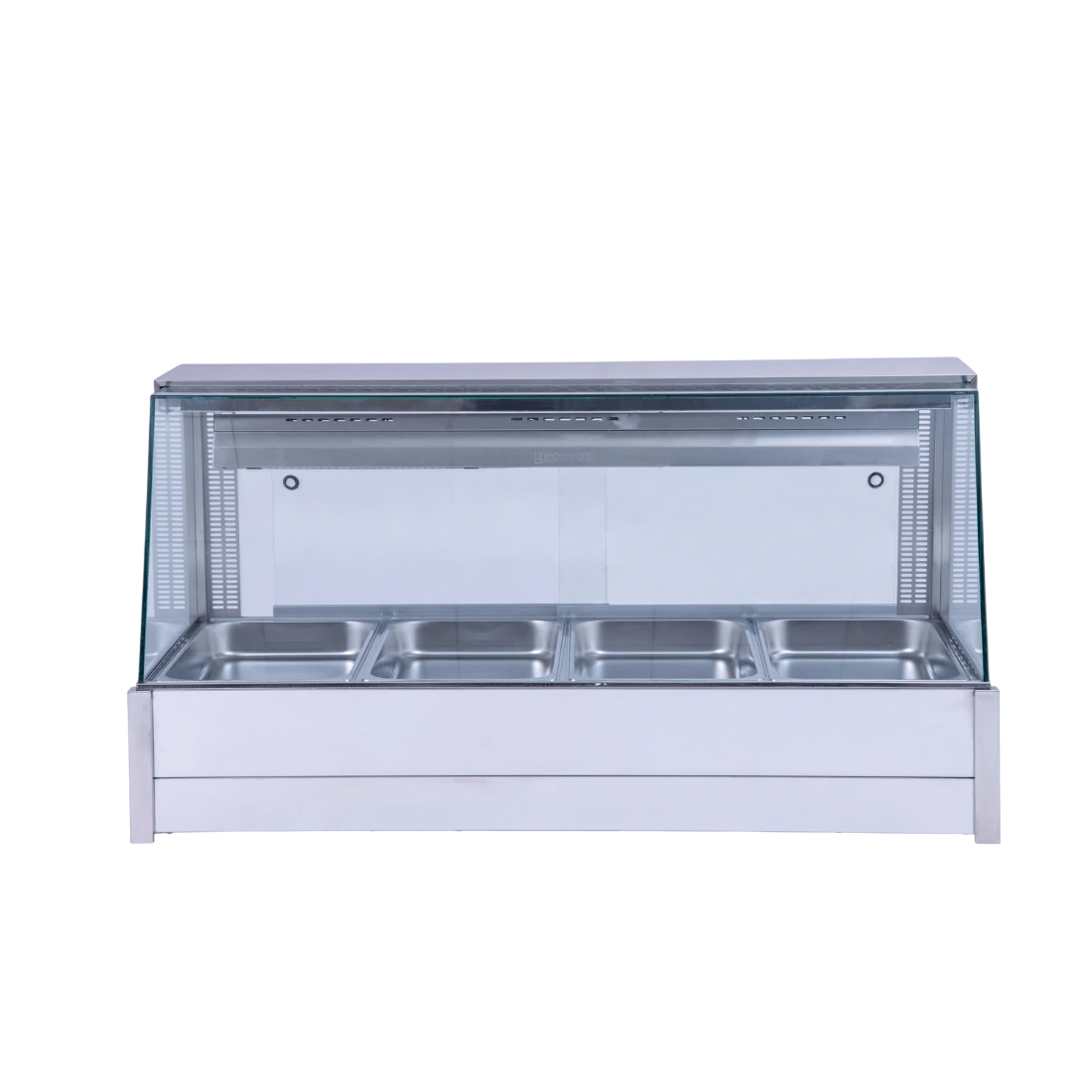
1388 × 624 × 720mm
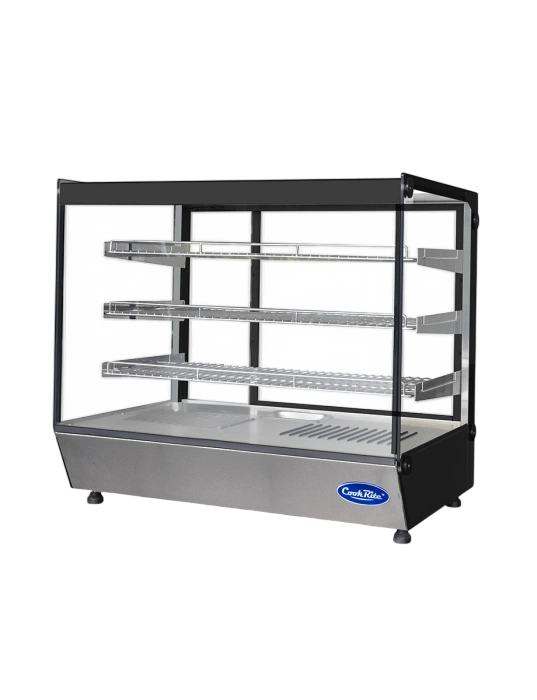
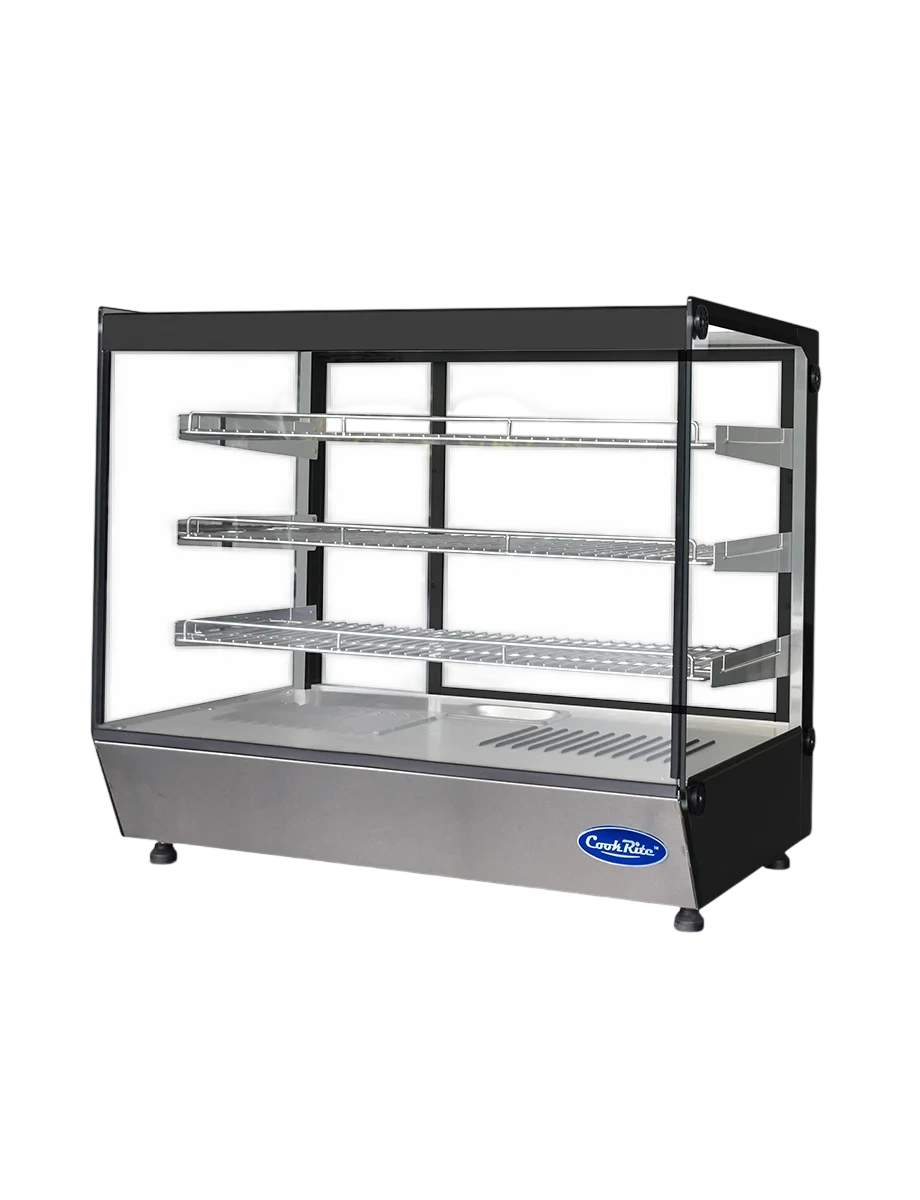
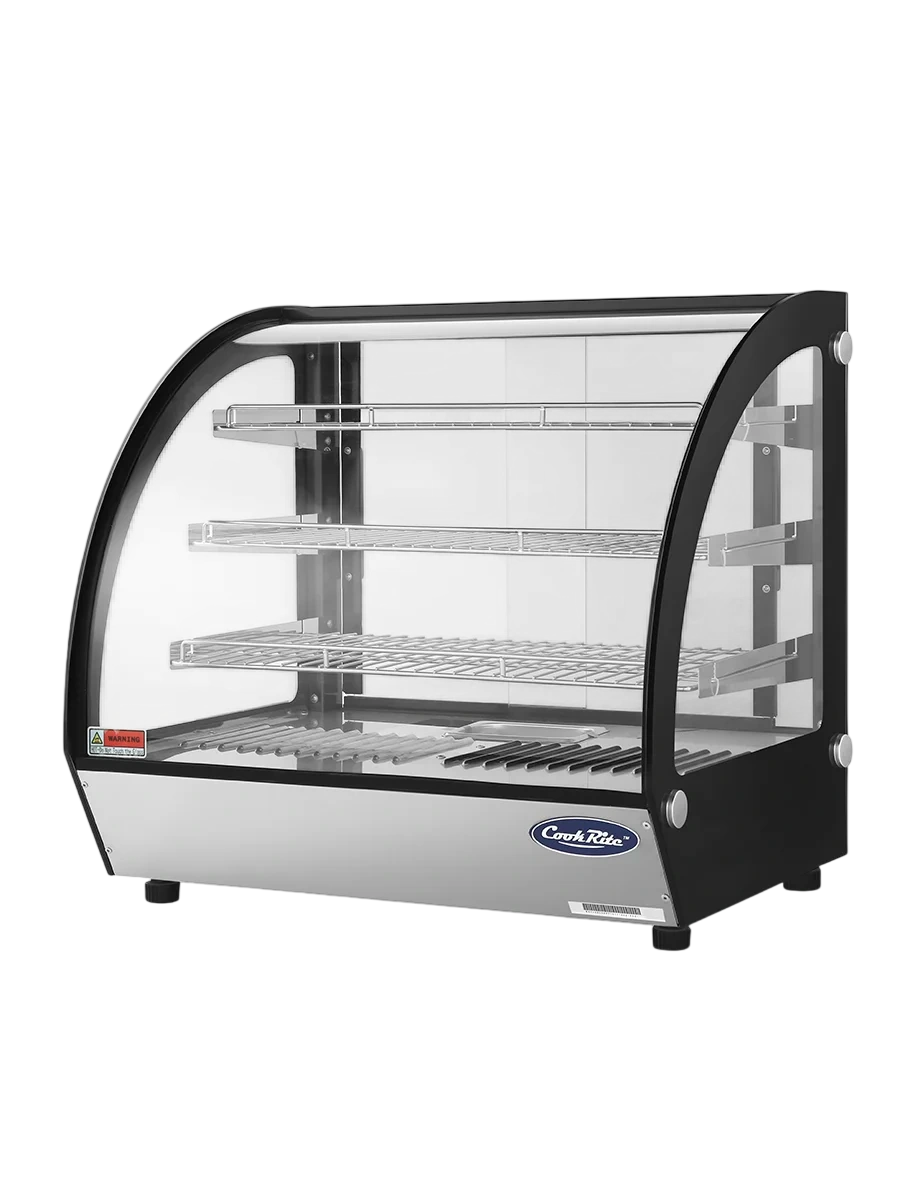
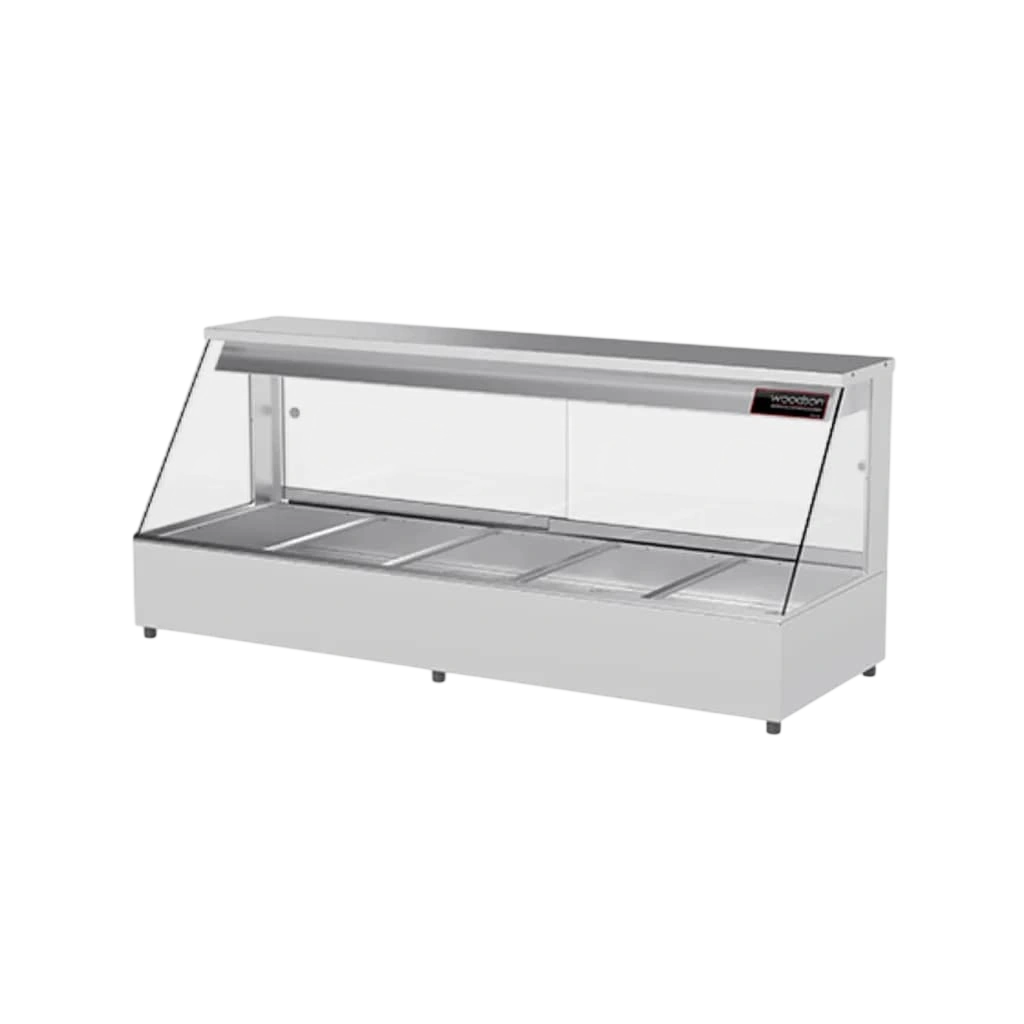
1680 × 600 × 722mm
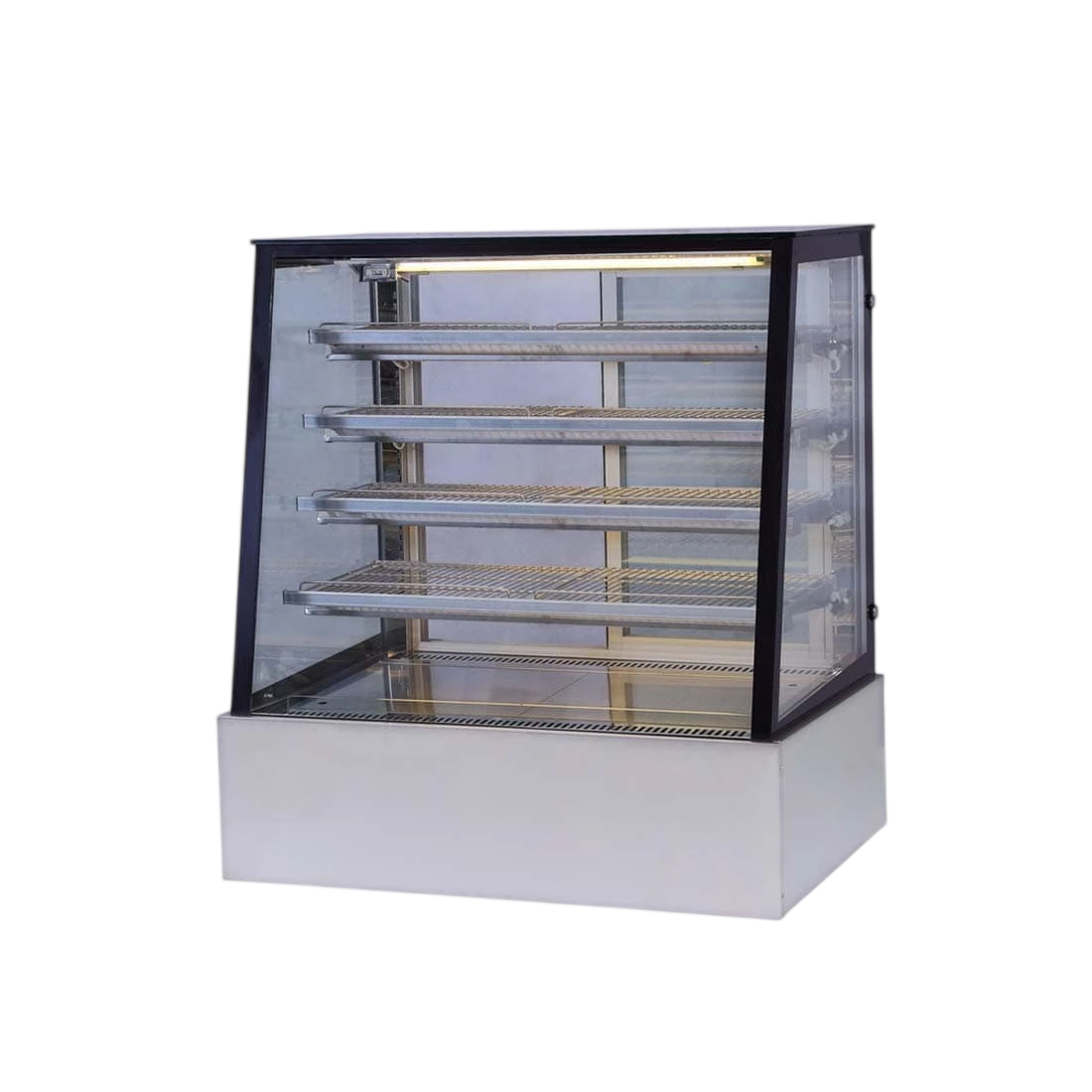
1200 × 800 × 1350mm
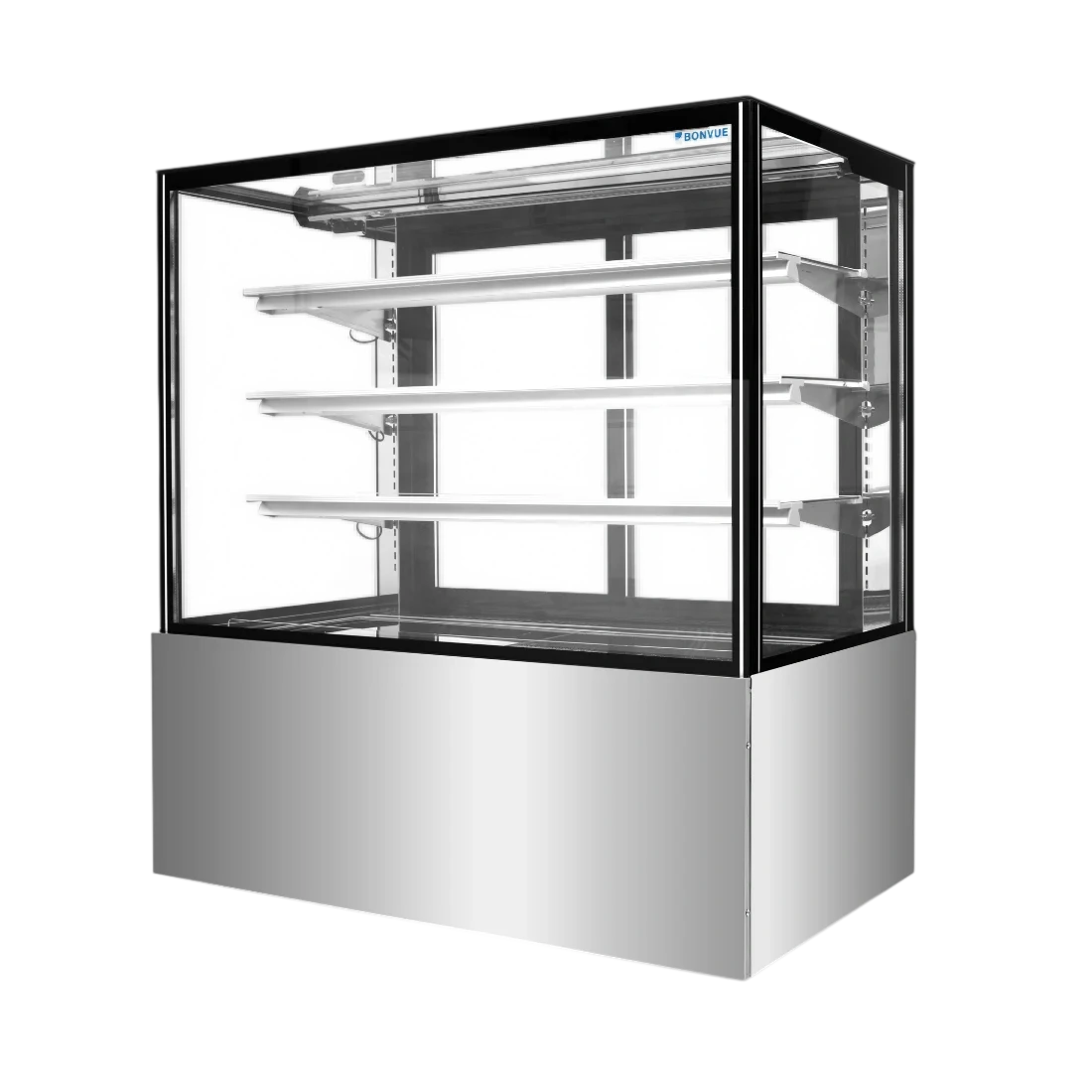
1200 × 740 × 1350mm
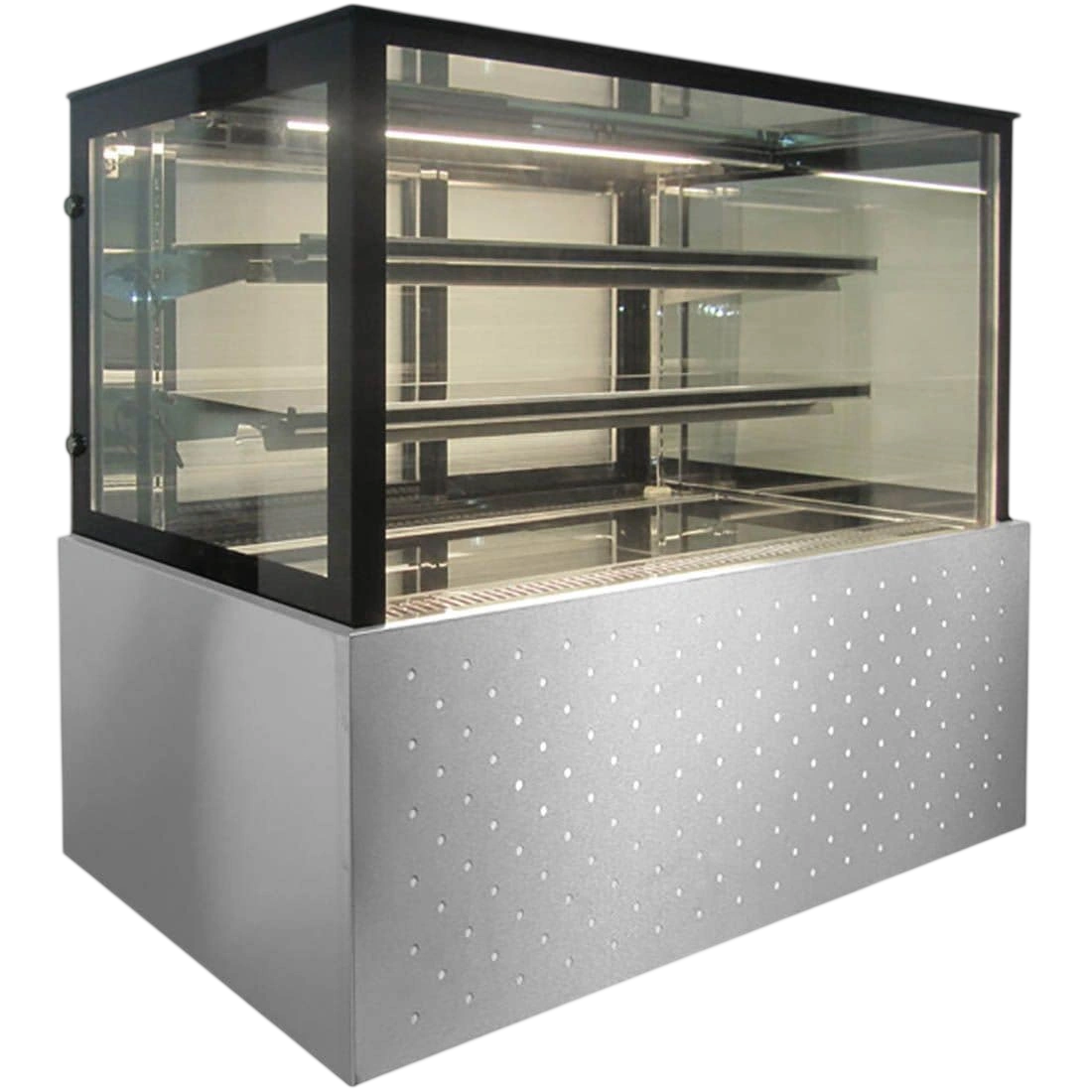
900 × 700 × 1250mm
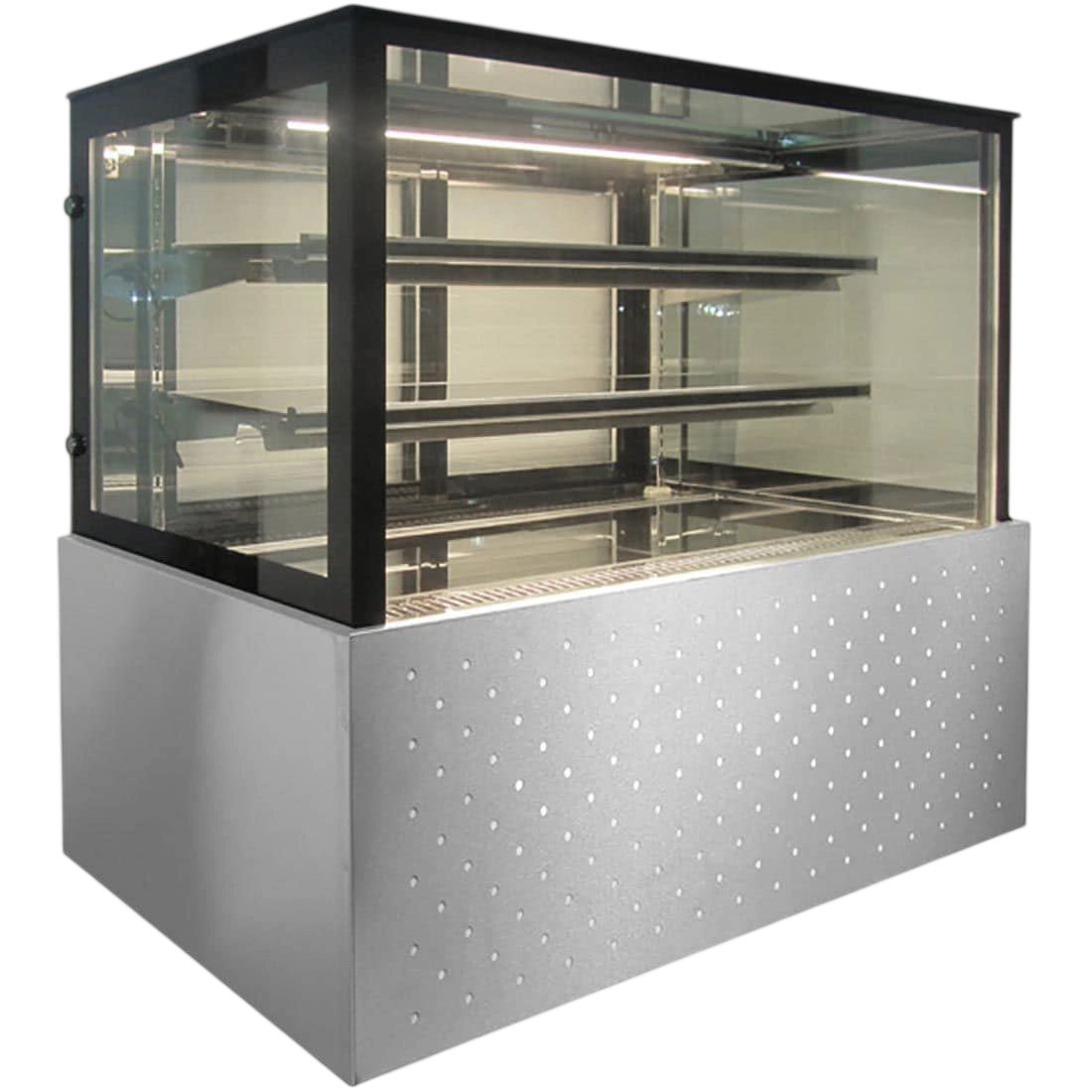
1200 × 700 × 1250mm
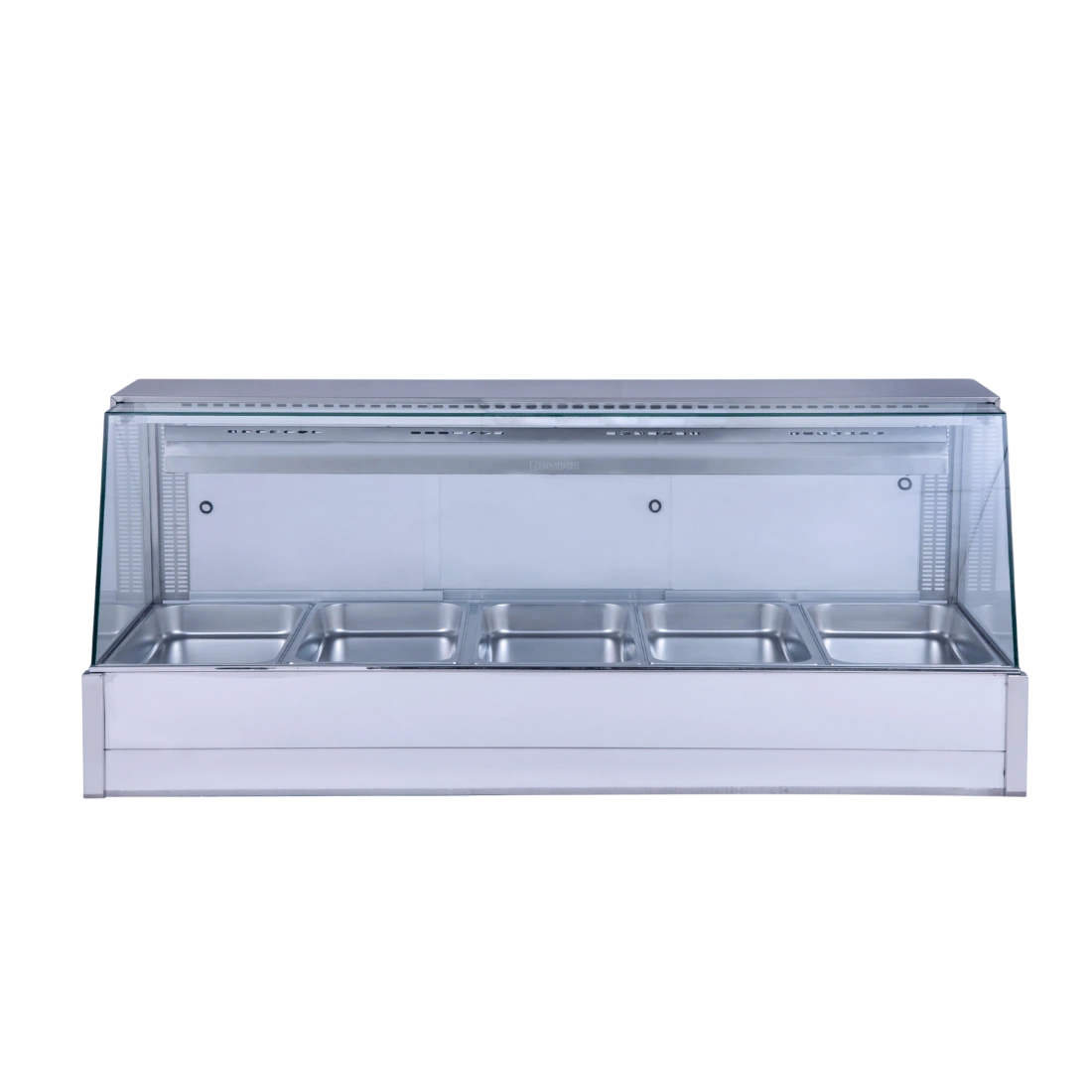
1721 × 624 × 720mm
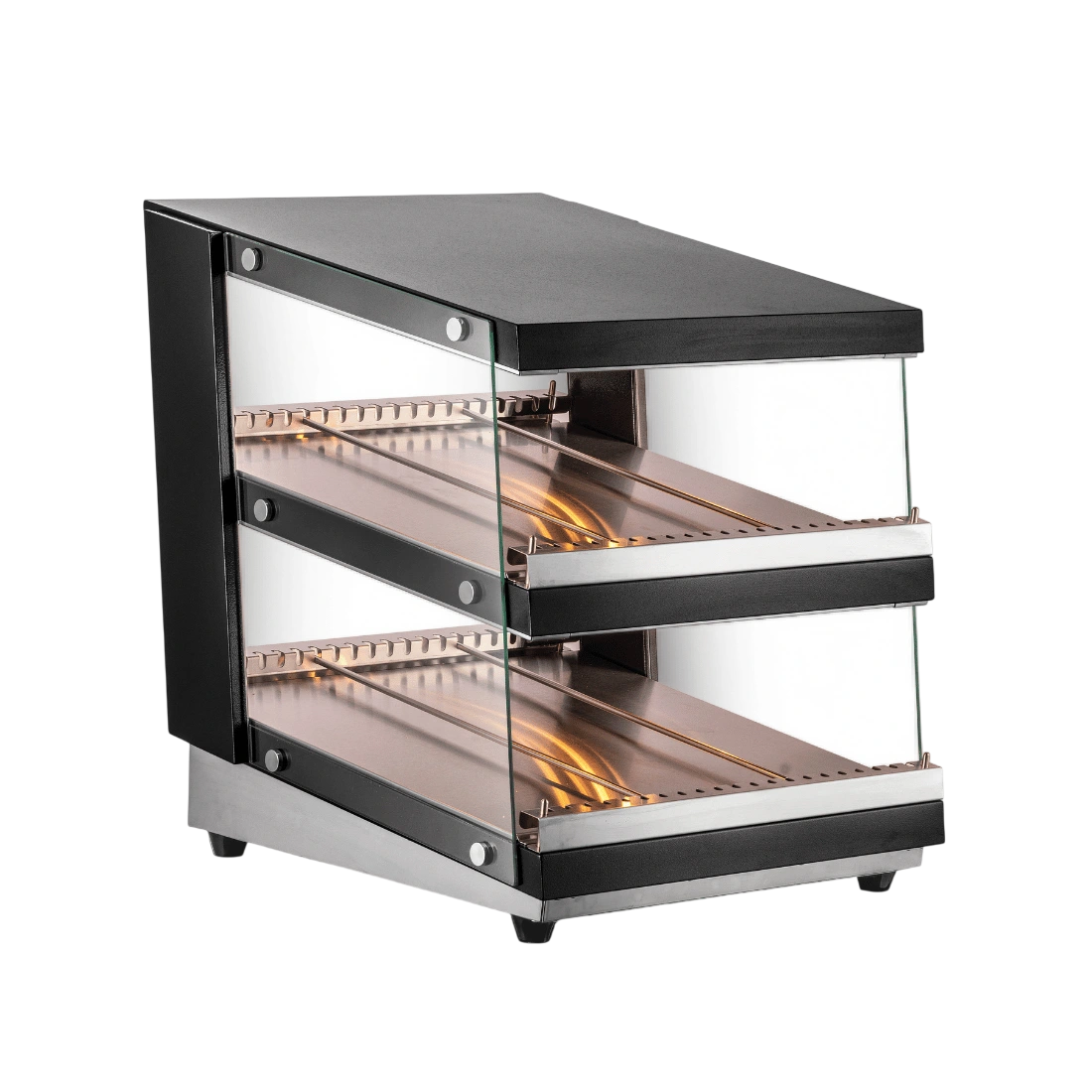
600 × 703 × 704mm
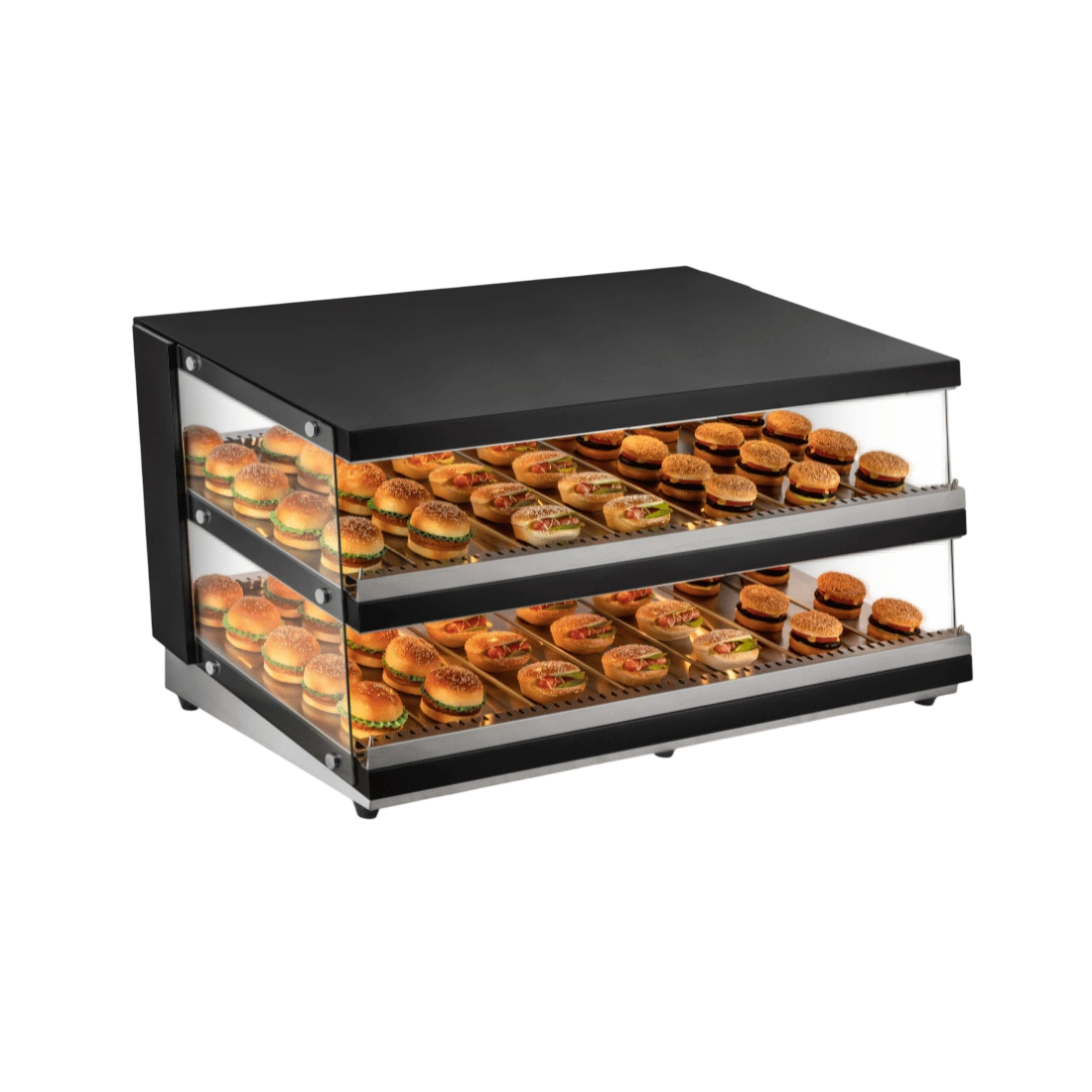
1400 × 703 × 704mm
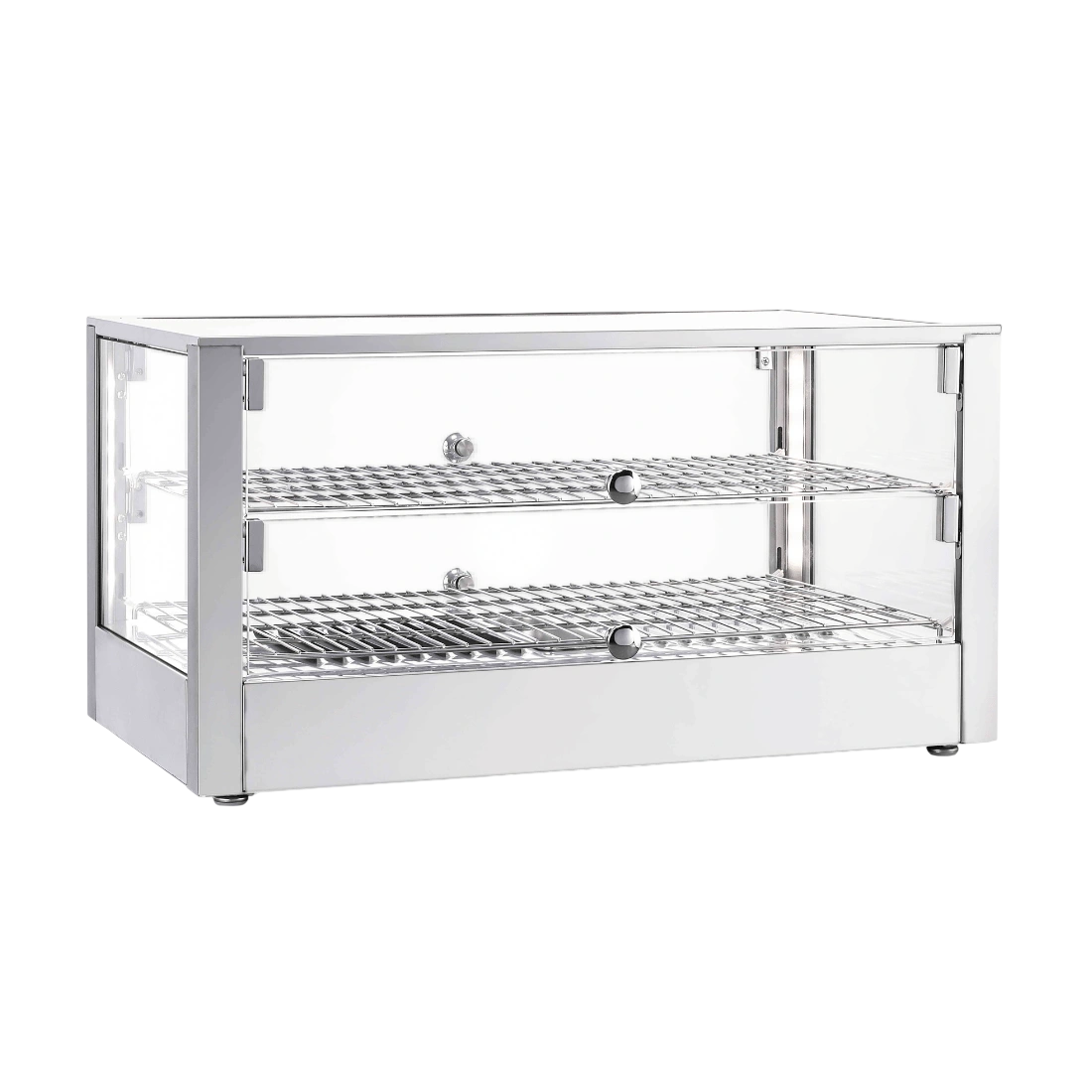
700 × 400 × 372mm
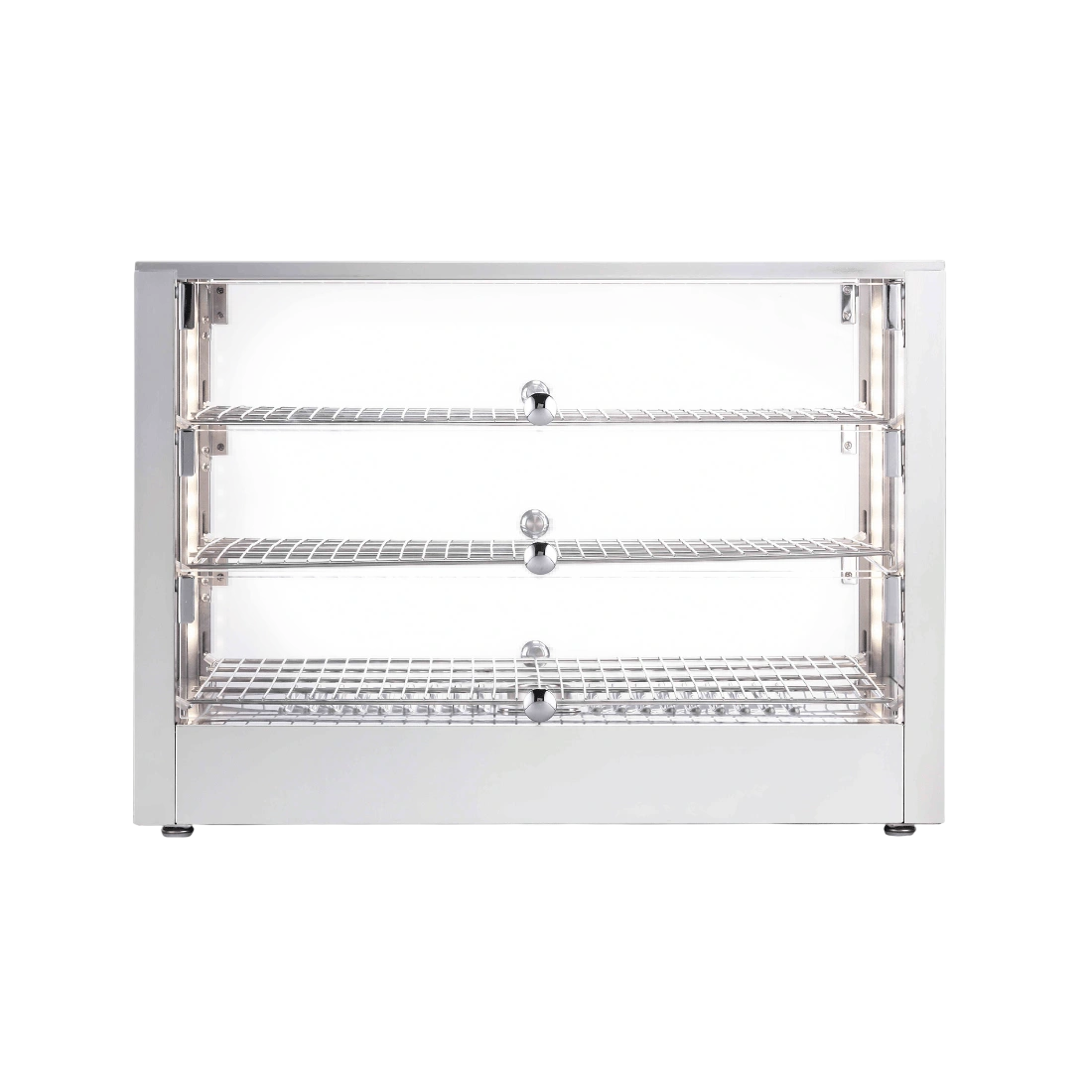
700 × 400 × 500mm
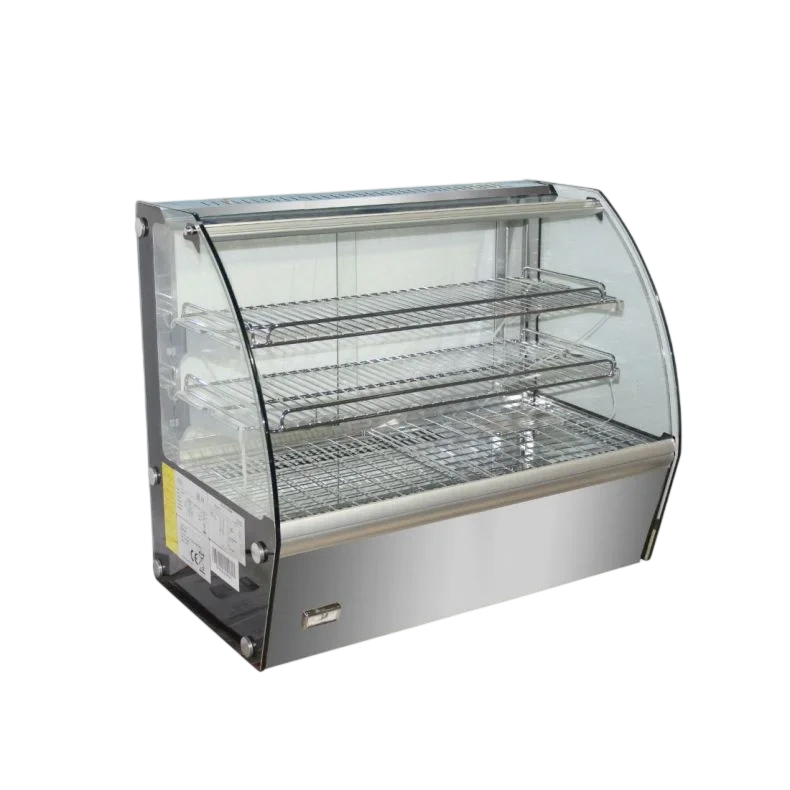
700 × 580 × 672mm
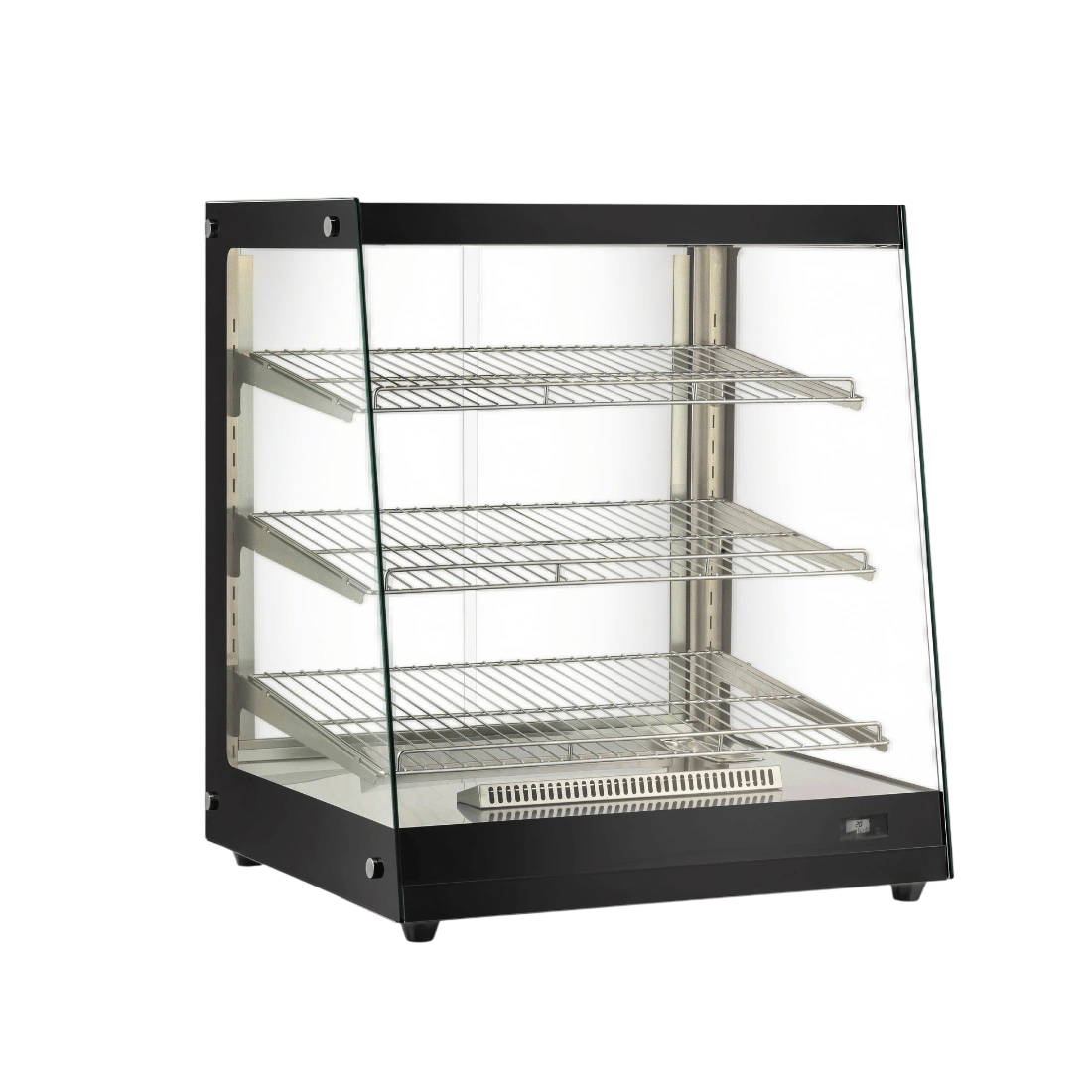
740 × 650 × 850mm
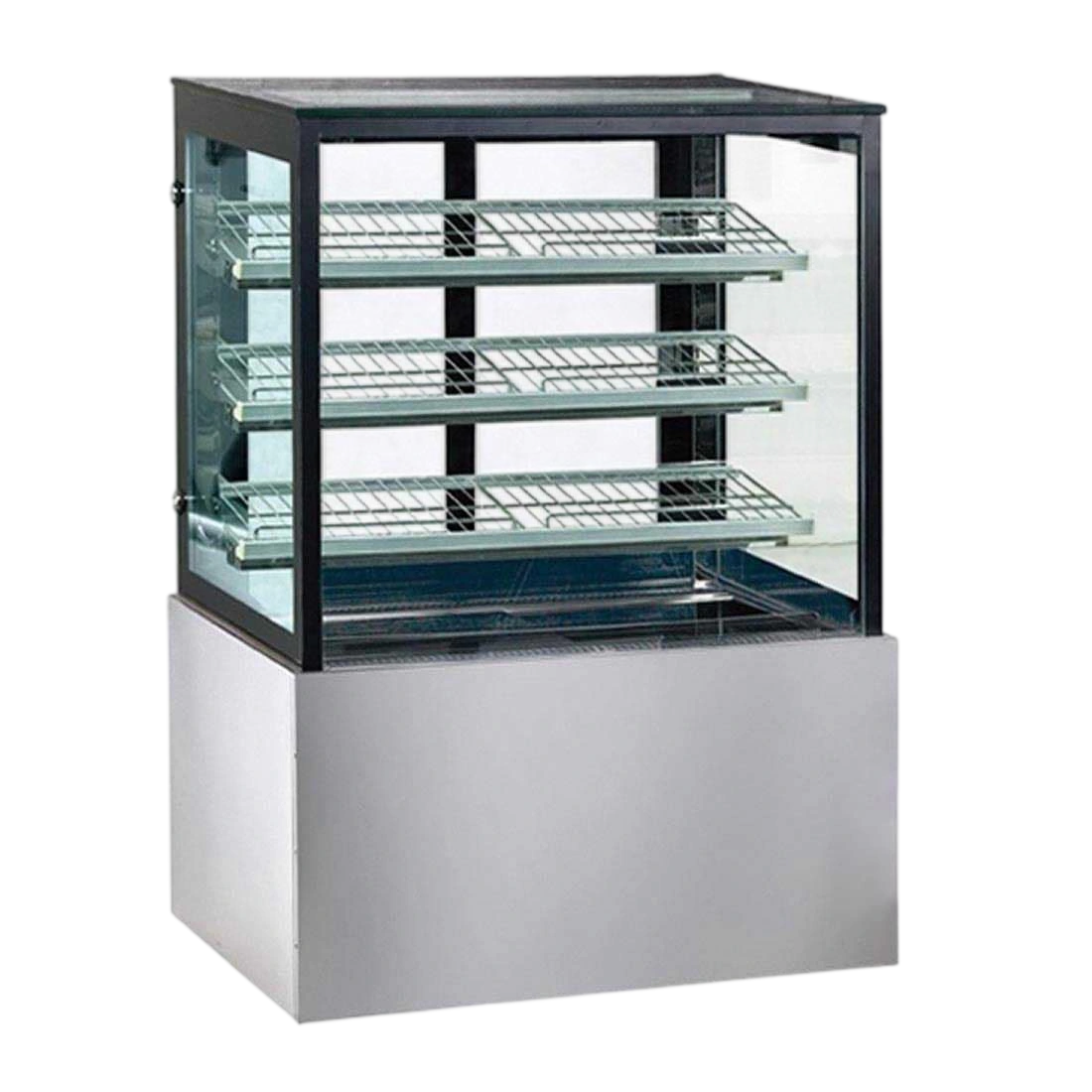
600 × 740 × 1350mm
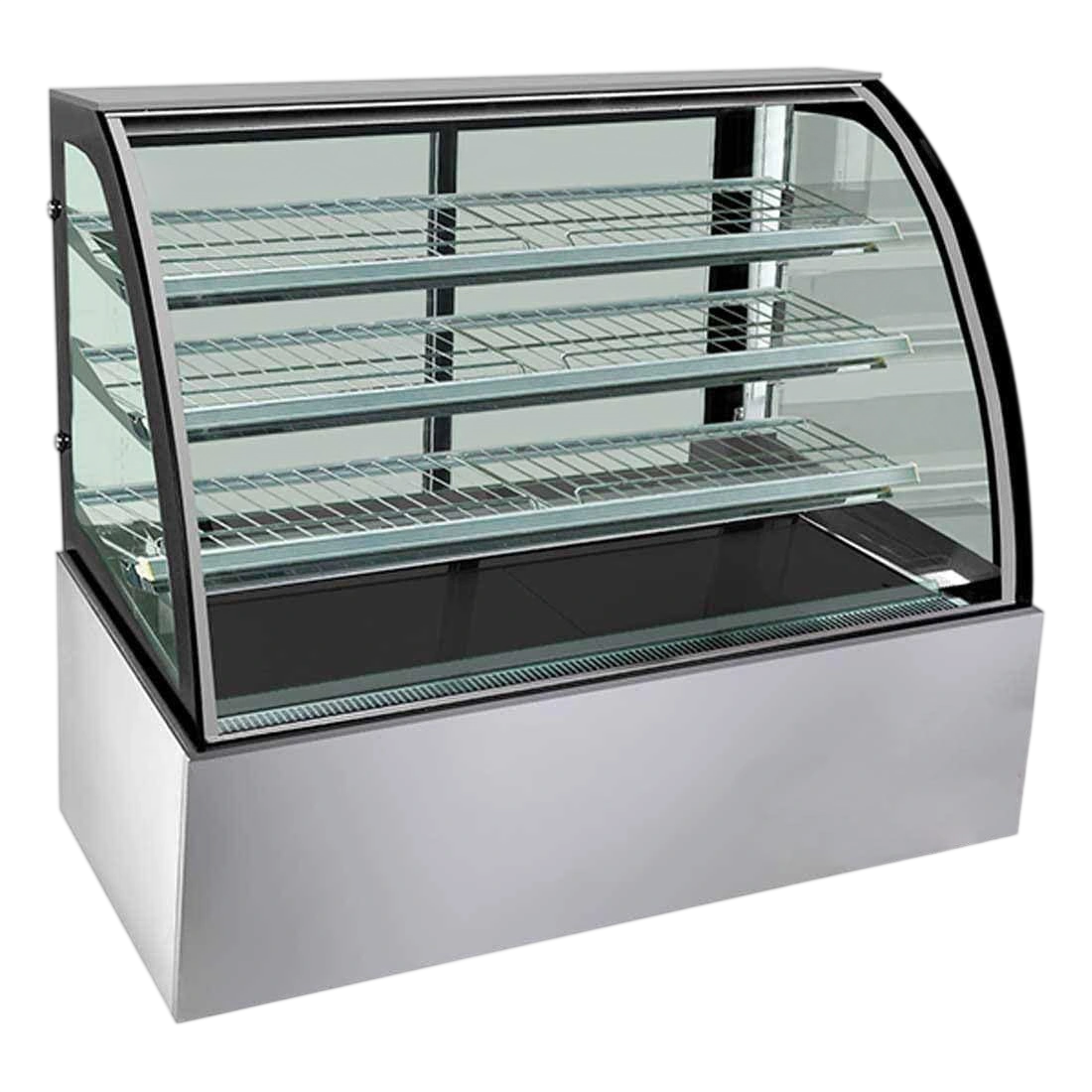
1200 × 740 × 1350mm
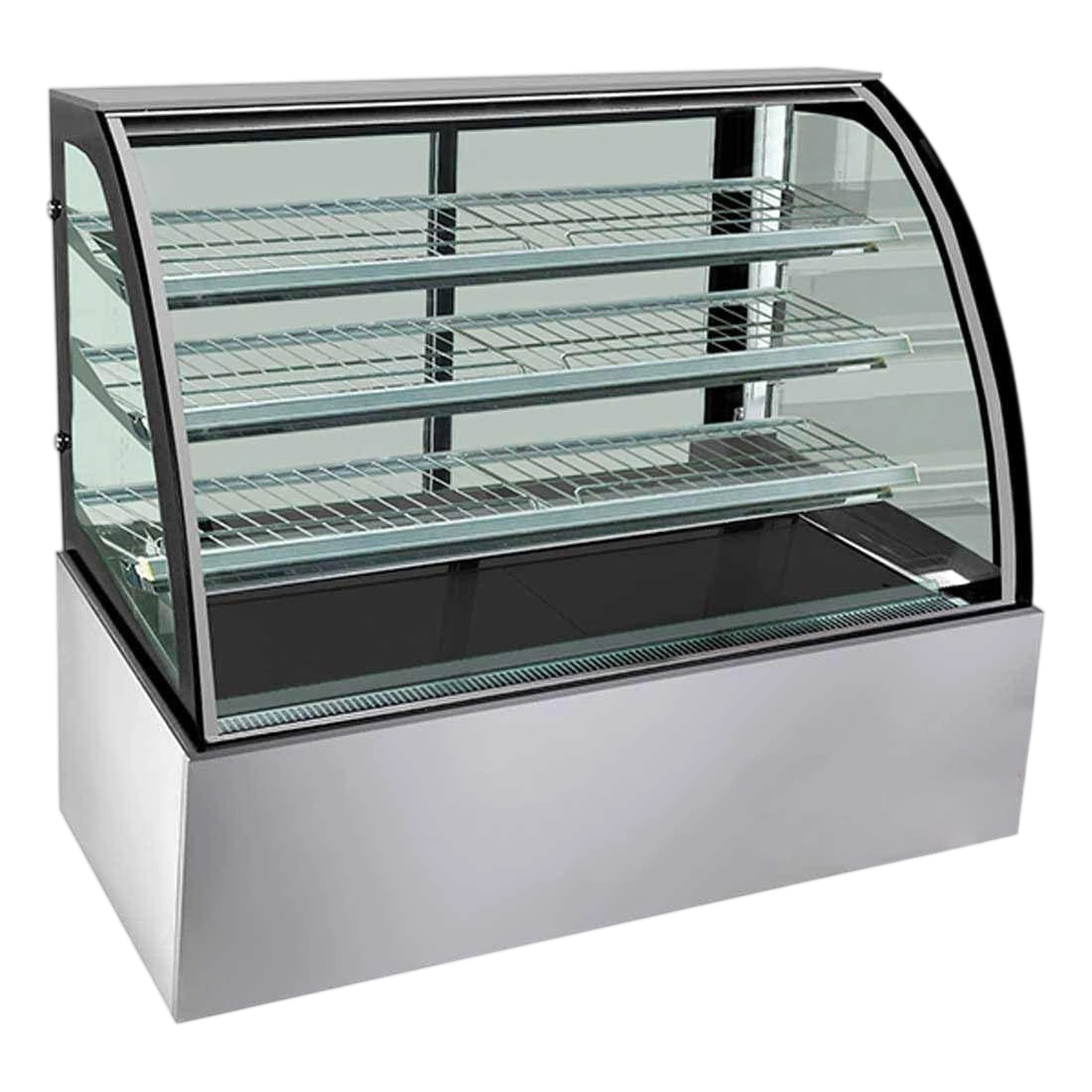
900 × 740 × 1350mm
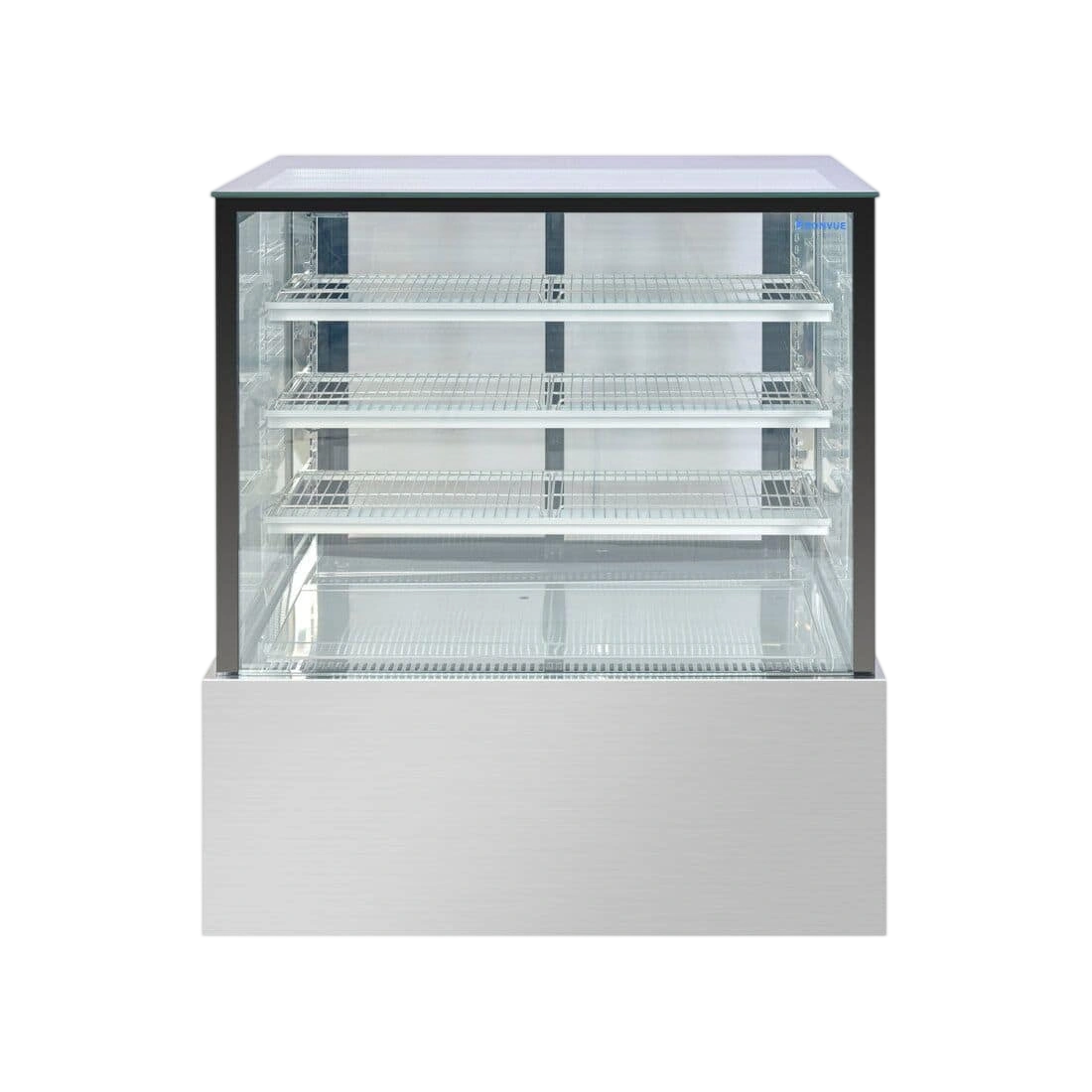
1200 × 740 × 1350mm
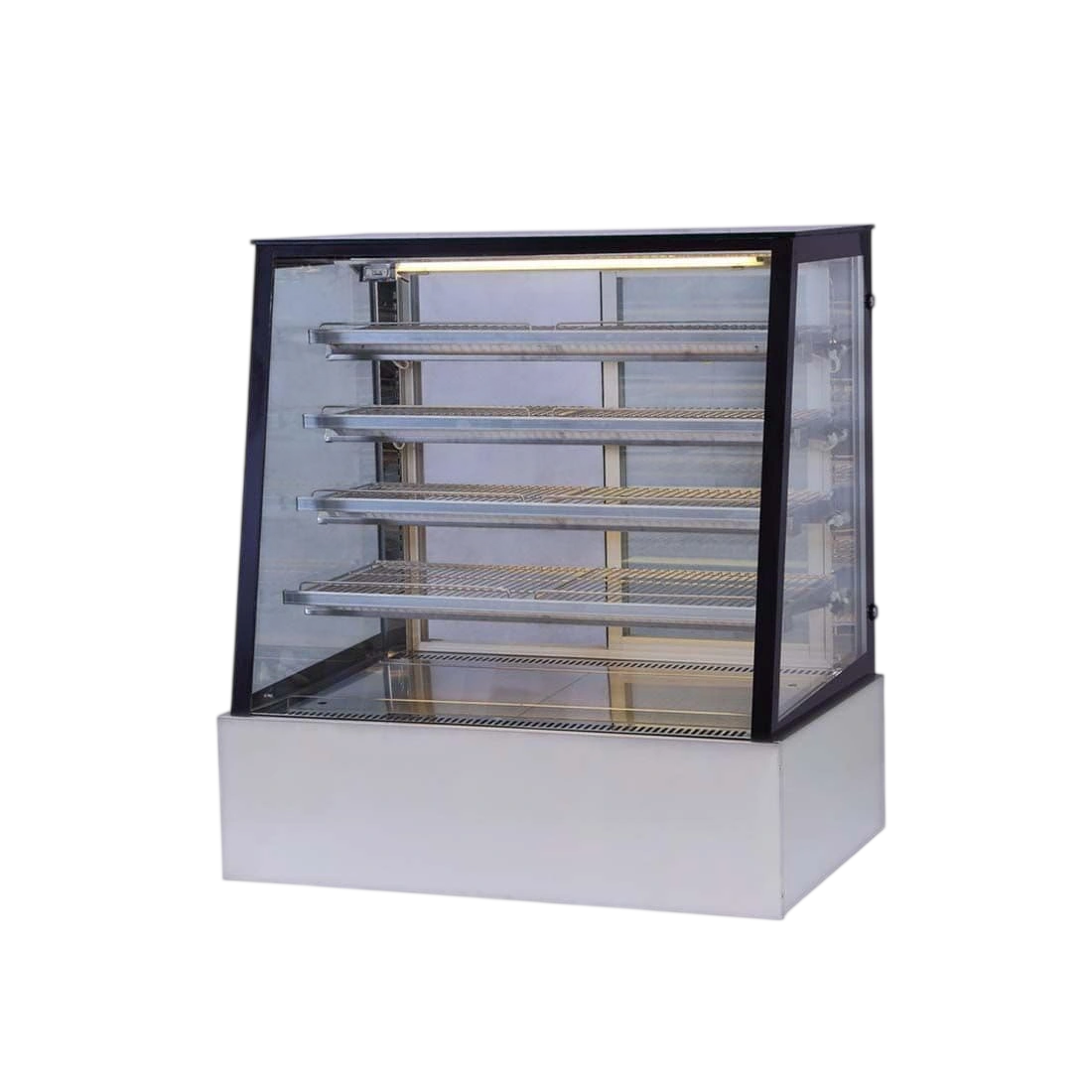
900 × 800 × 1350mm
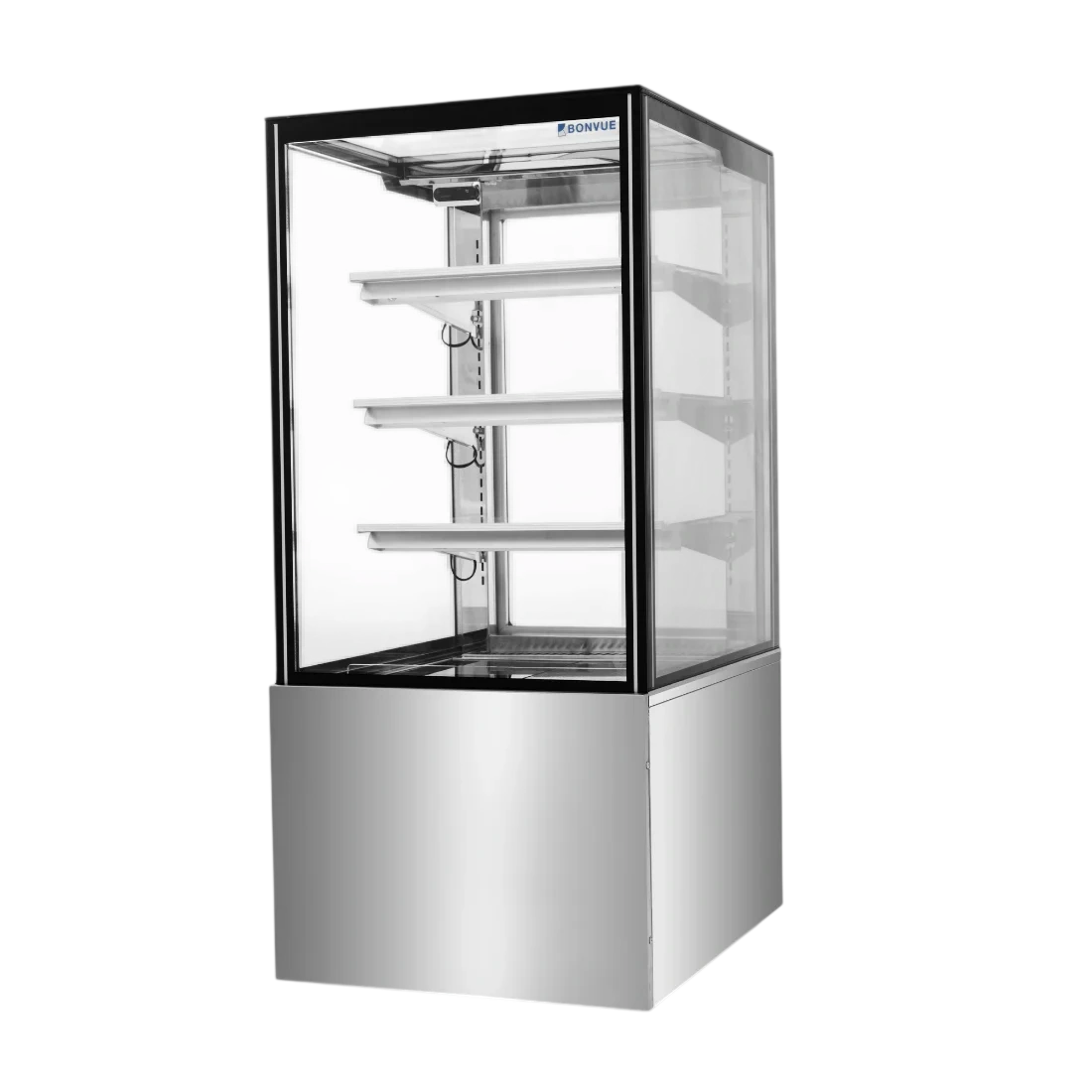
600 × 767 × 1350mm
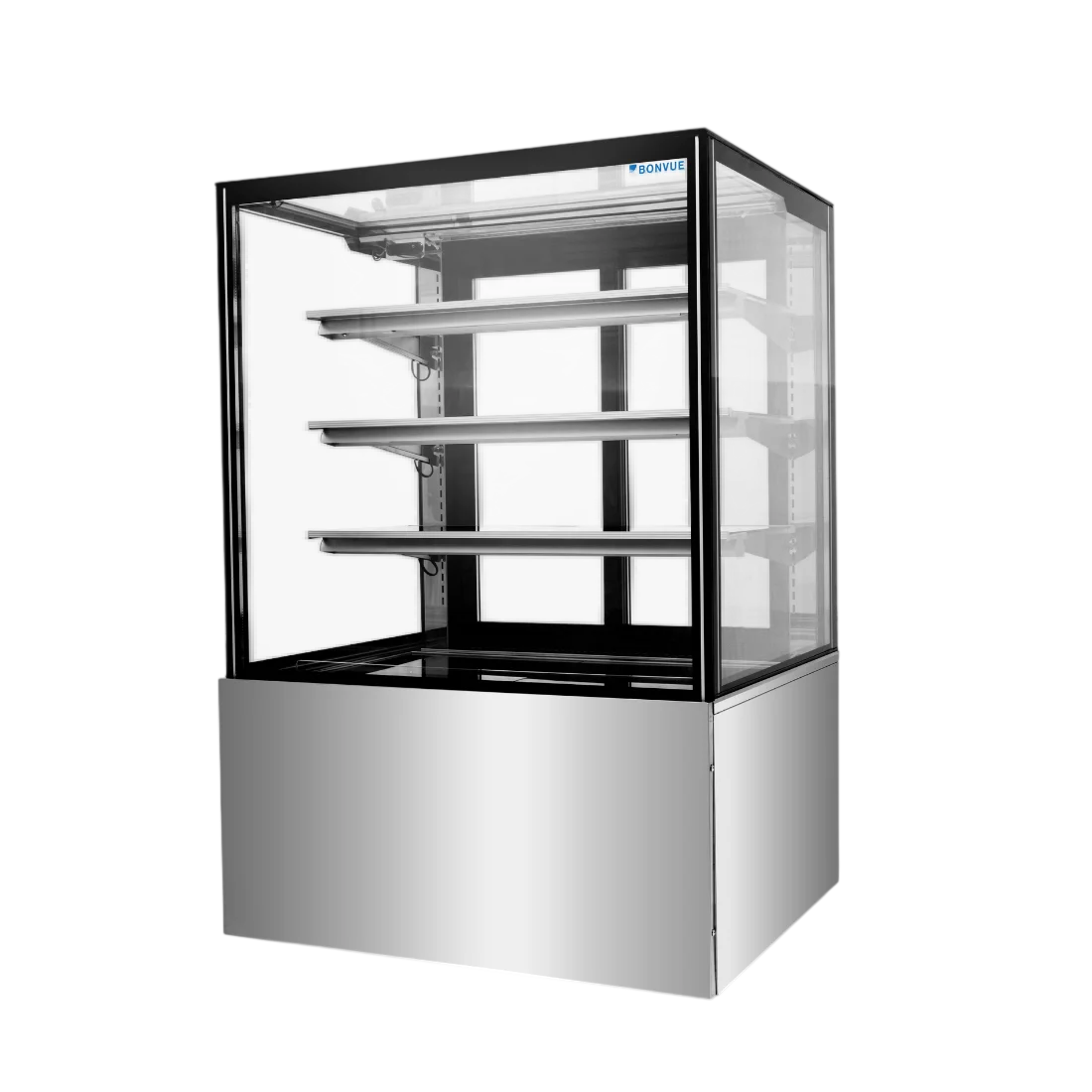
900 × 740 × 1350mm
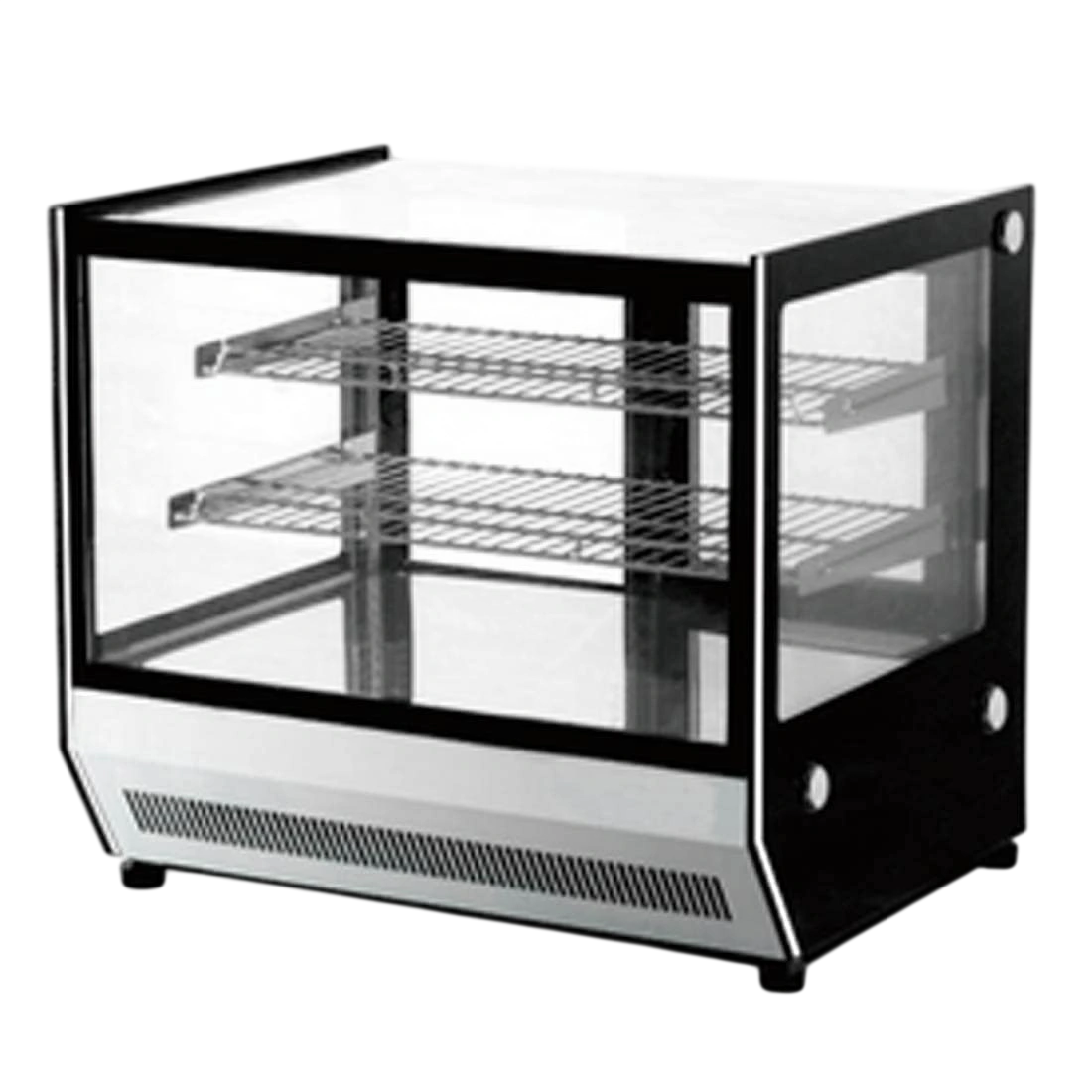
900 × 530 × 730mm
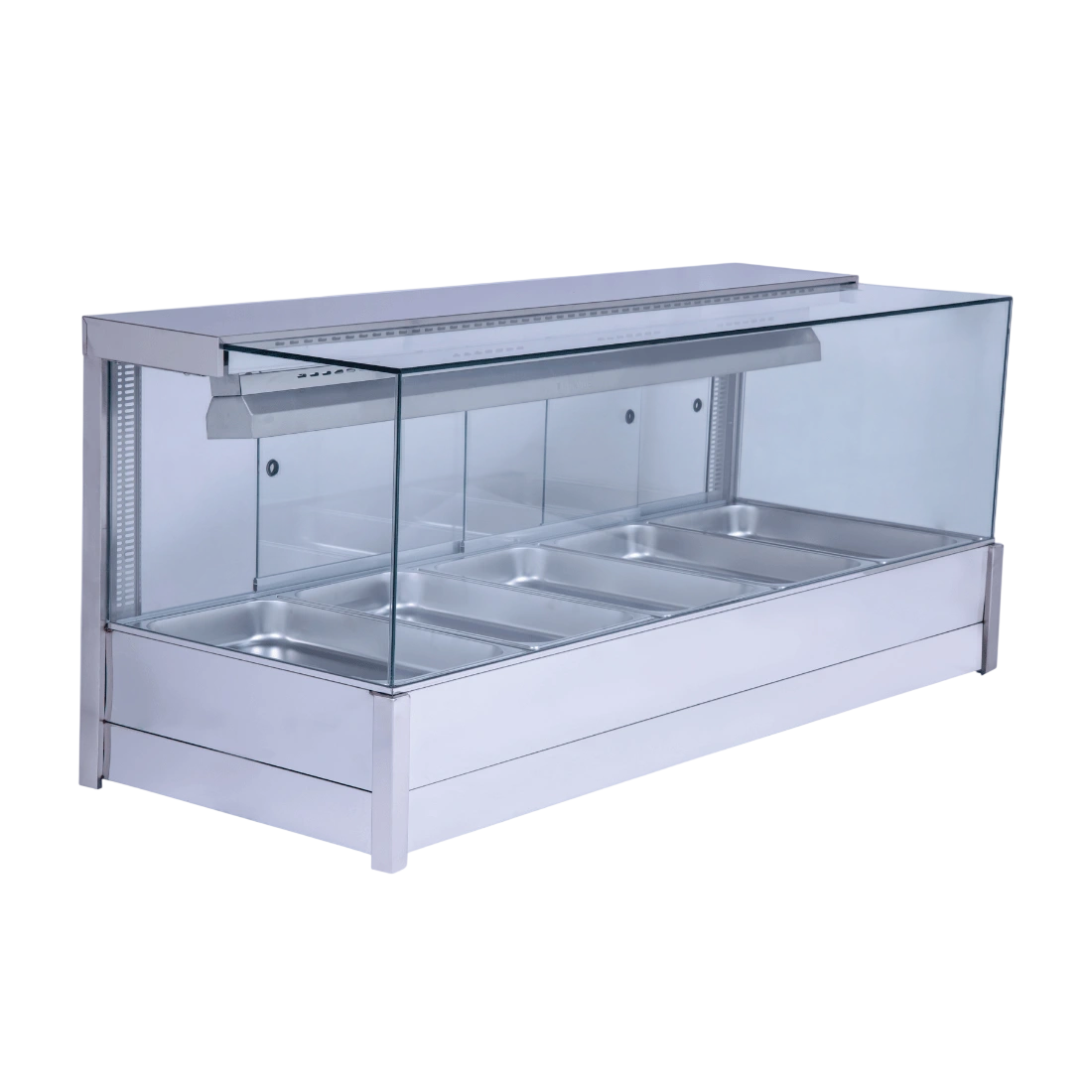
1721 × 624 × 720mm
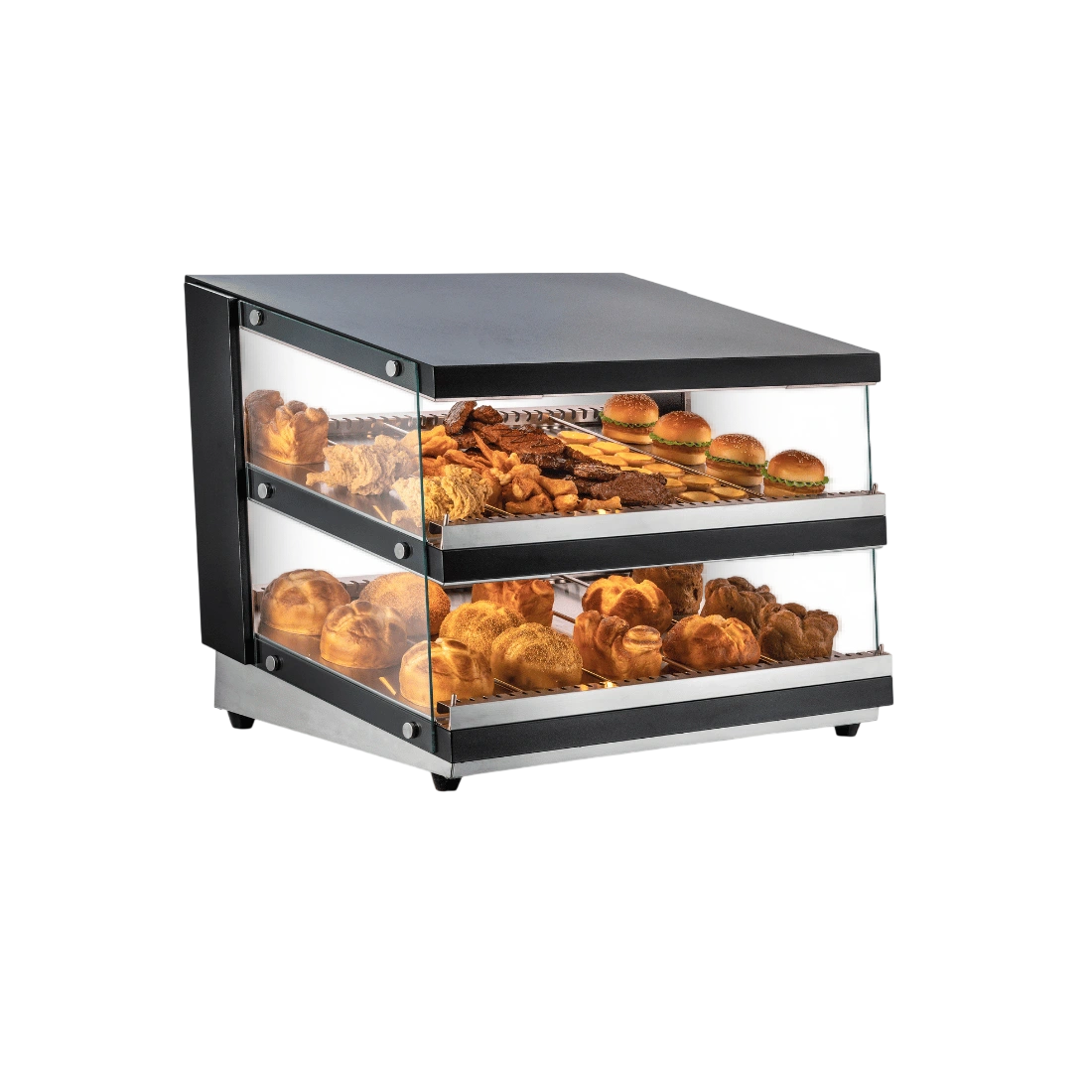
953 × 703 × 704mm
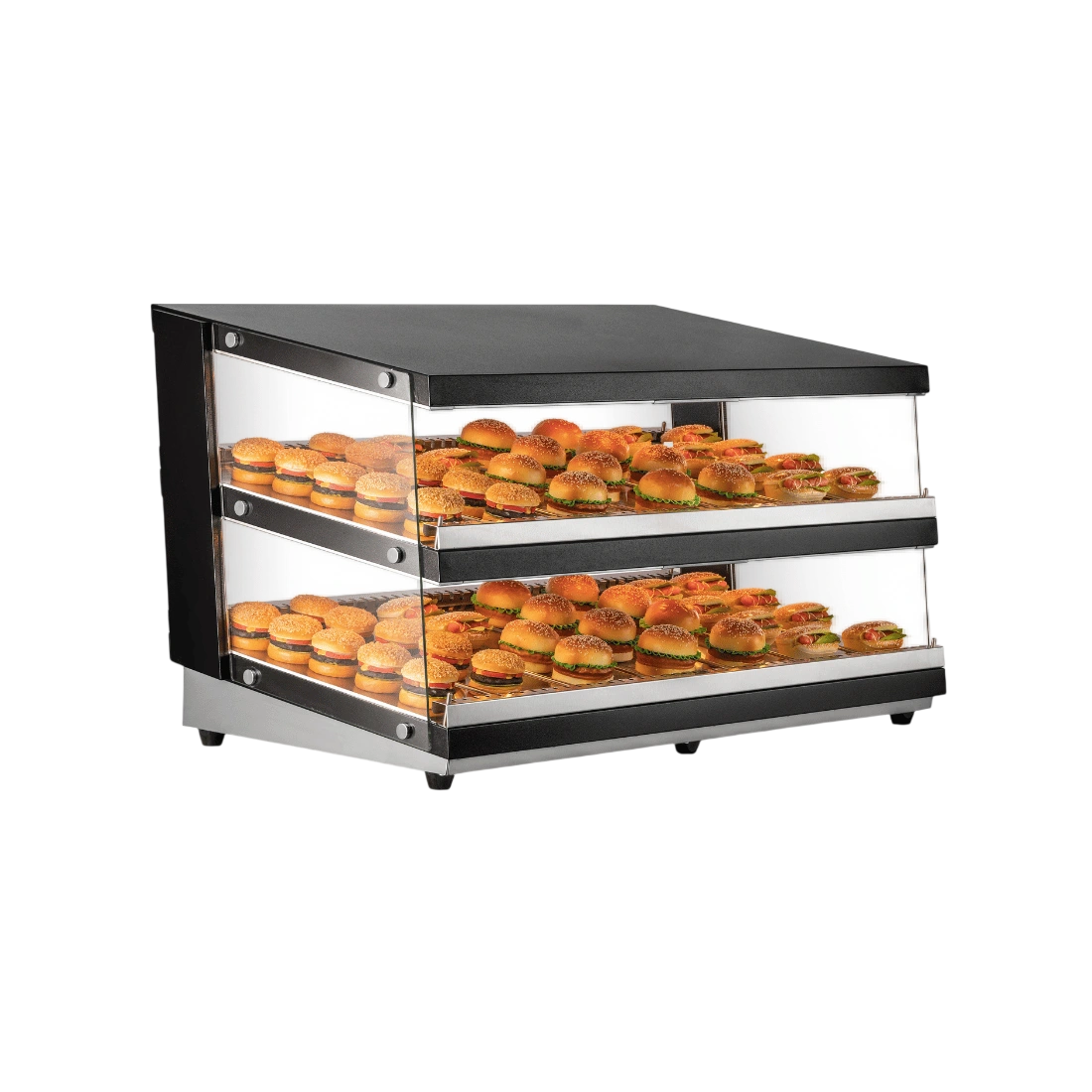
1259 × 703 × 704mm
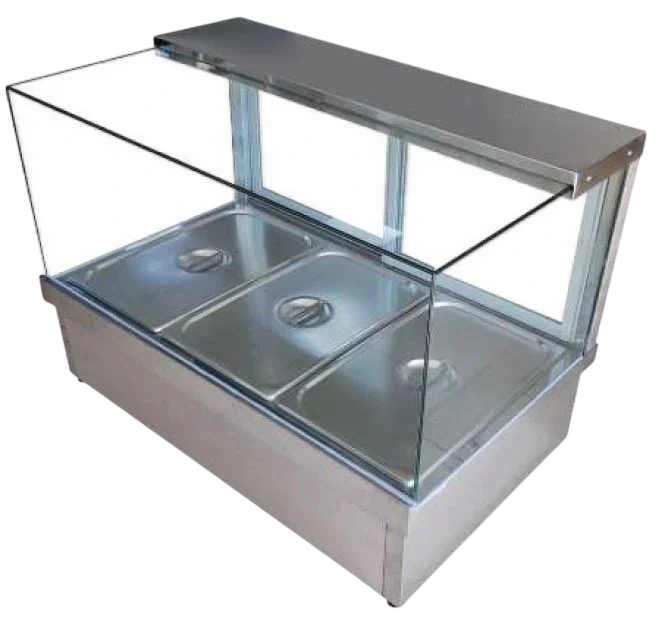
1395 × 650 × 750mm
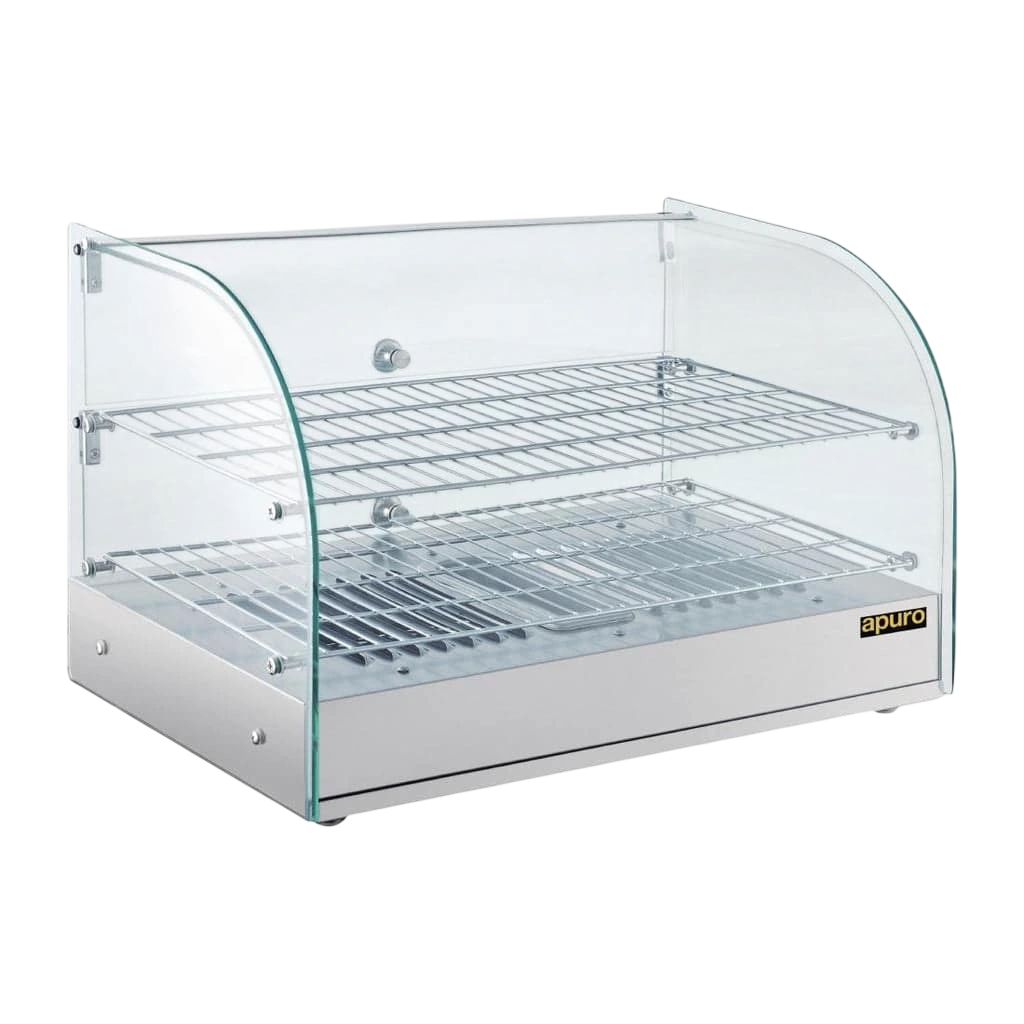
554 × 376 × 376mm
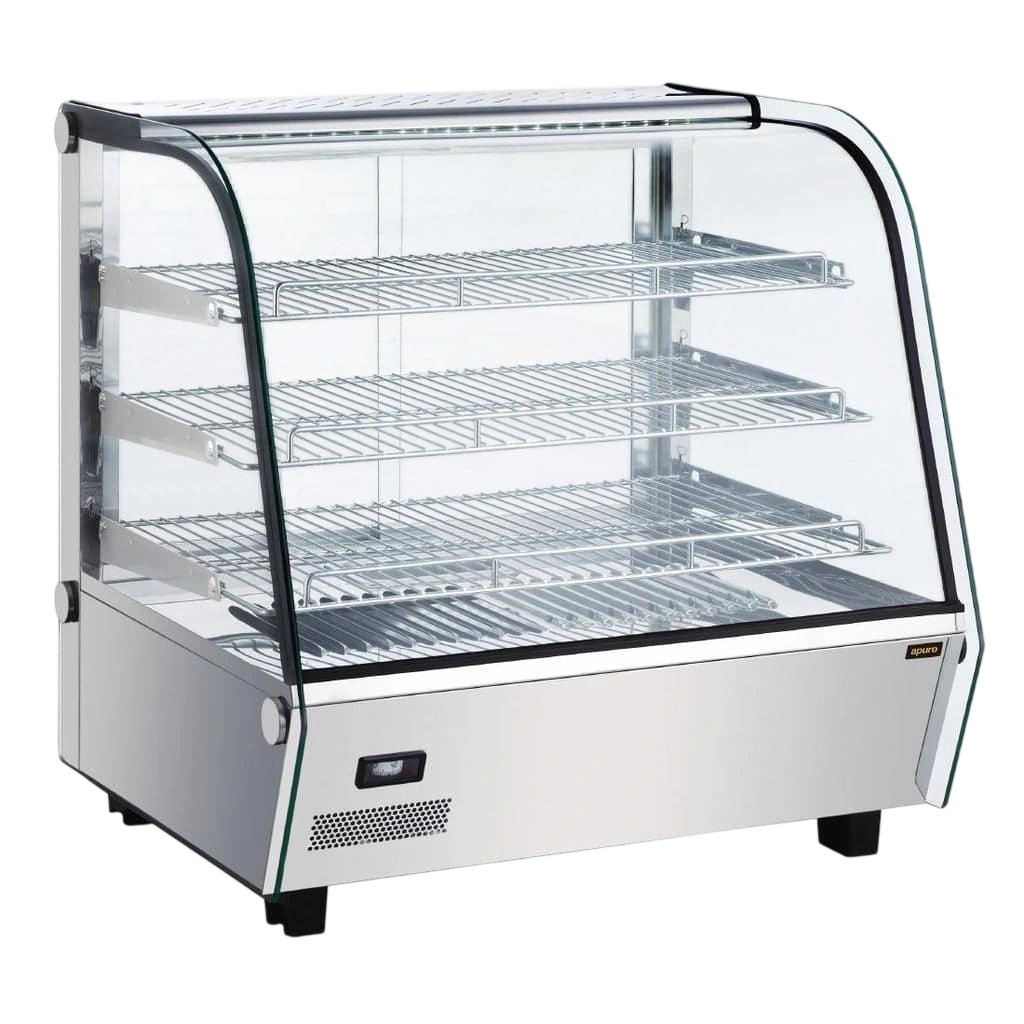
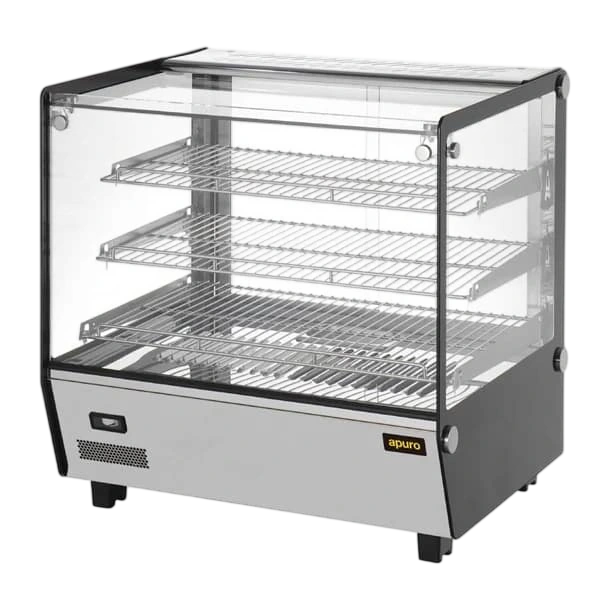
678 × 568 × 686mm
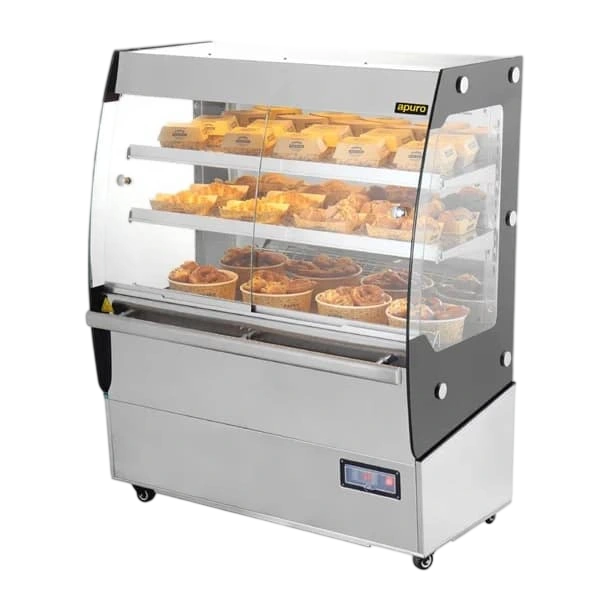
1000 × 592 × 1253mm
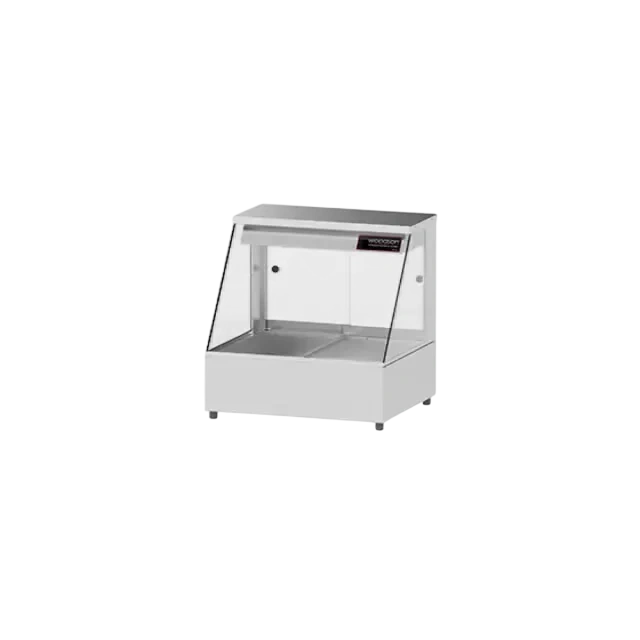
705 × 600 × 725mm
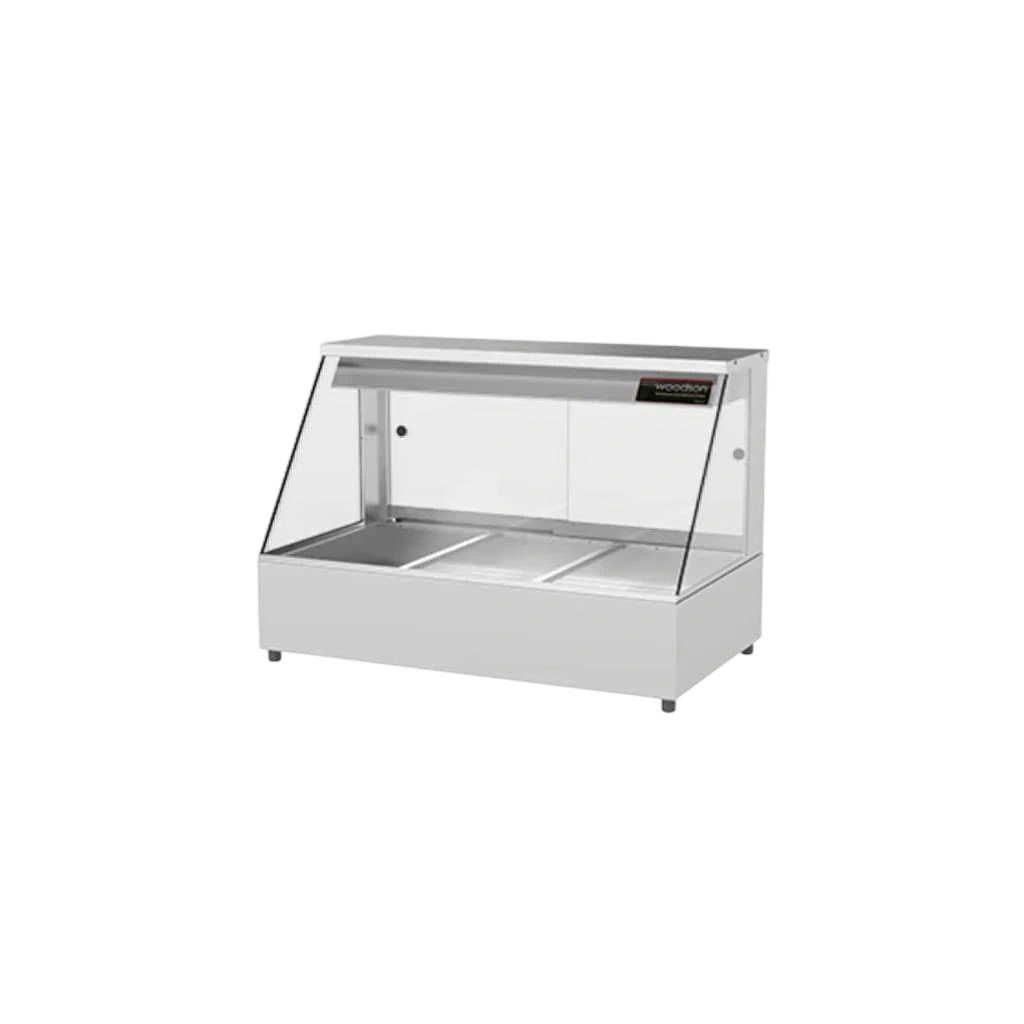
1030 × 600 × 722mm
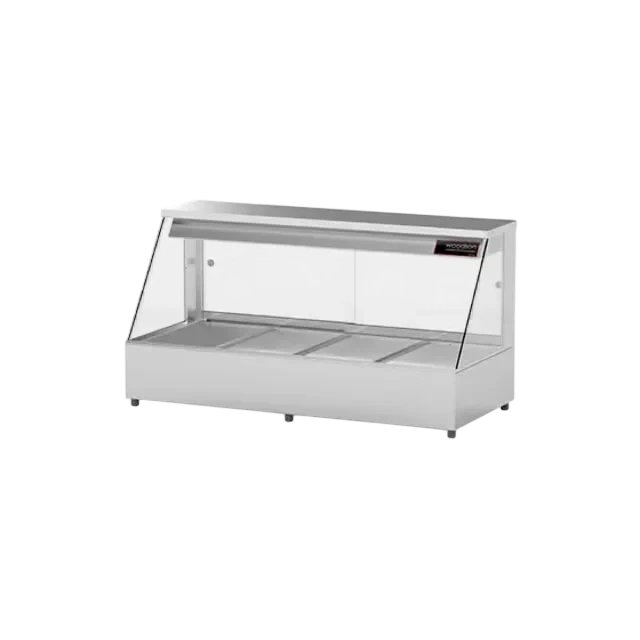
1355 × 600 × 722mm
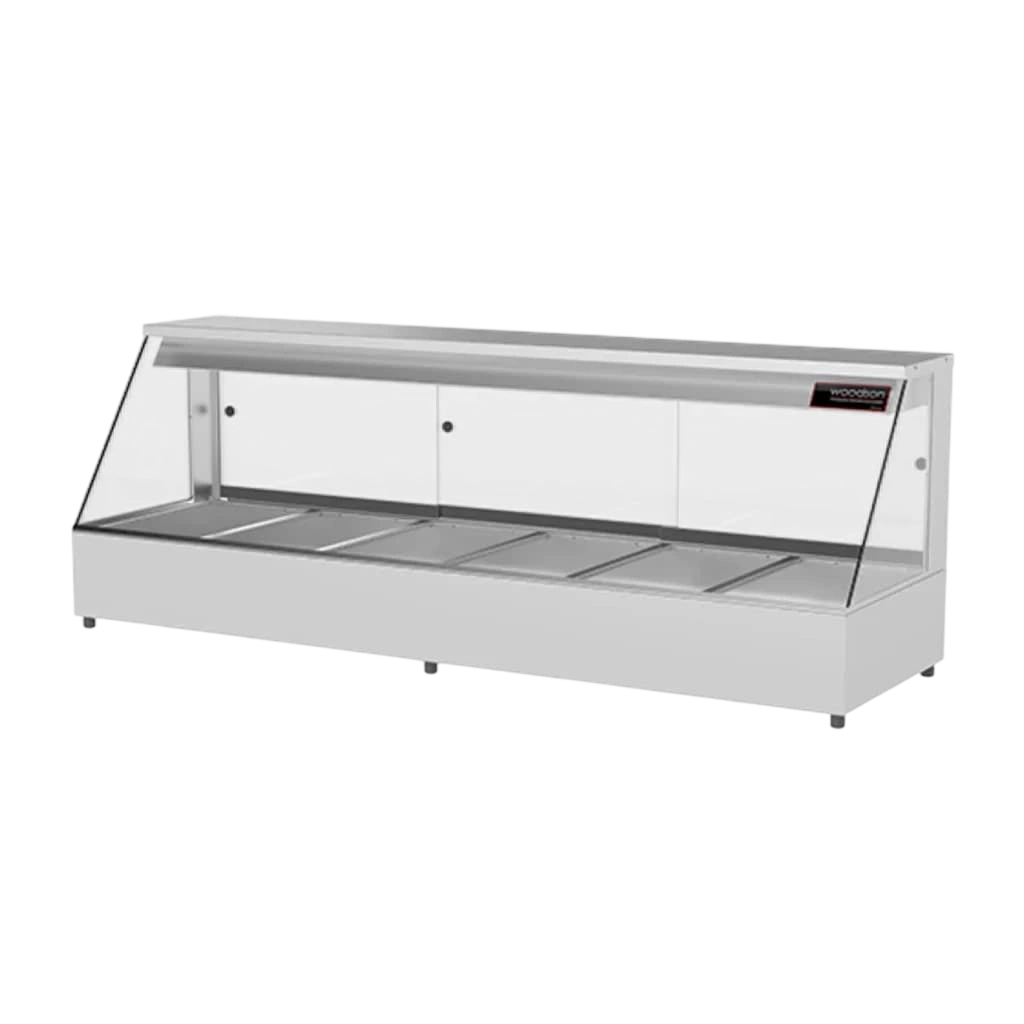
2005 × 600 × 722mm
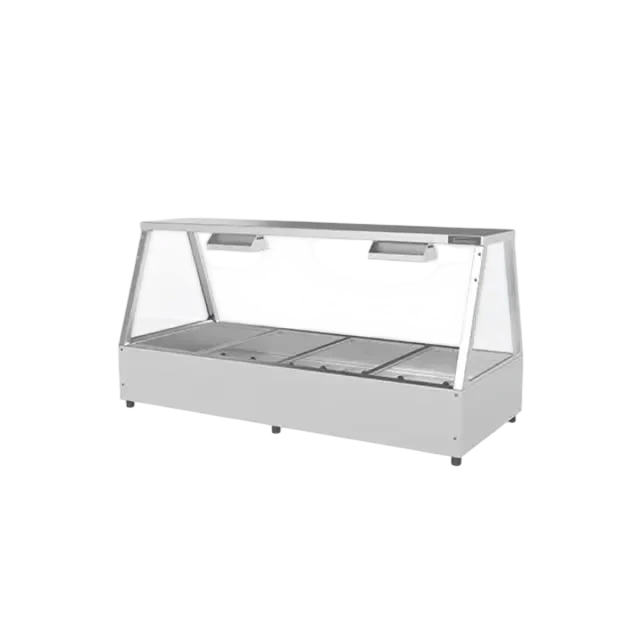
1355 × 600 × 690mm
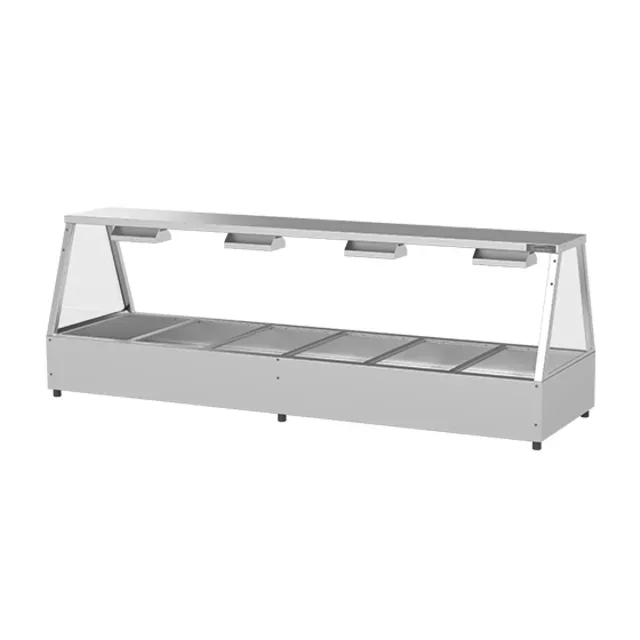
2005 × 600 × 690mm
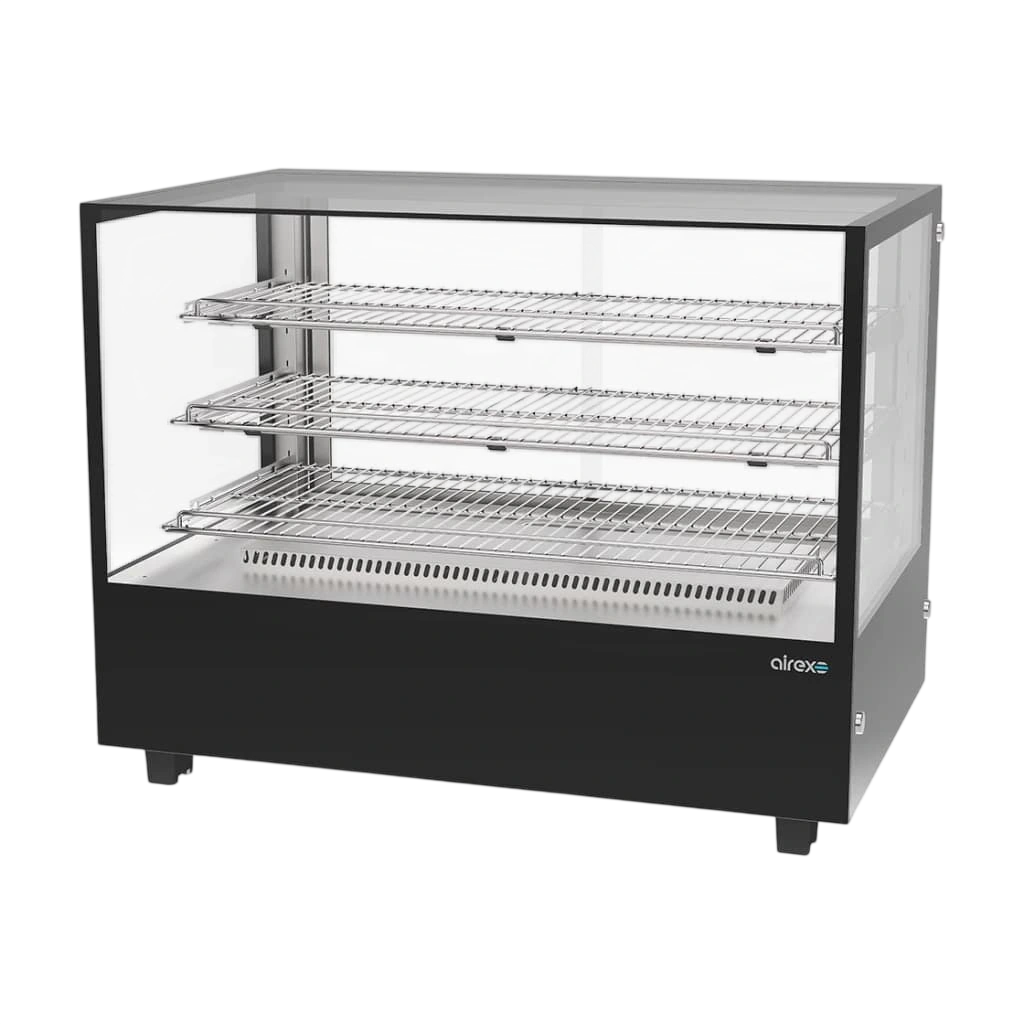
905 × 575 × 715mm
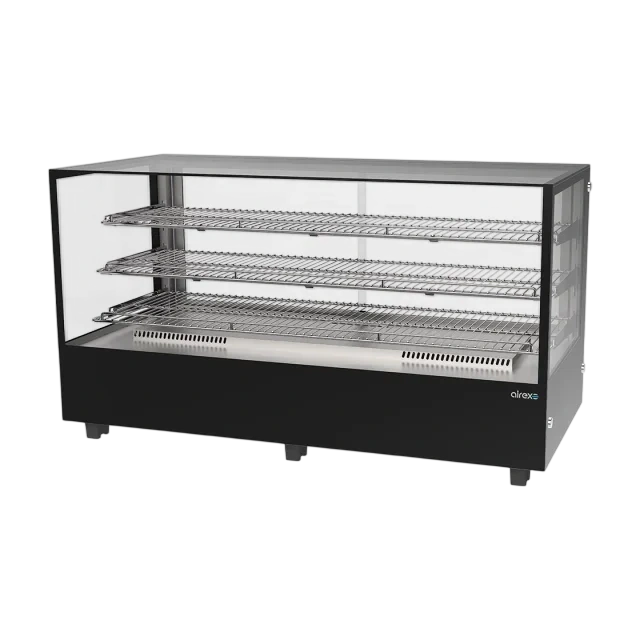
1224 × 565 × 676mm