Brand / Commercial Kitchen Equipment
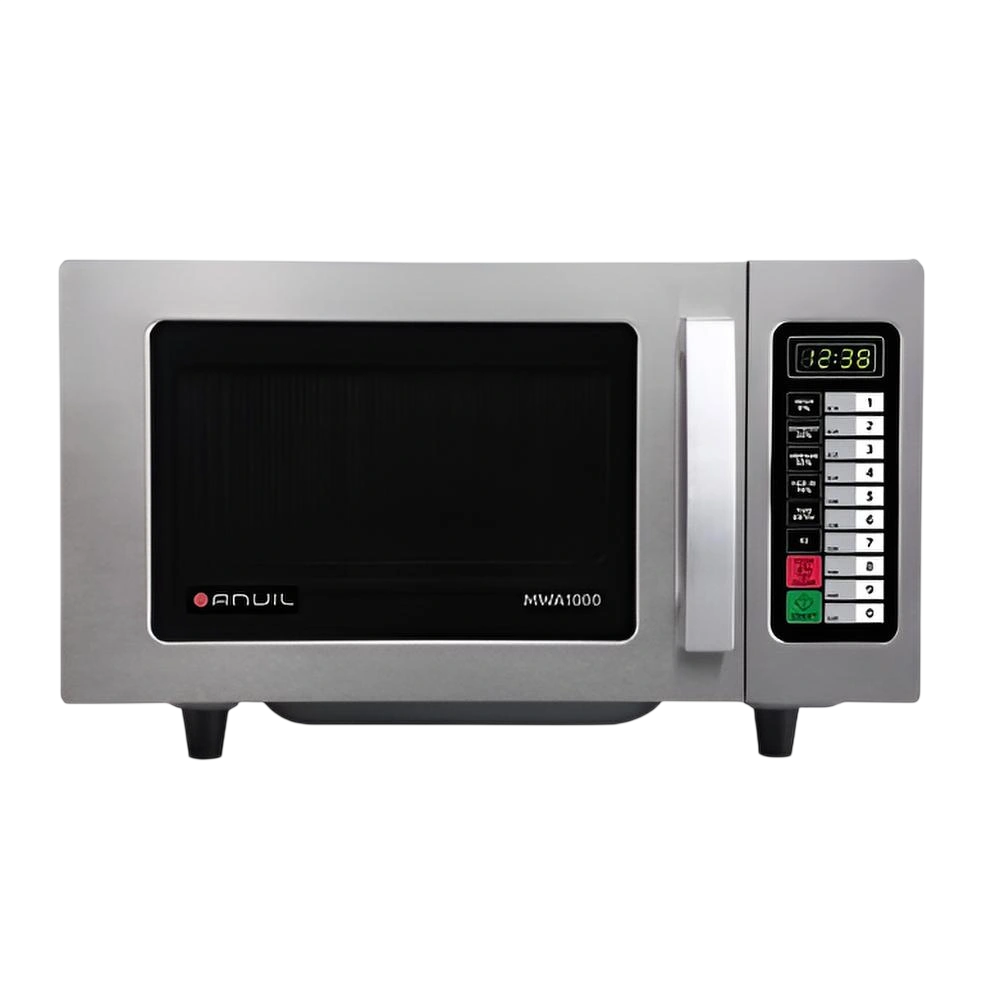
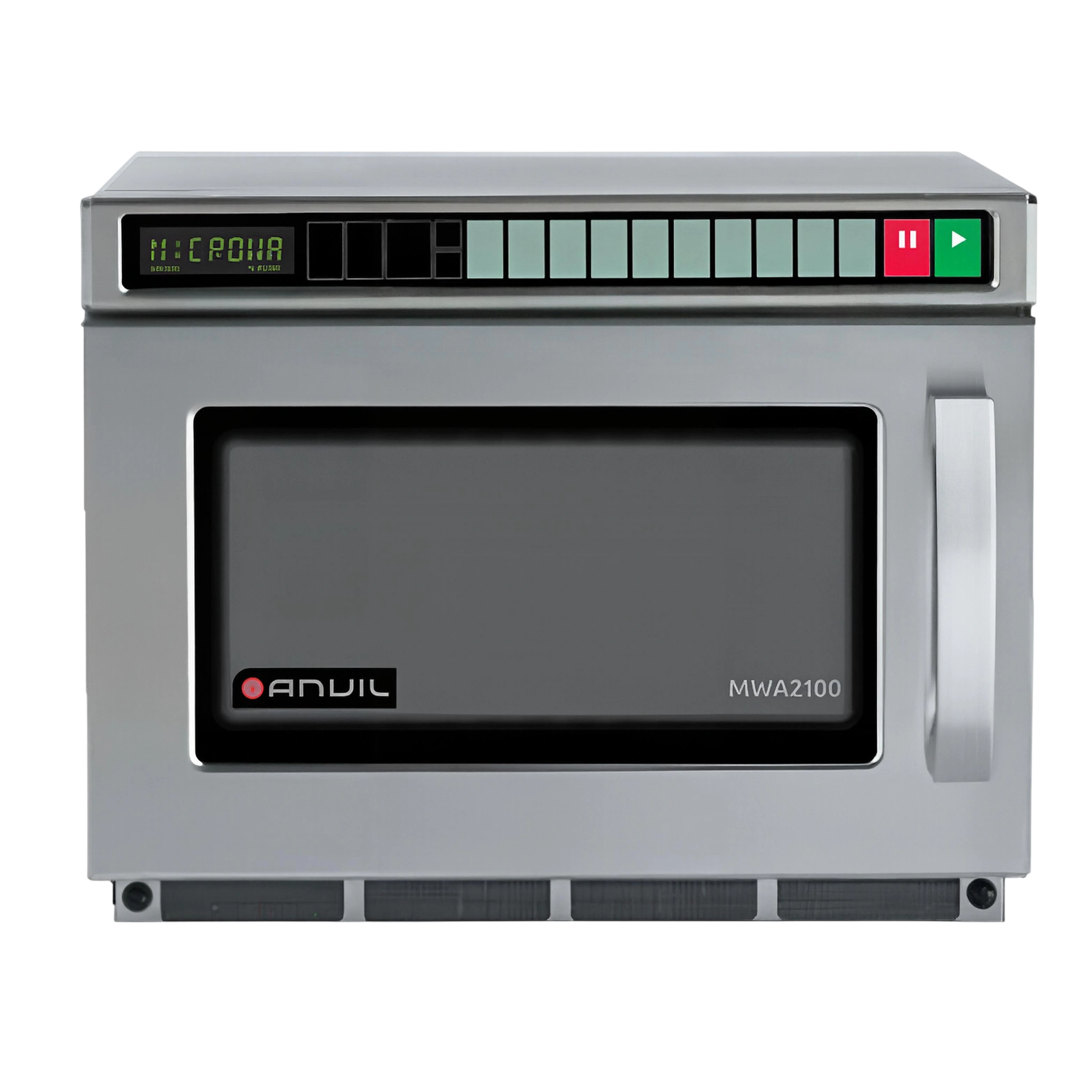
A rugged, value-engineered bench and compact appliance brand built for cafés, bakeries, restaurants and hot-snack operations that need dependable, repeatable heating performance without heavy-duty complexity.
199
Products
01 / OVERVIEW
02 / PHILOSOPHY
03 / AUDIENCE
04 / RANGE
05 / TRADE-OFFS
06 / SUITABILITY
07 / ROI
09 / ENGINEERING
010 / INSTALLATION
Electrical load planning
verify whether the unit is 10A, 15A or 20
A before ordering and placement.Heat management
maintain side/back clearance and avoid boxing units into unventilated cavities.
Bench & workflow
ensure a stable, heat-tolerant bench and safe cable routing away from wet areas.
Maintenance access
keep service panels reachable so common repairs do not become “bench rebuilds”.
Cleaning discipline
keep fans, trays, plates and grease paths clean to protect performance and component life.
Service pathway
follow a predictable spares plan for wear items (elements, thermostats, switches, hinges). Installation and compliance work must be completed by appropriately licensed trades where required. KW Commercial Kitchen provides selection guidance; on-site compliance and installation responsibility remains with the installer and site owner.
011 / WARRANTY
012 / WARNINGS
Mistake 1: Treating light-to-medium duty units like heavy-duty production equipment Operators often assume “a benchtop unit is a benchtop unit” and push continuous peak loading for long periods. In practice, recovery performance, airflow stability and component stress may degrade because the duty cycle margin is exceeded, leading to uneven output and higher wear.
Mistake 2: Undervaluing electrical load and heat spillover in tight café lines Many cafés place ovens, salamanders or presses near coffee and prep stations without planning 10A/15A/20A supply and clearance. This can cause nuisance tripping, workflow heat discomfort, and performance instability because ventilation and power planning were not designed into the bench layout.
Mistake 3: Cleaning “when it looks dirty” instead of cleaning for performance Convection fans, crumb paths, grease trays and plates affect heat transfer behaviour. Waiting until visible build-up appears can reduce airflow, slow recovery, and shorten component life because the system is operating under avoidable thermal and contamination stress..
013 / FAQ
Anvil equipment is designed for light-to-medium duty commercial use. Performance issues usually appear when units are undersized and run through prolonged peak loading without recovery time, leading to slower temperature recovery, less consistent output and accelerated component wear.
Watt density influences how quickly oil recovers after food is dropped. If watt density is too low for the oil volume and batch size, oil temperature collapses at rush time, causing soggy product, longer cook cycles, and more oil degradation.
Electrical capacity (10A/15A/20A), ventilation clearance, stable bench support, and keeping service access open are the big reliability drivers. Poor clearance and boxed-in installs commonly cause heat stress and maintenance difficulty that becomes “avoidable downtime”.
09 / ENGINEERING
010 / INSTALLATION
Electrical load planning
verify whether the unit is 10A, 15A or 20
Correct sizing reduces ticket-time spikes and product inconsistency during the busiest service period, while also lowering the risk of overload-related failures. In practical terms, this improves throughput, reduces waste and protects equipment life.
Many Anvil units are built with service access in mind for common wear items such as elements, thermostats and switches. A planned spares pathway and disciplined maintenance schedule materially improves repair turnaround and venue uptime.
A before ordering and placement.Heat management
maintain side/back clearance and avoid boxing units into unventilated cavities.
Bench & workflow
ensure a stable, heat-tolerant bench and safe cable routing away from wet areas.
Maintenance access
keep service panels reachable so common repairs do not become “bench rebuilds”.
Cleaning discipline
keep fans, trays, plates and grease paths clean to protect performance and component life.
Service pathway
follow a predictable spares plan for wear items (elements, thermostats, switches, hinges). Installation and compliance work must be completed by appropriately licensed trades where required. KW Commercial Kitchen provides selection guidance; on-site compliance and installation responsibility remains with the installer and site owner.
011 / WARRANTY
012 / WARNINGS
Mistake 1: Treating light-to-medium duty units like heavy-duty production equipment Operators often assume “a benchtop unit is a benchtop unit” and push continuous peak loading for long periods. In practice, recovery performance, airflow stability and component stress may degrade because the duty cycle margin is exceeded, leading to uneven output and higher wear.
Mistake 2: Undervaluing electrical load and heat spillover in tight café lines Many cafés place ovens, salamanders or presses near coffee and prep stations without planning 10A/15A/20A supply and clearance. This can cause nuisance tripping, workflow heat discomfort, and performance instability because ventilation and power planning were not designed into the bench layout.
Mistake 3: Cleaning “when it looks dirty” instead of cleaning for performance Convection fans, crumb paths, grease trays and plates affect heat transfer behaviour. Waiting until visible build-up appears can reduce airflow, slow recovery, and shorten component life because the system is operating under avoidable thermal and contamination stress..
013 / FAQ
Anvil equipment is designed for light-to-medium duty commercial use. Performance issues usually appear when units are undersized and run through prolonged peak loading without recovery time, leading to slower temperature recovery, less consistent output and accelerated component wear.
Watt density influences how quickly oil recovers after food is dropped. If watt density is too low for the oil volume and batch size, oil temperature collapses at rush time, causing soggy product, longer cook cycles, and more oil degradation.
Electrical capacity (10A/15A/20A), ventilation clearance, stable bench support, and keeping service access open are the big reliability drivers. Poor clearance and boxed-in installs commonly cause heat stress and maintenance difficulty that becomes “avoidable downtime”.
Correct sizing reduces ticket-time spikes and product inconsistency during the busiest service period, while also lowering the risk of overload-related failures. In practical terms, this improves throughput, reduces waste and protects equipment life.
Many Anvil units are built with service access in mind for common wear items such as elements, thermostats and switches. A planned spares pathway and disciplined maintenance schedule materially improves repair turnaround and venue uptime.