Apuro
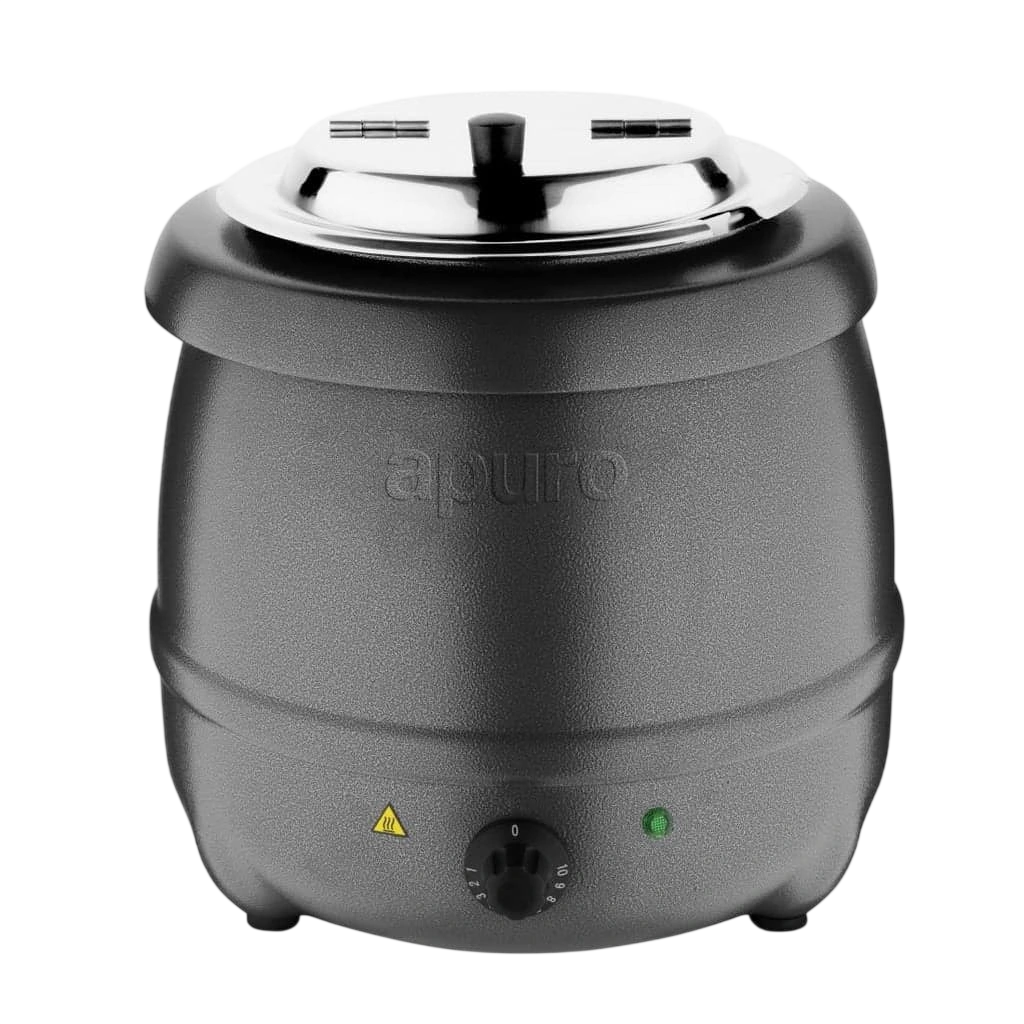
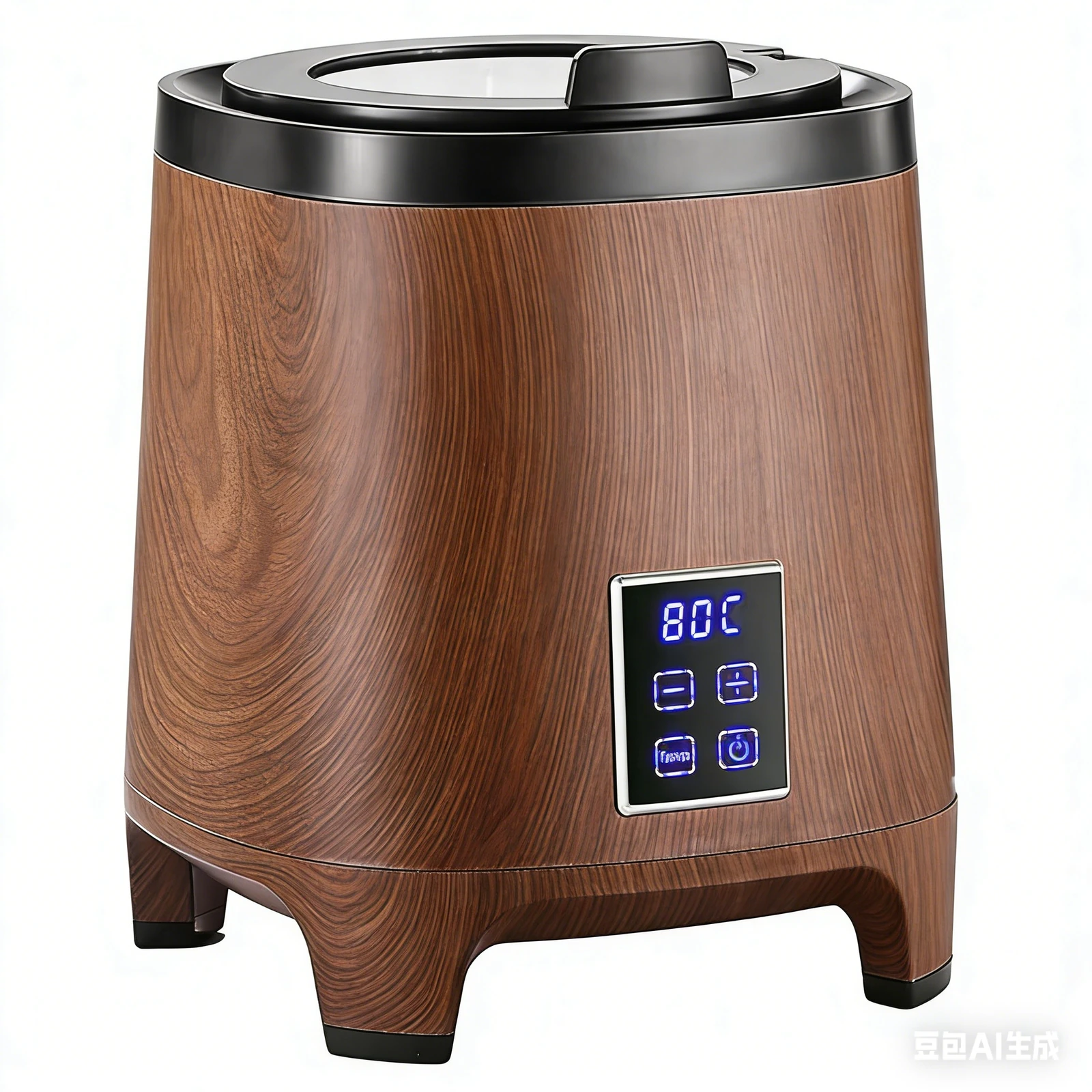
Apuro G107-A Graphite Soup Kettle – 10L, Adjustable 35–95°C
330 × 330 × 375mm
$151.71$164.90
In Stock
Catering Equipment
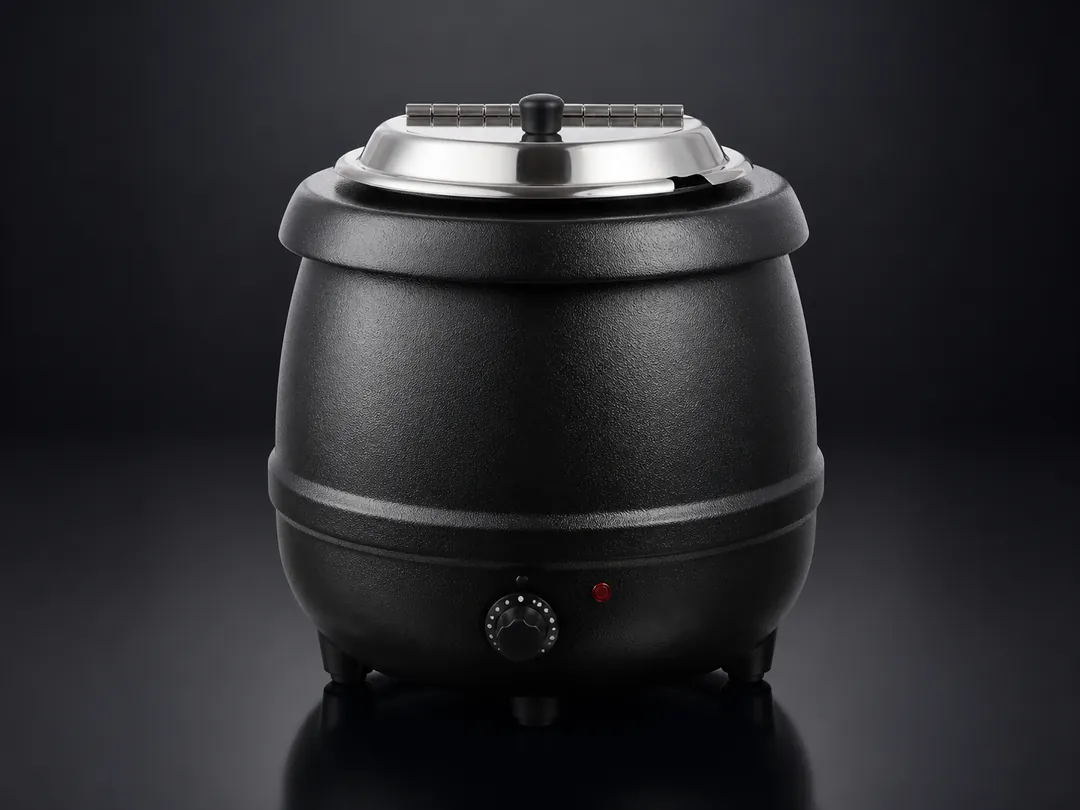
A commercial soup kettle holds one liquid product at serving temperature in a single vessel, usually where guests or staff serve directly from it. That single-vessel format is what separates it from a multi-pan holding unit: the kettle does one thing at a counter and is judged on how evenly it holds and how easily it is served from.
Capacity is set by the sitting rather than by the day. A kettle holding more than a service needs keeps product hot for longer than it should be, and quality falls before the volume runs out. Where demand varies, two smaller soup kettles allow one to be taken out of service and cleaned while the other continues.
Even holding matters most with thick or dairy-based products, which catch at the base when heat is applied unevenly. Consider how the vessel is heated, whether the product needs stirring during a service, and how easily staff can do that at the counter.
Where several hot liquids are offered together, soup kettles and warmers are usually specified as matching units side by side rather than as one larger vessel, so each product is held and served independently.
Key factors to consider before purchasing. Our team can help you find the right fit — call or get a quote anytime.
Match capacity to your daily output. Consider the bench or floor space available and the access route for delivery.
Check the power supply and circuit capacity at the installed position before ordering.
Confirm electrical compliance, levelling and the clearance needed for cleaning and service access. We can help with kitchen planning.
Submit your kitchen requirements — our equipment specialists will send you a tailored shortlist of soup kettles that fits your budget, venue type and compliance needs.
Standards & Compliance
Before comparing soup kettles, confirm the volume served in one sitting, whether guests serve themselves, and the counter space available including the lid when open. Check how the vessel is removed for cleaning and whether it can be replaced separately.
Look at how the unit is filled and emptied at the counter, whether the ladle rests without contaminating the rim, and how the exterior is protected where guests reach across it. A commercial soup warmer on a self-serve counter is handled by people who did not read the manual.
FAQ
No—soup kettles are designed for hot holding only.
Wet heat is gentler; dry heat recovers temperature faster.
Cream and high-starch soups naturally create surface layers when held hot.
Periodic stirring prevents settling and scorching.
Lid position and kettle size influence recovery speed.
Why KW
KW can help size a commercial soup kettle to a single sitting and consider how it will be served from, cleaned and refilled at the counter. For practical advice on specifying soup kettles and warmers, call KW on 1300 001 366.
Deep Dive
Technical depth from KW's commercial kitchen specialists.
| Soup Type | Heat Method | Stability | Notes |
|---|---|---|---|
| Clear Broths | Wet or Dry | High | Minimal stirring required |
| Cream Soups | Wet Heat | Medium | Skin may form; stir occasionally |
| High-Starch Soups | Wet Heat | Low–Medium | Prone to settling; needs periodic stirring |
| Thick Gravies | Dry Heat | Medium | Check base for hot spots |
| Tomato-Based | Wet Heat | Medium | Rim residue possible |
A kettle larger than one service holds product hot for longer than it should be, and quality falls before the volume does. Size to the busiest single sitting and refill, rather than filling once and holding across a whole trading day.
Thick soups and dairy-based products catch at the base where heat is applied unevenly. Consider how the vessel is heated, how often the product needs stirring during service, and whether staff can do that comfortably at the counter without moving the unit.
Where guests serve themselves, the details that matter are the ones nobody is trained on: a ladle that rests without touching the counter, a rim that does not overheat, and a lid that can be opened and replaced one-handed. A commercial soup warmer on a public counter is handled by people who have not read the manual.
Size it to the busiest single sitting and refill, rather than to a whole trading day. A kettle larger than one service holds product hot longer than it should be, and quality falls before the volume runs out.
It depends on how the vessel is heated. Thick and dairy-based products catch at the base where heat is uneven, so consider the heating method and whether staff can stir at the counter during service without moving the unit.
Commonly yes, and the practical details matter more than the specification: where the ladle rests, whether the rim stays cool where guests reach across, and whether the lid opens one-handed.
Where more than one product is offered, matching units side by side let each be held, served and cleaned independently, and one can be taken out of service without ending the offer. A single larger vessel ties all of that together.
Several hot liquids offered together are usually held in matching units side by side rather than in one larger vessel. Each product is then held, served, emptied and cleaned independently, and one kettle can be taken out of service without ending the offer.
14 results
330 × 330 × 375mm
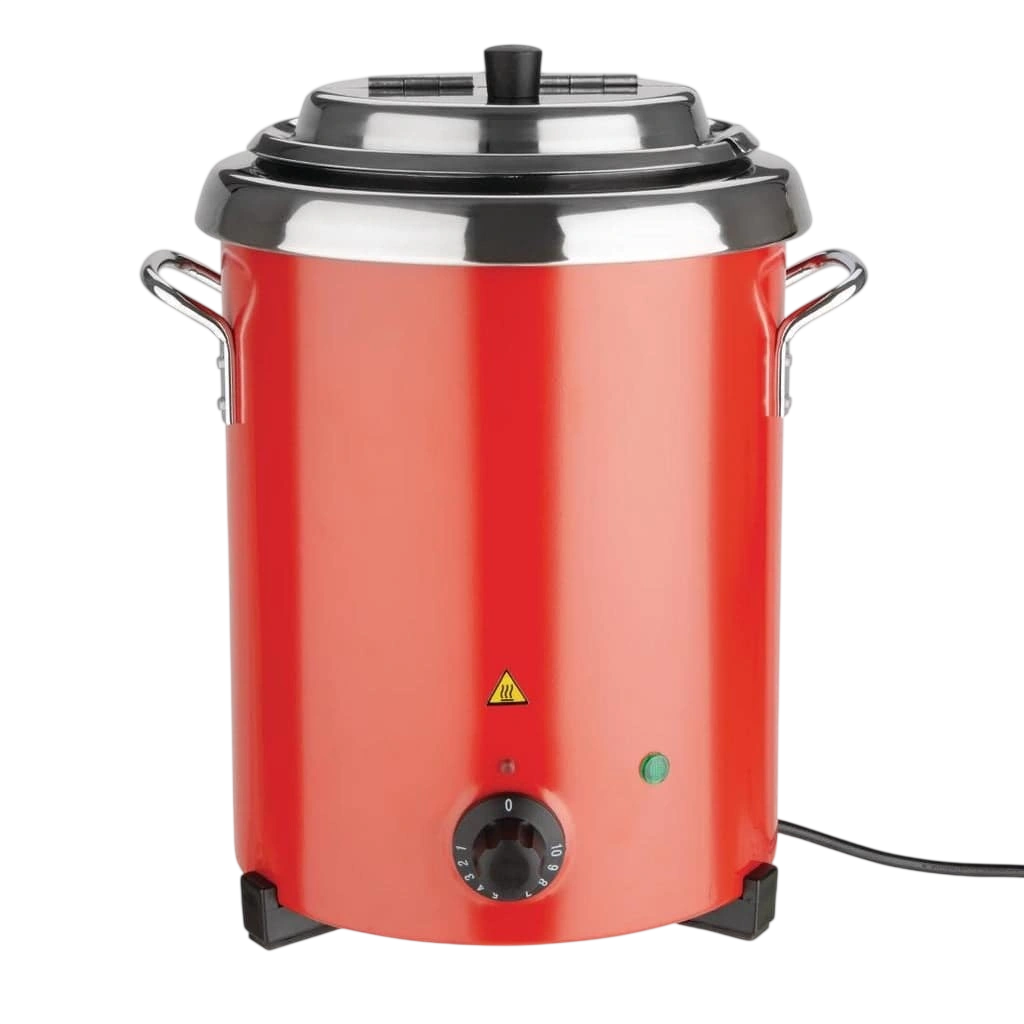
300 × 300 × 500mm
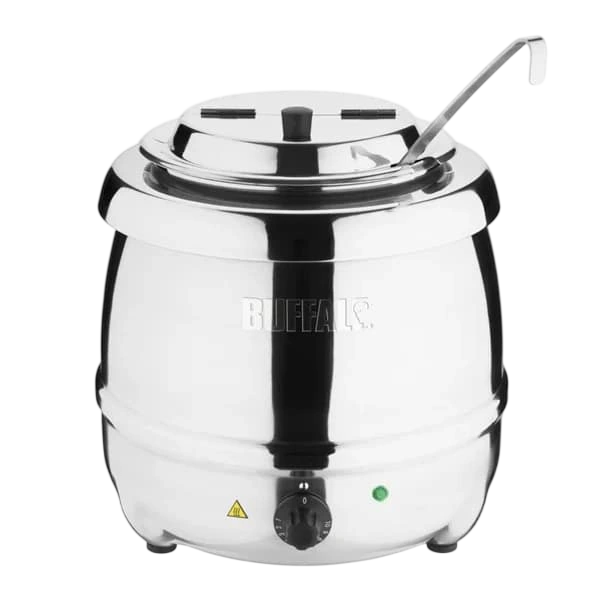
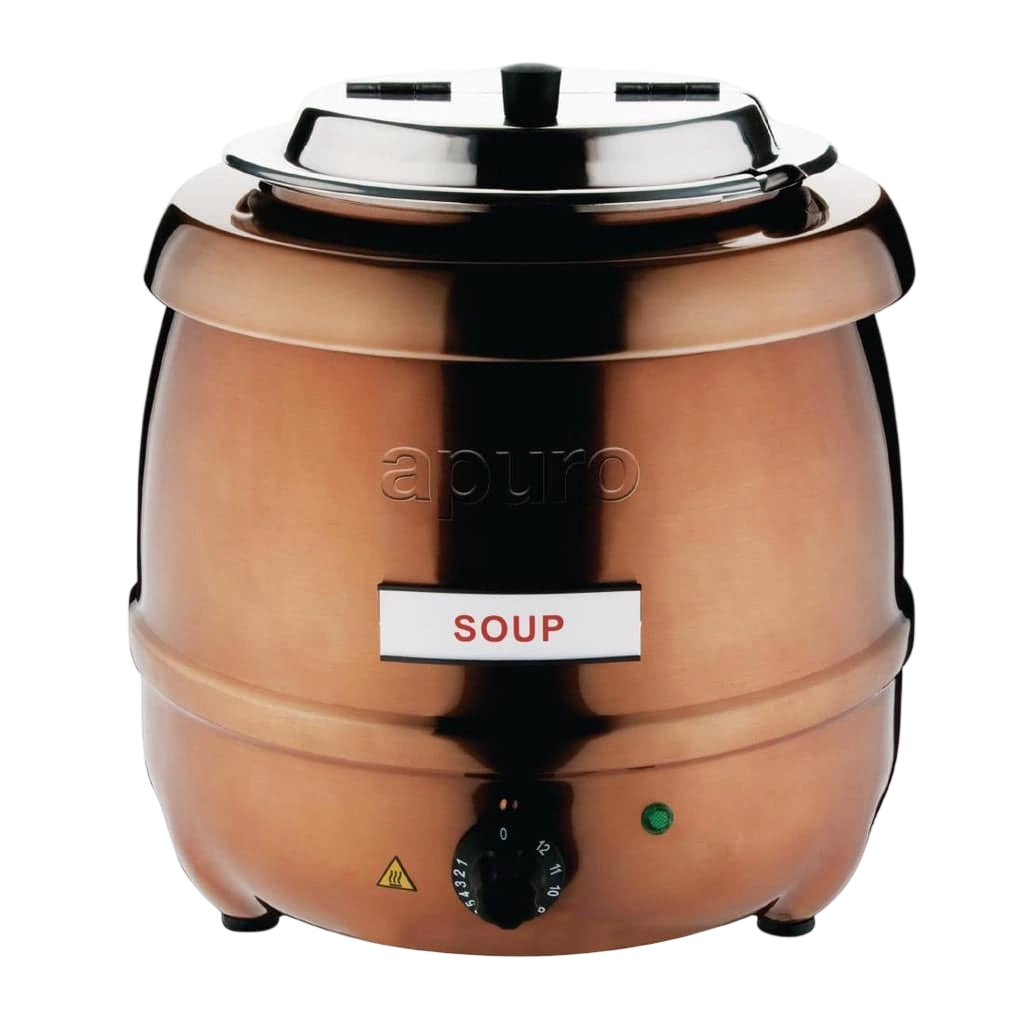
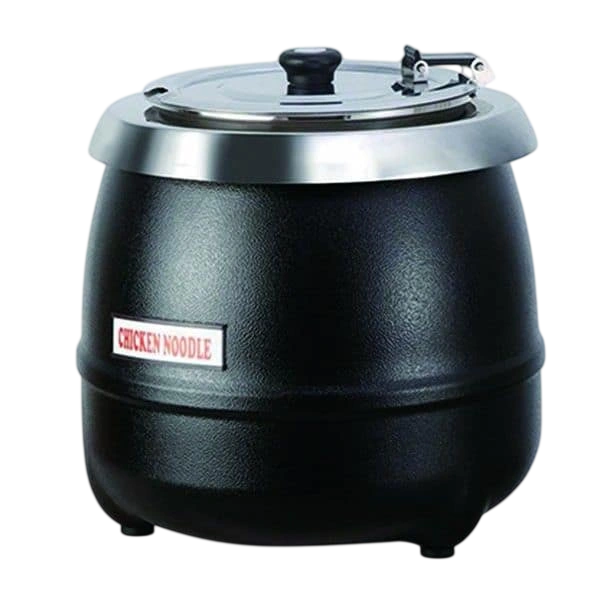
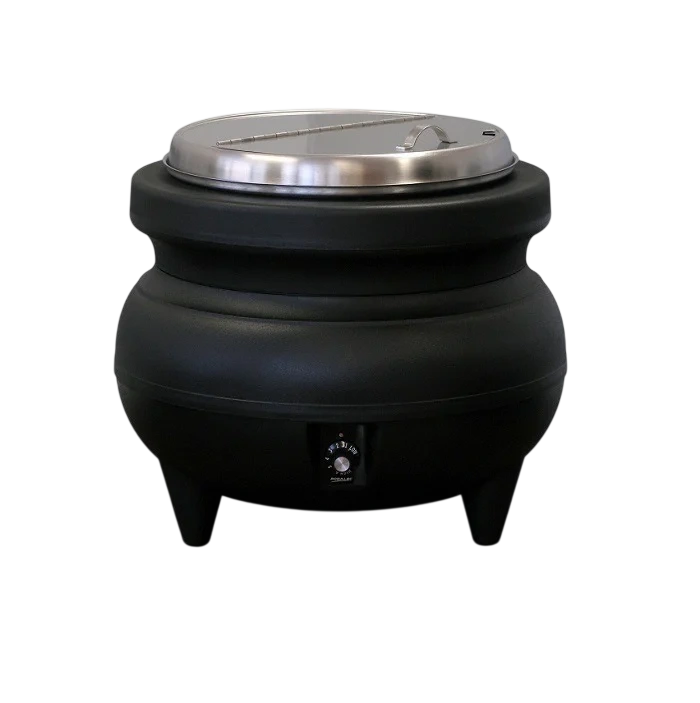
405 × 405 × 370mm
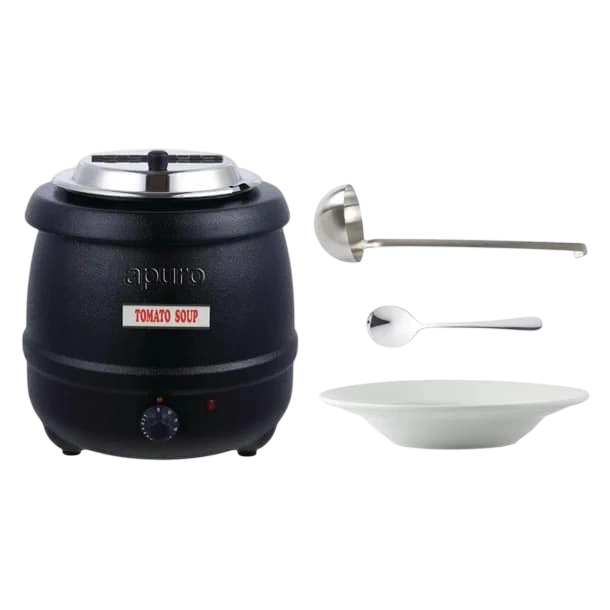
345 × 345 × 360mm
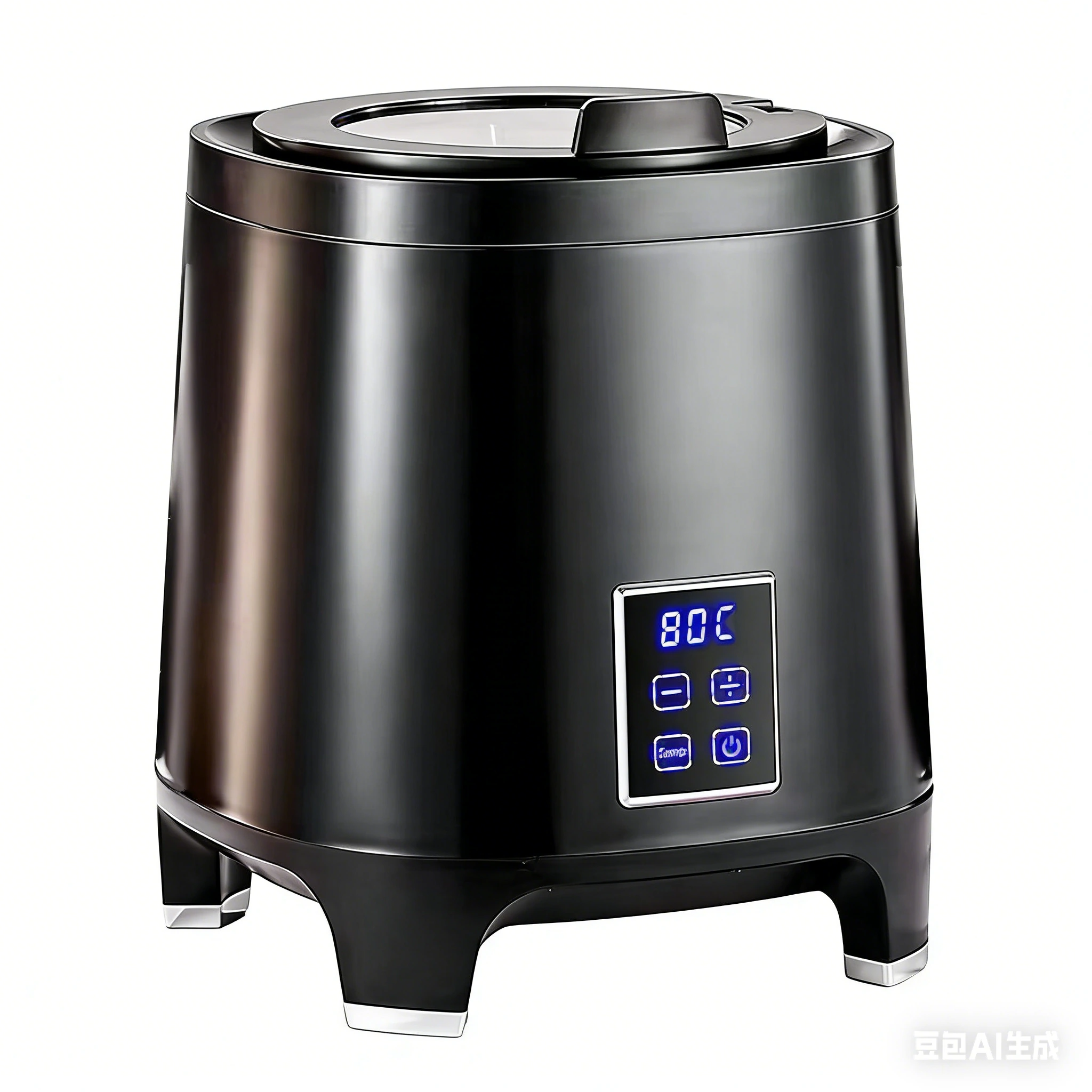
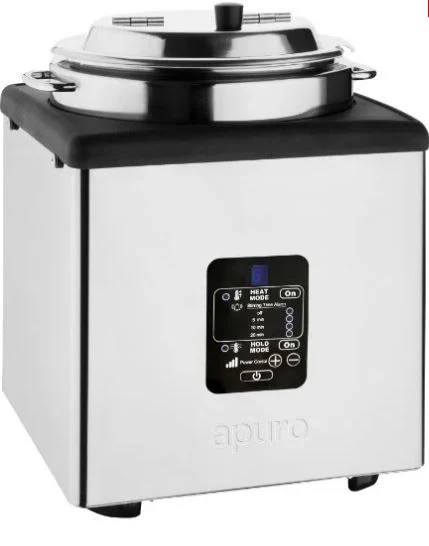
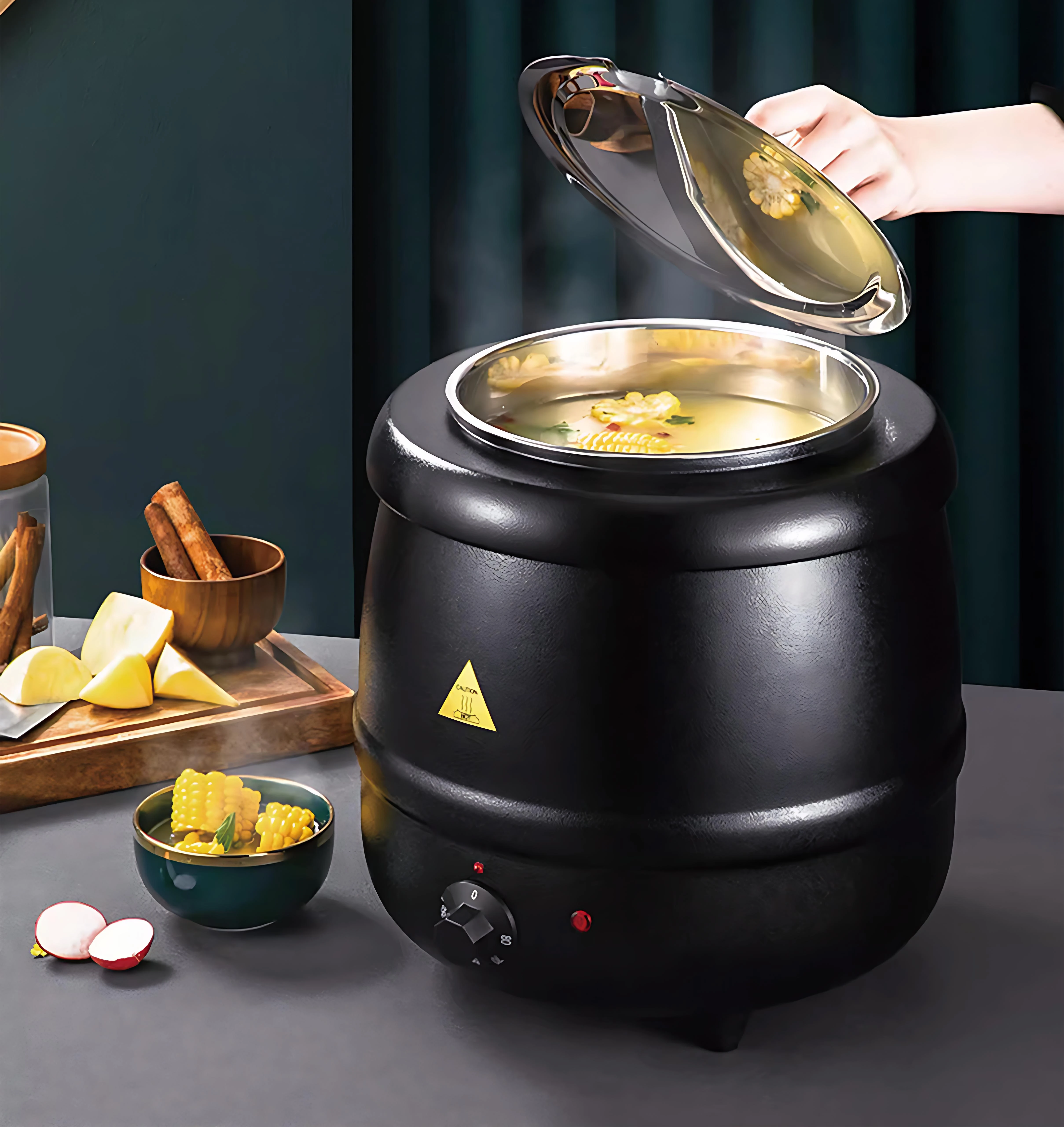
340 × 340 × 360mm
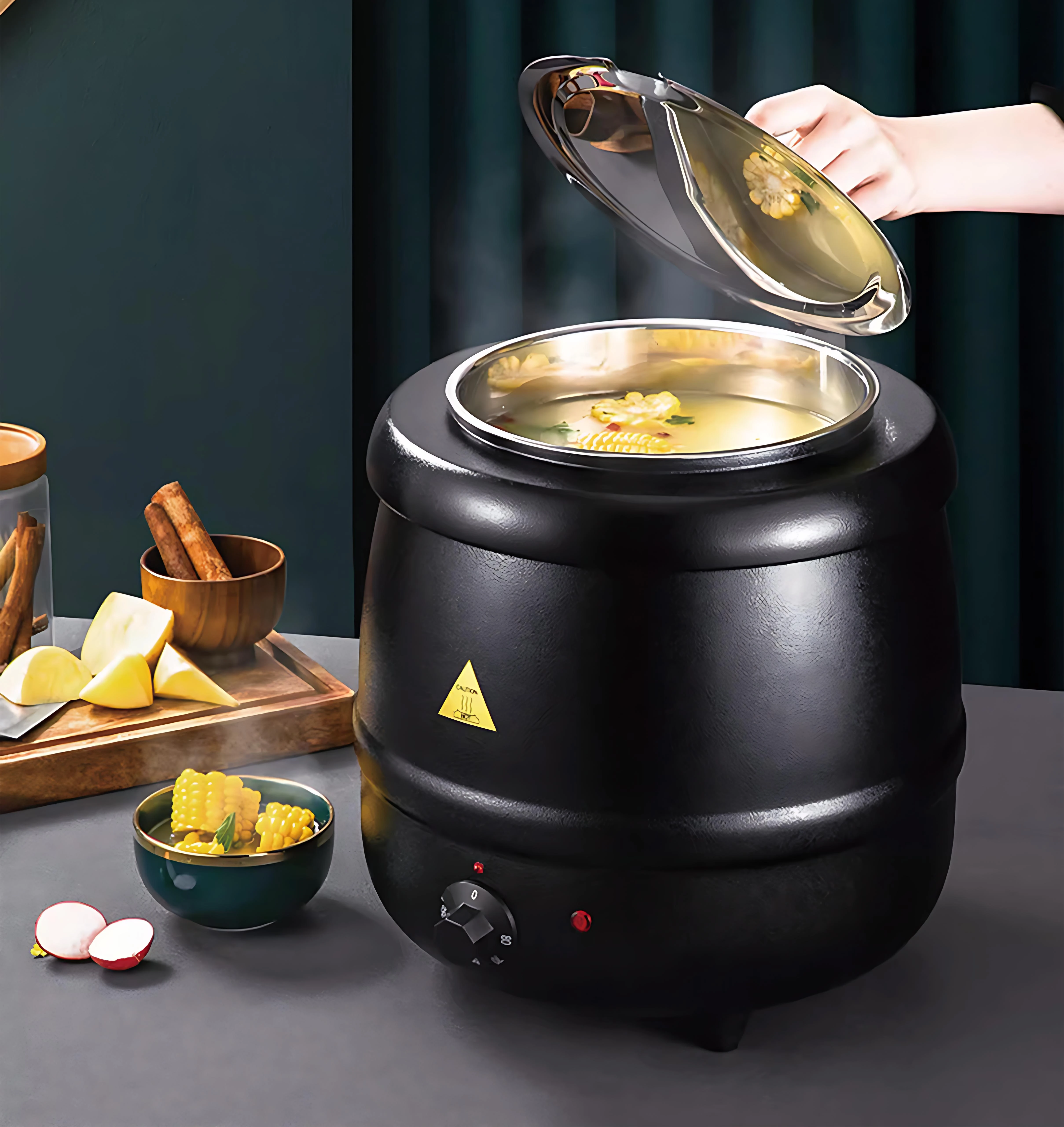
360 × 360 × 400mm