Commercial kitchen tools are the everyday essentials that keep prep, cooking and plating efficient in busy professional kitchens. From peelers and graters to whisks, tongs and spatulas, these tools support speed, consistency and hygiene across all stations.
Explore durable, commercial-grade utensils designed for cafés, restaurants, bakeries and catering operations.
Commercial Kitchen Utensils
Commercial Kitchenware
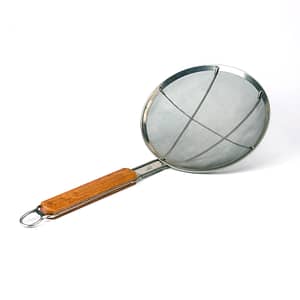
KK Fine Mesh – Wide Rim – Wooden Handle – 230mm – 9″ Skimmer – S/S 000801
Commercial Kitchenware
Commercial Kitchen Utensils
Commercial Kitchenware
Ambrogio Sanelli A1433000 Castor Potato Peeler – Stainless Steel Blade
Commercial Kitchenware
Kitchen Knock 11″ Skimmer – Fine Mesh Stainless Steel with Mahogany Handle
Commercial Kitchenware
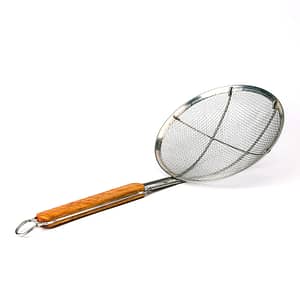
Kitchen Knock Mesh Wide Rim Wooden Handle 280mm – 11″ Skimmer
Commercial Kitchenware
KK Mesh – Wide Rim – Wooden Handle – 230mm – 9″ Skimmer – S/S 000799
Commercial Kitchenware
KK Mesh – Wide Rim – Wooden Handle – 255mm – 10″ Skimmer – S/S 000797
Commercial Kitchen Utensils
Vogue M965 Precision Long-Handled Fish Slice – 450mm / Perforated Stainless Steel
Commercial Kitchen Utensils
Commercial Kitchenware
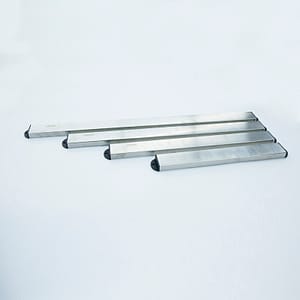
Kitchen Knock Magnetic Knife Rack – 406 mm Premium 304 Stainless Steel
Commercial Kitchen Utensils
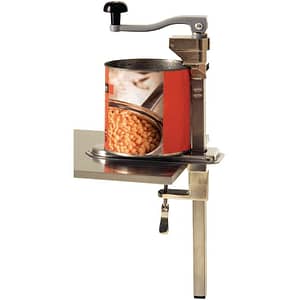
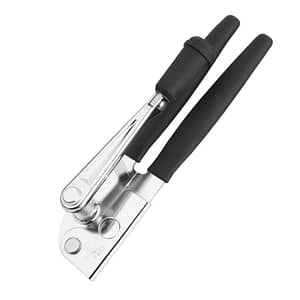
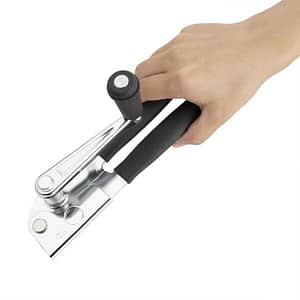
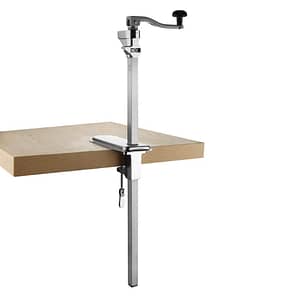
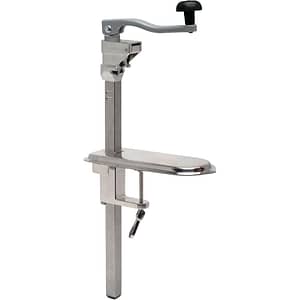
Kitchen Knock Can Opener – Durable Stainless Steel, Non-Slip Grip
Commercial Kitchen Utensils
Buying Guide: Commercial Kitchen Tools for Professional Kitchens
Commercial kitchen tools form the backbone of every foodservice operation. Unlike domestic utensils, these tools are engineered for long shifts, repeated sanitisation, high-volume prep and consistent results. Whether you are running a café, production kitchen or full-service restaurant, choosing the right tools improves efficiency, accuracy and workflow across all prep and cooking stations.
This guide outlines tool categories, materials, ergonomics and maintenance considerations to help you build a reliable tool kit for your commercial kitchen.
1. Core Tool Categories and Their Roles
Most professional kitchens rely on a structured set of tools tailored to prep, larder, line cooking and pastry. Key groups include:
- Prep tools – peelers, graters, zesters, mashers, mandoline accessories.
- Mixing and blending tools – whisks, spatulas, bowl scrapers for batters, creams and sauces.
- Handling tools – tongs, lifters, turners and heat-resistant spatulas for the hot line.
- Precision tools – microplane graters, portioners, garnish tools for plating accuracy.
Building a consistent tool set ensures all stations work with predictable performance and reduces training effort for new staff.
2. Materials: Durability and Food Safety
Commercial tools must withstand constant use, repeated washing and exposure to heat. Common materials include:
- Stainless steel – highly durable, heat-tolerant and corrosion resistant. Ideal for demanding prep and cooking tasks.
- Silicone or reinforced nylon – safe for non-stick surfaces and cooler prep environments.
- Composite or ergonomic handles – designed to reduce slipping and enhance comfort during long shifts.
Choosing commercial-grade materials ensures tools last longer and maintain consistent performance even under high workload.
3. Ergonomics: Speed and Comfort in a Busy Kitchen
In fast-paced service, poor ergonomics slow down workflow and increase fatigue. Look for:
- Non-slip handles, even when wet or oily.
- Balanced tool weight for repetitive motions.
- Shapes designed for frequent grip changes during prep or plating.
Ergonomic tools help staff maintain speed and accuracy throughout long shifts.
4. Cleaning, Maintenance and Safety
Tools cycle repeatedly between prep benches, cooking stations and dishwashers. To maintain safety and hygiene:
- Choose dishwasher-safe materials to streamline cleaning.
- Inspect joints and handles regularly for looseness.
- Avoid wooden tools in high-volume kitchens where moisture retention is a concern.
Tools designed for commercial sanitisation reduce contamination risk and support HACCP-compliant food handling.
Engineering Deep Dive: Why Tool Design Impacts Kitchen Workflow
Well-designed tools simplify movement and reduce wasted effort. For example:
- Serrated tongs offer stronger grip for proteins and hot items.
- Precision whisks improve aeration and reduce mixing time.
- Flexible scrapers extract more product from bowls, reducing waste.
- Heat-resistant spatulas support safer handling at the cookline.
Small improvements in tool efficiency multiply across hundreds of prep tasks each day.
Application Scenarios
1. Café and Brunch Kitchens
High-volume fruit prep, egg dishes and sandwich assembly require durable peelers, graters and quick-handling tools. Pairing tools with serving baskets and smallwares improves speed during peak sessions.
2. Restaurants and Bistro Kitchens
Multiple sections demand tools that are reliable, easy to identify and suited to specific techniques. Tongs, lifters and spatulas need commercial-grade strength for sauté, grill and larder tasks.
3. Bakeries and Patisseries
Precision is key. Whisks, spatulas, bowl scrapers and portioning tools must deliver consistent mixing and shaping performance. These tools complement workflows involving doughs, batters and delicate garnishes.
4. Catering and Production Kitchens
Bulk prep requires tools that maintain consistency through repetitive tasks. Reinforced spatulas, scoops and ergonomic handles improve speed and reduce strain during large-batch production.
FAQ: Commercial Kitchen Tools
Are commercial kitchen tools more durable than domestic tools?
Yes. They are engineered for constant use, sanitising and high-temperature environments found in commercial kitchens.
Which tools should every new kitchen start with?
Begin with prep essentials—peelers, graters, whisks, tongs and turners—then add specialised tools based on your menu.
Do these tools fit into standard commercial cleaning workflows?
Most tools are dishwasher-safe and built for high-volume use, but always check manufacturer recommendations.
Common Mistakes When Choosing Kitchen Tools
- Buying domestic-grade tools that fail under commercial workload.
- Mixing incompatible tool styles leading to cluttered storage.
- Ignoring ergonomics which reduces staff efficiency.
- Choosing low-quality materials that warp or break quickly.
Related Categories
- Commercial Kitchen Utensils
- Commercial Chopping Boards
- Kitchen Scales
- Chips & Serving Baskets
- Waste Bins
- Gastronorm Pans
Soft CTA: Build a Reliable Tool Set
If you are setting up a new kitchen or refreshing your equipment, our team can help you select a balanced range of commercial kitchen tools to suit your menu, workflow and volume.