Commercial kitchen equipment is only powerful when it works as a system. Your prep, cookline, refrigeration, dishwashing and food display all need to support one clean workflow: Prep → Cook → Hold → Serve → Wash.
KW helps cafés, restaurants, bakeries and catering kitchens design professional, commercial-grade kitchens that meet Australian safety and hygiene standards while staying fast, efficient and easy to run every day.


Buying Guide: Planning a Commercial Kitchen System
A professional kitchen is built around workflow, not individual machines. For most venues the production cycle is: Prep → Cook → Hold → Serve → Wash → Storage. Each step needs the right commercial-grade equipment to keep food safe, staff moving and service consistent through busy periods.
- Prep: Mixers, processors, slicers, blenders and stainless prep benches.
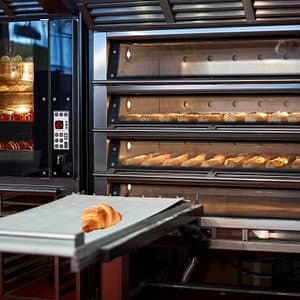
- Cook: Ranges, fryers, grills, ovens and combi ovens sized to your menu.
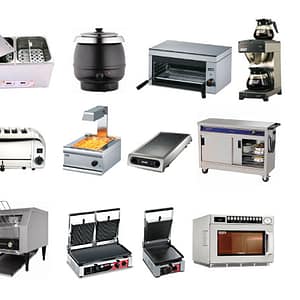
- Hold & Serve: Bain maries, hot displays and refrigerated showcases.
- Wash: Glasswashers, underbench or passthrough dishwashers, pot washers and sinks.
- Storage: Upright fridges, freezers, underbench units and dry-store shelving.
Compliance Snapshot for Australian Commercial Kitchens
Well-chosen commercial kitchen equipment makes it easier to pass council inspections and maintain food safety plans. Key checkpoints include:
- Temperature control: Refrigeration holding below 5 °C and hot holding above 60 °C.
- Dishwashing: Final rinse typically 82 °C+ for sanitising in commercial machines.
- Materials & surfaces: Stainless steel benches, sinks and splashbacks that are smooth, impervious and easy to clean.
- Gas & power: Only commercial-rated appliances, installed by licensed trades, in line with Australian standards.
- Plumbing: WaterMark-approved tapware, sinks and dishwashers connected to compliant waste systems.
Workflow & Common Fitout Mistakes
Most kitchen problems come from layout, not equipment brand. Good commercial kitchen design keeps raw food, ready-to-eat food and dirty dishes clearly separated.
- Dirty vs clean: Dishwash zones should move one way only—Dirty → Rinse → Wash → Air dry/Storage.
- Ventilation: Cooklines need the right canopy depth and height; crowding equipment can overload the hood.
- Fridge ventilation: Pushing units tight into walls or cabinets can cause overheating and early failure.
- Prep too close to heat: Chilled ingredients should not sit directly beside grills, fryers or ovens.
Match Equipment to Your Venue Type
- Cafés: Focus on prep fridges, underbench refrigeration, small ovens, griddles, blenders and compact dishwashers.
- Restaurants: Full cookline with ranges, fryers and combi ovens, backed by upright refrigeration and a passthrough dishwasher.
- Bakeries: Mixers, provers, deck or rack ovens, cooling racks and strong stainless bench space.
- Catering kitchens: High-output prep gear, blast chillers and portable hot or cold holding for transport.
Explore Key Commercial Kitchen Categories
Use the categories below to build a complete commercial kitchen equipment package around your menu and service style:
- Bakery Equipment – ovens, mixers, provers and bakery prep.
- Catering Equipment – portable cooking, holding and service gear.
- Commercial Beverage Equipment – coffee, juice, smoothie and drink stations.
- Commercial Cooking Equipment – ranges, fryers, grills and combi ovens.
- Delivery & Reception Robots – automation for front-of-house food running and reception tasks.
FAQ
What is the difference between domestic and commercial kitchen equipment?
Commercial appliances are designed for long duty cycles, higher heat output and strict food safety requirements. Domestic units are not built for continuous service and usually are not covered for use in professional kitchens.
How do I know which equipment my kitchen really needs?
Start with your menu, service speed and available space. From there, plan the workflow and size the refrigeration, cookline and dishwash to support your busiest trading periods. KW can help refine a list that fits your budget and compliance needs.
Need help designing a professional kitchen system? Call 1300 001 366 and our team can recommend commercial-grade equipment for your venue type, layout and growth plans.
Specs validated by KW Commercial Kitchen