
Commercial heat lamps use radiant or infrared heat to keep plated meals hot during short holding periods. Installed above pass-throughs, buffets or carving stations, they stabilise temperature without cooking or drying out food, ensuring consistent presentation during busy service.
Available in bulb-style lamps or wide-coverage heat strips, these units provide targeted heat where it’s needed most. Choose a model that matches your installation style, pass width and service workflow.
Catering Equipment
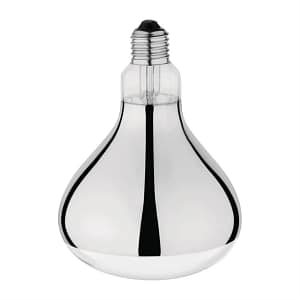
Apuro 250W Shatterproof Infrared Heat Lamp – ES Fitting DE164
Catering Equipment
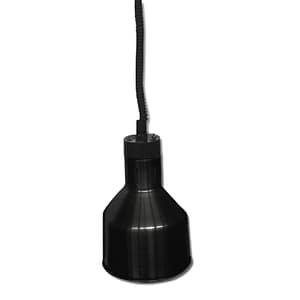
Benchstar HYWAL03 Pull Down Heat Lamp – Black | Ideal for Commercial Kitchens & Buffets

Catering Equipment


Commercial Kitchen Equipment

Catering Equipment


Catering Equipment

Catering Equipment
Benchstar HSW900 914mm Commercial Stainless Steel Strip Warmer

Catering Equipment
Anvil HLD0002B Mars Heat Lamp – Matte Black, 250W, Adjustable

Catering Equipment
Anvil HLB0005 Quintuple Benchtop Heat Lamp – 5 Shades, 1.25kW

Catering Equipment


Heat Lamps


Commercial Food Warmers

Catering Equipment

Catering Equipment
Apuro DR757-A Copper Heat Lamp – Retractable, 250W Food Warmer

Catering Equipment
Apuro DR755-A Heat Shade – Brass Finish, 250W, Domed Food Warmer

Catering Equipment

Catering Equipment
Benchstar HSW1500 1524mm Stainless Steel Strip Warmer Heater

Catering Equipment
Benchstar HSW600 609mm Commercial Stainless Steel Strip Warmer


Catering Equipment

Catering Equipment

Catering Equipment
Apuro DY463-A Copper Heat Shade – Retractable Conical, 250W Max


Catering Equipment
Benchstar HYWCL12 Pull-Down Heat Lamp – Antique Copper 290 mm Round

Catering Equipment
Buying Guide: Commercial Heat Lamps
Commercial heat lamps are radiant or infrared heating devices installed above serving areas to keep plated meals hot during short-hold service periods. They are essential across kitchen pass-throughs, buffets, carveries and catering lines. Rather than cooking or reheating food, heat lamps maintain surface temperature, preserve appearance and reduce heat loss between plating and delivery. Choosing the correct lamp style requires understanding radiant behaviour, mounting method, coverage area, airflow sensitivity and electrical requirements.
1. Heat Lamp Types: Bulbs vs Heat Strips
Heat lamps fall into two main engineering categories:
- Bulb-type lamps – Provide high-intensity “spot heat” ideal for 1–2 plates. Common outputs include 150W, 250W, 350W and 500W.
- Strip heaters / heat bars – Use quartz or tubular elements to deliver wide, even heat coverage across multiple plates.
Bulbs create focused hotspots, while strip heaters provide continuous warming zones suitable for longer pass areas and buffet lines.
2. Radiant Heat Spectrum & Food Surface Response
Heat lamps emit infrared energy that warms food surfaces without penetrating deeply. Different food types absorb infrared at different rates:
- Roasts & proteins absorb radiant heat efficiently, maintaining temperature well.
- High-moisture dishes may dry if held too close to the lamp.
- Baked goods & pastries respond gently to mid-infrared wavelengths.
Understanding the food type helps determine appropriate mounting height and lamp wattage.
3. Reflector Design, Lamp Housing & Heat Direction
Reflector materials significantly influence thermal performance:
- Polished aluminium reflectors deliver strong, concentrated radiant heat.
- Stainless-steel reflectors soften heat distribution but reduce intensity.
- Bowl, bell or conical shades enhance focus on narrow areas.
- Diffusion shades widen heat spread for multi-plate coverage.
Regular cleaning prevents oil buildup that reduces radiant efficiency.
4. Mounting Height, Angle & Coverage Zones
Installation height dictates heat strength. Too high and heat dissipates; too low and food overheats or dries. Heat zones must fully cover the plate area—typically 1–3 plates wide depending on lamp spacing. Adjustable pendant lamps allow directional control, while fixed strip heaters provide even coverage along the pass.
5. Airflow, Ventilation & Draft Sensitivity
Heat lamps rely on stable ambient conditions. Air-conditioning vents, open doors, extraction airflow or buffet drafts can dissipate radiant heat and reduce holding performance. Avoid mounting lamps in direct airflow paths and ensure adequate ventilation around lamp housings.
6. Heat Output, Wattage & Electrical Requirements
Heat lamps vary from 150W–500W per bulb or 500W–1.2kW for strip heaters. Electrical planning must consider:
- Inrush current – startup current is higher than running current.
- Circuit capacity – multiple lamps may require split circuits.
- Earthing compliance – required for all metal housings under AS/NZS standards.
Installers must ensure safe-clearance distances above the pass to protect staff and prevent overheating.
7. Heat Behaviour: Hotspots, Shadow Zones & Radiant Falloff
Radiant heat behaves predictably:
- Hotspots form directly under bulb lamps.
- Shadow zones appear behind tall dishes or pan rims.
- Radiant falloff reduces heat intensity with each centimetre of distance.
- Cross-zone coverage occurs where multi-lamp spacing is well designed.
Proper lamp spacing ensures warm, consistent temperature without cold edges on the pass.
8. Applications & Workflow Integration
Heat lamps support short-term hot holding across:
- Kitchen pass-throughs – holding plated meals ready for service.
- Buffets & carveries – keeping trays and carved meats warm.
- Catering stations – mobile warming for functions and events.
- Front counters – FOH installations require safe-touch housings.
Pass-line design should match lamp coverage to plate rotation patterns for smooth service.
9. Heat Lamps vs Other Hot-Holding Devices
Heat lamps provide short-term surface holding. They are not substitutes for:
- Chip warmers – designed for airflow-based crisp retention.
- Plate warmers – heat crockery, not food.
- Pie warmers – enclosed convection or humidity.
- Salamanders – cook or brown food with high heat.
Clear boundaries prevent incorrect equipment selection.
10. Lamp Life, Maintenance & Reliability
Bulbs typically last 2,000–5,000 hours depending on usage and ventilation. Common failure points include lampholder fatigue, thread loosening, reflector discoloration and blocked ventilation. Strip heaters offer longer service intervals but still require periodic cleaning to maintain output.
FAQ
Do heat lamps cook or reheat food?
No. Heat lamps maintain serving temperature only and should not be used for cooking or browning.
Why do foods dry out under heat lamps?
Radiant heat removes surface moisture over time. Correct mounting height and limited holding duration help protect food quality.
Can heat lamps be used front-of-house?
Yes—choose safe-touch housings and softer lighting for FOH or buffet environments.
How many plates can one lamp cover?
Bulb-type lamps typically cover 1–2 plates; strip heaters cover wider pass areas up to 3–4 plates depending on length.
Brand Overview
We supply commercial heat lamps and strip heaters designed for reliable radiant output, strong reflector efficiency, safe-touch operation and consistent performance in Australian restaurants and catering environments.
Common Mistakes
- Installing heat lamps too high or too close to food.
- Using heat lamps for long-term hot holding.
- Mounting units under air-conditioning vents.
- Confusing heat lamps with cooking equipment.
- Neglecting lamp, housing and reflector maintenance.
Related Categories
Find the Right Heat Lamp
Explore our full range of commercial heat lamps engineered for short-term hot holding, efficient service workflows and consistent food presentation across cafés, restaurants, buffets and catering setups.