
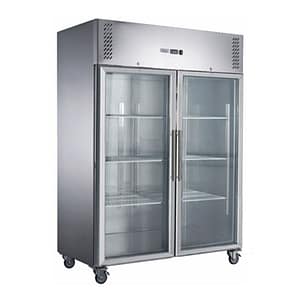
Commercial Freezers
FED-X XURF1200G2V Double Glass Door Upright Freezer – 1200L Stainless Steel Display Freezer
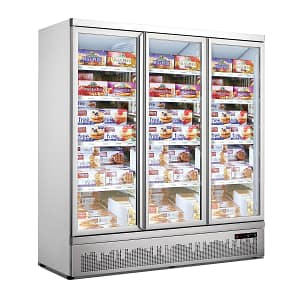
Commercial Freezers
Thermaster LG-1500GBMF Triple Door Upright Freezer – 1880mm, -18~-22°C

Commercial Freezers
Thermaster SUFG1000 Double Glass Door Display Freezer – 1000L, LED, -22°C to -18°C

Commercial Freezers
Thermaster SUFG500B Single Glass Door Freezer – 500L, Black Stainless Steel

Commercial Freezers
Thermaster LG-1000GBMF Double Glass Door Freezer – 930L, LED, -22°C to -18°C

Commercial Freezers
Polar GH506-A Upright Display Freezer – 412L White | G-Series

Commercial Freezers
Thermaster SUFG1000B Double Glass Door Freezer – 1000L, Black Stainless Steel

Commercial Freezers
Polar GH428-A Upright Display Freezer – 412L Black Glass Door

Commercial Freezers
Thermaster SUFG1500 Triple Glass Door Display Freezer – 1500L, -22°C to -18°C

Commercial Freezers
Polar GH429-A G-Series Upright Display Freezer – 920L, Black, LED, R290

Commercial Freezers
Thermaster LG-1000BGBMF Double Glass Door Freezer – 960L, -18°C to -22°C

Commercial Freezers
Polar G-Series GH507-A 2 Door Upright Display Freezer | 920L White
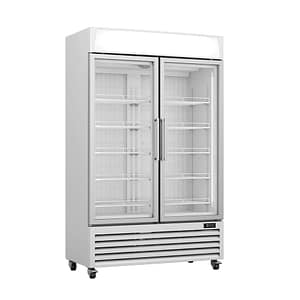
Commercial Freezers
Thermaster LG-800PF Upright Display Freezer – 800L, Double Glass Doors

Commercial Freezers
FED-X XURF1410G2V Double Glass Door Display Freezer – 1410L R290 Stainless

Commercial Freezers
FED-X XURF600G1V 600L Glass Door Upright Display Freezer – Stainless Steel, -15°C to -18°C
Buying Guide: Display Freezers
A commercial display freezer is a front-of-house merchandising appliance designed to showcase frozen foods while maintaining consistent sub-zero temperatures. Unlike storage-oriented upright or chest freezers, display freezers prioritise visibility, lighting, glass clarity and retail presentation. They must balance freezing performance with sales appeal, ensuring products remain safely stored at -18°C or colder while appearing bright, organised and visually attractive.
1. Display Freezer vs Ice Cream Freezer vs Gelato Showcase
Different display units serve different temperature needs:
- Display Freezers (-18°C): For frozen meals, packets, vegetables, desserts and retail-ready frozen foods.
- Ice Cream Freezers (-21°C): Designed for harder ice cream holding.
- Gelato Showcases (-14°C): Used for scoopable gelato and soft-serve textured desserts.
Mixing these can cause performance issues—especially with ice cream (too soft) or gelato (too hard) if stored incorrectly.
2. Temperature Ranges & Freezing Performance
Temperature control is the core function of any commercial display freezer. Key temperature ranges include:
- -18°C: Standard frozen food merchandising.
- -21°C: Suitable for hard ice cream.
- -14°C: For gelato-style presentation units.
Maintaining these temperatures in front-of-house environments requires strong airflow and recovery systems.
3. Frost-Free vs Manual Defrost
Most upright display freezers are frost-free, using periodic warm-air cycles to remove frost from evaporators. However, some compact countertop models may require manual defrosting. Frost-free systems help maintain airflow and reduce internal ice buildup.
4. Glass Door Engineering
Display freezers rely heavily on high-quality glass for visibility, energy efficiency and anti-fog performance. Professional units use:
- Double or triple glazing for strong insulation.
- Low-E coated glass to reduce heat transfer and condensation.
- Heated door frames to prevent fogging in humid environments.
- Anti-fog treatments for coastal or high-traffic locations.
5. Why Fogging Happens
Fogging occurs when warm, humid air hits cold glass. Retail environments—especially convenience stores, takeaway venues and coastal regions—experience frequent fogging due to:
- High humidity
- Constant door openings
- Warm-stock restocking
- Temperature variance between FOH and BOH
Quality display freezers use heated frames and Low-E glass to minimise condensation.
6. Airflow & Recovery Time
Display freezers must recover temperature quickly after each door opening to keep products safely frozen. Strong airflow and efficient compressors ensure uniform cooling during service peaks. Warm-stock loading is common in retail settings—particularly for mixed frozen product lines—and requires powerful fan-forced systems.
7. Merchandising Psychology
Display freezers influence purchasing behaviour. Effective merchandising includes:
- LED lighting (4000–6500K) for bright, neutral product visibility.
- Eye-level SKU placement for high-margin products.
- Clear spacing to prevent clutter.
- Organised shelf layouts for quick customer browsing.
8. Shelving & Display Layout
Adjustable shelving allows operators to merchandise different packaging sizes. Look for:
- High load-capacity shelves suited for full retail stock.
- Multi-level options for better spacing and vertical display.
- Open sightlines to keep products attractive and visible.
9. Energy Consumption
Display freezers typically consume more energy due to glass doors. Efficiency depends on:
- Glazing type (double vs triple)
- Fan system (EC fans use less power)
- Compressor efficiency
- Defrost method
10. Noise Levels
As display freezers operate in FOH (front-of-house), noise output matters. Strong fan systems or older compressor models may generate noticeable sound, so placement should consider customer experience.
11. FOH vs BOH Placement
Display freezers are intended for front-of-house use. BOH use is discouraged due to:
- Excess heat from ovens or dishwashers
- High humidity levels
- Reduced performance caused by temperature spikes
- Higher condensation risk
12. Maintenance Requirements
- Clean glass doors regularly to ensure clarity.
- Inspect door seals for gaps or wear.
- Check LED lighting for consistent brightness.
- Clear airflow vents blocked by packaging.
Brand Box: GLACIAN Display Freezers
Brand Identity
GLACIAN is known for reliable, energy-efficient display refrigeration designed specifically for retail and hospitality environments. Their display freezers are engineered for strong visibility, stable performance, and long-term reliability.
Signature Strength
- Clear, fog-resistant glass
- Bright LED lighting for merchandising
- Stable -18°C freezing performance
- Energy-efficient compressors and EC fans
Extended Benefits
- Ideal for supermarkets, cafés and takeaway venues
- Designed for Australian ambient conditions
- Durable shelving and strong construction
- Enhanced visibility for impulse sales
Brand Link:

Frequently Asked Questions
What temperature do display freezers operate at?
Most operate at -18°C, with ice cream units reaching -21°C and gelato at -14°C.
Why does the glass fog up?
Condensation forms when warm, humid air contacts cold glass. Heated frames and Low-E glass minimise fogging.
Are display freezers frost-free?
Most upright models are frost-free, but some compact units may require manual defrosting.
Can I store ice cream in a display freezer?
Yes—if the freezer reaches -21°C. Standard -18°C units may not keep ice cream hard enough.
Do they consume more electricity?
Glass doors increase energy use, but EC fans and efficient compressors improve overall efficiency.
Is a display freezer suitable for BOH?
BOH placement is not recommended due to heat, humidity and condensation issues.
Common Mistakes to Avoid
- Using a display freezer instead of a gelato showcase
- Choosing the wrong temperature range for ice cream
- Placing units near heat sources
- Ignoring glass insulation quality
- Overloading shelves or blocking airflow
Related Categories
Need Help Choosing a Display Freezer?
Call our team on 1300 001 366 for expert advice on selecting the ideal display freezer for your retail space, product range and service environment.