FED-X
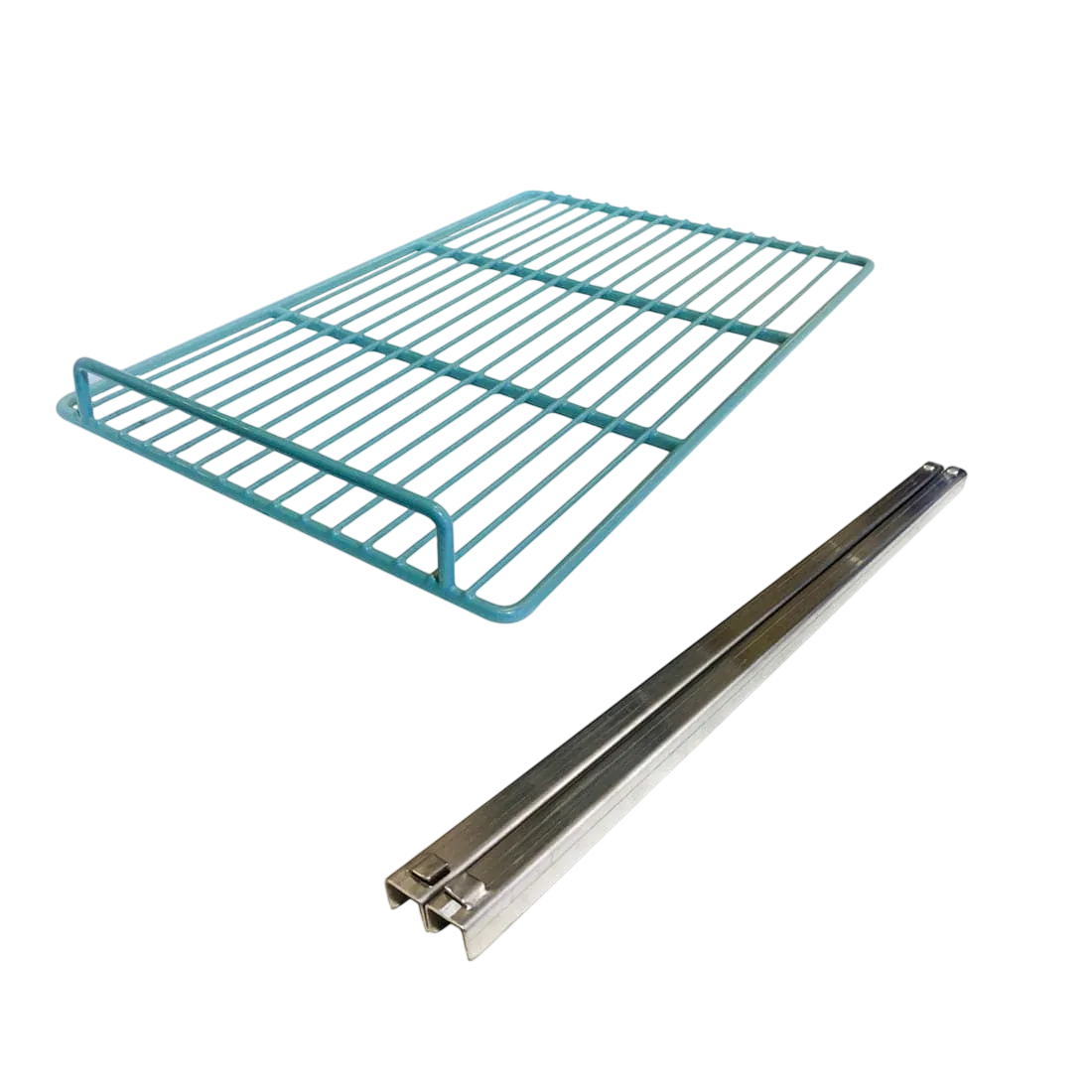
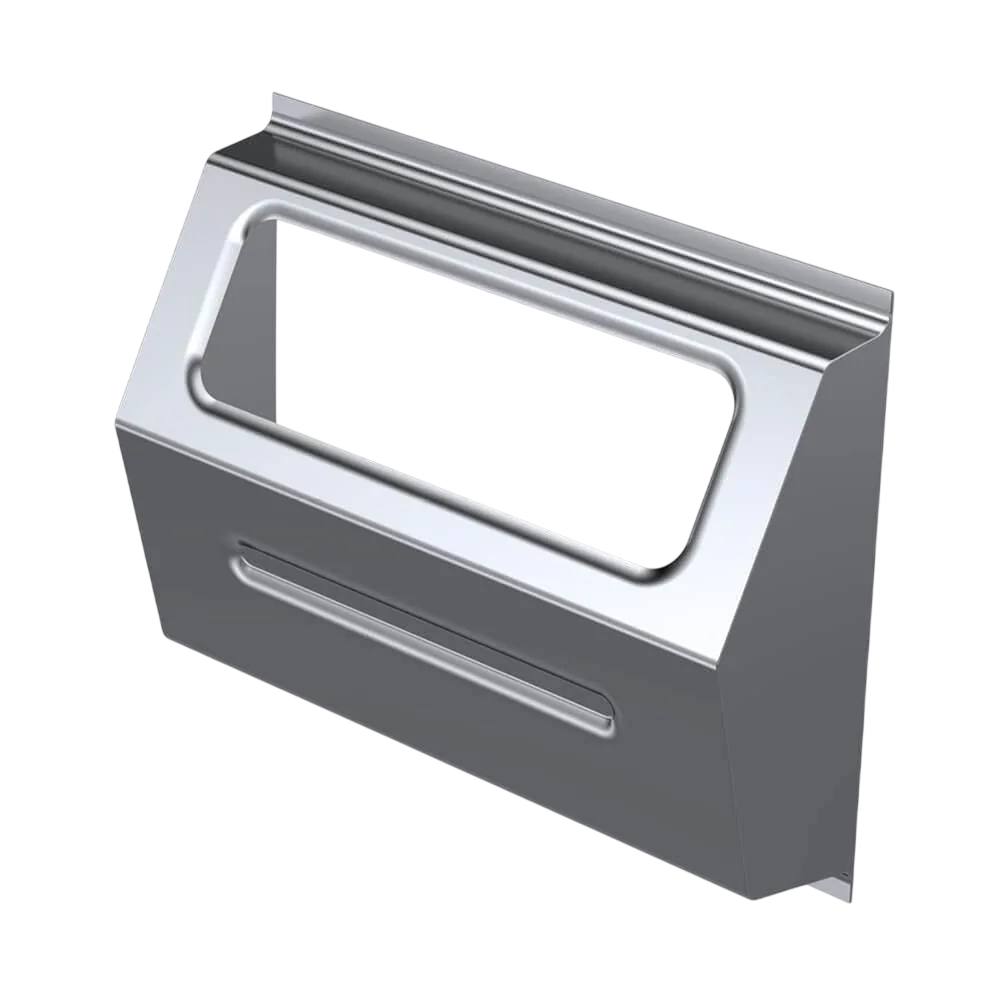
Additional Shelf Set for Upright Units - XUR-SHELFSET (XUR-SHELFSET)
$66.00$88.00
In Stock
Commercial Fridges and Commercial Freezers
Key factors to consider before purchasing. Our team can help you find the right fit — call or get a quote anytime.
Match equipment capacity to your daily output. Consider available floor space, door clearances, and whether you need underbench or upright models.
Forced air cooling recovers temperature faster — ideal for busy kitchens. Static cooling suits low-traffic display. Check power supply (single vs three phase).
Ensure adequate ventilation clearance. Check local council requirements for gas connections and electrical compliance. We can help with kitchen planning.
Submit your kitchen requirements — our equipment specialists will send you a tailored shortlist of spares for commercial fridge and freezer that fits your budget, venue type and compliance needs.
FAQ
Measure width, depth, pitch spacing and clip type. A quick photo of your existing shelf lets our team match it accurately.
Send us interior photos—we identify compatibility by mounting geometry, not branding.
Yes, provided geometry, airflow and material specifications match. Poorly matched parts cause temperature issues.
Overloading, misalignment, cold brittleness or incorrect screw spacing are common causes.
Yes. Blocking vents, using non-food-safe glass or installing unstable boards may fail food-safety checks.
Deep Dive
Technical depth from KW's commercial kitchen specialists.
Commercial refrigeration is a controlled balance of airflow velocity, thermal transfer, internal pressure and evaporator load. Spare parts influence these variables significantly. The following engineering principles explain why matching parts correctly is essential for food safety and stable refrigeration.
Upright fridges rely on vertical airflow cycles, whereas underbench units often use horizontal or hybrid airflow. Incorrect shelves, racks or cutting boards block intake vents, causing temperature stratification—the top of the cabinet may reach 10°C while the base holds 2°C. Proper shelf ventilation maintains laminar airflow and ensures consistent cooling throughout.
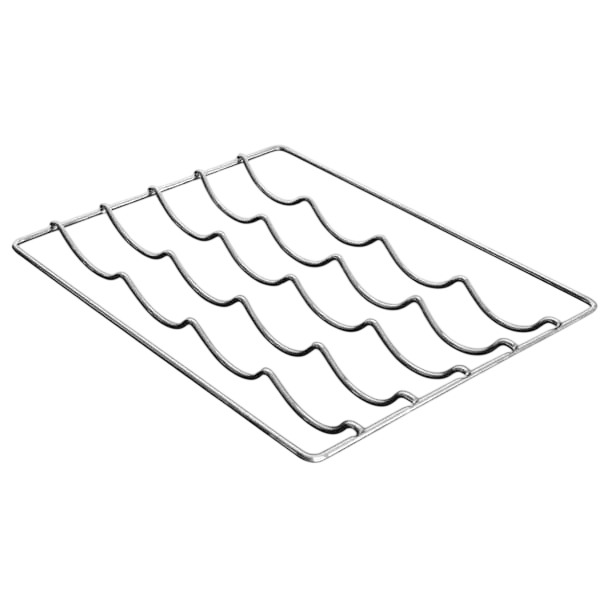
Shelves absorb weight from GN pans, containers, liquids and defrost moisture cycles. Under-rated shelves bend over time, pushing food into the evaporator cover—one of the most common but avoidable causes of coil damage. Stainless shelves provide rigidity but must retain airflow pathways to prevent the evaporator from freezing.
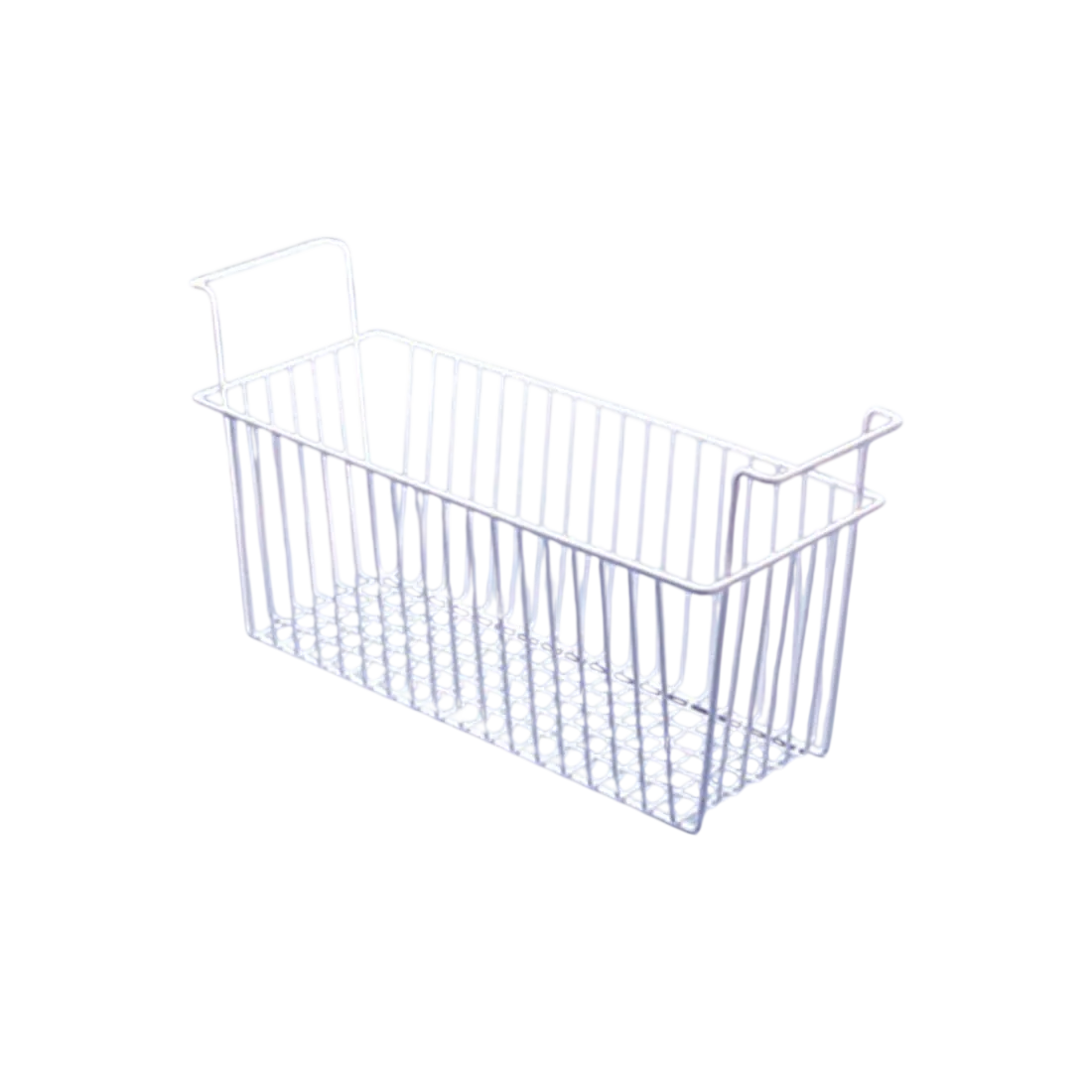
Freezer components experience extreme contraction. Polycarbonate, HDPE, stainless steel and coated steel all behave differently under cold-induced stress. Freezer-rated parts must be impact-resistant and designed to withstand repeated defrost cycles without cracking, splitting or warping.
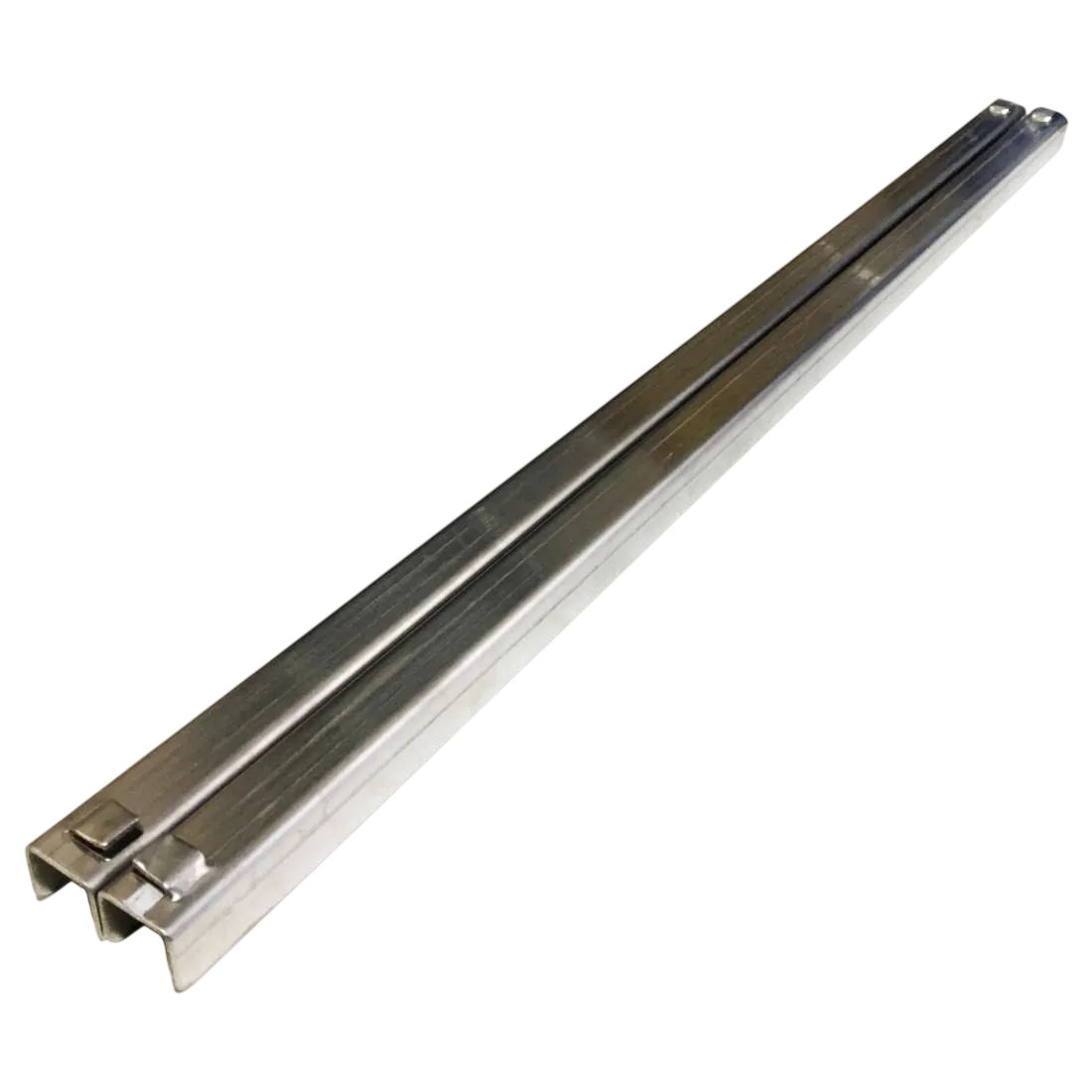
Turbo Air, Bromic, Atosa, Airex and Thermaster all use different rail spacing, shelf pitch, runner lengths and hinge positions. A part that appears identical may be incompatible by 5–15mm—enough to disrupt airflow or prevent installation entirely. Matching geometry is more important than matching appearance.
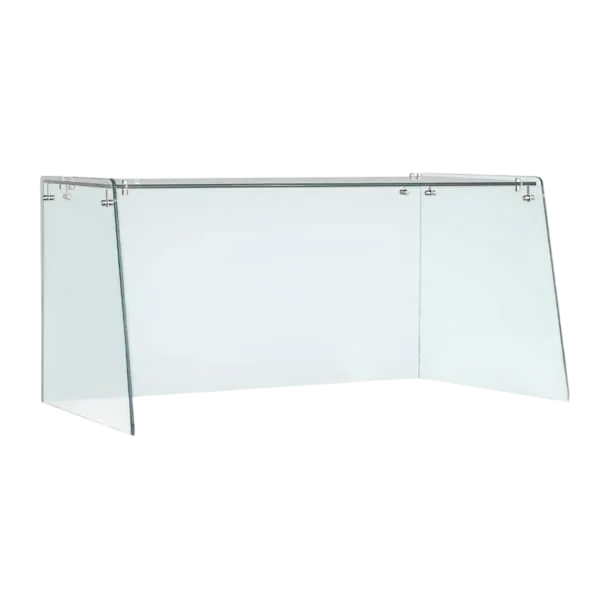
Glass tops, sneeze guards and gantry assemblies influence condensation behaviour. Incorrect angles or materials result in water droplets forming and dripping onto food, which compromises hygiene and service presentation. Proper airflow alignment reduces condensation risk.
Unsure which part fits? Send us a photo or model number—our team matches compatibility daily.
1300 001 366
87 results