
Anvil
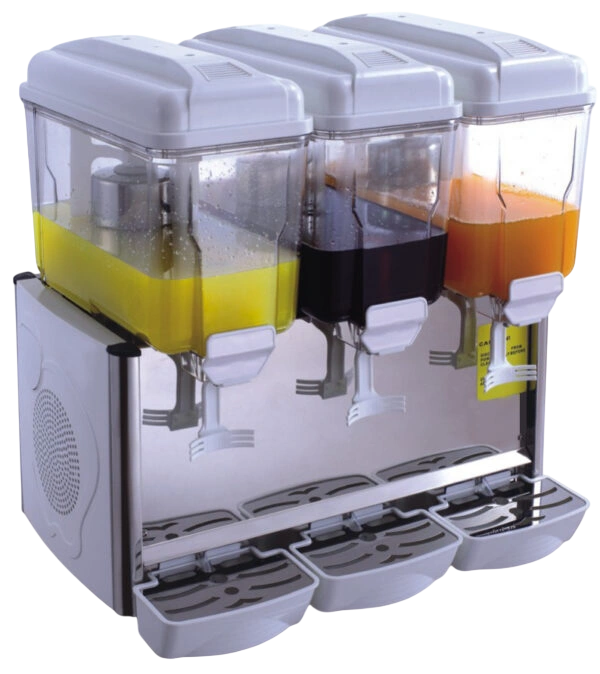
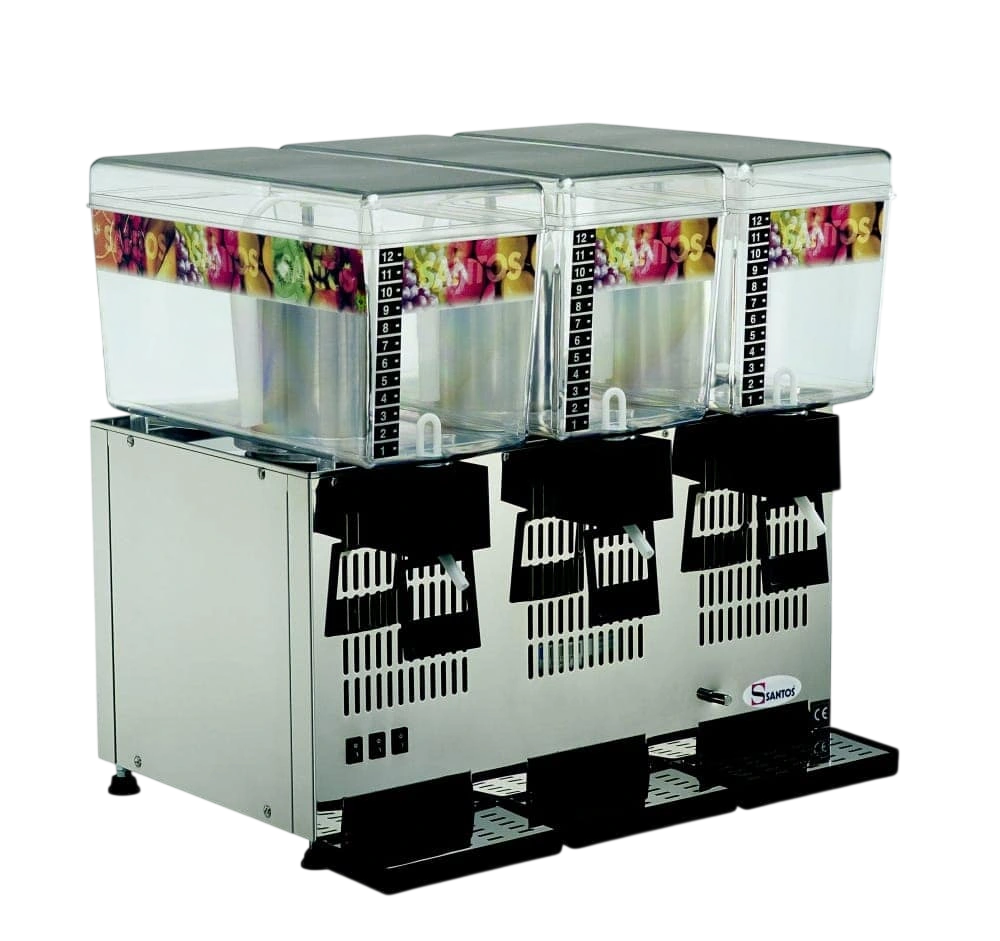
Anvil JDA2003 Triple Bowl Juice Dispenser – 3 x 12L | Stirrer for Pulp & Milk
630 × 430 × 640mm
$1,275.00$1,500.00
In Stock
Commercial Drink Dispensers
30 results
630 × 430 × 640mm
600 × 410 × 660mm
410 × 350 × 660mm
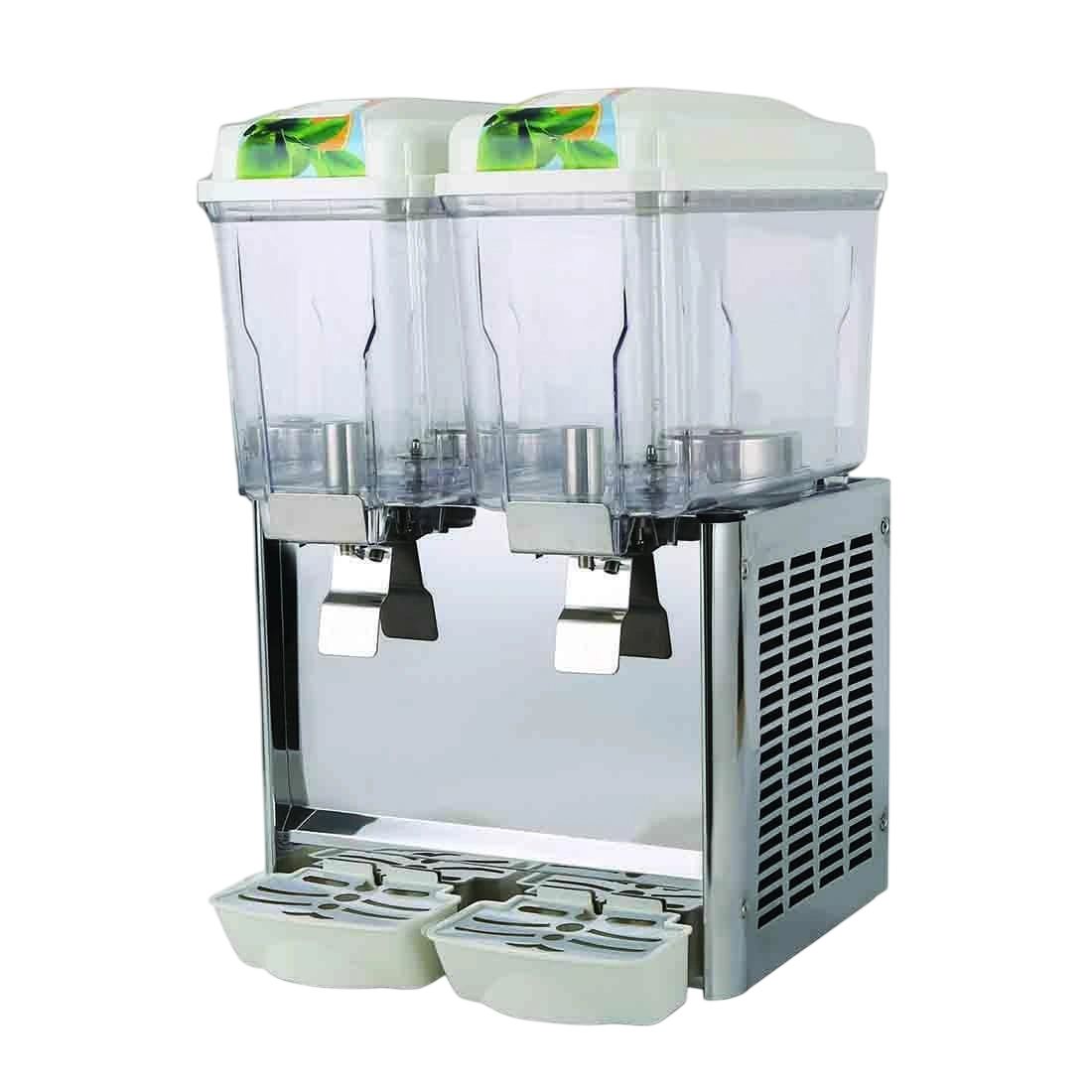
410 × 410 × 660mm
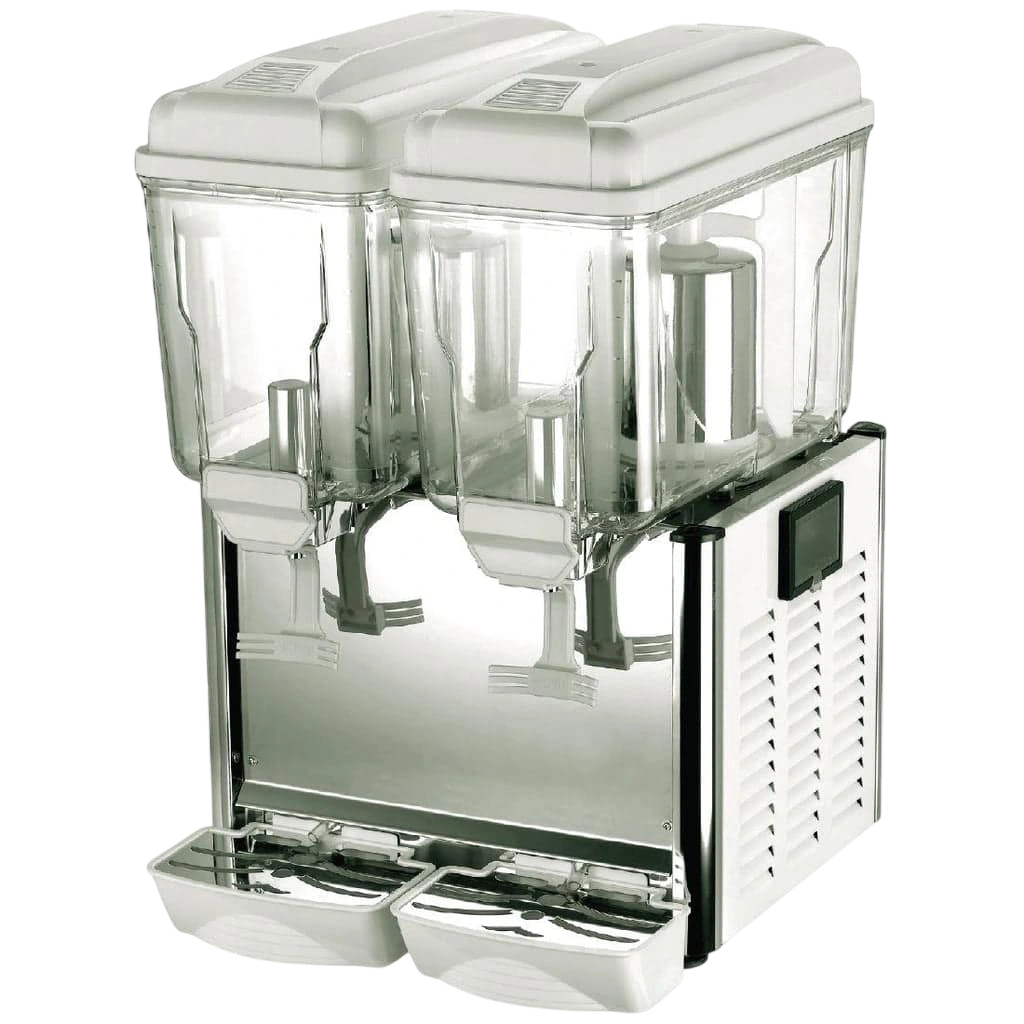
430 × 430 × 635mm
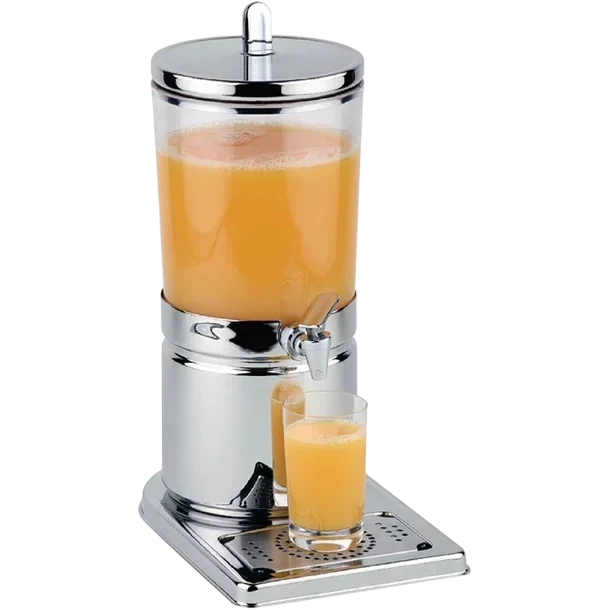
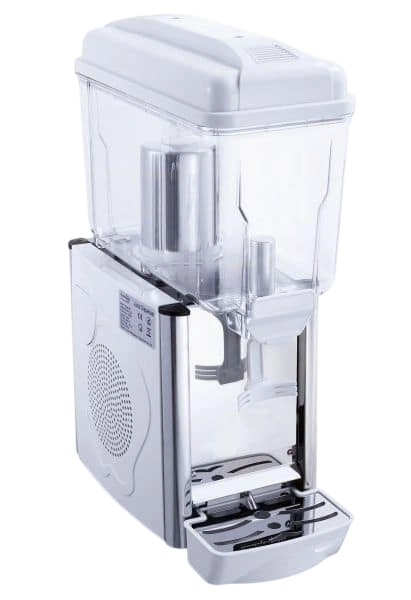
230 × 430 × 640mm
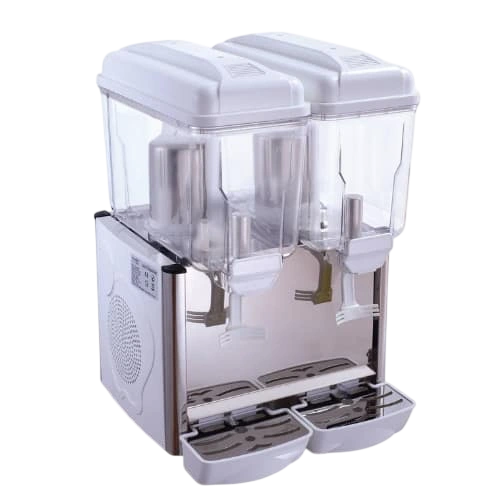
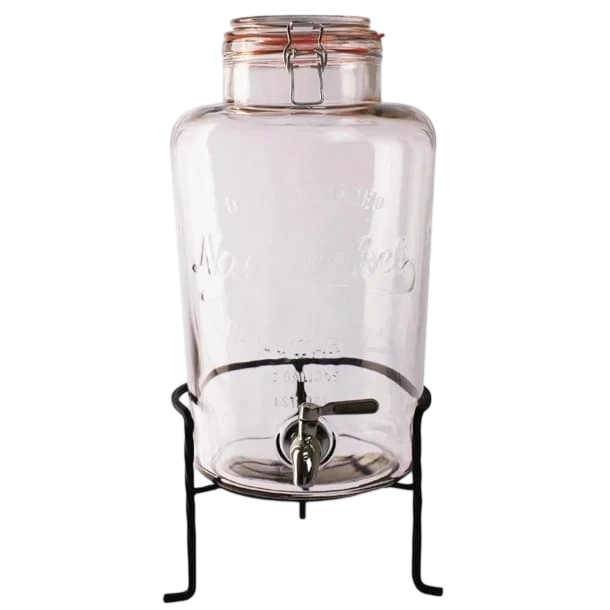
200 × 210 × 460mm
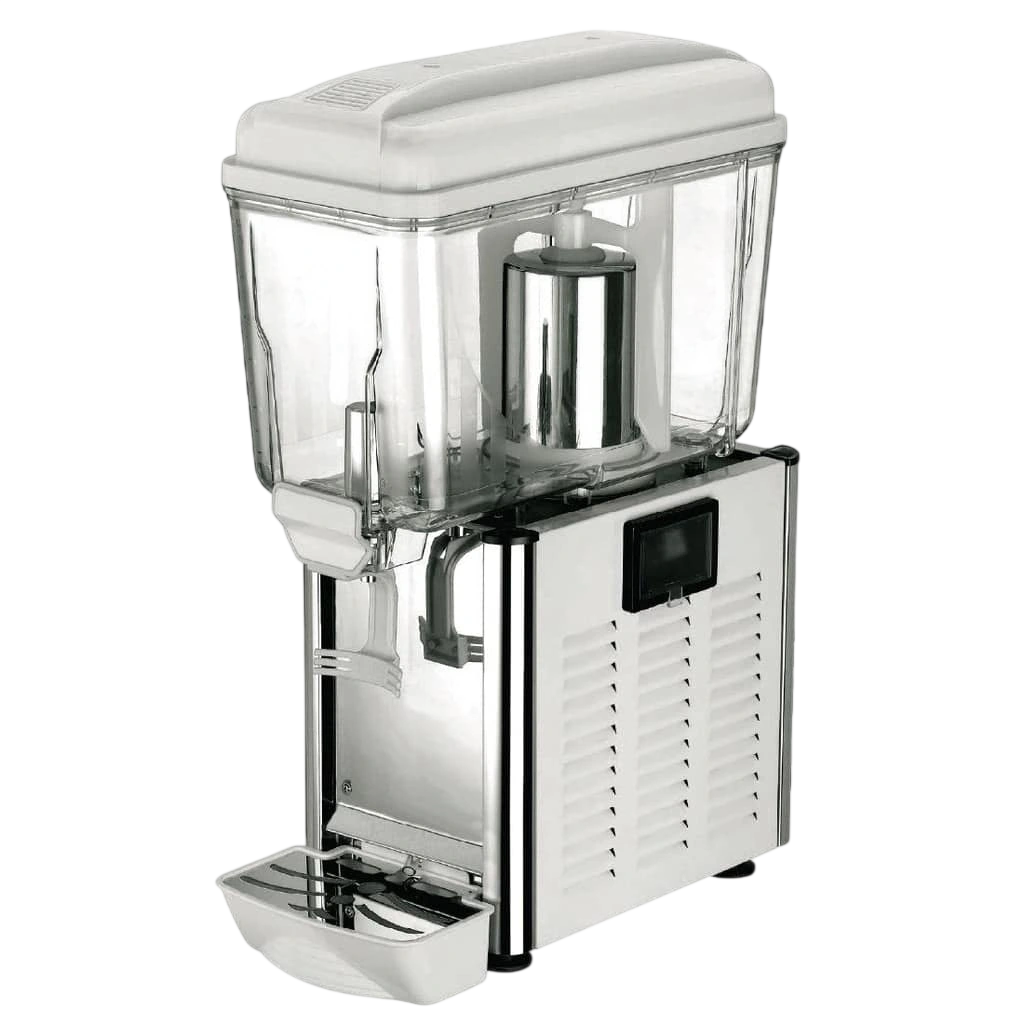
220 × 450 × 635mm
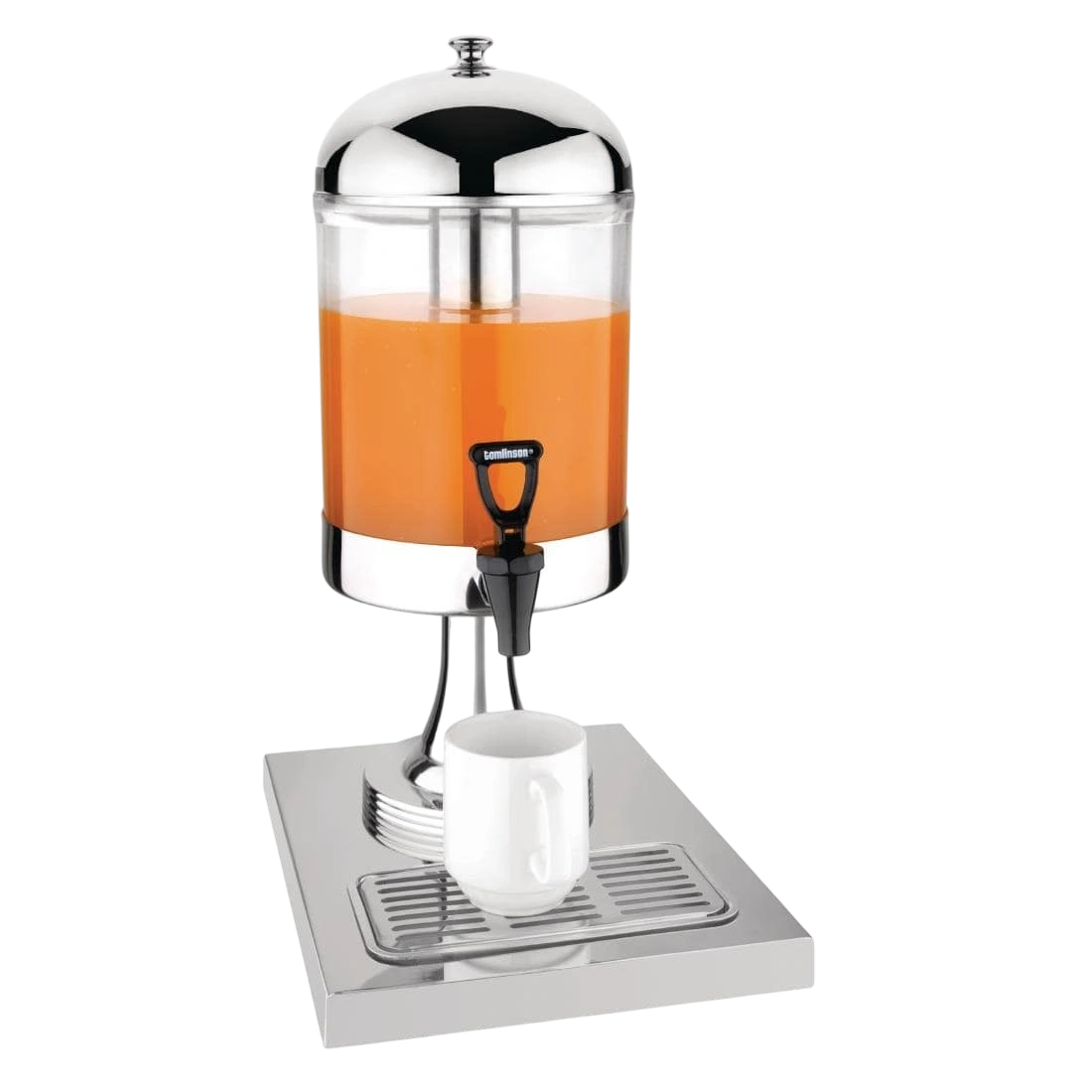
265 × 355 × 570mm
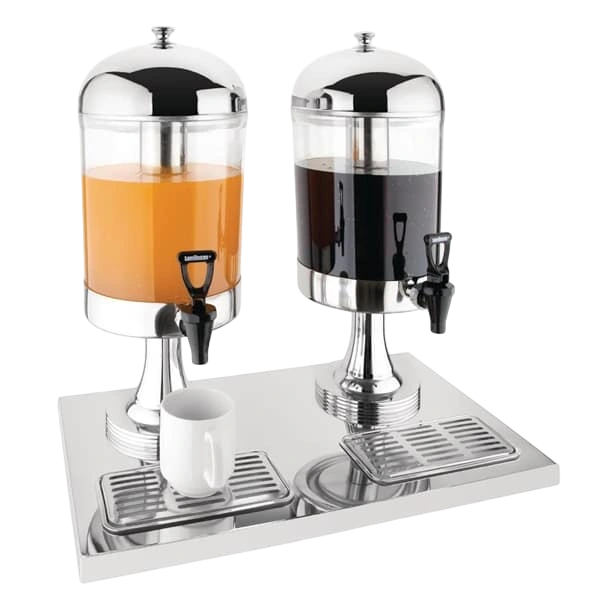
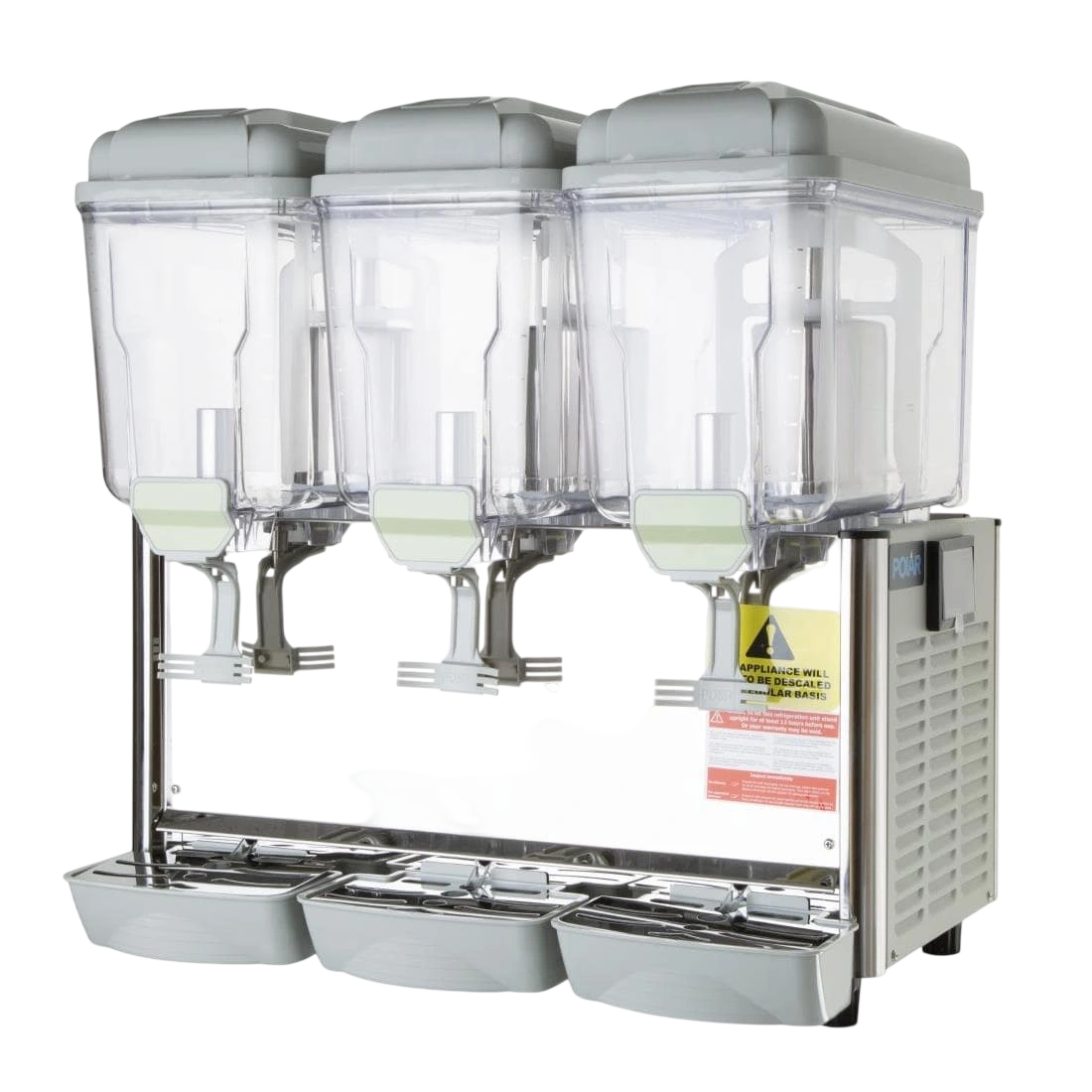
430 × 630 × 640mm
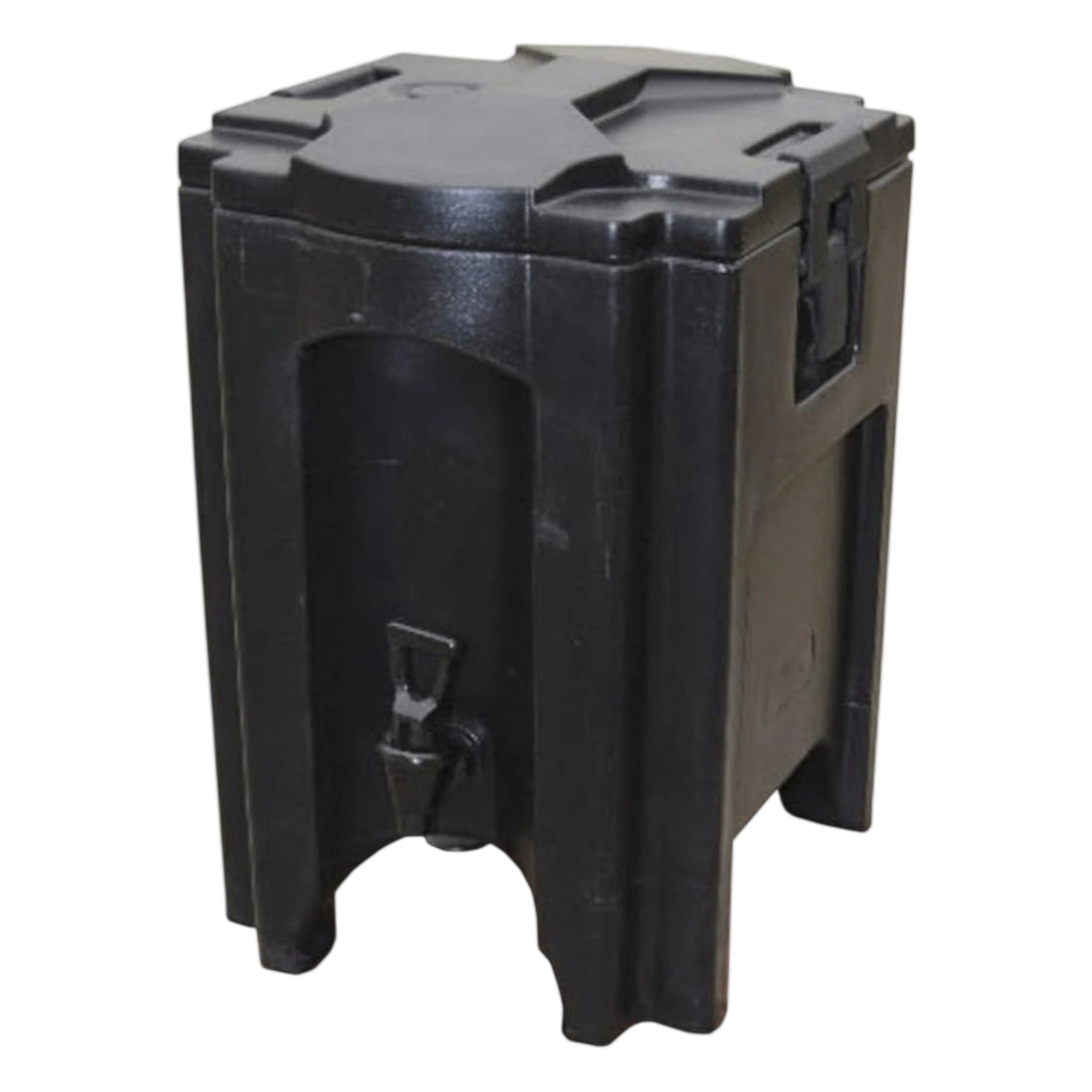
400 × 280 × 480mm
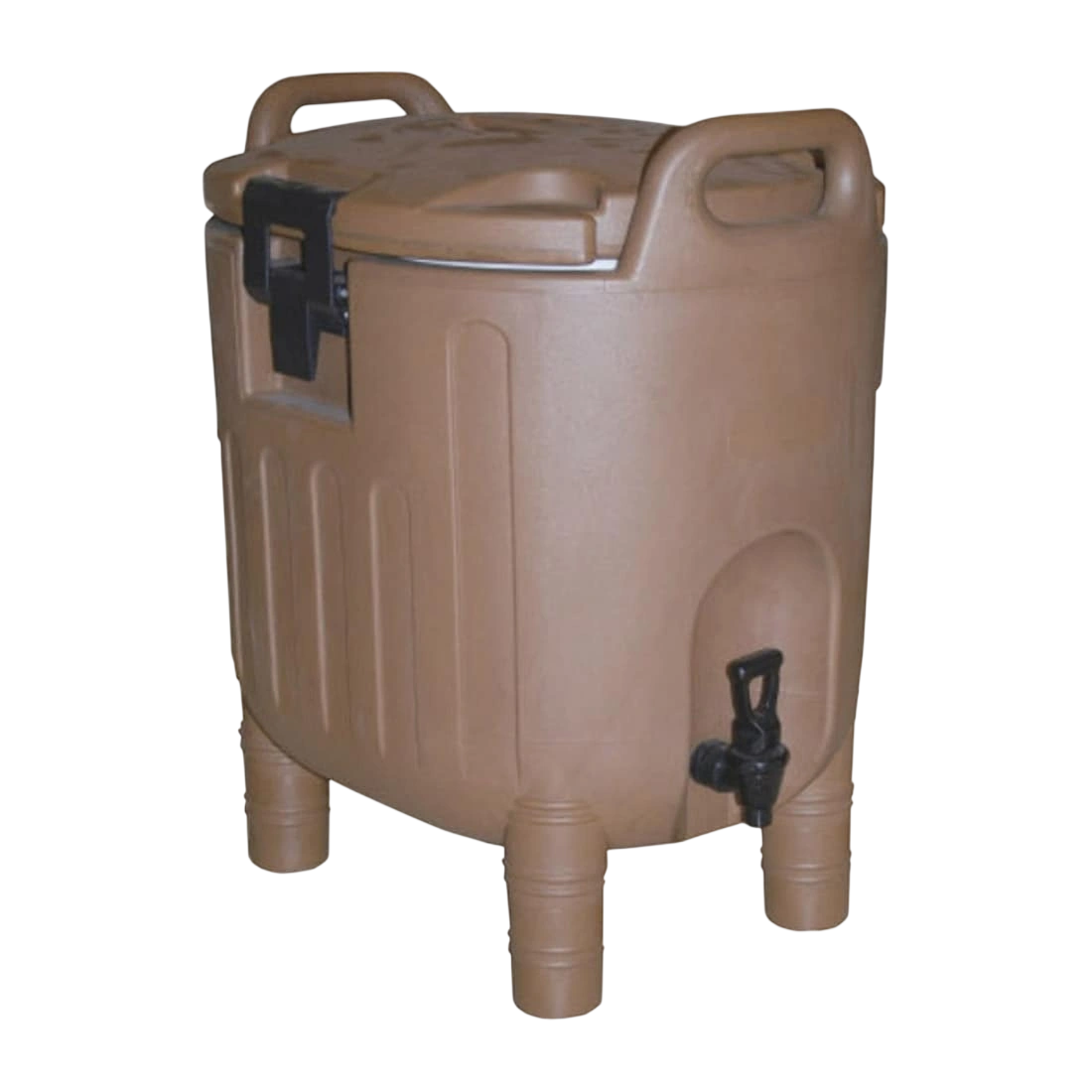
500 × 400 × 580mm
240 × 240 × 420mm
240 × 240 × 470mm
320 × 390 × 560mm
220 × 350 × 540mm
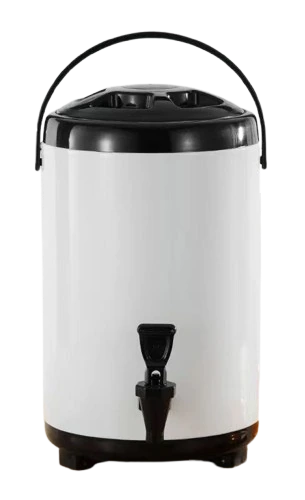
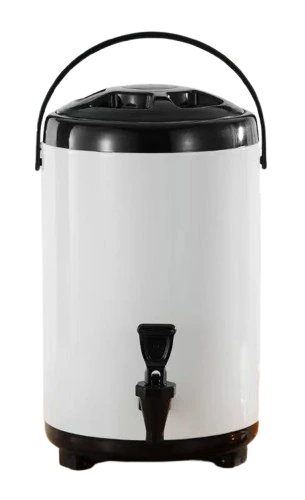
10 × 240 × 420mm
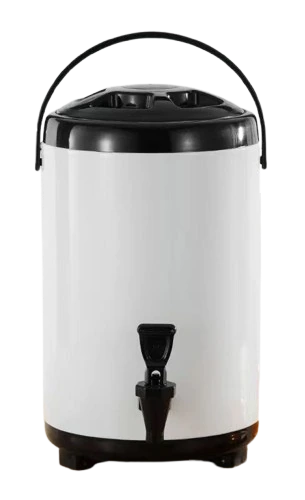
12 × 240 × 470mm
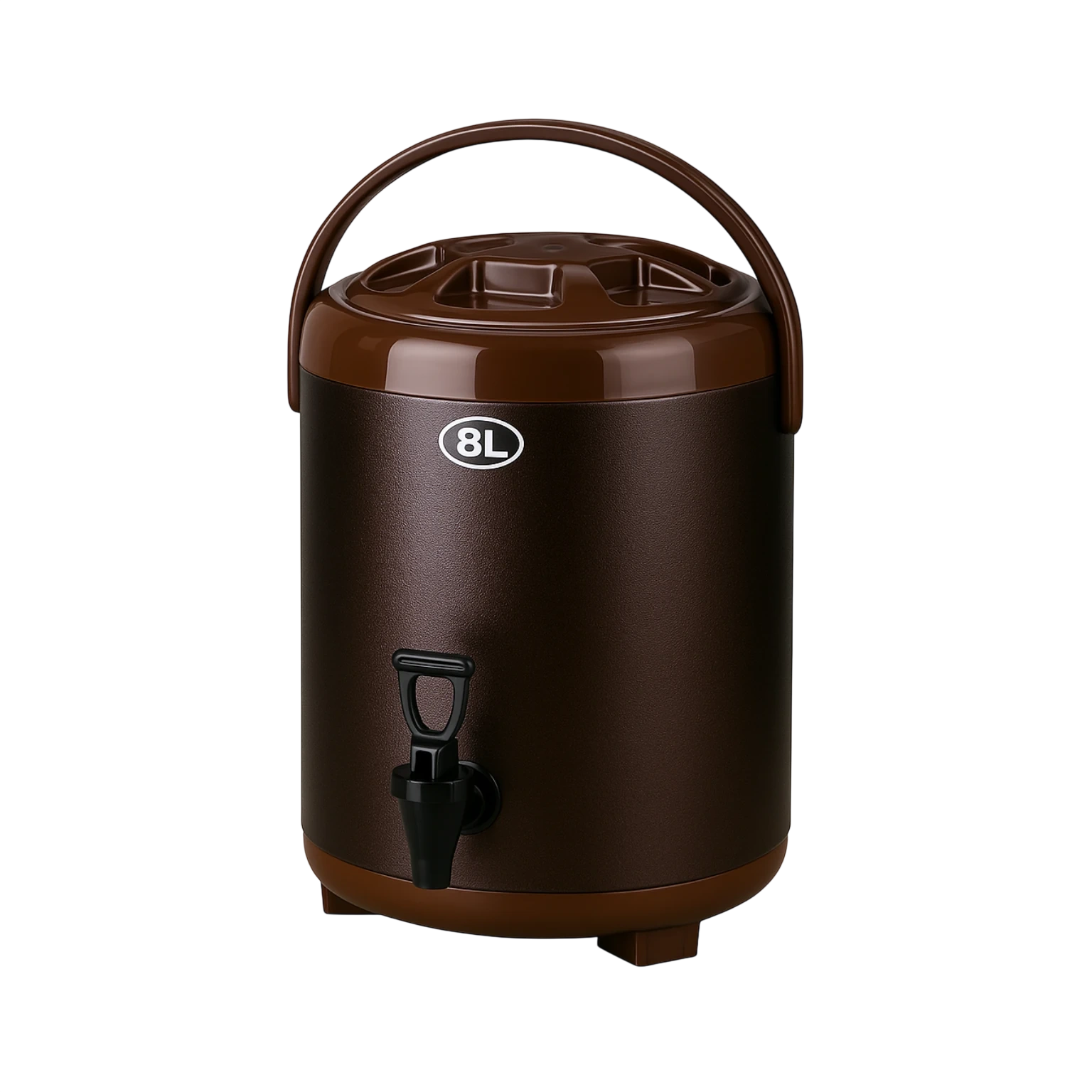
240 × 240 × 370mm
350 × 260 × 580mm
252 × 252 × 420mm
A chilled beverage dispenser holds a cold drink at serving temperature and presents it for service. The chilling is what distinguishes it: an ambient dispenser presents a drink, while a cold drink dispenser has to hold temperature through a whole service and recover after each refill, which is a different machine.
Recovery after refill is the figure to compare. Warm product entering a chilled bowl raises the temperature of everything already in it, so a machine that chills a full bowl slowly will serve warm drinks after every top-up regardless of its rating when settled.
Self-serve changes the requirements. Where guests dispense for themselves, tap height, drip management and a visible remaining level decide how well the unit runs unattended. Where a cold drink vending machine format is wanted instead, the product is enclosed and dispensed on selection rather than poured, which suits unsupervised areas.
Juice and other cold beverages carry different cleaning demands. Whichever product is held, the practical question is how quickly lines, taps and contact parts come apart, because a machine that is slow to clean gets cleaned less often.
Key factors to consider before purchasing. Our team can help you find the right fit — call or get a quote anytime.
Match equipment capacity to your daily output. Consider available floor space and door clearances.
This range includes both refrigerated and non-refrigerated models, so check the cooling type on the model you choose along with the power supply it needs.
Allow the ventilation clearance the manufacturer specifies. We can help with kitchen planning.
Submit your kitchen requirements — our equipment specialists will send you a tailored shortlist of commercial cold drink dispenser that fits your budget, venue type and compliance needs.
Standards & Compliance
Before comparing chilled dispensers, confirm the product, whether guests or staff dispense, the volume in one service and the recovery time after a refill. Check the counter height and the clearance above for refilling with the lid open.
Look at how lines and taps are dismantled, whether the bowl can be removed for cleaning, and how the unit signals a fault. In self-serve positions, check that a drip tray can be emptied without tools and that the remaining level is visible from the guest side.
FAQ
Paddle mixing suits thicker or pulp-based drinks. Spray mixing is ideal for clear beverages with visual appeal.
Periodic servicing helps maintain cooling performance and extends compressor life.
Yes, but only with paddle-style agitators and strict daily cleaning.
Most units maintain temperatures between 2°C–5°C depending on settings.
Yes—multi-tank units are popular for hotels, buffets and convenience stores.
A chilled unit holds the drink at serving temperature through a service and must recover after each refill. An ambient dispenser only presents the product. They are different machines, and substituting one for the other shows up quickly in warm service.
Because refills happen during service. Warm product entering a chilled bowl raises the temperature of everything already there, so a slow-recovering machine serves warm drinks after every top-up whatever its settled rating.
A poured dispenser suits a supervised counter. A vending format encloses the product and dispenses on selection, which suits unsupervised areas. The position decides this rather than the volume.
Frequently, and more so for juice than for water-based drinks. Since the routine is regular, how quickly lines, taps and the bowl come apart is a practical selection criterion rather than a detail.
Why KW
KW can help match a chilled or cold drink dispenser to the beverage, the service pattern and the cleaning routine a venue can sustain, including self-serve positions. For practical advice on commercial cold beverage dispensers, call KW on 1300 001 366.
Deep Dive
Technical depth from KW's commercial kitchen specialists.
Warm product entering a chilled bowl raises the temperature of everything already there. Compare machines on how quickly a full bowl returns to serving temperature, not on the temperature they hold once settled, because refills happen during service.
An open dispenser is poured from a tap and suits a supervised counter. A cold drink vending machine encloses the product and dispenses on selection, which suits unsupervised areas. The two suit different positions rather than different budgets.
Tap height, drip management and a remaining level visible from the guest side determine whether an unattended unit works. A drip tray that needs tools to empty gets emptied late, and that is what makes a self-serve position look neglected.
Juice and other cold beverages leave residue in lines and taps. Compare how quickly contact parts come apart and whether the bowl lifts out, because a machine that is slow to clean is cleaned less often, and that shows in the product before it shows anywhere else.