
Sunmixer
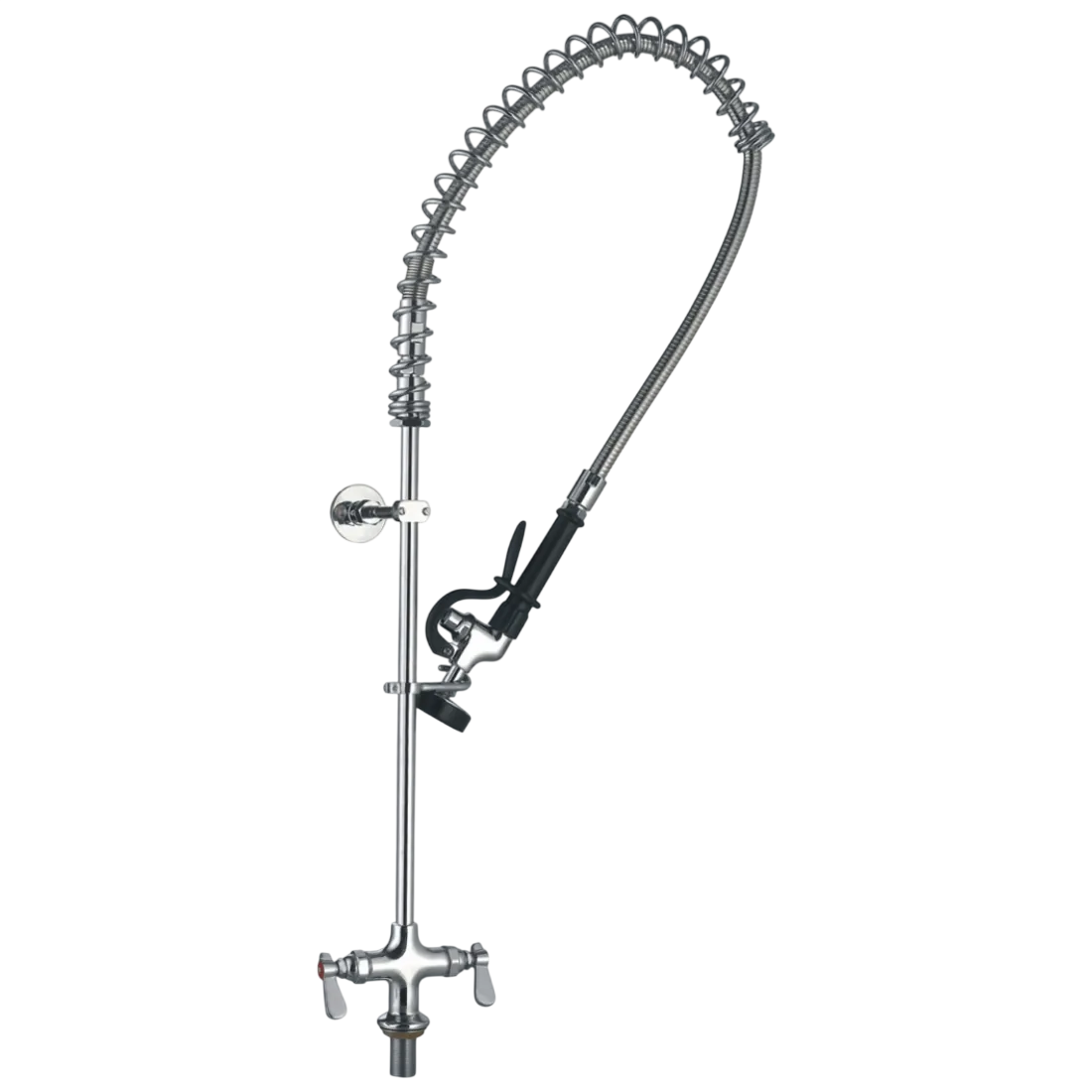
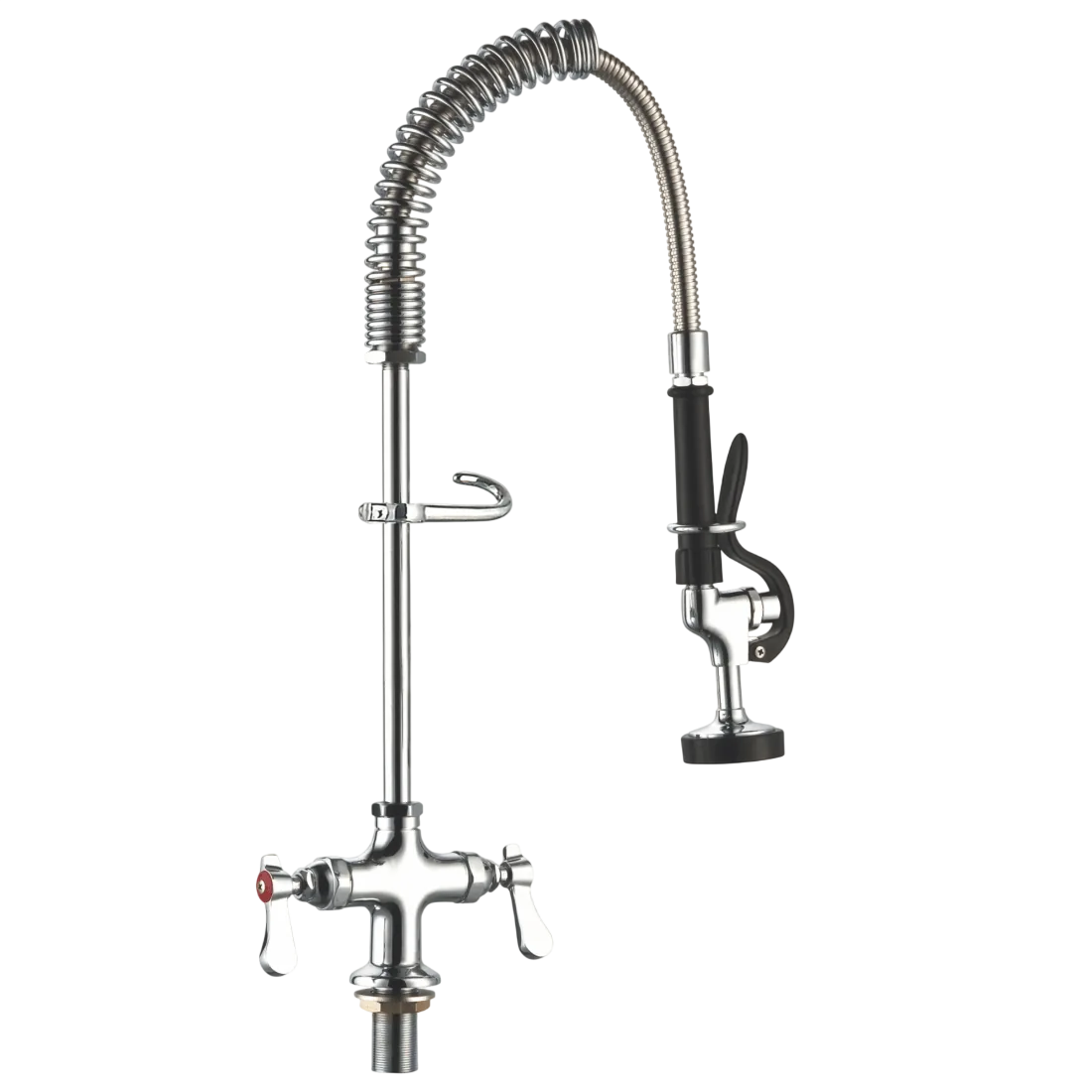
Sunmixer T98001MN-2 Pre Rinse Unit with Add-On Faucet & 152mm Swing Nozzle
330 × 800 × 370mm
$492.15$579.00
In Stock
Commercial Kitchen
Commercial dishwashers are warewashing machines built for venues that need plates, glasses, cutlery, trays and kitchenware cleaned quickly during service. They suit cafés, restaurants, bars, hotels, schools, aged care kitchens, catering businesses and other Australian commercial kitchens where hand washing or domestic machines create a service bottleneck. Before choosing a wash station, use the venue washload comparison to decide whether a dedicated glasswasher, commercial dishwasher or both will prevent competing peak queues.
The right commercial dishwasher is not only a size decision. Underbench, passthrough, conveyor, glasswasher and potwasher formats all affect rack flow, bench layout, staff movement, drainage, steam and how quickly clean stock returns to the pass. Buyers should compare peak rack volume, wash cycle time, racks per hour, clearance height, water use, detergent and rinse aid dosing, power supply, drain position and available wash-bay space.
Some commercial dishwashers use high-temperature sanitising rinse cycles, commonly around 82°C depending on model and cycle design. That can support food-safety processes when paired with correct scraping, pre-rinse, chemical dosing, clean-dirty separation and staff handling. Installation should be checked against the manufacturer manual, licensed trades and local authority requirements before ordering.
Key factors to consider before purchasing. Our team can help you find the right fit — call or get a quote anytime.
Size for the busiest service hour. Compare rack dimensions, racks per hour, cycle time and chamber clearance for plates, trays, pots and glassware.
Check water pressure and quality, drain height and pump requirements, chemical dosing, phase, amperage and circuit capacity before ordering.
Plan dirty landing, pre-rinse, machine and clean landing space. Confirm steam, ventilation and backflow requirements with the manufacturer, licensed trades and local authority.
Submit your kitchen requirements — our equipment specialists will send you a tailored shortlist of commercial dishwasher that fits your budget, venue type and compliance needs.
Standards & Compliance
What to check before you buy:
FAQ
Most cycles run 60–180 seconds depending on model and soil level.
It depends on the site water hardness and the machine. Hard water can scale boilers, elements and rinse jets, so check the manufacturer limits and use suitable treatment where required.
A domestic dishwasher is generally unsuitable for continuous commercial throughput, short cycle times and commercial warranty requirements. Choose a machine whose sanitation method, capacity and approvals match the venue.
Requirements depend on steam output, heat-recovery features, room layout and local rules. Confirm the exact machine with the manufacturer, licensed ventilation contractor and local authority.
Need washline advice? Call 1300 001 366.
Why KW
Choose KW Commercial Kitchen when you need the dishwasher matched to the whole wash area, not just dropped into a spare gap.
Deep Dive
Technical depth from KW's commercial kitchen specialists.
A commercial dishwasher is engineered for the demands of professional kitchens, providing rapid cycles, controlled sanitation temperatures and consistent results during peak hours. Choosing the correct model—and designing the correct washline—directly affects labour cost, service speed, hygiene and long-term reliability.
High-temperature machines use an 82°C+ final rinse to achieve reliable thermal disinfection. When paired with correct clean–dirty separation and staff handling procedures, this supports the hygiene intent of FSANZ 3.2.2A.
Consistent sanitisation requires:
Hard water is the leading cause of scale on boilers, elements and rinse jets. Scale reduces heating efficiency, increases energy use and causes inconsistent wash results.
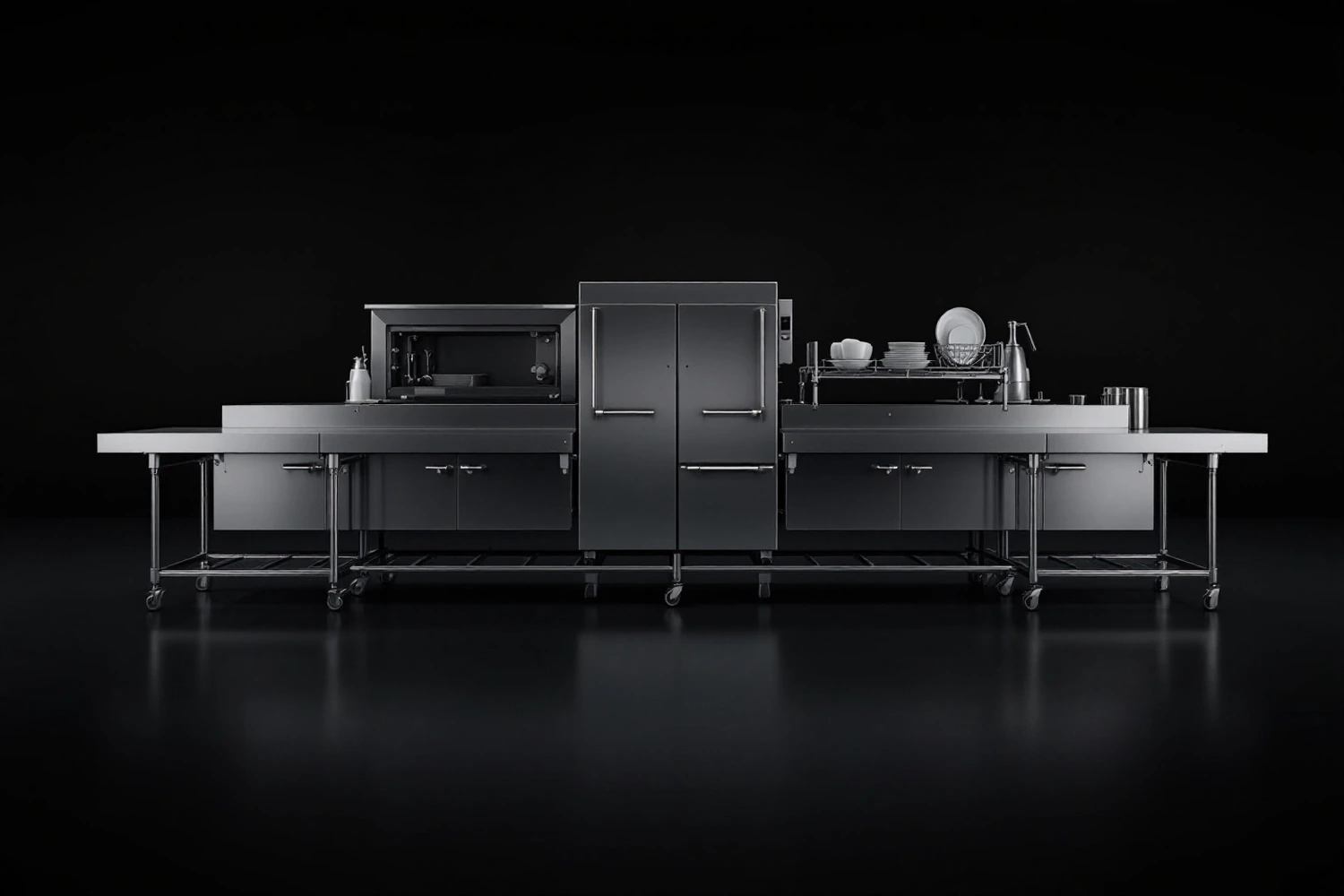
A well-structured washline increases throughput and prevents service bottlenecks. The ideal sequence is:
Poor washline planning delays the entire venue during peak service.
Commercial Kitchen Tapware
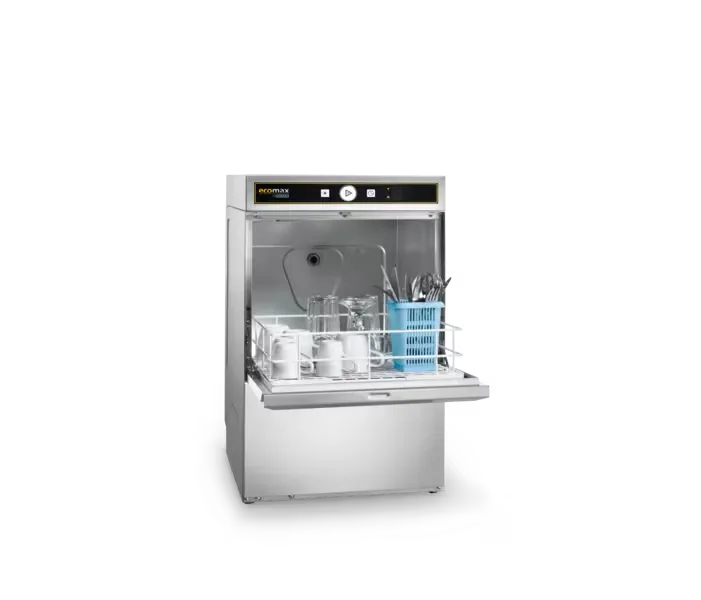
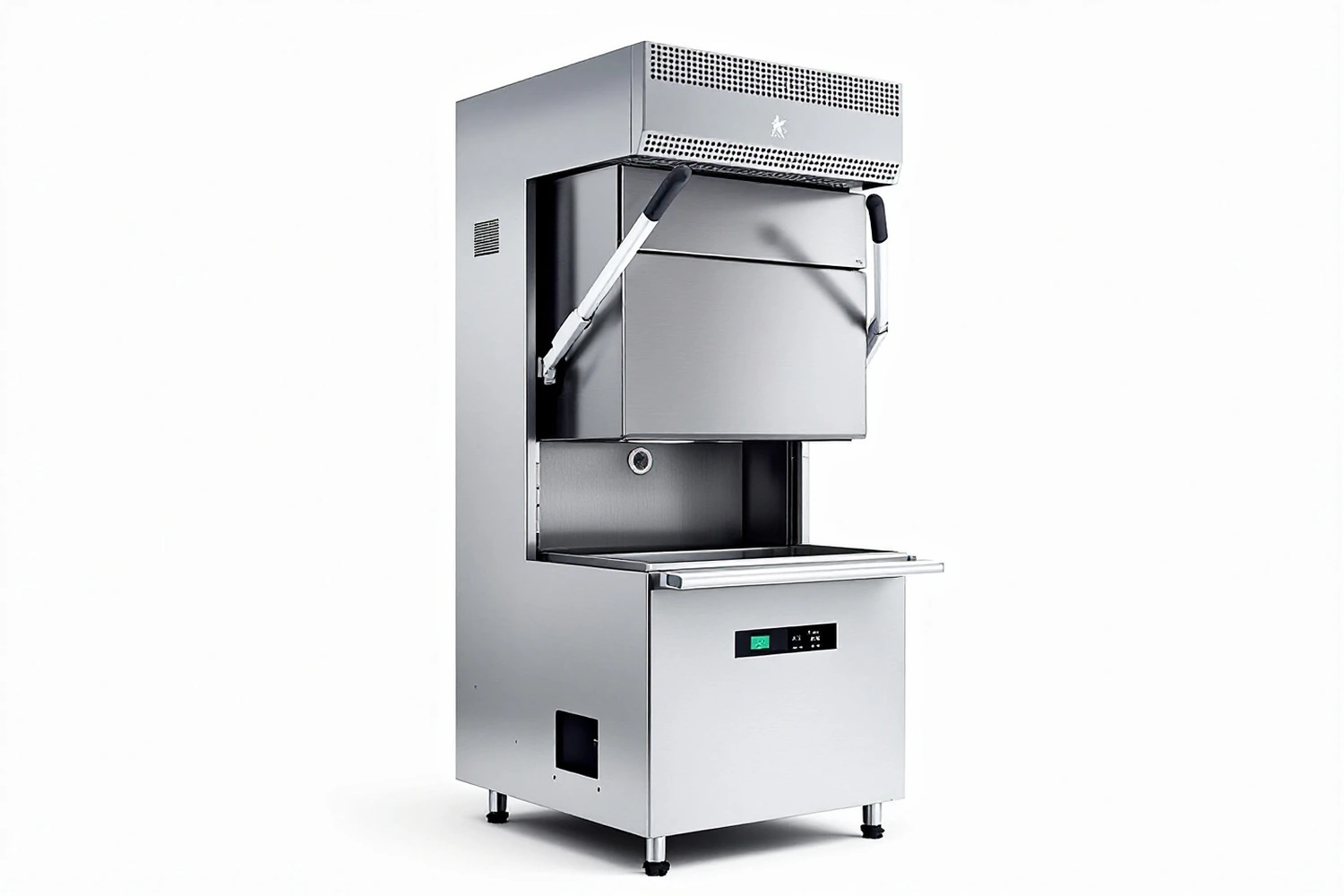
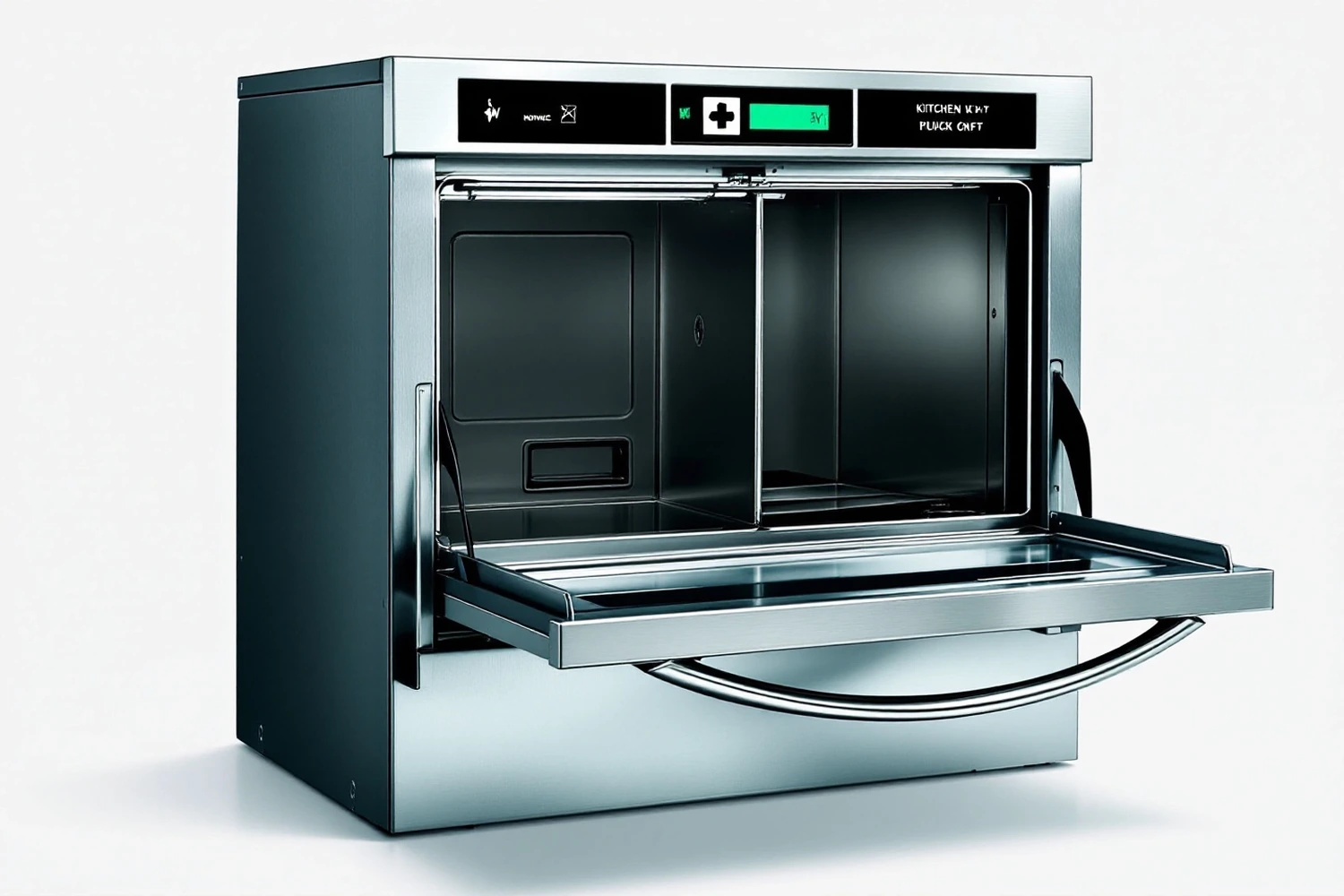
An underbench dishwasher fits below the bench and is usually the practical choice for cafés, small restaurants and compact kitchens. A passthrough dishwasher uses a hood-style layout with inlet and outlet benches, making it better for venues that need a steady flow of racks during service. Check peak rack volume, bench space, drain height and power supply before choosing.
A passthrough dishwasher has a hood that lifts over the rack, but that is different from an exhaust canopy. Some high-steam or high-volume dish areas may need ventilation, canopy or heat-recovery planning, especially in enclosed rooms. Confirm the requirement with the manufacturer manual, licensed trades and local authority before installation.
Many high-temperature commercial dishwashers use a final sanitising rinse commonly around 82°C, depending on model and cycle design. That rinse helps support hygiene when the machine is loaded correctly and chemicals, filters and rinse arms are maintained. Always check the specific machine manual and your venue's food-safety process.
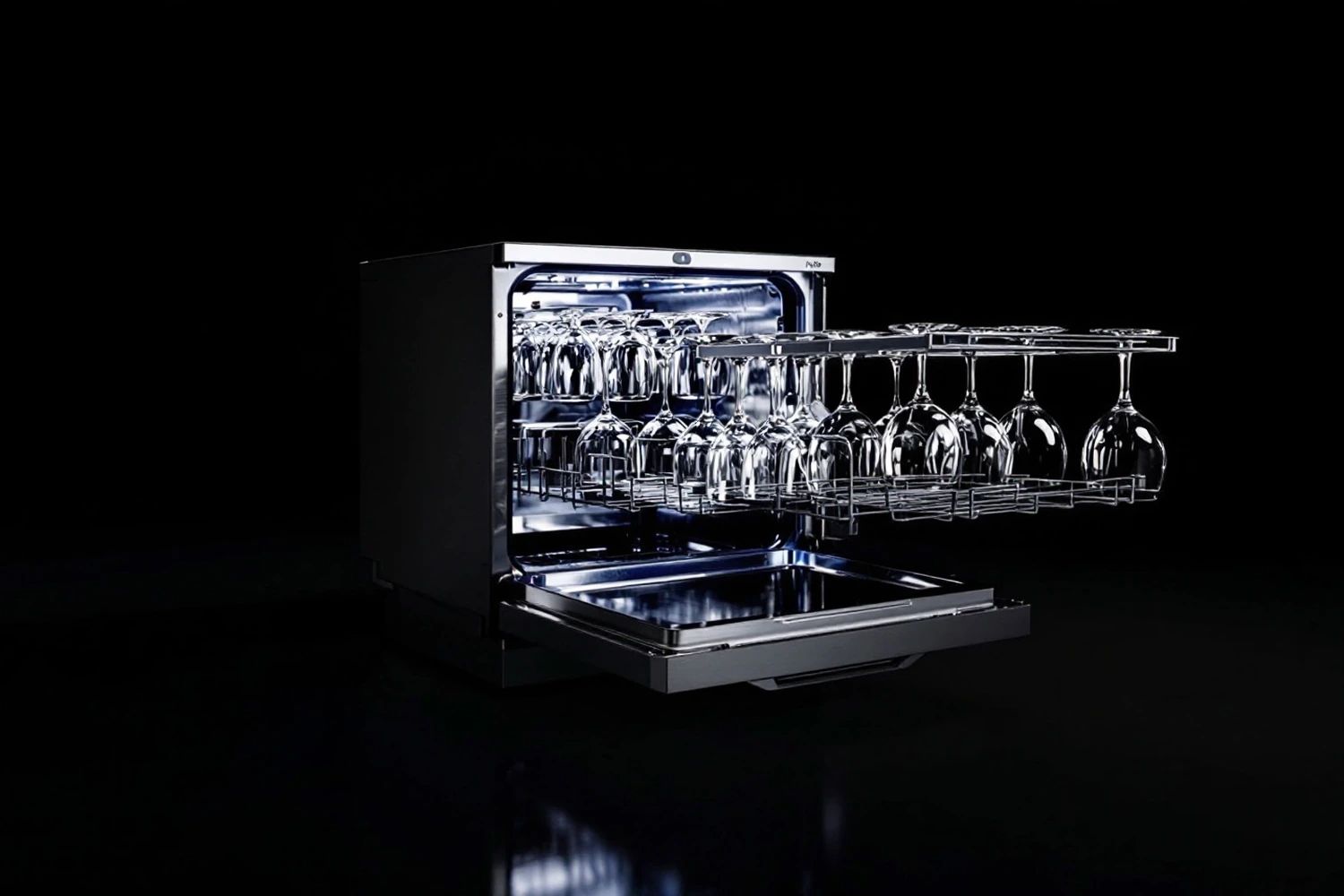
A glasswasher is designed for bar glassware, shorter rack heights and fast glass turnover. A dishwasher is designed for mixed plates, bowls, cutlery and kitchenware. Busy venues often use both: a glasswasher behind the bar and a dishwasher or passthrough machine in the kitchen wash area.
Commercial dishwasher installations often need backflow prevention, and some sites may require RPZ or other controls depending on the machine, water connection and local water authority. You should check water supply, drainage, drain height, grease management and backflow requirements before ordering. A licensed plumber should confirm the final setup.
A drain pump is useful when the site drain is higher than the dishwasher outlet. Detergent and rinse aid pumps help dose chemicals consistently so staff are not manually guessing during service. Check whether these are built in, optional or supplied separately for the model you are considering.
Count the busiest service hour, not the daily average. Estimate plates, bowls, glasses, cutlery, trays and pans as rack movements, then allow for loading time, pre-rinse time, clean landing space and drying. A high racks-per-hour rating will not help if the wash bay has no room for dirty and clean racks.
Daily cleaning usually includes emptying filters, clearing food soil, checking rinse arms, wiping the chamber, leaving the machine open where appropriate, and confirming detergent and rinse aid are feeding correctly. Staff should follow the manufacturer manual for the specific machine, because cleaning steps vary by model.
A commercial dishwasher quickly offsets labour costs:
A commercial dishwasher is one of the main workflow machines in a professional kitchen. It affects labour time, plate availability, bar glass turnover, hygiene routines and how quickly a venue can reset during service. The strongest setup is usually a planned washline: dirty landing, pre-rinse, dishwasher, clean landing, drying and storage.
| Type | Often selected for | Buyer notes |
|---|---|---|
| Underbench dishwashers | Cafés, small restaurants, bars and compact kitchens | Designed to fit under a bench where space is limited. Check rack size, clearance height, drain position and whether single-phase power is enough for the model. |
| Passthrough dishwashers | Restaurants, pubs and busy kitchens | Hood-style machines work best with inlet and outlet benches so staff can move racks in one direction from dirty to clean. |
| Conveyor dishwashers | Hotels, schools, aged care, catering and high-volume venues | Designed for continuous rack feed. Confirm space, power, water, ventilation and staffing workflow before choosing this format. |
| Commercial glasswashers | Bars, pubs, cafés and venues with high glass turnover | Designed for glassware, shorter rack heights and bar workflow. Many venues use a glasswasher separately from the main kitchen dishwasher. |
| Commercial potwashers | Bakeries, production kitchens and pan-heavy venues | Often selected where trays, pots and utensils are too large or heavily soiled for a standard dishwasher. |
Commercial dishwasher problems often start with site preparation. Before ordering, check the machine manual and confirm the installation with licensed trades where required.
Many high-temperature commercial dishwashers use a final sanitising rinse commonly around 82°C, depending on model and cycle design. This can support food-safety processes when the washline is used correctly: scrape first, pre-rinse properly, avoid overloading racks, keep chemicals dosed, separate clean and dirty items, and clean filters and rinse arms daily.
FSANZ Standard 3.2.2A is relevant context for food service hygiene, but dishwasher selection is only one part of the system. Confirm the machine, installation and operating procedure against your venue's requirements and local advice.
The return on a commercial dishwasher usually comes from faster turnaround, less manual washing, fewer service bottlenecks and more predictable rack flow. A faster machine alone does not solve the problem if staff have nowhere to stack dirty or clean racks. Plan the machine, benches, pre-rinse, chemicals and drainage together.
Send KW Commercial Kitchen your venue type, busiest service period, estimated rack volume, available bench space, drain position and power supply. We can help narrow the choice between underbench, passthrough, conveyor, glasswasher and potwasher options before you order.
Call 1300 001 366 or contact KW Commercial Kitchen for dishwasher and washline advice.
189 results