
Anvil
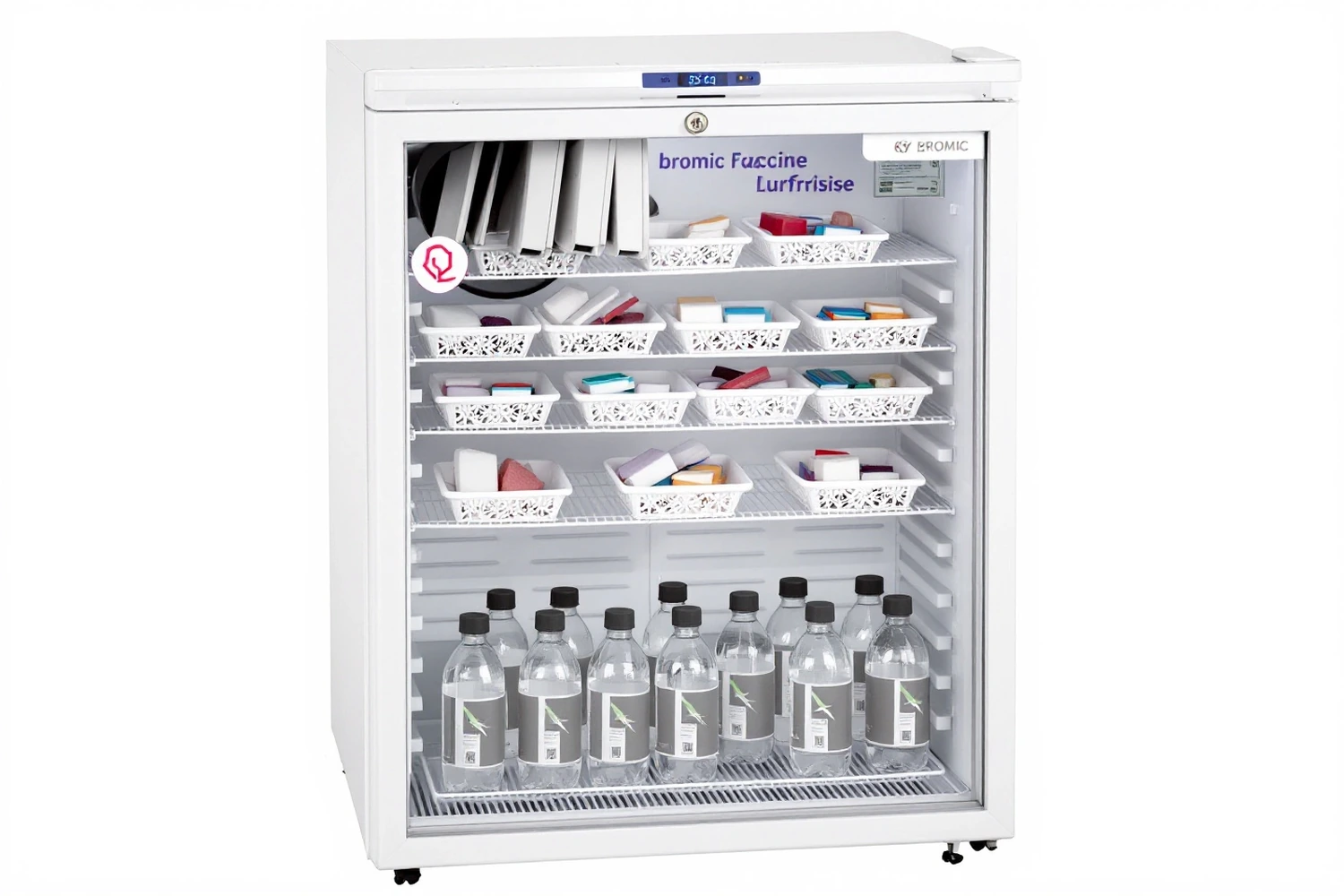
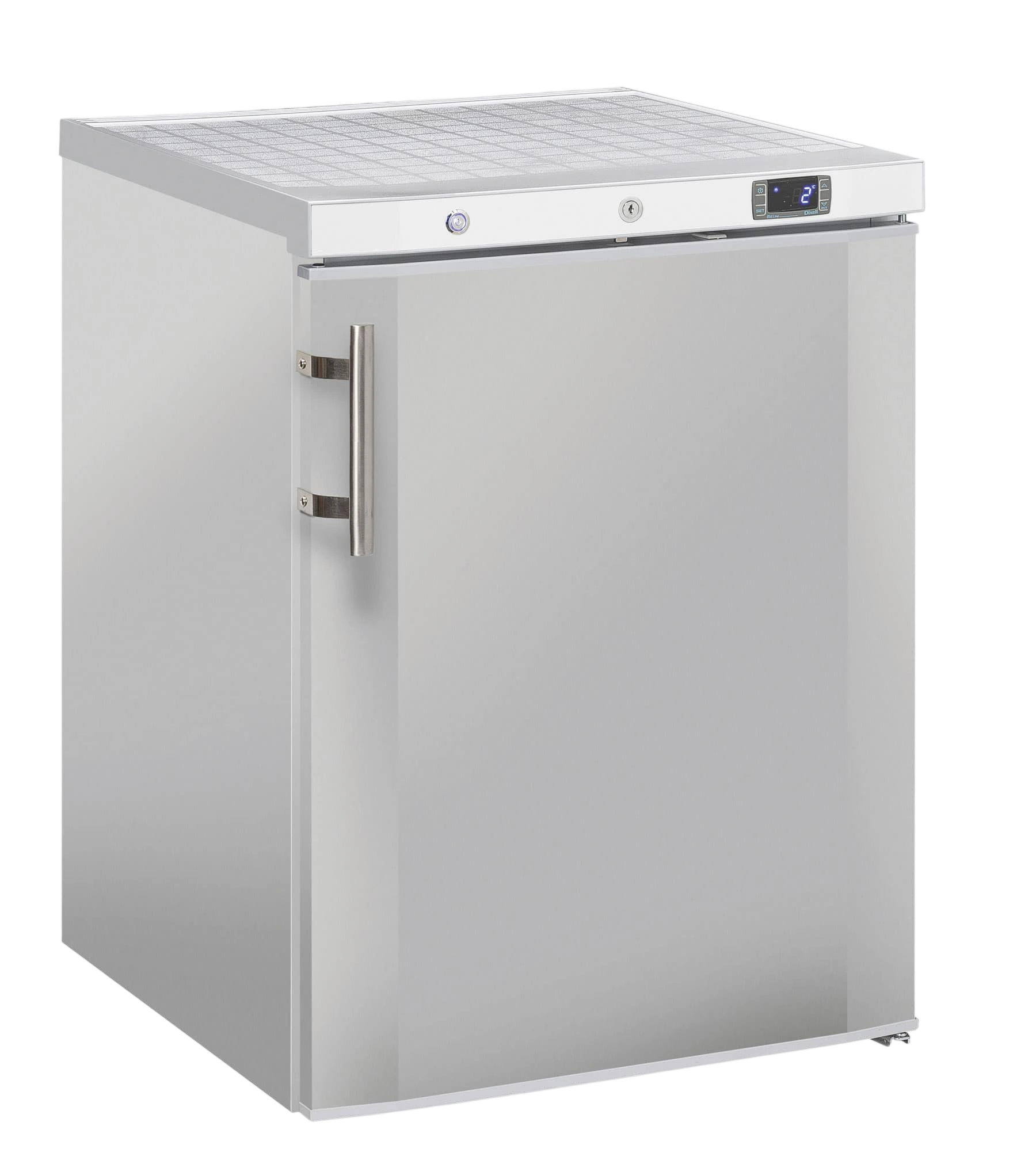
Anvil FBC2201 Undercounter Fridge – 170L Stainless Steel Door
598 × 679 × 838mm
$962.00$1,100.00
In Stock
Commercial Fridges and Commercial Freezers
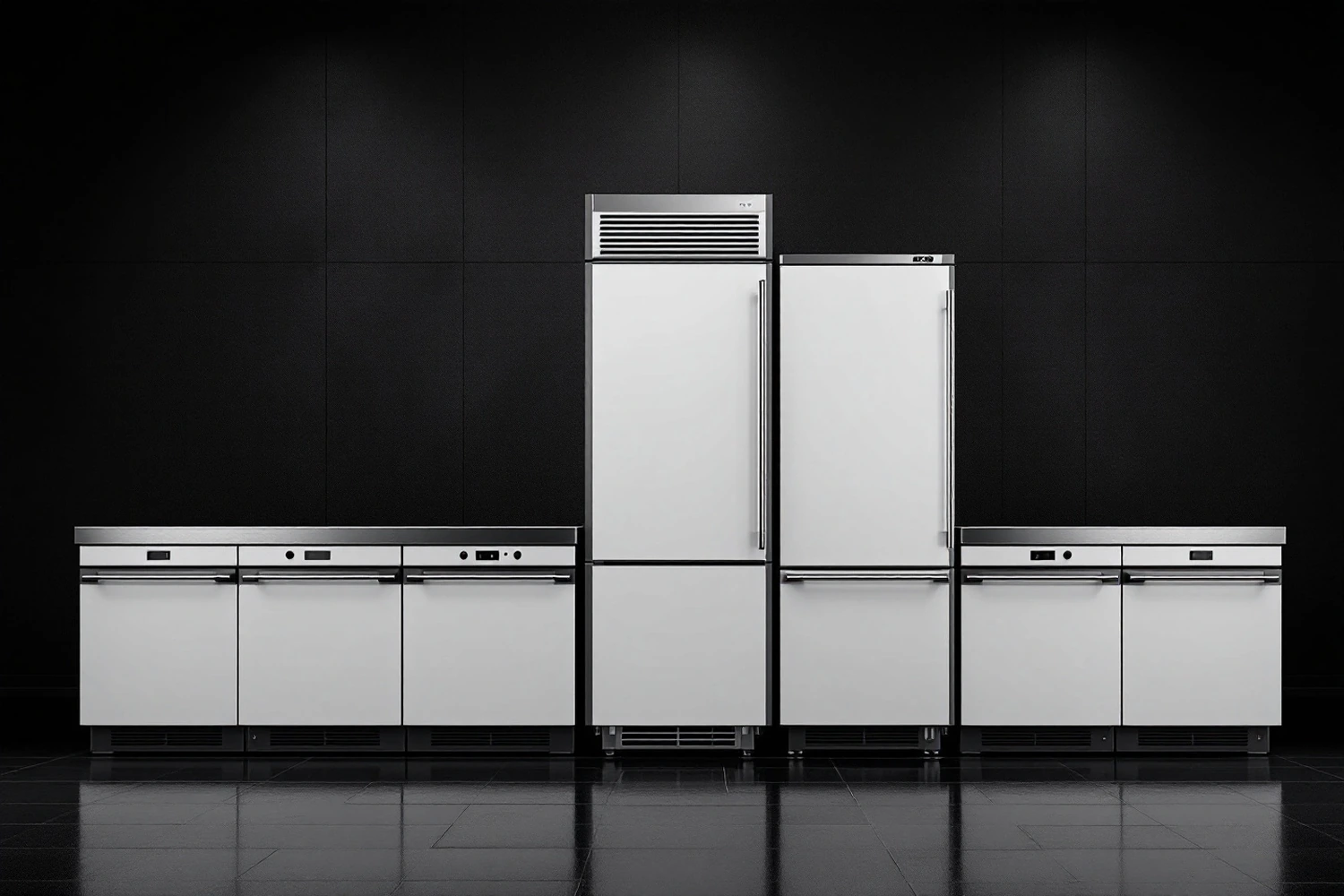
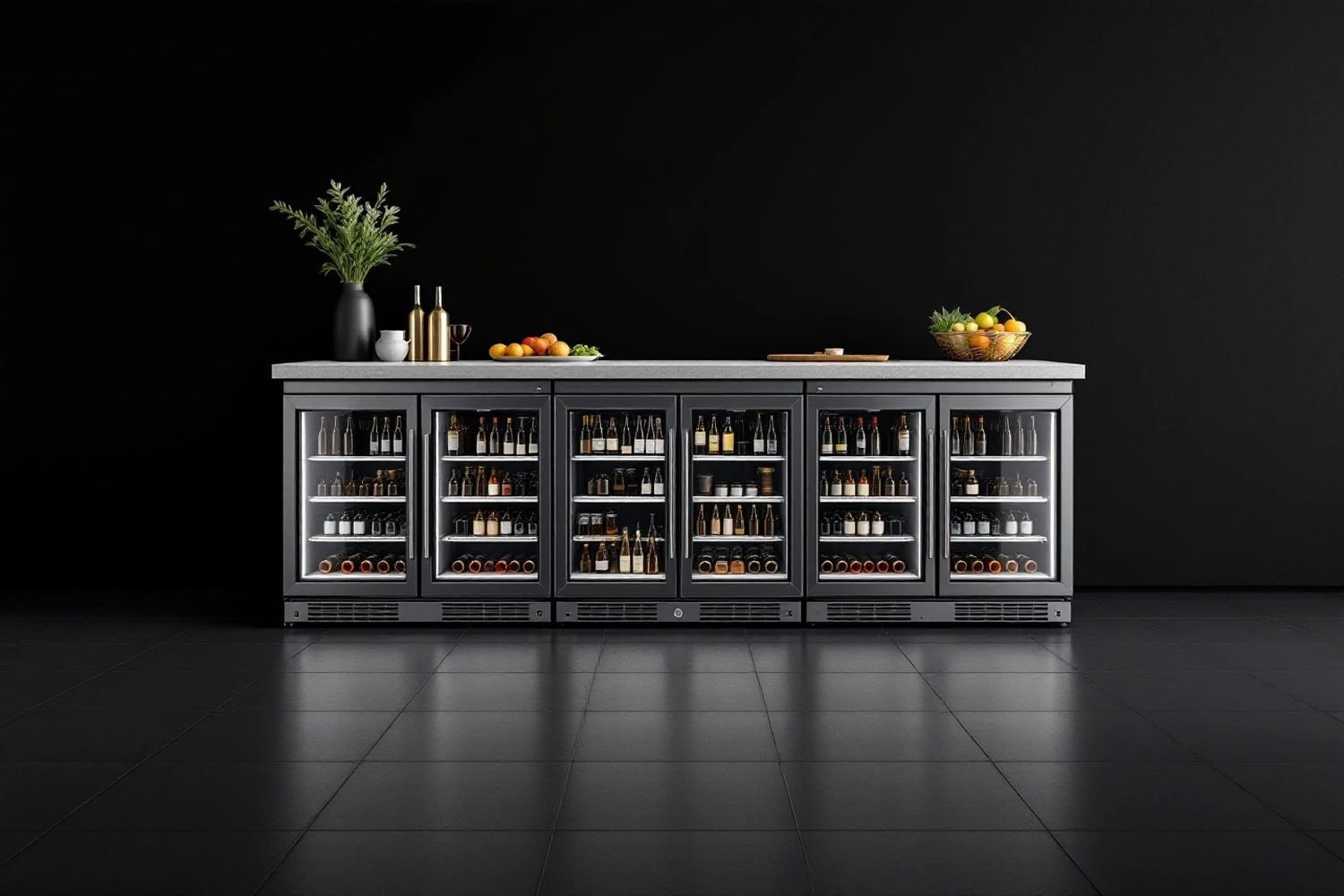
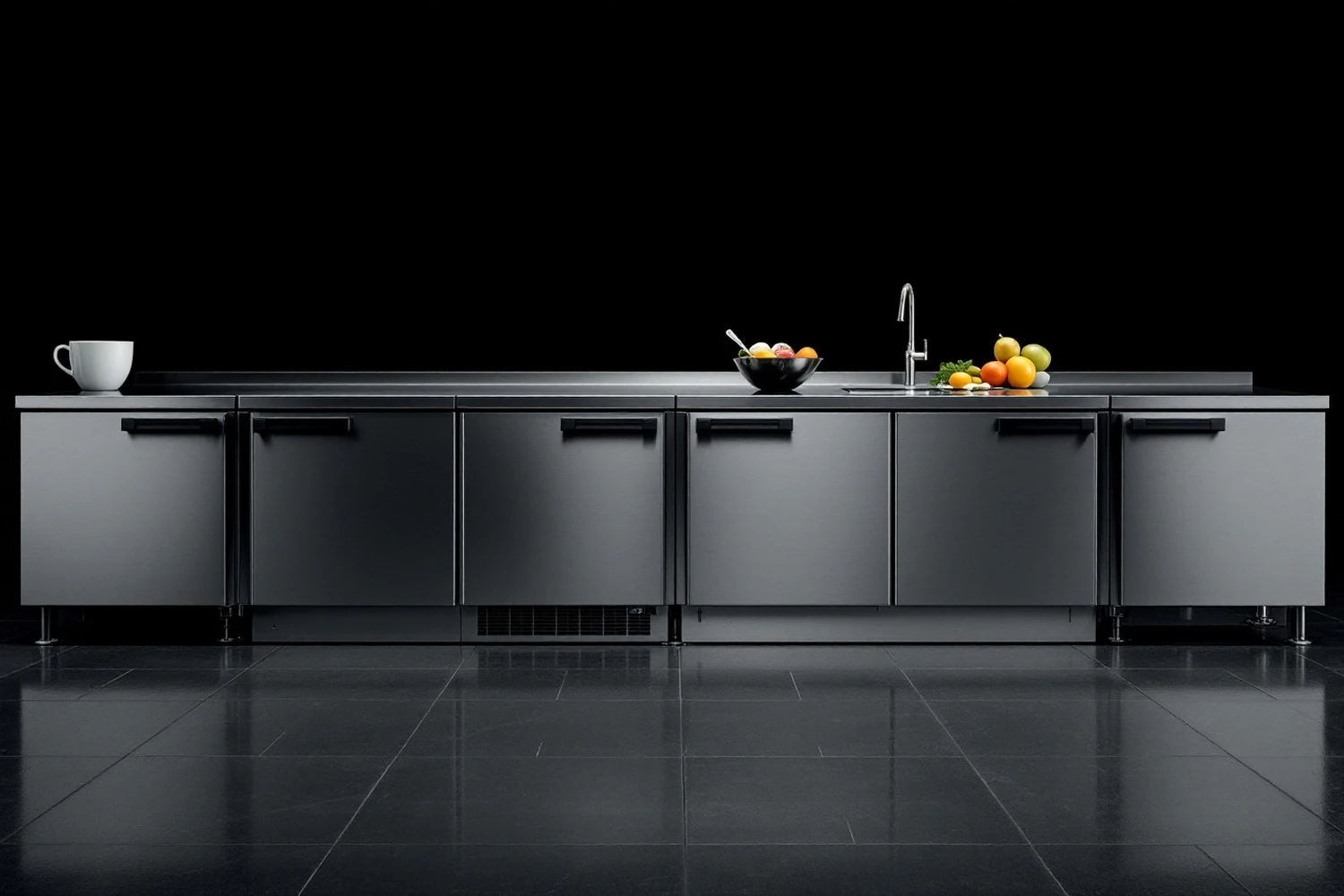
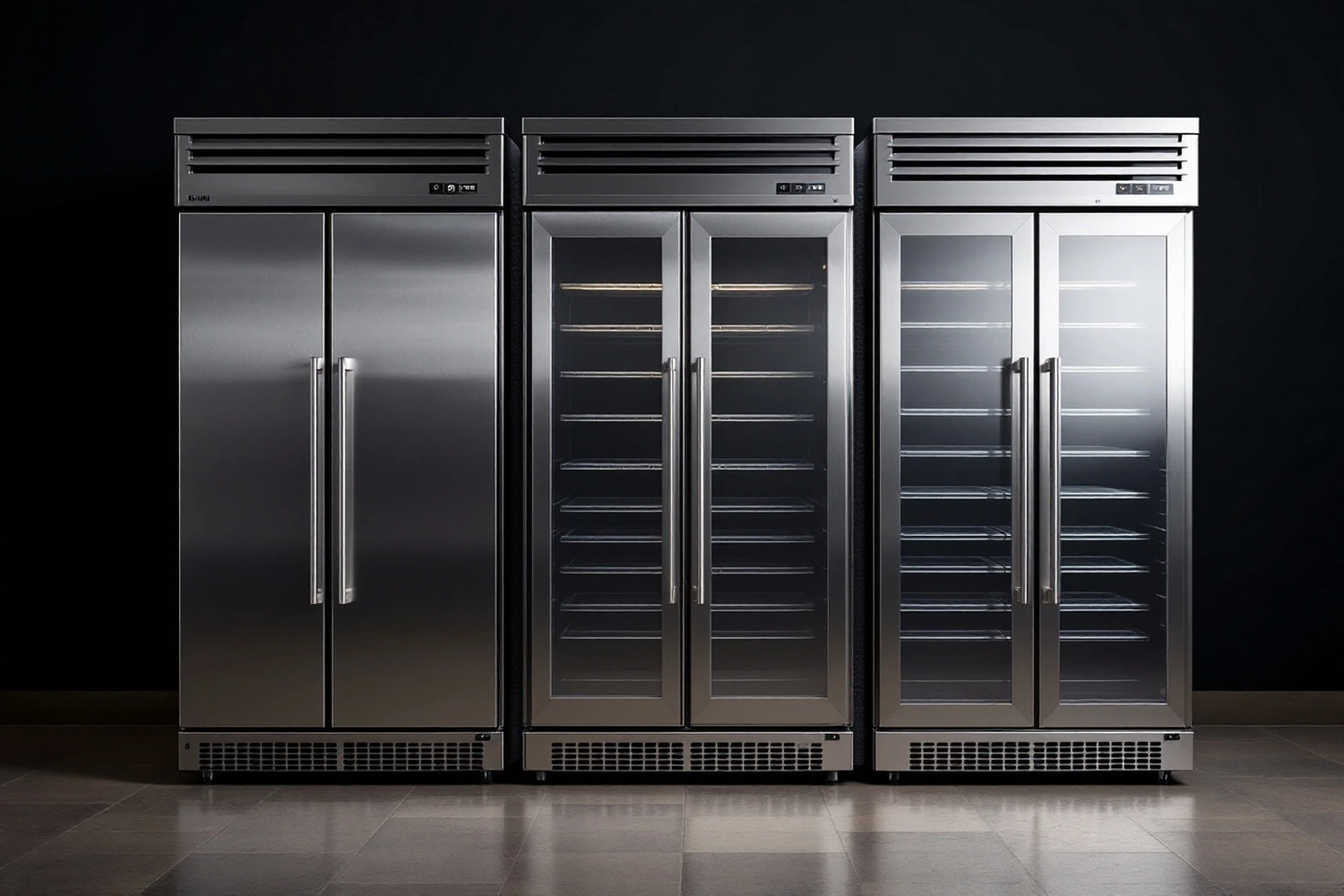
Commercial fridges are the chilled-storage hub for back-of-house ingredients, prep-line access, customer-facing drink display and specialist cold holding.
Use this category when you know the stock must stay chilled but have not yet chosen the cabinet style. The child category is chosen by access pattern: staff-only storage, front-of-house visibility, prep bench integration, bar service, wine presentation or medical-grade holding.
933 results
598 × 679 × 838mm
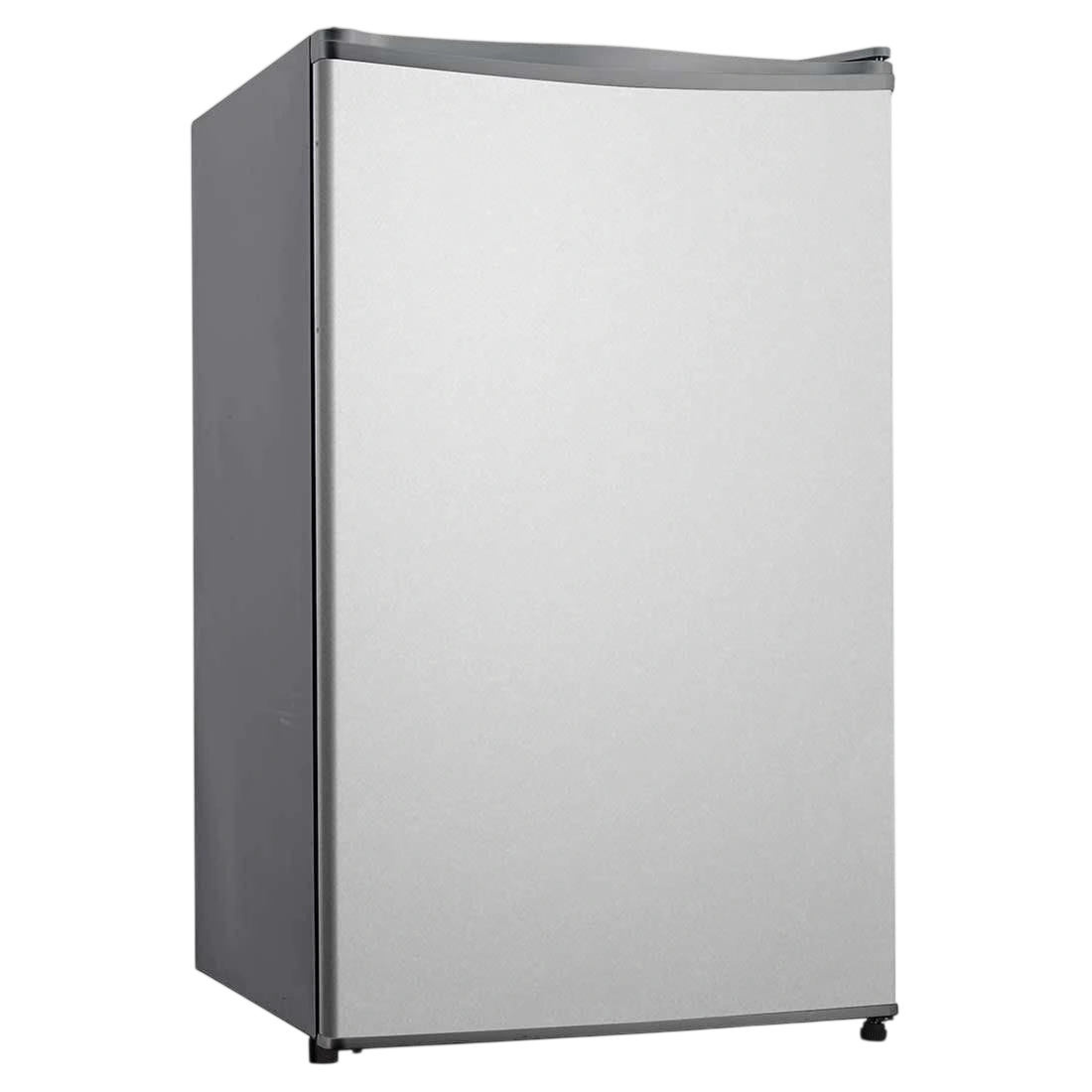
524 × 532 × 831mm
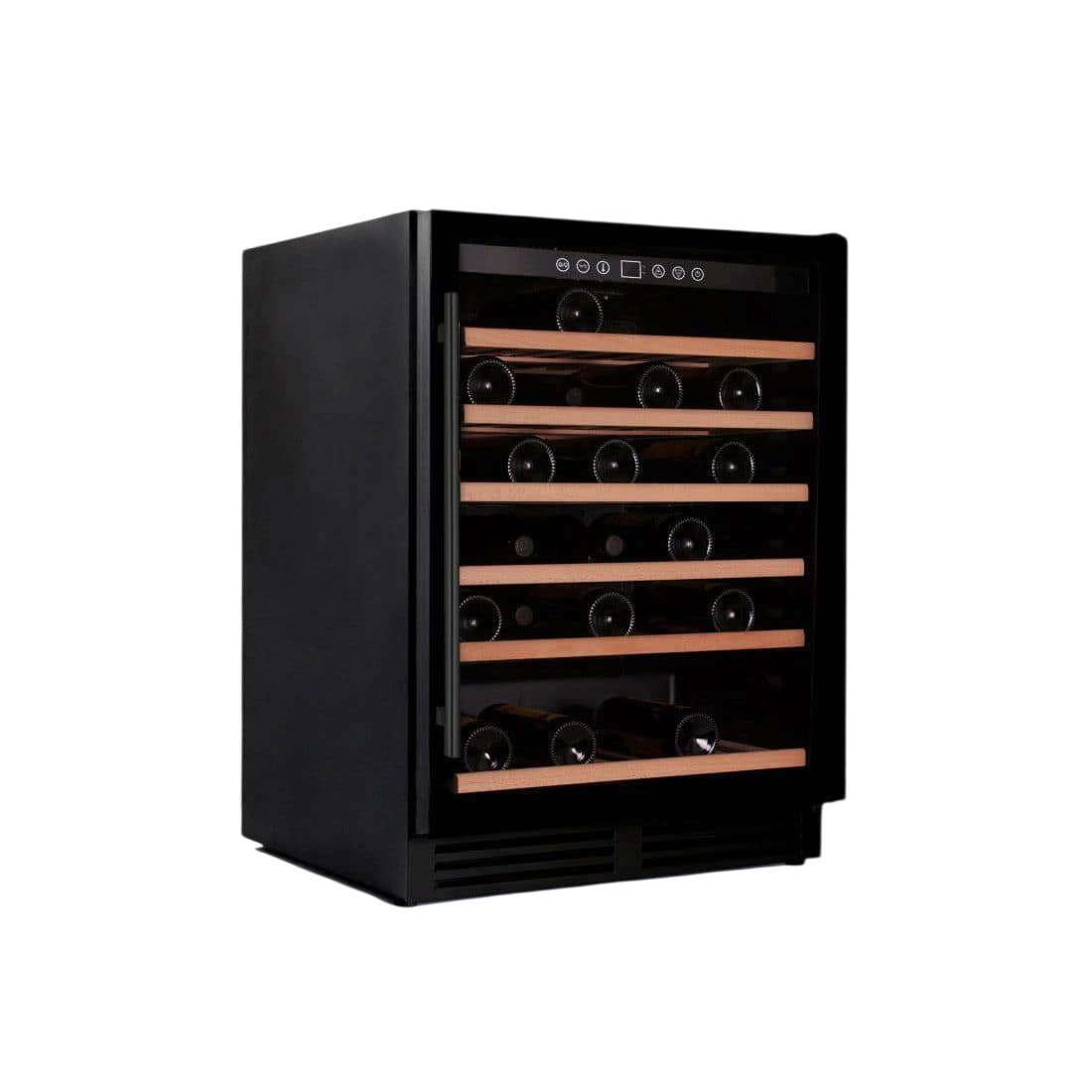
595 × 575 × 820mm
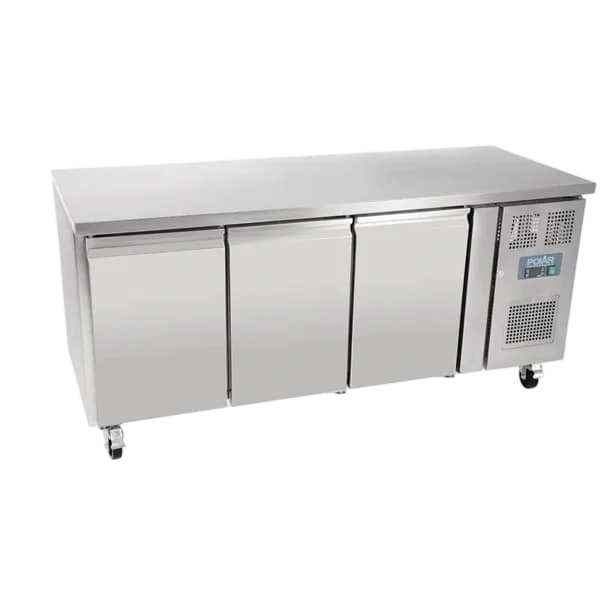
1795 × 700 × 860mm
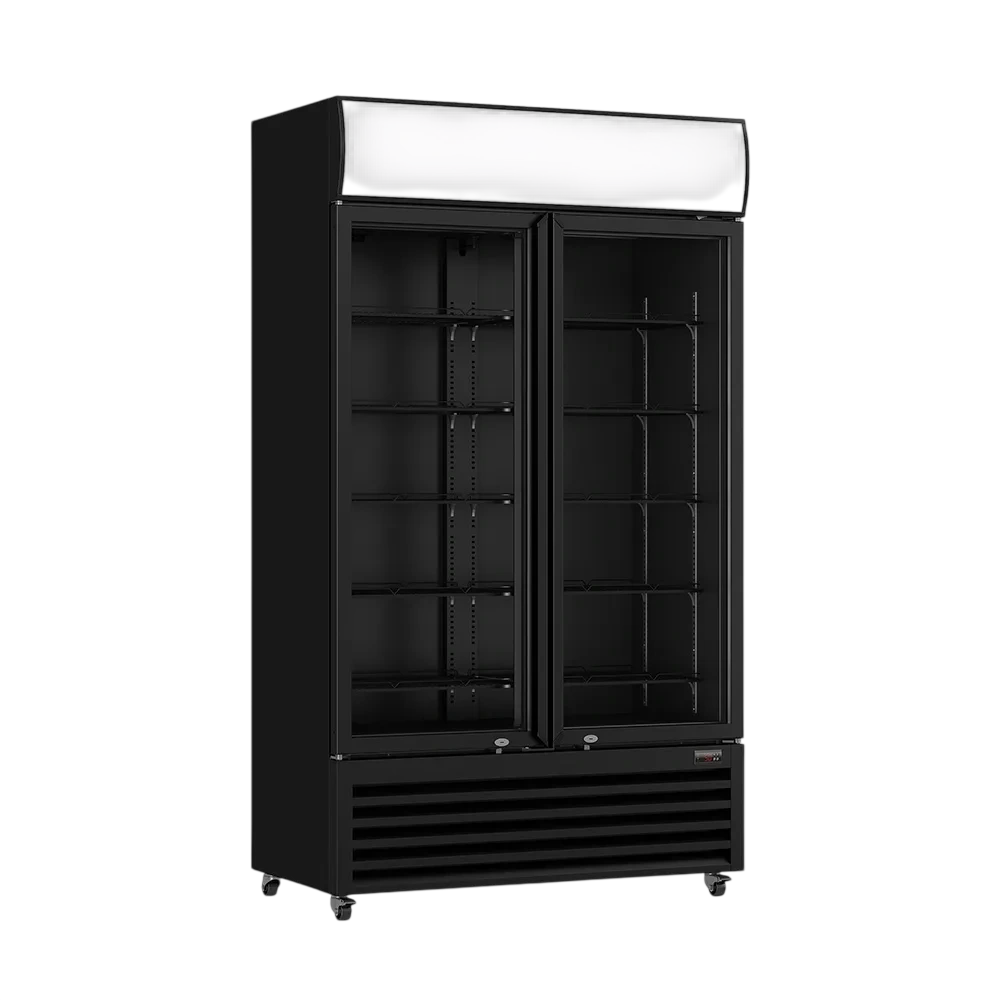
1110 × 690 × 2079mm
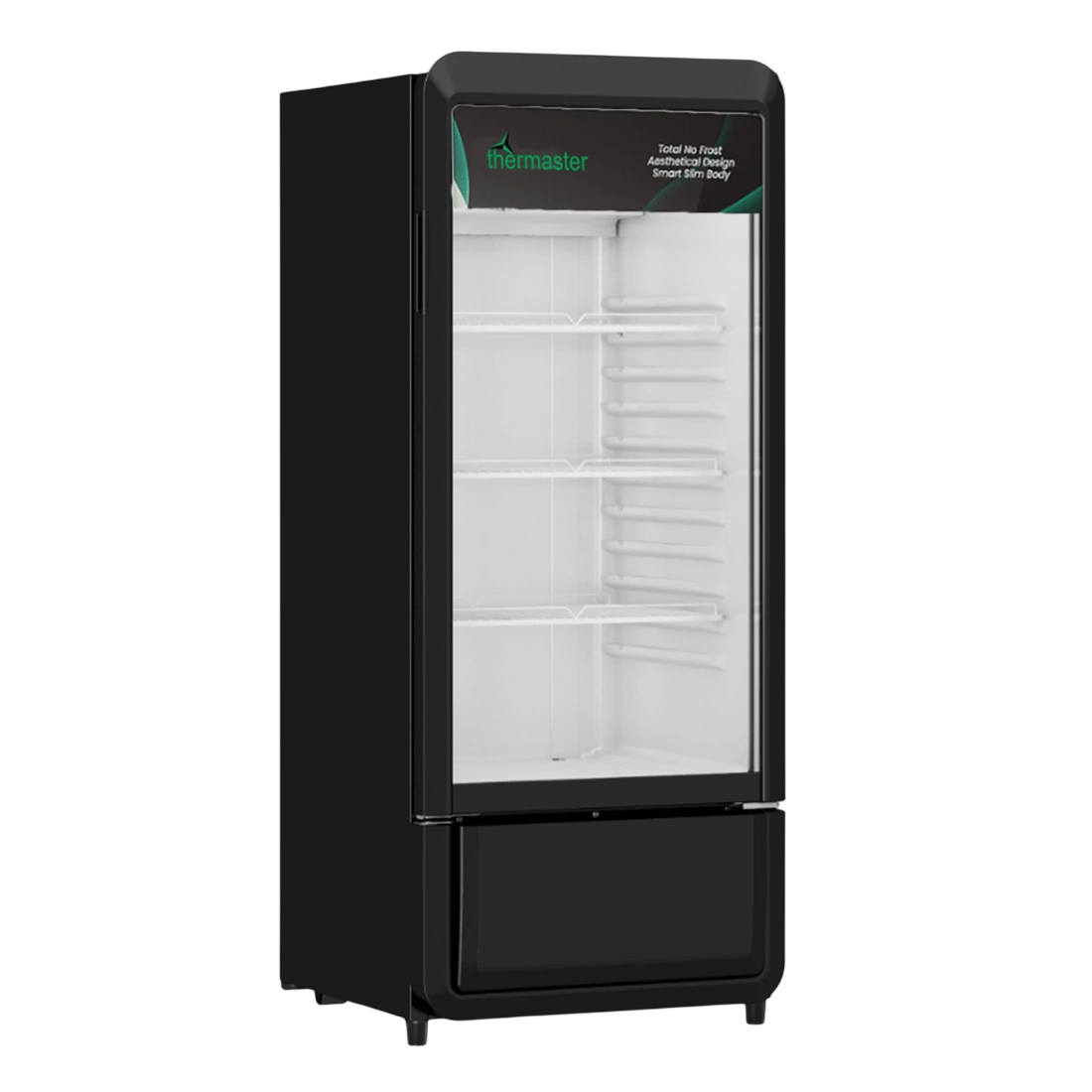
540 × 560 × 1325mm
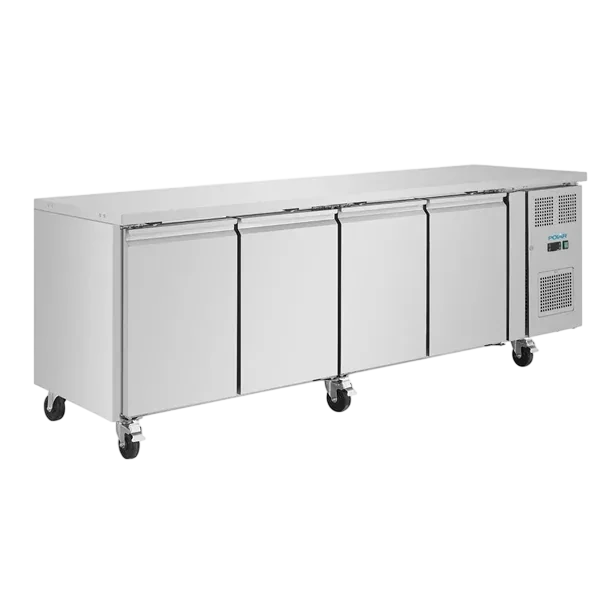
2230 × 700 × 850mm
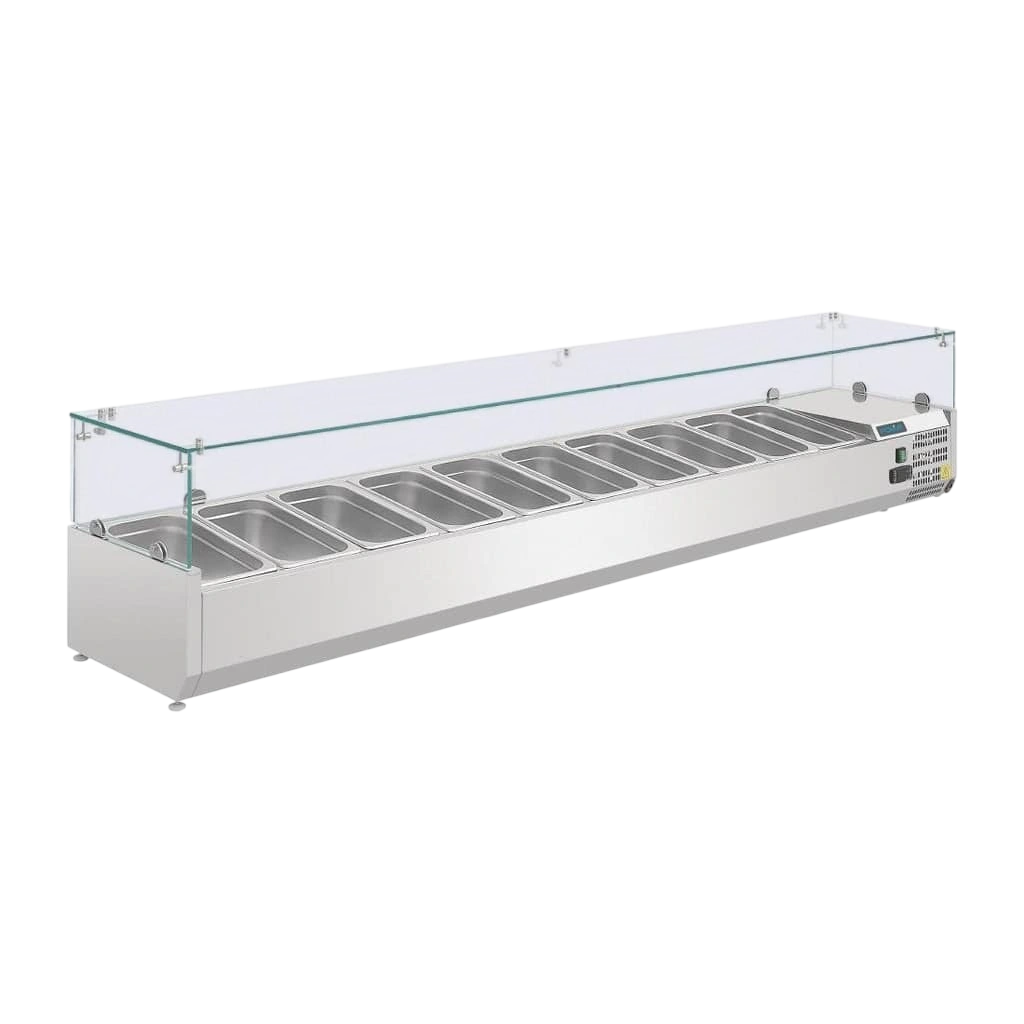
2000 × 330 × 435mm
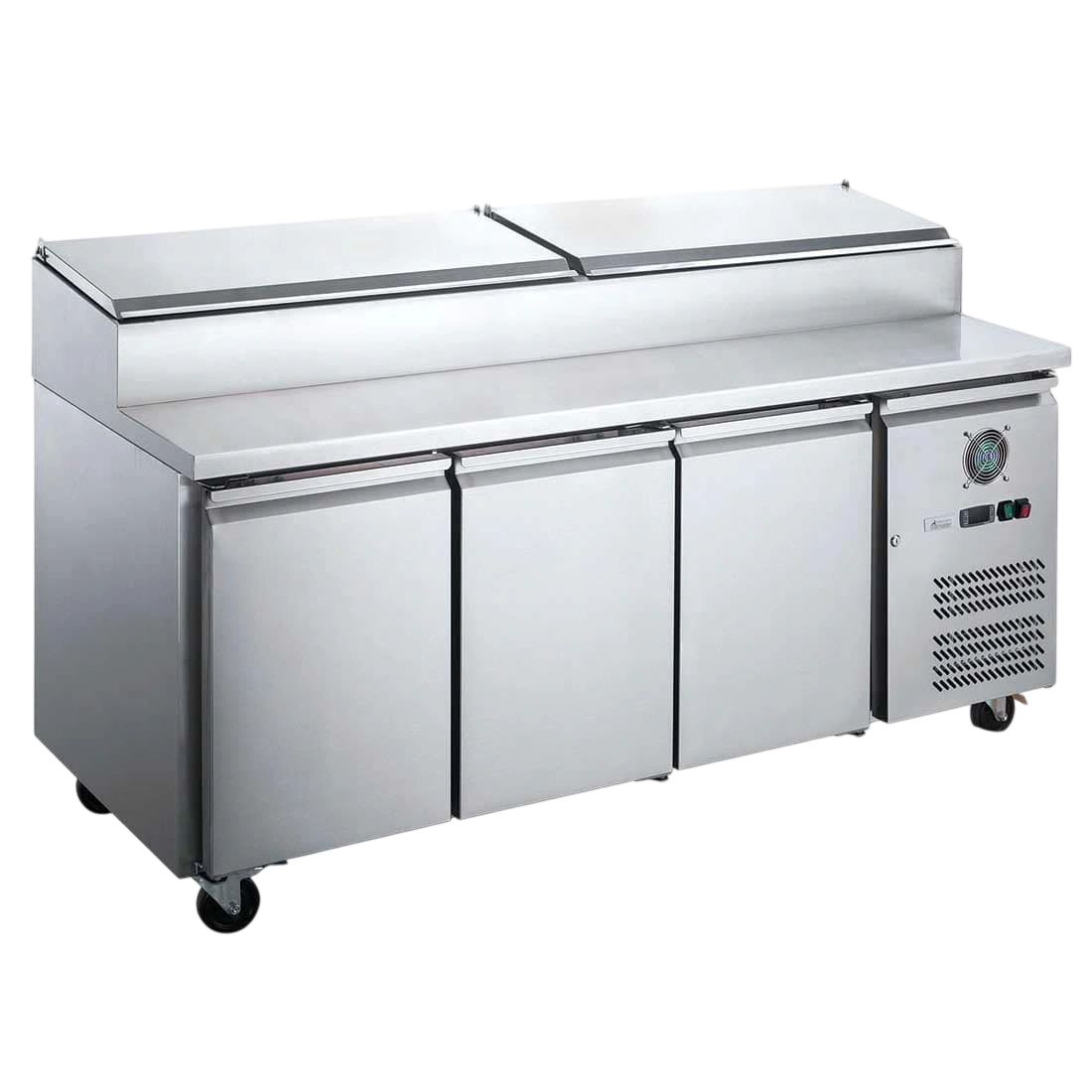
1795 × 700 × 1406mm
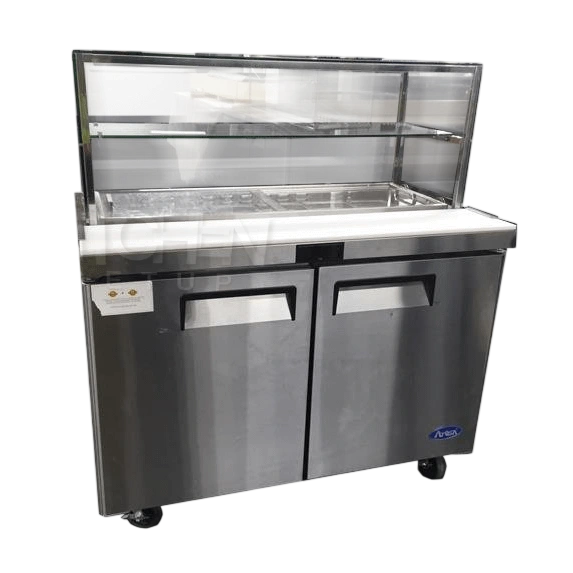
1225 × 762 × 1420mm
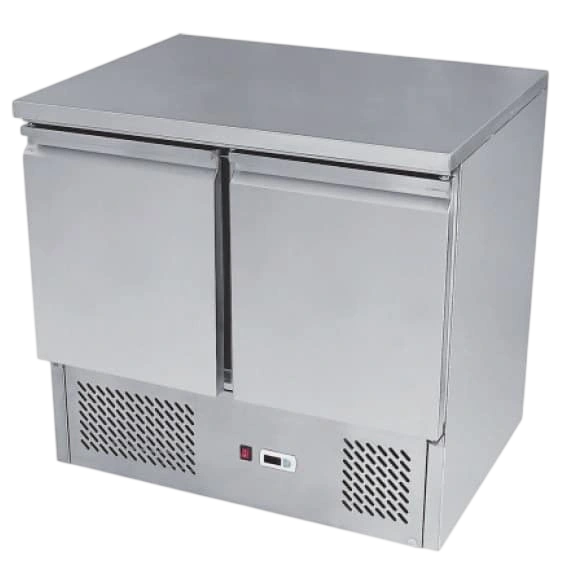
900 × 700 × 943mm
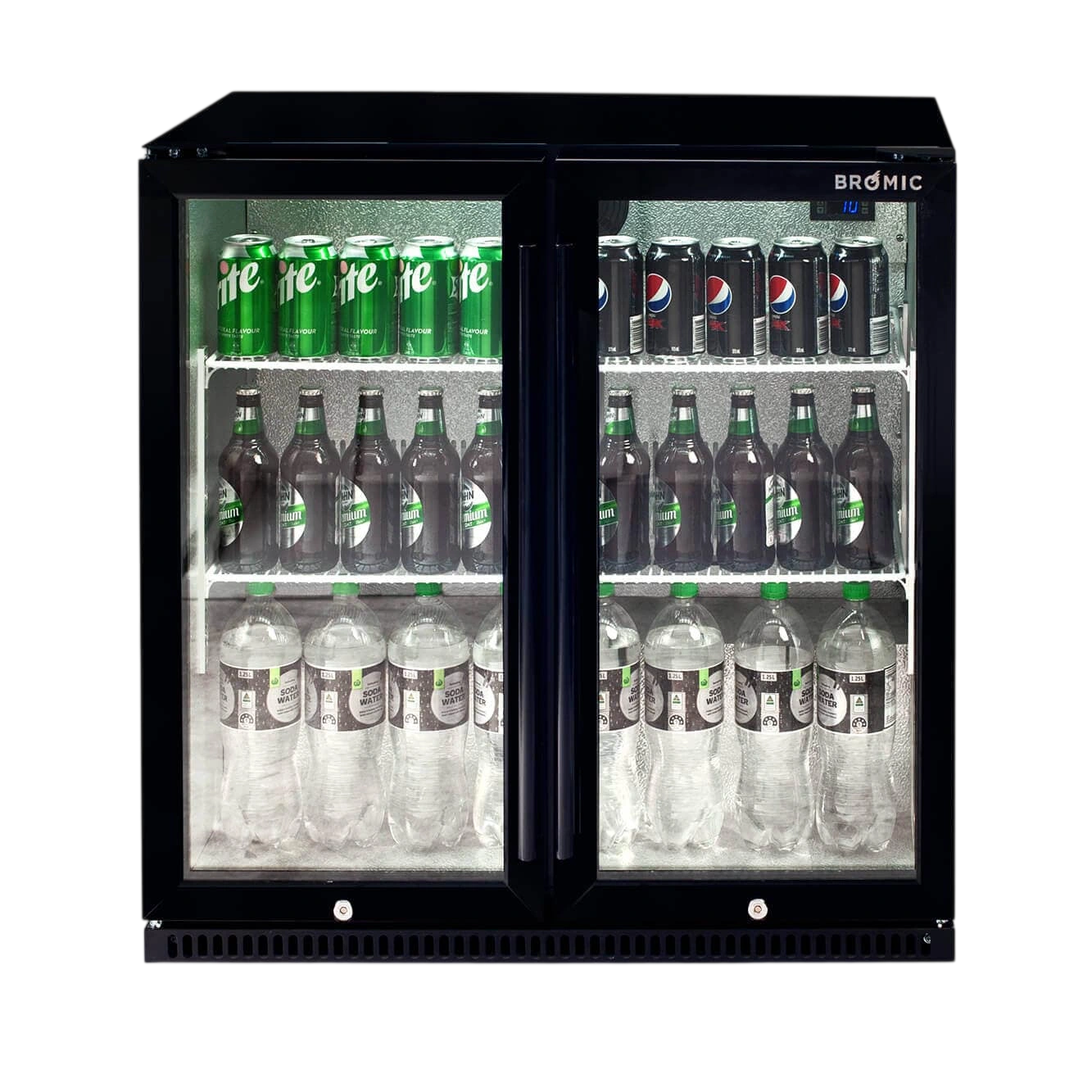
865 × 520 × 870mm
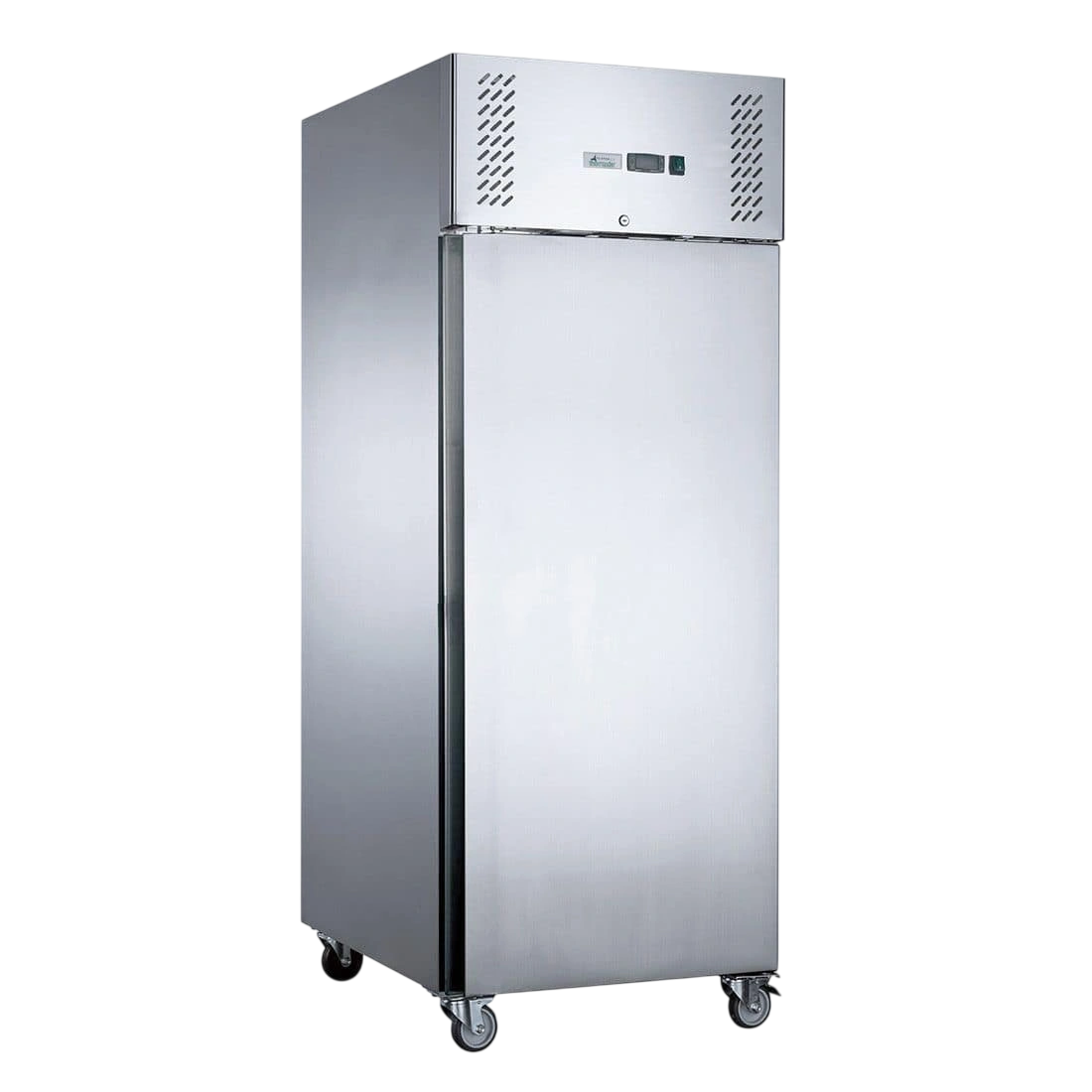
680 × 710 × 2000mm

600 × 585 × 850mm
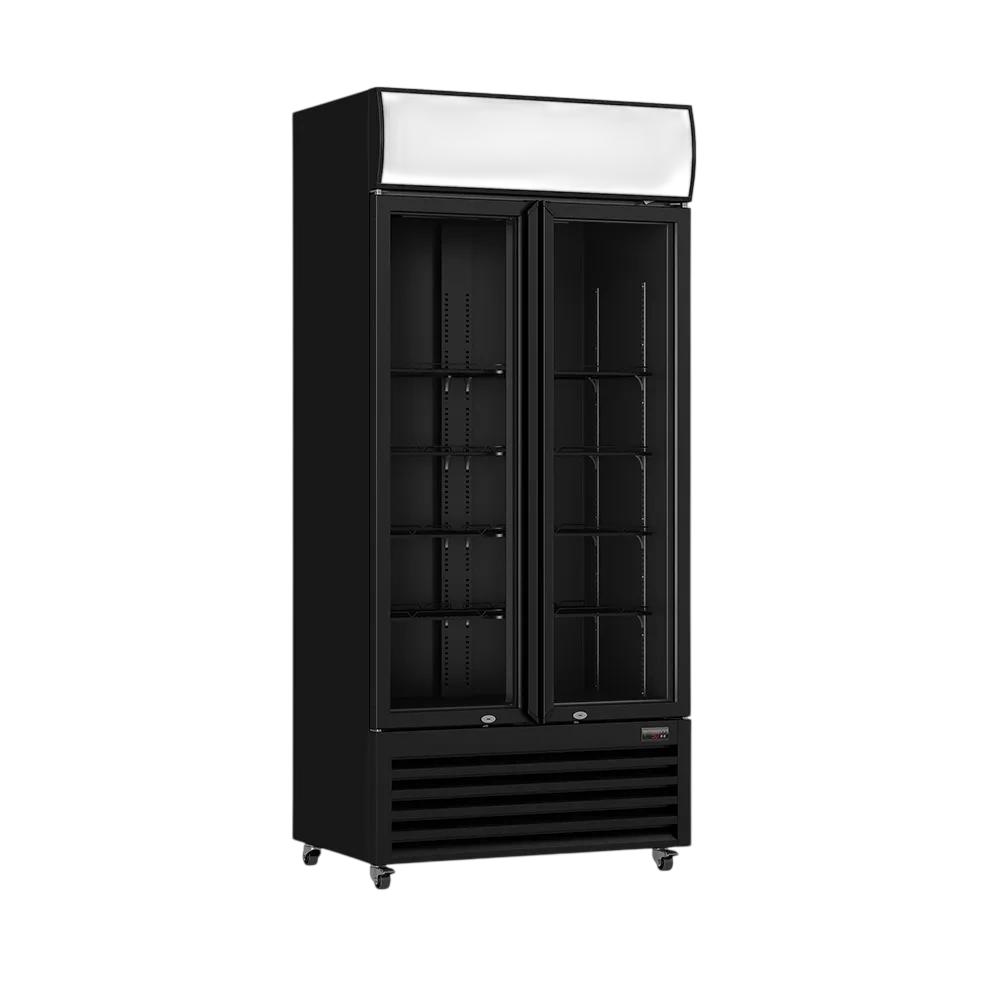
880 × 610 × 1973mm
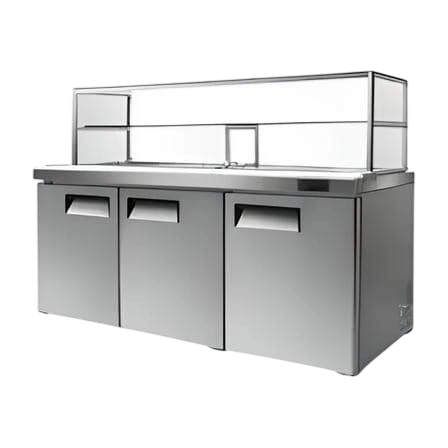
1846 × 762 × 1420mm
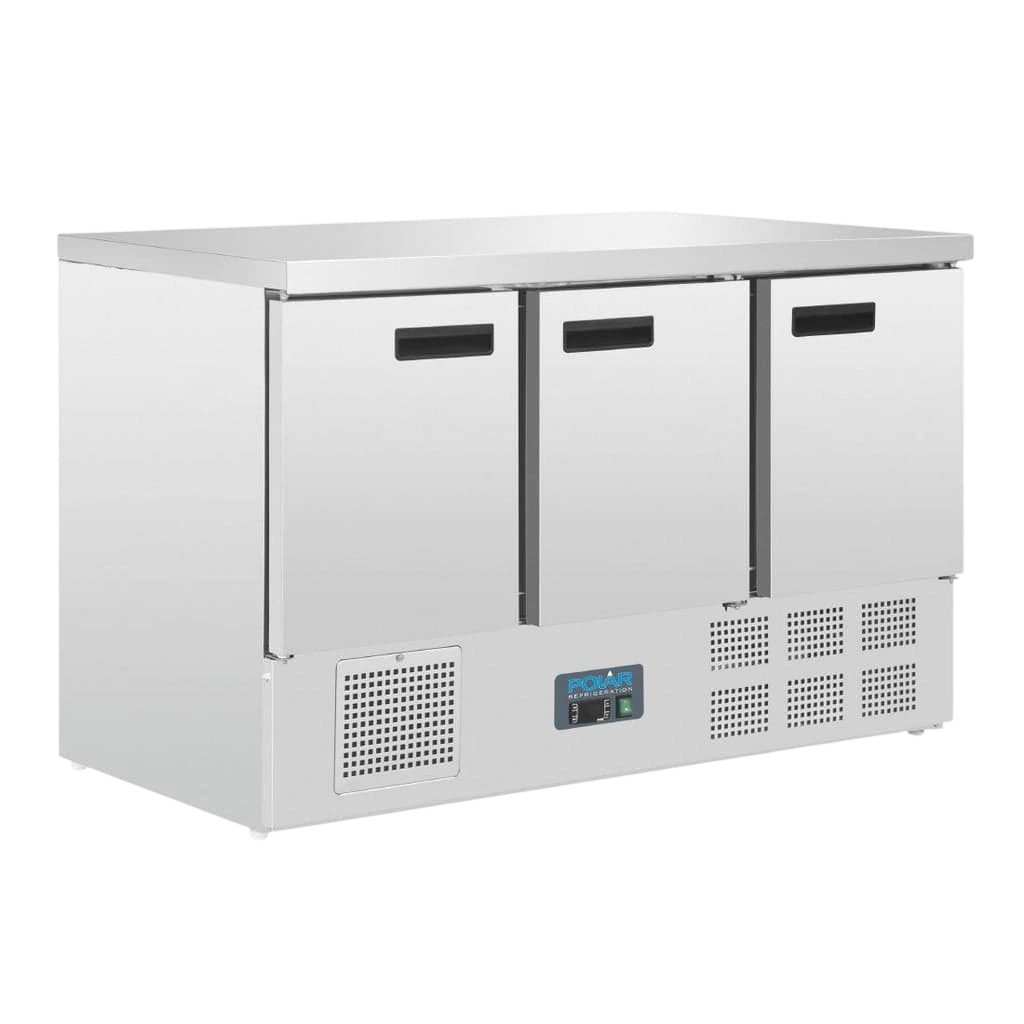
1370 × 700 × 880mm
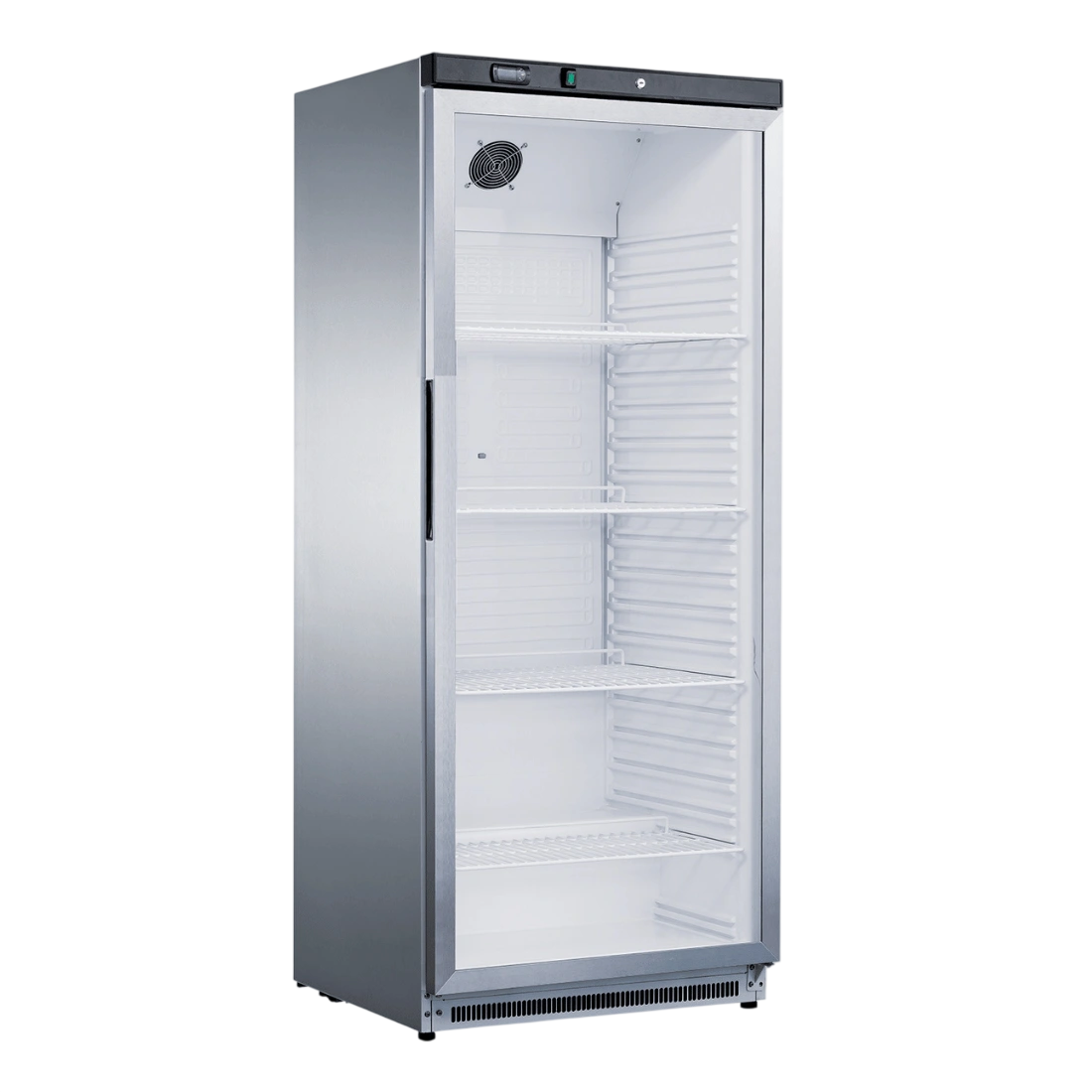
777 × 695 × 1890mm
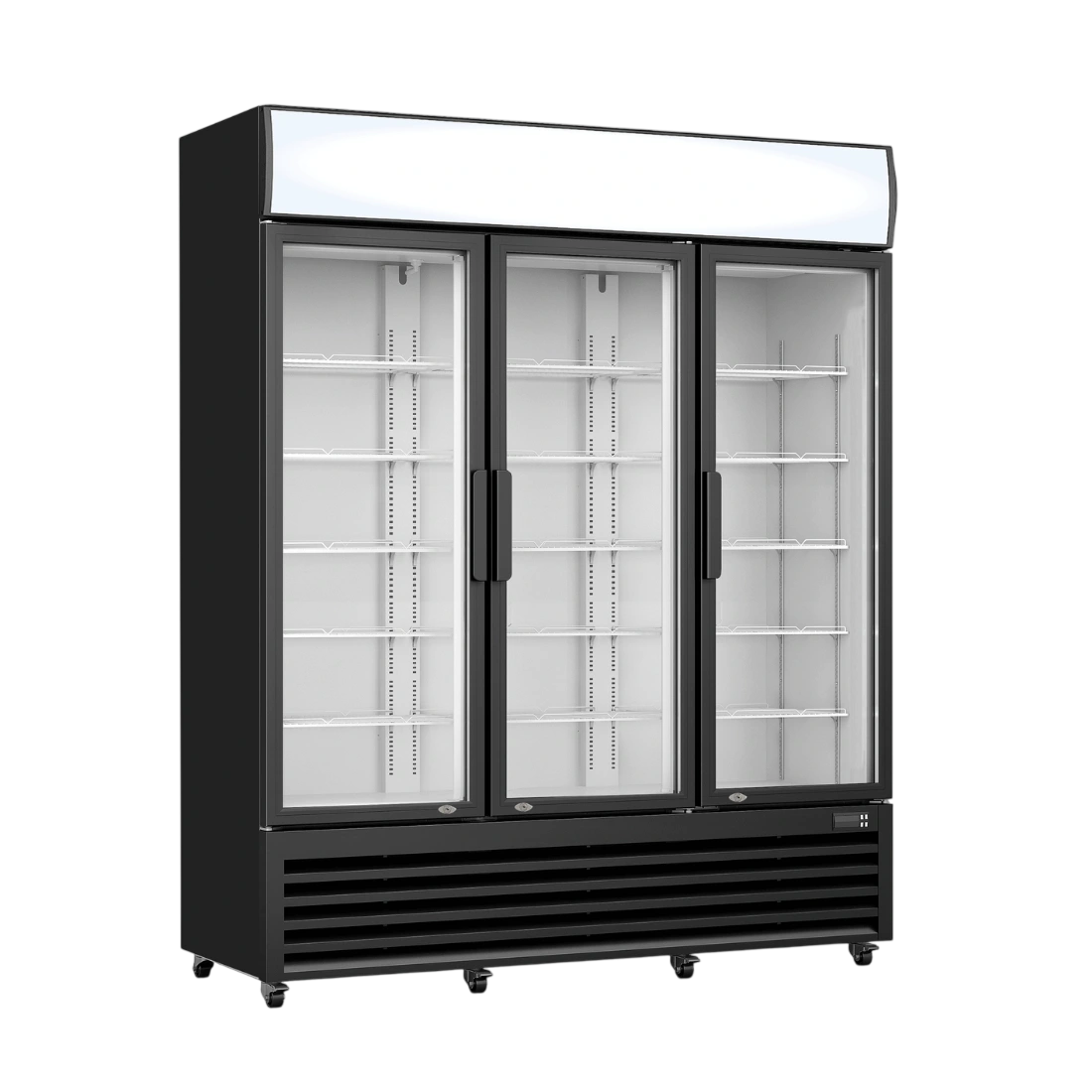
1600 × 610 × 1979mm
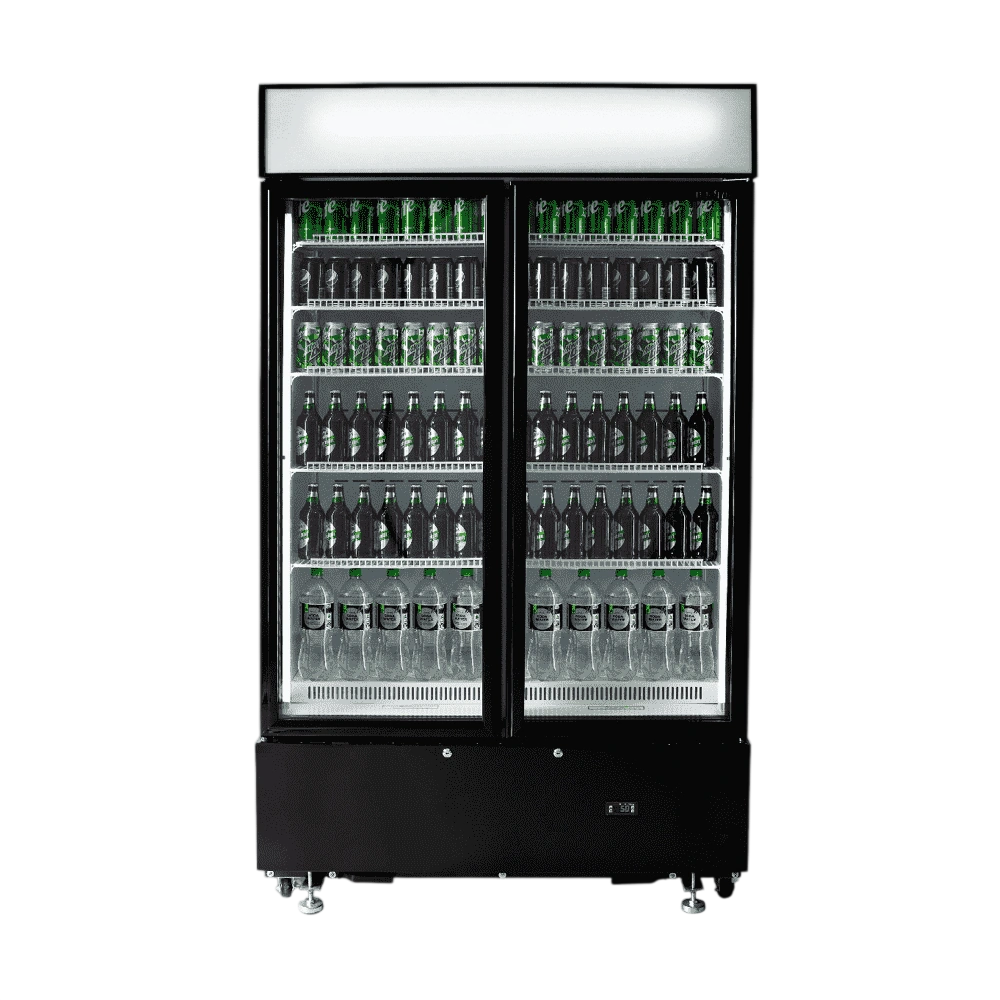
1200 × 690 × 2080mm
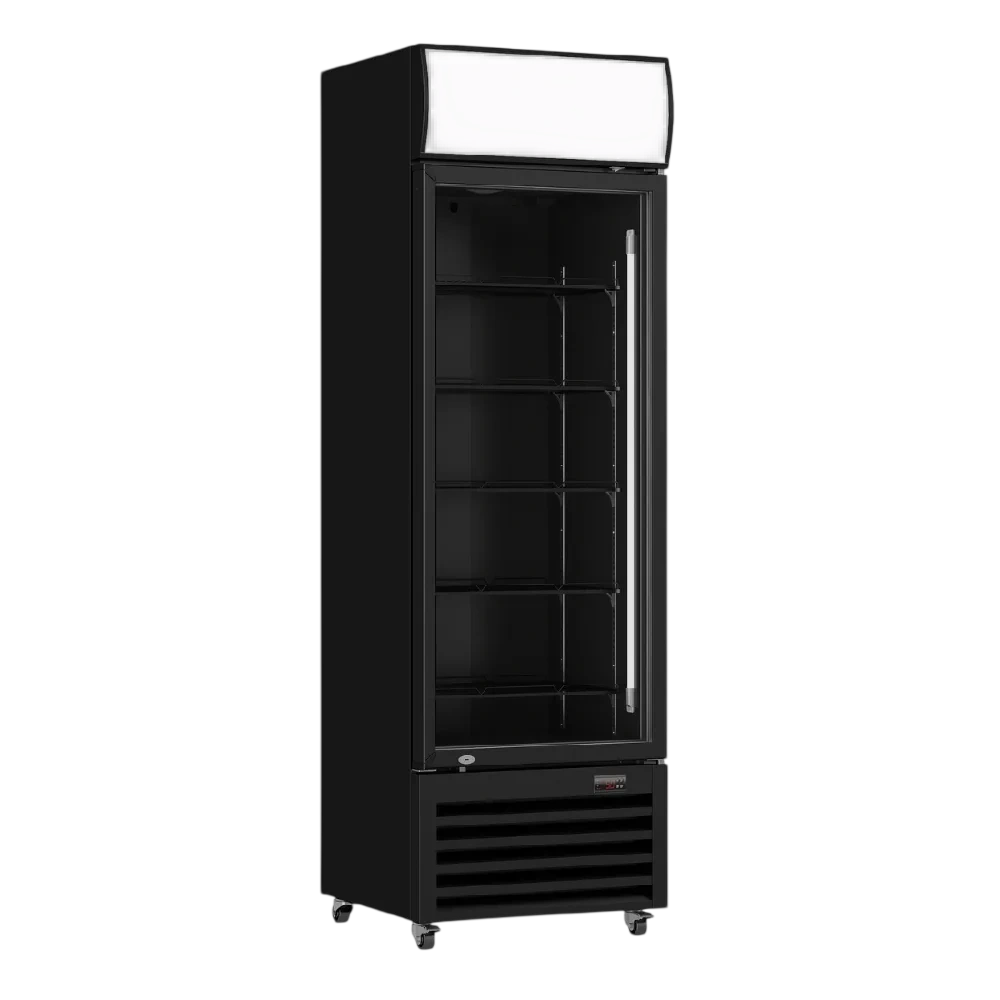
610 × 610 × 1973mm
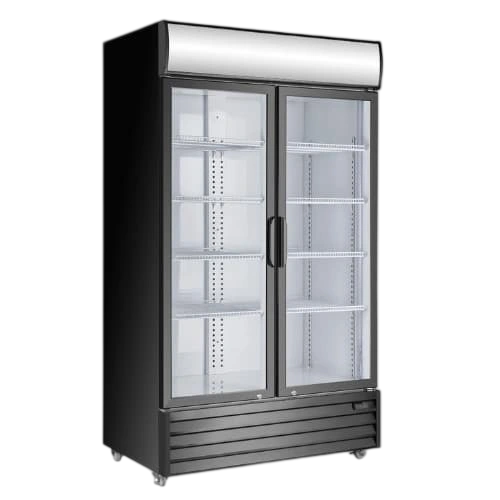
1130 × 720 × 2023mm
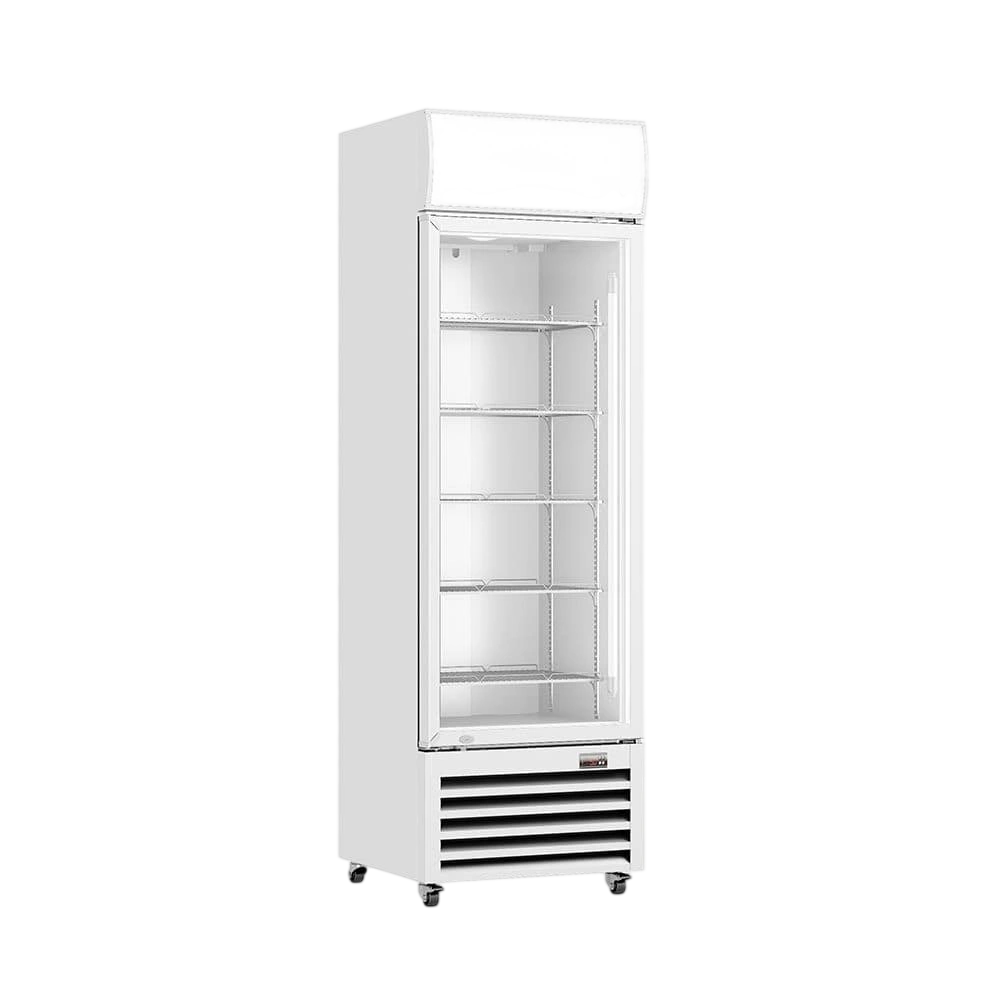
610 × 610 × 1973mm
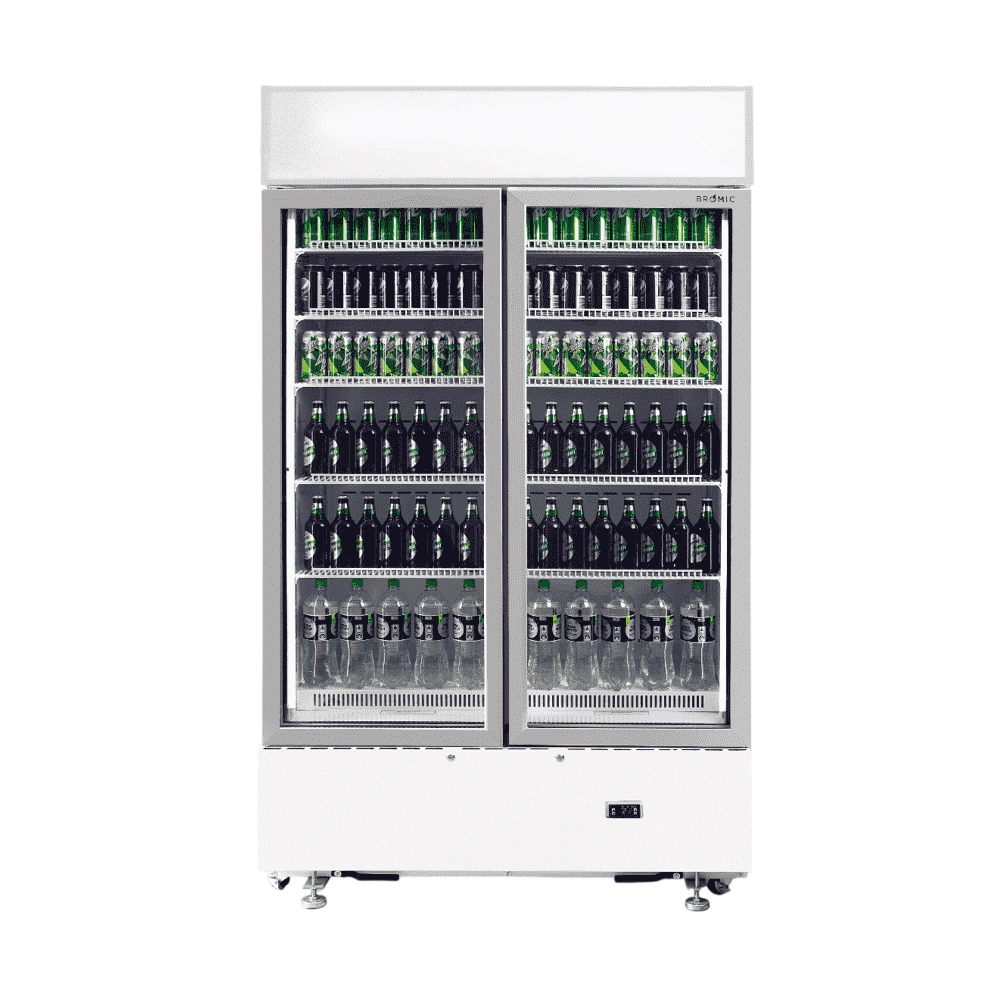
1200 × 690 × 2080mm
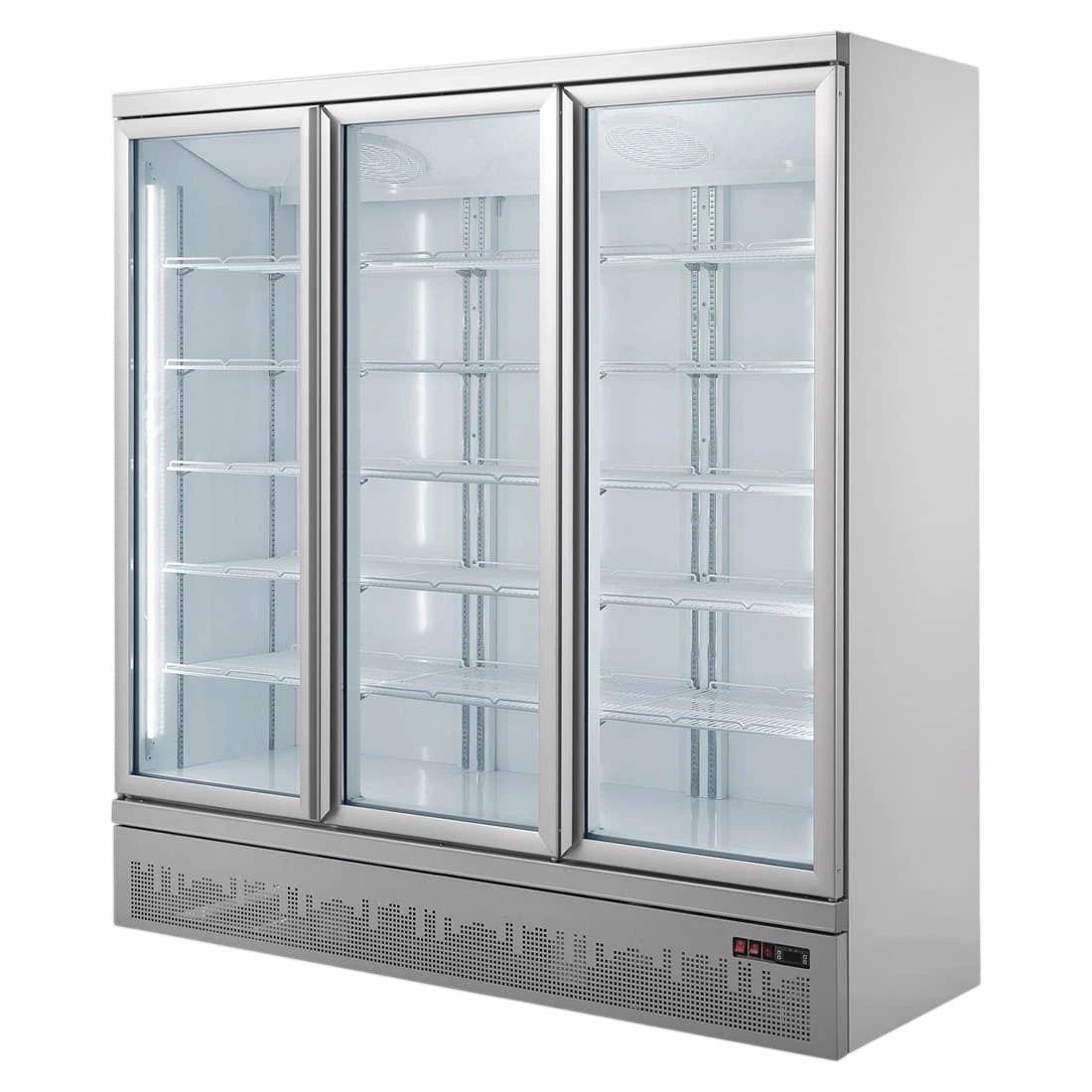
1880 × 740 × 2039mm
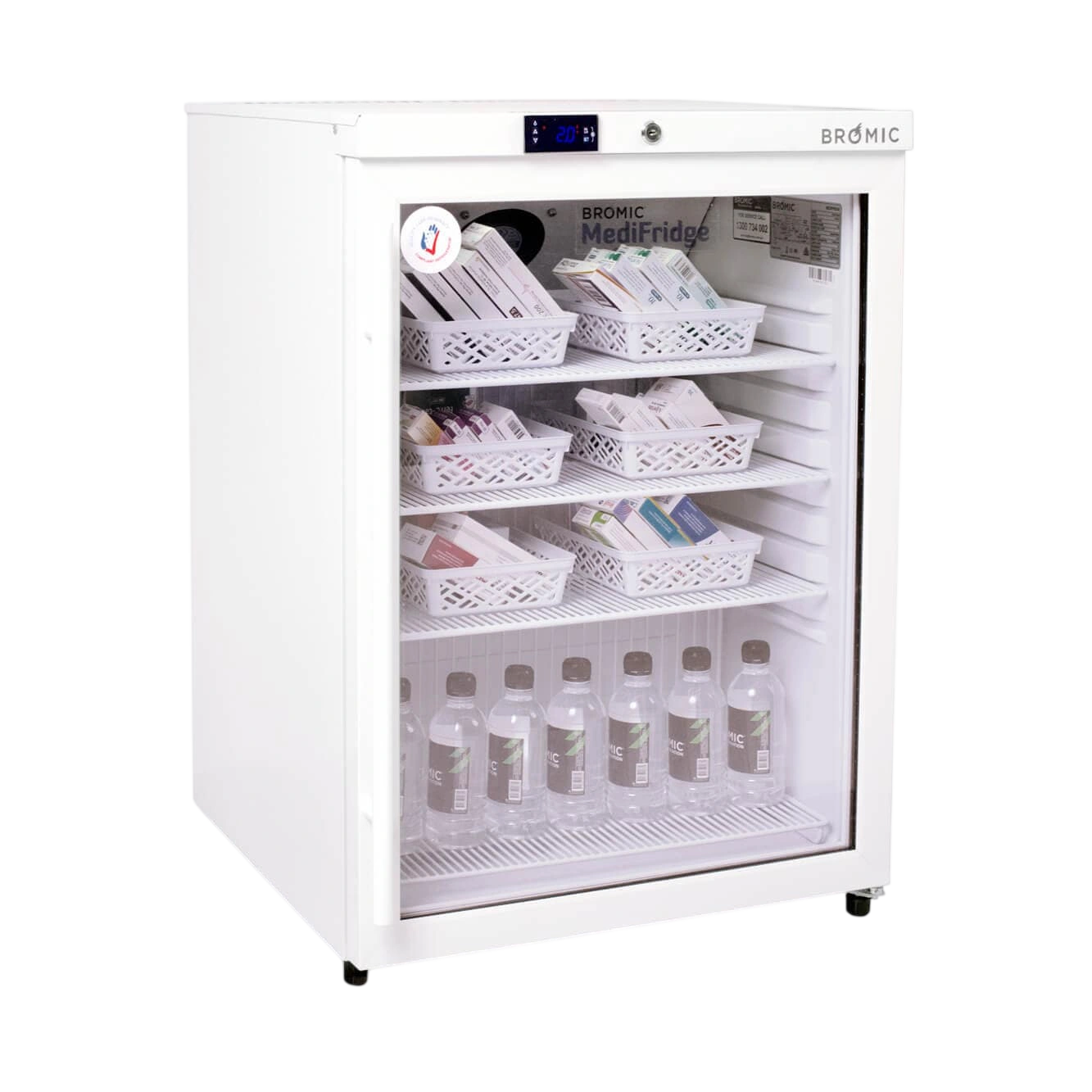
595 × 595 × 824mm
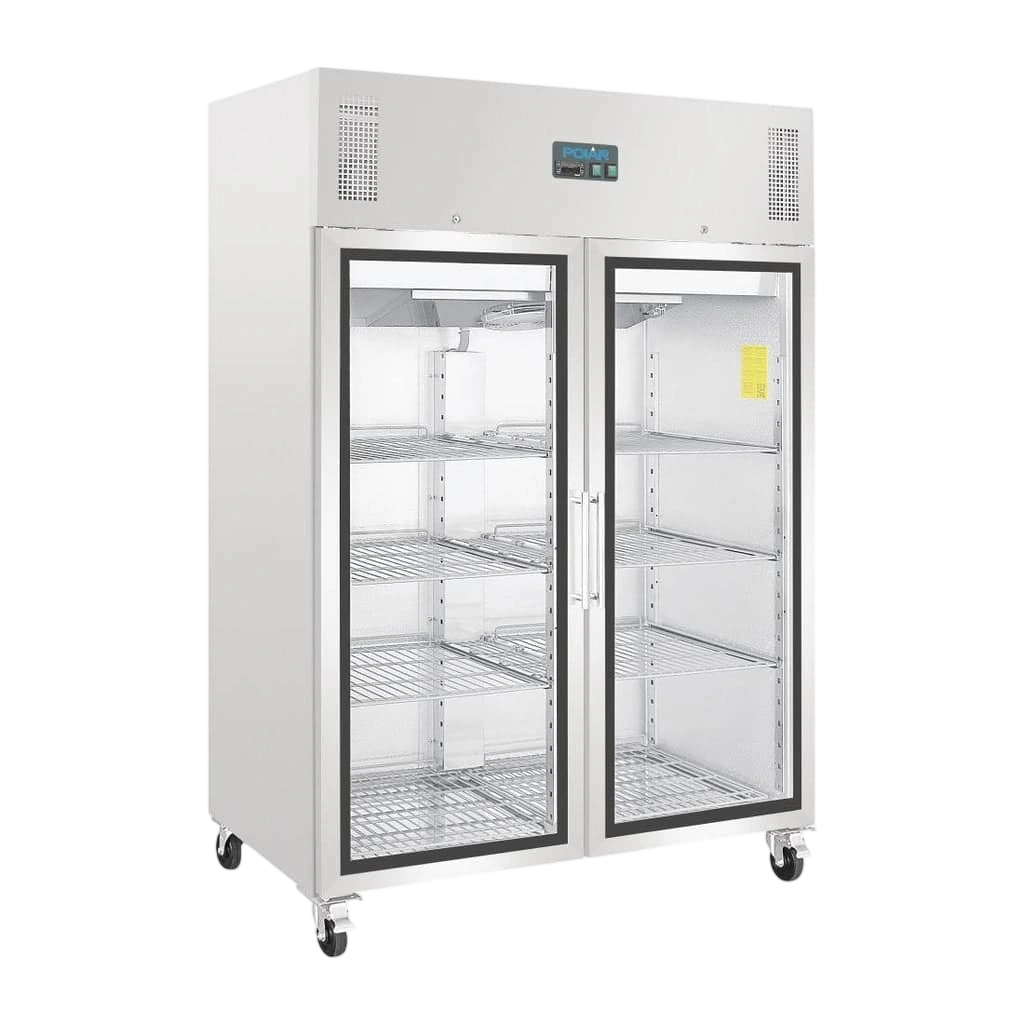
1340 × 810 × 2000mm
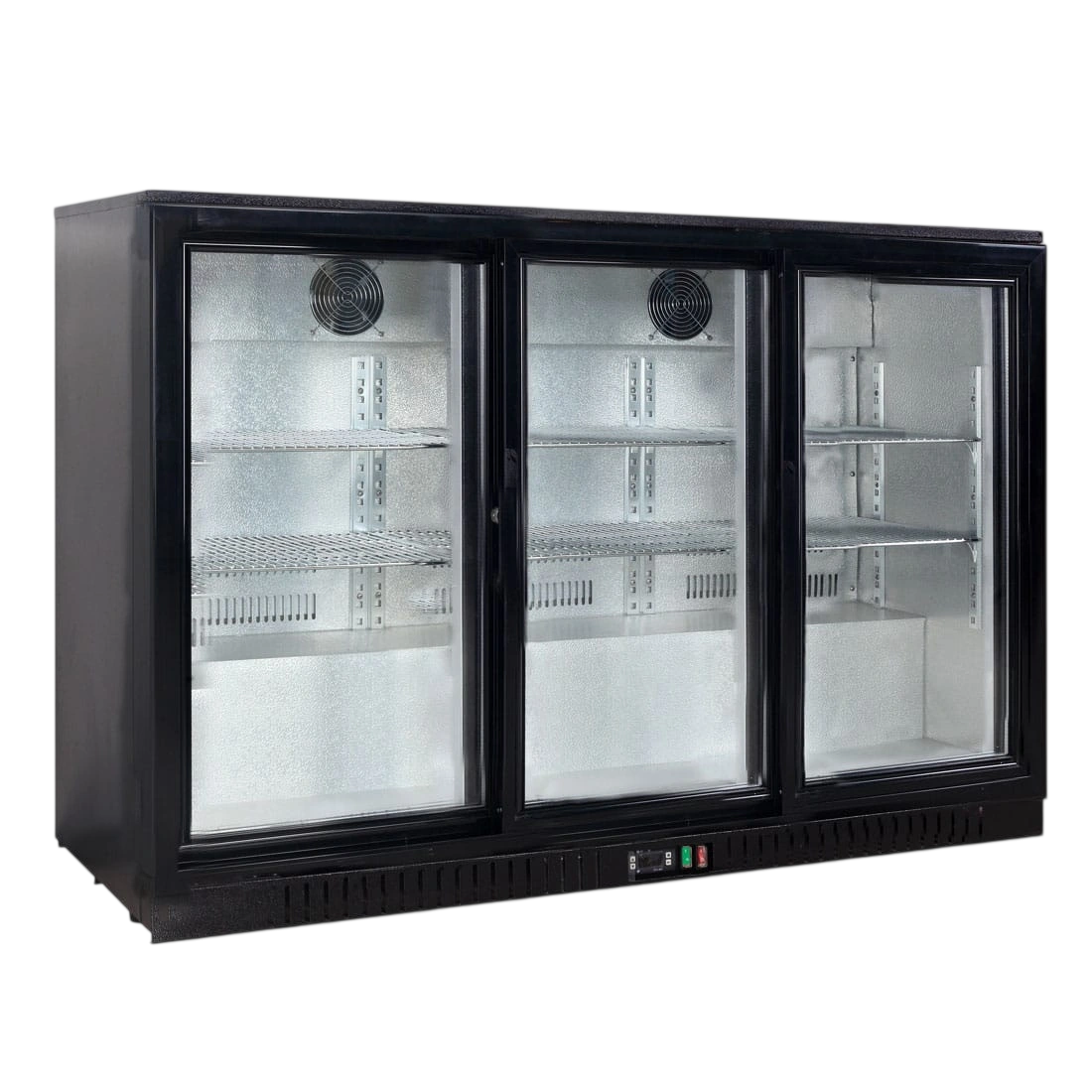
1350 × 530 × 835mm
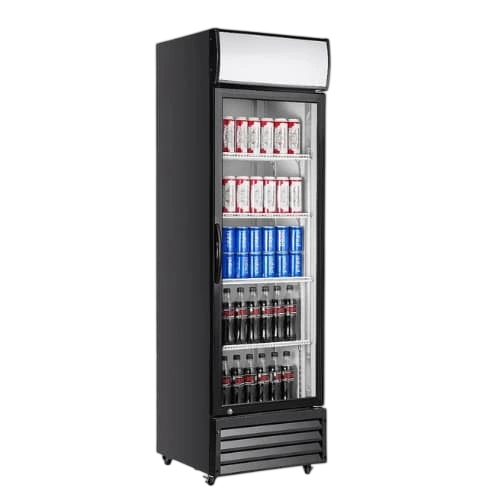
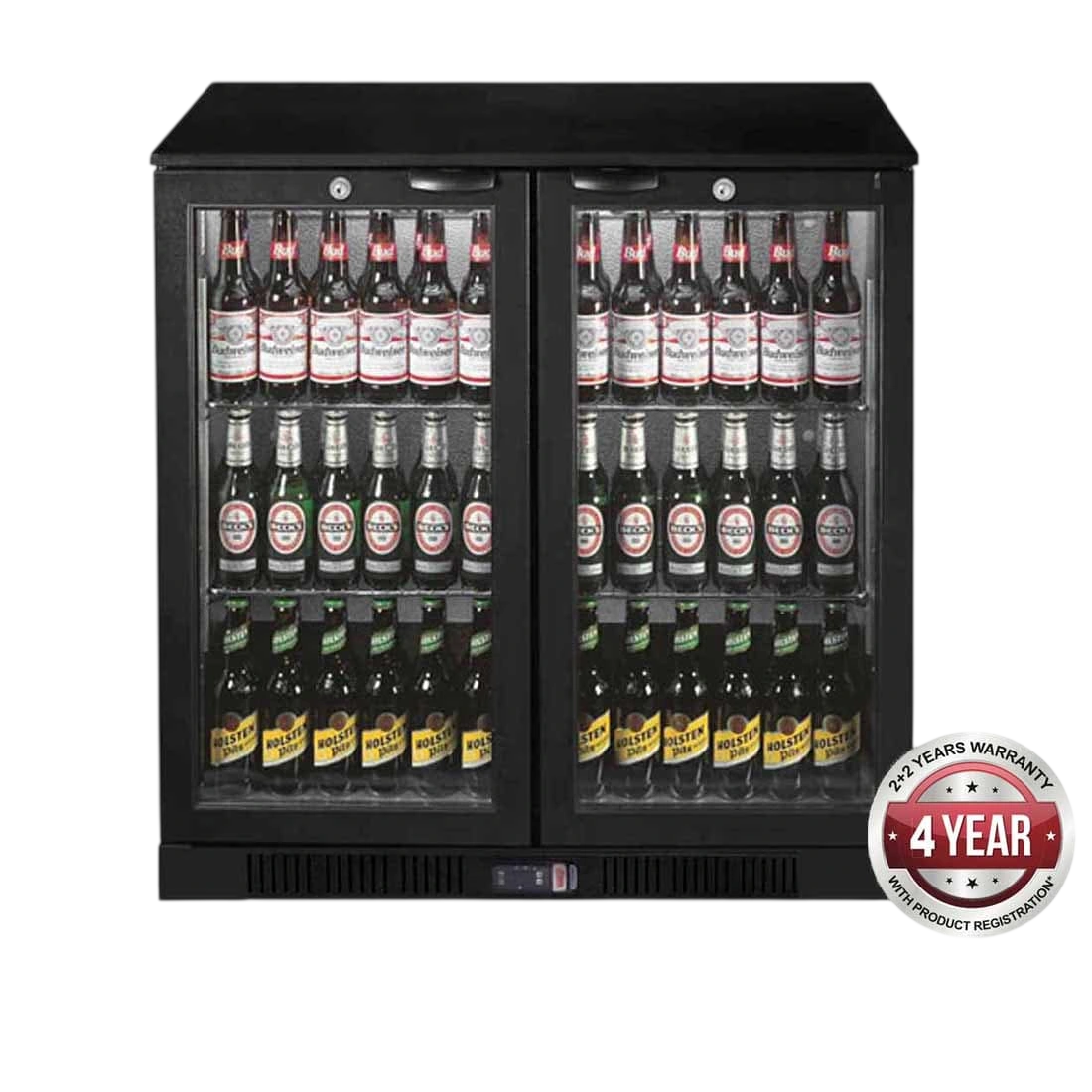
900 × 530 × 835mm
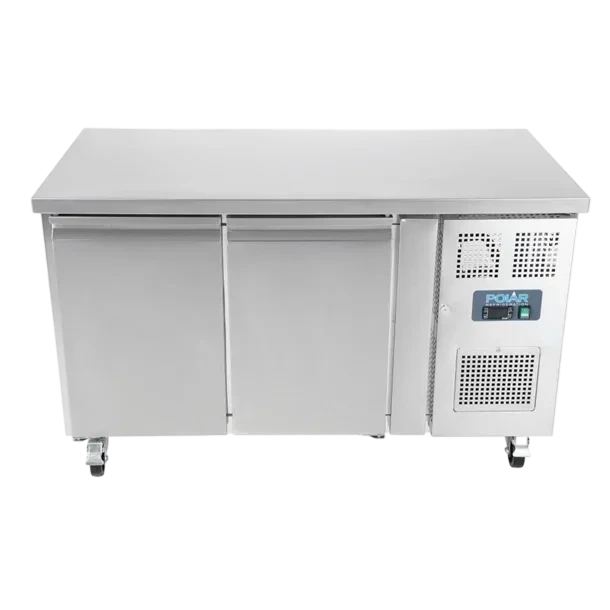
1360 × 700 × 860mm
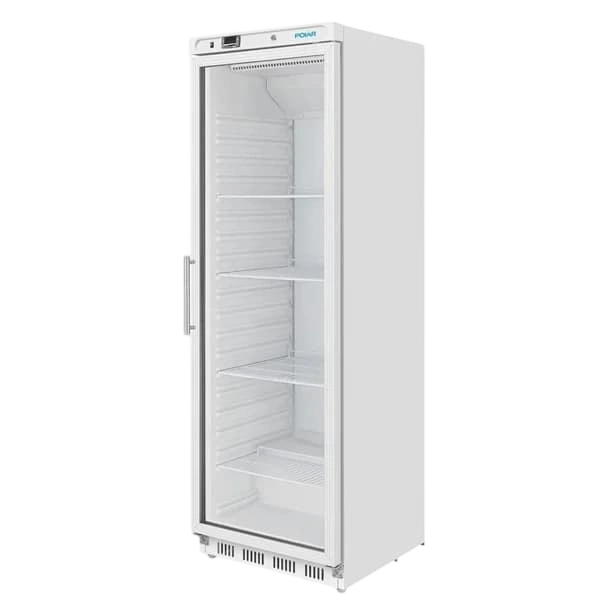
600 × 635 × 1855mm
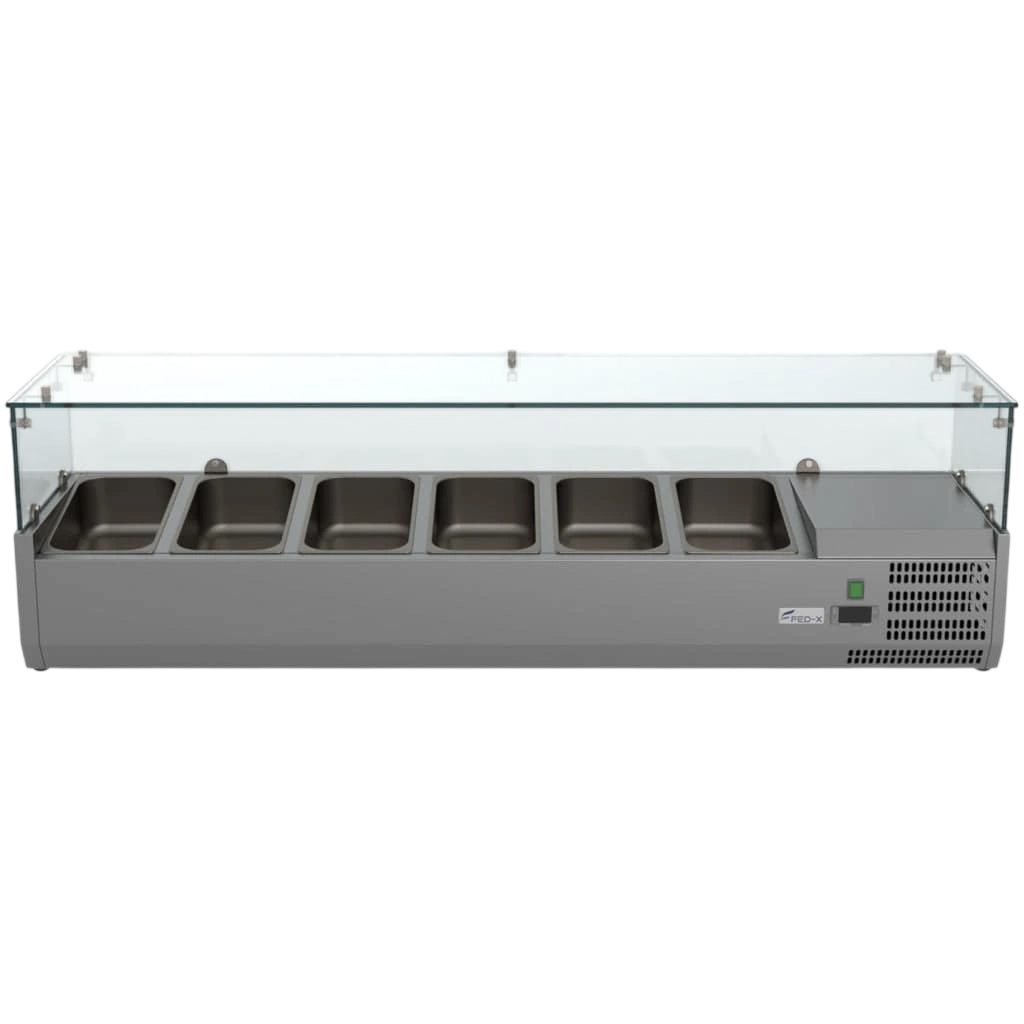
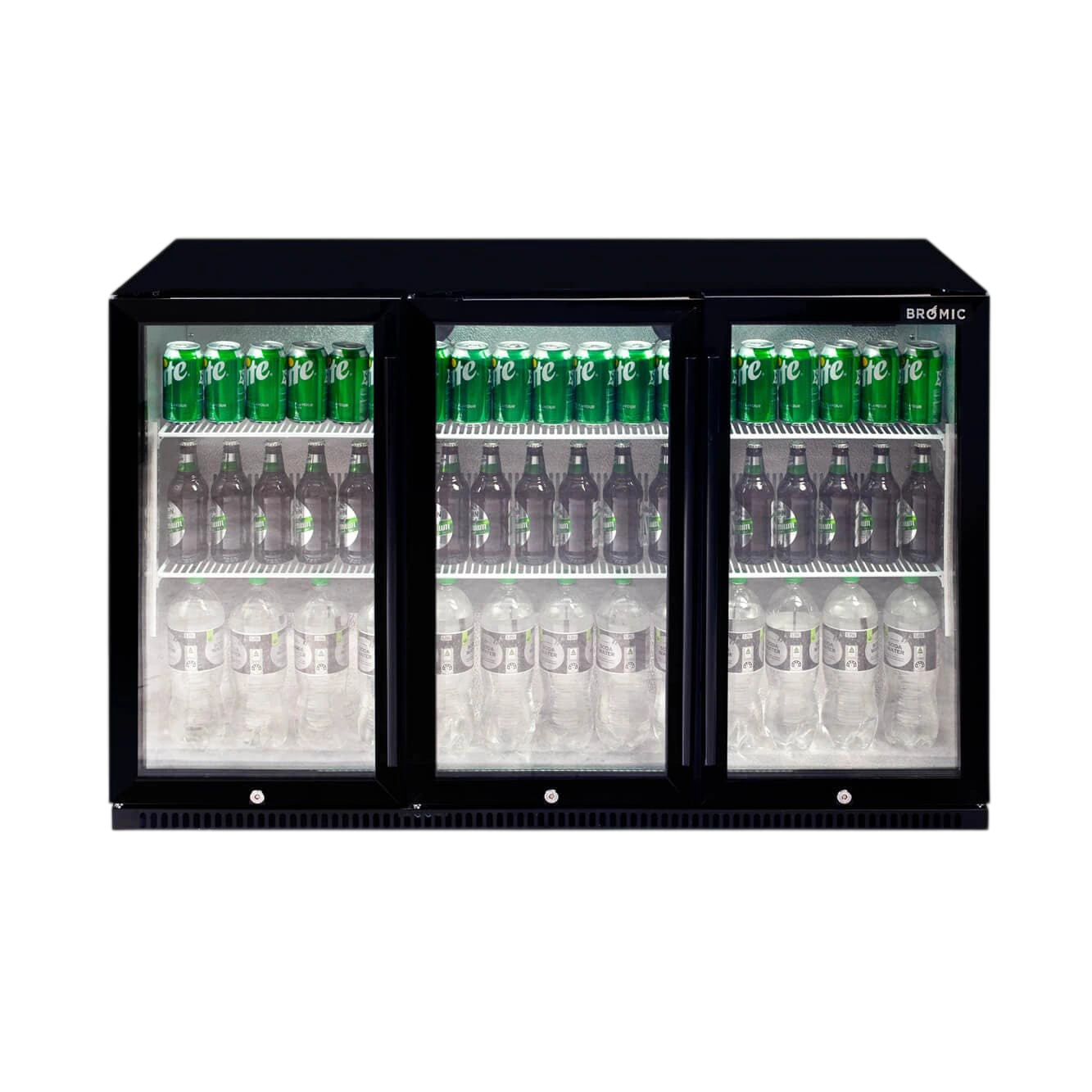
1350 × 520 × 870mm
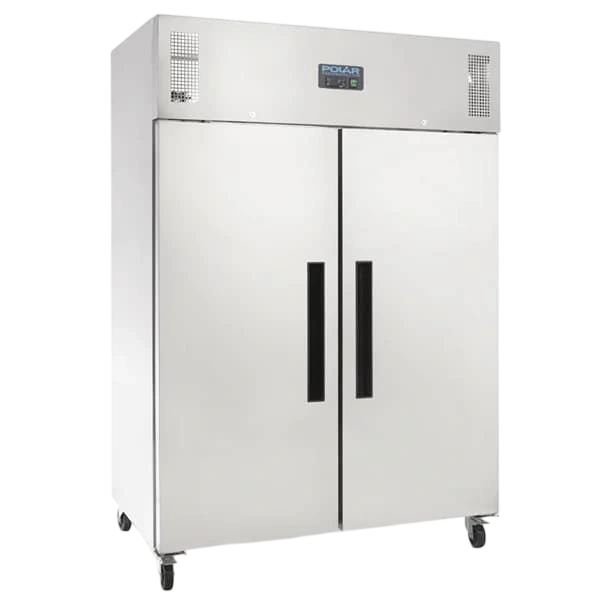
1340 × 845 × 2000mm
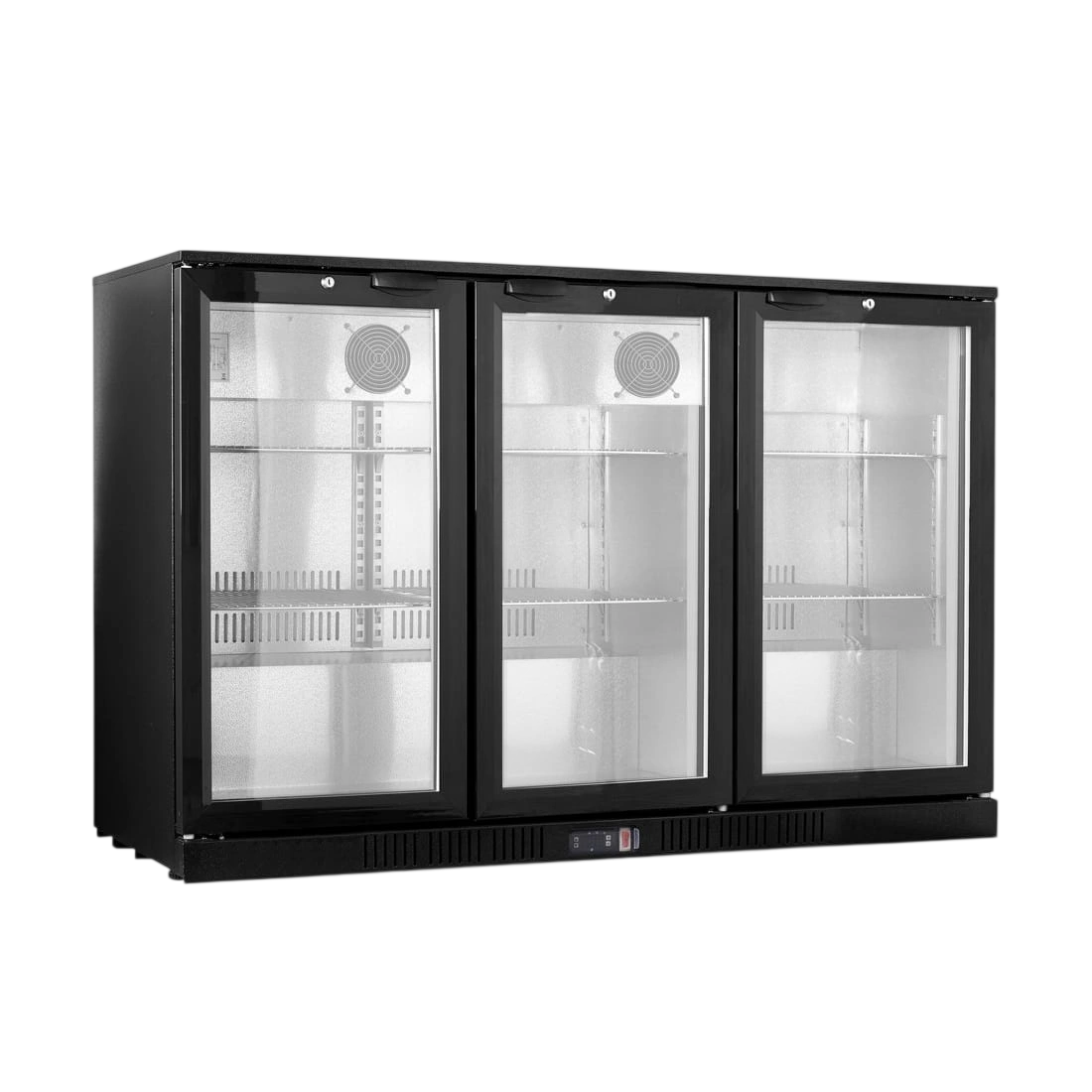
1350 × 530 × 835mm
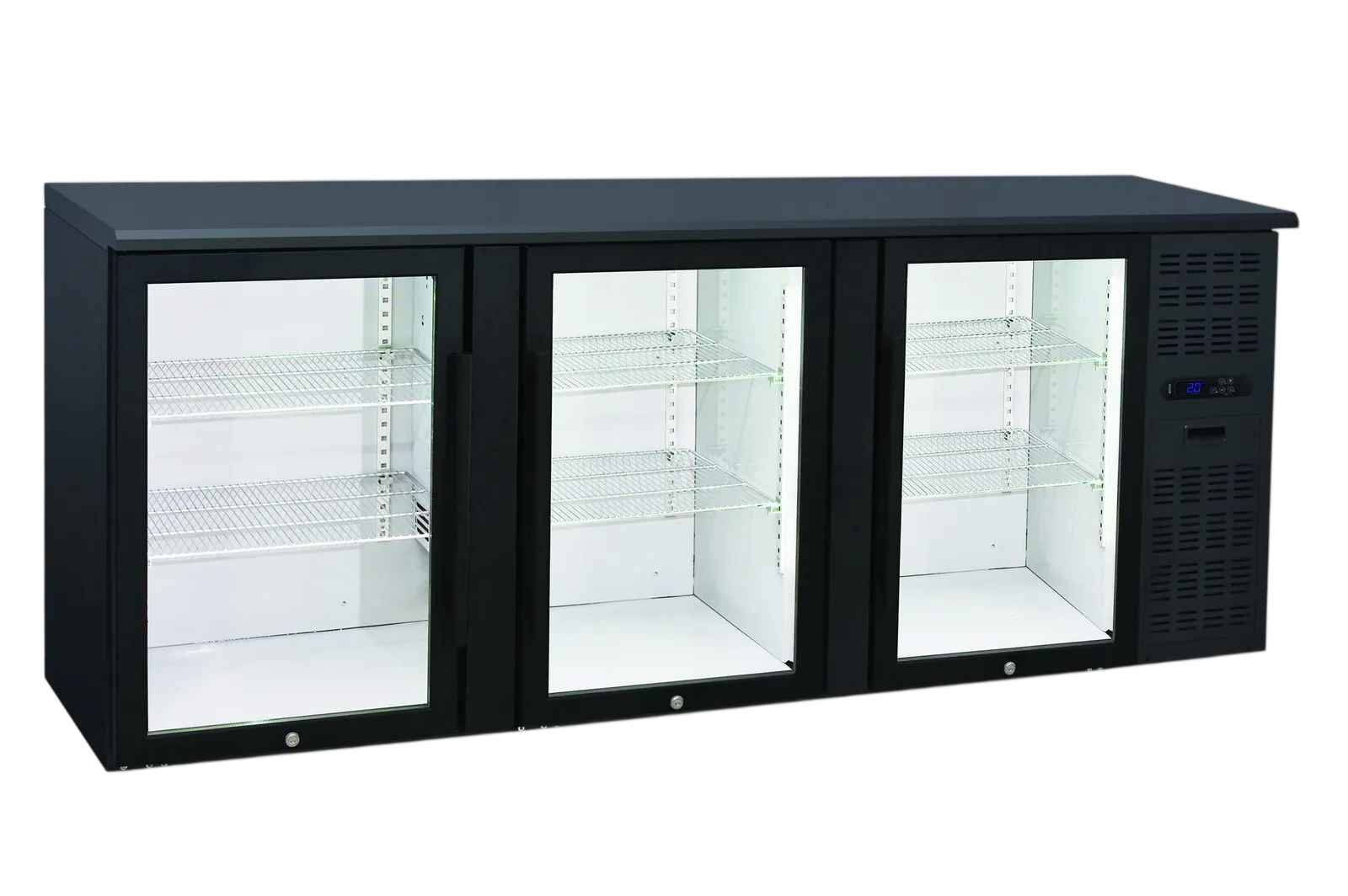
2085 × 535 × 900mm
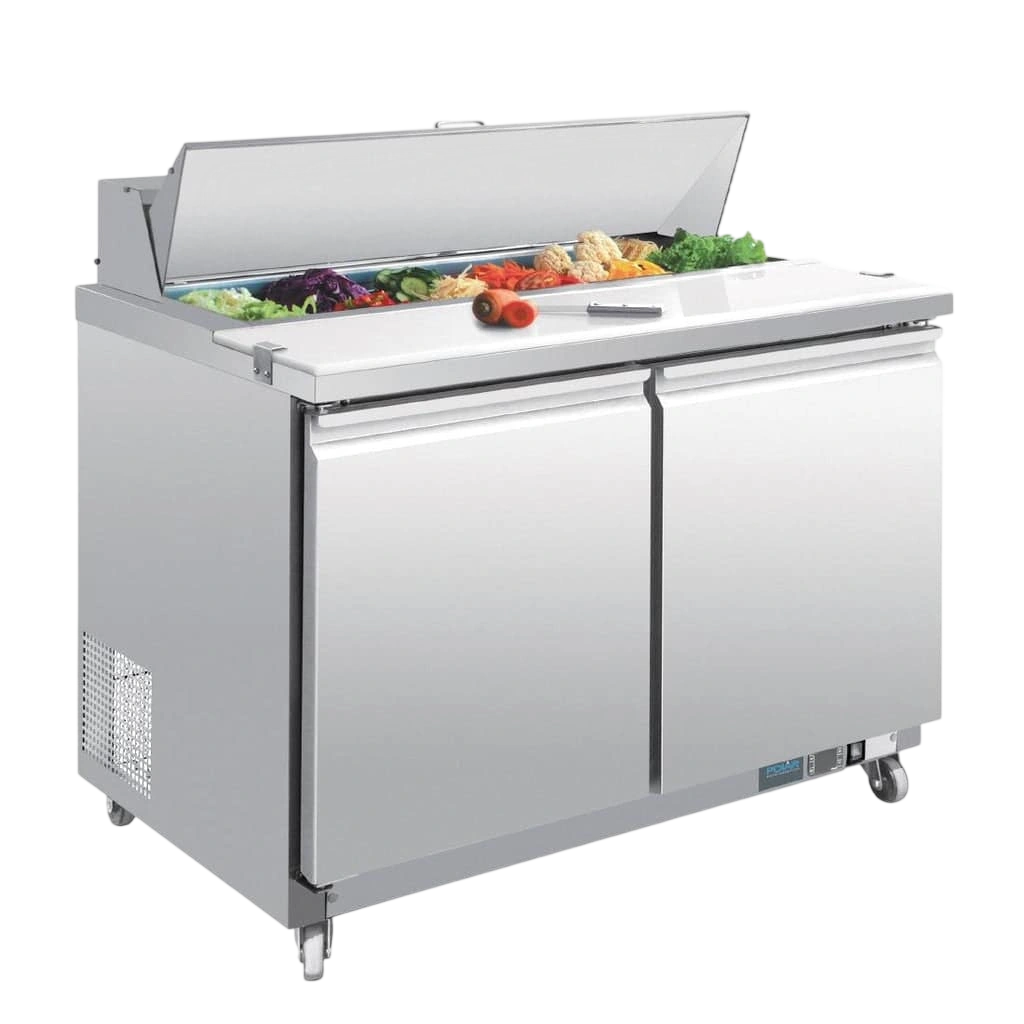
1225 × 760 × 1097mm
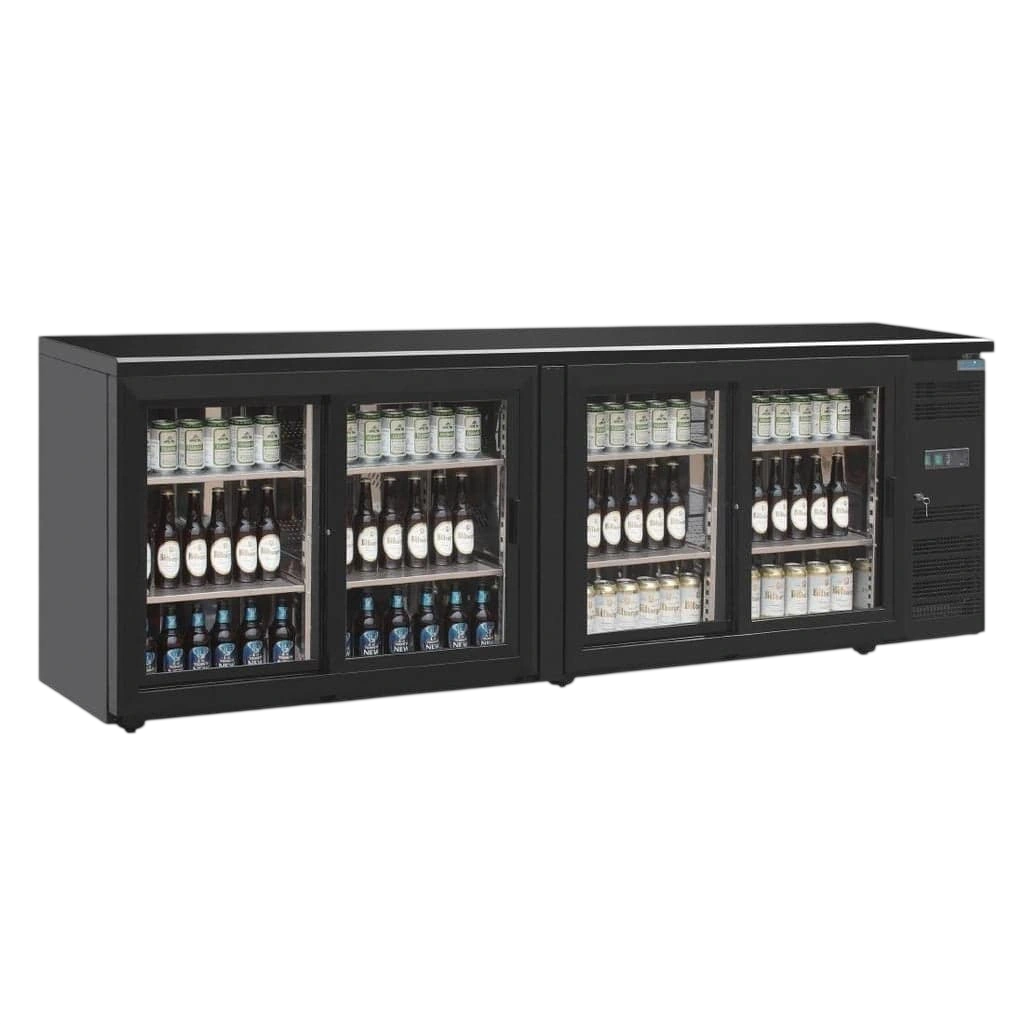
2542 × 513 × 860mm
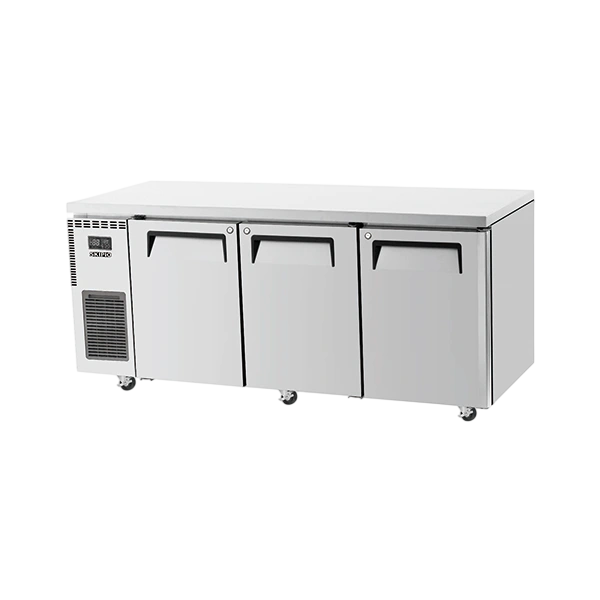
1800 × 700 × 855mm
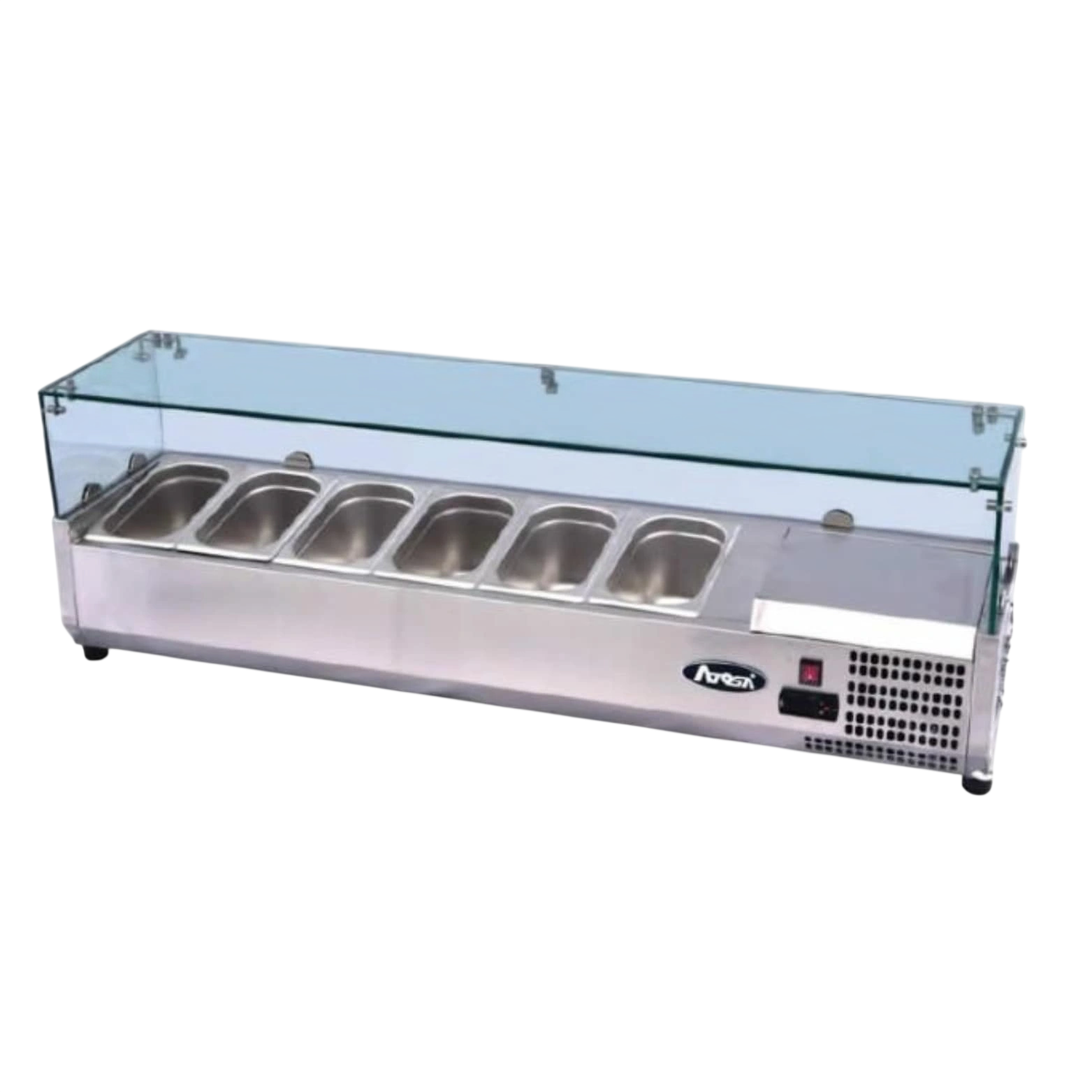
1415 × 395 × 435mm
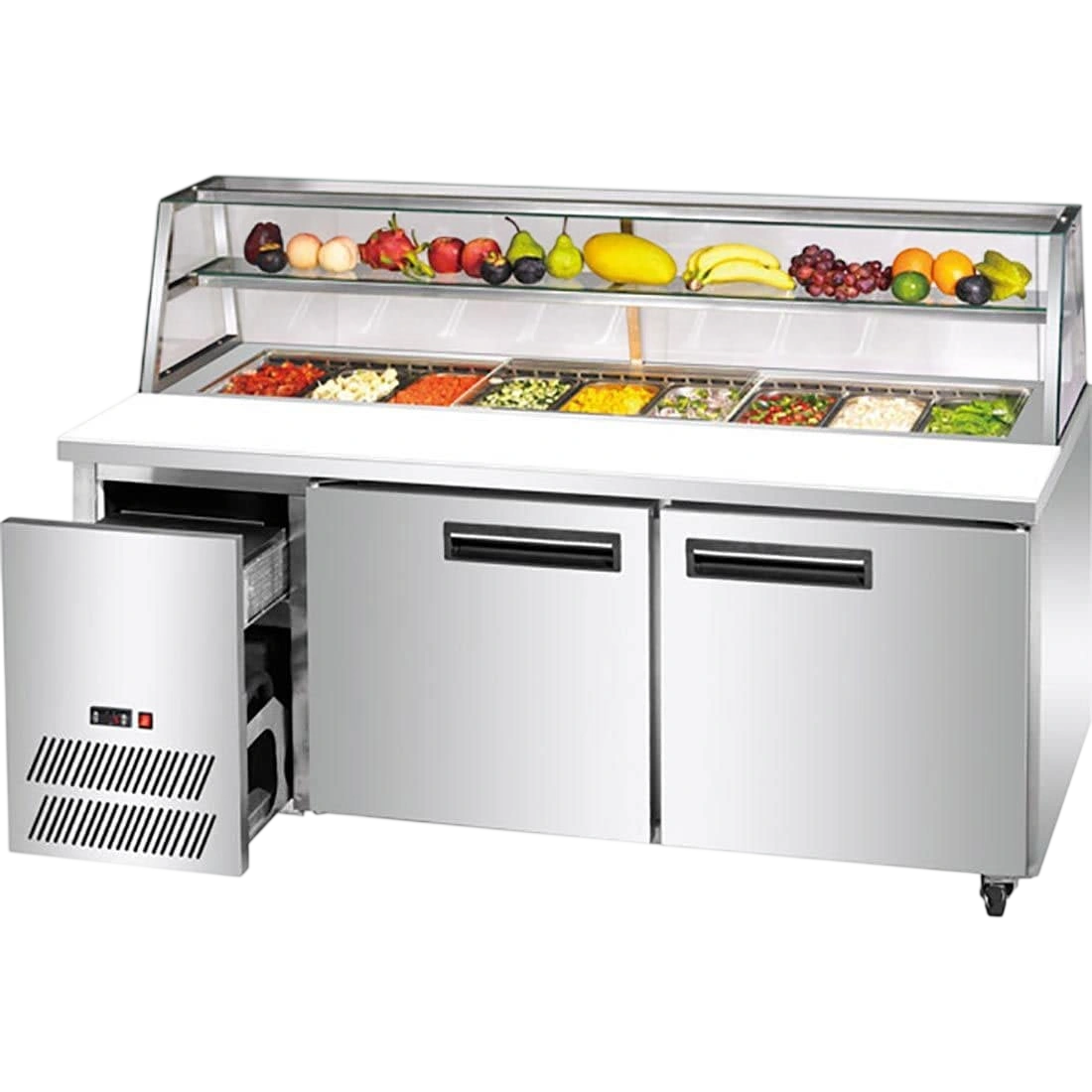
1480 × 700 × 1255mm
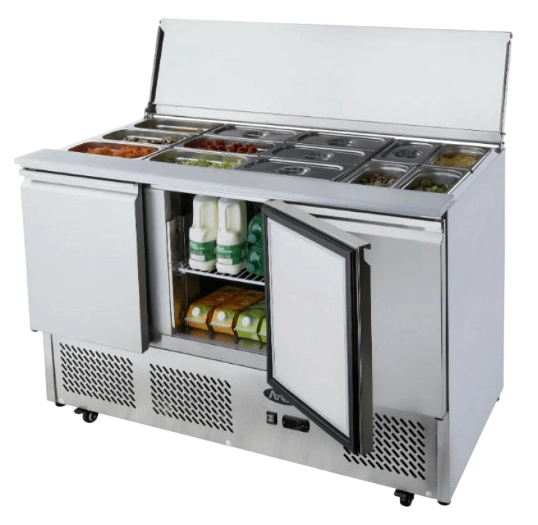
1365 × 700 × 950mm
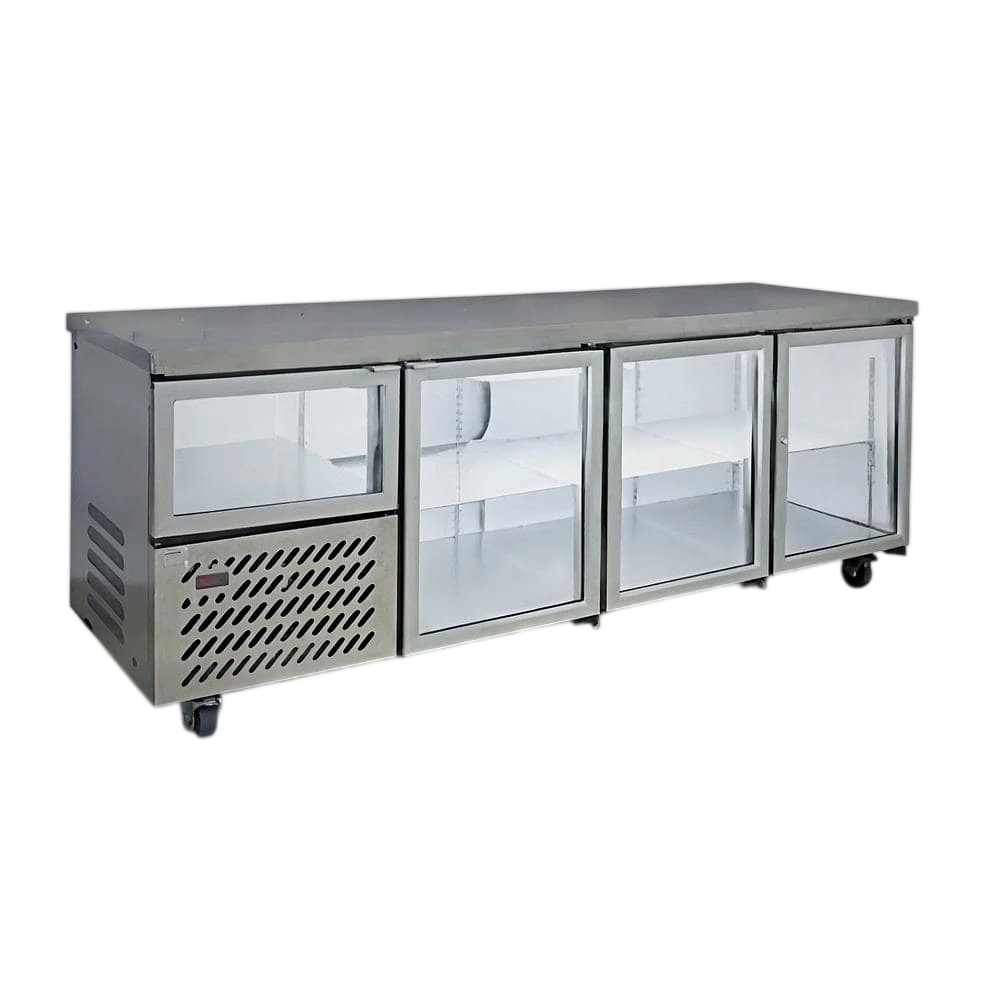
2400 × 760 × 900mm
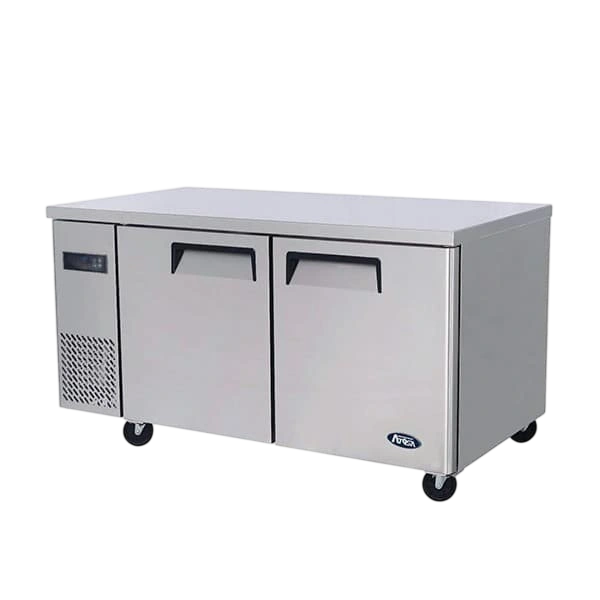
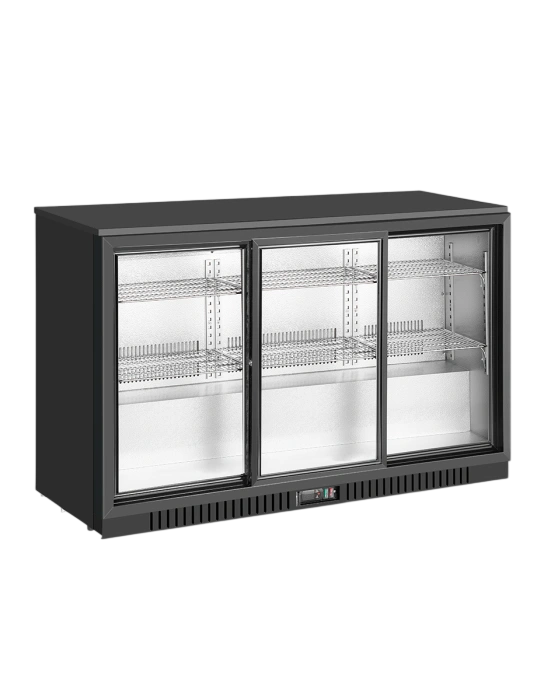
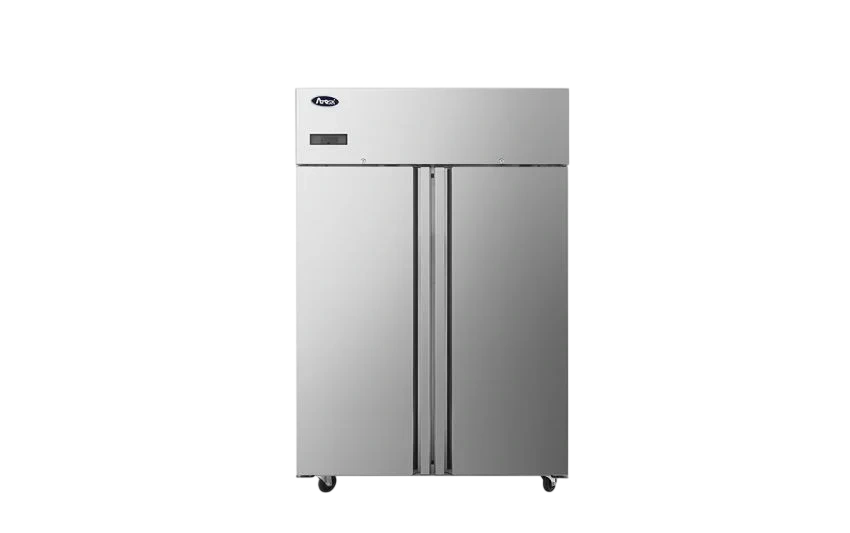
1314 × 800 × 2065mm
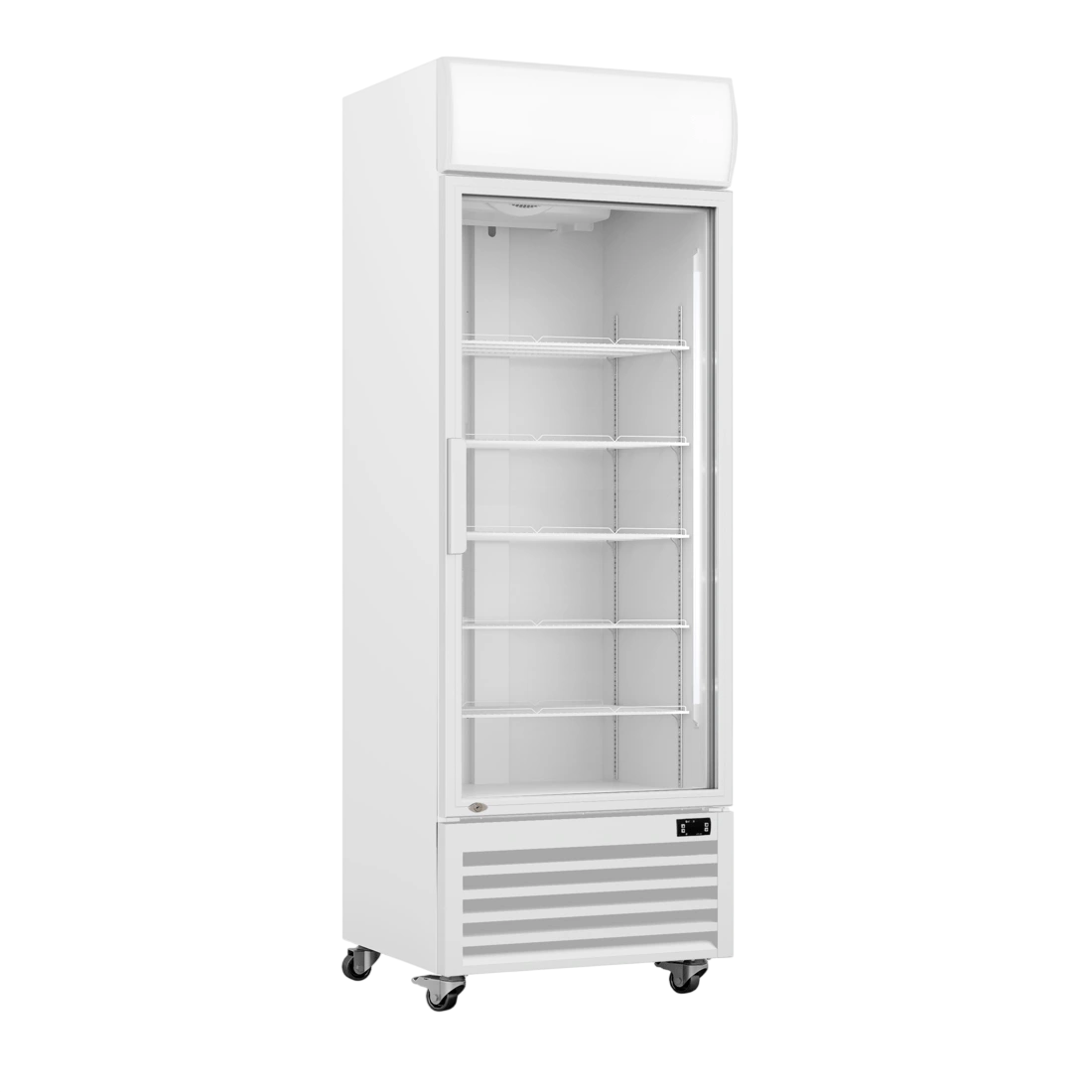
700 × 690 × 2079mm
Key factors to consider before purchasing. Our team can help you find the right fit — call or get a quote anytime.
Match equipment capacity to your daily output. Consider available floor space, door clearances, and whether you need underbench or upright models.
Forced air cooling recovers temperature faster — ideal for busy kitchens. Static cooling suits low-traffic display. Check power supply (single vs three phase).
Ensure adequate ventilation clearance. Check local council requirements for gas connections and electrical compliance. We can help with kitchen planning.
Submit your kitchen requirements — our equipment specialists will send you a tailored shortlist of commercial fridges that fits your budget, venue type and compliance needs.
Standards & Compliance
Start with the workflow before choosing litres:
FAQ
Commercial compressors and fans are stronger because they must recover temperature quickly. Noise is normal.
Frequent door openings, blocked airflow or surrounding heat can cause temporary air-temp increases. If recovery is quick, the fridge is functioning properly.
No. Use a blast chiller to rapidly reduce food temperature before refrigeration.
Monthly for clean environments; weekly in hot or dusty kitchens.
It is the hub for choosing the right chilled cabinet style before selecting a model.
Move once you know whether the fridge is for staff storage, customer display, bar service, prep work or specialist holding.
Most fit-outs also plan freezer space, prep benches, shelving, containers and the route from delivery to service.
Why KW
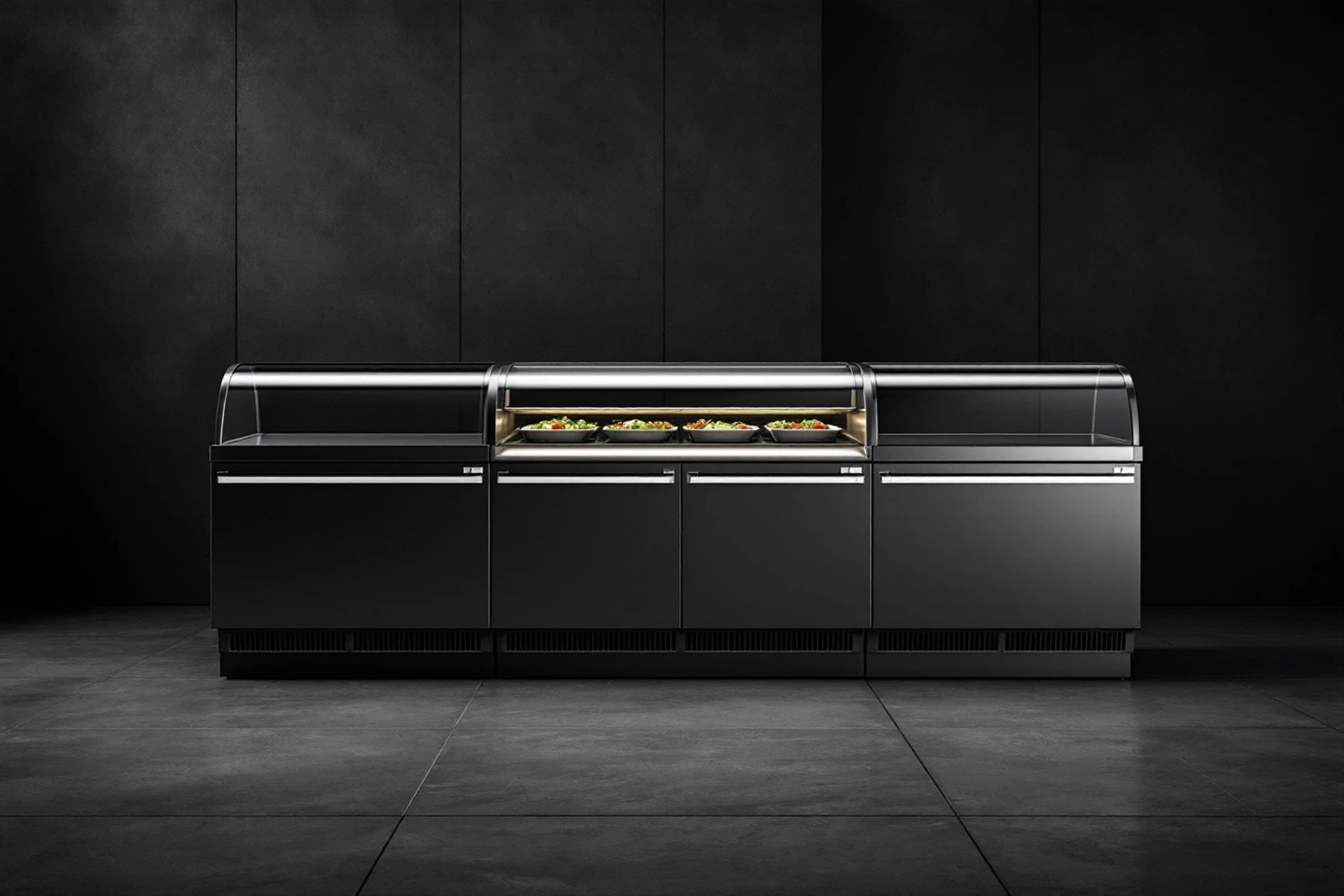
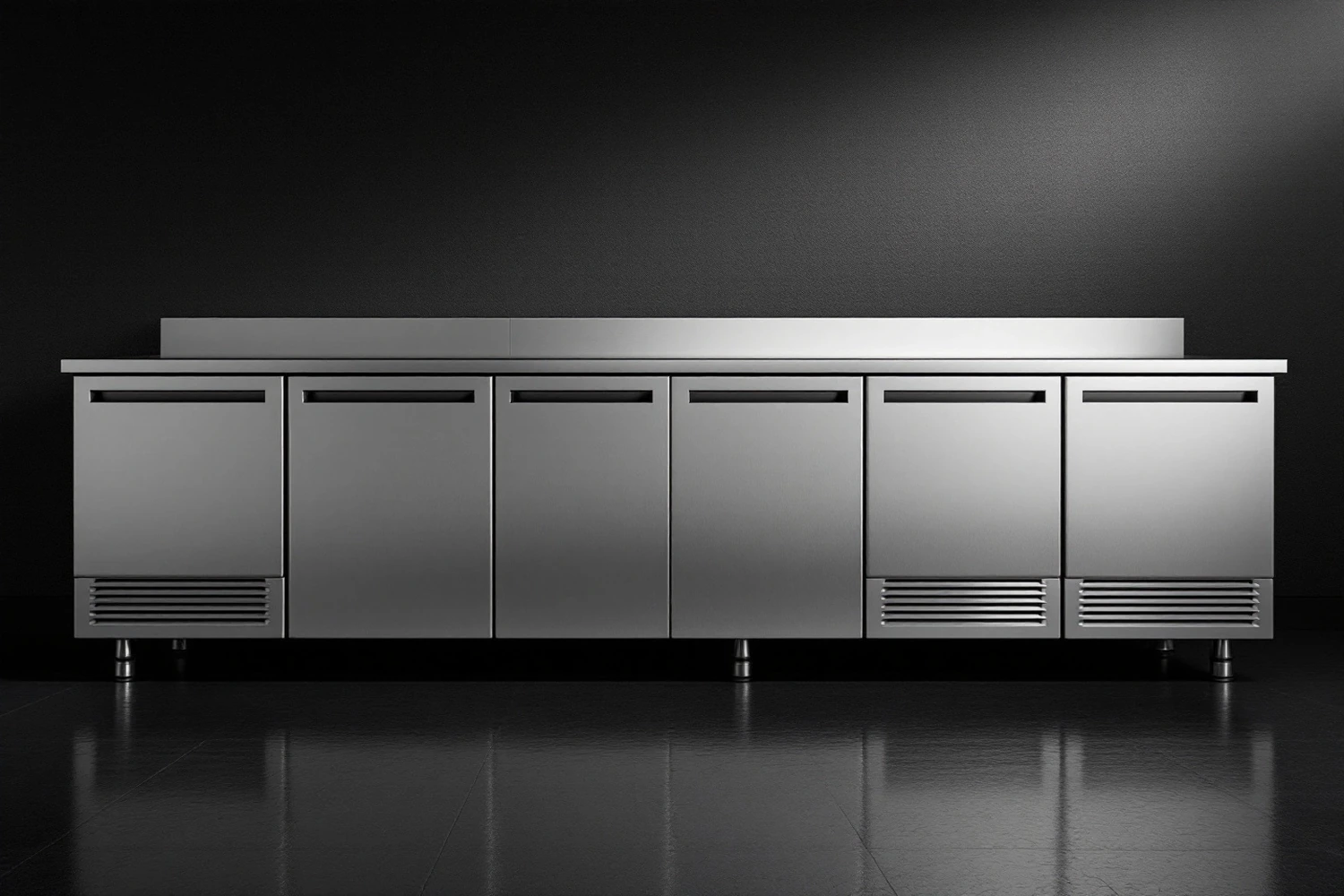
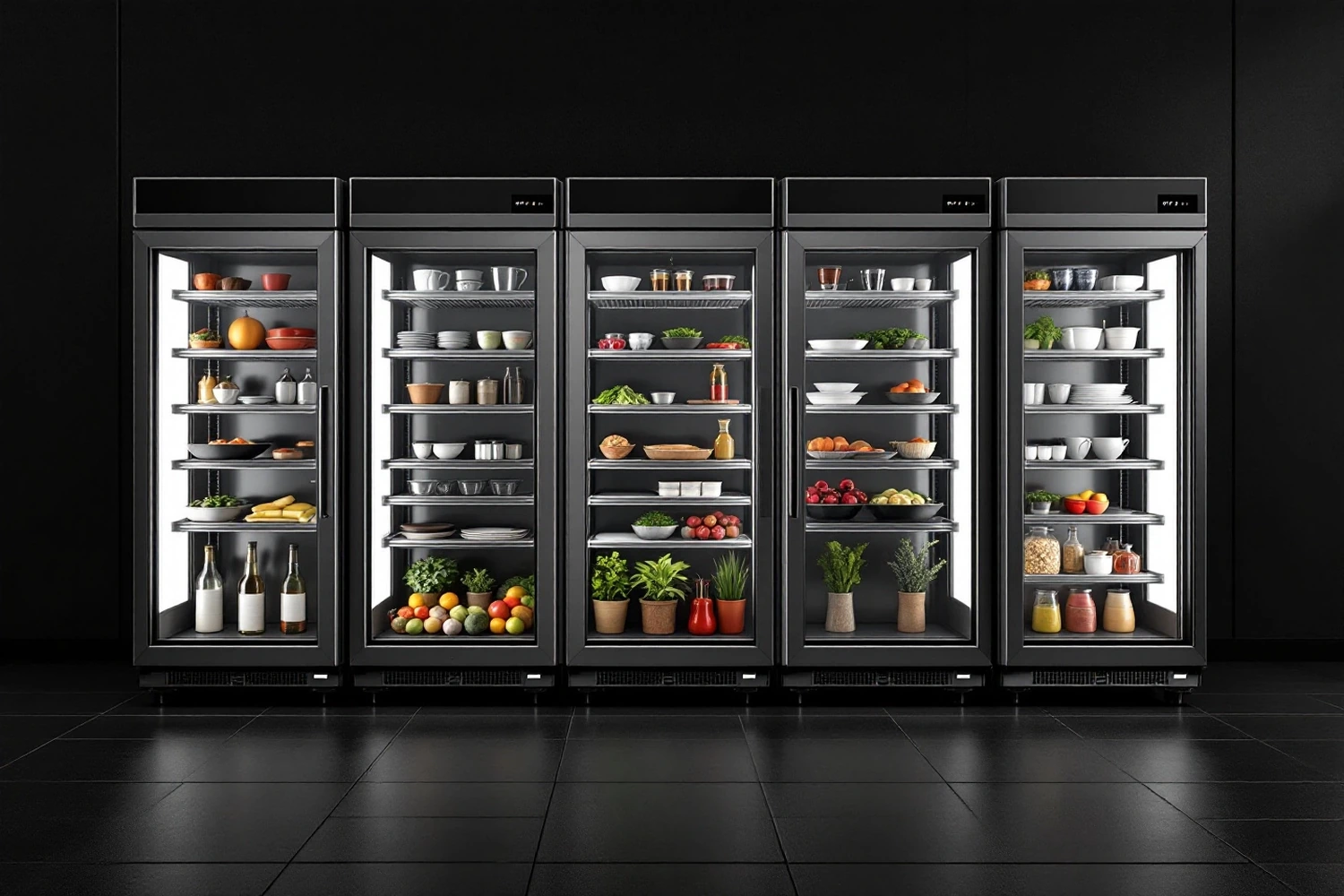
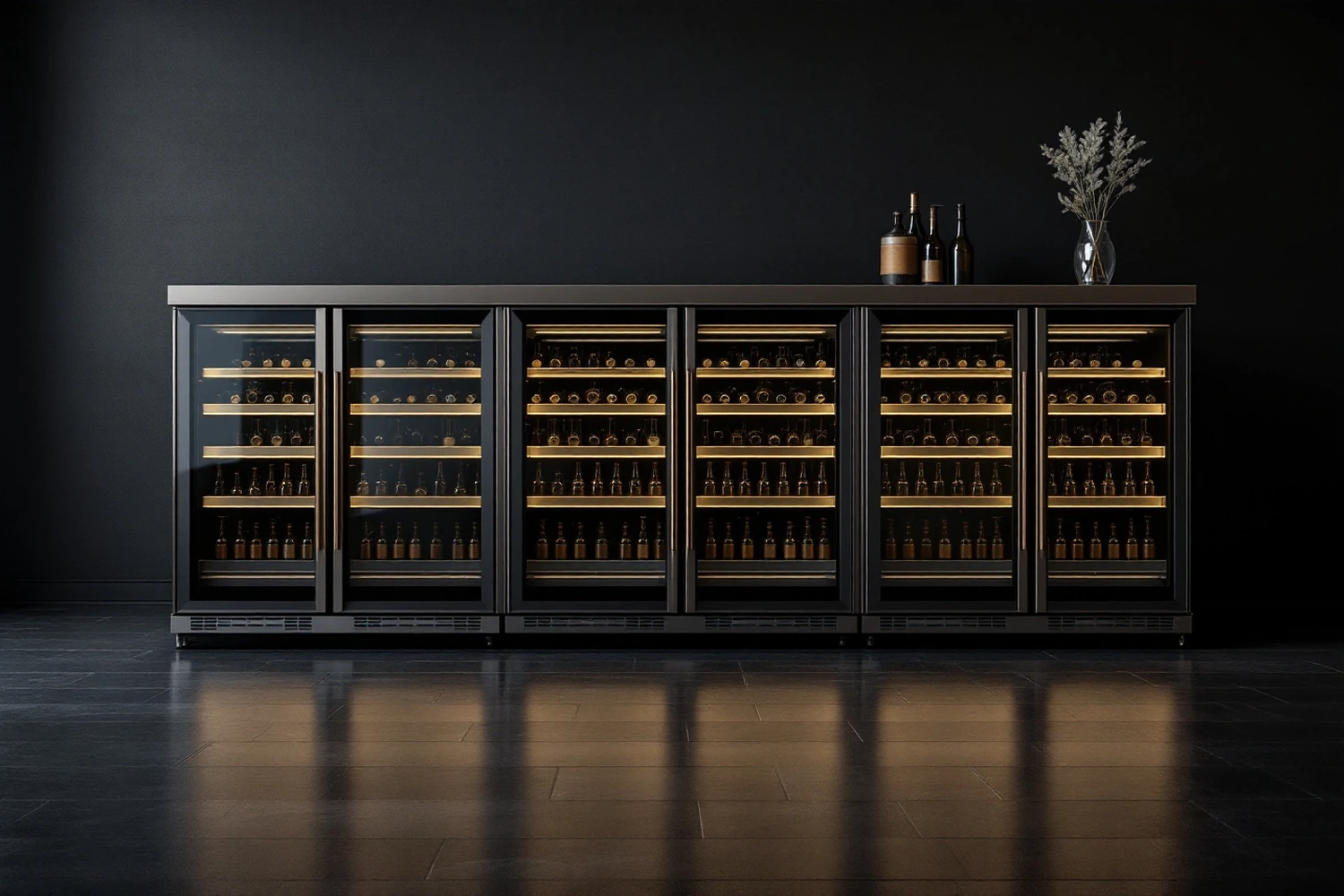
KW keeps fridge selection at the category boundary first: storage cabinets, glass-door display, workbench formats, bar fridges, chef bases, food prep units and specialist medical fridges are separated before model choice. That prevents a visible display requirement being solved with a back-of-house cabinet, or a prep-line need being pushed into remote storage.
Deep Dive
Technical depth from KW's commercial kitchen specialists.
Understanding a few key engineering principles helps you identify quality without becoming a refrigeration technician.
Every door-open event introduces warm air. A strong commercial fridge returns to safe temperatures quickly through efficient evaporators, powerful airflow and correct compressor sizing.
Proximity to ovens, fryers or woks increases heat load dramatically. Adequate ventilation clearance prevents overheating and reduces energy consumption.
Inverter systems maintain steadier temperatures, lower power consumption and extend compressor life — ideal for busy kitchens.
Even cooling relies on engineered airflow pathways. Blocking vents or stacking large containers against the back wall disrupts circulation and creates unsafe temperature variations.
Every venue has unique demands. Call 1300 001 366 after reviewing the relevant sub-category to confirm suitability.
Structure validated by KW Commercial Kitchen.
A typical venue uses more than one fridge type: upright storage holds delivery stock, workbench or prep fridges feed the production line, and glass-door or bar fridges handle presentation and service. Operator detail: trace the cold item from delivery to service before buying; the longest staff walk often reveals the missing fridge format.
Common mistakes include buying display visibility when the job is storage, using a remote upright cabinet for a prep station, or ignoring door swing in narrow aisles. Fridge purchases often lead to commercial freezers, stainless steel benches, shelving and gastronorm pans.