

Commercial Fridges
Thermaster SUC500 Tropical Fridge – 500L, 2 × Half Doors Stainless Steel
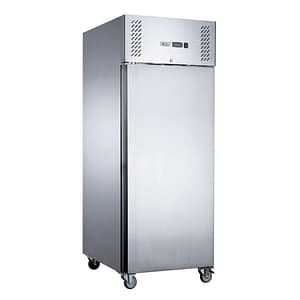
Commercial Fridges

Commercial Fridges
Polar UA004-A U-Series Double Door Freezer – 1170L Premium R290

Commercial Fridges
FED-X XURC600S1V Stainless Two-Door Upright Fridge – 618L, Dixell, R290, Split Door

Commercial Fridges
Thermaster SUC1000 Tropical Fridge – 4 Half Doors, 1000L, SS

Commercial Fridges
FED-X XURC1200S2V Four Door Upright Fridge – 1236L Stainless Steel, Dixell Control

Commercial Fridges
FED-X XURC650SFV Stainless Steel Single Door Fridge – 650L Commercial Refrigerator

Commercial Fridges
Polar G-Series G590-A Slimline Upright Fridge – 440L Stainless Steel

Commercial Fridges
FED-X XURC650S1V Two Door Stainless Upright Fridge – 650L, Fan Forced, GN2/1

Commercial Fridges

Commercial Fridges
Polar UA001-A U-Series Premium Single Door Refrigerator – 422L, 304 S/S

Commercial Fridges
Polar GM814-A G-Series 950L Upright Display Fridge – Double Sliding Doors

Commercial Fridges
Polar GL185-A C-Series Bakery Refrigerator – 522L, Single Door White


Commercial Fridges
Polar DL895-A G-Series Upright Fridge – 1200L, 2 Door Stainless Steel

Commercial Fridges
Polar DL899-A G-Series Upright Fridge – 600L, White, Single Door


Commercial Fridges
FED-X XURC1410S2V Four Door Stainless Upright Fridge – 1410L, Fan Forced

Commercial Fridges
Polar DL709-A G-Series Upright Fridge – 1200L, 2 Stable Doors

Commercial Fridges
Polar DL893-A G-Series Upright Gastro Fridge – 600L, GN Compatible
Buying Guide: Commercial Upright Fridges
A commercial upright fridge is designed for the most demanding environments. Its primary purpose is to maintain a consistent 0–4°C temperature range even when the kitchen exceeds 40°C and doors are opened dozens of times per hour. Solid-door upright fridges prioritise insulation, cooling power and recovery speed, making them the preferred choice for back-of-house storage across Australia’s restaurants, cafés, franchises, aged care and high-volume production kitchens.
1. Capacity & Storage Planning
Capacity is one of the core decisions. Commercial upright fridges offer significantly more usable storage volume than domestic units and are designed for easy ingredient organisation using standard GN-compatible shelving.
- Single-Door (Compact): Suited for smaller venues, satellite kitchens, beverages or segregated storage such as dairy or desserts. Ideal for workflows of up to 50–80 servings per service.
- Two-Door (Workhorse): Most common in restaurants and cafés. Delivers strong capacity without consuming too much floor space. Works well for 100–200 servings per service.
- Three-Door (High Volume): Best for catering, commissary kitchens and operations that purchase or batch-produce ingredients in bulk.
- Stable (Split) Doors: Reduce cold-air loss in busy kitchens by allowing staff to open only one section at a time.
For efficient workflow, choose a fridge that matches your storage patterns. GN-compatible interiors allow chefs to move trays and containers across prep benches, cooklines and service stations with minimal handling.
2. Climate Class & Ambient Rating
In Australia, climate class is one of the most important specifications. Commercial kitchens routinely reach 35–43°C, especially near cooklines. Selecting the wrong climate class leads to performance issues, excessive energy use or food-safety failures.
- Tropical (T) – 43°C: The only reliable choice for most Australian kitchens. Ensures stability during peak heat.
- Sub-Tropical (ST) – 38°C: Suitable for well-ventilated or cooler regions, but may struggle in hot environments.
- Normal (N) – 32°C: Not recommended for commercial use. Risk of temperature drift in summer.
Always prioritise T-rated fridges unless the kitchen is air-conditioned and experiences minimal heat spikes.
3. Refrigeration System & Airflow
How cold air moves inside the cabinet determines temperature uniformity and recovery speed. Commercial upright fridges use two main cooling systems:
- Fan-Forced Airflow: Circulates cold air evenly, eliminating warm or cold spots. Essential for high-volume kitchens.
- Static Cooling: No fan, slower temperature recovery and uneven cooling. Suitable only for low-traffic environments.
In busy commercial environments where a door may be opened 50–80 times per hour, rapid recovery prevents food entering the danger zone and ensures compliance with FSANZ guidelines.
4. Motor Position: Top-Mount vs Bottom-Mount
Motor placement impacts maintenance, energy efficiency and performance in different environments.
- Top-Mount Motors: Avoid dust and flour from bakery or pizza environments. Keep internal space free for storage. They do draw in rising hot air, so slight ventilation above the fridge is recommended.
- Bottom-Mount Motors: Draw cooler air from the floor, improving energy efficiency. Easier to service due to ground-level access. Require regular coil cleaning if placed near dusty floors.
5. Defrost Systems
Upright fridges must periodically defrost to maintain consistent cooling performance. The two most common systems are:
- Hot Gas Defrost: Fast, efficient and ideal for high-volume or premium fridges.
- Electric Defrost: Common in mid-range models and suitable for most cafés and restaurants.
6. Energy Efficiency & Refrigerants
Energy consumption is a long-term operational cost. Efficient upright fridges use:
- High-quality compressors such as Embraco for lower running costs and better cooling.
- EC fans for improved airflow efficiency.
- Eco-friendly refrigerants like R290 or R600a, which offer excellent performance and environmental benefits.
7. Construction & Hygiene
The internal design of an upright fridge affects how well it handles daily service and cleaning routines.
- 304 stainless-steel interiors for hygiene and durability.
- Rounded corners that minimise bacteria traps.
- Replaceable door gaskets for reliable sealing and easy maintenance.
- Self-closing doors to avoid accidental temperature drift.
8. Back-of-House vs Front-of-House Use
Solid-door upright fridges are designed for back-of-house environments where performance matters more than presentation. They differ from glass door display fridges, which are intended for merchandising in front-of-house areas.
9. Maintenance & Lifespan
Proper maintenance can extend the lifespan of a commercial upright fridge to 8–12 years.
- Clean condenser coils every 1–3 months.
- Inspect and replace worn door gaskets.
- Ensure defrost cycles operate correctly.
Brand Box: Trusted Commercial Refrigeration Brands
Brand Identity
We partner with globally recognised refrigeration manufacturers known for durability, precision temperature control, and reliable after-sales support in commercial environments.
Signature Strength
- Premium-grade compressors & fan systems
- Energy-efficient refrigeration performance
- Durable stainless-steel construction
- Comprehensive warranty support in Australia
Extended Benefits
- Designed for hot Australian kitchen environments
- Stable 0–4°C temperature performance
- Easy-clean interiors for hygiene compliance
- Long-term reliability with low maintenance requirements
Brand Link:

Frequently Asked Questions
Do upright fridges accept GN pans?
Yes. Most units include GN-compatible shelving so ingredients can move across prep stations seamlessly.
How much does a commercial upright fridge cost to run?
Models using R290 refrigerant, EC fans and tropical-rated insulation typically offer the lowest running cost.
Which climate class should I choose?
Always choose a Tropical (T) rating for Australian kitchens.
How long does a commercial upright fridge last?
Typical lifespan ranges from 8–12 years depending on maintenance.
Is a solid-door fridge better for back-of-house?
Yes. Solid doors provide superior insulation and faster recovery after door openings.
Top-mount or bottom-mount motor?
Top-mount suits flour-heavy kitchens; bottom-mount is more efficient and easier to service.
Common Mistakes to Avoid
- Choosing an N-rated fridge for a hot kitchen.
- Using display fridges for back-of-house storage.
- Blocking airflow with overloaded shelves.
- Neglecting gasket and coil maintenance.
- Ignoring door swing space during installation.
Related Categories
- Commercial Upright Freezers
- Workbench Fridges
- Display Freezers
- Glass Door Fridges
- Food Prep Fridges
- Chef Base Fridges
Ready to Find the Right Upright Fridge?
Need help choosing the best unit for your workflow? Call our team on 1300 001 366 for tailored advice. We can explain the difference between entry-level, mid-range and premium fridges to help you make an informed decision.