
Bonvue
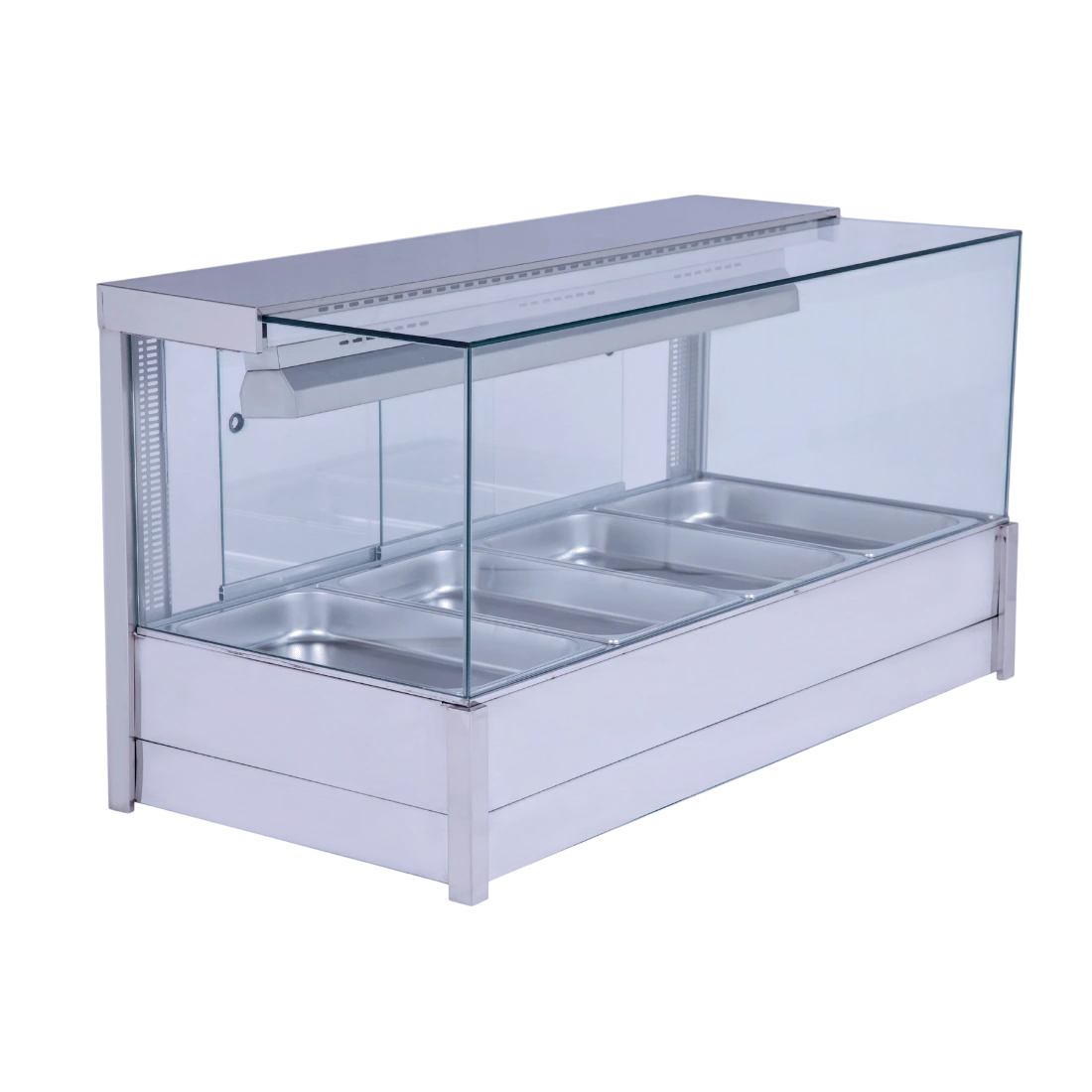
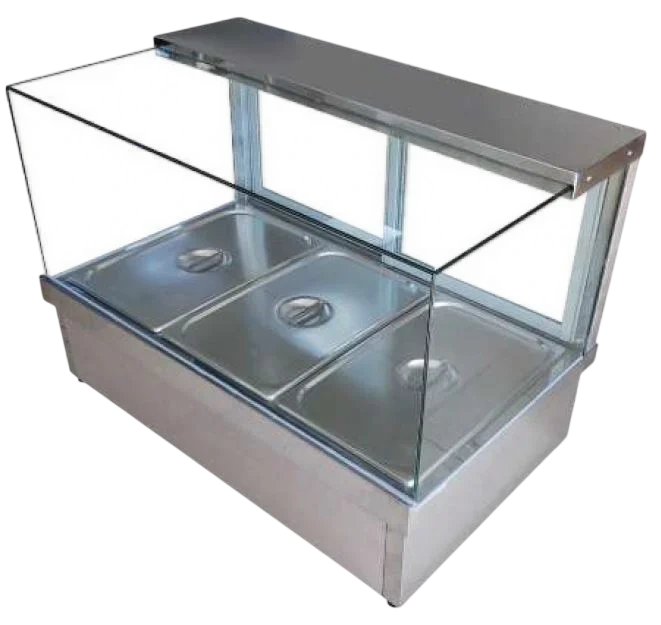
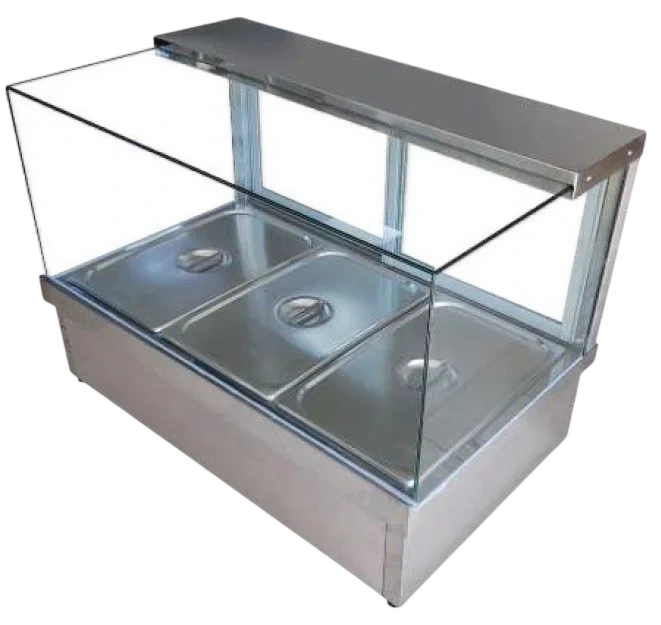
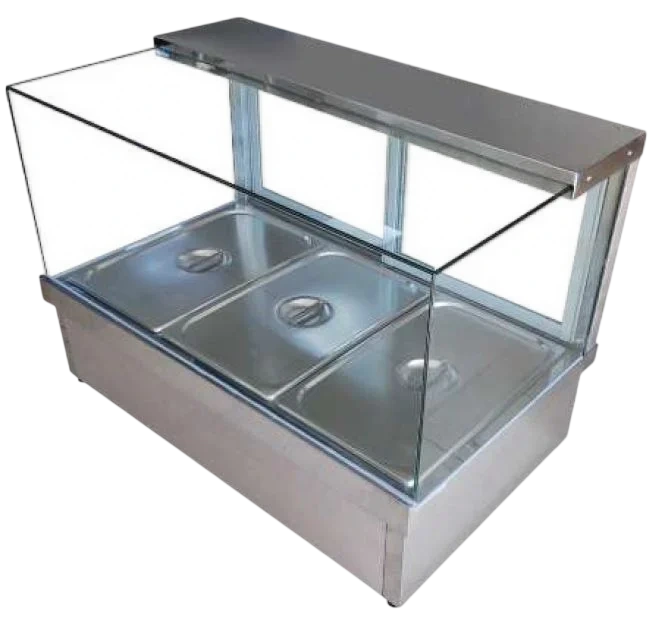
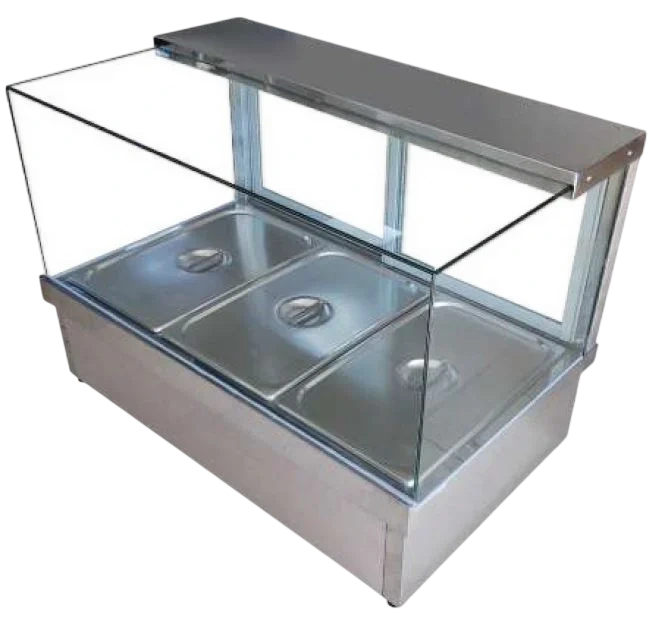
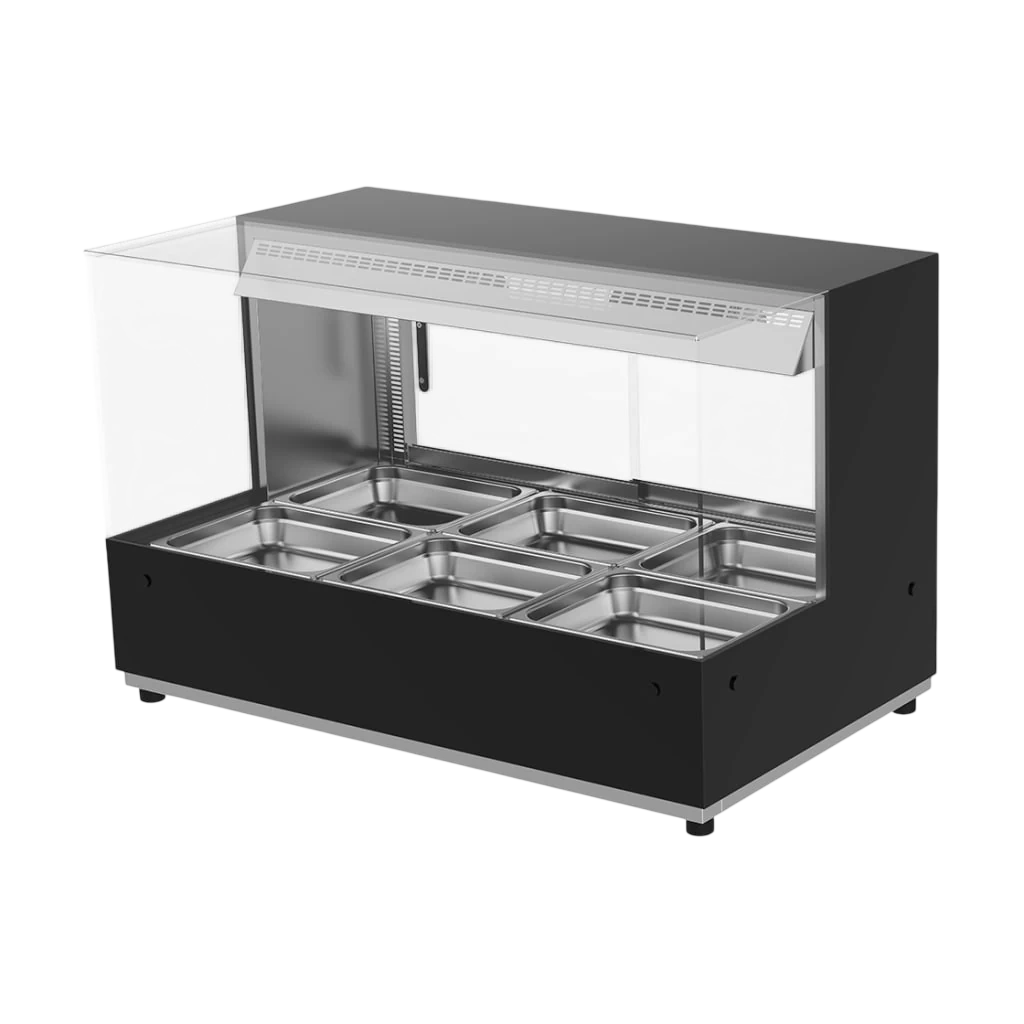
Bonvue BM14SC Square Countertop Wet and Dry Bain Marie – Fits 4x 1/1GN
1388 × 624 × 720mm
$2,124.15$2,499.00
In Stock
Hot Display Cabinets
Key factors to consider before purchasing. Our team can help you find the right fit — call or get a quote anytime.
Match equipment capacity to your daily output. Consider available floor space and door clearances.
Confirm levelling, wall clearance and the access needed for cleaning and service. We can help with kitchen planning.
Submit your kitchen requirements — our equipment specialists will send you a tailored shortlist of hot bars that fits your budget, venue type and compliance needs.
Our team can help you compare wet and dry bain-marie systems, GN layouts, glass canopies and hot bar sizes to design a smooth, safe hot-food service line.
Structure validated exclusively for KW Commercial Kitchen.
FAQ
No. Hot bars only hold food warm; food must be fully cooked first.
Most operate between 60°C–90°C depending on wet or dry heating style.
Dry-heat units do not. Wet bain-marie models require manual water filling and periodic drainage.
Common reasons include ambient airflow, open-front service, low water level or incorrect GN pan depth.
No. Food must be brought to safe serving temperature before being displayed.
Deep Dive
Technical depth from KW's commercial kitchen specialists.
Hot bar performance depends on heat transfer, water level management, cabinet mass and airflow design. Wet wells deliver the most consistent temperature profile, while dry wells offer faster heat recovery. Multi-well units distribute heat differently depending on width and configuration.
Wet bain-marie wells require regular water top-ups to maintain heat. Running without water can cause temperature drop and damage heating elements. Larger hot bars include drainage valves or overflow points for safe water removal.
Multi-well hot bars have greater thermal mass and more stable temperatures, while compact benchtop hot bars recover faster but lose heat more easily when pans are removed. Understanding service flow helps avoid cold spots during busy periods.
Hot bars should not be placed under air-conditioning vents or direct airflow, as this can cool exposed food surfaces by 5–10°C and reduce holding stability.
31 results
1388 × 624 × 720mm
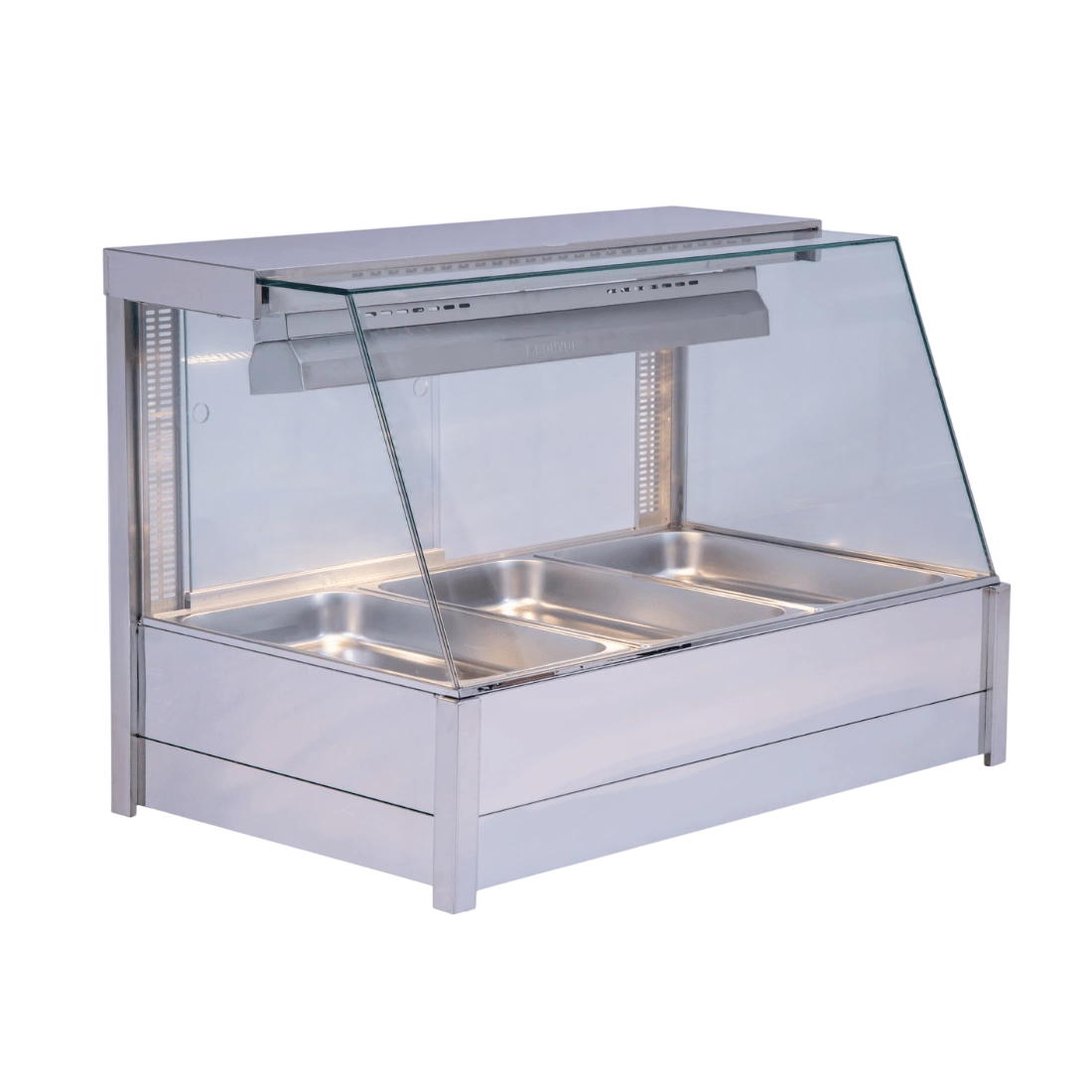
1055 × 624 × 720mm
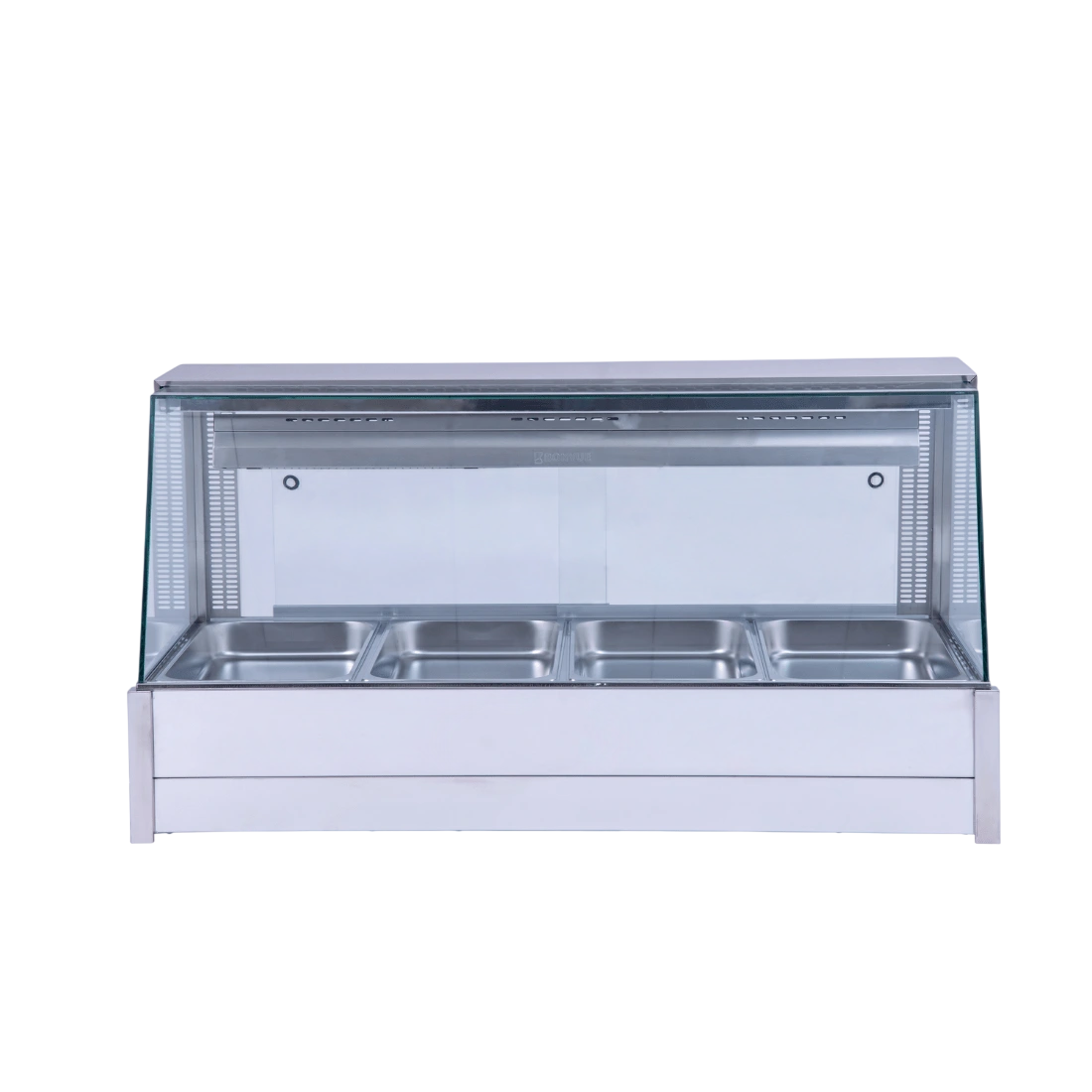
1388 × 624 × 720mm
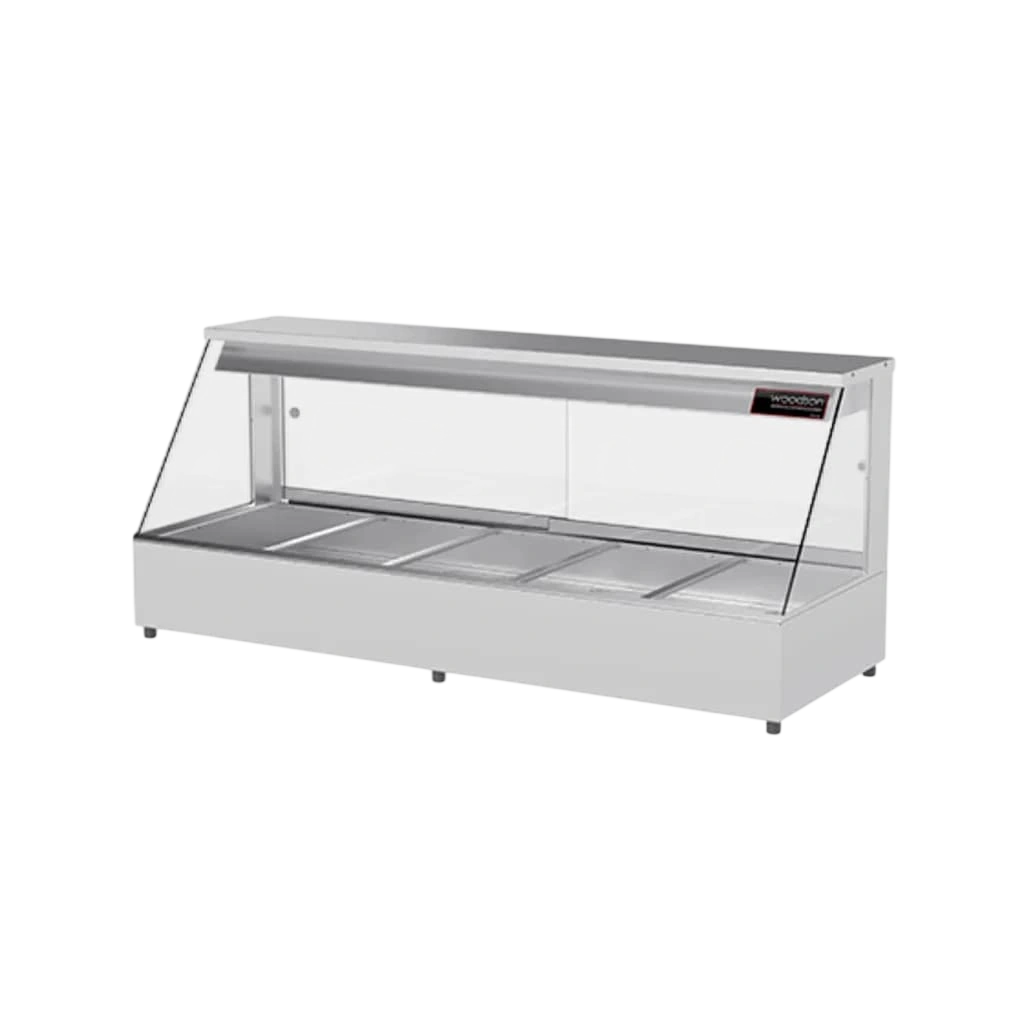
1680 × 600 × 722mm
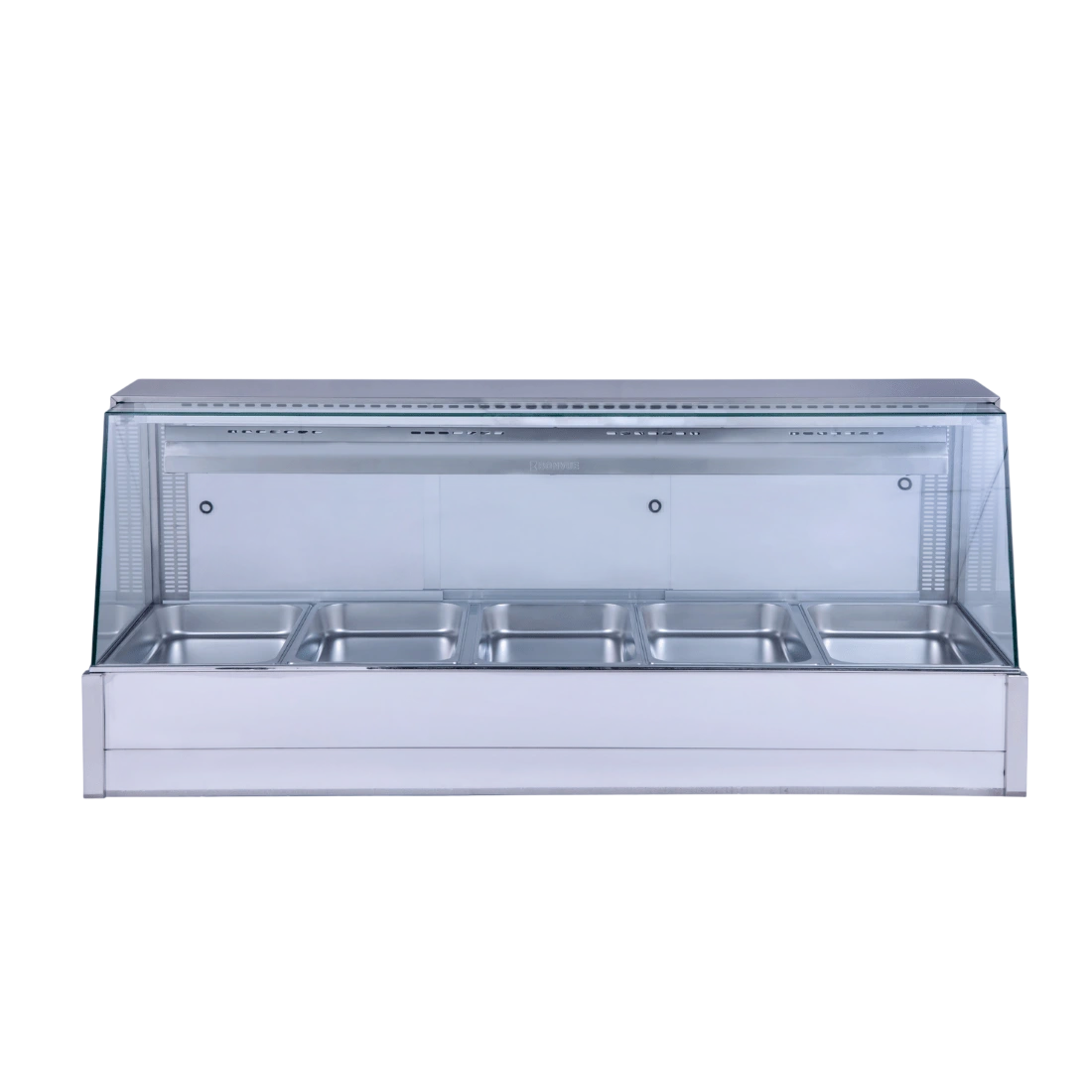
1721 × 624 × 720mm
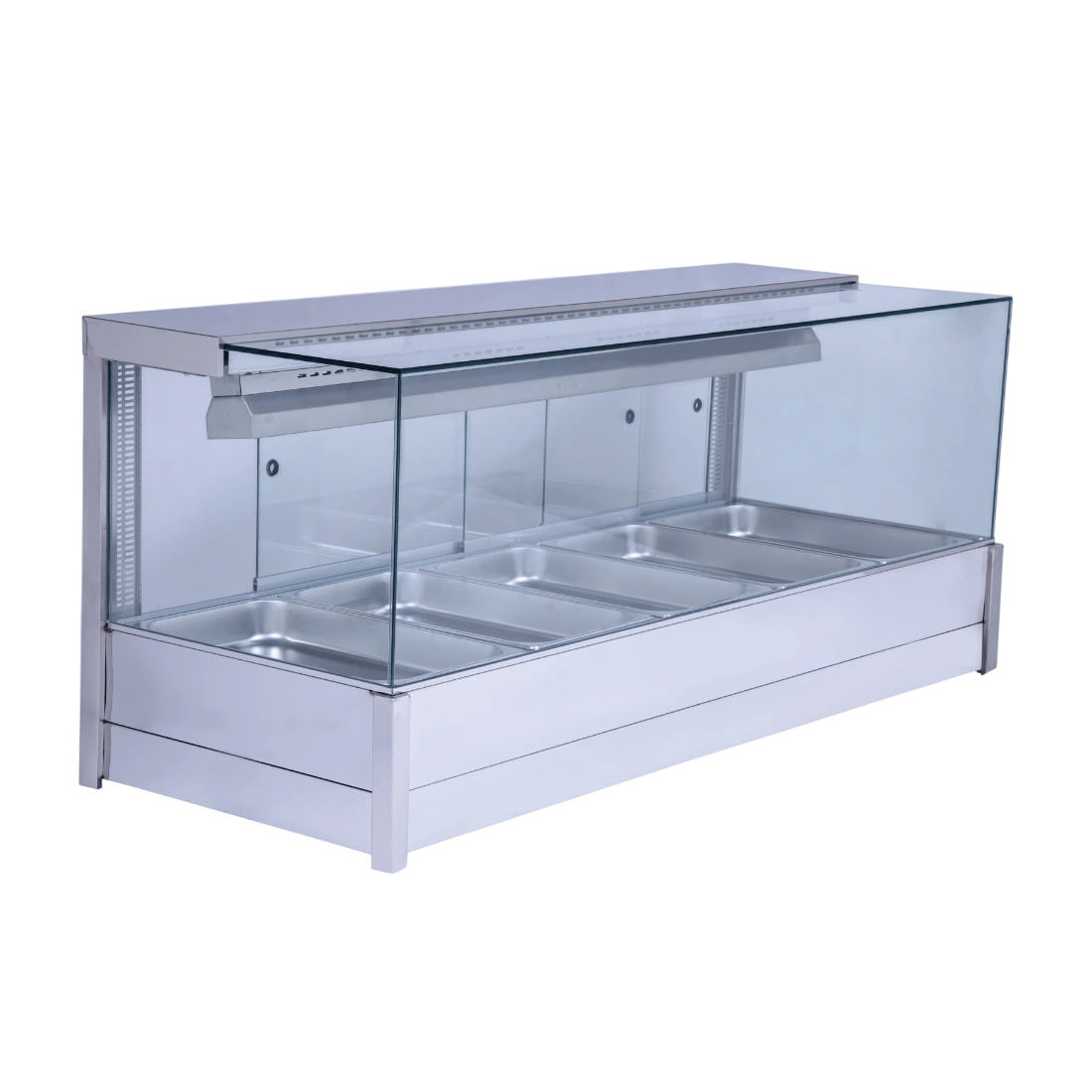
1721 × 624 × 720mm
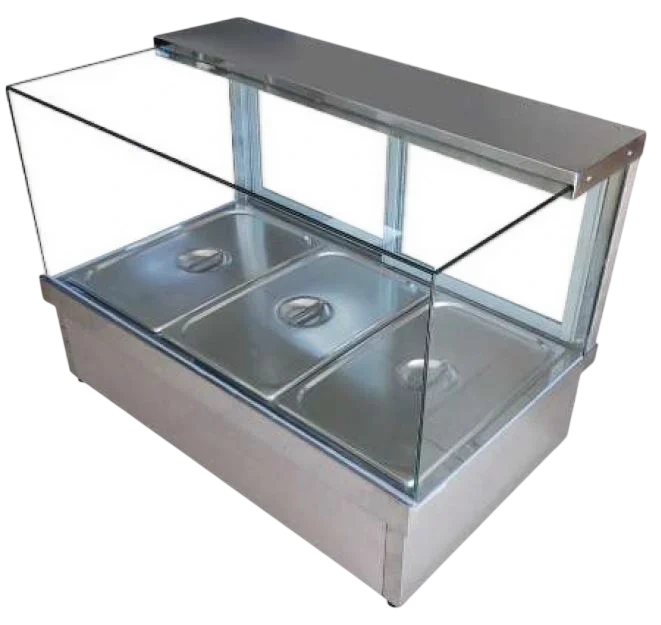
1395 × 650 × 750mm
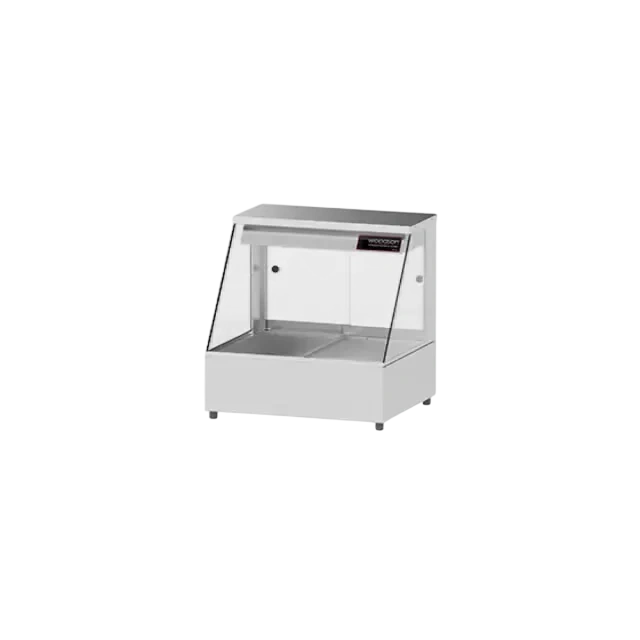
705 × 600 × 725mm
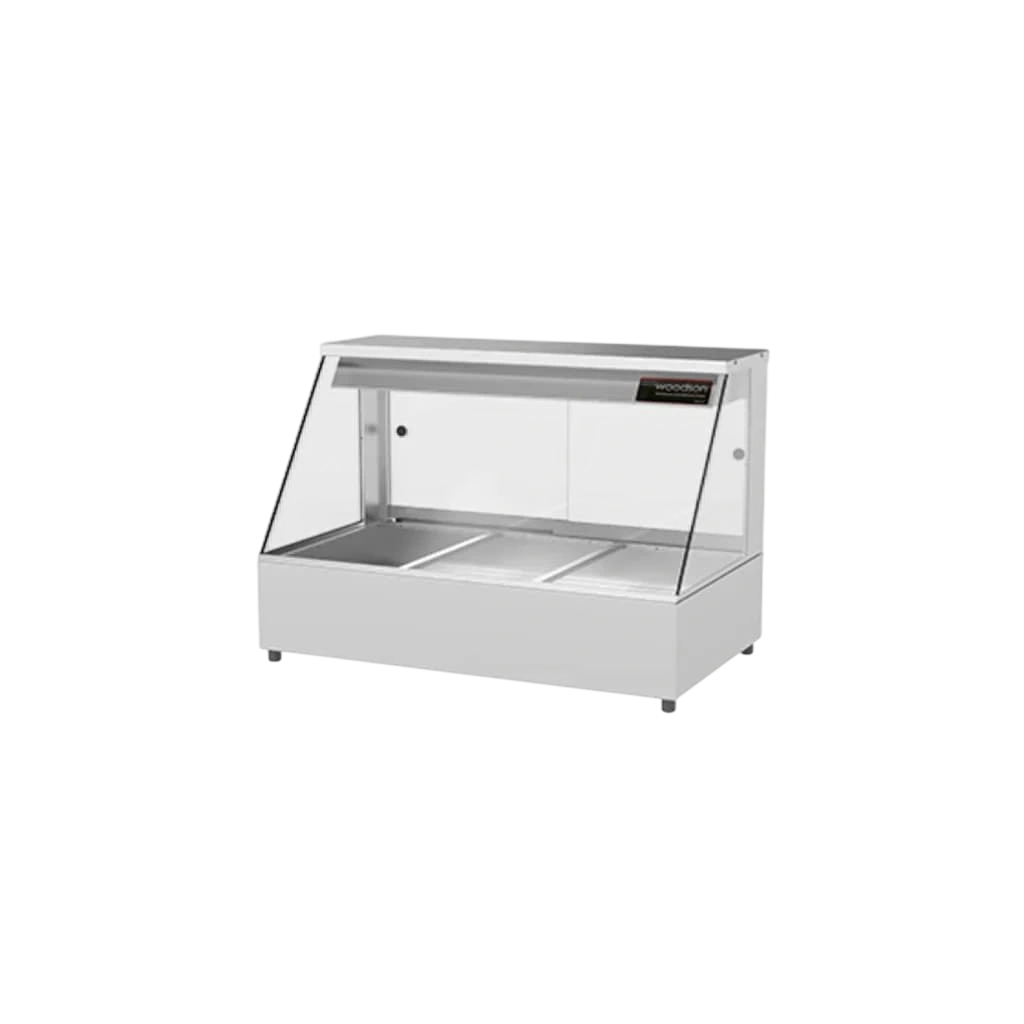
1030 × 600 × 722mm
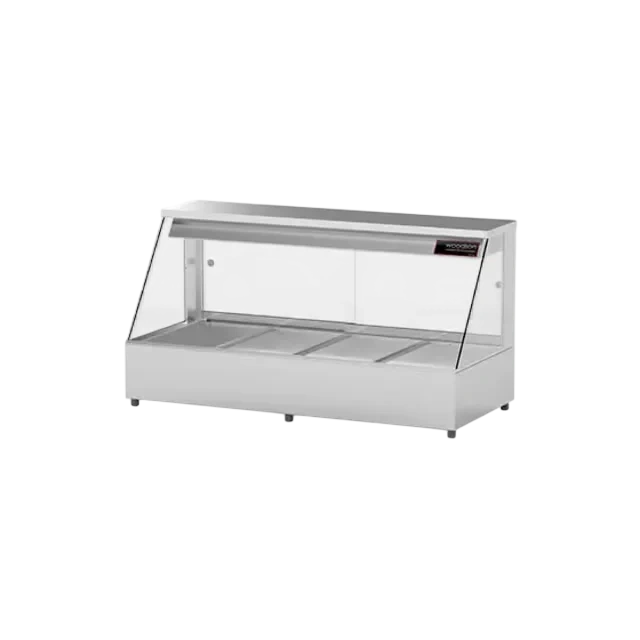
1355 × 600 × 722mm
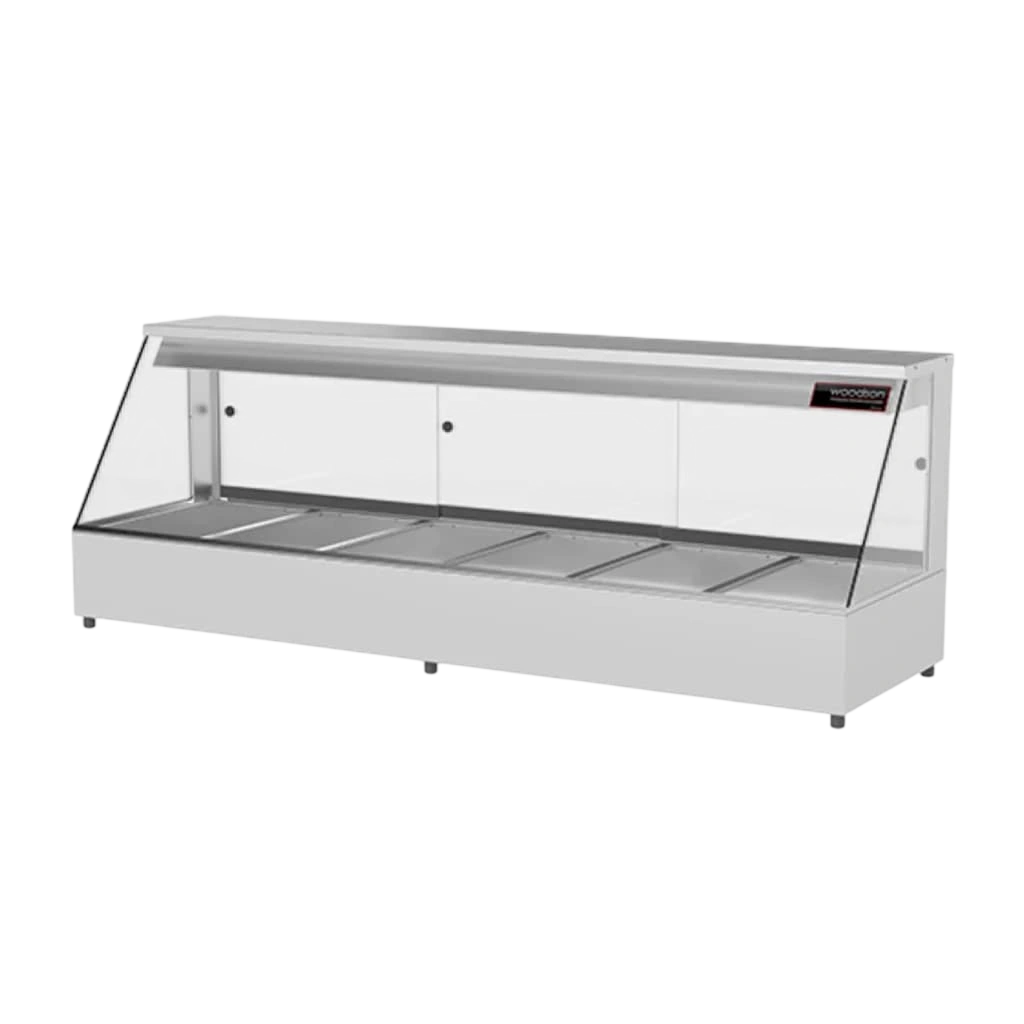
2005 × 600 × 722mm
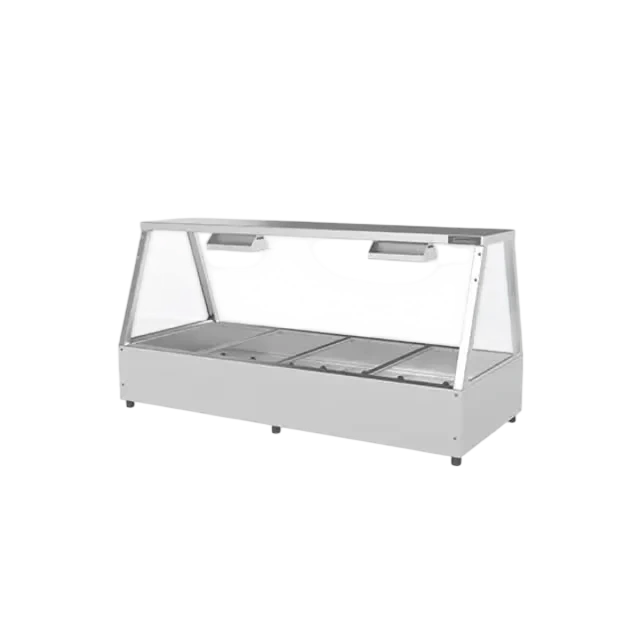
1355 × 600 × 690mm
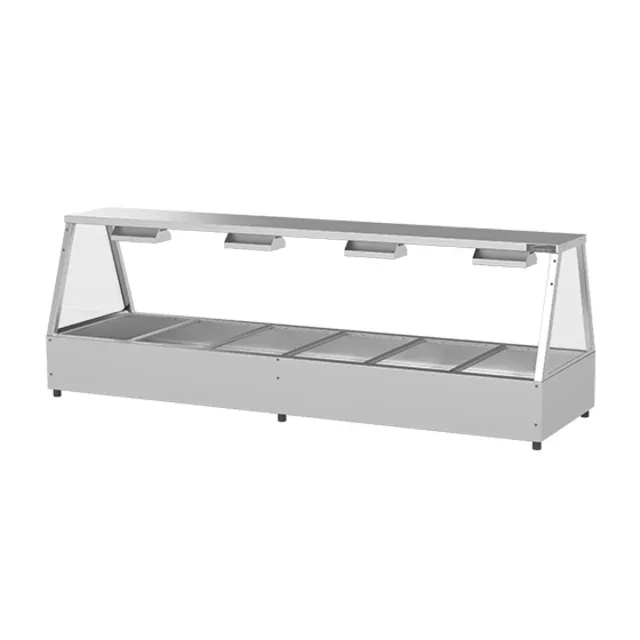
2005 × 600 × 690mm
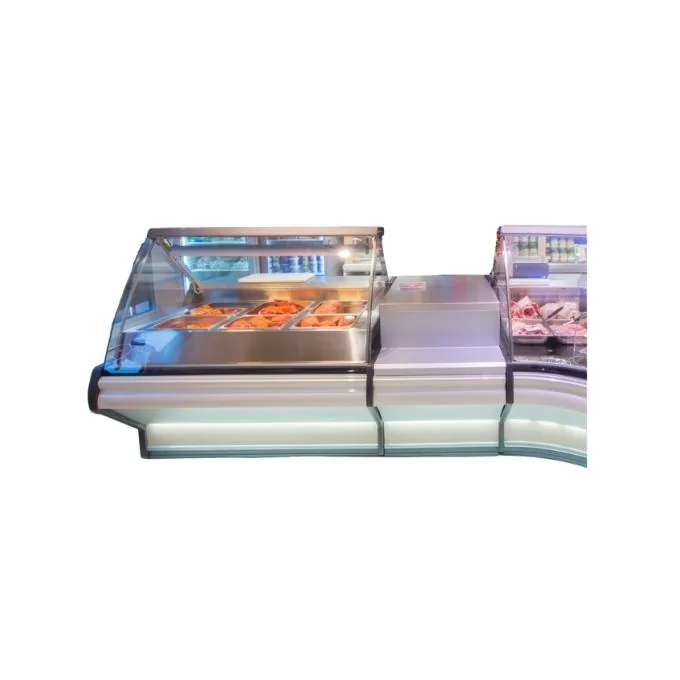
2500 × 1200 × 1200mm
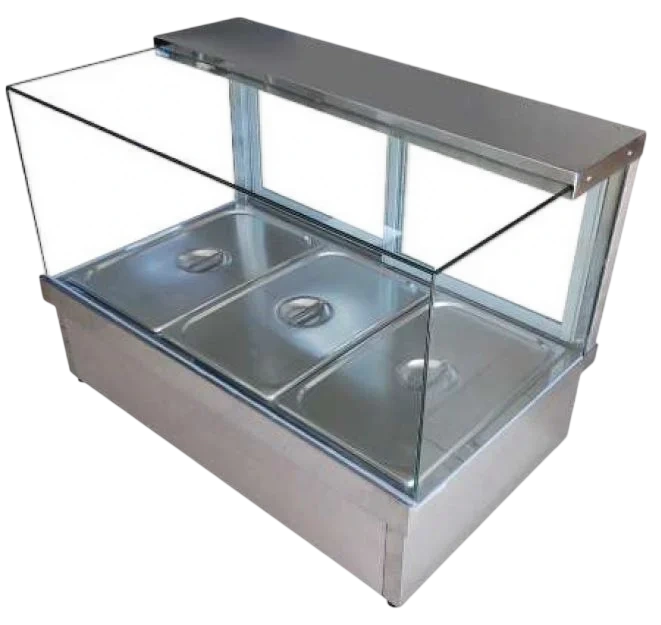
725 × 650 × 750mm
2065 × 650 × 750mm
725 × 650 × 750mm
1730 × 650 × 750mm
1060 × 650 × 750mm
670 × 1054 × 680mm
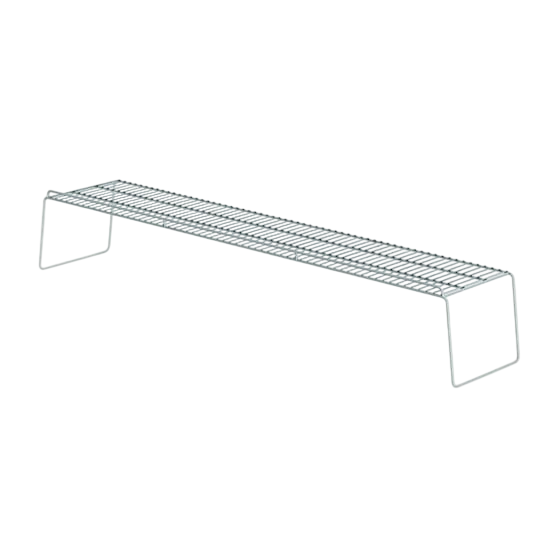
679 × 256 × 206mm
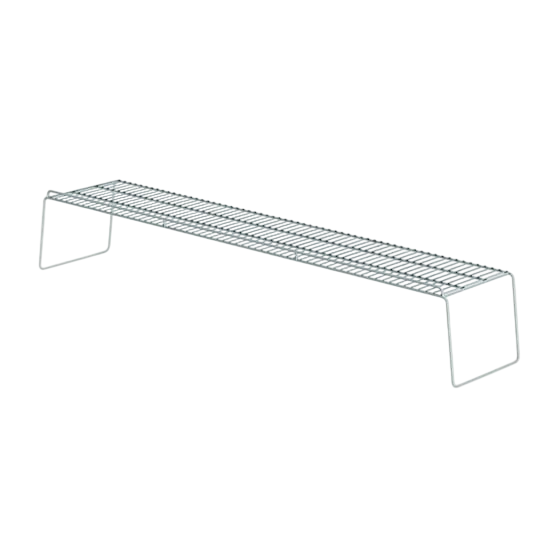
1009 × 256 × 206mm
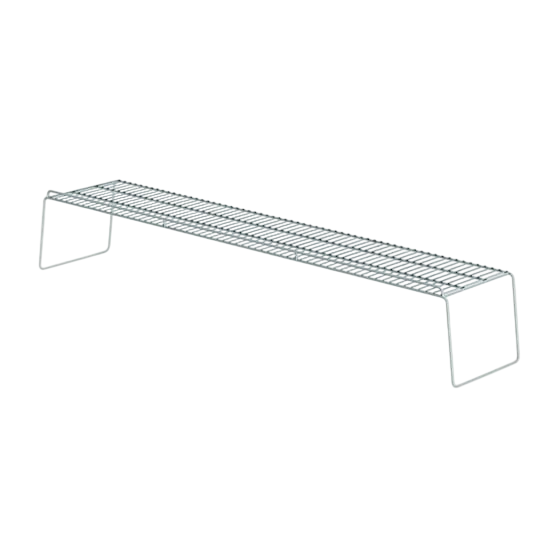
1325 × 256 × 206mm
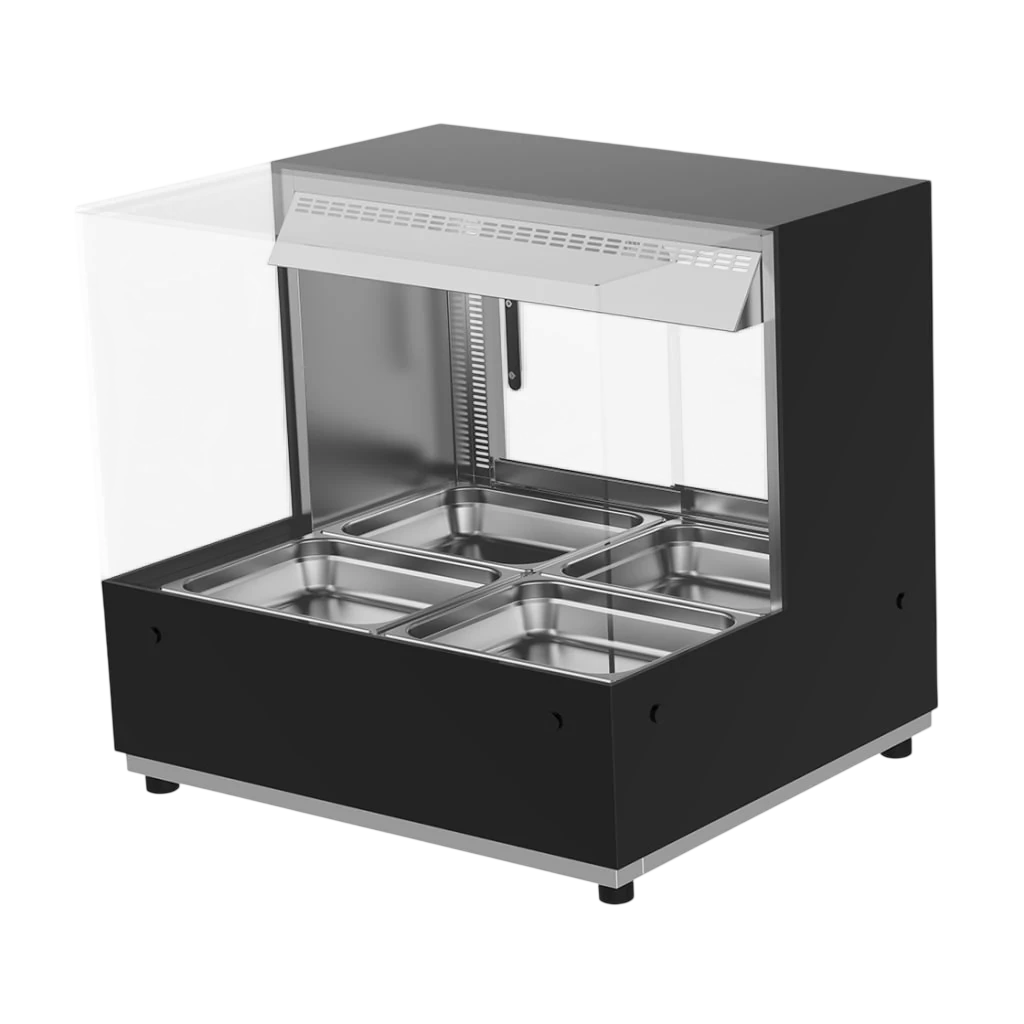
670 × 727 × 680mm
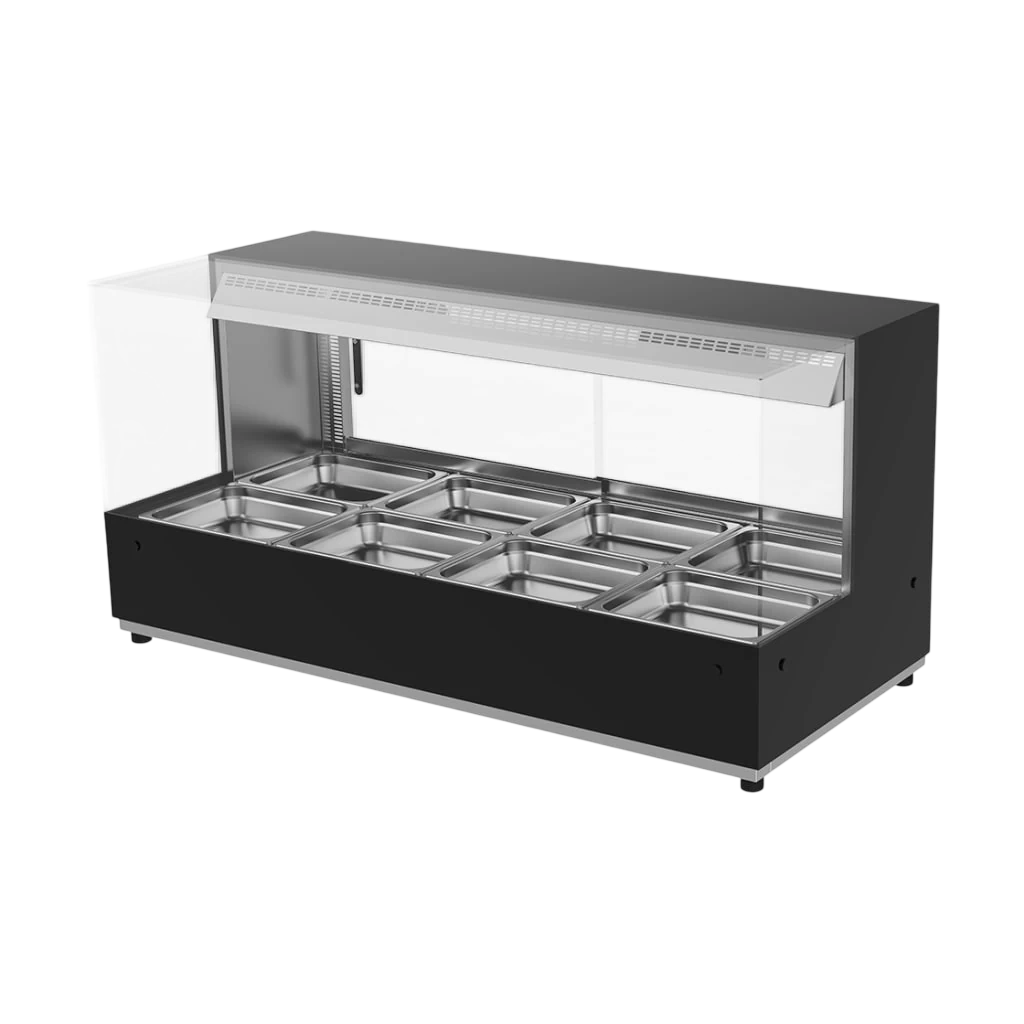
670 × 1381 × 680mm
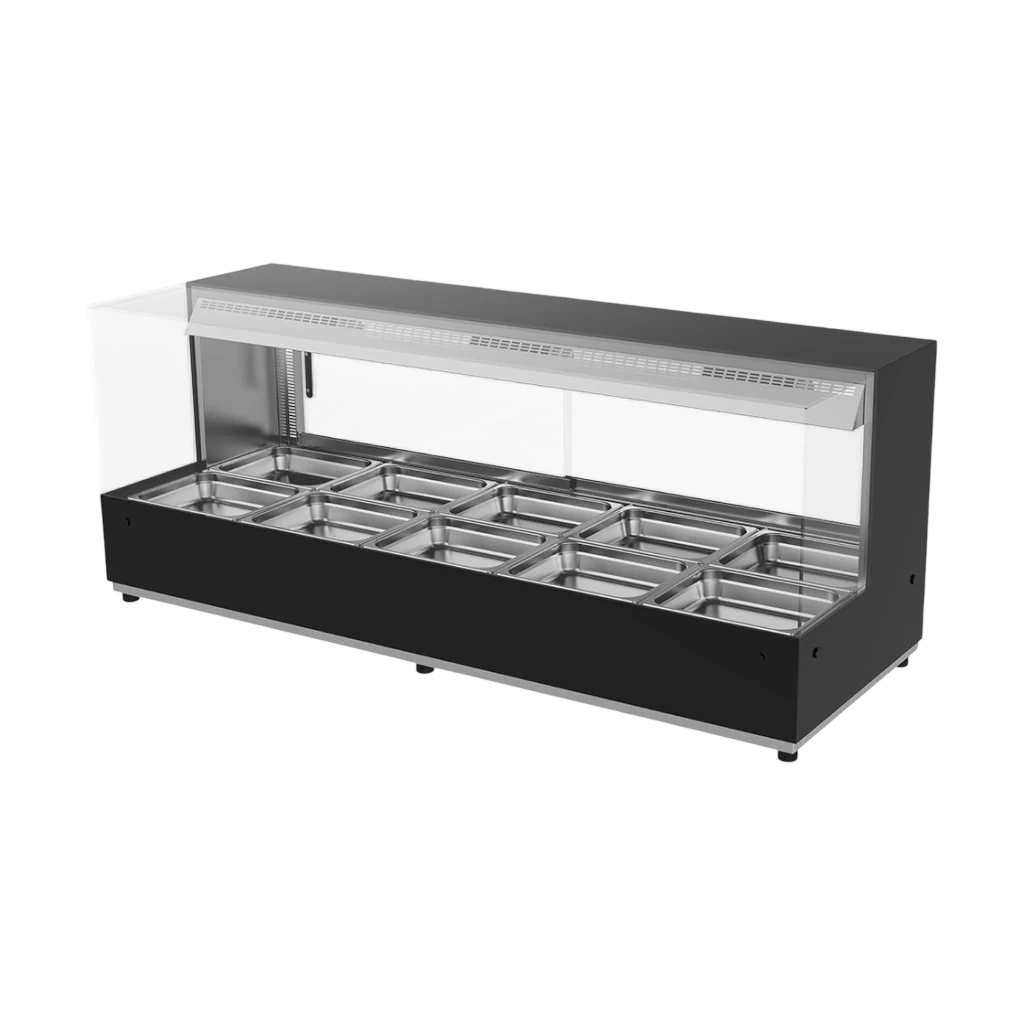
670 × 1708 × 680mm
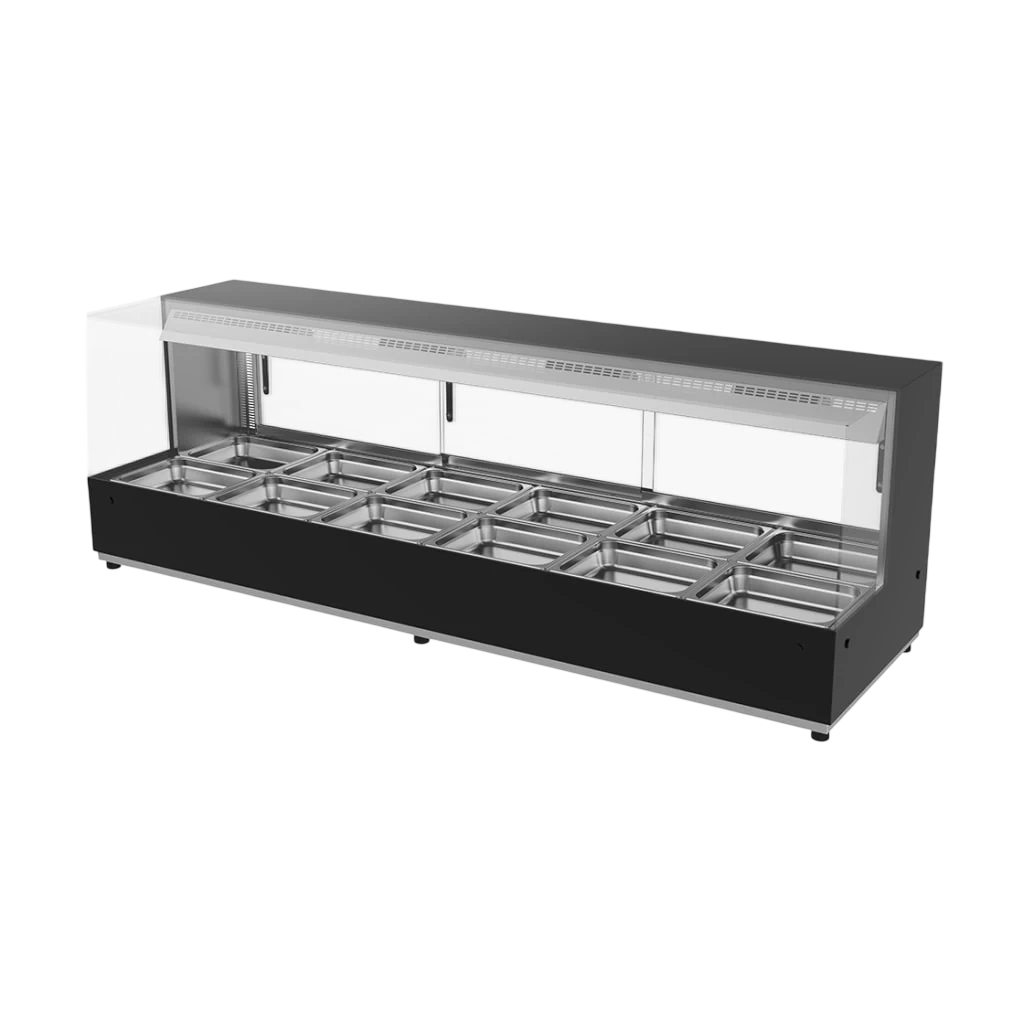
670 × 2035 × 680mm
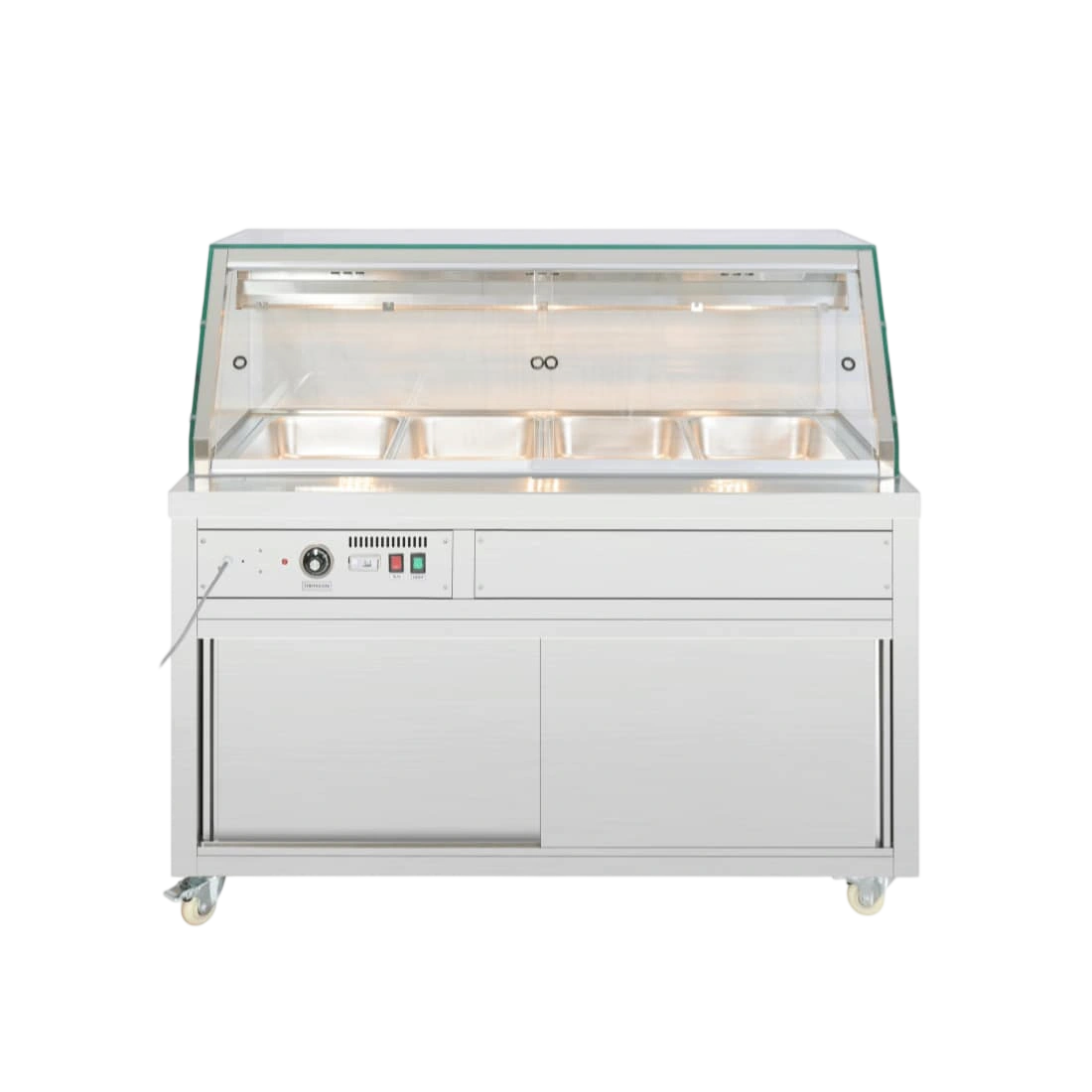
1460 × 790 × 1280mm
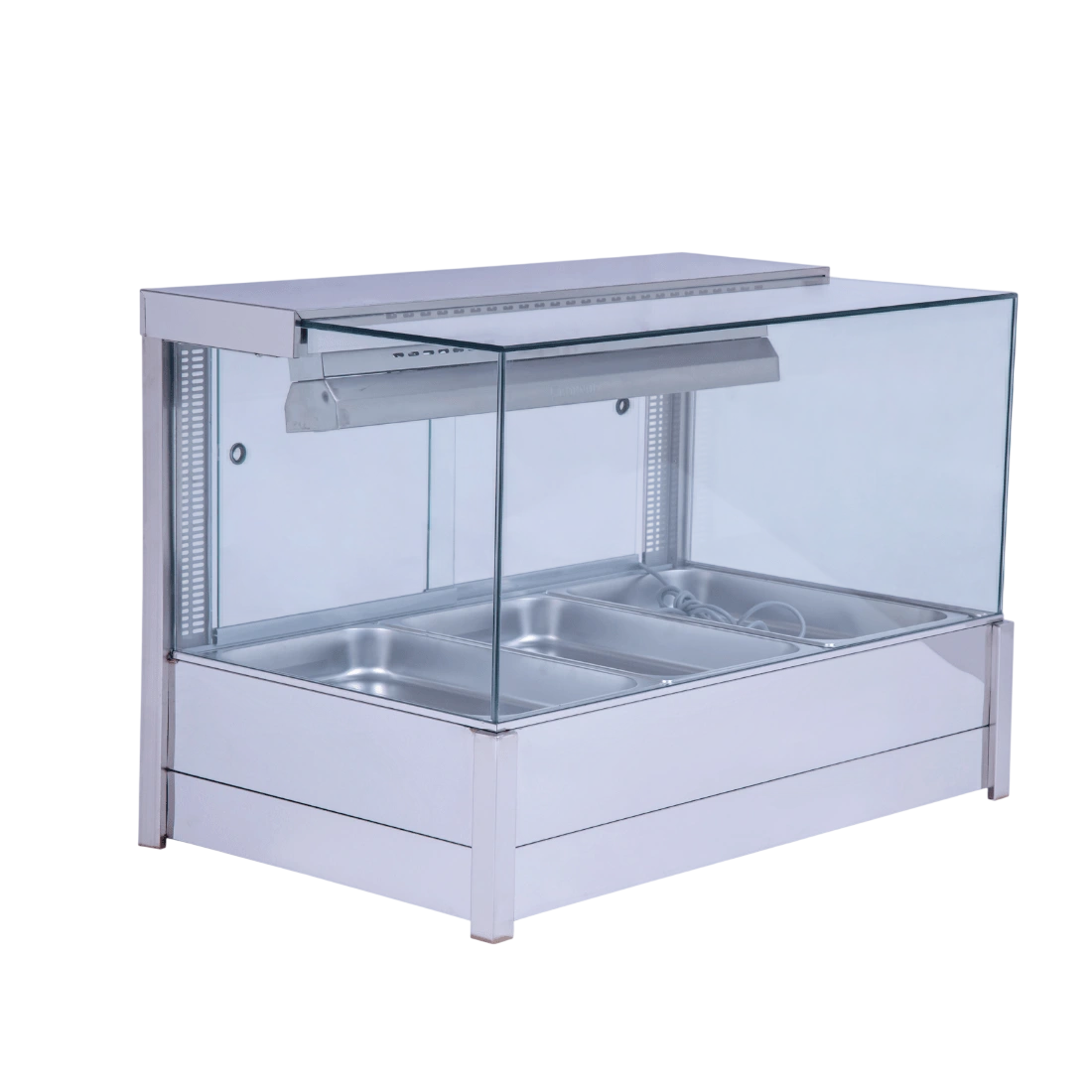
1055 × 624 × 720mm
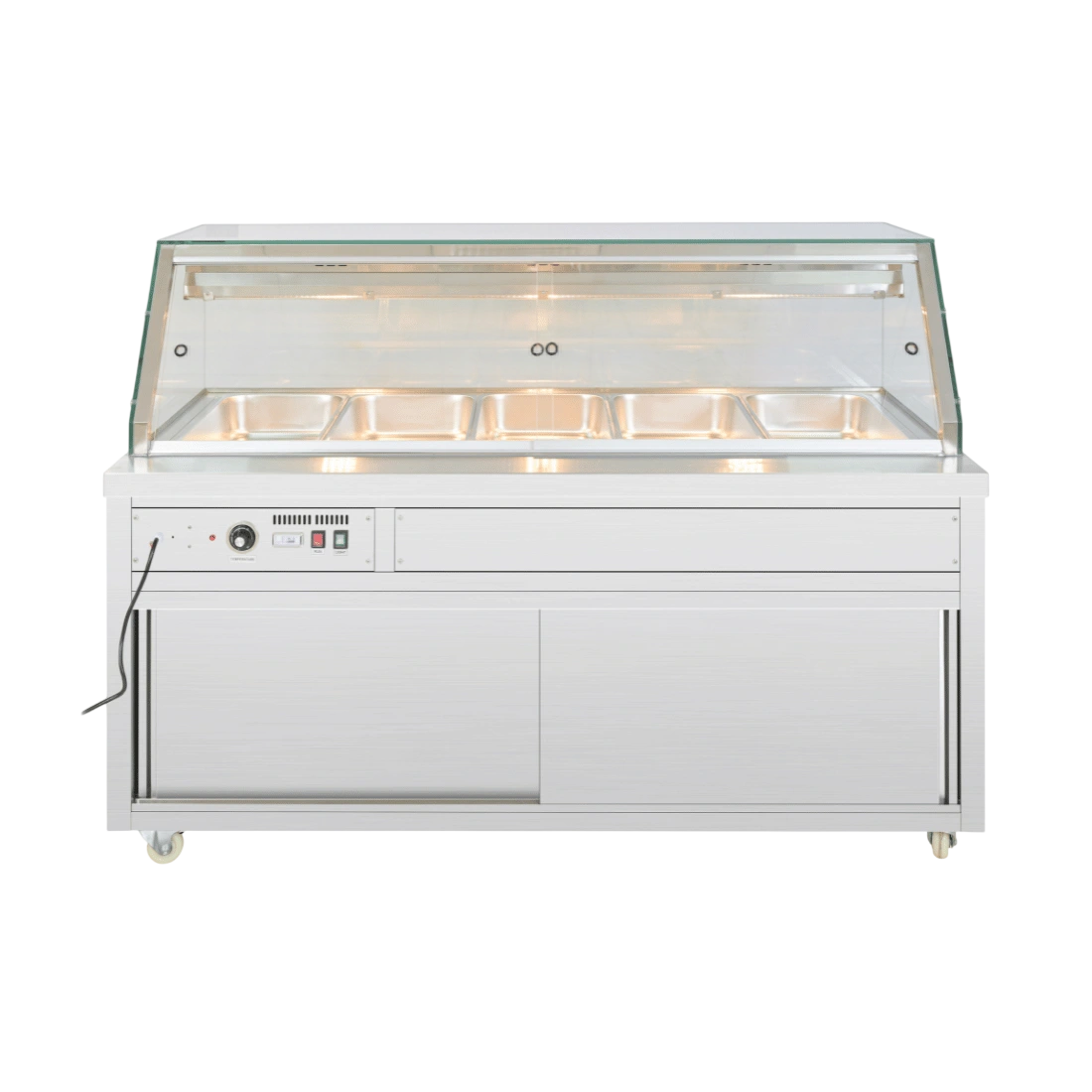
1800 × 790 × 1280mm
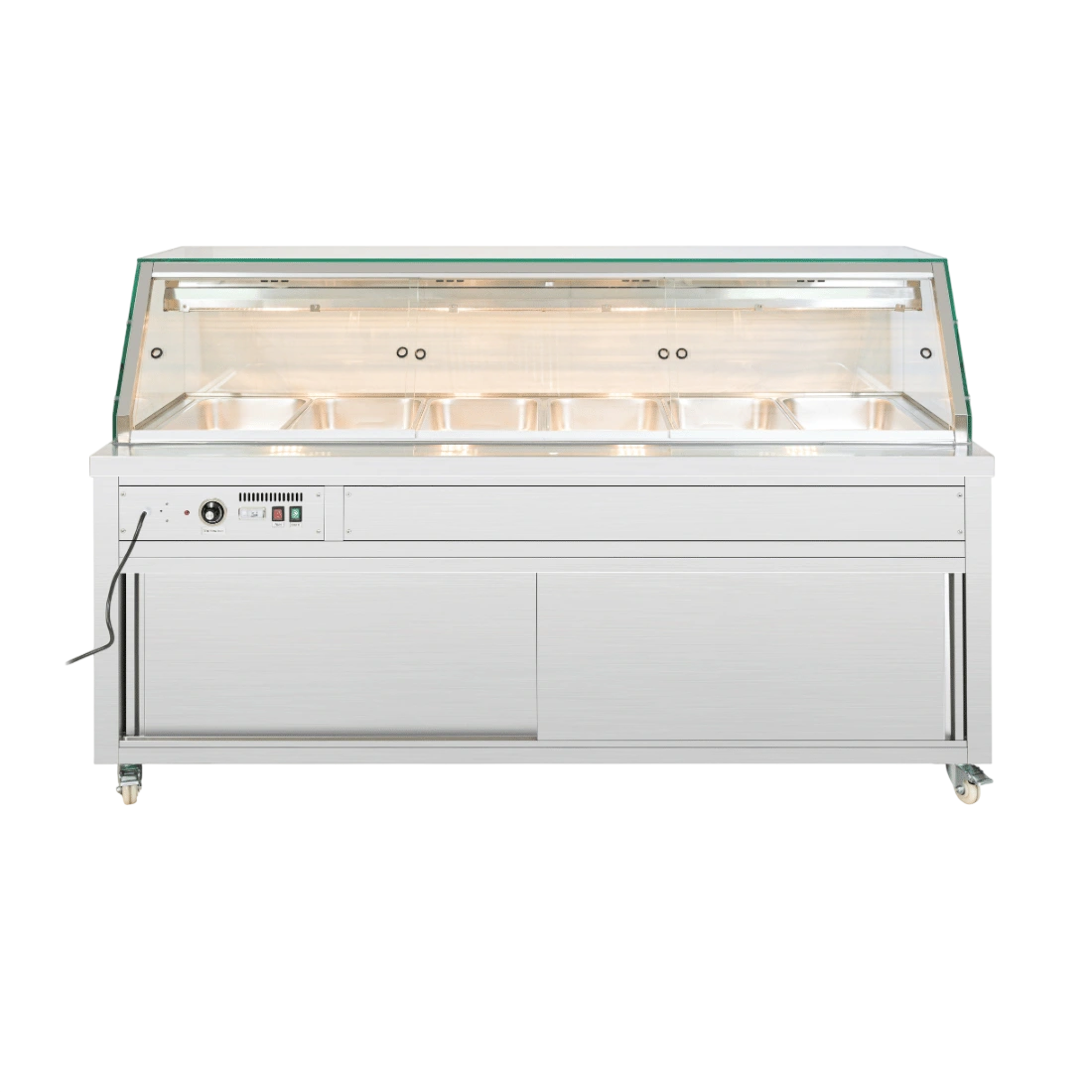
2140 × 790 × 1280mm