Commercial Food Processors
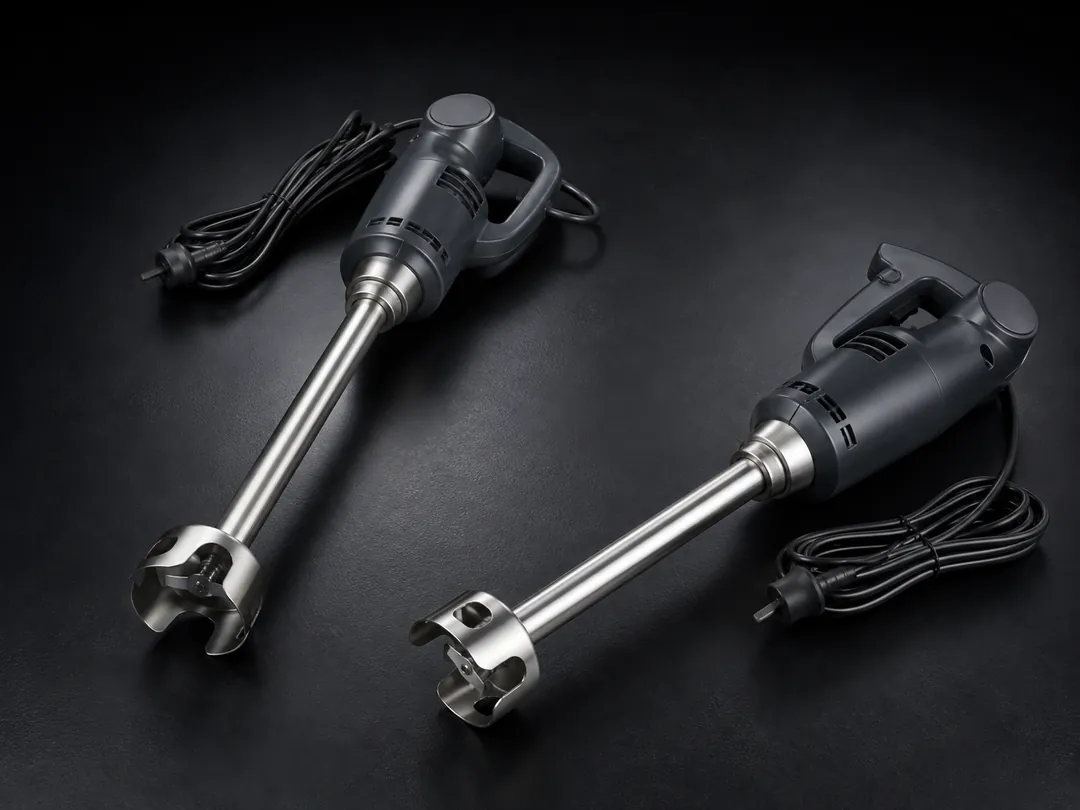
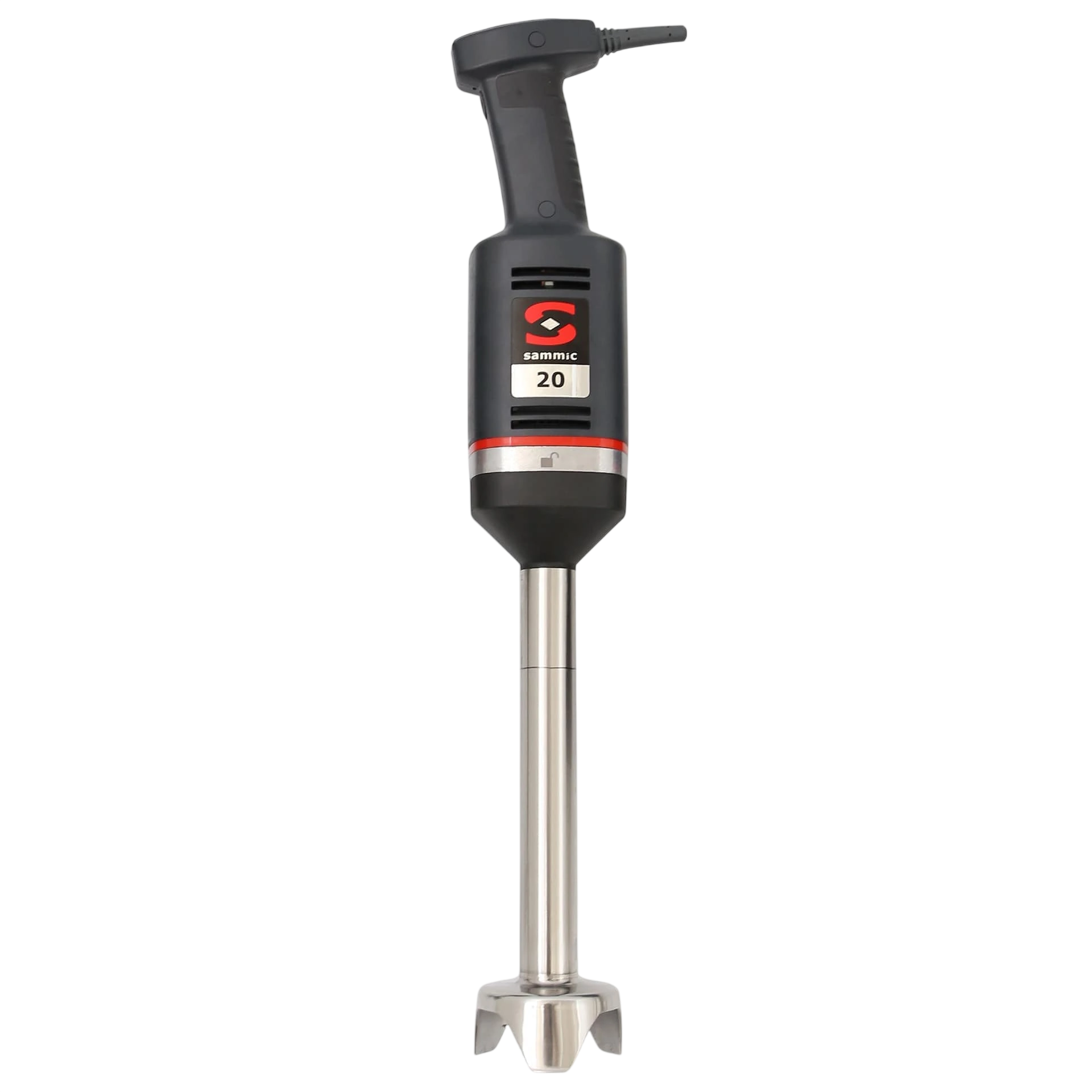
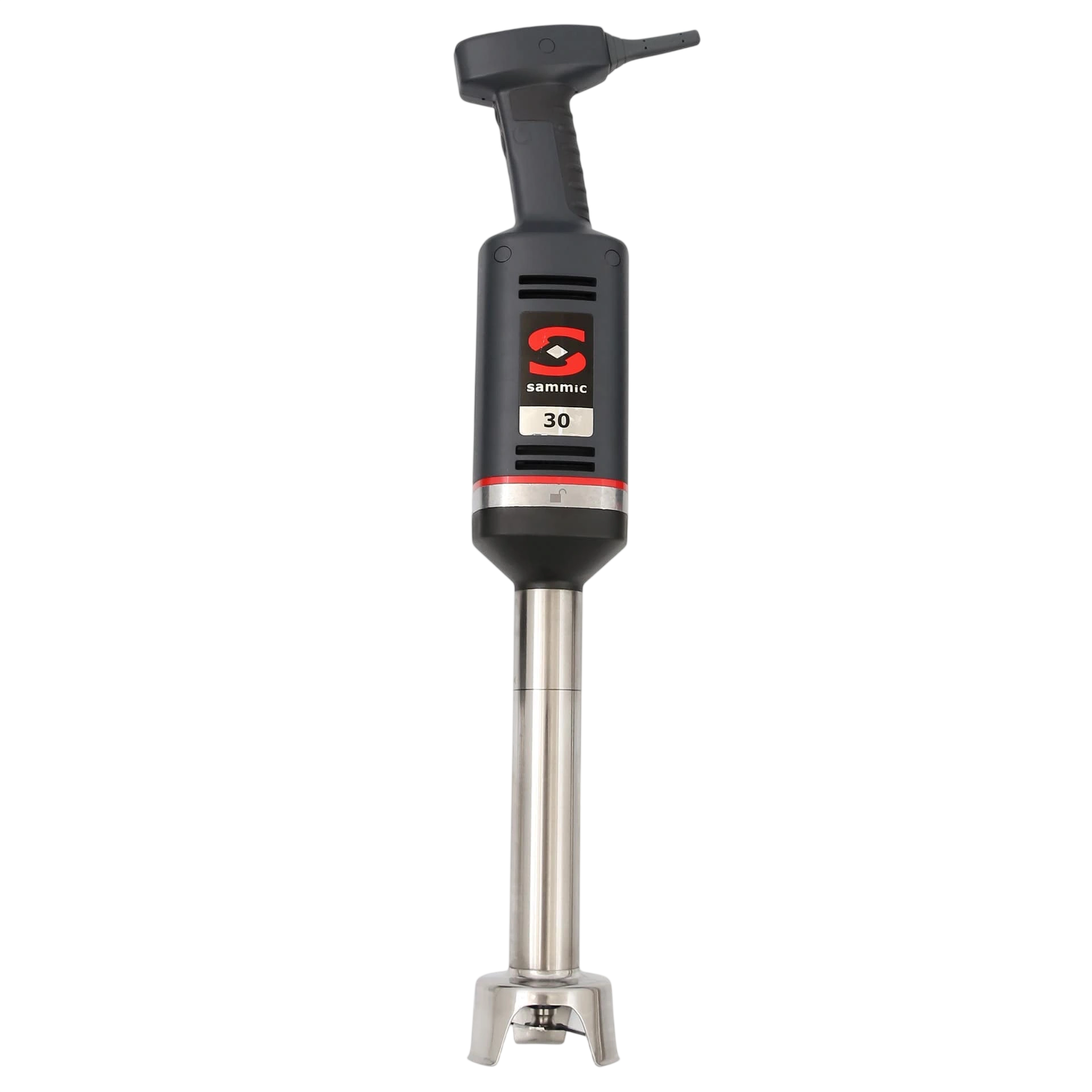
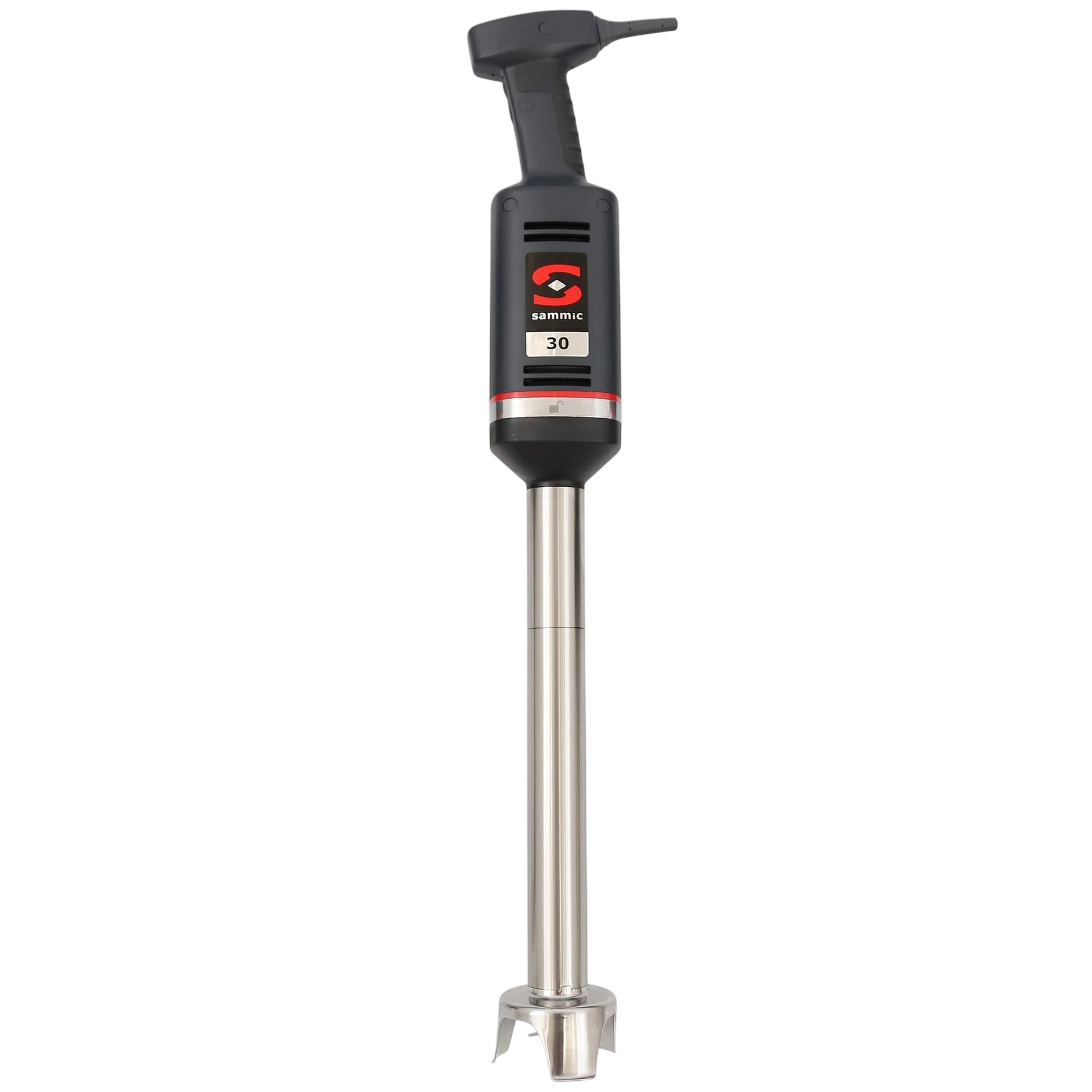
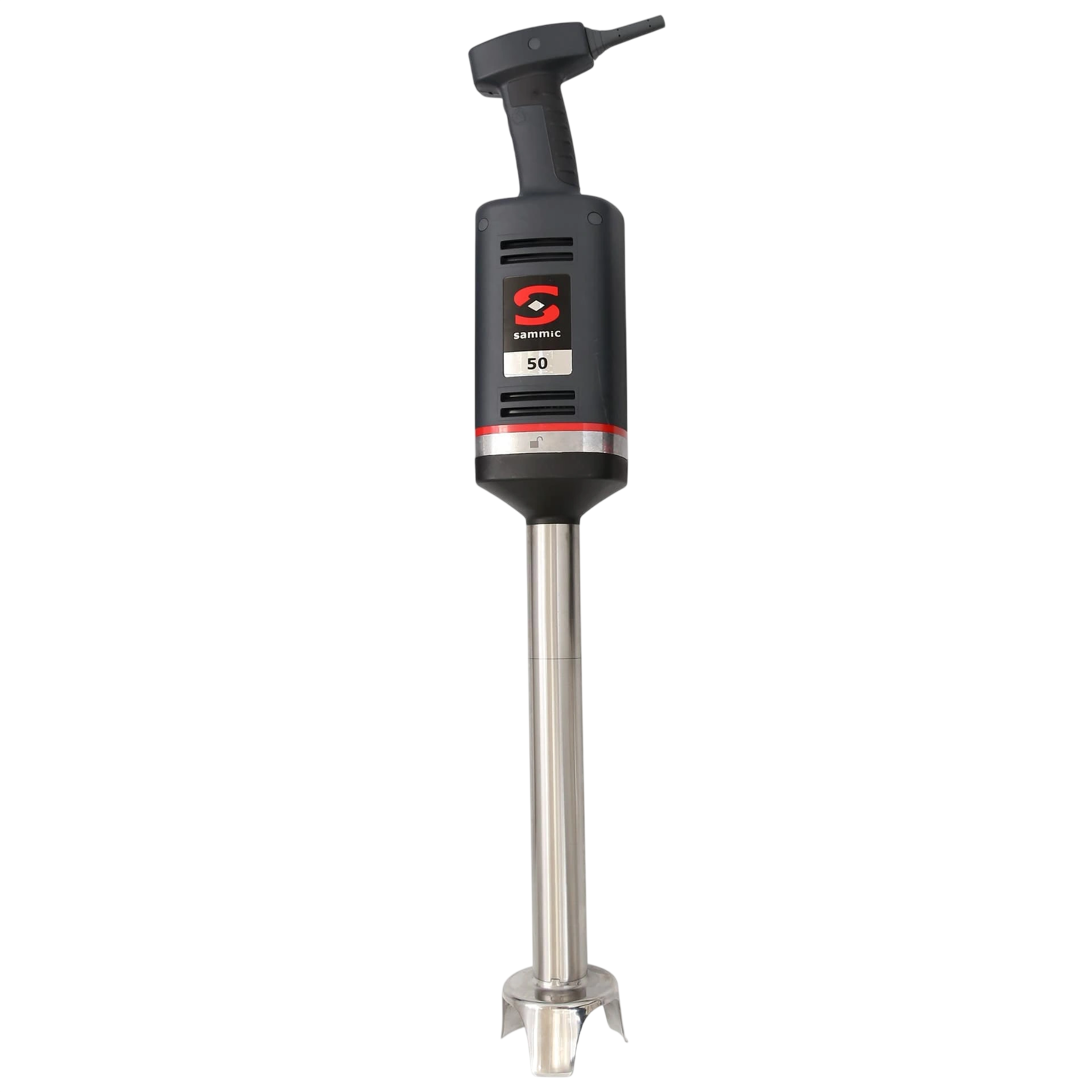
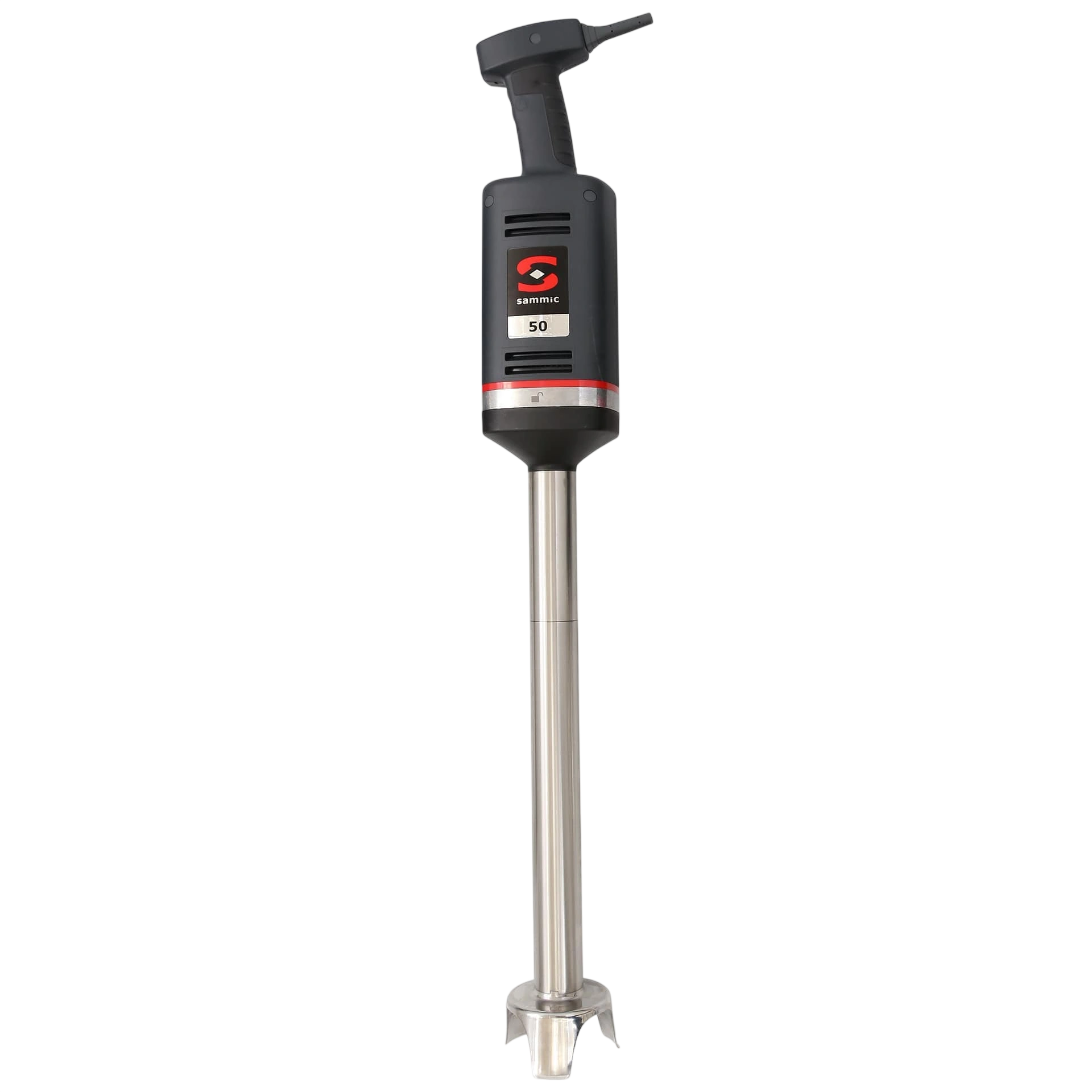
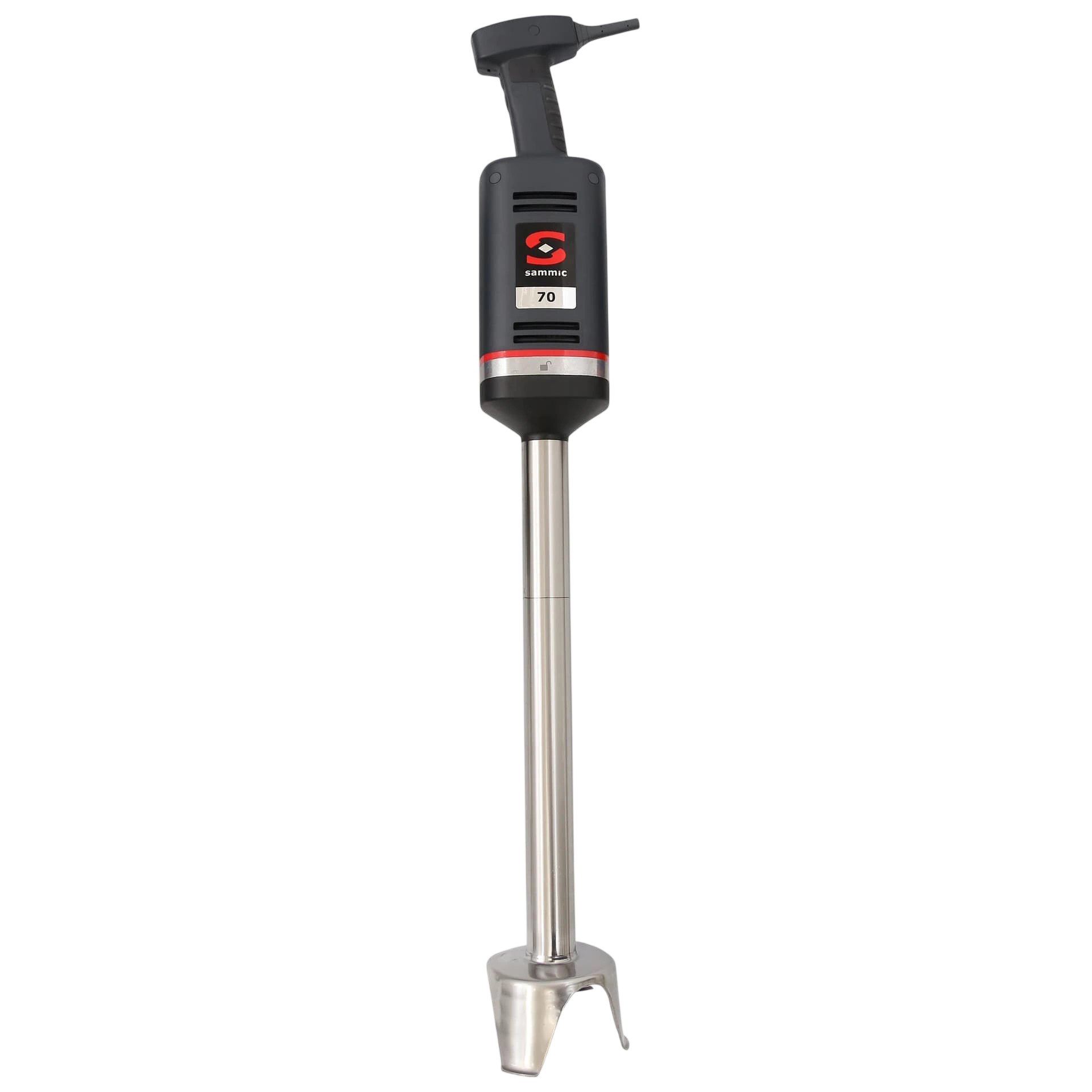
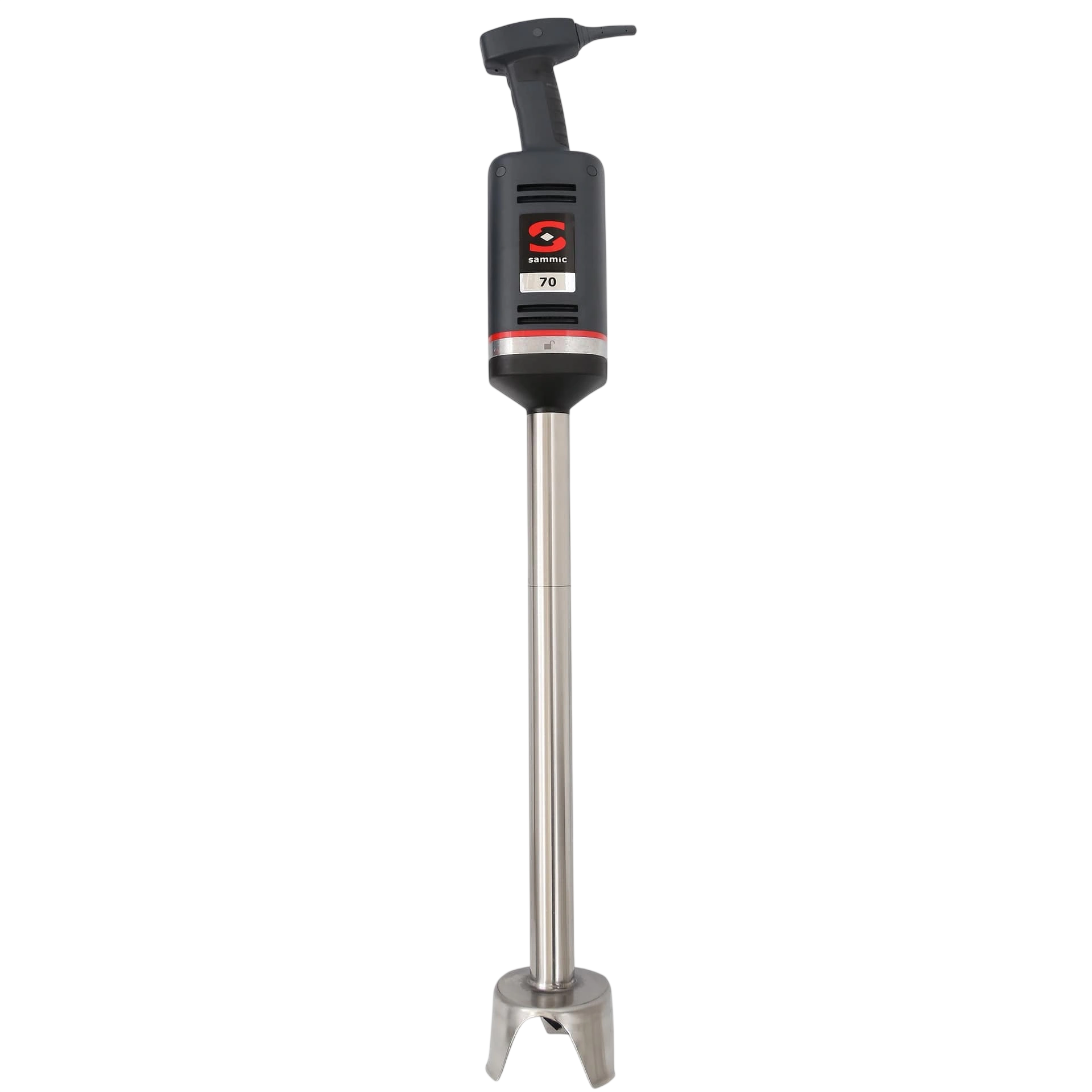
A commercial stick blender brings the blade to the vessel, which can simplify soup, sauce, purée and emulsion work without transferring hot or heavy batches. Selection starts with the depth and shape of the containers actually used: the shaft must reach the working zone while the motor body and operator's hands remain clear of the product.
Short, occasional batches place different demands on a blender from repeated production through service or preparation shifts. Compare the intended run pattern, mixture viscosity and changeover frequency, and confirm whether a detachable shaft or an integrated assembly gives the right balance of handling and cleaning access.
Key factors to consider before purchasing. Our team can help you find the right fit — call or get a quote anytime.
Match equipment capacity to your daily output. Consider available floor space and door clearances.
Confirm levelling, wall clearance and the access needed for cleaning and service. We can help with kitchen planning.
Submit your kitchen requirements — our equipment specialists will send you a tailored shortlist of commercial stick blenders that fits your budget, venue type and compliance needs.
Standards & Compliance
Check how the operator will grip, lower and control the unit before choosing a format. A stable vessel, suitable working height and correctly immersed blade guard help limit splashing and prevent the blender from pulling around the container.
Food-contact cleaning should be planned around the exact shaft and blade assembly. Follow the supplier's isolation and dismantling instructions, keep the motor housing out of wash water and inspect the guard and coupling before reassembly.
FAQ
Match shaft length to pot depth, not pot width.
Medium to heavy-duty motors handle dense blends and 30L+ batches.
Commercial models are designed for direct hot-liquid blending when fully immersed.
Check duty-cycle ratings and thermal protection indicators.
They simplify cleaning and help reduce cross-contamination.
Why KW
Batch depth is the practical starting point when KW reviews a stick blender: it directs the discussion towards shaft reach, handling pattern and the time available for hygienic changeovers. The team can also consider whether the unit is intended for brief finishing tasks or sustained preparation; call 1300 001 366.
Deep Dive
Technical depth from KW's commercial kitchen specialists.
Measure from the vessel rim to the normal product level and to the lowest safe mixing position. Allow the blade guard to stay submerged during operation without forcing the motor body close to liquid or making the operator work with raised shoulders.
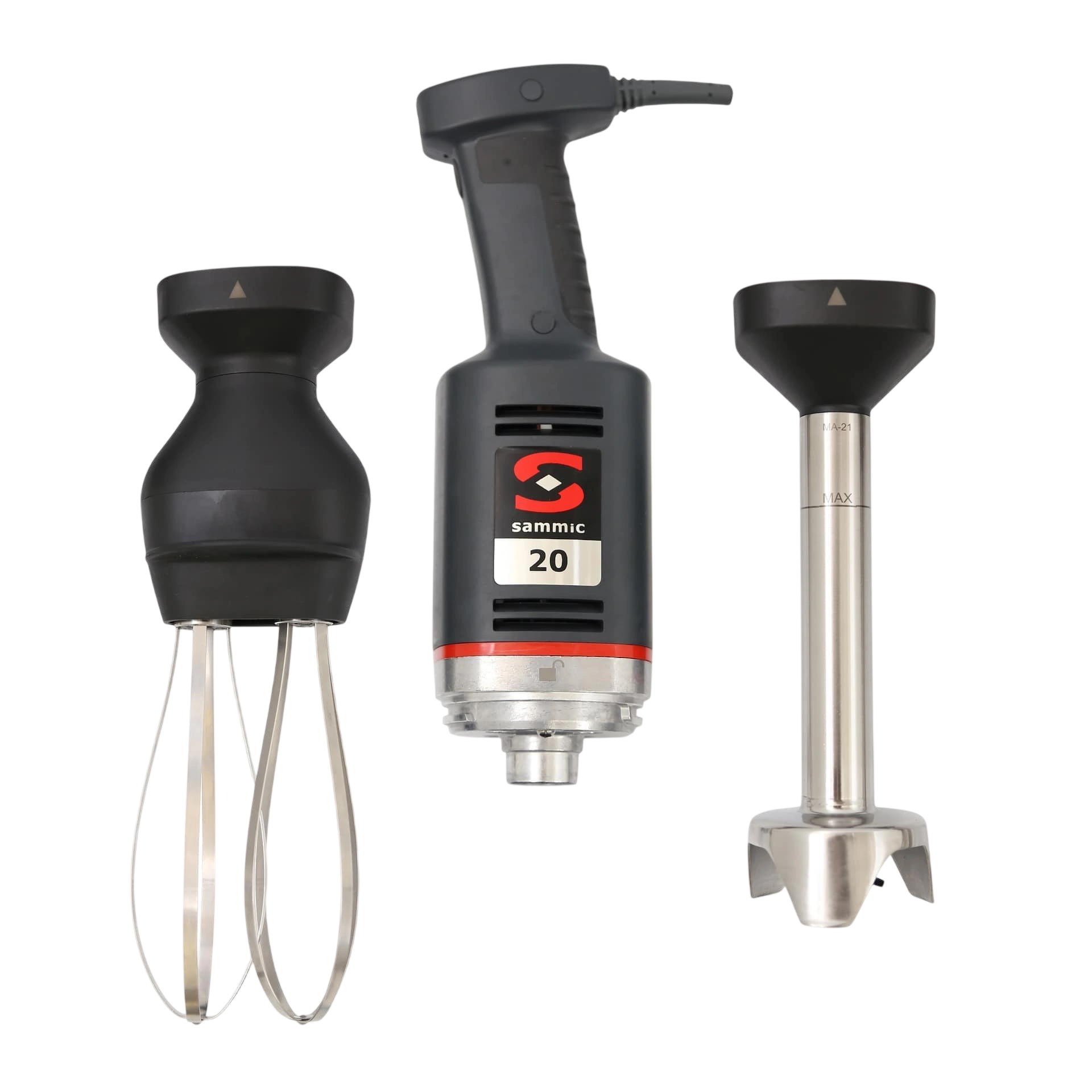
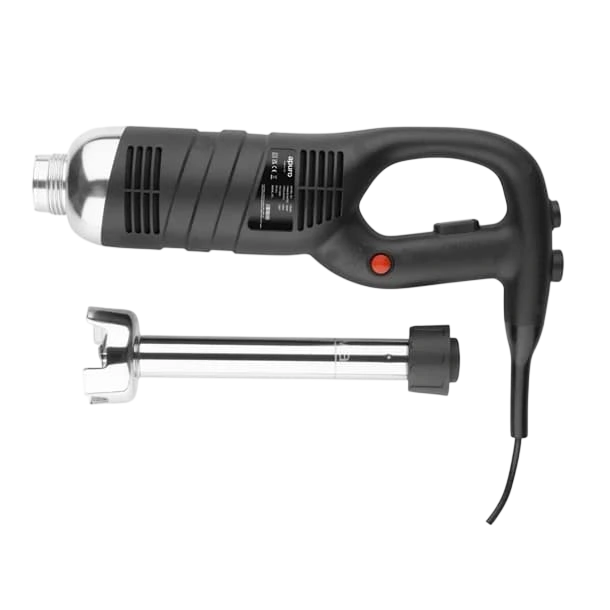
A removable shaft can make transport and approved sink cleaning easier, particularly when several recipes are prepared in sequence. Check that staff can release, wash, dry and refit the connection correctly, and never immerse a motor section unless its instructions expressly permit it.
Match the blade arrangement and operating method to the result required, whether smoothing cooked vegetables, finishing a sauce or forming an emulsion. Keep the guard below the surface, begin at a controlled setting and reposition gradually so unprocessed pockets do not remain around the vessel.
For frequent or extended work, confirm the documented duty pattern and consider the weight, grip position and pauses required by staff. A handheld unit should not be assumed to replace a fixed processor where the batch, viscosity or operating duration makes controlled handling impractical.
Plan approved component washing with suitable wash-up equipment, compare fixed processing tasks in the food processor category and coordinate the station through the wider catering equipment range.
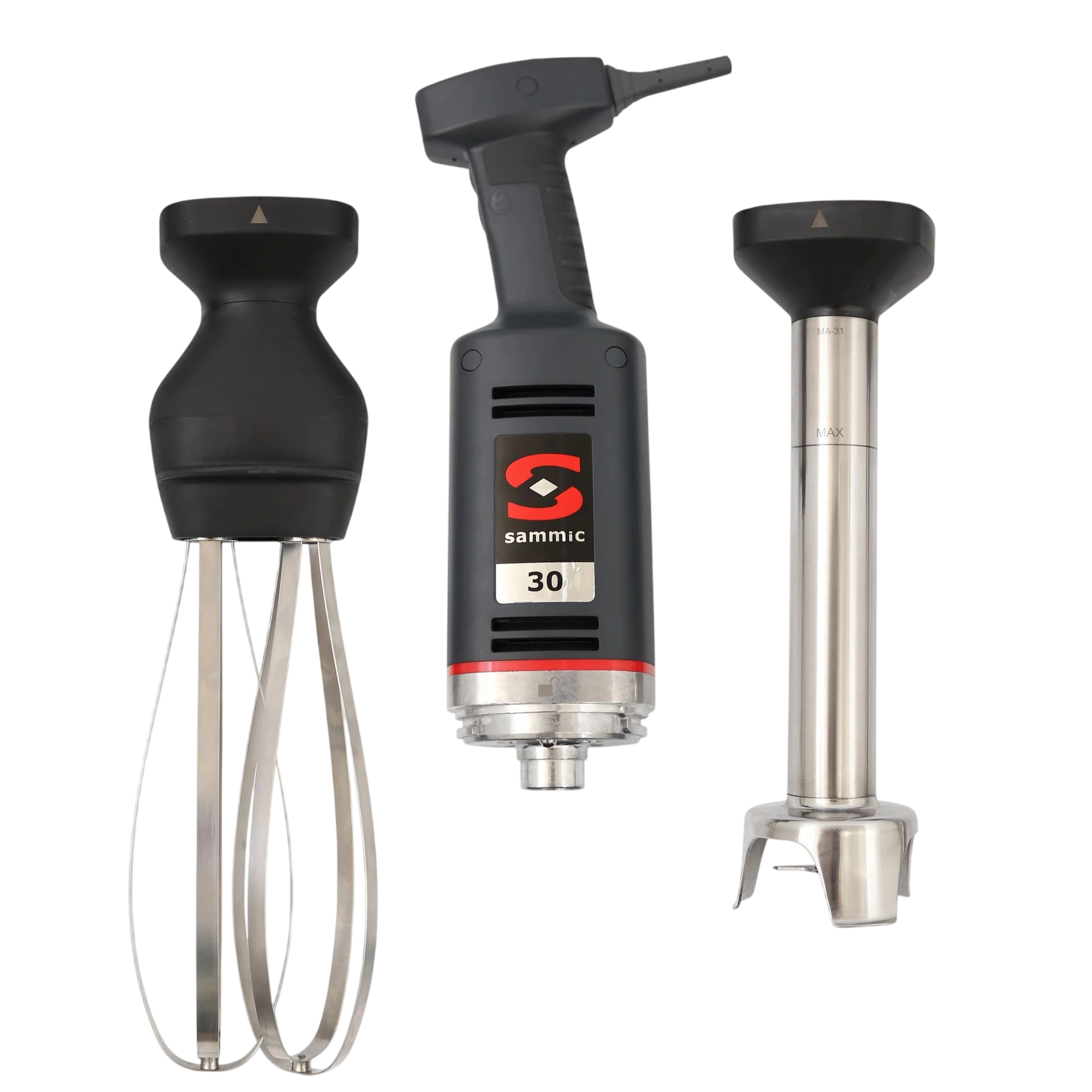
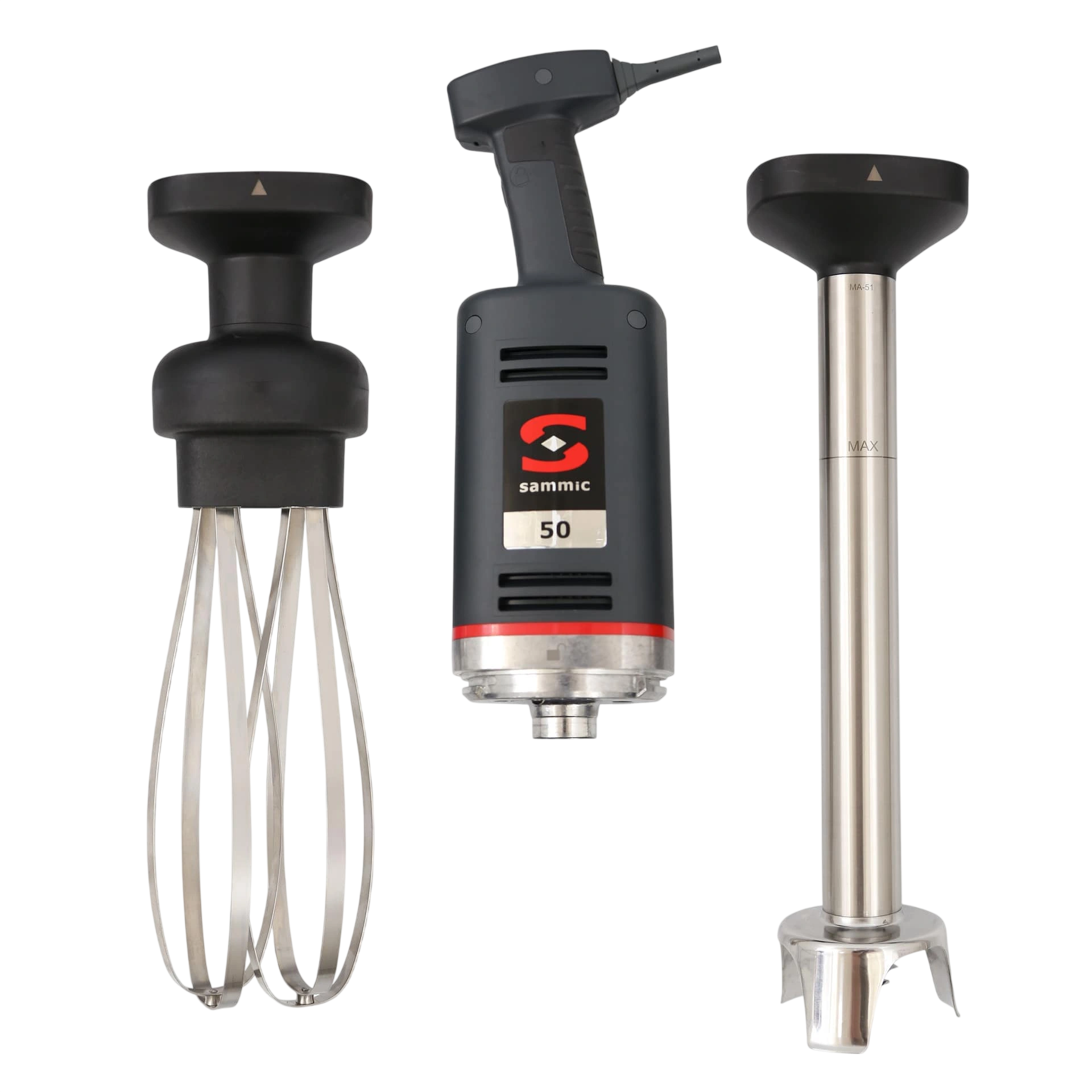
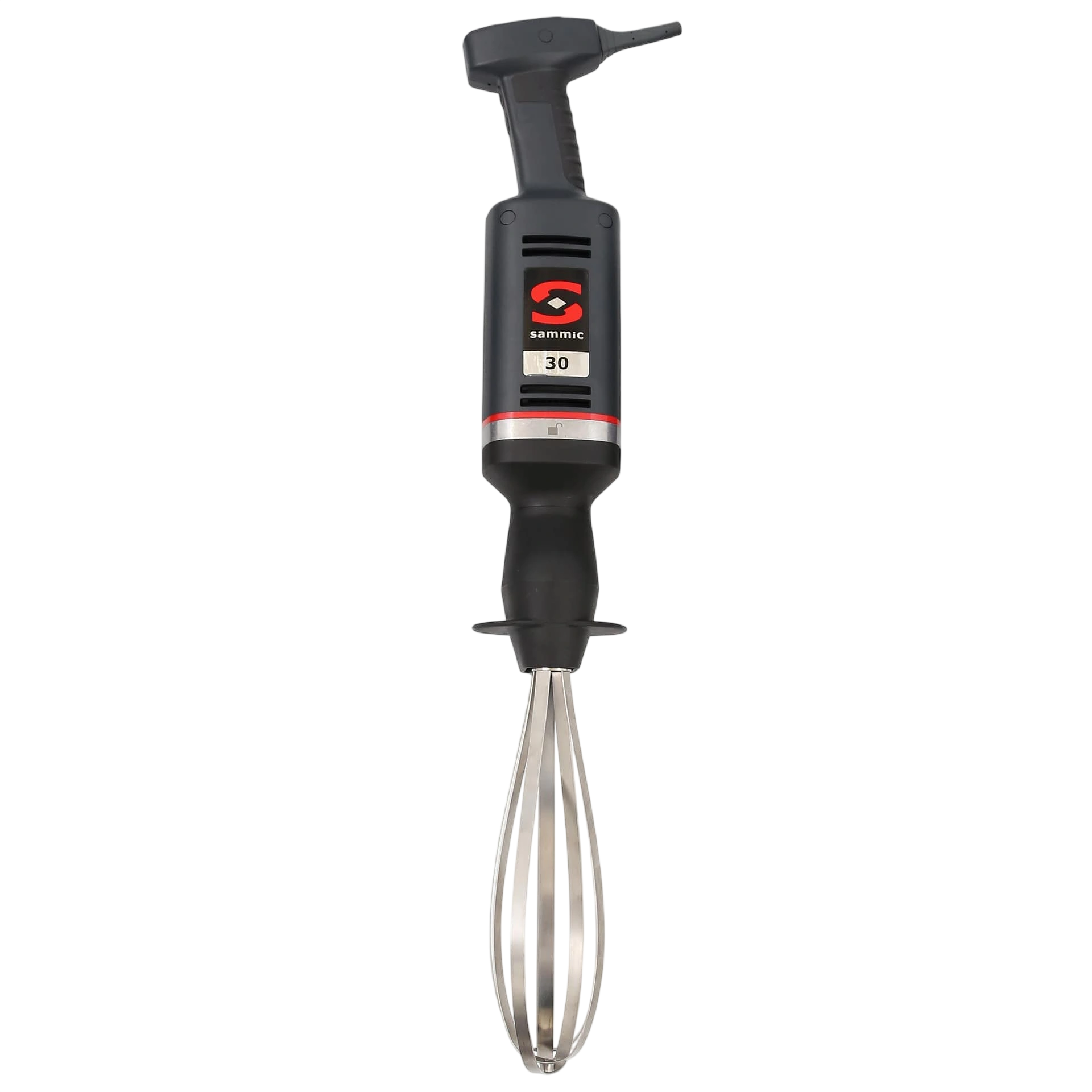
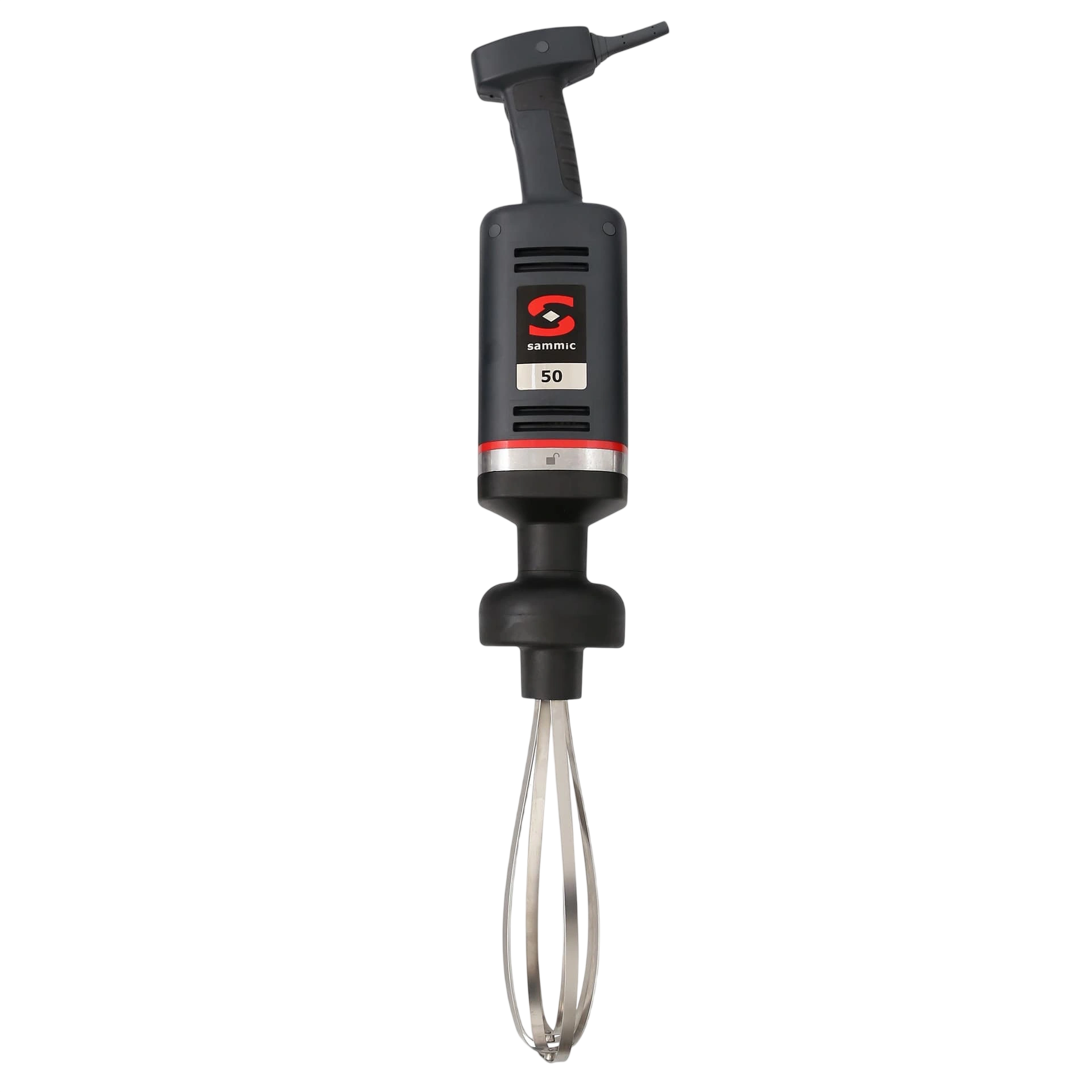
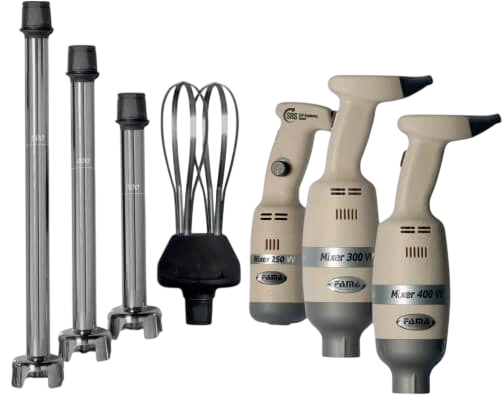
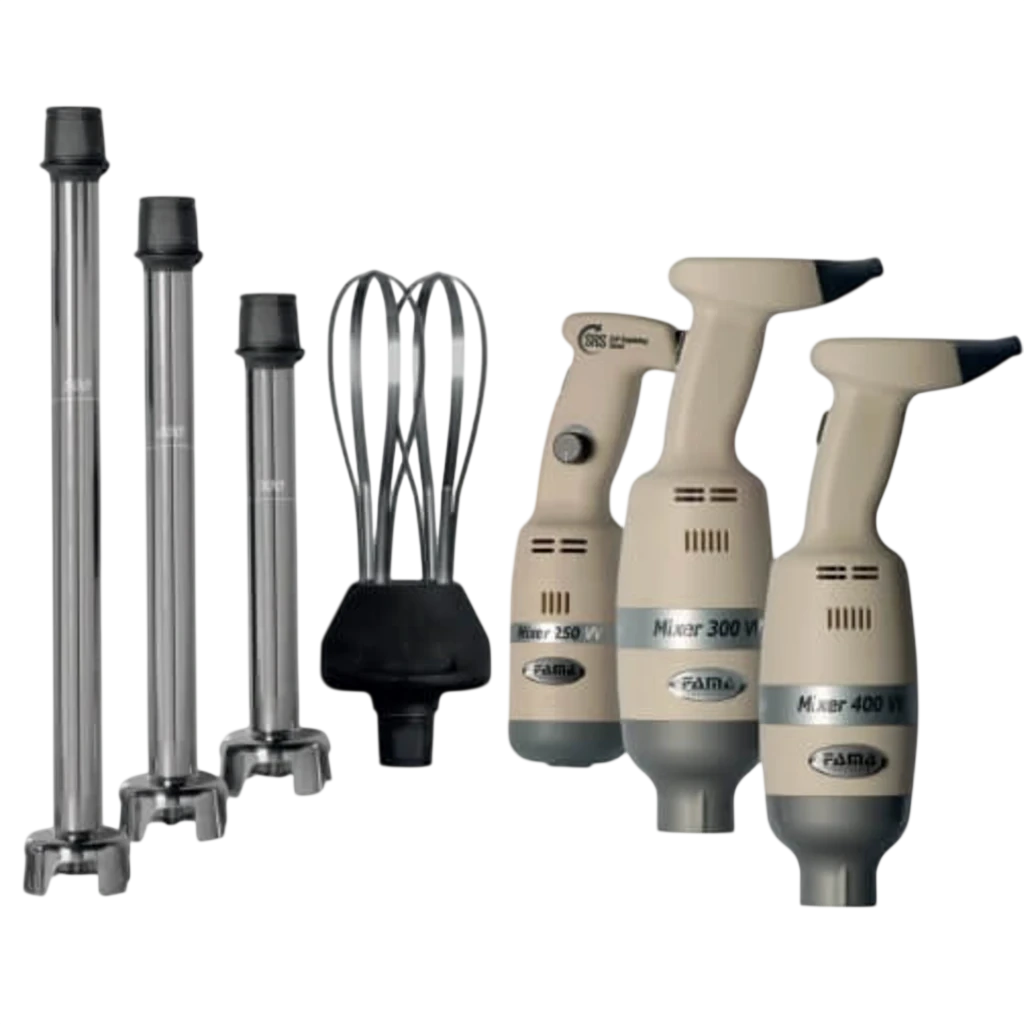
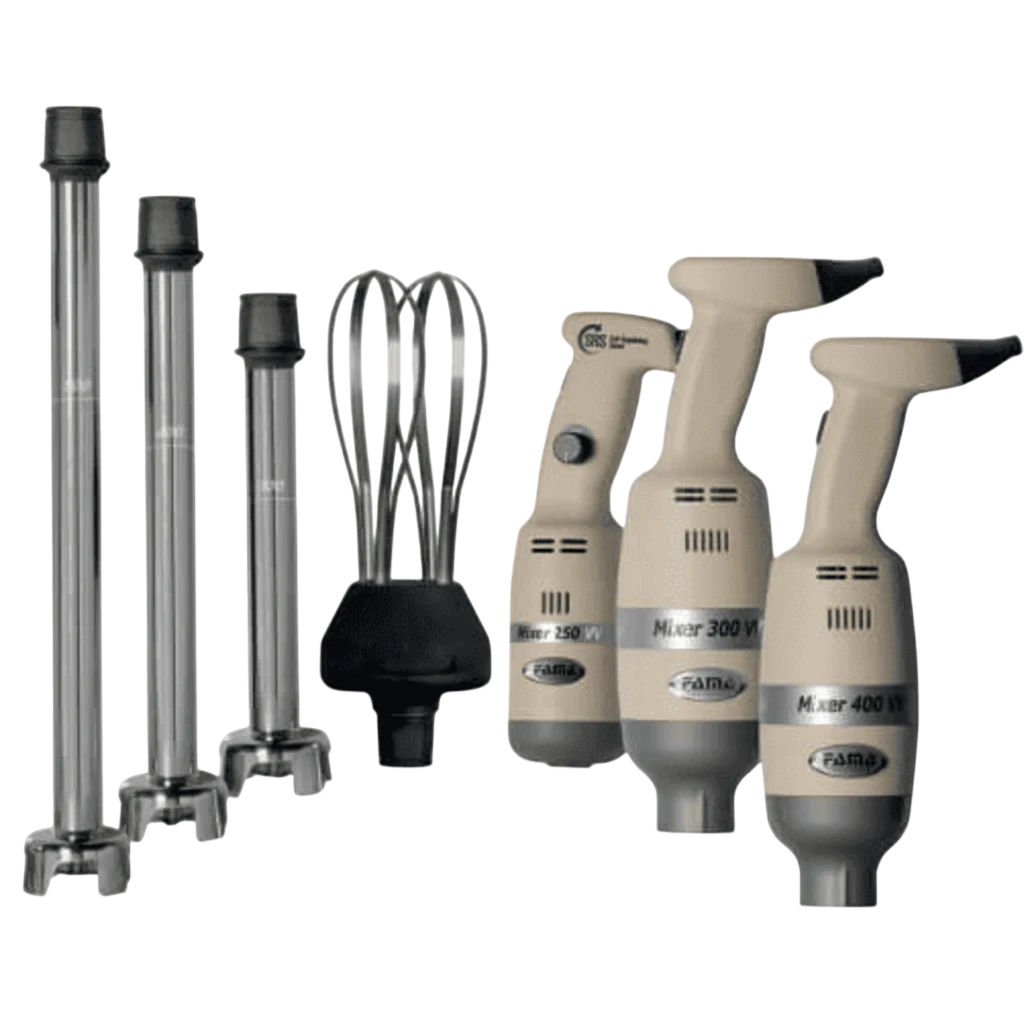
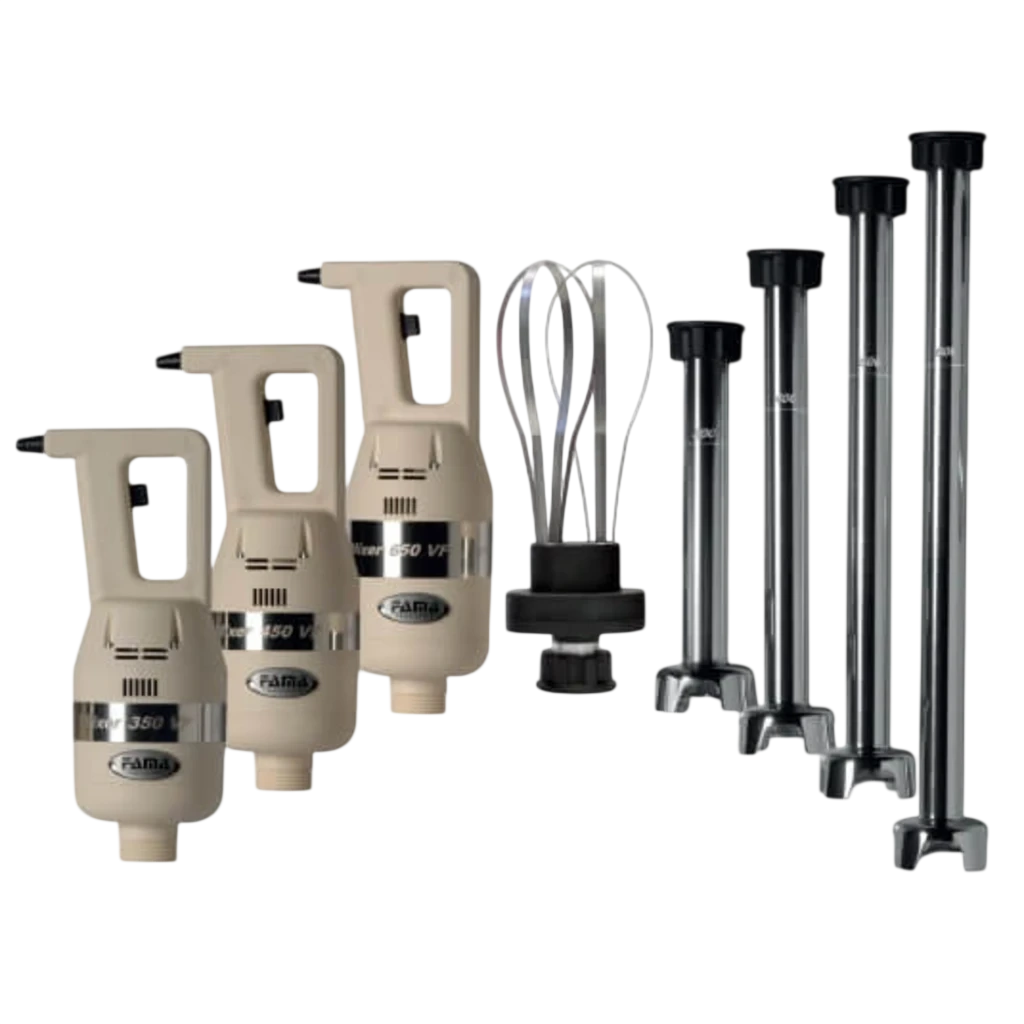
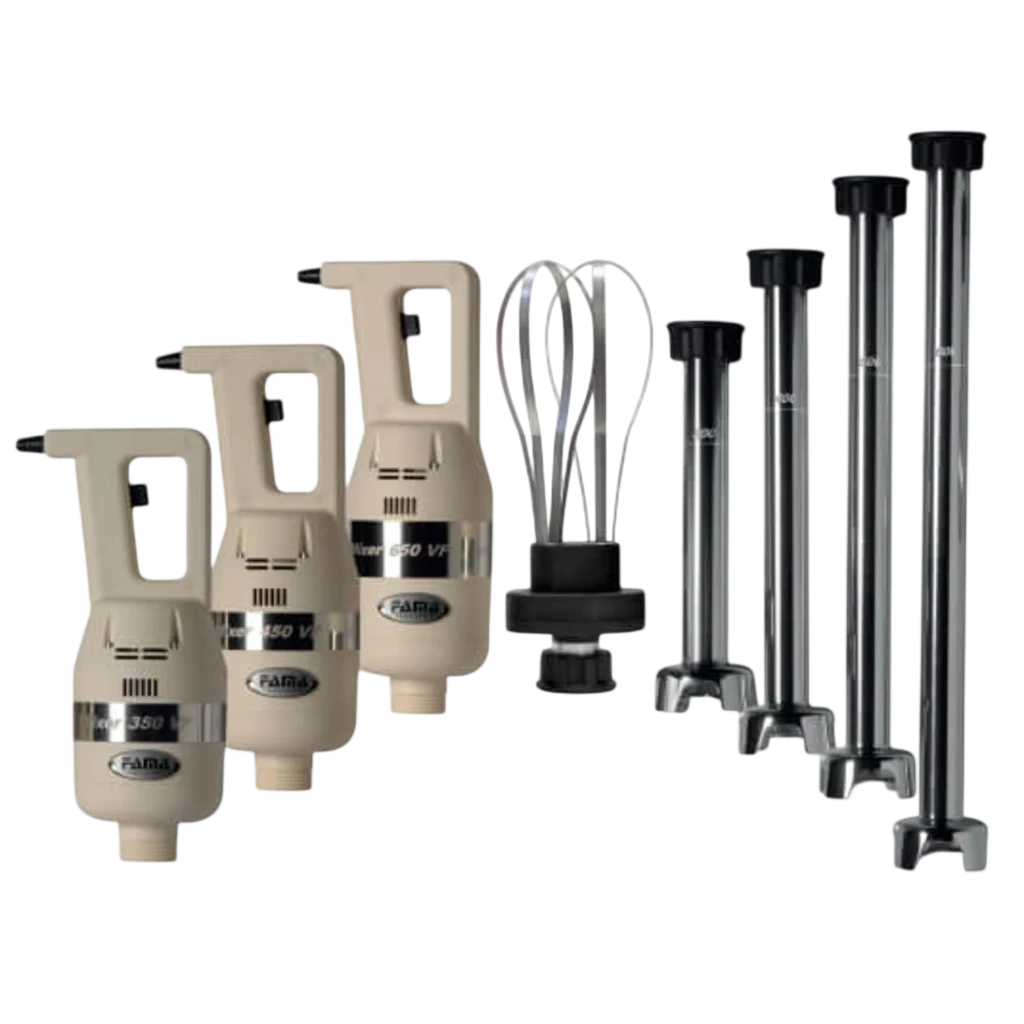
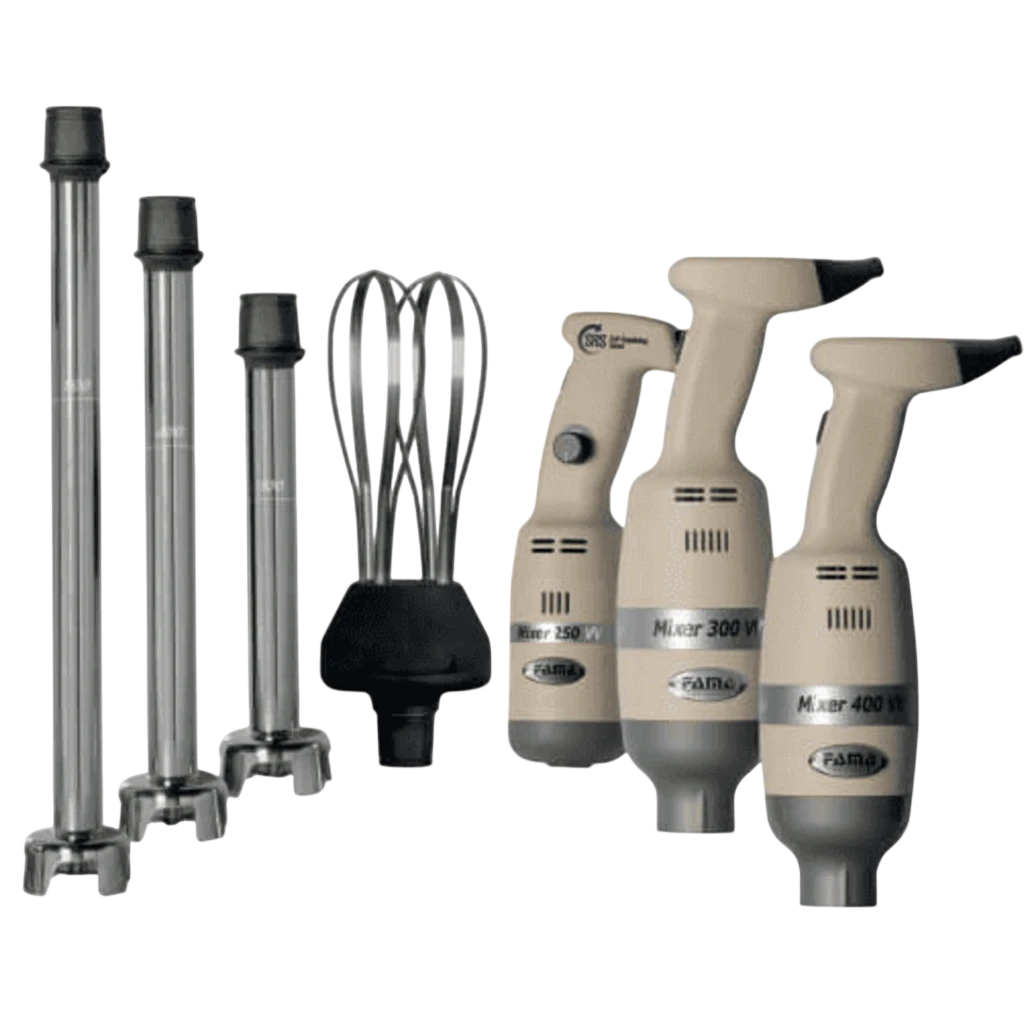
Whisks, frothers and wider bell housings enhance versatility.
Measure the deepest vessel at its normal fill level and check that the blade guard can work below the surface while the motor body stays safely above the rim. The operator should also be able to reach the base area without overextending or holding the unit at an unstable angle.
Only when the supplier's stated duty pattern, shaft reach and intended product suit that workload. For long, viscous or repeated batches, assess required pauses and operator control; use a fixed processing system if handheld operation cannot be maintained safely and consistently.
It allows the food-contact assembly to be separated from the motor body for easier washing and drying according to its instructions. Staff still need to isolate the blender, protect the coupling from contamination and refit the dry shaft securely before the next batch.
Use a stable container with adequate headspace, immerse the guard before starting and begin at a controlled setting. Keep the blade below the surface, move it gradually through the mixture and stop the motor before lifting the guard clear.
41 results
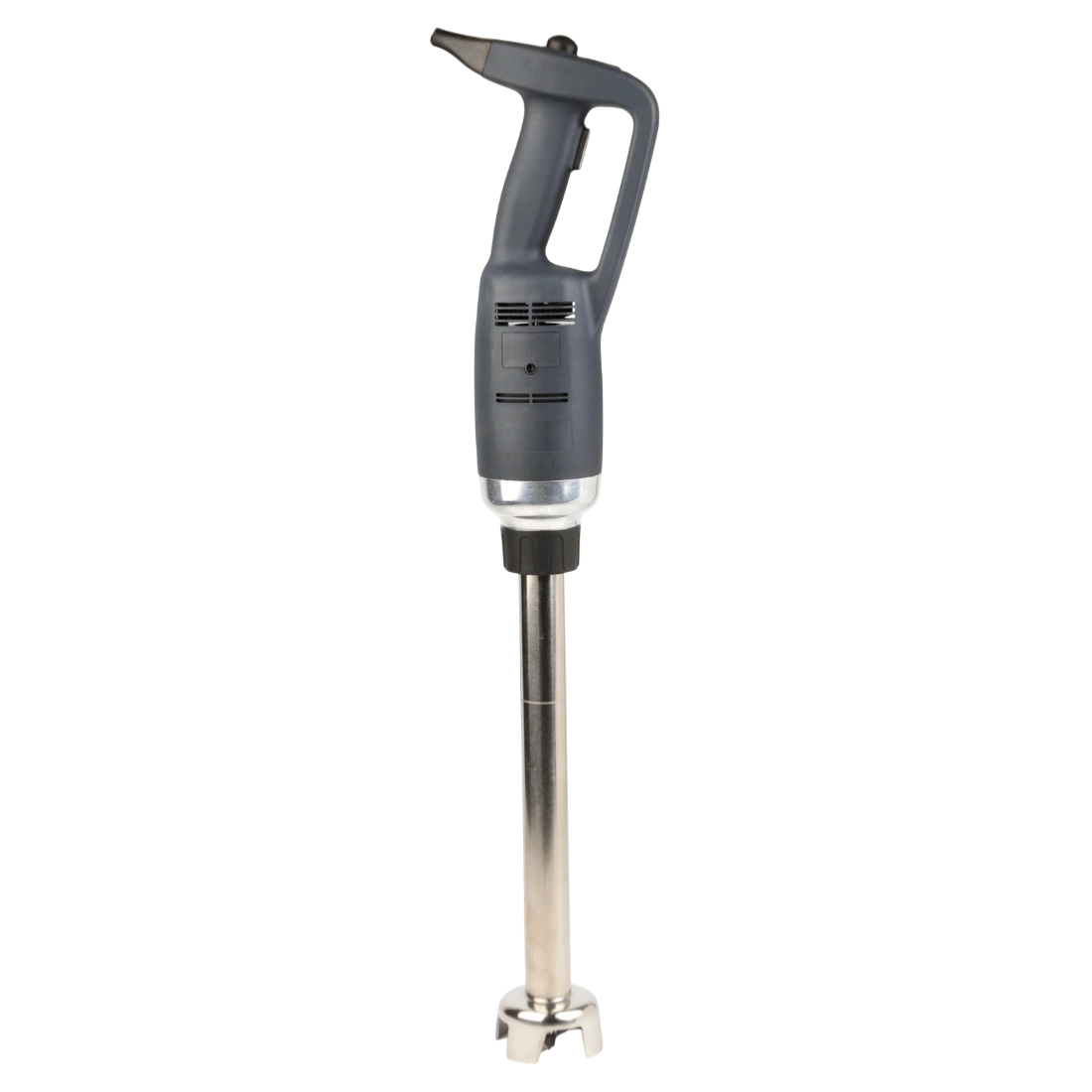
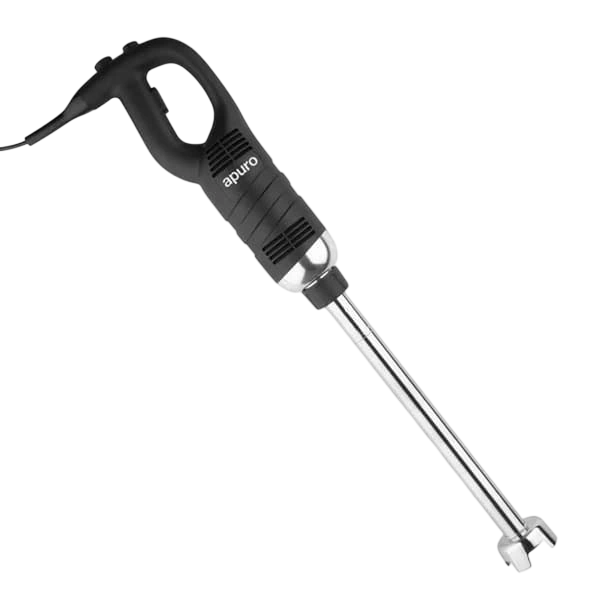
100 × 100 × 708mm
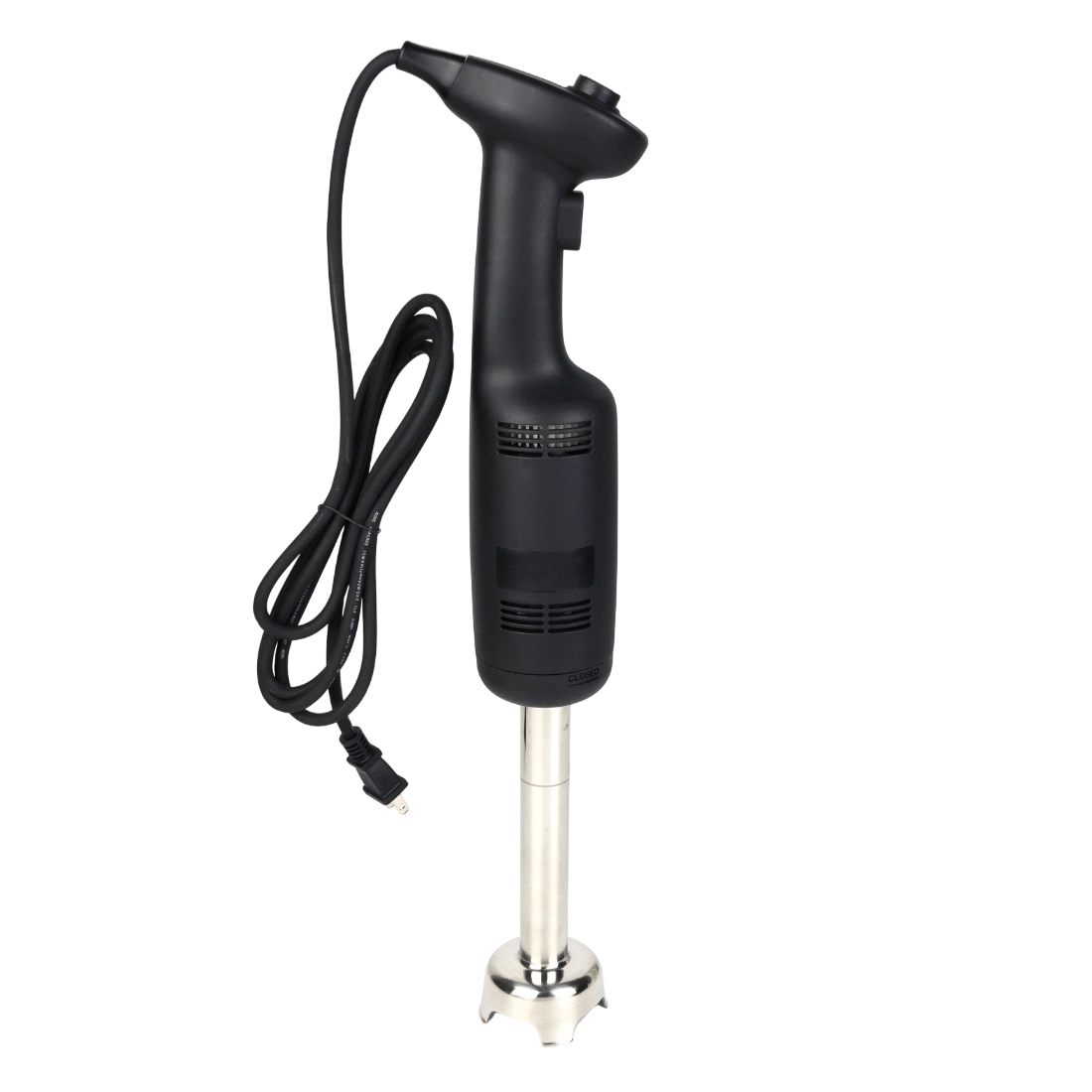
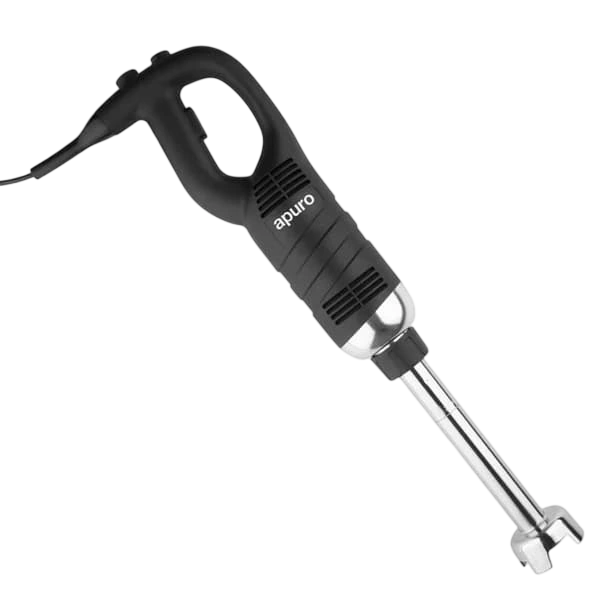
300 × 300 × 708mm
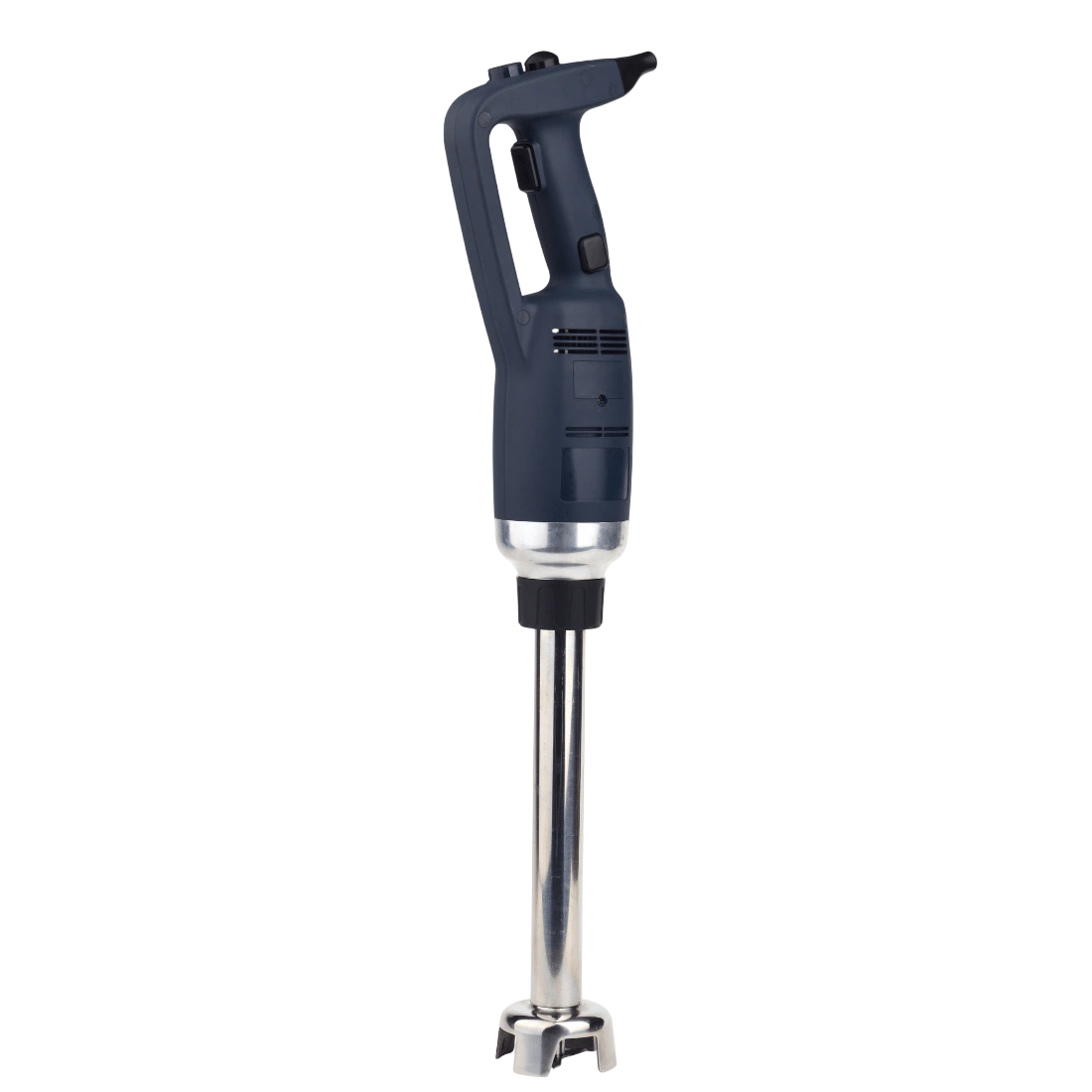
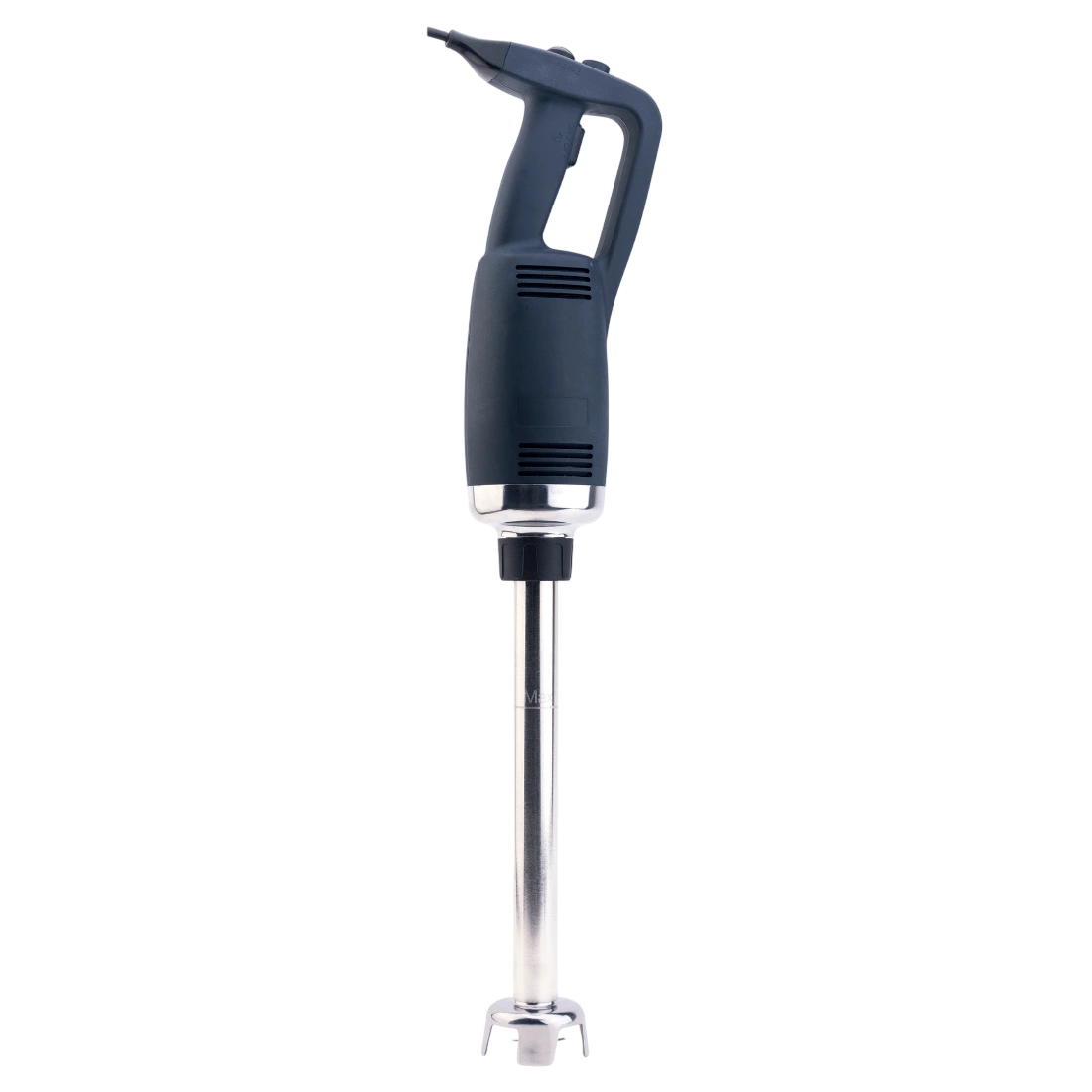
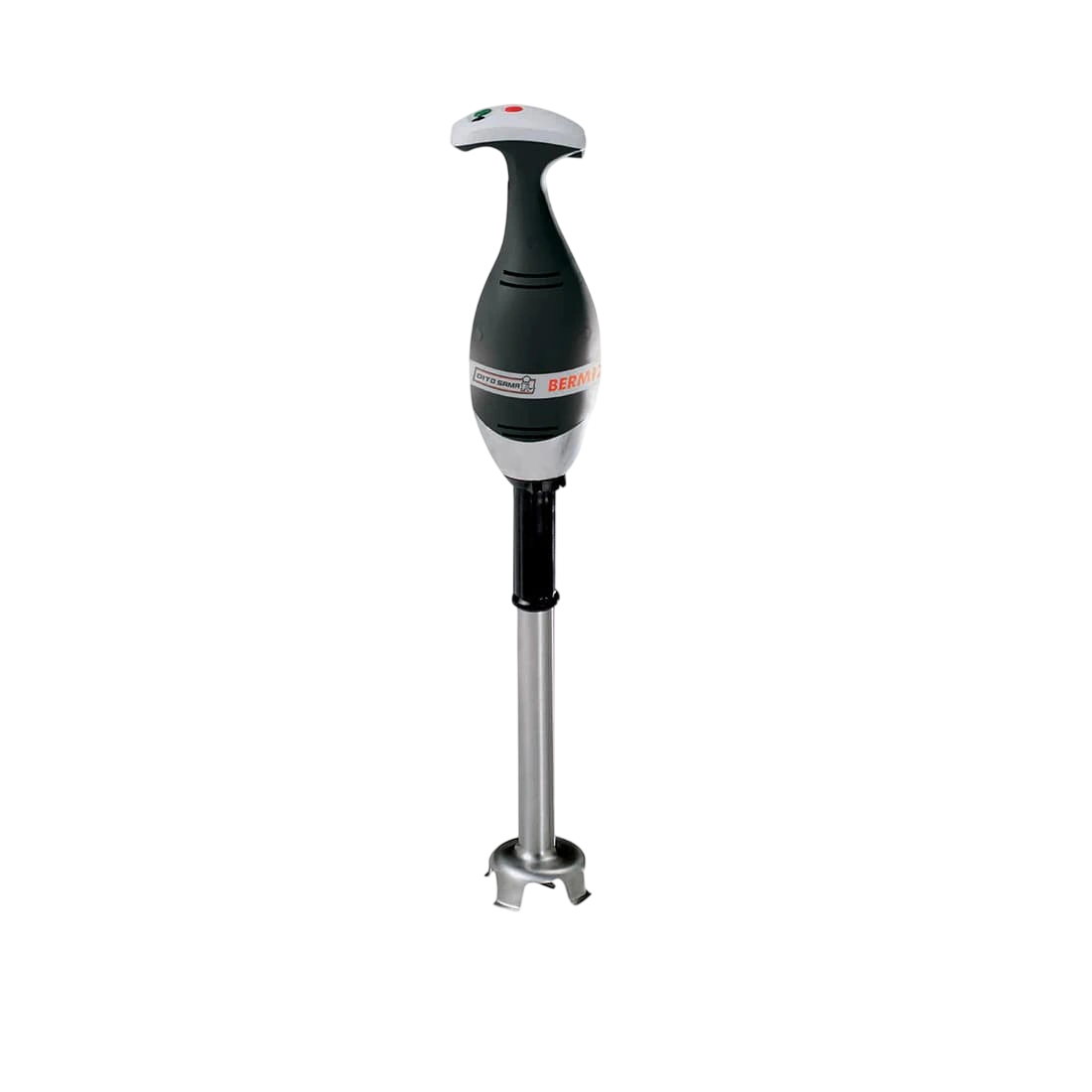
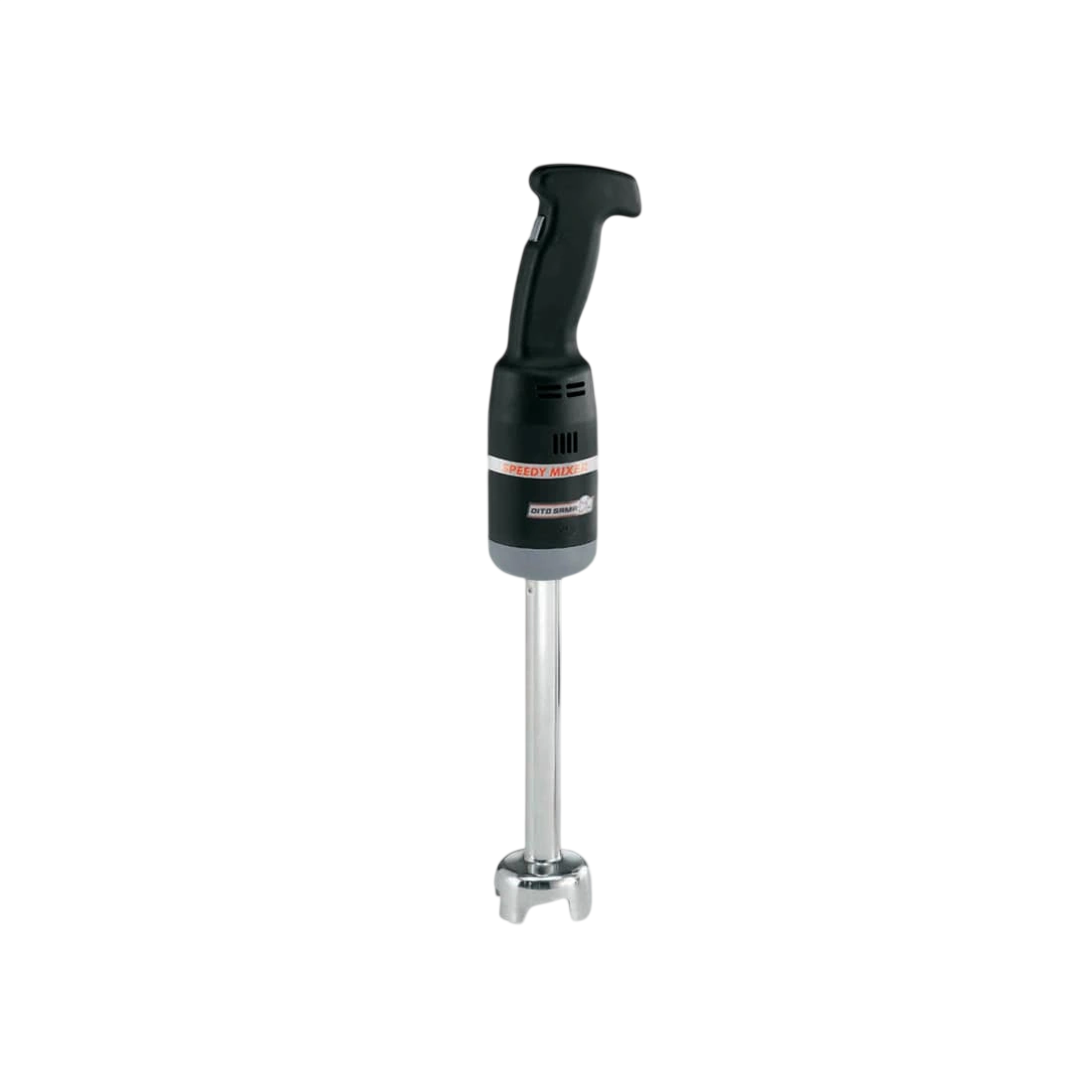
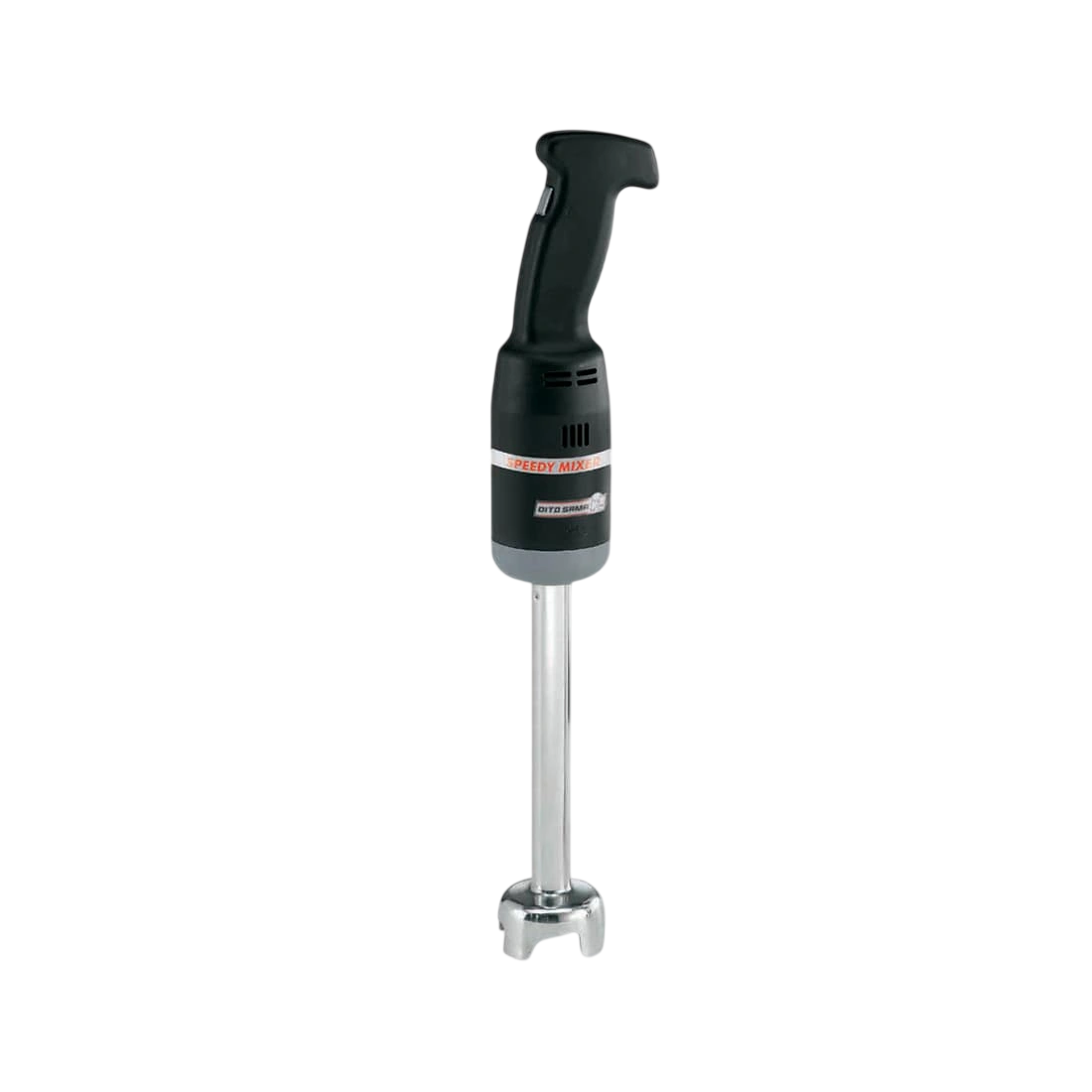
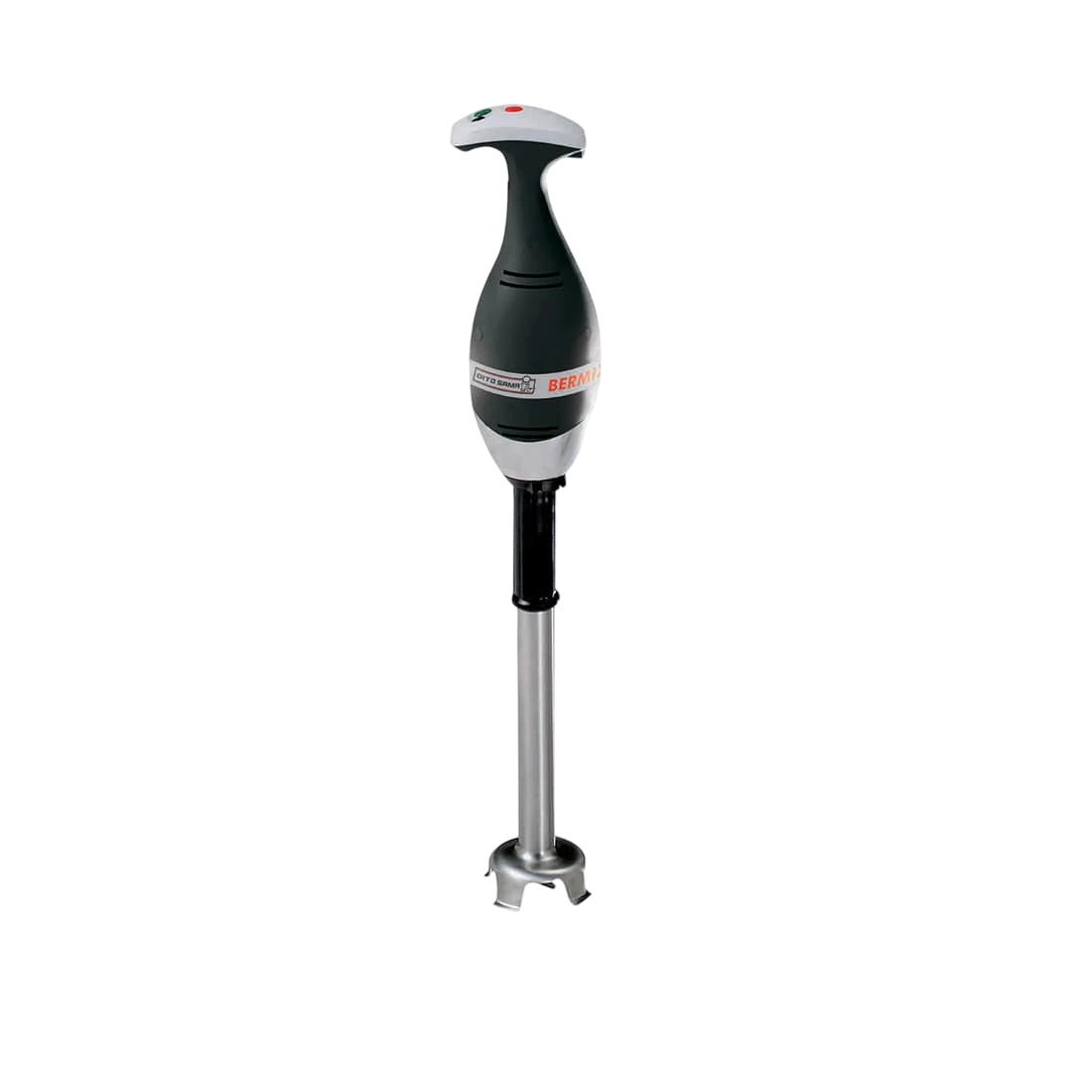
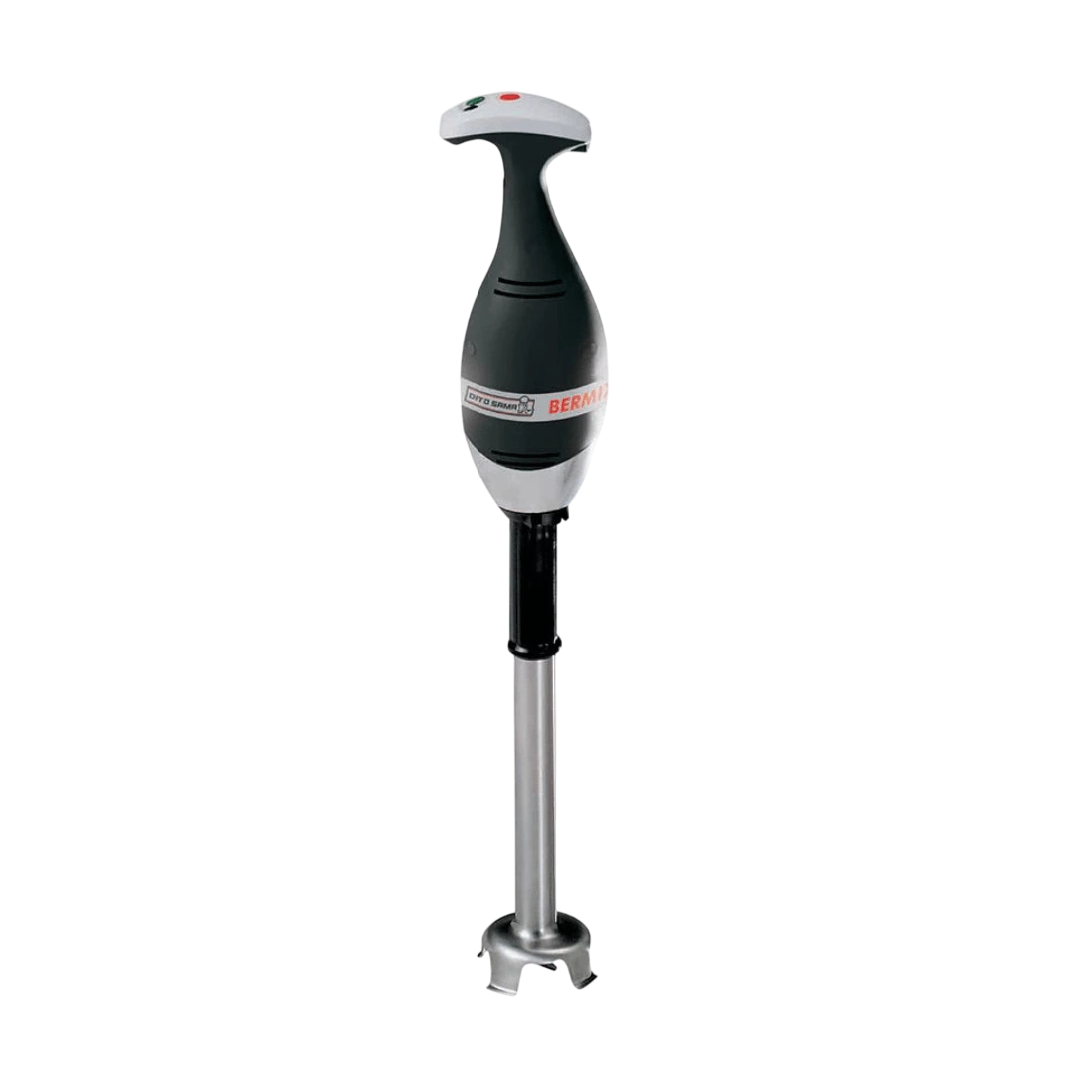
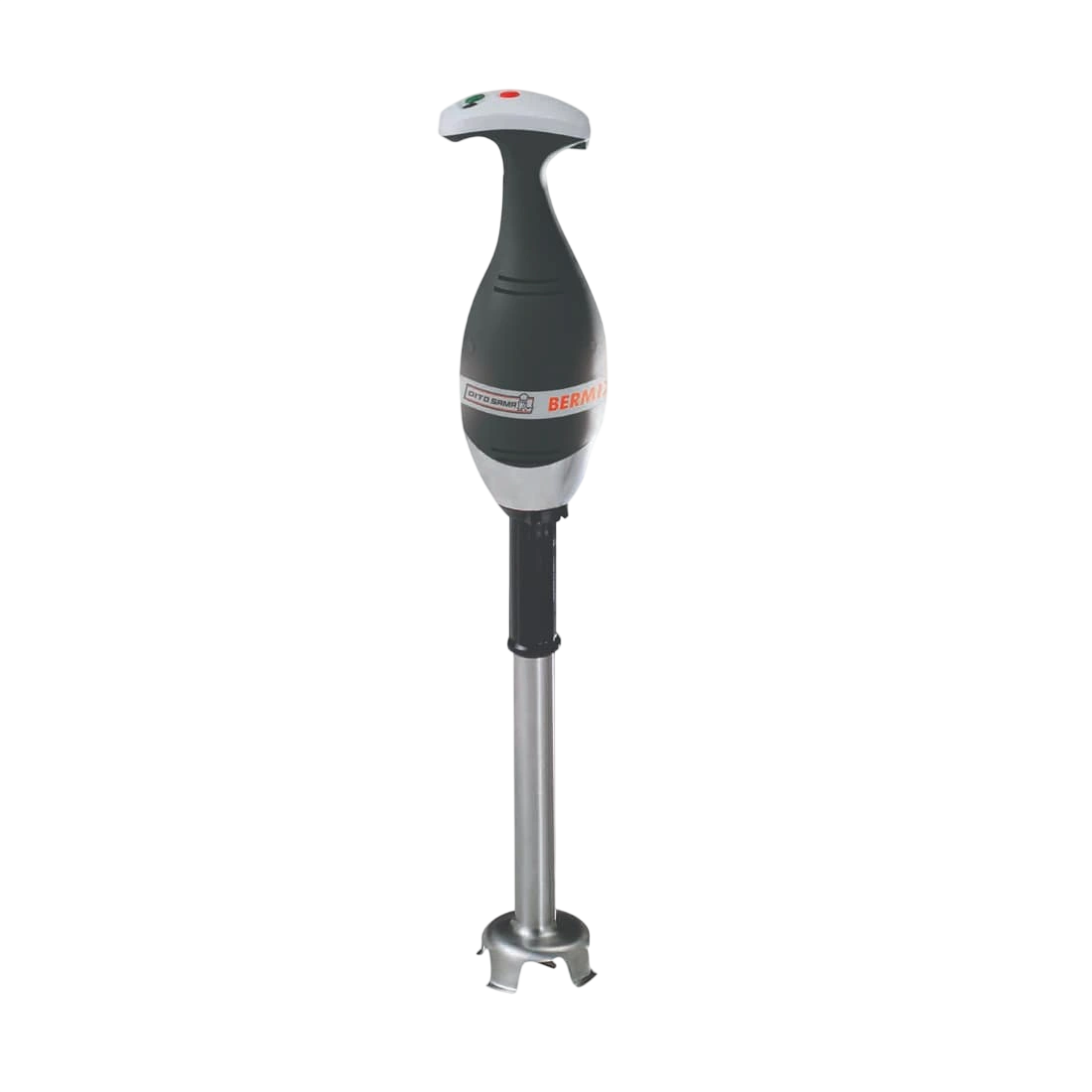
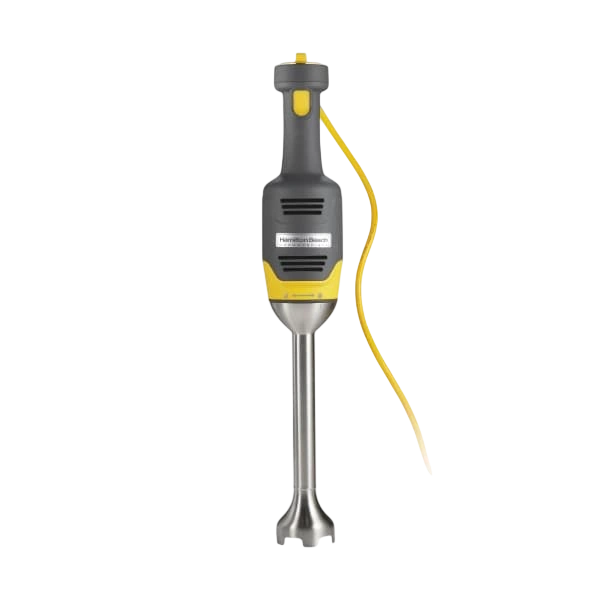
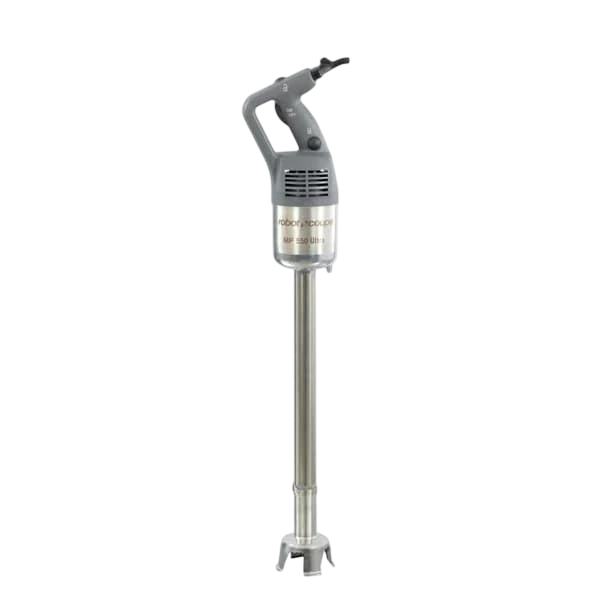
125 × 125 × 940mm
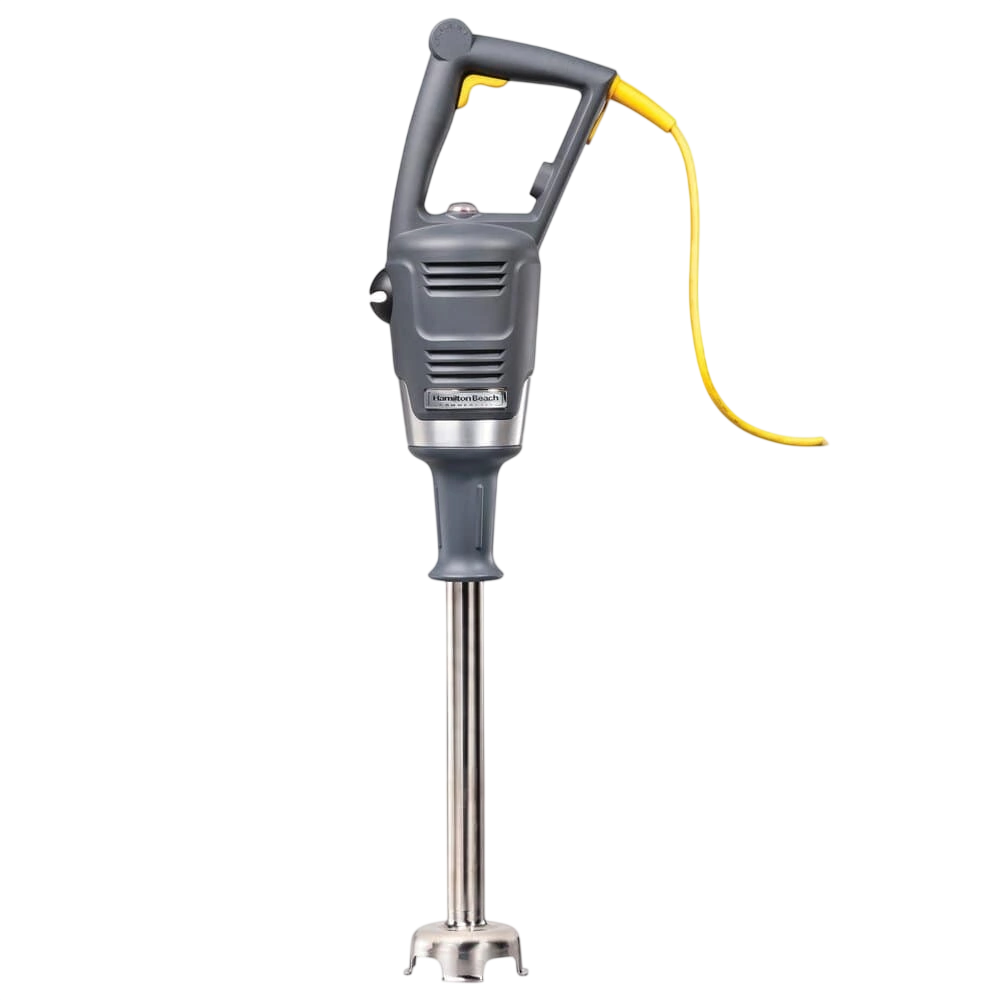
820 × 216 × 140mm
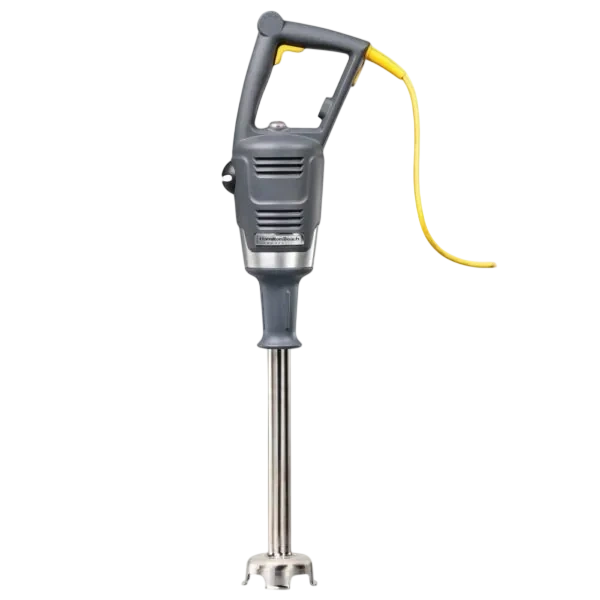
880 × 216 × 140mm
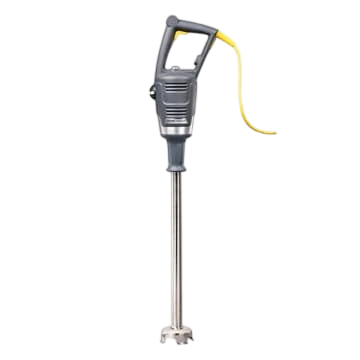
930 × 216 × 140mm
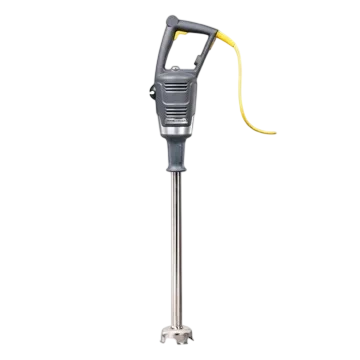
1000 × 216 × 140mm
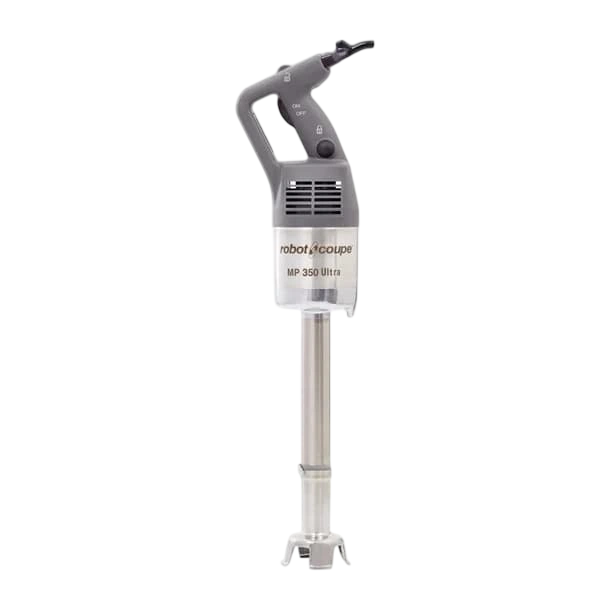
125 × 125 × 740mm
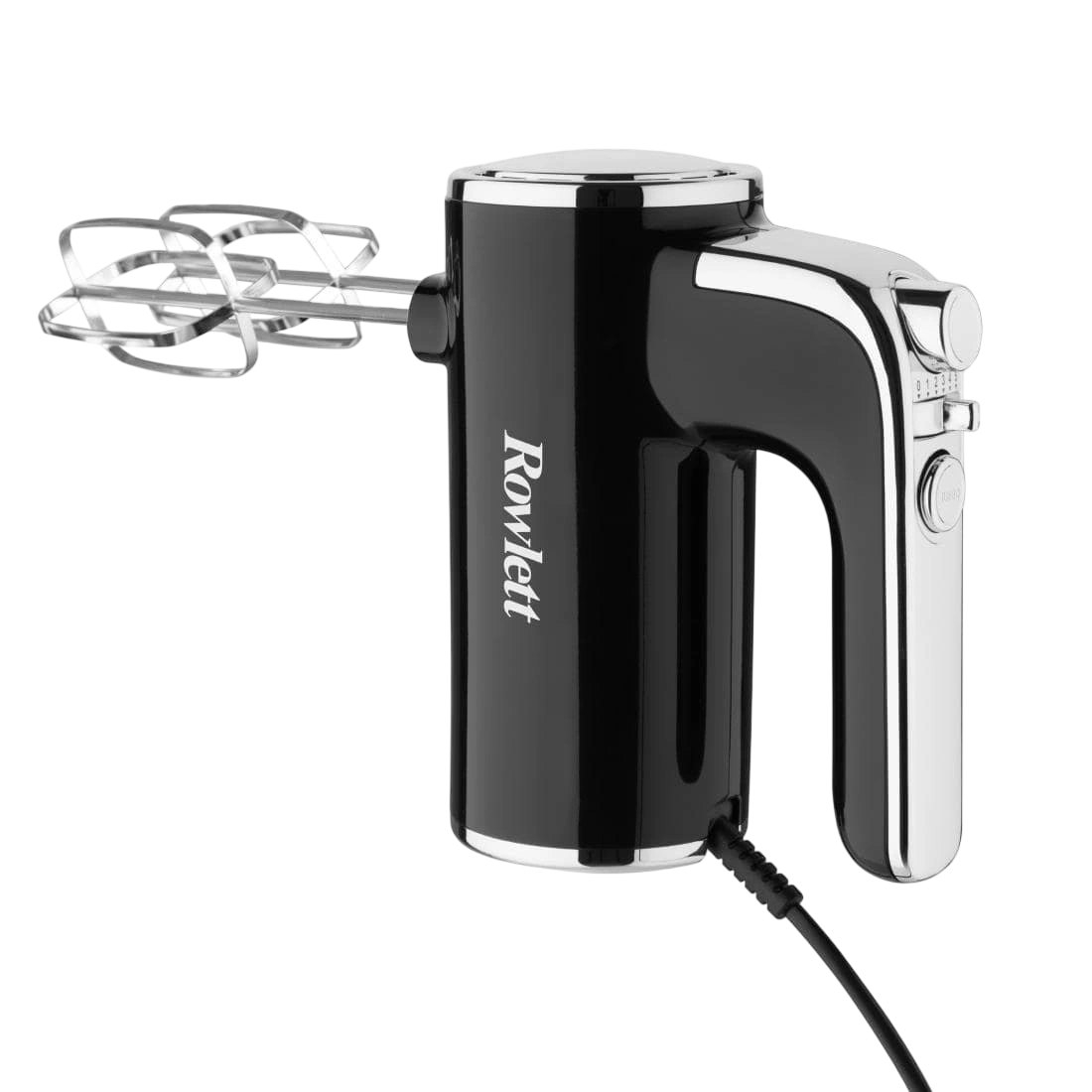
100 × 100 × 708mm