
Bakery fridges and freezers are engineered for the unique needs of dough, pastries, creams and chocolate—where temperature stability, humidity control and gentle airflow directly affect product quality.
This category showcases commercial bakery refrigeration designed for Australian professional kitchens, offering EN 600×400 tray compatibility, fast temperature recovery and reliable performance in warm bakery environments.
Choose the right unit to match your workflow, production volume and ingredient sensitivity.
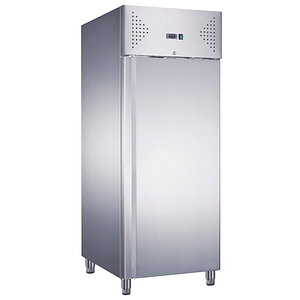


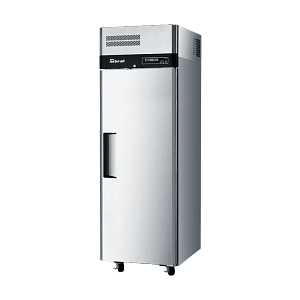


Buying Guide: Bakery Fridges & Freezers
Bakery fridges and freezers differ from standard commercial refrigeration in one defining way: they must maintain the precise temperature, humidity and airflow conditions needed for dough, pastries, creams and chocolate. In bakery production, even minor fluctuations can impact yeast activity, mousse stability, butter texture or chocolate crystallisation. The right bakery fridge is not simply a storage unit—it is a critical part of your commercial kitchen workflow.
1. Cooling Methods: Static, Gentle Airflow & Forced Air
Static cooling provides high humidity and minimal air disturbance, ideal for chocolate, mousse and delicate pastries.
Gentle airflow (bakery airflow) is the industry standard. It prevents skin formation on dough and creams while maintaining uniform cabinet temperature.
Forced air is not recommended for bakery applications. Strong airflow dries dough, damages creams and creates frosting on chocolate.
Premium bakery fridges are also engineered to avoid dead zones—areas with uneven temperatures caused by poor air circulation or blocked vents.
2. Temperature Stability ±1°C
Yeast is extremely sensitive to temperature. Dough can over-proof or under-proof with differences as small as 1–2°C. Bakery fridges use oversized evaporators, advanced controllers and modulated fans to maintain steady temperatures within ±1°C—a requirement for reliable, predictable baking.
3. Humidity Control for Bakery Ingredients
Humidity is the single biggest difference between bakery fridges and standard catering fridges:
- Low humidity causes dough crusting, dry creams and cracked mousse.
- High humidity leads to chocolate bloom, frosting and condensation on pastries.
The defrost system directly affects humidity levels:
Hot gas defrost: fast but causes short temperature spikes.
Electric defrost: stable and gentle but uses more power.
Timed defrost: least accurate for bakery because humidity fluctuation is higher.
4. EN 600×400 Tray Compatibility
Bakeries use EN 600×400 mm trays instead of GN pans. These trays are heavier, wider and designed for pastries, dough blocks and slab cakes. A bakery fridge must provide:
- EN tray compatible rails
- Higher shelf load capacity
- Unrestricted airflow around trays
Ergonomics also matter: EN trays are larger and heavier, so door height, shelf spacing and rail design influence workflow efficiency.
5. Compressor Position: Top vs Bottom
Top-mounted compressors are preferred in bakeries because they avoid flour and sugar dust near the floor and improve heat dissipation.
Bottom-mounted compressors offer easier product access but require more frequent condenser cleaning due to bakery powder and warm ambient air.
6. High Ambient Performance (Up to 40°C)
Bakeries are hot environments. Ovens, mixers and constant door opening create significant heat load. A bakery fridge must be rated for 40°C ambient to maintain stable internal temperature and fast recovery.
Engineering Deep Dive
1. Pull-Down Time (Recovery After Loading Hot Trays)
Placing trays at 80–90°C into a fridge dramatically increases the thermal load. Superior bakery fridges deliver fast pull-down times using:
- Oversized evaporators
- High-efficiency heat exchange systems
- Variable-speed compressors for rapid response
2. Thermal Soak Effect
Even after the air cools, hot trays keep releasing heat, delaying stabilisation. Advanced systems regulate fan cycles and compressor output to prevent prolonged fluctuations.
3. Defrost Method Engineering
The wrong defrost method can ruin bakery products. Hot gas defrost may cause sudden humidity drops, while timed defrost can result in frost build-up around trays. Electric defrost offers smoother transitions for high-moisture goods.
4. Materials & Hygiene (ABS vs 304 Stainless Steel)
Bakery environments contain butter vapour, sugar mist and high humidity. ABS liners may crack or absorb odours. 304 stainless steel is preferred for hygiene, durability and ease of cleaning.
5. Flour & Sugar Dust Management
Bakery kitchens produce fine dust that clogs condensers quickly. Quality bakery fridges include:
- Anti-clog condenser design
- Filter guards
- Wider fin spacing for easier cleaning
Application Scenarios
1. Dough Retardation
Stable humidity and gentle airflow prevent dough from forming a dry crust and allow predictable fermentation control.
2. Creams & Fillings
Cream fillings require high humidity and minimal air movement to avoid skin formation or texture breakdown.
3. Mousse, Layers & Cake Preparation
Temperature instability can cause collapse or weeping. Bakery fridges protect structural integrity during preparation.
4. Chocolate Work
Chocolate requires 14–16°C and low airflow. Static or gentle-airflow bakery fridges provide ideal conditions.
5. Central Production Kitchens
Large bakeries prioritise EN tray compatibility, storage volume and quick temperature recovery to maintain workflow efficiency.
FAQ
Why can’t I use a standard commercial fridge for bakery?
Strong airflow dries dough and creams, humidity fluctuates too much, and temperature swings ruin delicate pastry structure.
Do bakery fridges always use gentle airflow?
Most do. It protects moisture-sensitive products while keeping temperature uniform.
Are EN 600×400 trays necessary?
Yes. They support heavier loads, improve airflow and match bakery production formats.
Does defrost affect bakery items?
Yes. Poor defrost cycles lead to frosting, condensation and temperature drops.
Why must bakery fridges handle 40°C environments?
Bakeries run hot. High-ambient performance prevents loss of cooling capacity and temperature instability.
Common Mistakes
- Using a forced-air fridge for dough or creams.
- Ignoring humidity control in high-moisture products.
- Choosing a fridge without EN tray compatibility.
- Installing non–high-ambient models in hot bakery rooms.
- Neglecting condenser cleaning in flour-heavy environments.
- Selecting glass doors for chocolate-specific applications.
Brand Overview
Bakery refrigeration brands differ in engineering strengths—some prioritise temperature recovery, others optimise humidity stability, while premium units emphasise EN tray capacity and dust-resistant condensers. Selecting the right model depends on your menu, workflow and production volume.
Related Categories
Where to Next?
Explore our full bakery equipment range to design a smoother, safer and more consistent commercial kitchen workflow.