


Commercial Kitchen Equipment

Gelato Maker

Commercial Kitchen Equipment
Kitchen Knock 631884 I5 Commercial Water Boiler – 13L Digital Control

Commercial Kitchen Equipment

Commercial Kitchen Equipment

Commercial Beverage Equipment

Commercial Kitchen Equipment
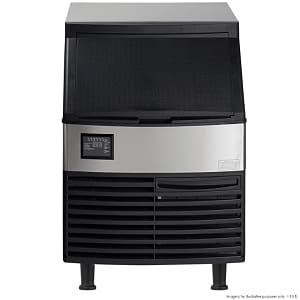
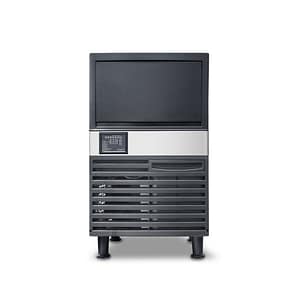
Hoshizaki KM-40C-HC Crescent Ice Maker – 41Kg/Day, 16Kg Bin, R290

Commercial Kitchen Equipment
Kitchen Knock 621386 Electric Milk Steamer – 11L, Digital Display, 3.8kW



Commercial Kitchen Equipment


Commercial Fridges and Commercial Freezers
Apuro DM067-A Ice Cream Maker – 1.5L Countertop, Built-in Freezer

Commercial Beverage Equipment
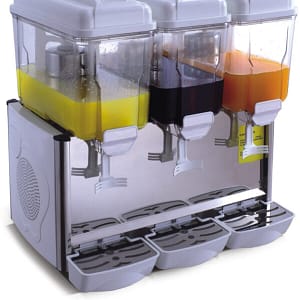
Anvil JDA2003 Triple Bowl Juice Dispenser – 3 x 12L | Stirrer for Pulp & Milk

Catering Equipment
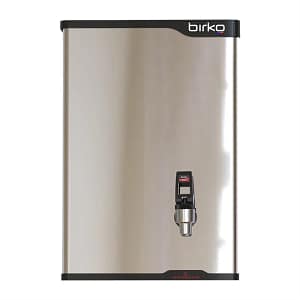
Birko TempoTronic 3L Wall Mounted Hot Water Urn | Compact Over Sink Boiler
Catering Equipment
Birko Tempo Tronic 15L Wall Mounted Hot Water Urn | Over Sink Boiler

Commercial Beverage Equipment

Commercial Beverage Equipment
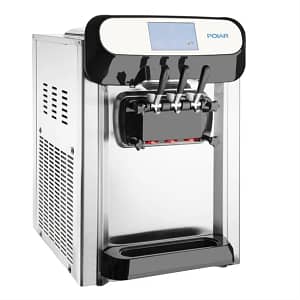
Polar UA034-A U-Series Soft Serve Ice Cream Maker | Dual 6L Hoppers | 25L/hr | 2350W

Commercial Beverage Equipment
Musso IMM0003 L3 Giardino Ice Cream Machine – 2.5kg Batch | 8kg/hr


Cafe Equipment

Commercial Beverage Equipment
Hamilton Beach HMD0400 Triple Milkshake Mixer – 3 Spindles, 0.3kW Motors



Blender Spares & Accessories

Blender Spares & Accessories

Blender Spares & Accessories
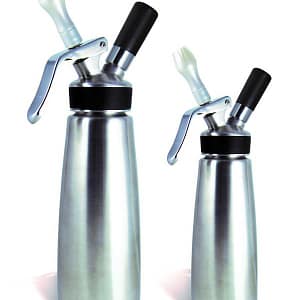
Buying Guide: Commercial Beverage Equipment
A well-designed drinkline prioritises speed, hygiene and consistency. This page provides an overview of beverage workflows. For detailed guidance on blenders, juicers, ice makers and frozen beverage machines, explore the subcategories below.
1. Understanding the Drinkline Workflow
The beverage workflow follows a simple, repeatable structure:
- Ice production & storage → cold drinks, smoothies, cocktails
- Prep & blending → smoothies, frappes, milkshakes
- Juicing → fresh juices in cafés and juice bars
- Dispensing & holding → chilled or heated drink dispensers
- Hot beverage service → urns, boilers and water towers
- Frozen beverages → slushies, granitas and frozen cocktails
2. Beverage Equipment Categories (Overview Only)
Each equipment type supports a specific part of the drinkline:
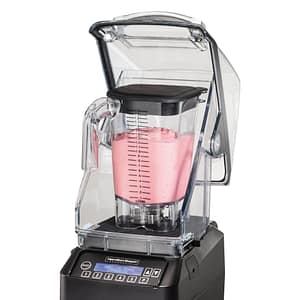
- Commercial Blenders: Fast blending for smoothies and cocktails.
- Juicers: High-capacity juice production for fresh service.
- Ice Makers: Dice, half-dice, nugget or flake ice for service and display.
- Drink Dispensers: Heated or refrigerated FOH beverage holding.
- Slushie & Granita Machines: Frozen beverages for high-sales venues.
- Hot Water Urns: Quick hot water access for tea and coffee.
- Milkshake Makers: Multi-speed mixers for shakes and frappes.
- Commercial Microwaves: Fast reheating and beverage prep support.
3. FOH vs BOH Placement
Some beverage appliances are FOH-safe (dispenser, urn, sound-shielded blenders), while louder or heat-producing units such as open blenders and ice makers are better positioned BOH to maintain guest comfort.
4. Ice Matters: Types & Texture
Different drinks require different ice textures:
- Dice cube: Bars and cocktails (slow melt).
- Half-dice: Cafés and cold drinks.
- Nugget ice: Smoothies, juices and bubble tea (chewable texture).
- Flake ice: Displays and prep.
Different ice styles melt at different speeds and change drink texture.
5. Ventilation & Airflow Clearance
Ice makers and slushie machines require proper airflow clearance to prevent overheating. Avoid placing units inside cabinets or flush against walls. Some models draw air from the front and exhaust out the rear—allow space accordingly.
6. Key Considerations
- Capacity: Ice output per 24h, blender jug size, dispenser tank volume.
- Speed: Blend cycles, freezing times and recovery periods.
- Noise Control: FOH environments may require sound shields.
- Durability: Metal drives, commercial motors and engineered components.
- Food Safety: Cold drinks must stay < 5°C; hot beverages must stay > 60°C; reheating must reach ≥ 70°C.
7. Common Mistakes to Avoid
- Using domestic blenders or juicers for commercial drink volumes.
- Blocking ventilation around ice makers or slushie machines.
- Choosing the wrong ice style for your menu.
- Using loud open blenders in FOH service areas.
- Allowing cold drinks to exceed 5°C or hot beverages to fall below 60°C.
8. Where Beverage Equipment Is Commonly Used
Different venue types require different combinations:
- Cafés: Blender, ice maker, urn and dispenser.
- Bars & clubs: Large ice output, slushie machines, high-speed blenders.
- Juice bars: High-capacity juicer, blender and nugget ice.
- Bakeries: Milkshake maker, blender and dispenser.
9. Brand Positioning
Choose premium brands for high-volume venues; choose value lines for light commercial service.
- Hamilton Beach: Commercial blenders and mixers.
- Robot Coupe / Dito Sama: Elite juicers and prep systems.
- Ceado: High-performance juicers.
- Brema & Hoshizaki: Professional ice makers.
- Birko: Hot water boilers and urns.
- Panasonic: Commercial microwaves.
- Anvil / Apuro: Practical beverage prep appliances.
- Roband: Australian FOH essentials.
- Caterlite / RFE: Entry-level equipment for schools & light use.
Frequently Asked Questions
What equipment does a café need?
A blender, ice maker, dispenser, hot water urn and commercial microwave cover most menus.
Do beverage appliances require a canopy?
Most do not. Only grill-style toasters may need ventilation.
Are commercial blenders worth it?
Yes—metal drives, cooling systems and commercial motors are built for continuous blending.
Need help designing your drinkline?
Call 1300 001 366 for tailored recommendations.
Drinkline workflow and beverage system guidance validated by KW Commercial Kitchen.