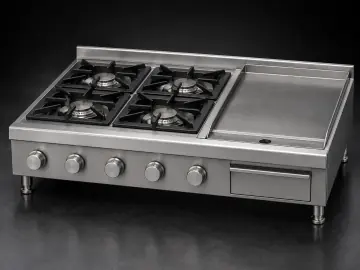
Combination Cooktops
41 products
Commercial Cooking Equipment
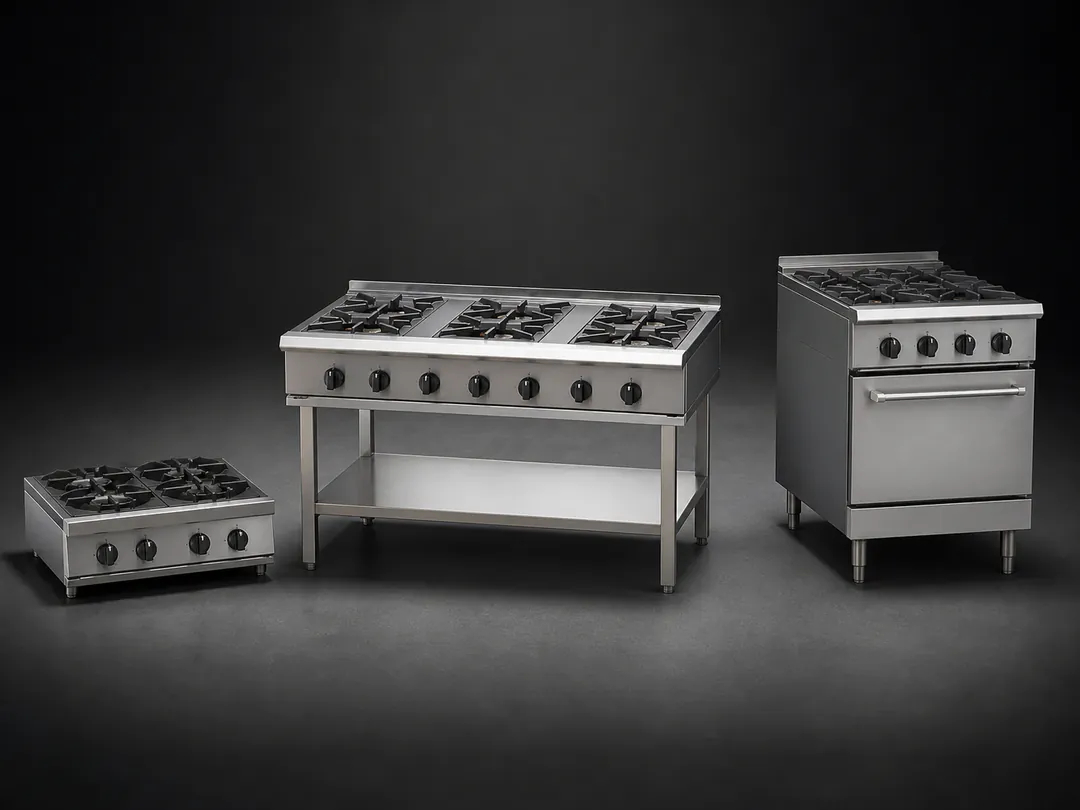
Commercial cooktops is the parent range for five distinct buying paths: counter top burners, cooktops on stands, cooktops with ovens, combination cooktops and stockpot burners. Use this page to compare the whole range, then enter the child category that matches the cooking job and station format.
Start with the pots, pans and simultaneous cooking tasks required at peak service. Compare the exact model's burner or zone layout, gas type or electrical connection, stated input, control arrangement, overall dimensions, base or oven configuration, clearances and installation instructions. Burner count or a single MJ/h or kW figure does not establish usable output for every menu.
Key factors to consider before purchasing. Our team can help you find the right fit — call or get a quote anytime.
Map the pots, pans or stockpots used together at peak service. Compare the number, spacing and type of burners or zones with vessel diameters, loads and the exact model's supported cookware requirements.
Choose a compact benchtop unit, a dedicated stand model, a cooktop-and-oven range or a mixed-surface combination from the jobs required in that footprint. Check what the base actually includes.
Keep gas MJ/h and electrical kW separate. Verify gas type or voltage, phase and connection, then compare controls, overall dimensions, clearances, ventilation and service access.
Submit your kitchen requirements — our equipment specialists will send you a tailored shortlist of commercial cooktops that fits your budget, venue type and compliance needs.
Standards & Compliance
Use the current specification sheet and installation instructions for the exact cooktop. For gas equipment, confirm the supplied gas variant, rated input and connection details. For electric or induction equipment, confirm voltage, amperage, phase, kW and connection type. Coordinate ventilation, clearances, fire-safety, commissioning and service access with the relevant qualified trades.
FAQ
This parent route rolls up counter top burners, cooktops on stands, cooktops with ovens, combination cooktops and stockpot burners. Use the relevant child route to compare one station format without the other configurations.
List the pots and pans used simultaneously at peak service, including their diameters and loads. Then check the exact burner or zone spacing and controls; burner count alone does not prove that every vessel will fit or operate as required.
No. Required input and cooking performance depend on the task, vessel, load, burner design and model. Use the stated rating to check site services and compare supported performance evidence instead of applying one universal threshold.
No. They describe different energy inputs and service requirements. Keep them separately labelled and compare the complete model, cookware, controls and intended cooking task.
Why KW
KW separates broad cooktop intent from five format-specific child ranges and from adjacent griddle, wok-burner and induction decisions. Send the menu tasks, simultaneous pots and pans, preferred station format, available services, installation dimensions, delivery postcode and access path for a model-specific shortlist.
Deep Dive
Technical depth from KW's commercial kitchen specialists.
| KW range | What belongs there | Compare within the range |
|---|---|---|
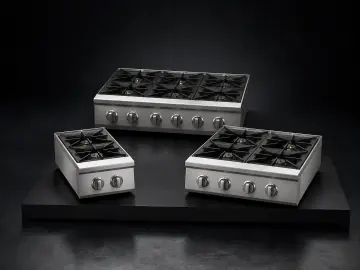
| Counter Top Burners | Bench-mounted gas, electric or induction burner and hob units. | Bench footprint and load, burner or zone layout, controls, connections and clearances. |
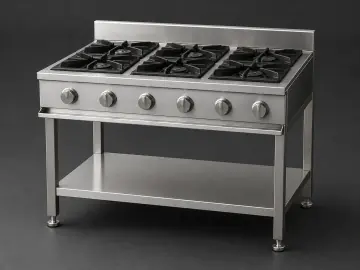
| Commercial Cooktops on Stand | Floor-standing cooktops with an open, cabinet, refrigerated or model-specific base. | Working height, base function, burner or zone layout, service access and total footprint. |
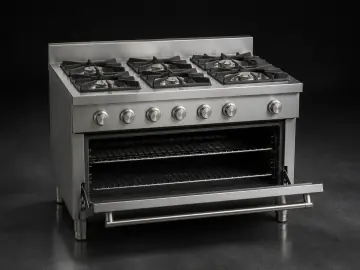
| Cooktops with Ovens | Commercial ranges combining upper cooking positions with an oven below. | Top configuration, oven type and capacity, aggregate services, doors, trays and clearances. |
| Combination Cooktops | Stations mixing open burners with griddle, charbroiler, solid-top or other stated functions. | Usable width assigned to each function, controls, base configuration and cleaning access. |
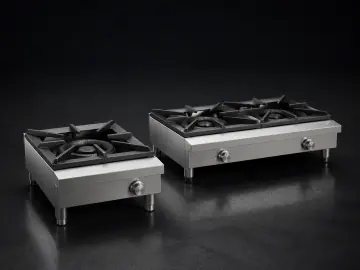
| Stockpot Burners | Low-height or purpose-built burners for large pots and bulk boiling tasks. | Vessel fit and load, burner design, working height, gas connection, drainage and surrounding access. |
A counter top model needs a suitable support surface. A stand model forms a floor-standing station and may use an open, cabinet, refrigerated or other specified base. Confirm working height, base inclusions and service access.
Choose that child range when the same footprint must support both top cooking and oven work. Compare the upper configuration, oven type and capacity, total services, tray or shelf fit and door clearances.
Use the Stockpot Burners range when large-pot or bulk-boiling work is central to the station. Check vessel dimensions and load, burner design, working height, gas requirements and safe surrounding access for the exact model and site.
Confirm dimensions, clearances, bench or floor support, gas type and connection or electrical voltage, phase, amperage and kW, plus ventilation, commissioning, cleaning and service access. Use the exact model documents and relevant qualified trades.
Choose from the site's available services, cookware, control needs and the exact model specification. Gas models require the correct gas variant and stated connection. Electric plate and induction models require the specified voltage, phase, amperage or kW and connection type. Induction also requires compatible cookware. KW has a separate Commercial Induction Cookers route for induction-specific comparison; do not treat every electric cooktop as induction or compare gas MJ/h directly with electrical kW.
A bench model uses an existing support surface. A stand or cabinet base creates a floor-standing station but storage, doors and shelves vary. A cooktop with oven combines two cooking functions and must be checked as one appliance configuration. Combination models may allocate part of the top to a griddle, charbroiler or solid plate. Confirm the exact base, oven and top functions rather than inferring them from the product family name.
These current examples illustrate different configurations; each value applies only to the named SKU and must be rechecked on its product page and specification sheet.
| Model | Configuration | Current selection facts |
|---|---|---|
| Fagor C-E760 | Bench top electric cooktop | Six plates; 1200 × 730 × 290 mm; 400 V; 3 phase; 15.6 kW. |
| Gasmax RB-4E | Four-burner gas bench model | 602 × 824 × 574 mm; current title states 96 MJ/h and flame failure. |
| Giorik CG940ET | Four gas burners with electric oven | 415 V; 3 phase; 6.7 kW electrical rating; 144 MJ/h gas input. |
| Fagor C-G761H | Six-burner gas range with gas oven | 1200 × 730 × 850 mm; current stored specifications list separate rated-power and gas-input fields. |
Gas input, electrical load and induction power are service-sizing facts. Usable cooking performance also depends on burner or element design, control behaviour, pan material and diameter, food load and cooking method. Compare manufacturer output or boil tests only when the basis is stated and comparable. This parent page does not prescribe one MJ/h minimum for every restaurant or claim that a particular rating guarantees wok hei, faster boiling or recovery.
Use cooktops when pots and pans are the primary interface. For food cooked directly on a flat plate, compare Commercial Griddles. For a purpose-built Asian wok station, compare Chinese Wok Burners. Plan the station with the broader Commercial Cooking Equipment range, canopies and rangehoods and stainless steel benches. Verify ventilation, clearances, landing space, cleaning and service access from the exact equipment and site requirements.
1,140 results
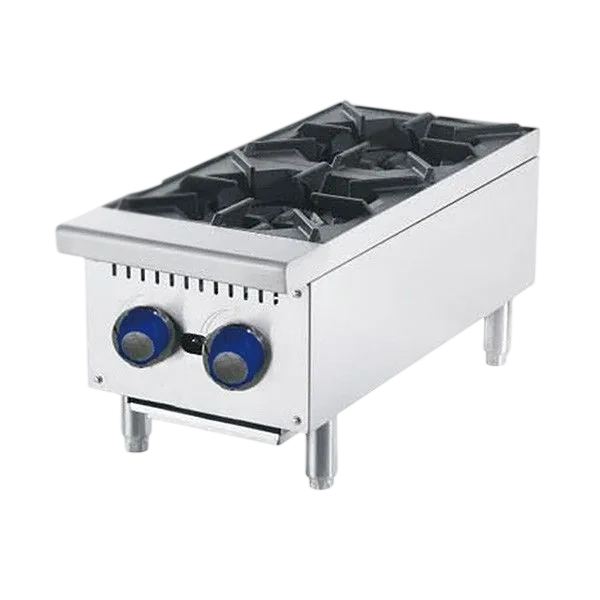
308 × 700 × 332mm
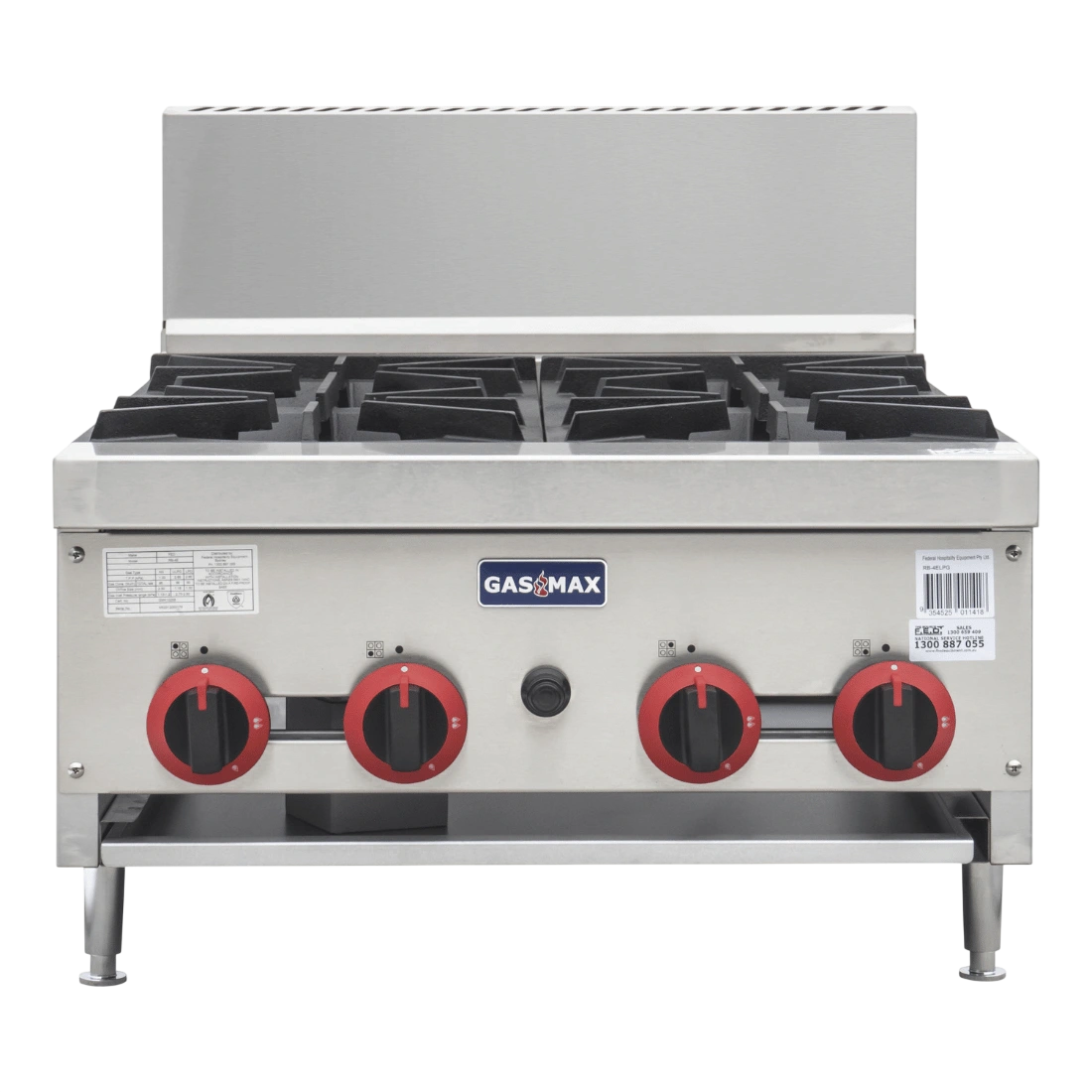
602 × 824 × 574mm
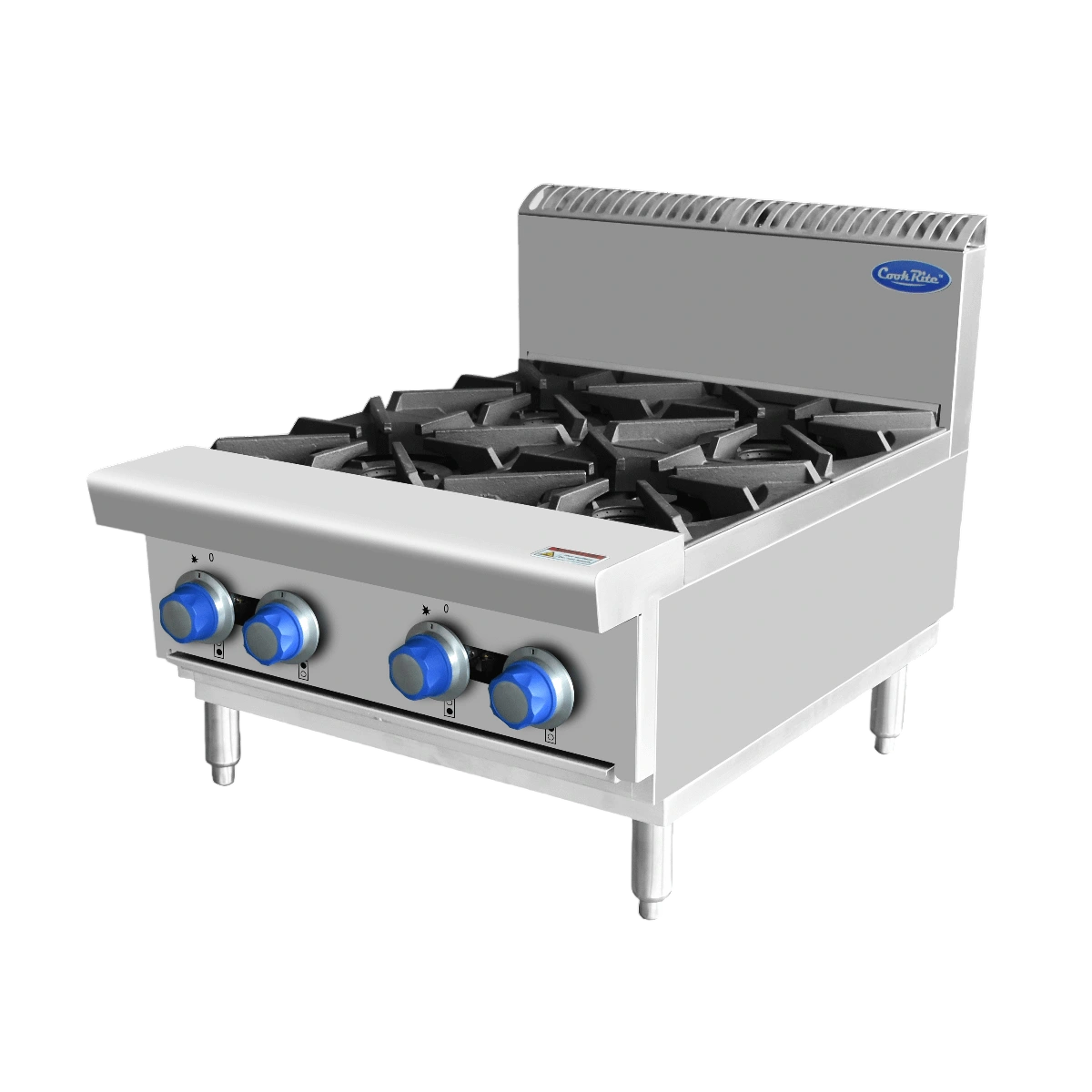
600 × 800 × 562mm
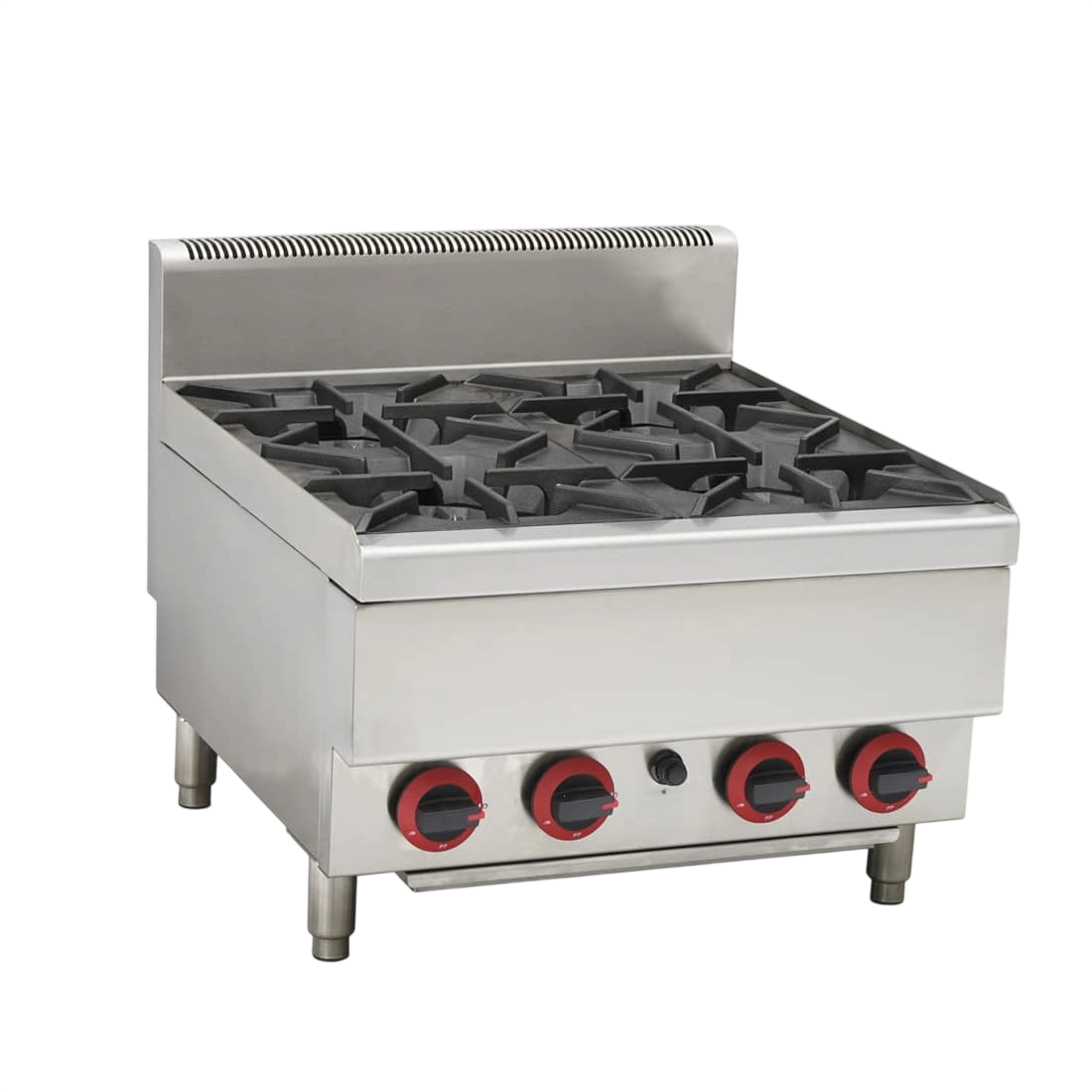
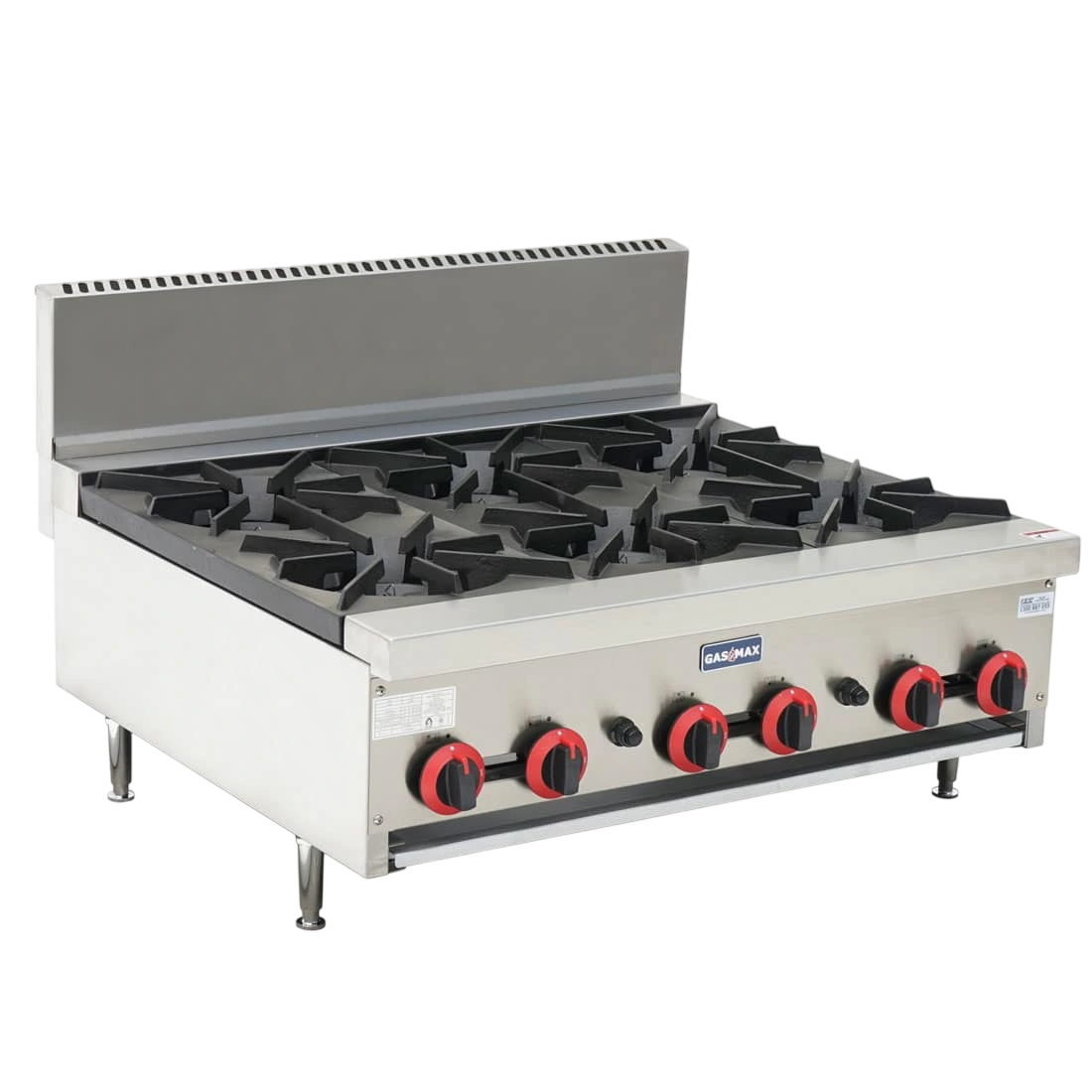
902 × 824 × 575mm
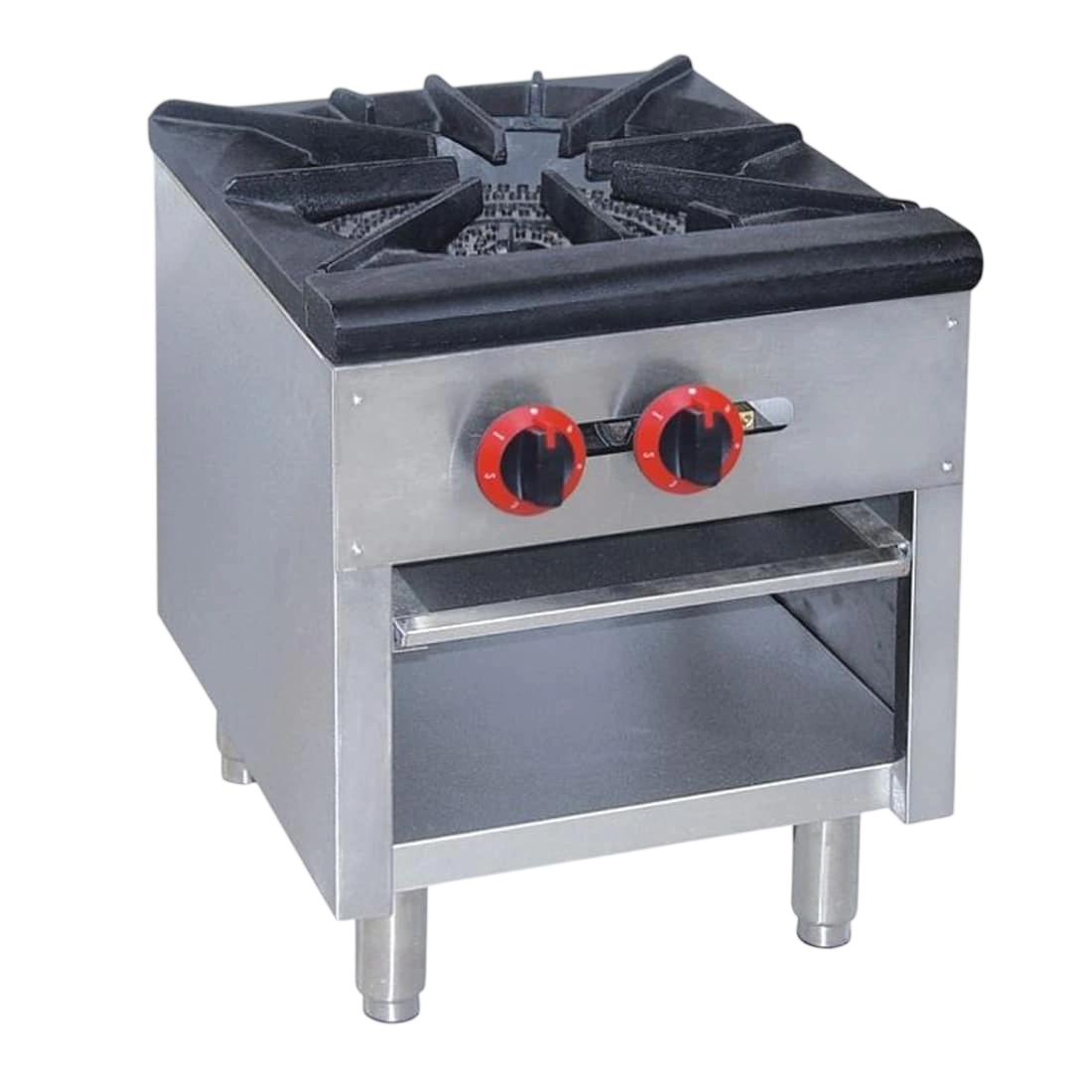
463 × 676 × 497mm
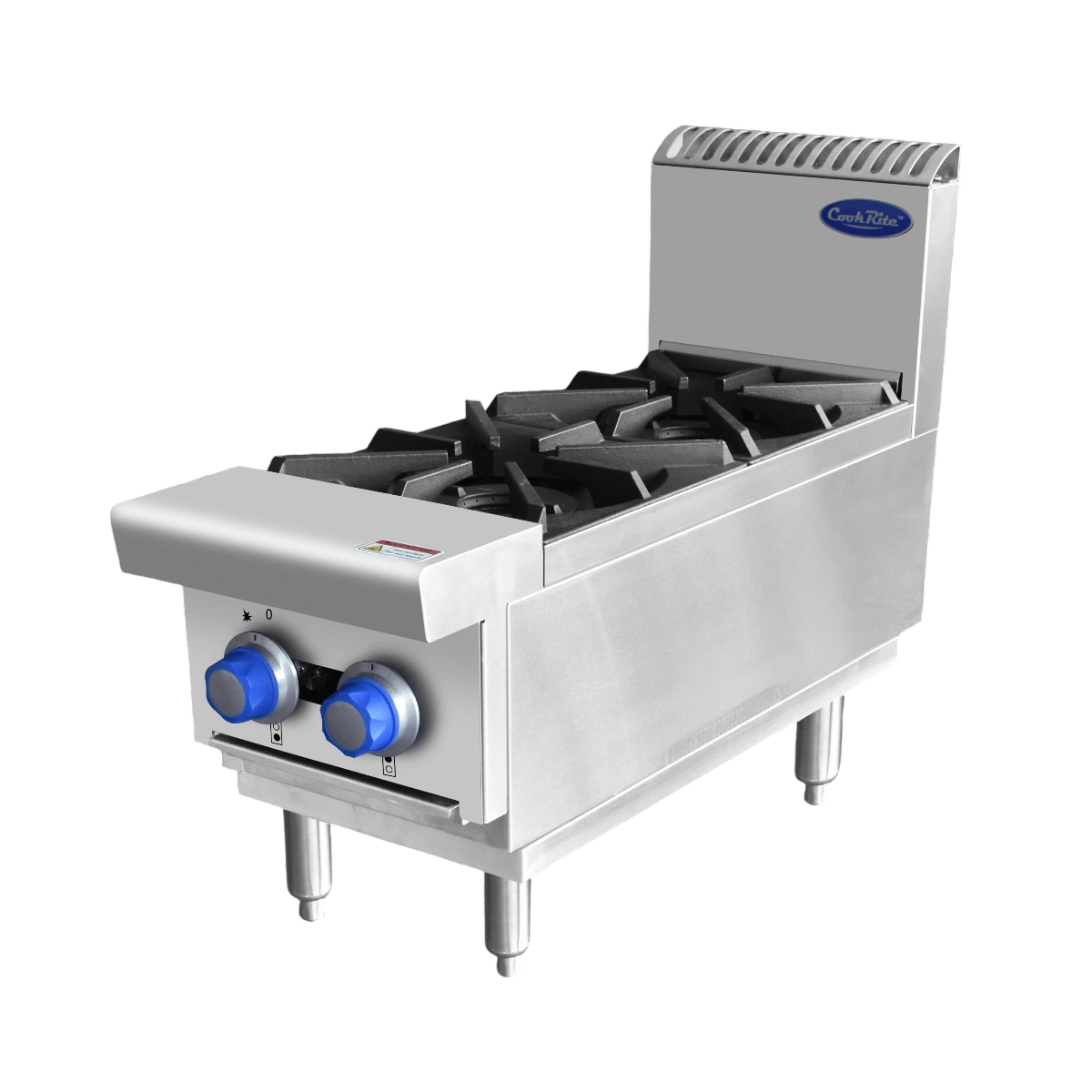
300 × 800 × 562mm
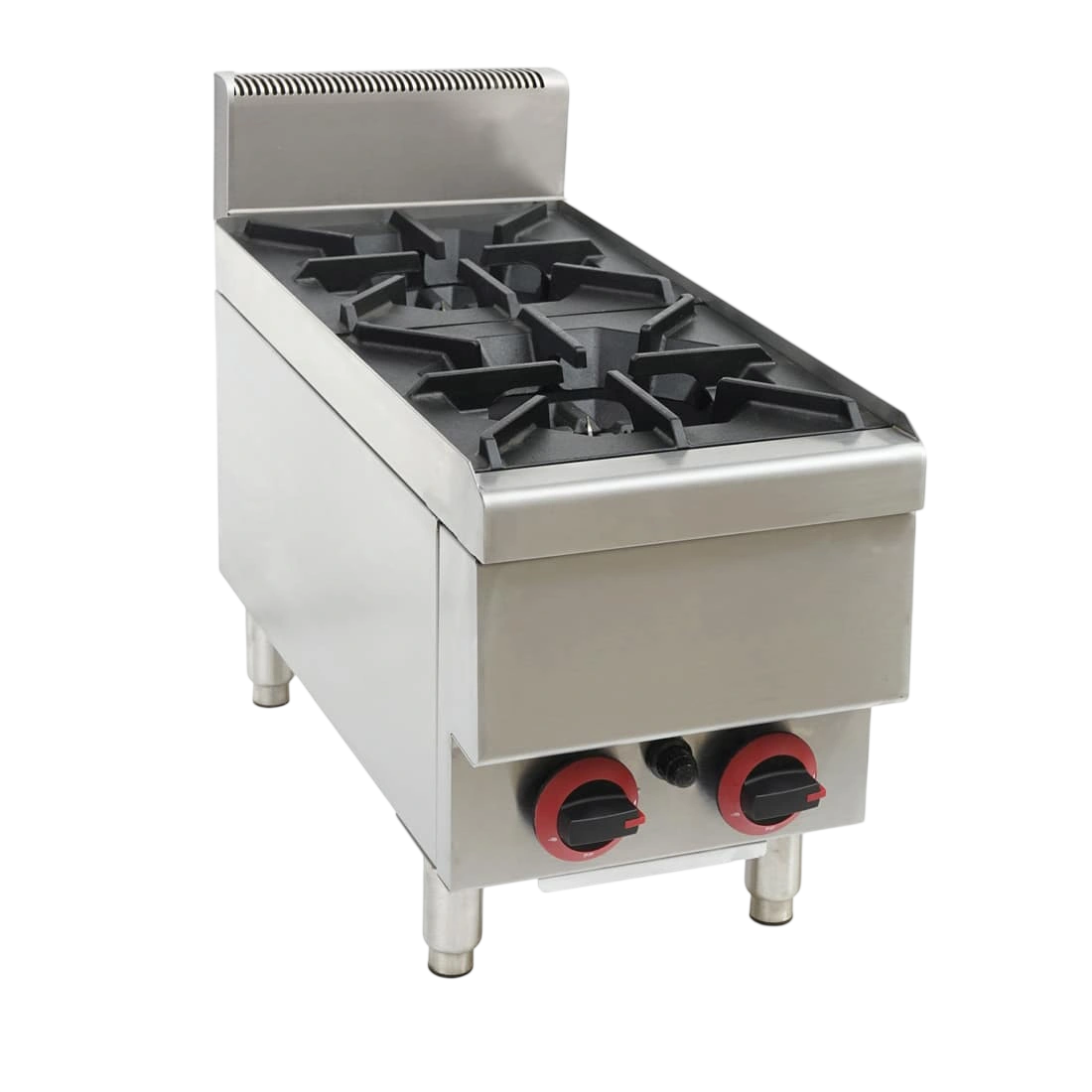
305 × 652 × 538mm
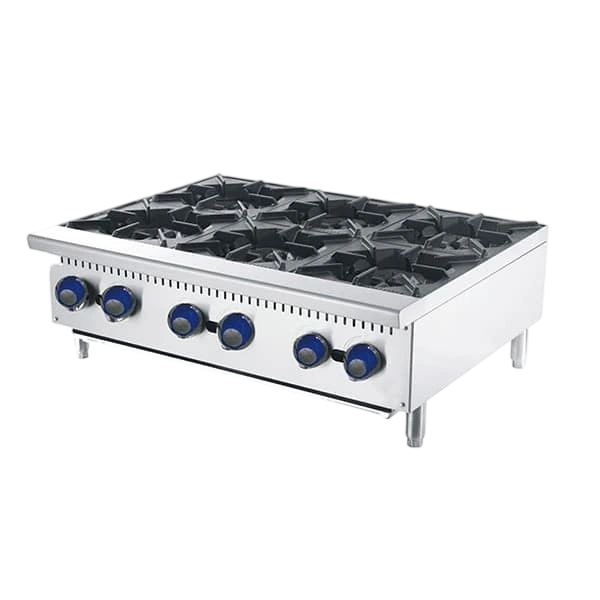
910 × 700 × 332mm
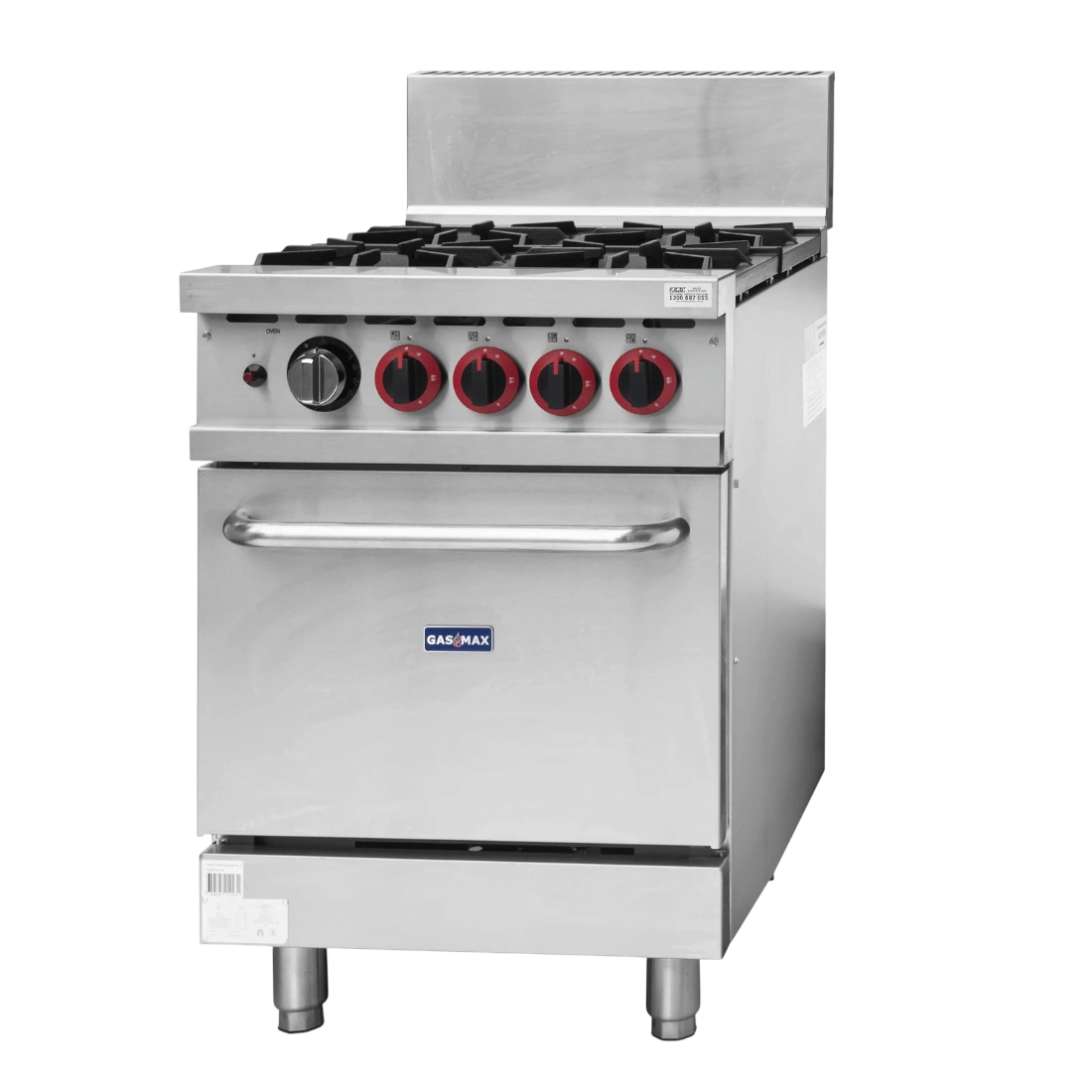
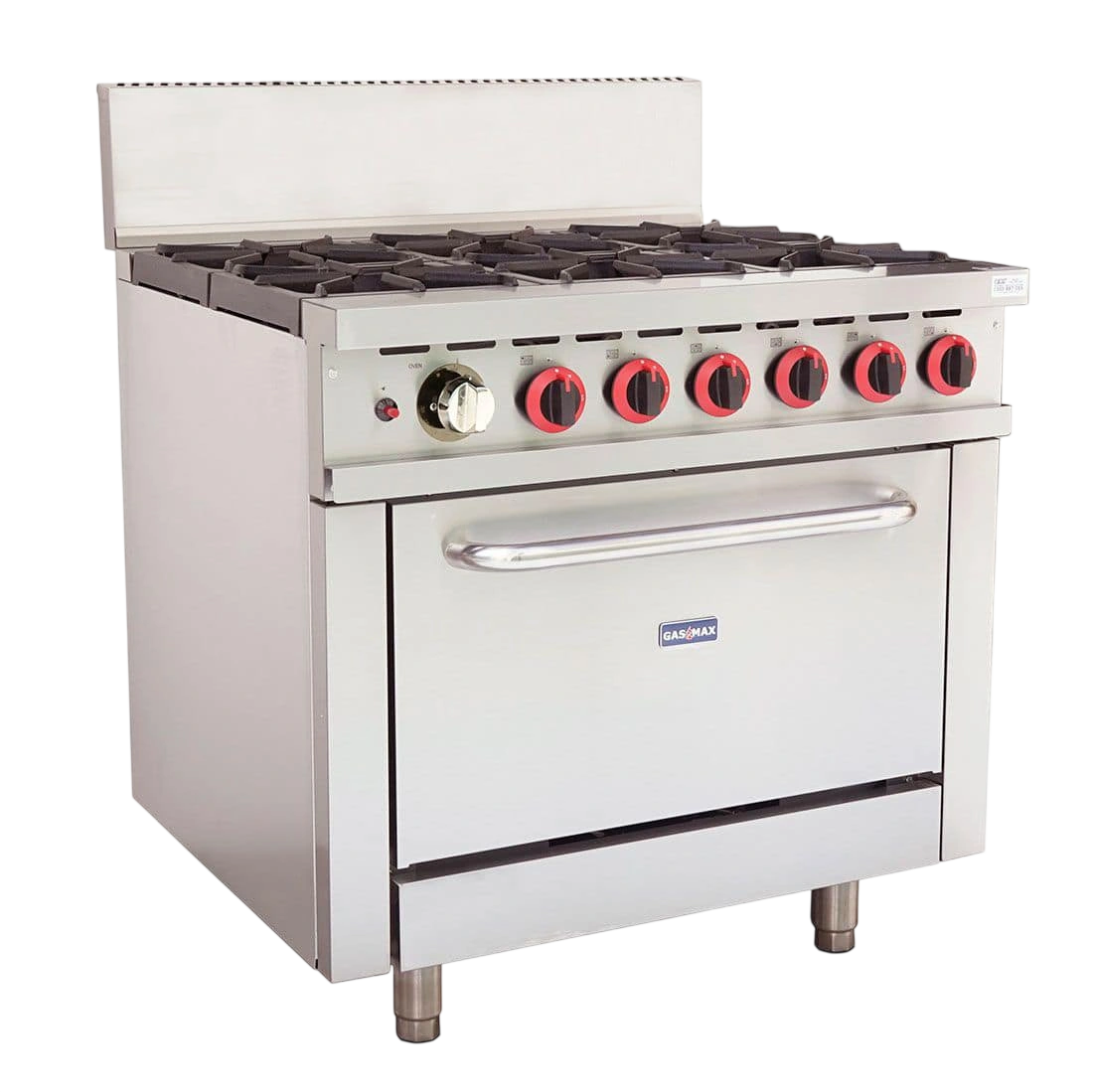
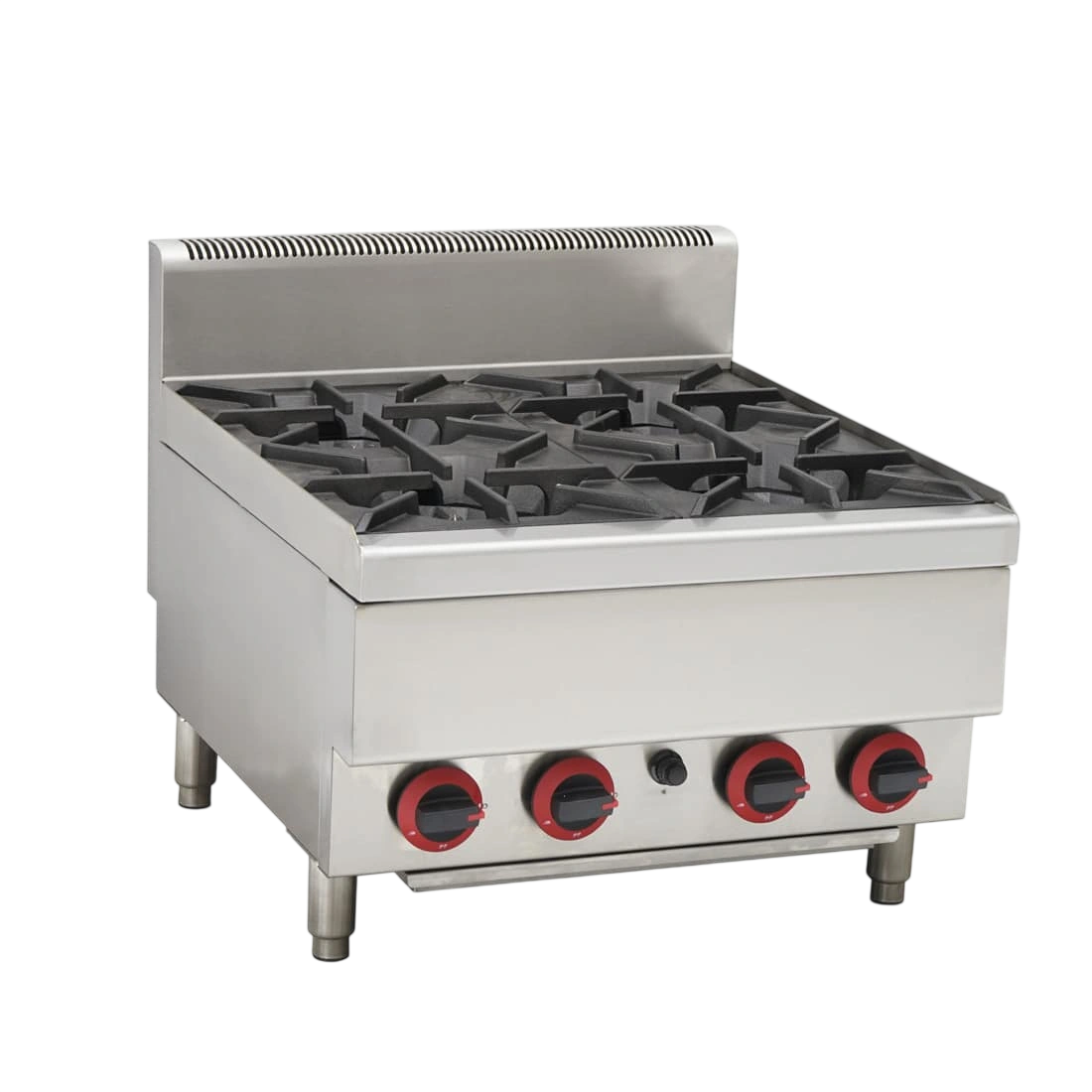
605 × 652 × 538mm
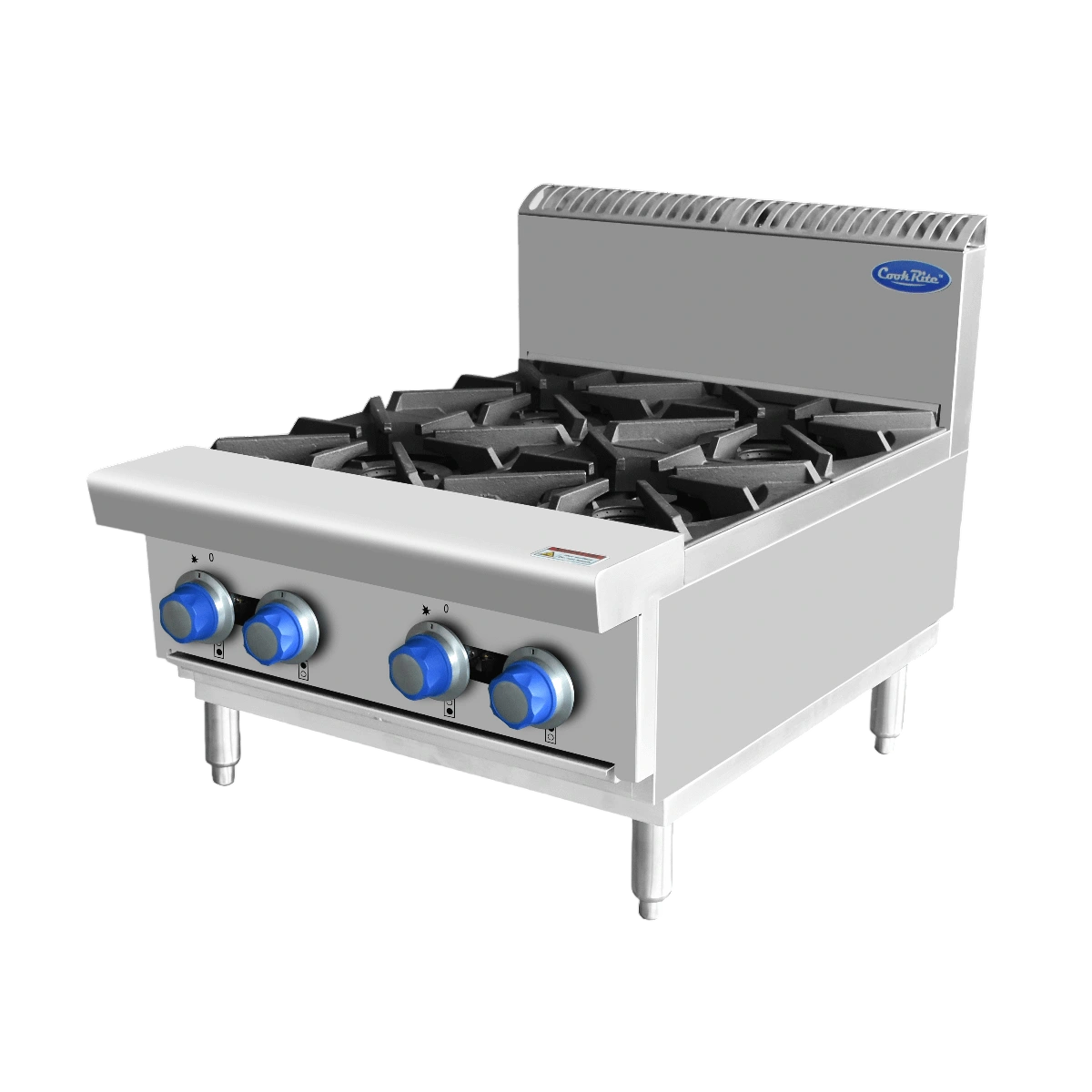
600 × 800 × 562mm
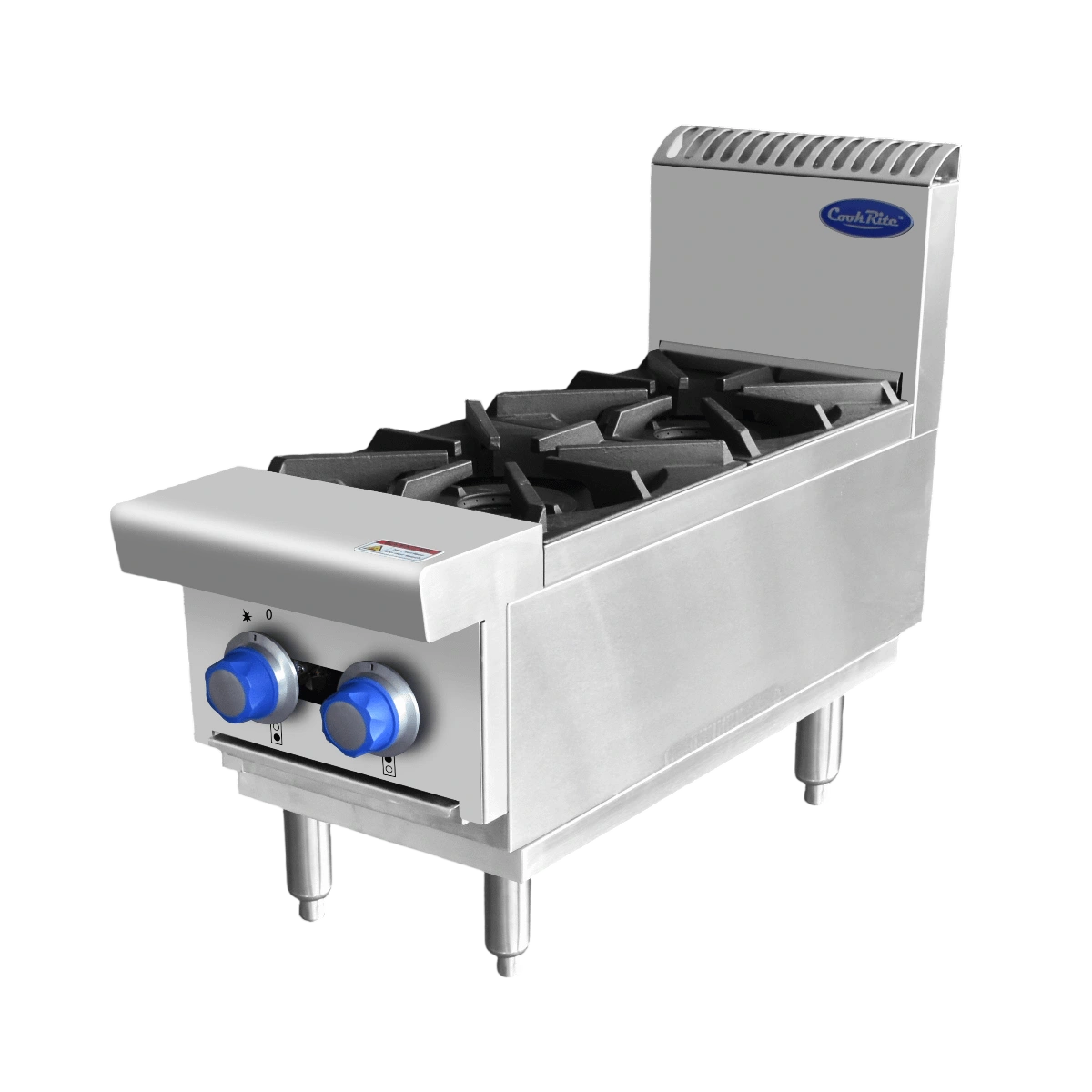
300 × 800 × 562mm
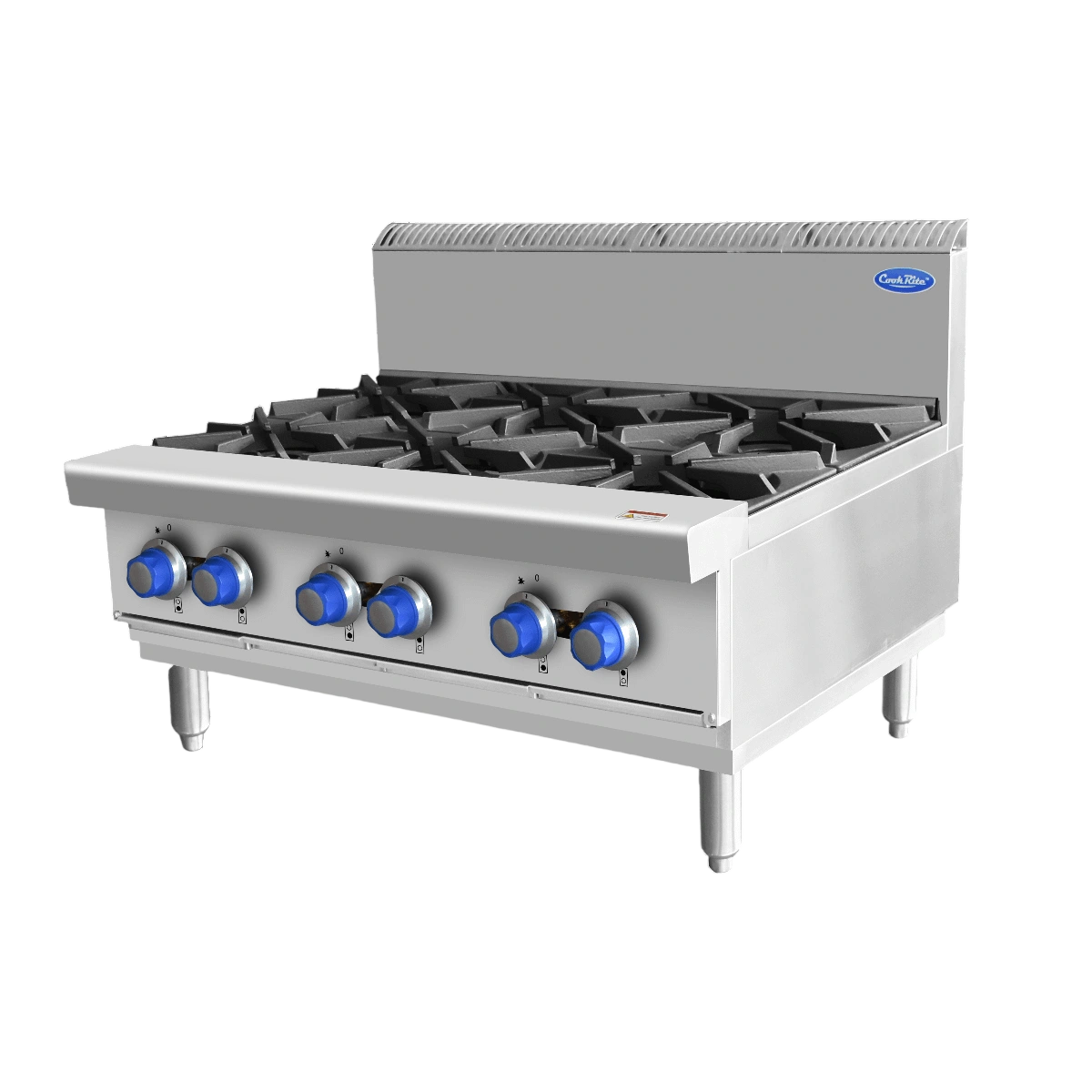
900 × 800 × 562mm
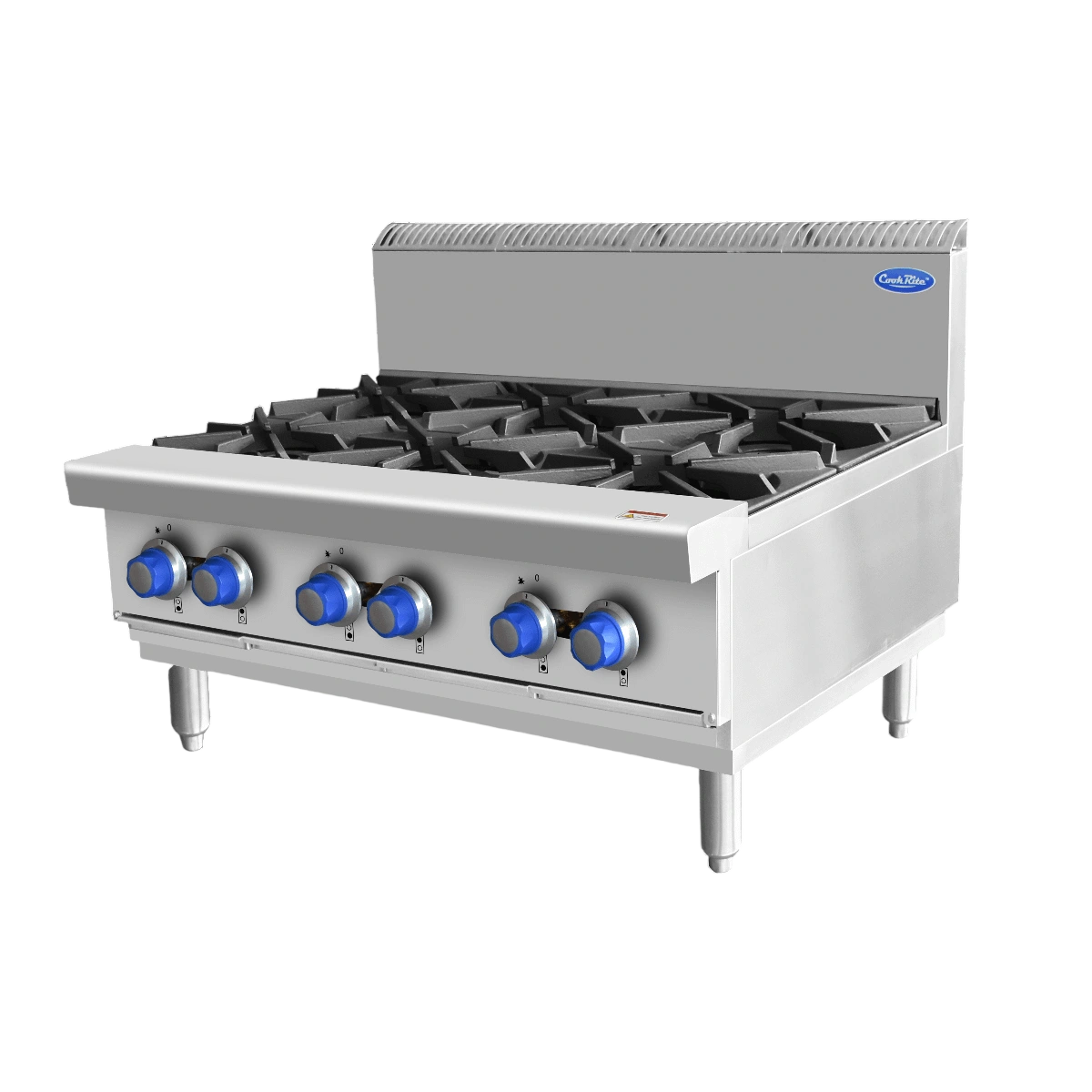
900 × 800 × 562mm
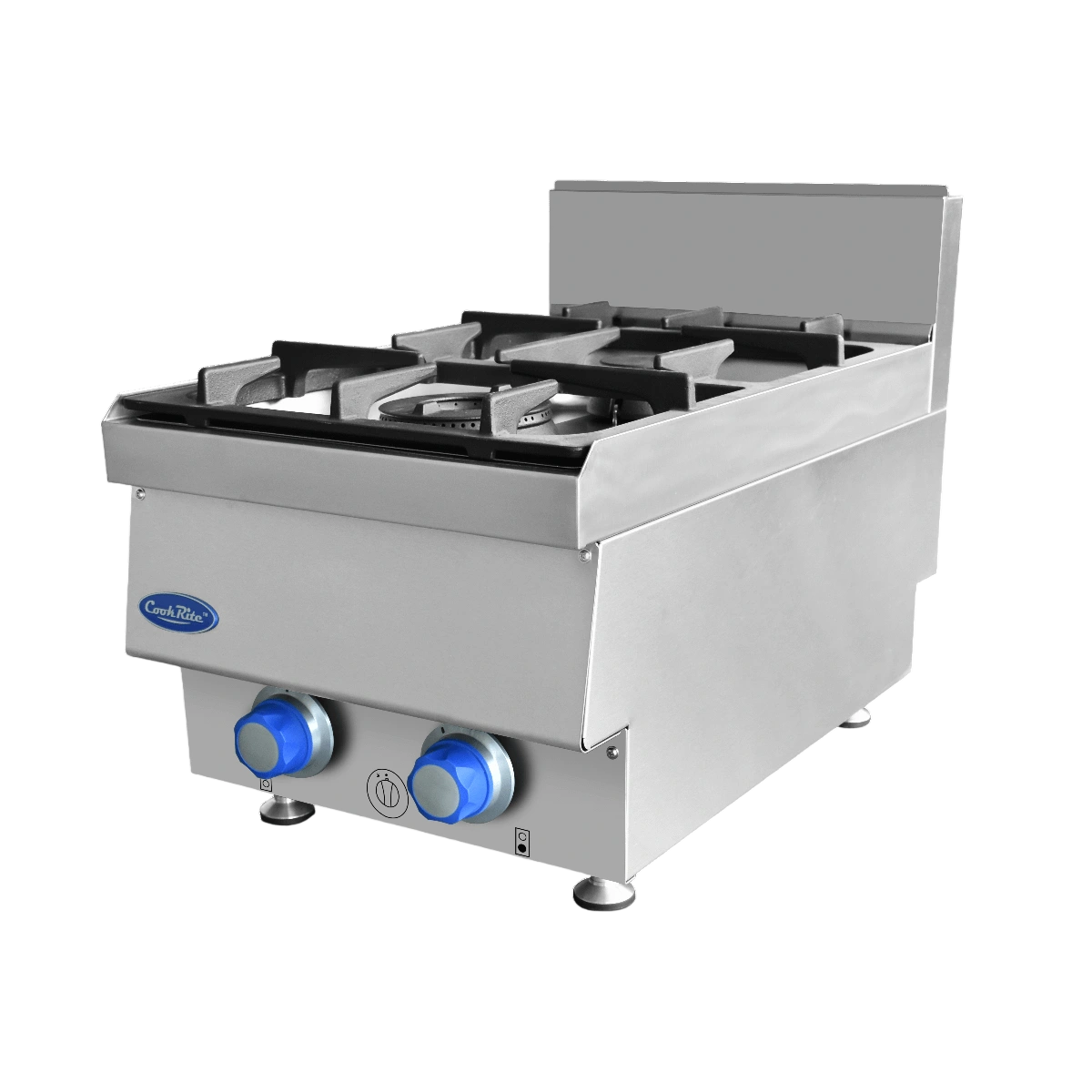
400 × 650 × 485mm
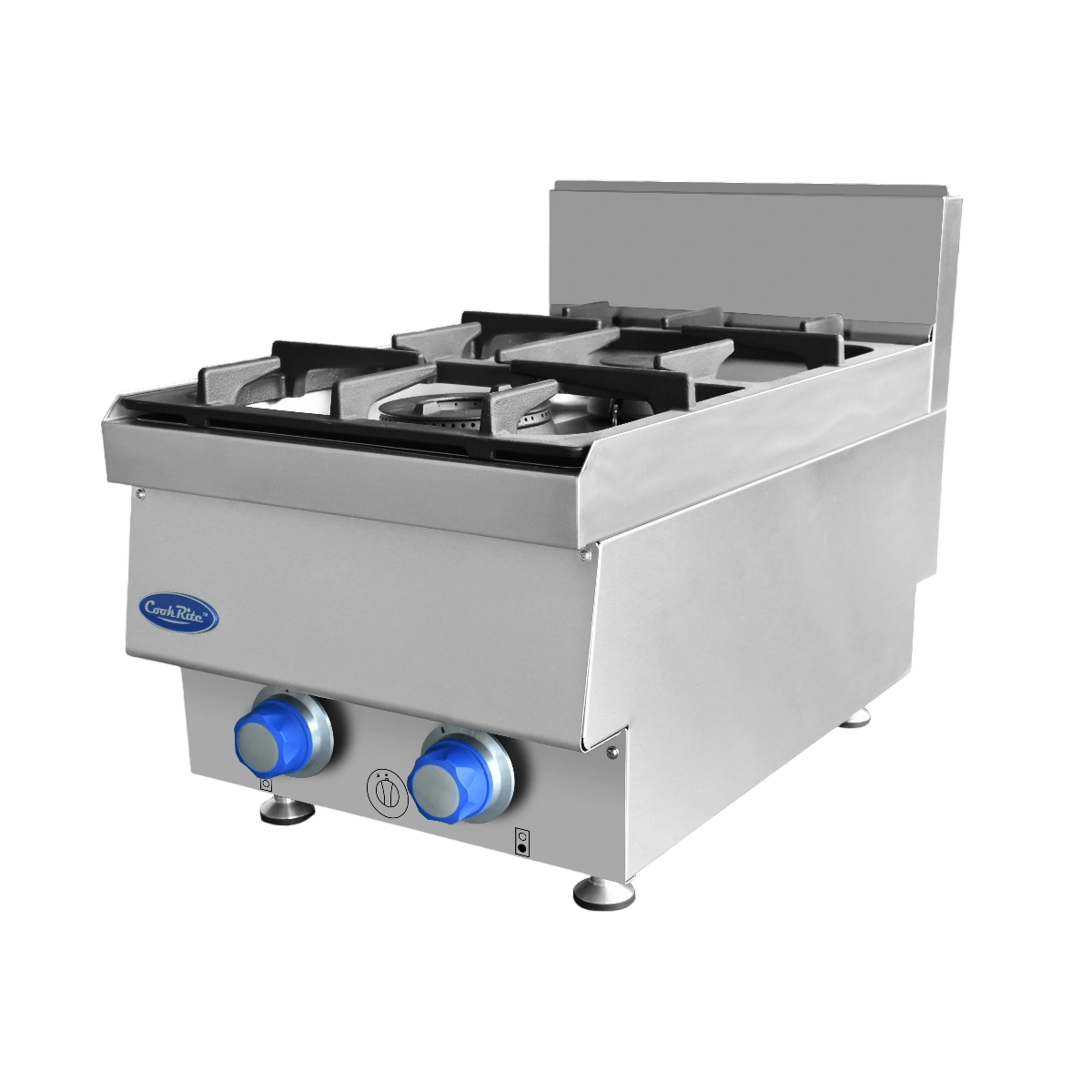
400 × 650 × 485mm
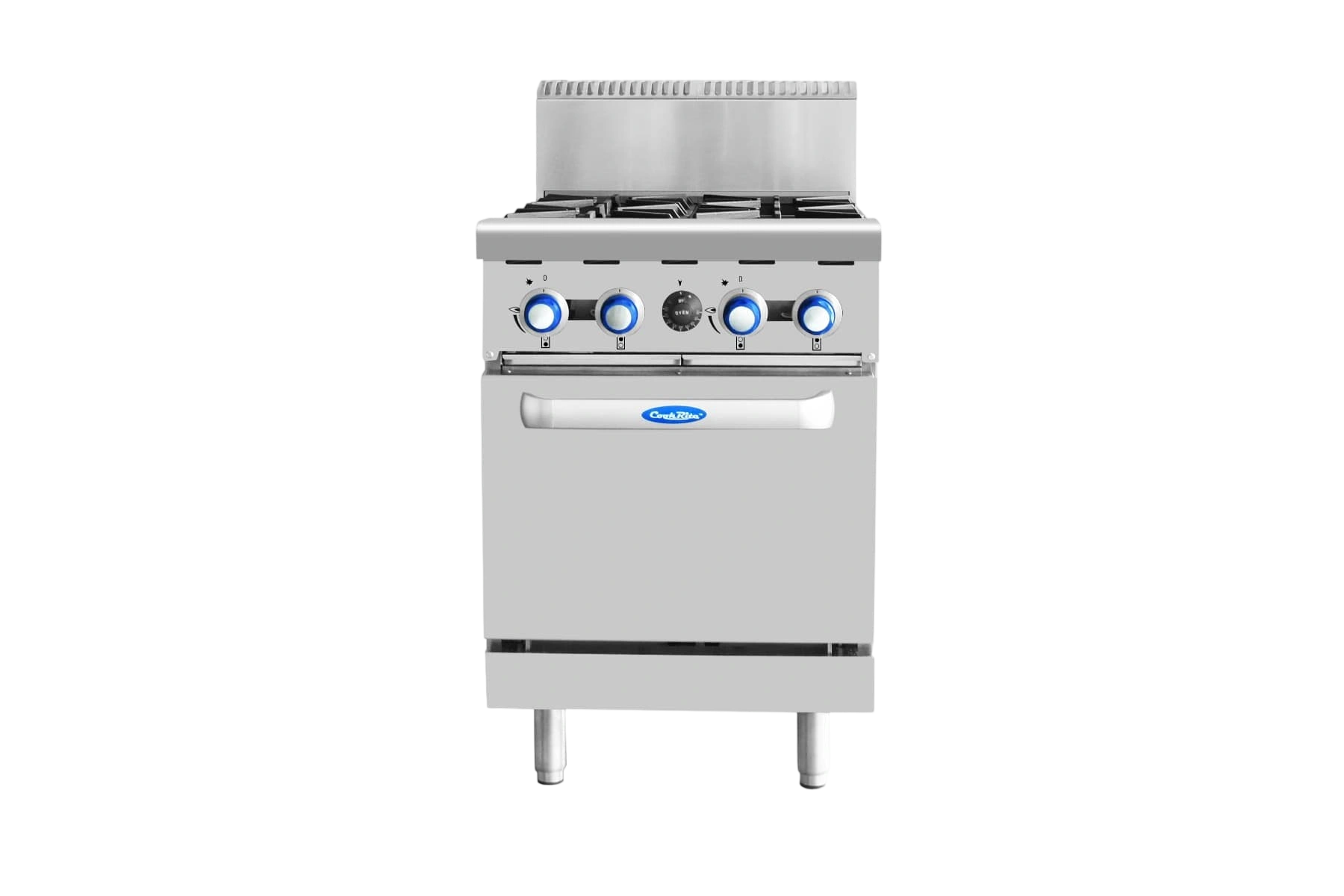
600 × 800 × 1115mm
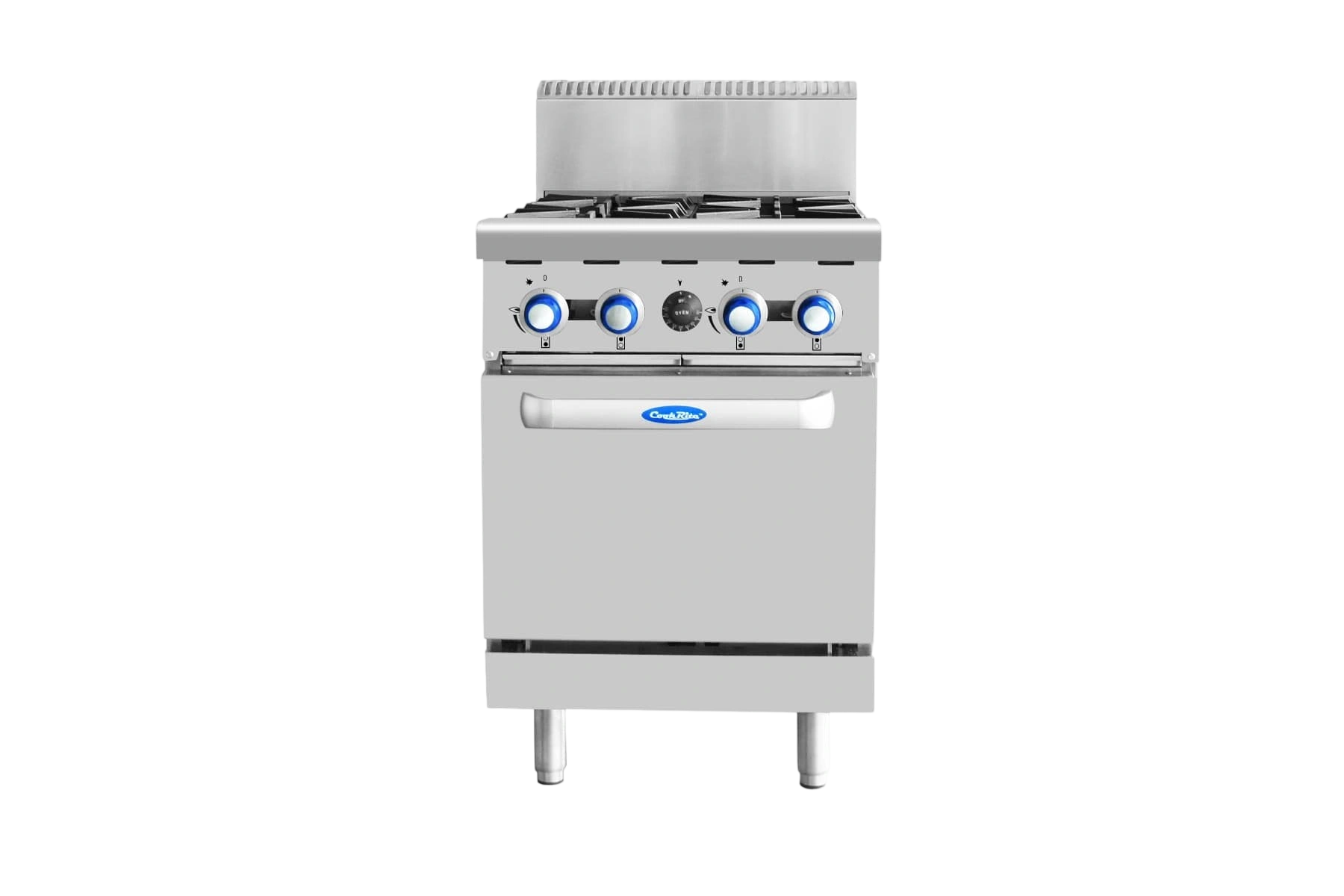
600 × 800 × 1115mm
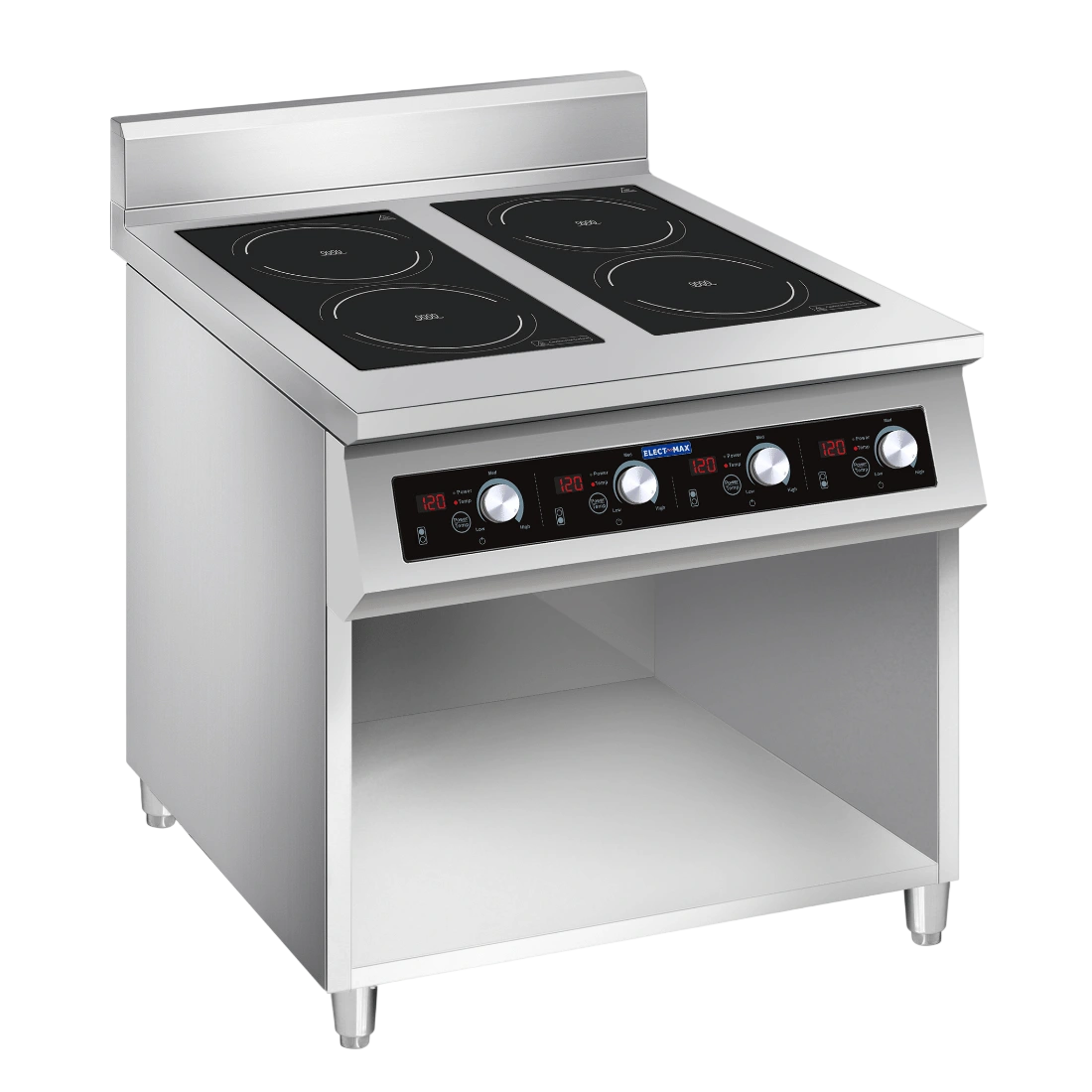
800 × 700 × 980mm
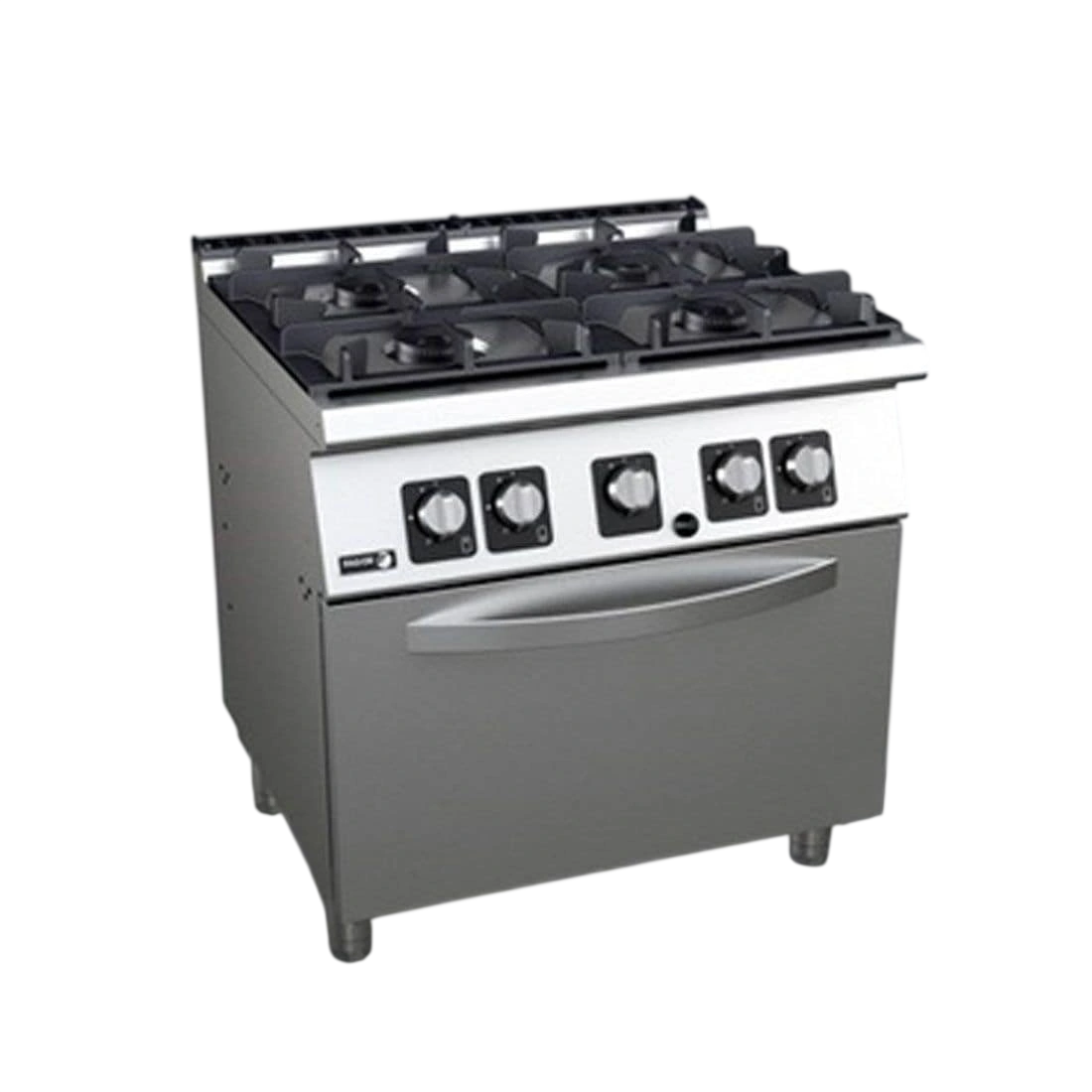
800 × 730 × 850mm
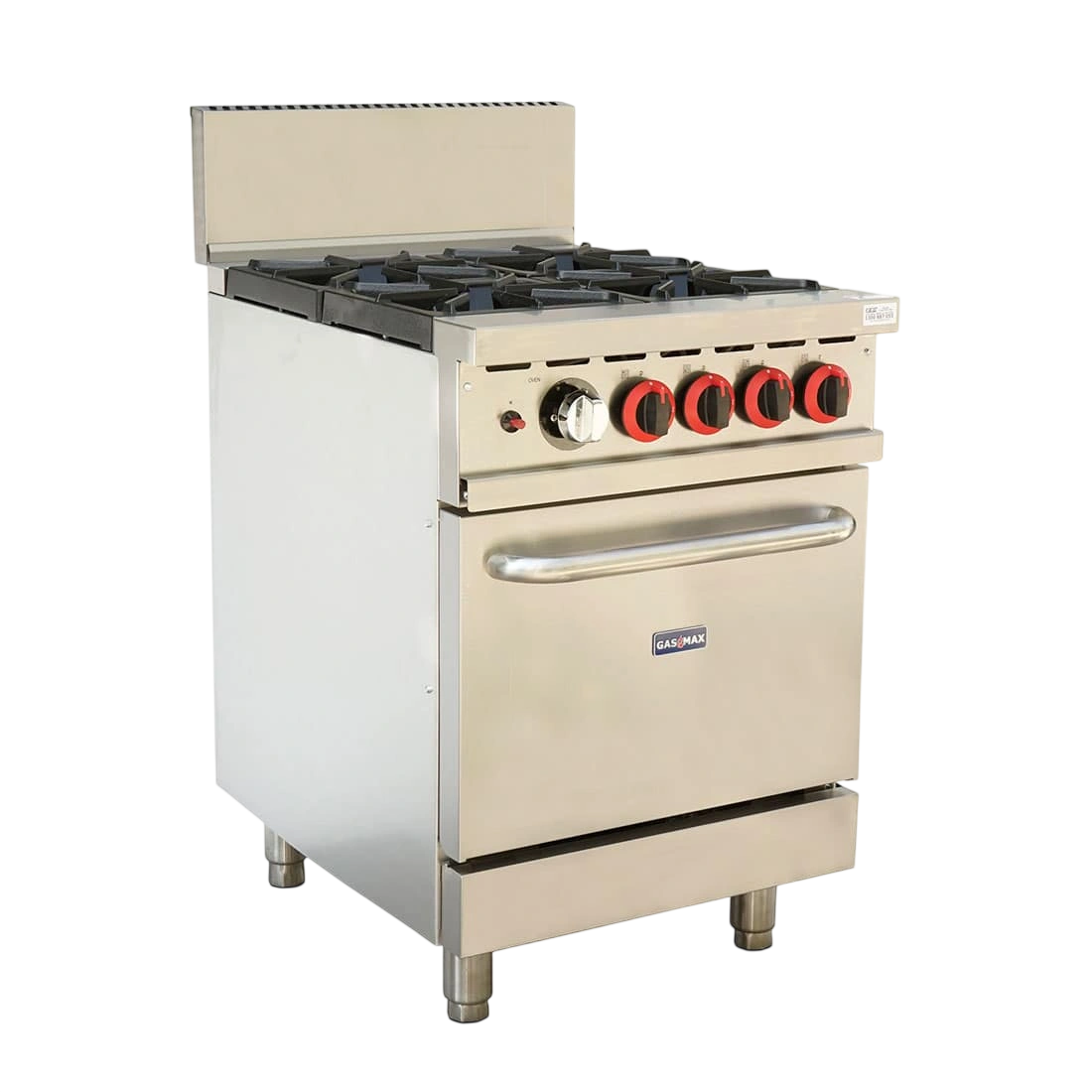
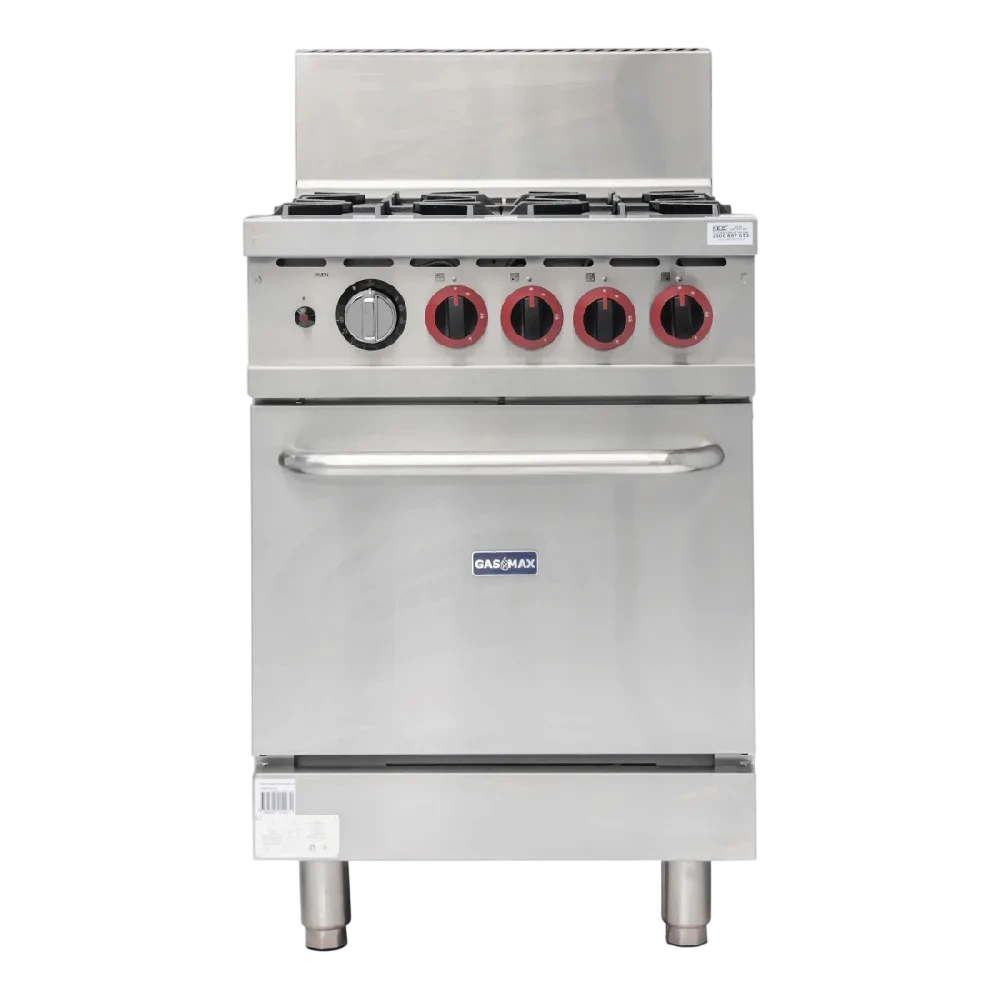
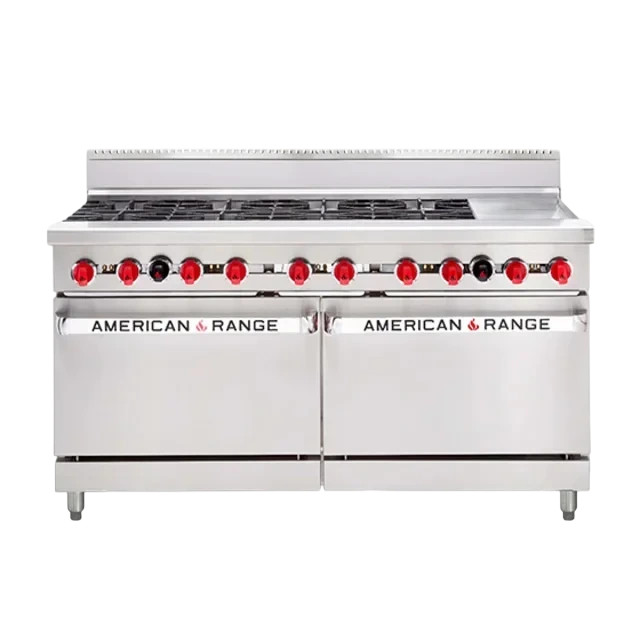
1524 × 828 × 1137mm
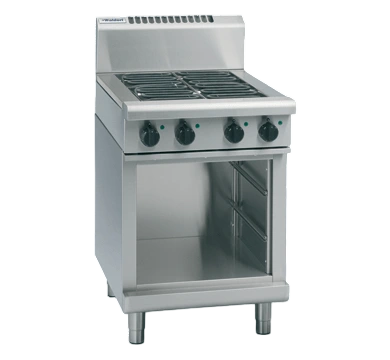
600 × 805 × 1130mm
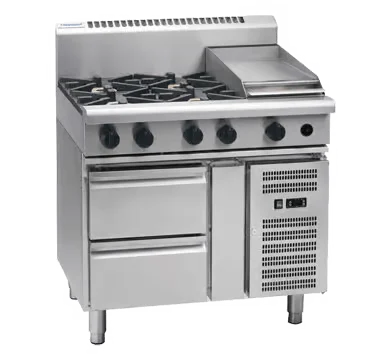
900 × 805 × 1130mm
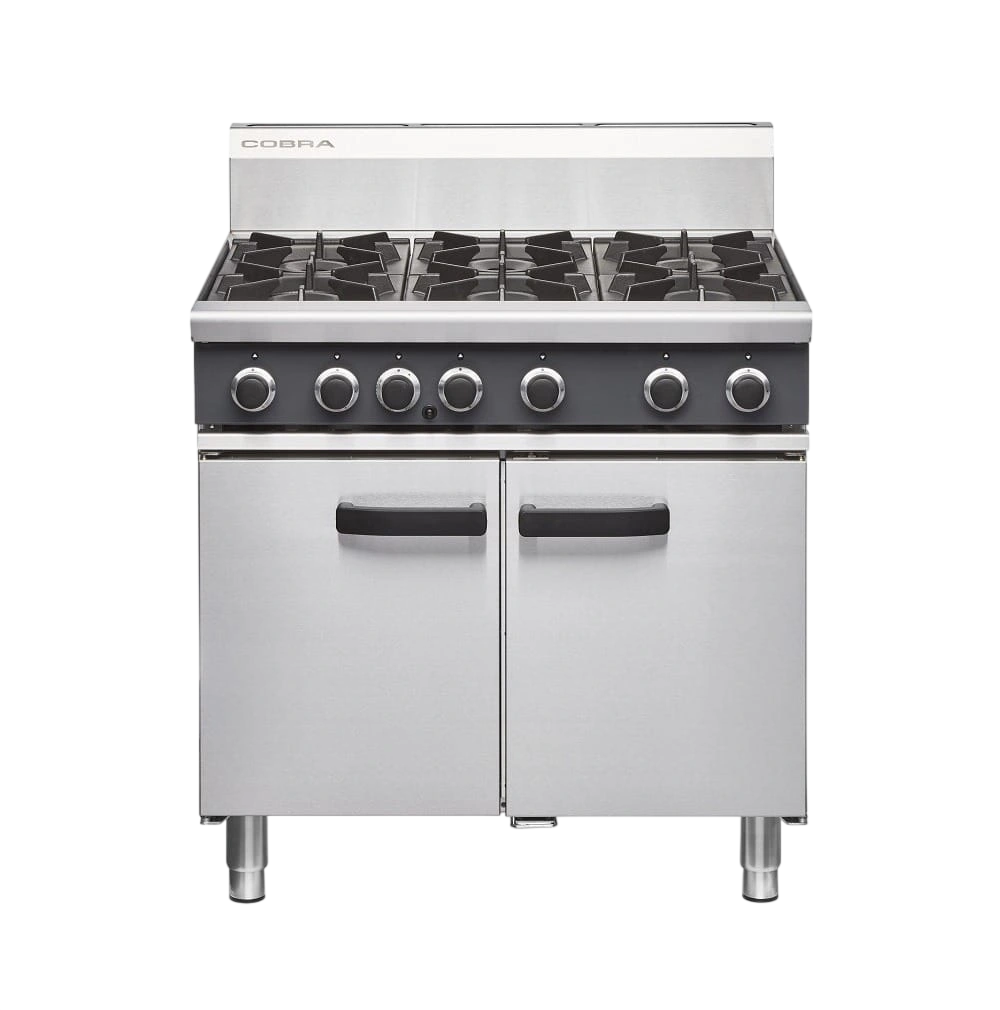
900 × 800 × 1085mm
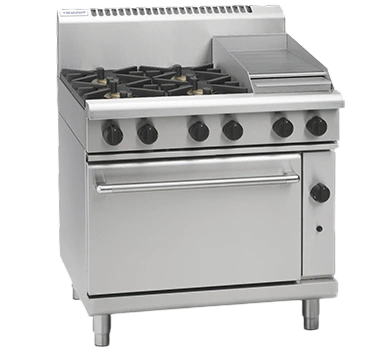
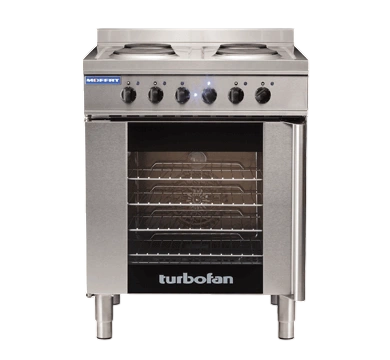
675 × 626 × 890mm
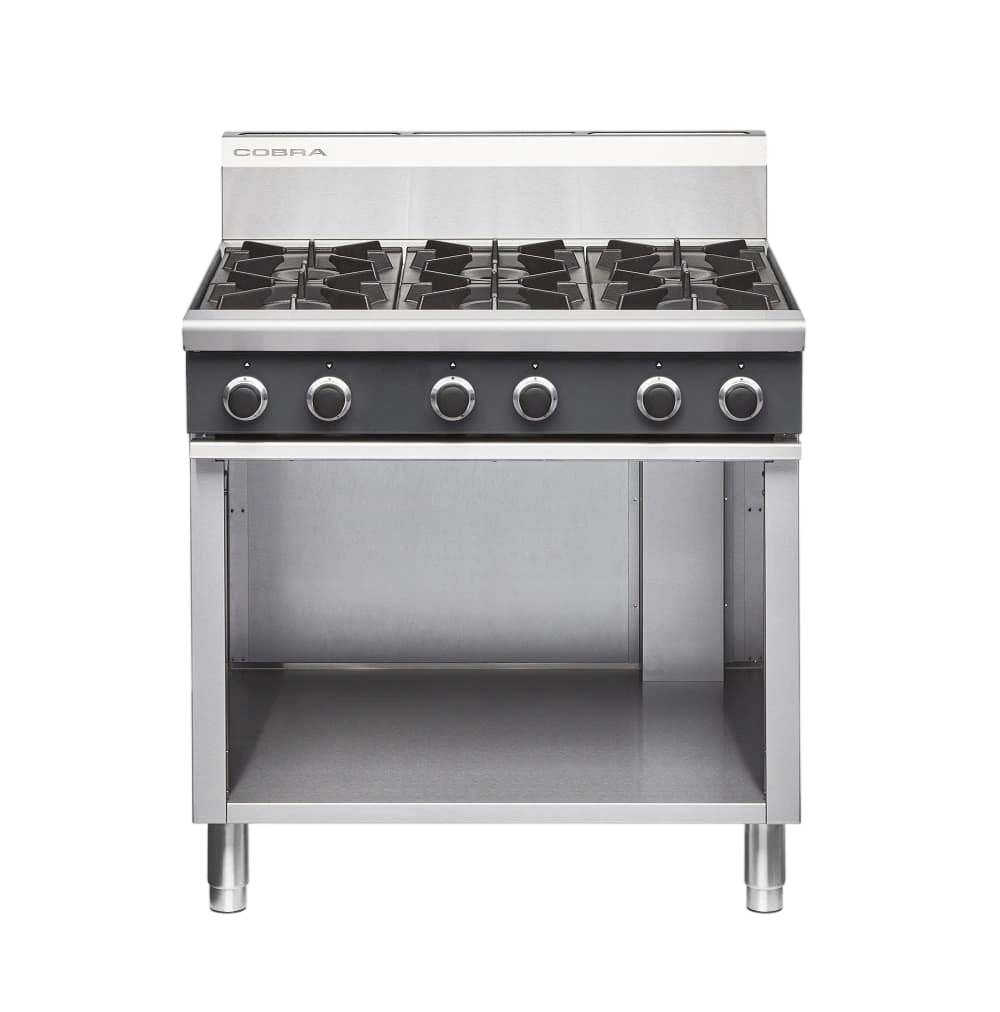
900 × 800 × 1085mm
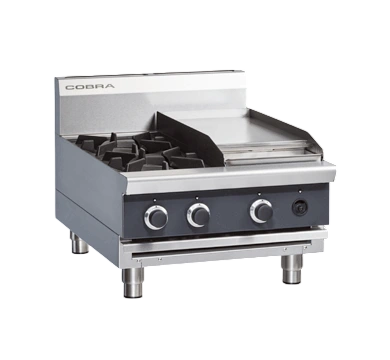
600 × 800 × 475mm
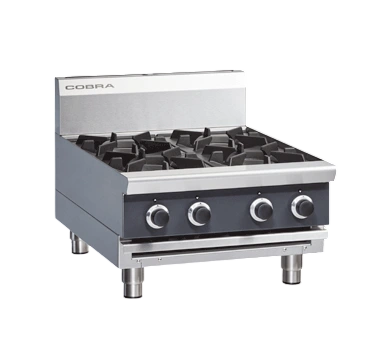
600 × 800 × 485mm
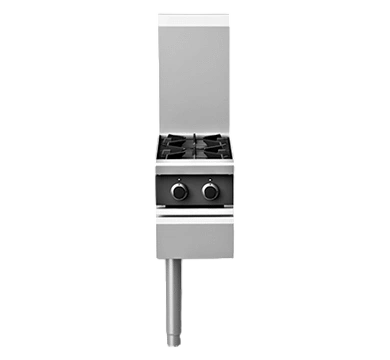
305 × 800 × 1280mm
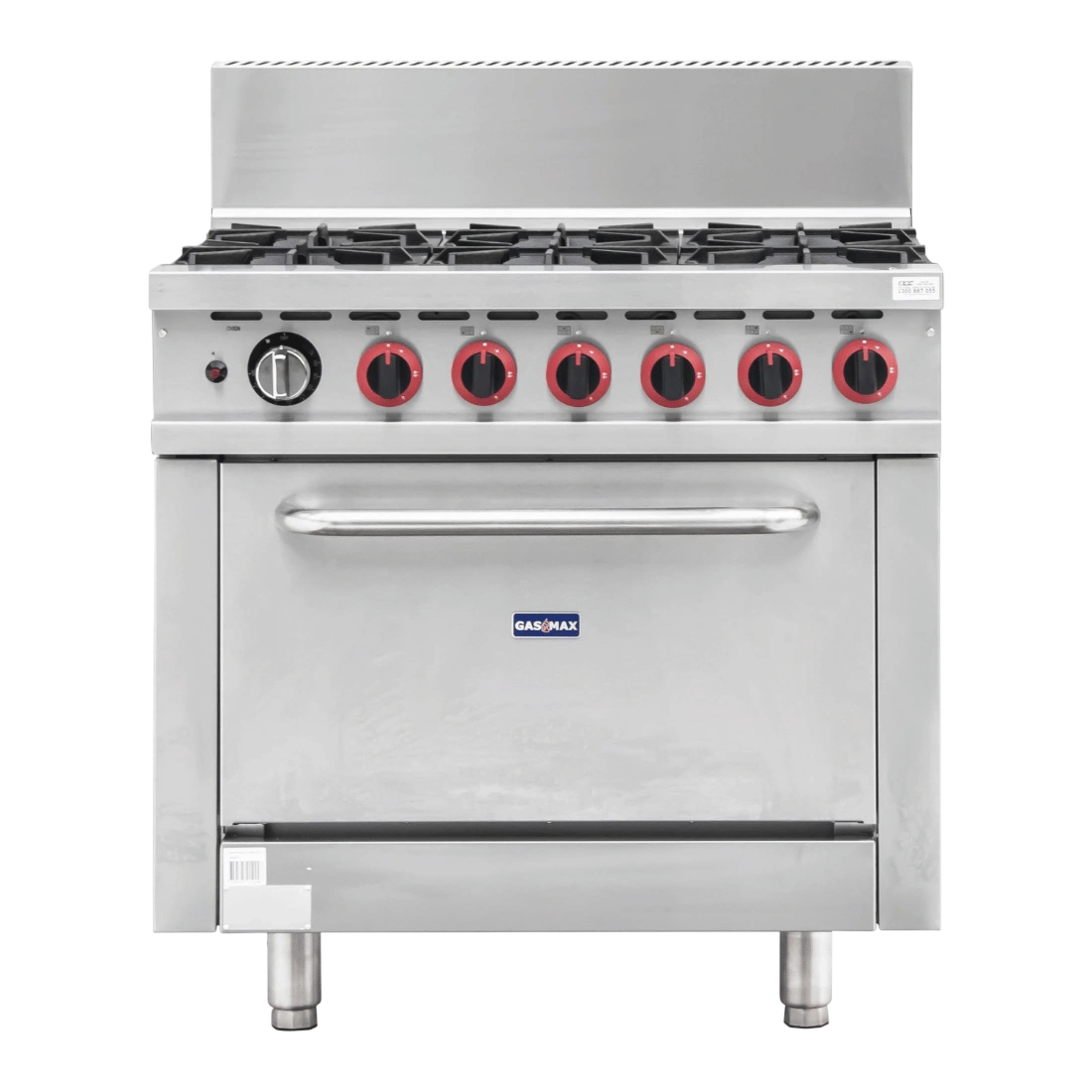
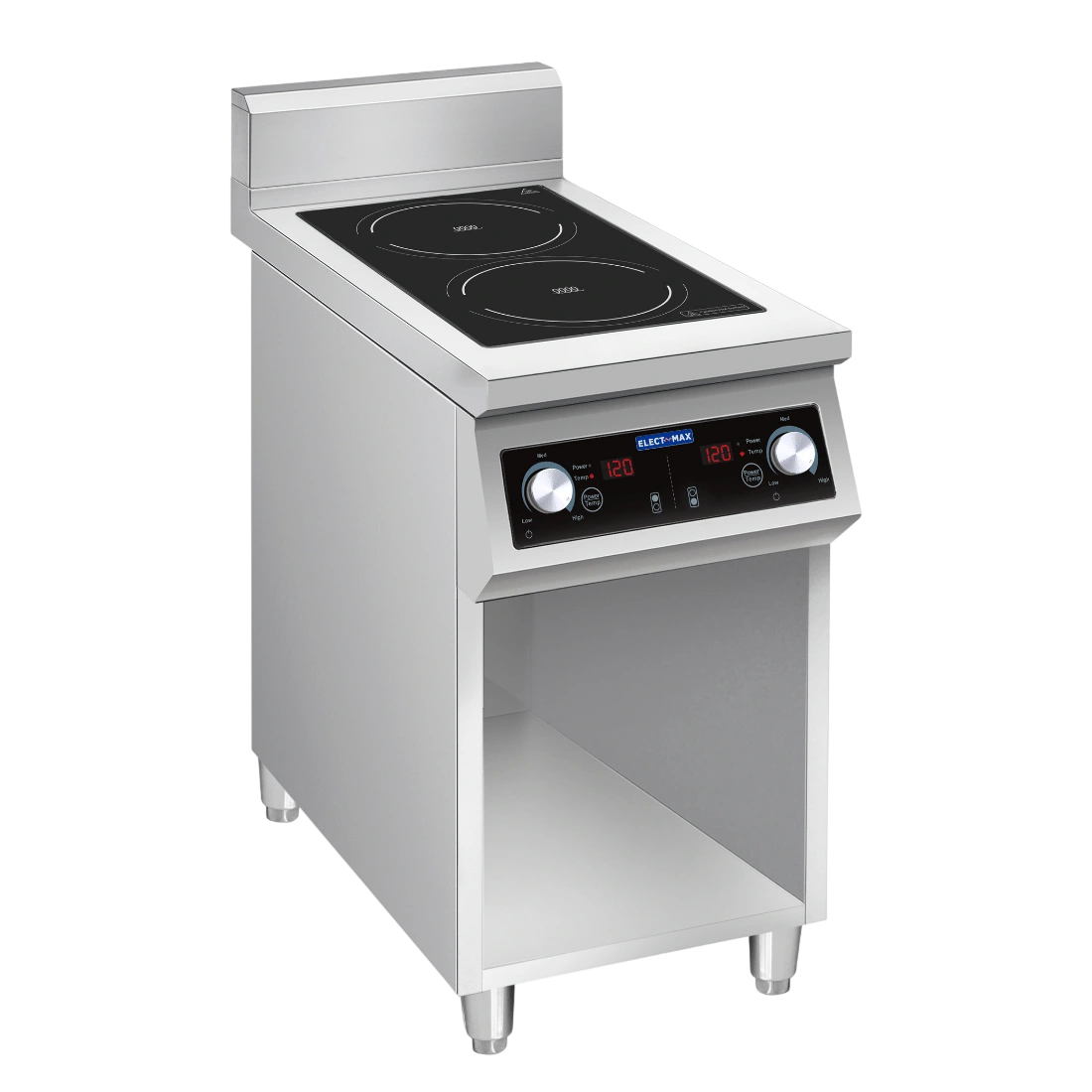
400 × 700 × 980mm
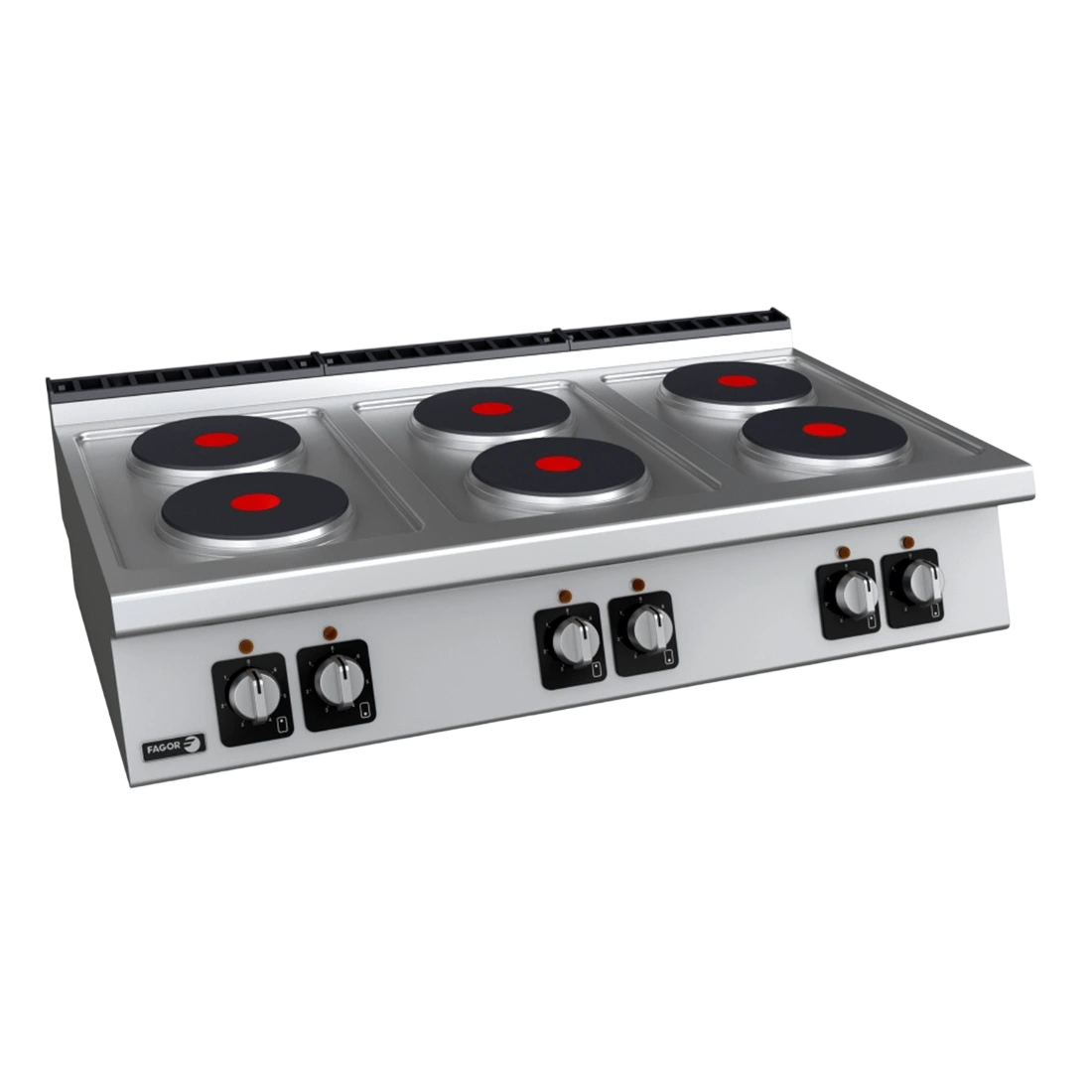
1200 × 730 × 290mm
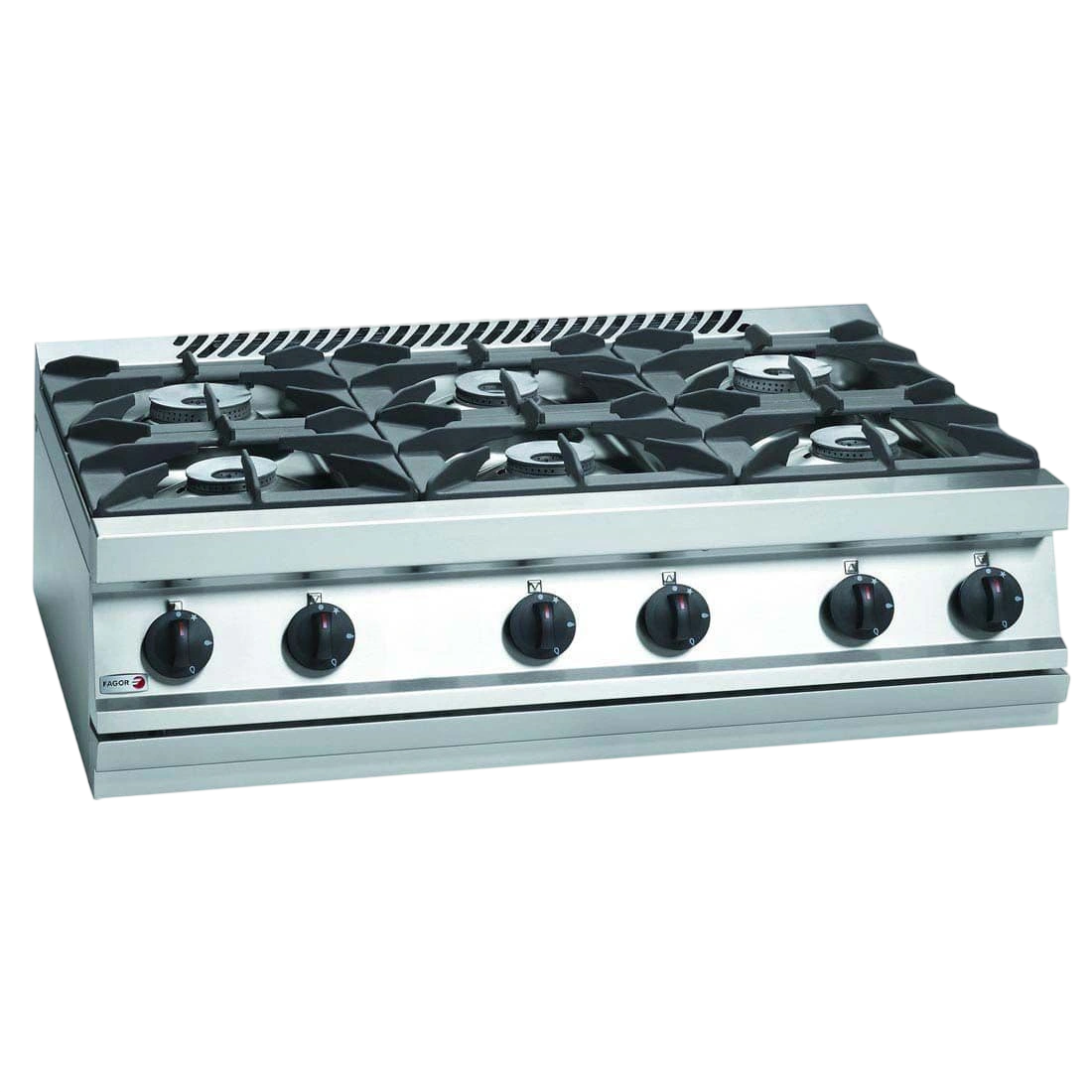
1050 × 775 × 290mm
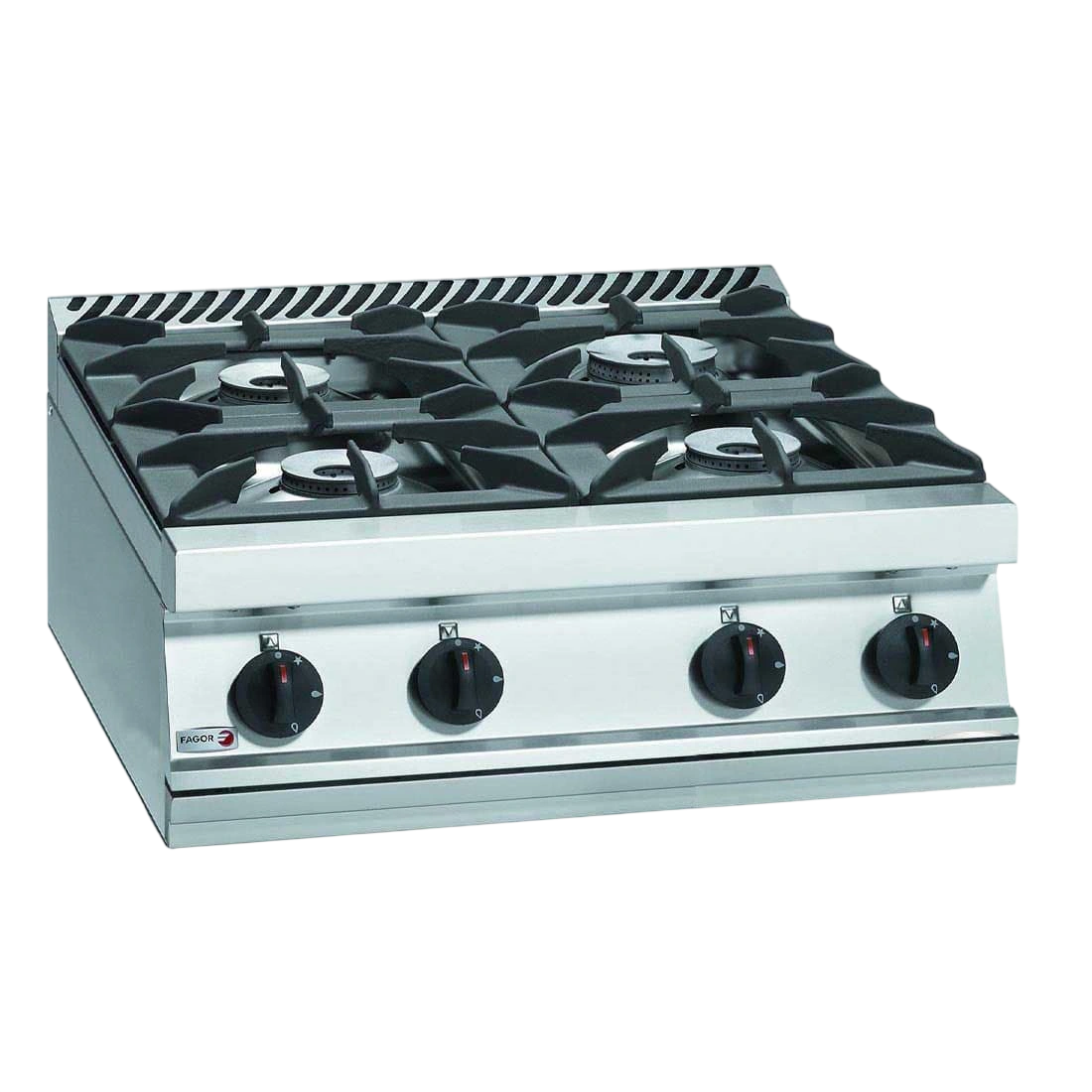
700 × 775 × 290mm
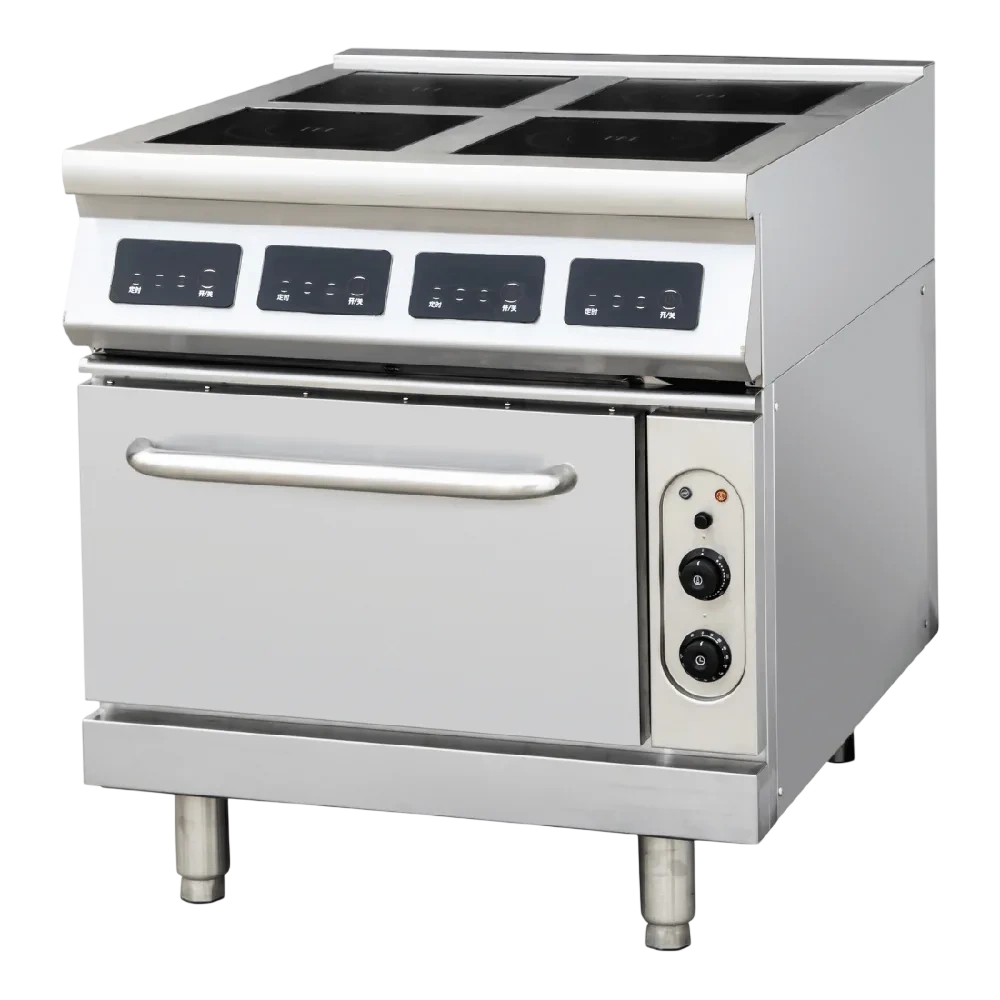
800 × 900 × 891mm
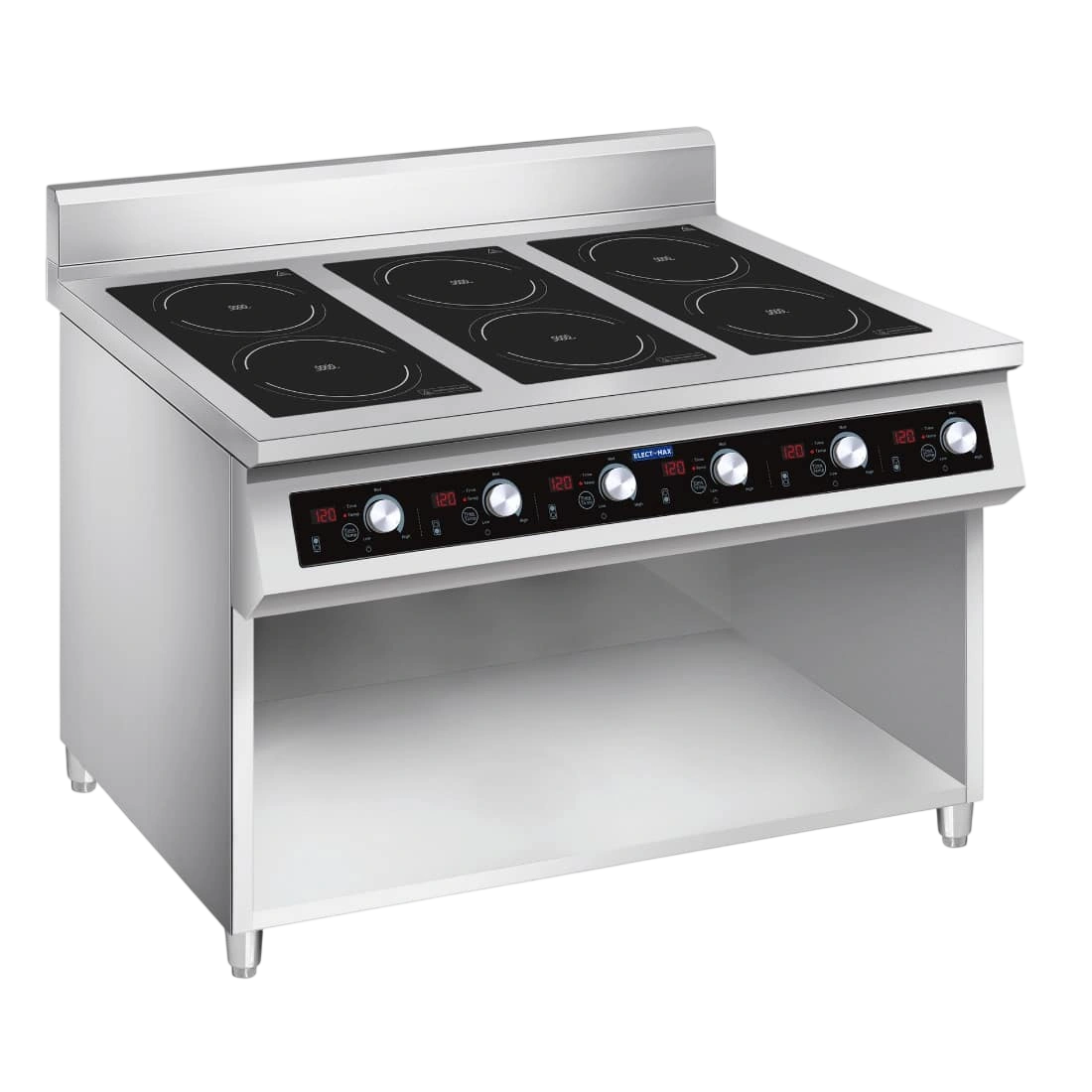
1200 × 700 × 980mm
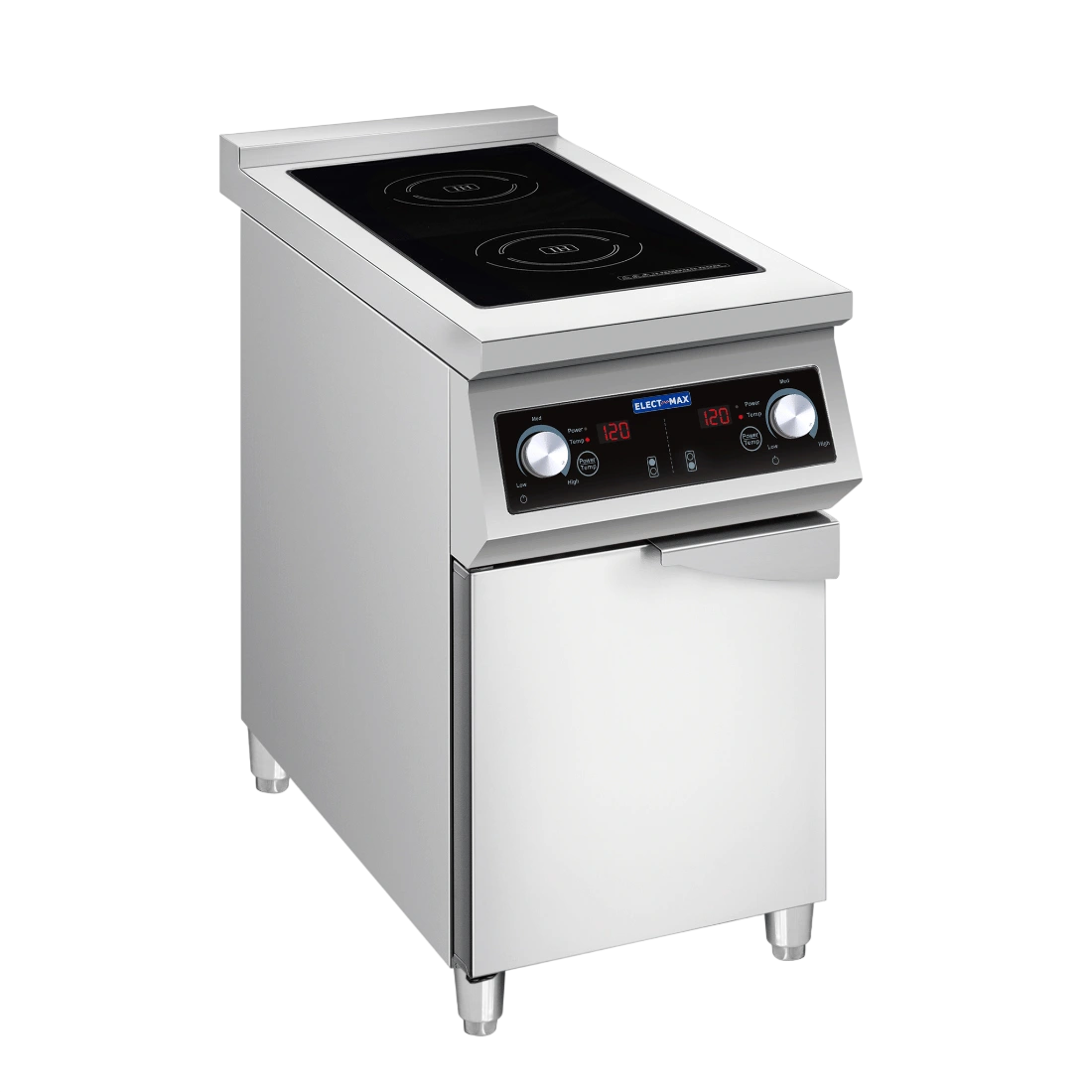
400 × 700 × 860mm
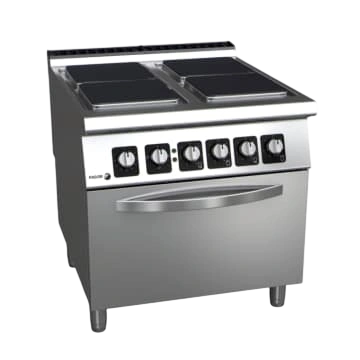
800 × 930 × 850mm
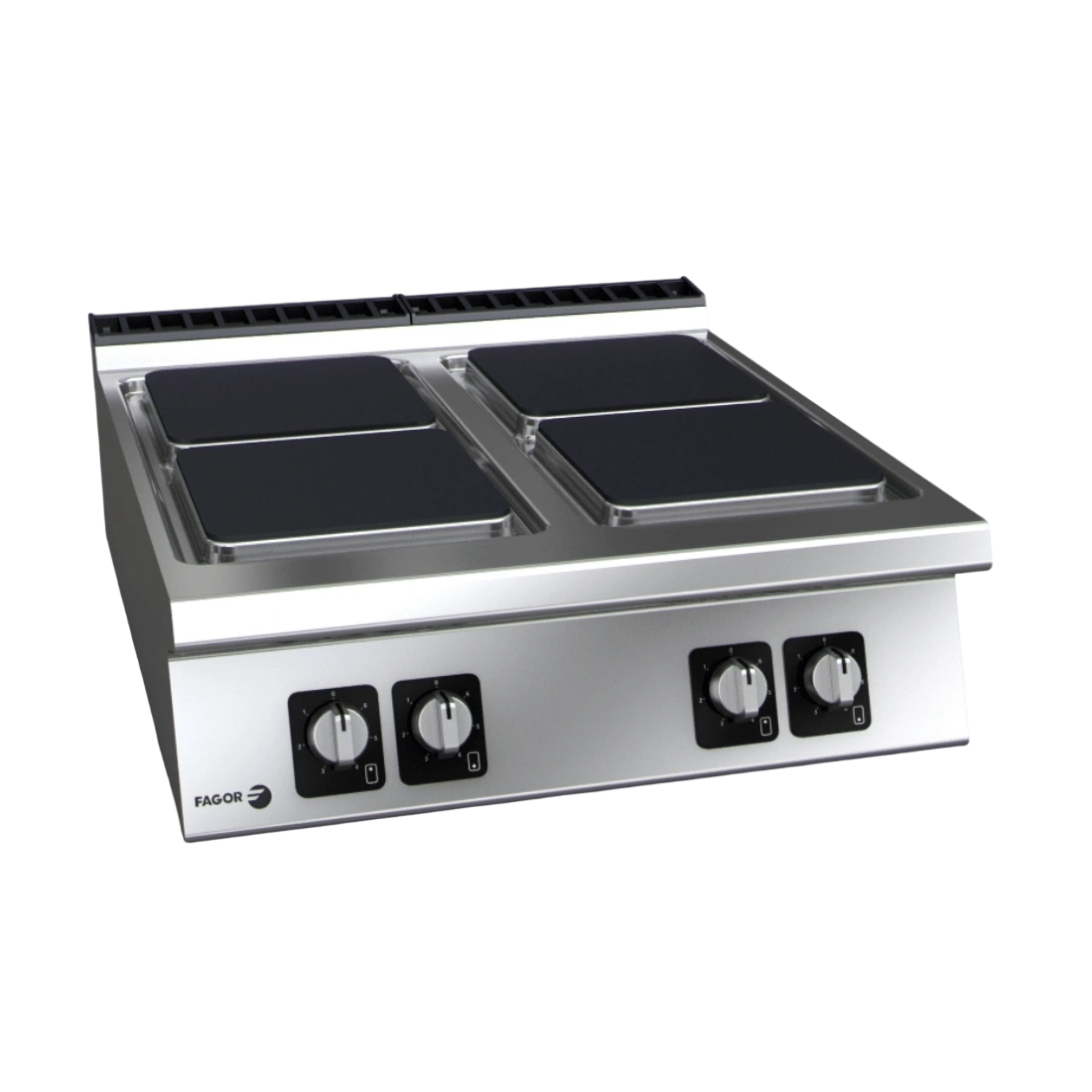
800 × 930 × 290mm
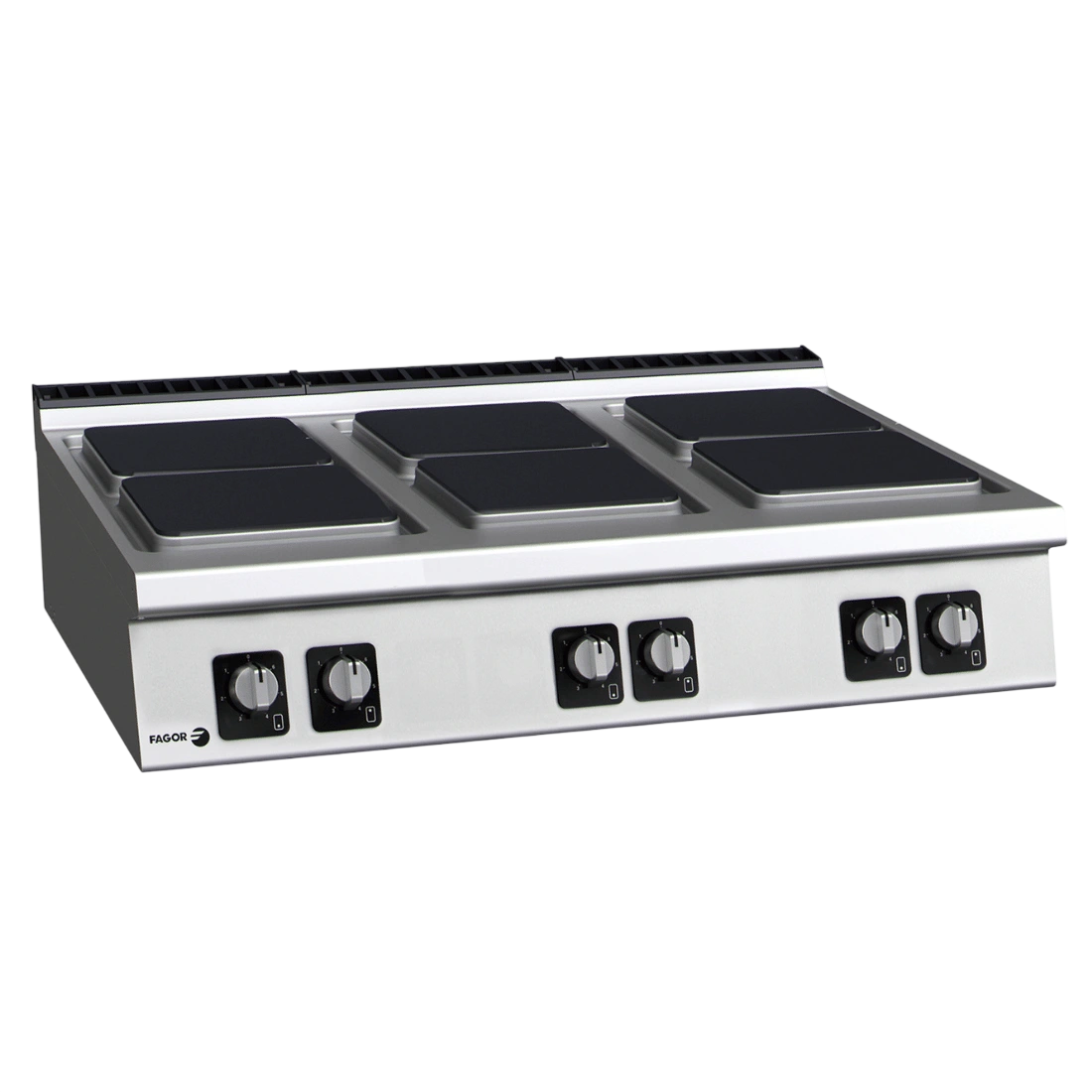
1200 × 930 × 290mm
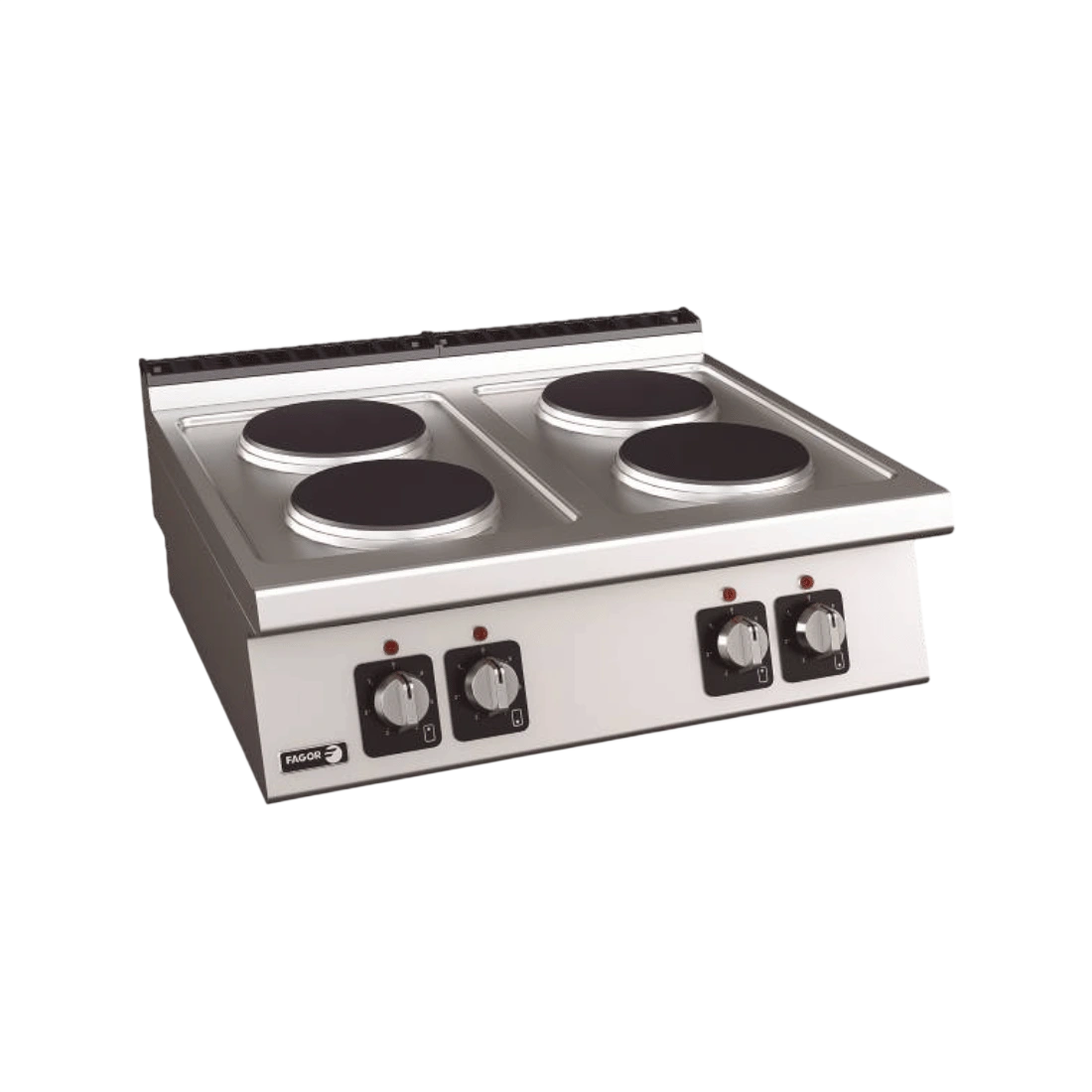
800 × 730 × 290mm
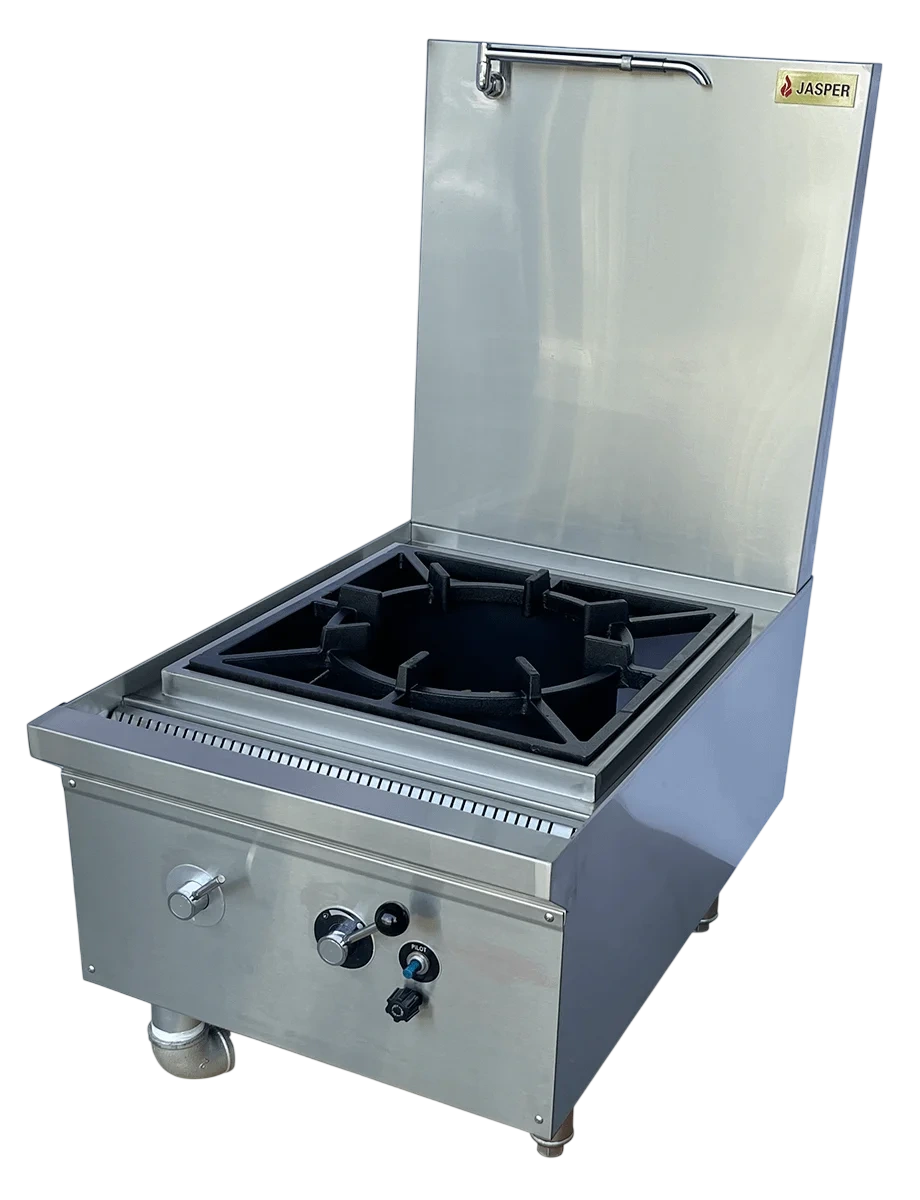
600 × 900 × 1180mm